

ISSN 1671-3710
CN 11-4766/R
主办:中国科学院心理研究所
出版:科学出版社
CN 11-4766/R
主办:中国科学院心理研究所
出版:科学出版社
心理科学进展 ›› 2026, Vol. 34 ›› Issue (5): 779-793.doi: 10.3724/SP.J.1042.2026.0779 cstr: 32111.14.2026.0779
张琳( ), 张怡瑄, 龙一鸣, 田心雨, 向余红, 监丽雯, 王子琪
收稿日期:2025-10-28
出版日期:2026-05-15
发布日期:2026-03-20
通讯作者:
张琳, E-mail: lin_zhang@ccnu.edu.cn基金资助:
ZHANG Lin(), ZHANG Yixuan, LONG Yiming, TIAN Xinyu, XIANG Yuhong, JIAN Liwen, WANG Ziqi
Received:2025-10-28
Online:2026-05-15
Published:2026-03-20
摘要:
快感缺失, 即愉悦感明显消退或消失, 是多种精神障碍的预警信号和风险因素, 但当前药物和心理干预对快感缺失的干预效果有限, 亟待发展干预新范式。现有研究尚未明确奖赏学习在快感缺失中的作用机制, 尤其缺乏关于个体对奖赏−行为联结的感知如何影响奖赏学习和快感缺失的研究。因此, 本研究拟结合多维度方法, 1)通过行为实验和强化学习建模, 验证控制感是否动态调控快感缺失个体的奖赏学习; 2)使用功能性磁共振成像技术探究其内在神经机制; 3)通过随机对照试验, 干预控制感, 检验对奖赏学习及快感缺失的干预效果。在此基础上, 本研究提出内外循环双层奖赏学习假说, 这一构想有助于阐明快感缺失奖赏学习机制, 揭示控制感在其中的作用, 开辟快感缺失干预新范式。
中图分类号:
张琳, 张怡瑄, 龙一鸣, 田心雨, 向余红, 监丽雯, 王子琪. (2026). 快感缺失的奖赏学习机制及控制感的动态调控. 心理科学进展 , 34(5), 779-793.
ZHANG Lin, ZHANG Yixuan, LONG Yiming, TIAN Xinyu, XIANG Yuhong, JIAN Liwen, WANG Ziqi. (2026). Reward learning mechanisms in anhedonia and dynamic modulation of perceived control. Advances in Psychological Science, 34(5), 779-793.
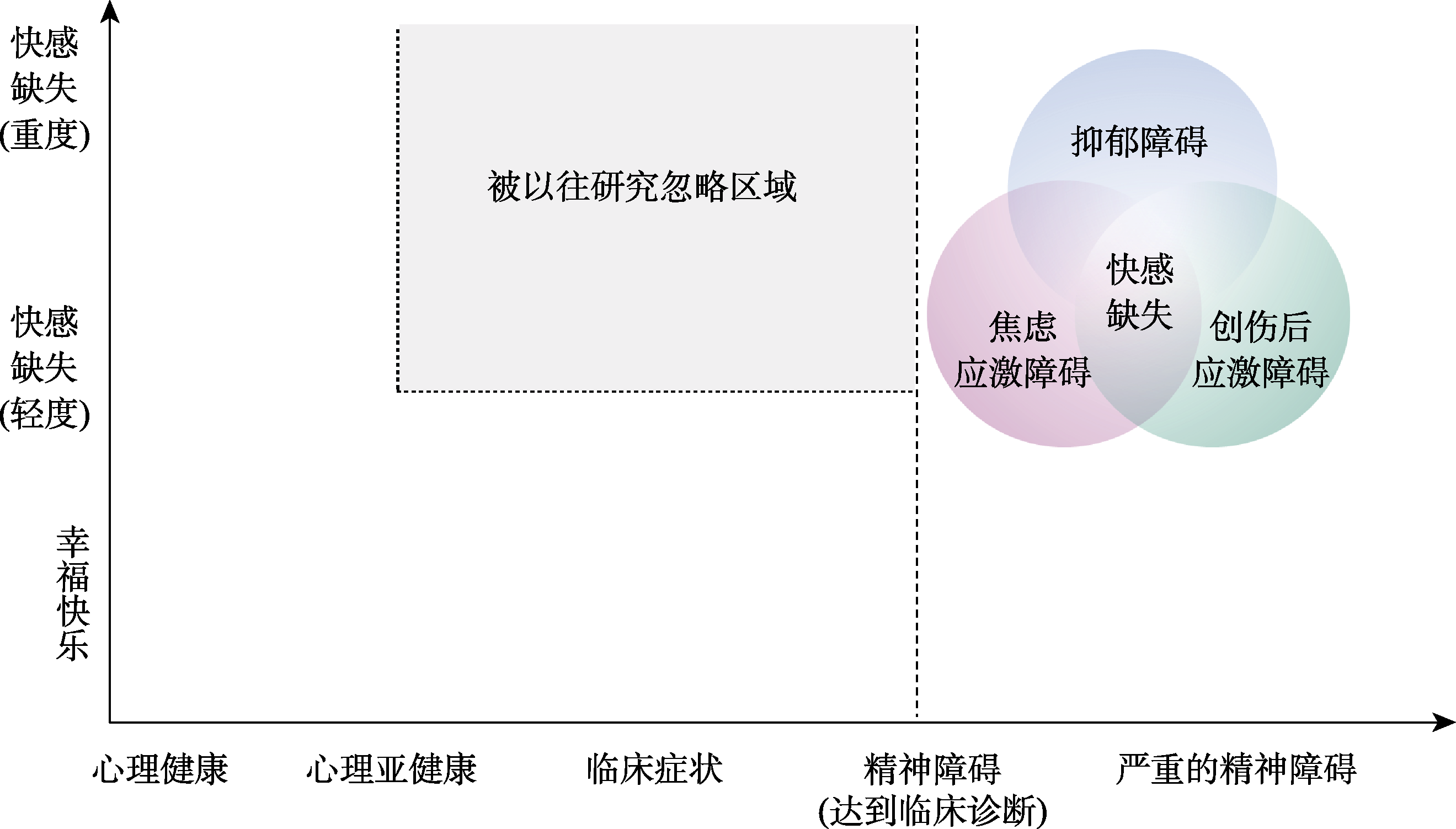
图1 心理健康−快感双维度模型图
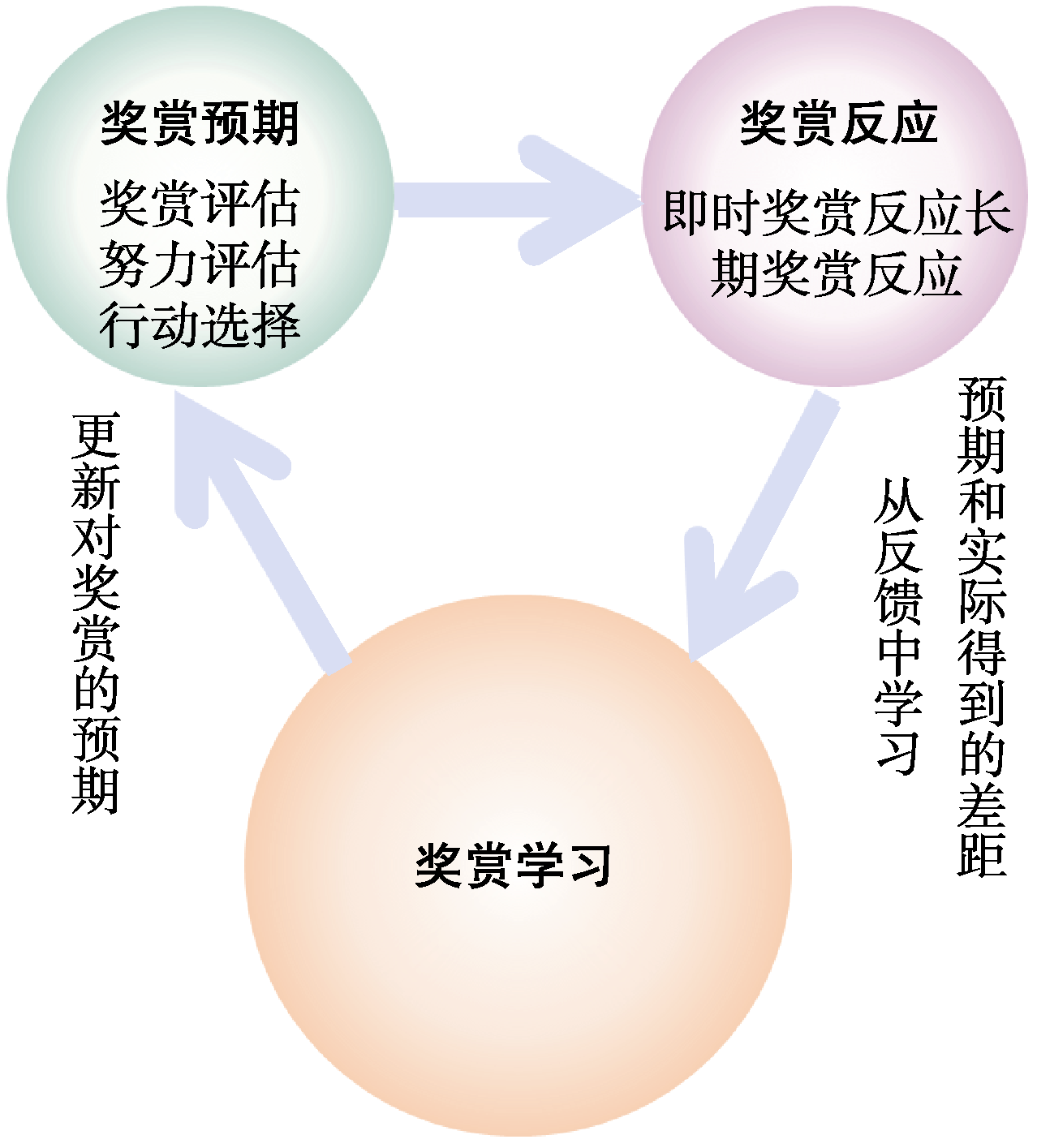
图2 奖赏学习是连接奖赏预期和奖赏反应的关键
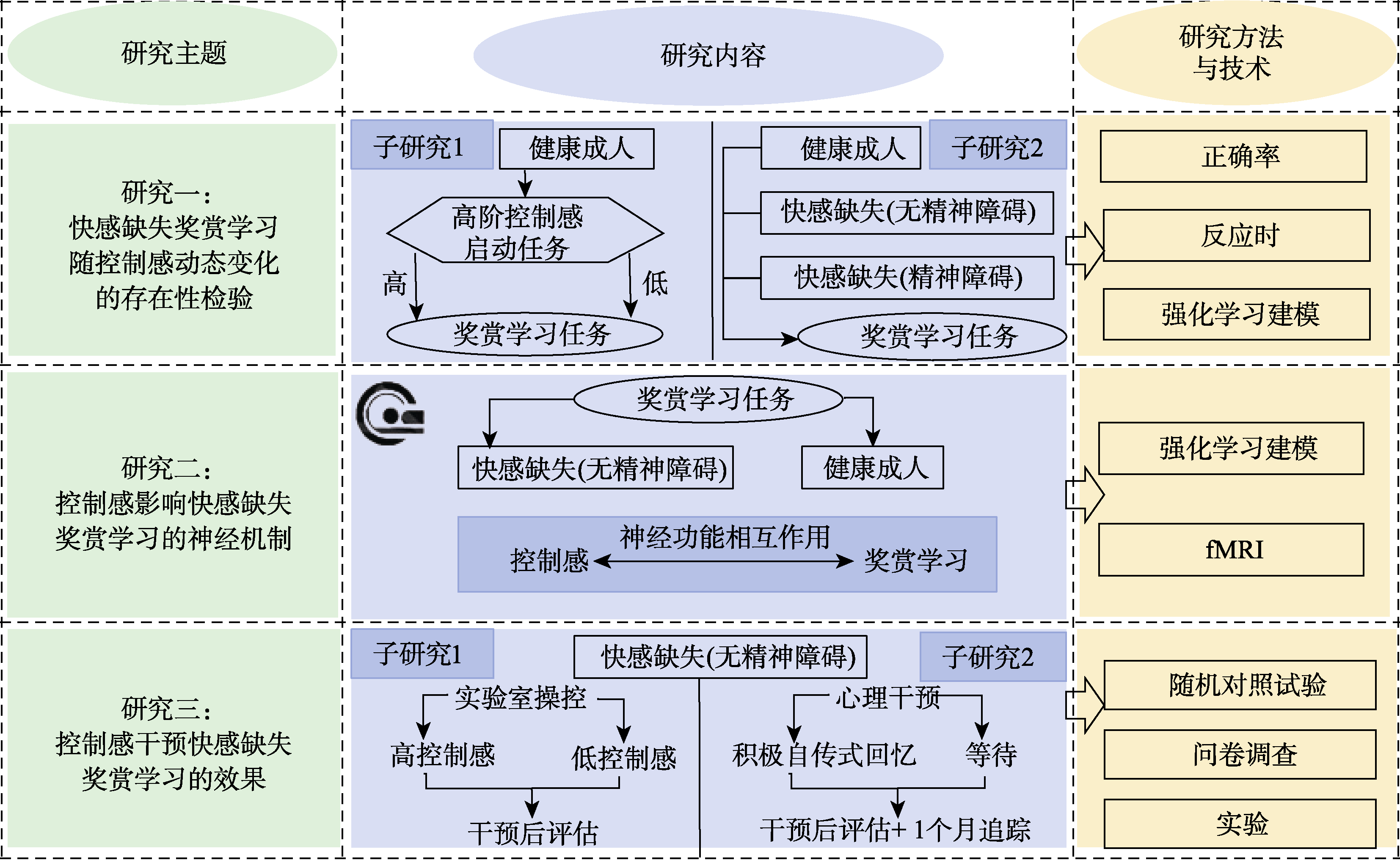
图3 总体研究框架图
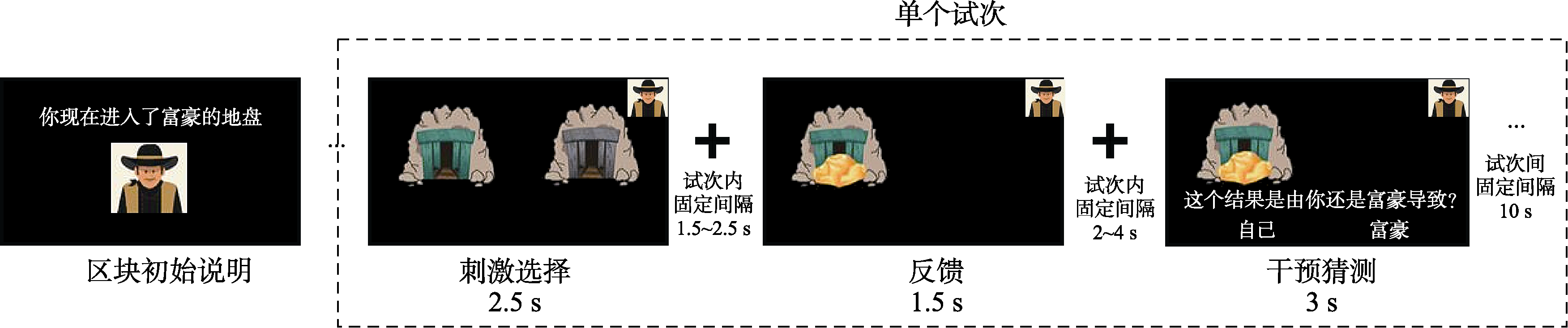
图4 单个试次示意图
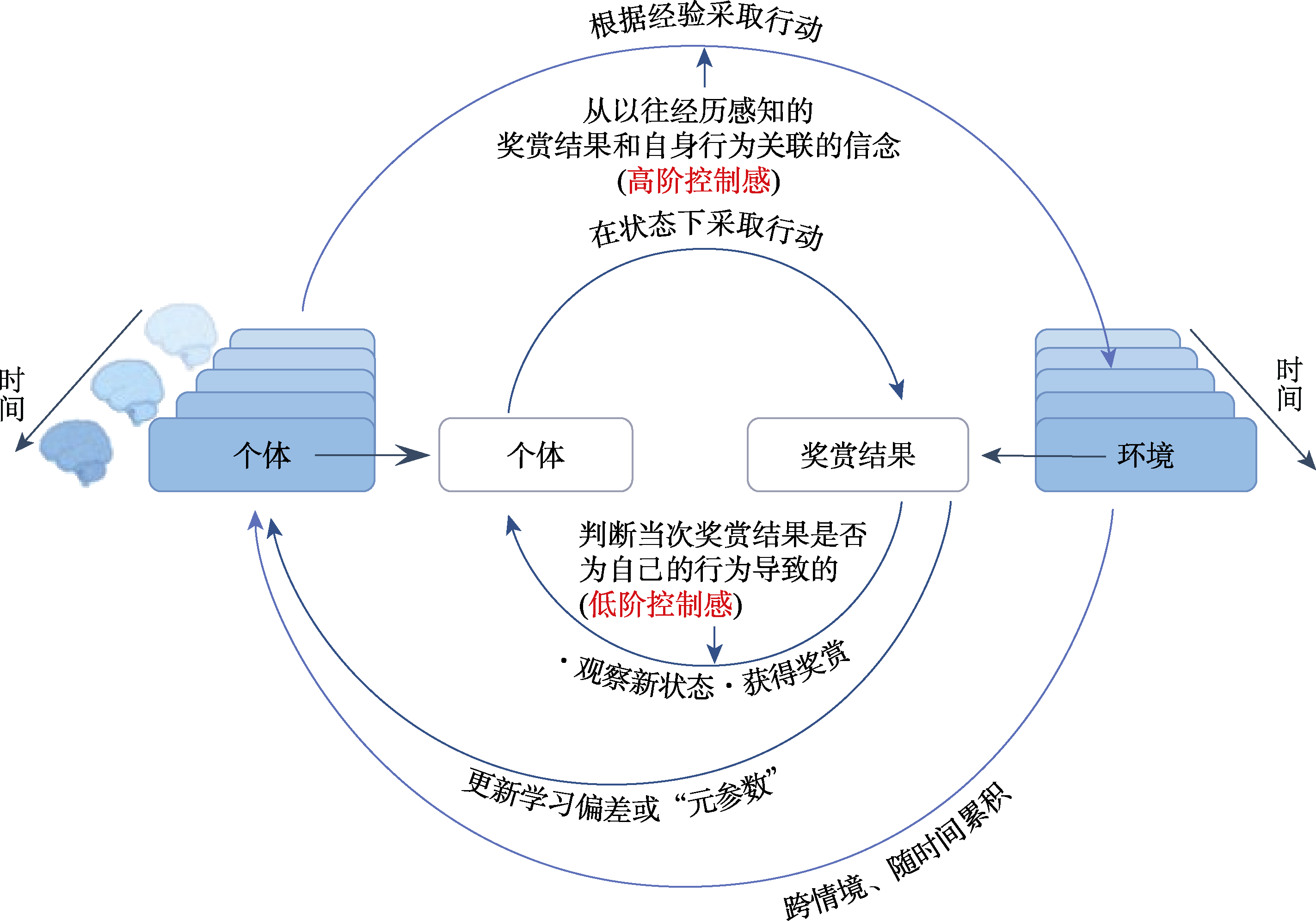
图5 内外循环双层奖赏学习假设模型
| [1] | 曾旻, 周宵, 伍新春, 陈杰灵. (2017). 创伤暴露程度对中学生创伤后应激障碍的影响: 控制感的调节作用. 中国临床心理学杂志, 25(1), 59-64. https://doi.org/10.16128/j.cnki.1005-3611.2017.01.014 |
| [2] |
郭永玉, 杨沈龙, 李静, 胡小勇. (2015). 社会阶层心理学视角下的公平研究. 心理科学进展, 23(8), 1299-1311.
doi: 10.3724/SP.J.1042.2015.01299 |
| [3] | 季忠洋, 李北伟, 朱婧祎, 陈为东. (2019). 情感体验和感知控制双重视角下社交媒体用户倦怠行为机理研究. 情报理论与实践, 42(4), 129-135. https://doi.org/10.16353/j.cnki.1000-7490.2019.04.023 |
| [4] | 李静. (2012). 不同社会阶层对贫富差距的归因倾向研究 [博士学位论文]. 华中师范大学. |
| [5] | 李思瑾, 汤煜尧, 张丹丹. (2024). 健康和抑郁人群金钱和社会奖赏加工的神经机制. 心理科学, 47(6), 1317-1327. https://doi.org/10.16719/j.cnki.1671-6981.20240604 |
| [6] | 刘慧瀛, 吉思思, 孔德荣, 王婉, 杨静怡, 赵华夏. (2022). 期待性快感缺失与自杀风险的关系:抑郁与反刍思维的作用. 中国临床心理学杂志, 30(3), 669-673+652. https://doi.org/10.16128/j.cnki.1005-3611.2022.03.034 |
| [7] |
刘文华, 温秀娟, 陈灵, 杨瑞, 胡逸儒. (2023). 奖励期待和结果评估的脑电成分在精神疾病研究中的应用. 心理科学进展, 31(5), 783-799. https://doi.org/10.3724/SP.J.1042.2023.00783
doi: 10.3724/SP.J.1042.2023.00783 URL |
| [8] |
温秀娟, 马毓璟, 谭斯祺, 李芸, 刘文华. (2025). 身体还是认知努力的损害?抑郁症努力奖赏动机评估及计算模型应用. 心理科学进展, 33(1), 107-122. https://doi.org/10.3724/SP.J.1042.2025.0107
doi: 10.3724/SP.J.1042.2025.0107 URL |
| [9] |
尹可丽, 兰淼森, 李慧, 赵子文. (2022). 仪式动作、象征意义和积极情绪增强控制感:双路径机制. 心理学报, 54(1), 54-65.
doi: 10.3724/SP.J.1041.2022.00054 |
| [10] |
于腾旭, 刘文, 刘方. (2022). 心理虐待与儿童快感缺失的关系:认知重评的中介作用. 心理与行为研究, 20(3), 361-367. https://psybeh.tjnu.edu.cn/CN/10.12139/j.1672-0628.2022.03.011
doi: 10.12139/j.1672-0628.2022.03.011 URL |
| [11] | 张小崔, 杨颜慈, 雷辉, 董戴凤, 冯志凌. (2024). 青少年睡眠问题与抑郁症状关系的网络分析. 中国临床心理学杂志, 32(4), 824-830. https://doi.org/10.16128/j.cnki.1005-3611.2024.04.019 |
| [12] | 钟闰清, 方舒琳, 何嘉悦, 刘沁钰, 季欣蕾, 李欢欢, 王湘. (2023). 快感缺失对于MDD自杀意念与自杀行为的影响机制研究. 中国临床心理学杂志, 31(2), 315-321. |
| [13] |
钟毅平, 牛娜娜, 范伟, 任梦梦, 李梅. (2023). 动作自主性与社会距离对主动控制感的影响:来自行为与ERPs的证据. 心理学报, 55(12), 1932-1948.
doi: 10.3724/SP.J.1041.2023.01932 |
| [14] |
Barch D. M., Whalen D., Gilbert K., Kelly D., Kappenman E. S., Hajcak G., & Luby J. L. (2020). Neural indicators of anhedonia: Predictors and mechanisms of treatment change in a randomized clinical trial in early childhood depression. Biological Psychiatry, 88(11), 879-887. https://doi.org/10.1016/j.biopsych.2020.06.032
doi: 10.1016/j.biopsych.2020.06.032 URL pmid: 33153527 |
| [15] |
Beames J. R., Uyttebroek L., Edwards C. J., Eisele G. V., Kemme N. D. F., Collier O., … Myin-Germeys I. (2025). Using the experience sampling methodology to measure anhedonia and its correlates in mental health research: A systematic review. Clinical Psychology Review, 119, 102590. https://doi.org/10.1016/j.cpr.2025.102590
doi: 10.1016/j.cpr.2025.102590 URL |
| [16] |
Bernat E. M., Nelson L. D., Steele V. R., Gehring W. J., & Patrick C. J. (2011). Externalizing psychopathology and gain-loss feedback in a simulated gambling task: Dissociable components of brain response revealed by time-frequency analysis. Journal of Abnormal Psychology, 120(2), 352-364. https://doi.org/10.1037/a0022124
doi: 10.1037/a0022124 URL pmid: 21319875 |
| [17] |
Brown A. D., Kouri N. A., Rahman N., Joscelyne A., Bryant R. A., & Marmar C. R. (2016). Enhancing self-efficacy improves episodic future thinking and social-decision making in combat veterans with posttraumatic stress disorder. Psychiatry Research, 242, 19-25. https://doi.org/10.1016/j.psychres.2016.05.026
doi: S0165-1781(15)30798-8 URL pmid: 27236589 |
| [18] |
Brown V. M., Zhu L., Solway A., Wang J. M., McCurry K. L., King-Casas B., & Chiu P. H. (2021). Reinforcement learning disruptions in individuals with depression and sensitivity to symptom change following cognitive behavioral therapy. JAMA Psychiatry, 78(10), 1113-1122. https://doi.org/10.1001/jamapsychiatry.2021.1844
doi: 10.1001/jamapsychiatry.2021.1844 URL pmid: 34319349 |
| [19] | Cao B., Zhu J., Zuckerman H., Rosenblat J. D., Brietzke E., Pan Z.,... McIntyre R. S. (2019). Pharmacological interventions targeting anhedonia in patients with major depressive disorder: A systematic review. Progress in Neuro-Psychopharmacology & Biological Psychiatry, 92, 109-117. https://doi.org/10.1016/j.pnpbp.2019.01.002 |
| [20] |
Chan R. C. K., Wang L., Huang J., Wang Y., & Lui S. S. Y. (2024). Anhedonia across and beyond the schizophrenia spectrum. Schizophrenia bulletin, 51(2), 293-308. https://doi.org/10.1093/schbul/sbae165
doi: 10.1093/schbul/sbae165 URL pmid: 39326030 |
| [21] |
Chang Y., Wang Y., Mei S., Yi W., & Zheng Y. (2020). Blunted neural effects of perceived control on reward feedback in major depressive disorder. Journal of Affective Disorders, 276, 112-118. https://doi.org/10.1016/j.jad.2020.06.071
doi: S0165-0327(20)32468-X URL pmid: 32697689 |
| [22] |
Cohen A. O., Nussenbaum K., Dorfman H. M., Gershman S. J., & Hartley C. A. (2020). The rational use of causal inference to guide reinforcement learning strengthens with age. NPJ Science of Learning, 5(1), 1-9. https://doi.org/10.1038/s41539-020-00075-3
doi: 10.1038/s41539-020-0060-2 URL |
| [23] |
Craske M. G., Dunn B. D., Meuret A. E., Rizvi S. J., & Taylor C. T. (2024). Positive affect and reward processing in the treatment of depression, anxiety and trauma. Nature Reviews Psychology, 3(10), 665-685. https://doi.org/10.1038/s44159-024-00355-4
doi: 10.1038/s44159-024-00355-4 URL |
| [24] |
Craske M. G., Meuret A. E., Ritz T., Treanor M., & Dour H. J. (2016). Treatment for anhedonia: A neuroscience driven approach. Depression and Anxiety, 33(10), 927-938. https://doi.org/10.1002/da.22490
doi: 10.1002/da.22490 URL pmid: 27699943 |
| [25] |
Csifcsák G., Melsæter E., & Mittner M. (2020). Intermittent absence of control during reinforcement learning interferes with Pavlovian bias in action selection. Journal of Cognitive Neuroscience, 32(4), 646-663. https://doi.org/10.1162/jocn_a_01515
doi: 10.1162/jocn_a_01515 URL pmid: 31851595 |
| [26] |
Dorfman H. M., Bhui R., Hughes B. L., & Gershman S. J. (2019). Causal inference about good and bad outcomes. Psychological Science, 30(4), 516-525. https://doi.org/10.1177/0956797619828724
doi: 10.1177/0956797619828724 URL pmid: 30759048 |
| [27] |
Foti D., Weinberg A., Bernat E. M., & Proudfit G. H. (2015). Anterior cingulate activity to monetary loss and basal ganglia activity to monetary gain uniquely contribute to the feedback negativity. Clinical Neurophysiology, 126(7), 1338-1347. https://doi.org/10.1016/j.clinph.2014.08.025
doi: 10.1016/j.clinph.2014.08.025 URL pmid: 25454338 |
| [28] |
Frankenhuis W. E., & Gopnik A. (2023). Early adversity and the development of explore-exploit tradeoffs. Trends in Cognitive Sciences, 27(7), 616-630. https://doi.org/10.1016/j.tics.2023.04.001
doi: 10.1016/j.tics.2023.04.001 URL pmid: 37142526 |
| [29] |
Gable P. A., Paul K., Pourtois G., & Burgdorf J. (2021). Utilizing electroencephalography (EEG) to investigate positive affect. Current Opinion in Behavioral Sciences, 39, 190-195. https://doi.org/10.1016/j.cobeha.2021.03.018
doi: 10.1016/j.cobeha.2021.03.018 URL |
| [30] | Gershman S. J., Guitart-Masip M., & Cavanagh J. F. (2021). Neural signatures of arbitration between Pavlovian and instrumental action selection. PLOS Computational Biology, 17(2), Article e1008553. https://doi.org/10.1371/journal.pcbi.1008553 |
| [31] |
Giersiepen M., Heinrich N. W., Österdiekhoff A., Kopp S., Russwinkel N., Schütz-Bosbach S., & Kaiser J. (2025). Am I in control? The dynamics of sensory information, performance feedback, and personality in shaping the sense of control. Consciousness and Cognition, 135, 103938. https://doi.org/10.1016/j.concog.2025.103938
doi: 10.1016/j.concog.2025.103938 URL |
| [32] |
Glück J., & Bluck S. (2007). Looking back across the life span: A life story account of the reminiscence bump. Memory & Cognition, 35(8), 1928-1939. https://doi.org/10.3758/bf03192926
doi: 10.3758/BF03192926 URL |
| [33] |
Grahek I., Frömer R., Prater Fahey M., & Shenhav A. (2023). Learning when effort matters: Neural dynamics underlying updating and adaptation to changes in performance efficacy. Cerebral Cortex, 33(5), 2395-2411. https://doi.org/10.1093/cercor/bhac215
doi: 10.1093/cercor/bhac215 URL |
| [34] |
Halahakoon D. C., Kieslich K., O’Driscoll C., Nair A., Lewis G., & Roiser J. P. (2020). Reward-processing behavior in depressed participants relative to healthy volunteers: A systematic review and meta-analysis. JAMA Psychiatry, 77(12), 1286-1295. https://doi.org/10.1001/jamapsychiatry.2020.2139
doi: 10.1001/jamapsychiatry.2020.2139 URL |
| [35] | Kawabe T. (2015). Delayed visual feedback of one’s own action promotes sense of control for auditory events. Frontiers in Integrative Neuroscience, 9, 57. https://doi.org/10.3389/fnint.2015.00057 |
| [36] |
Kolobaric A., Mizuno A., Yang X., George C. J., Seidman A., Aizenstein H. J., Kovacs M., & Karim H. T. (2023). History of major depressive disorder is associated with differences in implicit learning of emotional faces. Journal of Psychiatric Research, 161, 324-332. https://doi.org/10.1016/j.jpsychires.2023.03.026
doi: 10.1016/j.jpsychires.2023.03.026 URL pmid: 36996725 |
| [37] |
Korte J., Bohlmeijer E. T., & Smit F. (2009). Prevention of depression and anxiety in later life: Design of a randomized controlled trial for the clinical and economic evaluation of a life-review intervention. BMC Public Health, 9, 250. https://doi.org/10.1186/1471-2458-9-250
doi: 10.1186/1471-2458-9-250 URL |
| [38] |
Kumar P., Goer F., Murray L., Dillon D. G., Beltzer M. L., Cohen A. L., Brooks N. H., & Pizzagalli D. A. (2018). Impaired reward prediction error encoding and striatal-midbrain connectivity in depression. Neuropsychopharmacology, 43(7), 1581-1588. https://doi.org/10.1038/s41386-018-0032-x
doi: 10.1038/s41386-018-0032-x URL pmid: 29540863 |
| [39] |
Lachman M. E., & Weaver S. L. (1998). The sense of control as a moderator of social class differences in health and well-being. Journal of Personality and Social Psychology, 74(3), 763-773. https://doi.org/10.1037/0022-3514.74.3.763
doi: 10.1037//0022-3514.74.3.763 URL pmid: 9523418 |
| [40] |
Langer E. J. (1975). The illusion of control. Journal of Personality and Social Psychology, 32(2), 311-328. https://doi.org/10.1037/0022-3514.32.2.311
doi: 10.1037/0022-3514.32.2.311 URL |
| [41] |
Latibeaudiere A., Butler S., & Owens M. (2025). Decision-making and performance in the Iowa gambling task: Recent ERP findings and clinical implications. Frontiers in Psychology, 16, 1492471. https://doi.org/10.3389/fpsyg.2025.1492471
doi: 10.3389/fpsyg.2025.1492471 URL |
| [42] |
Leonard B. T., Kark S. M., Granger S. J., Adams J. G., McMillan L., & Yassa M. A. (2024). Anhedonia is associated with higher functional connectivity between the nucleus accumbens and paraventricular nucleus of thalamus. Journal of Affective Disorders, 366, 1-7. https://doi.org/10.1016/j.jad.2024.08.113
doi: 10.1016/j.jad.2024.08.113 URL |
| [43] |
Leucht S., Van Os J., Jäger M., & Davis J. M. (2024). Prioritization of psychopathological symptoms and clinical characterization in psychiatric diagnoses: A narrative review. JAMA Psychiatry, 81(11), 1149-1158. https://doi.org/10.1001/jamapsychiatry.2024.2652
doi: 10.1001/jamapsychiatry.2024.2652 URL |
| [44] |
Ligneul R., Mainen Z. F., Ly V., & Cools R. (2022). Stress-sensitive inference of task controllability. Nature Human Behaviour, 6(6), 812-822. https://doi.org/10.1038/s41562-022-01306-w
doi: 10.1038/s41562-022-01306-w URL pmid: 35273354 |
| [45] |
Liu Z., Wang M., Zhou X., Qin S., Zeng Z., & Zhang Z. (2022). Reduced neural responses to reward reflect anhedonia and inattention: An ERP study. Scientific Reports, 12(1), 17432. https://doi.org/10.1038/s41598-022-21591-9
doi: 10.1038/s41598-022-21591-9 URL |
| [46] |
Lorenz R. C., Gleich T., Kühn S., Pöhland L., Pelz P., Wüstenberg T.,... Beck A. (2015). Subjective illusion of control modulates striatal reward anticipation in adolescence. NeuroImage, 117, 250-257. https://doi.org/10.1016/j.neuroimage.2015.05.024
doi: 10.1016/j.neuroimage.2015.05.024 URL pmid: 25988224 |
| [47] | Matsumoto N. (2025). Autobiographical memory retrieval in the context of self-schema updating: Does specific recall have power? Memory & Cognition. Advance online publication. https://doi.org/10.3758/s13421-025-01785-y |
| [48] |
Na S., Rhoads S. A., Yu, A. N. C., Fiore V. G., & Gu X. (2023). Towards a neurocomputational account of social controllability: From models to mental health. Neuroscience & Biobehavioral Reviews, 148, 105139. https://doi.org/10.1016/j.neubiorev.2023.105139
doi: 10.1016/j.neubiorev.2023.105139 URL |
| [49] |
Nelson B. D., Infantolino Z. P., Klein D. N., Perlman G., Kotov R., & Hajcak G. (2018). Time-frequency reward- related delta prospectively predicts the development of adolescent-onset depression. Biological Psychiatry: Cognitive Neuroscience and Neuroimaging, 3(1), 41-49. https://doi.org/10.1016/j.bpsc.2017.07.005
doi: S2451-9022(17)30123-4 URL pmid: 29397078 |
| [50] |
Nussenbaum K., & Hartley C. A. (2024). Understanding the development of reward learning through the lens of meta-learning. Nature Reviews Psychology, 3, 424-438. https://doi.org/10.1038/s44159-024-00304-1
doi: 10.1038/s44159-024-00304-1 URL |
| [51] |
O’Doherty J., Dayan P., Schultz J., Deichmann R., Friston K., & Dolan R. J. (2004). Dissociable roles of ventral and dorsal striatum in instrumental conditioning. Science, 304(5669), 452-454. https://doi.org/10.1126/science.1094285
doi: 10.1126/science.1094285 URL pmid: 15087550 |
| [52] |
Pike A. C., & Robinson O. J. (2022). Reinforcement learning in patients with mood and anxiety disorders vs control individuals: A systematic review and meta-analysis. JAMA Psychiatry, 79(4), 313-322. https://doi.org/10.1001/jamapsychiatry.2022.0051
doi: 10.1001/jamapsychiatry.2022.0051 URL pmid: 35234834 |
| [53] |
Pizzagalli D. A. (2022). Toward a better understanding of the mechanisms and pathophysiology of anhedonia: Are we ready for translation? American Journal of Psychiatry, 179(7), 458-469. https://doi.org/10.1176/appi.ajp.20220423
doi: 10.1176/appi.ajp.20220423 URL pmid: 35775159 |
| [54] | Raab H. A., Goldway N., Foord C., & Hartley C. A. (2024). Adolescents flexibly adapt action selection based on controllability inferences. Learning & Memory, 31(3), Article a053901. https://doi.org/10.1101/lm.053901.123 |
| [55] |
Reilly E. E., Whitton A. E., Pizzagalli D. A., Rutherford A. V., Stein M. B., Paulus M. P., & Taylor C. T. (2020). Diagnostic and dimensional evaluation of implicit reward learning in social anxiety disorder and major depression. Depression and Anxiety, 37(12), 1221-1230. https://doi.org/10.1002/da.23081
doi: 10.1002/da.v37.12 URL |
| [56] | Rohde J., Marciniak M. A., Henninger M., Homan S., Ries A., Paersch C., Friedman O., Brown A. D., & Kleim B. (2024). Effects of a digital self-efficacy training in stressed university students: A randomized controlled trial. PLoS ONE, 19(10), Article e0305103. https://doi.org/10.1371/journal.pone.0305103 |
| [57] |
Rothkirch M., Tonn J., Köhler S., & Sterzer P. (2017). Neural mechanisms of reinforcement learning in unmedicated patients with major depressive disorder. Brain, 140(4), 1147-1157. https://doi.org/10.1093/brain/awx025
doi: 10.1093/brain/awx025 URL pmid: 28334960 |
| [58] |
Santesso D. L., Dillon D. G., Birk J. L., Holmes A. J., Goetz E., Bogdan R., & Pizzagalli D. A. (2008). Individual differences in reinforcement learning: Behavioral, electrophysiological, and neuroimaging correlates. Neuroimage, 42(2), 807-816. https://doi.org/10.1016/j.neuroimage.2008.05.032
doi: 10.1016/j.neuroimage.2008.05.032 URL pmid: 18595740 |
| [59] |
Saperia S., Da Silva S., Siddiqui I., Agid O., Daskalakis Z. J., Ravindran A., … Foussias G. (2019). Reward-driven decision-making impairments in schizophrenia. Schizophrenia Research, 206, 277-283. https://doi.org/10.1016/j.schres.2018.11.004
doi: S0920-9964(18)30634-0 URL pmid: 30442476 |
| [60] |
Sharma A., Wolf D. H., Ciric R., Kable J. W., Moore T. M., Vandekar S. N., … Satterthwaite T. D. (2017). Common dimensional reward deficits across mood and psychotic disorders: A connectome-wide association study. American Journal of Psychiatry, 174(7), 657-666. https://doi.org/10.1176/appi.ajp.2016.16070774
doi: 10.1176/appi.ajp.2016.16070774 URL pmid: 28135847 |
| [61] | Skinner E. A. (1996). A guide to constructs of control. Journal of Personality and Social Psychology, 71(3), 549-570. https://doi.org/10.1037/0022-3514.71.3.549 |
| [62] |
Skinner E. A., Chapman M., & Baltes P. B. (1988). Control, means-ends, and agency beliefs: A new conceptualization and its measurement during childhood. Journal of Personality and Social Psychology, 54(1), 117-133. https://doi.org/10.1037/0022-3514.54.1.117
doi: 10.1037/0022-3514.54.1.117 URL |
| [63] |
Sun Y., Huang Z., Gao X., Chen L., Wang J., Zhou Z., & Zhou H. (2023). Neural correlates of anhedonia in major depressive disorder: Insights from concurrent analysis of feedback-related negativity and stimulus-preceding negativity. Neuropsychiatric Disease and Treatment, 19, 2549-2560. https://doi.org/10.2147/NDT.S435017
doi: 10.2147/NDT.S435017 URL pmid: 38029043 |
| [64] |
Szenczy A. K., Adams E. M., Hawes M. T., Anatala J., Gair K., Klein D. N., Hajcak G., & Nelson B. D. (2025). Childhood anhedonia symptoms and stressful life events predict the development of reward-related brain activity across adolescence. Development and Psychopathology, 37(2), 825-835. https://doi.org/10.1017/S0954579424000701
doi: 10.1017/S0954579424000701 URL |
| [65] | Trøstheim M., Eikemo M., Meir R., Hansen I., Paul E., Kroll S. L., Garland E. L., & Leknes S. (2020). Assessment of anhedonia in adults with and without mental illness: A systematic review and meta-analysis. JAMA Network Open, 3(8), Article e2013233. https://doi.org/10.1001/jamanetworkopen.2020.13233 |
| [66] |
Vignapiano A., Mucci A., Ford J., Montefusco V., Plescia G. M., Bucci P., & Galderisi S. (2016). Reward anticipation and trait anhedonia: An electrophysiological investigation in subjects with schizophrenia. Clinical Neurophysiology, 127(4), 2149-2160. https://doi.org/10.1016/j.clinph.2016.01.006
doi: 10.1016/j.clinph.2016.01.006 URL pmid: 26853737 |
| [67] |
Walsh A. E. L., Browning M., Drevets W. C., Furey M., & Harmer C. J. (2018). Dissociable temporal effects of bupropion on behavioural measures of emotional and reward processing in depression. Philosophical transactions of the Royal Society of London. Series B, Biological sciences, 373(1742), 20170030. https://doi.org/10.1098/rstb.2017.0030
doi: 10.1098/rstb.2017.0030 URL |
| [68] |
Wang K. S., Yang Y.-Y., & Delgado M. R. (2021). How perception of control shapes decision making. Current Opinion in Behavioral Sciences, 41, 85-91. https://doi.org/10.1016/j.cobeha.2021.04.003
doi: 10.1016/j.cobeha.2021.04.003 URL |
| [69] |
Wen W., Yamashita A., & Asama H. (2017). Measurement of the perception of control during continuous movement using electroencephalography. Frontiers in Human Neuroscience, 11, 392. https://doi.org/10.3389/fnhum.2017.00392
doi: 10.3389/fnhum.2017.00392 URL |
| [70] |
Wohl M. J. A., & Enzle M. E. (2009). Illusion of control by proxy: Placing one’s fate in the hands of another. British Journal of Social Psychology, 48(1), 183-200. https://doi.org/10.1348/014466607X258696
doi: 10.1348/014466607X258696 URL |
| [71] |
Xia F., Fascianelli V., Vishwakarma N., Ghinger F. G., Kwon A., Gergues M. M., … Kheirbek M. A. (2025). Understanding the neural code of stress to control anhedonia. Nature, 637(8046), 654-662. https://doi.org/10.1038/s41586-024-08241-y
doi: 10.1038/s41586-024-08241-y URL |
| [72] |
Zhao X., Wu S., Li X., Liu Z., Lu W., Lin K., & Shao R. (2024). Common neural deficits across reward functions in major depression: A meta-analysis of fMRI studies. Psychological Medicine, 54(11), 2794-2806. https://doi.org/10.1017/S0033291724001235
doi: 10.1017/S0033291724001235 URL |
| [73] |
Zheng Y., Wang M., Zhou S., & Xu J. (2020). Functional heterogeneity of perceived control in feedback processing. Social Cognitive and Affective Neuroscience, 15(3), 329-336. https://doi.org/10.1093/scan/nsaa028
doi: 10.1093/scan/nsaa028 URL pmid: 32163168 |
| [1] | 唐苏勤, 彭闻捷, 余茵琪, 符仲芳. 丧亲人群网络化心理干预效果的系统综述与元分析[J]. 心理科学进展, 2025, 33(2): 256-273. |
| [2] | 温秀娟, 马毓璟, 谭斯祺, 李芸, 刘文华. 身体还是认知努力的损害?抑郁症努力奖赏动机评估及计算模型应用[J]. 心理科学进展, 2025, 33(1): 107-122. |
| [3] | 杜夏雨, 赛力古·亚力坤, 袁洁莹, 任志洪. 创伤后应激障碍的网络化心理干预及起效机制[J]. 心理科学进展, 2025, 33(1): 123-135. |
| [4] | 车强燕, 孙韵琳, 靳佳, 朱春燕, 汪凯, 叶榕, 余凤琼. 神经反馈增强积极情绪在抑郁症治疗中的应用[J]. 心理科学进展, 2024, 32(2): 342-363. |
| [5] | 于冠琳, 刘瑞璇, 张文彩. 心理治疗中隐喻的使用、疗效检验及作用机制[J]. 心理科学进展, 2022, 30(7): 1546-1560. |
| [6] | 解晓娜, 张跃, 郭永玉. 突发事件中民众责任归因的心理需求与应对[J]. 心理科学进展, 2022, 30(6): 1327-1335. |
| [7] | 饶婷婷, 朱晓文, 杨沈龙, 白洁. 突发公共事件中公众的补偿性控制[J]. 心理科学进展, 2022, 30(5): 1119-1130. |
| [8] | 黎穗卿, 陈新玲, 翟瑜竹, 张怡洁, 章植鑫, 封春亮. 人际互动中社会学习的计算神经机制[J]. 心理科学进展, 2021, 29(4): 677-696. |
| [9] | 赵科, 顾晶金, 黄冠华, 郑爽, 傅小兰. 主动控制感在大脑表征中的时空标记[J]. 心理科学进展, 2021, 29(11): 1901-1910. |
| [10] | 周璨, 周临舒, 蒋存梅. 音乐愉悦体验的神经机制[J]. 心理科学进展, 2021, 29(1): 123-130. |
| [11] | 吴迪, 顾晶金, 李明, 张淼, 张明, 赵科, 傅小兰. 动作的主动控制感与因果关系的主动控制感:主动动作时间压缩效应的产生机制[J]. 心理科学进展, 2019, 27(5): 804-810. |
| [12] | 段文杰, 卜禾. 积极心理干预是“新瓶装旧酒”吗?[J]. 心理科学进展, 2018, 26(10): 1831-1843. |
| [13] | 张淼, 吴迪, 李明, 凌懿白, 张明, 赵科. 主动控制感的测量及认知神经机制[J]. 心理科学进展, 2018, 26(10): 1787-1793. |
| [14] | 江红艳, 刘邦舜, 孙配贞. 权力感对消费行为的影响及其理论解释[J]. 心理科学进展, 2018, 26(1): 156-168. |
| [15] | 闫玉朋;夏勉;江光荣. 心理干预的优先获益者——来自发展可塑性的研究证据[J]. 心理科学进展, 2016, 24(2): 250-260. |
| 阅读次数 | ||||||
|
全文 |
|
|||||
|
摘要 |
|
|||||
