

ISSN 0439-755X
CN 11-1911/B
CN 11-1911/B
Acta Psychologica Sinica ›› 2026, Vol. 58 ›› Issue (7): 1405-1427.doi: 10.3724/SP.J.1041.2026.1405
• Reports of Empirical Studies • Previous Articles Next Articles
WANG Xin, WU Yanhong( )
)
Published:2026-07-25
Online:2026-05-15
Contact:
WU Yanhong
E-mail:wuyh@pku.edu.cn
Supported by:WANG Xin, WU Yanhong. (2026). The personality structure and cultural conceptualization of humility in Chinese culture. Acta Psychologica Sinica, 58(7), 1405-1427.
Add to citation manager EndNote|Ris|BibTeX
URL: https://journal.psych.ac.cn/acps/EN/10.3724/SP.J.1041.2026.1405
| Meaning | Source | Explanation |
|---|---|---|
| 敬 (Respect / Reverence) | ① “Qian (humility) means respect. Derived from the 'yan' (words) radical, with the phonetic 'jian'.” — Shuowen Jiezi (Explaining Graphs and Analyzing Characters) (Xu Shen) ② “Humility must be rooted in respect so as not to degenerate into hypocrisy, hence Xu directly uses respect to define humility.” — Shuowen Jiezi Yuezhu (Brief Annotations on Shuowen Jiezi) (Zhang Shunhui) | Exhibiting respect toward people and matters both internally and in action. |
| 让 (Yielding / Courtesy) | ① “Qian means light, to yield.” — Yupian: Yan Section (Jade Chapters) ② “Humility: the exalted are illuminated, the lowly cannot be surpassed; it is the ultimate fulfillment of the superior man.” — Tuanzhuan (Commentary on the Judgments, I Ching) | Exercising a certain degree of self-restraint, abiding by one's duty, and being courteous to others. |
| 兼 (不自足) (Concurrent / Not complacent) | ① “In my humble opinion, based on phonetics, qian likely refers to words of someone who is not self-satisfied. Those who know are aware that characters with the 'jian' phonetic often contain the meaning of being slight or insufficient.” — Jiweiju Xiaoxue Shulin: Shi Qian (Yang Shuda) ② “Qian means not being conceited.” — Zihui: Yan Section (Vocabulary Collection) | Possessing a proactive and enterprising attitude, not becoming smug or satisfied with current achievements. |
| 虚 (Empty / Modest) | ① “Qian means empty.” — Yupian: Yan Section ② “Qian means decrease.” — Kong Chao ③ “Qian: open-minded, not arrogant.” — Xinhua Dictionary | Realizing that what one originally possesses may also be lost, and avoiding complacency in the face of current achievements. |
| 通“嫌” (嫌疑) (Interchangeable with Xian / Suspicion) | ① “Noble but not boastful, trusted but not placing oneself in qian (suspicion).” — Xunzi: Zhongni ② “Qian is read as xian (suspicion). When trusted by the ruler, one does not place oneself under suspicion, preventing others from suspecting them of abusing power.” — Yang Jing | Remaining modest and cautious in conduct, avoiding material extravagance (complacency), and maintaining respect and yielding in interpersonal interactions. |
| 通“慊” (满足) (Interchangeable with Qian / Satisfaction) | ① “What is meant by 'making the thoughts sincere' is allowing no self-deception, as when we hate a bad smell or love a beautiful color. This is called self-qian (self-fulfillment/satisfaction).” — Liji: Daxue (Book of Rites: The Great Learning) ② “Qian is read as qian (satisfaction). It means being satisfied/satiated.” — Zheng Xuan ③ “Qian means happy and satisfied.” — Sishu Jizhu (Collected Commentaries on the Four Books) (Zhu Xi) | Having a sufficient understanding and proper positioning of oneself, avoiding insatiable greed. |
Table 1 Dictionary Definitions of Humility
| Meaning | Source | Explanation |
|---|---|---|
| 敬 (Respect / Reverence) | ① “Qian (humility) means respect. Derived from the 'yan' (words) radical, with the phonetic 'jian'.” — Shuowen Jiezi (Explaining Graphs and Analyzing Characters) (Xu Shen) ② “Humility must be rooted in respect so as not to degenerate into hypocrisy, hence Xu directly uses respect to define humility.” — Shuowen Jiezi Yuezhu (Brief Annotations on Shuowen Jiezi) (Zhang Shunhui) | Exhibiting respect toward people and matters both internally and in action. |
| 让 (Yielding / Courtesy) | ① “Qian means light, to yield.” — Yupian: Yan Section (Jade Chapters) ② “Humility: the exalted are illuminated, the lowly cannot be surpassed; it is the ultimate fulfillment of the superior man.” — Tuanzhuan (Commentary on the Judgments, I Ching) | Exercising a certain degree of self-restraint, abiding by one's duty, and being courteous to others. |
| 兼 (不自足) (Concurrent / Not complacent) | ① “In my humble opinion, based on phonetics, qian likely refers to words of someone who is not self-satisfied. Those who know are aware that characters with the 'jian' phonetic often contain the meaning of being slight or insufficient.” — Jiweiju Xiaoxue Shulin: Shi Qian (Yang Shuda) ② “Qian means not being conceited.” — Zihui: Yan Section (Vocabulary Collection) | Possessing a proactive and enterprising attitude, not becoming smug or satisfied with current achievements. |
| 虚 (Empty / Modest) | ① “Qian means empty.” — Yupian: Yan Section ② “Qian means decrease.” — Kong Chao ③ “Qian: open-minded, not arrogant.” — Xinhua Dictionary | Realizing that what one originally possesses may also be lost, and avoiding complacency in the face of current achievements. |
| 通“嫌” (嫌疑) (Interchangeable with Xian / Suspicion) | ① “Noble but not boastful, trusted but not placing oneself in qian (suspicion).” — Xunzi: Zhongni ② “Qian is read as xian (suspicion). When trusted by the ruler, one does not place oneself under suspicion, preventing others from suspecting them of abusing power.” — Yang Jing | Remaining modest and cautious in conduct, avoiding material extravagance (complacency), and maintaining respect and yielding in interpersonal interactions. |
| 通“慊” (满足) (Interchangeable with Qian / Satisfaction) | ① “What is meant by 'making the thoughts sincere' is allowing no self-deception, as when we hate a bad smell or love a beautiful color. This is called self-qian (self-fulfillment/satisfaction).” — Liji: Daxue (Book of Rites: The Great Learning) ② “Qian is read as qian (satisfaction). It means being satisfied/satiated.” — Zheng Xuan ③ “Qian means happy and satisfied.” — Sishu Jizhu (Collected Commentaries on the Four Books) (Zhu Xi) | Having a sufficient understanding and proper positioning of oneself, avoiding insatiable greed. |
| Category | Sub-category | Definition | Example | Frequency |
|---|---|---|---|---|
| Meaning | Self-Effacement | Not taking oneself too seriously / self-deprecation | “One who is humble devalues himself to be below others.” (Zhouyi Zheng Kangcheng Zhu) | 5 |
| Self-Control | Being able to restrain one's desires | “The superior man uses humility to discipline himself.” (Hanshang Yizhuan) | 3 | |
| Self-Improvement | Being proactive and improving oneself | “To be modest and obedient in serving a superior is the way of the enlightened.” (Zhouyi) | 2 | |
| Other-Enhancement | Caring for and promoting others | “The righteous meaning: Humility is to bend oneself and yield to others, putting others first and oneself last... thus all is well-received.” (Zhouyi Yaoyi) | 2 | |
| Non-contention | Doing great work without boasting | “Toiling but not boasting, possessing merit but not claiming virtue.” (Zhouyi) | 2 | |
| Persistence | Consistently maintaining a humble attitude | “Humility creates success. The superior man carries things through to the end.” (Zhouyi) | 8 | |
| Adhering to Principles | Not violating one's own principles | “Serving those above and below without seeking personal gain... not for the sake of pleasing others or merely for salary.” (Zhouyi) | 1 | |
| Not Seeking Reward | Not pursuing external rewards, but maintaining inner fulfillment | “Though there is fame, one does not seek a response; to be upright is auspicious, for auspiciousness comes from within.” (Zhouyi) | 2 | |
| Dialectical Thinking | High and Low (Hierarchy) | Respect for superiors and honor for subordinates | “Serving the ruler above and the toiling ministers below; everyone finds their proper place, thus all is beneficial.” (Zhouyi) | 3 |
| Abundance and Scarcity | Giving and balancing according to the quantity of things | “Within the earth, a mountain: Humility. The superior man reduces that which is too much and augments that which is too little.” (Zhouyi) | 6 | |
| Altitude (Position) | Benefiting those below from a high position; staying proactive from a low position | “The way of heaven flows downward and is full of light; the way of earth is lowly but moves upward.” (Zhouyi) | 6 | |
| Strength and Weakness | Exercising restraint and staying modest when one is powerful | “Using strength with humility; strength is thus preserved in its entirety.” (Zhouyi) | 3 | |
| Prosperity and Adversity | Maintaining humility in adversity to ultimately welcome good results | “Maintaining peace and holding fast to humility... then one can handle difficult circumstances.” (Hanshang Yizhuan) | 1 | |
| Value | Personal Long-term Development | Humility leads to good results, while lack of it leads to disaster | “The superior man embodies humility to reach the end (success).” (Hanshang Yizhuan) | 5 |
| Influence | Others will respect and follow a humble person | “A person is humble, yet people respect them; their path is full of light.” (Hanshang Yizhuan) | 6 | |
| Morality and Etiquette | Humility is the key to morality and social rituals | “Humility is the handle of virtue... Humility is used to establish ritual/etiquette.” (Zhouyi) | 5 |
Table 2 Summary of Expressions Regarding “Qian” in the I Ching
| Category | Sub-category | Definition | Example | Frequency |
|---|---|---|---|---|
| Meaning | Self-Effacement | Not taking oneself too seriously / self-deprecation | “One who is humble devalues himself to be below others.” (Zhouyi Zheng Kangcheng Zhu) | 5 |
| Self-Control | Being able to restrain one's desires | “The superior man uses humility to discipline himself.” (Hanshang Yizhuan) | 3 | |
| Self-Improvement | Being proactive and improving oneself | “To be modest and obedient in serving a superior is the way of the enlightened.” (Zhouyi) | 2 | |
| Other-Enhancement | Caring for and promoting others | “The righteous meaning: Humility is to bend oneself and yield to others, putting others first and oneself last... thus all is well-received.” (Zhouyi Yaoyi) | 2 | |
| Non-contention | Doing great work without boasting | “Toiling but not boasting, possessing merit but not claiming virtue.” (Zhouyi) | 2 | |
| Persistence | Consistently maintaining a humble attitude | “Humility creates success. The superior man carries things through to the end.” (Zhouyi) | 8 | |
| Adhering to Principles | Not violating one's own principles | “Serving those above and below without seeking personal gain... not for the sake of pleasing others or merely for salary.” (Zhouyi) | 1 | |
| Not Seeking Reward | Not pursuing external rewards, but maintaining inner fulfillment | “Though there is fame, one does not seek a response; to be upright is auspicious, for auspiciousness comes from within.” (Zhouyi) | 2 | |
| Dialectical Thinking | High and Low (Hierarchy) | Respect for superiors and honor for subordinates | “Serving the ruler above and the toiling ministers below; everyone finds their proper place, thus all is beneficial.” (Zhouyi) | 3 |
| Abundance and Scarcity | Giving and balancing according to the quantity of things | “Within the earth, a mountain: Humility. The superior man reduces that which is too much and augments that which is too little.” (Zhouyi) | 6 | |
| Altitude (Position) | Benefiting those below from a high position; staying proactive from a low position | “The way of heaven flows downward and is full of light; the way of earth is lowly but moves upward.” (Zhouyi) | 6 | |
| Strength and Weakness | Exercising restraint and staying modest when one is powerful | “Using strength with humility; strength is thus preserved in its entirety.” (Zhouyi) | 3 | |
| Prosperity and Adversity | Maintaining humility in adversity to ultimately welcome good results | “Maintaining peace and holding fast to humility... then one can handle difficult circumstances.” (Hanshang Yizhuan) | 1 | |
| Value | Personal Long-term Development | Humility leads to good results, while lack of it leads to disaster | “The superior man embodies humility to reach the end (success).” (Hanshang Yizhuan) | 5 |
| Influence | Others will respect and follow a humble person | “A person is humble, yet people respect them; their path is full of light.” (Hanshang Yizhuan) | 6 | |
| Morality and Etiquette | Humility is the key to morality and social rituals | “Humility is the handle of virtue... Humility is used to establish ritual/etiquette.” (Zhouyi) | 5 |
| Number | Scale Name | Author |
|---|---|---|
| 1 | Honesty-humility Modesty facet | (Ashton & Lee, |
| 2 | The Big-Five Modesty Trait | (Costa & McCrae, |
| 3 | Modest Behavior Scale | (Chen et al., |
| 4 | Expressed Humility Scale | (Owens et al., |
| 5 | Relational Humility Scale | (Davis et al., |
| 6 | The Humility/Modesty Subscale of the Values in Action Inventory of Strengths | (Park et al., |
| 7 | Healthy humility inventory | (Quiros, |
| 8 | Humility subscale of the servant leadership survey | (van Dierendonck & Nuijten, |
| 9 | Intellectual Humility Scale | (McElroy et al., |
| 10 | the General Intellectual Humility Scale | (Leary et al., |
| 11 | the Porter Intellectual Humility Scale | (Porter & Schumann, |
| 12 | Comprehensive Intellectual Humility Scale | (Krumrei-Mancuso & Rouse, |
| 13 | Cultural Humility Scale | (Hook et al., |
| 14 | Specific Intellectual Humility Scale | (Hoyle et al., |
| 15 | Spiritual Humility Scale | (Davis et al., |
| 16 | Dispositional Humility Scale | (Landrum, |
| 17 | Humility subscale of the Schwartz values survey | (Schwartz et al., |
| 18 | Brief state humility scale | (Kruse et al., |
| 19 | Experiences of Humility Scale | (Davis et al., |
| 20 | Humility Scale | (Elliott, |
| 21 | Chinese Modesty Scale | (Xiong et al., |
| 22 | College Students' Self-Modesty Approval Rating Questionnaire | (Hu & Huang, |
| 23 | College Student Humility Questionnaire | (Xie & Wang, |
| 24 | Chinese Modesty Motivation Questionnaire | (Hu, |
| 25 | Middle School Student Modesty Scale | (Zhao, |
| 26 | Sincere Humility and Strategic Humility Scale | (Shi, |
Table 3 Summary of Previous Humility Scales
| Number | Scale Name | Author |
|---|---|---|
| 1 | Honesty-humility Modesty facet | (Ashton & Lee, |
| 2 | The Big-Five Modesty Trait | (Costa & McCrae, |
| 3 | Modest Behavior Scale | (Chen et al., |
| 4 | Expressed Humility Scale | (Owens et al., |
| 5 | Relational Humility Scale | (Davis et al., |
| 6 | The Humility/Modesty Subscale of the Values in Action Inventory of Strengths | (Park et al., |
| 7 | Healthy humility inventory | (Quiros, |
| 8 | Humility subscale of the servant leadership survey | (van Dierendonck & Nuijten, |
| 9 | Intellectual Humility Scale | (McElroy et al., |
| 10 | the General Intellectual Humility Scale | (Leary et al., |
| 11 | the Porter Intellectual Humility Scale | (Porter & Schumann, |
| 12 | Comprehensive Intellectual Humility Scale | (Krumrei-Mancuso & Rouse, |
| 13 | Cultural Humility Scale | (Hook et al., |
| 14 | Specific Intellectual Humility Scale | (Hoyle et al., |
| 15 | Spiritual Humility Scale | (Davis et al., |
| 16 | Dispositional Humility Scale | (Landrum, |
| 17 | Humility subscale of the Schwartz values survey | (Schwartz et al., |
| 18 | Brief state humility scale | (Kruse et al., |
| 19 | Experiences of Humility Scale | (Davis et al., |
| 20 | Humility Scale | (Elliott, |
| 21 | Chinese Modesty Scale | (Xiong et al., |
| 22 | College Students' Self-Modesty Approval Rating Questionnaire | (Hu & Huang, |
| 23 | College Student Humility Questionnaire | (Xie & Wang, |
| 24 | Chinese Modesty Motivation Questionnaire | (Hu, |
| 25 | Middle School Student Modesty Scale | (Zhao, |
| 26 | Sincere Humility and Strategic Humility Scale | (Shi, |
| Dimension | Frequency | Meaning | Example Items |
|---|---|---|---|
| Self-view | 123 | Humble individuals have an accurate self-cognition, can recognize their own shortcomings, and remain open to new information. | “I am an ordinary person who is no better than others” (Ashton & Lee, “I am open to criticism” (Quiros, |
| Attitude toward power/status | 21 | Humble individuals believe they do not have privileges or special treatment. | “I deserve more influence and authority than most other people do (R)” (Ashton & Lee, |
| Self-improvement | 46 | Humble individuals continuously pursue self-improvement and strive to elevate themselves. | “Sincerely accept others' suggestions” (Chen et al., “I often thirst for knowledge” (Quiros, |
| Other-focus | 78 | Humble individuals care about and are mindful of the status, abilities, and needs of others. | “Find and appreciate others' strengths” (Chen et al., “This person is open to the ideas of others” (Owens et al., |
| Humble behavior | 45 | Humble individuals will exhibit humble behaviors such as not boasting or showing off. | “In front of others, attribute success to luck rather than my own ability” (Chen et al., “Not praise one's own strengths” (Chen et al., |
| General humility | 19 | Humble individuals generally exhibit a state of humility, identify with the value of humility, and view humility as a good quality. | “I am always humble about the good things that have happened to me” (Park et al., “I appreciate modest people, and am happy to interact with them” (Xiong et al., |
| Spiritual | 14 | Humble individuals recognize their smallness in the face of life/nature/the world, accept this positioning, and feel awe. | “I live in awe of the greatness of life” (Quiros, “He/she accepts his/her place in relation to the Sacred” (Davis et al., |
| Instrumentality | 42 | Using humility as a social tool and strategy to maintain a good personal image, or to avoid threats and achieve success in social interactions. | “I only behave modestly if it does not have significant negative outcomes for me” (Xiong et al., “I believe that when interacting with others, humility is an effective way of survival” (Shi, |
| Emotion and motivation | 9 | Humble individuals are unwilling to engage in self-enhancing behaviors and would feel uncomfortable if they did so. | “Whenever I have to describe my success to others, I feel uncomfortable” (Xie & Wang, “I would rather keep my achievements in my heart than talk about them outside” (Shi, |
Table 4 Categorization of Items from Humility Scales
| Dimension | Frequency | Meaning | Example Items |
|---|---|---|---|
| Self-view | 123 | Humble individuals have an accurate self-cognition, can recognize their own shortcomings, and remain open to new information. | “I am an ordinary person who is no better than others” (Ashton & Lee, “I am open to criticism” (Quiros, |
| Attitude toward power/status | 21 | Humble individuals believe they do not have privileges or special treatment. | “I deserve more influence and authority than most other people do (R)” (Ashton & Lee, |
| Self-improvement | 46 | Humble individuals continuously pursue self-improvement and strive to elevate themselves. | “Sincerely accept others' suggestions” (Chen et al., “I often thirst for knowledge” (Quiros, |
| Other-focus | 78 | Humble individuals care about and are mindful of the status, abilities, and needs of others. | “Find and appreciate others' strengths” (Chen et al., “This person is open to the ideas of others” (Owens et al., |
| Humble behavior | 45 | Humble individuals will exhibit humble behaviors such as not boasting or showing off. | “In front of others, attribute success to luck rather than my own ability” (Chen et al., “Not praise one's own strengths” (Chen et al., |
| General humility | 19 | Humble individuals generally exhibit a state of humility, identify with the value of humility, and view humility as a good quality. | “I am always humble about the good things that have happened to me” (Park et al., “I appreciate modest people, and am happy to interact with them” (Xiong et al., |
| Spiritual | 14 | Humble individuals recognize their smallness in the face of life/nature/the world, accept this positioning, and feel awe. | “I live in awe of the greatness of life” (Quiros, “He/she accepts his/her place in relation to the Sacred” (Davis et al., |
| Instrumentality | 42 | Using humility as a social tool and strategy to maintain a good personal image, or to avoid threats and achieve success in social interactions. | “I only behave modestly if it does not have significant negative outcomes for me” (Xiong et al., “I believe that when interacting with others, humility is an effective way of survival” (Shi, |
| Emotion and motivation | 9 | Humble individuals are unwilling to engage in self-enhancing behaviors and would feel uncomfortable if they did so. | “Whenever I have to describe my success to others, I feel uncomfortable” (Xie & Wang, “I would rather keep my achievements in my heart than talk about them outside” (Shi, |
| Item | Accurate Self- Perception | Other- Enhancement | Dialectical Thinking | Self- Effacement | Self- Improvement | Communality |
|---|---|---|---|---|---|---|
| 1. I believe I am an ordinary person who is no better than others | 0.625 | 0.565 | ||||
| 2. I believe I am more special and outstanding than others in many ways R | ?0.863 | 0.651 | ||||
| 3. I believe I deserve more influence and power than most other people do R | ?0.833 | 0.682 | ||||
| 4. I think I am entitled to more respect than the average person is R | ?0.818 | 0.511 | ||||
| 5. I do not consider myself irreplaceable. | 0.514 | 0.380 | ||||
| 6. I do not feel that I am an important person within my group. | 0.534 | 0.549 | ||||
| 7. I focus more on others’ strengths than on their weaknesses | 0.610 | 0.340 | ||||
| 8. When interacting with others, I am happy to provide opportunities for them to showcase themselves | 0.497 | 0.357 | ||||
| 9. I recognize that people are often helpful to me | 0.515 | 0.336 | ||||
| 10. I encourage others to share their viewpoints | 0.546 | 0.367 | ||||
| 11. I often praise other people | 0.658 | 0.395 | ||||
| 12. I believe the future may not unfold as I expect | 0.558 | 0.370 | ||||
| 13. I believe that good things that happen to me may also bring negative consequences | 0.660 | 0.455 | ||||
| 14. I think that even if I know something in depth, I still don’t know it comprehensively | 0.456 | 0.325 | ||||
| 15. I recognize that what I think is right now may someday be proven wrong | 0.765 | 0.523 | ||||
| 16. I do not deliberately show off, but I do take action when I need to play a role | 0.614 | 0.367 | ||||
| 17. I avoid boasting about my achievements or abilities | 0.696 | 0.581 | ||||
| 18. I don't deliberately seek to draw attention to myself | 0.641 | 0.411 | ||||
| 19. I often compare myself with my past self to see if I have made progress | 0.613 | 0.346 | ||||
| 20. I often reflect on whether I have become slack after achieving certain accomplishments | 0.740 | 0.560 | ||||
| 21. I often reflect on myself | 0.676 | 0.492 | ||||
| Eigenvalue | 5.00 | 3.19 | 1.71 | 1.25 | 1.11 | |
| Variance Explained (%) | 21.51% | 12.44% | 5.62% | 3.46% | 2.49% | |
| Cumulative Variance Explained (%) | 21.51% | 33.95% | 39.57% | 43.04% | 45.26% |
Table 5 Exploratory Factor Analysis Results of the Chinese Humility Scale
| Item | Accurate Self- Perception | Other- Enhancement | Dialectical Thinking | Self- Effacement | Self- Improvement | Communality |
|---|---|---|---|---|---|---|
| 1. I believe I am an ordinary person who is no better than others | 0.625 | 0.565 | ||||
| 2. I believe I am more special and outstanding than others in many ways R | ?0.863 | 0.651 | ||||
| 3. I believe I deserve more influence and power than most other people do R | ?0.833 | 0.682 | ||||
| 4. I think I am entitled to more respect than the average person is R | ?0.818 | 0.511 | ||||
| 5. I do not consider myself irreplaceable. | 0.514 | 0.380 | ||||
| 6. I do not feel that I am an important person within my group. | 0.534 | 0.549 | ||||
| 7. I focus more on others’ strengths than on their weaknesses | 0.610 | 0.340 | ||||
| 8. When interacting with others, I am happy to provide opportunities for them to showcase themselves | 0.497 | 0.357 | ||||
| 9. I recognize that people are often helpful to me | 0.515 | 0.336 | ||||
| 10. I encourage others to share their viewpoints | 0.546 | 0.367 | ||||
| 11. I often praise other people | 0.658 | 0.395 | ||||
| 12. I believe the future may not unfold as I expect | 0.558 | 0.370 | ||||
| 13. I believe that good things that happen to me may also bring negative consequences | 0.660 | 0.455 | ||||
| 14. I think that even if I know something in depth, I still don’t know it comprehensively | 0.456 | 0.325 | ||||
| 15. I recognize that what I think is right now may someday be proven wrong | 0.765 | 0.523 | ||||
| 16. I do not deliberately show off, but I do take action when I need to play a role | 0.614 | 0.367 | ||||
| 17. I avoid boasting about my achievements or abilities | 0.696 | 0.581 | ||||
| 18. I don't deliberately seek to draw attention to myself | 0.641 | 0.411 | ||||
| 19. I often compare myself with my past self to see if I have made progress | 0.613 | 0.346 | ||||
| 20. I often reflect on whether I have become slack after achieving certain accomplishments | 0.740 | 0.560 | ||||
| 21. I often reflect on myself | 0.676 | 0.492 | ||||
| Eigenvalue | 5.00 | 3.19 | 1.71 | 1.25 | 1.11 | |
| Variance Explained (%) | 21.51% | 12.44% | 5.62% | 3.46% | 2.49% | |
| Cumulative Variance Explained (%) | 21.51% | 33.95% | 39.57% | 43.04% | 45.26% |
| Model |  2 2 | df |  2/df 2/df | CFI | TLI | SRMR | AIC | BIC | RESEA |
|---|---|---|---|---|---|---|---|---|---|
| Five-factor model | 222.82 | 142 | 1.57 | 0.931 | 0.917 | 0.053 | 17336.66 | 17584.59 | 0.044 |
| Four-factor model | 383.87 | 146 | 2.63 | 0.740 | 0.696 | 0.104 | 17114.78 | 17346.20 | 0.075 |
| Three-factor model | 502.30 | 149 | 3.37 | 0.614 | 0.557 | 0.124 | 17250.14 | 17470.70 | 0.090 |
| Two-factor model | 568.22 | 151 | 3.76 | 0.544 | 0.484 | 0.112 | 17313.14 | 17526.20 | 0.097 |
| One-factor model | 662.60 | 152 | 5.36 | 0.442 | 0.372 | 0.119 | 17418.82 | 17628.20 | 0.107 |
Table 6 Comparison of Model Fit for the Humility Scale
| Model | 2 | df | 2/df | CFI | TLI | SRMR | AIC | BIC | RESEA |
|---|---|---|---|---|---|---|---|---|---|
| Five-factor model | 222.82 | 142 | 1.57 | 0.931 | 0.917 | 0.053 | 17336.66 | 17584.59 | 0.044 |
| Four-factor model | 383.87 | 146 | 2.63 | 0.740 | 0.696 | 0.104 | 17114.78 | 17346.20 | 0.075 |
| Three-factor model | 502.30 | 149 | 3.37 | 0.614 | 0.557 | 0.124 | 17250.14 | 17470.70 | 0.090 |
| Two-factor model | 568.22 | 151 | 3.76 | 0.544 | 0.484 | 0.112 | 17313.14 | 17526.20 | 0.097 |
| One-factor model | 662.60 | 152 | 5.36 | 0.442 | 0.372 | 0.119 | 17418.82 | 17628.20 | 0.107 |
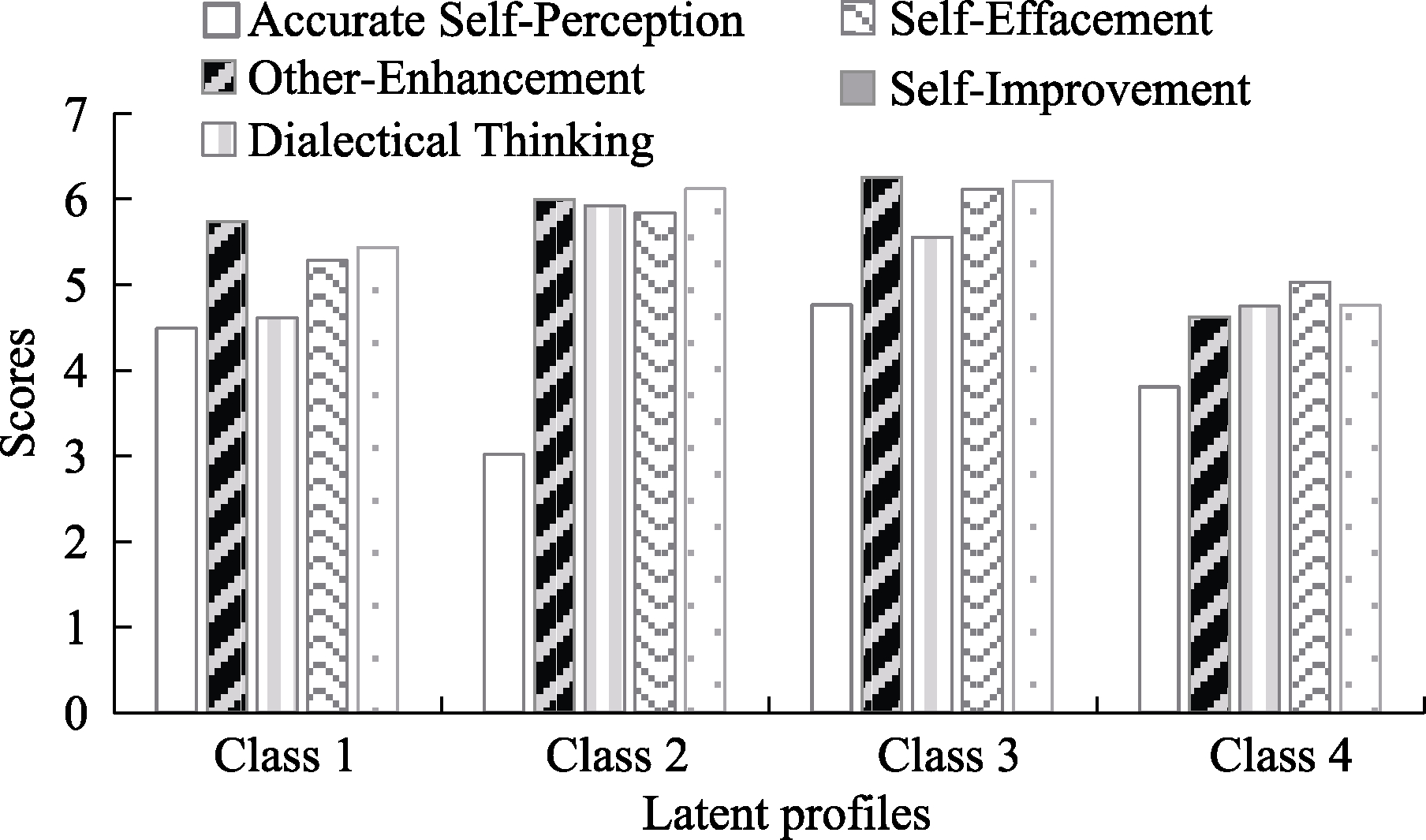
Figure 1. Five-factor structure of the Chinese Humility Scale.
| Dimension | α Coefficient | Test-retest reliability | ||
|---|---|---|---|---|
| n1 = 291 | n3 = 200 | n4 = 111 | n1’ = 265 | |
| Accurate Self-Perception | 0.77 | 0.88 | 0.81 | 0.72 |
| Other-Enhancement | 0.70 | 0.77 | 0.68 | 0.64 |
| Dialectical Thinking | 0.60 | 0.70 | 0.54 | 0.62 |
| Self-Effacement | 0.65 | 0.72 | 0.56 | 0.64 |
| Self-Improvement | 0.71 | 0.68 | 0.75 | 0.57 |
Table 7 Reliability of the Chinese Humility Scale
| Dimension | α Coefficient | Test-retest reliability | ||
|---|---|---|---|---|
| n1 = 291 | n3 = 200 | n4 = 111 | n1’ = 265 | |
| Accurate Self-Perception | 0.77 | 0.88 | 0.81 | 0.72 |
| Other-Enhancement | 0.70 | 0.77 | 0.68 | 0.64 |
| Dialectical Thinking | 0.60 | 0.70 | 0.54 | 0.62 |
| Self-Effacement | 0.65 | 0.72 | 0.56 | 0.64 |
| Self-Improvement | 0.71 | 0.68 | 0.75 | 0.57 |
| Dimension | Accurate Self- Perception | Other- Enhancement | Dialectical Thinking | Self- Effacement |
|---|---|---|---|---|
| Accurate Self-Perception | ||||
| Other-Enhancement | ?0.204*** | |||
| Dialectical Thinking | 0.135* | 0.235*** | ||
| Self-Effacement | 0.173** | 0.304*** | 0.368*** | |
| Self-Improvement | ?0.208*** | 0.470*** | 0.270*** | 0.285*** |
Table 8 Internal Correlations of the Chinese Humility Scale (n2 = 271)
| Dimension | Accurate Self- Perception | Other- Enhancement | Dialectical Thinking | Self- Effacement |
|---|---|---|---|---|
| Accurate Self-Perception | ||||
| Other-Enhancement | ?0.204*** | |||
| Dialectical Thinking | 0.135* | 0.235*** | ||
| Self-Effacement | 0.173** | 0.304*** | 0.368*** | |
| Self-Improvement | ?0.208*** | 0.470*** | 0.270*** | 0.285*** |
| Variable | M | SD | Accurate Self-Perception | Other-Enhancement | Dialectical Thinking | Self-Effacement | Self-Improvement |
|---|---|---|---|---|---|---|---|
| Humility Scales | |||||||
| HEXACO Modesty | 12.73 | 2.45 | 0.620*** | ?0.095 | 0.298*** | 0.302*** | ?0.041 |
| Big Five Modesty | 34.62 | 5.99 | 0.461*** | 0.006 | 0.249*** | 0.360*** | 0.026 |
| Modest Behavior Scale | 147.36 | 14.91 | 0.248*** | 0.426*** | 0.334*** | 0.452*** | 0.380*** |
| Self-Deprecation | 32.17 | 5.57 | 0.177** | 0.174** | 0.361*** | 0.367*** | 0.259*** |
| Other-Enhancement | 66.37 | 6.68 | ?0.007 | 0.609*** | 0.300*** | 0.357*** | 0.486*** |
| Attention Avoidance | 48.83 | 7.80 | 0.353*** | 0.167** | 0.123* | 0.296*** | 0.126* |
| HEXACO Personality | |||||||
| Honesty-Humility | 51.80 | 9.11 | 0.338*** | 0.169** | 0.069 | 0.295*** | 0.093 |
| Emotionality | 52.89 | 7.05 | 0.224*** | 0.001 | 0.287*** | 0.033 | 0.086 |
| Extraversion | 54.83 | 9.10 | ?0.364*** | 0.454*** | ?0.112 | ?0.112 | 0.263*** |
| Agreeableness | 52.14 | 8.70 | ?0.091 | 0.378*** | ?0.028 | 0.178** | 0.126* |
| Conscientiousness | 54.96 | 7.92 | ?0.218*** | 0.413*** | ?0.023 | ?0.023 | 0.427*** |
| Openness to Experience | 55.98 | 9.17 | ?0.229*** | 0.384*** | 0.009 | 0.119* | 0.359*** |
| Altruism | 15.18 | 2.55 | 0.134* | 0.344*** | 0.062 | 0.217*** | 0.229*** |
| Other Personality Traits | |||||||
| Self-esteem | 29.94 | 5.00 | ?0.376*** | 0.321*** | ?0.072 | 0.030 | 0.237*** |
| Narcissism | 5.12 | 3.42 | ?0.518*** | ?0.014 | ?0.249*** | ?0.320*** | 0.029 |
| Dialectical Self | 127.64 | 12.54 | 0.197** | ?0.068 | 0.273*** | 0.071 | ?0.084 |
| Zhongyong Thinking | 73.21 | 7.81 | ?0.113 | 0.577*** | 0.236*** | 0.283*** | 0.397*** |
Table 9 Correlations Between the Chinese Humility Scale and Criterion Variables
| Variable | M | SD | Accurate Self-Perception | Other-Enhancement | Dialectical Thinking | Self-Effacement | Self-Improvement |
|---|---|---|---|---|---|---|---|
| Humility Scales | |||||||
| HEXACO Modesty | 12.73 | 2.45 | 0.620*** | ?0.095 | 0.298*** | 0.302*** | ?0.041 |
| Big Five Modesty | 34.62 | 5.99 | 0.461*** | 0.006 | 0.249*** | 0.360*** | 0.026 |
| Modest Behavior Scale | 147.36 | 14.91 | 0.248*** | 0.426*** | 0.334*** | 0.452*** | 0.380*** |
| Self-Deprecation | 32.17 | 5.57 | 0.177** | 0.174** | 0.361*** | 0.367*** | 0.259*** |
| Other-Enhancement | 66.37 | 6.68 | ?0.007 | 0.609*** | 0.300*** | 0.357*** | 0.486*** |
| Attention Avoidance | 48.83 | 7.80 | 0.353*** | 0.167** | 0.123* | 0.296*** | 0.126* |
| HEXACO Personality | |||||||
| Honesty-Humility | 51.80 | 9.11 | 0.338*** | 0.169** | 0.069 | 0.295*** | 0.093 |
| Emotionality | 52.89 | 7.05 | 0.224*** | 0.001 | 0.287*** | 0.033 | 0.086 |
| Extraversion | 54.83 | 9.10 | ?0.364*** | 0.454*** | ?0.112 | ?0.112 | 0.263*** |
| Agreeableness | 52.14 | 8.70 | ?0.091 | 0.378*** | ?0.028 | 0.178** | 0.126* |
| Conscientiousness | 54.96 | 7.92 | ?0.218*** | 0.413*** | ?0.023 | ?0.023 | 0.427*** |
| Openness to Experience | 55.98 | 9.17 | ?0.229*** | 0.384*** | 0.009 | 0.119* | 0.359*** |
| Altruism | 15.18 | 2.55 | 0.134* | 0.344*** | 0.062 | 0.217*** | 0.229*** |
| Other Personality Traits | |||||||
| Self-esteem | 29.94 | 5.00 | ?0.376*** | 0.321*** | ?0.072 | 0.030 | 0.237*** |
| Narcissism | 5.12 | 3.42 | ?0.518*** | ?0.014 | ?0.249*** | ?0.320*** | 0.029 |
| Dialectical Self | 127.64 | 12.54 | 0.197** | ?0.068 | 0.273*** | 0.071 | ?0.084 |
| Zhongyong Thinking | 73.21 | 7.81 | ?0.113 | 0.577*** | 0.236*** | 0.283*** | 0.397*** |
| Number of items |  2 2 | df |  2/df 2/df | CFI | TLI | SRMR | AIC | BIC | RESEA |
|---|---|---|---|---|---|---|---|---|---|
| 19 items | 327.86 | 142 | 2.31 | 0.849 | 0.818 | 0.085 | 16380.57 | 16622.41 | 0.069 |
| 18 items | 260.12 | 125 | 2.08 | 0.901 | 0.879 | 0.063 | 15343.77 | 15574.78 | 0.063 |
Table 10 Fit Indices of the Five-Factor Model for Western Participants
| Number of items | 2 | df | 2/df | CFI | TLI | SRMR | AIC | BIC | RESEA |
|---|---|---|---|---|---|---|---|---|---|
| 19 items | 327.86 | 142 | 2.31 | 0.849 | 0.818 | 0.085 | 16380.57 | 16622.41 | 0.069 |
| 18 items | 260.12 | 125 | 2.08 | 0.901 | 0.879 | 0.063 | 15343.77 | 15574.78 | 0.063 |
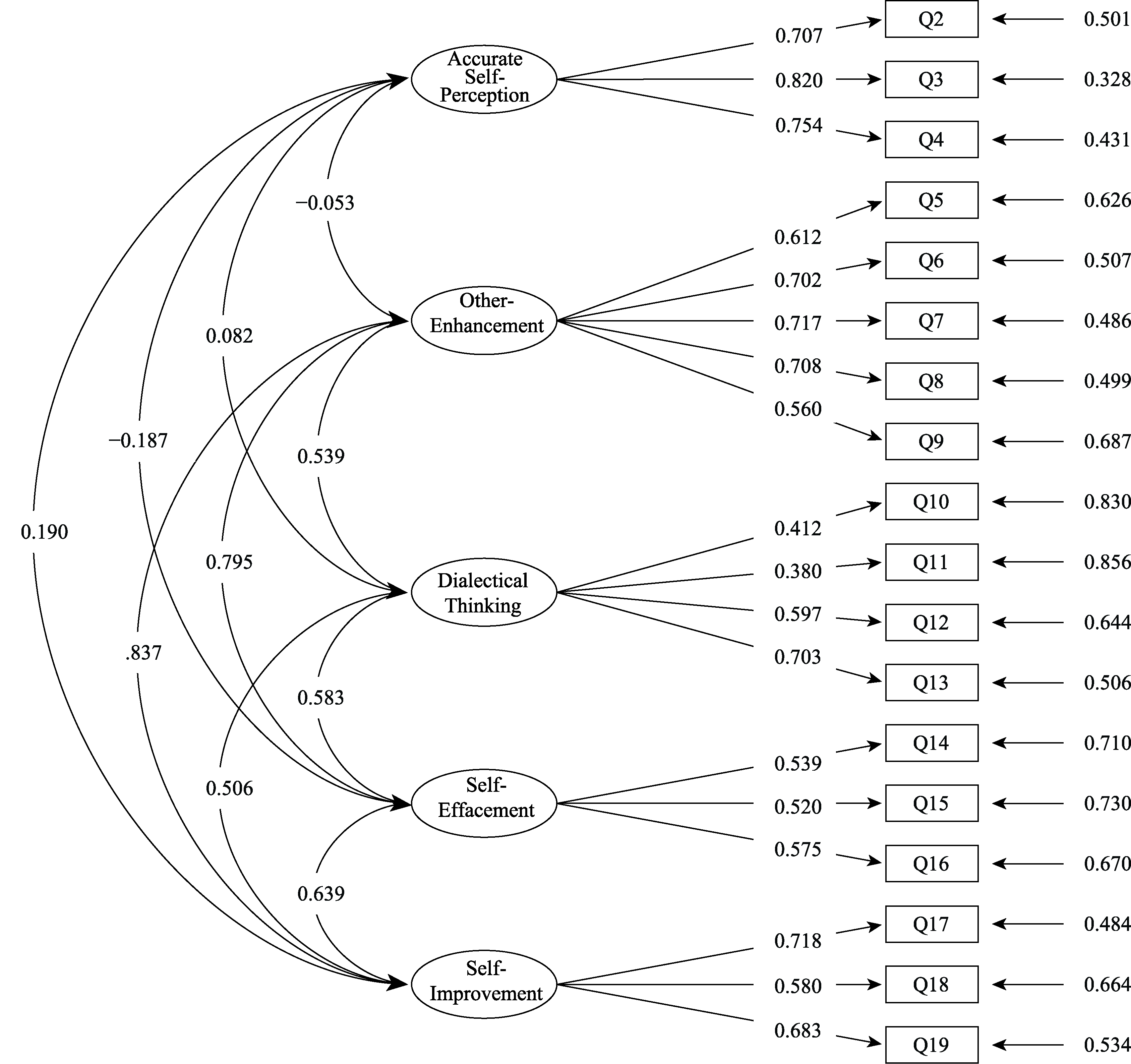
Figure 2. Five-factor structure of the humility scale in Western participants.
| Culture | Accurate Self-Perception | Other-Enhancement | Dialectical Thinking | Self-Effacement | Self-Improvement |
|---|---|---|---|---|---|
| Chinese | 4.16(1.07) | 5.57(0.67) | 5.15(0.85) | 5.67(0.81) | 5.50(0.85) |
| Western | 4.37(1.25) | 5.76(0.78) | 4.97(1.00) | 5.51(0.95) | 5.61(0.95) |
| t | 2.61 | 3.55 | 2.71 | 2.56 | 1.66 |
| df | 390.64 | 393.46 | 388.90 | 390.78 | 399.81 |
| p | 0.009 | <0.001 | 0.007 | 0.011 | 0.097 |
| Cohen’ d | 0.195 | 0.263 | 0.203 | 0.191 | 0.121 |
| 95% CI of Difference | [?0.38, ?0.05] | [?0.29, ?0.08] | [0.05, 0.31] | [0.04, 0.28] | [?0.23, 0.02] |
Table 11 Comparison of Chinese and Western Participants on the Chinese Humility Scale
| Culture | Accurate Self-Perception | Other-Enhancement | Dialectical Thinking | Self-Effacement | Self-Improvement |
|---|---|---|---|---|---|
| Chinese | 4.16(1.07) | 5.57(0.67) | 5.15(0.85) | 5.67(0.81) | 5.50(0.85) |
| Western | 4.37(1.25) | 5.76(0.78) | 4.97(1.00) | 5.51(0.95) | 5.61(0.95) |
| t | 2.61 | 3.55 | 2.71 | 2.56 | 1.66 |
| df | 390.64 | 393.46 | 388.90 | 390.78 | 399.81 |
| p | 0.009 | <0.001 | 0.007 | 0.011 | 0.097 |
| Cohen’ d | 0.195 | 0.263 | 0.203 | 0.191 | 0.121 |
| 95% CI of Difference | [?0.38, ?0.05] | [?0.29, ?0.08] | [0.05, 0.31] | [0.04, 0.28] | [?0.23, 0.02] |
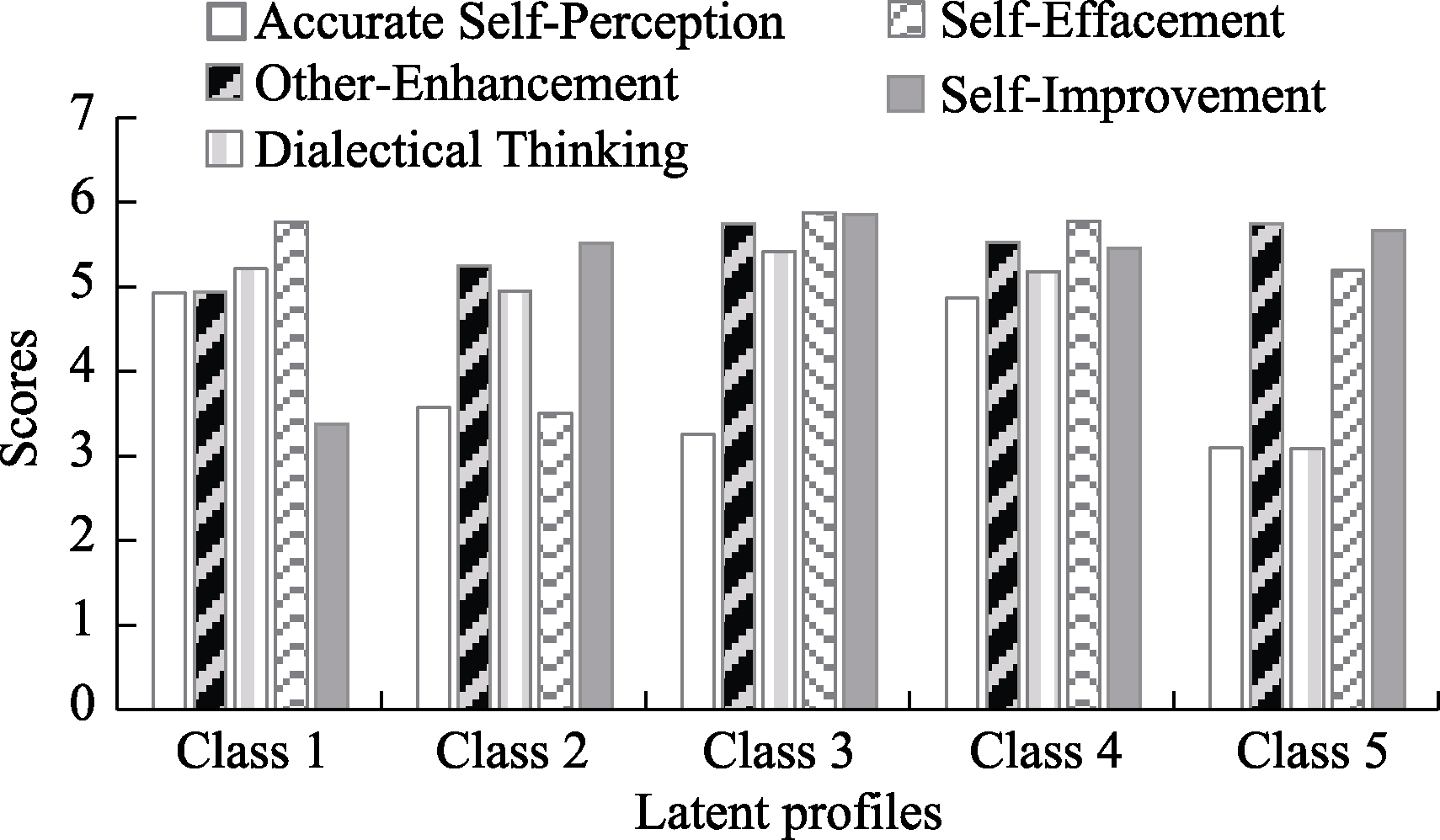
Figure 3. Latent profiles of Chinese humility traits (n = 981).
Figure 4. Latent profiles of humility traits in Western participants (n = 273).
| Raw data semantic excerpts | Open Coding | Axial Coding | |
|---|---|---|---|
| Initial concept | Sub-category | Core category | |
| Generally speaking, I'm actually quite critical of myself. I examine myself quite comprehensively, feeling where I didn't do well enough, or what mistakes I made in my daily work. Even if a task is completed smoothly, I still feel there are parts I didn't do too well. (Interviewee 9) | Frequently engages in self- reflection | Reflective progress | Self-view |
| Everyone might have their expertise... Actually, taking tests isn't the only standard for a person. It doesn't mean that having good grades destines you to be better than others in all aspects. So, I think maintaining a relatively humble mindset is a way to help me learn many different things from different people. (Interviewee 7) | A humble mindset prompts one to learn from others and continuously accept new things | Dialectical and open | |
| I roughly know my level, so every time I do something, I evaluate (myself). For example, if I participate in an interview today, I will evaluate (my performance in) this interview against my normal level, what standard it roughly is... meaning I won't feel I'm particularly bad, nor will I feel I'm particularly great. (Interviewee 20) | Has a clear self-cognition, possessing both strengths and weaknesses | Self-cognition | |
| Generally speaking, I feel I have a growth mindset. This doesn't just refer to age, but also other aspects, including mentality, cultivation, abilities, etc., are all growth-oriented. So from this perspective, there is no end to growth and progress. (Interviewee 20) | Possesses a growth mindset, believing there is no end to growth in all aspects of a person | Proactive self- improvement | |
| (Facing an excellent person) My first reaction would probably be that this person is amazing; I highly approve of them and appreciate them very much. Secondly, I might become more aware that my abilities in these aspects are lacking, and I might unconsciously imitate some of their behaviors. (Interviewee 3) | Discovers and appreciates others' strengths, acknowledging the existence of more excellent people | Appreciating others | Interpersonal interaction characteristics |
| I think maybe they indeed have strengths in a certain aspect, but they don't use this strength as leverage, as a proof to weigh our differences. They will always feel that although there are differences between us, we are equal, and we need to fully respect and accept you. My own performance is also conducted on a basis of equality. (Interviewee 5) | Believes that even if there are differences between oneself and others, they are fundamentally equal | Treating others equally | |
| For a humble person, they always feel they haven't learned enough, or understand enough. They are always more willing to, and with a more open mindset, observe the surrounding world. Regarding the people around them, they learn from their good aspects, and if there are bad aspects, they guard against them. (Interviewee 2) | Learning from others' strengths | Learning and progressing | |
| After coming to Peking University, I didn't feel that I myself had elevated a tier. Of course, (PKU) definitely has its benefits, for example, it does quite well in student security and humanistic care, but I don't feel that the people inside here are superior people. Many people inside here are the same, are equal, everyone lives about the same. (Interviewee 18) | Believes oneself is equal to others | Concept of equality | Group identity positioning |
| No one is that important; except for the boss, everyone can be replaced. But, for example, if the boss has some of those more important tasks, they will give them to me or some senior students to do. It's not because we are so important, but because we have studied longer, we should bear such responsibilities. Everyone growing up will eventually one day be in our position or a higher position than us. (Interviewee 14) | Realizes one is not irreplaceable | Self-positioning | |
| In most situations, I feel everyone has things they are good at. For example, A is good at doing research, B is good at handcrafts, C is good at making PPTs. Because everyone's expertise is different, the direction of the results they present is also different. Because in most situations, people evaluate a person comprehensively; for example, if you have a high proportion in this aspect, the proportion in another aspect will definitely be relatively lower, because it's impossible for anyone to be perfect. (Interviewee 14) | Everyone's strengths are different; one must evaluate a person comprehensively | Dialectically evaluating others | |
| First of all, my evaluation of myself is that I am not a very important person. But often, I feel that if everyone doesn't actively take on tasks, firstly the atmosphere will be very awkward, and secondly, the task cannot be completed well. So, I often actively organize, speak my mind; if no one is more proactive than me, I will actively take on a relatively core role. (Interviewee 6) | If no one takes responsibility, will proactively take responsibility | Behavioral manifestation | |
| I think China or other societies influenced by Confucian culture, to some extent, actually quite value the concept of "Ren" (benevolence). Originally there was a concept called "Xiang Ren Ou" (mutual interaction), its meaning is that when the two of us sit face to face, every move I make must pay attention to your every move, meaning my every move must be based on your every move. If you feel uncomfortable, or you stop now, what you want to do, I will notice you at any time. I feel humility is just paying attention to others, or paying attention to one's own position in a group, needing to find one's proper place in the crowd. (Interviewee 9) | "Ren" represents the relationship between people, and humility also belongs to the category of "Ren" | Confucian, Daoist, and Buddhist thought | Cultural influence factors |
| China is an agricultural society, where experience is accumulated. So we must respect tradition, because tradition is often something proven effective through practice, and is still quite authoritative. So maybe the saying "If you don't listen to the elders, you will suffer right before your eyes" still has some truth to it. Under this kind of culture, one must respect elders, listen to their words, not overly flaunt your personality, and it is hoped that you are humble. (Interviewee 1) | Emphasizes the importance of authority and elders' experience; one needs to show respect when facing older people | Characteristics of traditional society | |
| I feel that abroad, for a humble person, (humility) will definitely also be helpful to their career, I think firstly this effect definitely exists. However, I feel they might focus more on other aspects in achieving success, for example, your passion for doing things. Many things can promote success, they might not put humility in a relatively forward position. (Interviewee 12) | In Western society, humility is also beneficial to the individual, but might not be valued by others | Comparison of Chinese and Western cultures | |
Table A Partial Results of Axial Coding
| Raw data semantic excerpts | Open Coding | Axial Coding | |
|---|---|---|---|
| Initial concept | Sub-category | Core category | |
| Generally speaking, I'm actually quite critical of myself. I examine myself quite comprehensively, feeling where I didn't do well enough, or what mistakes I made in my daily work. Even if a task is completed smoothly, I still feel there are parts I didn't do too well. (Interviewee 9) | Frequently engages in self- reflection | Reflective progress | Self-view |
| Everyone might have their expertise... Actually, taking tests isn't the only standard for a person. It doesn't mean that having good grades destines you to be better than others in all aspects. So, I think maintaining a relatively humble mindset is a way to help me learn many different things from different people. (Interviewee 7) | A humble mindset prompts one to learn from others and continuously accept new things | Dialectical and open | |
| I roughly know my level, so every time I do something, I evaluate (myself). For example, if I participate in an interview today, I will evaluate (my performance in) this interview against my normal level, what standard it roughly is... meaning I won't feel I'm particularly bad, nor will I feel I'm particularly great. (Interviewee 20) | Has a clear self-cognition, possessing both strengths and weaknesses | Self-cognition | |
| Generally speaking, I feel I have a growth mindset. This doesn't just refer to age, but also other aspects, including mentality, cultivation, abilities, etc., are all growth-oriented. So from this perspective, there is no end to growth and progress. (Interviewee 20) | Possesses a growth mindset, believing there is no end to growth in all aspects of a person | Proactive self- improvement | |
| (Facing an excellent person) My first reaction would probably be that this person is amazing; I highly approve of them and appreciate them very much. Secondly, I might become more aware that my abilities in these aspects are lacking, and I might unconsciously imitate some of their behaviors. (Interviewee 3) | Discovers and appreciates others' strengths, acknowledging the existence of more excellent people | Appreciating others | Interpersonal interaction characteristics |
| I think maybe they indeed have strengths in a certain aspect, but they don't use this strength as leverage, as a proof to weigh our differences. They will always feel that although there are differences between us, we are equal, and we need to fully respect and accept you. My own performance is also conducted on a basis of equality. (Interviewee 5) | Believes that even if there are differences between oneself and others, they are fundamentally equal | Treating others equally | |
| For a humble person, they always feel they haven't learned enough, or understand enough. They are always more willing to, and with a more open mindset, observe the surrounding world. Regarding the people around them, they learn from their good aspects, and if there are bad aspects, they guard against them. (Interviewee 2) | Learning from others' strengths | Learning and progressing | |
| After coming to Peking University, I didn't feel that I myself had elevated a tier. Of course, (PKU) definitely has its benefits, for example, it does quite well in student security and humanistic care, but I don't feel that the people inside here are superior people. Many people inside here are the same, are equal, everyone lives about the same. (Interviewee 18) | Believes oneself is equal to others | Concept of equality | Group identity positioning |
| No one is that important; except for the boss, everyone can be replaced. But, for example, if the boss has some of those more important tasks, they will give them to me or some senior students to do. It's not because we are so important, but because we have studied longer, we should bear such responsibilities. Everyone growing up will eventually one day be in our position or a higher position than us. (Interviewee 14) | Realizes one is not irreplaceable | Self-positioning | |
| In most situations, I feel everyone has things they are good at. For example, A is good at doing research, B is good at handcrafts, C is good at making PPTs. Because everyone's expertise is different, the direction of the results they present is also different. Because in most situations, people evaluate a person comprehensively; for example, if you have a high proportion in this aspect, the proportion in another aspect will definitely be relatively lower, because it's impossible for anyone to be perfect. (Interviewee 14) | Everyone's strengths are different; one must evaluate a person comprehensively | Dialectically evaluating others | |
| First of all, my evaluation of myself is that I am not a very important person. But often, I feel that if everyone doesn't actively take on tasks, firstly the atmosphere will be very awkward, and secondly, the task cannot be completed well. So, I often actively organize, speak my mind; if no one is more proactive than me, I will actively take on a relatively core role. (Interviewee 6) | If no one takes responsibility, will proactively take responsibility | Behavioral manifestation | |
| I think China or other societies influenced by Confucian culture, to some extent, actually quite value the concept of "Ren" (benevolence). Originally there was a concept called "Xiang Ren Ou" (mutual interaction), its meaning is that when the two of us sit face to face, every move I make must pay attention to your every move, meaning my every move must be based on your every move. If you feel uncomfortable, or you stop now, what you want to do, I will notice you at any time. I feel humility is just paying attention to others, or paying attention to one's own position in a group, needing to find one's proper place in the crowd. (Interviewee 9) | "Ren" represents the relationship between people, and humility also belongs to the category of "Ren" | Confucian, Daoist, and Buddhist thought | Cultural influence factors |
| China is an agricultural society, where experience is accumulated. So we must respect tradition, because tradition is often something proven effective through practice, and is still quite authoritative. So maybe the saying "If you don't listen to the elders, you will suffer right before your eyes" still has some truth to it. Under this kind of culture, one must respect elders, listen to their words, not overly flaunt your personality, and it is hoped that you are humble. (Interviewee 1) | Emphasizes the importance of authority and elders' experience; one needs to show respect when facing older people | Characteristics of traditional society | |
| I feel that abroad, for a humble person, (humility) will definitely also be helpful to their career, I think firstly this effect definitely exists. However, I feel they might focus more on other aspects in achieving success, for example, your passion for doing things. Many things can promote success, they might not put humility in a relatively forward position. (Interviewee 12) | In Western society, humility is also beneficial to the individual, but might not be valued by others | Comparison of Chinese and Western cultures | |
| 序号 | 中文条目 | 英文条目 |
|---|---|---|
| 1 | 我认为自己是个普普通通的人, 并不比其他人优秀 | I believe I am an ordinary person who is no better than others |
| 2 | 我认为自己在很多方面比别人特别和优秀R | I believe I am more special and outstanding than others in many ways R |
| 3 | 我认为自己比多数人更应该拥有较大的影响力和权力R | I believe I deserve more influence and power than most other people do R |
| 4 | 我认为我比一般人有资格得到更多的尊重R | I think I am entitled to more respect than the average person is R |
| 5 | 我会更多地关注到别人优秀的一面而不是缺点 | I focus more on others’ strengths than on their weaknesses |
| 6 | 与人相处时, 我乐于为别人提供表现的机会 | When interacting with others, I am happy to provide opportunities for them to showcase themselves |
| 7 | 我认为别人经常能够对我有所帮助 | I recognize that people are often helpful to me |
| 8 | 我会鼓励别人分享自己的观点 | I encourage others to share their viewpoints |
| 9 | 我会经常夸奖别人 | I often praise other people |
| 10 | 我认为未来的事情不一定按照自己的预期发展 | I believe the future may not unfold as I expect |
| 11 | 我认为发生在自己身上的好事也可能带来负面影响 | I believe that good things that happen to me may also bring negative consequences |
| 12 | 我认为即使深入了解某件事, 我的了解也并不全面 | I think that even if I know something in depth, I still don’t know it comprehensively |
| 13 | 我意识到自己现在认为正确的观点, 将来可能会被证明是错误的 | I recognize that what I think is right now may someday be proven wrong |
| 14 | 我不会主动表现自己, 但在需要发挥作用时会采取行动 | I do not deliberately show off, but I do take action when I need to play a role |
| 15 | 我不会主动炫耀自己的成就或能力 | I avoid boasting about my achievements or abilities |
| 16 | 我不会刻意追求引人注目 | I don't deliberately seek to draw attention to myself |
| 17 | 我会经常与过去的自己进行比较, 关注自身是否有所进步 | I often compare myself with my past self to see if I have made progress |
| 18 | 我会经常反思自己在取得一定成就后是否松懈 | I often reflect on whether I have become slack after achieving certain accomplishments |
| 19 | 我会经常进行自我反省 | I often reflect on myself |
Table B The Chinese Humility Scale (Chinese-English Bilingual Version)
| 序号 | 中文条目 | 英文条目 |
|---|---|---|
| 1 | 我认为自己是个普普通通的人, 并不比其他人优秀 | I believe I am an ordinary person who is no better than others |
| 2 | 我认为自己在很多方面比别人特别和优秀R | I believe I am more special and outstanding than others in many ways R |
| 3 | 我认为自己比多数人更应该拥有较大的影响力和权力R | I believe I deserve more influence and power than most other people do R |
| 4 | 我认为我比一般人有资格得到更多的尊重R | I think I am entitled to more respect than the average person is R |
| 5 | 我会更多地关注到别人优秀的一面而不是缺点 | I focus more on others’ strengths than on their weaknesses |
| 6 | 与人相处时, 我乐于为别人提供表现的机会 | When interacting with others, I am happy to provide opportunities for them to showcase themselves |
| 7 | 我认为别人经常能够对我有所帮助 | I recognize that people are often helpful to me |
| 8 | 我会鼓励别人分享自己的观点 | I encourage others to share their viewpoints |
| 9 | 我会经常夸奖别人 | I often praise other people |
| 10 | 我认为未来的事情不一定按照自己的预期发展 | I believe the future may not unfold as I expect |
| 11 | 我认为发生在自己身上的好事也可能带来负面影响 | I believe that good things that happen to me may also bring negative consequences |
| 12 | 我认为即使深入了解某件事, 我的了解也并不全面 | I think that even if I know something in depth, I still don’t know it comprehensively |
| 13 | 我意识到自己现在认为正确的观点, 将来可能会被证明是错误的 | I recognize that what I think is right now may someday be proven wrong |
| 14 | 我不会主动表现自己, 但在需要发挥作用时会采取行动 | I do not deliberately show off, but I do take action when I need to play a role |
| 15 | 我不会主动炫耀自己的成就或能力 | I avoid boasting about my achievements or abilities |
| 16 | 我不会刻意追求引人注目 | I don't deliberately seek to draw attention to myself |
| 17 | 我会经常与过去的自己进行比较, 关注自身是否有所进步 | I often compare myself with my past self to see if I have made progress |
| 18 | 我会经常反思自己在取得一定成就后是否松懈 | I often reflect on whether I have become slack after achieving certain accomplishments |
| 19 | 我会经常进行自我反省 | I often reflect on myself |
| Model | Variance Estimation Method | Number of Profiles | LL | AIC | BIC | aBIC | CAIC | Entropy | LMR_LRT | LMR_p | BLRT_p |
|---|---|---|---|---|---|---|---|---|---|---|---|
| 1 | 1 | 1 | ?6125.90 | 12271.81 | 12320.69 | 12270.37 | 12291.25 | 1.00 | |||
| 2 | 1 | 2 | ?5980.60 | 11993.19 | 12071.41 | 12002.03 | 12047.97 | 0.61 | 288.83 | <0.001 | 0.005 |
| 3 | 1 | 3 | ?5851.55 | 11747.11 | 11854.66 | 11766.22 | 11837.21 | 0.73 | 254.93 | <0.001 | 0.005 |
| 4 | 1 | 4 | ?5823.58 | 11703.16 | 11840.04 | 11732.55 | 11828.60 | 0.65 | 54.92 | <0.001 | 0.005 |
| 5 | 1 | 5 | ?5773.59 | 11615.17 | 11781.38 | 11654.83 | 11775.94 | 0.68 | 97.54 | <0.001 | 0.005 |
| 6 | 1 | 6 | ?5710.59 | 11501.17 | 11696.72 | 11551.11 | 11697.27 | 0.70 | 122.14 | <0.001 | 0.005 |
| 7 | 2 | 1 | ?6125.90 | 12271.81 | 12320.69 | 12288.93 | 12330.69 | 1.00 | |||
| 8 | 2 | 2 | ?5855.50 | 11752.99 | 11855.65 | 11770.40 | 11837.21 | 0.61 | 534.75 | <0.001 | 0.005 |
| 9 | 2 | 3 | ?5811.66 | 11687.32 | 11843.75 | 11704.99 | 11796.87 | 0.61 | 86.16 | <0.001 | 0.005 |
| 10 | 2 | 4 | ?5690.43 | 11466.87 | 11677.07 | 11484.82 | 11601.75 | 0.64 | 236.77 | <0.001 | 0.005 |
| 11 | 2 | 5 | ?5636.69 | 11381.38 | 11645.36 | 11399.61 | 11541.59 | 0.65 | 104.31 | <0.001 | 0.005 |
| 12 | 2 | 6 | ?5604.79 | 11339.58 | 11657.33 | 11358.08 | 11525.12 | 0.64 | 61.53 | <0.001 | 0.005 |
| 13 | 3 | 1 | ?5844.29 | 11728.57 | 11826.35 | 11710.85 | 11735.91 | 1.00 | |||
| 14 | 3 | 2 | ?5781.43 | 11614.86 | 11741.96 | 11607.41 | 11657.52 | 0.88 | 124.82 | <0.001 | 0.005 |
| 15 | 3 | 3 | ?5766.81 | 11597.61 | 11754.04 | 11600.44 | 11675.60 | 0.66 | 28.86 | <0.001 | 0.005 |
| 16 | 3 | 4 | ?5687.22 | 11450.45 | 11636.21 | 11463.55 | 11563.77 | 0.70 | 156.08 | <0.001 | 0.005 |
| 17 | 3 | 5 | ?5645.97 | 11379.93 | 11595.03 | 11403.31 | 11528.59 | 0.72 | 80.41 | <0.001 | 0.005 |
| 18 | 3 | 6 | ?5624.26 | 11348.52 | 11592.95 | 11382.17 | 11532.51 | 0.72 | 42.04 | <0.001 | 0.005 |
| 19 | 6 | 1 | ?5844.29 | 11728.57 | 11826.35 | 11710.85 | 11735.91 | 1.00 | |||
| 20 | 6 | 2 | ?5651.18 | 11384.37 | 11584.80 | 11350.63 | 11404.92 | 0.53 | 383.45 | <0.001 | 0.005 |
| 21 | 6 | 3 | ?5608.15 | 11340.30 | 11643.39 | 11290.55 | 11374.07 | 0.60 | 84.84 | <0.001 | 0.005 |
| 22 | 6 | 4 | ?5548.60 | 11263.19 | 11668.94 | 11197.43 | 11310.18 | 0.57 | 116.56 | <0.001 | 0.005 |
| 23 | 6 | 5 | ?5520.50 | 11248.99 | 11757.40 | 11167.22 | 11309.20 | 0.66 | 54.59 | <0.001 | 0.005 |
| 24 | 6 | 6 | ?5489.75 | 11229.50 | 11840.57 | 11131.71 | 11302.93 | 0.65 | 59.30 | <0.001 | 0.005 |
Table C Fit Indices of Latent Profile Models for Chinese Participants (n = 981)
| Model | Variance Estimation Method | Number of Profiles | LL | AIC | BIC | aBIC | CAIC | Entropy | LMR_LRT | LMR_p | BLRT_p |
|---|---|---|---|---|---|---|---|---|---|---|---|
| 1 | 1 | 1 | ?6125.90 | 12271.81 | 12320.69 | 12270.37 | 12291.25 | 1.00 | |||
| 2 | 1 | 2 | ?5980.60 | 11993.19 | 12071.41 | 12002.03 | 12047.97 | 0.61 | 288.83 | <0.001 | 0.005 |
| 3 | 1 | 3 | ?5851.55 | 11747.11 | 11854.66 | 11766.22 | 11837.21 | 0.73 | 254.93 | <0.001 | 0.005 |
| 4 | 1 | 4 | ?5823.58 | 11703.16 | 11840.04 | 11732.55 | 11828.60 | 0.65 | 54.92 | <0.001 | 0.005 |
| 5 | 1 | 5 | ?5773.59 | 11615.17 | 11781.38 | 11654.83 | 11775.94 | 0.68 | 97.54 | <0.001 | 0.005 |
| 6 | 1 | 6 | ?5710.59 | 11501.17 | 11696.72 | 11551.11 | 11697.27 | 0.70 | 122.14 | <0.001 | 0.005 |
| 7 | 2 | 1 | ?6125.90 | 12271.81 | 12320.69 | 12288.93 | 12330.69 | 1.00 | |||
| 8 | 2 | 2 | ?5855.50 | 11752.99 | 11855.65 | 11770.40 | 11837.21 | 0.61 | 534.75 | <0.001 | 0.005 |
| 9 | 2 | 3 | ?5811.66 | 11687.32 | 11843.75 | 11704.99 | 11796.87 | 0.61 | 86.16 | <0.001 | 0.005 |
| 10 | 2 | 4 | ?5690.43 | 11466.87 | 11677.07 | 11484.82 | 11601.75 | 0.64 | 236.77 | <0.001 | 0.005 |
| 11 | 2 | 5 | ?5636.69 | 11381.38 | 11645.36 | 11399.61 | 11541.59 | 0.65 | 104.31 | <0.001 | 0.005 |
| 12 | 2 | 6 | ?5604.79 | 11339.58 | 11657.33 | 11358.08 | 11525.12 | 0.64 | 61.53 | <0.001 | 0.005 |
| 13 | 3 | 1 | ?5844.29 | 11728.57 | 11826.35 | 11710.85 | 11735.91 | 1.00 | |||
| 14 | 3 | 2 | ?5781.43 | 11614.86 | 11741.96 | 11607.41 | 11657.52 | 0.88 | 124.82 | <0.001 | 0.005 |
| 15 | 3 | 3 | ?5766.81 | 11597.61 | 11754.04 | 11600.44 | 11675.60 | 0.66 | 28.86 | <0.001 | 0.005 |
| 16 | 3 | 4 | ?5687.22 | 11450.45 | 11636.21 | 11463.55 | 11563.77 | 0.70 | 156.08 | <0.001 | 0.005 |
| 17 | 3 | 5 | ?5645.97 | 11379.93 | 11595.03 | 11403.31 | 11528.59 | 0.72 | 80.41 | <0.001 | 0.005 |
| 18 | 3 | 6 | ?5624.26 | 11348.52 | 11592.95 | 11382.17 | 11532.51 | 0.72 | 42.04 | <0.001 | 0.005 |
| 19 | 6 | 1 | ?5844.29 | 11728.57 | 11826.35 | 11710.85 | 11735.91 | 1.00 | |||
| 20 | 6 | 2 | ?5651.18 | 11384.37 | 11584.80 | 11350.63 | 11404.92 | 0.53 | 383.45 | <0.001 | 0.005 |
| 21 | 6 | 3 | ?5608.15 | 11340.30 | 11643.39 | 11290.55 | 11374.07 | 0.60 | 84.84 | <0.001 | 0.005 |
| 22 | 6 | 4 | ?5548.60 | 11263.19 | 11668.94 | 11197.43 | 11310.18 | 0.57 | 116.56 | <0.001 | 0.005 |
| 23 | 6 | 5 | ?5520.50 | 11248.99 | 11757.40 | 11167.22 | 11309.20 | 0.66 | 54.59 | <0.001 | 0.005 |
| 24 | 6 | 6 | ?5489.75 | 11229.50 | 11840.57 | 11131.71 | 11302.93 | 0.65 | 59.30 | <0.001 | 0.005 |
| Model | Variance Estimation Method | Number of Profiles | LL | AIC | BIC | aBIC | CAIC | Entropy | LMR_LRT | LMR_p | BLRT_p |
|---|---|---|---|---|---|---|---|---|---|---|---|
| 1 | 1 | 1 | ?1896.59 | 3813.18 | 3849.27 | 3805.37 | 3826.22 | 1.00 | |||
| 2 | 1 | 2 | ?1806.92 | 3645.84 | 3703.59 | 3640.66 | 3686.54 | 0.73 | 175.40 | <0.001 | 0.005 |
| 3 | 1 | 3 | ?1775.31 | 3594.62 | 3674.03 | 3592.08 | 3662.98 | 0.76 | 60.44 | <0.001 | 0.005 |
| 4 | 1 | 4 | ?1765.88 | 3587.76 | 3688.82 | 3587.85 | 3683.77 | 0.79 | 17.62 | 0.007 | 0.005 |
| 5 | 1 | 5 | ?1751.43 | 3570.86 | 3693.58 | 3573.58 | 3694.53 | 0.73 | 26.36 | <0.001 | 0.005 |
| 6 | 1 | 6 | ?1728.98 | 3537.96 | 3682.34 | 3543.32 | 3689.29 | 0.77 | 39.96 | <0.001 | 0.005 |
| 7 | 2 | 1 | ?1896.59 | 3813.18 | 3849.27 | 3817.56 | 3859.27 | 1.00 | |||
| 8 | 2 | 2 | ?1788.03 | 3618.07 | 3693.87 | 3615.09 | 3681.82 | 0.70 | 208.36 | <0.001 | 0.005 |
| 9 | 2 | 3 | ?1721.50 | 3507.01 | 3622.51 | 3496.66 | 3588.41 | 0.79 | 124.78 | <0.001 | 0.005 |
| 10 | 2 | 4 | ?1697.20 | 3480.40 | 3635.61 | 3462.68 | 3579.47 | 0.74 | 44.51 | <0.001 | 0.005 |
| 11 | 2 | 5 | ?1680.89 | 3469.79 | 3664.70 | 3444.70 | 3586.51 | 0.77 | 29.15 | <0.001 | 0.005 |
| 12 | 2 | 6 | ?1670.07 | 3470.15 | 3704.76 | 3437.70 | 3604.53 | 0.82 | 18.87 | 0.004 | 0.005 |
| 13 | 3 | 1 | ?1756.81 | 3553.62 | 3625.81 | 3528.26 | 3553.28 | 1.00 | |||
| 14 | 3 | 2 | ?1746.14 | 3544.28 | 3638.13 | 3521.55 | 3571.60 | 0.68 | 20.79 | 0.002 | 0.005 |
| 15 | 3 | 3 | ?1739.97 | 3543.93 | 3659.43 | 3523.83 | 3598.90 | 0.62 | 11.76 | 0.067 | 0.005 |
| 16 | 3 | 4 | ?1725.80 | 3527.60 | 3664.76 | 3510.13 | 3610.23 | 0.75 | 26.36 | <0.001 | 0.020 |
| 17 | 3 | 5 | ?1716.95 | 3521.91 | 3680.72 | 3507.07 | 3632.19 | 0.71 | 16.07 | 0.013 | 0.010 |
| 18 | 3 | 6 | ?1688.44 | 3476.87 | 3657.34 | 3464.66 | 3614.81 | 0.78 | 50.56 | <0.001 | 0.005 |
| 19 | 6 | 1 | ?1756.81 | 3553.62 | 3625.81 | 3528.26 | 3553.28 | 1.00 | |||
| 20 | 6 | 2 | ?1693.79 | 3469.57 | 3617.56 | 3419.27 | 3473.49 | 0.72 | 122.82 | <0.001 | 0.005 |
| 21 | 6 | 3 | ?1646.77 | 3417.54 | 3641.33 | 3342.32 | 3425.73 | 0.78 | 89.21 | <0.001 | 0.005 |
| 22 | 6 | 4 | ?1609.82 | 3385.64 | 3685.23 | 3285.49 | 3398.10 | 0.82 | 68.21 | <0.001 | 0.005 |
| 23 | 6 | 5 | ?1598.33 | 3404.66 | 3780.04 | 3279.58 | 3421.38 | 0.80 | 20.63 | 0.004 | 0.035 |
| 24 | 6 | 6 | ?1584.26 | 3418.52 | 3869.70 | 3268.51 | 3439.51 | 0.82 | 24.53 | 0.001 | 0.249 |
Table D Fit Indices of Latent Profile Models for Western Participants (n = 273)
| Model | Variance Estimation Method | Number of Profiles | LL | AIC | BIC | aBIC | CAIC | Entropy | LMR_LRT | LMR_p | BLRT_p |
|---|---|---|---|---|---|---|---|---|---|---|---|
| 1 | 1 | 1 | ?1896.59 | 3813.18 | 3849.27 | 3805.37 | 3826.22 | 1.00 | |||
| 2 | 1 | 2 | ?1806.92 | 3645.84 | 3703.59 | 3640.66 | 3686.54 | 0.73 | 175.40 | <0.001 | 0.005 |
| 3 | 1 | 3 | ?1775.31 | 3594.62 | 3674.03 | 3592.08 | 3662.98 | 0.76 | 60.44 | <0.001 | 0.005 |
| 4 | 1 | 4 | ?1765.88 | 3587.76 | 3688.82 | 3587.85 | 3683.77 | 0.79 | 17.62 | 0.007 | 0.005 |
| 5 | 1 | 5 | ?1751.43 | 3570.86 | 3693.58 | 3573.58 | 3694.53 | 0.73 | 26.36 | <0.001 | 0.005 |
| 6 | 1 | 6 | ?1728.98 | 3537.96 | 3682.34 | 3543.32 | 3689.29 | 0.77 | 39.96 | <0.001 | 0.005 |
| 7 | 2 | 1 | ?1896.59 | 3813.18 | 3849.27 | 3817.56 | 3859.27 | 1.00 | |||
| 8 | 2 | 2 | ?1788.03 | 3618.07 | 3693.87 | 3615.09 | 3681.82 | 0.70 | 208.36 | <0.001 | 0.005 |
| 9 | 2 | 3 | ?1721.50 | 3507.01 | 3622.51 | 3496.66 | 3588.41 | 0.79 | 124.78 | <0.001 | 0.005 |
| 10 | 2 | 4 | ?1697.20 | 3480.40 | 3635.61 | 3462.68 | 3579.47 | 0.74 | 44.51 | <0.001 | 0.005 |
| 11 | 2 | 5 | ?1680.89 | 3469.79 | 3664.70 | 3444.70 | 3586.51 | 0.77 | 29.15 | <0.001 | 0.005 |
| 12 | 2 | 6 | ?1670.07 | 3470.15 | 3704.76 | 3437.70 | 3604.53 | 0.82 | 18.87 | 0.004 | 0.005 |
| 13 | 3 | 1 | ?1756.81 | 3553.62 | 3625.81 | 3528.26 | 3553.28 | 1.00 | |||
| 14 | 3 | 2 | ?1746.14 | 3544.28 | 3638.13 | 3521.55 | 3571.60 | 0.68 | 20.79 | 0.002 | 0.005 |
| 15 | 3 | 3 | ?1739.97 | 3543.93 | 3659.43 | 3523.83 | 3598.90 | 0.62 | 11.76 | 0.067 | 0.005 |
| 16 | 3 | 4 | ?1725.80 | 3527.60 | 3664.76 | 3510.13 | 3610.23 | 0.75 | 26.36 | <0.001 | 0.020 |
| 17 | 3 | 5 | ?1716.95 | 3521.91 | 3680.72 | 3507.07 | 3632.19 | 0.71 | 16.07 | 0.013 | 0.010 |
| 18 | 3 | 6 | ?1688.44 | 3476.87 | 3657.34 | 3464.66 | 3614.81 | 0.78 | 50.56 | <0.001 | 0.005 |
| 19 | 6 | 1 | ?1756.81 | 3553.62 | 3625.81 | 3528.26 | 3553.28 | 1.00 | |||
| 20 | 6 | 2 | ?1693.79 | 3469.57 | 3617.56 | 3419.27 | 3473.49 | 0.72 | 122.82 | <0.001 | 0.005 |
| 21 | 6 | 3 | ?1646.77 | 3417.54 | 3641.33 | 3342.32 | 3425.73 | 0.78 | 89.21 | <0.001 | 0.005 |
| 22 | 6 | 4 | ?1609.82 | 3385.64 | 3685.23 | 3285.49 | 3398.10 | 0.82 | 68.21 | <0.001 | 0.005 |
| 23 | 6 | 5 | ?1598.33 | 3404.66 | 3780.04 | 3279.58 | 3421.38 | 0.80 | 20.63 | 0.004 | 0.035 |
| 24 | 6 | 6 | ?1584.26 | 3418.52 | 3869.70 | 3268.51 | 3439.51 | 0.82 | 24.53 | 0.001 | 0.249 |
| [1] |
Aghababaei, N., Błachnio, A., Arji, A., Chiniforoushan, M., Tekke, M., & Mehrabadi, A. F. (2016). Honesty-humility and the HEXACO structure of religiosity and well-being. Current Psychology, 35(3), 421-426.
doi: 10.1007/s12144-015-9310-5 URL |
| [2] |
Alicke, M. D., & Sedikides, C. (2009). Self-enhancement and self-protection: What they are and what they do. European Review of Social Psychology, 20(1), 1-48.
doi: 10.1080/10463280802613866 URL |
| [3] | Allport, G. W., & Odbert, H. S. (1936). Trait-names: A psycho-lexical study. Psychological Monographs, 47(1), i-171. |
| [4] |
Ames, D. R., Rose, P., & Anderson, C. P. (2006). The NPI-16 as a short measure of narcissism. Journal of Research in Personality, 40(4), 440-450.
doi: 10.1016/j.jrp.2005.03.002 URL |
| [5] |
Ashton, M. C., & Lee, K. (2007). Empirical, theoretical, and practical advantages of the HEXACO model of personality structure. Personality and Social Psychology Review, 11(2), 150-166.
doi: 10.1177/1088868306294907 pmid: 18453460 |
| [6] | Bond, M. H., Leung, K., & Wan, K. C. (1982). The social impact of self-effacing attributions: The Chinese case. Journal of Social Psychology, 118(2), 157-166. |
| [7] |
Cai, H., Sedikides, C., Gaertner, L., Wang, C., Carvallo, M., Xu, Y., O’Mara, E. M., & Jackson, L. E. (2011). Tactical self-enhancement in China: Is modesty at the service of self-enhancement in East Asian culture? Social Psychological and Personality Science, 2(1), 59-64.
doi: 10.1177/1948550610376599 URL |
| [8] |
Chancellor, J., & Lyubomirsky, S. (2013). Humble beginnings: Current trends, state perspectives, and hallmarks of humility. Social and Personality Psychology Compass, 7(11), 819-833.
doi: 10.1111/spc3.v7.11 URL |
| [9] | Chen, J., Yang, S., & Li, G. (2024). Growth law and classification evaluation of high-level scientific and technological talents. Management of Innovation and Entrepreneurship, (1), 1-14. |
| [10] |
Chen, S. X., Bond, M. H., Chan, B., Tang, D., & Buchtel, E. E. (2009). Behavioral manifestations of modesty. Journal of Cross-Cultural Psychology, 40(4), 603-626.
doi: 10.1177/0022022108330992 URL |
| [11] |
Chen, S. X., Ng, J., C. K., Buchtel, E. E., Guan, Y., Deng, H., & Bond, M. H. (2017). The added value of world views over self‐views: Predicting modest behaviour in Eastern and Western cultures. British Journal of Social Psychology, 56(4), 723-749.
doi: 10.1111/bjso.2017.56.issue-4 URL |
| [12] | Chen, X. (1999). Grounded theory: Its train of thought and methods. Educational Research and Experiment, (4), 58-63+73. |
| [13] | Chen, X. (2000). Qualitative research method and social sciences research. Education Science Press, Beijing. |
| [14] |
Chen, Y., Gao, L., Sheng, Z., Ma, J., Guo, X. H., Lippke, S., & Gan, Y. (2022). Interdependent self‐construal moderates the relationship between pro‐generation investment and future orientation: A cross‐cultural comparison. Journal of Adolescence, 94(7), 1008-1021.
doi: 10.1002/jad.v94.7 URL |
| [15] |
Cialdini, R. B., & De Nicholas, M. E. (1989). Self-presentation by association. Journal of Personality and Social Psychology, 57(4), 626-631.
doi: 10.1037/0022-3514.57.4.626 URL |
| [16] |
Columbus, S., Thielmann, I., & Balliet, D. (2019). Situational affordances for prosocial behaviour: On the interaction between honesty-humility and (perceived) interdependence. European Journal of Personality, 33(6), 655-673.
doi: 10.1002/per.2224 |
| [17] | Costa, P. T., Jr., & McCrae, R. R. (1992). Revised NEO personality inventory (NEO-PI-R) and NEO five-factor inventory (NEO-FFI) professional manual. Psychological Assessment Resources. |
| [18] |
Davis, D. E., Hook, J. N., Worthington, E. L., Van Tongeren, D. R., Gartner, A. L., & Jennings, D. J. (2010). Relational spirituality and forgiveness: Development of the spiritual humility scale (SHS). Journal of Psychology and Theology, 38(2), 91-100.
doi: 10.1177/009164711003800202 URL |
| [19] |
Davis, D. E., Hook, J. N., Worthington, E. L., Van Tongeren, D. R., Gartner, A. L., Jennings, D. J., & Emmons, R. A. (2011). Relational humility: Conceptualizing and measuring humility as a personality judgment. Journal of Personality Assessment, 93(3), 225-234.
doi: 10.1080/00223891.2011.558871 pmid: 21516581 |
| [20] |
Davis, D. E., McElroy, S., Choe, E., Westbrook, C. J., DeBlaere, C., Van Tongeren, D. R., … Placeres, V. (2017). Development of the experiences of humility scale. Journal of Psychology and Theology, 45(1), 3-16.
doi: 10.1177/009164711704500101 URL |
| [21] |
Davis, D. E., Worthington, E. L., Hook, J. N., Emmons, R. A., Hill, P. C., Bollinger, R. A., & Van Tongeren, D. R. (2013). Humility and the development and repair of social bonds: Two longitudinal studies. Self and Identity, 12(1), 58-77.
doi: 10.1080/15298868.2011.636509 URL |
| [22] |
Du, H., & Jonas, E. (2015). Being modest makes you feel bad: Effects of the modesty norm and mortality salience on self‐esteem in a collectivistic culture. Scandinavian Journal of Psychology, 56(1), 86-98.
doi: 10.1111/sjop.2015.56.issue-1 URL |
| [23] |
Dufner, M., Gebauer, J. E., Sedikides, C., & Denissen, J. J. A.(2019). Self-enhancement and psychological adjustment: A meta-analytic review. Personality and Social Psychology Review, 23(1), 48-72.
doi: 10.1177/1088868318756467 pmid: 29534642 |
| [24] | Elliott, J. C. (2010). Humility: Development and analysis of a scale [Unpublished doctorial dissertation]. University of Tennessee, Knoxville. |
| [25] | Fei, X. (1985). From the soil: The foundations of Chinese society. SDX Joint Publishing Company. |
| [26] | Gan, Y., Zhang, Y., & Zheng, L. (2019). Introduction to psychological and behavioral statistics (2nd ed). Peking University Press. |
| [27] | George, D., & Mallery, P. (2003). SPSS for Windows step by step: A simple guide and reference. Allyn & Bacon. |
| [28] |
Gregg, A. P., Hart, C. M., Sedikides, C., & Kumashiro, M. (2008). Everyday conceptions of modesty: A prototype analysis. Personality and Social Psychology Bulletin, 34(7), 978-992.
doi: 10.1177/0146167208316734 pmid: 18463395 |
| [29] |
Hofstede, G., & Minkov, M. (2010). Long- versus short-term orientation: New perspectives. Asia Pacific Business Review, 16(4), 493-504.
doi: 10.1080/13602381003637609 URL |
| [30] |
Hook, J. N., Davis, D. E., Owen, J., Worthington, E. L., & Utsey, S. O. (2013). Cultural humility: Measuring openness to culturally diverse clients. Journal of Counseling Psychology, 60(3), 353-366.
doi: 10.1037/a0032595 pmid: 23647387 |
| [31] | Hou, Y., Peng, K., & Zhu, Y. (2016). Chinese thinking styles: Their concept and structure. Chinese Social Psychological Review, 11, 45-72. |
| [32] | Hou, Y., & Zhu, Y. (2002). The effect of culture on thinking style of Chinese people. Acta Psychologica Sinica, 34(1), 107-112. |
| [33] |
Hoyle, R. H., Davisson, E. K., Diebels, K. J., & Leary, M. R. (2016). Holding specific views with humility: Conceptualization and measurement of specific intellectual humility. Personality and Individual Differences, 97, 165-172.
doi: 10.1016/j.paid.2016.03.043 URL |
| [34] | Hu, J. (2009). Motives of Chinese self-modesty and their relationship with subjective well-being. Journal of Liaoning Normal University (Social Science Edition), 32(5), 48-51. |
| [35] |
Hu, J., & Huang, X. (2009). Preliminary study on self-modesty: One significant behavioral style of Chinese. Acta Psychologica Sinica, 41(9), 842-852.
doi: 10.3724/SP.J.1041.2009.00842 URL |
| [36] |
Hu, L. T., & Bentler, P. M. (1999). Cutoff criteria for fit indexes in covariance structure analysis: Conventional criteria versus new alternatives. Structural Equation Modeling: A Multidisciplinary Journal, 6(1), 1-55.
doi: 10.1080/10705519909540118 URL |
| [37] |
Jiao, L., Yang, Y., Xu, Y., Gao, S., & Zhang, H. (2019). Good and evil in Chinese culture: Personality structure and connotation. Acta Psychologica Sinica, 51(10), 1128-1142.
doi: 10.3724/SP.J.1041.2019.01128 |
| [38] |
Kim, Y., Chiu, C., Peng, S., Cai, H., & Tov, W. (2010). Explaining East-West differences in the likelihood of making favorable self-evaluations: The role of evaluation apprehension and directness of expression. Journal of Cross-Cultural Psychology, 41(1), 62-75.
doi: 10.1177/0022022109348921 URL |
| [39] | Kim, Y. H., & Cohen, D. (2010). Information, perspective, and judgments about the self in face and dignity cultures. Personality & Social Psychology Bulletin, 36(4), 537-550. |
| [40] |
Krumrei-Mancuso, E. J., & Rouse, S. V. (2016). The development and validation of the comprehensive intellectual humility scale. Journal of Personality Assessment, 98(2), 209-221.
doi: 10.1080/00223891.2015.1068174 pmid: 26542408 |
| [41] |
Kruse, E., Chancellor, J., & Lyubomirsky, S. (2017). State humility: Measurement, conceptual validation, and intrapersonal processes. Self and Identity, 16(4), 399-438.
doi: 10.1080/15298868.2016.1267662 URL |
| [42] |
Kurman, J., & Sriram, N. (2002). Interrelationships among vertical and horizontal collectivism, modesty, and self-enhancement. Journal of Cross-Cultural Psychology, 33(1), 71-86.
doi: 10.1177/0022022102033001005 URL |
| [43] |
LaBouff, J. P., Rowatt, W. C., Johnson, M. K., Tsang, J., & Willerton, G. M. (2012). Humble persons are more helpful than less humble persons: Evidence from three studies. The Journal of Positive Psychology, 7(1), 16-29.
doi: 10.1080/17439760.2011.626787 URL |
| [44] |
Landrum, R. E. (2011). Measuring dispositional humility: A first approximation. Psychological Reports, 108(1), 217-228.
pmid: 21526606 |
| [45] | Lanza, S., T., Flaherty, B. P., & Collins, L. M. (2003). Latent class and latent transition analysis. In J. A. Schinka & W. F. Velicer (Eds.), Handbook of psychology: Research methods in psychology (Vol. 2, pp. 663-685). John Wiley & Sons. |
| [46] | Leary, M. R., Diebels, K. J., Davisson, E. K., Jongman-Sereno, K. P., Isherwood, J. C., Raimi, K. T., Deffler, S. A., & Hoyle, R. H. (2017). Cognitive and interpersonal features of intellectual humility. Personality & Social Psychology Bulletin, 43(6), 793-813. |
| [47] |
Lee, H. I., Leung, A. K., & Kim, Y. (2014). Unpacking East-West differences in the extent of self‐enhancement from the perspective of face versus dignity culture. Social and Personality Psychology Compass, 8(7), 314-327.
doi: 10.1111/spc3.v8.7 URL |
| [48] |
Lee, K., & Ashton, M. C. (2018). Psychometric properties of the HEXACO-100. Assessment, 25(5), 543-556.
doi: 10.1177/1073191116659134 pmid: 27411678 |
| [49] | Li, X. (2015). The book of Changes: The modest virtue of upholding wisdom. Confucius Studies, (1), 56-63. |
| [50] |
Liang, Y., & Park, Y. (2025). A spectrum of bystander actions: Latent profile analysis of sexual harassment intervention behavior at work. Journal of Applied Psychology, 110(9), 1198-1224.
doi: 10.1037/apl0001280 pmid: 40111846 |
| [51] | Lv, Y. (2007). The virtue tradition of “modesty” and its modern fate. Morality and Civilization, (3), 18-24. |
| [52] |
McElroy, S. E., Rice, K. G., Davis, D. E., Hook, J. N., Hill, P. C., Worthington, E. L., & Van Tongeren, D. R. (2014). Intellectual humility: Scale development and theoretical elaborations in the context of religious leadership. Journal of Psychology and Theology, 42(1), 19-30.
doi: 10.1177/009164711404200103 URL |
| [53] |
McElroy-Heltzel, S. E., Davis, D. E., DeBlaere, C., Worthington, E. L., & Hook, J. N. (2019). Embarrassment of riches in the measurement of humility: A critical review of 22 measures. The Journal of Positive Psychology, 14(3), 393-404.
doi: 10.1080/17439760.2018.1460686 URL |
| [54] |
Morin, A. J. S., & Marsh, H. W. (2014). Disentangling shape from level effects in person-centered analyses: An illustration based on university teachers’ multidimensional profiles of effectiveness. Structural Equation Modeling: A Multidisciplinary Journal, 22(1), 39-59.
doi: 10.1080/10705511.2014.919825 URL |
| [55] | Nadelhoffer, T., & Wright, J. C. (2017). The twin dimensions of the virtue of humility:Low self-focus and high other-focus. In W. Sinnott-Armstrong & C. B. Miller (Eds.), Moral psychology: Virtue and character (pp. 309-342). Boston Review. |
| [56] | Nuyen, A. T. (1998). Just modesty. American Philosophical Quarterly, 35(1), 101-109. |
| [57] |
Owens, B. P., Johnson, M. D., & Mitchell, T. R. (2013). Expressed humility in organizations: Implications for performance, teams, and leadership. Organization Science, 24(5), 1517-1538.
doi: 10.1287/orsc.1120.0795 URL |
| [58] |
Park, N., Peterson, C., & Seligman, M. E. (2004). Strengths of character and well-being. Journal of Social and Clinical Psychology, 23(5), 603-619.
doi: 10.1521/jscp.23.5.603.50748 URL |
| [59] |
Porter, T., & Schumann, K. (2018). Intellectual humility and openness to the opposing view. Self and Identity, 17(2), 139-162.
doi: 10.1080/15298868.2017.1361861 URL |
| [60] | Qiu, Y. (2013). ‘Lv Yi Xia Ren’ and Christ’s humility. Studies in World Religions, (4), 105-111. |
| [61] | Quiros, A. E. (2006). The development, construct validity, and clinical utility of the healthy humility inventory (Unpublished doctorial dissertation). Texas A & M University. |
| [62] | Rosenberg, J. M., Beymer, P. N., Anderson, D. J., Van Lissa, C. J., & Schmidt, J. A. (2018). tidyLPA: An R package to easily carry out latent profile analysis (LPA) using open-source or commercial software. Journal of Open Source Software, 3(30), 978. |
| [63] | Rosenberg, M. (1965). Society and the adolescent self-image. Princeton University Press. |
| [64] | Satorra, A., & Bender, P. M. (1994). Corrections to test statistics and standard errors in covariance structure analysis. In A. von Eye & C. C. Clogg (Eds.), Latent variables analysis: Applications for developmental research (pp. 399-419). Sage. |
| [65] |
Schwartz, S. H., Cieciuch, J., Vecchione, M., Davidov, E., Fischer, R., Beierlein, C., … Konty, M. (2012). Refining the theory of basic individual values. Journal of Personality and Social Psychology, 103(4), 663-688.
doi: 10.1037/a0029393 pmid: 22823292 |
| [66] |
Sezer, O., Gino, F., & Norton, M. I. (2018). Humblebragging: A distinct—and ineffective—self-presentation strategy. Journal of Personality and Social Psychology, 114(1), 52-74.
doi: 10.1037/pspi0000108 pmid: 28922000 |
| [67] |
Shi, J., & Chen, Z. (2025). When humility heals: State humility weakens the relationship between objectification and aggression. The Journal of Positive Psychology, 20(2), 280-290.
doi: 10.1080/17439760.2024.2340056 URL |
| [68] | Shi, Y. (2016). Authenticity and tactic: A revisit to modesty [Unpublished doctorial dissertation]. University of Chinese Academy of Sciences, Beijing. |
| [69] |
Shi, Y., Gregg, A. P., Sedikides, C., & Cai, H. (2021). Lay conceptions of modesty in China: A prototype approach. Journal of Cross-Cultural Psychology, 52(2), 155-177.
doi: 10.1177/0022022120985318 URL |
| [70] |
Small, M. L. (2009). “How many cases do I need?”: On science and the logic of case selection in field-based research. Ethnography, 10(1), 5-38.
doi: 10.1177/1466138108099586 URL |
| [71] |
Spencer-Rodgers, J., Boucher, H. C., Mori, S. C., Wang, N. L., & Peng, N. K. (2008). The dialectical self-concept: Contradiction, change, and holism in East Asian cultures. Personality and Social Psychology Bulletin, 35(1), 29-44.
doi: 10.1177/0146167208325772 URL |
| [72] | Spencer-Rodgers, J., Srivastava, S., Boucher, H. C., English, T., Paletz, S. B., & Peng, K. (2015). Dialectical self scale (DSS) [Database record]. APA PsycTests. |
| [73] |
Spencer-Rodgers, J., Williams, M. J., & Peng, K. (2010). Cultural differences in expectations of change and tolerance for contradiction: A decade of empirical research. Personality and Social Psychology Review, 14(3), 296-312.
doi: 10.1177/1088868310362982 pmid: 20435801 |
| [74] |
Stellar, J. E., Gordon, A., Anderson, C. L., Piff, P. K., McNeil, G. D., & Keltner, D. (2018). Awe and humility. Journal of Personality and Social Psychology, 114(2), 258-269.
doi: 10.1037/pspi0000109 pmid: 28857578 |
| [75] | Tang, D., & Wen, Z. (2020). Statistical approaches for testing common method bias: Problems and suggestions. Journal of Psychological Science, 43(1), 215-223. |
| [76] |
Teo, N. Q. X., Lim, T., & Tong, E. M. W.(2023). The humble estimate: Humility predicts higher self‐assessment accuracy. British Journal of Social Psychology, 62(1), 561-582.
doi: 10.1111/bjso.v62.1 URL |
| [77] | Tu, Y., & Guo, Y. (2016). Development of Taoism personality item version scale and its rethought. Chinese Social Psychological Review, 11, 24-44. |
| [78] |
van Dierendonck, D., & Nuijten, I. (2011). The servant leadership survey: Development and validation of a multidimensional measure. Journal of Business Psychology, 26(3), 249-267.
doi: 10.1007/s10869-010-9194-1 URL |
| [79] |
Wang, X., Zheng, C., & Wu, Y. (2025). “Clothe yourselves with humility”: Humility can promote fairness. Personality and Individual Differences, 233, 112938.
doi: 10.1016/j.paid.2024.112938 URL |
| [80] | Wei, Q. (2013). Modesty of the Confucianism of pre-qin thought research [Unpublished master’s thesis]. Shandong Normal University, Jinan. |
| [81] | Worthington, E. L., Jr., Goldstein, L., Hammock, B., Griffin, B. J., Garthe, R. C., Lavelock, C., … Van Tongeren, D. R. (2021). Humility:A qualitative review. In C. R. Snyder, S. J. Lopez, L. M. Edwards, & S. C. Marques (Eds.), The Oxford handbook of positive psychology (3rd ed., pp. 643-656). Oxford University Press. |
| [82] |
Wright, J. C., Nadelhoffer, T., Thomson Ross, L., & Sinnott-Armstrong, W. (2018). Be it ever so humble: Proposing a dual-dimension account and measurement of humility. Self and Identity, 17(1), 92-125.
doi: 10.1080/15298868.2017.1327454 URL |
| [83] | Wu, C., & Lin, Y. (2005). Development of a zhong-yong thinking style scale. Indigenous Psychology Research in Chinese Society, (24), 247-300. |
| [84] | Xia, Y., Fu, R., Li, D., Wu, L., Chen, X., & Sun, B. (2025). Development and initial validation of the contemporary Chinese familism scale. Cultural Diversity & Ethnic Minority Psychology, 31(3), 579-594. |
| [85] | Xie, W., & Wang, F. (2014). Development of college students’ modesty preliminary questionnaire. Psychological Research, 7(5), 82-87. |
| [86] | Xiong, M., Wang, F., & Cai, R. (2018). Development and validation of the Chinese modesty scale (CMS). Frontiers in Psychology, 9, Article 2014. |
| [87] | Xu, J., & Zhang, H. (2005). Testing intercoder reliability by multi-approaches in qualitative research. Journal of Psychological Science, 28(6), 1430-1432. |
| [88] | Zhao, Q. (2014). Preliminary study on middle school students’ self-modesty: Questionnaire and actuality [Unpublished master’s thesis].. Southwest University, Chongqing. |
| [89] | Zheng, C. (2020). The cognitive neural mechanisms and cultural prototypes of trait modesty [Unpublished doctorial dissertation]. Peking University. |
| [90] |
Zheng, C., Wang, X., & Wu, Y. (2022). Modesty brings gains: The mechanisms of individual psychology and social culture. Advances in Psychological Science, 30(5), 1131-1142.
doi: 10.3724/SP.J.1042.2022.01131 |
| [91] |
Zheng, C., & Wu, Y. (2020). The more modest you are, the happier you are: The mediating roles of emotional intelligence and self-esteem. Journal of Happiness Studies, 21(5), 1603-1615.
doi: 10.1007/s10902-019-00144-4 |
| [92] | Zhou, F. (2021). Yiben and Yiti: The basis of Chinese sociological theory. Chinese Journal of Sociology, 41(4), 1-29. |
| [93] |
Zhou, M., Li, F., Mu, W., Fan, W., Zhang, J., & Zhang, M. (2023). Round outside and square inside: The latent profile structure and adaptability of Chinese interpersonal relatedness. Acta Psychologica Sinica, 55(3), 390-405.
doi: 10.3724/SP.J.1041.2023.00390 |
| [94] | Zhuang, S., & Hsu, K. (2020). Chinese vanity: Theoretical analysis and construct validation. Indigenous Psychology Research in Chinese Society, 53(6), 103-180. |
| Viewed | ||||||
|
Full text |
|
|||||
|
Abstract |
|
|||||
