

ISSN 0439-755X
CN 11-1911/B
主办:中国心理学会
中国科学院心理研究所
出版:科学出版社
CN 11-1911/B
主办:中国心理学会
中国科学院心理研究所
出版:科学出版社
心理学报 ›› 2026, Vol. 58 ›› Issue (5): 961-975.doi: 10.3724/SP.J.1041.2026.0961 cstr: 32110.14.2026.0961
雷蜀豫, 傅莹, 杜建刚( ), 覃琪惠
收稿日期:2025-07-02
发布日期:2026-03-04
出版日期:2026-05-25
通讯作者:
杜建刚, E-mail: dujiangang@nankai.edu.cn基金资助:
LEI Shuyu, FU Ying, DU Jiangang(), QIN Qihui
Received:2025-07-02
Online:2026-03-04
Published:2026-05-25
摘要:
人们食用辛辣食物, 不仅是为了追求味觉刺激, 还可能是在“品尝”一种心理权力感。本研究提出并验证了“食辣赋能效应”, 即摄入辛辣食物能够显著提升个体的心理权力感。基于5项实证研究(包括人格判断任务、实验室实验及视频广告数据分析), 结果显示:相较于温和口味的食物, 摄入辛辣食物能够显著提升个体的心理权力感; 这种提升不仅会使个体更倾向于购买能力诉求(相较于温暖诉求)广告所推荐的产品, 还会促进其冒险与挑战行为。研究结论不仅拓展了心理权力感、食品心理学及感官营销的理论研究, 同时也为消费者心理调节及企业营销策略制定提供了新的视角。
中图分类号:
雷蜀豫, 傅莹, 杜建刚, 覃琪惠. (2026). 辛辣食物增强心理权力感:证据和心理后果. 心理学报, 58(5), 961-975.
LEI Shuyu, FU Ying, DU Jiangang, QIN Qihui. (2026). Spicy food enhances psychological sense of power: Evidence and psychological consequences. Acta Psychologica Sinica, 58(5), 961-975.

图1 五张中性表情的人物照片示例
| 分组 | 人物1(男) | 人物2(女) | 人物3(男) | 人物4(女) | 人物5(男) |
|---|---|---|---|---|---|
| 1 | 辣 | 酸 | 甜 | 辣 | 酸 |
| 2 | 酸 | 甜 | 辣 | 酸 | 甜 |
| 3 | 甜 | 辣 | 酸 | 甜 | 辣 |
表1 拉丁方设计下的“图片−标签”配对组合
| 分组 | 人物1(男) | 人物2(女) | 人物3(男) | 人物4(女) | 人物5(男) |
|---|---|---|---|---|---|
| 1 | 辣 | 酸 | 甜 | 辣 | 酸 |
| 2 | 酸 | 甜 | 辣 | 酸 | 甜 |
| 3 | 甜 | 辣 | 酸 | 甜 | 辣 |
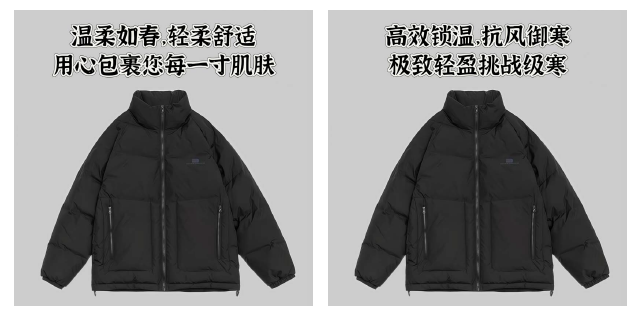
图2 温暖与能力诉求的广告图片(研究2)
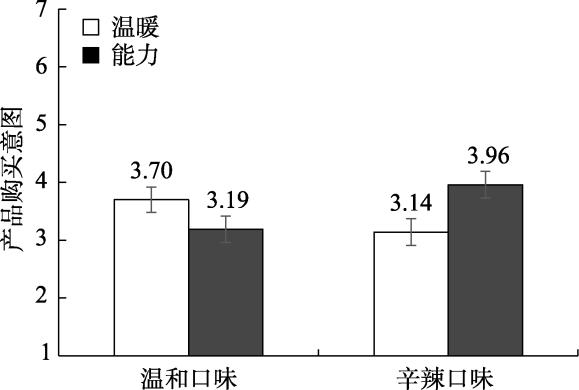
图3 食品口味对不同诉求广告推荐产品的购买意图的影响(研究2) 注:误差棒表示为平均值 ± 1个标准误(SE)。
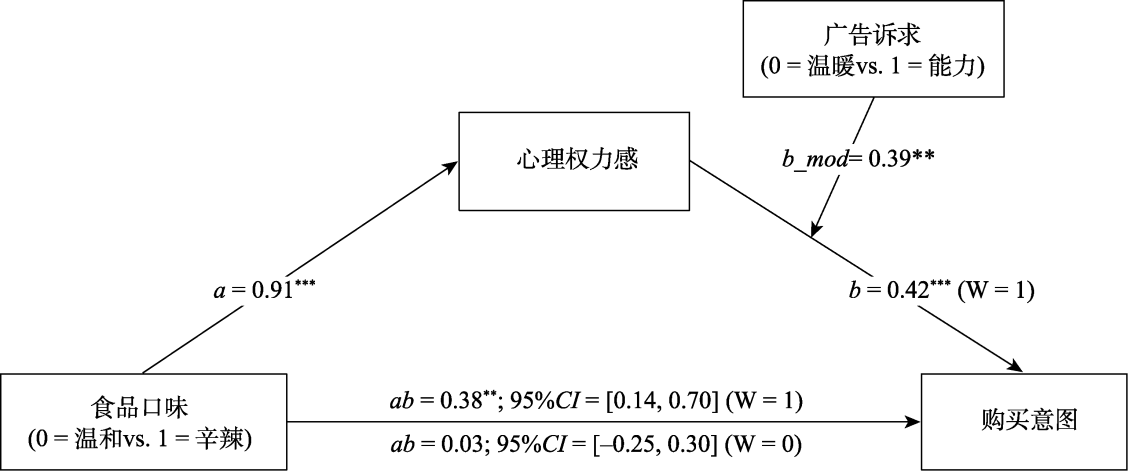
图4 心理权力感的中介作用(研究2) 注:所有中介分析中的路径系数均为非标准化回归系数。b_mod表示中介变量与调节变量的交互项对因变量的预测系数。W = 0 表示广告诉求为温暖型, W = 1 表示广告诉求为能力型。* p < 0.05, ** p < 0.01, *** p < 0.001。
| 变量 | 变量说明 | Mean | SD | Min | Max |
|---|---|---|---|---|---|
| 因变量 | |||||
| 购买意愿 | 若用户点击了视频广告中的产品购物链接, 则赋值为1, 否则为0。 | 0.06 | 0.23 | 0 | 1 |
| 自变量 | |||||
| 食物口味 | 来自成都、重庆、长沙的用户, 赋值为1(辛辣口味); 来自杭州、南京和苏州的用户, 赋值为0(清淡口味)。 | 0.29 | 0.45 | 0 | 1 |
| 广告诉求得分 | 视频广告的广告诉求得分, 越高代表越偏能力诉求。 | 11.53 | 12.11 | −3.86 | 90.15 |
| 控制变量 | |||||
| 视频曝光量 | 视频广告的曝光次数。 | 78350.37 | 89197.25 | 63 | 465272 |
| 视频时长 | 视频广告的时长, 单位为秒。 | 56.98 | 57.85 | 4.73 | 237.12 |
| 话题标签数量 | 视频广告的标题中出现的话题标签数量。 | 2.57 | 1.61 | 0 | 35 |
| 语音讲解内容长度 | 视频广告的语音讲解内容所包含字数。 | 219.53 | 268.64 | 12 | 1515 |
| 品牌Logo | 视频广告中出现品牌Logo, 则赋值为1, 否则为0。 | 0.03 | 0.16 | 0 | 1 |
| 行业 | 视频广告推荐产品属于3C数码及电器行业, 则赋值 为1, 服装配饰行业则为0。 | 0.39 | 0.49 | 1 | 3 |
| 观看时间点 | 用户观看视频广告的6个时间点:8:00、9:00、15:00、16:00、20:00和21:00, 分别赋值为0至5。 | 3.26 | 1.55 | 0 | 5 |
| 年龄 | 用户年龄段包括5个区间:小于18岁(0)、18~23岁(1)、24~30岁(2)、31~40岁(3)、41~49岁(4)、50岁以上(5)。 | 2.46 | 1.21 | 0 | 5 |
| 性别 | 用户性别:女性赋值为1, 男性则赋值为0。 | 0.49 | 0.50 | 0 | 1 |
表2 变量说明与描述统计分析
| 变量 | 变量说明 | Mean | SD | Min | Max |
|---|---|---|---|---|---|
| 因变量 | |||||
| 购买意愿 | 若用户点击了视频广告中的产品购物链接, 则赋值为1, 否则为0。 | 0.06 | 0.23 | 0 | 1 |
| 自变量 | |||||
| 食物口味 | 来自成都、重庆、长沙的用户, 赋值为1(辛辣口味); 来自杭州、南京和苏州的用户, 赋值为0(清淡口味)。 | 0.29 | 0.45 | 0 | 1 |
| 广告诉求得分 | 视频广告的广告诉求得分, 越高代表越偏能力诉求。 | 11.53 | 12.11 | −3.86 | 90.15 |
| 控制变量 | |||||
| 视频曝光量 | 视频广告的曝光次数。 | 78350.37 | 89197.25 | 63 | 465272 |
| 视频时长 | 视频广告的时长, 单位为秒。 | 56.98 | 57.85 | 4.73 | 237.12 |
| 话题标签数量 | 视频广告的标题中出现的话题标签数量。 | 2.57 | 1.61 | 0 | 35 |
| 语音讲解内容长度 | 视频广告的语音讲解内容所包含字数。 | 219.53 | 268.64 | 12 | 1515 |
| 品牌Logo | 视频广告中出现品牌Logo, 则赋值为1, 否则为0。 | 0.03 | 0.16 | 0 | 1 |
| 行业 | 视频广告推荐产品属于3C数码及电器行业, 则赋值 为1, 服装配饰行业则为0。 | 0.39 | 0.49 | 1 | 3 |
| 观看时间点 | 用户观看视频广告的6个时间点:8:00、9:00、15:00、16:00、20:00和21:00, 分别赋值为0至5。 | 3.26 | 1.55 | 0 | 5 |
| 年龄 | 用户年龄段包括5个区间:小于18岁(0)、18~23岁(1)、24~30岁(2)、31~40岁(3)、41~49岁(4)、50岁以上(5)。 | 2.46 | 1.21 | 0 | 5 |
| 性别 | 用户性别:女性赋值为1, 男性则赋值为0。 | 0.49 | 0.50 | 0 | 1 |
| 变量 | 模型 1 | 模型 2 |
|---|---|---|
| 食物口味 × 广告诉求 | 0.38*** | 0.21* |
| (0.07) | (0.08) | |
| 食物口味(0 = 清淡, 1 = 辛辣) | 0.54*** | 0.24** |
| (0.07) | (0.08) | |
| 广告诉求 | −0.29*** | −0.33*** |
| (0.05) | (0.07) | |
| 视频曝光量 | −0.06 | |
| (0.03) | ||
| 视频时长 | −0.35*** | |
| (0.09) | ||
| 话题标签数量 | −0.40*** | |
| (0.08) | ||
| 语音讲解内容长度 | 0.31*** | |
| (0.07) | ||
| 品牌Logo (0 = 无, 1 = 有) | −0.45 | |
| (0.26) | ||
| 性别 (0 = 男, 1 = 女) | −0.50*** | |
| (0.08) | ||
| 年龄 | No | Yes |
| 观看时间点 | No | Yes |
| 日期固定效应 | No | Yes |
| 行业固定效应 | No | Yes |
| 常数项 | −2.99*** | −2.65*** |
| (0.04) | (0.47) | |
| 伪R2 | 0.01 | 0.06 |
表3 逻辑回归结果
| 变量 | 模型 1 | 模型 2 |
|---|---|---|
| 食物口味 × 广告诉求 | 0.38*** | 0.21* |
| (0.07) | (0.08) | |
| 食物口味(0 = 清淡, 1 = 辛辣) | 0.54*** | 0.24** |
| (0.07) | (0.08) | |
| 广告诉求 | −0.29*** | −0.33*** |
| (0.05) | (0.07) | |
| 视频曝光量 | −0.06 | |
| (0.03) | ||
| 视频时长 | −0.35*** | |
| (0.09) | ||
| 话题标签数量 | −0.40*** | |
| (0.08) | ||
| 语音讲解内容长度 | 0.31*** | |
| (0.07) | ||
| 品牌Logo (0 = 无, 1 = 有) | −0.45 | |
| (0.26) | ||
| 性别 (0 = 男, 1 = 女) | −0.50*** | |
| (0.08) | ||
| 年龄 | No | Yes |
| 观看时间点 | No | Yes |
| 日期固定效应 | No | Yes |
| 行业固定效应 | No | Yes |
| 常数项 | −2.99*** | −2.65*** |
| (0.04) | (0.47) | |
| 伪R2 | 0.01 | 0.06 |
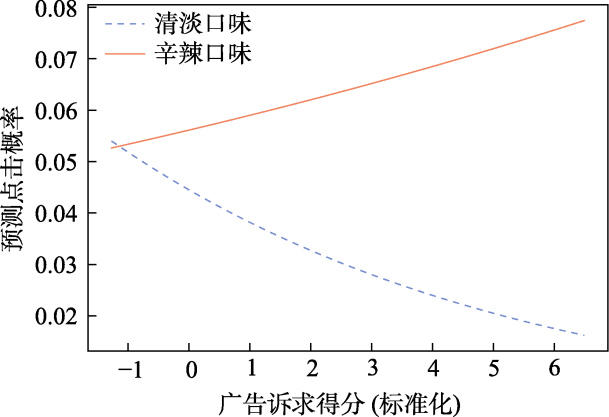
图5 调节效应图
| 城市 | 样本量 | 本地人比例 | 平均生活年限 | 男性占比 | 年龄 | 食辣频率(M) | 食辣频率(SD) |
|---|---|---|---|---|---|---|---|
| 杭州 | 56 | 48% | 14.93 | 30% | 30.77 | 3.20 | 0.88 |
| 南京 | 53 | 75% | 20.9 | 38% | 33.62 | 3.28 | 0.89 |
| 苏州 | 47 | 74% | 19.47 | 40% | 30.38 | 3.04 | 0.86 |
| 成都 | 57 | 54% | 15.63 | 32% | 29.75 | 4.09 | 0.81 |
| 长沙 | 41 | 73% | 14.37 | 34% | 30.29 | 4.15 | 0.79 |
| 重庆 | 46 | 87% | 21.96 | 37% | 31.57 | 3.98 | 0.75 |
附表1 各城市样本的描述性统计结果
| 城市 | 样本量 | 本地人比例 | 平均生活年限 | 男性占比 | 年龄 | 食辣频率(M) | 食辣频率(SD) |
|---|---|---|---|---|---|---|---|
| 杭州 | 56 | 48% | 14.93 | 30% | 30.77 | 3.20 | 0.88 |
| 南京 | 53 | 75% | 20.9 | 38% | 33.62 | 3.28 | 0.89 |
| 苏州 | 47 | 74% | 19.47 | 40% | 30.38 | 3.04 | 0.86 |
| 成都 | 57 | 54% | 15.63 | 32% | 29.75 | 4.09 | 0.81 |
| 长沙 | 41 | 73% | 14.37 | 34% | 30.29 | 4.15 | 0.79 |
| 重庆 | 46 | 87% | 21.96 | 37% | 31.57 | 3.98 | 0.75 |
| 词语分类 | 种子词 | 维度 | 均值(M) | 标准差(SD) | t值 | p值 | Cohen’s d |
|---|---|---|---|---|---|---|---|
| 能力诉求 | 高效 | 温暖感知 | 2.78 | 1.09 | −17.90 | < 0.001 | 2.83 |
| 能力感知 | 6.33 | 0.49 | |||||
| 专业 | 温暖感知 | 2.73 | 1.02 | −16.82 | < 0.001 | 2.66 | |
| 能力感知 | 6.01 | 0.60 | |||||
| 有效 | 温暖感知 | 2.82 | 1.18 | −16.50 | < 0.001 | 2.61 | |
| 能力感知 | 6.12 | 0.31 | |||||
| 技术领先 | 温暖感知 | 2.53 | 1.09 | −17.59 | < 0.001 | 2.78 | |
| 能力感知 | 6.01 | 0.52 | |||||
| 高质量 | 温暖感知 | 2.75 | 1.26 | −13.07 | < 0.001 | 2.07 | |
| 能力感知 | 5.79 | 0.72 | |||||
| 表现突出 | 温暖感知 | 2.78 | 1.21 | −14.50 | < 0.001 | 2.29 | |
| 能力感知 | 6.04 | 0.52 | |||||
| 温暖诉求 | 温暖 | 温暖感知 | 6.03 | 0.40 | 13.23 | < 0.001 | 2.09 |
| 能力感知 | 3.32 | 1.27 | |||||
| 友好 | 温暖感知 | 6.02 | 0.36 | 16.98 | < 0.001 | 2.68 | |
| 能力感知 | 3.23 | 1.08 | |||||
| 关怀 | 温暖感知 | 5.84 | 0.45 | 14.63 | < 0.001 | 2.31 | |
| 能力感知 | 3.00 | 1.23 | |||||
| 信任 | 温暖感知 | 5.05 | 0.96 | 3.60 | < 0.001 | 0.57 | |
| 能力感知 | 4.21 | 1.23 | |||||
| 亲切 | 温暖感知 | 5.58 | 0.78 | 13.03 | < 0.001 | 2.06 | |
| 能力感知 | 3.01 | 1.22 | |||||
| 体贴 | 温暖感知 | 5.62 | 0.69 | 13.26 | < 0.001 | 2.10 | |
| 能力感知 | 3.05 | 1.19 |
附表2 种子词的配对t检验结果
| 词语分类 | 种子词 | 维度 | 均值(M) | 标准差(SD) | t值 | p值 | Cohen’s d |
|---|---|---|---|---|---|---|---|
| 能力诉求 | 高效 | 温暖感知 | 2.78 | 1.09 | −17.90 | < 0.001 | 2.83 |
| 能力感知 | 6.33 | 0.49 | |||||
| 专业 | 温暖感知 | 2.73 | 1.02 | −16.82 | < 0.001 | 2.66 | |
| 能力感知 | 6.01 | 0.60 | |||||
| 有效 | 温暖感知 | 2.82 | 1.18 | −16.50 | < 0.001 | 2.61 | |
| 能力感知 | 6.12 | 0.31 | |||||
| 技术领先 | 温暖感知 | 2.53 | 1.09 | −17.59 | < 0.001 | 2.78 | |
| 能力感知 | 6.01 | 0.52 | |||||
| 高质量 | 温暖感知 | 2.75 | 1.26 | −13.07 | < 0.001 | 2.07 | |
| 能力感知 | 5.79 | 0.72 | |||||
| 表现突出 | 温暖感知 | 2.78 | 1.21 | −14.50 | < 0.001 | 2.29 | |
| 能力感知 | 6.04 | 0.52 | |||||
| 温暖诉求 | 温暖 | 温暖感知 | 6.03 | 0.40 | 13.23 | < 0.001 | 2.09 |
| 能力感知 | 3.32 | 1.27 | |||||
| 友好 | 温暖感知 | 6.02 | 0.36 | 16.98 | < 0.001 | 2.68 | |
| 能力感知 | 3.23 | 1.08 | |||||
| 关怀 | 温暖感知 | 5.84 | 0.45 | 14.63 | < 0.001 | 2.31 | |
| 能力感知 | 3.00 | 1.23 | |||||
| 信任 | 温暖感知 | 5.05 | 0.96 | 3.60 | < 0.001 | 0.57 | |
| 能力感知 | 4.21 | 1.23 | |||||
| 亲切 | 温暖感知 | 5.58 | 0.78 | 13.03 | < 0.001 | 2.06 | |
| 能力感知 | 3.01 | 1.22 | |||||
| 体贴 | 温暖感知 | 5.62 | 0.69 | 13.26 | < 0.001 | 2.10 | |
| 能力感知 | 3.05 | 1.19 |
| 模型1:城市 | 模型2:节假日 | |
|---|---|---|
| 辛辣食物偏好 × 广告诉求 | 0.36* | 0.20* |
| (0.16) | (0.08) | |
| 辛辣食物偏好 (0 = 低, 1 = 高) | 0.24 | 0.24** |
| (0.15) | (0.08) | |
| 广告诉求 | −0.42* | −0.33*** |
| (0.17) | (0.07) | |
| 视频曝光量 | −0.04 | −0.05 |
| (0.05) | (0.03) | |
| 视频时长 | 0.00 | −0.32*** |
| (0.13) | (0.09) | |
| 话题标签数量 | −0.39* | −0.36*** |
| (0.18) | (0.08) | |
| 语音讲解内容长度 | 0.93* | 0.31*** |
| (0.41) | (0.07) | |
| 品牌Logo (0 = 无, 1 = 有) | −0.32 | −0.45 |
| (0.50) | (0.26) | |
| 性别 (0 = 男, 1 = 女) | −0.42** | −0.50*** |
| (0.13) | (0.08) | |
| 节假日 | −0.02 | |
| (0.09) | ||
| 年龄 | No | Yes |
| 观看时间点 | No | Yes |
| 日期固定效应 | Yes | No |
| 行业固定效应 | No | Yes |
| 常数项 | −5.69*** | −2.74*** |
| (1.28) | (0.46) | |
| 伪R2 | 0.10 | 0.06 |
| 样本量 | 8178 | 15744 |
附表3 稳健性检验的逻辑回归分析结果
| 模型1:城市 | 模型2:节假日 | |
|---|---|---|
| 辛辣食物偏好 × 广告诉求 | 0.36* | 0.20* |
| (0.16) | (0.08) | |
| 辛辣食物偏好 (0 = 低, 1 = 高) | 0.24 | 0.24** |
| (0.15) | (0.08) | |
| 广告诉求 | −0.42* | −0.33*** |
| (0.17) | (0.07) | |
| 视频曝光量 | −0.04 | −0.05 |
| (0.05) | (0.03) | |
| 视频时长 | 0.00 | −0.32*** |
| (0.13) | (0.09) | |
| 话题标签数量 | −0.39* | −0.36*** |
| (0.18) | (0.08) | |
| 语音讲解内容长度 | 0.93* | 0.31*** |
| (0.41) | (0.07) | |
| 品牌Logo (0 = 无, 1 = 有) | −0.32 | −0.45 |
| (0.50) | (0.26) | |
| 性别 (0 = 男, 1 = 女) | −0.42** | −0.50*** |
| (0.13) | (0.08) | |
| 节假日 | −0.02 | |
| (0.09) | ||
| 年龄 | No | Yes |
| 观看时间点 | No | Yes |
| 日期固定效应 | Yes | No |
| 行业固定效应 | No | Yes |
| 常数项 | −5.69*** | −2.74*** |
| (1.28) | (0.46) | |
| 伪R2 | 0.10 | 0.06 |
| 样本量 | 8178 | 15744 |
| [1] |
Aaker, J., Vohs, K. D., & Mogilner, C. (2010). Nonprofits are seen as warm and for-profits as competent: Firm stereotypes matter. Journal of Consumer Research, 37(2), 224-237.
doi: 10.1086/651566 URL |
| [2] |
Anderson, C., & Berdahl, J. L. (2002). The experience of power: Examining the effects of power on approach and inhibition tendencies. Journal of Personality and Social Psychology, 83(6), 1362-1377.
pmid: 12500818 |
| [3] |
Anderson, C., & Galinsky, A. D. (2006). Power, optimism, and the proclivity for risk. European Journal of Social Psychology, 36(4), 511-536.
doi: 10.1002/ejsp.v36:4 URL |
| [4] |
Anderson, C., John, O. P., & Keltner, D. (2012). The personal sense of power. Journal of Personality, 80(2), 313-344.
doi: 10.1111/j.1467-6494.2011.00734.x pmid: 21446947 |
| [5] |
Batra, R. K., Ghoshal, T., & Raghunathan, R. (2017). You are what you eat: An empirical investigation of the relationship between spicy food and aggressive cognition. Journal of Experimental Social Psychology, 71, 42-48.
doi: 10.1016/j.jesp.2017.01.007 URL |
| [6] |
Biswas, D., Hartmann, P., Eisend, M., Szocs, C., Jochims, B., Apaolaza, V., ... Borges, A. (2023). Caffeine’s effects on consumer spending. Journal of Marketing, 87(2), 149-167.
doi: 10.1177/00222429221109247 URL |
| [7] |
Byrnes, N. K., & Hayes, J. E. (2013). Personality factors predict spicy food liking and intake. Food Quality and Preference, 28(1), 213-221.
pmid: 23538555 |
| [8] |
Byrnes, N. K., & Hayes, J. E. (2016). Behavioral measures of risk tasking, sensation seeking and sensitivity to reward may reflect different motivations for spicy food liking and consumption. Appetite, 103, 411-422.
doi: S0195-6663(16)30166-0 pmid: 27137410 |
| [9] |
Carney, D. R., Cuddy, A. J. C., & Yap, A. J. (2010). Power posing: Brief nonverbal displays affect neuroendocrine levels and risk tolerance. Psychological Science, 21(10), 1363-1368.
doi: 10.1177/0956797610383437 pmid: 20855902 |
| [10] |
Caterina, M. J., Schumacher, M. A., Tominaga, M., Rosen, T. A., Levine, J. D., & Julius, D. (1997). The capsaicin receptor: A heat-activated ion channel in the pain pathway. Nature, 389(6653), 816-824.
doi: 10.1038/39807 |
| [11] |
Du, J., Zheng, Q., Hui, M. K., & Fan, X. (2019). Can fear be eaten? The emotional outcomes of consuming frightening foods or drinks. Psychology & Marketing, 36(11), 1027-1038.
doi: 10.1002/mar.v36.11 URL |
| [12] |
Dubois, D., Rucker, D. D., & Galinsky, A. D. (2016). Dynamics of communicator and audience power: The persuasiveness of competence versus warmth. Journal of Consumer Research, 43(1), 68-85.
doi: 10.1093/jcr/ucw006 URL |
| [13] |
Eskine, K. J., Kacinik, N. A., & Prinz, J. J. (2011). A bad taste in the mouth: Gustatory disgust influences moral judgment. Psychological Science, 22(3), 295-299.
doi: 10.1177/0956797611398497 pmid: 21307274 |
| [14] |
Fiske, S. T. (2018). Stereotype content: Warmth and competence endure. Current Directions in Psychological Science, 27(2), 67-73.
doi: 10.1177/0963721417738825 pmid: 29755213 |
| [15] | Fortune Business Insights. (2025). Spices and seasonings market size, share & industry analysis, by type (pepper, chili, ginger, cinnamon, cumin, turmeric, nutmeg and mace, cardamom, cloves, and others), by application (meat and poultry, bakery and confectionery, frozen food, snacks & convenience food, and others), and regional forecast, 2024-2032. Retrieved June 24, 2025, from https://www.fortunebusinessinsights.com/industry-reports/spices-and-seasonings-market-101694. |
| [16] |
Gal, D., & Wilkie, J. (2010). Real men don’t eat quiche: Regulation of gender-expressive choices by men. Social Psychological and Personality Science, 1(4), 291-301.
doi: 10.1177/1948550610365003 URL |
| [17] |
Galinsky, A. D., Gruenfeld, D. H., & Magee, J. C. (2003). From power to action. Journal of Personality and Social Psychology, 85(3), 453-466.
pmid: 14498782 |
| [18] |
Galinsky, A. D., Magee, J. C., Inesi, M., E., & Gruenfeld, D. H. (2006). Power and perspectives not taken. Psychological Science, 17(12), 1068-1074.
pmid: 17201789 |
| [19] | Galinsky, A., D., Rucker, D. D., & Magee, J. C. (2015). Power: Past findings, present considerations, and future directions. In M. Mikulincer, P. R. Shaver, J. A. Simpson, & J. F. Dovidio (Eds.), APA handbook of personality and social psychology, Vol. 3:Interpersonal relationships (pp.421-460). American Psychological Association. |
| [20] |
Gan, M., Heller, D., & Chen, S. (2018). The power in being yourself: Feeling authentic enhances the sense of power. Personality and Social Psychology Bulletin, 44(10), 1460-1472.
doi: 10.1177/0146167218771000 pmid: 29739292 |
| [21] |
Guinote, A. (2007). Power affects basic cognition: Increased attentional inhibition and flexibility. Journal of Experimental Social Psychology, 43(5), 685-697.
doi: 10.1016/j.jesp.2006.06.008 URL |
| [22] | Hayes, A. F. (2022). Introduction to mediation, moderation, and conditional process analysis: A regression-based approach (3rd ed.). Guilford Press. |
| [23] |
Hirsh, J. B., Kang, S. K., & Bodenhausen, G. V. (2012). Personalized persuasion: Tailoring persuasive appeals to recipients’ personality traits. Psychological Science, 23(6), 578-581.
doi: 10.1177/0956797611436349 URL |
| [24] |
Hoang, C., Knöferle, K., & Warlop, L. (2023). Using different advertising humor appeals to generate firm-level warmth and competence impressions. International Journal of Research in Marketing, 40(4), 741-759.
doi: 10.1016/j.ijresmar.2023.08.002 URL |
| [25] |
Hong, S., Kim, J., Woo, H. G., Kim, Y. C., & Lee, C. (2022). Screening ideas in the early stages of technology development: A Word2vec and convolutional neural network approach. Technovation, 112, 102407.
doi: 10.1016/j.technovation.2021.102407 URL |
| [26] |
Judd, C. M., James-Hawkins, L., Yzerbyt, V., & Kashima, Y. (2005). Fundamental dimensions of social judgment: Understanding the relations between judgments of competence and warmth. Journal of Personality and Social Psychology, 89(6), 899-913.
pmid: 16393023 |
| [27] |
Keltner, D., Gruenfeld, D. H., & Anderson, C. (2003). Power, approach, and inhibition. Psychological Review, 110(2), 265-284.
doi: 10.1037/0033-295x.110.2.265 pmid: 12747524 |
| [28] |
Kifer, Y., Heller, D., Perunovic, W. Q. E., & Galinsky, A. D. (2013). The good life of the powerful: The experience of power and authenticity enhances subjective well-being. Psychological Science, 24(3), 280-288.
doi: 10.1177/0956797612450891 pmid: 23322701 |
| [29] |
Lammers, J., Dubois, D., Rucker, D. D., & Galinsky, A. D. (2013). Power gets the job: Priming power improves interview outcomes. Journal of Experimental Social Psychology, 49(4), 776-779.
doi: 10.1016/j.jesp.2013.02.008 URL |
| [30] |
Leach, S., & Weick, M. (2020). Taking charge of one’s feelings: Sense of power and affect regulation. Personality and Individual Differences, 161, 109958.
doi: 10.1016/j.paid.2020.109958 URL |
| [31] |
Lee, S. H., & Hong, J. H. (2024). Exploring the roles of food with different sensory attributes in stress relief: Insights from sweet and spicy foods. Food Quality and Preference, 126, 105422.
doi: 10.1016/j.foodqual.2024.105422 URL |
| [32] |
Lei, S., Wu, Q., & Du, J. (2025). How music tempo influences consumer preferences for advertising with different regulatory focuses: Shopping in jumping tempo. Journal of Advertising Research, 65(4), 579-596.
doi: 10.1080/00218499.2025.2464277 URL |
| [33] |
Li, K., Mai, F., Shen, R., & Yan, X. (2021). Measuring corporate culture using machine learning. The Review of Financial Studies, 34(7), 3265-3315.
doi: 10.1093/rfs/hhaa079 URL |
| [34] |
Min, D., & Kim, J. H. (2013). Is power powerful? Power, confidence, and goal pursuit. International Journal of Research in Marketing, 30(3), 265-275.
doi: 10.1016/j.ijresmar.2012.12.001 URL |
| [35] |
Mukherjee, S., Kramer, T., & Kulow, K. (2017). The effect of spicy gustatory sensations on variety-seeking. Psychology & Marketing, 34(8), 786-794.
doi: 10.1002/mar.2017.34.issue-8 URL |
| [36] |
Pham, T., Mathmann, F., Jin, H. S., & Higgins, E. T. (2023). How regulatory focus-mode fit impacts variety‐seeking. Journal of Consumer Psychology, 33(1), 77-96.
doi: 10.1002/jcpy.v33.1 URL |
| [37] |
Qiu, H., Rui, Y., Zhang, Y., Hu, M., Zheng, S., Xu, N., ... Gao, X. (2025). The curvilinear relationship between perceived stress and spicy food craving in young females: A non- linear mediation effect of positive emotional experience of spicy food consumption. Food Quality and Preference, 126, 105412.
doi: 10.1016/j.foodqual.2024.105412 URL |
| [38] |
Rozin, P., Guillot, L., Fincher, K., Rozin, A., & Tsukayama, E. (2013). Glad to be sad, and other examples of benign masochism. Judgment and Decision Making, 8(4), 439-447.
doi: 10.1017/S1930297500005295 URL |
| [39] |
Rozin, P., & Schiller, D. (1980). The nature and acquisition of a preference for chili pepper by humans. Motivation and Emotion, 4(1), 77-101.
doi: 10.1007/BF00995932 URL |
| [40] |
Rucker, D. D., & Galinsky, A. D. (2008). Desire to acquire: Powerlessness and compensatory consumption. Journal of Consumer Research, 35(2), 257-267.
doi: 10.1086/588569 URL |
| [41] |
Sirgy, M. J. (1982). Self-concept in consumer behavior: A critical review. Journal of Consumer Research, 9(3), 287-300.
doi: 10.1086/jcr.1982.9.issue-3 URL |
| [42] |
Smith, P. K., Jostmann, N. B., Galinsky, A. D., & Van Dijk, W. W. (2008). Lacking power impairs executive functions. Psychological Science, 19(5), 441-447.
doi: 10.1111/j.1467-9280.2008.02107.x pmid: 18466404 |
| [43] |
Stuppy, A., Landwehr, J. R., & McGraw, A. P. (2024). The art of slowness: Slow motion enhances consumer evaluations by increasing processing fluency. Journal of Marketing Research, 61(2), 185-203.
doi: 10.1177/00222437231179187 URL |
| [44] |
Tost, L. P. (2015). When, why, and how do powerholders “feel the power”? Examining the links between structural and psychological power and reviving the connection between power and responsibility. Research in Organizational Behavior, 35, 29-56.
doi: 10.1016/j.riob.2015.10.004 URL |
| [45] |
Wang, X., Geng, L., Qin, J., & Yao, S. (2016). The potential relationship between spicy taste and risk seeking. Judgment and Decision Making, 11(6), 547-553.
doi: 10.1017/S1930297500004769 URL |
| [46] |
Xu, J. (2019). The impact of self-construal and message frame valence on reactance: A cross-cultural study in charity advertising. International Journal of Advertising, 38(3), 405-427.
doi: 10.1080/02650487.2018.1536506 URL |
| [47] |
Zhu, Z., Liu, F., & Chen, H. A. (2020). Warmth or competence? The influence of advertising appeal and self-construal on consumer-brand identification and purchase intention. Acta Psychologica Sinica, 52(3), 357-370.
doi: 10.3724/SP.J.1041.2020.00357 |
|
[朱振中, 刘福, Haipeng (Allan) Chen. (2020). 能力还是热情? 广告诉求对消费者品牌认同和购买意向的影响. 心理学报, 52(3), 357-370.]
doi: 10.3724/SP.J.1041.2020.00357 |
| [1] | 周寿江, 赵一晨, 张瑾瑜, 康琪(Khloe Qi KANG). 将错就“措”还是改“谐”归正? 谐音对消费者广告评价的影响[J]. 心理学报, 2025, 57(2): 331-348. |
| [2] | 江红艳, 张婧, 孙配贞, 江贤锦. 感性还是理性?文化衍生的权力感对广告诉求偏好的影响[J]. 心理学报, 2022, 54(6): 684-702. |
| [3] | 朱振中, 刘福, Haipeng (Allan) Chen. 能力还是热情?广告诉求对消费者品牌认同和购买意向的影响[J]. 心理学报, 2020, 52(3): 357-370. |
| [4] | 庞隽;毕圣. 广告诉求-品牌来源国刻板印象匹配度对品牌态度的影响机制[J]. 心理学报, 2015, 47(3): 406-416. |
| 阅读次数 | ||||||
|
全文 |
|
|||||
|
摘要 |
|
|||||
