

ISSN 0439-755X
CN 11-1911/B
主办:中国心理学会
中国科学院心理研究所
出版:科学出版社
CN 11-1911/B
主办:中国心理学会
中国科学院心理研究所
出版:科学出版社
心理学报 ›› 2026, Vol. 58 ›› Issue (2): 264-278.doi: 10.3724/SP.J.1041.2026.0264 cstr: 32110.14.2026.0264
• “社会治理视角下经济处境的心理影响及其干预策略”专栏 • 上一篇 下一篇
丁毅, 欧阳雪萍, 郭永玉( )
)
收稿日期:2025-01-13
发布日期:2025-12-03
出版日期:2026-02-25
通讯作者:
郭永玉, E-mail: yyguo@njnu.edu.cn基金资助:
DING Yi, OUYANG Xueping, GUO Yongyu()
Received:2025-01-13
Online:2025-12-03
Published:2026-02-25
摘要: 贫困问题是一个世界性难题, 如何鼓励公众参与贫困救助对减少收入差距和实现共同富裕具有重要意义。本研究主要聚焦于通过贫困地理信息的呈现, 即贫困是区域性的(“地方穷”)还是非区域性的(“人穷”), 以考察这一区域性贫困信息的操纵是否以及如何影响人们的贫困救助意愿和行为。通过4个实验, 结果发现:相对于非区域性贫困信息组, 区域性贫困信息组被试有更多的贫困救助意愿和行为(实验1~4), 且这主要是由于区域性贫困信息增加了被试的贫困外归因倾向(实验2~4)。本研究创新性地操控了贫困的地理信息, 并通过实证揭示了它对公众贫困归因和救助行为的因果影响路径, 具有重要的理论与实践价值。
中图分类号:
丁毅, 欧阳雪萍, 郭永玉. (2026). 人穷或地方穷?区域性贫困信息增加贫困救助意愿与行为. 心理学报, 58(2), 264-278.
DING Yi, OUYANG Xueping, GUO Yongyu. (2026). Poor people or poor regions? Regional poverty information increases willingness to engage in poverty alleviation. Acta Psychologica Sinica, 58(2), 264-278.
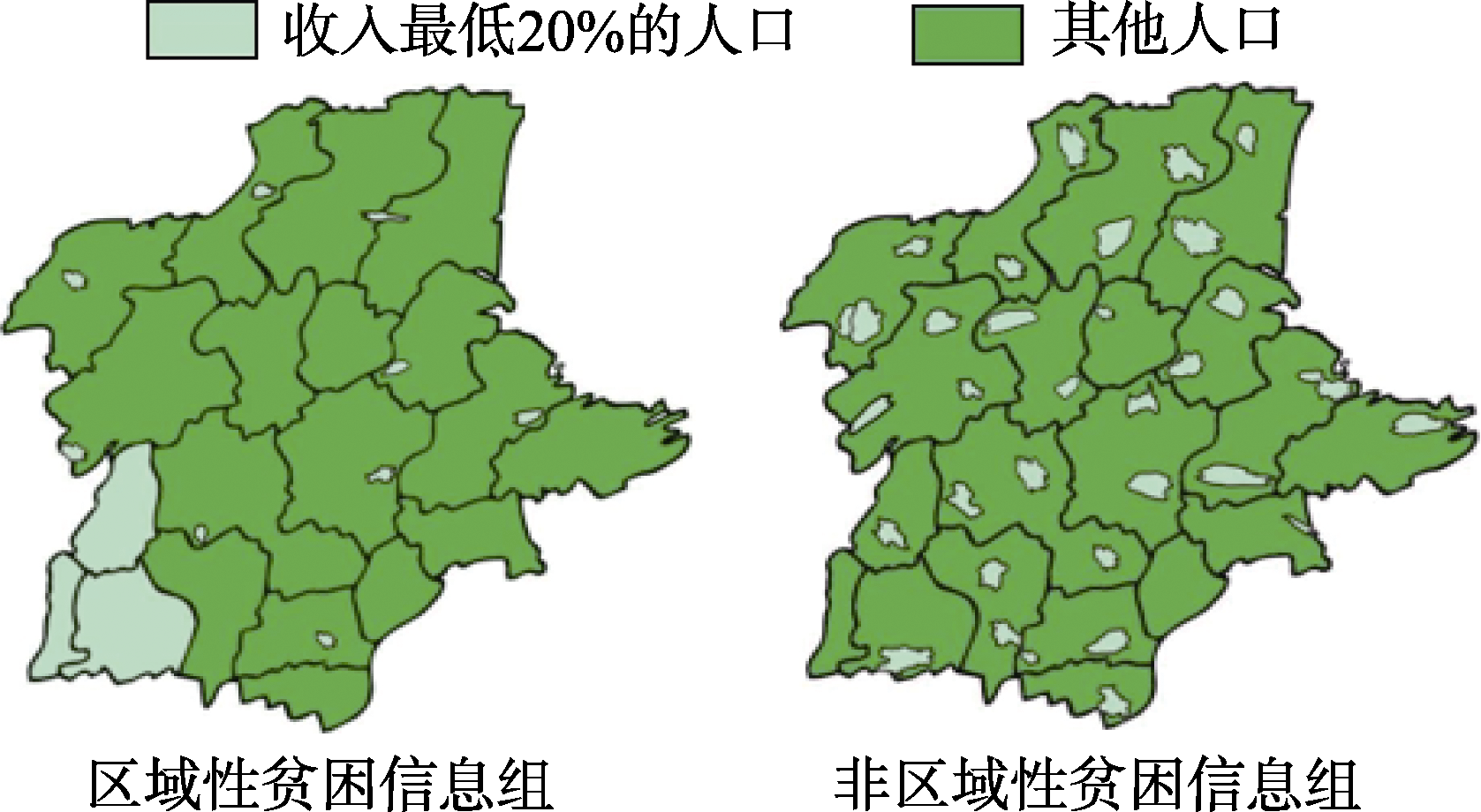
图1 实验2区域性贫困信息操纵

图2 贫困外归因倾向的中介效应检验(实验2) 注:路径系数为非标准化系数, *** p < 0.001, * p < 0.05
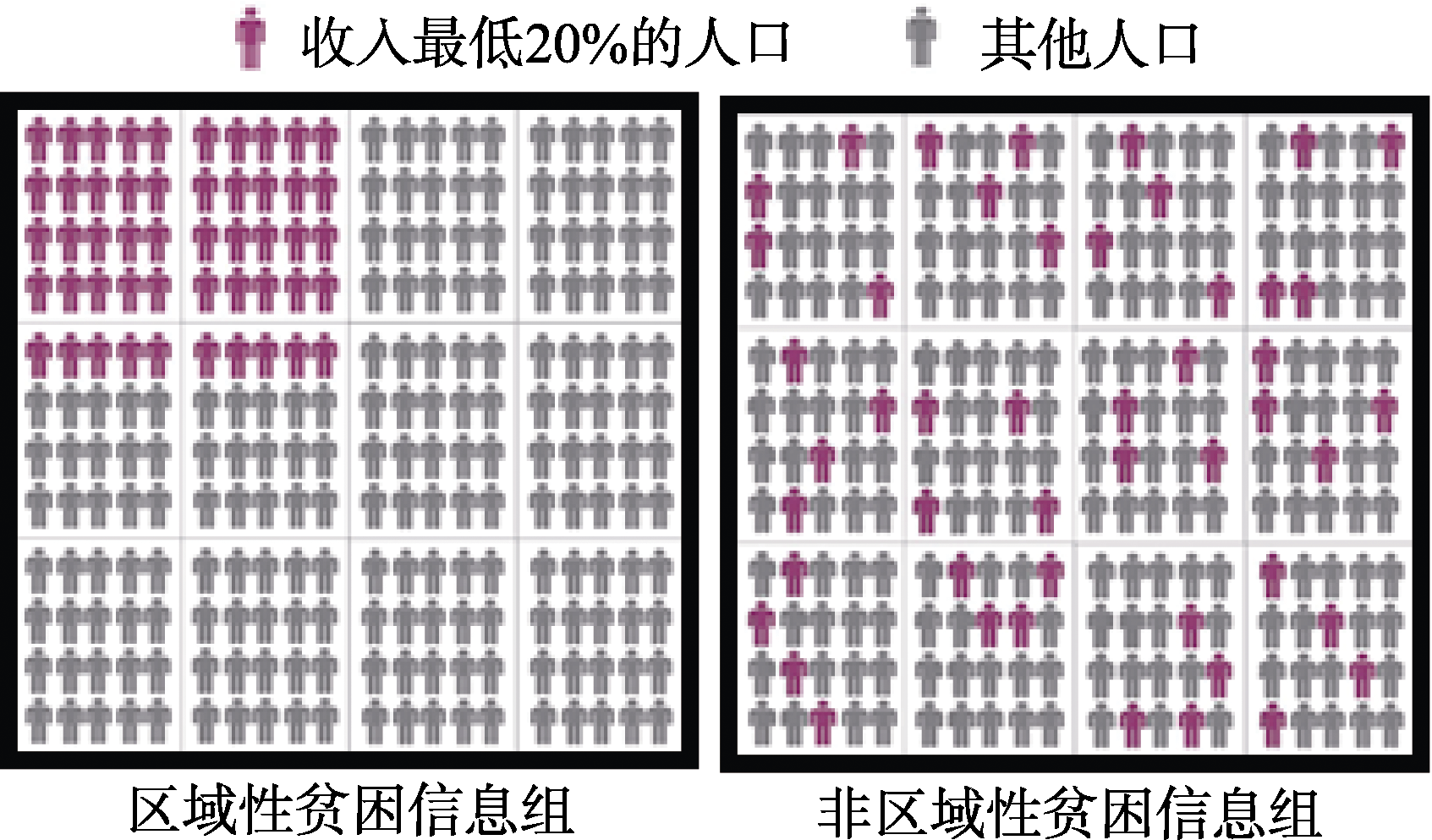
图3 实验3区域性贫困信息操纵
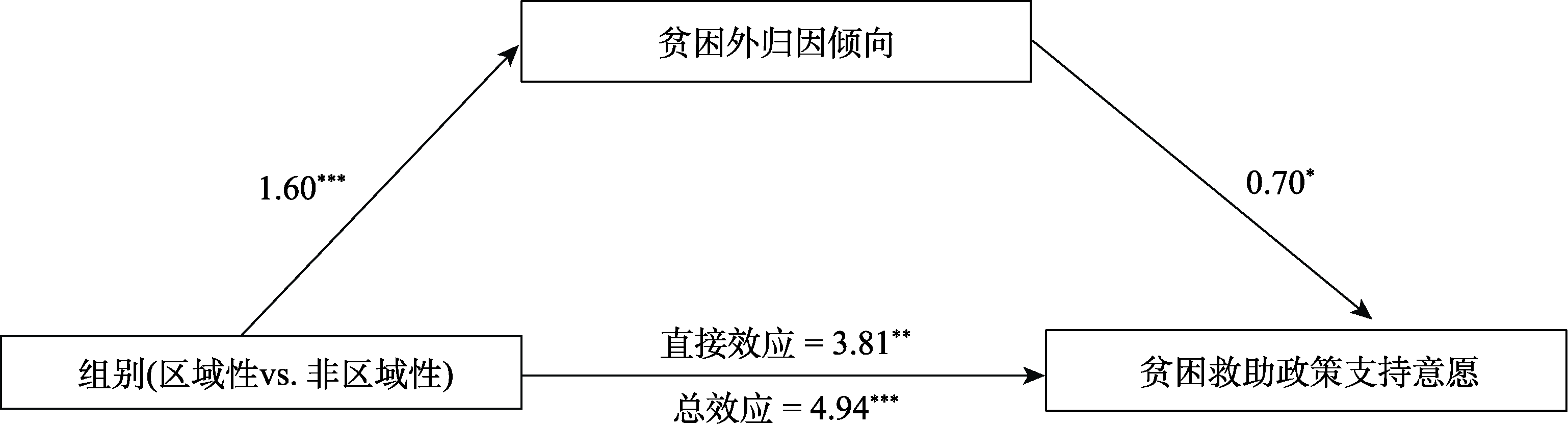
图4 贫困外归因倾向在区域性贫困信息影响贫困救助政策支持意愿中的中介效应检验(实验3) 注:路径系数为非标准化系数, *** p < 0.001, * p < 0.05

图5 贫困外归因倾向在区域性贫困信息影响捐赠意愿中的中介效应检验(实验3) 注:路径系数为非标准化系数, *** p < 0.001, * p < 0.05
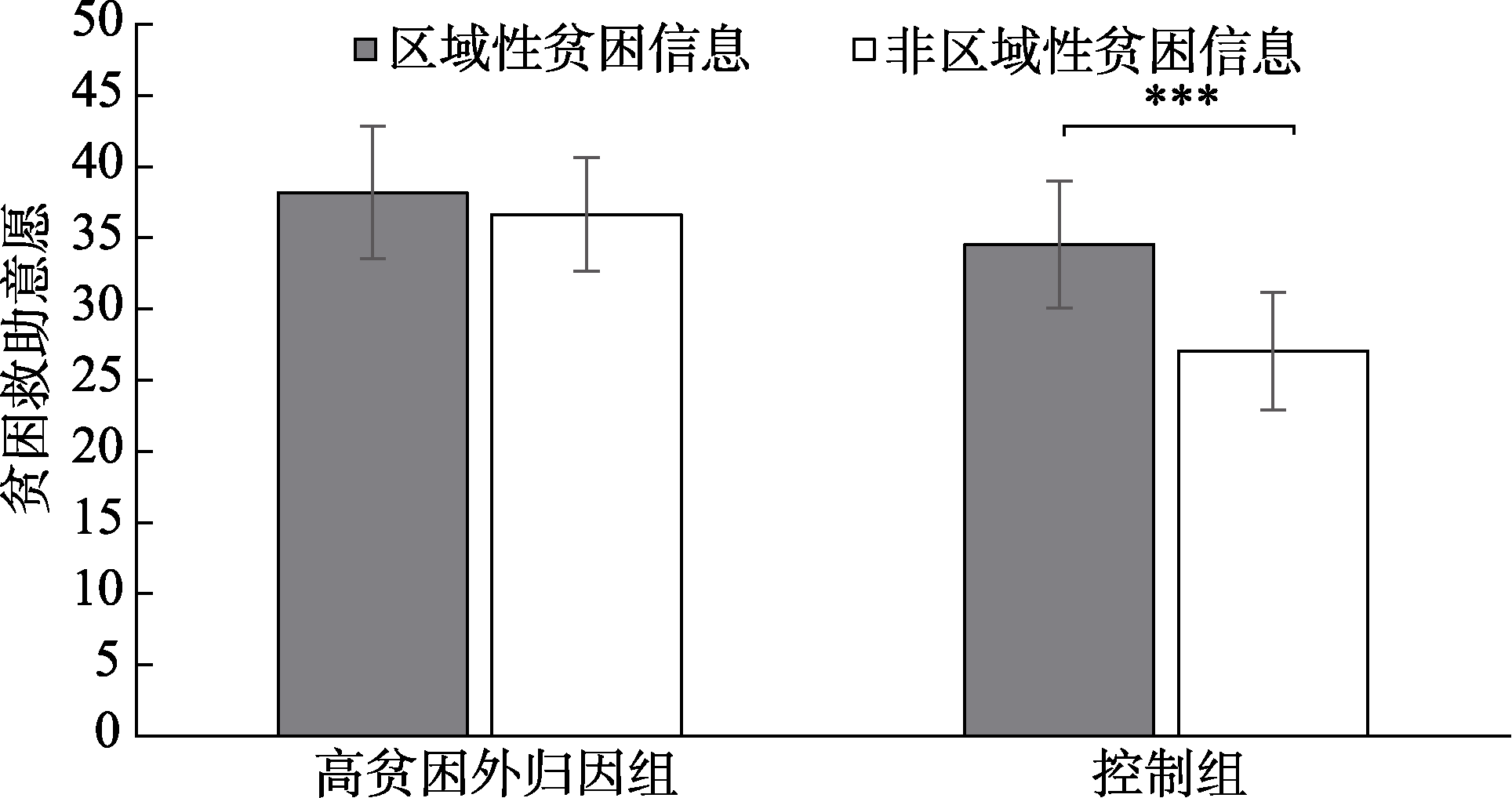
图6 不同分组被试在贫困救助意愿上的差异(实验4) 注:误差条为标准差, *** p < 0.001
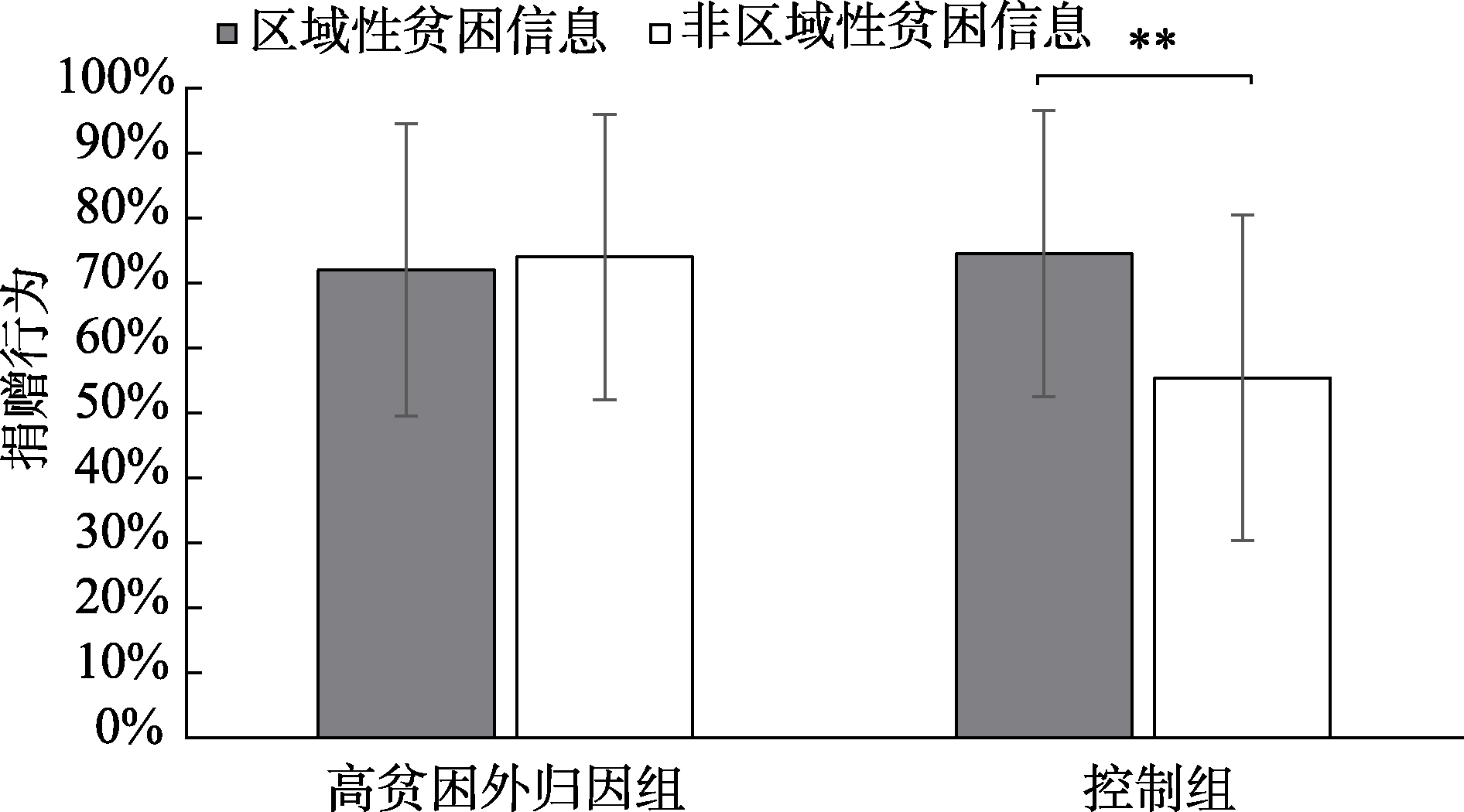
图7 不同分组被试在捐赠行为上的差异(实验4) 注:误差条为标准差, ** p < 0.01
| [1] |
Aknin L. B., & Whillans A. V. (2021). Helping and happiness: A review and guide for public policy. Social Issues and Policy Review, 15(1), 3-34.
doi: 10.1111/sipr.v15.1 URL |
| [2] |
Amemiya J., Mortenson E., Heyman G. D., & Walker C. M. (2023). Thinking structurally: A cognitive framework for understanding how people attribute inequality to structural causes. Perspectives on Psychological Science, 18(2), 259-274.
doi: 10.1177/17456916221093593 URL |
| [3] |
American Psychological Association. (2003). Resolution on poverty and socioeconomic status. Roeper Review, 25(3), 103-105.
doi: 10.1080/02783190309554209 URL |
| [4] |
Asadi A., Akbari M., Fami H. S., Iravani H., Rostami F., & Sadati A. (2008). Poverty alleviation and sustainable development: The role of social capital. Journal of Social Sciences, 4(3), 202-215.
doi: 10.3844/jssp.2008.202.215 URL |
| [5] |
Bai J., Yang S., Xu B., & Guo Y. (2021). How can successful people share their goodness with the world: The psychological mechanism underlying the upper social classes’ redistributive preferences and the role of humility. Acta Psychologica Sinica, 53(10), 1161-1172.
doi: 10.3724/SP.J.1041.2021.01161 URL |
|
[白洁, 杨沈龙, 徐步霄, 郭永玉. (2021). 达者何以兼济天下: 高阶层再分配偏向的心理机制及谦卑的作用. 心理学报, 53(10), 1161-1172.]
doi: 10.3724/SP.J.1041.2021.01161 |
|
| [6] | Batson C. D. (1987). Prosocial motivation:Is it ever truly altruistic? In L. Berkowitz (Ed.), Advances in experimental social psychology (Vol. 20, pp. 65-122). Academic Press. |
| [7] |
Betancourt H. (1990). An attribution-empathy model of helping behavior: Behavioral intentions and judgments of help-giving. Personality and Social Psychology Bulletin, 16(3), 573-591.
doi: 10.1177/0146167290163015 URL |
| [8] |
Bird K., & Shepherd A. (2003). Livelihoods and chronic poverty in semi-arid Zimbabwe. World Development, 31(3), 591-610.
doi: 10.1016/S0305-750X(02)00220-6 URL |
| [9] |
Brown-Iannuzzi J. L., Lundberg K. B., Kay A. C., & Payne B. K. (2015). Subjective status shapes political preferences. Psychological Science, 26(1), 15-26.
doi: 10.1177/0956797614553947 pmid: 25416138 |
| [10] | China Charity Federation. (2021). 2020 China Charitable Donation Report. 2021-11-26. http://www.charityalliance.org.cn./news/14364.jhtml |
| [中国慈善联合会. (2021). 2020年度中国慈善捐赠报告. 2021- 11-26. 取自 http://www.charityalliance.org.cn./news/14364.jhtml] | |
| [11] |
Chow R. M., & Galak J. (2012). The effect of inequality frames on support for redistributive tax policies. Psychological Science, 23(12), 1467-1469.
doi: 10.1177/0956797612450035 pmid: 23104681 |
| [12] |
Cimpian A., & Steinberg O. D. (2014). The inherence heuristic across development: Systematic differences between children’s and adults’ explanations for everyday facts. Cognitive Psychology, 75, 130-154.
doi: 10.1016/j.cogpsych.2014.09.001 pmid: 25291062 |
| [13] |
Cozzarelli C., Tagler M. J., & Wilkinson A. V. (2002). Do middle-class students perceive poor women and poor men differently?. Sex Roles, 47, 519-529.
doi: 10.1023/A:1022038200071 |
| [14] |
Cozzarelli C., Wilkinson A. V., & Tagler M. J. (2001). Attitudes toward the poor and attributions for poverty. Journal of Social Issues, 57(2), 207-227.
doi: 10.1111/josi.2001.57.issue-2 URL |
| [15] |
Daimon T. (2001). The spatial dimension of welfare and poverty: Lessons from a regional targeting programme in indonesia. Asian Economic Journal, 15(4), 345-367.
doi: 10.1111/asej.2001.15.issue-4 URL |
| [16] |
Davidai S. (2018). Why do Americans believe in economic mobility? Economic inequality, external attributions of wealth and poverty, and the belief in economic mobility. Journal of Experimental Social Psychology, 79(4), 138-148.
doi: 10.1016/j.jesp.2018.07.012 URL |
| [17] |
Ding F., & Lu Z. (2016). Association between empathy and prosocial behavior: A systematic review and meta-analysis. Advances in Psychological Science, 24(8), 1159-1174.
doi: 10.3724/SP.J.1042.2016.01159 |
|
[丁凤琴, 陆朝晖. (2016). 共情与亲社会行为关系的元分析. 心理科学进展, 24(8), 1159-1174.]
doi: 10.3724/SP.J.1042.2016.01159 |
|
| [18] | Ding Y., & Ji T. (2021). Not fearing inequality? The psychological explanations for tolerance of economic inequality. Journal of Psychological Science, 44(2), 412-418. |
| [丁毅, 纪婷婷. (2021). 不患不均?容忍和支持经济不平等的心理学解释. 心理科学, 44(2), 412-418.] | |
| [19] | Ding Y., & Ji T. (2024). Lower class perception impedes prosociality among higher objective class people in China. Journal of Psychological Science, 47(3), 711-717. |
| [丁毅, 纪婷婷. (2024). 低阶层感知抑制较高客观阶层者的亲社会性. 心理科学, 47(3), 711-717.] | |
| [20] |
Ding Y., Wu J., Ji T., Chen X., & Van Lange P. A. M. (2022). Perceptions of having less in the U.S. but having more in China are associated with stronger inequality aversion. Journal of Experimental Social Psychology, 101, 104342.
doi: 10.1016/j.jesp.2022.104342 URL |
| [21] |
Dixon J., Durrheim K., & Tredoux C. (2005). Beyond the optimal contact strategy: A reality check for the contact hypothesis. American Psychologist, 60(7), 697-711.
pmid: 16221003 |
| [22] |
Faul F., Erdfelder E., Buchner A., & Lang A. G. (2009). Statistical power analyses using G* Power 3.1: Tests for correlation and regression analyses. Behavior Research Methods, 41(4), 1149-1160.
doi: 10.3758/BRM.41.4.1149 URL |
| [23] |
Fu A., Zhang Z., Zheng J., Yue T., Lin Z., Wu N., & Huang X. (2020). Qualitative research on the endogenous power mechanism for poverty elimination. Acta Psychologica Sinica, 52(1), 66-80.
doi: 10.3724/SP.J.1041.2020.00066 |
|
[傅安国, 张再生, 郑剑虹, 岳童, 林肇宏, 吴娜, 黄希庭. (2020). 脱贫内生动力机制的质性探究. 心理学报, 52(1), 66-80.]
doi: 10.3724/SP.J.1041.2020.00066 |
|
| [24] |
Ge X. (2023). Experimentally manipulating mediating processes: Why and how to examine mediation using statistical moderation analyses. Journal of Experimental Social Psychology, 109, 104507.
doi: 10.1016/j.jesp.2023.104507 URL |
| [25] | Gocłowska M. A., Crisp R. J., & Labuschagne K. (2013). Can counter-stereotypes boost flexible thinking? Group Processes & Intergroup Relations, 16(2), 217-231. |
| [26] |
Haslanger S. (2016). What is a (social) structural explanation? Philosophical Studies, 173, 113-130.
doi: 10.1007/s11098-014-0434-5 URL |
| [27] | Hayes A. F. (2013). Introduction to mediation, moderation, and conditional process analysis: A regression-based approach. New York, NY: The Guilford Press. |
| [28] |
Hehman E., Ofosu E. K., & Calanchini J. (2021). Using environmental features to maximize prediction of regional intergroup bias. Social Psychological and Personality Science, 12, 156-164.
doi: 10.1177/1948550620909775 URL |
| [29] |
Ji T., Wang J., & Ding Y. (2025). Are we more empathetic towards stray animals or homeless individuals? An attributional responsibility approach. Acta Psychologica Sinica, 57(5), 838-859.
doi: 10.3724/SP.J.1041.2025.0838 |
|
[纪婷婷, 王嘉, 丁毅. (2025). 人们更同情流浪动物还是流浪汉?基于责任归因视角的解释. 心理学报, 57(5), 838-859.]
doi: 10.3724/SP.J.1041.2025.0838 |
|
| [30] | Jiang Y., & Zhang H. (2009). A preliminary discussion on cross-cultural research of regional stereotypes in China. Social Sciences Review, 24(10), 157-160. |
| [姜永志, 张海钟. (2009). 中国区域性格刻板印象跨文化研究刍议. 社科纵横, 24(10), 157-160.] | |
| [31] |
Kemmelmeier M., Jambor E. E., & Letner J. (2006). Individualism and good works: Cultural variation in giving and volunteering across the United States. Journal of Cross-Cultural Psychology, 37(3), 327-344.
doi: 10.1177/0022022106286927 URL |
| [32] | Kluegel J. R., & Smith E. R. (1986). Beliefs about inequality: Americans’ views of what is and what ought to be. New York Press. |
| [33] |
Kogut T., & Ritov I. (2005). The “identified victim” effect: An identified group, or just a single individual? Journal of Behavioral Decision Making, 18(3), 157-167.
doi: 10.1002/(ISSN)1099-0771 URL |
| [34] |
Kuziemko I., Norton M. I., Saez E., & Stantcheva S. (2015). How elastic are preferences for redistribution? Evidence from randomized survey experiments. American Economic Review, 105(4), 1478-1508.
doi: 10.1257/aer.20130360 URL |
| [35] | Li J. (2012). A study on the attribution tendency of different social class to the gap between the rich and the poor [Unpublished doctoral dissertation]. Central China Normal University, Wuhan. |
| [李静. (2012). 不同社会阶层对贫富差距的归因倾向研究 (博士学位论文). 华中师范大学, 武汉.] | |
| [36] | Liu J. (2021). The typical manifestations and governance mechanisms of relative poverty. Agricultural Economics, 12(11), 90-91. |
| [刘俊显. (2021). 相对贫困的典型表现及治理机制探究. 农业经济, 12(11), 90-91.] | |
| [37] |
Liu Y., Guo Y., & Zhou Y. (2018). Poverty alleviation in rural China: Policy changes, future challenges and policy implications. China Agricultural Economic Review, 10(2), 241-259.
doi: 10.1108/CAER-10-2017-0192 URL |
| [38] |
Luccasen R. A., Thomas M. K., & Grossman P. J. (2017). Giving to poverty relief charities: The impact of beliefs and misperceptions toward income redistribution in a real donation experiment. Social Choice and Welfare, 49, 387-409.
doi: 10.1007/s00355-017-1070-8 |
| [39] | Martin R., & Randal J. (2008). How is donation behavior affected by the donations of others? Journal of Economic Behavior & Organization, 67(1), 228-238. |
| [40] |
Mickelson K. D., & Hazlett E. (2014). “Why me?”: Low- income women’s poverty attributions, mental health, and social class perceptions. Sex Roles, 71, 319-332.
doi: 10.1007/s11199-014-0414-4 URL |
| [41] |
Miller D. C., Cheek J. Z., Mansourian S., & Wildburger C. (2022). Forests, trees and the eradication of poverty. Forest Policy and Economics, 140, 102753.
doi: 10.1016/j.forpol.2022.102753 URL |
| [42] |
Morris M. W., & Peng K. (1994). Culture and cause: American and Chinese attributions for social and physical events. Journal of Personality and Social Psychology, 67(6), 949-971.
doi: 10.1037/0022-3514.67.6.949 URL |
| [43] |
Nancy M., Helen W. L., & Jessica D. (2014). Effectiveness of a poverty simulation in second life: Changing nursing student attitudes toward poor people. International Journal of Nursing Education Scholarship, 11(1), 39-45.
doi: 10.1515/ijnes-2013-0076 URL |
| [44] | National Bureau of Statistics of China. (2024). 2023 China Statistical Yearbook. https://www.stats.gov.cn/sj/ndsj/2023/indexeh.htm |
| [国家统计局. (2024). 2023年中国统计年鉴. 取自 https://www.stats.gov.cn/sj/ndsj/2023/indexeh.htm] | |
| [45] | NP Source. (2024). The Ultimate List of Charitable Giving Statistics For 2024. https://nonprofitssource.com/online-giving-statistics/ |
| [46] |
Norton M. I., & Ariely D. (2011). Building a better America—One wealth quintile at a time. Perspectives on Psychological Science, 6(1), 9-12.
doi: 10.1177/1745691610393524 URL |
| [47] | Peretz-Lange R., Gonzalez G. D., & Hess Y. D. (2024). My circumstances, their circumstances: An actor-observer distinction in the consequences of external attributions. Social and Personality Psychology Compass, 18(8), e12993. |
| [48] |
Piff P. K., Kraus M. W., Côté S., Cheng B. H., & Keltner D. (2010). Having less, giving more: The influence of social class on prosocial behavior. Journal of Personality and Social Psychology, 99(5), 771-784.
doi: 10.1037/a0020092 pmid: 20649364 |
| [49] |
Piff P. K., Wiwad D., Robinson A. R., Aknin L. B., Mercier B., & Shariff A. (2020). Shifting attributions for poverty motivates opposition to inequality and enhances egalitarianism. Nature Human Behaviour, 4(5), 496-505.
doi: 10.1038/s41562-020-0835-8 pmid: 32203322 |
| [50] |
Pirlott A. G., & MacKinnon D. P. (2016). Design approaches to experimental mediation. Journal of Experimental Social Psychology, 66, 29-38.
pmid: 27570259 |
| [51] |
Rao G. (2019). Familiarity does not breed contempt: Generosity, discrimination, and diversity in Delhi schools. American Economic Review, 109(3), 774-809.
doi: 10.1257/aer.20180044 URL |
| [52] |
Ravallion M., & Wodon Q. (1999). Poor areas, or only poor people?. Journal of Regional Science, 39(4), 689-711.
doi: 10.1111/jors.1999.39.issue-4 URL |
| [53] |
Richard F. D., Bond Jr C. F., & Stokes-Zoota J. J. (2003). One hundred years of social psychology quantitatively described. Review of General Psychology, 7(4), 331-363.
doi: 10.1037/1089-2680.7.4.331 URL |
| [54] | Swab R. G., & Patel P. C. (2024). What is in a [poverty] label? The effect of regional poverty labeling in the Appalachian region of the U.S. and self-employment. Journal of Business Venturing Insights, 21, e00451. |
| [55] |
Tagler M. J., & Cozzarelli C. (2013). Feelings toward the poor and beliefs about the causes of poverty: The role of affective-cognitive consistency in help-giving. The Journal of Psychology, 147(6), 517-539.
doi: 10.1080/00223980.2012.718721 URL |
| [56] |
Van Heerde J., & Hudson D. (2010). ‘The righteous considereth the cause of the poor’? Public attitudes towards poverty in developing countries. Political Studies, 58(3), 389-409.
doi: 10.1111/j.1467-9248.2009.00800.x URL |
| [57] |
VanSandt C. V., & Sud M. (2012). Poverty alleviation through partnerships: A road less travelled for business, governments, and entrepreneurs. Journal of Business Ethics, 110, 321-332.
doi: 10.1007/s10551-011-1160-y URL |
| [58] |
Vargas Salfate S., & Stern C. (2024). Is contact among social class groups associated with legitimation of inequality? An examination across 28 countries. British Journal of Social Psychology, 63(2), 572-590.
doi: 10.1111/bjso.v63.2 URL |
| [59] |
Vázquez J. J., Panadero S., & Zúñiga C. (2017). Actors, observers, and causal attributions of homelessness: Differences in attribution for the causes of homelessness among domiciled and homeless people in Madrid (Spain). American Journal of Orthopsychiatry, 87(1), 15-22.
doi: 10.1037/ort0000130 URL |
| [60] | Wang H., Sun X., Ding Y., & Ji, T. (2023). The influence of dialect cues on prosocial behavior: The mediating role of social class and psychological distance. Chinese Social Psychological Review, 24(1), 166-182. |
| [王浩, 孙迅, 丁毅, 纪婷婷. (2023). 方言线索对亲社会行为的影响:社会阶层与心理距离知觉的中介作用. 中国社会心理评论, 24(1), 166-182.] | |
| [61] | Wang Y., Ding Y., & Guo Y. (2021). Wealth sharing behavior among high social class people and its interventions. Journal of Psychological Science, 44(4), 975-981. |
| [王阳, 丁毅, 郭永玉. (2021). 高社会阶层者的财富分享行为及其促进. 心理科学, 44(4), 975-981.] | |
| [62] |
Weiner B., Osborne D., & Rudolph U. (2011). An attributional analysis of reactions to poverty: The political ideology of the giver and the perceived morality of the receiver. Personality and Social Psychology Review, 15(2), 199-213.
doi: 10.1177/1088868310387615 pmid: 21041535 |
| [63] | Whyte M. K. (2009). Views of Chinese citizens on current inequalities. Sociological Studies, 1(1), 96-120. |
| [怀默霆. (2009). 中国民众如何看待当前的社会不平等. 社会学研究, (1), 96-120.] | |
| [64] | Wiwad D. (2019). The luck of the draw: How attributions for poverty shape support for economic inequality [Unpublished doctorial dissertation]. Simon Fraser University, Vancouver. |
| [65] | Wu G. (1996). A brief review of China’s poverty alleviation strategy. China Rural Economy, 10(8), 26-30. |
| [吴国宝. (1996). 对中国扶贫战略的简评. 中国农村经济, 10(8), 26-30.] | |
| [66] | Wu S., & Zhang J. (2007). Poverty and anti-poverty: Psychologic approaches. Advances in Psychological Science, 15(6), 987-992. |
| [吴胜涛, 张建新. (2007). 贫困与反贫困: 心理学的研究. 心理科学进展, 15(6), 987-992.] | |
| [67] | Xiang D., & Xiang K. (2020). Diversity and development:The connotation and governance of relative poverty. Journal of Huazhong University of Science and Technology (Social Science Edition), 34(2), 31-38. |
| [向德平, 向凯. (2020). 多元与发展: 相对贫困的内涵及治理. 华中科技大学学报(社会科学版), 34(2), 31-38.] | |
| [68] |
Yang S., Guo Y., HU X., Shu S., & Li J. (2016). Do lower class individuals possess higher levels of system justification? An examination from the social cognitive perspectives. Acta Psychologica Sinica, 48(11), 1467-1478.
doi: 10.3724/SP.J.1041.2016.01467 |
| [杨沈龙, 郭永玉, 胡小勇, 舒首立, 李静. (2016). 低阶层者的系统合理化水平更高吗?——基于社会认知视角的考察. 心理学报, 48(11), 1467-1478.] | |
| [69] | Yang Z., & Zou Q. (2007). A comparative study of implicit regional stereotypes using IAT and SEB. Journal of Psychological Science, 30(6), 1314-1320. |
| [杨治良, 邹庆宇. (2007). 内隐地域刻板印象的IAT和SEB比较研究. 心理科学, 30(6), 1314-1320.] | |
| [70] |
Zeng Z., Bai J., Guo Y., Zhang Y., & Gu Y. (2022). Are richer people less supportive of redistribution? The relationship between social class and redistribution preference and its psychological mechanism. Advances in Psychological Science, 30(6), 1336-1349.
doi: 10.3724/SP.J.1042.2022.01336 |
|
[曾昭携, 白洁, 郭永玉, 张跃, 顾玉婷. (2022). 越富有越不支持再分配?——社会阶层与再分配偏向的关系及其心理机制. 心理科学进展, 30(6), 1336-1349.]
doi: 10.3724/SP.J.1042.2022.01336 |
|
| [71] | Zhang A., & Liu H. (2003). The structural models of responsibility, affect response and help giving from attributional perspective. Acta Psychologica Sinica, 35(4), 535-540. |
| [张爱卿, 刘华山. (2003). 责任、情感及帮助行为的归因结构模型. 心理学报, 35(4), 535-540.] | |
| [72] |
Zhang H., Jiang Y., Zhao W., An G., Zhang X., Hu Z., & Zhang W. (2012). A theoretical exploration and empirical research of the regional cross-culture psychology of China. Advances in Psychological Science, 20(8), 1229-1236.
doi: 10.3724/SP.J.1042.2012.01229 URL |
| [张海钟, 姜永志, 赵文进, 安桂花, 张小龙, 胡志军, 张万里. (2012). 中国区域跨文化心理学理论探索与实证研究. 心理科学进展, 20(8), 1229-1236.] | |
| [73] |
Zhang M., Yuan M., & Xing S. (2016). Who would you lend a helping hand: Identifiable victim effect. Advances in Psychology, 6(10), 1032-1038.
doi: 10.12677/AP.2016.610131 URL |
| [张梦婷, 袁萌, 邢淑芬. (2016). 你会对谁伸出援助之手:可识别受害者效应. 心理学进展, 6(10), 1032-1038.] | |
| [74] |
Zhao C., Wen R., & Yang N. (2020). The influence mechanism of spatial differentiation of poverty in western Anhui. Journal of Natural Resources, 35(12), 2916-2928.
doi: 10.31497/zrzyxb.20201208 URL |
|
[赵春雨, 温瑞霞, 杨娜. (2020). 皖西地区贫困空间分异的影响机制. 自然资源学报, 35(12), 2916-2928.]
doi: 10.31497/zrzyxb.20201208 |
|
| [75] |
Zhou Y., & Li X. (2021). Basic theories and frontiers of poverty geography. Acta Geographica Sinica, 76(10), 2407-2424.
doi: 10.11821/dlxb202110006 |
|
[周扬, 李寻欢. (2021). 贫困地理学的基础理论与学科前沿. 地理学报, 76(10), 2407-2424.]
doi: 10.11821/dlxb202110006 |
|
| [76] |
Zuo B., Wen F., Song J., & Dai T. (2019). The characteristics, dimensions, and psychological effects of social categorization. Advances in Psychological Science, 27(1), 141-148.
doi: 10.3724/SP.J.1042.2019.00141 URL |
|
[佐斌, 温芳芳, 宋静静, 代涛涛. (2019). 社会分类的特性, 维度及心理效应. 心理科学进展, 27(1), 141-148.]
doi: 10.3724/SP.J.1042.2019.00141 |
|
| [77] | Zuo T. (2017). The multidimensional nature of poverty and the Innovation of anti-poverty strategies from the perspective of the social safety net. Chinese Social Security Review, 1(2), 71-87. |
| [左停. (2017). 贫困的多维性质与社会安全网视角下的反贫困创新. 社会保障评论, 1(2), 71-87.] | |
| [78] | Zuo T. (2021). Exploring the mechanisms of key actors in global poverty alleviation. People's Tribune, 11, 28-31. |
| [左停. (2021). 全球减贫中的扶贫主体作用机制探究. 人民论坛, 11, 28-31.] |
| [1] | 蒋莹, 明桦, 张凤, 任屹, 梅刻寒, 黄四林. 贫困经历对儿童执行功能的影响:有限资源的损耗及其补偿[J]. 心理学报, 2026, 58(2): 221-234. |
| [2] | 张南, 曹沛伶, 李宁, 孙晓敏, 乔志宏, 赵精武. 法官工作时间贫困感的前因及其司法决策后果的质性探究[J]. 心理学报, 2024, 56(6): 814-830. |
| [3] | 傅安国, 张再生, 郑剑虹, 岳童, 林肇宏, 吴娜, 黄希庭. 脱贫内生动力机制的质性探究[J]. 心理学报, 2020, 52(1): 66-80. |
| 阅读次数 | ||||||
|
全文 |
|
|||||
|
摘要 |
|
|||||
