

ISSN 0439-755X
CN 11-1911/B
主办:中国心理学会
中国科学院心理研究所
出版:科学出版社
CN 11-1911/B
主办:中国心理学会
中国科学院心理研究所
出版:科学出版社
心理学报 ›› 2024, Vol. 56 ›› Issue (11): 1604-1618.doi: 10.3724/SP.J.1041.2024.01604 cstr: 32110.14.2024.01604
黄韫慧, 肖友凯, 初星宇( ), 卢玥
), 卢玥
收稿日期:2024-07-03
发布日期:2024-09-05
出版日期:2024-11-25
通讯作者:
初星宇, E-mail: marcoschu@nju.edu.cn基金资助:
HUANG Yunhui, XIAO Youkai, CHU Xing-Yu (Marcos)(), LU Yue
Received:2024-07-03
Online:2024-09-05
Published:2024-11-25
摘要:
双关作为一种常见修辞格, 被广泛应用于广告宣传。本文将双关广告语划分为语义双关广告语与谐音双关广告语, 选取精致和真挚两个重要品牌个性, 讨论二者间匹配关系及效应, 并通过6个实验(4个实验室实验和2个田野实验)检验了此匹配效应。本文发现, 一方面, 语义双关比谐音双关的理解难度更大, 对语义(vs. 谐音)双关广告语的理解过程更复杂(vs. 简单); 另一方面, 精致(vs. 真挚)品牌会给人一种复杂(vs. 简单)的感知。故语义双关与精致品牌更匹配, 谐音双关与真挚品牌更匹配, 两者的匹配关系可以提升消费者的购买意愿、产品态度和真实点击。本文结论可为品牌和广告商提供实践借鉴。
中图分类号:
黄韫慧, 肖友凯, 初星宇, 卢玥. (2024). 语义还是谐音:品牌个性与双关类型的匹配. 心理学报, 56(11), 1604-1618.
HUANG Yunhui, XIAO Youkai, CHU Xing-Yu (Marcos), LU Yue. (2024). Semantic versus homophonic puns: The match between brand personality and pun types in advertisements. Acta Psychologica Sinica, 56(11), 1604-1618.
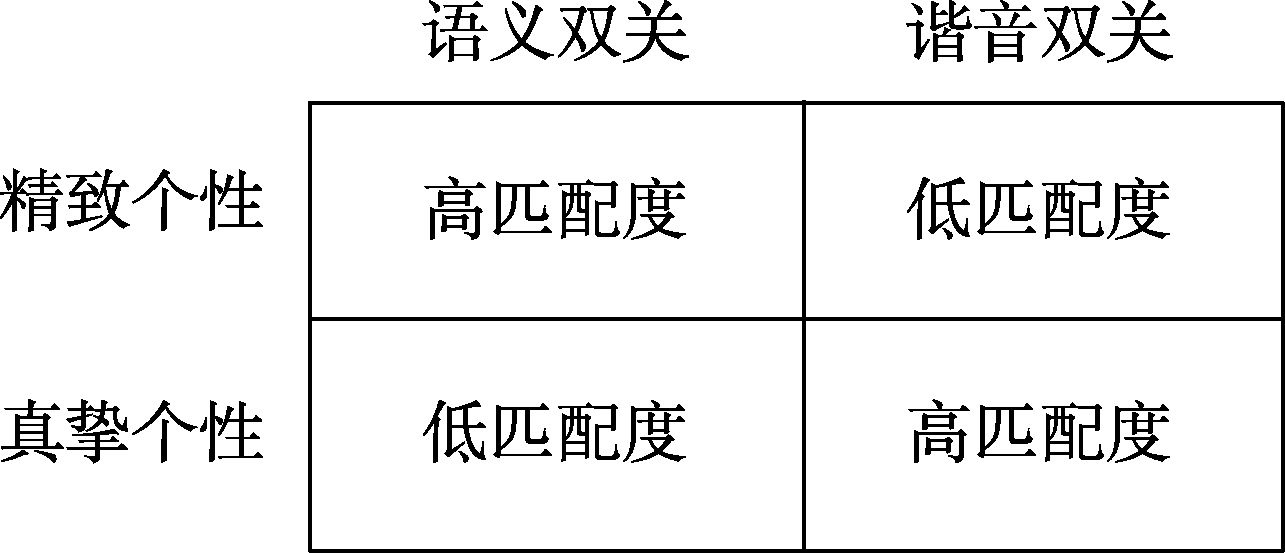
图1 品牌个性与双关广告语之间的匹配关系
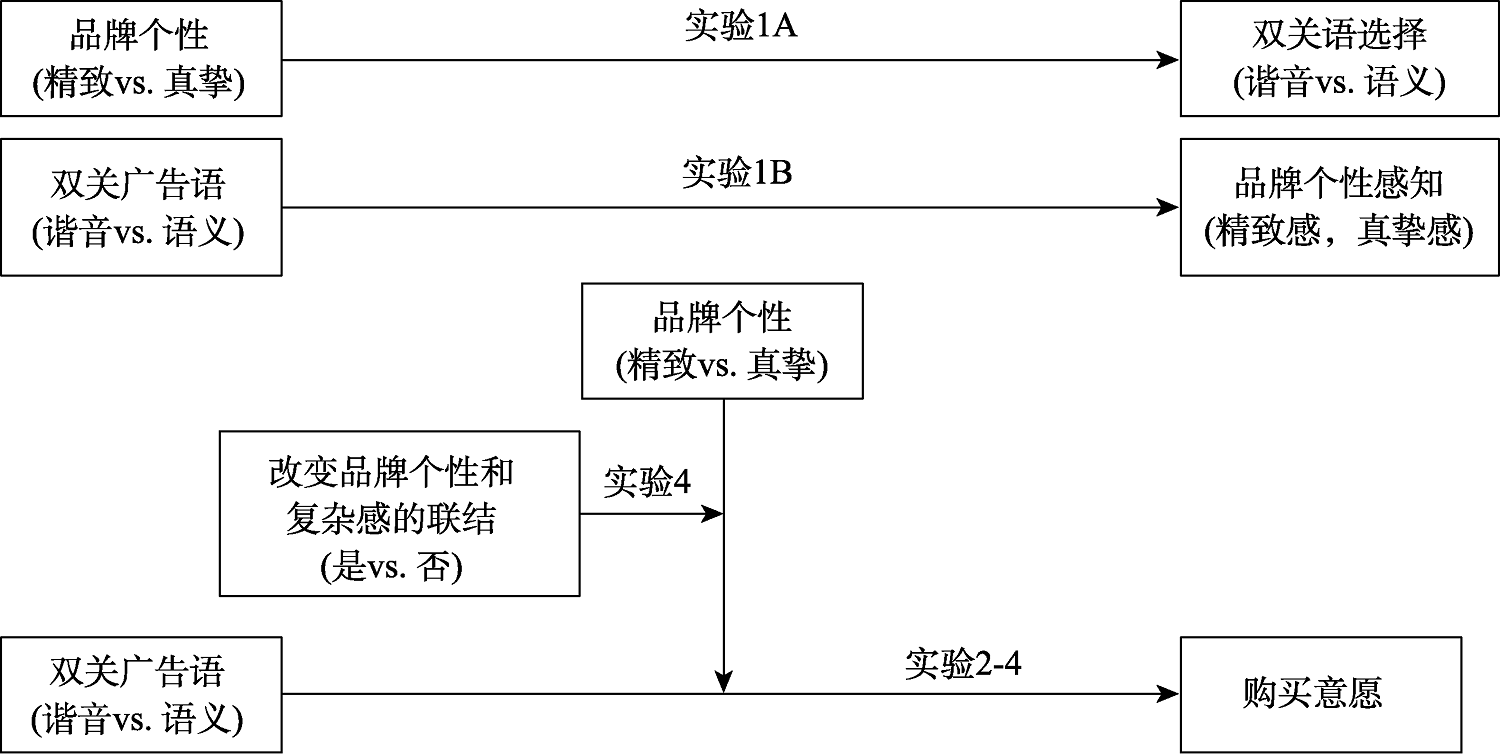
图2 研究架构图
| 实验 | 实验设计 | 产品 | 双关语材料 |
|---|---|---|---|
| 实验1A (N = 200) | 2 (品牌个性: 精致vs. 真挚)组间设计 | 眼线笔 | 语义:绝“色”佳人 谐音:“笔”不可少 |
| 实验1B (N = 200) | 2 (双关类型: 语义vs. 谐音)组间设计 | 雪糕 | 语义:尽享“甜蜜” 谐音:舒服“一夏” |
| 实验2 (N = 238) | 2 (品牌个性: 精致vs. 真挚) × 2 (双关类型: 语义 vs. 谐音)组间设计 | 扫地机器人 | 语义:“机”不可失 谐音:“净”如人意 |
| 实验3A (N = 145, 983) | 2 (品牌个性: 精致vs. 真挚) × 2 (双关类型: 语义 vs. 谐音)组间设计 | 祛痘产品 | 语义:告别“粉饰” 谐音:战“痘”精华 |
| 实验3B (N = 78, 639) | 2 (品牌个性: 精致vs. 真挚) × 2 (双关类型: 语义 vs. 谐音)组间设计 | 枕头 | 语义:实现睡眠“梦想” 谐音:全“芯”睡眠体验 |
| 实验4 (N = 400) | 2 (品牌个性: 精致vs. 真挚) × 2 (改变联结: 是 vs. 否) × 2 (双关类型: 语义vs. 谐音)组间设计 | 祛痘产品 | 语义:告别“粉饰” 谐音:战“痘”精华 |
表1 实验汇总
| 实验 | 实验设计 | 产品 | 双关语材料 |
|---|---|---|---|
| 实验1A (N = 200) | 2 (品牌个性: 精致vs. 真挚)组间设计 | 眼线笔 | 语义:绝“色”佳人 谐音:“笔”不可少 |
| 实验1B (N = 200) | 2 (双关类型: 语义vs. 谐音)组间设计 | 雪糕 | 语义:尽享“甜蜜” 谐音:舒服“一夏” |
| 实验2 (N = 238) | 2 (品牌个性: 精致vs. 真挚) × 2 (双关类型: 语义 vs. 谐音)组间设计 | 扫地机器人 | 语义:“机”不可失 谐音:“净”如人意 |
| 实验3A (N = 145, 983) | 2 (品牌个性: 精致vs. 真挚) × 2 (双关类型: 语义 vs. 谐音)组间设计 | 祛痘产品 | 语义:告别“粉饰” 谐音:战“痘”精华 |
| 实验3B (N = 78, 639) | 2 (品牌个性: 精致vs. 真挚) × 2 (双关类型: 语义 vs. 谐音)组间设计 | 枕头 | 语义:实现睡眠“梦想” 谐音:全“芯”睡眠体验 |
| 实验4 (N = 400) | 2 (品牌个性: 精致vs. 真挚) × 2 (改变联结: 是 vs. 否) × 2 (双关类型: 语义vs. 谐音)组间设计 | 祛痘产品 | 语义:告别“粉饰” 谐音:战“痘”精华 |
| 实验 | 双关类型 | 广告语 | 复杂感 | 品牌努力 | ||
|---|---|---|---|---|---|---|
| M | SD | M | SD | |||
| 实验1A | 语义 | 绝“色”佳人 | 3.31 | 1.60 | 4.77 | 1.45 |
| 谐音 | “笔”不可少 | 2.40 | 1.36 | 4.98 | 1.32 | |
| 实验1B | 语义 | 尽享“甜蜜” | 2.33 | 1.34 | 4.43 | 1.47 |
| 谐音 | 舒服“一夏” | 2.22 | 1.26 | 4.84 | 1.28 | |
| 实验2 | 语义 | “机”不可失 | 2.50 | 1.38 | 4.69 | 1.25 |
| 谐音 | “净”如人意 | 2.16 | 1.09 | 5.04 | 1.10 | |
| 实验3A&4 | 语义 | 告别“粉饰” | 3.44 | 1.58 | 4.63 | 1.34 |
| 谐音 | 战“痘”精华 | 1.81 | 0.93 | 4.55 | 1.44 | |
| 实验3B | 语义 | 实现睡眠“梦想” | 3.28 | 1.68 | 4.73 | 1.35 |
| 谐音 | 全“芯”睡眠体验 | 2.77 | 1.36 | 5.13 | 1.14 | |
表2 双关类型对复杂感和感知品牌努力的影响
| 实验 | 双关类型 | 广告语 | 复杂感 | 品牌努力 | ||
|---|---|---|---|---|---|---|
| M | SD | M | SD | |||
| 实验1A | 语义 | 绝“色”佳人 | 3.31 | 1.60 | 4.77 | 1.45 |
| 谐音 | “笔”不可少 | 2.40 | 1.36 | 4.98 | 1.32 | |
| 实验1B | 语义 | 尽享“甜蜜” | 2.33 | 1.34 | 4.43 | 1.47 |
| 谐音 | 舒服“一夏” | 2.22 | 1.26 | 4.84 | 1.28 | |
| 实验2 | 语义 | “机”不可失 | 2.50 | 1.38 | 4.69 | 1.25 |
| 谐音 | “净”如人意 | 2.16 | 1.09 | 5.04 | 1.10 | |
| 实验3A&4 | 语义 | 告别“粉饰” | 3.44 | 1.58 | 4.63 | 1.34 |
| 谐音 | 战“痘”精华 | 1.81 | 0.93 | 4.55 | 1.44 | |
| 实验3B | 语义 | 实现睡眠“梦想” | 3.28 | 1.68 | 4.73 | 1.35 |
| 谐音 | 全“芯”睡眠体验 | 2.77 | 1.36 | 5.13 | 1.14 | |
| 精致品牌 | 真挚品牌 |
|---|---|
| Line公司是一家生产和销售各类眼线笔的美妆品牌。它采用纯正化妆品制造工艺, 每一支眼线笔都使用上等精选材质, 成分温和不刺激。色泽浓郁, 防水不晕染。这可能就是为什么Line品牌具有高贵、富有魅力的品牌个性的原因。 | Line公司是一家生产和销售各类眼线笔的美妆品牌。它采用原始化妆品制造工艺, 每一支眼线笔都使用安全可食用材质, 成分温和不刺激。显色自然, 防水不晕染。这可能就是为什么Line品牌具有务实、诚实和正面的品牌个性的原因。 |
表3 实验1A品牌个性描述
| 精致品牌 | 真挚品牌 |
|---|---|
| Line公司是一家生产和销售各类眼线笔的美妆品牌。它采用纯正化妆品制造工艺, 每一支眼线笔都使用上等精选材质, 成分温和不刺激。色泽浓郁, 防水不晕染。这可能就是为什么Line品牌具有高贵、富有魅力的品牌个性的原因。 | Line公司是一家生产和销售各类眼线笔的美妆品牌。它采用原始化妆品制造工艺, 每一支眼线笔都使用安全可食用材质, 成分温和不刺激。显色自然, 防水不晕染。这可能就是为什么Line品牌具有务实、诚实和正面的品牌个性的原因。 |
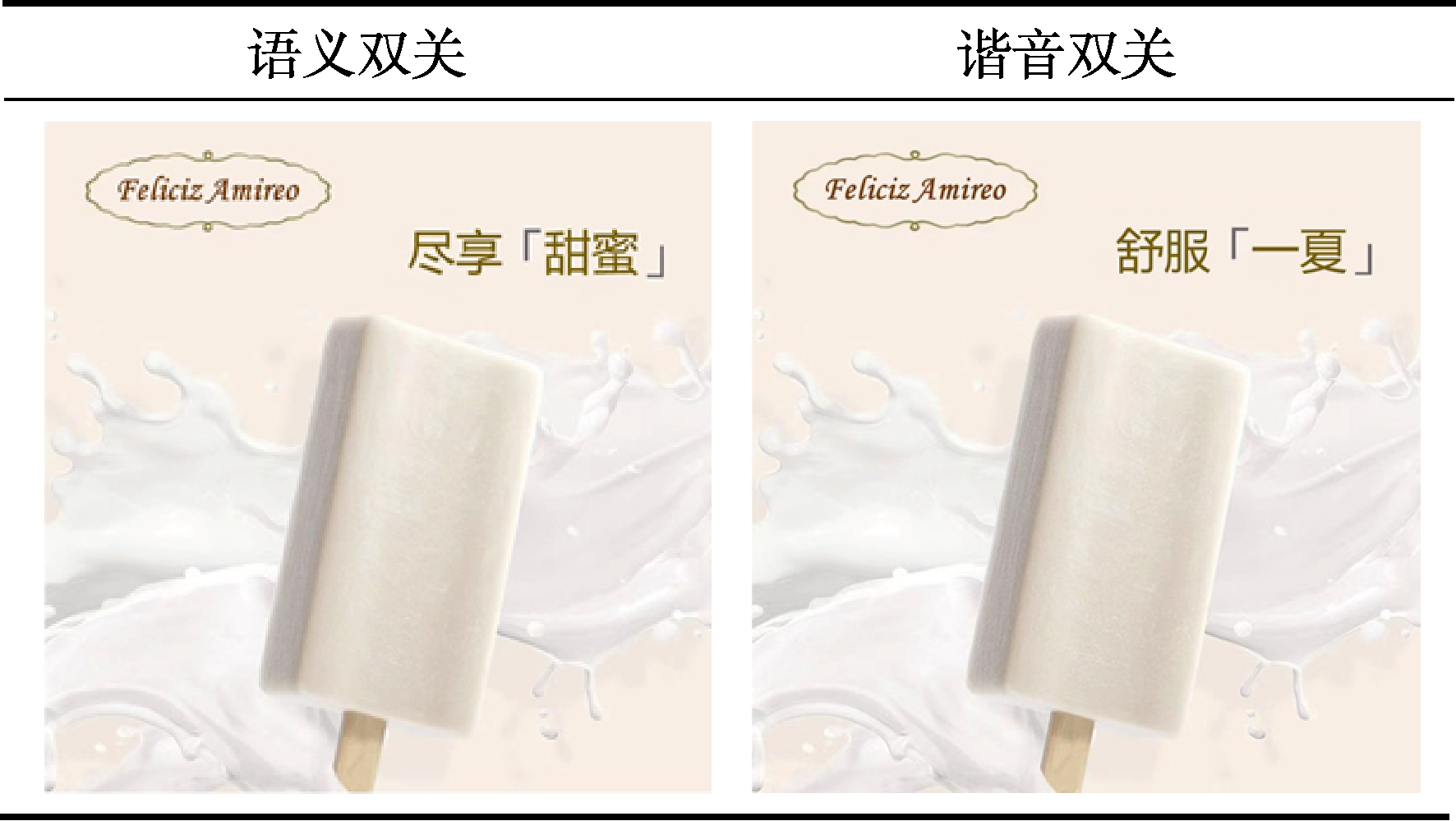
图3 实验1B实验材料
| 精致品牌 | 真挚品牌 |
|---|---|
| Sparify是一家为精致生活而生的家电品牌, 其品牌口号是‘让生活更加精致高贵’。产品设计精致典雅, 力求完美无暇, 传达精致魅力的理念。 | Sparify是一家为真挚生活而生的家电品牌, 其品牌口号是‘让生活更加真挚务实’。产品设计体贴周到, 力求打动人心, 传达健康愉悦的理念。 |
表4 实验2品牌个性描述
| 精致品牌 | 真挚品牌 |
|---|---|
| Sparify是一家为精致生活而生的家电品牌, 其品牌口号是‘让生活更加精致高贵’。产品设计精致典雅, 力求完美无暇, 传达精致魅力的理念。 | Sparify是一家为真挚生活而生的家电品牌, 其品牌口号是‘让生活更加真挚务实’。产品设计体贴周到, 力求打动人心, 传达健康愉悦的理念。 |
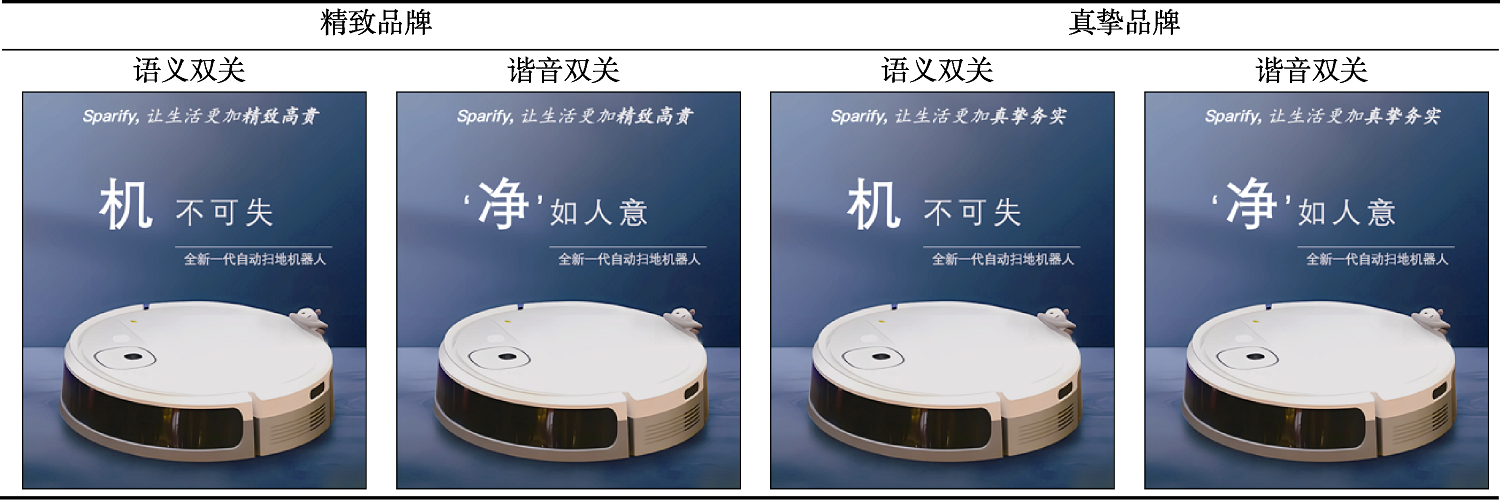
图4 实验2实验材料
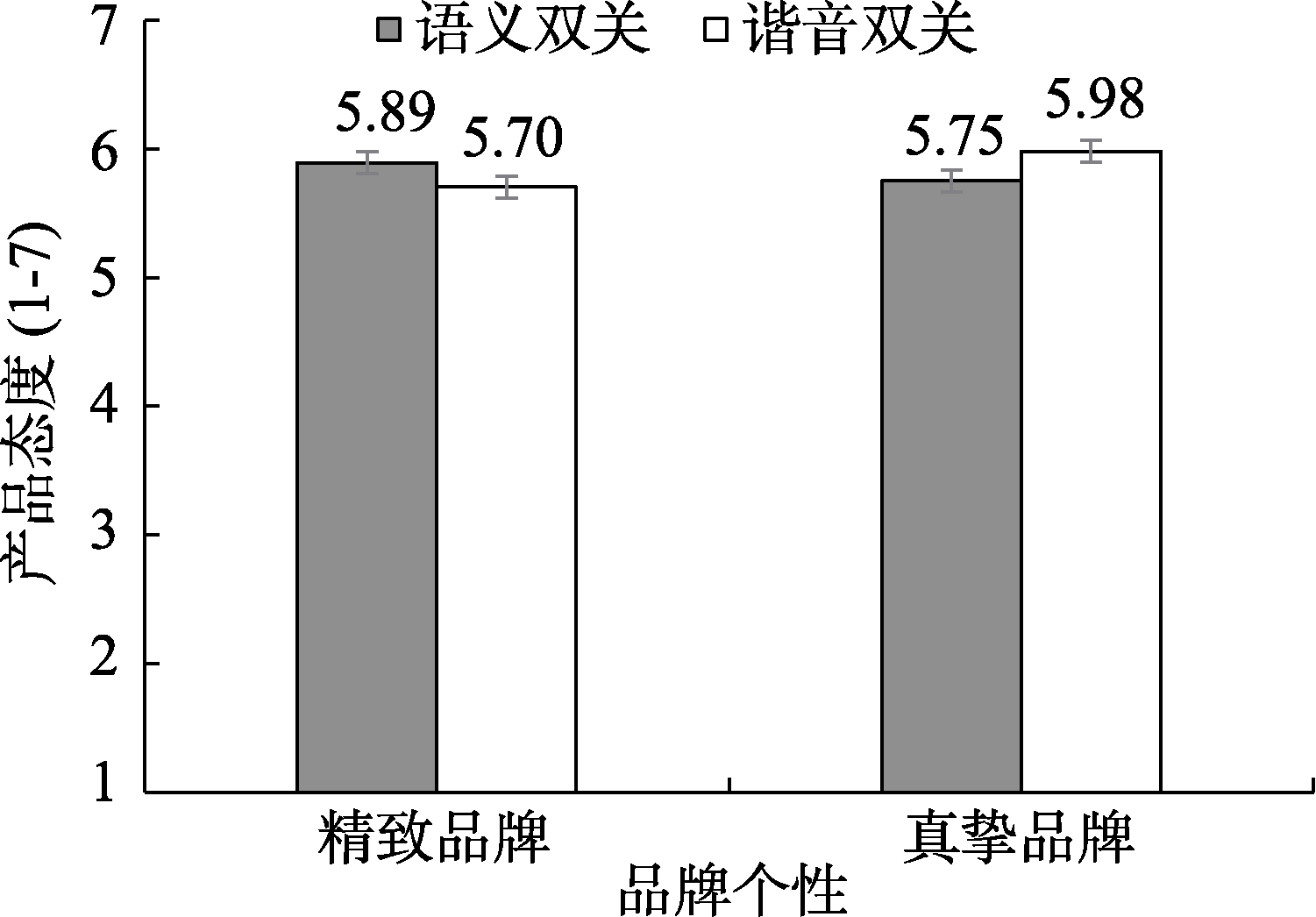
图5 品牌个性和双关类型对产品态度的影响
| 品牌 | 语义双关 | 谐音双关 |
|---|---|---|
| 精致品牌 | 标题:告别“粉饰”, 祛痘无痕 正文:典藏臻品, 滋养护肤!美妆洗护畅销爆款直降, 开启精致时刻>> | 标题:战“痘”精华, 祛痘无痕 正文:典藏臻品, 滋养护肤!美妆洗护畅销爆款直降, 开启精致时刻>> |
| 真挚品牌 | 标题:告别“粉饰”, 祛痘无痕 正文:真诚相伴, 清爽补水!美妆洗护畅销爆款直降, 开启真挚时刻>> | 标题:战“痘”精华, 祛痘无痕 正文:真诚相伴, 清爽补水!美妆洗护畅销爆款直降, 开启真挚时刻>> |
表5 实验3A推送文案描述
| 品牌 | 语义双关 | 谐音双关 |
|---|---|---|
| 精致品牌 | 标题:告别“粉饰”, 祛痘无痕 正文:典藏臻品, 滋养护肤!美妆洗护畅销爆款直降, 开启精致时刻>> | 标题:战“痘”精华, 祛痘无痕 正文:典藏臻品, 滋养护肤!美妆洗护畅销爆款直降, 开启精致时刻>> |
| 真挚品牌 | 标题:告别“粉饰”, 祛痘无痕 正文:真诚相伴, 清爽补水!美妆洗护畅销爆款直降, 开启真挚时刻>> | 标题:战“痘”精华, 祛痘无痕 正文:真诚相伴, 清爽补水!美妆洗护畅销爆款直降, 开启真挚时刻>> |
| 品牌 | 语义双关 | 谐音双关 |
|---|---|---|
| 精致品牌 | 标题:典藏臻品, 奢华享受 正文:实现睡眠“梦想”!有品家装季, 点击开启精致时刻>>> | 标题:典藏臻品, 奢华享受 正文:全“芯”睡眠体验!有品家装季, 点击开启精致时刻>>> |
| 真挚品牌 | 标题:真诚相伴, 愉悦感受 正文:实现睡眠“梦想”!有品家装季, 点击开启真挚时刻>>> | 标题:真诚相伴, 愉悦感受 正文:全“芯”睡眠体验!有品家装季, 点击开启精致时刻>>> |
表6 实验3B推送文案描述
| 品牌 | 语义双关 | 谐音双关 |
|---|---|---|
| 精致品牌 | 标题:典藏臻品, 奢华享受 正文:实现睡眠“梦想”!有品家装季, 点击开启精致时刻>>> | 标题:典藏臻品, 奢华享受 正文:全“芯”睡眠体验!有品家装季, 点击开启精致时刻>>> |
| 真挚品牌 | 标题:真诚相伴, 愉悦感受 正文:实现睡眠“梦想”!有品家装季, 点击开启真挚时刻>>> | 标题:真诚相伴, 愉悦感受 正文:全“芯”睡眠体验!有品家装季, 点击开启精致时刻>>> |
| 组别 | 精致品牌 | 真挚品牌 |
|---|---|---|
| 控制组 | 描述你最近的一次购物经历, 如购买了哪些产品, 涉及到什么品牌, 并谈谈你对这些品牌的看法。 | |
| 改变“品牌个性−复杂感”联结 | 精致, 有时候理解起来可以很简单。高贵的、有魅力的事物可以用简单的形式体现。例如奢侈品牌Burberry, 设计简单的棋盘格图案透露着高贵, 在简单中体现奢华。 根据以上阅读, 请你举一个符合上述说法的品牌例子并简要描述你的印象 | 真挚, 有时候理解起来可以很复杂。务实的、诚实的事物可以用复杂的形式体现。例如大众品牌优衣库, 复杂多样的品类透露着务实态度, 在复杂中还原本真。 根据以上阅读, 请你举一个符合上述说法的品牌例子并简要描述你的印象 |
表7 实验4写作任务
| 组别 | 精致品牌 | 真挚品牌 |
|---|---|---|
| 控制组 | 描述你最近的一次购物经历, 如购买了哪些产品, 涉及到什么品牌, 并谈谈你对这些品牌的看法。 | |
| 改变“品牌个性−复杂感”联结 | 精致, 有时候理解起来可以很简单。高贵的、有魅力的事物可以用简单的形式体现。例如奢侈品牌Burberry, 设计简单的棋盘格图案透露着高贵, 在简单中体现奢华。 根据以上阅读, 请你举一个符合上述说法的品牌例子并简要描述你的印象 | 真挚, 有时候理解起来可以很复杂。务实的、诚实的事物可以用复杂的形式体现。例如大众品牌优衣库, 复杂多样的品类透露着务实态度, 在复杂中还原本真。 根据以上阅读, 请你举一个符合上述说法的品牌例子并简要描述你的印象 |
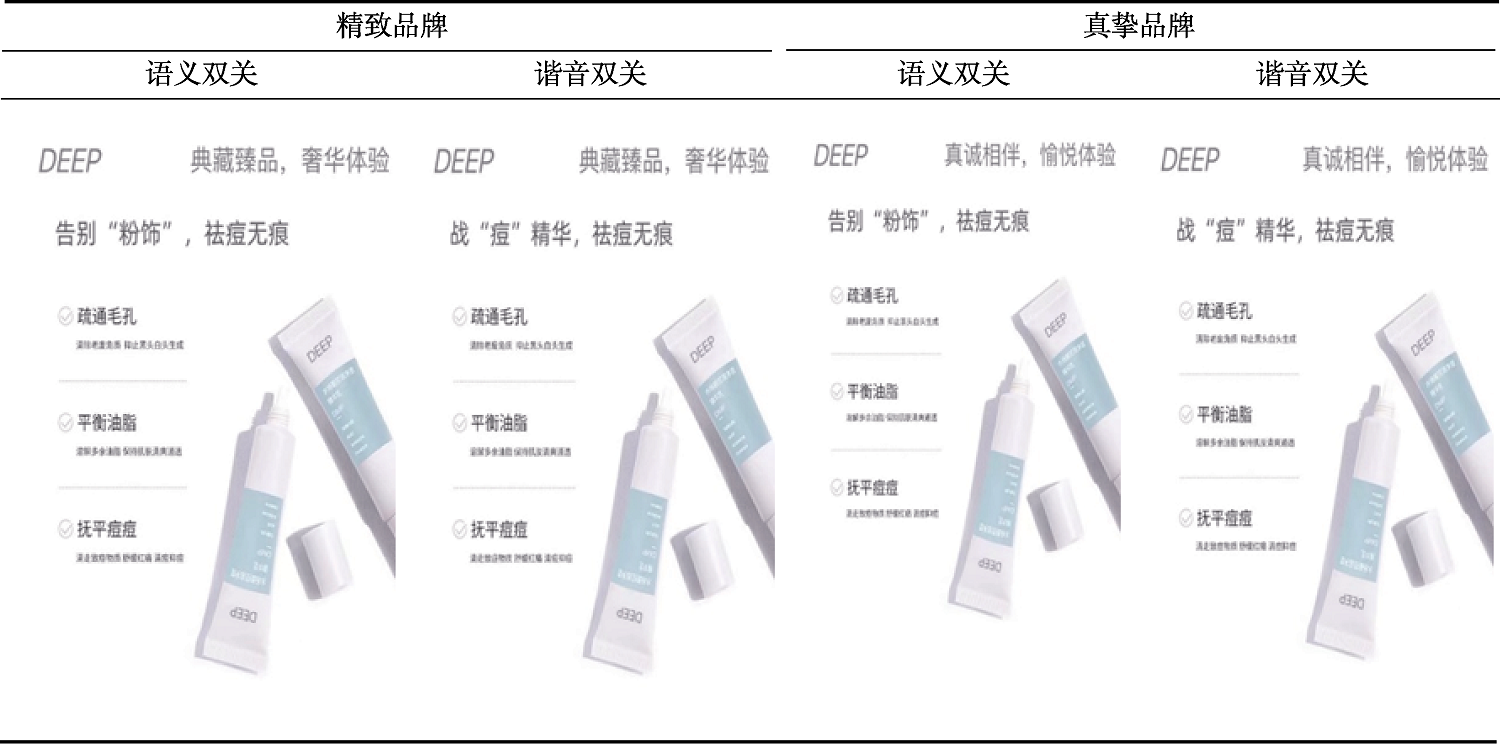
图6 实验4广告图
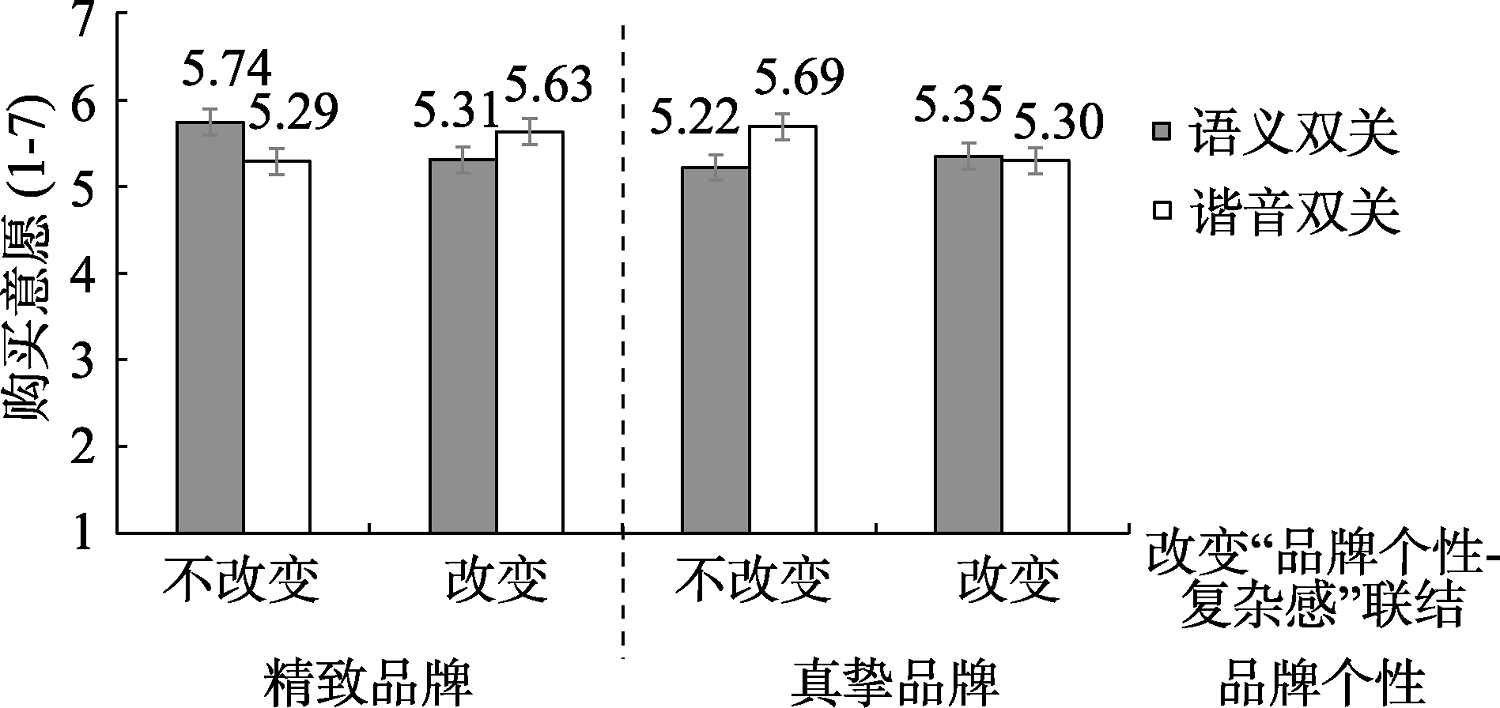
图7 双关类型和品牌个性对购买意愿的影响
| [1] | Aaker, D. A. (1996). Measuring brand equity across products and markets. California Management Review, 38(3), 102-120. |
| [2] | Aaker, J. L. (1997). Dimensions of brand personality. Journal of Marketing Research, 34(3), 347-356. |
| [3] | Abass, F. (2007). The use of puns in advertising. Language and Culture, 43(16), 45-62. |
| [4] | Affonso, F. M., & Janiszewski, C. (2023). Marketing by design: The influence of perceptual structure on brand performance. Journal of Marketing, 87(5), 736-754. |
| [5] | Brasel, S. A., & Hagtvedt, H. (2016). Living brands: Consumer responses to animated brand logos. Journal of the Academy of Marketing Science, 44, 639-653. |
| [6] | Cai, F. Y., Shen, H., & Hui, M. K. (2012). The effect of location on price estimation: Understanding number-location and number-order associations. Journal of Marketing Research, 49(5), 718-724. |
| [7] | Cascio Rizzo, G. L., Villarroel Ordenes, F., Pozharliev, R., De Angelis, M., & Costabile, M. (2023). How high-arousal language shapes micro-versus macro-influencers’ impact. Journal of Marketing, 88(4), 107-128. |
| [8] | Chen, J. X., & Chen, Y. H. (2019). A look into the rendered puns in Hong Lou meng. Shanghai Journal of Translators, (6), 62-68. |
| [陈家旭, 陈彦会. (2019). 关联理论视阈下双关语英译研究. 上海翻译, (6), 62-68.] | |
| [9] | Chen, Y. (2007). Analysis of cognitive features of puns (translate). Nanjing Journal of Social Sciences, (12), 135-139. |
| [陈雅. (2007). 双关语认知特点分析. 南京社会科学, (12), 135-139.] | |
| [10] | Chen, Z. X., He, Y., Li, X., & Wang, L. (2022). Can you perceive my efforts? The impact of social status on consumers' preferences for complexity. Acta Psychologica Sinica, 54(9), 1106-1121. |
|
[陈增祥, 何云, 李枭, 王琳. (2022). 你能看见我的努力吗:社会地位感知对消费者繁简偏好的影响. 心理学报, 54(9), 1106-1121.]
doi: 10.3724/SP.J.1041.2022.01106 |
|
| [11] | Divya, A., & Ani, T. (2021). Identification and evaluation of homographic puns using similarity methods. International Journal of Applied Evolutionary Computation, 12(1), 18-26. |
| [12] | Djafarova, E. (2008). Why do advertisers use puns? A linguistic perspective. Journal of Advertising Research, 48(2), 267-275. |
| [13] |
Favier, M., Celhay, F., & Pantin-Sohier, G. (2019). Is less more or a bore? Package design simplicity and brand perception: An application to champagne. Journal of Retailing and Consumer Services, 46, 11-20.
doi: 10.1016/j.jretconser.2018.09.013 |
| [14] | Gan, X. (2015). A study of the humor aspect of English puns: Views from the relevance theory. Theory and Practice in Language Studies, 5(6), 1211-1215. |
| [15] | Garver, E. (1994). Aristotle's rhetoric: An art of character. University of Chicago press. |
| [16] | Giorgadze, M. (2014). Linguistic features of pun, its typology and classification. European Scientific Journal, 10(2), 271-275. |
| [17] | Grant, P., & Jonah, A. B. (2024). The emergence and evolution of consumer language research. Journal of Consumer Research, 51(1), 42-51. |
| [18] | Hodges, B. T., Estes, Z., & Warren, C. (2024). Intel inside: The linguistic properties of effective slogans. Journal of Consumer Research, 50(5), 865-886. |
| [19] | Hughes, C., Swaminathan, V., & Brooks, G. (2019). Driving brand engagement through online social influencers: An empirical investigation of sponsored blogging campaigns. Journal of Marketing, 83(5), 78-96. |
| [20] | Johar, G. V., Sengupta, J., & Aaker, J. L. (2005). Two roads to updating brand personality impressions: Trait versus evaluative inferencing. Journal of Marketing Research, 42(4), 458-469. |
| [21] | Jones, N., Kidwell, B., & Hamby, A. (2024). Success is not final; failure is not fatal: How failure versus success messaging leads to preference for masculine brands. Journal of Marketing Research, 61(2), 330-348. |
| [22] |
Kutas, M., & Hillyard, S. A. (1980). Reading senseless sentences: Brain potentials reflect semantic incongruity. Science, 207(4427), 203-205.
doi: 10.1126/science.7350657 pmid: 7350657 |
| [23] | Lee, A. Y., & Labroo, A. A. (2004). The effect of conceptual and perceptual fluency on brand evaluation. Journal of Marketing Research, 41(2), 151-165. |
| [24] | Leung, E., Lenoir, A. S., Puntoni, S., & van Osselaer, S. M. (2023). Consumer preference for formal address and informal address from warm brands and competent brands. Journal of Consumer Psychology, 33(3), 546-560. |
| [25] | Li, J. L. (2021). Household appliance industry: Understanding the competition landscape of clean appliances from the dimensions of category and brand (translate). Sinolink Securities. https://pdf.dfcfw.com/pdf/H3_AP202110251524837081_1.pdf |
| [李敬雷. (2021). 家电行业:从品类、品牌两维度看清洁电器竞争格局. 国金证券. https://pdf.dfcfw.com/pdf/H3_AP202110251524837081_1.pdf ] | |
| [26] |
Luffarelli, J., Stamatogiannakis, A., & Yang, H. (2019). The visual asymmetry effect: An interplay of logo design and brand personality on brand equity. Journal of Marketing Research, 56(1), 89-103.
doi: 10.1177/0022243718820548 |
| [27] | Maehle, N., Otnes, C., & Supphellen, M. (2011). Consumers' perceptions of the dimensions of brand personality. Journal of Consumer Behaviour, 10(5), 290-303. |
| [28] | McQuarrie, E. F., & Mick, D. G. (1996). Figures of rhetoric in advertising language. Journal of Consumer Research, 22(4), 424-438. |
| [29] | Partington, A. S. (2008). A linguistic account of wordplay: The lexical grammar of punning. Journal of Pragmatics, 41(9), 1794-1809. |
| [30] | Pogacar, R., Shrum, L. J., & Lowrey, T. M. (2018). The effects of linguistic devices on consumer information processing and persuasion: A language complexity × processing mode framework. Journal of Consumer Psychology, 28(4), 689-711. |
| [31] | Putrevu, S., Tan, J., & Lord, K. R. (2004). Consumer responses to complex advertisements: The moderating role of need for cognition, knowledge, and gender. Journal of Current Issues & Research in Advertising, 26(1), 9-24. |
| [32] | Sundar, A., & Noseworthy, T. J. (2016). Too exciting to fail, too sincere to succeed: The effects of brand personality on sensory disconfirmation. Journal of Consumer Research, 43(1), 44-67. |
| [33] | Sung, Y., & Kim, J. (2010). Effects of brand personality on brand trust and brand affect. Psychology & Marketing, 27(7), 639-661. |
| [34] | Tanaka, K. (1992). The pun in advertising: A pragmatic approach. Lingua, 87(1-2), 91-102. |
| [35] | Teeny, J. D., Siev, J. J., Briñol, P., & Petty, R. E. (2020). A review and conceptual framework for understanding personalized matching effects in persuasion. Journal of Consumer Psychology, 31(2), 382-414. |
| [36] | Toncar, M., & Munch, J. (2001). Consumer responses to tropes in print advertising. Journal of Advertising, 30(1), 55-65. |
| [37] | Torp, S. M., & Andersen, L. P. (2018). Marketing rhetoric and the rhetoric of marketing: Manipulation or mutuality. In Øyvind Ihlen, & Robert L. Heath (Eds.), The handbook of organizational rhetoric and communication (pp. 67-80). John Wiley & Sons, Inc. |
| [38] |
Touré-Tillery, M., & Fishbach, A. (2017). Too far to help: The effect of perceived distance on the expected impact and likelihood of charitable action. Journal of Personality and Social Psychology, 112(6), 860-876.
doi: 10.1037/pspi0000089 pmid: 28253000 |
| [39] | Wang, X., & Yang, Z. (2008). Does country-of-origin matter in the relationship between brand personality and purchase intention in emerging economies? Evidence from China's auto industry. International Marketing Review, 25(4), 458-474. |
| [40] | Wei, X., Tu, R. T., Jiang, M. H., & Li, F. (2011). The perception of the authenticity of other consumers’ usages of luxury goods. Journal of Marketing Science, 7(2), 45-66. |
| [韦夏, 涂荣庭, 江明华, 李斐. (2011). 奢侈品真实性感知机制研究. 营销科学学报, 7(2), 45-66.] | |
| [41] | Xie, Y., & Peng, S. Q. (2012). The effect of brand personality on purchase intention: A comparison across different industries and between local and international brands. Management Review, 24(12), 84-92. |
| [谢毅, 彭泗清. (2012). 品牌个性对品牌态度和购买意向的影响研究: 中外品牌的跨行业比较. 管理评论, 24(12), 84-92.] | |
| [42] | Xue, B., & Li, Y. E. (2000). On the pragmatic and aesthetic perspectives of advertising puns. Foreign Languages and Their Teaching, (6), 35-36. |
| [薛冰, 李悦娥. (2000). 广告双关语的语用观和美学观. 外语与外语教学, (6), 35-36.] | |
| [43] | Yan, A. M., Chen, S., & Cheng, Y. Y. (2009). The influence of Chinese values on luxury purchasing motivation. Chinese Journal of Management, 6(6), 812-817. |
| [颜爱民, 陈思, 程园园. (2009). 传统价值观对奢侈品购买动机的影响研究. 管理学报, 6(6), 812-817.] | |
| [44] | Yang, S. Q., Xu, W. Y., Jiang, M. H., & Zhang, X. C. (2020). The difference of cognitive processing between phonetic puns and semantic puns in Chinese: An ERP evidence. Journal of Chinese Information Processing, 34(1), 1-9. |
| [杨思琴, 徐文玉, 江铭虎, 张骁晨. (2020). 汉语谐音与语义双关语的认知神经加工差异——ERP证据. 中文信息学报, 34(1), 1-9.] | |
| [45] | Zhao, Y. (2007). Conceptual blending analysis of advertisement pun. Journal of Hunan University of Science and Engineering, 28(2), 129-132. |
| [赵宇. (2007). 广告双关语的概念合成分析. 湖南科技学院学报, 28(2), 129-132.] |
| [1] | 朱振中, 李晓君, 刘福, Haipeng (Allan) Chen. 外观新颖性对消费者购买意愿的影响:自我建构与产品类型的调节效应[J]. 心理学报, 2020, 52(11): 1352-1364. |
| [2] | 童璐琼,郑毓煌,赵平. 努力程度对消费者购买意愿的影响[J]. 心理学报, 2011, 43(10): 1211-1218. |
| 阅读次数 | ||||||
|
全文 |
|
|||||
|
摘要 |
|
|||||
