左脑和右脑在心理发展中的不同作用——儿童大脑单侧化实验
1
2013
... 此外, 本研究发现, 任务类型与性别的交互作用不显著, 这可能是因为认知发展的性别差异尚存在争议.虽有众多研究证实了不同性别的认知发展存在差异(Ruigrok et al., 2014), 但也有研究表明, 认知发展过程中的性别差异很小, 只出现在少数认知任务中(Ardila et al., 2011).而本研究涉及的认知较为广泛, 这可能在一定程度上弱化了性别差异.然而, 优势半球与性别的交互作用显著.对女性来说, 古典音乐对右半球任务的促进作用显著大于左半球, 而男性左半球与右半球的效果量差异不明显.由于本研究中右半球对应的实验任务是空间认知方面的, 换言之, 女性右半球效果量显著大于男性的, 说明古典音乐对女性空间认知能力的塑造效果最优.尽管大量研究表明男性的空间认知能力优于女性(Doyle & Voyer, 2016; 雷文斌, 刘峰, 2014), 但男孩处理空间信息的右脑半球在6岁左右已较为专门化, 而女孩的这种专门化要到青春期才出现(边玉芳, 2013), 男性的优势随年龄增长表现为减弱并消失; 而相较于男性, 女性虽表现出“晚熟”的现象, 但提高速度快, 这可能导致了古典音乐对女童时空推理能力的影响大于男童(吴海珍 等, 2014).另一个可能的解释是, 虽然女性倾向于使用言语策略来加工任务, 但是听复杂的音乐可能促使女性从主要的语言(左脑)刺激编码转换为利用右脑的资源编码(Mcguinness et al., 1990), 从而使得女性右半球功能增强(Gilleta et al., 2003).再是, 女性可能受刻板印象威胁(如被认为不擅长空间任务)而在进行空间认知任务时易产生任务焦虑(Doyle & Voyer, 2016), 音乐可以使她们放松, 从而促进表现(Panteleeva et al., 2018). ...
音乐对大学生阅读影响的眼动研究
1
2008
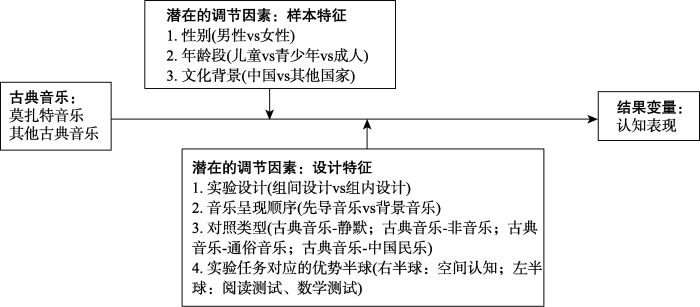
... 音乐的呈现顺序也可能会影响古典音乐与认知表现的关系.根据装饰细节理论(Seductive Detail Effect) (Rey, 2012)和认知负荷理论(Cognitive Load Theory) (Paas et al., 2003), 背景音乐会使学习者把一部分认知资源用来处理音乐, 从而增加其认知负荷、分散注意力并造成干扰, 进而损害任务表现(Ferreri & Verga, 2016; Nemati et al., 2019; Rey, 2012; Shek & Schubert, 2009; 王帅帅 等, 2020), 且对于需要高度集中注意力的任务(如阅读理解)带来的消极影响更大(Kaempfe et al., 2011).先导音乐则不太可能对认知任务造成干扰, 且可能诱发被试的积极情绪(Storbeck & Clore, 2005).脑电实验也发现, P3波幅在先导音乐介入时上升最为明显, 先导音乐对认知的促进效果最好(孙长安 等, 2013); 先导音乐有助于阅读效果的提高, 而背景音乐起干扰作用(陈丹 等, 2008).但也有部分研究认为, 先导音乐对认知的促进效果不如背景音乐(Silva et al., 2020).因此, 本研究将进一步探讨先导音乐与背景音乐对认知的影响是否存在差异. ...
音乐认知的跨文化研究——认知神经科学的视角
1
2011
... 古典音乐与认知表现的关系还可能受文化背景的影响.文化因素在音乐情绪感知以及其他认知过程中起重要作用(Arikan et al., 1999; Hu & Lee, 2016), 早期莫扎特效应的研究主要基于西方文化背景和西方被试, 后期国内相关研究也日益丰富(黄君, 2009).然而一种文化背景下的音乐认知加工的结果可能与其他文化背景有所差异(陈丹丹 等, 2011).实证研究也证实注意资源分配(Arikan et al., 1999)、音阶结构的感知(Neuhaus, 2003)等认知过程受文化特异性的影响, 不同音乐家脑电信号的变化与其文化背景相关(Nan et al., 2006), 同时文化因素会对音乐的总体认知策略有一定的影响(Neuhaus, 2003).以莫扎特音乐为代表的西方古典音乐具有很高的艺术性和严密的逻辑性, 其风格更倾向于情感的宣泄, 具有音域宽广、旋律多变、曲调刚健、气魄宏大等特点, 主要讲究节奏、气势; 而我国民乐则更讲究气韵与意境, 注重人与自然的和谐统一, 推崇温蕴、和谐、幽美、深沉等(孙淑平, 2011), 两者在音乐内容、风格、审美以及音乐教育理念上存在巨大的差异(张艺, 2012).若音乐刺激和被试来自相同的文化, 被试更容易理解音乐情感(Heng, 2018), 这可能与群体内对特定文化和社会背景的熟悉程度有关(Argstatter, 2016; Elfenbein & Ambady, 2002).中国被试主要受到中国文化下民乐的熏陶, 与其他文化中的被试对古典音乐的理解可能存在差异.因此, 本研究认为莫扎特音乐对不同文化背景的听众会产生不同的影响. ...
音乐欣赏教学中的美感体验与功能实证
1
2017
... 实验设计类型的调节作用显著, 组间设计的效果量显著大于组内设计.Rauscher和Shaw (1998)认为, 一些实验性的因素, 如测量工具的选择、刺激条件的呈现顺序、不同实验程序等都可能会对实验结果产生不同的影响, 并提示研究莫扎特效应不该使用前−后测设计, 因为前测会产生遗留效应, 从而掩盖成绩的提高.这是因为人们对音乐的感知是与生俱来的(赖寒 等, 2013), 同时音乐也是情绪的语言, 是人类情绪交流的艺术形态之一(Krumhansl, 2002); 音乐本身可以表达情绪, 也会诱发听众的情绪(杨集梅 等, 2022), 因此在有关莫扎特效应实验中, 实验组聆听音乐必然会激活其大脑网络, 感知音乐的形式结构特征和体验音乐情绪(Schaerlaeken et al., 2019), 例如不同效价和唤醒度的音乐激活不同的脑区, 对音乐的体验会涉及奖励、记忆、自我反思和感知运动加工等(陈丽君, 文琪, 2017), 这必然会持续一定时间, 对后续的认知任务起作用, 从而弱化前测与后测的差异.此外, 组内设计若未能控制好条件之间的时间间隔, 也容易产生疲劳效应等消极影响(Anderson, 2002), 从而削弱古典音乐对认知促进的效果.因此, 若是组内设计, 则应在古典音乐条件和其他条件间插入足够长的认知分心任务, 以消除遗留效应, 另外还可在不同实验条件之间间隔24小时以上, 或采用组间设计. ...
积极情绪提高背景线索学习的适应性
1
2022
... 古典音乐与包括静默、非音乐、民族音乐和通俗音乐几种条件为对照, 都出现正效应量, 说明整体上古典音乐对各种认知表现均起到一定的促进作用.其中古典音乐与静默对照效果量较大(g = 0.38), 虑及静默为无音乐条件, 说明古典音乐整体上并未干扰而更是促进被试的注意.值得一提的是, 这一结果是基于109个独立效果量、几千样本量得出的结果, 相比以往的元分析更可能代表真实的效果, 结果也更可靠.为进一步明晰何种音乐情绪类型的效果更优, 本研究单独分析有明确划分古典音乐情绪类型的原始研究, 将古典音乐分为消极和积极情绪类型, 并分析其各自与静默条件对照的效果量, 发现积极情绪古典音乐与静默对照时为大效果量(g = 0.93), 而消极情绪古典音乐与静默对照时效果量小(g = 0.24), 可见欢快、愉悦的古典音乐能更好地促进被试的认知表现, 这与大量的积极情绪相关研究结果一致(陈晓宇 等, 2022), 验证了积极情绪拓展−建构理论(the Broaden-and-build Theory of Positive Emotions) (Johnson et al., 2010). ...
1
2008
... 纳入分析的原始研究信息
| 作者年份a | 国家/地区 | 年龄群体[M (SD);
范围(单位: 岁)] | 划分
类型 | 实验
设计 | 认知任务 | 音乐呈现
顺序 | 性别比
(男/女) | 样本量 | 对照组类型b
(实验组−对照组) | 效果量 | 质量
评估 |
| Alexander (2012) | 美国 | 19~22 | 成人 | 组内 | 阅读测试 | 背景 | - | 19 | 古典乐−通俗乐 | 0.84 | 3 |
| Angel (2010) | 美国 | - | 成人 | 组内 | 空间认知 | 背景 | 28/28 | 56 | 古典乐−静默 | 0.79 | 3 |
| Betshahbazadeh (2001) | 美国 | 16~51
(3人18岁以下) | 成人 | 组间 | 数学测试 | 先导 | 0/200 | 325 | 古典乐−通俗乐 | 0.20 | 2 |
| 古典乐−静默 | 0.08 |
| 125/0 | 古典乐−通俗乐 | 0.04 |
| 古典乐−静默 | −0.08 |
| Bolander (2021) | 美国 | 18~22 | 成人 | 组内 | 阅读测试 | 先导 | 9/24 | 33 | 古典乐−通俗乐 | −0.01 | 3 |
| Borella (2014) | 意大利 | 20~35 | 成人 | 组间 | 记忆任务 | 先导 | - | 63(年轻人) | 古典乐−非音乐 | −0.19 | 2 |
| 20~35 | 古典乐−通俗乐 | −0.41 |
| 64~75 | - | 93(老年人) | 古典乐−非音乐 | −0.28 |
| 64~75 | 古典乐−通俗乐 | −0.13 |
| Borella (2017) | 意大利 | 65~75 | 成人 | 组间 | 记忆任务; 空间认知 | 先导 | 16/19 | 70 | 古典乐1−非音乐 | 0.45 | 2 |
| 12/23 | 古典乐2−非音乐 | 0.28 |
| Bottiroli (2014) e | 意大利 | 69.03(5.79); 60~84 | 成人 | 组内 | 记忆任务 | 背景 | 14/51 | 65 | 古典乐−非音乐 | 0.28 | 3 |
| 古典乐−通俗乐 |
| Bressler (2003) | 美国 | 5~5.80 | 前运算期儿童 | 组间 | 记忆任务 | 先导 | 9/12 | 21 | 古典乐−静默 | −0.02 | 2 |
| Buerger-Cole (2019) | 美国 | 18岁以上 | 成人 | 组间 | 综合性认知任务 | 背景 | - | 52 | 古典乐−通俗乐 | −0.50 | 2 |
| Caldwell (2007) | 英国 | 32;18~58 | 成人 | 组内 | 注意任务 | 背景 | 10/6 | 8(弦乐家) | 古典乐−通俗乐 | −0.52 | 3 |
| 8(摇滚乐手) | 古典乐−通俗乐 | 0.16 |
| Carstens (1995) | 美国 | 20.60(4.00); 18~38 | 成人 | 组间 | 空间认知 | 先导 | 21/30 | 51 | 古典乐−静默 | 0.08 | 2 |
| Cavanaugh (2005) | 美国 | 七年级 | 青少年 | 组间 | 数学测试 | 背景 | 41/0 | 98 | 古典乐−静默 | 0.49 | 1 |
| 0/57 | 古典乐−静默 | 0.13 |
| Chou (2007) | 中国台湾 | 大学生(18+) | 成人 | 组间 | 阅读测试 | 背景 | 16/0 | 79 | 古典乐1−通俗乐 | 0.46 | 3 |
| 0/63 | 古典乐1−通俗乐 | 0.41 |
| 0/67 | 84 | 古典乐2−静默 | −0.11 |
| 17/0 | 古典乐2−静默 | −0.27 |
| Chrosniak (2019) | 美国 | 高中生 | 青少年 | 组间 | 阅读测试 | 背景 | - | 47 | 古典乐−静默 | −0.27 | 1 |
| - | 56 | 古典乐−通俗乐 | −0.23 |
| Chua (2020) | 菲律宾 | 高中生和大学生 | 成人 | 组间 | 记忆任务 | 背景 | - | 120 | 古典乐−静默 | −0.09 | 1 |
| - | 古典乐−通俗乐 | 0.10 |
| Cortez (2019) | 菲律宾 | 15~19 | 青少年 | 组间 | 综合性认知任务 | 先导 | 11/41 | 76 | 古典乐−通俗乐 | −0.61 | 3 |
| Dai (2021) | 中国 | 9~10 | 具体运算期
儿童 | 组内 | 空间认知 | 先导 | - | 87 | 古典乐−静默 | 0.20 | 3 |
| 古典乐−通俗乐 |
| Dawson (2003) | 美国 | 七年级 | 青少年 | 组内 | 阅读测试 | 背景 | 92/0 | 170 | 古典乐−通俗乐1 | 0.31 | 3 |
| 古典乐−通俗乐2 |
| 古典乐−静默 |
| 0/78 | 古典乐−通俗乐1 | 0.28 |
| 古典乐−通俗乐2 |
| 古典乐−静默 |
| Dosseville (2012) | 法国 | 18~23 | 成人 | 组间 | 综合性认知任务 | 背景 | 190/59 | 249 | 古典乐−静默 | 0.53 | 3 |
| Du (2020) | 中国 | 24.38(1.12) | 成人 | 组间 | 阅读测试 | 背景 | 5/8 | 26 | 古典乐1−静默 | −0.56 | 1 |
| 24.38(1.12) | 5/8 | 古典乐2−静默 | −0.09 |
| Flores (2021) | 加拿大 | 大学生 | 成人 | 组间 | 阅读测试; 空间认知 | 背景 | - | 86 | 古典乐−静默 | −0.08 | 2 |
| - | 古典乐−通俗乐 | −0.17 |
| Gavazzi (2021) e | 意大利 | 27.90(4.10) | 成人 | 组内 | 注意任务 | 背景 | 7/8 | 15(非音乐家) | 古典乐−静默 | 1.31 | 3 |
| 7/8 | 15(音乐家) | 古典乐−通俗乐 | 1.21 |
| Gilleta (2003) | 加拿大 | 19.60(2.60); 18~34 | 成人 | 组内 | 空间认知 | 先导 | 0/26 | 56 | 古典乐−静默 | 0.12 | 3 |
| 26/0 | 古典乐−静默 | 0.03 |
| Hallam (2002) e | 英国 | 11~12 | 具体运算期
儿童 | 组间 | 记忆任务 | 背景 | 10/0 | 20 | 古典乐−静默 | 1.23 | 2 |
| 0/10 | 古典乐−静默 | 1.16 |
| Hausmann (2016) | 英国 | 20.64(0.74); 18~22 | 成人 | 组间 | 注意任务 | 先导 | 21/26 | 44 | 古典乐−静默 | 1.51 | 2 |
| 20.67(0.91):19~24 | 36/31 | 32 | 古典乐−静默 | 3.49c |
| Hayashi (2021) | 美国 | 20.77(0.36) | 成人 | 组内 | 注意任务 | 背景 | - | 48 | 古典乐−静默 | −0.14 | 3 |
| Ho (2007) | 英国 | 20; 18~23 | 成人 | 组内 | 注意任务 | 背景 | 13/21 | 34 | 古典乐−静默 | 1.64 | 3 |
| Hui (2006) | 美国 | 4.69; 3.17~6.25 | 前运算期儿童 | 组内 | 空间认知 | 先导 | 25/16 | 41 | 古典乐−静默 | −0.07 | 5 |
| 古典乐−通俗乐 |
| Ivanov (2003) | 澳大利亚 | 11.09; 10~12 | 具体运算期
儿童 | 组间 | 空间认知 | 背景 | 42/34 | 76 | 古典乐1−静默 | 0.76 | 2 |
| 古典乐2−静默 | 0.65 |
| Jausovec (2004) | 斯洛文尼亚 | 20.20(0.60); 19~21 | 成人 | 组内 | 注意任务 | 背景 | 5/15 | 20 | 古典乐−静默 | −0.04 | 3 |
| Jausovec (2006) d | 斯洛文尼亚 | 20.50 | 成人 | 组间 | 空间认知 | 先导 | 12/12 | 24 | 古典乐−静默 | 2.26 | 2 |
| Jones (2020) | 美国 | 20.30(1.70) | 成人 | 组内 | 注意任务 | 背景 | 7/5 | 12 | 古典乐−静默 | 0.14 | 3 |
| 古典乐−通俗乐 |
| Jones (2006) e | 美国 | 20.75(1.75); 19~27 | 成人 | 组间 | 空间认知 | 先导 | 20/21 | 41 | 古典乐−静默 | 0.91 | 1 |
| Jones (2007) e | 美国 | 15.88(1.12); 14~18 | 青少年 | 组间 | 空间认知 | 先导 | 38/48 | 86 | 古典乐−静默 | 0.54 | 2 |
| Ju Hui (2020) | 马来西亚 | 18~30 | 成人 | 组间 | 记忆任务 | 先导 | 20/19 | 58 | 古典乐−静默 | 0.15 |
3 |
| 18~30 | 24/15 | 古典乐−通俗乐 | 0.15 |
| Kumaradevan (2021) d | 爱尔兰 | 17~23 | 成人 | 组内 | 注意任务 | 背景 | 25/55 | 80 | 古典乐−静默 | 2.22 | 1 |
| 古典乐−通俗乐 |
| Kuschpel (2015) | 德国 | 24.5(3.42); 19~32 | 成人 | 组内 | 记忆任务 | 先导 | 17/18 | 35 | 古典乐−静默 | −0.34 | 3 |
| 古典乐−通俗乐 |
| Lake (2011) | 美国 | 66.10(2.90) | 成人 | 组内 | 注意任务 | 先导 | 4/8 | 12 | 古典乐−静默 | 0.04 | 5 |
| Lange-Küttner (2020) | 英国 | 19~65 | 成人 | 组间 | 注意任务 | 先导 | 16/40 | 56 | 古典乐−静默 | 0.52 | 2 |
| Lewis (1997) | 加拿大 | 二年级 | 具体运算期
儿童 | 组内 | 阅读测试 | 背景 | 7/0 | 7 | 古典乐−静默 | 0.47 | 3 |
| 古典乐−通俗乐 |
| 0/4 | 4 | 古典乐−静默 | −0.71 |
| 古典乐−通俗乐 |
| Lewis (1997) | 加拿大 | 三年级 | | | | | 0/7 | 7 | 古典乐−静默 | 0.13 | |
| 古典乐−通俗乐 |
| 4/0 | 4 | 古典乐−静默 | −0.48 |
| 古典乐−通俗乐 |
| Lin (2011) | 中国台湾 | 大学生 | 成人 | 组内 | 空间认知 | 先导 | - | 60 | 古典乐−静默 | 0.45 | 2 |
| Lints (2003) | 加拿大 | 21 | 成人 | 组间 | 空间认知 | 先导 | 0/140 | 140 | 古典乐1−非音乐1 | −0.46 | 2 |
| 古典乐1−非音乐2 | −0.30 |
| 古典乐2−非音乐1 | −0.32 |
| 古典乐2−非音乐2 | −0.17 |
| Mammarella (2007) | 意大利 | 81(4.50); 73~86 | 成人 | 组内 | 记忆任务 | 背景 | - | 24 | 古典乐−静默 | 0.72 | 3 |
| 古典乐−非音乐 |
| Mattar (2013)c | 约旦 | 5~6 | 前运算期儿童 | 组间 | 综合性认知任务 | 先导 | - | 21 | 古典乐−静默 | 12.26 | 2 |
| McClure (2004) | 美国 | 18~22 | 成人 | 组间 | 空间认知 | 先导 | 22/111 | 133 | 古典乐1−静默 | 0.32 | 2 |
| 古典乐2−静默 | 0.02 |
| 古典乐3−静默 | −0.13 |
| McCutcheon (2000) | 美国 | 36.30(13.60) | 成人 | 组内 | 空间认知 | 先导 | 12/24 | 36 | 古典乐−静默 | −0.20 | 2 |
| 古典乐−通俗乐 |
| McKelvie (2002) | 新西兰 | 11.95(0.61); 11~13 | 具体运算期
儿童 | 组间 | 空间认知 | 先导 | 24/31 | 55 | 古典乐−通俗乐 | 0.57 | 1 |
| 12.22(0.48); 11.5~13 | 组内 | 15/33 | 48 | 古典乐−通俗乐 | −0.05 |
| Mohan. (2020) | 印度 | 13~14 | 青少年 | 组内 | 阅读测试 | 背景 | 14/20 | 34 | 古典乐−静默 | 0.46 | 3 |
| 古典乐−通俗乐 |
| Mualem (2021) d | 以色列 | 8~9 | 具体运算期
儿童 | 组内 | 综合性认知任务 | 先导 | 36/24 | 60 | 古典乐−静默 | 2.91 | 3 |
| Nantais (1999) | 加拿大 | 大学生 | 成人 | 组内 | 空间认知 | 先导 | - | 56 | 古典乐1−静默 | 0.27 | 2 |
| - | 28 | 古典乐2−非音乐 | 0.02 |
| Nantais (1997) | 加拿大 | 大学生 | 成人 | 组内 | 空间认知 | 先导 | - | 28 | 古典乐1−静默 | 0.53 | 3 |
| - | 28 | 古典乐2−静默 | 0.78 |
| - | 13 | 古典乐−非音乐 | 0.78 |
| Newman (1995) | 美国 | 27.30; 18~51 | 成人 | 组间 | 空间认知 | 先导 | - | 78 | 古典乐−静默 | −0.14 | 2 |
| 古典乐−非音乐 |
| Pecci (2016) e | 意大利 | 68(4.50) | 成人 | 组内 | 空间认知 | 先导 | - | 10 | 古典乐−静默 | 0.23 | 3 |
| Rauscher (1993) d | 美国 | 大学生 | 成人 | 组内 | 空间认知 | 先导 | - | 36 | 古典乐−静默 | 0.78 | 3 |
| 古典乐−非音乐 |
| Rideout (1997) | 美国 | 18.90(1.10); 18~21 | 成人 | 组内 | 空间认知 | 先导 | 16/16 | 32 | 古典乐−非音乐 | 0.33 | 3 |
| Rideout (1996) d | 美国 | 21.10; 19~22 | 成人 | 组内 | 空间认知 | 先导 | 4/4 | 8 | 古典乐−非音乐 | 0.46 | 3 |
| Rideout (1998) | 美国 | 17~22 | 成人 | 组内 | 空间认知 | 先导 | 8/8 | 16 | 古典乐−非音乐 | 0.41 | 3 |
| Roth (2008) | 美国 | 21.90; 18~51 | 成人 | 组间 | 阅读测试 | 先导 | - | 30 | 古典乐−静默 | 2.05 | 2 |
| Sittler (2015) | 美国 | 22 | 成人 | 组间 | 综合性认知任务 | 背景 | 29/0 | 29 | 古典乐−静默 | 0.40 | 3 |
| 21.93 | 29/0 | 29 | 古典乐−通俗乐 | 0.57 |
| 22 | 0/25 | 25 | 古典乐−静默 | 0.12 |
| 21.20 | 0/25 | 25 | 古典乐−通俗乐 | 0.88 |
| Smith (2010) d | 英国 | 20 | 成人 | 组内 | 空间认知 | 先导 | - | 24 | 古典乐−静默 | 0.42 | 3 |
| Standing (2008) | 加拿大 | 21.80 | 成人 | 组内 | 空间认知 | 先导 | 20/40 | 60 | 古典乐−静默 | 0.08 | 3 |
| 古典乐−非音乐 |
| Steele (1997) | 美国 | 大学生 | 成人 | 组内 | 记忆任务 | 先导 | 8/28 | 36 | 古典乐−非音乐 | −0.02 | 3 |
| 古典乐−通俗乐 |
| Steele, Bass (1999) | 美国 | 大学生 | 成人 | 组间 | 空间认知 | 先导 | 42/83 | 125 | 古典乐1−静默 | 1.00 | 2 |
| 古典乐2−静默 | 0.37 |
| Steele, Bella (1999) | 加拿大 | 大学生
(西安大略大学) | 成人 | 组间 | 空间认知 | 先导 | - | 46 | 古典乐−通俗乐 | 2.78 | 1 |
| - | 45 | 古典乐−静默 | 1.97 |
| 美国 | 大学生(阿巴拉
契亚州立大学) | 组内 | - | 18 | 古典乐−静默 | −0.39 |
| 古典乐−通俗乐 |
| 加拿大 | 大学生
(蒙特利尔大学) | | 组内 | | | - | 32 | 古典乐−静默 | −1.59 | |
| Steele, Brown (1999) | 美国 | 大学生 | 成人 | 组间 | 空间认知 | 先导 | - | 136 | 古典乐−非音乐 | 1.79 | 2 |
| Stough (1994) | 新西兰 | 大学生 | 成人 | 组内 | 空间认知 | 先导 | - | 30 | 古典乐−静默 | 0.11 | 3 |
| 古典乐−通俗乐 |
| Su (2017) | 中国台湾 | 小学高年级 | 具体运算期
儿童 | 组内 | 阅读测试; 记忆任务 | 背景 | 37/29 | 62 | 古典乐−静默 | 0.47 | 3 |
| Sweeny (2007) | 美国 | 大学生 | 成人 | 组间 | 空间认知 | 先导 | - | 184 | 古典乐−静默 | −0.15 | 2 |
| Taylor (2012) | 新西兰 | 大学生 | 成人 | 组间 | 数学测试 | 背景 | 103/25 | 128 | 古典乐−静默 | 0.24 | 1 |
| Theofilidis (2020) | 希腊 | 大学生 | 成人 | 组间 | 记忆任务 | 背景 | - | 168 | 古典乐−静默 | −0.45 | 2 |
| - | 古典乐−通俗乐 | 0.01 |
| Thompson (2005) | 英国 | 75.94(4.42) | 成人 | 组内 | 记忆任务 | 背景 | 5/11 | 16 | 古典乐−静默 | 0.51 | 3 |
| Thompson (2011) | 澳大利亚 | 17~48 | 成人 | 组间 | 阅读测试 | 背景 | 15/26 | 41 | 古典乐−静默 | −0.60 | 1 |
| Toon (2019) e | 美国 | 18~44 | 成人 | 组间 | 阅读测试 | 背景 | - | 513 | 古典乐−通俗乐1 | 0.13 | 2 |
| 18~44 | 组内 | - | 古典乐−静默 | 0.09 |
| 18~44 | 组间 | - | 古典乐−通俗乐2 | 0.14 |
| Twomey (2002) | 英国 | 25(6.50); 17~44 | 成人 | 组间 | 空间认知 | 先导 | 20/20 | 20(音乐家) | 古典乐−静默 | 0.16 | 2 |
| 25(6.50); 17~44 | 20(非音乐家) | 古典乐−静默 | 1.03 |
| Wiseman (2013) | 美国 | 16~27(20.60) | 成人 | 组间 | 空间认知 | 先导 | - | 52 | 古典乐−静默 | −0.23 | 5 |
| 古典乐−通俗乐 | −0.78 |
| 龚菊芳 (2011) | 中国 | 大学生 | 成人 | 组内 | 阅读测试 | 背景 | 0/61 | 61 | 古典乐−静默 | 0.01 | 3 |
| 30/0 | 30 | 古典乐−静默 | −0.41 |
| 谷岳 (2021) | 中国 | 3.40 | 前运算期儿童 | 组间 | 记忆任务 | 背景 | 17/0 | 17 | 古典乐−静默 | 0.98 | 2 |
| 14/0 | 14 | 古典乐−通俗乐 | −0.04 |
| 0/23 | 23 | 古典乐−静默 | 2.45 |
| 0/21 | 21 | 古典乐−通俗乐 | 3.56 |
| 19/0 | 19 | 古典乐−静默 | 3.15 |
| 0/21 | 21 | 古典乐−静默 | 1.61 |
| 黄君 (2009) d | 中国 | 大学生; 20.30 | 成人 | 组内 | 空间认知 | 先导 | 0/28 | 28 | 古典乐−静默 | 0.56 | 2 |
| 组内 | 13/0 | 13 | 古典乐−静默 | 0.29 |
| 大学生; 21.10 | 组间 | - | 60 | 古典乐1−静默 | 0.55 |
| 大学生; 21.10 | 组间 | - | 古典乐2−静默 | 0.27 |
| 大学生; 20.90 | 组内 | 16/27;剔4 | 39 | 古典乐−中国民乐 | 0.42 |
| 大学生; 20.55 | 组内 | 8/30 | 38 | 古典乐−非音乐 | 0.19 |
| 景银霞 (2015) | 中国 | 19.8(0.88); 18~22 | 成人 | 组内 | 阅读测试 | 背景 | 37/0 | 37 | 古典乐−静默 | 0.39 | 3 |
| 0/27 | 27 | 古典乐−静默 | −1.32 |
| 孔令龙 (2015) | 中国 | 21.11 | 成人 | 组内 | 空间认知 | 先导 | - | 40 | 古典乐−静默 | 0.62 | 4 |
| 李继鹏 (2019) | 中国 | 20~30 | 成人 | 组内 | 记忆任务 | 背景 | 10/10 | 20 | 古典乐−通俗乐 | 0.11 | 3 |
| 古典乐−静默 |
| 李宁宁 (2006) | 中国 | 初中生与高中生 | 青少年 | 组内 | 阅读测试 |
背景 | - | 72 | 古典乐−通俗乐 | 1.41 | 3 |
| 古典乐−静默 |
| 李文辉 (2017) | 中国 | 5~6 | 前运算期儿童 | 组间 | 注意任务 | 先导 | 27/28 | 55 | 古典乐−静默 | 3.05 | 2 |
| 李哲 (2009) e | 中国 | 21(1.21); 18~24 | 成人 | 组间 | 记忆任务 | 背景 | 17/20; 剔5 | 32 | 古典乐−静默 | 0.81 | 2 |
| 古典乐−中国民乐 | 0.63 |
| 20.56(0.99); 18~22 | 9/24; 剔3 | 30 | 古典乐−静默 | −0.31 |
| 古典乐−中国民乐 | −0.51 |
| 刘玥 (2012) | 中国 | 初一 | 青少年 | 组间 | 记忆任务 | 背景 | - | 210 | 古典乐−静默 | 0.52 | 1 |
| 古典乐−通俗乐1 | 0.89 |
| 古典乐−通俗乐2 | 0.91 |
| 古典乐−通俗乐3 | 0.59 |
| 汪菲 (2012) | 中国 | 5.40; 4.17~5.75 | 前运算期儿童 | 组间 | 空间认知 | 先导 | 24/20 | 44 | 古典乐−通俗乐 | 1.05 | 1 |
| 古典乐−静默 | 1.00 |
| 5.10; 4.67~5.67 | 20/20 | 40 | 古典乐−静默 | 1.02 |
| 王玲 (2012) | 中国 | 5.51(0.35) | 前运算期儿童 | 组内 | 综合性认知任务 | 背景 | 13/14 | 27 | 古典乐−非音乐 | −0.53 | 3 |
| 古典乐−通俗乐 |
| 3.67(0.21) | 16/15 | 31 | 古典乐−非音乐 | −0.17 |
| 古典乐−通俗乐 |
| 4.58(0.28) | 15/15 | 30 | 古典乐−非音乐 | 0.06 |
| 古典乐−通俗乐 |
| 吴海珍 (2014) d | 中国 | 5.38 | 前运算期儿童 | 组间 | 空间认知 | 先导 | 0/120 | 120 | 古典乐1−通俗乐 | 4.38c | 1 |
| 古典乐1−静默 | 3.89c |
| 古典乐2−静默 | 2.92 |
| 5.44 | 前运算期儿童 | 0/59 | 59 | 古典乐1−静默 | 2.91 |
| 古典乐2−静默 | 2.85 |
| 古典乐1−通俗乐 | 2.79 |
| 57/0 | 57 | 古典乐1−静默 | 0.19 |
| 古典乐1−通俗乐 | −0.34 |
| 古典乐2−静默 | −0.69 |
| 杨芬 (2016) | 中国 | 大学生; 22.10 | 成人 | 组间 | 空间认知 | 背景 | - | 41 | 古典乐−静默 | 0.56 | 2 |
| 古典乐−通俗乐 | 0.53 |
| 于馨滢 (2019) | 中国 | 13.10(0.55); 12~14 | 青少年 | 组内 | 记忆任务 | 先导 | - | 40 | 古典乐−通俗乐 | 0.74 | 3 |
| 诸薇娜 (2008) | 中国 | 23.40(2.30)20~27 | 成人 | 组内 | 注意任务 | 背景 | 5/7 | 12 | 古典乐−静默 | −0.30 | 3 |
| 古典乐−中国民乐 |
| 22.8(1.34); 20~25 | 8/8 | 16 | 古典乐−静默 | −0.39 |
| 23(1.33); 20~29 | 8/7 | 15 | 古典乐−静默 | −0.23 |
| 古典乐−中国民乐 |
| 22(1.60); 20~24 | 6/7 | 13 | 古典乐−静默 | 0.00 |
| 古典乐−中国民乐 |
注:a仅列出第一作者姓名和年份, 第一作者和年份都相同的论文, 加第二作者来区分; b同一研究中使用多个同类型音乐的用数字区分; c 这些效果量未纳入最终分析; d代表该文献支持“直接启动说”; e代表该文献支持“心境−唤醒说”. ...
莫扎特背景音乐对大学生英语阅读理解成绩的影响
1
2011
... 纳入分析的原始研究信息
| 作者年份a | 国家/地区 | 年龄群体[M (SD);
范围(单位: 岁)] | 划分
类型 | 实验
设计 | 认知任务 | 音乐呈现
顺序 | 性别比
(男/女) | 样本量 | 对照组类型b
(实验组−对照组) | 效果量 | 质量
评估 |
| Alexander (2012) | 美国 | 19~22 | 成人 | 组内 | 阅读测试 | 背景 | - | 19 | 古典乐−通俗乐 | 0.84 | 3 |
| Angel (2010) | 美国 | - | 成人 | 组内 | 空间认知 | 背景 | 28/28 | 56 | 古典乐−静默 | 0.79 | 3 |
| Betshahbazadeh (2001) | 美国 | 16~51
(3人18岁以下) | 成人 | 组间 | 数学测试 | 先导 | 0/200 | 325 | 古典乐−通俗乐 | 0.20 | 2 |
| 古典乐−静默 | 0.08 |
| 125/0 | 古典乐−通俗乐 | 0.04 |
| 古典乐−静默 | −0.08 |
| Bolander (2021) | 美国 | 18~22 | 成人 | 组内 | 阅读测试 | 先导 | 9/24 | 33 | 古典乐−通俗乐 | −0.01 | 3 |
| Borella (2014) | 意大利 | 20~35 | 成人 | 组间 | 记忆任务 | 先导 | - | 63(年轻人) | 古典乐−非音乐 | −0.19 | 2 |
| 20~35 | 古典乐−通俗乐 | −0.41 |
| 64~75 | - | 93(老年人) | 古典乐−非音乐 | −0.28 |
| 64~75 | 古典乐−通俗乐 | −0.13 |
| Borella (2017) | 意大利 | 65~75 | 成人 | 组间 | 记忆任务; 空间认知 | 先导 | 16/19 | 70 | 古典乐1−非音乐 | 0.45 | 2 |
| 12/23 | 古典乐2−非音乐 | 0.28 |
| Bottiroli (2014) e | 意大利 | 69.03(5.79); 60~84 | 成人 | 组内 | 记忆任务 | 背景 | 14/51 | 65 | 古典乐−非音乐 | 0.28 | 3 |
| 古典乐−通俗乐 |
| Bressler (2003) | 美国 | 5~5.80 | 前运算期儿童 | 组间 | 记忆任务 | 先导 | 9/12 | 21 | 古典乐−静默 | −0.02 | 2 |
| Buerger-Cole (2019) | 美国 | 18岁以上 | 成人 | 组间 | 综合性认知任务 | 背景 | - | 52 | 古典乐−通俗乐 | −0.50 | 2 |
| Caldwell (2007) | 英国 | 32;18~58 | 成人 | 组内 | 注意任务 | 背景 | 10/6 | 8(弦乐家) | 古典乐−通俗乐 | −0.52 | 3 |
| 8(摇滚乐手) | 古典乐−通俗乐 | 0.16 |
| Carstens (1995) | 美国 | 20.60(4.00); 18~38 | 成人 | 组间 | 空间认知 | 先导 | 21/30 | 51 | 古典乐−静默 | 0.08 | 2 |
| Cavanaugh (2005) | 美国 | 七年级 | 青少年 | 组间 | 数学测试 | 背景 | 41/0 | 98 | 古典乐−静默 | 0.49 | 1 |
| 0/57 | 古典乐−静默 | 0.13 |
| Chou (2007) | 中国台湾 | 大学生(18+) | 成人 | 组间 | 阅读测试 | 背景 | 16/0 | 79 | 古典乐1−通俗乐 | 0.46 | 3 |
| 0/63 | 古典乐1−通俗乐 | 0.41 |
| 0/67 | 84 | 古典乐2−静默 | −0.11 |
| 17/0 | 古典乐2−静默 | −0.27 |
| Chrosniak (2019) | 美国 | 高中生 | 青少年 | 组间 | 阅读测试 | 背景 | - | 47 | 古典乐−静默 | −0.27 | 1 |
| - | 56 | 古典乐−通俗乐 | −0.23 |
| Chua (2020) | 菲律宾 | 高中生和大学生 | 成人 | 组间 | 记忆任务 | 背景 | - | 120 | 古典乐−静默 | −0.09 | 1 |
| - | 古典乐−通俗乐 | 0.10 |
| Cortez (2019) | 菲律宾 | 15~19 | 青少年 | 组间 | 综合性认知任务 | 先导 | 11/41 | 76 | 古典乐−通俗乐 | −0.61 | 3 |
| Dai (2021) | 中国 | 9~10 | 具体运算期
儿童 | 组内 | 空间认知 | 先导 | - | 87 | 古典乐−静默 | 0.20 | 3 |
| 古典乐−通俗乐 |
| Dawson (2003) | 美国 | 七年级 | 青少年 | 组内 | 阅读测试 | 背景 | 92/0 | 170 | 古典乐−通俗乐1 | 0.31 | 3 |
| 古典乐−通俗乐2 |
| 古典乐−静默 |
| 0/78 | 古典乐−通俗乐1 | 0.28 |
| 古典乐−通俗乐2 |
| 古典乐−静默 |
| Dosseville (2012) | 法国 | 18~23 | 成人 | 组间 | 综合性认知任务 | 背景 | 190/59 | 249 | 古典乐−静默 | 0.53 | 3 |
| Du (2020) | 中国 | 24.38(1.12) | 成人 | 组间 | 阅读测试 | 背景 | 5/8 | 26 | 古典乐1−静默 | −0.56 | 1 |
| 24.38(1.12) | 5/8 | 古典乐2−静默 | −0.09 |
| Flores (2021) | 加拿大 | 大学生 | 成人 | 组间 | 阅读测试; 空间认知 | 背景 | - | 86 | 古典乐−静默 | −0.08 | 2 |
| - | 古典乐−通俗乐 | −0.17 |
| Gavazzi (2021) e | 意大利 | 27.90(4.10) | 成人 | 组内 | 注意任务 | 背景 | 7/8 | 15(非音乐家) | 古典乐−静默 | 1.31 | 3 |
| 7/8 | 15(音乐家) | 古典乐−通俗乐 | 1.21 |
| Gilleta (2003) | 加拿大 | 19.60(2.60); 18~34 | 成人 | 组内 | 空间认知 | 先导 | 0/26 | 56 | 古典乐−静默 | 0.12 | 3 |
| 26/0 | 古典乐−静默 | 0.03 |
| Hallam (2002) e | 英国 | 11~12 | 具体运算期
儿童 | 组间 | 记忆任务 | 背景 | 10/0 | 20 | 古典乐−静默 | 1.23 | 2 |
| 0/10 | 古典乐−静默 | 1.16 |
| Hausmann (2016) | 英国 | 20.64(0.74); 18~22 | 成人 | 组间 | 注意任务 | 先导 | 21/26 | 44 | 古典乐−静默 | 1.51 | 2 |
| 20.67(0.91):19~24 | 36/31 | 32 | 古典乐−静默 | 3.49c |
| Hayashi (2021) | 美国 | 20.77(0.36) | 成人 | 组内 | 注意任务 | 背景 | - | 48 | 古典乐−静默 | −0.14 | 3 |
| Ho (2007) | 英国 | 20; 18~23 | 成人 | 组内 | 注意任务 | 背景 | 13/21 | 34 | 古典乐−静默 | 1.64 | 3 |
| Hui (2006) | 美国 | 4.69; 3.17~6.25 | 前运算期儿童 | 组内 | 空间认知 | 先导 | 25/16 | 41 | 古典乐−静默 | −0.07 | 5 |
| 古典乐−通俗乐 |
| Ivanov (2003) | 澳大利亚 | 11.09; 10~12 | 具体运算期
儿童 | 组间 | 空间认知 | 背景 | 42/34 | 76 | 古典乐1−静默 | 0.76 | 2 |
| 古典乐2−静默 | 0.65 |
| Jausovec (2004) | 斯洛文尼亚 | 20.20(0.60); 19~21 | 成人 | 组内 | 注意任务 | 背景 | 5/15 | 20 | 古典乐−静默 | −0.04 | 3 |
| Jausovec (2006) d | 斯洛文尼亚 | 20.50 | 成人 | 组间 | 空间认知 | 先导 | 12/12 | 24 | 古典乐−静默 | 2.26 | 2 |
| Jones (2020) | 美国 | 20.30(1.70) | 成人 | 组内 | 注意任务 | 背景 | 7/5 | 12 | 古典乐−静默 | 0.14 | 3 |
| 古典乐−通俗乐 |
| Jones (2006) e | 美国 | 20.75(1.75); 19~27 | 成人 | 组间 | 空间认知 | 先导 | 20/21 | 41 | 古典乐−静默 | 0.91 | 1 |
| Jones (2007) e | 美国 | 15.88(1.12); 14~18 | 青少年 | 组间 | 空间认知 | 先导 | 38/48 | 86 | 古典乐−静默 | 0.54 | 2 |
| Ju Hui (2020) | 马来西亚 | 18~30 | 成人 | 组间 | 记忆任务 | 先导 | 20/19 | 58 | 古典乐−静默 | 0.15 |
3 |
| 18~30 | 24/15 | 古典乐−通俗乐 | 0.15 |
| Kumaradevan (2021) d | 爱尔兰 | 17~23 | 成人 | 组内 | 注意任务 | 背景 | 25/55 | 80 | 古典乐−静默 | 2.22 | 1 |
| 古典乐−通俗乐 |
| Kuschpel (2015) | 德国 | 24.5(3.42); 19~32 | 成人 | 组内 | 记忆任务 | 先导 | 17/18 | 35 | 古典乐−静默 | −0.34 | 3 |
| 古典乐−通俗乐 |
| Lake (2011) | 美国 | 66.10(2.90) | 成人 | 组内 | 注意任务 | 先导 | 4/8 | 12 | 古典乐−静默 | 0.04 | 5 |
| Lange-Küttner (2020) | 英国 | 19~65 | 成人 | 组间 | 注意任务 | 先导 | 16/40 | 56 | 古典乐−静默 | 0.52 | 2 |
| Lewis (1997) | 加拿大 | 二年级 | 具体运算期
儿童 | 组内 | 阅读测试 | 背景 | 7/0 | 7 | 古典乐−静默 | 0.47 | 3 |
| 古典乐−通俗乐 |
| 0/4 | 4 | 古典乐−静默 | −0.71 |
| 古典乐−通俗乐 |
| Lewis (1997) | 加拿大 | 三年级 | | | | | 0/7 | 7 | 古典乐−静默 | 0.13 | |
| 古典乐−通俗乐 |
| 4/0 | 4 | 古典乐−静默 | −0.48 |
| 古典乐−通俗乐 |
| Lin (2011) | 中国台湾 | 大学生 | 成人 | 组内 | 空间认知 | 先导 | - | 60 | 古典乐−静默 | 0.45 | 2 |
| Lints (2003) | 加拿大 | 21 | 成人 | 组间 | 空间认知 | 先导 | 0/140 | 140 | 古典乐1−非音乐1 | −0.46 | 2 |
| 古典乐1−非音乐2 | −0.30 |
| 古典乐2−非音乐1 | −0.32 |
| 古典乐2−非音乐2 | −0.17 |
| Mammarella (2007) | 意大利 | 81(4.50); 73~86 | 成人 | 组内 | 记忆任务 | 背景 | - | 24 | 古典乐−静默 | 0.72 | 3 |
| 古典乐−非音乐 |
| Mattar (2013)c | 约旦 | 5~6 | 前运算期儿童 | 组间 | 综合性认知任务 | 先导 | - | 21 | 古典乐−静默 | 12.26 | 2 |
| McClure (2004) | 美国 | 18~22 | 成人 | 组间 | 空间认知 | 先导 | 22/111 | 133 | 古典乐1−静默 | 0.32 | 2 |
| 古典乐2−静默 | 0.02 |
| 古典乐3−静默 | −0.13 |
| McCutcheon (2000) | 美国 | 36.30(13.60) | 成人 | 组内 | 空间认知 | 先导 | 12/24 | 36 | 古典乐−静默 | −0.20 | 2 |
| 古典乐−通俗乐 |
| McKelvie (2002) | 新西兰 | 11.95(0.61); 11~13 | 具体运算期
儿童 | 组间 | 空间认知 | 先导 | 24/31 | 55 | 古典乐−通俗乐 | 0.57 | 1 |
| 12.22(0.48); 11.5~13 | 组内 | 15/33 | 48 | 古典乐−通俗乐 | −0.05 |
| Mohan. (2020) | 印度 | 13~14 | 青少年 | 组内 | 阅读测试 | 背景 | 14/20 | 34 | 古典乐−静默 | 0.46 | 3 |
| 古典乐−通俗乐 |
| Mualem (2021) d | 以色列 | 8~9 | 具体运算期
儿童 | 组内 | 综合性认知任务 | 先导 | 36/24 | 60 | 古典乐−静默 | 2.91 | 3 |
| Nantais (1999) | 加拿大 | 大学生 | 成人 | 组内 | 空间认知 | 先导 | - | 56 | 古典乐1−静默 | 0.27 | 2 |
| - | 28 | 古典乐2−非音乐 | 0.02 |
| Nantais (1997) | 加拿大 | 大学生 | 成人 | 组内 | 空间认知 | 先导 | - | 28 | 古典乐1−静默 | 0.53 | 3 |
| - | 28 | 古典乐2−静默 | 0.78 |
| - | 13 | 古典乐−非音乐 | 0.78 |
| Newman (1995) | 美国 | 27.30; 18~51 | 成人 | 组间 | 空间认知 | 先导 | - | 78 | 古典乐−静默 | −0.14 | 2 |
| 古典乐−非音乐 |
| Pecci (2016) e | 意大利 | 68(4.50) | 成人 | 组内 | 空间认知 | 先导 | - | 10 | 古典乐−静默 | 0.23 | 3 |
| Rauscher (1993) d | 美国 | 大学生 | 成人 | 组内 | 空间认知 | 先导 | - | 36 | 古典乐−静默 | 0.78 | 3 |
| 古典乐−非音乐 |
| Rideout (1997) | 美国 | 18.90(1.10); 18~21 | 成人 | 组内 | 空间认知 | 先导 | 16/16 | 32 | 古典乐−非音乐 | 0.33 | 3 |
| Rideout (1996) d | 美国 | 21.10; 19~22 | 成人 | 组内 | 空间认知 | 先导 | 4/4 | 8 | 古典乐−非音乐 | 0.46 | 3 |
| Rideout (1998) | 美国 | 17~22 | 成人 | 组内 | 空间认知 | 先导 | 8/8 | 16 | 古典乐−非音乐 | 0.41 | 3 |
| Roth (2008) | 美国 | 21.90; 18~51 | 成人 | 组间 | 阅读测试 | 先导 | - | 30 | 古典乐−静默 | 2.05 | 2 |
| Sittler (2015) | 美国 | 22 | 成人 | 组间 | 综合性认知任务 | 背景 | 29/0 | 29 | 古典乐−静默 | 0.40 | 3 |
| 21.93 | 29/0 | 29 | 古典乐−通俗乐 | 0.57 |
| 22 | 0/25 | 25 | 古典乐−静默 | 0.12 |
| 21.20 | 0/25 | 25 | 古典乐−通俗乐 | 0.88 |
| Smith (2010) d | 英国 | 20 | 成人 | 组内 | 空间认知 | 先导 | - | 24 | 古典乐−静默 | 0.42 | 3 |
| Standing (2008) | 加拿大 | 21.80 | 成人 | 组内 | 空间认知 | 先导 | 20/40 | 60 | 古典乐−静默 | 0.08 | 3 |
| 古典乐−非音乐 |
| Steele (1997) | 美国 | 大学生 | 成人 | 组内 | 记忆任务 | 先导 | 8/28 | 36 | 古典乐−非音乐 | −0.02 | 3 |
| 古典乐−通俗乐 |
| Steele, Bass (1999) | 美国 | 大学生 | 成人 | 组间 | 空间认知 | 先导 | 42/83 | 125 | 古典乐1−静默 | 1.00 | 2 |
| 古典乐2−静默 | 0.37 |
| Steele, Bella (1999) | 加拿大 | 大学生
(西安大略大学) | 成人 | 组间 | 空间认知 | 先导 | - | 46 | 古典乐−通俗乐 | 2.78 | 1 |
| - | 45 | 古典乐−静默 | 1.97 |
| 美国 | 大学生(阿巴拉
契亚州立大学) | 组内 | - | 18 | 古典乐−静默 | −0.39 |
| 古典乐−通俗乐 |
| 加拿大 | 大学生
(蒙特利尔大学) | | 组内 | | | - | 32 | 古典乐−静默 | −1.59 | |
| Steele, Brown (1999) | 美国 | 大学生 | 成人 | 组间 | 空间认知 | 先导 | - | 136 | 古典乐−非音乐 | 1.79 | 2 |
| Stough (1994) | 新西兰 | 大学生 | 成人 | 组内 | 空间认知 | 先导 | - | 30 | 古典乐−静默 | 0.11 | 3 |
| 古典乐−通俗乐 |
| Su (2017) | 中国台湾 | 小学高年级 | 具体运算期
儿童 | 组内 | 阅读测试; 记忆任务 | 背景 | 37/29 | 62 | 古典乐−静默 | 0.47 | 3 |
| Sweeny (2007) | 美国 | 大学生 | 成人 | 组间 | 空间认知 | 先导 | - | 184 | 古典乐−静默 | −0.15 | 2 |
| Taylor (2012) | 新西兰 | 大学生 | 成人 | 组间 | 数学测试 | 背景 | 103/25 | 128 | 古典乐−静默 | 0.24 | 1 |
| Theofilidis (2020) | 希腊 | 大学生 | 成人 | 组间 | 记忆任务 | 背景 | - | 168 | 古典乐−静默 | −0.45 | 2 |
| - | 古典乐−通俗乐 | 0.01 |
| Thompson (2005) | 英国 | 75.94(4.42) | 成人 | 组内 | 记忆任务 | 背景 | 5/11 | 16 | 古典乐−静默 | 0.51 | 3 |
| Thompson (2011) | 澳大利亚 | 17~48 | 成人 | 组间 | 阅读测试 | 背景 | 15/26 | 41 | 古典乐−静默 | −0.60 | 1 |
| Toon (2019) e | 美国 | 18~44 | 成人 | 组间 | 阅读测试 | 背景 | - | 513 | 古典乐−通俗乐1 | 0.13 | 2 |
| 18~44 | 组内 | - | 古典乐−静默 | 0.09 |
| 18~44 | 组间 | - | 古典乐−通俗乐2 | 0.14 |
| Twomey (2002) | 英国 | 25(6.50); 17~44 | 成人 | 组间 | 空间认知 | 先导 | 20/20 | 20(音乐家) | 古典乐−静默 | 0.16 | 2 |
| 25(6.50); 17~44 | 20(非音乐家) | 古典乐−静默 | 1.03 |
| Wiseman (2013) | 美国 | 16~27(20.60) | 成人 | 组间 | 空间认知 | 先导 | - | 52 | 古典乐−静默 | −0.23 | 5 |
| 古典乐−通俗乐 | −0.78 |
| 龚菊芳 (2011) | 中国 | 大学生 | 成人 | 组内 | 阅读测试 | 背景 | 0/61 | 61 | 古典乐−静默 | 0.01 | 3 |
| 30/0 | 30 | 古典乐−静默 | −0.41 |
| 谷岳 (2021) | 中国 | 3.40 | 前运算期儿童 | 组间 | 记忆任务 | 背景 | 17/0 | 17 | 古典乐−静默 | 0.98 | 2 |
| 14/0 | 14 | 古典乐−通俗乐 | −0.04 |
| 0/23 | 23 | 古典乐−静默 | 2.45 |
| 0/21 | 21 | 古典乐−通俗乐 | 3.56 |
| 19/0 | 19 | 古典乐−静默 | 3.15 |
| 0/21 | 21 | 古典乐−静默 | 1.61 |
| 黄君 (2009) d | 中国 | 大学生; 20.30 | 成人 | 组内 | 空间认知 | 先导 | 0/28 | 28 | 古典乐−静默 | 0.56 | 2 |
| 组内 | 13/0 | 13 | 古典乐−静默 | 0.29 |
| 大学生; 21.10 | 组间 | - | 60 | 古典乐1−静默 | 0.55 |
| 大学生; 21.10 | 组间 | - | 古典乐2−静默 | 0.27 |
| 大学生; 20.90 | 组内 | 16/27;剔4 | 39 | 古典乐−中国民乐 | 0.42 |
| 大学生; 20.55 | 组内 | 8/30 | 38 | 古典乐−非音乐 | 0.19 |
| 景银霞 (2015) | 中国 | 19.8(0.88); 18~22 | 成人 | 组内 | 阅读测试 | 背景 | 37/0 | 37 | 古典乐−静默 | 0.39 | 3 |
| 0/27 | 27 | 古典乐−静默 | −1.32 |
| 孔令龙 (2015) | 中国 | 21.11 | 成人 | 组内 | 空间认知 | 先导 | - | 40 | 古典乐−静默 | 0.62 | 4 |
| 李继鹏 (2019) | 中国 | 20~30 | 成人 | 组内 | 记忆任务 | 背景 | 10/10 | 20 | 古典乐−通俗乐 | 0.11 | 3 |
| 古典乐−静默 |
| 李宁宁 (2006) | 中国 | 初中生与高中生 | 青少年 | 组内 | 阅读测试 |
背景 | - | 72 | 古典乐−通俗乐 | 1.41 | 3 |
| 古典乐−静默 |
| 李文辉 (2017) | 中国 | 5~6 | 前运算期儿童 | 组间 | 注意任务 | 先导 | 27/28 | 55 | 古典乐−静默 | 3.05 | 2 |
| 李哲 (2009) e | 中国 | 21(1.21); 18~24 | 成人 | 组间 | 记忆任务 | 背景 | 17/20; 剔5 | 32 | 古典乐−静默 | 0.81 | 2 |
| 古典乐−中国民乐 | 0.63 |
| 20.56(0.99); 18~22 | 9/24; 剔3 | 30 | 古典乐−静默 | −0.31 |
| 古典乐−中国民乐 | −0.51 |
| 刘玥 (2012) | 中国 | 初一 | 青少年 | 组间 | 记忆任务 | 背景 | - | 210 | 古典乐−静默 | 0.52 | 1 |
| 古典乐−通俗乐1 | 0.89 |
| 古典乐−通俗乐2 | 0.91 |
| 古典乐−通俗乐3 | 0.59 |
| 汪菲 (2012) | 中国 | 5.40; 4.17~5.75 | 前运算期儿童 | 组间 | 空间认知 | 先导 | 24/20 | 44 | 古典乐−通俗乐 | 1.05 | 1 |
| 古典乐−静默 | 1.00 |
| 5.10; 4.67~5.67 | 20/20 | 40 | 古典乐−静默 | 1.02 |
| 王玲 (2012) | 中国 | 5.51(0.35) | 前运算期儿童 | 组内 | 综合性认知任务 | 背景 | 13/14 | 27 | 古典乐−非音乐 | −0.53 | 3 |
| 古典乐−通俗乐 |
| 3.67(0.21) | 16/15 | 31 | 古典乐−非音乐 | −0.17 |
| 古典乐−通俗乐 |
| 4.58(0.28) | 15/15 | 30 | 古典乐−非音乐 | 0.06 |
| 古典乐−通俗乐 |
| 吴海珍 (2014) d | 中国 | 5.38 | 前运算期儿童 | 组间 | 空间认知 | 先导 | 0/120 | 120 | 古典乐1−通俗乐 | 4.38c | 1 |
| 古典乐1−静默 | 3.89c |
| 古典乐2−静默 | 2.92 |
| 5.44 | 前运算期儿童 | 0/59 | 59 | 古典乐1−静默 | 2.91 |
| 古典乐2−静默 | 2.85 |
| 古典乐1−通俗乐 | 2.79 |
| 57/0 | 57 | 古典乐1−静默 | 0.19 |
| 古典乐1−通俗乐 | −0.34 |
| 古典乐2−静默 | −0.69 |
| 杨芬 (2016) | 中国 | 大学生; 22.10 | 成人 | 组间 | 空间认知 | 背景 | - | 41 | 古典乐−静默 | 0.56 | 2 |
| 古典乐−通俗乐 | 0.53 |
| 于馨滢 (2019) | 中国 | 13.10(0.55); 12~14 | 青少年 | 组内 | 记忆任务 | 先导 | - | 40 | 古典乐−通俗乐 | 0.74 | 3 |
| 诸薇娜 (2008) | 中国 | 23.40(2.30)20~27 | 成人 | 组内 | 注意任务 | 背景 | 5/7 | 12 | 古典乐−静默 | −0.30 | 3 |
| 古典乐−中国民乐 |
| 22.8(1.34); 20~25 | 8/8 | 16 | 古典乐−静默 | −0.39 |
| 23(1.33); 20~29 | 8/7 | 15 | 古典乐−静默 | −0.23 |
| 古典乐−中国民乐 |
| 22(1.60); 20~24 | 6/7 | 13 | 古典乐−静默 | 0.00 |
| 古典乐−中国民乐 |
注:a仅列出第一作者姓名和年份, 第一作者和年份都相同的论文, 加第二作者来区分; b同一研究中使用多个同类型音乐的用数字区分; c 这些效果量未纳入最终分析; d代表该文献支持“直接启动说”; e代表该文献支持“心境−唤醒说”. ...
2
2021
... 纳入分析的原始研究信息
| 作者年份a | 国家/地区 | 年龄群体[M (SD);
范围(单位: 岁)] | 划分
类型 | 实验
设计 | 认知任务 | 音乐呈现
顺序 | 性别比
(男/女) | 样本量 | 对照组类型b
(实验组−对照组) | 效果量 | 质量
评估 |
| Alexander (2012) | 美国 | 19~22 | 成人 | 组内 | 阅读测试 | 背景 | - | 19 | 古典乐−通俗乐 | 0.84 | 3 |
| Angel (2010) | 美国 | - | 成人 | 组内 | 空间认知 | 背景 | 28/28 | 56 | 古典乐−静默 | 0.79 | 3 |
| Betshahbazadeh (2001) | 美国 | 16~51
(3人18岁以下) | 成人 | 组间 | 数学测试 | 先导 | 0/200 | 325 | 古典乐−通俗乐 | 0.20 | 2 |
| 古典乐−静默 | 0.08 |
| 125/0 | 古典乐−通俗乐 | 0.04 |
| 古典乐−静默 | −0.08 |
| Bolander (2021) | 美国 | 18~22 | 成人 | 组内 | 阅读测试 | 先导 | 9/24 | 33 | 古典乐−通俗乐 | −0.01 | 3 |
| Borella (2014) | 意大利 | 20~35 | 成人 | 组间 | 记忆任务 | 先导 | - | 63(年轻人) | 古典乐−非音乐 | −0.19 | 2 |
| 20~35 | 古典乐−通俗乐 | −0.41 |
| 64~75 | - | 93(老年人) | 古典乐−非音乐 | −0.28 |
| 64~75 | 古典乐−通俗乐 | −0.13 |
| Borella (2017) | 意大利 | 65~75 | 成人 | 组间 | 记忆任务; 空间认知 | 先导 | 16/19 | 70 | 古典乐1−非音乐 | 0.45 | 2 |
| 12/23 | 古典乐2−非音乐 | 0.28 |
| Bottiroli (2014) e | 意大利 | 69.03(5.79); 60~84 | 成人 | 组内 | 记忆任务 | 背景 | 14/51 | 65 | 古典乐−非音乐 | 0.28 | 3 |
| 古典乐−通俗乐 |
| Bressler (2003) | 美国 | 5~5.80 | 前运算期儿童 | 组间 | 记忆任务 | 先导 | 9/12 | 21 | 古典乐−静默 | −0.02 | 2 |
| Buerger-Cole (2019) | 美国 | 18岁以上 | 成人 | 组间 | 综合性认知任务 | 背景 | - | 52 | 古典乐−通俗乐 | −0.50 | 2 |
| Caldwell (2007) | 英国 | 32;18~58 | 成人 | 组内 | 注意任务 | 背景 | 10/6 | 8(弦乐家) | 古典乐−通俗乐 | −0.52 | 3 |
| 8(摇滚乐手) | 古典乐−通俗乐 | 0.16 |
| Carstens (1995) | 美国 | 20.60(4.00); 18~38 | 成人 | 组间 | 空间认知 | 先导 | 21/30 | 51 | 古典乐−静默 | 0.08 | 2 |
| Cavanaugh (2005) | 美国 | 七年级 | 青少年 | 组间 | 数学测试 | 背景 | 41/0 | 98 | 古典乐−静默 | 0.49 | 1 |
| 0/57 | 古典乐−静默 | 0.13 |
| Chou (2007) | 中国台湾 | 大学生(18+) | 成人 | 组间 | 阅读测试 | 背景 | 16/0 | 79 | 古典乐1−通俗乐 | 0.46 | 3 |
| 0/63 | 古典乐1−通俗乐 | 0.41 |
| 0/67 | 84 | 古典乐2−静默 | −0.11 |
| 17/0 | 古典乐2−静默 | −0.27 |
| Chrosniak (2019) | 美国 | 高中生 | 青少年 | 组间 | 阅读测试 | 背景 | - | 47 | 古典乐−静默 | −0.27 | 1 |
| - | 56 | 古典乐−通俗乐 | −0.23 |
| Chua (2020) | 菲律宾 | 高中生和大学生 | 成人 | 组间 | 记忆任务 | 背景 | - | 120 | 古典乐−静默 | −0.09 | 1 |
| - | 古典乐−通俗乐 | 0.10 |
| Cortez (2019) | 菲律宾 | 15~19 | 青少年 | 组间 | 综合性认知任务 | 先导 | 11/41 | 76 | 古典乐−通俗乐 | −0.61 | 3 |
| Dai (2021) | 中国 | 9~10 | 具体运算期
儿童 | 组内 | 空间认知 | 先导 | - | 87 | 古典乐−静默 | 0.20 | 3 |
| 古典乐−通俗乐 |
| Dawson (2003) | 美国 | 七年级 | 青少年 | 组内 | 阅读测试 | 背景 | 92/0 | 170 | 古典乐−通俗乐1 | 0.31 | 3 |
| 古典乐−通俗乐2 |
| 古典乐−静默 |
| 0/78 | 古典乐−通俗乐1 | 0.28 |
| 古典乐−通俗乐2 |
| 古典乐−静默 |
| Dosseville (2012) | 法国 | 18~23 | 成人 | 组间 | 综合性认知任务 | 背景 | 190/59 | 249 | 古典乐−静默 | 0.53 | 3 |
| Du (2020) | 中国 | 24.38(1.12) | 成人 | 组间 | 阅读测试 | 背景 | 5/8 | 26 | 古典乐1−静默 | −0.56 | 1 |
| 24.38(1.12) | 5/8 | 古典乐2−静默 | −0.09 |
| Flores (2021) | 加拿大 | 大学生 | 成人 | 组间 | 阅读测试; 空间认知 | 背景 | - | 86 | 古典乐−静默 | −0.08 | 2 |
| - | 古典乐−通俗乐 | −0.17 |
| Gavazzi (2021) e | 意大利 | 27.90(4.10) | 成人 | 组内 | 注意任务 | 背景 | 7/8 | 15(非音乐家) | 古典乐−静默 | 1.31 | 3 |
| 7/8 | 15(音乐家) | 古典乐−通俗乐 | 1.21 |
| Gilleta (2003) | 加拿大 | 19.60(2.60); 18~34 | 成人 | 组内 | 空间认知 | 先导 | 0/26 | 56 | 古典乐−静默 | 0.12 | 3 |
| 26/0 | 古典乐−静默 | 0.03 |
| Hallam (2002) e | 英国 | 11~12 | 具体运算期
儿童 | 组间 | 记忆任务 | 背景 | 10/0 | 20 | 古典乐−静默 | 1.23 | 2 |
| 0/10 | 古典乐−静默 | 1.16 |
| Hausmann (2016) | 英国 | 20.64(0.74); 18~22 | 成人 | 组间 | 注意任务 | 先导 | 21/26 | 44 | 古典乐−静默 | 1.51 | 2 |
| 20.67(0.91):19~24 | 36/31 | 32 | 古典乐−静默 | 3.49c |
| Hayashi (2021) | 美国 | 20.77(0.36) | 成人 | 组内 | 注意任务 | 背景 | - | 48 | 古典乐−静默 | −0.14 | 3 |
| Ho (2007) | 英国 | 20; 18~23 | 成人 | 组内 | 注意任务 | 背景 | 13/21 | 34 | 古典乐−静默 | 1.64 | 3 |
| Hui (2006) | 美国 | 4.69; 3.17~6.25 | 前运算期儿童 | 组内 | 空间认知 | 先导 | 25/16 | 41 | 古典乐−静默 | −0.07 | 5 |
| 古典乐−通俗乐 |
| Ivanov (2003) | 澳大利亚 | 11.09; 10~12 | 具体运算期
儿童 | 组间 | 空间认知 | 背景 | 42/34 | 76 | 古典乐1−静默 | 0.76 | 2 |
| 古典乐2−静默 | 0.65 |
| Jausovec (2004) | 斯洛文尼亚 | 20.20(0.60); 19~21 | 成人 | 组内 | 注意任务 | 背景 | 5/15 | 20 | 古典乐−静默 | −0.04 | 3 |
| Jausovec (2006) d | 斯洛文尼亚 | 20.50 | 成人 | 组间 | 空间认知 | 先导 | 12/12 | 24 | 古典乐−静默 | 2.26 | 2 |
| Jones (2020) | 美国 | 20.30(1.70) | 成人 | 组内 | 注意任务 | 背景 | 7/5 | 12 | 古典乐−静默 | 0.14 | 3 |
| 古典乐−通俗乐 |
| Jones (2006) e | 美国 | 20.75(1.75); 19~27 | 成人 | 组间 | 空间认知 | 先导 | 20/21 | 41 | 古典乐−静默 | 0.91 | 1 |
| Jones (2007) e | 美国 | 15.88(1.12); 14~18 | 青少年 | 组间 | 空间认知 | 先导 | 38/48 | 86 | 古典乐−静默 | 0.54 | 2 |
| Ju Hui (2020) | 马来西亚 | 18~30 | 成人 | 组间 | 记忆任务 | 先导 | 20/19 | 58 | 古典乐−静默 | 0.15 |
3 |
| 18~30 | 24/15 | 古典乐−通俗乐 | 0.15 |
| Kumaradevan (2021) d | 爱尔兰 | 17~23 | 成人 | 组内 | 注意任务 | 背景 | 25/55 | 80 | 古典乐−静默 | 2.22 | 1 |
| 古典乐−通俗乐 |
| Kuschpel (2015) | 德国 | 24.5(3.42); 19~32 | 成人 | 组内 | 记忆任务 | 先导 | 17/18 | 35 | 古典乐−静默 | −0.34 | 3 |
| 古典乐−通俗乐 |
| Lake (2011) | 美国 | 66.10(2.90) | 成人 | 组内 | 注意任务 | 先导 | 4/8 | 12 | 古典乐−静默 | 0.04 | 5 |
| Lange-Küttner (2020) | 英国 | 19~65 | 成人 | 组间 | 注意任务 | 先导 | 16/40 | 56 | 古典乐−静默 | 0.52 | 2 |
| Lewis (1997) | 加拿大 | 二年级 | 具体运算期
儿童 | 组内 | 阅读测试 | 背景 | 7/0 | 7 | 古典乐−静默 | 0.47 | 3 |
| 古典乐−通俗乐 |
| 0/4 | 4 | 古典乐−静默 | −0.71 |
| 古典乐−通俗乐 |
| Lewis (1997) | 加拿大 | 三年级 | | | | | 0/7 | 7 | 古典乐−静默 | 0.13 | |
| 古典乐−通俗乐 |
| 4/0 | 4 | 古典乐−静默 | −0.48 |
| 古典乐−通俗乐 |
| Lin (2011) | 中国台湾 | 大学生 | 成人 | 组内 | 空间认知 | 先导 | - | 60 | 古典乐−静默 | 0.45 | 2 |
| Lints (2003) | 加拿大 | 21 | 成人 | 组间 | 空间认知 | 先导 | 0/140 | 140 | 古典乐1−非音乐1 | −0.46 | 2 |
| 古典乐1−非音乐2 | −0.30 |
| 古典乐2−非音乐1 | −0.32 |
| 古典乐2−非音乐2 | −0.17 |
| Mammarella (2007) | 意大利 | 81(4.50); 73~86 | 成人 | 组内 | 记忆任务 | 背景 | - | 24 | 古典乐−静默 | 0.72 | 3 |
| 古典乐−非音乐 |
| Mattar (2013)c | 约旦 | 5~6 | 前运算期儿童 | 组间 | 综合性认知任务 | 先导 | - | 21 | 古典乐−静默 | 12.26 | 2 |
| McClure (2004) | 美国 | 18~22 | 成人 | 组间 | 空间认知 | 先导 | 22/111 | 133 | 古典乐1−静默 | 0.32 | 2 |
| 古典乐2−静默 | 0.02 |
| 古典乐3−静默 | −0.13 |
| McCutcheon (2000) | 美国 | 36.30(13.60) | 成人 | 组内 | 空间认知 | 先导 | 12/24 | 36 | 古典乐−静默 | −0.20 | 2 |
| 古典乐−通俗乐 |
| McKelvie (2002) | 新西兰 | 11.95(0.61); 11~13 | 具体运算期
儿童 | 组间 | 空间认知 | 先导 | 24/31 | 55 | 古典乐−通俗乐 | 0.57 | 1 |
| 12.22(0.48); 11.5~13 | 组内 | 15/33 | 48 | 古典乐−通俗乐 | −0.05 |
| Mohan. (2020) | 印度 | 13~14 | 青少年 | 组内 | 阅读测试 | 背景 | 14/20 | 34 | 古典乐−静默 | 0.46 | 3 |
| 古典乐−通俗乐 |
| Mualem (2021) d | 以色列 | 8~9 | 具体运算期
儿童 | 组内 | 综合性认知任务 | 先导 | 36/24 | 60 | 古典乐−静默 | 2.91 | 3 |
| Nantais (1999) | 加拿大 | 大学生 | 成人 | 组内 | 空间认知 | 先导 | - | 56 | 古典乐1−静默 | 0.27 | 2 |
| - | 28 | 古典乐2−非音乐 | 0.02 |
| Nantais (1997) | 加拿大 | 大学生 | 成人 | 组内 | 空间认知 | 先导 | - | 28 | 古典乐1−静默 | 0.53 | 3 |
| - | 28 | 古典乐2−静默 | 0.78 |
| - | 13 | 古典乐−非音乐 | 0.78 |
| Newman (1995) | 美国 | 27.30; 18~51 | 成人 | 组间 | 空间认知 | 先导 | - | 78 | 古典乐−静默 | −0.14 | 2 |
| 古典乐−非音乐 |
| Pecci (2016) e | 意大利 | 68(4.50) | 成人 | 组内 | 空间认知 | 先导 | - | 10 | 古典乐−静默 | 0.23 | 3 |
| Rauscher (1993) d | 美国 | 大学生 | 成人 | 组内 | 空间认知 | 先导 | - | 36 | 古典乐−静默 | 0.78 | 3 |
| 古典乐−非音乐 |
| Rideout (1997) | 美国 | 18.90(1.10); 18~21 | 成人 | 组内 | 空间认知 | 先导 | 16/16 | 32 | 古典乐−非音乐 | 0.33 | 3 |
| Rideout (1996) d | 美国 | 21.10; 19~22 | 成人 | 组内 | 空间认知 | 先导 | 4/4 | 8 | 古典乐−非音乐 | 0.46 | 3 |
| Rideout (1998) | 美国 | 17~22 | 成人 | 组内 | 空间认知 | 先导 | 8/8 | 16 | 古典乐−非音乐 | 0.41 | 3 |
| Roth (2008) | 美国 | 21.90; 18~51 | 成人 | 组间 | 阅读测试 | 先导 | - | 30 | 古典乐−静默 | 2.05 | 2 |
| Sittler (2015) | 美国 | 22 | 成人 | 组间 | 综合性认知任务 | 背景 | 29/0 | 29 | 古典乐−静默 | 0.40 | 3 |
| 21.93 | 29/0 | 29 | 古典乐−通俗乐 | 0.57 |
| 22 | 0/25 | 25 | 古典乐−静默 | 0.12 |
| 21.20 | 0/25 | 25 | 古典乐−通俗乐 | 0.88 |
| Smith (2010) d | 英国 | 20 | 成人 | 组内 | 空间认知 | 先导 | - | 24 | 古典乐−静默 | 0.42 | 3 |
| Standing (2008) | 加拿大 | 21.80 | 成人 | 组内 | 空间认知 | 先导 | 20/40 | 60 | 古典乐−静默 | 0.08 | 3 |
| 古典乐−非音乐 |
| Steele (1997) | 美国 | 大学生 | 成人 | 组内 | 记忆任务 | 先导 | 8/28 | 36 | 古典乐−非音乐 | −0.02 | 3 |
| 古典乐−通俗乐 |
| Steele, Bass (1999) | 美国 | 大学生 | 成人 | 组间 | 空间认知 | 先导 | 42/83 | 125 | 古典乐1−静默 | 1.00 | 2 |
| 古典乐2−静默 | 0.37 |
| Steele, Bella (1999) | 加拿大 | 大学生
(西安大略大学) | 成人 | 组间 | 空间认知 | 先导 | - | 46 | 古典乐−通俗乐 | 2.78 | 1 |
| - | 45 | 古典乐−静默 | 1.97 |
| 美国 | 大学生(阿巴拉
契亚州立大学) | 组内 | - | 18 | 古典乐−静默 | −0.39 |
| 古典乐−通俗乐 |
| 加拿大 | 大学生
(蒙特利尔大学) | | 组内 | | | - | 32 | 古典乐−静默 | −1.59 | |
| Steele, Brown (1999) | 美国 | 大学生 | 成人 | 组间 | 空间认知 | 先导 | - | 136 | 古典乐−非音乐 | 1.79 | 2 |
| Stough (1994) | 新西兰 | 大学生 | 成人 | 组内 | 空间认知 | 先导 | - | 30 | 古典乐−静默 | 0.11 | 3 |
| 古典乐−通俗乐 |
| Su (2017) | 中国台湾 | 小学高年级 | 具体运算期
儿童 | 组内 | 阅读测试; 记忆任务 | 背景 | 37/29 | 62 | 古典乐−静默 | 0.47 | 3 |
| Sweeny (2007) | 美国 | 大学生 | 成人 | 组间 | 空间认知 | 先导 | - | 184 | 古典乐−静默 | −0.15 | 2 |
| Taylor (2012) | 新西兰 | 大学生 | 成人 | 组间 | 数学测试 | 背景 | 103/25 | 128 | 古典乐−静默 | 0.24 | 1 |
| Theofilidis (2020) | 希腊 | 大学生 | 成人 | 组间 | 记忆任务 | 背景 | - | 168 | 古典乐−静默 | −0.45 | 2 |
| - | 古典乐−通俗乐 | 0.01 |
| Thompson (2005) | 英国 | 75.94(4.42) | 成人 | 组内 | 记忆任务 | 背景 | 5/11 | 16 | 古典乐−静默 | 0.51 | 3 |
| Thompson (2011) | 澳大利亚 | 17~48 | 成人 | 组间 | 阅读测试 | 背景 | 15/26 | 41 | 古典乐−静默 | −0.60 | 1 |
| Toon (2019) e | 美国 | 18~44 | 成人 | 组间 | 阅读测试 | 背景 | - | 513 | 古典乐−通俗乐1 | 0.13 | 2 |
| 18~44 | 组内 | - | 古典乐−静默 | 0.09 |
| 18~44 | 组间 | - | 古典乐−通俗乐2 | 0.14 |
| Twomey (2002) | 英国 | 25(6.50); 17~44 | 成人 | 组间 | 空间认知 | 先导 | 20/20 | 20(音乐家) | 古典乐−静默 | 0.16 | 2 |
| 25(6.50); 17~44 | 20(非音乐家) | 古典乐−静默 | 1.03 |
| Wiseman (2013) | 美国 | 16~27(20.60) | 成人 | 组间 | 空间认知 | 先导 | - | 52 | 古典乐−静默 | −0.23 | 5 |
| 古典乐−通俗乐 | −0.78 |
| 龚菊芳 (2011) | 中国 | 大学生 | 成人 | 组内 | 阅读测试 | 背景 | 0/61 | 61 | 古典乐−静默 | 0.01 | 3 |
| 30/0 | 30 | 古典乐−静默 | −0.41 |
| 谷岳 (2021) | 中国 | 3.40 | 前运算期儿童 | 组间 | 记忆任务 | 背景 | 17/0 | 17 | 古典乐−静默 | 0.98 | 2 |
| 14/0 | 14 | 古典乐−通俗乐 | −0.04 |
| 0/23 | 23 | 古典乐−静默 | 2.45 |
| 0/21 | 21 | 古典乐−通俗乐 | 3.56 |
| 19/0 | 19 | 古典乐−静默 | 3.15 |
| 0/21 | 21 | 古典乐−静默 | 1.61 |
| 黄君 (2009) d | 中国 | 大学生; 20.30 | 成人 | 组内 | 空间认知 | 先导 | 0/28 | 28 | 古典乐−静默 | 0.56 | 2 |
| 组内 | 13/0 | 13 | 古典乐−静默 | 0.29 |
| 大学生; 21.10 | 组间 | - | 60 | 古典乐1−静默 | 0.55 |
| 大学生; 21.10 | 组间 | - | 古典乐2−静默 | 0.27 |
| 大学生; 20.90 | 组内 | 16/27;剔4 | 39 | 古典乐−中国民乐 | 0.42 |
| 大学生; 20.55 | 组内 | 8/30 | 38 | 古典乐−非音乐 | 0.19 |
| 景银霞 (2015) | 中国 | 19.8(0.88); 18~22 | 成人 | 组内 | 阅读测试 | 背景 | 37/0 | 37 | 古典乐−静默 | 0.39 | 3 |
| 0/27 | 27 | 古典乐−静默 | −1.32 |
| 孔令龙 (2015) | 中国 | 21.11 | 成人 | 组内 | 空间认知 | 先导 | - | 40 | 古典乐−静默 | 0.62 | 4 |
| 李继鹏 (2019) | 中国 | 20~30 | 成人 | 组内 | 记忆任务 | 背景 | 10/10 | 20 | 古典乐−通俗乐 | 0.11 | 3 |
| 古典乐−静默 |
| 李宁宁 (2006) | 中国 | 初中生与高中生 | 青少年 | 组内 | 阅读测试 |
背景 | - | 72 | 古典乐−通俗乐 | 1.41 | 3 |
| 古典乐−静默 |
| 李文辉 (2017) | 中国 | 5~6 | 前运算期儿童 | 组间 | 注意任务 | 先导 | 27/28 | 55 | 古典乐−静默 | 3.05 | 2 |
| 李哲 (2009) e | 中国 | 21(1.21); 18~24 | 成人 | 组间 | 记忆任务 | 背景 | 17/20; 剔5 | 32 | 古典乐−静默 | 0.81 | 2 |
| 古典乐−中国民乐 | 0.63 |
| 20.56(0.99); 18~22 | 9/24; 剔3 | 30 | 古典乐−静默 | −0.31 |
| 古典乐−中国民乐 | −0.51 |
| 刘玥 (2012) | 中国 | 初一 | 青少年 | 组间 | 记忆任务 | 背景 | - | 210 | 古典乐−静默 | 0.52 | 1 |
| 古典乐−通俗乐1 | 0.89 |
| 古典乐−通俗乐2 | 0.91 |
| 古典乐−通俗乐3 | 0.59 |
| 汪菲 (2012) | 中国 | 5.40; 4.17~5.75 | 前运算期儿童 | 组间 | 空间认知 | 先导 | 24/20 | 44 | 古典乐−通俗乐 | 1.05 | 1 |
| 古典乐−静默 | 1.00 |
| 5.10; 4.67~5.67 | 20/20 | 40 | 古典乐−静默 | 1.02 |
| 王玲 (2012) | 中国 | 5.51(0.35) | 前运算期儿童 | 组内 | 综合性认知任务 | 背景 | 13/14 | 27 | 古典乐−非音乐 | −0.53 | 3 |
| 古典乐−通俗乐 |
| 3.67(0.21) | 16/15 | 31 | 古典乐−非音乐 | −0.17 |
| 古典乐−通俗乐 |
| 4.58(0.28) | 15/15 | 30 | 古典乐−非音乐 | 0.06 |
| 古典乐−通俗乐 |
| 吴海珍 (2014) d | 中国 | 5.38 | 前运算期儿童 | 组间 | 空间认知 | 先导 | 0/120 | 120 | 古典乐1−通俗乐 | 4.38c | 1 |
| 古典乐1−静默 | 3.89c |
| 古典乐2−静默 | 2.92 |
| 5.44 | 前运算期儿童 | 0/59 | 59 | 古典乐1−静默 | 2.91 |
| 古典乐2−静默 | 2.85 |
| 古典乐1−通俗乐 | 2.79 |
| 57/0 | 57 | 古典乐1−静默 | 0.19 |
| 古典乐1−通俗乐 | −0.34 |
| 古典乐2−静默 | −0.69 |
| 杨芬 (2016) | 中国 | 大学生; 22.10 | 成人 | 组间 | 空间认知 | 背景 | - | 41 | 古典乐−静默 | 0.56 | 2 |
| 古典乐−通俗乐 | 0.53 |
| 于馨滢 (2019) | 中国 | 13.10(0.55); 12~14 | 青少年 | 组内 | 记忆任务 | 先导 | - | 40 | 古典乐−通俗乐 | 0.74 | 3 |
| 诸薇娜 (2008) | 中国 | 23.40(2.30)20~27 | 成人 | 组内 | 注意任务 | 背景 | 5/7 | 12 | 古典乐−静默 | −0.30 | 3 |
| 古典乐−中国民乐 |
| 22.8(1.34); 20~25 | 8/8 | 16 | 古典乐−静默 | −0.39 |
| 23(1.33); 20~29 | 8/7 | 15 | 古典乐−静默 | −0.23 |
| 古典乐−中国民乐 |
| 22(1.60); 20~24 | 6/7 | 13 | 古典乐−静默 | 0.00 |
| 古典乐−中国民乐 |
注:a仅列出第一作者姓名和年份, 第一作者和年份都相同的论文, 加第二作者来区分; b同一研究中使用多个同类型音乐的用数字区分; c 这些效果量未纳入最终分析; d代表该文献支持“直接启动说”; e代表该文献支持“心境−唤醒说”. ...
... 交互作用分析显示, 年龄段与性别的交互作用显著, 古典音乐对3~6岁女性儿童的塑造效果最佳, 且远高于同龄男性儿童, 而对于青少年和成年两个年龄段来说, 男性和女性的效果量大致相当.本研究中纳入的3~6岁儿童的效果量大多是涉及空间认知任务, 首先可从空间认知能力的性别差异会因年龄的变化而变化的来解释.在人类进化过程中, 男性需外出打猎, 本身在空间认知等方面占优势(Ruigrok et al., 2014), 但女童的空间认知能力提高的空间也是最大的, 女性可能在后期空间任务训练中提高最快(许燕, 张厚粲, 2000), 这可能导致女童在空间推理方面更具有可塑性, 因此, 古典音乐的促进作用也更为明显.此外, 来自工作记忆广度研究也表明在古典音乐条件下, 学前儿童中女童的表现优于男童(谷岳, 2021).造成这一差异的原因可能是男童和女童对音乐风格偏好不同, 女童对古典音乐有偏好倾向, 使得她们在完成任务时比男孩更有耐心(阮婷, 2007). ...
音乐认知能力的发展及其大脑可塑性研究
3
2010
... 不同年龄段也可能对古典音乐与认知表现的关系产生影响.首先, 来自“绝对”或“完美”音高的研究发现, 音乐家的听觉和运动皮质增加与形态变化等与音乐训练开始的年龄相关(Amunts et al., 1997; Pantev et al., 1998).研究表明, 音乐训练存在“敏感期” (Bailey et al., 2014; White et al., 2013), Bailey等的序列研究指出, 这个敏感期可能是在7岁, 7岁之前的音乐训练效果要好于7岁之后的(Bailey & Penhune, 2010; Bailey & Penhune, 2012), 因此在此阶段进行音乐学习或干预的效果可能最佳, 对大脑发育的可塑性影响也最为明显(Chen et al., 2022).Rauscher (1999)也曾指出, 音乐训练提高空间推理能力的效应可在大约5岁或更大年龄的儿童身上发现, 但也有研究未在儿童身上观察到这种效果(Crncec et al., 2006; McKelvie & Low, 2002).然则, 人类对音乐感知能力具有明显的阶段性, 比如1~3岁是音乐能力迅速发展时期, 3~6岁是发展的黄金时期(侯建成, 董奇, 2010), 若以具体年龄来探求其作用, 可能会“只见树木, 不见森林”, 因此, 按年龄段划分研究对象可能是一种更准确的方法.本文结合皮亚杰认知发展阶段及以往对于音乐认知发展阶段的划分(侯建成, 董奇, 2010), 将被试按年龄段划分, 由于纳入研究的被试都在3岁及以上, 将3~6岁、7~12岁、13~17岁、18岁及以上这4个年龄段分别命名为前运算期儿童、具体运算期儿童、青少年与成人, 进一步考察莫扎特效应是否因年龄段差异导致研究结论不一, 且若能发现某个年龄段的莫扎特效应量更大, 则有助于未来音乐训练、音乐教育因材施教.考虑到儿童大脑的可塑性更大(Nelson & Luciana, 2001), 假设古典音乐对儿童的促进效果最佳, 其次是青少年, 再是成人. ...
... ), 若以具体年龄来探求其作用, 可能会“只见树木, 不见森林”, 因此, 按年龄段划分研究对象可能是一种更准确的方法.本文结合皮亚杰认知发展阶段及以往对于音乐认知发展阶段的划分(侯建成, 董奇, 2010), 将被试按年龄段划分, 由于纳入研究的被试都在3岁及以上, 将3~6岁、7~12岁、13~17岁、18岁及以上这4个年龄段分别命名为前运算期儿童、具体运算期儿童、青少年与成人, 进一步考察莫扎特效应是否因年龄段差异导致研究结论不一, 且若能发现某个年龄段的莫扎特效应量更大, 则有助于未来音乐训练、音乐教育因材施教.考虑到儿童大脑的可塑性更大(Nelson & Luciana, 2001), 假设古典音乐对儿童的促进效果最佳, 其次是青少年, 再是成人. ...
... 年龄段的调节作用显著, 表现为:古典音乐对3~6岁儿童认知表现的促进作用最大, 对成年人的促进作用最小.这一发现与Pietschnig等人(2010)的元分析结果不同, 他们仅将年龄段分为儿童和成人两类进行比较.这种粗略的分类方式可能忽视了个体在不同人生发展阶段的音乐认知能力及大脑可塑性方面的差异(侯建成, 董奇, 2010).相较于成人, 儿童早期的大脑更具有可塑性(Merzenich et al., 2014), 在这一时期认知功能快速发展(Brown & Jernigan, 2012), 如获得绝对音高能力的关键期在3~6岁(宋蓓 等, 2020), 不论男性还是女性, 其脑容量在6岁就已经达到了巅峰期的95% (Giedd & Rapoport, 2010).追踪研究显示, 对学龄儿童(6~7岁)提供两年的音乐训练(演奏弦乐器, 如小提琴和中提琴)可导致其大脑结构发生变化(Habibi et al., 2018), 如增强胼胝体的连接性、减缓颞上回后段皮质变薄(突触修剪的结果).长期音乐教育(包含古典和流行音乐)对学龄儿童的抑制能力、规划和语言智力等表现上具有显著的促进效果(Jaschke et al., 2018). ...
2
2009
... 古典音乐与认知表现的关系还可能受文化背景的影响.文化因素在音乐情绪感知以及其他认知过程中起重要作用(Arikan et al., 1999; Hu & Lee, 2016), 早期莫扎特效应的研究主要基于西方文化背景和西方被试, 后期国内相关研究也日益丰富(黄君, 2009).然而一种文化背景下的音乐认知加工的结果可能与其他文化背景有所差异(陈丹丹 等, 2011).实证研究也证实注意资源分配(Arikan et al., 1999)、音阶结构的感知(Neuhaus, 2003)等认知过程受文化特异性的影响, 不同音乐家脑电信号的变化与其文化背景相关(Nan et al., 2006), 同时文化因素会对音乐的总体认知策略有一定的影响(Neuhaus, 2003).以莫扎特音乐为代表的西方古典音乐具有很高的艺术性和严密的逻辑性, 其风格更倾向于情感的宣泄, 具有音域宽广、旋律多变、曲调刚健、气魄宏大等特点, 主要讲究节奏、气势; 而我国民乐则更讲究气韵与意境, 注重人与自然的和谐统一, 推崇温蕴、和谐、幽美、深沉等(孙淑平, 2011), 两者在音乐内容、风格、审美以及音乐教育理念上存在巨大的差异(张艺, 2012).若音乐刺激和被试来自相同的文化, 被试更容易理解音乐情感(Heng, 2018), 这可能与群体内对特定文化和社会背景的熟悉程度有关(Argstatter, 2016; Elfenbein & Ambady, 2002).中国被试主要受到中国文化下民乐的熏陶, 与其他文化中的被试对古典音乐的理解可能存在差异.因此, 本研究认为莫扎特音乐对不同文化背景的听众会产生不同的影响. ...
... 纳入分析的原始研究信息
| 作者年份a | 国家/地区 | 年龄群体[M (SD);
范围(单位: 岁)] | 划分
类型 | 实验
设计 | 认知任务 | 音乐呈现
顺序 | 性别比
(男/女) | 样本量 | 对照组类型b
(实验组−对照组) | 效果量 | 质量
评估 |
| Alexander (2012) | 美国 | 19~22 | 成人 | 组内 | 阅读测试 | 背景 | - | 19 | 古典乐−通俗乐 | 0.84 | 3 |
| Angel (2010) | 美国 | - | 成人 | 组内 | 空间认知 | 背景 | 28/28 | 56 | 古典乐−静默 | 0.79 | 3 |
| Betshahbazadeh (2001) | 美国 | 16~51
(3人18岁以下) | 成人 | 组间 | 数学测试 | 先导 | 0/200 | 325 | 古典乐−通俗乐 | 0.20 | 2 |
| 古典乐−静默 | 0.08 |
| 125/0 | 古典乐−通俗乐 | 0.04 |
| 古典乐−静默 | −0.08 |
| Bolander (2021) | 美国 | 18~22 | 成人 | 组内 | 阅读测试 | 先导 | 9/24 | 33 | 古典乐−通俗乐 | −0.01 | 3 |
| Borella (2014) | 意大利 | 20~35 | 成人 | 组间 | 记忆任务 | 先导 | - | 63(年轻人) | 古典乐−非音乐 | −0.19 | 2 |
| 20~35 | 古典乐−通俗乐 | −0.41 |
| 64~75 | - | 93(老年人) | 古典乐−非音乐 | −0.28 |
| 64~75 | 古典乐−通俗乐 | −0.13 |
| Borella (2017) | 意大利 | 65~75 | 成人 | 组间 | 记忆任务; 空间认知 | 先导 | 16/19 | 70 | 古典乐1−非音乐 | 0.45 | 2 |
| 12/23 | 古典乐2−非音乐 | 0.28 |
| Bottiroli (2014) e | 意大利 | 69.03(5.79); 60~84 | 成人 | 组内 | 记忆任务 | 背景 | 14/51 | 65 | 古典乐−非音乐 | 0.28 | 3 |
| 古典乐−通俗乐 |
| Bressler (2003) | 美国 | 5~5.80 | 前运算期儿童 | 组间 | 记忆任务 | 先导 | 9/12 | 21 | 古典乐−静默 | −0.02 | 2 |
| Buerger-Cole (2019) | 美国 | 18岁以上 | 成人 | 组间 | 综合性认知任务 | 背景 | - | 52 | 古典乐−通俗乐 | −0.50 | 2 |
| Caldwell (2007) | 英国 | 32;18~58 | 成人 | 组内 | 注意任务 | 背景 | 10/6 | 8(弦乐家) | 古典乐−通俗乐 | −0.52 | 3 |
| 8(摇滚乐手) | 古典乐−通俗乐 | 0.16 |
| Carstens (1995) | 美国 | 20.60(4.00); 18~38 | 成人 | 组间 | 空间认知 | 先导 | 21/30 | 51 | 古典乐−静默 | 0.08 | 2 |
| Cavanaugh (2005) | 美国 | 七年级 | 青少年 | 组间 | 数学测试 | 背景 | 41/0 | 98 | 古典乐−静默 | 0.49 | 1 |
| 0/57 | 古典乐−静默 | 0.13 |
| Chou (2007) | 中国台湾 | 大学生(18+) | 成人 | 组间 | 阅读测试 | 背景 | 16/0 | 79 | 古典乐1−通俗乐 | 0.46 | 3 |
| 0/63 | 古典乐1−通俗乐 | 0.41 |
| 0/67 | 84 | 古典乐2−静默 | −0.11 |
| 17/0 | 古典乐2−静默 | −0.27 |
| Chrosniak (2019) | 美国 | 高中生 | 青少年 | 组间 | 阅读测试 | 背景 | - | 47 | 古典乐−静默 | −0.27 | 1 |
| - | 56 | 古典乐−通俗乐 | −0.23 |
| Chua (2020) | 菲律宾 | 高中生和大学生 | 成人 | 组间 | 记忆任务 | 背景 | - | 120 | 古典乐−静默 | −0.09 | 1 |
| - | 古典乐−通俗乐 | 0.10 |
| Cortez (2019) | 菲律宾 | 15~19 | 青少年 | 组间 | 综合性认知任务 | 先导 | 11/41 | 76 | 古典乐−通俗乐 | −0.61 | 3 |
| Dai (2021) | 中国 | 9~10 | 具体运算期
儿童 | 组内 | 空间认知 | 先导 | - | 87 | 古典乐−静默 | 0.20 | 3 |
| 古典乐−通俗乐 |
| Dawson (2003) | 美国 | 七年级 | 青少年 | 组内 | 阅读测试 | 背景 | 92/0 | 170 | 古典乐−通俗乐1 | 0.31 | 3 |
| 古典乐−通俗乐2 |
| 古典乐−静默 |
| 0/78 | 古典乐−通俗乐1 | 0.28 |
| 古典乐−通俗乐2 |
| 古典乐−静默 |
| Dosseville (2012) | 法国 | 18~23 | 成人 | 组间 | 综合性认知任务 | 背景 | 190/59 | 249 | 古典乐−静默 | 0.53 | 3 |
| Du (2020) | 中国 | 24.38(1.12) | 成人 | 组间 | 阅读测试 | 背景 | 5/8 | 26 | 古典乐1−静默 | −0.56 | 1 |
| 24.38(1.12) | 5/8 | 古典乐2−静默 | −0.09 |
| Flores (2021) | 加拿大 | 大学生 | 成人 | 组间 | 阅读测试; 空间认知 | 背景 | - | 86 | 古典乐−静默 | −0.08 | 2 |
| - | 古典乐−通俗乐 | −0.17 |
| Gavazzi (2021) e | 意大利 | 27.90(4.10) | 成人 | 组内 | 注意任务 | 背景 | 7/8 | 15(非音乐家) | 古典乐−静默 | 1.31 | 3 |
| 7/8 | 15(音乐家) | 古典乐−通俗乐 | 1.21 |
| Gilleta (2003) | 加拿大 | 19.60(2.60); 18~34 | 成人 | 组内 | 空间认知 | 先导 | 0/26 | 56 | 古典乐−静默 | 0.12 | 3 |
| 26/0 | 古典乐−静默 | 0.03 |
| Hallam (2002) e | 英国 | 11~12 | 具体运算期
儿童 | 组间 | 记忆任务 | 背景 | 10/0 | 20 | 古典乐−静默 | 1.23 | 2 |
| 0/10 | 古典乐−静默 | 1.16 |
| Hausmann (2016) | 英国 | 20.64(0.74); 18~22 | 成人 | 组间 | 注意任务 | 先导 | 21/26 | 44 | 古典乐−静默 | 1.51 | 2 |
| 20.67(0.91):19~24 | 36/31 | 32 | 古典乐−静默 | 3.49c |
| Hayashi (2021) | 美国 | 20.77(0.36) | 成人 | 组内 | 注意任务 | 背景 | - | 48 | 古典乐−静默 | −0.14 | 3 |
| Ho (2007) | 英国 | 20; 18~23 | 成人 | 组内 | 注意任务 | 背景 | 13/21 | 34 | 古典乐−静默 | 1.64 | 3 |
| Hui (2006) | 美国 | 4.69; 3.17~6.25 | 前运算期儿童 | 组内 | 空间认知 | 先导 | 25/16 | 41 | 古典乐−静默 | −0.07 | 5 |
| 古典乐−通俗乐 |
| Ivanov (2003) | 澳大利亚 | 11.09; 10~12 | 具体运算期
儿童 | 组间 | 空间认知 | 背景 | 42/34 | 76 | 古典乐1−静默 | 0.76 | 2 |
| 古典乐2−静默 | 0.65 |
| Jausovec (2004) | 斯洛文尼亚 | 20.20(0.60); 19~21 | 成人 | 组内 | 注意任务 | 背景 | 5/15 | 20 | 古典乐−静默 | −0.04 | 3 |
| Jausovec (2006) d | 斯洛文尼亚 | 20.50 | 成人 | 组间 | 空间认知 | 先导 | 12/12 | 24 | 古典乐−静默 | 2.26 | 2 |
| Jones (2020) | 美国 | 20.30(1.70) | 成人 | 组内 | 注意任务 | 背景 | 7/5 | 12 | 古典乐−静默 | 0.14 | 3 |
| 古典乐−通俗乐 |
| Jones (2006) e | 美国 | 20.75(1.75); 19~27 | 成人 | 组间 | 空间认知 | 先导 | 20/21 | 41 | 古典乐−静默 | 0.91 | 1 |
| Jones (2007) e | 美国 | 15.88(1.12); 14~18 | 青少年 | 组间 | 空间认知 | 先导 | 38/48 | 86 | 古典乐−静默 | 0.54 | 2 |
| Ju Hui (2020) | 马来西亚 | 18~30 | 成人 | 组间 | 记忆任务 | 先导 | 20/19 | 58 | 古典乐−静默 | 0.15 |
3 |
| 18~30 | 24/15 | 古典乐−通俗乐 | 0.15 |
| Kumaradevan (2021) d | 爱尔兰 | 17~23 | 成人 | 组内 | 注意任务 | 背景 | 25/55 | 80 | 古典乐−静默 | 2.22 | 1 |
| 古典乐−通俗乐 |
| Kuschpel (2015) | 德国 | 24.5(3.42); 19~32 | 成人 | 组内 | 记忆任务 | 先导 | 17/18 | 35 | 古典乐−静默 | −0.34 | 3 |
| 古典乐−通俗乐 |
| Lake (2011) | 美国 | 66.10(2.90) | 成人 | 组内 | 注意任务 | 先导 | 4/8 | 12 | 古典乐−静默 | 0.04 | 5 |
| Lange-Küttner (2020) | 英国 | 19~65 | 成人 | 组间 | 注意任务 | 先导 | 16/40 | 56 | 古典乐−静默 | 0.52 | 2 |
| Lewis (1997) | 加拿大 | 二年级 | 具体运算期
儿童 | 组内 | 阅读测试 | 背景 | 7/0 | 7 | 古典乐−静默 | 0.47 | 3 |
| 古典乐−通俗乐 |
| 0/4 | 4 | 古典乐−静默 | −0.71 |
| 古典乐−通俗乐 |
| Lewis (1997) | 加拿大 | 三年级 | | | | | 0/7 | 7 | 古典乐−静默 | 0.13 | |
| 古典乐−通俗乐 |
| 4/0 | 4 | 古典乐−静默 | −0.48 |
| 古典乐−通俗乐 |
| Lin (2011) | 中国台湾 | 大学生 | 成人 | 组内 | 空间认知 | 先导 | - | 60 | 古典乐−静默 | 0.45 | 2 |
| Lints (2003) | 加拿大 | 21 | 成人 | 组间 | 空间认知 | 先导 | 0/140 | 140 | 古典乐1−非音乐1 | −0.46 | 2 |
| 古典乐1−非音乐2 | −0.30 |
| 古典乐2−非音乐1 | −0.32 |
| 古典乐2−非音乐2 | −0.17 |
| Mammarella (2007) | 意大利 | 81(4.50); 73~86 | 成人 | 组内 | 记忆任务 | 背景 | - | 24 | 古典乐−静默 | 0.72 | 3 |
| 古典乐−非音乐 |
| Mattar (2013)c | 约旦 | 5~6 | 前运算期儿童 | 组间 | 综合性认知任务 | 先导 | - | 21 | 古典乐−静默 | 12.26 | 2 |
| McClure (2004) | 美国 | 18~22 | 成人 | 组间 | 空间认知 | 先导 | 22/111 | 133 | 古典乐1−静默 | 0.32 | 2 |
| 古典乐2−静默 | 0.02 |
| 古典乐3−静默 | −0.13 |
| McCutcheon (2000) | 美国 | 36.30(13.60) | 成人 | 组内 | 空间认知 | 先导 | 12/24 | 36 | 古典乐−静默 | −0.20 | 2 |
| 古典乐−通俗乐 |
| McKelvie (2002) | 新西兰 | 11.95(0.61); 11~13 | 具体运算期
儿童 | 组间 | 空间认知 | 先导 | 24/31 | 55 | 古典乐−通俗乐 | 0.57 | 1 |
| 12.22(0.48); 11.5~13 | 组内 | 15/33 | 48 | 古典乐−通俗乐 | −0.05 |
| Mohan. (2020) | 印度 | 13~14 | 青少年 | 组内 | 阅读测试 | 背景 | 14/20 | 34 | 古典乐−静默 | 0.46 | 3 |
| 古典乐−通俗乐 |
| Mualem (2021) d | 以色列 | 8~9 | 具体运算期
儿童 | 组内 | 综合性认知任务 | 先导 | 36/24 | 60 | 古典乐−静默 | 2.91 | 3 |
| Nantais (1999) | 加拿大 | 大学生 | 成人 | 组内 | 空间认知 | 先导 | - | 56 | 古典乐1−静默 | 0.27 | 2 |
| - | 28 | 古典乐2−非音乐 | 0.02 |
| Nantais (1997) | 加拿大 | 大学生 | 成人 | 组内 | 空间认知 | 先导 | - | 28 | 古典乐1−静默 | 0.53 | 3 |
| - | 28 | 古典乐2−静默 | 0.78 |
| - | 13 | 古典乐−非音乐 | 0.78 |
| Newman (1995) | 美国 | 27.30; 18~51 | 成人 | 组间 | 空间认知 | 先导 | - | 78 | 古典乐−静默 | −0.14 | 2 |
| 古典乐−非音乐 |
| Pecci (2016) e | 意大利 | 68(4.50) | 成人 | 组内 | 空间认知 | 先导 | - | 10 | 古典乐−静默 | 0.23 | 3 |
| Rauscher (1993) d | 美国 | 大学生 | 成人 | 组内 | 空间认知 | 先导 | - | 36 | 古典乐−静默 | 0.78 | 3 |
| 古典乐−非音乐 |
| Rideout (1997) | 美国 | 18.90(1.10); 18~21 | 成人 | 组内 | 空间认知 | 先导 | 16/16 | 32 | 古典乐−非音乐 | 0.33 | 3 |
| Rideout (1996) d | 美国 | 21.10; 19~22 | 成人 | 组内 | 空间认知 | 先导 | 4/4 | 8 | 古典乐−非音乐 | 0.46 | 3 |
| Rideout (1998) | 美国 | 17~22 | 成人 | 组内 | 空间认知 | 先导 | 8/8 | 16 | 古典乐−非音乐 | 0.41 | 3 |
| Roth (2008) | 美国 | 21.90; 18~51 | 成人 | 组间 | 阅读测试 | 先导 | - | 30 | 古典乐−静默 | 2.05 | 2 |
| Sittler (2015) | 美国 | 22 | 成人 | 组间 | 综合性认知任务 | 背景 | 29/0 | 29 | 古典乐−静默 | 0.40 | 3 |
| 21.93 | 29/0 | 29 | 古典乐−通俗乐 | 0.57 |
| 22 | 0/25 | 25 | 古典乐−静默 | 0.12 |
| 21.20 | 0/25 | 25 | 古典乐−通俗乐 | 0.88 |
| Smith (2010) d | 英国 | 20 | 成人 | 组内 | 空间认知 | 先导 | - | 24 | 古典乐−静默 | 0.42 | 3 |
| Standing (2008) | 加拿大 | 21.80 | 成人 | 组内 | 空间认知 | 先导 | 20/40 | 60 | 古典乐−静默 | 0.08 | 3 |
| 古典乐−非音乐 |
| Steele (1997) | 美国 | 大学生 | 成人 | 组内 | 记忆任务 | 先导 | 8/28 | 36 | 古典乐−非音乐 | −0.02 | 3 |
| 古典乐−通俗乐 |
| Steele, Bass (1999) | 美国 | 大学生 | 成人 | 组间 | 空间认知 | 先导 | 42/83 | 125 | 古典乐1−静默 | 1.00 | 2 |
| 古典乐2−静默 | 0.37 |
| Steele, Bella (1999) | 加拿大 | 大学生
(西安大略大学) | 成人 | 组间 | 空间认知 | 先导 | - | 46 | 古典乐−通俗乐 | 2.78 | 1 |
| - | 45 | 古典乐−静默 | 1.97 |
| 美国 | 大学生(阿巴拉
契亚州立大学) | 组内 | - | 18 | 古典乐−静默 | −0.39 |
| 古典乐−通俗乐 |
| 加拿大 | 大学生
(蒙特利尔大学) | | 组内 | | | - | 32 | 古典乐−静默 | −1.59 | |
| Steele, Brown (1999) | 美国 | 大学生 | 成人 | 组间 | 空间认知 | 先导 | - | 136 | 古典乐−非音乐 | 1.79 | 2 |
| Stough (1994) | 新西兰 | 大学生 | 成人 | 组内 | 空间认知 | 先导 | - | 30 | 古典乐−静默 | 0.11 | 3 |
| 古典乐−通俗乐 |
| Su (2017) | 中国台湾 | 小学高年级 | 具体运算期
儿童 | 组内 | 阅读测试; 记忆任务 | 背景 | 37/29 | 62 | 古典乐−静默 | 0.47 | 3 |
| Sweeny (2007) | 美国 | 大学生 | 成人 | 组间 | 空间认知 | 先导 | - | 184 | 古典乐−静默 | −0.15 | 2 |
| Taylor (2012) | 新西兰 | 大学生 | 成人 | 组间 | 数学测试 | 背景 | 103/25 | 128 | 古典乐−静默 | 0.24 | 1 |
| Theofilidis (2020) | 希腊 | 大学生 | 成人 | 组间 | 记忆任务 | 背景 | - | 168 | 古典乐−静默 | −0.45 | 2 |
| - | 古典乐−通俗乐 | 0.01 |
| Thompson (2005) | 英国 | 75.94(4.42) | 成人 | 组内 | 记忆任务 | 背景 | 5/11 | 16 | 古典乐−静默 | 0.51 | 3 |
| Thompson (2011) | 澳大利亚 | 17~48 | 成人 | 组间 | 阅读测试 | 背景 | 15/26 | 41 | 古典乐−静默 | −0.60 | 1 |
| Toon (2019) e | 美国 | 18~44 | 成人 | 组间 | 阅读测试 | 背景 | - | 513 | 古典乐−通俗乐1 | 0.13 | 2 |
| 18~44 | 组内 | - | 古典乐−静默 | 0.09 |
| 18~44 | 组间 | - | 古典乐−通俗乐2 | 0.14 |
| Twomey (2002) | 英国 | 25(6.50); 17~44 | 成人 | 组间 | 空间认知 | 先导 | 20/20 | 20(音乐家) | 古典乐−静默 | 0.16 | 2 |
| 25(6.50); 17~44 | 20(非音乐家) | 古典乐−静默 | 1.03 |
| Wiseman (2013) | 美国 | 16~27(20.60) | 成人 | 组间 | 空间认知 | 先导 | - | 52 | 古典乐−静默 | −0.23 | 5 |
| 古典乐−通俗乐 | −0.78 |
| 龚菊芳 (2011) | 中国 | 大学生 | 成人 | 组内 | 阅读测试 | 背景 | 0/61 | 61 | 古典乐−静默 | 0.01 | 3 |
| 30/0 | 30 | 古典乐−静默 | −0.41 |
| 谷岳 (2021) | 中国 | 3.40 | 前运算期儿童 | 组间 | 记忆任务 | 背景 | 17/0 | 17 | 古典乐−静默 | 0.98 | 2 |
| 14/0 | 14 | 古典乐−通俗乐 | −0.04 |
| 0/23 | 23 | 古典乐−静默 | 2.45 |
| 0/21 | 21 | 古典乐−通俗乐 | 3.56 |
| 19/0 | 19 | 古典乐−静默 | 3.15 |
| 0/21 | 21 | 古典乐−静默 | 1.61 |
| 黄君 (2009) d | 中国 | 大学生; 20.30 | 成人 | 组内 | 空间认知 | 先导 | 0/28 | 28 | 古典乐−静默 | 0.56 | 2 |
| 组内 | 13/0 | 13 | 古典乐−静默 | 0.29 |
| 大学生; 21.10 | 组间 | - | 60 | 古典乐1−静默 | 0.55 |
| 大学生; 21.10 | 组间 | - | 古典乐2−静默 | 0.27 |
| 大学生; 20.90 | 组内 | 16/27;剔4 | 39 | 古典乐−中国民乐 | 0.42 |
| 大学生; 20.55 | 组内 | 8/30 | 38 | 古典乐−非音乐 | 0.19 |
| 景银霞 (2015) | 中国 | 19.8(0.88); 18~22 | 成人 | 组内 | 阅读测试 | 背景 | 37/0 | 37 | 古典乐−静默 | 0.39 | 3 |
| 0/27 | 27 | 古典乐−静默 | −1.32 |
| 孔令龙 (2015) | 中国 | 21.11 | 成人 | 组内 | 空间认知 | 先导 | - | 40 | 古典乐−静默 | 0.62 | 4 |
| 李继鹏 (2019) | 中国 | 20~30 | 成人 | 组内 | 记忆任务 | 背景 | 10/10 | 20 | 古典乐−通俗乐 | 0.11 | 3 |
| 古典乐−静默 |
| 李宁宁 (2006) | 中国 | 初中生与高中生 | 青少年 | 组内 | 阅读测试 |
背景 | - | 72 | 古典乐−通俗乐 | 1.41 | 3 |
| 古典乐−静默 |
| 李文辉 (2017) | 中国 | 5~6 | 前运算期儿童 | 组间 | 注意任务 | 先导 | 27/28 | 55 | 古典乐−静默 | 3.05 | 2 |
| 李哲 (2009) e | 中国 | 21(1.21); 18~24 | 成人 | 组间 | 记忆任务 | 背景 | 17/20; 剔5 | 32 | 古典乐−静默 | 0.81 | 2 |
| 古典乐−中国民乐 | 0.63 |
| 20.56(0.99); 18~22 | 9/24; 剔3 | 30 | 古典乐−静默 | −0.31 |
| 古典乐−中国民乐 | −0.51 |
| 刘玥 (2012) | 中国 | 初一 | 青少年 | 组间 | 记忆任务 | 背景 | - | 210 | 古典乐−静默 | 0.52 | 1 |
| 古典乐−通俗乐1 | 0.89 |
| 古典乐−通俗乐2 | 0.91 |
| 古典乐−通俗乐3 | 0.59 |
| 汪菲 (2012) | 中国 | 5.40; 4.17~5.75 | 前运算期儿童 | 组间 | 空间认知 | 先导 | 24/20 | 44 | 古典乐−通俗乐 | 1.05 | 1 |
| 古典乐−静默 | 1.00 |
| 5.10; 4.67~5.67 | 20/20 | 40 | 古典乐−静默 | 1.02 |
| 王玲 (2012) | 中国 | 5.51(0.35) | 前运算期儿童 | 组内 | 综合性认知任务 | 背景 | 13/14 | 27 | 古典乐−非音乐 | −0.53 | 3 |
| 古典乐−通俗乐 |
| 3.67(0.21) | 16/15 | 31 | 古典乐−非音乐 | −0.17 |
| 古典乐−通俗乐 |
| 4.58(0.28) | 15/15 | 30 | 古典乐−非音乐 | 0.06 |
| 古典乐−通俗乐 |
| 吴海珍 (2014) d | 中国 | 5.38 | 前运算期儿童 | 组间 | 空间认知 | 先导 | 0/120 | 120 | 古典乐1−通俗乐 | 4.38c | 1 |
| 古典乐1−静默 | 3.89c |
| 古典乐2−静默 | 2.92 |
| 5.44 | 前运算期儿童 | 0/59 | 59 | 古典乐1−静默 | 2.91 |
| 古典乐2−静默 | 2.85 |
| 古典乐1−通俗乐 | 2.79 |
| 57/0 | 57 | 古典乐1−静默 | 0.19 |
| 古典乐1−通俗乐 | −0.34 |
| 古典乐2−静默 | −0.69 |
| 杨芬 (2016) | 中国 | 大学生; 22.10 | 成人 | 组间 | 空间认知 | 背景 | - | 41 | 古典乐−静默 | 0.56 | 2 |
| 古典乐−通俗乐 | 0.53 |
| 于馨滢 (2019) | 中国 | 13.10(0.55); 12~14 | 青少年 | 组内 | 记忆任务 | 先导 | - | 40 | 古典乐−通俗乐 | 0.74 | 3 |
| 诸薇娜 (2008) | 中国 | 23.40(2.30)20~27 | 成人 | 组内 | 注意任务 | 背景 | 5/7 | 12 | 古典乐−静默 | −0.30 | 3 |
| 古典乐−中国民乐 |
| 22.8(1.34); 20~25 | 8/8 | 16 | 古典乐−静默 | −0.39 |
| 23(1.33); 20~29 | 8/7 | 15 | 古典乐−静默 | −0.23 |
| 古典乐−中国民乐 |
| 22(1.60); 20~24 | 6/7 | 13 | 古典乐−静默 | 0.00 |
| 古典乐−中国民乐 |
注:a仅列出第一作者姓名和年份, 第一作者和年份都相同的论文, 加第二作者来区分; b同一研究中使用多个同类型音乐的用数字区分; c 这些效果量未纳入最终分析; d代表该文献支持“直接启动说”; e代表该文献支持“心境−唤醒说”. ...
基于性别差异的高中音乐教学对策
1
2011
... 性别可能影响古典音乐与认知表现的关系.首先, 莫扎特效应的探索最初起源于莫扎特音乐对空间认知能力的影响, 而空间认知能力存在性别差异.有研究表明, 男性空间测试的成绩高于女性(Caplan et al., 1985; Voyer et al., 1995), 这一优势甚至早在婴儿时期就已经很明显(Moore & Johnson, 2008; Quinn & Liben, 2008), 这可能与大脑的灰质和白质密切相关:单位容积内, 女性大脑的灰质比男性高, 男性大脑的白质比女性高(Ruigrok et al., 2014), 而灰质主要与刺激和信息的认知加工密切相关, 因此女性可能在语言加工、情绪加工方面存在优势; 白质主要承担着传递指令功能, 因此男性可能在空间认知方面存在优势(Lauer et al., 2019).另外, 有研究表明, 女性往往比男性更喜欢古典音乐(Aljanaki et al., 2016), 她们更愿意去了解古典音乐并展开积极的想象, 从古典音乐中获得更高的审美体验(蒋一禾, 朱华琴, 2011).据此, 我们推测古典音乐的作用可能与性别存在密切联系, 然而这一因素在以往研究中未得到应有的重视, 且研究结论未达成一致.Pietschnig等人(2010)的元分析未分析性别差异; Gilleta等人(2003)则发现古典音乐促进了女性心理旋转任务的成绩, 但在男性身上未出现此效应; 吴海珍等人(2014)的研究也发现聆听莫扎特音乐使女童的时空推理成绩显著提高, 而此效应未见于男童.Hallam等人(2002)的研究则相反, 发现音乐对记忆任务的影响不存在性别差异; Hetland (2000)的元分析中探讨了莫扎特效应在空间认知任务上的性别差异, 结果不显著.然而, 这一结果是基于纳入研究的性别比例得出的, 这种分类方法可能不够精确.为进一步探讨这一问题, 本文将对所纳入研究中男女性的独立数据进行梳理和分析. ...
1
2015
... 纳入分析的原始研究信息
| 作者年份a | 国家/地区 | 年龄群体[M (SD);
范围(单位: 岁)] | 划分
类型 | 实验
设计 | 认知任务 | 音乐呈现
顺序 | 性别比
(男/女) | 样本量 | 对照组类型b
(实验组−对照组) | 效果量 | 质量
评估 |
| Alexander (2012) | 美国 | 19~22 | 成人 | 组内 | 阅读测试 | 背景 | - | 19 | 古典乐−通俗乐 | 0.84 | 3 |
| Angel (2010) | 美国 | - | 成人 | 组内 | 空间认知 | 背景 | 28/28 | 56 | 古典乐−静默 | 0.79 | 3 |
| Betshahbazadeh (2001) | 美国 | 16~51
(3人18岁以下) | 成人 | 组间 | 数学测试 | 先导 | 0/200 | 325 | 古典乐−通俗乐 | 0.20 | 2 |
| 古典乐−静默 | 0.08 |
| 125/0 | 古典乐−通俗乐 | 0.04 |
| 古典乐−静默 | −0.08 |
| Bolander (2021) | 美国 | 18~22 | 成人 | 组内 | 阅读测试 | 先导 | 9/24 | 33 | 古典乐−通俗乐 | −0.01 | 3 |
| Borella (2014) | 意大利 | 20~35 | 成人 | 组间 | 记忆任务 | 先导 | - | 63(年轻人) | 古典乐−非音乐 | −0.19 | 2 |
| 20~35 | 古典乐−通俗乐 | −0.41 |
| 64~75 | - | 93(老年人) | 古典乐−非音乐 | −0.28 |
| 64~75 | 古典乐−通俗乐 | −0.13 |
| Borella (2017) | 意大利 | 65~75 | 成人 | 组间 | 记忆任务; 空间认知 | 先导 | 16/19 | 70 | 古典乐1−非音乐 | 0.45 | 2 |
| 12/23 | 古典乐2−非音乐 | 0.28 |
| Bottiroli (2014) e | 意大利 | 69.03(5.79); 60~84 | 成人 | 组内 | 记忆任务 | 背景 | 14/51 | 65 | 古典乐−非音乐 | 0.28 | 3 |
| 古典乐−通俗乐 |
| Bressler (2003) | 美国 | 5~5.80 | 前运算期儿童 | 组间 | 记忆任务 | 先导 | 9/12 | 21 | 古典乐−静默 | −0.02 | 2 |
| Buerger-Cole (2019) | 美国 | 18岁以上 | 成人 | 组间 | 综合性认知任务 | 背景 | - | 52 | 古典乐−通俗乐 | −0.50 | 2 |
| Caldwell (2007) | 英国 | 32;18~58 | 成人 | 组内 | 注意任务 | 背景 | 10/6 | 8(弦乐家) | 古典乐−通俗乐 | −0.52 | 3 |
| 8(摇滚乐手) | 古典乐−通俗乐 | 0.16 |
| Carstens (1995) | 美国 | 20.60(4.00); 18~38 | 成人 | 组间 | 空间认知 | 先导 | 21/30 | 51 | 古典乐−静默 | 0.08 | 2 |
| Cavanaugh (2005) | 美国 | 七年级 | 青少年 | 组间 | 数学测试 | 背景 | 41/0 | 98 | 古典乐−静默 | 0.49 | 1 |
| 0/57 | 古典乐−静默 | 0.13 |
| Chou (2007) | 中国台湾 | 大学生(18+) | 成人 | 组间 | 阅读测试 | 背景 | 16/0 | 79 | 古典乐1−通俗乐 | 0.46 | 3 |
| 0/63 | 古典乐1−通俗乐 | 0.41 |
| 0/67 | 84 | 古典乐2−静默 | −0.11 |
| 17/0 | 古典乐2−静默 | −0.27 |
| Chrosniak (2019) | 美国 | 高中生 | 青少年 | 组间 | 阅读测试 | 背景 | - | 47 | 古典乐−静默 | −0.27 | 1 |
| - | 56 | 古典乐−通俗乐 | −0.23 |
| Chua (2020) | 菲律宾 | 高中生和大学生 | 成人 | 组间 | 记忆任务 | 背景 | - | 120 | 古典乐−静默 | −0.09 | 1 |
| - | 古典乐−通俗乐 | 0.10 |
| Cortez (2019) | 菲律宾 | 15~19 | 青少年 | 组间 | 综合性认知任务 | 先导 | 11/41 | 76 | 古典乐−通俗乐 | −0.61 | 3 |
| Dai (2021) | 中国 | 9~10 | 具体运算期
儿童 | 组内 | 空间认知 | 先导 | - | 87 | 古典乐−静默 | 0.20 | 3 |
| 古典乐−通俗乐 |
| Dawson (2003) | 美国 | 七年级 | 青少年 | 组内 | 阅读测试 | 背景 | 92/0 | 170 | 古典乐−通俗乐1 | 0.31 | 3 |
| 古典乐−通俗乐2 |
| 古典乐−静默 |
| 0/78 | 古典乐−通俗乐1 | 0.28 |
| 古典乐−通俗乐2 |
| 古典乐−静默 |
| Dosseville (2012) | 法国 | 18~23 | 成人 | 组间 | 综合性认知任务 | 背景 | 190/59 | 249 | 古典乐−静默 | 0.53 | 3 |
| Du (2020) | 中国 | 24.38(1.12) | 成人 | 组间 | 阅读测试 | 背景 | 5/8 | 26 | 古典乐1−静默 | −0.56 | 1 |
| 24.38(1.12) | 5/8 | 古典乐2−静默 | −0.09 |
| Flores (2021) | 加拿大 | 大学生 | 成人 | 组间 | 阅读测试; 空间认知 | 背景 | - | 86 | 古典乐−静默 | −0.08 | 2 |
| - | 古典乐−通俗乐 | −0.17 |
| Gavazzi (2021) e | 意大利 | 27.90(4.10) | 成人 | 组内 | 注意任务 | 背景 | 7/8 | 15(非音乐家) | 古典乐−静默 | 1.31 | 3 |
| 7/8 | 15(音乐家) | 古典乐−通俗乐 | 1.21 |
| Gilleta (2003) | 加拿大 | 19.60(2.60); 18~34 | 成人 | 组内 | 空间认知 | 先导 | 0/26 | 56 | 古典乐−静默 | 0.12 | 3 |
| 26/0 | 古典乐−静默 | 0.03 |
| Hallam (2002) e | 英国 | 11~12 | 具体运算期
儿童 | 组间 | 记忆任务 | 背景 | 10/0 | 20 | 古典乐−静默 | 1.23 | 2 |
| 0/10 | 古典乐−静默 | 1.16 |
| Hausmann (2016) | 英国 | 20.64(0.74); 18~22 | 成人 | 组间 | 注意任务 | 先导 | 21/26 | 44 | 古典乐−静默 | 1.51 | 2 |
| 20.67(0.91):19~24 | 36/31 | 32 | 古典乐−静默 | 3.49c |
| Hayashi (2021) | 美国 | 20.77(0.36) | 成人 | 组内 | 注意任务 | 背景 | - | 48 | 古典乐−静默 | −0.14 | 3 |
| Ho (2007) | 英国 | 20; 18~23 | 成人 | 组内 | 注意任务 | 背景 | 13/21 | 34 | 古典乐−静默 | 1.64 | 3 |
| Hui (2006) | 美国 | 4.69; 3.17~6.25 | 前运算期儿童 | 组内 | 空间认知 | 先导 | 25/16 | 41 | 古典乐−静默 | −0.07 | 5 |
| 古典乐−通俗乐 |
| Ivanov (2003) | 澳大利亚 | 11.09; 10~12 | 具体运算期
儿童 | 组间 | 空间认知 | 背景 | 42/34 | 76 | 古典乐1−静默 | 0.76 | 2 |
| 古典乐2−静默 | 0.65 |
| Jausovec (2004) | 斯洛文尼亚 | 20.20(0.60); 19~21 | 成人 | 组内 | 注意任务 | 背景 | 5/15 | 20 | 古典乐−静默 | −0.04 | 3 |
| Jausovec (2006) d | 斯洛文尼亚 | 20.50 | 成人 | 组间 | 空间认知 | 先导 | 12/12 | 24 | 古典乐−静默 | 2.26 | 2 |
| Jones (2020) | 美国 | 20.30(1.70) | 成人 | 组内 | 注意任务 | 背景 | 7/5 | 12 | 古典乐−静默 | 0.14 | 3 |
| 古典乐−通俗乐 |
| Jones (2006) e | 美国 | 20.75(1.75); 19~27 | 成人 | 组间 | 空间认知 | 先导 | 20/21 | 41 | 古典乐−静默 | 0.91 | 1 |
| Jones (2007) e | 美国 | 15.88(1.12); 14~18 | 青少年 | 组间 | 空间认知 | 先导 | 38/48 | 86 | 古典乐−静默 | 0.54 | 2 |
| Ju Hui (2020) | 马来西亚 | 18~30 | 成人 | 组间 | 记忆任务 | 先导 | 20/19 | 58 | 古典乐−静默 | 0.15 |
3 |
| 18~30 | 24/15 | 古典乐−通俗乐 | 0.15 |
| Kumaradevan (2021) d | 爱尔兰 | 17~23 | 成人 | 组内 | 注意任务 | 背景 | 25/55 | 80 | 古典乐−静默 | 2.22 | 1 |
| 古典乐−通俗乐 |
| Kuschpel (2015) | 德国 | 24.5(3.42); 19~32 | 成人 | 组内 | 记忆任务 | 先导 | 17/18 | 35 | 古典乐−静默 | −0.34 | 3 |
| 古典乐−通俗乐 |
| Lake (2011) | 美国 | 66.10(2.90) | 成人 | 组内 | 注意任务 | 先导 | 4/8 | 12 | 古典乐−静默 | 0.04 | 5 |
| Lange-Küttner (2020) | 英国 | 19~65 | 成人 | 组间 | 注意任务 | 先导 | 16/40 | 56 | 古典乐−静默 | 0.52 | 2 |
| Lewis (1997) | 加拿大 | 二年级 | 具体运算期
儿童 | 组内 | 阅读测试 | 背景 | 7/0 | 7 | 古典乐−静默 | 0.47 | 3 |
| 古典乐−通俗乐 |
| 0/4 | 4 | 古典乐−静默 | −0.71 |
| 古典乐−通俗乐 |
| Lewis (1997) | 加拿大 | 三年级 | | | | | 0/7 | 7 | 古典乐−静默 | 0.13 | |
| 古典乐−通俗乐 |
| 4/0 | 4 | 古典乐−静默 | −0.48 |
| 古典乐−通俗乐 |
| Lin (2011) | 中国台湾 | 大学生 | 成人 | 组内 | 空间认知 | 先导 | - | 60 | 古典乐−静默 | 0.45 | 2 |
| Lints (2003) | 加拿大 | 21 | 成人 | 组间 | 空间认知 | 先导 | 0/140 | 140 | 古典乐1−非音乐1 | −0.46 | 2 |
| 古典乐1−非音乐2 | −0.30 |
| 古典乐2−非音乐1 | −0.32 |
| 古典乐2−非音乐2 | −0.17 |
| Mammarella (2007) | 意大利 | 81(4.50); 73~86 | 成人 | 组内 | 记忆任务 | 背景 | - | 24 | 古典乐−静默 | 0.72 | 3 |
| 古典乐−非音乐 |
| Mattar (2013)c | 约旦 | 5~6 | 前运算期儿童 | 组间 | 综合性认知任务 | 先导 | - | 21 | 古典乐−静默 | 12.26 | 2 |
| McClure (2004) | 美国 | 18~22 | 成人 | 组间 | 空间认知 | 先导 | 22/111 | 133 | 古典乐1−静默 | 0.32 | 2 |
| 古典乐2−静默 | 0.02 |
| 古典乐3−静默 | −0.13 |
| McCutcheon (2000) | 美国 | 36.30(13.60) | 成人 | 组内 | 空间认知 | 先导 | 12/24 | 36 | 古典乐−静默 | −0.20 | 2 |
| 古典乐−通俗乐 |
| McKelvie (2002) | 新西兰 | 11.95(0.61); 11~13 | 具体运算期
儿童 | 组间 | 空间认知 | 先导 | 24/31 | 55 | 古典乐−通俗乐 | 0.57 | 1 |
| 12.22(0.48); 11.5~13 | 组内 | 15/33 | 48 | 古典乐−通俗乐 | −0.05 |
| Mohan. (2020) | 印度 | 13~14 | 青少年 | 组内 | 阅读测试 | 背景 | 14/20 | 34 | 古典乐−静默 | 0.46 | 3 |
| 古典乐−通俗乐 |
| Mualem (2021) d | 以色列 | 8~9 | 具体运算期
儿童 | 组内 | 综合性认知任务 | 先导 | 36/24 | 60 | 古典乐−静默 | 2.91 | 3 |
| Nantais (1999) | 加拿大 | 大学生 | 成人 | 组内 | 空间认知 | 先导 | - | 56 | 古典乐1−静默 | 0.27 | 2 |
| - | 28 | 古典乐2−非音乐 | 0.02 |
| Nantais (1997) | 加拿大 | 大学生 | 成人 | 组内 | 空间认知 | 先导 | - | 28 | 古典乐1−静默 | 0.53 | 3 |
| - | 28 | 古典乐2−静默 | 0.78 |
| - | 13 | 古典乐−非音乐 | 0.78 |
| Newman (1995) | 美国 | 27.30; 18~51 | 成人 | 组间 | 空间认知 | 先导 | - | 78 | 古典乐−静默 | −0.14 | 2 |
| 古典乐−非音乐 |
| Pecci (2016) e | 意大利 | 68(4.50) | 成人 | 组内 | 空间认知 | 先导 | - | 10 | 古典乐−静默 | 0.23 | 3 |
| Rauscher (1993) d | 美国 | 大学生 | 成人 | 组内 | 空间认知 | 先导 | - | 36 | 古典乐−静默 | 0.78 | 3 |
| 古典乐−非音乐 |
| Rideout (1997) | 美国 | 18.90(1.10); 18~21 | 成人 | 组内 | 空间认知 | 先导 | 16/16 | 32 | 古典乐−非音乐 | 0.33 | 3 |
| Rideout (1996) d | 美国 | 21.10; 19~22 | 成人 | 组内 | 空间认知 | 先导 | 4/4 | 8 | 古典乐−非音乐 | 0.46 | 3 |
| Rideout (1998) | 美国 | 17~22 | 成人 | 组内 | 空间认知 | 先导 | 8/8 | 16 | 古典乐−非音乐 | 0.41 | 3 |
| Roth (2008) | 美国 | 21.90; 18~51 | 成人 | 组间 | 阅读测试 | 先导 | - | 30 | 古典乐−静默 | 2.05 | 2 |
| Sittler (2015) | 美国 | 22 | 成人 | 组间 | 综合性认知任务 | 背景 | 29/0 | 29 | 古典乐−静默 | 0.40 | 3 |
| 21.93 | 29/0 | 29 | 古典乐−通俗乐 | 0.57 |
| 22 | 0/25 | 25 | 古典乐−静默 | 0.12 |
| 21.20 | 0/25 | 25 | 古典乐−通俗乐 | 0.88 |
| Smith (2010) d | 英国 | 20 | 成人 | 组内 | 空间认知 | 先导 | - | 24 | 古典乐−静默 | 0.42 | 3 |
| Standing (2008) | 加拿大 | 21.80 | 成人 | 组内 | 空间认知 | 先导 | 20/40 | 60 | 古典乐−静默 | 0.08 | 3 |
| 古典乐−非音乐 |
| Steele (1997) | 美国 | 大学生 | 成人 | 组内 | 记忆任务 | 先导 | 8/28 | 36 | 古典乐−非音乐 | −0.02 | 3 |
| 古典乐−通俗乐 |
| Steele, Bass (1999) | 美国 | 大学生 | 成人 | 组间 | 空间认知 | 先导 | 42/83 | 125 | 古典乐1−静默 | 1.00 | 2 |
| 古典乐2−静默 | 0.37 |
| Steele, Bella (1999) | 加拿大 | 大学生
(西安大略大学) | 成人 | 组间 | 空间认知 | 先导 | - | 46 | 古典乐−通俗乐 | 2.78 | 1 |
| - | 45 | 古典乐−静默 | 1.97 |
| 美国 | 大学生(阿巴拉
契亚州立大学) | 组内 | - | 18 | 古典乐−静默 | −0.39 |
| 古典乐−通俗乐 |
| 加拿大 | 大学生
(蒙特利尔大学) | | 组内 | | | - | 32 | 古典乐−静默 | −1.59 | |
| Steele, Brown (1999) | 美国 | 大学生 | 成人 | 组间 | 空间认知 | 先导 | - | 136 | 古典乐−非音乐 | 1.79 | 2 |
| Stough (1994) | 新西兰 | 大学生 | 成人 | 组内 | 空间认知 | 先导 | - | 30 | 古典乐−静默 | 0.11 | 3 |
| 古典乐−通俗乐 |
| Su (2017) | 中国台湾 | 小学高年级 | 具体运算期
儿童 | 组内 | 阅读测试; 记忆任务 | 背景 | 37/29 | 62 | 古典乐−静默 | 0.47 | 3 |
| Sweeny (2007) | 美国 | 大学生 | 成人 | 组间 | 空间认知 | 先导 | - | 184 | 古典乐−静默 | −0.15 | 2 |
| Taylor (2012) | 新西兰 | 大学生 | 成人 | 组间 | 数学测试 | 背景 | 103/25 | 128 | 古典乐−静默 | 0.24 | 1 |
| Theofilidis (2020) | 希腊 | 大学生 | 成人 | 组间 | 记忆任务 | 背景 | - | 168 | 古典乐−静默 | −0.45 | 2 |
| - | 古典乐−通俗乐 | 0.01 |
| Thompson (2005) | 英国 | 75.94(4.42) | 成人 | 组内 | 记忆任务 | 背景 | 5/11 | 16 | 古典乐−静默 | 0.51 | 3 |
| Thompson (2011) | 澳大利亚 | 17~48 | 成人 | 组间 | 阅读测试 | 背景 | 15/26 | 41 | 古典乐−静默 | −0.60 | 1 |
| Toon (2019) e | 美国 | 18~44 | 成人 | 组间 | 阅读测试 | 背景 | - | 513 | 古典乐−通俗乐1 | 0.13 | 2 |
| 18~44 | 组内 | - | 古典乐−静默 | 0.09 |
| 18~44 | 组间 | - | 古典乐−通俗乐2 | 0.14 |
| Twomey (2002) | 英国 | 25(6.50); 17~44 | 成人 | 组间 | 空间认知 | 先导 | 20/20 | 20(音乐家) | 古典乐−静默 | 0.16 | 2 |
| 25(6.50); 17~44 | 20(非音乐家) | 古典乐−静默 | 1.03 |
| Wiseman (2013) | 美国 | 16~27(20.60) | 成人 | 组间 | 空间认知 | 先导 | - | 52 | 古典乐−静默 | −0.23 | 5 |
| 古典乐−通俗乐 | −0.78 |
| 龚菊芳 (2011) | 中国 | 大学生 | 成人 | 组内 | 阅读测试 | 背景 | 0/61 | 61 | 古典乐−静默 | 0.01 | 3 |
| 30/0 | 30 | 古典乐−静默 | −0.41 |
| 谷岳 (2021) | 中国 | 3.40 | 前运算期儿童 | 组间 | 记忆任务 | 背景 | 17/0 | 17 | 古典乐−静默 | 0.98 | 2 |
| 14/0 | 14 | 古典乐−通俗乐 | −0.04 |
| 0/23 | 23 | 古典乐−静默 | 2.45 |
| 0/21 | 21 | 古典乐−通俗乐 | 3.56 |
| 19/0 | 19 | 古典乐−静默 | 3.15 |
| 0/21 | 21 | 古典乐−静默 | 1.61 |
| 黄君 (2009) d | 中国 | 大学生; 20.30 | 成人 | 组内 | 空间认知 | 先导 | 0/28 | 28 | 古典乐−静默 | 0.56 | 2 |
| 组内 | 13/0 | 13 | 古典乐−静默 | 0.29 |
| 大学生; 21.10 | 组间 | - | 60 | 古典乐1−静默 | 0.55 |
| 大学生; 21.10 | 组间 | - | 古典乐2−静默 | 0.27 |
| 大学生; 20.90 | 组内 | 16/27;剔4 | 39 | 古典乐−中国民乐 | 0.42 |
| 大学生; 20.55 | 组内 | 8/30 | 38 | 古典乐−非音乐 | 0.19 |
| 景银霞 (2015) | 中国 | 19.8(0.88); 18~22 | 成人 | 组内 | 阅读测试 | 背景 | 37/0 | 37 | 古典乐−静默 | 0.39 | 3 |
| 0/27 | 27 | 古典乐−静默 | −1.32 |
| 孔令龙 (2015) | 中国 | 21.11 | 成人 | 组内 | 空间认知 | 先导 | - | 40 | 古典乐−静默 | 0.62 | 4 |
| 李继鹏 (2019) | 中国 | 20~30 | 成人 | 组内 | 记忆任务 | 背景 | 10/10 | 20 | 古典乐−通俗乐 | 0.11 | 3 |
| 古典乐−静默 |
| 李宁宁 (2006) | 中国 | 初中生与高中生 | 青少年 | 组内 | 阅读测试 |
背景 | - | 72 | 古典乐−通俗乐 | 1.41 | 3 |
| 古典乐−静默 |
| 李文辉 (2017) | 中国 | 5~6 | 前运算期儿童 | 组间 | 注意任务 | 先导 | 27/28 | 55 | 古典乐−静默 | 3.05 | 2 |
| 李哲 (2009) e | 中国 | 21(1.21); 18~24 | 成人 | 组间 | 记忆任务 | 背景 | 17/20; 剔5 | 32 | 古典乐−静默 | 0.81 | 2 |
| 古典乐−中国民乐 | 0.63 |
| 20.56(0.99); 18~22 | 9/24; 剔3 | 30 | 古典乐−静默 | −0.31 |
| 古典乐−中国民乐 | −0.51 |
| 刘玥 (2012) | 中国 | 初一 | 青少年 | 组间 | 记忆任务 | 背景 | - | 210 | 古典乐−静默 | 0.52 | 1 |
| 古典乐−通俗乐1 | 0.89 |
| 古典乐−通俗乐2 | 0.91 |
| 古典乐−通俗乐3 | 0.59 |
| 汪菲 (2012) | 中国 | 5.40; 4.17~5.75 | 前运算期儿童 | 组间 | 空间认知 | 先导 | 24/20 | 44 | 古典乐−通俗乐 | 1.05 | 1 |
| 古典乐−静默 | 1.00 |
| 5.10; 4.67~5.67 | 20/20 | 40 | 古典乐−静默 | 1.02 |
| 王玲 (2012) | 中国 | 5.51(0.35) | 前运算期儿童 | 组内 | 综合性认知任务 | 背景 | 13/14 | 27 | 古典乐−非音乐 | −0.53 | 3 |
| 古典乐−通俗乐 |
| 3.67(0.21) | 16/15 | 31 | 古典乐−非音乐 | −0.17 |
| 古典乐−通俗乐 |
| 4.58(0.28) | 15/15 | 30 | 古典乐−非音乐 | 0.06 |
| 古典乐−通俗乐 |
| 吴海珍 (2014) d | 中国 | 5.38 | 前运算期儿童 | 组间 | 空间认知 | 先导 | 0/120 | 120 | 古典乐1−通俗乐 | 4.38c | 1 |
| 古典乐1−静默 | 3.89c |
| 古典乐2−静默 | 2.92 |
| 5.44 | 前运算期儿童 | 0/59 | 59 | 古典乐1−静默 | 2.91 |
| 古典乐2−静默 | 2.85 |
| 古典乐1−通俗乐 | 2.79 |
| 57/0 | 57 | 古典乐1−静默 | 0.19 |
| 古典乐1−通俗乐 | −0.34 |
| 古典乐2−静默 | −0.69 |
| 杨芬 (2016) | 中国 | 大学生; 22.10 | 成人 | 组间 | 空间认知 | 背景 | - | 41 | 古典乐−静默 | 0.56 | 2 |
| 古典乐−通俗乐 | 0.53 |
| 于馨滢 (2019) | 中国 | 13.10(0.55); 12~14 | 青少年 | 组内 | 记忆任务 | 先导 | - | 40 | 古典乐−通俗乐 | 0.74 | 3 |
| 诸薇娜 (2008) | 中国 | 23.40(2.30)20~27 | 成人 | 组内 | 注意任务 | 背景 | 5/7 | 12 | 古典乐−静默 | −0.30 | 3 |
| 古典乐−中国民乐 |
| 22.8(1.34); 20~25 | 8/8 | 16 | 古典乐−静默 | −0.39 |
| 23(1.33); 20~29 | 8/7 | 15 | 古典乐−静默 | −0.23 |
| 古典乐−中国民乐 |
| 22(1.60); 20~24 | 6/7 | 13 | 古典乐−静默 | 0.00 |
| 古典乐−中国民乐 |
注:a仅列出第一作者姓名和年份, 第一作者和年份都相同的论文, 加第二作者来区分; b同一研究中使用多个同类型音乐的用数字区分; c 这些效果量未纳入最终分析; d代表该文献支持“直接启动说”; e代表该文献支持“心境−唤醒说”. ...
1
2015
... 纳入分析的原始研究信息
| 作者年份a | 国家/地区 | 年龄群体[M (SD);
范围(单位: 岁)] | 划分
类型 | 实验
设计 | 认知任务 | 音乐呈现
顺序 | 性别比
(男/女) | 样本量 | 对照组类型b
(实验组−对照组) | 效果量 | 质量
评估 |
| Alexander (2012) | 美国 | 19~22 | 成人 | 组内 | 阅读测试 | 背景 | - | 19 | 古典乐−通俗乐 | 0.84 | 3 |
| Angel (2010) | 美国 | - | 成人 | 组内 | 空间认知 | 背景 | 28/28 | 56 | 古典乐−静默 | 0.79 | 3 |
| Betshahbazadeh (2001) | 美国 | 16~51
(3人18岁以下) | 成人 | 组间 | 数学测试 | 先导 | 0/200 | 325 | 古典乐−通俗乐 | 0.20 | 2 |
| 古典乐−静默 | 0.08 |
| 125/0 | 古典乐−通俗乐 | 0.04 |
| 古典乐−静默 | −0.08 |
| Bolander (2021) | 美国 | 18~22 | 成人 | 组内 | 阅读测试 | 先导 | 9/24 | 33 | 古典乐−通俗乐 | −0.01 | 3 |
| Borella (2014) | 意大利 | 20~35 | 成人 | 组间 | 记忆任务 | 先导 | - | 63(年轻人) | 古典乐−非音乐 | −0.19 | 2 |
| 20~35 | 古典乐−通俗乐 | −0.41 |
| 64~75 | - | 93(老年人) | 古典乐−非音乐 | −0.28 |
| 64~75 | 古典乐−通俗乐 | −0.13 |
| Borella (2017) | 意大利 | 65~75 | 成人 | 组间 | 记忆任务; 空间认知 | 先导 | 16/19 | 70 | 古典乐1−非音乐 | 0.45 | 2 |
| 12/23 | 古典乐2−非音乐 | 0.28 |
| Bottiroli (2014) e | 意大利 | 69.03(5.79); 60~84 | 成人 | 组内 | 记忆任务 | 背景 | 14/51 | 65 | 古典乐−非音乐 | 0.28 | 3 |
| 古典乐−通俗乐 |
| Bressler (2003) | 美国 | 5~5.80 | 前运算期儿童 | 组间 | 记忆任务 | 先导 | 9/12 | 21 | 古典乐−静默 | −0.02 | 2 |
| Buerger-Cole (2019) | 美国 | 18岁以上 | 成人 | 组间 | 综合性认知任务 | 背景 | - | 52 | 古典乐−通俗乐 | −0.50 | 2 |
| Caldwell (2007) | 英国 | 32;18~58 | 成人 | 组内 | 注意任务 | 背景 | 10/6 | 8(弦乐家) | 古典乐−通俗乐 | −0.52 | 3 |
| 8(摇滚乐手) | 古典乐−通俗乐 | 0.16 |
| Carstens (1995) | 美国 | 20.60(4.00); 18~38 | 成人 | 组间 | 空间认知 | 先导 | 21/30 | 51 | 古典乐−静默 | 0.08 | 2 |
| Cavanaugh (2005) | 美国 | 七年级 | 青少年 | 组间 | 数学测试 | 背景 | 41/0 | 98 | 古典乐−静默 | 0.49 | 1 |
| 0/57 | 古典乐−静默 | 0.13 |
| Chou (2007) | 中国台湾 | 大学生(18+) | 成人 | 组间 | 阅读测试 | 背景 | 16/0 | 79 | 古典乐1−通俗乐 | 0.46 | 3 |
| 0/63 | 古典乐1−通俗乐 | 0.41 |
| 0/67 | 84 | 古典乐2−静默 | −0.11 |
| 17/0 | 古典乐2−静默 | −0.27 |
| Chrosniak (2019) | 美国 | 高中生 | 青少年 | 组间 | 阅读测试 | 背景 | - | 47 | 古典乐−静默 | −0.27 | 1 |
| - | 56 | 古典乐−通俗乐 | −0.23 |
| Chua (2020) | 菲律宾 | 高中生和大学生 | 成人 | 组间 | 记忆任务 | 背景 | - | 120 | 古典乐−静默 | −0.09 | 1 |
| - | 古典乐−通俗乐 | 0.10 |
| Cortez (2019) | 菲律宾 | 15~19 | 青少年 | 组间 | 综合性认知任务 | 先导 | 11/41 | 76 | 古典乐−通俗乐 | −0.61 | 3 |
| Dai (2021) | 中国 | 9~10 | 具体运算期
儿童 | 组内 | 空间认知 | 先导 | - | 87 | 古典乐−静默 | 0.20 | 3 |
| 古典乐−通俗乐 |
| Dawson (2003) | 美国 | 七年级 | 青少年 | 组内 | 阅读测试 | 背景 | 92/0 | 170 | 古典乐−通俗乐1 | 0.31 | 3 |
| 古典乐−通俗乐2 |
| 古典乐−静默 |
| 0/78 | 古典乐−通俗乐1 | 0.28 |
| 古典乐−通俗乐2 |
| 古典乐−静默 |
| Dosseville (2012) | 法国 | 18~23 | 成人 | 组间 | 综合性认知任务 | 背景 | 190/59 | 249 | 古典乐−静默 | 0.53 | 3 |
| Du (2020) | 中国 | 24.38(1.12) | 成人 | 组间 | 阅读测试 | 背景 | 5/8 | 26 | 古典乐1−静默 | −0.56 | 1 |
| 24.38(1.12) | 5/8 | 古典乐2−静默 | −0.09 |
| Flores (2021) | 加拿大 | 大学生 | 成人 | 组间 | 阅读测试; 空间认知 | 背景 | - | 86 | 古典乐−静默 | −0.08 | 2 |
| - | 古典乐−通俗乐 | −0.17 |
| Gavazzi (2021) e | 意大利 | 27.90(4.10) | 成人 | 组内 | 注意任务 | 背景 | 7/8 | 15(非音乐家) | 古典乐−静默 | 1.31 | 3 |
| 7/8 | 15(音乐家) | 古典乐−通俗乐 | 1.21 |
| Gilleta (2003) | 加拿大 | 19.60(2.60); 18~34 | 成人 | 组内 | 空间认知 | 先导 | 0/26 | 56 | 古典乐−静默 | 0.12 | 3 |
| 26/0 | 古典乐−静默 | 0.03 |
| Hallam (2002) e | 英国 | 11~12 | 具体运算期
儿童 | 组间 | 记忆任务 | 背景 | 10/0 | 20 | 古典乐−静默 | 1.23 | 2 |
| 0/10 | 古典乐−静默 | 1.16 |
| Hausmann (2016) | 英国 | 20.64(0.74); 18~22 | 成人 | 组间 | 注意任务 | 先导 | 21/26 | 44 | 古典乐−静默 | 1.51 | 2 |
| 20.67(0.91):19~24 | 36/31 | 32 | 古典乐−静默 | 3.49c |
| Hayashi (2021) | 美国 | 20.77(0.36) | 成人 | 组内 | 注意任务 | 背景 | - | 48 | 古典乐−静默 | −0.14 | 3 |
| Ho (2007) | 英国 | 20; 18~23 | 成人 | 组内 | 注意任务 | 背景 | 13/21 | 34 | 古典乐−静默 | 1.64 | 3 |
| Hui (2006) | 美国 | 4.69; 3.17~6.25 | 前运算期儿童 | 组内 | 空间认知 | 先导 | 25/16 | 41 | 古典乐−静默 | −0.07 | 5 |
| 古典乐−通俗乐 |
| Ivanov (2003) | 澳大利亚 | 11.09; 10~12 | 具体运算期
儿童 | 组间 | 空间认知 | 背景 | 42/34 | 76 | 古典乐1−静默 | 0.76 | 2 |
| 古典乐2−静默 | 0.65 |
| Jausovec (2004) | 斯洛文尼亚 | 20.20(0.60); 19~21 | 成人 | 组内 | 注意任务 | 背景 | 5/15 | 20 | 古典乐−静默 | −0.04 | 3 |
| Jausovec (2006) d | 斯洛文尼亚 | 20.50 | 成人 | 组间 | 空间认知 | 先导 | 12/12 | 24 | 古典乐−静默 | 2.26 | 2 |
| Jones (2020) | 美国 | 20.30(1.70) | 成人 | 组内 | 注意任务 | 背景 | 7/5 | 12 | 古典乐−静默 | 0.14 | 3 |
| 古典乐−通俗乐 |
| Jones (2006) e | 美国 | 20.75(1.75); 19~27 | 成人 | 组间 | 空间认知 | 先导 | 20/21 | 41 | 古典乐−静默 | 0.91 | 1 |
| Jones (2007) e | 美国 | 15.88(1.12); 14~18 | 青少年 | 组间 | 空间认知 | 先导 | 38/48 | 86 | 古典乐−静默 | 0.54 | 2 |
| Ju Hui (2020) | 马来西亚 | 18~30 | 成人 | 组间 | 记忆任务 | 先导 | 20/19 | 58 | 古典乐−静默 | 0.15 |
3 |
| 18~30 | 24/15 | 古典乐−通俗乐 | 0.15 |
| Kumaradevan (2021) d | 爱尔兰 | 17~23 | 成人 | 组内 | 注意任务 | 背景 | 25/55 | 80 | 古典乐−静默 | 2.22 | 1 |
| 古典乐−通俗乐 |
| Kuschpel (2015) | 德国 | 24.5(3.42); 19~32 | 成人 | 组内 | 记忆任务 | 先导 | 17/18 | 35 | 古典乐−静默 | −0.34 | 3 |
| 古典乐−通俗乐 |
| Lake (2011) | 美国 | 66.10(2.90) | 成人 | 组内 | 注意任务 | 先导 | 4/8 | 12 | 古典乐−静默 | 0.04 | 5 |
| Lange-Küttner (2020) | 英国 | 19~65 | 成人 | 组间 | 注意任务 | 先导 | 16/40 | 56 | 古典乐−静默 | 0.52 | 2 |
| Lewis (1997) | 加拿大 | 二年级 | 具体运算期
儿童 | 组内 | 阅读测试 | 背景 | 7/0 | 7 | 古典乐−静默 | 0.47 | 3 |
| 古典乐−通俗乐 |
| 0/4 | 4 | 古典乐−静默 | −0.71 |
| 古典乐−通俗乐 |
| Lewis (1997) | 加拿大 | 三年级 | | | | | 0/7 | 7 | 古典乐−静默 | 0.13 | |
| 古典乐−通俗乐 |
| 4/0 | 4 | 古典乐−静默 | −0.48 |
| 古典乐−通俗乐 |
| Lin (2011) | 中国台湾 | 大学生 | 成人 | 组内 | 空间认知 | 先导 | - | 60 | 古典乐−静默 | 0.45 | 2 |
| Lints (2003) | 加拿大 | 21 | 成人 | 组间 | 空间认知 | 先导 | 0/140 | 140 | 古典乐1−非音乐1 | −0.46 | 2 |
| 古典乐1−非音乐2 | −0.30 |
| 古典乐2−非音乐1 | −0.32 |
| 古典乐2−非音乐2 | −0.17 |
| Mammarella (2007) | 意大利 | 81(4.50); 73~86 | 成人 | 组内 | 记忆任务 | 背景 | - | 24 | 古典乐−静默 | 0.72 | 3 |
| 古典乐−非音乐 |
| Mattar (2013)c | 约旦 | 5~6 | 前运算期儿童 | 组间 | 综合性认知任务 | 先导 | - | 21 | 古典乐−静默 | 12.26 | 2 |
| McClure (2004) | 美国 | 18~22 | 成人 | 组间 | 空间认知 | 先导 | 22/111 | 133 | 古典乐1−静默 | 0.32 | 2 |
| 古典乐2−静默 | 0.02 |
| 古典乐3−静默 | −0.13 |
| McCutcheon (2000) | 美国 | 36.30(13.60) | 成人 | 组内 | 空间认知 | 先导 | 12/24 | 36 | 古典乐−静默 | −0.20 | 2 |
| 古典乐−通俗乐 |
| McKelvie (2002) | 新西兰 | 11.95(0.61); 11~13 | 具体运算期
儿童 | 组间 | 空间认知 | 先导 | 24/31 | 55 | 古典乐−通俗乐 | 0.57 | 1 |
| 12.22(0.48); 11.5~13 | 组内 | 15/33 | 48 | 古典乐−通俗乐 | −0.05 |
| Mohan. (2020) | 印度 | 13~14 | 青少年 | 组内 | 阅读测试 | 背景 | 14/20 | 34 | 古典乐−静默 | 0.46 | 3 |
| 古典乐−通俗乐 |
| Mualem (2021) d | 以色列 | 8~9 | 具体运算期
儿童 | 组内 | 综合性认知任务 | 先导 | 36/24 | 60 | 古典乐−静默 | 2.91 | 3 |
| Nantais (1999) | 加拿大 | 大学生 | 成人 | 组内 | 空间认知 | 先导 | - | 56 | 古典乐1−静默 | 0.27 | 2 |
| - | 28 | 古典乐2−非音乐 | 0.02 |
| Nantais (1997) | 加拿大 | 大学生 | 成人 | 组内 | 空间认知 | 先导 | - | 28 | 古典乐1−静默 | 0.53 | 3 |
| - | 28 | 古典乐2−静默 | 0.78 |
| - | 13 | 古典乐−非音乐 | 0.78 |
| Newman (1995) | 美国 | 27.30; 18~51 | 成人 | 组间 | 空间认知 | 先导 | - | 78 | 古典乐−静默 | −0.14 | 2 |
| 古典乐−非音乐 |
| Pecci (2016) e | 意大利 | 68(4.50) | 成人 | 组内 | 空间认知 | 先导 | - | 10 | 古典乐−静默 | 0.23 | 3 |
| Rauscher (1993) d | 美国 | 大学生 | 成人 | 组内 | 空间认知 | 先导 | - | 36 | 古典乐−静默 | 0.78 | 3 |
| 古典乐−非音乐 |
| Rideout (1997) | 美国 | 18.90(1.10); 18~21 | 成人 | 组内 | 空间认知 | 先导 | 16/16 | 32 | 古典乐−非音乐 | 0.33 | 3 |
| Rideout (1996) d | 美国 | 21.10; 19~22 | 成人 | 组内 | 空间认知 | 先导 | 4/4 | 8 | 古典乐−非音乐 | 0.46 | 3 |
| Rideout (1998) | 美国 | 17~22 | 成人 | 组内 | 空间认知 | 先导 | 8/8 | 16 | 古典乐−非音乐 | 0.41 | 3 |
| Roth (2008) | 美国 | 21.90; 18~51 | 成人 | 组间 | 阅读测试 | 先导 | - | 30 | 古典乐−静默 | 2.05 | 2 |
| Sittler (2015) | 美国 | 22 | 成人 | 组间 | 综合性认知任务 | 背景 | 29/0 | 29 | 古典乐−静默 | 0.40 | 3 |
| 21.93 | 29/0 | 29 | 古典乐−通俗乐 | 0.57 |
| 22 | 0/25 | 25 | 古典乐−静默 | 0.12 |
| 21.20 | 0/25 | 25 | 古典乐−通俗乐 | 0.88 |
| Smith (2010) d | 英国 | 20 | 成人 | 组内 | 空间认知 | 先导 | - | 24 | 古典乐−静默 | 0.42 | 3 |
| Standing (2008) | 加拿大 | 21.80 | 成人 | 组内 | 空间认知 | 先导 | 20/40 | 60 | 古典乐−静默 | 0.08 | 3 |
| 古典乐−非音乐 |
| Steele (1997) | 美国 | 大学生 | 成人 | 组内 | 记忆任务 | 先导 | 8/28 | 36 | 古典乐−非音乐 | −0.02 | 3 |
| 古典乐−通俗乐 |
| Steele, Bass (1999) | 美国 | 大学生 | 成人 | 组间 | 空间认知 | 先导 | 42/83 | 125 | 古典乐1−静默 | 1.00 | 2 |
| 古典乐2−静默 | 0.37 |
| Steele, Bella (1999) | 加拿大 | 大学生
(西安大略大学) | 成人 | 组间 | 空间认知 | 先导 | - | 46 | 古典乐−通俗乐 | 2.78 | 1 |
| - | 45 | 古典乐−静默 | 1.97 |
| 美国 | 大学生(阿巴拉
契亚州立大学) | 组内 | - | 18 | 古典乐−静默 | −0.39 |
| 古典乐−通俗乐 |
| 加拿大 | 大学生
(蒙特利尔大学) | | 组内 | | | - | 32 | 古典乐−静默 | −1.59 | |
| Steele, Brown (1999) | 美国 | 大学生 | 成人 | 组间 | 空间认知 | 先导 | - | 136 | 古典乐−非音乐 | 1.79 | 2 |
| Stough (1994) | 新西兰 | 大学生 | 成人 | 组内 | 空间认知 | 先导 | - | 30 | 古典乐−静默 | 0.11 | 3 |
| 古典乐−通俗乐 |
| Su (2017) | 中国台湾 | 小学高年级 | 具体运算期
儿童 | 组内 | 阅读测试; 记忆任务 | 背景 | 37/29 | 62 | 古典乐−静默 | 0.47 | 3 |
| Sweeny (2007) | 美国 | 大学生 | 成人 | 组间 | 空间认知 | 先导 | - | 184 | 古典乐−静默 | −0.15 | 2 |
| Taylor (2012) | 新西兰 | 大学生 | 成人 | 组间 | 数学测试 | 背景 | 103/25 | 128 | 古典乐−静默 | 0.24 | 1 |
| Theofilidis (2020) | 希腊 | 大学生 | 成人 | 组间 | 记忆任务 | 背景 | - | 168 | 古典乐−静默 | −0.45 | 2 |
| - | 古典乐−通俗乐 | 0.01 |
| Thompson (2005) | 英国 | 75.94(4.42) | 成人 | 组内 | 记忆任务 | 背景 | 5/11 | 16 | 古典乐−静默 | 0.51 | 3 |
| Thompson (2011) | 澳大利亚 | 17~48 | 成人 | 组间 | 阅读测试 | 背景 | 15/26 | 41 | 古典乐−静默 | −0.60 | 1 |
| Toon (2019) e | 美国 | 18~44 | 成人 | 组间 | 阅读测试 | 背景 | - | 513 | 古典乐−通俗乐1 | 0.13 | 2 |
| 18~44 | 组内 | - | 古典乐−静默 | 0.09 |
| 18~44 | 组间 | - | 古典乐−通俗乐2 | 0.14 |
| Twomey (2002) | 英国 | 25(6.50); 17~44 | 成人 | 组间 | 空间认知 | 先导 | 20/20 | 20(音乐家) | 古典乐−静默 | 0.16 | 2 |
| 25(6.50); 17~44 | 20(非音乐家) | 古典乐−静默 | 1.03 |
| Wiseman (2013) | 美国 | 16~27(20.60) | 成人 | 组间 | 空间认知 | 先导 | - | 52 | 古典乐−静默 | −0.23 | 5 |
| 古典乐−通俗乐 | −0.78 |
| 龚菊芳 (2011) | 中国 | 大学生 | 成人 | 组内 | 阅读测试 | 背景 | 0/61 | 61 | 古典乐−静默 | 0.01 | 3 |
| 30/0 | 30 | 古典乐−静默 | −0.41 |
| 谷岳 (2021) | 中国 | 3.40 | 前运算期儿童 | 组间 | 记忆任务 | 背景 | 17/0 | 17 | 古典乐−静默 | 0.98 | 2 |
| 14/0 | 14 | 古典乐−通俗乐 | −0.04 |
| 0/23 | 23 | 古典乐−静默 | 2.45 |
| 0/21 | 21 | 古典乐−通俗乐 | 3.56 |
| 19/0 | 19 | 古典乐−静默 | 3.15 |
| 0/21 | 21 | 古典乐−静默 | 1.61 |
| 黄君 (2009) d | 中国 | 大学生; 20.30 | 成人 | 组内 | 空间认知 | 先导 | 0/28 | 28 | 古典乐−静默 | 0.56 | 2 |
| 组内 | 13/0 | 13 | 古典乐−静默 | 0.29 |
| 大学生; 21.10 | 组间 | - | 60 | 古典乐1−静默 | 0.55 |
| 大学生; 21.10 | 组间 | - | 古典乐2−静默 | 0.27 |
| 大学生; 20.90 | 组内 | 16/27;剔4 | 39 | 古典乐−中国民乐 | 0.42 |
| 大学生; 20.55 | 组内 | 8/30 | 38 | 古典乐−非音乐 | 0.19 |
| 景银霞 (2015) | 中国 | 19.8(0.88); 18~22 | 成人 | 组内 | 阅读测试 | 背景 | 37/0 | 37 | 古典乐−静默 | 0.39 | 3 |
| 0/27 | 27 | 古典乐−静默 | −1.32 |
| 孔令龙 (2015) | 中国 | 21.11 | 成人 | 组内 | 空间认知 | 先导 | - | 40 | 古典乐−静默 | 0.62 | 4 |
| 李继鹏 (2019) | 中国 | 20~30 | 成人 | 组内 | 记忆任务 | 背景 | 10/10 | 20 | 古典乐−通俗乐 | 0.11 | 3 |
| 古典乐−静默 |
| 李宁宁 (2006) | 中国 | 初中生与高中生 | 青少年 | 组内 | 阅读测试 |
背景 | - | 72 | 古典乐−通俗乐 | 1.41 | 3 |
| 古典乐−静默 |
| 李文辉 (2017) | 中国 | 5~6 | 前运算期儿童 | 组间 | 注意任务 | 先导 | 27/28 | 55 | 古典乐−静默 | 3.05 | 2 |
| 李哲 (2009) e | 中国 | 21(1.21); 18~24 | 成人 | 组间 | 记忆任务 | 背景 | 17/20; 剔5 | 32 | 古典乐−静默 | 0.81 | 2 |
| 古典乐−中国民乐 | 0.63 |
| 20.56(0.99); 18~22 | 9/24; 剔3 | 30 | 古典乐−静默 | −0.31 |
| 古典乐−中国民乐 | −0.51 |
| 刘玥 (2012) | 中国 | 初一 | 青少年 | 组间 | 记忆任务 | 背景 | - | 210 | 古典乐−静默 | 0.52 | 1 |
| 古典乐−通俗乐1 | 0.89 |
| 古典乐−通俗乐2 | 0.91 |
| 古典乐−通俗乐3 | 0.59 |
| 汪菲 (2012) | 中国 | 5.40; 4.17~5.75 | 前运算期儿童 | 组间 | 空间认知 | 先导 | 24/20 | 44 | 古典乐−通俗乐 | 1.05 | 1 |
| 古典乐−静默 | 1.00 |
| 5.10; 4.67~5.67 | 20/20 | 40 | 古典乐−静默 | 1.02 |
| 王玲 (2012) | 中国 | 5.51(0.35) | 前运算期儿童 | 组内 | 综合性认知任务 | 背景 | 13/14 | 27 | 古典乐−非音乐 | −0.53 | 3 |
| 古典乐−通俗乐 |
| 3.67(0.21) | 16/15 | 31 | 古典乐−非音乐 | −0.17 |
| 古典乐−通俗乐 |
| 4.58(0.28) | 15/15 | 30 | 古典乐−非音乐 | 0.06 |
| 古典乐−通俗乐 |
| 吴海珍 (2014) d | 中国 | 5.38 | 前运算期儿童 | 组间 | 空间认知 | 先导 | 0/120 | 120 | 古典乐1−通俗乐 | 4.38c | 1 |
| 古典乐1−静默 | 3.89c |
| 古典乐2−静默 | 2.92 |
| 5.44 | 前运算期儿童 | 0/59 | 59 | 古典乐1−静默 | 2.91 |
| 古典乐2−静默 | 2.85 |
| 古典乐1−通俗乐 | 2.79 |
| 57/0 | 57 | 古典乐1−静默 | 0.19 |
| 古典乐1−通俗乐 | −0.34 |
| 古典乐2−静默 | −0.69 |
| 杨芬 (2016) | 中国 | 大学生; 22.10 | 成人 | 组间 | 空间认知 | 背景 | - | 41 | 古典乐−静默 | 0.56 | 2 |
| 古典乐−通俗乐 | 0.53 |
| 于馨滢 (2019) | 中国 | 13.10(0.55); 12~14 | 青少年 | 组内 | 记忆任务 | 先导 | - | 40 | 古典乐−通俗乐 | 0.74 | 3 |
| 诸薇娜 (2008) | 中国 | 23.40(2.30)20~27 | 成人 | 组内 | 注意任务 | 背景 | 5/7 | 12 | 古典乐−静默 | −0.30 | 3 |
| 古典乐−中国民乐 |
| 22.8(1.34); 20~25 | 8/8 | 16 | 古典乐−静默 | −0.39 |
| 23(1.33); 20~29 | 8/7 | 15 | 古典乐−静默 | −0.23 |
| 古典乐−中国民乐 |
| 22(1.60); 20~24 | 6/7 | 13 | 古典乐−静默 | 0.00 |
| 古典乐−中国民乐 |
注:a仅列出第一作者姓名和年份, 第一作者和年份都相同的论文, 加第二作者来区分; b同一研究中使用多个同类型音乐的用数字区分; c 这些效果量未纳入最终分析; d代表该文献支持“直接启动说”; e代表该文献支持“心境−唤醒说”. ...
音乐知觉的神经基础:脑成像研究的元分析
1
2013
... 实验设计类型的调节作用显著, 组间设计的效果量显著大于组内设计.Rauscher和Shaw (1998)认为, 一些实验性的因素, 如测量工具的选择、刺激条件的呈现顺序、不同实验程序等都可能会对实验结果产生不同的影响, 并提示研究莫扎特效应不该使用前−后测设计, 因为前测会产生遗留效应, 从而掩盖成绩的提高.这是因为人们对音乐的感知是与生俱来的(赖寒 等, 2013), 同时音乐也是情绪的语言, 是人类情绪交流的艺术形态之一(Krumhansl, 2002); 音乐本身可以表达情绪, 也会诱发听众的情绪(杨集梅 等, 2022), 因此在有关莫扎特效应实验中, 实验组聆听音乐必然会激活其大脑网络, 感知音乐的形式结构特征和体验音乐情绪(Schaerlaeken et al., 2019), 例如不同效价和唤醒度的音乐激活不同的脑区, 对音乐的体验会涉及奖励、记忆、自我反思和感知运动加工等(陈丽君, 文琪, 2017), 这必然会持续一定时间, 对后续的认知任务起作用, 从而弱化前测与后测的差异.此外, 组内设计若未能控制好条件之间的时间间隔, 也容易产生疲劳效应等消极影响(Anderson, 2002), 从而削弱古典音乐对认知促进的效果.因此, 若是组内设计, 则应在古典音乐条件和其他条件间插入足够长的认知分心任务, 以消除遗留效应, 另外还可在不同实验条件之间间隔24小时以上, 或采用组间设计. ...
语言线索下视觉空间知觉任务的性别差异
1
2014
... 此外, 本研究发现, 任务类型与性别的交互作用不显著, 这可能是因为认知发展的性别差异尚存在争议.虽有众多研究证实了不同性别的认知发展存在差异(Ruigrok et al., 2014), 但也有研究表明, 认知发展过程中的性别差异很小, 只出现在少数认知任务中(Ardila et al., 2011).而本研究涉及的认知较为广泛, 这可能在一定程度上弱化了性别差异.然而, 优势半球与性别的交互作用显著.对女性来说, 古典音乐对右半球任务的促进作用显著大于左半球, 而男性左半球与右半球的效果量差异不明显.由于本研究中右半球对应的实验任务是空间认知方面的, 换言之, 女性右半球效果量显著大于男性的, 说明古典音乐对女性空间认知能力的塑造效果最优.尽管大量研究表明男性的空间认知能力优于女性(Doyle & Voyer, 2016; 雷文斌, 刘峰, 2014), 但男孩处理空间信息的右脑半球在6岁左右已较为专门化, 而女孩的这种专门化要到青春期才出现(边玉芳, 2013), 男性的优势随年龄增长表现为减弱并消失; 而相较于男性, 女性虽表现出“晚熟”的现象, 但提高速度快, 这可能导致了古典音乐对女童时空推理能力的影响大于男童(吴海珍 等, 2014).另一个可能的解释是, 虽然女性倾向于使用言语策略来加工任务, 但是听复杂的音乐可能促使女性从主要的语言(左脑)刺激编码转换为利用右脑的资源编码(Mcguinness et al., 1990), 从而使得女性右半球功能增强(Gilleta et al., 2003).再是, 女性可能受刻板印象威胁(如被认为不擅长空间任务)而在进行空间认知任务时易产生任务焦虑(Doyle & Voyer, 2016), 音乐可以使她们放松, 从而促进表现(Panteleeva et al., 2018). ...
基于脑电信号溯源分析的音乐类型对学习记忆影响的研究
3
2019
... 古典音乐是否促进认知表现可能与对照的音乐类型直接相关, 对于不同类型的音乐, 大脑认知的参与度存在差异(Kaempfe et al., 2011), 例如在脑电信号上, 古典音乐和摇滚音乐相比, 二者差异集中在额叶和部分枕叶, 但与静默状态(silence)相比, 差异集中在颞叶(李继鹏 等, 2019).对听古典音乐与静默的认知表现进行比较, 研究结果莫衷一是:有的发现听古典音乐能提升注意力水平, 从而提高记忆成绩(李哲, 2009); 有的则相反, 认为听古典音乐可能会分散被试注意, 对其认知活动产生一定的干扰(李继鹏 等, 2019).以往元分析中, Chambris (1999)以静默状态为参照, 发现被试听莫扎特音乐后的空间认知表现无明显提升(d = 0.09), 从而否定莫扎特效应的存在; 而Pietschnig等人(2010)综合莫扎特音乐与静默对照的效果量为d = 0.48, 肯定了莫扎特音乐对空间认知的促进作用, 故而依然无法从古典音乐与静默对照的效果量中推导古典音乐是干扰还是提升注意力.若能综合更多个别研究结果后得出效果量(如古典音乐对照静默状态), 有助于我们从整体趋势上更准确地去理解古典音乐与注意力水平的关系. ...
... ); 有的则相反, 认为听古典音乐可能会分散被试注意, 对其认知活动产生一定的干扰(李继鹏 等, 2019).以往元分析中, Chambris (1999)以静默状态为参照, 发现被试听莫扎特音乐后的空间认知表现无明显提升(d = 0.09), 从而否定莫扎特效应的存在; 而Pietschnig等人(2010)综合莫扎特音乐与静默对照的效果量为d = 0.48, 肯定了莫扎特音乐对空间认知的促进作用, 故而依然无法从古典音乐与静默对照的效果量中推导古典音乐是干扰还是提升注意力.若能综合更多个别研究结果后得出效果量(如古典音乐对照静默状态), 有助于我们从整体趋势上更准确地去理解古典音乐与注意力水平的关系. ...
... 纳入分析的原始研究信息
| 作者年份a | 国家/地区 | 年龄群体[M (SD);
范围(单位: 岁)] | 划分
类型 | 实验
设计 | 认知任务 | 音乐呈现
顺序 | 性别比
(男/女) | 样本量 | 对照组类型b
(实验组−对照组) | 效果量 | 质量
评估 |
| Alexander (2012) | 美国 | 19~22 | 成人 | 组内 | 阅读测试 | 背景 | - | 19 | 古典乐−通俗乐 | 0.84 | 3 |
| Angel (2010) | 美国 | - | 成人 | 组内 | 空间认知 | 背景 | 28/28 | 56 | 古典乐−静默 | 0.79 | 3 |
| Betshahbazadeh (2001) | 美国 | 16~51
(3人18岁以下) | 成人 | 组间 | 数学测试 | 先导 | 0/200 | 325 | 古典乐−通俗乐 | 0.20 | 2 |
| 古典乐−静默 | 0.08 |
| 125/0 | 古典乐−通俗乐 | 0.04 |
| 古典乐−静默 | −0.08 |
| Bolander (2021) | 美国 | 18~22 | 成人 | 组内 | 阅读测试 | 先导 | 9/24 | 33 | 古典乐−通俗乐 | −0.01 | 3 |
| Borella (2014) | 意大利 | 20~35 | 成人 | 组间 | 记忆任务 | 先导 | - | 63(年轻人) | 古典乐−非音乐 | −0.19 | 2 |
| 20~35 | 古典乐−通俗乐 | −0.41 |
| 64~75 | - | 93(老年人) | 古典乐−非音乐 | −0.28 |
| 64~75 | 古典乐−通俗乐 | −0.13 |
| Borella (2017) | 意大利 | 65~75 | 成人 | 组间 | 记忆任务; 空间认知 | 先导 | 16/19 | 70 | 古典乐1−非音乐 | 0.45 | 2 |
| 12/23 | 古典乐2−非音乐 | 0.28 |
| Bottiroli (2014) e | 意大利 | 69.03(5.79); 60~84 | 成人 | 组内 | 记忆任务 | 背景 | 14/51 | 65 | 古典乐−非音乐 | 0.28 | 3 |
| 古典乐−通俗乐 |
| Bressler (2003) | 美国 | 5~5.80 | 前运算期儿童 | 组间 | 记忆任务 | 先导 | 9/12 | 21 | 古典乐−静默 | −0.02 | 2 |
| Buerger-Cole (2019) | 美国 | 18岁以上 | 成人 | 组间 | 综合性认知任务 | 背景 | - | 52 | 古典乐−通俗乐 | −0.50 | 2 |
| Caldwell (2007) | 英国 | 32;18~58 | 成人 | 组内 | 注意任务 | 背景 | 10/6 | 8(弦乐家) | 古典乐−通俗乐 | −0.52 | 3 |
| 8(摇滚乐手) | 古典乐−通俗乐 | 0.16 |
| Carstens (1995) | 美国 | 20.60(4.00); 18~38 | 成人 | 组间 | 空间认知 | 先导 | 21/30 | 51 | 古典乐−静默 | 0.08 | 2 |
| Cavanaugh (2005) | 美国 | 七年级 | 青少年 | 组间 | 数学测试 | 背景 | 41/0 | 98 | 古典乐−静默 | 0.49 | 1 |
| 0/57 | 古典乐−静默 | 0.13 |
| Chou (2007) | 中国台湾 | 大学生(18+) | 成人 | 组间 | 阅读测试 | 背景 | 16/0 | 79 | 古典乐1−通俗乐 | 0.46 | 3 |
| 0/63 | 古典乐1−通俗乐 | 0.41 |
| 0/67 | 84 | 古典乐2−静默 | −0.11 |
| 17/0 | 古典乐2−静默 | −0.27 |
| Chrosniak (2019) | 美国 | 高中生 | 青少年 | 组间 | 阅读测试 | 背景 | - | 47 | 古典乐−静默 | −0.27 | 1 |
| - | 56 | 古典乐−通俗乐 | −0.23 |
| Chua (2020) | 菲律宾 | 高中生和大学生 | 成人 | 组间 | 记忆任务 | 背景 | - | 120 | 古典乐−静默 | −0.09 | 1 |
| - | 古典乐−通俗乐 | 0.10 |
| Cortez (2019) | 菲律宾 | 15~19 | 青少年 | 组间 | 综合性认知任务 | 先导 | 11/41 | 76 | 古典乐−通俗乐 | −0.61 | 3 |
| Dai (2021) | 中国 | 9~10 | 具体运算期
儿童 | 组内 | 空间认知 | 先导 | - | 87 | 古典乐−静默 | 0.20 | 3 |
| 古典乐−通俗乐 |
| Dawson (2003) | 美国 | 七年级 | 青少年 | 组内 | 阅读测试 | 背景 | 92/0 | 170 | 古典乐−通俗乐1 | 0.31 | 3 |
| 古典乐−通俗乐2 |
| 古典乐−静默 |
| 0/78 | 古典乐−通俗乐1 | 0.28 |
| 古典乐−通俗乐2 |
| 古典乐−静默 |
| Dosseville (2012) | 法国 | 18~23 | 成人 | 组间 | 综合性认知任务 | 背景 | 190/59 | 249 | 古典乐−静默 | 0.53 | 3 |
| Du (2020) | 中国 | 24.38(1.12) | 成人 | 组间 | 阅读测试 | 背景 | 5/8 | 26 | 古典乐1−静默 | −0.56 | 1 |
| 24.38(1.12) | 5/8 | 古典乐2−静默 | −0.09 |
| Flores (2021) | 加拿大 | 大学生 | 成人 | 组间 | 阅读测试; 空间认知 | 背景 | - | 86 | 古典乐−静默 | −0.08 | 2 |
| - | 古典乐−通俗乐 | −0.17 |
| Gavazzi (2021) e | 意大利 | 27.90(4.10) | 成人 | 组内 | 注意任务 | 背景 | 7/8 | 15(非音乐家) | 古典乐−静默 | 1.31 | 3 |
| 7/8 | 15(音乐家) | 古典乐−通俗乐 | 1.21 |
| Gilleta (2003) | 加拿大 | 19.60(2.60); 18~34 | 成人 | 组内 | 空间认知 | 先导 | 0/26 | 56 | 古典乐−静默 | 0.12 | 3 |
| 26/0 | 古典乐−静默 | 0.03 |
| Hallam (2002) e | 英国 | 11~12 | 具体运算期
儿童 | 组间 | 记忆任务 | 背景 | 10/0 | 20 | 古典乐−静默 | 1.23 | 2 |
| 0/10 | 古典乐−静默 | 1.16 |
| Hausmann (2016) | 英国 | 20.64(0.74); 18~22 | 成人 | 组间 | 注意任务 | 先导 | 21/26 | 44 | 古典乐−静默 | 1.51 | 2 |
| 20.67(0.91):19~24 | 36/31 | 32 | 古典乐−静默 | 3.49c |
| Hayashi (2021) | 美国 | 20.77(0.36) | 成人 | 组内 | 注意任务 | 背景 | - | 48 | 古典乐−静默 | −0.14 | 3 |
| Ho (2007) | 英国 | 20; 18~23 | 成人 | 组内 | 注意任务 | 背景 | 13/21 | 34 | 古典乐−静默 | 1.64 | 3 |
| Hui (2006) | 美国 | 4.69; 3.17~6.25 | 前运算期儿童 | 组内 | 空间认知 | 先导 | 25/16 | 41 | 古典乐−静默 | −0.07 | 5 |
| 古典乐−通俗乐 |
| Ivanov (2003) | 澳大利亚 | 11.09; 10~12 | 具体运算期
儿童 | 组间 | 空间认知 | 背景 | 42/34 | 76 | 古典乐1−静默 | 0.76 | 2 |
| 古典乐2−静默 | 0.65 |
| Jausovec (2004) | 斯洛文尼亚 | 20.20(0.60); 19~21 | 成人 | 组内 | 注意任务 | 背景 | 5/15 | 20 | 古典乐−静默 | −0.04 | 3 |
| Jausovec (2006) d | 斯洛文尼亚 | 20.50 | 成人 | 组间 | 空间认知 | 先导 | 12/12 | 24 | 古典乐−静默 | 2.26 | 2 |
| Jones (2020) | 美国 | 20.30(1.70) | 成人 | 组内 | 注意任务 | 背景 | 7/5 | 12 | 古典乐−静默 | 0.14 | 3 |
| 古典乐−通俗乐 |
| Jones (2006) e | 美国 | 20.75(1.75); 19~27 | 成人 | 组间 | 空间认知 | 先导 | 20/21 | 41 | 古典乐−静默 | 0.91 | 1 |
| Jones (2007) e | 美国 | 15.88(1.12); 14~18 | 青少年 | 组间 | 空间认知 | 先导 | 38/48 | 86 | 古典乐−静默 | 0.54 | 2 |
| Ju Hui (2020) | 马来西亚 | 18~30 | 成人 | 组间 | 记忆任务 | 先导 | 20/19 | 58 | 古典乐−静默 | 0.15 |
3 |
| 18~30 | 24/15 | 古典乐−通俗乐 | 0.15 |
| Kumaradevan (2021) d | 爱尔兰 | 17~23 | 成人 | 组内 | 注意任务 | 背景 | 25/55 | 80 | 古典乐−静默 | 2.22 | 1 |
| 古典乐−通俗乐 |
| Kuschpel (2015) | 德国 | 24.5(3.42); 19~32 | 成人 | 组内 | 记忆任务 | 先导 | 17/18 | 35 | 古典乐−静默 | −0.34 | 3 |
| 古典乐−通俗乐 |
| Lake (2011) | 美国 | 66.10(2.90) | 成人 | 组内 | 注意任务 | 先导 | 4/8 | 12 | 古典乐−静默 | 0.04 | 5 |
| Lange-Küttner (2020) | 英国 | 19~65 | 成人 | 组间 | 注意任务 | 先导 | 16/40 | 56 | 古典乐−静默 | 0.52 | 2 |
| Lewis (1997) | 加拿大 | 二年级 | 具体运算期
儿童 | 组内 | 阅读测试 | 背景 | 7/0 | 7 | 古典乐−静默 | 0.47 | 3 |
| 古典乐−通俗乐 |
| 0/4 | 4 | 古典乐−静默 | −0.71 |
| 古典乐−通俗乐 |
| Lewis (1997) | 加拿大 | 三年级 | | | | | 0/7 | 7 | 古典乐−静默 | 0.13 | |
| 古典乐−通俗乐 |
| 4/0 | 4 | 古典乐−静默 | −0.48 |
| 古典乐−通俗乐 |
| Lin (2011) | 中国台湾 | 大学生 | 成人 | 组内 | 空间认知 | 先导 | - | 60 | 古典乐−静默 | 0.45 | 2 |
| Lints (2003) | 加拿大 | 21 | 成人 | 组间 | 空间认知 | 先导 | 0/140 | 140 | 古典乐1−非音乐1 | −0.46 | 2 |
| 古典乐1−非音乐2 | −0.30 |
| 古典乐2−非音乐1 | −0.32 |
| 古典乐2−非音乐2 | −0.17 |
| Mammarella (2007) | 意大利 | 81(4.50); 73~86 | 成人 | 组内 | 记忆任务 | 背景 | - | 24 | 古典乐−静默 | 0.72 | 3 |
| 古典乐−非音乐 |
| Mattar (2013)c | 约旦 | 5~6 | 前运算期儿童 | 组间 | 综合性认知任务 | 先导 | - | 21 | 古典乐−静默 | 12.26 | 2 |
| McClure (2004) | 美国 | 18~22 | 成人 | 组间 | 空间认知 | 先导 | 22/111 | 133 | 古典乐1−静默 | 0.32 | 2 |
| 古典乐2−静默 | 0.02 |
| 古典乐3−静默 | −0.13 |
| McCutcheon (2000) | 美国 | 36.30(13.60) | 成人 | 组内 | 空间认知 | 先导 | 12/24 | 36 | 古典乐−静默 | −0.20 | 2 |
| 古典乐−通俗乐 |
| McKelvie (2002) | 新西兰 | 11.95(0.61); 11~13 | 具体运算期
儿童 | 组间 | 空间认知 | 先导 | 24/31 | 55 | 古典乐−通俗乐 | 0.57 | 1 |
| 12.22(0.48); 11.5~13 | 组内 | 15/33 | 48 | 古典乐−通俗乐 | −0.05 |
| Mohan. (2020) | 印度 | 13~14 | 青少年 | 组内 | 阅读测试 | 背景 | 14/20 | 34 | 古典乐−静默 | 0.46 | 3 |
| 古典乐−通俗乐 |
| Mualem (2021) d | 以色列 | 8~9 | 具体运算期
儿童 | 组内 | 综合性认知任务 | 先导 | 36/24 | 60 | 古典乐−静默 | 2.91 | 3 |
| Nantais (1999) | 加拿大 | 大学生 | 成人 | 组内 | 空间认知 | 先导 | - | 56 | 古典乐1−静默 | 0.27 | 2 |
| - | 28 | 古典乐2−非音乐 | 0.02 |
| Nantais (1997) | 加拿大 | 大学生 | 成人 | 组内 | 空间认知 | 先导 | - | 28 | 古典乐1−静默 | 0.53 | 3 |
| - | 28 | 古典乐2−静默 | 0.78 |
| - | 13 | 古典乐−非音乐 | 0.78 |
| Newman (1995) | 美国 | 27.30; 18~51 | 成人 | 组间 | 空间认知 | 先导 | - | 78 | 古典乐−静默 | −0.14 | 2 |
| 古典乐−非音乐 |
| Pecci (2016) e | 意大利 | 68(4.50) | 成人 | 组内 | 空间认知 | 先导 | - | 10 | 古典乐−静默 | 0.23 | 3 |
| Rauscher (1993) d | 美国 | 大学生 | 成人 | 组内 | 空间认知 | 先导 | - | 36 | 古典乐−静默 | 0.78 | 3 |
| 古典乐−非音乐 |
| Rideout (1997) | 美国 | 18.90(1.10); 18~21 | 成人 | 组内 | 空间认知 | 先导 | 16/16 | 32 | 古典乐−非音乐 | 0.33 | 3 |
| Rideout (1996) d | 美国 | 21.10; 19~22 | 成人 | 组内 | 空间认知 | 先导 | 4/4 | 8 | 古典乐−非音乐 | 0.46 | 3 |
| Rideout (1998) | 美国 | 17~22 | 成人 | 组内 | 空间认知 | 先导 | 8/8 | 16 | 古典乐−非音乐 | 0.41 | 3 |
| Roth (2008) | 美国 | 21.90; 18~51 | 成人 | 组间 | 阅读测试 | 先导 | - | 30 | 古典乐−静默 | 2.05 | 2 |
| Sittler (2015) | 美国 | 22 | 成人 | 组间 | 综合性认知任务 | 背景 | 29/0 | 29 | 古典乐−静默 | 0.40 | 3 |
| 21.93 | 29/0 | 29 | 古典乐−通俗乐 | 0.57 |
| 22 | 0/25 | 25 | 古典乐−静默 | 0.12 |
| 21.20 | 0/25 | 25 | 古典乐−通俗乐 | 0.88 |
| Smith (2010) d | 英国 | 20 | 成人 | 组内 | 空间认知 | 先导 | - | 24 | 古典乐−静默 | 0.42 | 3 |
| Standing (2008) | 加拿大 | 21.80 | 成人 | 组内 | 空间认知 | 先导 | 20/40 | 60 | 古典乐−静默 | 0.08 | 3 |
| 古典乐−非音乐 |
| Steele (1997) | 美国 | 大学生 | 成人 | 组内 | 记忆任务 | 先导 | 8/28 | 36 | 古典乐−非音乐 | −0.02 | 3 |
| 古典乐−通俗乐 |
| Steele, Bass (1999) | 美国 | 大学生 | 成人 | 组间 | 空间认知 | 先导 | 42/83 | 125 | 古典乐1−静默 | 1.00 | 2 |
| 古典乐2−静默 | 0.37 |
| Steele, Bella (1999) | 加拿大 | 大学生
(西安大略大学) | 成人 | 组间 | 空间认知 | 先导 | - | 46 | 古典乐−通俗乐 | 2.78 | 1 |
| - | 45 | 古典乐−静默 | 1.97 |
| 美国 | 大学生(阿巴拉
契亚州立大学) | 组内 | - | 18 | 古典乐−静默 | −0.39 |
| 古典乐−通俗乐 |
| 加拿大 | 大学生
(蒙特利尔大学) | | 组内 | | | - | 32 | 古典乐−静默 | −1.59 | |
| Steele, Brown (1999) | 美国 | 大学生 | 成人 | 组间 | 空间认知 | 先导 | - | 136 | 古典乐−非音乐 | 1.79 | 2 |
| Stough (1994) | 新西兰 | 大学生 | 成人 | 组内 | 空间认知 | 先导 | - | 30 | 古典乐−静默 | 0.11 | 3 |
| 古典乐−通俗乐 |
| Su (2017) | 中国台湾 | 小学高年级 | 具体运算期
儿童 | 组内 | 阅读测试; 记忆任务 | 背景 | 37/29 | 62 | 古典乐−静默 | 0.47 | 3 |
| Sweeny (2007) | 美国 | 大学生 | 成人 | 组间 | 空间认知 | 先导 | - | 184 | 古典乐−静默 | −0.15 | 2 |
| Taylor (2012) | 新西兰 | 大学生 | 成人 | 组间 | 数学测试 | 背景 | 103/25 | 128 | 古典乐−静默 | 0.24 | 1 |
| Theofilidis (2020) | 希腊 | 大学生 | 成人 | 组间 | 记忆任务 | 背景 | - | 168 | 古典乐−静默 | −0.45 | 2 |
| - | 古典乐−通俗乐 | 0.01 |
| Thompson (2005) | 英国 | 75.94(4.42) | 成人 | 组内 | 记忆任务 | 背景 | 5/11 | 16 | 古典乐−静默 | 0.51 | 3 |
| Thompson (2011) | 澳大利亚 | 17~48 | 成人 | 组间 | 阅读测试 | 背景 | 15/26 | 41 | 古典乐−静默 | −0.60 | 1 |
| Toon (2019) e | 美国 | 18~44 | 成人 | 组间 | 阅读测试 | 背景 | - | 513 | 古典乐−通俗乐1 | 0.13 | 2 |
| 18~44 | 组内 | - | 古典乐−静默 | 0.09 |
| 18~44 | 组间 | - | 古典乐−通俗乐2 | 0.14 |
| Twomey (2002) | 英国 | 25(6.50); 17~44 | 成人 | 组间 | 空间认知 | 先导 | 20/20 | 20(音乐家) | 古典乐−静默 | 0.16 | 2 |
| 25(6.50); 17~44 | 20(非音乐家) | 古典乐−静默 | 1.03 |
| Wiseman (2013) | 美国 | 16~27(20.60) | 成人 | 组间 | 空间认知 | 先导 | - | 52 | 古典乐−静默 | −0.23 | 5 |
| 古典乐−通俗乐 | −0.78 |
| 龚菊芳 (2011) | 中国 | 大学生 | 成人 | 组内 | 阅读测试 | 背景 | 0/61 | 61 | 古典乐−静默 | 0.01 | 3 |
| 30/0 | 30 | 古典乐−静默 | −0.41 |
| 谷岳 (2021) | 中国 | 3.40 | 前运算期儿童 | 组间 | 记忆任务 | 背景 | 17/0 | 17 | 古典乐−静默 | 0.98 | 2 |
| 14/0 | 14 | 古典乐−通俗乐 | −0.04 |
| 0/23 | 23 | 古典乐−静默 | 2.45 |
| 0/21 | 21 | 古典乐−通俗乐 | 3.56 |
| 19/0 | 19 | 古典乐−静默 | 3.15 |
| 0/21 | 21 | 古典乐−静默 | 1.61 |
| 黄君 (2009) d | 中国 | 大学生; 20.30 | 成人 | 组内 | 空间认知 | 先导 | 0/28 | 28 | 古典乐−静默 | 0.56 | 2 |
| 组内 | 13/0 | 13 | 古典乐−静默 | 0.29 |
| 大学生; 21.10 | 组间 | - | 60 | 古典乐1−静默 | 0.55 |
| 大学生; 21.10 | 组间 | - | 古典乐2−静默 | 0.27 |
| 大学生; 20.90 | 组内 | 16/27;剔4 | 39 | 古典乐−中国民乐 | 0.42 |
| 大学生; 20.55 | 组内 | 8/30 | 38 | 古典乐−非音乐 | 0.19 |
| 景银霞 (2015) | 中国 | 19.8(0.88); 18~22 | 成人 | 组内 | 阅读测试 | 背景 | 37/0 | 37 | 古典乐−静默 | 0.39 | 3 |
| 0/27 | 27 | 古典乐−静默 | −1.32 |
| 孔令龙 (2015) | 中国 | 21.11 | 成人 | 组内 | 空间认知 | 先导 | - | 40 | 古典乐−静默 | 0.62 | 4 |
| 李继鹏 (2019) | 中国 | 20~30 | 成人 | 组内 | 记忆任务 | 背景 | 10/10 | 20 | 古典乐−通俗乐 | 0.11 | 3 |
| 古典乐−静默 |
| 李宁宁 (2006) | 中国 | 初中生与高中生 | 青少年 | 组内 | 阅读测试 |
背景 | - | 72 | 古典乐−通俗乐 | 1.41 | 3 |
| 古典乐−静默 |
| 李文辉 (2017) | 中国 | 5~6 | 前运算期儿童 | 组间 | 注意任务 | 先导 | 27/28 | 55 | 古典乐−静默 | 3.05 | 2 |
| 李哲 (2009) e | 中国 | 21(1.21); 18~24 | 成人 | 组间 | 记忆任务 | 背景 | 17/20; 剔5 | 32 | 古典乐−静默 | 0.81 | 2 |
| 古典乐−中国民乐 | 0.63 |
| 20.56(0.99); 18~22 | 9/24; 剔3 | 30 | 古典乐−静默 | −0.31 |
| 古典乐−中国民乐 | −0.51 |
| 刘玥 (2012) | 中国 | 初一 | 青少年 | 组间 | 记忆任务 | 背景 | - | 210 | 古典乐−静默 | 0.52 | 1 |
| 古典乐−通俗乐1 | 0.89 |
| 古典乐−通俗乐2 | 0.91 |
| 古典乐−通俗乐3 | 0.59 |
| 汪菲 (2012) | 中国 | 5.40; 4.17~5.75 | 前运算期儿童 | 组间 | 空间认知 | 先导 | 24/20 | 44 | 古典乐−通俗乐 | 1.05 | 1 |
| 古典乐−静默 | 1.00 |
| 5.10; 4.67~5.67 | 20/20 | 40 | 古典乐−静默 | 1.02 |
| 王玲 (2012) | 中国 | 5.51(0.35) | 前运算期儿童 | 组内 | 综合性认知任务 | 背景 | 13/14 | 27 | 古典乐−非音乐 | −0.53 | 3 |
| 古典乐−通俗乐 |
| 3.67(0.21) | 16/15 | 31 | 古典乐−非音乐 | −0.17 |
| 古典乐−通俗乐 |
| 4.58(0.28) | 15/15 | 30 | 古典乐−非音乐 | 0.06 |
| 古典乐−通俗乐 |
| 吴海珍 (2014) d | 中国 | 5.38 | 前运算期儿童 | 组间 | 空间认知 | 先导 | 0/120 | 120 | 古典乐1−通俗乐 | 4.38c | 1 |
| 古典乐1−静默 | 3.89c |
| 古典乐2−静默 | 2.92 |
| 5.44 | 前运算期儿童 | 0/59 | 59 | 古典乐1−静默 | 2.91 |
| 古典乐2−静默 | 2.85 |
| 古典乐1−通俗乐 | 2.79 |
| 57/0 | 57 | 古典乐1−静默 | 0.19 |
| 古典乐1−通俗乐 | −0.34 |
| 古典乐2−静默 | −0.69 |
| 杨芬 (2016) | 中国 | 大学生; 22.10 | 成人 | 组间 | 空间认知 | 背景 | - | 41 | 古典乐−静默 | 0.56 | 2 |
| 古典乐−通俗乐 | 0.53 |
| 于馨滢 (2019) | 中国 | 13.10(0.55); 12~14 | 青少年 | 组内 | 记忆任务 | 先导 | - | 40 | 古典乐−通俗乐 | 0.74 | 3 |
| 诸薇娜 (2008) | 中国 | 23.40(2.30)20~27 | 成人 | 组内 | 注意任务 | 背景 | 5/7 | 12 | 古典乐−静默 | −0.30 | 3 |
| 古典乐−中国民乐 |
| 22.8(1.34); 20~25 | 8/8 | 16 | 古典乐−静默 | −0.39 |
| 23(1.33); 20~29 | 8/7 | 15 | 古典乐−静默 | −0.23 |
| 古典乐−中国民乐 |
| 22(1.60); 20~24 | 6/7 | 13 | 古典乐−静默 | 0.00 |
| 古典乐−中国民乐 |
注:a仅列出第一作者姓名和年份, 第一作者和年份都相同的论文, 加第二作者来区分; b同一研究中使用多个同类型音乐的用数字区分; c 这些效果量未纳入最终分析; d代表该文献支持“直接启动说”; e代表该文献支持“心境−唤醒说”. ...
背景音乐对中学生阅读理解的影响
1
2006
... 纳入分析的原始研究信息
| 作者年份a | 国家/地区 | 年龄群体[M (SD);
范围(单位: 岁)] | 划分
类型 | 实验
设计 | 认知任务 | 音乐呈现
顺序 | 性别比
(男/女) | 样本量 | 对照组类型b
(实验组−对照组) | 效果量 | 质量
评估 |
| Alexander (2012) | 美国 | 19~22 | 成人 | 组内 | 阅读测试 | 背景 | - | 19 | 古典乐−通俗乐 | 0.84 | 3 |
| Angel (2010) | 美国 | - | 成人 | 组内 | 空间认知 | 背景 | 28/28 | 56 | 古典乐−静默 | 0.79 | 3 |
| Betshahbazadeh (2001) | 美国 | 16~51
(3人18岁以下) | 成人 | 组间 | 数学测试 | 先导 | 0/200 | 325 | 古典乐−通俗乐 | 0.20 | 2 |
| 古典乐−静默 | 0.08 |
| 125/0 | 古典乐−通俗乐 | 0.04 |
| 古典乐−静默 | −0.08 |
| Bolander (2021) | 美国 | 18~22 | 成人 | 组内 | 阅读测试 | 先导 | 9/24 | 33 | 古典乐−通俗乐 | −0.01 | 3 |
| Borella (2014) | 意大利 | 20~35 | 成人 | 组间 | 记忆任务 | 先导 | - | 63(年轻人) | 古典乐−非音乐 | −0.19 | 2 |
| 20~35 | 古典乐−通俗乐 | −0.41 |
| 64~75 | - | 93(老年人) | 古典乐−非音乐 | −0.28 |
| 64~75 | 古典乐−通俗乐 | −0.13 |
| Borella (2017) | 意大利 | 65~75 | 成人 | 组间 | 记忆任务; 空间认知 | 先导 | 16/19 | 70 | 古典乐1−非音乐 | 0.45 | 2 |
| 12/23 | 古典乐2−非音乐 | 0.28 |
| Bottiroli (2014) e | 意大利 | 69.03(5.79); 60~84 | 成人 | 组内 | 记忆任务 | 背景 | 14/51 | 65 | 古典乐−非音乐 | 0.28 | 3 |
| 古典乐−通俗乐 |
| Bressler (2003) | 美国 | 5~5.80 | 前运算期儿童 | 组间 | 记忆任务 | 先导 | 9/12 | 21 | 古典乐−静默 | −0.02 | 2 |
| Buerger-Cole (2019) | 美国 | 18岁以上 | 成人 | 组间 | 综合性认知任务 | 背景 | - | 52 | 古典乐−通俗乐 | −0.50 | 2 |
| Caldwell (2007) | 英国 | 32;18~58 | 成人 | 组内 | 注意任务 | 背景 | 10/6 | 8(弦乐家) | 古典乐−通俗乐 | −0.52 | 3 |
| 8(摇滚乐手) | 古典乐−通俗乐 | 0.16 |
| Carstens (1995) | 美国 | 20.60(4.00); 18~38 | 成人 | 组间 | 空间认知 | 先导 | 21/30 | 51 | 古典乐−静默 | 0.08 | 2 |
| Cavanaugh (2005) | 美国 | 七年级 | 青少年 | 组间 | 数学测试 | 背景 | 41/0 | 98 | 古典乐−静默 | 0.49 | 1 |
| 0/57 | 古典乐−静默 | 0.13 |
| Chou (2007) | 中国台湾 | 大学生(18+) | 成人 | 组间 | 阅读测试 | 背景 | 16/0 | 79 | 古典乐1−通俗乐 | 0.46 | 3 |
| 0/63 | 古典乐1−通俗乐 | 0.41 |
| 0/67 | 84 | 古典乐2−静默 | −0.11 |
| 17/0 | 古典乐2−静默 | −0.27 |
| Chrosniak (2019) | 美国 | 高中生 | 青少年 | 组间 | 阅读测试 | 背景 | - | 47 | 古典乐−静默 | −0.27 | 1 |
| - | 56 | 古典乐−通俗乐 | −0.23 |
| Chua (2020) | 菲律宾 | 高中生和大学生 | 成人 | 组间 | 记忆任务 | 背景 | - | 120 | 古典乐−静默 | −0.09 | 1 |
| - | 古典乐−通俗乐 | 0.10 |
| Cortez (2019) | 菲律宾 | 15~19 | 青少年 | 组间 | 综合性认知任务 | 先导 | 11/41 | 76 | 古典乐−通俗乐 | −0.61 | 3 |
| Dai (2021) | 中国 | 9~10 | 具体运算期
儿童 | 组内 | 空间认知 | 先导 | - | 87 | 古典乐−静默 | 0.20 | 3 |
| 古典乐−通俗乐 |
| Dawson (2003) | 美国 | 七年级 | 青少年 | 组内 | 阅读测试 | 背景 | 92/0 | 170 | 古典乐−通俗乐1 | 0.31 | 3 |
| 古典乐−通俗乐2 |
| 古典乐−静默 |
| 0/78 | 古典乐−通俗乐1 | 0.28 |
| 古典乐−通俗乐2 |
| 古典乐−静默 |
| Dosseville (2012) | 法国 | 18~23 | 成人 | 组间 | 综合性认知任务 | 背景 | 190/59 | 249 | 古典乐−静默 | 0.53 | 3 |
| Du (2020) | 中国 | 24.38(1.12) | 成人 | 组间 | 阅读测试 | 背景 | 5/8 | 26 | 古典乐1−静默 | −0.56 | 1 |
| 24.38(1.12) | 5/8 | 古典乐2−静默 | −0.09 |
| Flores (2021) | 加拿大 | 大学生 | 成人 | 组间 | 阅读测试; 空间认知 | 背景 | - | 86 | 古典乐−静默 | −0.08 | 2 |
| - | 古典乐−通俗乐 | −0.17 |
| Gavazzi (2021) e | 意大利 | 27.90(4.10) | 成人 | 组内 | 注意任务 | 背景 | 7/8 | 15(非音乐家) | 古典乐−静默 | 1.31 | 3 |
| 7/8 | 15(音乐家) | 古典乐−通俗乐 | 1.21 |
| Gilleta (2003) | 加拿大 | 19.60(2.60); 18~34 | 成人 | 组内 | 空间认知 | 先导 | 0/26 | 56 | 古典乐−静默 | 0.12 | 3 |
| 26/0 | 古典乐−静默 | 0.03 |
| Hallam (2002) e | 英国 | 11~12 | 具体运算期
儿童 | 组间 | 记忆任务 | 背景 | 10/0 | 20 | 古典乐−静默 | 1.23 | 2 |
| 0/10 | 古典乐−静默 | 1.16 |
| Hausmann (2016) | 英国 | 20.64(0.74); 18~22 | 成人 | 组间 | 注意任务 | 先导 | 21/26 | 44 | 古典乐−静默 | 1.51 | 2 |
| 20.67(0.91):19~24 | 36/31 | 32 | 古典乐−静默 | 3.49c |
| Hayashi (2021) | 美国 | 20.77(0.36) | 成人 | 组内 | 注意任务 | 背景 | - | 48 | 古典乐−静默 | −0.14 | 3 |
| Ho (2007) | 英国 | 20; 18~23 | 成人 | 组内 | 注意任务 | 背景 | 13/21 | 34 | 古典乐−静默 | 1.64 | 3 |
| Hui (2006) | 美国 | 4.69; 3.17~6.25 | 前运算期儿童 | 组内 | 空间认知 | 先导 | 25/16 | 41 | 古典乐−静默 | −0.07 | 5 |
| 古典乐−通俗乐 |
| Ivanov (2003) | 澳大利亚 | 11.09; 10~12 | 具体运算期
儿童 | 组间 | 空间认知 | 背景 | 42/34 | 76 | 古典乐1−静默 | 0.76 | 2 |
| 古典乐2−静默 | 0.65 |
| Jausovec (2004) | 斯洛文尼亚 | 20.20(0.60); 19~21 | 成人 | 组内 | 注意任务 | 背景 | 5/15 | 20 | 古典乐−静默 | −0.04 | 3 |
| Jausovec (2006) d | 斯洛文尼亚 | 20.50 | 成人 | 组间 | 空间认知 | 先导 | 12/12 | 24 | 古典乐−静默 | 2.26 | 2 |
| Jones (2020) | 美国 | 20.30(1.70) | 成人 | 组内 | 注意任务 | 背景 | 7/5 | 12 | 古典乐−静默 | 0.14 | 3 |
| 古典乐−通俗乐 |
| Jones (2006) e | 美国 | 20.75(1.75); 19~27 | 成人 | 组间 | 空间认知 | 先导 | 20/21 | 41 | 古典乐−静默 | 0.91 | 1 |
| Jones (2007) e | 美国 | 15.88(1.12); 14~18 | 青少年 | 组间 | 空间认知 | 先导 | 38/48 | 86 | 古典乐−静默 | 0.54 | 2 |
| Ju Hui (2020) | 马来西亚 | 18~30 | 成人 | 组间 | 记忆任务 | 先导 | 20/19 | 58 | 古典乐−静默 | 0.15 |
3 |
| 18~30 | 24/15 | 古典乐−通俗乐 | 0.15 |
| Kumaradevan (2021) d | 爱尔兰 | 17~23 | 成人 | 组内 | 注意任务 | 背景 | 25/55 | 80 | 古典乐−静默 | 2.22 | 1 |
| 古典乐−通俗乐 |
| Kuschpel (2015) | 德国 | 24.5(3.42); 19~32 | 成人 | 组内 | 记忆任务 | 先导 | 17/18 | 35 | 古典乐−静默 | −0.34 | 3 |
| 古典乐−通俗乐 |
| Lake (2011) | 美国 | 66.10(2.90) | 成人 | 组内 | 注意任务 | 先导 | 4/8 | 12 | 古典乐−静默 | 0.04 | 5 |
| Lange-Küttner (2020) | 英国 | 19~65 | 成人 | 组间 | 注意任务 | 先导 | 16/40 | 56 | 古典乐−静默 | 0.52 | 2 |
| Lewis (1997) | 加拿大 | 二年级 | 具体运算期
儿童 | 组内 | 阅读测试 | 背景 | 7/0 | 7 | 古典乐−静默 | 0.47 | 3 |
| 古典乐−通俗乐 |
| 0/4 | 4 | 古典乐−静默 | −0.71 |
| 古典乐−通俗乐 |
| Lewis (1997) | 加拿大 | 三年级 | | | | | 0/7 | 7 | 古典乐−静默 | 0.13 | |
| 古典乐−通俗乐 |
| 4/0 | 4 | 古典乐−静默 | −0.48 |
| 古典乐−通俗乐 |
| Lin (2011) | 中国台湾 | 大学生 | 成人 | 组内 | 空间认知 | 先导 | - | 60 | 古典乐−静默 | 0.45 | 2 |
| Lints (2003) | 加拿大 | 21 | 成人 | 组间 | 空间认知 | 先导 | 0/140 | 140 | 古典乐1−非音乐1 | −0.46 | 2 |
| 古典乐1−非音乐2 | −0.30 |
| 古典乐2−非音乐1 | −0.32 |
| 古典乐2−非音乐2 | −0.17 |
| Mammarella (2007) | 意大利 | 81(4.50); 73~86 | 成人 | 组内 | 记忆任务 | 背景 | - | 24 | 古典乐−静默 | 0.72 | 3 |
| 古典乐−非音乐 |
| Mattar (2013)c | 约旦 | 5~6 | 前运算期儿童 | 组间 | 综合性认知任务 | 先导 | - | 21 | 古典乐−静默 | 12.26 | 2 |
| McClure (2004) | 美国 | 18~22 | 成人 | 组间 | 空间认知 | 先导 | 22/111 | 133 | 古典乐1−静默 | 0.32 | 2 |
| 古典乐2−静默 | 0.02 |
| 古典乐3−静默 | −0.13 |
| McCutcheon (2000) | 美国 | 36.30(13.60) | 成人 | 组内 | 空间认知 | 先导 | 12/24 | 36 | 古典乐−静默 | −0.20 | 2 |
| 古典乐−通俗乐 |
| McKelvie (2002) | 新西兰 | 11.95(0.61); 11~13 | 具体运算期
儿童 | 组间 | 空间认知 | 先导 | 24/31 | 55 | 古典乐−通俗乐 | 0.57 | 1 |
| 12.22(0.48); 11.5~13 | 组内 | 15/33 | 48 | 古典乐−通俗乐 | −0.05 |
| Mohan. (2020) | 印度 | 13~14 | 青少年 | 组内 | 阅读测试 | 背景 | 14/20 | 34 | 古典乐−静默 | 0.46 | 3 |
| 古典乐−通俗乐 |
| Mualem (2021) d | 以色列 | 8~9 | 具体运算期
儿童 | 组内 | 综合性认知任务 | 先导 | 36/24 | 60 | 古典乐−静默 | 2.91 | 3 |
| Nantais (1999) | 加拿大 | 大学生 | 成人 | 组内 | 空间认知 | 先导 | - | 56 | 古典乐1−静默 | 0.27 | 2 |
| - | 28 | 古典乐2−非音乐 | 0.02 |
| Nantais (1997) | 加拿大 | 大学生 | 成人 | 组内 | 空间认知 | 先导 | - | 28 | 古典乐1−静默 | 0.53 | 3 |
| - | 28 | 古典乐2−静默 | 0.78 |
| - | 13 | 古典乐−非音乐 | 0.78 |
| Newman (1995) | 美国 | 27.30; 18~51 | 成人 | 组间 | 空间认知 | 先导 | - | 78 | 古典乐−静默 | −0.14 | 2 |
| 古典乐−非音乐 |
| Pecci (2016) e | 意大利 | 68(4.50) | 成人 | 组内 | 空间认知 | 先导 | - | 10 | 古典乐−静默 | 0.23 | 3 |
| Rauscher (1993) d | 美国 | 大学生 | 成人 | 组内 | 空间认知 | 先导 | - | 36 | 古典乐−静默 | 0.78 | 3 |
| 古典乐−非音乐 |
| Rideout (1997) | 美国 | 18.90(1.10); 18~21 | 成人 | 组内 | 空间认知 | 先导 | 16/16 | 32 | 古典乐−非音乐 | 0.33 | 3 |
| Rideout (1996) d | 美国 | 21.10; 19~22 | 成人 | 组内 | 空间认知 | 先导 | 4/4 | 8 | 古典乐−非音乐 | 0.46 | 3 |
| Rideout (1998) | 美国 | 17~22 | 成人 | 组内 | 空间认知 | 先导 | 8/8 | 16 | 古典乐−非音乐 | 0.41 | 3 |
| Roth (2008) | 美国 | 21.90; 18~51 | 成人 | 组间 | 阅读测试 | 先导 | - | 30 | 古典乐−静默 | 2.05 | 2 |
| Sittler (2015) | 美国 | 22 | 成人 | 组间 | 综合性认知任务 | 背景 | 29/0 | 29 | 古典乐−静默 | 0.40 | 3 |
| 21.93 | 29/0 | 29 | 古典乐−通俗乐 | 0.57 |
| 22 | 0/25 | 25 | 古典乐−静默 | 0.12 |
| 21.20 | 0/25 | 25 | 古典乐−通俗乐 | 0.88 |
| Smith (2010) d | 英国 | 20 | 成人 | 组内 | 空间认知 | 先导 | - | 24 | 古典乐−静默 | 0.42 | 3 |
| Standing (2008) | 加拿大 | 21.80 | 成人 | 组内 | 空间认知 | 先导 | 20/40 | 60 | 古典乐−静默 | 0.08 | 3 |
| 古典乐−非音乐 |
| Steele (1997) | 美国 | 大学生 | 成人 | 组内 | 记忆任务 | 先导 | 8/28 | 36 | 古典乐−非音乐 | −0.02 | 3 |
| 古典乐−通俗乐 |
| Steele, Bass (1999) | 美国 | 大学生 | 成人 | 组间 | 空间认知 | 先导 | 42/83 | 125 | 古典乐1−静默 | 1.00 | 2 |
| 古典乐2−静默 | 0.37 |
| Steele, Bella (1999) | 加拿大 | 大学生
(西安大略大学) | 成人 | 组间 | 空间认知 | 先导 | - | 46 | 古典乐−通俗乐 | 2.78 | 1 |
| - | 45 | 古典乐−静默 | 1.97 |
| 美国 | 大学生(阿巴拉
契亚州立大学) | 组内 | - | 18 | 古典乐−静默 | −0.39 |
| 古典乐−通俗乐 |
| 加拿大 | 大学生
(蒙特利尔大学) | | 组内 | | | - | 32 | 古典乐−静默 | −1.59 | |
| Steele, Brown (1999) | 美国 | 大学生 | 成人 | 组间 | 空间认知 | 先导 | - | 136 | 古典乐−非音乐 | 1.79 | 2 |
| Stough (1994) | 新西兰 | 大学生 | 成人 | 组内 | 空间认知 | 先导 | - | 30 | 古典乐−静默 | 0.11 | 3 |
| 古典乐−通俗乐 |
| Su (2017) | 中国台湾 | 小学高年级 | 具体运算期
儿童 | 组内 | 阅读测试; 记忆任务 | 背景 | 37/29 | 62 | 古典乐−静默 | 0.47 | 3 |
| Sweeny (2007) | 美国 | 大学生 | 成人 | 组间 | 空间认知 | 先导 | - | 184 | 古典乐−静默 | −0.15 | 2 |
| Taylor (2012) | 新西兰 | 大学生 | 成人 | 组间 | 数学测试 | 背景 | 103/25 | 128 | 古典乐−静默 | 0.24 | 1 |
| Theofilidis (2020) | 希腊 | 大学生 | 成人 | 组间 | 记忆任务 | 背景 | - | 168 | 古典乐−静默 | −0.45 | 2 |
| - | 古典乐−通俗乐 | 0.01 |
| Thompson (2005) | 英国 | 75.94(4.42) | 成人 | 组内 | 记忆任务 | 背景 | 5/11 | 16 | 古典乐−静默 | 0.51 | 3 |
| Thompson (2011) | 澳大利亚 | 17~48 | 成人 | 组间 | 阅读测试 | 背景 | 15/26 | 41 | 古典乐−静默 | −0.60 | 1 |
| Toon (2019) e | 美国 | 18~44 | 成人 | 组间 | 阅读测试 | 背景 | - | 513 | 古典乐−通俗乐1 | 0.13 | 2 |
| 18~44 | 组内 | - | 古典乐−静默 | 0.09 |
| 18~44 | 组间 | - | 古典乐−通俗乐2 | 0.14 |
| Twomey (2002) | 英国 | 25(6.50); 17~44 | 成人 | 组间 | 空间认知 | 先导 | 20/20 | 20(音乐家) | 古典乐−静默 | 0.16 | 2 |
| 25(6.50); 17~44 | 20(非音乐家) | 古典乐−静默 | 1.03 |
| Wiseman (2013) | 美国 | 16~27(20.60) | 成人 | 组间 | 空间认知 | 先导 | - | 52 | 古典乐−静默 | −0.23 | 5 |
| 古典乐−通俗乐 | −0.78 |
| 龚菊芳 (2011) | 中国 | 大学生 | 成人 | 组内 | 阅读测试 | 背景 | 0/61 | 61 | 古典乐−静默 | 0.01 | 3 |
| 30/0 | 30 | 古典乐−静默 | −0.41 |
| 谷岳 (2021) | 中国 | 3.40 | 前运算期儿童 | 组间 | 记忆任务 | 背景 | 17/0 | 17 | 古典乐−静默 | 0.98 | 2 |
| 14/0 | 14 | 古典乐−通俗乐 | −0.04 |
| 0/23 | 23 | 古典乐−静默 | 2.45 |
| 0/21 | 21 | 古典乐−通俗乐 | 3.56 |
| 19/0 | 19 | 古典乐−静默 | 3.15 |
| 0/21 | 21 | 古典乐−静默 | 1.61 |
| 黄君 (2009) d | 中国 | 大学生; 20.30 | 成人 | 组内 | 空间认知 | 先导 | 0/28 | 28 | 古典乐−静默 | 0.56 | 2 |
| 组内 | 13/0 | 13 | 古典乐−静默 | 0.29 |
| 大学生; 21.10 | 组间 | - | 60 | 古典乐1−静默 | 0.55 |
| 大学生; 21.10 | 组间 | - | 古典乐2−静默 | 0.27 |
| 大学生; 20.90 | 组内 | 16/27;剔4 | 39 | 古典乐−中国民乐 | 0.42 |
| 大学生; 20.55 | 组内 | 8/30 | 38 | 古典乐−非音乐 | 0.19 |
| 景银霞 (2015) | 中国 | 19.8(0.88); 18~22 | 成人 | 组内 | 阅读测试 | 背景 | 37/0 | 37 | 古典乐−静默 | 0.39 | 3 |
| 0/27 | 27 | 古典乐−静默 | −1.32 |
| 孔令龙 (2015) | 中国 | 21.11 | 成人 | 组内 | 空间认知 | 先导 | - | 40 | 古典乐−静默 | 0.62 | 4 |
| 李继鹏 (2019) | 中国 | 20~30 | 成人 | 组内 | 记忆任务 | 背景 | 10/10 | 20 | 古典乐−通俗乐 | 0.11 | 3 |
| 古典乐−静默 |
| 李宁宁 (2006) | 中国 | 初中生与高中生 | 青少年 | 组内 | 阅读测试 |
背景 | - | 72 | 古典乐−通俗乐 | 1.41 | 3 |
| 古典乐−静默 |
| 李文辉 (2017) | 中国 | 5~6 | 前运算期儿童 | 组间 | 注意任务 | 先导 | 27/28 | 55 | 古典乐−静默 | 3.05 | 2 |
| 李哲 (2009) e | 中国 | 21(1.21); 18~24 | 成人 | 组间 | 记忆任务 | 背景 | 17/20; 剔5 | 32 | 古典乐−静默 | 0.81 | 2 |
| 古典乐−中国民乐 | 0.63 |
| 20.56(0.99); 18~22 | 9/24; 剔3 | 30 | 古典乐−静默 | −0.31 |
| 古典乐−中国民乐 | −0.51 |
| 刘玥 (2012) | 中国 | 初一 | 青少年 | 组间 | 记忆任务 | 背景 | - | 210 | 古典乐−静默 | 0.52 | 1 |
| 古典乐−通俗乐1 | 0.89 |
| 古典乐−通俗乐2 | 0.91 |
| 古典乐−通俗乐3 | 0.59 |
| 汪菲 (2012) | 中国 | 5.40; 4.17~5.75 | 前运算期儿童 | 组间 | 空间认知 | 先导 | 24/20 | 44 | 古典乐−通俗乐 | 1.05 | 1 |
| 古典乐−静默 | 1.00 |
| 5.10; 4.67~5.67 | 20/20 | 40 | 古典乐−静默 | 1.02 |
| 王玲 (2012) | 中国 | 5.51(0.35) | 前运算期儿童 | 组内 | 综合性认知任务 | 背景 | 13/14 | 27 | 古典乐−非音乐 | −0.53 | 3 |
| 古典乐−通俗乐 |
| 3.67(0.21) | 16/15 | 31 | 古典乐−非音乐 | −0.17 |
| 古典乐−通俗乐 |
| 4.58(0.28) | 15/15 | 30 | 古典乐−非音乐 | 0.06 |
| 古典乐−通俗乐 |
| 吴海珍 (2014) d | 中国 | 5.38 | 前运算期儿童 | 组间 | 空间认知 | 先导 | 0/120 | 120 | 古典乐1−通俗乐 | 4.38c | 1 |
| 古典乐1−静默 | 3.89c |
| 古典乐2−静默 | 2.92 |
| 5.44 | 前运算期儿童 | 0/59 | 59 | 古典乐1−静默 | 2.91 |
| 古典乐2−静默 | 2.85 |
| 古典乐1−通俗乐 | 2.79 |
| 57/0 | 57 | 古典乐1−静默 | 0.19 |
| 古典乐1−通俗乐 | −0.34 |
| 古典乐2−静默 | −0.69 |
| 杨芬 (2016) | 中国 | 大学生; 22.10 | 成人 | 组间 | 空间认知 | 背景 | - | 41 | 古典乐−静默 | 0.56 | 2 |
| 古典乐−通俗乐 | 0.53 |
| 于馨滢 (2019) | 中国 | 13.10(0.55); 12~14 | 青少年 | 组内 | 记忆任务 | 先导 | - | 40 | 古典乐−通俗乐 | 0.74 | 3 |
| 诸薇娜 (2008) | 中国 | 23.40(2.30)20~27 | 成人 | 组内 | 注意任务 | 背景 | 5/7 | 12 | 古典乐−静默 | −0.30 | 3 |
| 古典乐−中国民乐 |
| 22.8(1.34); 20~25 | 8/8 | 16 | 古典乐−静默 | −0.39 |
| 23(1.33); 20~29 | 8/7 | 15 | 古典乐−静默 | −0.23 |
| 古典乐−中国民乐 |
| 22(1.60); 20~24 | 6/7 | 13 | 古典乐−静默 | 0.00 |
| 古典乐−中国民乐 |
注:a仅列出第一作者姓名和年份, 第一作者和年份都相同的论文, 加第二作者来区分; b同一研究中使用多个同类型音乐的用数字区分; c 这些效果量未纳入最终分析; d代表该文献支持“直接启动说”; e代表该文献支持“心境−唤醒说”. ...
1
2008
... 此外, 对照的音乐类型也是导致莫扎特效果量不一的重要原因之一.与边听摇滚乐相比, 被试在边听莫扎特音乐时并未取得更好的单词记忆成绩(王帅帅 等, 2020).但以听中国民乐为对照组时, 聆听莫扎特音乐的被试对陌生且复杂词的记忆正确率显著更高, 期间的情绪唤醒度也最高; 在生理反应上, 莫扎特组的注意水平提升, 但民乐组注意水平降低, 在兴奋度上, 莫扎特组心率提升, 民乐组则下降; 且当音乐由背景改为先导呈现时, 结果也如此(李哲, 2009).与边听流行歌曲边背单词对比, 高中生边听古典音乐背单词的表现更好(李卫华, 2008).由此可见, 古典音乐对认知表现的影响程度与对照组是否听音乐以及听的音乐类型紧密相关, 因此本研究认为对照组类型可能调节莫扎特效应的大小.本研究将对照组类型划分为静默组、非音乐组、通俗音乐组和中国民乐组.实验组播放古典音乐, 静默组不播任何声音刺激, 非音乐组让被试接受白噪音、讲故事或听指令等操控, 通俗音乐组聆听通俗易懂、轻松活泼、拥有广大听众的通俗音乐, 中国民乐组聆听中国民乐. ...
幼儿语音加工中莫扎特效应的实验研究
1
2017
... 纳入分析的原始研究信息
| 作者年份a | 国家/地区 | 年龄群体[M (SD);
范围(单位: 岁)] | 划分
类型 | 实验
设计 | 认知任务 | 音乐呈现
顺序 | 性别比
(男/女) | 样本量 | 对照组类型b
(实验组−对照组) | 效果量 | 质量
评估 |
| Alexander (2012) | 美国 | 19~22 | 成人 | 组内 | 阅读测试 | 背景 | - | 19 | 古典乐−通俗乐 | 0.84 | 3 |
| Angel (2010) | 美国 | - | 成人 | 组内 | 空间认知 | 背景 | 28/28 | 56 | 古典乐−静默 | 0.79 | 3 |
| Betshahbazadeh (2001) | 美国 | 16~51
(3人18岁以下) | 成人 | 组间 | 数学测试 | 先导 | 0/200 | 325 | 古典乐−通俗乐 | 0.20 | 2 |
| 古典乐−静默 | 0.08 |
| 125/0 | 古典乐−通俗乐 | 0.04 |
| 古典乐−静默 | −0.08 |
| Bolander (2021) | 美国 | 18~22 | 成人 | 组内 | 阅读测试 | 先导 | 9/24 | 33 | 古典乐−通俗乐 | −0.01 | 3 |
| Borella (2014) | 意大利 | 20~35 | 成人 | 组间 | 记忆任务 | 先导 | - | 63(年轻人) | 古典乐−非音乐 | −0.19 | 2 |
| 20~35 | 古典乐−通俗乐 | −0.41 |
| 64~75 | - | 93(老年人) | 古典乐−非音乐 | −0.28 |
| 64~75 | 古典乐−通俗乐 | −0.13 |
| Borella (2017) | 意大利 | 65~75 | 成人 | 组间 | 记忆任务; 空间认知 | 先导 | 16/19 | 70 | 古典乐1−非音乐 | 0.45 | 2 |
| 12/23 | 古典乐2−非音乐 | 0.28 |
| Bottiroli (2014) e | 意大利 | 69.03(5.79); 60~84 | 成人 | 组内 | 记忆任务 | 背景 | 14/51 | 65 | 古典乐−非音乐 | 0.28 | 3 |
| 古典乐−通俗乐 |
| Bressler (2003) | 美国 | 5~5.80 | 前运算期儿童 | 组间 | 记忆任务 | 先导 | 9/12 | 21 | 古典乐−静默 | −0.02 | 2 |
| Buerger-Cole (2019) | 美国 | 18岁以上 | 成人 | 组间 | 综合性认知任务 | 背景 | - | 52 | 古典乐−通俗乐 | −0.50 | 2 |
| Caldwell (2007) | 英国 | 32;18~58 | 成人 | 组内 | 注意任务 | 背景 | 10/6 | 8(弦乐家) | 古典乐−通俗乐 | −0.52 | 3 |
| 8(摇滚乐手) | 古典乐−通俗乐 | 0.16 |
| Carstens (1995) | 美国 | 20.60(4.00); 18~38 | 成人 | 组间 | 空间认知 | 先导 | 21/30 | 51 | 古典乐−静默 | 0.08 | 2 |
| Cavanaugh (2005) | 美国 | 七年级 | 青少年 | 组间 | 数学测试 | 背景 | 41/0 | 98 | 古典乐−静默 | 0.49 | 1 |
| 0/57 | 古典乐−静默 | 0.13 |
| Chou (2007) | 中国台湾 | 大学生(18+) | 成人 | 组间 | 阅读测试 | 背景 | 16/0 | 79 | 古典乐1−通俗乐 | 0.46 | 3 |
| 0/63 | 古典乐1−通俗乐 | 0.41 |
| 0/67 | 84 | 古典乐2−静默 | −0.11 |
| 17/0 | 古典乐2−静默 | −0.27 |
| Chrosniak (2019) | 美国 | 高中生 | 青少年 | 组间 | 阅读测试 | 背景 | - | 47 | 古典乐−静默 | −0.27 | 1 |
| - | 56 | 古典乐−通俗乐 | −0.23 |
| Chua (2020) | 菲律宾 | 高中生和大学生 | 成人 | 组间 | 记忆任务 | 背景 | - | 120 | 古典乐−静默 | −0.09 | 1 |
| - | 古典乐−通俗乐 | 0.10 |
| Cortez (2019) | 菲律宾 | 15~19 | 青少年 | 组间 | 综合性认知任务 | 先导 | 11/41 | 76 | 古典乐−通俗乐 | −0.61 | 3 |
| Dai (2021) | 中国 | 9~10 | 具体运算期
儿童 | 组内 | 空间认知 | 先导 | - | 87 | 古典乐−静默 | 0.20 | 3 |
| 古典乐−通俗乐 |
| Dawson (2003) | 美国 | 七年级 | 青少年 | 组内 | 阅读测试 | 背景 | 92/0 | 170 | 古典乐−通俗乐1 | 0.31 | 3 |
| 古典乐−通俗乐2 |
| 古典乐−静默 |
| 0/78 | 古典乐−通俗乐1 | 0.28 |
| 古典乐−通俗乐2 |
| 古典乐−静默 |
| Dosseville (2012) | 法国 | 18~23 | 成人 | 组间 | 综合性认知任务 | 背景 | 190/59 | 249 | 古典乐−静默 | 0.53 | 3 |
| Du (2020) | 中国 | 24.38(1.12) | 成人 | 组间 | 阅读测试 | 背景 | 5/8 | 26 | 古典乐1−静默 | −0.56 | 1 |
| 24.38(1.12) | 5/8 | 古典乐2−静默 | −0.09 |
| Flores (2021) | 加拿大 | 大学生 | 成人 | 组间 | 阅读测试; 空间认知 | 背景 | - | 86 | 古典乐−静默 | −0.08 | 2 |
| - | 古典乐−通俗乐 | −0.17 |
| Gavazzi (2021) e | 意大利 | 27.90(4.10) | 成人 | 组内 | 注意任务 | 背景 | 7/8 | 15(非音乐家) | 古典乐−静默 | 1.31 | 3 |
| 7/8 | 15(音乐家) | 古典乐−通俗乐 | 1.21 |
| Gilleta (2003) | 加拿大 | 19.60(2.60); 18~34 | 成人 | 组内 | 空间认知 | 先导 | 0/26 | 56 | 古典乐−静默 | 0.12 | 3 |
| 26/0 | 古典乐−静默 | 0.03 |
| Hallam (2002) e | 英国 | 11~12 | 具体运算期
儿童 | 组间 | 记忆任务 | 背景 | 10/0 | 20 | 古典乐−静默 | 1.23 | 2 |
| 0/10 | 古典乐−静默 | 1.16 |
| Hausmann (2016) | 英国 | 20.64(0.74); 18~22 | 成人 | 组间 | 注意任务 | 先导 | 21/26 | 44 | 古典乐−静默 | 1.51 | 2 |
| 20.67(0.91):19~24 | 36/31 | 32 | 古典乐−静默 | 3.49c |
| Hayashi (2021) | 美国 | 20.77(0.36) | 成人 | 组内 | 注意任务 | 背景 | - | 48 | 古典乐−静默 | −0.14 | 3 |
| Ho (2007) | 英国 | 20; 18~23 | 成人 | 组内 | 注意任务 | 背景 | 13/21 | 34 | 古典乐−静默 | 1.64 | 3 |
| Hui (2006) | 美国 | 4.69; 3.17~6.25 | 前运算期儿童 | 组内 | 空间认知 | 先导 | 25/16 | 41 | 古典乐−静默 | −0.07 | 5 |
| 古典乐−通俗乐 |
| Ivanov (2003) | 澳大利亚 | 11.09; 10~12 | 具体运算期
儿童 | 组间 | 空间认知 | 背景 | 42/34 | 76 | 古典乐1−静默 | 0.76 | 2 |
| 古典乐2−静默 | 0.65 |
| Jausovec (2004) | 斯洛文尼亚 | 20.20(0.60); 19~21 | 成人 | 组内 | 注意任务 | 背景 | 5/15 | 20 | 古典乐−静默 | −0.04 | 3 |
| Jausovec (2006) d | 斯洛文尼亚 | 20.50 | 成人 | 组间 | 空间认知 | 先导 | 12/12 | 24 | 古典乐−静默 | 2.26 | 2 |
| Jones (2020) | 美国 | 20.30(1.70) | 成人 | 组内 | 注意任务 | 背景 | 7/5 | 12 | 古典乐−静默 | 0.14 | 3 |
| 古典乐−通俗乐 |
| Jones (2006) e | 美国 | 20.75(1.75); 19~27 | 成人 | 组间 | 空间认知 | 先导 | 20/21 | 41 | 古典乐−静默 | 0.91 | 1 |
| Jones (2007) e | 美国 | 15.88(1.12); 14~18 | 青少年 | 组间 | 空间认知 | 先导 | 38/48 | 86 | 古典乐−静默 | 0.54 | 2 |
| Ju Hui (2020) | 马来西亚 | 18~30 | 成人 | 组间 | 记忆任务 | 先导 | 20/19 | 58 | 古典乐−静默 | 0.15 |
3 |
| 18~30 | 24/15 | 古典乐−通俗乐 | 0.15 |
| Kumaradevan (2021) d | 爱尔兰 | 17~23 | 成人 | 组内 | 注意任务 | 背景 | 25/55 | 80 | 古典乐−静默 | 2.22 | 1 |
| 古典乐−通俗乐 |
| Kuschpel (2015) | 德国 | 24.5(3.42); 19~32 | 成人 | 组内 | 记忆任务 | 先导 | 17/18 | 35 | 古典乐−静默 | −0.34 | 3 |
| 古典乐−通俗乐 |
| Lake (2011) | 美国 | 66.10(2.90) | 成人 | 组内 | 注意任务 | 先导 | 4/8 | 12 | 古典乐−静默 | 0.04 | 5 |
| Lange-Küttner (2020) | 英国 | 19~65 | 成人 | 组间 | 注意任务 | 先导 | 16/40 | 56 | 古典乐−静默 | 0.52 | 2 |
| Lewis (1997) | 加拿大 | 二年级 | 具体运算期
儿童 | 组内 | 阅读测试 | 背景 | 7/0 | 7 | 古典乐−静默 | 0.47 | 3 |
| 古典乐−通俗乐 |
| 0/4 | 4 | 古典乐−静默 | −0.71 |
| 古典乐−通俗乐 |
| Lewis (1997) | 加拿大 | 三年级 | | | | | 0/7 | 7 | 古典乐−静默 | 0.13 | |
| 古典乐−通俗乐 |
| 4/0 | 4 | 古典乐−静默 | −0.48 |
| 古典乐−通俗乐 |
| Lin (2011) | 中国台湾 | 大学生 | 成人 | 组内 | 空间认知 | 先导 | - | 60 | 古典乐−静默 | 0.45 | 2 |
| Lints (2003) | 加拿大 | 21 | 成人 | 组间 | 空间认知 | 先导 | 0/140 | 140 | 古典乐1−非音乐1 | −0.46 | 2 |
| 古典乐1−非音乐2 | −0.30 |
| 古典乐2−非音乐1 | −0.32 |
| 古典乐2−非音乐2 | −0.17 |
| Mammarella (2007) | 意大利 | 81(4.50); 73~86 | 成人 | 组内 | 记忆任务 | 背景 | - | 24 | 古典乐−静默 | 0.72 | 3 |
| 古典乐−非音乐 |
| Mattar (2013)c | 约旦 | 5~6 | 前运算期儿童 | 组间 | 综合性认知任务 | 先导 | - | 21 | 古典乐−静默 | 12.26 | 2 |
| McClure (2004) | 美国 | 18~22 | 成人 | 组间 | 空间认知 | 先导 | 22/111 | 133 | 古典乐1−静默 | 0.32 | 2 |
| 古典乐2−静默 | 0.02 |
| 古典乐3−静默 | −0.13 |
| McCutcheon (2000) | 美国 | 36.30(13.60) | 成人 | 组内 | 空间认知 | 先导 | 12/24 | 36 | 古典乐−静默 | −0.20 | 2 |
| 古典乐−通俗乐 |
| McKelvie (2002) | 新西兰 | 11.95(0.61); 11~13 | 具体运算期
儿童 | 组间 | 空间认知 | 先导 | 24/31 | 55 | 古典乐−通俗乐 | 0.57 | 1 |
| 12.22(0.48); 11.5~13 | 组内 | 15/33 | 48 | 古典乐−通俗乐 | −0.05 |
| Mohan. (2020) | 印度 | 13~14 | 青少年 | 组内 | 阅读测试 | 背景 | 14/20 | 34 | 古典乐−静默 | 0.46 | 3 |
| 古典乐−通俗乐 |
| Mualem (2021) d | 以色列 | 8~9 | 具体运算期
儿童 | 组内 | 综合性认知任务 | 先导 | 36/24 | 60 | 古典乐−静默 | 2.91 | 3 |
| Nantais (1999) | 加拿大 | 大学生 | 成人 | 组内 | 空间认知 | 先导 | - | 56 | 古典乐1−静默 | 0.27 | 2 |
| - | 28 | 古典乐2−非音乐 | 0.02 |
| Nantais (1997) | 加拿大 | 大学生 | 成人 | 组内 | 空间认知 | 先导 | - | 28 | 古典乐1−静默 | 0.53 | 3 |
| - | 28 | 古典乐2−静默 | 0.78 |
| - | 13 | 古典乐−非音乐 | 0.78 |
| Newman (1995) | 美国 | 27.30; 18~51 | 成人 | 组间 | 空间认知 | 先导 | - | 78 | 古典乐−静默 | −0.14 | 2 |
| 古典乐−非音乐 |
| Pecci (2016) e | 意大利 | 68(4.50) | 成人 | 组内 | 空间认知 | 先导 | - | 10 | 古典乐−静默 | 0.23 | 3 |
| Rauscher (1993) d | 美国 | 大学生 | 成人 | 组内 | 空间认知 | 先导 | - | 36 | 古典乐−静默 | 0.78 | 3 |
| 古典乐−非音乐 |
| Rideout (1997) | 美国 | 18.90(1.10); 18~21 | 成人 | 组内 | 空间认知 | 先导 | 16/16 | 32 | 古典乐−非音乐 | 0.33 | 3 |
| Rideout (1996) d | 美国 | 21.10; 19~22 | 成人 | 组内 | 空间认知 | 先导 | 4/4 | 8 | 古典乐−非音乐 | 0.46 | 3 |
| Rideout (1998) | 美国 | 17~22 | 成人 | 组内 | 空间认知 | 先导 | 8/8 | 16 | 古典乐−非音乐 | 0.41 | 3 |
| Roth (2008) | 美国 | 21.90; 18~51 | 成人 | 组间 | 阅读测试 | 先导 | - | 30 | 古典乐−静默 | 2.05 | 2 |
| Sittler (2015) | 美国 | 22 | 成人 | 组间 | 综合性认知任务 | 背景 | 29/0 | 29 | 古典乐−静默 | 0.40 | 3 |
| 21.93 | 29/0 | 29 | 古典乐−通俗乐 | 0.57 |
| 22 | 0/25 | 25 | 古典乐−静默 | 0.12 |
| 21.20 | 0/25 | 25 | 古典乐−通俗乐 | 0.88 |
| Smith (2010) d | 英国 | 20 | 成人 | 组内 | 空间认知 | 先导 | - | 24 | 古典乐−静默 | 0.42 | 3 |
| Standing (2008) | 加拿大 | 21.80 | 成人 | 组内 | 空间认知 | 先导 | 20/40 | 60 | 古典乐−静默 | 0.08 | 3 |
| 古典乐−非音乐 |
| Steele (1997) | 美国 | 大学生 | 成人 | 组内 | 记忆任务 | 先导 | 8/28 | 36 | 古典乐−非音乐 | −0.02 | 3 |
| 古典乐−通俗乐 |
| Steele, Bass (1999) | 美国 | 大学生 | 成人 | 组间 | 空间认知 | 先导 | 42/83 | 125 | 古典乐1−静默 | 1.00 | 2 |
| 古典乐2−静默 | 0.37 |
| Steele, Bella (1999) | 加拿大 | 大学生
(西安大略大学) | 成人 | 组间 | 空间认知 | 先导 | - | 46 | 古典乐−通俗乐 | 2.78 | 1 |
| - | 45 | 古典乐−静默 | 1.97 |
| 美国 | 大学生(阿巴拉
契亚州立大学) | 组内 | - | 18 | 古典乐−静默 | −0.39 |
| 古典乐−通俗乐 |
| 加拿大 | 大学生
(蒙特利尔大学) | | 组内 | | | - | 32 | 古典乐−静默 | −1.59 | |
| Steele, Brown (1999) | 美国 | 大学生 | 成人 | 组间 | 空间认知 | 先导 | - | 136 | 古典乐−非音乐 | 1.79 | 2 |
| Stough (1994) | 新西兰 | 大学生 | 成人 | 组内 | 空间认知 | 先导 | - | 30 | 古典乐−静默 | 0.11 | 3 |
| 古典乐−通俗乐 |
| Su (2017) | 中国台湾 | 小学高年级 | 具体运算期
儿童 | 组内 | 阅读测试; 记忆任务 | 背景 | 37/29 | 62 | 古典乐−静默 | 0.47 | 3 |
| Sweeny (2007) | 美国 | 大学生 | 成人 | 组间 | 空间认知 | 先导 | - | 184 | 古典乐−静默 | −0.15 | 2 |
| Taylor (2012) | 新西兰 | 大学生 | 成人 | 组间 | 数学测试 | 背景 | 103/25 | 128 | 古典乐−静默 | 0.24 | 1 |
| Theofilidis (2020) | 希腊 | 大学生 | 成人 | 组间 | 记忆任务 | 背景 | - | 168 | 古典乐−静默 | −0.45 | 2 |
| - | 古典乐−通俗乐 | 0.01 |
| Thompson (2005) | 英国 | 75.94(4.42) | 成人 | 组内 | 记忆任务 | 背景 | 5/11 | 16 | 古典乐−静默 | 0.51 | 3 |
| Thompson (2011) | 澳大利亚 | 17~48 | 成人 | 组间 | 阅读测试 | 背景 | 15/26 | 41 | 古典乐−静默 | −0.60 | 1 |
| Toon (2019) e | 美国 | 18~44 | 成人 | 组间 | 阅读测试 | 背景 | - | 513 | 古典乐−通俗乐1 | 0.13 | 2 |
| 18~44 | 组内 | - | 古典乐−静默 | 0.09 |
| 18~44 | 组间 | - | 古典乐−通俗乐2 | 0.14 |
| Twomey (2002) | 英国 | 25(6.50); 17~44 | 成人 | 组间 | 空间认知 | 先导 | 20/20 | 20(音乐家) | 古典乐−静默 | 0.16 | 2 |
| 25(6.50); 17~44 | 20(非音乐家) | 古典乐−静默 | 1.03 |
| Wiseman (2013) | 美国 | 16~27(20.60) | 成人 | 组间 | 空间认知 | 先导 | - | 52 | 古典乐−静默 | −0.23 | 5 |
| 古典乐−通俗乐 | −0.78 |
| 龚菊芳 (2011) | 中国 | 大学生 | 成人 | 组内 | 阅读测试 | 背景 | 0/61 | 61 | 古典乐−静默 | 0.01 | 3 |
| 30/0 | 30 | 古典乐−静默 | −0.41 |
| 谷岳 (2021) | 中国 | 3.40 | 前运算期儿童 | 组间 | 记忆任务 | 背景 | 17/0 | 17 | 古典乐−静默 | 0.98 | 2 |
| 14/0 | 14 | 古典乐−通俗乐 | −0.04 |
| 0/23 | 23 | 古典乐−静默 | 2.45 |
| 0/21 | 21 | 古典乐−通俗乐 | 3.56 |
| 19/0 | 19 | 古典乐−静默 | 3.15 |
| 0/21 | 21 | 古典乐−静默 | 1.61 |
| 黄君 (2009) d | 中国 | 大学生; 20.30 | 成人 | 组内 | 空间认知 | 先导 | 0/28 | 28 | 古典乐−静默 | 0.56 | 2 |
| 组内 | 13/0 | 13 | 古典乐−静默 | 0.29 |
| 大学生; 21.10 | 组间 | - | 60 | 古典乐1−静默 | 0.55 |
| 大学生; 21.10 | 组间 | - | 古典乐2−静默 | 0.27 |
| 大学生; 20.90 | 组内 | 16/27;剔4 | 39 | 古典乐−中国民乐 | 0.42 |
| 大学生; 20.55 | 组内 | 8/30 | 38 | 古典乐−非音乐 | 0.19 |
| 景银霞 (2015) | 中国 | 19.8(0.88); 18~22 | 成人 | 组内 | 阅读测试 | 背景 | 37/0 | 37 | 古典乐−静默 | 0.39 | 3 |
| 0/27 | 27 | 古典乐−静默 | −1.32 |
| 孔令龙 (2015) | 中国 | 21.11 | 成人 | 组内 | 空间认知 | 先导 | - | 40 | 古典乐−静默 | 0.62 | 4 |
| 李继鹏 (2019) | 中国 | 20~30 | 成人 | 组内 | 记忆任务 | 背景 | 10/10 | 20 | 古典乐−通俗乐 | 0.11 | 3 |
| 古典乐−静默 |
| 李宁宁 (2006) | 中国 | 初中生与高中生 | 青少年 | 组内 | 阅读测试 |
背景 | - | 72 | 古典乐−通俗乐 | 1.41 | 3 |
| 古典乐−静默 |
| 李文辉 (2017) | 中国 | 5~6 | 前运算期儿童 | 组间 | 注意任务 | 先导 | 27/28 | 55 | 古典乐−静默 | 3.05 | 2 |
| 李哲 (2009) e | 中国 | 21(1.21); 18~24 | 成人 | 组间 | 记忆任务 | 背景 | 17/20; 剔5 | 32 | 古典乐−静默 | 0.81 | 2 |
| 古典乐−中国民乐 | 0.63 |
| 20.56(0.99); 18~22 | 9/24; 剔3 | 30 | 古典乐−静默 | −0.31 |
| 古典乐−中国民乐 | −0.51 |
| 刘玥 (2012) | 中国 | 初一 | 青少年 | 组间 | 记忆任务 | 背景 | - | 210 | 古典乐−静默 | 0.52 | 1 |
| 古典乐−通俗乐1 | 0.89 |
| 古典乐−通俗乐2 | 0.91 |
| 古典乐−通俗乐3 | 0.59 |
| 汪菲 (2012) | 中国 | 5.40; 4.17~5.75 | 前运算期儿童 | 组间 | 空间认知 | 先导 | 24/20 | 44 | 古典乐−通俗乐 | 1.05 | 1 |
| 古典乐−静默 | 1.00 |
| 5.10; 4.67~5.67 | 20/20 | 40 | 古典乐−静默 | 1.02 |
| 王玲 (2012) | 中国 | 5.51(0.35) | 前运算期儿童 | 组内 | 综合性认知任务 | 背景 | 13/14 | 27 | 古典乐−非音乐 | −0.53 | 3 |
| 古典乐−通俗乐 |
| 3.67(0.21) | 16/15 | 31 | 古典乐−非音乐 | −0.17 |
| 古典乐−通俗乐 |
| 4.58(0.28) | 15/15 | 30 | 古典乐−非音乐 | 0.06 |
| 古典乐−通俗乐 |
| 吴海珍 (2014) d | 中国 | 5.38 | 前运算期儿童 | 组间 | 空间认知 | 先导 | 0/120 | 120 | 古典乐1−通俗乐 | 4.38c | 1 |
| 古典乐1−静默 | 3.89c |
| 古典乐2−静默 | 2.92 |
| 5.44 | 前运算期儿童 | 0/59 | 59 | 古典乐1−静默 | 2.91 |
| 古典乐2−静默 | 2.85 |
| 古典乐1−通俗乐 | 2.79 |
| 57/0 | 57 | 古典乐1−静默 | 0.19 |
| 古典乐1−通俗乐 | −0.34 |
| 古典乐2−静默 | −0.69 |
| 杨芬 (2016) | 中国 | 大学生; 22.10 | 成人 | 组间 | 空间认知 | 背景 | - | 41 | 古典乐−静默 | 0.56 | 2 |
| 古典乐−通俗乐 | 0.53 |
| 于馨滢 (2019) | 中国 | 13.10(0.55); 12~14 | 青少年 | 组内 | 记忆任务 | 先导 | - | 40 | 古典乐−通俗乐 | 0.74 | 3 |
| 诸薇娜 (2008) | 中国 | 23.40(2.30)20~27 | 成人 | 组内 | 注意任务 | 背景 | 5/7 | 12 | 古典乐−静默 | −0.30 | 3 |
| 古典乐−中国民乐 |
| 22.8(1.34); 20~25 | 8/8 | 16 | 古典乐−静默 | −0.39 |
| 23(1.33); 20~29 | 8/7 | 15 | 古典乐−静默 | −0.23 |
| 古典乐−中国民乐 |
| 22(1.60); 20~24 | 6/7 | 13 | 古典乐−静默 | 0.00 |
| 古典乐−中国民乐 |
注:a仅列出第一作者姓名和年份, 第一作者和年份都相同的论文, 加第二作者来区分; b同一研究中使用多个同类型音乐的用数字区分; c 这些效果量未纳入最终分析; d代表该文献支持“直接启动说”; e代表该文献支持“心境−唤醒说”. ...
3
2009
... 古典音乐是否促进认知表现可能与对照的音乐类型直接相关, 对于不同类型的音乐, 大脑认知的参与度存在差异(Kaempfe et al., 2011), 例如在脑电信号上, 古典音乐和摇滚音乐相比, 二者差异集中在额叶和部分枕叶, 但与静默状态(silence)相比, 差异集中在颞叶(李继鹏 等, 2019).对听古典音乐与静默的认知表现进行比较, 研究结果莫衷一是:有的发现听古典音乐能提升注意力水平, 从而提高记忆成绩(李哲, 2009); 有的则相反, 认为听古典音乐可能会分散被试注意, 对其认知活动产生一定的干扰(李继鹏 等, 2019).以往元分析中, Chambris (1999)以静默状态为参照, 发现被试听莫扎特音乐后的空间认知表现无明显提升(d = 0.09), 从而否定莫扎特效应的存在; 而Pietschnig等人(2010)综合莫扎特音乐与静默对照的效果量为d = 0.48, 肯定了莫扎特音乐对空间认知的促进作用, 故而依然无法从古典音乐与静默对照的效果量中推导古典音乐是干扰还是提升注意力.若能综合更多个别研究结果后得出效果量(如古典音乐对照静默状态), 有助于我们从整体趋势上更准确地去理解古典音乐与注意力水平的关系. ...
... 此外, 对照的音乐类型也是导致莫扎特效果量不一的重要原因之一.与边听摇滚乐相比, 被试在边听莫扎特音乐时并未取得更好的单词记忆成绩(王帅帅 等, 2020).但以听中国民乐为对照组时, 聆听莫扎特音乐的被试对陌生且复杂词的记忆正确率显著更高, 期间的情绪唤醒度也最高; 在生理反应上, 莫扎特组的注意水平提升, 但民乐组注意水平降低, 在兴奋度上, 莫扎特组心率提升, 民乐组则下降; 且当音乐由背景改为先导呈现时, 结果也如此(李哲, 2009).与边听流行歌曲边背单词对比, 高中生边听古典音乐背单词的表现更好(李卫华, 2008).由此可见, 古典音乐对认知表现的影响程度与对照组是否听音乐以及听的音乐类型紧密相关, 因此本研究认为对照组类型可能调节莫扎特效应的大小.本研究将对照组类型划分为静默组、非音乐组、通俗音乐组和中国民乐组.实验组播放古典音乐, 静默组不播任何声音刺激, 非音乐组让被试接受白噪音、讲故事或听指令等操控, 通俗音乐组聆听通俗易懂、轻松活泼、拥有广大听众的通俗音乐, 中国民乐组聆听中国民乐. ...
... 纳入分析的原始研究信息
| 作者年份a | 国家/地区 | 年龄群体[M (SD);
范围(单位: 岁)] | 划分
类型 | 实验
设计 | 认知任务 | 音乐呈现
顺序 | 性别比
(男/女) | 样本量 | 对照组类型b
(实验组−对照组) | 效果量 | 质量
评估 |
| Alexander (2012) | 美国 | 19~22 | 成人 | 组内 | 阅读测试 | 背景 | - | 19 | 古典乐−通俗乐 | 0.84 | 3 |
| Angel (2010) | 美国 | - | 成人 | 组内 | 空间认知 | 背景 | 28/28 | 56 | 古典乐−静默 | 0.79 | 3 |
| Betshahbazadeh (2001) | 美国 | 16~51
(3人18岁以下) | 成人 | 组间 | 数学测试 | 先导 | 0/200 | 325 | 古典乐−通俗乐 | 0.20 | 2 |
| 古典乐−静默 | 0.08 |
| 125/0 | 古典乐−通俗乐 | 0.04 |
| 古典乐−静默 | −0.08 |
| Bolander (2021) | 美国 | 18~22 | 成人 | 组内 | 阅读测试 | 先导 | 9/24 | 33 | 古典乐−通俗乐 | −0.01 | 3 |
| Borella (2014) | 意大利 | 20~35 | 成人 | 组间 | 记忆任务 | 先导 | - | 63(年轻人) | 古典乐−非音乐 | −0.19 | 2 |
| 20~35 | 古典乐−通俗乐 | −0.41 |
| 64~75 | - | 93(老年人) | 古典乐−非音乐 | −0.28 |
| 64~75 | 古典乐−通俗乐 | −0.13 |
| Borella (2017) | 意大利 | 65~75 | 成人 | 组间 | 记忆任务; 空间认知 | 先导 | 16/19 | 70 | 古典乐1−非音乐 | 0.45 | 2 |
| 12/23 | 古典乐2−非音乐 | 0.28 |
| Bottiroli (2014) e | 意大利 | 69.03(5.79); 60~84 | 成人 | 组内 | 记忆任务 | 背景 | 14/51 | 65 | 古典乐−非音乐 | 0.28 | 3 |
| 古典乐−通俗乐 |
| Bressler (2003) | 美国 | 5~5.80 | 前运算期儿童 | 组间 | 记忆任务 | 先导 | 9/12 | 21 | 古典乐−静默 | −0.02 | 2 |
| Buerger-Cole (2019) | 美国 | 18岁以上 | 成人 | 组间 | 综合性认知任务 | 背景 | - | 52 | 古典乐−通俗乐 | −0.50 | 2 |
| Caldwell (2007) | 英国 | 32;18~58 | 成人 | 组内 | 注意任务 | 背景 | 10/6 | 8(弦乐家) | 古典乐−通俗乐 | −0.52 | 3 |
| 8(摇滚乐手) | 古典乐−通俗乐 | 0.16 |
| Carstens (1995) | 美国 | 20.60(4.00); 18~38 | 成人 | 组间 | 空间认知 | 先导 | 21/30 | 51 | 古典乐−静默 | 0.08 | 2 |
| Cavanaugh (2005) | 美国 | 七年级 | 青少年 | 组间 | 数学测试 | 背景 | 41/0 | 98 | 古典乐−静默 | 0.49 | 1 |
| 0/57 | 古典乐−静默 | 0.13 |
| Chou (2007) | 中国台湾 | 大学生(18+) | 成人 | 组间 | 阅读测试 | 背景 | 16/0 | 79 | 古典乐1−通俗乐 | 0.46 | 3 |
| 0/63 | 古典乐1−通俗乐 | 0.41 |
| 0/67 | 84 | 古典乐2−静默 | −0.11 |
| 17/0 | 古典乐2−静默 | −0.27 |
| Chrosniak (2019) | 美国 | 高中生 | 青少年 | 组间 | 阅读测试 | 背景 | - | 47 | 古典乐−静默 | −0.27 | 1 |
| - | 56 | 古典乐−通俗乐 | −0.23 |
| Chua (2020) | 菲律宾 | 高中生和大学生 | 成人 | 组间 | 记忆任务 | 背景 | - | 120 | 古典乐−静默 | −0.09 | 1 |
| - | 古典乐−通俗乐 | 0.10 |
| Cortez (2019) | 菲律宾 | 15~19 | 青少年 | 组间 | 综合性认知任务 | 先导 | 11/41 | 76 | 古典乐−通俗乐 | −0.61 | 3 |
| Dai (2021) | 中国 | 9~10 | 具体运算期
儿童 | 组内 | 空间认知 | 先导 | - | 87 | 古典乐−静默 | 0.20 | 3 |
| 古典乐−通俗乐 |
| Dawson (2003) | 美国 | 七年级 | 青少年 | 组内 | 阅读测试 | 背景 | 92/0 | 170 | 古典乐−通俗乐1 | 0.31 | 3 |
| 古典乐−通俗乐2 |
| 古典乐−静默 |
| 0/78 | 古典乐−通俗乐1 | 0.28 |
| 古典乐−通俗乐2 |
| 古典乐−静默 |
| Dosseville (2012) | 法国 | 18~23 | 成人 | 组间 | 综合性认知任务 | 背景 | 190/59 | 249 | 古典乐−静默 | 0.53 | 3 |
| Du (2020) | 中国 | 24.38(1.12) | 成人 | 组间 | 阅读测试 | 背景 | 5/8 | 26 | 古典乐1−静默 | −0.56 | 1 |
| 24.38(1.12) | 5/8 | 古典乐2−静默 | −0.09 |
| Flores (2021) | 加拿大 | 大学生 | 成人 | 组间 | 阅读测试; 空间认知 | 背景 | - | 86 | 古典乐−静默 | −0.08 | 2 |
| - | 古典乐−通俗乐 | −0.17 |
| Gavazzi (2021) e | 意大利 | 27.90(4.10) | 成人 | 组内 | 注意任务 | 背景 | 7/8 | 15(非音乐家) | 古典乐−静默 | 1.31 | 3 |
| 7/8 | 15(音乐家) | 古典乐−通俗乐 | 1.21 |
| Gilleta (2003) | 加拿大 | 19.60(2.60); 18~34 | 成人 | 组内 | 空间认知 | 先导 | 0/26 | 56 | 古典乐−静默 | 0.12 | 3 |
| 26/0 | 古典乐−静默 | 0.03 |
| Hallam (2002) e | 英国 | 11~12 | 具体运算期
儿童 | 组间 | 记忆任务 | 背景 | 10/0 | 20 | 古典乐−静默 | 1.23 | 2 |
| 0/10 | 古典乐−静默 | 1.16 |
| Hausmann (2016) | 英国 | 20.64(0.74); 18~22 | 成人 | 组间 | 注意任务 | 先导 | 21/26 | 44 | 古典乐−静默 | 1.51 | 2 |
| 20.67(0.91):19~24 | 36/31 | 32 | 古典乐−静默 | 3.49c |
| Hayashi (2021) | 美国 | 20.77(0.36) | 成人 | 组内 | 注意任务 | 背景 | - | 48 | 古典乐−静默 | −0.14 | 3 |
| Ho (2007) | 英国 | 20; 18~23 | 成人 | 组内 | 注意任务 | 背景 | 13/21 | 34 | 古典乐−静默 | 1.64 | 3 |
| Hui (2006) | 美国 | 4.69; 3.17~6.25 | 前运算期儿童 | 组内 | 空间认知 | 先导 | 25/16 | 41 | 古典乐−静默 | −0.07 | 5 |
| 古典乐−通俗乐 |
| Ivanov (2003) | 澳大利亚 | 11.09; 10~12 | 具体运算期
儿童 | 组间 | 空间认知 | 背景 | 42/34 | 76 | 古典乐1−静默 | 0.76 | 2 |
| 古典乐2−静默 | 0.65 |
| Jausovec (2004) | 斯洛文尼亚 | 20.20(0.60); 19~21 | 成人 | 组内 | 注意任务 | 背景 | 5/15 | 20 | 古典乐−静默 | −0.04 | 3 |
| Jausovec (2006) d | 斯洛文尼亚 | 20.50 | 成人 | 组间 | 空间认知 | 先导 | 12/12 | 24 | 古典乐−静默 | 2.26 | 2 |
| Jones (2020) | 美国 | 20.30(1.70) | 成人 | 组内 | 注意任务 | 背景 | 7/5 | 12 | 古典乐−静默 | 0.14 | 3 |
| 古典乐−通俗乐 |
| Jones (2006) e | 美国 | 20.75(1.75); 19~27 | 成人 | 组间 | 空间认知 | 先导 | 20/21 | 41 | 古典乐−静默 | 0.91 | 1 |
| Jones (2007) e | 美国 | 15.88(1.12); 14~18 | 青少年 | 组间 | 空间认知 | 先导 | 38/48 | 86 | 古典乐−静默 | 0.54 | 2 |
| Ju Hui (2020) | 马来西亚 | 18~30 | 成人 | 组间 | 记忆任务 | 先导 | 20/19 | 58 | 古典乐−静默 | 0.15 |
3 |
| 18~30 | 24/15 | 古典乐−通俗乐 | 0.15 |
| Kumaradevan (2021) d | 爱尔兰 | 17~23 | 成人 | 组内 | 注意任务 | 背景 | 25/55 | 80 | 古典乐−静默 | 2.22 | 1 |
| 古典乐−通俗乐 |
| Kuschpel (2015) | 德国 | 24.5(3.42); 19~32 | 成人 | 组内 | 记忆任务 | 先导 | 17/18 | 35 | 古典乐−静默 | −0.34 | 3 |
| 古典乐−通俗乐 |
| Lake (2011) | 美国 | 66.10(2.90) | 成人 | 组内 | 注意任务 | 先导 | 4/8 | 12 | 古典乐−静默 | 0.04 | 5 |
| Lange-Küttner (2020) | 英国 | 19~65 | 成人 | 组间 | 注意任务 | 先导 | 16/40 | 56 | 古典乐−静默 | 0.52 | 2 |
| Lewis (1997) | 加拿大 | 二年级 | 具体运算期
儿童 | 组内 | 阅读测试 | 背景 | 7/0 | 7 | 古典乐−静默 | 0.47 | 3 |
| 古典乐−通俗乐 |
| 0/4 | 4 | 古典乐−静默 | −0.71 |
| 古典乐−通俗乐 |
| Lewis (1997) | 加拿大 | 三年级 | | | | | 0/7 | 7 | 古典乐−静默 | 0.13 | |
| 古典乐−通俗乐 |
| 4/0 | 4 | 古典乐−静默 | −0.48 |
| 古典乐−通俗乐 |
| Lin (2011) | 中国台湾 | 大学生 | 成人 | 组内 | 空间认知 | 先导 | - | 60 | 古典乐−静默 | 0.45 | 2 |
| Lints (2003) | 加拿大 | 21 | 成人 | 组间 | 空间认知 | 先导 | 0/140 | 140 | 古典乐1−非音乐1 | −0.46 | 2 |
| 古典乐1−非音乐2 | −0.30 |
| 古典乐2−非音乐1 | −0.32 |
| 古典乐2−非音乐2 | −0.17 |
| Mammarella (2007) | 意大利 | 81(4.50); 73~86 | 成人 | 组内 | 记忆任务 | 背景 | - | 24 | 古典乐−静默 | 0.72 | 3 |
| 古典乐−非音乐 |
| Mattar (2013)c | 约旦 | 5~6 | 前运算期儿童 | 组间 | 综合性认知任务 | 先导 | - | 21 | 古典乐−静默 | 12.26 | 2 |
| McClure (2004) | 美国 | 18~22 | 成人 | 组间 | 空间认知 | 先导 | 22/111 | 133 | 古典乐1−静默 | 0.32 | 2 |
| 古典乐2−静默 | 0.02 |
| 古典乐3−静默 | −0.13 |
| McCutcheon (2000) | 美国 | 36.30(13.60) | 成人 | 组内 | 空间认知 | 先导 | 12/24 | 36 | 古典乐−静默 | −0.20 | 2 |
| 古典乐−通俗乐 |
| McKelvie (2002) | 新西兰 | 11.95(0.61); 11~13 | 具体运算期
儿童 | 组间 | 空间认知 | 先导 | 24/31 | 55 | 古典乐−通俗乐 | 0.57 | 1 |
| 12.22(0.48); 11.5~13 | 组内 | 15/33 | 48 | 古典乐−通俗乐 | −0.05 |
| Mohan. (2020) | 印度 | 13~14 | 青少年 | 组内 | 阅读测试 | 背景 | 14/20 | 34 | 古典乐−静默 | 0.46 | 3 |
| 古典乐−通俗乐 |
| Mualem (2021) d | 以色列 | 8~9 | 具体运算期
儿童 | 组内 | 综合性认知任务 | 先导 | 36/24 | 60 | 古典乐−静默 | 2.91 | 3 |
| Nantais (1999) | 加拿大 | 大学生 | 成人 | 组内 | 空间认知 | 先导 | - | 56 | 古典乐1−静默 | 0.27 | 2 |
| - | 28 | 古典乐2−非音乐 | 0.02 |
| Nantais (1997) | 加拿大 | 大学生 | 成人 | 组内 | 空间认知 | 先导 | - | 28 | 古典乐1−静默 | 0.53 | 3 |
| - | 28 | 古典乐2−静默 | 0.78 |
| - | 13 | 古典乐−非音乐 | 0.78 |
| Newman (1995) | 美国 | 27.30; 18~51 | 成人 | 组间 | 空间认知 | 先导 | - | 78 | 古典乐−静默 | −0.14 | 2 |
| 古典乐−非音乐 |
| Pecci (2016) e | 意大利 | 68(4.50) | 成人 | 组内 | 空间认知 | 先导 | - | 10 | 古典乐−静默 | 0.23 | 3 |
| Rauscher (1993) d | 美国 | 大学生 | 成人 | 组内 | 空间认知 | 先导 | - | 36 | 古典乐−静默 | 0.78 | 3 |
| 古典乐−非音乐 |
| Rideout (1997) | 美国 | 18.90(1.10); 18~21 | 成人 | 组内 | 空间认知 | 先导 | 16/16 | 32 | 古典乐−非音乐 | 0.33 | 3 |
| Rideout (1996) d | 美国 | 21.10; 19~22 | 成人 | 组内 | 空间认知 | 先导 | 4/4 | 8 | 古典乐−非音乐 | 0.46 | 3 |
| Rideout (1998) | 美国 | 17~22 | 成人 | 组内 | 空间认知 | 先导 | 8/8 | 16 | 古典乐−非音乐 | 0.41 | 3 |
| Roth (2008) | 美国 | 21.90; 18~51 | 成人 | 组间 | 阅读测试 | 先导 | - | 30 | 古典乐−静默 | 2.05 | 2 |
| Sittler (2015) | 美国 | 22 | 成人 | 组间 | 综合性认知任务 | 背景 | 29/0 | 29 | 古典乐−静默 | 0.40 | 3 |
| 21.93 | 29/0 | 29 | 古典乐−通俗乐 | 0.57 |
| 22 | 0/25 | 25 | 古典乐−静默 | 0.12 |
| 21.20 | 0/25 | 25 | 古典乐−通俗乐 | 0.88 |
| Smith (2010) d | 英国 | 20 | 成人 | 组内 | 空间认知 | 先导 | - | 24 | 古典乐−静默 | 0.42 | 3 |
| Standing (2008) | 加拿大 | 21.80 | 成人 | 组内 | 空间认知 | 先导 | 20/40 | 60 | 古典乐−静默 | 0.08 | 3 |
| 古典乐−非音乐 |
| Steele (1997) | 美国 | 大学生 | 成人 | 组内 | 记忆任务 | 先导 | 8/28 | 36 | 古典乐−非音乐 | −0.02 | 3 |
| 古典乐−通俗乐 |
| Steele, Bass (1999) | 美国 | 大学生 | 成人 | 组间 | 空间认知 | 先导 | 42/83 | 125 | 古典乐1−静默 | 1.00 | 2 |
| 古典乐2−静默 | 0.37 |
| Steele, Bella (1999) | 加拿大 | 大学生
(西安大略大学) | 成人 | 组间 | 空间认知 | 先导 | - | 46 | 古典乐−通俗乐 | 2.78 | 1 |
| - | 45 | 古典乐−静默 | 1.97 |
| 美国 | 大学生(阿巴拉
契亚州立大学) | 组内 | - | 18 | 古典乐−静默 | −0.39 |
| 古典乐−通俗乐 |
| 加拿大 | 大学生
(蒙特利尔大学) | | 组内 | | | - | 32 | 古典乐−静默 | −1.59 | |
| Steele, Brown (1999) | 美国 | 大学生 | 成人 | 组间 | 空间认知 | 先导 | - | 136 | 古典乐−非音乐 | 1.79 | 2 |
| Stough (1994) | 新西兰 | 大学生 | 成人 | 组内 | 空间认知 | 先导 | - | 30 | 古典乐−静默 | 0.11 | 3 |
| 古典乐−通俗乐 |
| Su (2017) | 中国台湾 | 小学高年级 | 具体运算期
儿童 | 组内 | 阅读测试; 记忆任务 | 背景 | 37/29 | 62 | 古典乐−静默 | 0.47 | 3 |
| Sweeny (2007) | 美国 | 大学生 | 成人 | 组间 | 空间认知 | 先导 | - | 184 | 古典乐−静默 | −0.15 | 2 |
| Taylor (2012) | 新西兰 | 大学生 | 成人 | 组间 | 数学测试 | 背景 | 103/25 | 128 | 古典乐−静默 | 0.24 | 1 |
| Theofilidis (2020) | 希腊 | 大学生 | 成人 | 组间 | 记忆任务 | 背景 | - | 168 | 古典乐−静默 | −0.45 | 2 |
| - | 古典乐−通俗乐 | 0.01 |
| Thompson (2005) | 英国 | 75.94(4.42) | 成人 | 组内 | 记忆任务 | 背景 | 5/11 | 16 | 古典乐−静默 | 0.51 | 3 |
| Thompson (2011) | 澳大利亚 | 17~48 | 成人 | 组间 | 阅读测试 | 背景 | 15/26 | 41 | 古典乐−静默 | −0.60 | 1 |
| Toon (2019) e | 美国 | 18~44 | 成人 | 组间 | 阅读测试 | 背景 | - | 513 | 古典乐−通俗乐1 | 0.13 | 2 |
| 18~44 | 组内 | - | 古典乐−静默 | 0.09 |
| 18~44 | 组间 | - | 古典乐−通俗乐2 | 0.14 |
| Twomey (2002) | 英国 | 25(6.50); 17~44 | 成人 | 组间 | 空间认知 | 先导 | 20/20 | 20(音乐家) | 古典乐−静默 | 0.16 | 2 |
| 25(6.50); 17~44 | 20(非音乐家) | 古典乐−静默 | 1.03 |
| Wiseman (2013) | 美国 | 16~27(20.60) | 成人 | 组间 | 空间认知 | 先导 | - | 52 | 古典乐−静默 | −0.23 | 5 |
| 古典乐−通俗乐 | −0.78 |
| 龚菊芳 (2011) | 中国 | 大学生 | 成人 | 组内 | 阅读测试 | 背景 | 0/61 | 61 | 古典乐−静默 | 0.01 | 3 |
| 30/0 | 30 | 古典乐−静默 | −0.41 |
| 谷岳 (2021) | 中国 | 3.40 | 前运算期儿童 | 组间 | 记忆任务 | 背景 | 17/0 | 17 | 古典乐−静默 | 0.98 | 2 |
| 14/0 | 14 | 古典乐−通俗乐 | −0.04 |
| 0/23 | 23 | 古典乐−静默 | 2.45 |
| 0/21 | 21 | 古典乐−通俗乐 | 3.56 |
| 19/0 | 19 | 古典乐−静默 | 3.15 |
| 0/21 | 21 | 古典乐−静默 | 1.61 |
| 黄君 (2009) d | 中国 | 大学生; 20.30 | 成人 | 组内 | 空间认知 | 先导 | 0/28 | 28 | 古典乐−静默 | 0.56 | 2 |
| 组内 | 13/0 | 13 | 古典乐−静默 | 0.29 |
| 大学生; 21.10 | 组间 | - | 60 | 古典乐1−静默 | 0.55 |
| 大学生; 21.10 | 组间 | - | 古典乐2−静默 | 0.27 |
| 大学生; 20.90 | 组内 | 16/27;剔4 | 39 | 古典乐−中国民乐 | 0.42 |
| 大学生; 20.55 | 组内 | 8/30 | 38 | 古典乐−非音乐 | 0.19 |
| 景银霞 (2015) | 中国 | 19.8(0.88); 18~22 | 成人 | 组内 | 阅读测试 | 背景 | 37/0 | 37 | 古典乐−静默 | 0.39 | 3 |
| 0/27 | 27 | 古典乐−静默 | −1.32 |
| 孔令龙 (2015) | 中国 | 21.11 | 成人 | 组内 | 空间认知 | 先导 | - | 40 | 古典乐−静默 | 0.62 | 4 |
| 李继鹏 (2019) | 中国 | 20~30 | 成人 | 组内 | 记忆任务 | 背景 | 10/10 | 20 | 古典乐−通俗乐 | 0.11 | 3 |
| 古典乐−静默 |
| 李宁宁 (2006) | 中国 | 初中生与高中生 | 青少年 | 组内 | 阅读测试 |
背景 | - | 72 | 古典乐−通俗乐 | 1.41 | 3 |
| 古典乐−静默 |
| 李文辉 (2017) | 中国 | 5~6 | 前运算期儿童 | 组间 | 注意任务 | 先导 | 27/28 | 55 | 古典乐−静默 | 3.05 | 2 |
| 李哲 (2009) e | 中国 | 21(1.21); 18~24 | 成人 | 组间 | 记忆任务 | 背景 | 17/20; 剔5 | 32 | 古典乐−静默 | 0.81 | 2 |
| 古典乐−中国民乐 | 0.63 |
| 20.56(0.99); 18~22 | 9/24; 剔3 | 30 | 古典乐−静默 | −0.31 |
| 古典乐−中国民乐 | −0.51 |
| 刘玥 (2012) | 中国 | 初一 | 青少年 | 组间 | 记忆任务 | 背景 | - | 210 | 古典乐−静默 | 0.52 | 1 |
| 古典乐−通俗乐1 | 0.89 |
| 古典乐−通俗乐2 | 0.91 |
| 古典乐−通俗乐3 | 0.59 |
| 汪菲 (2012) | 中国 | 5.40; 4.17~5.75 | 前运算期儿童 | 组间 | 空间认知 | 先导 | 24/20 | 44 | 古典乐−通俗乐 | 1.05 | 1 |
| 古典乐−静默 | 1.00 |
| 5.10; 4.67~5.67 | 20/20 | 40 | 古典乐−静默 | 1.02 |
| 王玲 (2012) | 中国 | 5.51(0.35) | 前运算期儿童 | 组内 | 综合性认知任务 | 背景 | 13/14 | 27 | 古典乐−非音乐 | −0.53 | 3 |
| 古典乐−通俗乐 |
| 3.67(0.21) | 16/15 | 31 | 古典乐−非音乐 | −0.17 |
| 古典乐−通俗乐 |
| 4.58(0.28) | 15/15 | 30 | 古典乐−非音乐 | 0.06 |
| 古典乐−通俗乐 |
| 吴海珍 (2014) d | 中国 | 5.38 | 前运算期儿童 | 组间 | 空间认知 | 先导 | 0/120 | 120 | 古典乐1−通俗乐 | 4.38c | 1 |
| 古典乐1−静默 | 3.89c |
| 古典乐2−静默 | 2.92 |
| 5.44 | 前运算期儿童 | 0/59 | 59 | 古典乐1−静默 | 2.91 |
| 古典乐2−静默 | 2.85 |
| 古典乐1−通俗乐 | 2.79 |
| 57/0 | 57 | 古典乐1−静默 | 0.19 |
| 古典乐1−通俗乐 | −0.34 |
| 古典乐2−静默 | −0.69 |
| 杨芬 (2016) | 中国 | 大学生; 22.10 | 成人 | 组间 | 空间认知 | 背景 | - | 41 | 古典乐−静默 | 0.56 | 2 |
| 古典乐−通俗乐 | 0.53 |
| 于馨滢 (2019) | 中国 | 13.10(0.55); 12~14 | 青少年 | 组内 | 记忆任务 | 先导 | - | 40 | 古典乐−通俗乐 | 0.74 | 3 |
| 诸薇娜 (2008) | 中国 | 23.40(2.30)20~27 | 成人 | 组内 | 注意任务 | 背景 | 5/7 | 12 | 古典乐−静默 | −0.30 | 3 |
| 古典乐−中国民乐 |
| 22.8(1.34); 20~25 | 8/8 | 16 | 古典乐−静默 | −0.39 |
| 23(1.33); 20~29 | 8/7 | 15 | 古典乐−静默 | −0.23 |
| 古典乐−中国民乐 |
| 22(1.60); 20~24 | 6/7 | 13 | 古典乐−静默 | 0.00 |
| 古典乐−中国民乐 |
注:a仅列出第一作者姓名和年份, 第一作者和年份都相同的论文, 加第二作者来区分; b同一研究中使用多个同类型音乐的用数字区分; c 这些效果量未纳入最终分析; d代表该文献支持“直接启动说”; e代表该文献支持“心境−唤醒说”. ...
1
2003
... 听古典音乐能让人变聪明吗?一直以来, 这个话题历久弥新, 说明人们对音乐与认知表现之间的关系一直有着浓厚的兴趣.Rauscher等人于1993年发现听10分钟莫扎特“D大调双钢琴奏鸣曲” (K.448)能提高被试在空间推理任务中的成绩, 并将这一现象称为“莫扎特效应” (Mozart Effect) (Rauscher et al., 1993).随后, 这一话题吸引了学术界甚至商界的广泛关注(Campbell, 2000; Waterhouse, 2006).人们陆续发现听其他莫扎特音乐也能够提高空间推理成绩(Lange-Küttner & Rohloff, 2020; Lints & Gadbois, 2003), 其他古典音乐也可以促进认知表现(Foster & Valentine, 2001; Nantais & Schellenberg, 1999), 例如“维瓦尔第效应” (Vivaldi Effect)等(Mammarella et al., 2007).据此, 对于莫扎特效应的界定存在狭义和广义两种.狭义的效应是指聆听某种类型的音乐(一般指莫扎特音乐)能够引起空间推理能力短暂提高的现象(吴海珍 等, 2014); 按照心理学对于认知的界定, 认知是个体认识和理解事物的心理过程, 涉及到知识的获取、使用和操作等过程, 包括知觉、注意、表象、学习和记忆、思维和言语等(林崇德 等, 2003), 因此, 广义的莫扎特效应可概括为古典音乐能促进个体的认知表现, 如提高人们在空间推理、阅读理解、数学测试等认知任务的成绩(Aoun et al., 2005; Jones & Zigler, 2002).古典音乐(Classical Music)一般指在欧洲主流文化背景下创作的音乐, 从文艺复兴时期往后延伸到19世纪末、20世纪初能在音乐舞台上占据位置的各个时代的音乐名作(孙国忠, 2011), 主要因其复杂多样的创作技术和所能承载的厚重内涵而有别于通俗音乐(Popular Music). ...
背景音乐对中学生说明文文本信息再认的影响
1
2012
... 纳入分析的原始研究信息
| 作者年份a | 国家/地区 | 年龄群体[M (SD);
范围(单位: 岁)] | 划分
类型 | 实验
设计 | 认知任务 | 音乐呈现
顺序 | 性别比
(男/女) | 样本量 | 对照组类型b
(实验组−对照组) | 效果量 | 质量
评估 |
| Alexander (2012) | 美国 | 19~22 | 成人 | 组内 | 阅读测试 | 背景 | - | 19 | 古典乐−通俗乐 | 0.84 | 3 |
| Angel (2010) | 美国 | - | 成人 | 组内 | 空间认知 | 背景 | 28/28 | 56 | 古典乐−静默 | 0.79 | 3 |
| Betshahbazadeh (2001) | 美国 | 16~51
(3人18岁以下) | 成人 | 组间 | 数学测试 | 先导 | 0/200 | 325 | 古典乐−通俗乐 | 0.20 | 2 |
| 古典乐−静默 | 0.08 |
| 125/0 | 古典乐−通俗乐 | 0.04 |
| 古典乐−静默 | −0.08 |
| Bolander (2021) | 美国 | 18~22 | 成人 | 组内 | 阅读测试 | 先导 | 9/24 | 33 | 古典乐−通俗乐 | −0.01 | 3 |
| Borella (2014) | 意大利 | 20~35 | 成人 | 组间 | 记忆任务 | 先导 | - | 63(年轻人) | 古典乐−非音乐 | −0.19 | 2 |
| 20~35 | 古典乐−通俗乐 | −0.41 |
| 64~75 | - | 93(老年人) | 古典乐−非音乐 | −0.28 |
| 64~75 | 古典乐−通俗乐 | −0.13 |
| Borella (2017) | 意大利 | 65~75 | 成人 | 组间 | 记忆任务; 空间认知 | 先导 | 16/19 | 70 | 古典乐1−非音乐 | 0.45 | 2 |
| 12/23 | 古典乐2−非音乐 | 0.28 |
| Bottiroli (2014) e | 意大利 | 69.03(5.79); 60~84 | 成人 | 组内 | 记忆任务 | 背景 | 14/51 | 65 | 古典乐−非音乐 | 0.28 | 3 |
| 古典乐−通俗乐 |
| Bressler (2003) | 美国 | 5~5.80 | 前运算期儿童 | 组间 | 记忆任务 | 先导 | 9/12 | 21 | 古典乐−静默 | −0.02 | 2 |
| Buerger-Cole (2019) | 美国 | 18岁以上 | 成人 | 组间 | 综合性认知任务 | 背景 | - | 52 | 古典乐−通俗乐 | −0.50 | 2 |
| Caldwell (2007) | 英国 | 32;18~58 | 成人 | 组内 | 注意任务 | 背景 | 10/6 | 8(弦乐家) | 古典乐−通俗乐 | −0.52 | 3 |
| 8(摇滚乐手) | 古典乐−通俗乐 | 0.16 |
| Carstens (1995) | 美国 | 20.60(4.00); 18~38 | 成人 | 组间 | 空间认知 | 先导 | 21/30 | 51 | 古典乐−静默 | 0.08 | 2 |
| Cavanaugh (2005) | 美国 | 七年级 | 青少年 | 组间 | 数学测试 | 背景 | 41/0 | 98 | 古典乐−静默 | 0.49 | 1 |
| 0/57 | 古典乐−静默 | 0.13 |
| Chou (2007) | 中国台湾 | 大学生(18+) | 成人 | 组间 | 阅读测试 | 背景 | 16/0 | 79 | 古典乐1−通俗乐 | 0.46 | 3 |
| 0/63 | 古典乐1−通俗乐 | 0.41 |
| 0/67 | 84 | 古典乐2−静默 | −0.11 |
| 17/0 | 古典乐2−静默 | −0.27 |
| Chrosniak (2019) | 美国 | 高中生 | 青少年 | 组间 | 阅读测试 | 背景 | - | 47 | 古典乐−静默 | −0.27 | 1 |
| - | 56 | 古典乐−通俗乐 | −0.23 |
| Chua (2020) | 菲律宾 | 高中生和大学生 | 成人 | 组间 | 记忆任务 | 背景 | - | 120 | 古典乐−静默 | −0.09 | 1 |
| - | 古典乐−通俗乐 | 0.10 |
| Cortez (2019) | 菲律宾 | 15~19 | 青少年 | 组间 | 综合性认知任务 | 先导 | 11/41 | 76 | 古典乐−通俗乐 | −0.61 | 3 |
| Dai (2021) | 中国 | 9~10 | 具体运算期
儿童 | 组内 | 空间认知 | 先导 | - | 87 | 古典乐−静默 | 0.20 | 3 |
| 古典乐−通俗乐 |
| Dawson (2003) | 美国 | 七年级 | 青少年 | 组内 | 阅读测试 | 背景 | 92/0 | 170 | 古典乐−通俗乐1 | 0.31 | 3 |
| 古典乐−通俗乐2 |
| 古典乐−静默 |
| 0/78 | 古典乐−通俗乐1 | 0.28 |
| 古典乐−通俗乐2 |
| 古典乐−静默 |
| Dosseville (2012) | 法国 | 18~23 | 成人 | 组间 | 综合性认知任务 | 背景 | 190/59 | 249 | 古典乐−静默 | 0.53 | 3 |
| Du (2020) | 中国 | 24.38(1.12) | 成人 | 组间 | 阅读测试 | 背景 | 5/8 | 26 | 古典乐1−静默 | −0.56 | 1 |
| 24.38(1.12) | 5/8 | 古典乐2−静默 | −0.09 |
| Flores (2021) | 加拿大 | 大学生 | 成人 | 组间 | 阅读测试; 空间认知 | 背景 | - | 86 | 古典乐−静默 | −0.08 | 2 |
| - | 古典乐−通俗乐 | −0.17 |
| Gavazzi (2021) e | 意大利 | 27.90(4.10) | 成人 | 组内 | 注意任务 | 背景 | 7/8 | 15(非音乐家) | 古典乐−静默 | 1.31 | 3 |
| 7/8 | 15(音乐家) | 古典乐−通俗乐 | 1.21 |
| Gilleta (2003) | 加拿大 | 19.60(2.60); 18~34 | 成人 | 组内 | 空间认知 | 先导 | 0/26 | 56 | 古典乐−静默 | 0.12 | 3 |
| 26/0 | 古典乐−静默 | 0.03 |
| Hallam (2002) e | 英国 | 11~12 | 具体运算期
儿童 | 组间 | 记忆任务 | 背景 | 10/0 | 20 | 古典乐−静默 | 1.23 | 2 |
| 0/10 | 古典乐−静默 | 1.16 |
| Hausmann (2016) | 英国 | 20.64(0.74); 18~22 | 成人 | 组间 | 注意任务 | 先导 | 21/26 | 44 | 古典乐−静默 | 1.51 | 2 |
| 20.67(0.91):19~24 | 36/31 | 32 | 古典乐−静默 | 3.49c |
| Hayashi (2021) | 美国 | 20.77(0.36) | 成人 | 组内 | 注意任务 | 背景 | - | 48 | 古典乐−静默 | −0.14 | 3 |
| Ho (2007) | 英国 | 20; 18~23 | 成人 | 组内 | 注意任务 | 背景 | 13/21 | 34 | 古典乐−静默 | 1.64 | 3 |
| Hui (2006) | 美国 | 4.69; 3.17~6.25 | 前运算期儿童 | 组内 | 空间认知 | 先导 | 25/16 | 41 | 古典乐−静默 | −0.07 | 5 |
| 古典乐−通俗乐 |
| Ivanov (2003) | 澳大利亚 | 11.09; 10~12 | 具体运算期
儿童 | 组间 | 空间认知 | 背景 | 42/34 | 76 | 古典乐1−静默 | 0.76 | 2 |
| 古典乐2−静默 | 0.65 |
| Jausovec (2004) | 斯洛文尼亚 | 20.20(0.60); 19~21 | 成人 | 组内 | 注意任务 | 背景 | 5/15 | 20 | 古典乐−静默 | −0.04 | 3 |
| Jausovec (2006) d | 斯洛文尼亚 | 20.50 | 成人 | 组间 | 空间认知 | 先导 | 12/12 | 24 | 古典乐−静默 | 2.26 | 2 |
| Jones (2020) | 美国 | 20.30(1.70) | 成人 | 组内 | 注意任务 | 背景 | 7/5 | 12 | 古典乐−静默 | 0.14 | 3 |
| 古典乐−通俗乐 |
| Jones (2006) e | 美国 | 20.75(1.75); 19~27 | 成人 | 组间 | 空间认知 | 先导 | 20/21 | 41 | 古典乐−静默 | 0.91 | 1 |
| Jones (2007) e | 美国 | 15.88(1.12); 14~18 | 青少年 | 组间 | 空间认知 | 先导 | 38/48 | 86 | 古典乐−静默 | 0.54 | 2 |
| Ju Hui (2020) | 马来西亚 | 18~30 | 成人 | 组间 | 记忆任务 | 先导 | 20/19 | 58 | 古典乐−静默 | 0.15 |
3 |
| 18~30 | 24/15 | 古典乐−通俗乐 | 0.15 |
| Kumaradevan (2021) d | 爱尔兰 | 17~23 | 成人 | 组内 | 注意任务 | 背景 | 25/55 | 80 | 古典乐−静默 | 2.22 | 1 |
| 古典乐−通俗乐 |
| Kuschpel (2015) | 德国 | 24.5(3.42); 19~32 | 成人 | 组内 | 记忆任务 | 先导 | 17/18 | 35 | 古典乐−静默 | −0.34 | 3 |
| 古典乐−通俗乐 |
| Lake (2011) | 美国 | 66.10(2.90) | 成人 | 组内 | 注意任务 | 先导 | 4/8 | 12 | 古典乐−静默 | 0.04 | 5 |
| Lange-Küttner (2020) | 英国 | 19~65 | 成人 | 组间 | 注意任务 | 先导 | 16/40 | 56 | 古典乐−静默 | 0.52 | 2 |
| Lewis (1997) | 加拿大 | 二年级 | 具体运算期
儿童 | 组内 | 阅读测试 | 背景 | 7/0 | 7 | 古典乐−静默 | 0.47 | 3 |
| 古典乐−通俗乐 |
| 0/4 | 4 | 古典乐−静默 | −0.71 |
| 古典乐−通俗乐 |
| Lewis (1997) | 加拿大 | 三年级 | | | | | 0/7 | 7 | 古典乐−静默 | 0.13 | |
| 古典乐−通俗乐 |
| 4/0 | 4 | 古典乐−静默 | −0.48 |
| 古典乐−通俗乐 |
| Lin (2011) | 中国台湾 | 大学生 | 成人 | 组内 | 空间认知 | 先导 | - | 60 | 古典乐−静默 | 0.45 | 2 |
| Lints (2003) | 加拿大 | 21 | 成人 | 组间 | 空间认知 | 先导 | 0/140 | 140 | 古典乐1−非音乐1 | −0.46 | 2 |
| 古典乐1−非音乐2 | −0.30 |
| 古典乐2−非音乐1 | −0.32 |
| 古典乐2−非音乐2 | −0.17 |
| Mammarella (2007) | 意大利 | 81(4.50); 73~86 | 成人 | 组内 | 记忆任务 | 背景 | - | 24 | 古典乐−静默 | 0.72 | 3 |
| 古典乐−非音乐 |
| Mattar (2013)c | 约旦 | 5~6 | 前运算期儿童 | 组间 | 综合性认知任务 | 先导 | - | 21 | 古典乐−静默 | 12.26 | 2 |
| McClure (2004) | 美国 | 18~22 | 成人 | 组间 | 空间认知 | 先导 | 22/111 | 133 | 古典乐1−静默 | 0.32 | 2 |
| 古典乐2−静默 | 0.02 |
| 古典乐3−静默 | −0.13 |
| McCutcheon (2000) | 美国 | 36.30(13.60) | 成人 | 组内 | 空间认知 | 先导 | 12/24 | 36 | 古典乐−静默 | −0.20 | 2 |
| 古典乐−通俗乐 |
| McKelvie (2002) | 新西兰 | 11.95(0.61); 11~13 | 具体运算期
儿童 | 组间 | 空间认知 | 先导 | 24/31 | 55 | 古典乐−通俗乐 | 0.57 | 1 |
| 12.22(0.48); 11.5~13 | 组内 | 15/33 | 48 | 古典乐−通俗乐 | −0.05 |
| Mohan. (2020) | 印度 | 13~14 | 青少年 | 组内 | 阅读测试 | 背景 | 14/20 | 34 | 古典乐−静默 | 0.46 | 3 |
| 古典乐−通俗乐 |
| Mualem (2021) d | 以色列 | 8~9 | 具体运算期
儿童 | 组内 | 综合性认知任务 | 先导 | 36/24 | 60 | 古典乐−静默 | 2.91 | 3 |
| Nantais (1999) | 加拿大 | 大学生 | 成人 | 组内 | 空间认知 | 先导 | - | 56 | 古典乐1−静默 | 0.27 | 2 |
| - | 28 | 古典乐2−非音乐 | 0.02 |
| Nantais (1997) | 加拿大 | 大学生 | 成人 | 组内 | 空间认知 | 先导 | - | 28 | 古典乐1−静默 | 0.53 | 3 |
| - | 28 | 古典乐2−静默 | 0.78 |
| - | 13 | 古典乐−非音乐 | 0.78 |
| Newman (1995) | 美国 | 27.30; 18~51 | 成人 | 组间 | 空间认知 | 先导 | - | 78 | 古典乐−静默 | −0.14 | 2 |
| 古典乐−非音乐 |
| Pecci (2016) e | 意大利 | 68(4.50) | 成人 | 组内 | 空间认知 | 先导 | - | 10 | 古典乐−静默 | 0.23 | 3 |
| Rauscher (1993) d | 美国 | 大学生 | 成人 | 组内 | 空间认知 | 先导 | - | 36 | 古典乐−静默 | 0.78 | 3 |
| 古典乐−非音乐 |
| Rideout (1997) | 美国 | 18.90(1.10); 18~21 | 成人 | 组内 | 空间认知 | 先导 | 16/16 | 32 | 古典乐−非音乐 | 0.33 | 3 |
| Rideout (1996) d | 美国 | 21.10; 19~22 | 成人 | 组内 | 空间认知 | 先导 | 4/4 | 8 | 古典乐−非音乐 | 0.46 | 3 |
| Rideout (1998) | 美国 | 17~22 | 成人 | 组内 | 空间认知 | 先导 | 8/8 | 16 | 古典乐−非音乐 | 0.41 | 3 |
| Roth (2008) | 美国 | 21.90; 18~51 | 成人 | 组间 | 阅读测试 | 先导 | - | 30 | 古典乐−静默 | 2.05 | 2 |
| Sittler (2015) | 美国 | 22 | 成人 | 组间 | 综合性认知任务 | 背景 | 29/0 | 29 | 古典乐−静默 | 0.40 | 3 |
| 21.93 | 29/0 | 29 | 古典乐−通俗乐 | 0.57 |
| 22 | 0/25 | 25 | 古典乐−静默 | 0.12 |
| 21.20 | 0/25 | 25 | 古典乐−通俗乐 | 0.88 |
| Smith (2010) d | 英国 | 20 | 成人 | 组内 | 空间认知 | 先导 | - | 24 | 古典乐−静默 | 0.42 | 3 |
| Standing (2008) | 加拿大 | 21.80 | 成人 | 组内 | 空间认知 | 先导 | 20/40 | 60 | 古典乐−静默 | 0.08 | 3 |
| 古典乐−非音乐 |
| Steele (1997) | 美国 | 大学生 | 成人 | 组内 | 记忆任务 | 先导 | 8/28 | 36 | 古典乐−非音乐 | −0.02 | 3 |
| 古典乐−通俗乐 |
| Steele, Bass (1999) | 美国 | 大学生 | 成人 | 组间 | 空间认知 | 先导 | 42/83 | 125 | 古典乐1−静默 | 1.00 | 2 |
| 古典乐2−静默 | 0.37 |
| Steele, Bella (1999) | 加拿大 | 大学生
(西安大略大学) | 成人 | 组间 | 空间认知 | 先导 | - | 46 | 古典乐−通俗乐 | 2.78 | 1 |
| - | 45 | 古典乐−静默 | 1.97 |
| 美国 | 大学生(阿巴拉
契亚州立大学) | 组内 | - | 18 | 古典乐−静默 | −0.39 |
| 古典乐−通俗乐 |
| 加拿大 | 大学生
(蒙特利尔大学) | | 组内 | | | - | 32 | 古典乐−静默 | −1.59 | |
| Steele, Brown (1999) | 美国 | 大学生 | 成人 | 组间 | 空间认知 | 先导 | - | 136 | 古典乐−非音乐 | 1.79 | 2 |
| Stough (1994) | 新西兰 | 大学生 | 成人 | 组内 | 空间认知 | 先导 | - | 30 | 古典乐−静默 | 0.11 | 3 |
| 古典乐−通俗乐 |
| Su (2017) | 中国台湾 | 小学高年级 | 具体运算期
儿童 | 组内 | 阅读测试; 记忆任务 | 背景 | 37/29 | 62 | 古典乐−静默 | 0.47 | 3 |
| Sweeny (2007) | 美国 | 大学生 | 成人 | 组间 | 空间认知 | 先导 | - | 184 | 古典乐−静默 | −0.15 | 2 |
| Taylor (2012) | 新西兰 | 大学生 | 成人 | 组间 | 数学测试 | 背景 | 103/25 | 128 | 古典乐−静默 | 0.24 | 1 |
| Theofilidis (2020) | 希腊 | 大学生 | 成人 | 组间 | 记忆任务 | 背景 | - | 168 | 古典乐−静默 | −0.45 | 2 |
| - | 古典乐−通俗乐 | 0.01 |
| Thompson (2005) | 英国 | 75.94(4.42) | 成人 | 组内 | 记忆任务 | 背景 | 5/11 | 16 | 古典乐−静默 | 0.51 | 3 |
| Thompson (2011) | 澳大利亚 | 17~48 | 成人 | 组间 | 阅读测试 | 背景 | 15/26 | 41 | 古典乐−静默 | −0.60 | 1 |
| Toon (2019) e | 美国 | 18~44 | 成人 | 组间 | 阅读测试 | 背景 | - | 513 | 古典乐−通俗乐1 | 0.13 | 2 |
| 18~44 | 组内 | - | 古典乐−静默 | 0.09 |
| 18~44 | 组间 | - | 古典乐−通俗乐2 | 0.14 |
| Twomey (2002) | 英国 | 25(6.50); 17~44 | 成人 | 组间 | 空间认知 | 先导 | 20/20 | 20(音乐家) | 古典乐−静默 | 0.16 | 2 |
| 25(6.50); 17~44 | 20(非音乐家) | 古典乐−静默 | 1.03 |
| Wiseman (2013) | 美国 | 16~27(20.60) | 成人 | 组间 | 空间认知 | 先导 | - | 52 | 古典乐−静默 | −0.23 | 5 |
| 古典乐−通俗乐 | −0.78 |
| 龚菊芳 (2011) | 中国 | 大学生 | 成人 | 组内 | 阅读测试 | 背景 | 0/61 | 61 | 古典乐−静默 | 0.01 | 3 |
| 30/0 | 30 | 古典乐−静默 | −0.41 |
| 谷岳 (2021) | 中国 | 3.40 | 前运算期儿童 | 组间 | 记忆任务 | 背景 | 17/0 | 17 | 古典乐−静默 | 0.98 | 2 |
| 14/0 | 14 | 古典乐−通俗乐 | −0.04 |
| 0/23 | 23 | 古典乐−静默 | 2.45 |
| 0/21 | 21 | 古典乐−通俗乐 | 3.56 |
| 19/0 | 19 | 古典乐−静默 | 3.15 |
| 0/21 | 21 | 古典乐−静默 | 1.61 |
| 黄君 (2009) d | 中国 | 大学生; 20.30 | 成人 | 组内 | 空间认知 | 先导 | 0/28 | 28 | 古典乐−静默 | 0.56 | 2 |
| 组内 | 13/0 | 13 | 古典乐−静默 | 0.29 |
| 大学生; 21.10 | 组间 | - | 60 | 古典乐1−静默 | 0.55 |
| 大学生; 21.10 | 组间 | - | 古典乐2−静默 | 0.27 |
| 大学生; 20.90 | 组内 | 16/27;剔4 | 39 | 古典乐−中国民乐 | 0.42 |
| 大学生; 20.55 | 组内 | 8/30 | 38 | 古典乐−非音乐 | 0.19 |
| 景银霞 (2015) | 中国 | 19.8(0.88); 18~22 | 成人 | 组内 | 阅读测试 | 背景 | 37/0 | 37 | 古典乐−静默 | 0.39 | 3 |
| 0/27 | 27 | 古典乐−静默 | −1.32 |
| 孔令龙 (2015) | 中国 | 21.11 | 成人 | 组内 | 空间认知 | 先导 | - | 40 | 古典乐−静默 | 0.62 | 4 |
| 李继鹏 (2019) | 中国 | 20~30 | 成人 | 组内 | 记忆任务 | 背景 | 10/10 | 20 | 古典乐−通俗乐 | 0.11 | 3 |
| 古典乐−静默 |
| 李宁宁 (2006) | 中国 | 初中生与高中生 | 青少年 | 组内 | 阅读测试 |
背景 | - | 72 | 古典乐−通俗乐 | 1.41 | 3 |
| 古典乐−静默 |
| 李文辉 (2017) | 中国 | 5~6 | 前运算期儿童 | 组间 | 注意任务 | 先导 | 27/28 | 55 | 古典乐−静默 | 3.05 | 2 |
| 李哲 (2009) e | 中国 | 21(1.21); 18~24 | 成人 | 组间 | 记忆任务 | 背景 | 17/20; 剔5 | 32 | 古典乐−静默 | 0.81 | 2 |
| 古典乐−中国民乐 | 0.63 |
| 20.56(0.99); 18~22 | 9/24; 剔3 | 30 | 古典乐−静默 | −0.31 |
| 古典乐−中国民乐 | −0.51 |
| 刘玥 (2012) | 中国 | 初一 | 青少年 | 组间 | 记忆任务 | 背景 | - | 210 | 古典乐−静默 | 0.52 | 1 |
| 古典乐−通俗乐1 | 0.89 |
| 古典乐−通俗乐2 | 0.91 |
| 古典乐−通俗乐3 | 0.59 |
| 汪菲 (2012) | 中国 | 5.40; 4.17~5.75 | 前运算期儿童 | 组间 | 空间认知 | 先导 | 24/20 | 44 | 古典乐−通俗乐 | 1.05 | 1 |
| 古典乐−静默 | 1.00 |
| 5.10; 4.67~5.67 | 20/20 | 40 | 古典乐−静默 | 1.02 |
| 王玲 (2012) | 中国 | 5.51(0.35) | 前运算期儿童 | 组内 | 综合性认知任务 | 背景 | 13/14 | 27 | 古典乐−非音乐 | −0.53 | 3 |
| 古典乐−通俗乐 |
| 3.67(0.21) | 16/15 | 31 | 古典乐−非音乐 | −0.17 |
| 古典乐−通俗乐 |
| 4.58(0.28) | 15/15 | 30 | 古典乐−非音乐 | 0.06 |
| 古典乐−通俗乐 |
| 吴海珍 (2014) d | 中国 | 5.38 | 前运算期儿童 | 组间 | 空间认知 | 先导 | 0/120 | 120 | 古典乐1−通俗乐 | 4.38c | 1 |
| 古典乐1−静默 | 3.89c |
| 古典乐2−静默 | 2.92 |
| 5.44 | 前运算期儿童 | 0/59 | 59 | 古典乐1−静默 | 2.91 |
| 古典乐2−静默 | 2.85 |
| 古典乐1−通俗乐 | 2.79 |
| 57/0 | 57 | 古典乐1−静默 | 0.19 |
| 古典乐1−通俗乐 | −0.34 |
| 古典乐2−静默 | −0.69 |
| 杨芬 (2016) | 中国 | 大学生; 22.10 | 成人 | 组间 | 空间认知 | 背景 | - | 41 | 古典乐−静默 | 0.56 | 2 |
| 古典乐−通俗乐 | 0.53 |
| 于馨滢 (2019) | 中国 | 13.10(0.55); 12~14 | 青少年 | 组内 | 记忆任务 | 先导 | - | 40 | 古典乐−通俗乐 | 0.74 | 3 |
| 诸薇娜 (2008) | 中国 | 23.40(2.30)20~27 | 成人 | 组内 | 注意任务 | 背景 | 5/7 | 12 | 古典乐−静默 | −0.30 | 3 |
| 古典乐−中国民乐 |
| 22.8(1.34); 20~25 | 8/8 | 16 | 古典乐−静默 | −0.39 |
| 23(1.33); 20~29 | 8/7 | 15 | 古典乐−静默 | −0.23 |
| 古典乐−中国民乐 |
| 22(1.60); 20~24 | 6/7 | 13 | 古典乐−静默 | 0.00 |
| 古典乐−中国民乐 |
注:a仅列出第一作者姓名和年份, 第一作者和年份都相同的论文, 加第二作者来区分; b同一研究中使用多个同类型音乐的用数字区分; c 这些效果量未纳入最终分析; d代表该文献支持“直接启动说”; e代表该文献支持“心境−唤醒说”. ...
1
2007
... 交互作用分析显示, 年龄段与性别的交互作用显著, 古典音乐对3~6岁女性儿童的塑造效果最佳, 且远高于同龄男性儿童, 而对于青少年和成年两个年龄段来说, 男性和女性的效果量大致相当.本研究中纳入的3~6岁儿童的效果量大多是涉及空间认知任务, 首先可从空间认知能力的性别差异会因年龄的变化而变化的来解释.在人类进化过程中, 男性需外出打猎, 本身在空间认知等方面占优势(Ruigrok et al., 2014), 但女童的空间认知能力提高的空间也是最大的, 女性可能在后期空间任务训练中提高最快(许燕, 张厚粲, 2000), 这可能导致女童在空间推理方面更具有可塑性, 因此, 古典音乐的促进作用也更为明显.此外, 来自工作记忆广度研究也表明在古典音乐条件下, 学前儿童中女童的表现优于男童(谷岳, 2021).造成这一差异的原因可能是男童和女童对音乐风格偏好不同, 女童对古典音乐有偏好倾向, 使得她们在完成任务时比男孩更有耐心(阮婷, 2007). ...
音乐训练的"关键期"与"敏感期"及其音乐教育启示
1
2020
... 年龄段的调节作用显著, 表现为:古典音乐对3~6岁儿童认知表现的促进作用最大, 对成年人的促进作用最小.这一发现与Pietschnig等人(2010)的元分析结果不同, 他们仅将年龄段分为儿童和成人两类进行比较.这种粗略的分类方式可能忽视了个体在不同人生发展阶段的音乐认知能力及大脑可塑性方面的差异(侯建成, 董奇, 2010).相较于成人, 儿童早期的大脑更具有可塑性(Merzenich et al., 2014), 在这一时期认知功能快速发展(Brown & Jernigan, 2012), 如获得绝对音高能力的关键期在3~6岁(宋蓓 等, 2020), 不论男性还是女性, 其脑容量在6岁就已经达到了巅峰期的95% (Giedd & Rapoport, 2010).追踪研究显示, 对学龄儿童(6~7岁)提供两年的音乐训练(演奏弦乐器, 如小提琴和中提琴)可导致其大脑结构发生变化(Habibi et al., 2018), 如增强胼胝体的连接性、减缓颞上回后段皮质变薄(突触修剪的结果).长期音乐教育(包含古典和流行音乐)对学龄儿童的抑制能力、规划和语言智力等表现上具有显著的促进效果(Jaschke et al., 2018). ...
音乐对工作记忆影响及机制的ERP研究
1
2013
... 音乐的呈现顺序也可能会影响古典音乐与认知表现的关系.根据装饰细节理论(Seductive Detail Effect) (Rey, 2012)和认知负荷理论(Cognitive Load Theory) (Paas et al., 2003), 背景音乐会使学习者把一部分认知资源用来处理音乐, 从而增加其认知负荷、分散注意力并造成干扰, 进而损害任务表现(Ferreri & Verga, 2016; Nemati et al., 2019; Rey, 2012; Shek & Schubert, 2009; 王帅帅 等, 2020), 且对于需要高度集中注意力的任务(如阅读理解)带来的消极影响更大(Kaempfe et al., 2011).先导音乐则不太可能对认知任务造成干扰, 且可能诱发被试的积极情绪(Storbeck & Clore, 2005).脑电实验也发现, P3波幅在先导音乐介入时上升最为明显, 先导音乐对认知的促进效果最好(孙长安 等, 2013); 先导音乐有助于阅读效果的提高, 而背景音乐起干扰作用(陈丹 等, 2008).但也有部分研究认为, 先导音乐对认知的促进效果不如背景音乐(Silva et al., 2020).因此, 本研究将进一步探讨先导音乐与背景音乐对认知的影响是否存在差异. ...
古典音乐: 时代·风格·经典
1
2011
... 听古典音乐能让人变聪明吗?一直以来, 这个话题历久弥新, 说明人们对音乐与认知表现之间的关系一直有着浓厚的兴趣.Rauscher等人于1993年发现听10分钟莫扎特“D大调双钢琴奏鸣曲” (K.448)能提高被试在空间推理任务中的成绩, 并将这一现象称为“莫扎特效应” (Mozart Effect) (Rauscher et al., 1993).随后, 这一话题吸引了学术界甚至商界的广泛关注(Campbell, 2000; Waterhouse, 2006).人们陆续发现听其他莫扎特音乐也能够提高空间推理成绩(Lange-Küttner & Rohloff, 2020; Lints & Gadbois, 2003), 其他古典音乐也可以促进认知表现(Foster & Valentine, 2001; Nantais & Schellenberg, 1999), 例如“维瓦尔第效应” (Vivaldi Effect)等(Mammarella et al., 2007).据此, 对于莫扎特效应的界定存在狭义和广义两种.狭义的效应是指聆听某种类型的音乐(一般指莫扎特音乐)能够引起空间推理能力短暂提高的现象(吴海珍 等, 2014); 按照心理学对于认知的界定, 认知是个体认识和理解事物的心理过程, 涉及到知识的获取、使用和操作等过程, 包括知觉、注意、表象、学习和记忆、思维和言语等(林崇德 等, 2003), 因此, 广义的莫扎特效应可概括为古典音乐能促进个体的认知表现, 如提高人们在空间推理、阅读理解、数学测试等认知任务的成绩(Aoun et al., 2005; Jones & Zigler, 2002).古典音乐(Classical Music)一般指在欧洲主流文化背景下创作的音乐, 从文艺复兴时期往后延伸到19世纪末、20世纪初能在音乐舞台上占据位置的各个时代的音乐名作(孙国忠, 2011), 主要因其复杂多样的创作技术和所能承载的厚重内涵而有别于通俗音乐(Popular Music). ...
中西音乐文化中的审美意识
1
2011
... 古典音乐与认知表现的关系还可能受文化背景的影响.文化因素在音乐情绪感知以及其他认知过程中起重要作用(Arikan et al., 1999; Hu & Lee, 2016), 早期莫扎特效应的研究主要基于西方文化背景和西方被试, 后期国内相关研究也日益丰富(黄君, 2009).然而一种文化背景下的音乐认知加工的结果可能与其他文化背景有所差异(陈丹丹 等, 2011).实证研究也证实注意资源分配(Arikan et al., 1999)、音阶结构的感知(Neuhaus, 2003)等认知过程受文化特异性的影响, 不同音乐家脑电信号的变化与其文化背景相关(Nan et al., 2006), 同时文化因素会对音乐的总体认知策略有一定的影响(Neuhaus, 2003).以莫扎特音乐为代表的西方古典音乐具有很高的艺术性和严密的逻辑性, 其风格更倾向于情感的宣泄, 具有音域宽广、旋律多变、曲调刚健、气魄宏大等特点, 主要讲究节奏、气势; 而我国民乐则更讲究气韵与意境, 注重人与自然的和谐统一, 推崇温蕴、和谐、幽美、深沉等(孙淑平, 2011), 两者在音乐内容、风格、审美以及音乐教育理念上存在巨大的差异(张艺, 2012).若音乐刺激和被试来自相同的文化, 被试更容易理解音乐情感(Heng, 2018), 这可能与群体内对特定文化和社会背景的熟悉程度有关(Argstatter, 2016; Elfenbein & Ambady, 2002).中国被试主要受到中国文化下民乐的熏陶, 与其他文化中的被试对古典音乐的理解可能存在差异.因此, 本研究认为莫扎特音乐对不同文化背景的听众会产生不同的影响. ...
1
2012
... 纳入分析的原始研究信息
| 作者年份a | 国家/地区 | 年龄群体[M (SD);
范围(单位: 岁)] | 划分
类型 | 实验
设计 | 认知任务 | 音乐呈现
顺序 | 性别比
(男/女) | 样本量 | 对照组类型b
(实验组−对照组) | 效果量 | 质量
评估 |
| Alexander (2012) | 美国 | 19~22 | 成人 | 组内 | 阅读测试 | 背景 | - | 19 | 古典乐−通俗乐 | 0.84 | 3 |
| Angel (2010) | 美国 | - | 成人 | 组内 | 空间认知 | 背景 | 28/28 | 56 | 古典乐−静默 | 0.79 | 3 |
| Betshahbazadeh (2001) | 美国 | 16~51
(3人18岁以下) | 成人 | 组间 | 数学测试 | 先导 | 0/200 | 325 | 古典乐−通俗乐 | 0.20 | 2 |
| 古典乐−静默 | 0.08 |
| 125/0 | 古典乐−通俗乐 | 0.04 |
| 古典乐−静默 | −0.08 |
| Bolander (2021) | 美国 | 18~22 | 成人 | 组内 | 阅读测试 | 先导 | 9/24 | 33 | 古典乐−通俗乐 | −0.01 | 3 |
| Borella (2014) | 意大利 | 20~35 | 成人 | 组间 | 记忆任务 | 先导 | - | 63(年轻人) | 古典乐−非音乐 | −0.19 | 2 |
| 20~35 | 古典乐−通俗乐 | −0.41 |
| 64~75 | - | 93(老年人) | 古典乐−非音乐 | −0.28 |
| 64~75 | 古典乐−通俗乐 | −0.13 |
| Borella (2017) | 意大利 | 65~75 | 成人 | 组间 | 记忆任务; 空间认知 | 先导 | 16/19 | 70 | 古典乐1−非音乐 | 0.45 | 2 |
| 12/23 | 古典乐2−非音乐 | 0.28 |
| Bottiroli (2014) e | 意大利 | 69.03(5.79); 60~84 | 成人 | 组内 | 记忆任务 | 背景 | 14/51 | 65 | 古典乐−非音乐 | 0.28 | 3 |
| 古典乐−通俗乐 |
| Bressler (2003) | 美国 | 5~5.80 | 前运算期儿童 | 组间 | 记忆任务 | 先导 | 9/12 | 21 | 古典乐−静默 | −0.02 | 2 |
| Buerger-Cole (2019) | 美国 | 18岁以上 | 成人 | 组间 | 综合性认知任务 | 背景 | - | 52 | 古典乐−通俗乐 | −0.50 | 2 |
| Caldwell (2007) | 英国 | 32;18~58 | 成人 | 组内 | 注意任务 | 背景 | 10/6 | 8(弦乐家) | 古典乐−通俗乐 | −0.52 | 3 |
| 8(摇滚乐手) | 古典乐−通俗乐 | 0.16 |
| Carstens (1995) | 美国 | 20.60(4.00); 18~38 | 成人 | 组间 | 空间认知 | 先导 | 21/30 | 51 | 古典乐−静默 | 0.08 | 2 |
| Cavanaugh (2005) | 美国 | 七年级 | 青少年 | 组间 | 数学测试 | 背景 | 41/0 | 98 | 古典乐−静默 | 0.49 | 1 |
| 0/57 | 古典乐−静默 | 0.13 |
| Chou (2007) | 中国台湾 | 大学生(18+) | 成人 | 组间 | 阅读测试 | 背景 | 16/0 | 79 | 古典乐1−通俗乐 | 0.46 | 3 |
| 0/63 | 古典乐1−通俗乐 | 0.41 |
| 0/67 | 84 | 古典乐2−静默 | −0.11 |
| 17/0 | 古典乐2−静默 | −0.27 |
| Chrosniak (2019) | 美国 | 高中生 | 青少年 | 组间 | 阅读测试 | 背景 | - | 47 | 古典乐−静默 | −0.27 | 1 |
| - | 56 | 古典乐−通俗乐 | −0.23 |
| Chua (2020) | 菲律宾 | 高中生和大学生 | 成人 | 组间 | 记忆任务 | 背景 | - | 120 | 古典乐−静默 | −0.09 | 1 |
| - | 古典乐−通俗乐 | 0.10 |
| Cortez (2019) | 菲律宾 | 15~19 | 青少年 | 组间 | 综合性认知任务 | 先导 | 11/41 | 76 | 古典乐−通俗乐 | −0.61 | 3 |
| Dai (2021) | 中国 | 9~10 | 具体运算期
儿童 | 组内 | 空间认知 | 先导 | - | 87 | 古典乐−静默 | 0.20 | 3 |
| 古典乐−通俗乐 |
| Dawson (2003) | 美国 | 七年级 | 青少年 | 组内 | 阅读测试 | 背景 | 92/0 | 170 | 古典乐−通俗乐1 | 0.31 | 3 |
| 古典乐−通俗乐2 |
| 古典乐−静默 |
| 0/78 | 古典乐−通俗乐1 | 0.28 |
| 古典乐−通俗乐2 |
| 古典乐−静默 |
| Dosseville (2012) | 法国 | 18~23 | 成人 | 组间 | 综合性认知任务 | 背景 | 190/59 | 249 | 古典乐−静默 | 0.53 | 3 |
| Du (2020) | 中国 | 24.38(1.12) | 成人 | 组间 | 阅读测试 | 背景 | 5/8 | 26 | 古典乐1−静默 | −0.56 | 1 |
| 24.38(1.12) | 5/8 | 古典乐2−静默 | −0.09 |
| Flores (2021) | 加拿大 | 大学生 | 成人 | 组间 | 阅读测试; 空间认知 | 背景 | - | 86 | 古典乐−静默 | −0.08 | 2 |
| - | 古典乐−通俗乐 | −0.17 |
| Gavazzi (2021) e | 意大利 | 27.90(4.10) | 成人 | 组内 | 注意任务 | 背景 | 7/8 | 15(非音乐家) | 古典乐−静默 | 1.31 | 3 |
| 7/8 | 15(音乐家) | 古典乐−通俗乐 | 1.21 |
| Gilleta (2003) | 加拿大 | 19.60(2.60); 18~34 | 成人 | 组内 | 空间认知 | 先导 | 0/26 | 56 | 古典乐−静默 | 0.12 | 3 |
| 26/0 | 古典乐−静默 | 0.03 |
| Hallam (2002) e | 英国 | 11~12 | 具体运算期
儿童 | 组间 | 记忆任务 | 背景 | 10/0 | 20 | 古典乐−静默 | 1.23 | 2 |
| 0/10 | 古典乐−静默 | 1.16 |
| Hausmann (2016) | 英国 | 20.64(0.74); 18~22 | 成人 | 组间 | 注意任务 | 先导 | 21/26 | 44 | 古典乐−静默 | 1.51 | 2 |
| 20.67(0.91):19~24 | 36/31 | 32 | 古典乐−静默 | 3.49c |
| Hayashi (2021) | 美国 | 20.77(0.36) | 成人 | 组内 | 注意任务 | 背景 | - | 48 | 古典乐−静默 | −0.14 | 3 |
| Ho (2007) | 英国 | 20; 18~23 | 成人 | 组内 | 注意任务 | 背景 | 13/21 | 34 | 古典乐−静默 | 1.64 | 3 |
| Hui (2006) | 美国 | 4.69; 3.17~6.25 | 前运算期儿童 | 组内 | 空间认知 | 先导 | 25/16 | 41 | 古典乐−静默 | −0.07 | 5 |
| 古典乐−通俗乐 |
| Ivanov (2003) | 澳大利亚 | 11.09; 10~12 | 具体运算期
儿童 | 组间 | 空间认知 | 背景 | 42/34 | 76 | 古典乐1−静默 | 0.76 | 2 |
| 古典乐2−静默 | 0.65 |
| Jausovec (2004) | 斯洛文尼亚 | 20.20(0.60); 19~21 | 成人 | 组内 | 注意任务 | 背景 | 5/15 | 20 | 古典乐−静默 | −0.04 | 3 |
| Jausovec (2006) d | 斯洛文尼亚 | 20.50 | 成人 | 组间 | 空间认知 | 先导 | 12/12 | 24 | 古典乐−静默 | 2.26 | 2 |
| Jones (2020) | 美国 | 20.30(1.70) | 成人 | 组内 | 注意任务 | 背景 | 7/5 | 12 | 古典乐−静默 | 0.14 | 3 |
| 古典乐−通俗乐 |
| Jones (2006) e | 美国 | 20.75(1.75); 19~27 | 成人 | 组间 | 空间认知 | 先导 | 20/21 | 41 | 古典乐−静默 | 0.91 | 1 |
| Jones (2007) e | 美国 | 15.88(1.12); 14~18 | 青少年 | 组间 | 空间认知 | 先导 | 38/48 | 86 | 古典乐−静默 | 0.54 | 2 |
| Ju Hui (2020) | 马来西亚 | 18~30 | 成人 | 组间 | 记忆任务 | 先导 | 20/19 | 58 | 古典乐−静默 | 0.15 |
3 |
| 18~30 | 24/15 | 古典乐−通俗乐 | 0.15 |
| Kumaradevan (2021) d | 爱尔兰 | 17~23 | 成人 | 组内 | 注意任务 | 背景 | 25/55 | 80 | 古典乐−静默 | 2.22 | 1 |
| 古典乐−通俗乐 |
| Kuschpel (2015) | 德国 | 24.5(3.42); 19~32 | 成人 | 组内 | 记忆任务 | 先导 | 17/18 | 35 | 古典乐−静默 | −0.34 | 3 |
| 古典乐−通俗乐 |
| Lake (2011) | 美国 | 66.10(2.90) | 成人 | 组内 | 注意任务 | 先导 | 4/8 | 12 | 古典乐−静默 | 0.04 | 5 |
| Lange-Küttner (2020) | 英国 | 19~65 | 成人 | 组间 | 注意任务 | 先导 | 16/40 | 56 | 古典乐−静默 | 0.52 | 2 |
| Lewis (1997) | 加拿大 | 二年级 | 具体运算期
儿童 | 组内 | 阅读测试 | 背景 | 7/0 | 7 | 古典乐−静默 | 0.47 | 3 |
| 古典乐−通俗乐 |
| 0/4 | 4 | 古典乐−静默 | −0.71 |
| 古典乐−通俗乐 |
| Lewis (1997) | 加拿大 | 三年级 | | | | | 0/7 | 7 | 古典乐−静默 | 0.13 | |
| 古典乐−通俗乐 |
| 4/0 | 4 | 古典乐−静默 | −0.48 |
| 古典乐−通俗乐 |
| Lin (2011) | 中国台湾 | 大学生 | 成人 | 组内 | 空间认知 | 先导 | - | 60 | 古典乐−静默 | 0.45 | 2 |
| Lints (2003) | 加拿大 | 21 | 成人 | 组间 | 空间认知 | 先导 | 0/140 | 140 | 古典乐1−非音乐1 | −0.46 | 2 |
| 古典乐1−非音乐2 | −0.30 |
| 古典乐2−非音乐1 | −0.32 |
| 古典乐2−非音乐2 | −0.17 |
| Mammarella (2007) | 意大利 | 81(4.50); 73~86 | 成人 | 组内 | 记忆任务 | 背景 | - | 24 | 古典乐−静默 | 0.72 | 3 |
| 古典乐−非音乐 |
| Mattar (2013)c | 约旦 | 5~6 | 前运算期儿童 | 组间 | 综合性认知任务 | 先导 | - | 21 | 古典乐−静默 | 12.26 | 2 |
| McClure (2004) | 美国 | 18~22 | 成人 | 组间 | 空间认知 | 先导 | 22/111 | 133 | 古典乐1−静默 | 0.32 | 2 |
| 古典乐2−静默 | 0.02 |
| 古典乐3−静默 | −0.13 |
| McCutcheon (2000) | 美国 | 36.30(13.60) | 成人 | 组内 | 空间认知 | 先导 | 12/24 | 36 | 古典乐−静默 | −0.20 | 2 |
| 古典乐−通俗乐 |
| McKelvie (2002) | 新西兰 | 11.95(0.61); 11~13 | 具体运算期
儿童 | 组间 | 空间认知 | 先导 | 24/31 | 55 | 古典乐−通俗乐 | 0.57 | 1 |
| 12.22(0.48); 11.5~13 | 组内 | 15/33 | 48 | 古典乐−通俗乐 | −0.05 |
| Mohan. (2020) | 印度 | 13~14 | 青少年 | 组内 | 阅读测试 | 背景 | 14/20 | 34 | 古典乐−静默 | 0.46 | 3 |
| 古典乐−通俗乐 |
| Mualem (2021) d | 以色列 | 8~9 | 具体运算期
儿童 | 组内 | 综合性认知任务 | 先导 | 36/24 | 60 | 古典乐−静默 | 2.91 | 3 |
| Nantais (1999) | 加拿大 | 大学生 | 成人 | 组内 | 空间认知 | 先导 | - | 56 | 古典乐1−静默 | 0.27 | 2 |
| - | 28 | 古典乐2−非音乐 | 0.02 |
| Nantais (1997) | 加拿大 | 大学生 | 成人 | 组内 | 空间认知 | 先导 | - | 28 | 古典乐1−静默 | 0.53 | 3 |
| - | 28 | 古典乐2−静默 | 0.78 |
| - | 13 | 古典乐−非音乐 | 0.78 |
| Newman (1995) | 美国 | 27.30; 18~51 | 成人 | 组间 | 空间认知 | 先导 | - | 78 | 古典乐−静默 | −0.14 | 2 |
| 古典乐−非音乐 |
| Pecci (2016) e | 意大利 | 68(4.50) | 成人 | 组内 | 空间认知 | 先导 | - | 10 | 古典乐−静默 | 0.23 | 3 |
| Rauscher (1993) d | 美国 | 大学生 | 成人 | 组内 | 空间认知 | 先导 | - | 36 | 古典乐−静默 | 0.78 | 3 |
| 古典乐−非音乐 |
| Rideout (1997) | 美国 | 18.90(1.10); 18~21 | 成人 | 组内 | 空间认知 | 先导 | 16/16 | 32 | 古典乐−非音乐 | 0.33 | 3 |
| Rideout (1996) d | 美国 | 21.10; 19~22 | 成人 | 组内 | 空间认知 | 先导 | 4/4 | 8 | 古典乐−非音乐 | 0.46 | 3 |
| Rideout (1998) | 美国 | 17~22 | 成人 | 组内 | 空间认知 | 先导 | 8/8 | 16 | 古典乐−非音乐 | 0.41 | 3 |
| Roth (2008) | 美国 | 21.90; 18~51 | 成人 | 组间 | 阅读测试 | 先导 | - | 30 | 古典乐−静默 | 2.05 | 2 |
| Sittler (2015) | 美国 | 22 | 成人 | 组间 | 综合性认知任务 | 背景 | 29/0 | 29 | 古典乐−静默 | 0.40 | 3 |
| 21.93 | 29/0 | 29 | 古典乐−通俗乐 | 0.57 |
| 22 | 0/25 | 25 | 古典乐−静默 | 0.12 |
| 21.20 | 0/25 | 25 | 古典乐−通俗乐 | 0.88 |
| Smith (2010) d | 英国 | 20 | 成人 | 组内 | 空间认知 | 先导 | - | 24 | 古典乐−静默 | 0.42 | 3 |
| Standing (2008) | 加拿大 | 21.80 | 成人 | 组内 | 空间认知 | 先导 | 20/40 | 60 | 古典乐−静默 | 0.08 | 3 |
| 古典乐−非音乐 |
| Steele (1997) | 美国 | 大学生 | 成人 | 组内 | 记忆任务 | 先导 | 8/28 | 36 | 古典乐−非音乐 | −0.02 | 3 |
| 古典乐−通俗乐 |
| Steele, Bass (1999) | 美国 | 大学生 | 成人 | 组间 | 空间认知 | 先导 | 42/83 | 125 | 古典乐1−静默 | 1.00 | 2 |
| 古典乐2−静默 | 0.37 |
| Steele, Bella (1999) | 加拿大 | 大学生
(西安大略大学) | 成人 | 组间 | 空间认知 | 先导 | - | 46 | 古典乐−通俗乐 | 2.78 | 1 |
| - | 45 | 古典乐−静默 | 1.97 |
| 美国 | 大学生(阿巴拉
契亚州立大学) | 组内 | - | 18 | 古典乐−静默 | −0.39 |
| 古典乐−通俗乐 |
| 加拿大 | 大学生
(蒙特利尔大学) | | 组内 | | | - | 32 | 古典乐−静默 | −1.59 | |
| Steele, Brown (1999) | 美国 | 大学生 | 成人 | 组间 | 空间认知 | 先导 | - | 136 | 古典乐−非音乐 | 1.79 | 2 |
| Stough (1994) | 新西兰 | 大学生 | 成人 | 组内 | 空间认知 | 先导 | - | 30 | 古典乐−静默 | 0.11 | 3 |
| 古典乐−通俗乐 |
| Su (2017) | 中国台湾 | 小学高年级 | 具体运算期
儿童 | 组内 | 阅读测试; 记忆任务 | 背景 | 37/29 | 62 | 古典乐−静默 | 0.47 | 3 |
| Sweeny (2007) | 美国 | 大学生 | 成人 | 组间 | 空间认知 | 先导 | - | 184 | 古典乐−静默 | −0.15 | 2 |
| Taylor (2012) | 新西兰 | 大学生 | 成人 | 组间 | 数学测试 | 背景 | 103/25 | 128 | 古典乐−静默 | 0.24 | 1 |
| Theofilidis (2020) | 希腊 | 大学生 | 成人 | 组间 | 记忆任务 | 背景 | - | 168 | 古典乐−静默 | −0.45 | 2 |
| - | 古典乐−通俗乐 | 0.01 |
| Thompson (2005) | 英国 | 75.94(4.42) | 成人 | 组内 | 记忆任务 | 背景 | 5/11 | 16 | 古典乐−静默 | 0.51 | 3 |
| Thompson (2011) | 澳大利亚 | 17~48 | 成人 | 组间 | 阅读测试 | 背景 | 15/26 | 41 | 古典乐−静默 | −0.60 | 1 |
| Toon (2019) e | 美国 | 18~44 | 成人 | 组间 | 阅读测试 | 背景 | - | 513 | 古典乐−通俗乐1 | 0.13 | 2 |
| 18~44 | 组内 | - | 古典乐−静默 | 0.09 |
| 18~44 | 组间 | - | 古典乐−通俗乐2 | 0.14 |
| Twomey (2002) | 英国 | 25(6.50); 17~44 | 成人 | 组间 | 空间认知 | 先导 | 20/20 | 20(音乐家) | 古典乐−静默 | 0.16 | 2 |
| 25(6.50); 17~44 | 20(非音乐家) | 古典乐−静默 | 1.03 |
| Wiseman (2013) | 美国 | 16~27(20.60) | 成人 | 组间 | 空间认知 | 先导 | - | 52 | 古典乐−静默 | −0.23 | 5 |
| 古典乐−通俗乐 | −0.78 |
| 龚菊芳 (2011) | 中国 | 大学生 | 成人 | 组内 | 阅读测试 | 背景 | 0/61 | 61 | 古典乐−静默 | 0.01 | 3 |
| 30/0 | 30 | 古典乐−静默 | −0.41 |
| 谷岳 (2021) | 中国 | 3.40 | 前运算期儿童 | 组间 | 记忆任务 | 背景 | 17/0 | 17 | 古典乐−静默 | 0.98 | 2 |
| 14/0 | 14 | 古典乐−通俗乐 | −0.04 |
| 0/23 | 23 | 古典乐−静默 | 2.45 |
| 0/21 | 21 | 古典乐−通俗乐 | 3.56 |
| 19/0 | 19 | 古典乐−静默 | 3.15 |
| 0/21 | 21 | 古典乐−静默 | 1.61 |
| 黄君 (2009) d | 中国 | 大学生; 20.30 | 成人 | 组内 | 空间认知 | 先导 | 0/28 | 28 | 古典乐−静默 | 0.56 | 2 |
| 组内 | 13/0 | 13 | 古典乐−静默 | 0.29 |
| 大学生; 21.10 | 组间 | - | 60 | 古典乐1−静默 | 0.55 |
| 大学生; 21.10 | 组间 | - | 古典乐2−静默 | 0.27 |
| 大学生; 20.90 | 组内 | 16/27;剔4 | 39 | 古典乐−中国民乐 | 0.42 |
| 大学生; 20.55 | 组内 | 8/30 | 38 | 古典乐−非音乐 | 0.19 |
| 景银霞 (2015) | 中国 | 19.8(0.88); 18~22 | 成人 | 组内 | 阅读测试 | 背景 | 37/0 | 37 | 古典乐−静默 | 0.39 | 3 |
| 0/27 | 27 | 古典乐−静默 | −1.32 |
| 孔令龙 (2015) | 中国 | 21.11 | 成人 | 组内 | 空间认知 | 先导 | - | 40 | 古典乐−静默 | 0.62 | 4 |
| 李继鹏 (2019) | 中国 | 20~30 | 成人 | 组内 | 记忆任务 | 背景 | 10/10 | 20 | 古典乐−通俗乐 | 0.11 | 3 |
| 古典乐−静默 |
| 李宁宁 (2006) | 中国 | 初中生与高中生 | 青少年 | 组内 | 阅读测试 |
背景 | - | 72 | 古典乐−通俗乐 | 1.41 | 3 |
| 古典乐−静默 |
| 李文辉 (2017) | 中国 | 5~6 | 前运算期儿童 | 组间 | 注意任务 | 先导 | 27/28 | 55 | 古典乐−静默 | 3.05 | 2 |
| 李哲 (2009) e | 中国 | 21(1.21); 18~24 | 成人 | 组间 | 记忆任务 | 背景 | 17/20; 剔5 | 32 | 古典乐−静默 | 0.81 | 2 |
| 古典乐−中国民乐 | 0.63 |
| 20.56(0.99); 18~22 | 9/24; 剔3 | 30 | 古典乐−静默 | −0.31 |
| 古典乐−中国民乐 | −0.51 |
| 刘玥 (2012) | 中国 | 初一 | 青少年 | 组间 | 记忆任务 | 背景 | - | 210 | 古典乐−静默 | 0.52 | 1 |
| 古典乐−通俗乐1 | 0.89 |
| 古典乐−通俗乐2 | 0.91 |
| 古典乐−通俗乐3 | 0.59 |
| 汪菲 (2012) | 中国 | 5.40; 4.17~5.75 | 前运算期儿童 | 组间 | 空间认知 | 先导 | 24/20 | 44 | 古典乐−通俗乐 | 1.05 | 1 |
| 古典乐−静默 | 1.00 |
| 5.10; 4.67~5.67 | 20/20 | 40 | 古典乐−静默 | 1.02 |
| 王玲 (2012) | 中国 | 5.51(0.35) | 前运算期儿童 | 组内 | 综合性认知任务 | 背景 | 13/14 | 27 | 古典乐−非音乐 | −0.53 | 3 |
| 古典乐−通俗乐 |
| 3.67(0.21) | 16/15 | 31 | 古典乐−非音乐 | −0.17 |
| 古典乐−通俗乐 |
| 4.58(0.28) | 15/15 | 30 | 古典乐−非音乐 | 0.06 |
| 古典乐−通俗乐 |
| 吴海珍 (2014) d | 中国 | 5.38 | 前运算期儿童 | 组间 | 空间认知 | 先导 | 0/120 | 120 | 古典乐1−通俗乐 | 4.38c | 1 |
| 古典乐1−静默 | 3.89c |
| 古典乐2−静默 | 2.92 |
| 5.44 | 前运算期儿童 | 0/59 | 59 | 古典乐1−静默 | 2.91 |
| 古典乐2−静默 | 2.85 |
| 古典乐1−通俗乐 | 2.79 |
| 57/0 | 57 | 古典乐1−静默 | 0.19 |
| 古典乐1−通俗乐 | −0.34 |
| 古典乐2−静默 | −0.69 |
| 杨芬 (2016) | 中国 | 大学生; 22.10 | 成人 | 组间 | 空间认知 | 背景 | - | 41 | 古典乐−静默 | 0.56 | 2 |
| 古典乐−通俗乐 | 0.53 |
| 于馨滢 (2019) | 中国 | 13.10(0.55); 12~14 | 青少年 | 组内 | 记忆任务 | 先导 | - | 40 | 古典乐−通俗乐 | 0.74 | 3 |
| 诸薇娜 (2008) | 中国 | 23.40(2.30)20~27 | 成人 | 组内 | 注意任务 | 背景 | 5/7 | 12 | 古典乐−静默 | −0.30 | 3 |
| 古典乐−中国民乐 |
| 22.8(1.34); 20~25 | 8/8 | 16 | 古典乐−静默 | −0.39 |
| 23(1.33); 20~29 | 8/7 | 15 | 古典乐−静默 | −0.23 |
| 古典乐−中国民乐 |
| 22(1.60); 20~24 | 6/7 | 13 | 古典乐−静默 | 0.00 |
| 古典乐−中国民乐 |
注:a仅列出第一作者姓名和年份, 第一作者和年份都相同的论文, 加第二作者来区分; b同一研究中使用多个同类型音乐的用数字区分; c 这些效果量未纳入最终分析; d代表该文献支持“直接启动说”; e代表该文献支持“心境−唤醒说”. ...
莫扎特音乐对幼儿表情识别能力的影响
1
2012
... 纳入分析的原始研究信息
| 作者年份a | 国家/地区 | 年龄群体[M (SD);
范围(单位: 岁)] | 划分
类型 | 实验
设计 | 认知任务 | 音乐呈现
顺序 | 性别比
(男/女) | 样本量 | 对照组类型b
(实验组−对照组) | 效果量 | 质量
评估 |
| Alexander (2012) | 美国 | 19~22 | 成人 | 组内 | 阅读测试 | 背景 | - | 19 | 古典乐−通俗乐 | 0.84 | 3 |
| Angel (2010) | 美国 | - | 成人 | 组内 | 空间认知 | 背景 | 28/28 | 56 | 古典乐−静默 | 0.79 | 3 |
| Betshahbazadeh (2001) | 美国 | 16~51
(3人18岁以下) | 成人 | 组间 | 数学测试 | 先导 | 0/200 | 325 | 古典乐−通俗乐 | 0.20 | 2 |
| 古典乐−静默 | 0.08 |
| 125/0 | 古典乐−通俗乐 | 0.04 |
| 古典乐−静默 | −0.08 |
| Bolander (2021) | 美国 | 18~22 | 成人 | 组内 | 阅读测试 | 先导 | 9/24 | 33 | 古典乐−通俗乐 | −0.01 | 3 |
| Borella (2014) | 意大利 | 20~35 | 成人 | 组间 | 记忆任务 | 先导 | - | 63(年轻人) | 古典乐−非音乐 | −0.19 | 2 |
| 20~35 | 古典乐−通俗乐 | −0.41 |
| 64~75 | - | 93(老年人) | 古典乐−非音乐 | −0.28 |
| 64~75 | 古典乐−通俗乐 | −0.13 |
| Borella (2017) | 意大利 | 65~75 | 成人 | 组间 | 记忆任务; 空间认知 | 先导 | 16/19 | 70 | 古典乐1−非音乐 | 0.45 | 2 |
| 12/23 | 古典乐2−非音乐 | 0.28 |
| Bottiroli (2014) e | 意大利 | 69.03(5.79); 60~84 | 成人 | 组内 | 记忆任务 | 背景 | 14/51 | 65 | 古典乐−非音乐 | 0.28 | 3 |
| 古典乐−通俗乐 |
| Bressler (2003) | 美国 | 5~5.80 | 前运算期儿童 | 组间 | 记忆任务 | 先导 | 9/12 | 21 | 古典乐−静默 | −0.02 | 2 |
| Buerger-Cole (2019) | 美国 | 18岁以上 | 成人 | 组间 | 综合性认知任务 | 背景 | - | 52 | 古典乐−通俗乐 | −0.50 | 2 |
| Caldwell (2007) | 英国 | 32;18~58 | 成人 | 组内 | 注意任务 | 背景 | 10/6 | 8(弦乐家) | 古典乐−通俗乐 | −0.52 | 3 |
| 8(摇滚乐手) | 古典乐−通俗乐 | 0.16 |
| Carstens (1995) | 美国 | 20.60(4.00); 18~38 | 成人 | 组间 | 空间认知 | 先导 | 21/30 | 51 | 古典乐−静默 | 0.08 | 2 |
| Cavanaugh (2005) | 美国 | 七年级 | 青少年 | 组间 | 数学测试 | 背景 | 41/0 | 98 | 古典乐−静默 | 0.49 | 1 |
| 0/57 | 古典乐−静默 | 0.13 |
| Chou (2007) | 中国台湾 | 大学生(18+) | 成人 | 组间 | 阅读测试 | 背景 | 16/0 | 79 | 古典乐1−通俗乐 | 0.46 | 3 |
| 0/63 | 古典乐1−通俗乐 | 0.41 |
| 0/67 | 84 | 古典乐2−静默 | −0.11 |
| 17/0 | 古典乐2−静默 | −0.27 |
| Chrosniak (2019) | 美国 | 高中生 | 青少年 | 组间 | 阅读测试 | 背景 | - | 47 | 古典乐−静默 | −0.27 | 1 |
| - | 56 | 古典乐−通俗乐 | −0.23 |
| Chua (2020) | 菲律宾 | 高中生和大学生 | 成人 | 组间 | 记忆任务 | 背景 | - | 120 | 古典乐−静默 | −0.09 | 1 |
| - | 古典乐−通俗乐 | 0.10 |
| Cortez (2019) | 菲律宾 | 15~19 | 青少年 | 组间 | 综合性认知任务 | 先导 | 11/41 | 76 | 古典乐−通俗乐 | −0.61 | 3 |
| Dai (2021) | 中国 | 9~10 | 具体运算期
儿童 | 组内 | 空间认知 | 先导 | - | 87 | 古典乐−静默 | 0.20 | 3 |
| 古典乐−通俗乐 |
| Dawson (2003) | 美国 | 七年级 | 青少年 | 组内 | 阅读测试 | 背景 | 92/0 | 170 | 古典乐−通俗乐1 | 0.31 | 3 |
| 古典乐−通俗乐2 |
| 古典乐−静默 |
| 0/78 | 古典乐−通俗乐1 | 0.28 |
| 古典乐−通俗乐2 |
| 古典乐−静默 |
| Dosseville (2012) | 法国 | 18~23 | 成人 | 组间 | 综合性认知任务 | 背景 | 190/59 | 249 | 古典乐−静默 | 0.53 | 3 |
| Du (2020) | 中国 | 24.38(1.12) | 成人 | 组间 | 阅读测试 | 背景 | 5/8 | 26 | 古典乐1−静默 | −0.56 | 1 |
| 24.38(1.12) | 5/8 | 古典乐2−静默 | −0.09 |
| Flores (2021) | 加拿大 | 大学生 | 成人 | 组间 | 阅读测试; 空间认知 | 背景 | - | 86 | 古典乐−静默 | −0.08 | 2 |
| - | 古典乐−通俗乐 | −0.17 |
| Gavazzi (2021) e | 意大利 | 27.90(4.10) | 成人 | 组内 | 注意任务 | 背景 | 7/8 | 15(非音乐家) | 古典乐−静默 | 1.31 | 3 |
| 7/8 | 15(音乐家) | 古典乐−通俗乐 | 1.21 |
| Gilleta (2003) | 加拿大 | 19.60(2.60); 18~34 | 成人 | 组内 | 空间认知 | 先导 | 0/26 | 56 | 古典乐−静默 | 0.12 | 3 |
| 26/0 | 古典乐−静默 | 0.03 |
| Hallam (2002) e | 英国 | 11~12 | 具体运算期
儿童 | 组间 | 记忆任务 | 背景 | 10/0 | 20 | 古典乐−静默 | 1.23 | 2 |
| 0/10 | 古典乐−静默 | 1.16 |
| Hausmann (2016) | 英国 | 20.64(0.74); 18~22 | 成人 | 组间 | 注意任务 | 先导 | 21/26 | 44 | 古典乐−静默 | 1.51 | 2 |
| 20.67(0.91):19~24 | 36/31 | 32 | 古典乐−静默 | 3.49c |
| Hayashi (2021) | 美国 | 20.77(0.36) | 成人 | 组内 | 注意任务 | 背景 | - | 48 | 古典乐−静默 | −0.14 | 3 |
| Ho (2007) | 英国 | 20; 18~23 | 成人 | 组内 | 注意任务 | 背景 | 13/21 | 34 | 古典乐−静默 | 1.64 | 3 |
| Hui (2006) | 美国 | 4.69; 3.17~6.25 | 前运算期儿童 | 组内 | 空间认知 | 先导 | 25/16 | 41 | 古典乐−静默 | −0.07 | 5 |
| 古典乐−通俗乐 |
| Ivanov (2003) | 澳大利亚 | 11.09; 10~12 | 具体运算期
儿童 | 组间 | 空间认知 | 背景 | 42/34 | 76 | 古典乐1−静默 | 0.76 | 2 |
| 古典乐2−静默 | 0.65 |
| Jausovec (2004) | 斯洛文尼亚 | 20.20(0.60); 19~21 | 成人 | 组内 | 注意任务 | 背景 | 5/15 | 20 | 古典乐−静默 | −0.04 | 3 |
| Jausovec (2006) d | 斯洛文尼亚 | 20.50 | 成人 | 组间 | 空间认知 | 先导 | 12/12 | 24 | 古典乐−静默 | 2.26 | 2 |
| Jones (2020) | 美国 | 20.30(1.70) | 成人 | 组内 | 注意任务 | 背景 | 7/5 | 12 | 古典乐−静默 | 0.14 | 3 |
| 古典乐−通俗乐 |
| Jones (2006) e | 美国 | 20.75(1.75); 19~27 | 成人 | 组间 | 空间认知 | 先导 | 20/21 | 41 | 古典乐−静默 | 0.91 | 1 |
| Jones (2007) e | 美国 | 15.88(1.12); 14~18 | 青少年 | 组间 | 空间认知 | 先导 | 38/48 | 86 | 古典乐−静默 | 0.54 | 2 |
| Ju Hui (2020) | 马来西亚 | 18~30 | 成人 | 组间 | 记忆任务 | 先导 | 20/19 | 58 | 古典乐−静默 | 0.15 |
3 |
| 18~30 | 24/15 | 古典乐−通俗乐 | 0.15 |
| Kumaradevan (2021) d | 爱尔兰 | 17~23 | 成人 | 组内 | 注意任务 | 背景 | 25/55 | 80 | 古典乐−静默 | 2.22 | 1 |
| 古典乐−通俗乐 |
| Kuschpel (2015) | 德国 | 24.5(3.42); 19~32 | 成人 | 组内 | 记忆任务 | 先导 | 17/18 | 35 | 古典乐−静默 | −0.34 | 3 |
| 古典乐−通俗乐 |
| Lake (2011) | 美国 | 66.10(2.90) | 成人 | 组内 | 注意任务 | 先导 | 4/8 | 12 | 古典乐−静默 | 0.04 | 5 |
| Lange-Küttner (2020) | 英国 | 19~65 | 成人 | 组间 | 注意任务 | 先导 | 16/40 | 56 | 古典乐−静默 | 0.52 | 2 |
| Lewis (1997) | 加拿大 | 二年级 | 具体运算期
儿童 | 组内 | 阅读测试 | 背景 | 7/0 | 7 | 古典乐−静默 | 0.47 | 3 |
| 古典乐−通俗乐 |
| 0/4 | 4 | 古典乐−静默 | −0.71 |
| 古典乐−通俗乐 |
| Lewis (1997) | 加拿大 | 三年级 | | | | | 0/7 | 7 | 古典乐−静默 | 0.13 | |
| 古典乐−通俗乐 |
| 4/0 | 4 | 古典乐−静默 | −0.48 |
| 古典乐−通俗乐 |
| Lin (2011) | 中国台湾 | 大学生 | 成人 | 组内 | 空间认知 | 先导 | - | 60 | 古典乐−静默 | 0.45 | 2 |
| Lints (2003) | 加拿大 | 21 | 成人 | 组间 | 空间认知 | 先导 | 0/140 | 140 | 古典乐1−非音乐1 | −0.46 | 2 |
| 古典乐1−非音乐2 | −0.30 |
| 古典乐2−非音乐1 | −0.32 |
| 古典乐2−非音乐2 | −0.17 |
| Mammarella (2007) | 意大利 | 81(4.50); 73~86 | 成人 | 组内 | 记忆任务 | 背景 | - | 24 | 古典乐−静默 | 0.72 | 3 |
| 古典乐−非音乐 |
| Mattar (2013)c | 约旦 | 5~6 | 前运算期儿童 | 组间 | 综合性认知任务 | 先导 | - | 21 | 古典乐−静默 | 12.26 | 2 |
| McClure (2004) | 美国 | 18~22 | 成人 | 组间 | 空间认知 | 先导 | 22/111 | 133 | 古典乐1−静默 | 0.32 | 2 |
| 古典乐2−静默 | 0.02 |
| 古典乐3−静默 | −0.13 |
| McCutcheon (2000) | 美国 | 36.30(13.60) | 成人 | 组内 | 空间认知 | 先导 | 12/24 | 36 | 古典乐−静默 | −0.20 | 2 |
| 古典乐−通俗乐 |
| McKelvie (2002) | 新西兰 | 11.95(0.61); 11~13 | 具体运算期
儿童 | 组间 | 空间认知 | 先导 | 24/31 | 55 | 古典乐−通俗乐 | 0.57 | 1 |
| 12.22(0.48); 11.5~13 | 组内 | 15/33 | 48 | 古典乐−通俗乐 | −0.05 |
| Mohan. (2020) | 印度 | 13~14 | 青少年 | 组内 | 阅读测试 | 背景 | 14/20 | 34 | 古典乐−静默 | 0.46 | 3 |
| 古典乐−通俗乐 |
| Mualem (2021) d | 以色列 | 8~9 | 具体运算期
儿童 | 组内 | 综合性认知任务 | 先导 | 36/24 | 60 | 古典乐−静默 | 2.91 | 3 |
| Nantais (1999) | 加拿大 | 大学生 | 成人 | 组内 | 空间认知 | 先导 | - | 56 | 古典乐1−静默 | 0.27 | 2 |
| - | 28 | 古典乐2−非音乐 | 0.02 |
| Nantais (1997) | 加拿大 | 大学生 | 成人 | 组内 | 空间认知 | 先导 | - | 28 | 古典乐1−静默 | 0.53 | 3 |
| - | 28 | 古典乐2−静默 | 0.78 |
| - | 13 | 古典乐−非音乐 | 0.78 |
| Newman (1995) | 美国 | 27.30; 18~51 | 成人 | 组间 | 空间认知 | 先导 | - | 78 | 古典乐−静默 | −0.14 | 2 |
| 古典乐−非音乐 |
| Pecci (2016) e | 意大利 | 68(4.50) | 成人 | 组内 | 空间认知 | 先导 | - | 10 | 古典乐−静默 | 0.23 | 3 |
| Rauscher (1993) d | 美国 | 大学生 | 成人 | 组内 | 空间认知 | 先导 | - | 36 | 古典乐−静默 | 0.78 | 3 |
| 古典乐−非音乐 |
| Rideout (1997) | 美国 | 18.90(1.10); 18~21 | 成人 | 组内 | 空间认知 | 先导 | 16/16 | 32 | 古典乐−非音乐 | 0.33 | 3 |
| Rideout (1996) d | 美国 | 21.10; 19~22 | 成人 | 组内 | 空间认知 | 先导 | 4/4 | 8 | 古典乐−非音乐 | 0.46 | 3 |
| Rideout (1998) | 美国 | 17~22 | 成人 | 组内 | 空间认知 | 先导 | 8/8 | 16 | 古典乐−非音乐 | 0.41 | 3 |
| Roth (2008) | 美国 | 21.90; 18~51 | 成人 | 组间 | 阅读测试 | 先导 | - | 30 | 古典乐−静默 | 2.05 | 2 |
| Sittler (2015) | 美国 | 22 | 成人 | 组间 | 综合性认知任务 | 背景 | 29/0 | 29 | 古典乐−静默 | 0.40 | 3 |
| 21.93 | 29/0 | 29 | 古典乐−通俗乐 | 0.57 |
| 22 | 0/25 | 25 | 古典乐−静默 | 0.12 |
| 21.20 | 0/25 | 25 | 古典乐−通俗乐 | 0.88 |
| Smith (2010) d | 英国 | 20 | 成人 | 组内 | 空间认知 | 先导 | - | 24 | 古典乐−静默 | 0.42 | 3 |
| Standing (2008) | 加拿大 | 21.80 | 成人 | 组内 | 空间认知 | 先导 | 20/40 | 60 | 古典乐−静默 | 0.08 | 3 |
| 古典乐−非音乐 |
| Steele (1997) | 美国 | 大学生 | 成人 | 组内 | 记忆任务 | 先导 | 8/28 | 36 | 古典乐−非音乐 | −0.02 | 3 |
| 古典乐−通俗乐 |
| Steele, Bass (1999) | 美国 | 大学生 | 成人 | 组间 | 空间认知 | 先导 | 42/83 | 125 | 古典乐1−静默 | 1.00 | 2 |
| 古典乐2−静默 | 0.37 |
| Steele, Bella (1999) | 加拿大 | 大学生
(西安大略大学) | 成人 | 组间 | 空间认知 | 先导 | - | 46 | 古典乐−通俗乐 | 2.78 | 1 |
| - | 45 | 古典乐−静默 | 1.97 |
| 美国 | 大学生(阿巴拉
契亚州立大学) | 组内 | - | 18 | 古典乐−静默 | −0.39 |
| 古典乐−通俗乐 |
| 加拿大 | 大学生
(蒙特利尔大学) | | 组内 | | | - | 32 | 古典乐−静默 | −1.59 | |
| Steele, Brown (1999) | 美国 | 大学生 | 成人 | 组间 | 空间认知 | 先导 | - | 136 | 古典乐−非音乐 | 1.79 | 2 |
| Stough (1994) | 新西兰 | 大学生 | 成人 | 组内 | 空间认知 | 先导 | - | 30 | 古典乐−静默 | 0.11 | 3 |
| 古典乐−通俗乐 |
| Su (2017) | 中国台湾 | 小学高年级 | 具体运算期
儿童 | 组内 | 阅读测试; 记忆任务 | 背景 | 37/29 | 62 | 古典乐−静默 | 0.47 | 3 |
| Sweeny (2007) | 美国 | 大学生 | 成人 | 组间 | 空间认知 | 先导 | - | 184 | 古典乐−静默 | −0.15 | 2 |
| Taylor (2012) | 新西兰 | 大学生 | 成人 | 组间 | 数学测试 | 背景 | 103/25 | 128 | 古典乐−静默 | 0.24 | 1 |
| Theofilidis (2020) | 希腊 | 大学生 | 成人 | 组间 | 记忆任务 | 背景 | - | 168 | 古典乐−静默 | −0.45 | 2 |
| - | 古典乐−通俗乐 | 0.01 |
| Thompson (2005) | 英国 | 75.94(4.42) | 成人 | 组内 | 记忆任务 | 背景 | 5/11 | 16 | 古典乐−静默 | 0.51 | 3 |
| Thompson (2011) | 澳大利亚 | 17~48 | 成人 | 组间 | 阅读测试 | 背景 | 15/26 | 41 | 古典乐−静默 | −0.60 | 1 |
| Toon (2019) e | 美国 | 18~44 | 成人 | 组间 | 阅读测试 | 背景 | - | 513 | 古典乐−通俗乐1 | 0.13 | 2 |
| 18~44 | 组内 | - | 古典乐−静默 | 0.09 |
| 18~44 | 组间 | - | 古典乐−通俗乐2 | 0.14 |
| Twomey (2002) | 英国 | 25(6.50); 17~44 | 成人 | 组间 | 空间认知 | 先导 | 20/20 | 20(音乐家) | 古典乐−静默 | 0.16 | 2 |
| 25(6.50); 17~44 | 20(非音乐家) | 古典乐−静默 | 1.03 |
| Wiseman (2013) | 美国 | 16~27(20.60) | 成人 | 组间 | 空间认知 | 先导 | - | 52 | 古典乐−静默 | −0.23 | 5 |
| 古典乐−通俗乐 | −0.78 |
| 龚菊芳 (2011) | 中国 | 大学生 | 成人 | 组内 | 阅读测试 | 背景 | 0/61 | 61 | 古典乐−静默 | 0.01 | 3 |
| 30/0 | 30 | 古典乐−静默 | −0.41 |
| 谷岳 (2021) | 中国 | 3.40 | 前运算期儿童 | 组间 | 记忆任务 | 背景 | 17/0 | 17 | 古典乐−静默 | 0.98 | 2 |
| 14/0 | 14 | 古典乐−通俗乐 | −0.04 |
| 0/23 | 23 | 古典乐−静默 | 2.45 |
| 0/21 | 21 | 古典乐−通俗乐 | 3.56 |
| 19/0 | 19 | 古典乐−静默 | 3.15 |
| 0/21 | 21 | 古典乐−静默 | 1.61 |
| 黄君 (2009) d | 中国 | 大学生; 20.30 | 成人 | 组内 | 空间认知 | 先导 | 0/28 | 28 | 古典乐−静默 | 0.56 | 2 |
| 组内 | 13/0 | 13 | 古典乐−静默 | 0.29 |
| 大学生; 21.10 | 组间 | - | 60 | 古典乐1−静默 | 0.55 |
| 大学生; 21.10 | 组间 | - | 古典乐2−静默 | 0.27 |
| 大学生; 20.90 | 组内 | 16/27;剔4 | 39 | 古典乐−中国民乐 | 0.42 |
| 大学生; 20.55 | 组内 | 8/30 | 38 | 古典乐−非音乐 | 0.19 |
| 景银霞 (2015) | 中国 | 19.8(0.88); 18~22 | 成人 | 组内 | 阅读测试 | 背景 | 37/0 | 37 | 古典乐−静默 | 0.39 | 3 |
| 0/27 | 27 | 古典乐−静默 | −1.32 |
| 孔令龙 (2015) | 中国 | 21.11 | 成人 | 组内 | 空间认知 | 先导 | - | 40 | 古典乐−静默 | 0.62 | 4 |
| 李继鹏 (2019) | 中国 | 20~30 | 成人 | 组内 | 记忆任务 | 背景 | 10/10 | 20 | 古典乐−通俗乐 | 0.11 | 3 |
| 古典乐−静默 |
| 李宁宁 (2006) | 中国 | 初中生与高中生 | 青少年 | 组内 | 阅读测试 |
背景 | - | 72 | 古典乐−通俗乐 | 1.41 | 3 |
| 古典乐−静默 |
| 李文辉 (2017) | 中国 | 5~6 | 前运算期儿童 | 组间 | 注意任务 | 先导 | 27/28 | 55 | 古典乐−静默 | 3.05 | 2 |
| 李哲 (2009) e | 中国 | 21(1.21); 18~24 | 成人 | 组间 | 记忆任务 | 背景 | 17/20; 剔5 | 32 | 古典乐−静默 | 0.81 | 2 |
| 古典乐−中国民乐 | 0.63 |
| 20.56(0.99); 18~22 | 9/24; 剔3 | 30 | 古典乐−静默 | −0.31 |
| 古典乐−中国民乐 | −0.51 |
| 刘玥 (2012) | 中国 | 初一 | 青少年 | 组间 | 记忆任务 | 背景 | - | 210 | 古典乐−静默 | 0.52 | 1 |
| 古典乐−通俗乐1 | 0.89 |
| 古典乐−通俗乐2 | 0.91 |
| 古典乐−通俗乐3 | 0.59 |
| 汪菲 (2012) | 中国 | 5.40; 4.17~5.75 | 前运算期儿童 | 组间 | 空间认知 | 先导 | 24/20 | 44 | 古典乐−通俗乐 | 1.05 | 1 |
| 古典乐−静默 | 1.00 |
| 5.10; 4.67~5.67 | 20/20 | 40 | 古典乐−静默 | 1.02 |
| 王玲 (2012) | 中国 | 5.51(0.35) | 前运算期儿童 | 组内 | 综合性认知任务 | 背景 | 13/14 | 27 | 古典乐−非音乐 | −0.53 | 3 |
| 古典乐−通俗乐 |
| 3.67(0.21) | 16/15 | 31 | 古典乐−非音乐 | −0.17 |
| 古典乐−通俗乐 |
| 4.58(0.28) | 15/15 | 30 | 古典乐−非音乐 | 0.06 |
| 古典乐−通俗乐 |
| 吴海珍 (2014) d | 中国 | 5.38 | 前运算期儿童 | 组间 | 空间认知 | 先导 | 0/120 | 120 | 古典乐1−通俗乐 | 4.38c | 1 |
| 古典乐1−静默 | 3.89c |
| 古典乐2−静默 | 2.92 |
| 5.44 | 前运算期儿童 | 0/59 | 59 | 古典乐1−静默 | 2.91 |
| 古典乐2−静默 | 2.85 |
| 古典乐1−通俗乐 | 2.79 |
| 57/0 | 57 | 古典乐1−静默 | 0.19 |
| 古典乐1−通俗乐 | −0.34 |
| 古典乐2−静默 | −0.69 |
| 杨芬 (2016) | 中国 | 大学生; 22.10 | 成人 | 组间 | 空间认知 | 背景 | - | 41 | 古典乐−静默 | 0.56 | 2 |
| 古典乐−通俗乐 | 0.53 |
| 于馨滢 (2019) | 中国 | 13.10(0.55); 12~14 | 青少年 | 组内 | 记忆任务 | 先导 | - | 40 | 古典乐−通俗乐 | 0.74 | 3 |
| 诸薇娜 (2008) | 中国 | 23.40(2.30)20~27 | 成人 | 组内 | 注意任务 | 背景 | 5/7 | 12 | 古典乐−静默 | −0.30 | 3 |
| 古典乐−中国民乐 |
| 22.8(1.34); 20~25 | 8/8 | 16 | 古典乐−静默 | −0.39 |
| 23(1.33); 20~29 | 8/7 | 15 | 古典乐−静默 | −0.23 |
| 古典乐−中国民乐 |
| 22(1.60); 20~24 | 6/7 | 13 | 古典乐−静默 | 0.00 |
| 古典乐−中国民乐 |
注:a仅列出第一作者姓名和年份, 第一作者和年份都相同的论文, 加第二作者来区分; b同一研究中使用多个同类型音乐的用数字区分; c 这些效果量未纳入最终分析; d代表该文献支持“直接启动说”; e代表该文献支持“心境−唤醒说”. ...
基于皮层脑网络的背景音乐对空间认知工作记忆影响的实验研究
2
2020
... 音乐的呈现顺序也可能会影响古典音乐与认知表现的关系.根据装饰细节理论(Seductive Detail Effect) (Rey, 2012)和认知负荷理论(Cognitive Load Theory) (Paas et al., 2003), 背景音乐会使学习者把一部分认知资源用来处理音乐, 从而增加其认知负荷、分散注意力并造成干扰, 进而损害任务表现(Ferreri & Verga, 2016; Nemati et al., 2019; Rey, 2012; Shek & Schubert, 2009; 王帅帅 等, 2020), 且对于需要高度集中注意力的任务(如阅读理解)带来的消极影响更大(Kaempfe et al., 2011).先导音乐则不太可能对认知任务造成干扰, 且可能诱发被试的积极情绪(Storbeck & Clore, 2005).脑电实验也发现, P3波幅在先导音乐介入时上升最为明显, 先导音乐对认知的促进效果最好(孙长安 等, 2013); 先导音乐有助于阅读效果的提高, 而背景音乐起干扰作用(陈丹 等, 2008).但也有部分研究认为, 先导音乐对认知的促进效果不如背景音乐(Silva et al., 2020).因此, 本研究将进一步探讨先导音乐与背景音乐对认知的影响是否存在差异. ...
... 此外, 对照的音乐类型也是导致莫扎特效果量不一的重要原因之一.与边听摇滚乐相比, 被试在边听莫扎特音乐时并未取得更好的单词记忆成绩(王帅帅 等, 2020).但以听中国民乐为对照组时, 聆听莫扎特音乐的被试对陌生且复杂词的记忆正确率显著更高, 期间的情绪唤醒度也最高; 在生理反应上, 莫扎特组的注意水平提升, 但民乐组注意水平降低, 在兴奋度上, 莫扎特组心率提升, 民乐组则下降; 且当音乐由背景改为先导呈现时, 结果也如此(李哲, 2009).与边听流行歌曲边背单词对比, 高中生边听古典音乐背单词的表现更好(李卫华, 2008).由此可见, 古典音乐对认知表现的影响程度与对照组是否听音乐以及听的音乐类型紧密相关, 因此本研究认为对照组类型可能调节莫扎特效应的大小.本研究将对照组类型划分为静默组、非音乐组、通俗音乐组和中国民乐组.实验组播放古典音乐, 静默组不播任何声音刺激, 非音乐组让被试接受白噪音、讲故事或听指令等操控, 通俗音乐组聆听通俗易懂、轻松活泼、拥有广大听众的通俗音乐, 中国民乐组聆听中国民乐. ...
莫扎特音乐对幼儿时空推理能力影响的研究
4
2014
... 听古典音乐能让人变聪明吗?一直以来, 这个话题历久弥新, 说明人们对音乐与认知表现之间的关系一直有着浓厚的兴趣.Rauscher等人于1993年发现听10分钟莫扎特“D大调双钢琴奏鸣曲” (K.448)能提高被试在空间推理任务中的成绩, 并将这一现象称为“莫扎特效应” (Mozart Effect) (Rauscher et al., 1993).随后, 这一话题吸引了学术界甚至商界的广泛关注(Campbell, 2000; Waterhouse, 2006).人们陆续发现听其他莫扎特音乐也能够提高空间推理成绩(Lange-Küttner & Rohloff, 2020; Lints & Gadbois, 2003), 其他古典音乐也可以促进认知表现(Foster & Valentine, 2001; Nantais & Schellenberg, 1999), 例如“维瓦尔第效应” (Vivaldi Effect)等(Mammarella et al., 2007).据此, 对于莫扎特效应的界定存在狭义和广义两种.狭义的效应是指聆听某种类型的音乐(一般指莫扎特音乐)能够引起空间推理能力短暂提高的现象(吴海珍 等, 2014); 按照心理学对于认知的界定, 认知是个体认识和理解事物的心理过程, 涉及到知识的获取、使用和操作等过程, 包括知觉、注意、表象、学习和记忆、思维和言语等(林崇德 等, 2003), 因此, 广义的莫扎特效应可概括为古典音乐能促进个体的认知表现, 如提高人们在空间推理、阅读理解、数学测试等认知任务的成绩(Aoun et al., 2005; Jones & Zigler, 2002).古典音乐(Classical Music)一般指在欧洲主流文化背景下创作的音乐, 从文艺复兴时期往后延伸到19世纪末、20世纪初能在音乐舞台上占据位置的各个时代的音乐名作(孙国忠, 2011), 主要因其复杂多样的创作技术和所能承载的厚重内涵而有别于通俗音乐(Popular Music). ...
... 性别可能影响古典音乐与认知表现的关系.首先, 莫扎特效应的探索最初起源于莫扎特音乐对空间认知能力的影响, 而空间认知能力存在性别差异.有研究表明, 男性空间测试的成绩高于女性(Caplan et al., 1985; Voyer et al., 1995), 这一优势甚至早在婴儿时期就已经很明显(Moore & Johnson, 2008; Quinn & Liben, 2008), 这可能与大脑的灰质和白质密切相关:单位容积内, 女性大脑的灰质比男性高, 男性大脑的白质比女性高(Ruigrok et al., 2014), 而灰质主要与刺激和信息的认知加工密切相关, 因此女性可能在语言加工、情绪加工方面存在优势; 白质主要承担着传递指令功能, 因此男性可能在空间认知方面存在优势(Lauer et al., 2019).另外, 有研究表明, 女性往往比男性更喜欢古典音乐(Aljanaki et al., 2016), 她们更愿意去了解古典音乐并展开积极的想象, 从古典音乐中获得更高的审美体验(蒋一禾, 朱华琴, 2011).据此, 我们推测古典音乐的作用可能与性别存在密切联系, 然而这一因素在以往研究中未得到应有的重视, 且研究结论未达成一致.Pietschnig等人(2010)的元分析未分析性别差异; Gilleta等人(2003)则发现古典音乐促进了女性心理旋转任务的成绩, 但在男性身上未出现此效应; 吴海珍等人(2014)的研究也发现聆听莫扎特音乐使女童的时空推理成绩显著提高, 而此效应未见于男童.Hallam等人(2002)的研究则相反, 发现音乐对记忆任务的影响不存在性别差异; Hetland (2000)的元分析中探讨了莫扎特效应在空间认知任务上的性别差异, 结果不显著.然而, 这一结果是基于纳入研究的性别比例得出的, 这种分类方法可能不够精确.为进一步探讨这一问题, 本文将对所纳入研究中男女性的独立数据进行梳理和分析. ...
... 纳入分析的原始研究信息
| 作者年份a | 国家/地区 | 年龄群体[M (SD);
范围(单位: 岁)] | 划分
类型 | 实验
设计 | 认知任务 | 音乐呈现
顺序 | 性别比
(男/女) | 样本量 | 对照组类型b
(实验组−对照组) | 效果量 | 质量
评估 |
| Alexander (2012) | 美国 | 19~22 | 成人 | 组内 | 阅读测试 | 背景 | - | 19 | 古典乐−通俗乐 | 0.84 | 3 |
| Angel (2010) | 美国 | - | 成人 | 组内 | 空间认知 | 背景 | 28/28 | 56 | 古典乐−静默 | 0.79 | 3 |
| Betshahbazadeh (2001) | 美国 | 16~51
(3人18岁以下) | 成人 | 组间 | 数学测试 | 先导 | 0/200 | 325 | 古典乐−通俗乐 | 0.20 | 2 |
| 古典乐−静默 | 0.08 |
| 125/0 | 古典乐−通俗乐 | 0.04 |
| 古典乐−静默 | −0.08 |
| Bolander (2021) | 美国 | 18~22 | 成人 | 组内 | 阅读测试 | 先导 | 9/24 | 33 | 古典乐−通俗乐 | −0.01 | 3 |
| Borella (2014) | 意大利 | 20~35 | 成人 | 组间 | 记忆任务 | 先导 | - | 63(年轻人) | 古典乐−非音乐 | −0.19 | 2 |
| 20~35 | 古典乐−通俗乐 | −0.41 |
| 64~75 | - | 93(老年人) | 古典乐−非音乐 | −0.28 |
| 64~75 | 古典乐−通俗乐 | −0.13 |
| Borella (2017) | 意大利 | 65~75 | 成人 | 组间 | 记忆任务; 空间认知 | 先导 | 16/19 | 70 | 古典乐1−非音乐 | 0.45 | 2 |
| 12/23 | 古典乐2−非音乐 | 0.28 |
| Bottiroli (2014) e | 意大利 | 69.03(5.79); 60~84 | 成人 | 组内 | 记忆任务 | 背景 | 14/51 | 65 | 古典乐−非音乐 | 0.28 | 3 |
| 古典乐−通俗乐 |
| Bressler (2003) | 美国 | 5~5.80 | 前运算期儿童 | 组间 | 记忆任务 | 先导 | 9/12 | 21 | 古典乐−静默 | −0.02 | 2 |
| Buerger-Cole (2019) | 美国 | 18岁以上 | 成人 | 组间 | 综合性认知任务 | 背景 | - | 52 | 古典乐−通俗乐 | −0.50 | 2 |
| Caldwell (2007) | 英国 | 32;18~58 | 成人 | 组内 | 注意任务 | 背景 | 10/6 | 8(弦乐家) | 古典乐−通俗乐 | −0.52 | 3 |
| 8(摇滚乐手) | 古典乐−通俗乐 | 0.16 |
| Carstens (1995) | 美国 | 20.60(4.00); 18~38 | 成人 | 组间 | 空间认知 | 先导 | 21/30 | 51 | 古典乐−静默 | 0.08 | 2 |
| Cavanaugh (2005) | 美国 | 七年级 | 青少年 | 组间 | 数学测试 | 背景 | 41/0 | 98 | 古典乐−静默 | 0.49 | 1 |
| 0/57 | 古典乐−静默 | 0.13 |
| Chou (2007) | 中国台湾 | 大学生(18+) | 成人 | 组间 | 阅读测试 | 背景 | 16/0 | 79 | 古典乐1−通俗乐 | 0.46 | 3 |
| 0/63 | 古典乐1−通俗乐 | 0.41 |
| 0/67 | 84 | 古典乐2−静默 | −0.11 |
| 17/0 | 古典乐2−静默 | −0.27 |
| Chrosniak (2019) | 美国 | 高中生 | 青少年 | 组间 | 阅读测试 | 背景 | - | 47 | 古典乐−静默 | −0.27 | 1 |
| - | 56 | 古典乐−通俗乐 | −0.23 |
| Chua (2020) | 菲律宾 | 高中生和大学生 | 成人 | 组间 | 记忆任务 | 背景 | - | 120 | 古典乐−静默 | −0.09 | 1 |
| - | 古典乐−通俗乐 | 0.10 |
| Cortez (2019) | 菲律宾 | 15~19 | 青少年 | 组间 | 综合性认知任务 | 先导 | 11/41 | 76 | 古典乐−通俗乐 | −0.61 | 3 |
| Dai (2021) | 中国 | 9~10 | 具体运算期
儿童 | 组内 | 空间认知 | 先导 | - | 87 | 古典乐−静默 | 0.20 | 3 |
| 古典乐−通俗乐 |
| Dawson (2003) | 美国 | 七年级 | 青少年 | 组内 | 阅读测试 | 背景 | 92/0 | 170 | 古典乐−通俗乐1 | 0.31 | 3 |
| 古典乐−通俗乐2 |
| 古典乐−静默 |
| 0/78 | 古典乐−通俗乐1 | 0.28 |
| 古典乐−通俗乐2 |
| 古典乐−静默 |
| Dosseville (2012) | 法国 | 18~23 | 成人 | 组间 | 综合性认知任务 | 背景 | 190/59 | 249 | 古典乐−静默 | 0.53 | 3 |
| Du (2020) | 中国 | 24.38(1.12) | 成人 | 组间 | 阅读测试 | 背景 | 5/8 | 26 | 古典乐1−静默 | −0.56 | 1 |
| 24.38(1.12) | 5/8 | 古典乐2−静默 | −0.09 |
| Flores (2021) | 加拿大 | 大学生 | 成人 | 组间 | 阅读测试; 空间认知 | 背景 | - | 86 | 古典乐−静默 | −0.08 | 2 |
| - | 古典乐−通俗乐 | −0.17 |
| Gavazzi (2021) e | 意大利 | 27.90(4.10) | 成人 | 组内 | 注意任务 | 背景 | 7/8 | 15(非音乐家) | 古典乐−静默 | 1.31 | 3 |
| 7/8 | 15(音乐家) | 古典乐−通俗乐 | 1.21 |
| Gilleta (2003) | 加拿大 | 19.60(2.60); 18~34 | 成人 | 组内 | 空间认知 | 先导 | 0/26 | 56 | 古典乐−静默 | 0.12 | 3 |
| 26/0 | 古典乐−静默 | 0.03 |
| Hallam (2002) e | 英国 | 11~12 | 具体运算期
儿童 | 组间 | 记忆任务 | 背景 | 10/0 | 20 | 古典乐−静默 | 1.23 | 2 |
| 0/10 | 古典乐−静默 | 1.16 |
| Hausmann (2016) | 英国 | 20.64(0.74); 18~22 | 成人 | 组间 | 注意任务 | 先导 | 21/26 | 44 | 古典乐−静默 | 1.51 | 2 |
| 20.67(0.91):19~24 | 36/31 | 32 | 古典乐−静默 | 3.49c |
| Hayashi (2021) | 美国 | 20.77(0.36) | 成人 | 组内 | 注意任务 | 背景 | - | 48 | 古典乐−静默 | −0.14 | 3 |
| Ho (2007) | 英国 | 20; 18~23 | 成人 | 组内 | 注意任务 | 背景 | 13/21 | 34 | 古典乐−静默 | 1.64 | 3 |
| Hui (2006) | 美国 | 4.69; 3.17~6.25 | 前运算期儿童 | 组内 | 空间认知 | 先导 | 25/16 | 41 | 古典乐−静默 | −0.07 | 5 |
| 古典乐−通俗乐 |
| Ivanov (2003) | 澳大利亚 | 11.09; 10~12 | 具体运算期
儿童 | 组间 | 空间认知 | 背景 | 42/34 | 76 | 古典乐1−静默 | 0.76 | 2 |
| 古典乐2−静默 | 0.65 |
| Jausovec (2004) | 斯洛文尼亚 | 20.20(0.60); 19~21 | 成人 | 组内 | 注意任务 | 背景 | 5/15 | 20 | 古典乐−静默 | −0.04 | 3 |
| Jausovec (2006) d | 斯洛文尼亚 | 20.50 | 成人 | 组间 | 空间认知 | 先导 | 12/12 | 24 | 古典乐−静默 | 2.26 | 2 |
| Jones (2020) | 美国 | 20.30(1.70) | 成人 | 组内 | 注意任务 | 背景 | 7/5 | 12 | 古典乐−静默 | 0.14 | 3 |
| 古典乐−通俗乐 |
| Jones (2006) e | 美国 | 20.75(1.75); 19~27 | 成人 | 组间 | 空间认知 | 先导 | 20/21 | 41 | 古典乐−静默 | 0.91 | 1 |
| Jones (2007) e | 美国 | 15.88(1.12); 14~18 | 青少年 | 组间 | 空间认知 | 先导 | 38/48 | 86 | 古典乐−静默 | 0.54 | 2 |
| Ju Hui (2020) | 马来西亚 | 18~30 | 成人 | 组间 | 记忆任务 | 先导 | 20/19 | 58 | 古典乐−静默 | 0.15 |
3 |
| 18~30 | 24/15 | 古典乐−通俗乐 | 0.15 |
| Kumaradevan (2021) d | 爱尔兰 | 17~23 | 成人 | 组内 | 注意任务 | 背景 | 25/55 | 80 | 古典乐−静默 | 2.22 | 1 |
| 古典乐−通俗乐 |
| Kuschpel (2015) | 德国 | 24.5(3.42); 19~32 | 成人 | 组内 | 记忆任务 | 先导 | 17/18 | 35 | 古典乐−静默 | −0.34 | 3 |
| 古典乐−通俗乐 |
| Lake (2011) | 美国 | 66.10(2.90) | 成人 | 组内 | 注意任务 | 先导 | 4/8 | 12 | 古典乐−静默 | 0.04 | 5 |
| Lange-Küttner (2020) | 英国 | 19~65 | 成人 | 组间 | 注意任务 | 先导 | 16/40 | 56 | 古典乐−静默 | 0.52 | 2 |
| Lewis (1997) | 加拿大 | 二年级 | 具体运算期
儿童 | 组内 | 阅读测试 | 背景 | 7/0 | 7 | 古典乐−静默 | 0.47 | 3 |
| 古典乐−通俗乐 |
| 0/4 | 4 | 古典乐−静默 | −0.71 |
| 古典乐−通俗乐 |
| Lewis (1997) | 加拿大 | 三年级 | | | | | 0/7 | 7 | 古典乐−静默 | 0.13 | |
| 古典乐−通俗乐 |
| 4/0 | 4 | 古典乐−静默 | −0.48 |
| 古典乐−通俗乐 |
| Lin (2011) | 中国台湾 | 大学生 | 成人 | 组内 | 空间认知 | 先导 | - | 60 | 古典乐−静默 | 0.45 | 2 |
| Lints (2003) | 加拿大 | 21 | 成人 | 组间 | 空间认知 | 先导 | 0/140 | 140 | 古典乐1−非音乐1 | −0.46 | 2 |
| 古典乐1−非音乐2 | −0.30 |
| 古典乐2−非音乐1 | −0.32 |
| 古典乐2−非音乐2 | −0.17 |
| Mammarella (2007) | 意大利 | 81(4.50); 73~86 | 成人 | 组内 | 记忆任务 | 背景 | - | 24 | 古典乐−静默 | 0.72 | 3 |
| 古典乐−非音乐 |
| Mattar (2013)c | 约旦 | 5~6 | 前运算期儿童 | 组间 | 综合性认知任务 | 先导 | - | 21 | 古典乐−静默 | 12.26 | 2 |
| McClure (2004) | 美国 | 18~22 | 成人 | 组间 | 空间认知 | 先导 | 22/111 | 133 | 古典乐1−静默 | 0.32 | 2 |
| 古典乐2−静默 | 0.02 |
| 古典乐3−静默 | −0.13 |
| McCutcheon (2000) | 美国 | 36.30(13.60) | 成人 | 组内 | 空间认知 | 先导 | 12/24 | 36 | 古典乐−静默 | −0.20 | 2 |
| 古典乐−通俗乐 |
| McKelvie (2002) | 新西兰 | 11.95(0.61); 11~13 | 具体运算期
儿童 | 组间 | 空间认知 | 先导 | 24/31 | 55 | 古典乐−通俗乐 | 0.57 | 1 |
| 12.22(0.48); 11.5~13 | 组内 | 15/33 | 48 | 古典乐−通俗乐 | −0.05 |
| Mohan. (2020) | 印度 | 13~14 | 青少年 | 组内 | 阅读测试 | 背景 | 14/20 | 34 | 古典乐−静默 | 0.46 | 3 |
| 古典乐−通俗乐 |
| Mualem (2021) d | 以色列 | 8~9 | 具体运算期
儿童 | 组内 | 综合性认知任务 | 先导 | 36/24 | 60 | 古典乐−静默 | 2.91 | 3 |
| Nantais (1999) | 加拿大 | 大学生 | 成人 | 组内 | 空间认知 | 先导 | - | 56 | 古典乐1−静默 | 0.27 | 2 |
| - | 28 | 古典乐2−非音乐 | 0.02 |
| Nantais (1997) | 加拿大 | 大学生 | 成人 | 组内 | 空间认知 | 先导 | - | 28 | 古典乐1−静默 | 0.53 | 3 |
| - | 28 | 古典乐2−静默 | 0.78 |
| - | 13 | 古典乐−非音乐 | 0.78 |
| Newman (1995) | 美国 | 27.30; 18~51 | 成人 | 组间 | 空间认知 | 先导 | - | 78 | 古典乐−静默 | −0.14 | 2 |
| 古典乐−非音乐 |
| Pecci (2016) e | 意大利 | 68(4.50) | 成人 | 组内 | 空间认知 | 先导 | - | 10 | 古典乐−静默 | 0.23 | 3 |
| Rauscher (1993) d | 美国 | 大学生 | 成人 | 组内 | 空间认知 | 先导 | - | 36 | 古典乐−静默 | 0.78 | 3 |
| 古典乐−非音乐 |
| Rideout (1997) | 美国 | 18.90(1.10); 18~21 | 成人 | 组内 | 空间认知 | 先导 | 16/16 | 32 | 古典乐−非音乐 | 0.33 | 3 |
| Rideout (1996) d | 美国 | 21.10; 19~22 | 成人 | 组内 | 空间认知 | 先导 | 4/4 | 8 | 古典乐−非音乐 | 0.46 | 3 |
| Rideout (1998) | 美国 | 17~22 | 成人 | 组内 | 空间认知 | 先导 | 8/8 | 16 | 古典乐−非音乐 | 0.41 | 3 |
| Roth (2008) | 美国 | 21.90; 18~51 | 成人 | 组间 | 阅读测试 | 先导 | - | 30 | 古典乐−静默 | 2.05 | 2 |
| Sittler (2015) | 美国 | 22 | 成人 | 组间 | 综合性认知任务 | 背景 | 29/0 | 29 | 古典乐−静默 | 0.40 | 3 |
| 21.93 | 29/0 | 29 | 古典乐−通俗乐 | 0.57 |
| 22 | 0/25 | 25 | 古典乐−静默 | 0.12 |
| 21.20 | 0/25 | 25 | 古典乐−通俗乐 | 0.88 |
| Smith (2010) d | 英国 | 20 | 成人 | 组内 | 空间认知 | 先导 | - | 24 | 古典乐−静默 | 0.42 | 3 |
| Standing (2008) | 加拿大 | 21.80 | 成人 | 组内 | 空间认知 | 先导 | 20/40 | 60 | 古典乐−静默 | 0.08 | 3 |
| 古典乐−非音乐 |
| Steele (1997) | 美国 | 大学生 | 成人 | 组内 | 记忆任务 | 先导 | 8/28 | 36 | 古典乐−非音乐 | −0.02 | 3 |
| 古典乐−通俗乐 |
| Steele, Bass (1999) | 美国 | 大学生 | 成人 | 组间 | 空间认知 | 先导 | 42/83 | 125 | 古典乐1−静默 | 1.00 | 2 |
| 古典乐2−静默 | 0.37 |
| Steele, Bella (1999) | 加拿大 | 大学生
(西安大略大学) | 成人 | 组间 | 空间认知 | 先导 | - | 46 | 古典乐−通俗乐 | 2.78 | 1 |
| - | 45 | 古典乐−静默 | 1.97 |
| 美国 | 大学生(阿巴拉
契亚州立大学) | 组内 | - | 18 | 古典乐−静默 | −0.39 |
| 古典乐−通俗乐 |
| 加拿大 | 大学生
(蒙特利尔大学) | | 组内 | | | - | 32 | 古典乐−静默 | −1.59 | |
| Steele, Brown (1999) | 美国 | 大学生 | 成人 | 组间 | 空间认知 | 先导 | - | 136 | 古典乐−非音乐 | 1.79 | 2 |
| Stough (1994) | 新西兰 | 大学生 | 成人 | 组内 | 空间认知 | 先导 | - | 30 | 古典乐−静默 | 0.11 | 3 |
| 古典乐−通俗乐 |
| Su (2017) | 中国台湾 | 小学高年级 | 具体运算期
儿童 | 组内 | 阅读测试; 记忆任务 | 背景 | 37/29 | 62 | 古典乐−静默 | 0.47 | 3 |
| Sweeny (2007) | 美国 | 大学生 | 成人 | 组间 | 空间认知 | 先导 | - | 184 | 古典乐−静默 | −0.15 | 2 |
| Taylor (2012) | 新西兰 | 大学生 | 成人 | 组间 | 数学测试 | 背景 | 103/25 | 128 | 古典乐−静默 | 0.24 | 1 |
| Theofilidis (2020) | 希腊 | 大学生 | 成人 | 组间 | 记忆任务 | 背景 | - | 168 | 古典乐−静默 | −0.45 | 2 |
| - | 古典乐−通俗乐 | 0.01 |
| Thompson (2005) | 英国 | 75.94(4.42) | 成人 | 组内 | 记忆任务 | 背景 | 5/11 | 16 | 古典乐−静默 | 0.51 | 3 |
| Thompson (2011) | 澳大利亚 | 17~48 | 成人 | 组间 | 阅读测试 | 背景 | 15/26 | 41 | 古典乐−静默 | −0.60 | 1 |
| Toon (2019) e | 美国 | 18~44 | 成人 | 组间 | 阅读测试 | 背景 | - | 513 | 古典乐−通俗乐1 | 0.13 | 2 |
| 18~44 | 组内 | - | 古典乐−静默 | 0.09 |
| 18~44 | 组间 | - | 古典乐−通俗乐2 | 0.14 |
| Twomey (2002) | 英国 | 25(6.50); 17~44 | 成人 | 组间 | 空间认知 | 先导 | 20/20 | 20(音乐家) | 古典乐−静默 | 0.16 | 2 |
| 25(6.50); 17~44 | 20(非音乐家) | 古典乐−静默 | 1.03 |
| Wiseman (2013) | 美国 | 16~27(20.60) | 成人 | 组间 | 空间认知 | 先导 | - | 52 | 古典乐−静默 | −0.23 | 5 |
| 古典乐−通俗乐 | −0.78 |
| 龚菊芳 (2011) | 中国 | 大学生 | 成人 | 组内 | 阅读测试 | 背景 | 0/61 | 61 | 古典乐−静默 | 0.01 | 3 |
| 30/0 | 30 | 古典乐−静默 | −0.41 |
| 谷岳 (2021) | 中国 | 3.40 | 前运算期儿童 | 组间 | 记忆任务 | 背景 | 17/0 | 17 | 古典乐−静默 | 0.98 | 2 |
| 14/0 | 14 | 古典乐−通俗乐 | −0.04 |
| 0/23 | 23 | 古典乐−静默 | 2.45 |
| 0/21 | 21 | 古典乐−通俗乐 | 3.56 |
| 19/0 | 19 | 古典乐−静默 | 3.15 |
| 0/21 | 21 | 古典乐−静默 | 1.61 |
| 黄君 (2009) d | 中国 | 大学生; 20.30 | 成人 | 组内 | 空间认知 | 先导 | 0/28 | 28 | 古典乐−静默 | 0.56 | 2 |
| 组内 | 13/0 | 13 | 古典乐−静默 | 0.29 |
| 大学生; 21.10 | 组间 | - | 60 | 古典乐1−静默 | 0.55 |
| 大学生; 21.10 | 组间 | - | 古典乐2−静默 | 0.27 |
| 大学生; 20.90 | 组内 | 16/27;剔4 | 39 | 古典乐−中国民乐 | 0.42 |
| 大学生; 20.55 | 组内 | 8/30 | 38 | 古典乐−非音乐 | 0.19 |
| 景银霞 (2015) | 中国 | 19.8(0.88); 18~22 | 成人 | 组内 | 阅读测试 | 背景 | 37/0 | 37 | 古典乐−静默 | 0.39 | 3 |
| 0/27 | 27 | 古典乐−静默 | −1.32 |
| 孔令龙 (2015) | 中国 | 21.11 | 成人 | 组内 | 空间认知 | 先导 | - | 40 | 古典乐−静默 | 0.62 | 4 |
| 李继鹏 (2019) | 中国 | 20~30 | 成人 | 组内 | 记忆任务 | 背景 | 10/10 | 20 | 古典乐−通俗乐 | 0.11 | 3 |
| 古典乐−静默 |
| 李宁宁 (2006) | 中国 | 初中生与高中生 | 青少年 | 组内 | 阅读测试 |
背景 | - | 72 | 古典乐−通俗乐 | 1.41 | 3 |
| 古典乐−静默 |
| 李文辉 (2017) | 中国 | 5~6 | 前运算期儿童 | 组间 | 注意任务 | 先导 | 27/28 | 55 | 古典乐−静默 | 3.05 | 2 |
| 李哲 (2009) e | 中国 | 21(1.21); 18~24 | 成人 | 组间 | 记忆任务 | 背景 | 17/20; 剔5 | 32 | 古典乐−静默 | 0.81 | 2 |
| 古典乐−中国民乐 | 0.63 |
| 20.56(0.99); 18~22 | 9/24; 剔3 | 30 | 古典乐−静默 | −0.31 |
| 古典乐−中国民乐 | −0.51 |
| 刘玥 (2012) | 中国 | 初一 | 青少年 | 组间 | 记忆任务 | 背景 | - | 210 | 古典乐−静默 | 0.52 | 1 |
| 古典乐−通俗乐1 | 0.89 |
| 古典乐−通俗乐2 | 0.91 |
| 古典乐−通俗乐3 | 0.59 |
| 汪菲 (2012) | 中国 | 5.40; 4.17~5.75 | 前运算期儿童 | 组间 | 空间认知 | 先导 | 24/20 | 44 | 古典乐−通俗乐 | 1.05 | 1 |
| 古典乐−静默 | 1.00 |
| 5.10; 4.67~5.67 | 20/20 | 40 | 古典乐−静默 | 1.02 |
| 王玲 (2012) | 中国 | 5.51(0.35) | 前运算期儿童 | 组内 | 综合性认知任务 | 背景 | 13/14 | 27 | 古典乐−非音乐 | −0.53 | 3 |
| 古典乐−通俗乐 |
| 3.67(0.21) | 16/15 | 31 | 古典乐−非音乐 | −0.17 |
| 古典乐−通俗乐 |
| 4.58(0.28) | 15/15 | 30 | 古典乐−非音乐 | 0.06 |
| 古典乐−通俗乐 |
| 吴海珍 (2014) d | 中国 | 5.38 | 前运算期儿童 | 组间 | 空间认知 | 先导 | 0/120 | 120 | 古典乐1−通俗乐 | 4.38c | 1 |
| 古典乐1−静默 | 3.89c |
| 古典乐2−静默 | 2.92 |
| 5.44 | 前运算期儿童 | 0/59 | 59 | 古典乐1−静默 | 2.91 |
| 古典乐2−静默 | 2.85 |
| 古典乐1−通俗乐 | 2.79 |
| 57/0 | 57 | 古典乐1−静默 | 0.19 |
| 古典乐1−通俗乐 | −0.34 |
| 古典乐2−静默 | −0.69 |
| 杨芬 (2016) | 中国 | 大学生; 22.10 | 成人 | 组间 | 空间认知 | 背景 | - | 41 | 古典乐−静默 | 0.56 | 2 |
| 古典乐−通俗乐 | 0.53 |
| 于馨滢 (2019) | 中国 | 13.10(0.55); 12~14 | 青少年 | 组内 | 记忆任务 | 先导 | - | 40 | 古典乐−通俗乐 | 0.74 | 3 |
| 诸薇娜 (2008) | 中国 | 23.40(2.30)20~27 | 成人 | 组内 | 注意任务 | 背景 | 5/7 | 12 | 古典乐−静默 | −0.30 | 3 |
| 古典乐−中国民乐 |
| 22.8(1.34); 20~25 | 8/8 | 16 | 古典乐−静默 | −0.39 |
| 23(1.33); 20~29 | 8/7 | 15 | 古典乐−静默 | −0.23 |
| 古典乐−中国民乐 |
| 22(1.60); 20~24 | 6/7 | 13 | 古典乐−静默 | 0.00 |
| 古典乐−中国民乐 |
注:a仅列出第一作者姓名和年份, 第一作者和年份都相同的论文, 加第二作者来区分; b同一研究中使用多个同类型音乐的用数字区分; c 这些效果量未纳入最终分析; d代表该文献支持“直接启动说”; e代表该文献支持“心境−唤醒说”. ...
... 此外, 本研究发现, 任务类型与性别的交互作用不显著, 这可能是因为认知发展的性别差异尚存在争议.虽有众多研究证实了不同性别的认知发展存在差异(Ruigrok et al., 2014), 但也有研究表明, 认知发展过程中的性别差异很小, 只出现在少数认知任务中(Ardila et al., 2011).而本研究涉及的认知较为广泛, 这可能在一定程度上弱化了性别差异.然而, 优势半球与性别的交互作用显著.对女性来说, 古典音乐对右半球任务的促进作用显著大于左半球, 而男性左半球与右半球的效果量差异不明显.由于本研究中右半球对应的实验任务是空间认知方面的, 换言之, 女性右半球效果量显著大于男性的, 说明古典音乐对女性空间认知能力的塑造效果最优.尽管大量研究表明男性的空间认知能力优于女性(Doyle & Voyer, 2016; 雷文斌, 刘峰, 2014), 但男孩处理空间信息的右脑半球在6岁左右已较为专门化, 而女孩的这种专门化要到青春期才出现(边玉芳, 2013), 男性的优势随年龄增长表现为减弱并消失; 而相较于男性, 女性虽表现出“晚熟”的现象, 但提高速度快, 这可能导致了古典音乐对女童时空推理能力的影响大于男童(吴海珍 等, 2014).另一个可能的解释是, 虽然女性倾向于使用言语策略来加工任务, 但是听复杂的音乐可能促使女性从主要的语言(左脑)刺激编码转换为利用右脑的资源编码(Mcguinness et al., 1990), 从而使得女性右半球功能增强(Gilleta et al., 2003).再是, 女性可能受刻板印象威胁(如被认为不擅长空间任务)而在进行空间认知任务时易产生任务焦虑(Doyle & Voyer, 2016), 音乐可以使她们放松, 从而促进表现(Panteleeva et al., 2018). ...
小学生空间能力及其发展倾向的性别差异研究
1
2000
... 交互作用分析显示, 年龄段与性别的交互作用显著, 古典音乐对3~6岁女性儿童的塑造效果最佳, 且远高于同龄男性儿童, 而对于青少年和成年两个年龄段来说, 男性和女性的效果量大致相当.本研究中纳入的3~6岁儿童的效果量大多是涉及空间认知任务, 首先可从空间认知能力的性别差异会因年龄的变化而变化的来解释.在人类进化过程中, 男性需外出打猎, 本身在空间认知等方面占优势(Ruigrok et al., 2014), 但女童的空间认知能力提高的空间也是最大的, 女性可能在后期空间任务训练中提高最快(许燕, 张厚粲, 2000), 这可能导致女童在空间推理方面更具有可塑性, 因此, 古典音乐的促进作用也更为明显.此外, 来自工作记忆广度研究也表明在古典音乐条件下, 学前儿童中女童的表现优于男童(谷岳, 2021).造成这一差异的原因可能是男童和女童对音乐风格偏好不同, 女童对古典音乐有偏好倾向, 使得她们在完成任务时比男孩更有耐心(阮婷, 2007). ...
1
2016
... 纳入分析的原始研究信息
| 作者年份a | 国家/地区 | 年龄群体[M (SD);
范围(单位: 岁)] | 划分
类型 | 实验
设计 | 认知任务 | 音乐呈现
顺序 | 性别比
(男/女) | 样本量 | 对照组类型b
(实验组−对照组) | 效果量 | 质量
评估 |
| Alexander (2012) | 美国 | 19~22 | 成人 | 组内 | 阅读测试 | 背景 | - | 19 | 古典乐−通俗乐 | 0.84 | 3 |
| Angel (2010) | 美国 | - | 成人 | 组内 | 空间认知 | 背景 | 28/28 | 56 | 古典乐−静默 | 0.79 | 3 |
| Betshahbazadeh (2001) | 美国 | 16~51
(3人18岁以下) | 成人 | 组间 | 数学测试 | 先导 | 0/200 | 325 | 古典乐−通俗乐 | 0.20 | 2 |
| 古典乐−静默 | 0.08 |
| 125/0 | 古典乐−通俗乐 | 0.04 |
| 古典乐−静默 | −0.08 |
| Bolander (2021) | 美国 | 18~22 | 成人 | 组内 | 阅读测试 | 先导 | 9/24 | 33 | 古典乐−通俗乐 | −0.01 | 3 |
| Borella (2014) | 意大利 | 20~35 | 成人 | 组间 | 记忆任务 | 先导 | - | 63(年轻人) | 古典乐−非音乐 | −0.19 | 2 |
| 20~35 | 古典乐−通俗乐 | −0.41 |
| 64~75 | - | 93(老年人) | 古典乐−非音乐 | −0.28 |
| 64~75 | 古典乐−通俗乐 | −0.13 |
| Borella (2017) | 意大利 | 65~75 | 成人 | 组间 | 记忆任务; 空间认知 | 先导 | 16/19 | 70 | 古典乐1−非音乐 | 0.45 | 2 |
| 12/23 | 古典乐2−非音乐 | 0.28 |
| Bottiroli (2014) e | 意大利 | 69.03(5.79); 60~84 | 成人 | 组内 | 记忆任务 | 背景 | 14/51 | 65 | 古典乐−非音乐 | 0.28 | 3 |
| 古典乐−通俗乐 |
| Bressler (2003) | 美国 | 5~5.80 | 前运算期儿童 | 组间 | 记忆任务 | 先导 | 9/12 | 21 | 古典乐−静默 | −0.02 | 2 |
| Buerger-Cole (2019) | 美国 | 18岁以上 | 成人 | 组间 | 综合性认知任务 | 背景 | - | 52 | 古典乐−通俗乐 | −0.50 | 2 |
| Caldwell (2007) | 英国 | 32;18~58 | 成人 | 组内 | 注意任务 | 背景 | 10/6 | 8(弦乐家) | 古典乐−通俗乐 | −0.52 | 3 |
| 8(摇滚乐手) | 古典乐−通俗乐 | 0.16 |
| Carstens (1995) | 美国 | 20.60(4.00); 18~38 | 成人 | 组间 | 空间认知 | 先导 | 21/30 | 51 | 古典乐−静默 | 0.08 | 2 |
| Cavanaugh (2005) | 美国 | 七年级 | 青少年 | 组间 | 数学测试 | 背景 | 41/0 | 98 | 古典乐−静默 | 0.49 | 1 |
| 0/57 | 古典乐−静默 | 0.13 |
| Chou (2007) | 中国台湾 | 大学生(18+) | 成人 | 组间 | 阅读测试 | 背景 | 16/0 | 79 | 古典乐1−通俗乐 | 0.46 | 3 |
| 0/63 | 古典乐1−通俗乐 | 0.41 |
| 0/67 | 84 | 古典乐2−静默 | −0.11 |
| 17/0 | 古典乐2−静默 | −0.27 |
| Chrosniak (2019) | 美国 | 高中生 | 青少年 | 组间 | 阅读测试 | 背景 | - | 47 | 古典乐−静默 | −0.27 | 1 |
| - | 56 | 古典乐−通俗乐 | −0.23 |
| Chua (2020) | 菲律宾 | 高中生和大学生 | 成人 | 组间 | 记忆任务 | 背景 | - | 120 | 古典乐−静默 | −0.09 | 1 |
| - | 古典乐−通俗乐 | 0.10 |
| Cortez (2019) | 菲律宾 | 15~19 | 青少年 | 组间 | 综合性认知任务 | 先导 | 11/41 | 76 | 古典乐−通俗乐 | −0.61 | 3 |
| Dai (2021) | 中国 | 9~10 | 具体运算期
儿童 | 组内 | 空间认知 | 先导 | - | 87 | 古典乐−静默 | 0.20 | 3 |
| 古典乐−通俗乐 |
| Dawson (2003) | 美国 | 七年级 | 青少年 | 组内 | 阅读测试 | 背景 | 92/0 | 170 | 古典乐−通俗乐1 | 0.31 | 3 |
| 古典乐−通俗乐2 |
| 古典乐−静默 |
| 0/78 | 古典乐−通俗乐1 | 0.28 |
| 古典乐−通俗乐2 |
| 古典乐−静默 |
| Dosseville (2012) | 法国 | 18~23 | 成人 | 组间 | 综合性认知任务 | 背景 | 190/59 | 249 | 古典乐−静默 | 0.53 | 3 |
| Du (2020) | 中国 | 24.38(1.12) | 成人 | 组间 | 阅读测试 | 背景 | 5/8 | 26 | 古典乐1−静默 | −0.56 | 1 |
| 24.38(1.12) | 5/8 | 古典乐2−静默 | −0.09 |
| Flores (2021) | 加拿大 | 大学生 | 成人 | 组间 | 阅读测试; 空间认知 | 背景 | - | 86 | 古典乐−静默 | −0.08 | 2 |
| - | 古典乐−通俗乐 | −0.17 |
| Gavazzi (2021) e | 意大利 | 27.90(4.10) | 成人 | 组内 | 注意任务 | 背景 | 7/8 | 15(非音乐家) | 古典乐−静默 | 1.31 | 3 |
| 7/8 | 15(音乐家) | 古典乐−通俗乐 | 1.21 |
| Gilleta (2003) | 加拿大 | 19.60(2.60); 18~34 | 成人 | 组内 | 空间认知 | 先导 | 0/26 | 56 | 古典乐−静默 | 0.12 | 3 |
| 26/0 | 古典乐−静默 | 0.03 |
| Hallam (2002) e | 英国 | 11~12 | 具体运算期
儿童 | 组间 | 记忆任务 | 背景 | 10/0 | 20 | 古典乐−静默 | 1.23 | 2 |
| 0/10 | 古典乐−静默 | 1.16 |
| Hausmann (2016) | 英国 | 20.64(0.74); 18~22 | 成人 | 组间 | 注意任务 | 先导 | 21/26 | 44 | 古典乐−静默 | 1.51 | 2 |
| 20.67(0.91):19~24 | 36/31 | 32 | 古典乐−静默 | 3.49c |
| Hayashi (2021) | 美国 | 20.77(0.36) | 成人 | 组内 | 注意任务 | 背景 | - | 48 | 古典乐−静默 | −0.14 | 3 |
| Ho (2007) | 英国 | 20; 18~23 | 成人 | 组内 | 注意任务 | 背景 | 13/21 | 34 | 古典乐−静默 | 1.64 | 3 |
| Hui (2006) | 美国 | 4.69; 3.17~6.25 | 前运算期儿童 | 组内 | 空间认知 | 先导 | 25/16 | 41 | 古典乐−静默 | −0.07 | 5 |
| 古典乐−通俗乐 |
| Ivanov (2003) | 澳大利亚 | 11.09; 10~12 | 具体运算期
儿童 | 组间 | 空间认知 | 背景 | 42/34 | 76 | 古典乐1−静默 | 0.76 | 2 |
| 古典乐2−静默 | 0.65 |
| Jausovec (2004) | 斯洛文尼亚 | 20.20(0.60); 19~21 | 成人 | 组内 | 注意任务 | 背景 | 5/15 | 20 | 古典乐−静默 | −0.04 | 3 |
| Jausovec (2006) d | 斯洛文尼亚 | 20.50 | 成人 | 组间 | 空间认知 | 先导 | 12/12 | 24 | 古典乐−静默 | 2.26 | 2 |
| Jones (2020) | 美国 | 20.30(1.70) | 成人 | 组内 | 注意任务 | 背景 | 7/5 | 12 | 古典乐−静默 | 0.14 | 3 |
| 古典乐−通俗乐 |
| Jones (2006) e | 美国 | 20.75(1.75); 19~27 | 成人 | 组间 | 空间认知 | 先导 | 20/21 | 41 | 古典乐−静默 | 0.91 | 1 |
| Jones (2007) e | 美国 | 15.88(1.12); 14~18 | 青少年 | 组间 | 空间认知 | 先导 | 38/48 | 86 | 古典乐−静默 | 0.54 | 2 |
| Ju Hui (2020) | 马来西亚 | 18~30 | 成人 | 组间 | 记忆任务 | 先导 | 20/19 | 58 | 古典乐−静默 | 0.15 |
3 |
| 18~30 | 24/15 | 古典乐−通俗乐 | 0.15 |
| Kumaradevan (2021) d | 爱尔兰 | 17~23 | 成人 | 组内 | 注意任务 | 背景 | 25/55 | 80 | 古典乐−静默 | 2.22 | 1 |
| 古典乐−通俗乐 |
| Kuschpel (2015) | 德国 | 24.5(3.42); 19~32 | 成人 | 组内 | 记忆任务 | 先导 | 17/18 | 35 | 古典乐−静默 | −0.34 | 3 |
| 古典乐−通俗乐 |
| Lake (2011) | 美国 | 66.10(2.90) | 成人 | 组内 | 注意任务 | 先导 | 4/8 | 12 | 古典乐−静默 | 0.04 | 5 |
| Lange-Küttner (2020) | 英国 | 19~65 | 成人 | 组间 | 注意任务 | 先导 | 16/40 | 56 | 古典乐−静默 | 0.52 | 2 |
| Lewis (1997) | 加拿大 | 二年级 | 具体运算期
儿童 | 组内 | 阅读测试 | 背景 | 7/0 | 7 | 古典乐−静默 | 0.47 | 3 |
| 古典乐−通俗乐 |
| 0/4 | 4 | 古典乐−静默 | −0.71 |
| 古典乐−通俗乐 |
| Lewis (1997) | 加拿大 | 三年级 | | | | | 0/7 | 7 | 古典乐−静默 | 0.13 | |
| 古典乐−通俗乐 |
| 4/0 | 4 | 古典乐−静默 | −0.48 |
| 古典乐−通俗乐 |
| Lin (2011) | 中国台湾 | 大学生 | 成人 | 组内 | 空间认知 | 先导 | - | 60 | 古典乐−静默 | 0.45 | 2 |
| Lints (2003) | 加拿大 | 21 | 成人 | 组间 | 空间认知 | 先导 | 0/140 | 140 | 古典乐1−非音乐1 | −0.46 | 2 |
| 古典乐1−非音乐2 | −0.30 |
| 古典乐2−非音乐1 | −0.32 |
| 古典乐2−非音乐2 | −0.17 |
| Mammarella (2007) | 意大利 | 81(4.50); 73~86 | 成人 | 组内 | 记忆任务 | 背景 | - | 24 | 古典乐−静默 | 0.72 | 3 |
| 古典乐−非音乐 |
| Mattar (2013)c | 约旦 | 5~6 | 前运算期儿童 | 组间 | 综合性认知任务 | 先导 | - | 21 | 古典乐−静默 | 12.26 | 2 |
| McClure (2004) | 美国 | 18~22 | 成人 | 组间 | 空间认知 | 先导 | 22/111 | 133 | 古典乐1−静默 | 0.32 | 2 |
| 古典乐2−静默 | 0.02 |
| 古典乐3−静默 | −0.13 |
| McCutcheon (2000) | 美国 | 36.30(13.60) | 成人 | 组内 | 空间认知 | 先导 | 12/24 | 36 | 古典乐−静默 | −0.20 | 2 |
| 古典乐−通俗乐 |
| McKelvie (2002) | 新西兰 | 11.95(0.61); 11~13 | 具体运算期
儿童 | 组间 | 空间认知 | 先导 | 24/31 | 55 | 古典乐−通俗乐 | 0.57 | 1 |
| 12.22(0.48); 11.5~13 | 组内 | 15/33 | 48 | 古典乐−通俗乐 | −0.05 |
| Mohan. (2020) | 印度 | 13~14 | 青少年 | 组内 | 阅读测试 | 背景 | 14/20 | 34 | 古典乐−静默 | 0.46 | 3 |
| 古典乐−通俗乐 |
| Mualem (2021) d | 以色列 | 8~9 | 具体运算期
儿童 | 组内 | 综合性认知任务 | 先导 | 36/24 | 60 | 古典乐−静默 | 2.91 | 3 |
| Nantais (1999) | 加拿大 | 大学生 | 成人 | 组内 | 空间认知 | 先导 | - | 56 | 古典乐1−静默 | 0.27 | 2 |
| - | 28 | 古典乐2−非音乐 | 0.02 |
| Nantais (1997) | 加拿大 | 大学生 | 成人 | 组内 | 空间认知 | 先导 | - | 28 | 古典乐1−静默 | 0.53 | 3 |
| - | 28 | 古典乐2−静默 | 0.78 |
| - | 13 | 古典乐−非音乐 | 0.78 |
| Newman (1995) | 美国 | 27.30; 18~51 | 成人 | 组间 | 空间认知 | 先导 | - | 78 | 古典乐−静默 | −0.14 | 2 |
| 古典乐−非音乐 |
| Pecci (2016) e | 意大利 | 68(4.50) | 成人 | 组内 | 空间认知 | 先导 | - | 10 | 古典乐−静默 | 0.23 | 3 |
| Rauscher (1993) d | 美国 | 大学生 | 成人 | 组内 | 空间认知 | 先导 | - | 36 | 古典乐−静默 | 0.78 | 3 |
| 古典乐−非音乐 |
| Rideout (1997) | 美国 | 18.90(1.10); 18~21 | 成人 | 组内 | 空间认知 | 先导 | 16/16 | 32 | 古典乐−非音乐 | 0.33 | 3 |
| Rideout (1996) d | 美国 | 21.10; 19~22 | 成人 | 组内 | 空间认知 | 先导 | 4/4 | 8 | 古典乐−非音乐 | 0.46 | 3 |
| Rideout (1998) | 美国 | 17~22 | 成人 | 组内 | 空间认知 | 先导 | 8/8 | 16 | 古典乐−非音乐 | 0.41 | 3 |
| Roth (2008) | 美国 | 21.90; 18~51 | 成人 | 组间 | 阅读测试 | 先导 | - | 30 | 古典乐−静默 | 2.05 | 2 |
| Sittler (2015) | 美国 | 22 | 成人 | 组间 | 综合性认知任务 | 背景 | 29/0 | 29 | 古典乐−静默 | 0.40 | 3 |
| 21.93 | 29/0 | 29 | 古典乐−通俗乐 | 0.57 |
| 22 | 0/25 | 25 | 古典乐−静默 | 0.12 |
| 21.20 | 0/25 | 25 | 古典乐−通俗乐 | 0.88 |
| Smith (2010) d | 英国 | 20 | 成人 | 组内 | 空间认知 | 先导 | - | 24 | 古典乐−静默 | 0.42 | 3 |
| Standing (2008) | 加拿大 | 21.80 | 成人 | 组内 | 空间认知 | 先导 | 20/40 | 60 | 古典乐−静默 | 0.08 | 3 |
| 古典乐−非音乐 |
| Steele (1997) | 美国 | 大学生 | 成人 | 组内 | 记忆任务 | 先导 | 8/28 | 36 | 古典乐−非音乐 | −0.02 | 3 |
| 古典乐−通俗乐 |
| Steele, Bass (1999) | 美国 | 大学生 | 成人 | 组间 | 空间认知 | 先导 | 42/83 | 125 | 古典乐1−静默 | 1.00 | 2 |
| 古典乐2−静默 | 0.37 |
| Steele, Bella (1999) | 加拿大 | 大学生
(西安大略大学) | 成人 | 组间 | 空间认知 | 先导 | - | 46 | 古典乐−通俗乐 | 2.78 | 1 |
| - | 45 | 古典乐−静默 | 1.97 |
| 美国 | 大学生(阿巴拉
契亚州立大学) | 组内 | - | 18 | 古典乐−静默 | −0.39 |
| 古典乐−通俗乐 |
| 加拿大 | 大学生
(蒙特利尔大学) | | 组内 | | | - | 32 | 古典乐−静默 | −1.59 | |
| Steele, Brown (1999) | 美国 | 大学生 | 成人 | 组间 | 空间认知 | 先导 | - | 136 | 古典乐−非音乐 | 1.79 | 2 |
| Stough (1994) | 新西兰 | 大学生 | 成人 | 组内 | 空间认知 | 先导 | - | 30 | 古典乐−静默 | 0.11 | 3 |
| 古典乐−通俗乐 |
| Su (2017) | 中国台湾 | 小学高年级 | 具体运算期
儿童 | 组内 | 阅读测试; 记忆任务 | 背景 | 37/29 | 62 | 古典乐−静默 | 0.47 | 3 |
| Sweeny (2007) | 美国 | 大学生 | 成人 | 组间 | 空间认知 | 先导 | - | 184 | 古典乐−静默 | −0.15 | 2 |
| Taylor (2012) | 新西兰 | 大学生 | 成人 | 组间 | 数学测试 | 背景 | 103/25 | 128 | 古典乐−静默 | 0.24 | 1 |
| Theofilidis (2020) | 希腊 | 大学生 | 成人 | 组间 | 记忆任务 | 背景 | - | 168 | 古典乐−静默 | −0.45 | 2 |
| - | 古典乐−通俗乐 | 0.01 |
| Thompson (2005) | 英国 | 75.94(4.42) | 成人 | 组内 | 记忆任务 | 背景 | 5/11 | 16 | 古典乐−静默 | 0.51 | 3 |
| Thompson (2011) | 澳大利亚 | 17~48 | 成人 | 组间 | 阅读测试 | 背景 | 15/26 | 41 | 古典乐−静默 | −0.60 | 1 |
| Toon (2019) e | 美国 | 18~44 | 成人 | 组间 | 阅读测试 | 背景 | - | 513 | 古典乐−通俗乐1 | 0.13 | 2 |
| 18~44 | 组内 | - | 古典乐−静默 | 0.09 |
| 18~44 | 组间 | - | 古典乐−通俗乐2 | 0.14 |
| Twomey (2002) | 英国 | 25(6.50); 17~44 | 成人 | 组间 | 空间认知 | 先导 | 20/20 | 20(音乐家) | 古典乐−静默 | 0.16 | 2 |
| 25(6.50); 17~44 | 20(非音乐家) | 古典乐−静默 | 1.03 |
| Wiseman (2013) | 美国 | 16~27(20.60) | 成人 | 组间 | 空间认知 | 先导 | - | 52 | 古典乐−静默 | −0.23 | 5 |
| 古典乐−通俗乐 | −0.78 |
| 龚菊芳 (2011) | 中国 | 大学生 | 成人 | 组内 | 阅读测试 | 背景 | 0/61 | 61 | 古典乐−静默 | 0.01 | 3 |
| 30/0 | 30 | 古典乐−静默 | −0.41 |
| 谷岳 (2021) | 中国 | 3.40 | 前运算期儿童 | 组间 | 记忆任务 | 背景 | 17/0 | 17 | 古典乐−静默 | 0.98 | 2 |
| 14/0 | 14 | 古典乐−通俗乐 | −0.04 |
| 0/23 | 23 | 古典乐−静默 | 2.45 |
| 0/21 | 21 | 古典乐−通俗乐 | 3.56 |
| 19/0 | 19 | 古典乐−静默 | 3.15 |
| 0/21 | 21 | 古典乐−静默 | 1.61 |
| 黄君 (2009) d | 中国 | 大学生; 20.30 | 成人 | 组内 | 空间认知 | 先导 | 0/28 | 28 | 古典乐−静默 | 0.56 | 2 |
| 组内 | 13/0 | 13 | 古典乐−静默 | 0.29 |
| 大学生; 21.10 | 组间 | - | 60 | 古典乐1−静默 | 0.55 |
| 大学生; 21.10 | 组间 | - | 古典乐2−静默 | 0.27 |
| 大学生; 20.90 | 组内 | 16/27;剔4 | 39 | 古典乐−中国民乐 | 0.42 |
| 大学生; 20.55 | 组内 | 8/30 | 38 | 古典乐−非音乐 | 0.19 |
| 景银霞 (2015) | 中国 | 19.8(0.88); 18~22 | 成人 | 组内 | 阅读测试 | 背景 | 37/0 | 37 | 古典乐−静默 | 0.39 | 3 |
| 0/27 | 27 | 古典乐−静默 | −1.32 |
| 孔令龙 (2015) | 中国 | 21.11 | 成人 | 组内 | 空间认知 | 先导 | - | 40 | 古典乐−静默 | 0.62 | 4 |
| 李继鹏 (2019) | 中国 | 20~30 | 成人 | 组内 | 记忆任务 | 背景 | 10/10 | 20 | 古典乐−通俗乐 | 0.11 | 3 |
| 古典乐−静默 |
| 李宁宁 (2006) | 中国 | 初中生与高中生 | 青少年 | 组内 | 阅读测试 |
背景 | - | 72 | 古典乐−通俗乐 | 1.41 | 3 |
| 古典乐−静默 |
| 李文辉 (2017) | 中国 | 5~6 | 前运算期儿童 | 组间 | 注意任务 | 先导 | 27/28 | 55 | 古典乐−静默 | 3.05 | 2 |
| 李哲 (2009) e | 中国 | 21(1.21); 18~24 | 成人 | 组间 | 记忆任务 | 背景 | 17/20; 剔5 | 32 | 古典乐−静默 | 0.81 | 2 |
| 古典乐−中国民乐 | 0.63 |
| 20.56(0.99); 18~22 | 9/24; 剔3 | 30 | 古典乐−静默 | −0.31 |
| 古典乐−中国民乐 | −0.51 |
| 刘玥 (2012) | 中国 | 初一 | 青少年 | 组间 | 记忆任务 | 背景 | - | 210 | 古典乐−静默 | 0.52 | 1 |
| 古典乐−通俗乐1 | 0.89 |
| 古典乐−通俗乐2 | 0.91 |
| 古典乐−通俗乐3 | 0.59 |
| 汪菲 (2012) | 中国 | 5.40; 4.17~5.75 | 前运算期儿童 | 组间 | 空间认知 | 先导 | 24/20 | 44 | 古典乐−通俗乐 | 1.05 | 1 |
| 古典乐−静默 | 1.00 |
| 5.10; 4.67~5.67 | 20/20 | 40 | 古典乐−静默 | 1.02 |
| 王玲 (2012) | 中国 | 5.51(0.35) | 前运算期儿童 | 组内 | 综合性认知任务 | 背景 | 13/14 | 27 | 古典乐−非音乐 | −0.53 | 3 |
| 古典乐−通俗乐 |
| 3.67(0.21) | 16/15 | 31 | 古典乐−非音乐 | −0.17 |
| 古典乐−通俗乐 |
| 4.58(0.28) | 15/15 | 30 | 古典乐−非音乐 | 0.06 |
| 古典乐−通俗乐 |
| 吴海珍 (2014) d | 中国 | 5.38 | 前运算期儿童 | 组间 | 空间认知 | 先导 | 0/120 | 120 | 古典乐1−通俗乐 | 4.38c | 1 |
| 古典乐1−静默 | 3.89c |
| 古典乐2−静默 | 2.92 |
| 5.44 | 前运算期儿童 | 0/59 | 59 | 古典乐1−静默 | 2.91 |
| 古典乐2−静默 | 2.85 |
| 古典乐1−通俗乐 | 2.79 |
| 57/0 | 57 | 古典乐1−静默 | 0.19 |
| 古典乐1−通俗乐 | −0.34 |
| 古典乐2−静默 | −0.69 |
| 杨芬 (2016) | 中国 | 大学生; 22.10 | 成人 | 组间 | 空间认知 | 背景 | - | 41 | 古典乐−静默 | 0.56 | 2 |
| 古典乐−通俗乐 | 0.53 |
| 于馨滢 (2019) | 中国 | 13.10(0.55); 12~14 | 青少年 | 组内 | 记忆任务 | 先导 | - | 40 | 古典乐−通俗乐 | 0.74 | 3 |
| 诸薇娜 (2008) | 中国 | 23.40(2.30)20~27 | 成人 | 组内 | 注意任务 | 背景 | 5/7 | 12 | 古典乐−静默 | −0.30 | 3 |
| 古典乐−中国民乐 |
| 22.8(1.34); 20~25 | 8/8 | 16 | 古典乐−静默 | −0.39 |
| 23(1.33); 20~29 | 8/7 | 15 | 古典乐−静默 | −0.23 |
| 古典乐−中国民乐 |
| 22(1.60); 20~24 | 6/7 | 13 | 古典乐−静默 | 0.00 |
| 古典乐−中国民乐 |
注:a仅列出第一作者姓名和年份, 第一作者和年份都相同的论文, 加第二作者来区分; b同一研究中使用多个同类型音乐的用数字区分; c 这些效果量未纳入最终分析; d代表该文献支持“直接启动说”; e代表该文献支持“心境−唤醒说”. ...
共情与中国民族音乐情绪识别的关系:来自ERP的证据
2
2022
... 实验设计类型的调节作用显著, 组间设计的效果量显著大于组内设计.Rauscher和Shaw (1998)认为, 一些实验性的因素, 如测量工具的选择、刺激条件的呈现顺序、不同实验程序等都可能会对实验结果产生不同的影响, 并提示研究莫扎特效应不该使用前−后测设计, 因为前测会产生遗留效应, 从而掩盖成绩的提高.这是因为人们对音乐的感知是与生俱来的(赖寒 等, 2013), 同时音乐也是情绪的语言, 是人类情绪交流的艺术形态之一(Krumhansl, 2002); 音乐本身可以表达情绪, 也会诱发听众的情绪(杨集梅 等, 2022), 因此在有关莫扎特效应实验中, 实验组聆听音乐必然会激活其大脑网络, 感知音乐的形式结构特征和体验音乐情绪(Schaerlaeken et al., 2019), 例如不同效价和唤醒度的音乐激活不同的脑区, 对音乐的体验会涉及奖励、记忆、自我反思和感知运动加工等(陈丽君, 文琪, 2017), 这必然会持续一定时间, 对后续的认知任务起作用, 从而弱化前测与后测的差异.此外, 组内设计若未能控制好条件之间的时间间隔, 也容易产生疲劳效应等消极影响(Anderson, 2002), 从而削弱古典音乐对认知促进的效果.因此, 若是组内设计, 则应在古典音乐条件和其他条件间插入足够长的认知分心任务, 以消除遗留效应, 另外还可在不同实验条件之间间隔24小时以上, 或采用组间设计. ...
... 与听通俗音乐相比, 古典音乐能促进认知表现(g = 0.34), 且与通俗音乐有无歌词关联不大 (g有歌词 = 0.41 vs g无歌词 = 0.43); 相反, 与中国民乐相对照, 古典音乐未能凸显出促进效应(g = 0.10), 这可以从不同音乐在结构和可理解度方面的区别加以解释.整体而言, 古典音乐与通俗音乐的重要的区别就在于古典音乐重视结构布局的美感, 其音乐要素在旋律和节奏线条、调性和声、乐句织体、力度变化上, 往往能达到非常完美的均衡状态, 辉映出音乐的严密和理性; 而通俗音乐大多形式简单、结构短小、通俗易懂, 两者在音乐结构和形式有着不同程度的错位(张正元, 2020), 已有研究表明莫扎特K.448奏鸣曲之所以能提高空间能力可能源于曲子的节奏(Xing et al., 2016).并且听众想要理解古典音乐的情感与意义, 需充分调动自己的感官, 发挥想象力, 有时还需一定的音乐修养.研究表明, 相较于通俗音乐, 古典音乐能更显著地激活大脑(Bhattacharya & Petsche, 2005).虽然西方音乐在调式上多采用七声音阶的大小调式体系, 而中国民族音乐多采用五声音阶的五声调式体系(宫商角徵羽), 但宫调、羽调所表达的情绪与西方大调、小调表达的情绪相类似(杨集梅 等, 2022), 且这两种音乐形式都有严谨的音乐结构, 注重旋律的发展和变化, 情感和意境表达都比较朦胧而不清晰, 要理解都需有更高的大脑参与度.因此, 二者之间的这些相似特征可能是古典音乐与中国民乐相对照未能凸显出促进效应的原因. ...
1
2019
... 纳入分析的原始研究信息
| 作者年份a | 国家/地区 | 年龄群体[M (SD);
范围(单位: 岁)] | 划分
类型 | 实验
设计 | 认知任务 | 音乐呈现
顺序 | 性别比
(男/女) | 样本量 | 对照组类型b
(实验组−对照组) | 效果量 | 质量
评估 |
| Alexander (2012) | 美国 | 19~22 | 成人 | 组内 | 阅读测试 | 背景 | - | 19 | 古典乐−通俗乐 | 0.84 | 3 |
| Angel (2010) | 美国 | - | 成人 | 组内 | 空间认知 | 背景 | 28/28 | 56 | 古典乐−静默 | 0.79 | 3 |
| Betshahbazadeh (2001) | 美国 | 16~51
(3人18岁以下) | 成人 | 组间 | 数学测试 | 先导 | 0/200 | 325 | 古典乐−通俗乐 | 0.20 | 2 |
| 古典乐−静默 | 0.08 |
| 125/0 | 古典乐−通俗乐 | 0.04 |
| 古典乐−静默 | −0.08 |
| Bolander (2021) | 美国 | 18~22 | 成人 | 组内 | 阅读测试 | 先导 | 9/24 | 33 | 古典乐−通俗乐 | −0.01 | 3 |
| Borella (2014) | 意大利 | 20~35 | 成人 | 组间 | 记忆任务 | 先导 | - | 63(年轻人) | 古典乐−非音乐 | −0.19 | 2 |
| 20~35 | 古典乐−通俗乐 | −0.41 |
| 64~75 | - | 93(老年人) | 古典乐−非音乐 | −0.28 |
| 64~75 | 古典乐−通俗乐 | −0.13 |
| Borella (2017) | 意大利 | 65~75 | 成人 | 组间 | 记忆任务; 空间认知 | 先导 | 16/19 | 70 | 古典乐1−非音乐 | 0.45 | 2 |
| 12/23 | 古典乐2−非音乐 | 0.28 |
| Bottiroli (2014) e | 意大利 | 69.03(5.79); 60~84 | 成人 | 组内 | 记忆任务 | 背景 | 14/51 | 65 | 古典乐−非音乐 | 0.28 | 3 |
| 古典乐−通俗乐 |
| Bressler (2003) | 美国 | 5~5.80 | 前运算期儿童 | 组间 | 记忆任务 | 先导 | 9/12 | 21 | 古典乐−静默 | −0.02 | 2 |
| Buerger-Cole (2019) | 美国 | 18岁以上 | 成人 | 组间 | 综合性认知任务 | 背景 | - | 52 | 古典乐−通俗乐 | −0.50 | 2 |
| Caldwell (2007) | 英国 | 32;18~58 | 成人 | 组内 | 注意任务 | 背景 | 10/6 | 8(弦乐家) | 古典乐−通俗乐 | −0.52 | 3 |
| 8(摇滚乐手) | 古典乐−通俗乐 | 0.16 |
| Carstens (1995) | 美国 | 20.60(4.00); 18~38 | 成人 | 组间 | 空间认知 | 先导 | 21/30 | 51 | 古典乐−静默 | 0.08 | 2 |
| Cavanaugh (2005) | 美国 | 七年级 | 青少年 | 组间 | 数学测试 | 背景 | 41/0 | 98 | 古典乐−静默 | 0.49 | 1 |
| 0/57 | 古典乐−静默 | 0.13 |
| Chou (2007) | 中国台湾 | 大学生(18+) | 成人 | 组间 | 阅读测试 | 背景 | 16/0 | 79 | 古典乐1−通俗乐 | 0.46 | 3 |
| 0/63 | 古典乐1−通俗乐 | 0.41 |
| 0/67 | 84 | 古典乐2−静默 | −0.11 |
| 17/0 | 古典乐2−静默 | −0.27 |
| Chrosniak (2019) | 美国 | 高中生 | 青少年 | 组间 | 阅读测试 | 背景 | - | 47 | 古典乐−静默 | −0.27 | 1 |
| - | 56 | 古典乐−通俗乐 | −0.23 |
| Chua (2020) | 菲律宾 | 高中生和大学生 | 成人 | 组间 | 记忆任务 | 背景 | - | 120 | 古典乐−静默 | −0.09 | 1 |
| - | 古典乐−通俗乐 | 0.10 |
| Cortez (2019) | 菲律宾 | 15~19 | 青少年 | 组间 | 综合性认知任务 | 先导 | 11/41 | 76 | 古典乐−通俗乐 | −0.61 | 3 |
| Dai (2021) | 中国 | 9~10 | 具体运算期
儿童 | 组内 | 空间认知 | 先导 | - | 87 | 古典乐−静默 | 0.20 | 3 |
| 古典乐−通俗乐 |
| Dawson (2003) | 美国 | 七年级 | 青少年 | 组内 | 阅读测试 | 背景 | 92/0 | 170 | 古典乐−通俗乐1 | 0.31 | 3 |
| 古典乐−通俗乐2 |
| 古典乐−静默 |
| 0/78 | 古典乐−通俗乐1 | 0.28 |
| 古典乐−通俗乐2 |
| 古典乐−静默 |
| Dosseville (2012) | 法国 | 18~23 | 成人 | 组间 | 综合性认知任务 | 背景 | 190/59 | 249 | 古典乐−静默 | 0.53 | 3 |
| Du (2020) | 中国 | 24.38(1.12) | 成人 | 组间 | 阅读测试 | 背景 | 5/8 | 26 | 古典乐1−静默 | −0.56 | 1 |
| 24.38(1.12) | 5/8 | 古典乐2−静默 | −0.09 |
| Flores (2021) | 加拿大 | 大学生 | 成人 | 组间 | 阅读测试; 空间认知 | 背景 | - | 86 | 古典乐−静默 | −0.08 | 2 |
| - | 古典乐−通俗乐 | −0.17 |
| Gavazzi (2021) e | 意大利 | 27.90(4.10) | 成人 | 组内 | 注意任务 | 背景 | 7/8 | 15(非音乐家) | 古典乐−静默 | 1.31 | 3 |
| 7/8 | 15(音乐家) | 古典乐−通俗乐 | 1.21 |
| Gilleta (2003) | 加拿大 | 19.60(2.60); 18~34 | 成人 | 组内 | 空间认知 | 先导 | 0/26 | 56 | 古典乐−静默 | 0.12 | 3 |
| 26/0 | 古典乐−静默 | 0.03 |
| Hallam (2002) e | 英国 | 11~12 | 具体运算期
儿童 | 组间 | 记忆任务 | 背景 | 10/0 | 20 | 古典乐−静默 | 1.23 | 2 |
| 0/10 | 古典乐−静默 | 1.16 |
| Hausmann (2016) | 英国 | 20.64(0.74); 18~22 | 成人 | 组间 | 注意任务 | 先导 | 21/26 | 44 | 古典乐−静默 | 1.51 | 2 |
| 20.67(0.91):19~24 | 36/31 | 32 | 古典乐−静默 | 3.49c |
| Hayashi (2021) | 美国 | 20.77(0.36) | 成人 | 组内 | 注意任务 | 背景 | - | 48 | 古典乐−静默 | −0.14 | 3 |
| Ho (2007) | 英国 | 20; 18~23 | 成人 | 组内 | 注意任务 | 背景 | 13/21 | 34 | 古典乐−静默 | 1.64 | 3 |
| Hui (2006) | 美国 | 4.69; 3.17~6.25 | 前运算期儿童 | 组内 | 空间认知 | 先导 | 25/16 | 41 | 古典乐−静默 | −0.07 | 5 |
| 古典乐−通俗乐 |
| Ivanov (2003) | 澳大利亚 | 11.09; 10~12 | 具体运算期
儿童 | 组间 | 空间认知 | 背景 | 42/34 | 76 | 古典乐1−静默 | 0.76 | 2 |
| 古典乐2−静默 | 0.65 |
| Jausovec (2004) | 斯洛文尼亚 | 20.20(0.60); 19~21 | 成人 | 组内 | 注意任务 | 背景 | 5/15 | 20 | 古典乐−静默 | −0.04 | 3 |
| Jausovec (2006) d | 斯洛文尼亚 | 20.50 | 成人 | 组间 | 空间认知 | 先导 | 12/12 | 24 | 古典乐−静默 | 2.26 | 2 |
| Jones (2020) | 美国 | 20.30(1.70) | 成人 | 组内 | 注意任务 | 背景 | 7/5 | 12 | 古典乐−静默 | 0.14 | 3 |
| 古典乐−通俗乐 |
| Jones (2006) e | 美国 | 20.75(1.75); 19~27 | 成人 | 组间 | 空间认知 | 先导 | 20/21 | 41 | 古典乐−静默 | 0.91 | 1 |
| Jones (2007) e | 美国 | 15.88(1.12); 14~18 | 青少年 | 组间 | 空间认知 | 先导 | 38/48 | 86 | 古典乐−静默 | 0.54 | 2 |
| Ju Hui (2020) | 马来西亚 | 18~30 | 成人 | 组间 | 记忆任务 | 先导 | 20/19 | 58 | 古典乐−静默 | 0.15 |
3 |
| 18~30 | 24/15 | 古典乐−通俗乐 | 0.15 |
| Kumaradevan (2021) d | 爱尔兰 | 17~23 | 成人 | 组内 | 注意任务 | 背景 | 25/55 | 80 | 古典乐−静默 | 2.22 | 1 |
| 古典乐−通俗乐 |
| Kuschpel (2015) | 德国 | 24.5(3.42); 19~32 | 成人 | 组内 | 记忆任务 | 先导 | 17/18 | 35 | 古典乐−静默 | −0.34 | 3 |
| 古典乐−通俗乐 |
| Lake (2011) | 美国 | 66.10(2.90) | 成人 | 组内 | 注意任务 | 先导 | 4/8 | 12 | 古典乐−静默 | 0.04 | 5 |
| Lange-Küttner (2020) | 英国 | 19~65 | 成人 | 组间 | 注意任务 | 先导 | 16/40 | 56 | 古典乐−静默 | 0.52 | 2 |
| Lewis (1997) | 加拿大 | 二年级 | 具体运算期
儿童 | 组内 | 阅读测试 | 背景 | 7/0 | 7 | 古典乐−静默 | 0.47 | 3 |
| 古典乐−通俗乐 |
| 0/4 | 4 | 古典乐−静默 | −0.71 |
| 古典乐−通俗乐 |
| Lewis (1997) | 加拿大 | 三年级 | | | | | 0/7 | 7 | 古典乐−静默 | 0.13 | |
| 古典乐−通俗乐 |
| 4/0 | 4 | 古典乐−静默 | −0.48 |
| 古典乐−通俗乐 |
| Lin (2011) | 中国台湾 | 大学生 | 成人 | 组内 | 空间认知 | 先导 | - | 60 | 古典乐−静默 | 0.45 | 2 |
| Lints (2003) | 加拿大 | 21 | 成人 | 组间 | 空间认知 | 先导 | 0/140 | 140 | 古典乐1−非音乐1 | −0.46 | 2 |
| 古典乐1−非音乐2 | −0.30 |
| 古典乐2−非音乐1 | −0.32 |
| 古典乐2−非音乐2 | −0.17 |
| Mammarella (2007) | 意大利 | 81(4.50); 73~86 | 成人 | 组内 | 记忆任务 | 背景 | - | 24 | 古典乐−静默 | 0.72 | 3 |
| 古典乐−非音乐 |
| Mattar (2013)c | 约旦 | 5~6 | 前运算期儿童 | 组间 | 综合性认知任务 | 先导 | - | 21 | 古典乐−静默 | 12.26 | 2 |
| McClure (2004) | 美国 | 18~22 | 成人 | 组间 | 空间认知 | 先导 | 22/111 | 133 | 古典乐1−静默 | 0.32 | 2 |
| 古典乐2−静默 | 0.02 |
| 古典乐3−静默 | −0.13 |
| McCutcheon (2000) | 美国 | 36.30(13.60) | 成人 | 组内 | 空间认知 | 先导 | 12/24 | 36 | 古典乐−静默 | −0.20 | 2 |
| 古典乐−通俗乐 |
| McKelvie (2002) | 新西兰 | 11.95(0.61); 11~13 | 具体运算期
儿童 | 组间 | 空间认知 | 先导 | 24/31 | 55 | 古典乐−通俗乐 | 0.57 | 1 |
| 12.22(0.48); 11.5~13 | 组内 | 15/33 | 48 | 古典乐−通俗乐 | −0.05 |
| Mohan. (2020) | 印度 | 13~14 | 青少年 | 组内 | 阅读测试 | 背景 | 14/20 | 34 | 古典乐−静默 | 0.46 | 3 |
| 古典乐−通俗乐 |
| Mualem (2021) d | 以色列 | 8~9 | 具体运算期
儿童 | 组内 | 综合性认知任务 | 先导 | 36/24 | 60 | 古典乐−静默 | 2.91 | 3 |
| Nantais (1999) | 加拿大 | 大学生 | 成人 | 组内 | 空间认知 | 先导 | - | 56 | 古典乐1−静默 | 0.27 | 2 |
| - | 28 | 古典乐2−非音乐 | 0.02 |
| Nantais (1997) | 加拿大 | 大学生 | 成人 | 组内 | 空间认知 | 先导 | - | 28 | 古典乐1−静默 | 0.53 | 3 |
| - | 28 | 古典乐2−静默 | 0.78 |
| - | 13 | 古典乐−非音乐 | 0.78 |
| Newman (1995) | 美国 | 27.30; 18~51 | 成人 | 组间 | 空间认知 | 先导 | - | 78 | 古典乐−静默 | −0.14 | 2 |
| 古典乐−非音乐 |
| Pecci (2016) e | 意大利 | 68(4.50) | 成人 | 组内 | 空间认知 | 先导 | - | 10 | 古典乐−静默 | 0.23 | 3 |
| Rauscher (1993) d | 美国 | 大学生 | 成人 | 组内 | 空间认知 | 先导 | - | 36 | 古典乐−静默 | 0.78 | 3 |
| 古典乐−非音乐 |
| Rideout (1997) | 美国 | 18.90(1.10); 18~21 | 成人 | 组内 | 空间认知 | 先导 | 16/16 | 32 | 古典乐−非音乐 | 0.33 | 3 |
| Rideout (1996) d | 美国 | 21.10; 19~22 | 成人 | 组内 | 空间认知 | 先导 | 4/4 | 8 | 古典乐−非音乐 | 0.46 | 3 |
| Rideout (1998) | 美国 | 17~22 | 成人 | 组内 | 空间认知 | 先导 | 8/8 | 16 | 古典乐−非音乐 | 0.41 | 3 |
| Roth (2008) | 美国 | 21.90; 18~51 | 成人 | 组间 | 阅读测试 | 先导 | - | 30 | 古典乐−静默 | 2.05 | 2 |
| Sittler (2015) | 美国 | 22 | 成人 | 组间 | 综合性认知任务 | 背景 | 29/0 | 29 | 古典乐−静默 | 0.40 | 3 |
| 21.93 | 29/0 | 29 | 古典乐−通俗乐 | 0.57 |
| 22 | 0/25 | 25 | 古典乐−静默 | 0.12 |
| 21.20 | 0/25 | 25 | 古典乐−通俗乐 | 0.88 |
| Smith (2010) d | 英国 | 20 | 成人 | 组内 | 空间认知 | 先导 | - | 24 | 古典乐−静默 | 0.42 | 3 |
| Standing (2008) | 加拿大 | 21.80 | 成人 | 组内 | 空间认知 | 先导 | 20/40 | 60 | 古典乐−静默 | 0.08 | 3 |
| 古典乐−非音乐 |
| Steele (1997) | 美国 | 大学生 | 成人 | 组内 | 记忆任务 | 先导 | 8/28 | 36 | 古典乐−非音乐 | −0.02 | 3 |
| 古典乐−通俗乐 |
| Steele, Bass (1999) | 美国 | 大学生 | 成人 | 组间 | 空间认知 | 先导 | 42/83 | 125 | 古典乐1−静默 | 1.00 | 2 |
| 古典乐2−静默 | 0.37 |
| Steele, Bella (1999) | 加拿大 | 大学生
(西安大略大学) | 成人 | 组间 | 空间认知 | 先导 | - | 46 | 古典乐−通俗乐 | 2.78 | 1 |
| - | 45 | 古典乐−静默 | 1.97 |
| 美国 | 大学生(阿巴拉
契亚州立大学) | 组内 | - | 18 | 古典乐−静默 | −0.39 |
| 古典乐−通俗乐 |
| 加拿大 | 大学生
(蒙特利尔大学) | | 组内 | | | - | 32 | 古典乐−静默 | −1.59 | |
| Steele, Brown (1999) | 美国 | 大学生 | 成人 | 组间 | 空间认知 | 先导 | - | 136 | 古典乐−非音乐 | 1.79 | 2 |
| Stough (1994) | 新西兰 | 大学生 | 成人 | 组内 | 空间认知 | 先导 | - | 30 | 古典乐−静默 | 0.11 | 3 |
| 古典乐−通俗乐 |
| Su (2017) | 中国台湾 | 小学高年级 | 具体运算期
儿童 | 组内 | 阅读测试; 记忆任务 | 背景 | 37/29 | 62 | 古典乐−静默 | 0.47 | 3 |
| Sweeny (2007) | 美国 | 大学生 | 成人 | 组间 | 空间认知 | 先导 | - | 184 | 古典乐−静默 | −0.15 | 2 |
| Taylor (2012) | 新西兰 | 大学生 | 成人 | 组间 | 数学测试 | 背景 | 103/25 | 128 | 古典乐−静默 | 0.24 | 1 |
| Theofilidis (2020) | 希腊 | 大学生 | 成人 | 组间 | 记忆任务 | 背景 | - | 168 | 古典乐−静默 | −0.45 | 2 |
| - | 古典乐−通俗乐 | 0.01 |
| Thompson (2005) | 英国 | 75.94(4.42) | 成人 | 组内 | 记忆任务 | 背景 | 5/11 | 16 | 古典乐−静默 | 0.51 | 3 |
| Thompson (2011) | 澳大利亚 | 17~48 | 成人 | 组间 | 阅读测试 | 背景 | 15/26 | 41 | 古典乐−静默 | −0.60 | 1 |
| Toon (2019) e | 美国 | 18~44 | 成人 | 组间 | 阅读测试 | 背景 | - | 513 | 古典乐−通俗乐1 | 0.13 | 2 |
| 18~44 | 组内 | - | 古典乐−静默 | 0.09 |
| 18~44 | 组间 | - | 古典乐−通俗乐2 | 0.14 |
| Twomey (2002) | 英国 | 25(6.50); 17~44 | 成人 | 组间 | 空间认知 | 先导 | 20/20 | 20(音乐家) | 古典乐−静默 | 0.16 | 2 |
| 25(6.50); 17~44 | 20(非音乐家) | 古典乐−静默 | 1.03 |
| Wiseman (2013) | 美国 | 16~27(20.60) | 成人 | 组间 | 空间认知 | 先导 | - | 52 | 古典乐−静默 | −0.23 | 5 |
| 古典乐−通俗乐 | −0.78 |
| 龚菊芳 (2011) | 中国 | 大学生 | 成人 | 组内 | 阅读测试 | 背景 | 0/61 | 61 | 古典乐−静默 | 0.01 | 3 |
| 30/0 | 30 | 古典乐−静默 | −0.41 |
| 谷岳 (2021) | 中国 | 3.40 | 前运算期儿童 | 组间 | 记忆任务 | 背景 | 17/0 | 17 | 古典乐−静默 | 0.98 | 2 |
| 14/0 | 14 | 古典乐−通俗乐 | −0.04 |
| 0/23 | 23 | 古典乐−静默 | 2.45 |
| 0/21 | 21 | 古典乐−通俗乐 | 3.56 |
| 19/0 | 19 | 古典乐−静默 | 3.15 |
| 0/21 | 21 | 古典乐−静默 | 1.61 |
| 黄君 (2009) d | 中国 | 大学生; 20.30 | 成人 | 组内 | 空间认知 | 先导 | 0/28 | 28 | 古典乐−静默 | 0.56 | 2 |
| 组内 | 13/0 | 13 | 古典乐−静默 | 0.29 |
| 大学生; 21.10 | 组间 | - | 60 | 古典乐1−静默 | 0.55 |
| 大学生; 21.10 | 组间 | - | 古典乐2−静默 | 0.27 |
| 大学生; 20.90 | 组内 | 16/27;剔4 | 39 | 古典乐−中国民乐 | 0.42 |
| 大学生; 20.55 | 组内 | 8/30 | 38 | 古典乐−非音乐 | 0.19 |
| 景银霞 (2015) | 中国 | 19.8(0.88); 18~22 | 成人 | 组内 | 阅读测试 | 背景 | 37/0 | 37 | 古典乐−静默 | 0.39 | 3 |
| 0/27 | 27 | 古典乐−静默 | −1.32 |
| 孔令龙 (2015) | 中国 | 21.11 | 成人 | 组内 | 空间认知 | 先导 | - | 40 | 古典乐−静默 | 0.62 | 4 |
| 李继鹏 (2019) | 中国 | 20~30 | 成人 | 组内 | 记忆任务 | 背景 | 10/10 | 20 | 古典乐−通俗乐 | 0.11 | 3 |
| 古典乐−静默 |
| 李宁宁 (2006) | 中国 | 初中生与高中生 | 青少年 | 组内 | 阅读测试 |
背景 | - | 72 | 古典乐−通俗乐 | 1.41 | 3 |
| 古典乐−静默 |
| 李文辉 (2017) | 中国 | 5~6 | 前运算期儿童 | 组间 | 注意任务 | 先导 | 27/28 | 55 | 古典乐−静默 | 3.05 | 2 |
| 李哲 (2009) e | 中国 | 21(1.21); 18~24 | 成人 | 组间 | 记忆任务 | 背景 | 17/20; 剔5 | 32 | 古典乐−静默 | 0.81 | 2 |
| 古典乐−中国民乐 | 0.63 |
| 20.56(0.99); 18~22 | 9/24; 剔3 | 30 | 古典乐−静默 | −0.31 |
| 古典乐−中国民乐 | −0.51 |
| 刘玥 (2012) | 中国 | 初一 | 青少年 | 组间 | 记忆任务 | 背景 | - | 210 | 古典乐−静默 | 0.52 | 1 |
| 古典乐−通俗乐1 | 0.89 |
| 古典乐−通俗乐2 | 0.91 |
| 古典乐−通俗乐3 | 0.59 |
| 汪菲 (2012) | 中国 | 5.40; 4.17~5.75 | 前运算期儿童 | 组间 | 空间认知 | 先导 | 24/20 | 44 | 古典乐−通俗乐 | 1.05 | 1 |
| 古典乐−静默 | 1.00 |
| 5.10; 4.67~5.67 | 20/20 | 40 | 古典乐−静默 | 1.02 |
| 王玲 (2012) | 中国 | 5.51(0.35) | 前运算期儿童 | 组内 | 综合性认知任务 | 背景 | 13/14 | 27 | 古典乐−非音乐 | −0.53 | 3 |
| 古典乐−通俗乐 |
| 3.67(0.21) | 16/15 | 31 | 古典乐−非音乐 | −0.17 |
| 古典乐−通俗乐 |
| 4.58(0.28) | 15/15 | 30 | 古典乐−非音乐 | 0.06 |
| 古典乐−通俗乐 |
| 吴海珍 (2014) d | 中国 | 5.38 | 前运算期儿童 | 组间 | 空间认知 | 先导 | 0/120 | 120 | 古典乐1−通俗乐 | 4.38c | 1 |
| 古典乐1−静默 | 3.89c |
| 古典乐2−静默 | 2.92 |
| 5.44 | 前运算期儿童 | 0/59 | 59 | 古典乐1−静默 | 2.91 |
| 古典乐2−静默 | 2.85 |
| 古典乐1−通俗乐 | 2.79 |
| 57/0 | 57 | 古典乐1−静默 | 0.19 |
| 古典乐1−通俗乐 | −0.34 |
| 古典乐2−静默 | −0.69 |
| 杨芬 (2016) | 中国 | 大学生; 22.10 | 成人 | 组间 | 空间认知 | 背景 | - | 41 | 古典乐−静默 | 0.56 | 2 |
| 古典乐−通俗乐 | 0.53 |
| 于馨滢 (2019) | 中国 | 13.10(0.55); 12~14 | 青少年 | 组内 | 记忆任务 | 先导 | - | 40 | 古典乐−通俗乐 | 0.74 | 3 |
| 诸薇娜 (2008) | 中国 | 23.40(2.30)20~27 | 成人 | 组内 | 注意任务 | 背景 | 5/7 | 12 | 古典乐−静默 | −0.30 | 3 |
| 古典乐−中国民乐 |
| 22.8(1.34); 20~25 | 8/8 | 16 | 古典乐−静默 | −0.39 |
| 23(1.33); 20~29 | 8/7 | 15 | 古典乐−静默 | −0.23 |
| 古典乐−中国民乐 |
| 22(1.60); 20~24 | 6/7 | 13 | 古典乐−静默 | 0.00 |
| 古典乐−中国民乐 |
注:a仅列出第一作者姓名和年份, 第一作者和年份都相同的论文, 加第二作者来区分; b同一研究中使用多个同类型音乐的用数字区分; c 这些效果量未纳入最终分析; d代表该文献支持“直接启动说”; e代表该文献支持“心境−唤醒说”. ...
中西方音乐异同初探
1
2012
... 古典音乐与认知表现的关系还可能受文化背景的影响.文化因素在音乐情绪感知以及其他认知过程中起重要作用(Arikan et al., 1999; Hu & Lee, 2016), 早期莫扎特效应的研究主要基于西方文化背景和西方被试, 后期国内相关研究也日益丰富(黄君, 2009).然而一种文化背景下的音乐认知加工的结果可能与其他文化背景有所差异(陈丹丹 等, 2011).实证研究也证实注意资源分配(Arikan et al., 1999)、音阶结构的感知(Neuhaus, 2003)等认知过程受文化特异性的影响, 不同音乐家脑电信号的变化与其文化背景相关(Nan et al., 2006), 同时文化因素会对音乐的总体认知策略有一定的影响(Neuhaus, 2003).以莫扎特音乐为代表的西方古典音乐具有很高的艺术性和严密的逻辑性, 其风格更倾向于情感的宣泄, 具有音域宽广、旋律多变、曲调刚健、气魄宏大等特点, 主要讲究节奏、气势; 而我国民乐则更讲究气韵与意境, 注重人与自然的和谐统一, 推崇温蕴、和谐、幽美、深沉等(孙淑平, 2011), 两者在音乐内容、风格、审美以及音乐教育理念上存在巨大的差异(张艺, 2012).若音乐刺激和被试来自相同的文化, 被试更容易理解音乐情感(Heng, 2018), 这可能与群体内对特定文化和社会背景的熟悉程度有关(Argstatter, 2016; Elfenbein & Ambady, 2002).中国被试主要受到中国文化下民乐的熏陶, 与其他文化中的被试对古典音乐的理解可能存在差异.因此, 本研究认为莫扎特音乐对不同文化背景的听众会产生不同的影响. ...
流行音乐的“外”与“内” ——对“流行音乐是‘外部音乐’”的解读
1
2020
... 与听通俗音乐相比, 古典音乐能促进认知表现(g = 0.34), 且与通俗音乐有无歌词关联不大 (g有歌词 = 0.41 vs g无歌词 = 0.43); 相反, 与中国民乐相对照, 古典音乐未能凸显出促进效应(g = 0.10), 这可以从不同音乐在结构和可理解度方面的区别加以解释.整体而言, 古典音乐与通俗音乐的重要的区别就在于古典音乐重视结构布局的美感, 其音乐要素在旋律和节奏线条、调性和声、乐句织体、力度变化上, 往往能达到非常完美的均衡状态, 辉映出音乐的严密和理性; 而通俗音乐大多形式简单、结构短小、通俗易懂, 两者在音乐结构和形式有着不同程度的错位(张正元, 2020), 已有研究表明莫扎特K.448奏鸣曲之所以能提高空间能力可能源于曲子的节奏(Xing et al., 2016).并且听众想要理解古典音乐的情感与意义, 需充分调动自己的感官, 发挥想象力, 有时还需一定的音乐修养.研究表明, 相较于通俗音乐, 古典音乐能更显著地激活大脑(Bhattacharya & Petsche, 2005).虽然西方音乐在调式上多采用七声音阶的大小调式体系, 而中国民族音乐多采用五声音阶的五声调式体系(宫商角徵羽), 但宫调、羽调所表达的情绪与西方大调、小调表达的情绪相类似(杨集梅 等, 2022), 且这两种音乐形式都有严谨的音乐结构, 注重旋律的发展和变化, 情感和意境表达都比较朦胧而不清晰, 要理解都需有更高的大脑参与度.因此, 二者之间的这些相似特征可能是古典音乐与中国民乐相对照未能凸显出促进效应的原因. ...
A limiting feature of the Mozart effect: Listening enhances mental rotation abilities in non-musicians but not musicians
5
2010
... 对于是否存在莫扎特效应, 支持或反对的证据大致相当.行为实验表明听莫扎特音乐确实提高了有关时空推理测试的成绩(Aheadi et al., 2010; Padulo et al., 2020; Rauscher et al., 1993; Smith et al., 2010).同时, 认知神经学的证据支持莫扎特音乐会对特定大脑活动产生独特的影响(Jausovec & Habe, 2004; Rideout & Laubach, 1996; Verrusio et al., 2015; Zhu et al., 2008), 如听莫扎特音乐降低了被试的脑电活动并提高了认知表现(Jausovec et al., 2006), 增强健康老年人和儿童的α节律活动(Mualem et al., 2021), 使P3a和P3b的波幅和潜伏期发生改变等(Zhu et al., 2008).然而不少研究未能发现莫扎特音乐对时空推理能力的促进作用(Borella et al., 2017; Crncec et al., 2006; Steele, Bass et al., 1999), 因此对莫扎特效应的可靠性提出了质疑(Steele, Bella et al., 1999). ...
... 古典音乐对不同任务特征与任务类型的效果也会有所差异.有研究认为, 音乐对认知的效果会随着任务性质的不同发生变化(Proverbio & de Benedetto, 2018), 古典音乐对空间类任务具有促进作用(Jausovec & Habe, 2005), 但对语言类任务的促进作用非常小(Mullikin & Henk, 1985), 甚至在阅读理解任务中导致分心、造成干扰(Dobbs et al., 2011; Vasilev et al., 2018; Zhang et al., 2018).最近一项研究还发现, 背景音乐能显著提高工作记忆, 但对注意力没有影响(Taheri et al., 2022).类似地, 有研究发现, 注意力任务在静默条件下表现最好, 计算任务在古典音乐下表现最好, 记忆任务则在不同音乐条件中表现相当(Hayashi, 2021).可见, 音乐对认知的影响效果因不同任务类型而产生差异, 这可能与大脑功能偏侧化有关.根据大脑功能偏侧化理论(Cerebral Functional Lateralization) (Karolis et al., 2019), 左半球在语言、数学等方面占主导优势(Dehaene et al., 2003; Minagawa-Kawai et al., 2011; Price, 2010), 而右半球在空间任务、音乐以及情绪等方面更占主导地位(Gainotti, 2019).根据半球激活假说(Hemispheric-activation Hypothesis) (Aheadi et al., 2010), 莫扎特音乐能够提高空间能力(Rauscher et al., 1993)和视觉空间注意力(Ho et al., 2007)是因为二者都是右半球负责的功能, 且右半球也主要负责音乐加工(Bever & Chiarello, 1974; Desrocher et al., 1995; Santosa et al., 2014; Wang & Agius, 2018), 因此聆听音乐激活了右半球进而提高了认知表现(Aheadi et al., 2010).综上, 本研究将对认知任务类型进一步归类, 将语言相关和数学相关的任务归入左半球, 将空间相关的任务归入右半球, 比较两个半球的效果量, 并假设古典音乐对右半球任务的促进效果优于左半球任务. ...
... ), 因此聆听音乐激活了右半球进而提高了认知表现(Aheadi et al., 2010).综上, 本研究将对认知任务类型进一步归类, 将语言相关和数学相关的任务归入左半球, 将空间相关的任务归入右半球, 比较两个半球的效果量, 并假设古典音乐对右半球任务的促进效果优于左半球任务. ...
... 本研究发现认知任务类型未能显著调节古典音乐与认知表现的关系, 但是将任务类型按照对应的左右半球进行归类后发现, 优势半球的调节作用显著, 右半球任务的效果量显著大于左半球.该结果与以往实证研究一致(Aheadi et al., 2010; Overman et al., 2003), 也支持了半球激活假说.由于音乐与空间任务激活的是同一个半球, 且一个半球的激活与另一个半球活动的减少或抑制有关(Kinsbourne, 1974), 因此与右半球功能密切相关的空间任务可能受到音乐的激活而从中受益, 而与左半球功能相关的任务(如阅读、数学测试)则可能受到负面影响(Dong et al., 2022; Kaempfe et al., 2011).认知神经科学的相关研究也发现, 莫扎特音乐激活了顶叶的右半球区域, 改善了空间任务表现(Rauscher et al., 1995); 非音乐家在聆听音乐时右脑比左脑更为活跃, 并伴随着心理旋转测试的提高, 而音乐家则不存在偏侧化现象(Aheadi et al., 2010).可见, 音乐的作用并不一定适用于所有的认知过程与认知任务, 其效果可能会因认知性质的不同而产生差异, 本研究初步认为在进行右半球任务时可以考虑通过听古典音乐来提高表现, 而在进行左半球任务则不建议聆听音乐. ...
... ); 非音乐家在聆听音乐时右脑比左脑更为活跃, 并伴随着心理旋转测试的提高, 而音乐家则不存在偏侧化现象(Aheadi et al., 2010).可见, 音乐的作用并不一定适用于所有的认知过程与认知任务, 其效果可能会因认知性质的不同而产生差异, 本研究初步认为在进行右半球任务时可以考虑通过听古典音乐来提高表现, 而在进行左半球任务则不建议聆听音乐. ...
Effects of music type on reading comprehension performance and other physiological factors
1
2012
... 纳入分析的原始研究信息
| 作者年份a | 国家/地区 | 年龄群体[M (SD);
范围(单位: 岁)] | 划分
类型 | 实验
设计 | 认知任务 | 音乐呈现
顺序 | 性别比
(男/女) | 样本量 | 对照组类型b
(实验组−对照组) | 效果量 | 质量
评估 |
| Alexander (2012) | 美国 | 19~22 | 成人 | 组内 | 阅读测试 | 背景 | - | 19 | 古典乐−通俗乐 | 0.84 | 3 |
| Angel (2010) | 美国 | - | 成人 | 组内 | 空间认知 | 背景 | 28/28 | 56 | 古典乐−静默 | 0.79 | 3 |
| Betshahbazadeh (2001) | 美国 | 16~51
(3人18岁以下) | 成人 | 组间 | 数学测试 | 先导 | 0/200 | 325 | 古典乐−通俗乐 | 0.20 | 2 |
| 古典乐−静默 | 0.08 |
| 125/0 | 古典乐−通俗乐 | 0.04 |
| 古典乐−静默 | −0.08 |
| Bolander (2021) | 美国 | 18~22 | 成人 | 组内 | 阅读测试 | 先导 | 9/24 | 33 | 古典乐−通俗乐 | −0.01 | 3 |
| Borella (2014) | 意大利 | 20~35 | 成人 | 组间 | 记忆任务 | 先导 | - | 63(年轻人) | 古典乐−非音乐 | −0.19 | 2 |
| 20~35 | 古典乐−通俗乐 | −0.41 |
| 64~75 | - | 93(老年人) | 古典乐−非音乐 | −0.28 |
| 64~75 | 古典乐−通俗乐 | −0.13 |
| Borella (2017) | 意大利 | 65~75 | 成人 | 组间 | 记忆任务; 空间认知 | 先导 | 16/19 | 70 | 古典乐1−非音乐 | 0.45 | 2 |
| 12/23 | 古典乐2−非音乐 | 0.28 |
| Bottiroli (2014) e | 意大利 | 69.03(5.79); 60~84 | 成人 | 组内 | 记忆任务 | 背景 | 14/51 | 65 | 古典乐−非音乐 | 0.28 | 3 |
| 古典乐−通俗乐 |
| Bressler (2003) | 美国 | 5~5.80 | 前运算期儿童 | 组间 | 记忆任务 | 先导 | 9/12 | 21 | 古典乐−静默 | −0.02 | 2 |
| Buerger-Cole (2019) | 美国 | 18岁以上 | 成人 | 组间 | 综合性认知任务 | 背景 | - | 52 | 古典乐−通俗乐 | −0.50 | 2 |
| Caldwell (2007) | 英国 | 32;18~58 | 成人 | 组内 | 注意任务 | 背景 | 10/6 | 8(弦乐家) | 古典乐−通俗乐 | −0.52 | 3 |
| 8(摇滚乐手) | 古典乐−通俗乐 | 0.16 |
| Carstens (1995) | 美国 | 20.60(4.00); 18~38 | 成人 | 组间 | 空间认知 | 先导 | 21/30 | 51 | 古典乐−静默 | 0.08 | 2 |
| Cavanaugh (2005) | 美国 | 七年级 | 青少年 | 组间 | 数学测试 | 背景 | 41/0 | 98 | 古典乐−静默 | 0.49 | 1 |
| 0/57 | 古典乐−静默 | 0.13 |
| Chou (2007) | 中国台湾 | 大学生(18+) | 成人 | 组间 | 阅读测试 | 背景 | 16/0 | 79 | 古典乐1−通俗乐 | 0.46 | 3 |
| 0/63 | 古典乐1−通俗乐 | 0.41 |
| 0/67 | 84 | 古典乐2−静默 | −0.11 |
| 17/0 | 古典乐2−静默 | −0.27 |
| Chrosniak (2019) | 美国 | 高中生 | 青少年 | 组间 | 阅读测试 | 背景 | - | 47 | 古典乐−静默 | −0.27 | 1 |
| - | 56 | 古典乐−通俗乐 | −0.23 |
| Chua (2020) | 菲律宾 | 高中生和大学生 | 成人 | 组间 | 记忆任务 | 背景 | - | 120 | 古典乐−静默 | −0.09 | 1 |
| - | 古典乐−通俗乐 | 0.10 |
| Cortez (2019) | 菲律宾 | 15~19 | 青少年 | 组间 | 综合性认知任务 | 先导 | 11/41 | 76 | 古典乐−通俗乐 | −0.61 | 3 |
| Dai (2021) | 中国 | 9~10 | 具体运算期
儿童 | 组内 | 空间认知 | 先导 | - | 87 | 古典乐−静默 | 0.20 | 3 |
| 古典乐−通俗乐 |
| Dawson (2003) | 美国 | 七年级 | 青少年 | 组内 | 阅读测试 | 背景 | 92/0 | 170 | 古典乐−通俗乐1 | 0.31 | 3 |
| 古典乐−通俗乐2 |
| 古典乐−静默 |
| 0/78 | 古典乐−通俗乐1 | 0.28 |
| 古典乐−通俗乐2 |
| 古典乐−静默 |
| Dosseville (2012) | 法国 | 18~23 | 成人 | 组间 | 综合性认知任务 | 背景 | 190/59 | 249 | 古典乐−静默 | 0.53 | 3 |
| Du (2020) | 中国 | 24.38(1.12) | 成人 | 组间 | 阅读测试 | 背景 | 5/8 | 26 | 古典乐1−静默 | −0.56 | 1 |
| 24.38(1.12) | 5/8 | 古典乐2−静默 | −0.09 |
| Flores (2021) | 加拿大 | 大学生 | 成人 | 组间 | 阅读测试; 空间认知 | 背景 | - | 86 | 古典乐−静默 | −0.08 | 2 |
| - | 古典乐−通俗乐 | −0.17 |
| Gavazzi (2021) e | 意大利 | 27.90(4.10) | 成人 | 组内 | 注意任务 | 背景 | 7/8 | 15(非音乐家) | 古典乐−静默 | 1.31 | 3 |
| 7/8 | 15(音乐家) | 古典乐−通俗乐 | 1.21 |
| Gilleta (2003) | 加拿大 | 19.60(2.60); 18~34 | 成人 | 组内 | 空间认知 | 先导 | 0/26 | 56 | 古典乐−静默 | 0.12 | 3 |
| 26/0 | 古典乐−静默 | 0.03 |
| Hallam (2002) e | 英国 | 11~12 | 具体运算期
儿童 | 组间 | 记忆任务 | 背景 | 10/0 | 20 | 古典乐−静默 | 1.23 | 2 |
| 0/10 | 古典乐−静默 | 1.16 |
| Hausmann (2016) | 英国 | 20.64(0.74); 18~22 | 成人 | 组间 | 注意任务 | 先导 | 21/26 | 44 | 古典乐−静默 | 1.51 | 2 |
| 20.67(0.91):19~24 | 36/31 | 32 | 古典乐−静默 | 3.49c |
| Hayashi (2021) | 美国 | 20.77(0.36) | 成人 | 组内 | 注意任务 | 背景 | - | 48 | 古典乐−静默 | −0.14 | 3 |
| Ho (2007) | 英国 | 20; 18~23 | 成人 | 组内 | 注意任务 | 背景 | 13/21 | 34 | 古典乐−静默 | 1.64 | 3 |
| Hui (2006) | 美国 | 4.69; 3.17~6.25 | 前运算期儿童 | 组内 | 空间认知 | 先导 | 25/16 | 41 | 古典乐−静默 | −0.07 | 5 |
| 古典乐−通俗乐 |
| Ivanov (2003) | 澳大利亚 | 11.09; 10~12 | 具体运算期
儿童 | 组间 | 空间认知 | 背景 | 42/34 | 76 | 古典乐1−静默 | 0.76 | 2 |
| 古典乐2−静默 | 0.65 |
| Jausovec (2004) | 斯洛文尼亚 | 20.20(0.60); 19~21 | 成人 | 组内 | 注意任务 | 背景 | 5/15 | 20 | 古典乐−静默 | −0.04 | 3 |
| Jausovec (2006) d | 斯洛文尼亚 | 20.50 | 成人 | 组间 | 空间认知 | 先导 | 12/12 | 24 | 古典乐−静默 | 2.26 | 2 |
| Jones (2020) | 美国 | 20.30(1.70) | 成人 | 组内 | 注意任务 | 背景 | 7/5 | 12 | 古典乐−静默 | 0.14 | 3 |
| 古典乐−通俗乐 |
| Jones (2006) e | 美国 | 20.75(1.75); 19~27 | 成人 | 组间 | 空间认知 | 先导 | 20/21 | 41 | 古典乐−静默 | 0.91 | 1 |
| Jones (2007) e | 美国 | 15.88(1.12); 14~18 | 青少年 | 组间 | 空间认知 | 先导 | 38/48 | 86 | 古典乐−静默 | 0.54 | 2 |
| Ju Hui (2020) | 马来西亚 | 18~30 | 成人 | 组间 | 记忆任务 | 先导 | 20/19 | 58 | 古典乐−静默 | 0.15 |
3 |
| 18~30 | 24/15 | 古典乐−通俗乐 | 0.15 |
| Kumaradevan (2021) d | 爱尔兰 | 17~23 | 成人 | 组内 | 注意任务 | 背景 | 25/55 | 80 | 古典乐−静默 | 2.22 | 1 |
| 古典乐−通俗乐 |
| Kuschpel (2015) | 德国 | 24.5(3.42); 19~32 | 成人 | 组内 | 记忆任务 | 先导 | 17/18 | 35 | 古典乐−静默 | −0.34 | 3 |
| 古典乐−通俗乐 |
| Lake (2011) | 美国 | 66.10(2.90) | 成人 | 组内 | 注意任务 | 先导 | 4/8 | 12 | 古典乐−静默 | 0.04 | 5 |
| Lange-Küttner (2020) | 英国 | 19~65 | 成人 | 组间 | 注意任务 | 先导 | 16/40 | 56 | 古典乐−静默 | 0.52 | 2 |
| Lewis (1997) | 加拿大 | 二年级 | 具体运算期
儿童 | 组内 | 阅读测试 | 背景 | 7/0 | 7 | 古典乐−静默 | 0.47 | 3 |
| 古典乐−通俗乐 |
| 0/4 | 4 | 古典乐−静默 | −0.71 |
| 古典乐−通俗乐 |
| Lewis (1997) | 加拿大 | 三年级 | | | | | 0/7 | 7 | 古典乐−静默 | 0.13 | |
| 古典乐−通俗乐 |
| 4/0 | 4 | 古典乐−静默 | −0.48 |
| 古典乐−通俗乐 |
| Lin (2011) | 中国台湾 | 大学生 | 成人 | 组内 | 空间认知 | 先导 | - | 60 | 古典乐−静默 | 0.45 | 2 |
| Lints (2003) | 加拿大 | 21 | 成人 | 组间 | 空间认知 | 先导 | 0/140 | 140 | 古典乐1−非音乐1 | −0.46 | 2 |
| 古典乐1−非音乐2 | −0.30 |
| 古典乐2−非音乐1 | −0.32 |
| 古典乐2−非音乐2 | −0.17 |
| Mammarella (2007) | 意大利 | 81(4.50); 73~86 | 成人 | 组内 | 记忆任务 | 背景 | - | 24 | 古典乐−静默 | 0.72 | 3 |
| 古典乐−非音乐 |
| Mattar (2013)c | 约旦 | 5~6 | 前运算期儿童 | 组间 | 综合性认知任务 | 先导 | - | 21 | 古典乐−静默 | 12.26 | 2 |
| McClure (2004) | 美国 | 18~22 | 成人 | 组间 | 空间认知 | 先导 | 22/111 | 133 | 古典乐1−静默 | 0.32 | 2 |
| 古典乐2−静默 | 0.02 |
| 古典乐3−静默 | −0.13 |
| McCutcheon (2000) | 美国 | 36.30(13.60) | 成人 | 组内 | 空间认知 | 先导 | 12/24 | 36 | 古典乐−静默 | −0.20 | 2 |
| 古典乐−通俗乐 |
| McKelvie (2002) | 新西兰 | 11.95(0.61); 11~13 | 具体运算期
儿童 | 组间 | 空间认知 | 先导 | 24/31 | 55 | 古典乐−通俗乐 | 0.57 | 1 |
| 12.22(0.48); 11.5~13 | 组内 | 15/33 | 48 | 古典乐−通俗乐 | −0.05 |
| Mohan. (2020) | 印度 | 13~14 | 青少年 | 组内 | 阅读测试 | 背景 | 14/20 | 34 | 古典乐−静默 | 0.46 | 3 |
| 古典乐−通俗乐 |
| Mualem (2021) d | 以色列 | 8~9 | 具体运算期
儿童 | 组内 | 综合性认知任务 | 先导 | 36/24 | 60 | 古典乐−静默 | 2.91 | 3 |
| Nantais (1999) | 加拿大 | 大学生 | 成人 | 组内 | 空间认知 | 先导 | - | 56 | 古典乐1−静默 | 0.27 | 2 |
| - | 28 | 古典乐2−非音乐 | 0.02 |
| Nantais (1997) | 加拿大 | 大学生 | 成人 | 组内 | 空间认知 | 先导 | - | 28 | 古典乐1−静默 | 0.53 | 3 |
| - | 28 | 古典乐2−静默 | 0.78 |
| - | 13 | 古典乐−非音乐 | 0.78 |
| Newman (1995) | 美国 | 27.30; 18~51 | 成人 | 组间 | 空间认知 | 先导 | - | 78 | 古典乐−静默 | −0.14 | 2 |
| 古典乐−非音乐 |
| Pecci (2016) e | 意大利 | 68(4.50) | 成人 | 组内 | 空间认知 | 先导 | - | 10 | 古典乐−静默 | 0.23 | 3 |
| Rauscher (1993) d | 美国 | 大学生 | 成人 | 组内 | 空间认知 | 先导 | - | 36 | 古典乐−静默 | 0.78 | 3 |
| 古典乐−非音乐 |
| Rideout (1997) | 美国 | 18.90(1.10); 18~21 | 成人 | 组内 | 空间认知 | 先导 | 16/16 | 32 | 古典乐−非音乐 | 0.33 | 3 |
| Rideout (1996) d | 美国 | 21.10; 19~22 | 成人 | 组内 | 空间认知 | 先导 | 4/4 | 8 | 古典乐−非音乐 | 0.46 | 3 |
| Rideout (1998) | 美国 | 17~22 | 成人 | 组内 | 空间认知 | 先导 | 8/8 | 16 | 古典乐−非音乐 | 0.41 | 3 |
| Roth (2008) | 美国 | 21.90; 18~51 | 成人 | 组间 | 阅读测试 | 先导 | - | 30 | 古典乐−静默 | 2.05 | 2 |
| Sittler (2015) | 美国 | 22 | 成人 | 组间 | 综合性认知任务 | 背景 | 29/0 | 29 | 古典乐−静默 | 0.40 | 3 |
| 21.93 | 29/0 | 29 | 古典乐−通俗乐 | 0.57 |
| 22 | 0/25 | 25 | 古典乐−静默 | 0.12 |
| 21.20 | 0/25 | 25 | 古典乐−通俗乐 | 0.88 |
| Smith (2010) d | 英国 | 20 | 成人 | 组内 | 空间认知 | 先导 | - | 24 | 古典乐−静默 | 0.42 | 3 |
| Standing (2008) | 加拿大 | 21.80 | 成人 | 组内 | 空间认知 | 先导 | 20/40 | 60 | 古典乐−静默 | 0.08 | 3 |
| 古典乐−非音乐 |
| Steele (1997) | 美国 | 大学生 | 成人 | 组内 | 记忆任务 | 先导 | 8/28 | 36 | 古典乐−非音乐 | −0.02 | 3 |
| 古典乐−通俗乐 |
| Steele, Bass (1999) | 美国 | 大学生 | 成人 | 组间 | 空间认知 | 先导 | 42/83 | 125 | 古典乐1−静默 | 1.00 | 2 |
| 古典乐2−静默 | 0.37 |
| Steele, Bella (1999) | 加拿大 | 大学生
(西安大略大学) | 成人 | 组间 | 空间认知 | 先导 | - | 46 | 古典乐−通俗乐 | 2.78 | 1 |
| - | 45 | 古典乐−静默 | 1.97 |
| 美国 | 大学生(阿巴拉
契亚州立大学) | 组内 | - | 18 | 古典乐−静默 | −0.39 |
| 古典乐−通俗乐 |
| 加拿大 | 大学生
(蒙特利尔大学) | | 组内 | | | - | 32 | 古典乐−静默 | −1.59 | |
| Steele, Brown (1999) | 美国 | 大学生 | 成人 | 组间 | 空间认知 | 先导 | - | 136 | 古典乐−非音乐 | 1.79 | 2 |
| Stough (1994) | 新西兰 | 大学生 | 成人 | 组内 | 空间认知 | 先导 | - | 30 | 古典乐−静默 | 0.11 | 3 |
| 古典乐−通俗乐 |
| Su (2017) | 中国台湾 | 小学高年级 | 具体运算期
儿童 | 组内 | 阅读测试; 记忆任务 | 背景 | 37/29 | 62 | 古典乐−静默 | 0.47 | 3 |
| Sweeny (2007) | 美国 | 大学生 | 成人 | 组间 | 空间认知 | 先导 | - | 184 | 古典乐−静默 | −0.15 | 2 |
| Taylor (2012) | 新西兰 | 大学生 | 成人 | 组间 | 数学测试 | 背景 | 103/25 | 128 | 古典乐−静默 | 0.24 | 1 |
| Theofilidis (2020) | 希腊 | 大学生 | 成人 | 组间 | 记忆任务 | 背景 | - | 168 | 古典乐−静默 | −0.45 | 2 |
| - | 古典乐−通俗乐 | 0.01 |
| Thompson (2005) | 英国 | 75.94(4.42) | 成人 | 组内 | 记忆任务 | 背景 | 5/11 | 16 | 古典乐−静默 | 0.51 | 3 |
| Thompson (2011) | 澳大利亚 | 17~48 | 成人 | 组间 | 阅读测试 | 背景 | 15/26 | 41 | 古典乐−静默 | −0.60 | 1 |
| Toon (2019) e | 美国 | 18~44 | 成人 | 组间 | 阅读测试 | 背景 | - | 513 | 古典乐−通俗乐1 | 0.13 | 2 |
| 18~44 | 组内 | - | 古典乐−静默 | 0.09 |
| 18~44 | 组间 | - | 古典乐−通俗乐2 | 0.14 |
| Twomey (2002) | 英国 | 25(6.50); 17~44 | 成人 | 组间 | 空间认知 | 先导 | 20/20 | 20(音乐家) | 古典乐−静默 | 0.16 | 2 |
| 25(6.50); 17~44 | 20(非音乐家) | 古典乐−静默 | 1.03 |
| Wiseman (2013) | 美国 | 16~27(20.60) | 成人 | 组间 | 空间认知 | 先导 | - | 52 | 古典乐−静默 | −0.23 | 5 |
| 古典乐−通俗乐 | −0.78 |
| 龚菊芳 (2011) | 中国 | 大学生 | 成人 | 组内 | 阅读测试 | 背景 | 0/61 | 61 | 古典乐−静默 | 0.01 | 3 |
| 30/0 | 30 | 古典乐−静默 | −0.41 |
| 谷岳 (2021) | 中国 | 3.40 | 前运算期儿童 | 组间 | 记忆任务 | 背景 | 17/0 | 17 | 古典乐−静默 | 0.98 | 2 |
| 14/0 | 14 | 古典乐−通俗乐 | −0.04 |
| 0/23 | 23 | 古典乐−静默 | 2.45 |
| 0/21 | 21 | 古典乐−通俗乐 | 3.56 |
| 19/0 | 19 | 古典乐−静默 | 3.15 |
| 0/21 | 21 | 古典乐−静默 | 1.61 |
| 黄君 (2009) d | 中国 | 大学生; 20.30 | 成人 | 组内 | 空间认知 | 先导 | 0/28 | 28 | 古典乐−静默 | 0.56 | 2 |
| 组内 | 13/0 | 13 | 古典乐−静默 | 0.29 |
| 大学生; 21.10 | 组间 | - | 60 | 古典乐1−静默 | 0.55 |
| 大学生; 21.10 | 组间 | - | 古典乐2−静默 | 0.27 |
| 大学生; 20.90 | 组内 | 16/27;剔4 | 39 | 古典乐−中国民乐 | 0.42 |
| 大学生; 20.55 | 组内 | 8/30 | 38 | 古典乐−非音乐 | 0.19 |
| 景银霞 (2015) | 中国 | 19.8(0.88); 18~22 | 成人 | 组内 | 阅读测试 | 背景 | 37/0 | 37 | 古典乐−静默 | 0.39 | 3 |
| 0/27 | 27 | 古典乐−静默 | −1.32 |
| 孔令龙 (2015) | 中国 | 21.11 | 成人 | 组内 | 空间认知 | 先导 | - | 40 | 古典乐−静默 | 0.62 | 4 |
| 李继鹏 (2019) | 中国 | 20~30 | 成人 | 组内 | 记忆任务 | 背景 | 10/10 | 20 | 古典乐−通俗乐 | 0.11 | 3 |
| 古典乐−静默 |
| 李宁宁 (2006) | 中国 | 初中生与高中生 | 青少年 | 组内 | 阅读测试 |
背景 | - | 72 | 古典乐−通俗乐 | 1.41 | 3 |
| 古典乐−静默 |
| 李文辉 (2017) | 中国 | 5~6 | 前运算期儿童 | 组间 | 注意任务 | 先导 | 27/28 | 55 | 古典乐−静默 | 3.05 | 2 |
| 李哲 (2009) e | 中国 | 21(1.21); 18~24 | 成人 | 组间 | 记忆任务 | 背景 | 17/20; 剔5 | 32 | 古典乐−静默 | 0.81 | 2 |
| 古典乐−中国民乐 | 0.63 |
| 20.56(0.99); 18~22 | 9/24; 剔3 | 30 | 古典乐−静默 | −0.31 |
| 古典乐−中国民乐 | −0.51 |
| 刘玥 (2012) | 中国 | 初一 | 青少年 | 组间 | 记忆任务 | 背景 | - | 210 | 古典乐−静默 | 0.52 | 1 |
| 古典乐−通俗乐1 | 0.89 |
| 古典乐−通俗乐2 | 0.91 |
| 古典乐−通俗乐3 | 0.59 |
| 汪菲 (2012) | 中国 | 5.40; 4.17~5.75 | 前运算期儿童 | 组间 | 空间认知 | 先导 | 24/20 | 44 | 古典乐−通俗乐 | 1.05 | 1 |
| 古典乐−静默 | 1.00 |
| 5.10; 4.67~5.67 | 20/20 | 40 | 古典乐−静默 | 1.02 |
| 王玲 (2012) | 中国 | 5.51(0.35) | 前运算期儿童 | 组内 | 综合性认知任务 | 背景 | 13/14 | 27 | 古典乐−非音乐 | −0.53 | 3 |
| 古典乐−通俗乐 |
| 3.67(0.21) | 16/15 | 31 | 古典乐−非音乐 | −0.17 |
| 古典乐−通俗乐 |
| 4.58(0.28) | 15/15 | 30 | 古典乐−非音乐 | 0.06 |
| 古典乐−通俗乐 |
| 吴海珍 (2014) d | 中国 | 5.38 | 前运算期儿童 | 组间 | 空间认知 | 先导 | 0/120 | 120 | 古典乐1−通俗乐 | 4.38c | 1 |
| 古典乐1−静默 | 3.89c |
| 古典乐2−静默 | 2.92 |
| 5.44 | 前运算期儿童 | 0/59 | 59 | 古典乐1−静默 | 2.91 |
| 古典乐2−静默 | 2.85 |
| 古典乐1−通俗乐 | 2.79 |
| 57/0 | 57 | 古典乐1−静默 | 0.19 |
| 古典乐1−通俗乐 | −0.34 |
| 古典乐2−静默 | −0.69 |
| 杨芬 (2016) | 中国 | 大学生; 22.10 | 成人 | 组间 | 空间认知 | 背景 | - | 41 | 古典乐−静默 | 0.56 | 2 |
| 古典乐−通俗乐 | 0.53 |
| 于馨滢 (2019) | 中国 | 13.10(0.55); 12~14 | 青少年 | 组内 | 记忆任务 | 先导 | - | 40 | 古典乐−通俗乐 | 0.74 | 3 |
| 诸薇娜 (2008) | 中国 | 23.40(2.30)20~27 | 成人 | 组内 | 注意任务 | 背景 | 5/7 | 12 | 古典乐−静默 | −0.30 | 3 |
| 古典乐−中国民乐 |
| 22.8(1.34); 20~25 | 8/8 | 16 | 古典乐−静默 | −0.39 |
| 23(1.33); 20~29 | 8/7 | 15 | 古典乐−静默 | −0.23 |
| 古典乐−中国民乐 |
| 22(1.60); 20~24 | 6/7 | 13 | 古典乐−静默 | 0.00 |
| 古典乐−中国民乐 |
注:a仅列出第一作者姓名和年份, 第一作者和年份都相同的论文, 加第二作者来区分; b同一研究中使用多个同类型音乐的用数字区分; c 这些效果量未纳入最终分析; d代表该文献支持“直接启动说”; e代表该文献支持“心境−唤醒说”. ...
Studying emotion induced by music through a crowdsourcing game
1
2016
... 性别可能影响古典音乐与认知表现的关系.首先, 莫扎特效应的探索最初起源于莫扎特音乐对空间认知能力的影响, 而空间认知能力存在性别差异.有研究表明, 男性空间测试的成绩高于女性(Caplan et al., 1985; Voyer et al., 1995), 这一优势甚至早在婴儿时期就已经很明显(Moore & Johnson, 2008; Quinn & Liben, 2008), 这可能与大脑的灰质和白质密切相关:单位容积内, 女性大脑的灰质比男性高, 男性大脑的白质比女性高(Ruigrok et al., 2014), 而灰质主要与刺激和信息的认知加工密切相关, 因此女性可能在语言加工、情绪加工方面存在优势; 白质主要承担着传递指令功能, 因此男性可能在空间认知方面存在优势(Lauer et al., 2019).另外, 有研究表明, 女性往往比男性更喜欢古典音乐(Aljanaki et al., 2016), 她们更愿意去了解古典音乐并展开积极的想象, 从古典音乐中获得更高的审美体验(蒋一禾, 朱华琴, 2011).据此, 我们推测古典音乐的作用可能与性别存在密切联系, 然而这一因素在以往研究中未得到应有的重视, 且研究结论未达成一致.Pietschnig等人(2010)的元分析未分析性别差异; Gilleta等人(2003)则发现古典音乐促进了女性心理旋转任务的成绩, 但在男性身上未出现此效应; 吴海珍等人(2014)的研究也发现聆听莫扎特音乐使女童的时空推理成绩显著提高, 而此效应未见于男童.Hallam等人(2002)的研究则相反, 发现音乐对记忆任务的影响不存在性别差异; Hetland (2000)的元分析中探讨了莫扎特效应在空间认知任务上的性别差异, 结果不显著.然而, 这一结果是基于纳入研究的性别比例得出的, 这种分类方法可能不够精确.为进一步探讨这一问题, 本文将对所纳入研究中男女性的独立数据进行梳理和分析. ...
Hits to the left, flops to the right: Different emotions during listening to music are reflected in cortical lateralisation patterns
1
2002
... 古典音乐的认知促进效果可能会受到性别与大脑左右半球交互作用的影响.首先, 男性和女性之间存在大脑半球的偏侧化差异(Weiss et al., 2003), 如在视觉空间任务中, 女性表现出更多的右侧化, 男性则表现出更多的双侧活动; 语音任务则相反, 男性表现出更多的左侧化, 而女性则表现出双侧活动(Clements et al., 2006).相关脑成像研究也表明, 在音高加工任务中, 男性表现出更多的左半球激活, 而女性则更多表现为双侧激活(Gaab et al., 2003), 这可能与相对胼胝体大小差异有关, 女性两半球之间的连通性似乎比男性更高(Preis et al., 1999).此外, 音乐情绪效价属性的判断与性别紧密相关, 且大脑激活模式也存在性别差异.对于音乐诱发的消极情绪, 女性的脑电活动多为大脑两侧同时激活, 男性则多为右半球激活(Altenmuller et al., 2002), 这可能是由于女性在处理音乐等听觉刺激时比男性拥有更多的情绪体验变化和更高的开放性(Koelsch et al., 2003). ...
Motor cortex and hand motor skills: Structural compliance in the human brain
1
1997
... 不同年龄段也可能对古典音乐与认知表现的关系产生影响.首先, 来自“绝对”或“完美”音高的研究发现, 音乐家的听觉和运动皮质增加与形态变化等与音乐训练开始的年龄相关(Amunts et al., 1997; Pantev et al., 1998).研究表明, 音乐训练存在“敏感期” (Bailey et al., 2014; White et al., 2013), Bailey等的序列研究指出, 这个敏感期可能是在7岁, 7岁之前的音乐训练效果要好于7岁之后的(Bailey & Penhune, 2010; Bailey & Penhune, 2012), 因此在此阶段进行音乐学习或干预的效果可能最佳, 对大脑发育的可塑性影响也最为明显(Chen et al., 2022).Rauscher (1999)也曾指出, 音乐训练提高空间推理能力的效应可在大约5岁或更大年龄的儿童身上发现, 但也有研究未在儿童身上观察到这种效果(Crncec et al., 2006; McKelvie & Low, 2002).然则, 人类对音乐感知能力具有明显的阶段性, 比如1~3岁是音乐能力迅速发展时期, 3~6岁是发展的黄金时期(侯建成, 董奇, 2010), 若以具体年龄来探求其作用, 可能会“只见树木, 不见森林”, 因此, 按年龄段划分研究对象可能是一种更准确的方法.本文结合皮亚杰认知发展阶段及以往对于音乐认知发展阶段的划分(侯建成, 董奇, 2010), 将被试按年龄段划分, 由于纳入研究的被试都在3岁及以上, 将3~6岁、7~12岁、13~17岁、18岁及以上这4个年龄段分别命名为前运算期儿童、具体运算期儿童、青少年与成人, 进一步考察莫扎特效应是否因年龄段差异导致研究结论不一, 且若能发现某个年龄段的莫扎特效应量更大, 则有助于未来音乐训练、音乐教育因材施教.考虑到儿童大脑的可塑性更大(Nelson & Luciana, 2001), 假设古典音乐对儿童的促进效果最佳, 其次是青少年, 再是成人. ...
1
2002
... 实验设计类型的调节作用显著, 组间设计的效果量显著大于组内设计.Rauscher和Shaw (1998)认为, 一些实验性的因素, 如测量工具的选择、刺激条件的呈现顺序、不同实验程序等都可能会对实验结果产生不同的影响, 并提示研究莫扎特效应不该使用前−后测设计, 因为前测会产生遗留效应, 从而掩盖成绩的提高.这是因为人们对音乐的感知是与生俱来的(赖寒 等, 2013), 同时音乐也是情绪的语言, 是人类情绪交流的艺术形态之一(Krumhansl, 2002); 音乐本身可以表达情绪, 也会诱发听众的情绪(杨集梅 等, 2022), 因此在有关莫扎特效应实验中, 实验组聆听音乐必然会激活其大脑网络, 感知音乐的形式结构特征和体验音乐情绪(Schaerlaeken et al., 2019), 例如不同效价和唤醒度的音乐激活不同的脑区, 对音乐的体验会涉及奖励、记忆、自我反思和感知运动加工等(陈丽君, 文琪, 2017), 这必然会持续一定时间, 对后续的认知任务起作用, 从而弱化前测与后测的差异.此外, 组内设计若未能控制好条件之间的时间间隔, 也容易产生疲劳效应等消极影响(Anderson, 2002), 从而削弱古典音乐对认知促进的效果.因此, 若是组内设计, 则应在古典音乐条件和其他条件间插入足够长的认知分心任务, 以消除遗留效应, 另外还可在不同实验条件之间间隔24小时以上, 或采用组间设计. ...
Background music and cognitive performance
1
2010
... 纳入分析的原始研究信息
| 作者年份a | 国家/地区 | 年龄群体[M (SD);
范围(单位: 岁)] | 划分
类型 | 实验
设计 | 认知任务 | 音乐呈现
顺序 | 性别比
(男/女) | 样本量 | 对照组类型b
(实验组−对照组) | 效果量 | 质量
评估 |
| Alexander (2012) | 美国 | 19~22 | 成人 | 组内 | 阅读测试 | 背景 | - | 19 | 古典乐−通俗乐 | 0.84 | 3 |
| Angel (2010) | 美国 | - | 成人 | 组内 | 空间认知 | 背景 | 28/28 | 56 | 古典乐−静默 | 0.79 | 3 |
| Betshahbazadeh (2001) | 美国 | 16~51
(3人18岁以下) | 成人 | 组间 | 数学测试 | 先导 | 0/200 | 325 | 古典乐−通俗乐 | 0.20 | 2 |
| 古典乐−静默 | 0.08 |
| 125/0 | 古典乐−通俗乐 | 0.04 |
| 古典乐−静默 | −0.08 |
| Bolander (2021) | 美国 | 18~22 | 成人 | 组内 | 阅读测试 | 先导 | 9/24 | 33 | 古典乐−通俗乐 | −0.01 | 3 |
| Borella (2014) | 意大利 | 20~35 | 成人 | 组间 | 记忆任务 | 先导 | - | 63(年轻人) | 古典乐−非音乐 | −0.19 | 2 |
| 20~35 | 古典乐−通俗乐 | −0.41 |
| 64~75 | - | 93(老年人) | 古典乐−非音乐 | −0.28 |
| 64~75 | 古典乐−通俗乐 | −0.13 |
| Borella (2017) | 意大利 | 65~75 | 成人 | 组间 | 记忆任务; 空间认知 | 先导 | 16/19 | 70 | 古典乐1−非音乐 | 0.45 | 2 |
| 12/23 | 古典乐2−非音乐 | 0.28 |
| Bottiroli (2014) e | 意大利 | 69.03(5.79); 60~84 | 成人 | 组内 | 记忆任务 | 背景 | 14/51 | 65 | 古典乐−非音乐 | 0.28 | 3 |
| 古典乐−通俗乐 |
| Bressler (2003) | 美国 | 5~5.80 | 前运算期儿童 | 组间 | 记忆任务 | 先导 | 9/12 | 21 | 古典乐−静默 | −0.02 | 2 |
| Buerger-Cole (2019) | 美国 | 18岁以上 | 成人 | 组间 | 综合性认知任务 | 背景 | - | 52 | 古典乐−通俗乐 | −0.50 | 2 |
| Caldwell (2007) | 英国 | 32;18~58 | 成人 | 组内 | 注意任务 | 背景 | 10/6 | 8(弦乐家) | 古典乐−通俗乐 | −0.52 | 3 |
| 8(摇滚乐手) | 古典乐−通俗乐 | 0.16 |
| Carstens (1995) | 美国 | 20.60(4.00); 18~38 | 成人 | 组间 | 空间认知 | 先导 | 21/30 | 51 | 古典乐−静默 | 0.08 | 2 |
| Cavanaugh (2005) | 美国 | 七年级 | 青少年 | 组间 | 数学测试 | 背景 | 41/0 | 98 | 古典乐−静默 | 0.49 | 1 |
| 0/57 | 古典乐−静默 | 0.13 |
| Chou (2007) | 中国台湾 | 大学生(18+) | 成人 | 组间 | 阅读测试 | 背景 | 16/0 | 79 | 古典乐1−通俗乐 | 0.46 | 3 |
| 0/63 | 古典乐1−通俗乐 | 0.41 |
| 0/67 | 84 | 古典乐2−静默 | −0.11 |
| 17/0 | 古典乐2−静默 | −0.27 |
| Chrosniak (2019) | 美国 | 高中生 | 青少年 | 组间 | 阅读测试 | 背景 | - | 47 | 古典乐−静默 | −0.27 | 1 |
| - | 56 | 古典乐−通俗乐 | −0.23 |
| Chua (2020) | 菲律宾 | 高中生和大学生 | 成人 | 组间 | 记忆任务 | 背景 | - | 120 | 古典乐−静默 | −0.09 | 1 |
| - | 古典乐−通俗乐 | 0.10 |
| Cortez (2019) | 菲律宾 | 15~19 | 青少年 | 组间 | 综合性认知任务 | 先导 | 11/41 | 76 | 古典乐−通俗乐 | −0.61 | 3 |
| Dai (2021) | 中国 | 9~10 | 具体运算期
儿童 | 组内 | 空间认知 | 先导 | - | 87 | 古典乐−静默 | 0.20 | 3 |
| 古典乐−通俗乐 |
| Dawson (2003) | 美国 | 七年级 | 青少年 | 组内 | 阅读测试 | 背景 | 92/0 | 170 | 古典乐−通俗乐1 | 0.31 | 3 |
| 古典乐−通俗乐2 |
| 古典乐−静默 |
| 0/78 | 古典乐−通俗乐1 | 0.28 |
| 古典乐−通俗乐2 |
| 古典乐−静默 |
| Dosseville (2012) | 法国 | 18~23 | 成人 | 组间 | 综合性认知任务 | 背景 | 190/59 | 249 | 古典乐−静默 | 0.53 | 3 |
| Du (2020) | 中国 | 24.38(1.12) | 成人 | 组间 | 阅读测试 | 背景 | 5/8 | 26 | 古典乐1−静默 | −0.56 | 1 |
| 24.38(1.12) | 5/8 | 古典乐2−静默 | −0.09 |
| Flores (2021) | 加拿大 | 大学生 | 成人 | 组间 | 阅读测试; 空间认知 | 背景 | - | 86 | 古典乐−静默 | −0.08 | 2 |
| - | 古典乐−通俗乐 | −0.17 |
| Gavazzi (2021) e | 意大利 | 27.90(4.10) | 成人 | 组内 | 注意任务 | 背景 | 7/8 | 15(非音乐家) | 古典乐−静默 | 1.31 | 3 |
| 7/8 | 15(音乐家) | 古典乐−通俗乐 | 1.21 |
| Gilleta (2003) | 加拿大 | 19.60(2.60); 18~34 | 成人 | 组内 | 空间认知 | 先导 | 0/26 | 56 | 古典乐−静默 | 0.12 | 3 |
| 26/0 | 古典乐−静默 | 0.03 |
| Hallam (2002) e | 英国 | 11~12 | 具体运算期
儿童 | 组间 | 记忆任务 | 背景 | 10/0 | 20 | 古典乐−静默 | 1.23 | 2 |
| 0/10 | 古典乐−静默 | 1.16 |
| Hausmann (2016) | 英国 | 20.64(0.74); 18~22 | 成人 | 组间 | 注意任务 | 先导 | 21/26 | 44 | 古典乐−静默 | 1.51 | 2 |
| 20.67(0.91):19~24 | 36/31 | 32 | 古典乐−静默 | 3.49c |
| Hayashi (2021) | 美国 | 20.77(0.36) | 成人 | 组内 | 注意任务 | 背景 | - | 48 | 古典乐−静默 | −0.14 | 3 |
| Ho (2007) | 英国 | 20; 18~23 | 成人 | 组内 | 注意任务 | 背景 | 13/21 | 34 | 古典乐−静默 | 1.64 | 3 |
| Hui (2006) | 美国 | 4.69; 3.17~6.25 | 前运算期儿童 | 组内 | 空间认知 | 先导 | 25/16 | 41 | 古典乐−静默 | −0.07 | 5 |
| 古典乐−通俗乐 |
| Ivanov (2003) | 澳大利亚 | 11.09; 10~12 | 具体运算期
儿童 | 组间 | 空间认知 | 背景 | 42/34 | 76 | 古典乐1−静默 | 0.76 | 2 |
| 古典乐2−静默 | 0.65 |
| Jausovec (2004) | 斯洛文尼亚 | 20.20(0.60); 19~21 | 成人 | 组内 | 注意任务 | 背景 | 5/15 | 20 | 古典乐−静默 | −0.04 | 3 |
| Jausovec (2006) d | 斯洛文尼亚 | 20.50 | 成人 | 组间 | 空间认知 | 先导 | 12/12 | 24 | 古典乐−静默 | 2.26 | 2 |
| Jones (2020) | 美国 | 20.30(1.70) | 成人 | 组内 | 注意任务 | 背景 | 7/5 | 12 | 古典乐−静默 | 0.14 | 3 |
| 古典乐−通俗乐 |
| Jones (2006) e | 美国 | 20.75(1.75); 19~27 | 成人 | 组间 | 空间认知 | 先导 | 20/21 | 41 | 古典乐−静默 | 0.91 | 1 |
| Jones (2007) e | 美国 | 15.88(1.12); 14~18 | 青少年 | 组间 | 空间认知 | 先导 | 38/48 | 86 | 古典乐−静默 | 0.54 | 2 |
| Ju Hui (2020) | 马来西亚 | 18~30 | 成人 | 组间 | 记忆任务 | 先导 | 20/19 | 58 | 古典乐−静默 | 0.15 |
3 |
| 18~30 | 24/15 | 古典乐−通俗乐 | 0.15 |
| Kumaradevan (2021) d | 爱尔兰 | 17~23 | 成人 | 组内 | 注意任务 | 背景 | 25/55 | 80 | 古典乐−静默 | 2.22 | 1 |
| 古典乐−通俗乐 |
| Kuschpel (2015) | 德国 | 24.5(3.42); 19~32 | 成人 | 组内 | 记忆任务 | 先导 | 17/18 | 35 | 古典乐−静默 | −0.34 | 3 |
| 古典乐−通俗乐 |
| Lake (2011) | 美国 | 66.10(2.90) | 成人 | 组内 | 注意任务 | 先导 | 4/8 | 12 | 古典乐−静默 | 0.04 | 5 |
| Lange-Küttner (2020) | 英国 | 19~65 | 成人 | 组间 | 注意任务 | 先导 | 16/40 | 56 | 古典乐−静默 | 0.52 | 2 |
| Lewis (1997) | 加拿大 | 二年级 | 具体运算期
儿童 | 组内 | 阅读测试 | 背景 | 7/0 | 7 | 古典乐−静默 | 0.47 | 3 |
| 古典乐−通俗乐 |
| 0/4 | 4 | 古典乐−静默 | −0.71 |
| 古典乐−通俗乐 |
| Lewis (1997) | 加拿大 | 三年级 | | | | | 0/7 | 7 | 古典乐−静默 | 0.13 | |
| 古典乐−通俗乐 |
| 4/0 | 4 | 古典乐−静默 | −0.48 |
| 古典乐−通俗乐 |
| Lin (2011) | 中国台湾 | 大学生 | 成人 | 组内 | 空间认知 | 先导 | - | 60 | 古典乐−静默 | 0.45 | 2 |
| Lints (2003) | 加拿大 | 21 | 成人 | 组间 | 空间认知 | 先导 | 0/140 | 140 | 古典乐1−非音乐1 | −0.46 | 2 |
| 古典乐1−非音乐2 | −0.30 |
| 古典乐2−非音乐1 | −0.32 |
| 古典乐2−非音乐2 | −0.17 |
| Mammarella (2007) | 意大利 | 81(4.50); 73~86 | 成人 | 组内 | 记忆任务 | 背景 | - | 24 | 古典乐−静默 | 0.72 | 3 |
| 古典乐−非音乐 |
| Mattar (2013)c | 约旦 | 5~6 | 前运算期儿童 | 组间 | 综合性认知任务 | 先导 | - | 21 | 古典乐−静默 | 12.26 | 2 |
| McClure (2004) | 美国 | 18~22 | 成人 | 组间 | 空间认知 | 先导 | 22/111 | 133 | 古典乐1−静默 | 0.32 | 2 |
| 古典乐2−静默 | 0.02 |
| 古典乐3−静默 | −0.13 |
| McCutcheon (2000) | 美国 | 36.30(13.60) | 成人 | 组内 | 空间认知 | 先导 | 12/24 | 36 | 古典乐−静默 | −0.20 | 2 |
| 古典乐−通俗乐 |
| McKelvie (2002) | 新西兰 | 11.95(0.61); 11~13 | 具体运算期
儿童 | 组间 | 空间认知 | 先导 | 24/31 | 55 | 古典乐−通俗乐 | 0.57 | 1 |
| 12.22(0.48); 11.5~13 | 组内 | 15/33 | 48 | 古典乐−通俗乐 | −0.05 |
| Mohan. (2020) | 印度 | 13~14 | 青少年 | 组内 | 阅读测试 | 背景 | 14/20 | 34 | 古典乐−静默 | 0.46 | 3 |
| 古典乐−通俗乐 |
| Mualem (2021) d | 以色列 | 8~9 | 具体运算期
儿童 | 组内 | 综合性认知任务 | 先导 | 36/24 | 60 | 古典乐−静默 | 2.91 | 3 |
| Nantais (1999) | 加拿大 | 大学生 | 成人 | 组内 | 空间认知 | 先导 | - | 56 | 古典乐1−静默 | 0.27 | 2 |
| - | 28 | 古典乐2−非音乐 | 0.02 |
| Nantais (1997) | 加拿大 | 大学生 | 成人 | 组内 | 空间认知 | 先导 | - | 28 | 古典乐1−静默 | 0.53 | 3 |
| - | 28 | 古典乐2−静默 | 0.78 |
| - | 13 | 古典乐−非音乐 | 0.78 |
| Newman (1995) | 美国 | 27.30; 18~51 | 成人 | 组间 | 空间认知 | 先导 | - | 78 | 古典乐−静默 | −0.14 | 2 |
| 古典乐−非音乐 |
| Pecci (2016) e | 意大利 | 68(4.50) | 成人 | 组内 | 空间认知 | 先导 | - | 10 | 古典乐−静默 | 0.23 | 3 |
| Rauscher (1993) d | 美国 | 大学生 | 成人 | 组内 | 空间认知 | 先导 | - | 36 | 古典乐−静默 | 0.78 | 3 |
| 古典乐−非音乐 |
| Rideout (1997) | 美国 | 18.90(1.10); 18~21 | 成人 | 组内 | 空间认知 | 先导 | 16/16 | 32 | 古典乐−非音乐 | 0.33 | 3 |
| Rideout (1996) d | 美国 | 21.10; 19~22 | 成人 | 组内 | 空间认知 | 先导 | 4/4 | 8 | 古典乐−非音乐 | 0.46 | 3 |
| Rideout (1998) | 美国 | 17~22 | 成人 | 组内 | 空间认知 | 先导 | 8/8 | 16 | 古典乐−非音乐 | 0.41 | 3 |
| Roth (2008) | 美国 | 21.90; 18~51 | 成人 | 组间 | 阅读测试 | 先导 | - | 30 | 古典乐−静默 | 2.05 | 2 |
| Sittler (2015) | 美国 | 22 | 成人 | 组间 | 综合性认知任务 | 背景 | 29/0 | 29 | 古典乐−静默 | 0.40 | 3 |
| 21.93 | 29/0 | 29 | 古典乐−通俗乐 | 0.57 |
| 22 | 0/25 | 25 | 古典乐−静默 | 0.12 |
| 21.20 | 0/25 | 25 | 古典乐−通俗乐 | 0.88 |
| Smith (2010) d | 英国 | 20 | 成人 | 组内 | 空间认知 | 先导 | - | 24 | 古典乐−静默 | 0.42 | 3 |
| Standing (2008) | 加拿大 | 21.80 | 成人 | 组内 | 空间认知 | 先导 | 20/40 | 60 | 古典乐−静默 | 0.08 | 3 |
| 古典乐−非音乐 |
| Steele (1997) | 美国 | 大学生 | 成人 | 组内 | 记忆任务 | 先导 | 8/28 | 36 | 古典乐−非音乐 | −0.02 | 3 |
| 古典乐−通俗乐 |
| Steele, Bass (1999) | 美国 | 大学生 | 成人 | 组间 | 空间认知 | 先导 | 42/83 | 125 | 古典乐1−静默 | 1.00 | 2 |
| 古典乐2−静默 | 0.37 |
| Steele, Bella (1999) | 加拿大 | 大学生
(西安大略大学) | 成人 | 组间 | 空间认知 | 先导 | - | 46 | 古典乐−通俗乐 | 2.78 | 1 |
| - | 45 | 古典乐−静默 | 1.97 |
| 美国 | 大学生(阿巴拉
契亚州立大学) | 组内 | - | 18 | 古典乐−静默 | −0.39 |
| 古典乐−通俗乐 |
| 加拿大 | 大学生
(蒙特利尔大学) | | 组内 | | | - | 32 | 古典乐−静默 | −1.59 | |
| Steele, Brown (1999) | 美国 | 大学生 | 成人 | 组间 | 空间认知 | 先导 | - | 136 | 古典乐−非音乐 | 1.79 | 2 |
| Stough (1994) | 新西兰 | 大学生 | 成人 | 组内 | 空间认知 | 先导 | - | 30 | 古典乐−静默 | 0.11 | 3 |
| 古典乐−通俗乐 |
| Su (2017) | 中国台湾 | 小学高年级 | 具体运算期
儿童 | 组内 | 阅读测试; 记忆任务 | 背景 | 37/29 | 62 | 古典乐−静默 | 0.47 | 3 |
| Sweeny (2007) | 美国 | 大学生 | 成人 | 组间 | 空间认知 | 先导 | - | 184 | 古典乐−静默 | −0.15 | 2 |
| Taylor (2012) | 新西兰 | 大学生 | 成人 | 组间 | 数学测试 | 背景 | 103/25 | 128 | 古典乐−静默 | 0.24 | 1 |
| Theofilidis (2020) | 希腊 | 大学生 | 成人 | 组间 | 记忆任务 | 背景 | - | 168 | 古典乐−静默 | −0.45 | 2 |
| - | 古典乐−通俗乐 | 0.01 |
| Thompson (2005) | 英国 | 75.94(4.42) | 成人 | 组内 | 记忆任务 | 背景 | 5/11 | 16 | 古典乐−静默 | 0.51 | 3 |
| Thompson (2011) | 澳大利亚 | 17~48 | 成人 | 组间 | 阅读测试 | 背景 | 15/26 | 41 | 古典乐−静默 | −0.60 | 1 |
| Toon (2019) e | 美国 | 18~44 | 成人 | 组间 | 阅读测试 | 背景 | - | 513 | 古典乐−通俗乐1 | 0.13 | 2 |
| 18~44 | 组内 | - | 古典乐−静默 | 0.09 |
| 18~44 | 组间 | - | 古典乐−通俗乐2 | 0.14 |
| Twomey (2002) | 英国 | 25(6.50); 17~44 | 成人 | 组间 | 空间认知 | 先导 | 20/20 | 20(音乐家) | 古典乐−静默 | 0.16 | 2 |
| 25(6.50); 17~44 | 20(非音乐家) | 古典乐−静默 | 1.03 |
| Wiseman (2013) | 美国 | 16~27(20.60) | 成人 | 组间 | 空间认知 | 先导 | - | 52 | 古典乐−静默 | −0.23 | 5 |
| 古典乐−通俗乐 | −0.78 |
| 龚菊芳 (2011) | 中国 | 大学生 | 成人 | 组内 | 阅读测试 | 背景 | 0/61 | 61 | 古典乐−静默 | 0.01 | 3 |
| 30/0 | 30 | 古典乐−静默 | −0.41 |
| 谷岳 (2021) | 中国 | 3.40 | 前运算期儿童 | 组间 | 记忆任务 | 背景 | 17/0 | 17 | 古典乐−静默 | 0.98 | 2 |
| 14/0 | 14 | 古典乐−通俗乐 | −0.04 |
| 0/23 | 23 | 古典乐−静默 | 2.45 |
| 0/21 | 21 | 古典乐−通俗乐 | 3.56 |
| 19/0 | 19 | 古典乐−静默 | 3.15 |
| 0/21 | 21 | 古典乐−静默 | 1.61 |
| 黄君 (2009) d | 中国 | 大学生; 20.30 | 成人 | 组内 | 空间认知 | 先导 | 0/28 | 28 | 古典乐−静默 | 0.56 | 2 |
| 组内 | 13/0 | 13 | 古典乐−静默 | 0.29 |
| 大学生; 21.10 | 组间 | - | 60 | 古典乐1−静默 | 0.55 |
| 大学生; 21.10 | 组间 | - | 古典乐2−静默 | 0.27 |
| 大学生; 20.90 | 组内 | 16/27;剔4 | 39 | 古典乐−中国民乐 | 0.42 |
| 大学生; 20.55 | 组内 | 8/30 | 38 | 古典乐−非音乐 | 0.19 |
| 景银霞 (2015) | 中国 | 19.8(0.88); 18~22 | 成人 | 组内 | 阅读测试 | 背景 | 37/0 | 37 | 古典乐−静默 | 0.39 | 3 |
| 0/27 | 27 | 古典乐−静默 | −1.32 |
| 孔令龙 (2015) | 中国 | 21.11 | 成人 | 组内 | 空间认知 | 先导 | - | 40 | 古典乐−静默 | 0.62 | 4 |
| 李继鹏 (2019) | 中国 | 20~30 | 成人 | 组内 | 记忆任务 | 背景 | 10/10 | 20 | 古典乐−通俗乐 | 0.11 | 3 |
| 古典乐−静默 |
| 李宁宁 (2006) | 中国 | 初中生与高中生 | 青少年 | 组内 | 阅读测试 |
背景 | - | 72 | 古典乐−通俗乐 | 1.41 | 3 |
| 古典乐−静默 |
| 李文辉 (2017) | 中国 | 5~6 | 前运算期儿童 | 组间 | 注意任务 | 先导 | 27/28 | 55 | 古典乐−静默 | 3.05 | 2 |
| 李哲 (2009) e | 中国 | 21(1.21); 18~24 | 成人 | 组间 | 记忆任务 | 背景 | 17/20; 剔5 | 32 | 古典乐−静默 | 0.81 | 2 |
| 古典乐−中国民乐 | 0.63 |
| 20.56(0.99); 18~22 | 9/24; 剔3 | 30 | 古典乐−静默 | −0.31 |
| 古典乐−中国民乐 | −0.51 |
| 刘玥 (2012) | 中国 | 初一 | 青少年 | 组间 | 记忆任务 | 背景 | - | 210 | 古典乐−静默 | 0.52 | 1 |
| 古典乐−通俗乐1 | 0.89 |
| 古典乐−通俗乐2 | 0.91 |
| 古典乐−通俗乐3 | 0.59 |
| 汪菲 (2012) | 中国 | 5.40; 4.17~5.75 | 前运算期儿童 | 组间 | 空间认知 | 先导 | 24/20 | 44 | 古典乐−通俗乐 | 1.05 | 1 |
| 古典乐−静默 | 1.00 |
| 5.10; 4.67~5.67 | 20/20 | 40 | 古典乐−静默 | 1.02 |
| 王玲 (2012) | 中国 | 5.51(0.35) | 前运算期儿童 | 组内 | 综合性认知任务 | 背景 | 13/14 | 27 | 古典乐−非音乐 | −0.53 | 3 |
| 古典乐−通俗乐 |
| 3.67(0.21) | 16/15 | 31 | 古典乐−非音乐 | −0.17 |
| 古典乐−通俗乐 |
| 4.58(0.28) | 15/15 | 30 | 古典乐−非音乐 | 0.06 |
| 古典乐−通俗乐 |
| 吴海珍 (2014) d | 中国 | 5.38 | 前运算期儿童 | 组间 | 空间认知 | 先导 | 0/120 | 120 | 古典乐1−通俗乐 | 4.38c | 1 |
| 古典乐1−静默 | 3.89c |
| 古典乐2−静默 | 2.92 |
| 5.44 | 前运算期儿童 | 0/59 | 59 | 古典乐1−静默 | 2.91 |
| 古典乐2−静默 | 2.85 |
| 古典乐1−通俗乐 | 2.79 |
| 57/0 | 57 | 古典乐1−静默 | 0.19 |
| 古典乐1−通俗乐 | −0.34 |
| 古典乐2−静默 | −0.69 |
| 杨芬 (2016) | 中国 | 大学生; 22.10 | 成人 | 组间 | 空间认知 | 背景 | - | 41 | 古典乐−静默 | 0.56 | 2 |
| 古典乐−通俗乐 | 0.53 |
| 于馨滢 (2019) | 中国 | 13.10(0.55); 12~14 | 青少年 | 组内 | 记忆任务 | 先导 | - | 40 | 古典乐−通俗乐 | 0.74 | 3 |
| 诸薇娜 (2008) | 中国 | 23.40(2.30)20~27 | 成人 | 组内 | 注意任务 | 背景 | 5/7 | 12 | 古典乐−静默 | −0.30 | 3 |
| 古典乐−中国民乐 |
| 22.8(1.34); 20~25 | 8/8 | 16 | 古典乐−静默 | −0.39 |
| 23(1.33); 20~29 | 8/7 | 15 | 古典乐−静默 | −0.23 |
| 古典乐−中国民乐 |
| 22(1.60); 20~24 | 6/7 | 13 | 古典乐−静默 | 0.00 |
| 古典乐−中国民乐 |
注:a仅列出第一作者姓名和年份, 第一作者和年份都相同的论文, 加第二作者来区分; b同一研究中使用多个同类型音乐的用数字区分; c 这些效果量未纳入最终分析; d代表该文献支持“直接启动说”; e代表该文献支持“心境−唤醒说”. ...
Long-term enhancement of maze learning in mice via a generalized Mozart effect
2
2005
... 听古典音乐能让人变聪明吗?一直以来, 这个话题历久弥新, 说明人们对音乐与认知表现之间的关系一直有着浓厚的兴趣.Rauscher等人于1993年发现听10分钟莫扎特“D大调双钢琴奏鸣曲” (K.448)能提高被试在空间推理任务中的成绩, 并将这一现象称为“莫扎特效应” (Mozart Effect) (Rauscher et al., 1993).随后, 这一话题吸引了学术界甚至商界的广泛关注(Campbell, 2000; Waterhouse, 2006).人们陆续发现听其他莫扎特音乐也能够提高空间推理成绩(Lange-Küttner & Rohloff, 2020; Lints & Gadbois, 2003), 其他古典音乐也可以促进认知表现(Foster & Valentine, 2001; Nantais & Schellenberg, 1999), 例如“维瓦尔第效应” (Vivaldi Effect)等(Mammarella et al., 2007).据此, 对于莫扎特效应的界定存在狭义和广义两种.狭义的效应是指聆听某种类型的音乐(一般指莫扎特音乐)能够引起空间推理能力短暂提高的现象(吴海珍 等, 2014); 按照心理学对于认知的界定, 认知是个体认识和理解事物的心理过程, 涉及到知识的获取、使用和操作等过程, 包括知觉、注意、表象、学习和记忆、思维和言语等(林崇德 等, 2003), 因此, 广义的莫扎特效应可概括为古典音乐能促进个体的认知表现, 如提高人们在空间推理、阅读理解、数学测试等认知任务的成绩(Aoun et al., 2005; Jones & Zigler, 2002).古典音乐(Classical Music)一般指在欧洲主流文化背景下创作的音乐, 从文艺复兴时期往后延伸到19世纪末、20世纪初能在音乐舞台上占据位置的各个时代的音乐名作(孙国忠, 2011), 主要因其复杂多样的创作技术和所能承载的厚重内涵而有别于通俗音乐(Popular Music). ...
... 本元分析结果证实了莫扎特效应的存在, 即与静默和通俗音乐条件相比, 古典音乐能够显著提高认知表现, 该结果与大量实证研究的结果一致(Aoun et al., 2005; Rauscher et al., 1995), 也与前人的元分析结果相接近(Hetland, 2000; Pietschnig et al., 2010).有研究者曾经提出, 并不是所有类型的音乐都能产生积极作用.接触古典音乐则可以提高空间推理、情景记忆等认知功能(Ferreri, Bigand & Bugaiska, 2015; Rauscher & Shaw, 1998), 甚至可以改善老年痴呆症患者的自传体记忆(Fang et al., 2017), 帮助老年人康复认知、克服认知失调等(Cacciafesta et al., 2010; Perlovsky et al., 2013).相比之下通俗音乐则可能会对认知任务产生干扰(Furnham & Allass, 1999), 这可能与音乐节奏、音程大小、音调的升降曲线、音符顺序等因素有关(Mammarella et al., 2007).同时, 评估显示, 本元分析的发表偏倚风险性较低, 结果的稳定性较好, 这表明听古典音乐的确能够在一定程度上提高各项认知任务的成绩, 即令人更聪明. ...
Gender differences in cognitive development
1
2011
... 此外, 本研究发现, 任务类型与性别的交互作用不显著, 这可能是因为认知发展的性别差异尚存在争议.虽有众多研究证实了不同性别的认知发展存在差异(Ruigrok et al., 2014), 但也有研究表明, 认知发展过程中的性别差异很小, 只出现在少数认知任务中(Ardila et al., 2011).而本研究涉及的认知较为广泛, 这可能在一定程度上弱化了性别差异.然而, 优势半球与性别的交互作用显著.对女性来说, 古典音乐对右半球任务的促进作用显著大于左半球, 而男性左半球与右半球的效果量差异不明显.由于本研究中右半球对应的实验任务是空间认知方面的, 换言之, 女性右半球效果量显著大于男性的, 说明古典音乐对女性空间认知能力的塑造效果最优.尽管大量研究表明男性的空间认知能力优于女性(Doyle & Voyer, 2016; 雷文斌, 刘峰, 2014), 但男孩处理空间信息的右脑半球在6岁左右已较为专门化, 而女孩的这种专门化要到青春期才出现(边玉芳, 2013), 男性的优势随年龄增长表现为减弱并消失; 而相较于男性, 女性虽表现出“晚熟”的现象, 但提高速度快, 这可能导致了古典音乐对女童时空推理能力的影响大于男童(吴海珍 等, 2014).另一个可能的解释是, 虽然女性倾向于使用言语策略来加工任务, 但是听复杂的音乐可能促使女性从主要的语言(左脑)刺激编码转换为利用右脑的资源编码(Mcguinness et al., 1990), 从而使得女性右半球功能增强(Gilleta et al., 2003).再是, 女性可能受刻板印象威胁(如被认为不擅长空间任务)而在进行空间认知任务时易产生任务焦虑(Doyle & Voyer, 2016), 音乐可以使她们放松, 从而促进表现(Panteleeva et al., 2018). ...
Perception of basic emotions in music: Culture-specific or multicultural?
1
2016
... 古典音乐与认知表现的关系还可能受文化背景的影响.文化因素在音乐情绪感知以及其他认知过程中起重要作用(Arikan et al., 1999; Hu & Lee, 2016), 早期莫扎特效应的研究主要基于西方文化背景和西方被试, 后期国内相关研究也日益丰富(黄君, 2009).然而一种文化背景下的音乐认知加工的结果可能与其他文化背景有所差异(陈丹丹 等, 2011).实证研究也证实注意资源分配(Arikan et al., 1999)、音阶结构的感知(Neuhaus, 2003)等认知过程受文化特异性的影响, 不同音乐家脑电信号的变化与其文化背景相关(Nan et al., 2006), 同时文化因素会对音乐的总体认知策略有一定的影响(Neuhaus, 2003).以莫扎特音乐为代表的西方古典音乐具有很高的艺术性和严密的逻辑性, 其风格更倾向于情感的宣泄, 具有音域宽广、旋律多变、曲调刚健、气魄宏大等特点, 主要讲究节奏、气势; 而我国民乐则更讲究气韵与意境, 注重人与自然的和谐统一, 推崇温蕴、和谐、幽美、深沉等(孙淑平, 2011), 两者在音乐内容、风格、审美以及音乐教育理念上存在巨大的差异(张艺, 2012).若音乐刺激和被试来自相同的文化, 被试更容易理解音乐情感(Heng, 2018), 这可能与群体内对特定文化和社会背景的熟悉程度有关(Argstatter, 2016; Elfenbein & Ambady, 2002).中国被试主要受到中国文化下民乐的熏陶, 与其他文化中的被试对古典音乐的理解可能存在差异.因此, 本研究认为莫扎特音乐对不同文化背景的听众会产生不同的影响. ...
Music effects on event-related potentials of humans on the basis of cultural environment
2
1999
... 古典音乐与认知表现的关系还可能受文化背景的影响.文化因素在音乐情绪感知以及其他认知过程中起重要作用(Arikan et al., 1999; Hu & Lee, 2016), 早期莫扎特效应的研究主要基于西方文化背景和西方被试, 后期国内相关研究也日益丰富(黄君, 2009).然而一种文化背景下的音乐认知加工的结果可能与其他文化背景有所差异(陈丹丹 等, 2011).实证研究也证实注意资源分配(Arikan et al., 1999)、音阶结构的感知(Neuhaus, 2003)等认知过程受文化特异性的影响, 不同音乐家脑电信号的变化与其文化背景相关(Nan et al., 2006), 同时文化因素会对音乐的总体认知策略有一定的影响(Neuhaus, 2003).以莫扎特音乐为代表的西方古典音乐具有很高的艺术性和严密的逻辑性, 其风格更倾向于情感的宣泄, 具有音域宽广、旋律多变、曲调刚健、气魄宏大等特点, 主要讲究节奏、气势; 而我国民乐则更讲究气韵与意境, 注重人与自然的和谐统一, 推崇温蕴、和谐、幽美、深沉等(孙淑平, 2011), 两者在音乐内容、风格、审美以及音乐教育理念上存在巨大的差异(张艺, 2012).若音乐刺激和被试来自相同的文化, 被试更容易理解音乐情感(Heng, 2018), 这可能与群体内对特定文化和社会背景的熟悉程度有关(Argstatter, 2016; Elfenbein & Ambady, 2002).中国被试主要受到中国文化下民乐的熏陶, 与其他文化中的被试对古典音乐的理解可能存在差异.因此, 本研究认为莫扎特音乐对不同文化背景的听众会产生不同的影响. ...
... ).实证研究也证实注意资源分配(Arikan et al., 1999)、音阶结构的感知(Neuhaus, 2003)等认知过程受文化特异性的影响, 不同音乐家脑电信号的变化与其文化背景相关(Nan et al., 2006), 同时文化因素会对音乐的总体认知策略有一定的影响(Neuhaus, 2003).以莫扎特音乐为代表的西方古典音乐具有很高的艺术性和严密的逻辑性, 其风格更倾向于情感的宣泄, 具有音域宽广、旋律多变、曲调刚健、气魄宏大等特点, 主要讲究节奏、气势; 而我国民乐则更讲究气韵与意境, 注重人与自然的和谐统一, 推崇温蕴、和谐、幽美、深沉等(孙淑平, 2011), 两者在音乐内容、风格、审美以及音乐教育理念上存在巨大的差异(张艺, 2012).若音乐刺激和被试来自相同的文化, 被试更容易理解音乐情感(Heng, 2018), 这可能与群体内对特定文化和社会背景的熟悉程度有关(Argstatter, 2016; Elfenbein & Ambady, 2002).中国被试主要受到中国文化下民乐的熏陶, 与其他文化中的被试对古典音乐的理解可能存在差异.因此, 本研究认为莫扎特音乐对不同文化背景的听众会产生不同的影响. ...
Rhythm synchronization performance and auditory working memory in early- and late-trained musicians
1
2010
... 不同年龄段也可能对古典音乐与认知表现的关系产生影响.首先, 来自“绝对”或“完美”音高的研究发现, 音乐家的听觉和运动皮质增加与形态变化等与音乐训练开始的年龄相关(Amunts et al., 1997; Pantev et al., 1998).研究表明, 音乐训练存在“敏感期” (Bailey et al., 2014; White et al., 2013), Bailey等的序列研究指出, 这个敏感期可能是在7岁, 7岁之前的音乐训练效果要好于7岁之后的(Bailey & Penhune, 2010; Bailey & Penhune, 2012), 因此在此阶段进行音乐学习或干预的效果可能最佳, 对大脑发育的可塑性影响也最为明显(Chen et al., 2022).Rauscher (1999)也曾指出, 音乐训练提高空间推理能力的效应可在大约5岁或更大年龄的儿童身上发现, 但也有研究未在儿童身上观察到这种效果(Crncec et al., 2006; McKelvie & Low, 2002).然则, 人类对音乐感知能力具有明显的阶段性, 比如1~3岁是音乐能力迅速发展时期, 3~6岁是发展的黄金时期(侯建成, 董奇, 2010), 若以具体年龄来探求其作用, 可能会“只见树木, 不见森林”, 因此, 按年龄段划分研究对象可能是一种更准确的方法.本文结合皮亚杰认知发展阶段及以往对于音乐认知发展阶段的划分(侯建成, 董奇, 2010), 将被试按年龄段划分, 由于纳入研究的被试都在3岁及以上, 将3~6岁、7~12岁、13~17岁、18岁及以上这4个年龄段分别命名为前运算期儿童、具体运算期儿童、青少年与成人, 进一步考察莫扎特效应是否因年龄段差异导致研究结论不一, 且若能发现某个年龄段的莫扎特效应量更大, 则有助于未来音乐训练、音乐教育因材施教.考虑到儿童大脑的可塑性更大(Nelson & Luciana, 2001), 假设古典音乐对儿童的促进效果最佳, 其次是青少年, 再是成人. ...
A sensitive period for musical training:Contributions of age of onset and cognitive abilities
1
2012
... 不同年龄段也可能对古典音乐与认知表现的关系产生影响.首先, 来自“绝对”或“完美”音高的研究发现, 音乐家的听觉和运动皮质增加与形态变化等与音乐训练开始的年龄相关(Amunts et al., 1997; Pantev et al., 1998).研究表明, 音乐训练存在“敏感期” (Bailey et al., 2014; White et al., 2013), Bailey等的序列研究指出, 这个敏感期可能是在7岁, 7岁之前的音乐训练效果要好于7岁之后的(Bailey & Penhune, 2010; Bailey & Penhune, 2012), 因此在此阶段进行音乐学习或干预的效果可能最佳, 对大脑发育的可塑性影响也最为明显(Chen et al., 2022).Rauscher (1999)也曾指出, 音乐训练提高空间推理能力的效应可在大约5岁或更大年龄的儿童身上发现, 但也有研究未在儿童身上观察到这种效果(Crncec et al., 2006; McKelvie & Low, 2002).然则, 人类对音乐感知能力具有明显的阶段性, 比如1~3岁是音乐能力迅速发展时期, 3~6岁是发展的黄金时期(侯建成, 董奇, 2010), 若以具体年龄来探求其作用, 可能会“只见树木, 不见森林”, 因此, 按年龄段划分研究对象可能是一种更准确的方法.本文结合皮亚杰认知发展阶段及以往对于音乐认知发展阶段的划分(侯建成, 董奇, 2010), 将被试按年龄段划分, 由于纳入研究的被试都在3岁及以上, 将3~6岁、7~12岁、13~17岁、18岁及以上这4个年龄段分别命名为前运算期儿童、具体运算期儿童、青少年与成人, 进一步考察莫扎特效应是否因年龄段差异导致研究结论不一, 且若能发现某个年龄段的莫扎特效应量更大, 则有助于未来音乐训练、音乐教育因材施教.考虑到儿童大脑的可塑性更大(Nelson & Luciana, 2001), 假设古典音乐对儿童的促进效果最佳, 其次是青少年, 再是成人. ...
Early musical training is linked to gray matter structure in the ventral premotor cortex and auditory-motor rhythm synchronization performance
1
2014
... 不同年龄段也可能对古典音乐与认知表现的关系产生影响.首先, 来自“绝对”或“完美”音高的研究发现, 音乐家的听觉和运动皮质增加与形态变化等与音乐训练开始的年龄相关(Amunts et al., 1997; Pantev et al., 1998).研究表明, 音乐训练存在“敏感期” (Bailey et al., 2014; White et al., 2013), Bailey等的序列研究指出, 这个敏感期可能是在7岁, 7岁之前的音乐训练效果要好于7岁之后的(Bailey & Penhune, 2010; Bailey & Penhune, 2012), 因此在此阶段进行音乐学习或干预的效果可能最佳, 对大脑发育的可塑性影响也最为明显(Chen et al., 2022).Rauscher (1999)也曾指出, 音乐训练提高空间推理能力的效应可在大约5岁或更大年龄的儿童身上发现, 但也有研究未在儿童身上观察到这种效果(Crncec et al., 2006; McKelvie & Low, 2002).然则, 人类对音乐感知能力具有明显的阶段性, 比如1~3岁是音乐能力迅速发展时期, 3~6岁是发展的黄金时期(侯建成, 董奇, 2010), 若以具体年龄来探求其作用, 可能会“只见树木, 不见森林”, 因此, 按年龄段划分研究对象可能是一种更准确的方法.本文结合皮亚杰认知发展阶段及以往对于音乐认知发展阶段的划分(侯建成, 董奇, 2010), 将被试按年龄段划分, 由于纳入研究的被试都在3岁及以上, 将3~6岁、7~12岁、13~17岁、18岁及以上这4个年龄段分别命名为前运算期儿童、具体运算期儿童、青少年与成人, 进一步考察莫扎特效应是否因年龄段差异导致研究结论不一, 且若能发现某个年龄段的莫扎特效应量更大, 则有助于未来音乐训练、音乐教育因材施教.考虑到儿童大脑的可塑性更大(Nelson & Luciana, 2001), 假设古典音乐对儿童的促进效果最佳, 其次是青少年, 再是成人. ...
Sexual differentiation of human behavior: Effects of prenatal and pubertal organizational hormones
1
2011
... 古典音乐对认知的影响可能会受到性别与年龄相互作用的影响.首先, 男女性的认知发展特点会因年龄不同而产生差异.有研究发现, 男性在空间能力上的优势会随着年龄的增长而增大(Neuburger et al., 2011; Palejwala & Fine, 2015); 言语能力的性别差异也因年龄段而异(Hyde & Linn, 1988), 这可能与内分泌因素有一定关系(Hines, 2011; Kimura, 2002).青春期被认为是荷尔蒙分泌的敏感期, 不同性别内分泌水平的变化将会影响其认知能力的性别差异(Berenbaum & Beltz, 2011; Herlitz et al., 2013).此外, 个体对音乐情绪的感知受到年龄与性别交互作用的影响(Nielzirn & Cesarec, 1981).对于女性来说, 成年人比儿童的音乐情绪感知更为强烈, 而男性之间无显著差异(Robazza et al., 1994).综上, 年龄段与性别的交互作用可能会影响古典音乐与认知表现之间的关系, 但在以往的音乐研究中, 未有探讨这两个因素的交互作用, 因此本研究将进行探究. ...
1
2001
... 纳入分析的原始研究信息
| 作者年份a | 国家/地区 | 年龄群体[M (SD);
范围(单位: 岁)] | 划分
类型 | 实验
设计 | 认知任务 | 音乐呈现
顺序 | 性别比
(男/女) | 样本量 | 对照组类型b
(实验组−对照组) | 效果量 | 质量
评估 |
| Alexander (2012) | 美国 | 19~22 | 成人 | 组内 | 阅读测试 | 背景 | - | 19 | 古典乐−通俗乐 | 0.84 | 3 |
| Angel (2010) | 美国 | - | 成人 | 组内 | 空间认知 | 背景 | 28/28 | 56 | 古典乐−静默 | 0.79 | 3 |
| Betshahbazadeh (2001) | 美国 | 16~51
(3人18岁以下) | 成人 | 组间 | 数学测试 | 先导 | 0/200 | 325 | 古典乐−通俗乐 | 0.20 | 2 |
| 古典乐−静默 | 0.08 |
| 125/0 | 古典乐−通俗乐 | 0.04 |
| 古典乐−静默 | −0.08 |
| Bolander (2021) | 美国 | 18~22 | 成人 | 组内 | 阅读测试 | 先导 | 9/24 | 33 | 古典乐−通俗乐 | −0.01 | 3 |
| Borella (2014) | 意大利 | 20~35 | 成人 | 组间 | 记忆任务 | 先导 | - | 63(年轻人) | 古典乐−非音乐 | −0.19 | 2 |
| 20~35 | 古典乐−通俗乐 | −0.41 |
| 64~75 | - | 93(老年人) | 古典乐−非音乐 | −0.28 |
| 64~75 | 古典乐−通俗乐 | −0.13 |
| Borella (2017) | 意大利 | 65~75 | 成人 | 组间 | 记忆任务; 空间认知 | 先导 | 16/19 | 70 | 古典乐1−非音乐 | 0.45 | 2 |
| 12/23 | 古典乐2−非音乐 | 0.28 |
| Bottiroli (2014) e | 意大利 | 69.03(5.79); 60~84 | 成人 | 组内 | 记忆任务 | 背景 | 14/51 | 65 | 古典乐−非音乐 | 0.28 | 3 |
| 古典乐−通俗乐 |
| Bressler (2003) | 美国 | 5~5.80 | 前运算期儿童 | 组间 | 记忆任务 | 先导 | 9/12 | 21 | 古典乐−静默 | −0.02 | 2 |
| Buerger-Cole (2019) | 美国 | 18岁以上 | 成人 | 组间 | 综合性认知任务 | 背景 | - | 52 | 古典乐−通俗乐 | −0.50 | 2 |
| Caldwell (2007) | 英国 | 32;18~58 | 成人 | 组内 | 注意任务 | 背景 | 10/6 | 8(弦乐家) | 古典乐−通俗乐 | −0.52 | 3 |
| 8(摇滚乐手) | 古典乐−通俗乐 | 0.16 |
| Carstens (1995) | 美国 | 20.60(4.00); 18~38 | 成人 | 组间 | 空间认知 | 先导 | 21/30 | 51 | 古典乐−静默 | 0.08 | 2 |
| Cavanaugh (2005) | 美国 | 七年级 | 青少年 | 组间 | 数学测试 | 背景 | 41/0 | 98 | 古典乐−静默 | 0.49 | 1 |
| 0/57 | 古典乐−静默 | 0.13 |
| Chou (2007) | 中国台湾 | 大学生(18+) | 成人 | 组间 | 阅读测试 | 背景 | 16/0 | 79 | 古典乐1−通俗乐 | 0.46 | 3 |
| 0/63 | 古典乐1−通俗乐 | 0.41 |
| 0/67 | 84 | 古典乐2−静默 | −0.11 |
| 17/0 | 古典乐2−静默 | −0.27 |
| Chrosniak (2019) | 美国 | 高中生 | 青少年 | 组间 | 阅读测试 | 背景 | - | 47 | 古典乐−静默 | −0.27 | 1 |
| - | 56 | 古典乐−通俗乐 | −0.23 |
| Chua (2020) | 菲律宾 | 高中生和大学生 | 成人 | 组间 | 记忆任务 | 背景 | - | 120 | 古典乐−静默 | −0.09 | 1 |
| - | 古典乐−通俗乐 | 0.10 |
| Cortez (2019) | 菲律宾 | 15~19 | 青少年 | 组间 | 综合性认知任务 | 先导 | 11/41 | 76 | 古典乐−通俗乐 | −0.61 | 3 |
| Dai (2021) | 中国 | 9~10 | 具体运算期
儿童 | 组内 | 空间认知 | 先导 | - | 87 | 古典乐−静默 | 0.20 | 3 |
| 古典乐−通俗乐 |
| Dawson (2003) | 美国 | 七年级 | 青少年 | 组内 | 阅读测试 | 背景 | 92/0 | 170 | 古典乐−通俗乐1 | 0.31 | 3 |
| 古典乐−通俗乐2 |
| 古典乐−静默 |
| 0/78 | 古典乐−通俗乐1 | 0.28 |
| 古典乐−通俗乐2 |
| 古典乐−静默 |
| Dosseville (2012) | 法国 | 18~23 | 成人 | 组间 | 综合性认知任务 | 背景 | 190/59 | 249 | 古典乐−静默 | 0.53 | 3 |
| Du (2020) | 中国 | 24.38(1.12) | 成人 | 组间 | 阅读测试 | 背景 | 5/8 | 26 | 古典乐1−静默 | −0.56 | 1 |
| 24.38(1.12) | 5/8 | 古典乐2−静默 | −0.09 |
| Flores (2021) | 加拿大 | 大学生 | 成人 | 组间 | 阅读测试; 空间认知 | 背景 | - | 86 | 古典乐−静默 | −0.08 | 2 |
| - | 古典乐−通俗乐 | −0.17 |
| Gavazzi (2021) e | 意大利 | 27.90(4.10) | 成人 | 组内 | 注意任务 | 背景 | 7/8 | 15(非音乐家) | 古典乐−静默 | 1.31 | 3 |
| 7/8 | 15(音乐家) | 古典乐−通俗乐 | 1.21 |
| Gilleta (2003) | 加拿大 | 19.60(2.60); 18~34 | 成人 | 组内 | 空间认知 | 先导 | 0/26 | 56 | 古典乐−静默 | 0.12 | 3 |
| 26/0 | 古典乐−静默 | 0.03 |
| Hallam (2002) e | 英国 | 11~12 | 具体运算期
儿童 | 组间 | 记忆任务 | 背景 | 10/0 | 20 | 古典乐−静默 | 1.23 | 2 |
| 0/10 | 古典乐−静默 | 1.16 |
| Hausmann (2016) | 英国 | 20.64(0.74); 18~22 | 成人 | 组间 | 注意任务 | 先导 | 21/26 | 44 | 古典乐−静默 | 1.51 | 2 |
| 20.67(0.91):19~24 | 36/31 | 32 | 古典乐−静默 | 3.49c |
| Hayashi (2021) | 美国 | 20.77(0.36) | 成人 | 组内 | 注意任务 | 背景 | - | 48 | 古典乐−静默 | −0.14 | 3 |
| Ho (2007) | 英国 | 20; 18~23 | 成人 | 组内 | 注意任务 | 背景 | 13/21 | 34 | 古典乐−静默 | 1.64 | 3 |
| Hui (2006) | 美国 | 4.69; 3.17~6.25 | 前运算期儿童 | 组内 | 空间认知 | 先导 | 25/16 | 41 | 古典乐−静默 | −0.07 | 5 |
| 古典乐−通俗乐 |
| Ivanov (2003) | 澳大利亚 | 11.09; 10~12 | 具体运算期
儿童 | 组间 | 空间认知 | 背景 | 42/34 | 76 | 古典乐1−静默 | 0.76 | 2 |
| 古典乐2−静默 | 0.65 |
| Jausovec (2004) | 斯洛文尼亚 | 20.20(0.60); 19~21 | 成人 | 组内 | 注意任务 | 背景 | 5/15 | 20 | 古典乐−静默 | −0.04 | 3 |
| Jausovec (2006) d | 斯洛文尼亚 | 20.50 | 成人 | 组间 | 空间认知 | 先导 | 12/12 | 24 | 古典乐−静默 | 2.26 | 2 |
| Jones (2020) | 美国 | 20.30(1.70) | 成人 | 组内 | 注意任务 | 背景 | 7/5 | 12 | 古典乐−静默 | 0.14 | 3 |
| 古典乐−通俗乐 |
| Jones (2006) e | 美国 | 20.75(1.75); 19~27 | 成人 | 组间 | 空间认知 | 先导 | 20/21 | 41 | 古典乐−静默 | 0.91 | 1 |
| Jones (2007) e | 美国 | 15.88(1.12); 14~18 | 青少年 | 组间 | 空间认知 | 先导 | 38/48 | 86 | 古典乐−静默 | 0.54 | 2 |
| Ju Hui (2020) | 马来西亚 | 18~30 | 成人 | 组间 | 记忆任务 | 先导 | 20/19 | 58 | 古典乐−静默 | 0.15 |
3 |
| 18~30 | 24/15 | 古典乐−通俗乐 | 0.15 |
| Kumaradevan (2021) d | 爱尔兰 | 17~23 | 成人 | 组内 | 注意任务 | 背景 | 25/55 | 80 | 古典乐−静默 | 2.22 | 1 |
| 古典乐−通俗乐 |
| Kuschpel (2015) | 德国 | 24.5(3.42); 19~32 | 成人 | 组内 | 记忆任务 | 先导 | 17/18 | 35 | 古典乐−静默 | −0.34 | 3 |
| 古典乐−通俗乐 |
| Lake (2011) | 美国 | 66.10(2.90) | 成人 | 组内 | 注意任务 | 先导 | 4/8 | 12 | 古典乐−静默 | 0.04 | 5 |
| Lange-Küttner (2020) | 英国 | 19~65 | 成人 | 组间 | 注意任务 | 先导 | 16/40 | 56 | 古典乐−静默 | 0.52 | 2 |
| Lewis (1997) | 加拿大 | 二年级 | 具体运算期
儿童 | 组内 | 阅读测试 | 背景 | 7/0 | 7 | 古典乐−静默 | 0.47 | 3 |
| 古典乐−通俗乐 |
| 0/4 | 4 | 古典乐−静默 | −0.71 |
| 古典乐−通俗乐 |
| Lewis (1997) | 加拿大 | 三年级 | | | | | 0/7 | 7 | 古典乐−静默 | 0.13 | |
| 古典乐−通俗乐 |
| 4/0 | 4 | 古典乐−静默 | −0.48 |
| 古典乐−通俗乐 |
| Lin (2011) | 中国台湾 | 大学生 | 成人 | 组内 | 空间认知 | 先导 | - | 60 | 古典乐−静默 | 0.45 | 2 |
| Lints (2003) | 加拿大 | 21 | 成人 | 组间 | 空间认知 | 先导 | 0/140 | 140 | 古典乐1−非音乐1 | −0.46 | 2 |
| 古典乐1−非音乐2 | −0.30 |
| 古典乐2−非音乐1 | −0.32 |
| 古典乐2−非音乐2 | −0.17 |
| Mammarella (2007) | 意大利 | 81(4.50); 73~86 | 成人 | 组内 | 记忆任务 | 背景 | - | 24 | 古典乐−静默 | 0.72 | 3 |
| 古典乐−非音乐 |
| Mattar (2013)c | 约旦 | 5~6 | 前运算期儿童 | 组间 | 综合性认知任务 | 先导 | - | 21 | 古典乐−静默 | 12.26 | 2 |
| McClure (2004) | 美国 | 18~22 | 成人 | 组间 | 空间认知 | 先导 | 22/111 | 133 | 古典乐1−静默 | 0.32 | 2 |
| 古典乐2−静默 | 0.02 |
| 古典乐3−静默 | −0.13 |
| McCutcheon (2000) | 美国 | 36.30(13.60) | 成人 | 组内 | 空间认知 | 先导 | 12/24 | 36 | 古典乐−静默 | −0.20 | 2 |
| 古典乐−通俗乐 |
| McKelvie (2002) | 新西兰 | 11.95(0.61); 11~13 | 具体运算期
儿童 | 组间 | 空间认知 | 先导 | 24/31 | 55 | 古典乐−通俗乐 | 0.57 | 1 |
| 12.22(0.48); 11.5~13 | 组内 | 15/33 | 48 | 古典乐−通俗乐 | −0.05 |
| Mohan. (2020) | 印度 | 13~14 | 青少年 | 组内 | 阅读测试 | 背景 | 14/20 | 34 | 古典乐−静默 | 0.46 | 3 |
| 古典乐−通俗乐 |
| Mualem (2021) d | 以色列 | 8~9 | 具体运算期
儿童 | 组内 | 综合性认知任务 | 先导 | 36/24 | 60 | 古典乐−静默 | 2.91 | 3 |
| Nantais (1999) | 加拿大 | 大学生 | 成人 | 组内 | 空间认知 | 先导 | - | 56 | 古典乐1−静默 | 0.27 | 2 |
| - | 28 | 古典乐2−非音乐 | 0.02 |
| Nantais (1997) | 加拿大 | 大学生 | 成人 | 组内 | 空间认知 | 先导 | - | 28 | 古典乐1−静默 | 0.53 | 3 |
| - | 28 | 古典乐2−静默 | 0.78 |
| - | 13 | 古典乐−非音乐 | 0.78 |
| Newman (1995) | 美国 | 27.30; 18~51 | 成人 | 组间 | 空间认知 | 先导 | - | 78 | 古典乐−静默 | −0.14 | 2 |
| 古典乐−非音乐 |
| Pecci (2016) e | 意大利 | 68(4.50) | 成人 | 组内 | 空间认知 | 先导 | - | 10 | 古典乐−静默 | 0.23 | 3 |
| Rauscher (1993) d | 美国 | 大学生 | 成人 | 组内 | 空间认知 | 先导 | - | 36 | 古典乐−静默 | 0.78 | 3 |
| 古典乐−非音乐 |
| Rideout (1997) | 美国 | 18.90(1.10); 18~21 | 成人 | 组内 | 空间认知 | 先导 | 16/16 | 32 | 古典乐−非音乐 | 0.33 | 3 |
| Rideout (1996) d | 美国 | 21.10; 19~22 | 成人 | 组内 | 空间认知 | 先导 | 4/4 | 8 | 古典乐−非音乐 | 0.46 | 3 |
| Rideout (1998) | 美国 | 17~22 | 成人 | 组内 | 空间认知 | 先导 | 8/8 | 16 | 古典乐−非音乐 | 0.41 | 3 |
| Roth (2008) | 美国 | 21.90; 18~51 | 成人 | 组间 | 阅读测试 | 先导 | - | 30 | 古典乐−静默 | 2.05 | 2 |
| Sittler (2015) | 美国 | 22 | 成人 | 组间 | 综合性认知任务 | 背景 | 29/0 | 29 | 古典乐−静默 | 0.40 | 3 |
| 21.93 | 29/0 | 29 | 古典乐−通俗乐 | 0.57 |
| 22 | 0/25 | 25 | 古典乐−静默 | 0.12 |
| 21.20 | 0/25 | 25 | 古典乐−通俗乐 | 0.88 |
| Smith (2010) d | 英国 | 20 | 成人 | 组内 | 空间认知 | 先导 | - | 24 | 古典乐−静默 | 0.42 | 3 |
| Standing (2008) | 加拿大 | 21.80 | 成人 | 组内 | 空间认知 | 先导 | 20/40 | 60 | 古典乐−静默 | 0.08 | 3 |
| 古典乐−非音乐 |
| Steele (1997) | 美国 | 大学生 | 成人 | 组内 | 记忆任务 | 先导 | 8/28 | 36 | 古典乐−非音乐 | −0.02 | 3 |
| 古典乐−通俗乐 |
| Steele, Bass (1999) | 美国 | 大学生 | 成人 | 组间 | 空间认知 | 先导 | 42/83 | 125 | 古典乐1−静默 | 1.00 | 2 |
| 古典乐2−静默 | 0.37 |
| Steele, Bella (1999) | 加拿大 | 大学生
(西安大略大学) | 成人 | 组间 | 空间认知 | 先导 | - | 46 | 古典乐−通俗乐 | 2.78 | 1 |
| - | 45 | 古典乐−静默 | 1.97 |
| 美国 | 大学生(阿巴拉
契亚州立大学) | 组内 | - | 18 | 古典乐−静默 | −0.39 |
| 古典乐−通俗乐 |
| 加拿大 | 大学生
(蒙特利尔大学) | | 组内 | | | - | 32 | 古典乐−静默 | −1.59 | |
| Steele, Brown (1999) | 美国 | 大学生 | 成人 | 组间 | 空间认知 | 先导 | - | 136 | 古典乐−非音乐 | 1.79 | 2 |
| Stough (1994) | 新西兰 | 大学生 | 成人 | 组内 | 空间认知 | 先导 | - | 30 | 古典乐−静默 | 0.11 | 3 |
| 古典乐−通俗乐 |
| Su (2017) | 中国台湾 | 小学高年级 | 具体运算期
儿童 | 组内 | 阅读测试; 记忆任务 | 背景 | 37/29 | 62 | 古典乐−静默 | 0.47 | 3 |
| Sweeny (2007) | 美国 | 大学生 | 成人 | 组间 | 空间认知 | 先导 | - | 184 | 古典乐−静默 | −0.15 | 2 |
| Taylor (2012) | 新西兰 | 大学生 | 成人 | 组间 | 数学测试 | 背景 | 103/25 | 128 | 古典乐−静默 | 0.24 | 1 |
| Theofilidis (2020) | 希腊 | 大学生 | 成人 | 组间 | 记忆任务 | 背景 | - | 168 | 古典乐−静默 | −0.45 | 2 |
| - | 古典乐−通俗乐 | 0.01 |
| Thompson (2005) | 英国 | 75.94(4.42) | 成人 | 组内 | 记忆任务 | 背景 | 5/11 | 16 | 古典乐−静默 | 0.51 | 3 |
| Thompson (2011) | 澳大利亚 | 17~48 | 成人 | 组间 | 阅读测试 | 背景 | 15/26 | 41 | 古典乐−静默 | −0.60 | 1 |
| Toon (2019) e | 美国 | 18~44 | 成人 | 组间 | 阅读测试 | 背景 | - | 513 | 古典乐−通俗乐1 | 0.13 | 2 |
| 18~44 | 组内 | - | 古典乐−静默 | 0.09 |
| 18~44 | 组间 | - | 古典乐−通俗乐2 | 0.14 |
| Twomey (2002) | 英国 | 25(6.50); 17~44 | 成人 | 组间 | 空间认知 | 先导 | 20/20 | 20(音乐家) | 古典乐−静默 | 0.16 | 2 |
| 25(6.50); 17~44 | 20(非音乐家) | 古典乐−静默 | 1.03 |
| Wiseman (2013) | 美国 | 16~27(20.60) | 成人 | 组间 | 空间认知 | 先导 | - | 52 | 古典乐−静默 | −0.23 | 5 |
| 古典乐−通俗乐 | −0.78 |
| 龚菊芳 (2011) | 中国 | 大学生 | 成人 | 组内 | 阅读测试 | 背景 | 0/61 | 61 | 古典乐−静默 | 0.01 | 3 |
| 30/0 | 30 | 古典乐−静默 | −0.41 |
| 谷岳 (2021) | 中国 | 3.40 | 前运算期儿童 | 组间 | 记忆任务 | 背景 | 17/0 | 17 | 古典乐−静默 | 0.98 | 2 |
| 14/0 | 14 | 古典乐−通俗乐 | −0.04 |
| 0/23 | 23 | 古典乐−静默 | 2.45 |
| 0/21 | 21 | 古典乐−通俗乐 | 3.56 |
| 19/0 | 19 | 古典乐−静默 | 3.15 |
| 0/21 | 21 | 古典乐−静默 | 1.61 |
| 黄君 (2009) d | 中国 | 大学生; 20.30 | 成人 | 组内 | 空间认知 | 先导 | 0/28 | 28 | 古典乐−静默 | 0.56 | 2 |
| 组内 | 13/0 | 13 | 古典乐−静默 | 0.29 |
| 大学生; 21.10 | 组间 | - | 60 | 古典乐1−静默 | 0.55 |
| 大学生; 21.10 | 组间 | - | 古典乐2−静默 | 0.27 |
| 大学生; 20.90 | 组内 | 16/27;剔4 | 39 | 古典乐−中国民乐 | 0.42 |
| 大学生; 20.55 | 组内 | 8/30 | 38 | 古典乐−非音乐 | 0.19 |
| 景银霞 (2015) | 中国 | 19.8(0.88); 18~22 | 成人 | 组内 | 阅读测试 | 背景 | 37/0 | 37 | 古典乐−静默 | 0.39 | 3 |
| 0/27 | 27 | 古典乐−静默 | −1.32 |
| 孔令龙 (2015) | 中国 | 21.11 | 成人 | 组内 | 空间认知 | 先导 | - | 40 | 古典乐−静默 | 0.62 | 4 |
| 李继鹏 (2019) | 中国 | 20~30 | 成人 | 组内 | 记忆任务 | 背景 | 10/10 | 20 | 古典乐−通俗乐 | 0.11 | 3 |
| 古典乐−静默 |
| 李宁宁 (2006) | 中国 | 初中生与高中生 | 青少年 | 组内 | 阅读测试 |
背景 | - | 72 | 古典乐−通俗乐 | 1.41 | 3 |
| 古典乐−静默 |
| 李文辉 (2017) | 中国 | 5~6 | 前运算期儿童 | 组间 | 注意任务 | 先导 | 27/28 | 55 | 古典乐−静默 | 3.05 | 2 |
| 李哲 (2009) e | 中国 | 21(1.21); 18~24 | 成人 | 组间 | 记忆任务 | 背景 | 17/20; 剔5 | 32 | 古典乐−静默 | 0.81 | 2 |
| 古典乐−中国民乐 | 0.63 |
| 20.56(0.99); 18~22 | 9/24; 剔3 | 30 | 古典乐−静默 | −0.31 |
| 古典乐−中国民乐 | −0.51 |
| 刘玥 (2012) | 中国 | 初一 | 青少年 | 组间 | 记忆任务 | 背景 | - | 210 | 古典乐−静默 | 0.52 | 1 |
| 古典乐−通俗乐1 | 0.89 |
| 古典乐−通俗乐2 | 0.91 |
| 古典乐−通俗乐3 | 0.59 |
| 汪菲 (2012) | 中国 | 5.40; 4.17~5.75 | 前运算期儿童 | 组间 | 空间认知 | 先导 | 24/20 | 44 | 古典乐−通俗乐 | 1.05 | 1 |
| 古典乐−静默 | 1.00 |
| 5.10; 4.67~5.67 | 20/20 | 40 | 古典乐−静默 | 1.02 |
| 王玲 (2012) | 中国 | 5.51(0.35) | 前运算期儿童 | 组内 | 综合性认知任务 | 背景 | 13/14 | 27 | 古典乐−非音乐 | −0.53 | 3 |
| 古典乐−通俗乐 |
| 3.67(0.21) | 16/15 | 31 | 古典乐−非音乐 | −0.17 |
| 古典乐−通俗乐 |
| 4.58(0.28) | 15/15 | 30 | 古典乐−非音乐 | 0.06 |
| 古典乐−通俗乐 |
| 吴海珍 (2014) d | 中国 | 5.38 | 前运算期儿童 | 组间 | 空间认知 | 先导 | 0/120 | 120 | 古典乐1−通俗乐 | 4.38c | 1 |
| 古典乐1−静默 | 3.89c |
| 古典乐2−静默 | 2.92 |
| 5.44 | 前运算期儿童 | 0/59 | 59 | 古典乐1−静默 | 2.91 |
| 古典乐2−静默 | 2.85 |
| 古典乐1−通俗乐 | 2.79 |
| 57/0 | 57 | 古典乐1−静默 | 0.19 |
| 古典乐1−通俗乐 | −0.34 |
| 古典乐2−静默 | −0.69 |
| 杨芬 (2016) | 中国 | 大学生; 22.10 | 成人 | 组间 | 空间认知 | 背景 | - | 41 | 古典乐−静默 | 0.56 | 2 |
| 古典乐−通俗乐 | 0.53 |
| 于馨滢 (2019) | 中国 | 13.10(0.55); 12~14 | 青少年 | 组内 | 记忆任务 | 先导 | - | 40 | 古典乐−通俗乐 | 0.74 | 3 |
| 诸薇娜 (2008) | 中国 | 23.40(2.30)20~27 | 成人 | 组内 | 注意任务 | 背景 | 5/7 | 12 | 古典乐−静默 | −0.30 | 3 |
| 古典乐−中国民乐 |
| 22.8(1.34); 20~25 | 8/8 | 16 | 古典乐−静默 | −0.39 |
| 23(1.33); 20~29 | 8/7 | 15 | 古典乐−静默 | −0.23 |
| 古典乐−中国民乐 |
| 22(1.60); 20~24 | 6/7 | 13 | 古典乐−静默 | 0.00 |
| 古典乐−中国民乐 |
注:a仅列出第一作者姓名和年份, 第一作者和年份都相同的论文, 加第二作者来区分; b同一研究中使用多个同类型音乐的用数字区分; c 这些效果量未纳入最终分析; d代表该文献支持“直接启动说”; e代表该文献支持“心境−唤醒说”. ...
Cerebral dominance in musicians and nonmusicians
1
1974
... 古典音乐对不同任务特征与任务类型的效果也会有所差异.有研究认为, 音乐对认知的效果会随着任务性质的不同发生变化(Proverbio & de Benedetto, 2018), 古典音乐对空间类任务具有促进作用(Jausovec & Habe, 2005), 但对语言类任务的促进作用非常小(Mullikin & Henk, 1985), 甚至在阅读理解任务中导致分心、造成干扰(Dobbs et al., 2011; Vasilev et al., 2018; Zhang et al., 2018).最近一项研究还发现, 背景音乐能显著提高工作记忆, 但对注意力没有影响(Taheri et al., 2022).类似地, 有研究发现, 注意力任务在静默条件下表现最好, 计算任务在古典音乐下表现最好, 记忆任务则在不同音乐条件中表现相当(Hayashi, 2021).可见, 音乐对认知的影响效果因不同任务类型而产生差异, 这可能与大脑功能偏侧化有关.根据大脑功能偏侧化理论(Cerebral Functional Lateralization) (Karolis et al., 2019), 左半球在语言、数学等方面占主导优势(Dehaene et al., 2003; Minagawa-Kawai et al., 2011; Price, 2010), 而右半球在空间任务、音乐以及情绪等方面更占主导地位(Gainotti, 2019).根据半球激活假说(Hemispheric-activation Hypothesis) (Aheadi et al., 2010), 莫扎特音乐能够提高空间能力(Rauscher et al., 1993)和视觉空间注意力(Ho et al., 2007)是因为二者都是右半球负责的功能, 且右半球也主要负责音乐加工(Bever & Chiarello, 1974; Desrocher et al., 1995; Santosa et al., 2014; Wang & Agius, 2018), 因此聆听音乐激活了右半球进而提高了认知表现(Aheadi et al., 2010).综上, 本研究将对认知任务类型进一步归类, 将语言相关和数学相关的任务归入左半球, 将空间相关的任务归入右半球, 比较两个半球的效果量, 并假设古典音乐对右半球任务的促进效果优于左半球任务. ...
Universality in the brain while listening to music
1
2001
... 莫扎特效应的产生机制是什么?本研究结果发现, 直接启动说的效果量显著大于心境−唤醒说, 直接启动说在更大程度上得到了本研究的支持, 与Rauscher和Shaw (1998)的观点相一致.由于用以合并直接启动说效果量的研究大部分是观测听古典音乐是否提高了被试在空间认知任务中的表现, 可用大脑皮层的trion模型(Leng et al., 1990)解释.根据trion模型, 听音乐和执行空间任务有相似的神经放电模式, 音乐对脑部产生的“直接启动”可能是空间推理能力提高的关键(Rauscher et al., 1995; Rideout et al., 1998).认知神经科学领域的研究也为这一猜测提供了证据.fMRI与EEG研究发现, 莫扎特音乐激活了与空间任务相关的脑区(Bodner et al., 2001; Suda et al., 2008), 能够引起额叶和颞叶的连贯活动(Sarnthein et al., 1997); 莫扎特音乐还可以激活大脑皮质功能和交感神经(Lin et al., 2014), 增加α与γ波段的同步以及α波的功率(Verrusio et al., 2015), 同时伴随着时空任务成绩的提高(Jausovec et al., 2006), 且γ波段功率的波动也与音乐的感知有关(Bhattacharya & Petsche, 2001); 一项ERP研究显示, 不同于摇滚乐, 所有被试在聆听古典音乐期间N2波幅增加, 表明古典音乐增强了被试的预注意过程(Caldwell & Riby, 2007).采用综合性认知测评的研究也发现, 课前让小学生听5分钟莫扎特音乐能提高他们包括记忆、理解和应用等方面能力的学业成绩, 其原因在于听莫扎特音乐时能增强α与γ波, 刺激他们的神经网络, 促进认知活动, 为大脑学习做好准备(Mualem et al., 2021).综上, 结合脑成像研究证据可知, 直接启动说可以解释古典音乐为何促进认知表现.此外, 心境唤醒说在一定程度上也得到了本研究的支持.聆听音乐可以提高唤醒水平使注意力更加集中, 或者使人们产生积极情绪从而促进认知表现(Thompson et al., 2001).在本研究中该理论的效果量虽然较小(g = 0.34), 但达到显著水平, 这表明间接心境唤醒说可能不是解释莫扎特效应产生的唯一理论机制, 但也不能排除心境和唤醒在古典音乐与认知的关系中所起的作用. ...
Phase synchrony analysis of EEG during music perception reveals changes in functional connectivity due to musical expertise
1
2005
... 与听通俗音乐相比, 古典音乐能促进认知表现(g = 0.34), 且与通俗音乐有无歌词关联不大 (g有歌词 = 0.41 vs g无歌词 = 0.43); 相反, 与中国民乐相对照, 古典音乐未能凸显出促进效应(g = 0.10), 这可以从不同音乐在结构和可理解度方面的区别加以解释.整体而言, 古典音乐与通俗音乐的重要的区别就在于古典音乐重视结构布局的美感, 其音乐要素在旋律和节奏线条、调性和声、乐句织体、力度变化上, 往往能达到非常完美的均衡状态, 辉映出音乐的严密和理性; 而通俗音乐大多形式简单、结构短小、通俗易懂, 两者在音乐结构和形式有着不同程度的错位(张正元, 2020), 已有研究表明莫扎特K.448奏鸣曲之所以能提高空间能力可能源于曲子的节奏(Xing et al., 2016).并且听众想要理解古典音乐的情感与意义, 需充分调动自己的感官, 发挥想象力, 有时还需一定的音乐修养.研究表明, 相较于通俗音乐, 古典音乐能更显著地激活大脑(Bhattacharya & Petsche, 2005).虽然西方音乐在调式上多采用七声音阶的大小调式体系, 而中国民族音乐多采用五声音阶的五声调式体系(宫商角徵羽), 但宫调、羽调所表达的情绪与西方大调、小调表达的情绪相类似(杨集梅 等, 2022), 且这两种音乐形式都有严谨的音乐结构, 注重旋律的发展和变化, 情感和意境表达都比较朦胧而不清晰, 要理解都需有更高的大脑参与度.因此, 二者之间的这些相似特征可能是古典音乐与中国民乐相对照未能凸显出促进效应的原因. ...
FMRI study relevant to the Mozart effect: Brain areas involved in spatial-temporal reasoning
2
2001
... 关于莫扎特效应的产生机制也存在较大争议, 目前主要有两种理论:“直接启动说”和间接的“心境−唤醒说”.受Leng等人Trion模型①(①“trion”模型认为, 皮质柱是皮质的基本神经网络, 由次一级的小神经柱(即trion)组成.Trion的柱状网络有一个固有的、大型的、周期性的激活模式(firing pattern), 能对具有空间特征的物体做出反应和比较, 与空间作业表现相联系.音乐信息的加工能够激活这些固有的神经模式, 启动脑皮质中的空间加工区域并因此而提高空间推理能力.)的启发(Leng et al., 1990), Rauscher为代表的直接启动说认为, 莫扎特效应的产生是由于启动的直接影响, 听莫扎特K.448和执行空间任务在皮质中共享相似的神经放电模式, 因此对音乐的加工直接启动了大脑中加工空间作业的区域, 从而提高了空间能力(Rauscher, Robinson et al., 1998), 可见直接启动说更多着眼于解释狭义的莫扎特效应.直接启动说得到了部分行为反应与认知神经科学研究的支持(Bodner et al., 2001; Bolander & Callahan, 2021; Eskine et al., 2020; Gultepe & Coskun, 2016; Sarnthein et al., 1997; Suda et al., 2008).与上述观点相反, 心境−唤醒说认为, 聆听音乐导致了被试心境、唤醒度的变化, 从而间接改善了各种认知表现(Thompson et al., 2001).有研究发现, 认知表现增强是因为莫扎特音乐提高了唤醒水平(Borella et al., 2014; Lints & Gadbois, 2003), 在控制唤醒之后, 莫扎特音乐的优势便消失了(Thompson et al., 2001); 同时, 聆听愉悦的音乐可以促进多巴胺的释放(Nadler et al., 2010), 从而促进认知表现、强化学习(Gold et al., 2013).最新一项研究发现, 莫扎特K.448与自选音乐均促进了认知表现, 这是由于音乐提高了被试愉悦度, 进而间接影响了认知, 但与莫扎特音乐的特征无关(Gavazzi et al., 2021).综上, 直接启动说和心境−唤醒说都各自得到了一些实验结果的支持, 但未有元分析对二者进行比较, 其产生机制至今未有定论.本研究将对这两种理论进行归纳比较, 以期探明其潜在机制. ...
... 莫扎特效应的产生机制是什么?本研究结果发现, 直接启动说的效果量显著大于心境−唤醒说, 直接启动说在更大程度上得到了本研究的支持, 与Rauscher和Shaw (1998)的观点相一致.由于用以合并直接启动说效果量的研究大部分是观测听古典音乐是否提高了被试在空间认知任务中的表现, 可用大脑皮层的trion模型(Leng et al., 1990)解释.根据trion模型, 听音乐和执行空间任务有相似的神经放电模式, 音乐对脑部产生的“直接启动”可能是空间推理能力提高的关键(Rauscher et al., 1995; Rideout et al., 1998).认知神经科学领域的研究也为这一猜测提供了证据.fMRI与EEG研究发现, 莫扎特音乐激活了与空间任务相关的脑区(Bodner et al., 2001; Suda et al., 2008), 能够引起额叶和颞叶的连贯活动(Sarnthein et al., 1997); 莫扎特音乐还可以激活大脑皮质功能和交感神经(Lin et al., 2014), 增加α与γ波段的同步以及α波的功率(Verrusio et al., 2015), 同时伴随着时空任务成绩的提高(Jausovec et al., 2006), 且γ波段功率的波动也与音乐的感知有关(Bhattacharya & Petsche, 2001); 一项ERP研究显示, 不同于摇滚乐, 所有被试在聆听古典音乐期间N2波幅增加, 表明古典音乐增强了被试的预注意过程(Caldwell & Riby, 2007).采用综合性认知测评的研究也发现, 课前让小学生听5分钟莫扎特音乐能提高他们包括记忆、理解和应用等方面能力的学业成绩, 其原因在于听莫扎特音乐时能增强α与γ波, 刺激他们的神经网络, 促进认知活动, 为大脑学习做好准备(Mualem et al., 2021).综上, 结合脑成像研究证据可知, 直接启动说可以解释古典音乐为何促进认知表现.此外, 心境唤醒说在一定程度上也得到了本研究的支持.聆听音乐可以提高唤醒水平使注意力更加集中, 或者使人们产生积极情绪从而促进认知表现(Thompson et al., 2001).在本研究中该理论的效果量虽然较小(g = 0.34), 但达到显著水平, 这表明间接心境唤醒说可能不是解释莫扎特效应产生的唯一理论机制, 但也不能排除心境和唤醒在古典音乐与认知的关系中所起的作用. ...
Rockin’the GRE: The effects of preferred, non-preferred, and classical music on college students’ cognitive test performance
2
2021
... 关于莫扎特效应的产生机制也存在较大争议, 目前主要有两种理论:“直接启动说”和间接的“心境−唤醒说”.受Leng等人Trion模型①(①“trion”模型认为, 皮质柱是皮质的基本神经网络, 由次一级的小神经柱(即trion)组成.Trion的柱状网络有一个固有的、大型的、周期性的激活模式(firing pattern), 能对具有空间特征的物体做出反应和比较, 与空间作业表现相联系.音乐信息的加工能够激活这些固有的神经模式, 启动脑皮质中的空间加工区域并因此而提高空间推理能力.)的启发(Leng et al., 1990), Rauscher为代表的直接启动说认为, 莫扎特效应的产生是由于启动的直接影响, 听莫扎特K.448和执行空间任务在皮质中共享相似的神经放电模式, 因此对音乐的加工直接启动了大脑中加工空间作业的区域, 从而提高了空间能力(Rauscher, Robinson et al., 1998), 可见直接启动说更多着眼于解释狭义的莫扎特效应.直接启动说得到了部分行为反应与认知神经科学研究的支持(Bodner et al., 2001; Bolander & Callahan, 2021; Eskine et al., 2020; Gultepe & Coskun, 2016; Sarnthein et al., 1997; Suda et al., 2008).与上述观点相反, 心境−唤醒说认为, 聆听音乐导致了被试心境、唤醒度的变化, 从而间接改善了各种认知表现(Thompson et al., 2001).有研究发现, 认知表现增强是因为莫扎特音乐提高了唤醒水平(Borella et al., 2014; Lints & Gadbois, 2003), 在控制唤醒之后, 莫扎特音乐的优势便消失了(Thompson et al., 2001); 同时, 聆听愉悦的音乐可以促进多巴胺的释放(Nadler et al., 2010), 从而促进认知表现、强化学习(Gold et al., 2013).最新一项研究发现, 莫扎特K.448与自选音乐均促进了认知表现, 这是由于音乐提高了被试愉悦度, 进而间接影响了认知, 但与莫扎特音乐的特征无关(Gavazzi et al., 2021).综上, 直接启动说和心境−唤醒说都各自得到了一些实验结果的支持, 但未有元分析对二者进行比较, 其产生机制至今未有定论.本研究将对这两种理论进行归纳比较, 以期探明其潜在机制. ...
... 纳入分析的原始研究信息
| 作者年份a | 国家/地区 | 年龄群体[M (SD);
范围(单位: 岁)] | 划分
类型 | 实验
设计 | 认知任务 | 音乐呈现
顺序 | 性别比
(男/女) | 样本量 | 对照组类型b
(实验组−对照组) | 效果量 | 质量
评估 |
| Alexander (2012) | 美国 | 19~22 | 成人 | 组内 | 阅读测试 | 背景 | - | 19 | 古典乐−通俗乐 | 0.84 | 3 |
| Angel (2010) | 美国 | - | 成人 | 组内 | 空间认知 | 背景 | 28/28 | 56 | 古典乐−静默 | 0.79 | 3 |
| Betshahbazadeh (2001) | 美国 | 16~51
(3人18岁以下) | 成人 | 组间 | 数学测试 | 先导 | 0/200 | 325 | 古典乐−通俗乐 | 0.20 | 2 |
| 古典乐−静默 | 0.08 |
| 125/0 | 古典乐−通俗乐 | 0.04 |
| 古典乐−静默 | −0.08 |
| Bolander (2021) | 美国 | 18~22 | 成人 | 组内 | 阅读测试 | 先导 | 9/24 | 33 | 古典乐−通俗乐 | −0.01 | 3 |
| Borella (2014) | 意大利 | 20~35 | 成人 | 组间 | 记忆任务 | 先导 | - | 63(年轻人) | 古典乐−非音乐 | −0.19 | 2 |
| 20~35 | 古典乐−通俗乐 | −0.41 |
| 64~75 | - | 93(老年人) | 古典乐−非音乐 | −0.28 |
| 64~75 | 古典乐−通俗乐 | −0.13 |
| Borella (2017) | 意大利 | 65~75 | 成人 | 组间 | 记忆任务; 空间认知 | 先导 | 16/19 | 70 | 古典乐1−非音乐 | 0.45 | 2 |
| 12/23 | 古典乐2−非音乐 | 0.28 |
| Bottiroli (2014) e | 意大利 | 69.03(5.79); 60~84 | 成人 | 组内 | 记忆任务 | 背景 | 14/51 | 65 | 古典乐−非音乐 | 0.28 | 3 |
| 古典乐−通俗乐 |
| Bressler (2003) | 美国 | 5~5.80 | 前运算期儿童 | 组间 | 记忆任务 | 先导 | 9/12 | 21 | 古典乐−静默 | −0.02 | 2 |
| Buerger-Cole (2019) | 美国 | 18岁以上 | 成人 | 组间 | 综合性认知任务 | 背景 | - | 52 | 古典乐−通俗乐 | −0.50 | 2 |
| Caldwell (2007) | 英国 | 32;18~58 | 成人 | 组内 | 注意任务 | 背景 | 10/6 | 8(弦乐家) | 古典乐−通俗乐 | −0.52 | 3 |
| 8(摇滚乐手) | 古典乐−通俗乐 | 0.16 |
| Carstens (1995) | 美国 | 20.60(4.00); 18~38 | 成人 | 组间 | 空间认知 | 先导 | 21/30 | 51 | 古典乐−静默 | 0.08 | 2 |
| Cavanaugh (2005) | 美国 | 七年级 | 青少年 | 组间 | 数学测试 | 背景 | 41/0 | 98 | 古典乐−静默 | 0.49 | 1 |
| 0/57 | 古典乐−静默 | 0.13 |
| Chou (2007) | 中国台湾 | 大学生(18+) | 成人 | 组间 | 阅读测试 | 背景 | 16/0 | 79 | 古典乐1−通俗乐 | 0.46 | 3 |
| 0/63 | 古典乐1−通俗乐 | 0.41 |
| 0/67 | 84 | 古典乐2−静默 | −0.11 |
| 17/0 | 古典乐2−静默 | −0.27 |
| Chrosniak (2019) | 美国 | 高中生 | 青少年 | 组间 | 阅读测试 | 背景 | - | 47 | 古典乐−静默 | −0.27 | 1 |
| - | 56 | 古典乐−通俗乐 | −0.23 |
| Chua (2020) | 菲律宾 | 高中生和大学生 | 成人 | 组间 | 记忆任务 | 背景 | - | 120 | 古典乐−静默 | −0.09 | 1 |
| - | 古典乐−通俗乐 | 0.10 |
| Cortez (2019) | 菲律宾 | 15~19 | 青少年 | 组间 | 综合性认知任务 | 先导 | 11/41 | 76 | 古典乐−通俗乐 | −0.61 | 3 |
| Dai (2021) | 中国 | 9~10 | 具体运算期
儿童 | 组内 | 空间认知 | 先导 | - | 87 | 古典乐−静默 | 0.20 | 3 |
| 古典乐−通俗乐 |
| Dawson (2003) | 美国 | 七年级 | 青少年 | 组内 | 阅读测试 | 背景 | 92/0 | 170 | 古典乐−通俗乐1 | 0.31 | 3 |
| 古典乐−通俗乐2 |
| 古典乐−静默 |
| 0/78 | 古典乐−通俗乐1 | 0.28 |
| 古典乐−通俗乐2 |
| 古典乐−静默 |
| Dosseville (2012) | 法国 | 18~23 | 成人 | 组间 | 综合性认知任务 | 背景 | 190/59 | 249 | 古典乐−静默 | 0.53 | 3 |
| Du (2020) | 中国 | 24.38(1.12) | 成人 | 组间 | 阅读测试 | 背景 | 5/8 | 26 | 古典乐1−静默 | −0.56 | 1 |
| 24.38(1.12) | 5/8 | 古典乐2−静默 | −0.09 |
| Flores (2021) | 加拿大 | 大学生 | 成人 | 组间 | 阅读测试; 空间认知 | 背景 | - | 86 | 古典乐−静默 | −0.08 | 2 |
| - | 古典乐−通俗乐 | −0.17 |
| Gavazzi (2021) e | 意大利 | 27.90(4.10) | 成人 | 组内 | 注意任务 | 背景 | 7/8 | 15(非音乐家) | 古典乐−静默 | 1.31 | 3 |
| 7/8 | 15(音乐家) | 古典乐−通俗乐 | 1.21 |
| Gilleta (2003) | 加拿大 | 19.60(2.60); 18~34 | 成人 | 组内 | 空间认知 | 先导 | 0/26 | 56 | 古典乐−静默 | 0.12 | 3 |
| 26/0 | 古典乐−静默 | 0.03 |
| Hallam (2002) e | 英国 | 11~12 | 具体运算期
儿童 | 组间 | 记忆任务 | 背景 | 10/0 | 20 | 古典乐−静默 | 1.23 | 2 |
| 0/10 | 古典乐−静默 | 1.16 |
| Hausmann (2016) | 英国 | 20.64(0.74); 18~22 | 成人 | 组间 | 注意任务 | 先导 | 21/26 | 44 | 古典乐−静默 | 1.51 | 2 |
| 20.67(0.91):19~24 | 36/31 | 32 | 古典乐−静默 | 3.49c |
| Hayashi (2021) | 美国 | 20.77(0.36) | 成人 | 组内 | 注意任务 | 背景 | - | 48 | 古典乐−静默 | −0.14 | 3 |
| Ho (2007) | 英国 | 20; 18~23 | 成人 | 组内 | 注意任务 | 背景 | 13/21 | 34 | 古典乐−静默 | 1.64 | 3 |
| Hui (2006) | 美国 | 4.69; 3.17~6.25 | 前运算期儿童 | 组内 | 空间认知 | 先导 | 25/16 | 41 | 古典乐−静默 | −0.07 | 5 |
| 古典乐−通俗乐 |
| Ivanov (2003) | 澳大利亚 | 11.09; 10~12 | 具体运算期
儿童 | 组间 | 空间认知 | 背景 | 42/34 | 76 | 古典乐1−静默 | 0.76 | 2 |
| 古典乐2−静默 | 0.65 |
| Jausovec (2004) | 斯洛文尼亚 | 20.20(0.60); 19~21 | 成人 | 组内 | 注意任务 | 背景 | 5/15 | 20 | 古典乐−静默 | −0.04 | 3 |
| Jausovec (2006) d | 斯洛文尼亚 | 20.50 | 成人 | 组间 | 空间认知 | 先导 | 12/12 | 24 | 古典乐−静默 | 2.26 | 2 |
| Jones (2020) | 美国 | 20.30(1.70) | 成人 | 组内 | 注意任务 | 背景 | 7/5 | 12 | 古典乐−静默 | 0.14 | 3 |
| 古典乐−通俗乐 |
| Jones (2006) e | 美国 | 20.75(1.75); 19~27 | 成人 | 组间 | 空间认知 | 先导 | 20/21 | 41 | 古典乐−静默 | 0.91 | 1 |
| Jones (2007) e | 美国 | 15.88(1.12); 14~18 | 青少年 | 组间 | 空间认知 | 先导 | 38/48 | 86 | 古典乐−静默 | 0.54 | 2 |
| Ju Hui (2020) | 马来西亚 | 18~30 | 成人 | 组间 | 记忆任务 | 先导 | 20/19 | 58 | 古典乐−静默 | 0.15 |
3 |
| 18~30 | 24/15 | 古典乐−通俗乐 | 0.15 |
| Kumaradevan (2021) d | 爱尔兰 | 17~23 | 成人 | 组内 | 注意任务 | 背景 | 25/55 | 80 | 古典乐−静默 | 2.22 | 1 |
| 古典乐−通俗乐 |
| Kuschpel (2015) | 德国 | 24.5(3.42); 19~32 | 成人 | 组内 | 记忆任务 | 先导 | 17/18 | 35 | 古典乐−静默 | −0.34 | 3 |
| 古典乐−通俗乐 |
| Lake (2011) | 美国 | 66.10(2.90) | 成人 | 组内 | 注意任务 | 先导 | 4/8 | 12 | 古典乐−静默 | 0.04 | 5 |
| Lange-Küttner (2020) | 英国 | 19~65 | 成人 | 组间 | 注意任务 | 先导 | 16/40 | 56 | 古典乐−静默 | 0.52 | 2 |
| Lewis (1997) | 加拿大 | 二年级 | 具体运算期
儿童 | 组内 | 阅读测试 | 背景 | 7/0 | 7 | 古典乐−静默 | 0.47 | 3 |
| 古典乐−通俗乐 |
| 0/4 | 4 | 古典乐−静默 | −0.71 |
| 古典乐−通俗乐 |
| Lewis (1997) | 加拿大 | 三年级 | | | | | 0/7 | 7 | 古典乐−静默 | 0.13 | |
| 古典乐−通俗乐 |
| 4/0 | 4 | 古典乐−静默 | −0.48 |
| 古典乐−通俗乐 |
| Lin (2011) | 中国台湾 | 大学生 | 成人 | 组内 | 空间认知 | 先导 | - | 60 | 古典乐−静默 | 0.45 | 2 |
| Lints (2003) | 加拿大 | 21 | 成人 | 组间 | 空间认知 | 先导 | 0/140 | 140 | 古典乐1−非音乐1 | −0.46 | 2 |
| 古典乐1−非音乐2 | −0.30 |
| 古典乐2−非音乐1 | −0.32 |
| 古典乐2−非音乐2 | −0.17 |
| Mammarella (2007) | 意大利 | 81(4.50); 73~86 | 成人 | 组内 | 记忆任务 | 背景 | - | 24 | 古典乐−静默 | 0.72 | 3 |
| 古典乐−非音乐 |
| Mattar (2013)c | 约旦 | 5~6 | 前运算期儿童 | 组间 | 综合性认知任务 | 先导 | - | 21 | 古典乐−静默 | 12.26 | 2 |
| McClure (2004) | 美国 | 18~22 | 成人 | 组间 | 空间认知 | 先导 | 22/111 | 133 | 古典乐1−静默 | 0.32 | 2 |
| 古典乐2−静默 | 0.02 |
| 古典乐3−静默 | −0.13 |
| McCutcheon (2000) | 美国 | 36.30(13.60) | 成人 | 组内 | 空间认知 | 先导 | 12/24 | 36 | 古典乐−静默 | −0.20 | 2 |
| 古典乐−通俗乐 |
| McKelvie (2002) | 新西兰 | 11.95(0.61); 11~13 | 具体运算期
儿童 | 组间 | 空间认知 | 先导 | 24/31 | 55 | 古典乐−通俗乐 | 0.57 | 1 |
| 12.22(0.48); 11.5~13 | 组内 | 15/33 | 48 | 古典乐−通俗乐 | −0.05 |
| Mohan. (2020) | 印度 | 13~14 | 青少年 | 组内 | 阅读测试 | 背景 | 14/20 | 34 | 古典乐−静默 | 0.46 | 3 |
| 古典乐−通俗乐 |
| Mualem (2021) d | 以色列 | 8~9 | 具体运算期
儿童 | 组内 | 综合性认知任务 | 先导 | 36/24 | 60 | 古典乐−静默 | 2.91 | 3 |
| Nantais (1999) | 加拿大 | 大学生 | 成人 | 组内 | 空间认知 | 先导 | - | 56 | 古典乐1−静默 | 0.27 | 2 |
| - | 28 | 古典乐2−非音乐 | 0.02 |
| Nantais (1997) | 加拿大 | 大学生 | 成人 | 组内 | 空间认知 | 先导 | - | 28 | 古典乐1−静默 | 0.53 | 3 |
| - | 28 | 古典乐2−静默 | 0.78 |
| - | 13 | 古典乐−非音乐 | 0.78 |
| Newman (1995) | 美国 | 27.30; 18~51 | 成人 | 组间 | 空间认知 | 先导 | - | 78 | 古典乐−静默 | −0.14 | 2 |
| 古典乐−非音乐 |
| Pecci (2016) e | 意大利 | 68(4.50) | 成人 | 组内 | 空间认知 | 先导 | - | 10 | 古典乐−静默 | 0.23 | 3 |
| Rauscher (1993) d | 美国 | 大学生 | 成人 | 组内 | 空间认知 | 先导 | - | 36 | 古典乐−静默 | 0.78 | 3 |
| 古典乐−非音乐 |
| Rideout (1997) | 美国 | 18.90(1.10); 18~21 | 成人 | 组内 | 空间认知 | 先导 | 16/16 | 32 | 古典乐−非音乐 | 0.33 | 3 |
| Rideout (1996) d | 美国 | 21.10; 19~22 | 成人 | 组内 | 空间认知 | 先导 | 4/4 | 8 | 古典乐−非音乐 | 0.46 | 3 |
| Rideout (1998) | 美国 | 17~22 | 成人 | 组内 | 空间认知 | 先导 | 8/8 | 16 | 古典乐−非音乐 | 0.41 | 3 |
| Roth (2008) | 美国 | 21.90; 18~51 | 成人 | 组间 | 阅读测试 | 先导 | - | 30 | 古典乐−静默 | 2.05 | 2 |
| Sittler (2015) | 美国 | 22 | 成人 | 组间 | 综合性认知任务 | 背景 | 29/0 | 29 | 古典乐−静默 | 0.40 | 3 |
| 21.93 | 29/0 | 29 | 古典乐−通俗乐 | 0.57 |
| 22 | 0/25 | 25 | 古典乐−静默 | 0.12 |
| 21.20 | 0/25 | 25 | 古典乐−通俗乐 | 0.88 |
| Smith (2010) d | 英国 | 20 | 成人 | 组内 | 空间认知 | 先导 | - | 24 | 古典乐−静默 | 0.42 | 3 |
| Standing (2008) | 加拿大 | 21.80 | 成人 | 组内 | 空间认知 | 先导 | 20/40 | 60 | 古典乐−静默 | 0.08 | 3 |
| 古典乐−非音乐 |
| Steele (1997) | 美国 | 大学生 | 成人 | 组内 | 记忆任务 | 先导 | 8/28 | 36 | 古典乐−非音乐 | −0.02 | 3 |
| 古典乐−通俗乐 |
| Steele, Bass (1999) | 美国 | 大学生 | 成人 | 组间 | 空间认知 | 先导 | 42/83 | 125 | 古典乐1−静默 | 1.00 | 2 |
| 古典乐2−静默 | 0.37 |
| Steele, Bella (1999) | 加拿大 | 大学生
(西安大略大学) | 成人 | 组间 | 空间认知 | 先导 | - | 46 | 古典乐−通俗乐 | 2.78 | 1 |
| - | 45 | 古典乐−静默 | 1.97 |
| 美国 | 大学生(阿巴拉
契亚州立大学) | 组内 | - | 18 | 古典乐−静默 | −0.39 |
| 古典乐−通俗乐 |
| 加拿大 | 大学生
(蒙特利尔大学) | | 组内 | | | - | 32 | 古典乐−静默 | −1.59 | |
| Steele, Brown (1999) | 美国 | 大学生 | 成人 | 组间 | 空间认知 | 先导 | - | 136 | 古典乐−非音乐 | 1.79 | 2 |
| Stough (1994) | 新西兰 | 大学生 | 成人 | 组内 | 空间认知 | 先导 | - | 30 | 古典乐−静默 | 0.11 | 3 |
| 古典乐−通俗乐 |
| Su (2017) | 中国台湾 | 小学高年级 | 具体运算期
儿童 | 组内 | 阅读测试; 记忆任务 | 背景 | 37/29 | 62 | 古典乐−静默 | 0.47 | 3 |
| Sweeny (2007) | 美国 | 大学生 | 成人 | 组间 | 空间认知 | 先导 | - | 184 | 古典乐−静默 | −0.15 | 2 |
| Taylor (2012) | 新西兰 | 大学生 | 成人 | 组间 | 数学测试 | 背景 | 103/25 | 128 | 古典乐−静默 | 0.24 | 1 |
| Theofilidis (2020) | 希腊 | 大学生 | 成人 | 组间 | 记忆任务 | 背景 | - | 168 | 古典乐−静默 | −0.45 | 2 |
| - | 古典乐−通俗乐 | 0.01 |
| Thompson (2005) | 英国 | 75.94(4.42) | 成人 | 组内 | 记忆任务 | 背景 | 5/11 | 16 | 古典乐−静默 | 0.51 | 3 |
| Thompson (2011) | 澳大利亚 | 17~48 | 成人 | 组间 | 阅读测试 | 背景 | 15/26 | 41 | 古典乐−静默 | −0.60 | 1 |
| Toon (2019) e | 美国 | 18~44 | 成人 | 组间 | 阅读测试 | 背景 | - | 513 | 古典乐−通俗乐1 | 0.13 | 2 |
| 18~44 | 组内 | - | 古典乐−静默 | 0.09 |
| 18~44 | 组间 | - | 古典乐−通俗乐2 | 0.14 |
| Twomey (2002) | 英国 | 25(6.50); 17~44 | 成人 | 组间 | 空间认知 | 先导 | 20/20 | 20(音乐家) | 古典乐−静默 | 0.16 | 2 |
| 25(6.50); 17~44 | 20(非音乐家) | 古典乐−静默 | 1.03 |
| Wiseman (2013) | 美国 | 16~27(20.60) | 成人 | 组间 | 空间认知 | 先导 | - | 52 | 古典乐−静默 | −0.23 | 5 |
| 古典乐−通俗乐 | −0.78 |
| 龚菊芳 (2011) | 中国 | 大学生 | 成人 | 组内 | 阅读测试 | 背景 | 0/61 | 61 | 古典乐−静默 | 0.01 | 3 |
| 30/0 | 30 | 古典乐−静默 | −0.41 |
| 谷岳 (2021) | 中国 | 3.40 | 前运算期儿童 | 组间 | 记忆任务 | 背景 | 17/0 | 17 | 古典乐−静默 | 0.98 | 2 |
| 14/0 | 14 | 古典乐−通俗乐 | −0.04 |
| 0/23 | 23 | 古典乐−静默 | 2.45 |
| 0/21 | 21 | 古典乐−通俗乐 | 3.56 |
| 19/0 | 19 | 古典乐−静默 | 3.15 |
| 0/21 | 21 | 古典乐−静默 | 1.61 |
| 黄君 (2009) d | 中国 | 大学生; 20.30 | 成人 | 组内 | 空间认知 | 先导 | 0/28 | 28 | 古典乐−静默 | 0.56 | 2 |
| 组内 | 13/0 | 13 | 古典乐−静默 | 0.29 |
| 大学生; 21.10 | 组间 | - | 60 | 古典乐1−静默 | 0.55 |
| 大学生; 21.10 | 组间 | - | 古典乐2−静默 | 0.27 |
| 大学生; 20.90 | 组内 | 16/27;剔4 | 39 | 古典乐−中国民乐 | 0.42 |
| 大学生; 20.55 | 组内 | 8/30 | 38 | 古典乐−非音乐 | 0.19 |
| 景银霞 (2015) | 中国 | 19.8(0.88); 18~22 | 成人 | 组内 | 阅读测试 | 背景 | 37/0 | 37 | 古典乐−静默 | 0.39 | 3 |
| 0/27 | 27 | 古典乐−静默 | −1.32 |
| 孔令龙 (2015) | 中国 | 21.11 | 成人 | 组内 | 空间认知 | 先导 | - | 40 | 古典乐−静默 | 0.62 | 4 |
| 李继鹏 (2019) | 中国 | 20~30 | 成人 | 组内 | 记忆任务 | 背景 | 10/10 | 20 | 古典乐−通俗乐 | 0.11 | 3 |
| 古典乐−静默 |
| 李宁宁 (2006) | 中国 | 初中生与高中生 | 青少年 | 组内 | 阅读测试 |
背景 | - | 72 | 古典乐−通俗乐 | 1.41 | 3 |
| 古典乐−静默 |
| 李文辉 (2017) | 中国 | 5~6 | 前运算期儿童 | 组间 | 注意任务 | 先导 | 27/28 | 55 | 古典乐−静默 | 3.05 | 2 |
| 李哲 (2009) e | 中国 | 21(1.21); 18~24 | 成人 | 组间 | 记忆任务 | 背景 | 17/20; 剔5 | 32 | 古典乐−静默 | 0.81 | 2 |
| 古典乐−中国民乐 | 0.63 |
| 20.56(0.99); 18~22 | 9/24; 剔3 | 30 | 古典乐−静默 | −0.31 |
| 古典乐−中国民乐 | −0.51 |
| 刘玥 (2012) | 中国 | 初一 | 青少年 | 组间 | 记忆任务 | 背景 | - | 210 | 古典乐−静默 | 0.52 | 1 |
| 古典乐−通俗乐1 | 0.89 |
| 古典乐−通俗乐2 | 0.91 |
| 古典乐−通俗乐3 | 0.59 |
| 汪菲 (2012) | 中国 | 5.40; 4.17~5.75 | 前运算期儿童 | 组间 | 空间认知 | 先导 | 24/20 | 44 | 古典乐−通俗乐 | 1.05 | 1 |
| 古典乐−静默 | 1.00 |
| 5.10; 4.67~5.67 | 20/20 | 40 | 古典乐−静默 | 1.02 |
| 王玲 (2012) | 中国 | 5.51(0.35) | 前运算期儿童 | 组内 | 综合性认知任务 | 背景 | 13/14 | 27 | 古典乐−非音乐 | −0.53 | 3 |
| 古典乐−通俗乐 |
| 3.67(0.21) | 16/15 | 31 | 古典乐−非音乐 | −0.17 |
| 古典乐−通俗乐 |
| 4.58(0.28) | 15/15 | 30 | 古典乐−非音乐 | 0.06 |
| 古典乐−通俗乐 |
| 吴海珍 (2014) d | 中国 | 5.38 | 前运算期儿童 | 组间 | 空间认知 | 先导 | 0/120 | 120 | 古典乐1−通俗乐 | 4.38c | 1 |
| 古典乐1−静默 | 3.89c |
| 古典乐2−静默 | 2.92 |
| 5.44 | 前运算期儿童 | 0/59 | 59 | 古典乐1−静默 | 2.91 |
| 古典乐2−静默 | 2.85 |
| 古典乐1−通俗乐 | 2.79 |
| 57/0 | 57 | 古典乐1−静默 | 0.19 |
| 古典乐1−通俗乐 | −0.34 |
| 古典乐2−静默 | −0.69 |
| 杨芬 (2016) | 中国 | 大学生; 22.10 | 成人 | 组间 | 空间认知 | 背景 | - | 41 | 古典乐−静默 | 0.56 | 2 |
| 古典乐−通俗乐 | 0.53 |
| 于馨滢 (2019) | 中国 | 13.10(0.55); 12~14 | 青少年 | 组内 | 记忆任务 | 先导 | - | 40 | 古典乐−通俗乐 | 0.74 | 3 |
| 诸薇娜 (2008) | 中国 | 23.40(2.30)20~27 | 成人 | 组内 | 注意任务 | 背景 | 5/7 | 12 | 古典乐−静默 | −0.30 | 3 |
| 古典乐−中国民乐 |
| 22.8(1.34); 20~25 | 8/8 | 16 | 古典乐−静默 | −0.39 |
| 23(1.33); 20~29 | 8/7 | 15 | 古典乐−静默 | −0.23 |
| 古典乐−中国民乐 |
| 22(1.60); 20~24 | 6/7 | 13 | 古典乐−静默 | 0.00 |
| 古典乐−中国民乐 |
注:a仅列出第一作者姓名和年份, 第一作者和年份都相同的论文, 加第二作者来区分; b同一研究中使用多个同类型音乐的用数字区分; c 这些效果量未纳入最终分析; d代表该文献支持“直接启动说”; e代表该文献支持“心境−唤醒说”. ...
Are age-related differences between yound and older adults in an aggective working memory test sensitive to the music effects?
2
2014
... 关于莫扎特效应的产生机制也存在较大争议, 目前主要有两种理论:“直接启动说”和间接的“心境−唤醒说”.受Leng等人Trion模型①(①“trion”模型认为, 皮质柱是皮质的基本神经网络, 由次一级的小神经柱(即trion)组成.Trion的柱状网络有一个固有的、大型的、周期性的激活模式(firing pattern), 能对具有空间特征的物体做出反应和比较, 与空间作业表现相联系.音乐信息的加工能够激活这些固有的神经模式, 启动脑皮质中的空间加工区域并因此而提高空间推理能力.)的启发(Leng et al., 1990), Rauscher为代表的直接启动说认为, 莫扎特效应的产生是由于启动的直接影响, 听莫扎特K.448和执行空间任务在皮质中共享相似的神经放电模式, 因此对音乐的加工直接启动了大脑中加工空间作业的区域, 从而提高了空间能力(Rauscher, Robinson et al., 1998), 可见直接启动说更多着眼于解释狭义的莫扎特效应.直接启动说得到了部分行为反应与认知神经科学研究的支持(Bodner et al., 2001; Bolander & Callahan, 2021; Eskine et al., 2020; Gultepe & Coskun, 2016; Sarnthein et al., 1997; Suda et al., 2008).与上述观点相反, 心境−唤醒说认为, 聆听音乐导致了被试心境、唤醒度的变化, 从而间接改善了各种认知表现(Thompson et al., 2001).有研究发现, 认知表现增强是因为莫扎特音乐提高了唤醒水平(Borella et al., 2014; Lints & Gadbois, 2003), 在控制唤醒之后, 莫扎特音乐的优势便消失了(Thompson et al., 2001); 同时, 聆听愉悦的音乐可以促进多巴胺的释放(Nadler et al., 2010), 从而促进认知表现、强化学习(Gold et al., 2013).最新一项研究发现, 莫扎特K.448与自选音乐均促进了认知表现, 这是由于音乐提高了被试愉悦度, 进而间接影响了认知, 但与莫扎特音乐的特征无关(Gavazzi et al., 2021).综上, 直接启动说和心境−唤醒说都各自得到了一些实验结果的支持, 但未有元分析对二者进行比较, 其产生机制至今未有定论.本研究将对这两种理论进行归纳比较, 以期探明其潜在机制. ...
... 纳入分析的原始研究信息
| 作者年份a | 国家/地区 | 年龄群体[M (SD);
范围(单位: 岁)] | 划分
类型 | 实验
设计 | 认知任务 | 音乐呈现
顺序 | 性别比
(男/女) | 样本量 | 对照组类型b
(实验组−对照组) | 效果量 | 质量
评估 |
| Alexander (2012) | 美国 | 19~22 | 成人 | 组内 | 阅读测试 | 背景 | - | 19 | 古典乐−通俗乐 | 0.84 | 3 |
| Angel (2010) | 美国 | - | 成人 | 组内 | 空间认知 | 背景 | 28/28 | 56 | 古典乐−静默 | 0.79 | 3 |
| Betshahbazadeh (2001) | 美国 | 16~51
(3人18岁以下) | 成人 | 组间 | 数学测试 | 先导 | 0/200 | 325 | 古典乐−通俗乐 | 0.20 | 2 |
| 古典乐−静默 | 0.08 |
| 125/0 | 古典乐−通俗乐 | 0.04 |
| 古典乐−静默 | −0.08 |
| Bolander (2021) | 美国 | 18~22 | 成人 | 组内 | 阅读测试 | 先导 | 9/24 | 33 | 古典乐−通俗乐 | −0.01 | 3 |
| Borella (2014) | 意大利 | 20~35 | 成人 | 组间 | 记忆任务 | 先导 | - | 63(年轻人) | 古典乐−非音乐 | −0.19 | 2 |
| 20~35 | 古典乐−通俗乐 | −0.41 |
| 64~75 | - | 93(老年人) | 古典乐−非音乐 | −0.28 |
| 64~75 | 古典乐−通俗乐 | −0.13 |
| Borella (2017) | 意大利 | 65~75 | 成人 | 组间 | 记忆任务; 空间认知 | 先导 | 16/19 | 70 | 古典乐1−非音乐 | 0.45 | 2 |
| 12/23 | 古典乐2−非音乐 | 0.28 |
| Bottiroli (2014) e | 意大利 | 69.03(5.79); 60~84 | 成人 | 组内 | 记忆任务 | 背景 | 14/51 | 65 | 古典乐−非音乐 | 0.28 | 3 |
| 古典乐−通俗乐 |
| Bressler (2003) | 美国 | 5~5.80 | 前运算期儿童 | 组间 | 记忆任务 | 先导 | 9/12 | 21 | 古典乐−静默 | −0.02 | 2 |
| Buerger-Cole (2019) | 美国 | 18岁以上 | 成人 | 组间 | 综合性认知任务 | 背景 | - | 52 | 古典乐−通俗乐 | −0.50 | 2 |
| Caldwell (2007) | 英国 | 32;18~58 | 成人 | 组内 | 注意任务 | 背景 | 10/6 | 8(弦乐家) | 古典乐−通俗乐 | −0.52 | 3 |
| 8(摇滚乐手) | 古典乐−通俗乐 | 0.16 |
| Carstens (1995) | 美国 | 20.60(4.00); 18~38 | 成人 | 组间 | 空间认知 | 先导 | 21/30 | 51 | 古典乐−静默 | 0.08 | 2 |
| Cavanaugh (2005) | 美国 | 七年级 | 青少年 | 组间 | 数学测试 | 背景 | 41/0 | 98 | 古典乐−静默 | 0.49 | 1 |
| 0/57 | 古典乐−静默 | 0.13 |
| Chou (2007) | 中国台湾 | 大学生(18+) | 成人 | 组间 | 阅读测试 | 背景 | 16/0 | 79 | 古典乐1−通俗乐 | 0.46 | 3 |
| 0/63 | 古典乐1−通俗乐 | 0.41 |
| 0/67 | 84 | 古典乐2−静默 | −0.11 |
| 17/0 | 古典乐2−静默 | −0.27 |
| Chrosniak (2019) | 美国 | 高中生 | 青少年 | 组间 | 阅读测试 | 背景 | - | 47 | 古典乐−静默 | −0.27 | 1 |
| - | 56 | 古典乐−通俗乐 | −0.23 |
| Chua (2020) | 菲律宾 | 高中生和大学生 | 成人 | 组间 | 记忆任务 | 背景 | - | 120 | 古典乐−静默 | −0.09 | 1 |
| - | 古典乐−通俗乐 | 0.10 |
| Cortez (2019) | 菲律宾 | 15~19 | 青少年 | 组间 | 综合性认知任务 | 先导 | 11/41 | 76 | 古典乐−通俗乐 | −0.61 | 3 |
| Dai (2021) | 中国 | 9~10 | 具体运算期
儿童 | 组内 | 空间认知 | 先导 | - | 87 | 古典乐−静默 | 0.20 | 3 |
| 古典乐−通俗乐 |
| Dawson (2003) | 美国 | 七年级 | 青少年 | 组内 | 阅读测试 | 背景 | 92/0 | 170 | 古典乐−通俗乐1 | 0.31 | 3 |
| 古典乐−通俗乐2 |
| 古典乐−静默 |
| 0/78 | 古典乐−通俗乐1 | 0.28 |
| 古典乐−通俗乐2 |
| 古典乐−静默 |
| Dosseville (2012) | 法国 | 18~23 | 成人 | 组间 | 综合性认知任务 | 背景 | 190/59 | 249 | 古典乐−静默 | 0.53 | 3 |
| Du (2020) | 中国 | 24.38(1.12) | 成人 | 组间 | 阅读测试 | 背景 | 5/8 | 26 | 古典乐1−静默 | −0.56 | 1 |
| 24.38(1.12) | 5/8 | 古典乐2−静默 | −0.09 |
| Flores (2021) | 加拿大 | 大学生 | 成人 | 组间 | 阅读测试; 空间认知 | 背景 | - | 86 | 古典乐−静默 | −0.08 | 2 |
| - | 古典乐−通俗乐 | −0.17 |
| Gavazzi (2021) e | 意大利 | 27.90(4.10) | 成人 | 组内 | 注意任务 | 背景 | 7/8 | 15(非音乐家) | 古典乐−静默 | 1.31 | 3 |
| 7/8 | 15(音乐家) | 古典乐−通俗乐 | 1.21 |
| Gilleta (2003) | 加拿大 | 19.60(2.60); 18~34 | 成人 | 组内 | 空间认知 | 先导 | 0/26 | 56 | 古典乐−静默 | 0.12 | 3 |
| 26/0 | 古典乐−静默 | 0.03 |
| Hallam (2002) e | 英国 | 11~12 | 具体运算期
儿童 | 组间 | 记忆任务 | 背景 | 10/0 | 20 | 古典乐−静默 | 1.23 | 2 |
| 0/10 | 古典乐−静默 | 1.16 |
| Hausmann (2016) | 英国 | 20.64(0.74); 18~22 | 成人 | 组间 | 注意任务 | 先导 | 21/26 | 44 | 古典乐−静默 | 1.51 | 2 |
| 20.67(0.91):19~24 | 36/31 | 32 | 古典乐−静默 | 3.49c |
| Hayashi (2021) | 美国 | 20.77(0.36) | 成人 | 组内 | 注意任务 | 背景 | - | 48 | 古典乐−静默 | −0.14 | 3 |
| Ho (2007) | 英国 | 20; 18~23 | 成人 | 组内 | 注意任务 | 背景 | 13/21 | 34 | 古典乐−静默 | 1.64 | 3 |
| Hui (2006) | 美国 | 4.69; 3.17~6.25 | 前运算期儿童 | 组内 | 空间认知 | 先导 | 25/16 | 41 | 古典乐−静默 | −0.07 | 5 |
| 古典乐−通俗乐 |
| Ivanov (2003) | 澳大利亚 | 11.09; 10~12 | 具体运算期
儿童 | 组间 | 空间认知 | 背景 | 42/34 | 76 | 古典乐1−静默 | 0.76 | 2 |
| 古典乐2−静默 | 0.65 |
| Jausovec (2004) | 斯洛文尼亚 | 20.20(0.60); 19~21 | 成人 | 组内 | 注意任务 | 背景 | 5/15 | 20 | 古典乐−静默 | −0.04 | 3 |
| Jausovec (2006) d | 斯洛文尼亚 | 20.50 | 成人 | 组间 | 空间认知 | 先导 | 12/12 | 24 | 古典乐−静默 | 2.26 | 2 |
| Jones (2020) | 美国 | 20.30(1.70) | 成人 | 组内 | 注意任务 | 背景 | 7/5 | 12 | 古典乐−静默 | 0.14 | 3 |
| 古典乐−通俗乐 |
| Jones (2006) e | 美国 | 20.75(1.75); 19~27 | 成人 | 组间 | 空间认知 | 先导 | 20/21 | 41 | 古典乐−静默 | 0.91 | 1 |
| Jones (2007) e | 美国 | 15.88(1.12); 14~18 | 青少年 | 组间 | 空间认知 | 先导 | 38/48 | 86 | 古典乐−静默 | 0.54 | 2 |
| Ju Hui (2020) | 马来西亚 | 18~30 | 成人 | 组间 | 记忆任务 | 先导 | 20/19 | 58 | 古典乐−静默 | 0.15 |
3 |
| 18~30 | 24/15 | 古典乐−通俗乐 | 0.15 |
| Kumaradevan (2021) d | 爱尔兰 | 17~23 | 成人 | 组内 | 注意任务 | 背景 | 25/55 | 80 | 古典乐−静默 | 2.22 | 1 |
| 古典乐−通俗乐 |
| Kuschpel (2015) | 德国 | 24.5(3.42); 19~32 | 成人 | 组内 | 记忆任务 | 先导 | 17/18 | 35 | 古典乐−静默 | −0.34 | 3 |
| 古典乐−通俗乐 |
| Lake (2011) | 美国 | 66.10(2.90) | 成人 | 组内 | 注意任务 | 先导 | 4/8 | 12 | 古典乐−静默 | 0.04 | 5 |
| Lange-Küttner (2020) | 英国 | 19~65 | 成人 | 组间 | 注意任务 | 先导 | 16/40 | 56 | 古典乐−静默 | 0.52 | 2 |
| Lewis (1997) | 加拿大 | 二年级 | 具体运算期
儿童 | 组内 | 阅读测试 | 背景 | 7/0 | 7 | 古典乐−静默 | 0.47 | 3 |
| 古典乐−通俗乐 |
| 0/4 | 4 | 古典乐−静默 | −0.71 |
| 古典乐−通俗乐 |
| Lewis (1997) | 加拿大 | 三年级 | | | | | 0/7 | 7 | 古典乐−静默 | 0.13 | |
| 古典乐−通俗乐 |
| 4/0 | 4 | 古典乐−静默 | −0.48 |
| 古典乐−通俗乐 |
| Lin (2011) | 中国台湾 | 大学生 | 成人 | 组内 | 空间认知 | 先导 | - | 60 | 古典乐−静默 | 0.45 | 2 |
| Lints (2003) | 加拿大 | 21 | 成人 | 组间 | 空间认知 | 先导 | 0/140 | 140 | 古典乐1−非音乐1 | −0.46 | 2 |
| 古典乐1−非音乐2 | −0.30 |
| 古典乐2−非音乐1 | −0.32 |
| 古典乐2−非音乐2 | −0.17 |
| Mammarella (2007) | 意大利 | 81(4.50); 73~86 | 成人 | 组内 | 记忆任务 | 背景 | - | 24 | 古典乐−静默 | 0.72 | 3 |
| 古典乐−非音乐 |
| Mattar (2013)c | 约旦 | 5~6 | 前运算期儿童 | 组间 | 综合性认知任务 | 先导 | - | 21 | 古典乐−静默 | 12.26 | 2 |
| McClure (2004) | 美国 | 18~22 | 成人 | 组间 | 空间认知 | 先导 | 22/111 | 133 | 古典乐1−静默 | 0.32 | 2 |
| 古典乐2−静默 | 0.02 |
| 古典乐3−静默 | −0.13 |
| McCutcheon (2000) | 美国 | 36.30(13.60) | 成人 | 组内 | 空间认知 | 先导 | 12/24 | 36 | 古典乐−静默 | −0.20 | 2 |
| 古典乐−通俗乐 |
| McKelvie (2002) | 新西兰 | 11.95(0.61); 11~13 | 具体运算期
儿童 | 组间 | 空间认知 | 先导 | 24/31 | 55 | 古典乐−通俗乐 | 0.57 | 1 |
| 12.22(0.48); 11.5~13 | 组内 | 15/33 | 48 | 古典乐−通俗乐 | −0.05 |
| Mohan. (2020) | 印度 | 13~14 | 青少年 | 组内 | 阅读测试 | 背景 | 14/20 | 34 | 古典乐−静默 | 0.46 | 3 |
| 古典乐−通俗乐 |
| Mualem (2021) d | 以色列 | 8~9 | 具体运算期
儿童 | 组内 | 综合性认知任务 | 先导 | 36/24 | 60 | 古典乐−静默 | 2.91 | 3 |
| Nantais (1999) | 加拿大 | 大学生 | 成人 | 组内 | 空间认知 | 先导 | - | 56 | 古典乐1−静默 | 0.27 | 2 |
| - | 28 | 古典乐2−非音乐 | 0.02 |
| Nantais (1997) | 加拿大 | 大学生 | 成人 | 组内 | 空间认知 | 先导 | - | 28 | 古典乐1−静默 | 0.53 | 3 |
| - | 28 | 古典乐2−静默 | 0.78 |
| - | 13 | 古典乐−非音乐 | 0.78 |
| Newman (1995) | 美国 | 27.30; 18~51 | 成人 | 组间 | 空间认知 | 先导 | - | 78 | 古典乐−静默 | −0.14 | 2 |
| 古典乐−非音乐 |
| Pecci (2016) e | 意大利 | 68(4.50) | 成人 | 组内 | 空间认知 | 先导 | - | 10 | 古典乐−静默 | 0.23 | 3 |
| Rauscher (1993) d | 美国 | 大学生 | 成人 | 组内 | 空间认知 | 先导 | - | 36 | 古典乐−静默 | 0.78 | 3 |
| 古典乐−非音乐 |
| Rideout (1997) | 美国 | 18.90(1.10); 18~21 | 成人 | 组内 | 空间认知 | 先导 | 16/16 | 32 | 古典乐−非音乐 | 0.33 | 3 |
| Rideout (1996) d | 美国 | 21.10; 19~22 | 成人 | 组内 | 空间认知 | 先导 | 4/4 | 8 | 古典乐−非音乐 | 0.46 | 3 |
| Rideout (1998) | 美国 | 17~22 | 成人 | 组内 | 空间认知 | 先导 | 8/8 | 16 | 古典乐−非音乐 | 0.41 | 3 |
| Roth (2008) | 美国 | 21.90; 18~51 | 成人 | 组间 | 阅读测试 | 先导 | - | 30 | 古典乐−静默 | 2.05 | 2 |
| Sittler (2015) | 美国 | 22 | 成人 | 组间 | 综合性认知任务 | 背景 | 29/0 | 29 | 古典乐−静默 | 0.40 | 3 |
| 21.93 | 29/0 | 29 | 古典乐−通俗乐 | 0.57 |
| 22 | 0/25 | 25 | 古典乐−静默 | 0.12 |
| 21.20 | 0/25 | 25 | 古典乐−通俗乐 | 0.88 |
| Smith (2010) d | 英国 | 20 | 成人 | 组内 | 空间认知 | 先导 | - | 24 | 古典乐−静默 | 0.42 | 3 |
| Standing (2008) | 加拿大 | 21.80 | 成人 | 组内 | 空间认知 | 先导 | 20/40 | 60 | 古典乐−静默 | 0.08 | 3 |
| 古典乐−非音乐 |
| Steele (1997) | 美国 | 大学生 | 成人 | 组内 | 记忆任务 | 先导 | 8/28 | 36 | 古典乐−非音乐 | −0.02 | 3 |
| 古典乐−通俗乐 |
| Steele, Bass (1999) | 美国 | 大学生 | 成人 | 组间 | 空间认知 | 先导 | 42/83 | 125 | 古典乐1−静默 | 1.00 | 2 |
| 古典乐2−静默 | 0.37 |
| Steele, Bella (1999) | 加拿大 | 大学生
(西安大略大学) | 成人 | 组间 | 空间认知 | 先导 | - | 46 | 古典乐−通俗乐 | 2.78 | 1 |
| - | 45 | 古典乐−静默 | 1.97 |
| 美国 | 大学生(阿巴拉
契亚州立大学) | 组内 | - | 18 | 古典乐−静默 | −0.39 |
| 古典乐−通俗乐 |
| 加拿大 | 大学生
(蒙特利尔大学) | | 组内 | | | - | 32 | 古典乐−静默 | −1.59 | |
| Steele, Brown (1999) | 美国 | 大学生 | 成人 | 组间 | 空间认知 | 先导 | - | 136 | 古典乐−非音乐 | 1.79 | 2 |
| Stough (1994) | 新西兰 | 大学生 | 成人 | 组内 | 空间认知 | 先导 | - | 30 | 古典乐−静默 | 0.11 | 3 |
| 古典乐−通俗乐 |
| Su (2017) | 中国台湾 | 小学高年级 | 具体运算期
儿童 | 组内 | 阅读测试; 记忆任务 | 背景 | 37/29 | 62 | 古典乐−静默 | 0.47 | 3 |
| Sweeny (2007) | 美国 | 大学生 | 成人 | 组间 | 空间认知 | 先导 | - | 184 | 古典乐−静默 | −0.15 | 2 |
| Taylor (2012) | 新西兰 | 大学生 | 成人 | 组间 | 数学测试 | 背景 | 103/25 | 128 | 古典乐−静默 | 0.24 | 1 |
| Theofilidis (2020) | 希腊 | 大学生 | 成人 | 组间 | 记忆任务 | 背景 | - | 168 | 古典乐−静默 | −0.45 | 2 |
| - | 古典乐−通俗乐 | 0.01 |
| Thompson (2005) | 英国 | 75.94(4.42) | 成人 | 组内 | 记忆任务 | 背景 | 5/11 | 16 | 古典乐−静默 | 0.51 | 3 |
| Thompson (2011) | 澳大利亚 | 17~48 | 成人 | 组间 | 阅读测试 | 背景 | 15/26 | 41 | 古典乐−静默 | −0.60 | 1 |
| Toon (2019) e | 美国 | 18~44 | 成人 | 组间 | 阅读测试 | 背景 | - | 513 | 古典乐−通俗乐1 | 0.13 | 2 |
| 18~44 | 组内 | - | 古典乐−静默 | 0.09 |
| 18~44 | 组间 | - | 古典乐−通俗乐2 | 0.14 |
| Twomey (2002) | 英国 | 25(6.50); 17~44 | 成人 | 组间 | 空间认知 | 先导 | 20/20 | 20(音乐家) | 古典乐−静默 | 0.16 | 2 |
| 25(6.50); 17~44 | 20(非音乐家) | 古典乐−静默 | 1.03 |
| Wiseman (2013) | 美国 | 16~27(20.60) | 成人 | 组间 | 空间认知 | 先导 | - | 52 | 古典乐−静默 | −0.23 | 5 |
| 古典乐−通俗乐 | −0.78 |
| 龚菊芳 (2011) | 中国 | 大学生 | 成人 | 组内 | 阅读测试 | 背景 | 0/61 | 61 | 古典乐−静默 | 0.01 | 3 |
| 30/0 | 30 | 古典乐−静默 | −0.41 |
| 谷岳 (2021) | 中国 | 3.40 | 前运算期儿童 | 组间 | 记忆任务 | 背景 | 17/0 | 17 | 古典乐−静默 | 0.98 | 2 |
| 14/0 | 14 | 古典乐−通俗乐 | −0.04 |
| 0/23 | 23 | 古典乐−静默 | 2.45 |
| 0/21 | 21 | 古典乐−通俗乐 | 3.56 |
| 19/0 | 19 | 古典乐−静默 | 3.15 |
| 0/21 | 21 | 古典乐−静默 | 1.61 |
| 黄君 (2009) d | 中国 | 大学生; 20.30 | 成人 | 组内 | 空间认知 | 先导 | 0/28 | 28 | 古典乐−静默 | 0.56 | 2 |
| 组内 | 13/0 | 13 | 古典乐−静默 | 0.29 |
| 大学生; 21.10 | 组间 | - | 60 | 古典乐1−静默 | 0.55 |
| 大学生; 21.10 | 组间 | - | 古典乐2−静默 | 0.27 |
| 大学生; 20.90 | 组内 | 16/27;剔4 | 39 | 古典乐−中国民乐 | 0.42 |
| 大学生; 20.55 | 组内 | 8/30 | 38 | 古典乐−非音乐 | 0.19 |
| 景银霞 (2015) | 中国 | 19.8(0.88); 18~22 | 成人 | 组内 | 阅读测试 | 背景 | 37/0 | 37 | 古典乐−静默 | 0.39 | 3 |
| 0/27 | 27 | 古典乐−静默 | −1.32 |
| 孔令龙 (2015) | 中国 | 21.11 | 成人 | 组内 | 空间认知 | 先导 | - | 40 | 古典乐−静默 | 0.62 | 4 |
| 李继鹏 (2019) | 中国 | 20~30 | 成人 | 组内 | 记忆任务 | 背景 | 10/10 | 20 | 古典乐−通俗乐 | 0.11 | 3 |
| 古典乐−静默 |
| 李宁宁 (2006) | 中国 | 初中生与高中生 | 青少年 | 组内 | 阅读测试 |
背景 | - | 72 | 古典乐−通俗乐 | 1.41 | 3 |
| 古典乐−静默 |
| 李文辉 (2017) | 中国 | 5~6 | 前运算期儿童 | 组间 | 注意任务 | 先导 | 27/28 | 55 | 古典乐−静默 | 3.05 | 2 |
| 李哲 (2009) e | 中国 | 21(1.21); 18~24 | 成人 | 组间 | 记忆任务 | 背景 | 17/20; 剔5 | 32 | 古典乐−静默 | 0.81 | 2 |
| 古典乐−中国民乐 | 0.63 |
| 20.56(0.99); 18~22 | 9/24; 剔3 | 30 | 古典乐−静默 | −0.31 |
| 古典乐−中国民乐 | −0.51 |
| 刘玥 (2012) | 中国 | 初一 | 青少年 | 组间 | 记忆任务 | 背景 | - | 210 | 古典乐−静默 | 0.52 | 1 |
| 古典乐−通俗乐1 | 0.89 |
| 古典乐−通俗乐2 | 0.91 |
| 古典乐−通俗乐3 | 0.59 |
| 汪菲 (2012) | 中国 | 5.40; 4.17~5.75 | 前运算期儿童 | 组间 | 空间认知 | 先导 | 24/20 | 44 | 古典乐−通俗乐 | 1.05 | 1 |
| 古典乐−静默 | 1.00 |
| 5.10; 4.67~5.67 | 20/20 | 40 | 古典乐−静默 | 1.02 |
| 王玲 (2012) | 中国 | 5.51(0.35) | 前运算期儿童 | 组内 | 综合性认知任务 | 背景 | 13/14 | 27 | 古典乐−非音乐 | −0.53 | 3 |
| 古典乐−通俗乐 |
| 3.67(0.21) | 16/15 | 31 | 古典乐−非音乐 | −0.17 |
| 古典乐−通俗乐 |
| 4.58(0.28) | 15/15 | 30 | 古典乐−非音乐 | 0.06 |
| 古典乐−通俗乐 |
| 吴海珍 (2014) d | 中国 | 5.38 | 前运算期儿童 | 组间 | 空间认知 | 先导 | 0/120 | 120 | 古典乐1−通俗乐 | 4.38c | 1 |
| 古典乐1−静默 | 3.89c |
| 古典乐2−静默 | 2.92 |
| 5.44 | 前运算期儿童 | 0/59 | 59 | 古典乐1−静默 | 2.91 |
| 古典乐2−静默 | 2.85 |
| 古典乐1−通俗乐 | 2.79 |
| 57/0 | 57 | 古典乐1−静默 | 0.19 |
| 古典乐1−通俗乐 | −0.34 |
| 古典乐2−静默 | −0.69 |
| 杨芬 (2016) | 中国 | 大学生; 22.10 | 成人 | 组间 | 空间认知 | 背景 | - | 41 | 古典乐−静默 | 0.56 | 2 |
| 古典乐−通俗乐 | 0.53 |
| 于馨滢 (2019) | 中国 | 13.10(0.55); 12~14 | 青少年 | 组内 | 记忆任务 | 先导 | - | 40 | 古典乐−通俗乐 | 0.74 | 3 |
| 诸薇娜 (2008) | 中国 | 23.40(2.30)20~27 | 成人 | 组内 | 注意任务 | 背景 | 5/7 | 12 | 古典乐−静默 | −0.30 | 3 |
| 古典乐−中国民乐 |
| 22.8(1.34); 20~25 | 8/8 | 16 | 古典乐−静默 | −0.39 |
| 23(1.33); 20~29 | 8/7 | 15 | 古典乐−静默 | −0.23 |
| 古典乐−中国民乐 |
| 22(1.60); 20~24 | 6/7 | 13 | 古典乐−静默 | 0.00 |
| 古典乐−中国民乐 |
注:a仅列出第一作者姓名和年份, 第一作者和年份都相同的论文, 加第二作者来区分; b同一研究中使用多个同类型音乐的用数字区分; c 这些效果量未纳入最终分析; d代表该文献支持“直接启动说”; e代表该文献支持“心境−唤醒说”. ...
Is working memory training in older adults sensitive to music?
2
2017
... 对于是否存在莫扎特效应, 支持或反对的证据大致相当.行为实验表明听莫扎特音乐确实提高了有关时空推理测试的成绩(Aheadi et al., 2010; Padulo et al., 2020; Rauscher et al., 1993; Smith et al., 2010).同时, 认知神经学的证据支持莫扎特音乐会对特定大脑活动产生独特的影响(Jausovec & Habe, 2004; Rideout & Laubach, 1996; Verrusio et al., 2015; Zhu et al., 2008), 如听莫扎特音乐降低了被试的脑电活动并提高了认知表现(Jausovec et al., 2006), 增强健康老年人和儿童的α节律活动(Mualem et al., 2021), 使P3a和P3b的波幅和潜伏期发生改变等(Zhu et al., 2008).然而不少研究未能发现莫扎特音乐对时空推理能力的促进作用(Borella et al., 2017; Crncec et al., 2006; Steele, Bass et al., 1999), 因此对莫扎特效应的可靠性提出了质疑(Steele, Bella et al., 1999). ...
... 纳入分析的原始研究信息
| 作者年份a | 国家/地区 | 年龄群体[M (SD);
范围(单位: 岁)] | 划分
类型 | 实验
设计 | 认知任务 | 音乐呈现
顺序 | 性别比
(男/女) | 样本量 | 对照组类型b
(实验组−对照组) | 效果量 | 质量
评估 |
| Alexander (2012) | 美国 | 19~22 | 成人 | 组内 | 阅读测试 | 背景 | - | 19 | 古典乐−通俗乐 | 0.84 | 3 |
| Angel (2010) | 美国 | - | 成人 | 组内 | 空间认知 | 背景 | 28/28 | 56 | 古典乐−静默 | 0.79 | 3 |
| Betshahbazadeh (2001) | 美国 | 16~51
(3人18岁以下) | 成人 | 组间 | 数学测试 | 先导 | 0/200 | 325 | 古典乐−通俗乐 | 0.20 | 2 |
| 古典乐−静默 | 0.08 |
| 125/0 | 古典乐−通俗乐 | 0.04 |
| 古典乐−静默 | −0.08 |
| Bolander (2021) | 美国 | 18~22 | 成人 | 组内 | 阅读测试 | 先导 | 9/24 | 33 | 古典乐−通俗乐 | −0.01 | 3 |
| Borella (2014) | 意大利 | 20~35 | 成人 | 组间 | 记忆任务 | 先导 | - | 63(年轻人) | 古典乐−非音乐 | −0.19 | 2 |
| 20~35 | 古典乐−通俗乐 | −0.41 |
| 64~75 | - | 93(老年人) | 古典乐−非音乐 | −0.28 |
| 64~75 | 古典乐−通俗乐 | −0.13 |
| Borella (2017) | 意大利 | 65~75 | 成人 | 组间 | 记忆任务; 空间认知 | 先导 | 16/19 | 70 | 古典乐1−非音乐 | 0.45 | 2 |
| 12/23 | 古典乐2−非音乐 | 0.28 |
| Bottiroli (2014) e | 意大利 | 69.03(5.79); 60~84 | 成人 | 组内 | 记忆任务 | 背景 | 14/51 | 65 | 古典乐−非音乐 | 0.28 | 3 |
| 古典乐−通俗乐 |
| Bressler (2003) | 美国 | 5~5.80 | 前运算期儿童 | 组间 | 记忆任务 | 先导 | 9/12 | 21 | 古典乐−静默 | −0.02 | 2 |
| Buerger-Cole (2019) | 美国 | 18岁以上 | 成人 | 组间 | 综合性认知任务 | 背景 | - | 52 | 古典乐−通俗乐 | −0.50 | 2 |
| Caldwell (2007) | 英国 | 32;18~58 | 成人 | 组内 | 注意任务 | 背景 | 10/6 | 8(弦乐家) | 古典乐−通俗乐 | −0.52 | 3 |
| 8(摇滚乐手) | 古典乐−通俗乐 | 0.16 |
| Carstens (1995) | 美国 | 20.60(4.00); 18~38 | 成人 | 组间 | 空间认知 | 先导 | 21/30 | 51 | 古典乐−静默 | 0.08 | 2 |
| Cavanaugh (2005) | 美国 | 七年级 | 青少年 | 组间 | 数学测试 | 背景 | 41/0 | 98 | 古典乐−静默 | 0.49 | 1 |
| 0/57 | 古典乐−静默 | 0.13 |
| Chou (2007) | 中国台湾 | 大学生(18+) | 成人 | 组间 | 阅读测试 | 背景 | 16/0 | 79 | 古典乐1−通俗乐 | 0.46 | 3 |
| 0/63 | 古典乐1−通俗乐 | 0.41 |
| 0/67 | 84 | 古典乐2−静默 | −0.11 |
| 17/0 | 古典乐2−静默 | −0.27 |
| Chrosniak (2019) | 美国 | 高中生 | 青少年 | 组间 | 阅读测试 | 背景 | - | 47 | 古典乐−静默 | −0.27 | 1 |
| - | 56 | 古典乐−通俗乐 | −0.23 |
| Chua (2020) | 菲律宾 | 高中生和大学生 | 成人 | 组间 | 记忆任务 | 背景 | - | 120 | 古典乐−静默 | −0.09 | 1 |
| - | 古典乐−通俗乐 | 0.10 |
| Cortez (2019) | 菲律宾 | 15~19 | 青少年 | 组间 | 综合性认知任务 | 先导 | 11/41 | 76 | 古典乐−通俗乐 | −0.61 | 3 |
| Dai (2021) | 中国 | 9~10 | 具体运算期
儿童 | 组内 | 空间认知 | 先导 | - | 87 | 古典乐−静默 | 0.20 | 3 |
| 古典乐−通俗乐 |
| Dawson (2003) | 美国 | 七年级 | 青少年 | 组内 | 阅读测试 | 背景 | 92/0 | 170 | 古典乐−通俗乐1 | 0.31 | 3 |
| 古典乐−通俗乐2 |
| 古典乐−静默 |
| 0/78 | 古典乐−通俗乐1 | 0.28 |
| 古典乐−通俗乐2 |
| 古典乐−静默 |
| Dosseville (2012) | 法国 | 18~23 | 成人 | 组间 | 综合性认知任务 | 背景 | 190/59 | 249 | 古典乐−静默 | 0.53 | 3 |
| Du (2020) | 中国 | 24.38(1.12) | 成人 | 组间 | 阅读测试 | 背景 | 5/8 | 26 | 古典乐1−静默 | −0.56 | 1 |
| 24.38(1.12) | 5/8 | 古典乐2−静默 | −0.09 |
| Flores (2021) | 加拿大 | 大学生 | 成人 | 组间 | 阅读测试; 空间认知 | 背景 | - | 86 | 古典乐−静默 | −0.08 | 2 |
| - | 古典乐−通俗乐 | −0.17 |
| Gavazzi (2021) e | 意大利 | 27.90(4.10) | 成人 | 组内 | 注意任务 | 背景 | 7/8 | 15(非音乐家) | 古典乐−静默 | 1.31 | 3 |
| 7/8 | 15(音乐家) | 古典乐−通俗乐 | 1.21 |
| Gilleta (2003) | 加拿大 | 19.60(2.60); 18~34 | 成人 | 组内 | 空间认知 | 先导 | 0/26 | 56 | 古典乐−静默 | 0.12 | 3 |
| 26/0 | 古典乐−静默 | 0.03 |
| Hallam (2002) e | 英国 | 11~12 | 具体运算期
儿童 | 组间 | 记忆任务 | 背景 | 10/0 | 20 | 古典乐−静默 | 1.23 | 2 |
| 0/10 | 古典乐−静默 | 1.16 |
| Hausmann (2016) | 英国 | 20.64(0.74); 18~22 | 成人 | 组间 | 注意任务 | 先导 | 21/26 | 44 | 古典乐−静默 | 1.51 | 2 |
| 20.67(0.91):19~24 | 36/31 | 32 | 古典乐−静默 | 3.49c |
| Hayashi (2021) | 美国 | 20.77(0.36) | 成人 | 组内 | 注意任务 | 背景 | - | 48 | 古典乐−静默 | −0.14 | 3 |
| Ho (2007) | 英国 | 20; 18~23 | 成人 | 组内 | 注意任务 | 背景 | 13/21 | 34 | 古典乐−静默 | 1.64 | 3 |
| Hui (2006) | 美国 | 4.69; 3.17~6.25 | 前运算期儿童 | 组内 | 空间认知 | 先导 | 25/16 | 41 | 古典乐−静默 | −0.07 | 5 |
| 古典乐−通俗乐 |
| Ivanov (2003) | 澳大利亚 | 11.09; 10~12 | 具体运算期
儿童 | 组间 | 空间认知 | 背景 | 42/34 | 76 | 古典乐1−静默 | 0.76 | 2 |
| 古典乐2−静默 | 0.65 |
| Jausovec (2004) | 斯洛文尼亚 | 20.20(0.60); 19~21 | 成人 | 组内 | 注意任务 | 背景 | 5/15 | 20 | 古典乐−静默 | −0.04 | 3 |
| Jausovec (2006) d | 斯洛文尼亚 | 20.50 | 成人 | 组间 | 空间认知 | 先导 | 12/12 | 24 | 古典乐−静默 | 2.26 | 2 |
| Jones (2020) | 美国 | 20.30(1.70) | 成人 | 组内 | 注意任务 | 背景 | 7/5 | 12 | 古典乐−静默 | 0.14 | 3 |
| 古典乐−通俗乐 |
| Jones (2006) e | 美国 | 20.75(1.75); 19~27 | 成人 | 组间 | 空间认知 | 先导 | 20/21 | 41 | 古典乐−静默 | 0.91 | 1 |
| Jones (2007) e | 美国 | 15.88(1.12); 14~18 | 青少年 | 组间 | 空间认知 | 先导 | 38/48 | 86 | 古典乐−静默 | 0.54 | 2 |
| Ju Hui (2020) | 马来西亚 | 18~30 | 成人 | 组间 | 记忆任务 | 先导 | 20/19 | 58 | 古典乐−静默 | 0.15 |
3 |
| 18~30 | 24/15 | 古典乐−通俗乐 | 0.15 |
| Kumaradevan (2021) d | 爱尔兰 | 17~23 | 成人 | 组内 | 注意任务 | 背景 | 25/55 | 80 | 古典乐−静默 | 2.22 | 1 |
| 古典乐−通俗乐 |
| Kuschpel (2015) | 德国 | 24.5(3.42); 19~32 | 成人 | 组内 | 记忆任务 | 先导 | 17/18 | 35 | 古典乐−静默 | −0.34 | 3 |
| 古典乐−通俗乐 |
| Lake (2011) | 美国 | 66.10(2.90) | 成人 | 组内 | 注意任务 | 先导 | 4/8 | 12 | 古典乐−静默 | 0.04 | 5 |
| Lange-Küttner (2020) | 英国 | 19~65 | 成人 | 组间 | 注意任务 | 先导 | 16/40 | 56 | 古典乐−静默 | 0.52 | 2 |
| Lewis (1997) | 加拿大 | 二年级 | 具体运算期
儿童 | 组内 | 阅读测试 | 背景 | 7/0 | 7 | 古典乐−静默 | 0.47 | 3 |
| 古典乐−通俗乐 |
| 0/4 | 4 | 古典乐−静默 | −0.71 |
| 古典乐−通俗乐 |
| Lewis (1997) | 加拿大 | 三年级 | | | | | 0/7 | 7 | 古典乐−静默 | 0.13 | |
| 古典乐−通俗乐 |
| 4/0 | 4 | 古典乐−静默 | −0.48 |
| 古典乐−通俗乐 |
| Lin (2011) | 中国台湾 | 大学生 | 成人 | 组内 | 空间认知 | 先导 | - | 60 | 古典乐−静默 | 0.45 | 2 |
| Lints (2003) | 加拿大 | 21 | 成人 | 组间 | 空间认知 | 先导 | 0/140 | 140 | 古典乐1−非音乐1 | −0.46 | 2 |
| 古典乐1−非音乐2 | −0.30 |
| 古典乐2−非音乐1 | −0.32 |
| 古典乐2−非音乐2 | −0.17 |
| Mammarella (2007) | 意大利 | 81(4.50); 73~86 | 成人 | 组内 | 记忆任务 | 背景 | - | 24 | 古典乐−静默 | 0.72 | 3 |
| 古典乐−非音乐 |
| Mattar (2013)c | 约旦 | 5~6 | 前运算期儿童 | 组间 | 综合性认知任务 | 先导 | - | 21 | 古典乐−静默 | 12.26 | 2 |
| McClure (2004) | 美国 | 18~22 | 成人 | 组间 | 空间认知 | 先导 | 22/111 | 133 | 古典乐1−静默 | 0.32 | 2 |
| 古典乐2−静默 | 0.02 |
| 古典乐3−静默 | −0.13 |
| McCutcheon (2000) | 美国 | 36.30(13.60) | 成人 | 组内 | 空间认知 | 先导 | 12/24 | 36 | 古典乐−静默 | −0.20 | 2 |
| 古典乐−通俗乐 |
| McKelvie (2002) | 新西兰 | 11.95(0.61); 11~13 | 具体运算期
儿童 | 组间 | 空间认知 | 先导 | 24/31 | 55 | 古典乐−通俗乐 | 0.57 | 1 |
| 12.22(0.48); 11.5~13 | 组内 | 15/33 | 48 | 古典乐−通俗乐 | −0.05 |
| Mohan. (2020) | 印度 | 13~14 | 青少年 | 组内 | 阅读测试 | 背景 | 14/20 | 34 | 古典乐−静默 | 0.46 | 3 |
| 古典乐−通俗乐 |
| Mualem (2021) d | 以色列 | 8~9 | 具体运算期
儿童 | 组内 | 综合性认知任务 | 先导 | 36/24 | 60 | 古典乐−静默 | 2.91 | 3 |
| Nantais (1999) | 加拿大 | 大学生 | 成人 | 组内 | 空间认知 | 先导 | - | 56 | 古典乐1−静默 | 0.27 | 2 |
| - | 28 | 古典乐2−非音乐 | 0.02 |
| Nantais (1997) | 加拿大 | 大学生 | 成人 | 组内 | 空间认知 | 先导 | - | 28 | 古典乐1−静默 | 0.53 | 3 |
| - | 28 | 古典乐2−静默 | 0.78 |
| - | 13 | 古典乐−非音乐 | 0.78 |
| Newman (1995) | 美国 | 27.30; 18~51 | 成人 | 组间 | 空间认知 | 先导 | - | 78 | 古典乐−静默 | −0.14 | 2 |
| 古典乐−非音乐 |
| Pecci (2016) e | 意大利 | 68(4.50) | 成人 | 组内 | 空间认知 | 先导 | - | 10 | 古典乐−静默 | 0.23 | 3 |
| Rauscher (1993) d | 美国 | 大学生 | 成人 | 组内 | 空间认知 | 先导 | - | 36 | 古典乐−静默 | 0.78 | 3 |
| 古典乐−非音乐 |
| Rideout (1997) | 美国 | 18.90(1.10); 18~21 | 成人 | 组内 | 空间认知 | 先导 | 16/16 | 32 | 古典乐−非音乐 | 0.33 | 3 |
| Rideout (1996) d | 美国 | 21.10; 19~22 | 成人 | 组内 | 空间认知 | 先导 | 4/4 | 8 | 古典乐−非音乐 | 0.46 | 3 |
| Rideout (1998) | 美国 | 17~22 | 成人 | 组内 | 空间认知 | 先导 | 8/8 | 16 | 古典乐−非音乐 | 0.41 | 3 |
| Roth (2008) | 美国 | 21.90; 18~51 | 成人 | 组间 | 阅读测试 | 先导 | - | 30 | 古典乐−静默 | 2.05 | 2 |
| Sittler (2015) | 美国 | 22 | 成人 | 组间 | 综合性认知任务 | 背景 | 29/0 | 29 | 古典乐−静默 | 0.40 | 3 |
| 21.93 | 29/0 | 29 | 古典乐−通俗乐 | 0.57 |
| 22 | 0/25 | 25 | 古典乐−静默 | 0.12 |
| 21.20 | 0/25 | 25 | 古典乐−通俗乐 | 0.88 |
| Smith (2010) d | 英国 | 20 | 成人 | 组内 | 空间认知 | 先导 | - | 24 | 古典乐−静默 | 0.42 | 3 |
| Standing (2008) | 加拿大 | 21.80 | 成人 | 组内 | 空间认知 | 先导 | 20/40 | 60 | 古典乐−静默 | 0.08 | 3 |
| 古典乐−非音乐 |
| Steele (1997) | 美国 | 大学生 | 成人 | 组内 | 记忆任务 | 先导 | 8/28 | 36 | 古典乐−非音乐 | −0.02 | 3 |
| 古典乐−通俗乐 |
| Steele, Bass (1999) | 美国 | 大学生 | 成人 | 组间 | 空间认知 | 先导 | 42/83 | 125 | 古典乐1−静默 | 1.00 | 2 |
| 古典乐2−静默 | 0.37 |
| Steele, Bella (1999) | 加拿大 | 大学生
(西安大略大学) | 成人 | 组间 | 空间认知 | 先导 | - | 46 | 古典乐−通俗乐 | 2.78 | 1 |
| - | 45 | 古典乐−静默 | 1.97 |
| 美国 | 大学生(阿巴拉
契亚州立大学) | 组内 | - | 18 | 古典乐−静默 | −0.39 |
| 古典乐−通俗乐 |
| 加拿大 | 大学生
(蒙特利尔大学) | | 组内 | | | - | 32 | 古典乐−静默 | −1.59 | |
| Steele, Brown (1999) | 美国 | 大学生 | 成人 | 组间 | 空间认知 | 先导 | - | 136 | 古典乐−非音乐 | 1.79 | 2 |
| Stough (1994) | 新西兰 | 大学生 | 成人 | 组内 | 空间认知 | 先导 | - | 30 | 古典乐−静默 | 0.11 | 3 |
| 古典乐−通俗乐 |
| Su (2017) | 中国台湾 | 小学高年级 | 具体运算期
儿童 | 组内 | 阅读测试; 记忆任务 | 背景 | 37/29 | 62 | 古典乐−静默 | 0.47 | 3 |
| Sweeny (2007) | 美国 | 大学生 | 成人 | 组间 | 空间认知 | 先导 | - | 184 | 古典乐−静默 | −0.15 | 2 |
| Taylor (2012) | 新西兰 | 大学生 | 成人 | 组间 | 数学测试 | 背景 | 103/25 | 128 | 古典乐−静默 | 0.24 | 1 |
| Theofilidis (2020) | 希腊 | 大学生 | 成人 | 组间 | 记忆任务 | 背景 | - | 168 | 古典乐−静默 | −0.45 | 2 |
| - | 古典乐−通俗乐 | 0.01 |
| Thompson (2005) | 英国 | 75.94(4.42) | 成人 | 组内 | 记忆任务 | 背景 | 5/11 | 16 | 古典乐−静默 | 0.51 | 3 |
| Thompson (2011) | 澳大利亚 | 17~48 | 成人 | 组间 | 阅读测试 | 背景 | 15/26 | 41 | 古典乐−静默 | −0.60 | 1 |
| Toon (2019) e | 美国 | 18~44 | 成人 | 组间 | 阅读测试 | 背景 | - | 513 | 古典乐−通俗乐1 | 0.13 | 2 |
| 18~44 | 组内 | - | 古典乐−静默 | 0.09 |
| 18~44 | 组间 | - | 古典乐−通俗乐2 | 0.14 |
| Twomey (2002) | 英国 | 25(6.50); 17~44 | 成人 | 组间 | 空间认知 | 先导 | 20/20 | 20(音乐家) | 古典乐−静默 | 0.16 | 2 |
| 25(6.50); 17~44 | 20(非音乐家) | 古典乐−静默 | 1.03 |
| Wiseman (2013) | 美国 | 16~27(20.60) | 成人 | 组间 | 空间认知 | 先导 | - | 52 | 古典乐−静默 | −0.23 | 5 |
| 古典乐−通俗乐 | −0.78 |
| 龚菊芳 (2011) | 中国 | 大学生 | 成人 | 组内 | 阅读测试 | 背景 | 0/61 | 61 | 古典乐−静默 | 0.01 | 3 |
| 30/0 | 30 | 古典乐−静默 | −0.41 |
| 谷岳 (2021) | 中国 | 3.40 | 前运算期儿童 | 组间 | 记忆任务 | 背景 | 17/0 | 17 | 古典乐−静默 | 0.98 | 2 |
| 14/0 | 14 | 古典乐−通俗乐 | −0.04 |
| 0/23 | 23 | 古典乐−静默 | 2.45 |
| 0/21 | 21 | 古典乐−通俗乐 | 3.56 |
| 19/0 | 19 | 古典乐−静默 | 3.15 |
| 0/21 | 21 | 古典乐−静默 | 1.61 |
| 黄君 (2009) d | 中国 | 大学生; 20.30 | 成人 | 组内 | 空间认知 | 先导 | 0/28 | 28 | 古典乐−静默 | 0.56 | 2 |
| 组内 | 13/0 | 13 | 古典乐−静默 | 0.29 |
| 大学生; 21.10 | 组间 | - | 60 | 古典乐1−静默 | 0.55 |
| 大学生; 21.10 | 组间 | - | 古典乐2−静默 | 0.27 |
| 大学生; 20.90 | 组内 | 16/27;剔4 | 39 | 古典乐−中国民乐 | 0.42 |
| 大学生; 20.55 | 组内 | 8/30 | 38 | 古典乐−非音乐 | 0.19 |
| 景银霞 (2015) | 中国 | 19.8(0.88); 18~22 | 成人 | 组内 | 阅读测试 | 背景 | 37/0 | 37 | 古典乐−静默 | 0.39 | 3 |
| 0/27 | 27 | 古典乐−静默 | −1.32 |
| 孔令龙 (2015) | 中国 | 21.11 | 成人 | 组内 | 空间认知 | 先导 | - | 40 | 古典乐−静默 | 0.62 | 4 |
| 李继鹏 (2019) | 中国 | 20~30 | 成人 | 组内 | 记忆任务 | 背景 | 10/10 | 20 | 古典乐−通俗乐 | 0.11 | 3 |
| 古典乐−静默 |
| 李宁宁 (2006) | 中国 | 初中生与高中生 | 青少年 | 组内 | 阅读测试 |
背景 | - | 72 | 古典乐−通俗乐 | 1.41 | 3 |
| 古典乐−静默 |
| 李文辉 (2017) | 中国 | 5~6 | 前运算期儿童 | 组间 | 注意任务 | 先导 | 27/28 | 55 | 古典乐−静默 | 3.05 | 2 |
| 李哲 (2009) e | 中国 | 21(1.21); 18~24 | 成人 | 组间 | 记忆任务 | 背景 | 17/20; 剔5 | 32 | 古典乐−静默 | 0.81 | 2 |
| 古典乐−中国民乐 | 0.63 |
| 20.56(0.99); 18~22 | 9/24; 剔3 | 30 | 古典乐−静默 | −0.31 |
| 古典乐−中国民乐 | −0.51 |
| 刘玥 (2012) | 中国 | 初一 | 青少年 | 组间 | 记忆任务 | 背景 | - | 210 | 古典乐−静默 | 0.52 | 1 |
| 古典乐−通俗乐1 | 0.89 |
| 古典乐−通俗乐2 | 0.91 |
| 古典乐−通俗乐3 | 0.59 |
| 汪菲 (2012) | 中国 | 5.40; 4.17~5.75 | 前运算期儿童 | 组间 | 空间认知 | 先导 | 24/20 | 44 | 古典乐−通俗乐 | 1.05 | 1 |
| 古典乐−静默 | 1.00 |
| 5.10; 4.67~5.67 | 20/20 | 40 | 古典乐−静默 | 1.02 |
| 王玲 (2012) | 中国 | 5.51(0.35) | 前运算期儿童 | 组内 | 综合性认知任务 | 背景 | 13/14 | 27 | 古典乐−非音乐 | −0.53 | 3 |
| 古典乐−通俗乐 |
| 3.67(0.21) | 16/15 | 31 | 古典乐−非音乐 | −0.17 |
| 古典乐−通俗乐 |
| 4.58(0.28) | 15/15 | 30 | 古典乐−非音乐 | 0.06 |
| 古典乐−通俗乐 |
| 吴海珍 (2014) d | 中国 | 5.38 | 前运算期儿童 | 组间 | 空间认知 | 先导 | 0/120 | 120 | 古典乐1−通俗乐 | 4.38c | 1 |
| 古典乐1−静默 | 3.89c |
| 古典乐2−静默 | 2.92 |
| 5.44 | 前运算期儿童 | 0/59 | 59 | 古典乐1−静默 | 2.91 |
| 古典乐2−静默 | 2.85 |
| 古典乐1−通俗乐 | 2.79 |
| 57/0 | 57 | 古典乐1−静默 | 0.19 |
| 古典乐1−通俗乐 | −0.34 |
| 古典乐2−静默 | −0.69 |
| 杨芬 (2016) | 中国 | 大学生; 22.10 | 成人 | 组间 | 空间认知 | 背景 | - | 41 | 古典乐−静默 | 0.56 | 2 |
| 古典乐−通俗乐 | 0.53 |
| 于馨滢 (2019) | 中国 | 13.10(0.55); 12~14 | 青少年 | 组内 | 记忆任务 | 先导 | - | 40 | 古典乐−通俗乐 | 0.74 | 3 |
| 诸薇娜 (2008) | 中国 | 23.40(2.30)20~27 | 成人 | 组内 | 注意任务 | 背景 | 5/7 | 12 | 古典乐−静默 | −0.30 | 3 |
| 古典乐−中国民乐 |
| 22.8(1.34); 20~25 | 8/8 | 16 | 古典乐−静默 | −0.39 |
| 23(1.33); 20~29 | 8/7 | 15 | 古典乐−静默 | −0.23 |
| 古典乐−中国民乐 |
| 22(1.60); 20~24 | 6/7 | 13 | 古典乐−静默 | 0.00 |
| 古典乐−中国民乐 |
注:a仅列出第一作者姓名和年份, 第一作者和年份都相同的论文, 加第二作者来区分; b同一研究中使用多个同类型音乐的用数字区分; c 这些效果量未纳入最终分析; d代表该文献支持“直接启动说”; e代表该文献支持“心境−唤醒说”. ...
The cognitive effects of listening to background music on older adults: Processing speed improves with upbeat music, while memory seems to benefit from both upbeat and downbeat music
1
2014
... 纳入分析的原始研究信息
| 作者年份a | 国家/地区 | 年龄群体[M (SD);
范围(单位: 岁)] | 划分
类型 | 实验
设计 | 认知任务 | 音乐呈现
顺序 | 性别比
(男/女) | 样本量 | 对照组类型b
(实验组−对照组) | 效果量 | 质量
评估 |
| Alexander (2012) | 美国 | 19~22 | 成人 | 组内 | 阅读测试 | 背景 | - | 19 | 古典乐−通俗乐 | 0.84 | 3 |
| Angel (2010) | 美国 | - | 成人 | 组内 | 空间认知 | 背景 | 28/28 | 56 | 古典乐−静默 | 0.79 | 3 |
| Betshahbazadeh (2001) | 美国 | 16~51
(3人18岁以下) | 成人 | 组间 | 数学测试 | 先导 | 0/200 | 325 | 古典乐−通俗乐 | 0.20 | 2 |
| 古典乐−静默 | 0.08 |
| 125/0 | 古典乐−通俗乐 | 0.04 |
| 古典乐−静默 | −0.08 |
| Bolander (2021) | 美国 | 18~22 | 成人 | 组内 | 阅读测试 | 先导 | 9/24 | 33 | 古典乐−通俗乐 | −0.01 | 3 |
| Borella (2014) | 意大利 | 20~35 | 成人 | 组间 | 记忆任务 | 先导 | - | 63(年轻人) | 古典乐−非音乐 | −0.19 | 2 |
| 20~35 | 古典乐−通俗乐 | −0.41 |
| 64~75 | - | 93(老年人) | 古典乐−非音乐 | −0.28 |
| 64~75 | 古典乐−通俗乐 | −0.13 |
| Borella (2017) | 意大利 | 65~75 | 成人 | 组间 | 记忆任务; 空间认知 | 先导 | 16/19 | 70 | 古典乐1−非音乐 | 0.45 | 2 |
| 12/23 | 古典乐2−非音乐 | 0.28 |
| Bottiroli (2014) e | 意大利 | 69.03(5.79); 60~84 | 成人 | 组内 | 记忆任务 | 背景 | 14/51 | 65 | 古典乐−非音乐 | 0.28 | 3 |
| 古典乐−通俗乐 |
| Bressler (2003) | 美国 | 5~5.80 | 前运算期儿童 | 组间 | 记忆任务 | 先导 | 9/12 | 21 | 古典乐−静默 | −0.02 | 2 |
| Buerger-Cole (2019) | 美国 | 18岁以上 | 成人 | 组间 | 综合性认知任务 | 背景 | - | 52 | 古典乐−通俗乐 | −0.50 | 2 |
| Caldwell (2007) | 英国 | 32;18~58 | 成人 | 组内 | 注意任务 | 背景 | 10/6 | 8(弦乐家) | 古典乐−通俗乐 | −0.52 | 3 |
| 8(摇滚乐手) | 古典乐−通俗乐 | 0.16 |
| Carstens (1995) | 美国 | 20.60(4.00); 18~38 | 成人 | 组间 | 空间认知 | 先导 | 21/30 | 51 | 古典乐−静默 | 0.08 | 2 |
| Cavanaugh (2005) | 美国 | 七年级 | 青少年 | 组间 | 数学测试 | 背景 | 41/0 | 98 | 古典乐−静默 | 0.49 | 1 |
| 0/57 | 古典乐−静默 | 0.13 |
| Chou (2007) | 中国台湾 | 大学生(18+) | 成人 | 组间 | 阅读测试 | 背景 | 16/0 | 79 | 古典乐1−通俗乐 | 0.46 | 3 |
| 0/63 | 古典乐1−通俗乐 | 0.41 |
| 0/67 | 84 | 古典乐2−静默 | −0.11 |
| 17/0 | 古典乐2−静默 | −0.27 |
| Chrosniak (2019) | 美国 | 高中生 | 青少年 | 组间 | 阅读测试 | 背景 | - | 47 | 古典乐−静默 | −0.27 | 1 |
| - | 56 | 古典乐−通俗乐 | −0.23 |
| Chua (2020) | 菲律宾 | 高中生和大学生 | 成人 | 组间 | 记忆任务 | 背景 | - | 120 | 古典乐−静默 | −0.09 | 1 |
| - | 古典乐−通俗乐 | 0.10 |
| Cortez (2019) | 菲律宾 | 15~19 | 青少年 | 组间 | 综合性认知任务 | 先导 | 11/41 | 76 | 古典乐−通俗乐 | −0.61 | 3 |
| Dai (2021) | 中国 | 9~10 | 具体运算期
儿童 | 组内 | 空间认知 | 先导 | - | 87 | 古典乐−静默 | 0.20 | 3 |
| 古典乐−通俗乐 |
| Dawson (2003) | 美国 | 七年级 | 青少年 | 组内 | 阅读测试 | 背景 | 92/0 | 170 | 古典乐−通俗乐1 | 0.31 | 3 |
| 古典乐−通俗乐2 |
| 古典乐−静默 |
| 0/78 | 古典乐−通俗乐1 | 0.28 |
| 古典乐−通俗乐2 |
| 古典乐−静默 |
| Dosseville (2012) | 法国 | 18~23 | 成人 | 组间 | 综合性认知任务 | 背景 | 190/59 | 249 | 古典乐−静默 | 0.53 | 3 |
| Du (2020) | 中国 | 24.38(1.12) | 成人 | 组间 | 阅读测试 | 背景 | 5/8 | 26 | 古典乐1−静默 | −0.56 | 1 |
| 24.38(1.12) | 5/8 | 古典乐2−静默 | −0.09 |
| Flores (2021) | 加拿大 | 大学生 | 成人 | 组间 | 阅读测试; 空间认知 | 背景 | - | 86 | 古典乐−静默 | −0.08 | 2 |
| - | 古典乐−通俗乐 | −0.17 |
| Gavazzi (2021) e | 意大利 | 27.90(4.10) | 成人 | 组内 | 注意任务 | 背景 | 7/8 | 15(非音乐家) | 古典乐−静默 | 1.31 | 3 |
| 7/8 | 15(音乐家) | 古典乐−通俗乐 | 1.21 |
| Gilleta (2003) | 加拿大 | 19.60(2.60); 18~34 | 成人 | 组内 | 空间认知 | 先导 | 0/26 | 56 | 古典乐−静默 | 0.12 | 3 |
| 26/0 | 古典乐−静默 | 0.03 |
| Hallam (2002) e | 英国 | 11~12 | 具体运算期
儿童 | 组间 | 记忆任务 | 背景 | 10/0 | 20 | 古典乐−静默 | 1.23 | 2 |
| 0/10 | 古典乐−静默 | 1.16 |
| Hausmann (2016) | 英国 | 20.64(0.74); 18~22 | 成人 | 组间 | 注意任务 | 先导 | 21/26 | 44 | 古典乐−静默 | 1.51 | 2 |
| 20.67(0.91):19~24 | 36/31 | 32 | 古典乐−静默 | 3.49c |
| Hayashi (2021) | 美国 | 20.77(0.36) | 成人 | 组内 | 注意任务 | 背景 | - | 48 | 古典乐−静默 | −0.14 | 3 |
| Ho (2007) | 英国 | 20; 18~23 | 成人 | 组内 | 注意任务 | 背景 | 13/21 | 34 | 古典乐−静默 | 1.64 | 3 |
| Hui (2006) | 美国 | 4.69; 3.17~6.25 | 前运算期儿童 | 组内 | 空间认知 | 先导 | 25/16 | 41 | 古典乐−静默 | −0.07 | 5 |
| 古典乐−通俗乐 |
| Ivanov (2003) | 澳大利亚 | 11.09; 10~12 | 具体运算期
儿童 | 组间 | 空间认知 | 背景 | 42/34 | 76 | 古典乐1−静默 | 0.76 | 2 |
| 古典乐2−静默 | 0.65 |
| Jausovec (2004) | 斯洛文尼亚 | 20.20(0.60); 19~21 | 成人 | 组内 | 注意任务 | 背景 | 5/15 | 20 | 古典乐−静默 | −0.04 | 3 |
| Jausovec (2006) d | 斯洛文尼亚 | 20.50 | 成人 | 组间 | 空间认知 | 先导 | 12/12 | 24 | 古典乐−静默 | 2.26 | 2 |
| Jones (2020) | 美国 | 20.30(1.70) | 成人 | 组内 | 注意任务 | 背景 | 7/5 | 12 | 古典乐−静默 | 0.14 | 3 |
| 古典乐−通俗乐 |
| Jones (2006) e | 美国 | 20.75(1.75); 19~27 | 成人 | 组间 | 空间认知 | 先导 | 20/21 | 41 | 古典乐−静默 | 0.91 | 1 |
| Jones (2007) e | 美国 | 15.88(1.12); 14~18 | 青少年 | 组间 | 空间认知 | 先导 | 38/48 | 86 | 古典乐−静默 | 0.54 | 2 |
| Ju Hui (2020) | 马来西亚 | 18~30 | 成人 | 组间 | 记忆任务 | 先导 | 20/19 | 58 | 古典乐−静默 | 0.15 |
3 |
| 18~30 | 24/15 | 古典乐−通俗乐 | 0.15 |
| Kumaradevan (2021) d | 爱尔兰 | 17~23 | 成人 | 组内 | 注意任务 | 背景 | 25/55 | 80 | 古典乐−静默 | 2.22 | 1 |
| 古典乐−通俗乐 |
| Kuschpel (2015) | 德国 | 24.5(3.42); 19~32 | 成人 | 组内 | 记忆任务 | 先导 | 17/18 | 35 | 古典乐−静默 | −0.34 | 3 |
| 古典乐−通俗乐 |
| Lake (2011) | 美国 | 66.10(2.90) | 成人 | 组内 | 注意任务 | 先导 | 4/8 | 12 | 古典乐−静默 | 0.04 | 5 |
| Lange-Küttner (2020) | 英国 | 19~65 | 成人 | 组间 | 注意任务 | 先导 | 16/40 | 56 | 古典乐−静默 | 0.52 | 2 |
| Lewis (1997) | 加拿大 | 二年级 | 具体运算期
儿童 | 组内 | 阅读测试 | 背景 | 7/0 | 7 | 古典乐−静默 | 0.47 | 3 |
| 古典乐−通俗乐 |
| 0/4 | 4 | 古典乐−静默 | −0.71 |
| 古典乐−通俗乐 |
| Lewis (1997) | 加拿大 | 三年级 | | | | | 0/7 | 7 | 古典乐−静默 | 0.13 | |
| 古典乐−通俗乐 |
| 4/0 | 4 | 古典乐−静默 | −0.48 |
| 古典乐−通俗乐 |
| Lin (2011) | 中国台湾 | 大学生 | 成人 | 组内 | 空间认知 | 先导 | - | 60 | 古典乐−静默 | 0.45 | 2 |
| Lints (2003) | 加拿大 | 21 | 成人 | 组间 | 空间认知 | 先导 | 0/140 | 140 | 古典乐1−非音乐1 | −0.46 | 2 |
| 古典乐1−非音乐2 | −0.30 |
| 古典乐2−非音乐1 | −0.32 |
| 古典乐2−非音乐2 | −0.17 |
| Mammarella (2007) | 意大利 | 81(4.50); 73~86 | 成人 | 组内 | 记忆任务 | 背景 | - | 24 | 古典乐−静默 | 0.72 | 3 |
| 古典乐−非音乐 |
| Mattar (2013)c | 约旦 | 5~6 | 前运算期儿童 | 组间 | 综合性认知任务 | 先导 | - | 21 | 古典乐−静默 | 12.26 | 2 |
| McClure (2004) | 美国 | 18~22 | 成人 | 组间 | 空间认知 | 先导 | 22/111 | 133 | 古典乐1−静默 | 0.32 | 2 |
| 古典乐2−静默 | 0.02 |
| 古典乐3−静默 | −0.13 |
| McCutcheon (2000) | 美国 | 36.30(13.60) | 成人 | 组内 | 空间认知 | 先导 | 12/24 | 36 | 古典乐−静默 | −0.20 | 2 |
| 古典乐−通俗乐 |
| McKelvie (2002) | 新西兰 | 11.95(0.61); 11~13 | 具体运算期
儿童 | 组间 | 空间认知 | 先导 | 24/31 | 55 | 古典乐−通俗乐 | 0.57 | 1 |
| 12.22(0.48); 11.5~13 | 组内 | 15/33 | 48 | 古典乐−通俗乐 | −0.05 |
| Mohan. (2020) | 印度 | 13~14 | 青少年 | 组内 | 阅读测试 | 背景 | 14/20 | 34 | 古典乐−静默 | 0.46 | 3 |
| 古典乐−通俗乐 |
| Mualem (2021) d | 以色列 | 8~9 | 具体运算期
儿童 | 组内 | 综合性认知任务 | 先导 | 36/24 | 60 | 古典乐−静默 | 2.91 | 3 |
| Nantais (1999) | 加拿大 | 大学生 | 成人 | 组内 | 空间认知 | 先导 | - | 56 | 古典乐1−静默 | 0.27 | 2 |
| - | 28 | 古典乐2−非音乐 | 0.02 |
| Nantais (1997) | 加拿大 | 大学生 | 成人 | 组内 | 空间认知 | 先导 | - | 28 | 古典乐1−静默 | 0.53 | 3 |
| - | 28 | 古典乐2−静默 | 0.78 |
| - | 13 | 古典乐−非音乐 | 0.78 |
| Newman (1995) | 美国 | 27.30; 18~51 | 成人 | 组间 | 空间认知 | 先导 | - | 78 | 古典乐−静默 | −0.14 | 2 |
| 古典乐−非音乐 |
| Pecci (2016) e | 意大利 | 68(4.50) | 成人 | 组内 | 空间认知 | 先导 | - | 10 | 古典乐−静默 | 0.23 | 3 |
| Rauscher (1993) d | 美国 | 大学生 | 成人 | 组内 | 空间认知 | 先导 | - | 36 | 古典乐−静默 | 0.78 | 3 |
| 古典乐−非音乐 |
| Rideout (1997) | 美国 | 18.90(1.10); 18~21 | 成人 | 组内 | 空间认知 | 先导 | 16/16 | 32 | 古典乐−非音乐 | 0.33 | 3 |
| Rideout (1996) d | 美国 | 21.10; 19~22 | 成人 | 组内 | 空间认知 | 先导 | 4/4 | 8 | 古典乐−非音乐 | 0.46 | 3 |
| Rideout (1998) | 美国 | 17~22 | 成人 | 组内 | 空间认知 | 先导 | 8/8 | 16 | 古典乐−非音乐 | 0.41 | 3 |
| Roth (2008) | 美国 | 21.90; 18~51 | 成人 | 组间 | 阅读测试 | 先导 | - | 30 | 古典乐−静默 | 2.05 | 2 |
| Sittler (2015) | 美国 | 22 | 成人 | 组间 | 综合性认知任务 | 背景 | 29/0 | 29 | 古典乐−静默 | 0.40 | 3 |
| 21.93 | 29/0 | 29 | 古典乐−通俗乐 | 0.57 |
| 22 | 0/25 | 25 | 古典乐−静默 | 0.12 |
| 21.20 | 0/25 | 25 | 古典乐−通俗乐 | 0.88 |
| Smith (2010) d | 英国 | 20 | 成人 | 组内 | 空间认知 | 先导 | - | 24 | 古典乐−静默 | 0.42 | 3 |
| Standing (2008) | 加拿大 | 21.80 | 成人 | 组内 | 空间认知 | 先导 | 20/40 | 60 | 古典乐−静默 | 0.08 | 3 |
| 古典乐−非音乐 |
| Steele (1997) | 美国 | 大学生 | 成人 | 组内 | 记忆任务 | 先导 | 8/28 | 36 | 古典乐−非音乐 | −0.02 | 3 |
| 古典乐−通俗乐 |
| Steele, Bass (1999) | 美国 | 大学生 | 成人 | 组间 | 空间认知 | 先导 | 42/83 | 125 | 古典乐1−静默 | 1.00 | 2 |
| 古典乐2−静默 | 0.37 |
| Steele, Bella (1999) | 加拿大 | 大学生
(西安大略大学) | 成人 | 组间 | 空间认知 | 先导 | - | 46 | 古典乐−通俗乐 | 2.78 | 1 |
| - | 45 | 古典乐−静默 | 1.97 |
| 美国 | 大学生(阿巴拉
契亚州立大学) | 组内 | - | 18 | 古典乐−静默 | −0.39 |
| 古典乐−通俗乐 |
| 加拿大 | 大学生
(蒙特利尔大学) | | 组内 | | | - | 32 | 古典乐−静默 | −1.59 | |
| Steele, Brown (1999) | 美国 | 大学生 | 成人 | 组间 | 空间认知 | 先导 | - | 136 | 古典乐−非音乐 | 1.79 | 2 |
| Stough (1994) | 新西兰 | 大学生 | 成人 | 组内 | 空间认知 | 先导 | - | 30 | 古典乐−静默 | 0.11 | 3 |
| 古典乐−通俗乐 |
| Su (2017) | 中国台湾 | 小学高年级 | 具体运算期
儿童 | 组内 | 阅读测试; 记忆任务 | 背景 | 37/29 | 62 | 古典乐−静默 | 0.47 | 3 |
| Sweeny (2007) | 美国 | 大学生 | 成人 | 组间 | 空间认知 | 先导 | - | 184 | 古典乐−静默 | −0.15 | 2 |
| Taylor (2012) | 新西兰 | 大学生 | 成人 | 组间 | 数学测试 | 背景 | 103/25 | 128 | 古典乐−静默 | 0.24 | 1 |
| Theofilidis (2020) | 希腊 | 大学生 | 成人 | 组间 | 记忆任务 | 背景 | - | 168 | 古典乐−静默 | −0.45 | 2 |
| - | 古典乐−通俗乐 | 0.01 |
| Thompson (2005) | 英国 | 75.94(4.42) | 成人 | 组内 | 记忆任务 | 背景 | 5/11 | 16 | 古典乐−静默 | 0.51 | 3 |
| Thompson (2011) | 澳大利亚 | 17~48 | 成人 | 组间 | 阅读测试 | 背景 | 15/26 | 41 | 古典乐−静默 | −0.60 | 1 |
| Toon (2019) e | 美国 | 18~44 | 成人 | 组间 | 阅读测试 | 背景 | - | 513 | 古典乐−通俗乐1 | 0.13 | 2 |
| 18~44 | 组内 | - | 古典乐−静默 | 0.09 |
| 18~44 | 组间 | - | 古典乐−通俗乐2 | 0.14 |
| Twomey (2002) | 英国 | 25(6.50); 17~44 | 成人 | 组间 | 空间认知 | 先导 | 20/20 | 20(音乐家) | 古典乐−静默 | 0.16 | 2 |
| 25(6.50); 17~44 | 20(非音乐家) | 古典乐−静默 | 1.03 |
| Wiseman (2013) | 美国 | 16~27(20.60) | 成人 | 组间 | 空间认知 | 先导 | - | 52 | 古典乐−静默 | −0.23 | 5 |
| 古典乐−通俗乐 | −0.78 |
| 龚菊芳 (2011) | 中国 | 大学生 | 成人 | 组内 | 阅读测试 | 背景 | 0/61 | 61 | 古典乐−静默 | 0.01 | 3 |
| 30/0 | 30 | 古典乐−静默 | −0.41 |
| 谷岳 (2021) | 中国 | 3.40 | 前运算期儿童 | 组间 | 记忆任务 | 背景 | 17/0 | 17 | 古典乐−静默 | 0.98 | 2 |
| 14/0 | 14 | 古典乐−通俗乐 | −0.04 |
| 0/23 | 23 | 古典乐−静默 | 2.45 |
| 0/21 | 21 | 古典乐−通俗乐 | 3.56 |
| 19/0 | 19 | 古典乐−静默 | 3.15 |
| 0/21 | 21 | 古典乐−静默 | 1.61 |
| 黄君 (2009) d | 中国 | 大学生; 20.30 | 成人 | 组内 | 空间认知 | 先导 | 0/28 | 28 | 古典乐−静默 | 0.56 | 2 |
| 组内 | 13/0 | 13 | 古典乐−静默 | 0.29 |
| 大学生; 21.10 | 组间 | - | 60 | 古典乐1−静默 | 0.55 |
| 大学生; 21.10 | 组间 | - | 古典乐2−静默 | 0.27 |
| 大学生; 20.90 | 组内 | 16/27;剔4 | 39 | 古典乐−中国民乐 | 0.42 |
| 大学生; 20.55 | 组内 | 8/30 | 38 | 古典乐−非音乐 | 0.19 |
| 景银霞 (2015) | 中国 | 19.8(0.88); 18~22 | 成人 | 组内 | 阅读测试 | 背景 | 37/0 | 37 | 古典乐−静默 | 0.39 | 3 |
| 0/27 | 27 | 古典乐−静默 | −1.32 |
| 孔令龙 (2015) | 中国 | 21.11 | 成人 | 组内 | 空间认知 | 先导 | - | 40 | 古典乐−静默 | 0.62 | 4 |
| 李继鹏 (2019) | 中国 | 20~30 | 成人 | 组内 | 记忆任务 | 背景 | 10/10 | 20 | 古典乐−通俗乐 | 0.11 | 3 |
| 古典乐−静默 |
| 李宁宁 (2006) | 中国 | 初中生与高中生 | 青少年 | 组内 | 阅读测试 |
背景 | - | 72 | 古典乐−通俗乐 | 1.41 | 3 |
| 古典乐−静默 |
| 李文辉 (2017) | 中国 | 5~6 | 前运算期儿童 | 组间 | 注意任务 | 先导 | 27/28 | 55 | 古典乐−静默 | 3.05 | 2 |
| 李哲 (2009) e | 中国 | 21(1.21); 18~24 | 成人 | 组间 | 记忆任务 | 背景 | 17/20; 剔5 | 32 | 古典乐−静默 | 0.81 | 2 |
| 古典乐−中国民乐 | 0.63 |
| 20.56(0.99); 18~22 | 9/24; 剔3 | 30 | 古典乐−静默 | −0.31 |
| 古典乐−中国民乐 | −0.51 |
| 刘玥 (2012) | 中国 | 初一 | 青少年 | 组间 | 记忆任务 | 背景 | - | 210 | 古典乐−静默 | 0.52 | 1 |
| 古典乐−通俗乐1 | 0.89 |
| 古典乐−通俗乐2 | 0.91 |
| 古典乐−通俗乐3 | 0.59 |
| 汪菲 (2012) | 中国 | 5.40; 4.17~5.75 | 前运算期儿童 | 组间 | 空间认知 | 先导 | 24/20 | 44 | 古典乐−通俗乐 | 1.05 | 1 |
| 古典乐−静默 | 1.00 |
| 5.10; 4.67~5.67 | 20/20 | 40 | 古典乐−静默 | 1.02 |
| 王玲 (2012) | 中国 | 5.51(0.35) | 前运算期儿童 | 组内 | 综合性认知任务 | 背景 | 13/14 | 27 | 古典乐−非音乐 | −0.53 | 3 |
| 古典乐−通俗乐 |
| 3.67(0.21) | 16/15 | 31 | 古典乐−非音乐 | −0.17 |
| 古典乐−通俗乐 |
| 4.58(0.28) | 15/15 | 30 | 古典乐−非音乐 | 0.06 |
| 古典乐−通俗乐 |
| 吴海珍 (2014) d | 中国 | 5.38 | 前运算期儿童 | 组间 | 空间认知 | 先导 | 0/120 | 120 | 古典乐1−通俗乐 | 4.38c | 1 |
| 古典乐1−静默 | 3.89c |
| 古典乐2−静默 | 2.92 |
| 5.44 | 前运算期儿童 | 0/59 | 59 | 古典乐1−静默 | 2.91 |
| 古典乐2−静默 | 2.85 |
| 古典乐1−通俗乐 | 2.79 |
| 57/0 | 57 | 古典乐1−静默 | 0.19 |
| 古典乐1−通俗乐 | −0.34 |
| 古典乐2−静默 | −0.69 |
| 杨芬 (2016) | 中国 | 大学生; 22.10 | 成人 | 组间 | 空间认知 | 背景 | - | 41 | 古典乐−静默 | 0.56 | 2 |
| 古典乐−通俗乐 | 0.53 |
| 于馨滢 (2019) | 中国 | 13.10(0.55); 12~14 | 青少年 | 组内 | 记忆任务 | 先导 | - | 40 | 古典乐−通俗乐 | 0.74 | 3 |
| 诸薇娜 (2008) | 中国 | 23.40(2.30)20~27 | 成人 | 组内 | 注意任务 | 背景 | 5/7 | 12 | 古典乐−静默 | −0.30 | 3 |
| 古典乐−中国民乐 |
| 22.8(1.34); 20~25 | 8/8 | 16 | 古典乐−静默 | −0.39 |
| 23(1.33); 20~29 | 8/7 | 15 | 古典乐−静默 | −0.23 |
| 古典乐−中国民乐 |
| 22(1.60); 20~24 | 6/7 | 13 | 古典乐−静默 | 0.00 |
| 古典乐−中国民乐 |
注:a仅列出第一作者姓名和年份, 第一作者和年份都相同的论文, 加第二作者来区分; b同一研究中使用多个同类型音乐的用数字区分; c 这些效果量未纳入最终分析; d代表该文献支持“直接启动说”; e代表该文献支持“心境−唤醒说”. ...
1
2003
... 纳入分析的原始研究信息
| 作者年份a | 国家/地区 | 年龄群体[M (SD);
范围(单位: 岁)] | 划分
类型 | 实验
设计 | 认知任务 | 音乐呈现
顺序 | 性别比
(男/女) | 样本量 | 对照组类型b
(实验组−对照组) | 效果量 | 质量
评估 |
| Alexander (2012) | 美国 | 19~22 | 成人 | 组内 | 阅读测试 | 背景 | - | 19 | 古典乐−通俗乐 | 0.84 | 3 |
| Angel (2010) | 美国 | - | 成人 | 组内 | 空间认知 | 背景 | 28/28 | 56 | 古典乐−静默 | 0.79 | 3 |
| Betshahbazadeh (2001) | 美国 | 16~51
(3人18岁以下) | 成人 | 组间 | 数学测试 | 先导 | 0/200 | 325 | 古典乐−通俗乐 | 0.20 | 2 |
| 古典乐−静默 | 0.08 |
| 125/0 | 古典乐−通俗乐 | 0.04 |
| 古典乐−静默 | −0.08 |
| Bolander (2021) | 美国 | 18~22 | 成人 | 组内 | 阅读测试 | 先导 | 9/24 | 33 | 古典乐−通俗乐 | −0.01 | 3 |
| Borella (2014) | 意大利 | 20~35 | 成人 | 组间 | 记忆任务 | 先导 | - | 63(年轻人) | 古典乐−非音乐 | −0.19 | 2 |
| 20~35 | 古典乐−通俗乐 | −0.41 |
| 64~75 | - | 93(老年人) | 古典乐−非音乐 | −0.28 |
| 64~75 | 古典乐−通俗乐 | −0.13 |
| Borella (2017) | 意大利 | 65~75 | 成人 | 组间 | 记忆任务; 空间认知 | 先导 | 16/19 | 70 | 古典乐1−非音乐 | 0.45 | 2 |
| 12/23 | 古典乐2−非音乐 | 0.28 |
| Bottiroli (2014) e | 意大利 | 69.03(5.79); 60~84 | 成人 | 组内 | 记忆任务 | 背景 | 14/51 | 65 | 古典乐−非音乐 | 0.28 | 3 |
| 古典乐−通俗乐 |
| Bressler (2003) | 美国 | 5~5.80 | 前运算期儿童 | 组间 | 记忆任务 | 先导 | 9/12 | 21 | 古典乐−静默 | −0.02 | 2 |
| Buerger-Cole (2019) | 美国 | 18岁以上 | 成人 | 组间 | 综合性认知任务 | 背景 | - | 52 | 古典乐−通俗乐 | −0.50 | 2 |
| Caldwell (2007) | 英国 | 32;18~58 | 成人 | 组内 | 注意任务 | 背景 | 10/6 | 8(弦乐家) | 古典乐−通俗乐 | −0.52 | 3 |
| 8(摇滚乐手) | 古典乐−通俗乐 | 0.16 |
| Carstens (1995) | 美国 | 20.60(4.00); 18~38 | 成人 | 组间 | 空间认知 | 先导 | 21/30 | 51 | 古典乐−静默 | 0.08 | 2 |
| Cavanaugh (2005) | 美国 | 七年级 | 青少年 | 组间 | 数学测试 | 背景 | 41/0 | 98 | 古典乐−静默 | 0.49 | 1 |
| 0/57 | 古典乐−静默 | 0.13 |
| Chou (2007) | 中国台湾 | 大学生(18+) | 成人 | 组间 | 阅读测试 | 背景 | 16/0 | 79 | 古典乐1−通俗乐 | 0.46 | 3 |
| 0/63 | 古典乐1−通俗乐 | 0.41 |
| 0/67 | 84 | 古典乐2−静默 | −0.11 |
| 17/0 | 古典乐2−静默 | −0.27 |
| Chrosniak (2019) | 美国 | 高中生 | 青少年 | 组间 | 阅读测试 | 背景 | - | 47 | 古典乐−静默 | −0.27 | 1 |
| - | 56 | 古典乐−通俗乐 | −0.23 |
| Chua (2020) | 菲律宾 | 高中生和大学生 | 成人 | 组间 | 记忆任务 | 背景 | - | 120 | 古典乐−静默 | −0.09 | 1 |
| - | 古典乐−通俗乐 | 0.10 |
| Cortez (2019) | 菲律宾 | 15~19 | 青少年 | 组间 | 综合性认知任务 | 先导 | 11/41 | 76 | 古典乐−通俗乐 | −0.61 | 3 |
| Dai (2021) | 中国 | 9~10 | 具体运算期
儿童 | 组内 | 空间认知 | 先导 | - | 87 | 古典乐−静默 | 0.20 | 3 |
| 古典乐−通俗乐 |
| Dawson (2003) | 美国 | 七年级 | 青少年 | 组内 | 阅读测试 | 背景 | 92/0 | 170 | 古典乐−通俗乐1 | 0.31 | 3 |
| 古典乐−通俗乐2 |
| 古典乐−静默 |
| 0/78 | 古典乐−通俗乐1 | 0.28 |
| 古典乐−通俗乐2 |
| 古典乐−静默 |
| Dosseville (2012) | 法国 | 18~23 | 成人 | 组间 | 综合性认知任务 | 背景 | 190/59 | 249 | 古典乐−静默 | 0.53 | 3 |
| Du (2020) | 中国 | 24.38(1.12) | 成人 | 组间 | 阅读测试 | 背景 | 5/8 | 26 | 古典乐1−静默 | −0.56 | 1 |
| 24.38(1.12) | 5/8 | 古典乐2−静默 | −0.09 |
| Flores (2021) | 加拿大 | 大学生 | 成人 | 组间 | 阅读测试; 空间认知 | 背景 | - | 86 | 古典乐−静默 | −0.08 | 2 |
| - | 古典乐−通俗乐 | −0.17 |
| Gavazzi (2021) e | 意大利 | 27.90(4.10) | 成人 | 组内 | 注意任务 | 背景 | 7/8 | 15(非音乐家) | 古典乐−静默 | 1.31 | 3 |
| 7/8 | 15(音乐家) | 古典乐−通俗乐 | 1.21 |
| Gilleta (2003) | 加拿大 | 19.60(2.60); 18~34 | 成人 | 组内 | 空间认知 | 先导 | 0/26 | 56 | 古典乐−静默 | 0.12 | 3 |
| 26/0 | 古典乐−静默 | 0.03 |
| Hallam (2002) e | 英国 | 11~12 | 具体运算期
儿童 | 组间 | 记忆任务 | 背景 | 10/0 | 20 | 古典乐−静默 | 1.23 | 2 |
| 0/10 | 古典乐−静默 | 1.16 |
| Hausmann (2016) | 英国 | 20.64(0.74); 18~22 | 成人 | 组间 | 注意任务 | 先导 | 21/26 | 44 | 古典乐−静默 | 1.51 | 2 |
| 20.67(0.91):19~24 | 36/31 | 32 | 古典乐−静默 | 3.49c |
| Hayashi (2021) | 美国 | 20.77(0.36) | 成人 | 组内 | 注意任务 | 背景 | - | 48 | 古典乐−静默 | −0.14 | 3 |
| Ho (2007) | 英国 | 20; 18~23 | 成人 | 组内 | 注意任务 | 背景 | 13/21 | 34 | 古典乐−静默 | 1.64 | 3 |
| Hui (2006) | 美国 | 4.69; 3.17~6.25 | 前运算期儿童 | 组内 | 空间认知 | 先导 | 25/16 | 41 | 古典乐−静默 | −0.07 | 5 |
| 古典乐−通俗乐 |
| Ivanov (2003) | 澳大利亚 | 11.09; 10~12 | 具体运算期
儿童 | 组间 | 空间认知 | 背景 | 42/34 | 76 | 古典乐1−静默 | 0.76 | 2 |
| 古典乐2−静默 | 0.65 |
| Jausovec (2004) | 斯洛文尼亚 | 20.20(0.60); 19~21 | 成人 | 组内 | 注意任务 | 背景 | 5/15 | 20 | 古典乐−静默 | −0.04 | 3 |
| Jausovec (2006) d | 斯洛文尼亚 | 20.50 | 成人 | 组间 | 空间认知 | 先导 | 12/12 | 24 | 古典乐−静默 | 2.26 | 2 |
| Jones (2020) | 美国 | 20.30(1.70) | 成人 | 组内 | 注意任务 | 背景 | 7/5 | 12 | 古典乐−静默 | 0.14 | 3 |
| 古典乐−通俗乐 |
| Jones (2006) e | 美国 | 20.75(1.75); 19~27 | 成人 | 组间 | 空间认知 | 先导 | 20/21 | 41 | 古典乐−静默 | 0.91 | 1 |
| Jones (2007) e | 美国 | 15.88(1.12); 14~18 | 青少年 | 组间 | 空间认知 | 先导 | 38/48 | 86 | 古典乐−静默 | 0.54 | 2 |
| Ju Hui (2020) | 马来西亚 | 18~30 | 成人 | 组间 | 记忆任务 | 先导 | 20/19 | 58 | 古典乐−静默 | 0.15 |
3 |
| 18~30 | 24/15 | 古典乐−通俗乐 | 0.15 |
| Kumaradevan (2021) d | 爱尔兰 | 17~23 | 成人 | 组内 | 注意任务 | 背景 | 25/55 | 80 | 古典乐−静默 | 2.22 | 1 |
| 古典乐−通俗乐 |
| Kuschpel (2015) | 德国 | 24.5(3.42); 19~32 | 成人 | 组内 | 记忆任务 | 先导 | 17/18 | 35 | 古典乐−静默 | −0.34 | 3 |
| 古典乐−通俗乐 |
| Lake (2011) | 美国 | 66.10(2.90) | 成人 | 组内 | 注意任务 | 先导 | 4/8 | 12 | 古典乐−静默 | 0.04 | 5 |
| Lange-Küttner (2020) | 英国 | 19~65 | 成人 | 组间 | 注意任务 | 先导 | 16/40 | 56 | 古典乐−静默 | 0.52 | 2 |
| Lewis (1997) | 加拿大 | 二年级 | 具体运算期
儿童 | 组内 | 阅读测试 | 背景 | 7/0 | 7 | 古典乐−静默 | 0.47 | 3 |
| 古典乐−通俗乐 |
| 0/4 | 4 | 古典乐−静默 | −0.71 |
| 古典乐−通俗乐 |
| Lewis (1997) | 加拿大 | 三年级 | | | | | 0/7 | 7 | 古典乐−静默 | 0.13 | |
| 古典乐−通俗乐 |
| 4/0 | 4 | 古典乐−静默 | −0.48 |
| 古典乐−通俗乐 |
| Lin (2011) | 中国台湾 | 大学生 | 成人 | 组内 | 空间认知 | 先导 | - | 60 | 古典乐−静默 | 0.45 | 2 |
| Lints (2003) | 加拿大 | 21 | 成人 | 组间 | 空间认知 | 先导 | 0/140 | 140 | 古典乐1−非音乐1 | −0.46 | 2 |
| 古典乐1−非音乐2 | −0.30 |
| 古典乐2−非音乐1 | −0.32 |
| 古典乐2−非音乐2 | −0.17 |
| Mammarella (2007) | 意大利 | 81(4.50); 73~86 | 成人 | 组内 | 记忆任务 | 背景 | - | 24 | 古典乐−静默 | 0.72 | 3 |
| 古典乐−非音乐 |
| Mattar (2013)c | 约旦 | 5~6 | 前运算期儿童 | 组间 | 综合性认知任务 | 先导 | - | 21 | 古典乐−静默 | 12.26 | 2 |
| McClure (2004) | 美国 | 18~22 | 成人 | 组间 | 空间认知 | 先导 | 22/111 | 133 | 古典乐1−静默 | 0.32 | 2 |
| 古典乐2−静默 | 0.02 |
| 古典乐3−静默 | −0.13 |
| McCutcheon (2000) | 美国 | 36.30(13.60) | 成人 | 组内 | 空间认知 | 先导 | 12/24 | 36 | 古典乐−静默 | −0.20 | 2 |
| 古典乐−通俗乐 |
| McKelvie (2002) | 新西兰 | 11.95(0.61); 11~13 | 具体运算期
儿童 | 组间 | 空间认知 | 先导 | 24/31 | 55 | 古典乐−通俗乐 | 0.57 | 1 |
| 12.22(0.48); 11.5~13 | 组内 | 15/33 | 48 | 古典乐−通俗乐 | −0.05 |
| Mohan. (2020) | 印度 | 13~14 | 青少年 | 组内 | 阅读测试 | 背景 | 14/20 | 34 | 古典乐−静默 | 0.46 | 3 |
| 古典乐−通俗乐 |
| Mualem (2021) d | 以色列 | 8~9 | 具体运算期
儿童 | 组内 | 综合性认知任务 | 先导 | 36/24 | 60 | 古典乐−静默 | 2.91 | 3 |
| Nantais (1999) | 加拿大 | 大学生 | 成人 | 组内 | 空间认知 | 先导 | - | 56 | 古典乐1−静默 | 0.27 | 2 |
| - | 28 | 古典乐2−非音乐 | 0.02 |
| Nantais (1997) | 加拿大 | 大学生 | 成人 | 组内 | 空间认知 | 先导 | - | 28 | 古典乐1−静默 | 0.53 | 3 |
| - | 28 | 古典乐2−静默 | 0.78 |
| - | 13 | 古典乐−非音乐 | 0.78 |
| Newman (1995) | 美国 | 27.30; 18~51 | 成人 | 组间 | 空间认知 | 先导 | - | 78 | 古典乐−静默 | −0.14 | 2 |
| 古典乐−非音乐 |
| Pecci (2016) e | 意大利 | 68(4.50) | 成人 | 组内 | 空间认知 | 先导 | - | 10 | 古典乐−静默 | 0.23 | 3 |
| Rauscher (1993) d | 美国 | 大学生 | 成人 | 组内 | 空间认知 | 先导 | - | 36 | 古典乐−静默 | 0.78 | 3 |
| 古典乐−非音乐 |
| Rideout (1997) | 美国 | 18.90(1.10); 18~21 | 成人 | 组内 | 空间认知 | 先导 | 16/16 | 32 | 古典乐−非音乐 | 0.33 | 3 |
| Rideout (1996) d | 美国 | 21.10; 19~22 | 成人 | 组内 | 空间认知 | 先导 | 4/4 | 8 | 古典乐−非音乐 | 0.46 | 3 |
| Rideout (1998) | 美国 | 17~22 | 成人 | 组内 | 空间认知 | 先导 | 8/8 | 16 | 古典乐−非音乐 | 0.41 | 3 |
| Roth (2008) | 美国 | 21.90; 18~51 | 成人 | 组间 | 阅读测试 | 先导 | - | 30 | 古典乐−静默 | 2.05 | 2 |
| Sittler (2015) | 美国 | 22 | 成人 | 组间 | 综合性认知任务 | 背景 | 29/0 | 29 | 古典乐−静默 | 0.40 | 3 |
| 21.93 | 29/0 | 29 | 古典乐−通俗乐 | 0.57 |
| 22 | 0/25 | 25 | 古典乐−静默 | 0.12 |
| 21.20 | 0/25 | 25 | 古典乐−通俗乐 | 0.88 |
| Smith (2010) d | 英国 | 20 | 成人 | 组内 | 空间认知 | 先导 | - | 24 | 古典乐−静默 | 0.42 | 3 |
| Standing (2008) | 加拿大 | 21.80 | 成人 | 组内 | 空间认知 | 先导 | 20/40 | 60 | 古典乐−静默 | 0.08 | 3 |
| 古典乐−非音乐 |
| Steele (1997) | 美国 | 大学生 | 成人 | 组内 | 记忆任务 | 先导 | 8/28 | 36 | 古典乐−非音乐 | −0.02 | 3 |
| 古典乐−通俗乐 |
| Steele, Bass (1999) | 美国 | 大学生 | 成人 | 组间 | 空间认知 | 先导 | 42/83 | 125 | 古典乐1−静默 | 1.00 | 2 |
| 古典乐2−静默 | 0.37 |
| Steele, Bella (1999) | 加拿大 | 大学生
(西安大略大学) | 成人 | 组间 | 空间认知 | 先导 | - | 46 | 古典乐−通俗乐 | 2.78 | 1 |
| - | 45 | 古典乐−静默 | 1.97 |
| 美国 | 大学生(阿巴拉
契亚州立大学) | 组内 | - | 18 | 古典乐−静默 | −0.39 |
| 古典乐−通俗乐 |
| 加拿大 | 大学生
(蒙特利尔大学) | | 组内 | | | - | 32 | 古典乐−静默 | −1.59 | |
| Steele, Brown (1999) | 美国 | 大学生 | 成人 | 组间 | 空间认知 | 先导 | - | 136 | 古典乐−非音乐 | 1.79 | 2 |
| Stough (1994) | 新西兰 | 大学生 | 成人 | 组内 | 空间认知 | 先导 | - | 30 | 古典乐−静默 | 0.11 | 3 |
| 古典乐−通俗乐 |
| Su (2017) | 中国台湾 | 小学高年级 | 具体运算期
儿童 | 组内 | 阅读测试; 记忆任务 | 背景 | 37/29 | 62 | 古典乐−静默 | 0.47 | 3 |
| Sweeny (2007) | 美国 | 大学生 | 成人 | 组间 | 空间认知 | 先导 | - | 184 | 古典乐−静默 | −0.15 | 2 |
| Taylor (2012) | 新西兰 | 大学生 | 成人 | 组间 | 数学测试 | 背景 | 103/25 | 128 | 古典乐−静默 | 0.24 | 1 |
| Theofilidis (2020) | 希腊 | 大学生 | 成人 | 组间 | 记忆任务 | 背景 | - | 168 | 古典乐−静默 | −0.45 | 2 |
| - | 古典乐−通俗乐 | 0.01 |
| Thompson (2005) | 英国 | 75.94(4.42) | 成人 | 组内 | 记忆任务 | 背景 | 5/11 | 16 | 古典乐−静默 | 0.51 | 3 |
| Thompson (2011) | 澳大利亚 | 17~48 | 成人 | 组间 | 阅读测试 | 背景 | 15/26 | 41 | 古典乐−静默 | −0.60 | 1 |
| Toon (2019) e | 美国 | 18~44 | 成人 | 组间 | 阅读测试 | 背景 | - | 513 | 古典乐−通俗乐1 | 0.13 | 2 |
| 18~44 | 组内 | - | 古典乐−静默 | 0.09 |
| 18~44 | 组间 | - | 古典乐−通俗乐2 | 0.14 |
| Twomey (2002) | 英国 | 25(6.50); 17~44 | 成人 | 组间 | 空间认知 | 先导 | 20/20 | 20(音乐家) | 古典乐−静默 | 0.16 | 2 |
| 25(6.50); 17~44 | 20(非音乐家) | 古典乐−静默 | 1.03 |
| Wiseman (2013) | 美国 | 16~27(20.60) | 成人 | 组间 | 空间认知 | 先导 | - | 52 | 古典乐−静默 | −0.23 | 5 |
| 古典乐−通俗乐 | −0.78 |
| 龚菊芳 (2011) | 中国 | 大学生 | 成人 | 组内 | 阅读测试 | 背景 | 0/61 | 61 | 古典乐−静默 | 0.01 | 3 |
| 30/0 | 30 | 古典乐−静默 | −0.41 |
| 谷岳 (2021) | 中国 | 3.40 | 前运算期儿童 | 组间 | 记忆任务 | 背景 | 17/0 | 17 | 古典乐−静默 | 0.98 | 2 |
| 14/0 | 14 | 古典乐−通俗乐 | −0.04 |
| 0/23 | 23 | 古典乐−静默 | 2.45 |
| 0/21 | 21 | 古典乐−通俗乐 | 3.56 |
| 19/0 | 19 | 古典乐−静默 | 3.15 |
| 0/21 | 21 | 古典乐−静默 | 1.61 |
| 黄君 (2009) d | 中国 | 大学生; 20.30 | 成人 | 组内 | 空间认知 | 先导 | 0/28 | 28 | 古典乐−静默 | 0.56 | 2 |
| 组内 | 13/0 | 13 | 古典乐−静默 | 0.29 |
| 大学生; 21.10 | 组间 | - | 60 | 古典乐1−静默 | 0.55 |
| 大学生; 21.10 | 组间 | - | 古典乐2−静默 | 0.27 |
| 大学生; 20.90 | 组内 | 16/27;剔4 | 39 | 古典乐−中国民乐 | 0.42 |
| 大学生; 20.55 | 组内 | 8/30 | 38 | 古典乐−非音乐 | 0.19 |
| 景银霞 (2015) | 中国 | 19.8(0.88); 18~22 | 成人 | 组内 | 阅读测试 | 背景 | 37/0 | 37 | 古典乐−静默 | 0.39 | 3 |
| 0/27 | 27 | 古典乐−静默 | −1.32 |
| 孔令龙 (2015) | 中国 | 21.11 | 成人 | 组内 | 空间认知 | 先导 | - | 40 | 古典乐−静默 | 0.62 | 4 |
| 李继鹏 (2019) | 中国 | 20~30 | 成人 | 组内 | 记忆任务 | 背景 | 10/10 | 20 | 古典乐−通俗乐 | 0.11 | 3 |
| 古典乐−静默 |
| 李宁宁 (2006) | 中国 | 初中生与高中生 | 青少年 | 组内 | 阅读测试 |
背景 | - | 72 | 古典乐−通俗乐 | 1.41 | 3 |
| 古典乐−静默 |
| 李文辉 (2017) | 中国 | 5~6 | 前运算期儿童 | 组间 | 注意任务 | 先导 | 27/28 | 55 | 古典乐−静默 | 3.05 | 2 |
| 李哲 (2009) e | 中国 | 21(1.21); 18~24 | 成人 | 组间 | 记忆任务 | 背景 | 17/20; 剔5 | 32 | 古典乐−静默 | 0.81 | 2 |
| 古典乐−中国民乐 | 0.63 |
| 20.56(0.99); 18~22 | 9/24; 剔3 | 30 | 古典乐−静默 | −0.31 |
| 古典乐−中国民乐 | −0.51 |
| 刘玥 (2012) | 中国 | 初一 | 青少年 | 组间 | 记忆任务 | 背景 | - | 210 | 古典乐−静默 | 0.52 | 1 |
| 古典乐−通俗乐1 | 0.89 |
| 古典乐−通俗乐2 | 0.91 |
| 古典乐−通俗乐3 | 0.59 |
| 汪菲 (2012) | 中国 | 5.40; 4.17~5.75 | 前运算期儿童 | 组间 | 空间认知 | 先导 | 24/20 | 44 | 古典乐−通俗乐 | 1.05 | 1 |
| 古典乐−静默 | 1.00 |
| 5.10; 4.67~5.67 | 20/20 | 40 | 古典乐−静默 | 1.02 |
| 王玲 (2012) | 中国 | 5.51(0.35) | 前运算期儿童 | 组内 | 综合性认知任务 | 背景 | 13/14 | 27 | 古典乐−非音乐 | −0.53 | 3 |
| 古典乐−通俗乐 |
| 3.67(0.21) | 16/15 | 31 | 古典乐−非音乐 | −0.17 |
| 古典乐−通俗乐 |
| 4.58(0.28) | 15/15 | 30 | 古典乐−非音乐 | 0.06 |
| 古典乐−通俗乐 |
| 吴海珍 (2014) d | 中国 | 5.38 | 前运算期儿童 | 组间 | 空间认知 | 先导 | 0/120 | 120 | 古典乐1−通俗乐 | 4.38c | 1 |
| 古典乐1−静默 | 3.89c |
| 古典乐2−静默 | 2.92 |
| 5.44 | 前运算期儿童 | 0/59 | 59 | 古典乐1−静默 | 2.91 |
| 古典乐2−静默 | 2.85 |
| 古典乐1−通俗乐 | 2.79 |
| 57/0 | 57 | 古典乐1−静默 | 0.19 |
| 古典乐1−通俗乐 | −0.34 |
| 古典乐2−静默 | −0.69 |
| 杨芬 (2016) | 中国 | 大学生; 22.10 | 成人 | 组间 | 空间认知 | 背景 | - | 41 | 古典乐−静默 | 0.56 | 2 |
| 古典乐−通俗乐 | 0.53 |
| 于馨滢 (2019) | 中国 | 13.10(0.55); 12~14 | 青少年 | 组内 | 记忆任务 | 先导 | - | 40 | 古典乐−通俗乐 | 0.74 | 3 |
| 诸薇娜 (2008) | 中国 | 23.40(2.30)20~27 | 成人 | 组内 | 注意任务 | 背景 | 5/7 | 12 | 古典乐−静默 | −0.30 | 3 |
| 古典乐−中国民乐 |
| 22.8(1.34); 20~25 | 8/8 | 16 | 古典乐−静默 | −0.39 |
| 23(1.33); 20~29 | 8/7 | 15 | 古典乐−静默 | −0.23 |
| 古典乐−中国民乐 |
| 22(1.60); 20~24 | 6/7 | 13 | 古典乐−静默 | 0.00 |
| 古典乐−中国民乐 |
注:a仅列出第一作者姓名和年份, 第一作者和年份都相同的论文, 加第二作者来区分; b同一研究中使用多个同类型音乐的用数字区分; c 这些效果量未纳入最终分析; d代表该文献支持“直接启动说”; e代表该文献支持“心境−唤醒说”. ...
Evaluating the role of quality assessment of primary studies in systematic reviews of cancer practice guidelines
1
2005
... 文献质量评估采用修订的Jadad 量表(Brouwers et al., 2005), 评估内容包括:(1)是否采用随机分组及描述随机化过程(0~2分); (2)是否使用双盲法及描述过程 (0~2分); (3)是否描述被试退出与失访情况(0~1分).总分由每项得分相加得到, 得分在0~5分之间.文献编码的有效性主要通过两位编码者(第2作者和第3作者)的一致性来进行考察.本研究中, 两位编码者的一致性为92.50%. ...
Brain development during the preschool years
1
2012
... 年龄段的调节作用显著, 表现为:古典音乐对3~6岁儿童认知表现的促进作用最大, 对成年人的促进作用最小.这一发现与Pietschnig等人(2010)的元分析结果不同, 他们仅将年龄段分为儿童和成人两类进行比较.这种粗略的分类方式可能忽视了个体在不同人生发展阶段的音乐认知能力及大脑可塑性方面的差异(侯建成, 董奇, 2010).相较于成人, 儿童早期的大脑更具有可塑性(Merzenich et al., 2014), 在这一时期认知功能快速发展(Brown & Jernigan, 2012), 如获得绝对音高能力的关键期在3~6岁(宋蓓 等, 2020), 不论男性还是女性, 其脑容量在6岁就已经达到了巅峰期的95% (Giedd & Rapoport, 2010).追踪研究显示, 对学龄儿童(6~7岁)提供两年的音乐训练(演奏弦乐器, 如小提琴和中提琴)可导致其大脑结构发生变化(Habibi et al., 2018), 如增强胼胝体的连接性、减缓颞上回后段皮质变薄(突触修剪的结果).长期音乐教育(包含古典和流行音乐)对学龄儿童的抑制能力、规划和语言智力等表现上具有显著的促进效果(Jaschke et al., 2018). ...
How music genre affects memory retention & physiological indicators of stress
1
2019
... 纳入分析的原始研究信息
| 作者年份a | 国家/地区 | 年龄群体[M (SD);
范围(单位: 岁)] | 划分
类型 | 实验
设计 | 认知任务 | 音乐呈现
顺序 | 性别比
(男/女) | 样本量 | 对照组类型b
(实验组−对照组) | 效果量 | 质量
评估 |
| Alexander (2012) | 美国 | 19~22 | 成人 | 组内 | 阅读测试 | 背景 | - | 19 | 古典乐−通俗乐 | 0.84 | 3 |
| Angel (2010) | 美国 | - | 成人 | 组内 | 空间认知 | 背景 | 28/28 | 56 | 古典乐−静默 | 0.79 | 3 |
| Betshahbazadeh (2001) | 美国 | 16~51
(3人18岁以下) | 成人 | 组间 | 数学测试 | 先导 | 0/200 | 325 | 古典乐−通俗乐 | 0.20 | 2 |
| 古典乐−静默 | 0.08 |
| 125/0 | 古典乐−通俗乐 | 0.04 |
| 古典乐−静默 | −0.08 |
| Bolander (2021) | 美国 | 18~22 | 成人 | 组内 | 阅读测试 | 先导 | 9/24 | 33 | 古典乐−通俗乐 | −0.01 | 3 |
| Borella (2014) | 意大利 | 20~35 | 成人 | 组间 | 记忆任务 | 先导 | - | 63(年轻人) | 古典乐−非音乐 | −0.19 | 2 |
| 20~35 | 古典乐−通俗乐 | −0.41 |
| 64~75 | - | 93(老年人) | 古典乐−非音乐 | −0.28 |
| 64~75 | 古典乐−通俗乐 | −0.13 |
| Borella (2017) | 意大利 | 65~75 | 成人 | 组间 | 记忆任务; 空间认知 | 先导 | 16/19 | 70 | 古典乐1−非音乐 | 0.45 | 2 |
| 12/23 | 古典乐2−非音乐 | 0.28 |
| Bottiroli (2014) e | 意大利 | 69.03(5.79); 60~84 | 成人 | 组内 | 记忆任务 | 背景 | 14/51 | 65 | 古典乐−非音乐 | 0.28 | 3 |
| 古典乐−通俗乐 |
| Bressler (2003) | 美国 | 5~5.80 | 前运算期儿童 | 组间 | 记忆任务 | 先导 | 9/12 | 21 | 古典乐−静默 | −0.02 | 2 |
| Buerger-Cole (2019) | 美国 | 18岁以上 | 成人 | 组间 | 综合性认知任务 | 背景 | - | 52 | 古典乐−通俗乐 | −0.50 | 2 |
| Caldwell (2007) | 英国 | 32;18~58 | 成人 | 组内 | 注意任务 | 背景 | 10/6 | 8(弦乐家) | 古典乐−通俗乐 | −0.52 | 3 |
| 8(摇滚乐手) | 古典乐−通俗乐 | 0.16 |
| Carstens (1995) | 美国 | 20.60(4.00); 18~38 | 成人 | 组间 | 空间认知 | 先导 | 21/30 | 51 | 古典乐−静默 | 0.08 | 2 |
| Cavanaugh (2005) | 美国 | 七年级 | 青少年 | 组间 | 数学测试 | 背景 | 41/0 | 98 | 古典乐−静默 | 0.49 | 1 |
| 0/57 | 古典乐−静默 | 0.13 |
| Chou (2007) | 中国台湾 | 大学生(18+) | 成人 | 组间 | 阅读测试 | 背景 | 16/0 | 79 | 古典乐1−通俗乐 | 0.46 | 3 |
| 0/63 | 古典乐1−通俗乐 | 0.41 |
| 0/67 | 84 | 古典乐2−静默 | −0.11 |
| 17/0 | 古典乐2−静默 | −0.27 |
| Chrosniak (2019) | 美国 | 高中生 | 青少年 | 组间 | 阅读测试 | 背景 | - | 47 | 古典乐−静默 | −0.27 | 1 |
| - | 56 | 古典乐−通俗乐 | −0.23 |
| Chua (2020) | 菲律宾 | 高中生和大学生 | 成人 | 组间 | 记忆任务 | 背景 | - | 120 | 古典乐−静默 | −0.09 | 1 |
| - | 古典乐−通俗乐 | 0.10 |
| Cortez (2019) | 菲律宾 | 15~19 | 青少年 | 组间 | 综合性认知任务 | 先导 | 11/41 | 76 | 古典乐−通俗乐 | −0.61 | 3 |
| Dai (2021) | 中国 | 9~10 | 具体运算期
儿童 | 组内 | 空间认知 | 先导 | - | 87 | 古典乐−静默 | 0.20 | 3 |
| 古典乐−通俗乐 |
| Dawson (2003) | 美国 | 七年级 | 青少年 | 组内 | 阅读测试 | 背景 | 92/0 | 170 | 古典乐−通俗乐1 | 0.31 | 3 |
| 古典乐−通俗乐2 |
| 古典乐−静默 |
| 0/78 | 古典乐−通俗乐1 | 0.28 |
| 古典乐−通俗乐2 |
| 古典乐−静默 |
| Dosseville (2012) | 法国 | 18~23 | 成人 | 组间 | 综合性认知任务 | 背景 | 190/59 | 249 | 古典乐−静默 | 0.53 | 3 |
| Du (2020) | 中国 | 24.38(1.12) | 成人 | 组间 | 阅读测试 | 背景 | 5/8 | 26 | 古典乐1−静默 | −0.56 | 1 |
| 24.38(1.12) | 5/8 | 古典乐2−静默 | −0.09 |
| Flores (2021) | 加拿大 | 大学生 | 成人 | 组间 | 阅读测试; 空间认知 | 背景 | - | 86 | 古典乐−静默 | −0.08 | 2 |
| - | 古典乐−通俗乐 | −0.17 |
| Gavazzi (2021) e | 意大利 | 27.90(4.10) | 成人 | 组内 | 注意任务 | 背景 | 7/8 | 15(非音乐家) | 古典乐−静默 | 1.31 | 3 |
| 7/8 | 15(音乐家) | 古典乐−通俗乐 | 1.21 |
| Gilleta (2003) | 加拿大 | 19.60(2.60); 18~34 | 成人 | 组内 | 空间认知 | 先导 | 0/26 | 56 | 古典乐−静默 | 0.12 | 3 |
| 26/0 | 古典乐−静默 | 0.03 |
| Hallam (2002) e | 英国 | 11~12 | 具体运算期
儿童 | 组间 | 记忆任务 | 背景 | 10/0 | 20 | 古典乐−静默 | 1.23 | 2 |
| 0/10 | 古典乐−静默 | 1.16 |
| Hausmann (2016) | 英国 | 20.64(0.74); 18~22 | 成人 | 组间 | 注意任务 | 先导 | 21/26 | 44 | 古典乐−静默 | 1.51 | 2 |
| 20.67(0.91):19~24 | 36/31 | 32 | 古典乐−静默 | 3.49c |
| Hayashi (2021) | 美国 | 20.77(0.36) | 成人 | 组内 | 注意任务 | 背景 | - | 48 | 古典乐−静默 | −0.14 | 3 |
| Ho (2007) | 英国 | 20; 18~23 | 成人 | 组内 | 注意任务 | 背景 | 13/21 | 34 | 古典乐−静默 | 1.64 | 3 |
| Hui (2006) | 美国 | 4.69; 3.17~6.25 | 前运算期儿童 | 组内 | 空间认知 | 先导 | 25/16 | 41 | 古典乐−静默 | −0.07 | 5 |
| 古典乐−通俗乐 |
| Ivanov (2003) | 澳大利亚 | 11.09; 10~12 | 具体运算期
儿童 | 组间 | 空间认知 | 背景 | 42/34 | 76 | 古典乐1−静默 | 0.76 | 2 |
| 古典乐2−静默 | 0.65 |
| Jausovec (2004) | 斯洛文尼亚 | 20.20(0.60); 19~21 | 成人 | 组内 | 注意任务 | 背景 | 5/15 | 20 | 古典乐−静默 | −0.04 | 3 |
| Jausovec (2006) d | 斯洛文尼亚 | 20.50 | 成人 | 组间 | 空间认知 | 先导 | 12/12 | 24 | 古典乐−静默 | 2.26 | 2 |
| Jones (2020) | 美国 | 20.30(1.70) | 成人 | 组内 | 注意任务 | 背景 | 7/5 | 12 | 古典乐−静默 | 0.14 | 3 |
| 古典乐−通俗乐 |
| Jones (2006) e | 美国 | 20.75(1.75); 19~27 | 成人 | 组间 | 空间认知 | 先导 | 20/21 | 41 | 古典乐−静默 | 0.91 | 1 |
| Jones (2007) e | 美国 | 15.88(1.12); 14~18 | 青少年 | 组间 | 空间认知 | 先导 | 38/48 | 86 | 古典乐−静默 | 0.54 | 2 |
| Ju Hui (2020) | 马来西亚 | 18~30 | 成人 | 组间 | 记忆任务 | 先导 | 20/19 | 58 | 古典乐−静默 | 0.15 |
3 |
| 18~30 | 24/15 | 古典乐−通俗乐 | 0.15 |
| Kumaradevan (2021) d | 爱尔兰 | 17~23 | 成人 | 组内 | 注意任务 | 背景 | 25/55 | 80 | 古典乐−静默 | 2.22 | 1 |
| 古典乐−通俗乐 |
| Kuschpel (2015) | 德国 | 24.5(3.42); 19~32 | 成人 | 组内 | 记忆任务 | 先导 | 17/18 | 35 | 古典乐−静默 | −0.34 | 3 |
| 古典乐−通俗乐 |
| Lake (2011) | 美国 | 66.10(2.90) | 成人 | 组内 | 注意任务 | 先导 | 4/8 | 12 | 古典乐−静默 | 0.04 | 5 |
| Lange-Küttner (2020) | 英国 | 19~65 | 成人 | 组间 | 注意任务 | 先导 | 16/40 | 56 | 古典乐−静默 | 0.52 | 2 |
| Lewis (1997) | 加拿大 | 二年级 | 具体运算期
儿童 | 组内 | 阅读测试 | 背景 | 7/0 | 7 | 古典乐−静默 | 0.47 | 3 |
| 古典乐−通俗乐 |
| 0/4 | 4 | 古典乐−静默 | −0.71 |
| 古典乐−通俗乐 |
| Lewis (1997) | 加拿大 | 三年级 | | | | | 0/7 | 7 | 古典乐−静默 | 0.13 | |
| 古典乐−通俗乐 |
| 4/0 | 4 | 古典乐−静默 | −0.48 |
| 古典乐−通俗乐 |
| Lin (2011) | 中国台湾 | 大学生 | 成人 | 组内 | 空间认知 | 先导 | - | 60 | 古典乐−静默 | 0.45 | 2 |
| Lints (2003) | 加拿大 | 21 | 成人 | 组间 | 空间认知 | 先导 | 0/140 | 140 | 古典乐1−非音乐1 | −0.46 | 2 |
| 古典乐1−非音乐2 | −0.30 |
| 古典乐2−非音乐1 | −0.32 |
| 古典乐2−非音乐2 | −0.17 |
| Mammarella (2007) | 意大利 | 81(4.50); 73~86 | 成人 | 组内 | 记忆任务 | 背景 | - | 24 | 古典乐−静默 | 0.72 | 3 |
| 古典乐−非音乐 |
| Mattar (2013)c | 约旦 | 5~6 | 前运算期儿童 | 组间 | 综合性认知任务 | 先导 | - | 21 | 古典乐−静默 | 12.26 | 2 |
| McClure (2004) | 美国 | 18~22 | 成人 | 组间 | 空间认知 | 先导 | 22/111 | 133 | 古典乐1−静默 | 0.32 | 2 |
| 古典乐2−静默 | 0.02 |
| 古典乐3−静默 | −0.13 |
| McCutcheon (2000) | 美国 | 36.30(13.60) | 成人 | 组内 | 空间认知 | 先导 | 12/24 | 36 | 古典乐−静默 | −0.20 | 2 |
| 古典乐−通俗乐 |
| McKelvie (2002) | 新西兰 | 11.95(0.61); 11~13 | 具体运算期
儿童 | 组间 | 空间认知 | 先导 | 24/31 | 55 | 古典乐−通俗乐 | 0.57 | 1 |
| 12.22(0.48); 11.5~13 | 组内 | 15/33 | 48 | 古典乐−通俗乐 | −0.05 |
| Mohan. (2020) | 印度 | 13~14 | 青少年 | 组内 | 阅读测试 | 背景 | 14/20 | 34 | 古典乐−静默 | 0.46 | 3 |
| 古典乐−通俗乐 |
| Mualem (2021) d | 以色列 | 8~9 | 具体运算期
儿童 | 组内 | 综合性认知任务 | 先导 | 36/24 | 60 | 古典乐−静默 | 2.91 | 3 |
| Nantais (1999) | 加拿大 | 大学生 | 成人 | 组内 | 空间认知 | 先导 | - | 56 | 古典乐1−静默 | 0.27 | 2 |
| - | 28 | 古典乐2−非音乐 | 0.02 |
| Nantais (1997) | 加拿大 | 大学生 | 成人 | 组内 | 空间认知 | 先导 | - | 28 | 古典乐1−静默 | 0.53 | 3 |
| - | 28 | 古典乐2−静默 | 0.78 |
| - | 13 | 古典乐−非音乐 | 0.78 |
| Newman (1995) | 美国 | 27.30; 18~51 | 成人 | 组间 | 空间认知 | 先导 | - | 78 | 古典乐−静默 | −0.14 | 2 |
| 古典乐−非音乐 |
| Pecci (2016) e | 意大利 | 68(4.50) | 成人 | 组内 | 空间认知 | 先导 | - | 10 | 古典乐−静默 | 0.23 | 3 |
| Rauscher (1993) d | 美国 | 大学生 | 成人 | 组内 | 空间认知 | 先导 | - | 36 | 古典乐−静默 | 0.78 | 3 |
| 古典乐−非音乐 |
| Rideout (1997) | 美国 | 18.90(1.10); 18~21 | 成人 | 组内 | 空间认知 | 先导 | 16/16 | 32 | 古典乐−非音乐 | 0.33 | 3 |
| Rideout (1996) d | 美国 | 21.10; 19~22 | 成人 | 组内 | 空间认知 | 先导 | 4/4 | 8 | 古典乐−非音乐 | 0.46 | 3 |
| Rideout (1998) | 美国 | 17~22 | 成人 | 组内 | 空间认知 | 先导 | 8/8 | 16 | 古典乐−非音乐 | 0.41 | 3 |
| Roth (2008) | 美国 | 21.90; 18~51 | 成人 | 组间 | 阅读测试 | 先导 | - | 30 | 古典乐−静默 | 2.05 | 2 |
| Sittler (2015) | 美国 | 22 | 成人 | 组间 | 综合性认知任务 | 背景 | 29/0 | 29 | 古典乐−静默 | 0.40 | 3 |
| 21.93 | 29/0 | 29 | 古典乐−通俗乐 | 0.57 |
| 22 | 0/25 | 25 | 古典乐−静默 | 0.12 |
| 21.20 | 0/25 | 25 | 古典乐−通俗乐 | 0.88 |
| Smith (2010) d | 英国 | 20 | 成人 | 组内 | 空间认知 | 先导 | - | 24 | 古典乐−静默 | 0.42 | 3 |
| Standing (2008) | 加拿大 | 21.80 | 成人 | 组内 | 空间认知 | 先导 | 20/40 | 60 | 古典乐−静默 | 0.08 | 3 |
| 古典乐−非音乐 |
| Steele (1997) | 美国 | 大学生 | 成人 | 组内 | 记忆任务 | 先导 | 8/28 | 36 | 古典乐−非音乐 | −0.02 | 3 |
| 古典乐−通俗乐 |
| Steele, Bass (1999) | 美国 | 大学生 | 成人 | 组间 | 空间认知 | 先导 | 42/83 | 125 | 古典乐1−静默 | 1.00 | 2 |
| 古典乐2−静默 | 0.37 |
| Steele, Bella (1999) | 加拿大 | 大学生
(西安大略大学) | 成人 | 组间 | 空间认知 | 先导 | - | 46 | 古典乐−通俗乐 | 2.78 | 1 |
| - | 45 | 古典乐−静默 | 1.97 |
| 美国 | 大学生(阿巴拉
契亚州立大学) | 组内 | - | 18 | 古典乐−静默 | −0.39 |
| 古典乐−通俗乐 |
| 加拿大 | 大学生
(蒙特利尔大学) | | 组内 | | | - | 32 | 古典乐−静默 | −1.59 | |
| Steele, Brown (1999) | 美国 | 大学生 | 成人 | 组间 | 空间认知 | 先导 | - | 136 | 古典乐−非音乐 | 1.79 | 2 |
| Stough (1994) | 新西兰 | 大学生 | 成人 | 组内 | 空间认知 | 先导 | - | 30 | 古典乐−静默 | 0.11 | 3 |
| 古典乐−通俗乐 |
| Su (2017) | 中国台湾 | 小学高年级 | 具体运算期
儿童 | 组内 | 阅读测试; 记忆任务 | 背景 | 37/29 | 62 | 古典乐−静默 | 0.47 | 3 |
| Sweeny (2007) | 美国 | 大学生 | 成人 | 组间 | 空间认知 | 先导 | - | 184 | 古典乐−静默 | −0.15 | 2 |
| Taylor (2012) | 新西兰 | 大学生 | 成人 | 组间 | 数学测试 | 背景 | 103/25 | 128 | 古典乐−静默 | 0.24 | 1 |
| Theofilidis (2020) | 希腊 | 大学生 | 成人 | 组间 | 记忆任务 | 背景 | - | 168 | 古典乐−静默 | −0.45 | 2 |
| - | 古典乐−通俗乐 | 0.01 |
| Thompson (2005) | 英国 | 75.94(4.42) | 成人 | 组内 | 记忆任务 | 背景 | 5/11 | 16 | 古典乐−静默 | 0.51 | 3 |
| Thompson (2011) | 澳大利亚 | 17~48 | 成人 | 组间 | 阅读测试 | 背景 | 15/26 | 41 | 古典乐−静默 | −0.60 | 1 |
| Toon (2019) e | 美国 | 18~44 | 成人 | 组间 | 阅读测试 | 背景 | - | 513 | 古典乐−通俗乐1 | 0.13 | 2 |
| 18~44 | 组内 | - | 古典乐−静默 | 0.09 |
| 18~44 | 组间 | - | 古典乐−通俗乐2 | 0.14 |
| Twomey (2002) | 英国 | 25(6.50); 17~44 | 成人 | 组间 | 空间认知 | 先导 | 20/20 | 20(音乐家) | 古典乐−静默 | 0.16 | 2 |
| 25(6.50); 17~44 | 20(非音乐家) | 古典乐−静默 | 1.03 |
| Wiseman (2013) | 美国 | 16~27(20.60) | 成人 | 组间 | 空间认知 | 先导 | - | 52 | 古典乐−静默 | −0.23 | 5 |
| 古典乐−通俗乐 | −0.78 |
| 龚菊芳 (2011) | 中国 | 大学生 | 成人 | 组内 | 阅读测试 | 背景 | 0/61 | 61 | 古典乐−静默 | 0.01 | 3 |
| 30/0 | 30 | 古典乐−静默 | −0.41 |
| 谷岳 (2021) | 中国 | 3.40 | 前运算期儿童 | 组间 | 记忆任务 | 背景 | 17/0 | 17 | 古典乐−静默 | 0.98 | 2 |
| 14/0 | 14 | 古典乐−通俗乐 | −0.04 |
| 0/23 | 23 | 古典乐−静默 | 2.45 |
| 0/21 | 21 | 古典乐−通俗乐 | 3.56 |
| 19/0 | 19 | 古典乐−静默 | 3.15 |
| 0/21 | 21 | 古典乐−静默 | 1.61 |
| 黄君 (2009) d | 中国 | 大学生; 20.30 | 成人 | 组内 | 空间认知 | 先导 | 0/28 | 28 | 古典乐−静默 | 0.56 | 2 |
| 组内 | 13/0 | 13 | 古典乐−静默 | 0.29 |
| 大学生; 21.10 | 组间 | - | 60 | 古典乐1−静默 | 0.55 |
| 大学生; 21.10 | 组间 | - | 古典乐2−静默 | 0.27 |
| 大学生; 20.90 | 组内 | 16/27;剔4 | 39 | 古典乐−中国民乐 | 0.42 |
| 大学生; 20.55 | 组内 | 8/30 | 38 | 古典乐−非音乐 | 0.19 |
| 景银霞 (2015) | 中国 | 19.8(0.88); 18~22 | 成人 | 组内 | 阅读测试 | 背景 | 37/0 | 37 | 古典乐−静默 | 0.39 | 3 |
| 0/27 | 27 | 古典乐−静默 | −1.32 |
| 孔令龙 (2015) | 中国 | 21.11 | 成人 | 组内 | 空间认知 | 先导 | - | 40 | 古典乐−静默 | 0.62 | 4 |
| 李继鹏 (2019) | 中国 | 20~30 | 成人 | 组内 | 记忆任务 | 背景 | 10/10 | 20 | 古典乐−通俗乐 | 0.11 | 3 |
| 古典乐−静默 |
| 李宁宁 (2006) | 中国 | 初中生与高中生 | 青少年 | 组内 | 阅读测试 |
背景 | - | 72 | 古典乐−通俗乐 | 1.41 | 3 |
| 古典乐−静默 |
| 李文辉 (2017) | 中国 | 5~6 | 前运算期儿童 | 组间 | 注意任务 | 先导 | 27/28 | 55 | 古典乐−静默 | 3.05 | 2 |
| 李哲 (2009) e | 中国 | 21(1.21); 18~24 | 成人 | 组间 | 记忆任务 | 背景 | 17/20; 剔5 | 32 | 古典乐−静默 | 0.81 | 2 |
| 古典乐−中国民乐 | 0.63 |
| 20.56(0.99); 18~22 | 9/24; 剔3 | 30 | 古典乐−静默 | −0.31 |
| 古典乐−中国民乐 | −0.51 |
| 刘玥 (2012) | 中国 | 初一 | 青少年 | 组间 | 记忆任务 | 背景 | - | 210 | 古典乐−静默 | 0.52 | 1 |
| 古典乐−通俗乐1 | 0.89 |
| 古典乐−通俗乐2 | 0.91 |
| 古典乐−通俗乐3 | 0.59 |
| 汪菲 (2012) | 中国 | 5.40; 4.17~5.75 | 前运算期儿童 | 组间 | 空间认知 | 先导 | 24/20 | 44 | 古典乐−通俗乐 | 1.05 | 1 |
| 古典乐−静默 | 1.00 |
| 5.10; 4.67~5.67 | 20/20 | 40 | 古典乐−静默 | 1.02 |
| 王玲 (2012) | 中国 | 5.51(0.35) | 前运算期儿童 | 组内 | 综合性认知任务 | 背景 | 13/14 | 27 | 古典乐−非音乐 | −0.53 | 3 |
| 古典乐−通俗乐 |
| 3.67(0.21) | 16/15 | 31 | 古典乐−非音乐 | −0.17 |
| 古典乐−通俗乐 |
| 4.58(0.28) | 15/15 | 30 | 古典乐−非音乐 | 0.06 |
| 古典乐−通俗乐 |
| 吴海珍 (2014) d | 中国 | 5.38 | 前运算期儿童 | 组间 | 空间认知 | 先导 | 0/120 | 120 | 古典乐1−通俗乐 | 4.38c | 1 |
| 古典乐1−静默 | 3.89c |
| 古典乐2−静默 | 2.92 |
| 5.44 | 前运算期儿童 | 0/59 | 59 | 古典乐1−静默 | 2.91 |
| 古典乐2−静默 | 2.85 |
| 古典乐1−通俗乐 | 2.79 |
| 57/0 | 57 | 古典乐1−静默 | 0.19 |
| 古典乐1−通俗乐 | −0.34 |
| 古典乐2−静默 | −0.69 |
| 杨芬 (2016) | 中国 | 大学生; 22.10 | 成人 | 组间 | 空间认知 | 背景 | - | 41 | 古典乐−静默 | 0.56 | 2 |
| 古典乐−通俗乐 | 0.53 |
| 于馨滢 (2019) | 中国 | 13.10(0.55); 12~14 | 青少年 | 组内 | 记忆任务 | 先导 | - | 40 | 古典乐−通俗乐 | 0.74 | 3 |
| 诸薇娜 (2008) | 中国 | 23.40(2.30)20~27 | 成人 | 组内 | 注意任务 | 背景 | 5/7 | 12 | 古典乐−静默 | −0.30 | 3 |
| 古典乐−中国民乐 |
| 22.8(1.34); 20~25 | 8/8 | 16 | 古典乐−静默 | −0.39 |
| 23(1.33); 20~29 | 8/7 | 15 | 古典乐−静默 | −0.23 |
| 古典乐−中国民乐 |
| 22(1.60); 20~24 | 6/7 | 13 | 古典乐−静默 | 0.00 |
| 古典乐−中国民乐 |
注:a仅列出第一作者姓名和年份, 第一作者和年份都相同的论文, 加第二作者来区分; b同一研究中使用多个同类型音乐的用数字区分; c 这些效果量未纳入最终分析; d代表该文献支持“直接启动说”; e代表该文献支持“心境−唤醒说”. ...
New frontiers of cognitive rehabilitation in geriatric age: The Mozart effect (ME)
1
2010
... 本元分析结果证实了莫扎特效应的存在, 即与静默和通俗音乐条件相比, 古典音乐能够显著提高认知表现, 该结果与大量实证研究的结果一致(Aoun et al., 2005; Rauscher et al., 1995), 也与前人的元分析结果相接近(Hetland, 2000; Pietschnig et al., 2010).有研究者曾经提出, 并不是所有类型的音乐都能产生积极作用.接触古典音乐则可以提高空间推理、情景记忆等认知功能(Ferreri, Bigand & Bugaiska, 2015; Rauscher & Shaw, 1998), 甚至可以改善老年痴呆症患者的自传体记忆(Fang et al., 2017), 帮助老年人康复认知、克服认知失调等(Cacciafesta et al., 2010; Perlovsky et al., 2013).相比之下通俗音乐则可能会对认知任务产生干扰(Furnham & Allass, 1999), 这可能与音乐节奏、音程大小、音调的升降曲线、音符顺序等因素有关(Mammarella et al., 2007).同时, 评估显示, 本元分析的发表偏倚风险性较低, 结果的稳定性较好, 这表明听古典音乐的确能够在一定程度上提高各项认知任务的成绩, 即令人更聪明. ...
The effects of music exposure and own genre preference on conscious and unconscious cognitive processes: A pilot ERP study
2
2007
... 纳入分析的原始研究信息
| 作者年份a | 国家/地区 | 年龄群体[M (SD);
范围(单位: 岁)] | 划分
类型 | 实验
设计 | 认知任务 | 音乐呈现
顺序 | 性别比
(男/女) | 样本量 | 对照组类型b
(实验组−对照组) | 效果量 | 质量
评估 |
| Alexander (2012) | 美国 | 19~22 | 成人 | 组内 | 阅读测试 | 背景 | - | 19 | 古典乐−通俗乐 | 0.84 | 3 |
| Angel (2010) | 美国 | - | 成人 | 组内 | 空间认知 | 背景 | 28/28 | 56 | 古典乐−静默 | 0.79 | 3 |
| Betshahbazadeh (2001) | 美国 | 16~51
(3人18岁以下) | 成人 | 组间 | 数学测试 | 先导 | 0/200 | 325 | 古典乐−通俗乐 | 0.20 | 2 |
| 古典乐−静默 | 0.08 |
| 125/0 | 古典乐−通俗乐 | 0.04 |
| 古典乐−静默 | −0.08 |
| Bolander (2021) | 美国 | 18~22 | 成人 | 组内 | 阅读测试 | 先导 | 9/24 | 33 | 古典乐−通俗乐 | −0.01 | 3 |
| Borella (2014) | 意大利 | 20~35 | 成人 | 组间 | 记忆任务 | 先导 | - | 63(年轻人) | 古典乐−非音乐 | −0.19 | 2 |
| 20~35 | 古典乐−通俗乐 | −0.41 |
| 64~75 | - | 93(老年人) | 古典乐−非音乐 | −0.28 |
| 64~75 | 古典乐−通俗乐 | −0.13 |
| Borella (2017) | 意大利 | 65~75 | 成人 | 组间 | 记忆任务; 空间认知 | 先导 | 16/19 | 70 | 古典乐1−非音乐 | 0.45 | 2 |
| 12/23 | 古典乐2−非音乐 | 0.28 |
| Bottiroli (2014) e | 意大利 | 69.03(5.79); 60~84 | 成人 | 组内 | 记忆任务 | 背景 | 14/51 | 65 | 古典乐−非音乐 | 0.28 | 3 |
| 古典乐−通俗乐 |
| Bressler (2003) | 美国 | 5~5.80 | 前运算期儿童 | 组间 | 记忆任务 | 先导 | 9/12 | 21 | 古典乐−静默 | −0.02 | 2 |
| Buerger-Cole (2019) | 美国 | 18岁以上 | 成人 | 组间 | 综合性认知任务 | 背景 | - | 52 | 古典乐−通俗乐 | −0.50 | 2 |
| Caldwell (2007) | 英国 | 32;18~58 | 成人 | 组内 | 注意任务 | 背景 | 10/6 | 8(弦乐家) | 古典乐−通俗乐 | −0.52 | 3 |
| 8(摇滚乐手) | 古典乐−通俗乐 | 0.16 |
| Carstens (1995) | 美国 | 20.60(4.00); 18~38 | 成人 | 组间 | 空间认知 | 先导 | 21/30 | 51 | 古典乐−静默 | 0.08 | 2 |
| Cavanaugh (2005) | 美国 | 七年级 | 青少年 | 组间 | 数学测试 | 背景 | 41/0 | 98 | 古典乐−静默 | 0.49 | 1 |
| 0/57 | 古典乐−静默 | 0.13 |
| Chou (2007) | 中国台湾 | 大学生(18+) | 成人 | 组间 | 阅读测试 | 背景 | 16/0 | 79 | 古典乐1−通俗乐 | 0.46 | 3 |
| 0/63 | 古典乐1−通俗乐 | 0.41 |
| 0/67 | 84 | 古典乐2−静默 | −0.11 |
| 17/0 | 古典乐2−静默 | −0.27 |
| Chrosniak (2019) | 美国 | 高中生 | 青少年 | 组间 | 阅读测试 | 背景 | - | 47 | 古典乐−静默 | −0.27 | 1 |
| - | 56 | 古典乐−通俗乐 | −0.23 |
| Chua (2020) | 菲律宾 | 高中生和大学生 | 成人 | 组间 | 记忆任务 | 背景 | - | 120 | 古典乐−静默 | −0.09 | 1 |
| - | 古典乐−通俗乐 | 0.10 |
| Cortez (2019) | 菲律宾 | 15~19 | 青少年 | 组间 | 综合性认知任务 | 先导 | 11/41 | 76 | 古典乐−通俗乐 | −0.61 | 3 |
| Dai (2021) | 中国 | 9~10 | 具体运算期
儿童 | 组内 | 空间认知 | 先导 | - | 87 | 古典乐−静默 | 0.20 | 3 |
| 古典乐−通俗乐 |
| Dawson (2003) | 美国 | 七年级 | 青少年 | 组内 | 阅读测试 | 背景 | 92/0 | 170 | 古典乐−通俗乐1 | 0.31 | 3 |
| 古典乐−通俗乐2 |
| 古典乐−静默 |
| 0/78 | 古典乐−通俗乐1 | 0.28 |
| 古典乐−通俗乐2 |
| 古典乐−静默 |
| Dosseville (2012) | 法国 | 18~23 | 成人 | 组间 | 综合性认知任务 | 背景 | 190/59 | 249 | 古典乐−静默 | 0.53 | 3 |
| Du (2020) | 中国 | 24.38(1.12) | 成人 | 组间 | 阅读测试 | 背景 | 5/8 | 26 | 古典乐1−静默 | −0.56 | 1 |
| 24.38(1.12) | 5/8 | 古典乐2−静默 | −0.09 |
| Flores (2021) | 加拿大 | 大学生 | 成人 | 组间 | 阅读测试; 空间认知 | 背景 | - | 86 | 古典乐−静默 | −0.08 | 2 |
| - | 古典乐−通俗乐 | −0.17 |
| Gavazzi (2021) e | 意大利 | 27.90(4.10) | 成人 | 组内 | 注意任务 | 背景 | 7/8 | 15(非音乐家) | 古典乐−静默 | 1.31 | 3 |
| 7/8 | 15(音乐家) | 古典乐−通俗乐 | 1.21 |
| Gilleta (2003) | 加拿大 | 19.60(2.60); 18~34 | 成人 | 组内 | 空间认知 | 先导 | 0/26 | 56 | 古典乐−静默 | 0.12 | 3 |
| 26/0 | 古典乐−静默 | 0.03 |
| Hallam (2002) e | 英国 | 11~12 | 具体运算期
儿童 | 组间 | 记忆任务 | 背景 | 10/0 | 20 | 古典乐−静默 | 1.23 | 2 |
| 0/10 | 古典乐−静默 | 1.16 |
| Hausmann (2016) | 英国 | 20.64(0.74); 18~22 | 成人 | 组间 | 注意任务 | 先导 | 21/26 | 44 | 古典乐−静默 | 1.51 | 2 |
| 20.67(0.91):19~24 | 36/31 | 32 | 古典乐−静默 | 3.49c |
| Hayashi (2021) | 美国 | 20.77(0.36) | 成人 | 组内 | 注意任务 | 背景 | - | 48 | 古典乐−静默 | −0.14 | 3 |
| Ho (2007) | 英国 | 20; 18~23 | 成人 | 组内 | 注意任务 | 背景 | 13/21 | 34 | 古典乐−静默 | 1.64 | 3 |
| Hui (2006) | 美国 | 4.69; 3.17~6.25 | 前运算期儿童 | 组内 | 空间认知 | 先导 | 25/16 | 41 | 古典乐−静默 | −0.07 | 5 |
| 古典乐−通俗乐 |
| Ivanov (2003) | 澳大利亚 | 11.09; 10~12 | 具体运算期
儿童 | 组间 | 空间认知 | 背景 | 42/34 | 76 | 古典乐1−静默 | 0.76 | 2 |
| 古典乐2−静默 | 0.65 |
| Jausovec (2004) | 斯洛文尼亚 | 20.20(0.60); 19~21 | 成人 | 组内 | 注意任务 | 背景 | 5/15 | 20 | 古典乐−静默 | −0.04 | 3 |
| Jausovec (2006) d | 斯洛文尼亚 | 20.50 | 成人 | 组间 | 空间认知 | 先导 | 12/12 | 24 | 古典乐−静默 | 2.26 | 2 |
| Jones (2020) | 美国 | 20.30(1.70) | 成人 | 组内 | 注意任务 | 背景 | 7/5 | 12 | 古典乐−静默 | 0.14 | 3 |
| 古典乐−通俗乐 |
| Jones (2006) e | 美国 | 20.75(1.75); 19~27 | 成人 | 组间 | 空间认知 | 先导 | 20/21 | 41 | 古典乐−静默 | 0.91 | 1 |
| Jones (2007) e | 美国 | 15.88(1.12); 14~18 | 青少年 | 组间 | 空间认知 | 先导 | 38/48 | 86 | 古典乐−静默 | 0.54 | 2 |
| Ju Hui (2020) | 马来西亚 | 18~30 | 成人 | 组间 | 记忆任务 | 先导 | 20/19 | 58 | 古典乐−静默 | 0.15 |
3 |
| 18~30 | 24/15 | 古典乐−通俗乐 | 0.15 |
| Kumaradevan (2021) d | 爱尔兰 | 17~23 | 成人 | 组内 | 注意任务 | 背景 | 25/55 | 80 | 古典乐−静默 | 2.22 | 1 |
| 古典乐−通俗乐 |
| Kuschpel (2015) | 德国 | 24.5(3.42); 19~32 | 成人 | 组内 | 记忆任务 | 先导 | 17/18 | 35 | 古典乐−静默 | −0.34 | 3 |
| 古典乐−通俗乐 |
| Lake (2011) | 美国 | 66.10(2.90) | 成人 | 组内 | 注意任务 | 先导 | 4/8 | 12 | 古典乐−静默 | 0.04 | 5 |
| Lange-Küttner (2020) | 英国 | 19~65 | 成人 | 组间 | 注意任务 | 先导 | 16/40 | 56 | 古典乐−静默 | 0.52 | 2 |
| Lewis (1997) | 加拿大 | 二年级 | 具体运算期
儿童 | 组内 | 阅读测试 | 背景 | 7/0 | 7 | 古典乐−静默 | 0.47 | 3 |
| 古典乐−通俗乐 |
| 0/4 | 4 | 古典乐−静默 | −0.71 |
| 古典乐−通俗乐 |
| Lewis (1997) | 加拿大 | 三年级 | | | | | 0/7 | 7 | 古典乐−静默 | 0.13 | |
| 古典乐−通俗乐 |
| 4/0 | 4 | 古典乐−静默 | −0.48 |
| 古典乐−通俗乐 |
| Lin (2011) | 中国台湾 | 大学生 | 成人 | 组内 | 空间认知 | 先导 | - | 60 | 古典乐−静默 | 0.45 | 2 |
| Lints (2003) | 加拿大 | 21 | 成人 | 组间 | 空间认知 | 先导 | 0/140 | 140 | 古典乐1−非音乐1 | −0.46 | 2 |
| 古典乐1−非音乐2 | −0.30 |
| 古典乐2−非音乐1 | −0.32 |
| 古典乐2−非音乐2 | −0.17 |
| Mammarella (2007) | 意大利 | 81(4.50); 73~86 | 成人 | 组内 | 记忆任务 | 背景 | - | 24 | 古典乐−静默 | 0.72 | 3 |
| 古典乐−非音乐 |
| Mattar (2013)c | 约旦 | 5~6 | 前运算期儿童 | 组间 | 综合性认知任务 | 先导 | - | 21 | 古典乐−静默 | 12.26 | 2 |
| McClure (2004) | 美国 | 18~22 | 成人 | 组间 | 空间认知 | 先导 | 22/111 | 133 | 古典乐1−静默 | 0.32 | 2 |
| 古典乐2−静默 | 0.02 |
| 古典乐3−静默 | −0.13 |
| McCutcheon (2000) | 美国 | 36.30(13.60) | 成人 | 组内 | 空间认知 | 先导 | 12/24 | 36 | 古典乐−静默 | −0.20 | 2 |
| 古典乐−通俗乐 |
| McKelvie (2002) | 新西兰 | 11.95(0.61); 11~13 | 具体运算期
儿童 | 组间 | 空间认知 | 先导 | 24/31 | 55 | 古典乐−通俗乐 | 0.57 | 1 |
| 12.22(0.48); 11.5~13 | 组内 | 15/33 | 48 | 古典乐−通俗乐 | −0.05 |
| Mohan. (2020) | 印度 | 13~14 | 青少年 | 组内 | 阅读测试 | 背景 | 14/20 | 34 | 古典乐−静默 | 0.46 | 3 |
| 古典乐−通俗乐 |
| Mualem (2021) d | 以色列 | 8~9 | 具体运算期
儿童 | 组内 | 综合性认知任务 | 先导 | 36/24 | 60 | 古典乐−静默 | 2.91 | 3 |
| Nantais (1999) | 加拿大 | 大学生 | 成人 | 组内 | 空间认知 | 先导 | - | 56 | 古典乐1−静默 | 0.27 | 2 |
| - | 28 | 古典乐2−非音乐 | 0.02 |
| Nantais (1997) | 加拿大 | 大学生 | 成人 | 组内 | 空间认知 | 先导 | - | 28 | 古典乐1−静默 | 0.53 | 3 |
| - | 28 | 古典乐2−静默 | 0.78 |
| - | 13 | 古典乐−非音乐 | 0.78 |
| Newman (1995) | 美国 | 27.30; 18~51 | 成人 | 组间 | 空间认知 | 先导 | - | 78 | 古典乐−静默 | −0.14 | 2 |
| 古典乐−非音乐 |
| Pecci (2016) e | 意大利 | 68(4.50) | 成人 | 组内 | 空间认知 | 先导 | - | 10 | 古典乐−静默 | 0.23 | 3 |
| Rauscher (1993) d | 美国 | 大学生 | 成人 | 组内 | 空间认知 | 先导 | - | 36 | 古典乐−静默 | 0.78 | 3 |
| 古典乐−非音乐 |
| Rideout (1997) | 美国 | 18.90(1.10); 18~21 | 成人 | 组内 | 空间认知 | 先导 | 16/16 | 32 | 古典乐−非音乐 | 0.33 | 3 |
| Rideout (1996) d | 美国 | 21.10; 19~22 | 成人 | 组内 | 空间认知 | 先导 | 4/4 | 8 | 古典乐−非音乐 | 0.46 | 3 |
| Rideout (1998) | 美国 | 17~22 | 成人 | 组内 | 空间认知 | 先导 | 8/8 | 16 | 古典乐−非音乐 | 0.41 | 3 |
| Roth (2008) | 美国 | 21.90; 18~51 | 成人 | 组间 | 阅读测试 | 先导 | - | 30 | 古典乐−静默 | 2.05 | 2 |
| Sittler (2015) | 美国 | 22 | 成人 | 组间 | 综合性认知任务 | 背景 | 29/0 | 29 | 古典乐−静默 | 0.40 | 3 |
| 21.93 | 29/0 | 29 | 古典乐−通俗乐 | 0.57 |
| 22 | 0/25 | 25 | 古典乐−静默 | 0.12 |
| 21.20 | 0/25 | 25 | 古典乐−通俗乐 | 0.88 |
| Smith (2010) d | 英国 | 20 | 成人 | 组内 | 空间认知 | 先导 | - | 24 | 古典乐−静默 | 0.42 | 3 |
| Standing (2008) | 加拿大 | 21.80 | 成人 | 组内 | 空间认知 | 先导 | 20/40 | 60 | 古典乐−静默 | 0.08 | 3 |
| 古典乐−非音乐 |
| Steele (1997) | 美国 | 大学生 | 成人 | 组内 | 记忆任务 | 先导 | 8/28 | 36 | 古典乐−非音乐 | −0.02 | 3 |
| 古典乐−通俗乐 |
| Steele, Bass (1999) | 美国 | 大学生 | 成人 | 组间 | 空间认知 | 先导 | 42/83 | 125 | 古典乐1−静默 | 1.00 | 2 |
| 古典乐2−静默 | 0.37 |
| Steele, Bella (1999) | 加拿大 | 大学生
(西安大略大学) | 成人 | 组间 | 空间认知 | 先导 | - | 46 | 古典乐−通俗乐 | 2.78 | 1 |
| - | 45 | 古典乐−静默 | 1.97 |
| 美国 | 大学生(阿巴拉
契亚州立大学) | 组内 | - | 18 | 古典乐−静默 | −0.39 |
| 古典乐−通俗乐 |
| 加拿大 | 大学生
(蒙特利尔大学) | | 组内 | | | - | 32 | 古典乐−静默 | −1.59 | |
| Steele, Brown (1999) | 美国 | 大学生 | 成人 | 组间 | 空间认知 | 先导 | - | 136 | 古典乐−非音乐 | 1.79 | 2 |
| Stough (1994) | 新西兰 | 大学生 | 成人 | 组内 | 空间认知 | 先导 | - | 30 | 古典乐−静默 | 0.11 | 3 |
| 古典乐−通俗乐 |
| Su (2017) | 中国台湾 | 小学高年级 | 具体运算期
儿童 | 组内 | 阅读测试; 记忆任务 | 背景 | 37/29 | 62 | 古典乐−静默 | 0.47 | 3 |
| Sweeny (2007) | 美国 | 大学生 | 成人 | 组间 | 空间认知 | 先导 | - | 184 | 古典乐−静默 | −0.15 | 2 |
| Taylor (2012) | 新西兰 | 大学生 | 成人 | 组间 | 数学测试 | 背景 | 103/25 | 128 | 古典乐−静默 | 0.24 | 1 |
| Theofilidis (2020) | 希腊 | 大学生 | 成人 | 组间 | 记忆任务 | 背景 | - | 168 | 古典乐−静默 | −0.45 | 2 |
| - | 古典乐−通俗乐 | 0.01 |
| Thompson (2005) | 英国 | 75.94(4.42) | 成人 | 组内 | 记忆任务 | 背景 | 5/11 | 16 | 古典乐−静默 | 0.51 | 3 |
| Thompson (2011) | 澳大利亚 | 17~48 | 成人 | 组间 | 阅读测试 | 背景 | 15/26 | 41 | 古典乐−静默 | −0.60 | 1 |
| Toon (2019) e | 美国 | 18~44 | 成人 | 组间 | 阅读测试 | 背景 | - | 513 | 古典乐−通俗乐1 | 0.13 | 2 |
| 18~44 | 组内 | - | 古典乐−静默 | 0.09 |
| 18~44 | 组间 | - | 古典乐−通俗乐2 | 0.14 |
| Twomey (2002) | 英国 | 25(6.50); 17~44 | 成人 | 组间 | 空间认知 | 先导 | 20/20 | 20(音乐家) | 古典乐−静默 | 0.16 | 2 |
| 25(6.50); 17~44 | 20(非音乐家) | 古典乐−静默 | 1.03 |
| Wiseman (2013) | 美国 | 16~27(20.60) | 成人 | 组间 | 空间认知 | 先导 | - | 52 | 古典乐−静默 | −0.23 | 5 |
| 古典乐−通俗乐 | −0.78 |
| 龚菊芳 (2011) | 中国 | 大学生 | 成人 | 组内 | 阅读测试 | 背景 | 0/61 | 61 | 古典乐−静默 | 0.01 | 3 |
| 30/0 | 30 | 古典乐−静默 | −0.41 |
| 谷岳 (2021) | 中国 | 3.40 | 前运算期儿童 | 组间 | 记忆任务 | 背景 | 17/0 | 17 | 古典乐−静默 | 0.98 | 2 |
| 14/0 | 14 | 古典乐−通俗乐 | −0.04 |
| 0/23 | 23 | 古典乐−静默 | 2.45 |
| 0/21 | 21 | 古典乐−通俗乐 | 3.56 |
| 19/0 | 19 | 古典乐−静默 | 3.15 |
| 0/21 | 21 | 古典乐−静默 | 1.61 |
| 黄君 (2009) d | 中国 | 大学生; 20.30 | 成人 | 组内 | 空间认知 | 先导 | 0/28 | 28 | 古典乐−静默 | 0.56 | 2 |
| 组内 | 13/0 | 13 | 古典乐−静默 | 0.29 |
| 大学生; 21.10 | 组间 | - | 60 | 古典乐1−静默 | 0.55 |
| 大学生; 21.10 | 组间 | - | 古典乐2−静默 | 0.27 |
| 大学生; 20.90 | 组内 | 16/27;剔4 | 39 | 古典乐−中国民乐 | 0.42 |
| 大学生; 20.55 | 组内 | 8/30 | 38 | 古典乐−非音乐 | 0.19 |
| 景银霞 (2015) | 中国 | 19.8(0.88); 18~22 | 成人 | 组内 | 阅读测试 | 背景 | 37/0 | 37 | 古典乐−静默 | 0.39 | 3 |
| 0/27 | 27 | 古典乐−静默 | −1.32 |
| 孔令龙 (2015) | 中国 | 21.11 | 成人 | 组内 | 空间认知 | 先导 | - | 40 | 古典乐−静默 | 0.62 | 4 |
| 李继鹏 (2019) | 中国 | 20~30 | 成人 | 组内 | 记忆任务 | 背景 | 10/10 | 20 | 古典乐−通俗乐 | 0.11 | 3 |
| 古典乐−静默 |
| 李宁宁 (2006) | 中国 | 初中生与高中生 | 青少年 | 组内 | 阅读测试 |
背景 | - | 72 | 古典乐−通俗乐 | 1.41 | 3 |
| 古典乐−静默 |
| 李文辉 (2017) | 中国 | 5~6 | 前运算期儿童 | 组间 | 注意任务 | 先导 | 27/28 | 55 | 古典乐−静默 | 3.05 | 2 |
| 李哲 (2009) e | 中国 | 21(1.21); 18~24 | 成人 | 组间 | 记忆任务 | 背景 | 17/20; 剔5 | 32 | 古典乐−静默 | 0.81 | 2 |
| 古典乐−中国民乐 | 0.63 |
| 20.56(0.99); 18~22 | 9/24; 剔3 | 30 | 古典乐−静默 | −0.31 |
| 古典乐−中国民乐 | −0.51 |
| 刘玥 (2012) | 中国 | 初一 | 青少年 | 组间 | 记忆任务 | 背景 | - | 210 | 古典乐−静默 | 0.52 | 1 |
| 古典乐−通俗乐1 | 0.89 |
| 古典乐−通俗乐2 | 0.91 |
| 古典乐−通俗乐3 | 0.59 |
| 汪菲 (2012) | 中国 | 5.40; 4.17~5.75 | 前运算期儿童 | 组间 | 空间认知 | 先导 | 24/20 | 44 | 古典乐−通俗乐 | 1.05 | 1 |
| 古典乐−静默 | 1.00 |
| 5.10; 4.67~5.67 | 20/20 | 40 | 古典乐−静默 | 1.02 |
| 王玲 (2012) | 中国 | 5.51(0.35) | 前运算期儿童 | 组内 | 综合性认知任务 | 背景 | 13/14 | 27 | 古典乐−非音乐 | −0.53 | 3 |
| 古典乐−通俗乐 |
| 3.67(0.21) | 16/15 | 31 | 古典乐−非音乐 | −0.17 |
| 古典乐−通俗乐 |
| 4.58(0.28) | 15/15 | 30 | 古典乐−非音乐 | 0.06 |
| 古典乐−通俗乐 |
| 吴海珍 (2014) d | 中国 | 5.38 | 前运算期儿童 | 组间 | 空间认知 | 先导 | 0/120 | 120 | 古典乐1−通俗乐 | 4.38c | 1 |
| 古典乐1−静默 | 3.89c |
| 古典乐2−静默 | 2.92 |
| 5.44 | 前运算期儿童 | 0/59 | 59 | 古典乐1−静默 | 2.91 |
| 古典乐2−静默 | 2.85 |
| 古典乐1−通俗乐 | 2.79 |
| 57/0 | 57 | 古典乐1−静默 | 0.19 |
| 古典乐1−通俗乐 | −0.34 |
| 古典乐2−静默 | −0.69 |
| 杨芬 (2016) | 中国 | 大学生; 22.10 | 成人 | 组间 | 空间认知 | 背景 | - | 41 | 古典乐−静默 | 0.56 | 2 |
| 古典乐−通俗乐 | 0.53 |
| 于馨滢 (2019) | 中国 | 13.10(0.55); 12~14 | 青少年 | 组内 | 记忆任务 | 先导 | - | 40 | 古典乐−通俗乐 | 0.74 | 3 |
| 诸薇娜 (2008) | 中国 | 23.40(2.30)20~27 | 成人 | 组内 | 注意任务 | 背景 | 5/7 | 12 | 古典乐−静默 | −0.30 | 3 |
| 古典乐−中国民乐 |
| 22.8(1.34); 20~25 | 8/8 | 16 | 古典乐−静默 | −0.39 |
| 23(1.33); 20~29 | 8/7 | 15 | 古典乐−静默 | −0.23 |
| 古典乐−中国民乐 |
| 22(1.60); 20~24 | 6/7 | 13 | 古典乐−静默 | 0.00 |
| 古典乐−中国民乐 |
注:a仅列出第一作者姓名和年份, 第一作者和年份都相同的论文, 加第二作者来区分; b同一研究中使用多个同类型音乐的用数字区分; c 这些效果量未纳入最终分析; d代表该文献支持“直接启动说”; e代表该文献支持“心境−唤醒说”. ...
... 莫扎特效应的产生机制是什么?本研究结果发现, 直接启动说的效果量显著大于心境−唤醒说, 直接启动说在更大程度上得到了本研究的支持, 与Rauscher和Shaw (1998)的观点相一致.由于用以合并直接启动说效果量的研究大部分是观测听古典音乐是否提高了被试在空间认知任务中的表现, 可用大脑皮层的trion模型(Leng et al., 1990)解释.根据trion模型, 听音乐和执行空间任务有相似的神经放电模式, 音乐对脑部产生的“直接启动”可能是空间推理能力提高的关键(Rauscher et al., 1995; Rideout et al., 1998).认知神经科学领域的研究也为这一猜测提供了证据.fMRI与EEG研究发现, 莫扎特音乐激活了与空间任务相关的脑区(Bodner et al., 2001; Suda et al., 2008), 能够引起额叶和颞叶的连贯活动(Sarnthein et al., 1997); 莫扎特音乐还可以激活大脑皮质功能和交感神经(Lin et al., 2014), 增加α与γ波段的同步以及α波的功率(Verrusio et al., 2015), 同时伴随着时空任务成绩的提高(Jausovec et al., 2006), 且γ波段功率的波动也与音乐的感知有关(Bhattacharya & Petsche, 2001); 一项ERP研究显示, 不同于摇滚乐, 所有被试在聆听古典音乐期间N2波幅增加, 表明古典音乐增强了被试的预注意过程(Caldwell & Riby, 2007).采用综合性认知测评的研究也发现, 课前让小学生听5分钟莫扎特音乐能提高他们包括记忆、理解和应用等方面能力的学业成绩, 其原因在于听莫扎特音乐时能增强α与γ波, 刺激他们的神经网络, 促进认知活动, 为大脑学习做好准备(Mualem et al., 2021).综上, 结合脑成像研究证据可知, 直接启动说可以解释古典音乐为何促进认知表现.此外, 心境唤醒说在一定程度上也得到了本研究的支持.聆听音乐可以提高唤醒水平使注意力更加集中, 或者使人们产生积极情绪从而促进认知表现(Thompson et al., 2001).在本研究中该理论的效果量虽然较小(g = 0.34), 但达到显著水平, 这表明间接心境唤醒说可能不是解释莫扎特效应产生的唯一理论机制, 但也不能排除心境和唤醒在古典音乐与认知的关系中所起的作用. ...
1
2000
... 听古典音乐能让人变聪明吗?一直以来, 这个话题历久弥新, 说明人们对音乐与认知表现之间的关系一直有着浓厚的兴趣.Rauscher等人于1993年发现听10分钟莫扎特“D大调双钢琴奏鸣曲” (K.448)能提高被试在空间推理任务中的成绩, 并将这一现象称为“莫扎特效应” (Mozart Effect) (Rauscher et al., 1993).随后, 这一话题吸引了学术界甚至商界的广泛关注(Campbell, 2000; Waterhouse, 2006).人们陆续发现听其他莫扎特音乐也能够提高空间推理成绩(Lange-Küttner & Rohloff, 2020; Lints & Gadbois, 2003), 其他古典音乐也可以促进认知表现(Foster & Valentine, 2001; Nantais & Schellenberg, 1999), 例如“维瓦尔第效应” (Vivaldi Effect)等(Mammarella et al., 2007).据此, 对于莫扎特效应的界定存在狭义和广义两种.狭义的效应是指聆听某种类型的音乐(一般指莫扎特音乐)能够引起空间推理能力短暂提高的现象(吴海珍 等, 2014); 按照心理学对于认知的界定, 认知是个体认识和理解事物的心理过程, 涉及到知识的获取、使用和操作等过程, 包括知觉、注意、表象、学习和记忆、思维和言语等(林崇德 等, 2003), 因此, 广义的莫扎特效应可概括为古典音乐能促进个体的认知表现, 如提高人们在空间推理、阅读理解、数学测试等认知任务的成绩(Aoun et al., 2005; Jones & Zigler, 2002).古典音乐(Classical Music)一般指在欧洲主流文化背景下创作的音乐, 从文艺复兴时期往后延伸到19世纪末、20世纪初能在音乐舞台上占据位置的各个时代的音乐名作(孙国忠, 2011), 主要因其复杂多样的创作技术和所能承载的厚重内涵而有别于通俗音乐(Popular Music). ...
Do sex-related differences in spatial abilities exist? A multilevel critique with new data
1
1985
... 性别可能影响古典音乐与认知表现的关系.首先, 莫扎特效应的探索最初起源于莫扎特音乐对空间认知能力的影响, 而空间认知能力存在性别差异.有研究表明, 男性空间测试的成绩高于女性(Caplan et al., 1985; Voyer et al., 1995), 这一优势甚至早在婴儿时期就已经很明显(Moore & Johnson, 2008; Quinn & Liben, 2008), 这可能与大脑的灰质和白质密切相关:单位容积内, 女性大脑的灰质比男性高, 男性大脑的白质比女性高(Ruigrok et al., 2014), 而灰质主要与刺激和信息的认知加工密切相关, 因此女性可能在语言加工、情绪加工方面存在优势; 白质主要承担着传递指令功能, 因此男性可能在空间认知方面存在优势(Lauer et al., 2019).另外, 有研究表明, 女性往往比男性更喜欢古典音乐(Aljanaki et al., 2016), 她们更愿意去了解古典音乐并展开积极的想象, 从古典音乐中获得更高的审美体验(蒋一禾, 朱华琴, 2011).据此, 我们推测古典音乐的作用可能与性别存在密切联系, 然而这一因素在以往研究中未得到应有的重视, 且研究结论未达成一致.Pietschnig等人(2010)的元分析未分析性别差异; Gilleta等人(2003)则发现古典音乐促进了女性心理旋转任务的成绩, 但在男性身上未出现此效应; 吴海珍等人(2014)的研究也发现聆听莫扎特音乐使女童的时空推理成绩显著提高, 而此效应未见于男童.Hallam等人(2002)的研究则相反, 发现音乐对记忆任务的影响不存在性别差异; Hetland (2000)的元分析中探讨了莫扎特效应在空间认知任务上的性别差异, 结果不显著.然而, 这一结果是基于纳入研究的性别比例得出的, 这种分类方法可能不够精确.为进一步探讨这一问题, 本文将对所纳入研究中男女性的独立数据进行梳理和分析. ...
Listening to Mozart may not enhance performance on the revised Minnesota paper form board test
1
1995
... 纳入分析的原始研究信息
| 作者年份a | 国家/地区 | 年龄群体[M (SD);
范围(单位: 岁)] | 划分
类型 | 实验
设计 | 认知任务 | 音乐呈现
顺序 | 性别比
(男/女) | 样本量 | 对照组类型b
(实验组−对照组) | 效果量 | 质量
评估 |
| Alexander (2012) | 美国 | 19~22 | 成人 | 组内 | 阅读测试 | 背景 | - | 19 | 古典乐−通俗乐 | 0.84 | 3 |
| Angel (2010) | 美国 | - | 成人 | 组内 | 空间认知 | 背景 | 28/28 | 56 | 古典乐−静默 | 0.79 | 3 |
| Betshahbazadeh (2001) | 美国 | 16~51
(3人18岁以下) | 成人 | 组间 | 数学测试 | 先导 | 0/200 | 325 | 古典乐−通俗乐 | 0.20 | 2 |
| 古典乐−静默 | 0.08 |
| 125/0 | 古典乐−通俗乐 | 0.04 |
| 古典乐−静默 | −0.08 |
| Bolander (2021) | 美国 | 18~22 | 成人 | 组内 | 阅读测试 | 先导 | 9/24 | 33 | 古典乐−通俗乐 | −0.01 | 3 |
| Borella (2014) | 意大利 | 20~35 | 成人 | 组间 | 记忆任务 | 先导 | - | 63(年轻人) | 古典乐−非音乐 | −0.19 | 2 |
| 20~35 | 古典乐−通俗乐 | −0.41 |
| 64~75 | - | 93(老年人) | 古典乐−非音乐 | −0.28 |
| 64~75 | 古典乐−通俗乐 | −0.13 |
| Borella (2017) | 意大利 | 65~75 | 成人 | 组间 | 记忆任务; 空间认知 | 先导 | 16/19 | 70 | 古典乐1−非音乐 | 0.45 | 2 |
| 12/23 | 古典乐2−非音乐 | 0.28 |
| Bottiroli (2014) e | 意大利 | 69.03(5.79); 60~84 | 成人 | 组内 | 记忆任务 | 背景 | 14/51 | 65 | 古典乐−非音乐 | 0.28 | 3 |
| 古典乐−通俗乐 |
| Bressler (2003) | 美国 | 5~5.80 | 前运算期儿童 | 组间 | 记忆任务 | 先导 | 9/12 | 21 | 古典乐−静默 | −0.02 | 2 |
| Buerger-Cole (2019) | 美国 | 18岁以上 | 成人 | 组间 | 综合性认知任务 | 背景 | - | 52 | 古典乐−通俗乐 | −0.50 | 2 |
| Caldwell (2007) | 英国 | 32;18~58 | 成人 | 组内 | 注意任务 | 背景 | 10/6 | 8(弦乐家) | 古典乐−通俗乐 | −0.52 | 3 |
| 8(摇滚乐手) | 古典乐−通俗乐 | 0.16 |
| Carstens (1995) | 美国 | 20.60(4.00); 18~38 | 成人 | 组间 | 空间认知 | 先导 | 21/30 | 51 | 古典乐−静默 | 0.08 | 2 |
| Cavanaugh (2005) | 美国 | 七年级 | 青少年 | 组间 | 数学测试 | 背景 | 41/0 | 98 | 古典乐−静默 | 0.49 | 1 |
| 0/57 | 古典乐−静默 | 0.13 |
| Chou (2007) | 中国台湾 | 大学生(18+) | 成人 | 组间 | 阅读测试 | 背景 | 16/0 | 79 | 古典乐1−通俗乐 | 0.46 | 3 |
| 0/63 | 古典乐1−通俗乐 | 0.41 |
| 0/67 | 84 | 古典乐2−静默 | −0.11 |
| 17/0 | 古典乐2−静默 | −0.27 |
| Chrosniak (2019) | 美国 | 高中生 | 青少年 | 组间 | 阅读测试 | 背景 | - | 47 | 古典乐−静默 | −0.27 | 1 |
| - | 56 | 古典乐−通俗乐 | −0.23 |
| Chua (2020) | 菲律宾 | 高中生和大学生 | 成人 | 组间 | 记忆任务 | 背景 | - | 120 | 古典乐−静默 | −0.09 | 1 |
| - | 古典乐−通俗乐 | 0.10 |
| Cortez (2019) | 菲律宾 | 15~19 | 青少年 | 组间 | 综合性认知任务 | 先导 | 11/41 | 76 | 古典乐−通俗乐 | −0.61 | 3 |
| Dai (2021) | 中国 | 9~10 | 具体运算期
儿童 | 组内 | 空间认知 | 先导 | - | 87 | 古典乐−静默 | 0.20 | 3 |
| 古典乐−通俗乐 |
| Dawson (2003) | 美国 | 七年级 | 青少年 | 组内 | 阅读测试 | 背景 | 92/0 | 170 | 古典乐−通俗乐1 | 0.31 | 3 |
| 古典乐−通俗乐2 |
| 古典乐−静默 |
| 0/78 | 古典乐−通俗乐1 | 0.28 |
| 古典乐−通俗乐2 |
| 古典乐−静默 |
| Dosseville (2012) | 法国 | 18~23 | 成人 | 组间 | 综合性认知任务 | 背景 | 190/59 | 249 | 古典乐−静默 | 0.53 | 3 |
| Du (2020) | 中国 | 24.38(1.12) | 成人 | 组间 | 阅读测试 | 背景 | 5/8 | 26 | 古典乐1−静默 | −0.56 | 1 |
| 24.38(1.12) | 5/8 | 古典乐2−静默 | −0.09 |
| Flores (2021) | 加拿大 | 大学生 | 成人 | 组间 | 阅读测试; 空间认知 | 背景 | - | 86 | 古典乐−静默 | −0.08 | 2 |
| - | 古典乐−通俗乐 | −0.17 |
| Gavazzi (2021) e | 意大利 | 27.90(4.10) | 成人 | 组内 | 注意任务 | 背景 | 7/8 | 15(非音乐家) | 古典乐−静默 | 1.31 | 3 |
| 7/8 | 15(音乐家) | 古典乐−通俗乐 | 1.21 |
| Gilleta (2003) | 加拿大 | 19.60(2.60); 18~34 | 成人 | 组内 | 空间认知 | 先导 | 0/26 | 56 | 古典乐−静默 | 0.12 | 3 |
| 26/0 | 古典乐−静默 | 0.03 |
| Hallam (2002) e | 英国 | 11~12 | 具体运算期
儿童 | 组间 | 记忆任务 | 背景 | 10/0 | 20 | 古典乐−静默 | 1.23 | 2 |
| 0/10 | 古典乐−静默 | 1.16 |
| Hausmann (2016) | 英国 | 20.64(0.74); 18~22 | 成人 | 组间 | 注意任务 | 先导 | 21/26 | 44 | 古典乐−静默 | 1.51 | 2 |
| 20.67(0.91):19~24 | 36/31 | 32 | 古典乐−静默 | 3.49c |
| Hayashi (2021) | 美国 | 20.77(0.36) | 成人 | 组内 | 注意任务 | 背景 | - | 48 | 古典乐−静默 | −0.14 | 3 |
| Ho (2007) | 英国 | 20; 18~23 | 成人 | 组内 | 注意任务 | 背景 | 13/21 | 34 | 古典乐−静默 | 1.64 | 3 |
| Hui (2006) | 美国 | 4.69; 3.17~6.25 | 前运算期儿童 | 组内 | 空间认知 | 先导 | 25/16 | 41 | 古典乐−静默 | −0.07 | 5 |
| 古典乐−通俗乐 |
| Ivanov (2003) | 澳大利亚 | 11.09; 10~12 | 具体运算期
儿童 | 组间 | 空间认知 | 背景 | 42/34 | 76 | 古典乐1−静默 | 0.76 | 2 |
| 古典乐2−静默 | 0.65 |
| Jausovec (2004) | 斯洛文尼亚 | 20.20(0.60); 19~21 | 成人 | 组内 | 注意任务 | 背景 | 5/15 | 20 | 古典乐−静默 | −0.04 | 3 |
| Jausovec (2006) d | 斯洛文尼亚 | 20.50 | 成人 | 组间 | 空间认知 | 先导 | 12/12 | 24 | 古典乐−静默 | 2.26 | 2 |
| Jones (2020) | 美国 | 20.30(1.70) | 成人 | 组内 | 注意任务 | 背景 | 7/5 | 12 | 古典乐−静默 | 0.14 | 3 |
| 古典乐−通俗乐 |
| Jones (2006) e | 美国 | 20.75(1.75); 19~27 | 成人 | 组间 | 空间认知 | 先导 | 20/21 | 41 | 古典乐−静默 | 0.91 | 1 |
| Jones (2007) e | 美国 | 15.88(1.12); 14~18 | 青少年 | 组间 | 空间认知 | 先导 | 38/48 | 86 | 古典乐−静默 | 0.54 | 2 |
| Ju Hui (2020) | 马来西亚 | 18~30 | 成人 | 组间 | 记忆任务 | 先导 | 20/19 | 58 | 古典乐−静默 | 0.15 |
3 |
| 18~30 | 24/15 | 古典乐−通俗乐 | 0.15 |
| Kumaradevan (2021) d | 爱尔兰 | 17~23 | 成人 | 组内 | 注意任务 | 背景 | 25/55 | 80 | 古典乐−静默 | 2.22 | 1 |
| 古典乐−通俗乐 |
| Kuschpel (2015) | 德国 | 24.5(3.42); 19~32 | 成人 | 组内 | 记忆任务 | 先导 | 17/18 | 35 | 古典乐−静默 | −0.34 | 3 |
| 古典乐−通俗乐 |
| Lake (2011) | 美国 | 66.10(2.90) | 成人 | 组内 | 注意任务 | 先导 | 4/8 | 12 | 古典乐−静默 | 0.04 | 5 |
| Lange-Küttner (2020) | 英国 | 19~65 | 成人 | 组间 | 注意任务 | 先导 | 16/40 | 56 | 古典乐−静默 | 0.52 | 2 |
| Lewis (1997) | 加拿大 | 二年级 | 具体运算期
儿童 | 组内 | 阅读测试 | 背景 | 7/0 | 7 | 古典乐−静默 | 0.47 | 3 |
| 古典乐−通俗乐 |
| 0/4 | 4 | 古典乐−静默 | −0.71 |
| 古典乐−通俗乐 |
| Lewis (1997) | 加拿大 | 三年级 | | | | | 0/7 | 7 | 古典乐−静默 | 0.13 | |
| 古典乐−通俗乐 |
| 4/0 | 4 | 古典乐−静默 | −0.48 |
| 古典乐−通俗乐 |
| Lin (2011) | 中国台湾 | 大学生 | 成人 | 组内 | 空间认知 | 先导 | - | 60 | 古典乐−静默 | 0.45 | 2 |
| Lints (2003) | 加拿大 | 21 | 成人 | 组间 | 空间认知 | 先导 | 0/140 | 140 | 古典乐1−非音乐1 | −0.46 | 2 |
| 古典乐1−非音乐2 | −0.30 |
| 古典乐2−非音乐1 | −0.32 |
| 古典乐2−非音乐2 | −0.17 |
| Mammarella (2007) | 意大利 | 81(4.50); 73~86 | 成人 | 组内 | 记忆任务 | 背景 | - | 24 | 古典乐−静默 | 0.72 | 3 |
| 古典乐−非音乐 |
| Mattar (2013)c | 约旦 | 5~6 | 前运算期儿童 | 组间 | 综合性认知任务 | 先导 | - | 21 | 古典乐−静默 | 12.26 | 2 |
| McClure (2004) | 美国 | 18~22 | 成人 | 组间 | 空间认知 | 先导 | 22/111 | 133 | 古典乐1−静默 | 0.32 | 2 |
| 古典乐2−静默 | 0.02 |
| 古典乐3−静默 | −0.13 |
| McCutcheon (2000) | 美国 | 36.30(13.60) | 成人 | 组内 | 空间认知 | 先导 | 12/24 | 36 | 古典乐−静默 | −0.20 | 2 |
| 古典乐−通俗乐 |
| McKelvie (2002) | 新西兰 | 11.95(0.61); 11~13 | 具体运算期
儿童 | 组间 | 空间认知 | 先导 | 24/31 | 55 | 古典乐−通俗乐 | 0.57 | 1 |
| 12.22(0.48); 11.5~13 | 组内 | 15/33 | 48 | 古典乐−通俗乐 | −0.05 |
| Mohan. (2020) | 印度 | 13~14 | 青少年 | 组内 | 阅读测试 | 背景 | 14/20 | 34 | 古典乐−静默 | 0.46 | 3 |
| 古典乐−通俗乐 |
| Mualem (2021) d | 以色列 | 8~9 | 具体运算期
儿童 | 组内 | 综合性认知任务 | 先导 | 36/24 | 60 | 古典乐−静默 | 2.91 | 3 |
| Nantais (1999) | 加拿大 | 大学生 | 成人 | 组内 | 空间认知 | 先导 | - | 56 | 古典乐1−静默 | 0.27 | 2 |
| - | 28 | 古典乐2−非音乐 | 0.02 |
| Nantais (1997) | 加拿大 | 大学生 | 成人 | 组内 | 空间认知 | 先导 | - | 28 | 古典乐1−静默 | 0.53 | 3 |
| - | 28 | 古典乐2−静默 | 0.78 |
| - | 13 | 古典乐−非音乐 | 0.78 |
| Newman (1995) | 美国 | 27.30; 18~51 | 成人 | 组间 | 空间认知 | 先导 | - | 78 | 古典乐−静默 | −0.14 | 2 |
| 古典乐−非音乐 |
| Pecci (2016) e | 意大利 | 68(4.50) | 成人 | 组内 | 空间认知 | 先导 | - | 10 | 古典乐−静默 | 0.23 | 3 |
| Rauscher (1993) d | 美国 | 大学生 | 成人 | 组内 | 空间认知 | 先导 | - | 36 | 古典乐−静默 | 0.78 | 3 |
| 古典乐−非音乐 |
| Rideout (1997) | 美国 | 18.90(1.10); 18~21 | 成人 | 组内 | 空间认知 | 先导 | 16/16 | 32 | 古典乐−非音乐 | 0.33 | 3 |
| Rideout (1996) d | 美国 | 21.10; 19~22 | 成人 | 组内 | 空间认知 | 先导 | 4/4 | 8 | 古典乐−非音乐 | 0.46 | 3 |
| Rideout (1998) | 美国 | 17~22 | 成人 | 组内 | 空间认知 | 先导 | 8/8 | 16 | 古典乐−非音乐 | 0.41 | 3 |
| Roth (2008) | 美国 | 21.90; 18~51 | 成人 | 组间 | 阅读测试 | 先导 | - | 30 | 古典乐−静默 | 2.05 | 2 |
| Sittler (2015) | 美国 | 22 | 成人 | 组间 | 综合性认知任务 | 背景 | 29/0 | 29 | 古典乐−静默 | 0.40 | 3 |
| 21.93 | 29/0 | 29 | 古典乐−通俗乐 | 0.57 |
| 22 | 0/25 | 25 | 古典乐−静默 | 0.12 |
| 21.20 | 0/25 | 25 | 古典乐−通俗乐 | 0.88 |
| Smith (2010) d | 英国 | 20 | 成人 | 组内 | 空间认知 | 先导 | - | 24 | 古典乐−静默 | 0.42 | 3 |
| Standing (2008) | 加拿大 | 21.80 | 成人 | 组内 | 空间认知 | 先导 | 20/40 | 60 | 古典乐−静默 | 0.08 | 3 |
| 古典乐−非音乐 |
| Steele (1997) | 美国 | 大学生 | 成人 | 组内 | 记忆任务 | 先导 | 8/28 | 36 | 古典乐−非音乐 | −0.02 | 3 |
| 古典乐−通俗乐 |
| Steele, Bass (1999) | 美国 | 大学生 | 成人 | 组间 | 空间认知 | 先导 | 42/83 | 125 | 古典乐1−静默 | 1.00 | 2 |
| 古典乐2−静默 | 0.37 |
| Steele, Bella (1999) | 加拿大 | 大学生
(西安大略大学) | 成人 | 组间 | 空间认知 | 先导 | - | 46 | 古典乐−通俗乐 | 2.78 | 1 |
| - | 45 | 古典乐−静默 | 1.97 |
| 美国 | 大学生(阿巴拉
契亚州立大学) | 组内 | - | 18 | 古典乐−静默 | −0.39 |
| 古典乐−通俗乐 |
| 加拿大 | 大学生
(蒙特利尔大学) | | 组内 | | | - | 32 | 古典乐−静默 | −1.59 | |
| Steele, Brown (1999) | 美国 | 大学生 | 成人 | 组间 | 空间认知 | 先导 | - | 136 | 古典乐−非音乐 | 1.79 | 2 |
| Stough (1994) | 新西兰 | 大学生 | 成人 | 组内 | 空间认知 | 先导 | - | 30 | 古典乐−静默 | 0.11 | 3 |
| 古典乐−通俗乐 |
| Su (2017) | 中国台湾 | 小学高年级 | 具体运算期
儿童 | 组内 | 阅读测试; 记忆任务 | 背景 | 37/29 | 62 | 古典乐−静默 | 0.47 | 3 |
| Sweeny (2007) | 美国 | 大学生 | 成人 | 组间 | 空间认知 | 先导 | - | 184 | 古典乐−静默 | −0.15 | 2 |
| Taylor (2012) | 新西兰 | 大学生 | 成人 | 组间 | 数学测试 | 背景 | 103/25 | 128 | 古典乐−静默 | 0.24 | 1 |
| Theofilidis (2020) | 希腊 | 大学生 | 成人 | 组间 | 记忆任务 | 背景 | - | 168 | 古典乐−静默 | −0.45 | 2 |
| - | 古典乐−通俗乐 | 0.01 |
| Thompson (2005) | 英国 | 75.94(4.42) | 成人 | 组内 | 记忆任务 | 背景 | 5/11 | 16 | 古典乐−静默 | 0.51 | 3 |
| Thompson (2011) | 澳大利亚 | 17~48 | 成人 | 组间 | 阅读测试 | 背景 | 15/26 | 41 | 古典乐−静默 | −0.60 | 1 |
| Toon (2019) e | 美国 | 18~44 | 成人 | 组间 | 阅读测试 | 背景 | - | 513 | 古典乐−通俗乐1 | 0.13 | 2 |
| 18~44 | 组内 | - | 古典乐−静默 | 0.09 |
| 18~44 | 组间 | - | 古典乐−通俗乐2 | 0.14 |
| Twomey (2002) | 英国 | 25(6.50); 17~44 | 成人 | 组间 | 空间认知 | 先导 | 20/20 | 20(音乐家) | 古典乐−静默 | 0.16 | 2 |
| 25(6.50); 17~44 | 20(非音乐家) | 古典乐−静默 | 1.03 |
| Wiseman (2013) | 美国 | 16~27(20.60) | 成人 | 组间 | 空间认知 | 先导 | - | 52 | 古典乐−静默 | −0.23 | 5 |
| 古典乐−通俗乐 | −0.78 |
| 龚菊芳 (2011) | 中国 | 大学生 | 成人 | 组内 | 阅读测试 | 背景 | 0/61 | 61 | 古典乐−静默 | 0.01 | 3 |
| 30/0 | 30 | 古典乐−静默 | −0.41 |
| 谷岳 (2021) | 中国 | 3.40 | 前运算期儿童 | 组间 | 记忆任务 | 背景 | 17/0 | 17 | 古典乐−静默 | 0.98 | 2 |
| 14/0 | 14 | 古典乐−通俗乐 | −0.04 |
| 0/23 | 23 | 古典乐−静默 | 2.45 |
| 0/21 | 21 | 古典乐−通俗乐 | 3.56 |
| 19/0 | 19 | 古典乐−静默 | 3.15 |
| 0/21 | 21 | 古典乐−静默 | 1.61 |
| 黄君 (2009) d | 中国 | 大学生; 20.30 | 成人 | 组内 | 空间认知 | 先导 | 0/28 | 28 | 古典乐−静默 | 0.56 | 2 |
| 组内 | 13/0 | 13 | 古典乐−静默 | 0.29 |
| 大学生; 21.10 | 组间 | - | 60 | 古典乐1−静默 | 0.55 |
| 大学生; 21.10 | 组间 | - | 古典乐2−静默 | 0.27 |
| 大学生; 20.90 | 组内 | 16/27;剔4 | 39 | 古典乐−中国民乐 | 0.42 |
| 大学生; 20.55 | 组内 | 8/30 | 38 | 古典乐−非音乐 | 0.19 |
| 景银霞 (2015) | 中国 | 19.8(0.88); 18~22 | 成人 | 组内 | 阅读测试 | 背景 | 37/0 | 37 | 古典乐−静默 | 0.39 | 3 |
| 0/27 | 27 | 古典乐−静默 | −1.32 |
| 孔令龙 (2015) | 中国 | 21.11 | 成人 | 组内 | 空间认知 | 先导 | - | 40 | 古典乐−静默 | 0.62 | 4 |
| 李继鹏 (2019) | 中国 | 20~30 | 成人 | 组内 | 记忆任务 | 背景 | 10/10 | 20 | 古典乐−通俗乐 | 0.11 | 3 |
| 古典乐−静默 |
| 李宁宁 (2006) | 中国 | 初中生与高中生 | 青少年 | 组内 | 阅读测试 |
背景 | - | 72 | 古典乐−通俗乐 | 1.41 | 3 |
| 古典乐−静默 |
| 李文辉 (2017) | 中国 | 5~6 | 前运算期儿童 | 组间 | 注意任务 | 先导 | 27/28 | 55 | 古典乐−静默 | 3.05 | 2 |
| 李哲 (2009) e | 中国 | 21(1.21); 18~24 | 成人 | 组间 | 记忆任务 | 背景 | 17/20; 剔5 | 32 | 古典乐−静默 | 0.81 | 2 |
| 古典乐−中国民乐 | 0.63 |
| 20.56(0.99); 18~22 | 9/24; 剔3 | 30 | 古典乐−静默 | −0.31 |
| 古典乐−中国民乐 | −0.51 |
| 刘玥 (2012) | 中国 | 初一 | 青少年 | 组间 | 记忆任务 | 背景 | - | 210 | 古典乐−静默 | 0.52 | 1 |
| 古典乐−通俗乐1 | 0.89 |
| 古典乐−通俗乐2 | 0.91 |
| 古典乐−通俗乐3 | 0.59 |
| 汪菲 (2012) | 中国 | 5.40; 4.17~5.75 | 前运算期儿童 | 组间 | 空间认知 | 先导 | 24/20 | 44 | 古典乐−通俗乐 | 1.05 | 1 |
| 古典乐−静默 | 1.00 |
| 5.10; 4.67~5.67 | 20/20 | 40 | 古典乐−静默 | 1.02 |
| 王玲 (2012) | 中国 | 5.51(0.35) | 前运算期儿童 | 组内 | 综合性认知任务 | 背景 | 13/14 | 27 | 古典乐−非音乐 | −0.53 | 3 |
| 古典乐−通俗乐 |
| 3.67(0.21) | 16/15 | 31 | 古典乐−非音乐 | −0.17 |
| 古典乐−通俗乐 |
| 4.58(0.28) | 15/15 | 30 | 古典乐−非音乐 | 0.06 |
| 古典乐−通俗乐 |
| 吴海珍 (2014) d | 中国 | 5.38 | 前运算期儿童 | 组间 | 空间认知 | 先导 | 0/120 | 120 | 古典乐1−通俗乐 | 4.38c | 1 |
| 古典乐1−静默 | 3.89c |
| 古典乐2−静默 | 2.92 |
| 5.44 | 前运算期儿童 | 0/59 | 59 | 古典乐1−静默 | 2.91 |
| 古典乐2−静默 | 2.85 |
| 古典乐1−通俗乐 | 2.79 |
| 57/0 | 57 | 古典乐1−静默 | 0.19 |
| 古典乐1−通俗乐 | −0.34 |
| 古典乐2−静默 | −0.69 |
| 杨芬 (2016) | 中国 | 大学生; 22.10 | 成人 | 组间 | 空间认知 | 背景 | - | 41 | 古典乐−静默 | 0.56 | 2 |
| 古典乐−通俗乐 | 0.53 |
| 于馨滢 (2019) | 中国 | 13.10(0.55); 12~14 | 青少年 | 组内 | 记忆任务 | 先导 | - | 40 | 古典乐−通俗乐 | 0.74 | 3 |
| 诸薇娜 (2008) | 中国 | 23.40(2.30)20~27 | 成人 | 组内 | 注意任务 | 背景 | 5/7 | 12 | 古典乐−静默 | −0.30 | 3 |
| 古典乐−中国民乐 |
| 22.8(1.34); 20~25 | 8/8 | 16 | 古典乐−静默 | −0.39 |
| 23(1.33); 20~29 | 8/7 | 15 | 古典乐−静默 | −0.23 |
| 古典乐−中国民乐 |
| 22(1.60); 20~24 | 6/7 | 13 | 古典乐−静默 | 0.00 |
| 古典乐−中国民乐 |
注:a仅列出第一作者姓名和年份, 第一作者和年份都相同的论文, 加第二作者来区分; b同一研究中使用多个同类型音乐的用数字区分; c 这些效果量未纳入最终分析; d代表该文献支持“直接启动说”; e代表该文献支持“心境−唤醒说”. ...
1
2005
... 纳入分析的原始研究信息
| 作者年份a | 国家/地区 | 年龄群体[M (SD);
范围(单位: 岁)] | 划分
类型 | 实验
设计 | 认知任务 | 音乐呈现
顺序 | 性别比
(男/女) | 样本量 | 对照组类型b
(实验组−对照组) | 效果量 | 质量
评估 |
| Alexander (2012) | 美国 | 19~22 | 成人 | 组内 | 阅读测试 | 背景 | - | 19 | 古典乐−通俗乐 | 0.84 | 3 |
| Angel (2010) | 美国 | - | 成人 | 组内 | 空间认知 | 背景 | 28/28 | 56 | 古典乐−静默 | 0.79 | 3 |
| Betshahbazadeh (2001) | 美国 | 16~51
(3人18岁以下) | 成人 | 组间 | 数学测试 | 先导 | 0/200 | 325 | 古典乐−通俗乐 | 0.20 | 2 |
| 古典乐−静默 | 0.08 |
| 125/0 | 古典乐−通俗乐 | 0.04 |
| 古典乐−静默 | −0.08 |
| Bolander (2021) | 美国 | 18~22 | 成人 | 组内 | 阅读测试 | 先导 | 9/24 | 33 | 古典乐−通俗乐 | −0.01 | 3 |
| Borella (2014) | 意大利 | 20~35 | 成人 | 组间 | 记忆任务 | 先导 | - | 63(年轻人) | 古典乐−非音乐 | −0.19 | 2 |
| 20~35 | 古典乐−通俗乐 | −0.41 |
| 64~75 | - | 93(老年人) | 古典乐−非音乐 | −0.28 |
| 64~75 | 古典乐−通俗乐 | −0.13 |
| Borella (2017) | 意大利 | 65~75 | 成人 | 组间 | 记忆任务; 空间认知 | 先导 | 16/19 | 70 | 古典乐1−非音乐 | 0.45 | 2 |
| 12/23 | 古典乐2−非音乐 | 0.28 |
| Bottiroli (2014) e | 意大利 | 69.03(5.79); 60~84 | 成人 | 组内 | 记忆任务 | 背景 | 14/51 | 65 | 古典乐−非音乐 | 0.28 | 3 |
| 古典乐−通俗乐 |
| Bressler (2003) | 美国 | 5~5.80 | 前运算期儿童 | 组间 | 记忆任务 | 先导 | 9/12 | 21 | 古典乐−静默 | −0.02 | 2 |
| Buerger-Cole (2019) | 美国 | 18岁以上 | 成人 | 组间 | 综合性认知任务 | 背景 | - | 52 | 古典乐−通俗乐 | −0.50 | 2 |
| Caldwell (2007) | 英国 | 32;18~58 | 成人 | 组内 | 注意任务 | 背景 | 10/6 | 8(弦乐家) | 古典乐−通俗乐 | −0.52 | 3 |
| 8(摇滚乐手) | 古典乐−通俗乐 | 0.16 |
| Carstens (1995) | 美国 | 20.60(4.00); 18~38 | 成人 | 组间 | 空间认知 | 先导 | 21/30 | 51 | 古典乐−静默 | 0.08 | 2 |
| Cavanaugh (2005) | 美国 | 七年级 | 青少年 | 组间 | 数学测试 | 背景 | 41/0 | 98 | 古典乐−静默 | 0.49 | 1 |
| 0/57 | 古典乐−静默 | 0.13 |
| Chou (2007) | 中国台湾 | 大学生(18+) | 成人 | 组间 | 阅读测试 | 背景 | 16/0 | 79 | 古典乐1−通俗乐 | 0.46 | 3 |
| 0/63 | 古典乐1−通俗乐 | 0.41 |
| 0/67 | 84 | 古典乐2−静默 | −0.11 |
| 17/0 | 古典乐2−静默 | −0.27 |
| Chrosniak (2019) | 美国 | 高中生 | 青少年 | 组间 | 阅读测试 | 背景 | - | 47 | 古典乐−静默 | −0.27 | 1 |
| - | 56 | 古典乐−通俗乐 | −0.23 |
| Chua (2020) | 菲律宾 | 高中生和大学生 | 成人 | 组间 | 记忆任务 | 背景 | - | 120 | 古典乐−静默 | −0.09 | 1 |
| - | 古典乐−通俗乐 | 0.10 |
| Cortez (2019) | 菲律宾 | 15~19 | 青少年 | 组间 | 综合性认知任务 | 先导 | 11/41 | 76 | 古典乐−通俗乐 | −0.61 | 3 |
| Dai (2021) | 中国 | 9~10 | 具体运算期
儿童 | 组内 | 空间认知 | 先导 | - | 87 | 古典乐−静默 | 0.20 | 3 |
| 古典乐−通俗乐 |
| Dawson (2003) | 美国 | 七年级 | 青少年 | 组内 | 阅读测试 | 背景 | 92/0 | 170 | 古典乐−通俗乐1 | 0.31 | 3 |
| 古典乐−通俗乐2 |
| 古典乐−静默 |
| 0/78 | 古典乐−通俗乐1 | 0.28 |
| 古典乐−通俗乐2 |
| 古典乐−静默 |
| Dosseville (2012) | 法国 | 18~23 | 成人 | 组间 | 综合性认知任务 | 背景 | 190/59 | 249 | 古典乐−静默 | 0.53 | 3 |
| Du (2020) | 中国 | 24.38(1.12) | 成人 | 组间 | 阅读测试 | 背景 | 5/8 | 26 | 古典乐1−静默 | −0.56 | 1 |
| 24.38(1.12) | 5/8 | 古典乐2−静默 | −0.09 |
| Flores (2021) | 加拿大 | 大学生 | 成人 | 组间 | 阅读测试; 空间认知 | 背景 | - | 86 | 古典乐−静默 | −0.08 | 2 |
| - | 古典乐−通俗乐 | −0.17 |
| Gavazzi (2021) e | 意大利 | 27.90(4.10) | 成人 | 组内 | 注意任务 | 背景 | 7/8 | 15(非音乐家) | 古典乐−静默 | 1.31 | 3 |
| 7/8 | 15(音乐家) | 古典乐−通俗乐 | 1.21 |
| Gilleta (2003) | 加拿大 | 19.60(2.60); 18~34 | 成人 | 组内 | 空间认知 | 先导 | 0/26 | 56 | 古典乐−静默 | 0.12 | 3 |
| 26/0 | 古典乐−静默 | 0.03 |
| Hallam (2002) e | 英国 | 11~12 | 具体运算期
儿童 | 组间 | 记忆任务 | 背景 | 10/0 | 20 | 古典乐−静默 | 1.23 | 2 |
| 0/10 | 古典乐−静默 | 1.16 |
| Hausmann (2016) | 英国 | 20.64(0.74); 18~22 | 成人 | 组间 | 注意任务 | 先导 | 21/26 | 44 | 古典乐−静默 | 1.51 | 2 |
| 20.67(0.91):19~24 | 36/31 | 32 | 古典乐−静默 | 3.49c |
| Hayashi (2021) | 美国 | 20.77(0.36) | 成人 | 组内 | 注意任务 | 背景 | - | 48 | 古典乐−静默 | −0.14 | 3 |
| Ho (2007) | 英国 | 20; 18~23 | 成人 | 组内 | 注意任务 | 背景 | 13/21 | 34 | 古典乐−静默 | 1.64 | 3 |
| Hui (2006) | 美国 | 4.69; 3.17~6.25 | 前运算期儿童 | 组内 | 空间认知 | 先导 | 25/16 | 41 | 古典乐−静默 | −0.07 | 5 |
| 古典乐−通俗乐 |
| Ivanov (2003) | 澳大利亚 | 11.09; 10~12 | 具体运算期
儿童 | 组间 | 空间认知 | 背景 | 42/34 | 76 | 古典乐1−静默 | 0.76 | 2 |
| 古典乐2−静默 | 0.65 |
| Jausovec (2004) | 斯洛文尼亚 | 20.20(0.60); 19~21 | 成人 | 组内 | 注意任务 | 背景 | 5/15 | 20 | 古典乐−静默 | −0.04 | 3 |
| Jausovec (2006) d | 斯洛文尼亚 | 20.50 | 成人 | 组间 | 空间认知 | 先导 | 12/12 | 24 | 古典乐−静默 | 2.26 | 2 |
| Jones (2020) | 美国 | 20.30(1.70) | 成人 | 组内 | 注意任务 | 背景 | 7/5 | 12 | 古典乐−静默 | 0.14 | 3 |
| 古典乐−通俗乐 |
| Jones (2006) e | 美国 | 20.75(1.75); 19~27 | 成人 | 组间 | 空间认知 | 先导 | 20/21 | 41 | 古典乐−静默 | 0.91 | 1 |
| Jones (2007) e | 美国 | 15.88(1.12); 14~18 | 青少年 | 组间 | 空间认知 | 先导 | 38/48 | 86 | 古典乐−静默 | 0.54 | 2 |
| Ju Hui (2020) | 马来西亚 | 18~30 | 成人 | 组间 | 记忆任务 | 先导 | 20/19 | 58 | 古典乐−静默 | 0.15 |
3 |
| 18~30 | 24/15 | 古典乐−通俗乐 | 0.15 |
| Kumaradevan (2021) d | 爱尔兰 | 17~23 | 成人 | 组内 | 注意任务 | 背景 | 25/55 | 80 | 古典乐−静默 | 2.22 | 1 |
| 古典乐−通俗乐 |
| Kuschpel (2015) | 德国 | 24.5(3.42); 19~32 | 成人 | 组内 | 记忆任务 | 先导 | 17/18 | 35 | 古典乐−静默 | −0.34 | 3 |
| 古典乐−通俗乐 |
| Lake (2011) | 美国 | 66.10(2.90) | 成人 | 组内 | 注意任务 | 先导 | 4/8 | 12 | 古典乐−静默 | 0.04 | 5 |
| Lange-Küttner (2020) | 英国 | 19~65 | 成人 | 组间 | 注意任务 | 先导 | 16/40 | 56 | 古典乐−静默 | 0.52 | 2 |
| Lewis (1997) | 加拿大 | 二年级 | 具体运算期
儿童 | 组内 | 阅读测试 | 背景 | 7/0 | 7 | 古典乐−静默 | 0.47 | 3 |
| 古典乐−通俗乐 |
| 0/4 | 4 | 古典乐−静默 | −0.71 |
| 古典乐−通俗乐 |
| Lewis (1997) | 加拿大 | 三年级 | | | | | 0/7 | 7 | 古典乐−静默 | 0.13 | |
| 古典乐−通俗乐 |
| 4/0 | 4 | 古典乐−静默 | −0.48 |
| 古典乐−通俗乐 |
| Lin (2011) | 中国台湾 | 大学生 | 成人 | 组内 | 空间认知 | 先导 | - | 60 | 古典乐−静默 | 0.45 | 2 |
| Lints (2003) | 加拿大 | 21 | 成人 | 组间 | 空间认知 | 先导 | 0/140 | 140 | 古典乐1−非音乐1 | −0.46 | 2 |
| 古典乐1−非音乐2 | −0.30 |
| 古典乐2−非音乐1 | −0.32 |
| 古典乐2−非音乐2 | −0.17 |
| Mammarella (2007) | 意大利 | 81(4.50); 73~86 | 成人 | 组内 | 记忆任务 | 背景 | - | 24 | 古典乐−静默 | 0.72 | 3 |
| 古典乐−非音乐 |
| Mattar (2013)c | 约旦 | 5~6 | 前运算期儿童 | 组间 | 综合性认知任务 | 先导 | - | 21 | 古典乐−静默 | 12.26 | 2 |
| McClure (2004) | 美国 | 18~22 | 成人 | 组间 | 空间认知 | 先导 | 22/111 | 133 | 古典乐1−静默 | 0.32 | 2 |
| 古典乐2−静默 | 0.02 |
| 古典乐3−静默 | −0.13 |
| McCutcheon (2000) | 美国 | 36.30(13.60) | 成人 | 组内 | 空间认知 | 先导 | 12/24 | 36 | 古典乐−静默 | −0.20 | 2 |
| 古典乐−通俗乐 |
| McKelvie (2002) | 新西兰 | 11.95(0.61); 11~13 | 具体运算期
儿童 | 组间 | 空间认知 | 先导 | 24/31 | 55 | 古典乐−通俗乐 | 0.57 | 1 |
| 12.22(0.48); 11.5~13 | 组内 | 15/33 | 48 | 古典乐−通俗乐 | −0.05 |
| Mohan. (2020) | 印度 | 13~14 | 青少年 | 组内 | 阅读测试 | 背景 | 14/20 | 34 | 古典乐−静默 | 0.46 | 3 |
| 古典乐−通俗乐 |
| Mualem (2021) d | 以色列 | 8~9 | 具体运算期
儿童 | 组内 | 综合性认知任务 | 先导 | 36/24 | 60 | 古典乐−静默 | 2.91 | 3 |
| Nantais (1999) | 加拿大 | 大学生 | 成人 | 组内 | 空间认知 | 先导 | - | 56 | 古典乐1−静默 | 0.27 | 2 |
| - | 28 | 古典乐2−非音乐 | 0.02 |
| Nantais (1997) | 加拿大 | 大学生 | 成人 | 组内 | 空间认知 | 先导 | - | 28 | 古典乐1−静默 | 0.53 | 3 |
| - | 28 | 古典乐2−静默 | 0.78 |
| - | 13 | 古典乐−非音乐 | 0.78 |
| Newman (1995) | 美国 | 27.30; 18~51 | 成人 | 组间 | 空间认知 | 先导 | - | 78 | 古典乐−静默 | −0.14 | 2 |
| 古典乐−非音乐 |
| Pecci (2016) e | 意大利 | 68(4.50) | 成人 | 组内 | 空间认知 | 先导 | - | 10 | 古典乐−静默 | 0.23 | 3 |
| Rauscher (1993) d | 美国 | 大学生 | 成人 | 组内 | 空间认知 | 先导 | - | 36 | 古典乐−静默 | 0.78 | 3 |
| 古典乐−非音乐 |
| Rideout (1997) | 美国 | 18.90(1.10); 18~21 | 成人 | 组内 | 空间认知 | 先导 | 16/16 | 32 | 古典乐−非音乐 | 0.33 | 3 |
| Rideout (1996) d | 美国 | 21.10; 19~22 | 成人 | 组内 | 空间认知 | 先导 | 4/4 | 8 | 古典乐−非音乐 | 0.46 | 3 |
| Rideout (1998) | 美国 | 17~22 | 成人 | 组内 | 空间认知 | 先导 | 8/8 | 16 | 古典乐−非音乐 | 0.41 | 3 |
| Roth (2008) | 美国 | 21.90; 18~51 | 成人 | 组间 | 阅读测试 | 先导 | - | 30 | 古典乐−静默 | 2.05 | 2 |
| Sittler (2015) | 美国 | 22 | 成人 | 组间 | 综合性认知任务 | 背景 | 29/0 | 29 | 古典乐−静默 | 0.40 | 3 |
| 21.93 | 29/0 | 29 | 古典乐−通俗乐 | 0.57 |
| 22 | 0/25 | 25 | 古典乐−静默 | 0.12 |
| 21.20 | 0/25 | 25 | 古典乐−通俗乐 | 0.88 |
| Smith (2010) d | 英国 | 20 | 成人 | 组内 | 空间认知 | 先导 | - | 24 | 古典乐−静默 | 0.42 | 3 |
| Standing (2008) | 加拿大 | 21.80 | 成人 | 组内 | 空间认知 | 先导 | 20/40 | 60 | 古典乐−静默 | 0.08 | 3 |
| 古典乐−非音乐 |
| Steele (1997) | 美国 | 大学生 | 成人 | 组内 | 记忆任务 | 先导 | 8/28 | 36 | 古典乐−非音乐 | −0.02 | 3 |
| 古典乐−通俗乐 |
| Steele, Bass (1999) | 美国 | 大学生 | 成人 | 组间 | 空间认知 | 先导 | 42/83 | 125 | 古典乐1−静默 | 1.00 | 2 |
| 古典乐2−静默 | 0.37 |
| Steele, Bella (1999) | 加拿大 | 大学生
(西安大略大学) | 成人 | 组间 | 空间认知 | 先导 | - | 46 | 古典乐−通俗乐 | 2.78 | 1 |
| - | 45 | 古典乐−静默 | 1.97 |
| 美国 | 大学生(阿巴拉
契亚州立大学) | 组内 | - | 18 | 古典乐−静默 | −0.39 |
| 古典乐−通俗乐 |
| 加拿大 | 大学生
(蒙特利尔大学) | | 组内 | | | - | 32 | 古典乐−静默 | −1.59 | |
| Steele, Brown (1999) | 美国 | 大学生 | 成人 | 组间 | 空间认知 | 先导 | - | 136 | 古典乐−非音乐 | 1.79 | 2 |
| Stough (1994) | 新西兰 | 大学生 | 成人 | 组内 | 空间认知 | 先导 | - | 30 | 古典乐−静默 | 0.11 | 3 |
| 古典乐−通俗乐 |
| Su (2017) | 中国台湾 | 小学高年级 | 具体运算期
儿童 | 组内 | 阅读测试; 记忆任务 | 背景 | 37/29 | 62 | 古典乐−静默 | 0.47 | 3 |
| Sweeny (2007) | 美国 | 大学生 | 成人 | 组间 | 空间认知 | 先导 | - | 184 | 古典乐−静默 | −0.15 | 2 |
| Taylor (2012) | 新西兰 | 大学生 | 成人 | 组间 | 数学测试 | 背景 | 103/25 | 128 | 古典乐−静默 | 0.24 | 1 |
| Theofilidis (2020) | 希腊 | 大学生 | 成人 | 组间 | 记忆任务 | 背景 | - | 168 | 古典乐−静默 | −0.45 | 2 |
| - | 古典乐−通俗乐 | 0.01 |
| Thompson (2005) | 英国 | 75.94(4.42) | 成人 | 组内 | 记忆任务 | 背景 | 5/11 | 16 | 古典乐−静默 | 0.51 | 3 |
| Thompson (2011) | 澳大利亚 | 17~48 | 成人 | 组间 | 阅读测试 | 背景 | 15/26 | 41 | 古典乐−静默 | −0.60 | 1 |
| Toon (2019) e | 美国 | 18~44 | 成人 | 组间 | 阅读测试 | 背景 | - | 513 | 古典乐−通俗乐1 | 0.13 | 2 |
| 18~44 | 组内 | - | 古典乐−静默 | 0.09 |
| 18~44 | 组间 | - | 古典乐−通俗乐2 | 0.14 |
| Twomey (2002) | 英国 | 25(6.50); 17~44 | 成人 | 组间 | 空间认知 | 先导 | 20/20 | 20(音乐家) | 古典乐−静默 | 0.16 | 2 |
| 25(6.50); 17~44 | 20(非音乐家) | 古典乐−静默 | 1.03 |
| Wiseman (2013) | 美国 | 16~27(20.60) | 成人 | 组间 | 空间认知 | 先导 | - | 52 | 古典乐−静默 | −0.23 | 5 |
| 古典乐−通俗乐 | −0.78 |
| 龚菊芳 (2011) | 中国 | 大学生 | 成人 | 组内 | 阅读测试 | 背景 | 0/61 | 61 | 古典乐−静默 | 0.01 | 3 |
| 30/0 | 30 | 古典乐−静默 | −0.41 |
| 谷岳 (2021) | 中国 | 3.40 | 前运算期儿童 | 组间 | 记忆任务 | 背景 | 17/0 | 17 | 古典乐−静默 | 0.98 | 2 |
| 14/0 | 14 | 古典乐−通俗乐 | −0.04 |
| 0/23 | 23 | 古典乐−静默 | 2.45 |
| 0/21 | 21 | 古典乐−通俗乐 | 3.56 |
| 19/0 | 19 | 古典乐−静默 | 3.15 |
| 0/21 | 21 | 古典乐−静默 | 1.61 |
| 黄君 (2009) d | 中国 | 大学生; 20.30 | 成人 | 组内 | 空间认知 | 先导 | 0/28 | 28 | 古典乐−静默 | 0.56 | 2 |
| 组内 | 13/0 | 13 | 古典乐−静默 | 0.29 |
| 大学生; 21.10 | 组间 | - | 60 | 古典乐1−静默 | 0.55 |
| 大学生; 21.10 | 组间 | - | 古典乐2−静默 | 0.27 |
| 大学生; 20.90 | 组内 | 16/27;剔4 | 39 | 古典乐−中国民乐 | 0.42 |
| 大学生; 20.55 | 组内 | 8/30 | 38 | 古典乐−非音乐 | 0.19 |
| 景银霞 (2015) | 中国 | 19.8(0.88); 18~22 | 成人 | 组内 | 阅读测试 | 背景 | 37/0 | 37 | 古典乐−静默 | 0.39 | 3 |
| 0/27 | 27 | 古典乐−静默 | −1.32 |
| 孔令龙 (2015) | 中国 | 21.11 | 成人 | 组内 | 空间认知 | 先导 | - | 40 | 古典乐−静默 | 0.62 | 4 |
| 李继鹏 (2019) | 中国 | 20~30 | 成人 | 组内 | 记忆任务 | 背景 | 10/10 | 20 | 古典乐−通俗乐 | 0.11 | 3 |
| 古典乐−静默 |
| 李宁宁 (2006) | 中国 | 初中生与高中生 | 青少年 | 组内 | 阅读测试 |
背景 | - | 72 | 古典乐−通俗乐 | 1.41 | 3 |
| 古典乐−静默 |
| 李文辉 (2017) | 中国 | 5~6 | 前运算期儿童 | 组间 | 注意任务 | 先导 | 27/28 | 55 | 古典乐−静默 | 3.05 | 2 |
| 李哲 (2009) e | 中国 | 21(1.21); 18~24 | 成人 | 组间 | 记忆任务 | 背景 | 17/20; 剔5 | 32 | 古典乐−静默 | 0.81 | 2 |
| 古典乐−中国民乐 | 0.63 |
| 20.56(0.99); 18~22 | 9/24; 剔3 | 30 | 古典乐−静默 | −0.31 |
| 古典乐−中国民乐 | −0.51 |
| 刘玥 (2012) | 中国 | 初一 | 青少年 | 组间 | 记忆任务 | 背景 | - | 210 | 古典乐−静默 | 0.52 | 1 |
| 古典乐−通俗乐1 | 0.89 |
| 古典乐−通俗乐2 | 0.91 |
| 古典乐−通俗乐3 | 0.59 |
| 汪菲 (2012) | 中国 | 5.40; 4.17~5.75 | 前运算期儿童 | 组间 | 空间认知 | 先导 | 24/20 | 44 | 古典乐−通俗乐 | 1.05 | 1 |
| 古典乐−静默 | 1.00 |
| 5.10; 4.67~5.67 | 20/20 | 40 | 古典乐−静默 | 1.02 |
| 王玲 (2012) | 中国 | 5.51(0.35) | 前运算期儿童 | 组内 | 综合性认知任务 | 背景 | 13/14 | 27 | 古典乐−非音乐 | −0.53 | 3 |
| 古典乐−通俗乐 |
| 3.67(0.21) | 16/15 | 31 | 古典乐−非音乐 | −0.17 |
| 古典乐−通俗乐 |
| 4.58(0.28) | 15/15 | 30 | 古典乐−非音乐 | 0.06 |
| 古典乐−通俗乐 |
| 吴海珍 (2014) d | 中国 | 5.38 | 前运算期儿童 | 组间 | 空间认知 | 先导 | 0/120 | 120 | 古典乐1−通俗乐 | 4.38c | 1 |
| 古典乐1−静默 | 3.89c |
| 古典乐2−静默 | 2.92 |
| 5.44 | 前运算期儿童 | 0/59 | 59 | 古典乐1−静默 | 2.91 |
| 古典乐2−静默 | 2.85 |
| 古典乐1−通俗乐 | 2.79 |
| 57/0 | 57 | 古典乐1−静默 | 0.19 |
| 古典乐1−通俗乐 | −0.34 |
| 古典乐2−静默 | −0.69 |
| 杨芬 (2016) | 中国 | 大学生; 22.10 | 成人 | 组间 | 空间认知 | 背景 | - | 41 | 古典乐−静默 | 0.56 | 2 |
| 古典乐−通俗乐 | 0.53 |
| 于馨滢 (2019) | 中国 | 13.10(0.55); 12~14 | 青少年 | 组内 | 记忆任务 | 先导 | - | 40 | 古典乐−通俗乐 | 0.74 | 3 |
| 诸薇娜 (2008) | 中国 | 23.40(2.30)20~27 | 成人 | 组内 | 注意任务 | 背景 | 5/7 | 12 | 古典乐−静默 | −0.30 | 3 |
| 古典乐−中国民乐 |
| 22.8(1.34); 20~25 | 8/8 | 16 | 古典乐−静默 | −0.39 |
| 23(1.33); 20~29 | 8/7 | 15 | 古典乐−静默 | −0.23 |
| 古典乐−中国民乐 |
| 22(1.60); 20~24 | 6/7 | 13 | 古典乐−静默 | 0.00 |
| 古典乐−中国民乐 |
注:a仅列出第一作者姓名和年份, 第一作者和年份都相同的论文, 加第二作者来区分; b同一研究中使用多个同类型音乐的用数字区分; c 这些效果量未纳入最终分析; d代表该文献支持“直接启动说”; e代表该文献支持“心境−唤醒说”. ...
Prelude or requiem for the 'Mozart effect'?
3
1999
... 然而, 一些研究并未发现莫扎特效应(Giannouli et al., 2019; Standing et al., 2008; Steele et al., 1997), 因而引起对该效应的争议与质疑, 主要集中在三个方面:是否存在莫扎特效应?莫扎特效应是如何产生的?哪些因素会影响它?面对这些争议, 仅凭简单某个、某几个实验报告就下定论, 并非是科学的、谨慎的态度.虽已有3项元分析对莫扎特效应进行评估(Chabris, 1999; Hetland, 2000; Pietschnig et al., 2010), 但皆基于狭义的莫扎特效应, 聚焦于“听莫扎特音乐能否提高空间推理能力”, 无法充分回答“听古典音乐到底能否变得更聪明”这个大众兴趣度极高的问题, 也未能回答以上争议.由此, 本研究拟通过扩大纳入元分析的研究的数量和范围, 在更广大及多背景的样本中, 囊括更多的古典音乐和认知任务, 重新审视和回答这一话题.并且首次针对莫扎特效应产生机制的争论, 比较基于“直接启动说” (Direct Priming Hypothesis)和间接的“心境−唤醒说” (Arousal-mood Hypothesis)的效果量大小; 此外, 研究拟从被试本身的特点(性别、年龄段、文化背景)、实验任务及设计特征(音乐呈现顺序、实验设计类型、对照组类型、认知任务类型及其所属优势半球)以及重要变量之间的交互作用等多角度分析莫扎特效应存在分歧的潜在原因, 这对于未来儿童认知发展及音乐教育都具有重大的指导意义(参考图1). ...
... 上述3项元分析中, 得出的总体效果量差异较大, 对是否存在莫扎特效应的回答也莫衷一是.Chabris (1999)的元分析得出莫扎特音乐对综合空间推理和抽象推理任务的认知表现没有促进作用, 该研究纳入样本量小, 且未检验发表偏倚, 可能导致结果存在偏差.Hetland (2000)纳入包含未发表研究在内的36项研究, 涵盖了更广泛的音乐类型和对照条件, 其报告总体效果量为0.46.Pietschnig等人(2010)共纳入39篇研究, 他们将莫扎特K.448单独归为第1类, 其他音乐刺激(包含莫扎特的其他音乐、其他古典音乐、流行音乐等)归为第2类, 对照非音乐刺激, 分别得到音乐对空间推理任务表现的效果量, 第1类为0.37, 第2类为0.38.这几项元分析对莫扎特效应界定含糊, 纳入的音乐类型的分类与定义不规范(例如, 实验组除古典音乐外还包含轻音乐、流行音乐等), 难以明确听古典音乐与个体认知表现的关系; 其次, 对潜在调节因素的探究不足:均未涉及对文化背景、音乐呈现顺序等变量的分析, 遑论探究潜在调节变量间的交互; 再是, 样本全部来自西方文化背景, 缺乏对我国样本的关注, 对裁定“莫扎特效应是否存在”可靠性尚且不足. ...
... 古典音乐是否促进认知表现可能与对照的音乐类型直接相关, 对于不同类型的音乐, 大脑认知的参与度存在差异(Kaempfe et al., 2011), 例如在脑电信号上, 古典音乐和摇滚音乐相比, 二者差异集中在额叶和部分枕叶, 但与静默状态(silence)相比, 差异集中在颞叶(李继鹏 等, 2019).对听古典音乐与静默的认知表现进行比较, 研究结果莫衷一是:有的发现听古典音乐能提升注意力水平, 从而提高记忆成绩(李哲, 2009); 有的则相反, 认为听古典音乐可能会分散被试注意, 对其认知活动产生一定的干扰(李继鹏 等, 2019).以往元分析中, Chambris (1999)以静默状态为参照, 发现被试听莫扎特音乐后的空间认知表现无明显提升(d = 0.09), 从而否定莫扎特效应的存在; 而Pietschnig等人(2010)综合莫扎特音乐与静默对照的效果量为d = 0.48, 肯定了莫扎特音乐对空间认知的促进作用, 故而依然无法从古典音乐与静默对照的效果量中推导古典音乐是干扰还是提升注意力.若能综合更多个别研究结果后得出效果量(如古典音乐对照静默状态), 有助于我们从整体趋势上更准确地去理解古典音乐与注意力水平的关系. ...
Experimental methods: Between-subject and within-subject design
1
2012
... Rauscher等人(1998)认为, 有些研究无法成功复制莫扎特效应可能与其实验设计类型密切相关.在组内设计中, 每个被试都需要对因变量进行重复测量, 这可能会导致“遗留效应”, 从而掩盖莫扎特效应(Charness et al., 2012).具体表现为前测任务或音乐条件结束后进行的认知任务有可能激活大脑中的相关区域, 并延续到控制条件(如静默状态)的后续测试中, 从而导致控制条件下的任务成绩得到提高.如此, 实验条件和控制条件之间的差异就不如组间设计的大, 因为组间设计中每个被试都只测量一个条件, 在一定程度上避免了任务之间的互相干扰(Thompson & Campbell, 2004), 控制组的大脑也未被事先激活过, 从而不会掩盖音乐所带来的增强效应, 因此, 组间设计可排除遗留效应.事实证明, 有控制“遗留效应”的实验设计得出的效果量大于未控制的(Hetland, 2000).因此, 本研究认为实验设计类型会调节莫扎特效应的大小, 并假设组间设计的效果量大于组内设计. ...
The relationship between early musical training and executive functions: Validation of effects of the sensitive period
1
2022
... 不同年龄段也可能对古典音乐与认知表现的关系产生影响.首先, 来自“绝对”或“完美”音高的研究发现, 音乐家的听觉和运动皮质增加与形态变化等与音乐训练开始的年龄相关(Amunts et al., 1997; Pantev et al., 1998).研究表明, 音乐训练存在“敏感期” (Bailey et al., 2014; White et al., 2013), Bailey等的序列研究指出, 这个敏感期可能是在7岁, 7岁之前的音乐训练效果要好于7岁之后的(Bailey & Penhune, 2010; Bailey & Penhune, 2012), 因此在此阶段进行音乐学习或干预的效果可能最佳, 对大脑发育的可塑性影响也最为明显(Chen et al., 2022).Rauscher (1999)也曾指出, 音乐训练提高空间推理能力的效应可在大约5岁或更大年龄的儿童身上发现, 但也有研究未在儿童身上观察到这种效果(Crncec et al., 2006; McKelvie & Low, 2002).然则, 人类对音乐感知能力具有明显的阶段性, 比如1~3岁是音乐能力迅速发展时期, 3~6岁是发展的黄金时期(侯建成, 董奇, 2010), 若以具体年龄来探求其作用, 可能会“只见树木, 不见森林”, 因此, 按年龄段划分研究对象可能是一种更准确的方法.本文结合皮亚杰认知发展阶段及以往对于音乐认知发展阶段的划分(侯建成, 董奇, 2010), 将被试按年龄段划分, 由于纳入研究的被试都在3岁及以上, 将3~6岁、7~12岁、13~17岁、18岁及以上这4个年龄段分别命名为前运算期儿童、具体运算期儿童、青少年与成人, 进一步考察莫扎特效应是否因年龄段差异导致研究结论不一, 且若能发现某个年龄段的莫扎特效应量更大, 则有助于未来音乐训练、音乐教育因材施教.考虑到儿童大脑的可塑性更大(Nelson & Luciana, 2001), 假设古典音乐对儿童的促进效果最佳, 其次是青少年, 再是成人. ...
1
2007
... 纳入分析的原始研究信息
| 作者年份a | 国家/地区 | 年龄群体[M (SD);
范围(单位: 岁)] | 划分
类型 | 实验
设计 | 认知任务 | 音乐呈现
顺序 | 性别比
(男/女) | 样本量 | 对照组类型b
(实验组−对照组) | 效果量 | 质量
评估 |
| Alexander (2012) | 美国 | 19~22 | 成人 | 组内 | 阅读测试 | 背景 | - | 19 | 古典乐−通俗乐 | 0.84 | 3 |
| Angel (2010) | 美国 | - | 成人 | 组内 | 空间认知 | 背景 | 28/28 | 56 | 古典乐−静默 | 0.79 | 3 |
| Betshahbazadeh (2001) | 美国 | 16~51
(3人18岁以下) | 成人 | 组间 | 数学测试 | 先导 | 0/200 | 325 | 古典乐−通俗乐 | 0.20 | 2 |
| 古典乐−静默 | 0.08 |
| 125/0 | 古典乐−通俗乐 | 0.04 |
| 古典乐−静默 | −0.08 |
| Bolander (2021) | 美国 | 18~22 | 成人 | 组内 | 阅读测试 | 先导 | 9/24 | 33 | 古典乐−通俗乐 | −0.01 | 3 |
| Borella (2014) | 意大利 | 20~35 | 成人 | 组间 | 记忆任务 | 先导 | - | 63(年轻人) | 古典乐−非音乐 | −0.19 | 2 |
| 20~35 | 古典乐−通俗乐 | −0.41 |
| 64~75 | - | 93(老年人) | 古典乐−非音乐 | −0.28 |
| 64~75 | 古典乐−通俗乐 | −0.13 |
| Borella (2017) | 意大利 | 65~75 | 成人 | 组间 | 记忆任务; 空间认知 | 先导 | 16/19 | 70 | 古典乐1−非音乐 | 0.45 | 2 |
| 12/23 | 古典乐2−非音乐 | 0.28 |
| Bottiroli (2014) e | 意大利 | 69.03(5.79); 60~84 | 成人 | 组内 | 记忆任务 | 背景 | 14/51 | 65 | 古典乐−非音乐 | 0.28 | 3 |
| 古典乐−通俗乐 |
| Bressler (2003) | 美国 | 5~5.80 | 前运算期儿童 | 组间 | 记忆任务 | 先导 | 9/12 | 21 | 古典乐−静默 | −0.02 | 2 |
| Buerger-Cole (2019) | 美国 | 18岁以上 | 成人 | 组间 | 综合性认知任务 | 背景 | - | 52 | 古典乐−通俗乐 | −0.50 | 2 |
| Caldwell (2007) | 英国 | 32;18~58 | 成人 | 组内 | 注意任务 | 背景 | 10/6 | 8(弦乐家) | 古典乐−通俗乐 | −0.52 | 3 |
| 8(摇滚乐手) | 古典乐−通俗乐 | 0.16 |
| Carstens (1995) | 美国 | 20.60(4.00); 18~38 | 成人 | 组间 | 空间认知 | 先导 | 21/30 | 51 | 古典乐−静默 | 0.08 | 2 |
| Cavanaugh (2005) | 美国 | 七年级 | 青少年 | 组间 | 数学测试 | 背景 | 41/0 | 98 | 古典乐−静默 | 0.49 | 1 |
| 0/57 | 古典乐−静默 | 0.13 |
| Chou (2007) | 中国台湾 | 大学生(18+) | 成人 | 组间 | 阅读测试 | 背景 | 16/0 | 79 | 古典乐1−通俗乐 | 0.46 | 3 |
| 0/63 | 古典乐1−通俗乐 | 0.41 |
| 0/67 | 84 | 古典乐2−静默 | −0.11 |
| 17/0 | 古典乐2−静默 | −0.27 |
| Chrosniak (2019) | 美国 | 高中生 | 青少年 | 组间 | 阅读测试 | 背景 | - | 47 | 古典乐−静默 | −0.27 | 1 |
| - | 56 | 古典乐−通俗乐 | −0.23 |
| Chua (2020) | 菲律宾 | 高中生和大学生 | 成人 | 组间 | 记忆任务 | 背景 | - | 120 | 古典乐−静默 | −0.09 | 1 |
| - | 古典乐−通俗乐 | 0.10 |
| Cortez (2019) | 菲律宾 | 15~19 | 青少年 | 组间 | 综合性认知任务 | 先导 | 11/41 | 76 | 古典乐−通俗乐 | −0.61 | 3 |
| Dai (2021) | 中国 | 9~10 | 具体运算期
儿童 | 组内 | 空间认知 | 先导 | - | 87 | 古典乐−静默 | 0.20 | 3 |
| 古典乐−通俗乐 |
| Dawson (2003) | 美国 | 七年级 | 青少年 | 组内 | 阅读测试 | 背景 | 92/0 | 170 | 古典乐−通俗乐1 | 0.31 | 3 |
| 古典乐−通俗乐2 |
| 古典乐−静默 |
| 0/78 | 古典乐−通俗乐1 | 0.28 |
| 古典乐−通俗乐2 |
| 古典乐−静默 |
| Dosseville (2012) | 法国 | 18~23 | 成人 | 组间 | 综合性认知任务 | 背景 | 190/59 | 249 | 古典乐−静默 | 0.53 | 3 |
| Du (2020) | 中国 | 24.38(1.12) | 成人 | 组间 | 阅读测试 | 背景 | 5/8 | 26 | 古典乐1−静默 | −0.56 | 1 |
| 24.38(1.12) | 5/8 | 古典乐2−静默 | −0.09 |
| Flores (2021) | 加拿大 | 大学生 | 成人 | 组间 | 阅读测试; 空间认知 | 背景 | - | 86 | 古典乐−静默 | −0.08 | 2 |
| - | 古典乐−通俗乐 | −0.17 |
| Gavazzi (2021) e | 意大利 | 27.90(4.10) | 成人 | 组内 | 注意任务 | 背景 | 7/8 | 15(非音乐家) | 古典乐−静默 | 1.31 | 3 |
| 7/8 | 15(音乐家) | 古典乐−通俗乐 | 1.21 |
| Gilleta (2003) | 加拿大 | 19.60(2.60); 18~34 | 成人 | 组内 | 空间认知 | 先导 | 0/26 | 56 | 古典乐−静默 | 0.12 | 3 |
| 26/0 | 古典乐−静默 | 0.03 |
| Hallam (2002) e | 英国 | 11~12 | 具体运算期
儿童 | 组间 | 记忆任务 | 背景 | 10/0 | 20 | 古典乐−静默 | 1.23 | 2 |
| 0/10 | 古典乐−静默 | 1.16 |
| Hausmann (2016) | 英国 | 20.64(0.74); 18~22 | 成人 | 组间 | 注意任务 | 先导 | 21/26 | 44 | 古典乐−静默 | 1.51 | 2 |
| 20.67(0.91):19~24 | 36/31 | 32 | 古典乐−静默 | 3.49c |
| Hayashi (2021) | 美国 | 20.77(0.36) | 成人 | 组内 | 注意任务 | 背景 | - | 48 | 古典乐−静默 | −0.14 | 3 |
| Ho (2007) | 英国 | 20; 18~23 | 成人 | 组内 | 注意任务 | 背景 | 13/21 | 34 | 古典乐−静默 | 1.64 | 3 |
| Hui (2006) | 美国 | 4.69; 3.17~6.25 | 前运算期儿童 | 组内 | 空间认知 | 先导 | 25/16 | 41 | 古典乐−静默 | −0.07 | 5 |
| 古典乐−通俗乐 |
| Ivanov (2003) | 澳大利亚 | 11.09; 10~12 | 具体运算期
儿童 | 组间 | 空间认知 | 背景 | 42/34 | 76 | 古典乐1−静默 | 0.76 | 2 |
| 古典乐2−静默 | 0.65 |
| Jausovec (2004) | 斯洛文尼亚 | 20.20(0.60); 19~21 | 成人 | 组内 | 注意任务 | 背景 | 5/15 | 20 | 古典乐−静默 | −0.04 | 3 |
| Jausovec (2006) d | 斯洛文尼亚 | 20.50 | 成人 | 组间 | 空间认知 | 先导 | 12/12 | 24 | 古典乐−静默 | 2.26 | 2 |
| Jones (2020) | 美国 | 20.30(1.70) | 成人 | 组内 | 注意任务 | 背景 | 7/5 | 12 | 古典乐−静默 | 0.14 | 3 |
| 古典乐−通俗乐 |
| Jones (2006) e | 美国 | 20.75(1.75); 19~27 | 成人 | 组间 | 空间认知 | 先导 | 20/21 | 41 | 古典乐−静默 | 0.91 | 1 |
| Jones (2007) e | 美国 | 15.88(1.12); 14~18 | 青少年 | 组间 | 空间认知 | 先导 | 38/48 | 86 | 古典乐−静默 | 0.54 | 2 |
| Ju Hui (2020) | 马来西亚 | 18~30 | 成人 | 组间 | 记忆任务 | 先导 | 20/19 | 58 | 古典乐−静默 | 0.15 |
3 |
| 18~30 | 24/15 | 古典乐−通俗乐 | 0.15 |
| Kumaradevan (2021) d | 爱尔兰 | 17~23 | 成人 | 组内 | 注意任务 | 背景 | 25/55 | 80 | 古典乐−静默 | 2.22 | 1 |
| 古典乐−通俗乐 |
| Kuschpel (2015) | 德国 | 24.5(3.42); 19~32 | 成人 | 组内 | 记忆任务 | 先导 | 17/18 | 35 | 古典乐−静默 | −0.34 | 3 |
| 古典乐−通俗乐 |
| Lake (2011) | 美国 | 66.10(2.90) | 成人 | 组内 | 注意任务 | 先导 | 4/8 | 12 | 古典乐−静默 | 0.04 | 5 |
| Lange-Küttner (2020) | 英国 | 19~65 | 成人 | 组间 | 注意任务 | 先导 | 16/40 | 56 | 古典乐−静默 | 0.52 | 2 |
| Lewis (1997) | 加拿大 | 二年级 | 具体运算期
儿童 | 组内 | 阅读测试 | 背景 | 7/0 | 7 | 古典乐−静默 | 0.47 | 3 |
| 古典乐−通俗乐 |
| 0/4 | 4 | 古典乐−静默 | −0.71 |
| 古典乐−通俗乐 |
| Lewis (1997) | 加拿大 | 三年级 | | | | | 0/7 | 7 | 古典乐−静默 | 0.13 | |
| 古典乐−通俗乐 |
| 4/0 | 4 | 古典乐−静默 | −0.48 |
| 古典乐−通俗乐 |
| Lin (2011) | 中国台湾 | 大学生 | 成人 | 组内 | 空间认知 | 先导 | - | 60 | 古典乐−静默 | 0.45 | 2 |
| Lints (2003) | 加拿大 | 21 | 成人 | 组间 | 空间认知 | 先导 | 0/140 | 140 | 古典乐1−非音乐1 | −0.46 | 2 |
| 古典乐1−非音乐2 | −0.30 |
| 古典乐2−非音乐1 | −0.32 |
| 古典乐2−非音乐2 | −0.17 |
| Mammarella (2007) | 意大利 | 81(4.50); 73~86 | 成人 | 组内 | 记忆任务 | 背景 | - | 24 | 古典乐−静默 | 0.72 | 3 |
| 古典乐−非音乐 |
| Mattar (2013)c | 约旦 | 5~6 | 前运算期儿童 | 组间 | 综合性认知任务 | 先导 | - | 21 | 古典乐−静默 | 12.26 | 2 |
| McClure (2004) | 美国 | 18~22 | 成人 | 组间 | 空间认知 | 先导 | 22/111 | 133 | 古典乐1−静默 | 0.32 | 2 |
| 古典乐2−静默 | 0.02 |
| 古典乐3−静默 | −0.13 |
| McCutcheon (2000) | 美国 | 36.30(13.60) | 成人 | 组内 | 空间认知 | 先导 | 12/24 | 36 | 古典乐−静默 | −0.20 | 2 |
| 古典乐−通俗乐 |
| McKelvie (2002) | 新西兰 | 11.95(0.61); 11~13 | 具体运算期
儿童 | 组间 | 空间认知 | 先导 | 24/31 | 55 | 古典乐−通俗乐 | 0.57 | 1 |
| 12.22(0.48); 11.5~13 | 组内 | 15/33 | 48 | 古典乐−通俗乐 | −0.05 |
| Mohan. (2020) | 印度 | 13~14 | 青少年 | 组内 | 阅读测试 | 背景 | 14/20 | 34 | 古典乐−静默 | 0.46 | 3 |
| 古典乐−通俗乐 |
| Mualem (2021) d | 以色列 | 8~9 | 具体运算期
儿童 | 组内 | 综合性认知任务 | 先导 | 36/24 | 60 | 古典乐−静默 | 2.91 | 3 |
| Nantais (1999) | 加拿大 | 大学生 | 成人 | 组内 | 空间认知 | 先导 | - | 56 | 古典乐1−静默 | 0.27 | 2 |
| - | 28 | 古典乐2−非音乐 | 0.02 |
| Nantais (1997) | 加拿大 | 大学生 | 成人 | 组内 | 空间认知 | 先导 | - | 28 | 古典乐1−静默 | 0.53 | 3 |
| - | 28 | 古典乐2−静默 | 0.78 |
| - | 13 | 古典乐−非音乐 | 0.78 |
| Newman (1995) | 美国 | 27.30; 18~51 | 成人 | 组间 | 空间认知 | 先导 | - | 78 | 古典乐−静默 | −0.14 | 2 |
| 古典乐−非音乐 |
| Pecci (2016) e | 意大利 | 68(4.50) | 成人 | 组内 | 空间认知 | 先导 | - | 10 | 古典乐−静默 | 0.23 | 3 |
| Rauscher (1993) d | 美国 | 大学生 | 成人 | 组内 | 空间认知 | 先导 | - | 36 | 古典乐−静默 | 0.78 | 3 |
| 古典乐−非音乐 |
| Rideout (1997) | 美国 | 18.90(1.10); 18~21 | 成人 | 组内 | 空间认知 | 先导 | 16/16 | 32 | 古典乐−非音乐 | 0.33 | 3 |
| Rideout (1996) d | 美国 | 21.10; 19~22 | 成人 | 组内 | 空间认知 | 先导 | 4/4 | 8 | 古典乐−非音乐 | 0.46 | 3 |
| Rideout (1998) | 美国 | 17~22 | 成人 | 组内 | 空间认知 | 先导 | 8/8 | 16 | 古典乐−非音乐 | 0.41 | 3 |
| Roth (2008) | 美国 | 21.90; 18~51 | 成人 | 组间 | 阅读测试 | 先导 | - | 30 | 古典乐−静默 | 2.05 | 2 |
| Sittler (2015) | 美国 | 22 | 成人 | 组间 | 综合性认知任务 | 背景 | 29/0 | 29 | 古典乐−静默 | 0.40 | 3 |
| 21.93 | 29/0 | 29 | 古典乐−通俗乐 | 0.57 |
| 22 | 0/25 | 25 | 古典乐−静默 | 0.12 |
| 21.20 | 0/25 | 25 | 古典乐−通俗乐 | 0.88 |
| Smith (2010) d | 英国 | 20 | 成人 | 组内 | 空间认知 | 先导 | - | 24 | 古典乐−静默 | 0.42 | 3 |
| Standing (2008) | 加拿大 | 21.80 | 成人 | 组内 | 空间认知 | 先导 | 20/40 | 60 | 古典乐−静默 | 0.08 | 3 |
| 古典乐−非音乐 |
| Steele (1997) | 美国 | 大学生 | 成人 | 组内 | 记忆任务 | 先导 | 8/28 | 36 | 古典乐−非音乐 | −0.02 | 3 |
| 古典乐−通俗乐 |
| Steele, Bass (1999) | 美国 | 大学生 | 成人 | 组间 | 空间认知 | 先导 | 42/83 | 125 | 古典乐1−静默 | 1.00 | 2 |
| 古典乐2−静默 | 0.37 |
| Steele, Bella (1999) | 加拿大 | 大学生
(西安大略大学) | 成人 | 组间 | 空间认知 | 先导 | - | 46 | 古典乐−通俗乐 | 2.78 | 1 |
| - | 45 | 古典乐−静默 | 1.97 |
| 美国 | 大学生(阿巴拉
契亚州立大学) | 组内 | - | 18 | 古典乐−静默 | −0.39 |
| 古典乐−通俗乐 |
| 加拿大 | 大学生
(蒙特利尔大学) | | 组内 | | | - | 32 | 古典乐−静默 | −1.59 | |
| Steele, Brown (1999) | 美国 | 大学生 | 成人 | 组间 | 空间认知 | 先导 | - | 136 | 古典乐−非音乐 | 1.79 | 2 |
| Stough (1994) | 新西兰 | 大学生 | 成人 | 组内 | 空间认知 | 先导 | - | 30 | 古典乐−静默 | 0.11 | 3 |
| 古典乐−通俗乐 |
| Su (2017) | 中国台湾 | 小学高年级 | 具体运算期
儿童 | 组内 | 阅读测试; 记忆任务 | 背景 | 37/29 | 62 | 古典乐−静默 | 0.47 | 3 |
| Sweeny (2007) | 美国 | 大学生 | 成人 | 组间 | 空间认知 | 先导 | - | 184 | 古典乐−静默 | −0.15 | 2 |
| Taylor (2012) | 新西兰 | 大学生 | 成人 | 组间 | 数学测试 | 背景 | 103/25 | 128 | 古典乐−静默 | 0.24 | 1 |
| Theofilidis (2020) | 希腊 | 大学生 | 成人 | 组间 | 记忆任务 | 背景 | - | 168 | 古典乐−静默 | −0.45 | 2 |
| - | 古典乐−通俗乐 | 0.01 |
| Thompson (2005) | 英国 | 75.94(4.42) | 成人 | 组内 | 记忆任务 | 背景 | 5/11 | 16 | 古典乐−静默 | 0.51 | 3 |
| Thompson (2011) | 澳大利亚 | 17~48 | 成人 | 组间 | 阅读测试 | 背景 | 15/26 | 41 | 古典乐−静默 | −0.60 | 1 |
| Toon (2019) e | 美国 | 18~44 | 成人 | 组间 | 阅读测试 | 背景 | - | 513 | 古典乐−通俗乐1 | 0.13 | 2 |
| 18~44 | 组内 | - | 古典乐−静默 | 0.09 |
| 18~44 | 组间 | - | 古典乐−通俗乐2 | 0.14 |
| Twomey (2002) | 英国 | 25(6.50); 17~44 | 成人 | 组间 | 空间认知 | 先导 | 20/20 | 20(音乐家) | 古典乐−静默 | 0.16 | 2 |
| 25(6.50); 17~44 | 20(非音乐家) | 古典乐−静默 | 1.03 |
| Wiseman (2013) | 美国 | 16~27(20.60) | 成人 | 组间 | 空间认知 | 先导 | - | 52 | 古典乐−静默 | −0.23 | 5 |
| 古典乐−通俗乐 | −0.78 |
| 龚菊芳 (2011) | 中国 | 大学生 | 成人 | 组内 | 阅读测试 | 背景 | 0/61 | 61 | 古典乐−静默 | 0.01 | 3 |
| 30/0 | 30 | 古典乐−静默 | −0.41 |
| 谷岳 (2021) | 中国 | 3.40 | 前运算期儿童 | 组间 | 记忆任务 | 背景 | 17/0 | 17 | 古典乐−静默 | 0.98 | 2 |
| 14/0 | 14 | 古典乐−通俗乐 | −0.04 |
| 0/23 | 23 | 古典乐−静默 | 2.45 |
| 0/21 | 21 | 古典乐−通俗乐 | 3.56 |
| 19/0 | 19 | 古典乐−静默 | 3.15 |
| 0/21 | 21 | 古典乐−静默 | 1.61 |
| 黄君 (2009) d | 中国 | 大学生; 20.30 | 成人 | 组内 | 空间认知 | 先导 | 0/28 | 28 | 古典乐−静默 | 0.56 | 2 |
| 组内 | 13/0 | 13 | 古典乐−静默 | 0.29 |
| 大学生; 21.10 | 组间 | - | 60 | 古典乐1−静默 | 0.55 |
| 大学生; 21.10 | 组间 | - | 古典乐2−静默 | 0.27 |
| 大学生; 20.90 | 组内 | 16/27;剔4 | 39 | 古典乐−中国民乐 | 0.42 |
| 大学生; 20.55 | 组内 | 8/30 | 38 | 古典乐−非音乐 | 0.19 |
| 景银霞 (2015) | 中国 | 19.8(0.88); 18~22 | 成人 | 组内 | 阅读测试 | 背景 | 37/0 | 37 | 古典乐−静默 | 0.39 | 3 |
| 0/27 | 27 | 古典乐−静默 | −1.32 |
| 孔令龙 (2015) | 中国 | 21.11 | 成人 | 组内 | 空间认知 | 先导 | - | 40 | 古典乐−静默 | 0.62 | 4 |
| 李继鹏 (2019) | 中国 | 20~30 | 成人 | 组内 | 记忆任务 | 背景 | 10/10 | 20 | 古典乐−通俗乐 | 0.11 | 3 |
| 古典乐−静默 |
| 李宁宁 (2006) | 中国 | 初中生与高中生 | 青少年 | 组内 | 阅读测试 |
背景 | - | 72 | 古典乐−通俗乐 | 1.41 | 3 |
| 古典乐−静默 |
| 李文辉 (2017) | 中国 | 5~6 | 前运算期儿童 | 组间 | 注意任务 | 先导 | 27/28 | 55 | 古典乐−静默 | 3.05 | 2 |
| 李哲 (2009) e | 中国 | 21(1.21); 18~24 | 成人 | 组间 | 记忆任务 | 背景 | 17/20; 剔5 | 32 | 古典乐−静默 | 0.81 | 2 |
| 古典乐−中国民乐 | 0.63 |
| 20.56(0.99); 18~22 | 9/24; 剔3 | 30 | 古典乐−静默 | −0.31 |
| 古典乐−中国民乐 | −0.51 |
| 刘玥 (2012) | 中国 | 初一 | 青少年 | 组间 | 记忆任务 | 背景 | - | 210 | 古典乐−静默 | 0.52 | 1 |
| 古典乐−通俗乐1 | 0.89 |
| 古典乐−通俗乐2 | 0.91 |
| 古典乐−通俗乐3 | 0.59 |
| 汪菲 (2012) | 中国 | 5.40; 4.17~5.75 | 前运算期儿童 | 组间 | 空间认知 | 先导 | 24/20 | 44 | 古典乐−通俗乐 | 1.05 | 1 |
| 古典乐−静默 | 1.00 |
| 5.10; 4.67~5.67 | 20/20 | 40 | 古典乐−静默 | 1.02 |
| 王玲 (2012) | 中国 | 5.51(0.35) | 前运算期儿童 | 组内 | 综合性认知任务 | 背景 | 13/14 | 27 | 古典乐−非音乐 | −0.53 | 3 |
| 古典乐−通俗乐 |
| 3.67(0.21) | 16/15 | 31 | 古典乐−非音乐 | −0.17 |
| 古典乐−通俗乐 |
| 4.58(0.28) | 15/15 | 30 | 古典乐−非音乐 | 0.06 |
| 古典乐−通俗乐 |
| 吴海珍 (2014) d | 中国 | 5.38 | 前运算期儿童 | 组间 | 空间认知 | 先导 | 0/120 | 120 | 古典乐1−通俗乐 | 4.38c | 1 |
| 古典乐1−静默 | 3.89c |
| 古典乐2−静默 | 2.92 |
| 5.44 | 前运算期儿童 | 0/59 | 59 | 古典乐1−静默 | 2.91 |
| 古典乐2−静默 | 2.85 |
| 古典乐1−通俗乐 | 2.79 |
| 57/0 | 57 | 古典乐1−静默 | 0.19 |
| 古典乐1−通俗乐 | −0.34 |
| 古典乐2−静默 | −0.69 |
| 杨芬 (2016) | 中国 | 大学生; 22.10 | 成人 | 组间 | 空间认知 | 背景 | - | 41 | 古典乐−静默 | 0.56 | 2 |
| 古典乐−通俗乐 | 0.53 |
| 于馨滢 (2019) | 中国 | 13.10(0.55); 12~14 | 青少年 | 组内 | 记忆任务 | 先导 | - | 40 | 古典乐−通俗乐 | 0.74 | 3 |
| 诸薇娜 (2008) | 中国 | 23.40(2.30)20~27 | 成人 | 组内 | 注意任务 | 背景 | 5/7 | 12 | 古典乐−静默 | −0.30 | 3 |
| 古典乐−中国民乐 |
| 22.8(1.34); 20~25 | 8/8 | 16 | 古典乐−静默 | −0.39 |
| 23(1.33); 20~29 | 8/7 | 15 | 古典乐−静默 | −0.23 |
| 古典乐−中国民乐 |
| 22(1.60); 20~24 | 6/7 | 13 | 古典乐−静默 | 0.00 |
| 古典乐−中国民乐 |
注:a仅列出第一作者姓名和年份, 第一作者和年份都相同的论文, 加第二作者来区分; b同一研究中使用多个同类型音乐的用数字区分; c 这些效果量未纳入最终分析; d代表该文献支持“直接启动说”; e代表该文献支持“心境−唤醒说”. ...
The effects of different musical auditory backgrounds on a high school student’s comprehension performance
1
2019
... 纳入分析的原始研究信息
| 作者年份a | 国家/地区 | 年龄群体[M (SD);
范围(单位: 岁)] | 划分
类型 | 实验
设计 | 认知任务 | 音乐呈现
顺序 | 性别比
(男/女) | 样本量 | 对照组类型b
(实验组−对照组) | 效果量 | 质量
评估 |
| Alexander (2012) | 美国 | 19~22 | 成人 | 组内 | 阅读测试 | 背景 | - | 19 | 古典乐−通俗乐 | 0.84 | 3 |
| Angel (2010) | 美国 | - | 成人 | 组内 | 空间认知 | 背景 | 28/28 | 56 | 古典乐−静默 | 0.79 | 3 |
| Betshahbazadeh (2001) | 美国 | 16~51
(3人18岁以下) | 成人 | 组间 | 数学测试 | 先导 | 0/200 | 325 | 古典乐−通俗乐 | 0.20 | 2 |
| 古典乐−静默 | 0.08 |
| 125/0 | 古典乐−通俗乐 | 0.04 |
| 古典乐−静默 | −0.08 |
| Bolander (2021) | 美国 | 18~22 | 成人 | 组内 | 阅读测试 | 先导 | 9/24 | 33 | 古典乐−通俗乐 | −0.01 | 3 |
| Borella (2014) | 意大利 | 20~35 | 成人 | 组间 | 记忆任务 | 先导 | - | 63(年轻人) | 古典乐−非音乐 | −0.19 | 2 |
| 20~35 | 古典乐−通俗乐 | −0.41 |
| 64~75 | - | 93(老年人) | 古典乐−非音乐 | −0.28 |
| 64~75 | 古典乐−通俗乐 | −0.13 |
| Borella (2017) | 意大利 | 65~75 | 成人 | 组间 | 记忆任务; 空间认知 | 先导 | 16/19 | 70 | 古典乐1−非音乐 | 0.45 | 2 |
| 12/23 | 古典乐2−非音乐 | 0.28 |
| Bottiroli (2014) e | 意大利 | 69.03(5.79); 60~84 | 成人 | 组内 | 记忆任务 | 背景 | 14/51 | 65 | 古典乐−非音乐 | 0.28 | 3 |
| 古典乐−通俗乐 |
| Bressler (2003) | 美国 | 5~5.80 | 前运算期儿童 | 组间 | 记忆任务 | 先导 | 9/12 | 21 | 古典乐−静默 | −0.02 | 2 |
| Buerger-Cole (2019) | 美国 | 18岁以上 | 成人 | 组间 | 综合性认知任务 | 背景 | - | 52 | 古典乐−通俗乐 | −0.50 | 2 |
| Caldwell (2007) | 英国 | 32;18~58 | 成人 | 组内 | 注意任务 | 背景 | 10/6 | 8(弦乐家) | 古典乐−通俗乐 | −0.52 | 3 |
| 8(摇滚乐手) | 古典乐−通俗乐 | 0.16 |
| Carstens (1995) | 美国 | 20.60(4.00); 18~38 | 成人 | 组间 | 空间认知 | 先导 | 21/30 | 51 | 古典乐−静默 | 0.08 | 2 |
| Cavanaugh (2005) | 美国 | 七年级 | 青少年 | 组间 | 数学测试 | 背景 | 41/0 | 98 | 古典乐−静默 | 0.49 | 1 |
| 0/57 | 古典乐−静默 | 0.13 |
| Chou (2007) | 中国台湾 | 大学生(18+) | 成人 | 组间 | 阅读测试 | 背景 | 16/0 | 79 | 古典乐1−通俗乐 | 0.46 | 3 |
| 0/63 | 古典乐1−通俗乐 | 0.41 |
| 0/67 | 84 | 古典乐2−静默 | −0.11 |
| 17/0 | 古典乐2−静默 | −0.27 |
| Chrosniak (2019) | 美国 | 高中生 | 青少年 | 组间 | 阅读测试 | 背景 | - | 47 | 古典乐−静默 | −0.27 | 1 |
| - | 56 | 古典乐−通俗乐 | −0.23 |
| Chua (2020) | 菲律宾 | 高中生和大学生 | 成人 | 组间 | 记忆任务 | 背景 | - | 120 | 古典乐−静默 | −0.09 | 1 |
| - | 古典乐−通俗乐 | 0.10 |
| Cortez (2019) | 菲律宾 | 15~19 | 青少年 | 组间 | 综合性认知任务 | 先导 | 11/41 | 76 | 古典乐−通俗乐 | −0.61 | 3 |
| Dai (2021) | 中国 | 9~10 | 具体运算期
儿童 | 组内 | 空间认知 | 先导 | - | 87 | 古典乐−静默 | 0.20 | 3 |
| 古典乐−通俗乐 |
| Dawson (2003) | 美国 | 七年级 | 青少年 | 组内 | 阅读测试 | 背景 | 92/0 | 170 | 古典乐−通俗乐1 | 0.31 | 3 |
| 古典乐−通俗乐2 |
| 古典乐−静默 |
| 0/78 | 古典乐−通俗乐1 | 0.28 |
| 古典乐−通俗乐2 |
| 古典乐−静默 |
| Dosseville (2012) | 法国 | 18~23 | 成人 | 组间 | 综合性认知任务 | 背景 | 190/59 | 249 | 古典乐−静默 | 0.53 | 3 |
| Du (2020) | 中国 | 24.38(1.12) | 成人 | 组间 | 阅读测试 | 背景 | 5/8 | 26 | 古典乐1−静默 | −0.56 | 1 |
| 24.38(1.12) | 5/8 | 古典乐2−静默 | −0.09 |
| Flores (2021) | 加拿大 | 大学生 | 成人 | 组间 | 阅读测试; 空间认知 | 背景 | - | 86 | 古典乐−静默 | −0.08 | 2 |
| - | 古典乐−通俗乐 | −0.17 |
| Gavazzi (2021) e | 意大利 | 27.90(4.10) | 成人 | 组内 | 注意任务 | 背景 | 7/8 | 15(非音乐家) | 古典乐−静默 | 1.31 | 3 |
| 7/8 | 15(音乐家) | 古典乐−通俗乐 | 1.21 |
| Gilleta (2003) | 加拿大 | 19.60(2.60); 18~34 | 成人 | 组内 | 空间认知 | 先导 | 0/26 | 56 | 古典乐−静默 | 0.12 | 3 |
| 26/0 | 古典乐−静默 | 0.03 |
| Hallam (2002) e | 英国 | 11~12 | 具体运算期
儿童 | 组间 | 记忆任务 | 背景 | 10/0 | 20 | 古典乐−静默 | 1.23 | 2 |
| 0/10 | 古典乐−静默 | 1.16 |
| Hausmann (2016) | 英国 | 20.64(0.74); 18~22 | 成人 | 组间 | 注意任务 | 先导 | 21/26 | 44 | 古典乐−静默 | 1.51 | 2 |
| 20.67(0.91):19~24 | 36/31 | 32 | 古典乐−静默 | 3.49c |
| Hayashi (2021) | 美国 | 20.77(0.36) | 成人 | 组内 | 注意任务 | 背景 | - | 48 | 古典乐−静默 | −0.14 | 3 |
| Ho (2007) | 英国 | 20; 18~23 | 成人 | 组内 | 注意任务 | 背景 | 13/21 | 34 | 古典乐−静默 | 1.64 | 3 |
| Hui (2006) | 美国 | 4.69; 3.17~6.25 | 前运算期儿童 | 组内 | 空间认知 | 先导 | 25/16 | 41 | 古典乐−静默 | −0.07 | 5 |
| 古典乐−通俗乐 |
| Ivanov (2003) | 澳大利亚 | 11.09; 10~12 | 具体运算期
儿童 | 组间 | 空间认知 | 背景 | 42/34 | 76 | 古典乐1−静默 | 0.76 | 2 |
| 古典乐2−静默 | 0.65 |
| Jausovec (2004) | 斯洛文尼亚 | 20.20(0.60); 19~21 | 成人 | 组内 | 注意任务 | 背景 | 5/15 | 20 | 古典乐−静默 | −0.04 | 3 |
| Jausovec (2006) d | 斯洛文尼亚 | 20.50 | 成人 | 组间 | 空间认知 | 先导 | 12/12 | 24 | 古典乐−静默 | 2.26 | 2 |
| Jones (2020) | 美国 | 20.30(1.70) | 成人 | 组内 | 注意任务 | 背景 | 7/5 | 12 | 古典乐−静默 | 0.14 | 3 |
| 古典乐−通俗乐 |
| Jones (2006) e | 美国 | 20.75(1.75); 19~27 | 成人 | 组间 | 空间认知 | 先导 | 20/21 | 41 | 古典乐−静默 | 0.91 | 1 |
| Jones (2007) e | 美国 | 15.88(1.12); 14~18 | 青少年 | 组间 | 空间认知 | 先导 | 38/48 | 86 | 古典乐−静默 | 0.54 | 2 |
| Ju Hui (2020) | 马来西亚 | 18~30 | 成人 | 组间 | 记忆任务 | 先导 | 20/19 | 58 | 古典乐−静默 | 0.15 |
3 |
| 18~30 | 24/15 | 古典乐−通俗乐 | 0.15 |
| Kumaradevan (2021) d | 爱尔兰 | 17~23 | 成人 | 组内 | 注意任务 | 背景 | 25/55 | 80 | 古典乐−静默 | 2.22 | 1 |
| 古典乐−通俗乐 |
| Kuschpel (2015) | 德国 | 24.5(3.42); 19~32 | 成人 | 组内 | 记忆任务 | 先导 | 17/18 | 35 | 古典乐−静默 | −0.34 | 3 |
| 古典乐−通俗乐 |
| Lake (2011) | 美国 | 66.10(2.90) | 成人 | 组内 | 注意任务 | 先导 | 4/8 | 12 | 古典乐−静默 | 0.04 | 5 |
| Lange-Küttner (2020) | 英国 | 19~65 | 成人 | 组间 | 注意任务 | 先导 | 16/40 | 56 | 古典乐−静默 | 0.52 | 2 |
| Lewis (1997) | 加拿大 | 二年级 | 具体运算期
儿童 | 组内 | 阅读测试 | 背景 | 7/0 | 7 | 古典乐−静默 | 0.47 | 3 |
| 古典乐−通俗乐 |
| 0/4 | 4 | 古典乐−静默 | −0.71 |
| 古典乐−通俗乐 |
| Lewis (1997) | 加拿大 | 三年级 | | | | | 0/7 | 7 | 古典乐−静默 | 0.13 | |
| 古典乐−通俗乐 |
| 4/0 | 4 | 古典乐−静默 | −0.48 |
| 古典乐−通俗乐 |
| Lin (2011) | 中国台湾 | 大学生 | 成人 | 组内 | 空间认知 | 先导 | - | 60 | 古典乐−静默 | 0.45 | 2 |
| Lints (2003) | 加拿大 | 21 | 成人 | 组间 | 空间认知 | 先导 | 0/140 | 140 | 古典乐1−非音乐1 | −0.46 | 2 |
| 古典乐1−非音乐2 | −0.30 |
| 古典乐2−非音乐1 | −0.32 |
| 古典乐2−非音乐2 | −0.17 |
| Mammarella (2007) | 意大利 | 81(4.50); 73~86 | 成人 | 组内 | 记忆任务 | 背景 | - | 24 | 古典乐−静默 | 0.72 | 3 |
| 古典乐−非音乐 |
| Mattar (2013)c | 约旦 | 5~6 | 前运算期儿童 | 组间 | 综合性认知任务 | 先导 | - | 21 | 古典乐−静默 | 12.26 | 2 |
| McClure (2004) | 美国 | 18~22 | 成人 | 组间 | 空间认知 | 先导 | 22/111 | 133 | 古典乐1−静默 | 0.32 | 2 |
| 古典乐2−静默 | 0.02 |
| 古典乐3−静默 | −0.13 |
| McCutcheon (2000) | 美国 | 36.30(13.60) | 成人 | 组内 | 空间认知 | 先导 | 12/24 | 36 | 古典乐−静默 | −0.20 | 2 |
| 古典乐−通俗乐 |
| McKelvie (2002) | 新西兰 | 11.95(0.61); 11~13 | 具体运算期
儿童 | 组间 | 空间认知 | 先导 | 24/31 | 55 | 古典乐−通俗乐 | 0.57 | 1 |
| 12.22(0.48); 11.5~13 | 组内 | 15/33 | 48 | 古典乐−通俗乐 | −0.05 |
| Mohan. (2020) | 印度 | 13~14 | 青少年 | 组内 | 阅读测试 | 背景 | 14/20 | 34 | 古典乐−静默 | 0.46 | 3 |
| 古典乐−通俗乐 |
| Mualem (2021) d | 以色列 | 8~9 | 具体运算期
儿童 | 组内 | 综合性认知任务 | 先导 | 36/24 | 60 | 古典乐−静默 | 2.91 | 3 |
| Nantais (1999) | 加拿大 | 大学生 | 成人 | 组内 | 空间认知 | 先导 | - | 56 | 古典乐1−静默 | 0.27 | 2 |
| - | 28 | 古典乐2−非音乐 | 0.02 |
| Nantais (1997) | 加拿大 | 大学生 | 成人 | 组内 | 空间认知 | 先导 | - | 28 | 古典乐1−静默 | 0.53 | 3 |
| - | 28 | 古典乐2−静默 | 0.78 |
| - | 13 | 古典乐−非音乐 | 0.78 |
| Newman (1995) | 美国 | 27.30; 18~51 | 成人 | 组间 | 空间认知 | 先导 | - | 78 | 古典乐−静默 | −0.14 | 2 |
| 古典乐−非音乐 |
| Pecci (2016) e | 意大利 | 68(4.50) | 成人 | 组内 | 空间认知 | 先导 | - | 10 | 古典乐−静默 | 0.23 | 3 |
| Rauscher (1993) d | 美国 | 大学生 | 成人 | 组内 | 空间认知 | 先导 | - | 36 | 古典乐−静默 | 0.78 | 3 |
| 古典乐−非音乐 |
| Rideout (1997) | 美国 | 18.90(1.10); 18~21 | 成人 | 组内 | 空间认知 | 先导 | 16/16 | 32 | 古典乐−非音乐 | 0.33 | 3 |
| Rideout (1996) d | 美国 | 21.10; 19~22 | 成人 | 组内 | 空间认知 | 先导 | 4/4 | 8 | 古典乐−非音乐 | 0.46 | 3 |
| Rideout (1998) | 美国 | 17~22 | 成人 | 组内 | 空间认知 | 先导 | 8/8 | 16 | 古典乐−非音乐 | 0.41 | 3 |
| Roth (2008) | 美国 | 21.90; 18~51 | 成人 | 组间 | 阅读测试 | 先导 | - | 30 | 古典乐−静默 | 2.05 | 2 |
| Sittler (2015) | 美国 | 22 | 成人 | 组间 | 综合性认知任务 | 背景 | 29/0 | 29 | 古典乐−静默 | 0.40 | 3 |
| 21.93 | 29/0 | 29 | 古典乐−通俗乐 | 0.57 |
| 22 | 0/25 | 25 | 古典乐−静默 | 0.12 |
| 21.20 | 0/25 | 25 | 古典乐−通俗乐 | 0.88 |
| Smith (2010) d | 英国 | 20 | 成人 | 组内 | 空间认知 | 先导 | - | 24 | 古典乐−静默 | 0.42 | 3 |
| Standing (2008) | 加拿大 | 21.80 | 成人 | 组内 | 空间认知 | 先导 | 20/40 | 60 | 古典乐−静默 | 0.08 | 3 |
| 古典乐−非音乐 |
| Steele (1997) | 美国 | 大学生 | 成人 | 组内 | 记忆任务 | 先导 | 8/28 | 36 | 古典乐−非音乐 | −0.02 | 3 |
| 古典乐−通俗乐 |
| Steele, Bass (1999) | 美国 | 大学生 | 成人 | 组间 | 空间认知 | 先导 | 42/83 | 125 | 古典乐1−静默 | 1.00 | 2 |
| 古典乐2−静默 | 0.37 |
| Steele, Bella (1999) | 加拿大 | 大学生
(西安大略大学) | 成人 | 组间 | 空间认知 | 先导 | - | 46 | 古典乐−通俗乐 | 2.78 | 1 |
| - | 45 | 古典乐−静默 | 1.97 |
| 美国 | 大学生(阿巴拉
契亚州立大学) | 组内 | - | 18 | 古典乐−静默 | −0.39 |
| 古典乐−通俗乐 |
| 加拿大 | 大学生
(蒙特利尔大学) | | 组内 | | | - | 32 | 古典乐−静默 | −1.59 | |
| Steele, Brown (1999) | 美国 | 大学生 | 成人 | 组间 | 空间认知 | 先导 | - | 136 | 古典乐−非音乐 | 1.79 | 2 |
| Stough (1994) | 新西兰 | 大学生 | 成人 | 组内 | 空间认知 | 先导 | - | 30 | 古典乐−静默 | 0.11 | 3 |
| 古典乐−通俗乐 |
| Su (2017) | 中国台湾 | 小学高年级 | 具体运算期
儿童 | 组内 | 阅读测试; 记忆任务 | 背景 | 37/29 | 62 | 古典乐−静默 | 0.47 | 3 |
| Sweeny (2007) | 美国 | 大学生 | 成人 | 组间 | 空间认知 | 先导 | - | 184 | 古典乐−静默 | −0.15 | 2 |
| Taylor (2012) | 新西兰 | 大学生 | 成人 | 组间 | 数学测试 | 背景 | 103/25 | 128 | 古典乐−静默 | 0.24 | 1 |
| Theofilidis (2020) | 希腊 | 大学生 | 成人 | 组间 | 记忆任务 | 背景 | - | 168 | 古典乐−静默 | −0.45 | 2 |
| - | 古典乐−通俗乐 | 0.01 |
| Thompson (2005) | 英国 | 75.94(4.42) | 成人 | 组内 | 记忆任务 | 背景 | 5/11 | 16 | 古典乐−静默 | 0.51 | 3 |
| Thompson (2011) | 澳大利亚 | 17~48 | 成人 | 组间 | 阅读测试 | 背景 | 15/26 | 41 | 古典乐−静默 | −0.60 | 1 |
| Toon (2019) e | 美国 | 18~44 | 成人 | 组间 | 阅读测试 | 背景 | - | 513 | 古典乐−通俗乐1 | 0.13 | 2 |
| 18~44 | 组内 | - | 古典乐−静默 | 0.09 |
| 18~44 | 组间 | - | 古典乐−通俗乐2 | 0.14 |
| Twomey (2002) | 英国 | 25(6.50); 17~44 | 成人 | 组间 | 空间认知 | 先导 | 20/20 | 20(音乐家) | 古典乐−静默 | 0.16 | 2 |
| 25(6.50); 17~44 | 20(非音乐家) | 古典乐−静默 | 1.03 |
| Wiseman (2013) | 美国 | 16~27(20.60) | 成人 | 组间 | 空间认知 | 先导 | - | 52 | 古典乐−静默 | −0.23 | 5 |
| 古典乐−通俗乐 | −0.78 |
| 龚菊芳 (2011) | 中国 | 大学生 | 成人 | 组内 | 阅读测试 | 背景 | 0/61 | 61 | 古典乐−静默 | 0.01 | 3 |
| 30/0 | 30 | 古典乐−静默 | −0.41 |
| 谷岳 (2021) | 中国 | 3.40 | 前运算期儿童 | 组间 | 记忆任务 | 背景 | 17/0 | 17 | 古典乐−静默 | 0.98 | 2 |
| 14/0 | 14 | 古典乐−通俗乐 | −0.04 |
| 0/23 | 23 | 古典乐−静默 | 2.45 |
| 0/21 | 21 | 古典乐−通俗乐 | 3.56 |
| 19/0 | 19 | 古典乐−静默 | 3.15 |
| 0/21 | 21 | 古典乐−静默 | 1.61 |
| 黄君 (2009) d | 中国 | 大学生; 20.30 | 成人 | 组内 | 空间认知 | 先导 | 0/28 | 28 | 古典乐−静默 | 0.56 | 2 |
| 组内 | 13/0 | 13 | 古典乐−静默 | 0.29 |
| 大学生; 21.10 | 组间 | - | 60 | 古典乐1−静默 | 0.55 |
| 大学生; 21.10 | 组间 | - | 古典乐2−静默 | 0.27 |
| 大学生; 20.90 | 组内 | 16/27;剔4 | 39 | 古典乐−中国民乐 | 0.42 |
| 大学生; 20.55 | 组内 | 8/30 | 38 | 古典乐−非音乐 | 0.19 |
| 景银霞 (2015) | 中国 | 19.8(0.88); 18~22 | 成人 | 组内 | 阅读测试 | 背景 | 37/0 | 37 | 古典乐−静默 | 0.39 | 3 |
| 0/27 | 27 | 古典乐−静默 | −1.32 |
| 孔令龙 (2015) | 中国 | 21.11 | 成人 | 组内 | 空间认知 | 先导 | - | 40 | 古典乐−静默 | 0.62 | 4 |
| 李继鹏 (2019) | 中国 | 20~30 | 成人 | 组内 | 记忆任务 | 背景 | 10/10 | 20 | 古典乐−通俗乐 | 0.11 | 3 |
| 古典乐−静默 |
| 李宁宁 (2006) | 中国 | 初中生与高中生 | 青少年 | 组内 | 阅读测试 |
背景 | - | 72 | 古典乐−通俗乐 | 1.41 | 3 |
| 古典乐−静默 |
| 李文辉 (2017) | 中国 | 5~6 | 前运算期儿童 | 组间 | 注意任务 | 先导 | 27/28 | 55 | 古典乐−静默 | 3.05 | 2 |
| 李哲 (2009) e | 中国 | 21(1.21); 18~24 | 成人 | 组间 | 记忆任务 | 背景 | 17/20; 剔5 | 32 | 古典乐−静默 | 0.81 | 2 |
| 古典乐−中国民乐 | 0.63 |
| 20.56(0.99); 18~22 | 9/24; 剔3 | 30 | 古典乐−静默 | −0.31 |
| 古典乐−中国民乐 | −0.51 |
| 刘玥 (2012) | 中国 | 初一 | 青少年 | 组间 | 记忆任务 | 背景 | - | 210 | 古典乐−静默 | 0.52 | 1 |
| 古典乐−通俗乐1 | 0.89 |
| 古典乐−通俗乐2 | 0.91 |
| 古典乐−通俗乐3 | 0.59 |
| 汪菲 (2012) | 中国 | 5.40; 4.17~5.75 | 前运算期儿童 | 组间 | 空间认知 | 先导 | 24/20 | 44 | 古典乐−通俗乐 | 1.05 | 1 |
| 古典乐−静默 | 1.00 |
| 5.10; 4.67~5.67 | 20/20 | 40 | 古典乐−静默 | 1.02 |
| 王玲 (2012) | 中国 | 5.51(0.35) | 前运算期儿童 | 组内 | 综合性认知任务 | 背景 | 13/14 | 27 | 古典乐−非音乐 | −0.53 | 3 |
| 古典乐−通俗乐 |
| 3.67(0.21) | 16/15 | 31 | 古典乐−非音乐 | −0.17 |
| 古典乐−通俗乐 |
| 4.58(0.28) | 15/15 | 30 | 古典乐−非音乐 | 0.06 |
| 古典乐−通俗乐 |
| 吴海珍 (2014) d | 中国 | 5.38 | 前运算期儿童 | 组间 | 空间认知 | 先导 | 0/120 | 120 | 古典乐1−通俗乐 | 4.38c | 1 |
| 古典乐1−静默 | 3.89c |
| 古典乐2−静默 | 2.92 |
| 5.44 | 前运算期儿童 | 0/59 | 59 | 古典乐1−静默 | 2.91 |
| 古典乐2−静默 | 2.85 |
| 古典乐1−通俗乐 | 2.79 |
| 57/0 | 57 | 古典乐1−静默 | 0.19 |
| 古典乐1−通俗乐 | −0.34 |
| 古典乐2−静默 | −0.69 |
| 杨芬 (2016) | 中国 | 大学生; 22.10 | 成人 | 组间 | 空间认知 | 背景 | - | 41 | 古典乐−静默 | 0.56 | 2 |
| 古典乐−通俗乐 | 0.53 |
| 于馨滢 (2019) | 中国 | 13.10(0.55); 12~14 | 青少年 | 组内 | 记忆任务 | 先导 | - | 40 | 古典乐−通俗乐 | 0.74 | 3 |
| 诸薇娜 (2008) | 中国 | 23.40(2.30)20~27 | 成人 | 组内 | 注意任务 | 背景 | 5/7 | 12 | 古典乐−静默 | −0.30 | 3 |
| 古典乐−中国民乐 |
| 22.8(1.34); 20~25 | 8/8 | 16 | 古典乐−静默 | −0.39 |
| 23(1.33); 20~29 | 8/7 | 15 | 古典乐−静默 | −0.23 |
| 古典乐−中国民乐 |
| 22(1.60); 20~24 | 6/7 | 13 | 古典乐−静默 | 0.00 |
| 古典乐−中国民乐 |
注:a仅列出第一作者姓名和年份, 第一作者和年份都相同的论文, 加第二作者来区分; b同一研究中使用多个同类型音乐的用数字区分; c 这些效果量未纳入最终分析; d代表该文献支持“直接启动说”; e代表该文献支持“心境−唤醒说”. ...
A study on the effect of music on short term memory with the use of digit span task among students
1
2020
... 纳入分析的原始研究信息
| 作者年份a | 国家/地区 | 年龄群体[M (SD);
范围(单位: 岁)] | 划分
类型 | 实验
设计 | 认知任务 | 音乐呈现
顺序 | 性别比
(男/女) | 样本量 | 对照组类型b
(实验组−对照组) | 效果量 | 质量
评估 |
| Alexander (2012) | 美国 | 19~22 | 成人 | 组内 | 阅读测试 | 背景 | - | 19 | 古典乐−通俗乐 | 0.84 | 3 |
| Angel (2010) | 美国 | - | 成人 | 组内 | 空间认知 | 背景 | 28/28 | 56 | 古典乐−静默 | 0.79 | 3 |
| Betshahbazadeh (2001) | 美国 | 16~51
(3人18岁以下) | 成人 | 组间 | 数学测试 | 先导 | 0/200 | 325 | 古典乐−通俗乐 | 0.20 | 2 |
| 古典乐−静默 | 0.08 |
| 125/0 | 古典乐−通俗乐 | 0.04 |
| 古典乐−静默 | −0.08 |
| Bolander (2021) | 美国 | 18~22 | 成人 | 组内 | 阅读测试 | 先导 | 9/24 | 33 | 古典乐−通俗乐 | −0.01 | 3 |
| Borella (2014) | 意大利 | 20~35 | 成人 | 组间 | 记忆任务 | 先导 | - | 63(年轻人) | 古典乐−非音乐 | −0.19 | 2 |
| 20~35 | 古典乐−通俗乐 | −0.41 |
| 64~75 | - | 93(老年人) | 古典乐−非音乐 | −0.28 |
| 64~75 | 古典乐−通俗乐 | −0.13 |
| Borella (2017) | 意大利 | 65~75 | 成人 | 组间 | 记忆任务; 空间认知 | 先导 | 16/19 | 70 | 古典乐1−非音乐 | 0.45 | 2 |
| 12/23 | 古典乐2−非音乐 | 0.28 |
| Bottiroli (2014) e | 意大利 | 69.03(5.79); 60~84 | 成人 | 组内 | 记忆任务 | 背景 | 14/51 | 65 | 古典乐−非音乐 | 0.28 | 3 |
| 古典乐−通俗乐 |
| Bressler (2003) | 美国 | 5~5.80 | 前运算期儿童 | 组间 | 记忆任务 | 先导 | 9/12 | 21 | 古典乐−静默 | −0.02 | 2 |
| Buerger-Cole (2019) | 美国 | 18岁以上 | 成人 | 组间 | 综合性认知任务 | 背景 | - | 52 | 古典乐−通俗乐 | −0.50 | 2 |
| Caldwell (2007) | 英国 | 32;18~58 | 成人 | 组内 | 注意任务 | 背景 | 10/6 | 8(弦乐家) | 古典乐−通俗乐 | −0.52 | 3 |
| 8(摇滚乐手) | 古典乐−通俗乐 | 0.16 |
| Carstens (1995) | 美国 | 20.60(4.00); 18~38 | 成人 | 组间 | 空间认知 | 先导 | 21/30 | 51 | 古典乐−静默 | 0.08 | 2 |
| Cavanaugh (2005) | 美国 | 七年级 | 青少年 | 组间 | 数学测试 | 背景 | 41/0 | 98 | 古典乐−静默 | 0.49 | 1 |
| 0/57 | 古典乐−静默 | 0.13 |
| Chou (2007) | 中国台湾 | 大学生(18+) | 成人 | 组间 | 阅读测试 | 背景 | 16/0 | 79 | 古典乐1−通俗乐 | 0.46 | 3 |
| 0/63 | 古典乐1−通俗乐 | 0.41 |
| 0/67 | 84 | 古典乐2−静默 | −0.11 |
| 17/0 | 古典乐2−静默 | −0.27 |
| Chrosniak (2019) | 美国 | 高中生 | 青少年 | 组间 | 阅读测试 | 背景 | - | 47 | 古典乐−静默 | −0.27 | 1 |
| - | 56 | 古典乐−通俗乐 | −0.23 |
| Chua (2020) | 菲律宾 | 高中生和大学生 | 成人 | 组间 | 记忆任务 | 背景 | - | 120 | 古典乐−静默 | −0.09 | 1 |
| - | 古典乐−通俗乐 | 0.10 |
| Cortez (2019) | 菲律宾 | 15~19 | 青少年 | 组间 | 综合性认知任务 | 先导 | 11/41 | 76 | 古典乐−通俗乐 | −0.61 | 3 |
| Dai (2021) | 中国 | 9~10 | 具体运算期
儿童 | 组内 | 空间认知 | 先导 | - | 87 | 古典乐−静默 | 0.20 | 3 |
| 古典乐−通俗乐 |
| Dawson (2003) | 美国 | 七年级 | 青少年 | 组内 | 阅读测试 | 背景 | 92/0 | 170 | 古典乐−通俗乐1 | 0.31 | 3 |
| 古典乐−通俗乐2 |
| 古典乐−静默 |
| 0/78 | 古典乐−通俗乐1 | 0.28 |
| 古典乐−通俗乐2 |
| 古典乐−静默 |
| Dosseville (2012) | 法国 | 18~23 | 成人 | 组间 | 综合性认知任务 | 背景 | 190/59 | 249 | 古典乐−静默 | 0.53 | 3 |
| Du (2020) | 中国 | 24.38(1.12) | 成人 | 组间 | 阅读测试 | 背景 | 5/8 | 26 | 古典乐1−静默 | −0.56 | 1 |
| 24.38(1.12) | 5/8 | 古典乐2−静默 | −0.09 |
| Flores (2021) | 加拿大 | 大学生 | 成人 | 组间 | 阅读测试; 空间认知 | 背景 | - | 86 | 古典乐−静默 | −0.08 | 2 |
| - | 古典乐−通俗乐 | −0.17 |
| Gavazzi (2021) e | 意大利 | 27.90(4.10) | 成人 | 组内 | 注意任务 | 背景 | 7/8 | 15(非音乐家) | 古典乐−静默 | 1.31 | 3 |
| 7/8 | 15(音乐家) | 古典乐−通俗乐 | 1.21 |
| Gilleta (2003) | 加拿大 | 19.60(2.60); 18~34 | 成人 | 组内 | 空间认知 | 先导 | 0/26 | 56 | 古典乐−静默 | 0.12 | 3 |
| 26/0 | 古典乐−静默 | 0.03 |
| Hallam (2002) e | 英国 | 11~12 | 具体运算期
儿童 | 组间 | 记忆任务 | 背景 | 10/0 | 20 | 古典乐−静默 | 1.23 | 2 |
| 0/10 | 古典乐−静默 | 1.16 |
| Hausmann (2016) | 英国 | 20.64(0.74); 18~22 | 成人 | 组间 | 注意任务 | 先导 | 21/26 | 44 | 古典乐−静默 | 1.51 | 2 |
| 20.67(0.91):19~24 | 36/31 | 32 | 古典乐−静默 | 3.49c |
| Hayashi (2021) | 美国 | 20.77(0.36) | 成人 | 组内 | 注意任务 | 背景 | - | 48 | 古典乐−静默 | −0.14 | 3 |
| Ho (2007) | 英国 | 20; 18~23 | 成人 | 组内 | 注意任务 | 背景 | 13/21 | 34 | 古典乐−静默 | 1.64 | 3 |
| Hui (2006) | 美国 | 4.69; 3.17~6.25 | 前运算期儿童 | 组内 | 空间认知 | 先导 | 25/16 | 41 | 古典乐−静默 | −0.07 | 5 |
| 古典乐−通俗乐 |
| Ivanov (2003) | 澳大利亚 | 11.09; 10~12 | 具体运算期
儿童 | 组间 | 空间认知 | 背景 | 42/34 | 76 | 古典乐1−静默 | 0.76 | 2 |
| 古典乐2−静默 | 0.65 |
| Jausovec (2004) | 斯洛文尼亚 | 20.20(0.60); 19~21 | 成人 | 组内 | 注意任务 | 背景 | 5/15 | 20 | 古典乐−静默 | −0.04 | 3 |
| Jausovec (2006) d | 斯洛文尼亚 | 20.50 | 成人 | 组间 | 空间认知 | 先导 | 12/12 | 24 | 古典乐−静默 | 2.26 | 2 |
| Jones (2020) | 美国 | 20.30(1.70) | 成人 | 组内 | 注意任务 | 背景 | 7/5 | 12 | 古典乐−静默 | 0.14 | 3 |
| 古典乐−通俗乐 |
| Jones (2006) e | 美国 | 20.75(1.75); 19~27 | 成人 | 组间 | 空间认知 | 先导 | 20/21 | 41 | 古典乐−静默 | 0.91 | 1 |
| Jones (2007) e | 美国 | 15.88(1.12); 14~18 | 青少年 | 组间 | 空间认知 | 先导 | 38/48 | 86 | 古典乐−静默 | 0.54 | 2 |
| Ju Hui (2020) | 马来西亚 | 18~30 | 成人 | 组间 | 记忆任务 | 先导 | 20/19 | 58 | 古典乐−静默 | 0.15 |
3 |
| 18~30 | 24/15 | 古典乐−通俗乐 | 0.15 |
| Kumaradevan (2021) d | 爱尔兰 | 17~23 | 成人 | 组内 | 注意任务 | 背景 | 25/55 | 80 | 古典乐−静默 | 2.22 | 1 |
| 古典乐−通俗乐 |
| Kuschpel (2015) | 德国 | 24.5(3.42); 19~32 | 成人 | 组内 | 记忆任务 | 先导 | 17/18 | 35 | 古典乐−静默 | −0.34 | 3 |
| 古典乐−通俗乐 |
| Lake (2011) | 美国 | 66.10(2.90) | 成人 | 组内 | 注意任务 | 先导 | 4/8 | 12 | 古典乐−静默 | 0.04 | 5 |
| Lange-Küttner (2020) | 英国 | 19~65 | 成人 | 组间 | 注意任务 | 先导 | 16/40 | 56 | 古典乐−静默 | 0.52 | 2 |
| Lewis (1997) | 加拿大 | 二年级 | 具体运算期
儿童 | 组内 | 阅读测试 | 背景 | 7/0 | 7 | 古典乐−静默 | 0.47 | 3 |
| 古典乐−通俗乐 |
| 0/4 | 4 | 古典乐−静默 | −0.71 |
| 古典乐−通俗乐 |
| Lewis (1997) | 加拿大 | 三年级 | | | | | 0/7 | 7 | 古典乐−静默 | 0.13 | |
| 古典乐−通俗乐 |
| 4/0 | 4 | 古典乐−静默 | −0.48 |
| 古典乐−通俗乐 |
| Lin (2011) | 中国台湾 | 大学生 | 成人 | 组内 | 空间认知 | 先导 | - | 60 | 古典乐−静默 | 0.45 | 2 |
| Lints (2003) | 加拿大 | 21 | 成人 | 组间 | 空间认知 | 先导 | 0/140 | 140 | 古典乐1−非音乐1 | −0.46 | 2 |
| 古典乐1−非音乐2 | −0.30 |
| 古典乐2−非音乐1 | −0.32 |
| 古典乐2−非音乐2 | −0.17 |
| Mammarella (2007) | 意大利 | 81(4.50); 73~86 | 成人 | 组内 | 记忆任务 | 背景 | - | 24 | 古典乐−静默 | 0.72 | 3 |
| 古典乐−非音乐 |
| Mattar (2013)c | 约旦 | 5~6 | 前运算期儿童 | 组间 | 综合性认知任务 | 先导 | - | 21 | 古典乐−静默 | 12.26 | 2 |
| McClure (2004) | 美国 | 18~22 | 成人 | 组间 | 空间认知 | 先导 | 22/111 | 133 | 古典乐1−静默 | 0.32 | 2 |
| 古典乐2−静默 | 0.02 |
| 古典乐3−静默 | −0.13 |
| McCutcheon (2000) | 美国 | 36.30(13.60) | 成人 | 组内 | 空间认知 | 先导 | 12/24 | 36 | 古典乐−静默 | −0.20 | 2 |
| 古典乐−通俗乐 |
| McKelvie (2002) | 新西兰 | 11.95(0.61); 11~13 | 具体运算期
儿童 | 组间 | 空间认知 | 先导 | 24/31 | 55 | 古典乐−通俗乐 | 0.57 | 1 |
| 12.22(0.48); 11.5~13 | 组内 | 15/33 | 48 | 古典乐−通俗乐 | −0.05 |
| Mohan. (2020) | 印度 | 13~14 | 青少年 | 组内 | 阅读测试 | 背景 | 14/20 | 34 | 古典乐−静默 | 0.46 | 3 |
| 古典乐−通俗乐 |
| Mualem (2021) d | 以色列 | 8~9 | 具体运算期
儿童 | 组内 | 综合性认知任务 | 先导 | 36/24 | 60 | 古典乐−静默 | 2.91 | 3 |
| Nantais (1999) | 加拿大 | 大学生 | 成人 | 组内 | 空间认知 | 先导 | - | 56 | 古典乐1−静默 | 0.27 | 2 |
| - | 28 | 古典乐2−非音乐 | 0.02 |
| Nantais (1997) | 加拿大 | 大学生 | 成人 | 组内 | 空间认知 | 先导 | - | 28 | 古典乐1−静默 | 0.53 | 3 |
| - | 28 | 古典乐2−静默 | 0.78 |
| - | 13 | 古典乐−非音乐 | 0.78 |
| Newman (1995) | 美国 | 27.30; 18~51 | 成人 | 组间 | 空间认知 | 先导 | - | 78 | 古典乐−静默 | −0.14 | 2 |
| 古典乐−非音乐 |
| Pecci (2016) e | 意大利 | 68(4.50) | 成人 | 组内 | 空间认知 | 先导 | - | 10 | 古典乐−静默 | 0.23 | 3 |
| Rauscher (1993) d | 美国 | 大学生 | 成人 | 组内 | 空间认知 | 先导 | - | 36 | 古典乐−静默 | 0.78 | 3 |
| 古典乐−非音乐 |
| Rideout (1997) | 美国 | 18.90(1.10); 18~21 | 成人 | 组内 | 空间认知 | 先导 | 16/16 | 32 | 古典乐−非音乐 | 0.33 | 3 |
| Rideout (1996) d | 美国 | 21.10; 19~22 | 成人 | 组内 | 空间认知 | 先导 | 4/4 | 8 | 古典乐−非音乐 | 0.46 | 3 |
| Rideout (1998) | 美国 | 17~22 | 成人 | 组内 | 空间认知 | 先导 | 8/8 | 16 | 古典乐−非音乐 | 0.41 | 3 |
| Roth (2008) | 美国 | 21.90; 18~51 | 成人 | 组间 | 阅读测试 | 先导 | - | 30 | 古典乐−静默 | 2.05 | 2 |
| Sittler (2015) | 美国 | 22 | 成人 | 组间 | 综合性认知任务 | 背景 | 29/0 | 29 | 古典乐−静默 | 0.40 | 3 |
| 21.93 | 29/0 | 29 | 古典乐−通俗乐 | 0.57 |
| 22 | 0/25 | 25 | 古典乐−静默 | 0.12 |
| 21.20 | 0/25 | 25 | 古典乐−通俗乐 | 0.88 |
| Smith (2010) d | 英国 | 20 | 成人 | 组内 | 空间认知 | 先导 | - | 24 | 古典乐−静默 | 0.42 | 3 |
| Standing (2008) | 加拿大 | 21.80 | 成人 | 组内 | 空间认知 | 先导 | 20/40 | 60 | 古典乐−静默 | 0.08 | 3 |
| 古典乐−非音乐 |
| Steele (1997) | 美国 | 大学生 | 成人 | 组内 | 记忆任务 | 先导 | 8/28 | 36 | 古典乐−非音乐 | −0.02 | 3 |
| 古典乐−通俗乐 |
| Steele, Bass (1999) | 美国 | 大学生 | 成人 | 组间 | 空间认知 | 先导 | 42/83 | 125 | 古典乐1−静默 | 1.00 | 2 |
| 古典乐2−静默 | 0.37 |
| Steele, Bella (1999) | 加拿大 | 大学生
(西安大略大学) | 成人 | 组间 | 空间认知 | 先导 | - | 46 | 古典乐−通俗乐 | 2.78 | 1 |
| - | 45 | 古典乐−静默 | 1.97 |
| 美国 | 大学生(阿巴拉
契亚州立大学) | 组内 | - | 18 | 古典乐−静默 | −0.39 |
| 古典乐−通俗乐 |
| 加拿大 | 大学生
(蒙特利尔大学) | | 组内 | | | - | 32 | 古典乐−静默 | −1.59 | |
| Steele, Brown (1999) | 美国 | 大学生 | 成人 | 组间 | 空间认知 | 先导 | - | 136 | 古典乐−非音乐 | 1.79 | 2 |
| Stough (1994) | 新西兰 | 大学生 | 成人 | 组内 | 空间认知 | 先导 | - | 30 | 古典乐−静默 | 0.11 | 3 |
| 古典乐−通俗乐 |
| Su (2017) | 中国台湾 | 小学高年级 | 具体运算期
儿童 | 组内 | 阅读测试; 记忆任务 | 背景 | 37/29 | 62 | 古典乐−静默 | 0.47 | 3 |
| Sweeny (2007) | 美国 | 大学生 | 成人 | 组间 | 空间认知 | 先导 | - | 184 | 古典乐−静默 | −0.15 | 2 |
| Taylor (2012) | 新西兰 | 大学生 | 成人 | 组间 | 数学测试 | 背景 | 103/25 | 128 | 古典乐−静默 | 0.24 | 1 |
| Theofilidis (2020) | 希腊 | 大学生 | 成人 | 组间 | 记忆任务 | 背景 | - | 168 | 古典乐−静默 | −0.45 | 2 |
| - | 古典乐−通俗乐 | 0.01 |
| Thompson (2005) | 英国 | 75.94(4.42) | 成人 | 组内 | 记忆任务 | 背景 | 5/11 | 16 | 古典乐−静默 | 0.51 | 3 |
| Thompson (2011) | 澳大利亚 | 17~48 | 成人 | 组间 | 阅读测试 | 背景 | 15/26 | 41 | 古典乐−静默 | −0.60 | 1 |
| Toon (2019) e | 美国 | 18~44 | 成人 | 组间 | 阅读测试 | 背景 | - | 513 | 古典乐−通俗乐1 | 0.13 | 2 |
| 18~44 | 组内 | - | 古典乐−静默 | 0.09 |
| 18~44 | 组间 | - | 古典乐−通俗乐2 | 0.14 |
| Twomey (2002) | 英国 | 25(6.50); 17~44 | 成人 | 组间 | 空间认知 | 先导 | 20/20 | 20(音乐家) | 古典乐−静默 | 0.16 | 2 |
| 25(6.50); 17~44 | 20(非音乐家) | 古典乐−静默 | 1.03 |
| Wiseman (2013) | 美国 | 16~27(20.60) | 成人 | 组间 | 空间认知 | 先导 | - | 52 | 古典乐−静默 | −0.23 | 5 |
| 古典乐−通俗乐 | −0.78 |
| 龚菊芳 (2011) | 中国 | 大学生 | 成人 | 组内 | 阅读测试 | 背景 | 0/61 | 61 | 古典乐−静默 | 0.01 | 3 |
| 30/0 | 30 | 古典乐−静默 | −0.41 |
| 谷岳 (2021) | 中国 | 3.40 | 前运算期儿童 | 组间 | 记忆任务 | 背景 | 17/0 | 17 | 古典乐−静默 | 0.98 | 2 |
| 14/0 | 14 | 古典乐−通俗乐 | −0.04 |
| 0/23 | 23 | 古典乐−静默 | 2.45 |
| 0/21 | 21 | 古典乐−通俗乐 | 3.56 |
| 19/0 | 19 | 古典乐−静默 | 3.15 |
| 0/21 | 21 | 古典乐−静默 | 1.61 |
| 黄君 (2009) d | 中国 | 大学生; 20.30 | 成人 | 组内 | 空间认知 | 先导 | 0/28 | 28 | 古典乐−静默 | 0.56 | 2 |
| 组内 | 13/0 | 13 | 古典乐−静默 | 0.29 |
| 大学生; 21.10 | 组间 | - | 60 | 古典乐1−静默 | 0.55 |
| 大学生; 21.10 | 组间 | - | 古典乐2−静默 | 0.27 |
| 大学生; 20.90 | 组内 | 16/27;剔4 | 39 | 古典乐−中国民乐 | 0.42 |
| 大学生; 20.55 | 组内 | 8/30 | 38 | 古典乐−非音乐 | 0.19 |
| 景银霞 (2015) | 中国 | 19.8(0.88); 18~22 | 成人 | 组内 | 阅读测试 | 背景 | 37/0 | 37 | 古典乐−静默 | 0.39 | 3 |
| 0/27 | 27 | 古典乐−静默 | −1.32 |
| 孔令龙 (2015) | 中国 | 21.11 | 成人 | 组内 | 空间认知 | 先导 | - | 40 | 古典乐−静默 | 0.62 | 4 |
| 李继鹏 (2019) | 中国 | 20~30 | 成人 | 组内 | 记忆任务 | 背景 | 10/10 | 20 | 古典乐−通俗乐 | 0.11 | 3 |
| 古典乐−静默 |
| 李宁宁 (2006) | 中国 | 初中生与高中生 | 青少年 | 组内 | 阅读测试 |
背景 | - | 72 | 古典乐−通俗乐 | 1.41 | 3 |
| 古典乐−静默 |
| 李文辉 (2017) | 中国 | 5~6 | 前运算期儿童 | 组间 | 注意任务 | 先导 | 27/28 | 55 | 古典乐−静默 | 3.05 | 2 |
| 李哲 (2009) e | 中国 | 21(1.21); 18~24 | 成人 | 组间 | 记忆任务 | 背景 | 17/20; 剔5 | 32 | 古典乐−静默 | 0.81 | 2 |
| 古典乐−中国民乐 | 0.63 |
| 20.56(0.99); 18~22 | 9/24; 剔3 | 30 | 古典乐−静默 | −0.31 |
| 古典乐−中国民乐 | −0.51 |
| 刘玥 (2012) | 中国 | 初一 | 青少年 | 组间 | 记忆任务 | 背景 | - | 210 | 古典乐−静默 | 0.52 | 1 |
| 古典乐−通俗乐1 | 0.89 |
| 古典乐−通俗乐2 | 0.91 |
| 古典乐−通俗乐3 | 0.59 |
| 汪菲 (2012) | 中国 | 5.40; 4.17~5.75 | 前运算期儿童 | 组间 | 空间认知 | 先导 | 24/20 | 44 | 古典乐−通俗乐 | 1.05 | 1 |
| 古典乐−静默 | 1.00 |
| 5.10; 4.67~5.67 | 20/20 | 40 | 古典乐−静默 | 1.02 |
| 王玲 (2012) | 中国 | 5.51(0.35) | 前运算期儿童 | 组内 | 综合性认知任务 | 背景 | 13/14 | 27 | 古典乐−非音乐 | −0.53 | 3 |
| 古典乐−通俗乐 |
| 3.67(0.21) | 16/15 | 31 | 古典乐−非音乐 | −0.17 |
| 古典乐−通俗乐 |
| 4.58(0.28) | 15/15 | 30 | 古典乐−非音乐 | 0.06 |
| 古典乐−通俗乐 |
| 吴海珍 (2014) d | 中国 | 5.38 | 前运算期儿童 | 组间 | 空间认知 | 先导 | 0/120 | 120 | 古典乐1−通俗乐 | 4.38c | 1 |
| 古典乐1−静默 | 3.89c |
| 古典乐2−静默 | 2.92 |
| 5.44 | 前运算期儿童 | 0/59 | 59 | 古典乐1−静默 | 2.91 |
| 古典乐2−静默 | 2.85 |
| 古典乐1−通俗乐 | 2.79 |
| 57/0 | 57 | 古典乐1−静默 | 0.19 |
| 古典乐1−通俗乐 | −0.34 |
| 古典乐2−静默 | −0.69 |
| 杨芬 (2016) | 中国 | 大学生; 22.10 | 成人 | 组间 | 空间认知 | 背景 | - | 41 | 古典乐−静默 | 0.56 | 2 |
| 古典乐−通俗乐 | 0.53 |
| 于馨滢 (2019) | 中国 | 13.10(0.55); 12~14 | 青少年 | 组内 | 记忆任务 | 先导 | - | 40 | 古典乐−通俗乐 | 0.74 | 3 |
| 诸薇娜 (2008) | 中国 | 23.40(2.30)20~27 | 成人 | 组内 | 注意任务 | 背景 | 5/7 | 12 | 古典乐−静默 | −0.30 | 3 |
| 古典乐−中国民乐 |
| 22.8(1.34); 20~25 | 8/8 | 16 | 古典乐−静默 | −0.39 |
| 23(1.33); 20~29 | 8/7 | 15 | 古典乐−静默 | −0.23 |
| 古典乐−中国民乐 |
| 22(1.60); 20~24 | 6/7 | 13 | 古典乐−静默 | 0.00 |
| 古典乐−中国民乐 |
注:a仅列出第一作者姓名和年份, 第一作者和年份都相同的论文, 加第二作者来区分; b同一研究中使用多个同类型音乐的用数字区分; c 这些效果量未纳入最终分析; d代表该文献支持“直接启动说”; e代表该文献支持“心境−唤醒说”. ...
Sex differences in cerebral laterality of language and visuospatial processing
1
2006
... 古典音乐的认知促进效果可能会受到性别与大脑左右半球交互作用的影响.首先, 男性和女性之间存在大脑半球的偏侧化差异(Weiss et al., 2003), 如在视觉空间任务中, 女性表现出更多的右侧化, 男性则表现出更多的双侧活动; 语音任务则相反, 男性表现出更多的左侧化, 而女性则表现出双侧活动(Clements et al., 2006).相关脑成像研究也表明, 在音高加工任务中, 男性表现出更多的左半球激活, 而女性则更多表现为双侧激活(Gaab et al., 2003), 这可能与相对胼胝体大小差异有关, 女性两半球之间的连通性似乎比男性更高(Preis et al., 1999).此外, 音乐情绪效价属性的判断与性别紧密相关, 且大脑激活模式也存在性别差异.对于音乐诱发的消极情绪, 女性的脑电活动多为大脑两侧同时激活, 男性则多为右半球激活(Altenmuller et al., 2002), 这可能是由于女性在处理音乐等听觉刺激时比男性拥有更多的情绪体验变化和更高的开放性(Koelsch et al., 2003). ...
A power primer
1
1992
... 研究采用R语言metafor包进行元分析.以标准化均数差Hedge’s g为效果量(Vollestad et al., 2012), 小、中、大效应值分别为0.20、0.50、0.80 (Cohen, 1992).当g取正值时, 表示实验组听古典音乐后的认知任务表现比对照组的好.鉴于认知任务类型多样, 效果量可能会因被试的年龄段、性别等因素而不同, 本研究采用随机效应模型计算效果量的大小, 采用Q值和I2值对效果量进行异质性检验.为探究异质性的可能来源, 对分类变量(如年龄段、性别、文化背景、音乐呈现顺序、对照组类型、认知任务类型及优势半球)进行亚组分析, 对连续变量(发表年份、样本量和研究质量)进行元回归分析.此外, 还探索各被试特征变量与实验特征变量之间的交互作用.如上所述, “直接启动说”和“心境−唤醒说”是用以解释莫扎特效应产生机制的两个不同学说, 对这两个不同机制的效果量, 采用的纳入逻辑是:首先在纳入的91篇文献中筛选出能够成功复制莫扎特效应的研究.其次, 研究中有观测到大脑指标发生变化, 或明确说明支持直接启动说的合并为直接启动说的效果量; 研究中涉及音乐导致情绪、唤醒变化的, 则合并为“心境−唤醒说”的效果量. ...
The effects of binaural beats stimulation compared to classical music on the memory of senior high school students: A randomized controlled trial
1
2019
... 纳入分析的原始研究信息
| 作者年份a | 国家/地区 | 年龄群体[M (SD);
范围(单位: 岁)] | 划分
类型 | 实验
设计 | 认知任务 | 音乐呈现
顺序 | 性别比
(男/女) | 样本量 | 对照组类型b
(实验组−对照组) | 效果量 | 质量
评估 |
| Alexander (2012) | 美国 | 19~22 | 成人 | 组内 | 阅读测试 | 背景 | - | 19 | 古典乐−通俗乐 | 0.84 | 3 |
| Angel (2010) | 美国 | - | 成人 | 组内 | 空间认知 | 背景 | 28/28 | 56 | 古典乐−静默 | 0.79 | 3 |
| Betshahbazadeh (2001) | 美国 | 16~51
(3人18岁以下) | 成人 | 组间 | 数学测试 | 先导 | 0/200 | 325 | 古典乐−通俗乐 | 0.20 | 2 |
| 古典乐−静默 | 0.08 |
| 125/0 | 古典乐−通俗乐 | 0.04 |
| 古典乐−静默 | −0.08 |
| Bolander (2021) | 美国 | 18~22 | 成人 | 组内 | 阅读测试 | 先导 | 9/24 | 33 | 古典乐−通俗乐 | −0.01 | 3 |
| Borella (2014) | 意大利 | 20~35 | 成人 | 组间 | 记忆任务 | 先导 | - | 63(年轻人) | 古典乐−非音乐 | −0.19 | 2 |
| 20~35 | 古典乐−通俗乐 | −0.41 |
| 64~75 | - | 93(老年人) | 古典乐−非音乐 | −0.28 |
| 64~75 | 古典乐−通俗乐 | −0.13 |
| Borella (2017) | 意大利 | 65~75 | 成人 | 组间 | 记忆任务; 空间认知 | 先导 | 16/19 | 70 | 古典乐1−非音乐 | 0.45 | 2 |
| 12/23 | 古典乐2−非音乐 | 0.28 |
| Bottiroli (2014) e | 意大利 | 69.03(5.79); 60~84 | 成人 | 组内 | 记忆任务 | 背景 | 14/51 | 65 | 古典乐−非音乐 | 0.28 | 3 |
| 古典乐−通俗乐 |
| Bressler (2003) | 美国 | 5~5.80 | 前运算期儿童 | 组间 | 记忆任务 | 先导 | 9/12 | 21 | 古典乐−静默 | −0.02 | 2 |
| Buerger-Cole (2019) | 美国 | 18岁以上 | 成人 | 组间 | 综合性认知任务 | 背景 | - | 52 | 古典乐−通俗乐 | −0.50 | 2 |
| Caldwell (2007) | 英国 | 32;18~58 | 成人 | 组内 | 注意任务 | 背景 | 10/6 | 8(弦乐家) | 古典乐−通俗乐 | −0.52 | 3 |
| 8(摇滚乐手) | 古典乐−通俗乐 | 0.16 |
| Carstens (1995) | 美国 | 20.60(4.00); 18~38 | 成人 | 组间 | 空间认知 | 先导 | 21/30 | 51 | 古典乐−静默 | 0.08 | 2 |
| Cavanaugh (2005) | 美国 | 七年级 | 青少年 | 组间 | 数学测试 | 背景 | 41/0 | 98 | 古典乐−静默 | 0.49 | 1 |
| 0/57 | 古典乐−静默 | 0.13 |
| Chou (2007) | 中国台湾 | 大学生(18+) | 成人 | 组间 | 阅读测试 | 背景 | 16/0 | 79 | 古典乐1−通俗乐 | 0.46 | 3 |
| 0/63 | 古典乐1−通俗乐 | 0.41 |
| 0/67 | 84 | 古典乐2−静默 | −0.11 |
| 17/0 | 古典乐2−静默 | −0.27 |
| Chrosniak (2019) | 美国 | 高中生 | 青少年 | 组间 | 阅读测试 | 背景 | - | 47 | 古典乐−静默 | −0.27 | 1 |
| - | 56 | 古典乐−通俗乐 | −0.23 |
| Chua (2020) | 菲律宾 | 高中生和大学生 | 成人 | 组间 | 记忆任务 | 背景 | - | 120 | 古典乐−静默 | −0.09 | 1 |
| - | 古典乐−通俗乐 | 0.10 |
| Cortez (2019) | 菲律宾 | 15~19 | 青少年 | 组间 | 综合性认知任务 | 先导 | 11/41 | 76 | 古典乐−通俗乐 | −0.61 | 3 |
| Dai (2021) | 中国 | 9~10 | 具体运算期
儿童 | 组内 | 空间认知 | 先导 | - | 87 | 古典乐−静默 | 0.20 | 3 |
| 古典乐−通俗乐 |
| Dawson (2003) | 美国 | 七年级 | 青少年 | 组内 | 阅读测试 | 背景 | 92/0 | 170 | 古典乐−通俗乐1 | 0.31 | 3 |
| 古典乐−通俗乐2 |
| 古典乐−静默 |
| 0/78 | 古典乐−通俗乐1 | 0.28 |
| 古典乐−通俗乐2 |
| 古典乐−静默 |
| Dosseville (2012) | 法国 | 18~23 | 成人 | 组间 | 综合性认知任务 | 背景 | 190/59 | 249 | 古典乐−静默 | 0.53 | 3 |
| Du (2020) | 中国 | 24.38(1.12) | 成人 | 组间 | 阅读测试 | 背景 | 5/8 | 26 | 古典乐1−静默 | −0.56 | 1 |
| 24.38(1.12) | 5/8 | 古典乐2−静默 | −0.09 |
| Flores (2021) | 加拿大 | 大学生 | 成人 | 组间 | 阅读测试; 空间认知 | 背景 | - | 86 | 古典乐−静默 | −0.08 | 2 |
| - | 古典乐−通俗乐 | −0.17 |
| Gavazzi (2021) e | 意大利 | 27.90(4.10) | 成人 | 组内 | 注意任务 | 背景 | 7/8 | 15(非音乐家) | 古典乐−静默 | 1.31 | 3 |
| 7/8 | 15(音乐家) | 古典乐−通俗乐 | 1.21 |
| Gilleta (2003) | 加拿大 | 19.60(2.60); 18~34 | 成人 | 组内 | 空间认知 | 先导 | 0/26 | 56 | 古典乐−静默 | 0.12 | 3 |
| 26/0 | 古典乐−静默 | 0.03 |
| Hallam (2002) e | 英国 | 11~12 | 具体运算期
儿童 | 组间 | 记忆任务 | 背景 | 10/0 | 20 | 古典乐−静默 | 1.23 | 2 |
| 0/10 | 古典乐−静默 | 1.16 |
| Hausmann (2016) | 英国 | 20.64(0.74); 18~22 | 成人 | 组间 | 注意任务 | 先导 | 21/26 | 44 | 古典乐−静默 | 1.51 | 2 |
| 20.67(0.91):19~24 | 36/31 | 32 | 古典乐−静默 | 3.49c |
| Hayashi (2021) | 美国 | 20.77(0.36) | 成人 | 组内 | 注意任务 | 背景 | - | 48 | 古典乐−静默 | −0.14 | 3 |
| Ho (2007) | 英国 | 20; 18~23 | 成人 | 组内 | 注意任务 | 背景 | 13/21 | 34 | 古典乐−静默 | 1.64 | 3 |
| Hui (2006) | 美国 | 4.69; 3.17~6.25 | 前运算期儿童 | 组内 | 空间认知 | 先导 | 25/16 | 41 | 古典乐−静默 | −0.07 | 5 |
| 古典乐−通俗乐 |
| Ivanov (2003) | 澳大利亚 | 11.09; 10~12 | 具体运算期
儿童 | 组间 | 空间认知 | 背景 | 42/34 | 76 | 古典乐1−静默 | 0.76 | 2 |
| 古典乐2−静默 | 0.65 |
| Jausovec (2004) | 斯洛文尼亚 | 20.20(0.60); 19~21 | 成人 | 组内 | 注意任务 | 背景 | 5/15 | 20 | 古典乐−静默 | −0.04 | 3 |
| Jausovec (2006) d | 斯洛文尼亚 | 20.50 | 成人 | 组间 | 空间认知 | 先导 | 12/12 | 24 | 古典乐−静默 | 2.26 | 2 |
| Jones (2020) | 美国 | 20.30(1.70) | 成人 | 组内 | 注意任务 | 背景 | 7/5 | 12 | 古典乐−静默 | 0.14 | 3 |
| 古典乐−通俗乐 |
| Jones (2006) e | 美国 | 20.75(1.75); 19~27 | 成人 | 组间 | 空间认知 | 先导 | 20/21 | 41 | 古典乐−静默 | 0.91 | 1 |
| Jones (2007) e | 美国 | 15.88(1.12); 14~18 | 青少年 | 组间 | 空间认知 | 先导 | 38/48 | 86 | 古典乐−静默 | 0.54 | 2 |
| Ju Hui (2020) | 马来西亚 | 18~30 | 成人 | 组间 | 记忆任务 | 先导 | 20/19 | 58 | 古典乐−静默 | 0.15 |
3 |
| 18~30 | 24/15 | 古典乐−通俗乐 | 0.15 |
| Kumaradevan (2021) d | 爱尔兰 | 17~23 | 成人 | 组内 | 注意任务 | 背景 | 25/55 | 80 | 古典乐−静默 | 2.22 | 1 |
| 古典乐−通俗乐 |
| Kuschpel (2015) | 德国 | 24.5(3.42); 19~32 | 成人 | 组内 | 记忆任务 | 先导 | 17/18 | 35 | 古典乐−静默 | −0.34 | 3 |
| 古典乐−通俗乐 |
| Lake (2011) | 美国 | 66.10(2.90) | 成人 | 组内 | 注意任务 | 先导 | 4/8 | 12 | 古典乐−静默 | 0.04 | 5 |
| Lange-Küttner (2020) | 英国 | 19~65 | 成人 | 组间 | 注意任务 | 先导 | 16/40 | 56 | 古典乐−静默 | 0.52 | 2 |
| Lewis (1997) | 加拿大 | 二年级 | 具体运算期
儿童 | 组内 | 阅读测试 | 背景 | 7/0 | 7 | 古典乐−静默 | 0.47 | 3 |
| 古典乐−通俗乐 |
| 0/4 | 4 | 古典乐−静默 | −0.71 |
| 古典乐−通俗乐 |
| Lewis (1997) | 加拿大 | 三年级 | | | | | 0/7 | 7 | 古典乐−静默 | 0.13 | |
| 古典乐−通俗乐 |
| 4/0 | 4 | 古典乐−静默 | −0.48 |
| 古典乐−通俗乐 |
| Lin (2011) | 中国台湾 | 大学生 | 成人 | 组内 | 空间认知 | 先导 | - | 60 | 古典乐−静默 | 0.45 | 2 |
| Lints (2003) | 加拿大 | 21 | 成人 | 组间 | 空间认知 | 先导 | 0/140 | 140 | 古典乐1−非音乐1 | −0.46 | 2 |
| 古典乐1−非音乐2 | −0.30 |
| 古典乐2−非音乐1 | −0.32 |
| 古典乐2−非音乐2 | −0.17 |
| Mammarella (2007) | 意大利 | 81(4.50); 73~86 | 成人 | 组内 | 记忆任务 | 背景 | - | 24 | 古典乐−静默 | 0.72 | 3 |
| 古典乐−非音乐 |
| Mattar (2013)c | 约旦 | 5~6 | 前运算期儿童 | 组间 | 综合性认知任务 | 先导 | - | 21 | 古典乐−静默 | 12.26 | 2 |
| McClure (2004) | 美国 | 18~22 | 成人 | 组间 | 空间认知 | 先导 | 22/111 | 133 | 古典乐1−静默 | 0.32 | 2 |
| 古典乐2−静默 | 0.02 |
| 古典乐3−静默 | −0.13 |
| McCutcheon (2000) | 美国 | 36.30(13.60) | 成人 | 组内 | 空间认知 | 先导 | 12/24 | 36 | 古典乐−静默 | −0.20 | 2 |
| 古典乐−通俗乐 |
| McKelvie (2002) | 新西兰 | 11.95(0.61); 11~13 | 具体运算期
儿童 | 组间 | 空间认知 | 先导 | 24/31 | 55 | 古典乐−通俗乐 | 0.57 | 1 |
| 12.22(0.48); 11.5~13 | 组内 | 15/33 | 48 | 古典乐−通俗乐 | −0.05 |
| Mohan. (2020) | 印度 | 13~14 | 青少年 | 组内 | 阅读测试 | 背景 | 14/20 | 34 | 古典乐−静默 | 0.46 | 3 |
| 古典乐−通俗乐 |
| Mualem (2021) d | 以色列 | 8~9 | 具体运算期
儿童 | 组内 | 综合性认知任务 | 先导 | 36/24 | 60 | 古典乐−静默 | 2.91 | 3 |
| Nantais (1999) | 加拿大 | 大学生 | 成人 | 组内 | 空间认知 | 先导 | - | 56 | 古典乐1−静默 | 0.27 | 2 |
| - | 28 | 古典乐2−非音乐 | 0.02 |
| Nantais (1997) | 加拿大 | 大学生 | 成人 | 组内 | 空间认知 | 先导 | - | 28 | 古典乐1−静默 | 0.53 | 3 |
| - | 28 | 古典乐2−静默 | 0.78 |
| - | 13 | 古典乐−非音乐 | 0.78 |
| Newman (1995) | 美国 | 27.30; 18~51 | 成人 | 组间 | 空间认知 | 先导 | - | 78 | 古典乐−静默 | −0.14 | 2 |
| 古典乐−非音乐 |
| Pecci (2016) e | 意大利 | 68(4.50) | 成人 | 组内 | 空间认知 | 先导 | - | 10 | 古典乐−静默 | 0.23 | 3 |
| Rauscher (1993) d | 美国 | 大学生 | 成人 | 组内 | 空间认知 | 先导 | - | 36 | 古典乐−静默 | 0.78 | 3 |
| 古典乐−非音乐 |
| Rideout (1997) | 美国 | 18.90(1.10); 18~21 | 成人 | 组内 | 空间认知 | 先导 | 16/16 | 32 | 古典乐−非音乐 | 0.33 | 3 |
| Rideout (1996) d | 美国 | 21.10; 19~22 | 成人 | 组内 | 空间认知 | 先导 | 4/4 | 8 | 古典乐−非音乐 | 0.46 | 3 |
| Rideout (1998) | 美国 | 17~22 | 成人 | 组内 | 空间认知 | 先导 | 8/8 | 16 | 古典乐−非音乐 | 0.41 | 3 |
| Roth (2008) | 美国 | 21.90; 18~51 | 成人 | 组间 | 阅读测试 | 先导 | - | 30 | 古典乐−静默 | 2.05 | 2 |
| Sittler (2015) | 美国 | 22 | 成人 | 组间 | 综合性认知任务 | 背景 | 29/0 | 29 | 古典乐−静默 | 0.40 | 3 |
| 21.93 | 29/0 | 29 | 古典乐−通俗乐 | 0.57 |
| 22 | 0/25 | 25 | 古典乐−静默 | 0.12 |
| 21.20 | 0/25 | 25 | 古典乐−通俗乐 | 0.88 |
| Smith (2010) d | 英国 | 20 | 成人 | 组内 | 空间认知 | 先导 | - | 24 | 古典乐−静默 | 0.42 | 3 |
| Standing (2008) | 加拿大 | 21.80 | 成人 | 组内 | 空间认知 | 先导 | 20/40 | 60 | 古典乐−静默 | 0.08 | 3 |
| 古典乐−非音乐 |
| Steele (1997) | 美国 | 大学生 | 成人 | 组内 | 记忆任务 | 先导 | 8/28 | 36 | 古典乐−非音乐 | −0.02 | 3 |
| 古典乐−通俗乐 |
| Steele, Bass (1999) | 美国 | 大学生 | 成人 | 组间 | 空间认知 | 先导 | 42/83 | 125 | 古典乐1−静默 | 1.00 | 2 |
| 古典乐2−静默 | 0.37 |
| Steele, Bella (1999) | 加拿大 | 大学生
(西安大略大学) | 成人 | 组间 | 空间认知 | 先导 | - | 46 | 古典乐−通俗乐 | 2.78 | 1 |
| - | 45 | 古典乐−静默 | 1.97 |
| 美国 | 大学生(阿巴拉
契亚州立大学) | 组内 | - | 18 | 古典乐−静默 | −0.39 |
| 古典乐−通俗乐 |
| 加拿大 | 大学生
(蒙特利尔大学) | | 组内 | | | - | 32 | 古典乐−静默 | −1.59 | |
| Steele, Brown (1999) | 美国 | 大学生 | 成人 | 组间 | 空间认知 | 先导 | - | 136 | 古典乐−非音乐 | 1.79 | 2 |
| Stough (1994) | 新西兰 | 大学生 | 成人 | 组内 | 空间认知 | 先导 | - | 30 | 古典乐−静默 | 0.11 | 3 |
| 古典乐−通俗乐 |
| Su (2017) | 中国台湾 | 小学高年级 | 具体运算期
儿童 | 组内 | 阅读测试; 记忆任务 | 背景 | 37/29 | 62 | 古典乐−静默 | 0.47 | 3 |
| Sweeny (2007) | 美国 | 大学生 | 成人 | 组间 | 空间认知 | 先导 | - | 184 | 古典乐−静默 | −0.15 | 2 |
| Taylor (2012) | 新西兰 | 大学生 | 成人 | 组间 | 数学测试 | 背景 | 103/25 | 128 | 古典乐−静默 | 0.24 | 1 |
| Theofilidis (2020) | 希腊 | 大学生 | 成人 | 组间 | 记忆任务 | 背景 | - | 168 | 古典乐−静默 | −0.45 | 2 |
| - | 古典乐−通俗乐 | 0.01 |
| Thompson (2005) | 英国 | 75.94(4.42) | 成人 | 组内 | 记忆任务 | 背景 | 5/11 | 16 | 古典乐−静默 | 0.51 | 3 |
| Thompson (2011) | 澳大利亚 | 17~48 | 成人 | 组间 | 阅读测试 | 背景 | 15/26 | 41 | 古典乐−静默 | −0.60 | 1 |
| Toon (2019) e | 美国 | 18~44 | 成人 | 组间 | 阅读测试 | 背景 | - | 513 | 古典乐−通俗乐1 | 0.13 | 2 |
| 18~44 | 组内 | - | 古典乐−静默 | 0.09 |
| 18~44 | 组间 | - | 古典乐−通俗乐2 | 0.14 |
| Twomey (2002) | 英国 | 25(6.50); 17~44 | 成人 | 组间 | 空间认知 | 先导 | 20/20 | 20(音乐家) | 古典乐−静默 | 0.16 | 2 |
| 25(6.50); 17~44 | 20(非音乐家) | 古典乐−静默 | 1.03 |
| Wiseman (2013) | 美国 | 16~27(20.60) | 成人 | 组间 | 空间认知 | 先导 | - | 52 | 古典乐−静默 | −0.23 | 5 |
| 古典乐−通俗乐 | −0.78 |
| 龚菊芳 (2011) | 中国 | 大学生 | 成人 | 组内 | 阅读测试 | 背景 | 0/61 | 61 | 古典乐−静默 | 0.01 | 3 |
| 30/0 | 30 | 古典乐−静默 | −0.41 |
| 谷岳 (2021) | 中国 | 3.40 | 前运算期儿童 | 组间 | 记忆任务 | 背景 | 17/0 | 17 | 古典乐−静默 | 0.98 | 2 |
| 14/0 | 14 | 古典乐−通俗乐 | −0.04 |
| 0/23 | 23 | 古典乐−静默 | 2.45 |
| 0/21 | 21 | 古典乐−通俗乐 | 3.56 |
| 19/0 | 19 | 古典乐−静默 | 3.15 |
| 0/21 | 21 | 古典乐−静默 | 1.61 |
| 黄君 (2009) d | 中国 | 大学生; 20.30 | 成人 | 组内 | 空间认知 | 先导 | 0/28 | 28 | 古典乐−静默 | 0.56 | 2 |
| 组内 | 13/0 | 13 | 古典乐−静默 | 0.29 |
| 大学生; 21.10 | 组间 | - | 60 | 古典乐1−静默 | 0.55 |
| 大学生; 21.10 | 组间 | - | 古典乐2−静默 | 0.27 |
| 大学生; 20.90 | 组内 | 16/27;剔4 | 39 | 古典乐−中国民乐 | 0.42 |
| 大学生; 20.55 | 组内 | 8/30 | 38 | 古典乐−非音乐 | 0.19 |
| 景银霞 (2015) | 中国 | 19.8(0.88); 18~22 | 成人 | 组内 | 阅读测试 | 背景 | 37/0 | 37 | 古典乐−静默 | 0.39 | 3 |
| 0/27 | 27 | 古典乐−静默 | −1.32 |
| 孔令龙 (2015) | 中国 | 21.11 | 成人 | 组内 | 空间认知 | 先导 | - | 40 | 古典乐−静默 | 0.62 | 4 |
| 李继鹏 (2019) | 中国 | 20~30 | 成人 | 组内 | 记忆任务 | 背景 | 10/10 | 20 | 古典乐−通俗乐 | 0.11 | 3 |
| 古典乐−静默 |
| 李宁宁 (2006) | 中国 | 初中生与高中生 | 青少年 | 组内 | 阅读测试 |
背景 | - | 72 | 古典乐−通俗乐 | 1.41 | 3 |
| 古典乐−静默 |
| 李文辉 (2017) | 中国 | 5~6 | 前运算期儿童 | 组间 | 注意任务 | 先导 | 27/28 | 55 | 古典乐−静默 | 3.05 | 2 |
| 李哲 (2009) e | 中国 | 21(1.21); 18~24 | 成人 | 组间 | 记忆任务 | 背景 | 17/20; 剔5 | 32 | 古典乐−静默 | 0.81 | 2 |
| 古典乐−中国民乐 | 0.63 |
| 20.56(0.99); 18~22 | 9/24; 剔3 | 30 | 古典乐−静默 | −0.31 |
| 古典乐−中国民乐 | −0.51 |
| 刘玥 (2012) | 中国 | 初一 | 青少年 | 组间 | 记忆任务 | 背景 | - | 210 | 古典乐−静默 | 0.52 | 1 |
| 古典乐−通俗乐1 | 0.89 |
| 古典乐−通俗乐2 | 0.91 |
| 古典乐−通俗乐3 | 0.59 |
| 汪菲 (2012) | 中国 | 5.40; 4.17~5.75 | 前运算期儿童 | 组间 | 空间认知 | 先导 | 24/20 | 44 | 古典乐−通俗乐 | 1.05 | 1 |
| 古典乐−静默 | 1.00 |
| 5.10; 4.67~5.67 | 20/20 | 40 | 古典乐−静默 | 1.02 |
| 王玲 (2012) | 中国 | 5.51(0.35) | 前运算期儿童 | 组内 | 综合性认知任务 | 背景 | 13/14 | 27 | 古典乐−非音乐 | −0.53 | 3 |
| 古典乐−通俗乐 |
| 3.67(0.21) | 16/15 | 31 | 古典乐−非音乐 | −0.17 |
| 古典乐−通俗乐 |
| 4.58(0.28) | 15/15 | 30 | 古典乐−非音乐 | 0.06 |
| 古典乐−通俗乐 |
| 吴海珍 (2014) d | 中国 | 5.38 | 前运算期儿童 | 组间 | 空间认知 | 先导 | 0/120 | 120 | 古典乐1−通俗乐 | 4.38c | 1 |
| 古典乐1−静默 | 3.89c |
| 古典乐2−静默 | 2.92 |
| 5.44 | 前运算期儿童 | 0/59 | 59 | 古典乐1−静默 | 2.91 |
| 古典乐2−静默 | 2.85 |
| 古典乐1−通俗乐 | 2.79 |
| 57/0 | 57 | 古典乐1−静默 | 0.19 |
| 古典乐1−通俗乐 | −0.34 |
| 古典乐2−静默 | −0.69 |
| 杨芬 (2016) | 中国 | 大学生; 22.10 | 成人 | 组间 | 空间认知 | 背景 | - | 41 | 古典乐−静默 | 0.56 | 2 |
| 古典乐−通俗乐 | 0.53 |
| 于馨滢 (2019) | 中国 | 13.10(0.55); 12~14 | 青少年 | 组内 | 记忆任务 | 先导 | - | 40 | 古典乐−通俗乐 | 0.74 | 3 |
| 诸薇娜 (2008) | 中国 | 23.40(2.30)20~27 | 成人 | 组内 | 注意任务 | 背景 | 5/7 | 12 | 古典乐−静默 | −0.30 | 3 |
| 古典乐−中国民乐 |
| 22.8(1.34); 20~25 | 8/8 | 16 | 古典乐−静默 | −0.39 |
| 23(1.33); 20~29 | 8/7 | 15 | 古典乐−静默 | −0.23 |
| 古典乐−中国民乐 |
| 22(1.60); 20~24 | 6/7 | 13 | 古典乐−静默 | 0.00 |
| 古典乐−中国民乐 |
注:a仅列出第一作者姓名和年份, 第一作者和年份都相同的论文, 加第二作者来区分; b同一研究中使用多个同类型音乐的用数字区分; c 这些效果量未纳入最终分析; d代表该文献支持“直接启动说”; e代表该文献支持“心境−唤醒说”. ...
No evidence for the Mozart effect in children
2
2006
... 对于是否存在莫扎特效应, 支持或反对的证据大致相当.行为实验表明听莫扎特音乐确实提高了有关时空推理测试的成绩(Aheadi et al., 2010; Padulo et al., 2020; Rauscher et al., 1993; Smith et al., 2010).同时, 认知神经学的证据支持莫扎特音乐会对特定大脑活动产生独特的影响(Jausovec & Habe, 2004; Rideout & Laubach, 1996; Verrusio et al., 2015; Zhu et al., 2008), 如听莫扎特音乐降低了被试的脑电活动并提高了认知表现(Jausovec et al., 2006), 增强健康老年人和儿童的α节律活动(Mualem et al., 2021), 使P3a和P3b的波幅和潜伏期发生改变等(Zhu et al., 2008).然而不少研究未能发现莫扎特音乐对时空推理能力的促进作用(Borella et al., 2017; Crncec et al., 2006; Steele, Bass et al., 1999), 因此对莫扎特效应的可靠性提出了质疑(Steele, Bella et al., 1999). ...
... 不同年龄段也可能对古典音乐与认知表现的关系产生影响.首先, 来自“绝对”或“完美”音高的研究发现, 音乐家的听觉和运动皮质增加与形态变化等与音乐训练开始的年龄相关(Amunts et al., 1997; Pantev et al., 1998).研究表明, 音乐训练存在“敏感期” (Bailey et al., 2014; White et al., 2013), Bailey等的序列研究指出, 这个敏感期可能是在7岁, 7岁之前的音乐训练效果要好于7岁之后的(Bailey & Penhune, 2010; Bailey & Penhune, 2012), 因此在此阶段进行音乐学习或干预的效果可能最佳, 对大脑发育的可塑性影响也最为明显(Chen et al., 2022).Rauscher (1999)也曾指出, 音乐训练提高空间推理能力的效应可在大约5岁或更大年龄的儿童身上发现, 但也有研究未在儿童身上观察到这种效果(Crncec et al., 2006; McKelvie & Low, 2002).然则, 人类对音乐感知能力具有明显的阶段性, 比如1~3岁是音乐能力迅速发展时期, 3~6岁是发展的黄金时期(侯建成, 董奇, 2010), 若以具体年龄来探求其作用, 可能会“只见树木, 不见森林”, 因此, 按年龄段划分研究对象可能是一种更准确的方法.本文结合皮亚杰认知发展阶段及以往对于音乐认知发展阶段的划分(侯建成, 董奇, 2010), 将被试按年龄段划分, 由于纳入研究的被试都在3岁及以上, 将3~6岁、7~12岁、13~17岁、18岁及以上这4个年龄段分别命名为前运算期儿童、具体运算期儿童、青少年与成人, 进一步考察莫扎特效应是否因年龄段差异导致研究结论不一, 且若能发现某个年龄段的莫扎特效应量更大, 则有助于未来音乐训练、音乐教育因材施教.考虑到儿童大脑的可塑性更大(Nelson & Luciana, 2001), 假设古典音乐对儿童的促进效果最佳, 其次是青少年, 再是成人. ...
Exploring the relationship between music and children’s cognitive abilitive
2
2021
... 纳入分析的原始研究信息
| 作者年份a | 国家/地区 | 年龄群体[M (SD);
范围(单位: 岁)] | 划分
类型 | 实验
设计 | 认知任务 | 音乐呈现
顺序 | 性别比
(男/女) | 样本量 | 对照组类型b
(实验组−对照组) | 效果量 | 质量
评估 |
| Alexander (2012) | 美国 | 19~22 | 成人 | 组内 | 阅读测试 | 背景 | - | 19 | 古典乐−通俗乐 | 0.84 | 3 |
| Angel (2010) | 美国 | - | 成人 | 组内 | 空间认知 | 背景 | 28/28 | 56 | 古典乐−静默 | 0.79 | 3 |
| Betshahbazadeh (2001) | 美国 | 16~51
(3人18岁以下) | 成人 | 组间 | 数学测试 | 先导 | 0/200 | 325 | 古典乐−通俗乐 | 0.20 | 2 |
| 古典乐−静默 | 0.08 |
| 125/0 | 古典乐−通俗乐 | 0.04 |
| 古典乐−静默 | −0.08 |
| Bolander (2021) | 美国 | 18~22 | 成人 | 组内 | 阅读测试 | 先导 | 9/24 | 33 | 古典乐−通俗乐 | −0.01 | 3 |
| Borella (2014) | 意大利 | 20~35 | 成人 | 组间 | 记忆任务 | 先导 | - | 63(年轻人) | 古典乐−非音乐 | −0.19 | 2 |
| 20~35 | 古典乐−通俗乐 | −0.41 |
| 64~75 | - | 93(老年人) | 古典乐−非音乐 | −0.28 |
| 64~75 | 古典乐−通俗乐 | −0.13 |
| Borella (2017) | 意大利 | 65~75 | 成人 | 组间 | 记忆任务; 空间认知 | 先导 | 16/19 | 70 | 古典乐1−非音乐 | 0.45 | 2 |
| 12/23 | 古典乐2−非音乐 | 0.28 |
| Bottiroli (2014) e | 意大利 | 69.03(5.79); 60~84 | 成人 | 组内 | 记忆任务 | 背景 | 14/51 | 65 | 古典乐−非音乐 | 0.28 | 3 |
| 古典乐−通俗乐 |
| Bressler (2003) | 美国 | 5~5.80 | 前运算期儿童 | 组间 | 记忆任务 | 先导 | 9/12 | 21 | 古典乐−静默 | −0.02 | 2 |
| Buerger-Cole (2019) | 美国 | 18岁以上 | 成人 | 组间 | 综合性认知任务 | 背景 | - | 52 | 古典乐−通俗乐 | −0.50 | 2 |
| Caldwell (2007) | 英国 | 32;18~58 | 成人 | 组内 | 注意任务 | 背景 | 10/6 | 8(弦乐家) | 古典乐−通俗乐 | −0.52 | 3 |
| 8(摇滚乐手) | 古典乐−通俗乐 | 0.16 |
| Carstens (1995) | 美国 | 20.60(4.00); 18~38 | 成人 | 组间 | 空间认知 | 先导 | 21/30 | 51 | 古典乐−静默 | 0.08 | 2 |
| Cavanaugh (2005) | 美国 | 七年级 | 青少年 | 组间 | 数学测试 | 背景 | 41/0 | 98 | 古典乐−静默 | 0.49 | 1 |
| 0/57 | 古典乐−静默 | 0.13 |
| Chou (2007) | 中国台湾 | 大学生(18+) | 成人 | 组间 | 阅读测试 | 背景 | 16/0 | 79 | 古典乐1−通俗乐 | 0.46 | 3 |
| 0/63 | 古典乐1−通俗乐 | 0.41 |
| 0/67 | 84 | 古典乐2−静默 | −0.11 |
| 17/0 | 古典乐2−静默 | −0.27 |
| Chrosniak (2019) | 美国 | 高中生 | 青少年 | 组间 | 阅读测试 | 背景 | - | 47 | 古典乐−静默 | −0.27 | 1 |
| - | 56 | 古典乐−通俗乐 | −0.23 |
| Chua (2020) | 菲律宾 | 高中生和大学生 | 成人 | 组间 | 记忆任务 | 背景 | - | 120 | 古典乐−静默 | −0.09 | 1 |
| - | 古典乐−通俗乐 | 0.10 |
| Cortez (2019) | 菲律宾 | 15~19 | 青少年 | 组间 | 综合性认知任务 | 先导 | 11/41 | 76 | 古典乐−通俗乐 | −0.61 | 3 |
| Dai (2021) | 中国 | 9~10 | 具体运算期
儿童 | 组内 | 空间认知 | 先导 | - | 87 | 古典乐−静默 | 0.20 | 3 |
| 古典乐−通俗乐 |
| Dawson (2003) | 美国 | 七年级 | 青少年 | 组内 | 阅读测试 | 背景 | 92/0 | 170 | 古典乐−通俗乐1 | 0.31 | 3 |
| 古典乐−通俗乐2 |
| 古典乐−静默 |
| 0/78 | 古典乐−通俗乐1 | 0.28 |
| 古典乐−通俗乐2 |
| 古典乐−静默 |
| Dosseville (2012) | 法国 | 18~23 | 成人 | 组间 | 综合性认知任务 | 背景 | 190/59 | 249 | 古典乐−静默 | 0.53 | 3 |
| Du (2020) | 中国 | 24.38(1.12) | 成人 | 组间 | 阅读测试 | 背景 | 5/8 | 26 | 古典乐1−静默 | −0.56 | 1 |
| 24.38(1.12) | 5/8 | 古典乐2−静默 | −0.09 |
| Flores (2021) | 加拿大 | 大学生 | 成人 | 组间 | 阅读测试; 空间认知 | 背景 | - | 86 | 古典乐−静默 | −0.08 | 2 |
| - | 古典乐−通俗乐 | −0.17 |
| Gavazzi (2021) e | 意大利 | 27.90(4.10) | 成人 | 组内 | 注意任务 | 背景 | 7/8 | 15(非音乐家) | 古典乐−静默 | 1.31 | 3 |
| 7/8 | 15(音乐家) | 古典乐−通俗乐 | 1.21 |
| Gilleta (2003) | 加拿大 | 19.60(2.60); 18~34 | 成人 | 组内 | 空间认知 | 先导 | 0/26 | 56 | 古典乐−静默 | 0.12 | 3 |
| 26/0 | 古典乐−静默 | 0.03 |
| Hallam (2002) e | 英国 | 11~12 | 具体运算期
儿童 | 组间 | 记忆任务 | 背景 | 10/0 | 20 | 古典乐−静默 | 1.23 | 2 |
| 0/10 | 古典乐−静默 | 1.16 |
| Hausmann (2016) | 英国 | 20.64(0.74); 18~22 | 成人 | 组间 | 注意任务 | 先导 | 21/26 | 44 | 古典乐−静默 | 1.51 | 2 |
| 20.67(0.91):19~24 | 36/31 | 32 | 古典乐−静默 | 3.49c |
| Hayashi (2021) | 美国 | 20.77(0.36) | 成人 | 组内 | 注意任务 | 背景 | - | 48 | 古典乐−静默 | −0.14 | 3 |
| Ho (2007) | 英国 | 20; 18~23 | 成人 | 组内 | 注意任务 | 背景 | 13/21 | 34 | 古典乐−静默 | 1.64 | 3 |
| Hui (2006) | 美国 | 4.69; 3.17~6.25 | 前运算期儿童 | 组内 | 空间认知 | 先导 | 25/16 | 41 | 古典乐−静默 | −0.07 | 5 |
| 古典乐−通俗乐 |
| Ivanov (2003) | 澳大利亚 | 11.09; 10~12 | 具体运算期
儿童 | 组间 | 空间认知 | 背景 | 42/34 | 76 | 古典乐1−静默 | 0.76 | 2 |
| 古典乐2−静默 | 0.65 |
| Jausovec (2004) | 斯洛文尼亚 | 20.20(0.60); 19~21 | 成人 | 组内 | 注意任务 | 背景 | 5/15 | 20 | 古典乐−静默 | −0.04 | 3 |
| Jausovec (2006) d | 斯洛文尼亚 | 20.50 | 成人 | 组间 | 空间认知 | 先导 | 12/12 | 24 | 古典乐−静默 | 2.26 | 2 |
| Jones (2020) | 美国 | 20.30(1.70) | 成人 | 组内 | 注意任务 | 背景 | 7/5 | 12 | 古典乐−静默 | 0.14 | 3 |
| 古典乐−通俗乐 |
| Jones (2006) e | 美国 | 20.75(1.75); 19~27 | 成人 | 组间 | 空间认知 | 先导 | 20/21 | 41 | 古典乐−静默 | 0.91 | 1 |
| Jones (2007) e | 美国 | 15.88(1.12); 14~18 | 青少年 | 组间 | 空间认知 | 先导 | 38/48 | 86 | 古典乐−静默 | 0.54 | 2 |
| Ju Hui (2020) | 马来西亚 | 18~30 | 成人 | 组间 | 记忆任务 | 先导 | 20/19 | 58 | 古典乐−静默 | 0.15 |
3 |
| 18~30 | 24/15 | 古典乐−通俗乐 | 0.15 |
| Kumaradevan (2021) d | 爱尔兰 | 17~23 | 成人 | 组内 | 注意任务 | 背景 | 25/55 | 80 | 古典乐−静默 | 2.22 | 1 |
| 古典乐−通俗乐 |
| Kuschpel (2015) | 德国 | 24.5(3.42); 19~32 | 成人 | 组内 | 记忆任务 | 先导 | 17/18 | 35 | 古典乐−静默 | −0.34 | 3 |
| 古典乐−通俗乐 |
| Lake (2011) | 美国 | 66.10(2.90) | 成人 | 组内 | 注意任务 | 先导 | 4/8 | 12 | 古典乐−静默 | 0.04 | 5 |
| Lange-Küttner (2020) | 英国 | 19~65 | 成人 | 组间 | 注意任务 | 先导 | 16/40 | 56 | 古典乐−静默 | 0.52 | 2 |
| Lewis (1997) | 加拿大 | 二年级 | 具体运算期
儿童 | 组内 | 阅读测试 | 背景 | 7/0 | 7 | 古典乐−静默 | 0.47 | 3 |
| 古典乐−通俗乐 |
| 0/4 | 4 | 古典乐−静默 | −0.71 |
| 古典乐−通俗乐 |
| Lewis (1997) | 加拿大 | 三年级 | | | | | 0/7 | 7 | 古典乐−静默 | 0.13 | |
| 古典乐−通俗乐 |
| 4/0 | 4 | 古典乐−静默 | −0.48 |
| 古典乐−通俗乐 |
| Lin (2011) | 中国台湾 | 大学生 | 成人 | 组内 | 空间认知 | 先导 | - | 60 | 古典乐−静默 | 0.45 | 2 |
| Lints (2003) | 加拿大 | 21 | 成人 | 组间 | 空间认知 | 先导 | 0/140 | 140 | 古典乐1−非音乐1 | −0.46 | 2 |
| 古典乐1−非音乐2 | −0.30 |
| 古典乐2−非音乐1 | −0.32 |
| 古典乐2−非音乐2 | −0.17 |
| Mammarella (2007) | 意大利 | 81(4.50); 73~86 | 成人 | 组内 | 记忆任务 | 背景 | - | 24 | 古典乐−静默 | 0.72 | 3 |
| 古典乐−非音乐 |
| Mattar (2013)c | 约旦 | 5~6 | 前运算期儿童 | 组间 | 综合性认知任务 | 先导 | - | 21 | 古典乐−静默 | 12.26 | 2 |
| McClure (2004) | 美国 | 18~22 | 成人 | 组间 | 空间认知 | 先导 | 22/111 | 133 | 古典乐1−静默 | 0.32 | 2 |
| 古典乐2−静默 | 0.02 |
| 古典乐3−静默 | −0.13 |
| McCutcheon (2000) | 美国 | 36.30(13.60) | 成人 | 组内 | 空间认知 | 先导 | 12/24 | 36 | 古典乐−静默 | −0.20 | 2 |
| 古典乐−通俗乐 |
| McKelvie (2002) | 新西兰 | 11.95(0.61); 11~13 | 具体运算期
儿童 | 组间 | 空间认知 | 先导 | 24/31 | 55 | 古典乐−通俗乐 | 0.57 | 1 |
| 12.22(0.48); 11.5~13 | 组内 | 15/33 | 48 | 古典乐−通俗乐 | −0.05 |
| Mohan. (2020) | 印度 | 13~14 | 青少年 | 组内 | 阅读测试 | 背景 | 14/20 | 34 | 古典乐−静默 | 0.46 | 3 |
| 古典乐−通俗乐 |
| Mualem (2021) d | 以色列 | 8~9 | 具体运算期
儿童 | 组内 | 综合性认知任务 | 先导 | 36/24 | 60 | 古典乐−静默 | 2.91 | 3 |
| Nantais (1999) | 加拿大 | 大学生 | 成人 | 组内 | 空间认知 | 先导 | - | 56 | 古典乐1−静默 | 0.27 | 2 |
| - | 28 | 古典乐2−非音乐 | 0.02 |
| Nantais (1997) | 加拿大 | 大学生 | 成人 | 组内 | 空间认知 | 先导 | - | 28 | 古典乐1−静默 | 0.53 | 3 |
| - | 28 | 古典乐2−静默 | 0.78 |
| - | 13 | 古典乐−非音乐 | 0.78 |
| Newman (1995) | 美国 | 27.30; 18~51 | 成人 | 组间 | 空间认知 | 先导 | - | 78 | 古典乐−静默 | −0.14 | 2 |
| 古典乐−非音乐 |
| Pecci (2016) e | 意大利 | 68(4.50) | 成人 | 组内 | 空间认知 | 先导 | - | 10 | 古典乐−静默 | 0.23 | 3 |
| Rauscher (1993) d | 美国 | 大学生 | 成人 | 组内 | 空间认知 | 先导 | - | 36 | 古典乐−静默 | 0.78 | 3 |
| 古典乐−非音乐 |
| Rideout (1997) | 美国 | 18.90(1.10); 18~21 | 成人 | 组内 | 空间认知 | 先导 | 16/16 | 32 | 古典乐−非音乐 | 0.33 | 3 |
| Rideout (1996) d | 美国 | 21.10; 19~22 | 成人 | 组内 | 空间认知 | 先导 | 4/4 | 8 | 古典乐−非音乐 | 0.46 | 3 |
| Rideout (1998) | 美国 | 17~22 | 成人 | 组内 | 空间认知 | 先导 | 8/8 | 16 | 古典乐−非音乐 | 0.41 | 3 |
| Roth (2008) | 美国 | 21.90; 18~51 | 成人 | 组间 | 阅读测试 | 先导 | - | 30 | 古典乐−静默 | 2.05 | 2 |
| Sittler (2015) | 美国 | 22 | 成人 | 组间 | 综合性认知任务 | 背景 | 29/0 | 29 | 古典乐−静默 | 0.40 | 3 |
| 21.93 | 29/0 | 29 | 古典乐−通俗乐 | 0.57 |
| 22 | 0/25 | 25 | 古典乐−静默 | 0.12 |
| 21.20 | 0/25 | 25 | 古典乐−通俗乐 | 0.88 |
| Smith (2010) d | 英国 | 20 | 成人 | 组内 | 空间认知 | 先导 | - | 24 | 古典乐−静默 | 0.42 | 3 |
| Standing (2008) | 加拿大 | 21.80 | 成人 | 组内 | 空间认知 | 先导 | 20/40 | 60 | 古典乐−静默 | 0.08 | 3 |
| 古典乐−非音乐 |
| Steele (1997) | 美国 | 大学生 | 成人 | 组内 | 记忆任务 | 先导 | 8/28 | 36 | 古典乐−非音乐 | −0.02 | 3 |
| 古典乐−通俗乐 |
| Steele, Bass (1999) | 美国 | 大学生 | 成人 | 组间 | 空间认知 | 先导 | 42/83 | 125 | 古典乐1−静默 | 1.00 | 2 |
| 古典乐2−静默 | 0.37 |
| Steele, Bella (1999) | 加拿大 | 大学生
(西安大略大学) | 成人 | 组间 | 空间认知 | 先导 | - | 46 | 古典乐−通俗乐 | 2.78 | 1 |
| - | 45 | 古典乐−静默 | 1.97 |
| 美国 | 大学生(阿巴拉
契亚州立大学) | 组内 | - | 18 | 古典乐−静默 | −0.39 |
| 古典乐−通俗乐 |
| 加拿大 | 大学生
(蒙特利尔大学) | | 组内 | | | - | 32 | 古典乐−静默 | −1.59 | |
| Steele, Brown (1999) | 美国 | 大学生 | 成人 | 组间 | 空间认知 | 先导 | - | 136 | 古典乐−非音乐 | 1.79 | 2 |
| Stough (1994) | 新西兰 | 大学生 | 成人 | 组内 | 空间认知 | 先导 | - | 30 | 古典乐−静默 | 0.11 | 3 |
| 古典乐−通俗乐 |
| Su (2017) | 中国台湾 | 小学高年级 | 具体运算期
儿童 | 组内 | 阅读测试; 记忆任务 | 背景 | 37/29 | 62 | 古典乐−静默 | 0.47 | 3 |
| Sweeny (2007) | 美国 | 大学生 | 成人 | 组间 | 空间认知 | 先导 | - | 184 | 古典乐−静默 | −0.15 | 2 |
| Taylor (2012) | 新西兰 | 大学生 | 成人 | 组间 | 数学测试 | 背景 | 103/25 | 128 | 古典乐−静默 | 0.24 | 1 |
| Theofilidis (2020) | 希腊 | 大学生 | 成人 | 组间 | 记忆任务 | 背景 | - | 168 | 古典乐−静默 | −0.45 | 2 |
| - | 古典乐−通俗乐 | 0.01 |
| Thompson (2005) | 英国 | 75.94(4.42) | 成人 | 组内 | 记忆任务 | 背景 | 5/11 | 16 | 古典乐−静默 | 0.51 | 3 |
| Thompson (2011) | 澳大利亚 | 17~48 | 成人 | 组间 | 阅读测试 | 背景 | 15/26 | 41 | 古典乐−静默 | −0.60 | 1 |
| Toon (2019) e | 美国 | 18~44 | 成人 | 组间 | 阅读测试 | 背景 | - | 513 | 古典乐−通俗乐1 | 0.13 | 2 |
| 18~44 | 组内 | - | 古典乐−静默 | 0.09 |
| 18~44 | 组间 | - | 古典乐−通俗乐2 | 0.14 |
| Twomey (2002) | 英国 | 25(6.50); 17~44 | 成人 | 组间 | 空间认知 | 先导 | 20/20 | 20(音乐家) | 古典乐−静默 | 0.16 | 2 |
| 25(6.50); 17~44 | 20(非音乐家) | 古典乐−静默 | 1.03 |
| Wiseman (2013) | 美国 | 16~27(20.60) | 成人 | 组间 | 空间认知 | 先导 | - | 52 | 古典乐−静默 | −0.23 | 5 |
| 古典乐−通俗乐 | −0.78 |
| 龚菊芳 (2011) | 中国 | 大学生 | 成人 | 组内 | 阅读测试 | 背景 | 0/61 | 61 | 古典乐−静默 | 0.01 | 3 |
| 30/0 | 30 | 古典乐−静默 | −0.41 |
| 谷岳 (2021) | 中国 | 3.40 | 前运算期儿童 | 组间 | 记忆任务 | 背景 | 17/0 | 17 | 古典乐−静默 | 0.98 | 2 |
| 14/0 | 14 | 古典乐−通俗乐 | −0.04 |
| 0/23 | 23 | 古典乐−静默 | 2.45 |
| 0/21 | 21 | 古典乐−通俗乐 | 3.56 |
| 19/0 | 19 | 古典乐−静默 | 3.15 |
| 0/21 | 21 | 古典乐−静默 | 1.61 |
| 黄君 (2009) d | 中国 | 大学生; 20.30 | 成人 | 组内 | 空间认知 | 先导 | 0/28 | 28 | 古典乐−静默 | 0.56 | 2 |
| 组内 | 13/0 | 13 | 古典乐−静默 | 0.29 |
| 大学生; 21.10 | 组间 | - | 60 | 古典乐1−静默 | 0.55 |
| 大学生; 21.10 | 组间 | - | 古典乐2−静默 | 0.27 |
| 大学生; 20.90 | 组内 | 16/27;剔4 | 39 | 古典乐−中国民乐 | 0.42 |
| 大学生; 20.55 | 组内 | 8/30 | 38 | 古典乐−非音乐 | 0.19 |
| 景银霞 (2015) | 中国 | 19.8(0.88); 18~22 | 成人 | 组内 | 阅读测试 | 背景 | 37/0 | 37 | 古典乐−静默 | 0.39 | 3 |
| 0/27 | 27 | 古典乐−静默 | −1.32 |
| 孔令龙 (2015) | 中国 | 21.11 | 成人 | 组内 | 空间认知 | 先导 | - | 40 | 古典乐−静默 | 0.62 | 4 |
| 李继鹏 (2019) | 中国 | 20~30 | 成人 | 组内 | 记忆任务 | 背景 | 10/10 | 20 | 古典乐−通俗乐 | 0.11 | 3 |
| 古典乐−静默 |
| 李宁宁 (2006) | 中国 | 初中生与高中生 | 青少年 | 组内 | 阅读测试 |
背景 | - | 72 | 古典乐−通俗乐 | 1.41 | 3 |
| 古典乐−静默 |
| 李文辉 (2017) | 中国 | 5~6 | 前运算期儿童 | 组间 | 注意任务 | 先导 | 27/28 | 55 | 古典乐−静默 | 3.05 | 2 |
| 李哲 (2009) e | 中国 | 21(1.21); 18~24 | 成人 | 组间 | 记忆任务 | 背景 | 17/20; 剔5 | 32 | 古典乐−静默 | 0.81 | 2 |
| 古典乐−中国民乐 | 0.63 |
| 20.56(0.99); 18~22 | 9/24; 剔3 | 30 | 古典乐−静默 | −0.31 |
| 古典乐−中国民乐 | −0.51 |
| 刘玥 (2012) | 中国 | 初一 | 青少年 | 组间 | 记忆任务 | 背景 | - | 210 | 古典乐−静默 | 0.52 | 1 |
| 古典乐−通俗乐1 | 0.89 |
| 古典乐−通俗乐2 | 0.91 |
| 古典乐−通俗乐3 | 0.59 |
| 汪菲 (2012) | 中国 | 5.40; 4.17~5.75 | 前运算期儿童 | 组间 | 空间认知 | 先导 | 24/20 | 44 | 古典乐−通俗乐 | 1.05 | 1 |
| 古典乐−静默 | 1.00 |
| 5.10; 4.67~5.67 | 20/20 | 40 | 古典乐−静默 | 1.02 |
| 王玲 (2012) | 中国 | 5.51(0.35) | 前运算期儿童 | 组内 | 综合性认知任务 | 背景 | 13/14 | 27 | 古典乐−非音乐 | −0.53 | 3 |
| 古典乐−通俗乐 |
| 3.67(0.21) | 16/15 | 31 | 古典乐−非音乐 | −0.17 |
| 古典乐−通俗乐 |
| 4.58(0.28) | 15/15 | 30 | 古典乐−非音乐 | 0.06 |
| 古典乐−通俗乐 |
| 吴海珍 (2014) d | 中国 | 5.38 | 前运算期儿童 | 组间 | 空间认知 | 先导 | 0/120 | 120 | 古典乐1−通俗乐 | 4.38c | 1 |
| 古典乐1−静默 | 3.89c |
| 古典乐2−静默 | 2.92 |
| 5.44 | 前运算期儿童 | 0/59 | 59 | 古典乐1−静默 | 2.91 |
| 古典乐2−静默 | 2.85 |
| 古典乐1−通俗乐 | 2.79 |
| 57/0 | 57 | 古典乐1−静默 | 0.19 |
| 古典乐1−通俗乐 | −0.34 |
| 古典乐2−静默 | −0.69 |
| 杨芬 (2016) | 中国 | 大学生; 22.10 | 成人 | 组间 | 空间认知 | 背景 | - | 41 | 古典乐−静默 | 0.56 | 2 |
| 古典乐−通俗乐 | 0.53 |
| 于馨滢 (2019) | 中国 | 13.10(0.55); 12~14 | 青少年 | 组内 | 记忆任务 | 先导 | - | 40 | 古典乐−通俗乐 | 0.74 | 3 |
| 诸薇娜 (2008) | 中国 | 23.40(2.30)20~27 | 成人 | 组内 | 注意任务 | 背景 | 5/7 | 12 | 古典乐−静默 | −0.30 | 3 |
| 古典乐−中国民乐 |
| 22.8(1.34); 20~25 | 8/8 | 16 | 古典乐−静默 | −0.39 |
| 23(1.33); 20~29 | 8/7 | 15 | 古典乐−静默 | −0.23 |
| 古典乐−中国民乐 |
| 22(1.60); 20~24 | 6/7 | 13 | 古典乐−静默 | 0.00 |
| 古典乐−中国民乐 |
注:a仅列出第一作者姓名和年份, 第一作者和年份都相同的论文, 加第二作者来区分; b同一研究中使用多个同类型音乐的用数字区分; c 这些效果量未纳入最终分析; d代表该文献支持“直接启动说”; e代表该文献支持“心境−唤醒说”. ...
... 以往研究认为, 人们往往对来自自己文化背景下的音乐有着特殊的偏好(Juslin & Sloboda, 2011), 而这种偏好与文化一致性可以增强唤醒、提高注意力(di Muro & Murray, 2012; Zhu et al., 2009), 也会使被试更好地理解音乐所表达的情绪并产生认同(Kosta et al., 2013), 进而对个体的认知表现产生更大的积极作用(Demorest et al., 2008; Mohan & Thomas, 2020).然而本研究发现, 古典音乐对中国被试的促进效应显著高于外国被试, 这与以往研究结果不一致.一个可能的解释是音乐熟悉度对认知活动的影响.有研究者认为熟悉的音乐更容易分散参与者的注意力, 使他们难以集中精力完成任务(Perham & Vizard, 2011), 从而导致回忆等认知表现受损(Perham & Sykora, 2012).在本研究中, 外国被试可能比中国被试更熟悉古典音乐, 这可能会唤起人们的记忆、联想或者导致分心(Dai & Marshall, 2021; Ferreri, Bigand, Bard et al., 2015), 从而导致古典音乐对中国被试的促进效果更好, 这与Perham等人的研究相一致(Perham & Sykora, 2012).此外, 本研究还发现性别和文化背景的交互作用显著调节古典音乐与认知的关系.古典音乐对中国女性的塑造效果最佳, 这可能是因为女性往往更愿意参与音乐活动且更喜欢古典音乐(Suh & Park, 2011), 且女性在听音乐时诱发的愉悦感、幸福感及其相关脑电活动中均显著高于男性(Díaz et al., 2011), 因此, 古典音乐对中国女性的塑造效果最为明显. ...
1
2003
... 纳入分析的原始研究信息
| 作者年份a | 国家/地区 | 年龄群体[M (SD);
范围(单位: 岁)] | 划分
类型 | 实验
设计 | 认知任务 | 音乐呈现
顺序 | 性别比
(男/女) | 样本量 | 对照组类型b
(实验组−对照组) | 效果量 | 质量
评估 |
| Alexander (2012) | 美国 | 19~22 | 成人 | 组内 | 阅读测试 | 背景 | - | 19 | 古典乐−通俗乐 | 0.84 | 3 |
| Angel (2010) | 美国 | - | 成人 | 组内 | 空间认知 | 背景 | 28/28 | 56 | 古典乐−静默 | 0.79 | 3 |
| Betshahbazadeh (2001) | 美国 | 16~51
(3人18岁以下) | 成人 | 组间 | 数学测试 | 先导 | 0/200 | 325 | 古典乐−通俗乐 | 0.20 | 2 |
| 古典乐−静默 | 0.08 |
| 125/0 | 古典乐−通俗乐 | 0.04 |
| 古典乐−静默 | −0.08 |
| Bolander (2021) | 美国 | 18~22 | 成人 | 组内 | 阅读测试 | 先导 | 9/24 | 33 | 古典乐−通俗乐 | −0.01 | 3 |
| Borella (2014) | 意大利 | 20~35 | 成人 | 组间 | 记忆任务 | 先导 | - | 63(年轻人) | 古典乐−非音乐 | −0.19 | 2 |
| 20~35 | 古典乐−通俗乐 | −0.41 |
| 64~75 | - | 93(老年人) | 古典乐−非音乐 | −0.28 |
| 64~75 | 古典乐−通俗乐 | −0.13 |
| Borella (2017) | 意大利 | 65~75 | 成人 | 组间 | 记忆任务; 空间认知 | 先导 | 16/19 | 70 | 古典乐1−非音乐 | 0.45 | 2 |
| 12/23 | 古典乐2−非音乐 | 0.28 |
| Bottiroli (2014) e | 意大利 | 69.03(5.79); 60~84 | 成人 | 组内 | 记忆任务 | 背景 | 14/51 | 65 | 古典乐−非音乐 | 0.28 | 3 |
| 古典乐−通俗乐 |
| Bressler (2003) | 美国 | 5~5.80 | 前运算期儿童 | 组间 | 记忆任务 | 先导 | 9/12 | 21 | 古典乐−静默 | −0.02 | 2 |
| Buerger-Cole (2019) | 美国 | 18岁以上 | 成人 | 组间 | 综合性认知任务 | 背景 | - | 52 | 古典乐−通俗乐 | −0.50 | 2 |
| Caldwell (2007) | 英国 | 32;18~58 | 成人 | 组内 | 注意任务 | 背景 | 10/6 | 8(弦乐家) | 古典乐−通俗乐 | −0.52 | 3 |
| 8(摇滚乐手) | 古典乐−通俗乐 | 0.16 |
| Carstens (1995) | 美国 | 20.60(4.00); 18~38 | 成人 | 组间 | 空间认知 | 先导 | 21/30 | 51 | 古典乐−静默 | 0.08 | 2 |
| Cavanaugh (2005) | 美国 | 七年级 | 青少年 | 组间 | 数学测试 | 背景 | 41/0 | 98 | 古典乐−静默 | 0.49 | 1 |
| 0/57 | 古典乐−静默 | 0.13 |
| Chou (2007) | 中国台湾 | 大学生(18+) | 成人 | 组间 | 阅读测试 | 背景 | 16/0 | 79 | 古典乐1−通俗乐 | 0.46 | 3 |
| 0/63 | 古典乐1−通俗乐 | 0.41 |
| 0/67 | 84 | 古典乐2−静默 | −0.11 |
| 17/0 | 古典乐2−静默 | −0.27 |
| Chrosniak (2019) | 美国 | 高中生 | 青少年 | 组间 | 阅读测试 | 背景 | - | 47 | 古典乐−静默 | −0.27 | 1 |
| - | 56 | 古典乐−通俗乐 | −0.23 |
| Chua (2020) | 菲律宾 | 高中生和大学生 | 成人 | 组间 | 记忆任务 | 背景 | - | 120 | 古典乐−静默 | −0.09 | 1 |
| - | 古典乐−通俗乐 | 0.10 |
| Cortez (2019) | 菲律宾 | 15~19 | 青少年 | 组间 | 综合性认知任务 | 先导 | 11/41 | 76 | 古典乐−通俗乐 | −0.61 | 3 |
| Dai (2021) | 中国 | 9~10 | 具体运算期
儿童 | 组内 | 空间认知 | 先导 | - | 87 | 古典乐−静默 | 0.20 | 3 |
| 古典乐−通俗乐 |
| Dawson (2003) | 美国 | 七年级 | 青少年 | 组内 | 阅读测试 | 背景 | 92/0 | 170 | 古典乐−通俗乐1 | 0.31 | 3 |
| 古典乐−通俗乐2 |
| 古典乐−静默 |
| 0/78 | 古典乐−通俗乐1 | 0.28 |
| 古典乐−通俗乐2 |
| 古典乐−静默 |
| Dosseville (2012) | 法国 | 18~23 | 成人 | 组间 | 综合性认知任务 | 背景 | 190/59 | 249 | 古典乐−静默 | 0.53 | 3 |
| Du (2020) | 中国 | 24.38(1.12) | 成人 | 组间 | 阅读测试 | 背景 | 5/8 | 26 | 古典乐1−静默 | −0.56 | 1 |
| 24.38(1.12) | 5/8 | 古典乐2−静默 | −0.09 |
| Flores (2021) | 加拿大 | 大学生 | 成人 | 组间 | 阅读测试; 空间认知 | 背景 | - | 86 | 古典乐−静默 | −0.08 | 2 |
| - | 古典乐−通俗乐 | −0.17 |
| Gavazzi (2021) e | 意大利 | 27.90(4.10) | 成人 | 组内 | 注意任务 | 背景 | 7/8 | 15(非音乐家) | 古典乐−静默 | 1.31 | 3 |
| 7/8 | 15(音乐家) | 古典乐−通俗乐 | 1.21 |
| Gilleta (2003) | 加拿大 | 19.60(2.60); 18~34 | 成人 | 组内 | 空间认知 | 先导 | 0/26 | 56 | 古典乐−静默 | 0.12 | 3 |
| 26/0 | 古典乐−静默 | 0.03 |
| Hallam (2002) e | 英国 | 11~12 | 具体运算期
儿童 | 组间 | 记忆任务 | 背景 | 10/0 | 20 | 古典乐−静默 | 1.23 | 2 |
| 0/10 | 古典乐−静默 | 1.16 |
| Hausmann (2016) | 英国 | 20.64(0.74); 18~22 | 成人 | 组间 | 注意任务 | 先导 | 21/26 | 44 | 古典乐−静默 | 1.51 | 2 |
| 20.67(0.91):19~24 | 36/31 | 32 | 古典乐−静默 | 3.49c |
| Hayashi (2021) | 美国 | 20.77(0.36) | 成人 | 组内 | 注意任务 | 背景 | - | 48 | 古典乐−静默 | −0.14 | 3 |
| Ho (2007) | 英国 | 20; 18~23 | 成人 | 组内 | 注意任务 | 背景 | 13/21 | 34 | 古典乐−静默 | 1.64 | 3 |
| Hui (2006) | 美国 | 4.69; 3.17~6.25 | 前运算期儿童 | 组内 | 空间认知 | 先导 | 25/16 | 41 | 古典乐−静默 | −0.07 | 5 |
| 古典乐−通俗乐 |
| Ivanov (2003) | 澳大利亚 | 11.09; 10~12 | 具体运算期
儿童 | 组间 | 空间认知 | 背景 | 42/34 | 76 | 古典乐1−静默 | 0.76 | 2 |
| 古典乐2−静默 | 0.65 |
| Jausovec (2004) | 斯洛文尼亚 | 20.20(0.60); 19~21 | 成人 | 组内 | 注意任务 | 背景 | 5/15 | 20 | 古典乐−静默 | −0.04 | 3 |
| Jausovec (2006) d | 斯洛文尼亚 | 20.50 | 成人 | 组间 | 空间认知 | 先导 | 12/12 | 24 | 古典乐−静默 | 2.26 | 2 |
| Jones (2020) | 美国 | 20.30(1.70) | 成人 | 组内 | 注意任务 | 背景 | 7/5 | 12 | 古典乐−静默 | 0.14 | 3 |
| 古典乐−通俗乐 |
| Jones (2006) e | 美国 | 20.75(1.75); 19~27 | 成人 | 组间 | 空间认知 | 先导 | 20/21 | 41 | 古典乐−静默 | 0.91 | 1 |
| Jones (2007) e | 美国 | 15.88(1.12); 14~18 | 青少年 | 组间 | 空间认知 | 先导 | 38/48 | 86 | 古典乐−静默 | 0.54 | 2 |
| Ju Hui (2020) | 马来西亚 | 18~30 | 成人 | 组间 | 记忆任务 | 先导 | 20/19 | 58 | 古典乐−静默 | 0.15 |
3 |
| 18~30 | 24/15 | 古典乐−通俗乐 | 0.15 |
| Kumaradevan (2021) d | 爱尔兰 | 17~23 | 成人 | 组内 | 注意任务 | 背景 | 25/55 | 80 | 古典乐−静默 | 2.22 | 1 |
| 古典乐−通俗乐 |
| Kuschpel (2015) | 德国 | 24.5(3.42); 19~32 | 成人 | 组内 | 记忆任务 | 先导 | 17/18 | 35 | 古典乐−静默 | −0.34 | 3 |
| 古典乐−通俗乐 |
| Lake (2011) | 美国 | 66.10(2.90) | 成人 | 组内 | 注意任务 | 先导 | 4/8 | 12 | 古典乐−静默 | 0.04 | 5 |
| Lange-Küttner (2020) | 英国 | 19~65 | 成人 | 组间 | 注意任务 | 先导 | 16/40 | 56 | 古典乐−静默 | 0.52 | 2 |
| Lewis (1997) | 加拿大 | 二年级 | 具体运算期
儿童 | 组内 | 阅读测试 | 背景 | 7/0 | 7 | 古典乐−静默 | 0.47 | 3 |
| 古典乐−通俗乐 |
| 0/4 | 4 | 古典乐−静默 | −0.71 |
| 古典乐−通俗乐 |
| Lewis (1997) | 加拿大 | 三年级 | | | | | 0/7 | 7 | 古典乐−静默 | 0.13 | |
| 古典乐−通俗乐 |
| 4/0 | 4 | 古典乐−静默 | −0.48 |
| 古典乐−通俗乐 |
| Lin (2011) | 中国台湾 | 大学生 | 成人 | 组内 | 空间认知 | 先导 | - | 60 | 古典乐−静默 | 0.45 | 2 |
| Lints (2003) | 加拿大 | 21 | 成人 | 组间 | 空间认知 | 先导 | 0/140 | 140 | 古典乐1−非音乐1 | −0.46 | 2 |
| 古典乐1−非音乐2 | −0.30 |
| 古典乐2−非音乐1 | −0.32 |
| 古典乐2−非音乐2 | −0.17 |
| Mammarella (2007) | 意大利 | 81(4.50); 73~86 | 成人 | 组内 | 记忆任务 | 背景 | - | 24 | 古典乐−静默 | 0.72 | 3 |
| 古典乐−非音乐 |
| Mattar (2013)c | 约旦 | 5~6 | 前运算期儿童 | 组间 | 综合性认知任务 | 先导 | - | 21 | 古典乐−静默 | 12.26 | 2 |
| McClure (2004) | 美国 | 18~22 | 成人 | 组间 | 空间认知 | 先导 | 22/111 | 133 | 古典乐1−静默 | 0.32 | 2 |
| 古典乐2−静默 | 0.02 |
| 古典乐3−静默 | −0.13 |
| McCutcheon (2000) | 美国 | 36.30(13.60) | 成人 | 组内 | 空间认知 | 先导 | 12/24 | 36 | 古典乐−静默 | −0.20 | 2 |
| 古典乐−通俗乐 |
| McKelvie (2002) | 新西兰 | 11.95(0.61); 11~13 | 具体运算期
儿童 | 组间 | 空间认知 | 先导 | 24/31 | 55 | 古典乐−通俗乐 | 0.57 | 1 |
| 12.22(0.48); 11.5~13 | 组内 | 15/33 | 48 | 古典乐−通俗乐 | −0.05 |
| Mohan. (2020) | 印度 | 13~14 | 青少年 | 组内 | 阅读测试 | 背景 | 14/20 | 34 | 古典乐−静默 | 0.46 | 3 |
| 古典乐−通俗乐 |
| Mualem (2021) d | 以色列 | 8~9 | 具体运算期
儿童 | 组内 | 综合性认知任务 | 先导 | 36/24 | 60 | 古典乐−静默 | 2.91 | 3 |
| Nantais (1999) | 加拿大 | 大学生 | 成人 | 组内 | 空间认知 | 先导 | - | 56 | 古典乐1−静默 | 0.27 | 2 |
| - | 28 | 古典乐2−非音乐 | 0.02 |
| Nantais (1997) | 加拿大 | 大学生 | 成人 | 组内 | 空间认知 | 先导 | - | 28 | 古典乐1−静默 | 0.53 | 3 |
| - | 28 | 古典乐2−静默 | 0.78 |
| - | 13 | 古典乐−非音乐 | 0.78 |
| Newman (1995) | 美国 | 27.30; 18~51 | 成人 | 组间 | 空间认知 | 先导 | - | 78 | 古典乐−静默 | −0.14 | 2 |
| 古典乐−非音乐 |
| Pecci (2016) e | 意大利 | 68(4.50) | 成人 | 组内 | 空间认知 | 先导 | - | 10 | 古典乐−静默 | 0.23 | 3 |
| Rauscher (1993) d | 美国 | 大学生 | 成人 | 组内 | 空间认知 | 先导 | - | 36 | 古典乐−静默 | 0.78 | 3 |
| 古典乐−非音乐 |
| Rideout (1997) | 美国 | 18.90(1.10); 18~21 | 成人 | 组内 | 空间认知 | 先导 | 16/16 | 32 | 古典乐−非音乐 | 0.33 | 3 |
| Rideout (1996) d | 美国 | 21.10; 19~22 | 成人 | 组内 | 空间认知 | 先导 | 4/4 | 8 | 古典乐−非音乐 | 0.46 | 3 |
| Rideout (1998) | 美国 | 17~22 | 成人 | 组内 | 空间认知 | 先导 | 8/8 | 16 | 古典乐−非音乐 | 0.41 | 3 |
| Roth (2008) | 美国 | 21.90; 18~51 | 成人 | 组间 | 阅读测试 | 先导 | - | 30 | 古典乐−静默 | 2.05 | 2 |
| Sittler (2015) | 美国 | 22 | 成人 | 组间 | 综合性认知任务 | 背景 | 29/0 | 29 | 古典乐−静默 | 0.40 | 3 |
| 21.93 | 29/0 | 29 | 古典乐−通俗乐 | 0.57 |
| 22 | 0/25 | 25 | 古典乐−静默 | 0.12 |
| 21.20 | 0/25 | 25 | 古典乐−通俗乐 | 0.88 |
| Smith (2010) d | 英国 | 20 | 成人 | 组内 | 空间认知 | 先导 | - | 24 | 古典乐−静默 | 0.42 | 3 |
| Standing (2008) | 加拿大 | 21.80 | 成人 | 组内 | 空间认知 | 先导 | 20/40 | 60 | 古典乐−静默 | 0.08 | 3 |
| 古典乐−非音乐 |
| Steele (1997) | 美国 | 大学生 | 成人 | 组内 | 记忆任务 | 先导 | 8/28 | 36 | 古典乐−非音乐 | −0.02 | 3 |
| 古典乐−通俗乐 |
| Steele, Bass (1999) | 美国 | 大学生 | 成人 | 组间 | 空间认知 | 先导 | 42/83 | 125 | 古典乐1−静默 | 1.00 | 2 |
| 古典乐2−静默 | 0.37 |
| Steele, Bella (1999) | 加拿大 | 大学生
(西安大略大学) | 成人 | 组间 | 空间认知 | 先导 | - | 46 | 古典乐−通俗乐 | 2.78 | 1 |
| - | 45 | 古典乐−静默 | 1.97 |
| 美国 | 大学生(阿巴拉
契亚州立大学) | 组内 | - | 18 | 古典乐−静默 | −0.39 |
| 古典乐−通俗乐 |
| 加拿大 | 大学生
(蒙特利尔大学) | | 组内 | | | - | 32 | 古典乐−静默 | −1.59 | |
| Steele, Brown (1999) | 美国 | 大学生 | 成人 | 组间 | 空间认知 | 先导 | - | 136 | 古典乐−非音乐 | 1.79 | 2 |
| Stough (1994) | 新西兰 | 大学生 | 成人 | 组内 | 空间认知 | 先导 | - | 30 | 古典乐−静默 | 0.11 | 3 |
| 古典乐−通俗乐 |
| Su (2017) | 中国台湾 | 小学高年级 | 具体运算期
儿童 | 组内 | 阅读测试; 记忆任务 | 背景 | 37/29 | 62 | 古典乐−静默 | 0.47 | 3 |
| Sweeny (2007) | 美国 | 大学生 | 成人 | 组间 | 空间认知 | 先导 | - | 184 | 古典乐−静默 | −0.15 | 2 |
| Taylor (2012) | 新西兰 | 大学生 | 成人 | 组间 | 数学测试 | 背景 | 103/25 | 128 | 古典乐−静默 | 0.24 | 1 |
| Theofilidis (2020) | 希腊 | 大学生 | 成人 | 组间 | 记忆任务 | 背景 | - | 168 | 古典乐−静默 | −0.45 | 2 |
| - | 古典乐−通俗乐 | 0.01 |
| Thompson (2005) | 英国 | 75.94(4.42) | 成人 | 组内 | 记忆任务 | 背景 | 5/11 | 16 | 古典乐−静默 | 0.51 | 3 |
| Thompson (2011) | 澳大利亚 | 17~48 | 成人 | 组间 | 阅读测试 | 背景 | 15/26 | 41 | 古典乐−静默 | −0.60 | 1 |
| Toon (2019) e | 美国 | 18~44 | 成人 | 组间 | 阅读测试 | 背景 | - | 513 | 古典乐−通俗乐1 | 0.13 | 2 |
| 18~44 | 组内 | - | 古典乐−静默 | 0.09 |
| 18~44 | 组间 | - | 古典乐−通俗乐2 | 0.14 |
| Twomey (2002) | 英国 | 25(6.50); 17~44 | 成人 | 组间 | 空间认知 | 先导 | 20/20 | 20(音乐家) | 古典乐−静默 | 0.16 | 2 |
| 25(6.50); 17~44 | 20(非音乐家) | 古典乐−静默 | 1.03 |
| Wiseman (2013) | 美国 | 16~27(20.60) | 成人 | 组间 | 空间认知 | 先导 | - | 52 | 古典乐−静默 | −0.23 | 5 |
| 古典乐−通俗乐 | −0.78 |
| 龚菊芳 (2011) | 中国 | 大学生 | 成人 | 组内 | 阅读测试 | 背景 | 0/61 | 61 | 古典乐−静默 | 0.01 | 3 |
| 30/0 | 30 | 古典乐−静默 | −0.41 |
| 谷岳 (2021) | 中国 | 3.40 | 前运算期儿童 | 组间 | 记忆任务 | 背景 | 17/0 | 17 | 古典乐−静默 | 0.98 | 2 |
| 14/0 | 14 | 古典乐−通俗乐 | −0.04 |
| 0/23 | 23 | 古典乐−静默 | 2.45 |
| 0/21 | 21 | 古典乐−通俗乐 | 3.56 |
| 19/0 | 19 | 古典乐−静默 | 3.15 |
| 0/21 | 21 | 古典乐−静默 | 1.61 |
| 黄君 (2009) d | 中国 | 大学生; 20.30 | 成人 | 组内 | 空间认知 | 先导 | 0/28 | 28 | 古典乐−静默 | 0.56 | 2 |
| 组内 | 13/0 | 13 | 古典乐−静默 | 0.29 |
| 大学生; 21.10 | 组间 | - | 60 | 古典乐1−静默 | 0.55 |
| 大学生; 21.10 | 组间 | - | 古典乐2−静默 | 0.27 |
| 大学生; 20.90 | 组内 | 16/27;剔4 | 39 | 古典乐−中国民乐 | 0.42 |
| 大学生; 20.55 | 组内 | 8/30 | 38 | 古典乐−非音乐 | 0.19 |
| 景银霞 (2015) | 中国 | 19.8(0.88); 18~22 | 成人 | 组内 | 阅读测试 | 背景 | 37/0 | 37 | 古典乐−静默 | 0.39 | 3 |
| 0/27 | 27 | 古典乐−静默 | −1.32 |
| 孔令龙 (2015) | 中国 | 21.11 | 成人 | 组内 | 空间认知 | 先导 | - | 40 | 古典乐−静默 | 0.62 | 4 |
| 李继鹏 (2019) | 中国 | 20~30 | 成人 | 组内 | 记忆任务 | 背景 | 10/10 | 20 | 古典乐−通俗乐 | 0.11 | 3 |
| 古典乐−静默 |
| 李宁宁 (2006) | 中国 | 初中生与高中生 | 青少年 | 组内 | 阅读测试 |
背景 | - | 72 | 古典乐−通俗乐 | 1.41 | 3 |
| 古典乐−静默 |
| 李文辉 (2017) | 中国 | 5~6 | 前运算期儿童 | 组间 | 注意任务 | 先导 | 27/28 | 55 | 古典乐−静默 | 3.05 | 2 |
| 李哲 (2009) e | 中国 | 21(1.21); 18~24 | 成人 | 组间 | 记忆任务 | 背景 | 17/20; 剔5 | 32 | 古典乐−静默 | 0.81 | 2 |
| 古典乐−中国民乐 | 0.63 |
| 20.56(0.99); 18~22 | 9/24; 剔3 | 30 | 古典乐−静默 | −0.31 |
| 古典乐−中国民乐 | −0.51 |
| 刘玥 (2012) | 中国 | 初一 | 青少年 | 组间 | 记忆任务 | 背景 | - | 210 | 古典乐−静默 | 0.52 | 1 |
| 古典乐−通俗乐1 | 0.89 |
| 古典乐−通俗乐2 | 0.91 |
| 古典乐−通俗乐3 | 0.59 |
| 汪菲 (2012) | 中国 | 5.40; 4.17~5.75 | 前运算期儿童 | 组间 | 空间认知 | 先导 | 24/20 | 44 | 古典乐−通俗乐 | 1.05 | 1 |
| 古典乐−静默 | 1.00 |
| 5.10; 4.67~5.67 | 20/20 | 40 | 古典乐−静默 | 1.02 |
| 王玲 (2012) | 中国 | 5.51(0.35) | 前运算期儿童 | 组内 | 综合性认知任务 | 背景 | 13/14 | 27 | 古典乐−非音乐 | −0.53 | 3 |
| 古典乐−通俗乐 |
| 3.67(0.21) | 16/15 | 31 | 古典乐−非音乐 | −0.17 |
| 古典乐−通俗乐 |
| 4.58(0.28) | 15/15 | 30 | 古典乐−非音乐 | 0.06 |
| 古典乐−通俗乐 |
| 吴海珍 (2014) d | 中国 | 5.38 | 前运算期儿童 | 组间 | 空间认知 | 先导 | 0/120 | 120 | 古典乐1−通俗乐 | 4.38c | 1 |
| 古典乐1−静默 | 3.89c |
| 古典乐2−静默 | 2.92 |
| 5.44 | 前运算期儿童 | 0/59 | 59 | 古典乐1−静默 | 2.91 |
| 古典乐2−静默 | 2.85 |
| 古典乐1−通俗乐 | 2.79 |
| 57/0 | 57 | 古典乐1−静默 | 0.19 |
| 古典乐1−通俗乐 | −0.34 |
| 古典乐2−静默 | −0.69 |
| 杨芬 (2016) | 中国 | 大学生; 22.10 | 成人 | 组间 | 空间认知 | 背景 | - | 41 | 古典乐−静默 | 0.56 | 2 |
| 古典乐−通俗乐 | 0.53 |
| 于馨滢 (2019) | 中国 | 13.10(0.55); 12~14 | 青少年 | 组内 | 记忆任务 | 先导 | - | 40 | 古典乐−通俗乐 | 0.74 | 3 |
| 诸薇娜 (2008) | 中国 | 23.40(2.30)20~27 | 成人 | 组内 | 注意任务 | 背景 | 5/7 | 12 | 古典乐−静默 | −0.30 | 3 |
| 古典乐−中国民乐 |
| 22.8(1.34); 20~25 | 8/8 | 16 | 古典乐−静默 | −0.39 |
| 23(1.33); 20~29 | 8/7 | 15 | 古典乐−静默 | −0.23 |
| 古典乐−中国民乐 |
| 22(1.60); 20~24 | 6/7 | 13 | 古典乐−静默 | 0.00 |
| 古典乐−中国民乐 |
注:a仅列出第一作者姓名和年份, 第一作者和年份都相同的论文, 加第二作者来区分; b同一研究中使用多个同类型音乐的用数字区分; c 这些效果量未纳入最终分析; d代表该文献支持“直接启动说”; e代表该文献支持“心境−唤醒说”. ...
Three parietal circuits for number processing
1
2003
... 古典音乐对不同任务特征与任务类型的效果也会有所差异.有研究认为, 音乐对认知的效果会随着任务性质的不同发生变化(Proverbio & de Benedetto, 2018), 古典音乐对空间类任务具有促进作用(Jausovec & Habe, 2005), 但对语言类任务的促进作用非常小(Mullikin & Henk, 1985), 甚至在阅读理解任务中导致分心、造成干扰(Dobbs et al., 2011; Vasilev et al., 2018; Zhang et al., 2018).最近一项研究还发现, 背景音乐能显著提高工作记忆, 但对注意力没有影响(Taheri et al., 2022).类似地, 有研究发现, 注意力任务在静默条件下表现最好, 计算任务在古典音乐下表现最好, 记忆任务则在不同音乐条件中表现相当(Hayashi, 2021).可见, 音乐对认知的影响效果因不同任务类型而产生差异, 这可能与大脑功能偏侧化有关.根据大脑功能偏侧化理论(Cerebral Functional Lateralization) (Karolis et al., 2019), 左半球在语言、数学等方面占主导优势(Dehaene et al., 2003; Minagawa-Kawai et al., 2011; Price, 2010), 而右半球在空间任务、音乐以及情绪等方面更占主导地位(Gainotti, 2019).根据半球激活假说(Hemispheric-activation Hypothesis) (Aheadi et al., 2010), 莫扎特音乐能够提高空间能力(Rauscher et al., 1993)和视觉空间注意力(Ho et al., 2007)是因为二者都是右半球负责的功能, 且右半球也主要负责音乐加工(Bever & Chiarello, 1974; Desrocher et al., 1995; Santosa et al., 2014; Wang & Agius, 2018), 因此聆听音乐激活了右半球进而提高了认知表现(Aheadi et al., 2010).综上, 本研究将对认知任务类型进一步归类, 将语言相关和数学相关的任务归入左半球, 将空间相关的任务归入右半球, 比较两个半球的效果量, 并假设古典音乐对右半球任务的促进效果优于左半球任务. ...
Lost in translation: An enculturation effect in music memory performance
1
2008
... 以往研究认为, 人们往往对来自自己文化背景下的音乐有着特殊的偏好(Juslin & Sloboda, 2011), 而这种偏好与文化一致性可以增强唤醒、提高注意力(di Muro & Murray, 2012; Zhu et al., 2009), 也会使被试更好地理解音乐所表达的情绪并产生认同(Kosta et al., 2013), 进而对个体的认知表现产生更大的积极作用(Demorest et al., 2008; Mohan & Thomas, 2020).然而本研究发现, 古典音乐对中国被试的促进效应显著高于外国被试, 这与以往研究结果不一致.一个可能的解释是音乐熟悉度对认知活动的影响.有研究者认为熟悉的音乐更容易分散参与者的注意力, 使他们难以集中精力完成任务(Perham & Vizard, 2011), 从而导致回忆等认知表现受损(Perham & Sykora, 2012).在本研究中, 外国被试可能比中国被试更熟悉古典音乐, 这可能会唤起人们的记忆、联想或者导致分心(Dai & Marshall, 2021; Ferreri, Bigand, Bard et al., 2015), 从而导致古典音乐对中国被试的促进效果更好, 这与Perham等人的研究相一致(Perham & Sykora, 2012).此外, 本研究还发现性别和文化背景的交互作用显著调节古典音乐与认知的关系.古典音乐对中国女性的塑造效果最佳, 这可能是因为女性往往更愿意参与音乐活动且更喜欢古典音乐(Suh & Park, 2011), 且女性在听音乐时诱发的愉悦感、幸福感及其相关脑电活动中均显著高于男性(Díaz et al., 2011), 因此, 古典音乐对中国女性的塑造效果最为明显. ...
Stimulus and sex-differences in performance of mental rotation-evidence from event-related potentials
1
1995
... 古典音乐对不同任务特征与任务类型的效果也会有所差异.有研究认为, 音乐对认知的效果会随着任务性质的不同发生变化(Proverbio & de Benedetto, 2018), 古典音乐对空间类任务具有促进作用(Jausovec & Habe, 2005), 但对语言类任务的促进作用非常小(Mullikin & Henk, 1985), 甚至在阅读理解任务中导致分心、造成干扰(Dobbs et al., 2011; Vasilev et al., 2018; Zhang et al., 2018).最近一项研究还发现, 背景音乐能显著提高工作记忆, 但对注意力没有影响(Taheri et al., 2022).类似地, 有研究发现, 注意力任务在静默条件下表现最好, 计算任务在古典音乐下表现最好, 记忆任务则在不同音乐条件中表现相当(Hayashi, 2021).可见, 音乐对认知的影响效果因不同任务类型而产生差异, 这可能与大脑功能偏侧化有关.根据大脑功能偏侧化理论(Cerebral Functional Lateralization) (Karolis et al., 2019), 左半球在语言、数学等方面占主导优势(Dehaene et al., 2003; Minagawa-Kawai et al., 2011; Price, 2010), 而右半球在空间任务、音乐以及情绪等方面更占主导地位(Gainotti, 2019).根据半球激活假说(Hemispheric-activation Hypothesis) (Aheadi et al., 2010), 莫扎特音乐能够提高空间能力(Rauscher et al., 1993)和视觉空间注意力(Ho et al., 2007)是因为二者都是右半球负责的功能, 且右半球也主要负责音乐加工(Bever & Chiarello, 1974; Desrocher et al., 1995; Santosa et al., 2014; Wang & Agius, 2018), 因此聆听音乐激活了右半球进而提高了认知表现(Aheadi et al., 2010).综上, 本研究将对认知任务类型进一步归类, 将语言相关和数学相关的任务归入左半球, 将空间相关的任务归入右半球, 比较两个半球的效果量, 并假设古典音乐对右半球任务的促进效果优于左半球任务. ...
An arousal regulation explanation of mood effects on consumer choice
1
2012
... 以往研究认为, 人们往往对来自自己文化背景下的音乐有着特殊的偏好(Juslin & Sloboda, 2011), 而这种偏好与文化一致性可以增强唤醒、提高注意力(di Muro & Murray, 2012; Zhu et al., 2009), 也会使被试更好地理解音乐所表达的情绪并产生认同(Kosta et al., 2013), 进而对个体的认知表现产生更大的积极作用(Demorest et al., 2008; Mohan & Thomas, 2020).然而本研究发现, 古典音乐对中国被试的促进效应显著高于外国被试, 这与以往研究结果不一致.一个可能的解释是音乐熟悉度对认知活动的影响.有研究者认为熟悉的音乐更容易分散参与者的注意力, 使他们难以集中精力完成任务(Perham & Vizard, 2011), 从而导致回忆等认知表现受损(Perham & Sykora, 2012).在本研究中, 外国被试可能比中国被试更熟悉古典音乐, 这可能会唤起人们的记忆、联想或者导致分心(Dai & Marshall, 2021; Ferreri, Bigand, Bard et al., 2015), 从而导致古典音乐对中国被试的促进效果更好, 这与Perham等人的研究相一致(Perham & Sykora, 2012).此外, 本研究还发现性别和文化背景的交互作用显著调节古典音乐与认知的关系.古典音乐对中国女性的塑造效果最佳, 这可能是因为女性往往更愿意参与音乐活动且更喜欢古典音乐(Suh & Park, 2011), 且女性在听音乐时诱发的愉悦感、幸福感及其相关脑电活动中均显著高于男性(Díaz et al., 2011), 因此, 古典音乐对中国女性的塑造效果最为明显. ...
1
2011
... 以往研究认为, 人们往往对来自自己文化背景下的音乐有着特殊的偏好(Juslin & Sloboda, 2011), 而这种偏好与文化一致性可以增强唤醒、提高注意力(di Muro & Murray, 2012; Zhu et al., 2009), 也会使被试更好地理解音乐所表达的情绪并产生认同(Kosta et al., 2013), 进而对个体的认知表现产生更大的积极作用(Demorest et al., 2008; Mohan & Thomas, 2020).然而本研究发现, 古典音乐对中国被试的促进效应显著高于外国被试, 这与以往研究结果不一致.一个可能的解释是音乐熟悉度对认知活动的影响.有研究者认为熟悉的音乐更容易分散参与者的注意力, 使他们难以集中精力完成任务(Perham & Vizard, 2011), 从而导致回忆等认知表现受损(Perham & Sykora, 2012).在本研究中, 外国被试可能比中国被试更熟悉古典音乐, 这可能会唤起人们的记忆、联想或者导致分心(Dai & Marshall, 2021; Ferreri, Bigand, Bard et al., 2015), 从而导致古典音乐对中国被试的促进效果更好, 这与Perham等人的研究相一致(Perham & Sykora, 2012).此外, 本研究还发现性别和文化背景的交互作用显著调节古典音乐与认知的关系.古典音乐对中国女性的塑造效果最佳, 这可能是因为女性往往更愿意参与音乐活动且更喜欢古典音乐(Suh & Park, 2011), 且女性在听音乐时诱发的愉悦感、幸福感及其相关脑电活动中均显著高于男性(Díaz et al., 2011), 因此, 古典音乐对中国女性的塑造效果最为明显. ...
The effect of background music and noise on the cognitive test performance of introverts and extraverts
1
2011
... 古典音乐对不同任务特征与任务类型的效果也会有所差异.有研究认为, 音乐对认知的效果会随着任务性质的不同发生变化(Proverbio & de Benedetto, 2018), 古典音乐对空间类任务具有促进作用(Jausovec & Habe, 2005), 但对语言类任务的促进作用非常小(Mullikin & Henk, 1985), 甚至在阅读理解任务中导致分心、造成干扰(Dobbs et al., 2011; Vasilev et al., 2018; Zhang et al., 2018).最近一项研究还发现, 背景音乐能显著提高工作记忆, 但对注意力没有影响(Taheri et al., 2022).类似地, 有研究发现, 注意力任务在静默条件下表现最好, 计算任务在古典音乐下表现最好, 记忆任务则在不同音乐条件中表现相当(Hayashi, 2021).可见, 音乐对认知的影响效果因不同任务类型而产生差异, 这可能与大脑功能偏侧化有关.根据大脑功能偏侧化理论(Cerebral Functional Lateralization) (Karolis et al., 2019), 左半球在语言、数学等方面占主导优势(Dehaene et al., 2003; Minagawa-Kawai et al., 2011; Price, 2010), 而右半球在空间任务、音乐以及情绪等方面更占主导地位(Gainotti, 2019).根据半球激活假说(Hemispheric-activation Hypothesis) (Aheadi et al., 2010), 莫扎特音乐能够提高空间能力(Rauscher et al., 1993)和视觉空间注意力(Ho et al., 2007)是因为二者都是右半球负责的功能, 且右半球也主要负责音乐加工(Bever & Chiarello, 1974; Desrocher et al., 1995; Santosa et al., 2014; Wang & Agius, 2018), 因此聆听音乐激活了右半球进而提高了认知表现(Aheadi et al., 2010).综上, 本研究将对认知任务类型进一步归类, 将语言相关和数学相关的任务归入左半球, 将空间相关的任务归入右半球, 比较两个半球的效果量, 并假设古典音乐对右半球任务的促进效果优于左半球任务. ...
The effect of Chinese pop background music on Chinese poetry reading comprehension
1
2022
... 本研究发现认知任务类型未能显著调节古典音乐与认知表现的关系, 但是将任务类型按照对应的左右半球进行归类后发现, 优势半球的调节作用显著, 右半球任务的效果量显著大于左半球.该结果与以往实证研究一致(Aheadi et al., 2010; Overman et al., 2003), 也支持了半球激活假说.由于音乐与空间任务激活的是同一个半球, 且一个半球的激活与另一个半球活动的减少或抑制有关(Kinsbourne, 1974), 因此与右半球功能密切相关的空间任务可能受到音乐的激活而从中受益, 而与左半球功能相关的任务(如阅读、数学测试)则可能受到负面影响(Dong et al., 2022; Kaempfe et al., 2011).认知神经科学的相关研究也发现, 莫扎特音乐激活了顶叶的右半球区域, 改善了空间任务表现(Rauscher et al., 1995); 非音乐家在聆听音乐时右脑比左脑更为活跃, 并伴随着心理旋转测试的提高, 而音乐家则不存在偏侧化现象(Aheadi et al., 2010).可见, 音乐的作用并不一定适用于所有的认知过程与认知任务, 其效果可能会因认知性质的不同而产生差异, 本研究初步认为在进行右半球任务时可以考虑通过听古典音乐来提高表现, 而在进行左半球任务则不建议聆听音乐. ...
Music during lectures: Will students learn better?
1
2012
... 纳入分析的原始研究信息
| 作者年份a | 国家/地区 | 年龄群体[M (SD);
范围(单位: 岁)] | 划分
类型 | 实验
设计 | 认知任务 | 音乐呈现
顺序 | 性别比
(男/女) | 样本量 | 对照组类型b
(实验组−对照组) | 效果量 | 质量
评估 |
| Alexander (2012) | 美国 | 19~22 | 成人 | 组内 | 阅读测试 | 背景 | - | 19 | 古典乐−通俗乐 | 0.84 | 3 |
| Angel (2010) | 美国 | - | 成人 | 组内 | 空间认知 | 背景 | 28/28 | 56 | 古典乐−静默 | 0.79 | 3 |
| Betshahbazadeh (2001) | 美国 | 16~51
(3人18岁以下) | 成人 | 组间 | 数学测试 | 先导 | 0/200 | 325 | 古典乐−通俗乐 | 0.20 | 2 |
| 古典乐−静默 | 0.08 |
| 125/0 | 古典乐−通俗乐 | 0.04 |
| 古典乐−静默 | −0.08 |
| Bolander (2021) | 美国 | 18~22 | 成人 | 组内 | 阅读测试 | 先导 | 9/24 | 33 | 古典乐−通俗乐 | −0.01 | 3 |
| Borella (2014) | 意大利 | 20~35 | 成人 | 组间 | 记忆任务 | 先导 | - | 63(年轻人) | 古典乐−非音乐 | −0.19 | 2 |
| 20~35 | 古典乐−通俗乐 | −0.41 |
| 64~75 | - | 93(老年人) | 古典乐−非音乐 | −0.28 |
| 64~75 | 古典乐−通俗乐 | −0.13 |
| Borella (2017) | 意大利 | 65~75 | 成人 | 组间 | 记忆任务; 空间认知 | 先导 | 16/19 | 70 | 古典乐1−非音乐 | 0.45 | 2 |
| 12/23 | 古典乐2−非音乐 | 0.28 |
| Bottiroli (2014) e | 意大利 | 69.03(5.79); 60~84 | 成人 | 组内 | 记忆任务 | 背景 | 14/51 | 65 | 古典乐−非音乐 | 0.28 | 3 |
| 古典乐−通俗乐 |
| Bressler (2003) | 美国 | 5~5.80 | 前运算期儿童 | 组间 | 记忆任务 | 先导 | 9/12 | 21 | 古典乐−静默 | −0.02 | 2 |
| Buerger-Cole (2019) | 美国 | 18岁以上 | 成人 | 组间 | 综合性认知任务 | 背景 | - | 52 | 古典乐−通俗乐 | −0.50 | 2 |
| Caldwell (2007) | 英国 | 32;18~58 | 成人 | 组内 | 注意任务 | 背景 | 10/6 | 8(弦乐家) | 古典乐−通俗乐 | −0.52 | 3 |
| 8(摇滚乐手) | 古典乐−通俗乐 | 0.16 |
| Carstens (1995) | 美国 | 20.60(4.00); 18~38 | 成人 | 组间 | 空间认知 | 先导 | 21/30 | 51 | 古典乐−静默 | 0.08 | 2 |
| Cavanaugh (2005) | 美国 | 七年级 | 青少年 | 组间 | 数学测试 | 背景 | 41/0 | 98 | 古典乐−静默 | 0.49 | 1 |
| 0/57 | 古典乐−静默 | 0.13 |
| Chou (2007) | 中国台湾 | 大学生(18+) | 成人 | 组间 | 阅读测试 | 背景 | 16/0 | 79 | 古典乐1−通俗乐 | 0.46 | 3 |
| 0/63 | 古典乐1−通俗乐 | 0.41 |
| 0/67 | 84 | 古典乐2−静默 | −0.11 |
| 17/0 | 古典乐2−静默 | −0.27 |
| Chrosniak (2019) | 美国 | 高中生 | 青少年 | 组间 | 阅读测试 | 背景 | - | 47 | 古典乐−静默 | −0.27 | 1 |
| - | 56 | 古典乐−通俗乐 | −0.23 |
| Chua (2020) | 菲律宾 | 高中生和大学生 | 成人 | 组间 | 记忆任务 | 背景 | - | 120 | 古典乐−静默 | −0.09 | 1 |
| - | 古典乐−通俗乐 | 0.10 |
| Cortez (2019) | 菲律宾 | 15~19 | 青少年 | 组间 | 综合性认知任务 | 先导 | 11/41 | 76 | 古典乐−通俗乐 | −0.61 | 3 |
| Dai (2021) | 中国 | 9~10 | 具体运算期
儿童 | 组内 | 空间认知 | 先导 | - | 87 | 古典乐−静默 | 0.20 | 3 |
| 古典乐−通俗乐 |
| Dawson (2003) | 美国 | 七年级 | 青少年 | 组内 | 阅读测试 | 背景 | 92/0 | 170 | 古典乐−通俗乐1 | 0.31 | 3 |
| 古典乐−通俗乐2 |
| 古典乐−静默 |
| 0/78 | 古典乐−通俗乐1 | 0.28 |
| 古典乐−通俗乐2 |
| 古典乐−静默 |
| Dosseville (2012) | 法国 | 18~23 | 成人 | 组间 | 综合性认知任务 | 背景 | 190/59 | 249 | 古典乐−静默 | 0.53 | 3 |
| Du (2020) | 中国 | 24.38(1.12) | 成人 | 组间 | 阅读测试 | 背景 | 5/8 | 26 | 古典乐1−静默 | −0.56 | 1 |
| 24.38(1.12) | 5/8 | 古典乐2−静默 | −0.09 |
| Flores (2021) | 加拿大 | 大学生 | 成人 | 组间 | 阅读测试; 空间认知 | 背景 | - | 86 | 古典乐−静默 | −0.08 | 2 |
| - | 古典乐−通俗乐 | −0.17 |
| Gavazzi (2021) e | 意大利 | 27.90(4.10) | 成人 | 组内 | 注意任务 | 背景 | 7/8 | 15(非音乐家) | 古典乐−静默 | 1.31 | 3 |
| 7/8 | 15(音乐家) | 古典乐−通俗乐 | 1.21 |
| Gilleta (2003) | 加拿大 | 19.60(2.60); 18~34 | 成人 | 组内 | 空间认知 | 先导 | 0/26 | 56 | 古典乐−静默 | 0.12 | 3 |
| 26/0 | 古典乐−静默 | 0.03 |
| Hallam (2002) e | 英国 | 11~12 | 具体运算期
儿童 | 组间 | 记忆任务 | 背景 | 10/0 | 20 | 古典乐−静默 | 1.23 | 2 |
| 0/10 | 古典乐−静默 | 1.16 |
| Hausmann (2016) | 英国 | 20.64(0.74); 18~22 | 成人 | 组间 | 注意任务 | 先导 | 21/26 | 44 | 古典乐−静默 | 1.51 | 2 |
| 20.67(0.91):19~24 | 36/31 | 32 | 古典乐−静默 | 3.49c |
| Hayashi (2021) | 美国 | 20.77(0.36) | 成人 | 组内 | 注意任务 | 背景 | - | 48 | 古典乐−静默 | −0.14 | 3 |
| Ho (2007) | 英国 | 20; 18~23 | 成人 | 组内 | 注意任务 | 背景 | 13/21 | 34 | 古典乐−静默 | 1.64 | 3 |
| Hui (2006) | 美国 | 4.69; 3.17~6.25 | 前运算期儿童 | 组内 | 空间认知 | 先导 | 25/16 | 41 | 古典乐−静默 | −0.07 | 5 |
| 古典乐−通俗乐 |
| Ivanov (2003) | 澳大利亚 | 11.09; 10~12 | 具体运算期
儿童 | 组间 | 空间认知 | 背景 | 42/34 | 76 | 古典乐1−静默 | 0.76 | 2 |
| 古典乐2−静默 | 0.65 |
| Jausovec (2004) | 斯洛文尼亚 | 20.20(0.60); 19~21 | 成人 | 组内 | 注意任务 | 背景 | 5/15 | 20 | 古典乐−静默 | −0.04 | 3 |
| Jausovec (2006) d | 斯洛文尼亚 | 20.50 | 成人 | 组间 | 空间认知 | 先导 | 12/12 | 24 | 古典乐−静默 | 2.26 | 2 |
| Jones (2020) | 美国 | 20.30(1.70) | 成人 | 组内 | 注意任务 | 背景 | 7/5 | 12 | 古典乐−静默 | 0.14 | 3 |
| 古典乐−通俗乐 |
| Jones (2006) e | 美国 | 20.75(1.75); 19~27 | 成人 | 组间 | 空间认知 | 先导 | 20/21 | 41 | 古典乐−静默 | 0.91 | 1 |
| Jones (2007) e | 美国 | 15.88(1.12); 14~18 | 青少年 | 组间 | 空间认知 | 先导 | 38/48 | 86 | 古典乐−静默 | 0.54 | 2 |
| Ju Hui (2020) | 马来西亚 | 18~30 | 成人 | 组间 | 记忆任务 | 先导 | 20/19 | 58 | 古典乐−静默 | 0.15 |
3 |
| 18~30 | 24/15 | 古典乐−通俗乐 | 0.15 |
| Kumaradevan (2021) d | 爱尔兰 | 17~23 | 成人 | 组内 | 注意任务 | 背景 | 25/55 | 80 | 古典乐−静默 | 2.22 | 1 |
| 古典乐−通俗乐 |
| Kuschpel (2015) | 德国 | 24.5(3.42); 19~32 | 成人 | 组内 | 记忆任务 | 先导 | 17/18 | 35 | 古典乐−静默 | −0.34 | 3 |
| 古典乐−通俗乐 |
| Lake (2011) | 美国 | 66.10(2.90) | 成人 | 组内 | 注意任务 | 先导 | 4/8 | 12 | 古典乐−静默 | 0.04 | 5 |
| Lange-Küttner (2020) | 英国 | 19~65 | 成人 | 组间 | 注意任务 | 先导 | 16/40 | 56 | 古典乐−静默 | 0.52 | 2 |
| Lewis (1997) | 加拿大 | 二年级 | 具体运算期
儿童 | 组内 | 阅读测试 | 背景 | 7/0 | 7 | 古典乐−静默 | 0.47 | 3 |
| 古典乐−通俗乐 |
| 0/4 | 4 | 古典乐−静默 | −0.71 |
| 古典乐−通俗乐 |
| Lewis (1997) | 加拿大 | 三年级 | | | | | 0/7 | 7 | 古典乐−静默 | 0.13 | |
| 古典乐−通俗乐 |
| 4/0 | 4 | 古典乐−静默 | −0.48 |
| 古典乐−通俗乐 |
| Lin (2011) | 中国台湾 | 大学生 | 成人 | 组内 | 空间认知 | 先导 | - | 60 | 古典乐−静默 | 0.45 | 2 |
| Lints (2003) | 加拿大 | 21 | 成人 | 组间 | 空间认知 | 先导 | 0/140 | 140 | 古典乐1−非音乐1 | −0.46 | 2 |
| 古典乐1−非音乐2 | −0.30 |
| 古典乐2−非音乐1 | −0.32 |
| 古典乐2−非音乐2 | −0.17 |
| Mammarella (2007) | 意大利 | 81(4.50); 73~86 | 成人 | 组内 | 记忆任务 | 背景 | - | 24 | 古典乐−静默 | 0.72 | 3 |
| 古典乐−非音乐 |
| Mattar (2013)c | 约旦 | 5~6 | 前运算期儿童 | 组间 | 综合性认知任务 | 先导 | - | 21 | 古典乐−静默 | 12.26 | 2 |
| McClure (2004) | 美国 | 18~22 | 成人 | 组间 | 空间认知 | 先导 | 22/111 | 133 | 古典乐1−静默 | 0.32 | 2 |
| 古典乐2−静默 | 0.02 |
| 古典乐3−静默 | −0.13 |
| McCutcheon (2000) | 美国 | 36.30(13.60) | 成人 | 组内 | 空间认知 | 先导 | 12/24 | 36 | 古典乐−静默 | −0.20 | 2 |
| 古典乐−通俗乐 |
| McKelvie (2002) | 新西兰 | 11.95(0.61); 11~13 | 具体运算期
儿童 | 组间 | 空间认知 | 先导 | 24/31 | 55 | 古典乐−通俗乐 | 0.57 | 1 |
| 12.22(0.48); 11.5~13 | 组内 | 15/33 | 48 | 古典乐−通俗乐 | −0.05 |
| Mohan. (2020) | 印度 | 13~14 | 青少年 | 组内 | 阅读测试 | 背景 | 14/20 | 34 | 古典乐−静默 | 0.46 | 3 |
| 古典乐−通俗乐 |
| Mualem (2021) d | 以色列 | 8~9 | 具体运算期
儿童 | 组内 | 综合性认知任务 | 先导 | 36/24 | 60 | 古典乐−静默 | 2.91 | 3 |
| Nantais (1999) | 加拿大 | 大学生 | 成人 | 组内 | 空间认知 | 先导 | - | 56 | 古典乐1−静默 | 0.27 | 2 |
| - | 28 | 古典乐2−非音乐 | 0.02 |
| Nantais (1997) | 加拿大 | 大学生 | 成人 | 组内 | 空间认知 | 先导 | - | 28 | 古典乐1−静默 | 0.53 | 3 |
| - | 28 | 古典乐2−静默 | 0.78 |
| - | 13 | 古典乐−非音乐 | 0.78 |
| Newman (1995) | 美国 | 27.30; 18~51 | 成人 | 组间 | 空间认知 | 先导 | - | 78 | 古典乐−静默 | −0.14 | 2 |
| 古典乐−非音乐 |
| Pecci (2016) e | 意大利 | 68(4.50) | 成人 | 组内 | 空间认知 | 先导 | - | 10 | 古典乐−静默 | 0.23 | 3 |
| Rauscher (1993) d | 美国 | 大学生 | 成人 | 组内 | 空间认知 | 先导 | - | 36 | 古典乐−静默 | 0.78 | 3 |
| 古典乐−非音乐 |
| Rideout (1997) | 美国 | 18.90(1.10); 18~21 | 成人 | 组内 | 空间认知 | 先导 | 16/16 | 32 | 古典乐−非音乐 | 0.33 | 3 |
| Rideout (1996) d | 美国 | 21.10; 19~22 | 成人 | 组内 | 空间认知 | 先导 | 4/4 | 8 | 古典乐−非音乐 | 0.46 | 3 |
| Rideout (1998) | 美国 | 17~22 | 成人 | 组内 | 空间认知 | 先导 | 8/8 | 16 | 古典乐−非音乐 | 0.41 | 3 |
| Roth (2008) | 美国 | 21.90; 18~51 | 成人 | 组间 | 阅读测试 | 先导 | - | 30 | 古典乐−静默 | 2.05 | 2 |
| Sittler (2015) | 美国 | 22 | 成人 | 组间 | 综合性认知任务 | 背景 | 29/0 | 29 | 古典乐−静默 | 0.40 | 3 |
| 21.93 | 29/0 | 29 | 古典乐−通俗乐 | 0.57 |
| 22 | 0/25 | 25 | 古典乐−静默 | 0.12 |
| 21.20 | 0/25 | 25 | 古典乐−通俗乐 | 0.88 |
| Smith (2010) d | 英国 | 20 | 成人 | 组内 | 空间认知 | 先导 | - | 24 | 古典乐−静默 | 0.42 | 3 |
| Standing (2008) | 加拿大 | 21.80 | 成人 | 组内 | 空间认知 | 先导 | 20/40 | 60 | 古典乐−静默 | 0.08 | 3 |
| 古典乐−非音乐 |
| Steele (1997) | 美国 | 大学生 | 成人 | 组内 | 记忆任务 | 先导 | 8/28 | 36 | 古典乐−非音乐 | −0.02 | 3 |
| 古典乐−通俗乐 |
| Steele, Bass (1999) | 美国 | 大学生 | 成人 | 组间 | 空间认知 | 先导 | 42/83 | 125 | 古典乐1−静默 | 1.00 | 2 |
| 古典乐2−静默 | 0.37 |
| Steele, Bella (1999) | 加拿大 | 大学生
(西安大略大学) | 成人 | 组间 | 空间认知 | 先导 | - | 46 | 古典乐−通俗乐 | 2.78 | 1 |
| - | 45 | 古典乐−静默 | 1.97 |
| 美国 | 大学生(阿巴拉
契亚州立大学) | 组内 | - | 18 | 古典乐−静默 | −0.39 |
| 古典乐−通俗乐 |
| 加拿大 | 大学生
(蒙特利尔大学) | | 组内 | | | - | 32 | 古典乐−静默 | −1.59 | |
| Steele, Brown (1999) | 美国 | 大学生 | 成人 | 组间 | 空间认知 | 先导 | - | 136 | 古典乐−非音乐 | 1.79 | 2 |
| Stough (1994) | 新西兰 | 大学生 | 成人 | 组内 | 空间认知 | 先导 | - | 30 | 古典乐−静默 | 0.11 | 3 |
| 古典乐−通俗乐 |
| Su (2017) | 中国台湾 | 小学高年级 | 具体运算期
儿童 | 组内 | 阅读测试; 记忆任务 | 背景 | 37/29 | 62 | 古典乐−静默 | 0.47 | 3 |
| Sweeny (2007) | 美国 | 大学生 | 成人 | 组间 | 空间认知 | 先导 | - | 184 | 古典乐−静默 | −0.15 | 2 |
| Taylor (2012) | 新西兰 | 大学生 | 成人 | 组间 | 数学测试 | 背景 | 103/25 | 128 | 古典乐−静默 | 0.24 | 1 |
| Theofilidis (2020) | 希腊 | 大学生 | 成人 | 组间 | 记忆任务 | 背景 | - | 168 | 古典乐−静默 | −0.45 | 2 |
| - | 古典乐−通俗乐 | 0.01 |
| Thompson (2005) | 英国 | 75.94(4.42) | 成人 | 组内 | 记忆任务 | 背景 | 5/11 | 16 | 古典乐−静默 | 0.51 | 3 |
| Thompson (2011) | 澳大利亚 | 17~48 | 成人 | 组间 | 阅读测试 | 背景 | 15/26 | 41 | 古典乐−静默 | −0.60 | 1 |
| Toon (2019) e | 美国 | 18~44 | 成人 | 组间 | 阅读测试 | 背景 | - | 513 | 古典乐−通俗乐1 | 0.13 | 2 |
| 18~44 | 组内 | - | 古典乐−静默 | 0.09 |
| 18~44 | 组间 | - | 古典乐−通俗乐2 | 0.14 |
| Twomey (2002) | 英国 | 25(6.50); 17~44 | 成人 | 组间 | 空间认知 | 先导 | 20/20 | 20(音乐家) | 古典乐−静默 | 0.16 | 2 |
| 25(6.50); 17~44 | 20(非音乐家) | 古典乐−静默 | 1.03 |
| Wiseman (2013) | 美国 | 16~27(20.60) | 成人 | 组间 | 空间认知 | 先导 | - | 52 | 古典乐−静默 | −0.23 | 5 |
| 古典乐−通俗乐 | −0.78 |
| 龚菊芳 (2011) | 中国 | 大学生 | 成人 | 组内 | 阅读测试 | 背景 | 0/61 | 61 | 古典乐−静默 | 0.01 | 3 |
| 30/0 | 30 | 古典乐−静默 | −0.41 |
| 谷岳 (2021) | 中国 | 3.40 | 前运算期儿童 | 组间 | 记忆任务 | 背景 | 17/0 | 17 | 古典乐−静默 | 0.98 | 2 |
| 14/0 | 14 | 古典乐−通俗乐 | −0.04 |
| 0/23 | 23 | 古典乐−静默 | 2.45 |
| 0/21 | 21 | 古典乐−通俗乐 | 3.56 |
| 19/0 | 19 | 古典乐−静默 | 3.15 |
| 0/21 | 21 | 古典乐−静默 | 1.61 |
| 黄君 (2009) d | 中国 | 大学生; 20.30 | 成人 | 组内 | 空间认知 | 先导 | 0/28 | 28 | 古典乐−静默 | 0.56 | 2 |
| 组内 | 13/0 | 13 | 古典乐−静默 | 0.29 |
| 大学生; 21.10 | 组间 | - | 60 | 古典乐1−静默 | 0.55 |
| 大学生; 21.10 | 组间 | - | 古典乐2−静默 | 0.27 |
| 大学生; 20.90 | 组内 | 16/27;剔4 | 39 | 古典乐−中国民乐 | 0.42 |
| 大学生; 20.55 | 组内 | 8/30 | 38 | 古典乐−非音乐 | 0.19 |
| 景银霞 (2015) | 中国 | 19.8(0.88); 18~22 | 成人 | 组内 | 阅读测试 | 背景 | 37/0 | 37 | 古典乐−静默 | 0.39 | 3 |
| 0/27 | 27 | 古典乐−静默 | −1.32 |
| 孔令龙 (2015) | 中国 | 21.11 | 成人 | 组内 | 空间认知 | 先导 | - | 40 | 古典乐−静默 | 0.62 | 4 |
| 李继鹏 (2019) | 中国 | 20~30 | 成人 | 组内 | 记忆任务 | 背景 | 10/10 | 20 | 古典乐−通俗乐 | 0.11 | 3 |
| 古典乐−静默 |
| 李宁宁 (2006) | 中国 | 初中生与高中生 | 青少年 | 组内 | 阅读测试 |
背景 | - | 72 | 古典乐−通俗乐 | 1.41 | 3 |
| 古典乐−静默 |
| 李文辉 (2017) | 中国 | 5~6 | 前运算期儿童 | 组间 | 注意任务 | 先导 | 27/28 | 55 | 古典乐−静默 | 3.05 | 2 |
| 李哲 (2009) e | 中国 | 21(1.21); 18~24 | 成人 | 组间 | 记忆任务 | 背景 | 17/20; 剔5 | 32 | 古典乐−静默 | 0.81 | 2 |
| 古典乐−中国民乐 | 0.63 |
| 20.56(0.99); 18~22 | 9/24; 剔3 | 30 | 古典乐−静默 | −0.31 |
| 古典乐−中国民乐 | −0.51 |
| 刘玥 (2012) | 中国 | 初一 | 青少年 | 组间 | 记忆任务 | 背景 | - | 210 | 古典乐−静默 | 0.52 | 1 |
| 古典乐−通俗乐1 | 0.89 |
| 古典乐−通俗乐2 | 0.91 |
| 古典乐−通俗乐3 | 0.59 |
| 汪菲 (2012) | 中国 | 5.40; 4.17~5.75 | 前运算期儿童 | 组间 | 空间认知 | 先导 | 24/20 | 44 | 古典乐−通俗乐 | 1.05 | 1 |
| 古典乐−静默 | 1.00 |
| 5.10; 4.67~5.67 | 20/20 | 40 | 古典乐−静默 | 1.02 |
| 王玲 (2012) | 中国 | 5.51(0.35) | 前运算期儿童 | 组内 | 综合性认知任务 | 背景 | 13/14 | 27 | 古典乐−非音乐 | −0.53 | 3 |
| 古典乐−通俗乐 |
| 3.67(0.21) | 16/15 | 31 | 古典乐−非音乐 | −0.17 |
| 古典乐−通俗乐 |
| 4.58(0.28) | 15/15 | 30 | 古典乐−非音乐 | 0.06 |
| 古典乐−通俗乐 |
| 吴海珍 (2014) d | 中国 | 5.38 | 前运算期儿童 | 组间 | 空间认知 | 先导 | 0/120 | 120 | 古典乐1−通俗乐 | 4.38c | 1 |
| 古典乐1−静默 | 3.89c |
| 古典乐2−静默 | 2.92 |
| 5.44 | 前运算期儿童 | 0/59 | 59 | 古典乐1−静默 | 2.91 |
| 古典乐2−静默 | 2.85 |
| 古典乐1−通俗乐 | 2.79 |
| 57/0 | 57 | 古典乐1−静默 | 0.19 |
| 古典乐1−通俗乐 | −0.34 |
| 古典乐2−静默 | −0.69 |
| 杨芬 (2016) | 中国 | 大学生; 22.10 | 成人 | 组间 | 空间认知 | 背景 | - | 41 | 古典乐−静默 | 0.56 | 2 |
| 古典乐−通俗乐 | 0.53 |
| 于馨滢 (2019) | 中国 | 13.10(0.55); 12~14 | 青少年 | 组内 | 记忆任务 | 先导 | - | 40 | 古典乐−通俗乐 | 0.74 | 3 |
| 诸薇娜 (2008) | 中国 | 23.40(2.30)20~27 | 成人 | 组内 | 注意任务 | 背景 | 5/7 | 12 | 古典乐−静默 | −0.30 | 3 |
| 古典乐−中国民乐 |
| 22.8(1.34); 20~25 | 8/8 | 16 | 古典乐−静默 | −0.39 |
| 23(1.33); 20~29 | 8/7 | 15 | 古典乐−静默 | −0.23 |
| 古典乐−中国民乐 |
| 22(1.60); 20~24 | 6/7 | 13 | 古典乐−静默 | 0.00 |
| 古典乐−中国民乐 |
注:a仅列出第一作者姓名和年份, 第一作者和年份都相同的论文, 加第二作者来区分; b同一研究中使用多个同类型音乐的用数字区分; c 这些效果量未纳入最终分析; d代表该文献支持“直接启动说”; e代表该文献支持“心境−唤醒说”. ...
Stereotype manipulation effects on math and spatial test performance: A meta- analysis
2
2016
... 此外, 本研究发现, 任务类型与性别的交互作用不显著, 这可能是因为认知发展的性别差异尚存在争议.虽有众多研究证实了不同性别的认知发展存在差异(Ruigrok et al., 2014), 但也有研究表明, 认知发展过程中的性别差异很小, 只出现在少数认知任务中(Ardila et al., 2011).而本研究涉及的认知较为广泛, 这可能在一定程度上弱化了性别差异.然而, 优势半球与性别的交互作用显著.对女性来说, 古典音乐对右半球任务的促进作用显著大于左半球, 而男性左半球与右半球的效果量差异不明显.由于本研究中右半球对应的实验任务是空间认知方面的, 换言之, 女性右半球效果量显著大于男性的, 说明古典音乐对女性空间认知能力的塑造效果最优.尽管大量研究表明男性的空间认知能力优于女性(Doyle & Voyer, 2016; 雷文斌, 刘峰, 2014), 但男孩处理空间信息的右脑半球在6岁左右已较为专门化, 而女孩的这种专门化要到青春期才出现(边玉芳, 2013), 男性的优势随年龄增长表现为减弱并消失; 而相较于男性, 女性虽表现出“晚熟”的现象, 但提高速度快, 这可能导致了古典音乐对女童时空推理能力的影响大于男童(吴海珍 等, 2014).另一个可能的解释是, 虽然女性倾向于使用言语策略来加工任务, 但是听复杂的音乐可能促使女性从主要的语言(左脑)刺激编码转换为利用右脑的资源编码(Mcguinness et al., 1990), 从而使得女性右半球功能增强(Gilleta et al., 2003).再是, 女性可能受刻板印象威胁(如被认为不擅长空间任务)而在进行空间认知任务时易产生任务焦虑(Doyle & Voyer, 2016), 音乐可以使她们放松, 从而促进表现(Panteleeva et al., 2018). ...
... ).再是, 女性可能受刻板印象威胁(如被认为不擅长空间任务)而在进行空间认知任务时易产生任务焦虑(Doyle & Voyer, 2016), 音乐可以使她们放松, 从而促进表现(Panteleeva et al., 2018). ...
The effects of background music on neural responses during reading comprehension
2
2020
... 纳入分析的原始研究信息
| 作者年份a | 国家/地区 | 年龄群体[M (SD);
范围(单位: 岁)] | 划分
类型 | 实验
设计 | 认知任务 | 音乐呈现
顺序 | 性别比
(男/女) | 样本量 | 对照组类型b
(实验组−对照组) | 效果量 | 质量
评估 |
| Alexander (2012) | 美国 | 19~22 | 成人 | 组内 | 阅读测试 | 背景 | - | 19 | 古典乐−通俗乐 | 0.84 | 3 |
| Angel (2010) | 美国 | - | 成人 | 组内 | 空间认知 | 背景 | 28/28 | 56 | 古典乐−静默 | 0.79 | 3 |
| Betshahbazadeh (2001) | 美国 | 16~51
(3人18岁以下) | 成人 | 组间 | 数学测试 | 先导 | 0/200 | 325 | 古典乐−通俗乐 | 0.20 | 2 |
| 古典乐−静默 | 0.08 |
| 125/0 | 古典乐−通俗乐 | 0.04 |
| 古典乐−静默 | −0.08 |
| Bolander (2021) | 美国 | 18~22 | 成人 | 组内 | 阅读测试 | 先导 | 9/24 | 33 | 古典乐−通俗乐 | −0.01 | 3 |
| Borella (2014) | 意大利 | 20~35 | 成人 | 组间 | 记忆任务 | 先导 | - | 63(年轻人) | 古典乐−非音乐 | −0.19 | 2 |
| 20~35 | 古典乐−通俗乐 | −0.41 |
| 64~75 | - | 93(老年人) | 古典乐−非音乐 | −0.28 |
| 64~75 | 古典乐−通俗乐 | −0.13 |
| Borella (2017) | 意大利 | 65~75 | 成人 | 组间 | 记忆任务; 空间认知 | 先导 | 16/19 | 70 | 古典乐1−非音乐 | 0.45 | 2 |
| 12/23 | 古典乐2−非音乐 | 0.28 |
| Bottiroli (2014) e | 意大利 | 69.03(5.79); 60~84 | 成人 | 组内 | 记忆任务 | 背景 | 14/51 | 65 | 古典乐−非音乐 | 0.28 | 3 |
| 古典乐−通俗乐 |
| Bressler (2003) | 美国 | 5~5.80 | 前运算期儿童 | 组间 | 记忆任务 | 先导 | 9/12 | 21 | 古典乐−静默 | −0.02 | 2 |
| Buerger-Cole (2019) | 美国 | 18岁以上 | 成人 | 组间 | 综合性认知任务 | 背景 | - | 52 | 古典乐−通俗乐 | −0.50 | 2 |
| Caldwell (2007) | 英国 | 32;18~58 | 成人 | 组内 | 注意任务 | 背景 | 10/6 | 8(弦乐家) | 古典乐−通俗乐 | −0.52 | 3 |
| 8(摇滚乐手) | 古典乐−通俗乐 | 0.16 |
| Carstens (1995) | 美国 | 20.60(4.00); 18~38 | 成人 | 组间 | 空间认知 | 先导 | 21/30 | 51 | 古典乐−静默 | 0.08 | 2 |
| Cavanaugh (2005) | 美国 | 七年级 | 青少年 | 组间 | 数学测试 | 背景 | 41/0 | 98 | 古典乐−静默 | 0.49 | 1 |
| 0/57 | 古典乐−静默 | 0.13 |
| Chou (2007) | 中国台湾 | 大学生(18+) | 成人 | 组间 | 阅读测试 | 背景 | 16/0 | 79 | 古典乐1−通俗乐 | 0.46 | 3 |
| 0/63 | 古典乐1−通俗乐 | 0.41 |
| 0/67 | 84 | 古典乐2−静默 | −0.11 |
| 17/0 | 古典乐2−静默 | −0.27 |
| Chrosniak (2019) | 美国 | 高中生 | 青少年 | 组间 | 阅读测试 | 背景 | - | 47 | 古典乐−静默 | −0.27 | 1 |
| - | 56 | 古典乐−通俗乐 | −0.23 |
| Chua (2020) | 菲律宾 | 高中生和大学生 | 成人 | 组间 | 记忆任务 | 背景 | - | 120 | 古典乐−静默 | −0.09 | 1 |
| - | 古典乐−通俗乐 | 0.10 |
| Cortez (2019) | 菲律宾 | 15~19 | 青少年 | 组间 | 综合性认知任务 | 先导 | 11/41 | 76 | 古典乐−通俗乐 | −0.61 | 3 |
| Dai (2021) | 中国 | 9~10 | 具体运算期
儿童 | 组内 | 空间认知 | 先导 | - | 87 | 古典乐−静默 | 0.20 | 3 |
| 古典乐−通俗乐 |
| Dawson (2003) | 美国 | 七年级 | 青少年 | 组内 | 阅读测试 | 背景 | 92/0 | 170 | 古典乐−通俗乐1 | 0.31 | 3 |
| 古典乐−通俗乐2 |
| 古典乐−静默 |
| 0/78 | 古典乐−通俗乐1 | 0.28 |
| 古典乐−通俗乐2 |
| 古典乐−静默 |
| Dosseville (2012) | 法国 | 18~23 | 成人 | 组间 | 综合性认知任务 | 背景 | 190/59 | 249 | 古典乐−静默 | 0.53 | 3 |
| Du (2020) | 中国 | 24.38(1.12) | 成人 | 组间 | 阅读测试 | 背景 | 5/8 | 26 | 古典乐1−静默 | −0.56 | 1 |
| 24.38(1.12) | 5/8 | 古典乐2−静默 | −0.09 |
| Flores (2021) | 加拿大 | 大学生 | 成人 | 组间 | 阅读测试; 空间认知 | 背景 | - | 86 | 古典乐−静默 | −0.08 | 2 |
| - | 古典乐−通俗乐 | −0.17 |
| Gavazzi (2021) e | 意大利 | 27.90(4.10) | 成人 | 组内 | 注意任务 | 背景 | 7/8 | 15(非音乐家) | 古典乐−静默 | 1.31 | 3 |
| 7/8 | 15(音乐家) | 古典乐−通俗乐 | 1.21 |
| Gilleta (2003) | 加拿大 | 19.60(2.60); 18~34 | 成人 | 组内 | 空间认知 | 先导 | 0/26 | 56 | 古典乐−静默 | 0.12 | 3 |
| 26/0 | 古典乐−静默 | 0.03 |
| Hallam (2002) e | 英国 | 11~12 | 具体运算期
儿童 | 组间 | 记忆任务 | 背景 | 10/0 | 20 | 古典乐−静默 | 1.23 | 2 |
| 0/10 | 古典乐−静默 | 1.16 |
| Hausmann (2016) | 英国 | 20.64(0.74); 18~22 | 成人 | 组间 | 注意任务 | 先导 | 21/26 | 44 | 古典乐−静默 | 1.51 | 2 |
| 20.67(0.91):19~24 | 36/31 | 32 | 古典乐−静默 | 3.49c |
| Hayashi (2021) | 美国 | 20.77(0.36) | 成人 | 组内 | 注意任务 | 背景 | - | 48 | 古典乐−静默 | −0.14 | 3 |
| Ho (2007) | 英国 | 20; 18~23 | 成人 | 组内 | 注意任务 | 背景 | 13/21 | 34 | 古典乐−静默 | 1.64 | 3 |
| Hui (2006) | 美国 | 4.69; 3.17~6.25 | 前运算期儿童 | 组内 | 空间认知 | 先导 | 25/16 | 41 | 古典乐−静默 | −0.07 | 5 |
| 古典乐−通俗乐 |
| Ivanov (2003) | 澳大利亚 | 11.09; 10~12 | 具体运算期
儿童 | 组间 | 空间认知 | 背景 | 42/34 | 76 | 古典乐1−静默 | 0.76 | 2 |
| 古典乐2−静默 | 0.65 |
| Jausovec (2004) | 斯洛文尼亚 | 20.20(0.60); 19~21 | 成人 | 组内 | 注意任务 | 背景 | 5/15 | 20 | 古典乐−静默 | −0.04 | 3 |
| Jausovec (2006) d | 斯洛文尼亚 | 20.50 | 成人 | 组间 | 空间认知 | 先导 | 12/12 | 24 | 古典乐−静默 | 2.26 | 2 |
| Jones (2020) | 美国 | 20.30(1.70) | 成人 | 组内 | 注意任务 | 背景 | 7/5 | 12 | 古典乐−静默 | 0.14 | 3 |
| 古典乐−通俗乐 |
| Jones (2006) e | 美国 | 20.75(1.75); 19~27 | 成人 | 组间 | 空间认知 | 先导 | 20/21 | 41 | 古典乐−静默 | 0.91 | 1 |
| Jones (2007) e | 美国 | 15.88(1.12); 14~18 | 青少年 | 组间 | 空间认知 | 先导 | 38/48 | 86 | 古典乐−静默 | 0.54 | 2 |
| Ju Hui (2020) | 马来西亚 | 18~30 | 成人 | 组间 | 记忆任务 | 先导 | 20/19 | 58 | 古典乐−静默 | 0.15 |
3 |
| 18~30 | 24/15 | 古典乐−通俗乐 | 0.15 |
| Kumaradevan (2021) d | 爱尔兰 | 17~23 | 成人 | 组内 | 注意任务 | 背景 | 25/55 | 80 | 古典乐−静默 | 2.22 | 1 |
| 古典乐−通俗乐 |
| Kuschpel (2015) | 德国 | 24.5(3.42); 19~32 | 成人 | 组内 | 记忆任务 | 先导 | 17/18 | 35 | 古典乐−静默 | −0.34 | 3 |
| 古典乐−通俗乐 |
| Lake (2011) | 美国 | 66.10(2.90) | 成人 | 组内 | 注意任务 | 先导 | 4/8 | 12 | 古典乐−静默 | 0.04 | 5 |
| Lange-Küttner (2020) | 英国 | 19~65 | 成人 | 组间 | 注意任务 | 先导 | 16/40 | 56 | 古典乐−静默 | 0.52 | 2 |
| Lewis (1997) | 加拿大 | 二年级 | 具体运算期
儿童 | 组内 | 阅读测试 | 背景 | 7/0 | 7 | 古典乐−静默 | 0.47 | 3 |
| 古典乐−通俗乐 |
| 0/4 | 4 | 古典乐−静默 | −0.71 |
| 古典乐−通俗乐 |
| Lewis (1997) | 加拿大 | 三年级 | | | | | 0/7 | 7 | 古典乐−静默 | 0.13 | |
| 古典乐−通俗乐 |
| 4/0 | 4 | 古典乐−静默 | −0.48 |
| 古典乐−通俗乐 |
| Lin (2011) | 中国台湾 | 大学生 | 成人 | 组内 | 空间认知 | 先导 | - | 60 | 古典乐−静默 | 0.45 | 2 |
| Lints (2003) | 加拿大 | 21 | 成人 | 组间 | 空间认知 | 先导 | 0/140 | 140 | 古典乐1−非音乐1 | −0.46 | 2 |
| 古典乐1−非音乐2 | −0.30 |
| 古典乐2−非音乐1 | −0.32 |
| 古典乐2−非音乐2 | −0.17 |
| Mammarella (2007) | 意大利 | 81(4.50); 73~86 | 成人 | 组内 | 记忆任务 | 背景 | - | 24 | 古典乐−静默 | 0.72 | 3 |
| 古典乐−非音乐 |
| Mattar (2013)c | 约旦 | 5~6 | 前运算期儿童 | 组间 | 综合性认知任务 | 先导 | - | 21 | 古典乐−静默 | 12.26 | 2 |
| McClure (2004) | 美国 | 18~22 | 成人 | 组间 | 空间认知 | 先导 | 22/111 | 133 | 古典乐1−静默 | 0.32 | 2 |
| 古典乐2−静默 | 0.02 |
| 古典乐3−静默 | −0.13 |
| McCutcheon (2000) | 美国 | 36.30(13.60) | 成人 | 组内 | 空间认知 | 先导 | 12/24 | 36 | 古典乐−静默 | −0.20 | 2 |
| 古典乐−通俗乐 |
| McKelvie (2002) | 新西兰 | 11.95(0.61); 11~13 | 具体运算期
儿童 | 组间 | 空间认知 | 先导 | 24/31 | 55 | 古典乐−通俗乐 | 0.57 | 1 |
| 12.22(0.48); 11.5~13 | 组内 | 15/33 | 48 | 古典乐−通俗乐 | −0.05 |
| Mohan. (2020) | 印度 | 13~14 | 青少年 | 组内 | 阅读测试 | 背景 | 14/20 | 34 | 古典乐−静默 | 0.46 | 3 |
| 古典乐−通俗乐 |
| Mualem (2021) d | 以色列 | 8~9 | 具体运算期
儿童 | 组内 | 综合性认知任务 | 先导 | 36/24 | 60 | 古典乐−静默 | 2.91 | 3 |
| Nantais (1999) | 加拿大 | 大学生 | 成人 | 组内 | 空间认知 | 先导 | - | 56 | 古典乐1−静默 | 0.27 | 2 |
| - | 28 | 古典乐2−非音乐 | 0.02 |
| Nantais (1997) | 加拿大 | 大学生 | 成人 | 组内 | 空间认知 | 先导 | - | 28 | 古典乐1−静默 | 0.53 | 3 |
| - | 28 | 古典乐2−静默 | 0.78 |
| - | 13 | 古典乐−非音乐 | 0.78 |
| Newman (1995) | 美国 | 27.30; 18~51 | 成人 | 组间 | 空间认知 | 先导 | - | 78 | 古典乐−静默 | −0.14 | 2 |
| 古典乐−非音乐 |
| Pecci (2016) e | 意大利 | 68(4.50) | 成人 | 组内 | 空间认知 | 先导 | - | 10 | 古典乐−静默 | 0.23 | 3 |
| Rauscher (1993) d | 美国 | 大学生 | 成人 | 组内 | 空间认知 | 先导 | - | 36 | 古典乐−静默 | 0.78 | 3 |
| 古典乐−非音乐 |
| Rideout (1997) | 美国 | 18.90(1.10); 18~21 | 成人 | 组内 | 空间认知 | 先导 | 16/16 | 32 | 古典乐−非音乐 | 0.33 | 3 |
| Rideout (1996) d | 美国 | 21.10; 19~22 | 成人 | 组内 | 空间认知 | 先导 | 4/4 | 8 | 古典乐−非音乐 | 0.46 | 3 |
| Rideout (1998) | 美国 | 17~22 | 成人 | 组内 | 空间认知 | 先导 | 8/8 | 16 | 古典乐−非音乐 | 0.41 | 3 |
| Roth (2008) | 美国 | 21.90; 18~51 | 成人 | 组间 | 阅读测试 | 先导 | - | 30 | 古典乐−静默 | 2.05 | 2 |
| Sittler (2015) | 美国 | 22 | 成人 | 组间 | 综合性认知任务 | 背景 | 29/0 | 29 | 古典乐−静默 | 0.40 | 3 |
| 21.93 | 29/0 | 29 | 古典乐−通俗乐 | 0.57 |
| 22 | 0/25 | 25 | 古典乐−静默 | 0.12 |
| 21.20 | 0/25 | 25 | 古典乐−通俗乐 | 0.88 |
| Smith (2010) d | 英国 | 20 | 成人 | 组内 | 空间认知 | 先导 | - | 24 | 古典乐−静默 | 0.42 | 3 |
| Standing (2008) | 加拿大 | 21.80 | 成人 | 组内 | 空间认知 | 先导 | 20/40 | 60 | 古典乐−静默 | 0.08 | 3 |
| 古典乐−非音乐 |
| Steele (1997) | 美国 | 大学生 | 成人 | 组内 | 记忆任务 | 先导 | 8/28 | 36 | 古典乐−非音乐 | −0.02 | 3 |
| 古典乐−通俗乐 |
| Steele, Bass (1999) | 美国 | 大学生 | 成人 | 组间 | 空间认知 | 先导 | 42/83 | 125 | 古典乐1−静默 | 1.00 | 2 |
| 古典乐2−静默 | 0.37 |
| Steele, Bella (1999) | 加拿大 | 大学生
(西安大略大学) | 成人 | 组间 | 空间认知 | 先导 | - | 46 | 古典乐−通俗乐 | 2.78 | 1 |
| - | 45 | 古典乐−静默 | 1.97 |
| 美国 | 大学生(阿巴拉
契亚州立大学) | 组内 | - | 18 | 古典乐−静默 | −0.39 |
| 古典乐−通俗乐 |
| 加拿大 | 大学生
(蒙特利尔大学) | | 组内 | | | - | 32 | 古典乐−静默 | −1.59 | |
| Steele, Brown (1999) | 美国 | 大学生 | 成人 | 组间 | 空间认知 | 先导 | - | 136 | 古典乐−非音乐 | 1.79 | 2 |
| Stough (1994) | 新西兰 | 大学生 | 成人 | 组内 | 空间认知 | 先导 | - | 30 | 古典乐−静默 | 0.11 | 3 |
| 古典乐−通俗乐 |
| Su (2017) | 中国台湾 | 小学高年级 | 具体运算期
儿童 | 组内 | 阅读测试; 记忆任务 | 背景 | 37/29 | 62 | 古典乐−静默 | 0.47 | 3 |
| Sweeny (2007) | 美国 | 大学生 | 成人 | 组间 | 空间认知 | 先导 | - | 184 | 古典乐−静默 | −0.15 | 2 |
| Taylor (2012) | 新西兰 | 大学生 | 成人 | 组间 | 数学测试 | 背景 | 103/25 | 128 | 古典乐−静默 | 0.24 | 1 |
| Theofilidis (2020) | 希腊 | 大学生 | 成人 | 组间 | 记忆任务 | 背景 | - | 168 | 古典乐−静默 | −0.45 | 2 |
| - | 古典乐−通俗乐 | 0.01 |
| Thompson (2005) | 英国 | 75.94(4.42) | 成人 | 组内 | 记忆任务 | 背景 | 5/11 | 16 | 古典乐−静默 | 0.51 | 3 |
| Thompson (2011) | 澳大利亚 | 17~48 | 成人 | 组间 | 阅读测试 | 背景 | 15/26 | 41 | 古典乐−静默 | −0.60 | 1 |
| Toon (2019) e | 美国 | 18~44 | 成人 | 组间 | 阅读测试 | 背景 | - | 513 | 古典乐−通俗乐1 | 0.13 | 2 |
| 18~44 | 组内 | - | 古典乐−静默 | 0.09 |
| 18~44 | 组间 | - | 古典乐−通俗乐2 | 0.14 |
| Twomey (2002) | 英国 | 25(6.50); 17~44 | 成人 | 组间 | 空间认知 | 先导 | 20/20 | 20(音乐家) | 古典乐−静默 | 0.16 | 2 |
| 25(6.50); 17~44 | 20(非音乐家) | 古典乐−静默 | 1.03 |
| Wiseman (2013) | 美国 | 16~27(20.60) | 成人 | 组间 | 空间认知 | 先导 | - | 52 | 古典乐−静默 | −0.23 | 5 |
| 古典乐−通俗乐 | −0.78 |
| 龚菊芳 (2011) | 中国 | 大学生 | 成人 | 组内 | 阅读测试 | 背景 | 0/61 | 61 | 古典乐−静默 | 0.01 | 3 |
| 30/0 | 30 | 古典乐−静默 | −0.41 |
| 谷岳 (2021) | 中国 | 3.40 | 前运算期儿童 | 组间 | 记忆任务 | 背景 | 17/0 | 17 | 古典乐−静默 | 0.98 | 2 |
| 14/0 | 14 | 古典乐−通俗乐 | −0.04 |
| 0/23 | 23 | 古典乐−静默 | 2.45 |
| 0/21 | 21 | 古典乐−通俗乐 | 3.56 |
| 19/0 | 19 | 古典乐−静默 | 3.15 |
| 0/21 | 21 | 古典乐−静默 | 1.61 |
| 黄君 (2009) d | 中国 | 大学生; 20.30 | 成人 | 组内 | 空间认知 | 先导 | 0/28 | 28 | 古典乐−静默 | 0.56 | 2 |
| 组内 | 13/0 | 13 | 古典乐−静默 | 0.29 |
| 大学生; 21.10 | 组间 | - | 60 | 古典乐1−静默 | 0.55 |
| 大学生; 21.10 | 组间 | - | 古典乐2−静默 | 0.27 |
| 大学生; 20.90 | 组内 | 16/27;剔4 | 39 | 古典乐−中国民乐 | 0.42 |
| 大学生; 20.55 | 组内 | 8/30 | 38 | 古典乐−非音乐 | 0.19 |
| 景银霞 (2015) | 中国 | 19.8(0.88); 18~22 | 成人 | 组内 | 阅读测试 | 背景 | 37/0 | 37 | 古典乐−静默 | 0.39 | 3 |
| 0/27 | 27 | 古典乐−静默 | −1.32 |
| 孔令龙 (2015) | 中国 | 21.11 | 成人 | 组内 | 空间认知 | 先导 | - | 40 | 古典乐−静默 | 0.62 | 4 |
| 李继鹏 (2019) | 中国 | 20~30 | 成人 | 组内 | 记忆任务 | 背景 | 10/10 | 20 | 古典乐−通俗乐 | 0.11 | 3 |
| 古典乐−静默 |
| 李宁宁 (2006) | 中国 | 初中生与高中生 | 青少年 | 组内 | 阅读测试 |
背景 | - | 72 | 古典乐−通俗乐 | 1.41 | 3 |
| 古典乐−静默 |
| 李文辉 (2017) | 中国 | 5~6 | 前运算期儿童 | 组间 | 注意任务 | 先导 | 27/28 | 55 | 古典乐−静默 | 3.05 | 2 |
| 李哲 (2009) e | 中国 | 21(1.21); 18~24 | 成人 | 组间 | 记忆任务 | 背景 | 17/20; 剔5 | 32 | 古典乐−静默 | 0.81 | 2 |
| 古典乐−中国民乐 | 0.63 |
| 20.56(0.99); 18~22 | 9/24; 剔3 | 30 | 古典乐−静默 | −0.31 |
| 古典乐−中国民乐 | −0.51 |
| 刘玥 (2012) | 中国 | 初一 | 青少年 | 组间 | 记忆任务 | 背景 | - | 210 | 古典乐−静默 | 0.52 | 1 |
| 古典乐−通俗乐1 | 0.89 |
| 古典乐−通俗乐2 | 0.91 |
| 古典乐−通俗乐3 | 0.59 |
| 汪菲 (2012) | 中国 | 5.40; 4.17~5.75 | 前运算期儿童 | 组间 | 空间认知 | 先导 | 24/20 | 44 | 古典乐−通俗乐 | 1.05 | 1 |
| 古典乐−静默 | 1.00 |
| 5.10; 4.67~5.67 | 20/20 | 40 | 古典乐−静默 | 1.02 |
| 王玲 (2012) | 中国 | 5.51(0.35) | 前运算期儿童 | 组内 | 综合性认知任务 | 背景 | 13/14 | 27 | 古典乐−非音乐 | −0.53 | 3 |
| 古典乐−通俗乐 |
| 3.67(0.21) | 16/15 | 31 | 古典乐−非音乐 | −0.17 |
| 古典乐−通俗乐 |
| 4.58(0.28) | 15/15 | 30 | 古典乐−非音乐 | 0.06 |
| 古典乐−通俗乐 |
| 吴海珍 (2014) d | 中国 | 5.38 | 前运算期儿童 | 组间 | 空间认知 | 先导 | 0/120 | 120 | 古典乐1−通俗乐 | 4.38c | 1 |
| 古典乐1−静默 | 3.89c |
| 古典乐2−静默 | 2.92 |
| 5.44 | 前运算期儿童 | 0/59 | 59 | 古典乐1−静默 | 2.91 |
| 古典乐2−静默 | 2.85 |
| 古典乐1−通俗乐 | 2.79 |
| 57/0 | 57 | 古典乐1−静默 | 0.19 |
| 古典乐1−通俗乐 | −0.34 |
| 古典乐2−静默 | −0.69 |
| 杨芬 (2016) | 中国 | 大学生; 22.10 | 成人 | 组间 | 空间认知 | 背景 | - | 41 | 古典乐−静默 | 0.56 | 2 |
| 古典乐−通俗乐 | 0.53 |
| 于馨滢 (2019) | 中国 | 13.10(0.55); 12~14 | 青少年 | 组内 | 记忆任务 | 先导 | - | 40 | 古典乐−通俗乐 | 0.74 | 3 |
| 诸薇娜 (2008) | 中国 | 23.40(2.30)20~27 | 成人 | 组内 | 注意任务 | 背景 | 5/7 | 12 | 古典乐−静默 | −0.30 | 3 |
| 古典乐−中国民乐 |
| 22.8(1.34); 20~25 | 8/8 | 16 | 古典乐−静默 | −0.39 |
| 23(1.33); 20~29 | 8/7 | 15 | 古典乐−静默 | −0.23 |
| 古典乐−中国民乐 |
| 22(1.60); 20~24 | 6/7 | 13 | 古典乐−静默 | 0.00 |
| 古典乐−中国民乐 |
注:a仅列出第一作者姓名和年份, 第一作者和年份都相同的论文, 加第二作者来区分; b同一研究中使用多个同类型音乐的用数字区分; c 这些效果量未纳入最终分析; d代表该文献支持“直接启动说”; e代表该文献支持“心境−唤醒说”. ...
... 音乐呈现顺序的调节作用不显著.以往研究认为, 背景音乐会占用认知资源、增加负荷(Nemati et al., 2019; Wahn & Koenig, 2017), 而先导音乐则不会, 但是本研究结果并未发现先导音乐条件下的效果量显著大于背景音乐条件下, 这与一些研究结果不一致(Rey, 2012; Shek & Schubert, 2009).可能原因是先导音乐在任务开始之前就停止, 虽然可以减少分心和干扰, 但也会导致音乐对大脑的奖励变弱(Silva et al., 2020).另外的解释是:背景音乐是否起干扰作用依赖于任务的难度与复杂程度.当被试只是被要求边听音乐边完成简单的任务时, 背景音乐可能有利于任务表现, 因为音乐增加了觉醒或乐趣(Levinson et al., 2012), 可以提升被试对持续注意资源要求不高的任务的注意力状态(Kiss & Linnell, 2021); 而复杂任务通常需要个体集中注意力才能更好地完成, 有背景音乐时会分散注意力, 损害任务表现(Gonzalez & Aiello, 2019), 从而对记忆与阅读理解等认知任务产生干扰(Du et al., 2020).由于在本文纳入的研究中, 仅有一个研究在背景音乐条件下设定难易程度不同的任务, 且本研究涉及到的任务广泛, 涉及的任务难易程度未有明确的划分, 因此, 无法将音乐呈现顺序与认知任务难度做交互分析.未来研究在判定音乐是让被试先听再做任务, 还是边听边做, 需要结合任务特征等因素加以考虑. ...
On the universality and cultural specificity of emotion recognition: A meta- analysis
1
2002
... 古典音乐与认知表现的关系还可能受文化背景的影响.文化因素在音乐情绪感知以及其他认知过程中起重要作用(Arikan et al., 1999; Hu & Lee, 2016), 早期莫扎特效应的研究主要基于西方文化背景和西方被试, 后期国内相关研究也日益丰富(黄君, 2009).然而一种文化背景下的音乐认知加工的结果可能与其他文化背景有所差异(陈丹丹 等, 2011).实证研究也证实注意资源分配(Arikan et al., 1999)、音阶结构的感知(Neuhaus, 2003)等认知过程受文化特异性的影响, 不同音乐家脑电信号的变化与其文化背景相关(Nan et al., 2006), 同时文化因素会对音乐的总体认知策略有一定的影响(Neuhaus, 2003).以莫扎特音乐为代表的西方古典音乐具有很高的艺术性和严密的逻辑性, 其风格更倾向于情感的宣泄, 具有音域宽广、旋律多变、曲调刚健、气魄宏大等特点, 主要讲究节奏、气势; 而我国民乐则更讲究气韵与意境, 注重人与自然的和谐统一, 推崇温蕴、和谐、幽美、深沉等(孙淑平, 2011), 两者在音乐内容、风格、审美以及音乐教育理念上存在巨大的差异(张艺, 2012).若音乐刺激和被试来自相同的文化, 被试更容易理解音乐情感(Heng, 2018), 这可能与群体内对特定文化和社会背景的熟悉程度有关(Argstatter, 2016; Elfenbein & Ambady, 2002).中国被试主要受到中国文化下民乐的熏陶, 与其他文化中的被试对古典音乐的理解可能存在差异.因此, 本研究认为莫扎特音乐对不同文化背景的听众会产生不同的影响. ...
Effects of music listening on creative cognition and semantic memory retrieval
1
2020
... 关于莫扎特效应的产生机制也存在较大争议, 目前主要有两种理论:“直接启动说”和间接的“心境−唤醒说”.受Leng等人Trion模型①(①“trion”模型认为, 皮质柱是皮质的基本神经网络, 由次一级的小神经柱(即trion)组成.Trion的柱状网络有一个固有的、大型的、周期性的激活模式(firing pattern), 能对具有空间特征的物体做出反应和比较, 与空间作业表现相联系.音乐信息的加工能够激活这些固有的神经模式, 启动脑皮质中的空间加工区域并因此而提高空间推理能力.)的启发(Leng et al., 1990), Rauscher为代表的直接启动说认为, 莫扎特效应的产生是由于启动的直接影响, 听莫扎特K.448和执行空间任务在皮质中共享相似的神经放电模式, 因此对音乐的加工直接启动了大脑中加工空间作业的区域, 从而提高了空间能力(Rauscher, Robinson et al., 1998), 可见直接启动说更多着眼于解释狭义的莫扎特效应.直接启动说得到了部分行为反应与认知神经科学研究的支持(Bodner et al., 2001; Bolander & Callahan, 2021; Eskine et al., 2020; Gultepe & Coskun, 2016; Sarnthein et al., 1997; Suda et al., 2008).与上述观点相反, 心境−唤醒说认为, 聆听音乐导致了被试心境、唤醒度的变化, 从而间接改善了各种认知表现(Thompson et al., 2001).有研究发现, 认知表现增强是因为莫扎特音乐提高了唤醒水平(Borella et al., 2014; Lints & Gadbois, 2003), 在控制唤醒之后, 莫扎特音乐的优势便消失了(Thompson et al., 2001); 同时, 聆听愉悦的音乐可以促进多巴胺的释放(Nadler et al., 2010), 从而促进认知表现、强化学习(Gold et al., 2013).最新一项研究发现, 莫扎特K.448与自选音乐均促进了认知表现, 这是由于音乐提高了被试愉悦度, 进而间接影响了认知, 但与莫扎特音乐的特征无关(Gavazzi et al., 2021).综上, 直接启动说和心境−唤醒说都各自得到了一些实验结果的支持, 但未有元分析对二者进行比较, 其产生机制至今未有定论.本研究将对这两种理论进行归纳比较, 以期探明其潜在机制. ...
Music therapy is a potential intervention for cognition of Alzheimer's disease: A mini-review
1
2017
... 本元分析结果证实了莫扎特效应的存在, 即与静默和通俗音乐条件相比, 古典音乐能够显著提高认知表现, 该结果与大量实证研究的结果一致(Aoun et al., 2005; Rauscher et al., 1995), 也与前人的元分析结果相接近(Hetland, 2000; Pietschnig et al., 2010).有研究者曾经提出, 并不是所有类型的音乐都能产生积极作用.接触古典音乐则可以提高空间推理、情景记忆等认知功能(Ferreri, Bigand & Bugaiska, 2015; Rauscher & Shaw, 1998), 甚至可以改善老年痴呆症患者的自传体记忆(Fang et al., 2017), 帮助老年人康复认知、克服认知失调等(Cacciafesta et al., 2010; Perlovsky et al., 2013).相比之下通俗音乐则可能会对认知任务产生干扰(Furnham & Allass, 1999), 这可能与音乐节奏、音程大小、音调的升降曲线、音符顺序等因素有关(Mammarella et al., 2007).同时, 评估显示, 本元分析的发表偏倚风险性较低, 结果的稳定性较好, 这表明听古典音乐的确能够在一定程度上提高各项认知任务的成绩, 即令人更聪明. ...
The influence of music on prefrontal cortex during episodic encoding and retrieval of verbal information: A multichannel fNIRS study
1
2015
... 以往研究认为, 人们往往对来自自己文化背景下的音乐有着特殊的偏好(Juslin & Sloboda, 2011), 而这种偏好与文化一致性可以增强唤醒、提高注意力(di Muro & Murray, 2012; Zhu et al., 2009), 也会使被试更好地理解音乐所表达的情绪并产生认同(Kosta et al., 2013), 进而对个体的认知表现产生更大的积极作用(Demorest et al., 2008; Mohan & Thomas, 2020).然而本研究发现, 古典音乐对中国被试的促进效应显著高于外国被试, 这与以往研究结果不一致.一个可能的解释是音乐熟悉度对认知活动的影响.有研究者认为熟悉的音乐更容易分散参与者的注意力, 使他们难以集中精力完成任务(Perham & Vizard, 2011), 从而导致回忆等认知表现受损(Perham & Sykora, 2012).在本研究中, 外国被试可能比中国被试更熟悉古典音乐, 这可能会唤起人们的记忆、联想或者导致分心(Dai & Marshall, 2021; Ferreri, Bigand, Bard et al., 2015), 从而导致古典音乐对中国被试的促进效果更好, 这与Perham等人的研究相一致(Perham & Sykora, 2012).此外, 本研究还发现性别和文化背景的交互作用显著调节古典音乐与认知的关系.古典音乐对中国女性的塑造效果最佳, 这可能是因为女性往往更愿意参与音乐活动且更喜欢古典音乐(Suh & Park, 2011), 且女性在听音乐时诱发的愉悦感、幸福感及其相关脑电活动中均显著高于男性(Díaz et al., 2011), 因此, 古典音乐对中国女性的塑造效果最为明显. ...
The positive effect of music on source memory
1
2015
... 本元分析结果证实了莫扎特效应的存在, 即与静默和通俗音乐条件相比, 古典音乐能够显著提高认知表现, 该结果与大量实证研究的结果一致(Aoun et al., 2005; Rauscher et al., 1995), 也与前人的元分析结果相接近(Hetland, 2000; Pietschnig et al., 2010).有研究者曾经提出, 并不是所有类型的音乐都能产生积极作用.接触古典音乐则可以提高空间推理、情景记忆等认知功能(Ferreri, Bigand & Bugaiska, 2015; Rauscher & Shaw, 1998), 甚至可以改善老年痴呆症患者的自传体记忆(Fang et al., 2017), 帮助老年人康复认知、克服认知失调等(Cacciafesta et al., 2010; Perlovsky et al., 2013).相比之下通俗音乐则可能会对认知任务产生干扰(Furnham & Allass, 1999), 这可能与音乐节奏、音程大小、音调的升降曲线、音符顺序等因素有关(Mammarella et al., 2007).同时, 评估显示, 本元分析的发表偏倚风险性较低, 结果的稳定性较好, 这表明听古典音乐的确能够在一定程度上提高各项认知任务的成绩, 即令人更聪明. ...
Benefits of music on verbal learning and memory: How and when does it work?
1
2016
... 音乐的呈现顺序也可能会影响古典音乐与认知表现的关系.根据装饰细节理论(Seductive Detail Effect) (Rey, 2012)和认知负荷理论(Cognitive Load Theory) (Paas et al., 2003), 背景音乐会使学习者把一部分认知资源用来处理音乐, 从而增加其认知负荷、分散注意力并造成干扰, 进而损害任务表现(Ferreri & Verga, 2016; Nemati et al., 2019; Rey, 2012; Shek & Schubert, 2009; 王帅帅 等, 2020), 且对于需要高度集中注意力的任务(如阅读理解)带来的消极影响更大(Kaempfe et al., 2011).先导音乐则不太可能对认知任务造成干扰, 且可能诱发被试的积极情绪(Storbeck & Clore, 2005).脑电实验也发现, P3波幅在先导音乐介入时上升最为明显, 先导音乐对认知的促进效果最好(孙长安 等, 2013); 先导音乐有助于阅读效果的提高, 而背景音乐起干扰作用(陈丹 等, 2008).但也有部分研究认为, 先导音乐对认知的促进效果不如背景音乐(Silva et al., 2020).因此, 本研究将进一步探讨先导音乐与背景音乐对认知的影响是否存在差异. ...
The effects of music genre on scores in different exam types: A pilot study
1
2021
... 纳入分析的原始研究信息
| 作者年份a | 国家/地区 | 年龄群体[M (SD);
范围(单位: 岁)] | 划分
类型 | 实验
设计 | 认知任务 | 音乐呈现
顺序 | 性别比
(男/女) | 样本量 | 对照组类型b
(实验组−对照组) | 效果量 | 质量
评估 |
| Alexander (2012) | 美国 | 19~22 | 成人 | 组内 | 阅读测试 | 背景 | - | 19 | 古典乐−通俗乐 | 0.84 | 3 |
| Angel (2010) | 美国 | - | 成人 | 组内 | 空间认知 | 背景 | 28/28 | 56 | 古典乐−静默 | 0.79 | 3 |
| Betshahbazadeh (2001) | 美国 | 16~51
(3人18岁以下) | 成人 | 组间 | 数学测试 | 先导 | 0/200 | 325 | 古典乐−通俗乐 | 0.20 | 2 |
| 古典乐−静默 | 0.08 |
| 125/0 | 古典乐−通俗乐 | 0.04 |
| 古典乐−静默 | −0.08 |
| Bolander (2021) | 美国 | 18~22 | 成人 | 组内 | 阅读测试 | 先导 | 9/24 | 33 | 古典乐−通俗乐 | −0.01 | 3 |
| Borella (2014) | 意大利 | 20~35 | 成人 | 组间 | 记忆任务 | 先导 | - | 63(年轻人) | 古典乐−非音乐 | −0.19 | 2 |
| 20~35 | 古典乐−通俗乐 | −0.41 |
| 64~75 | - | 93(老年人) | 古典乐−非音乐 | −0.28 |
| 64~75 | 古典乐−通俗乐 | −0.13 |
| Borella (2017) | 意大利 | 65~75 | 成人 | 组间 | 记忆任务; 空间认知 | 先导 | 16/19 | 70 | 古典乐1−非音乐 | 0.45 | 2 |
| 12/23 | 古典乐2−非音乐 | 0.28 |
| Bottiroli (2014) e | 意大利 | 69.03(5.79); 60~84 | 成人 | 组内 | 记忆任务 | 背景 | 14/51 | 65 | 古典乐−非音乐 | 0.28 | 3 |
| 古典乐−通俗乐 |
| Bressler (2003) | 美国 | 5~5.80 | 前运算期儿童 | 组间 | 记忆任务 | 先导 | 9/12 | 21 | 古典乐−静默 | −0.02 | 2 |
| Buerger-Cole (2019) | 美国 | 18岁以上 | 成人 | 组间 | 综合性认知任务 | 背景 | - | 52 | 古典乐−通俗乐 | −0.50 | 2 |
| Caldwell (2007) | 英国 | 32;18~58 | 成人 | 组内 | 注意任务 | 背景 | 10/6 | 8(弦乐家) | 古典乐−通俗乐 | −0.52 | 3 |
| 8(摇滚乐手) | 古典乐−通俗乐 | 0.16 |
| Carstens (1995) | 美国 | 20.60(4.00); 18~38 | 成人 | 组间 | 空间认知 | 先导 | 21/30 | 51 | 古典乐−静默 | 0.08 | 2 |
| Cavanaugh (2005) | 美国 | 七年级 | 青少年 | 组间 | 数学测试 | 背景 | 41/0 | 98 | 古典乐−静默 | 0.49 | 1 |
| 0/57 | 古典乐−静默 | 0.13 |
| Chou (2007) | 中国台湾 | 大学生(18+) | 成人 | 组间 | 阅读测试 | 背景 | 16/0 | 79 | 古典乐1−通俗乐 | 0.46 | 3 |
| 0/63 | 古典乐1−通俗乐 | 0.41 |
| 0/67 | 84 | 古典乐2−静默 | −0.11 |
| 17/0 | 古典乐2−静默 | −0.27 |
| Chrosniak (2019) | 美国 | 高中生 | 青少年 | 组间 | 阅读测试 | 背景 | - | 47 | 古典乐−静默 | −0.27 | 1 |
| - | 56 | 古典乐−通俗乐 | −0.23 |
| Chua (2020) | 菲律宾 | 高中生和大学生 | 成人 | 组间 | 记忆任务 | 背景 | - | 120 | 古典乐−静默 | −0.09 | 1 |
| - | 古典乐−通俗乐 | 0.10 |
| Cortez (2019) | 菲律宾 | 15~19 | 青少年 | 组间 | 综合性认知任务 | 先导 | 11/41 | 76 | 古典乐−通俗乐 | −0.61 | 3 |
| Dai (2021) | 中国 | 9~10 | 具体运算期
儿童 | 组内 | 空间认知 | 先导 | - | 87 | 古典乐−静默 | 0.20 | 3 |
| 古典乐−通俗乐 |
| Dawson (2003) | 美国 | 七年级 | 青少年 | 组内 | 阅读测试 | 背景 | 92/0 | 170 | 古典乐−通俗乐1 | 0.31 | 3 |
| 古典乐−通俗乐2 |
| 古典乐−静默 |
| 0/78 | 古典乐−通俗乐1 | 0.28 |
| 古典乐−通俗乐2 |
| 古典乐−静默 |
| Dosseville (2012) | 法国 | 18~23 | 成人 | 组间 | 综合性认知任务 | 背景 | 190/59 | 249 | 古典乐−静默 | 0.53 | 3 |
| Du (2020) | 中国 | 24.38(1.12) | 成人 | 组间 | 阅读测试 | 背景 | 5/8 | 26 | 古典乐1−静默 | −0.56 | 1 |
| 24.38(1.12) | 5/8 | 古典乐2−静默 | −0.09 |
| Flores (2021) | 加拿大 | 大学生 | 成人 | 组间 | 阅读测试; 空间认知 | 背景 | - | 86 | 古典乐−静默 | −0.08 | 2 |
| - | 古典乐−通俗乐 | −0.17 |
| Gavazzi (2021) e | 意大利 | 27.90(4.10) | 成人 | 组内 | 注意任务 | 背景 | 7/8 | 15(非音乐家) | 古典乐−静默 | 1.31 | 3 |
| 7/8 | 15(音乐家) | 古典乐−通俗乐 | 1.21 |
| Gilleta (2003) | 加拿大 | 19.60(2.60); 18~34 | 成人 | 组内 | 空间认知 | 先导 | 0/26 | 56 | 古典乐−静默 | 0.12 | 3 |
| 26/0 | 古典乐−静默 | 0.03 |
| Hallam (2002) e | 英国 | 11~12 | 具体运算期
儿童 | 组间 | 记忆任务 | 背景 | 10/0 | 20 | 古典乐−静默 | 1.23 | 2 |
| 0/10 | 古典乐−静默 | 1.16 |
| Hausmann (2016) | 英国 | 20.64(0.74); 18~22 | 成人 | 组间 | 注意任务 | 先导 | 21/26 | 44 | 古典乐−静默 | 1.51 | 2 |
| 20.67(0.91):19~24 | 36/31 | 32 | 古典乐−静默 | 3.49c |
| Hayashi (2021) | 美国 | 20.77(0.36) | 成人 | 组内 | 注意任务 | 背景 | - | 48 | 古典乐−静默 | −0.14 | 3 |
| Ho (2007) | 英国 | 20; 18~23 | 成人 | 组内 | 注意任务 | 背景 | 13/21 | 34 | 古典乐−静默 | 1.64 | 3 |
| Hui (2006) | 美国 | 4.69; 3.17~6.25 | 前运算期儿童 | 组内 | 空间认知 | 先导 | 25/16 | 41 | 古典乐−静默 | −0.07 | 5 |
| 古典乐−通俗乐 |
| Ivanov (2003) | 澳大利亚 | 11.09; 10~12 | 具体运算期
儿童 | 组间 | 空间认知 | 背景 | 42/34 | 76 | 古典乐1−静默 | 0.76 | 2 |
| 古典乐2−静默 | 0.65 |
| Jausovec (2004) | 斯洛文尼亚 | 20.20(0.60); 19~21 | 成人 | 组内 | 注意任务 | 背景 | 5/15 | 20 | 古典乐−静默 | −0.04 | 3 |
| Jausovec (2006) d | 斯洛文尼亚 | 20.50 | 成人 | 组间 | 空间认知 | 先导 | 12/12 | 24 | 古典乐−静默 | 2.26 | 2 |
| Jones (2020) | 美国 | 20.30(1.70) | 成人 | 组内 | 注意任务 | 背景 | 7/5 | 12 | 古典乐−静默 | 0.14 | 3 |
| 古典乐−通俗乐 |
| Jones (2006) e | 美国 | 20.75(1.75); 19~27 | 成人 | 组间 | 空间认知 | 先导 | 20/21 | 41 | 古典乐−静默 | 0.91 | 1 |
| Jones (2007) e | 美国 | 15.88(1.12); 14~18 | 青少年 | 组间 | 空间认知 | 先导 | 38/48 | 86 | 古典乐−静默 | 0.54 | 2 |
| Ju Hui (2020) | 马来西亚 | 18~30 | 成人 | 组间 | 记忆任务 | 先导 | 20/19 | 58 | 古典乐−静默 | 0.15 |
3 |
| 18~30 | 24/15 | 古典乐−通俗乐 | 0.15 |
| Kumaradevan (2021) d | 爱尔兰 | 17~23 | 成人 | 组内 | 注意任务 | 背景 | 25/55 | 80 | 古典乐−静默 | 2.22 | 1 |
| 古典乐−通俗乐 |
| Kuschpel (2015) | 德国 | 24.5(3.42); 19~32 | 成人 | 组内 | 记忆任务 | 先导 | 17/18 | 35 | 古典乐−静默 | −0.34 | 3 |
| 古典乐−通俗乐 |
| Lake (2011) | 美国 | 66.10(2.90) | 成人 | 组内 | 注意任务 | 先导 | 4/8 | 12 | 古典乐−静默 | 0.04 | 5 |
| Lange-Küttner (2020) | 英国 | 19~65 | 成人 | 组间 | 注意任务 | 先导 | 16/40 | 56 | 古典乐−静默 | 0.52 | 2 |
| Lewis (1997) | 加拿大 | 二年级 | 具体运算期
儿童 | 组内 | 阅读测试 | 背景 | 7/0 | 7 | 古典乐−静默 | 0.47 | 3 |
| 古典乐−通俗乐 |
| 0/4 | 4 | 古典乐−静默 | −0.71 |
| 古典乐−通俗乐 |
| Lewis (1997) | 加拿大 | 三年级 | | | | | 0/7 | 7 | 古典乐−静默 | 0.13 | |
| 古典乐−通俗乐 |
| 4/0 | 4 | 古典乐−静默 | −0.48 |
| 古典乐−通俗乐 |
| Lin (2011) | 中国台湾 | 大学生 | 成人 | 组内 | 空间认知 | 先导 | - | 60 | 古典乐−静默 | 0.45 | 2 |
| Lints (2003) | 加拿大 | 21 | 成人 | 组间 | 空间认知 | 先导 | 0/140 | 140 | 古典乐1−非音乐1 | −0.46 | 2 |
| 古典乐1−非音乐2 | −0.30 |
| 古典乐2−非音乐1 | −0.32 |
| 古典乐2−非音乐2 | −0.17 |
| Mammarella (2007) | 意大利 | 81(4.50); 73~86 | 成人 | 组内 | 记忆任务 | 背景 | - | 24 | 古典乐−静默 | 0.72 | 3 |
| 古典乐−非音乐 |
| Mattar (2013)c | 约旦 | 5~6 | 前运算期儿童 | 组间 | 综合性认知任务 | 先导 | - | 21 | 古典乐−静默 | 12.26 | 2 |
| McClure (2004) | 美国 | 18~22 | 成人 | 组间 | 空间认知 | 先导 | 22/111 | 133 | 古典乐1−静默 | 0.32 | 2 |
| 古典乐2−静默 | 0.02 |
| 古典乐3−静默 | −0.13 |
| McCutcheon (2000) | 美国 | 36.30(13.60) | 成人 | 组内 | 空间认知 | 先导 | 12/24 | 36 | 古典乐−静默 | −0.20 | 2 |
| 古典乐−通俗乐 |
| McKelvie (2002) | 新西兰 | 11.95(0.61); 11~13 | 具体运算期
儿童 | 组间 | 空间认知 | 先导 | 24/31 | 55 | 古典乐−通俗乐 | 0.57 | 1 |
| 12.22(0.48); 11.5~13 | 组内 | 15/33 | 48 | 古典乐−通俗乐 | −0.05 |
| Mohan. (2020) | 印度 | 13~14 | 青少年 | 组内 | 阅读测试 | 背景 | 14/20 | 34 | 古典乐−静默 | 0.46 | 3 |
| 古典乐−通俗乐 |
| Mualem (2021) d | 以色列 | 8~9 | 具体运算期
儿童 | 组内 | 综合性认知任务 | 先导 | 36/24 | 60 | 古典乐−静默 | 2.91 | 3 |
| Nantais (1999) | 加拿大 | 大学生 | 成人 | 组内 | 空间认知 | 先导 | - | 56 | 古典乐1−静默 | 0.27 | 2 |
| - | 28 | 古典乐2−非音乐 | 0.02 |
| Nantais (1997) | 加拿大 | 大学生 | 成人 | 组内 | 空间认知 | 先导 | - | 28 | 古典乐1−静默 | 0.53 | 3 |
| - | 28 | 古典乐2−静默 | 0.78 |
| - | 13 | 古典乐−非音乐 | 0.78 |
| Newman (1995) | 美国 | 27.30; 18~51 | 成人 | 组间 | 空间认知 | 先导 | - | 78 | 古典乐−静默 | −0.14 | 2 |
| 古典乐−非音乐 |
| Pecci (2016) e | 意大利 | 68(4.50) | 成人 | 组内 | 空间认知 | 先导 | - | 10 | 古典乐−静默 | 0.23 | 3 |
| Rauscher (1993) d | 美国 | 大学生 | 成人 | 组内 | 空间认知 | 先导 | - | 36 | 古典乐−静默 | 0.78 | 3 |
| 古典乐−非音乐 |
| Rideout (1997) | 美国 | 18.90(1.10); 18~21 | 成人 | 组内 | 空间认知 | 先导 | 16/16 | 32 | 古典乐−非音乐 | 0.33 | 3 |
| Rideout (1996) d | 美国 | 21.10; 19~22 | 成人 | 组内 | 空间认知 | 先导 | 4/4 | 8 | 古典乐−非音乐 | 0.46 | 3 |
| Rideout (1998) | 美国 | 17~22 | 成人 | 组内 | 空间认知 | 先导 | 8/8 | 16 | 古典乐−非音乐 | 0.41 | 3 |
| Roth (2008) | 美国 | 21.90; 18~51 | 成人 | 组间 | 阅读测试 | 先导 | - | 30 | 古典乐−静默 | 2.05 | 2 |
| Sittler (2015) | 美国 | 22 | 成人 | 组间 | 综合性认知任务 | 背景 | 29/0 | 29 | 古典乐−静默 | 0.40 | 3 |
| 21.93 | 29/0 | 29 | 古典乐−通俗乐 | 0.57 |
| 22 | 0/25 | 25 | 古典乐−静默 | 0.12 |
| 21.20 | 0/25 | 25 | 古典乐−通俗乐 | 0.88 |
| Smith (2010) d | 英国 | 20 | 成人 | 组内 | 空间认知 | 先导 | - | 24 | 古典乐−静默 | 0.42 | 3 |
| Standing (2008) | 加拿大 | 21.80 | 成人 | 组内 | 空间认知 | 先导 | 20/40 | 60 | 古典乐−静默 | 0.08 | 3 |
| 古典乐−非音乐 |
| Steele (1997) | 美国 | 大学生 | 成人 | 组内 | 记忆任务 | 先导 | 8/28 | 36 | 古典乐−非音乐 | −0.02 | 3 |
| 古典乐−通俗乐 |
| Steele, Bass (1999) | 美国 | 大学生 | 成人 | 组间 | 空间认知 | 先导 | 42/83 | 125 | 古典乐1−静默 | 1.00 | 2 |
| 古典乐2−静默 | 0.37 |
| Steele, Bella (1999) | 加拿大 | 大学生
(西安大略大学) | 成人 | 组间 | 空间认知 | 先导 | - | 46 | 古典乐−通俗乐 | 2.78 | 1 |
| - | 45 | 古典乐−静默 | 1.97 |
| 美国 | 大学生(阿巴拉
契亚州立大学) | 组内 | - | 18 | 古典乐−静默 | −0.39 |
| 古典乐−通俗乐 |
| 加拿大 | 大学生
(蒙特利尔大学) | | 组内 | | | - | 32 | 古典乐−静默 | −1.59 | |
| Steele, Brown (1999) | 美国 | 大学生 | 成人 | 组间 | 空间认知 | 先导 | - | 136 | 古典乐−非音乐 | 1.79 | 2 |
| Stough (1994) | 新西兰 | 大学生 | 成人 | 组内 | 空间认知 | 先导 | - | 30 | 古典乐−静默 | 0.11 | 3 |
| 古典乐−通俗乐 |
| Su (2017) | 中国台湾 | 小学高年级 | 具体运算期
儿童 | 组内 | 阅读测试; 记忆任务 | 背景 | 37/29 | 62 | 古典乐−静默 | 0.47 | 3 |
| Sweeny (2007) | 美国 | 大学生 | 成人 | 组间 | 空间认知 | 先导 | - | 184 | 古典乐−静默 | −0.15 | 2 |
| Taylor (2012) | 新西兰 | 大学生 | 成人 | 组间 | 数学测试 | 背景 | 103/25 | 128 | 古典乐−静默 | 0.24 | 1 |
| Theofilidis (2020) | 希腊 | 大学生 | 成人 | 组间 | 记忆任务 | 背景 | - | 168 | 古典乐−静默 | −0.45 | 2 |
| - | 古典乐−通俗乐 | 0.01 |
| Thompson (2005) | 英国 | 75.94(4.42) | 成人 | 组内 | 记忆任务 | 背景 | 5/11 | 16 | 古典乐−静默 | 0.51 | 3 |
| Thompson (2011) | 澳大利亚 | 17~48 | 成人 | 组间 | 阅读测试 | 背景 | 15/26 | 41 | 古典乐−静默 | −0.60 | 1 |
| Toon (2019) e | 美国 | 18~44 | 成人 | 组间 | 阅读测试 | 背景 | - | 513 | 古典乐−通俗乐1 | 0.13 | 2 |
| 18~44 | 组内 | - | 古典乐−静默 | 0.09 |
| 18~44 | 组间 | - | 古典乐−通俗乐2 | 0.14 |
| Twomey (2002) | 英国 | 25(6.50); 17~44 | 成人 | 组间 | 空间认知 | 先导 | 20/20 | 20(音乐家) | 古典乐−静默 | 0.16 | 2 |
| 25(6.50); 17~44 | 20(非音乐家) | 古典乐−静默 | 1.03 |
| Wiseman (2013) | 美国 | 16~27(20.60) | 成人 | 组间 | 空间认知 | 先导 | - | 52 | 古典乐−静默 | −0.23 | 5 |
| 古典乐−通俗乐 | −0.78 |
| 龚菊芳 (2011) | 中国 | 大学生 | 成人 | 组内 | 阅读测试 | 背景 | 0/61 | 61 | 古典乐−静默 | 0.01 | 3 |
| 30/0 | 30 | 古典乐−静默 | −0.41 |
| 谷岳 (2021) | 中国 | 3.40 | 前运算期儿童 | 组间 | 记忆任务 | 背景 | 17/0 | 17 | 古典乐−静默 | 0.98 | 2 |
| 14/0 | 14 | 古典乐−通俗乐 | −0.04 |
| 0/23 | 23 | 古典乐−静默 | 2.45 |
| 0/21 | 21 | 古典乐−通俗乐 | 3.56 |
| 19/0 | 19 | 古典乐−静默 | 3.15 |
| 0/21 | 21 | 古典乐−静默 | 1.61 |
| 黄君 (2009) d | 中国 | 大学生; 20.30 | 成人 | 组内 | 空间认知 | 先导 | 0/28 | 28 | 古典乐−静默 | 0.56 | 2 |
| 组内 | 13/0 | 13 | 古典乐−静默 | 0.29 |
| 大学生; 21.10 | 组间 | - | 60 | 古典乐1−静默 | 0.55 |
| 大学生; 21.10 | 组间 | - | 古典乐2−静默 | 0.27 |
| 大学生; 20.90 | 组内 | 16/27;剔4 | 39 | 古典乐−中国民乐 | 0.42 |
| 大学生; 20.55 | 组内 | 8/30 | 38 | 古典乐−非音乐 | 0.19 |
| 景银霞 (2015) | 中国 | 19.8(0.88); 18~22 | 成人 | 组内 | 阅读测试 | 背景 | 37/0 | 37 | 古典乐−静默 | 0.39 | 3 |
| 0/27 | 27 | 古典乐−静默 | −1.32 |
| 孔令龙 (2015) | 中国 | 21.11 | 成人 | 组内 | 空间认知 | 先导 | - | 40 | 古典乐−静默 | 0.62 | 4 |
| 李继鹏 (2019) | 中国 | 20~30 | 成人 | 组内 | 记忆任务 | 背景 | 10/10 | 20 | 古典乐−通俗乐 | 0.11 | 3 |
| 古典乐−静默 |
| 李宁宁 (2006) | 中国 | 初中生与高中生 | 青少年 | 组内 | 阅读测试 |
背景 | - | 72 | 古典乐−通俗乐 | 1.41 | 3 |
| 古典乐−静默 |
| 李文辉 (2017) | 中国 | 5~6 | 前运算期儿童 | 组间 | 注意任务 | 先导 | 27/28 | 55 | 古典乐−静默 | 3.05 | 2 |
| 李哲 (2009) e | 中国 | 21(1.21); 18~24 | 成人 | 组间 | 记忆任务 | 背景 | 17/20; 剔5 | 32 | 古典乐−静默 | 0.81 | 2 |
| 古典乐−中国民乐 | 0.63 |
| 20.56(0.99); 18~22 | 9/24; 剔3 | 30 | 古典乐−静默 | −0.31 |
| 古典乐−中国民乐 | −0.51 |
| 刘玥 (2012) | 中国 | 初一 | 青少年 | 组间 | 记忆任务 | 背景 | - | 210 | 古典乐−静默 | 0.52 | 1 |
| 古典乐−通俗乐1 | 0.89 |
| 古典乐−通俗乐2 | 0.91 |
| 古典乐−通俗乐3 | 0.59 |
| 汪菲 (2012) | 中国 | 5.40; 4.17~5.75 | 前运算期儿童 | 组间 | 空间认知 | 先导 | 24/20 | 44 | 古典乐−通俗乐 | 1.05 | 1 |
| 古典乐−静默 | 1.00 |
| 5.10; 4.67~5.67 | 20/20 | 40 | 古典乐−静默 | 1.02 |
| 王玲 (2012) | 中国 | 5.51(0.35) | 前运算期儿童 | 组内 | 综合性认知任务 | 背景 | 13/14 | 27 | 古典乐−非音乐 | −0.53 | 3 |
| 古典乐−通俗乐 |
| 3.67(0.21) | 16/15 | 31 | 古典乐−非音乐 | −0.17 |
| 古典乐−通俗乐 |
| 4.58(0.28) | 15/15 | 30 | 古典乐−非音乐 | 0.06 |
| 古典乐−通俗乐 |
| 吴海珍 (2014) d | 中国 | 5.38 | 前运算期儿童 | 组间 | 空间认知 | 先导 | 0/120 | 120 | 古典乐1−通俗乐 | 4.38c | 1 |
| 古典乐1−静默 | 3.89c |
| 古典乐2−静默 | 2.92 |
| 5.44 | 前运算期儿童 | 0/59 | 59 | 古典乐1−静默 | 2.91 |
| 古典乐2−静默 | 2.85 |
| 古典乐1−通俗乐 | 2.79 |
| 57/0 | 57 | 古典乐1−静默 | 0.19 |
| 古典乐1−通俗乐 | −0.34 |
| 古典乐2−静默 | −0.69 |
| 杨芬 (2016) | 中国 | 大学生; 22.10 | 成人 | 组间 | 空间认知 | 背景 | - | 41 | 古典乐−静默 | 0.56 | 2 |
| 古典乐−通俗乐 | 0.53 |
| 于馨滢 (2019) | 中国 | 13.10(0.55); 12~14 | 青少年 | 组内 | 记忆任务 | 先导 | - | 40 | 古典乐−通俗乐 | 0.74 | 3 |
| 诸薇娜 (2008) | 中国 | 23.40(2.30)20~27 | 成人 | 组内 | 注意任务 | 背景 | 5/7 | 12 | 古典乐−静默 | −0.30 | 3 |
| 古典乐−中国民乐 |
| 22.8(1.34); 20~25 | 8/8 | 16 | 古典乐−静默 | −0.39 |
| 23(1.33); 20~29 | 8/7 | 15 | 古典乐−静默 | −0.23 |
| 古典乐−中国民乐 |
| 22(1.60); 20~24 | 6/7 | 13 | 古典乐−静默 | 0.00 |
| 古典乐−中国民乐 |
注:a仅列出第一作者姓名和年份, 第一作者和年份都相同的论文, 加第二作者来区分; b同一研究中使用多个同类型音乐的用数字区分; c 这些效果量未纳入最终分析; d代表该文献支持“直接启动说”; e代表该文献支持“心境−唤醒说”. ...
The effect of auditory stimulation on autobiographical recall in dementia
1
2001
... 听古典音乐能让人变聪明吗?一直以来, 这个话题历久弥新, 说明人们对音乐与认知表现之间的关系一直有着浓厚的兴趣.Rauscher等人于1993年发现听10分钟莫扎特“D大调双钢琴奏鸣曲” (K.448)能提高被试在空间推理任务中的成绩, 并将这一现象称为“莫扎特效应” (Mozart Effect) (Rauscher et al., 1993).随后, 这一话题吸引了学术界甚至商界的广泛关注(Campbell, 2000; Waterhouse, 2006).人们陆续发现听其他莫扎特音乐也能够提高空间推理成绩(Lange-Küttner & Rohloff, 2020; Lints & Gadbois, 2003), 其他古典音乐也可以促进认知表现(Foster & Valentine, 2001; Nantais & Schellenberg, 1999), 例如“维瓦尔第效应” (Vivaldi Effect)等(Mammarella et al., 2007).据此, 对于莫扎特效应的界定存在狭义和广义两种.狭义的效应是指聆听某种类型的音乐(一般指莫扎特音乐)能够引起空间推理能力短暂提高的现象(吴海珍 等, 2014); 按照心理学对于认知的界定, 认知是个体认识和理解事物的心理过程, 涉及到知识的获取、使用和操作等过程, 包括知觉、注意、表象、学习和记忆、思维和言语等(林崇德 等, 2003), 因此, 广义的莫扎特效应可概括为古典音乐能促进个体的认知表现, 如提高人们在空间推理、阅读理解、数学测试等认知任务的成绩(Aoun et al., 2005; Jones & Zigler, 2002).古典音乐(Classical Music)一般指在欧洲主流文化背景下创作的音乐, 从文艺复兴时期往后延伸到19世纪末、20世纪初能在音乐舞台上占据位置的各个时代的音乐名作(孙国忠, 2011), 主要因其复杂多样的创作技术和所能承载的厚重内涵而有别于通俗音乐(Popular Music). ...
The influence of musical distraction of varying complexity on the cognitive performance of extroverts and introverts
1
1999
... 本元分析结果证实了莫扎特效应的存在, 即与静默和通俗音乐条件相比, 古典音乐能够显著提高认知表现, 该结果与大量实证研究的结果一致(Aoun et al., 2005; Rauscher et al., 1995), 也与前人的元分析结果相接近(Hetland, 2000; Pietschnig et al., 2010).有研究者曾经提出, 并不是所有类型的音乐都能产生积极作用.接触古典音乐则可以提高空间推理、情景记忆等认知功能(Ferreri, Bigand & Bugaiska, 2015; Rauscher & Shaw, 1998), 甚至可以改善老年痴呆症患者的自传体记忆(Fang et al., 2017), 帮助老年人康复认知、克服认知失调等(Cacciafesta et al., 2010; Perlovsky et al., 2013).相比之下通俗音乐则可能会对认知任务产生干扰(Furnham & Allass, 1999), 这可能与音乐节奏、音程大小、音调的升降曲线、音符顺序等因素有关(Mammarella et al., 2007).同时, 评估显示, 本元分析的发表偏倚风险性较低, 结果的稳定性较好, 这表明听古典音乐的确能够在一定程度上提高各项认知任务的成绩, 即令人更聪明. ...
The effects of gender on the neural substrates of pitch memory
1
2003
... 古典音乐的认知促进效果可能会受到性别与大脑左右半球交互作用的影响.首先, 男性和女性之间存在大脑半球的偏侧化差异(Weiss et al., 2003), 如在视觉空间任务中, 女性表现出更多的右侧化, 男性则表现出更多的双侧活动; 语音任务则相反, 男性表现出更多的左侧化, 而女性则表现出双侧活动(Clements et al., 2006).相关脑成像研究也表明, 在音高加工任务中, 男性表现出更多的左半球激活, 而女性则更多表现为双侧激活(Gaab et al., 2003), 这可能与相对胼胝体大小差异有关, 女性两半球之间的连通性似乎比男性更高(Preis et al., 1999).此外, 音乐情绪效价属性的判断与性别紧密相关, 且大脑激活模式也存在性别差异.对于音乐诱发的消极情绪, 女性的脑电活动多为大脑两侧同时激活, 男性则多为右半球激活(Altenmuller et al., 2002), 这可能是由于女性在处理音乐等听觉刺激时比男性拥有更多的情绪体验变化和更高的开放性(Koelsch et al., 2003). ...
The role of the right hemisphere in emotional and behavioral disorders of patients with frontotemporal lobar degeneration: An updated review
1
2019
... 古典音乐对不同任务特征与任务类型的效果也会有所差异.有研究认为, 音乐对认知的效果会随着任务性质的不同发生变化(Proverbio & de Benedetto, 2018), 古典音乐对空间类任务具有促进作用(Jausovec & Habe, 2005), 但对语言类任务的促进作用非常小(Mullikin & Henk, 1985), 甚至在阅读理解任务中导致分心、造成干扰(Dobbs et al., 2011; Vasilev et al., 2018; Zhang et al., 2018).最近一项研究还发现, 背景音乐能显著提高工作记忆, 但对注意力没有影响(Taheri et al., 2022).类似地, 有研究发现, 注意力任务在静默条件下表现最好, 计算任务在古典音乐下表现最好, 记忆任务则在不同音乐条件中表现相当(Hayashi, 2021).可见, 音乐对认知的影响效果因不同任务类型而产生差异, 这可能与大脑功能偏侧化有关.根据大脑功能偏侧化理论(Cerebral Functional Lateralization) (Karolis et al., 2019), 左半球在语言、数学等方面占主导优势(Dehaene et al., 2003; Minagawa-Kawai et al., 2011; Price, 2010), 而右半球在空间任务、音乐以及情绪等方面更占主导地位(Gainotti, 2019).根据半球激活假说(Hemispheric-activation Hypothesis) (Aheadi et al., 2010), 莫扎特音乐能够提高空间能力(Rauscher et al., 1993)和视觉空间注意力(Ho et al., 2007)是因为二者都是右半球负责的功能, 且右半球也主要负责音乐加工(Bever & Chiarello, 1974; Desrocher et al., 1995; Santosa et al., 2014; Wang & Agius, 2018), 因此聆听音乐激活了右半球进而提高了认知表现(Aheadi et al., 2010).综上, 本研究将对认知任务类型进一步归类, 将语言相关和数学相关的任务归入左半球, 将空间相关的任务归入右半球, 比较两个半球的效果量, 并假设古典音乐对右半球任务的促进效果优于左半球任务. ...
2
2021
... 关于莫扎特效应的产生机制也存在较大争议, 目前主要有两种理论:“直接启动说”和间接的“心境−唤醒说”.受Leng等人Trion模型①(①“trion”模型认为, 皮质柱是皮质的基本神经网络, 由次一级的小神经柱(即trion)组成.Trion的柱状网络有一个固有的、大型的、周期性的激活模式(firing pattern), 能对具有空间特征的物体做出反应和比较, 与空间作业表现相联系.音乐信息的加工能够激活这些固有的神经模式, 启动脑皮质中的空间加工区域并因此而提高空间推理能力.)的启发(Leng et al., 1990), Rauscher为代表的直接启动说认为, 莫扎特效应的产生是由于启动的直接影响, 听莫扎特K.448和执行空间任务在皮质中共享相似的神经放电模式, 因此对音乐的加工直接启动了大脑中加工空间作业的区域, 从而提高了空间能力(Rauscher, Robinson et al., 1998), 可见直接启动说更多着眼于解释狭义的莫扎特效应.直接启动说得到了部分行为反应与认知神经科学研究的支持(Bodner et al., 2001; Bolander & Callahan, 2021; Eskine et al., 2020; Gultepe & Coskun, 2016; Sarnthein et al., 1997; Suda et al., 2008).与上述观点相反, 心境−唤醒说认为, 聆听音乐导致了被试心境、唤醒度的变化, 从而间接改善了各种认知表现(Thompson et al., 2001).有研究发现, 认知表现增强是因为莫扎特音乐提高了唤醒水平(Borella et al., 2014; Lints & Gadbois, 2003), 在控制唤醒之后, 莫扎特音乐的优势便消失了(Thompson et al., 2001); 同时, 聆听愉悦的音乐可以促进多巴胺的释放(Nadler et al., 2010), 从而促进认知表现、强化学习(Gold et al., 2013).最新一项研究发现, 莫扎特K.448与自选音乐均促进了认知表现, 这是由于音乐提高了被试愉悦度, 进而间接影响了认知, 但与莫扎特音乐的特征无关(Gavazzi et al., 2021).综上, 直接启动说和心境−唤醒说都各自得到了一些实验结果的支持, 但未有元分析对二者进行比较, 其产生机制至今未有定论.本研究将对这两种理论进行归纳比较, 以期探明其潜在机制. ...
... 纳入分析的原始研究信息
| 作者年份a | 国家/地区 | 年龄群体[M (SD);
范围(单位: 岁)] | 划分
类型 | 实验
设计 | 认知任务 | 音乐呈现
顺序 | 性别比
(男/女) | 样本量 | 对照组类型b
(实验组−对照组) | 效果量 | 质量
评估 |
| Alexander (2012) | 美国 | 19~22 | 成人 | 组内 | 阅读测试 | 背景 | - | 19 | 古典乐−通俗乐 | 0.84 | 3 |
| Angel (2010) | 美国 | - | 成人 | 组内 | 空间认知 | 背景 | 28/28 | 56 | 古典乐−静默 | 0.79 | 3 |
| Betshahbazadeh (2001) | 美国 | 16~51
(3人18岁以下) | 成人 | 组间 | 数学测试 | 先导 | 0/200 | 325 | 古典乐−通俗乐 | 0.20 | 2 |
| 古典乐−静默 | 0.08 |
| 125/0 | 古典乐−通俗乐 | 0.04 |
| 古典乐−静默 | −0.08 |
| Bolander (2021) | 美国 | 18~22 | 成人 | 组内 | 阅读测试 | 先导 | 9/24 | 33 | 古典乐−通俗乐 | −0.01 | 3 |
| Borella (2014) | 意大利 | 20~35 | 成人 | 组间 | 记忆任务 | 先导 | - | 63(年轻人) | 古典乐−非音乐 | −0.19 | 2 |
| 20~35 | 古典乐−通俗乐 | −0.41 |
| 64~75 | - | 93(老年人) | 古典乐−非音乐 | −0.28 |
| 64~75 | 古典乐−通俗乐 | −0.13 |
| Borella (2017) | 意大利 | 65~75 | 成人 | 组间 | 记忆任务; 空间认知 | 先导 | 16/19 | 70 | 古典乐1−非音乐 | 0.45 | 2 |
| 12/23 | 古典乐2−非音乐 | 0.28 |
| Bottiroli (2014) e | 意大利 | 69.03(5.79); 60~84 | 成人 | 组内 | 记忆任务 | 背景 | 14/51 | 65 | 古典乐−非音乐 | 0.28 | 3 |
| 古典乐−通俗乐 |
| Bressler (2003) | 美国 | 5~5.80 | 前运算期儿童 | 组间 | 记忆任务 | 先导 | 9/12 | 21 | 古典乐−静默 | −0.02 | 2 |
| Buerger-Cole (2019) | 美国 | 18岁以上 | 成人 | 组间 | 综合性认知任务 | 背景 | - | 52 | 古典乐−通俗乐 | −0.50 | 2 |
| Caldwell (2007) | 英国 | 32;18~58 | 成人 | 组内 | 注意任务 | 背景 | 10/6 | 8(弦乐家) | 古典乐−通俗乐 | −0.52 | 3 |
| 8(摇滚乐手) | 古典乐−通俗乐 | 0.16 |
| Carstens (1995) | 美国 | 20.60(4.00); 18~38 | 成人 | 组间 | 空间认知 | 先导 | 21/30 | 51 | 古典乐−静默 | 0.08 | 2 |
| Cavanaugh (2005) | 美国 | 七年级 | 青少年 | 组间 | 数学测试 | 背景 | 41/0 | 98 | 古典乐−静默 | 0.49 | 1 |
| 0/57 | 古典乐−静默 | 0.13 |
| Chou (2007) | 中国台湾 | 大学生(18+) | 成人 | 组间 | 阅读测试 | 背景 | 16/0 | 79 | 古典乐1−通俗乐 | 0.46 | 3 |
| 0/63 | 古典乐1−通俗乐 | 0.41 |
| 0/67 | 84 | 古典乐2−静默 | −0.11 |
| 17/0 | 古典乐2−静默 | −0.27 |
| Chrosniak (2019) | 美国 | 高中生 | 青少年 | 组间 | 阅读测试 | 背景 | - | 47 | 古典乐−静默 | −0.27 | 1 |
| - | 56 | 古典乐−通俗乐 | −0.23 |
| Chua (2020) | 菲律宾 | 高中生和大学生 | 成人 | 组间 | 记忆任务 | 背景 | - | 120 | 古典乐−静默 | −0.09 | 1 |
| - | 古典乐−通俗乐 | 0.10 |
| Cortez (2019) | 菲律宾 | 15~19 | 青少年 | 组间 | 综合性认知任务 | 先导 | 11/41 | 76 | 古典乐−通俗乐 | −0.61 | 3 |
| Dai (2021) | 中国 | 9~10 | 具体运算期
儿童 | 组内 | 空间认知 | 先导 | - | 87 | 古典乐−静默 | 0.20 | 3 |
| 古典乐−通俗乐 |
| Dawson (2003) | 美国 | 七年级 | 青少年 | 组内 | 阅读测试 | 背景 | 92/0 | 170 | 古典乐−通俗乐1 | 0.31 | 3 |
| 古典乐−通俗乐2 |
| 古典乐−静默 |
| 0/78 | 古典乐−通俗乐1 | 0.28 |
| 古典乐−通俗乐2 |
| 古典乐−静默 |
| Dosseville (2012) | 法国 | 18~23 | 成人 | 组间 | 综合性认知任务 | 背景 | 190/59 | 249 | 古典乐−静默 | 0.53 | 3 |
| Du (2020) | 中国 | 24.38(1.12) | 成人 | 组间 | 阅读测试 | 背景 | 5/8 | 26 | 古典乐1−静默 | −0.56 | 1 |
| 24.38(1.12) | 5/8 | 古典乐2−静默 | −0.09 |
| Flores (2021) | 加拿大 | 大学生 | 成人 | 组间 | 阅读测试; 空间认知 | 背景 | - | 86 | 古典乐−静默 | −0.08 | 2 |
| - | 古典乐−通俗乐 | −0.17 |
| Gavazzi (2021) e | 意大利 | 27.90(4.10) | 成人 | 组内 | 注意任务 | 背景 | 7/8 | 15(非音乐家) | 古典乐−静默 | 1.31 | 3 |
| 7/8 | 15(音乐家) | 古典乐−通俗乐 | 1.21 |
| Gilleta (2003) | 加拿大 | 19.60(2.60); 18~34 | 成人 | 组内 | 空间认知 | 先导 | 0/26 | 56 | 古典乐−静默 | 0.12 | 3 |
| 26/0 | 古典乐−静默 | 0.03 |
| Hallam (2002) e | 英国 | 11~12 | 具体运算期
儿童 | 组间 | 记忆任务 | 背景 | 10/0 | 20 | 古典乐−静默 | 1.23 | 2 |
| 0/10 | 古典乐−静默 | 1.16 |
| Hausmann (2016) | 英国 | 20.64(0.74); 18~22 | 成人 | 组间 | 注意任务 | 先导 | 21/26 | 44 | 古典乐−静默 | 1.51 | 2 |
| 20.67(0.91):19~24 | 36/31 | 32 | 古典乐−静默 | 3.49c |
| Hayashi (2021) | 美国 | 20.77(0.36) | 成人 | 组内 | 注意任务 | 背景 | - | 48 | 古典乐−静默 | −0.14 | 3 |
| Ho (2007) | 英国 | 20; 18~23 | 成人 | 组内 | 注意任务 | 背景 | 13/21 | 34 | 古典乐−静默 | 1.64 | 3 |
| Hui (2006) | 美国 | 4.69; 3.17~6.25 | 前运算期儿童 | 组内 | 空间认知 | 先导 | 25/16 | 41 | 古典乐−静默 | −0.07 | 5 |
| 古典乐−通俗乐 |
| Ivanov (2003) | 澳大利亚 | 11.09; 10~12 | 具体运算期
儿童 | 组间 | 空间认知 | 背景 | 42/34 | 76 | 古典乐1−静默 | 0.76 | 2 |
| 古典乐2−静默 | 0.65 |
| Jausovec (2004) | 斯洛文尼亚 | 20.20(0.60); 19~21 | 成人 | 组内 | 注意任务 | 背景 | 5/15 | 20 | 古典乐−静默 | −0.04 | 3 |
| Jausovec (2006) d | 斯洛文尼亚 | 20.50 | 成人 | 组间 | 空间认知 | 先导 | 12/12 | 24 | 古典乐−静默 | 2.26 | 2 |
| Jones (2020) | 美国 | 20.30(1.70) | 成人 | 组内 | 注意任务 | 背景 | 7/5 | 12 | 古典乐−静默 | 0.14 | 3 |
| 古典乐−通俗乐 |
| Jones (2006) e | 美国 | 20.75(1.75); 19~27 | 成人 | 组间 | 空间认知 | 先导 | 20/21 | 41 | 古典乐−静默 | 0.91 | 1 |
| Jones (2007) e | 美国 | 15.88(1.12); 14~18 | 青少年 | 组间 | 空间认知 | 先导 | 38/48 | 86 | 古典乐−静默 | 0.54 | 2 |
| Ju Hui (2020) | 马来西亚 | 18~30 | 成人 | 组间 | 记忆任务 | 先导 | 20/19 | 58 | 古典乐−静默 | 0.15 |
3 |
| 18~30 | 24/15 | 古典乐−通俗乐 | 0.15 |
| Kumaradevan (2021) d | 爱尔兰 | 17~23 | 成人 | 组内 | 注意任务 | 背景 | 25/55 | 80 | 古典乐−静默 | 2.22 | 1 |
| 古典乐−通俗乐 |
| Kuschpel (2015) | 德国 | 24.5(3.42); 19~32 | 成人 | 组内 | 记忆任务 | 先导 | 17/18 | 35 | 古典乐−静默 | −0.34 | 3 |
| 古典乐−通俗乐 |
| Lake (2011) | 美国 | 66.10(2.90) | 成人 | 组内 | 注意任务 | 先导 | 4/8 | 12 | 古典乐−静默 | 0.04 | 5 |
| Lange-Küttner (2020) | 英国 | 19~65 | 成人 | 组间 | 注意任务 | 先导 | 16/40 | 56 | 古典乐−静默 | 0.52 | 2 |
| Lewis (1997) | 加拿大 | 二年级 | 具体运算期
儿童 | 组内 | 阅读测试 | 背景 | 7/0 | 7 | 古典乐−静默 | 0.47 | 3 |
| 古典乐−通俗乐 |
| 0/4 | 4 | 古典乐−静默 | −0.71 |
| 古典乐−通俗乐 |
| Lewis (1997) | 加拿大 | 三年级 | | | | | 0/7 | 7 | 古典乐−静默 | 0.13 | |
| 古典乐−通俗乐 |
| 4/0 | 4 | 古典乐−静默 | −0.48 |
| 古典乐−通俗乐 |
| Lin (2011) | 中国台湾 | 大学生 | 成人 | 组内 | 空间认知 | 先导 | - | 60 | 古典乐−静默 | 0.45 | 2 |
| Lints (2003) | 加拿大 | 21 | 成人 | 组间 | 空间认知 | 先导 | 0/140 | 140 | 古典乐1−非音乐1 | −0.46 | 2 |
| 古典乐1−非音乐2 | −0.30 |
| 古典乐2−非音乐1 | −0.32 |
| 古典乐2−非音乐2 | −0.17 |
| Mammarella (2007) | 意大利 | 81(4.50); 73~86 | 成人 | 组内 | 记忆任务 | 背景 | - | 24 | 古典乐−静默 | 0.72 | 3 |
| 古典乐−非音乐 |
| Mattar (2013)c | 约旦 | 5~6 | 前运算期儿童 | 组间 | 综合性认知任务 | 先导 | - | 21 | 古典乐−静默 | 12.26 | 2 |
| McClure (2004) | 美国 | 18~22 | 成人 | 组间 | 空间认知 | 先导 | 22/111 | 133 | 古典乐1−静默 | 0.32 | 2 |
| 古典乐2−静默 | 0.02 |
| 古典乐3−静默 | −0.13 |
| McCutcheon (2000) | 美国 | 36.30(13.60) | 成人 | 组内 | 空间认知 | 先导 | 12/24 | 36 | 古典乐−静默 | −0.20 | 2 |
| 古典乐−通俗乐 |
| McKelvie (2002) | 新西兰 | 11.95(0.61); 11~13 | 具体运算期
儿童 | 组间 | 空间认知 | 先导 | 24/31 | 55 | 古典乐−通俗乐 | 0.57 | 1 |
| 12.22(0.48); 11.5~13 | 组内 | 15/33 | 48 | 古典乐−通俗乐 | −0.05 |
| Mohan. (2020) | 印度 | 13~14 | 青少年 | 组内 | 阅读测试 | 背景 | 14/20 | 34 | 古典乐−静默 | 0.46 | 3 |
| 古典乐−通俗乐 |
| Mualem (2021) d | 以色列 | 8~9 | 具体运算期
儿童 | 组内 | 综合性认知任务 | 先导 | 36/24 | 60 | 古典乐−静默 | 2.91 | 3 |
| Nantais (1999) | 加拿大 | 大学生 | 成人 | 组内 | 空间认知 | 先导 | - | 56 | 古典乐1−静默 | 0.27 | 2 |
| - | 28 | 古典乐2−非音乐 | 0.02 |
| Nantais (1997) | 加拿大 | 大学生 | 成人 | 组内 | 空间认知 | 先导 | - | 28 | 古典乐1−静默 | 0.53 | 3 |
| - | 28 | 古典乐2−静默 | 0.78 |
| - | 13 | 古典乐−非音乐 | 0.78 |
| Newman (1995) | 美国 | 27.30; 18~51 | 成人 | 组间 | 空间认知 | 先导 | - | 78 | 古典乐−静默 | −0.14 | 2 |
| 古典乐−非音乐 |
| Pecci (2016) e | 意大利 | 68(4.50) | 成人 | 组内 | 空间认知 | 先导 | - | 10 | 古典乐−静默 | 0.23 | 3 |
| Rauscher (1993) d | 美国 | 大学生 | 成人 | 组内 | 空间认知 | 先导 | - | 36 | 古典乐−静默 | 0.78 | 3 |
| 古典乐−非音乐 |
| Rideout (1997) | 美国 | 18.90(1.10); 18~21 | 成人 | 组内 | 空间认知 | 先导 | 16/16 | 32 | 古典乐−非音乐 | 0.33 | 3 |
| Rideout (1996) d | 美国 | 21.10; 19~22 | 成人 | 组内 | 空间认知 | 先导 | 4/4 | 8 | 古典乐−非音乐 | 0.46 | 3 |
| Rideout (1998) | 美国 | 17~22 | 成人 | 组内 | 空间认知 | 先导 | 8/8 | 16 | 古典乐−非音乐 | 0.41 | 3 |
| Roth (2008) | 美国 | 21.90; 18~51 | 成人 | 组间 | 阅读测试 | 先导 | - | 30 | 古典乐−静默 | 2.05 | 2 |
| Sittler (2015) | 美国 | 22 | 成人 | 组间 | 综合性认知任务 | 背景 | 29/0 | 29 | 古典乐−静默 | 0.40 | 3 |
| 21.93 | 29/0 | 29 | 古典乐−通俗乐 | 0.57 |
| 22 | 0/25 | 25 | 古典乐−静默 | 0.12 |
| 21.20 | 0/25 | 25 | 古典乐−通俗乐 | 0.88 |
| Smith (2010) d | 英国 | 20 | 成人 | 组内 | 空间认知 | 先导 | - | 24 | 古典乐−静默 | 0.42 | 3 |
| Standing (2008) | 加拿大 | 21.80 | 成人 | 组内 | 空间认知 | 先导 | 20/40 | 60 | 古典乐−静默 | 0.08 | 3 |
| 古典乐−非音乐 |
| Steele (1997) | 美国 | 大学生 | 成人 | 组内 | 记忆任务 | 先导 | 8/28 | 36 | 古典乐−非音乐 | −0.02 | 3 |
| 古典乐−通俗乐 |
| Steele, Bass (1999) | 美国 | 大学生 | 成人 | 组间 | 空间认知 | 先导 | 42/83 | 125 | 古典乐1−静默 | 1.00 | 2 |
| 古典乐2−静默 | 0.37 |
| Steele, Bella (1999) | 加拿大 | 大学生
(西安大略大学) | 成人 | 组间 | 空间认知 | 先导 | - | 46 | 古典乐−通俗乐 | 2.78 | 1 |
| - | 45 | 古典乐−静默 | 1.97 |
| 美国 | 大学生(阿巴拉
契亚州立大学) | 组内 | - | 18 | 古典乐−静默 | −0.39 |
| 古典乐−通俗乐 |
| 加拿大 | 大学生
(蒙特利尔大学) | | 组内 | | | - | 32 | 古典乐−静默 | −1.59 | |
| Steele, Brown (1999) | 美国 | 大学生 | 成人 | 组间 | 空间认知 | 先导 | - | 136 | 古典乐−非音乐 | 1.79 | 2 |
| Stough (1994) | 新西兰 | 大学生 | 成人 | 组内 | 空间认知 | 先导 | - | 30 | 古典乐−静默 | 0.11 | 3 |
| 古典乐−通俗乐 |
| Su (2017) | 中国台湾 | 小学高年级 | 具体运算期
儿童 | 组内 | 阅读测试; 记忆任务 | 背景 | 37/29 | 62 | 古典乐−静默 | 0.47 | 3 |
| Sweeny (2007) | 美国 | 大学生 | 成人 | 组间 | 空间认知 | 先导 | - | 184 | 古典乐−静默 | −0.15 | 2 |
| Taylor (2012) | 新西兰 | 大学生 | 成人 | 组间 | 数学测试 | 背景 | 103/25 | 128 | 古典乐−静默 | 0.24 | 1 |
| Theofilidis (2020) | 希腊 | 大学生 | 成人 | 组间 | 记忆任务 | 背景 | - | 168 | 古典乐−静默 | −0.45 | 2 |
| - | 古典乐−通俗乐 | 0.01 |
| Thompson (2005) | 英国 | 75.94(4.42) | 成人 | 组内 | 记忆任务 | 背景 | 5/11 | 16 | 古典乐−静默 | 0.51 | 3 |
| Thompson (2011) | 澳大利亚 | 17~48 | 成人 | 组间 | 阅读测试 | 背景 | 15/26 | 41 | 古典乐−静默 | −0.60 | 1 |
| Toon (2019) e | 美国 | 18~44 | 成人 | 组间 | 阅读测试 | 背景 | - | 513 | 古典乐−通俗乐1 | 0.13 | 2 |
| 18~44 | 组内 | - | 古典乐−静默 | 0.09 |
| 18~44 | 组间 | - | 古典乐−通俗乐2 | 0.14 |
| Twomey (2002) | 英国 | 25(6.50); 17~44 | 成人 | 组间 | 空间认知 | 先导 | 20/20 | 20(音乐家) | 古典乐−静默 | 0.16 | 2 |
| 25(6.50); 17~44 | 20(非音乐家) | 古典乐−静默 | 1.03 |
| Wiseman (2013) | 美国 | 16~27(20.60) | 成人 | 组间 | 空间认知 | 先导 | - | 52 | 古典乐−静默 | −0.23 | 5 |
| 古典乐−通俗乐 | −0.78 |
| 龚菊芳 (2011) | 中国 | 大学生 | 成人 | 组内 | 阅读测试 | 背景 | 0/61 | 61 | 古典乐−静默 | 0.01 | 3 |
| 30/0 | 30 | 古典乐−静默 | −0.41 |
| 谷岳 (2021) | 中国 | 3.40 | 前运算期儿童 | 组间 | 记忆任务 | 背景 | 17/0 | 17 | 古典乐−静默 | 0.98 | 2 |
| 14/0 | 14 | 古典乐−通俗乐 | −0.04 |
| 0/23 | 23 | 古典乐−静默 | 2.45 |
| 0/21 | 21 | 古典乐−通俗乐 | 3.56 |
| 19/0 | 19 | 古典乐−静默 | 3.15 |
| 0/21 | 21 | 古典乐−静默 | 1.61 |
| 黄君 (2009) d | 中国 | 大学生; 20.30 | 成人 | 组内 | 空间认知 | 先导 | 0/28 | 28 | 古典乐−静默 | 0.56 | 2 |
| 组内 | 13/0 | 13 | 古典乐−静默 | 0.29 |
| 大学生; 21.10 | 组间 | - | 60 | 古典乐1−静默 | 0.55 |
| 大学生; 21.10 | 组间 | - | 古典乐2−静默 | 0.27 |
| 大学生; 20.90 | 组内 | 16/27;剔4 | 39 | 古典乐−中国民乐 | 0.42 |
| 大学生; 20.55 | 组内 | 8/30 | 38 | 古典乐−非音乐 | 0.19 |
| 景银霞 (2015) | 中国 | 19.8(0.88); 18~22 | 成人 | 组内 | 阅读测试 | 背景 | 37/0 | 37 | 古典乐−静默 | 0.39 | 3 |
| 0/27 | 27 | 古典乐−静默 | −1.32 |
| 孔令龙 (2015) | 中国 | 21.11 | 成人 | 组内 | 空间认知 | 先导 | - | 40 | 古典乐−静默 | 0.62 | 4 |
| 李继鹏 (2019) | 中国 | 20~30 | 成人 | 组内 | 记忆任务 | 背景 | 10/10 | 20 | 古典乐−通俗乐 | 0.11 | 3 |
| 古典乐−静默 |
| 李宁宁 (2006) | 中国 | 初中生与高中生 | 青少年 | 组内 | 阅读测试 |
背景 | - | 72 | 古典乐−通俗乐 | 1.41 | 3 |
| 古典乐−静默 |
| 李文辉 (2017) | 中国 | 5~6 | 前运算期儿童 | 组间 | 注意任务 | 先导 | 27/28 | 55 | 古典乐−静默 | 3.05 | 2 |
| 李哲 (2009) e | 中国 | 21(1.21); 18~24 | 成人 | 组间 | 记忆任务 | 背景 | 17/20; 剔5 | 32 | 古典乐−静默 | 0.81 | 2 |
| 古典乐−中国民乐 | 0.63 |
| 20.56(0.99); 18~22 | 9/24; 剔3 | 30 | 古典乐−静默 | −0.31 |
| 古典乐−中国民乐 | −0.51 |
| 刘玥 (2012) | 中国 | 初一 | 青少年 | 组间 | 记忆任务 | 背景 | - | 210 | 古典乐−静默 | 0.52 | 1 |
| 古典乐−通俗乐1 | 0.89 |
| 古典乐−通俗乐2 | 0.91 |
| 古典乐−通俗乐3 | 0.59 |
| 汪菲 (2012) | 中国 | 5.40; 4.17~5.75 | 前运算期儿童 | 组间 | 空间认知 | 先导 | 24/20 | 44 | 古典乐−通俗乐 | 1.05 | 1 |
| 古典乐−静默 | 1.00 |
| 5.10; 4.67~5.67 | 20/20 | 40 | 古典乐−静默 | 1.02 |
| 王玲 (2012) | 中国 | 5.51(0.35) | 前运算期儿童 | 组内 | 综合性认知任务 | 背景 | 13/14 | 27 | 古典乐−非音乐 | −0.53 | 3 |
| 古典乐−通俗乐 |
| 3.67(0.21) | 16/15 | 31 | 古典乐−非音乐 | −0.17 |
| 古典乐−通俗乐 |
| 4.58(0.28) | 15/15 | 30 | 古典乐−非音乐 | 0.06 |
| 古典乐−通俗乐 |
| 吴海珍 (2014) d | 中国 | 5.38 | 前运算期儿童 | 组间 | 空间认知 | 先导 | 0/120 | 120 | 古典乐1−通俗乐 | 4.38c | 1 |
| 古典乐1−静默 | 3.89c |
| 古典乐2−静默 | 2.92 |
| 5.44 | 前运算期儿童 | 0/59 | 59 | 古典乐1−静默 | 2.91 |
| 古典乐2−静默 | 2.85 |
| 古典乐1−通俗乐 | 2.79 |
| 57/0 | 57 | 古典乐1−静默 | 0.19 |
| 古典乐1−通俗乐 | −0.34 |
| 古典乐2−静默 | −0.69 |
| 杨芬 (2016) | 中国 | 大学生; 22.10 | 成人 | 组间 | 空间认知 | 背景 | - | 41 | 古典乐−静默 | 0.56 | 2 |
| 古典乐−通俗乐 | 0.53 |
| 于馨滢 (2019) | 中国 | 13.10(0.55); 12~14 | 青少年 | 组内 | 记忆任务 | 先导 | - | 40 | 古典乐−通俗乐 | 0.74 | 3 |
| 诸薇娜 (2008) | 中国 | 23.40(2.30)20~27 | 成人 | 组内 | 注意任务 | 背景 | 5/7 | 12 | 古典乐−静默 | −0.30 | 3 |
| 古典乐−中国民乐 |
| 22.8(1.34); 20~25 | 8/8 | 16 | 古典乐−静默 | −0.39 |
| 23(1.33); 20~29 | 8/7 | 15 | 古典乐−静默 | −0.23 |
| 古典乐−中国民乐 |
| 22(1.60); 20~24 | 6/7 | 13 | 古典乐−静默 | 0.00 |
| 古典乐−中国民乐 |
注:a仅列出第一作者姓名和年份, 第一作者和年份都相同的论文, 加第二作者来区分; b同一研究中使用多个同类型音乐的用数字区分; c 这些效果量未纳入最终分析; d代表该文献支持“直接启动说”; e代表该文献支持“心境−唤醒说”. ...
Is there a specific Vivaldi effect on verbal memory functions? Evidence from listening to music in younger and older adults
1
2019
... 然而, 一些研究并未发现莫扎特效应(Giannouli et al., 2019; Standing et al., 2008; Steele et al., 1997), 因而引起对该效应的争议与质疑, 主要集中在三个方面:是否存在莫扎特效应?莫扎特效应是如何产生的?哪些因素会影响它?面对这些争议, 仅凭简单某个、某几个实验报告就下定论, 并非是科学的、谨慎的态度.虽已有3项元分析对莫扎特效应进行评估(Chabris, 1999; Hetland, 2000; Pietschnig et al., 2010), 但皆基于狭义的莫扎特效应, 聚焦于“听莫扎特音乐能否提高空间推理能力”, 无法充分回答“听古典音乐到底能否变得更聪明”这个大众兴趣度极高的问题, 也未能回答以上争议.由此, 本研究拟通过扩大纳入元分析的研究的数量和范围, 在更广大及多背景的样本中, 囊括更多的古典音乐和认知任务, 重新审视和回答这一话题.并且首次针对莫扎特效应产生机制的争论, 比较基于“直接启动说” (Direct Priming Hypothesis)和间接的“心境−唤醒说” (Arousal-mood Hypothesis)的效果量大小; 此外, 研究拟从被试本身的特点(性别、年龄段、文化背景)、实验任务及设计特征(音乐呈现顺序、实验设计类型、对照组类型、认知任务类型及其所属优势半球)以及重要变量之间的交互作用等多角度分析莫扎特效应存在分歧的潜在原因, 这对于未来儿童认知发展及音乐教育都具有重大的指导意义(参考图1). ...
Structural MRI of pediatric brain development: What have we learned and where are we going?
1
2010
... 年龄段的调节作用显著, 表现为:古典音乐对3~6岁儿童认知表现的促进作用最大, 对成年人的促进作用最小.这一发现与Pietschnig等人(2010)的元分析结果不同, 他们仅将年龄段分为儿童和成人两类进行比较.这种粗略的分类方式可能忽视了个体在不同人生发展阶段的音乐认知能力及大脑可塑性方面的差异(侯建成, 董奇, 2010).相较于成人, 儿童早期的大脑更具有可塑性(Merzenich et al., 2014), 在这一时期认知功能快速发展(Brown & Jernigan, 2012), 如获得绝对音高能力的关键期在3~6岁(宋蓓 等, 2020), 不论男性还是女性, 其脑容量在6岁就已经达到了巅峰期的95% (Giedd & Rapoport, 2010).追踪研究显示, 对学龄儿童(6~7岁)提供两年的音乐训练(演奏弦乐器, 如小提琴和中提琴)可导致其大脑结构发生变化(Habibi et al., 2018), 如增强胼胝体的连接性、减缓颞上回后段皮质变薄(突触修剪的结果).长期音乐教育(包含古典和流行音乐)对学龄儿童的抑制能力、规划和语言智力等表现上具有显著的促进效果(Jaschke et al., 2018). ...
A Mozart effect for women on a mental rotations task
3
2003
... 性别可能影响古典音乐与认知表现的关系.首先, 莫扎特效应的探索最初起源于莫扎特音乐对空间认知能力的影响, 而空间认知能力存在性别差异.有研究表明, 男性空间测试的成绩高于女性(Caplan et al., 1985; Voyer et al., 1995), 这一优势甚至早在婴儿时期就已经很明显(Moore & Johnson, 2008; Quinn & Liben, 2008), 这可能与大脑的灰质和白质密切相关:单位容积内, 女性大脑的灰质比男性高, 男性大脑的白质比女性高(Ruigrok et al., 2014), 而灰质主要与刺激和信息的认知加工密切相关, 因此女性可能在语言加工、情绪加工方面存在优势; 白质主要承担着传递指令功能, 因此男性可能在空间认知方面存在优势(Lauer et al., 2019).另外, 有研究表明, 女性往往比男性更喜欢古典音乐(Aljanaki et al., 2016), 她们更愿意去了解古典音乐并展开积极的想象, 从古典音乐中获得更高的审美体验(蒋一禾, 朱华琴, 2011).据此, 我们推测古典音乐的作用可能与性别存在密切联系, 然而这一因素在以往研究中未得到应有的重视, 且研究结论未达成一致.Pietschnig等人(2010)的元分析未分析性别差异; Gilleta等人(2003)则发现古典音乐促进了女性心理旋转任务的成绩, 但在男性身上未出现此效应; 吴海珍等人(2014)的研究也发现聆听莫扎特音乐使女童的时空推理成绩显著提高, 而此效应未见于男童.Hallam等人(2002)的研究则相反, 发现音乐对记忆任务的影响不存在性别差异; Hetland (2000)的元分析中探讨了莫扎特效应在空间认知任务上的性别差异, 结果不显著.然而, 这一结果是基于纳入研究的性别比例得出的, 这种分类方法可能不够精确.为进一步探讨这一问题, 本文将对所纳入研究中男女性的独立数据进行梳理和分析. ...
... 纳入分析的原始研究信息
| 作者年份a | 国家/地区 | 年龄群体[M (SD);
范围(单位: 岁)] | 划分
类型 | 实验
设计 | 认知任务 | 音乐呈现
顺序 | 性别比
(男/女) | 样本量 | 对照组类型b
(实验组−对照组) | 效果量 | 质量
评估 |
| Alexander (2012) | 美国 | 19~22 | 成人 | 组内 | 阅读测试 | 背景 | - | 19 | 古典乐−通俗乐 | 0.84 | 3 |
| Angel (2010) | 美国 | - | 成人 | 组内 | 空间认知 | 背景 | 28/28 | 56 | 古典乐−静默 | 0.79 | 3 |
| Betshahbazadeh (2001) | 美国 | 16~51
(3人18岁以下) | 成人 | 组间 | 数学测试 | 先导 | 0/200 | 325 | 古典乐−通俗乐 | 0.20 | 2 |
| 古典乐−静默 | 0.08 |
| 125/0 | 古典乐−通俗乐 | 0.04 |
| 古典乐−静默 | −0.08 |
| Bolander (2021) | 美国 | 18~22 | 成人 | 组内 | 阅读测试 | 先导 | 9/24 | 33 | 古典乐−通俗乐 | −0.01 | 3 |
| Borella (2014) | 意大利 | 20~35 | 成人 | 组间 | 记忆任务 | 先导 | - | 63(年轻人) | 古典乐−非音乐 | −0.19 | 2 |
| 20~35 | 古典乐−通俗乐 | −0.41 |
| 64~75 | - | 93(老年人) | 古典乐−非音乐 | −0.28 |
| 64~75 | 古典乐−通俗乐 | −0.13 |
| Borella (2017) | 意大利 | 65~75 | 成人 | 组间 | 记忆任务; 空间认知 | 先导 | 16/19 | 70 | 古典乐1−非音乐 | 0.45 | 2 |
| 12/23 | 古典乐2−非音乐 | 0.28 |
| Bottiroli (2014) e | 意大利 | 69.03(5.79); 60~84 | 成人 | 组内 | 记忆任务 | 背景 | 14/51 | 65 | 古典乐−非音乐 | 0.28 | 3 |
| 古典乐−通俗乐 |
| Bressler (2003) | 美国 | 5~5.80 | 前运算期儿童 | 组间 | 记忆任务 | 先导 | 9/12 | 21 | 古典乐−静默 | −0.02 | 2 |
| Buerger-Cole (2019) | 美国 | 18岁以上 | 成人 | 组间 | 综合性认知任务 | 背景 | - | 52 | 古典乐−通俗乐 | −0.50 | 2 |
| Caldwell (2007) | 英国 | 32;18~58 | 成人 | 组内 | 注意任务 | 背景 | 10/6 | 8(弦乐家) | 古典乐−通俗乐 | −0.52 | 3 |
| 8(摇滚乐手) | 古典乐−通俗乐 | 0.16 |
| Carstens (1995) | 美国 | 20.60(4.00); 18~38 | 成人 | 组间 | 空间认知 | 先导 | 21/30 | 51 | 古典乐−静默 | 0.08 | 2 |
| Cavanaugh (2005) | 美国 | 七年级 | 青少年 | 组间 | 数学测试 | 背景 | 41/0 | 98 | 古典乐−静默 | 0.49 | 1 |
| 0/57 | 古典乐−静默 | 0.13 |
| Chou (2007) | 中国台湾 | 大学生(18+) | 成人 | 组间 | 阅读测试 | 背景 | 16/0 | 79 | 古典乐1−通俗乐 | 0.46 | 3 |
| 0/63 | 古典乐1−通俗乐 | 0.41 |
| 0/67 | 84 | 古典乐2−静默 | −0.11 |
| 17/0 | 古典乐2−静默 | −0.27 |
| Chrosniak (2019) | 美国 | 高中生 | 青少年 | 组间 | 阅读测试 | 背景 | - | 47 | 古典乐−静默 | −0.27 | 1 |
| - | 56 | 古典乐−通俗乐 | −0.23 |
| Chua (2020) | 菲律宾 | 高中生和大学生 | 成人 | 组间 | 记忆任务 | 背景 | - | 120 | 古典乐−静默 | −0.09 | 1 |
| - | 古典乐−通俗乐 | 0.10 |
| Cortez (2019) | 菲律宾 | 15~19 | 青少年 | 组间 | 综合性认知任务 | 先导 | 11/41 | 76 | 古典乐−通俗乐 | −0.61 | 3 |
| Dai (2021) | 中国 | 9~10 | 具体运算期
儿童 | 组内 | 空间认知 | 先导 | - | 87 | 古典乐−静默 | 0.20 | 3 |
| 古典乐−通俗乐 |
| Dawson (2003) | 美国 | 七年级 | 青少年 | 组内 | 阅读测试 | 背景 | 92/0 | 170 | 古典乐−通俗乐1 | 0.31 | 3 |
| 古典乐−通俗乐2 |
| 古典乐−静默 |
| 0/78 | 古典乐−通俗乐1 | 0.28 |
| 古典乐−通俗乐2 |
| 古典乐−静默 |
| Dosseville (2012) | 法国 | 18~23 | 成人 | 组间 | 综合性认知任务 | 背景 | 190/59 | 249 | 古典乐−静默 | 0.53 | 3 |
| Du (2020) | 中国 | 24.38(1.12) | 成人 | 组间 | 阅读测试 | 背景 | 5/8 | 26 | 古典乐1−静默 | −0.56 | 1 |
| 24.38(1.12) | 5/8 | 古典乐2−静默 | −0.09 |
| Flores (2021) | 加拿大 | 大学生 | 成人 | 组间 | 阅读测试; 空间认知 | 背景 | - | 86 | 古典乐−静默 | −0.08 | 2 |
| - | 古典乐−通俗乐 | −0.17 |
| Gavazzi (2021) e | 意大利 | 27.90(4.10) | 成人 | 组内 | 注意任务 | 背景 | 7/8 | 15(非音乐家) | 古典乐−静默 | 1.31 | 3 |
| 7/8 | 15(音乐家) | 古典乐−通俗乐 | 1.21 |
| Gilleta (2003) | 加拿大 | 19.60(2.60); 18~34 | 成人 | 组内 | 空间认知 | 先导 | 0/26 | 56 | 古典乐−静默 | 0.12 | 3 |
| 26/0 | 古典乐−静默 | 0.03 |
| Hallam (2002) e | 英国 | 11~12 | 具体运算期
儿童 | 组间 | 记忆任务 | 背景 | 10/0 | 20 | 古典乐−静默 | 1.23 | 2 |
| 0/10 | 古典乐−静默 | 1.16 |
| Hausmann (2016) | 英国 | 20.64(0.74); 18~22 | 成人 | 组间 | 注意任务 | 先导 | 21/26 | 44 | 古典乐−静默 | 1.51 | 2 |
| 20.67(0.91):19~24 | 36/31 | 32 | 古典乐−静默 | 3.49c |
| Hayashi (2021) | 美国 | 20.77(0.36) | 成人 | 组内 | 注意任务 | 背景 | - | 48 | 古典乐−静默 | −0.14 | 3 |
| Ho (2007) | 英国 | 20; 18~23 | 成人 | 组内 | 注意任务 | 背景 | 13/21 | 34 | 古典乐−静默 | 1.64 | 3 |
| Hui (2006) | 美国 | 4.69; 3.17~6.25 | 前运算期儿童 | 组内 | 空间认知 | 先导 | 25/16 | 41 | 古典乐−静默 | −0.07 | 5 |
| 古典乐−通俗乐 |
| Ivanov (2003) | 澳大利亚 | 11.09; 10~12 | 具体运算期
儿童 | 组间 | 空间认知 | 背景 | 42/34 | 76 | 古典乐1−静默 | 0.76 | 2 |
| 古典乐2−静默 | 0.65 |
| Jausovec (2004) | 斯洛文尼亚 | 20.20(0.60); 19~21 | 成人 | 组内 | 注意任务 | 背景 | 5/15 | 20 | 古典乐−静默 | −0.04 | 3 |
| Jausovec (2006) d | 斯洛文尼亚 | 20.50 | 成人 | 组间 | 空间认知 | 先导 | 12/12 | 24 | 古典乐−静默 | 2.26 | 2 |
| Jones (2020) | 美国 | 20.30(1.70) | 成人 | 组内 | 注意任务 | 背景 | 7/5 | 12 | 古典乐−静默 | 0.14 | 3 |
| 古典乐−通俗乐 |
| Jones (2006) e | 美国 | 20.75(1.75); 19~27 | 成人 | 组间 | 空间认知 | 先导 | 20/21 | 41 | 古典乐−静默 | 0.91 | 1 |
| Jones (2007) e | 美国 | 15.88(1.12); 14~18 | 青少年 | 组间 | 空间认知 | 先导 | 38/48 | 86 | 古典乐−静默 | 0.54 | 2 |
| Ju Hui (2020) | 马来西亚 | 18~30 | 成人 | 组间 | 记忆任务 | 先导 | 20/19 | 58 | 古典乐−静默 | 0.15 |
3 |
| 18~30 | 24/15 | 古典乐−通俗乐 | 0.15 |
| Kumaradevan (2021) d | 爱尔兰 | 17~23 | 成人 | 组内 | 注意任务 | 背景 | 25/55 | 80 | 古典乐−静默 | 2.22 | 1 |
| 古典乐−通俗乐 |
| Kuschpel (2015) | 德国 | 24.5(3.42); 19~32 | 成人 | 组内 | 记忆任务 | 先导 | 17/18 | 35 | 古典乐−静默 | −0.34 | 3 |
| 古典乐−通俗乐 |
| Lake (2011) | 美国 | 66.10(2.90) | 成人 | 组内 | 注意任务 | 先导 | 4/8 | 12 | 古典乐−静默 | 0.04 | 5 |
| Lange-Küttner (2020) | 英国 | 19~65 | 成人 | 组间 | 注意任务 | 先导 | 16/40 | 56 | 古典乐−静默 | 0.52 | 2 |
| Lewis (1997) | 加拿大 | 二年级 | 具体运算期
儿童 | 组内 | 阅读测试 | 背景 | 7/0 | 7 | 古典乐−静默 | 0.47 | 3 |
| 古典乐−通俗乐 |
| 0/4 | 4 | 古典乐−静默 | −0.71 |
| 古典乐−通俗乐 |
| Lewis (1997) | 加拿大 | 三年级 | | | | | 0/7 | 7 | 古典乐−静默 | 0.13 | |
| 古典乐−通俗乐 |
| 4/0 | 4 | 古典乐−静默 | −0.48 |
| 古典乐−通俗乐 |
| Lin (2011) | 中国台湾 | 大学生 | 成人 | 组内 | 空间认知 | 先导 | - | 60 | 古典乐−静默 | 0.45 | 2 |
| Lints (2003) | 加拿大 | 21 | 成人 | 组间 | 空间认知 | 先导 | 0/140 | 140 | 古典乐1−非音乐1 | −0.46 | 2 |
| 古典乐1−非音乐2 | −0.30 |
| 古典乐2−非音乐1 | −0.32 |
| 古典乐2−非音乐2 | −0.17 |
| Mammarella (2007) | 意大利 | 81(4.50); 73~86 | 成人 | 组内 | 记忆任务 | 背景 | - | 24 | 古典乐−静默 | 0.72 | 3 |
| 古典乐−非音乐 |
| Mattar (2013)c | 约旦 | 5~6 | 前运算期儿童 | 组间 | 综合性认知任务 | 先导 | - | 21 | 古典乐−静默 | 12.26 | 2 |
| McClure (2004) | 美国 | 18~22 | 成人 | 组间 | 空间认知 | 先导 | 22/111 | 133 | 古典乐1−静默 | 0.32 | 2 |
| 古典乐2−静默 | 0.02 |
| 古典乐3−静默 | −0.13 |
| McCutcheon (2000) | 美国 | 36.30(13.60) | 成人 | 组内 | 空间认知 | 先导 | 12/24 | 36 | 古典乐−静默 | −0.20 | 2 |
| 古典乐−通俗乐 |
| McKelvie (2002) | 新西兰 | 11.95(0.61); 11~13 | 具体运算期
儿童 | 组间 | 空间认知 | 先导 | 24/31 | 55 | 古典乐−通俗乐 | 0.57 | 1 |
| 12.22(0.48); 11.5~13 | 组内 | 15/33 | 48 | 古典乐−通俗乐 | −0.05 |
| Mohan. (2020) | 印度 | 13~14 | 青少年 | 组内 | 阅读测试 | 背景 | 14/20 | 34 | 古典乐−静默 | 0.46 | 3 |
| 古典乐−通俗乐 |
| Mualem (2021) d | 以色列 | 8~9 | 具体运算期
儿童 | 组内 | 综合性认知任务 | 先导 | 36/24 | 60 | 古典乐−静默 | 2.91 | 3 |
| Nantais (1999) | 加拿大 | 大学生 | 成人 | 组内 | 空间认知 | 先导 | - | 56 | 古典乐1−静默 | 0.27 | 2 |
| - | 28 | 古典乐2−非音乐 | 0.02 |
| Nantais (1997) | 加拿大 | 大学生 | 成人 | 组内 | 空间认知 | 先导 | - | 28 | 古典乐1−静默 | 0.53 | 3 |
| - | 28 | 古典乐2−静默 | 0.78 |
| - | 13 | 古典乐−非音乐 | 0.78 |
| Newman (1995) | 美国 | 27.30; 18~51 | 成人 | 组间 | 空间认知 | 先导 | - | 78 | 古典乐−静默 | −0.14 | 2 |
| 古典乐−非音乐 |
| Pecci (2016) e | 意大利 | 68(4.50) | 成人 | 组内 | 空间认知 | 先导 | - | 10 | 古典乐−静默 | 0.23 | 3 |
| Rauscher (1993) d | 美国 | 大学生 | 成人 | 组内 | 空间认知 | 先导 | - | 36 | 古典乐−静默 | 0.78 | 3 |
| 古典乐−非音乐 |
| Rideout (1997) | 美国 | 18.90(1.10); 18~21 | 成人 | 组内 | 空间认知 | 先导 | 16/16 | 32 | 古典乐−非音乐 | 0.33 | 3 |
| Rideout (1996) d | 美国 | 21.10; 19~22 | 成人 | 组内 | 空间认知 | 先导 | 4/4 | 8 | 古典乐−非音乐 | 0.46 | 3 |
| Rideout (1998) | 美国 | 17~22 | 成人 | 组内 | 空间认知 | 先导 | 8/8 | 16 | 古典乐−非音乐 | 0.41 | 3 |
| Roth (2008) | 美国 | 21.90; 18~51 | 成人 | 组间 | 阅读测试 | 先导 | - | 30 | 古典乐−静默 | 2.05 | 2 |
| Sittler (2015) | 美国 | 22 | 成人 | 组间 | 综合性认知任务 | 背景 | 29/0 | 29 | 古典乐−静默 | 0.40 | 3 |
| 21.93 | 29/0 | 29 | 古典乐−通俗乐 | 0.57 |
| 22 | 0/25 | 25 | 古典乐−静默 | 0.12 |
| 21.20 | 0/25 | 25 | 古典乐−通俗乐 | 0.88 |
| Smith (2010) d | 英国 | 20 | 成人 | 组内 | 空间认知 | 先导 | - | 24 | 古典乐−静默 | 0.42 | 3 |
| Standing (2008) | 加拿大 | 21.80 | 成人 | 组内 | 空间认知 | 先导 | 20/40 | 60 | 古典乐−静默 | 0.08 | 3 |
| 古典乐−非音乐 |
| Steele (1997) | 美国 | 大学生 | 成人 | 组内 | 记忆任务 | 先导 | 8/28 | 36 | 古典乐−非音乐 | −0.02 | 3 |
| 古典乐−通俗乐 |
| Steele, Bass (1999) | 美国 | 大学生 | 成人 | 组间 | 空间认知 | 先导 | 42/83 | 125 | 古典乐1−静默 | 1.00 | 2 |
| 古典乐2−静默 | 0.37 |
| Steele, Bella (1999) | 加拿大 | 大学生
(西安大略大学) | 成人 | 组间 | 空间认知 | 先导 | - | 46 | 古典乐−通俗乐 | 2.78 | 1 |
| - | 45 | 古典乐−静默 | 1.97 |
| 美国 | 大学生(阿巴拉
契亚州立大学) | 组内 | - | 18 | 古典乐−静默 | −0.39 |
| 古典乐−通俗乐 |
| 加拿大 | 大学生
(蒙特利尔大学) | | 组内 | | | - | 32 | 古典乐−静默 | −1.59 | |
| Steele, Brown (1999) | 美国 | 大学生 | 成人 | 组间 | 空间认知 | 先导 | - | 136 | 古典乐−非音乐 | 1.79 | 2 |
| Stough (1994) | 新西兰 | 大学生 | 成人 | 组内 | 空间认知 | 先导 | - | 30 | 古典乐−静默 | 0.11 | 3 |
| 古典乐−通俗乐 |
| Su (2017) | 中国台湾 | 小学高年级 | 具体运算期
儿童 | 组内 | 阅读测试; 记忆任务 | 背景 | 37/29 | 62 | 古典乐−静默 | 0.47 | 3 |
| Sweeny (2007) | 美国 | 大学生 | 成人 | 组间 | 空间认知 | 先导 | - | 184 | 古典乐−静默 | −0.15 | 2 |
| Taylor (2012) | 新西兰 | 大学生 | 成人 | 组间 | 数学测试 | 背景 | 103/25 | 128 | 古典乐−静默 | 0.24 | 1 |
| Theofilidis (2020) | 希腊 | 大学生 | 成人 | 组间 | 记忆任务 | 背景 | - | 168 | 古典乐−静默 | −0.45 | 2 |
| - | 古典乐−通俗乐 | 0.01 |
| Thompson (2005) | 英国 | 75.94(4.42) | 成人 | 组内 | 记忆任务 | 背景 | 5/11 | 16 | 古典乐−静默 | 0.51 | 3 |
| Thompson (2011) | 澳大利亚 | 17~48 | 成人 | 组间 | 阅读测试 | 背景 | 15/26 | 41 | 古典乐−静默 | −0.60 | 1 |
| Toon (2019) e | 美国 | 18~44 | 成人 | 组间 | 阅读测试 | 背景 | - | 513 | 古典乐−通俗乐1 | 0.13 | 2 |
| 18~44 | 组内 | - | 古典乐−静默 | 0.09 |
| 18~44 | 组间 | - | 古典乐−通俗乐2 | 0.14 |
| Twomey (2002) | 英国 | 25(6.50); 17~44 | 成人 | 组间 | 空间认知 | 先导 | 20/20 | 20(音乐家) | 古典乐−静默 | 0.16 | 2 |
| 25(6.50); 17~44 | 20(非音乐家) | 古典乐−静默 | 1.03 |
| Wiseman (2013) | 美国 | 16~27(20.60) | 成人 | 组间 | 空间认知 | 先导 | - | 52 | 古典乐−静默 | −0.23 | 5 |
| 古典乐−通俗乐 | −0.78 |
| 龚菊芳 (2011) | 中国 | 大学生 | 成人 | 组内 | 阅读测试 | 背景 | 0/61 | 61 | 古典乐−静默 | 0.01 | 3 |
| 30/0 | 30 | 古典乐−静默 | −0.41 |
| 谷岳 (2021) | 中国 | 3.40 | 前运算期儿童 | 组间 | 记忆任务 | 背景 | 17/0 | 17 | 古典乐−静默 | 0.98 | 2 |
| 14/0 | 14 | 古典乐−通俗乐 | −0.04 |
| 0/23 | 23 | 古典乐−静默 | 2.45 |
| 0/21 | 21 | 古典乐−通俗乐 | 3.56 |
| 19/0 | 19 | 古典乐−静默 | 3.15 |
| 0/21 | 21 | 古典乐−静默 | 1.61 |
| 黄君 (2009) d | 中国 | 大学生; 20.30 | 成人 | 组内 | 空间认知 | 先导 | 0/28 | 28 | 古典乐−静默 | 0.56 | 2 |
| 组内 | 13/0 | 13 | 古典乐−静默 | 0.29 |
| 大学生; 21.10 | 组间 | - | 60 | 古典乐1−静默 | 0.55 |
| 大学生; 21.10 | 组间 | - | 古典乐2−静默 | 0.27 |
| 大学生; 20.90 | 组内 | 16/27;剔4 | 39 | 古典乐−中国民乐 | 0.42 |
| 大学生; 20.55 | 组内 | 8/30 | 38 | 古典乐−非音乐 | 0.19 |
| 景银霞 (2015) | 中国 | 19.8(0.88); 18~22 | 成人 | 组内 | 阅读测试 | 背景 | 37/0 | 37 | 古典乐−静默 | 0.39 | 3 |
| 0/27 | 27 | 古典乐−静默 | −1.32 |
| 孔令龙 (2015) | 中国 | 21.11 | 成人 | 组内 | 空间认知 | 先导 | - | 40 | 古典乐−静默 | 0.62 | 4 |
| 李继鹏 (2019) | 中国 | 20~30 | 成人 | 组内 | 记忆任务 | 背景 | 10/10 | 20 | 古典乐−通俗乐 | 0.11 | 3 |
| 古典乐−静默 |
| 李宁宁 (2006) | 中国 | 初中生与高中生 | 青少年 | 组内 | 阅读测试 |
背景 | - | 72 | 古典乐−通俗乐 | 1.41 | 3 |
| 古典乐−静默 |
| 李文辉 (2017) | 中国 | 5~6 | 前运算期儿童 | 组间 | 注意任务 | 先导 | 27/28 | 55 | 古典乐−静默 | 3.05 | 2 |
| 李哲 (2009) e | 中国 | 21(1.21); 18~24 | 成人 | 组间 | 记忆任务 | 背景 | 17/20; 剔5 | 32 | 古典乐−静默 | 0.81 | 2 |
| 古典乐−中国民乐 | 0.63 |
| 20.56(0.99); 18~22 | 9/24; 剔3 | 30 | 古典乐−静默 | −0.31 |
| 古典乐−中国民乐 | −0.51 |
| 刘玥 (2012) | 中国 | 初一 | 青少年 | 组间 | 记忆任务 | 背景 | - | 210 | 古典乐−静默 | 0.52 | 1 |
| 古典乐−通俗乐1 | 0.89 |
| 古典乐−通俗乐2 | 0.91 |
| 古典乐−通俗乐3 | 0.59 |
| 汪菲 (2012) | 中国 | 5.40; 4.17~5.75 | 前运算期儿童 | 组间 | 空间认知 | 先导 | 24/20 | 44 | 古典乐−通俗乐 | 1.05 | 1 |
| 古典乐−静默 | 1.00 |
| 5.10; 4.67~5.67 | 20/20 | 40 | 古典乐−静默 | 1.02 |
| 王玲 (2012) | 中国 | 5.51(0.35) | 前运算期儿童 | 组内 | 综合性认知任务 | 背景 | 13/14 | 27 | 古典乐−非音乐 | −0.53 | 3 |
| 古典乐−通俗乐 |
| 3.67(0.21) | 16/15 | 31 | 古典乐−非音乐 | −0.17 |
| 古典乐−通俗乐 |
| 4.58(0.28) | 15/15 | 30 | 古典乐−非音乐 | 0.06 |
| 古典乐−通俗乐 |
| 吴海珍 (2014) d | 中国 | 5.38 | 前运算期儿童 | 组间 | 空间认知 | 先导 | 0/120 | 120 | 古典乐1−通俗乐 | 4.38c | 1 |
| 古典乐1−静默 | 3.89c |
| 古典乐2−静默 | 2.92 |
| 5.44 | 前运算期儿童 | 0/59 | 59 | 古典乐1−静默 | 2.91 |
| 古典乐2−静默 | 2.85 |
| 古典乐1−通俗乐 | 2.79 |
| 57/0 | 57 | 古典乐1−静默 | 0.19 |
| 古典乐1−通俗乐 | −0.34 |
| 古典乐2−静默 | −0.69 |
| 杨芬 (2016) | 中国 | 大学生; 22.10 | 成人 | 组间 | 空间认知 | 背景 | - | 41 | 古典乐−静默 | 0.56 | 2 |
| 古典乐−通俗乐 | 0.53 |
| 于馨滢 (2019) | 中国 | 13.10(0.55); 12~14 | 青少年 | 组内 | 记忆任务 | 先导 | - | 40 | 古典乐−通俗乐 | 0.74 | 3 |
| 诸薇娜 (2008) | 中国 | 23.40(2.30)20~27 | 成人 | 组内 | 注意任务 | 背景 | 5/7 | 12 | 古典乐−静默 | −0.30 | 3 |
| 古典乐−中国民乐 |
| 22.8(1.34); 20~25 | 8/8 | 16 | 古典乐−静默 | −0.39 |
| 23(1.33); 20~29 | 8/7 | 15 | 古典乐−静默 | −0.23 |
| 古典乐−中国民乐 |
| 22(1.60); 20~24 | 6/7 | 13 | 古典乐−静默 | 0.00 |
| 古典乐−中国民乐 |
注:a仅列出第一作者姓名和年份, 第一作者和年份都相同的论文, 加第二作者来区分; b同一研究中使用多个同类型音乐的用数字区分; c 这些效果量未纳入最终分析; d代表该文献支持“直接启动说”; e代表该文献支持“心境−唤醒说”. ...
... 此外, 本研究发现, 任务类型与性别的交互作用不显著, 这可能是因为认知发展的性别差异尚存在争议.虽有众多研究证实了不同性别的认知发展存在差异(Ruigrok et al., 2014), 但也有研究表明, 认知发展过程中的性别差异很小, 只出现在少数认知任务中(Ardila et al., 2011).而本研究涉及的认知较为广泛, 这可能在一定程度上弱化了性别差异.然而, 优势半球与性别的交互作用显著.对女性来说, 古典音乐对右半球任务的促进作用显著大于左半球, 而男性左半球与右半球的效果量差异不明显.由于本研究中右半球对应的实验任务是空间认知方面的, 换言之, 女性右半球效果量显著大于男性的, 说明古典音乐对女性空间认知能力的塑造效果最优.尽管大量研究表明男性的空间认知能力优于女性(Doyle & Voyer, 2016; 雷文斌, 刘峰, 2014), 但男孩处理空间信息的右脑半球在6岁左右已较为专门化, 而女孩的这种专门化要到青春期才出现(边玉芳, 2013), 男性的优势随年龄增长表现为减弱并消失; 而相较于男性, 女性虽表现出“晚熟”的现象, 但提高速度快, 这可能导致了古典音乐对女童时空推理能力的影响大于男童(吴海珍 等, 2014).另一个可能的解释是, 虽然女性倾向于使用言语策略来加工任务, 但是听复杂的音乐可能促使女性从主要的语言(左脑)刺激编码转换为利用右脑的资源编码(Mcguinness et al., 1990), 从而使得女性右半球功能增强(Gilleta et al., 2003).再是, 女性可能受刻板印象威胁(如被认为不擅长空间任务)而在进行空间认知任务时易产生任务焦虑(Doyle & Voyer, 2016), 音乐可以使她们放松, 从而促进表现(Panteleeva et al., 2018). ...
Pleasurable music affects reinforcement learning according to the listener
1
2013
... 关于莫扎特效应的产生机制也存在较大争议, 目前主要有两种理论:“直接启动说”和间接的“心境−唤醒说”.受Leng等人Trion模型①(①“trion”模型认为, 皮质柱是皮质的基本神经网络, 由次一级的小神经柱(即trion)组成.Trion的柱状网络有一个固有的、大型的、周期性的激活模式(firing pattern), 能对具有空间特征的物体做出反应和比较, 与空间作业表现相联系.音乐信息的加工能够激活这些固有的神经模式, 启动脑皮质中的空间加工区域并因此而提高空间推理能力.)的启发(Leng et al., 1990), Rauscher为代表的直接启动说认为, 莫扎特效应的产生是由于启动的直接影响, 听莫扎特K.448和执行空间任务在皮质中共享相似的神经放电模式, 因此对音乐的加工直接启动了大脑中加工空间作业的区域, 从而提高了空间能力(Rauscher, Robinson et al., 1998), 可见直接启动说更多着眼于解释狭义的莫扎特效应.直接启动说得到了部分行为反应与认知神经科学研究的支持(Bodner et al., 2001; Bolander & Callahan, 2021; Eskine et al., 2020; Gultepe & Coskun, 2016; Sarnthein et al., 1997; Suda et al., 2008).与上述观点相反, 心境−唤醒说认为, 聆听音乐导致了被试心境、唤醒度的变化, 从而间接改善了各种认知表现(Thompson et al., 2001).有研究发现, 认知表现增强是因为莫扎特音乐提高了唤醒水平(Borella et al., 2014; Lints & Gadbois, 2003), 在控制唤醒之后, 莫扎特音乐的优势便消失了(Thompson et al., 2001); 同时, 聆听愉悦的音乐可以促进多巴胺的释放(Nadler et al., 2010), 从而促进认知表现、强化学习(Gold et al., 2013).最新一项研究发现, 莫扎特K.448与自选音乐均促进了认知表现, 这是由于音乐提高了被试愉悦度, 进而间接影响了认知, 但与莫扎特音乐的特征无关(Gavazzi et al., 2021).综上, 直接启动说和心境−唤醒说都各自得到了一些实验结果的支持, 但未有元分析对二者进行比较, 其产生机制至今未有定论.本研究将对这两种理论进行归纳比较, 以期探明其潜在机制. ...
More than meets the ear: Investigating how music affects cognitive task performance
1
2019
... 音乐呈现顺序的调节作用不显著.以往研究认为, 背景音乐会占用认知资源、增加负荷(Nemati et al., 2019; Wahn & Koenig, 2017), 而先导音乐则不会, 但是本研究结果并未发现先导音乐条件下的效果量显著大于背景音乐条件下, 这与一些研究结果不一致(Rey, 2012; Shek & Schubert, 2009).可能原因是先导音乐在任务开始之前就停止, 虽然可以减少分心和干扰, 但也会导致音乐对大脑的奖励变弱(Silva et al., 2020).另外的解释是:背景音乐是否起干扰作用依赖于任务的难度与复杂程度.当被试只是被要求边听音乐边完成简单的任务时, 背景音乐可能有利于任务表现, 因为音乐增加了觉醒或乐趣(Levinson et al., 2012), 可以提升被试对持续注意资源要求不高的任务的注意力状态(Kiss & Linnell, 2021); 而复杂任务通常需要个体集中注意力才能更好地完成, 有背景音乐时会分散注意力, 损害任务表现(Gonzalez & Aiello, 2019), 从而对记忆与阅读理解等认知任务产生干扰(Du et al., 2020).由于在本文纳入的研究中, 仅有一个研究在背景音乐条件下设定难易程度不同的任务, 且本研究涉及到的任务广泛, 涉及的任务难易程度未有明确的划分, 因此, 无法将音乐呈现顺序与认知任务难度做交互分析.未来研究在判定音乐是让被试先听再做任务, 还是边听边做, 需要结合任务特征等因素加以考虑. ...
Music and cognitive stimulation influence idea generation
1
2016
... 关于莫扎特效应的产生机制也存在较大争议, 目前主要有两种理论:“直接启动说”和间接的“心境−唤醒说”.受Leng等人Trion模型①(①“trion”模型认为, 皮质柱是皮质的基本神经网络, 由次一级的小神经柱(即trion)组成.Trion的柱状网络有一个固有的、大型的、周期性的激活模式(firing pattern), 能对具有空间特征的物体做出反应和比较, 与空间作业表现相联系.音乐信息的加工能够激活这些固有的神经模式, 启动脑皮质中的空间加工区域并因此而提高空间推理能力.)的启发(Leng et al., 1990), Rauscher为代表的直接启动说认为, 莫扎特效应的产生是由于启动的直接影响, 听莫扎特K.448和执行空间任务在皮质中共享相似的神经放电模式, 因此对音乐的加工直接启动了大脑中加工空间作业的区域, 从而提高了空间能力(Rauscher, Robinson et al., 1998), 可见直接启动说更多着眼于解释狭义的莫扎特效应.直接启动说得到了部分行为反应与认知神经科学研究的支持(Bodner et al., 2001; Bolander & Callahan, 2021; Eskine et al., 2020; Gultepe & Coskun, 2016; Sarnthein et al., 1997; Suda et al., 2008).与上述观点相反, 心境−唤醒说认为, 聆听音乐导致了被试心境、唤醒度的变化, 从而间接改善了各种认知表现(Thompson et al., 2001).有研究发现, 认知表现增强是因为莫扎特音乐提高了唤醒水平(Borella et al., 2014; Lints & Gadbois, 2003), 在控制唤醒之后, 莫扎特音乐的优势便消失了(Thompson et al., 2001); 同时, 聆听愉悦的音乐可以促进多巴胺的释放(Nadler et al., 2010), 从而促进认知表现、强化学习(Gold et al., 2013).最新一项研究发现, 莫扎特K.448与自选音乐均促进了认知表现, 这是由于音乐提高了被试愉悦度, 进而间接影响了认知, 但与莫扎特音乐的特征无关(Gavazzi et al., 2021).综上, 直接启动说和心境−唤醒说都各自得到了一些实验结果的支持, 但未有元分析对二者进行比较, 其产生机制至今未有定论.本研究将对这两种理论进行归纳比较, 以期探明其潜在机制. ...
Childhood music training induces change in micro and macroscopic brain structure: Results from a longitudinal study
1
2018
... 年龄段的调节作用显著, 表现为:古典音乐对3~6岁儿童认知表现的促进作用最大, 对成年人的促进作用最小.这一发现与Pietschnig等人(2010)的元分析结果不同, 他们仅将年龄段分为儿童和成人两类进行比较.这种粗略的分类方式可能忽视了个体在不同人生发展阶段的音乐认知能力及大脑可塑性方面的差异(侯建成, 董奇, 2010).相较于成人, 儿童早期的大脑更具有可塑性(Merzenich et al., 2014), 在这一时期认知功能快速发展(Brown & Jernigan, 2012), 如获得绝对音高能力的关键期在3~6岁(宋蓓 等, 2020), 不论男性还是女性, 其脑容量在6岁就已经达到了巅峰期的95% (Giedd & Rapoport, 2010).追踪研究显示, 对学龄儿童(6~7岁)提供两年的音乐训练(演奏弦乐器, 如小提琴和中提琴)可导致其大脑结构发生变化(Habibi et al., 2018), 如增强胼胝体的连接性、减缓颞上回后段皮质变薄(突触修剪的结果).长期音乐教育(包含古典和流行音乐)对学龄儿童的抑制能力、规划和语言智力等表现上具有显著的促进效果(Jaschke et al., 2018). ...
The effects of background music on primary school pupils' task performance
2
2002
... 性别可能影响古典音乐与认知表现的关系.首先, 莫扎特效应的探索最初起源于莫扎特音乐对空间认知能力的影响, 而空间认知能力存在性别差异.有研究表明, 男性空间测试的成绩高于女性(Caplan et al., 1985; Voyer et al., 1995), 这一优势甚至早在婴儿时期就已经很明显(Moore & Johnson, 2008; Quinn & Liben, 2008), 这可能与大脑的灰质和白质密切相关:单位容积内, 女性大脑的灰质比男性高, 男性大脑的白质比女性高(Ruigrok et al., 2014), 而灰质主要与刺激和信息的认知加工密切相关, 因此女性可能在语言加工、情绪加工方面存在优势; 白质主要承担着传递指令功能, 因此男性可能在空间认知方面存在优势(Lauer et al., 2019).另外, 有研究表明, 女性往往比男性更喜欢古典音乐(Aljanaki et al., 2016), 她们更愿意去了解古典音乐并展开积极的想象, 从古典音乐中获得更高的审美体验(蒋一禾, 朱华琴, 2011).据此, 我们推测古典音乐的作用可能与性别存在密切联系, 然而这一因素在以往研究中未得到应有的重视, 且研究结论未达成一致.Pietschnig等人(2010)的元分析未分析性别差异; Gilleta等人(2003)则发现古典音乐促进了女性心理旋转任务的成绩, 但在男性身上未出现此效应; 吴海珍等人(2014)的研究也发现聆听莫扎特音乐使女童的时空推理成绩显著提高, 而此效应未见于男童.Hallam等人(2002)的研究则相反, 发现音乐对记忆任务的影响不存在性别差异; Hetland (2000)的元分析中探讨了莫扎特效应在空间认知任务上的性别差异, 结果不显著.然而, 这一结果是基于纳入研究的性别比例得出的, 这种分类方法可能不够精确.为进一步探讨这一问题, 本文将对所纳入研究中男女性的独立数据进行梳理和分析. ...
... 纳入分析的原始研究信息
| 作者年份a | 国家/地区 | 年龄群体[M (SD);
范围(单位: 岁)] | 划分
类型 | 实验
设计 | 认知任务 | 音乐呈现
顺序 | 性别比
(男/女) | 样本量 | 对照组类型b
(实验组−对照组) | 效果量 | 质量
评估 |
| Alexander (2012) | 美国 | 19~22 | 成人 | 组内 | 阅读测试 | 背景 | - | 19 | 古典乐−通俗乐 | 0.84 | 3 |
| Angel (2010) | 美国 | - | 成人 | 组内 | 空间认知 | 背景 | 28/28 | 56 | 古典乐−静默 | 0.79 | 3 |
| Betshahbazadeh (2001) | 美国 | 16~51
(3人18岁以下) | 成人 | 组间 | 数学测试 | 先导 | 0/200 | 325 | 古典乐−通俗乐 | 0.20 | 2 |
| 古典乐−静默 | 0.08 |
| 125/0 | 古典乐−通俗乐 | 0.04 |
| 古典乐−静默 | −0.08 |
| Bolander (2021) | 美国 | 18~22 | 成人 | 组内 | 阅读测试 | 先导 | 9/24 | 33 | 古典乐−通俗乐 | −0.01 | 3 |
| Borella (2014) | 意大利 | 20~35 | 成人 | 组间 | 记忆任务 | 先导 | - | 63(年轻人) | 古典乐−非音乐 | −0.19 | 2 |
| 20~35 | 古典乐−通俗乐 | −0.41 |
| 64~75 | - | 93(老年人) | 古典乐−非音乐 | −0.28 |
| 64~75 | 古典乐−通俗乐 | −0.13 |
| Borella (2017) | 意大利 | 65~75 | 成人 | 组间 | 记忆任务; 空间认知 | 先导 | 16/19 | 70 | 古典乐1−非音乐 | 0.45 | 2 |
| 12/23 | 古典乐2−非音乐 | 0.28 |
| Bottiroli (2014) e | 意大利 | 69.03(5.79); 60~84 | 成人 | 组内 | 记忆任务 | 背景 | 14/51 | 65 | 古典乐−非音乐 | 0.28 | 3 |
| 古典乐−通俗乐 |
| Bressler (2003) | 美国 | 5~5.80 | 前运算期儿童 | 组间 | 记忆任务 | 先导 | 9/12 | 21 | 古典乐−静默 | −0.02 | 2 |
| Buerger-Cole (2019) | 美国 | 18岁以上 | 成人 | 组间 | 综合性认知任务 | 背景 | - | 52 | 古典乐−通俗乐 | −0.50 | 2 |
| Caldwell (2007) | 英国 | 32;18~58 | 成人 | 组内 | 注意任务 | 背景 | 10/6 | 8(弦乐家) | 古典乐−通俗乐 | −0.52 | 3 |
| 8(摇滚乐手) | 古典乐−通俗乐 | 0.16 |
| Carstens (1995) | 美国 | 20.60(4.00); 18~38 | 成人 | 组间 | 空间认知 | 先导 | 21/30 | 51 | 古典乐−静默 | 0.08 | 2 |
| Cavanaugh (2005) | 美国 | 七年级 | 青少年 | 组间 | 数学测试 | 背景 | 41/0 | 98 | 古典乐−静默 | 0.49 | 1 |
| 0/57 | 古典乐−静默 | 0.13 |
| Chou (2007) | 中国台湾 | 大学生(18+) | 成人 | 组间 | 阅读测试 | 背景 | 16/0 | 79 | 古典乐1−通俗乐 | 0.46 | 3 |
| 0/63 | 古典乐1−通俗乐 | 0.41 |
| 0/67 | 84 | 古典乐2−静默 | −0.11 |
| 17/0 | 古典乐2−静默 | −0.27 |
| Chrosniak (2019) | 美国 | 高中生 | 青少年 | 组间 | 阅读测试 | 背景 | - | 47 | 古典乐−静默 | −0.27 | 1 |
| - | 56 | 古典乐−通俗乐 | −0.23 |
| Chua (2020) | 菲律宾 | 高中生和大学生 | 成人 | 组间 | 记忆任务 | 背景 | - | 120 | 古典乐−静默 | −0.09 | 1 |
| - | 古典乐−通俗乐 | 0.10 |
| Cortez (2019) | 菲律宾 | 15~19 | 青少年 | 组间 | 综合性认知任务 | 先导 | 11/41 | 76 | 古典乐−通俗乐 | −0.61 | 3 |
| Dai (2021) | 中国 | 9~10 | 具体运算期
儿童 | 组内 | 空间认知 | 先导 | - | 87 | 古典乐−静默 | 0.20 | 3 |
| 古典乐−通俗乐 |
| Dawson (2003) | 美国 | 七年级 | 青少年 | 组内 | 阅读测试 | 背景 | 92/0 | 170 | 古典乐−通俗乐1 | 0.31 | 3 |
| 古典乐−通俗乐2 |
| 古典乐−静默 |
| 0/78 | 古典乐−通俗乐1 | 0.28 |
| 古典乐−通俗乐2 |
| 古典乐−静默 |
| Dosseville (2012) | 法国 | 18~23 | 成人 | 组间 | 综合性认知任务 | 背景 | 190/59 | 249 | 古典乐−静默 | 0.53 | 3 |
| Du (2020) | 中国 | 24.38(1.12) | 成人 | 组间 | 阅读测试 | 背景 | 5/8 | 26 | 古典乐1−静默 | −0.56 | 1 |
| 24.38(1.12) | 5/8 | 古典乐2−静默 | −0.09 |
| Flores (2021) | 加拿大 | 大学生 | 成人 | 组间 | 阅读测试; 空间认知 | 背景 | - | 86 | 古典乐−静默 | −0.08 | 2 |
| - | 古典乐−通俗乐 | −0.17 |
| Gavazzi (2021) e | 意大利 | 27.90(4.10) | 成人 | 组内 | 注意任务 | 背景 | 7/8 | 15(非音乐家) | 古典乐−静默 | 1.31 | 3 |
| 7/8 | 15(音乐家) | 古典乐−通俗乐 | 1.21 |
| Gilleta (2003) | 加拿大 | 19.60(2.60); 18~34 | 成人 | 组内 | 空间认知 | 先导 | 0/26 | 56 | 古典乐−静默 | 0.12 | 3 |
| 26/0 | 古典乐−静默 | 0.03 |
| Hallam (2002) e | 英国 | 11~12 | 具体运算期
儿童 | 组间 | 记忆任务 | 背景 | 10/0 | 20 | 古典乐−静默 | 1.23 | 2 |
| 0/10 | 古典乐−静默 | 1.16 |
| Hausmann (2016) | 英国 | 20.64(0.74); 18~22 | 成人 | 组间 | 注意任务 | 先导 | 21/26 | 44 | 古典乐−静默 | 1.51 | 2 |
| 20.67(0.91):19~24 | 36/31 | 32 | 古典乐−静默 | 3.49c |
| Hayashi (2021) | 美国 | 20.77(0.36) | 成人 | 组内 | 注意任务 | 背景 | - | 48 | 古典乐−静默 | −0.14 | 3 |
| Ho (2007) | 英国 | 20; 18~23 | 成人 | 组内 | 注意任务 | 背景 | 13/21 | 34 | 古典乐−静默 | 1.64 | 3 |
| Hui (2006) | 美国 | 4.69; 3.17~6.25 | 前运算期儿童 | 组内 | 空间认知 | 先导 | 25/16 | 41 | 古典乐−静默 | −0.07 | 5 |
| 古典乐−通俗乐 |
| Ivanov (2003) | 澳大利亚 | 11.09; 10~12 | 具体运算期
儿童 | 组间 | 空间认知 | 背景 | 42/34 | 76 | 古典乐1−静默 | 0.76 | 2 |
| 古典乐2−静默 | 0.65 |
| Jausovec (2004) | 斯洛文尼亚 | 20.20(0.60); 19~21 | 成人 | 组内 | 注意任务 | 背景 | 5/15 | 20 | 古典乐−静默 | −0.04 | 3 |
| Jausovec (2006) d | 斯洛文尼亚 | 20.50 | 成人 | 组间 | 空间认知 | 先导 | 12/12 | 24 | 古典乐−静默 | 2.26 | 2 |
| Jones (2020) | 美国 | 20.30(1.70) | 成人 | 组内 | 注意任务 | 背景 | 7/5 | 12 | 古典乐−静默 | 0.14 | 3 |
| 古典乐−通俗乐 |
| Jones (2006) e | 美国 | 20.75(1.75); 19~27 | 成人 | 组间 | 空间认知 | 先导 | 20/21 | 41 | 古典乐−静默 | 0.91 | 1 |
| Jones (2007) e | 美国 | 15.88(1.12); 14~18 | 青少年 | 组间 | 空间认知 | 先导 | 38/48 | 86 | 古典乐−静默 | 0.54 | 2 |
| Ju Hui (2020) | 马来西亚 | 18~30 | 成人 | 组间 | 记忆任务 | 先导 | 20/19 | 58 | 古典乐−静默 | 0.15 |
3 |
| 18~30 | 24/15 | 古典乐−通俗乐 | 0.15 |
| Kumaradevan (2021) d | 爱尔兰 | 17~23 | 成人 | 组内 | 注意任务 | 背景 | 25/55 | 80 | 古典乐−静默 | 2.22 | 1 |
| 古典乐−通俗乐 |
| Kuschpel (2015) | 德国 | 24.5(3.42); 19~32 | 成人 | 组内 | 记忆任务 | 先导 | 17/18 | 35 | 古典乐−静默 | −0.34 | 3 |
| 古典乐−通俗乐 |
| Lake (2011) | 美国 | 66.10(2.90) | 成人 | 组内 | 注意任务 | 先导 | 4/8 | 12 | 古典乐−静默 | 0.04 | 5 |
| Lange-Küttner (2020) | 英国 | 19~65 | 成人 | 组间 | 注意任务 | 先导 | 16/40 | 56 | 古典乐−静默 | 0.52 | 2 |
| Lewis (1997) | 加拿大 | 二年级 | 具体运算期
儿童 | 组内 | 阅读测试 | 背景 | 7/0 | 7 | 古典乐−静默 | 0.47 | 3 |
| 古典乐−通俗乐 |
| 0/4 | 4 | 古典乐−静默 | −0.71 |
| 古典乐−通俗乐 |
| Lewis (1997) | 加拿大 | 三年级 | | | | | 0/7 | 7 | 古典乐−静默 | 0.13 | |
| 古典乐−通俗乐 |
| 4/0 | 4 | 古典乐−静默 | −0.48 |
| 古典乐−通俗乐 |
| Lin (2011) | 中国台湾 | 大学生 | 成人 | 组内 | 空间认知 | 先导 | - | 60 | 古典乐−静默 | 0.45 | 2 |
| Lints (2003) | 加拿大 | 21 | 成人 | 组间 | 空间认知 | 先导 | 0/140 | 140 | 古典乐1−非音乐1 | −0.46 | 2 |
| 古典乐1−非音乐2 | −0.30 |
| 古典乐2−非音乐1 | −0.32 |
| 古典乐2−非音乐2 | −0.17 |
| Mammarella (2007) | 意大利 | 81(4.50); 73~86 | 成人 | 组内 | 记忆任务 | 背景 | - | 24 | 古典乐−静默 | 0.72 | 3 |
| 古典乐−非音乐 |
| Mattar (2013)c | 约旦 | 5~6 | 前运算期儿童 | 组间 | 综合性认知任务 | 先导 | - | 21 | 古典乐−静默 | 12.26 | 2 |
| McClure (2004) | 美国 | 18~22 | 成人 | 组间 | 空间认知 | 先导 | 22/111 | 133 | 古典乐1−静默 | 0.32 | 2 |
| 古典乐2−静默 | 0.02 |
| 古典乐3−静默 | −0.13 |
| McCutcheon (2000) | 美国 | 36.30(13.60) | 成人 | 组内 | 空间认知 | 先导 | 12/24 | 36 | 古典乐−静默 | −0.20 | 2 |
| 古典乐−通俗乐 |
| McKelvie (2002) | 新西兰 | 11.95(0.61); 11~13 | 具体运算期
儿童 | 组间 | 空间认知 | 先导 | 24/31 | 55 | 古典乐−通俗乐 | 0.57 | 1 |
| 12.22(0.48); 11.5~13 | 组内 | 15/33 | 48 | 古典乐−通俗乐 | −0.05 |
| Mohan. (2020) | 印度 | 13~14 | 青少年 | 组内 | 阅读测试 | 背景 | 14/20 | 34 | 古典乐−静默 | 0.46 | 3 |
| 古典乐−通俗乐 |
| Mualem (2021) d | 以色列 | 8~9 | 具体运算期
儿童 | 组内 | 综合性认知任务 | 先导 | 36/24 | 60 | 古典乐−静默 | 2.91 | 3 |
| Nantais (1999) | 加拿大 | 大学生 | 成人 | 组内 | 空间认知 | 先导 | - | 56 | 古典乐1−静默 | 0.27 | 2 |
| - | 28 | 古典乐2−非音乐 | 0.02 |
| Nantais (1997) | 加拿大 | 大学生 | 成人 | 组内 | 空间认知 | 先导 | - | 28 | 古典乐1−静默 | 0.53 | 3 |
| - | 28 | 古典乐2−静默 | 0.78 |
| - | 13 | 古典乐−非音乐 | 0.78 |
| Newman (1995) | 美国 | 27.30; 18~51 | 成人 | 组间 | 空间认知 | 先导 | - | 78 | 古典乐−静默 | −0.14 | 2 |
| 古典乐−非音乐 |
| Pecci (2016) e | 意大利 | 68(4.50) | 成人 | 组内 | 空间认知 | 先导 | - | 10 | 古典乐−静默 | 0.23 | 3 |
| Rauscher (1993) d | 美国 | 大学生 | 成人 | 组内 | 空间认知 | 先导 | - | 36 | 古典乐−静默 | 0.78 | 3 |
| 古典乐−非音乐 |
| Rideout (1997) | 美国 | 18.90(1.10); 18~21 | 成人 | 组内 | 空间认知 | 先导 | 16/16 | 32 | 古典乐−非音乐 | 0.33 | 3 |
| Rideout (1996) d | 美国 | 21.10; 19~22 | 成人 | 组内 | 空间认知 | 先导 | 4/4 | 8 | 古典乐−非音乐 | 0.46 | 3 |
| Rideout (1998) | 美国 | 17~22 | 成人 | 组内 | 空间认知 | 先导 | 8/8 | 16 | 古典乐−非音乐 | 0.41 | 3 |
| Roth (2008) | 美国 | 21.90; 18~51 | 成人 | 组间 | 阅读测试 | 先导 | - | 30 | 古典乐−静默 | 2.05 | 2 |
| Sittler (2015) | 美国 | 22 | 成人 | 组间 | 综合性认知任务 | 背景 | 29/0 | 29 | 古典乐−静默 | 0.40 | 3 |
| 21.93 | 29/0 | 29 | 古典乐−通俗乐 | 0.57 |
| 22 | 0/25 | 25 | 古典乐−静默 | 0.12 |
| 21.20 | 0/25 | 25 | 古典乐−通俗乐 | 0.88 |
| Smith (2010) d | 英国 | 20 | 成人 | 组内 | 空间认知 | 先导 | - | 24 | 古典乐−静默 | 0.42 | 3 |
| Standing (2008) | 加拿大 | 21.80 | 成人 | 组内 | 空间认知 | 先导 | 20/40 | 60 | 古典乐−静默 | 0.08 | 3 |
| 古典乐−非音乐 |
| Steele (1997) | 美国 | 大学生 | 成人 | 组内 | 记忆任务 | 先导 | 8/28 | 36 | 古典乐−非音乐 | −0.02 | 3 |
| 古典乐−通俗乐 |
| Steele, Bass (1999) | 美国 | 大学生 | 成人 | 组间 | 空间认知 | 先导 | 42/83 | 125 | 古典乐1−静默 | 1.00 | 2 |
| 古典乐2−静默 | 0.37 |
| Steele, Bella (1999) | 加拿大 | 大学生
(西安大略大学) | 成人 | 组间 | 空间认知 | 先导 | - | 46 | 古典乐−通俗乐 | 2.78 | 1 |
| - | 45 | 古典乐−静默 | 1.97 |
| 美国 | 大学生(阿巴拉
契亚州立大学) | 组内 | - | 18 | 古典乐−静默 | −0.39 |
| 古典乐−通俗乐 |
| 加拿大 | 大学生
(蒙特利尔大学) | | 组内 | | | - | 32 | 古典乐−静默 | −1.59 | |
| Steele, Brown (1999) | 美国 | 大学生 | 成人 | 组间 | 空间认知 | 先导 | - | 136 | 古典乐−非音乐 | 1.79 | 2 |
| Stough (1994) | 新西兰 | 大学生 | 成人 | 组内 | 空间认知 | 先导 | - | 30 | 古典乐−静默 | 0.11 | 3 |
| 古典乐−通俗乐 |
| Su (2017) | 中国台湾 | 小学高年级 | 具体运算期
儿童 | 组内 | 阅读测试; 记忆任务 | 背景 | 37/29 | 62 | 古典乐−静默 | 0.47 | 3 |
| Sweeny (2007) | 美国 | 大学生 | 成人 | 组间 | 空间认知 | 先导 | - | 184 | 古典乐−静默 | −0.15 | 2 |
| Taylor (2012) | 新西兰 | 大学生 | 成人 | 组间 | 数学测试 | 背景 | 103/25 | 128 | 古典乐−静默 | 0.24 | 1 |
| Theofilidis (2020) | 希腊 | 大学生 | 成人 | 组间 | 记忆任务 | 背景 | - | 168 | 古典乐−静默 | −0.45 | 2 |
| - | 古典乐−通俗乐 | 0.01 |
| Thompson (2005) | 英国 | 75.94(4.42) | 成人 | 组内 | 记忆任务 | 背景 | 5/11 | 16 | 古典乐−静默 | 0.51 | 3 |
| Thompson (2011) | 澳大利亚 | 17~48 | 成人 | 组间 | 阅读测试 | 背景 | 15/26 | 41 | 古典乐−静默 | −0.60 | 1 |
| Toon (2019) e | 美国 | 18~44 | 成人 | 组间 | 阅读测试 | 背景 | - | 513 | 古典乐−通俗乐1 | 0.13 | 2 |
| 18~44 | 组内 | - | 古典乐−静默 | 0.09 |
| 18~44 | 组间 | - | 古典乐−通俗乐2 | 0.14 |
| Twomey (2002) | 英国 | 25(6.50); 17~44 | 成人 | 组间 | 空间认知 | 先导 | 20/20 | 20(音乐家) | 古典乐−静默 | 0.16 | 2 |
| 25(6.50); 17~44 | 20(非音乐家) | 古典乐−静默 | 1.03 |
| Wiseman (2013) | 美国 | 16~27(20.60) | 成人 | 组间 | 空间认知 | 先导 | - | 52 | 古典乐−静默 | −0.23 | 5 |
| 古典乐−通俗乐 | −0.78 |
| 龚菊芳 (2011) | 中国 | 大学生 | 成人 | 组内 | 阅读测试 | 背景 | 0/61 | 61 | 古典乐−静默 | 0.01 | 3 |
| 30/0 | 30 | 古典乐−静默 | −0.41 |
| 谷岳 (2021) | 中国 | 3.40 | 前运算期儿童 | 组间 | 记忆任务 | 背景 | 17/0 | 17 | 古典乐−静默 | 0.98 | 2 |
| 14/0 | 14 | 古典乐−通俗乐 | −0.04 |
| 0/23 | 23 | 古典乐−静默 | 2.45 |
| 0/21 | 21 | 古典乐−通俗乐 | 3.56 |
| 19/0 | 19 | 古典乐−静默 | 3.15 |
| 0/21 | 21 | 古典乐−静默 | 1.61 |
| 黄君 (2009) d | 中国 | 大学生; 20.30 | 成人 | 组内 | 空间认知 | 先导 | 0/28 | 28 | 古典乐−静默 | 0.56 | 2 |
| 组内 | 13/0 | 13 | 古典乐−静默 | 0.29 |
| 大学生; 21.10 | 组间 | - | 60 | 古典乐1−静默 | 0.55 |
| 大学生; 21.10 | 组间 | - | 古典乐2−静默 | 0.27 |
| 大学生; 20.90 | 组内 | 16/27;剔4 | 39 | 古典乐−中国民乐 | 0.42 |
| 大学生; 20.55 | 组内 | 8/30 | 38 | 古典乐−非音乐 | 0.19 |
| 景银霞 (2015) | 中国 | 19.8(0.88); 18~22 | 成人 | 组内 | 阅读测试 | 背景 | 37/0 | 37 | 古典乐−静默 | 0.39 | 3 |
| 0/27 | 27 | 古典乐−静默 | −1.32 |
| 孔令龙 (2015) | 中国 | 21.11 | 成人 | 组内 | 空间认知 | 先导 | - | 40 | 古典乐−静默 | 0.62 | 4 |
| 李继鹏 (2019) | 中国 | 20~30 | 成人 | 组内 | 记忆任务 | 背景 | 10/10 | 20 | 古典乐−通俗乐 | 0.11 | 3 |
| 古典乐−静默 |
| 李宁宁 (2006) | 中国 | 初中生与高中生 | 青少年 | 组内 | 阅读测试 |
背景 | - | 72 | 古典乐−通俗乐 | 1.41 | 3 |
| 古典乐−静默 |
| 李文辉 (2017) | 中国 | 5~6 | 前运算期儿童 | 组间 | 注意任务 | 先导 | 27/28 | 55 | 古典乐−静默 | 3.05 | 2 |
| 李哲 (2009) e | 中国 | 21(1.21); 18~24 | 成人 | 组间 | 记忆任务 | 背景 | 17/20; 剔5 | 32 | 古典乐−静默 | 0.81 | 2 |
| 古典乐−中国民乐 | 0.63 |
| 20.56(0.99); 18~22 | 9/24; 剔3 | 30 | 古典乐−静默 | −0.31 |
| 古典乐−中国民乐 | −0.51 |
| 刘玥 (2012) | 中国 | 初一 | 青少年 | 组间 | 记忆任务 | 背景 | - | 210 | 古典乐−静默 | 0.52 | 1 |
| 古典乐−通俗乐1 | 0.89 |
| 古典乐−通俗乐2 | 0.91 |
| 古典乐−通俗乐3 | 0.59 |
| 汪菲 (2012) | 中国 | 5.40; 4.17~5.75 | 前运算期儿童 | 组间 | 空间认知 | 先导 | 24/20 | 44 | 古典乐−通俗乐 | 1.05 | 1 |
| 古典乐−静默 | 1.00 |
| 5.10; 4.67~5.67 | 20/20 | 40 | 古典乐−静默 | 1.02 |
| 王玲 (2012) | 中国 | 5.51(0.35) | 前运算期儿童 | 组内 | 综合性认知任务 | 背景 | 13/14 | 27 | 古典乐−非音乐 | −0.53 | 3 |
| 古典乐−通俗乐 |
| 3.67(0.21) | 16/15 | 31 | 古典乐−非音乐 | −0.17 |
| 古典乐−通俗乐 |
| 4.58(0.28) | 15/15 | 30 | 古典乐−非音乐 | 0.06 |
| 古典乐−通俗乐 |
| 吴海珍 (2014) d | 中国 | 5.38 | 前运算期儿童 | 组间 | 空间认知 | 先导 | 0/120 | 120 | 古典乐1−通俗乐 | 4.38c | 1 |
| 古典乐1−静默 | 3.89c |
| 古典乐2−静默 | 2.92 |
| 5.44 | 前运算期儿童 | 0/59 | 59 | 古典乐1−静默 | 2.91 |
| 古典乐2−静默 | 2.85 |
| 古典乐1−通俗乐 | 2.79 |
| 57/0 | 57 | 古典乐1−静默 | 0.19 |
| 古典乐1−通俗乐 | −0.34 |
| 古典乐2−静默 | −0.69 |
| 杨芬 (2016) | 中国 | 大学生; 22.10 | 成人 | 组间 | 空间认知 | 背景 | - | 41 | 古典乐−静默 | 0.56 | 2 |
| 古典乐−通俗乐 | 0.53 |
| 于馨滢 (2019) | 中国 | 13.10(0.55); 12~14 | 青少年 | 组内 | 记忆任务 | 先导 | - | 40 | 古典乐−通俗乐 | 0.74 | 3 |
| 诸薇娜 (2008) | 中国 | 23.40(2.30)20~27 | 成人 | 组内 | 注意任务 | 背景 | 5/7 | 12 | 古典乐−静默 | −0.30 | 3 |
| 古典乐−中国民乐 |
| 22.8(1.34); 20~25 | 8/8 | 16 | 古典乐−静默 | −0.39 |
| 23(1.33); 20~29 | 8/7 | 15 | 古典乐−静默 | −0.23 |
| 古典乐−中国民乐 |
| 22(1.60); 20~24 | 6/7 | 13 | 古典乐−静默 | 0.00 |
| 古典乐−中国民乐 |
注:a仅列出第一作者姓名和年份, 第一作者和年份都相同的论文, 加第二作者来区分; b同一研究中使用多个同类型音乐的用数字区分; c 这些效果量未纳入最终分析; d代表该文献支持“直接启动说”; e代表该文献支持“心境−唤醒说”. ...
1
2012
... 古典音乐对个体认知的影响可能会随着性别与任务类型的不同而产生差异.首先, 男女性在各种不同的认知任务中存在能力上的差异(Upadhayay & Guragain, 2014), 不同性别的优势任务有所不同:男性在视觉空间、心理旋转任务上的表现胜过女性(Voyer et al., 2017; Wang et al., 2013), 而女性在语言、阅读、记忆方面更占优势(Halpern, 2012; Loprinzi & Frith, 2018; Stoet & Geary, 2013), 这可能与大脑结构、性激素以及刻板印象等因素有关(Miller & Halpern, 2014).此外, 音乐对不同任务的认知促进效果也存在性别差异.音乐可以提高女性的注意力、记忆力以及阅读理解能力(Rizou, 2020; Wu & Shih, 2021), 却使男性在注意力任务中更容易分心, 反应变慢(Jing et al., 2012), 这可能是由于男性的受干扰易感性较高; 而在运动类任务中(如, 普渡钉板测试②(②普度钉板测验(Purdue pegboard test, PPT)由Tiffin于1948年设计.该测试主要利用一块带有4个凹槽和两排孔眼的木板, 若干钉子、垫圈和项圈.受试者根据指示, 在30秒内分别用右手、左手及双手, 1次1个将同侧盘中的钉子挨个插入钉板的相应小孔内, 因变量为插入的钉子数.每项任务重复3次, 取平均数作为最后测试值.该测试主要反映手部和手臂的整体运动功能和手指运动的灵活性, 具有良好的信效度.)), 听音乐使男性的表现更好, 对女性则没有显著影响(Nobre et al., 2018; Rodriguez-Negro et al., 2021; Taheri et al., 2022).综上可知, 音乐常被用作促进认知表现的工具, 先前研究缺乏综合探讨任务类型与性别的相互作用, 因此本研究将进一步考虑性别与任务类型在莫扎特效应中的调节作用. ...
Music- induced changes in functional cerebral asymmetries
1
2016
... 纳入分析的原始研究信息
| 作者年份a | 国家/地区 | 年龄群体[M (SD);
范围(单位: 岁)] | 划分
类型 | 实验
设计 | 认知任务 | 音乐呈现
顺序 | 性别比
(男/女) | 样本量 | 对照组类型b
(实验组−对照组) | 效果量 | 质量
评估 |
| Alexander (2012) | 美国 | 19~22 | 成人 | 组内 | 阅读测试 | 背景 | - | 19 | 古典乐−通俗乐 | 0.84 | 3 |
| Angel (2010) | 美国 | - | 成人 | 组内 | 空间认知 | 背景 | 28/28 | 56 | 古典乐−静默 | 0.79 | 3 |
| Betshahbazadeh (2001) | 美国 | 16~51
(3人18岁以下) | 成人 | 组间 | 数学测试 | 先导 | 0/200 | 325 | 古典乐−通俗乐 | 0.20 | 2 |
| 古典乐−静默 | 0.08 |
| 125/0 | 古典乐−通俗乐 | 0.04 |
| 古典乐−静默 | −0.08 |
| Bolander (2021) | 美国 | 18~22 | 成人 | 组内 | 阅读测试 | 先导 | 9/24 | 33 | 古典乐−通俗乐 | −0.01 | 3 |
| Borella (2014) | 意大利 | 20~35 | 成人 | 组间 | 记忆任务 | 先导 | - | 63(年轻人) | 古典乐−非音乐 | −0.19 | 2 |
| 20~35 | 古典乐−通俗乐 | −0.41 |
| 64~75 | - | 93(老年人) | 古典乐−非音乐 | −0.28 |
| 64~75 | 古典乐−通俗乐 | −0.13 |
| Borella (2017) | 意大利 | 65~75 | 成人 | 组间 | 记忆任务; 空间认知 | 先导 | 16/19 | 70 | 古典乐1−非音乐 | 0.45 | 2 |
| 12/23 | 古典乐2−非音乐 | 0.28 |
| Bottiroli (2014) e | 意大利 | 69.03(5.79); 60~84 | 成人 | 组内 | 记忆任务 | 背景 | 14/51 | 65 | 古典乐−非音乐 | 0.28 | 3 |
| 古典乐−通俗乐 |
| Bressler (2003) | 美国 | 5~5.80 | 前运算期儿童 | 组间 | 记忆任务 | 先导 | 9/12 | 21 | 古典乐−静默 | −0.02 | 2 |
| Buerger-Cole (2019) | 美国 | 18岁以上 | 成人 | 组间 | 综合性认知任务 | 背景 | - | 52 | 古典乐−通俗乐 | −0.50 | 2 |
| Caldwell (2007) | 英国 | 32;18~58 | 成人 | 组内 | 注意任务 | 背景 | 10/6 | 8(弦乐家) | 古典乐−通俗乐 | −0.52 | 3 |
| 8(摇滚乐手) | 古典乐−通俗乐 | 0.16 |
| Carstens (1995) | 美国 | 20.60(4.00); 18~38 | 成人 | 组间 | 空间认知 | 先导 | 21/30 | 51 | 古典乐−静默 | 0.08 | 2 |
| Cavanaugh (2005) | 美国 | 七年级 | 青少年 | 组间 | 数学测试 | 背景 | 41/0 | 98 | 古典乐−静默 | 0.49 | 1 |
| 0/57 | 古典乐−静默 | 0.13 |
| Chou (2007) | 中国台湾 | 大学生(18+) | 成人 | 组间 | 阅读测试 | 背景 | 16/0 | 79 | 古典乐1−通俗乐 | 0.46 | 3 |
| 0/63 | 古典乐1−通俗乐 | 0.41 |
| 0/67 | 84 | 古典乐2−静默 | −0.11 |
| 17/0 | 古典乐2−静默 | −0.27 |
| Chrosniak (2019) | 美国 | 高中生 | 青少年 | 组间 | 阅读测试 | 背景 | - | 47 | 古典乐−静默 | −0.27 | 1 |
| - | 56 | 古典乐−通俗乐 | −0.23 |
| Chua (2020) | 菲律宾 | 高中生和大学生 | 成人 | 组间 | 记忆任务 | 背景 | - | 120 | 古典乐−静默 | −0.09 | 1 |
| - | 古典乐−通俗乐 | 0.10 |
| Cortez (2019) | 菲律宾 | 15~19 | 青少年 | 组间 | 综合性认知任务 | 先导 | 11/41 | 76 | 古典乐−通俗乐 | −0.61 | 3 |
| Dai (2021) | 中国 | 9~10 | 具体运算期
儿童 | 组内 | 空间认知 | 先导 | - | 87 | 古典乐−静默 | 0.20 | 3 |
| 古典乐−通俗乐 |
| Dawson (2003) | 美国 | 七年级 | 青少年 | 组内 | 阅读测试 | 背景 | 92/0 | 170 | 古典乐−通俗乐1 | 0.31 | 3 |
| 古典乐−通俗乐2 |
| 古典乐−静默 |
| 0/78 | 古典乐−通俗乐1 | 0.28 |
| 古典乐−通俗乐2 |
| 古典乐−静默 |
| Dosseville (2012) | 法国 | 18~23 | 成人 | 组间 | 综合性认知任务 | 背景 | 190/59 | 249 | 古典乐−静默 | 0.53 | 3 |
| Du (2020) | 中国 | 24.38(1.12) | 成人 | 组间 | 阅读测试 | 背景 | 5/8 | 26 | 古典乐1−静默 | −0.56 | 1 |
| 24.38(1.12) | 5/8 | 古典乐2−静默 | −0.09 |
| Flores (2021) | 加拿大 | 大学生 | 成人 | 组间 | 阅读测试; 空间认知 | 背景 | - | 86 | 古典乐−静默 | −0.08 | 2 |
| - | 古典乐−通俗乐 | −0.17 |
| Gavazzi (2021) e | 意大利 | 27.90(4.10) | 成人 | 组内 | 注意任务 | 背景 | 7/8 | 15(非音乐家) | 古典乐−静默 | 1.31 | 3 |
| 7/8 | 15(音乐家) | 古典乐−通俗乐 | 1.21 |
| Gilleta (2003) | 加拿大 | 19.60(2.60); 18~34 | 成人 | 组内 | 空间认知 | 先导 | 0/26 | 56 | 古典乐−静默 | 0.12 | 3 |
| 26/0 | 古典乐−静默 | 0.03 |
| Hallam (2002) e | 英国 | 11~12 | 具体运算期
儿童 | 组间 | 记忆任务 | 背景 | 10/0 | 20 | 古典乐−静默 | 1.23 | 2 |
| 0/10 | 古典乐−静默 | 1.16 |
| Hausmann (2016) | 英国 | 20.64(0.74); 18~22 | 成人 | 组间 | 注意任务 | 先导 | 21/26 | 44 | 古典乐−静默 | 1.51 | 2 |
| 20.67(0.91):19~24 | 36/31 | 32 | 古典乐−静默 | 3.49c |
| Hayashi (2021) | 美国 | 20.77(0.36) | 成人 | 组内 | 注意任务 | 背景 | - | 48 | 古典乐−静默 | −0.14 | 3 |
| Ho (2007) | 英国 | 20; 18~23 | 成人 | 组内 | 注意任务 | 背景 | 13/21 | 34 | 古典乐−静默 | 1.64 | 3 |
| Hui (2006) | 美国 | 4.69; 3.17~6.25 | 前运算期儿童 | 组内 | 空间认知 | 先导 | 25/16 | 41 | 古典乐−静默 | −0.07 | 5 |
| 古典乐−通俗乐 |
| Ivanov (2003) | 澳大利亚 | 11.09; 10~12 | 具体运算期
儿童 | 组间 | 空间认知 | 背景 | 42/34 | 76 | 古典乐1−静默 | 0.76 | 2 |
| 古典乐2−静默 | 0.65 |
| Jausovec (2004) | 斯洛文尼亚 | 20.20(0.60); 19~21 | 成人 | 组内 | 注意任务 | 背景 | 5/15 | 20 | 古典乐−静默 | −0.04 | 3 |
| Jausovec (2006) d | 斯洛文尼亚 | 20.50 | 成人 | 组间 | 空间认知 | 先导 | 12/12 | 24 | 古典乐−静默 | 2.26 | 2 |
| Jones (2020) | 美国 | 20.30(1.70) | 成人 | 组内 | 注意任务 | 背景 | 7/5 | 12 | 古典乐−静默 | 0.14 | 3 |
| 古典乐−通俗乐 |
| Jones (2006) e | 美国 | 20.75(1.75); 19~27 | 成人 | 组间 | 空间认知 | 先导 | 20/21 | 41 | 古典乐−静默 | 0.91 | 1 |
| Jones (2007) e | 美国 | 15.88(1.12); 14~18 | 青少年 | 组间 | 空间认知 | 先导 | 38/48 | 86 | 古典乐−静默 | 0.54 | 2 |
| Ju Hui (2020) | 马来西亚 | 18~30 | 成人 | 组间 | 记忆任务 | 先导 | 20/19 | 58 | 古典乐−静默 | 0.15 |
3 |
| 18~30 | 24/15 | 古典乐−通俗乐 | 0.15 |
| Kumaradevan (2021) d | 爱尔兰 | 17~23 | 成人 | 组内 | 注意任务 | 背景 | 25/55 | 80 | 古典乐−静默 | 2.22 | 1 |
| 古典乐−通俗乐 |
| Kuschpel (2015) | 德国 | 24.5(3.42); 19~32 | 成人 | 组内 | 记忆任务 | 先导 | 17/18 | 35 | 古典乐−静默 | −0.34 | 3 |
| 古典乐−通俗乐 |
| Lake (2011) | 美国 | 66.10(2.90) | 成人 | 组内 | 注意任务 | 先导 | 4/8 | 12 | 古典乐−静默 | 0.04 | 5 |
| Lange-Küttner (2020) | 英国 | 19~65 | 成人 | 组间 | 注意任务 | 先导 | 16/40 | 56 | 古典乐−静默 | 0.52 | 2 |
| Lewis (1997) | 加拿大 | 二年级 | 具体运算期
儿童 | 组内 | 阅读测试 | 背景 | 7/0 | 7 | 古典乐−静默 | 0.47 | 3 |
| 古典乐−通俗乐 |
| 0/4 | 4 | 古典乐−静默 | −0.71 |
| 古典乐−通俗乐 |
| Lewis (1997) | 加拿大 | 三年级 | | | | | 0/7 | 7 | 古典乐−静默 | 0.13 | |
| 古典乐−通俗乐 |
| 4/0 | 4 | 古典乐−静默 | −0.48 |
| 古典乐−通俗乐 |
| Lin (2011) | 中国台湾 | 大学生 | 成人 | 组内 | 空间认知 | 先导 | - | 60 | 古典乐−静默 | 0.45 | 2 |
| Lints (2003) | 加拿大 | 21 | 成人 | 组间 | 空间认知 | 先导 | 0/140 | 140 | 古典乐1−非音乐1 | −0.46 | 2 |
| 古典乐1−非音乐2 | −0.30 |
| 古典乐2−非音乐1 | −0.32 |
| 古典乐2−非音乐2 | −0.17 |
| Mammarella (2007) | 意大利 | 81(4.50); 73~86 | 成人 | 组内 | 记忆任务 | 背景 | - | 24 | 古典乐−静默 | 0.72 | 3 |
| 古典乐−非音乐 |
| Mattar (2013)c | 约旦 | 5~6 | 前运算期儿童 | 组间 | 综合性认知任务 | 先导 | - | 21 | 古典乐−静默 | 12.26 | 2 |
| McClure (2004) | 美国 | 18~22 | 成人 | 组间 | 空间认知 | 先导 | 22/111 | 133 | 古典乐1−静默 | 0.32 | 2 |
| 古典乐2−静默 | 0.02 |
| 古典乐3−静默 | −0.13 |
| McCutcheon (2000) | 美国 | 36.30(13.60) | 成人 | 组内 | 空间认知 | 先导 | 12/24 | 36 | 古典乐−静默 | −0.20 | 2 |
| 古典乐−通俗乐 |
| McKelvie (2002) | 新西兰 | 11.95(0.61); 11~13 | 具体运算期
儿童 | 组间 | 空间认知 | 先导 | 24/31 | 55 | 古典乐−通俗乐 | 0.57 | 1 |
| 12.22(0.48); 11.5~13 | 组内 | 15/33 | 48 | 古典乐−通俗乐 | −0.05 |
| Mohan. (2020) | 印度 | 13~14 | 青少年 | 组内 | 阅读测试 | 背景 | 14/20 | 34 | 古典乐−静默 | 0.46 | 3 |
| 古典乐−通俗乐 |
| Mualem (2021) d | 以色列 | 8~9 | 具体运算期
儿童 | 组内 | 综合性认知任务 | 先导 | 36/24 | 60 | 古典乐−静默 | 2.91 | 3 |
| Nantais (1999) | 加拿大 | 大学生 | 成人 | 组内 | 空间认知 | 先导 | - | 56 | 古典乐1−静默 | 0.27 | 2 |
| - | 28 | 古典乐2−非音乐 | 0.02 |
| Nantais (1997) | 加拿大 | 大学生 | 成人 | 组内 | 空间认知 | 先导 | - | 28 | 古典乐1−静默 | 0.53 | 3 |
| - | 28 | 古典乐2−静默 | 0.78 |
| - | 13 | 古典乐−非音乐 | 0.78 |
| Newman (1995) | 美国 | 27.30; 18~51 | 成人 | 组间 | 空间认知 | 先导 | - | 78 | 古典乐−静默 | −0.14 | 2 |
| 古典乐−非音乐 |
| Pecci (2016) e | 意大利 | 68(4.50) | 成人 | 组内 | 空间认知 | 先导 | - | 10 | 古典乐−静默 | 0.23 | 3 |
| Rauscher (1993) d | 美国 | 大学生 | 成人 | 组内 | 空间认知 | 先导 | - | 36 | 古典乐−静默 | 0.78 | 3 |
| 古典乐−非音乐 |
| Rideout (1997) | 美国 | 18.90(1.10); 18~21 | 成人 | 组内 | 空间认知 | 先导 | 16/16 | 32 | 古典乐−非音乐 | 0.33 | 3 |
| Rideout (1996) d | 美国 | 21.10; 19~22 | 成人 | 组内 | 空间认知 | 先导 | 4/4 | 8 | 古典乐−非音乐 | 0.46 | 3 |
| Rideout (1998) | 美国 | 17~22 | 成人 | 组内 | 空间认知 | 先导 | 8/8 | 16 | 古典乐−非音乐 | 0.41 | 3 |
| Roth (2008) | 美国 | 21.90; 18~51 | 成人 | 组间 | 阅读测试 | 先导 | - | 30 | 古典乐−静默 | 2.05 | 2 |
| Sittler (2015) | 美国 | 22 | 成人 | 组间 | 综合性认知任务 | 背景 | 29/0 | 29 | 古典乐−静默 | 0.40 | 3 |
| 21.93 | 29/0 | 29 | 古典乐−通俗乐 | 0.57 |
| 22 | 0/25 | 25 | 古典乐−静默 | 0.12 |
| 21.20 | 0/25 | 25 | 古典乐−通俗乐 | 0.88 |
| Smith (2010) d | 英国 | 20 | 成人 | 组内 | 空间认知 | 先导 | - | 24 | 古典乐−静默 | 0.42 | 3 |
| Standing (2008) | 加拿大 | 21.80 | 成人 | 组内 | 空间认知 | 先导 | 20/40 | 60 | 古典乐−静默 | 0.08 | 3 |
| 古典乐−非音乐 |
| Steele (1997) | 美国 | 大学生 | 成人 | 组内 | 记忆任务 | 先导 | 8/28 | 36 | 古典乐−非音乐 | −0.02 | 3 |
| 古典乐−通俗乐 |
| Steele, Bass (1999) | 美国 | 大学生 | 成人 | 组间 | 空间认知 | 先导 | 42/83 | 125 | 古典乐1−静默 | 1.00 | 2 |
| 古典乐2−静默 | 0.37 |
| Steele, Bella (1999) | 加拿大 | 大学生
(西安大略大学) | 成人 | 组间 | 空间认知 | 先导 | - | 46 | 古典乐−通俗乐 | 2.78 | 1 |
| - | 45 | 古典乐−静默 | 1.97 |
| 美国 | 大学生(阿巴拉
契亚州立大学) | 组内 | - | 18 | 古典乐−静默 | −0.39 |
| 古典乐−通俗乐 |
| 加拿大 | 大学生
(蒙特利尔大学) | | 组内 | | | - | 32 | 古典乐−静默 | −1.59 | |
| Steele, Brown (1999) | 美国 | 大学生 | 成人 | 组间 | 空间认知 | 先导 | - | 136 | 古典乐−非音乐 | 1.79 | 2 |
| Stough (1994) | 新西兰 | 大学生 | 成人 | 组内 | 空间认知 | 先导 | - | 30 | 古典乐−静默 | 0.11 | 3 |
| 古典乐−通俗乐 |
| Su (2017) | 中国台湾 | 小学高年级 | 具体运算期
儿童 | 组内 | 阅读测试; 记忆任务 | 背景 | 37/29 | 62 | 古典乐−静默 | 0.47 | 3 |
| Sweeny (2007) | 美国 | 大学生 | 成人 | 组间 | 空间认知 | 先导 | - | 184 | 古典乐−静默 | −0.15 | 2 |
| Taylor (2012) | 新西兰 | 大学生 | 成人 | 组间 | 数学测试 | 背景 | 103/25 | 128 | 古典乐−静默 | 0.24 | 1 |
| Theofilidis (2020) | 希腊 | 大学生 | 成人 | 组间 | 记忆任务 | 背景 | - | 168 | 古典乐−静默 | −0.45 | 2 |
| - | 古典乐−通俗乐 | 0.01 |
| Thompson (2005) | 英国 | 75.94(4.42) | 成人 | 组内 | 记忆任务 | 背景 | 5/11 | 16 | 古典乐−静默 | 0.51 | 3 |
| Thompson (2011) | 澳大利亚 | 17~48 | 成人 | 组间 | 阅读测试 | 背景 | 15/26 | 41 | 古典乐−静默 | −0.60 | 1 |
| Toon (2019) e | 美国 | 18~44 | 成人 | 组间 | 阅读测试 | 背景 | - | 513 | 古典乐−通俗乐1 | 0.13 | 2 |
| 18~44 | 组内 | - | 古典乐−静默 | 0.09 |
| 18~44 | 组间 | - | 古典乐−通俗乐2 | 0.14 |
| Twomey (2002) | 英国 | 25(6.50); 17~44 | 成人 | 组间 | 空间认知 | 先导 | 20/20 | 20(音乐家) | 古典乐−静默 | 0.16 | 2 |
| 25(6.50); 17~44 | 20(非音乐家) | 古典乐−静默 | 1.03 |
| Wiseman (2013) | 美国 | 16~27(20.60) | 成人 | 组间 | 空间认知 | 先导 | - | 52 | 古典乐−静默 | −0.23 | 5 |
| 古典乐−通俗乐 | −0.78 |
| 龚菊芳 (2011) | 中国 | 大学生 | 成人 | 组内 | 阅读测试 | 背景 | 0/61 | 61 | 古典乐−静默 | 0.01 | 3 |
| 30/0 | 30 | 古典乐−静默 | −0.41 |
| 谷岳 (2021) | 中国 | 3.40 | 前运算期儿童 | 组间 | 记忆任务 | 背景 | 17/0 | 17 | 古典乐−静默 | 0.98 | 2 |
| 14/0 | 14 | 古典乐−通俗乐 | −0.04 |
| 0/23 | 23 | 古典乐−静默 | 2.45 |
| 0/21 | 21 | 古典乐−通俗乐 | 3.56 |
| 19/0 | 19 | 古典乐−静默 | 3.15 |
| 0/21 | 21 | 古典乐−静默 | 1.61 |
| 黄君 (2009) d | 中国 | 大学生; 20.30 | 成人 | 组内 | 空间认知 | 先导 | 0/28 | 28 | 古典乐−静默 | 0.56 | 2 |
| 组内 | 13/0 | 13 | 古典乐−静默 | 0.29 |
| 大学生; 21.10 | 组间 | - | 60 | 古典乐1−静默 | 0.55 |
| 大学生; 21.10 | 组间 | - | 古典乐2−静默 | 0.27 |
| 大学生; 20.90 | 组内 | 16/27;剔4 | 39 | 古典乐−中国民乐 | 0.42 |
| 大学生; 20.55 | 组内 | 8/30 | 38 | 古典乐−非音乐 | 0.19 |
| 景银霞 (2015) | 中国 | 19.8(0.88); 18~22 | 成人 | 组内 | 阅读测试 | 背景 | 37/0 | 37 | 古典乐−静默 | 0.39 | 3 |
| 0/27 | 27 | 古典乐−静默 | −1.32 |
| 孔令龙 (2015) | 中国 | 21.11 | 成人 | 组内 | 空间认知 | 先导 | - | 40 | 古典乐−静默 | 0.62 | 4 |
| 李继鹏 (2019) | 中国 | 20~30 | 成人 | 组内 | 记忆任务 | 背景 | 10/10 | 20 | 古典乐−通俗乐 | 0.11 | 3 |
| 古典乐−静默 |
| 李宁宁 (2006) | 中国 | 初中生与高中生 | 青少年 | 组内 | 阅读测试 |
背景 | - | 72 | 古典乐−通俗乐 | 1.41 | 3 |
| 古典乐−静默 |
| 李文辉 (2017) | 中国 | 5~6 | 前运算期儿童 | 组间 | 注意任务 | 先导 | 27/28 | 55 | 古典乐−静默 | 3.05 | 2 |
| 李哲 (2009) e | 中国 | 21(1.21); 18~24 | 成人 | 组间 | 记忆任务 | 背景 | 17/20; 剔5 | 32 | 古典乐−静默 | 0.81 | 2 |
| 古典乐−中国民乐 | 0.63 |
| 20.56(0.99); 18~22 | 9/24; 剔3 | 30 | 古典乐−静默 | −0.31 |
| 古典乐−中国民乐 | −0.51 |
| 刘玥 (2012) | 中国 | 初一 | 青少年 | 组间 | 记忆任务 | 背景 | - | 210 | 古典乐−静默 | 0.52 | 1 |
| 古典乐−通俗乐1 | 0.89 |
| 古典乐−通俗乐2 | 0.91 |
| 古典乐−通俗乐3 | 0.59 |
| 汪菲 (2012) | 中国 | 5.40; 4.17~5.75 | 前运算期儿童 | 组间 | 空间认知 | 先导 | 24/20 | 44 | 古典乐−通俗乐 | 1.05 | 1 |
| 古典乐−静默 | 1.00 |
| 5.10; 4.67~5.67 | 20/20 | 40 | 古典乐−静默 | 1.02 |
| 王玲 (2012) | 中国 | 5.51(0.35) | 前运算期儿童 | 组内 | 综合性认知任务 | 背景 | 13/14 | 27 | 古典乐−非音乐 | −0.53 | 3 |
| 古典乐−通俗乐 |
| 3.67(0.21) | 16/15 | 31 | 古典乐−非音乐 | −0.17 |
| 古典乐−通俗乐 |
| 4.58(0.28) | 15/15 | 30 | 古典乐−非音乐 | 0.06 |
| 古典乐−通俗乐 |
| 吴海珍 (2014) d | 中国 | 5.38 | 前运算期儿童 | 组间 | 空间认知 | 先导 | 0/120 | 120 | 古典乐1−通俗乐 | 4.38c | 1 |
| 古典乐1−静默 | 3.89c |
| 古典乐2−静默 | 2.92 |
| 5.44 | 前运算期儿童 | 0/59 | 59 | 古典乐1−静默 | 2.91 |
| 古典乐2−静默 | 2.85 |
| 古典乐1−通俗乐 | 2.79 |
| 57/0 | 57 | 古典乐1−静默 | 0.19 |
| 古典乐1−通俗乐 | −0.34 |
| 古典乐2−静默 | −0.69 |
| 杨芬 (2016) | 中国 | 大学生; 22.10 | 成人 | 组间 | 空间认知 | 背景 | - | 41 | 古典乐−静默 | 0.56 | 2 |
| 古典乐−通俗乐 | 0.53 |
| 于馨滢 (2019) | 中国 | 13.10(0.55); 12~14 | 青少年 | 组内 | 记忆任务 | 先导 | - | 40 | 古典乐−通俗乐 | 0.74 | 3 |
| 诸薇娜 (2008) | 中国 | 23.40(2.30)20~27 | 成人 | 组内 | 注意任务 | 背景 | 5/7 | 12 | 古典乐−静默 | −0.30 | 3 |
| 古典乐−中国民乐 |
| 22.8(1.34); 20~25 | 8/8 | 16 | 古典乐−静默 | −0.39 |
| 23(1.33); 20~29 | 8/7 | 15 | 古典乐−静默 | −0.23 |
| 古典乐−中国民乐 |
| 22(1.60); 20~24 | 6/7 | 13 | 古典乐−静默 | 0.00 |
| 古典乐−中国民乐 |
注:a仅列出第一作者姓名和年份, 第一作者和年份都相同的论文, 加第二作者来区分; b同一研究中使用多个同类型音乐的用数字区分; c 这些效果量未纳入最终分析; d代表该文献支持“直接启动说”; e代表该文献支持“心境−唤醒说”. ...
2
2021
... 古典音乐对不同任务特征与任务类型的效果也会有所差异.有研究认为, 音乐对认知的效果会随着任务性质的不同发生变化(Proverbio & de Benedetto, 2018), 古典音乐对空间类任务具有促进作用(Jausovec & Habe, 2005), 但对语言类任务的促进作用非常小(Mullikin & Henk, 1985), 甚至在阅读理解任务中导致分心、造成干扰(Dobbs et al., 2011; Vasilev et al., 2018; Zhang et al., 2018).最近一项研究还发现, 背景音乐能显著提高工作记忆, 但对注意力没有影响(Taheri et al., 2022).类似地, 有研究发现, 注意力任务在静默条件下表现最好, 计算任务在古典音乐下表现最好, 记忆任务则在不同音乐条件中表现相当(Hayashi, 2021).可见, 音乐对认知的影响效果因不同任务类型而产生差异, 这可能与大脑功能偏侧化有关.根据大脑功能偏侧化理论(Cerebral Functional Lateralization) (Karolis et al., 2019), 左半球在语言、数学等方面占主导优势(Dehaene et al., 2003; Minagawa-Kawai et al., 2011; Price, 2010), 而右半球在空间任务、音乐以及情绪等方面更占主导地位(Gainotti, 2019).根据半球激活假说(Hemispheric-activation Hypothesis) (Aheadi et al., 2010), 莫扎特音乐能够提高空间能力(Rauscher et al., 1993)和视觉空间注意力(Ho et al., 2007)是因为二者都是右半球负责的功能, 且右半球也主要负责音乐加工(Bever & Chiarello, 1974; Desrocher et al., 1995; Santosa et al., 2014; Wang & Agius, 2018), 因此聆听音乐激活了右半球进而提高了认知表现(Aheadi et al., 2010).综上, 本研究将对认知任务类型进一步归类, 将语言相关和数学相关的任务归入左半球, 将空间相关的任务归入右半球, 比较两个半球的效果量, 并假设古典音乐对右半球任务的促进效果优于左半球任务. ...
... 纳入分析的原始研究信息
| 作者年份a | 国家/地区 | 年龄群体[M (SD);
范围(单位: 岁)] | 划分
类型 | 实验
设计 | 认知任务 | 音乐呈现
顺序 | 性别比
(男/女) | 样本量 | 对照组类型b
(实验组−对照组) | 效果量 | 质量
评估 |
| Alexander (2012) | 美国 | 19~22 | 成人 | 组内 | 阅读测试 | 背景 | - | 19 | 古典乐−通俗乐 | 0.84 | 3 |
| Angel (2010) | 美国 | - | 成人 | 组内 | 空间认知 | 背景 | 28/28 | 56 | 古典乐−静默 | 0.79 | 3 |
| Betshahbazadeh (2001) | 美国 | 16~51
(3人18岁以下) | 成人 | 组间 | 数学测试 | 先导 | 0/200 | 325 | 古典乐−通俗乐 | 0.20 | 2 |
| 古典乐−静默 | 0.08 |
| 125/0 | 古典乐−通俗乐 | 0.04 |
| 古典乐−静默 | −0.08 |
| Bolander (2021) | 美国 | 18~22 | 成人 | 组内 | 阅读测试 | 先导 | 9/24 | 33 | 古典乐−通俗乐 | −0.01 | 3 |
| Borella (2014) | 意大利 | 20~35 | 成人 | 组间 | 记忆任务 | 先导 | - | 63(年轻人) | 古典乐−非音乐 | −0.19 | 2 |
| 20~35 | 古典乐−通俗乐 | −0.41 |
| 64~75 | - | 93(老年人) | 古典乐−非音乐 | −0.28 |
| 64~75 | 古典乐−通俗乐 | −0.13 |
| Borella (2017) | 意大利 | 65~75 | 成人 | 组间 | 记忆任务; 空间认知 | 先导 | 16/19 | 70 | 古典乐1−非音乐 | 0.45 | 2 |
| 12/23 | 古典乐2−非音乐 | 0.28 |
| Bottiroli (2014) e | 意大利 | 69.03(5.79); 60~84 | 成人 | 组内 | 记忆任务 | 背景 | 14/51 | 65 | 古典乐−非音乐 | 0.28 | 3 |
| 古典乐−通俗乐 |
| Bressler (2003) | 美国 | 5~5.80 | 前运算期儿童 | 组间 | 记忆任务 | 先导 | 9/12 | 21 | 古典乐−静默 | −0.02 | 2 |
| Buerger-Cole (2019) | 美国 | 18岁以上 | 成人 | 组间 | 综合性认知任务 | 背景 | - | 52 | 古典乐−通俗乐 | −0.50 | 2 |
| Caldwell (2007) | 英国 | 32;18~58 | 成人 | 组内 | 注意任务 | 背景 | 10/6 | 8(弦乐家) | 古典乐−通俗乐 | −0.52 | 3 |
| 8(摇滚乐手) | 古典乐−通俗乐 | 0.16 |
| Carstens (1995) | 美国 | 20.60(4.00); 18~38 | 成人 | 组间 | 空间认知 | 先导 | 21/30 | 51 | 古典乐−静默 | 0.08 | 2 |
| Cavanaugh (2005) | 美国 | 七年级 | 青少年 | 组间 | 数学测试 | 背景 | 41/0 | 98 | 古典乐−静默 | 0.49 | 1 |
| 0/57 | 古典乐−静默 | 0.13 |
| Chou (2007) | 中国台湾 | 大学生(18+) | 成人 | 组间 | 阅读测试 | 背景 | 16/0 | 79 | 古典乐1−通俗乐 | 0.46 | 3 |
| 0/63 | 古典乐1−通俗乐 | 0.41 |
| 0/67 | 84 | 古典乐2−静默 | −0.11 |
| 17/0 | 古典乐2−静默 | −0.27 |
| Chrosniak (2019) | 美国 | 高中生 | 青少年 | 组间 | 阅读测试 | 背景 | - | 47 | 古典乐−静默 | −0.27 | 1 |
| - | 56 | 古典乐−通俗乐 | −0.23 |
| Chua (2020) | 菲律宾 | 高中生和大学生 | 成人 | 组间 | 记忆任务 | 背景 | - | 120 | 古典乐−静默 | −0.09 | 1 |
| - | 古典乐−通俗乐 | 0.10 |
| Cortez (2019) | 菲律宾 | 15~19 | 青少年 | 组间 | 综合性认知任务 | 先导 | 11/41 | 76 | 古典乐−通俗乐 | −0.61 | 3 |
| Dai (2021) | 中国 | 9~10 | 具体运算期
儿童 | 组内 | 空间认知 | 先导 | - | 87 | 古典乐−静默 | 0.20 | 3 |
| 古典乐−通俗乐 |
| Dawson (2003) | 美国 | 七年级 | 青少年 | 组内 | 阅读测试 | 背景 | 92/0 | 170 | 古典乐−通俗乐1 | 0.31 | 3 |
| 古典乐−通俗乐2 |
| 古典乐−静默 |
| 0/78 | 古典乐−通俗乐1 | 0.28 |
| 古典乐−通俗乐2 |
| 古典乐−静默 |
| Dosseville (2012) | 法国 | 18~23 | 成人 | 组间 | 综合性认知任务 | 背景 | 190/59 | 249 | 古典乐−静默 | 0.53 | 3 |
| Du (2020) | 中国 | 24.38(1.12) | 成人 | 组间 | 阅读测试 | 背景 | 5/8 | 26 | 古典乐1−静默 | −0.56 | 1 |
| 24.38(1.12) | 5/8 | 古典乐2−静默 | −0.09 |
| Flores (2021) | 加拿大 | 大学生 | 成人 | 组间 | 阅读测试; 空间认知 | 背景 | - | 86 | 古典乐−静默 | −0.08 | 2 |
| - | 古典乐−通俗乐 | −0.17 |
| Gavazzi (2021) e | 意大利 | 27.90(4.10) | 成人 | 组内 | 注意任务 | 背景 | 7/8 | 15(非音乐家) | 古典乐−静默 | 1.31 | 3 |
| 7/8 | 15(音乐家) | 古典乐−通俗乐 | 1.21 |
| Gilleta (2003) | 加拿大 | 19.60(2.60); 18~34 | 成人 | 组内 | 空间认知 | 先导 | 0/26 | 56 | 古典乐−静默 | 0.12 | 3 |
| 26/0 | 古典乐−静默 | 0.03 |
| Hallam (2002) e | 英国 | 11~12 | 具体运算期
儿童 | 组间 | 记忆任务 | 背景 | 10/0 | 20 | 古典乐−静默 | 1.23 | 2 |
| 0/10 | 古典乐−静默 | 1.16 |
| Hausmann (2016) | 英国 | 20.64(0.74); 18~22 | 成人 | 组间 | 注意任务 | 先导 | 21/26 | 44 | 古典乐−静默 | 1.51 | 2 |
| 20.67(0.91):19~24 | 36/31 | 32 | 古典乐−静默 | 3.49c |
| Hayashi (2021) | 美国 | 20.77(0.36) | 成人 | 组内 | 注意任务 | 背景 | - | 48 | 古典乐−静默 | −0.14 | 3 |
| Ho (2007) | 英国 | 20; 18~23 | 成人 | 组内 | 注意任务 | 背景 | 13/21 | 34 | 古典乐−静默 | 1.64 | 3 |
| Hui (2006) | 美国 | 4.69; 3.17~6.25 | 前运算期儿童 | 组内 | 空间认知 | 先导 | 25/16 | 41 | 古典乐−静默 | −0.07 | 5 |
| 古典乐−通俗乐 |
| Ivanov (2003) | 澳大利亚 | 11.09; 10~12 | 具体运算期
儿童 | 组间 | 空间认知 | 背景 | 42/34 | 76 | 古典乐1−静默 | 0.76 | 2 |
| 古典乐2−静默 | 0.65 |
| Jausovec (2004) | 斯洛文尼亚 | 20.20(0.60); 19~21 | 成人 | 组内 | 注意任务 | 背景 | 5/15 | 20 | 古典乐−静默 | −0.04 | 3 |
| Jausovec (2006) d | 斯洛文尼亚 | 20.50 | 成人 | 组间 | 空间认知 | 先导 | 12/12 | 24 | 古典乐−静默 | 2.26 | 2 |
| Jones (2020) | 美国 | 20.30(1.70) | 成人 | 组内 | 注意任务 | 背景 | 7/5 | 12 | 古典乐−静默 | 0.14 | 3 |
| 古典乐−通俗乐 |
| Jones (2006) e | 美国 | 20.75(1.75); 19~27 | 成人 | 组间 | 空间认知 | 先导 | 20/21 | 41 | 古典乐−静默 | 0.91 | 1 |
| Jones (2007) e | 美国 | 15.88(1.12); 14~18 | 青少年 | 组间 | 空间认知 | 先导 | 38/48 | 86 | 古典乐−静默 | 0.54 | 2 |
| Ju Hui (2020) | 马来西亚 | 18~30 | 成人 | 组间 | 记忆任务 | 先导 | 20/19 | 58 | 古典乐−静默 | 0.15 |
3 |
| 18~30 | 24/15 | 古典乐−通俗乐 | 0.15 |
| Kumaradevan (2021) d | 爱尔兰 | 17~23 | 成人 | 组内 | 注意任务 | 背景 | 25/55 | 80 | 古典乐−静默 | 2.22 | 1 |
| 古典乐−通俗乐 |
| Kuschpel (2015) | 德国 | 24.5(3.42); 19~32 | 成人 | 组内 | 记忆任务 | 先导 | 17/18 | 35 | 古典乐−静默 | −0.34 | 3 |
| 古典乐−通俗乐 |
| Lake (2011) | 美国 | 66.10(2.90) | 成人 | 组内 | 注意任务 | 先导 | 4/8 | 12 | 古典乐−静默 | 0.04 | 5 |
| Lange-Küttner (2020) | 英国 | 19~65 | 成人 | 组间 | 注意任务 | 先导 | 16/40 | 56 | 古典乐−静默 | 0.52 | 2 |
| Lewis (1997) | 加拿大 | 二年级 | 具体运算期
儿童 | 组内 | 阅读测试 | 背景 | 7/0 | 7 | 古典乐−静默 | 0.47 | 3 |
| 古典乐−通俗乐 |
| 0/4 | 4 | 古典乐−静默 | −0.71 |
| 古典乐−通俗乐 |
| Lewis (1997) | 加拿大 | 三年级 | | | | | 0/7 | 7 | 古典乐−静默 | 0.13 | |
| 古典乐−通俗乐 |
| 4/0 | 4 | 古典乐−静默 | −0.48 |
| 古典乐−通俗乐 |
| Lin (2011) | 中国台湾 | 大学生 | 成人 | 组内 | 空间认知 | 先导 | - | 60 | 古典乐−静默 | 0.45 | 2 |
| Lints (2003) | 加拿大 | 21 | 成人 | 组间 | 空间认知 | 先导 | 0/140 | 140 | 古典乐1−非音乐1 | −0.46 | 2 |
| 古典乐1−非音乐2 | −0.30 |
| 古典乐2−非音乐1 | −0.32 |
| 古典乐2−非音乐2 | −0.17 |
| Mammarella (2007) | 意大利 | 81(4.50); 73~86 | 成人 | 组内 | 记忆任务 | 背景 | - | 24 | 古典乐−静默 | 0.72 | 3 |
| 古典乐−非音乐 |
| Mattar (2013)c | 约旦 | 5~6 | 前运算期儿童 | 组间 | 综合性认知任务 | 先导 | - | 21 | 古典乐−静默 | 12.26 | 2 |
| McClure (2004) | 美国 | 18~22 | 成人 | 组间 | 空间认知 | 先导 | 22/111 | 133 | 古典乐1−静默 | 0.32 | 2 |
| 古典乐2−静默 | 0.02 |
| 古典乐3−静默 | −0.13 |
| McCutcheon (2000) | 美国 | 36.30(13.60) | 成人 | 组内 | 空间认知 | 先导 | 12/24 | 36 | 古典乐−静默 | −0.20 | 2 |
| 古典乐−通俗乐 |
| McKelvie (2002) | 新西兰 | 11.95(0.61); 11~13 | 具体运算期
儿童 | 组间 | 空间认知 | 先导 | 24/31 | 55 | 古典乐−通俗乐 | 0.57 | 1 |
| 12.22(0.48); 11.5~13 | 组内 | 15/33 | 48 | 古典乐−通俗乐 | −0.05 |
| Mohan. (2020) | 印度 | 13~14 | 青少年 | 组内 | 阅读测试 | 背景 | 14/20 | 34 | 古典乐−静默 | 0.46 | 3 |
| 古典乐−通俗乐 |
| Mualem (2021) d | 以色列 | 8~9 | 具体运算期
儿童 | 组内 | 综合性认知任务 | 先导 | 36/24 | 60 | 古典乐−静默 | 2.91 | 3 |
| Nantais (1999) | 加拿大 | 大学生 | 成人 | 组内 | 空间认知 | 先导 | - | 56 | 古典乐1−静默 | 0.27 | 2 |
| - | 28 | 古典乐2−非音乐 | 0.02 |
| Nantais (1997) | 加拿大 | 大学生 | 成人 | 组内 | 空间认知 | 先导 | - | 28 | 古典乐1−静默 | 0.53 | 3 |
| - | 28 | 古典乐2−静默 | 0.78 |
| - | 13 | 古典乐−非音乐 | 0.78 |
| Newman (1995) | 美国 | 27.30; 18~51 | 成人 | 组间 | 空间认知 | 先导 | - | 78 | 古典乐−静默 | −0.14 | 2 |
| 古典乐−非音乐 |
| Pecci (2016) e | 意大利 | 68(4.50) | 成人 | 组内 | 空间认知 | 先导 | - | 10 | 古典乐−静默 | 0.23 | 3 |
| Rauscher (1993) d | 美国 | 大学生 | 成人 | 组内 | 空间认知 | 先导 | - | 36 | 古典乐−静默 | 0.78 | 3 |
| 古典乐−非音乐 |
| Rideout (1997) | 美国 | 18.90(1.10); 18~21 | 成人 | 组内 | 空间认知 | 先导 | 16/16 | 32 | 古典乐−非音乐 | 0.33 | 3 |
| Rideout (1996) d | 美国 | 21.10; 19~22 | 成人 | 组内 | 空间认知 | 先导 | 4/4 | 8 | 古典乐−非音乐 | 0.46 | 3 |
| Rideout (1998) | 美国 | 17~22 | 成人 | 组内 | 空间认知 | 先导 | 8/8 | 16 | 古典乐−非音乐 | 0.41 | 3 |
| Roth (2008) | 美国 | 21.90; 18~51 | 成人 | 组间 | 阅读测试 | 先导 | - | 30 | 古典乐−静默 | 2.05 | 2 |
| Sittler (2015) | 美国 | 22 | 成人 | 组间 | 综合性认知任务 | 背景 | 29/0 | 29 | 古典乐−静默 | 0.40 | 3 |
| 21.93 | 29/0 | 29 | 古典乐−通俗乐 | 0.57 |
| 22 | 0/25 | 25 | 古典乐−静默 | 0.12 |
| 21.20 | 0/25 | 25 | 古典乐−通俗乐 | 0.88 |
| Smith (2010) d | 英国 | 20 | 成人 | 组内 | 空间认知 | 先导 | - | 24 | 古典乐−静默 | 0.42 | 3 |
| Standing (2008) | 加拿大 | 21.80 | 成人 | 组内 | 空间认知 | 先导 | 20/40 | 60 | 古典乐−静默 | 0.08 | 3 |
| 古典乐−非音乐 |
| Steele (1997) | 美国 | 大学生 | 成人 | 组内 | 记忆任务 | 先导 | 8/28 | 36 | 古典乐−非音乐 | −0.02 | 3 |
| 古典乐−通俗乐 |
| Steele, Bass (1999) | 美国 | 大学生 | 成人 | 组间 | 空间认知 | 先导 | 42/83 | 125 | 古典乐1−静默 | 1.00 | 2 |
| 古典乐2−静默 | 0.37 |
| Steele, Bella (1999) | 加拿大 | 大学生
(西安大略大学) | 成人 | 组间 | 空间认知 | 先导 | - | 46 | 古典乐−通俗乐 | 2.78 | 1 |
| - | 45 | 古典乐−静默 | 1.97 |
| 美国 | 大学生(阿巴拉
契亚州立大学) | 组内 | - | 18 | 古典乐−静默 | −0.39 |
| 古典乐−通俗乐 |
| 加拿大 | 大学生
(蒙特利尔大学) | | 组内 | | | - | 32 | 古典乐−静默 | −1.59 | |
| Steele, Brown (1999) | 美国 | 大学生 | 成人 | 组间 | 空间认知 | 先导 | - | 136 | 古典乐−非音乐 | 1.79 | 2 |
| Stough (1994) | 新西兰 | 大学生 | 成人 | 组内 | 空间认知 | 先导 | - | 30 | 古典乐−静默 | 0.11 | 3 |
| 古典乐−通俗乐 |
| Su (2017) | 中国台湾 | 小学高年级 | 具体运算期
儿童 | 组内 | 阅读测试; 记忆任务 | 背景 | 37/29 | 62 | 古典乐−静默 | 0.47 | 3 |
| Sweeny (2007) | 美国 | 大学生 | 成人 | 组间 | 空间认知 | 先导 | - | 184 | 古典乐−静默 | −0.15 | 2 |
| Taylor (2012) | 新西兰 | 大学生 | 成人 | 组间 | 数学测试 | 背景 | 103/25 | 128 | 古典乐−静默 | 0.24 | 1 |
| Theofilidis (2020) | 希腊 | 大学生 | 成人 | 组间 | 记忆任务 | 背景 | - | 168 | 古典乐−静默 | −0.45 | 2 |
| - | 古典乐−通俗乐 | 0.01 |
| Thompson (2005) | 英国 | 75.94(4.42) | 成人 | 组内 | 记忆任务 | 背景 | 5/11 | 16 | 古典乐−静默 | 0.51 | 3 |
| Thompson (2011) | 澳大利亚 | 17~48 | 成人 | 组间 | 阅读测试 | 背景 | 15/26 | 41 | 古典乐−静默 | −0.60 | 1 |
| Toon (2019) e | 美国 | 18~44 | 成人 | 组间 | 阅读测试 | 背景 | - | 513 | 古典乐−通俗乐1 | 0.13 | 2 |
| 18~44 | 组内 | - | 古典乐−静默 | 0.09 |
| 18~44 | 组间 | - | 古典乐−通俗乐2 | 0.14 |
| Twomey (2002) | 英国 | 25(6.50); 17~44 | 成人 | 组间 | 空间认知 | 先导 | 20/20 | 20(音乐家) | 古典乐−静默 | 0.16 | 2 |
| 25(6.50); 17~44 | 20(非音乐家) | 古典乐−静默 | 1.03 |
| Wiseman (2013) | 美国 | 16~27(20.60) | 成人 | 组间 | 空间认知 | 先导 | - | 52 | 古典乐−静默 | −0.23 | 5 |
| 古典乐−通俗乐 | −0.78 |
| 龚菊芳 (2011) | 中国 | 大学生 | 成人 | 组内 | 阅读测试 | 背景 | 0/61 | 61 | 古典乐−静默 | 0.01 | 3 |
| 30/0 | 30 | 古典乐−静默 | −0.41 |
| 谷岳 (2021) | 中国 | 3.40 | 前运算期儿童 | 组间 | 记忆任务 | 背景 | 17/0 | 17 | 古典乐−静默 | 0.98 | 2 |
| 14/0 | 14 | 古典乐−通俗乐 | −0.04 |
| 0/23 | 23 | 古典乐−静默 | 2.45 |
| 0/21 | 21 | 古典乐−通俗乐 | 3.56 |
| 19/0 | 19 | 古典乐−静默 | 3.15 |
| 0/21 | 21 | 古典乐−静默 | 1.61 |
| 黄君 (2009) d | 中国 | 大学生; 20.30 | 成人 | 组内 | 空间认知 | 先导 | 0/28 | 28 | 古典乐−静默 | 0.56 | 2 |
| 组内 | 13/0 | 13 | 古典乐−静默 | 0.29 |
| 大学生; 21.10 | 组间 | - | 60 | 古典乐1−静默 | 0.55 |
| 大学生; 21.10 | 组间 | - | 古典乐2−静默 | 0.27 |
| 大学生; 20.90 | 组内 | 16/27;剔4 | 39 | 古典乐−中国民乐 | 0.42 |
| 大学生; 20.55 | 组内 | 8/30 | 38 | 古典乐−非音乐 | 0.19 |
| 景银霞 (2015) | 中国 | 19.8(0.88); 18~22 | 成人 | 组内 | 阅读测试 | 背景 | 37/0 | 37 | 古典乐−静默 | 0.39 | 3 |
| 0/27 | 27 | 古典乐−静默 | −1.32 |
| 孔令龙 (2015) | 中国 | 21.11 | 成人 | 组内 | 空间认知 | 先导 | - | 40 | 古典乐−静默 | 0.62 | 4 |
| 李继鹏 (2019) | 中国 | 20~30 | 成人 | 组内 | 记忆任务 | 背景 | 10/10 | 20 | 古典乐−通俗乐 | 0.11 | 3 |
| 古典乐−静默 |
| 李宁宁 (2006) | 中国 | 初中生与高中生 | 青少年 | 组内 | 阅读测试 |
背景 | - | 72 | 古典乐−通俗乐 | 1.41 | 3 |
| 古典乐−静默 |
| 李文辉 (2017) | 中国 | 5~6 | 前运算期儿童 | 组间 | 注意任务 | 先导 | 27/28 | 55 | 古典乐−静默 | 3.05 | 2 |
| 李哲 (2009) e | 中国 | 21(1.21); 18~24 | 成人 | 组间 | 记忆任务 | 背景 | 17/20; 剔5 | 32 | 古典乐−静默 | 0.81 | 2 |
| 古典乐−中国民乐 | 0.63 |
| 20.56(0.99); 18~22 | 9/24; 剔3 | 30 | 古典乐−静默 | −0.31 |
| 古典乐−中国民乐 | −0.51 |
| 刘玥 (2012) | 中国 | 初一 | 青少年 | 组间 | 记忆任务 | 背景 | - | 210 | 古典乐−静默 | 0.52 | 1 |
| 古典乐−通俗乐1 | 0.89 |
| 古典乐−通俗乐2 | 0.91 |
| 古典乐−通俗乐3 | 0.59 |
| 汪菲 (2012) | 中国 | 5.40; 4.17~5.75 | 前运算期儿童 | 组间 | 空间认知 | 先导 | 24/20 | 44 | 古典乐−通俗乐 | 1.05 | 1 |
| 古典乐−静默 | 1.00 |
| 5.10; 4.67~5.67 | 20/20 | 40 | 古典乐−静默 | 1.02 |
| 王玲 (2012) | 中国 | 5.51(0.35) | 前运算期儿童 | 组内 | 综合性认知任务 | 背景 | 13/14 | 27 | 古典乐−非音乐 | −0.53 | 3 |
| 古典乐−通俗乐 |
| 3.67(0.21) | 16/15 | 31 | 古典乐−非音乐 | −0.17 |
| 古典乐−通俗乐 |
| 4.58(0.28) | 15/15 | 30 | 古典乐−非音乐 | 0.06 |
| 古典乐−通俗乐 |
| 吴海珍 (2014) d | 中国 | 5.38 | 前运算期儿童 | 组间 | 空间认知 | 先导 | 0/120 | 120 | 古典乐1−通俗乐 | 4.38c | 1 |
| 古典乐1−静默 | 3.89c |
| 古典乐2−静默 | 2.92 |
| 5.44 | 前运算期儿童 | 0/59 | 59 | 古典乐1−静默 | 2.91 |
| 古典乐2−静默 | 2.85 |
| 古典乐1−通俗乐 | 2.79 |
| 57/0 | 57 | 古典乐1−静默 | 0.19 |
| 古典乐1−通俗乐 | −0.34 |
| 古典乐2−静默 | −0.69 |
| 杨芬 (2016) | 中国 | 大学生; 22.10 | 成人 | 组间 | 空间认知 | 背景 | - | 41 | 古典乐−静默 | 0.56 | 2 |
| 古典乐−通俗乐 | 0.53 |
| 于馨滢 (2019) | 中国 | 13.10(0.55); 12~14 | 青少年 | 组内 | 记忆任务 | 先导 | - | 40 | 古典乐−通俗乐 | 0.74 | 3 |
| 诸薇娜 (2008) | 中国 | 23.40(2.30)20~27 | 成人 | 组内 | 注意任务 | 背景 | 5/7 | 12 | 古典乐−静默 | −0.30 | 3 |
| 古典乐−中国民乐 |
| 22.8(1.34); 20~25 | 8/8 | 16 | 古典乐−静默 | −0.39 |
| 23(1.33); 20~29 | 8/7 | 15 | 古典乐−静默 | −0.23 |
| 古典乐−中国民乐 |
| 22(1.60); 20~24 | 6/7 | 13 | 古典乐−静默 | 0.00 |
| 古典乐−中国民乐 |
注:a仅列出第一作者姓名和年份, 第一作者和年份都相同的论文, 加第二作者来区分; b同一研究中使用多个同类型音乐的用数字区分; c 这些效果量未纳入最终分析; d代表该文献支持“直接启动说”; e代表该文献支持“心境−唤醒说”. ...
1
2018
... 古典音乐与认知表现的关系还可能受文化背景的影响.文化因素在音乐情绪感知以及其他认知过程中起重要作用(Arikan et al., 1999; Hu & Lee, 2016), 早期莫扎特效应的研究主要基于西方文化背景和西方被试, 后期国内相关研究也日益丰富(黄君, 2009).然而一种文化背景下的音乐认知加工的结果可能与其他文化背景有所差异(陈丹丹 等, 2011).实证研究也证实注意资源分配(Arikan et al., 1999)、音阶结构的感知(Neuhaus, 2003)等认知过程受文化特异性的影响, 不同音乐家脑电信号的变化与其文化背景相关(Nan et al., 2006), 同时文化因素会对音乐的总体认知策略有一定的影响(Neuhaus, 2003).以莫扎特音乐为代表的西方古典音乐具有很高的艺术性和严密的逻辑性, 其风格更倾向于情感的宣泄, 具有音域宽广、旋律多变、曲调刚健、气魄宏大等特点, 主要讲究节奏、气势; 而我国民乐则更讲究气韵与意境, 注重人与自然的和谐统一, 推崇温蕴、和谐、幽美、深沉等(孙淑平, 2011), 两者在音乐内容、风格、审美以及音乐教育理念上存在巨大的差异(张艺, 2012).若音乐刺激和被试来自相同的文化, 被试更容易理解音乐情感(Heng, 2018), 这可能与群体内对特定文化和社会背景的熟悉程度有关(Argstatter, 2016; Elfenbein & Ambady, 2002).中国被试主要受到中国文化下民乐的熏陶, 与其他文化中的被试对古典音乐的理解可能存在差异.因此, 本研究认为莫扎特音乐对不同文化背景的听众会产生不同的影响. ...
Cognitive sex differences are not magnified as a function of age, sex hormones, or puberty development during early adolescence
1
2013
... 古典音乐对认知的影响可能会受到性别与年龄相互作用的影响.首先, 男女性的认知发展特点会因年龄不同而产生差异.有研究发现, 男性在空间能力上的优势会随着年龄的增长而增大(Neuburger et al., 2011; Palejwala & Fine, 2015); 言语能力的性别差异也因年龄段而异(Hyde & Linn, 1988), 这可能与内分泌因素有一定关系(Hines, 2011; Kimura, 2002).青春期被认为是荷尔蒙分泌的敏感期, 不同性别内分泌水平的变化将会影响其认知能力的性别差异(Berenbaum & Beltz, 2011; Herlitz et al., 2013).此外, 个体对音乐情绪的感知受到年龄与性别交互作用的影响(Nielzirn & Cesarec, 1981).对于女性来说, 成年人比儿童的音乐情绪感知更为强烈, 而男性之间无显著差异(Robazza et al., 1994).综上, 年龄段与性别的交互作用可能会影响古典音乐与认知表现之间的关系, 但在以往的音乐研究中, 未有探讨这两个因素的交互作用, 因此本研究将进行探究. ...
Listening to music enhances spatial- temporal reasoning: Evidence for the "Mozart effect"
5
2000
... 然而, 一些研究并未发现莫扎特效应(Giannouli et al., 2019; Standing et al., 2008; Steele et al., 1997), 因而引起对该效应的争议与质疑, 主要集中在三个方面:是否存在莫扎特效应?莫扎特效应是如何产生的?哪些因素会影响它?面对这些争议, 仅凭简单某个、某几个实验报告就下定论, 并非是科学的、谨慎的态度.虽已有3项元分析对莫扎特效应进行评估(Chabris, 1999; Hetland, 2000; Pietschnig et al., 2010), 但皆基于狭义的莫扎特效应, 聚焦于“听莫扎特音乐能否提高空间推理能力”, 无法充分回答“听古典音乐到底能否变得更聪明”这个大众兴趣度极高的问题, 也未能回答以上争议.由此, 本研究拟通过扩大纳入元分析的研究的数量和范围, 在更广大及多背景的样本中, 囊括更多的古典音乐和认知任务, 重新审视和回答这一话题.并且首次针对莫扎特效应产生机制的争论, 比较基于“直接启动说” (Direct Priming Hypothesis)和间接的“心境−唤醒说” (Arousal-mood Hypothesis)的效果量大小; 此外, 研究拟从被试本身的特点(性别、年龄段、文化背景)、实验任务及设计特征(音乐呈现顺序、实验设计类型、对照组类型、认知任务类型及其所属优势半球)以及重要变量之间的交互作用等多角度分析莫扎特效应存在分歧的潜在原因, 这对于未来儿童认知发展及音乐教育都具有重大的指导意义(参考图1). ...
... 上述3项元分析中, 得出的总体效果量差异较大, 对是否存在莫扎特效应的回答也莫衷一是.Chabris (1999)的元分析得出莫扎特音乐对综合空间推理和抽象推理任务的认知表现没有促进作用, 该研究纳入样本量小, 且未检验发表偏倚, 可能导致结果存在偏差.Hetland (2000)纳入包含未发表研究在内的36项研究, 涵盖了更广泛的音乐类型和对照条件, 其报告总体效果量为0.46.Pietschnig等人(2010)共纳入39篇研究, 他们将莫扎特K.448单独归为第1类, 其他音乐刺激(包含莫扎特的其他音乐、其他古典音乐、流行音乐等)归为第2类, 对照非音乐刺激, 分别得到音乐对空间推理任务表现的效果量, 第1类为0.37, 第2类为0.38.这几项元分析对莫扎特效应界定含糊, 纳入的音乐类型的分类与定义不规范(例如, 实验组除古典音乐外还包含轻音乐、流行音乐等), 难以明确听古典音乐与个体认知表现的关系; 其次, 对潜在调节因素的探究不足:均未涉及对文化背景、音乐呈现顺序等变量的分析, 遑论探究潜在调节变量间的交互; 再是, 样本全部来自西方文化背景, 缺乏对我国样本的关注, 对裁定“莫扎特效应是否存在”可靠性尚且不足. ...
... 性别可能影响古典音乐与认知表现的关系.首先, 莫扎特效应的探索最初起源于莫扎特音乐对空间认知能力的影响, 而空间认知能力存在性别差异.有研究表明, 男性空间测试的成绩高于女性(Caplan et al., 1985; Voyer et al., 1995), 这一优势甚至早在婴儿时期就已经很明显(Moore & Johnson, 2008; Quinn & Liben, 2008), 这可能与大脑的灰质和白质密切相关:单位容积内, 女性大脑的灰质比男性高, 男性大脑的白质比女性高(Ruigrok et al., 2014), 而灰质主要与刺激和信息的认知加工密切相关, 因此女性可能在语言加工、情绪加工方面存在优势; 白质主要承担着传递指令功能, 因此男性可能在空间认知方面存在优势(Lauer et al., 2019).另外, 有研究表明, 女性往往比男性更喜欢古典音乐(Aljanaki et al., 2016), 她们更愿意去了解古典音乐并展开积极的想象, 从古典音乐中获得更高的审美体验(蒋一禾, 朱华琴, 2011).据此, 我们推测古典音乐的作用可能与性别存在密切联系, 然而这一因素在以往研究中未得到应有的重视, 且研究结论未达成一致.Pietschnig等人(2010)的元分析未分析性别差异; Gilleta等人(2003)则发现古典音乐促进了女性心理旋转任务的成绩, 但在男性身上未出现此效应; 吴海珍等人(2014)的研究也发现聆听莫扎特音乐使女童的时空推理成绩显著提高, 而此效应未见于男童.Hallam等人(2002)的研究则相反, 发现音乐对记忆任务的影响不存在性别差异; Hetland (2000)的元分析中探讨了莫扎特效应在空间认知任务上的性别差异, 结果不显著.然而, 这一结果是基于纳入研究的性别比例得出的, 这种分类方法可能不够精确.为进一步探讨这一问题, 本文将对所纳入研究中男女性的独立数据进行梳理和分析. ...
... Rauscher等人(1998)认为, 有些研究无法成功复制莫扎特效应可能与其实验设计类型密切相关.在组内设计中, 每个被试都需要对因变量进行重复测量, 这可能会导致“遗留效应”, 从而掩盖莫扎特效应(Charness et al., 2012).具体表现为前测任务或音乐条件结束后进行的认知任务有可能激活大脑中的相关区域, 并延续到控制条件(如静默状态)的后续测试中, 从而导致控制条件下的任务成绩得到提高.如此, 实验条件和控制条件之间的差异就不如组间设计的大, 因为组间设计中每个被试都只测量一个条件, 在一定程度上避免了任务之间的互相干扰(Thompson & Campbell, 2004), 控制组的大脑也未被事先激活过, 从而不会掩盖音乐所带来的增强效应, 因此, 组间设计可排除遗留效应.事实证明, 有控制“遗留效应”的实验设计得出的效果量大于未控制的(Hetland, 2000).因此, 本研究认为实验设计类型会调节莫扎特效应的大小, 并假设组间设计的效果量大于组内设计. ...
... 本元分析结果证实了莫扎特效应的存在, 即与静默和通俗音乐条件相比, 古典音乐能够显著提高认知表现, 该结果与大量实证研究的结果一致(Aoun et al., 2005; Rauscher et al., 1995), 也与前人的元分析结果相接近(Hetland, 2000; Pietschnig et al., 2010).有研究者曾经提出, 并不是所有类型的音乐都能产生积极作用.接触古典音乐则可以提高空间推理、情景记忆等认知功能(Ferreri, Bigand & Bugaiska, 2015; Rauscher & Shaw, 1998), 甚至可以改善老年痴呆症患者的自传体记忆(Fang et al., 2017), 帮助老年人康复认知、克服认知失调等(Cacciafesta et al., 2010; Perlovsky et al., 2013).相比之下通俗音乐则可能会对认知任务产生干扰(Furnham & Allass, 1999), 这可能与音乐节奏、音程大小、音调的升降曲线、音符顺序等因素有关(Mammarella et al., 2007).同时, 评估显示, 本元分析的发表偏倚风险性较低, 结果的稳定性较好, 这表明听古典音乐的确能够在一定程度上提高各项认知任务的成绩, 即令人更聪明. ...
Gender development and the human brain
1
2011
... 古典音乐对认知的影响可能会受到性别与年龄相互作用的影响.首先, 男女性的认知发展特点会因年龄不同而产生差异.有研究发现, 男性在空间能力上的优势会随着年龄的增长而增大(Neuburger et al., 2011; Palejwala & Fine, 2015); 言语能力的性别差异也因年龄段而异(Hyde & Linn, 1988), 这可能与内分泌因素有一定关系(Hines, 2011; Kimura, 2002).青春期被认为是荷尔蒙分泌的敏感期, 不同性别内分泌水平的变化将会影响其认知能力的性别差异(Berenbaum & Beltz, 2011; Herlitz et al., 2013).此外, 个体对音乐情绪的感知受到年龄与性别交互作用的影响(Nielzirn & Cesarec, 1981).对于女性来说, 成年人比儿童的音乐情绪感知更为强烈, 而男性之间无显著差异(Robazza et al., 1994).综上, 年龄段与性别的交互作用可能会影响古典音乐与认知表现之间的关系, 但在以往的音乐研究中, 未有探讨这两个因素的交互作用, 因此本研究将进行探究. ...
An investigation into the temporal dimension of the Mozart effect: Evidence from the attentional blink task
2
2007
... 古典音乐对不同任务特征与任务类型的效果也会有所差异.有研究认为, 音乐对认知的效果会随着任务性质的不同发生变化(Proverbio & de Benedetto, 2018), 古典音乐对空间类任务具有促进作用(Jausovec & Habe, 2005), 但对语言类任务的促进作用非常小(Mullikin & Henk, 1985), 甚至在阅读理解任务中导致分心、造成干扰(Dobbs et al., 2011; Vasilev et al., 2018; Zhang et al., 2018).最近一项研究还发现, 背景音乐能显著提高工作记忆, 但对注意力没有影响(Taheri et al., 2022).类似地, 有研究发现, 注意力任务在静默条件下表现最好, 计算任务在古典音乐下表现最好, 记忆任务则在不同音乐条件中表现相当(Hayashi, 2021).可见, 音乐对认知的影响效果因不同任务类型而产生差异, 这可能与大脑功能偏侧化有关.根据大脑功能偏侧化理论(Cerebral Functional Lateralization) (Karolis et al., 2019), 左半球在语言、数学等方面占主导优势(Dehaene et al., 2003; Minagawa-Kawai et al., 2011; Price, 2010), 而右半球在空间任务、音乐以及情绪等方面更占主导地位(Gainotti, 2019).根据半球激活假说(Hemispheric-activation Hypothesis) (Aheadi et al., 2010), 莫扎特音乐能够提高空间能力(Rauscher et al., 1993)和视觉空间注意力(Ho et al., 2007)是因为二者都是右半球负责的功能, 且右半球也主要负责音乐加工(Bever & Chiarello, 1974; Desrocher et al., 1995; Santosa et al., 2014; Wang & Agius, 2018), 因此聆听音乐激活了右半球进而提高了认知表现(Aheadi et al., 2010).综上, 本研究将对认知任务类型进一步归类, 将语言相关和数学相关的任务归入左半球, 将空间相关的任务归入右半球, 比较两个半球的效果量, 并假设古典音乐对右半球任务的促进效果优于左半球任务. ...
... 纳入分析的原始研究信息
| 作者年份a | 国家/地区 | 年龄群体[M (SD);
范围(单位: 岁)] | 划分
类型 | 实验
设计 | 认知任务 | 音乐呈现
顺序 | 性别比
(男/女) | 样本量 | 对照组类型b
(实验组−对照组) | 效果量 | 质量
评估 |
| Alexander (2012) | 美国 | 19~22 | 成人 | 组内 | 阅读测试 | 背景 | - | 19 | 古典乐−通俗乐 | 0.84 | 3 |
| Angel (2010) | 美国 | - | 成人 | 组内 | 空间认知 | 背景 | 28/28 | 56 | 古典乐−静默 | 0.79 | 3 |
| Betshahbazadeh (2001) | 美国 | 16~51
(3人18岁以下) | 成人 | 组间 | 数学测试 | 先导 | 0/200 | 325 | 古典乐−通俗乐 | 0.20 | 2 |
| 古典乐−静默 | 0.08 |
| 125/0 | 古典乐−通俗乐 | 0.04 |
| 古典乐−静默 | −0.08 |
| Bolander (2021) | 美国 | 18~22 | 成人 | 组内 | 阅读测试 | 先导 | 9/24 | 33 | 古典乐−通俗乐 | −0.01 | 3 |
| Borella (2014) | 意大利 | 20~35 | 成人 | 组间 | 记忆任务 | 先导 | - | 63(年轻人) | 古典乐−非音乐 | −0.19 | 2 |
| 20~35 | 古典乐−通俗乐 | −0.41 |
| 64~75 | - | 93(老年人) | 古典乐−非音乐 | −0.28 |
| 64~75 | 古典乐−通俗乐 | −0.13 |
| Borella (2017) | 意大利 | 65~75 | 成人 | 组间 | 记忆任务; 空间认知 | 先导 | 16/19 | 70 | 古典乐1−非音乐 | 0.45 | 2 |
| 12/23 | 古典乐2−非音乐 | 0.28 |
| Bottiroli (2014) e | 意大利 | 69.03(5.79); 60~84 | 成人 | 组内 | 记忆任务 | 背景 | 14/51 | 65 | 古典乐−非音乐 | 0.28 | 3 |
| 古典乐−通俗乐 |
| Bressler (2003) | 美国 | 5~5.80 | 前运算期儿童 | 组间 | 记忆任务 | 先导 | 9/12 | 21 | 古典乐−静默 | −0.02 | 2 |
| Buerger-Cole (2019) | 美国 | 18岁以上 | 成人 | 组间 | 综合性认知任务 | 背景 | - | 52 | 古典乐−通俗乐 | −0.50 | 2 |
| Caldwell (2007) | 英国 | 32;18~58 | 成人 | 组内 | 注意任务 | 背景 | 10/6 | 8(弦乐家) | 古典乐−通俗乐 | −0.52 | 3 |
| 8(摇滚乐手) | 古典乐−通俗乐 | 0.16 |
| Carstens (1995) | 美国 | 20.60(4.00); 18~38 | 成人 | 组间 | 空间认知 | 先导 | 21/30 | 51 | 古典乐−静默 | 0.08 | 2 |
| Cavanaugh (2005) | 美国 | 七年级 | 青少年 | 组间 | 数学测试 | 背景 | 41/0 | 98 | 古典乐−静默 | 0.49 | 1 |
| 0/57 | 古典乐−静默 | 0.13 |
| Chou (2007) | 中国台湾 | 大学生(18+) | 成人 | 组间 | 阅读测试 | 背景 | 16/0 | 79 | 古典乐1−通俗乐 | 0.46 | 3 |
| 0/63 | 古典乐1−通俗乐 | 0.41 |
| 0/67 | 84 | 古典乐2−静默 | −0.11 |
| 17/0 | 古典乐2−静默 | −0.27 |
| Chrosniak (2019) | 美国 | 高中生 | 青少年 | 组间 | 阅读测试 | 背景 | - | 47 | 古典乐−静默 | −0.27 | 1 |
| - | 56 | 古典乐−通俗乐 | −0.23 |
| Chua (2020) | 菲律宾 | 高中生和大学生 | 成人 | 组间 | 记忆任务 | 背景 | - | 120 | 古典乐−静默 | −0.09 | 1 |
| - | 古典乐−通俗乐 | 0.10 |
| Cortez (2019) | 菲律宾 | 15~19 | 青少年 | 组间 | 综合性认知任务 | 先导 | 11/41 | 76 | 古典乐−通俗乐 | −0.61 | 3 |
| Dai (2021) | 中国 | 9~10 | 具体运算期
儿童 | 组内 | 空间认知 | 先导 | - | 87 | 古典乐−静默 | 0.20 | 3 |
| 古典乐−通俗乐 |
| Dawson (2003) | 美国 | 七年级 | 青少年 | 组内 | 阅读测试 | 背景 | 92/0 | 170 | 古典乐−通俗乐1 | 0.31 | 3 |
| 古典乐−通俗乐2 |
| 古典乐−静默 |
| 0/78 | 古典乐−通俗乐1 | 0.28 |
| 古典乐−通俗乐2 |
| 古典乐−静默 |
| Dosseville (2012) | 法国 | 18~23 | 成人 | 组间 | 综合性认知任务 | 背景 | 190/59 | 249 | 古典乐−静默 | 0.53 | 3 |
| Du (2020) | 中国 | 24.38(1.12) | 成人 | 组间 | 阅读测试 | 背景 | 5/8 | 26 | 古典乐1−静默 | −0.56 | 1 |
| 24.38(1.12) | 5/8 | 古典乐2−静默 | −0.09 |
| Flores (2021) | 加拿大 | 大学生 | 成人 | 组间 | 阅读测试; 空间认知 | 背景 | - | 86 | 古典乐−静默 | −0.08 | 2 |
| - | 古典乐−通俗乐 | −0.17 |
| Gavazzi (2021) e | 意大利 | 27.90(4.10) | 成人 | 组内 | 注意任务 | 背景 | 7/8 | 15(非音乐家) | 古典乐−静默 | 1.31 | 3 |
| 7/8 | 15(音乐家) | 古典乐−通俗乐 | 1.21 |
| Gilleta (2003) | 加拿大 | 19.60(2.60); 18~34 | 成人 | 组内 | 空间认知 | 先导 | 0/26 | 56 | 古典乐−静默 | 0.12 | 3 |
| 26/0 | 古典乐−静默 | 0.03 |
| Hallam (2002) e | 英国 | 11~12 | 具体运算期
儿童 | 组间 | 记忆任务 | 背景 | 10/0 | 20 | 古典乐−静默 | 1.23 | 2 |
| 0/10 | 古典乐−静默 | 1.16 |
| Hausmann (2016) | 英国 | 20.64(0.74); 18~22 | 成人 | 组间 | 注意任务 | 先导 | 21/26 | 44 | 古典乐−静默 | 1.51 | 2 |
| 20.67(0.91):19~24 | 36/31 | 32 | 古典乐−静默 | 3.49c |
| Hayashi (2021) | 美国 | 20.77(0.36) | 成人 | 组内 | 注意任务 | 背景 | - | 48 | 古典乐−静默 | −0.14 | 3 |
| Ho (2007) | 英国 | 20; 18~23 | 成人 | 组内 | 注意任务 | 背景 | 13/21 | 34 | 古典乐−静默 | 1.64 | 3 |
| Hui (2006) | 美国 | 4.69; 3.17~6.25 | 前运算期儿童 | 组内 | 空间认知 | 先导 | 25/16 | 41 | 古典乐−静默 | −0.07 | 5 |
| 古典乐−通俗乐 |
| Ivanov (2003) | 澳大利亚 | 11.09; 10~12 | 具体运算期
儿童 | 组间 | 空间认知 | 背景 | 42/34 | 76 | 古典乐1−静默 | 0.76 | 2 |
| 古典乐2−静默 | 0.65 |
| Jausovec (2004) | 斯洛文尼亚 | 20.20(0.60); 19~21 | 成人 | 组内 | 注意任务 | 背景 | 5/15 | 20 | 古典乐−静默 | −0.04 | 3 |
| Jausovec (2006) d | 斯洛文尼亚 | 20.50 | 成人 | 组间 | 空间认知 | 先导 | 12/12 | 24 | 古典乐−静默 | 2.26 | 2 |
| Jones (2020) | 美国 | 20.30(1.70) | 成人 | 组内 | 注意任务 | 背景 | 7/5 | 12 | 古典乐−静默 | 0.14 | 3 |
| 古典乐−通俗乐 |
| Jones (2006) e | 美国 | 20.75(1.75); 19~27 | 成人 | 组间 | 空间认知 | 先导 | 20/21 | 41 | 古典乐−静默 | 0.91 | 1 |
| Jones (2007) e | 美国 | 15.88(1.12); 14~18 | 青少年 | 组间 | 空间认知 | 先导 | 38/48 | 86 | 古典乐−静默 | 0.54 | 2 |
| Ju Hui (2020) | 马来西亚 | 18~30 | 成人 | 组间 | 记忆任务 | 先导 | 20/19 | 58 | 古典乐−静默 | 0.15 |
3 |
| 18~30 | 24/15 | 古典乐−通俗乐 | 0.15 |
| Kumaradevan (2021) d | 爱尔兰 | 17~23 | 成人 | 组内 | 注意任务 | 背景 | 25/55 | 80 | 古典乐−静默 | 2.22 | 1 |
| 古典乐−通俗乐 |
| Kuschpel (2015) | 德国 | 24.5(3.42); 19~32 | 成人 | 组内 | 记忆任务 | 先导 | 17/18 | 35 | 古典乐−静默 | −0.34 | 3 |
| 古典乐−通俗乐 |
| Lake (2011) | 美国 | 66.10(2.90) | 成人 | 组内 | 注意任务 | 先导 | 4/8 | 12 | 古典乐−静默 | 0.04 | 5 |
| Lange-Küttner (2020) | 英国 | 19~65 | 成人 | 组间 | 注意任务 | 先导 | 16/40 | 56 | 古典乐−静默 | 0.52 | 2 |
| Lewis (1997) | 加拿大 | 二年级 | 具体运算期
儿童 | 组内 | 阅读测试 | 背景 | 7/0 | 7 | 古典乐−静默 | 0.47 | 3 |
| 古典乐−通俗乐 |
| 0/4 | 4 | 古典乐−静默 | −0.71 |
| 古典乐−通俗乐 |
| Lewis (1997) | 加拿大 | 三年级 | | | | | 0/7 | 7 | 古典乐−静默 | 0.13 | |
| 古典乐−通俗乐 |
| 4/0 | 4 | 古典乐−静默 | −0.48 |
| 古典乐−通俗乐 |
| Lin (2011) | 中国台湾 | 大学生 | 成人 | 组内 | 空间认知 | 先导 | - | 60 | 古典乐−静默 | 0.45 | 2 |
| Lints (2003) | 加拿大 | 21 | 成人 | 组间 | 空间认知 | 先导 | 0/140 | 140 | 古典乐1−非音乐1 | −0.46 | 2 |
| 古典乐1−非音乐2 | −0.30 |
| 古典乐2−非音乐1 | −0.32 |
| 古典乐2−非音乐2 | −0.17 |
| Mammarella (2007) | 意大利 | 81(4.50); 73~86 | 成人 | 组内 | 记忆任务 | 背景 | - | 24 | 古典乐−静默 | 0.72 | 3 |
| 古典乐−非音乐 |
| Mattar (2013)c | 约旦 | 5~6 | 前运算期儿童 | 组间 | 综合性认知任务 | 先导 | - | 21 | 古典乐−静默 | 12.26 | 2 |
| McClure (2004) | 美国 | 18~22 | 成人 | 组间 | 空间认知 | 先导 | 22/111 | 133 | 古典乐1−静默 | 0.32 | 2 |
| 古典乐2−静默 | 0.02 |
| 古典乐3−静默 | −0.13 |
| McCutcheon (2000) | 美国 | 36.30(13.60) | 成人 | 组内 | 空间认知 | 先导 | 12/24 | 36 | 古典乐−静默 | −0.20 | 2 |
| 古典乐−通俗乐 |
| McKelvie (2002) | 新西兰 | 11.95(0.61); 11~13 | 具体运算期
儿童 | 组间 | 空间认知 | 先导 | 24/31 | 55 | 古典乐−通俗乐 | 0.57 | 1 |
| 12.22(0.48); 11.5~13 | 组内 | 15/33 | 48 | 古典乐−通俗乐 | −0.05 |
| Mohan. (2020) | 印度 | 13~14 | 青少年 | 组内 | 阅读测试 | 背景 | 14/20 | 34 | 古典乐−静默 | 0.46 | 3 |
| 古典乐−通俗乐 |
| Mualem (2021) d | 以色列 | 8~9 | 具体运算期
儿童 | 组内 | 综合性认知任务 | 先导 | 36/24 | 60 | 古典乐−静默 | 2.91 | 3 |
| Nantais (1999) | 加拿大 | 大学生 | 成人 | 组内 | 空间认知 | 先导 | - | 56 | 古典乐1−静默 | 0.27 | 2 |
| - | 28 | 古典乐2−非音乐 | 0.02 |
| Nantais (1997) | 加拿大 | 大学生 | 成人 | 组内 | 空间认知 | 先导 | - | 28 | 古典乐1−静默 | 0.53 | 3 |
| - | 28 | 古典乐2−静默 | 0.78 |
| - | 13 | 古典乐−非音乐 | 0.78 |
| Newman (1995) | 美国 | 27.30; 18~51 | 成人 | 组间 | 空间认知 | 先导 | - | 78 | 古典乐−静默 | −0.14 | 2 |
| 古典乐−非音乐 |
| Pecci (2016) e | 意大利 | 68(4.50) | 成人 | 组内 | 空间认知 | 先导 | - | 10 | 古典乐−静默 | 0.23 | 3 |
| Rauscher (1993) d | 美国 | 大学生 | 成人 | 组内 | 空间认知 | 先导 | - | 36 | 古典乐−静默 | 0.78 | 3 |
| 古典乐−非音乐 |
| Rideout (1997) | 美国 | 18.90(1.10); 18~21 | 成人 | 组内 | 空间认知 | 先导 | 16/16 | 32 | 古典乐−非音乐 | 0.33 | 3 |
| Rideout (1996) d | 美国 | 21.10; 19~22 | 成人 | 组内 | 空间认知 | 先导 | 4/4 | 8 | 古典乐−非音乐 | 0.46 | 3 |
| Rideout (1998) | 美国 | 17~22 | 成人 | 组内 | 空间认知 | 先导 | 8/8 | 16 | 古典乐−非音乐 | 0.41 | 3 |
| Roth (2008) | 美国 | 21.90; 18~51 | 成人 | 组间 | 阅读测试 | 先导 | - | 30 | 古典乐−静默 | 2.05 | 2 |
| Sittler (2015) | 美国 | 22 | 成人 | 组间 | 综合性认知任务 | 背景 | 29/0 | 29 | 古典乐−静默 | 0.40 | 3 |
| 21.93 | 29/0 | 29 | 古典乐−通俗乐 | 0.57 |
| 22 | 0/25 | 25 | 古典乐−静默 | 0.12 |
| 21.20 | 0/25 | 25 | 古典乐−通俗乐 | 0.88 |
| Smith (2010) d | 英国 | 20 | 成人 | 组内 | 空间认知 | 先导 | - | 24 | 古典乐−静默 | 0.42 | 3 |
| Standing (2008) | 加拿大 | 21.80 | 成人 | 组内 | 空间认知 | 先导 | 20/40 | 60 | 古典乐−静默 | 0.08 | 3 |
| 古典乐−非音乐 |
| Steele (1997) | 美国 | 大学生 | 成人 | 组内 | 记忆任务 | 先导 | 8/28 | 36 | 古典乐−非音乐 | −0.02 | 3 |
| 古典乐−通俗乐 |
| Steele, Bass (1999) | 美国 | 大学生 | 成人 | 组间 | 空间认知 | 先导 | 42/83 | 125 | 古典乐1−静默 | 1.00 | 2 |
| 古典乐2−静默 | 0.37 |
| Steele, Bella (1999) | 加拿大 | 大学生
(西安大略大学) | 成人 | 组间 | 空间认知 | 先导 | - | 46 | 古典乐−通俗乐 | 2.78 | 1 |
| - | 45 | 古典乐−静默 | 1.97 |
| 美国 | 大学生(阿巴拉
契亚州立大学) | 组内 | - | 18 | 古典乐−静默 | −0.39 |
| 古典乐−通俗乐 |
| 加拿大 | 大学生
(蒙特利尔大学) | | 组内 | | | - | 32 | 古典乐−静默 | −1.59 | |
| Steele, Brown (1999) | 美国 | 大学生 | 成人 | 组间 | 空间认知 | 先导 | - | 136 | 古典乐−非音乐 | 1.79 | 2 |
| Stough (1994) | 新西兰 | 大学生 | 成人 | 组内 | 空间认知 | 先导 | - | 30 | 古典乐−静默 | 0.11 | 3 |
| 古典乐−通俗乐 |
| Su (2017) | 中国台湾 | 小学高年级 | 具体运算期
儿童 | 组内 | 阅读测试; 记忆任务 | 背景 | 37/29 | 62 | 古典乐−静默 | 0.47 | 3 |
| Sweeny (2007) | 美国 | 大学生 | 成人 | 组间 | 空间认知 | 先导 | - | 184 | 古典乐−静默 | −0.15 | 2 |
| Taylor (2012) | 新西兰 | 大学生 | 成人 | 组间 | 数学测试 | 背景 | 103/25 | 128 | 古典乐−静默 | 0.24 | 1 |
| Theofilidis (2020) | 希腊 | 大学生 | 成人 | 组间 | 记忆任务 | 背景 | - | 168 | 古典乐−静默 | −0.45 | 2 |
| - | 古典乐−通俗乐 | 0.01 |
| Thompson (2005) | 英国 | 75.94(4.42) | 成人 | 组内 | 记忆任务 | 背景 | 5/11 | 16 | 古典乐−静默 | 0.51 | 3 |
| Thompson (2011) | 澳大利亚 | 17~48 | 成人 | 组间 | 阅读测试 | 背景 | 15/26 | 41 | 古典乐−静默 | −0.60 | 1 |
| Toon (2019) e | 美国 | 18~44 | 成人 | 组间 | 阅读测试 | 背景 | - | 513 | 古典乐−通俗乐1 | 0.13 | 2 |
| 18~44 | 组内 | - | 古典乐−静默 | 0.09 |
| 18~44 | 组间 | - | 古典乐−通俗乐2 | 0.14 |
| Twomey (2002) | 英国 | 25(6.50); 17~44 | 成人 | 组间 | 空间认知 | 先导 | 20/20 | 20(音乐家) | 古典乐−静默 | 0.16 | 2 |
| 25(6.50); 17~44 | 20(非音乐家) | 古典乐−静默 | 1.03 |
| Wiseman (2013) | 美国 | 16~27(20.60) | 成人 | 组间 | 空间认知 | 先导 | - | 52 | 古典乐−静默 | −0.23 | 5 |
| 古典乐−通俗乐 | −0.78 |
| 龚菊芳 (2011) | 中国 | 大学生 | 成人 | 组内 | 阅读测试 | 背景 | 0/61 | 61 | 古典乐−静默 | 0.01 | 3 |
| 30/0 | 30 | 古典乐−静默 | −0.41 |
| 谷岳 (2021) | 中国 | 3.40 | 前运算期儿童 | 组间 | 记忆任务 | 背景 | 17/0 | 17 | 古典乐−静默 | 0.98 | 2 |
| 14/0 | 14 | 古典乐−通俗乐 | −0.04 |
| 0/23 | 23 | 古典乐−静默 | 2.45 |
| 0/21 | 21 | 古典乐−通俗乐 | 3.56 |
| 19/0 | 19 | 古典乐−静默 | 3.15 |
| 0/21 | 21 | 古典乐−静默 | 1.61 |
| 黄君 (2009) d | 中国 | 大学生; 20.30 | 成人 | 组内 | 空间认知 | 先导 | 0/28 | 28 | 古典乐−静默 | 0.56 | 2 |
| 组内 | 13/0 | 13 | 古典乐−静默 | 0.29 |
| 大学生; 21.10 | 组间 | - | 60 | 古典乐1−静默 | 0.55 |
| 大学生; 21.10 | 组间 | - | 古典乐2−静默 | 0.27 |
| 大学生; 20.90 | 组内 | 16/27;剔4 | 39 | 古典乐−中国民乐 | 0.42 |
| 大学生; 20.55 | 组内 | 8/30 | 38 | 古典乐−非音乐 | 0.19 |
| 景银霞 (2015) | 中国 | 19.8(0.88); 18~22 | 成人 | 组内 | 阅读测试 | 背景 | 37/0 | 37 | 古典乐−静默 | 0.39 | 3 |
| 0/27 | 27 | 古典乐−静默 | −1.32 |
| 孔令龙 (2015) | 中国 | 21.11 | 成人 | 组内 | 空间认知 | 先导 | - | 40 | 古典乐−静默 | 0.62 | 4 |
| 李继鹏 (2019) | 中国 | 20~30 | 成人 | 组内 | 记忆任务 | 背景 | 10/10 | 20 | 古典乐−通俗乐 | 0.11 | 3 |
| 古典乐−静默 |
| 李宁宁 (2006) | 中国 | 初中生与高中生 | 青少年 | 组内 | 阅读测试 |
背景 | - | 72 | 古典乐−通俗乐 | 1.41 | 3 |
| 古典乐−静默 |
| 李文辉 (2017) | 中国 | 5~6 | 前运算期儿童 | 组间 | 注意任务 | 先导 | 27/28 | 55 | 古典乐−静默 | 3.05 | 2 |
| 李哲 (2009) e | 中国 | 21(1.21); 18~24 | 成人 | 组间 | 记忆任务 | 背景 | 17/20; 剔5 | 32 | 古典乐−静默 | 0.81 | 2 |
| 古典乐−中国民乐 | 0.63 |
| 20.56(0.99); 18~22 | 9/24; 剔3 | 30 | 古典乐−静默 | −0.31 |
| 古典乐−中国民乐 | −0.51 |
| 刘玥 (2012) | 中国 | 初一 | 青少年 | 组间 | 记忆任务 | 背景 | - | 210 | 古典乐−静默 | 0.52 | 1 |
| 古典乐−通俗乐1 | 0.89 |
| 古典乐−通俗乐2 | 0.91 |
| 古典乐−通俗乐3 | 0.59 |
| 汪菲 (2012) | 中国 | 5.40; 4.17~5.75 | 前运算期儿童 | 组间 | 空间认知 | 先导 | 24/20 | 44 | 古典乐−通俗乐 | 1.05 | 1 |
| 古典乐−静默 | 1.00 |
| 5.10; 4.67~5.67 | 20/20 | 40 | 古典乐−静默 | 1.02 |
| 王玲 (2012) | 中国 | 5.51(0.35) | 前运算期儿童 | 组内 | 综合性认知任务 | 背景 | 13/14 | 27 | 古典乐−非音乐 | −0.53 | 3 |
| 古典乐−通俗乐 |
| 3.67(0.21) | 16/15 | 31 | 古典乐−非音乐 | −0.17 |
| 古典乐−通俗乐 |
| 4.58(0.28) | 15/15 | 30 | 古典乐−非音乐 | 0.06 |
| 古典乐−通俗乐 |
| 吴海珍 (2014) d | 中国 | 5.38 | 前运算期儿童 | 组间 | 空间认知 | 先导 | 0/120 | 120 | 古典乐1−通俗乐 | 4.38c | 1 |
| 古典乐1−静默 | 3.89c |
| 古典乐2−静默 | 2.92 |
| 5.44 | 前运算期儿童 | 0/59 | 59 | 古典乐1−静默 | 2.91 |
| 古典乐2−静默 | 2.85 |
| 古典乐1−通俗乐 | 2.79 |
| 57/0 | 57 | 古典乐1−静默 | 0.19 |
| 古典乐1−通俗乐 | −0.34 |
| 古典乐2−静默 | −0.69 |
| 杨芬 (2016) | 中国 | 大学生; 22.10 | 成人 | 组间 | 空间认知 | 背景 | - | 41 | 古典乐−静默 | 0.56 | 2 |
| 古典乐−通俗乐 | 0.53 |
| 于馨滢 (2019) | 中国 | 13.10(0.55); 12~14 | 青少年 | 组内 | 记忆任务 | 先导 | - | 40 | 古典乐−通俗乐 | 0.74 | 3 |
| 诸薇娜 (2008) | 中国 | 23.40(2.30)20~27 | 成人 | 组内 | 注意任务 | 背景 | 5/7 | 12 | 古典乐−静默 | −0.30 | 3 |
| 古典乐−中国民乐 |
| 22.8(1.34); 20~25 | 8/8 | 16 | 古典乐−静默 | −0.39 |
| 23(1.33); 20~29 | 8/7 | 15 | 古典乐−静默 | −0.23 |
| 古典乐−中国民乐 |
| 22(1.60); 20~24 | 6/7 | 13 | 古典乐−静默 | 0.00 |
| 古典乐−中国民乐 |
注:a仅列出第一作者姓名和年份, 第一作者和年份都相同的论文, 加第二作者来区分; b同一研究中使用多个同类型音乐的用数字区分; c 这些效果量未纳入最终分析; d代表该文献支持“直接启动说”; e代表该文献支持“心境−唤醒说”. ...
Towards global music digital libraries: A cross-cultural comparison on the mood of Chinese music
2
2016
... 古典音乐与认知表现的关系还可能受文化背景的影响.文化因素在音乐情绪感知以及其他认知过程中起重要作用(Arikan et al., 1999; Hu & Lee, 2016), 早期莫扎特效应的研究主要基于西方文化背景和西方被试, 后期国内相关研究也日益丰富(黄君, 2009).然而一种文化背景下的音乐认知加工的结果可能与其他文化背景有所差异(陈丹丹 等, 2011).实证研究也证实注意资源分配(Arikan et al., 1999)、音阶结构的感知(Neuhaus, 2003)等认知过程受文化特异性的影响, 不同音乐家脑电信号的变化与其文化背景相关(Nan et al., 2006), 同时文化因素会对音乐的总体认知策略有一定的影响(Neuhaus, 2003).以莫扎特音乐为代表的西方古典音乐具有很高的艺术性和严密的逻辑性, 其风格更倾向于情感的宣泄, 具有音域宽广、旋律多变、曲调刚健、气魄宏大等特点, 主要讲究节奏、气势; 而我国民乐则更讲究气韵与意境, 注重人与自然的和谐统一, 推崇温蕴、和谐、幽美、深沉等(孙淑平, 2011), 两者在音乐内容、风格、审美以及音乐教育理念上存在巨大的差异(张艺, 2012).若音乐刺激和被试来自相同的文化, 被试更容易理解音乐情感(Heng, 2018), 这可能与群体内对特定文化和社会背景的熟悉程度有关(Argstatter, 2016; Elfenbein & Ambady, 2002).中国被试主要受到中国文化下民乐的熏陶, 与其他文化中的被试对古典音乐的理解可能存在差异.因此, 本研究认为莫扎特音乐对不同文化背景的听众会产生不同的影响. ...
... 古典音乐对认知的作用可能还受性别与文化因素交互作用的影响.首先, 认知能力的性别差异存在跨文化差异(Miller & Halpern, 2014), 比如部分国家的数学能力不存在性别差异, 少数几个国家的女性在数学方面占优势(Reilly, 2012; Stoet & Geary, 2013); 不同国家在阅读、心理旋转方面的性别差异大小各不相同(Penner & Paret, 2008; Reilly, 2012).此外, 跨文化研究发现, 音乐情绪感知的性别差异因文化而异(Lee & Hu, 2014), 且文化差异对女性听众的音乐情绪判断起着更为重要的作用, 而对男性听众无明显影响(Hu & Lee, 2016).莫扎特音乐属于西方文化下的古典音乐, 这对于西方被试来说更为熟悉, 且女性在识别熟悉旋律方面比男性更占优势(Miles et al., 2016), 这可能会造成不同性别、文化被试的音乐情绪感知产生差异进而影响认知表现, 因此本研究将进一步考虑性别与文化背景的交互作用. ...
Mozart effect in preschool children?
1
2006
... 纳入分析的原始研究信息
| 作者年份a | 国家/地区 | 年龄群体[M (SD);
范围(单位: 岁)] | 划分
类型 | 实验
设计 | 认知任务 | 音乐呈现
顺序 | 性别比
(男/女) | 样本量 | 对照组类型b
(实验组−对照组) | 效果量 | 质量
评估 |
| Alexander (2012) | 美国 | 19~22 | 成人 | 组内 | 阅读测试 | 背景 | - | 19 | 古典乐−通俗乐 | 0.84 | 3 |
| Angel (2010) | 美国 | - | 成人 | 组内 | 空间认知 | 背景 | 28/28 | 56 | 古典乐−静默 | 0.79 | 3 |
| Betshahbazadeh (2001) | 美国 | 16~51
(3人18岁以下) | 成人 | 组间 | 数学测试 | 先导 | 0/200 | 325 | 古典乐−通俗乐 | 0.20 | 2 |
| 古典乐−静默 | 0.08 |
| 125/0 | 古典乐−通俗乐 | 0.04 |
| 古典乐−静默 | −0.08 |
| Bolander (2021) | 美国 | 18~22 | 成人 | 组内 | 阅读测试 | 先导 | 9/24 | 33 | 古典乐−通俗乐 | −0.01 | 3 |
| Borella (2014) | 意大利 | 20~35 | 成人 | 组间 | 记忆任务 | 先导 | - | 63(年轻人) | 古典乐−非音乐 | −0.19 | 2 |
| 20~35 | 古典乐−通俗乐 | −0.41 |
| 64~75 | - | 93(老年人) | 古典乐−非音乐 | −0.28 |
| 64~75 | 古典乐−通俗乐 | −0.13 |
| Borella (2017) | 意大利 | 65~75 | 成人 | 组间 | 记忆任务; 空间认知 | 先导 | 16/19 | 70 | 古典乐1−非音乐 | 0.45 | 2 |
| 12/23 | 古典乐2−非音乐 | 0.28 |
| Bottiroli (2014) e | 意大利 | 69.03(5.79); 60~84 | 成人 | 组内 | 记忆任务 | 背景 | 14/51 | 65 | 古典乐−非音乐 | 0.28 | 3 |
| 古典乐−通俗乐 |
| Bressler (2003) | 美国 | 5~5.80 | 前运算期儿童 | 组间 | 记忆任务 | 先导 | 9/12 | 21 | 古典乐−静默 | −0.02 | 2 |
| Buerger-Cole (2019) | 美国 | 18岁以上 | 成人 | 组间 | 综合性认知任务 | 背景 | - | 52 | 古典乐−通俗乐 | −0.50 | 2 |
| Caldwell (2007) | 英国 | 32;18~58 | 成人 | 组内 | 注意任务 | 背景 | 10/6 | 8(弦乐家) | 古典乐−通俗乐 | −0.52 | 3 |
| 8(摇滚乐手) | 古典乐−通俗乐 | 0.16 |
| Carstens (1995) | 美国 | 20.60(4.00); 18~38 | 成人 | 组间 | 空间认知 | 先导 | 21/30 | 51 | 古典乐−静默 | 0.08 | 2 |
| Cavanaugh (2005) | 美国 | 七年级 | 青少年 | 组间 | 数学测试 | 背景 | 41/0 | 98 | 古典乐−静默 | 0.49 | 1 |
| 0/57 | 古典乐−静默 | 0.13 |
| Chou (2007) | 中国台湾 | 大学生(18+) | 成人 | 组间 | 阅读测试 | 背景 | 16/0 | 79 | 古典乐1−通俗乐 | 0.46 | 3 |
| 0/63 | 古典乐1−通俗乐 | 0.41 |
| 0/67 | 84 | 古典乐2−静默 | −0.11 |
| 17/0 | 古典乐2−静默 | −0.27 |
| Chrosniak (2019) | 美国 | 高中生 | 青少年 | 组间 | 阅读测试 | 背景 | - | 47 | 古典乐−静默 | −0.27 | 1 |
| - | 56 | 古典乐−通俗乐 | −0.23 |
| Chua (2020) | 菲律宾 | 高中生和大学生 | 成人 | 组间 | 记忆任务 | 背景 | - | 120 | 古典乐−静默 | −0.09 | 1 |
| - | 古典乐−通俗乐 | 0.10 |
| Cortez (2019) | 菲律宾 | 15~19 | 青少年 | 组间 | 综合性认知任务 | 先导 | 11/41 | 76 | 古典乐−通俗乐 | −0.61 | 3 |
| Dai (2021) | 中国 | 9~10 | 具体运算期
儿童 | 组内 | 空间认知 | 先导 | - | 87 | 古典乐−静默 | 0.20 | 3 |
| 古典乐−通俗乐 |
| Dawson (2003) | 美国 | 七年级 | 青少年 | 组内 | 阅读测试 | 背景 | 92/0 | 170 | 古典乐−通俗乐1 | 0.31 | 3 |
| 古典乐−通俗乐2 |
| 古典乐−静默 |
| 0/78 | 古典乐−通俗乐1 | 0.28 |
| 古典乐−通俗乐2 |
| 古典乐−静默 |
| Dosseville (2012) | 法国 | 18~23 | 成人 | 组间 | 综合性认知任务 | 背景 | 190/59 | 249 | 古典乐−静默 | 0.53 | 3 |
| Du (2020) | 中国 | 24.38(1.12) | 成人 | 组间 | 阅读测试 | 背景 | 5/8 | 26 | 古典乐1−静默 | −0.56 | 1 |
| 24.38(1.12) | 5/8 | 古典乐2−静默 | −0.09 |
| Flores (2021) | 加拿大 | 大学生 | 成人 | 组间 | 阅读测试; 空间认知 | 背景 | - | 86 | 古典乐−静默 | −0.08 | 2 |
| - | 古典乐−通俗乐 | −0.17 |
| Gavazzi (2021) e | 意大利 | 27.90(4.10) | 成人 | 组内 | 注意任务 | 背景 | 7/8 | 15(非音乐家) | 古典乐−静默 | 1.31 | 3 |
| 7/8 | 15(音乐家) | 古典乐−通俗乐 | 1.21 |
| Gilleta (2003) | 加拿大 | 19.60(2.60); 18~34 | 成人 | 组内 | 空间认知 | 先导 | 0/26 | 56 | 古典乐−静默 | 0.12 | 3 |
| 26/0 | 古典乐−静默 | 0.03 |
| Hallam (2002) e | 英国 | 11~12 | 具体运算期
儿童 | 组间 | 记忆任务 | 背景 | 10/0 | 20 | 古典乐−静默 | 1.23 | 2 |
| 0/10 | 古典乐−静默 | 1.16 |
| Hausmann (2016) | 英国 | 20.64(0.74); 18~22 | 成人 | 组间 | 注意任务 | 先导 | 21/26 | 44 | 古典乐−静默 | 1.51 | 2 |
| 20.67(0.91):19~24 | 36/31 | 32 | 古典乐−静默 | 3.49c |
| Hayashi (2021) | 美国 | 20.77(0.36) | 成人 | 组内 | 注意任务 | 背景 | - | 48 | 古典乐−静默 | −0.14 | 3 |
| Ho (2007) | 英国 | 20; 18~23 | 成人 | 组内 | 注意任务 | 背景 | 13/21 | 34 | 古典乐−静默 | 1.64 | 3 |
| Hui (2006) | 美国 | 4.69; 3.17~6.25 | 前运算期儿童 | 组内 | 空间认知 | 先导 | 25/16 | 41 | 古典乐−静默 | −0.07 | 5 |
| 古典乐−通俗乐 |
| Ivanov (2003) | 澳大利亚 | 11.09; 10~12 | 具体运算期
儿童 | 组间 | 空间认知 | 背景 | 42/34 | 76 | 古典乐1−静默 | 0.76 | 2 |
| 古典乐2−静默 | 0.65 |
| Jausovec (2004) | 斯洛文尼亚 | 20.20(0.60); 19~21 | 成人 | 组内 | 注意任务 | 背景 | 5/15 | 20 | 古典乐−静默 | −0.04 | 3 |
| Jausovec (2006) d | 斯洛文尼亚 | 20.50 | 成人 | 组间 | 空间认知 | 先导 | 12/12 | 24 | 古典乐−静默 | 2.26 | 2 |
| Jones (2020) | 美国 | 20.30(1.70) | 成人 | 组内 | 注意任务 | 背景 | 7/5 | 12 | 古典乐−静默 | 0.14 | 3 |
| 古典乐−通俗乐 |
| Jones (2006) e | 美国 | 20.75(1.75); 19~27 | 成人 | 组间 | 空间认知 | 先导 | 20/21 | 41 | 古典乐−静默 | 0.91 | 1 |
| Jones (2007) e | 美国 | 15.88(1.12); 14~18 | 青少年 | 组间 | 空间认知 | 先导 | 38/48 | 86 | 古典乐−静默 | 0.54 | 2 |
| Ju Hui (2020) | 马来西亚 | 18~30 | 成人 | 组间 | 记忆任务 | 先导 | 20/19 | 58 | 古典乐−静默 | 0.15 |
3 |
| 18~30 | 24/15 | 古典乐−通俗乐 | 0.15 |
| Kumaradevan (2021) d | 爱尔兰 | 17~23 | 成人 | 组内 | 注意任务 | 背景 | 25/55 | 80 | 古典乐−静默 | 2.22 | 1 |
| 古典乐−通俗乐 |
| Kuschpel (2015) | 德国 | 24.5(3.42); 19~32 | 成人 | 组内 | 记忆任务 | 先导 | 17/18 | 35 | 古典乐−静默 | −0.34 | 3 |
| 古典乐−通俗乐 |
| Lake (2011) | 美国 | 66.10(2.90) | 成人 | 组内 | 注意任务 | 先导 | 4/8 | 12 | 古典乐−静默 | 0.04 | 5 |
| Lange-Küttner (2020) | 英国 | 19~65 | 成人 | 组间 | 注意任务 | 先导 | 16/40 | 56 | 古典乐−静默 | 0.52 | 2 |
| Lewis (1997) | 加拿大 | 二年级 | 具体运算期
儿童 | 组内 | 阅读测试 | 背景 | 7/0 | 7 | 古典乐−静默 | 0.47 | 3 |
| 古典乐−通俗乐 |
| 0/4 | 4 | 古典乐−静默 | −0.71 |
| 古典乐−通俗乐 |
| Lewis (1997) | 加拿大 | 三年级 | | | | | 0/7 | 7 | 古典乐−静默 | 0.13 | |
| 古典乐−通俗乐 |
| 4/0 | 4 | 古典乐−静默 | −0.48 |
| 古典乐−通俗乐 |
| Lin (2011) | 中国台湾 | 大学生 | 成人 | 组内 | 空间认知 | 先导 | - | 60 | 古典乐−静默 | 0.45 | 2 |
| Lints (2003) | 加拿大 | 21 | 成人 | 组间 | 空间认知 | 先导 | 0/140 | 140 | 古典乐1−非音乐1 | −0.46 | 2 |
| 古典乐1−非音乐2 | −0.30 |
| 古典乐2−非音乐1 | −0.32 |
| 古典乐2−非音乐2 | −0.17 |
| Mammarella (2007) | 意大利 | 81(4.50); 73~86 | 成人 | 组内 | 记忆任务 | 背景 | - | 24 | 古典乐−静默 | 0.72 | 3 |
| 古典乐−非音乐 |
| Mattar (2013)c | 约旦 | 5~6 | 前运算期儿童 | 组间 | 综合性认知任务 | 先导 | - | 21 | 古典乐−静默 | 12.26 | 2 |
| McClure (2004) | 美国 | 18~22 | 成人 | 组间 | 空间认知 | 先导 | 22/111 | 133 | 古典乐1−静默 | 0.32 | 2 |
| 古典乐2−静默 | 0.02 |
| 古典乐3−静默 | −0.13 |
| McCutcheon (2000) | 美国 | 36.30(13.60) | 成人 | 组内 | 空间认知 | 先导 | 12/24 | 36 | 古典乐−静默 | −0.20 | 2 |
| 古典乐−通俗乐 |
| McKelvie (2002) | 新西兰 | 11.95(0.61); 11~13 | 具体运算期
儿童 | 组间 | 空间认知 | 先导 | 24/31 | 55 | 古典乐−通俗乐 | 0.57 | 1 |
| 12.22(0.48); 11.5~13 | 组内 | 15/33 | 48 | 古典乐−通俗乐 | −0.05 |
| Mohan. (2020) | 印度 | 13~14 | 青少年 | 组内 | 阅读测试 | 背景 | 14/20 | 34 | 古典乐−静默 | 0.46 | 3 |
| 古典乐−通俗乐 |
| Mualem (2021) d | 以色列 | 8~9 | 具体运算期
儿童 | 组内 | 综合性认知任务 | 先导 | 36/24 | 60 | 古典乐−静默 | 2.91 | 3 |
| Nantais (1999) | 加拿大 | 大学生 | 成人 | 组内 | 空间认知 | 先导 | - | 56 | 古典乐1−静默 | 0.27 | 2 |
| - | 28 | 古典乐2−非音乐 | 0.02 |
| Nantais (1997) | 加拿大 | 大学生 | 成人 | 组内 | 空间认知 | 先导 | - | 28 | 古典乐1−静默 | 0.53 | 3 |
| - | 28 | 古典乐2−静默 | 0.78 |
| - | 13 | 古典乐−非音乐 | 0.78 |
| Newman (1995) | 美国 | 27.30; 18~51 | 成人 | 组间 | 空间认知 | 先导 | - | 78 | 古典乐−静默 | −0.14 | 2 |
| 古典乐−非音乐 |
| Pecci (2016) e | 意大利 | 68(4.50) | 成人 | 组内 | 空间认知 | 先导 | - | 10 | 古典乐−静默 | 0.23 | 3 |
| Rauscher (1993) d | 美国 | 大学生 | 成人 | 组内 | 空间认知 | 先导 | - | 36 | 古典乐−静默 | 0.78 | 3 |
| 古典乐−非音乐 |
| Rideout (1997) | 美国 | 18.90(1.10); 18~21 | 成人 | 组内 | 空间认知 | 先导 | 16/16 | 32 | 古典乐−非音乐 | 0.33 | 3 |
| Rideout (1996) d | 美国 | 21.10; 19~22 | 成人 | 组内 | 空间认知 | 先导 | 4/4 | 8 | 古典乐−非音乐 | 0.46 | 3 |
| Rideout (1998) | 美国 | 17~22 | 成人 | 组内 | 空间认知 | 先导 | 8/8 | 16 | 古典乐−非音乐 | 0.41 | 3 |
| Roth (2008) | 美国 | 21.90; 18~51 | 成人 | 组间 | 阅读测试 | 先导 | - | 30 | 古典乐−静默 | 2.05 | 2 |
| Sittler (2015) | 美国 | 22 | 成人 | 组间 | 综合性认知任务 | 背景 | 29/0 | 29 | 古典乐−静默 | 0.40 | 3 |
| 21.93 | 29/0 | 29 | 古典乐−通俗乐 | 0.57 |
| 22 | 0/25 | 25 | 古典乐−静默 | 0.12 |
| 21.20 | 0/25 | 25 | 古典乐−通俗乐 | 0.88 |
| Smith (2010) d | 英国 | 20 | 成人 | 组内 | 空间认知 | 先导 | - | 24 | 古典乐−静默 | 0.42 | 3 |
| Standing (2008) | 加拿大 | 21.80 | 成人 | 组内 | 空间认知 | 先导 | 20/40 | 60 | 古典乐−静默 | 0.08 | 3 |
| 古典乐−非音乐 |
| Steele (1997) | 美国 | 大学生 | 成人 | 组内 | 记忆任务 | 先导 | 8/28 | 36 | 古典乐−非音乐 | −0.02 | 3 |
| 古典乐−通俗乐 |
| Steele, Bass (1999) | 美国 | 大学生 | 成人 | 组间 | 空间认知 | 先导 | 42/83 | 125 | 古典乐1−静默 | 1.00 | 2 |
| 古典乐2−静默 | 0.37 |
| Steele, Bella (1999) | 加拿大 | 大学生
(西安大略大学) | 成人 | 组间 | 空间认知 | 先导 | - | 46 | 古典乐−通俗乐 | 2.78 | 1 |
| - | 45 | 古典乐−静默 | 1.97 |
| 美国 | 大学生(阿巴拉
契亚州立大学) | 组内 | - | 18 | 古典乐−静默 | −0.39 |
| 古典乐−通俗乐 |
| 加拿大 | 大学生
(蒙特利尔大学) | | 组内 | | | - | 32 | 古典乐−静默 | −1.59 | |
| Steele, Brown (1999) | 美国 | 大学生 | 成人 | 组间 | 空间认知 | 先导 | - | 136 | 古典乐−非音乐 | 1.79 | 2 |
| Stough (1994) | 新西兰 | 大学生 | 成人 | 组内 | 空间认知 | 先导 | - | 30 | 古典乐−静默 | 0.11 | 3 |
| 古典乐−通俗乐 |
| Su (2017) | 中国台湾 | 小学高年级 | 具体运算期
儿童 | 组内 | 阅读测试; 记忆任务 | 背景 | 37/29 | 62 | 古典乐−静默 | 0.47 | 3 |
| Sweeny (2007) | 美国 | 大学生 | 成人 | 组间 | 空间认知 | 先导 | - | 184 | 古典乐−静默 | −0.15 | 2 |
| Taylor (2012) | 新西兰 | 大学生 | 成人 | 组间 | 数学测试 | 背景 | 103/25 | 128 | 古典乐−静默 | 0.24 | 1 |
| Theofilidis (2020) | 希腊 | 大学生 | 成人 | 组间 | 记忆任务 | 背景 | - | 168 | 古典乐−静默 | −0.45 | 2 |
| - | 古典乐−通俗乐 | 0.01 |
| Thompson (2005) | 英国 | 75.94(4.42) | 成人 | 组内 | 记忆任务 | 背景 | 5/11 | 16 | 古典乐−静默 | 0.51 | 3 |
| Thompson (2011) | 澳大利亚 | 17~48 | 成人 | 组间 | 阅读测试 | 背景 | 15/26 | 41 | 古典乐−静默 | −0.60 | 1 |
| Toon (2019) e | 美国 | 18~44 | 成人 | 组间 | 阅读测试 | 背景 | - | 513 | 古典乐−通俗乐1 | 0.13 | 2 |
| 18~44 | 组内 | - | 古典乐−静默 | 0.09 |
| 18~44 | 组间 | - | 古典乐−通俗乐2 | 0.14 |
| Twomey (2002) | 英国 | 25(6.50); 17~44 | 成人 | 组间 | 空间认知 | 先导 | 20/20 | 20(音乐家) | 古典乐−静默 | 0.16 | 2 |
| 25(6.50); 17~44 | 20(非音乐家) | 古典乐−静默 | 1.03 |
| Wiseman (2013) | 美国 | 16~27(20.60) | 成人 | 组间 | 空间认知 | 先导 | - | 52 | 古典乐−静默 | −0.23 | 5 |
| 古典乐−通俗乐 | −0.78 |
| 龚菊芳 (2011) | 中国 | 大学生 | 成人 | 组内 | 阅读测试 | 背景 | 0/61 | 61 | 古典乐−静默 | 0.01 | 3 |
| 30/0 | 30 | 古典乐−静默 | −0.41 |
| 谷岳 (2021) | 中国 | 3.40 | 前运算期儿童 | 组间 | 记忆任务 | 背景 | 17/0 | 17 | 古典乐−静默 | 0.98 | 2 |
| 14/0 | 14 | 古典乐−通俗乐 | −0.04 |
| 0/23 | 23 | 古典乐−静默 | 2.45 |
| 0/21 | 21 | 古典乐−通俗乐 | 3.56 |
| 19/0 | 19 | 古典乐−静默 | 3.15 |
| 0/21 | 21 | 古典乐−静默 | 1.61 |
| 黄君 (2009) d | 中国 | 大学生; 20.30 | 成人 | 组内 | 空间认知 | 先导 | 0/28 | 28 | 古典乐−静默 | 0.56 | 2 |
| 组内 | 13/0 | 13 | 古典乐−静默 | 0.29 |
| 大学生; 21.10 | 组间 | - | 60 | 古典乐1−静默 | 0.55 |
| 大学生; 21.10 | 组间 | - | 古典乐2−静默 | 0.27 |
| 大学生; 20.90 | 组内 | 16/27;剔4 | 39 | 古典乐−中国民乐 | 0.42 |
| 大学生; 20.55 | 组内 | 8/30 | 38 | 古典乐−非音乐 | 0.19 |
| 景银霞 (2015) | 中国 | 19.8(0.88); 18~22 | 成人 | 组内 | 阅读测试 | 背景 | 37/0 | 37 | 古典乐−静默 | 0.39 | 3 |
| 0/27 | 27 | 古典乐−静默 | −1.32 |
| 孔令龙 (2015) | 中国 | 21.11 | 成人 | 组内 | 空间认知 | 先导 | - | 40 | 古典乐−静默 | 0.62 | 4 |
| 李继鹏 (2019) | 中国 | 20~30 | 成人 | 组内 | 记忆任务 | 背景 | 10/10 | 20 | 古典乐−通俗乐 | 0.11 | 3 |
| 古典乐−静默 |
| 李宁宁 (2006) | 中国 | 初中生与高中生 | 青少年 | 组内 | 阅读测试 |
背景 | - | 72 | 古典乐−通俗乐 | 1.41 | 3 |
| 古典乐−静默 |
| 李文辉 (2017) | 中国 | 5~6 | 前运算期儿童 | 组间 | 注意任务 | 先导 | 27/28 | 55 | 古典乐−静默 | 3.05 | 2 |
| 李哲 (2009) e | 中国 | 21(1.21); 18~24 | 成人 | 组间 | 记忆任务 | 背景 | 17/20; 剔5 | 32 | 古典乐−静默 | 0.81 | 2 |
| 古典乐−中国民乐 | 0.63 |
| 20.56(0.99); 18~22 | 9/24; 剔3 | 30 | 古典乐−静默 | −0.31 |
| 古典乐−中国民乐 | −0.51 |
| 刘玥 (2012) | 中国 | 初一 | 青少年 | 组间 | 记忆任务 | 背景 | - | 210 | 古典乐−静默 | 0.52 | 1 |
| 古典乐−通俗乐1 | 0.89 |
| 古典乐−通俗乐2 | 0.91 |
| 古典乐−通俗乐3 | 0.59 |
| 汪菲 (2012) | 中国 | 5.40; 4.17~5.75 | 前运算期儿童 | 组间 | 空间认知 | 先导 | 24/20 | 44 | 古典乐−通俗乐 | 1.05 | 1 |
| 古典乐−静默 | 1.00 |
| 5.10; 4.67~5.67 | 20/20 | 40 | 古典乐−静默 | 1.02 |
| 王玲 (2012) | 中国 | 5.51(0.35) | 前运算期儿童 | 组内 | 综合性认知任务 | 背景 | 13/14 | 27 | 古典乐−非音乐 | −0.53 | 3 |
| 古典乐−通俗乐 |
| 3.67(0.21) | 16/15 | 31 | 古典乐−非音乐 | −0.17 |
| 古典乐−通俗乐 |
| 4.58(0.28) | 15/15 | 30 | 古典乐−非音乐 | 0.06 |
| 古典乐−通俗乐 |
| 吴海珍 (2014) d | 中国 | 5.38 | 前运算期儿童 | 组间 | 空间认知 | 先导 | 0/120 | 120 | 古典乐1−通俗乐 | 4.38c | 1 |
| 古典乐1−静默 | 3.89c |
| 古典乐2−静默 | 2.92 |
| 5.44 | 前运算期儿童 | 0/59 | 59 | 古典乐1−静默 | 2.91 |
| 古典乐2−静默 | 2.85 |
| 古典乐1−通俗乐 | 2.79 |
| 57/0 | 57 | 古典乐1−静默 | 0.19 |
| 古典乐1−通俗乐 | −0.34 |
| 古典乐2−静默 | −0.69 |
| 杨芬 (2016) | 中国 | 大学生; 22.10 | 成人 | 组间 | 空间认知 | 背景 | - | 41 | 古典乐−静默 | 0.56 | 2 |
| 古典乐−通俗乐 | 0.53 |
| 于馨滢 (2019) | 中国 | 13.10(0.55); 12~14 | 青少年 | 组内 | 记忆任务 | 先导 | - | 40 | 古典乐−通俗乐 | 0.74 | 3 |
| 诸薇娜 (2008) | 中国 | 23.40(2.30)20~27 | 成人 | 组内 | 注意任务 | 背景 | 5/7 | 12 | 古典乐−静默 | −0.30 | 3 |
| 古典乐−中国民乐 |
| 22.8(1.34); 20~25 | 8/8 | 16 | 古典乐−静默 | −0.39 |
| 23(1.33); 20~29 | 8/7 | 15 | 古典乐−静默 | −0.23 |
| 古典乐−中国民乐 |
| 22(1.60); 20~24 | 6/7 | 13 | 古典乐−静默 | 0.00 |
| 古典乐−中国民乐 |
注:a仅列出第一作者姓名和年份, 第一作者和年份都相同的论文, 加第二作者来区分; b同一研究中使用多个同类型音乐的用数字区分; c 这些效果量未纳入最终分析; d代表该文献支持“直接启动说”; e代表该文献支持“心境−唤醒说”. ...
Gender differences in verbal ability: A meta-analysis
1
1988
... 古典音乐对认知的影响可能会受到性别与年龄相互作用的影响.首先, 男女性的认知发展特点会因年龄不同而产生差异.有研究发现, 男性在空间能力上的优势会随着年龄的增长而增大(Neuburger et al., 2011; Palejwala & Fine, 2015); 言语能力的性别差异也因年龄段而异(Hyde & Linn, 1988), 这可能与内分泌因素有一定关系(Hines, 2011; Kimura, 2002).青春期被认为是荷尔蒙分泌的敏感期, 不同性别内分泌水平的变化将会影响其认知能力的性别差异(Berenbaum & Beltz, 2011; Herlitz et al., 2013).此外, 个体对音乐情绪的感知受到年龄与性别交互作用的影响(Nielzirn & Cesarec, 1981).对于女性来说, 成年人比儿童的音乐情绪感知更为强烈, 而男性之间无显著差异(Robazza et al., 1994).综上, 年龄段与性别的交互作用可能会影响古典音乐与认知表现之间的关系, 但在以往的音乐研究中, 未有探讨这两个因素的交互作用, 因此本研究将进行探究. ...
The Mozart effect and primary school children
1
2003
... 纳入分析的原始研究信息
| 作者年份a | 国家/地区 | 年龄群体[M (SD);
范围(单位: 岁)] | 划分
类型 | 实验
设计 | 认知任务 | 音乐呈现
顺序 | 性别比
(男/女) | 样本量 | 对照组类型b
(实验组−对照组) | 效果量 | 质量
评估 |
| Alexander (2012) | 美国 | 19~22 | 成人 | 组内 | 阅读测试 | 背景 | - | 19 | 古典乐−通俗乐 | 0.84 | 3 |
| Angel (2010) | 美国 | - | 成人 | 组内 | 空间认知 | 背景 | 28/28 | 56 | 古典乐−静默 | 0.79 | 3 |
| Betshahbazadeh (2001) | 美国 | 16~51
(3人18岁以下) | 成人 | 组间 | 数学测试 | 先导 | 0/200 | 325 | 古典乐−通俗乐 | 0.20 | 2 |
| 古典乐−静默 | 0.08 |
| 125/0 | 古典乐−通俗乐 | 0.04 |
| 古典乐−静默 | −0.08 |
| Bolander (2021) | 美国 | 18~22 | 成人 | 组内 | 阅读测试 | 先导 | 9/24 | 33 | 古典乐−通俗乐 | −0.01 | 3 |
| Borella (2014) | 意大利 | 20~35 | 成人 | 组间 | 记忆任务 | 先导 | - | 63(年轻人) | 古典乐−非音乐 | −0.19 | 2 |
| 20~35 | 古典乐−通俗乐 | −0.41 |
| 64~75 | - | 93(老年人) | 古典乐−非音乐 | −0.28 |
| 64~75 | 古典乐−通俗乐 | −0.13 |
| Borella (2017) | 意大利 | 65~75 | 成人 | 组间 | 记忆任务; 空间认知 | 先导 | 16/19 | 70 | 古典乐1−非音乐 | 0.45 | 2 |
| 12/23 | 古典乐2−非音乐 | 0.28 |
| Bottiroli (2014) e | 意大利 | 69.03(5.79); 60~84 | 成人 | 组内 | 记忆任务 | 背景 | 14/51 | 65 | 古典乐−非音乐 | 0.28 | 3 |
| 古典乐−通俗乐 |
| Bressler (2003) | 美国 | 5~5.80 | 前运算期儿童 | 组间 | 记忆任务 | 先导 | 9/12 | 21 | 古典乐−静默 | −0.02 | 2 |
| Buerger-Cole (2019) | 美国 | 18岁以上 | 成人 | 组间 | 综合性认知任务 | 背景 | - | 52 | 古典乐−通俗乐 | −0.50 | 2 |
| Caldwell (2007) | 英国 | 32;18~58 | 成人 | 组内 | 注意任务 | 背景 | 10/6 | 8(弦乐家) | 古典乐−通俗乐 | −0.52 | 3 |
| 8(摇滚乐手) | 古典乐−通俗乐 | 0.16 |
| Carstens (1995) | 美国 | 20.60(4.00); 18~38 | 成人 | 组间 | 空间认知 | 先导 | 21/30 | 51 | 古典乐−静默 | 0.08 | 2 |
| Cavanaugh (2005) | 美国 | 七年级 | 青少年 | 组间 | 数学测试 | 背景 | 41/0 | 98 | 古典乐−静默 | 0.49 | 1 |
| 0/57 | 古典乐−静默 | 0.13 |
| Chou (2007) | 中国台湾 | 大学生(18+) | 成人 | 组间 | 阅读测试 | 背景 | 16/0 | 79 | 古典乐1−通俗乐 | 0.46 | 3 |
| 0/63 | 古典乐1−通俗乐 | 0.41 |
| 0/67 | 84 | 古典乐2−静默 | −0.11 |
| 17/0 | 古典乐2−静默 | −0.27 |
| Chrosniak (2019) | 美国 | 高中生 | 青少年 | 组间 | 阅读测试 | 背景 | - | 47 | 古典乐−静默 | −0.27 | 1 |
| - | 56 | 古典乐−通俗乐 | −0.23 |
| Chua (2020) | 菲律宾 | 高中生和大学生 | 成人 | 组间 | 记忆任务 | 背景 | - | 120 | 古典乐−静默 | −0.09 | 1 |
| - | 古典乐−通俗乐 | 0.10 |
| Cortez (2019) | 菲律宾 | 15~19 | 青少年 | 组间 | 综合性认知任务 | 先导 | 11/41 | 76 | 古典乐−通俗乐 | −0.61 | 3 |
| Dai (2021) | 中国 | 9~10 | 具体运算期
儿童 | 组内 | 空间认知 | 先导 | - | 87 | 古典乐−静默 | 0.20 | 3 |
| 古典乐−通俗乐 |
| Dawson (2003) | 美国 | 七年级 | 青少年 | 组内 | 阅读测试 | 背景 | 92/0 | 170 | 古典乐−通俗乐1 | 0.31 | 3 |
| 古典乐−通俗乐2 |
| 古典乐−静默 |
| 0/78 | 古典乐−通俗乐1 | 0.28 |
| 古典乐−通俗乐2 |
| 古典乐−静默 |
| Dosseville (2012) | 法国 | 18~23 | 成人 | 组间 | 综合性认知任务 | 背景 | 190/59 | 249 | 古典乐−静默 | 0.53 | 3 |
| Du (2020) | 中国 | 24.38(1.12) | 成人 | 组间 | 阅读测试 | 背景 | 5/8 | 26 | 古典乐1−静默 | −0.56 | 1 |
| 24.38(1.12) | 5/8 | 古典乐2−静默 | −0.09 |
| Flores (2021) | 加拿大 | 大学生 | 成人 | 组间 | 阅读测试; 空间认知 | 背景 | - | 86 | 古典乐−静默 | −0.08 | 2 |
| - | 古典乐−通俗乐 | −0.17 |
| Gavazzi (2021) e | 意大利 | 27.90(4.10) | 成人 | 组内 | 注意任务 | 背景 | 7/8 | 15(非音乐家) | 古典乐−静默 | 1.31 | 3 |
| 7/8 | 15(音乐家) | 古典乐−通俗乐 | 1.21 |
| Gilleta (2003) | 加拿大 | 19.60(2.60); 18~34 | 成人 | 组内 | 空间认知 | 先导 | 0/26 | 56 | 古典乐−静默 | 0.12 | 3 |
| 26/0 | 古典乐−静默 | 0.03 |
| Hallam (2002) e | 英国 | 11~12 | 具体运算期
儿童 | 组间 | 记忆任务 | 背景 | 10/0 | 20 | 古典乐−静默 | 1.23 | 2 |
| 0/10 | 古典乐−静默 | 1.16 |
| Hausmann (2016) | 英国 | 20.64(0.74); 18~22 | 成人 | 组间 | 注意任务 | 先导 | 21/26 | 44 | 古典乐−静默 | 1.51 | 2 |
| 20.67(0.91):19~24 | 36/31 | 32 | 古典乐−静默 | 3.49c |
| Hayashi (2021) | 美国 | 20.77(0.36) | 成人 | 组内 | 注意任务 | 背景 | - | 48 | 古典乐−静默 | −0.14 | 3 |
| Ho (2007) | 英国 | 20; 18~23 | 成人 | 组内 | 注意任务 | 背景 | 13/21 | 34 | 古典乐−静默 | 1.64 | 3 |
| Hui (2006) | 美国 | 4.69; 3.17~6.25 | 前运算期儿童 | 组内 | 空间认知 | 先导 | 25/16 | 41 | 古典乐−静默 | −0.07 | 5 |
| 古典乐−通俗乐 |
| Ivanov (2003) | 澳大利亚 | 11.09; 10~12 | 具体运算期
儿童 | 组间 | 空间认知 | 背景 | 42/34 | 76 | 古典乐1−静默 | 0.76 | 2 |
| 古典乐2−静默 | 0.65 |
| Jausovec (2004) | 斯洛文尼亚 | 20.20(0.60); 19~21 | 成人 | 组内 | 注意任务 | 背景 | 5/15 | 20 | 古典乐−静默 | −0.04 | 3 |
| Jausovec (2006) d | 斯洛文尼亚 | 20.50 | 成人 | 组间 | 空间认知 | 先导 | 12/12 | 24 | 古典乐−静默 | 2.26 | 2 |
| Jones (2020) | 美国 | 20.30(1.70) | 成人 | 组内 | 注意任务 | 背景 | 7/5 | 12 | 古典乐−静默 | 0.14 | 3 |
| 古典乐−通俗乐 |
| Jones (2006) e | 美国 | 20.75(1.75); 19~27 | 成人 | 组间 | 空间认知 | 先导 | 20/21 | 41 | 古典乐−静默 | 0.91 | 1 |
| Jones (2007) e | 美国 | 15.88(1.12); 14~18 | 青少年 | 组间 | 空间认知 | 先导 | 38/48 | 86 | 古典乐−静默 | 0.54 | 2 |
| Ju Hui (2020) | 马来西亚 | 18~30 | 成人 | 组间 | 记忆任务 | 先导 | 20/19 | 58 | 古典乐−静默 | 0.15 |
3 |
| 18~30 | 24/15 | 古典乐−通俗乐 | 0.15 |
| Kumaradevan (2021) d | 爱尔兰 | 17~23 | 成人 | 组内 | 注意任务 | 背景 | 25/55 | 80 | 古典乐−静默 | 2.22 | 1 |
| 古典乐−通俗乐 |
| Kuschpel (2015) | 德国 | 24.5(3.42); 19~32 | 成人 | 组内 | 记忆任务 | 先导 | 17/18 | 35 | 古典乐−静默 | −0.34 | 3 |
| 古典乐−通俗乐 |
| Lake (2011) | 美国 | 66.10(2.90) | 成人 | 组内 | 注意任务 | 先导 | 4/8 | 12 | 古典乐−静默 | 0.04 | 5 |
| Lange-Küttner (2020) | 英国 | 19~65 | 成人 | 组间 | 注意任务 | 先导 | 16/40 | 56 | 古典乐−静默 | 0.52 | 2 |
| Lewis (1997) | 加拿大 | 二年级 | 具体运算期
儿童 | 组内 | 阅读测试 | 背景 | 7/0 | 7 | 古典乐−静默 | 0.47 | 3 |
| 古典乐−通俗乐 |
| 0/4 | 4 | 古典乐−静默 | −0.71 |
| 古典乐−通俗乐 |
| Lewis (1997) | 加拿大 | 三年级 | | | | | 0/7 | 7 | 古典乐−静默 | 0.13 | |
| 古典乐−通俗乐 |
| 4/0 | 4 | 古典乐−静默 | −0.48 |
| 古典乐−通俗乐 |
| Lin (2011) | 中国台湾 | 大学生 | 成人 | 组内 | 空间认知 | 先导 | - | 60 | 古典乐−静默 | 0.45 | 2 |
| Lints (2003) | 加拿大 | 21 | 成人 | 组间 | 空间认知 | 先导 | 0/140 | 140 | 古典乐1−非音乐1 | −0.46 | 2 |
| 古典乐1−非音乐2 | −0.30 |
| 古典乐2−非音乐1 | −0.32 |
| 古典乐2−非音乐2 | −0.17 |
| Mammarella (2007) | 意大利 | 81(4.50); 73~86 | 成人 | 组内 | 记忆任务 | 背景 | - | 24 | 古典乐−静默 | 0.72 | 3 |
| 古典乐−非音乐 |
| Mattar (2013)c | 约旦 | 5~6 | 前运算期儿童 | 组间 | 综合性认知任务 | 先导 | - | 21 | 古典乐−静默 | 12.26 | 2 |
| McClure (2004) | 美国 | 18~22 | 成人 | 组间 | 空间认知 | 先导 | 22/111 | 133 | 古典乐1−静默 | 0.32 | 2 |
| 古典乐2−静默 | 0.02 |
| 古典乐3−静默 | −0.13 |
| McCutcheon (2000) | 美国 | 36.30(13.60) | 成人 | 组内 | 空间认知 | 先导 | 12/24 | 36 | 古典乐−静默 | −0.20 | 2 |
| 古典乐−通俗乐 |
| McKelvie (2002) | 新西兰 | 11.95(0.61); 11~13 | 具体运算期
儿童 | 组间 | 空间认知 | 先导 | 24/31 | 55 | 古典乐−通俗乐 | 0.57 | 1 |
| 12.22(0.48); 11.5~13 | 组内 | 15/33 | 48 | 古典乐−通俗乐 | −0.05 |
| Mohan. (2020) | 印度 | 13~14 | 青少年 | 组内 | 阅读测试 | 背景 | 14/20 | 34 | 古典乐−静默 | 0.46 | 3 |
| 古典乐−通俗乐 |
| Mualem (2021) d | 以色列 | 8~9 | 具体运算期
儿童 | 组内 | 综合性认知任务 | 先导 | 36/24 | 60 | 古典乐−静默 | 2.91 | 3 |
| Nantais (1999) | 加拿大 | 大学生 | 成人 | 组内 | 空间认知 | 先导 | - | 56 | 古典乐1−静默 | 0.27 | 2 |
| - | 28 | 古典乐2−非音乐 | 0.02 |
| Nantais (1997) | 加拿大 | 大学生 | 成人 | 组内 | 空间认知 | 先导 | - | 28 | 古典乐1−静默 | 0.53 | 3 |
| - | 28 | 古典乐2−静默 | 0.78 |
| - | 13 | 古典乐−非音乐 | 0.78 |
| Newman (1995) | 美国 | 27.30; 18~51 | 成人 | 组间 | 空间认知 | 先导 | - | 78 | 古典乐−静默 | −0.14 | 2 |
| 古典乐−非音乐 |
| Pecci (2016) e | 意大利 | 68(4.50) | 成人 | 组内 | 空间认知 | 先导 | - | 10 | 古典乐−静默 | 0.23 | 3 |
| Rauscher (1993) d | 美国 | 大学生 | 成人 | 组内 | 空间认知 | 先导 | - | 36 | 古典乐−静默 | 0.78 | 3 |
| 古典乐−非音乐 |
| Rideout (1997) | 美国 | 18.90(1.10); 18~21 | 成人 | 组内 | 空间认知 | 先导 | 16/16 | 32 | 古典乐−非音乐 | 0.33 | 3 |
| Rideout (1996) d | 美国 | 21.10; 19~22 | 成人 | 组内 | 空间认知 | 先导 | 4/4 | 8 | 古典乐−非音乐 | 0.46 | 3 |
| Rideout (1998) | 美国 | 17~22 | 成人 | 组内 | 空间认知 | 先导 | 8/8 | 16 | 古典乐−非音乐 | 0.41 | 3 |
| Roth (2008) | 美国 | 21.90; 18~51 | 成人 | 组间 | 阅读测试 | 先导 | - | 30 | 古典乐−静默 | 2.05 | 2 |
| Sittler (2015) | 美国 | 22 | 成人 | 组间 | 综合性认知任务 | 背景 | 29/0 | 29 | 古典乐−静默 | 0.40 | 3 |
| 21.93 | 29/0 | 29 | 古典乐−通俗乐 | 0.57 |
| 22 | 0/25 | 25 | 古典乐−静默 | 0.12 |
| 21.20 | 0/25 | 25 | 古典乐−通俗乐 | 0.88 |
| Smith (2010) d | 英国 | 20 | 成人 | 组内 | 空间认知 | 先导 | - | 24 | 古典乐−静默 | 0.42 | 3 |
| Standing (2008) | 加拿大 | 21.80 | 成人 | 组内 | 空间认知 | 先导 | 20/40 | 60 | 古典乐−静默 | 0.08 | 3 |
| 古典乐−非音乐 |
| Steele (1997) | 美国 | 大学生 | 成人 | 组内 | 记忆任务 | 先导 | 8/28 | 36 | 古典乐−非音乐 | −0.02 | 3 |
| 古典乐−通俗乐 |
| Steele, Bass (1999) | 美国 | 大学生 | 成人 | 组间 | 空间认知 | 先导 | 42/83 | 125 | 古典乐1−静默 | 1.00 | 2 |
| 古典乐2−静默 | 0.37 |
| Steele, Bella (1999) | 加拿大 | 大学生
(西安大略大学) | 成人 | 组间 | 空间认知 | 先导 | - | 46 | 古典乐−通俗乐 | 2.78 | 1 |
| - | 45 | 古典乐−静默 | 1.97 |
| 美国 | 大学生(阿巴拉
契亚州立大学) | 组内 | - | 18 | 古典乐−静默 | −0.39 |
| 古典乐−通俗乐 |
| 加拿大 | 大学生
(蒙特利尔大学) | | 组内 | | | - | 32 | 古典乐−静默 | −1.59 | |
| Steele, Brown (1999) | 美国 | 大学生 | 成人 | 组间 | 空间认知 | 先导 | - | 136 | 古典乐−非音乐 | 1.79 | 2 |
| Stough (1994) | 新西兰 | 大学生 | 成人 | 组内 | 空间认知 | 先导 | - | 30 | 古典乐−静默 | 0.11 | 3 |
| 古典乐−通俗乐 |
| Su (2017) | 中国台湾 | 小学高年级 | 具体运算期
儿童 | 组内 | 阅读测试; 记忆任务 | 背景 | 37/29 | 62 | 古典乐−静默 | 0.47 | 3 |
| Sweeny (2007) | 美国 | 大学生 | 成人 | 组间 | 空间认知 | 先导 | - | 184 | 古典乐−静默 | −0.15 | 2 |
| Taylor (2012) | 新西兰 | 大学生 | 成人 | 组间 | 数学测试 | 背景 | 103/25 | 128 | 古典乐−静默 | 0.24 | 1 |
| Theofilidis (2020) | 希腊 | 大学生 | 成人 | 组间 | 记忆任务 | 背景 | - | 168 | 古典乐−静默 | −0.45 | 2 |
| - | 古典乐−通俗乐 | 0.01 |
| Thompson (2005) | 英国 | 75.94(4.42) | 成人 | 组内 | 记忆任务 | 背景 | 5/11 | 16 | 古典乐−静默 | 0.51 | 3 |
| Thompson (2011) | 澳大利亚 | 17~48 | 成人 | 组间 | 阅读测试 | 背景 | 15/26 | 41 | 古典乐−静默 | −0.60 | 1 |
| Toon (2019) e | 美国 | 18~44 | 成人 | 组间 | 阅读测试 | 背景 | - | 513 | 古典乐−通俗乐1 | 0.13 | 2 |
| 18~44 | 组内 | - | 古典乐−静默 | 0.09 |
| 18~44 | 组间 | - | 古典乐−通俗乐2 | 0.14 |
| Twomey (2002) | 英国 | 25(6.50); 17~44 | 成人 | 组间 | 空间认知 | 先导 | 20/20 | 20(音乐家) | 古典乐−静默 | 0.16 | 2 |
| 25(6.50); 17~44 | 20(非音乐家) | 古典乐−静默 | 1.03 |
| Wiseman (2013) | 美国 | 16~27(20.60) | 成人 | 组间 | 空间认知 | 先导 | - | 52 | 古典乐−静默 | −0.23 | 5 |
| 古典乐−通俗乐 | −0.78 |
| 龚菊芳 (2011) | 中国 | 大学生 | 成人 | 组内 | 阅读测试 | 背景 | 0/61 | 61 | 古典乐−静默 | 0.01 | 3 |
| 30/0 | 30 | 古典乐−静默 | −0.41 |
| 谷岳 (2021) | 中国 | 3.40 | 前运算期儿童 | 组间 | 记忆任务 | 背景 | 17/0 | 17 | 古典乐−静默 | 0.98 | 2 |
| 14/0 | 14 | 古典乐−通俗乐 | −0.04 |
| 0/23 | 23 | 古典乐−静默 | 2.45 |
| 0/21 | 21 | 古典乐−通俗乐 | 3.56 |
| 19/0 | 19 | 古典乐−静默 | 3.15 |
| 0/21 | 21 | 古典乐−静默 | 1.61 |
| 黄君 (2009) d | 中国 | 大学生; 20.30 | 成人 | 组内 | 空间认知 | 先导 | 0/28 | 28 | 古典乐−静默 | 0.56 | 2 |
| 组内 | 13/0 | 13 | 古典乐−静默 | 0.29 |
| 大学生; 21.10 | 组间 | - | 60 | 古典乐1−静默 | 0.55 |
| 大学生; 21.10 | 组间 | - | 古典乐2−静默 | 0.27 |
| 大学生; 20.90 | 组内 | 16/27;剔4 | 39 | 古典乐−中国民乐 | 0.42 |
| 大学生; 20.55 | 组内 | 8/30 | 38 | 古典乐−非音乐 | 0.19 |
| 景银霞 (2015) | 中国 | 19.8(0.88); 18~22 | 成人 | 组内 | 阅读测试 | 背景 | 37/0 | 37 | 古典乐−静默 | 0.39 | 3 |
| 0/27 | 27 | 古典乐−静默 | −1.32 |
| 孔令龙 (2015) | 中国 | 21.11 | 成人 | 组内 | 空间认知 | 先导 | - | 40 | 古典乐−静默 | 0.62 | 4 |
| 李继鹏 (2019) | 中国 | 20~30 | 成人 | 组内 | 记忆任务 | 背景 | 10/10 | 20 | 古典乐−通俗乐 | 0.11 | 3 |
| 古典乐−静默 |
| 李宁宁 (2006) | 中国 | 初中生与高中生 | 青少年 | 组内 | 阅读测试 |
背景 | - | 72 | 古典乐−通俗乐 | 1.41 | 3 |
| 古典乐−静默 |
| 李文辉 (2017) | 中国 | 5~6 | 前运算期儿童 | 组间 | 注意任务 | 先导 | 27/28 | 55 | 古典乐−静默 | 3.05 | 2 |
| 李哲 (2009) e | 中国 | 21(1.21); 18~24 | 成人 | 组间 | 记忆任务 | 背景 | 17/20; 剔5 | 32 | 古典乐−静默 | 0.81 | 2 |
| 古典乐−中国民乐 | 0.63 |
| 20.56(0.99); 18~22 | 9/24; 剔3 | 30 | 古典乐−静默 | −0.31 |
| 古典乐−中国民乐 | −0.51 |
| 刘玥 (2012) | 中国 | 初一 | 青少年 | 组间 | 记忆任务 | 背景 | - | 210 | 古典乐−静默 | 0.52 | 1 |
| 古典乐−通俗乐1 | 0.89 |
| 古典乐−通俗乐2 | 0.91 |
| 古典乐−通俗乐3 | 0.59 |
| 汪菲 (2012) | 中国 | 5.40; 4.17~5.75 | 前运算期儿童 | 组间 | 空间认知 | 先导 | 24/20 | 44 | 古典乐−通俗乐 | 1.05 | 1 |
| 古典乐−静默 | 1.00 |
| 5.10; 4.67~5.67 | 20/20 | 40 | 古典乐−静默 | 1.02 |
| 王玲 (2012) | 中国 | 5.51(0.35) | 前运算期儿童 | 组内 | 综合性认知任务 | 背景 | 13/14 | 27 | 古典乐−非音乐 | −0.53 | 3 |
| 古典乐−通俗乐 |
| 3.67(0.21) | 16/15 | 31 | 古典乐−非音乐 | −0.17 |
| 古典乐−通俗乐 |
| 4.58(0.28) | 15/15 | 30 | 古典乐−非音乐 | 0.06 |
| 古典乐−通俗乐 |
| 吴海珍 (2014) d | 中国 | 5.38 | 前运算期儿童 | 组间 | 空间认知 | 先导 | 0/120 | 120 | 古典乐1−通俗乐 | 4.38c | 1 |
| 古典乐1−静默 | 3.89c |
| 古典乐2−静默 | 2.92 |
| 5.44 | 前运算期儿童 | 0/59 | 59 | 古典乐1−静默 | 2.91 |
| 古典乐2−静默 | 2.85 |
| 古典乐1−通俗乐 | 2.79 |
| 57/0 | 57 | 古典乐1−静默 | 0.19 |
| 古典乐1−通俗乐 | −0.34 |
| 古典乐2−静默 | −0.69 |
| 杨芬 (2016) | 中国 | 大学生; 22.10 | 成人 | 组间 | 空间认知 | 背景 | - | 41 | 古典乐−静默 | 0.56 | 2 |
| 古典乐−通俗乐 | 0.53 |
| 于馨滢 (2019) | 中国 | 13.10(0.55); 12~14 | 青少年 | 组内 | 记忆任务 | 先导 | - | 40 | 古典乐−通俗乐 | 0.74 | 3 |
| 诸薇娜 (2008) | 中国 | 23.40(2.30)20~27 | 成人 | 组内 | 注意任务 | 背景 | 5/7 | 12 | 古典乐−静默 | −0.30 | 3 |
| 古典乐−中国民乐 |
| 22.8(1.34); 20~25 | 8/8 | 16 | 古典乐−静默 | −0.39 |
| 23(1.33); 20~29 | 8/7 | 15 | 古典乐−静默 | −0.23 |
| 古典乐−中国民乐 |
| 22(1.60); 20~24 | 6/7 | 13 | 古典乐−静默 | 0.00 |
| 古典乐−中国民乐 |
注:a仅列出第一作者姓名和年份, 第一作者和年份都相同的论文, 加第二作者来区分; b同一研究中使用多个同类型音乐的用数字区分; c 这些效果量未纳入最终分析; d代表该文献支持“直接启动说”; e代表该文献支持“心境−唤醒说”. ...
Longitudinal analysis of music education on executive functions in primary school children
1
2018
... 年龄段的调节作用显著, 表现为:古典音乐对3~6岁儿童认知表现的促进作用最大, 对成年人的促进作用最小.这一发现与Pietschnig等人(2010)的元分析结果不同, 他们仅将年龄段分为儿童和成人两类进行比较.这种粗略的分类方式可能忽视了个体在不同人生发展阶段的音乐认知能力及大脑可塑性方面的差异(侯建成, 董奇, 2010).相较于成人, 儿童早期的大脑更具有可塑性(Merzenich et al., 2014), 在这一时期认知功能快速发展(Brown & Jernigan, 2012), 如获得绝对音高能力的关键期在3~6岁(宋蓓 等, 2020), 不论男性还是女性, 其脑容量在6岁就已经达到了巅峰期的95% (Giedd & Rapoport, 2010).追踪研究显示, 对学龄儿童(6~7岁)提供两年的音乐训练(演奏弦乐器, 如小提琴和中提琴)可导致其大脑结构发生变化(Habibi et al., 2018), 如增强胼胝体的连接性、减缓颞上回后段皮质变薄(突触修剪的结果).长期音乐教育(包含古典和流行音乐)对学龄儿童的抑制能力、规划和语言智力等表现上具有显著的促进效果(Jaschke et al., 2018). ...
The influence of auditory background stimulation (Mozart's sonata K. 448) on visual brain activity
2
2004
... 对于是否存在莫扎特效应, 支持或反对的证据大致相当.行为实验表明听莫扎特音乐确实提高了有关时空推理测试的成绩(Aheadi et al., 2010; Padulo et al., 2020; Rauscher et al., 1993; Smith et al., 2010).同时, 认知神经学的证据支持莫扎特音乐会对特定大脑活动产生独特的影响(Jausovec & Habe, 2004; Rideout & Laubach, 1996; Verrusio et al., 2015; Zhu et al., 2008), 如听莫扎特音乐降低了被试的脑电活动并提高了认知表现(Jausovec et al., 2006), 增强健康老年人和儿童的α节律活动(Mualem et al., 2021), 使P3a和P3b的波幅和潜伏期发生改变等(Zhu et al., 2008).然而不少研究未能发现莫扎特音乐对时空推理能力的促进作用(Borella et al., 2017; Crncec et al., 2006; Steele, Bass et al., 1999), 因此对莫扎特效应的可靠性提出了质疑(Steele, Bella et al., 1999). ...
... 纳入分析的原始研究信息
| 作者年份a | 国家/地区 | 年龄群体[M (SD);
范围(单位: 岁)] | 划分
类型 | 实验
设计 | 认知任务 | 音乐呈现
顺序 | 性别比
(男/女) | 样本量 | 对照组类型b
(实验组−对照组) | 效果量 | 质量
评估 |
| Alexander (2012) | 美国 | 19~22 | 成人 | 组内 | 阅读测试 | 背景 | - | 19 | 古典乐−通俗乐 | 0.84 | 3 |
| Angel (2010) | 美国 | - | 成人 | 组内 | 空间认知 | 背景 | 28/28 | 56 | 古典乐−静默 | 0.79 | 3 |
| Betshahbazadeh (2001) | 美国 | 16~51
(3人18岁以下) | 成人 | 组间 | 数学测试 | 先导 | 0/200 | 325 | 古典乐−通俗乐 | 0.20 | 2 |
| 古典乐−静默 | 0.08 |
| 125/0 | 古典乐−通俗乐 | 0.04 |
| 古典乐−静默 | −0.08 |
| Bolander (2021) | 美国 | 18~22 | 成人 | 组内 | 阅读测试 | 先导 | 9/24 | 33 | 古典乐−通俗乐 | −0.01 | 3 |
| Borella (2014) | 意大利 | 20~35 | 成人 | 组间 | 记忆任务 | 先导 | - | 63(年轻人) | 古典乐−非音乐 | −0.19 | 2 |
| 20~35 | 古典乐−通俗乐 | −0.41 |
| 64~75 | - | 93(老年人) | 古典乐−非音乐 | −0.28 |
| 64~75 | 古典乐−通俗乐 | −0.13 |
| Borella (2017) | 意大利 | 65~75 | 成人 | 组间 | 记忆任务; 空间认知 | 先导 | 16/19 | 70 | 古典乐1−非音乐 | 0.45 | 2 |
| 12/23 | 古典乐2−非音乐 | 0.28 |
| Bottiroli (2014) e | 意大利 | 69.03(5.79); 60~84 | 成人 | 组内 | 记忆任务 | 背景 | 14/51 | 65 | 古典乐−非音乐 | 0.28 | 3 |
| 古典乐−通俗乐 |
| Bressler (2003) | 美国 | 5~5.80 | 前运算期儿童 | 组间 | 记忆任务 | 先导 | 9/12 | 21 | 古典乐−静默 | −0.02 | 2 |
| Buerger-Cole (2019) | 美国 | 18岁以上 | 成人 | 组间 | 综合性认知任务 | 背景 | - | 52 | 古典乐−通俗乐 | −0.50 | 2 |
| Caldwell (2007) | 英国 | 32;18~58 | 成人 | 组内 | 注意任务 | 背景 | 10/6 | 8(弦乐家) | 古典乐−通俗乐 | −0.52 | 3 |
| 8(摇滚乐手) | 古典乐−通俗乐 | 0.16 |
| Carstens (1995) | 美国 | 20.60(4.00); 18~38 | 成人 | 组间 | 空间认知 | 先导 | 21/30 | 51 | 古典乐−静默 | 0.08 | 2 |
| Cavanaugh (2005) | 美国 | 七年级 | 青少年 | 组间 | 数学测试 | 背景 | 41/0 | 98 | 古典乐−静默 | 0.49 | 1 |
| 0/57 | 古典乐−静默 | 0.13 |
| Chou (2007) | 中国台湾 | 大学生(18+) | 成人 | 组间 | 阅读测试 | 背景 | 16/0 | 79 | 古典乐1−通俗乐 | 0.46 | 3 |
| 0/63 | 古典乐1−通俗乐 | 0.41 |
| 0/67 | 84 | 古典乐2−静默 | −0.11 |
| 17/0 | 古典乐2−静默 | −0.27 |
| Chrosniak (2019) | 美国 | 高中生 | 青少年 | 组间 | 阅读测试 | 背景 | - | 47 | 古典乐−静默 | −0.27 | 1 |
| - | 56 | 古典乐−通俗乐 | −0.23 |
| Chua (2020) | 菲律宾 | 高中生和大学生 | 成人 | 组间 | 记忆任务 | 背景 | - | 120 | 古典乐−静默 | −0.09 | 1 |
| - | 古典乐−通俗乐 | 0.10 |
| Cortez (2019) | 菲律宾 | 15~19 | 青少年 | 组间 | 综合性认知任务 | 先导 | 11/41 | 76 | 古典乐−通俗乐 | −0.61 | 3 |
| Dai (2021) | 中国 | 9~10 | 具体运算期
儿童 | 组内 | 空间认知 | 先导 | - | 87 | 古典乐−静默 | 0.20 | 3 |
| 古典乐−通俗乐 |
| Dawson (2003) | 美国 | 七年级 | 青少年 | 组内 | 阅读测试 | 背景 | 92/0 | 170 | 古典乐−通俗乐1 | 0.31 | 3 |
| 古典乐−通俗乐2 |
| 古典乐−静默 |
| 0/78 | 古典乐−通俗乐1 | 0.28 |
| 古典乐−通俗乐2 |
| 古典乐−静默 |
| Dosseville (2012) | 法国 | 18~23 | 成人 | 组间 | 综合性认知任务 | 背景 | 190/59 | 249 | 古典乐−静默 | 0.53 | 3 |
| Du (2020) | 中国 | 24.38(1.12) | 成人 | 组间 | 阅读测试 | 背景 | 5/8 | 26 | 古典乐1−静默 | −0.56 | 1 |
| 24.38(1.12) | 5/8 | 古典乐2−静默 | −0.09 |
| Flores (2021) | 加拿大 | 大学生 | 成人 | 组间 | 阅读测试; 空间认知 | 背景 | - | 86 | 古典乐−静默 | −0.08 | 2 |
| - | 古典乐−通俗乐 | −0.17 |
| Gavazzi (2021) e | 意大利 | 27.90(4.10) | 成人 | 组内 | 注意任务 | 背景 | 7/8 | 15(非音乐家) | 古典乐−静默 | 1.31 | 3 |
| 7/8 | 15(音乐家) | 古典乐−通俗乐 | 1.21 |
| Gilleta (2003) | 加拿大 | 19.60(2.60); 18~34 | 成人 | 组内 | 空间认知 | 先导 | 0/26 | 56 | 古典乐−静默 | 0.12 | 3 |
| 26/0 | 古典乐−静默 | 0.03 |
| Hallam (2002) e | 英国 | 11~12 | 具体运算期
儿童 | 组间 | 记忆任务 | 背景 | 10/0 | 20 | 古典乐−静默 | 1.23 | 2 |
| 0/10 | 古典乐−静默 | 1.16 |
| Hausmann (2016) | 英国 | 20.64(0.74); 18~22 | 成人 | 组间 | 注意任务 | 先导 | 21/26 | 44 | 古典乐−静默 | 1.51 | 2 |
| 20.67(0.91):19~24 | 36/31 | 32 | 古典乐−静默 | 3.49c |
| Hayashi (2021) | 美国 | 20.77(0.36) | 成人 | 组内 | 注意任务 | 背景 | - | 48 | 古典乐−静默 | −0.14 | 3 |
| Ho (2007) | 英国 | 20; 18~23 | 成人 | 组内 | 注意任务 | 背景 | 13/21 | 34 | 古典乐−静默 | 1.64 | 3 |
| Hui (2006) | 美国 | 4.69; 3.17~6.25 | 前运算期儿童 | 组内 | 空间认知 | 先导 | 25/16 | 41 | 古典乐−静默 | −0.07 | 5 |
| 古典乐−通俗乐 |
| Ivanov (2003) | 澳大利亚 | 11.09; 10~12 | 具体运算期
儿童 | 组间 | 空间认知 | 背景 | 42/34 | 76 | 古典乐1−静默 | 0.76 | 2 |
| 古典乐2−静默 | 0.65 |
| Jausovec (2004) | 斯洛文尼亚 | 20.20(0.60); 19~21 | 成人 | 组内 | 注意任务 | 背景 | 5/15 | 20 | 古典乐−静默 | −0.04 | 3 |
| Jausovec (2006) d | 斯洛文尼亚 | 20.50 | 成人 | 组间 | 空间认知 | 先导 | 12/12 | 24 | 古典乐−静默 | 2.26 | 2 |
| Jones (2020) | 美国 | 20.30(1.70) | 成人 | 组内 | 注意任务 | 背景 | 7/5 | 12 | 古典乐−静默 | 0.14 | 3 |
| 古典乐−通俗乐 |
| Jones (2006) e | 美国 | 20.75(1.75); 19~27 | 成人 | 组间 | 空间认知 | 先导 | 20/21 | 41 | 古典乐−静默 | 0.91 | 1 |
| Jones (2007) e | 美国 | 15.88(1.12); 14~18 | 青少年 | 组间 | 空间认知 | 先导 | 38/48 | 86 | 古典乐−静默 | 0.54 | 2 |
| Ju Hui (2020) | 马来西亚 | 18~30 | 成人 | 组间 | 记忆任务 | 先导 | 20/19 | 58 | 古典乐−静默 | 0.15 |
3 |
| 18~30 | 24/15 | 古典乐−通俗乐 | 0.15 |
| Kumaradevan (2021) d | 爱尔兰 | 17~23 | 成人 | 组内 | 注意任务 | 背景 | 25/55 | 80 | 古典乐−静默 | 2.22 | 1 |
| 古典乐−通俗乐 |
| Kuschpel (2015) | 德国 | 24.5(3.42); 19~32 | 成人 | 组内 | 记忆任务 | 先导 | 17/18 | 35 | 古典乐−静默 | −0.34 | 3 |
| 古典乐−通俗乐 |
| Lake (2011) | 美国 | 66.10(2.90) | 成人 | 组内 | 注意任务 | 先导 | 4/8 | 12 | 古典乐−静默 | 0.04 | 5 |
| Lange-Küttner (2020) | 英国 | 19~65 | 成人 | 组间 | 注意任务 | 先导 | 16/40 | 56 | 古典乐−静默 | 0.52 | 2 |
| Lewis (1997) | 加拿大 | 二年级 | 具体运算期
儿童 | 组内 | 阅读测试 | 背景 | 7/0 | 7 | 古典乐−静默 | 0.47 | 3 |
| 古典乐−通俗乐 |
| 0/4 | 4 | 古典乐−静默 | −0.71 |
| 古典乐−通俗乐 |
| Lewis (1997) | 加拿大 | 三年级 | | | | | 0/7 | 7 | 古典乐−静默 | 0.13 | |
| 古典乐−通俗乐 |
| 4/0 | 4 | 古典乐−静默 | −0.48 |
| 古典乐−通俗乐 |
| Lin (2011) | 中国台湾 | 大学生 | 成人 | 组内 | 空间认知 | 先导 | - | 60 | 古典乐−静默 | 0.45 | 2 |
| Lints (2003) | 加拿大 | 21 | 成人 | 组间 | 空间认知 | 先导 | 0/140 | 140 | 古典乐1−非音乐1 | −0.46 | 2 |
| 古典乐1−非音乐2 | −0.30 |
| 古典乐2−非音乐1 | −0.32 |
| 古典乐2−非音乐2 | −0.17 |
| Mammarella (2007) | 意大利 | 81(4.50); 73~86 | 成人 | 组内 | 记忆任务 | 背景 | - | 24 | 古典乐−静默 | 0.72 | 3 |
| 古典乐−非音乐 |
| Mattar (2013)c | 约旦 | 5~6 | 前运算期儿童 | 组间 | 综合性认知任务 | 先导 | - | 21 | 古典乐−静默 | 12.26 | 2 |
| McClure (2004) | 美国 | 18~22 | 成人 | 组间 | 空间认知 | 先导 | 22/111 | 133 | 古典乐1−静默 | 0.32 | 2 |
| 古典乐2−静默 | 0.02 |
| 古典乐3−静默 | −0.13 |
| McCutcheon (2000) | 美国 | 36.30(13.60) | 成人 | 组内 | 空间认知 | 先导 | 12/24 | 36 | 古典乐−静默 | −0.20 | 2 |
| 古典乐−通俗乐 |
| McKelvie (2002) | 新西兰 | 11.95(0.61); 11~13 | 具体运算期
儿童 | 组间 | 空间认知 | 先导 | 24/31 | 55 | 古典乐−通俗乐 | 0.57 | 1 |
| 12.22(0.48); 11.5~13 | 组内 | 15/33 | 48 | 古典乐−通俗乐 | −0.05 |
| Mohan. (2020) | 印度 | 13~14 | 青少年 | 组内 | 阅读测试 | 背景 | 14/20 | 34 | 古典乐−静默 | 0.46 | 3 |
| 古典乐−通俗乐 |
| Mualem (2021) d | 以色列 | 8~9 | 具体运算期
儿童 | 组内 | 综合性认知任务 | 先导 | 36/24 | 60 | 古典乐−静默 | 2.91 | 3 |
| Nantais (1999) | 加拿大 | 大学生 | 成人 | 组内 | 空间认知 | 先导 | - | 56 | 古典乐1−静默 | 0.27 | 2 |
| - | 28 | 古典乐2−非音乐 | 0.02 |
| Nantais (1997) | 加拿大 | 大学生 | 成人 | 组内 | 空间认知 | 先导 | - | 28 | 古典乐1−静默 | 0.53 | 3 |
| - | 28 | 古典乐2−静默 | 0.78 |
| - | 13 | 古典乐−非音乐 | 0.78 |
| Newman (1995) | 美国 | 27.30; 18~51 | 成人 | 组间 | 空间认知 | 先导 | - | 78 | 古典乐−静默 | −0.14 | 2 |
| 古典乐−非音乐 |
| Pecci (2016) e | 意大利 | 68(4.50) | 成人 | 组内 | 空间认知 | 先导 | - | 10 | 古典乐−静默 | 0.23 | 3 |
| Rauscher (1993) d | 美国 | 大学生 | 成人 | 组内 | 空间认知 | 先导 | - | 36 | 古典乐−静默 | 0.78 | 3 |
| 古典乐−非音乐 |
| Rideout (1997) | 美国 | 18.90(1.10); 18~21 | 成人 | 组内 | 空间认知 | 先导 | 16/16 | 32 | 古典乐−非音乐 | 0.33 | 3 |
| Rideout (1996) d | 美国 | 21.10; 19~22 | 成人 | 组内 | 空间认知 | 先导 | 4/4 | 8 | 古典乐−非音乐 | 0.46 | 3 |
| Rideout (1998) | 美国 | 17~22 | 成人 | 组内 | 空间认知 | 先导 | 8/8 | 16 | 古典乐−非音乐 | 0.41 | 3 |
| Roth (2008) | 美国 | 21.90; 18~51 | 成人 | 组间 | 阅读测试 | 先导 | - | 30 | 古典乐−静默 | 2.05 | 2 |
| Sittler (2015) | 美国 | 22 | 成人 | 组间 | 综合性认知任务 | 背景 | 29/0 | 29 | 古典乐−静默 | 0.40 | 3 |
| 21.93 | 29/0 | 29 | 古典乐−通俗乐 | 0.57 |
| 22 | 0/25 | 25 | 古典乐−静默 | 0.12 |
| 21.20 | 0/25 | 25 | 古典乐−通俗乐 | 0.88 |
| Smith (2010) d | 英国 | 20 | 成人 | 组内 | 空间认知 | 先导 | - | 24 | 古典乐−静默 | 0.42 | 3 |
| Standing (2008) | 加拿大 | 21.80 | 成人 | 组内 | 空间认知 | 先导 | 20/40 | 60 | 古典乐−静默 | 0.08 | 3 |
| 古典乐−非音乐 |
| Steele (1997) | 美国 | 大学生 | 成人 | 组内 | 记忆任务 | 先导 | 8/28 | 36 | 古典乐−非音乐 | −0.02 | 3 |
| 古典乐−通俗乐 |
| Steele, Bass (1999) | 美国 | 大学生 | 成人 | 组间 | 空间认知 | 先导 | 42/83 | 125 | 古典乐1−静默 | 1.00 | 2 |
| 古典乐2−静默 | 0.37 |
| Steele, Bella (1999) | 加拿大 | 大学生
(西安大略大学) | 成人 | 组间 | 空间认知 | 先导 | - | 46 | 古典乐−通俗乐 | 2.78 | 1 |
| - | 45 | 古典乐−静默 | 1.97 |
| 美国 | 大学生(阿巴拉
契亚州立大学) | 组内 | - | 18 | 古典乐−静默 | −0.39 |
| 古典乐−通俗乐 |
| 加拿大 | 大学生
(蒙特利尔大学) | | 组内 | | | - | 32 | 古典乐−静默 | −1.59 | |
| Steele, Brown (1999) | 美国 | 大学生 | 成人 | 组间 | 空间认知 | 先导 | - | 136 | 古典乐−非音乐 | 1.79 | 2 |
| Stough (1994) | 新西兰 | 大学生 | 成人 | 组内 | 空间认知 | 先导 | - | 30 | 古典乐−静默 | 0.11 | 3 |
| 古典乐−通俗乐 |
| Su (2017) | 中国台湾 | 小学高年级 | 具体运算期
儿童 | 组内 | 阅读测试; 记忆任务 | 背景 | 37/29 | 62 | 古典乐−静默 | 0.47 | 3 |
| Sweeny (2007) | 美国 | 大学生 | 成人 | 组间 | 空间认知 | 先导 | - | 184 | 古典乐−静默 | −0.15 | 2 |
| Taylor (2012) | 新西兰 | 大学生 | 成人 | 组间 | 数学测试 | 背景 | 103/25 | 128 | 古典乐−静默 | 0.24 | 1 |
| Theofilidis (2020) | 希腊 | 大学生 | 成人 | 组间 | 记忆任务 | 背景 | - | 168 | 古典乐−静默 | −0.45 | 2 |
| - | 古典乐−通俗乐 | 0.01 |
| Thompson (2005) | 英国 | 75.94(4.42) | 成人 | 组内 | 记忆任务 | 背景 | 5/11 | 16 | 古典乐−静默 | 0.51 | 3 |
| Thompson (2011) | 澳大利亚 | 17~48 | 成人 | 组间 | 阅读测试 | 背景 | 15/26 | 41 | 古典乐−静默 | −0.60 | 1 |
| Toon (2019) e | 美国 | 18~44 | 成人 | 组间 | 阅读测试 | 背景 | - | 513 | 古典乐−通俗乐1 | 0.13 | 2 |
| 18~44 | 组内 | - | 古典乐−静默 | 0.09 |
| 18~44 | 组间 | - | 古典乐−通俗乐2 | 0.14 |
| Twomey (2002) | 英国 | 25(6.50); 17~44 | 成人 | 组间 | 空间认知 | 先导 | 20/20 | 20(音乐家) | 古典乐−静默 | 0.16 | 2 |
| 25(6.50); 17~44 | 20(非音乐家) | 古典乐−静默 | 1.03 |
| Wiseman (2013) | 美国 | 16~27(20.60) | 成人 | 组间 | 空间认知 | 先导 | - | 52 | 古典乐−静默 | −0.23 | 5 |
| 古典乐−通俗乐 | −0.78 |
| 龚菊芳 (2011) | 中国 | 大学生 | 成人 | 组内 | 阅读测试 | 背景 | 0/61 | 61 | 古典乐−静默 | 0.01 | 3 |
| 30/0 | 30 | 古典乐−静默 | −0.41 |
| 谷岳 (2021) | 中国 | 3.40 | 前运算期儿童 | 组间 | 记忆任务 | 背景 | 17/0 | 17 | 古典乐−静默 | 0.98 | 2 |
| 14/0 | 14 | 古典乐−通俗乐 | −0.04 |
| 0/23 | 23 | 古典乐−静默 | 2.45 |
| 0/21 | 21 | 古典乐−通俗乐 | 3.56 |
| 19/0 | 19 | 古典乐−静默 | 3.15 |
| 0/21 | 21 | 古典乐−静默 | 1.61 |
| 黄君 (2009) d | 中国 | 大学生; 20.30 | 成人 | 组内 | 空间认知 | 先导 | 0/28 | 28 | 古典乐−静默 | 0.56 | 2 |
| 组内 | 13/0 | 13 | 古典乐−静默 | 0.29 |
| 大学生; 21.10 | 组间 | - | 60 | 古典乐1−静默 | 0.55 |
| 大学生; 21.10 | 组间 | - | 古典乐2−静默 | 0.27 |
| 大学生; 20.90 | 组内 | 16/27;剔4 | 39 | 古典乐−中国民乐 | 0.42 |
| 大学生; 20.55 | 组内 | 8/30 | 38 | 古典乐−非音乐 | 0.19 |
| 景银霞 (2015) | 中国 | 19.8(0.88); 18~22 | 成人 | 组内 | 阅读测试 | 背景 | 37/0 | 37 | 古典乐−静默 | 0.39 | 3 |
| 0/27 | 27 | 古典乐−静默 | −1.32 |
| 孔令龙 (2015) | 中国 | 21.11 | 成人 | 组内 | 空间认知 | 先导 | - | 40 | 古典乐−静默 | 0.62 | 4 |
| 李继鹏 (2019) | 中国 | 20~30 | 成人 | 组内 | 记忆任务 | 背景 | 10/10 | 20 | 古典乐−通俗乐 | 0.11 | 3 |
| 古典乐−静默 |
| 李宁宁 (2006) | 中国 | 初中生与高中生 | 青少年 | 组内 | 阅读测试 |
背景 | - | 72 | 古典乐−通俗乐 | 1.41 | 3 |
| 古典乐−静默 |
| 李文辉 (2017) | 中国 | 5~6 | 前运算期儿童 | 组间 | 注意任务 | 先导 | 27/28 | 55 | 古典乐−静默 | 3.05 | 2 |
| 李哲 (2009) e | 中国 | 21(1.21); 18~24 | 成人 | 组间 | 记忆任务 | 背景 | 17/20; 剔5 | 32 | 古典乐−静默 | 0.81 | 2 |
| 古典乐−中国民乐 | 0.63 |
| 20.56(0.99); 18~22 | 9/24; 剔3 | 30 | 古典乐−静默 | −0.31 |
| 古典乐−中国民乐 | −0.51 |
| 刘玥 (2012) | 中国 | 初一 | 青少年 | 组间 | 记忆任务 | 背景 | - | 210 | 古典乐−静默 | 0.52 | 1 |
| 古典乐−通俗乐1 | 0.89 |
| 古典乐−通俗乐2 | 0.91 |
| 古典乐−通俗乐3 | 0.59 |
| 汪菲 (2012) | 中国 | 5.40; 4.17~5.75 | 前运算期儿童 | 组间 | 空间认知 | 先导 | 24/20 | 44 | 古典乐−通俗乐 | 1.05 | 1 |
| 古典乐−静默 | 1.00 |
| 5.10; 4.67~5.67 | 20/20 | 40 | 古典乐−静默 | 1.02 |
| 王玲 (2012) | 中国 | 5.51(0.35) | 前运算期儿童 | 组内 | 综合性认知任务 | 背景 | 13/14 | 27 | 古典乐−非音乐 | −0.53 | 3 |
| 古典乐−通俗乐 |
| 3.67(0.21) | 16/15 | 31 | 古典乐−非音乐 | −0.17 |
| 古典乐−通俗乐 |
| 4.58(0.28) | 15/15 | 30 | 古典乐−非音乐 | 0.06 |
| 古典乐−通俗乐 |
| 吴海珍 (2014) d | 中国 | 5.38 | 前运算期儿童 | 组间 | 空间认知 | 先导 | 0/120 | 120 | 古典乐1−通俗乐 | 4.38c | 1 |
| 古典乐1−静默 | 3.89c |
| 古典乐2−静默 | 2.92 |
| 5.44 | 前运算期儿童 | 0/59 | 59 | 古典乐1−静默 | 2.91 |
| 古典乐2−静默 | 2.85 |
| 古典乐1−通俗乐 | 2.79 |
| 57/0 | 57 | 古典乐1−静默 | 0.19 |
| 古典乐1−通俗乐 | −0.34 |
| 古典乐2−静默 | −0.69 |
| 杨芬 (2016) | 中国 | 大学生; 22.10 | 成人 | 组间 | 空间认知 | 背景 | - | 41 | 古典乐−静默 | 0.56 | 2 |
| 古典乐−通俗乐 | 0.53 |
| 于馨滢 (2019) | 中国 | 13.10(0.55); 12~14 | 青少年 | 组内 | 记忆任务 | 先导 | - | 40 | 古典乐−通俗乐 | 0.74 | 3 |
| 诸薇娜 (2008) | 中国 | 23.40(2.30)20~27 | 成人 | 组内 | 注意任务 | 背景 | 5/7 | 12 | 古典乐−静默 | −0.30 | 3 |
| 古典乐−中国民乐 |
| 22.8(1.34); 20~25 | 8/8 | 16 | 古典乐−静默 | −0.39 |
| 23(1.33); 20~29 | 8/7 | 15 | 古典乐−静默 | −0.23 |
| 古典乐−中国民乐 |
| 22(1.60); 20~24 | 6/7 | 13 | 古典乐−静默 | 0.00 |
| 古典乐−中国民乐 |
注:a仅列出第一作者姓名和年份, 第一作者和年份都相同的论文, 加第二作者来区分; b同一研究中使用多个同类型音乐的用数字区分; c 这些效果量未纳入最终分析; d代表该文献支持“直接启动说”; e代表该文献支持“心境−唤醒说”. ...
The influence of Mozart's Sonata K. 448 on brain activity during the performance of spatial rotation and numerical tasks
1
2005
... 古典音乐对不同任务特征与任务类型的效果也会有所差异.有研究认为, 音乐对认知的效果会随着任务性质的不同发生变化(Proverbio & de Benedetto, 2018), 古典音乐对空间类任务具有促进作用(Jausovec & Habe, 2005), 但对语言类任务的促进作用非常小(Mullikin & Henk, 1985), 甚至在阅读理解任务中导致分心、造成干扰(Dobbs et al., 2011; Vasilev et al., 2018; Zhang et al., 2018).最近一项研究还发现, 背景音乐能显著提高工作记忆, 但对注意力没有影响(Taheri et al., 2022).类似地, 有研究发现, 注意力任务在静默条件下表现最好, 计算任务在古典音乐下表现最好, 记忆任务则在不同音乐条件中表现相当(Hayashi, 2021).可见, 音乐对认知的影响效果因不同任务类型而产生差异, 这可能与大脑功能偏侧化有关.根据大脑功能偏侧化理论(Cerebral Functional Lateralization) (Karolis et al., 2019), 左半球在语言、数学等方面占主导优势(Dehaene et al., 2003; Minagawa-Kawai et al., 2011; Price, 2010), 而右半球在空间任务、音乐以及情绪等方面更占主导地位(Gainotti, 2019).根据半球激活假说(Hemispheric-activation Hypothesis) (Aheadi et al., 2010), 莫扎特音乐能够提高空间能力(Rauscher et al., 1993)和视觉空间注意力(Ho et al., 2007)是因为二者都是右半球负责的功能, 且右半球也主要负责音乐加工(Bever & Chiarello, 1974; Desrocher et al., 1995; Santosa et al., 2014; Wang & Agius, 2018), 因此聆听音乐激活了右半球进而提高了认知表现(Aheadi et al., 2010).综上, 本研究将对认知任务类型进一步归类, 将语言相关和数学相关的任务归入左半球, 将空间相关的任务归入右半球, 比较两个半球的效果量, 并假设古典音乐对右半球任务的促进效果优于左半球任务. ...
The influence of Mozart's music on brain activity in the process of learning
3
2006
... 对于是否存在莫扎特效应, 支持或反对的证据大致相当.行为实验表明听莫扎特音乐确实提高了有关时空推理测试的成绩(Aheadi et al., 2010; Padulo et al., 2020; Rauscher et al., 1993; Smith et al., 2010).同时, 认知神经学的证据支持莫扎特音乐会对特定大脑活动产生独特的影响(Jausovec & Habe, 2004; Rideout & Laubach, 1996; Verrusio et al., 2015; Zhu et al., 2008), 如听莫扎特音乐降低了被试的脑电活动并提高了认知表现(Jausovec et al., 2006), 增强健康老年人和儿童的α节律活动(Mualem et al., 2021), 使P3a和P3b的波幅和潜伏期发生改变等(Zhu et al., 2008).然而不少研究未能发现莫扎特音乐对时空推理能力的促进作用(Borella et al., 2017; Crncec et al., 2006; Steele, Bass et al., 1999), 因此对莫扎特效应的可靠性提出了质疑(Steele, Bella et al., 1999). ...
... 纳入分析的原始研究信息
| 作者年份a | 国家/地区 | 年龄群体[M (SD);
范围(单位: 岁)] | 划分
类型 | 实验
设计 | 认知任务 | 音乐呈现
顺序 | 性别比
(男/女) | 样本量 | 对照组类型b
(实验组−对照组) | 效果量 | 质量
评估 |
| Alexander (2012) | 美国 | 19~22 | 成人 | 组内 | 阅读测试 | 背景 | - | 19 | 古典乐−通俗乐 | 0.84 | 3 |
| Angel (2010) | 美国 | - | 成人 | 组内 | 空间认知 | 背景 | 28/28 | 56 | 古典乐−静默 | 0.79 | 3 |
| Betshahbazadeh (2001) | 美国 | 16~51
(3人18岁以下) | 成人 | 组间 | 数学测试 | 先导 | 0/200 | 325 | 古典乐−通俗乐 | 0.20 | 2 |
| 古典乐−静默 | 0.08 |
| 125/0 | 古典乐−通俗乐 | 0.04 |
| 古典乐−静默 | −0.08 |
| Bolander (2021) | 美国 | 18~22 | 成人 | 组内 | 阅读测试 | 先导 | 9/24 | 33 | 古典乐−通俗乐 | −0.01 | 3 |
| Borella (2014) | 意大利 | 20~35 | 成人 | 组间 | 记忆任务 | 先导 | - | 63(年轻人) | 古典乐−非音乐 | −0.19 | 2 |
| 20~35 | 古典乐−通俗乐 | −0.41 |
| 64~75 | - | 93(老年人) | 古典乐−非音乐 | −0.28 |
| 64~75 | 古典乐−通俗乐 | −0.13 |
| Borella (2017) | 意大利 | 65~75 | 成人 | 组间 | 记忆任务; 空间认知 | 先导 | 16/19 | 70 | 古典乐1−非音乐 | 0.45 | 2 |
| 12/23 | 古典乐2−非音乐 | 0.28 |
| Bottiroli (2014) e | 意大利 | 69.03(5.79); 60~84 | 成人 | 组内 | 记忆任务 | 背景 | 14/51 | 65 | 古典乐−非音乐 | 0.28 | 3 |
| 古典乐−通俗乐 |
| Bressler (2003) | 美国 | 5~5.80 | 前运算期儿童 | 组间 | 记忆任务 | 先导 | 9/12 | 21 | 古典乐−静默 | −0.02 | 2 |
| Buerger-Cole (2019) | 美国 | 18岁以上 | 成人 | 组间 | 综合性认知任务 | 背景 | - | 52 | 古典乐−通俗乐 | −0.50 | 2 |
| Caldwell (2007) | 英国 | 32;18~58 | 成人 | 组内 | 注意任务 | 背景 | 10/6 | 8(弦乐家) | 古典乐−通俗乐 | −0.52 | 3 |
| 8(摇滚乐手) | 古典乐−通俗乐 | 0.16 |
| Carstens (1995) | 美国 | 20.60(4.00); 18~38 | 成人 | 组间 | 空间认知 | 先导 | 21/30 | 51 | 古典乐−静默 | 0.08 | 2 |
| Cavanaugh (2005) | 美国 | 七年级 | 青少年 | 组间 | 数学测试 | 背景 | 41/0 | 98 | 古典乐−静默 | 0.49 | 1 |
| 0/57 | 古典乐−静默 | 0.13 |
| Chou (2007) | 中国台湾 | 大学生(18+) | 成人 | 组间 | 阅读测试 | 背景 | 16/0 | 79 | 古典乐1−通俗乐 | 0.46 | 3 |
| 0/63 | 古典乐1−通俗乐 | 0.41 |
| 0/67 | 84 | 古典乐2−静默 | −0.11 |
| 17/0 | 古典乐2−静默 | −0.27 |
| Chrosniak (2019) | 美国 | 高中生 | 青少年 | 组间 | 阅读测试 | 背景 | - | 47 | 古典乐−静默 | −0.27 | 1 |
| - | 56 | 古典乐−通俗乐 | −0.23 |
| Chua (2020) | 菲律宾 | 高中生和大学生 | 成人 | 组间 | 记忆任务 | 背景 | - | 120 | 古典乐−静默 | −0.09 | 1 |
| - | 古典乐−通俗乐 | 0.10 |
| Cortez (2019) | 菲律宾 | 15~19 | 青少年 | 组间 | 综合性认知任务 | 先导 | 11/41 | 76 | 古典乐−通俗乐 | −0.61 | 3 |
| Dai (2021) | 中国 | 9~10 | 具体运算期
儿童 | 组内 | 空间认知 | 先导 | - | 87 | 古典乐−静默 | 0.20 | 3 |
| 古典乐−通俗乐 |
| Dawson (2003) | 美国 | 七年级 | 青少年 | 组内 | 阅读测试 | 背景 | 92/0 | 170 | 古典乐−通俗乐1 | 0.31 | 3 |
| 古典乐−通俗乐2 |
| 古典乐−静默 |
| 0/78 | 古典乐−通俗乐1 | 0.28 |
| 古典乐−通俗乐2 |
| 古典乐−静默 |
| Dosseville (2012) | 法国 | 18~23 | 成人 | 组间 | 综合性认知任务 | 背景 | 190/59 | 249 | 古典乐−静默 | 0.53 | 3 |
| Du (2020) | 中国 | 24.38(1.12) | 成人 | 组间 | 阅读测试 | 背景 | 5/8 | 26 | 古典乐1−静默 | −0.56 | 1 |
| 24.38(1.12) | 5/8 | 古典乐2−静默 | −0.09 |
| Flores (2021) | 加拿大 | 大学生 | 成人 | 组间 | 阅读测试; 空间认知 | 背景 | - | 86 | 古典乐−静默 | −0.08 | 2 |
| - | 古典乐−通俗乐 | −0.17 |
| Gavazzi (2021) e | 意大利 | 27.90(4.10) | 成人 | 组内 | 注意任务 | 背景 | 7/8 | 15(非音乐家) | 古典乐−静默 | 1.31 | 3 |
| 7/8 | 15(音乐家) | 古典乐−通俗乐 | 1.21 |
| Gilleta (2003) | 加拿大 | 19.60(2.60); 18~34 | 成人 | 组内 | 空间认知 | 先导 | 0/26 | 56 | 古典乐−静默 | 0.12 | 3 |
| 26/0 | 古典乐−静默 | 0.03 |
| Hallam (2002) e | 英国 | 11~12 | 具体运算期
儿童 | 组间 | 记忆任务 | 背景 | 10/0 | 20 | 古典乐−静默 | 1.23 | 2 |
| 0/10 | 古典乐−静默 | 1.16 |
| Hausmann (2016) | 英国 | 20.64(0.74); 18~22 | 成人 | 组间 | 注意任务 | 先导 | 21/26 | 44 | 古典乐−静默 | 1.51 | 2 |
| 20.67(0.91):19~24 | 36/31 | 32 | 古典乐−静默 | 3.49c |
| Hayashi (2021) | 美国 | 20.77(0.36) | 成人 | 组内 | 注意任务 | 背景 | - | 48 | 古典乐−静默 | −0.14 | 3 |
| Ho (2007) | 英国 | 20; 18~23 | 成人 | 组内 | 注意任务 | 背景 | 13/21 | 34 | 古典乐−静默 | 1.64 | 3 |
| Hui (2006) | 美国 | 4.69; 3.17~6.25 | 前运算期儿童 | 组内 | 空间认知 | 先导 | 25/16 | 41 | 古典乐−静默 | −0.07 | 5 |
| 古典乐−通俗乐 |
| Ivanov (2003) | 澳大利亚 | 11.09; 10~12 | 具体运算期
儿童 | 组间 | 空间认知 | 背景 | 42/34 | 76 | 古典乐1−静默 | 0.76 | 2 |
| 古典乐2−静默 | 0.65 |
| Jausovec (2004) | 斯洛文尼亚 | 20.20(0.60); 19~21 | 成人 | 组内 | 注意任务 | 背景 | 5/15 | 20 | 古典乐−静默 | −0.04 | 3 |
| Jausovec (2006) d | 斯洛文尼亚 | 20.50 | 成人 | 组间 | 空间认知 | 先导 | 12/12 | 24 | 古典乐−静默 | 2.26 | 2 |
| Jones (2020) | 美国 | 20.30(1.70) | 成人 | 组内 | 注意任务 | 背景 | 7/5 | 12 | 古典乐−静默 | 0.14 | 3 |
| 古典乐−通俗乐 |
| Jones (2006) e | 美国 | 20.75(1.75); 19~27 | 成人 | 组间 | 空间认知 | 先导 | 20/21 | 41 | 古典乐−静默 | 0.91 | 1 |
| Jones (2007) e | 美国 | 15.88(1.12); 14~18 | 青少年 | 组间 | 空间认知 | 先导 | 38/48 | 86 | 古典乐−静默 | 0.54 | 2 |
| Ju Hui (2020) | 马来西亚 | 18~30 | 成人 | 组间 | 记忆任务 | 先导 | 20/19 | 58 | 古典乐−静默 | 0.15 |
3 |
| 18~30 | 24/15 | 古典乐−通俗乐 | 0.15 |
| Kumaradevan (2021) d | 爱尔兰 | 17~23 | 成人 | 组内 | 注意任务 | 背景 | 25/55 | 80 | 古典乐−静默 | 2.22 | 1 |
| 古典乐−通俗乐 |
| Kuschpel (2015) | 德国 | 24.5(3.42); 19~32 | 成人 | 组内 | 记忆任务 | 先导 | 17/18 | 35 | 古典乐−静默 | −0.34 | 3 |
| 古典乐−通俗乐 |
| Lake (2011) | 美国 | 66.10(2.90) | 成人 | 组内 | 注意任务 | 先导 | 4/8 | 12 | 古典乐−静默 | 0.04 | 5 |
| Lange-Küttner (2020) | 英国 | 19~65 | 成人 | 组间 | 注意任务 | 先导 | 16/40 | 56 | 古典乐−静默 | 0.52 | 2 |
| Lewis (1997) | 加拿大 | 二年级 | 具体运算期
儿童 | 组内 | 阅读测试 | 背景 | 7/0 | 7 | 古典乐−静默 | 0.47 | 3 |
| 古典乐−通俗乐 |
| 0/4 | 4 | 古典乐−静默 | −0.71 |
| 古典乐−通俗乐 |
| Lewis (1997) | 加拿大 | 三年级 | | | | | 0/7 | 7 | 古典乐−静默 | 0.13 | |
| 古典乐−通俗乐 |
| 4/0 | 4 | 古典乐−静默 | −0.48 |
| 古典乐−通俗乐 |
| Lin (2011) | 中国台湾 | 大学生 | 成人 | 组内 | 空间认知 | 先导 | - | 60 | 古典乐−静默 | 0.45 | 2 |
| Lints (2003) | 加拿大 | 21 | 成人 | 组间 | 空间认知 | 先导 | 0/140 | 140 | 古典乐1−非音乐1 | −0.46 | 2 |
| 古典乐1−非音乐2 | −0.30 |
| 古典乐2−非音乐1 | −0.32 |
| 古典乐2−非音乐2 | −0.17 |
| Mammarella (2007) | 意大利 | 81(4.50); 73~86 | 成人 | 组内 | 记忆任务 | 背景 | - | 24 | 古典乐−静默 | 0.72 | 3 |
| 古典乐−非音乐 |
| Mattar (2013)c | 约旦 | 5~6 | 前运算期儿童 | 组间 | 综合性认知任务 | 先导 | - | 21 | 古典乐−静默 | 12.26 | 2 |
| McClure (2004) | 美国 | 18~22 | 成人 | 组间 | 空间认知 | 先导 | 22/111 | 133 | 古典乐1−静默 | 0.32 | 2 |
| 古典乐2−静默 | 0.02 |
| 古典乐3−静默 | −0.13 |
| McCutcheon (2000) | 美国 | 36.30(13.60) | 成人 | 组内 | 空间认知 | 先导 | 12/24 | 36 | 古典乐−静默 | −0.20 | 2 |
| 古典乐−通俗乐 |
| McKelvie (2002) | 新西兰 | 11.95(0.61); 11~13 | 具体运算期
儿童 | 组间 | 空间认知 | 先导 | 24/31 | 55 | 古典乐−通俗乐 | 0.57 | 1 |
| 12.22(0.48); 11.5~13 | 组内 | 15/33 | 48 | 古典乐−通俗乐 | −0.05 |
| Mohan. (2020) | 印度 | 13~14 | 青少年 | 组内 | 阅读测试 | 背景 | 14/20 | 34 | 古典乐−静默 | 0.46 | 3 |
| 古典乐−通俗乐 |
| Mualem (2021) d | 以色列 | 8~9 | 具体运算期
儿童 | 组内 | 综合性认知任务 | 先导 | 36/24 | 60 | 古典乐−静默 | 2.91 | 3 |
| Nantais (1999) | 加拿大 | 大学生 | 成人 | 组内 | 空间认知 | 先导 | - | 56 | 古典乐1−静默 | 0.27 | 2 |
| - | 28 | 古典乐2−非音乐 | 0.02 |
| Nantais (1997) | 加拿大 | 大学生 | 成人 | 组内 | 空间认知 | 先导 | - | 28 | 古典乐1−静默 | 0.53 | 3 |
| - | 28 | 古典乐2−静默 | 0.78 |
| - | 13 | 古典乐−非音乐 | 0.78 |
| Newman (1995) | 美国 | 27.30; 18~51 | 成人 | 组间 | 空间认知 | 先导 | - | 78 | 古典乐−静默 | −0.14 | 2 |
| 古典乐−非音乐 |
| Pecci (2016) e | 意大利 | 68(4.50) | 成人 | 组内 | 空间认知 | 先导 | - | 10 | 古典乐−静默 | 0.23 | 3 |
| Rauscher (1993) d | 美国 | 大学生 | 成人 | 组内 | 空间认知 | 先导 | - | 36 | 古典乐−静默 | 0.78 | 3 |
| 古典乐−非音乐 |
| Rideout (1997) | 美国 | 18.90(1.10); 18~21 | 成人 | 组内 | 空间认知 | 先导 | 16/16 | 32 | 古典乐−非音乐 | 0.33 | 3 |
| Rideout (1996) d | 美国 | 21.10; 19~22 | 成人 | 组内 | 空间认知 | 先导 | 4/4 | 8 | 古典乐−非音乐 | 0.46 | 3 |
| Rideout (1998) | 美国 | 17~22 | 成人 | 组内 | 空间认知 | 先导 | 8/8 | 16 | 古典乐−非音乐 | 0.41 | 3 |
| Roth (2008) | 美国 | 21.90; 18~51 | 成人 | 组间 | 阅读测试 | 先导 | - | 30 | 古典乐−静默 | 2.05 | 2 |
| Sittler (2015) | 美国 | 22 | 成人 | 组间 | 综合性认知任务 | 背景 | 29/0 | 29 | 古典乐−静默 | 0.40 | 3 |
| 21.93 | 29/0 | 29 | 古典乐−通俗乐 | 0.57 |
| 22 | 0/25 | 25 | 古典乐−静默 | 0.12 |
| 21.20 | 0/25 | 25 | 古典乐−通俗乐 | 0.88 |
| Smith (2010) d | 英国 | 20 | 成人 | 组内 | 空间认知 | 先导 | - | 24 | 古典乐−静默 | 0.42 | 3 |
| Standing (2008) | 加拿大 | 21.80 | 成人 | 组内 | 空间认知 | 先导 | 20/40 | 60 | 古典乐−静默 | 0.08 | 3 |
| 古典乐−非音乐 |
| Steele (1997) | 美国 | 大学生 | 成人 | 组内 | 记忆任务 | 先导 | 8/28 | 36 | 古典乐−非音乐 | −0.02 | 3 |
| 古典乐−通俗乐 |
| Steele, Bass (1999) | 美国 | 大学生 | 成人 | 组间 | 空间认知 | 先导 | 42/83 | 125 | 古典乐1−静默 | 1.00 | 2 |
| 古典乐2−静默 | 0.37 |
| Steele, Bella (1999) | 加拿大 | 大学生
(西安大略大学) | 成人 | 组间 | 空间认知 | 先导 | - | 46 | 古典乐−通俗乐 | 2.78 | 1 |
| - | 45 | 古典乐−静默 | 1.97 |
| 美国 | 大学生(阿巴拉
契亚州立大学) | 组内 | - | 18 | 古典乐−静默 | −0.39 |
| 古典乐−通俗乐 |
| 加拿大 | 大学生
(蒙特利尔大学) | | 组内 | | | - | 32 | 古典乐−静默 | −1.59 | |
| Steele, Brown (1999) | 美国 | 大学生 | 成人 | 组间 | 空间认知 | 先导 | - | 136 | 古典乐−非音乐 | 1.79 | 2 |
| Stough (1994) | 新西兰 | 大学生 | 成人 | 组内 | 空间认知 | 先导 | - | 30 | 古典乐−静默 | 0.11 | 3 |
| 古典乐−通俗乐 |
| Su (2017) | 中国台湾 | 小学高年级 | 具体运算期
儿童 | 组内 | 阅读测试; 记忆任务 | 背景 | 37/29 | 62 | 古典乐−静默 | 0.47 | 3 |
| Sweeny (2007) | 美国 | 大学生 | 成人 | 组间 | 空间认知 | 先导 | - | 184 | 古典乐−静默 | −0.15 | 2 |
| Taylor (2012) | 新西兰 | 大学生 | 成人 | 组间 | 数学测试 | 背景 | 103/25 | 128 | 古典乐−静默 | 0.24 | 1 |
| Theofilidis (2020) | 希腊 | 大学生 | 成人 | 组间 | 记忆任务 | 背景 | - | 168 | 古典乐−静默 | −0.45 | 2 |
| - | 古典乐−通俗乐 | 0.01 |
| Thompson (2005) | 英国 | 75.94(4.42) | 成人 | 组内 | 记忆任务 | 背景 | 5/11 | 16 | 古典乐−静默 | 0.51 | 3 |
| Thompson (2011) | 澳大利亚 | 17~48 | 成人 | 组间 | 阅读测试 | 背景 | 15/26 | 41 | 古典乐−静默 | −0.60 | 1 |
| Toon (2019) e | 美国 | 18~44 | 成人 | 组间 | 阅读测试 | 背景 | - | 513 | 古典乐−通俗乐1 | 0.13 | 2 |
| 18~44 | 组内 | - | 古典乐−静默 | 0.09 |
| 18~44 | 组间 | - | 古典乐−通俗乐2 | 0.14 |
| Twomey (2002) | 英国 | 25(6.50); 17~44 | 成人 | 组间 | 空间认知 | 先导 | 20/20 | 20(音乐家) | 古典乐−静默 | 0.16 | 2 |
| 25(6.50); 17~44 | 20(非音乐家) | 古典乐−静默 | 1.03 |
| Wiseman (2013) | 美国 | 16~27(20.60) | 成人 | 组间 | 空间认知 | 先导 | - | 52 | 古典乐−静默 | −0.23 | 5 |
| 古典乐−通俗乐 | −0.78 |
| 龚菊芳 (2011) | 中国 | 大学生 | 成人 | 组内 | 阅读测试 | 背景 | 0/61 | 61 | 古典乐−静默 | 0.01 | 3 |
| 30/0 | 30 | 古典乐−静默 | −0.41 |
| 谷岳 (2021) | 中国 | 3.40 | 前运算期儿童 | 组间 | 记忆任务 | 背景 | 17/0 | 17 | 古典乐−静默 | 0.98 | 2 |
| 14/0 | 14 | 古典乐−通俗乐 | −0.04 |
| 0/23 | 23 | 古典乐−静默 | 2.45 |
| 0/21 | 21 | 古典乐−通俗乐 | 3.56 |
| 19/0 | 19 | 古典乐−静默 | 3.15 |
| 0/21 | 21 | 古典乐−静默 | 1.61 |
| 黄君 (2009) d | 中国 | 大学生; 20.30 | 成人 | 组内 | 空间认知 | 先导 | 0/28 | 28 | 古典乐−静默 | 0.56 | 2 |
| 组内 | 13/0 | 13 | 古典乐−静默 | 0.29 |
| 大学生; 21.10 | 组间 | - | 60 | 古典乐1−静默 | 0.55 |
| 大学生; 21.10 | 组间 | - | 古典乐2−静默 | 0.27 |
| 大学生; 20.90 | 组内 | 16/27;剔4 | 39 | 古典乐−中国民乐 | 0.42 |
| 大学生; 20.55 | 组内 | 8/30 | 38 | 古典乐−非音乐 | 0.19 |
| 景银霞 (2015) | 中国 | 19.8(0.88); 18~22 | 成人 | 组内 | 阅读测试 | 背景 | 37/0 | 37 | 古典乐−静默 | 0.39 | 3 |
| 0/27 | 27 | 古典乐−静默 | −1.32 |
| 孔令龙 (2015) | 中国 | 21.11 | 成人 | 组内 | 空间认知 | 先导 | - | 40 | 古典乐−静默 | 0.62 | 4 |
| 李继鹏 (2019) | 中国 | 20~30 | 成人 | 组内 | 记忆任务 | 背景 | 10/10 | 20 | 古典乐−通俗乐 | 0.11 | 3 |
| 古典乐−静默 |
| 李宁宁 (2006) | 中国 | 初中生与高中生 | 青少年 | 组内 | 阅读测试 |
背景 | - | 72 | 古典乐−通俗乐 | 1.41 | 3 |
| 古典乐−静默 |
| 李文辉 (2017) | 中国 | 5~6 | 前运算期儿童 | 组间 | 注意任务 | 先导 | 27/28 | 55 | 古典乐−静默 | 3.05 | 2 |
| 李哲 (2009) e | 中国 | 21(1.21); 18~24 | 成人 | 组间 | 记忆任务 | 背景 | 17/20; 剔5 | 32 | 古典乐−静默 | 0.81 | 2 |
| 古典乐−中国民乐 | 0.63 |
| 20.56(0.99); 18~22 | 9/24; 剔3 | 30 | 古典乐−静默 | −0.31 |
| 古典乐−中国民乐 | −0.51 |
| 刘玥 (2012) | 中国 | 初一 | 青少年 | 组间 | 记忆任务 | 背景 | - | 210 | 古典乐−静默 | 0.52 | 1 |
| 古典乐−通俗乐1 | 0.89 |
| 古典乐−通俗乐2 | 0.91 |
| 古典乐−通俗乐3 | 0.59 |
| 汪菲 (2012) | 中国 | 5.40; 4.17~5.75 | 前运算期儿童 | 组间 | 空间认知 | 先导 | 24/20 | 44 | 古典乐−通俗乐 | 1.05 | 1 |
| 古典乐−静默 | 1.00 |
| 5.10; 4.67~5.67 | 20/20 | 40 | 古典乐−静默 | 1.02 |
| 王玲 (2012) | 中国 | 5.51(0.35) | 前运算期儿童 | 组内 | 综合性认知任务 | 背景 | 13/14 | 27 | 古典乐−非音乐 | −0.53 | 3 |
| 古典乐−通俗乐 |
| 3.67(0.21) | 16/15 | 31 | 古典乐−非音乐 | −0.17 |
| 古典乐−通俗乐 |
| 4.58(0.28) | 15/15 | 30 | 古典乐−非音乐 | 0.06 |
| 古典乐−通俗乐 |
| 吴海珍 (2014) d | 中国 | 5.38 | 前运算期儿童 | 组间 | 空间认知 | 先导 | 0/120 | 120 | 古典乐1−通俗乐 | 4.38c | 1 |
| 古典乐1−静默 | 3.89c |
| 古典乐2−静默 | 2.92 |
| 5.44 | 前运算期儿童 | 0/59 | 59 | 古典乐1−静默 | 2.91 |
| 古典乐2−静默 | 2.85 |
| 古典乐1−通俗乐 | 2.79 |
| 57/0 | 57 | 古典乐1−静默 | 0.19 |
| 古典乐1−通俗乐 | −0.34 |
| 古典乐2−静默 | −0.69 |
| 杨芬 (2016) | 中国 | 大学生; 22.10 | 成人 | 组间 | 空间认知 | 背景 | - | 41 | 古典乐−静默 | 0.56 | 2 |
| 古典乐−通俗乐 | 0.53 |
| 于馨滢 (2019) | 中国 | 13.10(0.55); 12~14 | 青少年 | 组内 | 记忆任务 | 先导 | - | 40 | 古典乐−通俗乐 | 0.74 | 3 |
| 诸薇娜 (2008) | 中国 | 23.40(2.30)20~27 | 成人 | 组内 | 注意任务 | 背景 | 5/7 | 12 | 古典乐−静默 | −0.30 | 3 |
| 古典乐−中国民乐 |
| 22.8(1.34); 20~25 | 8/8 | 16 | 古典乐−静默 | −0.39 |
| 23(1.33); 20~29 | 8/7 | 15 | 古典乐−静默 | −0.23 |
| 古典乐−中国民乐 |
| 22(1.60); 20~24 | 6/7 | 13 | 古典乐−静默 | 0.00 |
| 古典乐−中国民乐 |
注:a仅列出第一作者姓名和年份, 第一作者和年份都相同的论文, 加第二作者来区分; b同一研究中使用多个同类型音乐的用数字区分; c 这些效果量未纳入最终分析; d代表该文献支持“直接启动说”; e代表该文献支持“心境−唤醒说”. ...
... 莫扎特效应的产生机制是什么?本研究结果发现, 直接启动说的效果量显著大于心境−唤醒说, 直接启动说在更大程度上得到了本研究的支持, 与Rauscher和Shaw (1998)的观点相一致.由于用以合并直接启动说效果量的研究大部分是观测听古典音乐是否提高了被试在空间认知任务中的表现, 可用大脑皮层的trion模型(Leng et al., 1990)解释.根据trion模型, 听音乐和执行空间任务有相似的神经放电模式, 音乐对脑部产生的“直接启动”可能是空间推理能力提高的关键(Rauscher et al., 1995; Rideout et al., 1998).认知神经科学领域的研究也为这一猜测提供了证据.fMRI与EEG研究发现, 莫扎特音乐激活了与空间任务相关的脑区(Bodner et al., 2001; Suda et al., 2008), 能够引起额叶和颞叶的连贯活动(Sarnthein et al., 1997); 莫扎特音乐还可以激活大脑皮质功能和交感神经(Lin et al., 2014), 增加α与γ波段的同步以及α波的功率(Verrusio et al., 2015), 同时伴随着时空任务成绩的提高(Jausovec et al., 2006), 且γ波段功率的波动也与音乐的感知有关(Bhattacharya & Petsche, 2001); 一项ERP研究显示, 不同于摇滚乐, 所有被试在聆听古典音乐期间N2波幅增加, 表明古典音乐增强了被试的预注意过程(Caldwell & Riby, 2007).采用综合性认知测评的研究也发现, 课前让小学生听5分钟莫扎特音乐能提高他们包括记忆、理解和应用等方面能力的学业成绩, 其原因在于听莫扎特音乐时能增强α与γ波, 刺激他们的神经网络, 促进认知活动, 为大脑学习做好准备(Mualem et al., 2021).综上, 结合脑成像研究证据可知, 直接启动说可以解释古典音乐为何促进认知表现.此外, 心境唤醒说在一定程度上也得到了本研究的支持.聆听音乐可以提高唤醒水平使注意力更加集中, 或者使人们产生积极情绪从而促进认知表现(Thompson et al., 2001).在本研究中该理论的效果量虽然较小(g = 0.34), 但达到显著水平, 这表明间接心境唤醒说可能不是解释莫扎特效应产生的唯一理论机制, 但也不能排除心境和唤醒在古典音乐与认知的关系中所起的作用. ...
1
2012
... 古典音乐对个体认知的影响可能会随着性别与任务类型的不同而产生差异.首先, 男女性在各种不同的认知任务中存在能力上的差异(Upadhayay & Guragain, 2014), 不同性别的优势任务有所不同:男性在视觉空间、心理旋转任务上的表现胜过女性(Voyer et al., 2017; Wang et al., 2013), 而女性在语言、阅读、记忆方面更占优势(Halpern, 2012; Loprinzi & Frith, 2018; Stoet & Geary, 2013), 这可能与大脑结构、性激素以及刻板印象等因素有关(Miller & Halpern, 2014).此外, 音乐对不同任务的认知促进效果也存在性别差异.音乐可以提高女性的注意力、记忆力以及阅读理解能力(Rizou, 2020; Wu & Shih, 2021), 却使男性在注意力任务中更容易分心, 反应变慢(Jing et al., 2012), 这可能是由于男性的受干扰易感性较高; 而在运动类任务中(如, 普渡钉板测试②(②普度钉板测验(Purdue pegboard test, PPT)由Tiffin于1948年设计.该测试主要利用一块带有4个凹槽和两排孔眼的木板, 若干钉子、垫圈和项圈.受试者根据指示, 在30秒内分别用右手、左手及双手, 1次1个将同侧盘中的钉子挨个插入钉板的相应小孔内, 因变量为插入的钉子数.每项任务重复3次, 取平均数作为最后测试值.该测试主要反映手部和手臂的整体运动功能和手指运动的灵活性, 具有良好的信效度.)), 听音乐使男性的表现更好, 对女性则没有显著影响(Nobre et al., 2018; Rodriguez-Negro et al., 2021; Taheri et al., 2022).综上可知, 音乐常被用作促进认知表现的工具, 先前研究缺乏综合探讨任务类型与性别的相互作用, 因此本研究将进一步考虑性别与任务类型在莫扎特效应中的调节作用. ...
Smile to see the forest: Facially expressed positive emotions broaden cognition
1
2010
... 古典音乐与包括静默、非音乐、民族音乐和通俗音乐几种条件为对照, 都出现正效应量, 说明整体上古典音乐对各种认知表现均起到一定的促进作用.其中古典音乐与静默对照效果量较大(g = 0.38), 虑及静默为无音乐条件, 说明古典音乐整体上并未干扰而更是促进被试的注意.值得一提的是, 这一结果是基于109个独立效果量、几千样本量得出的结果, 相比以往的元分析更可能代表真实的效果, 结果也更可靠.为进一步明晰何种音乐情绪类型的效果更优, 本研究单独分析有明确划分古典音乐情绪类型的原始研究, 将古典音乐分为消极和积极情绪类型, 并分析其各自与静默条件对照的效果量, 发现积极情绪古典音乐与静默对照时为大效果量(g = 0.93), 而消极情绪古典音乐与静默对照时效果量小(g = 0.24), 可见欢快、愉悦的古典音乐能更好地促进被试的认知表现, 这与大量的积极情绪相关研究结果一致(陈晓宇 等, 2022), 验证了积极情绪拓展−建构理论(the Broaden-and-build Theory of Positive Emotions) (Johnson et al., 2010). ...
1
2020
... 纳入分析的原始研究信息
| 作者年份a | 国家/地区 | 年龄群体[M (SD);
范围(单位: 岁)] | 划分
类型 | 实验
设计 | 认知任务 | 音乐呈现
顺序 | 性别比
(男/女) | 样本量 | 对照组类型b
(实验组−对照组) | 效果量 | 质量
评估 |
| Alexander (2012) | 美国 | 19~22 | 成人 | 组内 | 阅读测试 | 背景 | - | 19 | 古典乐−通俗乐 | 0.84 | 3 |
| Angel (2010) | 美国 | - | 成人 | 组内 | 空间认知 | 背景 | 28/28 | 56 | 古典乐−静默 | 0.79 | 3 |
| Betshahbazadeh (2001) | 美国 | 16~51
(3人18岁以下) | 成人 | 组间 | 数学测试 | 先导 | 0/200 | 325 | 古典乐−通俗乐 | 0.20 | 2 |
| 古典乐−静默 | 0.08 |
| 125/0 | 古典乐−通俗乐 | 0.04 |
| 古典乐−静默 | −0.08 |
| Bolander (2021) | 美国 | 18~22 | 成人 | 组内 | 阅读测试 | 先导 | 9/24 | 33 | 古典乐−通俗乐 | −0.01 | 3 |
| Borella (2014) | 意大利 | 20~35 | 成人 | 组间 | 记忆任务 | 先导 | - | 63(年轻人) | 古典乐−非音乐 | −0.19 | 2 |
| 20~35 | 古典乐−通俗乐 | −0.41 |
| 64~75 | - | 93(老年人) | 古典乐−非音乐 | −0.28 |
| 64~75 | 古典乐−通俗乐 | −0.13 |
| Borella (2017) | 意大利 | 65~75 | 成人 | 组间 | 记忆任务; 空间认知 | 先导 | 16/19 | 70 | 古典乐1−非音乐 | 0.45 | 2 |
| 12/23 | 古典乐2−非音乐 | 0.28 |
| Bottiroli (2014) e | 意大利 | 69.03(5.79); 60~84 | 成人 | 组内 | 记忆任务 | 背景 | 14/51 | 65 | 古典乐−非音乐 | 0.28 | 3 |
| 古典乐−通俗乐 |
| Bressler (2003) | 美国 | 5~5.80 | 前运算期儿童 | 组间 | 记忆任务 | 先导 | 9/12 | 21 | 古典乐−静默 | −0.02 | 2 |
| Buerger-Cole (2019) | 美国 | 18岁以上 | 成人 | 组间 | 综合性认知任务 | 背景 | - | 52 | 古典乐−通俗乐 | −0.50 | 2 |
| Caldwell (2007) | 英国 | 32;18~58 | 成人 | 组内 | 注意任务 | 背景 | 10/6 | 8(弦乐家) | 古典乐−通俗乐 | −0.52 | 3 |
| 8(摇滚乐手) | 古典乐−通俗乐 | 0.16 |
| Carstens (1995) | 美国 | 20.60(4.00); 18~38 | 成人 | 组间 | 空间认知 | 先导 | 21/30 | 51 | 古典乐−静默 | 0.08 | 2 |
| Cavanaugh (2005) | 美国 | 七年级 | 青少年 | 组间 | 数学测试 | 背景 | 41/0 | 98 | 古典乐−静默 | 0.49 | 1 |
| 0/57 | 古典乐−静默 | 0.13 |
| Chou (2007) | 中国台湾 | 大学生(18+) | 成人 | 组间 | 阅读测试 | 背景 | 16/0 | 79 | 古典乐1−通俗乐 | 0.46 | 3 |
| 0/63 | 古典乐1−通俗乐 | 0.41 |
| 0/67 | 84 | 古典乐2−静默 | −0.11 |
| 17/0 | 古典乐2−静默 | −0.27 |
| Chrosniak (2019) | 美国 | 高中生 | 青少年 | 组间 | 阅读测试 | 背景 | - | 47 | 古典乐−静默 | −0.27 | 1 |
| - | 56 | 古典乐−通俗乐 | −0.23 |
| Chua (2020) | 菲律宾 | 高中生和大学生 | 成人 | 组间 | 记忆任务 | 背景 | - | 120 | 古典乐−静默 | −0.09 | 1 |
| - | 古典乐−通俗乐 | 0.10 |
| Cortez (2019) | 菲律宾 | 15~19 | 青少年 | 组间 | 综合性认知任务 | 先导 | 11/41 | 76 | 古典乐−通俗乐 | −0.61 | 3 |
| Dai (2021) | 中国 | 9~10 | 具体运算期
儿童 | 组内 | 空间认知 | 先导 | - | 87 | 古典乐−静默 | 0.20 | 3 |
| 古典乐−通俗乐 |
| Dawson (2003) | 美国 | 七年级 | 青少年 | 组内 | 阅读测试 | 背景 | 92/0 | 170 | 古典乐−通俗乐1 | 0.31 | 3 |
| 古典乐−通俗乐2 |
| 古典乐−静默 |
| 0/78 | 古典乐−通俗乐1 | 0.28 |
| 古典乐−通俗乐2 |
| 古典乐−静默 |
| Dosseville (2012) | 法国 | 18~23 | 成人 | 组间 | 综合性认知任务 | 背景 | 190/59 | 249 | 古典乐−静默 | 0.53 | 3 |
| Du (2020) | 中国 | 24.38(1.12) | 成人 | 组间 | 阅读测试 | 背景 | 5/8 | 26 | 古典乐1−静默 | −0.56 | 1 |
| 24.38(1.12) | 5/8 | 古典乐2−静默 | −0.09 |
| Flores (2021) | 加拿大 | 大学生 | 成人 | 组间 | 阅读测试; 空间认知 | 背景 | - | 86 | 古典乐−静默 | −0.08 | 2 |
| - | 古典乐−通俗乐 | −0.17 |
| Gavazzi (2021) e | 意大利 | 27.90(4.10) | 成人 | 组内 | 注意任务 | 背景 | 7/8 | 15(非音乐家) | 古典乐−静默 | 1.31 | 3 |
| 7/8 | 15(音乐家) | 古典乐−通俗乐 | 1.21 |
| Gilleta (2003) | 加拿大 | 19.60(2.60); 18~34 | 成人 | 组内 | 空间认知 | 先导 | 0/26 | 56 | 古典乐−静默 | 0.12 | 3 |
| 26/0 | 古典乐−静默 | 0.03 |
| Hallam (2002) e | 英国 | 11~12 | 具体运算期
儿童 | 组间 | 记忆任务 | 背景 | 10/0 | 20 | 古典乐−静默 | 1.23 | 2 |
| 0/10 | 古典乐−静默 | 1.16 |
| Hausmann (2016) | 英国 | 20.64(0.74); 18~22 | 成人 | 组间 | 注意任务 | 先导 | 21/26 | 44 | 古典乐−静默 | 1.51 | 2 |
| 20.67(0.91):19~24 | 36/31 | 32 | 古典乐−静默 | 3.49c |
| Hayashi (2021) | 美国 | 20.77(0.36) | 成人 | 组内 | 注意任务 | 背景 | - | 48 | 古典乐−静默 | −0.14 | 3 |
| Ho (2007) | 英国 | 20; 18~23 | 成人 | 组内 | 注意任务 | 背景 | 13/21 | 34 | 古典乐−静默 | 1.64 | 3 |
| Hui (2006) | 美国 | 4.69; 3.17~6.25 | 前运算期儿童 | 组内 | 空间认知 | 先导 | 25/16 | 41 | 古典乐−静默 | −0.07 | 5 |
| 古典乐−通俗乐 |
| Ivanov (2003) | 澳大利亚 | 11.09; 10~12 | 具体运算期
儿童 | 组间 | 空间认知 | 背景 | 42/34 | 76 | 古典乐1−静默 | 0.76 | 2 |
| 古典乐2−静默 | 0.65 |
| Jausovec (2004) | 斯洛文尼亚 | 20.20(0.60); 19~21 | 成人 | 组内 | 注意任务 | 背景 | 5/15 | 20 | 古典乐−静默 | −0.04 | 3 |
| Jausovec (2006) d | 斯洛文尼亚 | 20.50 | 成人 | 组间 | 空间认知 | 先导 | 12/12 | 24 | 古典乐−静默 | 2.26 | 2 |
| Jones (2020) | 美国 | 20.30(1.70) | 成人 | 组内 | 注意任务 | 背景 | 7/5 | 12 | 古典乐−静默 | 0.14 | 3 |
| 古典乐−通俗乐 |
| Jones (2006) e | 美国 | 20.75(1.75); 19~27 | 成人 | 组间 | 空间认知 | 先导 | 20/21 | 41 | 古典乐−静默 | 0.91 | 1 |
| Jones (2007) e | 美国 | 15.88(1.12); 14~18 | 青少年 | 组间 | 空间认知 | 先导 | 38/48 | 86 | 古典乐−静默 | 0.54 | 2 |
| Ju Hui (2020) | 马来西亚 | 18~30 | 成人 | 组间 | 记忆任务 | 先导 | 20/19 | 58 | 古典乐−静默 | 0.15 |
3 |
| 18~30 | 24/15 | 古典乐−通俗乐 | 0.15 |
| Kumaradevan (2021) d | 爱尔兰 | 17~23 | 成人 | 组内 | 注意任务 | 背景 | 25/55 | 80 | 古典乐−静默 | 2.22 | 1 |
| 古典乐−通俗乐 |
| Kuschpel (2015) | 德国 | 24.5(3.42); 19~32 | 成人 | 组内 | 记忆任务 | 先导 | 17/18 | 35 | 古典乐−静默 | −0.34 | 3 |
| 古典乐−通俗乐 |
| Lake (2011) | 美国 | 66.10(2.90) | 成人 | 组内 | 注意任务 | 先导 | 4/8 | 12 | 古典乐−静默 | 0.04 | 5 |
| Lange-Küttner (2020) | 英国 | 19~65 | 成人 | 组间 | 注意任务 | 先导 | 16/40 | 56 | 古典乐−静默 | 0.52 | 2 |
| Lewis (1997) | 加拿大 | 二年级 | 具体运算期
儿童 | 组内 | 阅读测试 | 背景 | 7/0 | 7 | 古典乐−静默 | 0.47 | 3 |
| 古典乐−通俗乐 |
| 0/4 | 4 | 古典乐−静默 | −0.71 |
| 古典乐−通俗乐 |
| Lewis (1997) | 加拿大 | 三年级 | | | | | 0/7 | 7 | 古典乐−静默 | 0.13 | |
| 古典乐−通俗乐 |
| 4/0 | 4 | 古典乐−静默 | −0.48 |
| 古典乐−通俗乐 |
| Lin (2011) | 中国台湾 | 大学生 | 成人 | 组内 | 空间认知 | 先导 | - | 60 | 古典乐−静默 | 0.45 | 2 |
| Lints (2003) | 加拿大 | 21 | 成人 | 组间 | 空间认知 | 先导 | 0/140 | 140 | 古典乐1−非音乐1 | −0.46 | 2 |
| 古典乐1−非音乐2 | −0.30 |
| 古典乐2−非音乐1 | −0.32 |
| 古典乐2−非音乐2 | −0.17 |
| Mammarella (2007) | 意大利 | 81(4.50); 73~86 | 成人 | 组内 | 记忆任务 | 背景 | - | 24 | 古典乐−静默 | 0.72 | 3 |
| 古典乐−非音乐 |
| Mattar (2013)c | 约旦 | 5~6 | 前运算期儿童 | 组间 | 综合性认知任务 | 先导 | - | 21 | 古典乐−静默 | 12.26 | 2 |
| McClure (2004) | 美国 | 18~22 | 成人 | 组间 | 空间认知 | 先导 | 22/111 | 133 | 古典乐1−静默 | 0.32 | 2 |
| 古典乐2−静默 | 0.02 |
| 古典乐3−静默 | −0.13 |
| McCutcheon (2000) | 美国 | 36.30(13.60) | 成人 | 组内 | 空间认知 | 先导 | 12/24 | 36 | 古典乐−静默 | −0.20 | 2 |
| 古典乐−通俗乐 |
| McKelvie (2002) | 新西兰 | 11.95(0.61); 11~13 | 具体运算期
儿童 | 组间 | 空间认知 | 先导 | 24/31 | 55 | 古典乐−通俗乐 | 0.57 | 1 |
| 12.22(0.48); 11.5~13 | 组内 | 15/33 | 48 | 古典乐−通俗乐 | −0.05 |
| Mohan. (2020) | 印度 | 13~14 | 青少年 | 组内 | 阅读测试 | 背景 | 14/20 | 34 | 古典乐−静默 | 0.46 | 3 |
| 古典乐−通俗乐 |
| Mualem (2021) d | 以色列 | 8~9 | 具体运算期
儿童 | 组内 | 综合性认知任务 | 先导 | 36/24 | 60 | 古典乐−静默 | 2.91 | 3 |
| Nantais (1999) | 加拿大 | 大学生 | 成人 | 组内 | 空间认知 | 先导 | - | 56 | 古典乐1−静默 | 0.27 | 2 |
| - | 28 | 古典乐2−非音乐 | 0.02 |
| Nantais (1997) | 加拿大 | 大学生 | 成人 | 组内 | 空间认知 | 先导 | - | 28 | 古典乐1−静默 | 0.53 | 3 |
| - | 28 | 古典乐2−静默 | 0.78 |
| - | 13 | 古典乐−非音乐 | 0.78 |
| Newman (1995) | 美国 | 27.30; 18~51 | 成人 | 组间 | 空间认知 | 先导 | - | 78 | 古典乐−静默 | −0.14 | 2 |
| 古典乐−非音乐 |
| Pecci (2016) e | 意大利 | 68(4.50) | 成人 | 组内 | 空间认知 | 先导 | - | 10 | 古典乐−静默 | 0.23 | 3 |
| Rauscher (1993) d | 美国 | 大学生 | 成人 | 组内 | 空间认知 | 先导 | - | 36 | 古典乐−静默 | 0.78 | 3 |
| 古典乐−非音乐 |
| Rideout (1997) | 美国 | 18.90(1.10); 18~21 | 成人 | 组内 | 空间认知 | 先导 | 16/16 | 32 | 古典乐−非音乐 | 0.33 | 3 |
| Rideout (1996) d | 美国 | 21.10; 19~22 | 成人 | 组内 | 空间认知 | 先导 | 4/4 | 8 | 古典乐−非音乐 | 0.46 | 3 |
| Rideout (1998) | 美国 | 17~22 | 成人 | 组内 | 空间认知 | 先导 | 8/8 | 16 | 古典乐−非音乐 | 0.41 | 3 |
| Roth (2008) | 美国 | 21.90; 18~51 | 成人 | 组间 | 阅读测试 | 先导 | - | 30 | 古典乐−静默 | 2.05 | 2 |
| Sittler (2015) | 美国 | 22 | 成人 | 组间 | 综合性认知任务 | 背景 | 29/0 | 29 | 古典乐−静默 | 0.40 | 3 |
| 21.93 | 29/0 | 29 | 古典乐−通俗乐 | 0.57 |
| 22 | 0/25 | 25 | 古典乐−静默 | 0.12 |
| 21.20 | 0/25 | 25 | 古典乐−通俗乐 | 0.88 |
| Smith (2010) d | 英国 | 20 | 成人 | 组内 | 空间认知 | 先导 | - | 24 | 古典乐−静默 | 0.42 | 3 |
| Standing (2008) | 加拿大 | 21.80 | 成人 | 组内 | 空间认知 | 先导 | 20/40 | 60 | 古典乐−静默 | 0.08 | 3 |
| 古典乐−非音乐 |
| Steele (1997) | 美国 | 大学生 | 成人 | 组内 | 记忆任务 | 先导 | 8/28 | 36 | 古典乐−非音乐 | −0.02 | 3 |
| 古典乐−通俗乐 |
| Steele, Bass (1999) | 美国 | 大学生 | 成人 | 组间 | 空间认知 | 先导 | 42/83 | 125 | 古典乐1−静默 | 1.00 | 2 |
| 古典乐2−静默 | 0.37 |
| Steele, Bella (1999) | 加拿大 | 大学生
(西安大略大学) | 成人 | 组间 | 空间认知 | 先导 | - | 46 | 古典乐−通俗乐 | 2.78 | 1 |
| - | 45 | 古典乐−静默 | 1.97 |
| 美国 | 大学生(阿巴拉
契亚州立大学) | 组内 | - | 18 | 古典乐−静默 | −0.39 |
| 古典乐−通俗乐 |
| 加拿大 | 大学生
(蒙特利尔大学) | | 组内 | | | - | 32 | 古典乐−静默 | −1.59 | |
| Steele, Brown (1999) | 美国 | 大学生 | 成人 | 组间 | 空间认知 | 先导 | - | 136 | 古典乐−非音乐 | 1.79 | 2 |
| Stough (1994) | 新西兰 | 大学生 | 成人 | 组内 | 空间认知 | 先导 | - | 30 | 古典乐−静默 | 0.11 | 3 |
| 古典乐−通俗乐 |
| Su (2017) | 中国台湾 | 小学高年级 | 具体运算期
儿童 | 组内 | 阅读测试; 记忆任务 | 背景 | 37/29 | 62 | 古典乐−静默 | 0.47 | 3 |
| Sweeny (2007) | 美国 | 大学生 | 成人 | 组间 | 空间认知 | 先导 | - | 184 | 古典乐−静默 | −0.15 | 2 |
| Taylor (2012) | 新西兰 | 大学生 | 成人 | 组间 | 数学测试 | 背景 | 103/25 | 128 | 古典乐−静默 | 0.24 | 1 |
| Theofilidis (2020) | 希腊 | 大学生 | 成人 | 组间 | 记忆任务 | 背景 | - | 168 | 古典乐−静默 | −0.45 | 2 |
| - | 古典乐−通俗乐 | 0.01 |
| Thompson (2005) | 英国 | 75.94(4.42) | 成人 | 组内 | 记忆任务 | 背景 | 5/11 | 16 | 古典乐−静默 | 0.51 | 3 |
| Thompson (2011) | 澳大利亚 | 17~48 | 成人 | 组间 | 阅读测试 | 背景 | 15/26 | 41 | 古典乐−静默 | −0.60 | 1 |
| Toon (2019) e | 美国 | 18~44 | 成人 | 组间 | 阅读测试 | 背景 | - | 513 | 古典乐−通俗乐1 | 0.13 | 2 |
| 18~44 | 组内 | - | 古典乐−静默 | 0.09 |
| 18~44 | 组间 | - | 古典乐−通俗乐2 | 0.14 |
| Twomey (2002) | 英国 | 25(6.50); 17~44 | 成人 | 组间 | 空间认知 | 先导 | 20/20 | 20(音乐家) | 古典乐−静默 | 0.16 | 2 |
| 25(6.50); 17~44 | 20(非音乐家) | 古典乐−静默 | 1.03 |
| Wiseman (2013) | 美国 | 16~27(20.60) | 成人 | 组间 | 空间认知 | 先导 | - | 52 | 古典乐−静默 | −0.23 | 5 |
| 古典乐−通俗乐 | −0.78 |
| 龚菊芳 (2011) | 中国 | 大学生 | 成人 | 组内 | 阅读测试 | 背景 | 0/61 | 61 | 古典乐−静默 | 0.01 | 3 |
| 30/0 | 30 | 古典乐−静默 | −0.41 |
| 谷岳 (2021) | 中国 | 3.40 | 前运算期儿童 | 组间 | 记忆任务 | 背景 | 17/0 | 17 | 古典乐−静默 | 0.98 | 2 |
| 14/0 | 14 | 古典乐−通俗乐 | −0.04 |
| 0/23 | 23 | 古典乐−静默 | 2.45 |
| 0/21 | 21 | 古典乐−通俗乐 | 3.56 |
| 19/0 | 19 | 古典乐−静默 | 3.15 |
| 0/21 | 21 | 古典乐−静默 | 1.61 |
| 黄君 (2009) d | 中国 | 大学生; 20.30 | 成人 | 组内 | 空间认知 | 先导 | 0/28 | 28 | 古典乐−静默 | 0.56 | 2 |
| 组内 | 13/0 | 13 | 古典乐−静默 | 0.29 |
| 大学生; 21.10 | 组间 | - | 60 | 古典乐1−静默 | 0.55 |
| 大学生; 21.10 | 组间 | - | 古典乐2−静默 | 0.27 |
| 大学生; 20.90 | 组内 | 16/27;剔4 | 39 | 古典乐−中国民乐 | 0.42 |
| 大学生; 20.55 | 组内 | 8/30 | 38 | 古典乐−非音乐 | 0.19 |
| 景银霞 (2015) | 中国 | 19.8(0.88); 18~22 | 成人 | 组内 | 阅读测试 | 背景 | 37/0 | 37 | 古典乐−静默 | 0.39 | 3 |
| 0/27 | 27 | 古典乐−静默 | −1.32 |
| 孔令龙 (2015) | 中国 | 21.11 | 成人 | 组内 | 空间认知 | 先导 | - | 40 | 古典乐−静默 | 0.62 | 4 |
| 李继鹏 (2019) | 中国 | 20~30 | 成人 | 组内 | 记忆任务 | 背景 | 10/10 | 20 | 古典乐−通俗乐 | 0.11 | 3 |
| 古典乐−静默 |
| 李宁宁 (2006) | 中国 | 初中生与高中生 | 青少年 | 组内 | 阅读测试 |
背景 | - | 72 | 古典乐−通俗乐 | 1.41 | 3 |
| 古典乐−静默 |
| 李文辉 (2017) | 中国 | 5~6 | 前运算期儿童 | 组间 | 注意任务 | 先导 | 27/28 | 55 | 古典乐−静默 | 3.05 | 2 |
| 李哲 (2009) e | 中国 | 21(1.21); 18~24 | 成人 | 组间 | 记忆任务 | 背景 | 17/20; 剔5 | 32 | 古典乐−静默 | 0.81 | 2 |
| 古典乐−中国民乐 | 0.63 |
| 20.56(0.99); 18~22 | 9/24; 剔3 | 30 | 古典乐−静默 | −0.31 |
| 古典乐−中国民乐 | −0.51 |
| 刘玥 (2012) | 中国 | 初一 | 青少年 | 组间 | 记忆任务 | 背景 | - | 210 | 古典乐−静默 | 0.52 | 1 |
| 古典乐−通俗乐1 | 0.89 |
| 古典乐−通俗乐2 | 0.91 |
| 古典乐−通俗乐3 | 0.59 |
| 汪菲 (2012) | 中国 | 5.40; 4.17~5.75 | 前运算期儿童 | 组间 | 空间认知 | 先导 | 24/20 | 44 | 古典乐−通俗乐 | 1.05 | 1 |
| 古典乐−静默 | 1.00 |
| 5.10; 4.67~5.67 | 20/20 | 40 | 古典乐−静默 | 1.02 |
| 王玲 (2012) | 中国 | 5.51(0.35) | 前运算期儿童 | 组内 | 综合性认知任务 | 背景 | 13/14 | 27 | 古典乐−非音乐 | −0.53 | 3 |
| 古典乐−通俗乐 |
| 3.67(0.21) | 16/15 | 31 | 古典乐−非音乐 | −0.17 |
| 古典乐−通俗乐 |
| 4.58(0.28) | 15/15 | 30 | 古典乐−非音乐 | 0.06 |
| 古典乐−通俗乐 |
| 吴海珍 (2014) d | 中国 | 5.38 | 前运算期儿童 | 组间 | 空间认知 | 先导 | 0/120 | 120 | 古典乐1−通俗乐 | 4.38c | 1 |
| 古典乐1−静默 | 3.89c |
| 古典乐2−静默 | 2.92 |
| 5.44 | 前运算期儿童 | 0/59 | 59 | 古典乐1−静默 | 2.91 |
| 古典乐2−静默 | 2.85 |
| 古典乐1−通俗乐 | 2.79 |
| 57/0 | 57 | 古典乐1−静默 | 0.19 |
| 古典乐1−通俗乐 | −0.34 |
| 古典乐2−静默 | −0.69 |
| 杨芬 (2016) | 中国 | 大学生; 22.10 | 成人 | 组间 | 空间认知 | 背景 | - | 41 | 古典乐−静默 | 0.56 | 2 |
| 古典乐−通俗乐 | 0.53 |
| 于馨滢 (2019) | 中国 | 13.10(0.55); 12~14 | 青少年 | 组内 | 记忆任务 | 先导 | - | 40 | 古典乐−通俗乐 | 0.74 | 3 |
| 诸薇娜 (2008) | 中国 | 23.40(2.30)20~27 | 成人 | 组内 | 注意任务 | 背景 | 5/7 | 12 | 古典乐−静默 | −0.30 | 3 |
| 古典乐−中国民乐 |
| 22.8(1.34); 20~25 | 8/8 | 16 | 古典乐−静默 | −0.39 |
| 23(1.33); 20~29 | 8/7 | 15 | 古典乐−静默 | −0.23 |
| 古典乐−中国民乐 |
| 22(1.60); 20~24 | 6/7 | 13 | 古典乐−静默 | 0.00 |
| 古典乐−中国民乐 |
注:a仅列出第一作者姓名和年份, 第一作者和年份都相同的论文, 加第二作者来区分; b同一研究中使用多个同类型音乐的用数字区分; c 这些效果量未纳入最终分析; d代表该文献支持“直接启动说”; e代表该文献支持“心境−唤醒说”. ...
Exploring the Mozart effect among high school students
1
2007
... 纳入分析的原始研究信息
| 作者年份a | 国家/地区 | 年龄群体[M (SD);
范围(单位: 岁)] | 划分
类型 | 实验
设计 | 认知任务 | 音乐呈现
顺序 | 性别比
(男/女) | 样本量 | 对照组类型b
(实验组−对照组) | 效果量 | 质量
评估 |
| Alexander (2012) | 美国 | 19~22 | 成人 | 组内 | 阅读测试 | 背景 | - | 19 | 古典乐−通俗乐 | 0.84 | 3 |
| Angel (2010) | 美国 | - | 成人 | 组内 | 空间认知 | 背景 | 28/28 | 56 | 古典乐−静默 | 0.79 | 3 |
| Betshahbazadeh (2001) | 美国 | 16~51
(3人18岁以下) | 成人 | 组间 | 数学测试 | 先导 | 0/200 | 325 | 古典乐−通俗乐 | 0.20 | 2 |
| 古典乐−静默 | 0.08 |
| 125/0 | 古典乐−通俗乐 | 0.04 |
| 古典乐−静默 | −0.08 |
| Bolander (2021) | 美国 | 18~22 | 成人 | 组内 | 阅读测试 | 先导 | 9/24 | 33 | 古典乐−通俗乐 | −0.01 | 3 |
| Borella (2014) | 意大利 | 20~35 | 成人 | 组间 | 记忆任务 | 先导 | - | 63(年轻人) | 古典乐−非音乐 | −0.19 | 2 |
| 20~35 | 古典乐−通俗乐 | −0.41 |
| 64~75 | - | 93(老年人) | 古典乐−非音乐 | −0.28 |
| 64~75 | 古典乐−通俗乐 | −0.13 |
| Borella (2017) | 意大利 | 65~75 | 成人 | 组间 | 记忆任务; 空间认知 | 先导 | 16/19 | 70 | 古典乐1−非音乐 | 0.45 | 2 |
| 12/23 | 古典乐2−非音乐 | 0.28 |
| Bottiroli (2014) e | 意大利 | 69.03(5.79); 60~84 | 成人 | 组内 | 记忆任务 | 背景 | 14/51 | 65 | 古典乐−非音乐 | 0.28 | 3 |
| 古典乐−通俗乐 |
| Bressler (2003) | 美国 | 5~5.80 | 前运算期儿童 | 组间 | 记忆任务 | 先导 | 9/12 | 21 | 古典乐−静默 | −0.02 | 2 |
| Buerger-Cole (2019) | 美国 | 18岁以上 | 成人 | 组间 | 综合性认知任务 | 背景 | - | 52 | 古典乐−通俗乐 | −0.50 | 2 |
| Caldwell (2007) | 英国 | 32;18~58 | 成人 | 组内 | 注意任务 | 背景 | 10/6 | 8(弦乐家) | 古典乐−通俗乐 | −0.52 | 3 |
| 8(摇滚乐手) | 古典乐−通俗乐 | 0.16 |
| Carstens (1995) | 美国 | 20.60(4.00); 18~38 | 成人 | 组间 | 空间认知 | 先导 | 21/30 | 51 | 古典乐−静默 | 0.08 | 2 |
| Cavanaugh (2005) | 美国 | 七年级 | 青少年 | 组间 | 数学测试 | 背景 | 41/0 | 98 | 古典乐−静默 | 0.49 | 1 |
| 0/57 | 古典乐−静默 | 0.13 |
| Chou (2007) | 中国台湾 | 大学生(18+) | 成人 | 组间 | 阅读测试 | 背景 | 16/0 | 79 | 古典乐1−通俗乐 | 0.46 | 3 |
| 0/63 | 古典乐1−通俗乐 | 0.41 |
| 0/67 | 84 | 古典乐2−静默 | −0.11 |
| 17/0 | 古典乐2−静默 | −0.27 |
| Chrosniak (2019) | 美国 | 高中生 | 青少年 | 组间 | 阅读测试 | 背景 | - | 47 | 古典乐−静默 | −0.27 | 1 |
| - | 56 | 古典乐−通俗乐 | −0.23 |
| Chua (2020) | 菲律宾 | 高中生和大学生 | 成人 | 组间 | 记忆任务 | 背景 | - | 120 | 古典乐−静默 | −0.09 | 1 |
| - | 古典乐−通俗乐 | 0.10 |
| Cortez (2019) | 菲律宾 | 15~19 | 青少年 | 组间 | 综合性认知任务 | 先导 | 11/41 | 76 | 古典乐−通俗乐 | −0.61 | 3 |
| Dai (2021) | 中国 | 9~10 | 具体运算期
儿童 | 组内 | 空间认知 | 先导 | - | 87 | 古典乐−静默 | 0.20 | 3 |
| 古典乐−通俗乐 |
| Dawson (2003) | 美国 | 七年级 | 青少年 | 组内 | 阅读测试 | 背景 | 92/0 | 170 | 古典乐−通俗乐1 | 0.31 | 3 |
| 古典乐−通俗乐2 |
| 古典乐−静默 |
| 0/78 | 古典乐−通俗乐1 | 0.28 |
| 古典乐−通俗乐2 |
| 古典乐−静默 |
| Dosseville (2012) | 法国 | 18~23 | 成人 | 组间 | 综合性认知任务 | 背景 | 190/59 | 249 | 古典乐−静默 | 0.53 | 3 |
| Du (2020) | 中国 | 24.38(1.12) | 成人 | 组间 | 阅读测试 | 背景 | 5/8 | 26 | 古典乐1−静默 | −0.56 | 1 |
| 24.38(1.12) | 5/8 | 古典乐2−静默 | −0.09 |
| Flores (2021) | 加拿大 | 大学生 | 成人 | 组间 | 阅读测试; 空间认知 | 背景 | - | 86 | 古典乐−静默 | −0.08 | 2 |
| - | 古典乐−通俗乐 | −0.17 |
| Gavazzi (2021) e | 意大利 | 27.90(4.10) | 成人 | 组内 | 注意任务 | 背景 | 7/8 | 15(非音乐家) | 古典乐−静默 | 1.31 | 3 |
| 7/8 | 15(音乐家) | 古典乐−通俗乐 | 1.21 |
| Gilleta (2003) | 加拿大 | 19.60(2.60); 18~34 | 成人 | 组内 | 空间认知 | 先导 | 0/26 | 56 | 古典乐−静默 | 0.12 | 3 |
| 26/0 | 古典乐−静默 | 0.03 |
| Hallam (2002) e | 英国 | 11~12 | 具体运算期
儿童 | 组间 | 记忆任务 | 背景 | 10/0 | 20 | 古典乐−静默 | 1.23 | 2 |
| 0/10 | 古典乐−静默 | 1.16 |
| Hausmann (2016) | 英国 | 20.64(0.74); 18~22 | 成人 | 组间 | 注意任务 | 先导 | 21/26 | 44 | 古典乐−静默 | 1.51 | 2 |
| 20.67(0.91):19~24 | 36/31 | 32 | 古典乐−静默 | 3.49c |
| Hayashi (2021) | 美国 | 20.77(0.36) | 成人 | 组内 | 注意任务 | 背景 | - | 48 | 古典乐−静默 | −0.14 | 3 |
| Ho (2007) | 英国 | 20; 18~23 | 成人 | 组内 | 注意任务 | 背景 | 13/21 | 34 | 古典乐−静默 | 1.64 | 3 |
| Hui (2006) | 美国 | 4.69; 3.17~6.25 | 前运算期儿童 | 组内 | 空间认知 | 先导 | 25/16 | 41 | 古典乐−静默 | −0.07 | 5 |
| 古典乐−通俗乐 |
| Ivanov (2003) | 澳大利亚 | 11.09; 10~12 | 具体运算期
儿童 | 组间 | 空间认知 | 背景 | 42/34 | 76 | 古典乐1−静默 | 0.76 | 2 |
| 古典乐2−静默 | 0.65 |
| Jausovec (2004) | 斯洛文尼亚 | 20.20(0.60); 19~21 | 成人 | 组内 | 注意任务 | 背景 | 5/15 | 20 | 古典乐−静默 | −0.04 | 3 |
| Jausovec (2006) d | 斯洛文尼亚 | 20.50 | 成人 | 组间 | 空间认知 | 先导 | 12/12 | 24 | 古典乐−静默 | 2.26 | 2 |
| Jones (2020) | 美国 | 20.30(1.70) | 成人 | 组内 | 注意任务 | 背景 | 7/5 | 12 | 古典乐−静默 | 0.14 | 3 |
| 古典乐−通俗乐 |
| Jones (2006) e | 美国 | 20.75(1.75); 19~27 | 成人 | 组间 | 空间认知 | 先导 | 20/21 | 41 | 古典乐−静默 | 0.91 | 1 |
| Jones (2007) e | 美国 | 15.88(1.12); 14~18 | 青少年 | 组间 | 空间认知 | 先导 | 38/48 | 86 | 古典乐−静默 | 0.54 | 2 |
| Ju Hui (2020) | 马来西亚 | 18~30 | 成人 | 组间 | 记忆任务 | 先导 | 20/19 | 58 | 古典乐−静默 | 0.15 |
3 |
| 18~30 | 24/15 | 古典乐−通俗乐 | 0.15 |
| Kumaradevan (2021) d | 爱尔兰 | 17~23 | 成人 | 组内 | 注意任务 | 背景 | 25/55 | 80 | 古典乐−静默 | 2.22 | 1 |
| 古典乐−通俗乐 |
| Kuschpel (2015) | 德国 | 24.5(3.42); 19~32 | 成人 | 组内 | 记忆任务 | 先导 | 17/18 | 35 | 古典乐−静默 | −0.34 | 3 |
| 古典乐−通俗乐 |
| Lake (2011) | 美国 | 66.10(2.90) | 成人 | 组内 | 注意任务 | 先导 | 4/8 | 12 | 古典乐−静默 | 0.04 | 5 |
| Lange-Küttner (2020) | 英国 | 19~65 | 成人 | 组间 | 注意任务 | 先导 | 16/40 | 56 | 古典乐−静默 | 0.52 | 2 |
| Lewis (1997) | 加拿大 | 二年级 | 具体运算期
儿童 | 组内 | 阅读测试 | 背景 | 7/0 | 7 | 古典乐−静默 | 0.47 | 3 |
| 古典乐−通俗乐 |
| 0/4 | 4 | 古典乐−静默 | −0.71 |
| 古典乐−通俗乐 |
| Lewis (1997) | 加拿大 | 三年级 | | | | | 0/7 | 7 | 古典乐−静默 | 0.13 | |
| 古典乐−通俗乐 |
| 4/0 | 4 | 古典乐−静默 | −0.48 |
| 古典乐−通俗乐 |
| Lin (2011) | 中国台湾 | 大学生 | 成人 | 组内 | 空间认知 | 先导 | - | 60 | 古典乐−静默 | 0.45 | 2 |
| Lints (2003) | 加拿大 | 21 | 成人 | 组间 | 空间认知 | 先导 | 0/140 | 140 | 古典乐1−非音乐1 | −0.46 | 2 |
| 古典乐1−非音乐2 | −0.30 |
| 古典乐2−非音乐1 | −0.32 |
| 古典乐2−非音乐2 | −0.17 |
| Mammarella (2007) | 意大利 | 81(4.50); 73~86 | 成人 | 组内 | 记忆任务 | 背景 | - | 24 | 古典乐−静默 | 0.72 | 3 |
| 古典乐−非音乐 |
| Mattar (2013)c | 约旦 | 5~6 | 前运算期儿童 | 组间 | 综合性认知任务 | 先导 | - | 21 | 古典乐−静默 | 12.26 | 2 |
| McClure (2004) | 美国 | 18~22 | 成人 | 组间 | 空间认知 | 先导 | 22/111 | 133 | 古典乐1−静默 | 0.32 | 2 |
| 古典乐2−静默 | 0.02 |
| 古典乐3−静默 | −0.13 |
| McCutcheon (2000) | 美国 | 36.30(13.60) | 成人 | 组内 | 空间认知 | 先导 | 12/24 | 36 | 古典乐−静默 | −0.20 | 2 |
| 古典乐−通俗乐 |
| McKelvie (2002) | 新西兰 | 11.95(0.61); 11~13 | 具体运算期
儿童 | 组间 | 空间认知 | 先导 | 24/31 | 55 | 古典乐−通俗乐 | 0.57 | 1 |
| 12.22(0.48); 11.5~13 | 组内 | 15/33 | 48 | 古典乐−通俗乐 | −0.05 |
| Mohan. (2020) | 印度 | 13~14 | 青少年 | 组内 | 阅读测试 | 背景 | 14/20 | 34 | 古典乐−静默 | 0.46 | 3 |
| 古典乐−通俗乐 |
| Mualem (2021) d | 以色列 | 8~9 | 具体运算期
儿童 | 组内 | 综合性认知任务 | 先导 | 36/24 | 60 | 古典乐−静默 | 2.91 | 3 |
| Nantais (1999) | 加拿大 | 大学生 | 成人 | 组内 | 空间认知 | 先导 | - | 56 | 古典乐1−静默 | 0.27 | 2 |
| - | 28 | 古典乐2−非音乐 | 0.02 |
| Nantais (1997) | 加拿大 | 大学生 | 成人 | 组内 | 空间认知 | 先导 | - | 28 | 古典乐1−静默 | 0.53 | 3 |
| - | 28 | 古典乐2−静默 | 0.78 |
| - | 13 | 古典乐−非音乐 | 0.78 |
| Newman (1995) | 美国 | 27.30; 18~51 | 成人 | 组间 | 空间认知 | 先导 | - | 78 | 古典乐−静默 | −0.14 | 2 |
| 古典乐−非音乐 |
| Pecci (2016) e | 意大利 | 68(4.50) | 成人 | 组内 | 空间认知 | 先导 | - | 10 | 古典乐−静默 | 0.23 | 3 |
| Rauscher (1993) d | 美国 | 大学生 | 成人 | 组内 | 空间认知 | 先导 | - | 36 | 古典乐−静默 | 0.78 | 3 |
| 古典乐−非音乐 |
| Rideout (1997) | 美国 | 18.90(1.10); 18~21 | 成人 | 组内 | 空间认知 | 先导 | 16/16 | 32 | 古典乐−非音乐 | 0.33 | 3 |
| Rideout (1996) d | 美国 | 21.10; 19~22 | 成人 | 组内 | 空间认知 | 先导 | 4/4 | 8 | 古典乐−非音乐 | 0.46 | 3 |
| Rideout (1998) | 美国 | 17~22 | 成人 | 组内 | 空间认知 | 先导 | 8/8 | 16 | 古典乐−非音乐 | 0.41 | 3 |
| Roth (2008) | 美国 | 21.90; 18~51 | 成人 | 组间 | 阅读测试 | 先导 | - | 30 | 古典乐−静默 | 2.05 | 2 |
| Sittler (2015) | 美国 | 22 | 成人 | 组间 | 综合性认知任务 | 背景 | 29/0 | 29 | 古典乐−静默 | 0.40 | 3 |
| 21.93 | 29/0 | 29 | 古典乐−通俗乐 | 0.57 |
| 22 | 0/25 | 25 | 古典乐−静默 | 0.12 |
| 21.20 | 0/25 | 25 | 古典乐−通俗乐 | 0.88 |
| Smith (2010) d | 英国 | 20 | 成人 | 组内 | 空间认知 | 先导 | - | 24 | 古典乐−静默 | 0.42 | 3 |
| Standing (2008) | 加拿大 | 21.80 | 成人 | 组内 | 空间认知 | 先导 | 20/40 | 60 | 古典乐−静默 | 0.08 | 3 |
| 古典乐−非音乐 |
| Steele (1997) | 美国 | 大学生 | 成人 | 组内 | 记忆任务 | 先导 | 8/28 | 36 | 古典乐−非音乐 | −0.02 | 3 |
| 古典乐−通俗乐 |
| Steele, Bass (1999) | 美国 | 大学生 | 成人 | 组间 | 空间认知 | 先导 | 42/83 | 125 | 古典乐1−静默 | 1.00 | 2 |
| 古典乐2−静默 | 0.37 |
| Steele, Bella (1999) | 加拿大 | 大学生
(西安大略大学) | 成人 | 组间 | 空间认知 | 先导 | - | 46 | 古典乐−通俗乐 | 2.78 | 1 |
| - | 45 | 古典乐−静默 | 1.97 |
| 美国 | 大学生(阿巴拉
契亚州立大学) | 组内 | - | 18 | 古典乐−静默 | −0.39 |
| 古典乐−通俗乐 |
| 加拿大 | 大学生
(蒙特利尔大学) | | 组内 | | | - | 32 | 古典乐−静默 | −1.59 | |
| Steele, Brown (1999) | 美国 | 大学生 | 成人 | 组间 | 空间认知 | 先导 | - | 136 | 古典乐−非音乐 | 1.79 | 2 |
| Stough (1994) | 新西兰 | 大学生 | 成人 | 组内 | 空间认知 | 先导 | - | 30 | 古典乐−静默 | 0.11 | 3 |
| 古典乐−通俗乐 |
| Su (2017) | 中国台湾 | 小学高年级 | 具体运算期
儿童 | 组内 | 阅读测试; 记忆任务 | 背景 | 37/29 | 62 | 古典乐−静默 | 0.47 | 3 |
| Sweeny (2007) | 美国 | 大学生 | 成人 | 组间 | 空间认知 | 先导 | - | 184 | 古典乐−静默 | −0.15 | 2 |
| Taylor (2012) | 新西兰 | 大学生 | 成人 | 组间 | 数学测试 | 背景 | 103/25 | 128 | 古典乐−静默 | 0.24 | 1 |
| Theofilidis (2020) | 希腊 | 大学生 | 成人 | 组间 | 记忆任务 | 背景 | - | 168 | 古典乐−静默 | −0.45 | 2 |
| - | 古典乐−通俗乐 | 0.01 |
| Thompson (2005) | 英国 | 75.94(4.42) | 成人 | 组内 | 记忆任务 | 背景 | 5/11 | 16 | 古典乐−静默 | 0.51 | 3 |
| Thompson (2011) | 澳大利亚 | 17~48 | 成人 | 组间 | 阅读测试 | 背景 | 15/26 | 41 | 古典乐−静默 | −0.60 | 1 |
| Toon (2019) e | 美国 | 18~44 | 成人 | 组间 | 阅读测试 | 背景 | - | 513 | 古典乐−通俗乐1 | 0.13 | 2 |
| 18~44 | 组内 | - | 古典乐−静默 | 0.09 |
| 18~44 | 组间 | - | 古典乐−通俗乐2 | 0.14 |
| Twomey (2002) | 英国 | 25(6.50); 17~44 | 成人 | 组间 | 空间认知 | 先导 | 20/20 | 20(音乐家) | 古典乐−静默 | 0.16 | 2 |
| 25(6.50); 17~44 | 20(非音乐家) | 古典乐−静默 | 1.03 |
| Wiseman (2013) | 美国 | 16~27(20.60) | 成人 | 组间 | 空间认知 | 先导 | - | 52 | 古典乐−静默 | −0.23 | 5 |
| 古典乐−通俗乐 | −0.78 |
| 龚菊芳 (2011) | 中国 | 大学生 | 成人 | 组内 | 阅读测试 | 背景 | 0/61 | 61 | 古典乐−静默 | 0.01 | 3 |
| 30/0 | 30 | 古典乐−静默 | −0.41 |
| 谷岳 (2021) | 中国 | 3.40 | 前运算期儿童 | 组间 | 记忆任务 | 背景 | 17/0 | 17 | 古典乐−静默 | 0.98 | 2 |
| 14/0 | 14 | 古典乐−通俗乐 | −0.04 |
| 0/23 | 23 | 古典乐−静默 | 2.45 |
| 0/21 | 21 | 古典乐−通俗乐 | 3.56 |
| 19/0 | 19 | 古典乐−静默 | 3.15 |
| 0/21 | 21 | 古典乐−静默 | 1.61 |
| 黄君 (2009) d | 中国 | 大学生; 20.30 | 成人 | 组内 | 空间认知 | 先导 | 0/28 | 28 | 古典乐−静默 | 0.56 | 2 |
| 组内 | 13/0 | 13 | 古典乐−静默 | 0.29 |
| 大学生; 21.10 | 组间 | - | 60 | 古典乐1−静默 | 0.55 |
| 大学生; 21.10 | 组间 | - | 古典乐2−静默 | 0.27 |
| 大学生; 20.90 | 组内 | 16/27;剔4 | 39 | 古典乐−中国民乐 | 0.42 |
| 大学生; 20.55 | 组内 | 8/30 | 38 | 古典乐−非音乐 | 0.19 |
| 景银霞 (2015) | 中国 | 19.8(0.88); 18~22 | 成人 | 组内 | 阅读测试 | 背景 | 37/0 | 37 | 古典乐−静默 | 0.39 | 3 |
| 0/27 | 27 | 古典乐−静默 | −1.32 |
| 孔令龙 (2015) | 中国 | 21.11 | 成人 | 组内 | 空间认知 | 先导 | - | 40 | 古典乐−静默 | 0.62 | 4 |
| 李继鹏 (2019) | 中国 | 20~30 | 成人 | 组内 | 记忆任务 | 背景 | 10/10 | 20 | 古典乐−通俗乐 | 0.11 | 3 |
| 古典乐−静默 |
| 李宁宁 (2006) | 中国 | 初中生与高中生 | 青少年 | 组内 | 阅读测试 |
背景 | - | 72 | 古典乐−通俗乐 | 1.41 | 3 |
| 古典乐−静默 |
| 李文辉 (2017) | 中国 | 5~6 | 前运算期儿童 | 组间 | 注意任务 | 先导 | 27/28 | 55 | 古典乐−静默 | 3.05 | 2 |
| 李哲 (2009) e | 中国 | 21(1.21); 18~24 | 成人 | 组间 | 记忆任务 | 背景 | 17/20; 剔5 | 32 | 古典乐−静默 | 0.81 | 2 |
| 古典乐−中国民乐 | 0.63 |
| 20.56(0.99); 18~22 | 9/24; 剔3 | 30 | 古典乐−静默 | −0.31 |
| 古典乐−中国民乐 | −0.51 |
| 刘玥 (2012) | 中国 | 初一 | 青少年 | 组间 | 记忆任务 | 背景 | - | 210 | 古典乐−静默 | 0.52 | 1 |
| 古典乐−通俗乐1 | 0.89 |
| 古典乐−通俗乐2 | 0.91 |
| 古典乐−通俗乐3 | 0.59 |
| 汪菲 (2012) | 中国 | 5.40; 4.17~5.75 | 前运算期儿童 | 组间 | 空间认知 | 先导 | 24/20 | 44 | 古典乐−通俗乐 | 1.05 | 1 |
| 古典乐−静默 | 1.00 |
| 5.10; 4.67~5.67 | 20/20 | 40 | 古典乐−静默 | 1.02 |
| 王玲 (2012) | 中国 | 5.51(0.35) | 前运算期儿童 | 组内 | 综合性认知任务 | 背景 | 13/14 | 27 | 古典乐−非音乐 | −0.53 | 3 |
| 古典乐−通俗乐 |
| 3.67(0.21) | 16/15 | 31 | 古典乐−非音乐 | −0.17 |
| 古典乐−通俗乐 |
| 4.58(0.28) | 15/15 | 30 | 古典乐−非音乐 | 0.06 |
| 古典乐−通俗乐 |
| 吴海珍 (2014) d | 中国 | 5.38 | 前运算期儿童 | 组间 | 空间认知 | 先导 | 0/120 | 120 | 古典乐1−通俗乐 | 4.38c | 1 |
| 古典乐1−静默 | 3.89c |
| 古典乐2−静默 | 2.92 |
| 5.44 | 前运算期儿童 | 0/59 | 59 | 古典乐1−静默 | 2.91 |
| 古典乐2−静默 | 2.85 |
| 古典乐1−通俗乐 | 2.79 |
| 57/0 | 57 | 古典乐1−静默 | 0.19 |
| 古典乐1−通俗乐 | −0.34 |
| 古典乐2−静默 | −0.69 |
| 杨芬 (2016) | 中国 | 大学生; 22.10 | 成人 | 组间 | 空间认知 | 背景 | - | 41 | 古典乐−静默 | 0.56 | 2 |
| 古典乐−通俗乐 | 0.53 |
| 于馨滢 (2019) | 中国 | 13.10(0.55); 12~14 | 青少年 | 组内 | 记忆任务 | 先导 | - | 40 | 古典乐−通俗乐 | 0.74 | 3 |
| 诸薇娜 (2008) | 中国 | 23.40(2.30)20~27 | 成人 | 组内 | 注意任务 | 背景 | 5/7 | 12 | 古典乐−静默 | −0.30 | 3 |
| 古典乐−中国民乐 |
| 22.8(1.34); 20~25 | 8/8 | 16 | 古典乐−静默 | −0.39 |
| 23(1.33); 20~29 | 8/7 | 15 | 古典乐−静默 | −0.23 |
| 古典乐−中国民乐 |
| 22(1.60); 20~24 | 6/7 | 13 | 古典乐−静默 | 0.00 |
| 古典乐−中国民乐 |
注:a仅列出第一作者姓名和年份, 第一作者和年份都相同的论文, 加第二作者来区分; b同一研究中使用多个同类型音乐的用数字区分; c 这些效果量未纳入最终分析; d代表该文献支持“直接启动说”; e代表该文献支持“心境−唤醒说”. ...
The Mozart effect: Arousal, preference, and spatial performance
1
2006
... 纳入分析的原始研究信息
| 作者年份a | 国家/地区 | 年龄群体[M (SD);
范围(单位: 岁)] | 划分
类型 | 实验
设计 | 认知任务 | 音乐呈现
顺序 | 性别比
(男/女) | 样本量 | 对照组类型b
(实验组−对照组) | 效果量 | 质量
评估 |
| Alexander (2012) | 美国 | 19~22 | 成人 | 组内 | 阅读测试 | 背景 | - | 19 | 古典乐−通俗乐 | 0.84 | 3 |
| Angel (2010) | 美国 | - | 成人 | 组内 | 空间认知 | 背景 | 28/28 | 56 | 古典乐−静默 | 0.79 | 3 |
| Betshahbazadeh (2001) | 美国 | 16~51
(3人18岁以下) | 成人 | 组间 | 数学测试 | 先导 | 0/200 | 325 | 古典乐−通俗乐 | 0.20 | 2 |
| 古典乐−静默 | 0.08 |
| 125/0 | 古典乐−通俗乐 | 0.04 |
| 古典乐−静默 | −0.08 |
| Bolander (2021) | 美国 | 18~22 | 成人 | 组内 | 阅读测试 | 先导 | 9/24 | 33 | 古典乐−通俗乐 | −0.01 | 3 |
| Borella (2014) | 意大利 | 20~35 | 成人 | 组间 | 记忆任务 | 先导 | - | 63(年轻人) | 古典乐−非音乐 | −0.19 | 2 |
| 20~35 | 古典乐−通俗乐 | −0.41 |
| 64~75 | - | 93(老年人) | 古典乐−非音乐 | −0.28 |
| 64~75 | 古典乐−通俗乐 | −0.13 |
| Borella (2017) | 意大利 | 65~75 | 成人 | 组间 | 记忆任务; 空间认知 | 先导 | 16/19 | 70 | 古典乐1−非音乐 | 0.45 | 2 |
| 12/23 | 古典乐2−非音乐 | 0.28 |
| Bottiroli (2014) e | 意大利 | 69.03(5.79); 60~84 | 成人 | 组内 | 记忆任务 | 背景 | 14/51 | 65 | 古典乐−非音乐 | 0.28 | 3 |
| 古典乐−通俗乐 |
| Bressler (2003) | 美国 | 5~5.80 | 前运算期儿童 | 组间 | 记忆任务 | 先导 | 9/12 | 21 | 古典乐−静默 | −0.02 | 2 |
| Buerger-Cole (2019) | 美国 | 18岁以上 | 成人 | 组间 | 综合性认知任务 | 背景 | - | 52 | 古典乐−通俗乐 | −0.50 | 2 |
| Caldwell (2007) | 英国 | 32;18~58 | 成人 | 组内 | 注意任务 | 背景 | 10/6 | 8(弦乐家) | 古典乐−通俗乐 | −0.52 | 3 |
| 8(摇滚乐手) | 古典乐−通俗乐 | 0.16 |
| Carstens (1995) | 美国 | 20.60(4.00); 18~38 | 成人 | 组间 | 空间认知 | 先导 | 21/30 | 51 | 古典乐−静默 | 0.08 | 2 |
| Cavanaugh (2005) | 美国 | 七年级 | 青少年 | 组间 | 数学测试 | 背景 | 41/0 | 98 | 古典乐−静默 | 0.49 | 1 |
| 0/57 | 古典乐−静默 | 0.13 |
| Chou (2007) | 中国台湾 | 大学生(18+) | 成人 | 组间 | 阅读测试 | 背景 | 16/0 | 79 | 古典乐1−通俗乐 | 0.46 | 3 |
| 0/63 | 古典乐1−通俗乐 | 0.41 |
| 0/67 | 84 | 古典乐2−静默 | −0.11 |
| 17/0 | 古典乐2−静默 | −0.27 |
| Chrosniak (2019) | 美国 | 高中生 | 青少年 | 组间 | 阅读测试 | 背景 | - | 47 | 古典乐−静默 | −0.27 | 1 |
| - | 56 | 古典乐−通俗乐 | −0.23 |
| Chua (2020) | 菲律宾 | 高中生和大学生 | 成人 | 组间 | 记忆任务 | 背景 | - | 120 | 古典乐−静默 | −0.09 | 1 |
| - | 古典乐−通俗乐 | 0.10 |
| Cortez (2019) | 菲律宾 | 15~19 | 青少年 | 组间 | 综合性认知任务 | 先导 | 11/41 | 76 | 古典乐−通俗乐 | −0.61 | 3 |
| Dai (2021) | 中国 | 9~10 | 具体运算期
儿童 | 组内 | 空间认知 | 先导 | - | 87 | 古典乐−静默 | 0.20 | 3 |
| 古典乐−通俗乐 |
| Dawson (2003) | 美国 | 七年级 | 青少年 | 组内 | 阅读测试 | 背景 | 92/0 | 170 | 古典乐−通俗乐1 | 0.31 | 3 |
| 古典乐−通俗乐2 |
| 古典乐−静默 |
| 0/78 | 古典乐−通俗乐1 | 0.28 |
| 古典乐−通俗乐2 |
| 古典乐−静默 |
| Dosseville (2012) | 法国 | 18~23 | 成人 | 组间 | 综合性认知任务 | 背景 | 190/59 | 249 | 古典乐−静默 | 0.53 | 3 |
| Du (2020) | 中国 | 24.38(1.12) | 成人 | 组间 | 阅读测试 | 背景 | 5/8 | 26 | 古典乐1−静默 | −0.56 | 1 |
| 24.38(1.12) | 5/8 | 古典乐2−静默 | −0.09 |
| Flores (2021) | 加拿大 | 大学生 | 成人 | 组间 | 阅读测试; 空间认知 | 背景 | - | 86 | 古典乐−静默 | −0.08 | 2 |
| - | 古典乐−通俗乐 | −0.17 |
| Gavazzi (2021) e | 意大利 | 27.90(4.10) | 成人 | 组内 | 注意任务 | 背景 | 7/8 | 15(非音乐家) | 古典乐−静默 | 1.31 | 3 |
| 7/8 | 15(音乐家) | 古典乐−通俗乐 | 1.21 |
| Gilleta (2003) | 加拿大 | 19.60(2.60); 18~34 | 成人 | 组内 | 空间认知 | 先导 | 0/26 | 56 | 古典乐−静默 | 0.12 | 3 |
| 26/0 | 古典乐−静默 | 0.03 |
| Hallam (2002) e | 英国 | 11~12 | 具体运算期
儿童 | 组间 | 记忆任务 | 背景 | 10/0 | 20 | 古典乐−静默 | 1.23 | 2 |
| 0/10 | 古典乐−静默 | 1.16 |
| Hausmann (2016) | 英国 | 20.64(0.74); 18~22 | 成人 | 组间 | 注意任务 | 先导 | 21/26 | 44 | 古典乐−静默 | 1.51 | 2 |
| 20.67(0.91):19~24 | 36/31 | 32 | 古典乐−静默 | 3.49c |
| Hayashi (2021) | 美国 | 20.77(0.36) | 成人 | 组内 | 注意任务 | 背景 | - | 48 | 古典乐−静默 | −0.14 | 3 |
| Ho (2007) | 英国 | 20; 18~23 | 成人 | 组内 | 注意任务 | 背景 | 13/21 | 34 | 古典乐−静默 | 1.64 | 3 |
| Hui (2006) | 美国 | 4.69; 3.17~6.25 | 前运算期儿童 | 组内 | 空间认知 | 先导 | 25/16 | 41 | 古典乐−静默 | −0.07 | 5 |
| 古典乐−通俗乐 |
| Ivanov (2003) | 澳大利亚 | 11.09; 10~12 | 具体运算期
儿童 | 组间 | 空间认知 | 背景 | 42/34 | 76 | 古典乐1−静默 | 0.76 | 2 |
| 古典乐2−静默 | 0.65 |
| Jausovec (2004) | 斯洛文尼亚 | 20.20(0.60); 19~21 | 成人 | 组内 | 注意任务 | 背景 | 5/15 | 20 | 古典乐−静默 | −0.04 | 3 |
| Jausovec (2006) d | 斯洛文尼亚 | 20.50 | 成人 | 组间 | 空间认知 | 先导 | 12/12 | 24 | 古典乐−静默 | 2.26 | 2 |
| Jones (2020) | 美国 | 20.30(1.70) | 成人 | 组内 | 注意任务 | 背景 | 7/5 | 12 | 古典乐−静默 | 0.14 | 3 |
| 古典乐−通俗乐 |
| Jones (2006) e | 美国 | 20.75(1.75); 19~27 | 成人 | 组间 | 空间认知 | 先导 | 20/21 | 41 | 古典乐−静默 | 0.91 | 1 |
| Jones (2007) e | 美国 | 15.88(1.12); 14~18 | 青少年 | 组间 | 空间认知 | 先导 | 38/48 | 86 | 古典乐−静默 | 0.54 | 2 |
| Ju Hui (2020) | 马来西亚 | 18~30 | 成人 | 组间 | 记忆任务 | 先导 | 20/19 | 58 | 古典乐−静默 | 0.15 |
3 |
| 18~30 | 24/15 | 古典乐−通俗乐 | 0.15 |
| Kumaradevan (2021) d | 爱尔兰 | 17~23 | 成人 | 组内 | 注意任务 | 背景 | 25/55 | 80 | 古典乐−静默 | 2.22 | 1 |
| 古典乐−通俗乐 |
| Kuschpel (2015) | 德国 | 24.5(3.42); 19~32 | 成人 | 组内 | 记忆任务 | 先导 | 17/18 | 35 | 古典乐−静默 | −0.34 | 3 |
| 古典乐−通俗乐 |
| Lake (2011) | 美国 | 66.10(2.90) | 成人 | 组内 | 注意任务 | 先导 | 4/8 | 12 | 古典乐−静默 | 0.04 | 5 |
| Lange-Küttner (2020) | 英国 | 19~65 | 成人 | 组间 | 注意任务 | 先导 | 16/40 | 56 | 古典乐−静默 | 0.52 | 2 |
| Lewis (1997) | 加拿大 | 二年级 | 具体运算期
儿童 | 组内 | 阅读测试 | 背景 | 7/0 | 7 | 古典乐−静默 | 0.47 | 3 |
| 古典乐−通俗乐 |
| 0/4 | 4 | 古典乐−静默 | −0.71 |
| 古典乐−通俗乐 |
| Lewis (1997) | 加拿大 | 三年级 | | | | | 0/7 | 7 | 古典乐−静默 | 0.13 | |
| 古典乐−通俗乐 |
| 4/0 | 4 | 古典乐−静默 | −0.48 |
| 古典乐−通俗乐 |
| Lin (2011) | 中国台湾 | 大学生 | 成人 | 组内 | 空间认知 | 先导 | - | 60 | 古典乐−静默 | 0.45 | 2 |
| Lints (2003) | 加拿大 | 21 | 成人 | 组间 | 空间认知 | 先导 | 0/140 | 140 | 古典乐1−非音乐1 | −0.46 | 2 |
| 古典乐1−非音乐2 | −0.30 |
| 古典乐2−非音乐1 | −0.32 |
| 古典乐2−非音乐2 | −0.17 |
| Mammarella (2007) | 意大利 | 81(4.50); 73~86 | 成人 | 组内 | 记忆任务 | 背景 | - | 24 | 古典乐−静默 | 0.72 | 3 |
| 古典乐−非音乐 |
| Mattar (2013)c | 约旦 | 5~6 | 前运算期儿童 | 组间 | 综合性认知任务 | 先导 | - | 21 | 古典乐−静默 | 12.26 | 2 |
| McClure (2004) | 美国 | 18~22 | 成人 | 组间 | 空间认知 | 先导 | 22/111 | 133 | 古典乐1−静默 | 0.32 | 2 |
| 古典乐2−静默 | 0.02 |
| 古典乐3−静默 | −0.13 |
| McCutcheon (2000) | 美国 | 36.30(13.60) | 成人 | 组内 | 空间认知 | 先导 | 12/24 | 36 | 古典乐−静默 | −0.20 | 2 |
| 古典乐−通俗乐 |
| McKelvie (2002) | 新西兰 | 11.95(0.61); 11~13 | 具体运算期
儿童 | 组间 | 空间认知 | 先导 | 24/31 | 55 | 古典乐−通俗乐 | 0.57 | 1 |
| 12.22(0.48); 11.5~13 | 组内 | 15/33 | 48 | 古典乐−通俗乐 | −0.05 |
| Mohan. (2020) | 印度 | 13~14 | 青少年 | 组内 | 阅读测试 | 背景 | 14/20 | 34 | 古典乐−静默 | 0.46 | 3 |
| 古典乐−通俗乐 |
| Mualem (2021) d | 以色列 | 8~9 | 具体运算期
儿童 | 组内 | 综合性认知任务 | 先导 | 36/24 | 60 | 古典乐−静默 | 2.91 | 3 |
| Nantais (1999) | 加拿大 | 大学生 | 成人 | 组内 | 空间认知 | 先导 | - | 56 | 古典乐1−静默 | 0.27 | 2 |
| - | 28 | 古典乐2−非音乐 | 0.02 |
| Nantais (1997) | 加拿大 | 大学生 | 成人 | 组内 | 空间认知 | 先导 | - | 28 | 古典乐1−静默 | 0.53 | 3 |
| - | 28 | 古典乐2−静默 | 0.78 |
| - | 13 | 古典乐−非音乐 | 0.78 |
| Newman (1995) | 美国 | 27.30; 18~51 | 成人 | 组间 | 空间认知 | 先导 | - | 78 | 古典乐−静默 | −0.14 | 2 |
| 古典乐−非音乐 |
| Pecci (2016) e | 意大利 | 68(4.50) | 成人 | 组内 | 空间认知 | 先导 | - | 10 | 古典乐−静默 | 0.23 | 3 |
| Rauscher (1993) d | 美国 | 大学生 | 成人 | 组内 | 空间认知 | 先导 | - | 36 | 古典乐−静默 | 0.78 | 3 |
| 古典乐−非音乐 |
| Rideout (1997) | 美国 | 18.90(1.10); 18~21 | 成人 | 组内 | 空间认知 | 先导 | 16/16 | 32 | 古典乐−非音乐 | 0.33 | 3 |
| Rideout (1996) d | 美国 | 21.10; 19~22 | 成人 | 组内 | 空间认知 | 先导 | 4/4 | 8 | 古典乐−非音乐 | 0.46 | 3 |
| Rideout (1998) | 美国 | 17~22 | 成人 | 组内 | 空间认知 | 先导 | 8/8 | 16 | 古典乐−非音乐 | 0.41 | 3 |
| Roth (2008) | 美国 | 21.90; 18~51 | 成人 | 组间 | 阅读测试 | 先导 | - | 30 | 古典乐−静默 | 2.05 | 2 |
| Sittler (2015) | 美国 | 22 | 成人 | 组间 | 综合性认知任务 | 背景 | 29/0 | 29 | 古典乐−静默 | 0.40 | 3 |
| 21.93 | 29/0 | 29 | 古典乐−通俗乐 | 0.57 |
| 22 | 0/25 | 25 | 古典乐−静默 | 0.12 |
| 21.20 | 0/25 | 25 | 古典乐−通俗乐 | 0.88 |
| Smith (2010) d | 英国 | 20 | 成人 | 组内 | 空间认知 | 先导 | - | 24 | 古典乐−静默 | 0.42 | 3 |
| Standing (2008) | 加拿大 | 21.80 | 成人 | 组内 | 空间认知 | 先导 | 20/40 | 60 | 古典乐−静默 | 0.08 | 3 |
| 古典乐−非音乐 |
| Steele (1997) | 美国 | 大学生 | 成人 | 组内 | 记忆任务 | 先导 | 8/28 | 36 | 古典乐−非音乐 | −0.02 | 3 |
| 古典乐−通俗乐 |
| Steele, Bass (1999) | 美国 | 大学生 | 成人 | 组间 | 空间认知 | 先导 | 42/83 | 125 | 古典乐1−静默 | 1.00 | 2 |
| 古典乐2−静默 | 0.37 |
| Steele, Bella (1999) | 加拿大 | 大学生
(西安大略大学) | 成人 | 组间 | 空间认知 | 先导 | - | 46 | 古典乐−通俗乐 | 2.78 | 1 |
| - | 45 | 古典乐−静默 | 1.97 |
| 美国 | 大学生(阿巴拉
契亚州立大学) | 组内 | - | 18 | 古典乐−静默 | −0.39 |
| 古典乐−通俗乐 |
| 加拿大 | 大学生
(蒙特利尔大学) | | 组内 | | | - | 32 | 古典乐−静默 | −1.59 | |
| Steele, Brown (1999) | 美国 | 大学生 | 成人 | 组间 | 空间认知 | 先导 | - | 136 | 古典乐−非音乐 | 1.79 | 2 |
| Stough (1994) | 新西兰 | 大学生 | 成人 | 组内 | 空间认知 | 先导 | - | 30 | 古典乐−静默 | 0.11 | 3 |
| 古典乐−通俗乐 |
| Su (2017) | 中国台湾 | 小学高年级 | 具体运算期
儿童 | 组内 | 阅读测试; 记忆任务 | 背景 | 37/29 | 62 | 古典乐−静默 | 0.47 | 3 |
| Sweeny (2007) | 美国 | 大学生 | 成人 | 组间 | 空间认知 | 先导 | - | 184 | 古典乐−静默 | −0.15 | 2 |
| Taylor (2012) | 新西兰 | 大学生 | 成人 | 组间 | 数学测试 | 背景 | 103/25 | 128 | 古典乐−静默 | 0.24 | 1 |
| Theofilidis (2020) | 希腊 | 大学生 | 成人 | 组间 | 记忆任务 | 背景 | - | 168 | 古典乐−静默 | −0.45 | 2 |
| - | 古典乐−通俗乐 | 0.01 |
| Thompson (2005) | 英国 | 75.94(4.42) | 成人 | 组内 | 记忆任务 | 背景 | 5/11 | 16 | 古典乐−静默 | 0.51 | 3 |
| Thompson (2011) | 澳大利亚 | 17~48 | 成人 | 组间 | 阅读测试 | 背景 | 15/26 | 41 | 古典乐−静默 | −0.60 | 1 |
| Toon (2019) e | 美国 | 18~44 | 成人 | 组间 | 阅读测试 | 背景 | - | 513 | 古典乐−通俗乐1 | 0.13 | 2 |
| 18~44 | 组内 | - | 古典乐−静默 | 0.09 |
| 18~44 | 组间 | - | 古典乐−通俗乐2 | 0.14 |
| Twomey (2002) | 英国 | 25(6.50); 17~44 | 成人 | 组间 | 空间认知 | 先导 | 20/20 | 20(音乐家) | 古典乐−静默 | 0.16 | 2 |
| 25(6.50); 17~44 | 20(非音乐家) | 古典乐−静默 | 1.03 |
| Wiseman (2013) | 美国 | 16~27(20.60) | 成人 | 组间 | 空间认知 | 先导 | - | 52 | 古典乐−静默 | −0.23 | 5 |
| 古典乐−通俗乐 | −0.78 |
| 龚菊芳 (2011) | 中国 | 大学生 | 成人 | 组内 | 阅读测试 | 背景 | 0/61 | 61 | 古典乐−静默 | 0.01 | 3 |
| 30/0 | 30 | 古典乐−静默 | −0.41 |
| 谷岳 (2021) | 中国 | 3.40 | 前运算期儿童 | 组间 | 记忆任务 | 背景 | 17/0 | 17 | 古典乐−静默 | 0.98 | 2 |
| 14/0 | 14 | 古典乐−通俗乐 | −0.04 |
| 0/23 | 23 | 古典乐−静默 | 2.45 |
| 0/21 | 21 | 古典乐−通俗乐 | 3.56 |
| 19/0 | 19 | 古典乐−静默 | 3.15 |
| 0/21 | 21 | 古典乐−静默 | 1.61 |
| 黄君 (2009) d | 中国 | 大学生; 20.30 | 成人 | 组内 | 空间认知 | 先导 | 0/28 | 28 | 古典乐−静默 | 0.56 | 2 |
| 组内 | 13/0 | 13 | 古典乐−静默 | 0.29 |
| 大学生; 21.10 | 组间 | - | 60 | 古典乐1−静默 | 0.55 |
| 大学生; 21.10 | 组间 | - | 古典乐2−静默 | 0.27 |
| 大学生; 20.90 | 组内 | 16/27;剔4 | 39 | 古典乐−中国民乐 | 0.42 |
| 大学生; 20.55 | 组内 | 8/30 | 38 | 古典乐−非音乐 | 0.19 |
| 景银霞 (2015) | 中国 | 19.8(0.88); 18~22 | 成人 | 组内 | 阅读测试 | 背景 | 37/0 | 37 | 古典乐−静默 | 0.39 | 3 |
| 0/27 | 27 | 古典乐−静默 | −1.32 |
| 孔令龙 (2015) | 中国 | 21.11 | 成人 | 组内 | 空间认知 | 先导 | - | 40 | 古典乐−静默 | 0.62 | 4 |
| 李继鹏 (2019) | 中国 | 20~30 | 成人 | 组内 | 记忆任务 | 背景 | 10/10 | 20 | 古典乐−通俗乐 | 0.11 | 3 |
| 古典乐−静默 |
| 李宁宁 (2006) | 中国 | 初中生与高中生 | 青少年 | 组内 | 阅读测试 |
背景 | - | 72 | 古典乐−通俗乐 | 1.41 | 3 |
| 古典乐−静默 |
| 李文辉 (2017) | 中国 | 5~6 | 前运算期儿童 | 组间 | 注意任务 | 先导 | 27/28 | 55 | 古典乐−静默 | 3.05 | 2 |
| 李哲 (2009) e | 中国 | 21(1.21); 18~24 | 成人 | 组间 | 记忆任务 | 背景 | 17/20; 剔5 | 32 | 古典乐−静默 | 0.81 | 2 |
| 古典乐−中国民乐 | 0.63 |
| 20.56(0.99); 18~22 | 9/24; 剔3 | 30 | 古典乐−静默 | −0.31 |
| 古典乐−中国民乐 | −0.51 |
| 刘玥 (2012) | 中国 | 初一 | 青少年 | 组间 | 记忆任务 | 背景 | - | 210 | 古典乐−静默 | 0.52 | 1 |
| 古典乐−通俗乐1 | 0.89 |
| 古典乐−通俗乐2 | 0.91 |
| 古典乐−通俗乐3 | 0.59 |
| 汪菲 (2012) | 中国 | 5.40; 4.17~5.75 | 前运算期儿童 | 组间 | 空间认知 | 先导 | 24/20 | 44 | 古典乐−通俗乐 | 1.05 | 1 |
| 古典乐−静默 | 1.00 |
| 5.10; 4.67~5.67 | 20/20 | 40 | 古典乐−静默 | 1.02 |
| 王玲 (2012) | 中国 | 5.51(0.35) | 前运算期儿童 | 组内 | 综合性认知任务 | 背景 | 13/14 | 27 | 古典乐−非音乐 | −0.53 | 3 |
| 古典乐−通俗乐 |
| 3.67(0.21) | 16/15 | 31 | 古典乐−非音乐 | −0.17 |
| 古典乐−通俗乐 |
| 4.58(0.28) | 15/15 | 30 | 古典乐−非音乐 | 0.06 |
| 古典乐−通俗乐 |
| 吴海珍 (2014) d | 中国 | 5.38 | 前运算期儿童 | 组间 | 空间认知 | 先导 | 0/120 | 120 | 古典乐1−通俗乐 | 4.38c | 1 |
| 古典乐1−静默 | 3.89c |
| 古典乐2−静默 | 2.92 |
| 5.44 | 前运算期儿童 | 0/59 | 59 | 古典乐1−静默 | 2.91 |
| 古典乐2−静默 | 2.85 |
| 古典乐1−通俗乐 | 2.79 |
| 57/0 | 57 | 古典乐1−静默 | 0.19 |
| 古典乐1−通俗乐 | −0.34 |
| 古典乐2−静默 | −0.69 |
| 杨芬 (2016) | 中国 | 大学生; 22.10 | 成人 | 组间 | 空间认知 | 背景 | - | 41 | 古典乐−静默 | 0.56 | 2 |
| 古典乐−通俗乐 | 0.53 |
| 于馨滢 (2019) | 中国 | 13.10(0.55); 12~14 | 青少年 | 组内 | 记忆任务 | 先导 | - | 40 | 古典乐−通俗乐 | 0.74 | 3 |
| 诸薇娜 (2008) | 中国 | 23.40(2.30)20~27 | 成人 | 组内 | 注意任务 | 背景 | 5/7 | 12 | 古典乐−静默 | −0.30 | 3 |
| 古典乐−中国民乐 |
| 22.8(1.34); 20~25 | 8/8 | 16 | 古典乐−静默 | −0.39 |
| 23(1.33); 20~29 | 8/7 | 15 | 古典乐−静默 | −0.23 |
| 古典乐−中国民乐 |
| 22(1.60); 20~24 | 6/7 | 13 | 古典乐−静默 | 0.00 |
| 古典乐−中国民乐 |
注:a仅列出第一作者姓名和年份, 第一作者和年份都相同的论文, 加第二作者来区分; b同一研究中使用多个同类型音乐的用数字区分; c 这些效果量未纳入最终分析; d代表该文献支持“直接启动说”; e代表该文献支持“心境−唤醒说”. ...
The Mozart effect: Not learning from history
1
2002
... 听古典音乐能让人变聪明吗?一直以来, 这个话题历久弥新, 说明人们对音乐与认知表现之间的关系一直有着浓厚的兴趣.Rauscher等人于1993年发现听10分钟莫扎特“D大调双钢琴奏鸣曲” (K.448)能提高被试在空间推理任务中的成绩, 并将这一现象称为“莫扎特效应” (Mozart Effect) (Rauscher et al., 1993).随后, 这一话题吸引了学术界甚至商界的广泛关注(Campbell, 2000; Waterhouse, 2006).人们陆续发现听其他莫扎特音乐也能够提高空间推理成绩(Lange-Küttner & Rohloff, 2020; Lints & Gadbois, 2003), 其他古典音乐也可以促进认知表现(Foster & Valentine, 2001; Nantais & Schellenberg, 1999), 例如“维瓦尔第效应” (Vivaldi Effect)等(Mammarella et al., 2007).据此, 对于莫扎特效应的界定存在狭义和广义两种.狭义的效应是指聆听某种类型的音乐(一般指莫扎特音乐)能够引起空间推理能力短暂提高的现象(吴海珍 等, 2014); 按照心理学对于认知的界定, 认知是个体认识和理解事物的心理过程, 涉及到知识的获取、使用和操作等过程, 包括知觉、注意、表象、学习和记忆、思维和言语等(林崇德 等, 2003), 因此, 广义的莫扎特效应可概括为古典音乐能促进个体的认知表现, 如提高人们在空间推理、阅读理解、数学测试等认知任务的成绩(Aoun et al., 2005; Jones & Zigler, 2002).古典音乐(Classical Music)一般指在欧洲主流文化背景下创作的音乐, 从文艺复兴时期往后延伸到19世纪末、20世纪初能在音乐舞台上占据位置的各个时代的音乐名作(孙国忠, 2011), 主要因其复杂多样的创作技术和所能承载的厚重内涵而有别于通俗音乐(Popular Music). ...
1
2011
... 以往研究认为, 人们往往对来自自己文化背景下的音乐有着特殊的偏好(Juslin & Sloboda, 2011), 而这种偏好与文化一致性可以增强唤醒、提高注意力(di Muro & Murray, 2012; Zhu et al., 2009), 也会使被试更好地理解音乐所表达的情绪并产生认同(Kosta et al., 2013), 进而对个体的认知表现产生更大的积极作用(Demorest et al., 2008; Mohan & Thomas, 2020).然而本研究发现, 古典音乐对中国被试的促进效应显著高于外国被试, 这与以往研究结果不一致.一个可能的解释是音乐熟悉度对认知活动的影响.有研究者认为熟悉的音乐更容易分散参与者的注意力, 使他们难以集中精力完成任务(Perham & Vizard, 2011), 从而导致回忆等认知表现受损(Perham & Sykora, 2012).在本研究中, 外国被试可能比中国被试更熟悉古典音乐, 这可能会唤起人们的记忆、联想或者导致分心(Dai & Marshall, 2021; Ferreri, Bigand, Bard et al., 2015), 从而导致古典音乐对中国被试的促进效果更好, 这与Perham等人的研究相一致(Perham & Sykora, 2012).此外, 本研究还发现性别和文化背景的交互作用显著调节古典音乐与认知的关系.古典音乐对中国女性的塑造效果最佳, 这可能是因为女性往往更愿意参与音乐活动且更喜欢古典音乐(Suh & Park, 2011), 且女性在听音乐时诱发的愉悦感、幸福感及其相关脑电活动中均显著高于男性(Díaz et al., 2011), 因此, 古典音乐对中国女性的塑造效果最为明显. ...
The impact of background music on adult listeners: A meta-analysis
3
2011
... 音乐的呈现顺序也可能会影响古典音乐与认知表现的关系.根据装饰细节理论(Seductive Detail Effect) (Rey, 2012)和认知负荷理论(Cognitive Load Theory) (Paas et al., 2003), 背景音乐会使学习者把一部分认知资源用来处理音乐, 从而增加其认知负荷、分散注意力并造成干扰, 进而损害任务表现(Ferreri & Verga, 2016; Nemati et al., 2019; Rey, 2012; Shek & Schubert, 2009; 王帅帅 等, 2020), 且对于需要高度集中注意力的任务(如阅读理解)带来的消极影响更大(Kaempfe et al., 2011).先导音乐则不太可能对认知任务造成干扰, 且可能诱发被试的积极情绪(Storbeck & Clore, 2005).脑电实验也发现, P3波幅在先导音乐介入时上升最为明显, 先导音乐对认知的促进效果最好(孙长安 等, 2013); 先导音乐有助于阅读效果的提高, 而背景音乐起干扰作用(陈丹 等, 2008).但也有部分研究认为, 先导音乐对认知的促进效果不如背景音乐(Silva et al., 2020).因此, 本研究将进一步探讨先导音乐与背景音乐对认知的影响是否存在差异. ...
... 古典音乐是否促进认知表现可能与对照的音乐类型直接相关, 对于不同类型的音乐, 大脑认知的参与度存在差异(Kaempfe et al., 2011), 例如在脑电信号上, 古典音乐和摇滚音乐相比, 二者差异集中在额叶和部分枕叶, 但与静默状态(silence)相比, 差异集中在颞叶(李继鹏 等, 2019).对听古典音乐与静默的认知表现进行比较, 研究结果莫衷一是:有的发现听古典音乐能提升注意力水平, 从而提高记忆成绩(李哲, 2009); 有的则相反, 认为听古典音乐可能会分散被试注意, 对其认知活动产生一定的干扰(李继鹏 等, 2019).以往元分析中, Chambris (1999)以静默状态为参照, 发现被试听莫扎特音乐后的空间认知表现无明显提升(d = 0.09), 从而否定莫扎特效应的存在; 而Pietschnig等人(2010)综合莫扎特音乐与静默对照的效果量为d = 0.48, 肯定了莫扎特音乐对空间认知的促进作用, 故而依然无法从古典音乐与静默对照的效果量中推导古典音乐是干扰还是提升注意力.若能综合更多个别研究结果后得出效果量(如古典音乐对照静默状态), 有助于我们从整体趋势上更准确地去理解古典音乐与注意力水平的关系. ...
... 本研究发现认知任务类型未能显著调节古典音乐与认知表现的关系, 但是将任务类型按照对应的左右半球进行归类后发现, 优势半球的调节作用显著, 右半球任务的效果量显著大于左半球.该结果与以往实证研究一致(Aheadi et al., 2010; Overman et al., 2003), 也支持了半球激活假说.由于音乐与空间任务激活的是同一个半球, 且一个半球的激活与另一个半球活动的减少或抑制有关(Kinsbourne, 1974), 因此与右半球功能密切相关的空间任务可能受到音乐的激活而从中受益, 而与左半球功能相关的任务(如阅读、数学测试)则可能受到负面影响(Dong et al., 2022; Kaempfe et al., 2011).认知神经科学的相关研究也发现, 莫扎特音乐激活了顶叶的右半球区域, 改善了空间任务表现(Rauscher et al., 1995); 非音乐家在聆听音乐时右脑比左脑更为活跃, 并伴随着心理旋转测试的提高, 而音乐家则不存在偏侧化现象(Aheadi et al., 2010).可见, 音乐的作用并不一定适用于所有的认知过程与认知任务, 其效果可能会因认知性质的不同而产生差异, 本研究初步认为在进行右半球任务时可以考虑通过听古典音乐来提高表现, 而在进行左半球任务则不建议聆听音乐. ...
The architecture of functional lateralisation and its relationship to callosal connectivity in the human brain
1
2019
... 古典音乐对不同任务特征与任务类型的效果也会有所差异.有研究认为, 音乐对认知的效果会随着任务性质的不同发生变化(Proverbio & de Benedetto, 2018), 古典音乐对空间类任务具有促进作用(Jausovec & Habe, 2005), 但对语言类任务的促进作用非常小(Mullikin & Henk, 1985), 甚至在阅读理解任务中导致分心、造成干扰(Dobbs et al., 2011; Vasilev et al., 2018; Zhang et al., 2018).最近一项研究还发现, 背景音乐能显著提高工作记忆, 但对注意力没有影响(Taheri et al., 2022).类似地, 有研究发现, 注意力任务在静默条件下表现最好, 计算任务在古典音乐下表现最好, 记忆任务则在不同音乐条件中表现相当(Hayashi, 2021).可见, 音乐对认知的影响效果因不同任务类型而产生差异, 这可能与大脑功能偏侧化有关.根据大脑功能偏侧化理论(Cerebral Functional Lateralization) (Karolis et al., 2019), 左半球在语言、数学等方面占主导优势(Dehaene et al., 2003; Minagawa-Kawai et al., 2011; Price, 2010), 而右半球在空间任务、音乐以及情绪等方面更占主导地位(Gainotti, 2019).根据半球激活假说(Hemispheric-activation Hypothesis) (Aheadi et al., 2010), 莫扎特音乐能够提高空间能力(Rauscher et al., 1993)和视觉空间注意力(Ho et al., 2007)是因为二者都是右半球负责的功能, 且右半球也主要负责音乐加工(Bever & Chiarello, 1974; Desrocher et al., 1995; Santosa et al., 2014; Wang & Agius, 2018), 因此聆听音乐激活了右半球进而提高了认知表现(Aheadi et al., 2010).综上, 本研究将对认知任务类型进一步归类, 将语言相关和数学相关的任务归入左半球, 将空间相关的任务归入右半球, 比较两个半球的效果量, 并假设古典音乐对右半球任务的促进效果优于左半球任务. ...
Sex hormones influence human cognitive pattern
1
2002
... 古典音乐对认知的影响可能会受到性别与年龄相互作用的影响.首先, 男女性的认知发展特点会因年龄不同而产生差异.有研究发现, 男性在空间能力上的优势会随着年龄的增长而增大(Neuburger et al., 2011; Palejwala & Fine, 2015); 言语能力的性别差异也因年龄段而异(Hyde & Linn, 1988), 这可能与内分泌因素有一定关系(Hines, 2011; Kimura, 2002).青春期被认为是荷尔蒙分泌的敏感期, 不同性别内分泌水平的变化将会影响其认知能力的性别差异(Berenbaum & Beltz, 2011; Herlitz et al., 2013).此外, 个体对音乐情绪的感知受到年龄与性别交互作用的影响(Nielzirn & Cesarec, 1981).对于女性来说, 成年人比儿童的音乐情绪感知更为强烈, 而男性之间无显著差异(Robazza et al., 1994).综上, 年龄段与性别的交互作用可能会影响古典音乐与认知表现之间的关系, 但在以往的音乐研究中, 未有探讨这两个因素的交互作用, 因此本研究将进行探究. ...
1
1974
... 本研究发现认知任务类型未能显著调节古典音乐与认知表现的关系, 但是将任务类型按照对应的左右半球进行归类后发现, 优势半球的调节作用显著, 右半球任务的效果量显著大于左半球.该结果与以往实证研究一致(Aheadi et al., 2010; Overman et al., 2003), 也支持了半球激活假说.由于音乐与空间任务激活的是同一个半球, 且一个半球的激活与另一个半球活动的减少或抑制有关(Kinsbourne, 1974), 因此与右半球功能密切相关的空间任务可能受到音乐的激活而从中受益, 而与左半球功能相关的任务(如阅读、数学测试)则可能受到负面影响(Dong et al., 2022; Kaempfe et al., 2011).认知神经科学的相关研究也发现, 莫扎特音乐激活了顶叶的右半球区域, 改善了空间任务表现(Rauscher et al., 1995); 非音乐家在聆听音乐时右脑比左脑更为活跃, 并伴随着心理旋转测试的提高, 而音乐家则不存在偏侧化现象(Aheadi et al., 2010).可见, 音乐的作用并不一定适用于所有的认知过程与认知任务, 其效果可能会因认知性质的不同而产生差异, 本研究初步认为在进行右半球任务时可以考虑通过听古典音乐来提高表现, 而在进行左半球任务则不建议聆听音乐. ...
The effect of preferred background music on task-focus in sustained attention
1
2021
... 音乐呈现顺序的调节作用不显著.以往研究认为, 背景音乐会占用认知资源、增加负荷(Nemati et al., 2019; Wahn & Koenig, 2017), 而先导音乐则不会, 但是本研究结果并未发现先导音乐条件下的效果量显著大于背景音乐条件下, 这与一些研究结果不一致(Rey, 2012; Shek & Schubert, 2009).可能原因是先导音乐在任务开始之前就停止, 虽然可以减少分心和干扰, 但也会导致音乐对大脑的奖励变弱(Silva et al., 2020).另外的解释是:背景音乐是否起干扰作用依赖于任务的难度与复杂程度.当被试只是被要求边听音乐边完成简单的任务时, 背景音乐可能有利于任务表现, 因为音乐增加了觉醒或乐趣(Levinson et al., 2012), 可以提升被试对持续注意资源要求不高的任务的注意力状态(Kiss & Linnell, 2021); 而复杂任务通常需要个体集中注意力才能更好地完成, 有背景音乐时会分散注意力, 损害任务表现(Gonzalez & Aiello, 2019), 从而对记忆与阅读理解等认知任务产生干扰(Du et al., 2020).由于在本文纳入的研究中, 仅有一个研究在背景音乐条件下设定难易程度不同的任务, 且本研究涉及到的任务广泛, 涉及的任务难易程度未有明确的划分, 因此, 无法将音乐呈现顺序与认知任务难度做交互分析.未来研究在判定音乐是让被试先听再做任务, 还是边听边做, 需要结合任务特征等因素加以考虑. ...
Electric brain responses reveal gender differences in music processing
1
2003
... 古典音乐的认知促进效果可能会受到性别与大脑左右半球交互作用的影响.首先, 男性和女性之间存在大脑半球的偏侧化差异(Weiss et al., 2003), 如在视觉空间任务中, 女性表现出更多的右侧化, 男性则表现出更多的双侧活动; 语音任务则相反, 男性表现出更多的左侧化, 而女性则表现出双侧活动(Clements et al., 2006).相关脑成像研究也表明, 在音高加工任务中, 男性表现出更多的左半球激活, 而女性则更多表现为双侧激活(Gaab et al., 2003), 这可能与相对胼胝体大小差异有关, 女性两半球之间的连通性似乎比男性更高(Preis et al., 1999).此外, 音乐情绪效价属性的判断与性别紧密相关, 且大脑激活模式也存在性别差异.对于音乐诱发的消极情绪, 女性的脑电活动多为大脑两侧同时激活, 男性则多为右半球激活(Altenmuller et al., 2002), 这可能是由于女性在处理音乐等听觉刺激时比男性拥有更多的情绪体验变化和更高的开放性(Koelsch et al., 2003). ...
1
2013
... 以往研究认为, 人们往往对来自自己文化背景下的音乐有着特殊的偏好(Juslin & Sloboda, 2011), 而这种偏好与文化一致性可以增强唤醒、提高注意力(di Muro & Murray, 2012; Zhu et al., 2009), 也会使被试更好地理解音乐所表达的情绪并产生认同(Kosta et al., 2013), 进而对个体的认知表现产生更大的积极作用(Demorest et al., 2008; Mohan & Thomas, 2020).然而本研究发现, 古典音乐对中国被试的促进效应显著高于外国被试, 这与以往研究结果不一致.一个可能的解释是音乐熟悉度对认知活动的影响.有研究者认为熟悉的音乐更容易分散参与者的注意力, 使他们难以集中精力完成任务(Perham & Vizard, 2011), 从而导致回忆等认知表现受损(Perham & Sykora, 2012).在本研究中, 外国被试可能比中国被试更熟悉古典音乐, 这可能会唤起人们的记忆、联想或者导致分心(Dai & Marshall, 2021; Ferreri, Bigand, Bard et al., 2015), 从而导致古典音乐对中国被试的促进效果更好, 这与Perham等人的研究相一致(Perham & Sykora, 2012).此外, 本研究还发现性别和文化背景的交互作用显著调节古典音乐与认知的关系.古典音乐对中国女性的塑造效果最佳, 这可能是因为女性往往更愿意参与音乐活动且更喜欢古典音乐(Suh & Park, 2011), 且女性在听音乐时诱发的愉悦感、幸福感及其相关脑电活动中均显著高于男性(Díaz et al., 2011), 因此, 古典音乐对中国女性的塑造效果最为明显. ...
Music: A link between cognition and emotion
1
2002
... 实验设计类型的调节作用显著, 组间设计的效果量显著大于组内设计.Rauscher和Shaw (1998)认为, 一些实验性的因素, 如测量工具的选择、刺激条件的呈现顺序、不同实验程序等都可能会对实验结果产生不同的影响, 并提示研究莫扎特效应不该使用前−后测设计, 因为前测会产生遗留效应, 从而掩盖成绩的提高.这是因为人们对音乐的感知是与生俱来的(赖寒 等, 2013), 同时音乐也是情绪的语言, 是人类情绪交流的艺术形态之一(Krumhansl, 2002); 音乐本身可以表达情绪, 也会诱发听众的情绪(杨集梅 等, 2022), 因此在有关莫扎特效应实验中, 实验组聆听音乐必然会激活其大脑网络, 感知音乐的形式结构特征和体验音乐情绪(Schaerlaeken et al., 2019), 例如不同效价和唤醒度的音乐激活不同的脑区, 对音乐的体验会涉及奖励、记忆、自我反思和感知运动加工等(陈丽君, 文琪, 2017), 这必然会持续一定时间, 对后续的认知任务起作用, 从而弱化前测与后测的差异.此外, 组内设计若未能控制好条件之间的时间间隔, 也容易产生疲劳效应等消极影响(Anderson, 2002), 从而削弱古典音乐对认知促进的效果.因此, 若是组内设计, 则应在古典音乐条件和其他条件间插入足够长的认知分心任务, 以消除遗留效应, 另外还可在不同实验条件之间间隔24小时以上, 或采用组间设计. ...
Modulatory role of background music on cognitive interference task in young people
1
2021
... 纳入分析的原始研究信息
| 作者年份a | 国家/地区 | 年龄群体[M (SD);
范围(单位: 岁)] | 划分
类型 | 实验
设计 | 认知任务 | 音乐呈现
顺序 | 性别比
(男/女) | 样本量 | 对照组类型b
(实验组−对照组) | 效果量 | 质量
评估 |
| Alexander (2012) | 美国 | 19~22 | 成人 | 组内 | 阅读测试 | 背景 | - | 19 | 古典乐−通俗乐 | 0.84 | 3 |
| Angel (2010) | 美国 | - | 成人 | 组内 | 空间认知 | 背景 | 28/28 | 56 | 古典乐−静默 | 0.79 | 3 |
| Betshahbazadeh (2001) | 美国 | 16~51
(3人18岁以下) | 成人 | 组间 | 数学测试 | 先导 | 0/200 | 325 | 古典乐−通俗乐 | 0.20 | 2 |
| 古典乐−静默 | 0.08 |
| 125/0 | 古典乐−通俗乐 | 0.04 |
| 古典乐−静默 | −0.08 |
| Bolander (2021) | 美国 | 18~22 | 成人 | 组内 | 阅读测试 | 先导 | 9/24 | 33 | 古典乐−通俗乐 | −0.01 | 3 |
| Borella (2014) | 意大利 | 20~35 | 成人 | 组间 | 记忆任务 | 先导 | - | 63(年轻人) | 古典乐−非音乐 | −0.19 | 2 |
| 20~35 | 古典乐−通俗乐 | −0.41 |
| 64~75 | - | 93(老年人) | 古典乐−非音乐 | −0.28 |
| 64~75 | 古典乐−通俗乐 | −0.13 |
| Borella (2017) | 意大利 | 65~75 | 成人 | 组间 | 记忆任务; 空间认知 | 先导 | 16/19 | 70 | 古典乐1−非音乐 | 0.45 | 2 |
| 12/23 | 古典乐2−非音乐 | 0.28 |
| Bottiroli (2014) e | 意大利 | 69.03(5.79); 60~84 | 成人 | 组内 | 记忆任务 | 背景 | 14/51 | 65 | 古典乐−非音乐 | 0.28 | 3 |
| 古典乐−通俗乐 |
| Bressler (2003) | 美国 | 5~5.80 | 前运算期儿童 | 组间 | 记忆任务 | 先导 | 9/12 | 21 | 古典乐−静默 | −0.02 | 2 |
| Buerger-Cole (2019) | 美国 | 18岁以上 | 成人 | 组间 | 综合性认知任务 | 背景 | - | 52 | 古典乐−通俗乐 | −0.50 | 2 |
| Caldwell (2007) | 英国 | 32;18~58 | 成人 | 组内 | 注意任务 | 背景 | 10/6 | 8(弦乐家) | 古典乐−通俗乐 | −0.52 | 3 |
| 8(摇滚乐手) | 古典乐−通俗乐 | 0.16 |
| Carstens (1995) | 美国 | 20.60(4.00); 18~38 | 成人 | 组间 | 空间认知 | 先导 | 21/30 | 51 | 古典乐−静默 | 0.08 | 2 |
| Cavanaugh (2005) | 美国 | 七年级 | 青少年 | 组间 | 数学测试 | 背景 | 41/0 | 98 | 古典乐−静默 | 0.49 | 1 |
| 0/57 | 古典乐−静默 | 0.13 |
| Chou (2007) | 中国台湾 | 大学生(18+) | 成人 | 组间 | 阅读测试 | 背景 | 16/0 | 79 | 古典乐1−通俗乐 | 0.46 | 3 |
| 0/63 | 古典乐1−通俗乐 | 0.41 |
| 0/67 | 84 | 古典乐2−静默 | −0.11 |
| 17/0 | 古典乐2−静默 | −0.27 |
| Chrosniak (2019) | 美国 | 高中生 | 青少年 | 组间 | 阅读测试 | 背景 | - | 47 | 古典乐−静默 | −0.27 | 1 |
| - | 56 | 古典乐−通俗乐 | −0.23 |
| Chua (2020) | 菲律宾 | 高中生和大学生 | 成人 | 组间 | 记忆任务 | 背景 | - | 120 | 古典乐−静默 | −0.09 | 1 |
| - | 古典乐−通俗乐 | 0.10 |
| Cortez (2019) | 菲律宾 | 15~19 | 青少年 | 组间 | 综合性认知任务 | 先导 | 11/41 | 76 | 古典乐−通俗乐 | −0.61 | 3 |
| Dai (2021) | 中国 | 9~10 | 具体运算期
儿童 | 组内 | 空间认知 | 先导 | - | 87 | 古典乐−静默 | 0.20 | 3 |
| 古典乐−通俗乐 |
| Dawson (2003) | 美国 | 七年级 | 青少年 | 组内 | 阅读测试 | 背景 | 92/0 | 170 | 古典乐−通俗乐1 | 0.31 | 3 |
| 古典乐−通俗乐2 |
| 古典乐−静默 |
| 0/78 | 古典乐−通俗乐1 | 0.28 |
| 古典乐−通俗乐2 |
| 古典乐−静默 |
| Dosseville (2012) | 法国 | 18~23 | 成人 | 组间 | 综合性认知任务 | 背景 | 190/59 | 249 | 古典乐−静默 | 0.53 | 3 |
| Du (2020) | 中国 | 24.38(1.12) | 成人 | 组间 | 阅读测试 | 背景 | 5/8 | 26 | 古典乐1−静默 | −0.56 | 1 |
| 24.38(1.12) | 5/8 | 古典乐2−静默 | −0.09 |
| Flores (2021) | 加拿大 | 大学生 | 成人 | 组间 | 阅读测试; 空间认知 | 背景 | - | 86 | 古典乐−静默 | −0.08 | 2 |
| - | 古典乐−通俗乐 | −0.17 |
| Gavazzi (2021) e | 意大利 | 27.90(4.10) | 成人 | 组内 | 注意任务 | 背景 | 7/8 | 15(非音乐家) | 古典乐−静默 | 1.31 | 3 |
| 7/8 | 15(音乐家) | 古典乐−通俗乐 | 1.21 |
| Gilleta (2003) | 加拿大 | 19.60(2.60); 18~34 | 成人 | 组内 | 空间认知 | 先导 | 0/26 | 56 | 古典乐−静默 | 0.12 | 3 |
| 26/0 | 古典乐−静默 | 0.03 |
| Hallam (2002) e | 英国 | 11~12 | 具体运算期
儿童 | 组间 | 记忆任务 | 背景 | 10/0 | 20 | 古典乐−静默 | 1.23 | 2 |
| 0/10 | 古典乐−静默 | 1.16 |
| Hausmann (2016) | 英国 | 20.64(0.74); 18~22 | 成人 | 组间 | 注意任务 | 先导 | 21/26 | 44 | 古典乐−静默 | 1.51 | 2 |
| 20.67(0.91):19~24 | 36/31 | 32 | 古典乐−静默 | 3.49c |
| Hayashi (2021) | 美国 | 20.77(0.36) | 成人 | 组内 | 注意任务 | 背景 | - | 48 | 古典乐−静默 | −0.14 | 3 |
| Ho (2007) | 英国 | 20; 18~23 | 成人 | 组内 | 注意任务 | 背景 | 13/21 | 34 | 古典乐−静默 | 1.64 | 3 |
| Hui (2006) | 美国 | 4.69; 3.17~6.25 | 前运算期儿童 | 组内 | 空间认知 | 先导 | 25/16 | 41 | 古典乐−静默 | −0.07 | 5 |
| 古典乐−通俗乐 |
| Ivanov (2003) | 澳大利亚 | 11.09; 10~12 | 具体运算期
儿童 | 组间 | 空间认知 | 背景 | 42/34 | 76 | 古典乐1−静默 | 0.76 | 2 |
| 古典乐2−静默 | 0.65 |
| Jausovec (2004) | 斯洛文尼亚 | 20.20(0.60); 19~21 | 成人 | 组内 | 注意任务 | 背景 | 5/15 | 20 | 古典乐−静默 | −0.04 | 3 |
| Jausovec (2006) d | 斯洛文尼亚 | 20.50 | 成人 | 组间 | 空间认知 | 先导 | 12/12 | 24 | 古典乐−静默 | 2.26 | 2 |
| Jones (2020) | 美国 | 20.30(1.70) | 成人 | 组内 | 注意任务 | 背景 | 7/5 | 12 | 古典乐−静默 | 0.14 | 3 |
| 古典乐−通俗乐 |
| Jones (2006) e | 美国 | 20.75(1.75); 19~27 | 成人 | 组间 | 空间认知 | 先导 | 20/21 | 41 | 古典乐−静默 | 0.91 | 1 |
| Jones (2007) e | 美国 | 15.88(1.12); 14~18 | 青少年 | 组间 | 空间认知 | 先导 | 38/48 | 86 | 古典乐−静默 | 0.54 | 2 |
| Ju Hui (2020) | 马来西亚 | 18~30 | 成人 | 组间 | 记忆任务 | 先导 | 20/19 | 58 | 古典乐−静默 | 0.15 |
3 |
| 18~30 | 24/15 | 古典乐−通俗乐 | 0.15 |
| Kumaradevan (2021) d | 爱尔兰 | 17~23 | 成人 | 组内 | 注意任务 | 背景 | 25/55 | 80 | 古典乐−静默 | 2.22 | 1 |
| 古典乐−通俗乐 |
| Kuschpel (2015) | 德国 | 24.5(3.42); 19~32 | 成人 | 组内 | 记忆任务 | 先导 | 17/18 | 35 | 古典乐−静默 | −0.34 | 3 |
| 古典乐−通俗乐 |
| Lake (2011) | 美国 | 66.10(2.90) | 成人 | 组内 | 注意任务 | 先导 | 4/8 | 12 | 古典乐−静默 | 0.04 | 5 |
| Lange-Küttner (2020) | 英国 | 19~65 | 成人 | 组间 | 注意任务 | 先导 | 16/40 | 56 | 古典乐−静默 | 0.52 | 2 |
| Lewis (1997) | 加拿大 | 二年级 | 具体运算期
儿童 | 组内 | 阅读测试 | 背景 | 7/0 | 7 | 古典乐−静默 | 0.47 | 3 |
| 古典乐−通俗乐 |
| 0/4 | 4 | 古典乐−静默 | −0.71 |
| 古典乐−通俗乐 |
| Lewis (1997) | 加拿大 | 三年级 | | | | | 0/7 | 7 | 古典乐−静默 | 0.13 | |
| 古典乐−通俗乐 |
| 4/0 | 4 | 古典乐−静默 | −0.48 |
| 古典乐−通俗乐 |
| Lin (2011) | 中国台湾 | 大学生 | 成人 | 组内 | 空间认知 | 先导 | - | 60 | 古典乐−静默 | 0.45 | 2 |
| Lints (2003) | 加拿大 | 21 | 成人 | 组间 | 空间认知 | 先导 | 0/140 | 140 | 古典乐1−非音乐1 | −0.46 | 2 |
| 古典乐1−非音乐2 | −0.30 |
| 古典乐2−非音乐1 | −0.32 |
| 古典乐2−非音乐2 | −0.17 |
| Mammarella (2007) | 意大利 | 81(4.50); 73~86 | 成人 | 组内 | 记忆任务 | 背景 | - | 24 | 古典乐−静默 | 0.72 | 3 |
| 古典乐−非音乐 |
| Mattar (2013)c | 约旦 | 5~6 | 前运算期儿童 | 组间 | 综合性认知任务 | 先导 | - | 21 | 古典乐−静默 | 12.26 | 2 |
| McClure (2004) | 美国 | 18~22 | 成人 | 组间 | 空间认知 | 先导 | 22/111 | 133 | 古典乐1−静默 | 0.32 | 2 |
| 古典乐2−静默 | 0.02 |
| 古典乐3−静默 | −0.13 |
| McCutcheon (2000) | 美国 | 36.30(13.60) | 成人 | 组内 | 空间认知 | 先导 | 12/24 | 36 | 古典乐−静默 | −0.20 | 2 |
| 古典乐−通俗乐 |
| McKelvie (2002) | 新西兰 | 11.95(0.61); 11~13 | 具体运算期
儿童 | 组间 | 空间认知 | 先导 | 24/31 | 55 | 古典乐−通俗乐 | 0.57 | 1 |
| 12.22(0.48); 11.5~13 | 组内 | 15/33 | 48 | 古典乐−通俗乐 | −0.05 |
| Mohan. (2020) | 印度 | 13~14 | 青少年 | 组内 | 阅读测试 | 背景 | 14/20 | 34 | 古典乐−静默 | 0.46 | 3 |
| 古典乐−通俗乐 |
| Mualem (2021) d | 以色列 | 8~9 | 具体运算期
儿童 | 组内 | 综合性认知任务 | 先导 | 36/24 | 60 | 古典乐−静默 | 2.91 | 3 |
| Nantais (1999) | 加拿大 | 大学生 | 成人 | 组内 | 空间认知 | 先导 | - | 56 | 古典乐1−静默 | 0.27 | 2 |
| - | 28 | 古典乐2−非音乐 | 0.02 |
| Nantais (1997) | 加拿大 | 大学生 | 成人 | 组内 | 空间认知 | 先导 | - | 28 | 古典乐1−静默 | 0.53 | 3 |
| - | 28 | 古典乐2−静默 | 0.78 |
| - | 13 | 古典乐−非音乐 | 0.78 |
| Newman (1995) | 美国 | 27.30; 18~51 | 成人 | 组间 | 空间认知 | 先导 | - | 78 | 古典乐−静默 | −0.14 | 2 |
| 古典乐−非音乐 |
| Pecci (2016) e | 意大利 | 68(4.50) | 成人 | 组内 | 空间认知 | 先导 | - | 10 | 古典乐−静默 | 0.23 | 3 |
| Rauscher (1993) d | 美国 | 大学生 | 成人 | 组内 | 空间认知 | 先导 | - | 36 | 古典乐−静默 | 0.78 | 3 |
| 古典乐−非音乐 |
| Rideout (1997) | 美国 | 18.90(1.10); 18~21 | 成人 | 组内 | 空间认知 | 先导 | 16/16 | 32 | 古典乐−非音乐 | 0.33 | 3 |
| Rideout (1996) d | 美国 | 21.10; 19~22 | 成人 | 组内 | 空间认知 | 先导 | 4/4 | 8 | 古典乐−非音乐 | 0.46 | 3 |
| Rideout (1998) | 美国 | 17~22 | 成人 | 组内 | 空间认知 | 先导 | 8/8 | 16 | 古典乐−非音乐 | 0.41 | 3 |
| Roth (2008) | 美国 | 21.90; 18~51 | 成人 | 组间 | 阅读测试 | 先导 | - | 30 | 古典乐−静默 | 2.05 | 2 |
| Sittler (2015) | 美国 | 22 | 成人 | 组间 | 综合性认知任务 | 背景 | 29/0 | 29 | 古典乐−静默 | 0.40 | 3 |
| 21.93 | 29/0 | 29 | 古典乐−通俗乐 | 0.57 |
| 22 | 0/25 | 25 | 古典乐−静默 | 0.12 |
| 21.20 | 0/25 | 25 | 古典乐−通俗乐 | 0.88 |
| Smith (2010) d | 英国 | 20 | 成人 | 组内 | 空间认知 | 先导 | - | 24 | 古典乐−静默 | 0.42 | 3 |
| Standing (2008) | 加拿大 | 21.80 | 成人 | 组内 | 空间认知 | 先导 | 20/40 | 60 | 古典乐−静默 | 0.08 | 3 |
| 古典乐−非音乐 |
| Steele (1997) | 美国 | 大学生 | 成人 | 组内 | 记忆任务 | 先导 | 8/28 | 36 | 古典乐−非音乐 | −0.02 | 3 |
| 古典乐−通俗乐 |
| Steele, Bass (1999) | 美国 | 大学生 | 成人 | 组间 | 空间认知 | 先导 | 42/83 | 125 | 古典乐1−静默 | 1.00 | 2 |
| 古典乐2−静默 | 0.37 |
| Steele, Bella (1999) | 加拿大 | 大学生
(西安大略大学) | 成人 | 组间 | 空间认知 | 先导 | - | 46 | 古典乐−通俗乐 | 2.78 | 1 |
| - | 45 | 古典乐−静默 | 1.97 |
| 美国 | 大学生(阿巴拉
契亚州立大学) | 组内 | - | 18 | 古典乐−静默 | −0.39 |
| 古典乐−通俗乐 |
| 加拿大 | 大学生
(蒙特利尔大学) | | 组内 | | | - | 32 | 古典乐−静默 | −1.59 | |
| Steele, Brown (1999) | 美国 | 大学生 | 成人 | 组间 | 空间认知 | 先导 | - | 136 | 古典乐−非音乐 | 1.79 | 2 |
| Stough (1994) | 新西兰 | 大学生 | 成人 | 组内 | 空间认知 | 先导 | - | 30 | 古典乐−静默 | 0.11 | 3 |
| 古典乐−通俗乐 |
| Su (2017) | 中国台湾 | 小学高年级 | 具体运算期
儿童 | 组内 | 阅读测试; 记忆任务 | 背景 | 37/29 | 62 | 古典乐−静默 | 0.47 | 3 |
| Sweeny (2007) | 美国 | 大学生 | 成人 | 组间 | 空间认知 | 先导 | - | 184 | 古典乐−静默 | −0.15 | 2 |
| Taylor (2012) | 新西兰 | 大学生 | 成人 | 组间 | 数学测试 | 背景 | 103/25 | 128 | 古典乐−静默 | 0.24 | 1 |
| Theofilidis (2020) | 希腊 | 大学生 | 成人 | 组间 | 记忆任务 | 背景 | - | 168 | 古典乐−静默 | −0.45 | 2 |
| - | 古典乐−通俗乐 | 0.01 |
| Thompson (2005) | 英国 | 75.94(4.42) | 成人 | 组内 | 记忆任务 | 背景 | 5/11 | 16 | 古典乐−静默 | 0.51 | 3 |
| Thompson (2011) | 澳大利亚 | 17~48 | 成人 | 组间 | 阅读测试 | 背景 | 15/26 | 41 | 古典乐−静默 | −0.60 | 1 |
| Toon (2019) e | 美国 | 18~44 | 成人 | 组间 | 阅读测试 | 背景 | - | 513 | 古典乐−通俗乐1 | 0.13 | 2 |
| 18~44 | 组内 | - | 古典乐−静默 | 0.09 |
| 18~44 | 组间 | - | 古典乐−通俗乐2 | 0.14 |
| Twomey (2002) | 英国 | 25(6.50); 17~44 | 成人 | 组间 | 空间认知 | 先导 | 20/20 | 20(音乐家) | 古典乐−静默 | 0.16 | 2 |
| 25(6.50); 17~44 | 20(非音乐家) | 古典乐−静默 | 1.03 |
| Wiseman (2013) | 美国 | 16~27(20.60) | 成人 | 组间 | 空间认知 | 先导 | - | 52 | 古典乐−静默 | −0.23 | 5 |
| 古典乐−通俗乐 | −0.78 |
| 龚菊芳 (2011) | 中国 | 大学生 | 成人 | 组内 | 阅读测试 | 背景 | 0/61 | 61 | 古典乐−静默 | 0.01 | 3 |
| 30/0 | 30 | 古典乐−静默 | −0.41 |
| 谷岳 (2021) | 中国 | 3.40 | 前运算期儿童 | 组间 | 记忆任务 | 背景 | 17/0 | 17 | 古典乐−静默 | 0.98 | 2 |
| 14/0 | 14 | 古典乐−通俗乐 | −0.04 |
| 0/23 | 23 | 古典乐−静默 | 2.45 |
| 0/21 | 21 | 古典乐−通俗乐 | 3.56 |
| 19/0 | 19 | 古典乐−静默 | 3.15 |
| 0/21 | 21 | 古典乐−静默 | 1.61 |
| 黄君 (2009) d | 中国 | 大学生; 20.30 | 成人 | 组内 | 空间认知 | 先导 | 0/28 | 28 | 古典乐−静默 | 0.56 | 2 |
| 组内 | 13/0 | 13 | 古典乐−静默 | 0.29 |
| 大学生; 21.10 | 组间 | - | 60 | 古典乐1−静默 | 0.55 |
| 大学生; 21.10 | 组间 | - | 古典乐2−静默 | 0.27 |
| 大学生; 20.90 | 组内 | 16/27;剔4 | 39 | 古典乐−中国民乐 | 0.42 |
| 大学生; 20.55 | 组内 | 8/30 | 38 | 古典乐−非音乐 | 0.19 |
| 景银霞 (2015) | 中国 | 19.8(0.88); 18~22 | 成人 | 组内 | 阅读测试 | 背景 | 37/0 | 37 | 古典乐−静默 | 0.39 | 3 |
| 0/27 | 27 | 古典乐−静默 | −1.32 |
| 孔令龙 (2015) | 中国 | 21.11 | 成人 | 组内 | 空间认知 | 先导 | - | 40 | 古典乐−静默 | 0.62 | 4 |
| 李继鹏 (2019) | 中国 | 20~30 | 成人 | 组内 | 记忆任务 | 背景 | 10/10 | 20 | 古典乐−通俗乐 | 0.11 | 3 |
| 古典乐−静默 |
| 李宁宁 (2006) | 中国 | 初中生与高中生 | 青少年 | 组内 | 阅读测试 |
背景 | - | 72 | 古典乐−通俗乐 | 1.41 | 3 |
| 古典乐−静默 |
| 李文辉 (2017) | 中国 | 5~6 | 前运算期儿童 | 组间 | 注意任务 | 先导 | 27/28 | 55 | 古典乐−静默 | 3.05 | 2 |
| 李哲 (2009) e | 中国 | 21(1.21); 18~24 | 成人 | 组间 | 记忆任务 | 背景 | 17/20; 剔5 | 32 | 古典乐−静默 | 0.81 | 2 |
| 古典乐−中国民乐 | 0.63 |
| 20.56(0.99); 18~22 | 9/24; 剔3 | 30 | 古典乐−静默 | −0.31 |
| 古典乐−中国民乐 | −0.51 |
| 刘玥 (2012) | 中国 | 初一 | 青少年 | 组间 | 记忆任务 | 背景 | - | 210 | 古典乐−静默 | 0.52 | 1 |
| 古典乐−通俗乐1 | 0.89 |
| 古典乐−通俗乐2 | 0.91 |
| 古典乐−通俗乐3 | 0.59 |
| 汪菲 (2012) | 中国 | 5.40; 4.17~5.75 | 前运算期儿童 | 组间 | 空间认知 | 先导 | 24/20 | 44 | 古典乐−通俗乐 | 1.05 | 1 |
| 古典乐−静默 | 1.00 |
| 5.10; 4.67~5.67 | 20/20 | 40 | 古典乐−静默 | 1.02 |
| 王玲 (2012) | 中国 | 5.51(0.35) | 前运算期儿童 | 组内 | 综合性认知任务 | 背景 | 13/14 | 27 | 古典乐−非音乐 | −0.53 | 3 |
| 古典乐−通俗乐 |
| 3.67(0.21) | 16/15 | 31 | 古典乐−非音乐 | −0.17 |
| 古典乐−通俗乐 |
| 4.58(0.28) | 15/15 | 30 | 古典乐−非音乐 | 0.06 |
| 古典乐−通俗乐 |
| 吴海珍 (2014) d | 中国 | 5.38 | 前运算期儿童 | 组间 | 空间认知 | 先导 | 0/120 | 120 | 古典乐1−通俗乐 | 4.38c | 1 |
| 古典乐1−静默 | 3.89c |
| 古典乐2−静默 | 2.92 |
| 5.44 | 前运算期儿童 | 0/59 | 59 | 古典乐1−静默 | 2.91 |
| 古典乐2−静默 | 2.85 |
| 古典乐1−通俗乐 | 2.79 |
| 57/0 | 57 | 古典乐1−静默 | 0.19 |
| 古典乐1−通俗乐 | −0.34 |
| 古典乐2−静默 | −0.69 |
| 杨芬 (2016) | 中国 | 大学生; 22.10 | 成人 | 组间 | 空间认知 | 背景 | - | 41 | 古典乐−静默 | 0.56 | 2 |
| 古典乐−通俗乐 | 0.53 |
| 于馨滢 (2019) | 中国 | 13.10(0.55); 12~14 | 青少年 | 组内 | 记忆任务 | 先导 | - | 40 | 古典乐−通俗乐 | 0.74 | 3 |
| 诸薇娜 (2008) | 中国 | 23.40(2.30)20~27 | 成人 | 组内 | 注意任务 | 背景 | 5/7 | 12 | 古典乐−静默 | −0.30 | 3 |
| 古典乐−中国民乐 |
| 22.8(1.34); 20~25 | 8/8 | 16 | 古典乐−静默 | −0.39 |
| 23(1.33); 20~29 | 8/7 | 15 | 古典乐−静默 | −0.23 |
| 古典乐−中国民乐 |
| 22(1.60); 20~24 | 6/7 | 13 | 古典乐−静默 | 0.00 |
| 古典乐−中国民乐 |
注:a仅列出第一作者姓名和年份, 第一作者和年份都相同的论文, 加第二作者来区分; b同一研究中使用多个同类型音乐的用数字区分; c 这些效果量未纳入最终分析; d代表该文献支持“直接启动说”; e代表该文献支持“心境−唤醒说”. ...
Differential effects of wakeful rest, music and video game playing on working memory performance in the n-back task
1
2015
... 纳入分析的原始研究信息
| 作者年份a | 国家/地区 | 年龄群体[M (SD);
范围(单位: 岁)] | 划分
类型 | 实验
设计 | 认知任务 | 音乐呈现
顺序 | 性别比
(男/女) | 样本量 | 对照组类型b
(实验组−对照组) | 效果量 | 质量
评估 |
| Alexander (2012) | 美国 | 19~22 | 成人 | 组内 | 阅读测试 | 背景 | - | 19 | 古典乐−通俗乐 | 0.84 | 3 |
| Angel (2010) | 美国 | - | 成人 | 组内 | 空间认知 | 背景 | 28/28 | 56 | 古典乐−静默 | 0.79 | 3 |
| Betshahbazadeh (2001) | 美国 | 16~51
(3人18岁以下) | 成人 | 组间 | 数学测试 | 先导 | 0/200 | 325 | 古典乐−通俗乐 | 0.20 | 2 |
| 古典乐−静默 | 0.08 |
| 125/0 | 古典乐−通俗乐 | 0.04 |
| 古典乐−静默 | −0.08 |
| Bolander (2021) | 美国 | 18~22 | 成人 | 组内 | 阅读测试 | 先导 | 9/24 | 33 | 古典乐−通俗乐 | −0.01 | 3 |
| Borella (2014) | 意大利 | 20~35 | 成人 | 组间 | 记忆任务 | 先导 | - | 63(年轻人) | 古典乐−非音乐 | −0.19 | 2 |
| 20~35 | 古典乐−通俗乐 | −0.41 |
| 64~75 | - | 93(老年人) | 古典乐−非音乐 | −0.28 |
| 64~75 | 古典乐−通俗乐 | −0.13 |
| Borella (2017) | 意大利 | 65~75 | 成人 | 组间 | 记忆任务; 空间认知 | 先导 | 16/19 | 70 | 古典乐1−非音乐 | 0.45 | 2 |
| 12/23 | 古典乐2−非音乐 | 0.28 |
| Bottiroli (2014) e | 意大利 | 69.03(5.79); 60~84 | 成人 | 组内 | 记忆任务 | 背景 | 14/51 | 65 | 古典乐−非音乐 | 0.28 | 3 |
| 古典乐−通俗乐 |
| Bressler (2003) | 美国 | 5~5.80 | 前运算期儿童 | 组间 | 记忆任务 | 先导 | 9/12 | 21 | 古典乐−静默 | −0.02 | 2 |
| Buerger-Cole (2019) | 美国 | 18岁以上 | 成人 | 组间 | 综合性认知任务 | 背景 | - | 52 | 古典乐−通俗乐 | −0.50 | 2 |
| Caldwell (2007) | 英国 | 32;18~58 | 成人 | 组内 | 注意任务 | 背景 | 10/6 | 8(弦乐家) | 古典乐−通俗乐 | −0.52 | 3 |
| 8(摇滚乐手) | 古典乐−通俗乐 | 0.16 |
| Carstens (1995) | 美国 | 20.60(4.00); 18~38 | 成人 | 组间 | 空间认知 | 先导 | 21/30 | 51 | 古典乐−静默 | 0.08 | 2 |
| Cavanaugh (2005) | 美国 | 七年级 | 青少年 | 组间 | 数学测试 | 背景 | 41/0 | 98 | 古典乐−静默 | 0.49 | 1 |
| 0/57 | 古典乐−静默 | 0.13 |
| Chou (2007) | 中国台湾 | 大学生(18+) | 成人 | 组间 | 阅读测试 | 背景 | 16/0 | 79 | 古典乐1−通俗乐 | 0.46 | 3 |
| 0/63 | 古典乐1−通俗乐 | 0.41 |
| 0/67 | 84 | 古典乐2−静默 | −0.11 |
| 17/0 | 古典乐2−静默 | −0.27 |
| Chrosniak (2019) | 美国 | 高中生 | 青少年 | 组间 | 阅读测试 | 背景 | - | 47 | 古典乐−静默 | −0.27 | 1 |
| - | 56 | 古典乐−通俗乐 | −0.23 |
| Chua (2020) | 菲律宾 | 高中生和大学生 | 成人 | 组间 | 记忆任务 | 背景 | - | 120 | 古典乐−静默 | −0.09 | 1 |
| - | 古典乐−通俗乐 | 0.10 |
| Cortez (2019) | 菲律宾 | 15~19 | 青少年 | 组间 | 综合性认知任务 | 先导 | 11/41 | 76 | 古典乐−通俗乐 | −0.61 | 3 |
| Dai (2021) | 中国 | 9~10 | 具体运算期
儿童 | 组内 | 空间认知 | 先导 | - | 87 | 古典乐−静默 | 0.20 | 3 |
| 古典乐−通俗乐 |
| Dawson (2003) | 美国 | 七年级 | 青少年 | 组内 | 阅读测试 | 背景 | 92/0 | 170 | 古典乐−通俗乐1 | 0.31 | 3 |
| 古典乐−通俗乐2 |
| 古典乐−静默 |
| 0/78 | 古典乐−通俗乐1 | 0.28 |
| 古典乐−通俗乐2 |
| 古典乐−静默 |
| Dosseville (2012) | 法国 | 18~23 | 成人 | 组间 | 综合性认知任务 | 背景 | 190/59 | 249 | 古典乐−静默 | 0.53 | 3 |
| Du (2020) | 中国 | 24.38(1.12) | 成人 | 组间 | 阅读测试 | 背景 | 5/8 | 26 | 古典乐1−静默 | −0.56 | 1 |
| 24.38(1.12) | 5/8 | 古典乐2−静默 | −0.09 |
| Flores (2021) | 加拿大 | 大学生 | 成人 | 组间 | 阅读测试; 空间认知 | 背景 | - | 86 | 古典乐−静默 | −0.08 | 2 |
| - | 古典乐−通俗乐 | −0.17 |
| Gavazzi (2021) e | 意大利 | 27.90(4.10) | 成人 | 组内 | 注意任务 | 背景 | 7/8 | 15(非音乐家) | 古典乐−静默 | 1.31 | 3 |
| 7/8 | 15(音乐家) | 古典乐−通俗乐 | 1.21 |
| Gilleta (2003) | 加拿大 | 19.60(2.60); 18~34 | 成人 | 组内 | 空间认知 | 先导 | 0/26 | 56 | 古典乐−静默 | 0.12 | 3 |
| 26/0 | 古典乐−静默 | 0.03 |
| Hallam (2002) e | 英国 | 11~12 | 具体运算期
儿童 | 组间 | 记忆任务 | 背景 | 10/0 | 20 | 古典乐−静默 | 1.23 | 2 |
| 0/10 | 古典乐−静默 | 1.16 |
| Hausmann (2016) | 英国 | 20.64(0.74); 18~22 | 成人 | 组间 | 注意任务 | 先导 | 21/26 | 44 | 古典乐−静默 | 1.51 | 2 |
| 20.67(0.91):19~24 | 36/31 | 32 | 古典乐−静默 | 3.49c |
| Hayashi (2021) | 美国 | 20.77(0.36) | 成人 | 组内 | 注意任务 | 背景 | - | 48 | 古典乐−静默 | −0.14 | 3 |
| Ho (2007) | 英国 | 20; 18~23 | 成人 | 组内 | 注意任务 | 背景 | 13/21 | 34 | 古典乐−静默 | 1.64 | 3 |
| Hui (2006) | 美国 | 4.69; 3.17~6.25 | 前运算期儿童 | 组内 | 空间认知 | 先导 | 25/16 | 41 | 古典乐−静默 | −0.07 | 5 |
| 古典乐−通俗乐 |
| Ivanov (2003) | 澳大利亚 | 11.09; 10~12 | 具体运算期
儿童 | 组间 | 空间认知 | 背景 | 42/34 | 76 | 古典乐1−静默 | 0.76 | 2 |
| 古典乐2−静默 | 0.65 |
| Jausovec (2004) | 斯洛文尼亚 | 20.20(0.60); 19~21 | 成人 | 组内 | 注意任务 | 背景 | 5/15 | 20 | 古典乐−静默 | −0.04 | 3 |
| Jausovec (2006) d | 斯洛文尼亚 | 20.50 | 成人 | 组间 | 空间认知 | 先导 | 12/12 | 24 | 古典乐−静默 | 2.26 | 2 |
| Jones (2020) | 美国 | 20.30(1.70) | 成人 | 组内 | 注意任务 | 背景 | 7/5 | 12 | 古典乐−静默 | 0.14 | 3 |
| 古典乐−通俗乐 |
| Jones (2006) e | 美国 | 20.75(1.75); 19~27 | 成人 | 组间 | 空间认知 | 先导 | 20/21 | 41 | 古典乐−静默 | 0.91 | 1 |
| Jones (2007) e | 美国 | 15.88(1.12); 14~18 | 青少年 | 组间 | 空间认知 | 先导 | 38/48 | 86 | 古典乐−静默 | 0.54 | 2 |
| Ju Hui (2020) | 马来西亚 | 18~30 | 成人 | 组间 | 记忆任务 | 先导 | 20/19 | 58 | 古典乐−静默 | 0.15 |
3 |
| 18~30 | 24/15 | 古典乐−通俗乐 | 0.15 |
| Kumaradevan (2021) d | 爱尔兰 | 17~23 | 成人 | 组内 | 注意任务 | 背景 | 25/55 | 80 | 古典乐−静默 | 2.22 | 1 |
| 古典乐−通俗乐 |
| Kuschpel (2015) | 德国 | 24.5(3.42); 19~32 | 成人 | 组内 | 记忆任务 | 先导 | 17/18 | 35 | 古典乐−静默 | −0.34 | 3 |
| 古典乐−通俗乐 |
| Lake (2011) | 美国 | 66.10(2.90) | 成人 | 组内 | 注意任务 | 先导 | 4/8 | 12 | 古典乐−静默 | 0.04 | 5 |
| Lange-Küttner (2020) | 英国 | 19~65 | 成人 | 组间 | 注意任务 | 先导 | 16/40 | 56 | 古典乐−静默 | 0.52 | 2 |
| Lewis (1997) | 加拿大 | 二年级 | 具体运算期
儿童 | 组内 | 阅读测试 | 背景 | 7/0 | 7 | 古典乐−静默 | 0.47 | 3 |
| 古典乐−通俗乐 |
| 0/4 | 4 | 古典乐−静默 | −0.71 |
| 古典乐−通俗乐 |
| Lewis (1997) | 加拿大 | 三年级 | | | | | 0/7 | 7 | 古典乐−静默 | 0.13 | |
| 古典乐−通俗乐 |
| 4/0 | 4 | 古典乐−静默 | −0.48 |
| 古典乐−通俗乐 |
| Lin (2011) | 中国台湾 | 大学生 | 成人 | 组内 | 空间认知 | 先导 | - | 60 | 古典乐−静默 | 0.45 | 2 |
| Lints (2003) | 加拿大 | 21 | 成人 | 组间 | 空间认知 | 先导 | 0/140 | 140 | 古典乐1−非音乐1 | −0.46 | 2 |
| 古典乐1−非音乐2 | −0.30 |
| 古典乐2−非音乐1 | −0.32 |
| 古典乐2−非音乐2 | −0.17 |
| Mammarella (2007) | 意大利 | 81(4.50); 73~86 | 成人 | 组内 | 记忆任务 | 背景 | - | 24 | 古典乐−静默 | 0.72 | 3 |
| 古典乐−非音乐 |
| Mattar (2013)c | 约旦 | 5~6 | 前运算期儿童 | 组间 | 综合性认知任务 | 先导 | - | 21 | 古典乐−静默 | 12.26 | 2 |
| McClure (2004) | 美国 | 18~22 | 成人 | 组间 | 空间认知 | 先导 | 22/111 | 133 | 古典乐1−静默 | 0.32 | 2 |
| 古典乐2−静默 | 0.02 |
| 古典乐3−静默 | −0.13 |
| McCutcheon (2000) | 美国 | 36.30(13.60) | 成人 | 组内 | 空间认知 | 先导 | 12/24 | 36 | 古典乐−静默 | −0.20 | 2 |
| 古典乐−通俗乐 |
| McKelvie (2002) | 新西兰 | 11.95(0.61); 11~13 | 具体运算期
儿童 | 组间 | 空间认知 | 先导 | 24/31 | 55 | 古典乐−通俗乐 | 0.57 | 1 |
| 12.22(0.48); 11.5~13 | 组内 | 15/33 | 48 | 古典乐−通俗乐 | −0.05 |
| Mohan. (2020) | 印度 | 13~14 | 青少年 | 组内 | 阅读测试 | 背景 | 14/20 | 34 | 古典乐−静默 | 0.46 | 3 |
| 古典乐−通俗乐 |
| Mualem (2021) d | 以色列 | 8~9 | 具体运算期
儿童 | 组内 | 综合性认知任务 | 先导 | 36/24 | 60 | 古典乐−静默 | 2.91 | 3 |
| Nantais (1999) | 加拿大 | 大学生 | 成人 | 组内 | 空间认知 | 先导 | - | 56 | 古典乐1−静默 | 0.27 | 2 |
| - | 28 | 古典乐2−非音乐 | 0.02 |
| Nantais (1997) | 加拿大 | 大学生 | 成人 | 组内 | 空间认知 | 先导 | - | 28 | 古典乐1−静默 | 0.53 | 3 |
| - | 28 | 古典乐2−静默 | 0.78 |
| - | 13 | 古典乐−非音乐 | 0.78 |
| Newman (1995) | 美国 | 27.30; 18~51 | 成人 | 组间 | 空间认知 | 先导 | - | 78 | 古典乐−静默 | −0.14 | 2 |
| 古典乐−非音乐 |
| Pecci (2016) e | 意大利 | 68(4.50) | 成人 | 组内 | 空间认知 | 先导 | - | 10 | 古典乐−静默 | 0.23 | 3 |
| Rauscher (1993) d | 美国 | 大学生 | 成人 | 组内 | 空间认知 | 先导 | - | 36 | 古典乐−静默 | 0.78 | 3 |
| 古典乐−非音乐 |
| Rideout (1997) | 美国 | 18.90(1.10); 18~21 | 成人 | 组内 | 空间认知 | 先导 | 16/16 | 32 | 古典乐−非音乐 | 0.33 | 3 |
| Rideout (1996) d | 美国 | 21.10; 19~22 | 成人 | 组内 | 空间认知 | 先导 | 4/4 | 8 | 古典乐−非音乐 | 0.46 | 3 |
| Rideout (1998) | 美国 | 17~22 | 成人 | 组内 | 空间认知 | 先导 | 8/8 | 16 | 古典乐−非音乐 | 0.41 | 3 |
| Roth (2008) | 美国 | 21.90; 18~51 | 成人 | 组间 | 阅读测试 | 先导 | - | 30 | 古典乐−静默 | 2.05 | 2 |
| Sittler (2015) | 美国 | 22 | 成人 | 组间 | 综合性认知任务 | 背景 | 29/0 | 29 | 古典乐−静默 | 0.40 | 3 |
| 21.93 | 29/0 | 29 | 古典乐−通俗乐 | 0.57 |
| 22 | 0/25 | 25 | 古典乐−静默 | 0.12 |
| 21.20 | 0/25 | 25 | 古典乐−通俗乐 | 0.88 |
| Smith (2010) d | 英国 | 20 | 成人 | 组内 | 空间认知 | 先导 | - | 24 | 古典乐−静默 | 0.42 | 3 |
| Standing (2008) | 加拿大 | 21.80 | 成人 | 组内 | 空间认知 | 先导 | 20/40 | 60 | 古典乐−静默 | 0.08 | 3 |
| 古典乐−非音乐 |
| Steele (1997) | 美国 | 大学生 | 成人 | 组内 | 记忆任务 | 先导 | 8/28 | 36 | 古典乐−非音乐 | −0.02 | 3 |
| 古典乐−通俗乐 |
| Steele, Bass (1999) | 美国 | 大学生 | 成人 | 组间 | 空间认知 | 先导 | 42/83 | 125 | 古典乐1−静默 | 1.00 | 2 |
| 古典乐2−静默 | 0.37 |
| Steele, Bella (1999) | 加拿大 | 大学生
(西安大略大学) | 成人 | 组间 | 空间认知 | 先导 | - | 46 | 古典乐−通俗乐 | 2.78 | 1 |
| - | 45 | 古典乐−静默 | 1.97 |
| 美国 | 大学生(阿巴拉
契亚州立大学) | 组内 | - | 18 | 古典乐−静默 | −0.39 |
| 古典乐−通俗乐 |
| 加拿大 | 大学生
(蒙特利尔大学) | | 组内 | | | - | 32 | 古典乐−静默 | −1.59 | |
| Steele, Brown (1999) | 美国 | 大学生 | 成人 | 组间 | 空间认知 | 先导 | - | 136 | 古典乐−非音乐 | 1.79 | 2 |
| Stough (1994) | 新西兰 | 大学生 | 成人 | 组内 | 空间认知 | 先导 | - | 30 | 古典乐−静默 | 0.11 | 3 |
| 古典乐−通俗乐 |
| Su (2017) | 中国台湾 | 小学高年级 | 具体运算期
儿童 | 组内 | 阅读测试; 记忆任务 | 背景 | 37/29 | 62 | 古典乐−静默 | 0.47 | 3 |
| Sweeny (2007) | 美国 | 大学生 | 成人 | 组间 | 空间认知 | 先导 | - | 184 | 古典乐−静默 | −0.15 | 2 |
| Taylor (2012) | 新西兰 | 大学生 | 成人 | 组间 | 数学测试 | 背景 | 103/25 | 128 | 古典乐−静默 | 0.24 | 1 |
| Theofilidis (2020) | 希腊 | 大学生 | 成人 | 组间 | 记忆任务 | 背景 | - | 168 | 古典乐−静默 | −0.45 | 2 |
| - | 古典乐−通俗乐 | 0.01 |
| Thompson (2005) | 英国 | 75.94(4.42) | 成人 | 组内 | 记忆任务 | 背景 | 5/11 | 16 | 古典乐−静默 | 0.51 | 3 |
| Thompson (2011) | 澳大利亚 | 17~48 | 成人 | 组间 | 阅读测试 | 背景 | 15/26 | 41 | 古典乐−静默 | −0.60 | 1 |
| Toon (2019) e | 美国 | 18~44 | 成人 | 组间 | 阅读测试 | 背景 | - | 513 | 古典乐−通俗乐1 | 0.13 | 2 |
| 18~44 | 组内 | - | 古典乐−静默 | 0.09 |
| 18~44 | 组间 | - | 古典乐−通俗乐2 | 0.14 |
| Twomey (2002) | 英国 | 25(6.50); 17~44 | 成人 | 组间 | 空间认知 | 先导 | 20/20 | 20(音乐家) | 古典乐−静默 | 0.16 | 2 |
| 25(6.50); 17~44 | 20(非音乐家) | 古典乐−静默 | 1.03 |
| Wiseman (2013) | 美国 | 16~27(20.60) | 成人 | 组间 | 空间认知 | 先导 | - | 52 | 古典乐−静默 | −0.23 | 5 |
| 古典乐−通俗乐 | −0.78 |
| 龚菊芳 (2011) | 中国 | 大学生 | 成人 | 组内 | 阅读测试 | 背景 | 0/61 | 61 | 古典乐−静默 | 0.01 | 3 |
| 30/0 | 30 | 古典乐−静默 | −0.41 |
| 谷岳 (2021) | 中国 | 3.40 | 前运算期儿童 | 组间 | 记忆任务 | 背景 | 17/0 | 17 | 古典乐−静默 | 0.98 | 2 |
| 14/0 | 14 | 古典乐−通俗乐 | −0.04 |
| 0/23 | 23 | 古典乐−静默 | 2.45 |
| 0/21 | 21 | 古典乐−通俗乐 | 3.56 |
| 19/0 | 19 | 古典乐−静默 | 3.15 |
| 0/21 | 21 | 古典乐−静默 | 1.61 |
| 黄君 (2009) d | 中国 | 大学生; 20.30 | 成人 | 组内 | 空间认知 | 先导 | 0/28 | 28 | 古典乐−静默 | 0.56 | 2 |
| 组内 | 13/0 | 13 | 古典乐−静默 | 0.29 |
| 大学生; 21.10 | 组间 | - | 60 | 古典乐1−静默 | 0.55 |
| 大学生; 21.10 | 组间 | - | 古典乐2−静默 | 0.27 |
| 大学生; 20.90 | 组内 | 16/27;剔4 | 39 | 古典乐−中国民乐 | 0.42 |
| 大学生; 20.55 | 组内 | 8/30 | 38 | 古典乐−非音乐 | 0.19 |
| 景银霞 (2015) | 中国 | 19.8(0.88); 18~22 | 成人 | 组内 | 阅读测试 | 背景 | 37/0 | 37 | 古典乐−静默 | 0.39 | 3 |
| 0/27 | 27 | 古典乐−静默 | −1.32 |
| 孔令龙 (2015) | 中国 | 21.11 | 成人 | 组内 | 空间认知 | 先导 | - | 40 | 古典乐−静默 | 0.62 | 4 |
| 李继鹏 (2019) | 中国 | 20~30 | 成人 | 组内 | 记忆任务 | 背景 | 10/10 | 20 | 古典乐−通俗乐 | 0.11 | 3 |
| 古典乐−静默 |
| 李宁宁 (2006) | 中国 | 初中生与高中生 | 青少年 | 组内 | 阅读测试 |
背景 | - | 72 | 古典乐−通俗乐 | 1.41 | 3 |
| 古典乐−静默 |
| 李文辉 (2017) | 中国 | 5~6 | 前运算期儿童 | 组间 | 注意任务 | 先导 | 27/28 | 55 | 古典乐−静默 | 3.05 | 2 |
| 李哲 (2009) e | 中国 | 21(1.21); 18~24 | 成人 | 组间 | 记忆任务 | 背景 | 17/20; 剔5 | 32 | 古典乐−静默 | 0.81 | 2 |
| 古典乐−中国民乐 | 0.63 |
| 20.56(0.99); 18~22 | 9/24; 剔3 | 30 | 古典乐−静默 | −0.31 |
| 古典乐−中国民乐 | −0.51 |
| 刘玥 (2012) | 中国 | 初一 | 青少年 | 组间 | 记忆任务 | 背景 | - | 210 | 古典乐−静默 | 0.52 | 1 |
| 古典乐−通俗乐1 | 0.89 |
| 古典乐−通俗乐2 | 0.91 |
| 古典乐−通俗乐3 | 0.59 |
| 汪菲 (2012) | 中国 | 5.40; 4.17~5.75 | 前运算期儿童 | 组间 | 空间认知 | 先导 | 24/20 | 44 | 古典乐−通俗乐 | 1.05 | 1 |
| 古典乐−静默 | 1.00 |
| 5.10; 4.67~5.67 | 20/20 | 40 | 古典乐−静默 | 1.02 |
| 王玲 (2012) | 中国 | 5.51(0.35) | 前运算期儿童 | 组内 | 综合性认知任务 | 背景 | 13/14 | 27 | 古典乐−非音乐 | −0.53 | 3 |
| 古典乐−通俗乐 |
| 3.67(0.21) | 16/15 | 31 | 古典乐−非音乐 | −0.17 |
| 古典乐−通俗乐 |
| 4.58(0.28) | 15/15 | 30 | 古典乐−非音乐 | 0.06 |
| 古典乐−通俗乐 |
| 吴海珍 (2014) d | 中国 | 5.38 | 前运算期儿童 | 组间 | 空间认知 | 先导 | 0/120 | 120 | 古典乐1−通俗乐 | 4.38c | 1 |
| 古典乐1−静默 | 3.89c |
| 古典乐2−静默 | 2.92 |
| 5.44 | 前运算期儿童 | 0/59 | 59 | 古典乐1−静默 | 2.91 |
| 古典乐2−静默 | 2.85 |
| 古典乐1−通俗乐 | 2.79 |
| 57/0 | 57 | 古典乐1−静默 | 0.19 |
| 古典乐1−通俗乐 | −0.34 |
| 古典乐2−静默 | −0.69 |
| 杨芬 (2016) | 中国 | 大学生; 22.10 | 成人 | 组间 | 空间认知 | 背景 | - | 41 | 古典乐−静默 | 0.56 | 2 |
| 古典乐−通俗乐 | 0.53 |
| 于馨滢 (2019) | 中国 | 13.10(0.55); 12~14 | 青少年 | 组内 | 记忆任务 | 先导 | - | 40 | 古典乐−通俗乐 | 0.74 | 3 |
| 诸薇娜 (2008) | 中国 | 23.40(2.30)20~27 | 成人 | 组内 | 注意任务 | 背景 | 5/7 | 12 | 古典乐−静默 | −0.30 | 3 |
| 古典乐−中国民乐 |
| 22.8(1.34); 20~25 | 8/8 | 16 | 古典乐−静默 | −0.39 |
| 23(1.33); 20~29 | 8/7 | 15 | 古典乐−静默 | −0.23 |
| 古典乐−中国民乐 |
| 22(1.60); 20~24 | 6/7 | 13 | 古典乐−静默 | 0.00 |
| 古典乐−中国民乐 |
注:a仅列出第一作者姓名和年份, 第一作者和年份都相同的论文, 加第二作者来区分; b同一研究中使用多个同类型音乐的用数字区分; c 这些效果量未纳入最终分析; d代表该文献支持“直接启动说”; e代表该文献支持“心境−唤醒说”. ...
An examination of an enhancing effect of music on attentional abilities in older persons with mildcognitive lmpairment
1
2011
... 纳入分析的原始研究信息
| 作者年份a | 国家/地区 | 年龄群体[M (SD);
范围(单位: 岁)] | 划分
类型 | 实验
设计 | 认知任务 | 音乐呈现
顺序 | 性别比
(男/女) | 样本量 | 对照组类型b
(实验组−对照组) | 效果量 | 质量
评估 |
| Alexander (2012) | 美国 | 19~22 | 成人 | 组内 | 阅读测试 | 背景 | - | 19 | 古典乐−通俗乐 | 0.84 | 3 |
| Angel (2010) | 美国 | - | 成人 | 组内 | 空间认知 | 背景 | 28/28 | 56 | 古典乐−静默 | 0.79 | 3 |
| Betshahbazadeh (2001) | 美国 | 16~51
(3人18岁以下) | 成人 | 组间 | 数学测试 | 先导 | 0/200 | 325 | 古典乐−通俗乐 | 0.20 | 2 |
| 古典乐−静默 | 0.08 |
| 125/0 | 古典乐−通俗乐 | 0.04 |
| 古典乐−静默 | −0.08 |
| Bolander (2021) | 美国 | 18~22 | 成人 | 组内 | 阅读测试 | 先导 | 9/24 | 33 | 古典乐−通俗乐 | −0.01 | 3 |
| Borella (2014) | 意大利 | 20~35 | 成人 | 组间 | 记忆任务 | 先导 | - | 63(年轻人) | 古典乐−非音乐 | −0.19 | 2 |
| 20~35 | 古典乐−通俗乐 | −0.41 |
| 64~75 | - | 93(老年人) | 古典乐−非音乐 | −0.28 |
| 64~75 | 古典乐−通俗乐 | −0.13 |
| Borella (2017) | 意大利 | 65~75 | 成人 | 组间 | 记忆任务; 空间认知 | 先导 | 16/19 | 70 | 古典乐1−非音乐 | 0.45 | 2 |
| 12/23 | 古典乐2−非音乐 | 0.28 |
| Bottiroli (2014) e | 意大利 | 69.03(5.79); 60~84 | 成人 | 组内 | 记忆任务 | 背景 | 14/51 | 65 | 古典乐−非音乐 | 0.28 | 3 |
| 古典乐−通俗乐 |
| Bressler (2003) | 美国 | 5~5.80 | 前运算期儿童 | 组间 | 记忆任务 | 先导 | 9/12 | 21 | 古典乐−静默 | −0.02 | 2 |
| Buerger-Cole (2019) | 美国 | 18岁以上 | 成人 | 组间 | 综合性认知任务 | 背景 | - | 52 | 古典乐−通俗乐 | −0.50 | 2 |
| Caldwell (2007) | 英国 | 32;18~58 | 成人 | 组内 | 注意任务 | 背景 | 10/6 | 8(弦乐家) | 古典乐−通俗乐 | −0.52 | 3 |
| 8(摇滚乐手) | 古典乐−通俗乐 | 0.16 |
| Carstens (1995) | 美国 | 20.60(4.00); 18~38 | 成人 | 组间 | 空间认知 | 先导 | 21/30 | 51 | 古典乐−静默 | 0.08 | 2 |
| Cavanaugh (2005) | 美国 | 七年级 | 青少年 | 组间 | 数学测试 | 背景 | 41/0 | 98 | 古典乐−静默 | 0.49 | 1 |
| 0/57 | 古典乐−静默 | 0.13 |
| Chou (2007) | 中国台湾 | 大学生(18+) | 成人 | 组间 | 阅读测试 | 背景 | 16/0 | 79 | 古典乐1−通俗乐 | 0.46 | 3 |
| 0/63 | 古典乐1−通俗乐 | 0.41 |
| 0/67 | 84 | 古典乐2−静默 | −0.11 |
| 17/0 | 古典乐2−静默 | −0.27 |
| Chrosniak (2019) | 美国 | 高中生 | 青少年 | 组间 | 阅读测试 | 背景 | - | 47 | 古典乐−静默 | −0.27 | 1 |
| - | 56 | 古典乐−通俗乐 | −0.23 |
| Chua (2020) | 菲律宾 | 高中生和大学生 | 成人 | 组间 | 记忆任务 | 背景 | - | 120 | 古典乐−静默 | −0.09 | 1 |
| - | 古典乐−通俗乐 | 0.10 |
| Cortez (2019) | 菲律宾 | 15~19 | 青少年 | 组间 | 综合性认知任务 | 先导 | 11/41 | 76 | 古典乐−通俗乐 | −0.61 | 3 |
| Dai (2021) | 中国 | 9~10 | 具体运算期
儿童 | 组内 | 空间认知 | 先导 | - | 87 | 古典乐−静默 | 0.20 | 3 |
| 古典乐−通俗乐 |
| Dawson (2003) | 美国 | 七年级 | 青少年 | 组内 | 阅读测试 | 背景 | 92/0 | 170 | 古典乐−通俗乐1 | 0.31 | 3 |
| 古典乐−通俗乐2 |
| 古典乐−静默 |
| 0/78 | 古典乐−通俗乐1 | 0.28 |
| 古典乐−通俗乐2 |
| 古典乐−静默 |
| Dosseville (2012) | 法国 | 18~23 | 成人 | 组间 | 综合性认知任务 | 背景 | 190/59 | 249 | 古典乐−静默 | 0.53 | 3 |
| Du (2020) | 中国 | 24.38(1.12) | 成人 | 组间 | 阅读测试 | 背景 | 5/8 | 26 | 古典乐1−静默 | −0.56 | 1 |
| 24.38(1.12) | 5/8 | 古典乐2−静默 | −0.09 |
| Flores (2021) | 加拿大 | 大学生 | 成人 | 组间 | 阅读测试; 空间认知 | 背景 | - | 86 | 古典乐−静默 | −0.08 | 2 |
| - | 古典乐−通俗乐 | −0.17 |
| Gavazzi (2021) e | 意大利 | 27.90(4.10) | 成人 | 组内 | 注意任务 | 背景 | 7/8 | 15(非音乐家) | 古典乐−静默 | 1.31 | 3 |
| 7/8 | 15(音乐家) | 古典乐−通俗乐 | 1.21 |
| Gilleta (2003) | 加拿大 | 19.60(2.60); 18~34 | 成人 | 组内 | 空间认知 | 先导 | 0/26 | 56 | 古典乐−静默 | 0.12 | 3 |
| 26/0 | 古典乐−静默 | 0.03 |
| Hallam (2002) e | 英国 | 11~12 | 具体运算期
儿童 | 组间 | 记忆任务 | 背景 | 10/0 | 20 | 古典乐−静默 | 1.23 | 2 |
| 0/10 | 古典乐−静默 | 1.16 |
| Hausmann (2016) | 英国 | 20.64(0.74); 18~22 | 成人 | 组间 | 注意任务 | 先导 | 21/26 | 44 | 古典乐−静默 | 1.51 | 2 |
| 20.67(0.91):19~24 | 36/31 | 32 | 古典乐−静默 | 3.49c |
| Hayashi (2021) | 美国 | 20.77(0.36) | 成人 | 组内 | 注意任务 | 背景 | - | 48 | 古典乐−静默 | −0.14 | 3 |
| Ho (2007) | 英国 | 20; 18~23 | 成人 | 组内 | 注意任务 | 背景 | 13/21 | 34 | 古典乐−静默 | 1.64 | 3 |
| Hui (2006) | 美国 | 4.69; 3.17~6.25 | 前运算期儿童 | 组内 | 空间认知 | 先导 | 25/16 | 41 | 古典乐−静默 | −0.07 | 5 |
| 古典乐−通俗乐 |
| Ivanov (2003) | 澳大利亚 | 11.09; 10~12 | 具体运算期
儿童 | 组间 | 空间认知 | 背景 | 42/34 | 76 | 古典乐1−静默 | 0.76 | 2 |
| 古典乐2−静默 | 0.65 |
| Jausovec (2004) | 斯洛文尼亚 | 20.20(0.60); 19~21 | 成人 | 组内 | 注意任务 | 背景 | 5/15 | 20 | 古典乐−静默 | −0.04 | 3 |
| Jausovec (2006) d | 斯洛文尼亚 | 20.50 | 成人 | 组间 | 空间认知 | 先导 | 12/12 | 24 | 古典乐−静默 | 2.26 | 2 |
| Jones (2020) | 美国 | 20.30(1.70) | 成人 | 组内 | 注意任务 | 背景 | 7/5 | 12 | 古典乐−静默 | 0.14 | 3 |
| 古典乐−通俗乐 |
| Jones (2006) e | 美国 | 20.75(1.75); 19~27 | 成人 | 组间 | 空间认知 | 先导 | 20/21 | 41 | 古典乐−静默 | 0.91 | 1 |
| Jones (2007) e | 美国 | 15.88(1.12); 14~18 | 青少年 | 组间 | 空间认知 | 先导 | 38/48 | 86 | 古典乐−静默 | 0.54 | 2 |
| Ju Hui (2020) | 马来西亚 | 18~30 | 成人 | 组间 | 记忆任务 | 先导 | 20/19 | 58 | 古典乐−静默 | 0.15 |
3 |
| 18~30 | 24/15 | 古典乐−通俗乐 | 0.15 |
| Kumaradevan (2021) d | 爱尔兰 | 17~23 | 成人 | 组内 | 注意任务 | 背景 | 25/55 | 80 | 古典乐−静默 | 2.22 | 1 |
| 古典乐−通俗乐 |
| Kuschpel (2015) | 德国 | 24.5(3.42); 19~32 | 成人 | 组内 | 记忆任务 | 先导 | 17/18 | 35 | 古典乐−静默 | −0.34 | 3 |
| 古典乐−通俗乐 |
| Lake (2011) | 美国 | 66.10(2.90) | 成人 | 组内 | 注意任务 | 先导 | 4/8 | 12 | 古典乐−静默 | 0.04 | 5 |
| Lange-Küttner (2020) | 英国 | 19~65 | 成人 | 组间 | 注意任务 | 先导 | 16/40 | 56 | 古典乐−静默 | 0.52 | 2 |
| Lewis (1997) | 加拿大 | 二年级 | 具体运算期
儿童 | 组内 | 阅读测试 | 背景 | 7/0 | 7 | 古典乐−静默 | 0.47 | 3 |
| 古典乐−通俗乐 |
| 0/4 | 4 | 古典乐−静默 | −0.71 |
| 古典乐−通俗乐 |
| Lewis (1997) | 加拿大 | 三年级 | | | | | 0/7 | 7 | 古典乐−静默 | 0.13 | |
| 古典乐−通俗乐 |
| 4/0 | 4 | 古典乐−静默 | −0.48 |
| 古典乐−通俗乐 |
| Lin (2011) | 中国台湾 | 大学生 | 成人 | 组内 | 空间认知 | 先导 | - | 60 | 古典乐−静默 | 0.45 | 2 |
| Lints (2003) | 加拿大 | 21 | 成人 | 组间 | 空间认知 | 先导 | 0/140 | 140 | 古典乐1−非音乐1 | −0.46 | 2 |
| 古典乐1−非音乐2 | −0.30 |
| 古典乐2−非音乐1 | −0.32 |
| 古典乐2−非音乐2 | −0.17 |
| Mammarella (2007) | 意大利 | 81(4.50); 73~86 | 成人 | 组内 | 记忆任务 | 背景 | - | 24 | 古典乐−静默 | 0.72 | 3 |
| 古典乐−非音乐 |
| Mattar (2013)c | 约旦 | 5~6 | 前运算期儿童 | 组间 | 综合性认知任务 | 先导 | - | 21 | 古典乐−静默 | 12.26 | 2 |
| McClure (2004) | 美国 | 18~22 | 成人 | 组间 | 空间认知 | 先导 | 22/111 | 133 | 古典乐1−静默 | 0.32 | 2 |
| 古典乐2−静默 | 0.02 |
| 古典乐3−静默 | −0.13 |
| McCutcheon (2000) | 美国 | 36.30(13.60) | 成人 | 组内 | 空间认知 | 先导 | 12/24 | 36 | 古典乐−静默 | −0.20 | 2 |
| 古典乐−通俗乐 |
| McKelvie (2002) | 新西兰 | 11.95(0.61); 11~13 | 具体运算期
儿童 | 组间 | 空间认知 | 先导 | 24/31 | 55 | 古典乐−通俗乐 | 0.57 | 1 |
| 12.22(0.48); 11.5~13 | 组内 | 15/33 | 48 | 古典乐−通俗乐 | −0.05 |
| Mohan. (2020) | 印度 | 13~14 | 青少年 | 组内 | 阅读测试 | 背景 | 14/20 | 34 | 古典乐−静默 | 0.46 | 3 |
| 古典乐−通俗乐 |
| Mualem (2021) d | 以色列 | 8~9 | 具体运算期
儿童 | 组内 | 综合性认知任务 | 先导 | 36/24 | 60 | 古典乐−静默 | 2.91 | 3 |
| Nantais (1999) | 加拿大 | 大学生 | 成人 | 组内 | 空间认知 | 先导 | - | 56 | 古典乐1−静默 | 0.27 | 2 |
| - | 28 | 古典乐2−非音乐 | 0.02 |
| Nantais (1997) | 加拿大 | 大学生 | 成人 | 组内 | 空间认知 | 先导 | - | 28 | 古典乐1−静默 | 0.53 | 3 |
| - | 28 | 古典乐2−静默 | 0.78 |
| - | 13 | 古典乐−非音乐 | 0.78 |
| Newman (1995) | 美国 | 27.30; 18~51 | 成人 | 组间 | 空间认知 | 先导 | - | 78 | 古典乐−静默 | −0.14 | 2 |
| 古典乐−非音乐 |
| Pecci (2016) e | 意大利 | 68(4.50) | 成人 | 组内 | 空间认知 | 先导 | - | 10 | 古典乐−静默 | 0.23 | 3 |
| Rauscher (1993) d | 美国 | 大学生 | 成人 | 组内 | 空间认知 | 先导 | - | 36 | 古典乐−静默 | 0.78 | 3 |
| 古典乐−非音乐 |
| Rideout (1997) | 美国 | 18.90(1.10); 18~21 | 成人 | 组内 | 空间认知 | 先导 | 16/16 | 32 | 古典乐−非音乐 | 0.33 | 3 |
| Rideout (1996) d | 美国 | 21.10; 19~22 | 成人 | 组内 | 空间认知 | 先导 | 4/4 | 8 | 古典乐−非音乐 | 0.46 | 3 |
| Rideout (1998) | 美国 | 17~22 | 成人 | 组内 | 空间认知 | 先导 | 8/8 | 16 | 古典乐−非音乐 | 0.41 | 3 |
| Roth (2008) | 美国 | 21.90; 18~51 | 成人 | 组间 | 阅读测试 | 先导 | - | 30 | 古典乐−静默 | 2.05 | 2 |
| Sittler (2015) | 美国 | 22 | 成人 | 组间 | 综合性认知任务 | 背景 | 29/0 | 29 | 古典乐−静默 | 0.40 | 3 |
| 21.93 | 29/0 | 29 | 古典乐−通俗乐 | 0.57 |
| 22 | 0/25 | 25 | 古典乐−静默 | 0.12 |
| 21.20 | 0/25 | 25 | 古典乐−通俗乐 | 0.88 |
| Smith (2010) d | 英国 | 20 | 成人 | 组内 | 空间认知 | 先导 | - | 24 | 古典乐−静默 | 0.42 | 3 |
| Standing (2008) | 加拿大 | 21.80 | 成人 | 组内 | 空间认知 | 先导 | 20/40 | 60 | 古典乐−静默 | 0.08 | 3 |
| 古典乐−非音乐 |
| Steele (1997) | 美国 | 大学生 | 成人 | 组内 | 记忆任务 | 先导 | 8/28 | 36 | 古典乐−非音乐 | −0.02 | 3 |
| 古典乐−通俗乐 |
| Steele, Bass (1999) | 美国 | 大学生 | 成人 | 组间 | 空间认知 | 先导 | 42/83 | 125 | 古典乐1−静默 | 1.00 | 2 |
| 古典乐2−静默 | 0.37 |
| Steele, Bella (1999) | 加拿大 | 大学生
(西安大略大学) | 成人 | 组间 | 空间认知 | 先导 | - | 46 | 古典乐−通俗乐 | 2.78 | 1 |
| - | 45 | 古典乐−静默 | 1.97 |
| 美国 | 大学生(阿巴拉
契亚州立大学) | 组内 | - | 18 | 古典乐−静默 | −0.39 |
| 古典乐−通俗乐 |
| 加拿大 | 大学生
(蒙特利尔大学) | | 组内 | | | - | 32 | 古典乐−静默 | −1.59 | |
| Steele, Brown (1999) | 美国 | 大学生 | 成人 | 组间 | 空间认知 | 先导 | - | 136 | 古典乐−非音乐 | 1.79 | 2 |
| Stough (1994) | 新西兰 | 大学生 | 成人 | 组内 | 空间认知 | 先导 | - | 30 | 古典乐−静默 | 0.11 | 3 |
| 古典乐−通俗乐 |
| Su (2017) | 中国台湾 | 小学高年级 | 具体运算期
儿童 | 组内 | 阅读测试; 记忆任务 | 背景 | 37/29 | 62 | 古典乐−静默 | 0.47 | 3 |
| Sweeny (2007) | 美国 | 大学生 | 成人 | 组间 | 空间认知 | 先导 | - | 184 | 古典乐−静默 | −0.15 | 2 |
| Taylor (2012) | 新西兰 | 大学生 | 成人 | 组间 | 数学测试 | 背景 | 103/25 | 128 | 古典乐−静默 | 0.24 | 1 |
| Theofilidis (2020) | 希腊 | 大学生 | 成人 | 组间 | 记忆任务 | 背景 | - | 168 | 古典乐−静默 | −0.45 | 2 |
| - | 古典乐−通俗乐 | 0.01 |
| Thompson (2005) | 英国 | 75.94(4.42) | 成人 | 组内 | 记忆任务 | 背景 | 5/11 | 16 | 古典乐−静默 | 0.51 | 3 |
| Thompson (2011) | 澳大利亚 | 17~48 | 成人 | 组间 | 阅读测试 | 背景 | 15/26 | 41 | 古典乐−静默 | −0.60 | 1 |
| Toon (2019) e | 美国 | 18~44 | 成人 | 组间 | 阅读测试 | 背景 | - | 513 | 古典乐−通俗乐1 | 0.13 | 2 |
| 18~44 | 组内 | - | 古典乐−静默 | 0.09 |
| 18~44 | 组间 | - | 古典乐−通俗乐2 | 0.14 |
| Twomey (2002) | 英国 | 25(6.50); 17~44 | 成人 | 组间 | 空间认知 | 先导 | 20/20 | 20(音乐家) | 古典乐−静默 | 0.16 | 2 |
| 25(6.50); 17~44 | 20(非音乐家) | 古典乐−静默 | 1.03 |
| Wiseman (2013) | 美国 | 16~27(20.60) | 成人 | 组间 | 空间认知 | 先导 | - | 52 | 古典乐−静默 | −0.23 | 5 |
| 古典乐−通俗乐 | −0.78 |
| 龚菊芳 (2011) | 中国 | 大学生 | 成人 | 组内 | 阅读测试 | 背景 | 0/61 | 61 | 古典乐−静默 | 0.01 | 3 |
| 30/0 | 30 | 古典乐−静默 | −0.41 |
| 谷岳 (2021) | 中国 | 3.40 | 前运算期儿童 | 组间 | 记忆任务 | 背景 | 17/0 | 17 | 古典乐−静默 | 0.98 | 2 |
| 14/0 | 14 | 古典乐−通俗乐 | −0.04 |
| 0/23 | 23 | 古典乐−静默 | 2.45 |
| 0/21 | 21 | 古典乐−通俗乐 | 3.56 |
| 19/0 | 19 | 古典乐−静默 | 3.15 |
| 0/21 | 21 | 古典乐−静默 | 1.61 |
| 黄君 (2009) d | 中国 | 大学生; 20.30 | 成人 | 组内 | 空间认知 | 先导 | 0/28 | 28 | 古典乐−静默 | 0.56 | 2 |
| 组内 | 13/0 | 13 | 古典乐−静默 | 0.29 |
| 大学生; 21.10 | 组间 | - | 60 | 古典乐1−静默 | 0.55 |
| 大学生; 21.10 | 组间 | - | 古典乐2−静默 | 0.27 |
| 大学生; 20.90 | 组内 | 16/27;剔4 | 39 | 古典乐−中国民乐 | 0.42 |
| 大学生; 20.55 | 组内 | 8/30 | 38 | 古典乐−非音乐 | 0.19 |
| 景银霞 (2015) | 中国 | 19.8(0.88); 18~22 | 成人 | 组内 | 阅读测试 | 背景 | 37/0 | 37 | 古典乐−静默 | 0.39 | 3 |
| 0/27 | 27 | 古典乐−静默 | −1.32 |
| 孔令龙 (2015) | 中国 | 21.11 | 成人 | 组内 | 空间认知 | 先导 | - | 40 | 古典乐−静默 | 0.62 | 4 |
| 李继鹏 (2019) | 中国 | 20~30 | 成人 | 组内 | 记忆任务 | 背景 | 10/10 | 20 | 古典乐−通俗乐 | 0.11 | 3 |
| 古典乐−静默 |
| 李宁宁 (2006) | 中国 | 初中生与高中生 | 青少年 | 组内 | 阅读测试 |
背景 | - | 72 | 古典乐−通俗乐 | 1.41 | 3 |
| 古典乐−静默 |
| 李文辉 (2017) | 中国 | 5~6 | 前运算期儿童 | 组间 | 注意任务 | 先导 | 27/28 | 55 | 古典乐−静默 | 3.05 | 2 |
| 李哲 (2009) e | 中国 | 21(1.21); 18~24 | 成人 | 组间 | 记忆任务 | 背景 | 17/20; 剔5 | 32 | 古典乐−静默 | 0.81 | 2 |
| 古典乐−中国民乐 | 0.63 |
| 20.56(0.99); 18~22 | 9/24; 剔3 | 30 | 古典乐−静默 | −0.31 |
| 古典乐−中国民乐 | −0.51 |
| 刘玥 (2012) | 中国 | 初一 | 青少年 | 组间 | 记忆任务 | 背景 | - | 210 | 古典乐−静默 | 0.52 | 1 |
| 古典乐−通俗乐1 | 0.89 |
| 古典乐−通俗乐2 | 0.91 |
| 古典乐−通俗乐3 | 0.59 |
| 汪菲 (2012) | 中国 | 5.40; 4.17~5.75 | 前运算期儿童 | 组间 | 空间认知 | 先导 | 24/20 | 44 | 古典乐−通俗乐 | 1.05 | 1 |
| 古典乐−静默 | 1.00 |
| 5.10; 4.67~5.67 | 20/20 | 40 | 古典乐−静默 | 1.02 |
| 王玲 (2012) | 中国 | 5.51(0.35) | 前运算期儿童 | 组内 | 综合性认知任务 | 背景 | 13/14 | 27 | 古典乐−非音乐 | −0.53 | 3 |
| 古典乐−通俗乐 |
| 3.67(0.21) | 16/15 | 31 | 古典乐−非音乐 | −0.17 |
| 古典乐−通俗乐 |
| 4.58(0.28) | 15/15 | 30 | 古典乐−非音乐 | 0.06 |
| 古典乐−通俗乐 |
| 吴海珍 (2014) d | 中国 | 5.38 | 前运算期儿童 | 组间 | 空间认知 | 先导 | 0/120 | 120 | 古典乐1−通俗乐 | 4.38c | 1 |
| 古典乐1−静默 | 3.89c |
| 古典乐2−静默 | 2.92 |
| 5.44 | 前运算期儿童 | 0/59 | 59 | 古典乐1−静默 | 2.91 |
| 古典乐2−静默 | 2.85 |
| 古典乐1−通俗乐 | 2.79 |
| 57/0 | 57 | 古典乐1−静默 | 0.19 |
| 古典乐1−通俗乐 | −0.34 |
| 古典乐2−静默 | −0.69 |
| 杨芬 (2016) | 中国 | 大学生; 22.10 | 成人 | 组间 | 空间认知 | 背景 | - | 41 | 古典乐−静默 | 0.56 | 2 |
| 古典乐−通俗乐 | 0.53 |
| 于馨滢 (2019) | 中国 | 13.10(0.55); 12~14 | 青少年 | 组内 | 记忆任务 | 先导 | - | 40 | 古典乐−通俗乐 | 0.74 | 3 |
| 诸薇娜 (2008) | 中国 | 23.40(2.30)20~27 | 成人 | 组内 | 注意任务 | 背景 | 5/7 | 12 | 古典乐−静默 | −0.30 | 3 |
| 古典乐−中国民乐 |
| 22.8(1.34); 20~25 | 8/8 | 16 | 古典乐−静默 | −0.39 |
| 23(1.33); 20~29 | 8/7 | 15 | 古典乐−静默 | −0.23 |
| 古典乐−中国民乐 |
| 22(1.60); 20~24 | 6/7 | 13 | 古典乐−静默 | 0.00 |
| 古典乐−中国民乐 |
注:a仅列出第一作者姓名和年份, 第一作者和年份都相同的论文, 加第二作者来区分; b同一研究中使用多个同类型音乐的用数字区分; c 这些效果量未纳入最终分析; d代表该文献支持“直接启动说”; e代表该文献支持“心境−唤醒说”. ...
Mozart sharpens and Mahler degrades the word memory trace
2
2020
... 听古典音乐能让人变聪明吗?一直以来, 这个话题历久弥新, 说明人们对音乐与认知表现之间的关系一直有着浓厚的兴趣.Rauscher等人于1993年发现听10分钟莫扎特“D大调双钢琴奏鸣曲” (K.448)能提高被试在空间推理任务中的成绩, 并将这一现象称为“莫扎特效应” (Mozart Effect) (Rauscher et al., 1993).随后, 这一话题吸引了学术界甚至商界的广泛关注(Campbell, 2000; Waterhouse, 2006).人们陆续发现听其他莫扎特音乐也能够提高空间推理成绩(Lange-Küttner & Rohloff, 2020; Lints & Gadbois, 2003), 其他古典音乐也可以促进认知表现(Foster & Valentine, 2001; Nantais & Schellenberg, 1999), 例如“维瓦尔第效应” (Vivaldi Effect)等(Mammarella et al., 2007).据此, 对于莫扎特效应的界定存在狭义和广义两种.狭义的效应是指聆听某种类型的音乐(一般指莫扎特音乐)能够引起空间推理能力短暂提高的现象(吴海珍 等, 2014); 按照心理学对于认知的界定, 认知是个体认识和理解事物的心理过程, 涉及到知识的获取、使用和操作等过程, 包括知觉、注意、表象、学习和记忆、思维和言语等(林崇德 等, 2003), 因此, 广义的莫扎特效应可概括为古典音乐能促进个体的认知表现, 如提高人们在空间推理、阅读理解、数学测试等认知任务的成绩(Aoun et al., 2005; Jones & Zigler, 2002).古典音乐(Classical Music)一般指在欧洲主流文化背景下创作的音乐, 从文艺复兴时期往后延伸到19世纪末、20世纪初能在音乐舞台上占据位置的各个时代的音乐名作(孙国忠, 2011), 主要因其复杂多样的创作技术和所能承载的厚重内涵而有别于通俗音乐(Popular Music). ...
... 纳入分析的原始研究信息
| 作者年份a | 国家/地区 | 年龄群体[M (SD);
范围(单位: 岁)] | 划分
类型 | 实验
设计 | 认知任务 | 音乐呈现
顺序 | 性别比
(男/女) | 样本量 | 对照组类型b
(实验组−对照组) | 效果量 | 质量
评估 |
| Alexander (2012) | 美国 | 19~22 | 成人 | 组内 | 阅读测试 | 背景 | - | 19 | 古典乐−通俗乐 | 0.84 | 3 |
| Angel (2010) | 美国 | - | 成人 | 组内 | 空间认知 | 背景 | 28/28 | 56 | 古典乐−静默 | 0.79 | 3 |
| Betshahbazadeh (2001) | 美国 | 16~51
(3人18岁以下) | 成人 | 组间 | 数学测试 | 先导 | 0/200 | 325 | 古典乐−通俗乐 | 0.20 | 2 |
| 古典乐−静默 | 0.08 |
| 125/0 | 古典乐−通俗乐 | 0.04 |
| 古典乐−静默 | −0.08 |
| Bolander (2021) | 美国 | 18~22 | 成人 | 组内 | 阅读测试 | 先导 | 9/24 | 33 | 古典乐−通俗乐 | −0.01 | 3 |
| Borella (2014) | 意大利 | 20~35 | 成人 | 组间 | 记忆任务 | 先导 | - | 63(年轻人) | 古典乐−非音乐 | −0.19 | 2 |
| 20~35 | 古典乐−通俗乐 | −0.41 |
| 64~75 | - | 93(老年人) | 古典乐−非音乐 | −0.28 |
| 64~75 | 古典乐−通俗乐 | −0.13 |
| Borella (2017) | 意大利 | 65~75 | 成人 | 组间 | 记忆任务; 空间认知 | 先导 | 16/19 | 70 | 古典乐1−非音乐 | 0.45 | 2 |
| 12/23 | 古典乐2−非音乐 | 0.28 |
| Bottiroli (2014) e | 意大利 | 69.03(5.79); 60~84 | 成人 | 组内 | 记忆任务 | 背景 | 14/51 | 65 | 古典乐−非音乐 | 0.28 | 3 |
| 古典乐−通俗乐 |
| Bressler (2003) | 美国 | 5~5.80 | 前运算期儿童 | 组间 | 记忆任务 | 先导 | 9/12 | 21 | 古典乐−静默 | −0.02 | 2 |
| Buerger-Cole (2019) | 美国 | 18岁以上 | 成人 | 组间 | 综合性认知任务 | 背景 | - | 52 | 古典乐−通俗乐 | −0.50 | 2 |
| Caldwell (2007) | 英国 | 32;18~58 | 成人 | 组内 | 注意任务 | 背景 | 10/6 | 8(弦乐家) | 古典乐−通俗乐 | −0.52 | 3 |
| 8(摇滚乐手) | 古典乐−通俗乐 | 0.16 |
| Carstens (1995) | 美国 | 20.60(4.00); 18~38 | 成人 | 组间 | 空间认知 | 先导 | 21/30 | 51 | 古典乐−静默 | 0.08 | 2 |
| Cavanaugh (2005) | 美国 | 七年级 | 青少年 | 组间 | 数学测试 | 背景 | 41/0 | 98 | 古典乐−静默 | 0.49 | 1 |
| 0/57 | 古典乐−静默 | 0.13 |
| Chou (2007) | 中国台湾 | 大学生(18+) | 成人 | 组间 | 阅读测试 | 背景 | 16/0 | 79 | 古典乐1−通俗乐 | 0.46 | 3 |
| 0/63 | 古典乐1−通俗乐 | 0.41 |
| 0/67 | 84 | 古典乐2−静默 | −0.11 |
| 17/0 | 古典乐2−静默 | −0.27 |
| Chrosniak (2019) | 美国 | 高中生 | 青少年 | 组间 | 阅读测试 | 背景 | - | 47 | 古典乐−静默 | −0.27 | 1 |
| - | 56 | 古典乐−通俗乐 | −0.23 |
| Chua (2020) | 菲律宾 | 高中生和大学生 | 成人 | 组间 | 记忆任务 | 背景 | - | 120 | 古典乐−静默 | −0.09 | 1 |
| - | 古典乐−通俗乐 | 0.10 |
| Cortez (2019) | 菲律宾 | 15~19 | 青少年 | 组间 | 综合性认知任务 | 先导 | 11/41 | 76 | 古典乐−通俗乐 | −0.61 | 3 |
| Dai (2021) | 中国 | 9~10 | 具体运算期
儿童 | 组内 | 空间认知 | 先导 | - | 87 | 古典乐−静默 | 0.20 | 3 |
| 古典乐−通俗乐 |
| Dawson (2003) | 美国 | 七年级 | 青少年 | 组内 | 阅读测试 | 背景 | 92/0 | 170 | 古典乐−通俗乐1 | 0.31 | 3 |
| 古典乐−通俗乐2 |
| 古典乐−静默 |
| 0/78 | 古典乐−通俗乐1 | 0.28 |
| 古典乐−通俗乐2 |
| 古典乐−静默 |
| Dosseville (2012) | 法国 | 18~23 | 成人 | 组间 | 综合性认知任务 | 背景 | 190/59 | 249 | 古典乐−静默 | 0.53 | 3 |
| Du (2020) | 中国 | 24.38(1.12) | 成人 | 组间 | 阅读测试 | 背景 | 5/8 | 26 | 古典乐1−静默 | −0.56 | 1 |
| 24.38(1.12) | 5/8 | 古典乐2−静默 | −0.09 |
| Flores (2021) | 加拿大 | 大学生 | 成人 | 组间 | 阅读测试; 空间认知 | 背景 | - | 86 | 古典乐−静默 | −0.08 | 2 |
| - | 古典乐−通俗乐 | −0.17 |
| Gavazzi (2021) e | 意大利 | 27.90(4.10) | 成人 | 组内 | 注意任务 | 背景 | 7/8 | 15(非音乐家) | 古典乐−静默 | 1.31 | 3 |
| 7/8 | 15(音乐家) | 古典乐−通俗乐 | 1.21 |
| Gilleta (2003) | 加拿大 | 19.60(2.60); 18~34 | 成人 | 组内 | 空间认知 | 先导 | 0/26 | 56 | 古典乐−静默 | 0.12 | 3 |
| 26/0 | 古典乐−静默 | 0.03 |
| Hallam (2002) e | 英国 | 11~12 | 具体运算期
儿童 | 组间 | 记忆任务 | 背景 | 10/0 | 20 | 古典乐−静默 | 1.23 | 2 |
| 0/10 | 古典乐−静默 | 1.16 |
| Hausmann (2016) | 英国 | 20.64(0.74); 18~22 | 成人 | 组间 | 注意任务 | 先导 | 21/26 | 44 | 古典乐−静默 | 1.51 | 2 |
| 20.67(0.91):19~24 | 36/31 | 32 | 古典乐−静默 | 3.49c |
| Hayashi (2021) | 美国 | 20.77(0.36) | 成人 | 组内 | 注意任务 | 背景 | - | 48 | 古典乐−静默 | −0.14 | 3 |
| Ho (2007) | 英国 | 20; 18~23 | 成人 | 组内 | 注意任务 | 背景 | 13/21 | 34 | 古典乐−静默 | 1.64 | 3 |
| Hui (2006) | 美国 | 4.69; 3.17~6.25 | 前运算期儿童 | 组内 | 空间认知 | 先导 | 25/16 | 41 | 古典乐−静默 | −0.07 | 5 |
| 古典乐−通俗乐 |
| Ivanov (2003) | 澳大利亚 | 11.09; 10~12 | 具体运算期
儿童 | 组间 | 空间认知 | 背景 | 42/34 | 76 | 古典乐1−静默 | 0.76 | 2 |
| 古典乐2−静默 | 0.65 |
| Jausovec (2004) | 斯洛文尼亚 | 20.20(0.60); 19~21 | 成人 | 组内 | 注意任务 | 背景 | 5/15 | 20 | 古典乐−静默 | −0.04 | 3 |
| Jausovec (2006) d | 斯洛文尼亚 | 20.50 | 成人 | 组间 | 空间认知 | 先导 | 12/12 | 24 | 古典乐−静默 | 2.26 | 2 |
| Jones (2020) | 美国 | 20.30(1.70) | 成人 | 组内 | 注意任务 | 背景 | 7/5 | 12 | 古典乐−静默 | 0.14 | 3 |
| 古典乐−通俗乐 |
| Jones (2006) e | 美国 | 20.75(1.75); 19~27 | 成人 | 组间 | 空间认知 | 先导 | 20/21 | 41 | 古典乐−静默 | 0.91 | 1 |
| Jones (2007) e | 美国 | 15.88(1.12); 14~18 | 青少年 | 组间 | 空间认知 | 先导 | 38/48 | 86 | 古典乐−静默 | 0.54 | 2 |
| Ju Hui (2020) | 马来西亚 | 18~30 | 成人 | 组间 | 记忆任务 | 先导 | 20/19 | 58 | 古典乐−静默 | 0.15 |
3 |
| 18~30 | 24/15 | 古典乐−通俗乐 | 0.15 |
| Kumaradevan (2021) d | 爱尔兰 | 17~23 | 成人 | 组内 | 注意任务 | 背景 | 25/55 | 80 | 古典乐−静默 | 2.22 | 1 |
| 古典乐−通俗乐 |
| Kuschpel (2015) | 德国 | 24.5(3.42); 19~32 | 成人 | 组内 | 记忆任务 | 先导 | 17/18 | 35 | 古典乐−静默 | −0.34 | 3 |
| 古典乐−通俗乐 |
| Lake (2011) | 美国 | 66.10(2.90) | 成人 | 组内 | 注意任务 | 先导 | 4/8 | 12 | 古典乐−静默 | 0.04 | 5 |
| Lange-Küttner (2020) | 英国 | 19~65 | 成人 | 组间 | 注意任务 | 先导 | 16/40 | 56 | 古典乐−静默 | 0.52 | 2 |
| Lewis (1997) | 加拿大 | 二年级 | 具体运算期
儿童 | 组内 | 阅读测试 | 背景 | 7/0 | 7 | 古典乐−静默 | 0.47 | 3 |
| 古典乐−通俗乐 |
| 0/4 | 4 | 古典乐−静默 | −0.71 |
| 古典乐−通俗乐 |
| Lewis (1997) | 加拿大 | 三年级 | | | | | 0/7 | 7 | 古典乐−静默 | 0.13 | |
| 古典乐−通俗乐 |
| 4/0 | 4 | 古典乐−静默 | −0.48 |
| 古典乐−通俗乐 |
| Lin (2011) | 中国台湾 | 大学生 | 成人 | 组内 | 空间认知 | 先导 | - | 60 | 古典乐−静默 | 0.45 | 2 |
| Lints (2003) | 加拿大 | 21 | 成人 | 组间 | 空间认知 | 先导 | 0/140 | 140 | 古典乐1−非音乐1 | −0.46 | 2 |
| 古典乐1−非音乐2 | −0.30 |
| 古典乐2−非音乐1 | −0.32 |
| 古典乐2−非音乐2 | −0.17 |
| Mammarella (2007) | 意大利 | 81(4.50); 73~86 | 成人 | 组内 | 记忆任务 | 背景 | - | 24 | 古典乐−静默 | 0.72 | 3 |
| 古典乐−非音乐 |
| Mattar (2013)c | 约旦 | 5~6 | 前运算期儿童 | 组间 | 综合性认知任务 | 先导 | - | 21 | 古典乐−静默 | 12.26 | 2 |
| McClure (2004) | 美国 | 18~22 | 成人 | 组间 | 空间认知 | 先导 | 22/111 | 133 | 古典乐1−静默 | 0.32 | 2 |
| 古典乐2−静默 | 0.02 |
| 古典乐3−静默 | −0.13 |
| McCutcheon (2000) | 美国 | 36.30(13.60) | 成人 | 组内 | 空间认知 | 先导 | 12/24 | 36 | 古典乐−静默 | −0.20 | 2 |
| 古典乐−通俗乐 |
| McKelvie (2002) | 新西兰 | 11.95(0.61); 11~13 | 具体运算期
儿童 | 组间 | 空间认知 | 先导 | 24/31 | 55 | 古典乐−通俗乐 | 0.57 | 1 |
| 12.22(0.48); 11.5~13 | 组内 | 15/33 | 48 | 古典乐−通俗乐 | −0.05 |
| Mohan. (2020) | 印度 | 13~14 | 青少年 | 组内 | 阅读测试 | 背景 | 14/20 | 34 | 古典乐−静默 | 0.46 | 3 |
| 古典乐−通俗乐 |
| Mualem (2021) d | 以色列 | 8~9 | 具体运算期
儿童 | 组内 | 综合性认知任务 | 先导 | 36/24 | 60 | 古典乐−静默 | 2.91 | 3 |
| Nantais (1999) | 加拿大 | 大学生 | 成人 | 组内 | 空间认知 | 先导 | - | 56 | 古典乐1−静默 | 0.27 | 2 |
| - | 28 | 古典乐2−非音乐 | 0.02 |
| Nantais (1997) | 加拿大 | 大学生 | 成人 | 组内 | 空间认知 | 先导 | - | 28 | 古典乐1−静默 | 0.53 | 3 |
| - | 28 | 古典乐2−静默 | 0.78 |
| - | 13 | 古典乐−非音乐 | 0.78 |
| Newman (1995) | 美国 | 27.30; 18~51 | 成人 | 组间 | 空间认知 | 先导 | - | 78 | 古典乐−静默 | −0.14 | 2 |
| 古典乐−非音乐 |
| Pecci (2016) e | 意大利 | 68(4.50) | 成人 | 组内 | 空间认知 | 先导 | - | 10 | 古典乐−静默 | 0.23 | 3 |
| Rauscher (1993) d | 美国 | 大学生 | 成人 | 组内 | 空间认知 | 先导 | - | 36 | 古典乐−静默 | 0.78 | 3 |
| 古典乐−非音乐 |
| Rideout (1997) | 美国 | 18.90(1.10); 18~21 | 成人 | 组内 | 空间认知 | 先导 | 16/16 | 32 | 古典乐−非音乐 | 0.33 | 3 |
| Rideout (1996) d | 美国 | 21.10; 19~22 | 成人 | 组内 | 空间认知 | 先导 | 4/4 | 8 | 古典乐−非音乐 | 0.46 | 3 |
| Rideout (1998) | 美国 | 17~22 | 成人 | 组内 | 空间认知 | 先导 | 8/8 | 16 | 古典乐−非音乐 | 0.41 | 3 |
| Roth (2008) | 美国 | 21.90; 18~51 | 成人 | 组间 | 阅读测试 | 先导 | - | 30 | 古典乐−静默 | 2.05 | 2 |
| Sittler (2015) | 美国 | 22 | 成人 | 组间 | 综合性认知任务 | 背景 | 29/0 | 29 | 古典乐−静默 | 0.40 | 3 |
| 21.93 | 29/0 | 29 | 古典乐−通俗乐 | 0.57 |
| 22 | 0/25 | 25 | 古典乐−静默 | 0.12 |
| 21.20 | 0/25 | 25 | 古典乐−通俗乐 | 0.88 |
| Smith (2010) d | 英国 | 20 | 成人 | 组内 | 空间认知 | 先导 | - | 24 | 古典乐−静默 | 0.42 | 3 |
| Standing (2008) | 加拿大 | 21.80 | 成人 | 组内 | 空间认知 | 先导 | 20/40 | 60 | 古典乐−静默 | 0.08 | 3 |
| 古典乐−非音乐 |
| Steele (1997) | 美国 | 大学生 | 成人 | 组内 | 记忆任务 | 先导 | 8/28 | 36 | 古典乐−非音乐 | −0.02 | 3 |
| 古典乐−通俗乐 |
| Steele, Bass (1999) | 美国 | 大学生 | 成人 | 组间 | 空间认知 | 先导 | 42/83 | 125 | 古典乐1−静默 | 1.00 | 2 |
| 古典乐2−静默 | 0.37 |
| Steele, Bella (1999) | 加拿大 | 大学生
(西安大略大学) | 成人 | 组间 | 空间认知 | 先导 | - | 46 | 古典乐−通俗乐 | 2.78 | 1 |
| - | 45 | 古典乐−静默 | 1.97 |
| 美国 | 大学生(阿巴拉
契亚州立大学) | 组内 | - | 18 | 古典乐−静默 | −0.39 |
| 古典乐−通俗乐 |
| 加拿大 | 大学生
(蒙特利尔大学) | | 组内 | | | - | 32 | 古典乐−静默 | −1.59 | |
| Steele, Brown (1999) | 美国 | 大学生 | 成人 | 组间 | 空间认知 | 先导 | - | 136 | 古典乐−非音乐 | 1.79 | 2 |
| Stough (1994) | 新西兰 | 大学生 | 成人 | 组内 | 空间认知 | 先导 | - | 30 | 古典乐−静默 | 0.11 | 3 |
| 古典乐−通俗乐 |
| Su (2017) | 中国台湾 | 小学高年级 | 具体运算期
儿童 | 组内 | 阅读测试; 记忆任务 | 背景 | 37/29 | 62 | 古典乐−静默 | 0.47 | 3 |
| Sweeny (2007) | 美国 | 大学生 | 成人 | 组间 | 空间认知 | 先导 | - | 184 | 古典乐−静默 | −0.15 | 2 |
| Taylor (2012) | 新西兰 | 大学生 | 成人 | 组间 | 数学测试 | 背景 | 103/25 | 128 | 古典乐−静默 | 0.24 | 1 |
| Theofilidis (2020) | 希腊 | 大学生 | 成人 | 组间 | 记忆任务 | 背景 | - | 168 | 古典乐−静默 | −0.45 | 2 |
| - | 古典乐−通俗乐 | 0.01 |
| Thompson (2005) | 英国 | 75.94(4.42) | 成人 | 组内 | 记忆任务 | 背景 | 5/11 | 16 | 古典乐−静默 | 0.51 | 3 |
| Thompson (2011) | 澳大利亚 | 17~48 | 成人 | 组间 | 阅读测试 | 背景 | 15/26 | 41 | 古典乐−静默 | −0.60 | 1 |
| Toon (2019) e | 美国 | 18~44 | 成人 | 组间 | 阅读测试 | 背景 | - | 513 | 古典乐−通俗乐1 | 0.13 | 2 |
| 18~44 | 组内 | - | 古典乐−静默 | 0.09 |
| 18~44 | 组间 | - | 古典乐−通俗乐2 | 0.14 |
| Twomey (2002) | 英国 | 25(6.50); 17~44 | 成人 | 组间 | 空间认知 | 先导 | 20/20 | 20(音乐家) | 古典乐−静默 | 0.16 | 2 |
| 25(6.50); 17~44 | 20(非音乐家) | 古典乐−静默 | 1.03 |
| Wiseman (2013) | 美国 | 16~27(20.60) | 成人 | 组间 | 空间认知 | 先导 | - | 52 | 古典乐−静默 | −0.23 | 5 |
| 古典乐−通俗乐 | −0.78 |
| 龚菊芳 (2011) | 中国 | 大学生 | 成人 | 组内 | 阅读测试 | 背景 | 0/61 | 61 | 古典乐−静默 | 0.01 | 3 |
| 30/0 | 30 | 古典乐−静默 | −0.41 |
| 谷岳 (2021) | 中国 | 3.40 | 前运算期儿童 | 组间 | 记忆任务 | 背景 | 17/0 | 17 | 古典乐−静默 | 0.98 | 2 |
| 14/0 | 14 | 古典乐−通俗乐 | −0.04 |
| 0/23 | 23 | 古典乐−静默 | 2.45 |
| 0/21 | 21 | 古典乐−通俗乐 | 3.56 |
| 19/0 | 19 | 古典乐−静默 | 3.15 |
| 0/21 | 21 | 古典乐−静默 | 1.61 |
| 黄君 (2009) d | 中国 | 大学生; 20.30 | 成人 | 组内 | 空间认知 | 先导 | 0/28 | 28 | 古典乐−静默 | 0.56 | 2 |
| 组内 | 13/0 | 13 | 古典乐−静默 | 0.29 |
| 大学生; 21.10 | 组间 | - | 60 | 古典乐1−静默 | 0.55 |
| 大学生; 21.10 | 组间 | - | 古典乐2−静默 | 0.27 |
| 大学生; 20.90 | 组内 | 16/27;剔4 | 39 | 古典乐−中国民乐 | 0.42 |
| 大学生; 20.55 | 组内 | 8/30 | 38 | 古典乐−非音乐 | 0.19 |
| 景银霞 (2015) | 中国 | 19.8(0.88); 18~22 | 成人 | 组内 | 阅读测试 | 背景 | 37/0 | 37 | 古典乐−静默 | 0.39 | 3 |
| 0/27 | 27 | 古典乐−静默 | −1.32 |
| 孔令龙 (2015) | 中国 | 21.11 | 成人 | 组内 | 空间认知 | 先导 | - | 40 | 古典乐−静默 | 0.62 | 4 |
| 李继鹏 (2019) | 中国 | 20~30 | 成人 | 组内 | 记忆任务 | 背景 | 10/10 | 20 | 古典乐−通俗乐 | 0.11 | 3 |
| 古典乐−静默 |
| 李宁宁 (2006) | 中国 | 初中生与高中生 | 青少年 | 组内 | 阅读测试 |
背景 | - | 72 | 古典乐−通俗乐 | 1.41 | 3 |
| 古典乐−静默 |
| 李文辉 (2017) | 中国 | 5~6 | 前运算期儿童 | 组间 | 注意任务 | 先导 | 27/28 | 55 | 古典乐−静默 | 3.05 | 2 |
| 李哲 (2009) e | 中国 | 21(1.21); 18~24 | 成人 | 组间 | 记忆任务 | 背景 | 17/20; 剔5 | 32 | 古典乐−静默 | 0.81 | 2 |
| 古典乐−中国民乐 | 0.63 |
| 20.56(0.99); 18~22 | 9/24; 剔3 | 30 | 古典乐−静默 | −0.31 |
| 古典乐−中国民乐 | −0.51 |
| 刘玥 (2012) | 中国 | 初一 | 青少年 | 组间 | 记忆任务 | 背景 | - | 210 | 古典乐−静默 | 0.52 | 1 |
| 古典乐−通俗乐1 | 0.89 |
| 古典乐−通俗乐2 | 0.91 |
| 古典乐−通俗乐3 | 0.59 |
| 汪菲 (2012) | 中国 | 5.40; 4.17~5.75 | 前运算期儿童 | 组间 | 空间认知 | 先导 | 24/20 | 44 | 古典乐−通俗乐 | 1.05 | 1 |
| 古典乐−静默 | 1.00 |
| 5.10; 4.67~5.67 | 20/20 | 40 | 古典乐−静默 | 1.02 |
| 王玲 (2012) | 中国 | 5.51(0.35) | 前运算期儿童 | 组内 | 综合性认知任务 | 背景 | 13/14 | 27 | 古典乐−非音乐 | −0.53 | 3 |
| 古典乐−通俗乐 |
| 3.67(0.21) | 16/15 | 31 | 古典乐−非音乐 | −0.17 |
| 古典乐−通俗乐 |
| 4.58(0.28) | 15/15 | 30 | 古典乐−非音乐 | 0.06 |
| 古典乐−通俗乐 |
| 吴海珍 (2014) d | 中国 | 5.38 | 前运算期儿童 | 组间 | 空间认知 | 先导 | 0/120 | 120 | 古典乐1−通俗乐 | 4.38c | 1 |
| 古典乐1−静默 | 3.89c |
| 古典乐2−静默 | 2.92 |
| 5.44 | 前运算期儿童 | 0/59 | 59 | 古典乐1−静默 | 2.91 |
| 古典乐2−静默 | 2.85 |
| 古典乐1−通俗乐 | 2.79 |
| 57/0 | 57 | 古典乐1−静默 | 0.19 |
| 古典乐1−通俗乐 | −0.34 |
| 古典乐2−静默 | −0.69 |
| 杨芬 (2016) | 中国 | 大学生; 22.10 | 成人 | 组间 | 空间认知 | 背景 | - | 41 | 古典乐−静默 | 0.56 | 2 |
| 古典乐−通俗乐 | 0.53 |
| 于馨滢 (2019) | 中国 | 13.10(0.55); 12~14 | 青少年 | 组内 | 记忆任务 | 先导 | - | 40 | 古典乐−通俗乐 | 0.74 | 3 |
| 诸薇娜 (2008) | 中国 | 23.40(2.30)20~27 | 成人 | 组内 | 注意任务 | 背景 | 5/7 | 12 | 古典乐−静默 | −0.30 | 3 |
| 古典乐−中国民乐 |
| 22.8(1.34); 20~25 | 8/8 | 16 | 古典乐−静默 | −0.39 |
| 23(1.33); 20~29 | 8/7 | 15 | 古典乐−静默 | −0.23 |
| 古典乐−中国民乐 |
| 22(1.60); 20~24 | 6/7 | 13 | 古典乐−静默 | 0.00 |
| 古典乐−中国民乐 |
注:a仅列出第一作者姓名和年份, 第一作者和年份都相同的论文, 加第二作者来区分; b同一研究中使用多个同类型音乐的用数字区分; c 这些效果量未纳入最终分析; d代表该文献支持“直接启动说”; e代表该文献支持“心境−唤醒说”. ...
The development of gender differences in spatial reasoning: A meta-analytic review
1
2019
... 性别可能影响古典音乐与认知表现的关系.首先, 莫扎特效应的探索最初起源于莫扎特音乐对空间认知能力的影响, 而空间认知能力存在性别差异.有研究表明, 男性空间测试的成绩高于女性(Caplan et al., 1985; Voyer et al., 1995), 这一优势甚至早在婴儿时期就已经很明显(Moore & Johnson, 2008; Quinn & Liben, 2008), 这可能与大脑的灰质和白质密切相关:单位容积内, 女性大脑的灰质比男性高, 男性大脑的白质比女性高(Ruigrok et al., 2014), 而灰质主要与刺激和信息的认知加工密切相关, 因此女性可能在语言加工、情绪加工方面存在优势; 白质主要承担着传递指令功能, 因此男性可能在空间认知方面存在优势(Lauer et al., 2019).另外, 有研究表明, 女性往往比男性更喜欢古典音乐(Aljanaki et al., 2016), 她们更愿意去了解古典音乐并展开积极的想象, 从古典音乐中获得更高的审美体验(蒋一禾, 朱华琴, 2011).据此, 我们推测古典音乐的作用可能与性别存在密切联系, 然而这一因素在以往研究中未得到应有的重视, 且研究结论未达成一致.Pietschnig等人(2010)的元分析未分析性别差异; Gilleta等人(2003)则发现古典音乐促进了女性心理旋转任务的成绩, 但在男性身上未出现此效应; 吴海珍等人(2014)的研究也发现聆听莫扎特音乐使女童的时空推理成绩显著提高, 而此效应未见于男童.Hallam等人(2002)的研究则相反, 发现音乐对记忆任务的影响不存在性别差异; Hetland (2000)的元分析中探讨了莫扎特效应在空间认知任务上的性别差异, 结果不显著.然而, 这一结果是基于纳入研究的性别比例得出的, 这种分类方法可能不够精确.为进一步探讨这一问题, 本文将对所纳入研究中男女性的独立数据进行梳理和分析. ...
1
2014
... 古典音乐对认知的作用可能还受性别与文化因素交互作用的影响.首先, 认知能力的性别差异存在跨文化差异(Miller & Halpern, 2014), 比如部分国家的数学能力不存在性别差异, 少数几个国家的女性在数学方面占优势(Reilly, 2012; Stoet & Geary, 2013); 不同国家在阅读、心理旋转方面的性别差异大小各不相同(Penner & Paret, 2008; Reilly, 2012).此外, 跨文化研究发现, 音乐情绪感知的性别差异因文化而异(Lee & Hu, 2014), 且文化差异对女性听众的音乐情绪判断起着更为重要的作用, 而对男性听众无明显影响(Hu & Lee, 2016).莫扎特音乐属于西方文化下的古典音乐, 这对于西方被试来说更为熟悉, 且女性在识别熟悉旋律方面比男性更占优势(Miles et al., 2016), 这可能会造成不同性别、文化被试的音乐情绪感知产生差异进而影响认知表现, 因此本研究将进一步考虑性别与文化背景的交互作用. ...
Coding of musical structure and the trion model of cortex
2
1990
... 关于莫扎特效应的产生机制也存在较大争议, 目前主要有两种理论:“直接启动说”和间接的“心境−唤醒说”.受Leng等人Trion模型①(①“trion”模型认为, 皮质柱是皮质的基本神经网络, 由次一级的小神经柱(即trion)组成.Trion的柱状网络有一个固有的、大型的、周期性的激活模式(firing pattern), 能对具有空间特征的物体做出反应和比较, 与空间作业表现相联系.音乐信息的加工能够激活这些固有的神经模式, 启动脑皮质中的空间加工区域并因此而提高空间推理能力.)的启发(Leng et al., 1990), Rauscher为代表的直接启动说认为, 莫扎特效应的产生是由于启动的直接影响, 听莫扎特K.448和执行空间任务在皮质中共享相似的神经放电模式, 因此对音乐的加工直接启动了大脑中加工空间作业的区域, 从而提高了空间能力(Rauscher, Robinson et al., 1998), 可见直接启动说更多着眼于解释狭义的莫扎特效应.直接启动说得到了部分行为反应与认知神经科学研究的支持(Bodner et al., 2001; Bolander & Callahan, 2021; Eskine et al., 2020; Gultepe & Coskun, 2016; Sarnthein et al., 1997; Suda et al., 2008).与上述观点相反, 心境−唤醒说认为, 聆听音乐导致了被试心境、唤醒度的变化, 从而间接改善了各种认知表现(Thompson et al., 2001).有研究发现, 认知表现增强是因为莫扎特音乐提高了唤醒水平(Borella et al., 2014; Lints & Gadbois, 2003), 在控制唤醒之后, 莫扎特音乐的优势便消失了(Thompson et al., 2001); 同时, 聆听愉悦的音乐可以促进多巴胺的释放(Nadler et al., 2010), 从而促进认知表现、强化学习(Gold et al., 2013).最新一项研究发现, 莫扎特K.448与自选音乐均促进了认知表现, 这是由于音乐提高了被试愉悦度, 进而间接影响了认知, 但与莫扎特音乐的特征无关(Gavazzi et al., 2021).综上, 直接启动说和心境−唤醒说都各自得到了一些实验结果的支持, 但未有元分析对二者进行比较, 其产生机制至今未有定论.本研究将对这两种理论进行归纳比较, 以期探明其潜在机制. ...
... 莫扎特效应的产生机制是什么?本研究结果发现, 直接启动说的效果量显著大于心境−唤醒说, 直接启动说在更大程度上得到了本研究的支持, 与Rauscher和Shaw (1998)的观点相一致.由于用以合并直接启动说效果量的研究大部分是观测听古典音乐是否提高了被试在空间认知任务中的表现, 可用大脑皮层的trion模型(Leng et al., 1990)解释.根据trion模型, 听音乐和执行空间任务有相似的神经放电模式, 音乐对脑部产生的“直接启动”可能是空间推理能力提高的关键(Rauscher et al., 1995; Rideout et al., 1998).认知神经科学领域的研究也为这一猜测提供了证据.fMRI与EEG研究发现, 莫扎特音乐激活了与空间任务相关的脑区(Bodner et al., 2001; Suda et al., 2008), 能够引起额叶和颞叶的连贯活动(Sarnthein et al., 1997); 莫扎特音乐还可以激活大脑皮质功能和交感神经(Lin et al., 2014), 增加α与γ波段的同步以及α波的功率(Verrusio et al., 2015), 同时伴随着时空任务成绩的提高(Jausovec et al., 2006), 且γ波段功率的波动也与音乐的感知有关(Bhattacharya & Petsche, 2001); 一项ERP研究显示, 不同于摇滚乐, 所有被试在聆听古典音乐期间N2波幅增加, 表明古典音乐增强了被试的预注意过程(Caldwell & Riby, 2007).采用综合性认知测评的研究也发现, 课前让小学生听5分钟莫扎特音乐能提高他们包括记忆、理解和应用等方面能力的学业成绩, 其原因在于听莫扎特音乐时能增强α与γ波, 刺激他们的神经网络, 促进认知活动, 为大脑学习做好准备(Mualem et al., 2021).综上, 结合脑成像研究证据可知, 直接启动说可以解释古典音乐为何促进认知表现.此外, 心境唤醒说在一定程度上也得到了本研究的支持.聆听音乐可以提高唤醒水平使注意力更加集中, 或者使人们产生积极情绪从而促进认知表现(Thompson et al., 2001).在本研究中该理论的效果量虽然较小(g = 0.34), 但达到显著水平, 这表明间接心境唤醒说可能不是解释莫扎特效应产生的唯一理论机制, 但也不能排除心境和唤醒在古典音乐与认知的关系中所起的作用. ...
The persistence of thought: Evidence for a role of working memory in the maintenance of task-unrelated thinking
1
2012
... 音乐呈现顺序的调节作用不显著.以往研究认为, 背景音乐会占用认知资源、增加负荷(Nemati et al., 2019; Wahn & Koenig, 2017), 而先导音乐则不会, 但是本研究结果并未发现先导音乐条件下的效果量显著大于背景音乐条件下, 这与一些研究结果不一致(Rey, 2012; Shek & Schubert, 2009).可能原因是先导音乐在任务开始之前就停止, 虽然可以减少分心和干扰, 但也会导致音乐对大脑的奖励变弱(Silva et al., 2020).另外的解释是:背景音乐是否起干扰作用依赖于任务的难度与复杂程度.当被试只是被要求边听音乐边完成简单的任务时, 背景音乐可能有利于任务表现, 因为音乐增加了觉醒或乐趣(Levinson et al., 2012), 可以提升被试对持续注意资源要求不高的任务的注意力状态(Kiss & Linnell, 2021); 而复杂任务通常需要个体集中注意力才能更好地完成, 有背景音乐时会分散注意力, 损害任务表现(Gonzalez & Aiello, 2019), 从而对记忆与阅读理解等认知任务产生干扰(Du et al., 2020).由于在本文纳入的研究中, 仅有一个研究在背景音乐条件下设定难易程度不同的任务, 且本研究涉及到的任务广泛, 涉及的任务难易程度未有明确的划分, 因此, 无法将音乐呈现顺序与认知任务难度做交互分析.未来研究在判定音乐是让被试先听再做任务, 还是边听边做, 需要结合任务特征等因素加以考虑. ...
2
1997
... 纳入分析的原始研究信息
| 作者年份a | 国家/地区 | 年龄群体[M (SD);
范围(单位: 岁)] | 划分
类型 | 实验
设计 | 认知任务 | 音乐呈现
顺序 | 性别比
(男/女) | 样本量 | 对照组类型b
(实验组−对照组) | 效果量 | 质量
评估 |
| Alexander (2012) | 美国 | 19~22 | 成人 | 组内 | 阅读测试 | 背景 | - | 19 | 古典乐−通俗乐 | 0.84 | 3 |
| Angel (2010) | 美国 | - | 成人 | 组内 | 空间认知 | 背景 | 28/28 | 56 | 古典乐−静默 | 0.79 | 3 |
| Betshahbazadeh (2001) | 美国 | 16~51
(3人18岁以下) | 成人 | 组间 | 数学测试 | 先导 | 0/200 | 325 | 古典乐−通俗乐 | 0.20 | 2 |
| 古典乐−静默 | 0.08 |
| 125/0 | 古典乐−通俗乐 | 0.04 |
| 古典乐−静默 | −0.08 |
| Bolander (2021) | 美国 | 18~22 | 成人 | 组内 | 阅读测试 | 先导 | 9/24 | 33 | 古典乐−通俗乐 | −0.01 | 3 |
| Borella (2014) | 意大利 | 20~35 | 成人 | 组间 | 记忆任务 | 先导 | - | 63(年轻人) | 古典乐−非音乐 | −0.19 | 2 |
| 20~35 | 古典乐−通俗乐 | −0.41 |
| 64~75 | - | 93(老年人) | 古典乐−非音乐 | −0.28 |
| 64~75 | 古典乐−通俗乐 | −0.13 |
| Borella (2017) | 意大利 | 65~75 | 成人 | 组间 | 记忆任务; 空间认知 | 先导 | 16/19 | 70 | 古典乐1−非音乐 | 0.45 | 2 |
| 12/23 | 古典乐2−非音乐 | 0.28 |
| Bottiroli (2014) e | 意大利 | 69.03(5.79); 60~84 | 成人 | 组内 | 记忆任务 | 背景 | 14/51 | 65 | 古典乐−非音乐 | 0.28 | 3 |
| 古典乐−通俗乐 |
| Bressler (2003) | 美国 | 5~5.80 | 前运算期儿童 | 组间 | 记忆任务 | 先导 | 9/12 | 21 | 古典乐−静默 | −0.02 | 2 |
| Buerger-Cole (2019) | 美国 | 18岁以上 | 成人 | 组间 | 综合性认知任务 | 背景 | - | 52 | 古典乐−通俗乐 | −0.50 | 2 |
| Caldwell (2007) | 英国 | 32;18~58 | 成人 | 组内 | 注意任务 | 背景 | 10/6 | 8(弦乐家) | 古典乐−通俗乐 | −0.52 | 3 |
| 8(摇滚乐手) | 古典乐−通俗乐 | 0.16 |
| Carstens (1995) | 美国 | 20.60(4.00); 18~38 | 成人 | 组间 | 空间认知 | 先导 | 21/30 | 51 | 古典乐−静默 | 0.08 | 2 |
| Cavanaugh (2005) | 美国 | 七年级 | 青少年 | 组间 | 数学测试 | 背景 | 41/0 | 98 | 古典乐−静默 | 0.49 | 1 |
| 0/57 | 古典乐−静默 | 0.13 |
| Chou (2007) | 中国台湾 | 大学生(18+) | 成人 | 组间 | 阅读测试 | 背景 | 16/0 | 79 | 古典乐1−通俗乐 | 0.46 | 3 |
| 0/63 | 古典乐1−通俗乐 | 0.41 |
| 0/67 | 84 | 古典乐2−静默 | −0.11 |
| 17/0 | 古典乐2−静默 | −0.27 |
| Chrosniak (2019) | 美国 | 高中生 | 青少年 | 组间 | 阅读测试 | 背景 | - | 47 | 古典乐−静默 | −0.27 | 1 |
| - | 56 | 古典乐−通俗乐 | −0.23 |
| Chua (2020) | 菲律宾 | 高中生和大学生 | 成人 | 组间 | 记忆任务 | 背景 | - | 120 | 古典乐−静默 | −0.09 | 1 |
| - | 古典乐−通俗乐 | 0.10 |
| Cortez (2019) | 菲律宾 | 15~19 | 青少年 | 组间 | 综合性认知任务 | 先导 | 11/41 | 76 | 古典乐−通俗乐 | −0.61 | 3 |
| Dai (2021) | 中国 | 9~10 | 具体运算期
儿童 | 组内 | 空间认知 | 先导 | - | 87 | 古典乐−静默 | 0.20 | 3 |
| 古典乐−通俗乐 |
| Dawson (2003) | 美国 | 七年级 | 青少年 | 组内 | 阅读测试 | 背景 | 92/0 | 170 | 古典乐−通俗乐1 | 0.31 | 3 |
| 古典乐−通俗乐2 |
| 古典乐−静默 |
| 0/78 | 古典乐−通俗乐1 | 0.28 |
| 古典乐−通俗乐2 |
| 古典乐−静默 |
| Dosseville (2012) | 法国 | 18~23 | 成人 | 组间 | 综合性认知任务 | 背景 | 190/59 | 249 | 古典乐−静默 | 0.53 | 3 |
| Du (2020) | 中国 | 24.38(1.12) | 成人 | 组间 | 阅读测试 | 背景 | 5/8 | 26 | 古典乐1−静默 | −0.56 | 1 |
| 24.38(1.12) | 5/8 | 古典乐2−静默 | −0.09 |
| Flores (2021) | 加拿大 | 大学生 | 成人 | 组间 | 阅读测试; 空间认知 | 背景 | - | 86 | 古典乐−静默 | −0.08 | 2 |
| - | 古典乐−通俗乐 | −0.17 |
| Gavazzi (2021) e | 意大利 | 27.90(4.10) | 成人 | 组内 | 注意任务 | 背景 | 7/8 | 15(非音乐家) | 古典乐−静默 | 1.31 | 3 |
| 7/8 | 15(音乐家) | 古典乐−通俗乐 | 1.21 |
| Gilleta (2003) | 加拿大 | 19.60(2.60); 18~34 | 成人 | 组内 | 空间认知 | 先导 | 0/26 | 56 | 古典乐−静默 | 0.12 | 3 |
| 26/0 | 古典乐−静默 | 0.03 |
| Hallam (2002) e | 英国 | 11~12 | 具体运算期
儿童 | 组间 | 记忆任务 | 背景 | 10/0 | 20 | 古典乐−静默 | 1.23 | 2 |
| 0/10 | 古典乐−静默 | 1.16 |
| Hausmann (2016) | 英国 | 20.64(0.74); 18~22 | 成人 | 组间 | 注意任务 | 先导 | 21/26 | 44 | 古典乐−静默 | 1.51 | 2 |
| 20.67(0.91):19~24 | 36/31 | 32 | 古典乐−静默 | 3.49c |
| Hayashi (2021) | 美国 | 20.77(0.36) | 成人 | 组内 | 注意任务 | 背景 | - | 48 | 古典乐−静默 | −0.14 | 3 |
| Ho (2007) | 英国 | 20; 18~23 | 成人 | 组内 | 注意任务 | 背景 | 13/21 | 34 | 古典乐−静默 | 1.64 | 3 |
| Hui (2006) | 美国 | 4.69; 3.17~6.25 | 前运算期儿童 | 组内 | 空间认知 | 先导 | 25/16 | 41 | 古典乐−静默 | −0.07 | 5 |
| 古典乐−通俗乐 |
| Ivanov (2003) | 澳大利亚 | 11.09; 10~12 | 具体运算期
儿童 | 组间 | 空间认知 | 背景 | 42/34 | 76 | 古典乐1−静默 | 0.76 | 2 |
| 古典乐2−静默 | 0.65 |
| Jausovec (2004) | 斯洛文尼亚 | 20.20(0.60); 19~21 | 成人 | 组内 | 注意任务 | 背景 | 5/15 | 20 | 古典乐−静默 | −0.04 | 3 |
| Jausovec (2006) d | 斯洛文尼亚 | 20.50 | 成人 | 组间 | 空间认知 | 先导 | 12/12 | 24 | 古典乐−静默 | 2.26 | 2 |
| Jones (2020) | 美国 | 20.30(1.70) | 成人 | 组内 | 注意任务 | 背景 | 7/5 | 12 | 古典乐−静默 | 0.14 | 3 |
| 古典乐−通俗乐 |
| Jones (2006) e | 美国 | 20.75(1.75); 19~27 | 成人 | 组间 | 空间认知 | 先导 | 20/21 | 41 | 古典乐−静默 | 0.91 | 1 |
| Jones (2007) e | 美国 | 15.88(1.12); 14~18 | 青少年 | 组间 | 空间认知 | 先导 | 38/48 | 86 | 古典乐−静默 | 0.54 | 2 |
| Ju Hui (2020) | 马来西亚 | 18~30 | 成人 | 组间 | 记忆任务 | 先导 | 20/19 | 58 | 古典乐−静默 | 0.15 |
3 |
| 18~30 | 24/15 | 古典乐−通俗乐 | 0.15 |
| Kumaradevan (2021) d | 爱尔兰 | 17~23 | 成人 | 组内 | 注意任务 | 背景 | 25/55 | 80 | 古典乐−静默 | 2.22 | 1 |
| 古典乐−通俗乐 |
| Kuschpel (2015) | 德国 | 24.5(3.42); 19~32 | 成人 | 组内 | 记忆任务 | 先导 | 17/18 | 35 | 古典乐−静默 | −0.34 | 3 |
| 古典乐−通俗乐 |
| Lake (2011) | 美国 | 66.10(2.90) | 成人 | 组内 | 注意任务 | 先导 | 4/8 | 12 | 古典乐−静默 | 0.04 | 5 |
| Lange-Küttner (2020) | 英国 | 19~65 | 成人 | 组间 | 注意任务 | 先导 | 16/40 | 56 | 古典乐−静默 | 0.52 | 2 |
| Lewis (1997) | 加拿大 | 二年级 | 具体运算期
儿童 | 组内 | 阅读测试 | 背景 | 7/0 | 7 | 古典乐−静默 | 0.47 | 3 |
| 古典乐−通俗乐 |
| 0/4 | 4 | 古典乐−静默 | −0.71 |
| 古典乐−通俗乐 |
| Lewis (1997) | 加拿大 | 三年级 | | | | | 0/7 | 7 | 古典乐−静默 | 0.13 | |
| 古典乐−通俗乐 |
| 4/0 | 4 | 古典乐−静默 | −0.48 |
| 古典乐−通俗乐 |
| Lin (2011) | 中国台湾 | 大学生 | 成人 | 组内 | 空间认知 | 先导 | - | 60 | 古典乐−静默 | 0.45 | 2 |
| Lints (2003) | 加拿大 | 21 | 成人 | 组间 | 空间认知 | 先导 | 0/140 | 140 | 古典乐1−非音乐1 | −0.46 | 2 |
| 古典乐1−非音乐2 | −0.30 |
| 古典乐2−非音乐1 | −0.32 |
| 古典乐2−非音乐2 | −0.17 |
| Mammarella (2007) | 意大利 | 81(4.50); 73~86 | 成人 | 组内 | 记忆任务 | 背景 | - | 24 | 古典乐−静默 | 0.72 | 3 |
| 古典乐−非音乐 |
| Mattar (2013)c | 约旦 | 5~6 | 前运算期儿童 | 组间 | 综合性认知任务 | 先导 | - | 21 | 古典乐−静默 | 12.26 | 2 |
| McClure (2004) | 美国 | 18~22 | 成人 | 组间 | 空间认知 | 先导 | 22/111 | 133 | 古典乐1−静默 | 0.32 | 2 |
| 古典乐2−静默 | 0.02 |
| 古典乐3−静默 | −0.13 |
| McCutcheon (2000) | 美国 | 36.30(13.60) | 成人 | 组内 | 空间认知 | 先导 | 12/24 | 36 | 古典乐−静默 | −0.20 | 2 |
| 古典乐−通俗乐 |
| McKelvie (2002) | 新西兰 | 11.95(0.61); 11~13 | 具体运算期
儿童 | 组间 | 空间认知 | 先导 | 24/31 | 55 | 古典乐−通俗乐 | 0.57 | 1 |
| 12.22(0.48); 11.5~13 | 组内 | 15/33 | 48 | 古典乐−通俗乐 | −0.05 |
| Mohan. (2020) | 印度 | 13~14 | 青少年 | 组内 | 阅读测试 | 背景 | 14/20 | 34 | 古典乐−静默 | 0.46 | 3 |
| 古典乐−通俗乐 |
| Mualem (2021) d | 以色列 | 8~9 | 具体运算期
儿童 | 组内 | 综合性认知任务 | 先导 | 36/24 | 60 | 古典乐−静默 | 2.91 | 3 |
| Nantais (1999) | 加拿大 | 大学生 | 成人 | 组内 | 空间认知 | 先导 | - | 56 | 古典乐1−静默 | 0.27 | 2 |
| - | 28 | 古典乐2−非音乐 | 0.02 |
| Nantais (1997) | 加拿大 | 大学生 | 成人 | 组内 | 空间认知 | 先导 | - | 28 | 古典乐1−静默 | 0.53 | 3 |
| - | 28 | 古典乐2−静默 | 0.78 |
| - | 13 | 古典乐−非音乐 | 0.78 |
| Newman (1995) | 美国 | 27.30; 18~51 | 成人 | 组间 | 空间认知 | 先导 | - | 78 | 古典乐−静默 | −0.14 | 2 |
| 古典乐−非音乐 |
| Pecci (2016) e | 意大利 | 68(4.50) | 成人 | 组内 | 空间认知 | 先导 | - | 10 | 古典乐−静默 | 0.23 | 3 |
| Rauscher (1993) d | 美国 | 大学生 | 成人 | 组内 | 空间认知 | 先导 | - | 36 | 古典乐−静默 | 0.78 | 3 |
| 古典乐−非音乐 |
| Rideout (1997) | 美国 | 18.90(1.10); 18~21 | 成人 | 组内 | 空间认知 | 先导 | 16/16 | 32 | 古典乐−非音乐 | 0.33 | 3 |
| Rideout (1996) d | 美国 | 21.10; 19~22 | 成人 | 组内 | 空间认知 | 先导 | 4/4 | 8 | 古典乐−非音乐 | 0.46 | 3 |
| Rideout (1998) | 美国 | 17~22 | 成人 | 组内 | 空间认知 | 先导 | 8/8 | 16 | 古典乐−非音乐 | 0.41 | 3 |
| Roth (2008) | 美国 | 21.90; 18~51 | 成人 | 组间 | 阅读测试 | 先导 | - | 30 | 古典乐−静默 | 2.05 | 2 |
| Sittler (2015) | 美国 | 22 | 成人 | 组间 | 综合性认知任务 | 背景 | 29/0 | 29 | 古典乐−静默 | 0.40 | 3 |
| 21.93 | 29/0 | 29 | 古典乐−通俗乐 | 0.57 |
| 22 | 0/25 | 25 | 古典乐−静默 | 0.12 |
| 21.20 | 0/25 | 25 | 古典乐−通俗乐 | 0.88 |
| Smith (2010) d | 英国 | 20 | 成人 | 组内 | 空间认知 | 先导 | - | 24 | 古典乐−静默 | 0.42 | 3 |
| Standing (2008) | 加拿大 | 21.80 | 成人 | 组内 | 空间认知 | 先导 | 20/40 | 60 | 古典乐−静默 | 0.08 | 3 |
| 古典乐−非音乐 |
| Steele (1997) | 美国 | 大学生 | 成人 | 组内 | 记忆任务 | 先导 | 8/28 | 36 | 古典乐−非音乐 | −0.02 | 3 |
| 古典乐−通俗乐 |
| Steele, Bass (1999) | 美国 | 大学生 | 成人 | 组间 | 空间认知 | 先导 | 42/83 | 125 | 古典乐1−静默 | 1.00 | 2 |
| 古典乐2−静默 | 0.37 |
| Steele, Bella (1999) | 加拿大 | 大学生
(西安大略大学) | 成人 | 组间 | 空间认知 | 先导 | - | 46 | 古典乐−通俗乐 | 2.78 | 1 |
| - | 45 | 古典乐−静默 | 1.97 |
| 美国 | 大学生(阿巴拉
契亚州立大学) | 组内 | - | 18 | 古典乐−静默 | −0.39 |
| 古典乐−通俗乐 |
| 加拿大 | 大学生
(蒙特利尔大学) | | 组内 | | | - | 32 | 古典乐−静默 | −1.59 | |
| Steele, Brown (1999) | 美国 | 大学生 | 成人 | 组间 | 空间认知 | 先导 | - | 136 | 古典乐−非音乐 | 1.79 | 2 |
| Stough (1994) | 新西兰 | 大学生 | 成人 | 组内 | 空间认知 | 先导 | - | 30 | 古典乐−静默 | 0.11 | 3 |
| 古典乐−通俗乐 |
| Su (2017) | 中国台湾 | 小学高年级 | 具体运算期
儿童 | 组内 | 阅读测试; 记忆任务 | 背景 | 37/29 | 62 | 古典乐−静默 | 0.47 | 3 |
| Sweeny (2007) | 美国 | 大学生 | 成人 | 组间 | 空间认知 | 先导 | - | 184 | 古典乐−静默 | −0.15 | 2 |
| Taylor (2012) | 新西兰 | 大学生 | 成人 | 组间 | 数学测试 | 背景 | 103/25 | 128 | 古典乐−静默 | 0.24 | 1 |
| Theofilidis (2020) | 希腊 | 大学生 | 成人 | 组间 | 记忆任务 | 背景 | - | 168 | 古典乐−静默 | −0.45 | 2 |
| - | 古典乐−通俗乐 | 0.01 |
| Thompson (2005) | 英国 | 75.94(4.42) | 成人 | 组内 | 记忆任务 | 背景 | 5/11 | 16 | 古典乐−静默 | 0.51 | 3 |
| Thompson (2011) | 澳大利亚 | 17~48 | 成人 | 组间 | 阅读测试 | 背景 | 15/26 | 41 | 古典乐−静默 | −0.60 | 1 |
| Toon (2019) e | 美国 | 18~44 | 成人 | 组间 | 阅读测试 | 背景 | - | 513 | 古典乐−通俗乐1 | 0.13 | 2 |
| 18~44 | 组内 | - | 古典乐−静默 | 0.09 |
| 18~44 | 组间 | - | 古典乐−通俗乐2 | 0.14 |
| Twomey (2002) | 英国 | 25(6.50); 17~44 | 成人 | 组间 | 空间认知 | 先导 | 20/20 | 20(音乐家) | 古典乐−静默 | 0.16 | 2 |
| 25(6.50); 17~44 | 20(非音乐家) | 古典乐−静默 | 1.03 |
| Wiseman (2013) | 美国 | 16~27(20.60) | 成人 | 组间 | 空间认知 | 先导 | - | 52 | 古典乐−静默 | −0.23 | 5 |
| 古典乐−通俗乐 | −0.78 |
| 龚菊芳 (2011) | 中国 | 大学生 | 成人 | 组内 | 阅读测试 | 背景 | 0/61 | 61 | 古典乐−静默 | 0.01 | 3 |
| 30/0 | 30 | 古典乐−静默 | −0.41 |
| 谷岳 (2021) | 中国 | 3.40 | 前运算期儿童 | 组间 | 记忆任务 | 背景 | 17/0 | 17 | 古典乐−静默 | 0.98 | 2 |
| 14/0 | 14 | 古典乐−通俗乐 | −0.04 |
| 0/23 | 23 | 古典乐−静默 | 2.45 |
| 0/21 | 21 | 古典乐−通俗乐 | 3.56 |
| 19/0 | 19 | 古典乐−静默 | 3.15 |
| 0/21 | 21 | 古典乐−静默 | 1.61 |
| 黄君 (2009) d | 中国 | 大学生; 20.30 | 成人 | 组内 | 空间认知 | 先导 | 0/28 | 28 | 古典乐−静默 | 0.56 | 2 |
| 组内 | 13/0 | 13 | 古典乐−静默 | 0.29 |
| 大学生; 21.10 | 组间 | - | 60 | 古典乐1−静默 | 0.55 |
| 大学生; 21.10 | 组间 | - | 古典乐2−静默 | 0.27 |
| 大学生; 20.90 | 组内 | 16/27;剔4 | 39 | 古典乐−中国民乐 | 0.42 |
| 大学生; 20.55 | 组内 | 8/30 | 38 | 古典乐−非音乐 | 0.19 |
| 景银霞 (2015) | 中国 | 19.8(0.88); 18~22 | 成人 | 组内 | 阅读测试 | 背景 | 37/0 | 37 | 古典乐−静默 | 0.39 | 3 |
| 0/27 | 27 | 古典乐−静默 | −1.32 |
| 孔令龙 (2015) | 中国 | 21.11 | 成人 | 组内 | 空间认知 | 先导 | - | 40 | 古典乐−静默 | 0.62 | 4 |
| 李继鹏 (2019) | 中国 | 20~30 | 成人 | 组内 | 记忆任务 | 背景 | 10/10 | 20 | 古典乐−通俗乐 | 0.11 | 3 |
| 古典乐−静默 |
| 李宁宁 (2006) | 中国 | 初中生与高中生 | 青少年 | 组内 | 阅读测试 |
背景 | - | 72 | 古典乐−通俗乐 | 1.41 | 3 |
| 古典乐−静默 |
| 李文辉 (2017) | 中国 | 5~6 | 前运算期儿童 | 组间 | 注意任务 | 先导 | 27/28 | 55 | 古典乐−静默 | 3.05 | 2 |
| 李哲 (2009) e | 中国 | 21(1.21); 18~24 | 成人 | 组间 | 记忆任务 | 背景 | 17/20; 剔5 | 32 | 古典乐−静默 | 0.81 | 2 |
| 古典乐−中国民乐 | 0.63 |
| 20.56(0.99); 18~22 | 9/24; 剔3 | 30 | 古典乐−静默 | −0.31 |
| 古典乐−中国民乐 | −0.51 |
| 刘玥 (2012) | 中国 | 初一 | 青少年 | 组间 | 记忆任务 | 背景 | - | 210 | 古典乐−静默 | 0.52 | 1 |
| 古典乐−通俗乐1 | 0.89 |
| 古典乐−通俗乐2 | 0.91 |
| 古典乐−通俗乐3 | 0.59 |
| 汪菲 (2012) | 中国 | 5.40; 4.17~5.75 | 前运算期儿童 | 组间 | 空间认知 | 先导 | 24/20 | 44 | 古典乐−通俗乐 | 1.05 | 1 |
| 古典乐−静默 | 1.00 |
| 5.10; 4.67~5.67 | 20/20 | 40 | 古典乐−静默 | 1.02 |
| 王玲 (2012) | 中国 | 5.51(0.35) | 前运算期儿童 | 组内 | 综合性认知任务 | 背景 | 13/14 | 27 | 古典乐−非音乐 | −0.53 | 3 |
| 古典乐−通俗乐 |
| 3.67(0.21) | 16/15 | 31 | 古典乐−非音乐 | −0.17 |
| 古典乐−通俗乐 |
| 4.58(0.28) | 15/15 | 30 | 古典乐−非音乐 | 0.06 |
| 古典乐−通俗乐 |
| 吴海珍 (2014) d | 中国 | 5.38 | 前运算期儿童 | 组间 | 空间认知 | 先导 | 0/120 | 120 | 古典乐1−通俗乐 | 4.38c | 1 |
| 古典乐1−静默 | 3.89c |
| 古典乐2−静默 | 2.92 |
| 5.44 | 前运算期儿童 | 0/59 | 59 | 古典乐1−静默 | 2.91 |
| 古典乐2−静默 | 2.85 |
| 古典乐1−通俗乐 | 2.79 |
| 57/0 | 57 | 古典乐1−静默 | 0.19 |
| 古典乐1−通俗乐 | −0.34 |
| 古典乐2−静默 | −0.69 |
| 杨芬 (2016) | 中国 | 大学生; 22.10 | 成人 | 组间 | 空间认知 | 背景 | - | 41 | 古典乐−静默 | 0.56 | 2 |
| 古典乐−通俗乐 | 0.53 |
| 于馨滢 (2019) | 中国 | 13.10(0.55); 12~14 | 青少年 | 组内 | 记忆任务 | 先导 | - | 40 | 古典乐−通俗乐 | 0.74 | 3 |
| 诸薇娜 (2008) | 中国 | 23.40(2.30)20~27 | 成人 | 组内 | 注意任务 | 背景 | 5/7 | 12 | 古典乐−静默 | −0.30 | 3 |
| 古典乐−中国民乐 |
| 22.8(1.34); 20~25 | 8/8 | 16 | 古典乐−静默 | −0.39 |
| 23(1.33); 20~29 | 8/7 | 15 | 古典乐−静默 | −0.23 |
| 古典乐−中国民乐 |
| 22(1.60); 20~24 | 6/7 | 13 | 古典乐−静默 | 0.00 |
| 古典乐−中国民乐 |
注:a仅列出第一作者姓名和年份, 第一作者和年份都相同的论文, 加第二作者来区分; b同一研究中使用多个同类型音乐的用数字区分; c 这些效果量未纳入最终分析; d代表该文献支持“直接启动说”; e代表该文献支持“心境−唤醒说”. ...
... Lewis (
1997)
加拿大 | 三年级 | | | | | 0/7 | 7 | 古典乐−静默 | 0.13 | | | 古典乐−通俗乐 |
| 4/0 | 4 | 古典乐−静默 | −0.48 |
| 古典乐−通俗乐 |
| Lin (2011) | 中国台湾 | 大学生 | 成人 | 组内 | 空间认知 | 先导 | - | 60 | 古典乐−静默 | 0.45 | 2 |
| Lints (2003) | 加拿大 | 21 | 成人 | 组间 | 空间认知 | 先导 | 0/140 | 140 | 古典乐1−非音乐1 | −0.46 | 2 |
| 古典乐1−非音乐2 | −0.30 |
| 古典乐2−非音乐1 | −0.32 |
| 古典乐2−非音乐2 | −0.17 |
| Mammarella (2007) | 意大利 | 81(4.50); 73~86 | 成人 | 组内 | 记忆任务 | 背景 | - | 24 | 古典乐−静默 | 0.72 | 3 |
| 古典乐−非音乐 |
| Mattar (2013)c | 约旦 | 5~6 | 前运算期儿童 | 组间 | 综合性认知任务 | 先导 | - | 21 | 古典乐−静默 | 12.26 | 2 |
| McClure (2004) | 美国 | 18~22 | 成人 | 组间 | 空间认知 | 先导 | 22/111 | 133 | 古典乐1−静默 | 0.32 | 2 |
| 古典乐2−静默 | 0.02 |
| 古典乐3−静默 | −0.13 |
| McCutcheon (2000) | 美国 | 36.30(13.60) | 成人 | 组内 | 空间认知 | 先导 | 12/24 | 36 | 古典乐−静默 | −0.20 | 2 |
| 古典乐−通俗乐 |
| McKelvie (2002) | 新西兰 | 11.95(0.61); 11~13 | 具体运算期
儿童 | 组间 | 空间认知 | 先导 | 24/31 | 55 | 古典乐−通俗乐 | 0.57 | 1 |
| 12.22(0.48); 11.5~13 | 组内 | 15/33 | 48 | 古典乐−通俗乐 | −0.05 |
| Mohan. (2020) | 印度 | 13~14 | 青少年 | 组内 | 阅读测试 | 背景 | 14/20 | 34 | 古典乐−静默 | 0.46 | 3 |
| 古典乐−通俗乐 |
| Mualem (2021) d | 以色列 | 8~9 | 具体运算期
儿童 | 组内 | 综合性认知任务 | 先导 | 36/24 | 60 | 古典乐−静默 | 2.91 | 3 |
| Nantais (1999) | 加拿大 | 大学生 | 成人 | 组内 | 空间认知 | 先导 | - | 56 | 古典乐1−静默 | 0.27 | 2 |
| - | 28 | 古典乐2−非音乐 | 0.02 |
| Nantais (1997) | 加拿大 | 大学生 | 成人 | 组内 | 空间认知 | 先导 | - | 28 | 古典乐1−静默 | 0.53 | 3 |
| - | 28 | 古典乐2−静默 | 0.78 |
| - | 13 | 古典乐−非音乐 | 0.78 |
| Newman (1995) | 美国 | 27.30; 18~51 | 成人 | 组间 | 空间认知 | 先导 | - | 78 | 古典乐−静默 | −0.14 | 2 |
| 古典乐−非音乐 |
| Pecci (2016) e | 意大利 | 68(4.50) | 成人 | 组内 | 空间认知 | 先导 | - | 10 | 古典乐−静默 | 0.23 | 3 |
| Rauscher (1993) d | 美国 | 大学生 | 成人 | 组内 | 空间认知 | 先导 | - | 36 | 古典乐−静默 | 0.78 | 3 |
| 古典乐−非音乐 |
| Rideout (1997) | 美国 | 18.90(1.10); 18~21 | 成人 | 组内 | 空间认知 | 先导 | 16/16 | 32 | 古典乐−非音乐 | 0.33 | 3 |
| Rideout (1996) d | 美国 | 21.10; 19~22 | 成人 | 组内 | 空间认知 | 先导 | 4/4 | 8 | 古典乐−非音乐 | 0.46 | 3 |
| Rideout (1998) | 美国 | 17~22 | 成人 | 组内 | 空间认知 | 先导 | 8/8 | 16 | 古典乐−非音乐 | 0.41 | 3 |
| Roth (2008) | 美国 | 21.90; 18~51 | 成人 | 组间 | 阅读测试 | 先导 | - | 30 | 古典乐−静默 | 2.05 | 2 |
| Sittler (2015) | 美国 | 22 | 成人 | 组间 | 综合性认知任务 | 背景 | 29/0 | 29 | 古典乐−静默 | 0.40 | 3 |
| 21.93 | 29/0 | 29 | 古典乐−通俗乐 | 0.57 |
| 22 | 0/25 | 25 | 古典乐−静默 | 0.12 |
| 21.20 | 0/25 | 25 | 古典乐−通俗乐 | 0.88 |
| Smith (2010) d | 英国 | 20 | 成人 | 组内 | 空间认知 | 先导 | - | 24 | 古典乐−静默 | 0.42 | 3 |
| Standing (2008) | 加拿大 | 21.80 | 成人 | 组内 | 空间认知 | 先导 | 20/40 | 60 | 古典乐−静默 | 0.08 | 3 |
| 古典乐−非音乐 |
| Steele (1997) | 美国 | 大学生 | 成人 | 组内 | 记忆任务 | 先导 | 8/28 | 36 | 古典乐−非音乐 | −0.02 | 3 |
| 古典乐−通俗乐 |
| Steele, Bass (1999) | 美国 | 大学生 | 成人 | 组间 | 空间认知 | 先导 | 42/83 | 125 | 古典乐1−静默 | 1.00 | 2 |
| 古典乐2−静默 | 0.37 |
| Steele, Bella (1999) | 加拿大 | 大学生
(西安大略大学) | 成人 | 组间 | 空间认知 | 先导 | - | 46 | 古典乐−通俗乐 | 2.78 | 1 |
| - | 45 | 古典乐−静默 | 1.97 |
| 美国 | 大学生(阿巴拉
契亚州立大学) | 组内 | - | 18 | 古典乐−静默 | −0.39 |
| 古典乐−通俗乐 |
| 加拿大 | 大学生
(蒙特利尔大学) | | 组内 | | | - | 32 | 古典乐−静默 | −1.59 | |
| Steele, Brown (1999) | 美国 | 大学生 | 成人 | 组间 | 空间认知 | 先导 | - | 136 | 古典乐−非音乐 | 1.79 | 2 |
| Stough (1994) | 新西兰 | 大学生 | 成人 | 组内 | 空间认知 | 先导 | - | 30 | 古典乐−静默 | 0.11 | 3 |
| 古典乐−通俗乐 |
| Su (2017) | 中国台湾 | 小学高年级 | 具体运算期
儿童 | 组内 | 阅读测试; 记忆任务 | 背景 | 37/29 | 62 | 古典乐−静默 | 0.47 | 3 |
| Sweeny (2007) | 美国 | 大学生 | 成人 | 组间 | 空间认知 | 先导 | - | 184 | 古典乐−静默 | −0.15 | 2 |
| Taylor (2012) | 新西兰 | 大学生 | 成人 | 组间 | 数学测试 | 背景 | 103/25 | 128 | 古典乐−静默 | 0.24 | 1 |
| Theofilidis (2020) | 希腊 | 大学生 | 成人 | 组间 | 记忆任务 | 背景 | - | 168 | 古典乐−静默 | −0.45 | 2 |
| - | 古典乐−通俗乐 | 0.01 |
| Thompson (2005) | 英国 | 75.94(4.42) | 成人 | 组内 | 记忆任务 | 背景 | 5/11 | 16 | 古典乐−静默 | 0.51 | 3 |
| Thompson (2011) | 澳大利亚 | 17~48 | 成人 | 组间 | 阅读测试 | 背景 | 15/26 | 41 | 古典乐−静默 | −0.60 | 1 |
| Toon (2019) e | 美国 | 18~44 | 成人 | 组间 | 阅读测试 | 背景 | - | 513 | 古典乐−通俗乐1 | 0.13 | 2 |
| 18~44 | 组内 | - | 古典乐−静默 | 0.09 |
| 18~44 | 组间 | - | 古典乐−通俗乐2 | 0.14 |
| Twomey (2002) | 英国 | 25(6.50); 17~44 | 成人 | 组间 | 空间认知 | 先导 | 20/20 | 20(音乐家) | 古典乐−静默 | 0.16 | 2 |
| 25(6.50); 17~44 | 20(非音乐家) | 古典乐−静默 | 1.03 |
| Wiseman (2013) | 美国 | 16~27(20.60) | 成人 | 组间 | 空间认知 | 先导 | - | 52 | 古典乐−静默 | −0.23 | 5 |
| 古典乐−通俗乐 | −0.78 |
| 龚菊芳 (2011) | 中国 | 大学生 | 成人 | 组内 | 阅读测试 | 背景 | 0/61 | 61 | 古典乐−静默 | 0.01 | 3 |
| 30/0 | 30 | 古典乐−静默 | −0.41 |
| 谷岳 (2021) | 中国 | 3.40 | 前运算期儿童 | 组间 | 记忆任务 | 背景 | 17/0 | 17 | 古典乐−静默 | 0.98 | 2 |
| 14/0 | 14 | 古典乐−通俗乐 | −0.04 |
| 0/23 | 23 | 古典乐−静默 | 2.45 |
| 0/21 | 21 | 古典乐−通俗乐 | 3.56 |
| 19/0 | 19 | 古典乐−静默 | 3.15 |
| 0/21 | 21 | 古典乐−静默 | 1.61 |
| 黄君 (2009) d | 中国 | 大学生; 20.30 | 成人 | 组内 | 空间认知 | 先导 | 0/28 | 28 | 古典乐−静默 | 0.56 | 2 |
| 组内 | 13/0 | 13 | 古典乐−静默 | 0.29 |
| 大学生; 21.10 | 组间 | - | 60 | 古典乐1−静默 | 0.55 |
| 大学生; 21.10 | 组间 | - | 古典乐2−静默 | 0.27 |
| 大学生; 20.90 | 组内 | 16/27;剔4 | 39 | 古典乐−中国民乐 | 0.42 |
| 大学生; 20.55 | 组内 | 8/30 | 38 | 古典乐−非音乐 | 0.19 |
| 景银霞 (2015) | 中国 | 19.8(0.88); 18~22 | 成人 | 组内 | 阅读测试 | 背景 | 37/0 | 37 | 古典乐−静默 | 0.39 | 3 |
| 0/27 | 27 | 古典乐−静默 | −1.32 |
| 孔令龙 (2015) | 中国 | 21.11 | 成人 | 组内 | 空间认知 | 先导 | - | 40 | 古典乐−静默 | 0.62 | 4 |
| 李继鹏 (2019) | 中国 | 20~30 | 成人 | 组内 | 记忆任务 | 背景 | 10/10 | 20 | 古典乐−通俗乐 | 0.11 | 3 |
| 古典乐−静默 |
| 李宁宁 (2006) | 中国 | 初中生与高中生 | 青少年 | 组内 | 阅读测试 |
背景 | - | 72 | 古典乐−通俗乐 | 1.41 | 3 |
| 古典乐−静默 |
| 李文辉 (2017) | 中国 | 5~6 | 前运算期儿童 | 组间 | 注意任务 | 先导 | 27/28 | 55 | 古典乐−静默 | 3.05 | 2 |
| 李哲 (2009) e | 中国 | 21(1.21); 18~24 | 成人 | 组间 | 记忆任务 | 背景 | 17/20; 剔5 | 32 | 古典乐−静默 | 0.81 | 2 |
| 古典乐−中国民乐 | 0.63 |
| 20.56(0.99); 18~22 | 9/24; 剔3 | 30 | 古典乐−静默 | −0.31 |
| 古典乐−中国民乐 | −0.51 |
| 刘玥 (2012) | 中国 | 初一 | 青少年 | 组间 | 记忆任务 | 背景 | - | 210 | 古典乐−静默 | 0.52 | 1 |
| 古典乐−通俗乐1 | 0.89 |
| 古典乐−通俗乐2 | 0.91 |
| 古典乐−通俗乐3 | 0.59 |
| 汪菲 (2012) | 中国 | 5.40; 4.17~5.75 | 前运算期儿童 | 组间 | 空间认知 | 先导 | 24/20 | 44 | 古典乐−通俗乐 | 1.05 | 1 |
| 古典乐−静默 | 1.00 |
| 5.10; 4.67~5.67 | 20/20 | 40 | 古典乐−静默 | 1.02 |
| 王玲 (2012) | 中国 | 5.51(0.35) | 前运算期儿童 | 组内 | 综合性认知任务 | 背景 | 13/14 | 27 | 古典乐−非音乐 | −0.53 | 3 |
| 古典乐−通俗乐 |
| 3.67(0.21) | 16/15 | 31 | 古典乐−非音乐 | −0.17 |
| 古典乐−通俗乐 |
| 4.58(0.28) | 15/15 | 30 | 古典乐−非音乐 | 0.06 |
| 古典乐−通俗乐 |
| 吴海珍 (2014) d | 中国 | 5.38 | 前运算期儿童 | 组间 | 空间认知 | 先导 | 0/120 | 120 | 古典乐1−通俗乐 | 4.38c | 1 |
| 古典乐1−静默 | 3.89c |
| 古典乐2−静默 | 2.92 |
| 5.44 | 前运算期儿童 | 0/59 | 59 | 古典乐1−静默 | 2.91 |
| 古典乐2−静默 | 2.85 |
| 古典乐1−通俗乐 | 2.79 |
| 57/0 | 57 | 古典乐1−静默 | 0.19 |
| 古典乐1−通俗乐 | −0.34 |
| 古典乐2−静默 | −0.69 |
| 杨芬 (2016) | 中国 | 大学生; 22.10 | 成人 | 组间 | 空间认知 | 背景 | - | 41 | 古典乐−静默 | 0.56 | 2 |
| 古典乐−通俗乐 | 0.53 |
| 于馨滢 (2019) | 中国 | 13.10(0.55); 12~14 | 青少年 | 组内 | 记忆任务 | 先导 | - | 40 | 古典乐−通俗乐 | 0.74 | 3 |
| 诸薇娜 (2008) | 中国 | 23.40(2.30)20~27 | 成人 | 组内 | 注意任务 | 背景 | 5/7 | 12 | 古典乐−静默 | −0.30 | 3 |
| 古典乐−中国民乐 |
| 22.8(1.34); 20~25 | 8/8 | 16 | 古典乐−静默 | −0.39 |
| 23(1.33); 20~29 | 8/7 | 15 | 古典乐−静默 | −0.23 |
| 古典乐−中国民乐 |
| 22(1.60); 20~24 | 6/7 | 13 | 古典乐−静默 | 0.00 |
| 古典乐−中国民乐 |
注:a仅列出第一作者姓名和年份, 第一作者和年份都相同的论文, 加第二作者来区分; b同一研究中使用多个同类型音乐的用数字区分; c 这些效果量未纳入最终分析; d代表该文献支持“直接启动说”; e代表该文献支持“心境−唤醒说”. ...
1
2011
... 纳入分析的原始研究信息
| 作者年份a | 国家/地区 | 年龄群体[M (SD);
范围(单位: 岁)] | 划分
类型 | 实验
设计 | 认知任务 | 音乐呈现
顺序 | 性别比
(男/女) | 样本量 | 对照组类型b
(实验组−对照组) | 效果量 | 质量
评估 |
| Alexander (2012) | 美国 | 19~22 | 成人 | 组内 | 阅读测试 | 背景 | - | 19 | 古典乐−通俗乐 | 0.84 | 3 |
| Angel (2010) | 美国 | - | 成人 | 组内 | 空间认知 | 背景 | 28/28 | 56 | 古典乐−静默 | 0.79 | 3 |
| Betshahbazadeh (2001) | 美国 | 16~51
(3人18岁以下) | 成人 | 组间 | 数学测试 | 先导 | 0/200 | 325 | 古典乐−通俗乐 | 0.20 | 2 |
| 古典乐−静默 | 0.08 |
| 125/0 | 古典乐−通俗乐 | 0.04 |
| 古典乐−静默 | −0.08 |
| Bolander (2021) | 美国 | 18~22 | 成人 | 组内 | 阅读测试 | 先导 | 9/24 | 33 | 古典乐−通俗乐 | −0.01 | 3 |
| Borella (2014) | 意大利 | 20~35 | 成人 | 组间 | 记忆任务 | 先导 | - | 63(年轻人) | 古典乐−非音乐 | −0.19 | 2 |
| 20~35 | 古典乐−通俗乐 | −0.41 |
| 64~75 | - | 93(老年人) | 古典乐−非音乐 | −0.28 |
| 64~75 | 古典乐−通俗乐 | −0.13 |
| Borella (2017) | 意大利 | 65~75 | 成人 | 组间 | 记忆任务; 空间认知 | 先导 | 16/19 | 70 | 古典乐1−非音乐 | 0.45 | 2 |
| 12/23 | 古典乐2−非音乐 | 0.28 |
| Bottiroli (2014) e | 意大利 | 69.03(5.79); 60~84 | 成人 | 组内 | 记忆任务 | 背景 | 14/51 | 65 | 古典乐−非音乐 | 0.28 | 3 |
| 古典乐−通俗乐 |
| Bressler (2003) | 美国 | 5~5.80 | 前运算期儿童 | 组间 | 记忆任务 | 先导 | 9/12 | 21 | 古典乐−静默 | −0.02 | 2 |
| Buerger-Cole (2019) | 美国 | 18岁以上 | 成人 | 组间 | 综合性认知任务 | 背景 | - | 52 | 古典乐−通俗乐 | −0.50 | 2 |
| Caldwell (2007) | 英国 | 32;18~58 | 成人 | 组内 | 注意任务 | 背景 | 10/6 | 8(弦乐家) | 古典乐−通俗乐 | −0.52 | 3 |
| 8(摇滚乐手) | 古典乐−通俗乐 | 0.16 |
| Carstens (1995) | 美国 | 20.60(4.00); 18~38 | 成人 | 组间 | 空间认知 | 先导 | 21/30 | 51 | 古典乐−静默 | 0.08 | 2 |
| Cavanaugh (2005) | 美国 | 七年级 | 青少年 | 组间 | 数学测试 | 背景 | 41/0 | 98 | 古典乐−静默 | 0.49 | 1 |
| 0/57 | 古典乐−静默 | 0.13 |
| Chou (2007) | 中国台湾 | 大学生(18+) | 成人 | 组间 | 阅读测试 | 背景 | 16/0 | 79 | 古典乐1−通俗乐 | 0.46 | 3 |
| 0/63 | 古典乐1−通俗乐 | 0.41 |
| 0/67 | 84 | 古典乐2−静默 | −0.11 |
| 17/0 | 古典乐2−静默 | −0.27 |
| Chrosniak (2019) | 美国 | 高中生 | 青少年 | 组间 | 阅读测试 | 背景 | - | 47 | 古典乐−静默 | −0.27 | 1 |
| - | 56 | 古典乐−通俗乐 | −0.23 |
| Chua (2020) | 菲律宾 | 高中生和大学生 | 成人 | 组间 | 记忆任务 | 背景 | - | 120 | 古典乐−静默 | −0.09 | 1 |
| - | 古典乐−通俗乐 | 0.10 |
| Cortez (2019) | 菲律宾 | 15~19 | 青少年 | 组间 | 综合性认知任务 | 先导 | 11/41 | 76 | 古典乐−通俗乐 | −0.61 | 3 |
| Dai (2021) | 中国 | 9~10 | 具体运算期
儿童 | 组内 | 空间认知 | 先导 | - | 87 | 古典乐−静默 | 0.20 | 3 |
| 古典乐−通俗乐 |
| Dawson (2003) | 美国 | 七年级 | 青少年 | 组内 | 阅读测试 | 背景 | 92/0 | 170 | 古典乐−通俗乐1 | 0.31 | 3 |
| 古典乐−通俗乐2 |
| 古典乐−静默 |
| 0/78 | 古典乐−通俗乐1 | 0.28 |
| 古典乐−通俗乐2 |
| 古典乐−静默 |
| Dosseville (2012) | 法国 | 18~23 | 成人 | 组间 | 综合性认知任务 | 背景 | 190/59 | 249 | 古典乐−静默 | 0.53 | 3 |
| Du (2020) | 中国 | 24.38(1.12) | 成人 | 组间 | 阅读测试 | 背景 | 5/8 | 26 | 古典乐1−静默 | −0.56 | 1 |
| 24.38(1.12) | 5/8 | 古典乐2−静默 | −0.09 |
| Flores (2021) | 加拿大 | 大学生 | 成人 | 组间 | 阅读测试; 空间认知 | 背景 | - | 86 | 古典乐−静默 | −0.08 | 2 |
| - | 古典乐−通俗乐 | −0.17 |
| Gavazzi (2021) e | 意大利 | 27.90(4.10) | 成人 | 组内 | 注意任务 | 背景 | 7/8 | 15(非音乐家) | 古典乐−静默 | 1.31 | 3 |
| 7/8 | 15(音乐家) | 古典乐−通俗乐 | 1.21 |
| Gilleta (2003) | 加拿大 | 19.60(2.60); 18~34 | 成人 | 组内 | 空间认知 | 先导 | 0/26 | 56 | 古典乐−静默 | 0.12 | 3 |
| 26/0 | 古典乐−静默 | 0.03 |
| Hallam (2002) e | 英国 | 11~12 | 具体运算期
儿童 | 组间 | 记忆任务 | 背景 | 10/0 | 20 | 古典乐−静默 | 1.23 | 2 |
| 0/10 | 古典乐−静默 | 1.16 |
| Hausmann (2016) | 英国 | 20.64(0.74); 18~22 | 成人 | 组间 | 注意任务 | 先导 | 21/26 | 44 | 古典乐−静默 | 1.51 | 2 |
| 20.67(0.91):19~24 | 36/31 | 32 | 古典乐−静默 | 3.49c |
| Hayashi (2021) | 美国 | 20.77(0.36) | 成人 | 组内 | 注意任务 | 背景 | - | 48 | 古典乐−静默 | −0.14 | 3 |
| Ho (2007) | 英国 | 20; 18~23 | 成人 | 组内 | 注意任务 | 背景 | 13/21 | 34 | 古典乐−静默 | 1.64 | 3 |
| Hui (2006) | 美国 | 4.69; 3.17~6.25 | 前运算期儿童 | 组内 | 空间认知 | 先导 | 25/16 | 41 | 古典乐−静默 | −0.07 | 5 |
| 古典乐−通俗乐 |
| Ivanov (2003) | 澳大利亚 | 11.09; 10~12 | 具体运算期
儿童 | 组间 | 空间认知 | 背景 | 42/34 | 76 | 古典乐1−静默 | 0.76 | 2 |
| 古典乐2−静默 | 0.65 |
| Jausovec (2004) | 斯洛文尼亚 | 20.20(0.60); 19~21 | 成人 | 组内 | 注意任务 | 背景 | 5/15 | 20 | 古典乐−静默 | −0.04 | 3 |
| Jausovec (2006) d | 斯洛文尼亚 | 20.50 | 成人 | 组间 | 空间认知 | 先导 | 12/12 | 24 | 古典乐−静默 | 2.26 | 2 |
| Jones (2020) | 美国 | 20.30(1.70) | 成人 | 组内 | 注意任务 | 背景 | 7/5 | 12 | 古典乐−静默 | 0.14 | 3 |
| 古典乐−通俗乐 |
| Jones (2006) e | 美国 | 20.75(1.75); 19~27 | 成人 | 组间 | 空间认知 | 先导 | 20/21 | 41 | 古典乐−静默 | 0.91 | 1 |
| Jones (2007) e | 美国 | 15.88(1.12); 14~18 | 青少年 | 组间 | 空间认知 | 先导 | 38/48 | 86 | 古典乐−静默 | 0.54 | 2 |
| Ju Hui (2020) | 马来西亚 | 18~30 | 成人 | 组间 | 记忆任务 | 先导 | 20/19 | 58 | 古典乐−静默 | 0.15 |
3 |
| 18~30 | 24/15 | 古典乐−通俗乐 | 0.15 |
| Kumaradevan (2021) d | 爱尔兰 | 17~23 | 成人 | 组内 | 注意任务 | 背景 | 25/55 | 80 | 古典乐−静默 | 2.22 | 1 |
| 古典乐−通俗乐 |
| Kuschpel (2015) | 德国 | 24.5(3.42); 19~32 | 成人 | 组内 | 记忆任务 | 先导 | 17/18 | 35 | 古典乐−静默 | −0.34 | 3 |
| 古典乐−通俗乐 |
| Lake (2011) | 美国 | 66.10(2.90) | 成人 | 组内 | 注意任务 | 先导 | 4/8 | 12 | 古典乐−静默 | 0.04 | 5 |
| Lange-Küttner (2020) | 英国 | 19~65 | 成人 | 组间 | 注意任务 | 先导 | 16/40 | 56 | 古典乐−静默 | 0.52 | 2 |
| Lewis (1997) | 加拿大 | 二年级 | 具体运算期
儿童 | 组内 | 阅读测试 | 背景 | 7/0 | 7 | 古典乐−静默 | 0.47 | 3 |
| 古典乐−通俗乐 |
| 0/4 | 4 | 古典乐−静默 | −0.71 |
| 古典乐−通俗乐 |
| Lewis (1997) | 加拿大 | 三年级 | | | | | 0/7 | 7 | 古典乐−静默 | 0.13 | |
| 古典乐−通俗乐 |
| 4/0 | 4 | 古典乐−静默 | −0.48 |
| 古典乐−通俗乐 |
| Lin (2011) | 中国台湾 | 大学生 | 成人 | 组内 | 空间认知 | 先导 | - | 60 | 古典乐−静默 | 0.45 | 2 |
| Lints (2003) | 加拿大 | 21 | 成人 | 组间 | 空间认知 | 先导 | 0/140 | 140 | 古典乐1−非音乐1 | −0.46 | 2 |
| 古典乐1−非音乐2 | −0.30 |
| 古典乐2−非音乐1 | −0.32 |
| 古典乐2−非音乐2 | −0.17 |
| Mammarella (2007) | 意大利 | 81(4.50); 73~86 | 成人 | 组内 | 记忆任务 | 背景 | - | 24 | 古典乐−静默 | 0.72 | 3 |
| 古典乐−非音乐 |
| Mattar (2013)c | 约旦 | 5~6 | 前运算期儿童 | 组间 | 综合性认知任务 | 先导 | - | 21 | 古典乐−静默 | 12.26 | 2 |
| McClure (2004) | 美国 | 18~22 | 成人 | 组间 | 空间认知 | 先导 | 22/111 | 133 | 古典乐1−静默 | 0.32 | 2 |
| 古典乐2−静默 | 0.02 |
| 古典乐3−静默 | −0.13 |
| McCutcheon (2000) | 美国 | 36.30(13.60) | 成人 | 组内 | 空间认知 | 先导 | 12/24 | 36 | 古典乐−静默 | −0.20 | 2 |
| 古典乐−通俗乐 |
| McKelvie (2002) | 新西兰 | 11.95(0.61); 11~13 | 具体运算期
儿童 | 组间 | 空间认知 | 先导 | 24/31 | 55 | 古典乐−通俗乐 | 0.57 | 1 |
| 12.22(0.48); 11.5~13 | 组内 | 15/33 | 48 | 古典乐−通俗乐 | −0.05 |
| Mohan. (2020) | 印度 | 13~14 | 青少年 | 组内 | 阅读测试 | 背景 | 14/20 | 34 | 古典乐−静默 | 0.46 | 3 |
| 古典乐−通俗乐 |
| Mualem (2021) d | 以色列 | 8~9 | 具体运算期
儿童 | 组内 | 综合性认知任务 | 先导 | 36/24 | 60 | 古典乐−静默 | 2.91 | 3 |
| Nantais (1999) | 加拿大 | 大学生 | 成人 | 组内 | 空间认知 | 先导 | - | 56 | 古典乐1−静默 | 0.27 | 2 |
| - | 28 | 古典乐2−非音乐 | 0.02 |
| Nantais (1997) | 加拿大 | 大学生 | 成人 | 组内 | 空间认知 | 先导 | - | 28 | 古典乐1−静默 | 0.53 | 3 |
| - | 28 | 古典乐2−静默 | 0.78 |
| - | 13 | 古典乐−非音乐 | 0.78 |
| Newman (1995) | 美国 | 27.30; 18~51 | 成人 | 组间 | 空间认知 | 先导 | - | 78 | 古典乐−静默 | −0.14 | 2 |
| 古典乐−非音乐 |
| Pecci (2016) e | 意大利 | 68(4.50) | 成人 | 组内 | 空间认知 | 先导 | - | 10 | 古典乐−静默 | 0.23 | 3 |
| Rauscher (1993) d | 美国 | 大学生 | 成人 | 组内 | 空间认知 | 先导 | - | 36 | 古典乐−静默 | 0.78 | 3 |
| 古典乐−非音乐 |
| Rideout (1997) | 美国 | 18.90(1.10); 18~21 | 成人 | 组内 | 空间认知 | 先导 | 16/16 | 32 | 古典乐−非音乐 | 0.33 | 3 |
| Rideout (1996) d | 美国 | 21.10; 19~22 | 成人 | 组内 | 空间认知 | 先导 | 4/4 | 8 | 古典乐−非音乐 | 0.46 | 3 |
| Rideout (1998) | 美国 | 17~22 | 成人 | 组内 | 空间认知 | 先导 | 8/8 | 16 | 古典乐−非音乐 | 0.41 | 3 |
| Roth (2008) | 美国 | 21.90; 18~51 | 成人 | 组间 | 阅读测试 | 先导 | - | 30 | 古典乐−静默 | 2.05 | 2 |
| Sittler (2015) | 美国 | 22 | 成人 | 组间 | 综合性认知任务 | 背景 | 29/0 | 29 | 古典乐−静默 | 0.40 | 3 |
| 21.93 | 29/0 | 29 | 古典乐−通俗乐 | 0.57 |
| 22 | 0/25 | 25 | 古典乐−静默 | 0.12 |
| 21.20 | 0/25 | 25 | 古典乐−通俗乐 | 0.88 |
| Smith (2010) d | 英国 | 20 | 成人 | 组内 | 空间认知 | 先导 | - | 24 | 古典乐−静默 | 0.42 | 3 |
| Standing (2008) | 加拿大 | 21.80 | 成人 | 组内 | 空间认知 | 先导 | 20/40 | 60 | 古典乐−静默 | 0.08 | 3 |
| 古典乐−非音乐 |
| Steele (1997) | 美国 | 大学生 | 成人 | 组内 | 记忆任务 | 先导 | 8/28 | 36 | 古典乐−非音乐 | −0.02 | 3 |
| 古典乐−通俗乐 |
| Steele, Bass (1999) | 美国 | 大学生 | 成人 | 组间 | 空间认知 | 先导 | 42/83 | 125 | 古典乐1−静默 | 1.00 | 2 |
| 古典乐2−静默 | 0.37 |
| Steele, Bella (1999) | 加拿大 | 大学生
(西安大略大学) | 成人 | 组间 | 空间认知 | 先导 | - | 46 | 古典乐−通俗乐 | 2.78 | 1 |
| - | 45 | 古典乐−静默 | 1.97 |
| 美国 | 大学生(阿巴拉
契亚州立大学) | 组内 | - | 18 | 古典乐−静默 | −0.39 |
| 古典乐−通俗乐 |
| 加拿大 | 大学生
(蒙特利尔大学) | | 组内 | | | - | 32 | 古典乐−静默 | −1.59 | |
| Steele, Brown (1999) | 美国 | 大学生 | 成人 | 组间 | 空间认知 | 先导 | - | 136 | 古典乐−非音乐 | 1.79 | 2 |
| Stough (1994) | 新西兰 | 大学生 | 成人 | 组内 | 空间认知 | 先导 | - | 30 | 古典乐−静默 | 0.11 | 3 |
| 古典乐−通俗乐 |
| Su (2017) | 中国台湾 | 小学高年级 | 具体运算期
儿童 | 组内 | 阅读测试; 记忆任务 | 背景 | 37/29 | 62 | 古典乐−静默 | 0.47 | 3 |
| Sweeny (2007) | 美国 | 大学生 | 成人 | 组间 | 空间认知 | 先导 | - | 184 | 古典乐−静默 | −0.15 | 2 |
| Taylor (2012) | 新西兰 | 大学生 | 成人 | 组间 | 数学测试 | 背景 | 103/25 | 128 | 古典乐−静默 | 0.24 | 1 |
| Theofilidis (2020) | 希腊 | 大学生 | 成人 | 组间 | 记忆任务 | 背景 | - | 168 | 古典乐−静默 | −0.45 | 2 |
| - | 古典乐−通俗乐 | 0.01 |
| Thompson (2005) | 英国 | 75.94(4.42) | 成人 | 组内 | 记忆任务 | 背景 | 5/11 | 16 | 古典乐−静默 | 0.51 | 3 |
| Thompson (2011) | 澳大利亚 | 17~48 | 成人 | 组间 | 阅读测试 | 背景 | 15/26 | 41 | 古典乐−静默 | −0.60 | 1 |
| Toon (2019) e | 美国 | 18~44 | 成人 | 组间 | 阅读测试 | 背景 | - | 513 | 古典乐−通俗乐1 | 0.13 | 2 |
| 18~44 | 组内 | - | 古典乐−静默 | 0.09 |
| 18~44 | 组间 | - | 古典乐−通俗乐2 | 0.14 |
| Twomey (2002) | 英国 | 25(6.50); 17~44 | 成人 | 组间 | 空间认知 | 先导 | 20/20 | 20(音乐家) | 古典乐−静默 | 0.16 | 2 |
| 25(6.50); 17~44 | 20(非音乐家) | 古典乐−静默 | 1.03 |
| Wiseman (2013) | 美国 | 16~27(20.60) | 成人 | 组间 | 空间认知 | 先导 | - | 52 | 古典乐−静默 | −0.23 | 5 |
| 古典乐−通俗乐 | −0.78 |
| 龚菊芳 (2011) | 中国 | 大学生 | 成人 | 组内 | 阅读测试 | 背景 | 0/61 | 61 | 古典乐−静默 | 0.01 | 3 |
| 30/0 | 30 | 古典乐−静默 | −0.41 |
| 谷岳 (2021) | 中国 | 3.40 | 前运算期儿童 | 组间 | 记忆任务 | 背景 | 17/0 | 17 | 古典乐−静默 | 0.98 | 2 |
| 14/0 | 14 | 古典乐−通俗乐 | −0.04 |
| 0/23 | 23 | 古典乐−静默 | 2.45 |
| 0/21 | 21 | 古典乐−通俗乐 | 3.56 |
| 19/0 | 19 | 古典乐−静默 | 3.15 |
| 0/21 | 21 | 古典乐−静默 | 1.61 |
| 黄君 (2009) d | 中国 | 大学生; 20.30 | 成人 | 组内 | 空间认知 | 先导 | 0/28 | 28 | 古典乐−静默 | 0.56 | 2 |
| 组内 | 13/0 | 13 | 古典乐−静默 | 0.29 |
| 大学生; 21.10 | 组间 | - | 60 | 古典乐1−静默 | 0.55 |
| 大学生; 21.10 | 组间 | - | 古典乐2−静默 | 0.27 |
| 大学生; 20.90 | 组内 | 16/27;剔4 | 39 | 古典乐−中国民乐 | 0.42 |
| 大学生; 20.55 | 组内 | 8/30 | 38 | 古典乐−非音乐 | 0.19 |
| 景银霞 (2015) | 中国 | 19.8(0.88); 18~22 | 成人 | 组内 | 阅读测试 | 背景 | 37/0 | 37 | 古典乐−静默 | 0.39 | 3 |
| 0/27 | 27 | 古典乐−静默 | −1.32 |
| 孔令龙 (2015) | 中国 | 21.11 | 成人 | 组内 | 空间认知 | 先导 | - | 40 | 古典乐−静默 | 0.62 | 4 |
| 李继鹏 (2019) | 中国 | 20~30 | 成人 | 组内 | 记忆任务 | 背景 | 10/10 | 20 | 古典乐−通俗乐 | 0.11 | 3 |
| 古典乐−静默 |
| 李宁宁 (2006) | 中国 | 初中生与高中生 | 青少年 | 组内 | 阅读测试 |
背景 | - | 72 | 古典乐−通俗乐 | 1.41 | 3 |
| 古典乐−静默 |
| 李文辉 (2017) | 中国 | 5~6 | 前运算期儿童 | 组间 | 注意任务 | 先导 | 27/28 | 55 | 古典乐−静默 | 3.05 | 2 |
| 李哲 (2009) e | 中国 | 21(1.21); 18~24 | 成人 | 组间 | 记忆任务 | 背景 | 17/20; 剔5 | 32 | 古典乐−静默 | 0.81 | 2 |
| 古典乐−中国民乐 | 0.63 |
| 20.56(0.99); 18~22 | 9/24; 剔3 | 30 | 古典乐−静默 | −0.31 |
| 古典乐−中国民乐 | −0.51 |
| 刘玥 (2012) | 中国 | 初一 | 青少年 | 组间 | 记忆任务 | 背景 | - | 210 | 古典乐−静默 | 0.52 | 1 |
| 古典乐−通俗乐1 | 0.89 |
| 古典乐−通俗乐2 | 0.91 |
| 古典乐−通俗乐3 | 0.59 |
| 汪菲 (2012) | 中国 | 5.40; 4.17~5.75 | 前运算期儿童 | 组间 | 空间认知 | 先导 | 24/20 | 44 | 古典乐−通俗乐 | 1.05 | 1 |
| 古典乐−静默 | 1.00 |
| 5.10; 4.67~5.67 | 20/20 | 40 | 古典乐−静默 | 1.02 |
| 王玲 (2012) | 中国 | 5.51(0.35) | 前运算期儿童 | 组内 | 综合性认知任务 | 背景 | 13/14 | 27 | 古典乐−非音乐 | −0.53 | 3 |
| 古典乐−通俗乐 |
| 3.67(0.21) | 16/15 | 31 | 古典乐−非音乐 | −0.17 |
| 古典乐−通俗乐 |
| 4.58(0.28) | 15/15 | 30 | 古典乐−非音乐 | 0.06 |
| 古典乐−通俗乐 |
| 吴海珍 (2014) d | 中国 | 5.38 | 前运算期儿童 | 组间 | 空间认知 | 先导 | 0/120 | 120 | 古典乐1−通俗乐 | 4.38c | 1 |
| 古典乐1−静默 | 3.89c |
| 古典乐2−静默 | 2.92 |
| 5.44 | 前运算期儿童 | 0/59 | 59 | 古典乐1−静默 | 2.91 |
| 古典乐2−静默 | 2.85 |
| 古典乐1−通俗乐 | 2.79 |
| 57/0 | 57 | 古典乐1−静默 | 0.19 |
| 古典乐1−通俗乐 | −0.34 |
| 古典乐2−静默 | −0.69 |
| 杨芬 (2016) | 中国 | 大学生; 22.10 | 成人 | 组间 | 空间认知 | 背景 | - | 41 | 古典乐−静默 | 0.56 | 2 |
| 古典乐−通俗乐 | 0.53 |
| 于馨滢 (2019) | 中国 | 13.10(0.55); 12~14 | 青少年 | 组内 | 记忆任务 | 先导 | - | 40 | 古典乐−通俗乐 | 0.74 | 3 |
| 诸薇娜 (2008) | 中国 | 23.40(2.30)20~27 | 成人 | 组内 | 注意任务 | 背景 | 5/7 | 12 | 古典乐−静默 | −0.30 | 3 |
| 古典乐−中国民乐 |
| 22.8(1.34); 20~25 | 8/8 | 16 | 古典乐−静默 | −0.39 |
| 23(1.33); 20~29 | 8/7 | 15 | 古典乐−静默 | −0.23 |
| 古典乐−中国民乐 |
| 22(1.60); 20~24 | 6/7 | 13 | 古典乐−静默 | 0.00 |
| 古典乐−中国民乐 |
注:a仅列出第一作者姓名和年份, 第一作者和年份都相同的论文, 加第二作者来区分; b同一研究中使用多个同类型音乐的用数字区分; c 这些效果量未纳入最终分析; d代表该文献支持“直接启动说”; e代表该文献支持“心境−唤醒说”. ...
Listening to Mozart K. 448 decreases electroencephalography oscillatory power associated with an increase in sympathetic tone in adults: A post-intervention study
1
2014
... 莫扎特效应的产生机制是什么?本研究结果发现, 直接启动说的效果量显著大于心境−唤醒说, 直接启动说在更大程度上得到了本研究的支持, 与Rauscher和Shaw (1998)的观点相一致.由于用以合并直接启动说效果量的研究大部分是观测听古典音乐是否提高了被试在空间认知任务中的表现, 可用大脑皮层的trion模型(Leng et al., 1990)解释.根据trion模型, 听音乐和执行空间任务有相似的神经放电模式, 音乐对脑部产生的“直接启动”可能是空间推理能力提高的关键(Rauscher et al., 1995; Rideout et al., 1998).认知神经科学领域的研究也为这一猜测提供了证据.fMRI与EEG研究发现, 莫扎特音乐激活了与空间任务相关的脑区(Bodner et al., 2001; Suda et al., 2008), 能够引起额叶和颞叶的连贯活动(Sarnthein et al., 1997); 莫扎特音乐还可以激活大脑皮质功能和交感神经(Lin et al., 2014), 增加α与γ波段的同步以及α波的功率(Verrusio et al., 2015), 同时伴随着时空任务成绩的提高(Jausovec et al., 2006), 且γ波段功率的波动也与音乐的感知有关(Bhattacharya & Petsche, 2001); 一项ERP研究显示, 不同于摇滚乐, 所有被试在聆听古典音乐期间N2波幅增加, 表明古典音乐增强了被试的预注意过程(Caldwell & Riby, 2007).采用综合性认知测评的研究也发现, 课前让小学生听5分钟莫扎特音乐能提高他们包括记忆、理解和应用等方面能力的学业成绩, 其原因在于听莫扎特音乐时能增强α与γ波, 刺激他们的神经网络, 促进认知活动, 为大脑学习做好准备(Mualem et al., 2021).综上, 结合脑成像研究证据可知, 直接启动说可以解释古典音乐为何促进认知表现.此外, 心境唤醒说在一定程度上也得到了本研究的支持.聆听音乐可以提高唤醒水平使注意力更加集中, 或者使人们产生积极情绪从而促进认知表现(Thompson et al., 2001).在本研究中该理论的效果量虽然较小(g = 0.34), 但达到显著水平, 这表明间接心境唤醒说可能不是解释莫扎特效应产生的唯一理论机制, 但也不能排除心境和唤醒在古典音乐与认知的关系中所起的作用. ...
Is listening to mozart the only way to enhance spatial reasoning?
3
2003
... 听古典音乐能让人变聪明吗?一直以来, 这个话题历久弥新, 说明人们对音乐与认知表现之间的关系一直有着浓厚的兴趣.Rauscher等人于1993年发现听10分钟莫扎特“D大调双钢琴奏鸣曲” (K.448)能提高被试在空间推理任务中的成绩, 并将这一现象称为“莫扎特效应” (Mozart Effect) (Rauscher et al., 1993).随后, 这一话题吸引了学术界甚至商界的广泛关注(Campbell, 2000; Waterhouse, 2006).人们陆续发现听其他莫扎特音乐也能够提高空间推理成绩(Lange-Küttner & Rohloff, 2020; Lints & Gadbois, 2003), 其他古典音乐也可以促进认知表现(Foster & Valentine, 2001; Nantais & Schellenberg, 1999), 例如“维瓦尔第效应” (Vivaldi Effect)等(Mammarella et al., 2007).据此, 对于莫扎特效应的界定存在狭义和广义两种.狭义的效应是指聆听某种类型的音乐(一般指莫扎特音乐)能够引起空间推理能力短暂提高的现象(吴海珍 等, 2014); 按照心理学对于认知的界定, 认知是个体认识和理解事物的心理过程, 涉及到知识的获取、使用和操作等过程, 包括知觉、注意、表象、学习和记忆、思维和言语等(林崇德 等, 2003), 因此, 广义的莫扎特效应可概括为古典音乐能促进个体的认知表现, 如提高人们在空间推理、阅读理解、数学测试等认知任务的成绩(Aoun et al., 2005; Jones & Zigler, 2002).古典音乐(Classical Music)一般指在欧洲主流文化背景下创作的音乐, 从文艺复兴时期往后延伸到19世纪末、20世纪初能在音乐舞台上占据位置的各个时代的音乐名作(孙国忠, 2011), 主要因其复杂多样的创作技术和所能承载的厚重内涵而有别于通俗音乐(Popular Music). ...
... 关于莫扎特效应的产生机制也存在较大争议, 目前主要有两种理论:“直接启动说”和间接的“心境−唤醒说”.受Leng等人Trion模型①(①“trion”模型认为, 皮质柱是皮质的基本神经网络, 由次一级的小神经柱(即trion)组成.Trion的柱状网络有一个固有的、大型的、周期性的激活模式(firing pattern), 能对具有空间特征的物体做出反应和比较, 与空间作业表现相联系.音乐信息的加工能够激活这些固有的神经模式, 启动脑皮质中的空间加工区域并因此而提高空间推理能力.)的启发(Leng et al., 1990), Rauscher为代表的直接启动说认为, 莫扎特效应的产生是由于启动的直接影响, 听莫扎特K.448和执行空间任务在皮质中共享相似的神经放电模式, 因此对音乐的加工直接启动了大脑中加工空间作业的区域, 从而提高了空间能力(Rauscher, Robinson et al., 1998), 可见直接启动说更多着眼于解释狭义的莫扎特效应.直接启动说得到了部分行为反应与认知神经科学研究的支持(Bodner et al., 2001; Bolander & Callahan, 2021; Eskine et al., 2020; Gultepe & Coskun, 2016; Sarnthein et al., 1997; Suda et al., 2008).与上述观点相反, 心境−唤醒说认为, 聆听音乐导致了被试心境、唤醒度的变化, 从而间接改善了各种认知表现(Thompson et al., 2001).有研究发现, 认知表现增强是因为莫扎特音乐提高了唤醒水平(Borella et al., 2014; Lints & Gadbois, 2003), 在控制唤醒之后, 莫扎特音乐的优势便消失了(Thompson et al., 2001); 同时, 聆听愉悦的音乐可以促进多巴胺的释放(Nadler et al., 2010), 从而促进认知表现、强化学习(Gold et al., 2013).最新一项研究发现, 莫扎特K.448与自选音乐均促进了认知表现, 这是由于音乐提高了被试愉悦度, 进而间接影响了认知, 但与莫扎特音乐的特征无关(Gavazzi et al., 2021).综上, 直接启动说和心境−唤醒说都各自得到了一些实验结果的支持, 但未有元分析对二者进行比较, 其产生机制至今未有定论.本研究将对这两种理论进行归纳比较, 以期探明其潜在机制. ...
... 纳入分析的原始研究信息
| 作者年份a | 国家/地区 | 年龄群体[M (SD);
范围(单位: 岁)] | 划分
类型 | 实验
设计 | 认知任务 | 音乐呈现
顺序 | 性别比
(男/女) | 样本量 | 对照组类型b
(实验组−对照组) | 效果量 | 质量
评估 |
| Alexander (2012) | 美国 | 19~22 | 成人 | 组内 | 阅读测试 | 背景 | - | 19 | 古典乐−通俗乐 | 0.84 | 3 |
| Angel (2010) | 美国 | - | 成人 | 组内 | 空间认知 | 背景 | 28/28 | 56 | 古典乐−静默 | 0.79 | 3 |
| Betshahbazadeh (2001) | 美国 | 16~51
(3人18岁以下) | 成人 | 组间 | 数学测试 | 先导 | 0/200 | 325 | 古典乐−通俗乐 | 0.20 | 2 |
| 古典乐−静默 | 0.08 |
| 125/0 | 古典乐−通俗乐 | 0.04 |
| 古典乐−静默 | −0.08 |
| Bolander (2021) | 美国 | 18~22 | 成人 | 组内 | 阅读测试 | 先导 | 9/24 | 33 | 古典乐−通俗乐 | −0.01 | 3 |
| Borella (2014) | 意大利 | 20~35 | 成人 | 组间 | 记忆任务 | 先导 | - | 63(年轻人) | 古典乐−非音乐 | −0.19 | 2 |
| 20~35 | 古典乐−通俗乐 | −0.41 |
| 64~75 | - | 93(老年人) | 古典乐−非音乐 | −0.28 |
| 64~75 | 古典乐−通俗乐 | −0.13 |
| Borella (2017) | 意大利 | 65~75 | 成人 | 组间 | 记忆任务; 空间认知 | 先导 | 16/19 | 70 | 古典乐1−非音乐 | 0.45 | 2 |
| 12/23 | 古典乐2−非音乐 | 0.28 |
| Bottiroli (2014) e | 意大利 | 69.03(5.79); 60~84 | 成人 | 组内 | 记忆任务 | 背景 | 14/51 | 65 | 古典乐−非音乐 | 0.28 | 3 |
| 古典乐−通俗乐 |
| Bressler (2003) | 美国 | 5~5.80 | 前运算期儿童 | 组间 | 记忆任务 | 先导 | 9/12 | 21 | 古典乐−静默 | −0.02 | 2 |
| Buerger-Cole (2019) | 美国 | 18岁以上 | 成人 | 组间 | 综合性认知任务 | 背景 | - | 52 | 古典乐−通俗乐 | −0.50 | 2 |
| Caldwell (2007) | 英国 | 32;18~58 | 成人 | 组内 | 注意任务 | 背景 | 10/6 | 8(弦乐家) | 古典乐−通俗乐 | −0.52 | 3 |
| 8(摇滚乐手) | 古典乐−通俗乐 | 0.16 |
| Carstens (1995) | 美国 | 20.60(4.00); 18~38 | 成人 | 组间 | 空间认知 | 先导 | 21/30 | 51 | 古典乐−静默 | 0.08 | 2 |
| Cavanaugh (2005) | 美国 | 七年级 | 青少年 | 组间 | 数学测试 | 背景 | 41/0 | 98 | 古典乐−静默 | 0.49 | 1 |
| 0/57 | 古典乐−静默 | 0.13 |
| Chou (2007) | 中国台湾 | 大学生(18+) | 成人 | 组间 | 阅读测试 | 背景 | 16/0 | 79 | 古典乐1−通俗乐 | 0.46 | 3 |
| 0/63 | 古典乐1−通俗乐 | 0.41 |
| 0/67 | 84 | 古典乐2−静默 | −0.11 |
| 17/0 | 古典乐2−静默 | −0.27 |
| Chrosniak (2019) | 美国 | 高中生 | 青少年 | 组间 | 阅读测试 | 背景 | - | 47 | 古典乐−静默 | −0.27 | 1 |
| - | 56 | 古典乐−通俗乐 | −0.23 |
| Chua (2020) | 菲律宾 | 高中生和大学生 | 成人 | 组间 | 记忆任务 | 背景 | - | 120 | 古典乐−静默 | −0.09 | 1 |
| - | 古典乐−通俗乐 | 0.10 |
| Cortez (2019) | 菲律宾 | 15~19 | 青少年 | 组间 | 综合性认知任务 | 先导 | 11/41 | 76 | 古典乐−通俗乐 | −0.61 | 3 |
| Dai (2021) | 中国 | 9~10 | 具体运算期
儿童 | 组内 | 空间认知 | 先导 | - | 87 | 古典乐−静默 | 0.20 | 3 |
| 古典乐−通俗乐 |
| Dawson (2003) | 美国 | 七年级 | 青少年 | 组内 | 阅读测试 | 背景 | 92/0 | 170 | 古典乐−通俗乐1 | 0.31 | 3 |
| 古典乐−通俗乐2 |
| 古典乐−静默 |
| 0/78 | 古典乐−通俗乐1 | 0.28 |
| 古典乐−通俗乐2 |
| 古典乐−静默 |
| Dosseville (2012) | 法国 | 18~23 | 成人 | 组间 | 综合性认知任务 | 背景 | 190/59 | 249 | 古典乐−静默 | 0.53 | 3 |
| Du (2020) | 中国 | 24.38(1.12) | 成人 | 组间 | 阅读测试 | 背景 | 5/8 | 26 | 古典乐1−静默 | −0.56 | 1 |
| 24.38(1.12) | 5/8 | 古典乐2−静默 | −0.09 |
| Flores (2021) | 加拿大 | 大学生 | 成人 | 组间 | 阅读测试; 空间认知 | 背景 | - | 86 | 古典乐−静默 | −0.08 | 2 |
| - | 古典乐−通俗乐 | −0.17 |
| Gavazzi (2021) e | 意大利 | 27.90(4.10) | 成人 | 组内 | 注意任务 | 背景 | 7/8 | 15(非音乐家) | 古典乐−静默 | 1.31 | 3 |
| 7/8 | 15(音乐家) | 古典乐−通俗乐 | 1.21 |
| Gilleta (2003) | 加拿大 | 19.60(2.60); 18~34 | 成人 | 组内 | 空间认知 | 先导 | 0/26 | 56 | 古典乐−静默 | 0.12 | 3 |
| 26/0 | 古典乐−静默 | 0.03 |
| Hallam (2002) e | 英国 | 11~12 | 具体运算期
儿童 | 组间 | 记忆任务 | 背景 | 10/0 | 20 | 古典乐−静默 | 1.23 | 2 |
| 0/10 | 古典乐−静默 | 1.16 |
| Hausmann (2016) | 英国 | 20.64(0.74); 18~22 | 成人 | 组间 | 注意任务 | 先导 | 21/26 | 44 | 古典乐−静默 | 1.51 | 2 |
| 20.67(0.91):19~24 | 36/31 | 32 | 古典乐−静默 | 3.49c |
| Hayashi (2021) | 美国 | 20.77(0.36) | 成人 | 组内 | 注意任务 | 背景 | - | 48 | 古典乐−静默 | −0.14 | 3 |
| Ho (2007) | 英国 | 20; 18~23 | 成人 | 组内 | 注意任务 | 背景 | 13/21 | 34 | 古典乐−静默 | 1.64 | 3 |
| Hui (2006) | 美国 | 4.69; 3.17~6.25 | 前运算期儿童 | 组内 | 空间认知 | 先导 | 25/16 | 41 | 古典乐−静默 | −0.07 | 5 |
| 古典乐−通俗乐 |
| Ivanov (2003) | 澳大利亚 | 11.09; 10~12 | 具体运算期
儿童 | 组间 | 空间认知 | 背景 | 42/34 | 76 | 古典乐1−静默 | 0.76 | 2 |
| 古典乐2−静默 | 0.65 |
| Jausovec (2004) | 斯洛文尼亚 | 20.20(0.60); 19~21 | 成人 | 组内 | 注意任务 | 背景 | 5/15 | 20 | 古典乐−静默 | −0.04 | 3 |
| Jausovec (2006) d | 斯洛文尼亚 | 20.50 | 成人 | 组间 | 空间认知 | 先导 | 12/12 | 24 | 古典乐−静默 | 2.26 | 2 |
| Jones (2020) | 美国 | 20.30(1.70) | 成人 | 组内 | 注意任务 | 背景 | 7/5 | 12 | 古典乐−静默 | 0.14 | 3 |
| 古典乐−通俗乐 |
| Jones (2006) e | 美国 | 20.75(1.75); 19~27 | 成人 | 组间 | 空间认知 | 先导 | 20/21 | 41 | 古典乐−静默 | 0.91 | 1 |
| Jones (2007) e | 美国 | 15.88(1.12); 14~18 | 青少年 | 组间 | 空间认知 | 先导 | 38/48 | 86 | 古典乐−静默 | 0.54 | 2 |
| Ju Hui (2020) | 马来西亚 | 18~30 | 成人 | 组间 | 记忆任务 | 先导 | 20/19 | 58 | 古典乐−静默 | 0.15 |
3 |
| 18~30 | 24/15 | 古典乐−通俗乐 | 0.15 |
| Kumaradevan (2021) d | 爱尔兰 | 17~23 | 成人 | 组内 | 注意任务 | 背景 | 25/55 | 80 | 古典乐−静默 | 2.22 | 1 |
| 古典乐−通俗乐 |
| Kuschpel (2015) | 德国 | 24.5(3.42); 19~32 | 成人 | 组内 | 记忆任务 | 先导 | 17/18 | 35 | 古典乐−静默 | −0.34 | 3 |
| 古典乐−通俗乐 |
| Lake (2011) | 美国 | 66.10(2.90) | 成人 | 组内 | 注意任务 | 先导 | 4/8 | 12 | 古典乐−静默 | 0.04 | 5 |
| Lange-Küttner (2020) | 英国 | 19~65 | 成人 | 组间 | 注意任务 | 先导 | 16/40 | 56 | 古典乐−静默 | 0.52 | 2 |
| Lewis (1997) | 加拿大 | 二年级 | 具体运算期
儿童 | 组内 | 阅读测试 | 背景 | 7/0 | 7 | 古典乐−静默 | 0.47 | 3 |
| 古典乐−通俗乐 |
| 0/4 | 4 | 古典乐−静默 | −0.71 |
| 古典乐−通俗乐 |
| Lewis (1997) | 加拿大 | 三年级 | | | | | 0/7 | 7 | 古典乐−静默 | 0.13 | |
| 古典乐−通俗乐 |
| 4/0 | 4 | 古典乐−静默 | −0.48 |
| 古典乐−通俗乐 |
| Lin (2011) | 中国台湾 | 大学生 | 成人 | 组内 | 空间认知 | 先导 | - | 60 | 古典乐−静默 | 0.45 | 2 |
| Lints (2003) | 加拿大 | 21 | 成人 | 组间 | 空间认知 | 先导 | 0/140 | 140 | 古典乐1−非音乐1 | −0.46 | 2 |
| 古典乐1−非音乐2 | −0.30 |
| 古典乐2−非音乐1 | −0.32 |
| 古典乐2−非音乐2 | −0.17 |
| Mammarella (2007) | 意大利 | 81(4.50); 73~86 | 成人 | 组内 | 记忆任务 | 背景 | - | 24 | 古典乐−静默 | 0.72 | 3 |
| 古典乐−非音乐 |
| Mattar (2013)c | 约旦 | 5~6 | 前运算期儿童 | 组间 | 综合性认知任务 | 先导 | - | 21 | 古典乐−静默 | 12.26 | 2 |
| McClure (2004) | 美国 | 18~22 | 成人 | 组间 | 空间认知 | 先导 | 22/111 | 133 | 古典乐1−静默 | 0.32 | 2 |
| 古典乐2−静默 | 0.02 |
| 古典乐3−静默 | −0.13 |
| McCutcheon (2000) | 美国 | 36.30(13.60) | 成人 | 组内 | 空间认知 | 先导 | 12/24 | 36 | 古典乐−静默 | −0.20 | 2 |
| 古典乐−通俗乐 |
| McKelvie (2002) | 新西兰 | 11.95(0.61); 11~13 | 具体运算期
儿童 | 组间 | 空间认知 | 先导 | 24/31 | 55 | 古典乐−通俗乐 | 0.57 | 1 |
| 12.22(0.48); 11.5~13 | 组内 | 15/33 | 48 | 古典乐−通俗乐 | −0.05 |
| Mohan. (2020) | 印度 | 13~14 | 青少年 | 组内 | 阅读测试 | 背景 | 14/20 | 34 | 古典乐−静默 | 0.46 | 3 |
| 古典乐−通俗乐 |
| Mualem (2021) d | 以色列 | 8~9 | 具体运算期
儿童 | 组内 | 综合性认知任务 | 先导 | 36/24 | 60 | 古典乐−静默 | 2.91 | 3 |
| Nantais (1999) | 加拿大 | 大学生 | 成人 | 组内 | 空间认知 | 先导 | - | 56 | 古典乐1−静默 | 0.27 | 2 |
| - | 28 | 古典乐2−非音乐 | 0.02 |
| Nantais (1997) | 加拿大 | 大学生 | 成人 | 组内 | 空间认知 | 先导 | - | 28 | 古典乐1−静默 | 0.53 | 3 |
| - | 28 | 古典乐2−静默 | 0.78 |
| - | 13 | 古典乐−非音乐 | 0.78 |
| Newman (1995) | 美国 | 27.30; 18~51 | 成人 | 组间 | 空间认知 | 先导 | - | 78 | 古典乐−静默 | −0.14 | 2 |
| 古典乐−非音乐 |
| Pecci (2016) e | 意大利 | 68(4.50) | 成人 | 组内 | 空间认知 | 先导 | - | 10 | 古典乐−静默 | 0.23 | 3 |
| Rauscher (1993) d | 美国 | 大学生 | 成人 | 组内 | 空间认知 | 先导 | - | 36 | 古典乐−静默 | 0.78 | 3 |
| 古典乐−非音乐 |
| Rideout (1997) | 美国 | 18.90(1.10); 18~21 | 成人 | 组内 | 空间认知 | 先导 | 16/16 | 32 | 古典乐−非音乐 | 0.33 | 3 |
| Rideout (1996) d | 美国 | 21.10; 19~22 | 成人 | 组内 | 空间认知 | 先导 | 4/4 | 8 | 古典乐−非音乐 | 0.46 | 3 |
| Rideout (1998) | 美国 | 17~22 | 成人 | 组内 | 空间认知 | 先导 | 8/8 | 16 | 古典乐−非音乐 | 0.41 | 3 |
| Roth (2008) | 美国 | 21.90; 18~51 | 成人 | 组间 | 阅读测试 | 先导 | - | 30 | 古典乐−静默 | 2.05 | 2 |
| Sittler (2015) | 美国 | 22 | 成人 | 组间 | 综合性认知任务 | 背景 | 29/0 | 29 | 古典乐−静默 | 0.40 | 3 |
| 21.93 | 29/0 | 29 | 古典乐−通俗乐 | 0.57 |
| 22 | 0/25 | 25 | 古典乐−静默 | 0.12 |
| 21.20 | 0/25 | 25 | 古典乐−通俗乐 | 0.88 |
| Smith (2010) d | 英国 | 20 | 成人 | 组内 | 空间认知 | 先导 | - | 24 | 古典乐−静默 | 0.42 | 3 |
| Standing (2008) | 加拿大 | 21.80 | 成人 | 组内 | 空间认知 | 先导 | 20/40 | 60 | 古典乐−静默 | 0.08 | 3 |
| 古典乐−非音乐 |
| Steele (1997) | 美国 | 大学生 | 成人 | 组内 | 记忆任务 | 先导 | 8/28 | 36 | 古典乐−非音乐 | −0.02 | 3 |
| 古典乐−通俗乐 |
| Steele, Bass (1999) | 美国 | 大学生 | 成人 | 组间 | 空间认知 | 先导 | 42/83 | 125 | 古典乐1−静默 | 1.00 | 2 |
| 古典乐2−静默 | 0.37 |
| Steele, Bella (1999) | 加拿大 | 大学生
(西安大略大学) | 成人 | 组间 | 空间认知 | 先导 | - | 46 | 古典乐−通俗乐 | 2.78 | 1 |
| - | 45 | 古典乐−静默 | 1.97 |
| 美国 | 大学生(阿巴拉
契亚州立大学) | 组内 | - | 18 | 古典乐−静默 | −0.39 |
| 古典乐−通俗乐 |
| 加拿大 | 大学生
(蒙特利尔大学) | | 组内 | | | - | 32 | 古典乐−静默 | −1.59 | |
| Steele, Brown (1999) | 美国 | 大学生 | 成人 | 组间 | 空间认知 | 先导 | - | 136 | 古典乐−非音乐 | 1.79 | 2 |
| Stough (1994) | 新西兰 | 大学生 | 成人 | 组内 | 空间认知 | 先导 | - | 30 | 古典乐−静默 | 0.11 | 3 |
| 古典乐−通俗乐 |
| Su (2017) | 中国台湾 | 小学高年级 | 具体运算期
儿童 | 组内 | 阅读测试; 记忆任务 | 背景 | 37/29 | 62 | 古典乐−静默 | 0.47 | 3 |
| Sweeny (2007) | 美国 | 大学生 | 成人 | 组间 | 空间认知 | 先导 | - | 184 | 古典乐−静默 | −0.15 | 2 |
| Taylor (2012) | 新西兰 | 大学生 | 成人 | 组间 | 数学测试 | 背景 | 103/25 | 128 | 古典乐−静默 | 0.24 | 1 |
| Theofilidis (2020) | 希腊 | 大学生 | 成人 | 组间 | 记忆任务 | 背景 | - | 168 | 古典乐−静默 | −0.45 | 2 |
| - | 古典乐−通俗乐 | 0.01 |
| Thompson (2005) | 英国 | 75.94(4.42) | 成人 | 组内 | 记忆任务 | 背景 | 5/11 | 16 | 古典乐−静默 | 0.51 | 3 |
| Thompson (2011) | 澳大利亚 | 17~48 | 成人 | 组间 | 阅读测试 | 背景 | 15/26 | 41 | 古典乐−静默 | −0.60 | 1 |
| Toon (2019) e | 美国 | 18~44 | 成人 | 组间 | 阅读测试 | 背景 | - | 513 | 古典乐−通俗乐1 | 0.13 | 2 |
| 18~44 | 组内 | - | 古典乐−静默 | 0.09 |
| 18~44 | 组间 | - | 古典乐−通俗乐2 | 0.14 |
| Twomey (2002) | 英国 | 25(6.50); 17~44 | 成人 | 组间 | 空间认知 | 先导 | 20/20 | 20(音乐家) | 古典乐−静默 | 0.16 | 2 |
| 25(6.50); 17~44 | 20(非音乐家) | 古典乐−静默 | 1.03 |
| Wiseman (2013) | 美国 | 16~27(20.60) | 成人 | 组间 | 空间认知 | 先导 | - | 52 | 古典乐−静默 | −0.23 | 5 |
| 古典乐−通俗乐 | −0.78 |
| 龚菊芳 (2011) | 中国 | 大学生 | 成人 | 组内 | 阅读测试 | 背景 | 0/61 | 61 | 古典乐−静默 | 0.01 | 3 |
| 30/0 | 30 | 古典乐−静默 | −0.41 |
| 谷岳 (2021) | 中国 | 3.40 | 前运算期儿童 | 组间 | 记忆任务 | 背景 | 17/0 | 17 | 古典乐−静默 | 0.98 | 2 |
| 14/0 | 14 | 古典乐−通俗乐 | −0.04 |
| 0/23 | 23 | 古典乐−静默 | 2.45 |
| 0/21 | 21 | 古典乐−通俗乐 | 3.56 |
| 19/0 | 19 | 古典乐−静默 | 3.15 |
| 0/21 | 21 | 古典乐−静默 | 1.61 |
| 黄君 (2009) d | 中国 | 大学生; 20.30 | 成人 | 组内 | 空间认知 | 先导 | 0/28 | 28 | 古典乐−静默 | 0.56 | 2 |
| 组内 | 13/0 | 13 | 古典乐−静默 | 0.29 |
| 大学生; 21.10 | 组间 | - | 60 | 古典乐1−静默 | 0.55 |
| 大学生; 21.10 | 组间 | - | 古典乐2−静默 | 0.27 |
| 大学生; 20.90 | 组内 | 16/27;剔4 | 39 | 古典乐−中国民乐 | 0.42 |
| 大学生; 20.55 | 组内 | 8/30 | 38 | 古典乐−非音乐 | 0.19 |
| 景银霞 (2015) | 中国 | 19.8(0.88); 18~22 | 成人 | 组内 | 阅读测试 | 背景 | 37/0 | 37 | 古典乐−静默 | 0.39 | 3 |
| 0/27 | 27 | 古典乐−静默 | −1.32 |
| 孔令龙 (2015) | 中国 | 21.11 | 成人 | 组内 | 空间认知 | 先导 | - | 40 | 古典乐−静默 | 0.62 | 4 |
| 李继鹏 (2019) | 中国 | 20~30 | 成人 | 组内 | 记忆任务 | 背景 | 10/10 | 20 | 古典乐−通俗乐 | 0.11 | 3 |
| 古典乐−静默 |
| 李宁宁 (2006) | 中国 | 初中生与高中生 | 青少年 | 组内 | 阅读测试 |
背景 | - | 72 | 古典乐−通俗乐 | 1.41 | 3 |
| 古典乐−静默 |
| 李文辉 (2017) | 中国 | 5~6 | 前运算期儿童 | 组间 | 注意任务 | 先导 | 27/28 | 55 | 古典乐−静默 | 3.05 | 2 |
| 李哲 (2009) e | 中国 | 21(1.21); 18~24 | 成人 | 组间 | 记忆任务 | 背景 | 17/20; 剔5 | 32 | 古典乐−静默 | 0.81 | 2 |
| 古典乐−中国民乐 | 0.63 |
| 20.56(0.99); 18~22 | 9/24; 剔3 | 30 | 古典乐−静默 | −0.31 |
| 古典乐−中国民乐 | −0.51 |
| 刘玥 (2012) | 中国 | 初一 | 青少年 | 组间 | 记忆任务 | 背景 | - | 210 | 古典乐−静默 | 0.52 | 1 |
| 古典乐−通俗乐1 | 0.89 |
| 古典乐−通俗乐2 | 0.91 |
| 古典乐−通俗乐3 | 0.59 |
| 汪菲 (2012) | 中国 | 5.40; 4.17~5.75 | 前运算期儿童 | 组间 | 空间认知 | 先导 | 24/20 | 44 | 古典乐−通俗乐 | 1.05 | 1 |
| 古典乐−静默 | 1.00 |
| 5.10; 4.67~5.67 | 20/20 | 40 | 古典乐−静默 | 1.02 |
| 王玲 (2012) | 中国 | 5.51(0.35) | 前运算期儿童 | 组内 | 综合性认知任务 | 背景 | 13/14 | 27 | 古典乐−非音乐 | −0.53 | 3 |
| 古典乐−通俗乐 |
| 3.67(0.21) | 16/15 | 31 | 古典乐−非音乐 | −0.17 |
| 古典乐−通俗乐 |
| 4.58(0.28) | 15/15 | 30 | 古典乐−非音乐 | 0.06 |
| 古典乐−通俗乐 |
| 吴海珍 (2014) d | 中国 | 5.38 | 前运算期儿童 | 组间 | 空间认知 | 先导 | 0/120 | 120 | 古典乐1−通俗乐 | 4.38c | 1 |
| 古典乐1−静默 | 3.89c |
| 古典乐2−静默 | 2.92 |
| 5.44 | 前运算期儿童 | 0/59 | 59 | 古典乐1−静默 | 2.91 |
| 古典乐2−静默 | 2.85 |
| 古典乐1−通俗乐 | 2.79 |
| 57/0 | 57 | 古典乐1−静默 | 0.19 |
| 古典乐1−通俗乐 | −0.34 |
| 古典乐2−静默 | −0.69 |
| 杨芬 (2016) | 中国 | 大学生; 22.10 | 成人 | 组间 | 空间认知 | 背景 | - | 41 | 古典乐−静默 | 0.56 | 2 |
| 古典乐−通俗乐 | 0.53 |
| 于馨滢 (2019) | 中国 | 13.10(0.55); 12~14 | 青少年 | 组内 | 记忆任务 | 先导 | - | 40 | 古典乐−通俗乐 | 0.74 | 3 |
| 诸薇娜 (2008) | 中国 | 23.40(2.30)20~27 | 成人 | 组内 | 注意任务 | 背景 | 5/7 | 12 | 古典乐−静默 | −0.30 | 3 |
| 古典乐−中国民乐 |
| 22.8(1.34); 20~25 | 8/8 | 16 | 古典乐−静默 | −0.39 |
| 23(1.33); 20~29 | 8/7 | 15 | 古典乐−静默 | −0.23 |
| 古典乐−中国民乐 |
| 22(1.60); 20~24 | 6/7 | 13 | 古典乐−静默 | 0.00 |
| 古典乐−中国民乐 |
注:a仅列出第一作者姓名和年份, 第一作者和年份都相同的论文, 加第二作者来区分; b同一研究中使用多个同类型音乐的用数字区分; c 这些效果量未纳入最终分析; d代表该文献支持“直接启动说”; e代表该文献支持“心境−唤醒说”. ...
The role of sex in memory function: Considerations and recommendations in the context of exercise
1
2018
... 古典音乐对个体认知的影响可能会随着性别与任务类型的不同而产生差异.首先, 男女性在各种不同的认知任务中存在能力上的差异(Upadhayay & Guragain, 2014), 不同性别的优势任务有所不同:男性在视觉空间、心理旋转任务上的表现胜过女性(Voyer et al., 2017; Wang et al., 2013), 而女性在语言、阅读、记忆方面更占优势(Halpern, 2012; Loprinzi & Frith, 2018; Stoet & Geary, 2013), 这可能与大脑结构、性激素以及刻板印象等因素有关(Miller & Halpern, 2014).此外, 音乐对不同任务的认知促进效果也存在性别差异.音乐可以提高女性的注意力、记忆力以及阅读理解能力(Rizou, 2020; Wu & Shih, 2021), 却使男性在注意力任务中更容易分心, 反应变慢(Jing et al., 2012), 这可能是由于男性的受干扰易感性较高; 而在运动类任务中(如, 普渡钉板测试②(②普度钉板测验(Purdue pegboard test, PPT)由Tiffin于1948年设计.该测试主要利用一块带有4个凹槽和两排孔眼的木板, 若干钉子、垫圈和项圈.受试者根据指示, 在30秒内分别用右手、左手及双手, 1次1个将同侧盘中的钉子挨个插入钉板的相应小孔内, 因变量为插入的钉子数.每项任务重复3次, 取平均数作为最后测试值.该测试主要反映手部和手臂的整体运动功能和手指运动的灵活性, 具有良好的信效度.)), 听音乐使男性的表现更好, 对女性则没有显著影响(Nobre et al., 2018; Rodriguez-Negro et al., 2021; Taheri et al., 2022).综上可知, 音乐常被用作促进认知表现的工具, 先前研究缺乏综合探讨任务类型与性别的相互作用, 因此本研究将进一步考虑性别与任务类型在莫扎特效应中的调节作用. ...
Does music enhance cognitive performance in healthy older adults? The Vivaldi effect
3
2007
... 听古典音乐能让人变聪明吗?一直以来, 这个话题历久弥新, 说明人们对音乐与认知表现之间的关系一直有着浓厚的兴趣.Rauscher等人于1993年发现听10分钟莫扎特“D大调双钢琴奏鸣曲” (K.448)能提高被试在空间推理任务中的成绩, 并将这一现象称为“莫扎特效应” (Mozart Effect) (Rauscher et al., 1993).随后, 这一话题吸引了学术界甚至商界的广泛关注(Campbell, 2000; Waterhouse, 2006).人们陆续发现听其他莫扎特音乐也能够提高空间推理成绩(Lange-Küttner & Rohloff, 2020; Lints & Gadbois, 2003), 其他古典音乐也可以促进认知表现(Foster & Valentine, 2001; Nantais & Schellenberg, 1999), 例如“维瓦尔第效应” (Vivaldi Effect)等(Mammarella et al., 2007).据此, 对于莫扎特效应的界定存在狭义和广义两种.狭义的效应是指聆听某种类型的音乐(一般指莫扎特音乐)能够引起空间推理能力短暂提高的现象(吴海珍 等, 2014); 按照心理学对于认知的界定, 认知是个体认识和理解事物的心理过程, 涉及到知识的获取、使用和操作等过程, 包括知觉、注意、表象、学习和记忆、思维和言语等(林崇德 等, 2003), 因此, 广义的莫扎特效应可概括为古典音乐能促进个体的认知表现, 如提高人们在空间推理、阅读理解、数学测试等认知任务的成绩(Aoun et al., 2005; Jones & Zigler, 2002).古典音乐(Classical Music)一般指在欧洲主流文化背景下创作的音乐, 从文艺复兴时期往后延伸到19世纪末、20世纪初能在音乐舞台上占据位置的各个时代的音乐名作(孙国忠, 2011), 主要因其复杂多样的创作技术和所能承载的厚重内涵而有别于通俗音乐(Popular Music). ...
... 纳入分析的原始研究信息
| 作者年份a | 国家/地区 | 年龄群体[M (SD);
范围(单位: 岁)] | 划分
类型 | 实验
设计 | 认知任务 | 音乐呈现
顺序 | 性别比
(男/女) | 样本量 | 对照组类型b
(实验组−对照组) | 效果量 | 质量
评估 |
| Alexander (2012) | 美国 | 19~22 | 成人 | 组内 | 阅读测试 | 背景 | - | 19 | 古典乐−通俗乐 | 0.84 | 3 |
| Angel (2010) | 美国 | - | 成人 | 组内 | 空间认知 | 背景 | 28/28 | 56 | 古典乐−静默 | 0.79 | 3 |
| Betshahbazadeh (2001) | 美国 | 16~51
(3人18岁以下) | 成人 | 组间 | 数学测试 | 先导 | 0/200 | 325 | 古典乐−通俗乐 | 0.20 | 2 |
| 古典乐−静默 | 0.08 |
| 125/0 | 古典乐−通俗乐 | 0.04 |
| 古典乐−静默 | −0.08 |
| Bolander (2021) | 美国 | 18~22 | 成人 | 组内 | 阅读测试 | 先导 | 9/24 | 33 | 古典乐−通俗乐 | −0.01 | 3 |
| Borella (2014) | 意大利 | 20~35 | 成人 | 组间 | 记忆任务 | 先导 | - | 63(年轻人) | 古典乐−非音乐 | −0.19 | 2 |
| 20~35 | 古典乐−通俗乐 | −0.41 |
| 64~75 | - | 93(老年人) | 古典乐−非音乐 | −0.28 |
| 64~75 | 古典乐−通俗乐 | −0.13 |
| Borella (2017) | 意大利 | 65~75 | 成人 | 组间 | 记忆任务; 空间认知 | 先导 | 16/19 | 70 | 古典乐1−非音乐 | 0.45 | 2 |
| 12/23 | 古典乐2−非音乐 | 0.28 |
| Bottiroli (2014) e | 意大利 | 69.03(5.79); 60~84 | 成人 | 组内 | 记忆任务 | 背景 | 14/51 | 65 | 古典乐−非音乐 | 0.28 | 3 |
| 古典乐−通俗乐 |
| Bressler (2003) | 美国 | 5~5.80 | 前运算期儿童 | 组间 | 记忆任务 | 先导 | 9/12 | 21 | 古典乐−静默 | −0.02 | 2 |
| Buerger-Cole (2019) | 美国 | 18岁以上 | 成人 | 组间 | 综合性认知任务 | 背景 | - | 52 | 古典乐−通俗乐 | −0.50 | 2 |
| Caldwell (2007) | 英国 | 32;18~58 | 成人 | 组内 | 注意任务 | 背景 | 10/6 | 8(弦乐家) | 古典乐−通俗乐 | −0.52 | 3 |
| 8(摇滚乐手) | 古典乐−通俗乐 | 0.16 |
| Carstens (1995) | 美国 | 20.60(4.00); 18~38 | 成人 | 组间 | 空间认知 | 先导 | 21/30 | 51 | 古典乐−静默 | 0.08 | 2 |
| Cavanaugh (2005) | 美国 | 七年级 | 青少年 | 组间 | 数学测试 | 背景 | 41/0 | 98 | 古典乐−静默 | 0.49 | 1 |
| 0/57 | 古典乐−静默 | 0.13 |
| Chou (2007) | 中国台湾 | 大学生(18+) | 成人 | 组间 | 阅读测试 | 背景 | 16/0 | 79 | 古典乐1−通俗乐 | 0.46 | 3 |
| 0/63 | 古典乐1−通俗乐 | 0.41 |
| 0/67 | 84 | 古典乐2−静默 | −0.11 |
| 17/0 | 古典乐2−静默 | −0.27 |
| Chrosniak (2019) | 美国 | 高中生 | 青少年 | 组间 | 阅读测试 | 背景 | - | 47 | 古典乐−静默 | −0.27 | 1 |
| - | 56 | 古典乐−通俗乐 | −0.23 |
| Chua (2020) | 菲律宾 | 高中生和大学生 | 成人 | 组间 | 记忆任务 | 背景 | - | 120 | 古典乐−静默 | −0.09 | 1 |
| - | 古典乐−通俗乐 | 0.10 |
| Cortez (2019) | 菲律宾 | 15~19 | 青少年 | 组间 | 综合性认知任务 | 先导 | 11/41 | 76 | 古典乐−通俗乐 | −0.61 | 3 |
| Dai (2021) | 中国 | 9~10 | 具体运算期
儿童 | 组内 | 空间认知 | 先导 | - | 87 | 古典乐−静默 | 0.20 | 3 |
| 古典乐−通俗乐 |
| Dawson (2003) | 美国 | 七年级 | 青少年 | 组内 | 阅读测试 | 背景 | 92/0 | 170 | 古典乐−通俗乐1 | 0.31 | 3 |
| 古典乐−通俗乐2 |
| 古典乐−静默 |
| 0/78 | 古典乐−通俗乐1 | 0.28 |
| 古典乐−通俗乐2 |
| 古典乐−静默 |
| Dosseville (2012) | 法国 | 18~23 | 成人 | 组间 | 综合性认知任务 | 背景 | 190/59 | 249 | 古典乐−静默 | 0.53 | 3 |
| Du (2020) | 中国 | 24.38(1.12) | 成人 | 组间 | 阅读测试 | 背景 | 5/8 | 26 | 古典乐1−静默 | −0.56 | 1 |
| 24.38(1.12) | 5/8 | 古典乐2−静默 | −0.09 |
| Flores (2021) | 加拿大 | 大学生 | 成人 | 组间 | 阅读测试; 空间认知 | 背景 | - | 86 | 古典乐−静默 | −0.08 | 2 |
| - | 古典乐−通俗乐 | −0.17 |
| Gavazzi (2021) e | 意大利 | 27.90(4.10) | 成人 | 组内 | 注意任务 | 背景 | 7/8 | 15(非音乐家) | 古典乐−静默 | 1.31 | 3 |
| 7/8 | 15(音乐家) | 古典乐−通俗乐 | 1.21 |
| Gilleta (2003) | 加拿大 | 19.60(2.60); 18~34 | 成人 | 组内 | 空间认知 | 先导 | 0/26 | 56 | 古典乐−静默 | 0.12 | 3 |
| 26/0 | 古典乐−静默 | 0.03 |
| Hallam (2002) e | 英国 | 11~12 | 具体运算期
儿童 | 组间 | 记忆任务 | 背景 | 10/0 | 20 | 古典乐−静默 | 1.23 | 2 |
| 0/10 | 古典乐−静默 | 1.16 |
| Hausmann (2016) | 英国 | 20.64(0.74); 18~22 | 成人 | 组间 | 注意任务 | 先导 | 21/26 | 44 | 古典乐−静默 | 1.51 | 2 |
| 20.67(0.91):19~24 | 36/31 | 32 | 古典乐−静默 | 3.49c |
| Hayashi (2021) | 美国 | 20.77(0.36) | 成人 | 组内 | 注意任务 | 背景 | - | 48 | 古典乐−静默 | −0.14 | 3 |
| Ho (2007) | 英国 | 20; 18~23 | 成人 | 组内 | 注意任务 | 背景 | 13/21 | 34 | 古典乐−静默 | 1.64 | 3 |
| Hui (2006) | 美国 | 4.69; 3.17~6.25 | 前运算期儿童 | 组内 | 空间认知 | 先导 | 25/16 | 41 | 古典乐−静默 | −0.07 | 5 |
| 古典乐−通俗乐 |
| Ivanov (2003) | 澳大利亚 | 11.09; 10~12 | 具体运算期
儿童 | 组间 | 空间认知 | 背景 | 42/34 | 76 | 古典乐1−静默 | 0.76 | 2 |
| 古典乐2−静默 | 0.65 |
| Jausovec (2004) | 斯洛文尼亚 | 20.20(0.60); 19~21 | 成人 | 组内 | 注意任务 | 背景 | 5/15 | 20 | 古典乐−静默 | −0.04 | 3 |
| Jausovec (2006) d | 斯洛文尼亚 | 20.50 | 成人 | 组间 | 空间认知 | 先导 | 12/12 | 24 | 古典乐−静默 | 2.26 | 2 |
| Jones (2020) | 美国 | 20.30(1.70) | 成人 | 组内 | 注意任务 | 背景 | 7/5 | 12 | 古典乐−静默 | 0.14 | 3 |
| 古典乐−通俗乐 |
| Jones (2006) e | 美国 | 20.75(1.75); 19~27 | 成人 | 组间 | 空间认知 | 先导 | 20/21 | 41 | 古典乐−静默 | 0.91 | 1 |
| Jones (2007) e | 美国 | 15.88(1.12); 14~18 | 青少年 | 组间 | 空间认知 | 先导 | 38/48 | 86 | 古典乐−静默 | 0.54 | 2 |
| Ju Hui (2020) | 马来西亚 | 18~30 | 成人 | 组间 | 记忆任务 | 先导 | 20/19 | 58 | 古典乐−静默 | 0.15 |
3 |
| 18~30 | 24/15 | 古典乐−通俗乐 | 0.15 |
| Kumaradevan (2021) d | 爱尔兰 | 17~23 | 成人 | 组内 | 注意任务 | 背景 | 25/55 | 80 | 古典乐−静默 | 2.22 | 1 |
| 古典乐−通俗乐 |
| Kuschpel (2015) | 德国 | 24.5(3.42); 19~32 | 成人 | 组内 | 记忆任务 | 先导 | 17/18 | 35 | 古典乐−静默 | −0.34 | 3 |
| 古典乐−通俗乐 |
| Lake (2011) | 美国 | 66.10(2.90) | 成人 | 组内 | 注意任务 | 先导 | 4/8 | 12 | 古典乐−静默 | 0.04 | 5 |
| Lange-Küttner (2020) | 英国 | 19~65 | 成人 | 组间 | 注意任务 | 先导 | 16/40 | 56 | 古典乐−静默 | 0.52 | 2 |
| Lewis (1997) | 加拿大 | 二年级 | 具体运算期
儿童 | 组内 | 阅读测试 | 背景 | 7/0 | 7 | 古典乐−静默 | 0.47 | 3 |
| 古典乐−通俗乐 |
| 0/4 | 4 | 古典乐−静默 | −0.71 |
| 古典乐−通俗乐 |
| Lewis (1997) | 加拿大 | 三年级 | | | | | 0/7 | 7 | 古典乐−静默 | 0.13 | |
| 古典乐−通俗乐 |
| 4/0 | 4 | 古典乐−静默 | −0.48 |
| 古典乐−通俗乐 |
| Lin (2011) | 中国台湾 | 大学生 | 成人 | 组内 | 空间认知 | 先导 | - | 60 | 古典乐−静默 | 0.45 | 2 |
| Lints (2003) | 加拿大 | 21 | 成人 | 组间 | 空间认知 | 先导 | 0/140 | 140 | 古典乐1−非音乐1 | −0.46 | 2 |
| 古典乐1−非音乐2 | −0.30 |
| 古典乐2−非音乐1 | −0.32 |
| 古典乐2−非音乐2 | −0.17 |
| Mammarella (2007) | 意大利 | 81(4.50); 73~86 | 成人 | 组内 | 记忆任务 | 背景 | - | 24 | 古典乐−静默 | 0.72 | 3 |
| 古典乐−非音乐 |
| Mattar (2013)c | 约旦 | 5~6 | 前运算期儿童 | 组间 | 综合性认知任务 | 先导 | - | 21 | 古典乐−静默 | 12.26 | 2 |
| McClure (2004) | 美国 | 18~22 | 成人 | 组间 | 空间认知 | 先导 | 22/111 | 133 | 古典乐1−静默 | 0.32 | 2 |
| 古典乐2−静默 | 0.02 |
| 古典乐3−静默 | −0.13 |
| McCutcheon (2000) | 美国 | 36.30(13.60) | 成人 | 组内 | 空间认知 | 先导 | 12/24 | 36 | 古典乐−静默 | −0.20 | 2 |
| 古典乐−通俗乐 |
| McKelvie (2002) | 新西兰 | 11.95(0.61); 11~13 | 具体运算期
儿童 | 组间 | 空间认知 | 先导 | 24/31 | 55 | 古典乐−通俗乐 | 0.57 | 1 |
| 12.22(0.48); 11.5~13 | 组内 | 15/33 | 48 | 古典乐−通俗乐 | −0.05 |
| Mohan. (2020) | 印度 | 13~14 | 青少年 | 组内 | 阅读测试 | 背景 | 14/20 | 34 | 古典乐−静默 | 0.46 | 3 |
| 古典乐−通俗乐 |
| Mualem (2021) d | 以色列 | 8~9 | 具体运算期
儿童 | 组内 | 综合性认知任务 | 先导 | 36/24 | 60 | 古典乐−静默 | 2.91 | 3 |
| Nantais (1999) | 加拿大 | 大学生 | 成人 | 组内 | 空间认知 | 先导 | - | 56 | 古典乐1−静默 | 0.27 | 2 |
| - | 28 | 古典乐2−非音乐 | 0.02 |
| Nantais (1997) | 加拿大 | 大学生 | 成人 | 组内 | 空间认知 | 先导 | - | 28 | 古典乐1−静默 | 0.53 | 3 |
| - | 28 | 古典乐2−静默 | 0.78 |
| - | 13 | 古典乐−非音乐 | 0.78 |
| Newman (1995) | 美国 | 27.30; 18~51 | 成人 | 组间 | 空间认知 | 先导 | - | 78 | 古典乐−静默 | −0.14 | 2 |
| 古典乐−非音乐 |
| Pecci (2016) e | 意大利 | 68(4.50) | 成人 | 组内 | 空间认知 | 先导 | - | 10 | 古典乐−静默 | 0.23 | 3 |
| Rauscher (1993) d | 美国 | 大学生 | 成人 | 组内 | 空间认知 | 先导 | - | 36 | 古典乐−静默 | 0.78 | 3 |
| 古典乐−非音乐 |
| Rideout (1997) | 美国 | 18.90(1.10); 18~21 | 成人 | 组内 | 空间认知 | 先导 | 16/16 | 32 | 古典乐−非音乐 | 0.33 | 3 |
| Rideout (1996) d | 美国 | 21.10; 19~22 | 成人 | 组内 | 空间认知 | 先导 | 4/4 | 8 | 古典乐−非音乐 | 0.46 | 3 |
| Rideout (1998) | 美国 | 17~22 | 成人 | 组内 | 空间认知 | 先导 | 8/8 | 16 | 古典乐−非音乐 | 0.41 | 3 |
| Roth (2008) | 美国 | 21.90; 18~51 | 成人 | 组间 | 阅读测试 | 先导 | - | 30 | 古典乐−静默 | 2.05 | 2 |
| Sittler (2015) | 美国 | 22 | 成人 | 组间 | 综合性认知任务 | 背景 | 29/0 | 29 | 古典乐−静默 | 0.40 | 3 |
| 21.93 | 29/0 | 29 | 古典乐−通俗乐 | 0.57 |
| 22 | 0/25 | 25 | 古典乐−静默 | 0.12 |
| 21.20 | 0/25 | 25 | 古典乐−通俗乐 | 0.88 |
| Smith (2010) d | 英国 | 20 | 成人 | 组内 | 空间认知 | 先导 | - | 24 | 古典乐−静默 | 0.42 | 3 |
| Standing (2008) | 加拿大 | 21.80 | 成人 | 组内 | 空间认知 | 先导 | 20/40 | 60 | 古典乐−静默 | 0.08 | 3 |
| 古典乐−非音乐 |
| Steele (1997) | 美国 | 大学生 | 成人 | 组内 | 记忆任务 | 先导 | 8/28 | 36 | 古典乐−非音乐 | −0.02 | 3 |
| 古典乐−通俗乐 |
| Steele, Bass (1999) | 美国 | 大学生 | 成人 | 组间 | 空间认知 | 先导 | 42/83 | 125 | 古典乐1−静默 | 1.00 | 2 |
| 古典乐2−静默 | 0.37 |
| Steele, Bella (1999) | 加拿大 | 大学生
(西安大略大学) | 成人 | 组间 | 空间认知 | 先导 | - | 46 | 古典乐−通俗乐 | 2.78 | 1 |
| - | 45 | 古典乐−静默 | 1.97 |
| 美国 | 大学生(阿巴拉
契亚州立大学) | 组内 | - | 18 | 古典乐−静默 | −0.39 |
| 古典乐−通俗乐 |
| 加拿大 | 大学生
(蒙特利尔大学) | | 组内 | | | - | 32 | 古典乐−静默 | −1.59 | |
| Steele, Brown (1999) | 美国 | 大学生 | 成人 | 组间 | 空间认知 | 先导 | - | 136 | 古典乐−非音乐 | 1.79 | 2 |
| Stough (1994) | 新西兰 | 大学生 | 成人 | 组内 | 空间认知 | 先导 | - | 30 | 古典乐−静默 | 0.11 | 3 |
| 古典乐−通俗乐 |
| Su (2017) | 中国台湾 | 小学高年级 | 具体运算期
儿童 | 组内 | 阅读测试; 记忆任务 | 背景 | 37/29 | 62 | 古典乐−静默 | 0.47 | 3 |
| Sweeny (2007) | 美国 | 大学生 | 成人 | 组间 | 空间认知 | 先导 | - | 184 | 古典乐−静默 | −0.15 | 2 |
| Taylor (2012) | 新西兰 | 大学生 | 成人 | 组间 | 数学测试 | 背景 | 103/25 | 128 | 古典乐−静默 | 0.24 | 1 |
| Theofilidis (2020) | 希腊 | 大学生 | 成人 | 组间 | 记忆任务 | 背景 | - | 168 | 古典乐−静默 | −0.45 | 2 |
| - | 古典乐−通俗乐 | 0.01 |
| Thompson (2005) | 英国 | 75.94(4.42) | 成人 | 组内 | 记忆任务 | 背景 | 5/11 | 16 | 古典乐−静默 | 0.51 | 3 |
| Thompson (2011) | 澳大利亚 | 17~48 | 成人 | 组间 | 阅读测试 | 背景 | 15/26 | 41 | 古典乐−静默 | −0.60 | 1 |
| Toon (2019) e | 美国 | 18~44 | 成人 | 组间 | 阅读测试 | 背景 | - | 513 | 古典乐−通俗乐1 | 0.13 | 2 |
| 18~44 | 组内 | - | 古典乐−静默 | 0.09 |
| 18~44 | 组间 | - | 古典乐−通俗乐2 | 0.14 |
| Twomey (2002) | 英国 | 25(6.50); 17~44 | 成人 | 组间 | 空间认知 | 先导 | 20/20 | 20(音乐家) | 古典乐−静默 | 0.16 | 2 |
| 25(6.50); 17~44 | 20(非音乐家) | 古典乐−静默 | 1.03 |
| Wiseman (2013) | 美国 | 16~27(20.60) | 成人 | 组间 | 空间认知 | 先导 | - | 52 | 古典乐−静默 | −0.23 | 5 |
| 古典乐−通俗乐 | −0.78 |
| 龚菊芳 (2011) | 中国 | 大学生 | 成人 | 组内 | 阅读测试 | 背景 | 0/61 | 61 | 古典乐−静默 | 0.01 | 3 |
| 30/0 | 30 | 古典乐−静默 | −0.41 |
| 谷岳 (2021) | 中国 | 3.40 | 前运算期儿童 | 组间 | 记忆任务 | 背景 | 17/0 | 17 | 古典乐−静默 | 0.98 | 2 |
| 14/0 | 14 | 古典乐−通俗乐 | −0.04 |
| 0/23 | 23 | 古典乐−静默 | 2.45 |
| 0/21 | 21 | 古典乐−通俗乐 | 3.56 |
| 19/0 | 19 | 古典乐−静默 | 3.15 |
| 0/21 | 21 | 古典乐−静默 | 1.61 |
| 黄君 (2009) d | 中国 | 大学生; 20.30 | 成人 | 组内 | 空间认知 | 先导 | 0/28 | 28 | 古典乐−静默 | 0.56 | 2 |
| 组内 | 13/0 | 13 | 古典乐−静默 | 0.29 |
| 大学生; 21.10 | 组间 | - | 60 | 古典乐1−静默 | 0.55 |
| 大学生; 21.10 | 组间 | - | 古典乐2−静默 | 0.27 |
| 大学生; 20.90 | 组内 | 16/27;剔4 | 39 | 古典乐−中国民乐 | 0.42 |
| 大学生; 20.55 | 组内 | 8/30 | 38 | 古典乐−非音乐 | 0.19 |
| 景银霞 (2015) | 中国 | 19.8(0.88); 18~22 | 成人 | 组内 | 阅读测试 | 背景 | 37/0 | 37 | 古典乐−静默 | 0.39 | 3 |
| 0/27 | 27 | 古典乐−静默 | −1.32 |
| 孔令龙 (2015) | 中国 | 21.11 | 成人 | 组内 | 空间认知 | 先导 | - | 40 | 古典乐−静默 | 0.62 | 4 |
| 李继鹏 (2019) | 中国 | 20~30 | 成人 | 组内 | 记忆任务 | 背景 | 10/10 | 20 | 古典乐−通俗乐 | 0.11 | 3 |
| 古典乐−静默 |
| 李宁宁 (2006) | 中国 | 初中生与高中生 | 青少年 | 组内 | 阅读测试 |
背景 | - | 72 | 古典乐−通俗乐 | 1.41 | 3 |
| 古典乐−静默 |
| 李文辉 (2017) | 中国 | 5~6 | 前运算期儿童 | 组间 | 注意任务 | 先导 | 27/28 | 55 | 古典乐−静默 | 3.05 | 2 |
| 李哲 (2009) e | 中国 | 21(1.21); 18~24 | 成人 | 组间 | 记忆任务 | 背景 | 17/20; 剔5 | 32 | 古典乐−静默 | 0.81 | 2 |
| 古典乐−中国民乐 | 0.63 |
| 20.56(0.99); 18~22 | 9/24; 剔3 | 30 | 古典乐−静默 | −0.31 |
| 古典乐−中国民乐 | −0.51 |
| 刘玥 (2012) | 中国 | 初一 | 青少年 | 组间 | 记忆任务 | 背景 | - | 210 | 古典乐−静默 | 0.52 | 1 |
| 古典乐−通俗乐1 | 0.89 |
| 古典乐−通俗乐2 | 0.91 |
| 古典乐−通俗乐3 | 0.59 |
| 汪菲 (2012) | 中国 | 5.40; 4.17~5.75 | 前运算期儿童 | 组间 | 空间认知 | 先导 | 24/20 | 44 | 古典乐−通俗乐 | 1.05 | 1 |
| 古典乐−静默 | 1.00 |
| 5.10; 4.67~5.67 | 20/20 | 40 | 古典乐−静默 | 1.02 |
| 王玲 (2012) | 中国 | 5.51(0.35) | 前运算期儿童 | 组内 | 综合性认知任务 | 背景 | 13/14 | 27 | 古典乐−非音乐 | −0.53 | 3 |
| 古典乐−通俗乐 |
| 3.67(0.21) | 16/15 | 31 | 古典乐−非音乐 | −0.17 |
| 古典乐−通俗乐 |
| 4.58(0.28) | 15/15 | 30 | 古典乐−非音乐 | 0.06 |
| 古典乐−通俗乐 |
| 吴海珍 (2014) d | 中国 | 5.38 | 前运算期儿童 | 组间 | 空间认知 | 先导 | 0/120 | 120 | 古典乐1−通俗乐 | 4.38c | 1 |
| 古典乐1−静默 | 3.89c |
| 古典乐2−静默 | 2.92 |
| 5.44 | 前运算期儿童 | 0/59 | 59 | 古典乐1−静默 | 2.91 |
| 古典乐2−静默 | 2.85 |
| 古典乐1−通俗乐 | 2.79 |
| 57/0 | 57 | 古典乐1−静默 | 0.19 |
| 古典乐1−通俗乐 | −0.34 |
| 古典乐2−静默 | −0.69 |
| 杨芬 (2016) | 中国 | 大学生; 22.10 | 成人 | 组间 | 空间认知 | 背景 | - | 41 | 古典乐−静默 | 0.56 | 2 |
| 古典乐−通俗乐 | 0.53 |
| 于馨滢 (2019) | 中国 | 13.10(0.55); 12~14 | 青少年 | 组内 | 记忆任务 | 先导 | - | 40 | 古典乐−通俗乐 | 0.74 | 3 |
| 诸薇娜 (2008) | 中国 | 23.40(2.30)20~27 | 成人 | 组内 | 注意任务 | 背景 | 5/7 | 12 | 古典乐−静默 | −0.30 | 3 |
| 古典乐−中国民乐 |
| 22.8(1.34); 20~25 | 8/8 | 16 | 古典乐−静默 | −0.39 |
| 23(1.33); 20~29 | 8/7 | 15 | 古典乐−静默 | −0.23 |
| 古典乐−中国民乐 |
| 22(1.60); 20~24 | 6/7 | 13 | 古典乐−静默 | 0.00 |
| 古典乐−中国民乐 |
注:a仅列出第一作者姓名和年份, 第一作者和年份都相同的论文, 加第二作者来区分; b同一研究中使用多个同类型音乐的用数字区分; c 这些效果量未纳入最终分析; d代表该文献支持“直接启动说”; e代表该文献支持“心境−唤醒说”. ...
... 本元分析结果证实了莫扎特效应的存在, 即与静默和通俗音乐条件相比, 古典音乐能够显著提高认知表现, 该结果与大量实证研究的结果一致(Aoun et al., 2005; Rauscher et al., 1995), 也与前人的元分析结果相接近(Hetland, 2000; Pietschnig et al., 2010).有研究者曾经提出, 并不是所有类型的音乐都能产生积极作用.接触古典音乐则可以提高空间推理、情景记忆等认知功能(Ferreri, Bigand & Bugaiska, 2015; Rauscher & Shaw, 1998), 甚至可以改善老年痴呆症患者的自传体记忆(Fang et al., 2017), 帮助老年人康复认知、克服认知失调等(Cacciafesta et al., 2010; Perlovsky et al., 2013).相比之下通俗音乐则可能会对认知任务产生干扰(Furnham & Allass, 1999), 这可能与音乐节奏、音程大小、音调的升降曲线、音符顺序等因素有关(Mammarella et al., 2007).同时, 评估显示, 本元分析的发表偏倚风险性较低, 结果的稳定性较好, 这表明听古典音乐的确能够在一定程度上提高各项认知任务的成绩, 即令人更聪明. ...
The effect of Mozart's music on child development in a Jordanian kindergarten
1
2013
... 纳入分析的原始研究信息
| 作者年份a | 国家/地区 | 年龄群体[M (SD);
范围(单位: 岁)] | 划分
类型 | 实验
设计 | 认知任务 | 音乐呈现
顺序 | 性别比
(男/女) | 样本量 | 对照组类型b
(实验组−对照组) | 效果量 | 质量
评估 |
| Alexander (2012) | 美国 | 19~22 | 成人 | 组内 | 阅读测试 | 背景 | - | 19 | 古典乐−通俗乐 | 0.84 | 3 |
| Angel (2010) | 美国 | - | 成人 | 组内 | 空间认知 | 背景 | 28/28 | 56 | 古典乐−静默 | 0.79 | 3 |
| Betshahbazadeh (2001) | 美国 | 16~51
(3人18岁以下) | 成人 | 组间 | 数学测试 | 先导 | 0/200 | 325 | 古典乐−通俗乐 | 0.20 | 2 |
| 古典乐−静默 | 0.08 |
| 125/0 | 古典乐−通俗乐 | 0.04 |
| 古典乐−静默 | −0.08 |
| Bolander (2021) | 美国 | 18~22 | 成人 | 组内 | 阅读测试 | 先导 | 9/24 | 33 | 古典乐−通俗乐 | −0.01 | 3 |
| Borella (2014) | 意大利 | 20~35 | 成人 | 组间 | 记忆任务 | 先导 | - | 63(年轻人) | 古典乐−非音乐 | −0.19 | 2 |
| 20~35 | 古典乐−通俗乐 | −0.41 |
| 64~75 | - | 93(老年人) | 古典乐−非音乐 | −0.28 |
| 64~75 | 古典乐−通俗乐 | −0.13 |
| Borella (2017) | 意大利 | 65~75 | 成人 | 组间 | 记忆任务; 空间认知 | 先导 | 16/19 | 70 | 古典乐1−非音乐 | 0.45 | 2 |
| 12/23 | 古典乐2−非音乐 | 0.28 |
| Bottiroli (2014) e | 意大利 | 69.03(5.79); 60~84 | 成人 | 组内 | 记忆任务 | 背景 | 14/51 | 65 | 古典乐−非音乐 | 0.28 | 3 |
| 古典乐−通俗乐 |
| Bressler (2003) | 美国 | 5~5.80 | 前运算期儿童 | 组间 | 记忆任务 | 先导 | 9/12 | 21 | 古典乐−静默 | −0.02 | 2 |
| Buerger-Cole (2019) | 美国 | 18岁以上 | 成人 | 组间 | 综合性认知任务 | 背景 | - | 52 | 古典乐−通俗乐 | −0.50 | 2 |
| Caldwell (2007) | 英国 | 32;18~58 | 成人 | 组内 | 注意任务 | 背景 | 10/6 | 8(弦乐家) | 古典乐−通俗乐 | −0.52 | 3 |
| 8(摇滚乐手) | 古典乐−通俗乐 | 0.16 |
| Carstens (1995) | 美国 | 20.60(4.00); 18~38 | 成人 | 组间 | 空间认知 | 先导 | 21/30 | 51 | 古典乐−静默 | 0.08 | 2 |
| Cavanaugh (2005) | 美国 | 七年级 | 青少年 | 组间 | 数学测试 | 背景 | 41/0 | 98 | 古典乐−静默 | 0.49 | 1 |
| 0/57 | 古典乐−静默 | 0.13 |
| Chou (2007) | 中国台湾 | 大学生(18+) | 成人 | 组间 | 阅读测试 | 背景 | 16/0 | 79 | 古典乐1−通俗乐 | 0.46 | 3 |
| 0/63 | 古典乐1−通俗乐 | 0.41 |
| 0/67 | 84 | 古典乐2−静默 | −0.11 |
| 17/0 | 古典乐2−静默 | −0.27 |
| Chrosniak (2019) | 美国 | 高中生 | 青少年 | 组间 | 阅读测试 | 背景 | - | 47 | 古典乐−静默 | −0.27 | 1 |
| - | 56 | 古典乐−通俗乐 | −0.23 |
| Chua (2020) | 菲律宾 | 高中生和大学生 | 成人 | 组间 | 记忆任务 | 背景 | - | 120 | 古典乐−静默 | −0.09 | 1 |
| - | 古典乐−通俗乐 | 0.10 |
| Cortez (2019) | 菲律宾 | 15~19 | 青少年 | 组间 | 综合性认知任务 | 先导 | 11/41 | 76 | 古典乐−通俗乐 | −0.61 | 3 |
| Dai (2021) | 中国 | 9~10 | 具体运算期
儿童 | 组内 | 空间认知 | 先导 | - | 87 | 古典乐−静默 | 0.20 | 3 |
| 古典乐−通俗乐 |
| Dawson (2003) | 美国 | 七年级 | 青少年 | 组内 | 阅读测试 | 背景 | 92/0 | 170 | 古典乐−通俗乐1 | 0.31 | 3 |
| 古典乐−通俗乐2 |
| 古典乐−静默 |
| 0/78 | 古典乐−通俗乐1 | 0.28 |
| 古典乐−通俗乐2 |
| 古典乐−静默 |
| Dosseville (2012) | 法国 | 18~23 | 成人 | 组间 | 综合性认知任务 | 背景 | 190/59 | 249 | 古典乐−静默 | 0.53 | 3 |
| Du (2020) | 中国 | 24.38(1.12) | 成人 | 组间 | 阅读测试 | 背景 | 5/8 | 26 | 古典乐1−静默 | −0.56 | 1 |
| 24.38(1.12) | 5/8 | 古典乐2−静默 | −0.09 |
| Flores (2021) | 加拿大 | 大学生 | 成人 | 组间 | 阅读测试; 空间认知 | 背景 | - | 86 | 古典乐−静默 | −0.08 | 2 |
| - | 古典乐−通俗乐 | −0.17 |
| Gavazzi (2021) e | 意大利 | 27.90(4.10) | 成人 | 组内 | 注意任务 | 背景 | 7/8 | 15(非音乐家) | 古典乐−静默 | 1.31 | 3 |
| 7/8 | 15(音乐家) | 古典乐−通俗乐 | 1.21 |
| Gilleta (2003) | 加拿大 | 19.60(2.60); 18~34 | 成人 | 组内 | 空间认知 | 先导 | 0/26 | 56 | 古典乐−静默 | 0.12 | 3 |
| 26/0 | 古典乐−静默 | 0.03 |
| Hallam (2002) e | 英国 | 11~12 | 具体运算期
儿童 | 组间 | 记忆任务 | 背景 | 10/0 | 20 | 古典乐−静默 | 1.23 | 2 |
| 0/10 | 古典乐−静默 | 1.16 |
| Hausmann (2016) | 英国 | 20.64(0.74); 18~22 | 成人 | 组间 | 注意任务 | 先导 | 21/26 | 44 | 古典乐−静默 | 1.51 | 2 |
| 20.67(0.91):19~24 | 36/31 | 32 | 古典乐−静默 | 3.49c |
| Hayashi (2021) | 美国 | 20.77(0.36) | 成人 | 组内 | 注意任务 | 背景 | - | 48 | 古典乐−静默 | −0.14 | 3 |
| Ho (2007) | 英国 | 20; 18~23 | 成人 | 组内 | 注意任务 | 背景 | 13/21 | 34 | 古典乐−静默 | 1.64 | 3 |
| Hui (2006) | 美国 | 4.69; 3.17~6.25 | 前运算期儿童 | 组内 | 空间认知 | 先导 | 25/16 | 41 | 古典乐−静默 | −0.07 | 5 |
| 古典乐−通俗乐 |
| Ivanov (2003) | 澳大利亚 | 11.09; 10~12 | 具体运算期
儿童 | 组间 | 空间认知 | 背景 | 42/34 | 76 | 古典乐1−静默 | 0.76 | 2 |
| 古典乐2−静默 | 0.65 |
| Jausovec (2004) | 斯洛文尼亚 | 20.20(0.60); 19~21 | 成人 | 组内 | 注意任务 | 背景 | 5/15 | 20 | 古典乐−静默 | −0.04 | 3 |
| Jausovec (2006) d | 斯洛文尼亚 | 20.50 | 成人 | 组间 | 空间认知 | 先导 | 12/12 | 24 | 古典乐−静默 | 2.26 | 2 |
| Jones (2020) | 美国 | 20.30(1.70) | 成人 | 组内 | 注意任务 | 背景 | 7/5 | 12 | 古典乐−静默 | 0.14 | 3 |
| 古典乐−通俗乐 |
| Jones (2006) e | 美国 | 20.75(1.75); 19~27 | 成人 | 组间 | 空间认知 | 先导 | 20/21 | 41 | 古典乐−静默 | 0.91 | 1 |
| Jones (2007) e | 美国 | 15.88(1.12); 14~18 | 青少年 | 组间 | 空间认知 | 先导 | 38/48 | 86 | 古典乐−静默 | 0.54 | 2 |
| Ju Hui (2020) | 马来西亚 | 18~30 | 成人 | 组间 | 记忆任务 | 先导 | 20/19 | 58 | 古典乐−静默 | 0.15 |
3 |
| 18~30 | 24/15 | 古典乐−通俗乐 | 0.15 |
| Kumaradevan (2021) d | 爱尔兰 | 17~23 | 成人 | 组内 | 注意任务 | 背景 | 25/55 | 80 | 古典乐−静默 | 2.22 | 1 |
| 古典乐−通俗乐 |
| Kuschpel (2015) | 德国 | 24.5(3.42); 19~32 | 成人 | 组内 | 记忆任务 | 先导 | 17/18 | 35 | 古典乐−静默 | −0.34 | 3 |
| 古典乐−通俗乐 |
| Lake (2011) | 美国 | 66.10(2.90) | 成人 | 组内 | 注意任务 | 先导 | 4/8 | 12 | 古典乐−静默 | 0.04 | 5 |
| Lange-Küttner (2020) | 英国 | 19~65 | 成人 | 组间 | 注意任务 | 先导 | 16/40 | 56 | 古典乐−静默 | 0.52 | 2 |
| Lewis (1997) | 加拿大 | 二年级 | 具体运算期
儿童 | 组内 | 阅读测试 | 背景 | 7/0 | 7 | 古典乐−静默 | 0.47 | 3 |
| 古典乐−通俗乐 |
| 0/4 | 4 | 古典乐−静默 | −0.71 |
| 古典乐−通俗乐 |
| Lewis (1997) | 加拿大 | 三年级 | | | | | 0/7 | 7 | 古典乐−静默 | 0.13 | |
| 古典乐−通俗乐 |
| 4/0 | 4 | 古典乐−静默 | −0.48 |
| 古典乐−通俗乐 |
| Lin (2011) | 中国台湾 | 大学生 | 成人 | 组内 | 空间认知 | 先导 | - | 60 | 古典乐−静默 | 0.45 | 2 |
| Lints (2003) | 加拿大 | 21 | 成人 | 组间 | 空间认知 | 先导 | 0/140 | 140 | 古典乐1−非音乐1 | −0.46 | 2 |
| 古典乐1−非音乐2 | −0.30 |
| 古典乐2−非音乐1 | −0.32 |
| 古典乐2−非音乐2 | −0.17 |
| Mammarella (2007) | 意大利 | 81(4.50); 73~86 | 成人 | 组内 | 记忆任务 | 背景 | - | 24 | 古典乐−静默 | 0.72 | 3 |
| 古典乐−非音乐 |
| Mattar (2013)c | 约旦 | 5~6 | 前运算期儿童 | 组间 | 综合性认知任务 | 先导 | - | 21 | 古典乐−静默 | 12.26 | 2 |
| McClure (2004) | 美国 | 18~22 | 成人 | 组间 | 空间认知 | 先导 | 22/111 | 133 | 古典乐1−静默 | 0.32 | 2 |
| 古典乐2−静默 | 0.02 |
| 古典乐3−静默 | −0.13 |
| McCutcheon (2000) | 美国 | 36.30(13.60) | 成人 | 组内 | 空间认知 | 先导 | 12/24 | 36 | 古典乐−静默 | −0.20 | 2 |
| 古典乐−通俗乐 |
| McKelvie (2002) | 新西兰 | 11.95(0.61); 11~13 | 具体运算期
儿童 | 组间 | 空间认知 | 先导 | 24/31 | 55 | 古典乐−通俗乐 | 0.57 | 1 |
| 12.22(0.48); 11.5~13 | 组内 | 15/33 | 48 | 古典乐−通俗乐 | −0.05 |
| Mohan. (2020) | 印度 | 13~14 | 青少年 | 组内 | 阅读测试 | 背景 | 14/20 | 34 | 古典乐−静默 | 0.46 | 3 |
| 古典乐−通俗乐 |
| Mualem (2021) d | 以色列 | 8~9 | 具体运算期
儿童 | 组内 | 综合性认知任务 | 先导 | 36/24 | 60 | 古典乐−静默 | 2.91 | 3 |
| Nantais (1999) | 加拿大 | 大学生 | 成人 | 组内 | 空间认知 | 先导 | - | 56 | 古典乐1−静默 | 0.27 | 2 |
| - | 28 | 古典乐2−非音乐 | 0.02 |
| Nantais (1997) | 加拿大 | 大学生 | 成人 | 组内 | 空间认知 | 先导 | - | 28 | 古典乐1−静默 | 0.53 | 3 |
| - | 28 | 古典乐2−静默 | 0.78 |
| - | 13 | 古典乐−非音乐 | 0.78 |
| Newman (1995) | 美国 | 27.30; 18~51 | 成人 | 组间 | 空间认知 | 先导 | - | 78 | 古典乐−静默 | −0.14 | 2 |
| 古典乐−非音乐 |
| Pecci (2016) e | 意大利 | 68(4.50) | 成人 | 组内 | 空间认知 | 先导 | - | 10 | 古典乐−静默 | 0.23 | 3 |
| Rauscher (1993) d | 美国 | 大学生 | 成人 | 组内 | 空间认知 | 先导 | - | 36 | 古典乐−静默 | 0.78 | 3 |
| 古典乐−非音乐 |
| Rideout (1997) | 美国 | 18.90(1.10); 18~21 | 成人 | 组内 | 空间认知 | 先导 | 16/16 | 32 | 古典乐−非音乐 | 0.33 | 3 |
| Rideout (1996) d | 美国 | 21.10; 19~22 | 成人 | 组内 | 空间认知 | 先导 | 4/4 | 8 | 古典乐−非音乐 | 0.46 | 3 |
| Rideout (1998) | 美国 | 17~22 | 成人 | 组内 | 空间认知 | 先导 | 8/8 | 16 | 古典乐−非音乐 | 0.41 | 3 |
| Roth (2008) | 美国 | 21.90; 18~51 | 成人 | 组间 | 阅读测试 | 先导 | - | 30 | 古典乐−静默 | 2.05 | 2 |
| Sittler (2015) | 美国 | 22 | 成人 | 组间 | 综合性认知任务 | 背景 | 29/0 | 29 | 古典乐−静默 | 0.40 | 3 |
| 21.93 | 29/0 | 29 | 古典乐−通俗乐 | 0.57 |
| 22 | 0/25 | 25 | 古典乐−静默 | 0.12 |
| 21.20 | 0/25 | 25 | 古典乐−通俗乐 | 0.88 |
| Smith (2010) d | 英国 | 20 | 成人 | 组内 | 空间认知 | 先导 | - | 24 | 古典乐−静默 | 0.42 | 3 |
| Standing (2008) | 加拿大 | 21.80 | 成人 | 组内 | 空间认知 | 先导 | 20/40 | 60 | 古典乐−静默 | 0.08 | 3 |
| 古典乐−非音乐 |
| Steele (1997) | 美国 | 大学生 | 成人 | 组内 | 记忆任务 | 先导 | 8/28 | 36 | 古典乐−非音乐 | −0.02 | 3 |
| 古典乐−通俗乐 |
| Steele, Bass (1999) | 美国 | 大学生 | 成人 | 组间 | 空间认知 | 先导 | 42/83 | 125 | 古典乐1−静默 | 1.00 | 2 |
| 古典乐2−静默 | 0.37 |
| Steele, Bella (1999) | 加拿大 | 大学生
(西安大略大学) | 成人 | 组间 | 空间认知 | 先导 | - | 46 | 古典乐−通俗乐 | 2.78 | 1 |
| - | 45 | 古典乐−静默 | 1.97 |
| 美国 | 大学生(阿巴拉
契亚州立大学) | 组内 | - | 18 | 古典乐−静默 | −0.39 |
| 古典乐−通俗乐 |
| 加拿大 | 大学生
(蒙特利尔大学) | | 组内 | | | - | 32 | 古典乐−静默 | −1.59 | |
| Steele, Brown (1999) | 美国 | 大学生 | 成人 | 组间 | 空间认知 | 先导 | - | 136 | 古典乐−非音乐 | 1.79 | 2 |
| Stough (1994) | 新西兰 | 大学生 | 成人 | 组内 | 空间认知 | 先导 | - | 30 | 古典乐−静默 | 0.11 | 3 |
| 古典乐−通俗乐 |
| Su (2017) | 中国台湾 | 小学高年级 | 具体运算期
儿童 | 组内 | 阅读测试; 记忆任务 | 背景 | 37/29 | 62 | 古典乐−静默 | 0.47 | 3 |
| Sweeny (2007) | 美国 | 大学生 | 成人 | 组间 | 空间认知 | 先导 | - | 184 | 古典乐−静默 | −0.15 | 2 |
| Taylor (2012) | 新西兰 | 大学生 | 成人 | 组间 | 数学测试 | 背景 | 103/25 | 128 | 古典乐−静默 | 0.24 | 1 |
| Theofilidis (2020) | 希腊 | 大学生 | 成人 | 组间 | 记忆任务 | 背景 | - | 168 | 古典乐−静默 | −0.45 | 2 |
| - | 古典乐−通俗乐 | 0.01 |
| Thompson (2005) | 英国 | 75.94(4.42) | 成人 | 组内 | 记忆任务 | 背景 | 5/11 | 16 | 古典乐−静默 | 0.51 | 3 |
| Thompson (2011) | 澳大利亚 | 17~48 | 成人 | 组间 | 阅读测试 | 背景 | 15/26 | 41 | 古典乐−静默 | −0.60 | 1 |
| Toon (2019) e | 美国 | 18~44 | 成人 | 组间 | 阅读测试 | 背景 | - | 513 | 古典乐−通俗乐1 | 0.13 | 2 |
| 18~44 | 组内 | - | 古典乐−静默 | 0.09 |
| 18~44 | 组间 | - | 古典乐−通俗乐2 | 0.14 |
| Twomey (2002) | 英国 | 25(6.50); 17~44 | 成人 | 组间 | 空间认知 | 先导 | 20/20 | 20(音乐家) | 古典乐−静默 | 0.16 | 2 |
| 25(6.50); 17~44 | 20(非音乐家) | 古典乐−静默 | 1.03 |
| Wiseman (2013) | 美国 | 16~27(20.60) | 成人 | 组间 | 空间认知 | 先导 | - | 52 | 古典乐−静默 | −0.23 | 5 |
| 古典乐−通俗乐 | −0.78 |
| 龚菊芳 (2011) | 中国 | 大学生 | 成人 | 组内 | 阅读测试 | 背景 | 0/61 | 61 | 古典乐−静默 | 0.01 | 3 |
| 30/0 | 30 | 古典乐−静默 | −0.41 |
| 谷岳 (2021) | 中国 | 3.40 | 前运算期儿童 | 组间 | 记忆任务 | 背景 | 17/0 | 17 | 古典乐−静默 | 0.98 | 2 |
| 14/0 | 14 | 古典乐−通俗乐 | −0.04 |
| 0/23 | 23 | 古典乐−静默 | 2.45 |
| 0/21 | 21 | 古典乐−通俗乐 | 3.56 |
| 19/0 | 19 | 古典乐−静默 | 3.15 |
| 0/21 | 21 | 古典乐−静默 | 1.61 |
| 黄君 (2009) d | 中国 | 大学生; 20.30 | 成人 | 组内 | 空间认知 | 先导 | 0/28 | 28 | 古典乐−静默 | 0.56 | 2 |
| 组内 | 13/0 | 13 | 古典乐−静默 | 0.29 |
| 大学生; 21.10 | 组间 | - | 60 | 古典乐1−静默 | 0.55 |
| 大学生; 21.10 | 组间 | - | 古典乐2−静默 | 0.27 |
| 大学生; 20.90 | 组内 | 16/27;剔4 | 39 | 古典乐−中国民乐 | 0.42 |
| 大学生; 20.55 | 组内 | 8/30 | 38 | 古典乐−非音乐 | 0.19 |
| 景银霞 (2015) | 中国 | 19.8(0.88); 18~22 | 成人 | 组内 | 阅读测试 | 背景 | 37/0 | 37 | 古典乐−静默 | 0.39 | 3 |
| 0/27 | 27 | 古典乐−静默 | −1.32 |
| 孔令龙 (2015) | 中国 | 21.11 | 成人 | 组内 | 空间认知 | 先导 | - | 40 | 古典乐−静默 | 0.62 | 4 |
| 李继鹏 (2019) | 中国 | 20~30 | 成人 | 组内 | 记忆任务 | 背景 | 10/10 | 20 | 古典乐−通俗乐 | 0.11 | 3 |
| 古典乐−静默 |
| 李宁宁 (2006) | 中国 | 初中生与高中生 | 青少年 | 组内 | 阅读测试 |
背景 | - | 72 | 古典乐−通俗乐 | 1.41 | 3 |
| 古典乐−静默 |
| 李文辉 (2017) | 中国 | 5~6 | 前运算期儿童 | 组间 | 注意任务 | 先导 | 27/28 | 55 | 古典乐−静默 | 3.05 | 2 |
| 李哲 (2009) e | 中国 | 21(1.21); 18~24 | 成人 | 组间 | 记忆任务 | 背景 | 17/20; 剔5 | 32 | 古典乐−静默 | 0.81 | 2 |
| 古典乐−中国民乐 | 0.63 |
| 20.56(0.99); 18~22 | 9/24; 剔3 | 30 | 古典乐−静默 | −0.31 |
| 古典乐−中国民乐 | −0.51 |
| 刘玥 (2012) | 中国 | 初一 | 青少年 | 组间 | 记忆任务 | 背景 | - | 210 | 古典乐−静默 | 0.52 | 1 |
| 古典乐−通俗乐1 | 0.89 |
| 古典乐−通俗乐2 | 0.91 |
| 古典乐−通俗乐3 | 0.59 |
| 汪菲 (2012) | 中国 | 5.40; 4.17~5.75 | 前运算期儿童 | 组间 | 空间认知 | 先导 | 24/20 | 44 | 古典乐−通俗乐 | 1.05 | 1 |
| 古典乐−静默 | 1.00 |
| 5.10; 4.67~5.67 | 20/20 | 40 | 古典乐−静默 | 1.02 |
| 王玲 (2012) | 中国 | 5.51(0.35) | 前运算期儿童 | 组内 | 综合性认知任务 | 背景 | 13/14 | 27 | 古典乐−非音乐 | −0.53 | 3 |
| 古典乐−通俗乐 |
| 3.67(0.21) | 16/15 | 31 | 古典乐−非音乐 | −0.17 |
| 古典乐−通俗乐 |
| 4.58(0.28) | 15/15 | 30 | 古典乐−非音乐 | 0.06 |
| 古典乐−通俗乐 |
| 吴海珍 (2014) d | 中国 | 5.38 | 前运算期儿童 | 组间 | 空间认知 | 先导 | 0/120 | 120 | 古典乐1−通俗乐 | 4.38c | 1 |
| 古典乐1−静默 | 3.89c |
| 古典乐2−静默 | 2.92 |
| 5.44 | 前运算期儿童 | 0/59 | 59 | 古典乐1−静默 | 2.91 |
| 古典乐2−静默 | 2.85 |
| 古典乐1−通俗乐 | 2.79 |
| 57/0 | 57 | 古典乐1−静默 | 0.19 |
| 古典乐1−通俗乐 | −0.34 |
| 古典乐2−静默 | −0.69 |
| 杨芬 (2016) | 中国 | 大学生; 22.10 | 成人 | 组间 | 空间认知 | 背景 | - | 41 | 古典乐−静默 | 0.56 | 2 |
| 古典乐−通俗乐 | 0.53 |
| 于馨滢 (2019) | 中国 | 13.10(0.55); 12~14 | 青少年 | 组内 | 记忆任务 | 先导 | - | 40 | 古典乐−通俗乐 | 0.74 | 3 |
| 诸薇娜 (2008) | 中国 | 23.40(2.30)20~27 | 成人 | 组内 | 注意任务 | 背景 | 5/7 | 12 | 古典乐−静默 | −0.30 | 3 |
| 古典乐−中国民乐 |
| 22.8(1.34); 20~25 | 8/8 | 16 | 古典乐−静默 | −0.39 |
| 23(1.33); 20~29 | 8/7 | 15 | 古典乐−静默 | −0.23 |
| 古典乐−中国民乐 |
| 22(1.60); 20~24 | 6/7 | 13 | 古典乐−静默 | 0.00 |
| 古典乐−中国民乐 |
注:a仅列出第一作者姓名和年份, 第一作者和年份都相同的论文, 加第二作者来区分; b同一研究中使用多个同类型音乐的用数字区分; c 这些效果量未纳入最终分析; d代表该文献支持“直接启动说”; e代表该文献支持“心境−唤醒说”. ...
1
2004
... 纳入分析的原始研究信息
| 作者年份a | 国家/地区 | 年龄群体[M (SD);
范围(单位: 岁)] | 划分
类型 | 实验
设计 | 认知任务 | 音乐呈现
顺序 | 性别比
(男/女) | 样本量 | 对照组类型b
(实验组−对照组) | 效果量 | 质量
评估 |
| Alexander (2012) | 美国 | 19~22 | 成人 | 组内 | 阅读测试 | 背景 | - | 19 | 古典乐−通俗乐 | 0.84 | 3 |
| Angel (2010) | 美国 | - | 成人 | 组内 | 空间认知 | 背景 | 28/28 | 56 | 古典乐−静默 | 0.79 | 3 |
| Betshahbazadeh (2001) | 美国 | 16~51
(3人18岁以下) | 成人 | 组间 | 数学测试 | 先导 | 0/200 | 325 | 古典乐−通俗乐 | 0.20 | 2 |
| 古典乐−静默 | 0.08 |
| 125/0 | 古典乐−通俗乐 | 0.04 |
| 古典乐−静默 | −0.08 |
| Bolander (2021) | 美国 | 18~22 | 成人 | 组内 | 阅读测试 | 先导 | 9/24 | 33 | 古典乐−通俗乐 | −0.01 | 3 |
| Borella (2014) | 意大利 | 20~35 | 成人 | 组间 | 记忆任务 | 先导 | - | 63(年轻人) | 古典乐−非音乐 | −0.19 | 2 |
| 20~35 | 古典乐−通俗乐 | −0.41 |
| 64~75 | - | 93(老年人) | 古典乐−非音乐 | −0.28 |
| 64~75 | 古典乐−通俗乐 | −0.13 |
| Borella (2017) | 意大利 | 65~75 | 成人 | 组间 | 记忆任务; 空间认知 | 先导 | 16/19 | 70 | 古典乐1−非音乐 | 0.45 | 2 |
| 12/23 | 古典乐2−非音乐 | 0.28 |
| Bottiroli (2014) e | 意大利 | 69.03(5.79); 60~84 | 成人 | 组内 | 记忆任务 | 背景 | 14/51 | 65 | 古典乐−非音乐 | 0.28 | 3 |
| 古典乐−通俗乐 |
| Bressler (2003) | 美国 | 5~5.80 | 前运算期儿童 | 组间 | 记忆任务 | 先导 | 9/12 | 21 | 古典乐−静默 | −0.02 | 2 |
| Buerger-Cole (2019) | 美国 | 18岁以上 | 成人 | 组间 | 综合性认知任务 | 背景 | - | 52 | 古典乐−通俗乐 | −0.50 | 2 |
| Caldwell (2007) | 英国 | 32;18~58 | 成人 | 组内 | 注意任务 | 背景 | 10/6 | 8(弦乐家) | 古典乐−通俗乐 | −0.52 | 3 |
| 8(摇滚乐手) | 古典乐−通俗乐 | 0.16 |
| Carstens (1995) | 美国 | 20.60(4.00); 18~38 | 成人 | 组间 | 空间认知 | 先导 | 21/30 | 51 | 古典乐−静默 | 0.08 | 2 |
| Cavanaugh (2005) | 美国 | 七年级 | 青少年 | 组间 | 数学测试 | 背景 | 41/0 | 98 | 古典乐−静默 | 0.49 | 1 |
| 0/57 | 古典乐−静默 | 0.13 |
| Chou (2007) | 中国台湾 | 大学生(18+) | 成人 | 组间 | 阅读测试 | 背景 | 16/0 | 79 | 古典乐1−通俗乐 | 0.46 | 3 |
| 0/63 | 古典乐1−通俗乐 | 0.41 |
| 0/67 | 84 | 古典乐2−静默 | −0.11 |
| 17/0 | 古典乐2−静默 | −0.27 |
| Chrosniak (2019) | 美国 | 高中生 | 青少年 | 组间 | 阅读测试 | 背景 | - | 47 | 古典乐−静默 | −0.27 | 1 |
| - | 56 | 古典乐−通俗乐 | −0.23 |
| Chua (2020) | 菲律宾 | 高中生和大学生 | 成人 | 组间 | 记忆任务 | 背景 | - | 120 | 古典乐−静默 | −0.09 | 1 |
| - | 古典乐−通俗乐 | 0.10 |
| Cortez (2019) | 菲律宾 | 15~19 | 青少年 | 组间 | 综合性认知任务 | 先导 | 11/41 | 76 | 古典乐−通俗乐 | −0.61 | 3 |
| Dai (2021) | 中国 | 9~10 | 具体运算期
儿童 | 组内 | 空间认知 | 先导 | - | 87 | 古典乐−静默 | 0.20 | 3 |
| 古典乐−通俗乐 |
| Dawson (2003) | 美国 | 七年级 | 青少年 | 组内 | 阅读测试 | 背景 | 92/0 | 170 | 古典乐−通俗乐1 | 0.31 | 3 |
| 古典乐−通俗乐2 |
| 古典乐−静默 |
| 0/78 | 古典乐−通俗乐1 | 0.28 |
| 古典乐−通俗乐2 |
| 古典乐−静默 |
| Dosseville (2012) | 法国 | 18~23 | 成人 | 组间 | 综合性认知任务 | 背景 | 190/59 | 249 | 古典乐−静默 | 0.53 | 3 |
| Du (2020) | 中国 | 24.38(1.12) | 成人 | 组间 | 阅读测试 | 背景 | 5/8 | 26 | 古典乐1−静默 | −0.56 | 1 |
| 24.38(1.12) | 5/8 | 古典乐2−静默 | −0.09 |
| Flores (2021) | 加拿大 | 大学生 | 成人 | 组间 | 阅读测试; 空间认知 | 背景 | - | 86 | 古典乐−静默 | −0.08 | 2 |
| - | 古典乐−通俗乐 | −0.17 |
| Gavazzi (2021) e | 意大利 | 27.90(4.10) | 成人 | 组内 | 注意任务 | 背景 | 7/8 | 15(非音乐家) | 古典乐−静默 | 1.31 | 3 |
| 7/8 | 15(音乐家) | 古典乐−通俗乐 | 1.21 |
| Gilleta (2003) | 加拿大 | 19.60(2.60); 18~34 | 成人 | 组内 | 空间认知 | 先导 | 0/26 | 56 | 古典乐−静默 | 0.12 | 3 |
| 26/0 | 古典乐−静默 | 0.03 |
| Hallam (2002) e | 英国 | 11~12 | 具体运算期
儿童 | 组间 | 记忆任务 | 背景 | 10/0 | 20 | 古典乐−静默 | 1.23 | 2 |
| 0/10 | 古典乐−静默 | 1.16 |
| Hausmann (2016) | 英国 | 20.64(0.74); 18~22 | 成人 | 组间 | 注意任务 | 先导 | 21/26 | 44 | 古典乐−静默 | 1.51 | 2 |
| 20.67(0.91):19~24 | 36/31 | 32 | 古典乐−静默 | 3.49c |
| Hayashi (2021) | 美国 | 20.77(0.36) | 成人 | 组内 | 注意任务 | 背景 | - | 48 | 古典乐−静默 | −0.14 | 3 |
| Ho (2007) | 英国 | 20; 18~23 | 成人 | 组内 | 注意任务 | 背景 | 13/21 | 34 | 古典乐−静默 | 1.64 | 3 |
| Hui (2006) | 美国 | 4.69; 3.17~6.25 | 前运算期儿童 | 组内 | 空间认知 | 先导 | 25/16 | 41 | 古典乐−静默 | −0.07 | 5 |
| 古典乐−通俗乐 |
| Ivanov (2003) | 澳大利亚 | 11.09; 10~12 | 具体运算期
儿童 | 组间 | 空间认知 | 背景 | 42/34 | 76 | 古典乐1−静默 | 0.76 | 2 |
| 古典乐2−静默 | 0.65 |
| Jausovec (2004) | 斯洛文尼亚 | 20.20(0.60); 19~21 | 成人 | 组内 | 注意任务 | 背景 | 5/15 | 20 | 古典乐−静默 | −0.04 | 3 |
| Jausovec (2006) d | 斯洛文尼亚 | 20.50 | 成人 | 组间 | 空间认知 | 先导 | 12/12 | 24 | 古典乐−静默 | 2.26 | 2 |
| Jones (2020) | 美国 | 20.30(1.70) | 成人 | 组内 | 注意任务 | 背景 | 7/5 | 12 | 古典乐−静默 | 0.14 | 3 |
| 古典乐−通俗乐 |
| Jones (2006) e | 美国 | 20.75(1.75); 19~27 | 成人 | 组间 | 空间认知 | 先导 | 20/21 | 41 | 古典乐−静默 | 0.91 | 1 |
| Jones (2007) e | 美国 | 15.88(1.12); 14~18 | 青少年 | 组间 | 空间认知 | 先导 | 38/48 | 86 | 古典乐−静默 | 0.54 | 2 |
| Ju Hui (2020) | 马来西亚 | 18~30 | 成人 | 组间 | 记忆任务 | 先导 | 20/19 | 58 | 古典乐−静默 | 0.15 |
3 |
| 18~30 | 24/15 | 古典乐−通俗乐 | 0.15 |
| Kumaradevan (2021) d | 爱尔兰 | 17~23 | 成人 | 组内 | 注意任务 | 背景 | 25/55 | 80 | 古典乐−静默 | 2.22 | 1 |
| 古典乐−通俗乐 |
| Kuschpel (2015) | 德国 | 24.5(3.42); 19~32 | 成人 | 组内 | 记忆任务 | 先导 | 17/18 | 35 | 古典乐−静默 | −0.34 | 3 |
| 古典乐−通俗乐 |
| Lake (2011) | 美国 | 66.10(2.90) | 成人 | 组内 | 注意任务 | 先导 | 4/8 | 12 | 古典乐−静默 | 0.04 | 5 |
| Lange-Küttner (2020) | 英国 | 19~65 | 成人 | 组间 | 注意任务 | 先导 | 16/40 | 56 | 古典乐−静默 | 0.52 | 2 |
| Lewis (1997) | 加拿大 | 二年级 | 具体运算期
儿童 | 组内 | 阅读测试 | 背景 | 7/0 | 7 | 古典乐−静默 | 0.47 | 3 |
| 古典乐−通俗乐 |
| 0/4 | 4 | 古典乐−静默 | −0.71 |
| 古典乐−通俗乐 |
| Lewis (1997) | 加拿大 | 三年级 | | | | | 0/7 | 7 | 古典乐−静默 | 0.13 | |
| 古典乐−通俗乐 |
| 4/0 | 4 | 古典乐−静默 | −0.48 |
| 古典乐−通俗乐 |
| Lin (2011) | 中国台湾 | 大学生 | 成人 | 组内 | 空间认知 | 先导 | - | 60 | 古典乐−静默 | 0.45 | 2 |
| Lints (2003) | 加拿大 | 21 | 成人 | 组间 | 空间认知 | 先导 | 0/140 | 140 | 古典乐1−非音乐1 | −0.46 | 2 |
| 古典乐1−非音乐2 | −0.30 |
| 古典乐2−非音乐1 | −0.32 |
| 古典乐2−非音乐2 | −0.17 |
| Mammarella (2007) | 意大利 | 81(4.50); 73~86 | 成人 | 组内 | 记忆任务 | 背景 | - | 24 | 古典乐−静默 | 0.72 | 3 |
| 古典乐−非音乐 |
| Mattar (2013)c | 约旦 | 5~6 | 前运算期儿童 | 组间 | 综合性认知任务 | 先导 | - | 21 | 古典乐−静默 | 12.26 | 2 |
| McClure (2004) | 美国 | 18~22 | 成人 | 组间 | 空间认知 | 先导 | 22/111 | 133 | 古典乐1−静默 | 0.32 | 2 |
| 古典乐2−静默 | 0.02 |
| 古典乐3−静默 | −0.13 |
| McCutcheon (2000) | 美国 | 36.30(13.60) | 成人 | 组内 | 空间认知 | 先导 | 12/24 | 36 | 古典乐−静默 | −0.20 | 2 |
| 古典乐−通俗乐 |
| McKelvie (2002) | 新西兰 | 11.95(0.61); 11~13 | 具体运算期
儿童 | 组间 | 空间认知 | 先导 | 24/31 | 55 | 古典乐−通俗乐 | 0.57 | 1 |
| 12.22(0.48); 11.5~13 | 组内 | 15/33 | 48 | 古典乐−通俗乐 | −0.05 |
| Mohan. (2020) | 印度 | 13~14 | 青少年 | 组内 | 阅读测试 | 背景 | 14/20 | 34 | 古典乐−静默 | 0.46 | 3 |
| 古典乐−通俗乐 |
| Mualem (2021) d | 以色列 | 8~9 | 具体运算期
儿童 | 组内 | 综合性认知任务 | 先导 | 36/24 | 60 | 古典乐−静默 | 2.91 | 3 |
| Nantais (1999) | 加拿大 | 大学生 | 成人 | 组内 | 空间认知 | 先导 | - | 56 | 古典乐1−静默 | 0.27 | 2 |
| - | 28 | 古典乐2−非音乐 | 0.02 |
| Nantais (1997) | 加拿大 | 大学生 | 成人 | 组内 | 空间认知 | 先导 | - | 28 | 古典乐1−静默 | 0.53 | 3 |
| - | 28 | 古典乐2−静默 | 0.78 |
| - | 13 | 古典乐−非音乐 | 0.78 |
| Newman (1995) | 美国 | 27.30; 18~51 | 成人 | 组间 | 空间认知 | 先导 | - | 78 | 古典乐−静默 | −0.14 | 2 |
| 古典乐−非音乐 |
| Pecci (2016) e | 意大利 | 68(4.50) | 成人 | 组内 | 空间认知 | 先导 | - | 10 | 古典乐−静默 | 0.23 | 3 |
| Rauscher (1993) d | 美国 | 大学生 | 成人 | 组内 | 空间认知 | 先导 | - | 36 | 古典乐−静默 | 0.78 | 3 |
| 古典乐−非音乐 |
| Rideout (1997) | 美国 | 18.90(1.10); 18~21 | 成人 | 组内 | 空间认知 | 先导 | 16/16 | 32 | 古典乐−非音乐 | 0.33 | 3 |
| Rideout (1996) d | 美国 | 21.10; 19~22 | 成人 | 组内 | 空间认知 | 先导 | 4/4 | 8 | 古典乐−非音乐 | 0.46 | 3 |
| Rideout (1998) | 美国 | 17~22 | 成人 | 组内 | 空间认知 | 先导 | 8/8 | 16 | 古典乐−非音乐 | 0.41 | 3 |
| Roth (2008) | 美国 | 21.90; 18~51 | 成人 | 组间 | 阅读测试 | 先导 | - | 30 | 古典乐−静默 | 2.05 | 2 |
| Sittler (2015) | 美国 | 22 | 成人 | 组间 | 综合性认知任务 | 背景 | 29/0 | 29 | 古典乐−静默 | 0.40 | 3 |
| 21.93 | 29/0 | 29 | 古典乐−通俗乐 | 0.57 |
| 22 | 0/25 | 25 | 古典乐−静默 | 0.12 |
| 21.20 | 0/25 | 25 | 古典乐−通俗乐 | 0.88 |
| Smith (2010) d | 英国 | 20 | 成人 | 组内 | 空间认知 | 先导 | - | 24 | 古典乐−静默 | 0.42 | 3 |
| Standing (2008) | 加拿大 | 21.80 | 成人 | 组内 | 空间认知 | 先导 | 20/40 | 60 | 古典乐−静默 | 0.08 | 3 |
| 古典乐−非音乐 |
| Steele (1997) | 美国 | 大学生 | 成人 | 组内 | 记忆任务 | 先导 | 8/28 | 36 | 古典乐−非音乐 | −0.02 | 3 |
| 古典乐−通俗乐 |
| Steele, Bass (1999) | 美国 | 大学生 | 成人 | 组间 | 空间认知 | 先导 | 42/83 | 125 | 古典乐1−静默 | 1.00 | 2 |
| 古典乐2−静默 | 0.37 |
| Steele, Bella (1999) | 加拿大 | 大学生
(西安大略大学) | 成人 | 组间 | 空间认知 | 先导 | - | 46 | 古典乐−通俗乐 | 2.78 | 1 |
| - | 45 | 古典乐−静默 | 1.97 |
| 美国 | 大学生(阿巴拉
契亚州立大学) | 组内 | - | 18 | 古典乐−静默 | −0.39 |
| 古典乐−通俗乐 |
| 加拿大 | 大学生
(蒙特利尔大学) | | 组内 | | | - | 32 | 古典乐−静默 | −1.59 | |
| Steele, Brown (1999) | 美国 | 大学生 | 成人 | 组间 | 空间认知 | 先导 | - | 136 | 古典乐−非音乐 | 1.79 | 2 |
| Stough (1994) | 新西兰 | 大学生 | 成人 | 组内 | 空间认知 | 先导 | - | 30 | 古典乐−静默 | 0.11 | 3 |
| 古典乐−通俗乐 |
| Su (2017) | 中国台湾 | 小学高年级 | 具体运算期
儿童 | 组内 | 阅读测试; 记忆任务 | 背景 | 37/29 | 62 | 古典乐−静默 | 0.47 | 3 |
| Sweeny (2007) | 美国 | 大学生 | 成人 | 组间 | 空间认知 | 先导 | - | 184 | 古典乐−静默 | −0.15 | 2 |
| Taylor (2012) | 新西兰 | 大学生 | 成人 | 组间 | 数学测试 | 背景 | 103/25 | 128 | 古典乐−静默 | 0.24 | 1 |
| Theofilidis (2020) | 希腊 | 大学生 | 成人 | 组间 | 记忆任务 | 背景 | - | 168 | 古典乐−静默 | −0.45 | 2 |
| - | 古典乐−通俗乐 | 0.01 |
| Thompson (2005) | 英国 | 75.94(4.42) | 成人 | 组内 | 记忆任务 | 背景 | 5/11 | 16 | 古典乐−静默 | 0.51 | 3 |
| Thompson (2011) | 澳大利亚 | 17~48 | 成人 | 组间 | 阅读测试 | 背景 | 15/26 | 41 | 古典乐−静默 | −0.60 | 1 |
| Toon (2019) e | 美国 | 18~44 | 成人 | 组间 | 阅读测试 | 背景 | - | 513 | 古典乐−通俗乐1 | 0.13 | 2 |
| 18~44 | 组内 | - | 古典乐−静默 | 0.09 |
| 18~44 | 组间 | - | 古典乐−通俗乐2 | 0.14 |
| Twomey (2002) | 英国 | 25(6.50); 17~44 | 成人 | 组间 | 空间认知 | 先导 | 20/20 | 20(音乐家) | 古典乐−静默 | 0.16 | 2 |
| 25(6.50); 17~44 | 20(非音乐家) | 古典乐−静默 | 1.03 |
| Wiseman (2013) | 美国 | 16~27(20.60) | 成人 | 组间 | 空间认知 | 先导 | - | 52 | 古典乐−静默 | −0.23 | 5 |
| 古典乐−通俗乐 | −0.78 |
| 龚菊芳 (2011) | 中国 | 大学生 | 成人 | 组内 | 阅读测试 | 背景 | 0/61 | 61 | 古典乐−静默 | 0.01 | 3 |
| 30/0 | 30 | 古典乐−静默 | −0.41 |
| 谷岳 (2021) | 中国 | 3.40 | 前运算期儿童 | 组间 | 记忆任务 | 背景 | 17/0 | 17 | 古典乐−静默 | 0.98 | 2 |
| 14/0 | 14 | 古典乐−通俗乐 | −0.04 |
| 0/23 | 23 | 古典乐−静默 | 2.45 |
| 0/21 | 21 | 古典乐−通俗乐 | 3.56 |
| 19/0 | 19 | 古典乐−静默 | 3.15 |
| 0/21 | 21 | 古典乐−静默 | 1.61 |
| 黄君 (2009) d | 中国 | 大学生; 20.30 | 成人 | 组内 | 空间认知 | 先导 | 0/28 | 28 | 古典乐−静默 | 0.56 | 2 |
| 组内 | 13/0 | 13 | 古典乐−静默 | 0.29 |
| 大学生; 21.10 | 组间 | - | 60 | 古典乐1−静默 | 0.55 |
| 大学生; 21.10 | 组间 | - | 古典乐2−静默 | 0.27 |
| 大学生; 20.90 | 组内 | 16/27;剔4 | 39 | 古典乐−中国民乐 | 0.42 |
| 大学生; 20.55 | 组内 | 8/30 | 38 | 古典乐−非音乐 | 0.19 |
| 景银霞 (2015) | 中国 | 19.8(0.88); 18~22 | 成人 | 组内 | 阅读测试 | 背景 | 37/0 | 37 | 古典乐−静默 | 0.39 | 3 |
| 0/27 | 27 | 古典乐−静默 | −1.32 |
| 孔令龙 (2015) | 中国 | 21.11 | 成人 | 组内 | 空间认知 | 先导 | - | 40 | 古典乐−静默 | 0.62 | 4 |
| 李继鹏 (2019) | 中国 | 20~30 | 成人 | 组内 | 记忆任务 | 背景 | 10/10 | 20 | 古典乐−通俗乐 | 0.11 | 3 |
| 古典乐−静默 |
| 李宁宁 (2006) | 中国 | 初中生与高中生 | 青少年 | 组内 | 阅读测试 |
背景 | - | 72 | 古典乐−通俗乐 | 1.41 | 3 |
| 古典乐−静默 |
| 李文辉 (2017) | 中国 | 5~6 | 前运算期儿童 | 组间 | 注意任务 | 先导 | 27/28 | 55 | 古典乐−静默 | 3.05 | 2 |
| 李哲 (2009) e | 中国 | 21(1.21); 18~24 | 成人 | 组间 | 记忆任务 | 背景 | 17/20; 剔5 | 32 | 古典乐−静默 | 0.81 | 2 |
| 古典乐−中国民乐 | 0.63 |
| 20.56(0.99); 18~22 | 9/24; 剔3 | 30 | 古典乐−静默 | −0.31 |
| 古典乐−中国民乐 | −0.51 |
| 刘玥 (2012) | 中国 | 初一 | 青少年 | 组间 | 记忆任务 | 背景 | - | 210 | 古典乐−静默 | 0.52 | 1 |
| 古典乐−通俗乐1 | 0.89 |
| 古典乐−通俗乐2 | 0.91 |
| 古典乐−通俗乐3 | 0.59 |
| 汪菲 (2012) | 中国 | 5.40; 4.17~5.75 | 前运算期儿童 | 组间 | 空间认知 | 先导 | 24/20 | 44 | 古典乐−通俗乐 | 1.05 | 1 |
| 古典乐−静默 | 1.00 |
| 5.10; 4.67~5.67 | 20/20 | 40 | 古典乐−静默 | 1.02 |
| 王玲 (2012) | 中国 | 5.51(0.35) | 前运算期儿童 | 组内 | 综合性认知任务 | 背景 | 13/14 | 27 | 古典乐−非音乐 | −0.53 | 3 |
| 古典乐−通俗乐 |
| 3.67(0.21) | 16/15 | 31 | 古典乐−非音乐 | −0.17 |
| 古典乐−通俗乐 |
| 4.58(0.28) | 15/15 | 30 | 古典乐−非音乐 | 0.06 |
| 古典乐−通俗乐 |
| 吴海珍 (2014) d | 中国 | 5.38 | 前运算期儿童 | 组间 | 空间认知 | 先导 | 0/120 | 120 | 古典乐1−通俗乐 | 4.38c | 1 |
| 古典乐1−静默 | 3.89c |
| 古典乐2−静默 | 2.92 |
| 5.44 | 前运算期儿童 | 0/59 | 59 | 古典乐1−静默 | 2.91 |
| 古典乐2−静默 | 2.85 |
| 古典乐1−通俗乐 | 2.79 |
| 57/0 | 57 | 古典乐1−静默 | 0.19 |
| 古典乐1−通俗乐 | −0.34 |
| 古典乐2−静默 | −0.69 |
| 杨芬 (2016) | 中国 | 大学生; 22.10 | 成人 | 组间 | 空间认知 | 背景 | - | 41 | 古典乐−静默 | 0.56 | 2 |
| 古典乐−通俗乐 | 0.53 |
| 于馨滢 (2019) | 中国 | 13.10(0.55); 12~14 | 青少年 | 组内 | 记忆任务 | 先导 | - | 40 | 古典乐−通俗乐 | 0.74 | 3 |
| 诸薇娜 (2008) | 中国 | 23.40(2.30)20~27 | 成人 | 组内 | 注意任务 | 背景 | 5/7 | 12 | 古典乐−静默 | −0.30 | 3 |
| 古典乐−中国民乐 |
| 22.8(1.34); 20~25 | 8/8 | 16 | 古典乐−静默 | −0.39 |
| 23(1.33); 20~29 | 8/7 | 15 | 古典乐−静默 | −0.23 |
| 古典乐−中国民乐 |
| 22(1.60); 20~24 | 6/7 | 13 | 古典乐−静默 | 0.00 |
| 古典乐−中国民乐 |
注:a仅列出第一作者姓名和年份, 第一作者和年份都相同的论文, 加第二作者来区分; b同一研究中使用多个同类型音乐的用数字区分; c 这些效果量未纳入最终分析; d代表该文献支持“直接启动说”; e代表该文献支持“心境−唤醒说”. ...
Another failure to generalize the Mozart effect
1
2000
... 纳入分析的原始研究信息
| 作者年份a | 国家/地区 | 年龄群体[M (SD);
范围(单位: 岁)] | 划分
类型 | 实验
设计 | 认知任务 | 音乐呈现
顺序 | 性别比
(男/女) | 样本量 | 对照组类型b
(实验组−对照组) | 效果量 | 质量
评估 |
| Alexander (2012) | 美国 | 19~22 | 成人 | 组内 | 阅读测试 | 背景 | - | 19 | 古典乐−通俗乐 | 0.84 | 3 |
| Angel (2010) | 美国 | - | 成人 | 组内 | 空间认知 | 背景 | 28/28 | 56 | 古典乐−静默 | 0.79 | 3 |
| Betshahbazadeh (2001) | 美国 | 16~51
(3人18岁以下) | 成人 | 组间 | 数学测试 | 先导 | 0/200 | 325 | 古典乐−通俗乐 | 0.20 | 2 |
| 古典乐−静默 | 0.08 |
| 125/0 | 古典乐−通俗乐 | 0.04 |
| 古典乐−静默 | −0.08 |
| Bolander (2021) | 美国 | 18~22 | 成人 | 组内 | 阅读测试 | 先导 | 9/24 | 33 | 古典乐−通俗乐 | −0.01 | 3 |
| Borella (2014) | 意大利 | 20~35 | 成人 | 组间 | 记忆任务 | 先导 | - | 63(年轻人) | 古典乐−非音乐 | −0.19 | 2 |
| 20~35 | 古典乐−通俗乐 | −0.41 |
| 64~75 | - | 93(老年人) | 古典乐−非音乐 | −0.28 |
| 64~75 | 古典乐−通俗乐 | −0.13 |
| Borella (2017) | 意大利 | 65~75 | 成人 | 组间 | 记忆任务; 空间认知 | 先导 | 16/19 | 70 | 古典乐1−非音乐 | 0.45 | 2 |
| 12/23 | 古典乐2−非音乐 | 0.28 |
| Bottiroli (2014) e | 意大利 | 69.03(5.79); 60~84 | 成人 | 组内 | 记忆任务 | 背景 | 14/51 | 65 | 古典乐−非音乐 | 0.28 | 3 |
| 古典乐−通俗乐 |
| Bressler (2003) | 美国 | 5~5.80 | 前运算期儿童 | 组间 | 记忆任务 | 先导 | 9/12 | 21 | 古典乐−静默 | −0.02 | 2 |
| Buerger-Cole (2019) | 美国 | 18岁以上 | 成人 | 组间 | 综合性认知任务 | 背景 | - | 52 | 古典乐−通俗乐 | −0.50 | 2 |
| Caldwell (2007) | 英国 | 32;18~58 | 成人 | 组内 | 注意任务 | 背景 | 10/6 | 8(弦乐家) | 古典乐−通俗乐 | −0.52 | 3 |
| 8(摇滚乐手) | 古典乐−通俗乐 | 0.16 |
| Carstens (1995) | 美国 | 20.60(4.00); 18~38 | 成人 | 组间 | 空间认知 | 先导 | 21/30 | 51 | 古典乐−静默 | 0.08 | 2 |
| Cavanaugh (2005) | 美国 | 七年级 | 青少年 | 组间 | 数学测试 | 背景 | 41/0 | 98 | 古典乐−静默 | 0.49 | 1 |
| 0/57 | 古典乐−静默 | 0.13 |
| Chou (2007) | 中国台湾 | 大学生(18+) | 成人 | 组间 | 阅读测试 | 背景 | 16/0 | 79 | 古典乐1−通俗乐 | 0.46 | 3 |
| 0/63 | 古典乐1−通俗乐 | 0.41 |
| 0/67 | 84 | 古典乐2−静默 | −0.11 |
| 17/0 | 古典乐2−静默 | −0.27 |
| Chrosniak (2019) | 美国 | 高中生 | 青少年 | 组间 | 阅读测试 | 背景 | - | 47 | 古典乐−静默 | −0.27 | 1 |
| - | 56 | 古典乐−通俗乐 | −0.23 |
| Chua (2020) | 菲律宾 | 高中生和大学生 | 成人 | 组间 | 记忆任务 | 背景 | - | 120 | 古典乐−静默 | −0.09 | 1 |
| - | 古典乐−通俗乐 | 0.10 |
| Cortez (2019) | 菲律宾 | 15~19 | 青少年 | 组间 | 综合性认知任务 | 先导 | 11/41 | 76 | 古典乐−通俗乐 | −0.61 | 3 |
| Dai (2021) | 中国 | 9~10 | 具体运算期
儿童 | 组内 | 空间认知 | 先导 | - | 87 | 古典乐−静默 | 0.20 | 3 |
| 古典乐−通俗乐 |
| Dawson (2003) | 美国 | 七年级 | 青少年 | 组内 | 阅读测试 | 背景 | 92/0 | 170 | 古典乐−通俗乐1 | 0.31 | 3 |
| 古典乐−通俗乐2 |
| 古典乐−静默 |
| 0/78 | 古典乐−通俗乐1 | 0.28 |
| 古典乐−通俗乐2 |
| 古典乐−静默 |
| Dosseville (2012) | 法国 | 18~23 | 成人 | 组间 | 综合性认知任务 | 背景 | 190/59 | 249 | 古典乐−静默 | 0.53 | 3 |
| Du (2020) | 中国 | 24.38(1.12) | 成人 | 组间 | 阅读测试 | 背景 | 5/8 | 26 | 古典乐1−静默 | −0.56 | 1 |
| 24.38(1.12) | 5/8 | 古典乐2−静默 | −0.09 |
| Flores (2021) | 加拿大 | 大学生 | 成人 | 组间 | 阅读测试; 空间认知 | 背景 | - | 86 | 古典乐−静默 | −0.08 | 2 |
| - | 古典乐−通俗乐 | −0.17 |
| Gavazzi (2021) e | 意大利 | 27.90(4.10) | 成人 | 组内 | 注意任务 | 背景 | 7/8 | 15(非音乐家) | 古典乐−静默 | 1.31 | 3 |
| 7/8 | 15(音乐家) | 古典乐−通俗乐 | 1.21 |
| Gilleta (2003) | 加拿大 | 19.60(2.60); 18~34 | 成人 | 组内 | 空间认知 | 先导 | 0/26 | 56 | 古典乐−静默 | 0.12 | 3 |
| 26/0 | 古典乐−静默 | 0.03 |
| Hallam (2002) e | 英国 | 11~12 | 具体运算期
儿童 | 组间 | 记忆任务 | 背景 | 10/0 | 20 | 古典乐−静默 | 1.23 | 2 |
| 0/10 | 古典乐−静默 | 1.16 |
| Hausmann (2016) | 英国 | 20.64(0.74); 18~22 | 成人 | 组间 | 注意任务 | 先导 | 21/26 | 44 | 古典乐−静默 | 1.51 | 2 |
| 20.67(0.91):19~24 | 36/31 | 32 | 古典乐−静默 | 3.49c |
| Hayashi (2021) | 美国 | 20.77(0.36) | 成人 | 组内 | 注意任务 | 背景 | - | 48 | 古典乐−静默 | −0.14 | 3 |
| Ho (2007) | 英国 | 20; 18~23 | 成人 | 组内 | 注意任务 | 背景 | 13/21 | 34 | 古典乐−静默 | 1.64 | 3 |
| Hui (2006) | 美国 | 4.69; 3.17~6.25 | 前运算期儿童 | 组内 | 空间认知 | 先导 | 25/16 | 41 | 古典乐−静默 | −0.07 | 5 |
| 古典乐−通俗乐 |
| Ivanov (2003) | 澳大利亚 | 11.09; 10~12 | 具体运算期
儿童 | 组间 | 空间认知 | 背景 | 42/34 | 76 | 古典乐1−静默 | 0.76 | 2 |
| 古典乐2−静默 | 0.65 |
| Jausovec (2004) | 斯洛文尼亚 | 20.20(0.60); 19~21 | 成人 | 组内 | 注意任务 | 背景 | 5/15 | 20 | 古典乐−静默 | −0.04 | 3 |
| Jausovec (2006) d | 斯洛文尼亚 | 20.50 | 成人 | 组间 | 空间认知 | 先导 | 12/12 | 24 | 古典乐−静默 | 2.26 | 2 |
| Jones (2020) | 美国 | 20.30(1.70) | 成人 | 组内 | 注意任务 | 背景 | 7/5 | 12 | 古典乐−静默 | 0.14 | 3 |
| 古典乐−通俗乐 |
| Jones (2006) e | 美国 | 20.75(1.75); 19~27 | 成人 | 组间 | 空间认知 | 先导 | 20/21 | 41 | 古典乐−静默 | 0.91 | 1 |
| Jones (2007) e | 美国 | 15.88(1.12); 14~18 | 青少年 | 组间 | 空间认知 | 先导 | 38/48 | 86 | 古典乐−静默 | 0.54 | 2 |
| Ju Hui (2020) | 马来西亚 | 18~30 | 成人 | 组间 | 记忆任务 | 先导 | 20/19 | 58 | 古典乐−静默 | 0.15 |
3 |
| 18~30 | 24/15 | 古典乐−通俗乐 | 0.15 |
| Kumaradevan (2021) d | 爱尔兰 | 17~23 | 成人 | 组内 | 注意任务 | 背景 | 25/55 | 80 | 古典乐−静默 | 2.22 | 1 |
| 古典乐−通俗乐 |
| Kuschpel (2015) | 德国 | 24.5(3.42); 19~32 | 成人 | 组内 | 记忆任务 | 先导 | 17/18 | 35 | 古典乐−静默 | −0.34 | 3 |
| 古典乐−通俗乐 |
| Lake (2011) | 美国 | 66.10(2.90) | 成人 | 组内 | 注意任务 | 先导 | 4/8 | 12 | 古典乐−静默 | 0.04 | 5 |
| Lange-Küttner (2020) | 英国 | 19~65 | 成人 | 组间 | 注意任务 | 先导 | 16/40 | 56 | 古典乐−静默 | 0.52 | 2 |
| Lewis (1997) | 加拿大 | 二年级 | 具体运算期
儿童 | 组内 | 阅读测试 | 背景 | 7/0 | 7 | 古典乐−静默 | 0.47 | 3 |
| 古典乐−通俗乐 |
| 0/4 | 4 | 古典乐−静默 | −0.71 |
| 古典乐−通俗乐 |
| Lewis (1997) | 加拿大 | 三年级 | | | | | 0/7 | 7 | 古典乐−静默 | 0.13 | |
| 古典乐−通俗乐 |
| 4/0 | 4 | 古典乐−静默 | −0.48 |
| 古典乐−通俗乐 |
| Lin (2011) | 中国台湾 | 大学生 | 成人 | 组内 | 空间认知 | 先导 | - | 60 | 古典乐−静默 | 0.45 | 2 |
| Lints (2003) | 加拿大 | 21 | 成人 | 组间 | 空间认知 | 先导 | 0/140 | 140 | 古典乐1−非音乐1 | −0.46 | 2 |
| 古典乐1−非音乐2 | −0.30 |
| 古典乐2−非音乐1 | −0.32 |
| 古典乐2−非音乐2 | −0.17 |
| Mammarella (2007) | 意大利 | 81(4.50); 73~86 | 成人 | 组内 | 记忆任务 | 背景 | - | 24 | 古典乐−静默 | 0.72 | 3 |
| 古典乐−非音乐 |
| Mattar (2013)c | 约旦 | 5~6 | 前运算期儿童 | 组间 | 综合性认知任务 | 先导 | - | 21 | 古典乐−静默 | 12.26 | 2 |
| McClure (2004) | 美国 | 18~22 | 成人 | 组间 | 空间认知 | 先导 | 22/111 | 133 | 古典乐1−静默 | 0.32 | 2 |
| 古典乐2−静默 | 0.02 |
| 古典乐3−静默 | −0.13 |
| McCutcheon (2000) | 美国 | 36.30(13.60) | 成人 | 组内 | 空间认知 | 先导 | 12/24 | 36 | 古典乐−静默 | −0.20 | 2 |
| 古典乐−通俗乐 |
| McKelvie (2002) | 新西兰 | 11.95(0.61); 11~13 | 具体运算期
儿童 | 组间 | 空间认知 | 先导 | 24/31 | 55 | 古典乐−通俗乐 | 0.57 | 1 |
| 12.22(0.48); 11.5~13 | 组内 | 15/33 | 48 | 古典乐−通俗乐 | −0.05 |
| Mohan. (2020) | 印度 | 13~14 | 青少年 | 组内 | 阅读测试 | 背景 | 14/20 | 34 | 古典乐−静默 | 0.46 | 3 |
| 古典乐−通俗乐 |
| Mualem (2021) d | 以色列 | 8~9 | 具体运算期
儿童 | 组内 | 综合性认知任务 | 先导 | 36/24 | 60 | 古典乐−静默 | 2.91 | 3 |
| Nantais (1999) | 加拿大 | 大学生 | 成人 | 组内 | 空间认知 | 先导 | - | 56 | 古典乐1−静默 | 0.27 | 2 |
| - | 28 | 古典乐2−非音乐 | 0.02 |
| Nantais (1997) | 加拿大 | 大学生 | 成人 | 组内 | 空间认知 | 先导 | - | 28 | 古典乐1−静默 | 0.53 | 3 |
| - | 28 | 古典乐2−静默 | 0.78 |
| - | 13 | 古典乐−非音乐 | 0.78 |
| Newman (1995) | 美国 | 27.30; 18~51 | 成人 | 组间 | 空间认知 | 先导 | - | 78 | 古典乐−静默 | −0.14 | 2 |
| 古典乐−非音乐 |
| Pecci (2016) e | 意大利 | 68(4.50) | 成人 | 组内 | 空间认知 | 先导 | - | 10 | 古典乐−静默 | 0.23 | 3 |
| Rauscher (1993) d | 美国 | 大学生 | 成人 | 组内 | 空间认知 | 先导 | - | 36 | 古典乐−静默 | 0.78 | 3 |
| 古典乐−非音乐 |
| Rideout (1997) | 美国 | 18.90(1.10); 18~21 | 成人 | 组内 | 空间认知 | 先导 | 16/16 | 32 | 古典乐−非音乐 | 0.33 | 3 |
| Rideout (1996) d | 美国 | 21.10; 19~22 | 成人 | 组内 | 空间认知 | 先导 | 4/4 | 8 | 古典乐−非音乐 | 0.46 | 3 |
| Rideout (1998) | 美国 | 17~22 | 成人 | 组内 | 空间认知 | 先导 | 8/8 | 16 | 古典乐−非音乐 | 0.41 | 3 |
| Roth (2008) | 美国 | 21.90; 18~51 | 成人 | 组间 | 阅读测试 | 先导 | - | 30 | 古典乐−静默 | 2.05 | 2 |
| Sittler (2015) | 美国 | 22 | 成人 | 组间 | 综合性认知任务 | 背景 | 29/0 | 29 | 古典乐−静默 | 0.40 | 3 |
| 21.93 | 29/0 | 29 | 古典乐−通俗乐 | 0.57 |
| 22 | 0/25 | 25 | 古典乐−静默 | 0.12 |
| 21.20 | 0/25 | 25 | 古典乐−通俗乐 | 0.88 |
| Smith (2010) d | 英国 | 20 | 成人 | 组内 | 空间认知 | 先导 | - | 24 | 古典乐−静默 | 0.42 | 3 |
| Standing (2008) | 加拿大 | 21.80 | 成人 | 组内 | 空间认知 | 先导 | 20/40 | 60 | 古典乐−静默 | 0.08 | 3 |
| 古典乐−非音乐 |
| Steele (1997) | 美国 | 大学生 | 成人 | 组内 | 记忆任务 | 先导 | 8/28 | 36 | 古典乐−非音乐 | −0.02 | 3 |
| 古典乐−通俗乐 |
| Steele, Bass (1999) | 美国 | 大学生 | 成人 | 组间 | 空间认知 | 先导 | 42/83 | 125 | 古典乐1−静默 | 1.00 | 2 |
| 古典乐2−静默 | 0.37 |
| Steele, Bella (1999) | 加拿大 | 大学生
(西安大略大学) | 成人 | 组间 | 空间认知 | 先导 | - | 46 | 古典乐−通俗乐 | 2.78 | 1 |
| - | 45 | 古典乐−静默 | 1.97 |
| 美国 | 大学生(阿巴拉
契亚州立大学) | 组内 | - | 18 | 古典乐−静默 | −0.39 |
| 古典乐−通俗乐 |
| 加拿大 | 大学生
(蒙特利尔大学) | | 组内 | | | - | 32 | 古典乐−静默 | −1.59 | |
| Steele, Brown (1999) | 美国 | 大学生 | 成人 | 组间 | 空间认知 | 先导 | - | 136 | 古典乐−非音乐 | 1.79 | 2 |
| Stough (1994) | 新西兰 | 大学生 | 成人 | 组内 | 空间认知 | 先导 | - | 30 | 古典乐−静默 | 0.11 | 3 |
| 古典乐−通俗乐 |
| Su (2017) | 中国台湾 | 小学高年级 | 具体运算期
儿童 | 组内 | 阅读测试; 记忆任务 | 背景 | 37/29 | 62 | 古典乐−静默 | 0.47 | 3 |
| Sweeny (2007) | 美国 | 大学生 | 成人 | 组间 | 空间认知 | 先导 | - | 184 | 古典乐−静默 | −0.15 | 2 |
| Taylor (2012) | 新西兰 | 大学生 | 成人 | 组间 | 数学测试 | 背景 | 103/25 | 128 | 古典乐−静默 | 0.24 | 1 |
| Theofilidis (2020) | 希腊 | 大学生 | 成人 | 组间 | 记忆任务 | 背景 | - | 168 | 古典乐−静默 | −0.45 | 2 |
| - | 古典乐−通俗乐 | 0.01 |
| Thompson (2005) | 英国 | 75.94(4.42) | 成人 | 组内 | 记忆任务 | 背景 | 5/11 | 16 | 古典乐−静默 | 0.51 | 3 |
| Thompson (2011) | 澳大利亚 | 17~48 | 成人 | 组间 | 阅读测试 | 背景 | 15/26 | 41 | 古典乐−静默 | −0.60 | 1 |
| Toon (2019) e | 美国 | 18~44 | 成人 | 组间 | 阅读测试 | 背景 | - | 513 | 古典乐−通俗乐1 | 0.13 | 2 |
| 18~44 | 组内 | - | 古典乐−静默 | 0.09 |
| 18~44 | 组间 | - | 古典乐−通俗乐2 | 0.14 |
| Twomey (2002) | 英国 | 25(6.50); 17~44 | 成人 | 组间 | 空间认知 | 先导 | 20/20 | 20(音乐家) | 古典乐−静默 | 0.16 | 2 |
| 25(6.50); 17~44 | 20(非音乐家) | 古典乐−静默 | 1.03 |
| Wiseman (2013) | 美国 | 16~27(20.60) | 成人 | 组间 | 空间认知 | 先导 | - | 52 | 古典乐−静默 | −0.23 | 5 |
| 古典乐−通俗乐 | −0.78 |
| 龚菊芳 (2011) | 中国 | 大学生 | 成人 | 组内 | 阅读测试 | 背景 | 0/61 | 61 | 古典乐−静默 | 0.01 | 3 |
| 30/0 | 30 | 古典乐−静默 | −0.41 |
| 谷岳 (2021) | 中国 | 3.40 | 前运算期儿童 | 组间 | 记忆任务 | 背景 | 17/0 | 17 | 古典乐−静默 | 0.98 | 2 |
| 14/0 | 14 | 古典乐−通俗乐 | −0.04 |
| 0/23 | 23 | 古典乐−静默 | 2.45 |
| 0/21 | 21 | 古典乐−通俗乐 | 3.56 |
| 19/0 | 19 | 古典乐−静默 | 3.15 |
| 0/21 | 21 | 古典乐−静默 | 1.61 |
| 黄君 (2009) d | 中国 | 大学生; 20.30 | 成人 | 组内 | 空间认知 | 先导 | 0/28 | 28 | 古典乐−静默 | 0.56 | 2 |
| 组内 | 13/0 | 13 | 古典乐−静默 | 0.29 |
| 大学生; 21.10 | 组间 | - | 60 | 古典乐1−静默 | 0.55 |
| 大学生; 21.10 | 组间 | - | 古典乐2−静默 | 0.27 |
| 大学生; 20.90 | 组内 | 16/27;剔4 | 39 | 古典乐−中国民乐 | 0.42 |
| 大学生; 20.55 | 组内 | 8/30 | 38 | 古典乐−非音乐 | 0.19 |
| 景银霞 (2015) | 中国 | 19.8(0.88); 18~22 | 成人 | 组内 | 阅读测试 | 背景 | 37/0 | 37 | 古典乐−静默 | 0.39 | 3 |
| 0/27 | 27 | 古典乐−静默 | −1.32 |
| 孔令龙 (2015) | 中国 | 21.11 | 成人 | 组内 | 空间认知 | 先导 | - | 40 | 古典乐−静默 | 0.62 | 4 |
| 李继鹏 (2019) | 中国 | 20~30 | 成人 | 组内 | 记忆任务 | 背景 | 10/10 | 20 | 古典乐−通俗乐 | 0.11 | 3 |
| 古典乐−静默 |
| 李宁宁 (2006) | 中国 | 初中生与高中生 | 青少年 | 组内 | 阅读测试 |
背景 | - | 72 | 古典乐−通俗乐 | 1.41 | 3 |
| 古典乐−静默 |
| 李文辉 (2017) | 中国 | 5~6 | 前运算期儿童 | 组间 | 注意任务 | 先导 | 27/28 | 55 | 古典乐−静默 | 3.05 | 2 |
| 李哲 (2009) e | 中国 | 21(1.21); 18~24 | 成人 | 组间 | 记忆任务 | 背景 | 17/20; 剔5 | 32 | 古典乐−静默 | 0.81 | 2 |
| 古典乐−中国民乐 | 0.63 |
| 20.56(0.99); 18~22 | 9/24; 剔3 | 30 | 古典乐−静默 | −0.31 |
| 古典乐−中国民乐 | −0.51 |
| 刘玥 (2012) | 中国 | 初一 | 青少年 | 组间 | 记忆任务 | 背景 | - | 210 | 古典乐−静默 | 0.52 | 1 |
| 古典乐−通俗乐1 | 0.89 |
| 古典乐−通俗乐2 | 0.91 |
| 古典乐−通俗乐3 | 0.59 |
| 汪菲 (2012) | 中国 | 5.40; 4.17~5.75 | 前运算期儿童 | 组间 | 空间认知 | 先导 | 24/20 | 44 | 古典乐−通俗乐 | 1.05 | 1 |
| 古典乐−静默 | 1.00 |
| 5.10; 4.67~5.67 | 20/20 | 40 | 古典乐−静默 | 1.02 |
| 王玲 (2012) | 中国 | 5.51(0.35) | 前运算期儿童 | 组内 | 综合性认知任务 | 背景 | 13/14 | 27 | 古典乐−非音乐 | −0.53 | 3 |
| 古典乐−通俗乐 |
| 3.67(0.21) | 16/15 | 31 | 古典乐−非音乐 | −0.17 |
| 古典乐−通俗乐 |
| 4.58(0.28) | 15/15 | 30 | 古典乐−非音乐 | 0.06 |
| 古典乐−通俗乐 |
| 吴海珍 (2014) d | 中国 | 5.38 | 前运算期儿童 | 组间 | 空间认知 | 先导 | 0/120 | 120 | 古典乐1−通俗乐 | 4.38c | 1 |
| 古典乐1−静默 | 3.89c |
| 古典乐2−静默 | 2.92 |
| 5.44 | 前运算期儿童 | 0/59 | 59 | 古典乐1−静默 | 2.91 |
| 古典乐2−静默 | 2.85 |
| 古典乐1−通俗乐 | 2.79 |
| 57/0 | 57 | 古典乐1−静默 | 0.19 |
| 古典乐1−通俗乐 | −0.34 |
| 古典乐2−静默 | −0.69 |
| 杨芬 (2016) | 中国 | 大学生; 22.10 | 成人 | 组间 | 空间认知 | 背景 | - | 41 | 古典乐−静默 | 0.56 | 2 |
| 古典乐−通俗乐 | 0.53 |
| 于馨滢 (2019) | 中国 | 13.10(0.55); 12~14 | 青少年 | 组内 | 记忆任务 | 先导 | - | 40 | 古典乐−通俗乐 | 0.74 | 3 |
| 诸薇娜 (2008) | 中国 | 23.40(2.30)20~27 | 成人 | 组内 | 注意任务 | 背景 | 5/7 | 12 | 古典乐−静默 | −0.30 | 3 |
| 古典乐−中国民乐 |
| 22.8(1.34); 20~25 | 8/8 | 16 | 古典乐−静默 | −0.39 |
| 23(1.33); 20~29 | 8/7 | 15 | 古典乐−静默 | −0.23 |
| 古典乐−中国民乐 |
| 22(1.60); 20~24 | 6/7 | 13 | 古典乐−静默 | 0.00 |
| 古典乐−中国民乐 |
注:a仅列出第一作者姓名和年份, 第一作者和年份都相同的论文, 加第二作者来区分; b同一研究中使用多个同类型音乐的用数字区分; c 这些效果量未纳入最终分析; d代表该文献支持“直接启动说”; e代表该文献支持“心境−唤醒说”. ...
Sex differences in incidental recall for words and pictures
1
1990
... 此外, 本研究发现, 任务类型与性别的交互作用不显著, 这可能是因为认知发展的性别差异尚存在争议.虽有众多研究证实了不同性别的认知发展存在差异(Ruigrok et al., 2014), 但也有研究表明, 认知发展过程中的性别差异很小, 只出现在少数认知任务中(Ardila et al., 2011).而本研究涉及的认知较为广泛, 这可能在一定程度上弱化了性别差异.然而, 优势半球与性别的交互作用显著.对女性来说, 古典音乐对右半球任务的促进作用显著大于左半球, 而男性左半球与右半球的效果量差异不明显.由于本研究中右半球对应的实验任务是空间认知方面的, 换言之, 女性右半球效果量显著大于男性的, 说明古典音乐对女性空间认知能力的塑造效果最优.尽管大量研究表明男性的空间认知能力优于女性(Doyle & Voyer, 2016; 雷文斌, 刘峰, 2014), 但男孩处理空间信息的右脑半球在6岁左右已较为专门化, 而女孩的这种专门化要到青春期才出现(边玉芳, 2013), 男性的优势随年龄增长表现为减弱并消失; 而相较于男性, 女性虽表现出“晚熟”的现象, 但提高速度快, 这可能导致了古典音乐对女童时空推理能力的影响大于男童(吴海珍 等, 2014).另一个可能的解释是, 虽然女性倾向于使用言语策略来加工任务, 但是听复杂的音乐可能促使女性从主要的语言(左脑)刺激编码转换为利用右脑的资源编码(Mcguinness et al., 1990), 从而使得女性右半球功能增强(Gilleta et al., 2003).再是, 女性可能受刻板印象威胁(如被认为不擅长空间任务)而在进行空间认知任务时易产生任务焦虑(Doyle & Voyer, 2016), 音乐可以使她们放松, 从而促进表现(Panteleeva et al., 2018). ...
Listening to Mozart does not improve children's spatial ability: Final curtains for the Mozart effect
2
2002
... 不同年龄段也可能对古典音乐与认知表现的关系产生影响.首先, 来自“绝对”或“完美”音高的研究发现, 音乐家的听觉和运动皮质增加与形态变化等与音乐训练开始的年龄相关(Amunts et al., 1997; Pantev et al., 1998).研究表明, 音乐训练存在“敏感期” (Bailey et al., 2014; White et al., 2013), Bailey等的序列研究指出, 这个敏感期可能是在7岁, 7岁之前的音乐训练效果要好于7岁之后的(Bailey & Penhune, 2010; Bailey & Penhune, 2012), 因此在此阶段进行音乐学习或干预的效果可能最佳, 对大脑发育的可塑性影响也最为明显(Chen et al., 2022).Rauscher (1999)也曾指出, 音乐训练提高空间推理能力的效应可在大约5岁或更大年龄的儿童身上发现, 但也有研究未在儿童身上观察到这种效果(Crncec et al., 2006; McKelvie & Low, 2002).然则, 人类对音乐感知能力具有明显的阶段性, 比如1~3岁是音乐能力迅速发展时期, 3~6岁是发展的黄金时期(侯建成, 董奇, 2010), 若以具体年龄来探求其作用, 可能会“只见树木, 不见森林”, 因此, 按年龄段划分研究对象可能是一种更准确的方法.本文结合皮亚杰认知发展阶段及以往对于音乐认知发展阶段的划分(侯建成, 董奇, 2010), 将被试按年龄段划分, 由于纳入研究的被试都在3岁及以上, 将3~6岁、7~12岁、13~17岁、18岁及以上这4个年龄段分别命名为前运算期儿童、具体运算期儿童、青少年与成人, 进一步考察莫扎特效应是否因年龄段差异导致研究结论不一, 且若能发现某个年龄段的莫扎特效应量更大, 则有助于未来音乐训练、音乐教育因材施教.考虑到儿童大脑的可塑性更大(Nelson & Luciana, 2001), 假设古典音乐对儿童的促进效果最佳, 其次是青少年, 再是成人. ...
... 纳入分析的原始研究信息
| 作者年份a | 国家/地区 | 年龄群体[M (SD);
范围(单位: 岁)] | 划分
类型 | 实验
设计 | 认知任务 | 音乐呈现
顺序 | 性别比
(男/女) | 样本量 | 对照组类型b
(实验组−对照组) | 效果量 | 质量
评估 |
| Alexander (2012) | 美国 | 19~22 | 成人 | 组内 | 阅读测试 | 背景 | - | 19 | 古典乐−通俗乐 | 0.84 | 3 |
| Angel (2010) | 美国 | - | 成人 | 组内 | 空间认知 | 背景 | 28/28 | 56 | 古典乐−静默 | 0.79 | 3 |
| Betshahbazadeh (2001) | 美国 | 16~51
(3人18岁以下) | 成人 | 组间 | 数学测试 | 先导 | 0/200 | 325 | 古典乐−通俗乐 | 0.20 | 2 |
| 古典乐−静默 | 0.08 |
| 125/0 | 古典乐−通俗乐 | 0.04 |
| 古典乐−静默 | −0.08 |
| Bolander (2021) | 美国 | 18~22 | 成人 | 组内 | 阅读测试 | 先导 | 9/24 | 33 | 古典乐−通俗乐 | −0.01 | 3 |
| Borella (2014) | 意大利 | 20~35 | 成人 | 组间 | 记忆任务 | 先导 | - | 63(年轻人) | 古典乐−非音乐 | −0.19 | 2 |
| 20~35 | 古典乐−通俗乐 | −0.41 |
| 64~75 | - | 93(老年人) | 古典乐−非音乐 | −0.28 |
| 64~75 | 古典乐−通俗乐 | −0.13 |
| Borella (2017) | 意大利 | 65~75 | 成人 | 组间 | 记忆任务; 空间认知 | 先导 | 16/19 | 70 | 古典乐1−非音乐 | 0.45 | 2 |
| 12/23 | 古典乐2−非音乐 | 0.28 |
| Bottiroli (2014) e | 意大利 | 69.03(5.79); 60~84 | 成人 | 组内 | 记忆任务 | 背景 | 14/51 | 65 | 古典乐−非音乐 | 0.28 | 3 |
| 古典乐−通俗乐 |
| Bressler (2003) | 美国 | 5~5.80 | 前运算期儿童 | 组间 | 记忆任务 | 先导 | 9/12 | 21 | 古典乐−静默 | −0.02 | 2 |
| Buerger-Cole (2019) | 美国 | 18岁以上 | 成人 | 组间 | 综合性认知任务 | 背景 | - | 52 | 古典乐−通俗乐 | −0.50 | 2 |
| Caldwell (2007) | 英国 | 32;18~58 | 成人 | 组内 | 注意任务 | 背景 | 10/6 | 8(弦乐家) | 古典乐−通俗乐 | −0.52 | 3 |
| 8(摇滚乐手) | 古典乐−通俗乐 | 0.16 |
| Carstens (1995) | 美国 | 20.60(4.00); 18~38 | 成人 | 组间 | 空间认知 | 先导 | 21/30 | 51 | 古典乐−静默 | 0.08 | 2 |
| Cavanaugh (2005) | 美国 | 七年级 | 青少年 | 组间 | 数学测试 | 背景 | 41/0 | 98 | 古典乐−静默 | 0.49 | 1 |
| 0/57 | 古典乐−静默 | 0.13 |
| Chou (2007) | 中国台湾 | 大学生(18+) | 成人 | 组间 | 阅读测试 | 背景 | 16/0 | 79 | 古典乐1−通俗乐 | 0.46 | 3 |
| 0/63 | 古典乐1−通俗乐 | 0.41 |
| 0/67 | 84 | 古典乐2−静默 | −0.11 |
| 17/0 | 古典乐2−静默 | −0.27 |
| Chrosniak (2019) | 美国 | 高中生 | 青少年 | 组间 | 阅读测试 | 背景 | - | 47 | 古典乐−静默 | −0.27 | 1 |
| - | 56 | 古典乐−通俗乐 | −0.23 |
| Chua (2020) | 菲律宾 | 高中生和大学生 | 成人 | 组间 | 记忆任务 | 背景 | - | 120 | 古典乐−静默 | −0.09 | 1 |
| - | 古典乐−通俗乐 | 0.10 |
| Cortez (2019) | 菲律宾 | 15~19 | 青少年 | 组间 | 综合性认知任务 | 先导 | 11/41 | 76 | 古典乐−通俗乐 | −0.61 | 3 |
| Dai (2021) | 中国 | 9~10 | 具体运算期
儿童 | 组内 | 空间认知 | 先导 | - | 87 | 古典乐−静默 | 0.20 | 3 |
| 古典乐−通俗乐 |
| Dawson (2003) | 美国 | 七年级 | 青少年 | 组内 | 阅读测试 | 背景 | 92/0 | 170 | 古典乐−通俗乐1 | 0.31 | 3 |
| 古典乐−通俗乐2 |
| 古典乐−静默 |
| 0/78 | 古典乐−通俗乐1 | 0.28 |
| 古典乐−通俗乐2 |
| 古典乐−静默 |
| Dosseville (2012) | 法国 | 18~23 | 成人 | 组间 | 综合性认知任务 | 背景 | 190/59 | 249 | 古典乐−静默 | 0.53 | 3 |
| Du (2020) | 中国 | 24.38(1.12) | 成人 | 组间 | 阅读测试 | 背景 | 5/8 | 26 | 古典乐1−静默 | −0.56 | 1 |
| 24.38(1.12) | 5/8 | 古典乐2−静默 | −0.09 |
| Flores (2021) | 加拿大 | 大学生 | 成人 | 组间 | 阅读测试; 空间认知 | 背景 | - | 86 | 古典乐−静默 | −0.08 | 2 |
| - | 古典乐−通俗乐 | −0.17 |
| Gavazzi (2021) e | 意大利 | 27.90(4.10) | 成人 | 组内 | 注意任务 | 背景 | 7/8 | 15(非音乐家) | 古典乐−静默 | 1.31 | 3 |
| 7/8 | 15(音乐家) | 古典乐−通俗乐 | 1.21 |
| Gilleta (2003) | 加拿大 | 19.60(2.60); 18~34 | 成人 | 组内 | 空间认知 | 先导 | 0/26 | 56 | 古典乐−静默 | 0.12 | 3 |
| 26/0 | 古典乐−静默 | 0.03 |
| Hallam (2002) e | 英国 | 11~12 | 具体运算期
儿童 | 组间 | 记忆任务 | 背景 | 10/0 | 20 | 古典乐−静默 | 1.23 | 2 |
| 0/10 | 古典乐−静默 | 1.16 |
| Hausmann (2016) | 英国 | 20.64(0.74); 18~22 | 成人 | 组间 | 注意任务 | 先导 | 21/26 | 44 | 古典乐−静默 | 1.51 | 2 |
| 20.67(0.91):19~24 | 36/31 | 32 | 古典乐−静默 | 3.49c |
| Hayashi (2021) | 美国 | 20.77(0.36) | 成人 | 组内 | 注意任务 | 背景 | - | 48 | 古典乐−静默 | −0.14 | 3 |
| Ho (2007) | 英国 | 20; 18~23 | 成人 | 组内 | 注意任务 | 背景 | 13/21 | 34 | 古典乐−静默 | 1.64 | 3 |
| Hui (2006) | 美国 | 4.69; 3.17~6.25 | 前运算期儿童 | 组内 | 空间认知 | 先导 | 25/16 | 41 | 古典乐−静默 | −0.07 | 5 |
| 古典乐−通俗乐 |
| Ivanov (2003) | 澳大利亚 | 11.09; 10~12 | 具体运算期
儿童 | 组间 | 空间认知 | 背景 | 42/34 | 76 | 古典乐1−静默 | 0.76 | 2 |
| 古典乐2−静默 | 0.65 |
| Jausovec (2004) | 斯洛文尼亚 | 20.20(0.60); 19~21 | 成人 | 组内 | 注意任务 | 背景 | 5/15 | 20 | 古典乐−静默 | −0.04 | 3 |
| Jausovec (2006) d | 斯洛文尼亚 | 20.50 | 成人 | 组间 | 空间认知 | 先导 | 12/12 | 24 | 古典乐−静默 | 2.26 | 2 |
| Jones (2020) | 美国 | 20.30(1.70) | 成人 | 组内 | 注意任务 | 背景 | 7/5 | 12 | 古典乐−静默 | 0.14 | 3 |
| 古典乐−通俗乐 |
| Jones (2006) e | 美国 | 20.75(1.75); 19~27 | 成人 | 组间 | 空间认知 | 先导 | 20/21 | 41 | 古典乐−静默 | 0.91 | 1 |
| Jones (2007) e | 美国 | 15.88(1.12); 14~18 | 青少年 | 组间 | 空间认知 | 先导 | 38/48 | 86 | 古典乐−静默 | 0.54 | 2 |
| Ju Hui (2020) | 马来西亚 | 18~30 | 成人 | 组间 | 记忆任务 | 先导 | 20/19 | 58 | 古典乐−静默 | 0.15 |
3 |
| 18~30 | 24/15 | 古典乐−通俗乐 | 0.15 |
| Kumaradevan (2021) d | 爱尔兰 | 17~23 | 成人 | 组内 | 注意任务 | 背景 | 25/55 | 80 | 古典乐−静默 | 2.22 | 1 |
| 古典乐−通俗乐 |
| Kuschpel (2015) | 德国 | 24.5(3.42); 19~32 | 成人 | 组内 | 记忆任务 | 先导 | 17/18 | 35 | 古典乐−静默 | −0.34 | 3 |
| 古典乐−通俗乐 |
| Lake (2011) | 美国 | 66.10(2.90) | 成人 | 组内 | 注意任务 | 先导 | 4/8 | 12 | 古典乐−静默 | 0.04 | 5 |
| Lange-Küttner (2020) | 英国 | 19~65 | 成人 | 组间 | 注意任务 | 先导 | 16/40 | 56 | 古典乐−静默 | 0.52 | 2 |
| Lewis (1997) | 加拿大 | 二年级 | 具体运算期
儿童 | 组内 | 阅读测试 | 背景 | 7/0 | 7 | 古典乐−静默 | 0.47 | 3 |
| 古典乐−通俗乐 |
| 0/4 | 4 | 古典乐−静默 | −0.71 |
| 古典乐−通俗乐 |
| Lewis (1997) | 加拿大 | 三年级 | | | | | 0/7 | 7 | 古典乐−静默 | 0.13 | |
| 古典乐−通俗乐 |
| 4/0 | 4 | 古典乐−静默 | −0.48 |
| 古典乐−通俗乐 |
| Lin (2011) | 中国台湾 | 大学生 | 成人 | 组内 | 空间认知 | 先导 | - | 60 | 古典乐−静默 | 0.45 | 2 |
| Lints (2003) | 加拿大 | 21 | 成人 | 组间 | 空间认知 | 先导 | 0/140 | 140 | 古典乐1−非音乐1 | −0.46 | 2 |
| 古典乐1−非音乐2 | −0.30 |
| 古典乐2−非音乐1 | −0.32 |
| 古典乐2−非音乐2 | −0.17 |
| Mammarella (2007) | 意大利 | 81(4.50); 73~86 | 成人 | 组内 | 记忆任务 | 背景 | - | 24 | 古典乐−静默 | 0.72 | 3 |
| 古典乐−非音乐 |
| Mattar (2013)c | 约旦 | 5~6 | 前运算期儿童 | 组间 | 综合性认知任务 | 先导 | - | 21 | 古典乐−静默 | 12.26 | 2 |
| McClure (2004) | 美国 | 18~22 | 成人 | 组间 | 空间认知 | 先导 | 22/111 | 133 | 古典乐1−静默 | 0.32 | 2 |
| 古典乐2−静默 | 0.02 |
| 古典乐3−静默 | −0.13 |
| McCutcheon (2000) | 美国 | 36.30(13.60) | 成人 | 组内 | 空间认知 | 先导 | 12/24 | 36 | 古典乐−静默 | −0.20 | 2 |
| 古典乐−通俗乐 |
| McKelvie (2002) | 新西兰 | 11.95(0.61); 11~13 | 具体运算期
儿童 | 组间 | 空间认知 | 先导 | 24/31 | 55 | 古典乐−通俗乐 | 0.57 | 1 |
| 12.22(0.48); 11.5~13 | 组内 | 15/33 | 48 | 古典乐−通俗乐 | −0.05 |
| Mohan. (2020) | 印度 | 13~14 | 青少年 | 组内 | 阅读测试 | 背景 | 14/20 | 34 | 古典乐−静默 | 0.46 | 3 |
| 古典乐−通俗乐 |
| Mualem (2021) d | 以色列 | 8~9 | 具体运算期
儿童 | 组内 | 综合性认知任务 | 先导 | 36/24 | 60 | 古典乐−静默 | 2.91 | 3 |
| Nantais (1999) | 加拿大 | 大学生 | 成人 | 组内 | 空间认知 | 先导 | - | 56 | 古典乐1−静默 | 0.27 | 2 |
| - | 28 | 古典乐2−非音乐 | 0.02 |
| Nantais (1997) | 加拿大 | 大学生 | 成人 | 组内 | 空间认知 | 先导 | - | 28 | 古典乐1−静默 | 0.53 | 3 |
| - | 28 | 古典乐2−静默 | 0.78 |
| - | 13 | 古典乐−非音乐 | 0.78 |
| Newman (1995) | 美国 | 27.30; 18~51 | 成人 | 组间 | 空间认知 | 先导 | - | 78 | 古典乐−静默 | −0.14 | 2 |
| 古典乐−非音乐 |
| Pecci (2016) e | 意大利 | 68(4.50) | 成人 | 组内 | 空间认知 | 先导 | - | 10 | 古典乐−静默 | 0.23 | 3 |
| Rauscher (1993) d | 美国 | 大学生 | 成人 | 组内 | 空间认知 | 先导 | - | 36 | 古典乐−静默 | 0.78 | 3 |
| 古典乐−非音乐 |
| Rideout (1997) | 美国 | 18.90(1.10); 18~21 | 成人 | 组内 | 空间认知 | 先导 | 16/16 | 32 | 古典乐−非音乐 | 0.33 | 3 |
| Rideout (1996) d | 美国 | 21.10; 19~22 | 成人 | 组内 | 空间认知 | 先导 | 4/4 | 8 | 古典乐−非音乐 | 0.46 | 3 |
| Rideout (1998) | 美国 | 17~22 | 成人 | 组内 | 空间认知 | 先导 | 8/8 | 16 | 古典乐−非音乐 | 0.41 | 3 |
| Roth (2008) | 美国 | 21.90; 18~51 | 成人 | 组间 | 阅读测试 | 先导 | - | 30 | 古典乐−静默 | 2.05 | 2 |
| Sittler (2015) | 美国 | 22 | 成人 | 组间 | 综合性认知任务 | 背景 | 29/0 | 29 | 古典乐−静默 | 0.40 | 3 |
| 21.93 | 29/0 | 29 | 古典乐−通俗乐 | 0.57 |
| 22 | 0/25 | 25 | 古典乐−静默 | 0.12 |
| 21.20 | 0/25 | 25 | 古典乐−通俗乐 | 0.88 |
| Smith (2010) d | 英国 | 20 | 成人 | 组内 | 空间认知 | 先导 | - | 24 | 古典乐−静默 | 0.42 | 3 |
| Standing (2008) | 加拿大 | 21.80 | 成人 | 组内 | 空间认知 | 先导 | 20/40 | 60 | 古典乐−静默 | 0.08 | 3 |
| 古典乐−非音乐 |
| Steele (1997) | 美国 | 大学生 | 成人 | 组内 | 记忆任务 | 先导 | 8/28 | 36 | 古典乐−非音乐 | −0.02 | 3 |
| 古典乐−通俗乐 |
| Steele, Bass (1999) | 美国 | 大学生 | 成人 | 组间 | 空间认知 | 先导 | 42/83 | 125 | 古典乐1−静默 | 1.00 | 2 |
| 古典乐2−静默 | 0.37 |
| Steele, Bella (1999) | 加拿大 | 大学生
(西安大略大学) | 成人 | 组间 | 空间认知 | 先导 | - | 46 | 古典乐−通俗乐 | 2.78 | 1 |
| - | 45 | 古典乐−静默 | 1.97 |
| 美国 | 大学生(阿巴拉
契亚州立大学) | 组内 | - | 18 | 古典乐−静默 | −0.39 |
| 古典乐−通俗乐 |
| 加拿大 | 大学生
(蒙特利尔大学) | | 组内 | | | - | 32 | 古典乐−静默 | −1.59 | |
| Steele, Brown (1999) | 美国 | 大学生 | 成人 | 组间 | 空间认知 | 先导 | - | 136 | 古典乐−非音乐 | 1.79 | 2 |
| Stough (1994) | 新西兰 | 大学生 | 成人 | 组内 | 空间认知 | 先导 | - | 30 | 古典乐−静默 | 0.11 | 3 |
| 古典乐−通俗乐 |
| Su (2017) | 中国台湾 | 小学高年级 | 具体运算期
儿童 | 组内 | 阅读测试; 记忆任务 | 背景 | 37/29 | 62 | 古典乐−静默 | 0.47 | 3 |
| Sweeny (2007) | 美国 | 大学生 | 成人 | 组间 | 空间认知 | 先导 | - | 184 | 古典乐−静默 | −0.15 | 2 |
| Taylor (2012) | 新西兰 | 大学生 | 成人 | 组间 | 数学测试 | 背景 | 103/25 | 128 | 古典乐−静默 | 0.24 | 1 |
| Theofilidis (2020) | 希腊 | 大学生 | 成人 | 组间 | 记忆任务 | 背景 | - | 168 | 古典乐−静默 | −0.45 | 2 |
| - | 古典乐−通俗乐 | 0.01 |
| Thompson (2005) | 英国 | 75.94(4.42) | 成人 | 组内 | 记忆任务 | 背景 | 5/11 | 16 | 古典乐−静默 | 0.51 | 3 |
| Thompson (2011) | 澳大利亚 | 17~48 | 成人 | 组间 | 阅读测试 | 背景 | 15/26 | 41 | 古典乐−静默 | −0.60 | 1 |
| Toon (2019) e | 美国 | 18~44 | 成人 | 组间 | 阅读测试 | 背景 | - | 513 | 古典乐−通俗乐1 | 0.13 | 2 |
| 18~44 | 组内 | - | 古典乐−静默 | 0.09 |
| 18~44 | 组间 | - | 古典乐−通俗乐2 | 0.14 |
| Twomey (2002) | 英国 | 25(6.50); 17~44 | 成人 | 组间 | 空间认知 | 先导 | 20/20 | 20(音乐家) | 古典乐−静默 | 0.16 | 2 |
| 25(6.50); 17~44 | 20(非音乐家) | 古典乐−静默 | 1.03 |
| Wiseman (2013) | 美国 | 16~27(20.60) | 成人 | 组间 | 空间认知 | 先导 | - | 52 | 古典乐−静默 | −0.23 | 5 |
| 古典乐−通俗乐 | −0.78 |
| 龚菊芳 (2011) | 中国 | 大学生 | 成人 | 组内 | 阅读测试 | 背景 | 0/61 | 61 | 古典乐−静默 | 0.01 | 3 |
| 30/0 | 30 | 古典乐−静默 | −0.41 |
| 谷岳 (2021) | 中国 | 3.40 | 前运算期儿童 | 组间 | 记忆任务 | 背景 | 17/0 | 17 | 古典乐−静默 | 0.98 | 2 |
| 14/0 | 14 | 古典乐−通俗乐 | −0.04 |
| 0/23 | 23 | 古典乐−静默 | 2.45 |
| 0/21 | 21 | 古典乐−通俗乐 | 3.56 |
| 19/0 | 19 | 古典乐−静默 | 3.15 |
| 0/21 | 21 | 古典乐−静默 | 1.61 |
| 黄君 (2009) d | 中国 | 大学生; 20.30 | 成人 | 组内 | 空间认知 | 先导 | 0/28 | 28 | 古典乐−静默 | 0.56 | 2 |
| 组内 | 13/0 | 13 | 古典乐−静默 | 0.29 |
| 大学生; 21.10 | 组间 | - | 60 | 古典乐1−静默 | 0.55 |
| 大学生; 21.10 | 组间 | - | 古典乐2−静默 | 0.27 |
| 大学生; 20.90 | 组内 | 16/27;剔4 | 39 | 古典乐−中国民乐 | 0.42 |
| 大学生; 20.55 | 组内 | 8/30 | 38 | 古典乐−非音乐 | 0.19 |
| 景银霞 (2015) | 中国 | 19.8(0.88); 18~22 | 成人 | 组内 | 阅读测试 | 背景 | 37/0 | 37 | 古典乐−静默 | 0.39 | 3 |
| 0/27 | 27 | 古典乐−静默 | −1.32 |
| 孔令龙 (2015) | 中国 | 21.11 | 成人 | 组内 | 空间认知 | 先导 | - | 40 | 古典乐−静默 | 0.62 | 4 |
| 李继鹏 (2019) | 中国 | 20~30 | 成人 | 组内 | 记忆任务 | 背景 | 10/10 | 20 | 古典乐−通俗乐 | 0.11 | 3 |
| 古典乐−静默 |
| 李宁宁 (2006) | 中国 | 初中生与高中生 | 青少年 | 组内 | 阅读测试 |
背景 | - | 72 | 古典乐−通俗乐 | 1.41 | 3 |
| 古典乐−静默 |
| 李文辉 (2017) | 中国 | 5~6 | 前运算期儿童 | 组间 | 注意任务 | 先导 | 27/28 | 55 | 古典乐−静默 | 3.05 | 2 |
| 李哲 (2009) e | 中国 | 21(1.21); 18~24 | 成人 | 组间 | 记忆任务 | 背景 | 17/20; 剔5 | 32 | 古典乐−静默 | 0.81 | 2 |
| 古典乐−中国民乐 | 0.63 |
| 20.56(0.99); 18~22 | 9/24; 剔3 | 30 | 古典乐−静默 | −0.31 |
| 古典乐−中国民乐 | −0.51 |
| 刘玥 (2012) | 中国 | 初一 | 青少年 | 组间 | 记忆任务 | 背景 | - | 210 | 古典乐−静默 | 0.52 | 1 |
| 古典乐−通俗乐1 | 0.89 |
| 古典乐−通俗乐2 | 0.91 |
| 古典乐−通俗乐3 | 0.59 |
| 汪菲 (2012) | 中国 | 5.40; 4.17~5.75 | 前运算期儿童 | 组间 | 空间认知 | 先导 | 24/20 | 44 | 古典乐−通俗乐 | 1.05 | 1 |
| 古典乐−静默 | 1.00 |
| 5.10; 4.67~5.67 | 20/20 | 40 | 古典乐−静默 | 1.02 |
| 王玲 (2012) | 中国 | 5.51(0.35) | 前运算期儿童 | 组内 | 综合性认知任务 | 背景 | 13/14 | 27 | 古典乐−非音乐 | −0.53 | 3 |
| 古典乐−通俗乐 |
| 3.67(0.21) | 16/15 | 31 | 古典乐−非音乐 | −0.17 |
| 古典乐−通俗乐 |
| 4.58(0.28) | 15/15 | 30 | 古典乐−非音乐 | 0.06 |
| 古典乐−通俗乐 |
| 吴海珍 (2014) d | 中国 | 5.38 | 前运算期儿童 | 组间 | 空间认知 | 先导 | 0/120 | 120 | 古典乐1−通俗乐 | 4.38c | 1 |
| 古典乐1−静默 | 3.89c |
| 古典乐2−静默 | 2.92 |
| 5.44 | 前运算期儿童 | 0/59 | 59 | 古典乐1−静默 | 2.91 |
| 古典乐2−静默 | 2.85 |
| 古典乐1−通俗乐 | 2.79 |
| 57/0 | 57 | 古典乐1−静默 | 0.19 |
| 古典乐1−通俗乐 | −0.34 |
| 古典乐2−静默 | −0.69 |
| 杨芬 (2016) | 中国 | 大学生; 22.10 | 成人 | 组间 | 空间认知 | 背景 | - | 41 | 古典乐−静默 | 0.56 | 2 |
| 古典乐−通俗乐 | 0.53 |
| 于馨滢 (2019) | 中国 | 13.10(0.55); 12~14 | 青少年 | 组内 | 记忆任务 | 先导 | - | 40 | 古典乐−通俗乐 | 0.74 | 3 |
| 诸薇娜 (2008) | 中国 | 23.40(2.30)20~27 | 成人 | 组内 | 注意任务 | 背景 | 5/7 | 12 | 古典乐−静默 | −0.30 | 3 |
| 古典乐−中国民乐 |
| 22.8(1.34); 20~25 | 8/8 | 16 | 古典乐−静默 | −0.39 |
| 23(1.33); 20~29 | 8/7 | 15 | 古典乐−静默 | −0.23 |
| 古典乐−中国民乐 |
| 22(1.60); 20~24 | 6/7 | 13 | 古典乐−静默 | 0.00 |
| 古典乐−中国民乐 |
注:a仅列出第一作者姓名和年份, 第一作者和年份都相同的论文, 加第二作者来区分; b同一研究中使用多个同类型音乐的用数字区分; c 这些效果量未纳入最终分析; d代表该文献支持“直接启动说”; e代表该文献支持“心境−唤醒说”. ...
Brain plasticity-based therapeutics
1
2014
... 年龄段的调节作用显著, 表现为:古典音乐对3~6岁儿童认知表现的促进作用最大, 对成年人的促进作用最小.这一发现与Pietschnig等人(2010)的元分析结果不同, 他们仅将年龄段分为儿童和成人两类进行比较.这种粗略的分类方式可能忽视了个体在不同人生发展阶段的音乐认知能力及大脑可塑性方面的差异(侯建成, 董奇, 2010).相较于成人, 儿童早期的大脑更具有可塑性(Merzenich et al., 2014), 在这一时期认知功能快速发展(Brown & Jernigan, 2012), 如获得绝对音高能力的关键期在3~6岁(宋蓓 等, 2020), 不论男性还是女性, 其脑容量在6岁就已经达到了巅峰期的95% (Giedd & Rapoport, 2010).追踪研究显示, 对学龄儿童(6~7岁)提供两年的音乐训练(演奏弦乐器, 如小提琴和中提琴)可导致其大脑结构发生变化(Habibi et al., 2018), 如增强胼胝体的连接性、减缓颞上回后段皮质变薄(突触修剪的结果).长期音乐教育(包含古典和流行音乐)对学龄儿童的抑制能力、规划和语言智力等表现上具有显著的促进效果(Jaschke et al., 2018). ...
Sex differences in music: A female advantage at recognizing familiar melodies
1
2016
... 古典音乐对认知的作用可能还受性别与文化因素交互作用的影响.首先, 认知能力的性别差异存在跨文化差异(Miller & Halpern, 2014), 比如部分国家的数学能力不存在性别差异, 少数几个国家的女性在数学方面占优势(Reilly, 2012; Stoet & Geary, 2013); 不同国家在阅读、心理旋转方面的性别差异大小各不相同(Penner & Paret, 2008; Reilly, 2012).此外, 跨文化研究发现, 音乐情绪感知的性别差异因文化而异(Lee & Hu, 2014), 且文化差异对女性听众的音乐情绪判断起着更为重要的作用, 而对男性听众无明显影响(Hu & Lee, 2016).莫扎特音乐属于西方文化下的古典音乐, 这对于西方被试来说更为熟悉, 且女性在识别熟悉旋律方面比男性更占优势(Miles et al., 2016), 这可能会造成不同性别、文化被试的音乐情绪感知产生差异进而影响认知表现, 因此本研究将进一步考虑性别与文化背景的交互作用. ...
The new science of cognitive sex differences
2
2014
... 古典音乐对个体认知的影响可能会随着性别与任务类型的不同而产生差异.首先, 男女性在各种不同的认知任务中存在能力上的差异(Upadhayay & Guragain, 2014), 不同性别的优势任务有所不同:男性在视觉空间、心理旋转任务上的表现胜过女性(Voyer et al., 2017; Wang et al., 2013), 而女性在语言、阅读、记忆方面更占优势(Halpern, 2012; Loprinzi & Frith, 2018; Stoet & Geary, 2013), 这可能与大脑结构、性激素以及刻板印象等因素有关(Miller & Halpern, 2014).此外, 音乐对不同任务的认知促进效果也存在性别差异.音乐可以提高女性的注意力、记忆力以及阅读理解能力(Rizou, 2020; Wu & Shih, 2021), 却使男性在注意力任务中更容易分心, 反应变慢(Jing et al., 2012), 这可能是由于男性的受干扰易感性较高; 而在运动类任务中(如, 普渡钉板测试②(②普度钉板测验(Purdue pegboard test, PPT)由Tiffin于1948年设计.该测试主要利用一块带有4个凹槽和两排孔眼的木板, 若干钉子、垫圈和项圈.受试者根据指示, 在30秒内分别用右手、左手及双手, 1次1个将同侧盘中的钉子挨个插入钉板的相应小孔内, 因变量为插入的钉子数.每项任务重复3次, 取平均数作为最后测试值.该测试主要反映手部和手臂的整体运动功能和手指运动的灵活性, 具有良好的信效度.)), 听音乐使男性的表现更好, 对女性则没有显著影响(Nobre et al., 2018; Rodriguez-Negro et al., 2021; Taheri et al., 2022).综上可知, 音乐常被用作促进认知表现的工具, 先前研究缺乏综合探讨任务类型与性别的相互作用, 因此本研究将进一步考虑性别与任务类型在莫扎特效应中的调节作用. ...
... 古典音乐对认知的作用可能还受性别与文化因素交互作用的影响.首先, 认知能力的性别差异存在跨文化差异(Miller & Halpern, 2014), 比如部分国家的数学能力不存在性别差异, 少数几个国家的女性在数学方面占优势(Reilly, 2012; Stoet & Geary, 2013); 不同国家在阅读、心理旋转方面的性别差异大小各不相同(Penner & Paret, 2008; Reilly, 2012).此外, 跨文化研究发现, 音乐情绪感知的性别差异因文化而异(Lee & Hu, 2014), 且文化差异对女性听众的音乐情绪判断起着更为重要的作用, 而对男性听众无明显影响(Hu & Lee, 2016).莫扎特音乐属于西方文化下的古典音乐, 这对于西方被试来说更为熟悉, 且女性在识别熟悉旋律方面比男性更占优势(Miles et al., 2016), 这可能会造成不同性别、文化被试的音乐情绪感知产生差异进而影响认知表现, 因此本研究将进一步考虑性别与文化背景的交互作用. ...
Cerebral lateralization and early speech acquisition: A developmental scenario
1
2011
... 古典音乐对不同任务特征与任务类型的效果也会有所差异.有研究认为, 音乐对认知的效果会随着任务性质的不同发生变化(Proverbio & de Benedetto, 2018), 古典音乐对空间类任务具有促进作用(Jausovec & Habe, 2005), 但对语言类任务的促进作用非常小(Mullikin & Henk, 1985), 甚至在阅读理解任务中导致分心、造成干扰(Dobbs et al., 2011; Vasilev et al., 2018; Zhang et al., 2018).最近一项研究还发现, 背景音乐能显著提高工作记忆, 但对注意力没有影响(Taheri et al., 2022).类似地, 有研究发现, 注意力任务在静默条件下表现最好, 计算任务在古典音乐下表现最好, 记忆任务则在不同音乐条件中表现相当(Hayashi, 2021).可见, 音乐对认知的影响效果因不同任务类型而产生差异, 这可能与大脑功能偏侧化有关.根据大脑功能偏侧化理论(Cerebral Functional Lateralization) (Karolis et al., 2019), 左半球在语言、数学等方面占主导优势(Dehaene et al., 2003; Minagawa-Kawai et al., 2011; Price, 2010), 而右半球在空间任务、音乐以及情绪等方面更占主导地位(Gainotti, 2019).根据半球激活假说(Hemispheric-activation Hypothesis) (Aheadi et al., 2010), 莫扎特音乐能够提高空间能力(Rauscher et al., 1993)和视觉空间注意力(Ho et al., 2007)是因为二者都是右半球负责的功能, 且右半球也主要负责音乐加工(Bever & Chiarello, 1974; Desrocher et al., 1995; Santosa et al., 2014; Wang & Agius, 2018), 因此聆听音乐激活了右半球进而提高了认知表现(Aheadi et al., 2010).综上, 本研究将对认知任务类型进一步归类, 将语言相关和数学相关的任务归入左半球, 将空间相关的任务归入右半球, 比较两个半球的效果量, 并假设古典音乐对右半球任务的促进效果优于左半球任务. ...
Effect of background music and the cultural preference to music on adolescents' task performance
2
2020
... 纳入分析的原始研究信息
| 作者年份a | 国家/地区 | 年龄群体[M (SD);
范围(单位: 岁)] | 划分
类型 | 实验
设计 | 认知任务 | 音乐呈现
顺序 | 性别比
(男/女) | 样本量 | 对照组类型b
(实验组−对照组) | 效果量 | 质量
评估 |
| Alexander (2012) | 美国 | 19~22 | 成人 | 组内 | 阅读测试 | 背景 | - | 19 | 古典乐−通俗乐 | 0.84 | 3 |
| Angel (2010) | 美国 | - | 成人 | 组内 | 空间认知 | 背景 | 28/28 | 56 | 古典乐−静默 | 0.79 | 3 |
| Betshahbazadeh (2001) | 美国 | 16~51
(3人18岁以下) | 成人 | 组间 | 数学测试 | 先导 | 0/200 | 325 | 古典乐−通俗乐 | 0.20 | 2 |
| 古典乐−静默 | 0.08 |
| 125/0 | 古典乐−通俗乐 | 0.04 |
| 古典乐−静默 | −0.08 |
| Bolander (2021) | 美国 | 18~22 | 成人 | 组内 | 阅读测试 | 先导 | 9/24 | 33 | 古典乐−通俗乐 | −0.01 | 3 |
| Borella (2014) | 意大利 | 20~35 | 成人 | 组间 | 记忆任务 | 先导 | - | 63(年轻人) | 古典乐−非音乐 | −0.19 | 2 |
| 20~35 | 古典乐−通俗乐 | −0.41 |
| 64~75 | - | 93(老年人) | 古典乐−非音乐 | −0.28 |
| 64~75 | 古典乐−通俗乐 | −0.13 |
| Borella (2017) | 意大利 | 65~75 | 成人 | 组间 | 记忆任务; 空间认知 | 先导 | 16/19 | 70 | 古典乐1−非音乐 | 0.45 | 2 |
| 12/23 | 古典乐2−非音乐 | 0.28 |
| Bottiroli (2014) e | 意大利 | 69.03(5.79); 60~84 | 成人 | 组内 | 记忆任务 | 背景 | 14/51 | 65 | 古典乐−非音乐 | 0.28 | 3 |
| 古典乐−通俗乐 |
| Bressler (2003) | 美国 | 5~5.80 | 前运算期儿童 | 组间 | 记忆任务 | 先导 | 9/12 | 21 | 古典乐−静默 | −0.02 | 2 |
| Buerger-Cole (2019) | 美国 | 18岁以上 | 成人 | 组间 | 综合性认知任务 | 背景 | - | 52 | 古典乐−通俗乐 | −0.50 | 2 |
| Caldwell (2007) | 英国 | 32;18~58 | 成人 | 组内 | 注意任务 | 背景 | 10/6 | 8(弦乐家) | 古典乐−通俗乐 | −0.52 | 3 |
| 8(摇滚乐手) | 古典乐−通俗乐 | 0.16 |
| Carstens (1995) | 美国 | 20.60(4.00); 18~38 | 成人 | 组间 | 空间认知 | 先导 | 21/30 | 51 | 古典乐−静默 | 0.08 | 2 |
| Cavanaugh (2005) | 美国 | 七年级 | 青少年 | 组间 | 数学测试 | 背景 | 41/0 | 98 | 古典乐−静默 | 0.49 | 1 |
| 0/57 | 古典乐−静默 | 0.13 |
| Chou (2007) | 中国台湾 | 大学生(18+) | 成人 | 组间 | 阅读测试 | 背景 | 16/0 | 79 | 古典乐1−通俗乐 | 0.46 | 3 |
| 0/63 | 古典乐1−通俗乐 | 0.41 |
| 0/67 | 84 | 古典乐2−静默 | −0.11 |
| 17/0 | 古典乐2−静默 | −0.27 |
| Chrosniak (2019) | 美国 | 高中生 | 青少年 | 组间 | 阅读测试 | 背景 | - | 47 | 古典乐−静默 | −0.27 | 1 |
| - | 56 | 古典乐−通俗乐 | −0.23 |
| Chua (2020) | 菲律宾 | 高中生和大学生 | 成人 | 组间 | 记忆任务 | 背景 | - | 120 | 古典乐−静默 | −0.09 | 1 |
| - | 古典乐−通俗乐 | 0.10 |
| Cortez (2019) | 菲律宾 | 15~19 | 青少年 | 组间 | 综合性认知任务 | 先导 | 11/41 | 76 | 古典乐−通俗乐 | −0.61 | 3 |
| Dai (2021) | 中国 | 9~10 | 具体运算期
儿童 | 组内 | 空间认知 | 先导 | - | 87 | 古典乐−静默 | 0.20 | 3 |
| 古典乐−通俗乐 |
| Dawson (2003) | 美国 | 七年级 | 青少年 | 组内 | 阅读测试 | 背景 | 92/0 | 170 | 古典乐−通俗乐1 | 0.31 | 3 |
| 古典乐−通俗乐2 |
| 古典乐−静默 |
| 0/78 | 古典乐−通俗乐1 | 0.28 |
| 古典乐−通俗乐2 |
| 古典乐−静默 |
| Dosseville (2012) | 法国 | 18~23 | 成人 | 组间 | 综合性认知任务 | 背景 | 190/59 | 249 | 古典乐−静默 | 0.53 | 3 |
| Du (2020) | 中国 | 24.38(1.12) | 成人 | 组间 | 阅读测试 | 背景 | 5/8 | 26 | 古典乐1−静默 | −0.56 | 1 |
| 24.38(1.12) | 5/8 | 古典乐2−静默 | −0.09 |
| Flores (2021) | 加拿大 | 大学生 | 成人 | 组间 | 阅读测试; 空间认知 | 背景 | - | 86 | 古典乐−静默 | −0.08 | 2 |
| - | 古典乐−通俗乐 | −0.17 |
| Gavazzi (2021) e | 意大利 | 27.90(4.10) | 成人 | 组内 | 注意任务 | 背景 | 7/8 | 15(非音乐家) | 古典乐−静默 | 1.31 | 3 |
| 7/8 | 15(音乐家) | 古典乐−通俗乐 | 1.21 |
| Gilleta (2003) | 加拿大 | 19.60(2.60); 18~34 | 成人 | 组内 | 空间认知 | 先导 | 0/26 | 56 | 古典乐−静默 | 0.12 | 3 |
| 26/0 | 古典乐−静默 | 0.03 |
| Hallam (2002) e | 英国 | 11~12 | 具体运算期
儿童 | 组间 | 记忆任务 | 背景 | 10/0 | 20 | 古典乐−静默 | 1.23 | 2 |
| 0/10 | 古典乐−静默 | 1.16 |
| Hausmann (2016) | 英国 | 20.64(0.74); 18~22 | 成人 | 组间 | 注意任务 | 先导 | 21/26 | 44 | 古典乐−静默 | 1.51 | 2 |
| 20.67(0.91):19~24 | 36/31 | 32 | 古典乐−静默 | 3.49c |
| Hayashi (2021) | 美国 | 20.77(0.36) | 成人 | 组内 | 注意任务 | 背景 | - | 48 | 古典乐−静默 | −0.14 | 3 |
| Ho (2007) | 英国 | 20; 18~23 | 成人 | 组内 | 注意任务 | 背景 | 13/21 | 34 | 古典乐−静默 | 1.64 | 3 |
| Hui (2006) | 美国 | 4.69; 3.17~6.25 | 前运算期儿童 | 组内 | 空间认知 | 先导 | 25/16 | 41 | 古典乐−静默 | −0.07 | 5 |
| 古典乐−通俗乐 |
| Ivanov (2003) | 澳大利亚 | 11.09; 10~12 | 具体运算期
儿童 | 组间 | 空间认知 | 背景 | 42/34 | 76 | 古典乐1−静默 | 0.76 | 2 |
| 古典乐2−静默 | 0.65 |
| Jausovec (2004) | 斯洛文尼亚 | 20.20(0.60); 19~21 | 成人 | 组内 | 注意任务 | 背景 | 5/15 | 20 | 古典乐−静默 | −0.04 | 3 |
| Jausovec (2006) d | 斯洛文尼亚 | 20.50 | 成人 | 组间 | 空间认知 | 先导 | 12/12 | 24 | 古典乐−静默 | 2.26 | 2 |
| Jones (2020) | 美国 | 20.30(1.70) | 成人 | 组内 | 注意任务 | 背景 | 7/5 | 12 | 古典乐−静默 | 0.14 | 3 |
| 古典乐−通俗乐 |
| Jones (2006) e | 美国 | 20.75(1.75); 19~27 | 成人 | 组间 | 空间认知 | 先导 | 20/21 | 41 | 古典乐−静默 | 0.91 | 1 |
| Jones (2007) e | 美国 | 15.88(1.12); 14~18 | 青少年 | 组间 | 空间认知 | 先导 | 38/48 | 86 | 古典乐−静默 | 0.54 | 2 |
| Ju Hui (2020) | 马来西亚 | 18~30 | 成人 | 组间 | 记忆任务 | 先导 | 20/19 | 58 | 古典乐−静默 | 0.15 |
3 |
| 18~30 | 24/15 | 古典乐−通俗乐 | 0.15 |
| Kumaradevan (2021) d | 爱尔兰 | 17~23 | 成人 | 组内 | 注意任务 | 背景 | 25/55 | 80 | 古典乐−静默 | 2.22 | 1 |
| 古典乐−通俗乐 |
| Kuschpel (2015) | 德国 | 24.5(3.42); 19~32 | 成人 | 组内 | 记忆任务 | 先导 | 17/18 | 35 | 古典乐−静默 | −0.34 | 3 |
| 古典乐−通俗乐 |
| Lake (2011) | 美国 | 66.10(2.90) | 成人 | 组内 | 注意任务 | 先导 | 4/8 | 12 | 古典乐−静默 | 0.04 | 5 |
| Lange-Küttner (2020) | 英国 | 19~65 | 成人 | 组间 | 注意任务 | 先导 | 16/40 | 56 | 古典乐−静默 | 0.52 | 2 |
| Lewis (1997) | 加拿大 | 二年级 | 具体运算期
儿童 | 组内 | 阅读测试 | 背景 | 7/0 | 7 | 古典乐−静默 | 0.47 | 3 |
| 古典乐−通俗乐 |
| 0/4 | 4 | 古典乐−静默 | −0.71 |
| 古典乐−通俗乐 |
| Lewis (1997) | 加拿大 | 三年级 | | | | | 0/7 | 7 | 古典乐−静默 | 0.13 | |
| 古典乐−通俗乐 |
| 4/0 | 4 | 古典乐−静默 | −0.48 |
| 古典乐−通俗乐 |
| Lin (2011) | 中国台湾 | 大学生 | 成人 | 组内 | 空间认知 | 先导 | - | 60 | 古典乐−静默 | 0.45 | 2 |
| Lints (2003) | 加拿大 | 21 | 成人 | 组间 | 空间认知 | 先导 | 0/140 | 140 | 古典乐1−非音乐1 | −0.46 | 2 |
| 古典乐1−非音乐2 | −0.30 |
| 古典乐2−非音乐1 | −0.32 |
| 古典乐2−非音乐2 | −0.17 |
| Mammarella (2007) | 意大利 | 81(4.50); 73~86 | 成人 | 组内 | 记忆任务 | 背景 | - | 24 | 古典乐−静默 | 0.72 | 3 |
| 古典乐−非音乐 |
| Mattar (2013)c | 约旦 | 5~6 | 前运算期儿童 | 组间 | 综合性认知任务 | 先导 | - | 21 | 古典乐−静默 | 12.26 | 2 |
| McClure (2004) | 美国 | 18~22 | 成人 | 组间 | 空间认知 | 先导 | 22/111 | 133 | 古典乐1−静默 | 0.32 | 2 |
| 古典乐2−静默 | 0.02 |
| 古典乐3−静默 | −0.13 |
| McCutcheon (2000) | 美国 | 36.30(13.60) | 成人 | 组内 | 空间认知 | 先导 | 12/24 | 36 | 古典乐−静默 | −0.20 | 2 |
| 古典乐−通俗乐 |
| McKelvie (2002) | 新西兰 | 11.95(0.61); 11~13 | 具体运算期
儿童 | 组间 | 空间认知 | 先导 | 24/31 | 55 | 古典乐−通俗乐 | 0.57 | 1 |
| 12.22(0.48); 11.5~13 | 组内 | 15/33 | 48 | 古典乐−通俗乐 | −0.05 |
| Mohan. (2020) | 印度 | 13~14 | 青少年 | 组内 | 阅读测试 | 背景 | 14/20 | 34 | 古典乐−静默 | 0.46 | 3 |
| 古典乐−通俗乐 |
| Mualem (2021) d | 以色列 | 8~9 | 具体运算期
儿童 | 组内 | 综合性认知任务 | 先导 | 36/24 | 60 | 古典乐−静默 | 2.91 | 3 |
| Nantais (1999) | 加拿大 | 大学生 | 成人 | 组内 | 空间认知 | 先导 | - | 56 | 古典乐1−静默 | 0.27 | 2 |
| - | 28 | 古典乐2−非音乐 | 0.02 |
| Nantais (1997) | 加拿大 | 大学生 | 成人 | 组内 | 空间认知 | 先导 | - | 28 | 古典乐1−静默 | 0.53 | 3 |
| - | 28 | 古典乐2−静默 | 0.78 |
| - | 13 | 古典乐−非音乐 | 0.78 |
| Newman (1995) | 美国 | 27.30; 18~51 | 成人 | 组间 | 空间认知 | 先导 | - | 78 | 古典乐−静默 | −0.14 | 2 |
| 古典乐−非音乐 |
| Pecci (2016) e | 意大利 | 68(4.50) | 成人 | 组内 | 空间认知 | 先导 | - | 10 | 古典乐−静默 | 0.23 | 3 |
| Rauscher (1993) d | 美国 | 大学生 | 成人 | 组内 | 空间认知 | 先导 | - | 36 | 古典乐−静默 | 0.78 | 3 |
| 古典乐−非音乐 |
| Rideout (1997) | 美国 | 18.90(1.10); 18~21 | 成人 | 组内 | 空间认知 | 先导 | 16/16 | 32 | 古典乐−非音乐 | 0.33 | 3 |
| Rideout (1996) d | 美国 | 21.10; 19~22 | 成人 | 组内 | 空间认知 | 先导 | 4/4 | 8 | 古典乐−非音乐 | 0.46 | 3 |
| Rideout (1998) | 美国 | 17~22 | 成人 | 组内 | 空间认知 | 先导 | 8/8 | 16 | 古典乐−非音乐 | 0.41 | 3 |
| Roth (2008) | 美国 | 21.90; 18~51 | 成人 | 组间 | 阅读测试 | 先导 | - | 30 | 古典乐−静默 | 2.05 | 2 |
| Sittler (2015) | 美国 | 22 | 成人 | 组间 | 综合性认知任务 | 背景 | 29/0 | 29 | 古典乐−静默 | 0.40 | 3 |
| 21.93 | 29/0 | 29 | 古典乐−通俗乐 | 0.57 |
| 22 | 0/25 | 25 | 古典乐−静默 | 0.12 |
| 21.20 | 0/25 | 25 | 古典乐−通俗乐 | 0.88 |
| Smith (2010) d | 英国 | 20 | 成人 | 组内 | 空间认知 | 先导 | - | 24 | 古典乐−静默 | 0.42 | 3 |
| Standing (2008) | 加拿大 | 21.80 | 成人 | 组内 | 空间认知 | 先导 | 20/40 | 60 | 古典乐−静默 | 0.08 | 3 |
| 古典乐−非音乐 |
| Steele (1997) | 美国 | 大学生 | 成人 | 组内 | 记忆任务 | 先导 | 8/28 | 36 | 古典乐−非音乐 | −0.02 | 3 |
| 古典乐−通俗乐 |
| Steele, Bass (1999) | 美国 | 大学生 | 成人 | 组间 | 空间认知 | 先导 | 42/83 | 125 | 古典乐1−静默 | 1.00 | 2 |
| 古典乐2−静默 | 0.37 |
| Steele, Bella (1999) | 加拿大 | 大学生
(西安大略大学) | 成人 | 组间 | 空间认知 | 先导 | - | 46 | 古典乐−通俗乐 | 2.78 | 1 |
| - | 45 | 古典乐−静默 | 1.97 |
| 美国 | 大学生(阿巴拉
契亚州立大学) | 组内 | - | 18 | 古典乐−静默 | −0.39 |
| 古典乐−通俗乐 |
| 加拿大 | 大学生
(蒙特利尔大学) | | 组内 | | | - | 32 | 古典乐−静默 | −1.59 | |
| Steele, Brown (1999) | 美国 | 大学生 | 成人 | 组间 | 空间认知 | 先导 | - | 136 | 古典乐−非音乐 | 1.79 | 2 |
| Stough (1994) | 新西兰 | 大学生 | 成人 | 组内 | 空间认知 | 先导 | - | 30 | 古典乐−静默 | 0.11 | 3 |
| 古典乐−通俗乐 |
| Su (2017) | 中国台湾 | 小学高年级 | 具体运算期
儿童 | 组内 | 阅读测试; 记忆任务 | 背景 | 37/29 | 62 | 古典乐−静默 | 0.47 | 3 |
| Sweeny (2007) | 美国 | 大学生 | 成人 | 组间 | 空间认知 | 先导 | - | 184 | 古典乐−静默 | −0.15 | 2 |
| Taylor (2012) | 新西兰 | 大学生 | 成人 | 组间 | 数学测试 | 背景 | 103/25 | 128 | 古典乐−静默 | 0.24 | 1 |
| Theofilidis (2020) | 希腊 | 大学生 | 成人 | 组间 | 记忆任务 | 背景 | - | 168 | 古典乐−静默 | −0.45 | 2 |
| - | 古典乐−通俗乐 | 0.01 |
| Thompson (2005) | 英国 | 75.94(4.42) | 成人 | 组内 | 记忆任务 | 背景 | 5/11 | 16 | 古典乐−静默 | 0.51 | 3 |
| Thompson (2011) | 澳大利亚 | 17~48 | 成人 | 组间 | 阅读测试 | 背景 | 15/26 | 41 | 古典乐−静默 | −0.60 | 1 |
| Toon (2019) e | 美国 | 18~44 | 成人 | 组间 | 阅读测试 | 背景 | - | 513 | 古典乐−通俗乐1 | 0.13 | 2 |
| 18~44 | 组内 | - | 古典乐−静默 | 0.09 |
| 18~44 | 组间 | - | 古典乐−通俗乐2 | 0.14 |
| Twomey (2002) | 英国 | 25(6.50); 17~44 | 成人 | 组间 | 空间认知 | 先导 | 20/20 | 20(音乐家) | 古典乐−静默 | 0.16 | 2 |
| 25(6.50); 17~44 | 20(非音乐家) | 古典乐−静默 | 1.03 |
| Wiseman (2013) | 美国 | 16~27(20.60) | 成人 | 组间 | 空间认知 | 先导 | - | 52 | 古典乐−静默 | −0.23 | 5 |
| 古典乐−通俗乐 | −0.78 |
| 龚菊芳 (2011) | 中国 | 大学生 | 成人 | 组内 | 阅读测试 | 背景 | 0/61 | 61 | 古典乐−静默 | 0.01 | 3 |
| 30/0 | 30 | 古典乐−静默 | −0.41 |
| 谷岳 (2021) | 中国 | 3.40 | 前运算期儿童 | 组间 | 记忆任务 | 背景 | 17/0 | 17 | 古典乐−静默 | 0.98 | 2 |
| 14/0 | 14 | 古典乐−通俗乐 | −0.04 |
| 0/23 | 23 | 古典乐−静默 | 2.45 |
| 0/21 | 21 | 古典乐−通俗乐 | 3.56 |
| 19/0 | 19 | 古典乐−静默 | 3.15 |
| 0/21 | 21 | 古典乐−静默 | 1.61 |
| 黄君 (2009) d | 中国 | 大学生; 20.30 | 成人 | 组内 | 空间认知 | 先导 | 0/28 | 28 | 古典乐−静默 | 0.56 | 2 |
| 组内 | 13/0 | 13 | 古典乐−静默 | 0.29 |
| 大学生; 21.10 | 组间 | - | 60 | 古典乐1−静默 | 0.55 |
| 大学生; 21.10 | 组间 | - | 古典乐2−静默 | 0.27 |
| 大学生; 20.90 | 组内 | 16/27;剔4 | 39 | 古典乐−中国民乐 | 0.42 |
| 大学生; 20.55 | 组内 | 8/30 | 38 | 古典乐−非音乐 | 0.19 |
| 景银霞 (2015) | 中国 | 19.8(0.88); 18~22 | 成人 | 组内 | 阅读测试 | 背景 | 37/0 | 37 | 古典乐−静默 | 0.39 | 3 |
| 0/27 | 27 | 古典乐−静默 | −1.32 |
| 孔令龙 (2015) | 中国 | 21.11 | 成人 | 组内 | 空间认知 | 先导 | - | 40 | 古典乐−静默 | 0.62 | 4 |
| 李继鹏 (2019) | 中国 | 20~30 | 成人 | 组内 | 记忆任务 | 背景 | 10/10 | 20 | 古典乐−通俗乐 | 0.11 | 3 |
| 古典乐−静默 |
| 李宁宁 (2006) | 中国 | 初中生与高中生 | 青少年 | 组内 | 阅读测试 |
背景 | - | 72 | 古典乐−通俗乐 | 1.41 | 3 |
| 古典乐−静默 |
| 李文辉 (2017) | 中国 | 5~6 | 前运算期儿童 | 组间 | 注意任务 | 先导 | 27/28 | 55 | 古典乐−静默 | 3.05 | 2 |
| 李哲 (2009) e | 中国 | 21(1.21); 18~24 | 成人 | 组间 | 记忆任务 | 背景 | 17/20; 剔5 | 32 | 古典乐−静默 | 0.81 | 2 |
| 古典乐−中国民乐 | 0.63 |
| 20.56(0.99); 18~22 | 9/24; 剔3 | 30 | 古典乐−静默 | −0.31 |
| 古典乐−中国民乐 | −0.51 |
| 刘玥 (2012) | 中国 | 初一 | 青少年 | 组间 | 记忆任务 | 背景 | - | 210 | 古典乐−静默 | 0.52 | 1 |
| 古典乐−通俗乐1 | 0.89 |
| 古典乐−通俗乐2 | 0.91 |
| 古典乐−通俗乐3 | 0.59 |
| 汪菲 (2012) | 中国 | 5.40; 4.17~5.75 | 前运算期儿童 | 组间 | 空间认知 | 先导 | 24/20 | 44 | 古典乐−通俗乐 | 1.05 | 1 |
| 古典乐−静默 | 1.00 |
| 5.10; 4.67~5.67 | 20/20 | 40 | 古典乐−静默 | 1.02 |
| 王玲 (2012) | 中国 | 5.51(0.35) | 前运算期儿童 | 组内 | 综合性认知任务 | 背景 | 13/14 | 27 | 古典乐−非音乐 | −0.53 | 3 |
| 古典乐−通俗乐 |
| 3.67(0.21) | 16/15 | 31 | 古典乐−非音乐 | −0.17 |
| 古典乐−通俗乐 |
| 4.58(0.28) | 15/15 | 30 | 古典乐−非音乐 | 0.06 |
| 古典乐−通俗乐 |
| 吴海珍 (2014) d | 中国 | 5.38 | 前运算期儿童 | 组间 | 空间认知 | 先导 | 0/120 | 120 | 古典乐1−通俗乐 | 4.38c | 1 |
| 古典乐1−静默 | 3.89c |
| 古典乐2−静默 | 2.92 |
| 5.44 | 前运算期儿童 | 0/59 | 59 | 古典乐1−静默 | 2.91 |
| 古典乐2−静默 | 2.85 |
| 古典乐1−通俗乐 | 2.79 |
| 57/0 | 57 | 古典乐1−静默 | 0.19 |
| 古典乐1−通俗乐 | −0.34 |
| 古典乐2−静默 | −0.69 |
| 杨芬 (2016) | 中国 | 大学生; 22.10 | 成人 | 组间 | 空间认知 | 背景 | - | 41 | 古典乐−静默 | 0.56 | 2 |
| 古典乐−通俗乐 | 0.53 |
| 于馨滢 (2019) | 中国 | 13.10(0.55); 12~14 | 青少年 | 组内 | 记忆任务 | 先导 | - | 40 | 古典乐−通俗乐 | 0.74 | 3 |
| 诸薇娜 (2008) | 中国 | 23.40(2.30)20~27 | 成人 | 组内 | 注意任务 | 背景 | 5/7 | 12 | 古典乐−静默 | −0.30 | 3 |
| 古典乐−中国民乐 |
| 22.8(1.34); 20~25 | 8/8 | 16 | 古典乐−静默 | −0.39 |
| 23(1.33); 20~29 | 8/7 | 15 | 古典乐−静默 | −0.23 |
| 古典乐−中国民乐 |
| 22(1.60); 20~24 | 6/7 | 13 | 古典乐−静默 | 0.00 |
| 古典乐−中国民乐 |
注:a仅列出第一作者姓名和年份, 第一作者和年份都相同的论文, 加第二作者来区分; b同一研究中使用多个同类型音乐的用数字区分; c 这些效果量未纳入最终分析; d代表该文献支持“直接启动说”; e代表该文献支持“心境−唤醒说”. ...
... 以往研究认为, 人们往往对来自自己文化背景下的音乐有着特殊的偏好(Juslin & Sloboda, 2011), 而这种偏好与文化一致性可以增强唤醒、提高注意力(di Muro & Murray, 2012; Zhu et al., 2009), 也会使被试更好地理解音乐所表达的情绪并产生认同(Kosta et al., 2013), 进而对个体的认知表现产生更大的积极作用(Demorest et al., 2008; Mohan & Thomas, 2020).然而本研究发现, 古典音乐对中国被试的促进效应显著高于外国被试, 这与以往研究结果不一致.一个可能的解释是音乐熟悉度对认知活动的影响.有研究者认为熟悉的音乐更容易分散参与者的注意力, 使他们难以集中精力完成任务(Perham & Vizard, 2011), 从而导致回忆等认知表现受损(Perham & Sykora, 2012).在本研究中, 外国被试可能比中国被试更熟悉古典音乐, 这可能会唤起人们的记忆、联想或者导致分心(Dai & Marshall, 2021; Ferreri, Bigand, Bard et al., 2015), 从而导致古典音乐对中国被试的促进效果更好, 这与Perham等人的研究相一致(Perham & Sykora, 2012).此外, 本研究还发现性别和文化背景的交互作用显著调节古典音乐与认知的关系.古典音乐对中国女性的塑造效果最佳, 这可能是因为女性往往更愿意参与音乐活动且更喜欢古典音乐(Suh & Park, 2011), 且女性在听音乐时诱发的愉悦感、幸福感及其相关脑电活动中均显著高于男性(Díaz et al., 2011), 因此, 古典音乐对中国女性的塑造效果最为明显. ...
Mental rotation in human infants: A sex difference
1
2008
... 性别可能影响古典音乐与认知表现的关系.首先, 莫扎特效应的探索最初起源于莫扎特音乐对空间认知能力的影响, 而空间认知能力存在性别差异.有研究表明, 男性空间测试的成绩高于女性(Caplan et al., 1985; Voyer et al., 1995), 这一优势甚至早在婴儿时期就已经很明显(Moore & Johnson, 2008; Quinn & Liben, 2008), 这可能与大脑的灰质和白质密切相关:单位容积内, 女性大脑的灰质比男性高, 男性大脑的白质比女性高(Ruigrok et al., 2014), 而灰质主要与刺激和信息的认知加工密切相关, 因此女性可能在语言加工、情绪加工方面存在优势; 白质主要承担着传递指令功能, 因此男性可能在空间认知方面存在优势(Lauer et al., 2019).另外, 有研究表明, 女性往往比男性更喜欢古典音乐(Aljanaki et al., 2016), 她们更愿意去了解古典音乐并展开积极的想象, 从古典音乐中获得更高的审美体验(蒋一禾, 朱华琴, 2011).据此, 我们推测古典音乐的作用可能与性别存在密切联系, 然而这一因素在以往研究中未得到应有的重视, 且研究结论未达成一致.Pietschnig等人(2010)的元分析未分析性别差异; Gilleta等人(2003)则发现古典音乐促进了女性心理旋转任务的成绩, 但在男性身上未出现此效应; 吴海珍等人(2014)的研究也发现聆听莫扎特音乐使女童的时空推理成绩显著提高, 而此效应未见于男童.Hallam等人(2002)的研究则相反, 发现音乐对记忆任务的影响不存在性别差异; Hetland (2000)的元分析中探讨了莫扎特效应在空间认知任务上的性别差异, 结果不显著.然而, 这一结果是基于纳入研究的性别比例得出的, 这种分类方法可能不够精确.为进一步探讨这一问题, 本文将对所纳入研究中男女性的独立数据进行梳理和分析. ...
Systematic review and meta-analysis of mental health first aid training: Effects on knowledge, stigma, and helping behaviour
1
2018
... 为检验结果的稳健性以及识别可能影响元分析有效性的潜在异常值, 使用留一法进行敏感性分析(Morgan et al., 2018), 同时通过影响力分析确定异常值和强影响力点[即:拟合差异值(difference in fits, DFFITS)、库克距离(Cook’s distances)、协方差比(covariance ratios)、hat值(hat values)和权重(weights)的估计值以及外部标准化残差(summary externally standardized residuals)异质性检验统计量](Viechtbauer & Cheung, 2010).此外, 本研究使用漏斗图和失安全系数(fail-safe Number, Nfs)检验发表偏倚. ...
Improvements in cognition and educational attainment as a result of integrating music into science teaching in elementary school
3
2021
... 对于是否存在莫扎特效应, 支持或反对的证据大致相当.行为实验表明听莫扎特音乐确实提高了有关时空推理测试的成绩(Aheadi et al., 2010; Padulo et al., 2020; Rauscher et al., 1993; Smith et al., 2010).同时, 认知神经学的证据支持莫扎特音乐会对特定大脑活动产生独特的影响(Jausovec & Habe, 2004; Rideout & Laubach, 1996; Verrusio et al., 2015; Zhu et al., 2008), 如听莫扎特音乐降低了被试的脑电活动并提高了认知表现(Jausovec et al., 2006), 增强健康老年人和儿童的α节律活动(Mualem et al., 2021), 使P3a和P3b的波幅和潜伏期发生改变等(Zhu et al., 2008).然而不少研究未能发现莫扎特音乐对时空推理能力的促进作用(Borella et al., 2017; Crncec et al., 2006; Steele, Bass et al., 1999), 因此对莫扎特效应的可靠性提出了质疑(Steele, Bella et al., 1999). ...
... 纳入分析的原始研究信息
| 作者年份a | 国家/地区 | 年龄群体[M (SD);
范围(单位: 岁)] | 划分
类型 | 实验
设计 | 认知任务 | 音乐呈现
顺序 | 性别比
(男/女) | 样本量 | 对照组类型b
(实验组−对照组) | 效果量 | 质量
评估 |
| Alexander (2012) | 美国 | 19~22 | 成人 | 组内 | 阅读测试 | 背景 | - | 19 | 古典乐−通俗乐 | 0.84 | 3 |
| Angel (2010) | 美国 | - | 成人 | 组内 | 空间认知 | 背景 | 28/28 | 56 | 古典乐−静默 | 0.79 | 3 |
| Betshahbazadeh (2001) | 美国 | 16~51
(3人18岁以下) | 成人 | 组间 | 数学测试 | 先导 | 0/200 | 325 | 古典乐−通俗乐 | 0.20 | 2 |
| 古典乐−静默 | 0.08 |
| 125/0 | 古典乐−通俗乐 | 0.04 |
| 古典乐−静默 | −0.08 |
| Bolander (2021) | 美国 | 18~22 | 成人 | 组内 | 阅读测试 | 先导 | 9/24 | 33 | 古典乐−通俗乐 | −0.01 | 3 |
| Borella (2014) | 意大利 | 20~35 | 成人 | 组间 | 记忆任务 | 先导 | - | 63(年轻人) | 古典乐−非音乐 | −0.19 | 2 |
| 20~35 | 古典乐−通俗乐 | −0.41 |
| 64~75 | - | 93(老年人) | 古典乐−非音乐 | −0.28 |
| 64~75 | 古典乐−通俗乐 | −0.13 |
| Borella (2017) | 意大利 | 65~75 | 成人 | 组间 | 记忆任务; 空间认知 | 先导 | 16/19 | 70 | 古典乐1−非音乐 | 0.45 | 2 |
| 12/23 | 古典乐2−非音乐 | 0.28 |
| Bottiroli (2014) e | 意大利 | 69.03(5.79); 60~84 | 成人 | 组内 | 记忆任务 | 背景 | 14/51 | 65 | 古典乐−非音乐 | 0.28 | 3 |
| 古典乐−通俗乐 |
| Bressler (2003) | 美国 | 5~5.80 | 前运算期儿童 | 组间 | 记忆任务 | 先导 | 9/12 | 21 | 古典乐−静默 | −0.02 | 2 |
| Buerger-Cole (2019) | 美国 | 18岁以上 | 成人 | 组间 | 综合性认知任务 | 背景 | - | 52 | 古典乐−通俗乐 | −0.50 | 2 |
| Caldwell (2007) | 英国 | 32;18~58 | 成人 | 组内 | 注意任务 | 背景 | 10/6 | 8(弦乐家) | 古典乐−通俗乐 | −0.52 | 3 |
| 8(摇滚乐手) | 古典乐−通俗乐 | 0.16 |
| Carstens (1995) | 美国 | 20.60(4.00); 18~38 | 成人 | 组间 | 空间认知 | 先导 | 21/30 | 51 | 古典乐−静默 | 0.08 | 2 |
| Cavanaugh (2005) | 美国 | 七年级 | 青少年 | 组间 | 数学测试 | 背景 | 41/0 | 98 | 古典乐−静默 | 0.49 | 1 |
| 0/57 | 古典乐−静默 | 0.13 |
| Chou (2007) | 中国台湾 | 大学生(18+) | 成人 | 组间 | 阅读测试 | 背景 | 16/0 | 79 | 古典乐1−通俗乐 | 0.46 | 3 |
| 0/63 | 古典乐1−通俗乐 | 0.41 |
| 0/67 | 84 | 古典乐2−静默 | −0.11 |
| 17/0 | 古典乐2−静默 | −0.27 |
| Chrosniak (2019) | 美国 | 高中生 | 青少年 | 组间 | 阅读测试 | 背景 | - | 47 | 古典乐−静默 | −0.27 | 1 |
| - | 56 | 古典乐−通俗乐 | −0.23 |
| Chua (2020) | 菲律宾 | 高中生和大学生 | 成人 | 组间 | 记忆任务 | 背景 | - | 120 | 古典乐−静默 | −0.09 | 1 |
| - | 古典乐−通俗乐 | 0.10 |
| Cortez (2019) | 菲律宾 | 15~19 | 青少年 | 组间 | 综合性认知任务 | 先导 | 11/41 | 76 | 古典乐−通俗乐 | −0.61 | 3 |
| Dai (2021) | 中国 | 9~10 | 具体运算期
儿童 | 组内 | 空间认知 | 先导 | - | 87 | 古典乐−静默 | 0.20 | 3 |
| 古典乐−通俗乐 |
| Dawson (2003) | 美国 | 七年级 | 青少年 | 组内 | 阅读测试 | 背景 | 92/0 | 170 | 古典乐−通俗乐1 | 0.31 | 3 |
| 古典乐−通俗乐2 |
| 古典乐−静默 |
| 0/78 | 古典乐−通俗乐1 | 0.28 |
| 古典乐−通俗乐2 |
| 古典乐−静默 |
| Dosseville (2012) | 法国 | 18~23 | 成人 | 组间 | 综合性认知任务 | 背景 | 190/59 | 249 | 古典乐−静默 | 0.53 | 3 |
| Du (2020) | 中国 | 24.38(1.12) | 成人 | 组间 | 阅读测试 | 背景 | 5/8 | 26 | 古典乐1−静默 | −0.56 | 1 |
| 24.38(1.12) | 5/8 | 古典乐2−静默 | −0.09 |
| Flores (2021) | 加拿大 | 大学生 | 成人 | 组间 | 阅读测试; 空间认知 | 背景 | - | 86 | 古典乐−静默 | −0.08 | 2 |
| - | 古典乐−通俗乐 | −0.17 |
| Gavazzi (2021) e | 意大利 | 27.90(4.10) | 成人 | 组内 | 注意任务 | 背景 | 7/8 | 15(非音乐家) | 古典乐−静默 | 1.31 | 3 |
| 7/8 | 15(音乐家) | 古典乐−通俗乐 | 1.21 |
| Gilleta (2003) | 加拿大 | 19.60(2.60); 18~34 | 成人 | 组内 | 空间认知 | 先导 | 0/26 | 56 | 古典乐−静默 | 0.12 | 3 |
| 26/0 | 古典乐−静默 | 0.03 |
| Hallam (2002) e | 英国 | 11~12 | 具体运算期
儿童 | 组间 | 记忆任务 | 背景 | 10/0 | 20 | 古典乐−静默 | 1.23 | 2 |
| 0/10 | 古典乐−静默 | 1.16 |
| Hausmann (2016) | 英国 | 20.64(0.74); 18~22 | 成人 | 组间 | 注意任务 | 先导 | 21/26 | 44 | 古典乐−静默 | 1.51 | 2 |
| 20.67(0.91):19~24 | 36/31 | 32 | 古典乐−静默 | 3.49c |
| Hayashi (2021) | 美国 | 20.77(0.36) | 成人 | 组内 | 注意任务 | 背景 | - | 48 | 古典乐−静默 | −0.14 | 3 |
| Ho (2007) | 英国 | 20; 18~23 | 成人 | 组内 | 注意任务 | 背景 | 13/21 | 34 | 古典乐−静默 | 1.64 | 3 |
| Hui (2006) | 美国 | 4.69; 3.17~6.25 | 前运算期儿童 | 组内 | 空间认知 | 先导 | 25/16 | 41 | 古典乐−静默 | −0.07 | 5 |
| 古典乐−通俗乐 |
| Ivanov (2003) | 澳大利亚 | 11.09; 10~12 | 具体运算期
儿童 | 组间 | 空间认知 | 背景 | 42/34 | 76 | 古典乐1−静默 | 0.76 | 2 |
| 古典乐2−静默 | 0.65 |
| Jausovec (2004) | 斯洛文尼亚 | 20.20(0.60); 19~21 | 成人 | 组内 | 注意任务 | 背景 | 5/15 | 20 | 古典乐−静默 | −0.04 | 3 |
| Jausovec (2006) d | 斯洛文尼亚 | 20.50 | 成人 | 组间 | 空间认知 | 先导 | 12/12 | 24 | 古典乐−静默 | 2.26 | 2 |
| Jones (2020) | 美国 | 20.30(1.70) | 成人 | 组内 | 注意任务 | 背景 | 7/5 | 12 | 古典乐−静默 | 0.14 | 3 |
| 古典乐−通俗乐 |
| Jones (2006) e | 美国 | 20.75(1.75); 19~27 | 成人 | 组间 | 空间认知 | 先导 | 20/21 | 41 | 古典乐−静默 | 0.91 | 1 |
| Jones (2007) e | 美国 | 15.88(1.12); 14~18 | 青少年 | 组间 | 空间认知 | 先导 | 38/48 | 86 | 古典乐−静默 | 0.54 | 2 |
| Ju Hui (2020) | 马来西亚 | 18~30 | 成人 | 组间 | 记忆任务 | 先导 | 20/19 | 58 | 古典乐−静默 | 0.15 |
3 |
| 18~30 | 24/15 | 古典乐−通俗乐 | 0.15 |
| Kumaradevan (2021) d | 爱尔兰 | 17~23 | 成人 | 组内 | 注意任务 | 背景 | 25/55 | 80 | 古典乐−静默 | 2.22 | 1 |
| 古典乐−通俗乐 |
| Kuschpel (2015) | 德国 | 24.5(3.42); 19~32 | 成人 | 组内 | 记忆任务 | 先导 | 17/18 | 35 | 古典乐−静默 | −0.34 | 3 |
| 古典乐−通俗乐 |
| Lake (2011) | 美国 | 66.10(2.90) | 成人 | 组内 | 注意任务 | 先导 | 4/8 | 12 | 古典乐−静默 | 0.04 | 5 |
| Lange-Küttner (2020) | 英国 | 19~65 | 成人 | 组间 | 注意任务 | 先导 | 16/40 | 56 | 古典乐−静默 | 0.52 | 2 |
| Lewis (1997) | 加拿大 | 二年级 | 具体运算期
儿童 | 组内 | 阅读测试 | 背景 | 7/0 | 7 | 古典乐−静默 | 0.47 | 3 |
| 古典乐−通俗乐 |
| 0/4 | 4 | 古典乐−静默 | −0.71 |
| 古典乐−通俗乐 |
| Lewis (1997) | 加拿大 | 三年级 | | | | | 0/7 | 7 | 古典乐−静默 | 0.13 | |
| 古典乐−通俗乐 |
| 4/0 | 4 | 古典乐−静默 | −0.48 |
| 古典乐−通俗乐 |
| Lin (2011) | 中国台湾 | 大学生 | 成人 | 组内 | 空间认知 | 先导 | - | 60 | 古典乐−静默 | 0.45 | 2 |
| Lints (2003) | 加拿大 | 21 | 成人 | 组间 | 空间认知 | 先导 | 0/140 | 140 | 古典乐1−非音乐1 | −0.46 | 2 |
| 古典乐1−非音乐2 | −0.30 |
| 古典乐2−非音乐1 | −0.32 |
| 古典乐2−非音乐2 | −0.17 |
| Mammarella (2007) | 意大利 | 81(4.50); 73~86 | 成人 | 组内 | 记忆任务 | 背景 | - | 24 | 古典乐−静默 | 0.72 | 3 |
| 古典乐−非音乐 |
| Mattar (2013)c | 约旦 | 5~6 | 前运算期儿童 | 组间 | 综合性认知任务 | 先导 | - | 21 | 古典乐−静默 | 12.26 | 2 |
| McClure (2004) | 美国 | 18~22 | 成人 | 组间 | 空间认知 | 先导 | 22/111 | 133 | 古典乐1−静默 | 0.32 | 2 |
| 古典乐2−静默 | 0.02 |
| 古典乐3−静默 | −0.13 |
| McCutcheon (2000) | 美国 | 36.30(13.60) | 成人 | 组内 | 空间认知 | 先导 | 12/24 | 36 | 古典乐−静默 | −0.20 | 2 |
| 古典乐−通俗乐 |
| McKelvie (2002) | 新西兰 | 11.95(0.61); 11~13 | 具体运算期
儿童 | 组间 | 空间认知 | 先导 | 24/31 | 55 | 古典乐−通俗乐 | 0.57 | 1 |
| 12.22(0.48); 11.5~13 | 组内 | 15/33 | 48 | 古典乐−通俗乐 | −0.05 |
| Mohan. (2020) | 印度 | 13~14 | 青少年 | 组内 | 阅读测试 | 背景 | 14/20 | 34 | 古典乐−静默 | 0.46 | 3 |
| 古典乐−通俗乐 |
| Mualem (2021) d | 以色列 | 8~9 | 具体运算期
儿童 | 组内 | 综合性认知任务 | 先导 | 36/24 | 60 | 古典乐−静默 | 2.91 | 3 |
| Nantais (1999) | 加拿大 | 大学生 | 成人 | 组内 | 空间认知 | 先导 | - | 56 | 古典乐1−静默 | 0.27 | 2 |
| - | 28 | 古典乐2−非音乐 | 0.02 |
| Nantais (1997) | 加拿大 | 大学生 | 成人 | 组内 | 空间认知 | 先导 | - | 28 | 古典乐1−静默 | 0.53 | 3 |
| - | 28 | 古典乐2−静默 | 0.78 |
| - | 13 | 古典乐−非音乐 | 0.78 |
| Newman (1995) | 美国 | 27.30; 18~51 | 成人 | 组间 | 空间认知 | 先导 | - | 78 | 古典乐−静默 | −0.14 | 2 |
| 古典乐−非音乐 |
| Pecci (2016) e | 意大利 | 68(4.50) | 成人 | 组内 | 空间认知 | 先导 | - | 10 | 古典乐−静默 | 0.23 | 3 |
| Rauscher (1993) d | 美国 | 大学生 | 成人 | 组内 | 空间认知 | 先导 | - | 36 | 古典乐−静默 | 0.78 | 3 |
| 古典乐−非音乐 |
| Rideout (1997) | 美国 | 18.90(1.10); 18~21 | 成人 | 组内 | 空间认知 | 先导 | 16/16 | 32 | 古典乐−非音乐 | 0.33 | 3 |
| Rideout (1996) d | 美国 | 21.10; 19~22 | 成人 | 组内 | 空间认知 | 先导 | 4/4 | 8 | 古典乐−非音乐 | 0.46 | 3 |
| Rideout (1998) | 美国 | 17~22 | 成人 | 组内 | 空间认知 | 先导 | 8/8 | 16 | 古典乐−非音乐 | 0.41 | 3 |
| Roth (2008) | 美国 | 21.90; 18~51 | 成人 | 组间 | 阅读测试 | 先导 | - | 30 | 古典乐−静默 | 2.05 | 2 |
| Sittler (2015) | 美国 | 22 | 成人 | 组间 | 综合性认知任务 | 背景 | 29/0 | 29 | 古典乐−静默 | 0.40 | 3 |
| 21.93 | 29/0 | 29 | 古典乐−通俗乐 | 0.57 |
| 22 | 0/25 | 25 | 古典乐−静默 | 0.12 |
| 21.20 | 0/25 | 25 | 古典乐−通俗乐 | 0.88 |
| Smith (2010) d | 英国 | 20 | 成人 | 组内 | 空间认知 | 先导 | - | 24 | 古典乐−静默 | 0.42 | 3 |
| Standing (2008) | 加拿大 | 21.80 | 成人 | 组内 | 空间认知 | 先导 | 20/40 | 60 | 古典乐−静默 | 0.08 | 3 |
| 古典乐−非音乐 |
| Steele (1997) | 美国 | 大学生 | 成人 | 组内 | 记忆任务 | 先导 | 8/28 | 36 | 古典乐−非音乐 | −0.02 | 3 |
| 古典乐−通俗乐 |
| Steele, Bass (1999) | 美国 | 大学生 | 成人 | 组间 | 空间认知 | 先导 | 42/83 | 125 | 古典乐1−静默 | 1.00 | 2 |
| 古典乐2−静默 | 0.37 |
| Steele, Bella (1999) | 加拿大 | 大学生
(西安大略大学) | 成人 | 组间 | 空间认知 | 先导 | - | 46 | 古典乐−通俗乐 | 2.78 | 1 |
| - | 45 | 古典乐−静默 | 1.97 |
| 美国 | 大学生(阿巴拉
契亚州立大学) | 组内 | - | 18 | 古典乐−静默 | −0.39 |
| 古典乐−通俗乐 |
| 加拿大 | 大学生
(蒙特利尔大学) | | 组内 | | | - | 32 | 古典乐−静默 | −1.59 | |
| Steele, Brown (1999) | 美国 | 大学生 | 成人 | 组间 | 空间认知 | 先导 | - | 136 | 古典乐−非音乐 | 1.79 | 2 |
| Stough (1994) | 新西兰 | 大学生 | 成人 | 组内 | 空间认知 | 先导 | - | 30 | 古典乐−静默 | 0.11 | 3 |
| 古典乐−通俗乐 |
| Su (2017) | 中国台湾 | 小学高年级 | 具体运算期
儿童 | 组内 | 阅读测试; 记忆任务 | 背景 | 37/29 | 62 | 古典乐−静默 | 0.47 | 3 |
| Sweeny (2007) | 美国 | 大学生 | 成人 | 组间 | 空间认知 | 先导 | - | 184 | 古典乐−静默 | −0.15 | 2 |
| Taylor (2012) | 新西兰 | 大学生 | 成人 | 组间 | 数学测试 | 背景 | 103/25 | 128 | 古典乐−静默 | 0.24 | 1 |
| Theofilidis (2020) | 希腊 | 大学生 | 成人 | 组间 | 记忆任务 | 背景 | - | 168 | 古典乐−静默 | −0.45 | 2 |
| - | 古典乐−通俗乐 | 0.01 |
| Thompson (2005) | 英国 | 75.94(4.42) | 成人 | 组内 | 记忆任务 | 背景 | 5/11 | 16 | 古典乐−静默 | 0.51 | 3 |
| Thompson (2011) | 澳大利亚 | 17~48 | 成人 | 组间 | 阅读测试 | 背景 | 15/26 | 41 | 古典乐−静默 | −0.60 | 1 |
| Toon (2019) e | 美国 | 18~44 | 成人 | 组间 | 阅读测试 | 背景 | - | 513 | 古典乐−通俗乐1 | 0.13 | 2 |
| 18~44 | 组内 | - | 古典乐−静默 | 0.09 |
| 18~44 | 组间 | - | 古典乐−通俗乐2 | 0.14 |
| Twomey (2002) | 英国 | 25(6.50); 17~44 | 成人 | 组间 | 空间认知 | 先导 | 20/20 | 20(音乐家) | 古典乐−静默 | 0.16 | 2 |
| 25(6.50); 17~44 | 20(非音乐家) | 古典乐−静默 | 1.03 |
| Wiseman (2013) | 美国 | 16~27(20.60) | 成人 | 组间 | 空间认知 | 先导 | - | 52 | 古典乐−静默 | −0.23 | 5 |
| 古典乐−通俗乐 | −0.78 |
| 龚菊芳 (2011) | 中国 | 大学生 | 成人 | 组内 | 阅读测试 | 背景 | 0/61 | 61 | 古典乐−静默 | 0.01 | 3 |
| 30/0 | 30 | 古典乐−静默 | −0.41 |
| 谷岳 (2021) | 中国 | 3.40 | 前运算期儿童 | 组间 | 记忆任务 | 背景 | 17/0 | 17 | 古典乐−静默 | 0.98 | 2 |
| 14/0 | 14 | 古典乐−通俗乐 | −0.04 |
| 0/23 | 23 | 古典乐−静默 | 2.45 |
| 0/21 | 21 | 古典乐−通俗乐 | 3.56 |
| 19/0 | 19 | 古典乐−静默 | 3.15 |
| 0/21 | 21 | 古典乐−静默 | 1.61 |
| 黄君 (2009) d | 中国 | 大学生; 20.30 | 成人 | 组内 | 空间认知 | 先导 | 0/28 | 28 | 古典乐−静默 | 0.56 | 2 |
| 组内 | 13/0 | 13 | 古典乐−静默 | 0.29 |
| 大学生; 21.10 | 组间 | - | 60 | 古典乐1−静默 | 0.55 |
| 大学生; 21.10 | 组间 | - | 古典乐2−静默 | 0.27 |
| 大学生; 20.90 | 组内 | 16/27;剔4 | 39 | 古典乐−中国民乐 | 0.42 |
| 大学生; 20.55 | 组内 | 8/30 | 38 | 古典乐−非音乐 | 0.19 |
| 景银霞 (2015) | 中国 | 19.8(0.88); 18~22 | 成人 | 组内 | 阅读测试 | 背景 | 37/0 | 37 | 古典乐−静默 | 0.39 | 3 |
| 0/27 | 27 | 古典乐−静默 | −1.32 |
| 孔令龙 (2015) | 中国 | 21.11 | 成人 | 组内 | 空间认知 | 先导 | - | 40 | 古典乐−静默 | 0.62 | 4 |
| 李继鹏 (2019) | 中国 | 20~30 | 成人 | 组内 | 记忆任务 | 背景 | 10/10 | 20 | 古典乐−通俗乐 | 0.11 | 3 |
| 古典乐−静默 |
| 李宁宁 (2006) | 中国 | 初中生与高中生 | 青少年 | 组内 | 阅读测试 |
背景 | - | 72 | 古典乐−通俗乐 | 1.41 | 3 |
| 古典乐−静默 |
| 李文辉 (2017) | 中国 | 5~6 | 前运算期儿童 | 组间 | 注意任务 | 先导 | 27/28 | 55 | 古典乐−静默 | 3.05 | 2 |
| 李哲 (2009) e | 中国 | 21(1.21); 18~24 | 成人 | 组间 | 记忆任务 | 背景 | 17/20; 剔5 | 32 | 古典乐−静默 | 0.81 | 2 |
| 古典乐−中国民乐 | 0.63 |
| 20.56(0.99); 18~22 | 9/24; 剔3 | 30 | 古典乐−静默 | −0.31 |
| 古典乐−中国民乐 | −0.51 |
| 刘玥 (2012) | 中国 | 初一 | 青少年 | 组间 | 记忆任务 | 背景 | - | 210 | 古典乐−静默 | 0.52 | 1 |
| 古典乐−通俗乐1 | 0.89 |
| 古典乐−通俗乐2 | 0.91 |
| 古典乐−通俗乐3 | 0.59 |
| 汪菲 (2012) | 中国 | 5.40; 4.17~5.75 | 前运算期儿童 | 组间 | 空间认知 | 先导 | 24/20 | 44 | 古典乐−通俗乐 | 1.05 | 1 |
| 古典乐−静默 | 1.00 |
| 5.10; 4.67~5.67 | 20/20 | 40 | 古典乐−静默 | 1.02 |
| 王玲 (2012) | 中国 | 5.51(0.35) | 前运算期儿童 | 组内 | 综合性认知任务 | 背景 | 13/14 | 27 | 古典乐−非音乐 | −0.53 | 3 |
| 古典乐−通俗乐 |
| 3.67(0.21) | 16/15 | 31 | 古典乐−非音乐 | −0.17 |
| 古典乐−通俗乐 |
| 4.58(0.28) | 15/15 | 30 | 古典乐−非音乐 | 0.06 |
| 古典乐−通俗乐 |
| 吴海珍 (2014) d | 中国 | 5.38 | 前运算期儿童 | 组间 | 空间认知 | 先导 | 0/120 | 120 | 古典乐1−通俗乐 | 4.38c | 1 |
| 古典乐1−静默 | 3.89c |
| 古典乐2−静默 | 2.92 |
| 5.44 | 前运算期儿童 | 0/59 | 59 | 古典乐1−静默 | 2.91 |
| 古典乐2−静默 | 2.85 |
| 古典乐1−通俗乐 | 2.79 |
| 57/0 | 57 | 古典乐1−静默 | 0.19 |
| 古典乐1−通俗乐 | −0.34 |
| 古典乐2−静默 | −0.69 |
| 杨芬 (2016) | 中国 | 大学生; 22.10 | 成人 | 组间 | 空间认知 | 背景 | - | 41 | 古典乐−静默 | 0.56 | 2 |
| 古典乐−通俗乐 | 0.53 |
| 于馨滢 (2019) | 中国 | 13.10(0.55); 12~14 | 青少年 | 组内 | 记忆任务 | 先导 | - | 40 | 古典乐−通俗乐 | 0.74 | 3 |
| 诸薇娜 (2008) | 中国 | 23.40(2.30)20~27 | 成人 | 组内 | 注意任务 | 背景 | 5/7 | 12 | 古典乐−静默 | −0.30 | 3 |
| 古典乐−中国民乐 |
| 22.8(1.34); 20~25 | 8/8 | 16 | 古典乐−静默 | −0.39 |
| 23(1.33); 20~29 | 8/7 | 15 | 古典乐−静默 | −0.23 |
| 古典乐−中国民乐 |
| 22(1.60); 20~24 | 6/7 | 13 | 古典乐−静默 | 0.00 |
| 古典乐−中国民乐 |
注:a仅列出第一作者姓名和年份, 第一作者和年份都相同的论文, 加第二作者来区分; b同一研究中使用多个同类型音乐的用数字区分; c 这些效果量未纳入最终分析; d代表该文献支持“直接启动说”; e代表该文献支持“心境−唤醒说”. ...
... 莫扎特效应的产生机制是什么?本研究结果发现, 直接启动说的效果量显著大于心境−唤醒说, 直接启动说在更大程度上得到了本研究的支持, 与Rauscher和Shaw (1998)的观点相一致.由于用以合并直接启动说效果量的研究大部分是观测听古典音乐是否提高了被试在空间认知任务中的表现, 可用大脑皮层的trion模型(Leng et al., 1990)解释.根据trion模型, 听音乐和执行空间任务有相似的神经放电模式, 音乐对脑部产生的“直接启动”可能是空间推理能力提高的关键(Rauscher et al., 1995; Rideout et al., 1998).认知神经科学领域的研究也为这一猜测提供了证据.fMRI与EEG研究发现, 莫扎特音乐激活了与空间任务相关的脑区(Bodner et al., 2001; Suda et al., 2008), 能够引起额叶和颞叶的连贯活动(Sarnthein et al., 1997); 莫扎特音乐还可以激活大脑皮质功能和交感神经(Lin et al., 2014), 增加α与γ波段的同步以及α波的功率(Verrusio et al., 2015), 同时伴随着时空任务成绩的提高(Jausovec et al., 2006), 且γ波段功率的波动也与音乐的感知有关(Bhattacharya & Petsche, 2001); 一项ERP研究显示, 不同于摇滚乐, 所有被试在聆听古典音乐期间N2波幅增加, 表明古典音乐增强了被试的预注意过程(Caldwell & Riby, 2007).采用综合性认知测评的研究也发现, 课前让小学生听5分钟莫扎特音乐能提高他们包括记忆、理解和应用等方面能力的学业成绩, 其原因在于听莫扎特音乐时能增强α与γ波, 刺激他们的神经网络, 促进认知活动, 为大脑学习做好准备(Mualem et al., 2021).综上, 结合脑成像研究证据可知, 直接启动说可以解释古典音乐为何促进认知表现.此外, 心境唤醒说在一定程度上也得到了本研究的支持.聆听音乐可以提高唤醒水平使注意力更加集中, 或者使人们产生积极情绪从而促进认知表现(Thompson et al., 2001).在本研究中该理论的效果量虽然较小(g = 0.34), 但达到显著水平, 这表明间接心境唤醒说可能不是解释莫扎特效应产生的唯一理论机制, 但也不能排除心境和唤醒在古典音乐与认知的关系中所起的作用. ...
Using music as a background for reading: An exploratory study
1
1985
... 古典音乐对不同任务特征与任务类型的效果也会有所差异.有研究认为, 音乐对认知的效果会随着任务性质的不同发生变化(Proverbio & de Benedetto, 2018), 古典音乐对空间类任务具有促进作用(Jausovec & Habe, 2005), 但对语言类任务的促进作用非常小(Mullikin & Henk, 1985), 甚至在阅读理解任务中导致分心、造成干扰(Dobbs et al., 2011; Vasilev et al., 2018; Zhang et al., 2018).最近一项研究还发现, 背景音乐能显著提高工作记忆, 但对注意力没有影响(Taheri et al., 2022).类似地, 有研究发现, 注意力任务在静默条件下表现最好, 计算任务在古典音乐下表现最好, 记忆任务则在不同音乐条件中表现相当(Hayashi, 2021).可见, 音乐对认知的影响效果因不同任务类型而产生差异, 这可能与大脑功能偏侧化有关.根据大脑功能偏侧化理论(Cerebral Functional Lateralization) (Karolis et al., 2019), 左半球在语言、数学等方面占主导优势(Dehaene et al., 2003; Minagawa-Kawai et al., 2011; Price, 2010), 而右半球在空间任务、音乐以及情绪等方面更占主导地位(Gainotti, 2019).根据半球激活假说(Hemispheric-activation Hypothesis) (Aheadi et al., 2010), 莫扎特音乐能够提高空间能力(Rauscher et al., 1993)和视觉空间注意力(Ho et al., 2007)是因为二者都是右半球负责的功能, 且右半球也主要负责音乐加工(Bever & Chiarello, 1974; Desrocher et al., 1995; Santosa et al., 2014; Wang & Agius, 2018), 因此聆听音乐激活了右半球进而提高了认知表现(Aheadi et al., 2010).综上, 本研究将对认知任务类型进一步归类, 将语言相关和数学相关的任务归入左半球, 将空间相关的任务归入右半球, 比较两个半球的效果量, 并假设古典音乐对右半球任务的促进效果优于左半球任务. ...
Better mood and better performance: Learning rule-described categories is enhanced by positive mood
1
2010
... 关于莫扎特效应的产生机制也存在较大争议, 目前主要有两种理论:“直接启动说”和间接的“心境−唤醒说”.受Leng等人Trion模型①(①“trion”模型认为, 皮质柱是皮质的基本神经网络, 由次一级的小神经柱(即trion)组成.Trion的柱状网络有一个固有的、大型的、周期性的激活模式(firing pattern), 能对具有空间特征的物体做出反应和比较, 与空间作业表现相联系.音乐信息的加工能够激活这些固有的神经模式, 启动脑皮质中的空间加工区域并因此而提高空间推理能力.)的启发(Leng et al., 1990), Rauscher为代表的直接启动说认为, 莫扎特效应的产生是由于启动的直接影响, 听莫扎特K.448和执行空间任务在皮质中共享相似的神经放电模式, 因此对音乐的加工直接启动了大脑中加工空间作业的区域, 从而提高了空间能力(Rauscher, Robinson et al., 1998), 可见直接启动说更多着眼于解释狭义的莫扎特效应.直接启动说得到了部分行为反应与认知神经科学研究的支持(Bodner et al., 2001; Bolander & Callahan, 2021; Eskine et al., 2020; Gultepe & Coskun, 2016; Sarnthein et al., 1997; Suda et al., 2008).与上述观点相反, 心境−唤醒说认为, 聆听音乐导致了被试心境、唤醒度的变化, 从而间接改善了各种认知表现(Thompson et al., 2001).有研究发现, 认知表现增强是因为莫扎特音乐提高了唤醒水平(Borella et al., 2014; Lints & Gadbois, 2003), 在控制唤醒之后, 莫扎特音乐的优势便消失了(Thompson et al., 2001); 同时, 聆听愉悦的音乐可以促进多巴胺的释放(Nadler et al., 2010), 从而促进认知表现、强化学习(Gold et al., 2013).最新一项研究发现, 莫扎特K.448与自选音乐均促进了认知表现, 这是由于音乐提高了被试愉悦度, 进而间接影响了认知, 但与莫扎特音乐的特征无关(Gavazzi et al., 2021).综上, 直接启动说和心境−唤醒说都各自得到了一些实验结果的支持, 但未有元分析对二者进行比较, 其产生机制至今未有定论.本研究将对这两种理论进行归纳比较, 以期探明其潜在机制. ...
The perception of musical phrase structure: A cross-cultural ERP study
1
2006
... 古典音乐与认知表现的关系还可能受文化背景的影响.文化因素在音乐情绪感知以及其他认知过程中起重要作用(Arikan et al., 1999; Hu & Lee, 2016), 早期莫扎特效应的研究主要基于西方文化背景和西方被试, 后期国内相关研究也日益丰富(黄君, 2009).然而一种文化背景下的音乐认知加工的结果可能与其他文化背景有所差异(陈丹丹 等, 2011).实证研究也证实注意资源分配(Arikan et al., 1999)、音阶结构的感知(Neuhaus, 2003)等认知过程受文化特异性的影响, 不同音乐家脑电信号的变化与其文化背景相关(Nan et al., 2006), 同时文化因素会对音乐的总体认知策略有一定的影响(Neuhaus, 2003).以莫扎特音乐为代表的西方古典音乐具有很高的艺术性和严密的逻辑性, 其风格更倾向于情感的宣泄, 具有音域宽广、旋律多变、曲调刚健、气魄宏大等特点, 主要讲究节奏、气势; 而我国民乐则更讲究气韵与意境, 注重人与自然的和谐统一, 推崇温蕴、和谐、幽美、深沉等(孙淑平, 2011), 两者在音乐内容、风格、审美以及音乐教育理念上存在巨大的差异(张艺, 2012).若音乐刺激和被试来自相同的文化, 被试更容易理解音乐情感(Heng, 2018), 这可能与群体内对特定文化和社会背景的熟悉程度有关(Argstatter, 2016; Elfenbein & Ambady, 2002).中国被试主要受到中国文化下民乐的熏陶, 与其他文化中的被试对古典音乐的理解可能存在差异.因此, 本研究认为莫扎特音乐对不同文化背景的听众会产生不同的影响. ...
1
1997
... 纳入分析的原始研究信息
| 作者年份a | 国家/地区 | 年龄群体[M (SD);
范围(单位: 岁)] | 划分
类型 | 实验
设计 | 认知任务 | 音乐呈现
顺序 | 性别比
(男/女) | 样本量 | 对照组类型b
(实验组−对照组) | 效果量 | 质量
评估 |
| Alexander (2012) | 美国 | 19~22 | 成人 | 组内 | 阅读测试 | 背景 | - | 19 | 古典乐−通俗乐 | 0.84 | 3 |
| Angel (2010) | 美国 | - | 成人 | 组内 | 空间认知 | 背景 | 28/28 | 56 | 古典乐−静默 | 0.79 | 3 |
| Betshahbazadeh (2001) | 美国 | 16~51
(3人18岁以下) | 成人 | 组间 | 数学测试 | 先导 | 0/200 | 325 | 古典乐−通俗乐 | 0.20 | 2 |
| 古典乐−静默 | 0.08 |
| 125/0 | 古典乐−通俗乐 | 0.04 |
| 古典乐−静默 | −0.08 |
| Bolander (2021) | 美国 | 18~22 | 成人 | 组内 | 阅读测试 | 先导 | 9/24 | 33 | 古典乐−通俗乐 | −0.01 | 3 |
| Borella (2014) | 意大利 | 20~35 | 成人 | 组间 | 记忆任务 | 先导 | - | 63(年轻人) | 古典乐−非音乐 | −0.19 | 2 |
| 20~35 | 古典乐−通俗乐 | −0.41 |
| 64~75 | - | 93(老年人) | 古典乐−非音乐 | −0.28 |
| 64~75 | 古典乐−通俗乐 | −0.13 |
| Borella (2017) | 意大利 | 65~75 | 成人 | 组间 | 记忆任务; 空间认知 | 先导 | 16/19 | 70 | 古典乐1−非音乐 | 0.45 | 2 |
| 12/23 | 古典乐2−非音乐 | 0.28 |
| Bottiroli (2014) e | 意大利 | 69.03(5.79); 60~84 | 成人 | 组内 | 记忆任务 | 背景 | 14/51 | 65 | 古典乐−非音乐 | 0.28 | 3 |
| 古典乐−通俗乐 |
| Bressler (2003) | 美国 | 5~5.80 | 前运算期儿童 | 组间 | 记忆任务 | 先导 | 9/12 | 21 | 古典乐−静默 | −0.02 | 2 |
| Buerger-Cole (2019) | 美国 | 18岁以上 | 成人 | 组间 | 综合性认知任务 | 背景 | - | 52 | 古典乐−通俗乐 | −0.50 | 2 |
| Caldwell (2007) | 英国 | 32;18~58 | 成人 | 组内 | 注意任务 | 背景 | 10/6 | 8(弦乐家) | 古典乐−通俗乐 | −0.52 | 3 |
| 8(摇滚乐手) | 古典乐−通俗乐 | 0.16 |
| Carstens (1995) | 美国 | 20.60(4.00); 18~38 | 成人 | 组间 | 空间认知 | 先导 | 21/30 | 51 | 古典乐−静默 | 0.08 | 2 |
| Cavanaugh (2005) | 美国 | 七年级 | 青少年 | 组间 | 数学测试 | 背景 | 41/0 | 98 | 古典乐−静默 | 0.49 | 1 |
| 0/57 | 古典乐−静默 | 0.13 |
| Chou (2007) | 中国台湾 | 大学生(18+) | 成人 | 组间 | 阅读测试 | 背景 | 16/0 | 79 | 古典乐1−通俗乐 | 0.46 | 3 |
| 0/63 | 古典乐1−通俗乐 | 0.41 |
| 0/67 | 84 | 古典乐2−静默 | −0.11 |
| 17/0 | 古典乐2−静默 | −0.27 |
| Chrosniak (2019) | 美国 | 高中生 | 青少年 | 组间 | 阅读测试 | 背景 | - | 47 | 古典乐−静默 | −0.27 | 1 |
| - | 56 | 古典乐−通俗乐 | −0.23 |
| Chua (2020) | 菲律宾 | 高中生和大学生 | 成人 | 组间 | 记忆任务 | 背景 | - | 120 | 古典乐−静默 | −0.09 | 1 |
| - | 古典乐−通俗乐 | 0.10 |
| Cortez (2019) | 菲律宾 | 15~19 | 青少年 | 组间 | 综合性认知任务 | 先导 | 11/41 | 76 | 古典乐−通俗乐 | −0.61 | 3 |
| Dai (2021) | 中国 | 9~10 | 具体运算期
儿童 | 组内 | 空间认知 | 先导 | - | 87 | 古典乐−静默 | 0.20 | 3 |
| 古典乐−通俗乐 |
| Dawson (2003) | 美国 | 七年级 | 青少年 | 组内 | 阅读测试 | 背景 | 92/0 | 170 | 古典乐−通俗乐1 | 0.31 | 3 |
| 古典乐−通俗乐2 |
| 古典乐−静默 |
| 0/78 | 古典乐−通俗乐1 | 0.28 |
| 古典乐−通俗乐2 |
| 古典乐−静默 |
| Dosseville (2012) | 法国 | 18~23 | 成人 | 组间 | 综合性认知任务 | 背景 | 190/59 | 249 | 古典乐−静默 | 0.53 | 3 |
| Du (2020) | 中国 | 24.38(1.12) | 成人 | 组间 | 阅读测试 | 背景 | 5/8 | 26 | 古典乐1−静默 | −0.56 | 1 |
| 24.38(1.12) | 5/8 | 古典乐2−静默 | −0.09 |
| Flores (2021) | 加拿大 | 大学生 | 成人 | 组间 | 阅读测试; 空间认知 | 背景 | - | 86 | 古典乐−静默 | −0.08 | 2 |
| - | 古典乐−通俗乐 | −0.17 |
| Gavazzi (2021) e | 意大利 | 27.90(4.10) | 成人 | 组内 | 注意任务 | 背景 | 7/8 | 15(非音乐家) | 古典乐−静默 | 1.31 | 3 |
| 7/8 | 15(音乐家) | 古典乐−通俗乐 | 1.21 |
| Gilleta (2003) | 加拿大 | 19.60(2.60); 18~34 | 成人 | 组内 | 空间认知 | 先导 | 0/26 | 56 | 古典乐−静默 | 0.12 | 3 |
| 26/0 | 古典乐−静默 | 0.03 |
| Hallam (2002) e | 英国 | 11~12 | 具体运算期
儿童 | 组间 | 记忆任务 | 背景 | 10/0 | 20 | 古典乐−静默 | 1.23 | 2 |
| 0/10 | 古典乐−静默 | 1.16 |
| Hausmann (2016) | 英国 | 20.64(0.74); 18~22 | 成人 | 组间 | 注意任务 | 先导 | 21/26 | 44 | 古典乐−静默 | 1.51 | 2 |
| 20.67(0.91):19~24 | 36/31 | 32 | 古典乐−静默 | 3.49c |
| Hayashi (2021) | 美国 | 20.77(0.36) | 成人 | 组内 | 注意任务 | 背景 | - | 48 | 古典乐−静默 | −0.14 | 3 |
| Ho (2007) | 英国 | 20; 18~23 | 成人 | 组内 | 注意任务 | 背景 | 13/21 | 34 | 古典乐−静默 | 1.64 | 3 |
| Hui (2006) | 美国 | 4.69; 3.17~6.25 | 前运算期儿童 | 组内 | 空间认知 | 先导 | 25/16 | 41 | 古典乐−静默 | −0.07 | 5 |
| 古典乐−通俗乐 |
| Ivanov (2003) | 澳大利亚 | 11.09; 10~12 | 具体运算期
儿童 | 组间 | 空间认知 | 背景 | 42/34 | 76 | 古典乐1−静默 | 0.76 | 2 |
| 古典乐2−静默 | 0.65 |
| Jausovec (2004) | 斯洛文尼亚 | 20.20(0.60); 19~21 | 成人 | 组内 | 注意任务 | 背景 | 5/15 | 20 | 古典乐−静默 | −0.04 | 3 |
| Jausovec (2006) d | 斯洛文尼亚 | 20.50 | 成人 | 组间 | 空间认知 | 先导 | 12/12 | 24 | 古典乐−静默 | 2.26 | 2 |
| Jones (2020) | 美国 | 20.30(1.70) | 成人 | 组内 | 注意任务 | 背景 | 7/5 | 12 | 古典乐−静默 | 0.14 | 3 |
| 古典乐−通俗乐 |
| Jones (2006) e | 美国 | 20.75(1.75); 19~27 | 成人 | 组间 | 空间认知 | 先导 | 20/21 | 41 | 古典乐−静默 | 0.91 | 1 |
| Jones (2007) e | 美国 | 15.88(1.12); 14~18 | 青少年 | 组间 | 空间认知 | 先导 | 38/48 | 86 | 古典乐−静默 | 0.54 | 2 |
| Ju Hui (2020) | 马来西亚 | 18~30 | 成人 | 组间 | 记忆任务 | 先导 | 20/19 | 58 | 古典乐−静默 | 0.15 |
3 |
| 18~30 | 24/15 | 古典乐−通俗乐 | 0.15 |
| Kumaradevan (2021) d | 爱尔兰 | 17~23 | 成人 | 组内 | 注意任务 | 背景 | 25/55 | 80 | 古典乐−静默 | 2.22 | 1 |
| 古典乐−通俗乐 |
| Kuschpel (2015) | 德国 | 24.5(3.42); 19~32 | 成人 | 组内 | 记忆任务 | 先导 | 17/18 | 35 | 古典乐−静默 | −0.34 | 3 |
| 古典乐−通俗乐 |
| Lake (2011) | 美国 | 66.10(2.90) | 成人 | 组内 | 注意任务 | 先导 | 4/8 | 12 | 古典乐−静默 | 0.04 | 5 |
| Lange-Küttner (2020) | 英国 | 19~65 | 成人 | 组间 | 注意任务 | 先导 | 16/40 | 56 | 古典乐−静默 | 0.52 | 2 |
| Lewis (1997) | 加拿大 | 二年级 | 具体运算期
儿童 | 组内 | 阅读测试 | 背景 | 7/0 | 7 | 古典乐−静默 | 0.47 | 3 |
| 古典乐−通俗乐 |
| 0/4 | 4 | 古典乐−静默 | −0.71 |
| 古典乐−通俗乐 |
| Lewis (1997) | 加拿大 | 三年级 | | | | | 0/7 | 7 | 古典乐−静默 | 0.13 | |
| 古典乐−通俗乐 |
| 4/0 | 4 | 古典乐−静默 | −0.48 |
| 古典乐−通俗乐 |
| Lin (2011) | 中国台湾 | 大学生 | 成人 | 组内 | 空间认知 | 先导 | - | 60 | 古典乐−静默 | 0.45 | 2 |
| Lints (2003) | 加拿大 | 21 | 成人 | 组间 | 空间认知 | 先导 | 0/140 | 140 | 古典乐1−非音乐1 | −0.46 | 2 |
| 古典乐1−非音乐2 | −0.30 |
| 古典乐2−非音乐1 | −0.32 |
| 古典乐2−非音乐2 | −0.17 |
| Mammarella (2007) | 意大利 | 81(4.50); 73~86 | 成人 | 组内 | 记忆任务 | 背景 | - | 24 | 古典乐−静默 | 0.72 | 3 |
| 古典乐−非音乐 |
| Mattar (2013)c | 约旦 | 5~6 | 前运算期儿童 | 组间 | 综合性认知任务 | 先导 | - | 21 | 古典乐−静默 | 12.26 | 2 |
| McClure (2004) | 美国 | 18~22 | 成人 | 组间 | 空间认知 | 先导 | 22/111 | 133 | 古典乐1−静默 | 0.32 | 2 |
| 古典乐2−静默 | 0.02 |
| 古典乐3−静默 | −0.13 |
| McCutcheon (2000) | 美国 | 36.30(13.60) | 成人 | 组内 | 空间认知 | 先导 | 12/24 | 36 | 古典乐−静默 | −0.20 | 2 |
| 古典乐−通俗乐 |
| McKelvie (2002) | 新西兰 | 11.95(0.61); 11~13 | 具体运算期
儿童 | 组间 | 空间认知 | 先导 | 24/31 | 55 | 古典乐−通俗乐 | 0.57 | 1 |
| 12.22(0.48); 11.5~13 | 组内 | 15/33 | 48 | 古典乐−通俗乐 | −0.05 |
| Mohan. (2020) | 印度 | 13~14 | 青少年 | 组内 | 阅读测试 | 背景 | 14/20 | 34 | 古典乐−静默 | 0.46 | 3 |
| 古典乐−通俗乐 |
| Mualem (2021) d | 以色列 | 8~9 | 具体运算期
儿童 | 组内 | 综合性认知任务 | 先导 | 36/24 | 60 | 古典乐−静默 | 2.91 | 3 |
| Nantais (1999) | 加拿大 | 大学生 | 成人 | 组内 | 空间认知 | 先导 | - | 56 | 古典乐1−静默 | 0.27 | 2 |
| - | 28 | 古典乐2−非音乐 | 0.02 |
| Nantais (1997) | 加拿大 | 大学生 | 成人 | 组内 | 空间认知 | 先导 | - | 28 | 古典乐1−静默 | 0.53 | 3 |
| - | 28 | 古典乐2−静默 | 0.78 |
| - | 13 | 古典乐−非音乐 | 0.78 |
| Newman (1995) | 美国 | 27.30; 18~51 | 成人 | 组间 | 空间认知 | 先导 | - | 78 | 古典乐−静默 | −0.14 | 2 |
| 古典乐−非音乐 |
| Pecci (2016) e | 意大利 | 68(4.50) | 成人 | 组内 | 空间认知 | 先导 | - | 10 | 古典乐−静默 | 0.23 | 3 |
| Rauscher (1993) d | 美国 | 大学生 | 成人 | 组内 | 空间认知 | 先导 | - | 36 | 古典乐−静默 | 0.78 | 3 |
| 古典乐−非音乐 |
| Rideout (1997) | 美国 | 18.90(1.10); 18~21 | 成人 | 组内 | 空间认知 | 先导 | 16/16 | 32 | 古典乐−非音乐 | 0.33 | 3 |
| Rideout (1996) d | 美国 | 21.10; 19~22 | 成人 | 组内 | 空间认知 | 先导 | 4/4 | 8 | 古典乐−非音乐 | 0.46 | 3 |
| Rideout (1998) | 美国 | 17~22 | 成人 | 组内 | 空间认知 | 先导 | 8/8 | 16 | 古典乐−非音乐 | 0.41 | 3 |
| Roth (2008) | 美国 | 21.90; 18~51 | 成人 | 组间 | 阅读测试 | 先导 | - | 30 | 古典乐−静默 | 2.05 | 2 |
| Sittler (2015) | 美国 | 22 | 成人 | 组间 | 综合性认知任务 | 背景 | 29/0 | 29 | 古典乐−静默 | 0.40 | 3 |
| 21.93 | 29/0 | 29 | 古典乐−通俗乐 | 0.57 |
| 22 | 0/25 | 25 | 古典乐−静默 | 0.12 |
| 21.20 | 0/25 | 25 | 古典乐−通俗乐 | 0.88 |
| Smith (2010) d | 英国 | 20 | 成人 | 组内 | 空间认知 | 先导 | - | 24 | 古典乐−静默 | 0.42 | 3 |
| Standing (2008) | 加拿大 | 21.80 | 成人 | 组内 | 空间认知 | 先导 | 20/40 | 60 | 古典乐−静默 | 0.08 | 3 |
| 古典乐−非音乐 |
| Steele (1997) | 美国 | 大学生 | 成人 | 组内 | 记忆任务 | 先导 | 8/28 | 36 | 古典乐−非音乐 | −0.02 | 3 |
| 古典乐−通俗乐 |
| Steele, Bass (1999) | 美国 | 大学生 | 成人 | 组间 | 空间认知 | 先导 | 42/83 | 125 | 古典乐1−静默 | 1.00 | 2 |
| 古典乐2−静默 | 0.37 |
| Steele, Bella (1999) | 加拿大 | 大学生
(西安大略大学) | 成人 | 组间 | 空间认知 | 先导 | - | 46 | 古典乐−通俗乐 | 2.78 | 1 |
| - | 45 | 古典乐−静默 | 1.97 |
| 美国 | 大学生(阿巴拉
契亚州立大学) | 组内 | - | 18 | 古典乐−静默 | −0.39 |
| 古典乐−通俗乐 |
| 加拿大 | 大学生
(蒙特利尔大学) | | 组内 | | | - | 32 | 古典乐−静默 | −1.59 | |
| Steele, Brown (1999) | 美国 | 大学生 | 成人 | 组间 | 空间认知 | 先导 | - | 136 | 古典乐−非音乐 | 1.79 | 2 |
| Stough (1994) | 新西兰 | 大学生 | 成人 | 组内 | 空间认知 | 先导 | - | 30 | 古典乐−静默 | 0.11 | 3 |
| 古典乐−通俗乐 |
| Su (2017) | 中国台湾 | 小学高年级 | 具体运算期
儿童 | 组内 | 阅读测试; 记忆任务 | 背景 | 37/29 | 62 | 古典乐−静默 | 0.47 | 3 |
| Sweeny (2007) | 美国 | 大学生 | 成人 | 组间 | 空间认知 | 先导 | - | 184 | 古典乐−静默 | −0.15 | 2 |
| Taylor (2012) | 新西兰 | 大学生 | 成人 | 组间 | 数学测试 | 背景 | 103/25 | 128 | 古典乐−静默 | 0.24 | 1 |
| Theofilidis (2020) | 希腊 | 大学生 | 成人 | 组间 | 记忆任务 | 背景 | - | 168 | 古典乐−静默 | −0.45 | 2 |
| - | 古典乐−通俗乐 | 0.01 |
| Thompson (2005) | 英国 | 75.94(4.42) | 成人 | 组内 | 记忆任务 | 背景 | 5/11 | 16 | 古典乐−静默 | 0.51 | 3 |
| Thompson (2011) | 澳大利亚 | 17~48 | 成人 | 组间 | 阅读测试 | 背景 | 15/26 | 41 | 古典乐−静默 | −0.60 | 1 |
| Toon (2019) e | 美国 | 18~44 | 成人 | 组间 | 阅读测试 | 背景 | - | 513 | 古典乐−通俗乐1 | 0.13 | 2 |
| 18~44 | 组内 | - | 古典乐−静默 | 0.09 |
| 18~44 | 组间 | - | 古典乐−通俗乐2 | 0.14 |
| Twomey (2002) | 英国 | 25(6.50); 17~44 | 成人 | 组间 | 空间认知 | 先导 | 20/20 | 20(音乐家) | 古典乐−静默 | 0.16 | 2 |
| 25(6.50); 17~44 | 20(非音乐家) | 古典乐−静默 | 1.03 |
| Wiseman (2013) | 美国 | 16~27(20.60) | 成人 | 组间 | 空间认知 | 先导 | - | 52 | 古典乐−静默 | −0.23 | 5 |
| 古典乐−通俗乐 | −0.78 |
| 龚菊芳 (2011) | 中国 | 大学生 | 成人 | 组内 | 阅读测试 | 背景 | 0/61 | 61 | 古典乐−静默 | 0.01 | 3 |
| 30/0 | 30 | 古典乐−静默 | −0.41 |
| 谷岳 (2021) | 中国 | 3.40 | 前运算期儿童 | 组间 | 记忆任务 | 背景 | 17/0 | 17 | 古典乐−静默 | 0.98 | 2 |
| 14/0 | 14 | 古典乐−通俗乐 | −0.04 |
| 0/23 | 23 | 古典乐−静默 | 2.45 |
| 0/21 | 21 | 古典乐−通俗乐 | 3.56 |
| 19/0 | 19 | 古典乐−静默 | 3.15 |
| 0/21 | 21 | 古典乐−静默 | 1.61 |
| 黄君 (2009) d | 中国 | 大学生; 20.30 | 成人 | 组内 | 空间认知 | 先导 | 0/28 | 28 | 古典乐−静默 | 0.56 | 2 |
| 组内 | 13/0 | 13 | 古典乐−静默 | 0.29 |
| 大学生; 21.10 | 组间 | - | 60 | 古典乐1−静默 | 0.55 |
| 大学生; 21.10 | 组间 | - | 古典乐2−静默 | 0.27 |
| 大学生; 20.90 | 组内 | 16/27;剔4 | 39 | 古典乐−中国民乐 | 0.42 |
| 大学生; 20.55 | 组内 | 8/30 | 38 | 古典乐−非音乐 | 0.19 |
| 景银霞 (2015) | 中国 | 19.8(0.88); 18~22 | 成人 | 组内 | 阅读测试 | 背景 | 37/0 | 37 | 古典乐−静默 | 0.39 | 3 |
| 0/27 | 27 | 古典乐−静默 | −1.32 |
| 孔令龙 (2015) | 中国 | 21.11 | 成人 | 组内 | 空间认知 | 先导 | - | 40 | 古典乐−静默 | 0.62 | 4 |
| 李继鹏 (2019) | 中国 | 20~30 | 成人 | 组内 | 记忆任务 | 背景 | 10/10 | 20 | 古典乐−通俗乐 | 0.11 | 3 |
| 古典乐−静默 |
| 李宁宁 (2006) | 中国 | 初中生与高中生 | 青少年 | 组内 | 阅读测试 |
背景 | - | 72 | 古典乐−通俗乐 | 1.41 | 3 |
| 古典乐−静默 |
| 李文辉 (2017) | 中国 | 5~6 | 前运算期儿童 | 组间 | 注意任务 | 先导 | 27/28 | 55 | 古典乐−静默 | 3.05 | 2 |
| 李哲 (2009) e | 中国 | 21(1.21); 18~24 | 成人 | 组间 | 记忆任务 | 背景 | 17/20; 剔5 | 32 | 古典乐−静默 | 0.81 | 2 |
| 古典乐−中国民乐 | 0.63 |
| 20.56(0.99); 18~22 | 9/24; 剔3 | 30 | 古典乐−静默 | −0.31 |
| 古典乐−中国民乐 | −0.51 |
| 刘玥 (2012) | 中国 | 初一 | 青少年 | 组间 | 记忆任务 | 背景 | - | 210 | 古典乐−静默 | 0.52 | 1 |
| 古典乐−通俗乐1 | 0.89 |
| 古典乐−通俗乐2 | 0.91 |
| 古典乐−通俗乐3 | 0.59 |
| 汪菲 (2012) | 中国 | 5.40; 4.17~5.75 | 前运算期儿童 | 组间 | 空间认知 | 先导 | 24/20 | 44 | 古典乐−通俗乐 | 1.05 | 1 |
| 古典乐−静默 | 1.00 |
| 5.10; 4.67~5.67 | 20/20 | 40 | 古典乐−静默 | 1.02 |
| 王玲 (2012) | 中国 | 5.51(0.35) | 前运算期儿童 | 组内 | 综合性认知任务 | 背景 | 13/14 | 27 | 古典乐−非音乐 | −0.53 | 3 |
| 古典乐−通俗乐 |
| 3.67(0.21) | 16/15 | 31 | 古典乐−非音乐 | −0.17 |
| 古典乐−通俗乐 |
| 4.58(0.28) | 15/15 | 30 | 古典乐−非音乐 | 0.06 |
| 古典乐−通俗乐 |
| 吴海珍 (2014) d | 中国 | 5.38 | 前运算期儿童 | 组间 | 空间认知 | 先导 | 0/120 | 120 | 古典乐1−通俗乐 | 4.38c | 1 |
| 古典乐1−静默 | 3.89c |
| 古典乐2−静默 | 2.92 |
| 5.44 | 前运算期儿童 | 0/59 | 59 | 古典乐1−静默 | 2.91 |
| 古典乐2−静默 | 2.85 |
| 古典乐1−通俗乐 | 2.79 |
| 57/0 | 57 | 古典乐1−静默 | 0.19 |
| 古典乐1−通俗乐 | −0.34 |
| 古典乐2−静默 | −0.69 |
| 杨芬 (2016) | 中国 | 大学生; 22.10 | 成人 | 组间 | 空间认知 | 背景 | - | 41 | 古典乐−静默 | 0.56 | 2 |
| 古典乐−通俗乐 | 0.53 |
| 于馨滢 (2019) | 中国 | 13.10(0.55); 12~14 | 青少年 | 组内 | 记忆任务 | 先导 | - | 40 | 古典乐−通俗乐 | 0.74 | 3 |
| 诸薇娜 (2008) | 中国 | 23.40(2.30)20~27 | 成人 | 组内 | 注意任务 | 背景 | 5/7 | 12 | 古典乐−静默 | −0.30 | 3 |
| 古典乐−中国民乐 |
| 22.8(1.34); 20~25 | 8/8 | 16 | 古典乐−静默 | −0.39 |
| 23(1.33); 20~29 | 8/7 | 15 | 古典乐−静默 | −0.23 |
| 古典乐−中国民乐 |
| 22(1.60); 20~24 | 6/7 | 13 | 古典乐−静默 | 0.00 |
| 古典乐−中国民乐 |
注:a仅列出第一作者姓名和年份, 第一作者和年份都相同的论文, 加第二作者来区分; b同一研究中使用多个同类型音乐的用数字区分; c 这些效果量未纳入最终分析; d代表该文献支持“直接启动说”; e代表该文献支持“心境−唤醒说”. ...
The Mozart effect: An artifact of preference
2
1999
... 听古典音乐能让人变聪明吗?一直以来, 这个话题历久弥新, 说明人们对音乐与认知表现之间的关系一直有着浓厚的兴趣.Rauscher等人于1993年发现听10分钟莫扎特“D大调双钢琴奏鸣曲” (K.448)能提高被试在空间推理任务中的成绩, 并将这一现象称为“莫扎特效应” (Mozart Effect) (Rauscher et al., 1993).随后, 这一话题吸引了学术界甚至商界的广泛关注(Campbell, 2000; Waterhouse, 2006).人们陆续发现听其他莫扎特音乐也能够提高空间推理成绩(Lange-Küttner & Rohloff, 2020; Lints & Gadbois, 2003), 其他古典音乐也可以促进认知表现(Foster & Valentine, 2001; Nantais & Schellenberg, 1999), 例如“维瓦尔第效应” (Vivaldi Effect)等(Mammarella et al., 2007).据此, 对于莫扎特效应的界定存在狭义和广义两种.狭义的效应是指聆听某种类型的音乐(一般指莫扎特音乐)能够引起空间推理能力短暂提高的现象(吴海珍 等, 2014); 按照心理学对于认知的界定, 认知是个体认识和理解事物的心理过程, 涉及到知识的获取、使用和操作等过程, 包括知觉、注意、表象、学习和记忆、思维和言语等(林崇德 等, 2003), 因此, 广义的莫扎特效应可概括为古典音乐能促进个体的认知表现, 如提高人们在空间推理、阅读理解、数学测试等认知任务的成绩(Aoun et al., 2005; Jones & Zigler, 2002).古典音乐(Classical Music)一般指在欧洲主流文化背景下创作的音乐, 从文艺复兴时期往后延伸到19世纪末、20世纪初能在音乐舞台上占据位置的各个时代的音乐名作(孙国忠, 2011), 主要因其复杂多样的创作技术和所能承载的厚重内涵而有别于通俗音乐(Popular Music). ...
... 纳入分析的原始研究信息
| 作者年份a | 国家/地区 | 年龄群体[M (SD);
范围(单位: 岁)] | 划分
类型 | 实验
设计 | 认知任务 | 音乐呈现
顺序 | 性别比
(男/女) | 样本量 | 对照组类型b
(实验组−对照组) | 效果量 | 质量
评估 |
| Alexander (2012) | 美国 | 19~22 | 成人 | 组内 | 阅读测试 | 背景 | - | 19 | 古典乐−通俗乐 | 0.84 | 3 |
| Angel (2010) | 美国 | - | 成人 | 组内 | 空间认知 | 背景 | 28/28 | 56 | 古典乐−静默 | 0.79 | 3 |
| Betshahbazadeh (2001) | 美国 | 16~51
(3人18岁以下) | 成人 | 组间 | 数学测试 | 先导 | 0/200 | 325 | 古典乐−通俗乐 | 0.20 | 2 |
| 古典乐−静默 | 0.08 |
| 125/0 | 古典乐−通俗乐 | 0.04 |
| 古典乐−静默 | −0.08 |
| Bolander (2021) | 美国 | 18~22 | 成人 | 组内 | 阅读测试 | 先导 | 9/24 | 33 | 古典乐−通俗乐 | −0.01 | 3 |
| Borella (2014) | 意大利 | 20~35 | 成人 | 组间 | 记忆任务 | 先导 | - | 63(年轻人) | 古典乐−非音乐 | −0.19 | 2 |
| 20~35 | 古典乐−通俗乐 | −0.41 |
| 64~75 | - | 93(老年人) | 古典乐−非音乐 | −0.28 |
| 64~75 | 古典乐−通俗乐 | −0.13 |
| Borella (2017) | 意大利 | 65~75 | 成人 | 组间 | 记忆任务; 空间认知 | 先导 | 16/19 | 70 | 古典乐1−非音乐 | 0.45 | 2 |
| 12/23 | 古典乐2−非音乐 | 0.28 |
| Bottiroli (2014) e | 意大利 | 69.03(5.79); 60~84 | 成人 | 组内 | 记忆任务 | 背景 | 14/51 | 65 | 古典乐−非音乐 | 0.28 | 3 |
| 古典乐−通俗乐 |
| Bressler (2003) | 美国 | 5~5.80 | 前运算期儿童 | 组间 | 记忆任务 | 先导 | 9/12 | 21 | 古典乐−静默 | −0.02 | 2 |
| Buerger-Cole (2019) | 美国 | 18岁以上 | 成人 | 组间 | 综合性认知任务 | 背景 | - | 52 | 古典乐−通俗乐 | −0.50 | 2 |
| Caldwell (2007) | 英国 | 32;18~58 | 成人 | 组内 | 注意任务 | 背景 | 10/6 | 8(弦乐家) | 古典乐−通俗乐 | −0.52 | 3 |
| 8(摇滚乐手) | 古典乐−通俗乐 | 0.16 |
| Carstens (1995) | 美国 | 20.60(4.00); 18~38 | 成人 | 组间 | 空间认知 | 先导 | 21/30 | 51 | 古典乐−静默 | 0.08 | 2 |
| Cavanaugh (2005) | 美国 | 七年级 | 青少年 | 组间 | 数学测试 | 背景 | 41/0 | 98 | 古典乐−静默 | 0.49 | 1 |
| 0/57 | 古典乐−静默 | 0.13 |
| Chou (2007) | 中国台湾 | 大学生(18+) | 成人 | 组间 | 阅读测试 | 背景 | 16/0 | 79 | 古典乐1−通俗乐 | 0.46 | 3 |
| 0/63 | 古典乐1−通俗乐 | 0.41 |
| 0/67 | 84 | 古典乐2−静默 | −0.11 |
| 17/0 | 古典乐2−静默 | −0.27 |
| Chrosniak (2019) | 美国 | 高中生 | 青少年 | 组间 | 阅读测试 | 背景 | - | 47 | 古典乐−静默 | −0.27 | 1 |
| - | 56 | 古典乐−通俗乐 | −0.23 |
| Chua (2020) | 菲律宾 | 高中生和大学生 | 成人 | 组间 | 记忆任务 | 背景 | - | 120 | 古典乐−静默 | −0.09 | 1 |
| - | 古典乐−通俗乐 | 0.10 |
| Cortez (2019) | 菲律宾 | 15~19 | 青少年 | 组间 | 综合性认知任务 | 先导 | 11/41 | 76 | 古典乐−通俗乐 | −0.61 | 3 |
| Dai (2021) | 中国 | 9~10 | 具体运算期
儿童 | 组内 | 空间认知 | 先导 | - | 87 | 古典乐−静默 | 0.20 | 3 |
| 古典乐−通俗乐 |
| Dawson (2003) | 美国 | 七年级 | 青少年 | 组内 | 阅读测试 | 背景 | 92/0 | 170 | 古典乐−通俗乐1 | 0.31 | 3 |
| 古典乐−通俗乐2 |
| 古典乐−静默 |
| 0/78 | 古典乐−通俗乐1 | 0.28 |
| 古典乐−通俗乐2 |
| 古典乐−静默 |
| Dosseville (2012) | 法国 | 18~23 | 成人 | 组间 | 综合性认知任务 | 背景 | 190/59 | 249 | 古典乐−静默 | 0.53 | 3 |
| Du (2020) | 中国 | 24.38(1.12) | 成人 | 组间 | 阅读测试 | 背景 | 5/8 | 26 | 古典乐1−静默 | −0.56 | 1 |
| 24.38(1.12) | 5/8 | 古典乐2−静默 | −0.09 |
| Flores (2021) | 加拿大 | 大学生 | 成人 | 组间 | 阅读测试; 空间认知 | 背景 | - | 86 | 古典乐−静默 | −0.08 | 2 |
| - | 古典乐−通俗乐 | −0.17 |
| Gavazzi (2021) e | 意大利 | 27.90(4.10) | 成人 | 组内 | 注意任务 | 背景 | 7/8 | 15(非音乐家) | 古典乐−静默 | 1.31 | 3 |
| 7/8 | 15(音乐家) | 古典乐−通俗乐 | 1.21 |
| Gilleta (2003) | 加拿大 | 19.60(2.60); 18~34 | 成人 | 组内 | 空间认知 | 先导 | 0/26 | 56 | 古典乐−静默 | 0.12 | 3 |
| 26/0 | 古典乐−静默 | 0.03 |
| Hallam (2002) e | 英国 | 11~12 | 具体运算期
儿童 | 组间 | 记忆任务 | 背景 | 10/0 | 20 | 古典乐−静默 | 1.23 | 2 |
| 0/10 | 古典乐−静默 | 1.16 |
| Hausmann (2016) | 英国 | 20.64(0.74); 18~22 | 成人 | 组间 | 注意任务 | 先导 | 21/26 | 44 | 古典乐−静默 | 1.51 | 2 |
| 20.67(0.91):19~24 | 36/31 | 32 | 古典乐−静默 | 3.49c |
| Hayashi (2021) | 美国 | 20.77(0.36) | 成人 | 组内 | 注意任务 | 背景 | - | 48 | 古典乐−静默 | −0.14 | 3 |
| Ho (2007) | 英国 | 20; 18~23 | 成人 | 组内 | 注意任务 | 背景 | 13/21 | 34 | 古典乐−静默 | 1.64 | 3 |
| Hui (2006) | 美国 | 4.69; 3.17~6.25 | 前运算期儿童 | 组内 | 空间认知 | 先导 | 25/16 | 41 | 古典乐−静默 | −0.07 | 5 |
| 古典乐−通俗乐 |
| Ivanov (2003) | 澳大利亚 | 11.09; 10~12 | 具体运算期
儿童 | 组间 | 空间认知 | 背景 | 42/34 | 76 | 古典乐1−静默 | 0.76 | 2 |
| 古典乐2−静默 | 0.65 |
| Jausovec (2004) | 斯洛文尼亚 | 20.20(0.60); 19~21 | 成人 | 组内 | 注意任务 | 背景 | 5/15 | 20 | 古典乐−静默 | −0.04 | 3 |
| Jausovec (2006) d | 斯洛文尼亚 | 20.50 | 成人 | 组间 | 空间认知 | 先导 | 12/12 | 24 | 古典乐−静默 | 2.26 | 2 |
| Jones (2020) | 美国 | 20.30(1.70) | 成人 | 组内 | 注意任务 | 背景 | 7/5 | 12 | 古典乐−静默 | 0.14 | 3 |
| 古典乐−通俗乐 |
| Jones (2006) e | 美国 | 20.75(1.75); 19~27 | 成人 | 组间 | 空间认知 | 先导 | 20/21 | 41 | 古典乐−静默 | 0.91 | 1 |
| Jones (2007) e | 美国 | 15.88(1.12); 14~18 | 青少年 | 组间 | 空间认知 | 先导 | 38/48 | 86 | 古典乐−静默 | 0.54 | 2 |
| Ju Hui (2020) | 马来西亚 | 18~30 | 成人 | 组间 | 记忆任务 | 先导 | 20/19 | 58 | 古典乐−静默 | 0.15 |
3 |
| 18~30 | 24/15 | 古典乐−通俗乐 | 0.15 |
| Kumaradevan (2021) d | 爱尔兰 | 17~23 | 成人 | 组内 | 注意任务 | 背景 | 25/55 | 80 | 古典乐−静默 | 2.22 | 1 |
| 古典乐−通俗乐 |
| Kuschpel (2015) | 德国 | 24.5(3.42); 19~32 | 成人 | 组内 | 记忆任务 | 先导 | 17/18 | 35 | 古典乐−静默 | −0.34 | 3 |
| 古典乐−通俗乐 |
| Lake (2011) | 美国 | 66.10(2.90) | 成人 | 组内 | 注意任务 | 先导 | 4/8 | 12 | 古典乐−静默 | 0.04 | 5 |
| Lange-Küttner (2020) | 英国 | 19~65 | 成人 | 组间 | 注意任务 | 先导 | 16/40 | 56 | 古典乐−静默 | 0.52 | 2 |
| Lewis (1997) | 加拿大 | 二年级 | 具体运算期
儿童 | 组内 | 阅读测试 | 背景 | 7/0 | 7 | 古典乐−静默 | 0.47 | 3 |
| 古典乐−通俗乐 |
| 0/4 | 4 | 古典乐−静默 | −0.71 |
| 古典乐−通俗乐 |
| Lewis (1997) | 加拿大 | 三年级 | | | | | 0/7 | 7 | 古典乐−静默 | 0.13 | |
| 古典乐−通俗乐 |
| 4/0 | 4 | 古典乐−静默 | −0.48 |
| 古典乐−通俗乐 |
| Lin (2011) | 中国台湾 | 大学生 | 成人 | 组内 | 空间认知 | 先导 | - | 60 | 古典乐−静默 | 0.45 | 2 |
| Lints (2003) | 加拿大 | 21 | 成人 | 组间 | 空间认知 | 先导 | 0/140 | 140 | 古典乐1−非音乐1 | −0.46 | 2 |
| 古典乐1−非音乐2 | −0.30 |
| 古典乐2−非音乐1 | −0.32 |
| 古典乐2−非音乐2 | −0.17 |
| Mammarella (2007) | 意大利 | 81(4.50); 73~86 | 成人 | 组内 | 记忆任务 | 背景 | - | 24 | 古典乐−静默 | 0.72 | 3 |
| 古典乐−非音乐 |
| Mattar (2013)c | 约旦 | 5~6 | 前运算期儿童 | 组间 | 综合性认知任务 | 先导 | - | 21 | 古典乐−静默 | 12.26 | 2 |
| McClure (2004) | 美国 | 18~22 | 成人 | 组间 | 空间认知 | 先导 | 22/111 | 133 | 古典乐1−静默 | 0.32 | 2 |
| 古典乐2−静默 | 0.02 |
| 古典乐3−静默 | −0.13 |
| McCutcheon (2000) | 美国 | 36.30(13.60) | 成人 | 组内 | 空间认知 | 先导 | 12/24 | 36 | 古典乐−静默 | −0.20 | 2 |
| 古典乐−通俗乐 |
| McKelvie (2002) | 新西兰 | 11.95(0.61); 11~13 | 具体运算期
儿童 | 组间 | 空间认知 | 先导 | 24/31 | 55 | 古典乐−通俗乐 | 0.57 | 1 |
| 12.22(0.48); 11.5~13 | 组内 | 15/33 | 48 | 古典乐−通俗乐 | −0.05 |
| Mohan. (2020) | 印度 | 13~14 | 青少年 | 组内 | 阅读测试 | 背景 | 14/20 | 34 | 古典乐−静默 | 0.46 | 3 |
| 古典乐−通俗乐 |
| Mualem (2021) d | 以色列 | 8~9 | 具体运算期
儿童 | 组内 | 综合性认知任务 | 先导 | 36/24 | 60 | 古典乐−静默 | 2.91 | 3 |
| Nantais (1999) | 加拿大 | 大学生 | 成人 | 组内 | 空间认知 | 先导 | - | 56 | 古典乐1−静默 | 0.27 | 2 |
| - | 28 | 古典乐2−非音乐 | 0.02 |
| Nantais (1997) | 加拿大 | 大学生 | 成人 | 组内 | 空间认知 | 先导 | - | 28 | 古典乐1−静默 | 0.53 | 3 |
| - | 28 | 古典乐2−静默 | 0.78 |
| - | 13 | 古典乐−非音乐 | 0.78 |
| Newman (1995) | 美国 | 27.30; 18~51 | 成人 | 组间 | 空间认知 | 先导 | - | 78 | 古典乐−静默 | −0.14 | 2 |
| 古典乐−非音乐 |
| Pecci (2016) e | 意大利 | 68(4.50) | 成人 | 组内 | 空间认知 | 先导 | - | 10 | 古典乐−静默 | 0.23 | 3 |
| Rauscher (1993) d | 美国 | 大学生 | 成人 | 组内 | 空间认知 | 先导 | - | 36 | 古典乐−静默 | 0.78 | 3 |
| 古典乐−非音乐 |
| Rideout (1997) | 美国 | 18.90(1.10); 18~21 | 成人 | 组内 | 空间认知 | 先导 | 16/16 | 32 | 古典乐−非音乐 | 0.33 | 3 |
| Rideout (1996) d | 美国 | 21.10; 19~22 | 成人 | 组内 | 空间认知 | 先导 | 4/4 | 8 | 古典乐−非音乐 | 0.46 | 3 |
| Rideout (1998) | 美国 | 17~22 | 成人 | 组内 | 空间认知 | 先导 | 8/8 | 16 | 古典乐−非音乐 | 0.41 | 3 |
| Roth (2008) | 美国 | 21.90; 18~51 | 成人 | 组间 | 阅读测试 | 先导 | - | 30 | 古典乐−静默 | 2.05 | 2 |
| Sittler (2015) | 美国 | 22 | 成人 | 组间 | 综合性认知任务 | 背景 | 29/0 | 29 | 古典乐−静默 | 0.40 | 3 |
| 21.93 | 29/0 | 29 | 古典乐−通俗乐 | 0.57 |
| 22 | 0/25 | 25 | 古典乐−静默 | 0.12 |
| 21.20 | 0/25 | 25 | 古典乐−通俗乐 | 0.88 |
| Smith (2010) d | 英国 | 20 | 成人 | 组内 | 空间认知 | 先导 | - | 24 | 古典乐−静默 | 0.42 | 3 |
| Standing (2008) | 加拿大 | 21.80 | 成人 | 组内 | 空间认知 | 先导 | 20/40 | 60 | 古典乐−静默 | 0.08 | 3 |
| 古典乐−非音乐 |
| Steele (1997) | 美国 | 大学生 | 成人 | 组内 | 记忆任务 | 先导 | 8/28 | 36 | 古典乐−非音乐 | −0.02 | 3 |
| 古典乐−通俗乐 |
| Steele, Bass (1999) | 美国 | 大学生 | 成人 | 组间 | 空间认知 | 先导 | 42/83 | 125 | 古典乐1−静默 | 1.00 | 2 |
| 古典乐2−静默 | 0.37 |
| Steele, Bella (1999) | 加拿大 | 大学生
(西安大略大学) | 成人 | 组间 | 空间认知 | 先导 | - | 46 | 古典乐−通俗乐 | 2.78 | 1 |
| - | 45 | 古典乐−静默 | 1.97 |
| 美国 | 大学生(阿巴拉
契亚州立大学) | 组内 | - | 18 | 古典乐−静默 | −0.39 |
| 古典乐−通俗乐 |
| 加拿大 | 大学生
(蒙特利尔大学) | | 组内 | | | - | 32 | 古典乐−静默 | −1.59 | |
| Steele, Brown (1999) | 美国 | 大学生 | 成人 | 组间 | 空间认知 | 先导 | - | 136 | 古典乐−非音乐 | 1.79 | 2 |
| Stough (1994) | 新西兰 | 大学生 | 成人 | 组内 | 空间认知 | 先导 | - | 30 | 古典乐−静默 | 0.11 | 3 |
| 古典乐−通俗乐 |
| Su (2017) | 中国台湾 | 小学高年级 | 具体运算期
儿童 | 组内 | 阅读测试; 记忆任务 | 背景 | 37/29 | 62 | 古典乐−静默 | 0.47 | 3 |
| Sweeny (2007) | 美国 | 大学生 | 成人 | 组间 | 空间认知 | 先导 | - | 184 | 古典乐−静默 | −0.15 | 2 |
| Taylor (2012) | 新西兰 | 大学生 | 成人 | 组间 | 数学测试 | 背景 | 103/25 | 128 | 古典乐−静默 | 0.24 | 1 |
| Theofilidis (2020) | 希腊 | 大学生 | 成人 | 组间 | 记忆任务 | 背景 | - | 168 | 古典乐−静默 | −0.45 | 2 |
| - | 古典乐−通俗乐 | 0.01 |
| Thompson (2005) | 英国 | 75.94(4.42) | 成人 | 组内 | 记忆任务 | 背景 | 5/11 | 16 | 古典乐−静默 | 0.51 | 3 |
| Thompson (2011) | 澳大利亚 | 17~48 | 成人 | 组间 | 阅读测试 | 背景 | 15/26 | 41 | 古典乐−静默 | −0.60 | 1 |
| Toon (2019) e | 美国 | 18~44 | 成人 | 组间 | 阅读测试 | 背景 | - | 513 | 古典乐−通俗乐1 | 0.13 | 2 |
| 18~44 | 组内 | - | 古典乐−静默 | 0.09 |
| 18~44 | 组间 | - | 古典乐−通俗乐2 | 0.14 |
| Twomey (2002) | 英国 | 25(6.50); 17~44 | 成人 | 组间 | 空间认知 | 先导 | 20/20 | 20(音乐家) | 古典乐−静默 | 0.16 | 2 |
| 25(6.50); 17~44 | 20(非音乐家) | 古典乐−静默 | 1.03 |
| Wiseman (2013) | 美国 | 16~27(20.60) | 成人 | 组间 | 空间认知 | 先导 | - | 52 | 古典乐−静默 | −0.23 | 5 |
| 古典乐−通俗乐 | −0.78 |
| 龚菊芳 (2011) | 中国 | 大学生 | 成人 | 组内 | 阅读测试 | 背景 | 0/61 | 61 | 古典乐−静默 | 0.01 | 3 |
| 30/0 | 30 | 古典乐−静默 | −0.41 |
| 谷岳 (2021) | 中国 | 3.40 | 前运算期儿童 | 组间 | 记忆任务 | 背景 | 17/0 | 17 | 古典乐−静默 | 0.98 | 2 |
| 14/0 | 14 | 古典乐−通俗乐 | −0.04 |
| 0/23 | 23 | 古典乐−静默 | 2.45 |
| 0/21 | 21 | 古典乐−通俗乐 | 3.56 |
| 19/0 | 19 | 古典乐−静默 | 3.15 |
| 0/21 | 21 | 古典乐−静默 | 1.61 |
| 黄君 (2009) d | 中国 | 大学生; 20.30 | 成人 | 组内 | 空间认知 | 先导 | 0/28 | 28 | 古典乐−静默 | 0.56 | 2 |
| 组内 | 13/0 | 13 | 古典乐−静默 | 0.29 |
| 大学生; 21.10 | 组间 | - | 60 | 古典乐1−静默 | 0.55 |
| 大学生; 21.10 | 组间 | - | 古典乐2−静默 | 0.27 |
| 大学生; 20.90 | 组内 | 16/27;剔4 | 39 | 古典乐−中国民乐 | 0.42 |
| 大学生; 20.55 | 组内 | 8/30 | 38 | 古典乐−非音乐 | 0.19 |
| 景银霞 (2015) | 中国 | 19.8(0.88); 18~22 | 成人 | 组内 | 阅读测试 | 背景 | 37/0 | 37 | 古典乐−静默 | 0.39 | 3 |
| 0/27 | 27 | 古典乐−静默 | −1.32 |
| 孔令龙 (2015) | 中国 | 21.11 | 成人 | 组内 | 空间认知 | 先导 | - | 40 | 古典乐−静默 | 0.62 | 4 |
| 李继鹏 (2019) | 中国 | 20~30 | 成人 | 组内 | 记忆任务 | 背景 | 10/10 | 20 | 古典乐−通俗乐 | 0.11 | 3 |
| 古典乐−静默 |
| 李宁宁 (2006) | 中国 | 初中生与高中生 | 青少年 | 组内 | 阅读测试 |
背景 | - | 72 | 古典乐−通俗乐 | 1.41 | 3 |
| 古典乐−静默 |
| 李文辉 (2017) | 中国 | 5~6 | 前运算期儿童 | 组间 | 注意任务 | 先导 | 27/28 | 55 | 古典乐−静默 | 3.05 | 2 |
| 李哲 (2009) e | 中国 | 21(1.21); 18~24 | 成人 | 组间 | 记忆任务 | 背景 | 17/20; 剔5 | 32 | 古典乐−静默 | 0.81 | 2 |
| 古典乐−中国民乐 | 0.63 |
| 20.56(0.99); 18~22 | 9/24; 剔3 | 30 | 古典乐−静默 | −0.31 |
| 古典乐−中国民乐 | −0.51 |
| 刘玥 (2012) | 中国 | 初一 | 青少年 | 组间 | 记忆任务 | 背景 | - | 210 | 古典乐−静默 | 0.52 | 1 |
| 古典乐−通俗乐1 | 0.89 |
| 古典乐−通俗乐2 | 0.91 |
| 古典乐−通俗乐3 | 0.59 |
| 汪菲 (2012) | 中国 | 5.40; 4.17~5.75 | 前运算期儿童 | 组间 | 空间认知 | 先导 | 24/20 | 44 | 古典乐−通俗乐 | 1.05 | 1 |
| 古典乐−静默 | 1.00 |
| 5.10; 4.67~5.67 | 20/20 | 40 | 古典乐−静默 | 1.02 |
| 王玲 (2012) | 中国 | 5.51(0.35) | 前运算期儿童 | 组内 | 综合性认知任务 | 背景 | 13/14 | 27 | 古典乐−非音乐 | −0.53 | 3 |
| 古典乐−通俗乐 |
| 3.67(0.21) | 16/15 | 31 | 古典乐−非音乐 | −0.17 |
| 古典乐−通俗乐 |
| 4.58(0.28) | 15/15 | 30 | 古典乐−非音乐 | 0.06 |
| 古典乐−通俗乐 |
| 吴海珍 (2014) d | 中国 | 5.38 | 前运算期儿童 | 组间 | 空间认知 | 先导 | 0/120 | 120 | 古典乐1−通俗乐 | 4.38c | 1 |
| 古典乐1−静默 | 3.89c |
| 古典乐2−静默 | 2.92 |
| 5.44 | 前运算期儿童 | 0/59 | 59 | 古典乐1−静默 | 2.91 |
| 古典乐2−静默 | 2.85 |
| 古典乐1−通俗乐 | 2.79 |
| 57/0 | 57 | 古典乐1−静默 | 0.19 |
| 古典乐1−通俗乐 | −0.34 |
| 古典乐2−静默 | −0.69 |
| 杨芬 (2016) | 中国 | 大学生; 22.10 | 成人 | 组间 | 空间认知 | 背景 | - | 41 | 古典乐−静默 | 0.56 | 2 |
| 古典乐−通俗乐 | 0.53 |
| 于馨滢 (2019) | 中国 | 13.10(0.55); 12~14 | 青少年 | 组内 | 记忆任务 | 先导 | - | 40 | 古典乐−通俗乐 | 0.74 | 3 |
| 诸薇娜 (2008) | 中国 | 23.40(2.30)20~27 | 成人 | 组内 | 注意任务 | 背景 | 5/7 | 12 | 古典乐−静默 | −0.30 | 3 |
| 古典乐−中国民乐 |
| 22.8(1.34); 20~25 | 8/8 | 16 | 古典乐−静默 | −0.39 |
| 23(1.33); 20~29 | 8/7 | 15 | 古典乐−静默 | −0.23 |
| 古典乐−中国民乐 |
| 22(1.60); 20~24 | 6/7 | 13 | 古典乐−静默 | 0.00 |
| 古典乐−中国民乐 |
注:a仅列出第一作者姓名和年份, 第一作者和年份都相同的论文, 加第二作者来区分; b同一研究中使用多个同类型音乐的用数字区分; c 这些效果量未纳入最终分析; d代表该文献支持“直接启动说”; e代表该文献支持“心境−唤醒说”. ...
1
2001
... 不同年龄段也可能对古典音乐与认知表现的关系产生影响.首先, 来自“绝对”或“完美”音高的研究发现, 音乐家的听觉和运动皮质增加与形态变化等与音乐训练开始的年龄相关(Amunts et al., 1997; Pantev et al., 1998).研究表明, 音乐训练存在“敏感期” (Bailey et al., 2014; White et al., 2013), Bailey等的序列研究指出, 这个敏感期可能是在7岁, 7岁之前的音乐训练效果要好于7岁之后的(Bailey & Penhune, 2010; Bailey & Penhune, 2012), 因此在此阶段进行音乐学习或干预的效果可能最佳, 对大脑发育的可塑性影响也最为明显(Chen et al., 2022).Rauscher (1999)也曾指出, 音乐训练提高空间推理能力的效应可在大约5岁或更大年龄的儿童身上发现, 但也有研究未在儿童身上观察到这种效果(Crncec et al., 2006; McKelvie & Low, 2002).然则, 人类对音乐感知能力具有明显的阶段性, 比如1~3岁是音乐能力迅速发展时期, 3~6岁是发展的黄金时期(侯建成, 董奇, 2010), 若以具体年龄来探求其作用, 可能会“只见树木, 不见森林”, 因此, 按年龄段划分研究对象可能是一种更准确的方法.本文结合皮亚杰认知发展阶段及以往对于音乐认知发展阶段的划分(侯建成, 董奇, 2010), 将被试按年龄段划分, 由于纳入研究的被试都在3岁及以上, 将3~6岁、7~12岁、13~17岁、18岁及以上这4个年龄段分别命名为前运算期儿童、具体运算期儿童、青少年与成人, 进一步考察莫扎特效应是否因年龄段差异导致研究结论不一, 且若能发现某个年龄段的莫扎特效应量更大, 则有助于未来音乐训练、音乐教育因材施教.考虑到儿童大脑的可塑性更大(Nelson & Luciana, 2001), 假设古典音乐对儿童的促进效果最佳, 其次是青少年, 再是成人. ...
Lost in music: Neural signature of pleasure and its role in modulating attentional resources
2
2019
... 音乐的呈现顺序也可能会影响古典音乐与认知表现的关系.根据装饰细节理论(Seductive Detail Effect) (Rey, 2012)和认知负荷理论(Cognitive Load Theory) (Paas et al., 2003), 背景音乐会使学习者把一部分认知资源用来处理音乐, 从而增加其认知负荷、分散注意力并造成干扰, 进而损害任务表现(Ferreri & Verga, 2016; Nemati et al., 2019; Rey, 2012; Shek & Schubert, 2009; 王帅帅 等, 2020), 且对于需要高度集中注意力的任务(如阅读理解)带来的消极影响更大(Kaempfe et al., 2011).先导音乐则不太可能对认知任务造成干扰, 且可能诱发被试的积极情绪(Storbeck & Clore, 2005).脑电实验也发现, P3波幅在先导音乐介入时上升最为明显, 先导音乐对认知的促进效果最好(孙长安 等, 2013); 先导音乐有助于阅读效果的提高, 而背景音乐起干扰作用(陈丹 等, 2008).但也有部分研究认为, 先导音乐对认知的促进效果不如背景音乐(Silva et al., 2020).因此, 本研究将进一步探讨先导音乐与背景音乐对认知的影响是否存在差异. ...
... 音乐呈现顺序的调节作用不显著.以往研究认为, 背景音乐会占用认知资源、增加负荷(Nemati et al., 2019; Wahn & Koenig, 2017), 而先导音乐则不会, 但是本研究结果并未发现先导音乐条件下的效果量显著大于背景音乐条件下, 这与一些研究结果不一致(Rey, 2012; Shek & Schubert, 2009).可能原因是先导音乐在任务开始之前就停止, 虽然可以减少分心和干扰, 但也会导致音乐对大脑的奖励变弱(Silva et al., 2020).另外的解释是:背景音乐是否起干扰作用依赖于任务的难度与复杂程度.当被试只是被要求边听音乐边完成简单的任务时, 背景音乐可能有利于任务表现, 因为音乐增加了觉醒或乐趣(Levinson et al., 2012), 可以提升被试对持续注意资源要求不高的任务的注意力状态(Kiss & Linnell, 2021); 而复杂任务通常需要个体集中注意力才能更好地完成, 有背景音乐时会分散注意力, 损害任务表现(Gonzalez & Aiello, 2019), 从而对记忆与阅读理解等认知任务产生干扰(Du et al., 2020).由于在本文纳入的研究中, 仅有一个研究在背景音乐条件下设定难易程度不同的任务, 且本研究涉及到的任务广泛, 涉及的任务难易程度未有明确的划分, 因此, 无法将音乐呈现顺序与认知任务难度做交互分析.未来研究在判定音乐是让被试先听再做任务, 还是边听边做, 需要结合任务特征等因素加以考虑. ...
Gender differences in pre-adolescents' mental- rotation performance: Do they depend on grade and stimulus type?
1
2011
... 古典音乐对认知的影响可能会受到性别与年龄相互作用的影响.首先, 男女性的认知发展特点会因年龄不同而产生差异.有研究发现, 男性在空间能力上的优势会随着年龄的增长而增大(Neuburger et al., 2011; Palejwala & Fine, 2015); 言语能力的性别差异也因年龄段而异(Hyde & Linn, 1988), 这可能与内分泌因素有一定关系(Hines, 2011; Kimura, 2002).青春期被认为是荷尔蒙分泌的敏感期, 不同性别内分泌水平的变化将会影响其认知能力的性别差异(Berenbaum & Beltz, 2011; Herlitz et al., 2013).此外, 个体对音乐情绪的感知受到年龄与性别交互作用的影响(Nielzirn & Cesarec, 1981).对于女性来说, 成年人比儿童的音乐情绪感知更为强烈, 而男性之间无显著差异(Robazza et al., 1994).综上, 年龄段与性别的交互作用可能会影响古典音乐与认知表现之间的关系, 但在以往的音乐研究中, 未有探讨这两个因素的交互作用, 因此本研究将进行探究. ...
Perceiving musical scale structures. A cross-cultural event-related brain potentials study
2
2003
... 古典音乐与认知表现的关系还可能受文化背景的影响.文化因素在音乐情绪感知以及其他认知过程中起重要作用(Arikan et al., 1999; Hu & Lee, 2016), 早期莫扎特效应的研究主要基于西方文化背景和西方被试, 后期国内相关研究也日益丰富(黄君, 2009).然而一种文化背景下的音乐认知加工的结果可能与其他文化背景有所差异(陈丹丹 等, 2011).实证研究也证实注意资源分配(Arikan et al., 1999)、音阶结构的感知(Neuhaus, 2003)等认知过程受文化特异性的影响, 不同音乐家脑电信号的变化与其文化背景相关(Nan et al., 2006), 同时文化因素会对音乐的总体认知策略有一定的影响(Neuhaus, 2003).以莫扎特音乐为代表的西方古典音乐具有很高的艺术性和严密的逻辑性, 其风格更倾向于情感的宣泄, 具有音域宽广、旋律多变、曲调刚健、气魄宏大等特点, 主要讲究节奏、气势; 而我国民乐则更讲究气韵与意境, 注重人与自然的和谐统一, 推崇温蕴、和谐、幽美、深沉等(孙淑平, 2011), 两者在音乐内容、风格、审美以及音乐教育理念上存在巨大的差异(张艺, 2012).若音乐刺激和被试来自相同的文化, 被试更容易理解音乐情感(Heng, 2018), 这可能与群体内对特定文化和社会背景的熟悉程度有关(Argstatter, 2016; Elfenbein & Ambady, 2002).中国被试主要受到中国文化下民乐的熏陶, 与其他文化中的被试对古典音乐的理解可能存在差异.因此, 本研究认为莫扎特音乐对不同文化背景的听众会产生不同的影响. ...
... ), 同时文化因素会对音乐的总体认知策略有一定的影响(Neuhaus, 2003).以莫扎特音乐为代表的西方古典音乐具有很高的艺术性和严密的逻辑性, 其风格更倾向于情感的宣泄, 具有音域宽广、旋律多变、曲调刚健、气魄宏大等特点, 主要讲究节奏、气势; 而我国民乐则更讲究气韵与意境, 注重人与自然的和谐统一, 推崇温蕴、和谐、幽美、深沉等(孙淑平, 2011), 两者在音乐内容、风格、审美以及音乐教育理念上存在巨大的差异(张艺, 2012).若音乐刺激和被试来自相同的文化, 被试更容易理解音乐情感(Heng, 2018), 这可能与群体内对特定文化和社会背景的熟悉程度有关(Argstatter, 2016; Elfenbein & Ambady, 2002).中国被试主要受到中国文化下民乐的熏陶, 与其他文化中的被试对古典音乐的理解可能存在差异.因此, 本研究认为莫扎特音乐对不同文化背景的听众会产生不同的影响. ...
An experimental test of ''the Mozart effect'': Does listening to his music improve spatial ability?
1
1995
... 纳入分析的原始研究信息
| 作者年份a | 国家/地区 | 年龄群体[M (SD);
范围(单位: 岁)] | 划分
类型 | 实验
设计 | 认知任务 | 音乐呈现
顺序 | 性别比
(男/女) | 样本量 | 对照组类型b
(实验组−对照组) | 效果量 | 质量
评估 |
| Alexander (2012) | 美国 | 19~22 | 成人 | 组内 | 阅读测试 | 背景 | - | 19 | 古典乐−通俗乐 | 0.84 | 3 |
| Angel (2010) | 美国 | - | 成人 | 组内 | 空间认知 | 背景 | 28/28 | 56 | 古典乐−静默 | 0.79 | 3 |
| Betshahbazadeh (2001) | 美国 | 16~51
(3人18岁以下) | 成人 | 组间 | 数学测试 | 先导 | 0/200 | 325 | 古典乐−通俗乐 | 0.20 | 2 |
| 古典乐−静默 | 0.08 |
| 125/0 | 古典乐−通俗乐 | 0.04 |
| 古典乐−静默 | −0.08 |
| Bolander (2021) | 美国 | 18~22 | 成人 | 组内 | 阅读测试 | 先导 | 9/24 | 33 | 古典乐−通俗乐 | −0.01 | 3 |
| Borella (2014) | 意大利 | 20~35 | 成人 | 组间 | 记忆任务 | 先导 | - | 63(年轻人) | 古典乐−非音乐 | −0.19 | 2 |
| 20~35 | 古典乐−通俗乐 | −0.41 |
| 64~75 | - | 93(老年人) | 古典乐−非音乐 | −0.28 |
| 64~75 | 古典乐−通俗乐 | −0.13 |
| Borella (2017) | 意大利 | 65~75 | 成人 | 组间 | 记忆任务; 空间认知 | 先导 | 16/19 | 70 | 古典乐1−非音乐 | 0.45 | 2 |
| 12/23 | 古典乐2−非音乐 | 0.28 |
| Bottiroli (2014) e | 意大利 | 69.03(5.79); 60~84 | 成人 | 组内 | 记忆任务 | 背景 | 14/51 | 65 | 古典乐−非音乐 | 0.28 | 3 |
| 古典乐−通俗乐 |
| Bressler (2003) | 美国 | 5~5.80 | 前运算期儿童 | 组间 | 记忆任务 | 先导 | 9/12 | 21 | 古典乐−静默 | −0.02 | 2 |
| Buerger-Cole (2019) | 美国 | 18岁以上 | 成人 | 组间 | 综合性认知任务 | 背景 | - | 52 | 古典乐−通俗乐 | −0.50 | 2 |
| Caldwell (2007) | 英国 | 32;18~58 | 成人 | 组内 | 注意任务 | 背景 | 10/6 | 8(弦乐家) | 古典乐−通俗乐 | −0.52 | 3 |
| 8(摇滚乐手) | 古典乐−通俗乐 | 0.16 |
| Carstens (1995) | 美国 | 20.60(4.00); 18~38 | 成人 | 组间 | 空间认知 | 先导 | 21/30 | 51 | 古典乐−静默 | 0.08 | 2 |
| Cavanaugh (2005) | 美国 | 七年级 | 青少年 | 组间 | 数学测试 | 背景 | 41/0 | 98 | 古典乐−静默 | 0.49 | 1 |
| 0/57 | 古典乐−静默 | 0.13 |
| Chou (2007) | 中国台湾 | 大学生(18+) | 成人 | 组间 | 阅读测试 | 背景 | 16/0 | 79 | 古典乐1−通俗乐 | 0.46 | 3 |
| 0/63 | 古典乐1−通俗乐 | 0.41 |
| 0/67 | 84 | 古典乐2−静默 | −0.11 |
| 17/0 | 古典乐2−静默 | −0.27 |
| Chrosniak (2019) | 美国 | 高中生 | 青少年 | 组间 | 阅读测试 | 背景 | - | 47 | 古典乐−静默 | −0.27 | 1 |
| - | 56 | 古典乐−通俗乐 | −0.23 |
| Chua (2020) | 菲律宾 | 高中生和大学生 | 成人 | 组间 | 记忆任务 | 背景 | - | 120 | 古典乐−静默 | −0.09 | 1 |
| - | 古典乐−通俗乐 | 0.10 |
| Cortez (2019) | 菲律宾 | 15~19 | 青少年 | 组间 | 综合性认知任务 | 先导 | 11/41 | 76 | 古典乐−通俗乐 | −0.61 | 3 |
| Dai (2021) | 中国 | 9~10 | 具体运算期
儿童 | 组内 | 空间认知 | 先导 | - | 87 | 古典乐−静默 | 0.20 | 3 |
| 古典乐−通俗乐 |
| Dawson (2003) | 美国 | 七年级 | 青少年 | 组内 | 阅读测试 | 背景 | 92/0 | 170 | 古典乐−通俗乐1 | 0.31 | 3 |
| 古典乐−通俗乐2 |
| 古典乐−静默 |
| 0/78 | 古典乐−通俗乐1 | 0.28 |
| 古典乐−通俗乐2 |
| 古典乐−静默 |
| Dosseville (2012) | 法国 | 18~23 | 成人 | 组间 | 综合性认知任务 | 背景 | 190/59 | 249 | 古典乐−静默 | 0.53 | 3 |
| Du (2020) | 中国 | 24.38(1.12) | 成人 | 组间 | 阅读测试 | 背景 | 5/8 | 26 | 古典乐1−静默 | −0.56 | 1 |
| 24.38(1.12) | 5/8 | 古典乐2−静默 | −0.09 |
| Flores (2021) | 加拿大 | 大学生 | 成人 | 组间 | 阅读测试; 空间认知 | 背景 | - | 86 | 古典乐−静默 | −0.08 | 2 |
| - | 古典乐−通俗乐 | −0.17 |
| Gavazzi (2021) e | 意大利 | 27.90(4.10) | 成人 | 组内 | 注意任务 | 背景 | 7/8 | 15(非音乐家) | 古典乐−静默 | 1.31 | 3 |
| 7/8 | 15(音乐家) | 古典乐−通俗乐 | 1.21 |
| Gilleta (2003) | 加拿大 | 19.60(2.60); 18~34 | 成人 | 组内 | 空间认知 | 先导 | 0/26 | 56 | 古典乐−静默 | 0.12 | 3 |
| 26/0 | 古典乐−静默 | 0.03 |
| Hallam (2002) e | 英国 | 11~12 | 具体运算期
儿童 | 组间 | 记忆任务 | 背景 | 10/0 | 20 | 古典乐−静默 | 1.23 | 2 |
| 0/10 | 古典乐−静默 | 1.16 |
| Hausmann (2016) | 英国 | 20.64(0.74); 18~22 | 成人 | 组间 | 注意任务 | 先导 | 21/26 | 44 | 古典乐−静默 | 1.51 | 2 |
| 20.67(0.91):19~24 | 36/31 | 32 | 古典乐−静默 | 3.49c |
| Hayashi (2021) | 美国 | 20.77(0.36) | 成人 | 组内 | 注意任务 | 背景 | - | 48 | 古典乐−静默 | −0.14 | 3 |
| Ho (2007) | 英国 | 20; 18~23 | 成人 | 组内 | 注意任务 | 背景 | 13/21 | 34 | 古典乐−静默 | 1.64 | 3 |
| Hui (2006) | 美国 | 4.69; 3.17~6.25 | 前运算期儿童 | 组内 | 空间认知 | 先导 | 25/16 | 41 | 古典乐−静默 | −0.07 | 5 |
| 古典乐−通俗乐 |
| Ivanov (2003) | 澳大利亚 | 11.09; 10~12 | 具体运算期
儿童 | 组间 | 空间认知 | 背景 | 42/34 | 76 | 古典乐1−静默 | 0.76 | 2 |
| 古典乐2−静默 | 0.65 |
| Jausovec (2004) | 斯洛文尼亚 | 20.20(0.60); 19~21 | 成人 | 组内 | 注意任务 | 背景 | 5/15 | 20 | 古典乐−静默 | −0.04 | 3 |
| Jausovec (2006) d | 斯洛文尼亚 | 20.50 | 成人 | 组间 | 空间认知 | 先导 | 12/12 | 24 | 古典乐−静默 | 2.26 | 2 |
| Jones (2020) | 美国 | 20.30(1.70) | 成人 | 组内 | 注意任务 | 背景 | 7/5 | 12 | 古典乐−静默 | 0.14 | 3 |
| 古典乐−通俗乐 |
| Jones (2006) e | 美国 | 20.75(1.75); 19~27 | 成人 | 组间 | 空间认知 | 先导 | 20/21 | 41 | 古典乐−静默 | 0.91 | 1 |
| Jones (2007) e | 美国 | 15.88(1.12); 14~18 | 青少年 | 组间 | 空间认知 | 先导 | 38/48 | 86 | 古典乐−静默 | 0.54 | 2 |
| Ju Hui (2020) | 马来西亚 | 18~30 | 成人 | 组间 | 记忆任务 | 先导 | 20/19 | 58 | 古典乐−静默 | 0.15 |
3 |
| 18~30 | 24/15 | 古典乐−通俗乐 | 0.15 |
| Kumaradevan (2021) d | 爱尔兰 | 17~23 | 成人 | 组内 | 注意任务 | 背景 | 25/55 | 80 | 古典乐−静默 | 2.22 | 1 |
| 古典乐−通俗乐 |
| Kuschpel (2015) | 德国 | 24.5(3.42); 19~32 | 成人 | 组内 | 记忆任务 | 先导 | 17/18 | 35 | 古典乐−静默 | −0.34 | 3 |
| 古典乐−通俗乐 |
| Lake (2011) | 美国 | 66.10(2.90) | 成人 | 组内 | 注意任务 | 先导 | 4/8 | 12 | 古典乐−静默 | 0.04 | 5 |
| Lange-Küttner (2020) | 英国 | 19~65 | 成人 | 组间 | 注意任务 | 先导 | 16/40 | 56 | 古典乐−静默 | 0.52 | 2 |
| Lewis (1997) | 加拿大 | 二年级 | 具体运算期
儿童 | 组内 | 阅读测试 | 背景 | 7/0 | 7 | 古典乐−静默 | 0.47 | 3 |
| 古典乐−通俗乐 |
| 0/4 | 4 | 古典乐−静默 | −0.71 |
| 古典乐−通俗乐 |
| Lewis (1997) | 加拿大 | 三年级 | | | | | 0/7 | 7 | 古典乐−静默 | 0.13 | |
| 古典乐−通俗乐 |
| 4/0 | 4 | 古典乐−静默 | −0.48 |
| 古典乐−通俗乐 |
| Lin (2011) | 中国台湾 | 大学生 | 成人 | 组内 | 空间认知 | 先导 | - | 60 | 古典乐−静默 | 0.45 | 2 |
| Lints (2003) | 加拿大 | 21 | 成人 | 组间 | 空间认知 | 先导 | 0/140 | 140 | 古典乐1−非音乐1 | −0.46 | 2 |
| 古典乐1−非音乐2 | −0.30 |
| 古典乐2−非音乐1 | −0.32 |
| 古典乐2−非音乐2 | −0.17 |
| Mammarella (2007) | 意大利 | 81(4.50); 73~86 | 成人 | 组内 | 记忆任务 | 背景 | - | 24 | 古典乐−静默 | 0.72 | 3 |
| 古典乐−非音乐 |
| Mattar (2013)c | 约旦 | 5~6 | 前运算期儿童 | 组间 | 综合性认知任务 | 先导 | - | 21 | 古典乐−静默 | 12.26 | 2 |
| McClure (2004) | 美国 | 18~22 | 成人 | 组间 | 空间认知 | 先导 | 22/111 | 133 | 古典乐1−静默 | 0.32 | 2 |
| 古典乐2−静默 | 0.02 |
| 古典乐3−静默 | −0.13 |
| McCutcheon (2000) | 美国 | 36.30(13.60) | 成人 | 组内 | 空间认知 | 先导 | 12/24 | 36 | 古典乐−静默 | −0.20 | 2 |
| 古典乐−通俗乐 |
| McKelvie (2002) | 新西兰 | 11.95(0.61); 11~13 | 具体运算期
儿童 | 组间 | 空间认知 | 先导 | 24/31 | 55 | 古典乐−通俗乐 | 0.57 | 1 |
| 12.22(0.48); 11.5~13 | 组内 | 15/33 | 48 | 古典乐−通俗乐 | −0.05 |
| Mohan. (2020) | 印度 | 13~14 | 青少年 | 组内 | 阅读测试 | 背景 | 14/20 | 34 | 古典乐−静默 | 0.46 | 3 |
| 古典乐−通俗乐 |
| Mualem (2021) d | 以色列 | 8~9 | 具体运算期
儿童 | 组内 | 综合性认知任务 | 先导 | 36/24 | 60 | 古典乐−静默 | 2.91 | 3 |
| Nantais (1999) | 加拿大 | 大学生 | 成人 | 组内 | 空间认知 | 先导 | - | 56 | 古典乐1−静默 | 0.27 | 2 |
| - | 28 | 古典乐2−非音乐 | 0.02 |
| Nantais (1997) | 加拿大 | 大学生 | 成人 | 组内 | 空间认知 | 先导 | - | 28 | 古典乐1−静默 | 0.53 | 3 |
| - | 28 | 古典乐2−静默 | 0.78 |
| - | 13 | 古典乐−非音乐 | 0.78 |
| Newman (1995) | 美国 | 27.30; 18~51 | 成人 | 组间 | 空间认知 | 先导 | - | 78 | 古典乐−静默 | −0.14 | 2 |
| 古典乐−非音乐 |
| Pecci (2016) e | 意大利 | 68(4.50) | 成人 | 组内 | 空间认知 | 先导 | - | 10 | 古典乐−静默 | 0.23 | 3 |
| Rauscher (1993) d | 美国 | 大学生 | 成人 | 组内 | 空间认知 | 先导 | - | 36 | 古典乐−静默 | 0.78 | 3 |
| 古典乐−非音乐 |
| Rideout (1997) | 美国 | 18.90(1.10); 18~21 | 成人 | 组内 | 空间认知 | 先导 | 16/16 | 32 | 古典乐−非音乐 | 0.33 | 3 |
| Rideout (1996) d | 美国 | 21.10; 19~22 | 成人 | 组内 | 空间认知 | 先导 | 4/4 | 8 | 古典乐−非音乐 | 0.46 | 3 |
| Rideout (1998) | 美国 | 17~22 | 成人 | 组内 | 空间认知 | 先导 | 8/8 | 16 | 古典乐−非音乐 | 0.41 | 3 |
| Roth (2008) | 美国 | 21.90; 18~51 | 成人 | 组间 | 阅读测试 | 先导 | - | 30 | 古典乐−静默 | 2.05 | 2 |
| Sittler (2015) | 美国 | 22 | 成人 | 组间 | 综合性认知任务 | 背景 | 29/0 | 29 | 古典乐−静默 | 0.40 | 3 |
| 21.93 | 29/0 | 29 | 古典乐−通俗乐 | 0.57 |
| 22 | 0/25 | 25 | 古典乐−静默 | 0.12 |
| 21.20 | 0/25 | 25 | 古典乐−通俗乐 | 0.88 |
| Smith (2010) d | 英国 | 20 | 成人 | 组内 | 空间认知 | 先导 | - | 24 | 古典乐−静默 | 0.42 | 3 |
| Standing (2008) | 加拿大 | 21.80 | 成人 | 组内 | 空间认知 | 先导 | 20/40 | 60 | 古典乐−静默 | 0.08 | 3 |
| 古典乐−非音乐 |
| Steele (1997) | 美国 | 大学生 | 成人 | 组内 | 记忆任务 | 先导 | 8/28 | 36 | 古典乐−非音乐 | −0.02 | 3 |
| 古典乐−通俗乐 |
| Steele, Bass (1999) | 美国 | 大学生 | 成人 | 组间 | 空间认知 | 先导 | 42/83 | 125 | 古典乐1−静默 | 1.00 | 2 |
| 古典乐2−静默 | 0.37 |
| Steele, Bella (1999) | 加拿大 | 大学生
(西安大略大学) | 成人 | 组间 | 空间认知 | 先导 | - | 46 | 古典乐−通俗乐 | 2.78 | 1 |
| - | 45 | 古典乐−静默 | 1.97 |
| 美国 | 大学生(阿巴拉
契亚州立大学) | 组内 | - | 18 | 古典乐−静默 | −0.39 |
| 古典乐−通俗乐 |
| 加拿大 | 大学生
(蒙特利尔大学) | | 组内 | | | - | 32 | 古典乐−静默 | −1.59 | |
| Steele, Brown (1999) | 美国 | 大学生 | 成人 | 组间 | 空间认知 | 先导 | - | 136 | 古典乐−非音乐 | 1.79 | 2 |
| Stough (1994) | 新西兰 | 大学生 | 成人 | 组内 | 空间认知 | 先导 | - | 30 | 古典乐−静默 | 0.11 | 3 |
| 古典乐−通俗乐 |
| Su (2017) | 中国台湾 | 小学高年级 | 具体运算期
儿童 | 组内 | 阅读测试; 记忆任务 | 背景 | 37/29 | 62 | 古典乐−静默 | 0.47 | 3 |
| Sweeny (2007) | 美国 | 大学生 | 成人 | 组间 | 空间认知 | 先导 | - | 184 | 古典乐−静默 | −0.15 | 2 |
| Taylor (2012) | 新西兰 | 大学生 | 成人 | 组间 | 数学测试 | 背景 | 103/25 | 128 | 古典乐−静默 | 0.24 | 1 |
| Theofilidis (2020) | 希腊 | 大学生 | 成人 | 组间 | 记忆任务 | 背景 | - | 168 | 古典乐−静默 | −0.45 | 2 |
| - | 古典乐−通俗乐 | 0.01 |
| Thompson (2005) | 英国 | 75.94(4.42) | 成人 | 组内 | 记忆任务 | 背景 | 5/11 | 16 | 古典乐−静默 | 0.51 | 3 |
| Thompson (2011) | 澳大利亚 | 17~48 | 成人 | 组间 | 阅读测试 | 背景 | 15/26 | 41 | 古典乐−静默 | −0.60 | 1 |
| Toon (2019) e | 美国 | 18~44 | 成人 | 组间 | 阅读测试 | 背景 | - | 513 | 古典乐−通俗乐1 | 0.13 | 2 |
| 18~44 | 组内 | - | 古典乐−静默 | 0.09 |
| 18~44 | 组间 | - | 古典乐−通俗乐2 | 0.14 |
| Twomey (2002) | 英国 | 25(6.50); 17~44 | 成人 | 组间 | 空间认知 | 先导 | 20/20 | 20(音乐家) | 古典乐−静默 | 0.16 | 2 |
| 25(6.50); 17~44 | 20(非音乐家) | 古典乐−静默 | 1.03 |
| Wiseman (2013) | 美国 | 16~27(20.60) | 成人 | 组间 | 空间认知 | 先导 | - | 52 | 古典乐−静默 | −0.23 | 5 |
| 古典乐−通俗乐 | −0.78 |
| 龚菊芳 (2011) | 中国 | 大学生 | 成人 | 组内 | 阅读测试 | 背景 | 0/61 | 61 | 古典乐−静默 | 0.01 | 3 |
| 30/0 | 30 | 古典乐−静默 | −0.41 |
| 谷岳 (2021) | 中国 | 3.40 | 前运算期儿童 | 组间 | 记忆任务 | 背景 | 17/0 | 17 | 古典乐−静默 | 0.98 | 2 |
| 14/0 | 14 | 古典乐−通俗乐 | −0.04 |
| 0/23 | 23 | 古典乐−静默 | 2.45 |
| 0/21 | 21 | 古典乐−通俗乐 | 3.56 |
| 19/0 | 19 | 古典乐−静默 | 3.15 |
| 0/21 | 21 | 古典乐−静默 | 1.61 |
| 黄君 (2009) d | 中国 | 大学生; 20.30 | 成人 | 组内 | 空间认知 | 先导 | 0/28 | 28 | 古典乐−静默 | 0.56 | 2 |
| 组内 | 13/0 | 13 | 古典乐−静默 | 0.29 |
| 大学生; 21.10 | 组间 | - | 60 | 古典乐1−静默 | 0.55 |
| 大学生; 21.10 | 组间 | - | 古典乐2−静默 | 0.27 |
| 大学生; 20.90 | 组内 | 16/27;剔4 | 39 | 古典乐−中国民乐 | 0.42 |
| 大学生; 20.55 | 组内 | 8/30 | 38 | 古典乐−非音乐 | 0.19 |
| 景银霞 (2015) | 中国 | 19.8(0.88); 18~22 | 成人 | 组内 | 阅读测试 | 背景 | 37/0 | 37 | 古典乐−静默 | 0.39 | 3 |
| 0/27 | 27 | 古典乐−静默 | −1.32 |
| 孔令龙 (2015) | 中国 | 21.11 | 成人 | 组内 | 空间认知 | 先导 | - | 40 | 古典乐−静默 | 0.62 | 4 |
| 李继鹏 (2019) | 中国 | 20~30 | 成人 | 组内 | 记忆任务 | 背景 | 10/10 | 20 | 古典乐−通俗乐 | 0.11 | 3 |
| 古典乐−静默 |
| 李宁宁 (2006) | 中国 | 初中生与高中生 | 青少年 | 组内 | 阅读测试 |
背景 | - | 72 | 古典乐−通俗乐 | 1.41 | 3 |
| 古典乐−静默 |
| 李文辉 (2017) | 中国 | 5~6 | 前运算期儿童 | 组间 | 注意任务 | 先导 | 27/28 | 55 | 古典乐−静默 | 3.05 | 2 |
| 李哲 (2009) e | 中国 | 21(1.21); 18~24 | 成人 | 组间 | 记忆任务 | 背景 | 17/20; 剔5 | 32 | 古典乐−静默 | 0.81 | 2 |
| 古典乐−中国民乐 | 0.63 |
| 20.56(0.99); 18~22 | 9/24; 剔3 | 30 | 古典乐−静默 | −0.31 |
| 古典乐−中国民乐 | −0.51 |
| 刘玥 (2012) | 中国 | 初一 | 青少年 | 组间 | 记忆任务 | 背景 | - | 210 | 古典乐−静默 | 0.52 | 1 |
| 古典乐−通俗乐1 | 0.89 |
| 古典乐−通俗乐2 | 0.91 |
| 古典乐−通俗乐3 | 0.59 |
| 汪菲 (2012) | 中国 | 5.40; 4.17~5.75 | 前运算期儿童 | 组间 | 空间认知 | 先导 | 24/20 | 44 | 古典乐−通俗乐 | 1.05 | 1 |
| 古典乐−静默 | 1.00 |
| 5.10; 4.67~5.67 | 20/20 | 40 | 古典乐−静默 | 1.02 |
| 王玲 (2012) | 中国 | 5.51(0.35) | 前运算期儿童 | 组内 | 综合性认知任务 | 背景 | 13/14 | 27 | 古典乐−非音乐 | −0.53 | 3 |
| 古典乐−通俗乐 |
| 3.67(0.21) | 16/15 | 31 | 古典乐−非音乐 | −0.17 |
| 古典乐−通俗乐 |
| 4.58(0.28) | 15/15 | 30 | 古典乐−非音乐 | 0.06 |
| 古典乐−通俗乐 |
| 吴海珍 (2014) d | 中国 | 5.38 | 前运算期儿童 | 组间 | 空间认知 | 先导 | 0/120 | 120 | 古典乐1−通俗乐 | 4.38c | 1 |
| 古典乐1−静默 | 3.89c |
| 古典乐2−静默 | 2.92 |
| 5.44 | 前运算期儿童 | 0/59 | 59 | 古典乐1−静默 | 2.91 |
| 古典乐2−静默 | 2.85 |
| 古典乐1−通俗乐 | 2.79 |
| 57/0 | 57 | 古典乐1−静默 | 0.19 |
| 古典乐1−通俗乐 | −0.34 |
| 古典乐2−静默 | −0.69 |
| 杨芬 (2016) | 中国 | 大学生; 22.10 | 成人 | 组间 | 空间认知 | 背景 | - | 41 | 古典乐−静默 | 0.56 | 2 |
| 古典乐−通俗乐 | 0.53 |
| 于馨滢 (2019) | 中国 | 13.10(0.55); 12~14 | 青少年 | 组内 | 记忆任务 | 先导 | - | 40 | 古典乐−通俗乐 | 0.74 | 3 |
| 诸薇娜 (2008) | 中国 | 23.40(2.30)20~27 | 成人 | 组内 | 注意任务 | 背景 | 5/7 | 12 | 古典乐−静默 | −0.30 | 3 |
| 古典乐−中国民乐 |
| 22.8(1.34); 20~25 | 8/8 | 16 | 古典乐−静默 | −0.39 |
| 23(1.33); 20~29 | 8/7 | 15 | 古典乐−静默 | −0.23 |
| 古典乐−中国民乐 |
| 22(1.60); 20~24 | 6/7 | 13 | 古典乐−静默 | 0.00 |
| 古典乐−中国民乐 |
注:a仅列出第一作者姓名和年份, 第一作者和年份都相同的论文, 加第二作者来区分; b同一研究中使用多个同类型音乐的用数字区分; c 这些效果量未纳入最终分析; d代表该文献支持“直接启动说”; e代表该文献支持“心境−唤醒说”. ...
On the perception of emotional meaning in music
1
1981
... 古典音乐对认知的影响可能会受到性别与年龄相互作用的影响.首先, 男女性的认知发展特点会因年龄不同而产生差异.有研究发现, 男性在空间能力上的优势会随着年龄的增长而增大(Neuburger et al., 2011; Palejwala & Fine, 2015); 言语能力的性别差异也因年龄段而异(Hyde & Linn, 1988), 这可能与内分泌因素有一定关系(Hines, 2011; Kimura, 2002).青春期被认为是荷尔蒙分泌的敏感期, 不同性别内分泌水平的变化将会影响其认知能力的性别差异(Berenbaum & Beltz, 2011; Herlitz et al., 2013).此外, 个体对音乐情绪的感知受到年龄与性别交互作用的影响(Nielzirn & Cesarec, 1981).对于女性来说, 成年人比儿童的音乐情绪感知更为强烈, 而男性之间无显著差异(Robazza et al., 1994).综上, 年龄段与性别的交互作用可能会影响古典音乐与认知表现之间的关系, 但在以往的音乐研究中, 未有探讨这两个因素的交互作用, 因此本研究将进行探究. ...
Fundamental motor skills, nutritional status, perceived competence, and school performance of Brazilian children in social vulnerability: Gender comparison
1
2018
... 古典音乐对个体认知的影响可能会随着性别与任务类型的不同而产生差异.首先, 男女性在各种不同的认知任务中存在能力上的差异(Upadhayay & Guragain, 2014), 不同性别的优势任务有所不同:男性在视觉空间、心理旋转任务上的表现胜过女性(Voyer et al., 2017; Wang et al., 2013), 而女性在语言、阅读、记忆方面更占优势(Halpern, 2012; Loprinzi & Frith, 2018; Stoet & Geary, 2013), 这可能与大脑结构、性激素以及刻板印象等因素有关(Miller & Halpern, 2014).此外, 音乐对不同任务的认知促进效果也存在性别差异.音乐可以提高女性的注意力、记忆力以及阅读理解能力(Rizou, 2020; Wu & Shih, 2021), 却使男性在注意力任务中更容易分心, 反应变慢(Jing et al., 2012), 这可能是由于男性的受干扰易感性较高; 而在运动类任务中(如, 普渡钉板测试②(②普度钉板测验(Purdue pegboard test, PPT)由Tiffin于1948年设计.该测试主要利用一块带有4个凹槽和两排孔眼的木板, 若干钉子、垫圈和项圈.受试者根据指示, 在30秒内分别用右手、左手及双手, 1次1个将同侧盘中的钉子挨个插入钉板的相应小孔内, 因变量为插入的钉子数.每项任务重复3次, 取平均数作为最后测试值.该测试主要反映手部和手臂的整体运动功能和手指运动的灵活性, 具有良好的信效度.)), 听音乐使男性的表现更好, 对女性则没有显著影响(Nobre et al., 2018; Rodriguez-Negro et al., 2021; Taheri et al., 2022).综上可知, 音乐常被用作促进认知表现的工具, 先前研究缺乏综合探讨任务类型与性别的相互作用, 因此本研究将进一步考虑性别与任务类型在莫扎特效应中的调节作用. ...
EEG alpha desynchronization in musicians and nonmusicians in response to changes in melody, tempo, and key in classical music
1
2003
... 本研究发现认知任务类型未能显著调节古典音乐与认知表现的关系, 但是将任务类型按照对应的左右半球进行归类后发现, 优势半球的调节作用显著, 右半球任务的效果量显著大于左半球.该结果与以往实证研究一致(Aheadi et al., 2010; Overman et al., 2003), 也支持了半球激活假说.由于音乐与空间任务激活的是同一个半球, 且一个半球的激活与另一个半球活动的减少或抑制有关(Kinsbourne, 1974), 因此与右半球功能密切相关的空间任务可能受到音乐的激活而从中受益, 而与左半球功能相关的任务(如阅读、数学测试)则可能受到负面影响(Dong et al., 2022; Kaempfe et al., 2011).认知神经科学的相关研究也发现, 莫扎特音乐激活了顶叶的右半球区域, 改善了空间任务表现(Rauscher et al., 1995); 非音乐家在聆听音乐时右脑比左脑更为活跃, 并伴随着心理旋转测试的提高, 而音乐家则不存在偏侧化现象(Aheadi et al., 2010).可见, 音乐的作用并不一定适用于所有的认知过程与认知任务, 其效果可能会因认知性质的不同而产生差异, 本研究初步认为在进行右半球任务时可以考虑通过听古典音乐来提高表现, 而在进行左半球任务则不建议聆听音乐. ...
Cognitive load theory and instructional design: Recent developments
1
2003
... 音乐的呈现顺序也可能会影响古典音乐与认知表现的关系.根据装饰细节理论(Seductive Detail Effect) (Rey, 2012)和认知负荷理论(Cognitive Load Theory) (Paas et al., 2003), 背景音乐会使学习者把一部分认知资源用来处理音乐, 从而增加其认知负荷、分散注意力并造成干扰, 进而损害任务表现(Ferreri & Verga, 2016; Nemati et al., 2019; Rey, 2012; Shek & Schubert, 2009; 王帅帅 等, 2020), 且对于需要高度集中注意力的任务(如阅读理解)带来的消极影响更大(Kaempfe et al., 2011).先导音乐则不太可能对认知任务造成干扰, 且可能诱发被试的积极情绪(Storbeck & Clore, 2005).脑电实验也发现, P3波幅在先导音乐介入时上升最为明显, 先导音乐对认知的促进效果最好(孙长安 等, 2013); 先导音乐有助于阅读效果的提高, 而背景音乐起干扰作用(陈丹 等, 2008).但也有部分研究认为, 先导音乐对认知的促进效果不如背景音乐(Silva et al., 2020).因此, 本研究将进一步探讨先导音乐与背景音乐对认知的影响是否存在差异. ...
The effects of music on spatial reasoning
1
2020
... 对于是否存在莫扎特效应, 支持或反对的证据大致相当.行为实验表明听莫扎特音乐确实提高了有关时空推理测试的成绩(Aheadi et al., 2010; Padulo et al., 2020; Rauscher et al., 1993; Smith et al., 2010).同时, 认知神经学的证据支持莫扎特音乐会对特定大脑活动产生独特的影响(Jausovec & Habe, 2004; Rideout & Laubach, 1996; Verrusio et al., 2015; Zhu et al., 2008), 如听莫扎特音乐降低了被试的脑电活动并提高了认知表现(Jausovec et al., 2006), 增强健康老年人和儿童的α节律活动(Mualem et al., 2021), 使P3a和P3b的波幅和潜伏期发生改变等(Zhu et al., 2008).然而不少研究未能发现莫扎特音乐对时空推理能力的促进作用(Borella et al., 2017; Crncec et al., 2006; Steele, Bass et al., 1999), 因此对莫扎特效应的可靠性提出了质疑(Steele, Bella et al., 1999). ...
Gender differences in latent cognitive abilities in children aged 2 to 7
1
2015
... 古典音乐对认知的影响可能会受到性别与年龄相互作用的影响.首先, 男女性的认知发展特点会因年龄不同而产生差异.有研究发现, 男性在空间能力上的优势会随着年龄的增长而增大(Neuburger et al., 2011; Palejwala & Fine, 2015); 言语能力的性别差异也因年龄段而异(Hyde & Linn, 1988), 这可能与内分泌因素有一定关系(Hines, 2011; Kimura, 2002).青春期被认为是荷尔蒙分泌的敏感期, 不同性别内分泌水平的变化将会影响其认知能力的性别差异(Berenbaum & Beltz, 2011; Herlitz et al., 2013).此外, 个体对音乐情绪的感知受到年龄与性别交互作用的影响(Nielzirn & Cesarec, 1981).对于女性来说, 成年人比儿童的音乐情绪感知更为强烈, 而男性之间无显著差异(Robazza et al., 1994).综上, 年龄段与性别的交互作用可能会影响古典音乐与认知表现之间的关系, 但在以往的音乐研究中, 未有探讨这两个因素的交互作用, 因此本研究将进行探究. ...
Music for anxiety? Meta-analysis of anxiety reduction in non-clinical samples
1
2018
... 此外, 本研究发现, 任务类型与性别的交互作用不显著, 这可能是因为认知发展的性别差异尚存在争议.虽有众多研究证实了不同性别的认知发展存在差异(Ruigrok et al., 2014), 但也有研究表明, 认知发展过程中的性别差异很小, 只出现在少数认知任务中(Ardila et al., 2011).而本研究涉及的认知较为广泛, 这可能在一定程度上弱化了性别差异.然而, 优势半球与性别的交互作用显著.对女性来说, 古典音乐对右半球任务的促进作用显著大于左半球, 而男性左半球与右半球的效果量差异不明显.由于本研究中右半球对应的实验任务是空间认知方面的, 换言之, 女性右半球效果量显著大于男性的, 说明古典音乐对女性空间认知能力的塑造效果最优.尽管大量研究表明男性的空间认知能力优于女性(Doyle & Voyer, 2016; 雷文斌, 刘峰, 2014), 但男孩处理空间信息的右脑半球在6岁左右已较为专门化, 而女孩的这种专门化要到青春期才出现(边玉芳, 2013), 男性的优势随年龄增长表现为减弱并消失; 而相较于男性, 女性虽表现出“晚熟”的现象, 但提高速度快, 这可能导致了古典音乐对女童时空推理能力的影响大于男童(吴海珍 等, 2014).另一个可能的解释是, 虽然女性倾向于使用言语策略来加工任务, 但是听复杂的音乐可能促使女性从主要的语言(左脑)刺激编码转换为利用右脑的资源编码(Mcguinness et al., 1990), 从而使得女性右半球功能增强(Gilleta et al., 2003).再是, 女性可能受刻板印象威胁(如被认为不擅长空间任务)而在进行空间认知任务时易产生任务焦虑(Doyle & Voyer, 2016), 音乐可以使她们放松, 从而促进表现(Panteleeva et al., 2018). ...
Increased auditory cortical representation in musicians
1
1998
... 不同年龄段也可能对古典音乐与认知表现的关系产生影响.首先, 来自“绝对”或“完美”音高的研究发现, 音乐家的听觉和运动皮质增加与形态变化等与音乐训练开始的年龄相关(Amunts et al., 1997; Pantev et al., 1998).研究表明, 音乐训练存在“敏感期” (Bailey et al., 2014; White et al., 2013), Bailey等的序列研究指出, 这个敏感期可能是在7岁, 7岁之前的音乐训练效果要好于7岁之后的(Bailey & Penhune, 2010; Bailey & Penhune, 2012), 因此在此阶段进行音乐学习或干预的效果可能最佳, 对大脑发育的可塑性影响也最为明显(Chen et al., 2022).Rauscher (1999)也曾指出, 音乐训练提高空间推理能力的效应可在大约5岁或更大年龄的儿童身上发现, 但也有研究未在儿童身上观察到这种效果(Crncec et al., 2006; McKelvie & Low, 2002).然则, 人类对音乐感知能力具有明显的阶段性, 比如1~3岁是音乐能力迅速发展时期, 3~6岁是发展的黄金时期(侯建成, 董奇, 2010), 若以具体年龄来探求其作用, 可能会“只见树木, 不见森林”, 因此, 按年龄段划分研究对象可能是一种更准确的方法.本文结合皮亚杰认知发展阶段及以往对于音乐认知发展阶段的划分(侯建成, 董奇, 2010), 将被试按年龄段划分, 由于纳入研究的被试都在3岁及以上, 将3~6岁、7~12岁、13~17岁、18岁及以上这4个年龄段分别命名为前运算期儿童、具体运算期儿童、青少年与成人, 进一步考察莫扎特效应是否因年龄段差异导致研究结论不一, 且若能发现某个年龄段的莫扎特效应量更大, 则有助于未来音乐训练、音乐教育因材施教.考虑到儿童大脑的可塑性更大(Nelson & Luciana, 2001), 假设古典音乐对儿童的促进效果最佳, 其次是青少年, 再是成人. ...
Music, spatial task performance, and brain plasticity in elderly adults
1
2016
... 纳入分析的原始研究信息
| 作者年份a | 国家/地区 | 年龄群体[M (SD);
范围(单位: 岁)] | 划分
类型 | 实验
设计 | 认知任务 | 音乐呈现
顺序 | 性别比
(男/女) | 样本量 | 对照组类型b
(实验组−对照组) | 效果量 | 质量
评估 |
| Alexander (2012) | 美国 | 19~22 | 成人 | 组内 | 阅读测试 | 背景 | - | 19 | 古典乐−通俗乐 | 0.84 | 3 |
| Angel (2010) | 美国 | - | 成人 | 组内 | 空间认知 | 背景 | 28/28 | 56 | 古典乐−静默 | 0.79 | 3 |
| Betshahbazadeh (2001) | 美国 | 16~51
(3人18岁以下) | 成人 | 组间 | 数学测试 | 先导 | 0/200 | 325 | 古典乐−通俗乐 | 0.20 | 2 |
| 古典乐−静默 | 0.08 |
| 125/0 | 古典乐−通俗乐 | 0.04 |
| 古典乐−静默 | −0.08 |
| Bolander (2021) | 美国 | 18~22 | 成人 | 组内 | 阅读测试 | 先导 | 9/24 | 33 | 古典乐−通俗乐 | −0.01 | 3 |
| Borella (2014) | 意大利 | 20~35 | 成人 | 组间 | 记忆任务 | 先导 | - | 63(年轻人) | 古典乐−非音乐 | −0.19 | 2 |
| 20~35 | 古典乐−通俗乐 | −0.41 |
| 64~75 | - | 93(老年人) | 古典乐−非音乐 | −0.28 |
| 64~75 | 古典乐−通俗乐 | −0.13 |
| Borella (2017) | 意大利 | 65~75 | 成人 | 组间 | 记忆任务; 空间认知 | 先导 | 16/19 | 70 | 古典乐1−非音乐 | 0.45 | 2 |
| 12/23 | 古典乐2−非音乐 | 0.28 |
| Bottiroli (2014) e | 意大利 | 69.03(5.79); 60~84 | 成人 | 组内 | 记忆任务 | 背景 | 14/51 | 65 | 古典乐−非音乐 | 0.28 | 3 |
| 古典乐−通俗乐 |
| Bressler (2003) | 美国 | 5~5.80 | 前运算期儿童 | 组间 | 记忆任务 | 先导 | 9/12 | 21 | 古典乐−静默 | −0.02 | 2 |
| Buerger-Cole (2019) | 美国 | 18岁以上 | 成人 | 组间 | 综合性认知任务 | 背景 | - | 52 | 古典乐−通俗乐 | −0.50 | 2 |
| Caldwell (2007) | 英国 | 32;18~58 | 成人 | 组内 | 注意任务 | 背景 | 10/6 | 8(弦乐家) | 古典乐−通俗乐 | −0.52 | 3 |
| 8(摇滚乐手) | 古典乐−通俗乐 | 0.16 |
| Carstens (1995) | 美国 | 20.60(4.00); 18~38 | 成人 | 组间 | 空间认知 | 先导 | 21/30 | 51 | 古典乐−静默 | 0.08 | 2 |
| Cavanaugh (2005) | 美国 | 七年级 | 青少年 | 组间 | 数学测试 | 背景 | 41/0 | 98 | 古典乐−静默 | 0.49 | 1 |
| 0/57 | 古典乐−静默 | 0.13 |
| Chou (2007) | 中国台湾 | 大学生(18+) | 成人 | 组间 | 阅读测试 | 背景 | 16/0 | 79 | 古典乐1−通俗乐 | 0.46 | 3 |
| 0/63 | 古典乐1−通俗乐 | 0.41 |
| 0/67 | 84 | 古典乐2−静默 | −0.11 |
| 17/0 | 古典乐2−静默 | −0.27 |
| Chrosniak (2019) | 美国 | 高中生 | 青少年 | 组间 | 阅读测试 | 背景 | - | 47 | 古典乐−静默 | −0.27 | 1 |
| - | 56 | 古典乐−通俗乐 | −0.23 |
| Chua (2020) | 菲律宾 | 高中生和大学生 | 成人 | 组间 | 记忆任务 | 背景 | - | 120 | 古典乐−静默 | −0.09 | 1 |
| - | 古典乐−通俗乐 | 0.10 |
| Cortez (2019) | 菲律宾 | 15~19 | 青少年 | 组间 | 综合性认知任务 | 先导 | 11/41 | 76 | 古典乐−通俗乐 | −0.61 | 3 |
| Dai (2021) | 中国 | 9~10 | 具体运算期
儿童 | 组内 | 空间认知 | 先导 | - | 87 | 古典乐−静默 | 0.20 | 3 |
| 古典乐−通俗乐 |
| Dawson (2003) | 美国 | 七年级 | 青少年 | 组内 | 阅读测试 | 背景 | 92/0 | 170 | 古典乐−通俗乐1 | 0.31 | 3 |
| 古典乐−通俗乐2 |
| 古典乐−静默 |
| 0/78 | 古典乐−通俗乐1 | 0.28 |
| 古典乐−通俗乐2 |
| 古典乐−静默 |
| Dosseville (2012) | 法国 | 18~23 | 成人 | 组间 | 综合性认知任务 | 背景 | 190/59 | 249 | 古典乐−静默 | 0.53 | 3 |
| Du (2020) | 中国 | 24.38(1.12) | 成人 | 组间 | 阅读测试 | 背景 | 5/8 | 26 | 古典乐1−静默 | −0.56 | 1 |
| 24.38(1.12) | 5/8 | 古典乐2−静默 | −0.09 |
| Flores (2021) | 加拿大 | 大学生 | 成人 | 组间 | 阅读测试; 空间认知 | 背景 | - | 86 | 古典乐−静默 | −0.08 | 2 |
| - | 古典乐−通俗乐 | −0.17 |
| Gavazzi (2021) e | 意大利 | 27.90(4.10) | 成人 | 组内 | 注意任务 | 背景 | 7/8 | 15(非音乐家) | 古典乐−静默 | 1.31 | 3 |
| 7/8 | 15(音乐家) | 古典乐−通俗乐 | 1.21 |
| Gilleta (2003) | 加拿大 | 19.60(2.60); 18~34 | 成人 | 组内 | 空间认知 | 先导 | 0/26 | 56 | 古典乐−静默 | 0.12 | 3 |
| 26/0 | 古典乐−静默 | 0.03 |
| Hallam (2002) e | 英国 | 11~12 | 具体运算期
儿童 | 组间 | 记忆任务 | 背景 | 10/0 | 20 | 古典乐−静默 | 1.23 | 2 |
| 0/10 | 古典乐−静默 | 1.16 |
| Hausmann (2016) | 英国 | 20.64(0.74); 18~22 | 成人 | 组间 | 注意任务 | 先导 | 21/26 | 44 | 古典乐−静默 | 1.51 | 2 |
| 20.67(0.91):19~24 | 36/31 | 32 | 古典乐−静默 | 3.49c |
| Hayashi (2021) | 美国 | 20.77(0.36) | 成人 | 组内 | 注意任务 | 背景 | - | 48 | 古典乐−静默 | −0.14 | 3 |
| Ho (2007) | 英国 | 20; 18~23 | 成人 | 组内 | 注意任务 | 背景 | 13/21 | 34 | 古典乐−静默 | 1.64 | 3 |
| Hui (2006) | 美国 | 4.69; 3.17~6.25 | 前运算期儿童 | 组内 | 空间认知 | 先导 | 25/16 | 41 | 古典乐−静默 | −0.07 | 5 |
| 古典乐−通俗乐 |
| Ivanov (2003) | 澳大利亚 | 11.09; 10~12 | 具体运算期
儿童 | 组间 | 空间认知 | 背景 | 42/34 | 76 | 古典乐1−静默 | 0.76 | 2 |
| 古典乐2−静默 | 0.65 |
| Jausovec (2004) | 斯洛文尼亚 | 20.20(0.60); 19~21 | 成人 | 组内 | 注意任务 | 背景 | 5/15 | 20 | 古典乐−静默 | −0.04 | 3 |
| Jausovec (2006) d | 斯洛文尼亚 | 20.50 | 成人 | 组间 | 空间认知 | 先导 | 12/12 | 24 | 古典乐−静默 | 2.26 | 2 |
| Jones (2020) | 美国 | 20.30(1.70) | 成人 | 组内 | 注意任务 | 背景 | 7/5 | 12 | 古典乐−静默 | 0.14 | 3 |
| 古典乐−通俗乐 |
| Jones (2006) e | 美国 | 20.75(1.75); 19~27 | 成人 | 组间 | 空间认知 | 先导 | 20/21 | 41 | 古典乐−静默 | 0.91 | 1 |
| Jones (2007) e | 美国 | 15.88(1.12); 14~18 | 青少年 | 组间 | 空间认知 | 先导 | 38/48 | 86 | 古典乐−静默 | 0.54 | 2 |
| Ju Hui (2020) | 马来西亚 | 18~30 | 成人 | 组间 | 记忆任务 | 先导 | 20/19 | 58 | 古典乐−静默 | 0.15 |
3 |
| 18~30 | 24/15 | 古典乐−通俗乐 | 0.15 |
| Kumaradevan (2021) d | 爱尔兰 | 17~23 | 成人 | 组内 | 注意任务 | 背景 | 25/55 | 80 | 古典乐−静默 | 2.22 | 1 |
| 古典乐−通俗乐 |
| Kuschpel (2015) | 德国 | 24.5(3.42); 19~32 | 成人 | 组内 | 记忆任务 | 先导 | 17/18 | 35 | 古典乐−静默 | −0.34 | 3 |
| 古典乐−通俗乐 |
| Lake (2011) | 美国 | 66.10(2.90) | 成人 | 组内 | 注意任务 | 先导 | 4/8 | 12 | 古典乐−静默 | 0.04 | 5 |
| Lange-Küttner (2020) | 英国 | 19~65 | 成人 | 组间 | 注意任务 | 先导 | 16/40 | 56 | 古典乐−静默 | 0.52 | 2 |
| Lewis (1997) | 加拿大 | 二年级 | 具体运算期
儿童 | 组内 | 阅读测试 | 背景 | 7/0 | 7 | 古典乐−静默 | 0.47 | 3 |
| 古典乐−通俗乐 |
| 0/4 | 4 | 古典乐−静默 | −0.71 |
| 古典乐−通俗乐 |
| Lewis (1997) | 加拿大 | 三年级 | | | | | 0/7 | 7 | 古典乐−静默 | 0.13 | |
| 古典乐−通俗乐 |
| 4/0 | 4 | 古典乐−静默 | −0.48 |
| 古典乐−通俗乐 |
| Lin (2011) | 中国台湾 | 大学生 | 成人 | 组内 | 空间认知 | 先导 | - | 60 | 古典乐−静默 | 0.45 | 2 |
| Lints (2003) | 加拿大 | 21 | 成人 | 组间 | 空间认知 | 先导 | 0/140 | 140 | 古典乐1−非音乐1 | −0.46 | 2 |
| 古典乐1−非音乐2 | −0.30 |
| 古典乐2−非音乐1 | −0.32 |
| 古典乐2−非音乐2 | −0.17 |
| Mammarella (2007) | 意大利 | 81(4.50); 73~86 | 成人 | 组内 | 记忆任务 | 背景 | - | 24 | 古典乐−静默 | 0.72 | 3 |
| 古典乐−非音乐 |
| Mattar (2013)c | 约旦 | 5~6 | 前运算期儿童 | 组间 | 综合性认知任务 | 先导 | - | 21 | 古典乐−静默 | 12.26 | 2 |
| McClure (2004) | 美国 | 18~22 | 成人 | 组间 | 空间认知 | 先导 | 22/111 | 133 | 古典乐1−静默 | 0.32 | 2 |
| 古典乐2−静默 | 0.02 |
| 古典乐3−静默 | −0.13 |
| McCutcheon (2000) | 美国 | 36.30(13.60) | 成人 | 组内 | 空间认知 | 先导 | 12/24 | 36 | 古典乐−静默 | −0.20 | 2 |
| 古典乐−通俗乐 |
| McKelvie (2002) | 新西兰 | 11.95(0.61); 11~13 | 具体运算期
儿童 | 组间 | 空间认知 | 先导 | 24/31 | 55 | 古典乐−通俗乐 | 0.57 | 1 |
| 12.22(0.48); 11.5~13 | 组内 | 15/33 | 48 | 古典乐−通俗乐 | −0.05 |
| Mohan. (2020) | 印度 | 13~14 | 青少年 | 组内 | 阅读测试 | 背景 | 14/20 | 34 | 古典乐−静默 | 0.46 | 3 |
| 古典乐−通俗乐 |
| Mualem (2021) d | 以色列 | 8~9 | 具体运算期
儿童 | 组内 | 综合性认知任务 | 先导 | 36/24 | 60 | 古典乐−静默 | 2.91 | 3 |
| Nantais (1999) | 加拿大 | 大学生 | 成人 | 组内 | 空间认知 | 先导 | - | 56 | 古典乐1−静默 | 0.27 | 2 |
| - | 28 | 古典乐2−非音乐 | 0.02 |
| Nantais (1997) | 加拿大 | 大学生 | 成人 | 组内 | 空间认知 | 先导 | - | 28 | 古典乐1−静默 | 0.53 | 3 |
| - | 28 | 古典乐2−静默 | 0.78 |
| - | 13 | 古典乐−非音乐 | 0.78 |
| Newman (1995) | 美国 | 27.30; 18~51 | 成人 | 组间 | 空间认知 | 先导 | - | 78 | 古典乐−静默 | −0.14 | 2 |
| 古典乐−非音乐 |
| Pecci (2016) e | 意大利 | 68(4.50) | 成人 | 组内 | 空间认知 | 先导 | - | 10 | 古典乐−静默 | 0.23 | 3 |
| Rauscher (1993) d | 美国 | 大学生 | 成人 | 组内 | 空间认知 | 先导 | - | 36 | 古典乐−静默 | 0.78 | 3 |
| 古典乐−非音乐 |
| Rideout (1997) | 美国 | 18.90(1.10); 18~21 | 成人 | 组内 | 空间认知 | 先导 | 16/16 | 32 | 古典乐−非音乐 | 0.33 | 3 |
| Rideout (1996) d | 美国 | 21.10; 19~22 | 成人 | 组内 | 空间认知 | 先导 | 4/4 | 8 | 古典乐−非音乐 | 0.46 | 3 |
| Rideout (1998) | 美国 | 17~22 | 成人 | 组内 | 空间认知 | 先导 | 8/8 | 16 | 古典乐−非音乐 | 0.41 | 3 |
| Roth (2008) | 美国 | 21.90; 18~51 | 成人 | 组间 | 阅读测试 | 先导 | - | 30 | 古典乐−静默 | 2.05 | 2 |
| Sittler (2015) | 美国 | 22 | 成人 | 组间 | 综合性认知任务 | 背景 | 29/0 | 29 | 古典乐−静默 | 0.40 | 3 |
| 21.93 | 29/0 | 29 | 古典乐−通俗乐 | 0.57 |
| 22 | 0/25 | 25 | 古典乐−静默 | 0.12 |
| 21.20 | 0/25 | 25 | 古典乐−通俗乐 | 0.88 |
| Smith (2010) d | 英国 | 20 | 成人 | 组内 | 空间认知 | 先导 | - | 24 | 古典乐−静默 | 0.42 | 3 |
| Standing (2008) | 加拿大 | 21.80 | 成人 | 组内 | 空间认知 | 先导 | 20/40 | 60 | 古典乐−静默 | 0.08 | 3 |
| 古典乐−非音乐 |
| Steele (1997) | 美国 | 大学生 | 成人 | 组内 | 记忆任务 | 先导 | 8/28 | 36 | 古典乐−非音乐 | −0.02 | 3 |
| 古典乐−通俗乐 |
| Steele, Bass (1999) | 美国 | 大学生 | 成人 | 组间 | 空间认知 | 先导 | 42/83 | 125 | 古典乐1−静默 | 1.00 | 2 |
| 古典乐2−静默 | 0.37 |
| Steele, Bella (1999) | 加拿大 | 大学生
(西安大略大学) | 成人 | 组间 | 空间认知 | 先导 | - | 46 | 古典乐−通俗乐 | 2.78 | 1 |
| - | 45 | 古典乐−静默 | 1.97 |
| 美国 | 大学生(阿巴拉
契亚州立大学) | 组内 | - | 18 | 古典乐−静默 | −0.39 |
| 古典乐−通俗乐 |
| 加拿大 | 大学生
(蒙特利尔大学) | | 组内 | | | - | 32 | 古典乐−静默 | −1.59 | |
| Steele, Brown (1999) | 美国 | 大学生 | 成人 | 组间 | 空间认知 | 先导 | - | 136 | 古典乐−非音乐 | 1.79 | 2 |
| Stough (1994) | 新西兰 | 大学生 | 成人 | 组内 | 空间认知 | 先导 | - | 30 | 古典乐−静默 | 0.11 | 3 |
| 古典乐−通俗乐 |
| Su (2017) | 中国台湾 | 小学高年级 | 具体运算期
儿童 | 组内 | 阅读测试; 记忆任务 | 背景 | 37/29 | 62 | 古典乐−静默 | 0.47 | 3 |
| Sweeny (2007) | 美国 | 大学生 | 成人 | 组间 | 空间认知 | 先导 | - | 184 | 古典乐−静默 | −0.15 | 2 |
| Taylor (2012) | 新西兰 | 大学生 | 成人 | 组间 | 数学测试 | 背景 | 103/25 | 128 | 古典乐−静默 | 0.24 | 1 |
| Theofilidis (2020) | 希腊 | 大学生 | 成人 | 组间 | 记忆任务 | 背景 | - | 168 | 古典乐−静默 | −0.45 | 2 |
| - | 古典乐−通俗乐 | 0.01 |
| Thompson (2005) | 英国 | 75.94(4.42) | 成人 | 组内 | 记忆任务 | 背景 | 5/11 | 16 | 古典乐−静默 | 0.51 | 3 |
| Thompson (2011) | 澳大利亚 | 17~48 | 成人 | 组间 | 阅读测试 | 背景 | 15/26 | 41 | 古典乐−静默 | −0.60 | 1 |
| Toon (2019) e | 美国 | 18~44 | 成人 | 组间 | 阅读测试 | 背景 | - | 513 | 古典乐−通俗乐1 | 0.13 | 2 |
| 18~44 | 组内 | - | 古典乐−静默 | 0.09 |
| 18~44 | 组间 | - | 古典乐−通俗乐2 | 0.14 |
| Twomey (2002) | 英国 | 25(6.50); 17~44 | 成人 | 组间 | 空间认知 | 先导 | 20/20 | 20(音乐家) | 古典乐−静默 | 0.16 | 2 |
| 25(6.50); 17~44 | 20(非音乐家) | 古典乐−静默 | 1.03 |
| Wiseman (2013) | 美国 | 16~27(20.60) | 成人 | 组间 | 空间认知 | 先导 | - | 52 | 古典乐−静默 | −0.23 | 5 |
| 古典乐−通俗乐 | −0.78 |
| 龚菊芳 (2011) | 中国 | 大学生 | 成人 | 组内 | 阅读测试 | 背景 | 0/61 | 61 | 古典乐−静默 | 0.01 | 3 |
| 30/0 | 30 | 古典乐−静默 | −0.41 |
| 谷岳 (2021) | 中国 | 3.40 | 前运算期儿童 | 组间 | 记忆任务 | 背景 | 17/0 | 17 | 古典乐−静默 | 0.98 | 2 |
| 14/0 | 14 | 古典乐−通俗乐 | −0.04 |
| 0/23 | 23 | 古典乐−静默 | 2.45 |
| 0/21 | 21 | 古典乐−通俗乐 | 3.56 |
| 19/0 | 19 | 古典乐−静默 | 3.15 |
| 0/21 | 21 | 古典乐−静默 | 1.61 |
| 黄君 (2009) d | 中国 | 大学生; 20.30 | 成人 | 组内 | 空间认知 | 先导 | 0/28 | 28 | 古典乐−静默 | 0.56 | 2 |
| 组内 | 13/0 | 13 | 古典乐−静默 | 0.29 |
| 大学生; 21.10 | 组间 | - | 60 | 古典乐1−静默 | 0.55 |
| 大学生; 21.10 | 组间 | - | 古典乐2−静默 | 0.27 |
| 大学生; 20.90 | 组内 | 16/27;剔4 | 39 | 古典乐−中国民乐 | 0.42 |
| 大学生; 20.55 | 组内 | 8/30 | 38 | 古典乐−非音乐 | 0.19 |
| 景银霞 (2015) | 中国 | 19.8(0.88); 18~22 | 成人 | 组内 | 阅读测试 | 背景 | 37/0 | 37 | 古典乐−静默 | 0.39 | 3 |
| 0/27 | 27 | 古典乐−静默 | −1.32 |
| 孔令龙 (2015) | 中国 | 21.11 | 成人 | 组内 | 空间认知 | 先导 | - | 40 | 古典乐−静默 | 0.62 | 4 |
| 李继鹏 (2019) | 中国 | 20~30 | 成人 | 组内 | 记忆任务 | 背景 | 10/10 | 20 | 古典乐−通俗乐 | 0.11 | 3 |
| 古典乐−静默 |
| 李宁宁 (2006) | 中国 | 初中生与高中生 | 青少年 | 组内 | 阅读测试 |
背景 | - | 72 | 古典乐−通俗乐 | 1.41 | 3 |
| 古典乐−静默 |
| 李文辉 (2017) | 中国 | 5~6 | 前运算期儿童 | 组间 | 注意任务 | 先导 | 27/28 | 55 | 古典乐−静默 | 3.05 | 2 |
| 李哲 (2009) e | 中国 | 21(1.21); 18~24 | 成人 | 组间 | 记忆任务 | 背景 | 17/20; 剔5 | 32 | 古典乐−静默 | 0.81 | 2 |
| 古典乐−中国民乐 | 0.63 |
| 20.56(0.99); 18~22 | 9/24; 剔3 | 30 | 古典乐−静默 | −0.31 |
| 古典乐−中国民乐 | −0.51 |
| 刘玥 (2012) | 中国 | 初一 | 青少年 | 组间 | 记忆任务 | 背景 | - | 210 | 古典乐−静默 | 0.52 | 1 |
| 古典乐−通俗乐1 | 0.89 |
| 古典乐−通俗乐2 | 0.91 |
| 古典乐−通俗乐3 | 0.59 |
| 汪菲 (2012) | 中国 | 5.40; 4.17~5.75 | 前运算期儿童 | 组间 | 空间认知 | 先导 | 24/20 | 44 | 古典乐−通俗乐 | 1.05 | 1 |
| 古典乐−静默 | 1.00 |
| 5.10; 4.67~5.67 | 20/20 | 40 | 古典乐−静默 | 1.02 |
| 王玲 (2012) | 中国 | 5.51(0.35) | 前运算期儿童 | 组内 | 综合性认知任务 | 背景 | 13/14 | 27 | 古典乐−非音乐 | −0.53 | 3 |
| 古典乐−通俗乐 |
| 3.67(0.21) | 16/15 | 31 | 古典乐−非音乐 | −0.17 |
| 古典乐−通俗乐 |
| 4.58(0.28) | 15/15 | 30 | 古典乐−非音乐 | 0.06 |
| 古典乐−通俗乐 |
| 吴海珍 (2014) d | 中国 | 5.38 | 前运算期儿童 | 组间 | 空间认知 | 先导 | 0/120 | 120 | 古典乐1−通俗乐 | 4.38c | 1 |
| 古典乐1−静默 | 3.89c |
| 古典乐2−静默 | 2.92 |
| 5.44 | 前运算期儿童 | 0/59 | 59 | 古典乐1−静默 | 2.91 |
| 古典乐2−静默 | 2.85 |
| 古典乐1−通俗乐 | 2.79 |
| 57/0 | 57 | 古典乐1−静默 | 0.19 |
| 古典乐1−通俗乐 | −0.34 |
| 古典乐2−静默 | −0.69 |
| 杨芬 (2016) | 中国 | 大学生; 22.10 | 成人 | 组间 | 空间认知 | 背景 | - | 41 | 古典乐−静默 | 0.56 | 2 |
| 古典乐−通俗乐 | 0.53 |
| 于馨滢 (2019) | 中国 | 13.10(0.55); 12~14 | 青少年 | 组内 | 记忆任务 | 先导 | - | 40 | 古典乐−通俗乐 | 0.74 | 3 |
| 诸薇娜 (2008) | 中国 | 23.40(2.30)20~27 | 成人 | 组内 | 注意任务 | 背景 | 5/7 | 12 | 古典乐−静默 | −0.30 | 3 |
| 古典乐−中国民乐 |
| 22.8(1.34); 20~25 | 8/8 | 16 | 古典乐−静默 | −0.39 |
| 23(1.33); 20~29 | 8/7 | 15 | 古典乐−静默 | −0.23 |
| 古典乐−中国民乐 |
| 22(1.60); 20~24 | 6/7 | 13 | 古典乐−静默 | 0.00 |
| 古典乐−中国民乐 |
注:a仅列出第一作者姓名和年份, 第一作者和年份都相同的论文, 加第二作者来区分; b同一研究中使用多个同类型音乐的用数字区分; c 这些效果量未纳入最终分析; d代表该文献支持“直接启动说”; e代表该文献支持“心境−唤醒说”. ...
Gender differences in mathematics achievement: Exploring the early grades and the extremes
1
2008
... 古典音乐对认知的作用可能还受性别与文化因素交互作用的影响.首先, 认知能力的性别差异存在跨文化差异(Miller & Halpern, 2014), 比如部分国家的数学能力不存在性别差异, 少数几个国家的女性在数学方面占优势(Reilly, 2012; Stoet & Geary, 2013); 不同国家在阅读、心理旋转方面的性别差异大小各不相同(Penner & Paret, 2008; Reilly, 2012).此外, 跨文化研究发现, 音乐情绪感知的性别差异因文化而异(Lee & Hu, 2014), 且文化差异对女性听众的音乐情绪判断起着更为重要的作用, 而对男性听众无明显影响(Hu & Lee, 2016).莫扎特音乐属于西方文化下的古典音乐, 这对于西方被试来说更为熟悉, 且女性在识别熟悉旋律方面比男性更占优势(Miles et al., 2016), 这可能会造成不同性别、文化被试的音乐情绪感知产生差异进而影响认知表现, 因此本研究将进一步考虑性别与文化背景的交互作用. ...
Disliked music can be better for performance than liked music
2
2012
... 以往研究认为, 人们往往对来自自己文化背景下的音乐有着特殊的偏好(Juslin & Sloboda, 2011), 而这种偏好与文化一致性可以增强唤醒、提高注意力(di Muro & Murray, 2012; Zhu et al., 2009), 也会使被试更好地理解音乐所表达的情绪并产生认同(Kosta et al., 2013), 进而对个体的认知表现产生更大的积极作用(Demorest et al., 2008; Mohan & Thomas, 2020).然而本研究发现, 古典音乐对中国被试的促进效应显著高于外国被试, 这与以往研究结果不一致.一个可能的解释是音乐熟悉度对认知活动的影响.有研究者认为熟悉的音乐更容易分散参与者的注意力, 使他们难以集中精力完成任务(Perham & Vizard, 2011), 从而导致回忆等认知表现受损(Perham & Sykora, 2012).在本研究中, 外国被试可能比中国被试更熟悉古典音乐, 这可能会唤起人们的记忆、联想或者导致分心(Dai & Marshall, 2021; Ferreri, Bigand, Bard et al., 2015), 从而导致古典音乐对中国被试的促进效果更好, 这与Perham等人的研究相一致(Perham & Sykora, 2012).此外, 本研究还发现性别和文化背景的交互作用显著调节古典音乐与认知的关系.古典音乐对中国女性的塑造效果最佳, 这可能是因为女性往往更愿意参与音乐活动且更喜欢古典音乐(Suh & Park, 2011), 且女性在听音乐时诱发的愉悦感、幸福感及其相关脑电活动中均显著高于男性(Díaz et al., 2011), 因此, 古典音乐对中国女性的塑造效果最为明显. ...
... ), 从而导致古典音乐对中国被试的促进效果更好, 这与Perham等人的研究相一致(Perham & Sykora, 2012).此外, 本研究还发现性别和文化背景的交互作用显著调节古典音乐与认知的关系.古典音乐对中国女性的塑造效果最佳, 这可能是因为女性往往更愿意参与音乐活动且更喜欢古典音乐(Suh & Park, 2011), 且女性在听音乐时诱发的愉悦感、幸福感及其相关脑电活动中均显著高于男性(Díaz et al., 2011), 因此, 古典音乐对中国女性的塑造效果最为明显. ...
Can preference for background music mediate the irrelevant sound effect?
1
2011
... 以往研究认为, 人们往往对来自自己文化背景下的音乐有着特殊的偏好(Juslin & Sloboda, 2011), 而这种偏好与文化一致性可以增强唤醒、提高注意力(di Muro & Murray, 2012; Zhu et al., 2009), 也会使被试更好地理解音乐所表达的情绪并产生认同(Kosta et al., 2013), 进而对个体的认知表现产生更大的积极作用(Demorest et al., 2008; Mohan & Thomas, 2020).然而本研究发现, 古典音乐对中国被试的促进效应显著高于外国被试, 这与以往研究结果不一致.一个可能的解释是音乐熟悉度对认知活动的影响.有研究者认为熟悉的音乐更容易分散参与者的注意力, 使他们难以集中精力完成任务(Perham & Vizard, 2011), 从而导致回忆等认知表现受损(Perham & Sykora, 2012).在本研究中, 外国被试可能比中国被试更熟悉古典音乐, 这可能会唤起人们的记忆、联想或者导致分心(Dai & Marshall, 2021; Ferreri, Bigand, Bard et al., 2015), 从而导致古典音乐对中国被试的促进效果更好, 这与Perham等人的研究相一致(Perham & Sykora, 2012).此外, 本研究还发现性别和文化背景的交互作用显著调节古典音乐与认知的关系.古典音乐对中国女性的塑造效果最佳, 这可能是因为女性往往更愿意参与音乐活动且更喜欢古典音乐(Suh & Park, 2011), 且女性在听音乐时诱发的愉悦感、幸福感及其相关脑电活动中均显著高于男性(Díaz et al., 2011), 因此, 古典音乐对中国女性的塑造效果最为明显. ...
Mozart effect, cognitive dissonance, and the pleasure of music
1
2013
... 本元分析结果证实了莫扎特效应的存在, 即与静默和通俗音乐条件相比, 古典音乐能够显著提高认知表现, 该结果与大量实证研究的结果一致(Aoun et al., 2005; Rauscher et al., 1995), 也与前人的元分析结果相接近(Hetland, 2000; Pietschnig et al., 2010).有研究者曾经提出, 并不是所有类型的音乐都能产生积极作用.接触古典音乐则可以提高空间推理、情景记忆等认知功能(Ferreri, Bigand & Bugaiska, 2015; Rauscher & Shaw, 1998), 甚至可以改善老年痴呆症患者的自传体记忆(Fang et al., 2017), 帮助老年人康复认知、克服认知失调等(Cacciafesta et al., 2010; Perlovsky et al., 2013).相比之下通俗音乐则可能会对认知任务产生干扰(Furnham & Allass, 1999), 这可能与音乐节奏、音程大小、音调的升降曲线、音符顺序等因素有关(Mammarella et al., 2007).同时, 评估显示, 本元分析的发表偏倚风险性较低, 结果的稳定性较好, 这表明听古典音乐的确能够在一定程度上提高各项认知任务的成绩, 即令人更聪明. ...
Mozart effect-Shmozart effect: A meta-analysis
6
2010
... 然而, 一些研究并未发现莫扎特效应(Giannouli et al., 2019; Standing et al., 2008; Steele et al., 1997), 因而引起对该效应的争议与质疑, 主要集中在三个方面:是否存在莫扎特效应?莫扎特效应是如何产生的?哪些因素会影响它?面对这些争议, 仅凭简单某个、某几个实验报告就下定论, 并非是科学的、谨慎的态度.虽已有3项元分析对莫扎特效应进行评估(Chabris, 1999; Hetland, 2000; Pietschnig et al., 2010), 但皆基于狭义的莫扎特效应, 聚焦于“听莫扎特音乐能否提高空间推理能力”, 无法充分回答“听古典音乐到底能否变得更聪明”这个大众兴趣度极高的问题, 也未能回答以上争议.由此, 本研究拟通过扩大纳入元分析的研究的数量和范围, 在更广大及多背景的样本中, 囊括更多的古典音乐和认知任务, 重新审视和回答这一话题.并且首次针对莫扎特效应产生机制的争论, 比较基于“直接启动说” (Direct Priming Hypothesis)和间接的“心境−唤醒说” (Arousal-mood Hypothesis)的效果量大小; 此外, 研究拟从被试本身的特点(性别、年龄段、文化背景)、实验任务及设计特征(音乐呈现顺序、实验设计类型、对照组类型、认知任务类型及其所属优势半球)以及重要变量之间的交互作用等多角度分析莫扎特效应存在分歧的潜在原因, 这对于未来儿童认知发展及音乐教育都具有重大的指导意义(参考图1). ...
... 上述3项元分析中, 得出的总体效果量差异较大, 对是否存在莫扎特效应的回答也莫衷一是.Chabris (1999)的元分析得出莫扎特音乐对综合空间推理和抽象推理任务的认知表现没有促进作用, 该研究纳入样本量小, 且未检验发表偏倚, 可能导致结果存在偏差.Hetland (2000)纳入包含未发表研究在内的36项研究, 涵盖了更广泛的音乐类型和对照条件, 其报告总体效果量为0.46.Pietschnig等人(2010)共纳入39篇研究, 他们将莫扎特K.448单独归为第1类, 其他音乐刺激(包含莫扎特的其他音乐、其他古典音乐、流行音乐等)归为第2类, 对照非音乐刺激, 分别得到音乐对空间推理任务表现的效果量, 第1类为0.37, 第2类为0.38.这几项元分析对莫扎特效应界定含糊, 纳入的音乐类型的分类与定义不规范(例如, 实验组除古典音乐外还包含轻音乐、流行音乐等), 难以明确听古典音乐与个体认知表现的关系; 其次, 对潜在调节因素的探究不足:均未涉及对文化背景、音乐呈现顺序等变量的分析, 遑论探究潜在调节变量间的交互; 再是, 样本全部来自西方文化背景, 缺乏对我国样本的关注, 对裁定“莫扎特效应是否存在”可靠性尚且不足. ...
... 性别可能影响古典音乐与认知表现的关系.首先, 莫扎特效应的探索最初起源于莫扎特音乐对空间认知能力的影响, 而空间认知能力存在性别差异.有研究表明, 男性空间测试的成绩高于女性(Caplan et al., 1985; Voyer et al., 1995), 这一优势甚至早在婴儿时期就已经很明显(Moore & Johnson, 2008; Quinn & Liben, 2008), 这可能与大脑的灰质和白质密切相关:单位容积内, 女性大脑的灰质比男性高, 男性大脑的白质比女性高(Ruigrok et al., 2014), 而灰质主要与刺激和信息的认知加工密切相关, 因此女性可能在语言加工、情绪加工方面存在优势; 白质主要承担着传递指令功能, 因此男性可能在空间认知方面存在优势(Lauer et al., 2019).另外, 有研究表明, 女性往往比男性更喜欢古典音乐(Aljanaki et al., 2016), 她们更愿意去了解古典音乐并展开积极的想象, 从古典音乐中获得更高的审美体验(蒋一禾, 朱华琴, 2011).据此, 我们推测古典音乐的作用可能与性别存在密切联系, 然而这一因素在以往研究中未得到应有的重视, 且研究结论未达成一致.Pietschnig等人(2010)的元分析未分析性别差异; Gilleta等人(2003)则发现古典音乐促进了女性心理旋转任务的成绩, 但在男性身上未出现此效应; 吴海珍等人(2014)的研究也发现聆听莫扎特音乐使女童的时空推理成绩显著提高, 而此效应未见于男童.Hallam等人(2002)的研究则相反, 发现音乐对记忆任务的影响不存在性别差异; Hetland (2000)的元分析中探讨了莫扎特效应在空间认知任务上的性别差异, 结果不显著.然而, 这一结果是基于纳入研究的性别比例得出的, 这种分类方法可能不够精确.为进一步探讨这一问题, 本文将对所纳入研究中男女性的独立数据进行梳理和分析. ...
... 古典音乐是否促进认知表现可能与对照的音乐类型直接相关, 对于不同类型的音乐, 大脑认知的参与度存在差异(Kaempfe et al., 2011), 例如在脑电信号上, 古典音乐和摇滚音乐相比, 二者差异集中在额叶和部分枕叶, 但与静默状态(silence)相比, 差异集中在颞叶(李继鹏 等, 2019).对听古典音乐与静默的认知表现进行比较, 研究结果莫衷一是:有的发现听古典音乐能提升注意力水平, 从而提高记忆成绩(李哲, 2009); 有的则相反, 认为听古典音乐可能会分散被试注意, 对其认知活动产生一定的干扰(李继鹏 等, 2019).以往元分析中, Chambris (1999)以静默状态为参照, 发现被试听莫扎特音乐后的空间认知表现无明显提升(d = 0.09), 从而否定莫扎特效应的存在; 而Pietschnig等人(2010)综合莫扎特音乐与静默对照的效果量为d = 0.48, 肯定了莫扎特音乐对空间认知的促进作用, 故而依然无法从古典音乐与静默对照的效果量中推导古典音乐是干扰还是提升注意力.若能综合更多个别研究结果后得出效果量(如古典音乐对照静默状态), 有助于我们从整体趋势上更准确地去理解古典音乐与注意力水平的关系. ...
... 本元分析结果证实了莫扎特效应的存在, 即与静默和通俗音乐条件相比, 古典音乐能够显著提高认知表现, 该结果与大量实证研究的结果一致(Aoun et al., 2005; Rauscher et al., 1995), 也与前人的元分析结果相接近(Hetland, 2000; Pietschnig et al., 2010).有研究者曾经提出, 并不是所有类型的音乐都能产生积极作用.接触古典音乐则可以提高空间推理、情景记忆等认知功能(Ferreri, Bigand & Bugaiska, 2015; Rauscher & Shaw, 1998), 甚至可以改善老年痴呆症患者的自传体记忆(Fang et al., 2017), 帮助老年人康复认知、克服认知失调等(Cacciafesta et al., 2010; Perlovsky et al., 2013).相比之下通俗音乐则可能会对认知任务产生干扰(Furnham & Allass, 1999), 这可能与音乐节奏、音程大小、音调的升降曲线、音符顺序等因素有关(Mammarella et al., 2007).同时, 评估显示, 本元分析的发表偏倚风险性较低, 结果的稳定性较好, 这表明听古典音乐的确能够在一定程度上提高各项认知任务的成绩, 即令人更聪明. ...
... 年龄段的调节作用显著, 表现为:古典音乐对3~6岁儿童认知表现的促进作用最大, 对成年人的促进作用最小.这一发现与Pietschnig等人(2010)的元分析结果不同, 他们仅将年龄段分为儿童和成人两类进行比较.这种粗略的分类方式可能忽视了个体在不同人生发展阶段的音乐认知能力及大脑可塑性方面的差异(侯建成, 董奇, 2010).相较于成人, 儿童早期的大脑更具有可塑性(Merzenich et al., 2014), 在这一时期认知功能快速发展(Brown & Jernigan, 2012), 如获得绝对音高能力的关键期在3~6岁(宋蓓 等, 2020), 不论男性还是女性, 其脑容量在6岁就已经达到了巅峰期的95% (Giedd & Rapoport, 2010).追踪研究显示, 对学龄儿童(6~7岁)提供两年的音乐训练(演奏弦乐器, 如小提琴和中提琴)可导致其大脑结构发生变化(Habibi et al., 2018), 如增强胼胝体的连接性、减缓颞上回后段皮质变薄(突触修剪的结果).长期音乐教育(包含古典和流行音乐)对学龄儿童的抑制能力、规划和语言智力等表现上具有显著的促进效果(Jaschke et al., 2018). ...
Child age and planum temporale asymmetry
1
1999
... 古典音乐的认知促进效果可能会受到性别与大脑左右半球交互作用的影响.首先, 男性和女性之间存在大脑半球的偏侧化差异(Weiss et al., 2003), 如在视觉空间任务中, 女性表现出更多的右侧化, 男性则表现出更多的双侧活动; 语音任务则相反, 男性表现出更多的左侧化, 而女性则表现出双侧活动(Clements et al., 2006).相关脑成像研究也表明, 在音高加工任务中, 男性表现出更多的左半球激活, 而女性则更多表现为双侧激活(Gaab et al., 2003), 这可能与相对胼胝体大小差异有关, 女性两半球之间的连通性似乎比男性更高(Preis et al., 1999).此外, 音乐情绪效价属性的判断与性别紧密相关, 且大脑激活模式也存在性别差异.对于音乐诱发的消极情绪, 女性的脑电活动多为大脑两侧同时激活, 男性则多为右半球激活(Altenmuller et al., 2002), 这可能是由于女性在处理音乐等听觉刺激时比男性拥有更多的情绪体验变化和更高的开放性(Koelsch et al., 2003). ...
The anatomy of language:A review of 100 fMRI studies published in 2009
1
2010
... 古典音乐对不同任务特征与任务类型的效果也会有所差异.有研究认为, 音乐对认知的效果会随着任务性质的不同发生变化(Proverbio & de Benedetto, 2018), 古典音乐对空间类任务具有促进作用(Jausovec & Habe, 2005), 但对语言类任务的促进作用非常小(Mullikin & Henk, 1985), 甚至在阅读理解任务中导致分心、造成干扰(Dobbs et al., 2011; Vasilev et al., 2018; Zhang et al., 2018).最近一项研究还发现, 背景音乐能显著提高工作记忆, 但对注意力没有影响(Taheri et al., 2022).类似地, 有研究发现, 注意力任务在静默条件下表现最好, 计算任务在古典音乐下表现最好, 记忆任务则在不同音乐条件中表现相当(Hayashi, 2021).可见, 音乐对认知的影响效果因不同任务类型而产生差异, 这可能与大脑功能偏侧化有关.根据大脑功能偏侧化理论(Cerebral Functional Lateralization) (Karolis et al., 2019), 左半球在语言、数学等方面占主导优势(Dehaene et al., 2003; Minagawa-Kawai et al., 2011; Price, 2010), 而右半球在空间任务、音乐以及情绪等方面更占主导地位(Gainotti, 2019).根据半球激活假说(Hemispheric-activation Hypothesis) (Aheadi et al., 2010), 莫扎特音乐能够提高空间能力(Rauscher et al., 1993)和视觉空间注意力(Ho et al., 2007)是因为二者都是右半球负责的功能, 且右半球也主要负责音乐加工(Bever & Chiarello, 1974; Desrocher et al., 1995; Santosa et al., 2014; Wang & Agius, 2018), 因此聆听音乐激活了右半球进而提高了认知表现(Aheadi et al., 2010).综上, 本研究将对认知任务类型进一步归类, 将语言相关和数学相关的任务归入左半球, 将空间相关的任务归入右半球, 比较两个半球的效果量, 并假设古典音乐对右半球任务的促进效果优于左半球任务. ...
Auditory enhancement of visual memory encoding is driven by emotional content of the auditory material and mediated by superior frontal cortex
1
2018
... 古典音乐对不同任务特征与任务类型的效果也会有所差异.有研究认为, 音乐对认知的效果会随着任务性质的不同发生变化(Proverbio & de Benedetto, 2018), 古典音乐对空间类任务具有促进作用(Jausovec & Habe, 2005), 但对语言类任务的促进作用非常小(Mullikin & Henk, 1985), 甚至在阅读理解任务中导致分心、造成干扰(Dobbs et al., 2011; Vasilev et al., 2018; Zhang et al., 2018).最近一项研究还发现, 背景音乐能显著提高工作记忆, 但对注意力没有影响(Taheri et al., 2022).类似地, 有研究发现, 注意力任务在静默条件下表现最好, 计算任务在古典音乐下表现最好, 记忆任务则在不同音乐条件中表现相当(Hayashi, 2021).可见, 音乐对认知的影响效果因不同任务类型而产生差异, 这可能与大脑功能偏侧化有关.根据大脑功能偏侧化理论(Cerebral Functional Lateralization) (Karolis et al., 2019), 左半球在语言、数学等方面占主导优势(Dehaene et al., 2003; Minagawa-Kawai et al., 2011; Price, 2010), 而右半球在空间任务、音乐以及情绪等方面更占主导地位(Gainotti, 2019).根据半球激活假说(Hemispheric-activation Hypothesis) (Aheadi et al., 2010), 莫扎特音乐能够提高空间能力(Rauscher et al., 1993)和视觉空间注意力(Ho et al., 2007)是因为二者都是右半球负责的功能, 且右半球也主要负责音乐加工(Bever & Chiarello, 1974; Desrocher et al., 1995; Santosa et al., 2014; Wang & Agius, 2018), 因此聆听音乐激活了右半球进而提高了认知表现(Aheadi et al., 2010).综上, 本研究将对认知任务类型进一步归类, 将语言相关和数学相关的任务归入左半球, 将空间相关的任务归入右半球, 比较两个半球的效果量, 并假设古典音乐对右半球任务的促进效果优于左半球任务. ...
The effect of music intervention on intellectual ability and cognitive function among medical students randomized controlled trial
0
2020
A sex difference in mental rotation in young infants
1
2008
... 性别可能影响古典音乐与认知表现的关系.首先, 莫扎特效应的探索最初起源于莫扎特音乐对空间认知能力的影响, 而空间认知能力存在性别差异.有研究表明, 男性空间测试的成绩高于女性(Caplan et al., 1985; Voyer et al., 1995), 这一优势甚至早在婴儿时期就已经很明显(Moore & Johnson, 2008; Quinn & Liben, 2008), 这可能与大脑的灰质和白质密切相关:单位容积内, 女性大脑的灰质比男性高, 男性大脑的白质比女性高(Ruigrok et al., 2014), 而灰质主要与刺激和信息的认知加工密切相关, 因此女性可能在语言加工、情绪加工方面存在优势; 白质主要承担着传递指令功能, 因此男性可能在空间认知方面存在优势(Lauer et al., 2019).另外, 有研究表明, 女性往往比男性更喜欢古典音乐(Aljanaki et al., 2016), 她们更愿意去了解古典音乐并展开积极的想象, 从古典音乐中获得更高的审美体验(蒋一禾, 朱华琴, 2011).据此, 我们推测古典音乐的作用可能与性别存在密切联系, 然而这一因素在以往研究中未得到应有的重视, 且研究结论未达成一致.Pietschnig等人(2010)的元分析未分析性别差异; Gilleta等人(2003)则发现古典音乐促进了女性心理旋转任务的成绩, 但在男性身上未出现此效应; 吴海珍等人(2014)的研究也发现聆听莫扎特音乐使女童的时空推理成绩显著提高, 而此效应未见于男童.Hallam等人(2002)的研究则相反, 发现音乐对记忆任务的影响不存在性别差异; Hetland (2000)的元分析中探讨了莫扎特效应在空间认知任务上的性别差异, 结果不显著.然而, 这一结果是基于纳入研究的性别比例得出的, 这种分类方法可能不够精确.为进一步探讨这一问题, 本文将对所纳入研究中男女性的独立数据进行梳理和分析. ...
Music exposure and the development of spatial intelligence in children
1
1999
... 不同年龄段也可能对古典音乐与认知表现的关系产生影响.首先, 来自“绝对”或“完美”音高的研究发现, 音乐家的听觉和运动皮质增加与形态变化等与音乐训练开始的年龄相关(Amunts et al., 1997; Pantev et al., 1998).研究表明, 音乐训练存在“敏感期” (Bailey et al., 2014; White et al., 2013), Bailey等的序列研究指出, 这个敏感期可能是在7岁, 7岁之前的音乐训练效果要好于7岁之后的(Bailey & Penhune, 2010; Bailey & Penhune, 2012), 因此在此阶段进行音乐学习或干预的效果可能最佳, 对大脑发育的可塑性影响也最为明显(Chen et al., 2022).Rauscher (1999)也曾指出, 音乐训练提高空间推理能力的效应可在大约5岁或更大年龄的儿童身上发现, 但也有研究未在儿童身上观察到这种效果(Crncec et al., 2006; McKelvie & Low, 2002).然则, 人类对音乐感知能力具有明显的阶段性, 比如1~3岁是音乐能力迅速发展时期, 3~6岁是发展的黄金时期(侯建成, 董奇, 2010), 若以具体年龄来探求其作用, 可能会“只见树木, 不见森林”, 因此, 按年龄段划分研究对象可能是一种更准确的方法.本文结合皮亚杰认知发展阶段及以往对于音乐认知发展阶段的划分(侯建成, 董奇, 2010), 将被试按年龄段划分, 由于纳入研究的被试都在3岁及以上, 将3~6岁、7~12岁、13~17岁、18岁及以上这4个年龄段分别命名为前运算期儿童、具体运算期儿童、青少年与成人, 进一步考察莫扎特效应是否因年龄段差异导致研究结论不一, 且若能发现某个年龄段的莫扎特效应量更大, 则有助于未来音乐训练、音乐教育因材施教.考虑到儿童大脑的可塑性更大(Nelson & Luciana, 2001), 假设古典音乐对儿童的促进效果最佳, 其次是青少年, 再是成人. ...
Improved maze learning through early music exposure in rats
2
1998
... 关于莫扎特效应的产生机制也存在较大争议, 目前主要有两种理论:“直接启动说”和间接的“心境−唤醒说”.受Leng等人Trion模型①(①“trion”模型认为, 皮质柱是皮质的基本神经网络, 由次一级的小神经柱(即trion)组成.Trion的柱状网络有一个固有的、大型的、周期性的激活模式(firing pattern), 能对具有空间特征的物体做出反应和比较, 与空间作业表现相联系.音乐信息的加工能够激活这些固有的神经模式, 启动脑皮质中的空间加工区域并因此而提高空间推理能力.)的启发(Leng et al., 1990), Rauscher为代表的直接启动说认为, 莫扎特效应的产生是由于启动的直接影响, 听莫扎特K.448和执行空间任务在皮质中共享相似的神经放电模式, 因此对音乐的加工直接启动了大脑中加工空间作业的区域, 从而提高了空间能力(Rauscher, Robinson et al., 1998), 可见直接启动说更多着眼于解释狭义的莫扎特效应.直接启动说得到了部分行为反应与认知神经科学研究的支持(Bodner et al., 2001; Bolander & Callahan, 2021; Eskine et al., 2020; Gultepe & Coskun, 2016; Sarnthein et al., 1997; Suda et al., 2008).与上述观点相反, 心境−唤醒说认为, 聆听音乐导致了被试心境、唤醒度的变化, 从而间接改善了各种认知表现(Thompson et al., 2001).有研究发现, 认知表现增强是因为莫扎特音乐提高了唤醒水平(Borella et al., 2014; Lints & Gadbois, 2003), 在控制唤醒之后, 莫扎特音乐的优势便消失了(Thompson et al., 2001); 同时, 聆听愉悦的音乐可以促进多巴胺的释放(Nadler et al., 2010), 从而促进认知表现、强化学习(Gold et al., 2013).最新一项研究发现, 莫扎特K.448与自选音乐均促进了认知表现, 这是由于音乐提高了被试愉悦度, 进而间接影响了认知, 但与莫扎特音乐的特征无关(Gavazzi et al., 2021).综上, 直接启动说和心境−唤醒说都各自得到了一些实验结果的支持, 但未有元分析对二者进行比较, 其产生机制至今未有定论.本研究将对这两种理论进行归纳比较, 以期探明其潜在机制. ...
... Rauscher等人(1998)认为, 有些研究无法成功复制莫扎特效应可能与其实验设计类型密切相关.在组内设计中, 每个被试都需要对因变量进行重复测量, 这可能会导致“遗留效应”, 从而掩盖莫扎特效应(Charness et al., 2012).具体表现为前测任务或音乐条件结束后进行的认知任务有可能激活大脑中的相关区域, 并延续到控制条件(如静默状态)的后续测试中, 从而导致控制条件下的任务成绩得到提高.如此, 实验条件和控制条件之间的差异就不如组间设计的大, 因为组间设计中每个被试都只测量一个条件, 在一定程度上避免了任务之间的互相干扰(Thompson & Campbell, 2004), 控制组的大脑也未被事先激活过, 从而不会掩盖音乐所带来的增强效应, 因此, 组间设计可排除遗留效应.事实证明, 有控制“遗留效应”的实验设计得出的效果量大于未控制的(Hetland, 2000).因此, 本研究认为实验设计类型会调节莫扎特效应的大小, 并假设组间设计的效果量大于组内设计. ...
Key components of the Mozart effect
3
1998
... 本元分析结果证实了莫扎特效应的存在, 即与静默和通俗音乐条件相比, 古典音乐能够显著提高认知表现, 该结果与大量实证研究的结果一致(Aoun et al., 2005; Rauscher et al., 1995), 也与前人的元分析结果相接近(Hetland, 2000; Pietschnig et al., 2010).有研究者曾经提出, 并不是所有类型的音乐都能产生积极作用.接触古典音乐则可以提高空间推理、情景记忆等认知功能(Ferreri, Bigand & Bugaiska, 2015; Rauscher & Shaw, 1998), 甚至可以改善老年痴呆症患者的自传体记忆(Fang et al., 2017), 帮助老年人康复认知、克服认知失调等(Cacciafesta et al., 2010; Perlovsky et al., 2013).相比之下通俗音乐则可能会对认知任务产生干扰(Furnham & Allass, 1999), 这可能与音乐节奏、音程大小、音调的升降曲线、音符顺序等因素有关(Mammarella et al., 2007).同时, 评估显示, 本元分析的发表偏倚风险性较低, 结果的稳定性较好, 这表明听古典音乐的确能够在一定程度上提高各项认知任务的成绩, 即令人更聪明. ...
... 莫扎特效应的产生机制是什么?本研究结果发现, 直接启动说的效果量显著大于心境−唤醒说, 直接启动说在更大程度上得到了本研究的支持, 与Rauscher和Shaw (1998)的观点相一致.由于用以合并直接启动说效果量的研究大部分是观测听古典音乐是否提高了被试在空间认知任务中的表现, 可用大脑皮层的trion模型(Leng et al., 1990)解释.根据trion模型, 听音乐和执行空间任务有相似的神经放电模式, 音乐对脑部产生的“直接启动”可能是空间推理能力提高的关键(Rauscher et al., 1995; Rideout et al., 1998).认知神经科学领域的研究也为这一猜测提供了证据.fMRI与EEG研究发现, 莫扎特音乐激活了与空间任务相关的脑区(Bodner et al., 2001; Suda et al., 2008), 能够引起额叶和颞叶的连贯活动(Sarnthein et al., 1997); 莫扎特音乐还可以激活大脑皮质功能和交感神经(Lin et al., 2014), 增加α与γ波段的同步以及α波的功率(Verrusio et al., 2015), 同时伴随着时空任务成绩的提高(Jausovec et al., 2006), 且γ波段功率的波动也与音乐的感知有关(Bhattacharya & Petsche, 2001); 一项ERP研究显示, 不同于摇滚乐, 所有被试在聆听古典音乐期间N2波幅增加, 表明古典音乐增强了被试的预注意过程(Caldwell & Riby, 2007).采用综合性认知测评的研究也发现, 课前让小学生听5分钟莫扎特音乐能提高他们包括记忆、理解和应用等方面能力的学业成绩, 其原因在于听莫扎特音乐时能增强α与γ波, 刺激他们的神经网络, 促进认知活动, 为大脑学习做好准备(Mualem et al., 2021).综上, 结合脑成像研究证据可知, 直接启动说可以解释古典音乐为何促进认知表现.此外, 心境唤醒说在一定程度上也得到了本研究的支持.聆听音乐可以提高唤醒水平使注意力更加集中, 或者使人们产生积极情绪从而促进认知表现(Thompson et al., 2001).在本研究中该理论的效果量虽然较小(g = 0.34), 但达到显著水平, 这表明间接心境唤醒说可能不是解释莫扎特效应产生的唯一理论机制, 但也不能排除心境和唤醒在古典音乐与认知的关系中所起的作用. ...
... 实验设计类型的调节作用显著, 组间设计的效果量显著大于组内设计.Rauscher和Shaw (1998)认为, 一些实验性的因素, 如测量工具的选择、刺激条件的呈现顺序、不同实验程序等都可能会对实验结果产生不同的影响, 并提示研究莫扎特效应不该使用前−后测设计, 因为前测会产生遗留效应, 从而掩盖成绩的提高.这是因为人们对音乐的感知是与生俱来的(赖寒 等, 2013), 同时音乐也是情绪的语言, 是人类情绪交流的艺术形态之一(Krumhansl, 2002); 音乐本身可以表达情绪, 也会诱发听众的情绪(杨集梅 等, 2022), 因此在有关莫扎特效应实验中, 实验组聆听音乐必然会激活其大脑网络, 感知音乐的形式结构特征和体验音乐情绪(Schaerlaeken et al., 2019), 例如不同效价和唤醒度的音乐激活不同的脑区, 对音乐的体验会涉及奖励、记忆、自我反思和感知运动加工等(陈丽君, 文琪, 2017), 这必然会持续一定时间, 对后续的认知任务起作用, 从而弱化前测与后测的差异.此外, 组内设计若未能控制好条件之间的时间间隔, 也容易产生疲劳效应等消极影响(Anderson, 2002), 从而削弱古典音乐对认知促进的效果.因此, 若是组内设计, 则应在古典音乐条件和其他条件间插入足够长的认知分心任务, 以消除遗留效应, 另外还可在不同实验条件之间间隔24小时以上, 或采用组间设计. ...
Music and spatial task-performance
4
1993
... 听古典音乐能让人变聪明吗?一直以来, 这个话题历久弥新, 说明人们对音乐与认知表现之间的关系一直有着浓厚的兴趣.Rauscher等人于1993年发现听10分钟莫扎特“D大调双钢琴奏鸣曲” (K.448)能提高被试在空间推理任务中的成绩, 并将这一现象称为“莫扎特效应” (Mozart Effect) (Rauscher et al., 1993).随后, 这一话题吸引了学术界甚至商界的广泛关注(Campbell, 2000; Waterhouse, 2006).人们陆续发现听其他莫扎特音乐也能够提高空间推理成绩(Lange-Küttner & Rohloff, 2020; Lints & Gadbois, 2003), 其他古典音乐也可以促进认知表现(Foster & Valentine, 2001; Nantais & Schellenberg, 1999), 例如“维瓦尔第效应” (Vivaldi Effect)等(Mammarella et al., 2007).据此, 对于莫扎特效应的界定存在狭义和广义两种.狭义的效应是指聆听某种类型的音乐(一般指莫扎特音乐)能够引起空间推理能力短暂提高的现象(吴海珍 等, 2014); 按照心理学对于认知的界定, 认知是个体认识和理解事物的心理过程, 涉及到知识的获取、使用和操作等过程, 包括知觉、注意、表象、学习和记忆、思维和言语等(林崇德 等, 2003), 因此, 广义的莫扎特效应可概括为古典音乐能促进个体的认知表现, 如提高人们在空间推理、阅读理解、数学测试等认知任务的成绩(Aoun et al., 2005; Jones & Zigler, 2002).古典音乐(Classical Music)一般指在欧洲主流文化背景下创作的音乐, 从文艺复兴时期往后延伸到19世纪末、20世纪初能在音乐舞台上占据位置的各个时代的音乐名作(孙国忠, 2011), 主要因其复杂多样的创作技术和所能承载的厚重内涵而有别于通俗音乐(Popular Music). ...
... 对于是否存在莫扎特效应, 支持或反对的证据大致相当.行为实验表明听莫扎特音乐确实提高了有关时空推理测试的成绩(Aheadi et al., 2010; Padulo et al., 2020; Rauscher et al., 1993; Smith et al., 2010).同时, 认知神经学的证据支持莫扎特音乐会对特定大脑活动产生独特的影响(Jausovec & Habe, 2004; Rideout & Laubach, 1996; Verrusio et al., 2015; Zhu et al., 2008), 如听莫扎特音乐降低了被试的脑电活动并提高了认知表现(Jausovec et al., 2006), 增强健康老年人和儿童的α节律活动(Mualem et al., 2021), 使P3a和P3b的波幅和潜伏期发生改变等(Zhu et al., 2008).然而不少研究未能发现莫扎特音乐对时空推理能力的促进作用(Borella et al., 2017; Crncec et al., 2006; Steele, Bass et al., 1999), 因此对莫扎特效应的可靠性提出了质疑(Steele, Bella et al., 1999). ...
... 古典音乐对不同任务特征与任务类型的效果也会有所差异.有研究认为, 音乐对认知的效果会随着任务性质的不同发生变化(Proverbio & de Benedetto, 2018), 古典音乐对空间类任务具有促进作用(Jausovec & Habe, 2005), 但对语言类任务的促进作用非常小(Mullikin & Henk, 1985), 甚至在阅读理解任务中导致分心、造成干扰(Dobbs et al., 2011; Vasilev et al., 2018; Zhang et al., 2018).最近一项研究还发现, 背景音乐能显著提高工作记忆, 但对注意力没有影响(Taheri et al., 2022).类似地, 有研究发现, 注意力任务在静默条件下表现最好, 计算任务在古典音乐下表现最好, 记忆任务则在不同音乐条件中表现相当(Hayashi, 2021).可见, 音乐对认知的影响效果因不同任务类型而产生差异, 这可能与大脑功能偏侧化有关.根据大脑功能偏侧化理论(Cerebral Functional Lateralization) (Karolis et al., 2019), 左半球在语言、数学等方面占主导优势(Dehaene et al., 2003; Minagawa-Kawai et al., 2011; Price, 2010), 而右半球在空间任务、音乐以及情绪等方面更占主导地位(Gainotti, 2019).根据半球激活假说(Hemispheric-activation Hypothesis) (Aheadi et al., 2010), 莫扎特音乐能够提高空间能力(Rauscher et al., 1993)和视觉空间注意力(Ho et al., 2007)是因为二者都是右半球负责的功能, 且右半球也主要负责音乐加工(Bever & Chiarello, 1974; Desrocher et al., 1995; Santosa et al., 2014; Wang & Agius, 2018), 因此聆听音乐激活了右半球进而提高了认知表现(Aheadi et al., 2010).综上, 本研究将对认知任务类型进一步归类, 将语言相关和数学相关的任务归入左半球, 将空间相关的任务归入右半球, 比较两个半球的效果量, 并假设古典音乐对右半球任务的促进效果优于左半球任务. ...
... 纳入分析的原始研究信息
| 作者年份a | 国家/地区 | 年龄群体[M (SD);
范围(单位: 岁)] | 划分
类型 | 实验
设计 | 认知任务 | 音乐呈现
顺序 | 性别比
(男/女) | 样本量 | 对照组类型b
(实验组−对照组) | 效果量 | 质量
评估 |
| Alexander (2012) | 美国 | 19~22 | 成人 | 组内 | 阅读测试 | 背景 | - | 19 | 古典乐−通俗乐 | 0.84 | 3 |
| Angel (2010) | 美国 | - | 成人 | 组内 | 空间认知 | 背景 | 28/28 | 56 | 古典乐−静默 | 0.79 | 3 |
| Betshahbazadeh (2001) | 美国 | 16~51
(3人18岁以下) | 成人 | 组间 | 数学测试 | 先导 | 0/200 | 325 | 古典乐−通俗乐 | 0.20 | 2 |
| 古典乐−静默 | 0.08 |
| 125/0 | 古典乐−通俗乐 | 0.04 |
| 古典乐−静默 | −0.08 |
| Bolander (2021) | 美国 | 18~22 | 成人 | 组内 | 阅读测试 | 先导 | 9/24 | 33 | 古典乐−通俗乐 | −0.01 | 3 |
| Borella (2014) | 意大利 | 20~35 | 成人 | 组间 | 记忆任务 | 先导 | - | 63(年轻人) | 古典乐−非音乐 | −0.19 | 2 |
| 20~35 | 古典乐−通俗乐 | −0.41 |
| 64~75 | - | 93(老年人) | 古典乐−非音乐 | −0.28 |
| 64~75 | 古典乐−通俗乐 | −0.13 |
| Borella (2017) | 意大利 | 65~75 | 成人 | 组间 | 记忆任务; 空间认知 | 先导 | 16/19 | 70 | 古典乐1−非音乐 | 0.45 | 2 |
| 12/23 | 古典乐2−非音乐 | 0.28 |
| Bottiroli (2014) e | 意大利 | 69.03(5.79); 60~84 | 成人 | 组内 | 记忆任务 | 背景 | 14/51 | 65 | 古典乐−非音乐 | 0.28 | 3 |
| 古典乐−通俗乐 |
| Bressler (2003) | 美国 | 5~5.80 | 前运算期儿童 | 组间 | 记忆任务 | 先导 | 9/12 | 21 | 古典乐−静默 | −0.02 | 2 |
| Buerger-Cole (2019) | 美国 | 18岁以上 | 成人 | 组间 | 综合性认知任务 | 背景 | - | 52 | 古典乐−通俗乐 | −0.50 | 2 |
| Caldwell (2007) | 英国 | 32;18~58 | 成人 | 组内 | 注意任务 | 背景 | 10/6 | 8(弦乐家) | 古典乐−通俗乐 | −0.52 | 3 |
| 8(摇滚乐手) | 古典乐−通俗乐 | 0.16 |
| Carstens (1995) | 美国 | 20.60(4.00); 18~38 | 成人 | 组间 | 空间认知 | 先导 | 21/30 | 51 | 古典乐−静默 | 0.08 | 2 |
| Cavanaugh (2005) | 美国 | 七年级 | 青少年 | 组间 | 数学测试 | 背景 | 41/0 | 98 | 古典乐−静默 | 0.49 | 1 |
| 0/57 | 古典乐−静默 | 0.13 |
| Chou (2007) | 中国台湾 | 大学生(18+) | 成人 | 组间 | 阅读测试 | 背景 | 16/0 | 79 | 古典乐1−通俗乐 | 0.46 | 3 |
| 0/63 | 古典乐1−通俗乐 | 0.41 |
| 0/67 | 84 | 古典乐2−静默 | −0.11 |
| 17/0 | 古典乐2−静默 | −0.27 |
| Chrosniak (2019) | 美国 | 高中生 | 青少年 | 组间 | 阅读测试 | 背景 | - | 47 | 古典乐−静默 | −0.27 | 1 |
| - | 56 | 古典乐−通俗乐 | −0.23 |
| Chua (2020) | 菲律宾 | 高中生和大学生 | 成人 | 组间 | 记忆任务 | 背景 | - | 120 | 古典乐−静默 | −0.09 | 1 |
| - | 古典乐−通俗乐 | 0.10 |
| Cortez (2019) | 菲律宾 | 15~19 | 青少年 | 组间 | 综合性认知任务 | 先导 | 11/41 | 76 | 古典乐−通俗乐 | −0.61 | 3 |
| Dai (2021) | 中国 | 9~10 | 具体运算期
儿童 | 组内 | 空间认知 | 先导 | - | 87 | 古典乐−静默 | 0.20 | 3 |
| 古典乐−通俗乐 |
| Dawson (2003) | 美国 | 七年级 | 青少年 | 组内 | 阅读测试 | 背景 | 92/0 | 170 | 古典乐−通俗乐1 | 0.31 | 3 |
| 古典乐−通俗乐2 |
| 古典乐−静默 |
| 0/78 | 古典乐−通俗乐1 | 0.28 |
| 古典乐−通俗乐2 |
| 古典乐−静默 |
| Dosseville (2012) | 法国 | 18~23 | 成人 | 组间 | 综合性认知任务 | 背景 | 190/59 | 249 | 古典乐−静默 | 0.53 | 3 |
| Du (2020) | 中国 | 24.38(1.12) | 成人 | 组间 | 阅读测试 | 背景 | 5/8 | 26 | 古典乐1−静默 | −0.56 | 1 |
| 24.38(1.12) | 5/8 | 古典乐2−静默 | −0.09 |
| Flores (2021) | 加拿大 | 大学生 | 成人 | 组间 | 阅读测试; 空间认知 | 背景 | - | 86 | 古典乐−静默 | −0.08 | 2 |
| - | 古典乐−通俗乐 | −0.17 |
| Gavazzi (2021) e | 意大利 | 27.90(4.10) | 成人 | 组内 | 注意任务 | 背景 | 7/8 | 15(非音乐家) | 古典乐−静默 | 1.31 | 3 |
| 7/8 | 15(音乐家) | 古典乐−通俗乐 | 1.21 |
| Gilleta (2003) | 加拿大 | 19.60(2.60); 18~34 | 成人 | 组内 | 空间认知 | 先导 | 0/26 | 56 | 古典乐−静默 | 0.12 | 3 |
| 26/0 | 古典乐−静默 | 0.03 |
| Hallam (2002) e | 英国 | 11~12 | 具体运算期
儿童 | 组间 | 记忆任务 | 背景 | 10/0 | 20 | 古典乐−静默 | 1.23 | 2 |
| 0/10 | 古典乐−静默 | 1.16 |
| Hausmann (2016) | 英国 | 20.64(0.74); 18~22 | 成人 | 组间 | 注意任务 | 先导 | 21/26 | 44 | 古典乐−静默 | 1.51 | 2 |
| 20.67(0.91):19~24 | 36/31 | 32 | 古典乐−静默 | 3.49c |
| Hayashi (2021) | 美国 | 20.77(0.36) | 成人 | 组内 | 注意任务 | 背景 | - | 48 | 古典乐−静默 | −0.14 | 3 |
| Ho (2007) | 英国 | 20; 18~23 | 成人 | 组内 | 注意任务 | 背景 | 13/21 | 34 | 古典乐−静默 | 1.64 | 3 |
| Hui (2006) | 美国 | 4.69; 3.17~6.25 | 前运算期儿童 | 组内 | 空间认知 | 先导 | 25/16 | 41 | 古典乐−静默 | −0.07 | 5 |
| 古典乐−通俗乐 |
| Ivanov (2003) | 澳大利亚 | 11.09; 10~12 | 具体运算期
儿童 | 组间 | 空间认知 | 背景 | 42/34 | 76 | 古典乐1−静默 | 0.76 | 2 |
| 古典乐2−静默 | 0.65 |
| Jausovec (2004) | 斯洛文尼亚 | 20.20(0.60); 19~21 | 成人 | 组内 | 注意任务 | 背景 | 5/15 | 20 | 古典乐−静默 | −0.04 | 3 |
| Jausovec (2006) d | 斯洛文尼亚 | 20.50 | 成人 | 组间 | 空间认知 | 先导 | 12/12 | 24 | 古典乐−静默 | 2.26 | 2 |
| Jones (2020) | 美国 | 20.30(1.70) | 成人 | 组内 | 注意任务 | 背景 | 7/5 | 12 | 古典乐−静默 | 0.14 | 3 |
| 古典乐−通俗乐 |
| Jones (2006) e | 美国 | 20.75(1.75); 19~27 | 成人 | 组间 | 空间认知 | 先导 | 20/21 | 41 | 古典乐−静默 | 0.91 | 1 |
| Jones (2007) e | 美国 | 15.88(1.12); 14~18 | 青少年 | 组间 | 空间认知 | 先导 | 38/48 | 86 | 古典乐−静默 | 0.54 | 2 |
| Ju Hui (2020) | 马来西亚 | 18~30 | 成人 | 组间 | 记忆任务 | 先导 | 20/19 | 58 | 古典乐−静默 | 0.15 |
3 |
| 18~30 | 24/15 | 古典乐−通俗乐 | 0.15 |
| Kumaradevan (2021) d | 爱尔兰 | 17~23 | 成人 | 组内 | 注意任务 | 背景 | 25/55 | 80 | 古典乐−静默 | 2.22 | 1 |
| 古典乐−通俗乐 |
| Kuschpel (2015) | 德国 | 24.5(3.42); 19~32 | 成人 | 组内 | 记忆任务 | 先导 | 17/18 | 35 | 古典乐−静默 | −0.34 | 3 |
| 古典乐−通俗乐 |
| Lake (2011) | 美国 | 66.10(2.90) | 成人 | 组内 | 注意任务 | 先导 | 4/8 | 12 | 古典乐−静默 | 0.04 | 5 |
| Lange-Küttner (2020) | 英国 | 19~65 | 成人 | 组间 | 注意任务 | 先导 | 16/40 | 56 | 古典乐−静默 | 0.52 | 2 |
| Lewis (1997) | 加拿大 | 二年级 | 具体运算期
儿童 | 组内 | 阅读测试 | 背景 | 7/0 | 7 | 古典乐−静默 | 0.47 | 3 |
| 古典乐−通俗乐 |
| 0/4 | 4 | 古典乐−静默 | −0.71 |
| 古典乐−通俗乐 |
| Lewis (1997) | 加拿大 | 三年级 | | | | | 0/7 | 7 | 古典乐−静默 | 0.13 | |
| 古典乐−通俗乐 |
| 4/0 | 4 | 古典乐−静默 | −0.48 |
| 古典乐−通俗乐 |
| Lin (2011) | 中国台湾 | 大学生 | 成人 | 组内 | 空间认知 | 先导 | - | 60 | 古典乐−静默 | 0.45 | 2 |
| Lints (2003) | 加拿大 | 21 | 成人 | 组间 | 空间认知 | 先导 | 0/140 | 140 | 古典乐1−非音乐1 | −0.46 | 2 |
| 古典乐1−非音乐2 | −0.30 |
| 古典乐2−非音乐1 | −0.32 |
| 古典乐2−非音乐2 | −0.17 |
| Mammarella (2007) | 意大利 | 81(4.50); 73~86 | 成人 | 组内 | 记忆任务 | 背景 | - | 24 | 古典乐−静默 | 0.72 | 3 |
| 古典乐−非音乐 |
| Mattar (2013)c | 约旦 | 5~6 | 前运算期儿童 | 组间 | 综合性认知任务 | 先导 | - | 21 | 古典乐−静默 | 12.26 | 2 |
| McClure (2004) | 美国 | 18~22 | 成人 | 组间 | 空间认知 | 先导 | 22/111 | 133 | 古典乐1−静默 | 0.32 | 2 |
| 古典乐2−静默 | 0.02 |
| 古典乐3−静默 | −0.13 |
| McCutcheon (2000) | 美国 | 36.30(13.60) | 成人 | 组内 | 空间认知 | 先导 | 12/24 | 36 | 古典乐−静默 | −0.20 | 2 |
| 古典乐−通俗乐 |
| McKelvie (2002) | 新西兰 | 11.95(0.61); 11~13 | 具体运算期
儿童 | 组间 | 空间认知 | 先导 | 24/31 | 55 | 古典乐−通俗乐 | 0.57 | 1 |
| 12.22(0.48); 11.5~13 | 组内 | 15/33 | 48 | 古典乐−通俗乐 | −0.05 |
| Mohan. (2020) | 印度 | 13~14 | 青少年 | 组内 | 阅读测试 | 背景 | 14/20 | 34 | 古典乐−静默 | 0.46 | 3 |
| 古典乐−通俗乐 |
| Mualem (2021) d | 以色列 | 8~9 | 具体运算期
儿童 | 组内 | 综合性认知任务 | 先导 | 36/24 | 60 | 古典乐−静默 | 2.91 | 3 |
| Nantais (1999) | 加拿大 | 大学生 | 成人 | 组内 | 空间认知 | 先导 | - | 56 | 古典乐1−静默 | 0.27 | 2 |
| - | 28 | 古典乐2−非音乐 | 0.02 |
| Nantais (1997) | 加拿大 | 大学生 | 成人 | 组内 | 空间认知 | 先导 | - | 28 | 古典乐1−静默 | 0.53 | 3 |
| - | 28 | 古典乐2−静默 | 0.78 |
| - | 13 | 古典乐−非音乐 | 0.78 |
| Newman (1995) | 美国 | 27.30; 18~51 | 成人 | 组间 | 空间认知 | 先导 | - | 78 | 古典乐−静默 | −0.14 | 2 |
| 古典乐−非音乐 |
| Pecci (2016) e | 意大利 | 68(4.50) | 成人 | 组内 | 空间认知 | 先导 | - | 10 | 古典乐−静默 | 0.23 | 3 |
| Rauscher (1993) d | 美国 | 大学生 | 成人 | 组内 | 空间认知 | 先导 | - | 36 | 古典乐−静默 | 0.78 | 3 |
| 古典乐−非音乐 |
| Rideout (1997) | 美国 | 18.90(1.10); 18~21 | 成人 | 组内 | 空间认知 | 先导 | 16/16 | 32 | 古典乐−非音乐 | 0.33 | 3 |
| Rideout (1996) d | 美国 | 21.10; 19~22 | 成人 | 组内 | 空间认知 | 先导 | 4/4 | 8 | 古典乐−非音乐 | 0.46 | 3 |
| Rideout (1998) | 美国 | 17~22 | 成人 | 组内 | 空间认知 | 先导 | 8/8 | 16 | 古典乐−非音乐 | 0.41 | 3 |
| Roth (2008) | 美国 | 21.90; 18~51 | 成人 | 组间 | 阅读测试 | 先导 | - | 30 | 古典乐−静默 | 2.05 | 2 |
| Sittler (2015) | 美国 | 22 | 成人 | 组间 | 综合性认知任务 | 背景 | 29/0 | 29 | 古典乐−静默 | 0.40 | 3 |
| 21.93 | 29/0 | 29 | 古典乐−通俗乐 | 0.57 |
| 22 | 0/25 | 25 | 古典乐−静默 | 0.12 |
| 21.20 | 0/25 | 25 | 古典乐−通俗乐 | 0.88 |
| Smith (2010) d | 英国 | 20 | 成人 | 组内 | 空间认知 | 先导 | - | 24 | 古典乐−静默 | 0.42 | 3 |
| Standing (2008) | 加拿大 | 21.80 | 成人 | 组内 | 空间认知 | 先导 | 20/40 | 60 | 古典乐−静默 | 0.08 | 3 |
| 古典乐−非音乐 |
| Steele (1997) | 美国 | 大学生 | 成人 | 组内 | 记忆任务 | 先导 | 8/28 | 36 | 古典乐−非音乐 | −0.02 | 3 |
| 古典乐−通俗乐 |
| Steele, Bass (1999) | 美国 | 大学生 | 成人 | 组间 | 空间认知 | 先导 | 42/83 | 125 | 古典乐1−静默 | 1.00 | 2 |
| 古典乐2−静默 | 0.37 |
| Steele, Bella (1999) | 加拿大 | 大学生
(西安大略大学) | 成人 | 组间 | 空间认知 | 先导 | - | 46 | 古典乐−通俗乐 | 2.78 | 1 |
| - | 45 | 古典乐−静默 | 1.97 |
| 美国 | 大学生(阿巴拉
契亚州立大学) | 组内 | - | 18 | 古典乐−静默 | −0.39 |
| 古典乐−通俗乐 |
| 加拿大 | 大学生
(蒙特利尔大学) | | 组内 | | | - | 32 | 古典乐−静默 | −1.59 | |
| Steele, Brown (1999) | 美国 | 大学生 | 成人 | 组间 | 空间认知 | 先导 | - | 136 | 古典乐−非音乐 | 1.79 | 2 |
| Stough (1994) | 新西兰 | 大学生 | 成人 | 组内 | 空间认知 | 先导 | - | 30 | 古典乐−静默 | 0.11 | 3 |
| 古典乐−通俗乐 |
| Su (2017) | 中国台湾 | 小学高年级 | 具体运算期
儿童 | 组内 | 阅读测试; 记忆任务 | 背景 | 37/29 | 62 | 古典乐−静默 | 0.47 | 3 |
| Sweeny (2007) | 美国 | 大学生 | 成人 | 组间 | 空间认知 | 先导 | - | 184 | 古典乐−静默 | −0.15 | 2 |
| Taylor (2012) | 新西兰 | 大学生 | 成人 | 组间 | 数学测试 | 背景 | 103/25 | 128 | 古典乐−静默 | 0.24 | 1 |
| Theofilidis (2020) | 希腊 | 大学生 | 成人 | 组间 | 记忆任务 | 背景 | - | 168 | 古典乐−静默 | −0.45 | 2 |
| - | 古典乐−通俗乐 | 0.01 |
| Thompson (2005) | 英国 | 75.94(4.42) | 成人 | 组内 | 记忆任务 | 背景 | 5/11 | 16 | 古典乐−静默 | 0.51 | 3 |
| Thompson (2011) | 澳大利亚 | 17~48 | 成人 | 组间 | 阅读测试 | 背景 | 15/26 | 41 | 古典乐−静默 | −0.60 | 1 |
| Toon (2019) e | 美国 | 18~44 | 成人 | 组间 | 阅读测试 | 背景 | - | 513 | 古典乐−通俗乐1 | 0.13 | 2 |
| 18~44 | 组内 | - | 古典乐−静默 | 0.09 |
| 18~44 | 组间 | - | 古典乐−通俗乐2 | 0.14 |
| Twomey (2002) | 英国 | 25(6.50); 17~44 | 成人 | 组间 | 空间认知 | 先导 | 20/20 | 20(音乐家) | 古典乐−静默 | 0.16 | 2 |
| 25(6.50); 17~44 | 20(非音乐家) | 古典乐−静默 | 1.03 |
| Wiseman (2013) | 美国 | 16~27(20.60) | 成人 | 组间 | 空间认知 | 先导 | - | 52 | 古典乐−静默 | −0.23 | 5 |
| 古典乐−通俗乐 | −0.78 |
| 龚菊芳 (2011) | 中国 | 大学生 | 成人 | 组内 | 阅读测试 | 背景 | 0/61 | 61 | 古典乐−静默 | 0.01 | 3 |
| 30/0 | 30 | 古典乐−静默 | −0.41 |
| 谷岳 (2021) | 中国 | 3.40 | 前运算期儿童 | 组间 | 记忆任务 | 背景 | 17/0 | 17 | 古典乐−静默 | 0.98 | 2 |
| 14/0 | 14 | 古典乐−通俗乐 | −0.04 |
| 0/23 | 23 | 古典乐−静默 | 2.45 |
| 0/21 | 21 | 古典乐−通俗乐 | 3.56 |
| 19/0 | 19 | 古典乐−静默 | 3.15 |
| 0/21 | 21 | 古典乐−静默 | 1.61 |
| 黄君 (2009) d | 中国 | 大学生; 20.30 | 成人 | 组内 | 空间认知 | 先导 | 0/28 | 28 | 古典乐−静默 | 0.56 | 2 |
| 组内 | 13/0 | 13 | 古典乐−静默 | 0.29 |
| 大学生; 21.10 | 组间 | - | 60 | 古典乐1−静默 | 0.55 |
| 大学生; 21.10 | 组间 | - | 古典乐2−静默 | 0.27 |
| 大学生; 20.90 | 组内 | 16/27;剔4 | 39 | 古典乐−中国民乐 | 0.42 |
| 大学生; 20.55 | 组内 | 8/30 | 38 | 古典乐−非音乐 | 0.19 |
| 景银霞 (2015) | 中国 | 19.8(0.88); 18~22 | 成人 | 组内 | 阅读测试 | 背景 | 37/0 | 37 | 古典乐−静默 | 0.39 | 3 |
| 0/27 | 27 | 古典乐−静默 | −1.32 |
| 孔令龙 (2015) | 中国 | 21.11 | 成人 | 组内 | 空间认知 | 先导 | - | 40 | 古典乐−静默 | 0.62 | 4 |
| 李继鹏 (2019) | 中国 | 20~30 | 成人 | 组内 | 记忆任务 | 背景 | 10/10 | 20 | 古典乐−通俗乐 | 0.11 | 3 |
| 古典乐−静默 |
| 李宁宁 (2006) | 中国 | 初中生与高中生 | 青少年 | 组内 | 阅读测试 |
背景 | - | 72 | 古典乐−通俗乐 | 1.41 | 3 |
| 古典乐−静默 |
| 李文辉 (2017) | 中国 | 5~6 | 前运算期儿童 | 组间 | 注意任务 | 先导 | 27/28 | 55 | 古典乐−静默 | 3.05 | 2 |
| 李哲 (2009) e | 中国 | 21(1.21); 18~24 | 成人 | 组间 | 记忆任务 | 背景 | 17/20; 剔5 | 32 | 古典乐−静默 | 0.81 | 2 |
| 古典乐−中国民乐 | 0.63 |
| 20.56(0.99); 18~22 | 9/24; 剔3 | 30 | 古典乐−静默 | −0.31 |
| 古典乐−中国民乐 | −0.51 |
| 刘玥 (2012) | 中国 | 初一 | 青少年 | 组间 | 记忆任务 | 背景 | - | 210 | 古典乐−静默 | 0.52 | 1 |
| 古典乐−通俗乐1 | 0.89 |
| 古典乐−通俗乐2 | 0.91 |
| 古典乐−通俗乐3 | 0.59 |
| 汪菲 (2012) | 中国 | 5.40; 4.17~5.75 | 前运算期儿童 | 组间 | 空间认知 | 先导 | 24/20 | 44 | 古典乐−通俗乐 | 1.05 | 1 |
| 古典乐−静默 | 1.00 |
| 5.10; 4.67~5.67 | 20/20 | 40 | 古典乐−静默 | 1.02 |
| 王玲 (2012) | 中国 | 5.51(0.35) | 前运算期儿童 | 组内 | 综合性认知任务 | 背景 | 13/14 | 27 | 古典乐−非音乐 | −0.53 | 3 |
| 古典乐−通俗乐 |
| 3.67(0.21) | 16/15 | 31 | 古典乐−非音乐 | −0.17 |
| 古典乐−通俗乐 |
| 4.58(0.28) | 15/15 | 30 | 古典乐−非音乐 | 0.06 |
| 古典乐−通俗乐 |
| 吴海珍 (2014) d | 中国 | 5.38 | 前运算期儿童 | 组间 | 空间认知 | 先导 | 0/120 | 120 | 古典乐1−通俗乐 | 4.38c | 1 |
| 古典乐1−静默 | 3.89c |
| 古典乐2−静默 | 2.92 |
| 5.44 | 前运算期儿童 | 0/59 | 59 | 古典乐1−静默 | 2.91 |
| 古典乐2−静默 | 2.85 |
| 古典乐1−通俗乐 | 2.79 |
| 57/0 | 57 | 古典乐1−静默 | 0.19 |
| 古典乐1−通俗乐 | −0.34 |
| 古典乐2−静默 | −0.69 |
| 杨芬 (2016) | 中国 | 大学生; 22.10 | 成人 | 组间 | 空间认知 | 背景 | - | 41 | 古典乐−静默 | 0.56 | 2 |
| 古典乐−通俗乐 | 0.53 |
| 于馨滢 (2019) | 中国 | 13.10(0.55); 12~14 | 青少年 | 组内 | 记忆任务 | 先导 | - | 40 | 古典乐−通俗乐 | 0.74 | 3 |
| 诸薇娜 (2008) | 中国 | 23.40(2.30)20~27 | 成人 | 组内 | 注意任务 | 背景 | 5/7 | 12 | 古典乐−静默 | −0.30 | 3 |
| 古典乐−中国民乐 |
| 22.8(1.34); 20~25 | 8/8 | 16 | 古典乐−静默 | −0.39 |
| 23(1.33); 20~29 | 8/7 | 15 | 古典乐−静默 | −0.23 |
| 古典乐−中国民乐 |
| 22(1.60); 20~24 | 6/7 | 13 | 古典乐−静默 | 0.00 |
| 古典乐−中国民乐 |
注:a仅列出第一作者姓名和年份, 第一作者和年份都相同的论文, 加第二作者来区分; b同一研究中使用多个同类型音乐的用数字区分; c 这些效果量未纳入最终分析; d代表该文献支持“直接启动说”; e代表该文献支持“心境−唤醒说”. ...
Listening to Mozart enhances spatial-temporal reasoning: Towards aneurophysiological basis
3
1995
... 本元分析结果证实了莫扎特效应的存在, 即与静默和通俗音乐条件相比, 古典音乐能够显著提高认知表现, 该结果与大量实证研究的结果一致(Aoun et al., 2005; Rauscher et al., 1995), 也与前人的元分析结果相接近(Hetland, 2000; Pietschnig et al., 2010).有研究者曾经提出, 并不是所有类型的音乐都能产生积极作用.接触古典音乐则可以提高空间推理、情景记忆等认知功能(Ferreri, Bigand & Bugaiska, 2015; Rauscher & Shaw, 1998), 甚至可以改善老年痴呆症患者的自传体记忆(Fang et al., 2017), 帮助老年人康复认知、克服认知失调等(Cacciafesta et al., 2010; Perlovsky et al., 2013).相比之下通俗音乐则可能会对认知任务产生干扰(Furnham & Allass, 1999), 这可能与音乐节奏、音程大小、音调的升降曲线、音符顺序等因素有关(Mammarella et al., 2007).同时, 评估显示, 本元分析的发表偏倚风险性较低, 结果的稳定性较好, 这表明听古典音乐的确能够在一定程度上提高各项认知任务的成绩, 即令人更聪明. ...
... 莫扎特效应的产生机制是什么?本研究结果发现, 直接启动说的效果量显著大于心境−唤醒说, 直接启动说在更大程度上得到了本研究的支持, 与Rauscher和Shaw (1998)的观点相一致.由于用以合并直接启动说效果量的研究大部分是观测听古典音乐是否提高了被试在空间认知任务中的表现, 可用大脑皮层的trion模型(Leng et al., 1990)解释.根据trion模型, 听音乐和执行空间任务有相似的神经放电模式, 音乐对脑部产生的“直接启动”可能是空间推理能力提高的关键(Rauscher et al., 1995; Rideout et al., 1998).认知神经科学领域的研究也为这一猜测提供了证据.fMRI与EEG研究发现, 莫扎特音乐激活了与空间任务相关的脑区(Bodner et al., 2001; Suda et al., 2008), 能够引起额叶和颞叶的连贯活动(Sarnthein et al., 1997); 莫扎特音乐还可以激活大脑皮质功能和交感神经(Lin et al., 2014), 增加α与γ波段的同步以及α波的功率(Verrusio et al., 2015), 同时伴随着时空任务成绩的提高(Jausovec et al., 2006), 且γ波段功率的波动也与音乐的感知有关(Bhattacharya & Petsche, 2001); 一项ERP研究显示, 不同于摇滚乐, 所有被试在聆听古典音乐期间N2波幅增加, 表明古典音乐增强了被试的预注意过程(Caldwell & Riby, 2007).采用综合性认知测评的研究也发现, 课前让小学生听5分钟莫扎特音乐能提高他们包括记忆、理解和应用等方面能力的学业成绩, 其原因在于听莫扎特音乐时能增强α与γ波, 刺激他们的神经网络, 促进认知活动, 为大脑学习做好准备(Mualem et al., 2021).综上, 结合脑成像研究证据可知, 直接启动说可以解释古典音乐为何促进认知表现.此外, 心境唤醒说在一定程度上也得到了本研究的支持.聆听音乐可以提高唤醒水平使注意力更加集中, 或者使人们产生积极情绪从而促进认知表现(Thompson et al., 2001).在本研究中该理论的效果量虽然较小(g = 0.34), 但达到显著水平, 这表明间接心境唤醒说可能不是解释莫扎特效应产生的唯一理论机制, 但也不能排除心境和唤醒在古典音乐与认知的关系中所起的作用. ...
... 本研究发现认知任务类型未能显著调节古典音乐与认知表现的关系, 但是将任务类型按照对应的左右半球进行归类后发现, 优势半球的调节作用显著, 右半球任务的效果量显著大于左半球.该结果与以往实证研究一致(Aheadi et al., 2010; Overman et al., 2003), 也支持了半球激活假说.由于音乐与空间任务激活的是同一个半球, 且一个半球的激活与另一个半球活动的减少或抑制有关(Kinsbourne, 1974), 因此与右半球功能密切相关的空间任务可能受到音乐的激活而从中受益, 而与左半球功能相关的任务(如阅读、数学测试)则可能受到负面影响(Dong et al., 2022; Kaempfe et al., 2011).认知神经科学的相关研究也发现, 莫扎特音乐激活了顶叶的右半球区域, 改善了空间任务表现(Rauscher et al., 1995); 非音乐家在聆听音乐时右脑比左脑更为活跃, 并伴随着心理旋转测试的提高, 而音乐家则不存在偏侧化现象(Aheadi et al., 2010).可见, 音乐的作用并不一定适用于所有的认知过程与认知任务, 其效果可能会因认知性质的不同而产生差异, 本研究初步认为在进行右半球任务时可以考虑通过听古典音乐来提高表现, 而在进行左半球任务则不建议聆听音乐. ...
Gender, culture, and sex-typed cognitive abilities
2
2012
... 古典音乐对认知的作用可能还受性别与文化因素交互作用的影响.首先, 认知能力的性别差异存在跨文化差异(Miller & Halpern, 2014), 比如部分国家的数学能力不存在性别差异, 少数几个国家的女性在数学方面占优势(Reilly, 2012; Stoet & Geary, 2013); 不同国家在阅读、心理旋转方面的性别差异大小各不相同(Penner & Paret, 2008; Reilly, 2012).此外, 跨文化研究发现, 音乐情绪感知的性别差异因文化而异(Lee & Hu, 2014), 且文化差异对女性听众的音乐情绪判断起着更为重要的作用, 而对男性听众无明显影响(Hu & Lee, 2016).莫扎特音乐属于西方文化下的古典音乐, 这对于西方被试来说更为熟悉, 且女性在识别熟悉旋律方面比男性更占优势(Miles et al., 2016), 这可能会造成不同性别、文化被试的音乐情绪感知产生差异进而影响认知表现, 因此本研究将进一步考虑性别与文化背景的交互作用. ...
... ; Reilly, 2012).此外, 跨文化研究发现, 音乐情绪感知的性别差异因文化而异(Lee & Hu, 2014), 且文化差异对女性听众的音乐情绪判断起着更为重要的作用, 而对男性听众无明显影响(Hu & Lee, 2016).莫扎特音乐属于西方文化下的古典音乐, 这对于西方被试来说更为熟悉, 且女性在识别熟悉旋律方面比男性更占优势(Miles et al., 2016), 这可能会造成不同性别、文化被试的音乐情绪感知产生差异进而影响认知表现, 因此本研究将进一步考虑性别与文化背景的交互作用. ...
A review of research and a meta-analysis of the seductive detail effect
3
2012
... 音乐的呈现顺序也可能会影响古典音乐与认知表现的关系.根据装饰细节理论(Seductive Detail Effect) (Rey, 2012)和认知负荷理论(Cognitive Load Theory) (Paas et al., 2003), 背景音乐会使学习者把一部分认知资源用来处理音乐, 从而增加其认知负荷、分散注意力并造成干扰, 进而损害任务表现(Ferreri & Verga, 2016; Nemati et al., 2019; Rey, 2012; Shek & Schubert, 2009; 王帅帅 等, 2020), 且对于需要高度集中注意力的任务(如阅读理解)带来的消极影响更大(Kaempfe et al., 2011).先导音乐则不太可能对认知任务造成干扰, 且可能诱发被试的积极情绪(Storbeck & Clore, 2005).脑电实验也发现, P3波幅在先导音乐介入时上升最为明显, 先导音乐对认知的促进效果最好(孙长安 等, 2013); 先导音乐有助于阅读效果的提高, 而背景音乐起干扰作用(陈丹 等, 2008).但也有部分研究认为, 先导音乐对认知的促进效果不如背景音乐(Silva et al., 2020).因此, 本研究将进一步探讨先导音乐与背景音乐对认知的影响是否存在差异. ...
... ; Rey, 2012; Shek & Schubert, 2009; 王帅帅 等, 2020), 且对于需要高度集中注意力的任务(如阅读理解)带来的消极影响更大(Kaempfe et al., 2011).先导音乐则不太可能对认知任务造成干扰, 且可能诱发被试的积极情绪(Storbeck & Clore, 2005).脑电实验也发现, P3波幅在先导音乐介入时上升最为明显, 先导音乐对认知的促进效果最好(孙长安 等, 2013); 先导音乐有助于阅读效果的提高, 而背景音乐起干扰作用(陈丹 等, 2008).但也有部分研究认为, 先导音乐对认知的促进效果不如背景音乐(Silva et al., 2020).因此, 本研究将进一步探讨先导音乐与背景音乐对认知的影响是否存在差异. ...
... 音乐呈现顺序的调节作用不显著.以往研究认为, 背景音乐会占用认知资源、增加负荷(Nemati et al., 2019; Wahn & Koenig, 2017), 而先导音乐则不会, 但是本研究结果并未发现先导音乐条件下的效果量显著大于背景音乐条件下, 这与一些研究结果不一致(Rey, 2012; Shek & Schubert, 2009).可能原因是先导音乐在任务开始之前就停止, 虽然可以减少分心和干扰, 但也会导致音乐对大脑的奖励变弱(Silva et al., 2020).另外的解释是:背景音乐是否起干扰作用依赖于任务的难度与复杂程度.当被试只是被要求边听音乐边完成简单的任务时, 背景音乐可能有利于任务表现, 因为音乐增加了觉醒或乐趣(Levinson et al., 2012), 可以提升被试对持续注意资源要求不高的任务的注意力状态(Kiss & Linnell, 2021); 而复杂任务通常需要个体集中注意力才能更好地完成, 有背景音乐时会分散注意力, 损害任务表现(Gonzalez & Aiello, 2019), 从而对记忆与阅读理解等认知任务产生干扰(Du et al., 2020).由于在本文纳入的研究中, 仅有一个研究在背景音乐条件下设定难易程度不同的任务, 且本研究涉及到的任务广泛, 涉及的任务难易程度未有明确的划分, 因此, 无法将音乐呈现顺序与认知任务难度做交互分析.未来研究在判定音乐是让被试先听再做任务, 还是边听边做, 需要结合任务特征等因素加以考虑. ...
Effect of music on spatial performance: A test of generality
2
1998
... 纳入分析的原始研究信息
| 作者年份a | 国家/地区 | 年龄群体[M (SD);
范围(单位: 岁)] | 划分
类型 | 实验
设计 | 认知任务 | 音乐呈现
顺序 | 性别比
(男/女) | 样本量 | 对照组类型b
(实验组−对照组) | 效果量 | 质量
评估 |
| Alexander (2012) | 美国 | 19~22 | 成人 | 组内 | 阅读测试 | 背景 | - | 19 | 古典乐−通俗乐 | 0.84 | 3 |
| Angel (2010) | 美国 | - | 成人 | 组内 | 空间认知 | 背景 | 28/28 | 56 | 古典乐−静默 | 0.79 | 3 |
| Betshahbazadeh (2001) | 美国 | 16~51
(3人18岁以下) | 成人 | 组间 | 数学测试 | 先导 | 0/200 | 325 | 古典乐−通俗乐 | 0.20 | 2 |
| 古典乐−静默 | 0.08 |
| 125/0 | 古典乐−通俗乐 | 0.04 |
| 古典乐−静默 | −0.08 |
| Bolander (2021) | 美国 | 18~22 | 成人 | 组内 | 阅读测试 | 先导 | 9/24 | 33 | 古典乐−通俗乐 | −0.01 | 3 |
| Borella (2014) | 意大利 | 20~35 | 成人 | 组间 | 记忆任务 | 先导 | - | 63(年轻人) | 古典乐−非音乐 | −0.19 | 2 |
| 20~35 | 古典乐−通俗乐 | −0.41 |
| 64~75 | - | 93(老年人) | 古典乐−非音乐 | −0.28 |
| 64~75 | 古典乐−通俗乐 | −0.13 |
| Borella (2017) | 意大利 | 65~75 | 成人 | 组间 | 记忆任务; 空间认知 | 先导 | 16/19 | 70 | 古典乐1−非音乐 | 0.45 | 2 |
| 12/23 | 古典乐2−非音乐 | 0.28 |
| Bottiroli (2014) e | 意大利 | 69.03(5.79); 60~84 | 成人 | 组内 | 记忆任务 | 背景 | 14/51 | 65 | 古典乐−非音乐 | 0.28 | 3 |
| 古典乐−通俗乐 |
| Bressler (2003) | 美国 | 5~5.80 | 前运算期儿童 | 组间 | 记忆任务 | 先导 | 9/12 | 21 | 古典乐−静默 | −0.02 | 2 |
| Buerger-Cole (2019) | 美国 | 18岁以上 | 成人 | 组间 | 综合性认知任务 | 背景 | - | 52 | 古典乐−通俗乐 | −0.50 | 2 |
| Caldwell (2007) | 英国 | 32;18~58 | 成人 | 组内 | 注意任务 | 背景 | 10/6 | 8(弦乐家) | 古典乐−通俗乐 | −0.52 | 3 |
| 8(摇滚乐手) | 古典乐−通俗乐 | 0.16 |
| Carstens (1995) | 美国 | 20.60(4.00); 18~38 | 成人 | 组间 | 空间认知 | 先导 | 21/30 | 51 | 古典乐−静默 | 0.08 | 2 |
| Cavanaugh (2005) | 美国 | 七年级 | 青少年 | 组间 | 数学测试 | 背景 | 41/0 | 98 | 古典乐−静默 | 0.49 | 1 |
| 0/57 | 古典乐−静默 | 0.13 |
| Chou (2007) | 中国台湾 | 大学生(18+) | 成人 | 组间 | 阅读测试 | 背景 | 16/0 | 79 | 古典乐1−通俗乐 | 0.46 | 3 |
| 0/63 | 古典乐1−通俗乐 | 0.41 |
| 0/67 | 84 | 古典乐2−静默 | −0.11 |
| 17/0 | 古典乐2−静默 | −0.27 |
| Chrosniak (2019) | 美国 | 高中生 | 青少年 | 组间 | 阅读测试 | 背景 | - | 47 | 古典乐−静默 | −0.27 | 1 |
| - | 56 | 古典乐−通俗乐 | −0.23 |
| Chua (2020) | 菲律宾 | 高中生和大学生 | 成人 | 组间 | 记忆任务 | 背景 | - | 120 | 古典乐−静默 | −0.09 | 1 |
| - | 古典乐−通俗乐 | 0.10 |
| Cortez (2019) | 菲律宾 | 15~19 | 青少年 | 组间 | 综合性认知任务 | 先导 | 11/41 | 76 | 古典乐−通俗乐 | −0.61 | 3 |
| Dai (2021) | 中国 | 9~10 | 具体运算期
儿童 | 组内 | 空间认知 | 先导 | - | 87 | 古典乐−静默 | 0.20 | 3 |
| 古典乐−通俗乐 |
| Dawson (2003) | 美国 | 七年级 | 青少年 | 组内 | 阅读测试 | 背景 | 92/0 | 170 | 古典乐−通俗乐1 | 0.31 | 3 |
| 古典乐−通俗乐2 |
| 古典乐−静默 |
| 0/78 | 古典乐−通俗乐1 | 0.28 |
| 古典乐−通俗乐2 |
| 古典乐−静默 |
| Dosseville (2012) | 法国 | 18~23 | 成人 | 组间 | 综合性认知任务 | 背景 | 190/59 | 249 | 古典乐−静默 | 0.53 | 3 |
| Du (2020) | 中国 | 24.38(1.12) | 成人 | 组间 | 阅读测试 | 背景 | 5/8 | 26 | 古典乐1−静默 | −0.56 | 1 |
| 24.38(1.12) | 5/8 | 古典乐2−静默 | −0.09 |
| Flores (2021) | 加拿大 | 大学生 | 成人 | 组间 | 阅读测试; 空间认知 | 背景 | - | 86 | 古典乐−静默 | −0.08 | 2 |
| - | 古典乐−通俗乐 | −0.17 |
| Gavazzi (2021) e | 意大利 | 27.90(4.10) | 成人 | 组内 | 注意任务 | 背景 | 7/8 | 15(非音乐家) | 古典乐−静默 | 1.31 | 3 |
| 7/8 | 15(音乐家) | 古典乐−通俗乐 | 1.21 |
| Gilleta (2003) | 加拿大 | 19.60(2.60); 18~34 | 成人 | 组内 | 空间认知 | 先导 | 0/26 | 56 | 古典乐−静默 | 0.12 | 3 |
| 26/0 | 古典乐−静默 | 0.03 |
| Hallam (2002) e | 英国 | 11~12 | 具体运算期
儿童 | 组间 | 记忆任务 | 背景 | 10/0 | 20 | 古典乐−静默 | 1.23 | 2 |
| 0/10 | 古典乐−静默 | 1.16 |
| Hausmann (2016) | 英国 | 20.64(0.74); 18~22 | 成人 | 组间 | 注意任务 | 先导 | 21/26 | 44 | 古典乐−静默 | 1.51 | 2 |
| 20.67(0.91):19~24 | 36/31 | 32 | 古典乐−静默 | 3.49c |
| Hayashi (2021) | 美国 | 20.77(0.36) | 成人 | 组内 | 注意任务 | 背景 | - | 48 | 古典乐−静默 | −0.14 | 3 |
| Ho (2007) | 英国 | 20; 18~23 | 成人 | 组内 | 注意任务 | 背景 | 13/21 | 34 | 古典乐−静默 | 1.64 | 3 |
| Hui (2006) | 美国 | 4.69; 3.17~6.25 | 前运算期儿童 | 组内 | 空间认知 | 先导 | 25/16 | 41 | 古典乐−静默 | −0.07 | 5 |
| 古典乐−通俗乐 |
| Ivanov (2003) | 澳大利亚 | 11.09; 10~12 | 具体运算期
儿童 | 组间 | 空间认知 | 背景 | 42/34 | 76 | 古典乐1−静默 | 0.76 | 2 |
| 古典乐2−静默 | 0.65 |
| Jausovec (2004) | 斯洛文尼亚 | 20.20(0.60); 19~21 | 成人 | 组内 | 注意任务 | 背景 | 5/15 | 20 | 古典乐−静默 | −0.04 | 3 |
| Jausovec (2006) d | 斯洛文尼亚 | 20.50 | 成人 | 组间 | 空间认知 | 先导 | 12/12 | 24 | 古典乐−静默 | 2.26 | 2 |
| Jones (2020) | 美国 | 20.30(1.70) | 成人 | 组内 | 注意任务 | 背景 | 7/5 | 12 | 古典乐−静默 | 0.14 | 3 |
| 古典乐−通俗乐 |
| Jones (2006) e | 美国 | 20.75(1.75); 19~27 | 成人 | 组间 | 空间认知 | 先导 | 20/21 | 41 | 古典乐−静默 | 0.91 | 1 |
| Jones (2007) e | 美国 | 15.88(1.12); 14~18 | 青少年 | 组间 | 空间认知 | 先导 | 38/48 | 86 | 古典乐−静默 | 0.54 | 2 |
| Ju Hui (2020) | 马来西亚 | 18~30 | 成人 | 组间 | 记忆任务 | 先导 | 20/19 | 58 | 古典乐−静默 | 0.15 |
3 |
| 18~30 | 24/15 | 古典乐−通俗乐 | 0.15 |
| Kumaradevan (2021) d | 爱尔兰 | 17~23 | 成人 | 组内 | 注意任务 | 背景 | 25/55 | 80 | 古典乐−静默 | 2.22 | 1 |
| 古典乐−通俗乐 |
| Kuschpel (2015) | 德国 | 24.5(3.42); 19~32 | 成人 | 组内 | 记忆任务 | 先导 | 17/18 | 35 | 古典乐−静默 | −0.34 | 3 |
| 古典乐−通俗乐 |
| Lake (2011) | 美国 | 66.10(2.90) | 成人 | 组内 | 注意任务 | 先导 | 4/8 | 12 | 古典乐−静默 | 0.04 | 5 |
| Lange-Küttner (2020) | 英国 | 19~65 | 成人 | 组间 | 注意任务 | 先导 | 16/40 | 56 | 古典乐−静默 | 0.52 | 2 |
| Lewis (1997) | 加拿大 | 二年级 | 具体运算期
儿童 | 组内 | 阅读测试 | 背景 | 7/0 | 7 | 古典乐−静默 | 0.47 | 3 |
| 古典乐−通俗乐 |
| 0/4 | 4 | 古典乐−静默 | −0.71 |
| 古典乐−通俗乐 |
| Lewis (1997) | 加拿大 | 三年级 | | | | | 0/7 | 7 | 古典乐−静默 | 0.13 | |
| 古典乐−通俗乐 |
| 4/0 | 4 | 古典乐−静默 | −0.48 |
| 古典乐−通俗乐 |
| Lin (2011) | 中国台湾 | 大学生 | 成人 | 组内 | 空间认知 | 先导 | - | 60 | 古典乐−静默 | 0.45 | 2 |
| Lints (2003) | 加拿大 | 21 | 成人 | 组间 | 空间认知 | 先导 | 0/140 | 140 | 古典乐1−非音乐1 | −0.46 | 2 |
| 古典乐1−非音乐2 | −0.30 |
| 古典乐2−非音乐1 | −0.32 |
| 古典乐2−非音乐2 | −0.17 |
| Mammarella (2007) | 意大利 | 81(4.50); 73~86 | 成人 | 组内 | 记忆任务 | 背景 | - | 24 | 古典乐−静默 | 0.72 | 3 |
| 古典乐−非音乐 |
| Mattar (2013)c | 约旦 | 5~6 | 前运算期儿童 | 组间 | 综合性认知任务 | 先导 | - | 21 | 古典乐−静默 | 12.26 | 2 |
| McClure (2004) | 美国 | 18~22 | 成人 | 组间 | 空间认知 | 先导 | 22/111 | 133 | 古典乐1−静默 | 0.32 | 2 |
| 古典乐2−静默 | 0.02 |
| 古典乐3−静默 | −0.13 |
| McCutcheon (2000) | 美国 | 36.30(13.60) | 成人 | 组内 | 空间认知 | 先导 | 12/24 | 36 | 古典乐−静默 | −0.20 | 2 |
| 古典乐−通俗乐 |
| McKelvie (2002) | 新西兰 | 11.95(0.61); 11~13 | 具体运算期
儿童 | 组间 | 空间认知 | 先导 | 24/31 | 55 | 古典乐−通俗乐 | 0.57 | 1 |
| 12.22(0.48); 11.5~13 | 组内 | 15/33 | 48 | 古典乐−通俗乐 | −0.05 |
| Mohan. (2020) | 印度 | 13~14 | 青少年 | 组内 | 阅读测试 | 背景 | 14/20 | 34 | 古典乐−静默 | 0.46 | 3 |
| 古典乐−通俗乐 |
| Mualem (2021) d | 以色列 | 8~9 | 具体运算期
儿童 | 组内 | 综合性认知任务 | 先导 | 36/24 | 60 | 古典乐−静默 | 2.91 | 3 |
| Nantais (1999) | 加拿大 | 大学生 | 成人 | 组内 | 空间认知 | 先导 | - | 56 | 古典乐1−静默 | 0.27 | 2 |
| - | 28 | 古典乐2−非音乐 | 0.02 |
| Nantais (1997) | 加拿大 | 大学生 | 成人 | 组内 | 空间认知 | 先导 | - | 28 | 古典乐1−静默 | 0.53 | 3 |
| - | 28 | 古典乐2−静默 | 0.78 |
| - | 13 | 古典乐−非音乐 | 0.78 |
| Newman (1995) | 美国 | 27.30; 18~51 | 成人 | 组间 | 空间认知 | 先导 | - | 78 | 古典乐−静默 | −0.14 | 2 |
| 古典乐−非音乐 |
| Pecci (2016) e | 意大利 | 68(4.50) | 成人 | 组内 | 空间认知 | 先导 | - | 10 | 古典乐−静默 | 0.23 | 3 |
| Rauscher (1993) d | 美国 | 大学生 | 成人 | 组内 | 空间认知 | 先导 | - | 36 | 古典乐−静默 | 0.78 | 3 |
| 古典乐−非音乐 |
| Rideout (1997) | 美国 | 18.90(1.10); 18~21 | 成人 | 组内 | 空间认知 | 先导 | 16/16 | 32 | 古典乐−非音乐 | 0.33 | 3 |
| Rideout (1996) d | 美国 | 21.10; 19~22 | 成人 | 组内 | 空间认知 | 先导 | 4/4 | 8 | 古典乐−非音乐 | 0.46 | 3 |
| Rideout (1998) | 美国 | 17~22 | 成人 | 组内 | 空间认知 | 先导 | 8/8 | 16 | 古典乐−非音乐 | 0.41 | 3 |
| Roth (2008) | 美国 | 21.90; 18~51 | 成人 | 组间 | 阅读测试 | 先导 | - | 30 | 古典乐−静默 | 2.05 | 2 |
| Sittler (2015) | 美国 | 22 | 成人 | 组间 | 综合性认知任务 | 背景 | 29/0 | 29 | 古典乐−静默 | 0.40 | 3 |
| 21.93 | 29/0 | 29 | 古典乐−通俗乐 | 0.57 |
| 22 | 0/25 | 25 | 古典乐−静默 | 0.12 |
| 21.20 | 0/25 | 25 | 古典乐−通俗乐 | 0.88 |
| Smith (2010) d | 英国 | 20 | 成人 | 组内 | 空间认知 | 先导 | - | 24 | 古典乐−静默 | 0.42 | 3 |
| Standing (2008) | 加拿大 | 21.80 | 成人 | 组内 | 空间认知 | 先导 | 20/40 | 60 | 古典乐−静默 | 0.08 | 3 |
| 古典乐−非音乐 |
| Steele (1997) | 美国 | 大学生 | 成人 | 组内 | 记忆任务 | 先导 | 8/28 | 36 | 古典乐−非音乐 | −0.02 | 3 |
| 古典乐−通俗乐 |
| Steele, Bass (1999) | 美国 | 大学生 | 成人 | 组间 | 空间认知 | 先导 | 42/83 | 125 | 古典乐1−静默 | 1.00 | 2 |
| 古典乐2−静默 | 0.37 |
| Steele, Bella (1999) | 加拿大 | 大学生
(西安大略大学) | 成人 | 组间 | 空间认知 | 先导 | - | 46 | 古典乐−通俗乐 | 2.78 | 1 |
| - | 45 | 古典乐−静默 | 1.97 |
| 美国 | 大学生(阿巴拉
契亚州立大学) | 组内 | - | 18 | 古典乐−静默 | −0.39 |
| 古典乐−通俗乐 |
| 加拿大 | 大学生
(蒙特利尔大学) | | 组内 | | | - | 32 | 古典乐−静默 | −1.59 | |
| Steele, Brown (1999) | 美国 | 大学生 | 成人 | 组间 | 空间认知 | 先导 | - | 136 | 古典乐−非音乐 | 1.79 | 2 |
| Stough (1994) | 新西兰 | 大学生 | 成人 | 组内 | 空间认知 | 先导 | - | 30 | 古典乐−静默 | 0.11 | 3 |
| 古典乐−通俗乐 |
| Su (2017) | 中国台湾 | 小学高年级 | 具体运算期
儿童 | 组内 | 阅读测试; 记忆任务 | 背景 | 37/29 | 62 | 古典乐−静默 | 0.47 | 3 |
| Sweeny (2007) | 美国 | 大学生 | 成人 | 组间 | 空间认知 | 先导 | - | 184 | 古典乐−静默 | −0.15 | 2 |
| Taylor (2012) | 新西兰 | 大学生 | 成人 | 组间 | 数学测试 | 背景 | 103/25 | 128 | 古典乐−静默 | 0.24 | 1 |
| Theofilidis (2020) | 希腊 | 大学生 | 成人 | 组间 | 记忆任务 | 背景 | - | 168 | 古典乐−静默 | −0.45 | 2 |
| - | 古典乐−通俗乐 | 0.01 |
| Thompson (2005) | 英国 | 75.94(4.42) | 成人 | 组内 | 记忆任务 | 背景 | 5/11 | 16 | 古典乐−静默 | 0.51 | 3 |
| Thompson (2011) | 澳大利亚 | 17~48 | 成人 | 组间 | 阅读测试 | 背景 | 15/26 | 41 | 古典乐−静默 | −0.60 | 1 |
| Toon (2019) e | 美国 | 18~44 | 成人 | 组间 | 阅读测试 | 背景 | - | 513 | 古典乐−通俗乐1 | 0.13 | 2 |
| 18~44 | 组内 | - | 古典乐−静默 | 0.09 |
| 18~44 | 组间 | - | 古典乐−通俗乐2 | 0.14 |
| Twomey (2002) | 英国 | 25(6.50); 17~44 | 成人 | 组间 | 空间认知 | 先导 | 20/20 | 20(音乐家) | 古典乐−静默 | 0.16 | 2 |
| 25(6.50); 17~44 | 20(非音乐家) | 古典乐−静默 | 1.03 |
| Wiseman (2013) | 美国 | 16~27(20.60) | 成人 | 组间 | 空间认知 | 先导 | - | 52 | 古典乐−静默 | −0.23 | 5 |
| 古典乐−通俗乐 | −0.78 |
| 龚菊芳 (2011) | 中国 | 大学生 | 成人 | 组内 | 阅读测试 | 背景 | 0/61 | 61 | 古典乐−静默 | 0.01 | 3 |
| 30/0 | 30 | 古典乐−静默 | −0.41 |
| 谷岳 (2021) | 中国 | 3.40 | 前运算期儿童 | 组间 | 记忆任务 | 背景 | 17/0 | 17 | 古典乐−静默 | 0.98 | 2 |
| 14/0 | 14 | 古典乐−通俗乐 | −0.04 |
| 0/23 | 23 | 古典乐−静默 | 2.45 |
| 0/21 | 21 | 古典乐−通俗乐 | 3.56 |
| 19/0 | 19 | 古典乐−静默 | 3.15 |
| 0/21 | 21 | 古典乐−静默 | 1.61 |
| 黄君 (2009) d | 中国 | 大学生; 20.30 | 成人 | 组内 | 空间认知 | 先导 | 0/28 | 28 | 古典乐−静默 | 0.56 | 2 |
| 组内 | 13/0 | 13 | 古典乐−静默 | 0.29 |
| 大学生; 21.10 | 组间 | - | 60 | 古典乐1−静默 | 0.55 |
| 大学生; 21.10 | 组间 | - | 古典乐2−静默 | 0.27 |
| 大学生; 20.90 | 组内 | 16/27;剔4 | 39 | 古典乐−中国民乐 | 0.42 |
| 大学生; 20.55 | 组内 | 8/30 | 38 | 古典乐−非音乐 | 0.19 |
| 景银霞 (2015) | 中国 | 19.8(0.88); 18~22 | 成人 | 组内 | 阅读测试 | 背景 | 37/0 | 37 | 古典乐−静默 | 0.39 | 3 |
| 0/27 | 27 | 古典乐−静默 | −1.32 |
| 孔令龙 (2015) | 中国 | 21.11 | 成人 | 组内 | 空间认知 | 先导 | - | 40 | 古典乐−静默 | 0.62 | 4 |
| 李继鹏 (2019) | 中国 | 20~30 | 成人 | 组内 | 记忆任务 | 背景 | 10/10 | 20 | 古典乐−通俗乐 | 0.11 | 3 |
| 古典乐−静默 |
| 李宁宁 (2006) | 中国 | 初中生与高中生 | 青少年 | 组内 | 阅读测试 |
背景 | - | 72 | 古典乐−通俗乐 | 1.41 | 3 |
| 古典乐−静默 |
| 李文辉 (2017) | 中国 | 5~6 | 前运算期儿童 | 组间 | 注意任务 | 先导 | 27/28 | 55 | 古典乐−静默 | 3.05 | 2 |
| 李哲 (2009) e | 中国 | 21(1.21); 18~24 | 成人 | 组间 | 记忆任务 | 背景 | 17/20; 剔5 | 32 | 古典乐−静默 | 0.81 | 2 |
| 古典乐−中国民乐 | 0.63 |
| 20.56(0.99); 18~22 | 9/24; 剔3 | 30 | 古典乐−静默 | −0.31 |
| 古典乐−中国民乐 | −0.51 |
| 刘玥 (2012) | 中国 | 初一 | 青少年 | 组间 | 记忆任务 | 背景 | - | 210 | 古典乐−静默 | 0.52 | 1 |
| 古典乐−通俗乐1 | 0.89 |
| 古典乐−通俗乐2 | 0.91 |
| 古典乐−通俗乐3 | 0.59 |
| 汪菲 (2012) | 中国 | 5.40; 4.17~5.75 | 前运算期儿童 | 组间 | 空间认知 | 先导 | 24/20 | 44 | 古典乐−通俗乐 | 1.05 | 1 |
| 古典乐−静默 | 1.00 |
| 5.10; 4.67~5.67 | 20/20 | 40 | 古典乐−静默 | 1.02 |
| 王玲 (2012) | 中国 | 5.51(0.35) | 前运算期儿童 | 组内 | 综合性认知任务 | 背景 | 13/14 | 27 | 古典乐−非音乐 | −0.53 | 3 |
| 古典乐−通俗乐 |
| 3.67(0.21) | 16/15 | 31 | 古典乐−非音乐 | −0.17 |
| 古典乐−通俗乐 |
| 4.58(0.28) | 15/15 | 30 | 古典乐−非音乐 | 0.06 |
| 古典乐−通俗乐 |
| 吴海珍 (2014) d | 中国 | 5.38 | 前运算期儿童 | 组间 | 空间认知 | 先导 | 0/120 | 120 | 古典乐1−通俗乐 | 4.38c | 1 |
| 古典乐1−静默 | 3.89c |
| 古典乐2−静默 | 2.92 |
| 5.44 | 前运算期儿童 | 0/59 | 59 | 古典乐1−静默 | 2.91 |
| 古典乐2−静默 | 2.85 |
| 古典乐1−通俗乐 | 2.79 |
| 57/0 | 57 | 古典乐1−静默 | 0.19 |
| 古典乐1−通俗乐 | −0.34 |
| 古典乐2−静默 | −0.69 |
| 杨芬 (2016) | 中国 | 大学生; 22.10 | 成人 | 组间 | 空间认知 | 背景 | - | 41 | 古典乐−静默 | 0.56 | 2 |
| 古典乐−通俗乐 | 0.53 |
| 于馨滢 (2019) | 中国 | 13.10(0.55); 12~14 | 青少年 | 组内 | 记忆任务 | 先导 | - | 40 | 古典乐−通俗乐 | 0.74 | 3 |
| 诸薇娜 (2008) | 中国 | 23.40(2.30)20~27 | 成人 | 组内 | 注意任务 | 背景 | 5/7 | 12 | 古典乐−静默 | −0.30 | 3 |
| 古典乐−中国民乐 |
| 22.8(1.34); 20~25 | 8/8 | 16 | 古典乐−静默 | −0.39 |
| 23(1.33); 20~29 | 8/7 | 15 | 古典乐−静默 | −0.23 |
| 古典乐−中国民乐 |
| 22(1.60); 20~24 | 6/7 | 13 | 古典乐−静默 | 0.00 |
| 古典乐−中国民乐 |
注:a仅列出第一作者姓名和年份, 第一作者和年份都相同的论文, 加第二作者来区分; b同一研究中使用多个同类型音乐的用数字区分; c 这些效果量未纳入最终分析; d代表该文献支持“直接启动说”; e代表该文献支持“心境−唤醒说”. ...
... 莫扎特效应的产生机制是什么?本研究结果发现, 直接启动说的效果量显著大于心境−唤醒说, 直接启动说在更大程度上得到了本研究的支持, 与Rauscher和Shaw (1998)的观点相一致.由于用以合并直接启动说效果量的研究大部分是观测听古典音乐是否提高了被试在空间认知任务中的表现, 可用大脑皮层的trion模型(Leng et al., 1990)解释.根据trion模型, 听音乐和执行空间任务有相似的神经放电模式, 音乐对脑部产生的“直接启动”可能是空间推理能力提高的关键(Rauscher et al., 1995; Rideout et al., 1998).认知神经科学领域的研究也为这一猜测提供了证据.fMRI与EEG研究发现, 莫扎特音乐激活了与空间任务相关的脑区(Bodner et al., 2001; Suda et al., 2008), 能够引起额叶和颞叶的连贯活动(Sarnthein et al., 1997); 莫扎特音乐还可以激活大脑皮质功能和交感神经(Lin et al., 2014), 增加α与γ波段的同步以及α波的功率(Verrusio et al., 2015), 同时伴随着时空任务成绩的提高(Jausovec et al., 2006), 且γ波段功率的波动也与音乐的感知有关(Bhattacharya & Petsche, 2001); 一项ERP研究显示, 不同于摇滚乐, 所有被试在聆听古典音乐期间N2波幅增加, 表明古典音乐增强了被试的预注意过程(Caldwell & Riby, 2007).采用综合性认知测评的研究也发现, 课前让小学生听5分钟莫扎特音乐能提高他们包括记忆、理解和应用等方面能力的学业成绩, 其原因在于听莫扎特音乐时能增强α与γ波, 刺激他们的神经网络, 促进认知活动, 为大脑学习做好准备(Mualem et al., 2021).综上, 结合脑成像研究证据可知, 直接启动说可以解释古典音乐为何促进认知表现.此外, 心境唤醒说在一定程度上也得到了本研究的支持.聆听音乐可以提高唤醒水平使注意力更加集中, 或者使人们产生积极情绪从而促进认知表现(Thompson et al., 2001).在本研究中该理论的效果量虽然较小(g = 0.34), 但达到显著水平, 这表明间接心境唤醒说可能不是解释莫扎特效应产生的唯一理论机制, 但也不能排除心境和唤醒在古典音乐与认知的关系中所起的作用. ...
EEG correlates of enhanced spatial performance following exposure to music
2
1996
... 对于是否存在莫扎特效应, 支持或反对的证据大致相当.行为实验表明听莫扎特音乐确实提高了有关时空推理测试的成绩(Aheadi et al., 2010; Padulo et al., 2020; Rauscher et al., 1993; Smith et al., 2010).同时, 认知神经学的证据支持莫扎特音乐会对特定大脑活动产生独特的影响(Jausovec & Habe, 2004; Rideout & Laubach, 1996; Verrusio et al., 2015; Zhu et al., 2008), 如听莫扎特音乐降低了被试的脑电活动并提高了认知表现(Jausovec et al., 2006), 增强健康老年人和儿童的α节律活动(Mualem et al., 2021), 使P3a和P3b的波幅和潜伏期发生改变等(Zhu et al., 2008).然而不少研究未能发现莫扎特音乐对时空推理能力的促进作用(Borella et al., 2017; Crncec et al., 2006; Steele, Bass et al., 1999), 因此对莫扎特效应的可靠性提出了质疑(Steele, Bella et al., 1999). ...
... 纳入分析的原始研究信息
| 作者年份a | 国家/地区 | 年龄群体[M (SD);
范围(单位: 岁)] | 划分
类型 | 实验
设计 | 认知任务 | 音乐呈现
顺序 | 性别比
(男/女) | 样本量 | 对照组类型b
(实验组−对照组) | 效果量 | 质量
评估 |
| Alexander (2012) | 美国 | 19~22 | 成人 | 组内 | 阅读测试 | 背景 | - | 19 | 古典乐−通俗乐 | 0.84 | 3 |
| Angel (2010) | 美国 | - | 成人 | 组内 | 空间认知 | 背景 | 28/28 | 56 | 古典乐−静默 | 0.79 | 3 |
| Betshahbazadeh (2001) | 美国 | 16~51
(3人18岁以下) | 成人 | 组间 | 数学测试 | 先导 | 0/200 | 325 | 古典乐−通俗乐 | 0.20 | 2 |
| 古典乐−静默 | 0.08 |
| 125/0 | 古典乐−通俗乐 | 0.04 |
| 古典乐−静默 | −0.08 |
| Bolander (2021) | 美国 | 18~22 | 成人 | 组内 | 阅读测试 | 先导 | 9/24 | 33 | 古典乐−通俗乐 | −0.01 | 3 |
| Borella (2014) | 意大利 | 20~35 | 成人 | 组间 | 记忆任务 | 先导 | - | 63(年轻人) | 古典乐−非音乐 | −0.19 | 2 |
| 20~35 | 古典乐−通俗乐 | −0.41 |
| 64~75 | - | 93(老年人) | 古典乐−非音乐 | −0.28 |
| 64~75 | 古典乐−通俗乐 | −0.13 |
| Borella (2017) | 意大利 | 65~75 | 成人 | 组间 | 记忆任务; 空间认知 | 先导 | 16/19 | 70 | 古典乐1−非音乐 | 0.45 | 2 |
| 12/23 | 古典乐2−非音乐 | 0.28 |
| Bottiroli (2014) e | 意大利 | 69.03(5.79); 60~84 | 成人 | 组内 | 记忆任务 | 背景 | 14/51 | 65 | 古典乐−非音乐 | 0.28 | 3 |
| 古典乐−通俗乐 |
| Bressler (2003) | 美国 | 5~5.80 | 前运算期儿童 | 组间 | 记忆任务 | 先导 | 9/12 | 21 | 古典乐−静默 | −0.02 | 2 |
| Buerger-Cole (2019) | 美国 | 18岁以上 | 成人 | 组间 | 综合性认知任务 | 背景 | - | 52 | 古典乐−通俗乐 | −0.50 | 2 |
| Caldwell (2007) | 英国 | 32;18~58 | 成人 | 组内 | 注意任务 | 背景 | 10/6 | 8(弦乐家) | 古典乐−通俗乐 | −0.52 | 3 |
| 8(摇滚乐手) | 古典乐−通俗乐 | 0.16 |
| Carstens (1995) | 美国 | 20.60(4.00); 18~38 | 成人 | 组间 | 空间认知 | 先导 | 21/30 | 51 | 古典乐−静默 | 0.08 | 2 |
| Cavanaugh (2005) | 美国 | 七年级 | 青少年 | 组间 | 数学测试 | 背景 | 41/0 | 98 | 古典乐−静默 | 0.49 | 1 |
| 0/57 | 古典乐−静默 | 0.13 |
| Chou (2007) | 中国台湾 | 大学生(18+) | 成人 | 组间 | 阅读测试 | 背景 | 16/0 | 79 | 古典乐1−通俗乐 | 0.46 | 3 |
| 0/63 | 古典乐1−通俗乐 | 0.41 |
| 0/67 | 84 | 古典乐2−静默 | −0.11 |
| 17/0 | 古典乐2−静默 | −0.27 |
| Chrosniak (2019) | 美国 | 高中生 | 青少年 | 组间 | 阅读测试 | 背景 | - | 47 | 古典乐−静默 | −0.27 | 1 |
| - | 56 | 古典乐−通俗乐 | −0.23 |
| Chua (2020) | 菲律宾 | 高中生和大学生 | 成人 | 组间 | 记忆任务 | 背景 | - | 120 | 古典乐−静默 | −0.09 | 1 |
| - | 古典乐−通俗乐 | 0.10 |
| Cortez (2019) | 菲律宾 | 15~19 | 青少年 | 组间 | 综合性认知任务 | 先导 | 11/41 | 76 | 古典乐−通俗乐 | −0.61 | 3 |
| Dai (2021) | 中国 | 9~10 | 具体运算期
儿童 | 组内 | 空间认知 | 先导 | - | 87 | 古典乐−静默 | 0.20 | 3 |
| 古典乐−通俗乐 |
| Dawson (2003) | 美国 | 七年级 | 青少年 | 组内 | 阅读测试 | 背景 | 92/0 | 170 | 古典乐−通俗乐1 | 0.31 | 3 |
| 古典乐−通俗乐2 |
| 古典乐−静默 |
| 0/78 | 古典乐−通俗乐1 | 0.28 |
| 古典乐−通俗乐2 |
| 古典乐−静默 |
| Dosseville (2012) | 法国 | 18~23 | 成人 | 组间 | 综合性认知任务 | 背景 | 190/59 | 249 | 古典乐−静默 | 0.53 | 3 |
| Du (2020) | 中国 | 24.38(1.12) | 成人 | 组间 | 阅读测试 | 背景 | 5/8 | 26 | 古典乐1−静默 | −0.56 | 1 |
| 24.38(1.12) | 5/8 | 古典乐2−静默 | −0.09 |
| Flores (2021) | 加拿大 | 大学生 | 成人 | 组间 | 阅读测试; 空间认知 | 背景 | - | 86 | 古典乐−静默 | −0.08 | 2 |
| - | 古典乐−通俗乐 | −0.17 |
| Gavazzi (2021) e | 意大利 | 27.90(4.10) | 成人 | 组内 | 注意任务 | 背景 | 7/8 | 15(非音乐家) | 古典乐−静默 | 1.31 | 3 |
| 7/8 | 15(音乐家) | 古典乐−通俗乐 | 1.21 |
| Gilleta (2003) | 加拿大 | 19.60(2.60); 18~34 | 成人 | 组内 | 空间认知 | 先导 | 0/26 | 56 | 古典乐−静默 | 0.12 | 3 |
| 26/0 | 古典乐−静默 | 0.03 |
| Hallam (2002) e | 英国 | 11~12 | 具体运算期
儿童 | 组间 | 记忆任务 | 背景 | 10/0 | 20 | 古典乐−静默 | 1.23 | 2 |
| 0/10 | 古典乐−静默 | 1.16 |
| Hausmann (2016) | 英国 | 20.64(0.74); 18~22 | 成人 | 组间 | 注意任务 | 先导 | 21/26 | 44 | 古典乐−静默 | 1.51 | 2 |
| 20.67(0.91):19~24 | 36/31 | 32 | 古典乐−静默 | 3.49c |
| Hayashi (2021) | 美国 | 20.77(0.36) | 成人 | 组内 | 注意任务 | 背景 | - | 48 | 古典乐−静默 | −0.14 | 3 |
| Ho (2007) | 英国 | 20; 18~23 | 成人 | 组内 | 注意任务 | 背景 | 13/21 | 34 | 古典乐−静默 | 1.64 | 3 |
| Hui (2006) | 美国 | 4.69; 3.17~6.25 | 前运算期儿童 | 组内 | 空间认知 | 先导 | 25/16 | 41 | 古典乐−静默 | −0.07 | 5 |
| 古典乐−通俗乐 |
| Ivanov (2003) | 澳大利亚 | 11.09; 10~12 | 具体运算期
儿童 | 组间 | 空间认知 | 背景 | 42/34 | 76 | 古典乐1−静默 | 0.76 | 2 |
| 古典乐2−静默 | 0.65 |
| Jausovec (2004) | 斯洛文尼亚 | 20.20(0.60); 19~21 | 成人 | 组内 | 注意任务 | 背景 | 5/15 | 20 | 古典乐−静默 | −0.04 | 3 |
| Jausovec (2006) d | 斯洛文尼亚 | 20.50 | 成人 | 组间 | 空间认知 | 先导 | 12/12 | 24 | 古典乐−静默 | 2.26 | 2 |
| Jones (2020) | 美国 | 20.30(1.70) | 成人 | 组内 | 注意任务 | 背景 | 7/5 | 12 | 古典乐−静默 | 0.14 | 3 |
| 古典乐−通俗乐 |
| Jones (2006) e | 美国 | 20.75(1.75); 19~27 | 成人 | 组间 | 空间认知 | 先导 | 20/21 | 41 | 古典乐−静默 | 0.91 | 1 |
| Jones (2007) e | 美国 | 15.88(1.12); 14~18 | 青少年 | 组间 | 空间认知 | 先导 | 38/48 | 86 | 古典乐−静默 | 0.54 | 2 |
| Ju Hui (2020) | 马来西亚 | 18~30 | 成人 | 组间 | 记忆任务 | 先导 | 20/19 | 58 | 古典乐−静默 | 0.15 |
3 |
| 18~30 | 24/15 | 古典乐−通俗乐 | 0.15 |
| Kumaradevan (2021) d | 爱尔兰 | 17~23 | 成人 | 组内 | 注意任务 | 背景 | 25/55 | 80 | 古典乐−静默 | 2.22 | 1 |
| 古典乐−通俗乐 |
| Kuschpel (2015) | 德国 | 24.5(3.42); 19~32 | 成人 | 组内 | 记忆任务 | 先导 | 17/18 | 35 | 古典乐−静默 | −0.34 | 3 |
| 古典乐−通俗乐 |
| Lake (2011) | 美国 | 66.10(2.90) | 成人 | 组内 | 注意任务 | 先导 | 4/8 | 12 | 古典乐−静默 | 0.04 | 5 |
| Lange-Küttner (2020) | 英国 | 19~65 | 成人 | 组间 | 注意任务 | 先导 | 16/40 | 56 | 古典乐−静默 | 0.52 | 2 |
| Lewis (1997) | 加拿大 | 二年级 | 具体运算期
儿童 | 组内 | 阅读测试 | 背景 | 7/0 | 7 | 古典乐−静默 | 0.47 | 3 |
| 古典乐−通俗乐 |
| 0/4 | 4 | 古典乐−静默 | −0.71 |
| 古典乐−通俗乐 |
| Lewis (1997) | 加拿大 | 三年级 | | | | | 0/7 | 7 | 古典乐−静默 | 0.13 | |
| 古典乐−通俗乐 |
| 4/0 | 4 | 古典乐−静默 | −0.48 |
| 古典乐−通俗乐 |
| Lin (2011) | 中国台湾 | 大学生 | 成人 | 组内 | 空间认知 | 先导 | - | 60 | 古典乐−静默 | 0.45 | 2 |
| Lints (2003) | 加拿大 | 21 | 成人 | 组间 | 空间认知 | 先导 | 0/140 | 140 | 古典乐1−非音乐1 | −0.46 | 2 |
| 古典乐1−非音乐2 | −0.30 |
| 古典乐2−非音乐1 | −0.32 |
| 古典乐2−非音乐2 | −0.17 |
| Mammarella (2007) | 意大利 | 81(4.50); 73~86 | 成人 | 组内 | 记忆任务 | 背景 | - | 24 | 古典乐−静默 | 0.72 | 3 |
| 古典乐−非音乐 |
| Mattar (2013)c | 约旦 | 5~6 | 前运算期儿童 | 组间 | 综合性认知任务 | 先导 | - | 21 | 古典乐−静默 | 12.26 | 2 |
| McClure (2004) | 美国 | 18~22 | 成人 | 组间 | 空间认知 | 先导 | 22/111 | 133 | 古典乐1−静默 | 0.32 | 2 |
| 古典乐2−静默 | 0.02 |
| 古典乐3−静默 | −0.13 |
| McCutcheon (2000) | 美国 | 36.30(13.60) | 成人 | 组内 | 空间认知 | 先导 | 12/24 | 36 | 古典乐−静默 | −0.20 | 2 |
| 古典乐−通俗乐 |
| McKelvie (2002) | 新西兰 | 11.95(0.61); 11~13 | 具体运算期
儿童 | 组间 | 空间认知 | 先导 | 24/31 | 55 | 古典乐−通俗乐 | 0.57 | 1 |
| 12.22(0.48); 11.5~13 | 组内 | 15/33 | 48 | 古典乐−通俗乐 | −0.05 |
| Mohan. (2020) | 印度 | 13~14 | 青少年 | 组内 | 阅读测试 | 背景 | 14/20 | 34 | 古典乐−静默 | 0.46 | 3 |
| 古典乐−通俗乐 |
| Mualem (2021) d | 以色列 | 8~9 | 具体运算期
儿童 | 组内 | 综合性认知任务 | 先导 | 36/24 | 60 | 古典乐−静默 | 2.91 | 3 |
| Nantais (1999) | 加拿大 | 大学生 | 成人 | 组内 | 空间认知 | 先导 | - | 56 | 古典乐1−静默 | 0.27 | 2 |
| - | 28 | 古典乐2−非音乐 | 0.02 |
| Nantais (1997) | 加拿大 | 大学生 | 成人 | 组内 | 空间认知 | 先导 | - | 28 | 古典乐1−静默 | 0.53 | 3 |
| - | 28 | 古典乐2−静默 | 0.78 |
| - | 13 | 古典乐−非音乐 | 0.78 |
| Newman (1995) | 美国 | 27.30; 18~51 | 成人 | 组间 | 空间认知 | 先导 | - | 78 | 古典乐−静默 | −0.14 | 2 |
| 古典乐−非音乐 |
| Pecci (2016) e | 意大利 | 68(4.50) | 成人 | 组内 | 空间认知 | 先导 | - | 10 | 古典乐−静默 | 0.23 | 3 |
| Rauscher (1993) d | 美国 | 大学生 | 成人 | 组内 | 空间认知 | 先导 | - | 36 | 古典乐−静默 | 0.78 | 3 |
| 古典乐−非音乐 |
| Rideout (1997) | 美国 | 18.90(1.10); 18~21 | 成人 | 组内 | 空间认知 | 先导 | 16/16 | 32 | 古典乐−非音乐 | 0.33 | 3 |
| Rideout (1996) d | 美国 | 21.10; 19~22 | 成人 | 组内 | 空间认知 | 先导 | 4/4 | 8 | 古典乐−非音乐 | 0.46 | 3 |
| Rideout (1998) | 美国 | 17~22 | 成人 | 组内 | 空间认知 | 先导 | 8/8 | 16 | 古典乐−非音乐 | 0.41 | 3 |
| Roth (2008) | 美国 | 21.90; 18~51 | 成人 | 组间 | 阅读测试 | 先导 | - | 30 | 古典乐−静默 | 2.05 | 2 |
| Sittler (2015) | 美国 | 22 | 成人 | 组间 | 综合性认知任务 | 背景 | 29/0 | 29 | 古典乐−静默 | 0.40 | 3 |
| 21.93 | 29/0 | 29 | 古典乐−通俗乐 | 0.57 |
| 22 | 0/25 | 25 | 古典乐−静默 | 0.12 |
| 21.20 | 0/25 | 25 | 古典乐−通俗乐 | 0.88 |
| Smith (2010) d | 英国 | 20 | 成人 | 组内 | 空间认知 | 先导 | - | 24 | 古典乐−静默 | 0.42 | 3 |
| Standing (2008) | 加拿大 | 21.80 | 成人 | 组内 | 空间认知 | 先导 | 20/40 | 60 | 古典乐−静默 | 0.08 | 3 |
| 古典乐−非音乐 |
| Steele (1997) | 美国 | 大学生 | 成人 | 组内 | 记忆任务 | 先导 | 8/28 | 36 | 古典乐−非音乐 | −0.02 | 3 |
| 古典乐−通俗乐 |
| Steele, Bass (1999) | 美国 | 大学生 | 成人 | 组间 | 空间认知 | 先导 | 42/83 | 125 | 古典乐1−静默 | 1.00 | 2 |
| 古典乐2−静默 | 0.37 |
| Steele, Bella (1999) | 加拿大 | 大学生
(西安大略大学) | 成人 | 组间 | 空间认知 | 先导 | - | 46 | 古典乐−通俗乐 | 2.78 | 1 |
| - | 45 | 古典乐−静默 | 1.97 |
| 美国 | 大学生(阿巴拉
契亚州立大学) | 组内 | - | 18 | 古典乐−静默 | −0.39 |
| 古典乐−通俗乐 |
| 加拿大 | 大学生
(蒙特利尔大学) | | 组内 | | | - | 32 | 古典乐−静默 | −1.59 | |
| Steele, Brown (1999) | 美国 | 大学生 | 成人 | 组间 | 空间认知 | 先导 | - | 136 | 古典乐−非音乐 | 1.79 | 2 |
| Stough (1994) | 新西兰 | 大学生 | 成人 | 组内 | 空间认知 | 先导 | - | 30 | 古典乐−静默 | 0.11 | 3 |
| 古典乐−通俗乐 |
| Su (2017) | 中国台湾 | 小学高年级 | 具体运算期
儿童 | 组内 | 阅读测试; 记忆任务 | 背景 | 37/29 | 62 | 古典乐−静默 | 0.47 | 3 |
| Sweeny (2007) | 美国 | 大学生 | 成人 | 组间 | 空间认知 | 先导 | - | 184 | 古典乐−静默 | −0.15 | 2 |
| Taylor (2012) | 新西兰 | 大学生 | 成人 | 组间 | 数学测试 | 背景 | 103/25 | 128 | 古典乐−静默 | 0.24 | 1 |
| Theofilidis (2020) | 希腊 | 大学生 | 成人 | 组间 | 记忆任务 | 背景 | - | 168 | 古典乐−静默 | −0.45 | 2 |
| - | 古典乐−通俗乐 | 0.01 |
| Thompson (2005) | 英国 | 75.94(4.42) | 成人 | 组内 | 记忆任务 | 背景 | 5/11 | 16 | 古典乐−静默 | 0.51 | 3 |
| Thompson (2011) | 澳大利亚 | 17~48 | 成人 | 组间 | 阅读测试 | 背景 | 15/26 | 41 | 古典乐−静默 | −0.60 | 1 |
| Toon (2019) e | 美国 | 18~44 | 成人 | 组间 | 阅读测试 | 背景 | - | 513 | 古典乐−通俗乐1 | 0.13 | 2 |
| 18~44 | 组内 | - | 古典乐−静默 | 0.09 |
| 18~44 | 组间 | - | 古典乐−通俗乐2 | 0.14 |
| Twomey (2002) | 英国 | 25(6.50); 17~44 | 成人 | 组间 | 空间认知 | 先导 | 20/20 | 20(音乐家) | 古典乐−静默 | 0.16 | 2 |
| 25(6.50); 17~44 | 20(非音乐家) | 古典乐−静默 | 1.03 |
| Wiseman (2013) | 美国 | 16~27(20.60) | 成人 | 组间 | 空间认知 | 先导 | - | 52 | 古典乐−静默 | −0.23 | 5 |
| 古典乐−通俗乐 | −0.78 |
| 龚菊芳 (2011) | 中国 | 大学生 | 成人 | 组内 | 阅读测试 | 背景 | 0/61 | 61 | 古典乐−静默 | 0.01 | 3 |
| 30/0 | 30 | 古典乐−静默 | −0.41 |
| 谷岳 (2021) | 中国 | 3.40 | 前运算期儿童 | 组间 | 记忆任务 | 背景 | 17/0 | 17 | 古典乐−静默 | 0.98 | 2 |
| 14/0 | 14 | 古典乐−通俗乐 | −0.04 |
| 0/23 | 23 | 古典乐−静默 | 2.45 |
| 0/21 | 21 | 古典乐−通俗乐 | 3.56 |
| 19/0 | 19 | 古典乐−静默 | 3.15 |
| 0/21 | 21 | 古典乐−静默 | 1.61 |
| 黄君 (2009) d | 中国 | 大学生; 20.30 | 成人 | 组内 | 空间认知 | 先导 | 0/28 | 28 | 古典乐−静默 | 0.56 | 2 |
| 组内 | 13/0 | 13 | 古典乐−静默 | 0.29 |
| 大学生; 21.10 | 组间 | - | 60 | 古典乐1−静默 | 0.55 |
| 大学生; 21.10 | 组间 | - | 古典乐2−静默 | 0.27 |
| 大学生; 20.90 | 组内 | 16/27;剔4 | 39 | 古典乐−中国民乐 | 0.42 |
| 大学生; 20.55 | 组内 | 8/30 | 38 | 古典乐−非音乐 | 0.19 |
| 景银霞 (2015) | 中国 | 19.8(0.88); 18~22 | 成人 | 组内 | 阅读测试 | 背景 | 37/0 | 37 | 古典乐−静默 | 0.39 | 3 |
| 0/27 | 27 | 古典乐−静默 | −1.32 |
| 孔令龙 (2015) | 中国 | 21.11 | 成人 | 组内 | 空间认知 | 先导 | - | 40 | 古典乐−静默 | 0.62 | 4 |
| 李继鹏 (2019) | 中国 | 20~30 | 成人 | 组内 | 记忆任务 | 背景 | 10/10 | 20 | 古典乐−通俗乐 | 0.11 | 3 |
| 古典乐−静默 |
| 李宁宁 (2006) | 中国 | 初中生与高中生 | 青少年 | 组内 | 阅读测试 |
背景 | - | 72 | 古典乐−通俗乐 | 1.41 | 3 |
| 古典乐−静默 |
| 李文辉 (2017) | 中国 | 5~6 | 前运算期儿童 | 组间 | 注意任务 | 先导 | 27/28 | 55 | 古典乐−静默 | 3.05 | 2 |
| 李哲 (2009) e | 中国 | 21(1.21); 18~24 | 成人 | 组间 | 记忆任务 | 背景 | 17/20; 剔5 | 32 | 古典乐−静默 | 0.81 | 2 |
| 古典乐−中国民乐 | 0.63 |
| 20.56(0.99); 18~22 | 9/24; 剔3 | 30 | 古典乐−静默 | −0.31 |
| 古典乐−中国民乐 | −0.51 |
| 刘玥 (2012) | 中国 | 初一 | 青少年 | 组间 | 记忆任务 | 背景 | - | 210 | 古典乐−静默 | 0.52 | 1 |
| 古典乐−通俗乐1 | 0.89 |
| 古典乐−通俗乐2 | 0.91 |
| 古典乐−通俗乐3 | 0.59 |
| 汪菲 (2012) | 中国 | 5.40; 4.17~5.75 | 前运算期儿童 | 组间 | 空间认知 | 先导 | 24/20 | 44 | 古典乐−通俗乐 | 1.05 | 1 |
| 古典乐−静默 | 1.00 |
| 5.10; 4.67~5.67 | 20/20 | 40 | 古典乐−静默 | 1.02 |
| 王玲 (2012) | 中国 | 5.51(0.35) | 前运算期儿童 | 组内 | 综合性认知任务 | 背景 | 13/14 | 27 | 古典乐−非音乐 | −0.53 | 3 |
| 古典乐−通俗乐 |
| 3.67(0.21) | 16/15 | 31 | 古典乐−非音乐 | −0.17 |
| 古典乐−通俗乐 |
| 4.58(0.28) | 15/15 | 30 | 古典乐−非音乐 | 0.06 |
| 古典乐−通俗乐 |
| 吴海珍 (2014) d | 中国 | 5.38 | 前运算期儿童 | 组间 | 空间认知 | 先导 | 0/120 | 120 | 古典乐1−通俗乐 | 4.38c | 1 |
| 古典乐1−静默 | 3.89c |
| 古典乐2−静默 | 2.92 |
| 5.44 | 前运算期儿童 | 0/59 | 59 | 古典乐1−静默 | 2.91 |
| 古典乐2−静默 | 2.85 |
| 古典乐1−通俗乐 | 2.79 |
| 57/0 | 57 | 古典乐1−静默 | 0.19 |
| 古典乐1−通俗乐 | −0.34 |
| 古典乐2−静默 | −0.69 |
| 杨芬 (2016) | 中国 | 大学生; 22.10 | 成人 | 组间 | 空间认知 | 背景 | - | 41 | 古典乐−静默 | 0.56 | 2 |
| 古典乐−通俗乐 | 0.53 |
| 于馨滢 (2019) | 中国 | 13.10(0.55); 12~14 | 青少年 | 组内 | 记忆任务 | 先导 | - | 40 | 古典乐−通俗乐 | 0.74 | 3 |
| 诸薇娜 (2008) | 中国 | 23.40(2.30)20~27 | 成人 | 组内 | 注意任务 | 背景 | 5/7 | 12 | 古典乐−静默 | −0.30 | 3 |
| 古典乐−中国民乐 |
| 22.8(1.34); 20~25 | 8/8 | 16 | 古典乐−静默 | −0.39 |
| 23(1.33); 20~29 | 8/7 | 15 | 古典乐−静默 | −0.23 |
| 古典乐−中国民乐 |
| 22(1.60); 20~24 | 6/7 | 13 | 古典乐−静默 | 0.00 |
| 古典乐−中国民乐 |
注:a仅列出第一作者姓名和年份, 第一作者和年份都相同的论文, 加第二作者来区分; b同一研究中使用多个同类型音乐的用数字区分; c 这些效果量未纳入最终分析; d代表该文献支持“直接启动说”; e代表该文献支持“心境−唤醒说”. ...
Enhanced spatial performance following 10 minutes exposure to music: A replication
1
1997
... 纳入分析的原始研究信息
| 作者年份a | 国家/地区 | 年龄群体[M (SD);
范围(单位: 岁)] | 划分
类型 | 实验
设计 | 认知任务 | 音乐呈现
顺序 | 性别比
(男/女) | 样本量 | 对照组类型b
(实验组−对照组) | 效果量 | 质量
评估 |
| Alexander (2012) | 美国 | 19~22 | 成人 | 组内 | 阅读测试 | 背景 | - | 19 | 古典乐−通俗乐 | 0.84 | 3 |
| Angel (2010) | 美国 | - | 成人 | 组内 | 空间认知 | 背景 | 28/28 | 56 | 古典乐−静默 | 0.79 | 3 |
| Betshahbazadeh (2001) | 美国 | 16~51
(3人18岁以下) | 成人 | 组间 | 数学测试 | 先导 | 0/200 | 325 | 古典乐−通俗乐 | 0.20 | 2 |
| 古典乐−静默 | 0.08 |
| 125/0 | 古典乐−通俗乐 | 0.04 |
| 古典乐−静默 | −0.08 |
| Bolander (2021) | 美国 | 18~22 | 成人 | 组内 | 阅读测试 | 先导 | 9/24 | 33 | 古典乐−通俗乐 | −0.01 | 3 |
| Borella (2014) | 意大利 | 20~35 | 成人 | 组间 | 记忆任务 | 先导 | - | 63(年轻人) | 古典乐−非音乐 | −0.19 | 2 |
| 20~35 | 古典乐−通俗乐 | −0.41 |
| 64~75 | - | 93(老年人) | 古典乐−非音乐 | −0.28 |
| 64~75 | 古典乐−通俗乐 | −0.13 |
| Borella (2017) | 意大利 | 65~75 | 成人 | 组间 | 记忆任务; 空间认知 | 先导 | 16/19 | 70 | 古典乐1−非音乐 | 0.45 | 2 |
| 12/23 | 古典乐2−非音乐 | 0.28 |
| Bottiroli (2014) e | 意大利 | 69.03(5.79); 60~84 | 成人 | 组内 | 记忆任务 | 背景 | 14/51 | 65 | 古典乐−非音乐 | 0.28 | 3 |
| 古典乐−通俗乐 |
| Bressler (2003) | 美国 | 5~5.80 | 前运算期儿童 | 组间 | 记忆任务 | 先导 | 9/12 | 21 | 古典乐−静默 | −0.02 | 2 |
| Buerger-Cole (2019) | 美国 | 18岁以上 | 成人 | 组间 | 综合性认知任务 | 背景 | - | 52 | 古典乐−通俗乐 | −0.50 | 2 |
| Caldwell (2007) | 英国 | 32;18~58 | 成人 | 组内 | 注意任务 | 背景 | 10/6 | 8(弦乐家) | 古典乐−通俗乐 | −0.52 | 3 |
| 8(摇滚乐手) | 古典乐−通俗乐 | 0.16 |
| Carstens (1995) | 美国 | 20.60(4.00); 18~38 | 成人 | 组间 | 空间认知 | 先导 | 21/30 | 51 | 古典乐−静默 | 0.08 | 2 |
| Cavanaugh (2005) | 美国 | 七年级 | 青少年 | 组间 | 数学测试 | 背景 | 41/0 | 98 | 古典乐−静默 | 0.49 | 1 |
| 0/57 | 古典乐−静默 | 0.13 |
| Chou (2007) | 中国台湾 | 大学生(18+) | 成人 | 组间 | 阅读测试 | 背景 | 16/0 | 79 | 古典乐1−通俗乐 | 0.46 | 3 |
| 0/63 | 古典乐1−通俗乐 | 0.41 |
| 0/67 | 84 | 古典乐2−静默 | −0.11 |
| 17/0 | 古典乐2−静默 | −0.27 |
| Chrosniak (2019) | 美国 | 高中生 | 青少年 | 组间 | 阅读测试 | 背景 | - | 47 | 古典乐−静默 | −0.27 | 1 |
| - | 56 | 古典乐−通俗乐 | −0.23 |
| Chua (2020) | 菲律宾 | 高中生和大学生 | 成人 | 组间 | 记忆任务 | 背景 | - | 120 | 古典乐−静默 | −0.09 | 1 |
| - | 古典乐−通俗乐 | 0.10 |
| Cortez (2019) | 菲律宾 | 15~19 | 青少年 | 组间 | 综合性认知任务 | 先导 | 11/41 | 76 | 古典乐−通俗乐 | −0.61 | 3 |
| Dai (2021) | 中国 | 9~10 | 具体运算期
儿童 | 组内 | 空间认知 | 先导 | - | 87 | 古典乐−静默 | 0.20 | 3 |
| 古典乐−通俗乐 |
| Dawson (2003) | 美国 | 七年级 | 青少年 | 组内 | 阅读测试 | 背景 | 92/0 | 170 | 古典乐−通俗乐1 | 0.31 | 3 |
| 古典乐−通俗乐2 |
| 古典乐−静默 |
| 0/78 | 古典乐−通俗乐1 | 0.28 |
| 古典乐−通俗乐2 |
| 古典乐−静默 |
| Dosseville (2012) | 法国 | 18~23 | 成人 | 组间 | 综合性认知任务 | 背景 | 190/59 | 249 | 古典乐−静默 | 0.53 | 3 |
| Du (2020) | 中国 | 24.38(1.12) | 成人 | 组间 | 阅读测试 | 背景 | 5/8 | 26 | 古典乐1−静默 | −0.56 | 1 |
| 24.38(1.12) | 5/8 | 古典乐2−静默 | −0.09 |
| Flores (2021) | 加拿大 | 大学生 | 成人 | 组间 | 阅读测试; 空间认知 | 背景 | - | 86 | 古典乐−静默 | −0.08 | 2 |
| - | 古典乐−通俗乐 | −0.17 |
| Gavazzi (2021) e | 意大利 | 27.90(4.10) | 成人 | 组内 | 注意任务 | 背景 | 7/8 | 15(非音乐家) | 古典乐−静默 | 1.31 | 3 |
| 7/8 | 15(音乐家) | 古典乐−通俗乐 | 1.21 |
| Gilleta (2003) | 加拿大 | 19.60(2.60); 18~34 | 成人 | 组内 | 空间认知 | 先导 | 0/26 | 56 | 古典乐−静默 | 0.12 | 3 |
| 26/0 | 古典乐−静默 | 0.03 |
| Hallam (2002) e | 英国 | 11~12 | 具体运算期
儿童 | 组间 | 记忆任务 | 背景 | 10/0 | 20 | 古典乐−静默 | 1.23 | 2 |
| 0/10 | 古典乐−静默 | 1.16 |
| Hausmann (2016) | 英国 | 20.64(0.74); 18~22 | 成人 | 组间 | 注意任务 | 先导 | 21/26 | 44 | 古典乐−静默 | 1.51 | 2 |
| 20.67(0.91):19~24 | 36/31 | 32 | 古典乐−静默 | 3.49c |
| Hayashi (2021) | 美国 | 20.77(0.36) | 成人 | 组内 | 注意任务 | 背景 | - | 48 | 古典乐−静默 | −0.14 | 3 |
| Ho (2007) | 英国 | 20; 18~23 | 成人 | 组内 | 注意任务 | 背景 | 13/21 | 34 | 古典乐−静默 | 1.64 | 3 |
| Hui (2006) | 美国 | 4.69; 3.17~6.25 | 前运算期儿童 | 组内 | 空间认知 | 先导 | 25/16 | 41 | 古典乐−静默 | −0.07 | 5 |
| 古典乐−通俗乐 |
| Ivanov (2003) | 澳大利亚 | 11.09; 10~12 | 具体运算期
儿童 | 组间 | 空间认知 | 背景 | 42/34 | 76 | 古典乐1−静默 | 0.76 | 2 |
| 古典乐2−静默 | 0.65 |
| Jausovec (2004) | 斯洛文尼亚 | 20.20(0.60); 19~21 | 成人 | 组内 | 注意任务 | 背景 | 5/15 | 20 | 古典乐−静默 | −0.04 | 3 |
| Jausovec (2006) d | 斯洛文尼亚 | 20.50 | 成人 | 组间 | 空间认知 | 先导 | 12/12 | 24 | 古典乐−静默 | 2.26 | 2 |
| Jones (2020) | 美国 | 20.30(1.70) | 成人 | 组内 | 注意任务 | 背景 | 7/5 | 12 | 古典乐−静默 | 0.14 | 3 |
| 古典乐−通俗乐 |
| Jones (2006) e | 美国 | 20.75(1.75); 19~27 | 成人 | 组间 | 空间认知 | 先导 | 20/21 | 41 | 古典乐−静默 | 0.91 | 1 |
| Jones (2007) e | 美国 | 15.88(1.12); 14~18 | 青少年 | 组间 | 空间认知 | 先导 | 38/48 | 86 | 古典乐−静默 | 0.54 | 2 |
| Ju Hui (2020) | 马来西亚 | 18~30 | 成人 | 组间 | 记忆任务 | 先导 | 20/19 | 58 | 古典乐−静默 | 0.15 |
3 |
| 18~30 | 24/15 | 古典乐−通俗乐 | 0.15 |
| Kumaradevan (2021) d | 爱尔兰 | 17~23 | 成人 | 组内 | 注意任务 | 背景 | 25/55 | 80 | 古典乐−静默 | 2.22 | 1 |
| 古典乐−通俗乐 |
| Kuschpel (2015) | 德国 | 24.5(3.42); 19~32 | 成人 | 组内 | 记忆任务 | 先导 | 17/18 | 35 | 古典乐−静默 | −0.34 | 3 |
| 古典乐−通俗乐 |
| Lake (2011) | 美国 | 66.10(2.90) | 成人 | 组内 | 注意任务 | 先导 | 4/8 | 12 | 古典乐−静默 | 0.04 | 5 |
| Lange-Küttner (2020) | 英国 | 19~65 | 成人 | 组间 | 注意任务 | 先导 | 16/40 | 56 | 古典乐−静默 | 0.52 | 2 |
| Lewis (1997) | 加拿大 | 二年级 | 具体运算期
儿童 | 组内 | 阅读测试 | 背景 | 7/0 | 7 | 古典乐−静默 | 0.47 | 3 |
| 古典乐−通俗乐 |
| 0/4 | 4 | 古典乐−静默 | −0.71 |
| 古典乐−通俗乐 |
| Lewis (1997) | 加拿大 | 三年级 | | | | | 0/7 | 7 | 古典乐−静默 | 0.13 | |
| 古典乐−通俗乐 |
| 4/0 | 4 | 古典乐−静默 | −0.48 |
| 古典乐−通俗乐 |
| Lin (2011) | 中国台湾 | 大学生 | 成人 | 组内 | 空间认知 | 先导 | - | 60 | 古典乐−静默 | 0.45 | 2 |
| Lints (2003) | 加拿大 | 21 | 成人 | 组间 | 空间认知 | 先导 | 0/140 | 140 | 古典乐1−非音乐1 | −0.46 | 2 |
| 古典乐1−非音乐2 | −0.30 |
| 古典乐2−非音乐1 | −0.32 |
| 古典乐2−非音乐2 | −0.17 |
| Mammarella (2007) | 意大利 | 81(4.50); 73~86 | 成人 | 组内 | 记忆任务 | 背景 | - | 24 | 古典乐−静默 | 0.72 | 3 |
| 古典乐−非音乐 |
| Mattar (2013)c | 约旦 | 5~6 | 前运算期儿童 | 组间 | 综合性认知任务 | 先导 | - | 21 | 古典乐−静默 | 12.26 | 2 |
| McClure (2004) | 美国 | 18~22 | 成人 | 组间 | 空间认知 | 先导 | 22/111 | 133 | 古典乐1−静默 | 0.32 | 2 |
| 古典乐2−静默 | 0.02 |
| 古典乐3−静默 | −0.13 |
| McCutcheon (2000) | 美国 | 36.30(13.60) | 成人 | 组内 | 空间认知 | 先导 | 12/24 | 36 | 古典乐−静默 | −0.20 | 2 |
| 古典乐−通俗乐 |
| McKelvie (2002) | 新西兰 | 11.95(0.61); 11~13 | 具体运算期
儿童 | 组间 | 空间认知 | 先导 | 24/31 | 55 | 古典乐−通俗乐 | 0.57 | 1 |
| 12.22(0.48); 11.5~13 | 组内 | 15/33 | 48 | 古典乐−通俗乐 | −0.05 |
| Mohan. (2020) | 印度 | 13~14 | 青少年 | 组内 | 阅读测试 | 背景 | 14/20 | 34 | 古典乐−静默 | 0.46 | 3 |
| 古典乐−通俗乐 |
| Mualem (2021) d | 以色列 | 8~9 | 具体运算期
儿童 | 组内 | 综合性认知任务 | 先导 | 36/24 | 60 | 古典乐−静默 | 2.91 | 3 |
| Nantais (1999) | 加拿大 | 大学生 | 成人 | 组内 | 空间认知 | 先导 | - | 56 | 古典乐1−静默 | 0.27 | 2 |
| - | 28 | 古典乐2−非音乐 | 0.02 |
| Nantais (1997) | 加拿大 | 大学生 | 成人 | 组内 | 空间认知 | 先导 | - | 28 | 古典乐1−静默 | 0.53 | 3 |
| - | 28 | 古典乐2−静默 | 0.78 |
| - | 13 | 古典乐−非音乐 | 0.78 |
| Newman (1995) | 美国 | 27.30; 18~51 | 成人 | 组间 | 空间认知 | 先导 | - | 78 | 古典乐−静默 | −0.14 | 2 |
| 古典乐−非音乐 |
| Pecci (2016) e | 意大利 | 68(4.50) | 成人 | 组内 | 空间认知 | 先导 | - | 10 | 古典乐−静默 | 0.23 | 3 |
| Rauscher (1993) d | 美国 | 大学生 | 成人 | 组内 | 空间认知 | 先导 | - | 36 | 古典乐−静默 | 0.78 | 3 |
| 古典乐−非音乐 |
| Rideout (1997) | 美国 | 18.90(1.10); 18~21 | 成人 | 组内 | 空间认知 | 先导 | 16/16 | 32 | 古典乐−非音乐 | 0.33 | 3 |
| Rideout (1996) d | 美国 | 21.10; 19~22 | 成人 | 组内 | 空间认知 | 先导 | 4/4 | 8 | 古典乐−非音乐 | 0.46 | 3 |
| Rideout (1998) | 美国 | 17~22 | 成人 | 组内 | 空间认知 | 先导 | 8/8 | 16 | 古典乐−非音乐 | 0.41 | 3 |
| Roth (2008) | 美国 | 21.90; 18~51 | 成人 | 组间 | 阅读测试 | 先导 | - | 30 | 古典乐−静默 | 2.05 | 2 |
| Sittler (2015) | 美国 | 22 | 成人 | 组间 | 综合性认知任务 | 背景 | 29/0 | 29 | 古典乐−静默 | 0.40 | 3 |
| 21.93 | 29/0 | 29 | 古典乐−通俗乐 | 0.57 |
| 22 | 0/25 | 25 | 古典乐−静默 | 0.12 |
| 21.20 | 0/25 | 25 | 古典乐−通俗乐 | 0.88 |
| Smith (2010) d | 英国 | 20 | 成人 | 组内 | 空间认知 | 先导 | - | 24 | 古典乐−静默 | 0.42 | 3 |
| Standing (2008) | 加拿大 | 21.80 | 成人 | 组内 | 空间认知 | 先导 | 20/40 | 60 | 古典乐−静默 | 0.08 | 3 |
| 古典乐−非音乐 |
| Steele (1997) | 美国 | 大学生 | 成人 | 组内 | 记忆任务 | 先导 | 8/28 | 36 | 古典乐−非音乐 | −0.02 | 3 |
| 古典乐−通俗乐 |
| Steele, Bass (1999) | 美国 | 大学生 | 成人 | 组间 | 空间认知 | 先导 | 42/83 | 125 | 古典乐1−静默 | 1.00 | 2 |
| 古典乐2−静默 | 0.37 |
| Steele, Bella (1999) | 加拿大 | 大学生
(西安大略大学) | 成人 | 组间 | 空间认知 | 先导 | - | 46 | 古典乐−通俗乐 | 2.78 | 1 |
| - | 45 | 古典乐−静默 | 1.97 |
| 美国 | 大学生(阿巴拉
契亚州立大学) | 组内 | - | 18 | 古典乐−静默 | −0.39 |
| 古典乐−通俗乐 |
| 加拿大 | 大学生
(蒙特利尔大学) | | 组内 | | | - | 32 | 古典乐−静默 | −1.59 | |
| Steele, Brown (1999) | 美国 | 大学生 | 成人 | 组间 | 空间认知 | 先导 | - | 136 | 古典乐−非音乐 | 1.79 | 2 |
| Stough (1994) | 新西兰 | 大学生 | 成人 | 组内 | 空间认知 | 先导 | - | 30 | 古典乐−静默 | 0.11 | 3 |
| 古典乐−通俗乐 |
| Su (2017) | 中国台湾 | 小学高年级 | 具体运算期
儿童 | 组内 | 阅读测试; 记忆任务 | 背景 | 37/29 | 62 | 古典乐−静默 | 0.47 | 3 |
| Sweeny (2007) | 美国 | 大学生 | 成人 | 组间 | 空间认知 | 先导 | - | 184 | 古典乐−静默 | −0.15 | 2 |
| Taylor (2012) | 新西兰 | 大学生 | 成人 | 组间 | 数学测试 | 背景 | 103/25 | 128 | 古典乐−静默 | 0.24 | 1 |
| Theofilidis (2020) | 希腊 | 大学生 | 成人 | 组间 | 记忆任务 | 背景 | - | 168 | 古典乐−静默 | −0.45 | 2 |
| - | 古典乐−通俗乐 | 0.01 |
| Thompson (2005) | 英国 | 75.94(4.42) | 成人 | 组内 | 记忆任务 | 背景 | 5/11 | 16 | 古典乐−静默 | 0.51 | 3 |
| Thompson (2011) | 澳大利亚 | 17~48 | 成人 | 组间 | 阅读测试 | 背景 | 15/26 | 41 | 古典乐−静默 | −0.60 | 1 |
| Toon (2019) e | 美国 | 18~44 | 成人 | 组间 | 阅读测试 | 背景 | - | 513 | 古典乐−通俗乐1 | 0.13 | 2 |
| 18~44 | 组内 | - | 古典乐−静默 | 0.09 |
| 18~44 | 组间 | - | 古典乐−通俗乐2 | 0.14 |
| Twomey (2002) | 英国 | 25(6.50); 17~44 | 成人 | 组间 | 空间认知 | 先导 | 20/20 | 20(音乐家) | 古典乐−静默 | 0.16 | 2 |
| 25(6.50); 17~44 | 20(非音乐家) | 古典乐−静默 | 1.03 |
| Wiseman (2013) | 美国 | 16~27(20.60) | 成人 | 组间 | 空间认知 | 先导 | - | 52 | 古典乐−静默 | −0.23 | 5 |
| 古典乐−通俗乐 | −0.78 |
| 龚菊芳 (2011) | 中国 | 大学生 | 成人 | 组内 | 阅读测试 | 背景 | 0/61 | 61 | 古典乐−静默 | 0.01 | 3 |
| 30/0 | 30 | 古典乐−静默 | −0.41 |
| 谷岳 (2021) | 中国 | 3.40 | 前运算期儿童 | 组间 | 记忆任务 | 背景 | 17/0 | 17 | 古典乐−静默 | 0.98 | 2 |
| 14/0 | 14 | 古典乐−通俗乐 | −0.04 |
| 0/23 | 23 | 古典乐−静默 | 2.45 |
| 0/21 | 21 | 古典乐−通俗乐 | 3.56 |
| 19/0 | 19 | 古典乐−静默 | 3.15 |
| 0/21 | 21 | 古典乐−静默 | 1.61 |
| 黄君 (2009) d | 中国 | 大学生; 20.30 | 成人 | 组内 | 空间认知 | 先导 | 0/28 | 28 | 古典乐−静默 | 0.56 | 2 |
| 组内 | 13/0 | 13 | 古典乐−静默 | 0.29 |
| 大学生; 21.10 | 组间 | - | 60 | 古典乐1−静默 | 0.55 |
| 大学生; 21.10 | 组间 | - | 古典乐2−静默 | 0.27 |
| 大学生; 20.90 | 组内 | 16/27;剔4 | 39 | 古典乐−中国民乐 | 0.42 |
| 大学生; 20.55 | 组内 | 8/30 | 38 | 古典乐−非音乐 | 0.19 |
| 景银霞 (2015) | 中国 | 19.8(0.88); 18~22 | 成人 | 组内 | 阅读测试 | 背景 | 37/0 | 37 | 古典乐−静默 | 0.39 | 3 |
| 0/27 | 27 | 古典乐−静默 | −1.32 |
| 孔令龙 (2015) | 中国 | 21.11 | 成人 | 组内 | 空间认知 | 先导 | - | 40 | 古典乐−静默 | 0.62 | 4 |
| 李继鹏 (2019) | 中国 | 20~30 | 成人 | 组内 | 记忆任务 | 背景 | 10/10 | 20 | 古典乐−通俗乐 | 0.11 | 3 |
| 古典乐−静默 |
| 李宁宁 (2006) | 中国 | 初中生与高中生 | 青少年 | 组内 | 阅读测试 |
背景 | - | 72 | 古典乐−通俗乐 | 1.41 | 3 |
| 古典乐−静默 |
| 李文辉 (2017) | 中国 | 5~6 | 前运算期儿童 | 组间 | 注意任务 | 先导 | 27/28 | 55 | 古典乐−静默 | 3.05 | 2 |
| 李哲 (2009) e | 中国 | 21(1.21); 18~24 | 成人 | 组间 | 记忆任务 | 背景 | 17/20; 剔5 | 32 | 古典乐−静默 | 0.81 | 2 |
| 古典乐−中国民乐 | 0.63 |
| 20.56(0.99); 18~22 | 9/24; 剔3 | 30 | 古典乐−静默 | −0.31 |
| 古典乐−中国民乐 | −0.51 |
| 刘玥 (2012) | 中国 | 初一 | 青少年 | 组间 | 记忆任务 | 背景 | - | 210 | 古典乐−静默 | 0.52 | 1 |
| 古典乐−通俗乐1 | 0.89 |
| 古典乐−通俗乐2 | 0.91 |
| 古典乐−通俗乐3 | 0.59 |
| 汪菲 (2012) | 中国 | 5.40; 4.17~5.75 | 前运算期儿童 | 组间 | 空间认知 | 先导 | 24/20 | 44 | 古典乐−通俗乐 | 1.05 | 1 |
| 古典乐−静默 | 1.00 |
| 5.10; 4.67~5.67 | 20/20 | 40 | 古典乐−静默 | 1.02 |
| 王玲 (2012) | 中国 | 5.51(0.35) | 前运算期儿童 | 组内 | 综合性认知任务 | 背景 | 13/14 | 27 | 古典乐−非音乐 | −0.53 | 3 |
| 古典乐−通俗乐 |
| 3.67(0.21) | 16/15 | 31 | 古典乐−非音乐 | −0.17 |
| 古典乐−通俗乐 |
| 4.58(0.28) | 15/15 | 30 | 古典乐−非音乐 | 0.06 |
| 古典乐−通俗乐 |
| 吴海珍 (2014) d | 中国 | 5.38 | 前运算期儿童 | 组间 | 空间认知 | 先导 | 0/120 | 120 | 古典乐1−通俗乐 | 4.38c | 1 |
| 古典乐1−静默 | 3.89c |
| 古典乐2−静默 | 2.92 |
| 5.44 | 前运算期儿童 | 0/59 | 59 | 古典乐1−静默 | 2.91 |
| 古典乐2−静默 | 2.85 |
| 古典乐1−通俗乐 | 2.79 |
| 57/0 | 57 | 古典乐1−静默 | 0.19 |
| 古典乐1−通俗乐 | −0.34 |
| 古典乐2−静默 | −0.69 |
| 杨芬 (2016) | 中国 | 大学生; 22.10 | 成人 | 组间 | 空间认知 | 背景 | - | 41 | 古典乐−静默 | 0.56 | 2 |
| 古典乐−通俗乐 | 0.53 |
| 于馨滢 (2019) | 中国 | 13.10(0.55); 12~14 | 青少年 | 组内 | 记忆任务 | 先导 | - | 40 | 古典乐−通俗乐 | 0.74 | 3 |
| 诸薇娜 (2008) | 中国 | 23.40(2.30)20~27 | 成人 | 组内 | 注意任务 | 背景 | 5/7 | 12 | 古典乐−静默 | −0.30 | 3 |
| 古典乐−中国民乐 |
| 22.8(1.34); 20~25 | 8/8 | 16 | 古典乐−静默 | −0.39 |
| 23(1.33); 20~29 | 8/7 | 15 | 古典乐−静默 | −0.23 |
| 古典乐−中国民乐 |
| 22(1.60); 20~24 | 6/7 | 13 | 古典乐−静默 | 0.00 |
| 古典乐−中国民乐 |
注:a仅列出第一作者姓名和年份, 第一作者和年份都相同的论文, 加第二作者来区分; b同一研究中使用多个同类型音乐的用数字区分; c 这些效果量未纳入最终分析; d代表该文献支持“直接启动说”; e代表该文献支持“心境−唤醒说”. ...
1
2020
... 古典音乐对个体认知的影响可能会随着性别与任务类型的不同而产生差异.首先, 男女性在各种不同的认知任务中存在能力上的差异(Upadhayay & Guragain, 2014), 不同性别的优势任务有所不同:男性在视觉空间、心理旋转任务上的表现胜过女性(Voyer et al., 2017; Wang et al., 2013), 而女性在语言、阅读、记忆方面更占优势(Halpern, 2012; Loprinzi & Frith, 2018; Stoet & Geary, 2013), 这可能与大脑结构、性激素以及刻板印象等因素有关(Miller & Halpern, 2014).此外, 音乐对不同任务的认知促进效果也存在性别差异.音乐可以提高女性的注意力、记忆力以及阅读理解能力(Rizou, 2020; Wu & Shih, 2021), 却使男性在注意力任务中更容易分心, 反应变慢(Jing et al., 2012), 这可能是由于男性的受干扰易感性较高; 而在运动类任务中(如, 普渡钉板测试②(②普度钉板测验(Purdue pegboard test, PPT)由Tiffin于1948年设计.该测试主要利用一块带有4个凹槽和两排孔眼的木板, 若干钉子、垫圈和项圈.受试者根据指示, 在30秒内分别用右手、左手及双手, 1次1个将同侧盘中的钉子挨个插入钉板的相应小孔内, 因变量为插入的钉子数.每项任务重复3次, 取平均数作为最后测试值.该测试主要反映手部和手臂的整体运动功能和手指运动的灵活性, 具有良好的信效度.)), 听音乐使男性的表现更好, 对女性则没有显著影响(Nobre et al., 2018; Rodriguez-Negro et al., 2021; Taheri et al., 2022).综上可知, 音乐常被用作促进认知表现的工具, 先前研究缺乏综合探讨任务类型与性别的相互作用, 因此本研究将进一步考虑性别与任务类型在莫扎特效应中的调节作用. ...
Emotional reactions to music by gender, age, and expertise
1
1994
... 古典音乐对认知的影响可能会受到性别与年龄相互作用的影响.首先, 男女性的认知发展特点会因年龄不同而产生差异.有研究发现, 男性在空间能力上的优势会随着年龄的增长而增大(Neuburger et al., 2011; Palejwala & Fine, 2015); 言语能力的性别差异也因年龄段而异(Hyde & Linn, 1988), 这可能与内分泌因素有一定关系(Hines, 2011; Kimura, 2002).青春期被认为是荷尔蒙分泌的敏感期, 不同性别内分泌水平的变化将会影响其认知能力的性别差异(Berenbaum & Beltz, 2011; Herlitz et al., 2013).此外, 个体对音乐情绪的感知受到年龄与性别交互作用的影响(Nielzirn & Cesarec, 1981).对于女性来说, 成年人比儿童的音乐情绪感知更为强烈, 而男性之间无显著差异(Robazza et al., 1994).综上, 年龄段与性别的交互作用可能会影响古典音乐与认知表现之间的关系, 但在以往的音乐研究中, 未有探讨这两个因素的交互作用, 因此本研究将进行探究. ...
Motor skills differences by gender in early elementary education students
1
2021
... 古典音乐对个体认知的影响可能会随着性别与任务类型的不同而产生差异.首先, 男女性在各种不同的认知任务中存在能力上的差异(Upadhayay & Guragain, 2014), 不同性别的优势任务有所不同:男性在视觉空间、心理旋转任务上的表现胜过女性(Voyer et al., 2017; Wang et al., 2013), 而女性在语言、阅读、记忆方面更占优势(Halpern, 2012; Loprinzi & Frith, 2018; Stoet & Geary, 2013), 这可能与大脑结构、性激素以及刻板印象等因素有关(Miller & Halpern, 2014).此外, 音乐对不同任务的认知促进效果也存在性别差异.音乐可以提高女性的注意力、记忆力以及阅读理解能力(Rizou, 2020; Wu & Shih, 2021), 却使男性在注意力任务中更容易分心, 反应变慢(Jing et al., 2012), 这可能是由于男性的受干扰易感性较高; 而在运动类任务中(如, 普渡钉板测试②(②普度钉板测验(Purdue pegboard test, PPT)由Tiffin于1948年设计.该测试主要利用一块带有4个凹槽和两排孔眼的木板, 若干钉子、垫圈和项圈.受试者根据指示, 在30秒内分别用右手、左手及双手, 1次1个将同侧盘中的钉子挨个插入钉板的相应小孔内, 因变量为插入的钉子数.每项任务重复3次, 取平均数作为最后测试值.该测试主要反映手部和手臂的整体运动功能和手指运动的灵活性, 具有良好的信效度.)), 听音乐使男性的表现更好, 对女性则没有显著影响(Nobre et al., 2018; Rodriguez-Negro et al., 2021; Taheri et al., 2022).综上可知, 音乐常被用作促进认知表现的工具, 先前研究缺乏综合探讨任务类型与性别的相互作用, 因此本研究将进一步考虑性别与任务类型在莫扎特效应中的调节作用. ...
The Mozart effect: Evidence for the arousal hypothesis
1
2008
... 纳入分析的原始研究信息
| 作者年份a | 国家/地区 | 年龄群体[M (SD);
范围(单位: 岁)] | 划分
类型 | 实验
设计 | 认知任务 | 音乐呈现
顺序 | 性别比
(男/女) | 样本量 | 对照组类型b
(实验组−对照组) | 效果量 | 质量
评估 |
| Alexander (2012) | 美国 | 19~22 | 成人 | 组内 | 阅读测试 | 背景 | - | 19 | 古典乐−通俗乐 | 0.84 | 3 |
| Angel (2010) | 美国 | - | 成人 | 组内 | 空间认知 | 背景 | 28/28 | 56 | 古典乐−静默 | 0.79 | 3 |
| Betshahbazadeh (2001) | 美国 | 16~51
(3人18岁以下) | 成人 | 组间 | 数学测试 | 先导 | 0/200 | 325 | 古典乐−通俗乐 | 0.20 | 2 |
| 古典乐−静默 | 0.08 |
| 125/0 | 古典乐−通俗乐 | 0.04 |
| 古典乐−静默 | −0.08 |
| Bolander (2021) | 美国 | 18~22 | 成人 | 组内 | 阅读测试 | 先导 | 9/24 | 33 | 古典乐−通俗乐 | −0.01 | 3 |
| Borella (2014) | 意大利 | 20~35 | 成人 | 组间 | 记忆任务 | 先导 | - | 63(年轻人) | 古典乐−非音乐 | −0.19 | 2 |
| 20~35 | 古典乐−通俗乐 | −0.41 |
| 64~75 | - | 93(老年人) | 古典乐−非音乐 | −0.28 |
| 64~75 | 古典乐−通俗乐 | −0.13 |
| Borella (2017) | 意大利 | 65~75 | 成人 | 组间 | 记忆任务; 空间认知 | 先导 | 16/19 | 70 | 古典乐1−非音乐 | 0.45 | 2 |
| 12/23 | 古典乐2−非音乐 | 0.28 |
| Bottiroli (2014) e | 意大利 | 69.03(5.79); 60~84 | 成人 | 组内 | 记忆任务 | 背景 | 14/51 | 65 | 古典乐−非音乐 | 0.28 | 3 |
| 古典乐−通俗乐 |
| Bressler (2003) | 美国 | 5~5.80 | 前运算期儿童 | 组间 | 记忆任务 | 先导 | 9/12 | 21 | 古典乐−静默 | −0.02 | 2 |
| Buerger-Cole (2019) | 美国 | 18岁以上 | 成人 | 组间 | 综合性认知任务 | 背景 | - | 52 | 古典乐−通俗乐 | −0.50 | 2 |
| Caldwell (2007) | 英国 | 32;18~58 | 成人 | 组内 | 注意任务 | 背景 | 10/6 | 8(弦乐家) | 古典乐−通俗乐 | −0.52 | 3 |
| 8(摇滚乐手) | 古典乐−通俗乐 | 0.16 |
| Carstens (1995) | 美国 | 20.60(4.00); 18~38 | 成人 | 组间 | 空间认知 | 先导 | 21/30 | 51 | 古典乐−静默 | 0.08 | 2 |
| Cavanaugh (2005) | 美国 | 七年级 | 青少年 | 组间 | 数学测试 | 背景 | 41/0 | 98 | 古典乐−静默 | 0.49 | 1 |
| 0/57 | 古典乐−静默 | 0.13 |
| Chou (2007) | 中国台湾 | 大学生(18+) | 成人 | 组间 | 阅读测试 | 背景 | 16/0 | 79 | 古典乐1−通俗乐 | 0.46 | 3 |
| 0/63 | 古典乐1−通俗乐 | 0.41 |
| 0/67 | 84 | 古典乐2−静默 | −0.11 |
| 17/0 | 古典乐2−静默 | −0.27 |
| Chrosniak (2019) | 美国 | 高中生 | 青少年 | 组间 | 阅读测试 | 背景 | - | 47 | 古典乐−静默 | −0.27 | 1 |
| - | 56 | 古典乐−通俗乐 | −0.23 |
| Chua (2020) | 菲律宾 | 高中生和大学生 | 成人 | 组间 | 记忆任务 | 背景 | - | 120 | 古典乐−静默 | −0.09 | 1 |
| - | 古典乐−通俗乐 | 0.10 |
| Cortez (2019) | 菲律宾 | 15~19 | 青少年 | 组间 | 综合性认知任务 | 先导 | 11/41 | 76 | 古典乐−通俗乐 | −0.61 | 3 |
| Dai (2021) | 中国 | 9~10 | 具体运算期
儿童 | 组内 | 空间认知 | 先导 | - | 87 | 古典乐−静默 | 0.20 | 3 |
| 古典乐−通俗乐 |
| Dawson (2003) | 美国 | 七年级 | 青少年 | 组内 | 阅读测试 | 背景 | 92/0 | 170 | 古典乐−通俗乐1 | 0.31 | 3 |
| 古典乐−通俗乐2 |
| 古典乐−静默 |
| 0/78 | 古典乐−通俗乐1 | 0.28 |
| 古典乐−通俗乐2 |
| 古典乐−静默 |
| Dosseville (2012) | 法国 | 18~23 | 成人 | 组间 | 综合性认知任务 | 背景 | 190/59 | 249 | 古典乐−静默 | 0.53 | 3 |
| Du (2020) | 中国 | 24.38(1.12) | 成人 | 组间 | 阅读测试 | 背景 | 5/8 | 26 | 古典乐1−静默 | −0.56 | 1 |
| 24.38(1.12) | 5/8 | 古典乐2−静默 | −0.09 |
| Flores (2021) | 加拿大 | 大学生 | 成人 | 组间 | 阅读测试; 空间认知 | 背景 | - | 86 | 古典乐−静默 | −0.08 | 2 |
| - | 古典乐−通俗乐 | −0.17 |
| Gavazzi (2021) e | 意大利 | 27.90(4.10) | 成人 | 组内 | 注意任务 | 背景 | 7/8 | 15(非音乐家) | 古典乐−静默 | 1.31 | 3 |
| 7/8 | 15(音乐家) | 古典乐−通俗乐 | 1.21 |
| Gilleta (2003) | 加拿大 | 19.60(2.60); 18~34 | 成人 | 组内 | 空间认知 | 先导 | 0/26 | 56 | 古典乐−静默 | 0.12 | 3 |
| 26/0 | 古典乐−静默 | 0.03 |
| Hallam (2002) e | 英国 | 11~12 | 具体运算期
儿童 | 组间 | 记忆任务 | 背景 | 10/0 | 20 | 古典乐−静默 | 1.23 | 2 |
| 0/10 | 古典乐−静默 | 1.16 |
| Hausmann (2016) | 英国 | 20.64(0.74); 18~22 | 成人 | 组间 | 注意任务 | 先导 | 21/26 | 44 | 古典乐−静默 | 1.51 | 2 |
| 20.67(0.91):19~24 | 36/31 | 32 | 古典乐−静默 | 3.49c |
| Hayashi (2021) | 美国 | 20.77(0.36) | 成人 | 组内 | 注意任务 | 背景 | - | 48 | 古典乐−静默 | −0.14 | 3 |
| Ho (2007) | 英国 | 20; 18~23 | 成人 | 组内 | 注意任务 | 背景 | 13/21 | 34 | 古典乐−静默 | 1.64 | 3 |
| Hui (2006) | 美国 | 4.69; 3.17~6.25 | 前运算期儿童 | 组内 | 空间认知 | 先导 | 25/16 | 41 | 古典乐−静默 | −0.07 | 5 |
| 古典乐−通俗乐 |
| Ivanov (2003) | 澳大利亚 | 11.09; 10~12 | 具体运算期
儿童 | 组间 | 空间认知 | 背景 | 42/34 | 76 | 古典乐1−静默 | 0.76 | 2 |
| 古典乐2−静默 | 0.65 |
| Jausovec (2004) | 斯洛文尼亚 | 20.20(0.60); 19~21 | 成人 | 组内 | 注意任务 | 背景 | 5/15 | 20 | 古典乐−静默 | −0.04 | 3 |
| Jausovec (2006) d | 斯洛文尼亚 | 20.50 | 成人 | 组间 | 空间认知 | 先导 | 12/12 | 24 | 古典乐−静默 | 2.26 | 2 |
| Jones (2020) | 美国 | 20.30(1.70) | 成人 | 组内 | 注意任务 | 背景 | 7/5 | 12 | 古典乐−静默 | 0.14 | 3 |
| 古典乐−通俗乐 |
| Jones (2006) e | 美国 | 20.75(1.75); 19~27 | 成人 | 组间 | 空间认知 | 先导 | 20/21 | 41 | 古典乐−静默 | 0.91 | 1 |
| Jones (2007) e | 美国 | 15.88(1.12); 14~18 | 青少年 | 组间 | 空间认知 | 先导 | 38/48 | 86 | 古典乐−静默 | 0.54 | 2 |
| Ju Hui (2020) | 马来西亚 | 18~30 | 成人 | 组间 | 记忆任务 | 先导 | 20/19 | 58 | 古典乐−静默 | 0.15 |
3 |
| 18~30 | 24/15 | 古典乐−通俗乐 | 0.15 |
| Kumaradevan (2021) d | 爱尔兰 | 17~23 | 成人 | 组内 | 注意任务 | 背景 | 25/55 | 80 | 古典乐−静默 | 2.22 | 1 |
| 古典乐−通俗乐 |
| Kuschpel (2015) | 德国 | 24.5(3.42); 19~32 | 成人 | 组内 | 记忆任务 | 先导 | 17/18 | 35 | 古典乐−静默 | −0.34 | 3 |
| 古典乐−通俗乐 |
| Lake (2011) | 美国 | 66.10(2.90) | 成人 | 组内 | 注意任务 | 先导 | 4/8 | 12 | 古典乐−静默 | 0.04 | 5 |
| Lange-Küttner (2020) | 英国 | 19~65 | 成人 | 组间 | 注意任务 | 先导 | 16/40 | 56 | 古典乐−静默 | 0.52 | 2 |
| Lewis (1997) | 加拿大 | 二年级 | 具体运算期
儿童 | 组内 | 阅读测试 | 背景 | 7/0 | 7 | 古典乐−静默 | 0.47 | 3 |
| 古典乐−通俗乐 |
| 0/4 | 4 | 古典乐−静默 | −0.71 |
| 古典乐−通俗乐 |
| Lewis (1997) | 加拿大 | 三年级 | | | | | 0/7 | 7 | 古典乐−静默 | 0.13 | |
| 古典乐−通俗乐 |
| 4/0 | 4 | 古典乐−静默 | −0.48 |
| 古典乐−通俗乐 |
| Lin (2011) | 中国台湾 | 大学生 | 成人 | 组内 | 空间认知 | 先导 | - | 60 | 古典乐−静默 | 0.45 | 2 |
| Lints (2003) | 加拿大 | 21 | 成人 | 组间 | 空间认知 | 先导 | 0/140 | 140 | 古典乐1−非音乐1 | −0.46 | 2 |
| 古典乐1−非音乐2 | −0.30 |
| 古典乐2−非音乐1 | −0.32 |
| 古典乐2−非音乐2 | −0.17 |
| Mammarella (2007) | 意大利 | 81(4.50); 73~86 | 成人 | 组内 | 记忆任务 | 背景 | - | 24 | 古典乐−静默 | 0.72 | 3 |
| 古典乐−非音乐 |
| Mattar (2013)c | 约旦 | 5~6 | 前运算期儿童 | 组间 | 综合性认知任务 | 先导 | - | 21 | 古典乐−静默 | 12.26 | 2 |
| McClure (2004) | 美国 | 18~22 | 成人 | 组间 | 空间认知 | 先导 | 22/111 | 133 | 古典乐1−静默 | 0.32 | 2 |
| 古典乐2−静默 | 0.02 |
| 古典乐3−静默 | −0.13 |
| McCutcheon (2000) | 美国 | 36.30(13.60) | 成人 | 组内 | 空间认知 | 先导 | 12/24 | 36 | 古典乐−静默 | −0.20 | 2 |
| 古典乐−通俗乐 |
| McKelvie (2002) | 新西兰 | 11.95(0.61); 11~13 | 具体运算期
儿童 | 组间 | 空间认知 | 先导 | 24/31 | 55 | 古典乐−通俗乐 | 0.57 | 1 |
| 12.22(0.48); 11.5~13 | 组内 | 15/33 | 48 | 古典乐−通俗乐 | −0.05 |
| Mohan. (2020) | 印度 | 13~14 | 青少年 | 组内 | 阅读测试 | 背景 | 14/20 | 34 | 古典乐−静默 | 0.46 | 3 |
| 古典乐−通俗乐 |
| Mualem (2021) d | 以色列 | 8~9 | 具体运算期
儿童 | 组内 | 综合性认知任务 | 先导 | 36/24 | 60 | 古典乐−静默 | 2.91 | 3 |
| Nantais (1999) | 加拿大 | 大学生 | 成人 | 组内 | 空间认知 | 先导 | - | 56 | 古典乐1−静默 | 0.27 | 2 |
| - | 28 | 古典乐2−非音乐 | 0.02 |
| Nantais (1997) | 加拿大 | 大学生 | 成人 | 组内 | 空间认知 | 先导 | - | 28 | 古典乐1−静默 | 0.53 | 3 |
| - | 28 | 古典乐2−静默 | 0.78 |
| - | 13 | 古典乐−非音乐 | 0.78 |
| Newman (1995) | 美国 | 27.30; 18~51 | 成人 | 组间 | 空间认知 | 先导 | - | 78 | 古典乐−静默 | −0.14 | 2 |
| 古典乐−非音乐 |
| Pecci (2016) e | 意大利 | 68(4.50) | 成人 | 组内 | 空间认知 | 先导 | - | 10 | 古典乐−静默 | 0.23 | 3 |
| Rauscher (1993) d | 美国 | 大学生 | 成人 | 组内 | 空间认知 | 先导 | - | 36 | 古典乐−静默 | 0.78 | 3 |
| 古典乐−非音乐 |
| Rideout (1997) | 美国 | 18.90(1.10); 18~21 | 成人 | 组内 | 空间认知 | 先导 | 16/16 | 32 | 古典乐−非音乐 | 0.33 | 3 |
| Rideout (1996) d | 美国 | 21.10; 19~22 | 成人 | 组内 | 空间认知 | 先导 | 4/4 | 8 | 古典乐−非音乐 | 0.46 | 3 |
| Rideout (1998) | 美国 | 17~22 | 成人 | 组内 | 空间认知 | 先导 | 8/8 | 16 | 古典乐−非音乐 | 0.41 | 3 |
| Roth (2008) | 美国 | 21.90; 18~51 | 成人 | 组间 | 阅读测试 | 先导 | - | 30 | 古典乐−静默 | 2.05 | 2 |
| Sittler (2015) | 美国 | 22 | 成人 | 组间 | 综合性认知任务 | 背景 | 29/0 | 29 | 古典乐−静默 | 0.40 | 3 |
| 21.93 | 29/0 | 29 | 古典乐−通俗乐 | 0.57 |
| 22 | 0/25 | 25 | 古典乐−静默 | 0.12 |
| 21.20 | 0/25 | 25 | 古典乐−通俗乐 | 0.88 |
| Smith (2010) d | 英国 | 20 | 成人 | 组内 | 空间认知 | 先导 | - | 24 | 古典乐−静默 | 0.42 | 3 |
| Standing (2008) | 加拿大 | 21.80 | 成人 | 组内 | 空间认知 | 先导 | 20/40 | 60 | 古典乐−静默 | 0.08 | 3 |
| 古典乐−非音乐 |
| Steele (1997) | 美国 | 大学生 | 成人 | 组内 | 记忆任务 | 先导 | 8/28 | 36 | 古典乐−非音乐 | −0.02 | 3 |
| 古典乐−通俗乐 |
| Steele, Bass (1999) | 美国 | 大学生 | 成人 | 组间 | 空间认知 | 先导 | 42/83 | 125 | 古典乐1−静默 | 1.00 | 2 |
| 古典乐2−静默 | 0.37 |
| Steele, Bella (1999) | 加拿大 | 大学生
(西安大略大学) | 成人 | 组间 | 空间认知 | 先导 | - | 46 | 古典乐−通俗乐 | 2.78 | 1 |
| - | 45 | 古典乐−静默 | 1.97 |
| 美国 | 大学生(阿巴拉
契亚州立大学) | 组内 | - | 18 | 古典乐−静默 | −0.39 |
| 古典乐−通俗乐 |
| 加拿大 | 大学生
(蒙特利尔大学) | | 组内 | | | - | 32 | 古典乐−静默 | −1.59 | |
| Steele, Brown (1999) | 美国 | 大学生 | 成人 | 组间 | 空间认知 | 先导 | - | 136 | 古典乐−非音乐 | 1.79 | 2 |
| Stough (1994) | 新西兰 | 大学生 | 成人 | 组内 | 空间认知 | 先导 | - | 30 | 古典乐−静默 | 0.11 | 3 |
| 古典乐−通俗乐 |
| Su (2017) | 中国台湾 | 小学高年级 | 具体运算期
儿童 | 组内 | 阅读测试; 记忆任务 | 背景 | 37/29 | 62 | 古典乐−静默 | 0.47 | 3 |
| Sweeny (2007) | 美国 | 大学生 | 成人 | 组间 | 空间认知 | 先导 | - | 184 | 古典乐−静默 | −0.15 | 2 |
| Taylor (2012) | 新西兰 | 大学生 | 成人 | 组间 | 数学测试 | 背景 | 103/25 | 128 | 古典乐−静默 | 0.24 | 1 |
| Theofilidis (2020) | 希腊 | 大学生 | 成人 | 组间 | 记忆任务 | 背景 | - | 168 | 古典乐−静默 | −0.45 | 2 |
| - | 古典乐−通俗乐 | 0.01 |
| Thompson (2005) | 英国 | 75.94(4.42) | 成人 | 组内 | 记忆任务 | 背景 | 5/11 | 16 | 古典乐−静默 | 0.51 | 3 |
| Thompson (2011) | 澳大利亚 | 17~48 | 成人 | 组间 | 阅读测试 | 背景 | 15/26 | 41 | 古典乐−静默 | −0.60 | 1 |
| Toon (2019) e | 美国 | 18~44 | 成人 | 组间 | 阅读测试 | 背景 | - | 513 | 古典乐−通俗乐1 | 0.13 | 2 |
| 18~44 | 组内 | - | 古典乐−静默 | 0.09 |
| 18~44 | 组间 | - | 古典乐−通俗乐2 | 0.14 |
| Twomey (2002) | 英国 | 25(6.50); 17~44 | 成人 | 组间 | 空间认知 | 先导 | 20/20 | 20(音乐家) | 古典乐−静默 | 0.16 | 2 |
| 25(6.50); 17~44 | 20(非音乐家) | 古典乐−静默 | 1.03 |
| Wiseman (2013) | 美国 | 16~27(20.60) | 成人 | 组间 | 空间认知 | 先导 | - | 52 | 古典乐−静默 | −0.23 | 5 |
| 古典乐−通俗乐 | −0.78 |
| 龚菊芳 (2011) | 中国 | 大学生 | 成人 | 组内 | 阅读测试 | 背景 | 0/61 | 61 | 古典乐−静默 | 0.01 | 3 |
| 30/0 | 30 | 古典乐−静默 | −0.41 |
| 谷岳 (2021) | 中国 | 3.40 | 前运算期儿童 | 组间 | 记忆任务 | 背景 | 17/0 | 17 | 古典乐−静默 | 0.98 | 2 |
| 14/0 | 14 | 古典乐−通俗乐 | −0.04 |
| 0/23 | 23 | 古典乐−静默 | 2.45 |
| 0/21 | 21 | 古典乐−通俗乐 | 3.56 |
| 19/0 | 19 | 古典乐−静默 | 3.15 |
| 0/21 | 21 | 古典乐−静默 | 1.61 |
| 黄君 (2009) d | 中国 | 大学生; 20.30 | 成人 | 组内 | 空间认知 | 先导 | 0/28 | 28 | 古典乐−静默 | 0.56 | 2 |
| 组内 | 13/0 | 13 | 古典乐−静默 | 0.29 |
| 大学生; 21.10 | 组间 | - | 60 | 古典乐1−静默 | 0.55 |
| 大学生; 21.10 | 组间 | - | 古典乐2−静默 | 0.27 |
| 大学生; 20.90 | 组内 | 16/27;剔4 | 39 | 古典乐−中国民乐 | 0.42 |
| 大学生; 20.55 | 组内 | 8/30 | 38 | 古典乐−非音乐 | 0.19 |
| 景银霞 (2015) | 中国 | 19.8(0.88); 18~22 | 成人 | 组内 | 阅读测试 | 背景 | 37/0 | 37 | 古典乐−静默 | 0.39 | 3 |
| 0/27 | 27 | 古典乐−静默 | −1.32 |
| 孔令龙 (2015) | 中国 | 21.11 | 成人 | 组内 | 空间认知 | 先导 | - | 40 | 古典乐−静默 | 0.62 | 4 |
| 李继鹏 (2019) | 中国 | 20~30 | 成人 | 组内 | 记忆任务 | 背景 | 10/10 | 20 | 古典乐−通俗乐 | 0.11 | 3 |
| 古典乐−静默 |
| 李宁宁 (2006) | 中国 | 初中生与高中生 | 青少年 | 组内 | 阅读测试 |
背景 | - | 72 | 古典乐−通俗乐 | 1.41 | 3 |
| 古典乐−静默 |
| 李文辉 (2017) | 中国 | 5~6 | 前运算期儿童 | 组间 | 注意任务 | 先导 | 27/28 | 55 | 古典乐−静默 | 3.05 | 2 |
| 李哲 (2009) e | 中国 | 21(1.21); 18~24 | 成人 | 组间 | 记忆任务 | 背景 | 17/20; 剔5 | 32 | 古典乐−静默 | 0.81 | 2 |
| 古典乐−中国民乐 | 0.63 |
| 20.56(0.99); 18~22 | 9/24; 剔3 | 30 | 古典乐−静默 | −0.31 |
| 古典乐−中国民乐 | −0.51 |
| 刘玥 (2012) | 中国 | 初一 | 青少年 | 组间 | 记忆任务 | 背景 | - | 210 | 古典乐−静默 | 0.52 | 1 |
| 古典乐−通俗乐1 | 0.89 |
| 古典乐−通俗乐2 | 0.91 |
| 古典乐−通俗乐3 | 0.59 |
| 汪菲 (2012) | 中国 | 5.40; 4.17~5.75 | 前运算期儿童 | 组间 | 空间认知 | 先导 | 24/20 | 44 | 古典乐−通俗乐 | 1.05 | 1 |
| 古典乐−静默 | 1.00 |
| 5.10; 4.67~5.67 | 20/20 | 40 | 古典乐−静默 | 1.02 |
| 王玲 (2012) | 中国 | 5.51(0.35) | 前运算期儿童 | 组内 | 综合性认知任务 | 背景 | 13/14 | 27 | 古典乐−非音乐 | −0.53 | 3 |
| 古典乐−通俗乐 |
| 3.67(0.21) | 16/15 | 31 | 古典乐−非音乐 | −0.17 |
| 古典乐−通俗乐 |
| 4.58(0.28) | 15/15 | 30 | 古典乐−非音乐 | 0.06 |
| 古典乐−通俗乐 |
| 吴海珍 (2014) d | 中国 | 5.38 | 前运算期儿童 | 组间 | 空间认知 | 先导 | 0/120 | 120 | 古典乐1−通俗乐 | 4.38c | 1 |
| 古典乐1−静默 | 3.89c |
| 古典乐2−静默 | 2.92 |
| 5.44 | 前运算期儿童 | 0/59 | 59 | 古典乐1−静默 | 2.91 |
| 古典乐2−静默 | 2.85 |
| 古典乐1−通俗乐 | 2.79 |
| 57/0 | 57 | 古典乐1−静默 | 0.19 |
| 古典乐1−通俗乐 | −0.34 |
| 古典乐2−静默 | −0.69 |
| 杨芬 (2016) | 中国 | 大学生; 22.10 | 成人 | 组间 | 空间认知 | 背景 | - | 41 | 古典乐−静默 | 0.56 | 2 |
| 古典乐−通俗乐 | 0.53 |
| 于馨滢 (2019) | 中国 | 13.10(0.55); 12~14 | 青少年 | 组内 | 记忆任务 | 先导 | - | 40 | 古典乐−通俗乐 | 0.74 | 3 |
| 诸薇娜 (2008) | 中国 | 23.40(2.30)20~27 | 成人 | 组内 | 注意任务 | 背景 | 5/7 | 12 | 古典乐−静默 | −0.30 | 3 |
| 古典乐−中国民乐 |
| 22.8(1.34); 20~25 | 8/8 | 16 | 古典乐−静默 | −0.39 |
| 23(1.33); 20~29 | 8/7 | 15 | 古典乐−静默 | −0.23 |
| 古典乐−中国民乐 |
| 22(1.60); 20~24 | 6/7 | 13 | 古典乐−静默 | 0.00 |
| 古典乐−中国民乐 |
注:a仅列出第一作者姓名和年份, 第一作者和年份都相同的论文, 加第二作者来区分; b同一研究中使用多个同类型音乐的用数字区分; c 这些效果量未纳入最终分析; d代表该文献支持“直接启动说”; e代表该文献支持“心境−唤醒说”. ...
A meta-analysis of sex differences in human brain structure
3
2014
... 性别可能影响古典音乐与认知表现的关系.首先, 莫扎特效应的探索最初起源于莫扎特音乐对空间认知能力的影响, 而空间认知能力存在性别差异.有研究表明, 男性空间测试的成绩高于女性(Caplan et al., 1985; Voyer et al., 1995), 这一优势甚至早在婴儿时期就已经很明显(Moore & Johnson, 2008; Quinn & Liben, 2008), 这可能与大脑的灰质和白质密切相关:单位容积内, 女性大脑的灰质比男性高, 男性大脑的白质比女性高(Ruigrok et al., 2014), 而灰质主要与刺激和信息的认知加工密切相关, 因此女性可能在语言加工、情绪加工方面存在优势; 白质主要承担着传递指令功能, 因此男性可能在空间认知方面存在优势(Lauer et al., 2019).另外, 有研究表明, 女性往往比男性更喜欢古典音乐(Aljanaki et al., 2016), 她们更愿意去了解古典音乐并展开积极的想象, 从古典音乐中获得更高的审美体验(蒋一禾, 朱华琴, 2011).据此, 我们推测古典音乐的作用可能与性别存在密切联系, 然而这一因素在以往研究中未得到应有的重视, 且研究结论未达成一致.Pietschnig等人(2010)的元分析未分析性别差异; Gilleta等人(2003)则发现古典音乐促进了女性心理旋转任务的成绩, 但在男性身上未出现此效应; 吴海珍等人(2014)的研究也发现聆听莫扎特音乐使女童的时空推理成绩显著提高, 而此效应未见于男童.Hallam等人(2002)的研究则相反, 发现音乐对记忆任务的影响不存在性别差异; Hetland (2000)的元分析中探讨了莫扎特效应在空间认知任务上的性别差异, 结果不显著.然而, 这一结果是基于纳入研究的性别比例得出的, 这种分类方法可能不够精确.为进一步探讨这一问题, 本文将对所纳入研究中男女性的独立数据进行梳理和分析. ...
... 交互作用分析显示, 年龄段与性别的交互作用显著, 古典音乐对3~6岁女性儿童的塑造效果最佳, 且远高于同龄男性儿童, 而对于青少年和成年两个年龄段来说, 男性和女性的效果量大致相当.本研究中纳入的3~6岁儿童的效果量大多是涉及空间认知任务, 首先可从空间认知能力的性别差异会因年龄的变化而变化的来解释.在人类进化过程中, 男性需外出打猎, 本身在空间认知等方面占优势(Ruigrok et al., 2014), 但女童的空间认知能力提高的空间也是最大的, 女性可能在后期空间任务训练中提高最快(许燕, 张厚粲, 2000), 这可能导致女童在空间推理方面更具有可塑性, 因此, 古典音乐的促进作用也更为明显.此外, 来自工作记忆广度研究也表明在古典音乐条件下, 学前儿童中女童的表现优于男童(谷岳, 2021).造成这一差异的原因可能是男童和女童对音乐风格偏好不同, 女童对古典音乐有偏好倾向, 使得她们在完成任务时比男孩更有耐心(阮婷, 2007). ...
... 此外, 本研究发现, 任务类型与性别的交互作用不显著, 这可能是因为认知发展的性别差异尚存在争议.虽有众多研究证实了不同性别的认知发展存在差异(Ruigrok et al., 2014), 但也有研究表明, 认知发展过程中的性别差异很小, 只出现在少数认知任务中(Ardila et al., 2011).而本研究涉及的认知较为广泛, 这可能在一定程度上弱化了性别差异.然而, 优势半球与性别的交互作用显著.对女性来说, 古典音乐对右半球任务的促进作用显著大于左半球, 而男性左半球与右半球的效果量差异不明显.由于本研究中右半球对应的实验任务是空间认知方面的, 换言之, 女性右半球效果量显著大于男性的, 说明古典音乐对女性空间认知能力的塑造效果最优.尽管大量研究表明男性的空间认知能力优于女性(Doyle & Voyer, 2016; 雷文斌, 刘峰, 2014), 但男孩处理空间信息的右脑半球在6岁左右已较为专门化, 而女孩的这种专门化要到青春期才出现(边玉芳, 2013), 男性的优势随年龄增长表现为减弱并消失; 而相较于男性, 女性虽表现出“晚熟”的现象, 但提高速度快, 这可能导致了古典音乐对女童时空推理能力的影响大于男童(吴海珍 等, 2014).另一个可能的解释是, 虽然女性倾向于使用言语策略来加工任务, 但是听复杂的音乐可能促使女性从主要的语言(左脑)刺激编码转换为利用右脑的资源编码(Mcguinness et al., 1990), 从而使得女性右半球功能增强(Gilleta et al., 2003).再是, 女性可能受刻板印象威胁(如被认为不擅长空间任务)而在进行空间认知任务时易产生任务焦虑(Doyle & Voyer, 2016), 音乐可以使她们放松, 从而促进表现(Panteleeva et al., 2018). ...
Lateralization of music processing auditory cortex: An fNIRS study
1
2014
... 古典音乐对不同任务特征与任务类型的效果也会有所差异.有研究认为, 音乐对认知的效果会随着任务性质的不同发生变化(Proverbio & de Benedetto, 2018), 古典音乐对空间类任务具有促进作用(Jausovec & Habe, 2005), 但对语言类任务的促进作用非常小(Mullikin & Henk, 1985), 甚至在阅读理解任务中导致分心、造成干扰(Dobbs et al., 2011; Vasilev et al., 2018; Zhang et al., 2018).最近一项研究还发现, 背景音乐能显著提高工作记忆, 但对注意力没有影响(Taheri et al., 2022).类似地, 有研究发现, 注意力任务在静默条件下表现最好, 计算任务在古典音乐下表现最好, 记忆任务则在不同音乐条件中表现相当(Hayashi, 2021).可见, 音乐对认知的影响效果因不同任务类型而产生差异, 这可能与大脑功能偏侧化有关.根据大脑功能偏侧化理论(Cerebral Functional Lateralization) (Karolis et al., 2019), 左半球在语言、数学等方面占主导优势(Dehaene et al., 2003; Minagawa-Kawai et al., 2011; Price, 2010), 而右半球在空间任务、音乐以及情绪等方面更占主导地位(Gainotti, 2019).根据半球激活假说(Hemispheric-activation Hypothesis) (Aheadi et al., 2010), 莫扎特音乐能够提高空间能力(Rauscher et al., 1993)和视觉空间注意力(Ho et al., 2007)是因为二者都是右半球负责的功能, 且右半球也主要负责音乐加工(Bever & Chiarello, 1974; Desrocher et al., 1995; Santosa et al., 2014; Wang & Agius, 2018), 因此聆听音乐激活了右半球进而提高了认知表现(Aheadi et al., 2010).综上, 本研究将对认知任务类型进一步归类, 将语言相关和数学相关的任务归入左半球, 将空间相关的任务归入右半球, 比较两个半球的效果量, 并假设古典音乐对右半球任务的促进效果优于左半球任务. ...
Persistent patterns of brain activity: An EEC coherence study of the positive effect of music on spatial-temporal reasoning
2
1997
... 关于莫扎特效应的产生机制也存在较大争议, 目前主要有两种理论:“直接启动说”和间接的“心境−唤醒说”.受Leng等人Trion模型①(①“trion”模型认为, 皮质柱是皮质的基本神经网络, 由次一级的小神经柱(即trion)组成.Trion的柱状网络有一个固有的、大型的、周期性的激活模式(firing pattern), 能对具有空间特征的物体做出反应和比较, 与空间作业表现相联系.音乐信息的加工能够激活这些固有的神经模式, 启动脑皮质中的空间加工区域并因此而提高空间推理能力.)的启发(Leng et al., 1990), Rauscher为代表的直接启动说认为, 莫扎特效应的产生是由于启动的直接影响, 听莫扎特K.448和执行空间任务在皮质中共享相似的神经放电模式, 因此对音乐的加工直接启动了大脑中加工空间作业的区域, 从而提高了空间能力(Rauscher, Robinson et al., 1998), 可见直接启动说更多着眼于解释狭义的莫扎特效应.直接启动说得到了部分行为反应与认知神经科学研究的支持(Bodner et al., 2001; Bolander & Callahan, 2021; Eskine et al., 2020; Gultepe & Coskun, 2016; Sarnthein et al., 1997; Suda et al., 2008).与上述观点相反, 心境−唤醒说认为, 聆听音乐导致了被试心境、唤醒度的变化, 从而间接改善了各种认知表现(Thompson et al., 2001).有研究发现, 认知表现增强是因为莫扎特音乐提高了唤醒水平(Borella et al., 2014; Lints & Gadbois, 2003), 在控制唤醒之后, 莫扎特音乐的优势便消失了(Thompson et al., 2001); 同时, 聆听愉悦的音乐可以促进多巴胺的释放(Nadler et al., 2010), 从而促进认知表现、强化学习(Gold et al., 2013).最新一项研究发现, 莫扎特K.448与自选音乐均促进了认知表现, 这是由于音乐提高了被试愉悦度, 进而间接影响了认知, 但与莫扎特音乐的特征无关(Gavazzi et al., 2021).综上, 直接启动说和心境−唤醒说都各自得到了一些实验结果的支持, 但未有元分析对二者进行比较, 其产生机制至今未有定论.本研究将对这两种理论进行归纳比较, 以期探明其潜在机制. ...
... 莫扎特效应的产生机制是什么?本研究结果发现, 直接启动说的效果量显著大于心境−唤醒说, 直接启动说在更大程度上得到了本研究的支持, 与Rauscher和Shaw (1998)的观点相一致.由于用以合并直接启动说效果量的研究大部分是观测听古典音乐是否提高了被试在空间认知任务中的表现, 可用大脑皮层的trion模型(Leng et al., 1990)解释.根据trion模型, 听音乐和执行空间任务有相似的神经放电模式, 音乐对脑部产生的“直接启动”可能是空间推理能力提高的关键(Rauscher et al., 1995; Rideout et al., 1998).认知神经科学领域的研究也为这一猜测提供了证据.fMRI与EEG研究发现, 莫扎特音乐激活了与空间任务相关的脑区(Bodner et al., 2001; Suda et al., 2008), 能够引起额叶和颞叶的连贯活动(Sarnthein et al., 1997); 莫扎特音乐还可以激活大脑皮质功能和交感神经(Lin et al., 2014), 增加α与γ波段的同步以及α波的功率(Verrusio et al., 2015), 同时伴随着时空任务成绩的提高(Jausovec et al., 2006), 且γ波段功率的波动也与音乐的感知有关(Bhattacharya & Petsche, 2001); 一项ERP研究显示, 不同于摇滚乐, 所有被试在聆听古典音乐期间N2波幅增加, 表明古典音乐增强了被试的预注意过程(Caldwell & Riby, 2007).采用综合性认知测评的研究也发现, 课前让小学生听5分钟莫扎特音乐能提高他们包括记忆、理解和应用等方面能力的学业成绩, 其原因在于听莫扎特音乐时能增强α与γ波, 刺激他们的神经网络, 促进认知活动, 为大脑学习做好准备(Mualem et al., 2021).综上, 结合脑成像研究证据可知, 直接启动说可以解释古典音乐为何促进认知表现.此外, 心境唤醒说在一定程度上也得到了本研究的支持.聆听音乐可以提高唤醒水平使注意力更加集中, 或者使人们产生积极情绪从而促进认知表现(Thompson et al., 2001).在本研究中该理论的效果量虽然较小(g = 0.34), 但达到显著水平, 这表明间接心境唤醒说可能不是解释莫扎特效应产生的唯一理论机制, 但也不能排除心境和唤醒在古典音乐与认知的关系中所起的作用. ...
“Hearing music as...”: Metaphors evoked by the sound of classical music
1
2019
... 实验设计类型的调节作用显著, 组间设计的效果量显著大于组内设计.Rauscher和Shaw (1998)认为, 一些实验性的因素, 如测量工具的选择、刺激条件的呈现顺序、不同实验程序等都可能会对实验结果产生不同的影响, 并提示研究莫扎特效应不该使用前−后测设计, 因为前测会产生遗留效应, 从而掩盖成绩的提高.这是因为人们对音乐的感知是与生俱来的(赖寒 等, 2013), 同时音乐也是情绪的语言, 是人类情绪交流的艺术形态之一(Krumhansl, 2002); 音乐本身可以表达情绪, 也会诱发听众的情绪(杨集梅 等, 2022), 因此在有关莫扎特效应实验中, 实验组聆听音乐必然会激活其大脑网络, 感知音乐的形式结构特征和体验音乐情绪(Schaerlaeken et al., 2019), 例如不同效价和唤醒度的音乐激活不同的脑区, 对音乐的体验会涉及奖励、记忆、自我反思和感知运动加工等(陈丽君, 文琪, 2017), 这必然会持续一定时间, 对后续的认知任务起作用, 从而弱化前测与后测的差异.此外, 组内设计若未能控制好条件之间的时间间隔, 也容易产生疲劳效应等消极影响(Anderson, 2002), 从而削弱古典音乐对认知促进的效果.因此, 若是组内设计, 则应在古典音乐条件和其他条件间插入足够长的认知分心任务, 以消除遗留效应, 另外还可在不同实验条件之间间隔24小时以上, 或采用组间设计. ...
2
2009
... 音乐的呈现顺序也可能会影响古典音乐与认知表现的关系.根据装饰细节理论(Seductive Detail Effect) (Rey, 2012)和认知负荷理论(Cognitive Load Theory) (Paas et al., 2003), 背景音乐会使学习者把一部分认知资源用来处理音乐, 从而增加其认知负荷、分散注意力并造成干扰, 进而损害任务表现(Ferreri & Verga, 2016; Nemati et al., 2019; Rey, 2012; Shek & Schubert, 2009; 王帅帅 等, 2020), 且对于需要高度集中注意力的任务(如阅读理解)带来的消极影响更大(Kaempfe et al., 2011).先导音乐则不太可能对认知任务造成干扰, 且可能诱发被试的积极情绪(Storbeck & Clore, 2005).脑电实验也发现, P3波幅在先导音乐介入时上升最为明显, 先导音乐对认知的促进效果最好(孙长安 等, 2013); 先导音乐有助于阅读效果的提高, 而背景音乐起干扰作用(陈丹 等, 2008).但也有部分研究认为, 先导音乐对认知的促进效果不如背景音乐(Silva et al., 2020).因此, 本研究将进一步探讨先导音乐与背景音乐对认知的影响是否存在差异. ...
... 音乐呈现顺序的调节作用不显著.以往研究认为, 背景音乐会占用认知资源、增加负荷(Nemati et al., 2019; Wahn & Koenig, 2017), 而先导音乐则不会, 但是本研究结果并未发现先导音乐条件下的效果量显著大于背景音乐条件下, 这与一些研究结果不一致(Rey, 2012; Shek & Schubert, 2009).可能原因是先导音乐在任务开始之前就停止, 虽然可以减少分心和干扰, 但也会导致音乐对大脑的奖励变弱(Silva et al., 2020).另外的解释是:背景音乐是否起干扰作用依赖于任务的难度与复杂程度.当被试只是被要求边听音乐边完成简单的任务时, 背景音乐可能有利于任务表现, 因为音乐增加了觉醒或乐趣(Levinson et al., 2012), 可以提升被试对持续注意资源要求不高的任务的注意力状态(Kiss & Linnell, 2021); 而复杂任务通常需要个体集中注意力才能更好地完成, 有背景音乐时会分散注意力, 损害任务表现(Gonzalez & Aiello, 2019), 从而对记忆与阅读理解等认知任务产生干扰(Du et al., 2020).由于在本文纳入的研究中, 仅有一个研究在背景音乐条件下设定难易程度不同的任务, 且本研究涉及到的任务广泛, 涉及的任务难易程度未有明确的划分, 因此, 无法将音乐呈现顺序与认知任务难度做交互分析.未来研究在判定音乐是让被试先听再做任务, 还是边听边做, 需要结合任务特征等因素加以考虑. ...
The Mozart effect on the episodic memory of healthy adults is null, but low-functioning older adults may be an exception
2
2020
... 音乐的呈现顺序也可能会影响古典音乐与认知表现的关系.根据装饰细节理论(Seductive Detail Effect) (Rey, 2012)和认知负荷理论(Cognitive Load Theory) (Paas et al., 2003), 背景音乐会使学习者把一部分认知资源用来处理音乐, 从而增加其认知负荷、分散注意力并造成干扰, 进而损害任务表现(Ferreri & Verga, 2016; Nemati et al., 2019; Rey, 2012; Shek & Schubert, 2009; 王帅帅 等, 2020), 且对于需要高度集中注意力的任务(如阅读理解)带来的消极影响更大(Kaempfe et al., 2011).先导音乐则不太可能对认知任务造成干扰, 且可能诱发被试的积极情绪(Storbeck & Clore, 2005).脑电实验也发现, P3波幅在先导音乐介入时上升最为明显, 先导音乐对认知的促进效果最好(孙长安 等, 2013); 先导音乐有助于阅读效果的提高, 而背景音乐起干扰作用(陈丹 等, 2008).但也有部分研究认为, 先导音乐对认知的促进效果不如背景音乐(Silva et al., 2020).因此, 本研究将进一步探讨先导音乐与背景音乐对认知的影响是否存在差异. ...
... 音乐呈现顺序的调节作用不显著.以往研究认为, 背景音乐会占用认知资源、增加负荷(Nemati et al., 2019; Wahn & Koenig, 2017), 而先导音乐则不会, 但是本研究结果并未发现先导音乐条件下的效果量显著大于背景音乐条件下, 这与一些研究结果不一致(Rey, 2012; Shek & Schubert, 2009).可能原因是先导音乐在任务开始之前就停止, 虽然可以减少分心和干扰, 但也会导致音乐对大脑的奖励变弱(Silva et al., 2020).另外的解释是:背景音乐是否起干扰作用依赖于任务的难度与复杂程度.当被试只是被要求边听音乐边完成简单的任务时, 背景音乐可能有利于任务表现, 因为音乐增加了觉醒或乐趣(Levinson et al., 2012), 可以提升被试对持续注意资源要求不高的任务的注意力状态(Kiss & Linnell, 2021); 而复杂任务通常需要个体集中注意力才能更好地完成, 有背景音乐时会分散注意力, 损害任务表现(Gonzalez & Aiello, 2019), 从而对记忆与阅读理解等认知任务产生干扰(Du et al., 2020).由于在本文纳入的研究中, 仅有一个研究在背景音乐条件下设定难易程度不同的任务, 且本研究涉及到的任务广泛, 涉及的任务难易程度未有明确的划分, 因此, 无法将音乐呈现顺序与认知任务难度做交互分析.未来研究在判定音乐是让被试先听再做任务, 还是边听边做, 需要结合任务特征等因素加以考虑. ...
1
2015
... 纳入分析的原始研究信息
| 作者年份a | 国家/地区 | 年龄群体[M (SD);
范围(单位: 岁)] | 划分
类型 | 实验
设计 | 认知任务 | 音乐呈现
顺序 | 性别比
(男/女) | 样本量 | 对照组类型b
(实验组−对照组) | 效果量 | 质量
评估 |
| Alexander (2012) | 美国 | 19~22 | 成人 | 组内 | 阅读测试 | 背景 | - | 19 | 古典乐−通俗乐 | 0.84 | 3 |
| Angel (2010) | 美国 | - | 成人 | 组内 | 空间认知 | 背景 | 28/28 | 56 | 古典乐−静默 | 0.79 | 3 |
| Betshahbazadeh (2001) | 美国 | 16~51
(3人18岁以下) | 成人 | 组间 | 数学测试 | 先导 | 0/200 | 325 | 古典乐−通俗乐 | 0.20 | 2 |
| 古典乐−静默 | 0.08 |
| 125/0 | 古典乐−通俗乐 | 0.04 |
| 古典乐−静默 | −0.08 |
| Bolander (2021) | 美国 | 18~22 | 成人 | 组内 | 阅读测试 | 先导 | 9/24 | 33 | 古典乐−通俗乐 | −0.01 | 3 |
| Borella (2014) | 意大利 | 20~35 | 成人 | 组间 | 记忆任务 | 先导 | - | 63(年轻人) | 古典乐−非音乐 | −0.19 | 2 |
| 20~35 | 古典乐−通俗乐 | −0.41 |
| 64~75 | - | 93(老年人) | 古典乐−非音乐 | −0.28 |
| 64~75 | 古典乐−通俗乐 | −0.13 |
| Borella (2017) | 意大利 | 65~75 | 成人 | 组间 | 记忆任务; 空间认知 | 先导 | 16/19 | 70 | 古典乐1−非音乐 | 0.45 | 2 |
| 12/23 | 古典乐2−非音乐 | 0.28 |
| Bottiroli (2014) e | 意大利 | 69.03(5.79); 60~84 | 成人 | 组内 | 记忆任务 | 背景 | 14/51 | 65 | 古典乐−非音乐 | 0.28 | 3 |
| 古典乐−通俗乐 |
| Bressler (2003) | 美国 | 5~5.80 | 前运算期儿童 | 组间 | 记忆任务 | 先导 | 9/12 | 21 | 古典乐−静默 | −0.02 | 2 |
| Buerger-Cole (2019) | 美国 | 18岁以上 | 成人 | 组间 | 综合性认知任务 | 背景 | - | 52 | 古典乐−通俗乐 | −0.50 | 2 |
| Caldwell (2007) | 英国 | 32;18~58 | 成人 | 组内 | 注意任务 | 背景 | 10/6 | 8(弦乐家) | 古典乐−通俗乐 | −0.52 | 3 |
| 8(摇滚乐手) | 古典乐−通俗乐 | 0.16 |
| Carstens (1995) | 美国 | 20.60(4.00); 18~38 | 成人 | 组间 | 空间认知 | 先导 | 21/30 | 51 | 古典乐−静默 | 0.08 | 2 |
| Cavanaugh (2005) | 美国 | 七年级 | 青少年 | 组间 | 数学测试 | 背景 | 41/0 | 98 | 古典乐−静默 | 0.49 | 1 |
| 0/57 | 古典乐−静默 | 0.13 |
| Chou (2007) | 中国台湾 | 大学生(18+) | 成人 | 组间 | 阅读测试 | 背景 | 16/0 | 79 | 古典乐1−通俗乐 | 0.46 | 3 |
| 0/63 | 古典乐1−通俗乐 | 0.41 |
| 0/67 | 84 | 古典乐2−静默 | −0.11 |
| 17/0 | 古典乐2−静默 | −0.27 |
| Chrosniak (2019) | 美国 | 高中生 | 青少年 | 组间 | 阅读测试 | 背景 | - | 47 | 古典乐−静默 | −0.27 | 1 |
| - | 56 | 古典乐−通俗乐 | −0.23 |
| Chua (2020) | 菲律宾 | 高中生和大学生 | 成人 | 组间 | 记忆任务 | 背景 | - | 120 | 古典乐−静默 | −0.09 | 1 |
| - | 古典乐−通俗乐 | 0.10 |
| Cortez (2019) | 菲律宾 | 15~19 | 青少年 | 组间 | 综合性认知任务 | 先导 | 11/41 | 76 | 古典乐−通俗乐 | −0.61 | 3 |
| Dai (2021) | 中国 | 9~10 | 具体运算期
儿童 | 组内 | 空间认知 | 先导 | - | 87 | 古典乐−静默 | 0.20 | 3 |
| 古典乐−通俗乐 |
| Dawson (2003) | 美国 | 七年级 | 青少年 | 组内 | 阅读测试 | 背景 | 92/0 | 170 | 古典乐−通俗乐1 | 0.31 | 3 |
| 古典乐−通俗乐2 |
| 古典乐−静默 |
| 0/78 | 古典乐−通俗乐1 | 0.28 |
| 古典乐−通俗乐2 |
| 古典乐−静默 |
| Dosseville (2012) | 法国 | 18~23 | 成人 | 组间 | 综合性认知任务 | 背景 | 190/59 | 249 | 古典乐−静默 | 0.53 | 3 |
| Du (2020) | 中国 | 24.38(1.12) | 成人 | 组间 | 阅读测试 | 背景 | 5/8 | 26 | 古典乐1−静默 | −0.56 | 1 |
| 24.38(1.12) | 5/8 | 古典乐2−静默 | −0.09 |
| Flores (2021) | 加拿大 | 大学生 | 成人 | 组间 | 阅读测试; 空间认知 | 背景 | - | 86 | 古典乐−静默 | −0.08 | 2 |
| - | 古典乐−通俗乐 | −0.17 |
| Gavazzi (2021) e | 意大利 | 27.90(4.10) | 成人 | 组内 | 注意任务 | 背景 | 7/8 | 15(非音乐家) | 古典乐−静默 | 1.31 | 3 |
| 7/8 | 15(音乐家) | 古典乐−通俗乐 | 1.21 |
| Gilleta (2003) | 加拿大 | 19.60(2.60); 18~34 | 成人 | 组内 | 空间认知 | 先导 | 0/26 | 56 | 古典乐−静默 | 0.12 | 3 |
| 26/0 | 古典乐−静默 | 0.03 |
| Hallam (2002) e | 英国 | 11~12 | 具体运算期
儿童 | 组间 | 记忆任务 | 背景 | 10/0 | 20 | 古典乐−静默 | 1.23 | 2 |
| 0/10 | 古典乐−静默 | 1.16 |
| Hausmann (2016) | 英国 | 20.64(0.74); 18~22 | 成人 | 组间 | 注意任务 | 先导 | 21/26 | 44 | 古典乐−静默 | 1.51 | 2 |
| 20.67(0.91):19~24 | 36/31 | 32 | 古典乐−静默 | 3.49c |
| Hayashi (2021) | 美国 | 20.77(0.36) | 成人 | 组内 | 注意任务 | 背景 | - | 48 | 古典乐−静默 | −0.14 | 3 |
| Ho (2007) | 英国 | 20; 18~23 | 成人 | 组内 | 注意任务 | 背景 | 13/21 | 34 | 古典乐−静默 | 1.64 | 3 |
| Hui (2006) | 美国 | 4.69; 3.17~6.25 | 前运算期儿童 | 组内 | 空间认知 | 先导 | 25/16 | 41 | 古典乐−静默 | −0.07 | 5 |
| 古典乐−通俗乐 |
| Ivanov (2003) | 澳大利亚 | 11.09; 10~12 | 具体运算期
儿童 | 组间 | 空间认知 | 背景 | 42/34 | 76 | 古典乐1−静默 | 0.76 | 2 |
| 古典乐2−静默 | 0.65 |
| Jausovec (2004) | 斯洛文尼亚 | 20.20(0.60); 19~21 | 成人 | 组内 | 注意任务 | 背景 | 5/15 | 20 | 古典乐−静默 | −0.04 | 3 |
| Jausovec (2006) d | 斯洛文尼亚 | 20.50 | 成人 | 组间 | 空间认知 | 先导 | 12/12 | 24 | 古典乐−静默 | 2.26 | 2 |
| Jones (2020) | 美国 | 20.30(1.70) | 成人 | 组内 | 注意任务 | 背景 | 7/5 | 12 | 古典乐−静默 | 0.14 | 3 |
| 古典乐−通俗乐 |
| Jones (2006) e | 美国 | 20.75(1.75); 19~27 | 成人 | 组间 | 空间认知 | 先导 | 20/21 | 41 | 古典乐−静默 | 0.91 | 1 |
| Jones (2007) e | 美国 | 15.88(1.12); 14~18 | 青少年 | 组间 | 空间认知 | 先导 | 38/48 | 86 | 古典乐−静默 | 0.54 | 2 |
| Ju Hui (2020) | 马来西亚 | 18~30 | 成人 | 组间 | 记忆任务 | 先导 | 20/19 | 58 | 古典乐−静默 | 0.15 |
3 |
| 18~30 | 24/15 | 古典乐−通俗乐 | 0.15 |
| Kumaradevan (2021) d | 爱尔兰 | 17~23 | 成人 | 组内 | 注意任务 | 背景 | 25/55 | 80 | 古典乐−静默 | 2.22 | 1 |
| 古典乐−通俗乐 |
| Kuschpel (2015) | 德国 | 24.5(3.42); 19~32 | 成人 | 组内 | 记忆任务 | 先导 | 17/18 | 35 | 古典乐−静默 | −0.34 | 3 |
| 古典乐−通俗乐 |
| Lake (2011) | 美国 | 66.10(2.90) | 成人 | 组内 | 注意任务 | 先导 | 4/8 | 12 | 古典乐−静默 | 0.04 | 5 |
| Lange-Küttner (2020) | 英国 | 19~65 | 成人 | 组间 | 注意任务 | 先导 | 16/40 | 56 | 古典乐−静默 | 0.52 | 2 |
| Lewis (1997) | 加拿大 | 二年级 | 具体运算期
儿童 | 组内 | 阅读测试 | 背景 | 7/0 | 7 | 古典乐−静默 | 0.47 | 3 |
| 古典乐−通俗乐 |
| 0/4 | 4 | 古典乐−静默 | −0.71 |
| 古典乐−通俗乐 |
| Lewis (1997) | 加拿大 | 三年级 | | | | | 0/7 | 7 | 古典乐−静默 | 0.13 | |
| 古典乐−通俗乐 |
| 4/0 | 4 | 古典乐−静默 | −0.48 |
| 古典乐−通俗乐 |
| Lin (2011) | 中国台湾 | 大学生 | 成人 | 组内 | 空间认知 | 先导 | - | 60 | 古典乐−静默 | 0.45 | 2 |
| Lints (2003) | 加拿大 | 21 | 成人 | 组间 | 空间认知 | 先导 | 0/140 | 140 | 古典乐1−非音乐1 | −0.46 | 2 |
| 古典乐1−非音乐2 | −0.30 |
| 古典乐2−非音乐1 | −0.32 |
| 古典乐2−非音乐2 | −0.17 |
| Mammarella (2007) | 意大利 | 81(4.50); 73~86 | 成人 | 组内 | 记忆任务 | 背景 | - | 24 | 古典乐−静默 | 0.72 | 3 |
| 古典乐−非音乐 |
| Mattar (2013)c | 约旦 | 5~6 | 前运算期儿童 | 组间 | 综合性认知任务 | 先导 | - | 21 | 古典乐−静默 | 12.26 | 2 |
| McClure (2004) | 美国 | 18~22 | 成人 | 组间 | 空间认知 | 先导 | 22/111 | 133 | 古典乐1−静默 | 0.32 | 2 |
| 古典乐2−静默 | 0.02 |
| 古典乐3−静默 | −0.13 |
| McCutcheon (2000) | 美国 | 36.30(13.60) | 成人 | 组内 | 空间认知 | 先导 | 12/24 | 36 | 古典乐−静默 | −0.20 | 2 |
| 古典乐−通俗乐 |
| McKelvie (2002) | 新西兰 | 11.95(0.61); 11~13 | 具体运算期
儿童 | 组间 | 空间认知 | 先导 | 24/31 | 55 | 古典乐−通俗乐 | 0.57 | 1 |
| 12.22(0.48); 11.5~13 | 组内 | 15/33 | 48 | 古典乐−通俗乐 | −0.05 |
| Mohan. (2020) | 印度 | 13~14 | 青少年 | 组内 | 阅读测试 | 背景 | 14/20 | 34 | 古典乐−静默 | 0.46 | 3 |
| 古典乐−通俗乐 |
| Mualem (2021) d | 以色列 | 8~9 | 具体运算期
儿童 | 组内 | 综合性认知任务 | 先导 | 36/24 | 60 | 古典乐−静默 | 2.91 | 3 |
| Nantais (1999) | 加拿大 | 大学生 | 成人 | 组内 | 空间认知 | 先导 | - | 56 | 古典乐1−静默 | 0.27 | 2 |
| - | 28 | 古典乐2−非音乐 | 0.02 |
| Nantais (1997) | 加拿大 | 大学生 | 成人 | 组内 | 空间认知 | 先导 | - | 28 | 古典乐1−静默 | 0.53 | 3 |
| - | 28 | 古典乐2−静默 | 0.78 |
| - | 13 | 古典乐−非音乐 | 0.78 |
| Newman (1995) | 美国 | 27.30; 18~51 | 成人 | 组间 | 空间认知 | 先导 | - | 78 | 古典乐−静默 | −0.14 | 2 |
| 古典乐−非音乐 |
| Pecci (2016) e | 意大利 | 68(4.50) | 成人 | 组内 | 空间认知 | 先导 | - | 10 | 古典乐−静默 | 0.23 | 3 |
| Rauscher (1993) d | 美国 | 大学生 | 成人 | 组内 | 空间认知 | 先导 | - | 36 | 古典乐−静默 | 0.78 | 3 |
| 古典乐−非音乐 |
| Rideout (1997) | 美国 | 18.90(1.10); 18~21 | 成人 | 组内 | 空间认知 | 先导 | 16/16 | 32 | 古典乐−非音乐 | 0.33 | 3 |
| Rideout (1996) d | 美国 | 21.10; 19~22 | 成人 | 组内 | 空间认知 | 先导 | 4/4 | 8 | 古典乐−非音乐 | 0.46 | 3 |
| Rideout (1998) | 美国 | 17~22 | 成人 | 组内 | 空间认知 | 先导 | 8/8 | 16 | 古典乐−非音乐 | 0.41 | 3 |
| Roth (2008) | 美国 | 21.90; 18~51 | 成人 | 组间 | 阅读测试 | 先导 | - | 30 | 古典乐−静默 | 2.05 | 2 |
| Sittler (2015) | 美国 | 22 | 成人 | 组间 | 综合性认知任务 | 背景 | 29/0 | 29 | 古典乐−静默 | 0.40 | 3 |
| 21.93 | 29/0 | 29 | 古典乐−通俗乐 | 0.57 |
| 22 | 0/25 | 25 | 古典乐−静默 | 0.12 |
| 21.20 | 0/25 | 25 | 古典乐−通俗乐 | 0.88 |
| Smith (2010) d | 英国 | 20 | 成人 | 组内 | 空间认知 | 先导 | - | 24 | 古典乐−静默 | 0.42 | 3 |
| Standing (2008) | 加拿大 | 21.80 | 成人 | 组内 | 空间认知 | 先导 | 20/40 | 60 | 古典乐−静默 | 0.08 | 3 |
| 古典乐−非音乐 |
| Steele (1997) | 美国 | 大学生 | 成人 | 组内 | 记忆任务 | 先导 | 8/28 | 36 | 古典乐−非音乐 | −0.02 | 3 |
| 古典乐−通俗乐 |
| Steele, Bass (1999) | 美国 | 大学生 | 成人 | 组间 | 空间认知 | 先导 | 42/83 | 125 | 古典乐1−静默 | 1.00 | 2 |
| 古典乐2−静默 | 0.37 |
| Steele, Bella (1999) | 加拿大 | 大学生
(西安大略大学) | 成人 | 组间 | 空间认知 | 先导 | - | 46 | 古典乐−通俗乐 | 2.78 | 1 |
| - | 45 | 古典乐−静默 | 1.97 |
| 美国 | 大学生(阿巴拉
契亚州立大学) | 组内 | - | 18 | 古典乐−静默 | −0.39 |
| 古典乐−通俗乐 |
| 加拿大 | 大学生
(蒙特利尔大学) | | 组内 | | | - | 32 | 古典乐−静默 | −1.59 | |
| Steele, Brown (1999) | 美国 | 大学生 | 成人 | 组间 | 空间认知 | 先导 | - | 136 | 古典乐−非音乐 | 1.79 | 2 |
| Stough (1994) | 新西兰 | 大学生 | 成人 | 组内 | 空间认知 | 先导 | - | 30 | 古典乐−静默 | 0.11 | 3 |
| 古典乐−通俗乐 |
| Su (2017) | 中国台湾 | 小学高年级 | 具体运算期
儿童 | 组内 | 阅读测试; 记忆任务 | 背景 | 37/29 | 62 | 古典乐−静默 | 0.47 | 3 |
| Sweeny (2007) | 美国 | 大学生 | 成人 | 组间 | 空间认知 | 先导 | - | 184 | 古典乐−静默 | −0.15 | 2 |
| Taylor (2012) | 新西兰 | 大学生 | 成人 | 组间 | 数学测试 | 背景 | 103/25 | 128 | 古典乐−静默 | 0.24 | 1 |
| Theofilidis (2020) | 希腊 | 大学生 | 成人 | 组间 | 记忆任务 | 背景 | - | 168 | 古典乐−静默 | −0.45 | 2 |
| - | 古典乐−通俗乐 | 0.01 |
| Thompson (2005) | 英国 | 75.94(4.42) | 成人 | 组内 | 记忆任务 | 背景 | 5/11 | 16 | 古典乐−静默 | 0.51 | 3 |
| Thompson (2011) | 澳大利亚 | 17~48 | 成人 | 组间 | 阅读测试 | 背景 | 15/26 | 41 | 古典乐−静默 | −0.60 | 1 |
| Toon (2019) e | 美国 | 18~44 | 成人 | 组间 | 阅读测试 | 背景 | - | 513 | 古典乐−通俗乐1 | 0.13 | 2 |
| 18~44 | 组内 | - | 古典乐−静默 | 0.09 |
| 18~44 | 组间 | - | 古典乐−通俗乐2 | 0.14 |
| Twomey (2002) | 英国 | 25(6.50); 17~44 | 成人 | 组间 | 空间认知 | 先导 | 20/20 | 20(音乐家) | 古典乐−静默 | 0.16 | 2 |
| 25(6.50); 17~44 | 20(非音乐家) | 古典乐−静默 | 1.03 |
| Wiseman (2013) | 美国 | 16~27(20.60) | 成人 | 组间 | 空间认知 | 先导 | - | 52 | 古典乐−静默 | −0.23 | 5 |
| 古典乐−通俗乐 | −0.78 |
| 龚菊芳 (2011) | 中国 | 大学生 | 成人 | 组内 | 阅读测试 | 背景 | 0/61 | 61 | 古典乐−静默 | 0.01 | 3 |
| 30/0 | 30 | 古典乐−静默 | −0.41 |
| 谷岳 (2021) | 中国 | 3.40 | 前运算期儿童 | 组间 | 记忆任务 | 背景 | 17/0 | 17 | 古典乐−静默 | 0.98 | 2 |
| 14/0 | 14 | 古典乐−通俗乐 | −0.04 |
| 0/23 | 23 | 古典乐−静默 | 2.45 |
| 0/21 | 21 | 古典乐−通俗乐 | 3.56 |
| 19/0 | 19 | 古典乐−静默 | 3.15 |
| 0/21 | 21 | 古典乐−静默 | 1.61 |
| 黄君 (2009) d | 中国 | 大学生; 20.30 | 成人 | 组内 | 空间认知 | 先导 | 0/28 | 28 | 古典乐−静默 | 0.56 | 2 |
| 组内 | 13/0 | 13 | 古典乐−静默 | 0.29 |
| 大学生; 21.10 | 组间 | - | 60 | 古典乐1−静默 | 0.55 |
| 大学生; 21.10 | 组间 | - | 古典乐2−静默 | 0.27 |
| 大学生; 20.90 | 组内 | 16/27;剔4 | 39 | 古典乐−中国民乐 | 0.42 |
| 大学生; 20.55 | 组内 | 8/30 | 38 | 古典乐−非音乐 | 0.19 |
| 景银霞 (2015) | 中国 | 19.8(0.88); 18~22 | 成人 | 组内 | 阅读测试 | 背景 | 37/0 | 37 | 古典乐−静默 | 0.39 | 3 |
| 0/27 | 27 | 古典乐−静默 | −1.32 |
| 孔令龙 (2015) | 中国 | 21.11 | 成人 | 组内 | 空间认知 | 先导 | - | 40 | 古典乐−静默 | 0.62 | 4 |
| 李继鹏 (2019) | 中国 | 20~30 | 成人 | 组内 | 记忆任务 | 背景 | 10/10 | 20 | 古典乐−通俗乐 | 0.11 | 3 |
| 古典乐−静默 |
| 李宁宁 (2006) | 中国 | 初中生与高中生 | 青少年 | 组内 | 阅读测试 |
背景 | - | 72 | 古典乐−通俗乐 | 1.41 | 3 |
| 古典乐−静默 |
| 李文辉 (2017) | 中国 | 5~6 | 前运算期儿童 | 组间 | 注意任务 | 先导 | 27/28 | 55 | 古典乐−静默 | 3.05 | 2 |
| 李哲 (2009) e | 中国 | 21(1.21); 18~24 | 成人 | 组间 | 记忆任务 | 背景 | 17/20; 剔5 | 32 | 古典乐−静默 | 0.81 | 2 |
| 古典乐−中国民乐 | 0.63 |
| 20.56(0.99); 18~22 | 9/24; 剔3 | 30 | 古典乐−静默 | −0.31 |
| 古典乐−中国民乐 | −0.51 |
| 刘玥 (2012) | 中国 | 初一 | 青少年 | 组间 | 记忆任务 | 背景 | - | 210 | 古典乐−静默 | 0.52 | 1 |
| 古典乐−通俗乐1 | 0.89 |
| 古典乐−通俗乐2 | 0.91 |
| 古典乐−通俗乐3 | 0.59 |
| 汪菲 (2012) | 中国 | 5.40; 4.17~5.75 | 前运算期儿童 | 组间 | 空间认知 | 先导 | 24/20 | 44 | 古典乐−通俗乐 | 1.05 | 1 |
| 古典乐−静默 | 1.00 |
| 5.10; 4.67~5.67 | 20/20 | 40 | 古典乐−静默 | 1.02 |
| 王玲 (2012) | 中国 | 5.51(0.35) | 前运算期儿童 | 组内 | 综合性认知任务 | 背景 | 13/14 | 27 | 古典乐−非音乐 | −0.53 | 3 |
| 古典乐−通俗乐 |
| 3.67(0.21) | 16/15 | 31 | 古典乐−非音乐 | −0.17 |
| 古典乐−通俗乐 |
| 4.58(0.28) | 15/15 | 30 | 古典乐−非音乐 | 0.06 |
| 古典乐−通俗乐 |
| 吴海珍 (2014) d | 中国 | 5.38 | 前运算期儿童 | 组间 | 空间认知 | 先导 | 0/120 | 120 | 古典乐1−通俗乐 | 4.38c | 1 |
| 古典乐1−静默 | 3.89c |
| 古典乐2−静默 | 2.92 |
| 5.44 | 前运算期儿童 | 0/59 | 59 | 古典乐1−静默 | 2.91 |
| 古典乐2−静默 | 2.85 |
| 古典乐1−通俗乐 | 2.79 |
| 57/0 | 57 | 古典乐1−静默 | 0.19 |
| 古典乐1−通俗乐 | −0.34 |
| 古典乐2−静默 | −0.69 |
| 杨芬 (2016) | 中国 | 大学生; 22.10 | 成人 | 组间 | 空间认知 | 背景 | - | 41 | 古典乐−静默 | 0.56 | 2 |
| 古典乐−通俗乐 | 0.53 |
| 于馨滢 (2019) | 中国 | 13.10(0.55); 12~14 | 青少年 | 组内 | 记忆任务 | 先导 | - | 40 | 古典乐−通俗乐 | 0.74 | 3 |
| 诸薇娜 (2008) | 中国 | 23.40(2.30)20~27 | 成人 | 组内 | 注意任务 | 背景 | 5/7 | 12 | 古典乐−静默 | −0.30 | 3 |
| 古典乐−中国民乐 |
| 22.8(1.34); 20~25 | 8/8 | 16 | 古典乐−静默 | −0.39 |
| 23(1.33); 20~29 | 8/7 | 15 | 古典乐−静默 | −0.23 |
| 古典乐−中国民乐 |
| 22(1.60); 20~24 | 6/7 | 13 | 古典乐−静默 | 0.00 |
| 古典乐−中国民乐 |
注:a仅列出第一作者姓名和年份, 第一作者和年份都相同的论文, 加第二作者来区分; b同一研究中使用多个同类型音乐的用数字区分; c 这些效果量未纳入最终分析; d代表该文献支持“直接启动说”; e代表该文献支持“心境−唤醒说”. ...
Effects of prior exposure to office noise and music on aspects of working memory
2
2010
... 对于是否存在莫扎特效应, 支持或反对的证据大致相当.行为实验表明听莫扎特音乐确实提高了有关时空推理测试的成绩(Aheadi et al., 2010; Padulo et al., 2020; Rauscher et al., 1993; Smith et al., 2010).同时, 认知神经学的证据支持莫扎特音乐会对特定大脑活动产生独特的影响(Jausovec & Habe, 2004; Rideout & Laubach, 1996; Verrusio et al., 2015; Zhu et al., 2008), 如听莫扎特音乐降低了被试的脑电活动并提高了认知表现(Jausovec et al., 2006), 增强健康老年人和儿童的α节律活动(Mualem et al., 2021), 使P3a和P3b的波幅和潜伏期发生改变等(Zhu et al., 2008).然而不少研究未能发现莫扎特音乐对时空推理能力的促进作用(Borella et al., 2017; Crncec et al., 2006; Steele, Bass et al., 1999), 因此对莫扎特效应的可靠性提出了质疑(Steele, Bella et al., 1999). ...
... 纳入分析的原始研究信息
| 作者年份a | 国家/地区 | 年龄群体[M (SD);
范围(单位: 岁)] | 划分
类型 | 实验
设计 | 认知任务 | 音乐呈现
顺序 | 性别比
(男/女) | 样本量 | 对照组类型b
(实验组−对照组) | 效果量 | 质量
评估 |
| Alexander (2012) | 美国 | 19~22 | 成人 | 组内 | 阅读测试 | 背景 | - | 19 | 古典乐−通俗乐 | 0.84 | 3 |
| Angel (2010) | 美国 | - | 成人 | 组内 | 空间认知 | 背景 | 28/28 | 56 | 古典乐−静默 | 0.79 | 3 |
| Betshahbazadeh (2001) | 美国 | 16~51
(3人18岁以下) | 成人 | 组间 | 数学测试 | 先导 | 0/200 | 325 | 古典乐−通俗乐 | 0.20 | 2 |
| 古典乐−静默 | 0.08 |
| 125/0 | 古典乐−通俗乐 | 0.04 |
| 古典乐−静默 | −0.08 |
| Bolander (2021) | 美国 | 18~22 | 成人 | 组内 | 阅读测试 | 先导 | 9/24 | 33 | 古典乐−通俗乐 | −0.01 | 3 |
| Borella (2014) | 意大利 | 20~35 | 成人 | 组间 | 记忆任务 | 先导 | - | 63(年轻人) | 古典乐−非音乐 | −0.19 | 2 |
| 20~35 | 古典乐−通俗乐 | −0.41 |
| 64~75 | - | 93(老年人) | 古典乐−非音乐 | −0.28 |
| 64~75 | 古典乐−通俗乐 | −0.13 |
| Borella (2017) | 意大利 | 65~75 | 成人 | 组间 | 记忆任务; 空间认知 | 先导 | 16/19 | 70 | 古典乐1−非音乐 | 0.45 | 2 |
| 12/23 | 古典乐2−非音乐 | 0.28 |
| Bottiroli (2014) e | 意大利 | 69.03(5.79); 60~84 | 成人 | 组内 | 记忆任务 | 背景 | 14/51 | 65 | 古典乐−非音乐 | 0.28 | 3 |
| 古典乐−通俗乐 |
| Bressler (2003) | 美国 | 5~5.80 | 前运算期儿童 | 组间 | 记忆任务 | 先导 | 9/12 | 21 | 古典乐−静默 | −0.02 | 2 |
| Buerger-Cole (2019) | 美国 | 18岁以上 | 成人 | 组间 | 综合性认知任务 | 背景 | - | 52 | 古典乐−通俗乐 | −0.50 | 2 |
| Caldwell (2007) | 英国 | 32;18~58 | 成人 | 组内 | 注意任务 | 背景 | 10/6 | 8(弦乐家) | 古典乐−通俗乐 | −0.52 | 3 |
| 8(摇滚乐手) | 古典乐−通俗乐 | 0.16 |
| Carstens (1995) | 美国 | 20.60(4.00); 18~38 | 成人 | 组间 | 空间认知 | 先导 | 21/30 | 51 | 古典乐−静默 | 0.08 | 2 |
| Cavanaugh (2005) | 美国 | 七年级 | 青少年 | 组间 | 数学测试 | 背景 | 41/0 | 98 | 古典乐−静默 | 0.49 | 1 |
| 0/57 | 古典乐−静默 | 0.13 |
| Chou (2007) | 中国台湾 | 大学生(18+) | 成人 | 组间 | 阅读测试 | 背景 | 16/0 | 79 | 古典乐1−通俗乐 | 0.46 | 3 |
| 0/63 | 古典乐1−通俗乐 | 0.41 |
| 0/67 | 84 | 古典乐2−静默 | −0.11 |
| 17/0 | 古典乐2−静默 | −0.27 |
| Chrosniak (2019) | 美国 | 高中生 | 青少年 | 组间 | 阅读测试 | 背景 | - | 47 | 古典乐−静默 | −0.27 | 1 |
| - | 56 | 古典乐−通俗乐 | −0.23 |
| Chua (2020) | 菲律宾 | 高中生和大学生 | 成人 | 组间 | 记忆任务 | 背景 | - | 120 | 古典乐−静默 | −0.09 | 1 |
| - | 古典乐−通俗乐 | 0.10 |
| Cortez (2019) | 菲律宾 | 15~19 | 青少年 | 组间 | 综合性认知任务 | 先导 | 11/41 | 76 | 古典乐−通俗乐 | −0.61 | 3 |
| Dai (2021) | 中国 | 9~10 | 具体运算期
儿童 | 组内 | 空间认知 | 先导 | - | 87 | 古典乐−静默 | 0.20 | 3 |
| 古典乐−通俗乐 |
| Dawson (2003) | 美国 | 七年级 | 青少年 | 组内 | 阅读测试 | 背景 | 92/0 | 170 | 古典乐−通俗乐1 | 0.31 | 3 |
| 古典乐−通俗乐2 |
| 古典乐−静默 |
| 0/78 | 古典乐−通俗乐1 | 0.28 |
| 古典乐−通俗乐2 |
| 古典乐−静默 |
| Dosseville (2012) | 法国 | 18~23 | 成人 | 组间 | 综合性认知任务 | 背景 | 190/59 | 249 | 古典乐−静默 | 0.53 | 3 |
| Du (2020) | 中国 | 24.38(1.12) | 成人 | 组间 | 阅读测试 | 背景 | 5/8 | 26 | 古典乐1−静默 | −0.56 | 1 |
| 24.38(1.12) | 5/8 | 古典乐2−静默 | −0.09 |
| Flores (2021) | 加拿大 | 大学生 | 成人 | 组间 | 阅读测试; 空间认知 | 背景 | - | 86 | 古典乐−静默 | −0.08 | 2 |
| - | 古典乐−通俗乐 | −0.17 |
| Gavazzi (2021) e | 意大利 | 27.90(4.10) | 成人 | 组内 | 注意任务 | 背景 | 7/8 | 15(非音乐家) | 古典乐−静默 | 1.31 | 3 |
| 7/8 | 15(音乐家) | 古典乐−通俗乐 | 1.21 |
| Gilleta (2003) | 加拿大 | 19.60(2.60); 18~34 | 成人 | 组内 | 空间认知 | 先导 | 0/26 | 56 | 古典乐−静默 | 0.12 | 3 |
| 26/0 | 古典乐−静默 | 0.03 |
| Hallam (2002) e | 英国 | 11~12 | 具体运算期
儿童 | 组间 | 记忆任务 | 背景 | 10/0 | 20 | 古典乐−静默 | 1.23 | 2 |
| 0/10 | 古典乐−静默 | 1.16 |
| Hausmann (2016) | 英国 | 20.64(0.74); 18~22 | 成人 | 组间 | 注意任务 | 先导 | 21/26 | 44 | 古典乐−静默 | 1.51 | 2 |
| 20.67(0.91):19~24 | 36/31 | 32 | 古典乐−静默 | 3.49c |
| Hayashi (2021) | 美国 | 20.77(0.36) | 成人 | 组内 | 注意任务 | 背景 | - | 48 | 古典乐−静默 | −0.14 | 3 |
| Ho (2007) | 英国 | 20; 18~23 | 成人 | 组内 | 注意任务 | 背景 | 13/21 | 34 | 古典乐−静默 | 1.64 | 3 |
| Hui (2006) | 美国 | 4.69; 3.17~6.25 | 前运算期儿童 | 组内 | 空间认知 | 先导 | 25/16 | 41 | 古典乐−静默 | −0.07 | 5 |
| 古典乐−通俗乐 |
| Ivanov (2003) | 澳大利亚 | 11.09; 10~12 | 具体运算期
儿童 | 组间 | 空间认知 | 背景 | 42/34 | 76 | 古典乐1−静默 | 0.76 | 2 |
| 古典乐2−静默 | 0.65 |
| Jausovec (2004) | 斯洛文尼亚 | 20.20(0.60); 19~21 | 成人 | 组内 | 注意任务 | 背景 | 5/15 | 20 | 古典乐−静默 | −0.04 | 3 |
| Jausovec (2006) d | 斯洛文尼亚 | 20.50 | 成人 | 组间 | 空间认知 | 先导 | 12/12 | 24 | 古典乐−静默 | 2.26 | 2 |
| Jones (2020) | 美国 | 20.30(1.70) | 成人 | 组内 | 注意任务 | 背景 | 7/5 | 12 | 古典乐−静默 | 0.14 | 3 |
| 古典乐−通俗乐 |
| Jones (2006) e | 美国 | 20.75(1.75); 19~27 | 成人 | 组间 | 空间认知 | 先导 | 20/21 | 41 | 古典乐−静默 | 0.91 | 1 |
| Jones (2007) e | 美国 | 15.88(1.12); 14~18 | 青少年 | 组间 | 空间认知 | 先导 | 38/48 | 86 | 古典乐−静默 | 0.54 | 2 |
| Ju Hui (2020) | 马来西亚 | 18~30 | 成人 | 组间 | 记忆任务 | 先导 | 20/19 | 58 | 古典乐−静默 | 0.15 |
3 |
| 18~30 | 24/15 | 古典乐−通俗乐 | 0.15 |
| Kumaradevan (2021) d | 爱尔兰 | 17~23 | 成人 | 组内 | 注意任务 | 背景 | 25/55 | 80 | 古典乐−静默 | 2.22 | 1 |
| 古典乐−通俗乐 |
| Kuschpel (2015) | 德国 | 24.5(3.42); 19~32 | 成人 | 组内 | 记忆任务 | 先导 | 17/18 | 35 | 古典乐−静默 | −0.34 | 3 |
| 古典乐−通俗乐 |
| Lake (2011) | 美国 | 66.10(2.90) | 成人 | 组内 | 注意任务 | 先导 | 4/8 | 12 | 古典乐−静默 | 0.04 | 5 |
| Lange-Küttner (2020) | 英国 | 19~65 | 成人 | 组间 | 注意任务 | 先导 | 16/40 | 56 | 古典乐−静默 | 0.52 | 2 |
| Lewis (1997) | 加拿大 | 二年级 | 具体运算期
儿童 | 组内 | 阅读测试 | 背景 | 7/0 | 7 | 古典乐−静默 | 0.47 | 3 |
| 古典乐−通俗乐 |
| 0/4 | 4 | 古典乐−静默 | −0.71 |
| 古典乐−通俗乐 |
| Lewis (1997) | 加拿大 | 三年级 | | | | | 0/7 | 7 | 古典乐−静默 | 0.13 | |
| 古典乐−通俗乐 |
| 4/0 | 4 | 古典乐−静默 | −0.48 |
| 古典乐−通俗乐 |
| Lin (2011) | 中国台湾 | 大学生 | 成人 | 组内 | 空间认知 | 先导 | - | 60 | 古典乐−静默 | 0.45 | 2 |
| Lints (2003) | 加拿大 | 21 | 成人 | 组间 | 空间认知 | 先导 | 0/140 | 140 | 古典乐1−非音乐1 | −0.46 | 2 |
| 古典乐1−非音乐2 | −0.30 |
| 古典乐2−非音乐1 | −0.32 |
| 古典乐2−非音乐2 | −0.17 |
| Mammarella (2007) | 意大利 | 81(4.50); 73~86 | 成人 | 组内 | 记忆任务 | 背景 | - | 24 | 古典乐−静默 | 0.72 | 3 |
| 古典乐−非音乐 |
| Mattar (2013)c | 约旦 | 5~6 | 前运算期儿童 | 组间 | 综合性认知任务 | 先导 | - | 21 | 古典乐−静默 | 12.26 | 2 |
| McClure (2004) | 美国 | 18~22 | 成人 | 组间 | 空间认知 | 先导 | 22/111 | 133 | 古典乐1−静默 | 0.32 | 2 |
| 古典乐2−静默 | 0.02 |
| 古典乐3−静默 | −0.13 |
| McCutcheon (2000) | 美国 | 36.30(13.60) | 成人 | 组内 | 空间认知 | 先导 | 12/24 | 36 | 古典乐−静默 | −0.20 | 2 |
| 古典乐−通俗乐 |
| McKelvie (2002) | 新西兰 | 11.95(0.61); 11~13 | 具体运算期
儿童 | 组间 | 空间认知 | 先导 | 24/31 | 55 | 古典乐−通俗乐 | 0.57 | 1 |
| 12.22(0.48); 11.5~13 | 组内 | 15/33 | 48 | 古典乐−通俗乐 | −0.05 |
| Mohan. (2020) | 印度 | 13~14 | 青少年 | 组内 | 阅读测试 | 背景 | 14/20 | 34 | 古典乐−静默 | 0.46 | 3 |
| 古典乐−通俗乐 |
| Mualem (2021) d | 以色列 | 8~9 | 具体运算期
儿童 | 组内 | 综合性认知任务 | 先导 | 36/24 | 60 | 古典乐−静默 | 2.91 | 3 |
| Nantais (1999) | 加拿大 | 大学生 | 成人 | 组内 | 空间认知 | 先导 | - | 56 | 古典乐1−静默 | 0.27 | 2 |
| - | 28 | 古典乐2−非音乐 | 0.02 |
| Nantais (1997) | 加拿大 | 大学生 | 成人 | 组内 | 空间认知 | 先导 | - | 28 | 古典乐1−静默 | 0.53 | 3 |
| - | 28 | 古典乐2−静默 | 0.78 |
| - | 13 | 古典乐−非音乐 | 0.78 |
| Newman (1995) | 美国 | 27.30; 18~51 | 成人 | 组间 | 空间认知 | 先导 | - | 78 | 古典乐−静默 | −0.14 | 2 |
| 古典乐−非音乐 |
| Pecci (2016) e | 意大利 | 68(4.50) | 成人 | 组内 | 空间认知 | 先导 | - | 10 | 古典乐−静默 | 0.23 | 3 |
| Rauscher (1993) d | 美国 | 大学生 | 成人 | 组内 | 空间认知 | 先导 | - | 36 | 古典乐−静默 | 0.78 | 3 |
| 古典乐−非音乐 |
| Rideout (1997) | 美国 | 18.90(1.10); 18~21 | 成人 | 组内 | 空间认知 | 先导 | 16/16 | 32 | 古典乐−非音乐 | 0.33 | 3 |
| Rideout (1996) d | 美国 | 21.10; 19~22 | 成人 | 组内 | 空间认知 | 先导 | 4/4 | 8 | 古典乐−非音乐 | 0.46 | 3 |
| Rideout (1998) | 美国 | 17~22 | 成人 | 组内 | 空间认知 | 先导 | 8/8 | 16 | 古典乐−非音乐 | 0.41 | 3 |
| Roth (2008) | 美国 | 21.90; 18~51 | 成人 | 组间 | 阅读测试 | 先导 | - | 30 | 古典乐−静默 | 2.05 | 2 |
| Sittler (2015) | 美国 | 22 | 成人 | 组间 | 综合性认知任务 | 背景 | 29/0 | 29 | 古典乐−静默 | 0.40 | 3 |
| 21.93 | 29/0 | 29 | 古典乐−通俗乐 | 0.57 |
| 22 | 0/25 | 25 | 古典乐−静默 | 0.12 |
| 21.20 | 0/25 | 25 | 古典乐−通俗乐 | 0.88 |
| Smith (2010) d | 英国 | 20 | 成人 | 组内 | 空间认知 | 先导 | - | 24 | 古典乐−静默 | 0.42 | 3 |
| Standing (2008) | 加拿大 | 21.80 | 成人 | 组内 | 空间认知 | 先导 | 20/40 | 60 | 古典乐−静默 | 0.08 | 3 |
| 古典乐−非音乐 |
| Steele (1997) | 美国 | 大学生 | 成人 | 组内 | 记忆任务 | 先导 | 8/28 | 36 | 古典乐−非音乐 | −0.02 | 3 |
| 古典乐−通俗乐 |
| Steele, Bass (1999) | 美国 | 大学生 | 成人 | 组间 | 空间认知 | 先导 | 42/83 | 125 | 古典乐1−静默 | 1.00 | 2 |
| 古典乐2−静默 | 0.37 |
| Steele, Bella (1999) | 加拿大 | 大学生
(西安大略大学) | 成人 | 组间 | 空间认知 | 先导 | - | 46 | 古典乐−通俗乐 | 2.78 | 1 |
| - | 45 | 古典乐−静默 | 1.97 |
| 美国 | 大学生(阿巴拉
契亚州立大学) | 组内 | - | 18 | 古典乐−静默 | −0.39 |
| 古典乐−通俗乐 |
| 加拿大 | 大学生
(蒙特利尔大学) | | 组内 | | | - | 32 | 古典乐−静默 | −1.59 | |
| Steele, Brown (1999) | 美国 | 大学生 | 成人 | 组间 | 空间认知 | 先导 | - | 136 | 古典乐−非音乐 | 1.79 | 2 |
| Stough (1994) | 新西兰 | 大学生 | 成人 | 组内 | 空间认知 | 先导 | - | 30 | 古典乐−静默 | 0.11 | 3 |
| 古典乐−通俗乐 |
| Su (2017) | 中国台湾 | 小学高年级 | 具体运算期
儿童 | 组内 | 阅读测试; 记忆任务 | 背景 | 37/29 | 62 | 古典乐−静默 | 0.47 | 3 |
| Sweeny (2007) | 美国 | 大学生 | 成人 | 组间 | 空间认知 | 先导 | - | 184 | 古典乐−静默 | −0.15 | 2 |
| Taylor (2012) | 新西兰 | 大学生 | 成人 | 组间 | 数学测试 | 背景 | 103/25 | 128 | 古典乐−静默 | 0.24 | 1 |
| Theofilidis (2020) | 希腊 | 大学生 | 成人 | 组间 | 记忆任务 | 背景 | - | 168 | 古典乐−静默 | −0.45 | 2 |
| - | 古典乐−通俗乐 | 0.01 |
| Thompson (2005) | 英国 | 75.94(4.42) | 成人 | 组内 | 记忆任务 | 背景 | 5/11 | 16 | 古典乐−静默 | 0.51 | 3 |
| Thompson (2011) | 澳大利亚 | 17~48 | 成人 | 组间 | 阅读测试 | 背景 | 15/26 | 41 | 古典乐−静默 | −0.60 | 1 |
| Toon (2019) e | 美国 | 18~44 | 成人 | 组间 | 阅读测试 | 背景 | - | 513 | 古典乐−通俗乐1 | 0.13 | 2 |
| 18~44 | 组内 | - | 古典乐−静默 | 0.09 |
| 18~44 | 组间 | - | 古典乐−通俗乐2 | 0.14 |
| Twomey (2002) | 英国 | 25(6.50); 17~44 | 成人 | 组间 | 空间认知 | 先导 | 20/20 | 20(音乐家) | 古典乐−静默 | 0.16 | 2 |
| 25(6.50); 17~44 | 20(非音乐家) | 古典乐−静默 | 1.03 |
| Wiseman (2013) | 美国 | 16~27(20.60) | 成人 | 组间 | 空间认知 | 先导 | - | 52 | 古典乐−静默 | −0.23 | 5 |
| 古典乐−通俗乐 | −0.78 |
| 龚菊芳 (2011) | 中国 | 大学生 | 成人 | 组内 | 阅读测试 | 背景 | 0/61 | 61 | 古典乐−静默 | 0.01 | 3 |
| 30/0 | 30 | 古典乐−静默 | −0.41 |
| 谷岳 (2021) | 中国 | 3.40 | 前运算期儿童 | 组间 | 记忆任务 | 背景 | 17/0 | 17 | 古典乐−静默 | 0.98 | 2 |
| 14/0 | 14 | 古典乐−通俗乐 | −0.04 |
| 0/23 | 23 | 古典乐−静默 | 2.45 |
| 0/21 | 21 | 古典乐−通俗乐 | 3.56 |
| 19/0 | 19 | 古典乐−静默 | 3.15 |
| 0/21 | 21 | 古典乐−静默 | 1.61 |
| 黄君 (2009) d | 中国 | 大学生; 20.30 | 成人 | 组内 | 空间认知 | 先导 | 0/28 | 28 | 古典乐−静默 | 0.56 | 2 |
| 组内 | 13/0 | 13 | 古典乐−静默 | 0.29 |
| 大学生; 21.10 | 组间 | - | 60 | 古典乐1−静默 | 0.55 |
| 大学生; 21.10 | 组间 | - | 古典乐2−静默 | 0.27 |
| 大学生; 20.90 | 组内 | 16/27;剔4 | 39 | 古典乐−中国民乐 | 0.42 |
| 大学生; 20.55 | 组内 | 8/30 | 38 | 古典乐−非音乐 | 0.19 |
| 景银霞 (2015) | 中国 | 19.8(0.88); 18~22 | 成人 | 组内 | 阅读测试 | 背景 | 37/0 | 37 | 古典乐−静默 | 0.39 | 3 |
| 0/27 | 27 | 古典乐−静默 | −1.32 |
| 孔令龙 (2015) | 中国 | 21.11 | 成人 | 组内 | 空间认知 | 先导 | - | 40 | 古典乐−静默 | 0.62 | 4 |
| 李继鹏 (2019) | 中国 | 20~30 | 成人 | 组内 | 记忆任务 | 背景 | 10/10 | 20 | 古典乐−通俗乐 | 0.11 | 3 |
| 古典乐−静默 |
| 李宁宁 (2006) | 中国 | 初中生与高中生 | 青少年 | 组内 | 阅读测试 |
背景 | - | 72 | 古典乐−通俗乐 | 1.41 | 3 |
| 古典乐−静默 |
| 李文辉 (2017) | 中国 | 5~6 | 前运算期儿童 | 组间 | 注意任务 | 先导 | 27/28 | 55 | 古典乐−静默 | 3.05 | 2 |
| 李哲 (2009) e | 中国 | 21(1.21); 18~24 | 成人 | 组间 | 记忆任务 | 背景 | 17/20; 剔5 | 32 | 古典乐−静默 | 0.81 | 2 |
| 古典乐−中国民乐 | 0.63 |
| 20.56(0.99); 18~22 | 9/24; 剔3 | 30 | 古典乐−静默 | −0.31 |
| 古典乐−中国民乐 | −0.51 |
| 刘玥 (2012) | 中国 | 初一 | 青少年 | 组间 | 记忆任务 | 背景 | - | 210 | 古典乐−静默 | 0.52 | 1 |
| 古典乐−通俗乐1 | 0.89 |
| 古典乐−通俗乐2 | 0.91 |
| 古典乐−通俗乐3 | 0.59 |
| 汪菲 (2012) | 中国 | 5.40; 4.17~5.75 | 前运算期儿童 | 组间 | 空间认知 | 先导 | 24/20 | 44 | 古典乐−通俗乐 | 1.05 | 1 |
| 古典乐−静默 | 1.00 |
| 5.10; 4.67~5.67 | 20/20 | 40 | 古典乐−静默 | 1.02 |
| 王玲 (2012) | 中国 | 5.51(0.35) | 前运算期儿童 | 组内 | 综合性认知任务 | 背景 | 13/14 | 27 | 古典乐−非音乐 | −0.53 | 3 |
| 古典乐−通俗乐 |
| 3.67(0.21) | 16/15 | 31 | 古典乐−非音乐 | −0.17 |
| 古典乐−通俗乐 |
| 4.58(0.28) | 15/15 | 30 | 古典乐−非音乐 | 0.06 |
| 古典乐−通俗乐 |
| 吴海珍 (2014) d | 中国 | 5.38 | 前运算期儿童 | 组间 | 空间认知 | 先导 | 0/120 | 120 | 古典乐1−通俗乐 | 4.38c | 1 |
| 古典乐1−静默 | 3.89c |
| 古典乐2−静默 | 2.92 |
| 5.44 | 前运算期儿童 | 0/59 | 59 | 古典乐1−静默 | 2.91 |
| 古典乐2−静默 | 2.85 |
| 古典乐1−通俗乐 | 2.79 |
| 57/0 | 57 | 古典乐1−静默 | 0.19 |
| 古典乐1−通俗乐 | −0.34 |
| 古典乐2−静默 | −0.69 |
| 杨芬 (2016) | 中国 | 大学生; 22.10 | 成人 | 组间 | 空间认知 | 背景 | - | 41 | 古典乐−静默 | 0.56 | 2 |
| 古典乐−通俗乐 | 0.53 |
| 于馨滢 (2019) | 中国 | 13.10(0.55); 12~14 | 青少年 | 组内 | 记忆任务 | 先导 | - | 40 | 古典乐−通俗乐 | 0.74 | 3 |
| 诸薇娜 (2008) | 中国 | 23.40(2.30)20~27 | 成人 | 组内 | 注意任务 | 背景 | 5/7 | 12 | 古典乐−静默 | −0.30 | 3 |
| 古典乐−中国民乐 |
| 22.8(1.34); 20~25 | 8/8 | 16 | 古典乐−静默 | −0.39 |
| 23(1.33); 20~29 | 8/7 | 15 | 古典乐−静默 | −0.23 |
| 古典乐−中国民乐 |
| 22(1.60); 20~24 | 6/7 | 13 | 古典乐−静默 | 0.00 |
| 古典乐−中国民乐 |
注:a仅列出第一作者姓名和年份, 第一作者和年份都相同的论文, 加第二作者来区分; b同一研究中使用多个同类型音乐的用数字区分; c 这些效果量未纳入最终分析; d代表该文献支持“直接启动说”; e代表该文献支持“心境−唤醒说”. ...
A demonstration of nonlinear demand characteristics in the'Mozart effect' experimental paradigm
2
2008
... 然而, 一些研究并未发现莫扎特效应(Giannouli et al., 2019; Standing et al., 2008; Steele et al., 1997), 因而引起对该效应的争议与质疑, 主要集中在三个方面:是否存在莫扎特效应?莫扎特效应是如何产生的?哪些因素会影响它?面对这些争议, 仅凭简单某个、某几个实验报告就下定论, 并非是科学的、谨慎的态度.虽已有3项元分析对莫扎特效应进行评估(Chabris, 1999; Hetland, 2000; Pietschnig et al., 2010), 但皆基于狭义的莫扎特效应, 聚焦于“听莫扎特音乐能否提高空间推理能力”, 无法充分回答“听古典音乐到底能否变得更聪明”这个大众兴趣度极高的问题, 也未能回答以上争议.由此, 本研究拟通过扩大纳入元分析的研究的数量和范围, 在更广大及多背景的样本中, 囊括更多的古典音乐和认知任务, 重新审视和回答这一话题.并且首次针对莫扎特效应产生机制的争论, 比较基于“直接启动说” (Direct Priming Hypothesis)和间接的“心境−唤醒说” (Arousal-mood Hypothesis)的效果量大小; 此外, 研究拟从被试本身的特点(性别、年龄段、文化背景)、实验任务及设计特征(音乐呈现顺序、实验设计类型、对照组类型、认知任务类型及其所属优势半球)以及重要变量之间的交互作用等多角度分析莫扎特效应存在分歧的潜在原因, 这对于未来儿童认知发展及音乐教育都具有重大的指导意义(参考图1). ...
... 纳入分析的原始研究信息
| 作者年份a | 国家/地区 | 年龄群体[M (SD);
范围(单位: 岁)] | 划分
类型 | 实验
设计 | 认知任务 | 音乐呈现
顺序 | 性别比
(男/女) | 样本量 | 对照组类型b
(实验组−对照组) | 效果量 | 质量
评估 |
| Alexander (2012) | 美国 | 19~22 | 成人 | 组内 | 阅读测试 | 背景 | - | 19 | 古典乐−通俗乐 | 0.84 | 3 |
| Angel (2010) | 美国 | - | 成人 | 组内 | 空间认知 | 背景 | 28/28 | 56 | 古典乐−静默 | 0.79 | 3 |
| Betshahbazadeh (2001) | 美国 | 16~51
(3人18岁以下) | 成人 | 组间 | 数学测试 | 先导 | 0/200 | 325 | 古典乐−通俗乐 | 0.20 | 2 |
| 古典乐−静默 | 0.08 |
| 125/0 | 古典乐−通俗乐 | 0.04 |
| 古典乐−静默 | −0.08 |
| Bolander (2021) | 美国 | 18~22 | 成人 | 组内 | 阅读测试 | 先导 | 9/24 | 33 | 古典乐−通俗乐 | −0.01 | 3 |
| Borella (2014) | 意大利 | 20~35 | 成人 | 组间 | 记忆任务 | 先导 | - | 63(年轻人) | 古典乐−非音乐 | −0.19 | 2 |
| 20~35 | 古典乐−通俗乐 | −0.41 |
| 64~75 | - | 93(老年人) | 古典乐−非音乐 | −0.28 |
| 64~75 | 古典乐−通俗乐 | −0.13 |
| Borella (2017) | 意大利 | 65~75 | 成人 | 组间 | 记忆任务; 空间认知 | 先导 | 16/19 | 70 | 古典乐1−非音乐 | 0.45 | 2 |
| 12/23 | 古典乐2−非音乐 | 0.28 |
| Bottiroli (2014) e | 意大利 | 69.03(5.79); 60~84 | 成人 | 组内 | 记忆任务 | 背景 | 14/51 | 65 | 古典乐−非音乐 | 0.28 | 3 |
| 古典乐−通俗乐 |
| Bressler (2003) | 美国 | 5~5.80 | 前运算期儿童 | 组间 | 记忆任务 | 先导 | 9/12 | 21 | 古典乐−静默 | −0.02 | 2 |
| Buerger-Cole (2019) | 美国 | 18岁以上 | 成人 | 组间 | 综合性认知任务 | 背景 | - | 52 | 古典乐−通俗乐 | −0.50 | 2 |
| Caldwell (2007) | 英国 | 32;18~58 | 成人 | 组内 | 注意任务 | 背景 | 10/6 | 8(弦乐家) | 古典乐−通俗乐 | −0.52 | 3 |
| 8(摇滚乐手) | 古典乐−通俗乐 | 0.16 |
| Carstens (1995) | 美国 | 20.60(4.00); 18~38 | 成人 | 组间 | 空间认知 | 先导 | 21/30 | 51 | 古典乐−静默 | 0.08 | 2 |
| Cavanaugh (2005) | 美国 | 七年级 | 青少年 | 组间 | 数学测试 | 背景 | 41/0 | 98 | 古典乐−静默 | 0.49 | 1 |
| 0/57 | 古典乐−静默 | 0.13 |
| Chou (2007) | 中国台湾 | 大学生(18+) | 成人 | 组间 | 阅读测试 | 背景 | 16/0 | 79 | 古典乐1−通俗乐 | 0.46 | 3 |
| 0/63 | 古典乐1−通俗乐 | 0.41 |
| 0/67 | 84 | 古典乐2−静默 | −0.11 |
| 17/0 | 古典乐2−静默 | −0.27 |
| Chrosniak (2019) | 美国 | 高中生 | 青少年 | 组间 | 阅读测试 | 背景 | - | 47 | 古典乐−静默 | −0.27 | 1 |
| - | 56 | 古典乐−通俗乐 | −0.23 |
| Chua (2020) | 菲律宾 | 高中生和大学生 | 成人 | 组间 | 记忆任务 | 背景 | - | 120 | 古典乐−静默 | −0.09 | 1 |
| - | 古典乐−通俗乐 | 0.10 |
| Cortez (2019) | 菲律宾 | 15~19 | 青少年 | 组间 | 综合性认知任务 | 先导 | 11/41 | 76 | 古典乐−通俗乐 | −0.61 | 3 |
| Dai (2021) | 中国 | 9~10 | 具体运算期
儿童 | 组内 | 空间认知 | 先导 | - | 87 | 古典乐−静默 | 0.20 | 3 |
| 古典乐−通俗乐 |
| Dawson (2003) | 美国 | 七年级 | 青少年 | 组内 | 阅读测试 | 背景 | 92/0 | 170 | 古典乐−通俗乐1 | 0.31 | 3 |
| 古典乐−通俗乐2 |
| 古典乐−静默 |
| 0/78 | 古典乐−通俗乐1 | 0.28 |
| 古典乐−通俗乐2 |
| 古典乐−静默 |
| Dosseville (2012) | 法国 | 18~23 | 成人 | 组间 | 综合性认知任务 | 背景 | 190/59 | 249 | 古典乐−静默 | 0.53 | 3 |
| Du (2020) | 中国 | 24.38(1.12) | 成人 | 组间 | 阅读测试 | 背景 | 5/8 | 26 | 古典乐1−静默 | −0.56 | 1 |
| 24.38(1.12) | 5/8 | 古典乐2−静默 | −0.09 |
| Flores (2021) | 加拿大 | 大学生 | 成人 | 组间 | 阅读测试; 空间认知 | 背景 | - | 86 | 古典乐−静默 | −0.08 | 2 |
| - | 古典乐−通俗乐 | −0.17 |
| Gavazzi (2021) e | 意大利 | 27.90(4.10) | 成人 | 组内 | 注意任务 | 背景 | 7/8 | 15(非音乐家) | 古典乐−静默 | 1.31 | 3 |
| 7/8 | 15(音乐家) | 古典乐−通俗乐 | 1.21 |
| Gilleta (2003) | 加拿大 | 19.60(2.60); 18~34 | 成人 | 组内 | 空间认知 | 先导 | 0/26 | 56 | 古典乐−静默 | 0.12 | 3 |
| 26/0 | 古典乐−静默 | 0.03 |
| Hallam (2002) e | 英国 | 11~12 | 具体运算期
儿童 | 组间 | 记忆任务 | 背景 | 10/0 | 20 | 古典乐−静默 | 1.23 | 2 |
| 0/10 | 古典乐−静默 | 1.16 |
| Hausmann (2016) | 英国 | 20.64(0.74); 18~22 | 成人 | 组间 | 注意任务 | 先导 | 21/26 | 44 | 古典乐−静默 | 1.51 | 2 |
| 20.67(0.91):19~24 | 36/31 | 32 | 古典乐−静默 | 3.49c |
| Hayashi (2021) | 美国 | 20.77(0.36) | 成人 | 组内 | 注意任务 | 背景 | - | 48 | 古典乐−静默 | −0.14 | 3 |
| Ho (2007) | 英国 | 20; 18~23 | 成人 | 组内 | 注意任务 | 背景 | 13/21 | 34 | 古典乐−静默 | 1.64 | 3 |
| Hui (2006) | 美国 | 4.69; 3.17~6.25 | 前运算期儿童 | 组内 | 空间认知 | 先导 | 25/16 | 41 | 古典乐−静默 | −0.07 | 5 |
| 古典乐−通俗乐 |
| Ivanov (2003) | 澳大利亚 | 11.09; 10~12 | 具体运算期
儿童 | 组间 | 空间认知 | 背景 | 42/34 | 76 | 古典乐1−静默 | 0.76 | 2 |
| 古典乐2−静默 | 0.65 |
| Jausovec (2004) | 斯洛文尼亚 | 20.20(0.60); 19~21 | 成人 | 组内 | 注意任务 | 背景 | 5/15 | 20 | 古典乐−静默 | −0.04 | 3 |
| Jausovec (2006) d | 斯洛文尼亚 | 20.50 | 成人 | 组间 | 空间认知 | 先导 | 12/12 | 24 | 古典乐−静默 | 2.26 | 2 |
| Jones (2020) | 美国 | 20.30(1.70) | 成人 | 组内 | 注意任务 | 背景 | 7/5 | 12 | 古典乐−静默 | 0.14 | 3 |
| 古典乐−通俗乐 |
| Jones (2006) e | 美国 | 20.75(1.75); 19~27 | 成人 | 组间 | 空间认知 | 先导 | 20/21 | 41 | 古典乐−静默 | 0.91 | 1 |
| Jones (2007) e | 美国 | 15.88(1.12); 14~18 | 青少年 | 组间 | 空间认知 | 先导 | 38/48 | 86 | 古典乐−静默 | 0.54 | 2 |
| Ju Hui (2020) | 马来西亚 | 18~30 | 成人 | 组间 | 记忆任务 | 先导 | 20/19 | 58 | 古典乐−静默 | 0.15 |
3 |
| 18~30 | 24/15 | 古典乐−通俗乐 | 0.15 |
| Kumaradevan (2021) d | 爱尔兰 | 17~23 | 成人 | 组内 | 注意任务 | 背景 | 25/55 | 80 | 古典乐−静默 | 2.22 | 1 |
| 古典乐−通俗乐 |
| Kuschpel (2015) | 德国 | 24.5(3.42); 19~32 | 成人 | 组内 | 记忆任务 | 先导 | 17/18 | 35 | 古典乐−静默 | −0.34 | 3 |
| 古典乐−通俗乐 |
| Lake (2011) | 美国 | 66.10(2.90) | 成人 | 组内 | 注意任务 | 先导 | 4/8 | 12 | 古典乐−静默 | 0.04 | 5 |
| Lange-Küttner (2020) | 英国 | 19~65 | 成人 | 组间 | 注意任务 | 先导 | 16/40 | 56 | 古典乐−静默 | 0.52 | 2 |
| Lewis (1997) | 加拿大 | 二年级 | 具体运算期
儿童 | 组内 | 阅读测试 | 背景 | 7/0 | 7 | 古典乐−静默 | 0.47 | 3 |
| 古典乐−通俗乐 |
| 0/4 | 4 | 古典乐−静默 | −0.71 |
| 古典乐−通俗乐 |
| Lewis (1997) | 加拿大 | 三年级 | | | | | 0/7 | 7 | 古典乐−静默 | 0.13 | |
| 古典乐−通俗乐 |
| 4/0 | 4 | 古典乐−静默 | −0.48 |
| 古典乐−通俗乐 |
| Lin (2011) | 中国台湾 | 大学生 | 成人 | 组内 | 空间认知 | 先导 | - | 60 | 古典乐−静默 | 0.45 | 2 |
| Lints (2003) | 加拿大 | 21 | 成人 | 组间 | 空间认知 | 先导 | 0/140 | 140 | 古典乐1−非音乐1 | −0.46 | 2 |
| 古典乐1−非音乐2 | −0.30 |
| 古典乐2−非音乐1 | −0.32 |
| 古典乐2−非音乐2 | −0.17 |
| Mammarella (2007) | 意大利 | 81(4.50); 73~86 | 成人 | 组内 | 记忆任务 | 背景 | - | 24 | 古典乐−静默 | 0.72 | 3 |
| 古典乐−非音乐 |
| Mattar (2013)c | 约旦 | 5~6 | 前运算期儿童 | 组间 | 综合性认知任务 | 先导 | - | 21 | 古典乐−静默 | 12.26 | 2 |
| McClure (2004) | 美国 | 18~22 | 成人 | 组间 | 空间认知 | 先导 | 22/111 | 133 | 古典乐1−静默 | 0.32 | 2 |
| 古典乐2−静默 | 0.02 |
| 古典乐3−静默 | −0.13 |
| McCutcheon (2000) | 美国 | 36.30(13.60) | 成人 | 组内 | 空间认知 | 先导 | 12/24 | 36 | 古典乐−静默 | −0.20 | 2 |
| 古典乐−通俗乐 |
| McKelvie (2002) | 新西兰 | 11.95(0.61); 11~13 | 具体运算期
儿童 | 组间 | 空间认知 | 先导 | 24/31 | 55 | 古典乐−通俗乐 | 0.57 | 1 |
| 12.22(0.48); 11.5~13 | 组内 | 15/33 | 48 | 古典乐−通俗乐 | −0.05 |
| Mohan. (2020) | 印度 | 13~14 | 青少年 | 组内 | 阅读测试 | 背景 | 14/20 | 34 | 古典乐−静默 | 0.46 | 3 |
| 古典乐−通俗乐 |
| Mualem (2021) d | 以色列 | 8~9 | 具体运算期
儿童 | 组内 | 综合性认知任务 | 先导 | 36/24 | 60 | 古典乐−静默 | 2.91 | 3 |
| Nantais (1999) | 加拿大 | 大学生 | 成人 | 组内 | 空间认知 | 先导 | - | 56 | 古典乐1−静默 | 0.27 | 2 |
| - | 28 | 古典乐2−非音乐 | 0.02 |
| Nantais (1997) | 加拿大 | 大学生 | 成人 | 组内 | 空间认知 | 先导 | - | 28 | 古典乐1−静默 | 0.53 | 3 |
| - | 28 | 古典乐2−静默 | 0.78 |
| - | 13 | 古典乐−非音乐 | 0.78 |
| Newman (1995) | 美国 | 27.30; 18~51 | 成人 | 组间 | 空间认知 | 先导 | - | 78 | 古典乐−静默 | −0.14 | 2 |
| 古典乐−非音乐 |
| Pecci (2016) e | 意大利 | 68(4.50) | 成人 | 组内 | 空间认知 | 先导 | - | 10 | 古典乐−静默 | 0.23 | 3 |
| Rauscher (1993) d | 美国 | 大学生 | 成人 | 组内 | 空间认知 | 先导 | - | 36 | 古典乐−静默 | 0.78 | 3 |
| 古典乐−非音乐 |
| Rideout (1997) | 美国 | 18.90(1.10); 18~21 | 成人 | 组内 | 空间认知 | 先导 | 16/16 | 32 | 古典乐−非音乐 | 0.33 | 3 |
| Rideout (1996) d | 美国 | 21.10; 19~22 | 成人 | 组内 | 空间认知 | 先导 | 4/4 | 8 | 古典乐−非音乐 | 0.46 | 3 |
| Rideout (1998) | 美国 | 17~22 | 成人 | 组内 | 空间认知 | 先导 | 8/8 | 16 | 古典乐−非音乐 | 0.41 | 3 |
| Roth (2008) | 美国 | 21.90; 18~51 | 成人 | 组间 | 阅读测试 | 先导 | - | 30 | 古典乐−静默 | 2.05 | 2 |
| Sittler (2015) | 美国 | 22 | 成人 | 组间 | 综合性认知任务 | 背景 | 29/0 | 29 | 古典乐−静默 | 0.40 | 3 |
| 21.93 | 29/0 | 29 | 古典乐−通俗乐 | 0.57 |
| 22 | 0/25 | 25 | 古典乐−静默 | 0.12 |
| 21.20 | 0/25 | 25 | 古典乐−通俗乐 | 0.88 |
| Smith (2010) d | 英国 | 20 | 成人 | 组内 | 空间认知 | 先导 | - | 24 | 古典乐−静默 | 0.42 | 3 |
| Standing (2008) | 加拿大 | 21.80 | 成人 | 组内 | 空间认知 | 先导 | 20/40 | 60 | 古典乐−静默 | 0.08 | 3 |
| 古典乐−非音乐 |
| Steele (1997) | 美国 | 大学生 | 成人 | 组内 | 记忆任务 | 先导 | 8/28 | 36 | 古典乐−非音乐 | −0.02 | 3 |
| 古典乐−通俗乐 |
| Steele, Bass (1999) | 美国 | 大学生 | 成人 | 组间 | 空间认知 | 先导 | 42/83 | 125 | 古典乐1−静默 | 1.00 | 2 |
| 古典乐2−静默 | 0.37 |
| Steele, Bella (1999) | 加拿大 | 大学生
(西安大略大学) | 成人 | 组间 | 空间认知 | 先导 | - | 46 | 古典乐−通俗乐 | 2.78 | 1 |
| - | 45 | 古典乐−静默 | 1.97 |
| 美国 | 大学生(阿巴拉
契亚州立大学) | 组内 | - | 18 | 古典乐−静默 | −0.39 |
| 古典乐−通俗乐 |
| 加拿大 | 大学生
(蒙特利尔大学) | | 组内 | | | - | 32 | 古典乐−静默 | −1.59 | |
| Steele, Brown (1999) | 美国 | 大学生 | 成人 | 组间 | 空间认知 | 先导 | - | 136 | 古典乐−非音乐 | 1.79 | 2 |
| Stough (1994) | 新西兰 | 大学生 | 成人 | 组内 | 空间认知 | 先导 | - | 30 | 古典乐−静默 | 0.11 | 3 |
| 古典乐−通俗乐 |
| Su (2017) | 中国台湾 | 小学高年级 | 具体运算期
儿童 | 组内 | 阅读测试; 记忆任务 | 背景 | 37/29 | 62 | 古典乐−静默 | 0.47 | 3 |
| Sweeny (2007) | 美国 | 大学生 | 成人 | 组间 | 空间认知 | 先导 | - | 184 | 古典乐−静默 | −0.15 | 2 |
| Taylor (2012) | 新西兰 | 大学生 | 成人 | 组间 | 数学测试 | 背景 | 103/25 | 128 | 古典乐−静默 | 0.24 | 1 |
| Theofilidis (2020) | 希腊 | 大学生 | 成人 | 组间 | 记忆任务 | 背景 | - | 168 | 古典乐−静默 | −0.45 | 2 |
| - | 古典乐−通俗乐 | 0.01 |
| Thompson (2005) | 英国 | 75.94(4.42) | 成人 | 组内 | 记忆任务 | 背景 | 5/11 | 16 | 古典乐−静默 | 0.51 | 3 |
| Thompson (2011) | 澳大利亚 | 17~48 | 成人 | 组间 | 阅读测试 | 背景 | 15/26 | 41 | 古典乐−静默 | −0.60 | 1 |
| Toon (2019) e | 美国 | 18~44 | 成人 | 组间 | 阅读测试 | 背景 | - | 513 | 古典乐−通俗乐1 | 0.13 | 2 |
| 18~44 | 组内 | - | 古典乐−静默 | 0.09 |
| 18~44 | 组间 | - | 古典乐−通俗乐2 | 0.14 |
| Twomey (2002) | 英国 | 25(6.50); 17~44 | 成人 | 组间 | 空间认知 | 先导 | 20/20 | 20(音乐家) | 古典乐−静默 | 0.16 | 2 |
| 25(6.50); 17~44 | 20(非音乐家) | 古典乐−静默 | 1.03 |
| Wiseman (2013) | 美国 | 16~27(20.60) | 成人 | 组间 | 空间认知 | 先导 | - | 52 | 古典乐−静默 | −0.23 | 5 |
| 古典乐−通俗乐 | −0.78 |
| 龚菊芳 (2011) | 中国 | 大学生 | 成人 | 组内 | 阅读测试 | 背景 | 0/61 | 61 | 古典乐−静默 | 0.01 | 3 |
| 30/0 | 30 | 古典乐−静默 | −0.41 |
| 谷岳 (2021) | 中国 | 3.40 | 前运算期儿童 | 组间 | 记忆任务 | 背景 | 17/0 | 17 | 古典乐−静默 | 0.98 | 2 |
| 14/0 | 14 | 古典乐−通俗乐 | −0.04 |
| 0/23 | 23 | 古典乐−静默 | 2.45 |
| 0/21 | 21 | 古典乐−通俗乐 | 3.56 |
| 19/0 | 19 | 古典乐−静默 | 3.15 |
| 0/21 | 21 | 古典乐−静默 | 1.61 |
| 黄君 (2009) d | 中国 | 大学生; 20.30 | 成人 | 组内 | 空间认知 | 先导 | 0/28 | 28 | 古典乐−静默 | 0.56 | 2 |
| 组内 | 13/0 | 13 | 古典乐−静默 | 0.29 |
| 大学生; 21.10 | 组间 | - | 60 | 古典乐1−静默 | 0.55 |
| 大学生; 21.10 | 组间 | - | 古典乐2−静默 | 0.27 |
| 大学生; 20.90 | 组内 | 16/27;剔4 | 39 | 古典乐−中国民乐 | 0.42 |
| 大学生; 20.55 | 组内 | 8/30 | 38 | 古典乐−非音乐 | 0.19 |
| 景银霞 (2015) | 中国 | 19.8(0.88); 18~22 | 成人 | 组内 | 阅读测试 | 背景 | 37/0 | 37 | 古典乐−静默 | 0.39 | 3 |
| 0/27 | 27 | 古典乐−静默 | −1.32 |
| 孔令龙 (2015) | 中国 | 21.11 | 成人 | 组内 | 空间认知 | 先导 | - | 40 | 古典乐−静默 | 0.62 | 4 |
| 李继鹏 (2019) | 中国 | 20~30 | 成人 | 组内 | 记忆任务 | 背景 | 10/10 | 20 | 古典乐−通俗乐 | 0.11 | 3 |
| 古典乐−静默 |
| 李宁宁 (2006) | 中国 | 初中生与高中生 | 青少年 | 组内 | 阅读测试 |
背景 | - | 72 | 古典乐−通俗乐 | 1.41 | 3 |
| 古典乐−静默 |
| 李文辉 (2017) | 中国 | 5~6 | 前运算期儿童 | 组间 | 注意任务 | 先导 | 27/28 | 55 | 古典乐−静默 | 3.05 | 2 |
| 李哲 (2009) e | 中国 | 21(1.21); 18~24 | 成人 | 组间 | 记忆任务 | 背景 | 17/20; 剔5 | 32 | 古典乐−静默 | 0.81 | 2 |
| 古典乐−中国民乐 | 0.63 |
| 20.56(0.99); 18~22 | 9/24; 剔3 | 30 | 古典乐−静默 | −0.31 |
| 古典乐−中国民乐 | −0.51 |
| 刘玥 (2012) | 中国 | 初一 | 青少年 | 组间 | 记忆任务 | 背景 | - | 210 | 古典乐−静默 | 0.52 | 1 |
| 古典乐−通俗乐1 | 0.89 |
| 古典乐−通俗乐2 | 0.91 |
| 古典乐−通俗乐3 | 0.59 |
| 汪菲 (2012) | 中国 | 5.40; 4.17~5.75 | 前运算期儿童 | 组间 | 空间认知 | 先导 | 24/20 | 44 | 古典乐−通俗乐 | 1.05 | 1 |
| 古典乐−静默 | 1.00 |
| 5.10; 4.67~5.67 | 20/20 | 40 | 古典乐−静默 | 1.02 |
| 王玲 (2012) | 中国 | 5.51(0.35) | 前运算期儿童 | 组内 | 综合性认知任务 | 背景 | 13/14 | 27 | 古典乐−非音乐 | −0.53 | 3 |
| 古典乐−通俗乐 |
| 3.67(0.21) | 16/15 | 31 | 古典乐−非音乐 | −0.17 |
| 古典乐−通俗乐 |
| 4.58(0.28) | 15/15 | 30 | 古典乐−非音乐 | 0.06 |
| 古典乐−通俗乐 |
| 吴海珍 (2014) d | 中国 | 5.38 | 前运算期儿童 | 组间 | 空间认知 | 先导 | 0/120 | 120 | 古典乐1−通俗乐 | 4.38c | 1 |
| 古典乐1−静默 | 3.89c |
| 古典乐2−静默 | 2.92 |
| 5.44 | 前运算期儿童 | 0/59 | 59 | 古典乐1−静默 | 2.91 |
| 古典乐2−静默 | 2.85 |
| 古典乐1−通俗乐 | 2.79 |
| 57/0 | 57 | 古典乐1−静默 | 0.19 |
| 古典乐1−通俗乐 | −0.34 |
| 古典乐2−静默 | −0.69 |
| 杨芬 (2016) | 中国 | 大学生; 22.10 | 成人 | 组间 | 空间认知 | 背景 | - | 41 | 古典乐−静默 | 0.56 | 2 |
| 古典乐−通俗乐 | 0.53 |
| 于馨滢 (2019) | 中国 | 13.10(0.55); 12~14 | 青少年 | 组内 | 记忆任务 | 先导 | - | 40 | 古典乐−通俗乐 | 0.74 | 3 |
| 诸薇娜 (2008) | 中国 | 23.40(2.30)20~27 | 成人 | 组内 | 注意任务 | 背景 | 5/7 | 12 | 古典乐−静默 | −0.30 | 3 |
| 古典乐−中国民乐 |
| 22.8(1.34); 20~25 | 8/8 | 16 | 古典乐−静默 | −0.39 |
| 23(1.33); 20~29 | 8/7 | 15 | 古典乐−静默 | −0.23 |
| 古典乐−中国民乐 |
| 22(1.60); 20~24 | 6/7 | 13 | 古典乐−静默 | 0.00 |
| 古典乐−中国民乐 |
注:a仅列出第一作者姓名和年份, 第一作者和年份都相同的论文, 加第二作者来区分; b同一研究中使用多个同类型音乐的用数字区分; c 这些效果量未纳入最终分析; d代表该文献支持“直接启动说”; e代表该文献支持“心境−唤醒说”. ...
Listening to Mozart does not enhance backwards digit span performance
2
1997
... 然而, 一些研究并未发现莫扎特效应(Giannouli et al., 2019; Standing et al., 2008; Steele et al., 1997), 因而引起对该效应的争议与质疑, 主要集中在三个方面:是否存在莫扎特效应?莫扎特效应是如何产生的?哪些因素会影响它?面对这些争议, 仅凭简单某个、某几个实验报告就下定论, 并非是科学的、谨慎的态度.虽已有3项元分析对莫扎特效应进行评估(Chabris, 1999; Hetland, 2000; Pietschnig et al., 2010), 但皆基于狭义的莫扎特效应, 聚焦于“听莫扎特音乐能否提高空间推理能力”, 无法充分回答“听古典音乐到底能否变得更聪明”这个大众兴趣度极高的问题, 也未能回答以上争议.由此, 本研究拟通过扩大纳入元分析的研究的数量和范围, 在更广大及多背景的样本中, 囊括更多的古典音乐和认知任务, 重新审视和回答这一话题.并且首次针对莫扎特效应产生机制的争论, 比较基于“直接启动说” (Direct Priming Hypothesis)和间接的“心境−唤醒说” (Arousal-mood Hypothesis)的效果量大小; 此外, 研究拟从被试本身的特点(性别、年龄段、文化背景)、实验任务及设计特征(音乐呈现顺序、实验设计类型、对照组类型、认知任务类型及其所属优势半球)以及重要变量之间的交互作用等多角度分析莫扎特效应存在分歧的潜在原因, 这对于未来儿童认知发展及音乐教育都具有重大的指导意义(参考图1). ...
... 纳入分析的原始研究信息
| 作者年份a | 国家/地区 | 年龄群体[M (SD);
范围(单位: 岁)] | 划分
类型 | 实验
设计 | 认知任务 | 音乐呈现
顺序 | 性别比
(男/女) | 样本量 | 对照组类型b
(实验组−对照组) | 效果量 | 质量
评估 |
| Alexander (2012) | 美国 | 19~22 | 成人 | 组内 | 阅读测试 | 背景 | - | 19 | 古典乐−通俗乐 | 0.84 | 3 |
| Angel (2010) | 美国 | - | 成人 | 组内 | 空间认知 | 背景 | 28/28 | 56 | 古典乐−静默 | 0.79 | 3 |
| Betshahbazadeh (2001) | 美国 | 16~51
(3人18岁以下) | 成人 | 组间 | 数学测试 | 先导 | 0/200 | 325 | 古典乐−通俗乐 | 0.20 | 2 |
| 古典乐−静默 | 0.08 |
| 125/0 | 古典乐−通俗乐 | 0.04 |
| 古典乐−静默 | −0.08 |
| Bolander (2021) | 美国 | 18~22 | 成人 | 组内 | 阅读测试 | 先导 | 9/24 | 33 | 古典乐−通俗乐 | −0.01 | 3 |
| Borella (2014) | 意大利 | 20~35 | 成人 | 组间 | 记忆任务 | 先导 | - | 63(年轻人) | 古典乐−非音乐 | −0.19 | 2 |
| 20~35 | 古典乐−通俗乐 | −0.41 |
| 64~75 | - | 93(老年人) | 古典乐−非音乐 | −0.28 |
| 64~75 | 古典乐−通俗乐 | −0.13 |
| Borella (2017) | 意大利 | 65~75 | 成人 | 组间 | 记忆任务; 空间认知 | 先导 | 16/19 | 70 | 古典乐1−非音乐 | 0.45 | 2 |
| 12/23 | 古典乐2−非音乐 | 0.28 |
| Bottiroli (2014) e | 意大利 | 69.03(5.79); 60~84 | 成人 | 组内 | 记忆任务 | 背景 | 14/51 | 65 | 古典乐−非音乐 | 0.28 | 3 |
| 古典乐−通俗乐 |
| Bressler (2003) | 美国 | 5~5.80 | 前运算期儿童 | 组间 | 记忆任务 | 先导 | 9/12 | 21 | 古典乐−静默 | −0.02 | 2 |
| Buerger-Cole (2019) | 美国 | 18岁以上 | 成人 | 组间 | 综合性认知任务 | 背景 | - | 52 | 古典乐−通俗乐 | −0.50 | 2 |
| Caldwell (2007) | 英国 | 32;18~58 | 成人 | 组内 | 注意任务 | 背景 | 10/6 | 8(弦乐家) | 古典乐−通俗乐 | −0.52 | 3 |
| 8(摇滚乐手) | 古典乐−通俗乐 | 0.16 |
| Carstens (1995) | 美国 | 20.60(4.00); 18~38 | 成人 | 组间 | 空间认知 | 先导 | 21/30 | 51 | 古典乐−静默 | 0.08 | 2 |
| Cavanaugh (2005) | 美国 | 七年级 | 青少年 | 组间 | 数学测试 | 背景 | 41/0 | 98 | 古典乐−静默 | 0.49 | 1 |
| 0/57 | 古典乐−静默 | 0.13 |
| Chou (2007) | 中国台湾 | 大学生(18+) | 成人 | 组间 | 阅读测试 | 背景 | 16/0 | 79 | 古典乐1−通俗乐 | 0.46 | 3 |
| 0/63 | 古典乐1−通俗乐 | 0.41 |
| 0/67 | 84 | 古典乐2−静默 | −0.11 |
| 17/0 | 古典乐2−静默 | −0.27 |
| Chrosniak (2019) | 美国 | 高中生 | 青少年 | 组间 | 阅读测试 | 背景 | - | 47 | 古典乐−静默 | −0.27 | 1 |
| - | 56 | 古典乐−通俗乐 | −0.23 |
| Chua (2020) | 菲律宾 | 高中生和大学生 | 成人 | 组间 | 记忆任务 | 背景 | - | 120 | 古典乐−静默 | −0.09 | 1 |
| - | 古典乐−通俗乐 | 0.10 |
| Cortez (2019) | 菲律宾 | 15~19 | 青少年 | 组间 | 综合性认知任务 | 先导 | 11/41 | 76 | 古典乐−通俗乐 | −0.61 | 3 |
| Dai (2021) | 中国 | 9~10 | 具体运算期
儿童 | 组内 | 空间认知 | 先导 | - | 87 | 古典乐−静默 | 0.20 | 3 |
| 古典乐−通俗乐 |
| Dawson (2003) | 美国 | 七年级 | 青少年 | 组内 | 阅读测试 | 背景 | 92/0 | 170 | 古典乐−通俗乐1 | 0.31 | 3 |
| 古典乐−通俗乐2 |
| 古典乐−静默 |
| 0/78 | 古典乐−通俗乐1 | 0.28 |
| 古典乐−通俗乐2 |
| 古典乐−静默 |
| Dosseville (2012) | 法国 | 18~23 | 成人 | 组间 | 综合性认知任务 | 背景 | 190/59 | 249 | 古典乐−静默 | 0.53 | 3 |
| Du (2020) | 中国 | 24.38(1.12) | 成人 | 组间 | 阅读测试 | 背景 | 5/8 | 26 | 古典乐1−静默 | −0.56 | 1 |
| 24.38(1.12) | 5/8 | 古典乐2−静默 | −0.09 |
| Flores (2021) | 加拿大 | 大学生 | 成人 | 组间 | 阅读测试; 空间认知 | 背景 | - | 86 | 古典乐−静默 | −0.08 | 2 |
| - | 古典乐−通俗乐 | −0.17 |
| Gavazzi (2021) e | 意大利 | 27.90(4.10) | 成人 | 组内 | 注意任务 | 背景 | 7/8 | 15(非音乐家) | 古典乐−静默 | 1.31 | 3 |
| 7/8 | 15(音乐家) | 古典乐−通俗乐 | 1.21 |
| Gilleta (2003) | 加拿大 | 19.60(2.60); 18~34 | 成人 | 组内 | 空间认知 | 先导 | 0/26 | 56 | 古典乐−静默 | 0.12 | 3 |
| 26/0 | 古典乐−静默 | 0.03 |
| Hallam (2002) e | 英国 | 11~12 | 具体运算期
儿童 | 组间 | 记忆任务 | 背景 | 10/0 | 20 | 古典乐−静默 | 1.23 | 2 |
| 0/10 | 古典乐−静默 | 1.16 |
| Hausmann (2016) | 英国 | 20.64(0.74); 18~22 | 成人 | 组间 | 注意任务 | 先导 | 21/26 | 44 | 古典乐−静默 | 1.51 | 2 |
| 20.67(0.91):19~24 | 36/31 | 32 | 古典乐−静默 | 3.49c |
| Hayashi (2021) | 美国 | 20.77(0.36) | 成人 | 组内 | 注意任务 | 背景 | - | 48 | 古典乐−静默 | −0.14 | 3 |
| Ho (2007) | 英国 | 20; 18~23 | 成人 | 组内 | 注意任务 | 背景 | 13/21 | 34 | 古典乐−静默 | 1.64 | 3 |
| Hui (2006) | 美国 | 4.69; 3.17~6.25 | 前运算期儿童 | 组内 | 空间认知 | 先导 | 25/16 | 41 | 古典乐−静默 | −0.07 | 5 |
| 古典乐−通俗乐 |
| Ivanov (2003) | 澳大利亚 | 11.09; 10~12 | 具体运算期
儿童 | 组间 | 空间认知 | 背景 | 42/34 | 76 | 古典乐1−静默 | 0.76 | 2 |
| 古典乐2−静默 | 0.65 |
| Jausovec (2004) | 斯洛文尼亚 | 20.20(0.60); 19~21 | 成人 | 组内 | 注意任务 | 背景 | 5/15 | 20 | 古典乐−静默 | −0.04 | 3 |
| Jausovec (2006) d | 斯洛文尼亚 | 20.50 | 成人 | 组间 | 空间认知 | 先导 | 12/12 | 24 | 古典乐−静默 | 2.26 | 2 |
| Jones (2020) | 美国 | 20.30(1.70) | 成人 | 组内 | 注意任务 | 背景 | 7/5 | 12 | 古典乐−静默 | 0.14 | 3 |
| 古典乐−通俗乐 |
| Jones (2006) e | 美国 | 20.75(1.75); 19~27 | 成人 | 组间 | 空间认知 | 先导 | 20/21 | 41 | 古典乐−静默 | 0.91 | 1 |
| Jones (2007) e | 美国 | 15.88(1.12); 14~18 | 青少年 | 组间 | 空间认知 | 先导 | 38/48 | 86 | 古典乐−静默 | 0.54 | 2 |
| Ju Hui (2020) | 马来西亚 | 18~30 | 成人 | 组间 | 记忆任务 | 先导 | 20/19 | 58 | 古典乐−静默 | 0.15 |
3 |
| 18~30 | 24/15 | 古典乐−通俗乐 | 0.15 |
| Kumaradevan (2021) d | 爱尔兰 | 17~23 | 成人 | 组内 | 注意任务 | 背景 | 25/55 | 80 | 古典乐−静默 | 2.22 | 1 |
| 古典乐−通俗乐 |
| Kuschpel (2015) | 德国 | 24.5(3.42); 19~32 | 成人 | 组内 | 记忆任务 | 先导 | 17/18 | 35 | 古典乐−静默 | −0.34 | 3 |
| 古典乐−通俗乐 |
| Lake (2011) | 美国 | 66.10(2.90) | 成人 | 组内 | 注意任务 | 先导 | 4/8 | 12 | 古典乐−静默 | 0.04 | 5 |
| Lange-Küttner (2020) | 英国 | 19~65 | 成人 | 组间 | 注意任务 | 先导 | 16/40 | 56 | 古典乐−静默 | 0.52 | 2 |
| Lewis (1997) | 加拿大 | 二年级 | 具体运算期
儿童 | 组内 | 阅读测试 | 背景 | 7/0 | 7 | 古典乐−静默 | 0.47 | 3 |
| 古典乐−通俗乐 |
| 0/4 | 4 | 古典乐−静默 | −0.71 |
| 古典乐−通俗乐 |
| Lewis (1997) | 加拿大 | 三年级 | | | | | 0/7 | 7 | 古典乐−静默 | 0.13 | |
| 古典乐−通俗乐 |
| 4/0 | 4 | 古典乐−静默 | −0.48 |
| 古典乐−通俗乐 |
| Lin (2011) | 中国台湾 | 大学生 | 成人 | 组内 | 空间认知 | 先导 | - | 60 | 古典乐−静默 | 0.45 | 2 |
| Lints (2003) | 加拿大 | 21 | 成人 | 组间 | 空间认知 | 先导 | 0/140 | 140 | 古典乐1−非音乐1 | −0.46 | 2 |
| 古典乐1−非音乐2 | −0.30 |
| 古典乐2−非音乐1 | −0.32 |
| 古典乐2−非音乐2 | −0.17 |
| Mammarella (2007) | 意大利 | 81(4.50); 73~86 | 成人 | 组内 | 记忆任务 | 背景 | - | 24 | 古典乐−静默 | 0.72 | 3 |
| 古典乐−非音乐 |
| Mattar (2013)c | 约旦 | 5~6 | 前运算期儿童 | 组间 | 综合性认知任务 | 先导 | - | 21 | 古典乐−静默 | 12.26 | 2 |
| McClure (2004) | 美国 | 18~22 | 成人 | 组间 | 空间认知 | 先导 | 22/111 | 133 | 古典乐1−静默 | 0.32 | 2 |
| 古典乐2−静默 | 0.02 |
| 古典乐3−静默 | −0.13 |
| McCutcheon (2000) | 美国 | 36.30(13.60) | 成人 | 组内 | 空间认知 | 先导 | 12/24 | 36 | 古典乐−静默 | −0.20 | 2 |
| 古典乐−通俗乐 |
| McKelvie (2002) | 新西兰 | 11.95(0.61); 11~13 | 具体运算期
儿童 | 组间 | 空间认知 | 先导 | 24/31 | 55 | 古典乐−通俗乐 | 0.57 | 1 |
| 12.22(0.48); 11.5~13 | 组内 | 15/33 | 48 | 古典乐−通俗乐 | −0.05 |
| Mohan. (2020) | 印度 | 13~14 | 青少年 | 组内 | 阅读测试 | 背景 | 14/20 | 34 | 古典乐−静默 | 0.46 | 3 |
| 古典乐−通俗乐 |
| Mualem (2021) d | 以色列 | 8~9 | 具体运算期
儿童 | 组内 | 综合性认知任务 | 先导 | 36/24 | 60 | 古典乐−静默 | 2.91 | 3 |
| Nantais (1999) | 加拿大 | 大学生 | 成人 | 组内 | 空间认知 | 先导 | - | 56 | 古典乐1−静默 | 0.27 | 2 |
| - | 28 | 古典乐2−非音乐 | 0.02 |
| Nantais (1997) | 加拿大 | 大学生 | 成人 | 组内 | 空间认知 | 先导 | - | 28 | 古典乐1−静默 | 0.53 | 3 |
| - | 28 | 古典乐2−静默 | 0.78 |
| - | 13 | 古典乐−非音乐 | 0.78 |
| Newman (1995) | 美国 | 27.30; 18~51 | 成人 | 组间 | 空间认知 | 先导 | - | 78 | 古典乐−静默 | −0.14 | 2 |
| 古典乐−非音乐 |
| Pecci (2016) e | 意大利 | 68(4.50) | 成人 | 组内 | 空间认知 | 先导 | - | 10 | 古典乐−静默 | 0.23 | 3 |
| Rauscher (1993) d | 美国 | 大学生 | 成人 | 组内 | 空间认知 | 先导 | - | 36 | 古典乐−静默 | 0.78 | 3 |
| 古典乐−非音乐 |
| Rideout (1997) | 美国 | 18.90(1.10); 18~21 | 成人 | 组内 | 空间认知 | 先导 | 16/16 | 32 | 古典乐−非音乐 | 0.33 | 3 |
| Rideout (1996) d | 美国 | 21.10; 19~22 | 成人 | 组内 | 空间认知 | 先导 | 4/4 | 8 | 古典乐−非音乐 | 0.46 | 3 |
| Rideout (1998) | 美国 | 17~22 | 成人 | 组内 | 空间认知 | 先导 | 8/8 | 16 | 古典乐−非音乐 | 0.41 | 3 |
| Roth (2008) | 美国 | 21.90; 18~51 | 成人 | 组间 | 阅读测试 | 先导 | - | 30 | 古典乐−静默 | 2.05 | 2 |
| Sittler (2015) | 美国 | 22 | 成人 | 组间 | 综合性认知任务 | 背景 | 29/0 | 29 | 古典乐−静默 | 0.40 | 3 |
| 21.93 | 29/0 | 29 | 古典乐−通俗乐 | 0.57 |
| 22 | 0/25 | 25 | 古典乐−静默 | 0.12 |
| 21.20 | 0/25 | 25 | 古典乐−通俗乐 | 0.88 |
| Smith (2010) d | 英国 | 20 | 成人 | 组内 | 空间认知 | 先导 | - | 24 | 古典乐−静默 | 0.42 | 3 |
| Standing (2008) | 加拿大 | 21.80 | 成人 | 组内 | 空间认知 | 先导 | 20/40 | 60 | 古典乐−静默 | 0.08 | 3 |
| 古典乐−非音乐 |
| Steele (1997) | 美国 | 大学生 | 成人 | 组内 | 记忆任务 | 先导 | 8/28 | 36 | 古典乐−非音乐 | −0.02 | 3 |
| 古典乐−通俗乐 |
| Steele, Bass (1999) | 美国 | 大学生 | 成人 | 组间 | 空间认知 | 先导 | 42/83 | 125 | 古典乐1−静默 | 1.00 | 2 |
| 古典乐2−静默 | 0.37 |
| Steele, Bella (1999) | 加拿大 | 大学生
(西安大略大学) | 成人 | 组间 | 空间认知 | 先导 | - | 46 | 古典乐−通俗乐 | 2.78 | 1 |
| - | 45 | 古典乐−静默 | 1.97 |
| 美国 | 大学生(阿巴拉
契亚州立大学) | 组内 | - | 18 | 古典乐−静默 | −0.39 |
| 古典乐−通俗乐 |
| 加拿大 | 大学生
(蒙特利尔大学) | | 组内 | | | - | 32 | 古典乐−静默 | −1.59 | |
| Steele, Brown (1999) | 美国 | 大学生 | 成人 | 组间 | 空间认知 | 先导 | - | 136 | 古典乐−非音乐 | 1.79 | 2 |
| Stough (1994) | 新西兰 | 大学生 | 成人 | 组内 | 空间认知 | 先导 | - | 30 | 古典乐−静默 | 0.11 | 3 |
| 古典乐−通俗乐 |
| Su (2017) | 中国台湾 | 小学高年级 | 具体运算期
儿童 | 组内 | 阅读测试; 记忆任务 | 背景 | 37/29 | 62 | 古典乐−静默 | 0.47 | 3 |
| Sweeny (2007) | 美国 | 大学生 | 成人 | 组间 | 空间认知 | 先导 | - | 184 | 古典乐−静默 | −0.15 | 2 |
| Taylor (2012) | 新西兰 | 大学生 | 成人 | 组间 | 数学测试 | 背景 | 103/25 | 128 | 古典乐−静默 | 0.24 | 1 |
| Theofilidis (2020) | 希腊 | 大学生 | 成人 | 组间 | 记忆任务 | 背景 | - | 168 | 古典乐−静默 | −0.45 | 2 |
| - | 古典乐−通俗乐 | 0.01 |
| Thompson (2005) | 英国 | 75.94(4.42) | 成人 | 组内 | 记忆任务 | 背景 | 5/11 | 16 | 古典乐−静默 | 0.51 | 3 |
| Thompson (2011) | 澳大利亚 | 17~48 | 成人 | 组间 | 阅读测试 | 背景 | 15/26 | 41 | 古典乐−静默 | −0.60 | 1 |
| Toon (2019) e | 美国 | 18~44 | 成人 | 组间 | 阅读测试 | 背景 | - | 513 | 古典乐−通俗乐1 | 0.13 | 2 |
| 18~44 | 组内 | - | 古典乐−静默 | 0.09 |
| 18~44 | 组间 | - | 古典乐−通俗乐2 | 0.14 |
| Twomey (2002) | 英国 | 25(6.50); 17~44 | 成人 | 组间 | 空间认知 | 先导 | 20/20 | 20(音乐家) | 古典乐−静默 | 0.16 | 2 |
| 25(6.50); 17~44 | 20(非音乐家) | 古典乐−静默 | 1.03 |
| Wiseman (2013) | 美国 | 16~27(20.60) | 成人 | 组间 | 空间认知 | 先导 | - | 52 | 古典乐−静默 | −0.23 | 5 |
| 古典乐−通俗乐 | −0.78 |
| 龚菊芳 (2011) | 中国 | 大学生 | 成人 | 组内 | 阅读测试 | 背景 | 0/61 | 61 | 古典乐−静默 | 0.01 | 3 |
| 30/0 | 30 | 古典乐−静默 | −0.41 |
| 谷岳 (2021) | 中国 | 3.40 | 前运算期儿童 | 组间 | 记忆任务 | 背景 | 17/0 | 17 | 古典乐−静默 | 0.98 | 2 |
| 14/0 | 14 | 古典乐−通俗乐 | −0.04 |
| 0/23 | 23 | 古典乐−静默 | 2.45 |
| 0/21 | 21 | 古典乐−通俗乐 | 3.56 |
| 19/0 | 19 | 古典乐−静默 | 3.15 |
| 0/21 | 21 | 古典乐−静默 | 1.61 |
| 黄君 (2009) d | 中国 | 大学生; 20.30 | 成人 | 组内 | 空间认知 | 先导 | 0/28 | 28 | 古典乐−静默 | 0.56 | 2 |
| 组内 | 13/0 | 13 | 古典乐−静默 | 0.29 |
| 大学生; 21.10 | 组间 | - | 60 | 古典乐1−静默 | 0.55 |
| 大学生; 21.10 | 组间 | - | 古典乐2−静默 | 0.27 |
| 大学生; 20.90 | 组内 | 16/27;剔4 | 39 | 古典乐−中国民乐 | 0.42 |
| 大学生; 20.55 | 组内 | 8/30 | 38 | 古典乐−非音乐 | 0.19 |
| 景银霞 (2015) | 中国 | 19.8(0.88); 18~22 | 成人 | 组内 | 阅读测试 | 背景 | 37/0 | 37 | 古典乐−静默 | 0.39 | 3 |
| 0/27 | 27 | 古典乐−静默 | −1.32 |
| 孔令龙 (2015) | 中国 | 21.11 | 成人 | 组内 | 空间认知 | 先导 | - | 40 | 古典乐−静默 | 0.62 | 4 |
| 李继鹏 (2019) | 中国 | 20~30 | 成人 | 组内 | 记忆任务 | 背景 | 10/10 | 20 | 古典乐−通俗乐 | 0.11 | 3 |
| 古典乐−静默 |
| 李宁宁 (2006) | 中国 | 初中生与高中生 | 青少年 | 组内 | 阅读测试 |
背景 | - | 72 | 古典乐−通俗乐 | 1.41 | 3 |
| 古典乐−静默 |
| 李文辉 (2017) | 中国 | 5~6 | 前运算期儿童 | 组间 | 注意任务 | 先导 | 27/28 | 55 | 古典乐−静默 | 3.05 | 2 |
| 李哲 (2009) e | 中国 | 21(1.21); 18~24 | 成人 | 组间 | 记忆任务 | 背景 | 17/20; 剔5 | 32 | 古典乐−静默 | 0.81 | 2 |
| 古典乐−中国民乐 | 0.63 |
| 20.56(0.99); 18~22 | 9/24; 剔3 | 30 | 古典乐−静默 | −0.31 |
| 古典乐−中国民乐 | −0.51 |
| 刘玥 (2012) | 中国 | 初一 | 青少年 | 组间 | 记忆任务 | 背景 | - | 210 | 古典乐−静默 | 0.52 | 1 |
| 古典乐−通俗乐1 | 0.89 |
| 古典乐−通俗乐2 | 0.91 |
| 古典乐−通俗乐3 | 0.59 |
| 汪菲 (2012) | 中国 | 5.40; 4.17~5.75 | 前运算期儿童 | 组间 | 空间认知 | 先导 | 24/20 | 44 | 古典乐−通俗乐 | 1.05 | 1 |
| 古典乐−静默 | 1.00 |
| 5.10; 4.67~5.67 | 20/20 | 40 | 古典乐−静默 | 1.02 |
| 王玲 (2012) | 中国 | 5.51(0.35) | 前运算期儿童 | 组内 | 综合性认知任务 | 背景 | 13/14 | 27 | 古典乐−非音乐 | −0.53 | 3 |
| 古典乐−通俗乐 |
| 3.67(0.21) | 16/15 | 31 | 古典乐−非音乐 | −0.17 |
| 古典乐−通俗乐 |
| 4.58(0.28) | 15/15 | 30 | 古典乐−非音乐 | 0.06 |
| 古典乐−通俗乐 |
| 吴海珍 (2014) d | 中国 | 5.38 | 前运算期儿童 | 组间 | 空间认知 | 先导 | 0/120 | 120 | 古典乐1−通俗乐 | 4.38c | 1 |
| 古典乐1−静默 | 3.89c |
| 古典乐2−静默 | 2.92 |
| 5.44 | 前运算期儿童 | 0/59 | 59 | 古典乐1−静默 | 2.91 |
| 古典乐2−静默 | 2.85 |
| 古典乐1−通俗乐 | 2.79 |
| 57/0 | 57 | 古典乐1−静默 | 0.19 |
| 古典乐1−通俗乐 | −0.34 |
| 古典乐2−静默 | −0.69 |
| 杨芬 (2016) | 中国 | 大学生; 22.10 | 成人 | 组间 | 空间认知 | 背景 | - | 41 | 古典乐−静默 | 0.56 | 2 |
| 古典乐−通俗乐 | 0.53 |
| 于馨滢 (2019) | 中国 | 13.10(0.55); 12~14 | 青少年 | 组内 | 记忆任务 | 先导 | - | 40 | 古典乐−通俗乐 | 0.74 | 3 |
| 诸薇娜 (2008) | 中国 | 23.40(2.30)20~27 | 成人 | 组内 | 注意任务 | 背景 | 5/7 | 12 | 古典乐−静默 | −0.30 | 3 |
| 古典乐−中国民乐 |
| 22.8(1.34); 20~25 | 8/8 | 16 | 古典乐−静默 | −0.39 |
| 23(1.33); 20~29 | 8/7 | 15 | 古典乐−静默 | −0.23 |
| 古典乐−中国民乐 |
| 22(1.60); 20~24 | 6/7 | 13 | 古典乐−静默 | 0.00 |
| 古典乐−中国民乐 |
注:a仅列出第一作者姓名和年份, 第一作者和年份都相同的论文, 加第二作者来区分; b同一研究中使用多个同类型音乐的用数字区分; c 这些效果量未纳入最终分析; d代表该文献支持“直接启动说”; e代表该文献支持“心境−唤醒说”. ...
The mystery of the Mozart effect: Failure to replicate
2
1999
... 对于是否存在莫扎特效应, 支持或反对的证据大致相当.行为实验表明听莫扎特音乐确实提高了有关时空推理测试的成绩(Aheadi et al., 2010; Padulo et al., 2020; Rauscher et al., 1993; Smith et al., 2010).同时, 认知神经学的证据支持莫扎特音乐会对特定大脑活动产生独特的影响(Jausovec & Habe, 2004; Rideout & Laubach, 1996; Verrusio et al., 2015; Zhu et al., 2008), 如听莫扎特音乐降低了被试的脑电活动并提高了认知表现(Jausovec et al., 2006), 增强健康老年人和儿童的α节律活动(Mualem et al., 2021), 使P3a和P3b的波幅和潜伏期发生改变等(Zhu et al., 2008).然而不少研究未能发现莫扎特音乐对时空推理能力的促进作用(Borella et al., 2017; Crncec et al., 2006; Steele, Bass et al., 1999), 因此对莫扎特效应的可靠性提出了质疑(Steele, Bella et al., 1999). ...
... 纳入分析的原始研究信息
| 作者年份a | 国家/地区 | 年龄群体[M (SD);
范围(单位: 岁)] | 划分
类型 | 实验
设计 | 认知任务 | 音乐呈现
顺序 | 性别比
(男/女) | 样本量 | 对照组类型b
(实验组−对照组) | 效果量 | 质量
评估 |
| Alexander (2012) | 美国 | 19~22 | 成人 | 组内 | 阅读测试 | 背景 | - | 19 | 古典乐−通俗乐 | 0.84 | 3 |
| Angel (2010) | 美国 | - | 成人 | 组内 | 空间认知 | 背景 | 28/28 | 56 | 古典乐−静默 | 0.79 | 3 |
| Betshahbazadeh (2001) | 美国 | 16~51
(3人18岁以下) | 成人 | 组间 | 数学测试 | 先导 | 0/200 | 325 | 古典乐−通俗乐 | 0.20 | 2 |
| 古典乐−静默 | 0.08 |
| 125/0 | 古典乐−通俗乐 | 0.04 |
| 古典乐−静默 | −0.08 |
| Bolander (2021) | 美国 | 18~22 | 成人 | 组内 | 阅读测试 | 先导 | 9/24 | 33 | 古典乐−通俗乐 | −0.01 | 3 |
| Borella (2014) | 意大利 | 20~35 | 成人 | 组间 | 记忆任务 | 先导 | - | 63(年轻人) | 古典乐−非音乐 | −0.19 | 2 |
| 20~35 | 古典乐−通俗乐 | −0.41 |
| 64~75 | - | 93(老年人) | 古典乐−非音乐 | −0.28 |
| 64~75 | 古典乐−通俗乐 | −0.13 |
| Borella (2017) | 意大利 | 65~75 | 成人 | 组间 | 记忆任务; 空间认知 | 先导 | 16/19 | 70 | 古典乐1−非音乐 | 0.45 | 2 |
| 12/23 | 古典乐2−非音乐 | 0.28 |
| Bottiroli (2014) e | 意大利 | 69.03(5.79); 60~84 | 成人 | 组内 | 记忆任务 | 背景 | 14/51 | 65 | 古典乐−非音乐 | 0.28 | 3 |
| 古典乐−通俗乐 |
| Bressler (2003) | 美国 | 5~5.80 | 前运算期儿童 | 组间 | 记忆任务 | 先导 | 9/12 | 21 | 古典乐−静默 | −0.02 | 2 |
| Buerger-Cole (2019) | 美国 | 18岁以上 | 成人 | 组间 | 综合性认知任务 | 背景 | - | 52 | 古典乐−通俗乐 | −0.50 | 2 |
| Caldwell (2007) | 英国 | 32;18~58 | 成人 | 组内 | 注意任务 | 背景 | 10/6 | 8(弦乐家) | 古典乐−通俗乐 | −0.52 | 3 |
| 8(摇滚乐手) | 古典乐−通俗乐 | 0.16 |
| Carstens (1995) | 美国 | 20.60(4.00); 18~38 | 成人 | 组间 | 空间认知 | 先导 | 21/30 | 51 | 古典乐−静默 | 0.08 | 2 |
| Cavanaugh (2005) | 美国 | 七年级 | 青少年 | 组间 | 数学测试 | 背景 | 41/0 | 98 | 古典乐−静默 | 0.49 | 1 |
| 0/57 | 古典乐−静默 | 0.13 |
| Chou (2007) | 中国台湾 | 大学生(18+) | 成人 | 组间 | 阅读测试 | 背景 | 16/0 | 79 | 古典乐1−通俗乐 | 0.46 | 3 |
| 0/63 | 古典乐1−通俗乐 | 0.41 |
| 0/67 | 84 | 古典乐2−静默 | −0.11 |
| 17/0 | 古典乐2−静默 | −0.27 |
| Chrosniak (2019) | 美国 | 高中生 | 青少年 | 组间 | 阅读测试 | 背景 | - | 47 | 古典乐−静默 | −0.27 | 1 |
| - | 56 | 古典乐−通俗乐 | −0.23 |
| Chua (2020) | 菲律宾 | 高中生和大学生 | 成人 | 组间 | 记忆任务 | 背景 | - | 120 | 古典乐−静默 | −0.09 | 1 |
| - | 古典乐−通俗乐 | 0.10 |
| Cortez (2019) | 菲律宾 | 15~19 | 青少年 | 组间 | 综合性认知任务 | 先导 | 11/41 | 76 | 古典乐−通俗乐 | −0.61 | 3 |
| Dai (2021) | 中国 | 9~10 | 具体运算期
儿童 | 组内 | 空间认知 | 先导 | - | 87 | 古典乐−静默 | 0.20 | 3 |
| 古典乐−通俗乐 |
| Dawson (2003) | 美国 | 七年级 | 青少年 | 组内 | 阅读测试 | 背景 | 92/0 | 170 | 古典乐−通俗乐1 | 0.31 | 3 |
| 古典乐−通俗乐2 |
| 古典乐−静默 |
| 0/78 | 古典乐−通俗乐1 | 0.28 |
| 古典乐−通俗乐2 |
| 古典乐−静默 |
| Dosseville (2012) | 法国 | 18~23 | 成人 | 组间 | 综合性认知任务 | 背景 | 190/59 | 249 | 古典乐−静默 | 0.53 | 3 |
| Du (2020) | 中国 | 24.38(1.12) | 成人 | 组间 | 阅读测试 | 背景 | 5/8 | 26 | 古典乐1−静默 | −0.56 | 1 |
| 24.38(1.12) | 5/8 | 古典乐2−静默 | −0.09 |
| Flores (2021) | 加拿大 | 大学生 | 成人 | 组间 | 阅读测试; 空间认知 | 背景 | - | 86 | 古典乐−静默 | −0.08 | 2 |
| - | 古典乐−通俗乐 | −0.17 |
| Gavazzi (2021) e | 意大利 | 27.90(4.10) | 成人 | 组内 | 注意任务 | 背景 | 7/8 | 15(非音乐家) | 古典乐−静默 | 1.31 | 3 |
| 7/8 | 15(音乐家) | 古典乐−通俗乐 | 1.21 |
| Gilleta (2003) | 加拿大 | 19.60(2.60); 18~34 | 成人 | 组内 | 空间认知 | 先导 | 0/26 | 56 | 古典乐−静默 | 0.12 | 3 |
| 26/0 | 古典乐−静默 | 0.03 |
| Hallam (2002) e | 英国 | 11~12 | 具体运算期
儿童 | 组间 | 记忆任务 | 背景 | 10/0 | 20 | 古典乐−静默 | 1.23 | 2 |
| 0/10 | 古典乐−静默 | 1.16 |
| Hausmann (2016) | 英国 | 20.64(0.74); 18~22 | 成人 | 组间 | 注意任务 | 先导 | 21/26 | 44 | 古典乐−静默 | 1.51 | 2 |
| 20.67(0.91):19~24 | 36/31 | 32 | 古典乐−静默 | 3.49c |
| Hayashi (2021) | 美国 | 20.77(0.36) | 成人 | 组内 | 注意任务 | 背景 | - | 48 | 古典乐−静默 | −0.14 | 3 |
| Ho (2007) | 英国 | 20; 18~23 | 成人 | 组内 | 注意任务 | 背景 | 13/21 | 34 | 古典乐−静默 | 1.64 | 3 |
| Hui (2006) | 美国 | 4.69; 3.17~6.25 | 前运算期儿童 | 组内 | 空间认知 | 先导 | 25/16 | 41 | 古典乐−静默 | −0.07 | 5 |
| 古典乐−通俗乐 |
| Ivanov (2003) | 澳大利亚 | 11.09; 10~12 | 具体运算期
儿童 | 组间 | 空间认知 | 背景 | 42/34 | 76 | 古典乐1−静默 | 0.76 | 2 |
| 古典乐2−静默 | 0.65 |
| Jausovec (2004) | 斯洛文尼亚 | 20.20(0.60); 19~21 | 成人 | 组内 | 注意任务 | 背景 | 5/15 | 20 | 古典乐−静默 | −0.04 | 3 |
| Jausovec (2006) d | 斯洛文尼亚 | 20.50 | 成人 | 组间 | 空间认知 | 先导 | 12/12 | 24 | 古典乐−静默 | 2.26 | 2 |
| Jones (2020) | 美国 | 20.30(1.70) | 成人 | 组内 | 注意任务 | 背景 | 7/5 | 12 | 古典乐−静默 | 0.14 | 3 |
| 古典乐−通俗乐 |
| Jones (2006) e | 美国 | 20.75(1.75); 19~27 | 成人 | 组间 | 空间认知 | 先导 | 20/21 | 41 | 古典乐−静默 | 0.91 | 1 |
| Jones (2007) e | 美国 | 15.88(1.12); 14~18 | 青少年 | 组间 | 空间认知 | 先导 | 38/48 | 86 | 古典乐−静默 | 0.54 | 2 |
| Ju Hui (2020) | 马来西亚 | 18~30 | 成人 | 组间 | 记忆任务 | 先导 | 20/19 | 58 | 古典乐−静默 | 0.15 |
3 |
| 18~30 | 24/15 | 古典乐−通俗乐 | 0.15 |
| Kumaradevan (2021) d | 爱尔兰 | 17~23 | 成人 | 组内 | 注意任务 | 背景 | 25/55 | 80 | 古典乐−静默 | 2.22 | 1 |
| 古典乐−通俗乐 |
| Kuschpel (2015) | 德国 | 24.5(3.42); 19~32 | 成人 | 组内 | 记忆任务 | 先导 | 17/18 | 35 | 古典乐−静默 | −0.34 | 3 |
| 古典乐−通俗乐 |
| Lake (2011) | 美国 | 66.10(2.90) | 成人 | 组内 | 注意任务 | 先导 | 4/8 | 12 | 古典乐−静默 | 0.04 | 5 |
| Lange-Küttner (2020) | 英国 | 19~65 | 成人 | 组间 | 注意任务 | 先导 | 16/40 | 56 | 古典乐−静默 | 0.52 | 2 |
| Lewis (1997) | 加拿大 | 二年级 | 具体运算期
儿童 | 组内 | 阅读测试 | 背景 | 7/0 | 7 | 古典乐−静默 | 0.47 | 3 |
| 古典乐−通俗乐 |
| 0/4 | 4 | 古典乐−静默 | −0.71 |
| 古典乐−通俗乐 |
| Lewis (1997) | 加拿大 | 三年级 | | | | | 0/7 | 7 | 古典乐−静默 | 0.13 | |
| 古典乐−通俗乐 |
| 4/0 | 4 | 古典乐−静默 | −0.48 |
| 古典乐−通俗乐 |
| Lin (2011) | 中国台湾 | 大学生 | 成人 | 组内 | 空间认知 | 先导 | - | 60 | 古典乐−静默 | 0.45 | 2 |
| Lints (2003) | 加拿大 | 21 | 成人 | 组间 | 空间认知 | 先导 | 0/140 | 140 | 古典乐1−非音乐1 | −0.46 | 2 |
| 古典乐1−非音乐2 | −0.30 |
| 古典乐2−非音乐1 | −0.32 |
| 古典乐2−非音乐2 | −0.17 |
| Mammarella (2007) | 意大利 | 81(4.50); 73~86 | 成人 | 组内 | 记忆任务 | 背景 | - | 24 | 古典乐−静默 | 0.72 | 3 |
| 古典乐−非音乐 |
| Mattar (2013)c | 约旦 | 5~6 | 前运算期儿童 | 组间 | 综合性认知任务 | 先导 | - | 21 | 古典乐−静默 | 12.26 | 2 |
| McClure (2004) | 美国 | 18~22 | 成人 | 组间 | 空间认知 | 先导 | 22/111 | 133 | 古典乐1−静默 | 0.32 | 2 |
| 古典乐2−静默 | 0.02 |
| 古典乐3−静默 | −0.13 |
| McCutcheon (2000) | 美国 | 36.30(13.60) | 成人 | 组内 | 空间认知 | 先导 | 12/24 | 36 | 古典乐−静默 | −0.20 | 2 |
| 古典乐−通俗乐 |
| McKelvie (2002) | 新西兰 | 11.95(0.61); 11~13 | 具体运算期
儿童 | 组间 | 空间认知 | 先导 | 24/31 | 55 | 古典乐−通俗乐 | 0.57 | 1 |
| 12.22(0.48); 11.5~13 | 组内 | 15/33 | 48 | 古典乐−通俗乐 | −0.05 |
| Mohan. (2020) | 印度 | 13~14 | 青少年 | 组内 | 阅读测试 | 背景 | 14/20 | 34 | 古典乐−静默 | 0.46 | 3 |
| 古典乐−通俗乐 |
| Mualem (2021) d | 以色列 | 8~9 | 具体运算期
儿童 | 组内 | 综合性认知任务 | 先导 | 36/24 | 60 | 古典乐−静默 | 2.91 | 3 |
| Nantais (1999) | 加拿大 | 大学生 | 成人 | 组内 | 空间认知 | 先导 | - | 56 | 古典乐1−静默 | 0.27 | 2 |
| - | 28 | 古典乐2−非音乐 | 0.02 |
| Nantais (1997) | 加拿大 | 大学生 | 成人 | 组内 | 空间认知 | 先导 | - | 28 | 古典乐1−静默 | 0.53 | 3 |
| - | 28 | 古典乐2−静默 | 0.78 |
| - | 13 | 古典乐−非音乐 | 0.78 |
| Newman (1995) | 美国 | 27.30; 18~51 | 成人 | 组间 | 空间认知 | 先导 | - | 78 | 古典乐−静默 | −0.14 | 2 |
| 古典乐−非音乐 |
| Pecci (2016) e | 意大利 | 68(4.50) | 成人 | 组内 | 空间认知 | 先导 | - | 10 | 古典乐−静默 | 0.23 | 3 |
| Rauscher (1993) d | 美国 | 大学生 | 成人 | 组内 | 空间认知 | 先导 | - | 36 | 古典乐−静默 | 0.78 | 3 |
| 古典乐−非音乐 |
| Rideout (1997) | 美国 | 18.90(1.10); 18~21 | 成人 | 组内 | 空间认知 | 先导 | 16/16 | 32 | 古典乐−非音乐 | 0.33 | 3 |
| Rideout (1996) d | 美国 | 21.10; 19~22 | 成人 | 组内 | 空间认知 | 先导 | 4/4 | 8 | 古典乐−非音乐 | 0.46 | 3 |
| Rideout (1998) | 美国 | 17~22 | 成人 | 组内 | 空间认知 | 先导 | 8/8 | 16 | 古典乐−非音乐 | 0.41 | 3 |
| Roth (2008) | 美国 | 21.90; 18~51 | 成人 | 组间 | 阅读测试 | 先导 | - | 30 | 古典乐−静默 | 2.05 | 2 |
| Sittler (2015) | 美国 | 22 | 成人 | 组间 | 综合性认知任务 | 背景 | 29/0 | 29 | 古典乐−静默 | 0.40 | 3 |
| 21.93 | 29/0 | 29 | 古典乐−通俗乐 | 0.57 |
| 22 | 0/25 | 25 | 古典乐−静默 | 0.12 |
| 21.20 | 0/25 | 25 | 古典乐−通俗乐 | 0.88 |
| Smith (2010) d | 英国 | 20 | 成人 | 组内 | 空间认知 | 先导 | - | 24 | 古典乐−静默 | 0.42 | 3 |
| Standing (2008) | 加拿大 | 21.80 | 成人 | 组内 | 空间认知 | 先导 | 20/40 | 60 | 古典乐−静默 | 0.08 | 3 |
| 古典乐−非音乐 |
| Steele (1997) | 美国 | 大学生 | 成人 | 组内 | 记忆任务 | 先导 | 8/28 | 36 | 古典乐−非音乐 | −0.02 | 3 |
| 古典乐−通俗乐 |
| Steele, Bass (1999) | 美国 | 大学生 | 成人 | 组间 | 空间认知 | 先导 | 42/83 | 125 | 古典乐1−静默 | 1.00 | 2 |
| 古典乐2−静默 | 0.37 |
| Steele, Bella (1999) | 加拿大 | 大学生
(西安大略大学) | 成人 | 组间 | 空间认知 | 先导 | - | 46 | 古典乐−通俗乐 | 2.78 | 1 |
| - | 45 | 古典乐−静默 | 1.97 |
| 美国 | 大学生(阿巴拉
契亚州立大学) | 组内 | - | 18 | 古典乐−静默 | −0.39 |
| 古典乐−通俗乐 |
| 加拿大 | 大学生
(蒙特利尔大学) | | 组内 | | | - | 32 | 古典乐−静默 | −1.59 | |
| Steele, Brown (1999) | 美国 | 大学生 | 成人 | 组间 | 空间认知 | 先导 | - | 136 | 古典乐−非音乐 | 1.79 | 2 |
| Stough (1994) | 新西兰 | 大学生 | 成人 | 组内 | 空间认知 | 先导 | - | 30 | 古典乐−静默 | 0.11 | 3 |
| 古典乐−通俗乐 |
| Su (2017) | 中国台湾 | 小学高年级 | 具体运算期
儿童 | 组内 | 阅读测试; 记忆任务 | 背景 | 37/29 | 62 | 古典乐−静默 | 0.47 | 3 |
| Sweeny (2007) | 美国 | 大学生 | 成人 | 组间 | 空间认知 | 先导 | - | 184 | 古典乐−静默 | −0.15 | 2 |
| Taylor (2012) | 新西兰 | 大学生 | 成人 | 组间 | 数学测试 | 背景 | 103/25 | 128 | 古典乐−静默 | 0.24 | 1 |
| Theofilidis (2020) | 希腊 | 大学生 | 成人 | 组间 | 记忆任务 | 背景 | - | 168 | 古典乐−静默 | −0.45 | 2 |
| - | 古典乐−通俗乐 | 0.01 |
| Thompson (2005) | 英国 | 75.94(4.42) | 成人 | 组内 | 记忆任务 | 背景 | 5/11 | 16 | 古典乐−静默 | 0.51 | 3 |
| Thompson (2011) | 澳大利亚 | 17~48 | 成人 | 组间 | 阅读测试 | 背景 | 15/26 | 41 | 古典乐−静默 | −0.60 | 1 |
| Toon (2019) e | 美国 | 18~44 | 成人 | 组间 | 阅读测试 | 背景 | - | 513 | 古典乐−通俗乐1 | 0.13 | 2 |
| 18~44 | 组内 | - | 古典乐−静默 | 0.09 |
| 18~44 | 组间 | - | 古典乐−通俗乐2 | 0.14 |
| Twomey (2002) | 英国 | 25(6.50); 17~44 | 成人 | 组间 | 空间认知 | 先导 | 20/20 | 20(音乐家) | 古典乐−静默 | 0.16 | 2 |
| 25(6.50); 17~44 | 20(非音乐家) | 古典乐−静默 | 1.03 |
| Wiseman (2013) | 美国 | 16~27(20.60) | 成人 | 组间 | 空间认知 | 先导 | - | 52 | 古典乐−静默 | −0.23 | 5 |
| 古典乐−通俗乐 | −0.78 |
| 龚菊芳 (2011) | 中国 | 大学生 | 成人 | 组内 | 阅读测试 | 背景 | 0/61 | 61 | 古典乐−静默 | 0.01 | 3 |
| 30/0 | 30 | 古典乐−静默 | −0.41 |
| 谷岳 (2021) | 中国 | 3.40 | 前运算期儿童 | 组间 | 记忆任务 | 背景 | 17/0 | 17 | 古典乐−静默 | 0.98 | 2 |
| 14/0 | 14 | 古典乐−通俗乐 | −0.04 |
| 0/23 | 23 | 古典乐−静默 | 2.45 |
| 0/21 | 21 | 古典乐−通俗乐 | 3.56 |
| 19/0 | 19 | 古典乐−静默 | 3.15 |
| 0/21 | 21 | 古典乐−静默 | 1.61 |
| 黄君 (2009) d | 中国 | 大学生; 20.30 | 成人 | 组内 | 空间认知 | 先导 | 0/28 | 28 | 古典乐−静默 | 0.56 | 2 |
| 组内 | 13/0 | 13 | 古典乐−静默 | 0.29 |
| 大学生; 21.10 | 组间 | - | 60 | 古典乐1−静默 | 0.55 |
| 大学生; 21.10 | 组间 | - | 古典乐2−静默 | 0.27 |
| 大学生; 20.90 | 组内 | 16/27;剔4 | 39 | 古典乐−中国民乐 | 0.42 |
| 大学生; 20.55 | 组内 | 8/30 | 38 | 古典乐−非音乐 | 0.19 |
| 景银霞 (2015) | 中国 | 19.8(0.88); 18~22 | 成人 | 组内 | 阅读测试 | 背景 | 37/0 | 37 | 古典乐−静默 | 0.39 | 3 |
| 0/27 | 27 | 古典乐−静默 | −1.32 |
| 孔令龙 (2015) | 中国 | 21.11 | 成人 | 组内 | 空间认知 | 先导 | - | 40 | 古典乐−静默 | 0.62 | 4 |
| 李继鹏 (2019) | 中国 | 20~30 | 成人 | 组内 | 记忆任务 | 背景 | 10/10 | 20 | 古典乐−通俗乐 | 0.11 | 3 |
| 古典乐−静默 |
| 李宁宁 (2006) | 中国 | 初中生与高中生 | 青少年 | 组内 | 阅读测试 |
背景 | - | 72 | 古典乐−通俗乐 | 1.41 | 3 |
| 古典乐−静默 |
| 李文辉 (2017) | 中国 | 5~6 | 前运算期儿童 | 组间 | 注意任务 | 先导 | 27/28 | 55 | 古典乐−静默 | 3.05 | 2 |
| 李哲 (2009) e | 中国 | 21(1.21); 18~24 | 成人 | 组间 | 记忆任务 | 背景 | 17/20; 剔5 | 32 | 古典乐−静默 | 0.81 | 2 |
| 古典乐−中国民乐 | 0.63 |
| 20.56(0.99); 18~22 | 9/24; 剔3 | 30 | 古典乐−静默 | −0.31 |
| 古典乐−中国民乐 | −0.51 |
| 刘玥 (2012) | 中国 | 初一 | 青少年 | 组间 | 记忆任务 | 背景 | - | 210 | 古典乐−静默 | 0.52 | 1 |
| 古典乐−通俗乐1 | 0.89 |
| 古典乐−通俗乐2 | 0.91 |
| 古典乐−通俗乐3 | 0.59 |
| 汪菲 (2012) | 中国 | 5.40; 4.17~5.75 | 前运算期儿童 | 组间 | 空间认知 | 先导 | 24/20 | 44 | 古典乐−通俗乐 | 1.05 | 1 |
| 古典乐−静默 | 1.00 |
| 5.10; 4.67~5.67 | 20/20 | 40 | 古典乐−静默 | 1.02 |
| 王玲 (2012) | 中国 | 5.51(0.35) | 前运算期儿童 | 组内 | 综合性认知任务 | 背景 | 13/14 | 27 | 古典乐−非音乐 | −0.53 | 3 |
| 古典乐−通俗乐 |
| 3.67(0.21) | 16/15 | 31 | 古典乐−非音乐 | −0.17 |
| 古典乐−通俗乐 |
| 4.58(0.28) | 15/15 | 30 | 古典乐−非音乐 | 0.06 |
| 古典乐−通俗乐 |
| 吴海珍 (2014) d | 中国 | 5.38 | 前运算期儿童 | 组间 | 空间认知 | 先导 | 0/120 | 120 | 古典乐1−通俗乐 | 4.38c | 1 |
| 古典乐1−静默 | 3.89c |
| 古典乐2−静默 | 2.92 |
| 5.44 | 前运算期儿童 | 0/59 | 59 | 古典乐1−静默 | 2.91 |
| 古典乐2−静默 | 2.85 |
| 古典乐1−通俗乐 | 2.79 |
| 57/0 | 57 | 古典乐1−静默 | 0.19 |
| 古典乐1−通俗乐 | −0.34 |
| 古典乐2−静默 | −0.69 |
| 杨芬 (2016) | 中国 | 大学生; 22.10 | 成人 | 组间 | 空间认知 | 背景 | - | 41 | 古典乐−静默 | 0.56 | 2 |
| 古典乐−通俗乐 | 0.53 |
| 于馨滢 (2019) | 中国 | 13.10(0.55); 12~14 | 青少年 | 组内 | 记忆任务 | 先导 | - | 40 | 古典乐−通俗乐 | 0.74 | 3 |
| 诸薇娜 (2008) | 中国 | 23.40(2.30)20~27 | 成人 | 组内 | 注意任务 | 背景 | 5/7 | 12 | 古典乐−静默 | −0.30 | 3 |
| 古典乐−中国民乐 |
| 22.8(1.34); 20~25 | 8/8 | 16 | 古典乐−静默 | −0.39 |
| 23(1.33); 20~29 | 8/7 | 15 | 古典乐−静默 | −0.23 |
| 古典乐−中国民乐 |
| 22(1.60); 20~24 | 6/7 | 13 | 古典乐−静默 | 0.00 |
| 古典乐−中国民乐 |
注:a仅列出第一作者姓名和年份, 第一作者和年份都相同的论文, 加第二作者来区分; b同一研究中使用多个同类型音乐的用数字区分; c 这些效果量未纳入最终分析; d代表该文献支持“直接启动说”; e代表该文献支持“心境−唤醒说”. ...
Prelude or requiem for the 'Mozart effect'?
2
1999
... 对于是否存在莫扎特效应, 支持或反对的证据大致相当.行为实验表明听莫扎特音乐确实提高了有关时空推理测试的成绩(Aheadi et al., 2010; Padulo et al., 2020; Rauscher et al., 1993; Smith et al., 2010).同时, 认知神经学的证据支持莫扎特音乐会对特定大脑活动产生独特的影响(Jausovec & Habe, 2004; Rideout & Laubach, 1996; Verrusio et al., 2015; Zhu et al., 2008), 如听莫扎特音乐降低了被试的脑电活动并提高了认知表现(Jausovec et al., 2006), 增强健康老年人和儿童的α节律活动(Mualem et al., 2021), 使P3a和P3b的波幅和潜伏期发生改变等(Zhu et al., 2008).然而不少研究未能发现莫扎特音乐对时空推理能力的促进作用(Borella et al., 2017; Crncec et al., 2006; Steele, Bass et al., 1999), 因此对莫扎特效应的可靠性提出了质疑(Steele, Bella et al., 1999). ...
... 纳入分析的原始研究信息
| 作者年份a | 国家/地区 | 年龄群体[M (SD);
范围(单位: 岁)] | 划分
类型 | 实验
设计 | 认知任务 | 音乐呈现
顺序 | 性别比
(男/女) | 样本量 | 对照组类型b
(实验组−对照组) | 效果量 | 质量
评估 |
| Alexander (2012) | 美国 | 19~22 | 成人 | 组内 | 阅读测试 | 背景 | - | 19 | 古典乐−通俗乐 | 0.84 | 3 |
| Angel (2010) | 美国 | - | 成人 | 组内 | 空间认知 | 背景 | 28/28 | 56 | 古典乐−静默 | 0.79 | 3 |
| Betshahbazadeh (2001) | 美国 | 16~51
(3人18岁以下) | 成人 | 组间 | 数学测试 | 先导 | 0/200 | 325 | 古典乐−通俗乐 | 0.20 | 2 |
| 古典乐−静默 | 0.08 |
| 125/0 | 古典乐−通俗乐 | 0.04 |
| 古典乐−静默 | −0.08 |
| Bolander (2021) | 美国 | 18~22 | 成人 | 组内 | 阅读测试 | 先导 | 9/24 | 33 | 古典乐−通俗乐 | −0.01 | 3 |
| Borella (2014) | 意大利 | 20~35 | 成人 | 组间 | 记忆任务 | 先导 | - | 63(年轻人) | 古典乐−非音乐 | −0.19 | 2 |
| 20~35 | 古典乐−通俗乐 | −0.41 |
| 64~75 | - | 93(老年人) | 古典乐−非音乐 | −0.28 |
| 64~75 | 古典乐−通俗乐 | −0.13 |
| Borella (2017) | 意大利 | 65~75 | 成人 | 组间 | 记忆任务; 空间认知 | 先导 | 16/19 | 70 | 古典乐1−非音乐 | 0.45 | 2 |
| 12/23 | 古典乐2−非音乐 | 0.28 |
| Bottiroli (2014) e | 意大利 | 69.03(5.79); 60~84 | 成人 | 组内 | 记忆任务 | 背景 | 14/51 | 65 | 古典乐−非音乐 | 0.28 | 3 |
| 古典乐−通俗乐 |
| Bressler (2003) | 美国 | 5~5.80 | 前运算期儿童 | 组间 | 记忆任务 | 先导 | 9/12 | 21 | 古典乐−静默 | −0.02 | 2 |
| Buerger-Cole (2019) | 美国 | 18岁以上 | 成人 | 组间 | 综合性认知任务 | 背景 | - | 52 | 古典乐−通俗乐 | −0.50 | 2 |
| Caldwell (2007) | 英国 | 32;18~58 | 成人 | 组内 | 注意任务 | 背景 | 10/6 | 8(弦乐家) | 古典乐−通俗乐 | −0.52 | 3 |
| 8(摇滚乐手) | 古典乐−通俗乐 | 0.16 |
| Carstens (1995) | 美国 | 20.60(4.00); 18~38 | 成人 | 组间 | 空间认知 | 先导 | 21/30 | 51 | 古典乐−静默 | 0.08 | 2 |
| Cavanaugh (2005) | 美国 | 七年级 | 青少年 | 组间 | 数学测试 | 背景 | 41/0 | 98 | 古典乐−静默 | 0.49 | 1 |
| 0/57 | 古典乐−静默 | 0.13 |
| Chou (2007) | 中国台湾 | 大学生(18+) | 成人 | 组间 | 阅读测试 | 背景 | 16/0 | 79 | 古典乐1−通俗乐 | 0.46 | 3 |
| 0/63 | 古典乐1−通俗乐 | 0.41 |
| 0/67 | 84 | 古典乐2−静默 | −0.11 |
| 17/0 | 古典乐2−静默 | −0.27 |
| Chrosniak (2019) | 美国 | 高中生 | 青少年 | 组间 | 阅读测试 | 背景 | - | 47 | 古典乐−静默 | −0.27 | 1 |
| - | 56 | 古典乐−通俗乐 | −0.23 |
| Chua (2020) | 菲律宾 | 高中生和大学生 | 成人 | 组间 | 记忆任务 | 背景 | - | 120 | 古典乐−静默 | −0.09 | 1 |
| - | 古典乐−通俗乐 | 0.10 |
| Cortez (2019) | 菲律宾 | 15~19 | 青少年 | 组间 | 综合性认知任务 | 先导 | 11/41 | 76 | 古典乐−通俗乐 | −0.61 | 3 |
| Dai (2021) | 中国 | 9~10 | 具体运算期
儿童 | 组内 | 空间认知 | 先导 | - | 87 | 古典乐−静默 | 0.20 | 3 |
| 古典乐−通俗乐 |
| Dawson (2003) | 美国 | 七年级 | 青少年 | 组内 | 阅读测试 | 背景 | 92/0 | 170 | 古典乐−通俗乐1 | 0.31 | 3 |
| 古典乐−通俗乐2 |
| 古典乐−静默 |
| 0/78 | 古典乐−通俗乐1 | 0.28 |
| 古典乐−通俗乐2 |
| 古典乐−静默 |
| Dosseville (2012) | 法国 | 18~23 | 成人 | 组间 | 综合性认知任务 | 背景 | 190/59 | 249 | 古典乐−静默 | 0.53 | 3 |
| Du (2020) | 中国 | 24.38(1.12) | 成人 | 组间 | 阅读测试 | 背景 | 5/8 | 26 | 古典乐1−静默 | −0.56 | 1 |
| 24.38(1.12) | 5/8 | 古典乐2−静默 | −0.09 |
| Flores (2021) | 加拿大 | 大学生 | 成人 | 组间 | 阅读测试; 空间认知 | 背景 | - | 86 | 古典乐−静默 | −0.08 | 2 |
| - | 古典乐−通俗乐 | −0.17 |
| Gavazzi (2021) e | 意大利 | 27.90(4.10) | 成人 | 组内 | 注意任务 | 背景 | 7/8 | 15(非音乐家) | 古典乐−静默 | 1.31 | 3 |
| 7/8 | 15(音乐家) | 古典乐−通俗乐 | 1.21 |
| Gilleta (2003) | 加拿大 | 19.60(2.60); 18~34 | 成人 | 组内 | 空间认知 | 先导 | 0/26 | 56 | 古典乐−静默 | 0.12 | 3 |
| 26/0 | 古典乐−静默 | 0.03 |
| Hallam (2002) e | 英国 | 11~12 | 具体运算期
儿童 | 组间 | 记忆任务 | 背景 | 10/0 | 20 | 古典乐−静默 | 1.23 | 2 |
| 0/10 | 古典乐−静默 | 1.16 |
| Hausmann (2016) | 英国 | 20.64(0.74); 18~22 | 成人 | 组间 | 注意任务 | 先导 | 21/26 | 44 | 古典乐−静默 | 1.51 | 2 |
| 20.67(0.91):19~24 | 36/31 | 32 | 古典乐−静默 | 3.49c |
| Hayashi (2021) | 美国 | 20.77(0.36) | 成人 | 组内 | 注意任务 | 背景 | - | 48 | 古典乐−静默 | −0.14 | 3 |
| Ho (2007) | 英国 | 20; 18~23 | 成人 | 组内 | 注意任务 | 背景 | 13/21 | 34 | 古典乐−静默 | 1.64 | 3 |
| Hui (2006) | 美国 | 4.69; 3.17~6.25 | 前运算期儿童 | 组内 | 空间认知 | 先导 | 25/16 | 41 | 古典乐−静默 | −0.07 | 5 |
| 古典乐−通俗乐 |
| Ivanov (2003) | 澳大利亚 | 11.09; 10~12 | 具体运算期
儿童 | 组间 | 空间认知 | 背景 | 42/34 | 76 | 古典乐1−静默 | 0.76 | 2 |
| 古典乐2−静默 | 0.65 |
| Jausovec (2004) | 斯洛文尼亚 | 20.20(0.60); 19~21 | 成人 | 组内 | 注意任务 | 背景 | 5/15 | 20 | 古典乐−静默 | −0.04 | 3 |
| Jausovec (2006) d | 斯洛文尼亚 | 20.50 | 成人 | 组间 | 空间认知 | 先导 | 12/12 | 24 | 古典乐−静默 | 2.26 | 2 |
| Jones (2020) | 美国 | 20.30(1.70) | 成人 | 组内 | 注意任务 | 背景 | 7/5 | 12 | 古典乐−静默 | 0.14 | 3 |
| 古典乐−通俗乐 |
| Jones (2006) e | 美国 | 20.75(1.75); 19~27 | 成人 | 组间 | 空间认知 | 先导 | 20/21 | 41 | 古典乐−静默 | 0.91 | 1 |
| Jones (2007) e | 美国 | 15.88(1.12); 14~18 | 青少年 | 组间 | 空间认知 | 先导 | 38/48 | 86 | 古典乐−静默 | 0.54 | 2 |
| Ju Hui (2020) | 马来西亚 | 18~30 | 成人 | 组间 | 记忆任务 | 先导 | 20/19 | 58 | 古典乐−静默 | 0.15 |
3 |
| 18~30 | 24/15 | 古典乐−通俗乐 | 0.15 |
| Kumaradevan (2021) d | 爱尔兰 | 17~23 | 成人 | 组内 | 注意任务 | 背景 | 25/55 | 80 | 古典乐−静默 | 2.22 | 1 |
| 古典乐−通俗乐 |
| Kuschpel (2015) | 德国 | 24.5(3.42); 19~32 | 成人 | 组内 | 记忆任务 | 先导 | 17/18 | 35 | 古典乐−静默 | −0.34 | 3 |
| 古典乐−通俗乐 |
| Lake (2011) | 美国 | 66.10(2.90) | 成人 | 组内 | 注意任务 | 先导 | 4/8 | 12 | 古典乐−静默 | 0.04 | 5 |
| Lange-Küttner (2020) | 英国 | 19~65 | 成人 | 组间 | 注意任务 | 先导 | 16/40 | 56 | 古典乐−静默 | 0.52 | 2 |
| Lewis (1997) | 加拿大 | 二年级 | 具体运算期
儿童 | 组内 | 阅读测试 | 背景 | 7/0 | 7 | 古典乐−静默 | 0.47 | 3 |
| 古典乐−通俗乐 |
| 0/4 | 4 | 古典乐−静默 | −0.71 |
| 古典乐−通俗乐 |
| Lewis (1997) | 加拿大 | 三年级 | | | | | 0/7 | 7 | 古典乐−静默 | 0.13 | |
| 古典乐−通俗乐 |
| 4/0 | 4 | 古典乐−静默 | −0.48 |
| 古典乐−通俗乐 |
| Lin (2011) | 中国台湾 | 大学生 | 成人 | 组内 | 空间认知 | 先导 | - | 60 | 古典乐−静默 | 0.45 | 2 |
| Lints (2003) | 加拿大 | 21 | 成人 | 组间 | 空间认知 | 先导 | 0/140 | 140 | 古典乐1−非音乐1 | −0.46 | 2 |
| 古典乐1−非音乐2 | −0.30 |
| 古典乐2−非音乐1 | −0.32 |
| 古典乐2−非音乐2 | −0.17 |
| Mammarella (2007) | 意大利 | 81(4.50); 73~86 | 成人 | 组内 | 记忆任务 | 背景 | - | 24 | 古典乐−静默 | 0.72 | 3 |
| 古典乐−非音乐 |
| Mattar (2013)c | 约旦 | 5~6 | 前运算期儿童 | 组间 | 综合性认知任务 | 先导 | - | 21 | 古典乐−静默 | 12.26 | 2 |
| McClure (2004) | 美国 | 18~22 | 成人 | 组间 | 空间认知 | 先导 | 22/111 | 133 | 古典乐1−静默 | 0.32 | 2 |
| 古典乐2−静默 | 0.02 |
| 古典乐3−静默 | −0.13 |
| McCutcheon (2000) | 美国 | 36.30(13.60) | 成人 | 组内 | 空间认知 | 先导 | 12/24 | 36 | 古典乐−静默 | −0.20 | 2 |
| 古典乐−通俗乐 |
| McKelvie (2002) | 新西兰 | 11.95(0.61); 11~13 | 具体运算期
儿童 | 组间 | 空间认知 | 先导 | 24/31 | 55 | 古典乐−通俗乐 | 0.57 | 1 |
| 12.22(0.48); 11.5~13 | 组内 | 15/33 | 48 | 古典乐−通俗乐 | −0.05 |
| Mohan. (2020) | 印度 | 13~14 | 青少年 | 组内 | 阅读测试 | 背景 | 14/20 | 34 | 古典乐−静默 | 0.46 | 3 |
| 古典乐−通俗乐 |
| Mualem (2021) d | 以色列 | 8~9 | 具体运算期
儿童 | 组内 | 综合性认知任务 | 先导 | 36/24 | 60 | 古典乐−静默 | 2.91 | 3 |
| Nantais (1999) | 加拿大 | 大学生 | 成人 | 组内 | 空间认知 | 先导 | - | 56 | 古典乐1−静默 | 0.27 | 2 |
| - | 28 | 古典乐2−非音乐 | 0.02 |
| Nantais (1997) | 加拿大 | 大学生 | 成人 | 组内 | 空间认知 | 先导 | - | 28 | 古典乐1−静默 | 0.53 | 3 |
| - | 28 | 古典乐2−静默 | 0.78 |
| - | 13 | 古典乐−非音乐 | 0.78 |
| Newman (1995) | 美国 | 27.30; 18~51 | 成人 | 组间 | 空间认知 | 先导 | - | 78 | 古典乐−静默 | −0.14 | 2 |
| 古典乐−非音乐 |
| Pecci (2016) e | 意大利 | 68(4.50) | 成人 | 组内 | 空间认知 | 先导 | - | 10 | 古典乐−静默 | 0.23 | 3 |
| Rauscher (1993) d | 美国 | 大学生 | 成人 | 组内 | 空间认知 | 先导 | - | 36 | 古典乐−静默 | 0.78 | 3 |
| 古典乐−非音乐 |
| Rideout (1997) | 美国 | 18.90(1.10); 18~21 | 成人 | 组内 | 空间认知 | 先导 | 16/16 | 32 | 古典乐−非音乐 | 0.33 | 3 |
| Rideout (1996) d | 美国 | 21.10; 19~22 | 成人 | 组内 | 空间认知 | 先导 | 4/4 | 8 | 古典乐−非音乐 | 0.46 | 3 |
| Rideout (1998) | 美国 | 17~22 | 成人 | 组内 | 空间认知 | 先导 | 8/8 | 16 | 古典乐−非音乐 | 0.41 | 3 |
| Roth (2008) | 美国 | 21.90; 18~51 | 成人 | 组间 | 阅读测试 | 先导 | - | 30 | 古典乐−静默 | 2.05 | 2 |
| Sittler (2015) | 美国 | 22 | 成人 | 组间 | 综合性认知任务 | 背景 | 29/0 | 29 | 古典乐−静默 | 0.40 | 3 |
| 21.93 | 29/0 | 29 | 古典乐−通俗乐 | 0.57 |
| 22 | 0/25 | 25 | 古典乐−静默 | 0.12 |
| 21.20 | 0/25 | 25 | 古典乐−通俗乐 | 0.88 |
| Smith (2010) d | 英国 | 20 | 成人 | 组内 | 空间认知 | 先导 | - | 24 | 古典乐−静默 | 0.42 | 3 |
| Standing (2008) | 加拿大 | 21.80 | 成人 | 组内 | 空间认知 | 先导 | 20/40 | 60 | 古典乐−静默 | 0.08 | 3 |
| 古典乐−非音乐 |
| Steele (1997) | 美国 | 大学生 | 成人 | 组内 | 记忆任务 | 先导 | 8/28 | 36 | 古典乐−非音乐 | −0.02 | 3 |
| 古典乐−通俗乐 |
| Steele, Bass (1999) | 美国 | 大学生 | 成人 | 组间 | 空间认知 | 先导 | 42/83 | 125 | 古典乐1−静默 | 1.00 | 2 |
| 古典乐2−静默 | 0.37 |
| Steele, Bella (1999) | 加拿大 | 大学生
(西安大略大学) | 成人 | 组间 | 空间认知 | 先导 | - | 46 | 古典乐−通俗乐 | 2.78 | 1 |
| - | 45 | 古典乐−静默 | 1.97 |
| 美国 | 大学生(阿巴拉
契亚州立大学) | 组内 | - | 18 | 古典乐−静默 | −0.39 |
| 古典乐−通俗乐 |
| 加拿大 | 大学生
(蒙特利尔大学) | | 组内 | | | - | 32 | 古典乐−静默 | −1.59 | |
| Steele, Brown (1999) | 美国 | 大学生 | 成人 | 组间 | 空间认知 | 先导 | - | 136 | 古典乐−非音乐 | 1.79 | 2 |
| Stough (1994) | 新西兰 | 大学生 | 成人 | 组内 | 空间认知 | 先导 | - | 30 | 古典乐−静默 | 0.11 | 3 |
| 古典乐−通俗乐 |
| Su (2017) | 中国台湾 | 小学高年级 | 具体运算期
儿童 | 组内 | 阅读测试; 记忆任务 | 背景 | 37/29 | 62 | 古典乐−静默 | 0.47 | 3 |
| Sweeny (2007) | 美国 | 大学生 | 成人 | 组间 | 空间认知 | 先导 | - | 184 | 古典乐−静默 | −0.15 | 2 |
| Taylor (2012) | 新西兰 | 大学生 | 成人 | 组间 | 数学测试 | 背景 | 103/25 | 128 | 古典乐−静默 | 0.24 | 1 |
| Theofilidis (2020) | 希腊 | 大学生 | 成人 | 组间 | 记忆任务 | 背景 | - | 168 | 古典乐−静默 | −0.45 | 2 |
| - | 古典乐−通俗乐 | 0.01 |
| Thompson (2005) | 英国 | 75.94(4.42) | 成人 | 组内 | 记忆任务 | 背景 | 5/11 | 16 | 古典乐−静默 | 0.51 | 3 |
| Thompson (2011) | 澳大利亚 | 17~48 | 成人 | 组间 | 阅读测试 | 背景 | 15/26 | 41 | 古典乐−静默 | −0.60 | 1 |
| Toon (2019) e | 美国 | 18~44 | 成人 | 组间 | 阅读测试 | 背景 | - | 513 | 古典乐−通俗乐1 | 0.13 | 2 |
| 18~44 | 组内 | - | 古典乐−静默 | 0.09 |
| 18~44 | 组间 | - | 古典乐−通俗乐2 | 0.14 |
| Twomey (2002) | 英国 | 25(6.50); 17~44 | 成人 | 组间 | 空间认知 | 先导 | 20/20 | 20(音乐家) | 古典乐−静默 | 0.16 | 2 |
| 25(6.50); 17~44 | 20(非音乐家) | 古典乐−静默 | 1.03 |
| Wiseman (2013) | 美国 | 16~27(20.60) | 成人 | 组间 | 空间认知 | 先导 | - | 52 | 古典乐−静默 | −0.23 | 5 |
| 古典乐−通俗乐 | −0.78 |
| 龚菊芳 (2011) | 中国 | 大学生 | 成人 | 组内 | 阅读测试 | 背景 | 0/61 | 61 | 古典乐−静默 | 0.01 | 3 |
| 30/0 | 30 | 古典乐−静默 | −0.41 |
| 谷岳 (2021) | 中国 | 3.40 | 前运算期儿童 | 组间 | 记忆任务 | 背景 | 17/0 | 17 | 古典乐−静默 | 0.98 | 2 |
| 14/0 | 14 | 古典乐−通俗乐 | −0.04 |
| 0/23 | 23 | 古典乐−静默 | 2.45 |
| 0/21 | 21 | 古典乐−通俗乐 | 3.56 |
| 19/0 | 19 | 古典乐−静默 | 3.15 |
| 0/21 | 21 | 古典乐−静默 | 1.61 |
| 黄君 (2009) d | 中国 | 大学生; 20.30 | 成人 | 组内 | 空间认知 | 先导 | 0/28 | 28 | 古典乐−静默 | 0.56 | 2 |
| 组内 | 13/0 | 13 | 古典乐−静默 | 0.29 |
| 大学生; 21.10 | 组间 | - | 60 | 古典乐1−静默 | 0.55 |
| 大学生; 21.10 | 组间 | - | 古典乐2−静默 | 0.27 |
| 大学生; 20.90 | 组内 | 16/27;剔4 | 39 | 古典乐−中国民乐 | 0.42 |
| 大学生; 20.55 | 组内 | 8/30 | 38 | 古典乐−非音乐 | 0.19 |
| 景银霞 (2015) | 中国 | 19.8(0.88); 18~22 | 成人 | 组内 | 阅读测试 | 背景 | 37/0 | 37 | 古典乐−静默 | 0.39 | 3 |
| 0/27 | 27 | 古典乐−静默 | −1.32 |
| 孔令龙 (2015) | 中国 | 21.11 | 成人 | 组内 | 空间认知 | 先导 | - | 40 | 古典乐−静默 | 0.62 | 4 |
| 李继鹏 (2019) | 中国 | 20~30 | 成人 | 组内 | 记忆任务 | 背景 | 10/10 | 20 | 古典乐−通俗乐 | 0.11 | 3 |
| 古典乐−静默 |
| 李宁宁 (2006) | 中国 | 初中生与高中生 | 青少年 | 组内 | 阅读测试 |
背景 | - | 72 | 古典乐−通俗乐 | 1.41 | 3 |
| 古典乐−静默 |
| 李文辉 (2017) | 中国 | 5~6 | 前运算期儿童 | 组间 | 注意任务 | 先导 | 27/28 | 55 | 古典乐−静默 | 3.05 | 2 |
| 李哲 (2009) e | 中国 | 21(1.21); 18~24 | 成人 | 组间 | 记忆任务 | 背景 | 17/20; 剔5 | 32 | 古典乐−静默 | 0.81 | 2 |
| 古典乐−中国民乐 | 0.63 |
| 20.56(0.99); 18~22 | 9/24; 剔3 | 30 | 古典乐−静默 | −0.31 |
| 古典乐−中国民乐 | −0.51 |
| 刘玥 (2012) | 中国 | 初一 | 青少年 | 组间 | 记忆任务 | 背景 | - | 210 | 古典乐−静默 | 0.52 | 1 |
| 古典乐−通俗乐1 | 0.89 |
| 古典乐−通俗乐2 | 0.91 |
| 古典乐−通俗乐3 | 0.59 |
| 汪菲 (2012) | 中国 | 5.40; 4.17~5.75 | 前运算期儿童 | 组间 | 空间认知 | 先导 | 24/20 | 44 | 古典乐−通俗乐 | 1.05 | 1 |
| 古典乐−静默 | 1.00 |
| 5.10; 4.67~5.67 | 20/20 | 40 | 古典乐−静默 | 1.02 |
| 王玲 (2012) | 中国 | 5.51(0.35) | 前运算期儿童 | 组内 | 综合性认知任务 | 背景 | 13/14 | 27 | 古典乐−非音乐 | −0.53 | 3 |
| 古典乐−通俗乐 |
| 3.67(0.21) | 16/15 | 31 | 古典乐−非音乐 | −0.17 |
| 古典乐−通俗乐 |
| 4.58(0.28) | 15/15 | 30 | 古典乐−非音乐 | 0.06 |
| 古典乐−通俗乐 |
| 吴海珍 (2014) d | 中国 | 5.38 | 前运算期儿童 | 组间 | 空间认知 | 先导 | 0/120 | 120 | 古典乐1−通俗乐 | 4.38c | 1 |
| 古典乐1−静默 | 3.89c |
| 古典乐2−静默 | 2.92 |
| 5.44 | 前运算期儿童 | 0/59 | 59 | 古典乐1−静默 | 2.91 |
| 古典乐2−静默 | 2.85 |
| 古典乐1−通俗乐 | 2.79 |
| 57/0 | 57 | 古典乐1−静默 | 0.19 |
| 古典乐1−通俗乐 | −0.34 |
| 古典乐2−静默 | −0.69 |
| 杨芬 (2016) | 中国 | 大学生; 22.10 | 成人 | 组间 | 空间认知 | 背景 | - | 41 | 古典乐−静默 | 0.56 | 2 |
| 古典乐−通俗乐 | 0.53 |
| 于馨滢 (2019) | 中国 | 13.10(0.55); 12~14 | 青少年 | 组内 | 记忆任务 | 先导 | - | 40 | 古典乐−通俗乐 | 0.74 | 3 |
| 诸薇娜 (2008) | 中国 | 23.40(2.30)20~27 | 成人 | 组内 | 注意任务 | 背景 | 5/7 | 12 | 古典乐−静默 | −0.30 | 3 |
| 古典乐−中国民乐 |
| 22.8(1.34); 20~25 | 8/8 | 16 | 古典乐−静默 | −0.39 |
| 23(1.33); 20~29 | 8/7 | 15 | 古典乐−静默 | −0.23 |
| 古典乐−中国民乐 |
| 22(1.60); 20~24 | 6/7 | 13 | 古典乐−静默 | 0.00 |
| 古典乐−中国民乐 |
注:a仅列出第一作者姓名和年份, 第一作者和年份都相同的论文, 加第二作者来区分; b同一研究中使用多个同类型音乐的用数字区分; c 这些效果量未纳入最终分析; d代表该文献支持“直接启动说”; e代表该文献支持“心境−唤醒说”. ...
Failure to confirm the Rauscher and Shaw description of recovery of the Mozart effect
1
1999
... 纳入分析的原始研究信息
| 作者年份a | 国家/地区 | 年龄群体[M (SD);
范围(单位: 岁)] | 划分
类型 | 实验
设计 | 认知任务 | 音乐呈现
顺序 | 性别比
(男/女) | 样本量 | 对照组类型b
(实验组−对照组) | 效果量 | 质量
评估 |
| Alexander (2012) | 美国 | 19~22 | 成人 | 组内 | 阅读测试 | 背景 | - | 19 | 古典乐−通俗乐 | 0.84 | 3 |
| Angel (2010) | 美国 | - | 成人 | 组内 | 空间认知 | 背景 | 28/28 | 56 | 古典乐−静默 | 0.79 | 3 |
| Betshahbazadeh (2001) | 美国 | 16~51
(3人18岁以下) | 成人 | 组间 | 数学测试 | 先导 | 0/200 | 325 | 古典乐−通俗乐 | 0.20 | 2 |
| 古典乐−静默 | 0.08 |
| 125/0 | 古典乐−通俗乐 | 0.04 |
| 古典乐−静默 | −0.08 |
| Bolander (2021) | 美国 | 18~22 | 成人 | 组内 | 阅读测试 | 先导 | 9/24 | 33 | 古典乐−通俗乐 | −0.01 | 3 |
| Borella (2014) | 意大利 | 20~35 | 成人 | 组间 | 记忆任务 | 先导 | - | 63(年轻人) | 古典乐−非音乐 | −0.19 | 2 |
| 20~35 | 古典乐−通俗乐 | −0.41 |
| 64~75 | - | 93(老年人) | 古典乐−非音乐 | −0.28 |
| 64~75 | 古典乐−通俗乐 | −0.13 |
| Borella (2017) | 意大利 | 65~75 | 成人 | 组间 | 记忆任务; 空间认知 | 先导 | 16/19 | 70 | 古典乐1−非音乐 | 0.45 | 2 |
| 12/23 | 古典乐2−非音乐 | 0.28 |
| Bottiroli (2014) e | 意大利 | 69.03(5.79); 60~84 | 成人 | 组内 | 记忆任务 | 背景 | 14/51 | 65 | 古典乐−非音乐 | 0.28 | 3 |
| 古典乐−通俗乐 |
| Bressler (2003) | 美国 | 5~5.80 | 前运算期儿童 | 组间 | 记忆任务 | 先导 | 9/12 | 21 | 古典乐−静默 | −0.02 | 2 |
| Buerger-Cole (2019) | 美国 | 18岁以上 | 成人 | 组间 | 综合性认知任务 | 背景 | - | 52 | 古典乐−通俗乐 | −0.50 | 2 |
| Caldwell (2007) | 英国 | 32;18~58 | 成人 | 组内 | 注意任务 | 背景 | 10/6 | 8(弦乐家) | 古典乐−通俗乐 | −0.52 | 3 |
| 8(摇滚乐手) | 古典乐−通俗乐 | 0.16 |
| Carstens (1995) | 美国 | 20.60(4.00); 18~38 | 成人 | 组间 | 空间认知 | 先导 | 21/30 | 51 | 古典乐−静默 | 0.08 | 2 |
| Cavanaugh (2005) | 美国 | 七年级 | 青少年 | 组间 | 数学测试 | 背景 | 41/0 | 98 | 古典乐−静默 | 0.49 | 1 |
| 0/57 | 古典乐−静默 | 0.13 |
| Chou (2007) | 中国台湾 | 大学生(18+) | 成人 | 组间 | 阅读测试 | 背景 | 16/0 | 79 | 古典乐1−通俗乐 | 0.46 | 3 |
| 0/63 | 古典乐1−通俗乐 | 0.41 |
| 0/67 | 84 | 古典乐2−静默 | −0.11 |
| 17/0 | 古典乐2−静默 | −0.27 |
| Chrosniak (2019) | 美国 | 高中生 | 青少年 | 组间 | 阅读测试 | 背景 | - | 47 | 古典乐−静默 | −0.27 | 1 |
| - | 56 | 古典乐−通俗乐 | −0.23 |
| Chua (2020) | 菲律宾 | 高中生和大学生 | 成人 | 组间 | 记忆任务 | 背景 | - | 120 | 古典乐−静默 | −0.09 | 1 |
| - | 古典乐−通俗乐 | 0.10 |
| Cortez (2019) | 菲律宾 | 15~19 | 青少年 | 组间 | 综合性认知任务 | 先导 | 11/41 | 76 | 古典乐−通俗乐 | −0.61 | 3 |
| Dai (2021) | 中国 | 9~10 | 具体运算期
儿童 | 组内 | 空间认知 | 先导 | - | 87 | 古典乐−静默 | 0.20 | 3 |
| 古典乐−通俗乐 |
| Dawson (2003) | 美国 | 七年级 | 青少年 | 组内 | 阅读测试 | 背景 | 92/0 | 170 | 古典乐−通俗乐1 | 0.31 | 3 |
| 古典乐−通俗乐2 |
| 古典乐−静默 |
| 0/78 | 古典乐−通俗乐1 | 0.28 |
| 古典乐−通俗乐2 |
| 古典乐−静默 |
| Dosseville (2012) | 法国 | 18~23 | 成人 | 组间 | 综合性认知任务 | 背景 | 190/59 | 249 | 古典乐−静默 | 0.53 | 3 |
| Du (2020) | 中国 | 24.38(1.12) | 成人 | 组间 | 阅读测试 | 背景 | 5/8 | 26 | 古典乐1−静默 | −0.56 | 1 |
| 24.38(1.12) | 5/8 | 古典乐2−静默 | −0.09 |
| Flores (2021) | 加拿大 | 大学生 | 成人 | 组间 | 阅读测试; 空间认知 | 背景 | - | 86 | 古典乐−静默 | −0.08 | 2 |
| - | 古典乐−通俗乐 | −0.17 |
| Gavazzi (2021) e | 意大利 | 27.90(4.10) | 成人 | 组内 | 注意任务 | 背景 | 7/8 | 15(非音乐家) | 古典乐−静默 | 1.31 | 3 |
| 7/8 | 15(音乐家) | 古典乐−通俗乐 | 1.21 |
| Gilleta (2003) | 加拿大 | 19.60(2.60); 18~34 | 成人 | 组内 | 空间认知 | 先导 | 0/26 | 56 | 古典乐−静默 | 0.12 | 3 |
| 26/0 | 古典乐−静默 | 0.03 |
| Hallam (2002) e | 英国 | 11~12 | 具体运算期
儿童 | 组间 | 记忆任务 | 背景 | 10/0 | 20 | 古典乐−静默 | 1.23 | 2 |
| 0/10 | 古典乐−静默 | 1.16 |
| Hausmann (2016) | 英国 | 20.64(0.74); 18~22 | 成人 | 组间 | 注意任务 | 先导 | 21/26 | 44 | 古典乐−静默 | 1.51 | 2 |
| 20.67(0.91):19~24 | 36/31 | 32 | 古典乐−静默 | 3.49c |
| Hayashi (2021) | 美国 | 20.77(0.36) | 成人 | 组内 | 注意任务 | 背景 | - | 48 | 古典乐−静默 | −0.14 | 3 |
| Ho (2007) | 英国 | 20; 18~23 | 成人 | 组内 | 注意任务 | 背景 | 13/21 | 34 | 古典乐−静默 | 1.64 | 3 |
| Hui (2006) | 美国 | 4.69; 3.17~6.25 | 前运算期儿童 | 组内 | 空间认知 | 先导 | 25/16 | 41 | 古典乐−静默 | −0.07 | 5 |
| 古典乐−通俗乐 |
| Ivanov (2003) | 澳大利亚 | 11.09; 10~12 | 具体运算期
儿童 | 组间 | 空间认知 | 背景 | 42/34 | 76 | 古典乐1−静默 | 0.76 | 2 |
| 古典乐2−静默 | 0.65 |
| Jausovec (2004) | 斯洛文尼亚 | 20.20(0.60); 19~21 | 成人 | 组内 | 注意任务 | 背景 | 5/15 | 20 | 古典乐−静默 | −0.04 | 3 |
| Jausovec (2006) d | 斯洛文尼亚 | 20.50 | 成人 | 组间 | 空间认知 | 先导 | 12/12 | 24 | 古典乐−静默 | 2.26 | 2 |
| Jones (2020) | 美国 | 20.30(1.70) | 成人 | 组内 | 注意任务 | 背景 | 7/5 | 12 | 古典乐−静默 | 0.14 | 3 |
| 古典乐−通俗乐 |
| Jones (2006) e | 美国 | 20.75(1.75); 19~27 | 成人 | 组间 | 空间认知 | 先导 | 20/21 | 41 | 古典乐−静默 | 0.91 | 1 |
| Jones (2007) e | 美国 | 15.88(1.12); 14~18 | 青少年 | 组间 | 空间认知 | 先导 | 38/48 | 86 | 古典乐−静默 | 0.54 | 2 |
| Ju Hui (2020) | 马来西亚 | 18~30 | 成人 | 组间 | 记忆任务 | 先导 | 20/19 | 58 | 古典乐−静默 | 0.15 |
3 |
| 18~30 | 24/15 | 古典乐−通俗乐 | 0.15 |
| Kumaradevan (2021) d | 爱尔兰 | 17~23 | 成人 | 组内 | 注意任务 | 背景 | 25/55 | 80 | 古典乐−静默 | 2.22 | 1 |
| 古典乐−通俗乐 |
| Kuschpel (2015) | 德国 | 24.5(3.42); 19~32 | 成人 | 组内 | 记忆任务 | 先导 | 17/18 | 35 | 古典乐−静默 | −0.34 | 3 |
| 古典乐−通俗乐 |
| Lake (2011) | 美国 | 66.10(2.90) | 成人 | 组内 | 注意任务 | 先导 | 4/8 | 12 | 古典乐−静默 | 0.04 | 5 |
| Lange-Küttner (2020) | 英国 | 19~65 | 成人 | 组间 | 注意任务 | 先导 | 16/40 | 56 | 古典乐−静默 | 0.52 | 2 |
| Lewis (1997) | 加拿大 | 二年级 | 具体运算期
儿童 | 组内 | 阅读测试 | 背景 | 7/0 | 7 | 古典乐−静默 | 0.47 | 3 |
| 古典乐−通俗乐 |
| 0/4 | 4 | 古典乐−静默 | −0.71 |
| 古典乐−通俗乐 |
| Lewis (1997) | 加拿大 | 三年级 | | | | | 0/7 | 7 | 古典乐−静默 | 0.13 | |
| 古典乐−通俗乐 |
| 4/0 | 4 | 古典乐−静默 | −0.48 |
| 古典乐−通俗乐 |
| Lin (2011) | 中国台湾 | 大学生 | 成人 | 组内 | 空间认知 | 先导 | - | 60 | 古典乐−静默 | 0.45 | 2 |
| Lints (2003) | 加拿大 | 21 | 成人 | 组间 | 空间认知 | 先导 | 0/140 | 140 | 古典乐1−非音乐1 | −0.46 | 2 |
| 古典乐1−非音乐2 | −0.30 |
| 古典乐2−非音乐1 | −0.32 |
| 古典乐2−非音乐2 | −0.17 |
| Mammarella (2007) | 意大利 | 81(4.50); 73~86 | 成人 | 组内 | 记忆任务 | 背景 | - | 24 | 古典乐−静默 | 0.72 | 3 |
| 古典乐−非音乐 |
| Mattar (2013)c | 约旦 | 5~6 | 前运算期儿童 | 组间 | 综合性认知任务 | 先导 | - | 21 | 古典乐−静默 | 12.26 | 2 |
| McClure (2004) | 美国 | 18~22 | 成人 | 组间 | 空间认知 | 先导 | 22/111 | 133 | 古典乐1−静默 | 0.32 | 2 |
| 古典乐2−静默 | 0.02 |
| 古典乐3−静默 | −0.13 |
| McCutcheon (2000) | 美国 | 36.30(13.60) | 成人 | 组内 | 空间认知 | 先导 | 12/24 | 36 | 古典乐−静默 | −0.20 | 2 |
| 古典乐−通俗乐 |
| McKelvie (2002) | 新西兰 | 11.95(0.61); 11~13 | 具体运算期
儿童 | 组间 | 空间认知 | 先导 | 24/31 | 55 | 古典乐−通俗乐 | 0.57 | 1 |
| 12.22(0.48); 11.5~13 | 组内 | 15/33 | 48 | 古典乐−通俗乐 | −0.05 |
| Mohan. (2020) | 印度 | 13~14 | 青少年 | 组内 | 阅读测试 | 背景 | 14/20 | 34 | 古典乐−静默 | 0.46 | 3 |
| 古典乐−通俗乐 |
| Mualem (2021) d | 以色列 | 8~9 | 具体运算期
儿童 | 组内 | 综合性认知任务 | 先导 | 36/24 | 60 | 古典乐−静默 | 2.91 | 3 |
| Nantais (1999) | 加拿大 | 大学生 | 成人 | 组内 | 空间认知 | 先导 | - | 56 | 古典乐1−静默 | 0.27 | 2 |
| - | 28 | 古典乐2−非音乐 | 0.02 |
| Nantais (1997) | 加拿大 | 大学生 | 成人 | 组内 | 空间认知 | 先导 | - | 28 | 古典乐1−静默 | 0.53 | 3 |
| - | 28 | 古典乐2−静默 | 0.78 |
| - | 13 | 古典乐−非音乐 | 0.78 |
| Newman (1995) | 美国 | 27.30; 18~51 | 成人 | 组间 | 空间认知 | 先导 | - | 78 | 古典乐−静默 | −0.14 | 2 |
| 古典乐−非音乐 |
| Pecci (2016) e | 意大利 | 68(4.50) | 成人 | 组内 | 空间认知 | 先导 | - | 10 | 古典乐−静默 | 0.23 | 3 |
| Rauscher (1993) d | 美国 | 大学生 | 成人 | 组内 | 空间认知 | 先导 | - | 36 | 古典乐−静默 | 0.78 | 3 |
| 古典乐−非音乐 |
| Rideout (1997) | 美国 | 18.90(1.10); 18~21 | 成人 | 组内 | 空间认知 | 先导 | 16/16 | 32 | 古典乐−非音乐 | 0.33 | 3 |
| Rideout (1996) d | 美国 | 21.10; 19~22 | 成人 | 组内 | 空间认知 | 先导 | 4/4 | 8 | 古典乐−非音乐 | 0.46 | 3 |
| Rideout (1998) | 美国 | 17~22 | 成人 | 组内 | 空间认知 | 先导 | 8/8 | 16 | 古典乐−非音乐 | 0.41 | 3 |
| Roth (2008) | 美国 | 21.90; 18~51 | 成人 | 组间 | 阅读测试 | 先导 | - | 30 | 古典乐−静默 | 2.05 | 2 |
| Sittler (2015) | 美国 | 22 | 成人 | 组间 | 综合性认知任务 | 背景 | 29/0 | 29 | 古典乐−静默 | 0.40 | 3 |
| 21.93 | 29/0 | 29 | 古典乐−通俗乐 | 0.57 |
| 22 | 0/25 | 25 | 古典乐−静默 | 0.12 |
| 21.20 | 0/25 | 25 | 古典乐−通俗乐 | 0.88 |
| Smith (2010) d | 英国 | 20 | 成人 | 组内 | 空间认知 | 先导 | - | 24 | 古典乐−静默 | 0.42 | 3 |
| Standing (2008) | 加拿大 | 21.80 | 成人 | 组内 | 空间认知 | 先导 | 20/40 | 60 | 古典乐−静默 | 0.08 | 3 |
| 古典乐−非音乐 |
| Steele (1997) | 美国 | 大学生 | 成人 | 组内 | 记忆任务 | 先导 | 8/28 | 36 | 古典乐−非音乐 | −0.02 | 3 |
| 古典乐−通俗乐 |
| Steele, Bass (1999) | 美国 | 大学生 | 成人 | 组间 | 空间认知 | 先导 | 42/83 | 125 | 古典乐1−静默 | 1.00 | 2 |
| 古典乐2−静默 | 0.37 |
| Steele, Bella (1999) | 加拿大 | 大学生
(西安大略大学) | 成人 | 组间 | 空间认知 | 先导 | - | 46 | 古典乐−通俗乐 | 2.78 | 1 |
| - | 45 | 古典乐−静默 | 1.97 |
| 美国 | 大学生(阿巴拉
契亚州立大学) | 组内 | - | 18 | 古典乐−静默 | −0.39 |
| 古典乐−通俗乐 |
| 加拿大 | 大学生
(蒙特利尔大学) | | 组内 | | | - | 32 | 古典乐−静默 | −1.59 | |
| Steele, Brown (1999) | 美国 | 大学生 | 成人 | 组间 | 空间认知 | 先导 | - | 136 | 古典乐−非音乐 | 1.79 | 2 |
| Stough (1994) | 新西兰 | 大学生 | 成人 | 组内 | 空间认知 | 先导 | - | 30 | 古典乐−静默 | 0.11 | 3 |
| 古典乐−通俗乐 |
| Su (2017) | 中国台湾 | 小学高年级 | 具体运算期
儿童 | 组内 | 阅读测试; 记忆任务 | 背景 | 37/29 | 62 | 古典乐−静默 | 0.47 | 3 |
| Sweeny (2007) | 美国 | 大学生 | 成人 | 组间 | 空间认知 | 先导 | - | 184 | 古典乐−静默 | −0.15 | 2 |
| Taylor (2012) | 新西兰 | 大学生 | 成人 | 组间 | 数学测试 | 背景 | 103/25 | 128 | 古典乐−静默 | 0.24 | 1 |
| Theofilidis (2020) | 希腊 | 大学生 | 成人 | 组间 | 记忆任务 | 背景 | - | 168 | 古典乐−静默 | −0.45 | 2 |
| - | 古典乐−通俗乐 | 0.01 |
| Thompson (2005) | 英国 | 75.94(4.42) | 成人 | 组内 | 记忆任务 | 背景 | 5/11 | 16 | 古典乐−静默 | 0.51 | 3 |
| Thompson (2011) | 澳大利亚 | 17~48 | 成人 | 组间 | 阅读测试 | 背景 | 15/26 | 41 | 古典乐−静默 | −0.60 | 1 |
| Toon (2019) e | 美国 | 18~44 | 成人 | 组间 | 阅读测试 | 背景 | - | 513 | 古典乐−通俗乐1 | 0.13 | 2 |
| 18~44 | 组内 | - | 古典乐−静默 | 0.09 |
| 18~44 | 组间 | - | 古典乐−通俗乐2 | 0.14 |
| Twomey (2002) | 英国 | 25(6.50); 17~44 | 成人 | 组间 | 空间认知 | 先导 | 20/20 | 20(音乐家) | 古典乐−静默 | 0.16 | 2 |
| 25(6.50); 17~44 | 20(非音乐家) | 古典乐−静默 | 1.03 |
| Wiseman (2013) | 美国 | 16~27(20.60) | 成人 | 组间 | 空间认知 | 先导 | - | 52 | 古典乐−静默 | −0.23 | 5 |
| 古典乐−通俗乐 | −0.78 |
| 龚菊芳 (2011) | 中国 | 大学生 | 成人 | 组内 | 阅读测试 | 背景 | 0/61 | 61 | 古典乐−静默 | 0.01 | 3 |
| 30/0 | 30 | 古典乐−静默 | −0.41 |
| 谷岳 (2021) | 中国 | 3.40 | 前运算期儿童 | 组间 | 记忆任务 | 背景 | 17/0 | 17 | 古典乐−静默 | 0.98 | 2 |
| 14/0 | 14 | 古典乐−通俗乐 | −0.04 |
| 0/23 | 23 | 古典乐−静默 | 2.45 |
| 0/21 | 21 | 古典乐−通俗乐 | 3.56 |
| 19/0 | 19 | 古典乐−静默 | 3.15 |
| 0/21 | 21 | 古典乐−静默 | 1.61 |
| 黄君 (2009) d | 中国 | 大学生; 20.30 | 成人 | 组内 | 空间认知 | 先导 | 0/28 | 28 | 古典乐−静默 | 0.56 | 2 |
| 组内 | 13/0 | 13 | 古典乐−静默 | 0.29 |
| 大学生; 21.10 | 组间 | - | 60 | 古典乐1−静默 | 0.55 |
| 大学生; 21.10 | 组间 | - | 古典乐2−静默 | 0.27 |
| 大学生; 20.90 | 组内 | 16/27;剔4 | 39 | 古典乐−中国民乐 | 0.42 |
| 大学生; 20.55 | 组内 | 8/30 | 38 | 古典乐−非音乐 | 0.19 |
| 景银霞 (2015) | 中国 | 19.8(0.88); 18~22 | 成人 | 组内 | 阅读测试 | 背景 | 37/0 | 37 | 古典乐−静默 | 0.39 | 3 |
| 0/27 | 27 | 古典乐−静默 | −1.32 |
| 孔令龙 (2015) | 中国 | 21.11 | 成人 | 组内 | 空间认知 | 先导 | - | 40 | 古典乐−静默 | 0.62 | 4 |
| 李继鹏 (2019) | 中国 | 20~30 | 成人 | 组内 | 记忆任务 | 背景 | 10/10 | 20 | 古典乐−通俗乐 | 0.11 | 3 |
| 古典乐−静默 |
| 李宁宁 (2006) | 中国 | 初中生与高中生 | 青少年 | 组内 | 阅读测试 |
背景 | - | 72 | 古典乐−通俗乐 | 1.41 | 3 |
| 古典乐−静默 |
| 李文辉 (2017) | 中国 | 5~6 | 前运算期儿童 | 组间 | 注意任务 | 先导 | 27/28 | 55 | 古典乐−静默 | 3.05 | 2 |
| 李哲 (2009) e | 中国 | 21(1.21); 18~24 | 成人 | 组间 | 记忆任务 | 背景 | 17/20; 剔5 | 32 | 古典乐−静默 | 0.81 | 2 |
| 古典乐−中国民乐 | 0.63 |
| 20.56(0.99); 18~22 | 9/24; 剔3 | 30 | 古典乐−静默 | −0.31 |
| 古典乐−中国民乐 | −0.51 |
| 刘玥 (2012) | 中国 | 初一 | 青少年 | 组间 | 记忆任务 | 背景 | - | 210 | 古典乐−静默 | 0.52 | 1 |
| 古典乐−通俗乐1 | 0.89 |
| 古典乐−通俗乐2 | 0.91 |
| 古典乐−通俗乐3 | 0.59 |
| 汪菲 (2012) | 中国 | 5.40; 4.17~5.75 | 前运算期儿童 | 组间 | 空间认知 | 先导 | 24/20 | 44 | 古典乐−通俗乐 | 1.05 | 1 |
| 古典乐−静默 | 1.00 |
| 5.10; 4.67~5.67 | 20/20 | 40 | 古典乐−静默 | 1.02 |
| 王玲 (2012) | 中国 | 5.51(0.35) | 前运算期儿童 | 组内 | 综合性认知任务 | 背景 | 13/14 | 27 | 古典乐−非音乐 | −0.53 | 3 |
| 古典乐−通俗乐 |
| 3.67(0.21) | 16/15 | 31 | 古典乐−非音乐 | −0.17 |
| 古典乐−通俗乐 |
| 4.58(0.28) | 15/15 | 30 | 古典乐−非音乐 | 0.06 |
| 古典乐−通俗乐 |
| 吴海珍 (2014) d | 中国 | 5.38 | 前运算期儿童 | 组间 | 空间认知 | 先导 | 0/120 | 120 | 古典乐1−通俗乐 | 4.38c | 1 |
| 古典乐1−静默 | 3.89c |
| 古典乐2−静默 | 2.92 |
| 5.44 | 前运算期儿童 | 0/59 | 59 | 古典乐1−静默 | 2.91 |
| 古典乐2−静默 | 2.85 |
| 古典乐1−通俗乐 | 2.79 |
| 57/0 | 57 | 古典乐1−静默 | 0.19 |
| 古典乐1−通俗乐 | −0.34 |
| 古典乐2−静默 | −0.69 |
| 杨芬 (2016) | 中国 | 大学生; 22.10 | 成人 | 组间 | 空间认知 | 背景 | - | 41 | 古典乐−静默 | 0.56 | 2 |
| 古典乐−通俗乐 | 0.53 |
| 于馨滢 (2019) | 中国 | 13.10(0.55); 12~14 | 青少年 | 组内 | 记忆任务 | 先导 | - | 40 | 古典乐−通俗乐 | 0.74 | 3 |
| 诸薇娜 (2008) | 中国 | 23.40(2.30)20~27 | 成人 | 组内 | 注意任务 | 背景 | 5/7 | 12 | 古典乐−静默 | −0.30 | 3 |
| 古典乐−中国民乐 |
| 22.8(1.34); 20~25 | 8/8 | 16 | 古典乐−静默 | −0.39 |
| 23(1.33); 20~29 | 8/7 | 15 | 古典乐−静默 | −0.23 |
| 古典乐−中国民乐 |
| 22(1.60); 20~24 | 6/7 | 13 | 古典乐−静默 | 0.00 |
| 古典乐−中国民乐 |
注:a仅列出第一作者姓名和年份, 第一作者和年份都相同的论文, 加第二作者来区分; b同一研究中使用多个同类型音乐的用数字区分; c 这些效果量未纳入最终分析; d代表该文献支持“直接启动说”; e代表该文献支持“心境−唤醒说”. ...
Sex differences in mathematics and reading achievement are inversely related: Within-and across-nation assessment of 10 years of PISA data
2
2013
... 古典音乐对个体认知的影响可能会随着性别与任务类型的不同而产生差异.首先, 男女性在各种不同的认知任务中存在能力上的差异(Upadhayay & Guragain, 2014), 不同性别的优势任务有所不同:男性在视觉空间、心理旋转任务上的表现胜过女性(Voyer et al., 2017; Wang et al., 2013), 而女性在语言、阅读、记忆方面更占优势(Halpern, 2012; Loprinzi & Frith, 2018; Stoet & Geary, 2013), 这可能与大脑结构、性激素以及刻板印象等因素有关(Miller & Halpern, 2014).此外, 音乐对不同任务的认知促进效果也存在性别差异.音乐可以提高女性的注意力、记忆力以及阅读理解能力(Rizou, 2020; Wu & Shih, 2021), 却使男性在注意力任务中更容易分心, 反应变慢(Jing et al., 2012), 这可能是由于男性的受干扰易感性较高; 而在运动类任务中(如, 普渡钉板测试②(②普度钉板测验(Purdue pegboard test, PPT)由Tiffin于1948年设计.该测试主要利用一块带有4个凹槽和两排孔眼的木板, 若干钉子、垫圈和项圈.受试者根据指示, 在30秒内分别用右手、左手及双手, 1次1个将同侧盘中的钉子挨个插入钉板的相应小孔内, 因变量为插入的钉子数.每项任务重复3次, 取平均数作为最后测试值.该测试主要反映手部和手臂的整体运动功能和手指运动的灵活性, 具有良好的信效度.)), 听音乐使男性的表现更好, 对女性则没有显著影响(Nobre et al., 2018; Rodriguez-Negro et al., 2021; Taheri et al., 2022).综上可知, 音乐常被用作促进认知表现的工具, 先前研究缺乏综合探讨任务类型与性别的相互作用, 因此本研究将进一步考虑性别与任务类型在莫扎特效应中的调节作用. ...
... 古典音乐对认知的作用可能还受性别与文化因素交互作用的影响.首先, 认知能力的性别差异存在跨文化差异(Miller & Halpern, 2014), 比如部分国家的数学能力不存在性别差异, 少数几个国家的女性在数学方面占优势(Reilly, 2012; Stoet & Geary, 2013); 不同国家在阅读、心理旋转方面的性别差异大小各不相同(Penner & Paret, 2008; Reilly, 2012).此外, 跨文化研究发现, 音乐情绪感知的性别差异因文化而异(Lee & Hu, 2014), 且文化差异对女性听众的音乐情绪判断起着更为重要的作用, 而对男性听众无明显影响(Hu & Lee, 2016).莫扎特音乐属于西方文化下的古典音乐, 这对于西方被试来说更为熟悉, 且女性在识别熟悉旋律方面比男性更占优势(Miles et al., 2016), 这可能会造成不同性别、文化被试的音乐情绪感知产生差异进而影响认知表现, 因此本研究将进一步考虑性别与文化背景的交互作用. ...
With sadness comes accuracy; with happiness, false memory: Mood and the false memory effect
1
2005
... 音乐的呈现顺序也可能会影响古典音乐与认知表现的关系.根据装饰细节理论(Seductive Detail Effect) (Rey, 2012)和认知负荷理论(Cognitive Load Theory) (Paas et al., 2003), 背景音乐会使学习者把一部分认知资源用来处理音乐, 从而增加其认知负荷、分散注意力并造成干扰, 进而损害任务表现(Ferreri & Verga, 2016; Nemati et al., 2019; Rey, 2012; Shek & Schubert, 2009; 王帅帅 等, 2020), 且对于需要高度集中注意力的任务(如阅读理解)带来的消极影响更大(Kaempfe et al., 2011).先导音乐则不太可能对认知任务造成干扰, 且可能诱发被试的积极情绪(Storbeck & Clore, 2005).脑电实验也发现, P3波幅在先导音乐介入时上升最为明显, 先导音乐对认知的促进效果最好(孙长安 等, 2013); 先导音乐有助于阅读效果的提高, 而背景音乐起干扰作用(陈丹 等, 2008).但也有部分研究认为, 先导音乐对认知的促进效果不如背景音乐(Silva et al., 2020).因此, 本研究将进一步探讨先导音乐与背景音乐对认知的影响是否存在差异. ...
Music and spatial IQ.
1
1994
... 纳入分析的原始研究信息
| 作者年份a | 国家/地区 | 年龄群体[M (SD);
范围(单位: 岁)] | 划分
类型 | 实验
设计 | 认知任务 | 音乐呈现
顺序 | 性别比
(男/女) | 样本量 | 对照组类型b
(实验组−对照组) | 效果量 | 质量
评估 |
| Alexander (2012) | 美国 | 19~22 | 成人 | 组内 | 阅读测试 | 背景 | - | 19 | 古典乐−通俗乐 | 0.84 | 3 |
| Angel (2010) | 美国 | - | 成人 | 组内 | 空间认知 | 背景 | 28/28 | 56 | 古典乐−静默 | 0.79 | 3 |
| Betshahbazadeh (2001) | 美国 | 16~51
(3人18岁以下) | 成人 | 组间 | 数学测试 | 先导 | 0/200 | 325 | 古典乐−通俗乐 | 0.20 | 2 |
| 古典乐−静默 | 0.08 |
| 125/0 | 古典乐−通俗乐 | 0.04 |
| 古典乐−静默 | −0.08 |
| Bolander (2021) | 美国 | 18~22 | 成人 | 组内 | 阅读测试 | 先导 | 9/24 | 33 | 古典乐−通俗乐 | −0.01 | 3 |
| Borella (2014) | 意大利 | 20~35 | 成人 | 组间 | 记忆任务 | 先导 | - | 63(年轻人) | 古典乐−非音乐 | −0.19 | 2 |
| 20~35 | 古典乐−通俗乐 | −0.41 |
| 64~75 | - | 93(老年人) | 古典乐−非音乐 | −0.28 |
| 64~75 | 古典乐−通俗乐 | −0.13 |
| Borella (2017) | 意大利 | 65~75 | 成人 | 组间 | 记忆任务; 空间认知 | 先导 | 16/19 | 70 | 古典乐1−非音乐 | 0.45 | 2 |
| 12/23 | 古典乐2−非音乐 | 0.28 |
| Bottiroli (2014) e | 意大利 | 69.03(5.79); 60~84 | 成人 | 组内 | 记忆任务 | 背景 | 14/51 | 65 | 古典乐−非音乐 | 0.28 | 3 |
| 古典乐−通俗乐 |
| Bressler (2003) | 美国 | 5~5.80 | 前运算期儿童 | 组间 | 记忆任务 | 先导 | 9/12 | 21 | 古典乐−静默 | −0.02 | 2 |
| Buerger-Cole (2019) | 美国 | 18岁以上 | 成人 | 组间 | 综合性认知任务 | 背景 | - | 52 | 古典乐−通俗乐 | −0.50 | 2 |
| Caldwell (2007) | 英国 | 32;18~58 | 成人 | 组内 | 注意任务 | 背景 | 10/6 | 8(弦乐家) | 古典乐−通俗乐 | −0.52 | 3 |
| 8(摇滚乐手) | 古典乐−通俗乐 | 0.16 |
| Carstens (1995) | 美国 | 20.60(4.00); 18~38 | 成人 | 组间 | 空间认知 | 先导 | 21/30 | 51 | 古典乐−静默 | 0.08 | 2 |
| Cavanaugh (2005) | 美国 | 七年级 | 青少年 | 组间 | 数学测试 | 背景 | 41/0 | 98 | 古典乐−静默 | 0.49 | 1 |
| 0/57 | 古典乐−静默 | 0.13 |
| Chou (2007) | 中国台湾 | 大学生(18+) | 成人 | 组间 | 阅读测试 | 背景 | 16/0 | 79 | 古典乐1−通俗乐 | 0.46 | 3 |
| 0/63 | 古典乐1−通俗乐 | 0.41 |
| 0/67 | 84 | 古典乐2−静默 | −0.11 |
| 17/0 | 古典乐2−静默 | −0.27 |
| Chrosniak (2019) | 美国 | 高中生 | 青少年 | 组间 | 阅读测试 | 背景 | - | 47 | 古典乐−静默 | −0.27 | 1 |
| - | 56 | 古典乐−通俗乐 | −0.23 |
| Chua (2020) | 菲律宾 | 高中生和大学生 | 成人 | 组间 | 记忆任务 | 背景 | - | 120 | 古典乐−静默 | −0.09 | 1 |
| - | 古典乐−通俗乐 | 0.10 |
| Cortez (2019) | 菲律宾 | 15~19 | 青少年 | 组间 | 综合性认知任务 | 先导 | 11/41 | 76 | 古典乐−通俗乐 | −0.61 | 3 |
| Dai (2021) | 中国 | 9~10 | 具体运算期
儿童 | 组内 | 空间认知 | 先导 | - | 87 | 古典乐−静默 | 0.20 | 3 |
| 古典乐−通俗乐 |
| Dawson (2003) | 美国 | 七年级 | 青少年 | 组内 | 阅读测试 | 背景 | 92/0 | 170 | 古典乐−通俗乐1 | 0.31 | 3 |
| 古典乐−通俗乐2 |
| 古典乐−静默 |
| 0/78 | 古典乐−通俗乐1 | 0.28 |
| 古典乐−通俗乐2 |
| 古典乐−静默 |
| Dosseville (2012) | 法国 | 18~23 | 成人 | 组间 | 综合性认知任务 | 背景 | 190/59 | 249 | 古典乐−静默 | 0.53 | 3 |
| Du (2020) | 中国 | 24.38(1.12) | 成人 | 组间 | 阅读测试 | 背景 | 5/8 | 26 | 古典乐1−静默 | −0.56 | 1 |
| 24.38(1.12) | 5/8 | 古典乐2−静默 | −0.09 |
| Flores (2021) | 加拿大 | 大学生 | 成人 | 组间 | 阅读测试; 空间认知 | 背景 | - | 86 | 古典乐−静默 | −0.08 | 2 |
| - | 古典乐−通俗乐 | −0.17 |
| Gavazzi (2021) e | 意大利 | 27.90(4.10) | 成人 | 组内 | 注意任务 | 背景 | 7/8 | 15(非音乐家) | 古典乐−静默 | 1.31 | 3 |
| 7/8 | 15(音乐家) | 古典乐−通俗乐 | 1.21 |
| Gilleta (2003) | 加拿大 | 19.60(2.60); 18~34 | 成人 | 组内 | 空间认知 | 先导 | 0/26 | 56 | 古典乐−静默 | 0.12 | 3 |
| 26/0 | 古典乐−静默 | 0.03 |
| Hallam (2002) e | 英国 | 11~12 | 具体运算期
儿童 | 组间 | 记忆任务 | 背景 | 10/0 | 20 | 古典乐−静默 | 1.23 | 2 |
| 0/10 | 古典乐−静默 | 1.16 |
| Hausmann (2016) | 英国 | 20.64(0.74); 18~22 | 成人 | 组间 | 注意任务 | 先导 | 21/26 | 44 | 古典乐−静默 | 1.51 | 2 |
| 20.67(0.91):19~24 | 36/31 | 32 | 古典乐−静默 | 3.49c |
| Hayashi (2021) | 美国 | 20.77(0.36) | 成人 | 组内 | 注意任务 | 背景 | - | 48 | 古典乐−静默 | −0.14 | 3 |
| Ho (2007) | 英国 | 20; 18~23 | 成人 | 组内 | 注意任务 | 背景 | 13/21 | 34 | 古典乐−静默 | 1.64 | 3 |
| Hui (2006) | 美国 | 4.69; 3.17~6.25 | 前运算期儿童 | 组内 | 空间认知 | 先导 | 25/16 | 41 | 古典乐−静默 | −0.07 | 5 |
| 古典乐−通俗乐 |
| Ivanov (2003) | 澳大利亚 | 11.09; 10~12 | 具体运算期
儿童 | 组间 | 空间认知 | 背景 | 42/34 | 76 | 古典乐1−静默 | 0.76 | 2 |
| 古典乐2−静默 | 0.65 |
| Jausovec (2004) | 斯洛文尼亚 | 20.20(0.60); 19~21 | 成人 | 组内 | 注意任务 | 背景 | 5/15 | 20 | 古典乐−静默 | −0.04 | 3 |
| Jausovec (2006) d | 斯洛文尼亚 | 20.50 | 成人 | 组间 | 空间认知 | 先导 | 12/12 | 24 | 古典乐−静默 | 2.26 | 2 |
| Jones (2020) | 美国 | 20.30(1.70) | 成人 | 组内 | 注意任务 | 背景 | 7/5 | 12 | 古典乐−静默 | 0.14 | 3 |
| 古典乐−通俗乐 |
| Jones (2006) e | 美国 | 20.75(1.75); 19~27 | 成人 | 组间 | 空间认知 | 先导 | 20/21 | 41 | 古典乐−静默 | 0.91 | 1 |
| Jones (2007) e | 美国 | 15.88(1.12); 14~18 | 青少年 | 组间 | 空间认知 | 先导 | 38/48 | 86 | 古典乐−静默 | 0.54 | 2 |
| Ju Hui (2020) | 马来西亚 | 18~30 | 成人 | 组间 | 记忆任务 | 先导 | 20/19 | 58 | 古典乐−静默 | 0.15 |
3 |
| 18~30 | 24/15 | 古典乐−通俗乐 | 0.15 |
| Kumaradevan (2021) d | 爱尔兰 | 17~23 | 成人 | 组内 | 注意任务 | 背景 | 25/55 | 80 | 古典乐−静默 | 2.22 | 1 |
| 古典乐−通俗乐 |
| Kuschpel (2015) | 德国 | 24.5(3.42); 19~32 | 成人 | 组内 | 记忆任务 | 先导 | 17/18 | 35 | 古典乐−静默 | −0.34 | 3 |
| 古典乐−通俗乐 |
| Lake (2011) | 美国 | 66.10(2.90) | 成人 | 组内 | 注意任务 | 先导 | 4/8 | 12 | 古典乐−静默 | 0.04 | 5 |
| Lange-Küttner (2020) | 英国 | 19~65 | 成人 | 组间 | 注意任务 | 先导 | 16/40 | 56 | 古典乐−静默 | 0.52 | 2 |
| Lewis (1997) | 加拿大 | 二年级 | 具体运算期
儿童 | 组内 | 阅读测试 | 背景 | 7/0 | 7 | 古典乐−静默 | 0.47 | 3 |
| 古典乐−通俗乐 |
| 0/4 | 4 | 古典乐−静默 | −0.71 |
| 古典乐−通俗乐 |
| Lewis (1997) | 加拿大 | 三年级 | | | | | 0/7 | 7 | 古典乐−静默 | 0.13 | |
| 古典乐−通俗乐 |
| 4/0 | 4 | 古典乐−静默 | −0.48 |
| 古典乐−通俗乐 |
| Lin (2011) | 中国台湾 | 大学生 | 成人 | 组内 | 空间认知 | 先导 | - | 60 | 古典乐−静默 | 0.45 | 2 |
| Lints (2003) | 加拿大 | 21 | 成人 | 组间 | 空间认知 | 先导 | 0/140 | 140 | 古典乐1−非音乐1 | −0.46 | 2 |
| 古典乐1−非音乐2 | −0.30 |
| 古典乐2−非音乐1 | −0.32 |
| 古典乐2−非音乐2 | −0.17 |
| Mammarella (2007) | 意大利 | 81(4.50); 73~86 | 成人 | 组内 | 记忆任务 | 背景 | - | 24 | 古典乐−静默 | 0.72 | 3 |
| 古典乐−非音乐 |
| Mattar (2013)c | 约旦 | 5~6 | 前运算期儿童 | 组间 | 综合性认知任务 | 先导 | - | 21 | 古典乐−静默 | 12.26 | 2 |
| McClure (2004) | 美国 | 18~22 | 成人 | 组间 | 空间认知 | 先导 | 22/111 | 133 | 古典乐1−静默 | 0.32 | 2 |
| 古典乐2−静默 | 0.02 |
| 古典乐3−静默 | −0.13 |
| McCutcheon (2000) | 美国 | 36.30(13.60) | 成人 | 组内 | 空间认知 | 先导 | 12/24 | 36 | 古典乐−静默 | −0.20 | 2 |
| 古典乐−通俗乐 |
| McKelvie (2002) | 新西兰 | 11.95(0.61); 11~13 | 具体运算期
儿童 | 组间 | 空间认知 | 先导 | 24/31 | 55 | 古典乐−通俗乐 | 0.57 | 1 |
| 12.22(0.48); 11.5~13 | 组内 | 15/33 | 48 | 古典乐−通俗乐 | −0.05 |
| Mohan. (2020) | 印度 | 13~14 | 青少年 | 组内 | 阅读测试 | 背景 | 14/20 | 34 | 古典乐−静默 | 0.46 | 3 |
| 古典乐−通俗乐 |
| Mualem (2021) d | 以色列 | 8~9 | 具体运算期
儿童 | 组内 | 综合性认知任务 | 先导 | 36/24 | 60 | 古典乐−静默 | 2.91 | 3 |
| Nantais (1999) | 加拿大 | 大学生 | 成人 | 组内 | 空间认知 | 先导 | - | 56 | 古典乐1−静默 | 0.27 | 2 |
| - | 28 | 古典乐2−非音乐 | 0.02 |
| Nantais (1997) | 加拿大 | 大学生 | 成人 | 组内 | 空间认知 | 先导 | - | 28 | 古典乐1−静默 | 0.53 | 3 |
| - | 28 | 古典乐2−静默 | 0.78 |
| - | 13 | 古典乐−非音乐 | 0.78 |
| Newman (1995) | 美国 | 27.30; 18~51 | 成人 | 组间 | 空间认知 | 先导 | - | 78 | 古典乐−静默 | −0.14 | 2 |
| 古典乐−非音乐 |
| Pecci (2016) e | 意大利 | 68(4.50) | 成人 | 组内 | 空间认知 | 先导 | - | 10 | 古典乐−静默 | 0.23 | 3 |
| Rauscher (1993) d | 美国 | 大学生 | 成人 | 组内 | 空间认知 | 先导 | - | 36 | 古典乐−静默 | 0.78 | 3 |
| 古典乐−非音乐 |
| Rideout (1997) | 美国 | 18.90(1.10); 18~21 | 成人 | 组内 | 空间认知 | 先导 | 16/16 | 32 | 古典乐−非音乐 | 0.33 | 3 |
| Rideout (1996) d | 美国 | 21.10; 19~22 | 成人 | 组内 | 空间认知 | 先导 | 4/4 | 8 | 古典乐−非音乐 | 0.46 | 3 |
| Rideout (1998) | 美国 | 17~22 | 成人 | 组内 | 空间认知 | 先导 | 8/8 | 16 | 古典乐−非音乐 | 0.41 | 3 |
| Roth (2008) | 美国 | 21.90; 18~51 | 成人 | 组间 | 阅读测试 | 先导 | - | 30 | 古典乐−静默 | 2.05 | 2 |
| Sittler (2015) | 美国 | 22 | 成人 | 组间 | 综合性认知任务 | 背景 | 29/0 | 29 | 古典乐−静默 | 0.40 | 3 |
| 21.93 | 29/0 | 29 | 古典乐−通俗乐 | 0.57 |
| 22 | 0/25 | 25 | 古典乐−静默 | 0.12 |
| 21.20 | 0/25 | 25 | 古典乐−通俗乐 | 0.88 |
| Smith (2010) d | 英国 | 20 | 成人 | 组内 | 空间认知 | 先导 | - | 24 | 古典乐−静默 | 0.42 | 3 |
| Standing (2008) | 加拿大 | 21.80 | 成人 | 组内 | 空间认知 | 先导 | 20/40 | 60 | 古典乐−静默 | 0.08 | 3 |
| 古典乐−非音乐 |
| Steele (1997) | 美国 | 大学生 | 成人 | 组内 | 记忆任务 | 先导 | 8/28 | 36 | 古典乐−非音乐 | −0.02 | 3 |
| 古典乐−通俗乐 |
| Steele, Bass (1999) | 美国 | 大学生 | 成人 | 组间 | 空间认知 | 先导 | 42/83 | 125 | 古典乐1−静默 | 1.00 | 2 |
| 古典乐2−静默 | 0.37 |
| Steele, Bella (1999) | 加拿大 | 大学生
(西安大略大学) | 成人 | 组间 | 空间认知 | 先导 | - | 46 | 古典乐−通俗乐 | 2.78 | 1 |
| - | 45 | 古典乐−静默 | 1.97 |
| 美国 | 大学生(阿巴拉
契亚州立大学) | 组内 | - | 18 | 古典乐−静默 | −0.39 |
| 古典乐−通俗乐 |
| 加拿大 | 大学生
(蒙特利尔大学) | | 组内 | | | - | 32 | 古典乐−静默 | −1.59 | |
| Steele, Brown (1999) | 美国 | 大学生 | 成人 | 组间 | 空间认知 | 先导 | - | 136 | 古典乐−非音乐 | 1.79 | 2 |
| Stough (1994) | 新西兰 | 大学生 | 成人 | 组内 | 空间认知 | 先导 | - | 30 | 古典乐−静默 | 0.11 | 3 |
| 古典乐−通俗乐 |
| Su (2017) | 中国台湾 | 小学高年级 | 具体运算期
儿童 | 组内 | 阅读测试; 记忆任务 | 背景 | 37/29 | 62 | 古典乐−静默 | 0.47 | 3 |
| Sweeny (2007) | 美国 | 大学生 | 成人 | 组间 | 空间认知 | 先导 | - | 184 | 古典乐−静默 | −0.15 | 2 |
| Taylor (2012) | 新西兰 | 大学生 | 成人 | 组间 | 数学测试 | 背景 | 103/25 | 128 | 古典乐−静默 | 0.24 | 1 |
| Theofilidis (2020) | 希腊 | 大学生 | 成人 | 组间 | 记忆任务 | 背景 | - | 168 | 古典乐−静默 | −0.45 | 2 |
| - | 古典乐−通俗乐 | 0.01 |
| Thompson (2005) | 英国 | 75.94(4.42) | 成人 | 组内 | 记忆任务 | 背景 | 5/11 | 16 | 古典乐−静默 | 0.51 | 3 |
| Thompson (2011) | 澳大利亚 | 17~48 | 成人 | 组间 | 阅读测试 | 背景 | 15/26 | 41 | 古典乐−静默 | −0.60 | 1 |
| Toon (2019) e | 美国 | 18~44 | 成人 | 组间 | 阅读测试 | 背景 | - | 513 | 古典乐−通俗乐1 | 0.13 | 2 |
| 18~44 | 组内 | - | 古典乐−静默 | 0.09 |
| 18~44 | 组间 | - | 古典乐−通俗乐2 | 0.14 |
| Twomey (2002) | 英国 | 25(6.50); 17~44 | 成人 | 组间 | 空间认知 | 先导 | 20/20 | 20(音乐家) | 古典乐−静默 | 0.16 | 2 |
| 25(6.50); 17~44 | 20(非音乐家) | 古典乐−静默 | 1.03 |
| Wiseman (2013) | 美国 | 16~27(20.60) | 成人 | 组间 | 空间认知 | 先导 | - | 52 | 古典乐−静默 | −0.23 | 5 |
| 古典乐−通俗乐 | −0.78 |
| 龚菊芳 (2011) | 中国 | 大学生 | 成人 | 组内 | 阅读测试 | 背景 | 0/61 | 61 | 古典乐−静默 | 0.01 | 3 |
| 30/0 | 30 | 古典乐−静默 | −0.41 |
| 谷岳 (2021) | 中国 | 3.40 | 前运算期儿童 | 组间 | 记忆任务 | 背景 | 17/0 | 17 | 古典乐−静默 | 0.98 | 2 |
| 14/0 | 14 | 古典乐−通俗乐 | −0.04 |
| 0/23 | 23 | 古典乐−静默 | 2.45 |
| 0/21 | 21 | 古典乐−通俗乐 | 3.56 |
| 19/0 | 19 | 古典乐−静默 | 3.15 |
| 0/21 | 21 | 古典乐−静默 | 1.61 |
| 黄君 (2009) d | 中国 | 大学生; 20.30 | 成人 | 组内 | 空间认知 | 先导 | 0/28 | 28 | 古典乐−静默 | 0.56 | 2 |
| 组内 | 13/0 | 13 | 古典乐−静默 | 0.29 |
| 大学生; 21.10 | 组间 | - | 60 | 古典乐1−静默 | 0.55 |
| 大学生; 21.10 | 组间 | - | 古典乐2−静默 | 0.27 |
| 大学生; 20.90 | 组内 | 16/27;剔4 | 39 | 古典乐−中国民乐 | 0.42 |
| 大学生; 20.55 | 组内 | 8/30 | 38 | 古典乐−非音乐 | 0.19 |
| 景银霞 (2015) | 中国 | 19.8(0.88); 18~22 | 成人 | 组内 | 阅读测试 | 背景 | 37/0 | 37 | 古典乐−静默 | 0.39 | 3 |
| 0/27 | 27 | 古典乐−静默 | −1.32 |
| 孔令龙 (2015) | 中国 | 21.11 | 成人 | 组内 | 空间认知 | 先导 | - | 40 | 古典乐−静默 | 0.62 | 4 |
| 李继鹏 (2019) | 中国 | 20~30 | 成人 | 组内 | 记忆任务 | 背景 | 10/10 | 20 | 古典乐−通俗乐 | 0.11 | 3 |
| 古典乐−静默 |
| 李宁宁 (2006) | 中国 | 初中生与高中生 | 青少年 | 组内 | 阅读测试 |
背景 | - | 72 | 古典乐−通俗乐 | 1.41 | 3 |
| 古典乐−静默 |
| 李文辉 (2017) | 中国 | 5~6 | 前运算期儿童 | 组间 | 注意任务 | 先导 | 27/28 | 55 | 古典乐−静默 | 3.05 | 2 |
| 李哲 (2009) e | 中国 | 21(1.21); 18~24 | 成人 | 组间 | 记忆任务 | 背景 | 17/20; 剔5 | 32 | 古典乐−静默 | 0.81 | 2 |
| 古典乐−中国民乐 | 0.63 |
| 20.56(0.99); 18~22 | 9/24; 剔3 | 30 | 古典乐−静默 | −0.31 |
| 古典乐−中国民乐 | −0.51 |
| 刘玥 (2012) | 中国 | 初一 | 青少年 | 组间 | 记忆任务 | 背景 | - | 210 | 古典乐−静默 | 0.52 | 1 |
| 古典乐−通俗乐1 | 0.89 |
| 古典乐−通俗乐2 | 0.91 |
| 古典乐−通俗乐3 | 0.59 |
| 汪菲 (2012) | 中国 | 5.40; 4.17~5.75 | 前运算期儿童 | 组间 | 空间认知 | 先导 | 24/20 | 44 | 古典乐−通俗乐 | 1.05 | 1 |
| 古典乐−静默 | 1.00 |
| 5.10; 4.67~5.67 | 20/20 | 40 | 古典乐−静默 | 1.02 |
| 王玲 (2012) | 中国 | 5.51(0.35) | 前运算期儿童 | 组内 | 综合性认知任务 | 背景 | 13/14 | 27 | 古典乐−非音乐 | −0.53 | 3 |
| 古典乐−通俗乐 |
| 3.67(0.21) | 16/15 | 31 | 古典乐−非音乐 | −0.17 |
| 古典乐−通俗乐 |
| 4.58(0.28) | 15/15 | 30 | 古典乐−非音乐 | 0.06 |
| 古典乐−通俗乐 |
| 吴海珍 (2014) d | 中国 | 5.38 | 前运算期儿童 | 组间 | 空间认知 | 先导 | 0/120 | 120 | 古典乐1−通俗乐 | 4.38c | 1 |
| 古典乐1−静默 | 3.89c |
| 古典乐2−静默 | 2.92 |
| 5.44 | 前运算期儿童 | 0/59 | 59 | 古典乐1−静默 | 2.91 |
| 古典乐2−静默 | 2.85 |
| 古典乐1−通俗乐 | 2.79 |
| 57/0 | 57 | 古典乐1−静默 | 0.19 |
| 古典乐1−通俗乐 | −0.34 |
| 古典乐2−静默 | −0.69 |
| 杨芬 (2016) | 中国 | 大学生; 22.10 | 成人 | 组间 | 空间认知 | 背景 | - | 41 | 古典乐−静默 | 0.56 | 2 |
| 古典乐−通俗乐 | 0.53 |
| 于馨滢 (2019) | 中国 | 13.10(0.55); 12~14 | 青少年 | 组内 | 记忆任务 | 先导 | - | 40 | 古典乐−通俗乐 | 0.74 | 3 |
| 诸薇娜 (2008) | 中国 | 23.40(2.30)20~27 | 成人 | 组内 | 注意任务 | 背景 | 5/7 | 12 | 古典乐−静默 | −0.30 | 3 |
| 古典乐−中国民乐 |
| 22.8(1.34); 20~25 | 8/8 | 16 | 古典乐−静默 | −0.39 |
| 23(1.33); 20~29 | 8/7 | 15 | 古典乐−静默 | −0.23 |
| 古典乐−中国民乐 |
| 22(1.60); 20~24 | 6/7 | 13 | 古典乐−静默 | 0.00 |
| 古典乐−中国民乐 |
注:a仅列出第一作者姓名和年份, 第一作者和年份都相同的论文, 加第二作者来区分; b同一研究中使用多个同类型音乐的用数字区分; c 这些效果量未纳入最终分析; d代表该文献支持“直接启动说”; e代表该文献支持“心境−唤醒说”. ...
How does Mozart's music affect children's reading? The evidence from learning anxiety and reading rates with e-books
1
2017
... 纳入分析的原始研究信息
| 作者年份a | 国家/地区 | 年龄群体[M (SD);
范围(单位: 岁)] | 划分
类型 | 实验
设计 | 认知任务 | 音乐呈现
顺序 | 性别比
(男/女) | 样本量 | 对照组类型b
(实验组−对照组) | 效果量 | 质量
评估 |
| Alexander (2012) | 美国 | 19~22 | 成人 | 组内 | 阅读测试 | 背景 | - | 19 | 古典乐−通俗乐 | 0.84 | 3 |
| Angel (2010) | 美国 | - | 成人 | 组内 | 空间认知 | 背景 | 28/28 | 56 | 古典乐−静默 | 0.79 | 3 |
| Betshahbazadeh (2001) | 美国 | 16~51
(3人18岁以下) | 成人 | 组间 | 数学测试 | 先导 | 0/200 | 325 | 古典乐−通俗乐 | 0.20 | 2 |
| 古典乐−静默 | 0.08 |
| 125/0 | 古典乐−通俗乐 | 0.04 |
| 古典乐−静默 | −0.08 |
| Bolander (2021) | 美国 | 18~22 | 成人 | 组内 | 阅读测试 | 先导 | 9/24 | 33 | 古典乐−通俗乐 | −0.01 | 3 |
| Borella (2014) | 意大利 | 20~35 | 成人 | 组间 | 记忆任务 | 先导 | - | 63(年轻人) | 古典乐−非音乐 | −0.19 | 2 |
| 20~35 | 古典乐−通俗乐 | −0.41 |
| 64~75 | - | 93(老年人) | 古典乐−非音乐 | −0.28 |
| 64~75 | 古典乐−通俗乐 | −0.13 |
| Borella (2017) | 意大利 | 65~75 | 成人 | 组间 | 记忆任务; 空间认知 | 先导 | 16/19 | 70 | 古典乐1−非音乐 | 0.45 | 2 |
| 12/23 | 古典乐2−非音乐 | 0.28 |
| Bottiroli (2014) e | 意大利 | 69.03(5.79); 60~84 | 成人 | 组内 | 记忆任务 | 背景 | 14/51 | 65 | 古典乐−非音乐 | 0.28 | 3 |
| 古典乐−通俗乐 |
| Bressler (2003) | 美国 | 5~5.80 | 前运算期儿童 | 组间 | 记忆任务 | 先导 | 9/12 | 21 | 古典乐−静默 | −0.02 | 2 |
| Buerger-Cole (2019) | 美国 | 18岁以上 | 成人 | 组间 | 综合性认知任务 | 背景 | - | 52 | 古典乐−通俗乐 | −0.50 | 2 |
| Caldwell (2007) | 英国 | 32;18~58 | 成人 | 组内 | 注意任务 | 背景 | 10/6 | 8(弦乐家) | 古典乐−通俗乐 | −0.52 | 3 |
| 8(摇滚乐手) | 古典乐−通俗乐 | 0.16 |
| Carstens (1995) | 美国 | 20.60(4.00); 18~38 | 成人 | 组间 | 空间认知 | 先导 | 21/30 | 51 | 古典乐−静默 | 0.08 | 2 |
| Cavanaugh (2005) | 美国 | 七年级 | 青少年 | 组间 | 数学测试 | 背景 | 41/0 | 98 | 古典乐−静默 | 0.49 | 1 |
| 0/57 | 古典乐−静默 | 0.13 |
| Chou (2007) | 中国台湾 | 大学生(18+) | 成人 | 组间 | 阅读测试 | 背景 | 16/0 | 79 | 古典乐1−通俗乐 | 0.46 | 3 |
| 0/63 | 古典乐1−通俗乐 | 0.41 |
| 0/67 | 84 | 古典乐2−静默 | −0.11 |
| 17/0 | 古典乐2−静默 | −0.27 |
| Chrosniak (2019) | 美国 | 高中生 | 青少年 | 组间 | 阅读测试 | 背景 | - | 47 | 古典乐−静默 | −0.27 | 1 |
| - | 56 | 古典乐−通俗乐 | −0.23 |
| Chua (2020) | 菲律宾 | 高中生和大学生 | 成人 | 组间 | 记忆任务 | 背景 | - | 120 | 古典乐−静默 | −0.09 | 1 |
| - | 古典乐−通俗乐 | 0.10 |
| Cortez (2019) | 菲律宾 | 15~19 | 青少年 | 组间 | 综合性认知任务 | 先导 | 11/41 | 76 | 古典乐−通俗乐 | −0.61 | 3 |
| Dai (2021) | 中国 | 9~10 | 具体运算期
儿童 | 组内 | 空间认知 | 先导 | - | 87 | 古典乐−静默 | 0.20 | 3 |
| 古典乐−通俗乐 |
| Dawson (2003) | 美国 | 七年级 | 青少年 | 组内 | 阅读测试 | 背景 | 92/0 | 170 | 古典乐−通俗乐1 | 0.31 | 3 |
| 古典乐−通俗乐2 |
| 古典乐−静默 |
| 0/78 | 古典乐−通俗乐1 | 0.28 |
| 古典乐−通俗乐2 |
| 古典乐−静默 |
| Dosseville (2012) | 法国 | 18~23 | 成人 | 组间 | 综合性认知任务 | 背景 | 190/59 | 249 | 古典乐−静默 | 0.53 | 3 |
| Du (2020) | 中国 | 24.38(1.12) | 成人 | 组间 | 阅读测试 | 背景 | 5/8 | 26 | 古典乐1−静默 | −0.56 | 1 |
| 24.38(1.12) | 5/8 | 古典乐2−静默 | −0.09 |
| Flores (2021) | 加拿大 | 大学生 | 成人 | 组间 | 阅读测试; 空间认知 | 背景 | - | 86 | 古典乐−静默 | −0.08 | 2 |
| - | 古典乐−通俗乐 | −0.17 |
| Gavazzi (2021) e | 意大利 | 27.90(4.10) | 成人 | 组内 | 注意任务 | 背景 | 7/8 | 15(非音乐家) | 古典乐−静默 | 1.31 | 3 |
| 7/8 | 15(音乐家) | 古典乐−通俗乐 | 1.21 |
| Gilleta (2003) | 加拿大 | 19.60(2.60); 18~34 | 成人 | 组内 | 空间认知 | 先导 | 0/26 | 56 | 古典乐−静默 | 0.12 | 3 |
| 26/0 | 古典乐−静默 | 0.03 |
| Hallam (2002) e | 英国 | 11~12 | 具体运算期
儿童 | 组间 | 记忆任务 | 背景 | 10/0 | 20 | 古典乐−静默 | 1.23 | 2 |
| 0/10 | 古典乐−静默 | 1.16 |
| Hausmann (2016) | 英国 | 20.64(0.74); 18~22 | 成人 | 组间 | 注意任务 | 先导 | 21/26 | 44 | 古典乐−静默 | 1.51 | 2 |
| 20.67(0.91):19~24 | 36/31 | 32 | 古典乐−静默 | 3.49c |
| Hayashi (2021) | 美国 | 20.77(0.36) | 成人 | 组内 | 注意任务 | 背景 | - | 48 | 古典乐−静默 | −0.14 | 3 |
| Ho (2007) | 英国 | 20; 18~23 | 成人 | 组内 | 注意任务 | 背景 | 13/21 | 34 | 古典乐−静默 | 1.64 | 3 |
| Hui (2006) | 美国 | 4.69; 3.17~6.25 | 前运算期儿童 | 组内 | 空间认知 | 先导 | 25/16 | 41 | 古典乐−静默 | −0.07 | 5 |
| 古典乐−通俗乐 |
| Ivanov (2003) | 澳大利亚 | 11.09; 10~12 | 具体运算期
儿童 | 组间 | 空间认知 | 背景 | 42/34 | 76 | 古典乐1−静默 | 0.76 | 2 |
| 古典乐2−静默 | 0.65 |
| Jausovec (2004) | 斯洛文尼亚 | 20.20(0.60); 19~21 | 成人 | 组内 | 注意任务 | 背景 | 5/15 | 20 | 古典乐−静默 | −0.04 | 3 |
| Jausovec (2006) d | 斯洛文尼亚 | 20.50 | 成人 | 组间 | 空间认知 | 先导 | 12/12 | 24 | 古典乐−静默 | 2.26 | 2 |
| Jones (2020) | 美国 | 20.30(1.70) | 成人 | 组内 | 注意任务 | 背景 | 7/5 | 12 | 古典乐−静默 | 0.14 | 3 |
| 古典乐−通俗乐 |
| Jones (2006) e | 美国 | 20.75(1.75); 19~27 | 成人 | 组间 | 空间认知 | 先导 | 20/21 | 41 | 古典乐−静默 | 0.91 | 1 |
| Jones (2007) e | 美国 | 15.88(1.12); 14~18 | 青少年 | 组间 | 空间认知 | 先导 | 38/48 | 86 | 古典乐−静默 | 0.54 | 2 |
| Ju Hui (2020) | 马来西亚 | 18~30 | 成人 | 组间 | 记忆任务 | 先导 | 20/19 | 58 | 古典乐−静默 | 0.15 |
3 |
| 18~30 | 24/15 | 古典乐−通俗乐 | 0.15 |
| Kumaradevan (2021) d | 爱尔兰 | 17~23 | 成人 | 组内 | 注意任务 | 背景 | 25/55 | 80 | 古典乐−静默 | 2.22 | 1 |
| 古典乐−通俗乐 |
| Kuschpel (2015) | 德国 | 24.5(3.42); 19~32 | 成人 | 组内 | 记忆任务 | 先导 | 17/18 | 35 | 古典乐−静默 | −0.34 | 3 |
| 古典乐−通俗乐 |
| Lake (2011) | 美国 | 66.10(2.90) | 成人 | 组内 | 注意任务 | 先导 | 4/8 | 12 | 古典乐−静默 | 0.04 | 5 |
| Lange-Küttner (2020) | 英国 | 19~65 | 成人 | 组间 | 注意任务 | 先导 | 16/40 | 56 | 古典乐−静默 | 0.52 | 2 |
| Lewis (1997) | 加拿大 | 二年级 | 具体运算期
儿童 | 组内 | 阅读测试 | 背景 | 7/0 | 7 | 古典乐−静默 | 0.47 | 3 |
| 古典乐−通俗乐 |
| 0/4 | 4 | 古典乐−静默 | −0.71 |
| 古典乐−通俗乐 |
| Lewis (1997) | 加拿大 | 三年级 | | | | | 0/7 | 7 | 古典乐−静默 | 0.13 | |
| 古典乐−通俗乐 |
| 4/0 | 4 | 古典乐−静默 | −0.48 |
| 古典乐−通俗乐 |
| Lin (2011) | 中国台湾 | 大学生 | 成人 | 组内 | 空间认知 | 先导 | - | 60 | 古典乐−静默 | 0.45 | 2 |
| Lints (2003) | 加拿大 | 21 | 成人 | 组间 | 空间认知 | 先导 | 0/140 | 140 | 古典乐1−非音乐1 | −0.46 | 2 |
| 古典乐1−非音乐2 | −0.30 |
| 古典乐2−非音乐1 | −0.32 |
| 古典乐2−非音乐2 | −0.17 |
| Mammarella (2007) | 意大利 | 81(4.50); 73~86 | 成人 | 组内 | 记忆任务 | 背景 | - | 24 | 古典乐−静默 | 0.72 | 3 |
| 古典乐−非音乐 |
| Mattar (2013)c | 约旦 | 5~6 | 前运算期儿童 | 组间 | 综合性认知任务 | 先导 | - | 21 | 古典乐−静默 | 12.26 | 2 |
| McClure (2004) | 美国 | 18~22 | 成人 | 组间 | 空间认知 | 先导 | 22/111 | 133 | 古典乐1−静默 | 0.32 | 2 |
| 古典乐2−静默 | 0.02 |
| 古典乐3−静默 | −0.13 |
| McCutcheon (2000) | 美国 | 36.30(13.60) | 成人 | 组内 | 空间认知 | 先导 | 12/24 | 36 | 古典乐−静默 | −0.20 | 2 |
| 古典乐−通俗乐 |
| McKelvie (2002) | 新西兰 | 11.95(0.61); 11~13 | 具体运算期
儿童 | 组间 | 空间认知 | 先导 | 24/31 | 55 | 古典乐−通俗乐 | 0.57 | 1 |
| 12.22(0.48); 11.5~13 | 组内 | 15/33 | 48 | 古典乐−通俗乐 | −0.05 |
| Mohan. (2020) | 印度 | 13~14 | 青少年 | 组内 | 阅读测试 | 背景 | 14/20 | 34 | 古典乐−静默 | 0.46 | 3 |
| 古典乐−通俗乐 |
| Mualem (2021) d | 以色列 | 8~9 | 具体运算期
儿童 | 组内 | 综合性认知任务 | 先导 | 36/24 | 60 | 古典乐−静默 | 2.91 | 3 |
| Nantais (1999) | 加拿大 | 大学生 | 成人 | 组内 | 空间认知 | 先导 | - | 56 | 古典乐1−静默 | 0.27 | 2 |
| - | 28 | 古典乐2−非音乐 | 0.02 |
| Nantais (1997) | 加拿大 | 大学生 | 成人 | 组内 | 空间认知 | 先导 | - | 28 | 古典乐1−静默 | 0.53 | 3 |
| - | 28 | 古典乐2−静默 | 0.78 |
| - | 13 | 古典乐−非音乐 | 0.78 |
| Newman (1995) | 美国 | 27.30; 18~51 | 成人 | 组间 | 空间认知 | 先导 | - | 78 | 古典乐−静默 | −0.14 | 2 |
| 古典乐−非音乐 |
| Pecci (2016) e | 意大利 | 68(4.50) | 成人 | 组内 | 空间认知 | 先导 | - | 10 | 古典乐−静默 | 0.23 | 3 |
| Rauscher (1993) d | 美国 | 大学生 | 成人 | 组内 | 空间认知 | 先导 | - | 36 | 古典乐−静默 | 0.78 | 3 |
| 古典乐−非音乐 |
| Rideout (1997) | 美国 | 18.90(1.10); 18~21 | 成人 | 组内 | 空间认知 | 先导 | 16/16 | 32 | 古典乐−非音乐 | 0.33 | 3 |
| Rideout (1996) d | 美国 | 21.10; 19~22 | 成人 | 组内 | 空间认知 | 先导 | 4/4 | 8 | 古典乐−非音乐 | 0.46 | 3 |
| Rideout (1998) | 美国 | 17~22 | 成人 | 组内 | 空间认知 | 先导 | 8/8 | 16 | 古典乐−非音乐 | 0.41 | 3 |
| Roth (2008) | 美国 | 21.90; 18~51 | 成人 | 组间 | 阅读测试 | 先导 | - | 30 | 古典乐−静默 | 2.05 | 2 |
| Sittler (2015) | 美国 | 22 | 成人 | 组间 | 综合性认知任务 | 背景 | 29/0 | 29 | 古典乐−静默 | 0.40 | 3 |
| 21.93 | 29/0 | 29 | 古典乐−通俗乐 | 0.57 |
| 22 | 0/25 | 25 | 古典乐−静默 | 0.12 |
| 21.20 | 0/25 | 25 | 古典乐−通俗乐 | 0.88 |
| Smith (2010) d | 英国 | 20 | 成人 | 组内 | 空间认知 | 先导 | - | 24 | 古典乐−静默 | 0.42 | 3 |
| Standing (2008) | 加拿大 | 21.80 | 成人 | 组内 | 空间认知 | 先导 | 20/40 | 60 | 古典乐−静默 | 0.08 | 3 |
| 古典乐−非音乐 |
| Steele (1997) | 美国 | 大学生 | 成人 | 组内 | 记忆任务 | 先导 | 8/28 | 36 | 古典乐−非音乐 | −0.02 | 3 |
| 古典乐−通俗乐 |
| Steele, Bass (1999) | 美国 | 大学生 | 成人 | 组间 | 空间认知 | 先导 | 42/83 | 125 | 古典乐1−静默 | 1.00 | 2 |
| 古典乐2−静默 | 0.37 |
| Steele, Bella (1999) | 加拿大 | 大学生
(西安大略大学) | 成人 | 组间 | 空间认知 | 先导 | - | 46 | 古典乐−通俗乐 | 2.78 | 1 |
| - | 45 | 古典乐−静默 | 1.97 |
| 美国 | 大学生(阿巴拉
契亚州立大学) | 组内 | - | 18 | 古典乐−静默 | −0.39 |
| 古典乐−通俗乐 |
| 加拿大 | 大学生
(蒙特利尔大学) | | 组内 | | | - | 32 | 古典乐−静默 | −1.59 | |
| Steele, Brown (1999) | 美国 | 大学生 | 成人 | 组间 | 空间认知 | 先导 | - | 136 | 古典乐−非音乐 | 1.79 | 2 |
| Stough (1994) | 新西兰 | 大学生 | 成人 | 组内 | 空间认知 | 先导 | - | 30 | 古典乐−静默 | 0.11 | 3 |
| 古典乐−通俗乐 |
| Su (2017) | 中国台湾 | 小学高年级 | 具体运算期
儿童 | 组内 | 阅读测试; 记忆任务 | 背景 | 37/29 | 62 | 古典乐−静默 | 0.47 | 3 |
| Sweeny (2007) | 美国 | 大学生 | 成人 | 组间 | 空间认知 | 先导 | - | 184 | 古典乐−静默 | −0.15 | 2 |
| Taylor (2012) | 新西兰 | 大学生 | 成人 | 组间 | 数学测试 | 背景 | 103/25 | 128 | 古典乐−静默 | 0.24 | 1 |
| Theofilidis (2020) | 希腊 | 大学生 | 成人 | 组间 | 记忆任务 | 背景 | - | 168 | 古典乐−静默 | −0.45 | 2 |
| - | 古典乐−通俗乐 | 0.01 |
| Thompson (2005) | 英国 | 75.94(4.42) | 成人 | 组内 | 记忆任务 | 背景 | 5/11 | 16 | 古典乐−静默 | 0.51 | 3 |
| Thompson (2011) | 澳大利亚 | 17~48 | 成人 | 组间 | 阅读测试 | 背景 | 15/26 | 41 | 古典乐−静默 | −0.60 | 1 |
| Toon (2019) e | 美国 | 18~44 | 成人 | 组间 | 阅读测试 | 背景 | - | 513 | 古典乐−通俗乐1 | 0.13 | 2 |
| 18~44 | 组内 | - | 古典乐−静默 | 0.09 |
| 18~44 | 组间 | - | 古典乐−通俗乐2 | 0.14 |
| Twomey (2002) | 英国 | 25(6.50); 17~44 | 成人 | 组间 | 空间认知 | 先导 | 20/20 | 20(音乐家) | 古典乐−静默 | 0.16 | 2 |
| 25(6.50); 17~44 | 20(非音乐家) | 古典乐−静默 | 1.03 |
| Wiseman (2013) | 美国 | 16~27(20.60) | 成人 | 组间 | 空间认知 | 先导 | - | 52 | 古典乐−静默 | −0.23 | 5 |
| 古典乐−通俗乐 | −0.78 |
| 龚菊芳 (2011) | 中国 | 大学生 | 成人 | 组内 | 阅读测试 | 背景 | 0/61 | 61 | 古典乐−静默 | 0.01 | 3 |
| 30/0 | 30 | 古典乐−静默 | −0.41 |
| 谷岳 (2021) | 中国 | 3.40 | 前运算期儿童 | 组间 | 记忆任务 | 背景 | 17/0 | 17 | 古典乐−静默 | 0.98 | 2 |
| 14/0 | 14 | 古典乐−通俗乐 | −0.04 |
| 0/23 | 23 | 古典乐−静默 | 2.45 |
| 0/21 | 21 | 古典乐−通俗乐 | 3.56 |
| 19/0 | 19 | 古典乐−静默 | 3.15 |
| 0/21 | 21 | 古典乐−静默 | 1.61 |
| 黄君 (2009) d | 中国 | 大学生; 20.30 | 成人 | 组内 | 空间认知 | 先导 | 0/28 | 28 | 古典乐−静默 | 0.56 | 2 |
| 组内 | 13/0 | 13 | 古典乐−静默 | 0.29 |
| 大学生; 21.10 | 组间 | - | 60 | 古典乐1−静默 | 0.55 |
| 大学生; 21.10 | 组间 | - | 古典乐2−静默 | 0.27 |
| 大学生; 20.90 | 组内 | 16/27;剔4 | 39 | 古典乐−中国民乐 | 0.42 |
| 大学生; 20.55 | 组内 | 8/30 | 38 | 古典乐−非音乐 | 0.19 |
| 景银霞 (2015) | 中国 | 19.8(0.88); 18~22 | 成人 | 组内 | 阅读测试 | 背景 | 37/0 | 37 | 古典乐−静默 | 0.39 | 3 |
| 0/27 | 27 | 古典乐−静默 | −1.32 |
| 孔令龙 (2015) | 中国 | 21.11 | 成人 | 组内 | 空间认知 | 先导 | - | 40 | 古典乐−静默 | 0.62 | 4 |
| 李继鹏 (2019) | 中国 | 20~30 | 成人 | 组内 | 记忆任务 | 背景 | 10/10 | 20 | 古典乐−通俗乐 | 0.11 | 3 |
| 古典乐−静默 |
| 李宁宁 (2006) | 中国 | 初中生与高中生 | 青少年 | 组内 | 阅读测试 |
背景 | - | 72 | 古典乐−通俗乐 | 1.41 | 3 |
| 古典乐−静默 |
| 李文辉 (2017) | 中国 | 5~6 | 前运算期儿童 | 组间 | 注意任务 | 先导 | 27/28 | 55 | 古典乐−静默 | 3.05 | 2 |
| 李哲 (2009) e | 中国 | 21(1.21); 18~24 | 成人 | 组间 | 记忆任务 | 背景 | 17/20; 剔5 | 32 | 古典乐−静默 | 0.81 | 2 |
| 古典乐−中国民乐 | 0.63 |
| 20.56(0.99); 18~22 | 9/24; 剔3 | 30 | 古典乐−静默 | −0.31 |
| 古典乐−中国民乐 | −0.51 |
| 刘玥 (2012) | 中国 | 初一 | 青少年 | 组间 | 记忆任务 | 背景 | - | 210 | 古典乐−静默 | 0.52 | 1 |
| 古典乐−通俗乐1 | 0.89 |
| 古典乐−通俗乐2 | 0.91 |
| 古典乐−通俗乐3 | 0.59 |
| 汪菲 (2012) | 中国 | 5.40; 4.17~5.75 | 前运算期儿童 | 组间 | 空间认知 | 先导 | 24/20 | 44 | 古典乐−通俗乐 | 1.05 | 1 |
| 古典乐−静默 | 1.00 |
| 5.10; 4.67~5.67 | 20/20 | 40 | 古典乐−静默 | 1.02 |
| 王玲 (2012) | 中国 | 5.51(0.35) | 前运算期儿童 | 组内 | 综合性认知任务 | 背景 | 13/14 | 27 | 古典乐−非音乐 | −0.53 | 3 |
| 古典乐−通俗乐 |
| 3.67(0.21) | 16/15 | 31 | 古典乐−非音乐 | −0.17 |
| 古典乐−通俗乐 |
| 4.58(0.28) | 15/15 | 30 | 古典乐−非音乐 | 0.06 |
| 古典乐−通俗乐 |
| 吴海珍 (2014) d | 中国 | 5.38 | 前运算期儿童 | 组间 | 空间认知 | 先导 | 0/120 | 120 | 古典乐1−通俗乐 | 4.38c | 1 |
| 古典乐1−静默 | 3.89c |
| 古典乐2−静默 | 2.92 |
| 5.44 | 前运算期儿童 | 0/59 | 59 | 古典乐1−静默 | 2.91 |
| 古典乐2−静默 | 2.85 |
| 古典乐1−通俗乐 | 2.79 |
| 57/0 | 57 | 古典乐1−静默 | 0.19 |
| 古典乐1−通俗乐 | −0.34 |
| 古典乐2−静默 | −0.69 |
| 杨芬 (2016) | 中国 | 大学生; 22.10 | 成人 | 组间 | 空间认知 | 背景 | - | 41 | 古典乐−静默 | 0.56 | 2 |
| 古典乐−通俗乐 | 0.53 |
| 于馨滢 (2019) | 中国 | 13.10(0.55); 12~14 | 青少年 | 组内 | 记忆任务 | 先导 | - | 40 | 古典乐−通俗乐 | 0.74 | 3 |
| 诸薇娜 (2008) | 中国 | 23.40(2.30)20~27 | 成人 | 组内 | 注意任务 | 背景 | 5/7 | 12 | 古典乐−静默 | −0.30 | 3 |
| 古典乐−中国民乐 |
| 22.8(1.34); 20~25 | 8/8 | 16 | 古典乐−静默 | −0.39 |
| 23(1.33); 20~29 | 8/7 | 15 | 古典乐−静默 | −0.23 |
| 古典乐−中国民乐 |
| 22(1.60); 20~24 | 6/7 | 13 | 古典乐−静默 | 0.00 |
| 古典乐−中国民乐 |
注:a仅列出第一作者姓名和年份, 第一作者和年份都相同的论文, 加第二作者来区分; b同一研究中使用多个同类型音乐的用数字区分; c 这些效果量未纳入最终分析; d代表该文献支持“直接启动说”; e代表该文献支持“心境−唤醒说”. ...
Cortical responses to Mozart's sonata enhance spatial-reasoning ability
2
2008
... 关于莫扎特效应的产生机制也存在较大争议, 目前主要有两种理论:“直接启动说”和间接的“心境−唤醒说”.受Leng等人Trion模型①(①“trion”模型认为, 皮质柱是皮质的基本神经网络, 由次一级的小神经柱(即trion)组成.Trion的柱状网络有一个固有的、大型的、周期性的激活模式(firing pattern), 能对具有空间特征的物体做出反应和比较, 与空间作业表现相联系.音乐信息的加工能够激活这些固有的神经模式, 启动脑皮质中的空间加工区域并因此而提高空间推理能力.)的启发(Leng et al., 1990), Rauscher为代表的直接启动说认为, 莫扎特效应的产生是由于启动的直接影响, 听莫扎特K.448和执行空间任务在皮质中共享相似的神经放电模式, 因此对音乐的加工直接启动了大脑中加工空间作业的区域, 从而提高了空间能力(Rauscher, Robinson et al., 1998), 可见直接启动说更多着眼于解释狭义的莫扎特效应.直接启动说得到了部分行为反应与认知神经科学研究的支持(Bodner et al., 2001; Bolander & Callahan, 2021; Eskine et al., 2020; Gultepe & Coskun, 2016; Sarnthein et al., 1997; Suda et al., 2008).与上述观点相反, 心境−唤醒说认为, 聆听音乐导致了被试心境、唤醒度的变化, 从而间接改善了各种认知表现(Thompson et al., 2001).有研究发现, 认知表现增强是因为莫扎特音乐提高了唤醒水平(Borella et al., 2014; Lints & Gadbois, 2003), 在控制唤醒之后, 莫扎特音乐的优势便消失了(Thompson et al., 2001); 同时, 聆听愉悦的音乐可以促进多巴胺的释放(Nadler et al., 2010), 从而促进认知表现、强化学习(Gold et al., 2013).最新一项研究发现, 莫扎特K.448与自选音乐均促进了认知表现, 这是由于音乐提高了被试愉悦度, 进而间接影响了认知, 但与莫扎特音乐的特征无关(Gavazzi et al., 2021).综上, 直接启动说和心境−唤醒说都各自得到了一些实验结果的支持, 但未有元分析对二者进行比较, 其产生机制至今未有定论.本研究将对这两种理论进行归纳比较, 以期探明其潜在机制. ...
... 莫扎特效应的产生机制是什么?本研究结果发现, 直接启动说的效果量显著大于心境−唤醒说, 直接启动说在更大程度上得到了本研究的支持, 与Rauscher和Shaw (1998)的观点相一致.由于用以合并直接启动说效果量的研究大部分是观测听古典音乐是否提高了被试在空间认知任务中的表现, 可用大脑皮层的trion模型(Leng et al., 1990)解释.根据trion模型, 听音乐和执行空间任务有相似的神经放电模式, 音乐对脑部产生的“直接启动”可能是空间推理能力提高的关键(Rauscher et al., 1995; Rideout et al., 1998).认知神经科学领域的研究也为这一猜测提供了证据.fMRI与EEG研究发现, 莫扎特音乐激活了与空间任务相关的脑区(Bodner et al., 2001; Suda et al., 2008), 能够引起额叶和颞叶的连贯活动(Sarnthein et al., 1997); 莫扎特音乐还可以激活大脑皮质功能和交感神经(Lin et al., 2014), 增加α与γ波段的同步以及α波的功率(Verrusio et al., 2015), 同时伴随着时空任务成绩的提高(Jausovec et al., 2006), 且γ波段功率的波动也与音乐的感知有关(Bhattacharya & Petsche, 2001); 一项ERP研究显示, 不同于摇滚乐, 所有被试在聆听古典音乐期间N2波幅增加, 表明古典音乐增强了被试的预注意过程(Caldwell & Riby, 2007).采用综合性认知测评的研究也发现, 课前让小学生听5分钟莫扎特音乐能提高他们包括记忆、理解和应用等方面能力的学业成绩, 其原因在于听莫扎特音乐时能增强α与γ波, 刺激他们的神经网络, 促进认知活动, 为大脑学习做好准备(Mualem et al., 2021).综上, 结合脑成像研究证据可知, 直接启动说可以解释古典音乐为何促进认知表现.此外, 心境唤醒说在一定程度上也得到了本研究的支持.聆听音乐可以提高唤醒水平使注意力更加集中, 或者使人们产生积极情绪从而促进认知表现(Thompson et al., 2001).在本研究中该理论的效果量虽然较小(g = 0.34), 但达到显著水平, 这表明间接心境唤醒说可能不是解释莫扎特效应产生的唯一理论机制, 但也不能排除心境和唤醒在古典音乐与认知的关系中所起的作用. ...
Music preference and its relationship with personality traits
1
2011
... 以往研究认为, 人们往往对来自自己文化背景下的音乐有着特殊的偏好(Juslin & Sloboda, 2011), 而这种偏好与文化一致性可以增强唤醒、提高注意力(di Muro & Murray, 2012; Zhu et al., 2009), 也会使被试更好地理解音乐所表达的情绪并产生认同(Kosta et al., 2013), 进而对个体的认知表现产生更大的积极作用(Demorest et al., 2008; Mohan & Thomas, 2020).然而本研究发现, 古典音乐对中国被试的促进效应显著高于外国被试, 这与以往研究结果不一致.一个可能的解释是音乐熟悉度对认知活动的影响.有研究者认为熟悉的音乐更容易分散参与者的注意力, 使他们难以集中精力完成任务(Perham & Vizard, 2011), 从而导致回忆等认知表现受损(Perham & Sykora, 2012).在本研究中, 外国被试可能比中国被试更熟悉古典音乐, 这可能会唤起人们的记忆、联想或者导致分心(Dai & Marshall, 2021; Ferreri, Bigand, Bard et al., 2015), 从而导致古典音乐对中国被试的促进效果更好, 这与Perham等人的研究相一致(Perham & Sykora, 2012).此外, 本研究还发现性别和文化背景的交互作用显著调节古典音乐与认知的关系.古典音乐对中国女性的塑造效果最佳, 这可能是因为女性往往更愿意参与音乐活动且更喜欢古典音乐(Suh & Park, 2011), 且女性在听音乐时诱发的愉悦感、幸福感及其相关脑电活动中均显著高于男性(Díaz et al., 2011), 因此, 古典音乐对中国女性的塑造效果最为明显. ...
Making sense of the Mozart effect: Correcting the problems created by null hypothesis significance testing
1
2007
... 纳入分析的原始研究信息
| 作者年份a | 国家/地区 | 年龄群体[M (SD);
范围(单位: 岁)] | 划分
类型 | 实验
设计 | 认知任务 | 音乐呈现
顺序 | 性别比
(男/女) | 样本量 | 对照组类型b
(实验组−对照组) | 效果量 | 质量
评估 |
| Alexander (2012) | 美国 | 19~22 | 成人 | 组内 | 阅读测试 | 背景 | - | 19 | 古典乐−通俗乐 | 0.84 | 3 |
| Angel (2010) | 美国 | - | 成人 | 组内 | 空间认知 | 背景 | 28/28 | 56 | 古典乐−静默 | 0.79 | 3 |
| Betshahbazadeh (2001) | 美国 | 16~51
(3人18岁以下) | 成人 | 组间 | 数学测试 | 先导 | 0/200 | 325 | 古典乐−通俗乐 | 0.20 | 2 |
| 古典乐−静默 | 0.08 |
| 125/0 | 古典乐−通俗乐 | 0.04 |
| 古典乐−静默 | −0.08 |
| Bolander (2021) | 美国 | 18~22 | 成人 | 组内 | 阅读测试 | 先导 | 9/24 | 33 | 古典乐−通俗乐 | −0.01 | 3 |
| Borella (2014) | 意大利 | 20~35 | 成人 | 组间 | 记忆任务 | 先导 | - | 63(年轻人) | 古典乐−非音乐 | −0.19 | 2 |
| 20~35 | 古典乐−通俗乐 | −0.41 |
| 64~75 | - | 93(老年人) | 古典乐−非音乐 | −0.28 |
| 64~75 | 古典乐−通俗乐 | −0.13 |
| Borella (2017) | 意大利 | 65~75 | 成人 | 组间 | 记忆任务; 空间认知 | 先导 | 16/19 | 70 | 古典乐1−非音乐 | 0.45 | 2 |
| 12/23 | 古典乐2−非音乐 | 0.28 |
| Bottiroli (2014) e | 意大利 | 69.03(5.79); 60~84 | 成人 | 组内 | 记忆任务 | 背景 | 14/51 | 65 | 古典乐−非音乐 | 0.28 | 3 |
| 古典乐−通俗乐 |
| Bressler (2003) | 美国 | 5~5.80 | 前运算期儿童 | 组间 | 记忆任务 | 先导 | 9/12 | 21 | 古典乐−静默 | −0.02 | 2 |
| Buerger-Cole (2019) | 美国 | 18岁以上 | 成人 | 组间 | 综合性认知任务 | 背景 | - | 52 | 古典乐−通俗乐 | −0.50 | 2 |
| Caldwell (2007) | 英国 | 32;18~58 | 成人 | 组内 | 注意任务 | 背景 | 10/6 | 8(弦乐家) | 古典乐−通俗乐 | −0.52 | 3 |
| 8(摇滚乐手) | 古典乐−通俗乐 | 0.16 |
| Carstens (1995) | 美国 | 20.60(4.00); 18~38 | 成人 | 组间 | 空间认知 | 先导 | 21/30 | 51 | 古典乐−静默 | 0.08 | 2 |
| Cavanaugh (2005) | 美国 | 七年级 | 青少年 | 组间 | 数学测试 | 背景 | 41/0 | 98 | 古典乐−静默 | 0.49 | 1 |
| 0/57 | 古典乐−静默 | 0.13 |
| Chou (2007) | 中国台湾 | 大学生(18+) | 成人 | 组间 | 阅读测试 | 背景 | 16/0 | 79 | 古典乐1−通俗乐 | 0.46 | 3 |
| 0/63 | 古典乐1−通俗乐 | 0.41 |
| 0/67 | 84 | 古典乐2−静默 | −0.11 |
| 17/0 | 古典乐2−静默 | −0.27 |
| Chrosniak (2019) | 美国 | 高中生 | 青少年 | 组间 | 阅读测试 | 背景 | - | 47 | 古典乐−静默 | −0.27 | 1 |
| - | 56 | 古典乐−通俗乐 | −0.23 |
| Chua (2020) | 菲律宾 | 高中生和大学生 | 成人 | 组间 | 记忆任务 | 背景 | - | 120 | 古典乐−静默 | −0.09 | 1 |
| - | 古典乐−通俗乐 | 0.10 |
| Cortez (2019) | 菲律宾 | 15~19 | 青少年 | 组间 | 综合性认知任务 | 先导 | 11/41 | 76 | 古典乐−通俗乐 | −0.61 | 3 |
| Dai (2021) | 中国 | 9~10 | 具体运算期
儿童 | 组内 | 空间认知 | 先导 | - | 87 | 古典乐−静默 | 0.20 | 3 |
| 古典乐−通俗乐 |
| Dawson (2003) | 美国 | 七年级 | 青少年 | 组内 | 阅读测试 | 背景 | 92/0 | 170 | 古典乐−通俗乐1 | 0.31 | 3 |
| 古典乐−通俗乐2 |
| 古典乐−静默 |
| 0/78 | 古典乐−通俗乐1 | 0.28 |
| 古典乐−通俗乐2 |
| 古典乐−静默 |
| Dosseville (2012) | 法国 | 18~23 | 成人 | 组间 | 综合性认知任务 | 背景 | 190/59 | 249 | 古典乐−静默 | 0.53 | 3 |
| Du (2020) | 中国 | 24.38(1.12) | 成人 | 组间 | 阅读测试 | 背景 | 5/8 | 26 | 古典乐1−静默 | −0.56 | 1 |
| 24.38(1.12) | 5/8 | 古典乐2−静默 | −0.09 |
| Flores (2021) | 加拿大 | 大学生 | 成人 | 组间 | 阅读测试; 空间认知 | 背景 | - | 86 | 古典乐−静默 | −0.08 | 2 |
| - | 古典乐−通俗乐 | −0.17 |
| Gavazzi (2021) e | 意大利 | 27.90(4.10) | 成人 | 组内 | 注意任务 | 背景 | 7/8 | 15(非音乐家) | 古典乐−静默 | 1.31 | 3 |
| 7/8 | 15(音乐家) | 古典乐−通俗乐 | 1.21 |
| Gilleta (2003) | 加拿大 | 19.60(2.60); 18~34 | 成人 | 组内 | 空间认知 | 先导 | 0/26 | 56 | 古典乐−静默 | 0.12 | 3 |
| 26/0 | 古典乐−静默 | 0.03 |
| Hallam (2002) e | 英国 | 11~12 | 具体运算期
儿童 | 组间 | 记忆任务 | 背景 | 10/0 | 20 | 古典乐−静默 | 1.23 | 2 |
| 0/10 | 古典乐−静默 | 1.16 |
| Hausmann (2016) | 英国 | 20.64(0.74); 18~22 | 成人 | 组间 | 注意任务 | 先导 | 21/26 | 44 | 古典乐−静默 | 1.51 | 2 |
| 20.67(0.91):19~24 | 36/31 | 32 | 古典乐−静默 | 3.49c |
| Hayashi (2021) | 美国 | 20.77(0.36) | 成人 | 组内 | 注意任务 | 背景 | - | 48 | 古典乐−静默 | −0.14 | 3 |
| Ho (2007) | 英国 | 20; 18~23 | 成人 | 组内 | 注意任务 | 背景 | 13/21 | 34 | 古典乐−静默 | 1.64 | 3 |
| Hui (2006) | 美国 | 4.69; 3.17~6.25 | 前运算期儿童 | 组内 | 空间认知 | 先导 | 25/16 | 41 | 古典乐−静默 | −0.07 | 5 |
| 古典乐−通俗乐 |
| Ivanov (2003) | 澳大利亚 | 11.09; 10~12 | 具体运算期
儿童 | 组间 | 空间认知 | 背景 | 42/34 | 76 | 古典乐1−静默 | 0.76 | 2 |
| 古典乐2−静默 | 0.65 |
| Jausovec (2004) | 斯洛文尼亚 | 20.20(0.60); 19~21 | 成人 | 组内 | 注意任务 | 背景 | 5/15 | 20 | 古典乐−静默 | −0.04 | 3 |
| Jausovec (2006) d | 斯洛文尼亚 | 20.50 | 成人 | 组间 | 空间认知 | 先导 | 12/12 | 24 | 古典乐−静默 | 2.26 | 2 |
| Jones (2020) | 美国 | 20.30(1.70) | 成人 | 组内 | 注意任务 | 背景 | 7/5 | 12 | 古典乐−静默 | 0.14 | 3 |
| 古典乐−通俗乐 |
| Jones (2006) e | 美国 | 20.75(1.75); 19~27 | 成人 | 组间 | 空间认知 | 先导 | 20/21 | 41 | 古典乐−静默 | 0.91 | 1 |
| Jones (2007) e | 美国 | 15.88(1.12); 14~18 | 青少年 | 组间 | 空间认知 | 先导 | 38/48 | 86 | 古典乐−静默 | 0.54 | 2 |
| Ju Hui (2020) | 马来西亚 | 18~30 | 成人 | 组间 | 记忆任务 | 先导 | 20/19 | 58 | 古典乐−静默 | 0.15 |
3 |
| 18~30 | 24/15 | 古典乐−通俗乐 | 0.15 |
| Kumaradevan (2021) d | 爱尔兰 | 17~23 | 成人 | 组内 | 注意任务 | 背景 | 25/55 | 80 | 古典乐−静默 | 2.22 | 1 |
| 古典乐−通俗乐 |
| Kuschpel (2015) | 德国 | 24.5(3.42); 19~32 | 成人 | 组内 | 记忆任务 | 先导 | 17/18 | 35 | 古典乐−静默 | −0.34 | 3 |
| 古典乐−通俗乐 |
| Lake (2011) | 美国 | 66.10(2.90) | 成人 | 组内 | 注意任务 | 先导 | 4/8 | 12 | 古典乐−静默 | 0.04 | 5 |
| Lange-Küttner (2020) | 英国 | 19~65 | 成人 | 组间 | 注意任务 | 先导 | 16/40 | 56 | 古典乐−静默 | 0.52 | 2 |
| Lewis (1997) | 加拿大 | 二年级 | 具体运算期
儿童 | 组内 | 阅读测试 | 背景 | 7/0 | 7 | 古典乐−静默 | 0.47 | 3 |
| 古典乐−通俗乐 |
| 0/4 | 4 | 古典乐−静默 | −0.71 |
| 古典乐−通俗乐 |
| Lewis (1997) | 加拿大 | 三年级 | | | | | 0/7 | 7 | 古典乐−静默 | 0.13 | |
| 古典乐−通俗乐 |
| 4/0 | 4 | 古典乐−静默 | −0.48 |
| 古典乐−通俗乐 |
| Lin (2011) | 中国台湾 | 大学生 | 成人 | 组内 | 空间认知 | 先导 | - | 60 | 古典乐−静默 | 0.45 | 2 |
| Lints (2003) | 加拿大 | 21 | 成人 | 组间 | 空间认知 | 先导 | 0/140 | 140 | 古典乐1−非音乐1 | −0.46 | 2 |
| 古典乐1−非音乐2 | −0.30 |
| 古典乐2−非音乐1 | −0.32 |
| 古典乐2−非音乐2 | −0.17 |
| Mammarella (2007) | 意大利 | 81(4.50); 73~86 | 成人 | 组内 | 记忆任务 | 背景 | - | 24 | 古典乐−静默 | 0.72 | 3 |
| 古典乐−非音乐 |
| Mattar (2013)c | 约旦 | 5~6 | 前运算期儿童 | 组间 | 综合性认知任务 | 先导 | - | 21 | 古典乐−静默 | 12.26 | 2 |
| McClure (2004) | 美国 | 18~22 | 成人 | 组间 | 空间认知 | 先导 | 22/111 | 133 | 古典乐1−静默 | 0.32 | 2 |
| 古典乐2−静默 | 0.02 |
| 古典乐3−静默 | −0.13 |
| McCutcheon (2000) | 美国 | 36.30(13.60) | 成人 | 组内 | 空间认知 | 先导 | 12/24 | 36 | 古典乐−静默 | −0.20 | 2 |
| 古典乐−通俗乐 |
| McKelvie (2002) | 新西兰 | 11.95(0.61); 11~13 | 具体运算期
儿童 | 组间 | 空间认知 | 先导 | 24/31 | 55 | 古典乐−通俗乐 | 0.57 | 1 |
| 12.22(0.48); 11.5~13 | 组内 | 15/33 | 48 | 古典乐−通俗乐 | −0.05 |
| Mohan. (2020) | 印度 | 13~14 | 青少年 | 组内 | 阅读测试 | 背景 | 14/20 | 34 | 古典乐−静默 | 0.46 | 3 |
| 古典乐−通俗乐 |
| Mualem (2021) d | 以色列 | 8~9 | 具体运算期
儿童 | 组内 | 综合性认知任务 | 先导 | 36/24 | 60 | 古典乐−静默 | 2.91 | 3 |
| Nantais (1999) | 加拿大 | 大学生 | 成人 | 组内 | 空间认知 | 先导 | - | 56 | 古典乐1−静默 | 0.27 | 2 |
| - | 28 | 古典乐2−非音乐 | 0.02 |
| Nantais (1997) | 加拿大 | 大学生 | 成人 | 组内 | 空间认知 | 先导 | - | 28 | 古典乐1−静默 | 0.53 | 3 |
| - | 28 | 古典乐2−静默 | 0.78 |
| - | 13 | 古典乐−非音乐 | 0.78 |
| Newman (1995) | 美国 | 27.30; 18~51 | 成人 | 组间 | 空间认知 | 先导 | - | 78 | 古典乐−静默 | −0.14 | 2 |
| 古典乐−非音乐 |
| Pecci (2016) e | 意大利 | 68(4.50) | 成人 | 组内 | 空间认知 | 先导 | - | 10 | 古典乐−静默 | 0.23 | 3 |
| Rauscher (1993) d | 美国 | 大学生 | 成人 | 组内 | 空间认知 | 先导 | - | 36 | 古典乐−静默 | 0.78 | 3 |
| 古典乐−非音乐 |
| Rideout (1997) | 美国 | 18.90(1.10); 18~21 | 成人 | 组内 | 空间认知 | 先导 | 16/16 | 32 | 古典乐−非音乐 | 0.33 | 3 |
| Rideout (1996) d | 美国 | 21.10; 19~22 | 成人 | 组内 | 空间认知 | 先导 | 4/4 | 8 | 古典乐−非音乐 | 0.46 | 3 |
| Rideout (1998) | 美国 | 17~22 | 成人 | 组内 | 空间认知 | 先导 | 8/8 | 16 | 古典乐−非音乐 | 0.41 | 3 |
| Roth (2008) | 美国 | 21.90; 18~51 | 成人 | 组间 | 阅读测试 | 先导 | - | 30 | 古典乐−静默 | 2.05 | 2 |
| Sittler (2015) | 美国 | 22 | 成人 | 组间 | 综合性认知任务 | 背景 | 29/0 | 29 | 古典乐−静默 | 0.40 | 3 |
| 21.93 | 29/0 | 29 | 古典乐−通俗乐 | 0.57 |
| 22 | 0/25 | 25 | 古典乐−静默 | 0.12 |
| 21.20 | 0/25 | 25 | 古典乐−通俗乐 | 0.88 |
| Smith (2010) d | 英国 | 20 | 成人 | 组内 | 空间认知 | 先导 | - | 24 | 古典乐−静默 | 0.42 | 3 |
| Standing (2008) | 加拿大 | 21.80 | 成人 | 组内 | 空间认知 | 先导 | 20/40 | 60 | 古典乐−静默 | 0.08 | 3 |
| 古典乐−非音乐 |
| Steele (1997) | 美国 | 大学生 | 成人 | 组内 | 记忆任务 | 先导 | 8/28 | 36 | 古典乐−非音乐 | −0.02 | 3 |
| 古典乐−通俗乐 |
| Steele, Bass (1999) | 美国 | 大学生 | 成人 | 组间 | 空间认知 | 先导 | 42/83 | 125 | 古典乐1−静默 | 1.00 | 2 |
| 古典乐2−静默 | 0.37 |
| Steele, Bella (1999) | 加拿大 | 大学生
(西安大略大学) | 成人 | 组间 | 空间认知 | 先导 | - | 46 | 古典乐−通俗乐 | 2.78 | 1 |
| - | 45 | 古典乐−静默 | 1.97 |
| 美国 | 大学生(阿巴拉
契亚州立大学) | 组内 | - | 18 | 古典乐−静默 | −0.39 |
| 古典乐−通俗乐 |
| 加拿大 | 大学生
(蒙特利尔大学) | | 组内 | | | - | 32 | 古典乐−静默 | −1.59 | |
| Steele, Brown (1999) | 美国 | 大学生 | 成人 | 组间 | 空间认知 | 先导 | - | 136 | 古典乐−非音乐 | 1.79 | 2 |
| Stough (1994) | 新西兰 | 大学生 | 成人 | 组内 | 空间认知 | 先导 | - | 30 | 古典乐−静默 | 0.11 | 3 |
| 古典乐−通俗乐 |
| Su (2017) | 中国台湾 | 小学高年级 | 具体运算期
儿童 | 组内 | 阅读测试; 记忆任务 | 背景 | 37/29 | 62 | 古典乐−静默 | 0.47 | 3 |
| Sweeny (2007) | 美国 | 大学生 | 成人 | 组间 | 空间认知 | 先导 | - | 184 | 古典乐−静默 | −0.15 | 2 |
| Taylor (2012) | 新西兰 | 大学生 | 成人 | 组间 | 数学测试 | 背景 | 103/25 | 128 | 古典乐−静默 | 0.24 | 1 |
| Theofilidis (2020) | 希腊 | 大学生 | 成人 | 组间 | 记忆任务 | 背景 | - | 168 | 古典乐−静默 | −0.45 | 2 |
| - | 古典乐−通俗乐 | 0.01 |
| Thompson (2005) | 英国 | 75.94(4.42) | 成人 | 组内 | 记忆任务 | 背景 | 5/11 | 16 | 古典乐−静默 | 0.51 | 3 |
| Thompson (2011) | 澳大利亚 | 17~48 | 成人 | 组间 | 阅读测试 | 背景 | 15/26 | 41 | 古典乐−静默 | −0.60 | 1 |
| Toon (2019) e | 美国 | 18~44 | 成人 | 组间 | 阅读测试 | 背景 | - | 513 | 古典乐−通俗乐1 | 0.13 | 2 |
| 18~44 | 组内 | - | 古典乐−静默 | 0.09 |
| 18~44 | 组间 | - | 古典乐−通俗乐2 | 0.14 |
| Twomey (2002) | 英国 | 25(6.50); 17~44 | 成人 | 组间 | 空间认知 | 先导 | 20/20 | 20(音乐家) | 古典乐−静默 | 0.16 | 2 |
| 25(6.50); 17~44 | 20(非音乐家) | 古典乐−静默 | 1.03 |
| Wiseman (2013) | 美国 | 16~27(20.60) | 成人 | 组间 | 空间认知 | 先导 | - | 52 | 古典乐−静默 | −0.23 | 5 |
| 古典乐−通俗乐 | −0.78 |
| 龚菊芳 (2011) | 中国 | 大学生 | 成人 | 组内 | 阅读测试 | 背景 | 0/61 | 61 | 古典乐−静默 | 0.01 | 3 |
| 30/0 | 30 | 古典乐−静默 | −0.41 |
| 谷岳 (2021) | 中国 | 3.40 | 前运算期儿童 | 组间 | 记忆任务 | 背景 | 17/0 | 17 | 古典乐−静默 | 0.98 | 2 |
| 14/0 | 14 | 古典乐−通俗乐 | −0.04 |
| 0/23 | 23 | 古典乐−静默 | 2.45 |
| 0/21 | 21 | 古典乐−通俗乐 | 3.56 |
| 19/0 | 19 | 古典乐−静默 | 3.15 |
| 0/21 | 21 | 古典乐−静默 | 1.61 |
| 黄君 (2009) d | 中国 | 大学生; 20.30 | 成人 | 组内 | 空间认知 | 先导 | 0/28 | 28 | 古典乐−静默 | 0.56 | 2 |
| 组内 | 13/0 | 13 | 古典乐−静默 | 0.29 |
| 大学生; 21.10 | 组间 | - | 60 | 古典乐1−静默 | 0.55 |
| 大学生; 21.10 | 组间 | - | 古典乐2−静默 | 0.27 |
| 大学生; 20.90 | 组内 | 16/27;剔4 | 39 | 古典乐−中国民乐 | 0.42 |
| 大学生; 20.55 | 组内 | 8/30 | 38 | 古典乐−非音乐 | 0.19 |
| 景银霞 (2015) | 中国 | 19.8(0.88); 18~22 | 成人 | 组内 | 阅读测试 | 背景 | 37/0 | 37 | 古典乐−静默 | 0.39 | 3 |
| 0/27 | 27 | 古典乐−静默 | −1.32 |
| 孔令龙 (2015) | 中国 | 21.11 | 成人 | 组内 | 空间认知 | 先导 | - | 40 | 古典乐−静默 | 0.62 | 4 |
| 李继鹏 (2019) | 中国 | 20~30 | 成人 | 组内 | 记忆任务 | 背景 | 10/10 | 20 | 古典乐−通俗乐 | 0.11 | 3 |
| 古典乐−静默 |
| 李宁宁 (2006) | 中国 | 初中生与高中生 | 青少年 | 组内 | 阅读测试 |
背景 | - | 72 | 古典乐−通俗乐 | 1.41 | 3 |
| 古典乐−静默 |
| 李文辉 (2017) | 中国 | 5~6 | 前运算期儿童 | 组间 | 注意任务 | 先导 | 27/28 | 55 | 古典乐−静默 | 3.05 | 2 |
| 李哲 (2009) e | 中国 | 21(1.21); 18~24 | 成人 | 组间 | 记忆任务 | 背景 | 17/20; 剔5 | 32 | 古典乐−静默 | 0.81 | 2 |
| 古典乐−中国民乐 | 0.63 |
| 20.56(0.99); 18~22 | 9/24; 剔3 | 30 | 古典乐−静默 | −0.31 |
| 古典乐−中国民乐 | −0.51 |
| 刘玥 (2012) | 中国 | 初一 | 青少年 | 组间 | 记忆任务 | 背景 | - | 210 | 古典乐−静默 | 0.52 | 1 |
| 古典乐−通俗乐1 | 0.89 |
| 古典乐−通俗乐2 | 0.91 |
| 古典乐−通俗乐3 | 0.59 |
| 汪菲 (2012) | 中国 | 5.40; 4.17~5.75 | 前运算期儿童 | 组间 | 空间认知 | 先导 | 24/20 | 44 | 古典乐−通俗乐 | 1.05 | 1 |
| 古典乐−静默 | 1.00 |
| 5.10; 4.67~5.67 | 20/20 | 40 | 古典乐−静默 | 1.02 |
| 王玲 (2012) | 中国 | 5.51(0.35) | 前运算期儿童 | 组内 | 综合性认知任务 | 背景 | 13/14 | 27 | 古典乐−非音乐 | −0.53 | 3 |
| 古典乐−通俗乐 |
| 3.67(0.21) | 16/15 | 31 | 古典乐−非音乐 | −0.17 |
| 古典乐−通俗乐 |
| 4.58(0.28) | 15/15 | 30 | 古典乐−非音乐 | 0.06 |
| 古典乐−通俗乐 |
| 吴海珍 (2014) d | 中国 | 5.38 | 前运算期儿童 | 组间 | 空间认知 | 先导 | 0/120 | 120 | 古典乐1−通俗乐 | 4.38c | 1 |
| 古典乐1−静默 | 3.89c |
| 古典乐2−静默 | 2.92 |
| 5.44 | 前运算期儿童 | 0/59 | 59 | 古典乐1−静默 | 2.91 |
| 古典乐2−静默 | 2.85 |
| 古典乐1−通俗乐 | 2.79 |
| 57/0 | 57 | 古典乐1−静默 | 0.19 |
| 古典乐1−通俗乐 | −0.34 |
| 古典乐2−静默 | −0.69 |
| 杨芬 (2016) | 中国 | 大学生; 22.10 | 成人 | 组间 | 空间认知 | 背景 | - | 41 | 古典乐−静默 | 0.56 | 2 |
| 古典乐−通俗乐 | 0.53 |
| 于馨滢 (2019) | 中国 | 13.10(0.55); 12~14 | 青少年 | 组内 | 记忆任务 | 先导 | - | 40 | 古典乐−通俗乐 | 0.74 | 3 |
| 诸薇娜 (2008) | 中国 | 23.40(2.30)20~27 | 成人 | 组内 | 注意任务 | 背景 | 5/7 | 12 | 古典乐−静默 | −0.30 | 3 |
| 古典乐−中国民乐 |
| 22.8(1.34); 20~25 | 8/8 | 16 | 古典乐−静默 | −0.39 |
| 23(1.33); 20~29 | 8/7 | 15 | 古典乐−静默 | −0.23 |
| 古典乐−中国民乐 |
| 22(1.60); 20~24 | 6/7 | 13 | 古典乐−静默 | 0.00 |
| 古典乐−中国民乐 |
注:a仅列出第一作者姓名和年份, 第一作者和年份都相同的论文, 加第二作者来区分; b同一研究中使用多个同类型音乐的用数字区分; c 这些效果量未纳入最终分析; d代表该文献支持“直接启动说”; e代表该文献支持“心境−唤醒说”. ...
Investigating the effect of background music on cognitive and skill performance: A cross-sectional study
2
2022
... 古典音乐对不同任务特征与任务类型的效果也会有所差异.有研究认为, 音乐对认知的效果会随着任务性质的不同发生变化(Proverbio & de Benedetto, 2018), 古典音乐对空间类任务具有促进作用(Jausovec & Habe, 2005), 但对语言类任务的促进作用非常小(Mullikin & Henk, 1985), 甚至在阅读理解任务中导致分心、造成干扰(Dobbs et al., 2011; Vasilev et al., 2018; Zhang et al., 2018).最近一项研究还发现, 背景音乐能显著提高工作记忆, 但对注意力没有影响(Taheri et al., 2022).类似地, 有研究发现, 注意力任务在静默条件下表现最好, 计算任务在古典音乐下表现最好, 记忆任务则在不同音乐条件中表现相当(Hayashi, 2021).可见, 音乐对认知的影响效果因不同任务类型而产生差异, 这可能与大脑功能偏侧化有关.根据大脑功能偏侧化理论(Cerebral Functional Lateralization) (Karolis et al., 2019), 左半球在语言、数学等方面占主导优势(Dehaene et al., 2003; Minagawa-Kawai et al., 2011; Price, 2010), 而右半球在空间任务、音乐以及情绪等方面更占主导地位(Gainotti, 2019).根据半球激活假说(Hemispheric-activation Hypothesis) (Aheadi et al., 2010), 莫扎特音乐能够提高空间能力(Rauscher et al., 1993)和视觉空间注意力(Ho et al., 2007)是因为二者都是右半球负责的功能, 且右半球也主要负责音乐加工(Bever & Chiarello, 1974; Desrocher et al., 1995; Santosa et al., 2014; Wang & Agius, 2018), 因此聆听音乐激活了右半球进而提高了认知表现(Aheadi et al., 2010).综上, 本研究将对认知任务类型进一步归类, 将语言相关和数学相关的任务归入左半球, 将空间相关的任务归入右半球, 比较两个半球的效果量, 并假设古典音乐对右半球任务的促进效果优于左半球任务. ...
... 古典音乐对个体认知的影响可能会随着性别与任务类型的不同而产生差异.首先, 男女性在各种不同的认知任务中存在能力上的差异(Upadhayay & Guragain, 2014), 不同性别的优势任务有所不同:男性在视觉空间、心理旋转任务上的表现胜过女性(Voyer et al., 2017; Wang et al., 2013), 而女性在语言、阅读、记忆方面更占优势(Halpern, 2012; Loprinzi & Frith, 2018; Stoet & Geary, 2013), 这可能与大脑结构、性激素以及刻板印象等因素有关(Miller & Halpern, 2014).此外, 音乐对不同任务的认知促进效果也存在性别差异.音乐可以提高女性的注意力、记忆力以及阅读理解能力(Rizou, 2020; Wu & Shih, 2021), 却使男性在注意力任务中更容易分心, 反应变慢(Jing et al., 2012), 这可能是由于男性的受干扰易感性较高; 而在运动类任务中(如, 普渡钉板测试②(②普度钉板测验(Purdue pegboard test, PPT)由Tiffin于1948年设计.该测试主要利用一块带有4个凹槽和两排孔眼的木板, 若干钉子、垫圈和项圈.受试者根据指示, 在30秒内分别用右手、左手及双手, 1次1个将同侧盘中的钉子挨个插入钉板的相应小孔内, 因变量为插入的钉子数.每项任务重复3次, 取平均数作为最后测试值.该测试主要反映手部和手臂的整体运动功能和手指运动的灵活性, 具有良好的信效度.)), 听音乐使男性的表现更好, 对女性则没有显著影响(Nobre et al., 2018; Rodriguez-Negro et al., 2021; Taheri et al., 2022).综上可知, 音乐常被用作促进认知表现的工具, 先前研究缺乏综合探讨任务类型与性别的相互作用, 因此本研究将进一步考虑性别与任务类型在莫扎特效应中的调节作用. ...
The “Mozart effect” and the mathematical connection
1
2012
... 纳入分析的原始研究信息
| 作者年份a | 国家/地区 | 年龄群体[M (SD);
范围(单位: 岁)] | 划分
类型 | 实验
设计 | 认知任务 | 音乐呈现
顺序 | 性别比
(男/女) | 样本量 | 对照组类型b
(实验组−对照组) | 效果量 | 质量
评估 |
| Alexander (2012) | 美国 | 19~22 | 成人 | 组内 | 阅读测试 | 背景 | - | 19 | 古典乐−通俗乐 | 0.84 | 3 |
| Angel (2010) | 美国 | - | 成人 | 组内 | 空间认知 | 背景 | 28/28 | 56 | 古典乐−静默 | 0.79 | 3 |
| Betshahbazadeh (2001) | 美国 | 16~51
(3人18岁以下) | 成人 | 组间 | 数学测试 | 先导 | 0/200 | 325 | 古典乐−通俗乐 | 0.20 | 2 |
| 古典乐−静默 | 0.08 |
| 125/0 | 古典乐−通俗乐 | 0.04 |
| 古典乐−静默 | −0.08 |
| Bolander (2021) | 美国 | 18~22 | 成人 | 组内 | 阅读测试 | 先导 | 9/24 | 33 | 古典乐−通俗乐 | −0.01 | 3 |
| Borella (2014) | 意大利 | 20~35 | 成人 | 组间 | 记忆任务 | 先导 | - | 63(年轻人) | 古典乐−非音乐 | −0.19 | 2 |
| 20~35 | 古典乐−通俗乐 | −0.41 |
| 64~75 | - | 93(老年人) | 古典乐−非音乐 | −0.28 |
| 64~75 | 古典乐−通俗乐 | −0.13 |
| Borella (2017) | 意大利 | 65~75 | 成人 | 组间 | 记忆任务; 空间认知 | 先导 | 16/19 | 70 | 古典乐1−非音乐 | 0.45 | 2 |
| 12/23 | 古典乐2−非音乐 | 0.28 |
| Bottiroli (2014) e | 意大利 | 69.03(5.79); 60~84 | 成人 | 组内 | 记忆任务 | 背景 | 14/51 | 65 | 古典乐−非音乐 | 0.28 | 3 |
| 古典乐−通俗乐 |
| Bressler (2003) | 美国 | 5~5.80 | 前运算期儿童 | 组间 | 记忆任务 | 先导 | 9/12 | 21 | 古典乐−静默 | −0.02 | 2 |
| Buerger-Cole (2019) | 美国 | 18岁以上 | 成人 | 组间 | 综合性认知任务 | 背景 | - | 52 | 古典乐−通俗乐 | −0.50 | 2 |
| Caldwell (2007) | 英国 | 32;18~58 | 成人 | 组内 | 注意任务 | 背景 | 10/6 | 8(弦乐家) | 古典乐−通俗乐 | −0.52 | 3 |
| 8(摇滚乐手) | 古典乐−通俗乐 | 0.16 |
| Carstens (1995) | 美国 | 20.60(4.00); 18~38 | 成人 | 组间 | 空间认知 | 先导 | 21/30 | 51 | 古典乐−静默 | 0.08 | 2 |
| Cavanaugh (2005) | 美国 | 七年级 | 青少年 | 组间 | 数学测试 | 背景 | 41/0 | 98 | 古典乐−静默 | 0.49 | 1 |
| 0/57 | 古典乐−静默 | 0.13 |
| Chou (2007) | 中国台湾 | 大学生(18+) | 成人 | 组间 | 阅读测试 | 背景 | 16/0 | 79 | 古典乐1−通俗乐 | 0.46 | 3 |
| 0/63 | 古典乐1−通俗乐 | 0.41 |
| 0/67 | 84 | 古典乐2−静默 | −0.11 |
| 17/0 | 古典乐2−静默 | −0.27 |
| Chrosniak (2019) | 美国 | 高中生 | 青少年 | 组间 | 阅读测试 | 背景 | - | 47 | 古典乐−静默 | −0.27 | 1 |
| - | 56 | 古典乐−通俗乐 | −0.23 |
| Chua (2020) | 菲律宾 | 高中生和大学生 | 成人 | 组间 | 记忆任务 | 背景 | - | 120 | 古典乐−静默 | −0.09 | 1 |
| - | 古典乐−通俗乐 | 0.10 |
| Cortez (2019) | 菲律宾 | 15~19 | 青少年 | 组间 | 综合性认知任务 | 先导 | 11/41 | 76 | 古典乐−通俗乐 | −0.61 | 3 |
| Dai (2021) | 中国 | 9~10 | 具体运算期
儿童 | 组内 | 空间认知 | 先导 | - | 87 | 古典乐−静默 | 0.20 | 3 |
| 古典乐−通俗乐 |
| Dawson (2003) | 美国 | 七年级 | 青少年 | 组内 | 阅读测试 | 背景 | 92/0 | 170 | 古典乐−通俗乐1 | 0.31 | 3 |
| 古典乐−通俗乐2 |
| 古典乐−静默 |
| 0/78 | 古典乐−通俗乐1 | 0.28 |
| 古典乐−通俗乐2 |
| 古典乐−静默 |
| Dosseville (2012) | 法国 | 18~23 | 成人 | 组间 | 综合性认知任务 | 背景 | 190/59 | 249 | 古典乐−静默 | 0.53 | 3 |
| Du (2020) | 中国 | 24.38(1.12) | 成人 | 组间 | 阅读测试 | 背景 | 5/8 | 26 | 古典乐1−静默 | −0.56 | 1 |
| 24.38(1.12) | 5/8 | 古典乐2−静默 | −0.09 |
| Flores (2021) | 加拿大 | 大学生 | 成人 | 组间 | 阅读测试; 空间认知 | 背景 | - | 86 | 古典乐−静默 | −0.08 | 2 |
| - | 古典乐−通俗乐 | −0.17 |
| Gavazzi (2021) e | 意大利 | 27.90(4.10) | 成人 | 组内 | 注意任务 | 背景 | 7/8 | 15(非音乐家) | 古典乐−静默 | 1.31 | 3 |
| 7/8 | 15(音乐家) | 古典乐−通俗乐 | 1.21 |
| Gilleta (2003) | 加拿大 | 19.60(2.60); 18~34 | 成人 | 组内 | 空间认知 | 先导 | 0/26 | 56 | 古典乐−静默 | 0.12 | 3 |
| 26/0 | 古典乐−静默 | 0.03 |
| Hallam (2002) e | 英国 | 11~12 | 具体运算期
儿童 | 组间 | 记忆任务 | 背景 | 10/0 | 20 | 古典乐−静默 | 1.23 | 2 |
| 0/10 | 古典乐−静默 | 1.16 |
| Hausmann (2016) | 英国 | 20.64(0.74); 18~22 | 成人 | 组间 | 注意任务 | 先导 | 21/26 | 44 | 古典乐−静默 | 1.51 | 2 |
| 20.67(0.91):19~24 | 36/31 | 32 | 古典乐−静默 | 3.49c |
| Hayashi (2021) | 美国 | 20.77(0.36) | 成人 | 组内 | 注意任务 | 背景 | - | 48 | 古典乐−静默 | −0.14 | 3 |
| Ho (2007) | 英国 | 20; 18~23 | 成人 | 组内 | 注意任务 | 背景 | 13/21 | 34 | 古典乐−静默 | 1.64 | 3 |
| Hui (2006) | 美国 | 4.69; 3.17~6.25 | 前运算期儿童 | 组内 | 空间认知 | 先导 | 25/16 | 41 | 古典乐−静默 | −0.07 | 5 |
| 古典乐−通俗乐 |
| Ivanov (2003) | 澳大利亚 | 11.09; 10~12 | 具体运算期
儿童 | 组间 | 空间认知 | 背景 | 42/34 | 76 | 古典乐1−静默 | 0.76 | 2 |
| 古典乐2−静默 | 0.65 |
| Jausovec (2004) | 斯洛文尼亚 | 20.20(0.60); 19~21 | 成人 | 组内 | 注意任务 | 背景 | 5/15 | 20 | 古典乐−静默 | −0.04 | 3 |
| Jausovec (2006) d | 斯洛文尼亚 | 20.50 | 成人 | 组间 | 空间认知 | 先导 | 12/12 | 24 | 古典乐−静默 | 2.26 | 2 |
| Jones (2020) | 美国 | 20.30(1.70) | 成人 | 组内 | 注意任务 | 背景 | 7/5 | 12 | 古典乐−静默 | 0.14 | 3 |
| 古典乐−通俗乐 |
| Jones (2006) e | 美国 | 20.75(1.75); 19~27 | 成人 | 组间 | 空间认知 | 先导 | 20/21 | 41 | 古典乐−静默 | 0.91 | 1 |
| Jones (2007) e | 美国 | 15.88(1.12); 14~18 | 青少年 | 组间 | 空间认知 | 先导 | 38/48 | 86 | 古典乐−静默 | 0.54 | 2 |
| Ju Hui (2020) | 马来西亚 | 18~30 | 成人 | 组间 | 记忆任务 | 先导 | 20/19 | 58 | 古典乐−静默 | 0.15 |
3 |
| 18~30 | 24/15 | 古典乐−通俗乐 | 0.15 |
| Kumaradevan (2021) d | 爱尔兰 | 17~23 | 成人 | 组内 | 注意任务 | 背景 | 25/55 | 80 | 古典乐−静默 | 2.22 | 1 |
| 古典乐−通俗乐 |
| Kuschpel (2015) | 德国 | 24.5(3.42); 19~32 | 成人 | 组内 | 记忆任务 | 先导 | 17/18 | 35 | 古典乐−静默 | −0.34 | 3 |
| 古典乐−通俗乐 |
| Lake (2011) | 美国 | 66.10(2.90) | 成人 | 组内 | 注意任务 | 先导 | 4/8 | 12 | 古典乐−静默 | 0.04 | 5 |
| Lange-Küttner (2020) | 英国 | 19~65 | 成人 | 组间 | 注意任务 | 先导 | 16/40 | 56 | 古典乐−静默 | 0.52 | 2 |
| Lewis (1997) | 加拿大 | 二年级 | 具体运算期
儿童 | 组内 | 阅读测试 | 背景 | 7/0 | 7 | 古典乐−静默 | 0.47 | 3 |
| 古典乐−通俗乐 |
| 0/4 | 4 | 古典乐−静默 | −0.71 |
| 古典乐−通俗乐 |
| Lewis (1997) | 加拿大 | 三年级 | | | | | 0/7 | 7 | 古典乐−静默 | 0.13 | |
| 古典乐−通俗乐 |
| 4/0 | 4 | 古典乐−静默 | −0.48 |
| 古典乐−通俗乐 |
| Lin (2011) | 中国台湾 | 大学生 | 成人 | 组内 | 空间认知 | 先导 | - | 60 | 古典乐−静默 | 0.45 | 2 |
| Lints (2003) | 加拿大 | 21 | 成人 | 组间 | 空间认知 | 先导 | 0/140 | 140 | 古典乐1−非音乐1 | −0.46 | 2 |
| 古典乐1−非音乐2 | −0.30 |
| 古典乐2−非音乐1 | −0.32 |
| 古典乐2−非音乐2 | −0.17 |
| Mammarella (2007) | 意大利 | 81(4.50); 73~86 | 成人 | 组内 | 记忆任务 | 背景 | - | 24 | 古典乐−静默 | 0.72 | 3 |
| 古典乐−非音乐 |
| Mattar (2013)c | 约旦 | 5~6 | 前运算期儿童 | 组间 | 综合性认知任务 | 先导 | - | 21 | 古典乐−静默 | 12.26 | 2 |
| McClure (2004) | 美国 | 18~22 | 成人 | 组间 | 空间认知 | 先导 | 22/111 | 133 | 古典乐1−静默 | 0.32 | 2 |
| 古典乐2−静默 | 0.02 |
| 古典乐3−静默 | −0.13 |
| McCutcheon (2000) | 美国 | 36.30(13.60) | 成人 | 组内 | 空间认知 | 先导 | 12/24 | 36 | 古典乐−静默 | −0.20 | 2 |
| 古典乐−通俗乐 |
| McKelvie (2002) | 新西兰 | 11.95(0.61); 11~13 | 具体运算期
儿童 | 组间 | 空间认知 | 先导 | 24/31 | 55 | 古典乐−通俗乐 | 0.57 | 1 |
| 12.22(0.48); 11.5~13 | 组内 | 15/33 | 48 | 古典乐−通俗乐 | −0.05 |
| Mohan. (2020) | 印度 | 13~14 | 青少年 | 组内 | 阅读测试 | 背景 | 14/20 | 34 | 古典乐−静默 | 0.46 | 3 |
| 古典乐−通俗乐 |
| Mualem (2021) d | 以色列 | 8~9 | 具体运算期
儿童 | 组内 | 综合性认知任务 | 先导 | 36/24 | 60 | 古典乐−静默 | 2.91 | 3 |
| Nantais (1999) | 加拿大 | 大学生 | 成人 | 组内 | 空间认知 | 先导 | - | 56 | 古典乐1−静默 | 0.27 | 2 |
| - | 28 | 古典乐2−非音乐 | 0.02 |
| Nantais (1997) | 加拿大 | 大学生 | 成人 | 组内 | 空间认知 | 先导 | - | 28 | 古典乐1−静默 | 0.53 | 3 |
| - | 28 | 古典乐2−静默 | 0.78 |
| - | 13 | 古典乐−非音乐 | 0.78 |
| Newman (1995) | 美国 | 27.30; 18~51 | 成人 | 组间 | 空间认知 | 先导 | - | 78 | 古典乐−静默 | −0.14 | 2 |
| 古典乐−非音乐 |
| Pecci (2016) e | 意大利 | 68(4.50) | 成人 | 组内 | 空间认知 | 先导 | - | 10 | 古典乐−静默 | 0.23 | 3 |
| Rauscher (1993) d | 美国 | 大学生 | 成人 | 组内 | 空间认知 | 先导 | - | 36 | 古典乐−静默 | 0.78 | 3 |
| 古典乐−非音乐 |
| Rideout (1997) | 美国 | 18.90(1.10); 18~21 | 成人 | 组内 | 空间认知 | 先导 | 16/16 | 32 | 古典乐−非音乐 | 0.33 | 3 |
| Rideout (1996) d | 美国 | 21.10; 19~22 | 成人 | 组内 | 空间认知 | 先导 | 4/4 | 8 | 古典乐−非音乐 | 0.46 | 3 |
| Rideout (1998) | 美国 | 17~22 | 成人 | 组内 | 空间认知 | 先导 | 8/8 | 16 | 古典乐−非音乐 | 0.41 | 3 |
| Roth (2008) | 美国 | 21.90; 18~51 | 成人 | 组间 | 阅读测试 | 先导 | - | 30 | 古典乐−静默 | 2.05 | 2 |
| Sittler (2015) | 美国 | 22 | 成人 | 组间 | 综合性认知任务 | 背景 | 29/0 | 29 | 古典乐−静默 | 0.40 | 3 |
| 21.93 | 29/0 | 29 | 古典乐−通俗乐 | 0.57 |
| 22 | 0/25 | 25 | 古典乐−静默 | 0.12 |
| 21.20 | 0/25 | 25 | 古典乐−通俗乐 | 0.88 |
| Smith (2010) d | 英国 | 20 | 成人 | 组内 | 空间认知 | 先导 | - | 24 | 古典乐−静默 | 0.42 | 3 |
| Standing (2008) | 加拿大 | 21.80 | 成人 | 组内 | 空间认知 | 先导 | 20/40 | 60 | 古典乐−静默 | 0.08 | 3 |
| 古典乐−非音乐 |
| Steele (1997) | 美国 | 大学生 | 成人 | 组内 | 记忆任务 | 先导 | 8/28 | 36 | 古典乐−非音乐 | −0.02 | 3 |
| 古典乐−通俗乐 |
| Steele, Bass (1999) | 美国 | 大学生 | 成人 | 组间 | 空间认知 | 先导 | 42/83 | 125 | 古典乐1−静默 | 1.00 | 2 |
| 古典乐2−静默 | 0.37 |
| Steele, Bella (1999) | 加拿大 | 大学生
(西安大略大学) | 成人 | 组间 | 空间认知 | 先导 | - | 46 | 古典乐−通俗乐 | 2.78 | 1 |
| - | 45 | 古典乐−静默 | 1.97 |
| 美国 | 大学生(阿巴拉
契亚州立大学) | 组内 | - | 18 | 古典乐−静默 | −0.39 |
| 古典乐−通俗乐 |
| 加拿大 | 大学生
(蒙特利尔大学) | | 组内 | | | - | 32 | 古典乐−静默 | −1.59 | |
| Steele, Brown (1999) | 美国 | 大学生 | 成人 | 组间 | 空间认知 | 先导 | - | 136 | 古典乐−非音乐 | 1.79 | 2 |
| Stough (1994) | 新西兰 | 大学生 | 成人 | 组内 | 空间认知 | 先导 | - | 30 | 古典乐−静默 | 0.11 | 3 |
| 古典乐−通俗乐 |
| Su (2017) | 中国台湾 | 小学高年级 | 具体运算期
儿童 | 组内 | 阅读测试; 记忆任务 | 背景 | 37/29 | 62 | 古典乐−静默 | 0.47 | 3 |
| Sweeny (2007) | 美国 | 大学生 | 成人 | 组间 | 空间认知 | 先导 | - | 184 | 古典乐−静默 | −0.15 | 2 |
| Taylor (2012) | 新西兰 | 大学生 | 成人 | 组间 | 数学测试 | 背景 | 103/25 | 128 | 古典乐−静默 | 0.24 | 1 |
| Theofilidis (2020) | 希腊 | 大学生 | 成人 | 组间 | 记忆任务 | 背景 | - | 168 | 古典乐−静默 | −0.45 | 2 |
| - | 古典乐−通俗乐 | 0.01 |
| Thompson (2005) | 英国 | 75.94(4.42) | 成人 | 组内 | 记忆任务 | 背景 | 5/11 | 16 | 古典乐−静默 | 0.51 | 3 |
| Thompson (2011) | 澳大利亚 | 17~48 | 成人 | 组间 | 阅读测试 | 背景 | 15/26 | 41 | 古典乐−静默 | −0.60 | 1 |
| Toon (2019) e | 美国 | 18~44 | 成人 | 组间 | 阅读测试 | 背景 | - | 513 | 古典乐−通俗乐1 | 0.13 | 2 |
| 18~44 | 组内 | - | 古典乐−静默 | 0.09 |
| 18~44 | 组间 | - | 古典乐−通俗乐2 | 0.14 |
| Twomey (2002) | 英国 | 25(6.50); 17~44 | 成人 | 组间 | 空间认知 | 先导 | 20/20 | 20(音乐家) | 古典乐−静默 | 0.16 | 2 |
| 25(6.50); 17~44 | 20(非音乐家) | 古典乐−静默 | 1.03 |
| Wiseman (2013) | 美国 | 16~27(20.60) | 成人 | 组间 | 空间认知 | 先导 | - | 52 | 古典乐−静默 | −0.23 | 5 |
| 古典乐−通俗乐 | −0.78 |
| 龚菊芳 (2011) | 中国 | 大学生 | 成人 | 组内 | 阅读测试 | 背景 | 0/61 | 61 | 古典乐−静默 | 0.01 | 3 |
| 30/0 | 30 | 古典乐−静默 | −0.41 |
| 谷岳 (2021) | 中国 | 3.40 | 前运算期儿童 | 组间 | 记忆任务 | 背景 | 17/0 | 17 | 古典乐−静默 | 0.98 | 2 |
| 14/0 | 14 | 古典乐−通俗乐 | −0.04 |
| 0/23 | 23 | 古典乐−静默 | 2.45 |
| 0/21 | 21 | 古典乐−通俗乐 | 3.56 |
| 19/0 | 19 | 古典乐−静默 | 3.15 |
| 0/21 | 21 | 古典乐−静默 | 1.61 |
| 黄君 (2009) d | 中国 | 大学生; 20.30 | 成人 | 组内 | 空间认知 | 先导 | 0/28 | 28 | 古典乐−静默 | 0.56 | 2 |
| 组内 | 13/0 | 13 | 古典乐−静默 | 0.29 |
| 大学生; 21.10 | 组间 | - | 60 | 古典乐1−静默 | 0.55 |
| 大学生; 21.10 | 组间 | - | 古典乐2−静默 | 0.27 |
| 大学生; 20.90 | 组内 | 16/27;剔4 | 39 | 古典乐−中国民乐 | 0.42 |
| 大学生; 20.55 | 组内 | 8/30 | 38 | 古典乐−非音乐 | 0.19 |
| 景银霞 (2015) | 中国 | 19.8(0.88); 18~22 | 成人 | 组内 | 阅读测试 | 背景 | 37/0 | 37 | 古典乐−静默 | 0.39 | 3 |
| 0/27 | 27 | 古典乐−静默 | −1.32 |
| 孔令龙 (2015) | 中国 | 21.11 | 成人 | 组内 | 空间认知 | 先导 | - | 40 | 古典乐−静默 | 0.62 | 4 |
| 李继鹏 (2019) | 中国 | 20~30 | 成人 | 组内 | 记忆任务 | 背景 | 10/10 | 20 | 古典乐−通俗乐 | 0.11 | 3 |
| 古典乐−静默 |
| 李宁宁 (2006) | 中国 | 初中生与高中生 | 青少年 | 组内 | 阅读测试 |
背景 | - | 72 | 古典乐−通俗乐 | 1.41 | 3 |
| 古典乐−静默 |
| 李文辉 (2017) | 中国 | 5~6 | 前运算期儿童 | 组间 | 注意任务 | 先导 | 27/28 | 55 | 古典乐−静默 | 3.05 | 2 |
| 李哲 (2009) e | 中国 | 21(1.21); 18~24 | 成人 | 组间 | 记忆任务 | 背景 | 17/20; 剔5 | 32 | 古典乐−静默 | 0.81 | 2 |
| 古典乐−中国民乐 | 0.63 |
| 20.56(0.99); 18~22 | 9/24; 剔3 | 30 | 古典乐−静默 | −0.31 |
| 古典乐−中国民乐 | −0.51 |
| 刘玥 (2012) | 中国 | 初一 | 青少年 | 组间 | 记忆任务 | 背景 | - | 210 | 古典乐−静默 | 0.52 | 1 |
| 古典乐−通俗乐1 | 0.89 |
| 古典乐−通俗乐2 | 0.91 |
| 古典乐−通俗乐3 | 0.59 |
| 汪菲 (2012) | 中国 | 5.40; 4.17~5.75 | 前运算期儿童 | 组间 | 空间认知 | 先导 | 24/20 | 44 | 古典乐−通俗乐 | 1.05 | 1 |
| 古典乐−静默 | 1.00 |
| 5.10; 4.67~5.67 | 20/20 | 40 | 古典乐−静默 | 1.02 |
| 王玲 (2012) | 中国 | 5.51(0.35) | 前运算期儿童 | 组内 | 综合性认知任务 | 背景 | 13/14 | 27 | 古典乐−非音乐 | −0.53 | 3 |
| 古典乐−通俗乐 |
| 3.67(0.21) | 16/15 | 31 | 古典乐−非音乐 | −0.17 |
| 古典乐−通俗乐 |
| 4.58(0.28) | 15/15 | 30 | 古典乐−非音乐 | 0.06 |
| 古典乐−通俗乐 |
| 吴海珍 (2014) d | 中国 | 5.38 | 前运算期儿童 | 组间 | 空间认知 | 先导 | 0/120 | 120 | 古典乐1−通俗乐 | 4.38c | 1 |
| 古典乐1−静默 | 3.89c |
| 古典乐2−静默 | 2.92 |
| 5.44 | 前运算期儿童 | 0/59 | 59 | 古典乐1−静默 | 2.91 |
| 古典乐2−静默 | 2.85 |
| 古典乐1−通俗乐 | 2.79 |
| 57/0 | 57 | 古典乐1−静默 | 0.19 |
| 古典乐1−通俗乐 | −0.34 |
| 古典乐2−静默 | −0.69 |
| 杨芬 (2016) | 中国 | 大学生; 22.10 | 成人 | 组间 | 空间认知 | 背景 | - | 41 | 古典乐−静默 | 0.56 | 2 |
| 古典乐−通俗乐 | 0.53 |
| 于馨滢 (2019) | 中国 | 13.10(0.55); 12~14 | 青少年 | 组内 | 记忆任务 | 先导 | - | 40 | 古典乐−通俗乐 | 0.74 | 3 |
| 诸薇娜 (2008) | 中国 | 23.40(2.30)20~27 | 成人 | 组内 | 注意任务 | 背景 | 5/7 | 12 | 古典乐−静默 | −0.30 | 3 |
| 古典乐−中国民乐 |
| 22.8(1.34); 20~25 | 8/8 | 16 | 古典乐−静默 | −0.39 |
| 23(1.33); 20~29 | 8/7 | 15 | 古典乐−静默 | −0.23 |
| 古典乐−中国民乐 |
| 22(1.60); 20~24 | 6/7 | 13 | 古典乐−静默 | 0.00 |
| 古典乐−中国民乐 |
注:a仅列出第一作者姓名和年份, 第一作者和年份都相同的论文, 加第二作者来区分; b同一研究中使用多个同类型音乐的用数字区分; c 这些效果量未纳入最终分析; d代表该文献支持“直接启动说”; e代表该文献支持“心境−唤醒说”. ...
Gender differences in short-term memory related to music genres
1
2020
... 纳入分析的原始研究信息
| 作者年份a | 国家/地区 | 年龄群体[M (SD);
范围(单位: 岁)] | 划分
类型 | 实验
设计 | 认知任务 | 音乐呈现
顺序 | 性别比
(男/女) | 样本量 | 对照组类型b
(实验组−对照组) | 效果量 | 质量
评估 |
| Alexander (2012) | 美国 | 19~22 | 成人 | 组内 | 阅读测试 | 背景 | - | 19 | 古典乐−通俗乐 | 0.84 | 3 |
| Angel (2010) | 美国 | - | 成人 | 组内 | 空间认知 | 背景 | 28/28 | 56 | 古典乐−静默 | 0.79 | 3 |
| Betshahbazadeh (2001) | 美国 | 16~51
(3人18岁以下) | 成人 | 组间 | 数学测试 | 先导 | 0/200 | 325 | 古典乐−通俗乐 | 0.20 | 2 |
| 古典乐−静默 | 0.08 |
| 125/0 | 古典乐−通俗乐 | 0.04 |
| 古典乐−静默 | −0.08 |
| Bolander (2021) | 美国 | 18~22 | 成人 | 组内 | 阅读测试 | 先导 | 9/24 | 33 | 古典乐−通俗乐 | −0.01 | 3 |
| Borella (2014) | 意大利 | 20~35 | 成人 | 组间 | 记忆任务 | 先导 | - | 63(年轻人) | 古典乐−非音乐 | −0.19 | 2 |
| 20~35 | 古典乐−通俗乐 | −0.41 |
| 64~75 | - | 93(老年人) | 古典乐−非音乐 | −0.28 |
| 64~75 | 古典乐−通俗乐 | −0.13 |
| Borella (2017) | 意大利 | 65~75 | 成人 | 组间 | 记忆任务; 空间认知 | 先导 | 16/19 | 70 | 古典乐1−非音乐 | 0.45 | 2 |
| 12/23 | 古典乐2−非音乐 | 0.28 |
| Bottiroli (2014) e | 意大利 | 69.03(5.79); 60~84 | 成人 | 组内 | 记忆任务 | 背景 | 14/51 | 65 | 古典乐−非音乐 | 0.28 | 3 |
| 古典乐−通俗乐 |
| Bressler (2003) | 美国 | 5~5.80 | 前运算期儿童 | 组间 | 记忆任务 | 先导 | 9/12 | 21 | 古典乐−静默 | −0.02 | 2 |
| Buerger-Cole (2019) | 美国 | 18岁以上 | 成人 | 组间 | 综合性认知任务 | 背景 | - | 52 | 古典乐−通俗乐 | −0.50 | 2 |
| Caldwell (2007) | 英国 | 32;18~58 | 成人 | 组内 | 注意任务 | 背景 | 10/6 | 8(弦乐家) | 古典乐−通俗乐 | −0.52 | 3 |
| 8(摇滚乐手) | 古典乐−通俗乐 | 0.16 |
| Carstens (1995) | 美国 | 20.60(4.00); 18~38 | 成人 | 组间 | 空间认知 | 先导 | 21/30 | 51 | 古典乐−静默 | 0.08 | 2 |
| Cavanaugh (2005) | 美国 | 七年级 | 青少年 | 组间 | 数学测试 | 背景 | 41/0 | 98 | 古典乐−静默 | 0.49 | 1 |
| 0/57 | 古典乐−静默 | 0.13 |
| Chou (2007) | 中国台湾 | 大学生(18+) | 成人 | 组间 | 阅读测试 | 背景 | 16/0 | 79 | 古典乐1−通俗乐 | 0.46 | 3 |
| 0/63 | 古典乐1−通俗乐 | 0.41 |
| 0/67 | 84 | 古典乐2−静默 | −0.11 |
| 17/0 | 古典乐2−静默 | −0.27 |
| Chrosniak (2019) | 美国 | 高中生 | 青少年 | 组间 | 阅读测试 | 背景 | - | 47 | 古典乐−静默 | −0.27 | 1 |
| - | 56 | 古典乐−通俗乐 | −0.23 |
| Chua (2020) | 菲律宾 | 高中生和大学生 | 成人 | 组间 | 记忆任务 | 背景 | - | 120 | 古典乐−静默 | −0.09 | 1 |
| - | 古典乐−通俗乐 | 0.10 |
| Cortez (2019) | 菲律宾 | 15~19 | 青少年 | 组间 | 综合性认知任务 | 先导 | 11/41 | 76 | 古典乐−通俗乐 | −0.61 | 3 |
| Dai (2021) | 中国 | 9~10 | 具体运算期
儿童 | 组内 | 空间认知 | 先导 | - | 87 | 古典乐−静默 | 0.20 | 3 |
| 古典乐−通俗乐 |
| Dawson (2003) | 美国 | 七年级 | 青少年 | 组内 | 阅读测试 | 背景 | 92/0 | 170 | 古典乐−通俗乐1 | 0.31 | 3 |
| 古典乐−通俗乐2 |
| 古典乐−静默 |
| 0/78 | 古典乐−通俗乐1 | 0.28 |
| 古典乐−通俗乐2 |
| 古典乐−静默 |
| Dosseville (2012) | 法国 | 18~23 | 成人 | 组间 | 综合性认知任务 | 背景 | 190/59 | 249 | 古典乐−静默 | 0.53 | 3 |
| Du (2020) | 中国 | 24.38(1.12) | 成人 | 组间 | 阅读测试 | 背景 | 5/8 | 26 | 古典乐1−静默 | −0.56 | 1 |
| 24.38(1.12) | 5/8 | 古典乐2−静默 | −0.09 |
| Flores (2021) | 加拿大 | 大学生 | 成人 | 组间 | 阅读测试; 空间认知 | 背景 | - | 86 | 古典乐−静默 | −0.08 | 2 |
| - | 古典乐−通俗乐 | −0.17 |
| Gavazzi (2021) e | 意大利 | 27.90(4.10) | 成人 | 组内 | 注意任务 | 背景 | 7/8 | 15(非音乐家) | 古典乐−静默 | 1.31 | 3 |
| 7/8 | 15(音乐家) | 古典乐−通俗乐 | 1.21 |
| Gilleta (2003) | 加拿大 | 19.60(2.60); 18~34 | 成人 | 组内 | 空间认知 | 先导 | 0/26 | 56 | 古典乐−静默 | 0.12 | 3 |
| 26/0 | 古典乐−静默 | 0.03 |
| Hallam (2002) e | 英国 | 11~12 | 具体运算期
儿童 | 组间 | 记忆任务 | 背景 | 10/0 | 20 | 古典乐−静默 | 1.23 | 2 |
| 0/10 | 古典乐−静默 | 1.16 |
| Hausmann (2016) | 英国 | 20.64(0.74); 18~22 | 成人 | 组间 | 注意任务 | 先导 | 21/26 | 44 | 古典乐−静默 | 1.51 | 2 |
| 20.67(0.91):19~24 | 36/31 | 32 | 古典乐−静默 | 3.49c |
| Hayashi (2021) | 美国 | 20.77(0.36) | 成人 | 组内 | 注意任务 | 背景 | - | 48 | 古典乐−静默 | −0.14 | 3 |
| Ho (2007) | 英国 | 20; 18~23 | 成人 | 组内 | 注意任务 | 背景 | 13/21 | 34 | 古典乐−静默 | 1.64 | 3 |
| Hui (2006) | 美国 | 4.69; 3.17~6.25 | 前运算期儿童 | 组内 | 空间认知 | 先导 | 25/16 | 41 | 古典乐−静默 | −0.07 | 5 |
| 古典乐−通俗乐 |
| Ivanov (2003) | 澳大利亚 | 11.09; 10~12 | 具体运算期
儿童 | 组间 | 空间认知 | 背景 | 42/34 | 76 | 古典乐1−静默 | 0.76 | 2 |
| 古典乐2−静默 | 0.65 |
| Jausovec (2004) | 斯洛文尼亚 | 20.20(0.60); 19~21 | 成人 | 组内 | 注意任务 | 背景 | 5/15 | 20 | 古典乐−静默 | −0.04 | 3 |
| Jausovec (2006) d | 斯洛文尼亚 | 20.50 | 成人 | 组间 | 空间认知 | 先导 | 12/12 | 24 | 古典乐−静默 | 2.26 | 2 |
| Jones (2020) | 美国 | 20.30(1.70) | 成人 | 组内 | 注意任务 | 背景 | 7/5 | 12 | 古典乐−静默 | 0.14 | 3 |
| 古典乐−通俗乐 |
| Jones (2006) e | 美国 | 20.75(1.75); 19~27 | 成人 | 组间 | 空间认知 | 先导 | 20/21 | 41 | 古典乐−静默 | 0.91 | 1 |
| Jones (2007) e | 美国 | 15.88(1.12); 14~18 | 青少年 | 组间 | 空间认知 | 先导 | 38/48 | 86 | 古典乐−静默 | 0.54 | 2 |
| Ju Hui (2020) | 马来西亚 | 18~30 | 成人 | 组间 | 记忆任务 | 先导 | 20/19 | 58 | 古典乐−静默 | 0.15 |
3 |
| 18~30 | 24/15 | 古典乐−通俗乐 | 0.15 |
| Kumaradevan (2021) d | 爱尔兰 | 17~23 | 成人 | 组内 | 注意任务 | 背景 | 25/55 | 80 | 古典乐−静默 | 2.22 | 1 |
| 古典乐−通俗乐 |
| Kuschpel (2015) | 德国 | 24.5(3.42); 19~32 | 成人 | 组内 | 记忆任务 | 先导 | 17/18 | 35 | 古典乐−静默 | −0.34 | 3 |
| 古典乐−通俗乐 |
| Lake (2011) | 美国 | 66.10(2.90) | 成人 | 组内 | 注意任务 | 先导 | 4/8 | 12 | 古典乐−静默 | 0.04 | 5 |
| Lange-Küttner (2020) | 英国 | 19~65 | 成人 | 组间 | 注意任务 | 先导 | 16/40 | 56 | 古典乐−静默 | 0.52 | 2 |
| Lewis (1997) | 加拿大 | 二年级 | 具体运算期
儿童 | 组内 | 阅读测试 | 背景 | 7/0 | 7 | 古典乐−静默 | 0.47 | 3 |
| 古典乐−通俗乐 |
| 0/4 | 4 | 古典乐−静默 | −0.71 |
| 古典乐−通俗乐 |
| Lewis (1997) | 加拿大 | 三年级 | | | | | 0/7 | 7 | 古典乐−静默 | 0.13 | |
| 古典乐−通俗乐 |
| 4/0 | 4 | 古典乐−静默 | −0.48 |
| 古典乐−通俗乐 |
| Lin (2011) | 中国台湾 | 大学生 | 成人 | 组内 | 空间认知 | 先导 | - | 60 | 古典乐−静默 | 0.45 | 2 |
| Lints (2003) | 加拿大 | 21 | 成人 | 组间 | 空间认知 | 先导 | 0/140 | 140 | 古典乐1−非音乐1 | −0.46 | 2 |
| 古典乐1−非音乐2 | −0.30 |
| 古典乐2−非音乐1 | −0.32 |
| 古典乐2−非音乐2 | −0.17 |
| Mammarella (2007) | 意大利 | 81(4.50); 73~86 | 成人 | 组内 | 记忆任务 | 背景 | - | 24 | 古典乐−静默 | 0.72 | 3 |
| 古典乐−非音乐 |
| Mattar (2013)c | 约旦 | 5~6 | 前运算期儿童 | 组间 | 综合性认知任务 | 先导 | - | 21 | 古典乐−静默 | 12.26 | 2 |
| McClure (2004) | 美国 | 18~22 | 成人 | 组间 | 空间认知 | 先导 | 22/111 | 133 | 古典乐1−静默 | 0.32 | 2 |
| 古典乐2−静默 | 0.02 |
| 古典乐3−静默 | −0.13 |
| McCutcheon (2000) | 美国 | 36.30(13.60) | 成人 | 组内 | 空间认知 | 先导 | 12/24 | 36 | 古典乐−静默 | −0.20 | 2 |
| 古典乐−通俗乐 |
| McKelvie (2002) | 新西兰 | 11.95(0.61); 11~13 | 具体运算期
儿童 | 组间 | 空间认知 | 先导 | 24/31 | 55 | 古典乐−通俗乐 | 0.57 | 1 |
| 12.22(0.48); 11.5~13 | 组内 | 15/33 | 48 | 古典乐−通俗乐 | −0.05 |
| Mohan. (2020) | 印度 | 13~14 | 青少年 | 组内 | 阅读测试 | 背景 | 14/20 | 34 | 古典乐−静默 | 0.46 | 3 |
| 古典乐−通俗乐 |
| Mualem (2021) d | 以色列 | 8~9 | 具体运算期
儿童 | 组内 | 综合性认知任务 | 先导 | 36/24 | 60 | 古典乐−静默 | 2.91 | 3 |
| Nantais (1999) | 加拿大 | 大学生 | 成人 | 组内 | 空间认知 | 先导 | - | 56 | 古典乐1−静默 | 0.27 | 2 |
| - | 28 | 古典乐2−非音乐 | 0.02 |
| Nantais (1997) | 加拿大 | 大学生 | 成人 | 组内 | 空间认知 | 先导 | - | 28 | 古典乐1−静默 | 0.53 | 3 |
| - | 28 | 古典乐2−静默 | 0.78 |
| - | 13 | 古典乐−非音乐 | 0.78 |
| Newman (1995) | 美国 | 27.30; 18~51 | 成人 | 组间 | 空间认知 | 先导 | - | 78 | 古典乐−静默 | −0.14 | 2 |
| 古典乐−非音乐 |
| Pecci (2016) e | 意大利 | 68(4.50) | 成人 | 组内 | 空间认知 | 先导 | - | 10 | 古典乐−静默 | 0.23 | 3 |
| Rauscher (1993) d | 美国 | 大学生 | 成人 | 组内 | 空间认知 | 先导 | - | 36 | 古典乐−静默 | 0.78 | 3 |
| 古典乐−非音乐 |
| Rideout (1997) | 美国 | 18.90(1.10); 18~21 | 成人 | 组内 | 空间认知 | 先导 | 16/16 | 32 | 古典乐−非音乐 | 0.33 | 3 |
| Rideout (1996) d | 美国 | 21.10; 19~22 | 成人 | 组内 | 空间认知 | 先导 | 4/4 | 8 | 古典乐−非音乐 | 0.46 | 3 |
| Rideout (1998) | 美国 | 17~22 | 成人 | 组内 | 空间认知 | 先导 | 8/8 | 16 | 古典乐−非音乐 | 0.41 | 3 |
| Roth (2008) | 美国 | 21.90; 18~51 | 成人 | 组间 | 阅读测试 | 先导 | - | 30 | 古典乐−静默 | 2.05 | 2 |
| Sittler (2015) | 美国 | 22 | 成人 | 组间 | 综合性认知任务 | 背景 | 29/0 | 29 | 古典乐−静默 | 0.40 | 3 |
| 21.93 | 29/0 | 29 | 古典乐−通俗乐 | 0.57 |
| 22 | 0/25 | 25 | 古典乐−静默 | 0.12 |
| 21.20 | 0/25 | 25 | 古典乐−通俗乐 | 0.88 |
| Smith (2010) d | 英国 | 20 | 成人 | 组内 | 空间认知 | 先导 | - | 24 | 古典乐−静默 | 0.42 | 3 |
| Standing (2008) | 加拿大 | 21.80 | 成人 | 组内 | 空间认知 | 先导 | 20/40 | 60 | 古典乐−静默 | 0.08 | 3 |
| 古典乐−非音乐 |
| Steele (1997) | 美国 | 大学生 | 成人 | 组内 | 记忆任务 | 先导 | 8/28 | 36 | 古典乐−非音乐 | −0.02 | 3 |
| 古典乐−通俗乐 |
| Steele, Bass (1999) | 美国 | 大学生 | 成人 | 组间 | 空间认知 | 先导 | 42/83 | 125 | 古典乐1−静默 | 1.00 | 2 |
| 古典乐2−静默 | 0.37 |
| Steele, Bella (1999) | 加拿大 | 大学生
(西安大略大学) | 成人 | 组间 | 空间认知 | 先导 | - | 46 | 古典乐−通俗乐 | 2.78 | 1 |
| - | 45 | 古典乐−静默 | 1.97 |
| 美国 | 大学生(阿巴拉
契亚州立大学) | 组内 | - | 18 | 古典乐−静默 | −0.39 |
| 古典乐−通俗乐 |
| 加拿大 | 大学生
(蒙特利尔大学) | | 组内 | | | - | 32 | 古典乐−静默 | −1.59 | |
| Steele, Brown (1999) | 美国 | 大学生 | 成人 | 组间 | 空间认知 | 先导 | - | 136 | 古典乐−非音乐 | 1.79 | 2 |
| Stough (1994) | 新西兰 | 大学生 | 成人 | 组内 | 空间认知 | 先导 | - | 30 | 古典乐−静默 | 0.11 | 3 |
| 古典乐−通俗乐 |
| Su (2017) | 中国台湾 | 小学高年级 | 具体运算期
儿童 | 组内 | 阅读测试; 记忆任务 | 背景 | 37/29 | 62 | 古典乐−静默 | 0.47 | 3 |
| Sweeny (2007) | 美国 | 大学生 | 成人 | 组间 | 空间认知 | 先导 | - | 184 | 古典乐−静默 | −0.15 | 2 |
| Taylor (2012) | 新西兰 | 大学生 | 成人 | 组间 | 数学测试 | 背景 | 103/25 | 128 | 古典乐−静默 | 0.24 | 1 |
| Theofilidis (2020) | 希腊 | 大学生 | 成人 | 组间 | 记忆任务 | 背景 | - | 168 | 古典乐−静默 | −0.45 | 2 |
| - | 古典乐−通俗乐 | 0.01 |
| Thompson (2005) | 英国 | 75.94(4.42) | 成人 | 组内 | 记忆任务 | 背景 | 5/11 | 16 | 古典乐−静默 | 0.51 | 3 |
| Thompson (2011) | 澳大利亚 | 17~48 | 成人 | 组间 | 阅读测试 | 背景 | 15/26 | 41 | 古典乐−静默 | −0.60 | 1 |
| Toon (2019) e | 美国 | 18~44 | 成人 | 组间 | 阅读测试 | 背景 | - | 513 | 古典乐−通俗乐1 | 0.13 | 2 |
| 18~44 | 组内 | - | 古典乐−静默 | 0.09 |
| 18~44 | 组间 | - | 古典乐−通俗乐2 | 0.14 |
| Twomey (2002) | 英国 | 25(6.50); 17~44 | 成人 | 组间 | 空间认知 | 先导 | 20/20 | 20(音乐家) | 古典乐−静默 | 0.16 | 2 |
| 25(6.50); 17~44 | 20(非音乐家) | 古典乐−静默 | 1.03 |
| Wiseman (2013) | 美国 | 16~27(20.60) | 成人 | 组间 | 空间认知 | 先导 | - | 52 | 古典乐−静默 | −0.23 | 5 |
| 古典乐−通俗乐 | −0.78 |
| 龚菊芳 (2011) | 中国 | 大学生 | 成人 | 组内 | 阅读测试 | 背景 | 0/61 | 61 | 古典乐−静默 | 0.01 | 3 |
| 30/0 | 30 | 古典乐−静默 | −0.41 |
| 谷岳 (2021) | 中国 | 3.40 | 前运算期儿童 | 组间 | 记忆任务 | 背景 | 17/0 | 17 | 古典乐−静默 | 0.98 | 2 |
| 14/0 | 14 | 古典乐−通俗乐 | −0.04 |
| 0/23 | 23 | 古典乐−静默 | 2.45 |
| 0/21 | 21 | 古典乐−通俗乐 | 3.56 |
| 19/0 | 19 | 古典乐−静默 | 3.15 |
| 0/21 | 21 | 古典乐−静默 | 1.61 |
| 黄君 (2009) d | 中国 | 大学生; 20.30 | 成人 | 组内 | 空间认知 | 先导 | 0/28 | 28 | 古典乐−静默 | 0.56 | 2 |
| 组内 | 13/0 | 13 | 古典乐−静默 | 0.29 |
| 大学生; 21.10 | 组间 | - | 60 | 古典乐1−静默 | 0.55 |
| 大学生; 21.10 | 组间 | - | 古典乐2−静默 | 0.27 |
| 大学生; 20.90 | 组内 | 16/27;剔4 | 39 | 古典乐−中国民乐 | 0.42 |
| 大学生; 20.55 | 组内 | 8/30 | 38 | 古典乐−非音乐 | 0.19 |
| 景银霞 (2015) | 中国 | 19.8(0.88); 18~22 | 成人 | 组内 | 阅读测试 | 背景 | 37/0 | 37 | 古典乐−静默 | 0.39 | 3 |
| 0/27 | 27 | 古典乐−静默 | −1.32 |
| 孔令龙 (2015) | 中国 | 21.11 | 成人 | 组内 | 空间认知 | 先导 | - | 40 | 古典乐−静默 | 0.62 | 4 |
| 李继鹏 (2019) | 中国 | 20~30 | 成人 | 组内 | 记忆任务 | 背景 | 10/10 | 20 | 古典乐−通俗乐 | 0.11 | 3 |
| 古典乐−静默 |
| 李宁宁 (2006) | 中国 | 初中生与高中生 | 青少年 | 组内 | 阅读测试 |
背景 | - | 72 | 古典乐−通俗乐 | 1.41 | 3 |
| 古典乐−静默 |
| 李文辉 (2017) | 中国 | 5~6 | 前运算期儿童 | 组间 | 注意任务 | 先导 | 27/28 | 55 | 古典乐−静默 | 3.05 | 2 |
| 李哲 (2009) e | 中国 | 21(1.21); 18~24 | 成人 | 组间 | 记忆任务 | 背景 | 17/20; 剔5 | 32 | 古典乐−静默 | 0.81 | 2 |
| 古典乐−中国民乐 | 0.63 |
| 20.56(0.99); 18~22 | 9/24; 剔3 | 30 | 古典乐−静默 | −0.31 |
| 古典乐−中国民乐 | −0.51 |
| 刘玥 (2012) | 中国 | 初一 | 青少年 | 组间 | 记忆任务 | 背景 | - | 210 | 古典乐−静默 | 0.52 | 1 |
| 古典乐−通俗乐1 | 0.89 |
| 古典乐−通俗乐2 | 0.91 |
| 古典乐−通俗乐3 | 0.59 |
| 汪菲 (2012) | 中国 | 5.40; 4.17~5.75 | 前运算期儿童 | 组间 | 空间认知 | 先导 | 24/20 | 44 | 古典乐−通俗乐 | 1.05 | 1 |
| 古典乐−静默 | 1.00 |
| 5.10; 4.67~5.67 | 20/20 | 40 | 古典乐−静默 | 1.02 |
| 王玲 (2012) | 中国 | 5.51(0.35) | 前运算期儿童 | 组内 | 综合性认知任务 | 背景 | 13/14 | 27 | 古典乐−非音乐 | −0.53 | 3 |
| 古典乐−通俗乐 |
| 3.67(0.21) | 16/15 | 31 | 古典乐−非音乐 | −0.17 |
| 古典乐−通俗乐 |
| 4.58(0.28) | 15/15 | 30 | 古典乐−非音乐 | 0.06 |
| 古典乐−通俗乐 |
| 吴海珍 (2014) d | 中国 | 5.38 | 前运算期儿童 | 组间 | 空间认知 | 先导 | 0/120 | 120 | 古典乐1−通俗乐 | 4.38c | 1 |
| 古典乐1−静默 | 3.89c |
| 古典乐2−静默 | 2.92 |
| 5.44 | 前运算期儿童 | 0/59 | 59 | 古典乐1−静默 | 2.91 |
| 古典乐2−静默 | 2.85 |
| 古典乐1−通俗乐 | 2.79 |
| 57/0 | 57 | 古典乐1−静默 | 0.19 |
| 古典乐1−通俗乐 | −0.34 |
| 古典乐2−静默 | −0.69 |
| 杨芬 (2016) | 中国 | 大学生; 22.10 | 成人 | 组间 | 空间认知 | 背景 | - | 41 | 古典乐−静默 | 0.56 | 2 |
| 古典乐−通俗乐 | 0.53 |
| 于馨滢 (2019) | 中国 | 13.10(0.55); 12~14 | 青少年 | 组内 | 记忆任务 | 先导 | - | 40 | 古典乐−通俗乐 | 0.74 | 3 |
| 诸薇娜 (2008) | 中国 | 23.40(2.30)20~27 | 成人 | 组内 | 注意任务 | 背景 | 5/7 | 12 | 古典乐−静默 | −0.30 | 3 |
| 古典乐−中国民乐 |
| 22.8(1.34); 20~25 | 8/8 | 16 | 古典乐−静默 | −0.39 |
| 23(1.33); 20~29 | 8/7 | 15 | 古典乐−静默 | −0.23 |
| 古典乐−中国民乐 |
| 22(1.60); 20~24 | 6/7 | 13 | 古典乐−静默 | 0.00 |
| 古典乐−中国民乐 |
注:a仅列出第一作者姓名和年份, 第一作者和年份都相同的论文, 加第二作者来区分; b同一研究中使用多个同类型音乐的用数字区分; c 这些效果量未纳入最终分析; d代表该文献支持“直接启动说”; e代表该文献支持“心境−唤醒说”. ...
Music enhances category fluency in healthy older adults and Alzheimer's disease patients
1
2005
... 纳入分析的原始研究信息
| 作者年份a | 国家/地区 | 年龄群体[M (SD);
范围(单位: 岁)] | 划分
类型 | 实验
设计 | 认知任务 | 音乐呈现
顺序 | 性别比
(男/女) | 样本量 | 对照组类型b
(实验组−对照组) | 效果量 | 质量
评估 |
| Alexander (2012) | 美国 | 19~22 | 成人 | 组内 | 阅读测试 | 背景 | - | 19 | 古典乐−通俗乐 | 0.84 | 3 |
| Angel (2010) | 美国 | - | 成人 | 组内 | 空间认知 | 背景 | 28/28 | 56 | 古典乐−静默 | 0.79 | 3 |
| Betshahbazadeh (2001) | 美国 | 16~51
(3人18岁以下) | 成人 | 组间 | 数学测试 | 先导 | 0/200 | 325 | 古典乐−通俗乐 | 0.20 | 2 |
| 古典乐−静默 | 0.08 |
| 125/0 | 古典乐−通俗乐 | 0.04 |
| 古典乐−静默 | −0.08 |
| Bolander (2021) | 美国 | 18~22 | 成人 | 组内 | 阅读测试 | 先导 | 9/24 | 33 | 古典乐−通俗乐 | −0.01 | 3 |
| Borella (2014) | 意大利 | 20~35 | 成人 | 组间 | 记忆任务 | 先导 | - | 63(年轻人) | 古典乐−非音乐 | −0.19 | 2 |
| 20~35 | 古典乐−通俗乐 | −0.41 |
| 64~75 | - | 93(老年人) | 古典乐−非音乐 | −0.28 |
| 64~75 | 古典乐−通俗乐 | −0.13 |
| Borella (2017) | 意大利 | 65~75 | 成人 | 组间 | 记忆任务; 空间认知 | 先导 | 16/19 | 70 | 古典乐1−非音乐 | 0.45 | 2 |
| 12/23 | 古典乐2−非音乐 | 0.28 |
| Bottiroli (2014) e | 意大利 | 69.03(5.79); 60~84 | 成人 | 组内 | 记忆任务 | 背景 | 14/51 | 65 | 古典乐−非音乐 | 0.28 | 3 |
| 古典乐−通俗乐 |
| Bressler (2003) | 美国 | 5~5.80 | 前运算期儿童 | 组间 | 记忆任务 | 先导 | 9/12 | 21 | 古典乐−静默 | −0.02 | 2 |
| Buerger-Cole (2019) | 美国 | 18岁以上 | 成人 | 组间 | 综合性认知任务 | 背景 | - | 52 | 古典乐−通俗乐 | −0.50 | 2 |
| Caldwell (2007) | 英国 | 32;18~58 | 成人 | 组内 | 注意任务 | 背景 | 10/6 | 8(弦乐家) | 古典乐−通俗乐 | −0.52 | 3 |
| 8(摇滚乐手) | 古典乐−通俗乐 | 0.16 |
| Carstens (1995) | 美国 | 20.60(4.00); 18~38 | 成人 | 组间 | 空间认知 | 先导 | 21/30 | 51 | 古典乐−静默 | 0.08 | 2 |
| Cavanaugh (2005) | 美国 | 七年级 | 青少年 | 组间 | 数学测试 | 背景 | 41/0 | 98 | 古典乐−静默 | 0.49 | 1 |
| 0/57 | 古典乐−静默 | 0.13 |
| Chou (2007) | 中国台湾 | 大学生(18+) | 成人 | 组间 | 阅读测试 | 背景 | 16/0 | 79 | 古典乐1−通俗乐 | 0.46 | 3 |
| 0/63 | 古典乐1−通俗乐 | 0.41 |
| 0/67 | 84 | 古典乐2−静默 | −0.11 |
| 17/0 | 古典乐2−静默 | −0.27 |
| Chrosniak (2019) | 美国 | 高中生 | 青少年 | 组间 | 阅读测试 | 背景 | - | 47 | 古典乐−静默 | −0.27 | 1 |
| - | 56 | 古典乐−通俗乐 | −0.23 |
| Chua (2020) | 菲律宾 | 高中生和大学生 | 成人 | 组间 | 记忆任务 | 背景 | - | 120 | 古典乐−静默 | −0.09 | 1 |
| - | 古典乐−通俗乐 | 0.10 |
| Cortez (2019) | 菲律宾 | 15~19 | 青少年 | 组间 | 综合性认知任务 | 先导 | 11/41 | 76 | 古典乐−通俗乐 | −0.61 | 3 |
| Dai (2021) | 中国 | 9~10 | 具体运算期
儿童 | 组内 | 空间认知 | 先导 | - | 87 | 古典乐−静默 | 0.20 | 3 |
| 古典乐−通俗乐 |
| Dawson (2003) | 美国 | 七年级 | 青少年 | 组内 | 阅读测试 | 背景 | 92/0 | 170 | 古典乐−通俗乐1 | 0.31 | 3 |
| 古典乐−通俗乐2 |
| 古典乐−静默 |
| 0/78 | 古典乐−通俗乐1 | 0.28 |
| 古典乐−通俗乐2 |
| 古典乐−静默 |
| Dosseville (2012) | 法国 | 18~23 | 成人 | 组间 | 综合性认知任务 | 背景 | 190/59 | 249 | 古典乐−静默 | 0.53 | 3 |
| Du (2020) | 中国 | 24.38(1.12) | 成人 | 组间 | 阅读测试 | 背景 | 5/8 | 26 | 古典乐1−静默 | −0.56 | 1 |
| 24.38(1.12) | 5/8 | 古典乐2−静默 | −0.09 |
| Flores (2021) | 加拿大 | 大学生 | 成人 | 组间 | 阅读测试; 空间认知 | 背景 | - | 86 | 古典乐−静默 | −0.08 | 2 |
| - | 古典乐−通俗乐 | −0.17 |
| Gavazzi (2021) e | 意大利 | 27.90(4.10) | 成人 | 组内 | 注意任务 | 背景 | 7/8 | 15(非音乐家) | 古典乐−静默 | 1.31 | 3 |
| 7/8 | 15(音乐家) | 古典乐−通俗乐 | 1.21 |
| Gilleta (2003) | 加拿大 | 19.60(2.60); 18~34 | 成人 | 组内 | 空间认知 | 先导 | 0/26 | 56 | 古典乐−静默 | 0.12 | 3 |
| 26/0 | 古典乐−静默 | 0.03 |
| Hallam (2002) e | 英国 | 11~12 | 具体运算期
儿童 | 组间 | 记忆任务 | 背景 | 10/0 | 20 | 古典乐−静默 | 1.23 | 2 |
| 0/10 | 古典乐−静默 | 1.16 |
| Hausmann (2016) | 英国 | 20.64(0.74); 18~22 | 成人 | 组间 | 注意任务 | 先导 | 21/26 | 44 | 古典乐−静默 | 1.51 | 2 |
| 20.67(0.91):19~24 | 36/31 | 32 | 古典乐−静默 | 3.49c |
| Hayashi (2021) | 美国 | 20.77(0.36) | 成人 | 组内 | 注意任务 | 背景 | - | 48 | 古典乐−静默 | −0.14 | 3 |
| Ho (2007) | 英国 | 20; 18~23 | 成人 | 组内 | 注意任务 | 背景 | 13/21 | 34 | 古典乐−静默 | 1.64 | 3 |
| Hui (2006) | 美国 | 4.69; 3.17~6.25 | 前运算期儿童 | 组内 | 空间认知 | 先导 | 25/16 | 41 | 古典乐−静默 | −0.07 | 5 |
| 古典乐−通俗乐 |
| Ivanov (2003) | 澳大利亚 | 11.09; 10~12 | 具体运算期
儿童 | 组间 | 空间认知 | 背景 | 42/34 | 76 | 古典乐1−静默 | 0.76 | 2 |
| 古典乐2−静默 | 0.65 |
| Jausovec (2004) | 斯洛文尼亚 | 20.20(0.60); 19~21 | 成人 | 组内 | 注意任务 | 背景 | 5/15 | 20 | 古典乐−静默 | −0.04 | 3 |
| Jausovec (2006) d | 斯洛文尼亚 | 20.50 | 成人 | 组间 | 空间认知 | 先导 | 12/12 | 24 | 古典乐−静默 | 2.26 | 2 |
| Jones (2020) | 美国 | 20.30(1.70) | 成人 | 组内 | 注意任务 | 背景 | 7/5 | 12 | 古典乐−静默 | 0.14 | 3 |
| 古典乐−通俗乐 |
| Jones (2006) e | 美国 | 20.75(1.75); 19~27 | 成人 | 组间 | 空间认知 | 先导 | 20/21 | 41 | 古典乐−静默 | 0.91 | 1 |
| Jones (2007) e | 美国 | 15.88(1.12); 14~18 | 青少年 | 组间 | 空间认知 | 先导 | 38/48 | 86 | 古典乐−静默 | 0.54 | 2 |
| Ju Hui (2020) | 马来西亚 | 18~30 | 成人 | 组间 | 记忆任务 | 先导 | 20/19 | 58 | 古典乐−静默 | 0.15 |
3 |
| 18~30 | 24/15 | 古典乐−通俗乐 | 0.15 |
| Kumaradevan (2021) d | 爱尔兰 | 17~23 | 成人 | 组内 | 注意任务 | 背景 | 25/55 | 80 | 古典乐−静默 | 2.22 | 1 |
| 古典乐−通俗乐 |
| Kuschpel (2015) | 德国 | 24.5(3.42); 19~32 | 成人 | 组内 | 记忆任务 | 先导 | 17/18 | 35 | 古典乐−静默 | −0.34 | 3 |
| 古典乐−通俗乐 |
| Lake (2011) | 美国 | 66.10(2.90) | 成人 | 组内 | 注意任务 | 先导 | 4/8 | 12 | 古典乐−静默 | 0.04 | 5 |
| Lange-Küttner (2020) | 英国 | 19~65 | 成人 | 组间 | 注意任务 | 先导 | 16/40 | 56 | 古典乐−静默 | 0.52 | 2 |
| Lewis (1997) | 加拿大 | 二年级 | 具体运算期
儿童 | 组内 | 阅读测试 | 背景 | 7/0 | 7 | 古典乐−静默 | 0.47 | 3 |
| 古典乐−通俗乐 |
| 0/4 | 4 | 古典乐−静默 | −0.71 |
| 古典乐−通俗乐 |
| Lewis (1997) | 加拿大 | 三年级 | | | | | 0/7 | 7 | 古典乐−静默 | 0.13 | |
| 古典乐−通俗乐 |
| 4/0 | 4 | 古典乐−静默 | −0.48 |
| 古典乐−通俗乐 |
| Lin (2011) | 中国台湾 | 大学生 | 成人 | 组内 | 空间认知 | 先导 | - | 60 | 古典乐−静默 | 0.45 | 2 |
| Lints (2003) | 加拿大 | 21 | 成人 | 组间 | 空间认知 | 先导 | 0/140 | 140 | 古典乐1−非音乐1 | −0.46 | 2 |
| 古典乐1−非音乐2 | −0.30 |
| 古典乐2−非音乐1 | −0.32 |
| 古典乐2−非音乐2 | −0.17 |
| Mammarella (2007) | 意大利 | 81(4.50); 73~86 | 成人 | 组内 | 记忆任务 | 背景 | - | 24 | 古典乐−静默 | 0.72 | 3 |
| 古典乐−非音乐 |
| Mattar (2013)c | 约旦 | 5~6 | 前运算期儿童 | 组间 | 综合性认知任务 | 先导 | - | 21 | 古典乐−静默 | 12.26 | 2 |
| McClure (2004) | 美国 | 18~22 | 成人 | 组间 | 空间认知 | 先导 | 22/111 | 133 | 古典乐1−静默 | 0.32 | 2 |
| 古典乐2−静默 | 0.02 |
| 古典乐3−静默 | −0.13 |
| McCutcheon (2000) | 美国 | 36.30(13.60) | 成人 | 组内 | 空间认知 | 先导 | 12/24 | 36 | 古典乐−静默 | −0.20 | 2 |
| 古典乐−通俗乐 |
| McKelvie (2002) | 新西兰 | 11.95(0.61); 11~13 | 具体运算期
儿童 | 组间 | 空间认知 | 先导 | 24/31 | 55 | 古典乐−通俗乐 | 0.57 | 1 |
| 12.22(0.48); 11.5~13 | 组内 | 15/33 | 48 | 古典乐−通俗乐 | −0.05 |
| Mohan. (2020) | 印度 | 13~14 | 青少年 | 组内 | 阅读测试 | 背景 | 14/20 | 34 | 古典乐−静默 | 0.46 | 3 |
| 古典乐−通俗乐 |
| Mualem (2021) d | 以色列 | 8~9 | 具体运算期
儿童 | 组内 | 综合性认知任务 | 先导 | 36/24 | 60 | 古典乐−静默 | 2.91 | 3 |
| Nantais (1999) | 加拿大 | 大学生 | 成人 | 组内 | 空间认知 | 先导 | - | 56 | 古典乐1−静默 | 0.27 | 2 |
| - | 28 | 古典乐2−非音乐 | 0.02 |
| Nantais (1997) | 加拿大 | 大学生 | 成人 | 组内 | 空间认知 | 先导 | - | 28 | 古典乐1−静默 | 0.53 | 3 |
| - | 28 | 古典乐2−静默 | 0.78 |
| - | 13 | 古典乐−非音乐 | 0.78 |
| Newman (1995) | 美国 | 27.30; 18~51 | 成人 | 组间 | 空间认知 | 先导 | - | 78 | 古典乐−静默 | −0.14 | 2 |
| 古典乐−非音乐 |
| Pecci (2016) e | 意大利 | 68(4.50) | 成人 | 组内 | 空间认知 | 先导 | - | 10 | 古典乐−静默 | 0.23 | 3 |
| Rauscher (1993) d | 美国 | 大学生 | 成人 | 组内 | 空间认知 | 先导 | - | 36 | 古典乐−静默 | 0.78 | 3 |
| 古典乐−非音乐 |
| Rideout (1997) | 美国 | 18.90(1.10); 18~21 | 成人 | 组内 | 空间认知 | 先导 | 16/16 | 32 | 古典乐−非音乐 | 0.33 | 3 |
| Rideout (1996) d | 美国 | 21.10; 19~22 | 成人 | 组内 | 空间认知 | 先导 | 4/4 | 8 | 古典乐−非音乐 | 0.46 | 3 |
| Rideout (1998) | 美国 | 17~22 | 成人 | 组内 | 空间认知 | 先导 | 8/8 | 16 | 古典乐−非音乐 | 0.41 | 3 |
| Roth (2008) | 美国 | 21.90; 18~51 | 成人 | 组间 | 阅读测试 | 先导 | - | 30 | 古典乐−静默 | 2.05 | 2 |
| Sittler (2015) | 美国 | 22 | 成人 | 组间 | 综合性认知任务 | 背景 | 29/0 | 29 | 古典乐−静默 | 0.40 | 3 |
| 21.93 | 29/0 | 29 | 古典乐−通俗乐 | 0.57 |
| 22 | 0/25 | 25 | 古典乐−静默 | 0.12 |
| 21.20 | 0/25 | 25 | 古典乐−通俗乐 | 0.88 |
| Smith (2010) d | 英国 | 20 | 成人 | 组内 | 空间认知 | 先导 | - | 24 | 古典乐−静默 | 0.42 | 3 |
| Standing (2008) | 加拿大 | 21.80 | 成人 | 组内 | 空间认知 | 先导 | 20/40 | 60 | 古典乐−静默 | 0.08 | 3 |
| 古典乐−非音乐 |
| Steele (1997) | 美国 | 大学生 | 成人 | 组内 | 记忆任务 | 先导 | 8/28 | 36 | 古典乐−非音乐 | −0.02 | 3 |
| 古典乐−通俗乐 |
| Steele, Bass (1999) | 美国 | 大学生 | 成人 | 组间 | 空间认知 | 先导 | 42/83 | 125 | 古典乐1−静默 | 1.00 | 2 |
| 古典乐2−静默 | 0.37 |
| Steele, Bella (1999) | 加拿大 | 大学生
(西安大略大学) | 成人 | 组间 | 空间认知 | 先导 | - | 46 | 古典乐−通俗乐 | 2.78 | 1 |
| - | 45 | 古典乐−静默 | 1.97 |
| 美国 | 大学生(阿巴拉
契亚州立大学) | 组内 | - | 18 | 古典乐−静默 | −0.39 |
| 古典乐−通俗乐 |
| 加拿大 | 大学生
(蒙特利尔大学) | | 组内 | | | - | 32 | 古典乐−静默 | −1.59 | |
| Steele, Brown (1999) | 美国 | 大学生 | 成人 | 组间 | 空间认知 | 先导 | - | 136 | 古典乐−非音乐 | 1.79 | 2 |
| Stough (1994) | 新西兰 | 大学生 | 成人 | 组内 | 空间认知 | 先导 | - | 30 | 古典乐−静默 | 0.11 | 3 |
| 古典乐−通俗乐 |
| Su (2017) | 中国台湾 | 小学高年级 | 具体运算期
儿童 | 组内 | 阅读测试; 记忆任务 | 背景 | 37/29 | 62 | 古典乐−静默 | 0.47 | 3 |
| Sweeny (2007) | 美国 | 大学生 | 成人 | 组间 | 空间认知 | 先导 | - | 184 | 古典乐−静默 | −0.15 | 2 |
| Taylor (2012) | 新西兰 | 大学生 | 成人 | 组间 | 数学测试 | 背景 | 103/25 | 128 | 古典乐−静默 | 0.24 | 1 |
| Theofilidis (2020) | 希腊 | 大学生 | 成人 | 组间 | 记忆任务 | 背景 | - | 168 | 古典乐−静默 | −0.45 | 2 |
| - | 古典乐−通俗乐 | 0.01 |
| Thompson (2005) | 英国 | 75.94(4.42) | 成人 | 组内 | 记忆任务 | 背景 | 5/11 | 16 | 古典乐−静默 | 0.51 | 3 |
| Thompson (2011) | 澳大利亚 | 17~48 | 成人 | 组间 | 阅读测试 | 背景 | 15/26 | 41 | 古典乐−静默 | −0.60 | 1 |
| Toon (2019) e | 美国 | 18~44 | 成人 | 组间 | 阅读测试 | 背景 | - | 513 | 古典乐−通俗乐1 | 0.13 | 2 |
| 18~44 | 组内 | - | 古典乐−静默 | 0.09 |
| 18~44 | 组间 | - | 古典乐−通俗乐2 | 0.14 |
| Twomey (2002) | 英国 | 25(6.50); 17~44 | 成人 | 组间 | 空间认知 | 先导 | 20/20 | 20(音乐家) | 古典乐−静默 | 0.16 | 2 |
| 25(6.50); 17~44 | 20(非音乐家) | 古典乐−静默 | 1.03 |
| Wiseman (2013) | 美国 | 16~27(20.60) | 成人 | 组间 | 空间认知 | 先导 | - | 52 | 古典乐−静默 | −0.23 | 5 |
| 古典乐−通俗乐 | −0.78 |
| 龚菊芳 (2011) | 中国 | 大学生 | 成人 | 组内 | 阅读测试 | 背景 | 0/61 | 61 | 古典乐−静默 | 0.01 | 3 |
| 30/0 | 30 | 古典乐−静默 | −0.41 |
| 谷岳 (2021) | 中国 | 3.40 | 前运算期儿童 | 组间 | 记忆任务 | 背景 | 17/0 | 17 | 古典乐−静默 | 0.98 | 2 |
| 14/0 | 14 | 古典乐−通俗乐 | −0.04 |
| 0/23 | 23 | 古典乐−静默 | 2.45 |
| 0/21 | 21 | 古典乐−通俗乐 | 3.56 |
| 19/0 | 19 | 古典乐−静默 | 3.15 |
| 0/21 | 21 | 古典乐−静默 | 1.61 |
| 黄君 (2009) d | 中国 | 大学生; 20.30 | 成人 | 组内 | 空间认知 | 先导 | 0/28 | 28 | 古典乐−静默 | 0.56 | 2 |
| 组内 | 13/0 | 13 | 古典乐−静默 | 0.29 |
| 大学生; 21.10 | 组间 | - | 60 | 古典乐1−静默 | 0.55 |
| 大学生; 21.10 | 组间 | - | 古典乐2−静默 | 0.27 |
| 大学生; 20.90 | 组内 | 16/27;剔4 | 39 | 古典乐−中国民乐 | 0.42 |
| 大学生; 20.55 | 组内 | 8/30 | 38 | 古典乐−非音乐 | 0.19 |
| 景银霞 (2015) | 中国 | 19.8(0.88); 18~22 | 成人 | 组内 | 阅读测试 | 背景 | 37/0 | 37 | 古典乐−静默 | 0.39 | 3 |
| 0/27 | 27 | 古典乐−静默 | −1.32 |
| 孔令龙 (2015) | 中国 | 21.11 | 成人 | 组内 | 空间认知 | 先导 | - | 40 | 古典乐−静默 | 0.62 | 4 |
| 李继鹏 (2019) | 中国 | 20~30 | 成人 | 组内 | 记忆任务 | 背景 | 10/10 | 20 | 古典乐−通俗乐 | 0.11 | 3 |
| 古典乐−静默 |
| 李宁宁 (2006) | 中国 | 初中生与高中生 | 青少年 | 组内 | 阅读测试 |
背景 | - | 72 | 古典乐−通俗乐 | 1.41 | 3 |
| 古典乐−静默 |
| 李文辉 (2017) | 中国 | 5~6 | 前运算期儿童 | 组间 | 注意任务 | 先导 | 27/28 | 55 | 古典乐−静默 | 3.05 | 2 |
| 李哲 (2009) e | 中国 | 21(1.21); 18~24 | 成人 | 组间 | 记忆任务 | 背景 | 17/20; 剔5 | 32 | 古典乐−静默 | 0.81 | 2 |
| 古典乐−中国民乐 | 0.63 |
| 20.56(0.99); 18~22 | 9/24; 剔3 | 30 | 古典乐−静默 | −0.31 |
| 古典乐−中国民乐 | −0.51 |
| 刘玥 (2012) | 中国 | 初一 | 青少年 | 组间 | 记忆任务 | 背景 | - | 210 | 古典乐−静默 | 0.52 | 1 |
| 古典乐−通俗乐1 | 0.89 |
| 古典乐−通俗乐2 | 0.91 |
| 古典乐−通俗乐3 | 0.59 |
| 汪菲 (2012) | 中国 | 5.40; 4.17~5.75 | 前运算期儿童 | 组间 | 空间认知 | 先导 | 24/20 | 44 | 古典乐−通俗乐 | 1.05 | 1 |
| 古典乐−静默 | 1.00 |
| 5.10; 4.67~5.67 | 20/20 | 40 | 古典乐−静默 | 1.02 |
| 王玲 (2012) | 中国 | 5.51(0.35) | 前运算期儿童 | 组内 | 综合性认知任务 | 背景 | 13/14 | 27 | 古典乐−非音乐 | −0.53 | 3 |
| 古典乐−通俗乐 |
| 3.67(0.21) | 16/15 | 31 | 古典乐−非音乐 | −0.17 |
| 古典乐−通俗乐 |
| 4.58(0.28) | 15/15 | 30 | 古典乐−非音乐 | 0.06 |
| 古典乐−通俗乐 |
| 吴海珍 (2014) d | 中国 | 5.38 | 前运算期儿童 | 组间 | 空间认知 | 先导 | 0/120 | 120 | 古典乐1−通俗乐 | 4.38c | 1 |
| 古典乐1−静默 | 3.89c |
| 古典乐2−静默 | 2.92 |
| 5.44 | 前运算期儿童 | 0/59 | 59 | 古典乐1−静默 | 2.91 |
| 古典乐2−静默 | 2.85 |
| 古典乐1−通俗乐 | 2.79 |
| 57/0 | 57 | 古典乐1−静默 | 0.19 |
| 古典乐1−通俗乐 | −0.34 |
| 古典乐2−静默 | −0.69 |
| 杨芬 (2016) | 中国 | 大学生; 22.10 | 成人 | 组间 | 空间认知 | 背景 | - | 41 | 古典乐−静默 | 0.56 | 2 |
| 古典乐−通俗乐 | 0.53 |
| 于馨滢 (2019) | 中国 | 13.10(0.55); 12~14 | 青少年 | 组内 | 记忆任务 | 先导 | - | 40 | 古典乐−通俗乐 | 0.74 | 3 |
| 诸薇娜 (2008) | 中国 | 23.40(2.30)20~27 | 成人 | 组内 | 注意任务 | 背景 | 5/7 | 12 | 古典乐−静默 | −0.30 | 3 |
| 古典乐−中国民乐 |
| 22.8(1.34); 20~25 | 8/8 | 16 | 古典乐−静默 | −0.39 |
| 23(1.33); 20~29 | 8/7 | 15 | 古典乐−静默 | −0.23 |
| 古典乐−中国民乐 |
| 22(1.60); 20~24 | 6/7 | 13 | 古典乐−静默 | 0.00 |
| 古典乐−中国民乐 |
注:a仅列出第一作者姓名和年份, 第一作者和年份都相同的论文, 加第二作者来区分; b同一研究中使用多个同类型音乐的用数字区分; c 这些效果量未纳入最终分析; d代表该文献支持“直接启动说”; e代表该文献支持“心境−唤醒说”. ...
A power struggle: Between- vs. within-subjects designs in deductive reasoning research
1
2004
... Rauscher等人(1998)认为, 有些研究无法成功复制莫扎特效应可能与其实验设计类型密切相关.在组内设计中, 每个被试都需要对因变量进行重复测量, 这可能会导致“遗留效应”, 从而掩盖莫扎特效应(Charness et al., 2012).具体表现为前测任务或音乐条件结束后进行的认知任务有可能激活大脑中的相关区域, 并延续到控制条件(如静默状态)的后续测试中, 从而导致控制条件下的任务成绩得到提高.如此, 实验条件和控制条件之间的差异就不如组间设计的大, 因为组间设计中每个被试都只测量一个条件, 在一定程度上避免了任务之间的互相干扰(Thompson & Campbell, 2004), 控制组的大脑也未被事先激活过, 从而不会掩盖音乐所带来的增强效应, 因此, 组间设计可排除遗留效应.事实证明, 有控制“遗留效应”的实验设计得出的效果量大于未控制的(Hetland, 2000).因此, 本研究认为实验设计类型会调节莫扎特效应的大小, 并假设组间设计的效果量大于组内设计. ...
Arousal, mood, and the Mozart effect
3
2001
... 关于莫扎特效应的产生机制也存在较大争议, 目前主要有两种理论:“直接启动说”和间接的“心境−唤醒说”.受Leng等人Trion模型①(①“trion”模型认为, 皮质柱是皮质的基本神经网络, 由次一级的小神经柱(即trion)组成.Trion的柱状网络有一个固有的、大型的、周期性的激活模式(firing pattern), 能对具有空间特征的物体做出反应和比较, 与空间作业表现相联系.音乐信息的加工能够激活这些固有的神经模式, 启动脑皮质中的空间加工区域并因此而提高空间推理能力.)的启发(Leng et al., 1990), Rauscher为代表的直接启动说认为, 莫扎特效应的产生是由于启动的直接影响, 听莫扎特K.448和执行空间任务在皮质中共享相似的神经放电模式, 因此对音乐的加工直接启动了大脑中加工空间作业的区域, 从而提高了空间能力(Rauscher, Robinson et al., 1998), 可见直接启动说更多着眼于解释狭义的莫扎特效应.直接启动说得到了部分行为反应与认知神经科学研究的支持(Bodner et al., 2001; Bolander & Callahan, 2021; Eskine et al., 2020; Gultepe & Coskun, 2016; Sarnthein et al., 1997; Suda et al., 2008).与上述观点相反, 心境−唤醒说认为, 聆听音乐导致了被试心境、唤醒度的变化, 从而间接改善了各种认知表现(Thompson et al., 2001).有研究发现, 认知表现增强是因为莫扎特音乐提高了唤醒水平(Borella et al., 2014; Lints & Gadbois, 2003), 在控制唤醒之后, 莫扎特音乐的优势便消失了(Thompson et al., 2001); 同时, 聆听愉悦的音乐可以促进多巴胺的释放(Nadler et al., 2010), 从而促进认知表现、强化学习(Gold et al., 2013).最新一项研究发现, 莫扎特K.448与自选音乐均促进了认知表现, 这是由于音乐提高了被试愉悦度, 进而间接影响了认知, 但与莫扎特音乐的特征无关(Gavazzi et al., 2021).综上, 直接启动说和心境−唤醒说都各自得到了一些实验结果的支持, 但未有元分析对二者进行比较, 其产生机制至今未有定论.本研究将对这两种理论进行归纳比较, 以期探明其潜在机制. ...
... ), 在控制唤醒之后, 莫扎特音乐的优势便消失了(Thompson et al., 2001); 同时, 聆听愉悦的音乐可以促进多巴胺的释放(Nadler et al., 2010), 从而促进认知表现、强化学习(Gold et al., 2013).最新一项研究发现, 莫扎特K.448与自选音乐均促进了认知表现, 这是由于音乐提高了被试愉悦度, 进而间接影响了认知, 但与莫扎特音乐的特征无关(Gavazzi et al., 2021).综上, 直接启动说和心境−唤醒说都各自得到了一些实验结果的支持, 但未有元分析对二者进行比较, 其产生机制至今未有定论.本研究将对这两种理论进行归纳比较, 以期探明其潜在机制. ...
... 莫扎特效应的产生机制是什么?本研究结果发现, 直接启动说的效果量显著大于心境−唤醒说, 直接启动说在更大程度上得到了本研究的支持, 与Rauscher和Shaw (1998)的观点相一致.由于用以合并直接启动说效果量的研究大部分是观测听古典音乐是否提高了被试在空间认知任务中的表现, 可用大脑皮层的trion模型(Leng et al., 1990)解释.根据trion模型, 听音乐和执行空间任务有相似的神经放电模式, 音乐对脑部产生的“直接启动”可能是空间推理能力提高的关键(Rauscher et al., 1995; Rideout et al., 1998).认知神经科学领域的研究也为这一猜测提供了证据.fMRI与EEG研究发现, 莫扎特音乐激活了与空间任务相关的脑区(Bodner et al., 2001; Suda et al., 2008), 能够引起额叶和颞叶的连贯活动(Sarnthein et al., 1997); 莫扎特音乐还可以激活大脑皮质功能和交感神经(Lin et al., 2014), 增加α与γ波段的同步以及α波的功率(Verrusio et al., 2015), 同时伴随着时空任务成绩的提高(Jausovec et al., 2006), 且γ波段功率的波动也与音乐的感知有关(Bhattacharya & Petsche, 2001); 一项ERP研究显示, 不同于摇滚乐, 所有被试在聆听古典音乐期间N2波幅增加, 表明古典音乐增强了被试的预注意过程(Caldwell & Riby, 2007).采用综合性认知测评的研究也发现, 课前让小学生听5分钟莫扎特音乐能提高他们包括记忆、理解和应用等方面能力的学业成绩, 其原因在于听莫扎特音乐时能增强α与γ波, 刺激他们的神经网络, 促进认知活动, 为大脑学习做好准备(Mualem et al., 2021).综上, 结合脑成像研究证据可知, 直接启动说可以解释古典音乐为何促进认知表现.此外, 心境唤醒说在一定程度上也得到了本研究的支持.聆听音乐可以提高唤醒水平使注意力更加集中, 或者使人们产生积极情绪从而促进认知表现(Thompson et al., 2001).在本研究中该理论的效果量虽然较小(g = 0.34), 但达到显著水平, 这表明间接心境唤醒说可能不是解释莫扎特效应产生的唯一理论机制, 但也不能排除心境和唤醒在古典音乐与认知的关系中所起的作用. ...
Fast and loud background music disrupts reading comprehension
1
2011
... 纳入分析的原始研究信息
| 作者年份a | 国家/地区 | 年龄群体[M (SD);
范围(单位: 岁)] | 划分
类型 | 实验
设计 | 认知任务 | 音乐呈现
顺序 | 性别比
(男/女) | 样本量 | 对照组类型b
(实验组−对照组) | 效果量 | 质量
评估 |
| Alexander (2012) | 美国 | 19~22 | 成人 | 组内 | 阅读测试 | 背景 | - | 19 | 古典乐−通俗乐 | 0.84 | 3 |
| Angel (2010) | 美国 | - | 成人 | 组内 | 空间认知 | 背景 | 28/28 | 56 | 古典乐−静默 | 0.79 | 3 |
| Betshahbazadeh (2001) | 美国 | 16~51
(3人18岁以下) | 成人 | 组间 | 数学测试 | 先导 | 0/200 | 325 | 古典乐−通俗乐 | 0.20 | 2 |
| 古典乐−静默 | 0.08 |
| 125/0 | 古典乐−通俗乐 | 0.04 |
| 古典乐−静默 | −0.08 |
| Bolander (2021) | 美国 | 18~22 | 成人 | 组内 | 阅读测试 | 先导 | 9/24 | 33 | 古典乐−通俗乐 | −0.01 | 3 |
| Borella (2014) | 意大利 | 20~35 | 成人 | 组间 | 记忆任务 | 先导 | - | 63(年轻人) | 古典乐−非音乐 | −0.19 | 2 |
| 20~35 | 古典乐−通俗乐 | −0.41 |
| 64~75 | - | 93(老年人) | 古典乐−非音乐 | −0.28 |
| 64~75 | 古典乐−通俗乐 | −0.13 |
| Borella (2017) | 意大利 | 65~75 | 成人 | 组间 | 记忆任务; 空间认知 | 先导 | 16/19 | 70 | 古典乐1−非音乐 | 0.45 | 2 |
| 12/23 | 古典乐2−非音乐 | 0.28 |
| Bottiroli (2014) e | 意大利 | 69.03(5.79); 60~84 | 成人 | 组内 | 记忆任务 | 背景 | 14/51 | 65 | 古典乐−非音乐 | 0.28 | 3 |
| 古典乐−通俗乐 |
| Bressler (2003) | 美国 | 5~5.80 | 前运算期儿童 | 组间 | 记忆任务 | 先导 | 9/12 | 21 | 古典乐−静默 | −0.02 | 2 |
| Buerger-Cole (2019) | 美国 | 18岁以上 | 成人 | 组间 | 综合性认知任务 | 背景 | - | 52 | 古典乐−通俗乐 | −0.50 | 2 |
| Caldwell (2007) | 英国 | 32;18~58 | 成人 | 组内 | 注意任务 | 背景 | 10/6 | 8(弦乐家) | 古典乐−通俗乐 | −0.52 | 3 |
| 8(摇滚乐手) | 古典乐−通俗乐 | 0.16 |
| Carstens (1995) | 美国 | 20.60(4.00); 18~38 | 成人 | 组间 | 空间认知 | 先导 | 21/30 | 51 | 古典乐−静默 | 0.08 | 2 |
| Cavanaugh (2005) | 美国 | 七年级 | 青少年 | 组间 | 数学测试 | 背景 | 41/0 | 98 | 古典乐−静默 | 0.49 | 1 |
| 0/57 | 古典乐−静默 | 0.13 |
| Chou (2007) | 中国台湾 | 大学生(18+) | 成人 | 组间 | 阅读测试 | 背景 | 16/0 | 79 | 古典乐1−通俗乐 | 0.46 | 3 |
| 0/63 | 古典乐1−通俗乐 | 0.41 |
| 0/67 | 84 | 古典乐2−静默 | −0.11 |
| 17/0 | 古典乐2−静默 | −0.27 |
| Chrosniak (2019) | 美国 | 高中生 | 青少年 | 组间 | 阅读测试 | 背景 | - | 47 | 古典乐−静默 | −0.27 | 1 |
| - | 56 | 古典乐−通俗乐 | −0.23 |
| Chua (2020) | 菲律宾 | 高中生和大学生 | 成人 | 组间 | 记忆任务 | 背景 | - | 120 | 古典乐−静默 | −0.09 | 1 |
| - | 古典乐−通俗乐 | 0.10 |
| Cortez (2019) | 菲律宾 | 15~19 | 青少年 | 组间 | 综合性认知任务 | 先导 | 11/41 | 76 | 古典乐−通俗乐 | −0.61 | 3 |
| Dai (2021) | 中国 | 9~10 | 具体运算期
儿童 | 组内 | 空间认知 | 先导 | - | 87 | 古典乐−静默 | 0.20 | 3 |
| 古典乐−通俗乐 |
| Dawson (2003) | 美国 | 七年级 | 青少年 | 组内 | 阅读测试 | 背景 | 92/0 | 170 | 古典乐−通俗乐1 | 0.31 | 3 |
| 古典乐−通俗乐2 |
| 古典乐−静默 |
| 0/78 | 古典乐−通俗乐1 | 0.28 |
| 古典乐−通俗乐2 |
| 古典乐−静默 |
| Dosseville (2012) | 法国 | 18~23 | 成人 | 组间 | 综合性认知任务 | 背景 | 190/59 | 249 | 古典乐−静默 | 0.53 | 3 |
| Du (2020) | 中国 | 24.38(1.12) | 成人 | 组间 | 阅读测试 | 背景 | 5/8 | 26 | 古典乐1−静默 | −0.56 | 1 |
| 24.38(1.12) | 5/8 | 古典乐2−静默 | −0.09 |
| Flores (2021) | 加拿大 | 大学生 | 成人 | 组间 | 阅读测试; 空间认知 | 背景 | - | 86 | 古典乐−静默 | −0.08 | 2 |
| - | 古典乐−通俗乐 | −0.17 |
| Gavazzi (2021) e | 意大利 | 27.90(4.10) | 成人 | 组内 | 注意任务 | 背景 | 7/8 | 15(非音乐家) | 古典乐−静默 | 1.31 | 3 |
| 7/8 | 15(音乐家) | 古典乐−通俗乐 | 1.21 |
| Gilleta (2003) | 加拿大 | 19.60(2.60); 18~34 | 成人 | 组内 | 空间认知 | 先导 | 0/26 | 56 | 古典乐−静默 | 0.12 | 3 |
| 26/0 | 古典乐−静默 | 0.03 |
| Hallam (2002) e | 英国 | 11~12 | 具体运算期
儿童 | 组间 | 记忆任务 | 背景 | 10/0 | 20 | 古典乐−静默 | 1.23 | 2 |
| 0/10 | 古典乐−静默 | 1.16 |
| Hausmann (2016) | 英国 | 20.64(0.74); 18~22 | 成人 | 组间 | 注意任务 | 先导 | 21/26 | 44 | 古典乐−静默 | 1.51 | 2 |
| 20.67(0.91):19~24 | 36/31 | 32 | 古典乐−静默 | 3.49c |
| Hayashi (2021) | 美国 | 20.77(0.36) | 成人 | 组内 | 注意任务 | 背景 | - | 48 | 古典乐−静默 | −0.14 | 3 |
| Ho (2007) | 英国 | 20; 18~23 | 成人 | 组内 | 注意任务 | 背景 | 13/21 | 34 | 古典乐−静默 | 1.64 | 3 |
| Hui (2006) | 美国 | 4.69; 3.17~6.25 | 前运算期儿童 | 组内 | 空间认知 | 先导 | 25/16 | 41 | 古典乐−静默 | −0.07 | 5 |
| 古典乐−通俗乐 |
| Ivanov (2003) | 澳大利亚 | 11.09; 10~12 | 具体运算期
儿童 | 组间 | 空间认知 | 背景 | 42/34 | 76 | 古典乐1−静默 | 0.76 | 2 |
| 古典乐2−静默 | 0.65 |
| Jausovec (2004) | 斯洛文尼亚 | 20.20(0.60); 19~21 | 成人 | 组内 | 注意任务 | 背景 | 5/15 | 20 | 古典乐−静默 | −0.04 | 3 |
| Jausovec (2006) d | 斯洛文尼亚 | 20.50 | 成人 | 组间 | 空间认知 | 先导 | 12/12 | 24 | 古典乐−静默 | 2.26 | 2 |
| Jones (2020) | 美国 | 20.30(1.70) | 成人 | 组内 | 注意任务 | 背景 | 7/5 | 12 | 古典乐−静默 | 0.14 | 3 |
| 古典乐−通俗乐 |
| Jones (2006) e | 美国 | 20.75(1.75); 19~27 | 成人 | 组间 | 空间认知 | 先导 | 20/21 | 41 | 古典乐−静默 | 0.91 | 1 |
| Jones (2007) e | 美国 | 15.88(1.12); 14~18 | 青少年 | 组间 | 空间认知 | 先导 | 38/48 | 86 | 古典乐−静默 | 0.54 | 2 |
| Ju Hui (2020) | 马来西亚 | 18~30 | 成人 | 组间 | 记忆任务 | 先导 | 20/19 | 58 | 古典乐−静默 | 0.15 |
3 |
| 18~30 | 24/15 | 古典乐−通俗乐 | 0.15 |
| Kumaradevan (2021) d | 爱尔兰 | 17~23 | 成人 | 组内 | 注意任务 | 背景 | 25/55 | 80 | 古典乐−静默 | 2.22 | 1 |
| 古典乐−通俗乐 |
| Kuschpel (2015) | 德国 | 24.5(3.42); 19~32 | 成人 | 组内 | 记忆任务 | 先导 | 17/18 | 35 | 古典乐−静默 | −0.34 | 3 |
| 古典乐−通俗乐 |
| Lake (2011) | 美国 | 66.10(2.90) | 成人 | 组内 | 注意任务 | 先导 | 4/8 | 12 | 古典乐−静默 | 0.04 | 5 |
| Lange-Küttner (2020) | 英国 | 19~65 | 成人 | 组间 | 注意任务 | 先导 | 16/40 | 56 | 古典乐−静默 | 0.52 | 2 |
| Lewis (1997) | 加拿大 | 二年级 | 具体运算期
儿童 | 组内 | 阅读测试 | 背景 | 7/0 | 7 | 古典乐−静默 | 0.47 | 3 |
| 古典乐−通俗乐 |
| 0/4 | 4 | 古典乐−静默 | −0.71 |
| 古典乐−通俗乐 |
| Lewis (1997) | 加拿大 | 三年级 | | | | | 0/7 | 7 | 古典乐−静默 | 0.13 | |
| 古典乐−通俗乐 |
| 4/0 | 4 | 古典乐−静默 | −0.48 |
| 古典乐−通俗乐 |
| Lin (2011) | 中国台湾 | 大学生 | 成人 | 组内 | 空间认知 | 先导 | - | 60 | 古典乐−静默 | 0.45 | 2 |
| Lints (2003) | 加拿大 | 21 | 成人 | 组间 | 空间认知 | 先导 | 0/140 | 140 | 古典乐1−非音乐1 | −0.46 | 2 |
| 古典乐1−非音乐2 | −0.30 |
| 古典乐2−非音乐1 | −0.32 |
| 古典乐2−非音乐2 | −0.17 |
| Mammarella (2007) | 意大利 | 81(4.50); 73~86 | 成人 | 组内 | 记忆任务 | 背景 | - | 24 | 古典乐−静默 | 0.72 | 3 |
| 古典乐−非音乐 |
| Mattar (2013)c | 约旦 | 5~6 | 前运算期儿童 | 组间 | 综合性认知任务 | 先导 | - | 21 | 古典乐−静默 | 12.26 | 2 |
| McClure (2004) | 美国 | 18~22 | 成人 | 组间 | 空间认知 | 先导 | 22/111 | 133 | 古典乐1−静默 | 0.32 | 2 |
| 古典乐2−静默 | 0.02 |
| 古典乐3−静默 | −0.13 |
| McCutcheon (2000) | 美国 | 36.30(13.60) | 成人 | 组内 | 空间认知 | 先导 | 12/24 | 36 | 古典乐−静默 | −0.20 | 2 |
| 古典乐−通俗乐 |
| McKelvie (2002) | 新西兰 | 11.95(0.61); 11~13 | 具体运算期
儿童 | 组间 | 空间认知 | 先导 | 24/31 | 55 | 古典乐−通俗乐 | 0.57 | 1 |
| 12.22(0.48); 11.5~13 | 组内 | 15/33 | 48 | 古典乐−通俗乐 | −0.05 |
| Mohan. (2020) | 印度 | 13~14 | 青少年 | 组内 | 阅读测试 | 背景 | 14/20 | 34 | 古典乐−静默 | 0.46 | 3 |
| 古典乐−通俗乐 |
| Mualem (2021) d | 以色列 | 8~9 | 具体运算期
儿童 | 组内 | 综合性认知任务 | 先导 | 36/24 | 60 | 古典乐−静默 | 2.91 | 3 |
| Nantais (1999) | 加拿大 | 大学生 | 成人 | 组内 | 空间认知 | 先导 | - | 56 | 古典乐1−静默 | 0.27 | 2 |
| - | 28 | 古典乐2−非音乐 | 0.02 |
| Nantais (1997) | 加拿大 | 大学生 | 成人 | 组内 | 空间认知 | 先导 | - | 28 | 古典乐1−静默 | 0.53 | 3 |
| - | 28 | 古典乐2−静默 | 0.78 |
| - | 13 | 古典乐−非音乐 | 0.78 |
| Newman (1995) | 美国 | 27.30; 18~51 | 成人 | 组间 | 空间认知 | 先导 | - | 78 | 古典乐−静默 | −0.14 | 2 |
| 古典乐−非音乐 |
| Pecci (2016) e | 意大利 | 68(4.50) | 成人 | 组内 | 空间认知 | 先导 | - | 10 | 古典乐−静默 | 0.23 | 3 |
| Rauscher (1993) d | 美国 | 大学生 | 成人 | 组内 | 空间认知 | 先导 | - | 36 | 古典乐−静默 | 0.78 | 3 |
| 古典乐−非音乐 |
| Rideout (1997) | 美国 | 18.90(1.10); 18~21 | 成人 | 组内 | 空间认知 | 先导 | 16/16 | 32 | 古典乐−非音乐 | 0.33 | 3 |
| Rideout (1996) d | 美国 | 21.10; 19~22 | 成人 | 组内 | 空间认知 | 先导 | 4/4 | 8 | 古典乐−非音乐 | 0.46 | 3 |
| Rideout (1998) | 美国 | 17~22 | 成人 | 组内 | 空间认知 | 先导 | 8/8 | 16 | 古典乐−非音乐 | 0.41 | 3 |
| Roth (2008) | 美国 | 21.90; 18~51 | 成人 | 组间 | 阅读测试 | 先导 | - | 30 | 古典乐−静默 | 2.05 | 2 |
| Sittler (2015) | 美国 | 22 | 成人 | 组间 | 综合性认知任务 | 背景 | 29/0 | 29 | 古典乐−静默 | 0.40 | 3 |
| 21.93 | 29/0 | 29 | 古典乐−通俗乐 | 0.57 |
| 22 | 0/25 | 25 | 古典乐−静默 | 0.12 |
| 21.20 | 0/25 | 25 | 古典乐−通俗乐 | 0.88 |
| Smith (2010) d | 英国 | 20 | 成人 | 组内 | 空间认知 | 先导 | - | 24 | 古典乐−静默 | 0.42 | 3 |
| Standing (2008) | 加拿大 | 21.80 | 成人 | 组内 | 空间认知 | 先导 | 20/40 | 60 | 古典乐−静默 | 0.08 | 3 |
| 古典乐−非音乐 |
| Steele (1997) | 美国 | 大学生 | 成人 | 组内 | 记忆任务 | 先导 | 8/28 | 36 | 古典乐−非音乐 | −0.02 | 3 |
| 古典乐−通俗乐 |
| Steele, Bass (1999) | 美国 | 大学生 | 成人 | 组间 | 空间认知 | 先导 | 42/83 | 125 | 古典乐1−静默 | 1.00 | 2 |
| 古典乐2−静默 | 0.37 |
| Steele, Bella (1999) | 加拿大 | 大学生
(西安大略大学) | 成人 | 组间 | 空间认知 | 先导 | - | 46 | 古典乐−通俗乐 | 2.78 | 1 |
| - | 45 | 古典乐−静默 | 1.97 |
| 美国 | 大学生(阿巴拉
契亚州立大学) | 组内 | - | 18 | 古典乐−静默 | −0.39 |
| 古典乐−通俗乐 |
| 加拿大 | 大学生
(蒙特利尔大学) | | 组内 | | | - | 32 | 古典乐−静默 | −1.59 | |
| Steele, Brown (1999) | 美国 | 大学生 | 成人 | 组间 | 空间认知 | 先导 | - | 136 | 古典乐−非音乐 | 1.79 | 2 |
| Stough (1994) | 新西兰 | 大学生 | 成人 | 组内 | 空间认知 | 先导 | - | 30 | 古典乐−静默 | 0.11 | 3 |
| 古典乐−通俗乐 |
| Su (2017) | 中国台湾 | 小学高年级 | 具体运算期
儿童 | 组内 | 阅读测试; 记忆任务 | 背景 | 37/29 | 62 | 古典乐−静默 | 0.47 | 3 |
| Sweeny (2007) | 美国 | 大学生 | 成人 | 组间 | 空间认知 | 先导 | - | 184 | 古典乐−静默 | −0.15 | 2 |
| Taylor (2012) | 新西兰 | 大学生 | 成人 | 组间 | 数学测试 | 背景 | 103/25 | 128 | 古典乐−静默 | 0.24 | 1 |
| Theofilidis (2020) | 希腊 | 大学生 | 成人 | 组间 | 记忆任务 | 背景 | - | 168 | 古典乐−静默 | −0.45 | 2 |
| - | 古典乐−通俗乐 | 0.01 |
| Thompson (2005) | 英国 | 75.94(4.42) | 成人 | 组内 | 记忆任务 | 背景 | 5/11 | 16 | 古典乐−静默 | 0.51 | 3 |
| Thompson (2011) | 澳大利亚 | 17~48 | 成人 | 组间 | 阅读测试 | 背景 | 15/26 | 41 | 古典乐−静默 | −0.60 | 1 |
| Toon (2019) e | 美国 | 18~44 | 成人 | 组间 | 阅读测试 | 背景 | - | 513 | 古典乐−通俗乐1 | 0.13 | 2 |
| 18~44 | 组内 | - | 古典乐−静默 | 0.09 |
| 18~44 | 组间 | - | 古典乐−通俗乐2 | 0.14 |
| Twomey (2002) | 英国 | 25(6.50); 17~44 | 成人 | 组间 | 空间认知 | 先导 | 20/20 | 20(音乐家) | 古典乐−静默 | 0.16 | 2 |
| 25(6.50); 17~44 | 20(非音乐家) | 古典乐−静默 | 1.03 |
| Wiseman (2013) | 美国 | 16~27(20.60) | 成人 | 组间 | 空间认知 | 先导 | - | 52 | 古典乐−静默 | −0.23 | 5 |
| 古典乐−通俗乐 | −0.78 |
| 龚菊芳 (2011) | 中国 | 大学生 | 成人 | 组内 | 阅读测试 | 背景 | 0/61 | 61 | 古典乐−静默 | 0.01 | 3 |
| 30/0 | 30 | 古典乐−静默 | −0.41 |
| 谷岳 (2021) | 中国 | 3.40 | 前运算期儿童 | 组间 | 记忆任务 | 背景 | 17/0 | 17 | 古典乐−静默 | 0.98 | 2 |
| 14/0 | 14 | 古典乐−通俗乐 | −0.04 |
| 0/23 | 23 | 古典乐−静默 | 2.45 |
| 0/21 | 21 | 古典乐−通俗乐 | 3.56 |
| 19/0 | 19 | 古典乐−静默 | 3.15 |
| 0/21 | 21 | 古典乐−静默 | 1.61 |
| 黄君 (2009) d | 中国 | 大学生; 20.30 | 成人 | 组内 | 空间认知 | 先导 | 0/28 | 28 | 古典乐−静默 | 0.56 | 2 |
| 组内 | 13/0 | 13 | 古典乐−静默 | 0.29 |
| 大学生; 21.10 | 组间 | - | 60 | 古典乐1−静默 | 0.55 |
| 大学生; 21.10 | 组间 | - | 古典乐2−静默 | 0.27 |
| 大学生; 20.90 | 组内 | 16/27;剔4 | 39 | 古典乐−中国民乐 | 0.42 |
| 大学生; 20.55 | 组内 | 8/30 | 38 | 古典乐−非音乐 | 0.19 |
| 景银霞 (2015) | 中国 | 19.8(0.88); 18~22 | 成人 | 组内 | 阅读测试 | 背景 | 37/0 | 37 | 古典乐−静默 | 0.39 | 3 |
| 0/27 | 27 | 古典乐−静默 | −1.32 |
| 孔令龙 (2015) | 中国 | 21.11 | 成人 | 组内 | 空间认知 | 先导 | - | 40 | 古典乐−静默 | 0.62 | 4 |
| 李继鹏 (2019) | 中国 | 20~30 | 成人 | 组内 | 记忆任务 | 背景 | 10/10 | 20 | 古典乐−通俗乐 | 0.11 | 3 |
| 古典乐−静默 |
| 李宁宁 (2006) | 中国 | 初中生与高中生 | 青少年 | 组内 | 阅读测试 |
背景 | - | 72 | 古典乐−通俗乐 | 1.41 | 3 |
| 古典乐−静默 |
| 李文辉 (2017) | 中国 | 5~6 | 前运算期儿童 | 组间 | 注意任务 | 先导 | 27/28 | 55 | 古典乐−静默 | 3.05 | 2 |
| 李哲 (2009) e | 中国 | 21(1.21); 18~24 | 成人 | 组间 | 记忆任务 | 背景 | 17/20; 剔5 | 32 | 古典乐−静默 | 0.81 | 2 |
| 古典乐−中国民乐 | 0.63 |
| 20.56(0.99); 18~22 | 9/24; 剔3 | 30 | 古典乐−静默 | −0.31 |
| 古典乐−中国民乐 | −0.51 |
| 刘玥 (2012) | 中国 | 初一 | 青少年 | 组间 | 记忆任务 | 背景 | - | 210 | 古典乐−静默 | 0.52 | 1 |
| 古典乐−通俗乐1 | 0.89 |
| 古典乐−通俗乐2 | 0.91 |
| 古典乐−通俗乐3 | 0.59 |
| 汪菲 (2012) | 中国 | 5.40; 4.17~5.75 | 前运算期儿童 | 组间 | 空间认知 | 先导 | 24/20 | 44 | 古典乐−通俗乐 | 1.05 | 1 |
| 古典乐−静默 | 1.00 |
| 5.10; 4.67~5.67 | 20/20 | 40 | 古典乐−静默 | 1.02 |
| 王玲 (2012) | 中国 | 5.51(0.35) | 前运算期儿童 | 组内 | 综合性认知任务 | 背景 | 13/14 | 27 | 古典乐−非音乐 | −0.53 | 3 |
| 古典乐−通俗乐 |
| 3.67(0.21) | 16/15 | 31 | 古典乐−非音乐 | −0.17 |
| 古典乐−通俗乐 |
| 4.58(0.28) | 15/15 | 30 | 古典乐−非音乐 | 0.06 |
| 古典乐−通俗乐 |
| 吴海珍 (2014) d | 中国 | 5.38 | 前运算期儿童 | 组间 | 空间认知 | 先导 | 0/120 | 120 | 古典乐1−通俗乐 | 4.38c | 1 |
| 古典乐1−静默 | 3.89c |
| 古典乐2−静默 | 2.92 |
| 5.44 | 前运算期儿童 | 0/59 | 59 | 古典乐1−静默 | 2.91 |
| 古典乐2−静默 | 2.85 |
| 古典乐1−通俗乐 | 2.79 |
| 57/0 | 57 | 古典乐1−静默 | 0.19 |
| 古典乐1−通俗乐 | −0.34 |
| 古典乐2−静默 | −0.69 |
| 杨芬 (2016) | 中国 | 大学生; 22.10 | 成人 | 组间 | 空间认知 | 背景 | - | 41 | 古典乐−静默 | 0.56 | 2 |
| 古典乐−通俗乐 | 0.53 |
| 于馨滢 (2019) | 中国 | 13.10(0.55); 12~14 | 青少年 | 组内 | 记忆任务 | 先导 | - | 40 | 古典乐−通俗乐 | 0.74 | 3 |
| 诸薇娜 (2008) | 中国 | 23.40(2.30)20~27 | 成人 | 组内 | 注意任务 | 背景 | 5/7 | 12 | 古典乐−静默 | −0.30 | 3 |
| 古典乐−中国民乐 |
| 22.8(1.34); 20~25 | 8/8 | 16 | 古典乐−静默 | −0.39 |
| 23(1.33); 20~29 | 8/7 | 15 | 古典乐−静默 | −0.23 |
| 古典乐−中国民乐 |
| 22(1.60); 20~24 | 6/7 | 13 | 古典乐−静默 | 0.00 |
| 古典乐−中国民乐 |
注:a仅列出第一作者姓名和年份, 第一作者和年份都相同的论文, 加第二作者来区分; b同一研究中使用多个同类型音乐的用数字区分; c 这些效果量未纳入最终分析; d代表该文献支持“直接启动说”; e代表该文献支持“心境−唤醒说”. ...
1
2019
... 纳入分析的原始研究信息
| 作者年份a | 国家/地区 | 年龄群体[M (SD);
范围(单位: 岁)] | 划分
类型 | 实验
设计 | 认知任务 | 音乐呈现
顺序 | 性别比
(男/女) | 样本量 | 对照组类型b
(实验组−对照组) | 效果量 | 质量
评估 |
| Alexander (2012) | 美国 | 19~22 | 成人 | 组内 | 阅读测试 | 背景 | - | 19 | 古典乐−通俗乐 | 0.84 | 3 |
| Angel (2010) | 美国 | - | 成人 | 组内 | 空间认知 | 背景 | 28/28 | 56 | 古典乐−静默 | 0.79 | 3 |
| Betshahbazadeh (2001) | 美国 | 16~51
(3人18岁以下) | 成人 | 组间 | 数学测试 | 先导 | 0/200 | 325 | 古典乐−通俗乐 | 0.20 | 2 |
| 古典乐−静默 | 0.08 |
| 125/0 | 古典乐−通俗乐 | 0.04 |
| 古典乐−静默 | −0.08 |
| Bolander (2021) | 美国 | 18~22 | 成人 | 组内 | 阅读测试 | 先导 | 9/24 | 33 | 古典乐−通俗乐 | −0.01 | 3 |
| Borella (2014) | 意大利 | 20~35 | 成人 | 组间 | 记忆任务 | 先导 | - | 63(年轻人) | 古典乐−非音乐 | −0.19 | 2 |
| 20~35 | 古典乐−通俗乐 | −0.41 |
| 64~75 | - | 93(老年人) | 古典乐−非音乐 | −0.28 |
| 64~75 | 古典乐−通俗乐 | −0.13 |
| Borella (2017) | 意大利 | 65~75 | 成人 | 组间 | 记忆任务; 空间认知 | 先导 | 16/19 | 70 | 古典乐1−非音乐 | 0.45 | 2 |
| 12/23 | 古典乐2−非音乐 | 0.28 |
| Bottiroli (2014) e | 意大利 | 69.03(5.79); 60~84 | 成人 | 组内 | 记忆任务 | 背景 | 14/51 | 65 | 古典乐−非音乐 | 0.28 | 3 |
| 古典乐−通俗乐 |
| Bressler (2003) | 美国 | 5~5.80 | 前运算期儿童 | 组间 | 记忆任务 | 先导 | 9/12 | 21 | 古典乐−静默 | −0.02 | 2 |
| Buerger-Cole (2019) | 美国 | 18岁以上 | 成人 | 组间 | 综合性认知任务 | 背景 | - | 52 | 古典乐−通俗乐 | −0.50 | 2 |
| Caldwell (2007) | 英国 | 32;18~58 | 成人 | 组内 | 注意任务 | 背景 | 10/6 | 8(弦乐家) | 古典乐−通俗乐 | −0.52 | 3 |
| 8(摇滚乐手) | 古典乐−通俗乐 | 0.16 |
| Carstens (1995) | 美国 | 20.60(4.00); 18~38 | 成人 | 组间 | 空间认知 | 先导 | 21/30 | 51 | 古典乐−静默 | 0.08 | 2 |
| Cavanaugh (2005) | 美国 | 七年级 | 青少年 | 组间 | 数学测试 | 背景 | 41/0 | 98 | 古典乐−静默 | 0.49 | 1 |
| 0/57 | 古典乐−静默 | 0.13 |
| Chou (2007) | 中国台湾 | 大学生(18+) | 成人 | 组间 | 阅读测试 | 背景 | 16/0 | 79 | 古典乐1−通俗乐 | 0.46 | 3 |
| 0/63 | 古典乐1−通俗乐 | 0.41 |
| 0/67 | 84 | 古典乐2−静默 | −0.11 |
| 17/0 | 古典乐2−静默 | −0.27 |
| Chrosniak (2019) | 美国 | 高中生 | 青少年 | 组间 | 阅读测试 | 背景 | - | 47 | 古典乐−静默 | −0.27 | 1 |
| - | 56 | 古典乐−通俗乐 | −0.23 |
| Chua (2020) | 菲律宾 | 高中生和大学生 | 成人 | 组间 | 记忆任务 | 背景 | - | 120 | 古典乐−静默 | −0.09 | 1 |
| - | 古典乐−通俗乐 | 0.10 |
| Cortez (2019) | 菲律宾 | 15~19 | 青少年 | 组间 | 综合性认知任务 | 先导 | 11/41 | 76 | 古典乐−通俗乐 | −0.61 | 3 |
| Dai (2021) | 中国 | 9~10 | 具体运算期
儿童 | 组内 | 空间认知 | 先导 | - | 87 | 古典乐−静默 | 0.20 | 3 |
| 古典乐−通俗乐 |
| Dawson (2003) | 美国 | 七年级 | 青少年 | 组内 | 阅读测试 | 背景 | 92/0 | 170 | 古典乐−通俗乐1 | 0.31 | 3 |
| 古典乐−通俗乐2 |
| 古典乐−静默 |
| 0/78 | 古典乐−通俗乐1 | 0.28 |
| 古典乐−通俗乐2 |
| 古典乐−静默 |
| Dosseville (2012) | 法国 | 18~23 | 成人 | 组间 | 综合性认知任务 | 背景 | 190/59 | 249 | 古典乐−静默 | 0.53 | 3 |
| Du (2020) | 中国 | 24.38(1.12) | 成人 | 组间 | 阅读测试 | 背景 | 5/8 | 26 | 古典乐1−静默 | −0.56 | 1 |
| 24.38(1.12) | 5/8 | 古典乐2−静默 | −0.09 |
| Flores (2021) | 加拿大 | 大学生 | 成人 | 组间 | 阅读测试; 空间认知 | 背景 | - | 86 | 古典乐−静默 | −0.08 | 2 |
| - | 古典乐−通俗乐 | −0.17 |
| Gavazzi (2021) e | 意大利 | 27.90(4.10) | 成人 | 组内 | 注意任务 | 背景 | 7/8 | 15(非音乐家) | 古典乐−静默 | 1.31 | 3 |
| 7/8 | 15(音乐家) | 古典乐−通俗乐 | 1.21 |
| Gilleta (2003) | 加拿大 | 19.60(2.60); 18~34 | 成人 | 组内 | 空间认知 | 先导 | 0/26 | 56 | 古典乐−静默 | 0.12 | 3 |
| 26/0 | 古典乐−静默 | 0.03 |
| Hallam (2002) e | 英国 | 11~12 | 具体运算期
儿童 | 组间 | 记忆任务 | 背景 | 10/0 | 20 | 古典乐−静默 | 1.23 | 2 |
| 0/10 | 古典乐−静默 | 1.16 |
| Hausmann (2016) | 英国 | 20.64(0.74); 18~22 | 成人 | 组间 | 注意任务 | 先导 | 21/26 | 44 | 古典乐−静默 | 1.51 | 2 |
| 20.67(0.91):19~24 | 36/31 | 32 | 古典乐−静默 | 3.49c |
| Hayashi (2021) | 美国 | 20.77(0.36) | 成人 | 组内 | 注意任务 | 背景 | - | 48 | 古典乐−静默 | −0.14 | 3 |
| Ho (2007) | 英国 | 20; 18~23 | 成人 | 组内 | 注意任务 | 背景 | 13/21 | 34 | 古典乐−静默 | 1.64 | 3 |
| Hui (2006) | 美国 | 4.69; 3.17~6.25 | 前运算期儿童 | 组内 | 空间认知 | 先导 | 25/16 | 41 | 古典乐−静默 | −0.07 | 5 |
| 古典乐−通俗乐 |
| Ivanov (2003) | 澳大利亚 | 11.09; 10~12 | 具体运算期
儿童 | 组间 | 空间认知 | 背景 | 42/34 | 76 | 古典乐1−静默 | 0.76 | 2 |
| 古典乐2−静默 | 0.65 |
| Jausovec (2004) | 斯洛文尼亚 | 20.20(0.60); 19~21 | 成人 | 组内 | 注意任务 | 背景 | 5/15 | 20 | 古典乐−静默 | −0.04 | 3 |
| Jausovec (2006) d | 斯洛文尼亚 | 20.50 | 成人 | 组间 | 空间认知 | 先导 | 12/12 | 24 | 古典乐−静默 | 2.26 | 2 |
| Jones (2020) | 美国 | 20.30(1.70) | 成人 | 组内 | 注意任务 | 背景 | 7/5 | 12 | 古典乐−静默 | 0.14 | 3 |
| 古典乐−通俗乐 |
| Jones (2006) e | 美国 | 20.75(1.75); 19~27 | 成人 | 组间 | 空间认知 | 先导 | 20/21 | 41 | 古典乐−静默 | 0.91 | 1 |
| Jones (2007) e | 美国 | 15.88(1.12); 14~18 | 青少年 | 组间 | 空间认知 | 先导 | 38/48 | 86 | 古典乐−静默 | 0.54 | 2 |
| Ju Hui (2020) | 马来西亚 | 18~30 | 成人 | 组间 | 记忆任务 | 先导 | 20/19 | 58 | 古典乐−静默 | 0.15 |
3 |
| 18~30 | 24/15 | 古典乐−通俗乐 | 0.15 |
| Kumaradevan (2021) d | 爱尔兰 | 17~23 | 成人 | 组内 | 注意任务 | 背景 | 25/55 | 80 | 古典乐−静默 | 2.22 | 1 |
| 古典乐−通俗乐 |
| Kuschpel (2015) | 德国 | 24.5(3.42); 19~32 | 成人 | 组内 | 记忆任务 | 先导 | 17/18 | 35 | 古典乐−静默 | −0.34 | 3 |
| 古典乐−通俗乐 |
| Lake (2011) | 美国 | 66.10(2.90) | 成人 | 组内 | 注意任务 | 先导 | 4/8 | 12 | 古典乐−静默 | 0.04 | 5 |
| Lange-Küttner (2020) | 英国 | 19~65 | 成人 | 组间 | 注意任务 | 先导 | 16/40 | 56 | 古典乐−静默 | 0.52 | 2 |
| Lewis (1997) | 加拿大 | 二年级 | 具体运算期
儿童 | 组内 | 阅读测试 | 背景 | 7/0 | 7 | 古典乐−静默 | 0.47 | 3 |
| 古典乐−通俗乐 |
| 0/4 | 4 | 古典乐−静默 | −0.71 |
| 古典乐−通俗乐 |
| Lewis (1997) | 加拿大 | 三年级 | | | | | 0/7 | 7 | 古典乐−静默 | 0.13 | |
| 古典乐−通俗乐 |
| 4/0 | 4 | 古典乐−静默 | −0.48 |
| 古典乐−通俗乐 |
| Lin (2011) | 中国台湾 | 大学生 | 成人 | 组内 | 空间认知 | 先导 | - | 60 | 古典乐−静默 | 0.45 | 2 |
| Lints (2003) | 加拿大 | 21 | 成人 | 组间 | 空间认知 | 先导 | 0/140 | 140 | 古典乐1−非音乐1 | −0.46 | 2 |
| 古典乐1−非音乐2 | −0.30 |
| 古典乐2−非音乐1 | −0.32 |
| 古典乐2−非音乐2 | −0.17 |
| Mammarella (2007) | 意大利 | 81(4.50); 73~86 | 成人 | 组内 | 记忆任务 | 背景 | - | 24 | 古典乐−静默 | 0.72 | 3 |
| 古典乐−非音乐 |
| Mattar (2013)c | 约旦 | 5~6 | 前运算期儿童 | 组间 | 综合性认知任务 | 先导 | - | 21 | 古典乐−静默 | 12.26 | 2 |
| McClure (2004) | 美国 | 18~22 | 成人 | 组间 | 空间认知 | 先导 | 22/111 | 133 | 古典乐1−静默 | 0.32 | 2 |
| 古典乐2−静默 | 0.02 |
| 古典乐3−静默 | −0.13 |
| McCutcheon (2000) | 美国 | 36.30(13.60) | 成人 | 组内 | 空间认知 | 先导 | 12/24 | 36 | 古典乐−静默 | −0.20 | 2 |
| 古典乐−通俗乐 |
| McKelvie (2002) | 新西兰 | 11.95(0.61); 11~13 | 具体运算期
儿童 | 组间 | 空间认知 | 先导 | 24/31 | 55 | 古典乐−通俗乐 | 0.57 | 1 |
| 12.22(0.48); 11.5~13 | 组内 | 15/33 | 48 | 古典乐−通俗乐 | −0.05 |
| Mohan. (2020) | 印度 | 13~14 | 青少年 | 组内 | 阅读测试 | 背景 | 14/20 | 34 | 古典乐−静默 | 0.46 | 3 |
| 古典乐−通俗乐 |
| Mualem (2021) d | 以色列 | 8~9 | 具体运算期
儿童 | 组内 | 综合性认知任务 | 先导 | 36/24 | 60 | 古典乐−静默 | 2.91 | 3 |
| Nantais (1999) | 加拿大 | 大学生 | 成人 | 组内 | 空间认知 | 先导 | - | 56 | 古典乐1−静默 | 0.27 | 2 |
| - | 28 | 古典乐2−非音乐 | 0.02 |
| Nantais (1997) | 加拿大 | 大学生 | 成人 | 组内 | 空间认知 | 先导 | - | 28 | 古典乐1−静默 | 0.53 | 3 |
| - | 28 | 古典乐2−静默 | 0.78 |
| - | 13 | 古典乐−非音乐 | 0.78 |
| Newman (1995) | 美国 | 27.30; 18~51 | 成人 | 组间 | 空间认知 | 先导 | - | 78 | 古典乐−静默 | −0.14 | 2 |
| 古典乐−非音乐 |
| Pecci (2016) e | 意大利 | 68(4.50) | 成人 | 组内 | 空间认知 | 先导 | - | 10 | 古典乐−静默 | 0.23 | 3 |
| Rauscher (1993) d | 美国 | 大学生 | 成人 | 组内 | 空间认知 | 先导 | - | 36 | 古典乐−静默 | 0.78 | 3 |
| 古典乐−非音乐 |
| Rideout (1997) | 美国 | 18.90(1.10); 18~21 | 成人 | 组内 | 空间认知 | 先导 | 16/16 | 32 | 古典乐−非音乐 | 0.33 | 3 |
| Rideout (1996) d | 美国 | 21.10; 19~22 | 成人 | 组内 | 空间认知 | 先导 | 4/4 | 8 | 古典乐−非音乐 | 0.46 | 3 |
| Rideout (1998) | 美国 | 17~22 | 成人 | 组内 | 空间认知 | 先导 | 8/8 | 16 | 古典乐−非音乐 | 0.41 | 3 |
| Roth (2008) | 美国 | 21.90; 18~51 | 成人 | 组间 | 阅读测试 | 先导 | - | 30 | 古典乐−静默 | 2.05 | 2 |
| Sittler (2015) | 美国 | 22 | 成人 | 组间 | 综合性认知任务 | 背景 | 29/0 | 29 | 古典乐−静默 | 0.40 | 3 |
| 21.93 | 29/0 | 29 | 古典乐−通俗乐 | 0.57 |
| 22 | 0/25 | 25 | 古典乐−静默 | 0.12 |
| 21.20 | 0/25 | 25 | 古典乐−通俗乐 | 0.88 |
| Smith (2010) d | 英国 | 20 | 成人 | 组内 | 空间认知 | 先导 | - | 24 | 古典乐−静默 | 0.42 | 3 |
| Standing (2008) | 加拿大 | 21.80 | 成人 | 组内 | 空间认知 | 先导 | 20/40 | 60 | 古典乐−静默 | 0.08 | 3 |
| 古典乐−非音乐 |
| Steele (1997) | 美国 | 大学生 | 成人 | 组内 | 记忆任务 | 先导 | 8/28 | 36 | 古典乐−非音乐 | −0.02 | 3 |
| 古典乐−通俗乐 |
| Steele, Bass (1999) | 美国 | 大学生 | 成人 | 组间 | 空间认知 | 先导 | 42/83 | 125 | 古典乐1−静默 | 1.00 | 2 |
| 古典乐2−静默 | 0.37 |
| Steele, Bella (1999) | 加拿大 | 大学生
(西安大略大学) | 成人 | 组间 | 空间认知 | 先导 | - | 46 | 古典乐−通俗乐 | 2.78 | 1 |
| - | 45 | 古典乐−静默 | 1.97 |
| 美国 | 大学生(阿巴拉
契亚州立大学) | 组内 | - | 18 | 古典乐−静默 | −0.39 |
| 古典乐−通俗乐 |
| 加拿大 | 大学生
(蒙特利尔大学) | | 组内 | | | - | 32 | 古典乐−静默 | −1.59 | |
| Steele, Brown (1999) | 美国 | 大学生 | 成人 | 组间 | 空间认知 | 先导 | - | 136 | 古典乐−非音乐 | 1.79 | 2 |
| Stough (1994) | 新西兰 | 大学生 | 成人 | 组内 | 空间认知 | 先导 | - | 30 | 古典乐−静默 | 0.11 | 3 |
| 古典乐−通俗乐 |
| Su (2017) | 中国台湾 | 小学高年级 | 具体运算期
儿童 | 组内 | 阅读测试; 记忆任务 | 背景 | 37/29 | 62 | 古典乐−静默 | 0.47 | 3 |
| Sweeny (2007) | 美国 | 大学生 | 成人 | 组间 | 空间认知 | 先导 | - | 184 | 古典乐−静默 | −0.15 | 2 |
| Taylor (2012) | 新西兰 | 大学生 | 成人 | 组间 | 数学测试 | 背景 | 103/25 | 128 | 古典乐−静默 | 0.24 | 1 |
| Theofilidis (2020) | 希腊 | 大学生 | 成人 | 组间 | 记忆任务 | 背景 | - | 168 | 古典乐−静默 | −0.45 | 2 |
| - | 古典乐−通俗乐 | 0.01 |
| Thompson (2005) | 英国 | 75.94(4.42) | 成人 | 组内 | 记忆任务 | 背景 | 5/11 | 16 | 古典乐−静默 | 0.51 | 3 |
| Thompson (2011) | 澳大利亚 | 17~48 | 成人 | 组间 | 阅读测试 | 背景 | 15/26 | 41 | 古典乐−静默 | −0.60 | 1 |
| Toon (2019) e | 美国 | 18~44 | 成人 | 组间 | 阅读测试 | 背景 | - | 513 | 古典乐−通俗乐1 | 0.13 | 2 |
| 18~44 | 组内 | - | 古典乐−静默 | 0.09 |
| 18~44 | 组间 | - | 古典乐−通俗乐2 | 0.14 |
| Twomey (2002) | 英国 | 25(6.50); 17~44 | 成人 | 组间 | 空间认知 | 先导 | 20/20 | 20(音乐家) | 古典乐−静默 | 0.16 | 2 |
| 25(6.50); 17~44 | 20(非音乐家) | 古典乐−静默 | 1.03 |
| Wiseman (2013) | 美国 | 16~27(20.60) | 成人 | 组间 | 空间认知 | 先导 | - | 52 | 古典乐−静默 | −0.23 | 5 |
| 古典乐−通俗乐 | −0.78 |
| 龚菊芳 (2011) | 中国 | 大学生 | 成人 | 组内 | 阅读测试 | 背景 | 0/61 | 61 | 古典乐−静默 | 0.01 | 3 |
| 30/0 | 30 | 古典乐−静默 | −0.41 |
| 谷岳 (2021) | 中国 | 3.40 | 前运算期儿童 | 组间 | 记忆任务 | 背景 | 17/0 | 17 | 古典乐−静默 | 0.98 | 2 |
| 14/0 | 14 | 古典乐−通俗乐 | −0.04 |
| 0/23 | 23 | 古典乐−静默 | 2.45 |
| 0/21 | 21 | 古典乐−通俗乐 | 3.56 |
| 19/0 | 19 | 古典乐−静默 | 3.15 |
| 0/21 | 21 | 古典乐−静默 | 1.61 |
| 黄君 (2009) d | 中国 | 大学生; 20.30 | 成人 | 组内 | 空间认知 | 先导 | 0/28 | 28 | 古典乐−静默 | 0.56 | 2 |
| 组内 | 13/0 | 13 | 古典乐−静默 | 0.29 |
| 大学生; 21.10 | 组间 | - | 60 | 古典乐1−静默 | 0.55 |
| 大学生; 21.10 | 组间 | - | 古典乐2−静默 | 0.27 |
| 大学生; 20.90 | 组内 | 16/27;剔4 | 39 | 古典乐−中国民乐 | 0.42 |
| 大学生; 20.55 | 组内 | 8/30 | 38 | 古典乐−非音乐 | 0.19 |
| 景银霞 (2015) | 中国 | 19.8(0.88); 18~22 | 成人 | 组内 | 阅读测试 | 背景 | 37/0 | 37 | 古典乐−静默 | 0.39 | 3 |
| 0/27 | 27 | 古典乐−静默 | −1.32 |
| 孔令龙 (2015) | 中国 | 21.11 | 成人 | 组内 | 空间认知 | 先导 | - | 40 | 古典乐−静默 | 0.62 | 4 |
| 李继鹏 (2019) | 中国 | 20~30 | 成人 | 组内 | 记忆任务 | 背景 | 10/10 | 20 | 古典乐−通俗乐 | 0.11 | 3 |
| 古典乐−静默 |
| 李宁宁 (2006) | 中国 | 初中生与高中生 | 青少年 | 组内 | 阅读测试 |
背景 | - | 72 | 古典乐−通俗乐 | 1.41 | 3 |
| 古典乐−静默 |
| 李文辉 (2017) | 中国 | 5~6 | 前运算期儿童 | 组间 | 注意任务 | 先导 | 27/28 | 55 | 古典乐−静默 | 3.05 | 2 |
| 李哲 (2009) e | 中国 | 21(1.21); 18~24 | 成人 | 组间 | 记忆任务 | 背景 | 17/20; 剔5 | 32 | 古典乐−静默 | 0.81 | 2 |
| 古典乐−中国民乐 | 0.63 |
| 20.56(0.99); 18~22 | 9/24; 剔3 | 30 | 古典乐−静默 | −0.31 |
| 古典乐−中国民乐 | −0.51 |
| 刘玥 (2012) | 中国 | 初一 | 青少年 | 组间 | 记忆任务 | 背景 | - | 210 | 古典乐−静默 | 0.52 | 1 |
| 古典乐−通俗乐1 | 0.89 |
| 古典乐−通俗乐2 | 0.91 |
| 古典乐−通俗乐3 | 0.59 |
| 汪菲 (2012) | 中国 | 5.40; 4.17~5.75 | 前运算期儿童 | 组间 | 空间认知 | 先导 | 24/20 | 44 | 古典乐−通俗乐 | 1.05 | 1 |
| 古典乐−静默 | 1.00 |
| 5.10; 4.67~5.67 | 20/20 | 40 | 古典乐−静默 | 1.02 |
| 王玲 (2012) | 中国 | 5.51(0.35) | 前运算期儿童 | 组内 | 综合性认知任务 | 背景 | 13/14 | 27 | 古典乐−非音乐 | −0.53 | 3 |
| 古典乐−通俗乐 |
| 3.67(0.21) | 16/15 | 31 | 古典乐−非音乐 | −0.17 |
| 古典乐−通俗乐 |
| 4.58(0.28) | 15/15 | 30 | 古典乐−非音乐 | 0.06 |
| 古典乐−通俗乐 |
| 吴海珍 (2014) d | 中国 | 5.38 | 前运算期儿童 | 组间 | 空间认知 | 先导 | 0/120 | 120 | 古典乐1−通俗乐 | 4.38c | 1 |
| 古典乐1−静默 | 3.89c |
| 古典乐2−静默 | 2.92 |
| 5.44 | 前运算期儿童 | 0/59 | 59 | 古典乐1−静默 | 2.91 |
| 古典乐2−静默 | 2.85 |
| 古典乐1−通俗乐 | 2.79 |
| 57/0 | 57 | 古典乐1−静默 | 0.19 |
| 古典乐1−通俗乐 | −0.34 |
| 古典乐2−静默 | −0.69 |
| 杨芬 (2016) | 中国 | 大学生; 22.10 | 成人 | 组间 | 空间认知 | 背景 | - | 41 | 古典乐−静默 | 0.56 | 2 |
| 古典乐−通俗乐 | 0.53 |
| 于馨滢 (2019) | 中国 | 13.10(0.55); 12~14 | 青少年 | 组内 | 记忆任务 | 先导 | - | 40 | 古典乐−通俗乐 | 0.74 | 3 |
| 诸薇娜 (2008) | 中国 | 23.40(2.30)20~27 | 成人 | 组内 | 注意任务 | 背景 | 5/7 | 12 | 古典乐−静默 | −0.30 | 3 |
| 古典乐−中国民乐 |
| 22.8(1.34); 20~25 | 8/8 | 16 | 古典乐−静默 | −0.39 |
| 23(1.33); 20~29 | 8/7 | 15 | 古典乐−静默 | −0.23 |
| 古典乐−中国民乐 |
| 22(1.60); 20~24 | 6/7 | 13 | 古典乐−静默 | 0.00 |
| 古典乐−中国民乐 |
注:a仅列出第一作者姓名和年份, 第一作者和年份都相同的论文, 加第二作者来区分; b同一研究中使用多个同类型音乐的用数字区分; c 这些效果量未纳入最终分析; d代表该文献支持“直接启动说”; e代表该文献支持“心境−唤醒说”. ...
The Mozart effect may only be demonstrable in nonmusicians
1
2002
... 纳入分析的原始研究信息
| 作者年份a | 国家/地区 | 年龄群体[M (SD);
范围(单位: 岁)] | 划分
类型 | 实验
设计 | 认知任务 | 音乐呈现
顺序 | 性别比
(男/女) | 样本量 | 对照组类型b
(实验组−对照组) | 效果量 | 质量
评估 |
| Alexander (2012) | 美国 | 19~22 | 成人 | 组内 | 阅读测试 | 背景 | - | 19 | 古典乐−通俗乐 | 0.84 | 3 |
| Angel (2010) | 美国 | - | 成人 | 组内 | 空间认知 | 背景 | 28/28 | 56 | 古典乐−静默 | 0.79 | 3 |
| Betshahbazadeh (2001) | 美国 | 16~51
(3人18岁以下) | 成人 | 组间 | 数学测试 | 先导 | 0/200 | 325 | 古典乐−通俗乐 | 0.20 | 2 |
| 古典乐−静默 | 0.08 |
| 125/0 | 古典乐−通俗乐 | 0.04 |
| 古典乐−静默 | −0.08 |
| Bolander (2021) | 美国 | 18~22 | 成人 | 组内 | 阅读测试 | 先导 | 9/24 | 33 | 古典乐−通俗乐 | −0.01 | 3 |
| Borella (2014) | 意大利 | 20~35 | 成人 | 组间 | 记忆任务 | 先导 | - | 63(年轻人) | 古典乐−非音乐 | −0.19 | 2 |
| 20~35 | 古典乐−通俗乐 | −0.41 |
| 64~75 | - | 93(老年人) | 古典乐−非音乐 | −0.28 |
| 64~75 | 古典乐−通俗乐 | −0.13 |
| Borella (2017) | 意大利 | 65~75 | 成人 | 组间 | 记忆任务; 空间认知 | 先导 | 16/19 | 70 | 古典乐1−非音乐 | 0.45 | 2 |
| 12/23 | 古典乐2−非音乐 | 0.28 |
| Bottiroli (2014) e | 意大利 | 69.03(5.79); 60~84 | 成人 | 组内 | 记忆任务 | 背景 | 14/51 | 65 | 古典乐−非音乐 | 0.28 | 3 |
| 古典乐−通俗乐 |
| Bressler (2003) | 美国 | 5~5.80 | 前运算期儿童 | 组间 | 记忆任务 | 先导 | 9/12 | 21 | 古典乐−静默 | −0.02 | 2 |
| Buerger-Cole (2019) | 美国 | 18岁以上 | 成人 | 组间 | 综合性认知任务 | 背景 | - | 52 | 古典乐−通俗乐 | −0.50 | 2 |
| Caldwell (2007) | 英国 | 32;18~58 | 成人 | 组内 | 注意任务 | 背景 | 10/6 | 8(弦乐家) | 古典乐−通俗乐 | −0.52 | 3 |
| 8(摇滚乐手) | 古典乐−通俗乐 | 0.16 |
| Carstens (1995) | 美国 | 20.60(4.00); 18~38 | 成人 | 组间 | 空间认知 | 先导 | 21/30 | 51 | 古典乐−静默 | 0.08 | 2 |
| Cavanaugh (2005) | 美国 | 七年级 | 青少年 | 组间 | 数学测试 | 背景 | 41/0 | 98 | 古典乐−静默 | 0.49 | 1 |
| 0/57 | 古典乐−静默 | 0.13 |
| Chou (2007) | 中国台湾 | 大学生(18+) | 成人 | 组间 | 阅读测试 | 背景 | 16/0 | 79 | 古典乐1−通俗乐 | 0.46 | 3 |
| 0/63 | 古典乐1−通俗乐 | 0.41 |
| 0/67 | 84 | 古典乐2−静默 | −0.11 |
| 17/0 | 古典乐2−静默 | −0.27 |
| Chrosniak (2019) | 美国 | 高中生 | 青少年 | 组间 | 阅读测试 | 背景 | - | 47 | 古典乐−静默 | −0.27 | 1 |
| - | 56 | 古典乐−通俗乐 | −0.23 |
| Chua (2020) | 菲律宾 | 高中生和大学生 | 成人 | 组间 | 记忆任务 | 背景 | - | 120 | 古典乐−静默 | −0.09 | 1 |
| - | 古典乐−通俗乐 | 0.10 |
| Cortez (2019) | 菲律宾 | 15~19 | 青少年 | 组间 | 综合性认知任务 | 先导 | 11/41 | 76 | 古典乐−通俗乐 | −0.61 | 3 |
| Dai (2021) | 中国 | 9~10 | 具体运算期
儿童 | 组内 | 空间认知 | 先导 | - | 87 | 古典乐−静默 | 0.20 | 3 |
| 古典乐−通俗乐 |
| Dawson (2003) | 美国 | 七年级 | 青少年 | 组内 | 阅读测试 | 背景 | 92/0 | 170 | 古典乐−通俗乐1 | 0.31 | 3 |
| 古典乐−通俗乐2 |
| 古典乐−静默 |
| 0/78 | 古典乐−通俗乐1 | 0.28 |
| 古典乐−通俗乐2 |
| 古典乐−静默 |
| Dosseville (2012) | 法国 | 18~23 | 成人 | 组间 | 综合性认知任务 | 背景 | 190/59 | 249 | 古典乐−静默 | 0.53 | 3 |
| Du (2020) | 中国 | 24.38(1.12) | 成人 | 组间 | 阅读测试 | 背景 | 5/8 | 26 | 古典乐1−静默 | −0.56 | 1 |
| 24.38(1.12) | 5/8 | 古典乐2−静默 | −0.09 |
| Flores (2021) | 加拿大 | 大学生 | 成人 | 组间 | 阅读测试; 空间认知 | 背景 | - | 86 | 古典乐−静默 | −0.08 | 2 |
| - | 古典乐−通俗乐 | −0.17 |
| Gavazzi (2021) e | 意大利 | 27.90(4.10) | 成人 | 组内 | 注意任务 | 背景 | 7/8 | 15(非音乐家) | 古典乐−静默 | 1.31 | 3 |
| 7/8 | 15(音乐家) | 古典乐−通俗乐 | 1.21 |
| Gilleta (2003) | 加拿大 | 19.60(2.60); 18~34 | 成人 | 组内 | 空间认知 | 先导 | 0/26 | 56 | 古典乐−静默 | 0.12 | 3 |
| 26/0 | 古典乐−静默 | 0.03 |
| Hallam (2002) e | 英国 | 11~12 | 具体运算期
儿童 | 组间 | 记忆任务 | 背景 | 10/0 | 20 | 古典乐−静默 | 1.23 | 2 |
| 0/10 | 古典乐−静默 | 1.16 |
| Hausmann (2016) | 英国 | 20.64(0.74); 18~22 | 成人 | 组间 | 注意任务 | 先导 | 21/26 | 44 | 古典乐−静默 | 1.51 | 2 |
| 20.67(0.91):19~24 | 36/31 | 32 | 古典乐−静默 | 3.49c |
| Hayashi (2021) | 美国 | 20.77(0.36) | 成人 | 组内 | 注意任务 | 背景 | - | 48 | 古典乐−静默 | −0.14 | 3 |
| Ho (2007) | 英国 | 20; 18~23 | 成人 | 组内 | 注意任务 | 背景 | 13/21 | 34 | 古典乐−静默 | 1.64 | 3 |
| Hui (2006) | 美国 | 4.69; 3.17~6.25 | 前运算期儿童 | 组内 | 空间认知 | 先导 | 25/16 | 41 | 古典乐−静默 | −0.07 | 5 |
| 古典乐−通俗乐 |
| Ivanov (2003) | 澳大利亚 | 11.09; 10~12 | 具体运算期
儿童 | 组间 | 空间认知 | 背景 | 42/34 | 76 | 古典乐1−静默 | 0.76 | 2 |
| 古典乐2−静默 | 0.65 |
| Jausovec (2004) | 斯洛文尼亚 | 20.20(0.60); 19~21 | 成人 | 组内 | 注意任务 | 背景 | 5/15 | 20 | 古典乐−静默 | −0.04 | 3 |
| Jausovec (2006) d | 斯洛文尼亚 | 20.50 | 成人 | 组间 | 空间认知 | 先导 | 12/12 | 24 | 古典乐−静默 | 2.26 | 2 |
| Jones (2020) | 美国 | 20.30(1.70) | 成人 | 组内 | 注意任务 | 背景 | 7/5 | 12 | 古典乐−静默 | 0.14 | 3 |
| 古典乐−通俗乐 |
| Jones (2006) e | 美国 | 20.75(1.75); 19~27 | 成人 | 组间 | 空间认知 | 先导 | 20/21 | 41 | 古典乐−静默 | 0.91 | 1 |
| Jones (2007) e | 美国 | 15.88(1.12); 14~18 | 青少年 | 组间 | 空间认知 | 先导 | 38/48 | 86 | 古典乐−静默 | 0.54 | 2 |
| Ju Hui (2020) | 马来西亚 | 18~30 | 成人 | 组间 | 记忆任务 | 先导 | 20/19 | 58 | 古典乐−静默 | 0.15 |
3 |
| 18~30 | 24/15 | 古典乐−通俗乐 | 0.15 |
| Kumaradevan (2021) d | 爱尔兰 | 17~23 | 成人 | 组内 | 注意任务 | 背景 | 25/55 | 80 | 古典乐−静默 | 2.22 | 1 |
| 古典乐−通俗乐 |
| Kuschpel (2015) | 德国 | 24.5(3.42); 19~32 | 成人 | 组内 | 记忆任务 | 先导 | 17/18 | 35 | 古典乐−静默 | −0.34 | 3 |
| 古典乐−通俗乐 |
| Lake (2011) | 美国 | 66.10(2.90) | 成人 | 组内 | 注意任务 | 先导 | 4/8 | 12 | 古典乐−静默 | 0.04 | 5 |
| Lange-Küttner (2020) | 英国 | 19~65 | 成人 | 组间 | 注意任务 | 先导 | 16/40 | 56 | 古典乐−静默 | 0.52 | 2 |
| Lewis (1997) | 加拿大 | 二年级 | 具体运算期
儿童 | 组内 | 阅读测试 | 背景 | 7/0 | 7 | 古典乐−静默 | 0.47 | 3 |
| 古典乐−通俗乐 |
| 0/4 | 4 | 古典乐−静默 | −0.71 |
| 古典乐−通俗乐 |
| Lewis (1997) | 加拿大 | 三年级 | | | | | 0/7 | 7 | 古典乐−静默 | 0.13 | |
| 古典乐−通俗乐 |
| 4/0 | 4 | 古典乐−静默 | −0.48 |
| 古典乐−通俗乐 |
| Lin (2011) | 中国台湾 | 大学生 | 成人 | 组内 | 空间认知 | 先导 | - | 60 | 古典乐−静默 | 0.45 | 2 |
| Lints (2003) | 加拿大 | 21 | 成人 | 组间 | 空间认知 | 先导 | 0/140 | 140 | 古典乐1−非音乐1 | −0.46 | 2 |
| 古典乐1−非音乐2 | −0.30 |
| 古典乐2−非音乐1 | −0.32 |
| 古典乐2−非音乐2 | −0.17 |
| Mammarella (2007) | 意大利 | 81(4.50); 73~86 | 成人 | 组内 | 记忆任务 | 背景 | - | 24 | 古典乐−静默 | 0.72 | 3 |
| 古典乐−非音乐 |
| Mattar (2013)c | 约旦 | 5~6 | 前运算期儿童 | 组间 | 综合性认知任务 | 先导 | - | 21 | 古典乐−静默 | 12.26 | 2 |
| McClure (2004) | 美国 | 18~22 | 成人 | 组间 | 空间认知 | 先导 | 22/111 | 133 | 古典乐1−静默 | 0.32 | 2 |
| 古典乐2−静默 | 0.02 |
| 古典乐3−静默 | −0.13 |
| McCutcheon (2000) | 美国 | 36.30(13.60) | 成人 | 组内 | 空间认知 | 先导 | 12/24 | 36 | 古典乐−静默 | −0.20 | 2 |
| 古典乐−通俗乐 |
| McKelvie (2002) | 新西兰 | 11.95(0.61); 11~13 | 具体运算期
儿童 | 组间 | 空间认知 | 先导 | 24/31 | 55 | 古典乐−通俗乐 | 0.57 | 1 |
| 12.22(0.48); 11.5~13 | 组内 | 15/33 | 48 | 古典乐−通俗乐 | −0.05 |
| Mohan. (2020) | 印度 | 13~14 | 青少年 | 组内 | 阅读测试 | 背景 | 14/20 | 34 | 古典乐−静默 | 0.46 | 3 |
| 古典乐−通俗乐 |
| Mualem (2021) d | 以色列 | 8~9 | 具体运算期
儿童 | 组内 | 综合性认知任务 | 先导 | 36/24 | 60 | 古典乐−静默 | 2.91 | 3 |
| Nantais (1999) | 加拿大 | 大学生 | 成人 | 组内 | 空间认知 | 先导 | - | 56 | 古典乐1−静默 | 0.27 | 2 |
| - | 28 | 古典乐2−非音乐 | 0.02 |
| Nantais (1997) | 加拿大 | 大学生 | 成人 | 组内 | 空间认知 | 先导 | - | 28 | 古典乐1−静默 | 0.53 | 3 |
| - | 28 | 古典乐2−静默 | 0.78 |
| - | 13 | 古典乐−非音乐 | 0.78 |
| Newman (1995) | 美国 | 27.30; 18~51 | 成人 | 组间 | 空间认知 | 先导 | - | 78 | 古典乐−静默 | −0.14 | 2 |
| 古典乐−非音乐 |
| Pecci (2016) e | 意大利 | 68(4.50) | 成人 | 组内 | 空间认知 | 先导 | - | 10 | 古典乐−静默 | 0.23 | 3 |
| Rauscher (1993) d | 美国 | 大学生 | 成人 | 组内 | 空间认知 | 先导 | - | 36 | 古典乐−静默 | 0.78 | 3 |
| 古典乐−非音乐 |
| Rideout (1997) | 美国 | 18.90(1.10); 18~21 | 成人 | 组内 | 空间认知 | 先导 | 16/16 | 32 | 古典乐−非音乐 | 0.33 | 3 |
| Rideout (1996) d | 美国 | 21.10; 19~22 | 成人 | 组内 | 空间认知 | 先导 | 4/4 | 8 | 古典乐−非音乐 | 0.46 | 3 |
| Rideout (1998) | 美国 | 17~22 | 成人 | 组内 | 空间认知 | 先导 | 8/8 | 16 | 古典乐−非音乐 | 0.41 | 3 |
| Roth (2008) | 美国 | 21.90; 18~51 | 成人 | 组间 | 阅读测试 | 先导 | - | 30 | 古典乐−静默 | 2.05 | 2 |
| Sittler (2015) | 美国 | 22 | 成人 | 组间 | 综合性认知任务 | 背景 | 29/0 | 29 | 古典乐−静默 | 0.40 | 3 |
| 21.93 | 29/0 | 29 | 古典乐−通俗乐 | 0.57 |
| 22 | 0/25 | 25 | 古典乐−静默 | 0.12 |
| 21.20 | 0/25 | 25 | 古典乐−通俗乐 | 0.88 |
| Smith (2010) d | 英国 | 20 | 成人 | 组内 | 空间认知 | 先导 | - | 24 | 古典乐−静默 | 0.42 | 3 |
| Standing (2008) | 加拿大 | 21.80 | 成人 | 组内 | 空间认知 | 先导 | 20/40 | 60 | 古典乐−静默 | 0.08 | 3 |
| 古典乐−非音乐 |
| Steele (1997) | 美国 | 大学生 | 成人 | 组内 | 记忆任务 | 先导 | 8/28 | 36 | 古典乐−非音乐 | −0.02 | 3 |
| 古典乐−通俗乐 |
| Steele, Bass (1999) | 美国 | 大学生 | 成人 | 组间 | 空间认知 | 先导 | 42/83 | 125 | 古典乐1−静默 | 1.00 | 2 |
| 古典乐2−静默 | 0.37 |
| Steele, Bella (1999) | 加拿大 | 大学生
(西安大略大学) | 成人 | 组间 | 空间认知 | 先导 | - | 46 | 古典乐−通俗乐 | 2.78 | 1 |
| - | 45 | 古典乐−静默 | 1.97 |
| 美国 | 大学生(阿巴拉
契亚州立大学) | 组内 | - | 18 | 古典乐−静默 | −0.39 |
| 古典乐−通俗乐 |
| 加拿大 | 大学生
(蒙特利尔大学) | | 组内 | | | - | 32 | 古典乐−静默 | −1.59 | |
| Steele, Brown (1999) | 美国 | 大学生 | 成人 | 组间 | 空间认知 | 先导 | - | 136 | 古典乐−非音乐 | 1.79 | 2 |
| Stough (1994) | 新西兰 | 大学生 | 成人 | 组内 | 空间认知 | 先导 | - | 30 | 古典乐−静默 | 0.11 | 3 |
| 古典乐−通俗乐 |
| Su (2017) | 中国台湾 | 小学高年级 | 具体运算期
儿童 | 组内 | 阅读测试; 记忆任务 | 背景 | 37/29 | 62 | 古典乐−静默 | 0.47 | 3 |
| Sweeny (2007) | 美国 | 大学生 | 成人 | 组间 | 空间认知 | 先导 | - | 184 | 古典乐−静默 | −0.15 | 2 |
| Taylor (2012) | 新西兰 | 大学生 | 成人 | 组间 | 数学测试 | 背景 | 103/25 | 128 | 古典乐−静默 | 0.24 | 1 |
| Theofilidis (2020) | 希腊 | 大学生 | 成人 | 组间 | 记忆任务 | 背景 | - | 168 | 古典乐−静默 | −0.45 | 2 |
| - | 古典乐−通俗乐 | 0.01 |
| Thompson (2005) | 英国 | 75.94(4.42) | 成人 | 组内 | 记忆任务 | 背景 | 5/11 | 16 | 古典乐−静默 | 0.51 | 3 |
| Thompson (2011) | 澳大利亚 | 17~48 | 成人 | 组间 | 阅读测试 | 背景 | 15/26 | 41 | 古典乐−静默 | −0.60 | 1 |
| Toon (2019) e | 美国 | 18~44 | 成人 | 组间 | 阅读测试 | 背景 | - | 513 | 古典乐−通俗乐1 | 0.13 | 2 |
| 18~44 | 组内 | - | 古典乐−静默 | 0.09 |
| 18~44 | 组间 | - | 古典乐−通俗乐2 | 0.14 |
| Twomey (2002) | 英国 | 25(6.50); 17~44 | 成人 | 组间 | 空间认知 | 先导 | 20/20 | 20(音乐家) | 古典乐−静默 | 0.16 | 2 |
| 25(6.50); 17~44 | 20(非音乐家) | 古典乐−静默 | 1.03 |
| Wiseman (2013) | 美国 | 16~27(20.60) | 成人 | 组间 | 空间认知 | 先导 | - | 52 | 古典乐−静默 | −0.23 | 5 |
| 古典乐−通俗乐 | −0.78 |
| 龚菊芳 (2011) | 中国 | 大学生 | 成人 | 组内 | 阅读测试 | 背景 | 0/61 | 61 | 古典乐−静默 | 0.01 | 3 |
| 30/0 | 30 | 古典乐−静默 | −0.41 |
| 谷岳 (2021) | 中国 | 3.40 | 前运算期儿童 | 组间 | 记忆任务 | 背景 | 17/0 | 17 | 古典乐−静默 | 0.98 | 2 |
| 14/0 | 14 | 古典乐−通俗乐 | −0.04 |
| 0/23 | 23 | 古典乐−静默 | 2.45 |
| 0/21 | 21 | 古典乐−通俗乐 | 3.56 |
| 19/0 | 19 | 古典乐−静默 | 3.15 |
| 0/21 | 21 | 古典乐−静默 | 1.61 |
| 黄君 (2009) d | 中国 | 大学生; 20.30 | 成人 | 组内 | 空间认知 | 先导 | 0/28 | 28 | 古典乐−静默 | 0.56 | 2 |
| 组内 | 13/0 | 13 | 古典乐−静默 | 0.29 |
| 大学生; 21.10 | 组间 | - | 60 | 古典乐1−静默 | 0.55 |
| 大学生; 21.10 | 组间 | - | 古典乐2−静默 | 0.27 |
| 大学生; 20.90 | 组内 | 16/27;剔4 | 39 | 古典乐−中国民乐 | 0.42 |
| 大学生; 20.55 | 组内 | 8/30 | 38 | 古典乐−非音乐 | 0.19 |
| 景银霞 (2015) | 中国 | 19.8(0.88); 18~22 | 成人 | 组内 | 阅读测试 | 背景 | 37/0 | 37 | 古典乐−静默 | 0.39 | 3 |
| 0/27 | 27 | 古典乐−静默 | −1.32 |
| 孔令龙 (2015) | 中国 | 21.11 | 成人 | 组内 | 空间认知 | 先导 | - | 40 | 古典乐−静默 | 0.62 | 4 |
| 李继鹏 (2019) | 中国 | 20~30 | 成人 | 组内 | 记忆任务 | 背景 | 10/10 | 20 | 古典乐−通俗乐 | 0.11 | 3 |
| 古典乐−静默 |
| 李宁宁 (2006) | 中国 | 初中生与高中生 | 青少年 | 组内 | 阅读测试 |
背景 | - | 72 | 古典乐−通俗乐 | 1.41 | 3 |
| 古典乐−静默 |
| 李文辉 (2017) | 中国 | 5~6 | 前运算期儿童 | 组间 | 注意任务 | 先导 | 27/28 | 55 | 古典乐−静默 | 3.05 | 2 |
| 李哲 (2009) e | 中国 | 21(1.21); 18~24 | 成人 | 组间 | 记忆任务 | 背景 | 17/20; 剔5 | 32 | 古典乐−静默 | 0.81 | 2 |
| 古典乐−中国民乐 | 0.63 |
| 20.56(0.99); 18~22 | 9/24; 剔3 | 30 | 古典乐−静默 | −0.31 |
| 古典乐−中国民乐 | −0.51 |
| 刘玥 (2012) | 中国 | 初一 | 青少年 | 组间 | 记忆任务 | 背景 | - | 210 | 古典乐−静默 | 0.52 | 1 |
| 古典乐−通俗乐1 | 0.89 |
| 古典乐−通俗乐2 | 0.91 |
| 古典乐−通俗乐3 | 0.59 |
| 汪菲 (2012) | 中国 | 5.40; 4.17~5.75 | 前运算期儿童 | 组间 | 空间认知 | 先导 | 24/20 | 44 | 古典乐−通俗乐 | 1.05 | 1 |
| 古典乐−静默 | 1.00 |
| 5.10; 4.67~5.67 | 20/20 | 40 | 古典乐−静默 | 1.02 |
| 王玲 (2012) | 中国 | 5.51(0.35) | 前运算期儿童 | 组内 | 综合性认知任务 | 背景 | 13/14 | 27 | 古典乐−非音乐 | −0.53 | 3 |
| 古典乐−通俗乐 |
| 3.67(0.21) | 16/15 | 31 | 古典乐−非音乐 | −0.17 |
| 古典乐−通俗乐 |
| 4.58(0.28) | 15/15 | 30 | 古典乐−非音乐 | 0.06 |
| 古典乐−通俗乐 |
| 吴海珍 (2014) d | 中国 | 5.38 | 前运算期儿童 | 组间 | 空间认知 | 先导 | 0/120 | 120 | 古典乐1−通俗乐 | 4.38c | 1 |
| 古典乐1−静默 | 3.89c |
| 古典乐2−静默 | 2.92 |
| 5.44 | 前运算期儿童 | 0/59 | 59 | 古典乐1−静默 | 2.91 |
| 古典乐2−静默 | 2.85 |
| 古典乐1−通俗乐 | 2.79 |
| 57/0 | 57 | 古典乐1−静默 | 0.19 |
| 古典乐1−通俗乐 | −0.34 |
| 古典乐2−静默 | −0.69 |
| 杨芬 (2016) | 中国 | 大学生; 22.10 | 成人 | 组间 | 空间认知 | 背景 | - | 41 | 古典乐−静默 | 0.56 | 2 |
| 古典乐−通俗乐 | 0.53 |
| 于馨滢 (2019) | 中国 | 13.10(0.55); 12~14 | 青少年 | 组内 | 记忆任务 | 先导 | - | 40 | 古典乐−通俗乐 | 0.74 | 3 |
| 诸薇娜 (2008) | 中国 | 23.40(2.30)20~27 | 成人 | 组内 | 注意任务 | 背景 | 5/7 | 12 | 古典乐−静默 | −0.30 | 3 |
| 古典乐−中国民乐 |
| 22.8(1.34); 20~25 | 8/8 | 16 | 古典乐−静默 | −0.39 |
| 23(1.33); 20~29 | 8/7 | 15 | 古典乐−静默 | −0.23 |
| 古典乐−中国民乐 |
| 22(1.60); 20~24 | 6/7 | 13 | 古典乐−静默 | 0.00 |
| 古典乐−中国民乐 |
注:a仅列出第一作者姓名和年份, 第一作者和年份都相同的论文, 加第二作者来区分; b同一研究中使用多个同类型音乐的用数字区分; c 这些效果量未纳入最终分析; d代表该文献支持“直接启动说”; e代表该文献支持“心境−唤醒说”. ...
Comparison of cognitive functions between male and female medical students: A pilot study
1
2014
... 古典音乐对个体认知的影响可能会随着性别与任务类型的不同而产生差异.首先, 男女性在各种不同的认知任务中存在能力上的差异(Upadhayay & Guragain, 2014), 不同性别的优势任务有所不同:男性在视觉空间、心理旋转任务上的表现胜过女性(Voyer et al., 2017; Wang et al., 2013), 而女性在语言、阅读、记忆方面更占优势(Halpern, 2012; Loprinzi & Frith, 2018; Stoet & Geary, 2013), 这可能与大脑结构、性激素以及刻板印象等因素有关(Miller & Halpern, 2014).此外, 音乐对不同任务的认知促进效果也存在性别差异.音乐可以提高女性的注意力、记忆力以及阅读理解能力(Rizou, 2020; Wu & Shih, 2021), 却使男性在注意力任务中更容易分心, 反应变慢(Jing et al., 2012), 这可能是由于男性的受干扰易感性较高; 而在运动类任务中(如, 普渡钉板测试②(②普度钉板测验(Purdue pegboard test, PPT)由Tiffin于1948年设计.该测试主要利用一块带有4个凹槽和两排孔眼的木板, 若干钉子、垫圈和项圈.受试者根据指示, 在30秒内分别用右手、左手及双手, 1次1个将同侧盘中的钉子挨个插入钉板的相应小孔内, 因变量为插入的钉子数.每项任务重复3次, 取平均数作为最后测试值.该测试主要反映手部和手臂的整体运动功能和手指运动的灵活性, 具有良好的信效度.)), 听音乐使男性的表现更好, 对女性则没有显著影响(Nobre et al., 2018; Rodriguez-Negro et al., 2021; Taheri et al., 2022).综上可知, 音乐常被用作促进认知表现的工具, 先前研究缺乏综合探讨任务类型与性别的相互作用, 因此本研究将进一步考虑性别与任务类型在莫扎特效应中的调节作用. ...
Auditory distraction during reading: A bayesian meta-analysis of a continuing controversy
1
2018
... 古典音乐对不同任务特征与任务类型的效果也会有所差异.有研究认为, 音乐对认知的效果会随着任务性质的不同发生变化(Proverbio & de Benedetto, 2018), 古典音乐对空间类任务具有促进作用(Jausovec & Habe, 2005), 但对语言类任务的促进作用非常小(Mullikin & Henk, 1985), 甚至在阅读理解任务中导致分心、造成干扰(Dobbs et al., 2011; Vasilev et al., 2018; Zhang et al., 2018).最近一项研究还发现, 背景音乐能显著提高工作记忆, 但对注意力没有影响(Taheri et al., 2022).类似地, 有研究发现, 注意力任务在静默条件下表现最好, 计算任务在古典音乐下表现最好, 记忆任务则在不同音乐条件中表现相当(Hayashi, 2021).可见, 音乐对认知的影响效果因不同任务类型而产生差异, 这可能与大脑功能偏侧化有关.根据大脑功能偏侧化理论(Cerebral Functional Lateralization) (Karolis et al., 2019), 左半球在语言、数学等方面占主导优势(Dehaene et al., 2003; Minagawa-Kawai et al., 2011; Price, 2010), 而右半球在空间任务、音乐以及情绪等方面更占主导地位(Gainotti, 2019).根据半球激活假说(Hemispheric-activation Hypothesis) (Aheadi et al., 2010), 莫扎特音乐能够提高空间能力(Rauscher et al., 1993)和视觉空间注意力(Ho et al., 2007)是因为二者都是右半球负责的功能, 且右半球也主要负责音乐加工(Bever & Chiarello, 1974; Desrocher et al., 1995; Santosa et al., 2014; Wang & Agius, 2018), 因此聆听音乐激活了右半球进而提高了认知表现(Aheadi et al., 2010).综上, 本研究将对认知任务类型进一步归类, 将语言相关和数学相关的任务归入左半球, 将空间相关的任务归入右半球, 比较两个半球的效果量, 并假设古典音乐对右半球任务的促进效果优于左半球任务. ...
The Mozart effect: A quantitative EEG study
2
2015
... 对于是否存在莫扎特效应, 支持或反对的证据大致相当.行为实验表明听莫扎特音乐确实提高了有关时空推理测试的成绩(Aheadi et al., 2010; Padulo et al., 2020; Rauscher et al., 1993; Smith et al., 2010).同时, 认知神经学的证据支持莫扎特音乐会对特定大脑活动产生独特的影响(Jausovec & Habe, 2004; Rideout & Laubach, 1996; Verrusio et al., 2015; Zhu et al., 2008), 如听莫扎特音乐降低了被试的脑电活动并提高了认知表现(Jausovec et al., 2006), 增强健康老年人和儿童的α节律活动(Mualem et al., 2021), 使P3a和P3b的波幅和潜伏期发生改变等(Zhu et al., 2008).然而不少研究未能发现莫扎特音乐对时空推理能力的促进作用(Borella et al., 2017; Crncec et al., 2006; Steele, Bass et al., 1999), 因此对莫扎特效应的可靠性提出了质疑(Steele, Bella et al., 1999). ...
... 莫扎特效应的产生机制是什么?本研究结果发现, 直接启动说的效果量显著大于心境−唤醒说, 直接启动说在更大程度上得到了本研究的支持, 与Rauscher和Shaw (1998)的观点相一致.由于用以合并直接启动说效果量的研究大部分是观测听古典音乐是否提高了被试在空间认知任务中的表现, 可用大脑皮层的trion模型(Leng et al., 1990)解释.根据trion模型, 听音乐和执行空间任务有相似的神经放电模式, 音乐对脑部产生的“直接启动”可能是空间推理能力提高的关键(Rauscher et al., 1995; Rideout et al., 1998).认知神经科学领域的研究也为这一猜测提供了证据.fMRI与EEG研究发现, 莫扎特音乐激活了与空间任务相关的脑区(Bodner et al., 2001; Suda et al., 2008), 能够引起额叶和颞叶的连贯活动(Sarnthein et al., 1997); 莫扎特音乐还可以激活大脑皮质功能和交感神经(Lin et al., 2014), 增加α与γ波段的同步以及α波的功率(Verrusio et al., 2015), 同时伴随着时空任务成绩的提高(Jausovec et al., 2006), 且γ波段功率的波动也与音乐的感知有关(Bhattacharya & Petsche, 2001); 一项ERP研究显示, 不同于摇滚乐, 所有被试在聆听古典音乐期间N2波幅增加, 表明古典音乐增强了被试的预注意过程(Caldwell & Riby, 2007).采用综合性认知测评的研究也发现, 课前让小学生听5分钟莫扎特音乐能提高他们包括记忆、理解和应用等方面能力的学业成绩, 其原因在于听莫扎特音乐时能增强α与γ波, 刺激他们的神经网络, 促进认知活动, 为大脑学习做好准备(Mualem et al., 2021).综上, 结合脑成像研究证据可知, 直接启动说可以解释古典音乐为何促进认知表现.此外, 心境唤醒说在一定程度上也得到了本研究的支持.聆听音乐可以提高唤醒水平使注意力更加集中, 或者使人们产生积极情绪从而促进认知表现(Thompson et al., 2001).在本研究中该理论的效果量虽然较小(g = 0.34), 但达到显著水平, 这表明间接心境唤醒说可能不是解释莫扎特效应产生的唯一理论机制, 但也不能排除心境和唤醒在古典音乐与认知的关系中所起的作用. ...
Outlier and influence diagnostics for meta-analysis
1
2010
... 为检验结果的稳健性以及识别可能影响元分析有效性的潜在异常值, 使用留一法进行敏感性分析(Morgan et al., 2018), 同时通过影响力分析确定异常值和强影响力点[即:拟合差异值(difference in fits, DFFITS)、库克距离(Cook’s distances)、协方差比(covariance ratios)、hat值(hat values)和权重(weights)的估计值以及外部标准化残差(summary externally standardized residuals)异质性检验统计量](Viechtbauer & Cheung, 2010).此外, 本研究使用漏斗图和失安全系数(fail-safe Number, Nfs)检验发表偏倚. ...
Mindfulness- and acceptance-based interventions for anxiety disorders: A systematic review and meta-analysis
1
2012
... 研究采用R语言metafor包进行元分析.以标准化均数差Hedge’s g为效果量(Vollestad et al., 2012), 小、中、大效应值分别为0.20、0.50、0.80 (Cohen, 1992).当g取正值时, 表示实验组听古典音乐后的认知任务表现比对照组的好.鉴于认知任务类型多样, 效果量可能会因被试的年龄段、性别等因素而不同, 本研究采用随机效应模型计算效果量的大小, 采用Q值和I2值对效果量进行异质性检验.为探究异质性的可能来源, 对分类变量(如年龄段、性别、文化背景、音乐呈现顺序、对照组类型、认知任务类型及优势半球)进行亚组分析, 对连续变量(发表年份、样本量和研究质量)进行元回归分析.此外, 还探索各被试特征变量与实验特征变量之间的交互作用.如上所述, “直接启动说”和“心境−唤醒说”是用以解释莫扎特效应产生机制的两个不同学说, 对这两个不同机制的效果量, 采用的纳入逻辑是:首先在纳入的91篇文献中筛选出能够成功复制莫扎特效应的研究.其次, 研究中有观测到大脑指标发生变化, 或明确说明支持直接启动说的合并为直接启动说的效果量; 研究中涉及音乐导致情绪、唤醒变化的, 则合并为“心境−唤醒说”的效果量. ...
Magnitude of sex differences in spatial abilities: A meta-analysis and consideration of critical variables
1
1995
... 性别可能影响古典音乐与认知表现的关系.首先, 莫扎特效应的探索最初起源于莫扎特音乐对空间认知能力的影响, 而空间认知能力存在性别差异.有研究表明, 男性空间测试的成绩高于女性(Caplan et al., 1985; Voyer et al., 1995), 这一优势甚至早在婴儿时期就已经很明显(Moore & Johnson, 2008; Quinn & Liben, 2008), 这可能与大脑的灰质和白质密切相关:单位容积内, 女性大脑的灰质比男性高, 男性大脑的白质比女性高(Ruigrok et al., 2014), 而灰质主要与刺激和信息的认知加工密切相关, 因此女性可能在语言加工、情绪加工方面存在优势; 白质主要承担着传递指令功能, 因此男性可能在空间认知方面存在优势(Lauer et al., 2019).另外, 有研究表明, 女性往往比男性更喜欢古典音乐(Aljanaki et al., 2016), 她们更愿意去了解古典音乐并展开积极的想象, 从古典音乐中获得更高的审美体验(蒋一禾, 朱华琴, 2011).据此, 我们推测古典音乐的作用可能与性别存在密切联系, 然而这一因素在以往研究中未得到应有的重视, 且研究结论未达成一致.Pietschnig等人(2010)的元分析未分析性别差异; Gilleta等人(2003)则发现古典音乐促进了女性心理旋转任务的成绩, 但在男性身上未出现此效应; 吴海珍等人(2014)的研究也发现聆听莫扎特音乐使女童的时空推理成绩显著提高, 而此效应未见于男童.Hallam等人(2002)的研究则相反, 发现音乐对记忆任务的影响不存在性别差异; Hetland (2000)的元分析中探讨了莫扎特效应在空间认知任务上的性别差异, 结果不显著.然而, 这一结果是基于纳入研究的性别比例得出的, 这种分类方法可能不够精确.为进一步探讨这一问题, 本文将对所纳入研究中男女性的独立数据进行梳理和分析. ...
Sex differences in visual-spatial working memory: A meta- analysis
1
2017
... 古典音乐对个体认知的影响可能会随着性别与任务类型的不同而产生差异.首先, 男女性在各种不同的认知任务中存在能力上的差异(Upadhayay & Guragain, 2014), 不同性别的优势任务有所不同:男性在视觉空间、心理旋转任务上的表现胜过女性(Voyer et al., 2017; Wang et al., 2013), 而女性在语言、阅读、记忆方面更占优势(Halpern, 2012; Loprinzi & Frith, 2018; Stoet & Geary, 2013), 这可能与大脑结构、性激素以及刻板印象等因素有关(Miller & Halpern, 2014).此外, 音乐对不同任务的认知促进效果也存在性别差异.音乐可以提高女性的注意力、记忆力以及阅读理解能力(Rizou, 2020; Wu & Shih, 2021), 却使男性在注意力任务中更容易分心, 反应变慢(Jing et al., 2012), 这可能是由于男性的受干扰易感性较高; 而在运动类任务中(如, 普渡钉板测试②(②普度钉板测验(Purdue pegboard test, PPT)由Tiffin于1948年设计.该测试主要利用一块带有4个凹槽和两排孔眼的木板, 若干钉子、垫圈和项圈.受试者根据指示, 在30秒内分别用右手、左手及双手, 1次1个将同侧盘中的钉子挨个插入钉板的相应小孔内, 因变量为插入的钉子数.每项任务重复3次, 取平均数作为最后测试值.该测试主要反映手部和手臂的整体运动功能和手指运动的灵活性, 具有良好的信效度.)), 听音乐使男性的表现更好, 对女性则没有显著影响(Nobre et al., 2018; Rodriguez-Negro et al., 2021; Taheri et al., 2022).综上可知, 音乐常被用作促进认知表现的工具, 先前研究缺乏综合探讨任务类型与性别的相互作用, 因此本研究将进一步考虑性别与任务类型在莫扎特效应中的调节作用. ...
Is attentional resource allocation across sensory modalities task-dependent?
1
2017
... 音乐呈现顺序的调节作用不显著.以往研究认为, 背景音乐会占用认知资源、增加负荷(Nemati et al., 2019; Wahn & Koenig, 2017), 而先导音乐则不会, 但是本研究结果并未发现先导音乐条件下的效果量显著大于背景音乐条件下, 这与一些研究结果不一致(Rey, 2012; Shek & Schubert, 2009).可能原因是先导音乐在任务开始之前就停止, 虽然可以减少分心和干扰, 但也会导致音乐对大脑的奖励变弱(Silva et al., 2020).另外的解释是:背景音乐是否起干扰作用依赖于任务的难度与复杂程度.当被试只是被要求边听音乐边完成简单的任务时, 背景音乐可能有利于任务表现, 因为音乐增加了觉醒或乐趣(Levinson et al., 2012), 可以提升被试对持续注意资源要求不高的任务的注意力状态(Kiss & Linnell, 2021); 而复杂任务通常需要个体集中注意力才能更好地完成, 有背景音乐时会分散注意力, 损害任务表现(Gonzalez & Aiello, 2019), 从而对记忆与阅读理解等认知任务产生干扰(Du et al., 2020).由于在本文纳入的研究中, 仅有一个研究在背景音乐条件下设定难易程度不同的任务, 且本研究涉及到的任务广泛, 涉及的任务难易程度未有明确的划分, 因此, 无法将音乐呈现顺序与认知任务难度做交互分析.未来研究在判定音乐是让被试先听再做任务, 还是边听边做, 需要结合任务特征等因素加以考虑. ...
Not lack of ability but more choice: Individual and gender differences in choice of careers in science, technology, engineering, and mathematics
1
2013
... 古典音乐对个体认知的影响可能会随着性别与任务类型的不同而产生差异.首先, 男女性在各种不同的认知任务中存在能力上的差异(Upadhayay & Guragain, 2014), 不同性别的优势任务有所不同:男性在视觉空间、心理旋转任务上的表现胜过女性(Voyer et al., 2017; Wang et al., 2013), 而女性在语言、阅读、记忆方面更占优势(Halpern, 2012; Loprinzi & Frith, 2018; Stoet & Geary, 2013), 这可能与大脑结构、性激素以及刻板印象等因素有关(Miller & Halpern, 2014).此外, 音乐对不同任务的认知促进效果也存在性别差异.音乐可以提高女性的注意力、记忆力以及阅读理解能力(Rizou, 2020; Wu & Shih, 2021), 却使男性在注意力任务中更容易分心, 反应变慢(Jing et al., 2012), 这可能是由于男性的受干扰易感性较高; 而在运动类任务中(如, 普渡钉板测试②(②普度钉板测验(Purdue pegboard test, PPT)由Tiffin于1948年设计.该测试主要利用一块带有4个凹槽和两排孔眼的木板, 若干钉子、垫圈和项圈.受试者根据指示, 在30秒内分别用右手、左手及双手, 1次1个将同侧盘中的钉子挨个插入钉板的相应小孔内, 因变量为插入的钉子数.每项任务重复3次, 取平均数作为最后测试值.该测试主要反映手部和手臂的整体运动功能和手指运动的灵活性, 具有良好的信效度.)), 听音乐使男性的表现更好, 对女性则没有显著影响(Nobre et al., 2018; Rodriguez-Negro et al., 2021; Taheri et al., 2022).综上可知, 音乐常被用作促进认知表现的工具, 先前研究缺乏综合探讨任务类型与性别的相互作用, 因此本研究将进一步考虑性别与任务类型在莫扎特效应中的调节作用. ...
The neuroscience of music; a review and summary
1
2018
... 古典音乐对不同任务特征与任务类型的效果也会有所差异.有研究认为, 音乐对认知的效果会随着任务性质的不同发生变化(Proverbio & de Benedetto, 2018), 古典音乐对空间类任务具有促进作用(Jausovec & Habe, 2005), 但对语言类任务的促进作用非常小(Mullikin & Henk, 1985), 甚至在阅读理解任务中导致分心、造成干扰(Dobbs et al., 2011; Vasilev et al., 2018; Zhang et al., 2018).最近一项研究还发现, 背景音乐能显著提高工作记忆, 但对注意力没有影响(Taheri et al., 2022).类似地, 有研究发现, 注意力任务在静默条件下表现最好, 计算任务在古典音乐下表现最好, 记忆任务则在不同音乐条件中表现相当(Hayashi, 2021).可见, 音乐对认知的影响效果因不同任务类型而产生差异, 这可能与大脑功能偏侧化有关.根据大脑功能偏侧化理论(Cerebral Functional Lateralization) (Karolis et al., 2019), 左半球在语言、数学等方面占主导优势(Dehaene et al., 2003; Minagawa-Kawai et al., 2011; Price, 2010), 而右半球在空间任务、音乐以及情绪等方面更占主导地位(Gainotti, 2019).根据半球激活假说(Hemispheric-activation Hypothesis) (Aheadi et al., 2010), 莫扎特音乐能够提高空间能力(Rauscher et al., 1993)和视觉空间注意力(Ho et al., 2007)是因为二者都是右半球负责的功能, 且右半球也主要负责音乐加工(Bever & Chiarello, 1974; Desrocher et al., 1995; Santosa et al., 2014; Wang & Agius, 2018), 因此聆听音乐激活了右半球进而提高了认知表现(Aheadi et al., 2010).综上, 本研究将对认知任务类型进一步归类, 将语言相关和数学相关的任务归入左半球, 将空间相关的任务归入右半球, 比较两个半球的效果量, 并假设古典音乐对右半球任务的促进效果优于左半球任务. ...
Multiple intelligences, the Mozart effect, and emotional intelligence: A critical review
1
2006
... 听古典音乐能让人变聪明吗?一直以来, 这个话题历久弥新, 说明人们对音乐与认知表现之间的关系一直有着浓厚的兴趣.Rauscher等人于1993年发现听10分钟莫扎特“D大调双钢琴奏鸣曲” (K.448)能提高被试在空间推理任务中的成绩, 并将这一现象称为“莫扎特效应” (Mozart Effect) (Rauscher et al., 1993).随后, 这一话题吸引了学术界甚至商界的广泛关注(Campbell, 2000; Waterhouse, 2006).人们陆续发现听其他莫扎特音乐也能够提高空间推理成绩(Lange-Küttner & Rohloff, 2020; Lints & Gadbois, 2003), 其他古典音乐也可以促进认知表现(Foster & Valentine, 2001; Nantais & Schellenberg, 1999), 例如“维瓦尔第效应” (Vivaldi Effect)等(Mammarella et al., 2007).据此, 对于莫扎特效应的界定存在狭义和广义两种.狭义的效应是指聆听某种类型的音乐(一般指莫扎特音乐)能够引起空间推理能力短暂提高的现象(吴海珍 等, 2014); 按照心理学对于认知的界定, 认知是个体认识和理解事物的心理过程, 涉及到知识的获取、使用和操作等过程, 包括知觉、注意、表象、学习和记忆、思维和言语等(林崇德 等, 2003), 因此, 广义的莫扎特效应可概括为古典音乐能促进个体的认知表现, 如提高人们在空间推理、阅读理解、数学测试等认知任务的成绩(Aoun et al., 2005; Jones & Zigler, 2002).古典音乐(Classical Music)一般指在欧洲主流文化背景下创作的音乐, 从文艺复兴时期往后延伸到19世纪末、20世纪初能在音乐舞台上占据位置的各个时代的音乐名作(孙国忠, 2011), 主要因其复杂多样的创作技术和所能承载的厚重内涵而有别于通俗音乐(Popular Music). ...
Sex differences in brain activation pattern during a visuospatial cognitive task: A functional magnetic resonance imaging study in healthy volunteers
1
2003
... 古典音乐的认知促进效果可能会受到性别与大脑左右半球交互作用的影响.首先, 男性和女性之间存在大脑半球的偏侧化差异(Weiss et al., 2003), 如在视觉空间任务中, 女性表现出更多的右侧化, 男性则表现出更多的双侧活动; 语音任务则相反, 男性表现出更多的左侧化, 而女性则表现出双侧活动(Clements et al., 2006).相关脑成像研究也表明, 在音高加工任务中, 男性表现出更多的左半球激活, 而女性则更多表现为双侧激活(Gaab et al., 2003), 这可能与相对胼胝体大小差异有关, 女性两半球之间的连通性似乎比男性更高(Preis et al., 1999).此外, 音乐情绪效价属性的判断与性别紧密相关, 且大脑激活模式也存在性别差异.对于音乐诱发的消极情绪, 女性的脑电活动多为大脑两侧同时激活, 男性则多为右半球激活(Altenmuller et al., 2002), 这可能是由于女性在处理音乐等听觉刺激时比男性拥有更多的情绪体验变化和更高的开放性(Koelsch et al., 2003). ...
Learning, neural plasticity and sensitive periods: Implications for language acquisition, music training and transfer across the lifespan
1
2013
... 不同年龄段也可能对古典音乐与认知表现的关系产生影响.首先, 来自“绝对”或“完美”音高的研究发现, 音乐家的听觉和运动皮质增加与形态变化等与音乐训练开始的年龄相关(Amunts et al., 1997; Pantev et al., 1998).研究表明, 音乐训练存在“敏感期” (Bailey et al., 2014; White et al., 2013), Bailey等的序列研究指出, 这个敏感期可能是在7岁, 7岁之前的音乐训练效果要好于7岁之后的(Bailey & Penhune, 2010; Bailey & Penhune, 2012), 因此在此阶段进行音乐学习或干预的效果可能最佳, 对大脑发育的可塑性影响也最为明显(Chen et al., 2022).Rauscher (1999)也曾指出, 音乐训练提高空间推理能力的效应可在大约5岁或更大年龄的儿童身上发现, 但也有研究未在儿童身上观察到这种效果(Crncec et al., 2006; McKelvie & Low, 2002).然则, 人类对音乐感知能力具有明显的阶段性, 比如1~3岁是音乐能力迅速发展时期, 3~6岁是发展的黄金时期(侯建成, 董奇, 2010), 若以具体年龄来探求其作用, 可能会“只见树木, 不见森林”, 因此, 按年龄段划分研究对象可能是一种更准确的方法.本文结合皮亚杰认知发展阶段及以往对于音乐认知发展阶段的划分(侯建成, 董奇, 2010), 将被试按年龄段划分, 由于纳入研究的被试都在3岁及以上, 将3~6岁、7~12岁、13~17岁、18岁及以上这4个年龄段分别命名为前运算期儿童、具体运算期儿童、青少年与成人, 进一步考察莫扎特效应是否因年龄段差异导致研究结论不一, 且若能发现某个年龄段的莫扎特效应量更大, 则有助于未来音乐训练、音乐教育因材施教.考虑到儿童大脑的可塑性更大(Nelson & Luciana, 2001), 假设古典音乐对儿童的促进效果最佳, 其次是青少年, 再是成人. ...
The Mozart effect on task performance in a laparoscopic surgical simulator
1
2013
... 纳入分析的原始研究信息
| 作者年份a | 国家/地区 | 年龄群体[M (SD);
范围(单位: 岁)] | 划分
类型 | 实验
设计 | 认知任务 | 音乐呈现
顺序 | 性别比
(男/女) | 样本量 | 对照组类型b
(实验组−对照组) | 效果量 | 质量
评估 |
| Alexander (2012) | 美国 | 19~22 | 成人 | 组内 | 阅读测试 | 背景 | - | 19 | 古典乐−通俗乐 | 0.84 | 3 |
| Angel (2010) | 美国 | - | 成人 | 组内 | 空间认知 | 背景 | 28/28 | 56 | 古典乐−静默 | 0.79 | 3 |
| Betshahbazadeh (2001) | 美国 | 16~51
(3人18岁以下) | 成人 | 组间 | 数学测试 | 先导 | 0/200 | 325 | 古典乐−通俗乐 | 0.20 | 2 |
| 古典乐−静默 | 0.08 |
| 125/0 | 古典乐−通俗乐 | 0.04 |
| 古典乐−静默 | −0.08 |
| Bolander (2021) | 美国 | 18~22 | 成人 | 组内 | 阅读测试 | 先导 | 9/24 | 33 | 古典乐−通俗乐 | −0.01 | 3 |
| Borella (2014) | 意大利 | 20~35 | 成人 | 组间 | 记忆任务 | 先导 | - | 63(年轻人) | 古典乐−非音乐 | −0.19 | 2 |
| 20~35 | 古典乐−通俗乐 | −0.41 |
| 64~75 | - | 93(老年人) | 古典乐−非音乐 | −0.28 |
| 64~75 | 古典乐−通俗乐 | −0.13 |
| Borella (2017) | 意大利 | 65~75 | 成人 | 组间 | 记忆任务; 空间认知 | 先导 | 16/19 | 70 | 古典乐1−非音乐 | 0.45 | 2 |
| 12/23 | 古典乐2−非音乐 | 0.28 |
| Bottiroli (2014) e | 意大利 | 69.03(5.79); 60~84 | 成人 | 组内 | 记忆任务 | 背景 | 14/51 | 65 | 古典乐−非音乐 | 0.28 | 3 |
| 古典乐−通俗乐 |
| Bressler (2003) | 美国 | 5~5.80 | 前运算期儿童 | 组间 | 记忆任务 | 先导 | 9/12 | 21 | 古典乐−静默 | −0.02 | 2 |
| Buerger-Cole (2019) | 美国 | 18岁以上 | 成人 | 组间 | 综合性认知任务 | 背景 | - | 52 | 古典乐−通俗乐 | −0.50 | 2 |
| Caldwell (2007) | 英国 | 32;18~58 | 成人 | 组内 | 注意任务 | 背景 | 10/6 | 8(弦乐家) | 古典乐−通俗乐 | −0.52 | 3 |
| 8(摇滚乐手) | 古典乐−通俗乐 | 0.16 |
| Carstens (1995) | 美国 | 20.60(4.00); 18~38 | 成人 | 组间 | 空间认知 | 先导 | 21/30 | 51 | 古典乐−静默 | 0.08 | 2 |
| Cavanaugh (2005) | 美国 | 七年级 | 青少年 | 组间 | 数学测试 | 背景 | 41/0 | 98 | 古典乐−静默 | 0.49 | 1 |
| 0/57 | 古典乐−静默 | 0.13 |
| Chou (2007) | 中国台湾 | 大学生(18+) | 成人 | 组间 | 阅读测试 | 背景 | 16/0 | 79 | 古典乐1−通俗乐 | 0.46 | 3 |
| 0/63 | 古典乐1−通俗乐 | 0.41 |
| 0/67 | 84 | 古典乐2−静默 | −0.11 |
| 17/0 | 古典乐2−静默 | −0.27 |
| Chrosniak (2019) | 美国 | 高中生 | 青少年 | 组间 | 阅读测试 | 背景 | - | 47 | 古典乐−静默 | −0.27 | 1 |
| - | 56 | 古典乐−通俗乐 | −0.23 |
| Chua (2020) | 菲律宾 | 高中生和大学生 | 成人 | 组间 | 记忆任务 | 背景 | - | 120 | 古典乐−静默 | −0.09 | 1 |
| - | 古典乐−通俗乐 | 0.10 |
| Cortez (2019) | 菲律宾 | 15~19 | 青少年 | 组间 | 综合性认知任务 | 先导 | 11/41 | 76 | 古典乐−通俗乐 | −0.61 | 3 |
| Dai (2021) | 中国 | 9~10 | 具体运算期
儿童 | 组内 | 空间认知 | 先导 | - | 87 | 古典乐−静默 | 0.20 | 3 |
| 古典乐−通俗乐 |
| Dawson (2003) | 美国 | 七年级 | 青少年 | 组内 | 阅读测试 | 背景 | 92/0 | 170 | 古典乐−通俗乐1 | 0.31 | 3 |
| 古典乐−通俗乐2 |
| 古典乐−静默 |
| 0/78 | 古典乐−通俗乐1 | 0.28 |
| 古典乐−通俗乐2 |
| 古典乐−静默 |
| Dosseville (2012) | 法国 | 18~23 | 成人 | 组间 | 综合性认知任务 | 背景 | 190/59 | 249 | 古典乐−静默 | 0.53 | 3 |
| Du (2020) | 中国 | 24.38(1.12) | 成人 | 组间 | 阅读测试 | 背景 | 5/8 | 26 | 古典乐1−静默 | −0.56 | 1 |
| 24.38(1.12) | 5/8 | 古典乐2−静默 | −0.09 |
| Flores (2021) | 加拿大 | 大学生 | 成人 | 组间 | 阅读测试; 空间认知 | 背景 | - | 86 | 古典乐−静默 | −0.08 | 2 |
| - | 古典乐−通俗乐 | −0.17 |
| Gavazzi (2021) e | 意大利 | 27.90(4.10) | 成人 | 组内 | 注意任务 | 背景 | 7/8 | 15(非音乐家) | 古典乐−静默 | 1.31 | 3 |
| 7/8 | 15(音乐家) | 古典乐−通俗乐 | 1.21 |
| Gilleta (2003) | 加拿大 | 19.60(2.60); 18~34 | 成人 | 组内 | 空间认知 | 先导 | 0/26 | 56 | 古典乐−静默 | 0.12 | 3 |
| 26/0 | 古典乐−静默 | 0.03 |
| Hallam (2002) e | 英国 | 11~12 | 具体运算期
儿童 | 组间 | 记忆任务 | 背景 | 10/0 | 20 | 古典乐−静默 | 1.23 | 2 |
| 0/10 | 古典乐−静默 | 1.16 |
| Hausmann (2016) | 英国 | 20.64(0.74); 18~22 | 成人 | 组间 | 注意任务 | 先导 | 21/26 | 44 | 古典乐−静默 | 1.51 | 2 |
| 20.67(0.91):19~24 | 36/31 | 32 | 古典乐−静默 | 3.49c |
| Hayashi (2021) | 美国 | 20.77(0.36) | 成人 | 组内 | 注意任务 | 背景 | - | 48 | 古典乐−静默 | −0.14 | 3 |
| Ho (2007) | 英国 | 20; 18~23 | 成人 | 组内 | 注意任务 | 背景 | 13/21 | 34 | 古典乐−静默 | 1.64 | 3 |
| Hui (2006) | 美国 | 4.69; 3.17~6.25 | 前运算期儿童 | 组内 | 空间认知 | 先导 | 25/16 | 41 | 古典乐−静默 | −0.07 | 5 |
| 古典乐−通俗乐 |
| Ivanov (2003) | 澳大利亚 | 11.09; 10~12 | 具体运算期
儿童 | 组间 | 空间认知 | 背景 | 42/34 | 76 | 古典乐1−静默 | 0.76 | 2 |
| 古典乐2−静默 | 0.65 |
| Jausovec (2004) | 斯洛文尼亚 | 20.20(0.60); 19~21 | 成人 | 组内 | 注意任务 | 背景 | 5/15 | 20 | 古典乐−静默 | −0.04 | 3 |
| Jausovec (2006) d | 斯洛文尼亚 | 20.50 | 成人 | 组间 | 空间认知 | 先导 | 12/12 | 24 | 古典乐−静默 | 2.26 | 2 |
| Jones (2020) | 美国 | 20.30(1.70) | 成人 | 组内 | 注意任务 | 背景 | 7/5 | 12 | 古典乐−静默 | 0.14 | 3 |
| 古典乐−通俗乐 |
| Jones (2006) e | 美国 | 20.75(1.75); 19~27 | 成人 | 组间 | 空间认知 | 先导 | 20/21 | 41 | 古典乐−静默 | 0.91 | 1 |
| Jones (2007) e | 美国 | 15.88(1.12); 14~18 | 青少年 | 组间 | 空间认知 | 先导 | 38/48 | 86 | 古典乐−静默 | 0.54 | 2 |
| Ju Hui (2020) | 马来西亚 | 18~30 | 成人 | 组间 | 记忆任务 | 先导 | 20/19 | 58 | 古典乐−静默 | 0.15 |
3 |
| 18~30 | 24/15 | 古典乐−通俗乐 | 0.15 |
| Kumaradevan (2021) d | 爱尔兰 | 17~23 | 成人 | 组内 | 注意任务 | 背景 | 25/55 | 80 | 古典乐−静默 | 2.22 | 1 |
| 古典乐−通俗乐 |
| Kuschpel (2015) | 德国 | 24.5(3.42); 19~32 | 成人 | 组内 | 记忆任务 | 先导 | 17/18 | 35 | 古典乐−静默 | −0.34 | 3 |
| 古典乐−通俗乐 |
| Lake (2011) | 美国 | 66.10(2.90) | 成人 | 组内 | 注意任务 | 先导 | 4/8 | 12 | 古典乐−静默 | 0.04 | 5 |
| Lange-Küttner (2020) | 英国 | 19~65 | 成人 | 组间 | 注意任务 | 先导 | 16/40 | 56 | 古典乐−静默 | 0.52 | 2 |
| Lewis (1997) | 加拿大 | 二年级 | 具体运算期
儿童 | 组内 | 阅读测试 | 背景 | 7/0 | 7 | 古典乐−静默 | 0.47 | 3 |
| 古典乐−通俗乐 |
| 0/4 | 4 | 古典乐−静默 | −0.71 |
| 古典乐−通俗乐 |
| Lewis (1997) | 加拿大 | 三年级 | | | | | 0/7 | 7 | 古典乐−静默 | 0.13 | |
| 古典乐−通俗乐 |
| 4/0 | 4 | 古典乐−静默 | −0.48 |
| 古典乐−通俗乐 |
| Lin (2011) | 中国台湾 | 大学生 | 成人 | 组内 | 空间认知 | 先导 | - | 60 | 古典乐−静默 | 0.45 | 2 |
| Lints (2003) | 加拿大 | 21 | 成人 | 组间 | 空间认知 | 先导 | 0/140 | 140 | 古典乐1−非音乐1 | −0.46 | 2 |
| 古典乐1−非音乐2 | −0.30 |
| 古典乐2−非音乐1 | −0.32 |
| 古典乐2−非音乐2 | −0.17 |
| Mammarella (2007) | 意大利 | 81(4.50); 73~86 | 成人 | 组内 | 记忆任务 | 背景 | - | 24 | 古典乐−静默 | 0.72 | 3 |
| 古典乐−非音乐 |
| Mattar (2013)c | 约旦 | 5~6 | 前运算期儿童 | 组间 | 综合性认知任务 | 先导 | - | 21 | 古典乐−静默 | 12.26 | 2 |
| McClure (2004) | 美国 | 18~22 | 成人 | 组间 | 空间认知 | 先导 | 22/111 | 133 | 古典乐1−静默 | 0.32 | 2 |
| 古典乐2−静默 | 0.02 |
| 古典乐3−静默 | −0.13 |
| McCutcheon (2000) | 美国 | 36.30(13.60) | 成人 | 组内 | 空间认知 | 先导 | 12/24 | 36 | 古典乐−静默 | −0.20 | 2 |
| 古典乐−通俗乐 |
| McKelvie (2002) | 新西兰 | 11.95(0.61); 11~13 | 具体运算期
儿童 | 组间 | 空间认知 | 先导 | 24/31 | 55 | 古典乐−通俗乐 | 0.57 | 1 |
| 12.22(0.48); 11.5~13 | 组内 | 15/33 | 48 | 古典乐−通俗乐 | −0.05 |
| Mohan. (2020) | 印度 | 13~14 | 青少年 | 组内 | 阅读测试 | 背景 | 14/20 | 34 | 古典乐−静默 | 0.46 | 3 |
| 古典乐−通俗乐 |
| Mualem (2021) d | 以色列 | 8~9 | 具体运算期
儿童 | 组内 | 综合性认知任务 | 先导 | 36/24 | 60 | 古典乐−静默 | 2.91 | 3 |
| Nantais (1999) | 加拿大 | 大学生 | 成人 | 组内 | 空间认知 | 先导 | - | 56 | 古典乐1−静默 | 0.27 | 2 |
| - | 28 | 古典乐2−非音乐 | 0.02 |
| Nantais (1997) | 加拿大 | 大学生 | 成人 | 组内 | 空间认知 | 先导 | - | 28 | 古典乐1−静默 | 0.53 | 3 |
| - | 28 | 古典乐2−静默 | 0.78 |
| - | 13 | 古典乐−非音乐 | 0.78 |
| Newman (1995) | 美国 | 27.30; 18~51 | 成人 | 组间 | 空间认知 | 先导 | - | 78 | 古典乐−静默 | −0.14 | 2 |
| 古典乐−非音乐 |
| Pecci (2016) e | 意大利 | 68(4.50) | 成人 | 组内 | 空间认知 | 先导 | - | 10 | 古典乐−静默 | 0.23 | 3 |
| Rauscher (1993) d | 美国 | 大学生 | 成人 | 组内 | 空间认知 | 先导 | - | 36 | 古典乐−静默 | 0.78 | 3 |
| 古典乐−非音乐 |
| Rideout (1997) | 美国 | 18.90(1.10); 18~21 | 成人 | 组内 | 空间认知 | 先导 | 16/16 | 32 | 古典乐−非音乐 | 0.33 | 3 |
| Rideout (1996) d | 美国 | 21.10; 19~22 | 成人 | 组内 | 空间认知 | 先导 | 4/4 | 8 | 古典乐−非音乐 | 0.46 | 3 |
| Rideout (1998) | 美国 | 17~22 | 成人 | 组内 | 空间认知 | 先导 | 8/8 | 16 | 古典乐−非音乐 | 0.41 | 3 |
| Roth (2008) | 美国 | 21.90; 18~51 | 成人 | 组间 | 阅读测试 | 先导 | - | 30 | 古典乐−静默 | 2.05 | 2 |
| Sittler (2015) | 美国 | 22 | 成人 | 组间 | 综合性认知任务 | 背景 | 29/0 | 29 | 古典乐−静默 | 0.40 | 3 |
| 21.93 | 29/0 | 29 | 古典乐−通俗乐 | 0.57 |
| 22 | 0/25 | 25 | 古典乐−静默 | 0.12 |
| 21.20 | 0/25 | 25 | 古典乐−通俗乐 | 0.88 |
| Smith (2010) d | 英国 | 20 | 成人 | 组内 | 空间认知 | 先导 | - | 24 | 古典乐−静默 | 0.42 | 3 |
| Standing (2008) | 加拿大 | 21.80 | 成人 | 组内 | 空间认知 | 先导 | 20/40 | 60 | 古典乐−静默 | 0.08 | 3 |
| 古典乐−非音乐 |
| Steele (1997) | 美国 | 大学生 | 成人 | 组内 | 记忆任务 | 先导 | 8/28 | 36 | 古典乐−非音乐 | −0.02 | 3 |
| 古典乐−通俗乐 |
| Steele, Bass (1999) | 美国 | 大学生 | 成人 | 组间 | 空间认知 | 先导 | 42/83 | 125 | 古典乐1−静默 | 1.00 | 2 |
| 古典乐2−静默 | 0.37 |
| Steele, Bella (1999) | 加拿大 | 大学生
(西安大略大学) | 成人 | 组间 | 空间认知 | 先导 | - | 46 | 古典乐−通俗乐 | 2.78 | 1 |
| - | 45 | 古典乐−静默 | 1.97 |
| 美国 | 大学生(阿巴拉
契亚州立大学) | 组内 | - | 18 | 古典乐−静默 | −0.39 |
| 古典乐−通俗乐 |
| 加拿大 | 大学生
(蒙特利尔大学) | | 组内 | | | - | 32 | 古典乐−静默 | −1.59 | |
| Steele, Brown (1999) | 美国 | 大学生 | 成人 | 组间 | 空间认知 | 先导 | - | 136 | 古典乐−非音乐 | 1.79 | 2 |
| Stough (1994) | 新西兰 | 大学生 | 成人 | 组内 | 空间认知 | 先导 | - | 30 | 古典乐−静默 | 0.11 | 3 |
| 古典乐−通俗乐 |
| Su (2017) | 中国台湾 | 小学高年级 | 具体运算期
儿童 | 组内 | 阅读测试; 记忆任务 | 背景 | 37/29 | 62 | 古典乐−静默 | 0.47 | 3 |
| Sweeny (2007) | 美国 | 大学生 | 成人 | 组间 | 空间认知 | 先导 | - | 184 | 古典乐−静默 | −0.15 | 2 |
| Taylor (2012) | 新西兰 | 大学生 | 成人 | 组间 | 数学测试 | 背景 | 103/25 | 128 | 古典乐−静默 | 0.24 | 1 |
| Theofilidis (2020) | 希腊 | 大学生 | 成人 | 组间 | 记忆任务 | 背景 | - | 168 | 古典乐−静默 | −0.45 | 2 |
| - | 古典乐−通俗乐 | 0.01 |
| Thompson (2005) | 英国 | 75.94(4.42) | 成人 | 组内 | 记忆任务 | 背景 | 5/11 | 16 | 古典乐−静默 | 0.51 | 3 |
| Thompson (2011) | 澳大利亚 | 17~48 | 成人 | 组间 | 阅读测试 | 背景 | 15/26 | 41 | 古典乐−静默 | −0.60 | 1 |
| Toon (2019) e | 美国 | 18~44 | 成人 | 组间 | 阅读测试 | 背景 | - | 513 | 古典乐−通俗乐1 | 0.13 | 2 |
| 18~44 | 组内 | - | 古典乐−静默 | 0.09 |
| 18~44 | 组间 | - | 古典乐−通俗乐2 | 0.14 |
| Twomey (2002) | 英国 | 25(6.50); 17~44 | 成人 | 组间 | 空间认知 | 先导 | 20/20 | 20(音乐家) | 古典乐−静默 | 0.16 | 2 |
| 25(6.50); 17~44 | 20(非音乐家) | 古典乐−静默 | 1.03 |
| Wiseman (2013) | 美国 | 16~27(20.60) | 成人 | 组间 | 空间认知 | 先导 | - | 52 | 古典乐−静默 | −0.23 | 5 |
| 古典乐−通俗乐 | −0.78 |
| 龚菊芳 (2011) | 中国 | 大学生 | 成人 | 组内 | 阅读测试 | 背景 | 0/61 | 61 | 古典乐−静默 | 0.01 | 3 |
| 30/0 | 30 | 古典乐−静默 | −0.41 |
| 谷岳 (2021) | 中国 | 3.40 | 前运算期儿童 | 组间 | 记忆任务 | 背景 | 17/0 | 17 | 古典乐−静默 | 0.98 | 2 |
| 14/0 | 14 | 古典乐−通俗乐 | −0.04 |
| 0/23 | 23 | 古典乐−静默 | 2.45 |
| 0/21 | 21 | 古典乐−通俗乐 | 3.56 |
| 19/0 | 19 | 古典乐−静默 | 3.15 |
| 0/21 | 21 | 古典乐−静默 | 1.61 |
| 黄君 (2009) d | 中国 | 大学生; 20.30 | 成人 | 组内 | 空间认知 | 先导 | 0/28 | 28 | 古典乐−静默 | 0.56 | 2 |
| 组内 | 13/0 | 13 | 古典乐−静默 | 0.29 |
| 大学生; 21.10 | 组间 | - | 60 | 古典乐1−静默 | 0.55 |
| 大学生; 21.10 | 组间 | - | 古典乐2−静默 | 0.27 |
| 大学生; 20.90 | 组内 | 16/27;剔4 | 39 | 古典乐−中国民乐 | 0.42 |
| 大学生; 20.55 | 组内 | 8/30 | 38 | 古典乐−非音乐 | 0.19 |
| 景银霞 (2015) | 中国 | 19.8(0.88); 18~22 | 成人 | 组内 | 阅读测试 | 背景 | 37/0 | 37 | 古典乐−静默 | 0.39 | 3 |
| 0/27 | 27 | 古典乐−静默 | −1.32 |
| 孔令龙 (2015) | 中国 | 21.11 | 成人 | 组内 | 空间认知 | 先导 | - | 40 | 古典乐−静默 | 0.62 | 4 |
| 李继鹏 (2019) | 中国 | 20~30 | 成人 | 组内 | 记忆任务 | 背景 | 10/10 | 20 | 古典乐−通俗乐 | 0.11 | 3 |
| 古典乐−静默 |
| 李宁宁 (2006) | 中国 | 初中生与高中生 | 青少年 | 组内 | 阅读测试 |
背景 | - | 72 | 古典乐−通俗乐 | 1.41 | 3 |
| 古典乐−静默 |
| 李文辉 (2017) | 中国 | 5~6 | 前运算期儿童 | 组间 | 注意任务 | 先导 | 27/28 | 55 | 古典乐−静默 | 3.05 | 2 |
| 李哲 (2009) e | 中国 | 21(1.21); 18~24 | 成人 | 组间 | 记忆任务 | 背景 | 17/20; 剔5 | 32 | 古典乐−静默 | 0.81 | 2 |
| 古典乐−中国民乐 | 0.63 |
| 20.56(0.99); 18~22 | 9/24; 剔3 | 30 | 古典乐−静默 | −0.31 |
| 古典乐−中国民乐 | −0.51 |
| 刘玥 (2012) | 中国 | 初一 | 青少年 | 组间 | 记忆任务 | 背景 | - | 210 | 古典乐−静默 | 0.52 | 1 |
| 古典乐−通俗乐1 | 0.89 |
| 古典乐−通俗乐2 | 0.91 |
| 古典乐−通俗乐3 | 0.59 |
| 汪菲 (2012) | 中国 | 5.40; 4.17~5.75 | 前运算期儿童 | 组间 | 空间认知 | 先导 | 24/20 | 44 | 古典乐−通俗乐 | 1.05 | 1 |
| 古典乐−静默 | 1.00 |
| 5.10; 4.67~5.67 | 20/20 | 40 | 古典乐−静默 | 1.02 |
| 王玲 (2012) | 中国 | 5.51(0.35) | 前运算期儿童 | 组内 | 综合性认知任务 | 背景 | 13/14 | 27 | 古典乐−非音乐 | −0.53 | 3 |
| 古典乐−通俗乐 |
| 3.67(0.21) | 16/15 | 31 | 古典乐−非音乐 | −0.17 |
| 古典乐−通俗乐 |
| 4.58(0.28) | 15/15 | 30 | 古典乐−非音乐 | 0.06 |
| 古典乐−通俗乐 |
| 吴海珍 (2014) d | 中国 | 5.38 | 前运算期儿童 | 组间 | 空间认知 | 先导 | 0/120 | 120 | 古典乐1−通俗乐 | 4.38c | 1 |
| 古典乐1−静默 | 3.89c |
| 古典乐2−静默 | 2.92 |
| 5.44 | 前运算期儿童 | 0/59 | 59 | 古典乐1−静默 | 2.91 |
| 古典乐2−静默 | 2.85 |
| 古典乐1−通俗乐 | 2.79 |
| 57/0 | 57 | 古典乐1−静默 | 0.19 |
| 古典乐1−通俗乐 | −0.34 |
| 古典乐2−静默 | −0.69 |
| 杨芬 (2016) | 中国 | 大学生; 22.10 | 成人 | 组间 | 空间认知 | 背景 | - | 41 | 古典乐−静默 | 0.56 | 2 |
| 古典乐−通俗乐 | 0.53 |
| 于馨滢 (2019) | 中国 | 13.10(0.55); 12~14 | 青少年 | 组内 | 记忆任务 | 先导 | - | 40 | 古典乐−通俗乐 | 0.74 | 3 |
| 诸薇娜 (2008) | 中国 | 23.40(2.30)20~27 | 成人 | 组内 | 注意任务 | 背景 | 5/7 | 12 | 古典乐−静默 | −0.30 | 3 |
| 古典乐−中国民乐 |
| 22.8(1.34); 20~25 | 8/8 | 16 | 古典乐−静默 | −0.39 |
| 23(1.33); 20~29 | 8/7 | 15 | 古典乐−静默 | −0.23 |
| 古典乐−中国民乐 |
| 22(1.60); 20~24 | 6/7 | 13 | 古典乐−静默 | 0.00 |
| 古典乐−中国民乐 |
注:a仅列出第一作者姓名和年份, 第一作者和年份都相同的论文, 加第二作者来区分; b同一研究中使用多个同类型音乐的用数字区分; c 这些效果量未纳入最终分析; d代表该文献支持“直接启动说”; e代表该文献支持“心境−唤醒说”. ...
The effects of background music on the work attention performance between musicians and non-musicians
1
2021
... 古典音乐对个体认知的影响可能会随着性别与任务类型的不同而产生差异.首先, 男女性在各种不同的认知任务中存在能力上的差异(Upadhayay & Guragain, 2014), 不同性别的优势任务有所不同:男性在视觉空间、心理旋转任务上的表现胜过女性(Voyer et al., 2017; Wang et al., 2013), 而女性在语言、阅读、记忆方面更占优势(Halpern, 2012; Loprinzi & Frith, 2018; Stoet & Geary, 2013), 这可能与大脑结构、性激素以及刻板印象等因素有关(Miller & Halpern, 2014).此外, 音乐对不同任务的认知促进效果也存在性别差异.音乐可以提高女性的注意力、记忆力以及阅读理解能力(Rizou, 2020; Wu & Shih, 2021), 却使男性在注意力任务中更容易分心, 反应变慢(Jing et al., 2012), 这可能是由于男性的受干扰易感性较高; 而在运动类任务中(如, 普渡钉板测试②(②普度钉板测验(Purdue pegboard test, PPT)由Tiffin于1948年设计.该测试主要利用一块带有4个凹槽和两排孔眼的木板, 若干钉子、垫圈和项圈.受试者根据指示, 在30秒内分别用右手、左手及双手, 1次1个将同侧盘中的钉子挨个插入钉板的相应小孔内, 因变量为插入的钉子数.每项任务重复3次, 取平均数作为最后测试值.该测试主要反映手部和手臂的整体运动功能和手指运动的灵活性, 具有良好的信效度.)), 听音乐使男性的表现更好, 对女性则没有显著影响(Nobre et al., 2018; Rodriguez-Negro et al., 2021; Taheri et al., 2022).综上可知, 音乐常被用作促进认知表现的工具, 先前研究缺乏综合探讨任务类型与性别的相互作用, 因此本研究将进一步考虑性别与任务类型在莫扎特效应中的调节作用. ...
Mozart, Mozart rhythm and retrograde Mozart effects: Evidences from behaviours and neurobiology bases
1
2016
... 与听通俗音乐相比, 古典音乐能促进认知表现(g = 0.34), 且与通俗音乐有无歌词关联不大 (g有歌词 = 0.41 vs g无歌词 = 0.43); 相反, 与中国民乐相对照, 古典音乐未能凸显出促进效应(g = 0.10), 这可以从不同音乐在结构和可理解度方面的区别加以解释.整体而言, 古典音乐与通俗音乐的重要的区别就在于古典音乐重视结构布局的美感, 其音乐要素在旋律和节奏线条、调性和声、乐句织体、力度变化上, 往往能达到非常完美的均衡状态, 辉映出音乐的严密和理性; 而通俗音乐大多形式简单、结构短小、通俗易懂, 两者在音乐结构和形式有着不同程度的错位(张正元, 2020), 已有研究表明莫扎特K.448奏鸣曲之所以能提高空间能力可能源于曲子的节奏(Xing et al., 2016).并且听众想要理解古典音乐的情感与意义, 需充分调动自己的感官, 发挥想象力, 有时还需一定的音乐修养.研究表明, 相较于通俗音乐, 古典音乐能更显著地激活大脑(Bhattacharya & Petsche, 2005).虽然西方音乐在调式上多采用七声音阶的大小调式体系, 而中国民族音乐多采用五声音阶的五声调式体系(宫商角徵羽), 但宫调、羽调所表达的情绪与西方大调、小调表达的情绪相类似(杨集梅 等, 2022), 且这两种音乐形式都有严谨的音乐结构, 注重旋律的发展和变化, 情感和意境表达都比较朦胧而不清晰, 要理解都需有更高的大脑参与度.因此, 二者之间的这些相似特征可能是古典音乐与中国民乐相对照未能凸显出促进效应的原因. ...
How listening to music affects reading: Evidence from eye tracking
1
2018
... 古典音乐对不同任务特征与任务类型的效果也会有所差异.有研究认为, 音乐对认知的效果会随着任务性质的不同发生变化(Proverbio & de Benedetto, 2018), 古典音乐对空间类任务具有促进作用(Jausovec & Habe, 2005), 但对语言类任务的促进作用非常小(Mullikin & Henk, 1985), 甚至在阅读理解任务中导致分心、造成干扰(Dobbs et al., 2011; Vasilev et al., 2018; Zhang et al., 2018).最近一项研究还发现, 背景音乐能显著提高工作记忆, 但对注意力没有影响(Taheri et al., 2022).类似地, 有研究发现, 注意力任务在静默条件下表现最好, 计算任务在古典音乐下表现最好, 记忆任务则在不同音乐条件中表现相当(Hayashi, 2021).可见, 音乐对认知的影响效果因不同任务类型而产生差异, 这可能与大脑功能偏侧化有关.根据大脑功能偏侧化理论(Cerebral Functional Lateralization) (Karolis et al., 2019), 左半球在语言、数学等方面占主导优势(Dehaene et al., 2003; Minagawa-Kawai et al., 2011; Price, 2010), 而右半球在空间任务、音乐以及情绪等方面更占主导地位(Gainotti, 2019).根据半球激活假说(Hemispheric-activation Hypothesis) (Aheadi et al., 2010), 莫扎特音乐能够提高空间能力(Rauscher et al., 1993)和视觉空间注意力(Ho et al., 2007)是因为二者都是右半球负责的功能, 且右半球也主要负责音乐加工(Bever & Chiarello, 1974; Desrocher et al., 1995; Santosa et al., 2014; Wang & Agius, 2018), 因此聆听音乐激活了右半球进而提高了认知表现(Aheadi et al., 2010).综上, 本研究将对认知任务类型进一步归类, 将语言相关和数学相关的任务归入左半球, 将空间相关的任务归入右半球, 比较两个半球的效果量, 并假设古典音乐对右半球任务的促进效果优于左半球任务. ...
Crossmodal effects of Guqin and piano music on selective attention: An event-related potential study
1
2009
... 以往研究认为, 人们往往对来自自己文化背景下的音乐有着特殊的偏好(Juslin & Sloboda, 2011), 而这种偏好与文化一致性可以增强唤醒、提高注意力(di Muro & Murray, 2012; Zhu et al., 2009), 也会使被试更好地理解音乐所表达的情绪并产生认同(Kosta et al., 2013), 进而对个体的认知表现产生更大的积极作用(Demorest et al., 2008; Mohan & Thomas, 2020).然而本研究发现, 古典音乐对中国被试的促进效应显著高于外国被试, 这与以往研究结果不一致.一个可能的解释是音乐熟悉度对认知活动的影响.有研究者认为熟悉的音乐更容易分散参与者的注意力, 使他们难以集中精力完成任务(Perham & Vizard, 2011), 从而导致回忆等认知表现受损(Perham & Sykora, 2012).在本研究中, 外国被试可能比中国被试更熟悉古典音乐, 这可能会唤起人们的记忆、联想或者导致分心(Dai & Marshall, 2021; Ferreri, Bigand, Bard et al., 2015), 从而导致古典音乐对中国被试的促进效果更好, 这与Perham等人的研究相一致(Perham & Sykora, 2012).此外, 本研究还发现性别和文化背景的交互作用显著调节古典音乐与认知的关系.古典音乐对中国女性的塑造效果最佳, 这可能是因为女性往往更愿意参与音乐活动且更喜欢古典音乐(Suh & Park, 2011), 且女性在听音乐时诱发的愉悦感、幸福感及其相关脑电活动中均显著高于男性(Díaz et al., 2011), 因此, 古典音乐对中国女性的塑造效果最为明显. ...
The influence of Mozart's sonata K. 448 on visual attention: An ERPs study
2
2008
... 对于是否存在莫扎特效应, 支持或反对的证据大致相当.行为实验表明听莫扎特音乐确实提高了有关时空推理测试的成绩(Aheadi et al., 2010; Padulo et al., 2020; Rauscher et al., 1993; Smith et al., 2010).同时, 认知神经学的证据支持莫扎特音乐会对特定大脑活动产生独特的影响(Jausovec & Habe, 2004; Rideout & Laubach, 1996; Verrusio et al., 2015; Zhu et al., 2008), 如听莫扎特音乐降低了被试的脑电活动并提高了认知表现(Jausovec et al., 2006), 增强健康老年人和儿童的α节律活动(Mualem et al., 2021), 使P3a和P3b的波幅和潜伏期发生改变等(Zhu et al., 2008).然而不少研究未能发现莫扎特音乐对时空推理能力的促进作用(Borella et al., 2017; Crncec et al., 2006; Steele, Bass et al., 1999), 因此对莫扎特效应的可靠性提出了质疑(Steele, Bella et al., 1999). ...
... ), 使P3a和P3b的波幅和潜伏期发生改变等(Zhu et al., 2008).然而不少研究未能发现莫扎特音乐对时空推理能力的促进作用(Borella et al., 2017; Crncec et al., 2006; Steele, Bass et al., 1999), 因此对莫扎特效应的可靠性提出了质疑(Steele, Bella et al., 1999). ...