

ISSN 0439-755X
CN 11-1911/B
CN 11-1911/B
Acta Psychologica Sinica ›› 2026, Vol. 58 ›› Issue (7): 1370-1386.doi: 10.3724/SP.J.1041.2026.1370
• Reports of Empirical Studies • Previous Articles Next Articles
ZHENG Yilin1, ZHANG Ling1, HUANG Furong1,2( )
)
Published:2026-07-25
Online:2026-05-15
Contact:
HUANG Furong
E-mail:huangfr@jxnu.edu.cn
ZHENG Yilin, ZHANG Ling, HUANG Furong. (2026). The cognitive and neural mechanism by which situational pressure increases the efficiency of creative discovery behavior. Acta Psychologica Sinica, 58(7), 1370-1386.
Add to citation manager EndNote|Ris|BibTeX
URL: https://journal.psych.ac.cn/acps/EN/10.3724/SP.J.1041.2026.1370
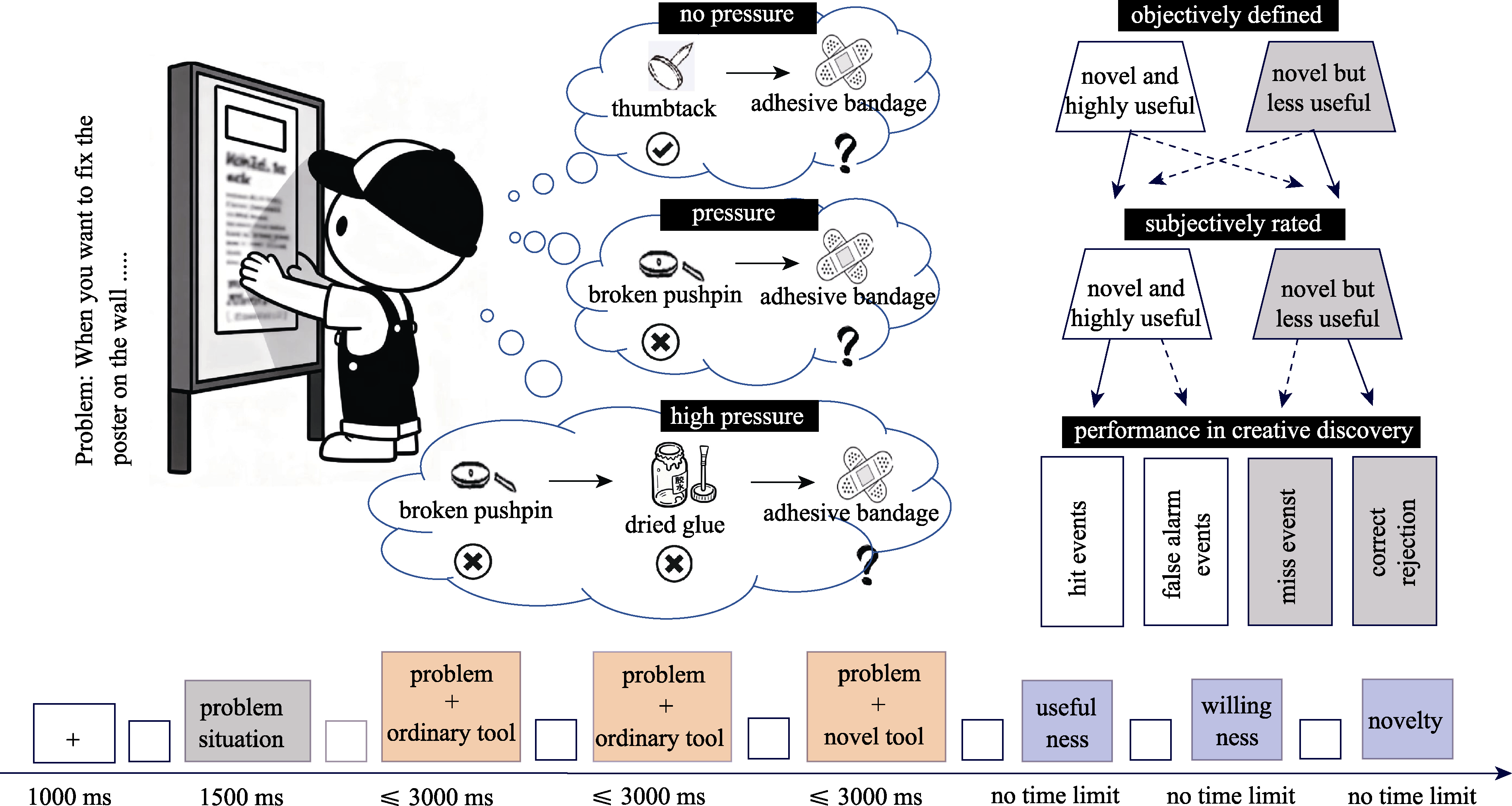
Fig 1. The manipulation methods of situational pressure in Experiments 1 and 2, and the data analysis process.
| Condition | M± SD | t | p | |
|---|---|---|---|---|
| Hit Rate | Non-pressure | 0.71±0.16 | -4.23 | < 0.001 |
| Pressure | 0.79±0.13 | |||
| Miss Rate | Non-pressure | 0.29±0.16 | 4.23 | < 0.001 |
| Pressure | 0.21±0.13 | |||
| False Alarm Rate | Non-pressure | 0.11±0.18 | 0.85 | 0.400 |
| Pressure | 0.08±0.07 | |||
| Correct Rejection Rate | Non-pressure | 0.89±0.18 | -0.85 | 0.400 |
| Pressure | 0.92±0.07 | |||
| Evaluation Standards | Non-pressure | 3.44±2.73 | 1.80 | 0.080 |
| Pressure | 2.78±2.17 | |||
| Identification Efficiency | Non-pressure | 0.60±0.19 | -3.28 | 0.003 |
| Pressure | 0.70±0.13 |
Table 1 Identification Rate and Evaluation Standards of Novel Products under Non-Pressure and Pressure Condition
| Condition | M± SD | t | p | |
|---|---|---|---|---|
| Hit Rate | Non-pressure | 0.71±0.16 | -4.23 | < 0.001 |
| Pressure | 0.79±0.13 | |||
| Miss Rate | Non-pressure | 0.29±0.16 | 4.23 | < 0.001 |
| Pressure | 0.21±0.13 | |||
| False Alarm Rate | Non-pressure | 0.11±0.18 | 0.85 | 0.400 |
| Pressure | 0.08±0.07 | |||
| Correct Rejection Rate | Non-pressure | 0.89±0.18 | -0.85 | 0.400 |
| Pressure | 0.92±0.07 | |||
| Evaluation Standards | Non-pressure | 3.44±2.73 | 1.80 | 0.080 |
| Pressure | 2.78±2.17 | |||
| Identification Efficiency | Non-pressure | 0.60±0.19 | -3.28 | 0.003 |
| Pressure | 0.70±0.13 |

Figure 2. Neural responses to the objectively defined novel product in Experiment 1 under pressure and non-pressure conditions.

Figure 3. Neural responses to correctly and falsely identifying the novel products in Experiment 1 under pressure and non-pressure conditions.
| Condition | M± SD | t | p | |
|---|---|---|---|---|
| Hit Rate | Non-pressure | 0.71±0.03 | -3.28 | 0.003 |
| High-pressure | 0.78±0.02 | |||
| Miss Rate | Non-pressure | 0.29±0.03 | 3.28 | 0.003 |
| High-pressure | 0.22±0.02 | |||
| False Alarm Rate | Non-pressure | 0.16±0.03 | 2.36 | 0.024 |
| High-pressure | 0.09±0.02 | |||
| Correct Rejection Rate | Non-pressure | 0.83±0.03 | -2.36 | 0.024 |
| High-pressure | 0.91±0.02 | |||
| Evaluation Standards | Non-pressure | 3.00±0.47 | 0.47 | 0.644 |
| High-pressure | 3.16±0.44 | |||
| Identification Efficiency | Non-pressure | 0.55±0.03 | -4.92 | < 0.001 |
| High-pressure | 0.69±0.02 |
Table 2 Identification Rate and Evaluation Standards of Novel Products under Non-Pressure and High-Pressure Condition
| Condition | M± SD | t | p | |
|---|---|---|---|---|
| Hit Rate | Non-pressure | 0.71±0.03 | -3.28 | 0.003 |
| High-pressure | 0.78±0.02 | |||
| Miss Rate | Non-pressure | 0.29±0.03 | 3.28 | 0.003 |
| High-pressure | 0.22±0.02 | |||
| False Alarm Rate | Non-pressure | 0.16±0.03 | 2.36 | 0.024 |
| High-pressure | 0.09±0.02 | |||
| Correct Rejection Rate | Non-pressure | 0.83±0.03 | -2.36 | 0.024 |
| High-pressure | 0.91±0.02 | |||
| Evaluation Standards | Non-pressure | 3.00±0.47 | 0.47 | 0.644 |
| High-pressure | 3.16±0.44 | |||
| Identification Efficiency | Non-pressure | 0.55±0.03 | -4.92 | < 0.001 |
| High-pressure | 0.69±0.02 |
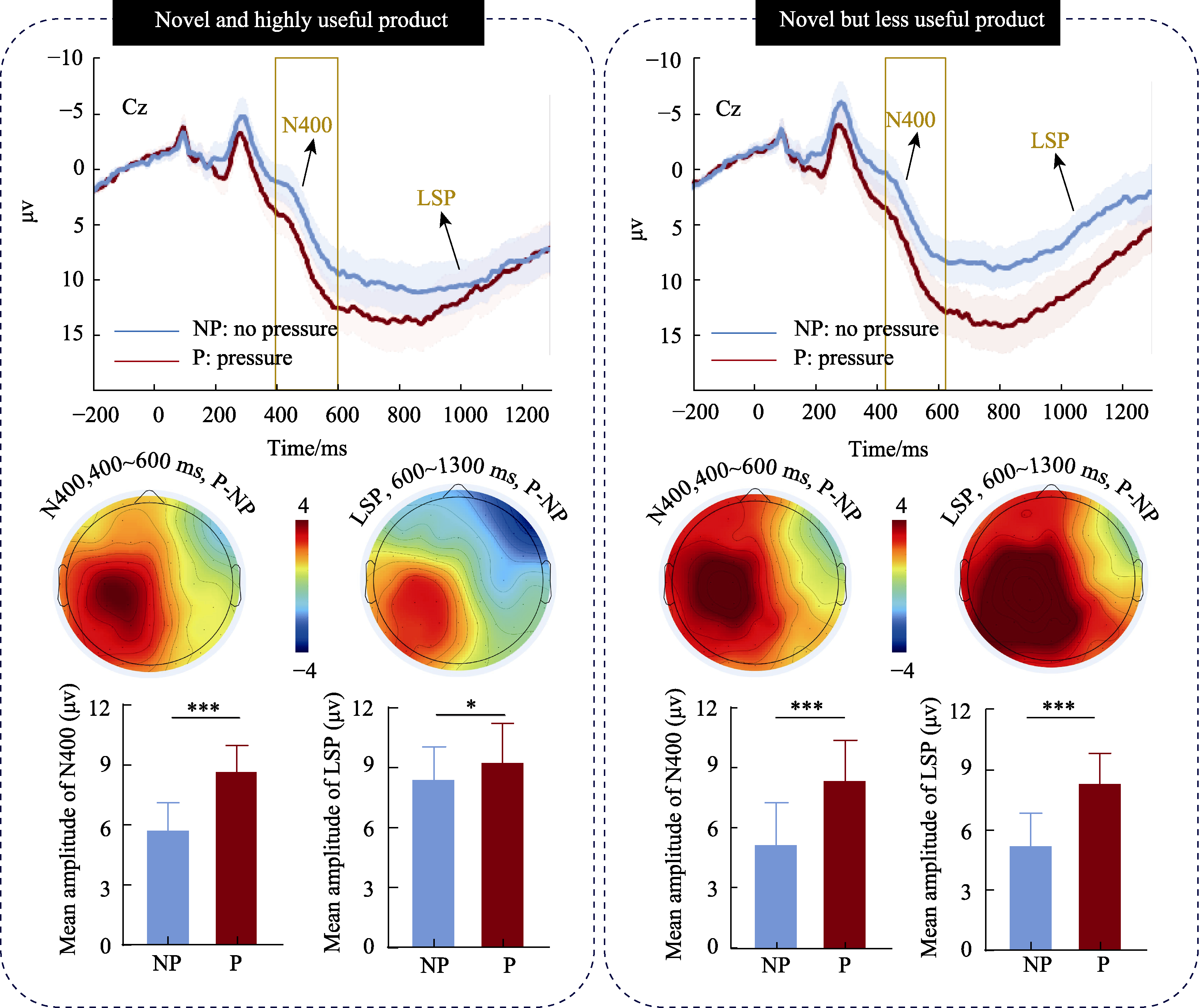
Figure 4. Neural responses to the objectively defined novel product in Experiment 2 under high-pressure and non-pressure conditions.

Figure 5. Neural responses to correctly and falsely identifying the novel products in Experiment 2 under high-pressure and non-pressure conditions.
| [1] |
Agnoli, S., Franchin, L., Rubaltelli, E., & Corazza, G. E. (2015). An eye-tracking analysis of irrelevance processing as moderator of openness and creative performance. Creativity Research Journal, 27(2), 125-132.
doi: 10.1080/10400419.2015.1030304 URL |
| [2] |
Benedek, M., Beaty, R., Schacter, D., & Kenett, Y. N. (2023). The role of memory in creative ideation. Nature Reviews Psychology, 2, 246-257.
doi: 10.1038/s44159-023-00158-z |
| [3] |
Bilalic, M., McLeod, P., & Gobet, F. (2008). Why good thoughts block better ones: The mechanism of the pernicious einstellung (set) effect. Cognition, 108(3), 652-661.
doi: 10.1016/j.cognition.2008.05.005 pmid: 18565505 |
| [4] |
Blake, A., & Palmisano, S. (2021). Divergent thinking influences the perception of ambiguous visual illusions. Perception, 50(5), 418-437.
doi: 10.1177/03010066211000192 URL |
| [5] |
Blech, C., Gaschler, R., & Bilalić, M. (2019). Why do people fail to see simple solutions? Using think-aloud protocols to uncover the mechanism behind the einstellung (mental set) effect. Thinking and Reasoning, 26(4), 552-580.
doi: 10.1080/13546783.2019.1685001 URL |
| [6] |
Bogdanov, M., Nitschke, J. P., Loparco, S., Bartz, J. A., & Otto, A. R. (2021). Acute psychosocial stress increases cognitive-effort avoidance. Psychological science, 32(9), 1463-1475.
doi: 10.1177/09567976211005465 URL |
| [7] |
Botvinick, M. M., Cohen, J. D., & Carter, C. S. (2004). Conflict monitoring and anterior cingulate cortex: An update. Trends in Cognitive Sciences, 8(12), 539-546.
doi: 10.1016/j.tics.2004.10.003 pmid: 15556023 |
| [8] |
Bullock Muir, A., Tribe, B., & Forster, S. (2024). Creativity on tap? the effect of creativity anxiety under evaluative pressure. Creativity Research Journal, 37(4), 654-663.
doi: 10.1080/10400419.2024.2330800 URL |
| [9] |
Byron, K., Khazanchi, S., & Nazarian, D. (2010). The relationship between stressors and creativity: A meta-analysis examining competing theoretical models. Journal of Applied Psychology, 95(1), 201-212.
doi: 10.1037/a0017868 pmid: 20085417 |
| [10] |
Celis, D. A. G., Liou, S., & Sibo, I. P. H.(2025). Enhancing team creativity through paradoxical frames: Exploring the role of conflict and integrative complexity. Journal of Creative Behavior, 59(3), e70044.
doi: 10.1002/jocb.v59.3 URL |
| [11] |
Chan, M. M. Y., Cho, E., Ralph, M. A., & Robinson, G. A. (2025). The cognitive and neural bases of creative thought: A cross-domain systematic review and meta-analysis of transcranial direct current stimulation studies. Neuroscience and Biobehavioral Reviews, 175, 106237.
doi: 10.1016/j.neubiorev.2025.106237 URL |
| [12] |
Cameron, C. D., Hutcherson, C. A., & Ferguson, A. M., Scheffer, J. A., Hadjiandreou, E., & Inzlicht, M. (2019). Empathy is hard work: people choose to avoid empathy because of its cognitive costs. Journal of Experimental Psychology: General, 148(6), 962-976.
doi: 10.1037/xge0000595 URL |
| [13] |
David, L., Vassena, E., & Bijleveld, E. (2024). The unpleasantness of thinking: A meta-analytic review of the association between mental effort and negative affect. Psychological Bulletin, 150(9), 1070-1093.
doi: 10.1037/bul0000443 pmid: 39101924 |
| [14] | Diedrich, J., Benedek, M., Jauk, E., & Neubauer, A.C. (2015). Are creative ideas novel and usable? Psychology of Aesthetics, Creativity, and the Arts, 9( 1), 35-40. |
| [15] | Fahoum, N., Pick, H., Ivancovsky, T., & Shamay-Tsoory, S. (2022). Free your mind: Creative thinking contributes to overcoming conflict-related biases. Brain Sciences, 12(11), 1566. |
| [16] |
Faul, F., Erdfelder, E., Lang, A. G., & Buchner, A. (2007). G*Power 3: A flexible statistical power analysis program for the social, behavioral, and biomedical sciences. Behavior Research Methods, 39, 175-191.
doi: 10.3758/bf03193146 pmid: 17695343 |
| [17] | Guo, X., Wang, Y., Kan, Y., Zhang, J., Ball, L. J., & Duan, H. (2024). How does stress shape creativity? The mediating effect of stress hormones and cognitive flexibility. Thinking Skills and Creativity, 52(1), 101521. |
| [18] |
Huang, F., Fan, J., & Luo, J. (2015). The neural basis of novelty and appropriateness in processing of creative chunk decomposition. NeuroImage, 113, 122-132.
doi: 10.1016/j.neuroimage.2015.03.030 pmid: 25797834 |
| [19] |
Huang, F., Tang, S., Sun, P., & Luo, J. (2018). Neural correlates of novelty and appropriateness processing in externally induced constraint relaxation. NeuroImage, 172, 381-389.
doi: S1053-8119(18)30070-3 pmid: 29408576 |
| [20] |
Huang, F., Han, L., Jiang, Y., Li, F., & Luo, J. (2019). Neural adaptation and cognitive inflexibility in repeated problem-solving behaviors. Cortex, 119, 470-479.
doi: S0010-9452(19)30287-4 pmid: 31505438 |
| [21] |
Huang, F., Zhao, Q., Zhou, Z., & Luo, J. (2019). People got lost in solving a set of similar problems. NeuroImage, 186, 192-199.
doi: S1053-8119(18)32035-4 pmid: 30449716 |
| [22] |
Huang, F., Song, Y., Jiang, Y., Zhao, Q., & Luo, J. (2022). Where and how original & valuable ideas are generated? tDCS the generation-related TPJ and executive control-related DLPFC. Cerebral Cortex, 32(5), 1004-1013.
doi: 10.1093/cercor/bhab261 URL |
| [23] |
Jia, L., Ren, J., Li, F., & Huang, F. (2024). Evaluation standards regulate the generation and selection of novel ideas in creative behaviors: Insights from individual differences in event-related potentials. Cerebral Cortex, 34(10), 1-15.
doi: 10.1093/cercor/bhae097 URL |
| [24] |
Jia, L., Song, Y., Ren, J., Li, F., & Huang, F. (2023a). When and why will creative discovery succeed or fail? The role of reactive control in resolving conflicts. Psychophysiology, 60(7), e14243.
doi: 10.1111/psyp.v60.7 URL |
| [25] | Jia, L., Tang, S., Song, Y., Ren, J., Li, F., & Huang, F. (2023b). Cognitive control in creative discovery: the gap between ideal and reality. Biological Psychology, 178, 108552. |
| [26] |
Kool, W., McGuire, J. T., Rosen, Z. B., & Botvinick, M. M. (2010). Decision making and the avoidance of cognitive demand. Journal of Experimental Psychology: General, 139(4), 665-682.
doi: 10.1037/a0020198 URL |
| [27] |
Laukkonen, R. E., & Tangen, J. M. (2017). Can observing a necker cube make you more insightful? Consciousness and Cognition, 48, 198-211.
doi: S1053-8100(16)30227-6 pmid: 28006729 |
| [28] |
Lezama, R., Gómez-Ariza, C. J., & Bajo, M. T. (2023). Individual differences in semantic priming and inhibitory control predict performance in the remote associates test (rat). Thinking Skills and Creativity, 50, 101426.
doi: 10.1016/j.tsc.2023.101426 URL |
| [29] |
Liu, F., Li, P., Taris, T. W., & Peeters, M. C. W.(2022). Creative performance pressure as a double‐edged sword for creativity: the role of appraisals and resources. Human Resource Management, 61(6), 663-679.
doi: 10.1002/hrm.v61.6 URL |
| [30] |
Martin, L., & Wilson, N. (2017). Defining creativity with discovery. Creativity Research Journal, 29(4), 417-425.
doi: 10.1080/10400419.2017.1376543 URL |
| [31] |
Mastria, S., Agnoli, S., Corazza, G. E., Grassi, M., & Franchin, L. (2023). What inspires us? An experimental analysis of the semantic meaning of irrelevant information in creative ideation. Thinking and Reasoning, 29(4), 698-725.
doi: 10.1080/13546783.2022.2132289 URL |
| [32] |
Pope-Caldwell, S. M., & Washburn, D. A. (2022). Overcoming cognitive set bias requires more than seeing an alternative strategy. Scientific Reports, 12(1), 2179.
doi: 10.1038/s41598-022-06237-0 pmid: 35140344 |
| [33] |
Quinn, M. E., & Shields, G. S. (2023). The insidious influence of stress: An integrated model of stress, executive control, and psychopathology. Clinical Psychological Science, 11(5), 773-800.
doi: 10.1177/21677026221149736 pmid: 37701497 |
| [34] | Reis, M., Agnoli, S., & Kunde, W. (2025). Creativity and irrelevance processing: evidence from online eye tracking. Psychology of Aesthetics, Creativity, and the Arts, Advance online publication. https://doi.org/10.1037/aca0000756 |
| [35] |
Reis, M., Foerster, A., Zettler, I., Kunde, W., & Pfister, R. (2024). Sticky tradition impedes selection of creative ideas. Journal of Experimental Psychology: General, 153(1), 268-273.
doi: 10.1037/xge0001490 URL |
| [36] |
Sayali, C., Rubin-McGregor, J., & Badre, D. (2023). Policy abstraction as a predictor of cognitive effort avoidance. Journal of Experimental Psychology: General, 152(12), 3440-3458.
doi: 10.1037/xge0001449 URL |
| [37] |
Schmidt, J. R. (2025). Is conflict adaptation adaptive? An introduction to conflict monitoring theory and the ecological problems it faces. Quarterly Journal of Experimental Psychology, 78(5), 865-883.
doi: 10.1177/17470218231161555 URL |
| [38] |
Tang, S., Jia, L. J., Liu, M. Z., Ren, J. Y., Li, F. H., Luo, J., & Huang, F. R. (2021). The dynamic monitoring and control mechanism in problem solving: Evidence from theta and alpha oscillations. International Journal of Psychophysiology, 170, 112-120.
doi: 10.1016/j.ijpsycho.2021.10.010 pmid: 34699862 |
| [39] |
Thomas, C., & Didierjean, A. (2016). Magicians fix your mind: How unlikely solutions block obvious ones. Cognition, 154, 169-173.
doi: S0010-0277(16)30149-4 pmid: 27318598 |
| [40] |
Yang, W., Green, A. E., Chen, Q., Kenett, Y. N., Sun, J., Wei, D., & Qiu, J. (2022). Creative problem solving in knowledge-rich contexts. Trends in Cognitive Sciences, 26(10), 849-859.
doi: 10.1016/j.tics.2022.06.012 URL |
| [41] |
Zhang, L., Guo, R., Zheng, Y., Jia, L., & Huang, F. (2026). Perceptual adaptation optimized subjective evaluation and enhanced creative performance: a new path for creativity training. Thinking Skills and Creativity, 61, 102152.
doi: 10.1016/j.tsc.2026.102152 URL |
| [42] | Zheng, Y. L., Ren, J. Y., Li, F. H., & Huang, F. R. (2024). Trait anxiety negatively affected creative discovery under pressure conditions: Evidence from behavioral responses and ERPs. Personality and Individual Differences, 231, e112821. |
| [43] |
Zhou, L., Yan, H., Ren, J., Li, F., Luo, J., & Huang, F. (2022). Cognitive control of invalid predominant ideas in insight-like problem solving. Psychophysiology, 59(12), e14133.
doi: 10.1111/psyp.v59.12 URL |
| [1] | LIU Zejun, GUO Chunyan. Effects of unitization on associative and item recognition: The “benefits-only” account [J]. Acta Psychologica Sinica, 2022, 54(12): 1443-1454. |
| [2] | WU Jianshe,CHANG Jiabao,QIU Yinchen,Joseph DIEN. The temporal process of visual word recognition of Chinese compound: Behavioral and ERP evidences based on homographic morphemes [J]. Acta Psychologica Sinica, 2020, 52(2): 113-127. |
| [3] | ZENG Xinran,WANG Yue,DING Junhao,ZHOU Hui. Classroom bullying norms and bullying behavior:The mediating role of fear induced by group identity and peer pressure [J]. Acta Psychologica Sinica, 2019, 51(8): 935-944. |
| [4] | Yiping ZHONG, Wenjie ZHANG, Yalei LI, Wei FAN. Influence of time stress on mood-congruent false memories [J]. Acta Psychologica Sinica, 2018, 50(9): 929-939. |
| [5] | LUO Ting, QIU Ruyi, CHEN Bin, FU Shimin. The stimulus representation of unconscious information and its temporal characteristics [J]. Acta Psychologica Sinica, 2018, 50(5): 473-482. |
| [6] | ZHU Yu, LYU Yang, WANG Yanfei, WANG Lixuan. Coaching leadership effect on employees' creativity: Multilevel moderated mediator analysis [J]. Acta Psychologica Sinica, 2018, 50(3): 327-336. |
| [7] | ZHANG Weixia, WANG Wanqi, ZHOU Linshu, JIANG Cunmei. Effects of lyrics on the processing of musical emotion: Behavioural and ERP study [J]. Acta Psychologica Sinica, 2018, 50(12): 1346-1355. |
| [8] | GAO Hong, LI Yangzhuo, HU Die, ZHU Min, GAO Xiangping, HU Tianyi. Cognitive advantage for self-information: Evidence from the orienting network of attention [J]. Acta Psychologica Sinica, 2018, 50(12): 1356-1368. |
| [9] | Xuejun BAI, Haijuan YAO. Differences in cognitive inhibition between persons with high and low creativity: Evidences from behavioral and physiological studies [J]. Acta Psychologica Sinica, 2018, 50(11): 1197-1211. |
| [10] | ZHAO Qingbai, KE Wei, TONG Biao, ZHOU Zhijin, ZHOU Zongkui. Creative processing of internet language: Novel N400 and LPC [J]. Acta Psychologica Sinica, 2017, 49(2): 143-154. |
| [11] | ZHOU Yuanyuan, HU Yangli, ZHAO Yancheng. What do you listen to under the pressure of time? The moderator effects of reference group on impulsive buying [J]. Acta Psychologica Sinica, 2017, 49(11): 1439-1448. |
| [12] | MENG Yingfang, LIN Wuji, LIN Jingyuan, CAI Chaoqun. The phonological or semantic activation of non-target language in an immediate cross-language switching paradigm [J]. Acta Psychologica Sinica, 2016, 48(2): 121-129. |
| [13] | PAN Yingqiu. Development of Young Adolescents' Self-esteem and Influencing Factors: A Longitudinal Analysis [J]. Acta Psychologica Sinica, 2015, 47(6): 787-796. |
| [14] | YANG Yaping; WANG Pei; YIN Zhihui; CHEN Qingwei; FENG Xiaying. The Pattern and Neural Correlates of Unintentional Stereotype Activation [J]. Acta Psychologica Sinica, 2015, 47(4): 488-502. |
| [15] | LV Jie; ZHANG Gang. The Mechanisms of Knowledge Heterogeneity on Creativity of Knowledge Teams: An Interactive Cognition Perspective [J]. Acta Psychologica Sinica, 2015, 47(4): 533-544. |
| Viewed | ||||||
|
Full text |
|
|||||
|
Abstract |
|
|||||
