
ISSN 0439-755X
CN 11-1911/B

Acta Psychologica Sinica ›› 2026, Vol. 58 ›› Issue (5): 887-902.doi: 10.3724/SP.J.1041.2026.0887

• Reports of Empirical Studies • Previous Articles     Next Articles

Characteristics and mechanisms of trust in older adults in situations inducing loneliness stereotypes

ZHANG Baoshan1, CHEN Yanyu2, WANG Mengze1   

  1. 1School of Psychology, Shaanxi Normal University, Xi’an 710062, China;
    2Faculty of Psychology, Beijing Key Laboratory of Applied Experimental Psychology, National Demonstration Center for Experimental Psychology Education (Beijing Normal University), Beijing Normal University, Beijing 100875, China
  • Received:2025-05-06 Published:2026-05-25 Online:2026-03-05

Abstract: In recent years, cases of fraud targeting older adults have been on the rise, with many scammers exploiting age-related stereotypes to manipulate their trust and successfully commit fraudulent acts. Among these stereotypes, loneliness stereotype—a pervasive and negative aging stereotype—may also influence older adults’ trust behaviors. However, researchers have yet to systematically examine the relationship between loneliness stereotypes and trust in older adults, as well as the underlying psychological mechanisms. Socioemotional selectivity theory and dynamic integration theory provide theoretical explanations for understanding the impact of aging stereotypes on trust and offer differing perspectives on the underlying mechanisms between the two aforementioned variables. The research gap is addressed by the present study by investigating the relationship between loneliness stereotypes and trust decision-making, as well as the underlying mechanisms involved.
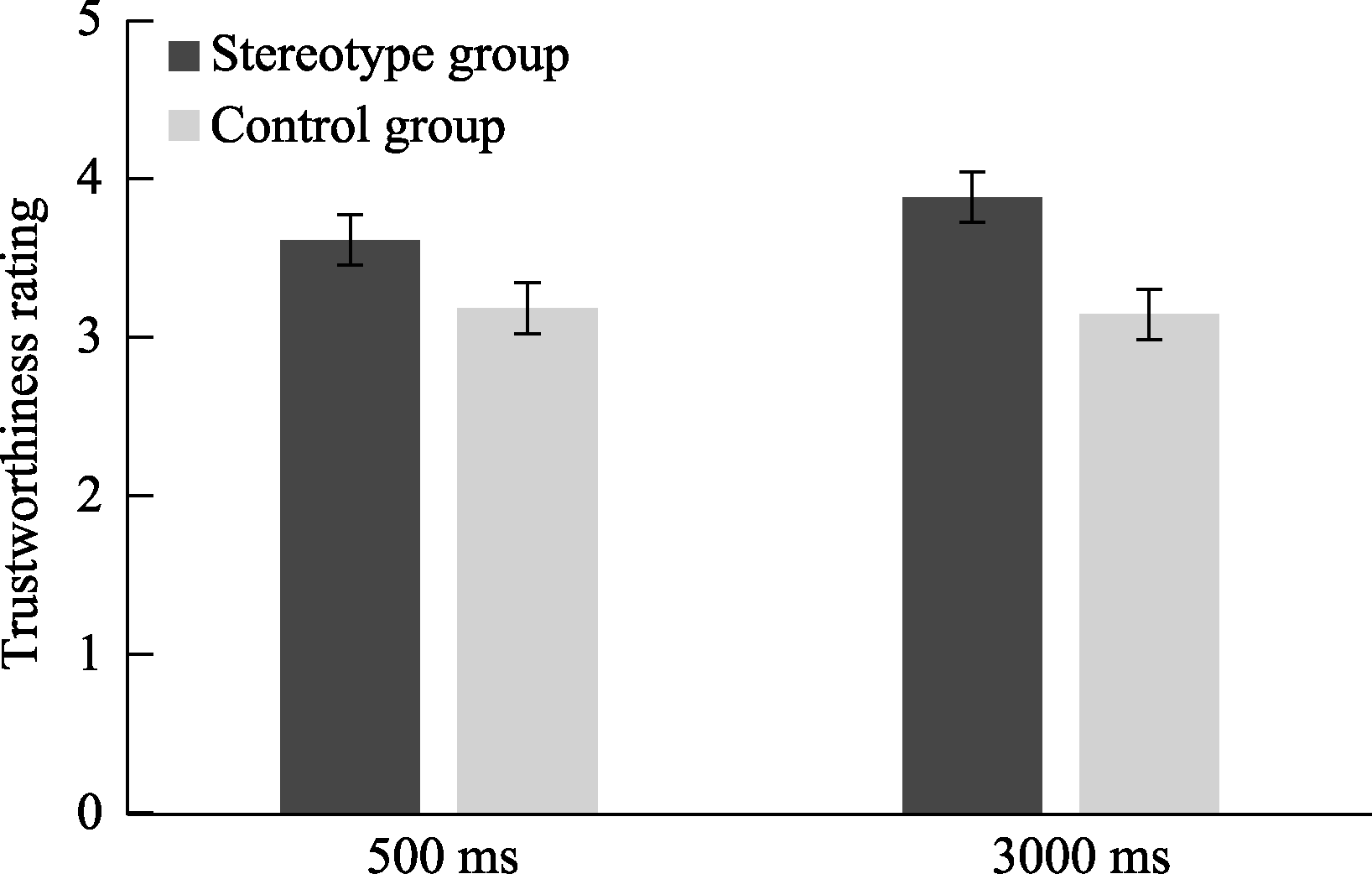
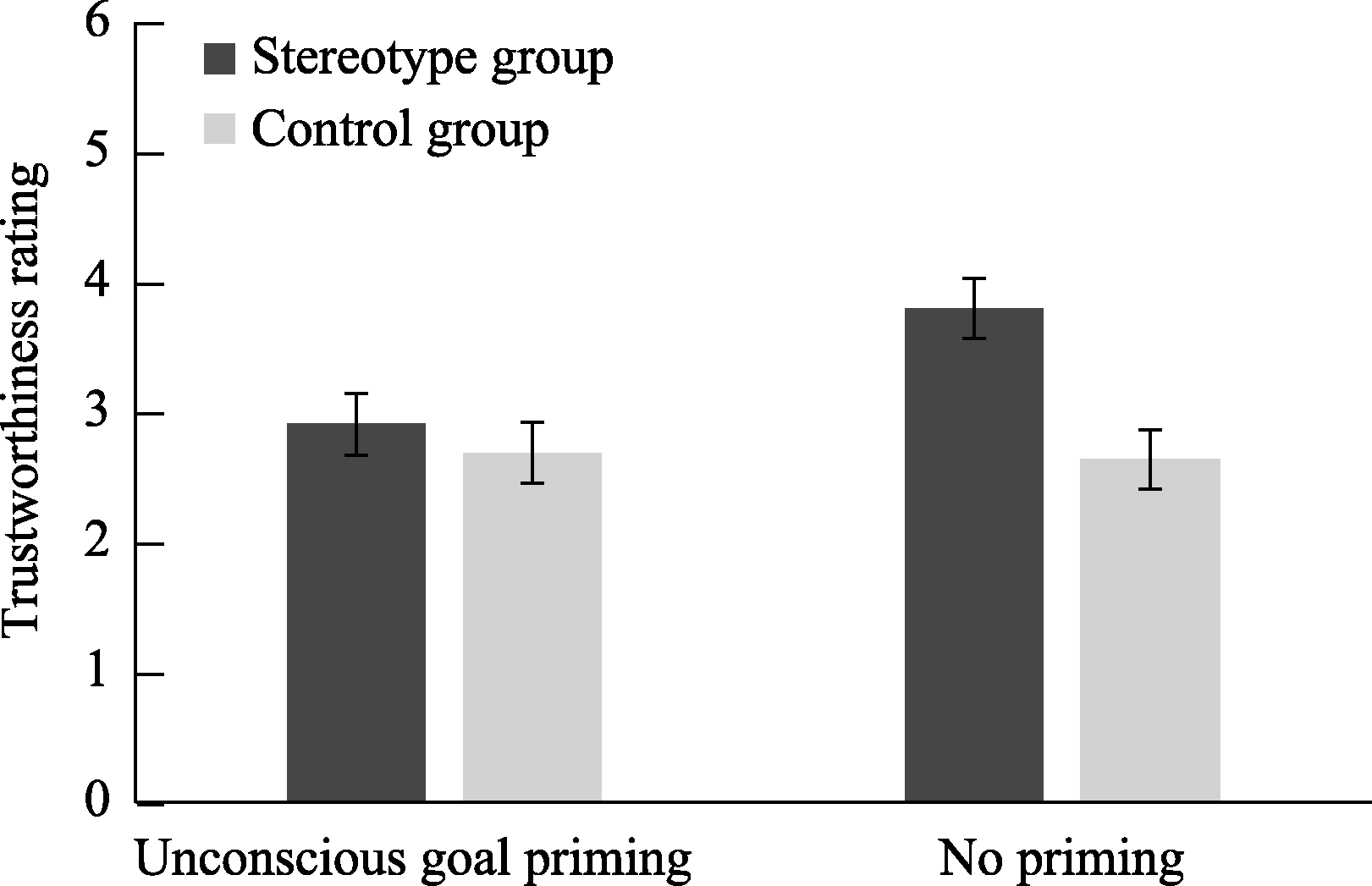
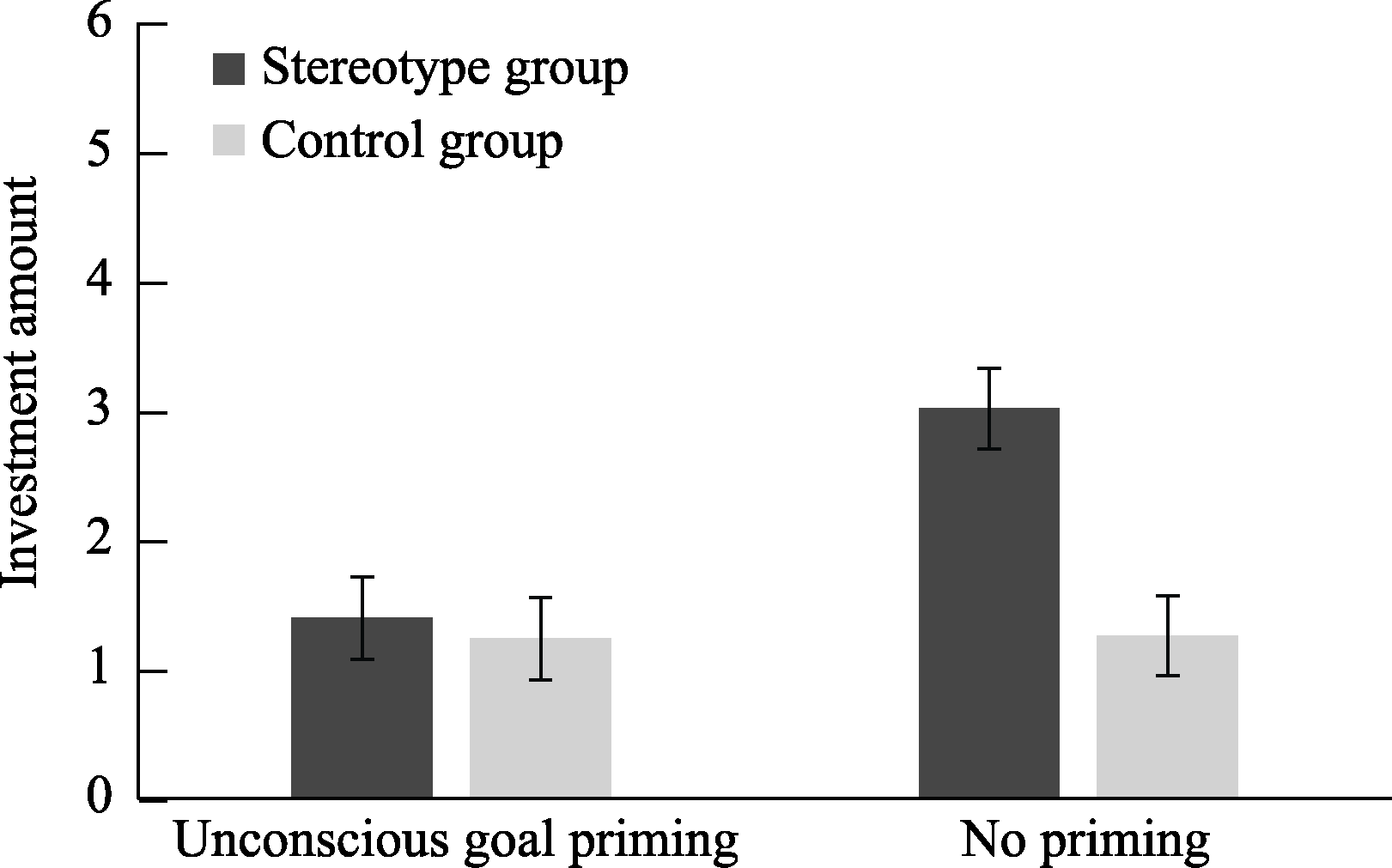
This study consists of four experiments. Study 1 examines the impact of loneliness stereotypes on trust decision-making. A total of 108 older adults were randomly assigned to the loneliness stereotype activation group, the memory decline stereotype activation group, or the control group. The participants were instructed to read a paragraph of descriptive material before completing a trust game. Study 2 explores whether cognitive resources mediate the relationship between loneliness stereotypes and trust decision-making. A total of 102 older adults were randomly assigned to either the stereotype activation group or the control group. The participants were instructed to read the material as in Study 1 and complete an adapted facial trustworthiness evaluation task. The viewing time was manipulated at two levels (500 ms vs. 3000 ms). Study 3 investigates whether emotional motivation serves as the underlying mechanism in the relationship between loneliness stereotypes and trust decision-making. A total of 107 older adults were randomly assigned to one of four groups: stereotype activation-goal priming, stereotype activation-non-goal priming, general context-goal priming, or general context-non-goal priming. After reading the same material as in Study 1, the participants were asked to complete a lexical judgment task and an adapted trust game. Study 4 examines the mediating role of future time perspective. A total of 72 older adults were randomly assigned to the same groups as in Study 2. The participants were instructed to read the same material as in Study 1 and complete a measurement of future time perspective and a facial trustworthiness evaluation task.
The results show that, first, loneliness stereotypes increase the trust levels of older adults, whereas the memory decline stereotype did not significantly affect their trust (Study 1). Second, the effect of loneliness stereotypes on trust is moderated by cognitive resources. In particular, adequate cognitive resources amplify the impact of loneliness stereotypes on trust, indicating that insufficient cognitive resources are not the mechanism underlying the effect of loneliness stereotypes (Study 2). Third, unconscious goal priming, as an intervention that manipulates motivation, effectively reduces the impact of loneliness stereotypes on trust decision-making. In particular, after priming the unconscious goals of older adults, the influence of loneliness stereotypes on trust becomes nonsignificant (Study 3). Finally, future time perspective mediates the relationship between loneliness stereotypes and trust in older adults. This finding supports the idea that, for loneliness stereotypes, emotional motivation induced by a future time perspective increases the trust levels of individuals (Study 4). These findings suggest that in the relationship between loneliness stereotypes and trust, motivations related to emotional significance may play a more crucial role than other types of motivations.
This study offers several theoretical and practical contributions. First, this work focuses on the loneliness stereotype, a longstanding yet underexplored construct, and deepens the research on aging-related stereotypes. Second, this study examines the relationship between loneliness stereotypes and trust decision-making, as well as its mechanisms, to further explore how negative stereotypes about aging influence trust. This work also contributes to the fields of aging stereotypes, socioemotional selectivity theory, and dynamic integration theory. Finally, this research offers valuable insights into future tailored interventions aimed at reducing blind trust among older adults in real-world situations.

Key words: older adults, loneliness stereotype, trust, cognitive resources, emotional motivation