

ISSN 0439-755X
CN 11-1911/B
CN 11-1911/B
Acta Psychologica Sinica ›› 2026, Vol. 58 ›› Issue (3): 450-466.doi: 10.3724/SP.J.1041.2026.0450
• Reports of Empirical Studies • Previous Articles Next Articles
LIANG Xingjie, CHEN Huifang, WANG Luyao, SUN Yanliang( )
)
Received:2025-02-18
Published:2026-03-25
Online:2025-12-26
Contact:
SUN Yanliang
E-mail:yanliangsun@126.com
Supported by:LIANG Xingjie, CHEN Huifang, WANG Luyao, SUN Yanliang. (2026). Modulation of rhythmic temporal attention by consciousness state: Evidence from behavior, hierarchical drift-diffusion modeling, and EEG measures. Acta Psychologica Sinica, 58(3), 450-466.
Add to citation manager EndNote|Ris|BibTeX
URL: https://journal.psych.ac.cn/acps/EN/10.3724/SP.J.1041.2026.0450
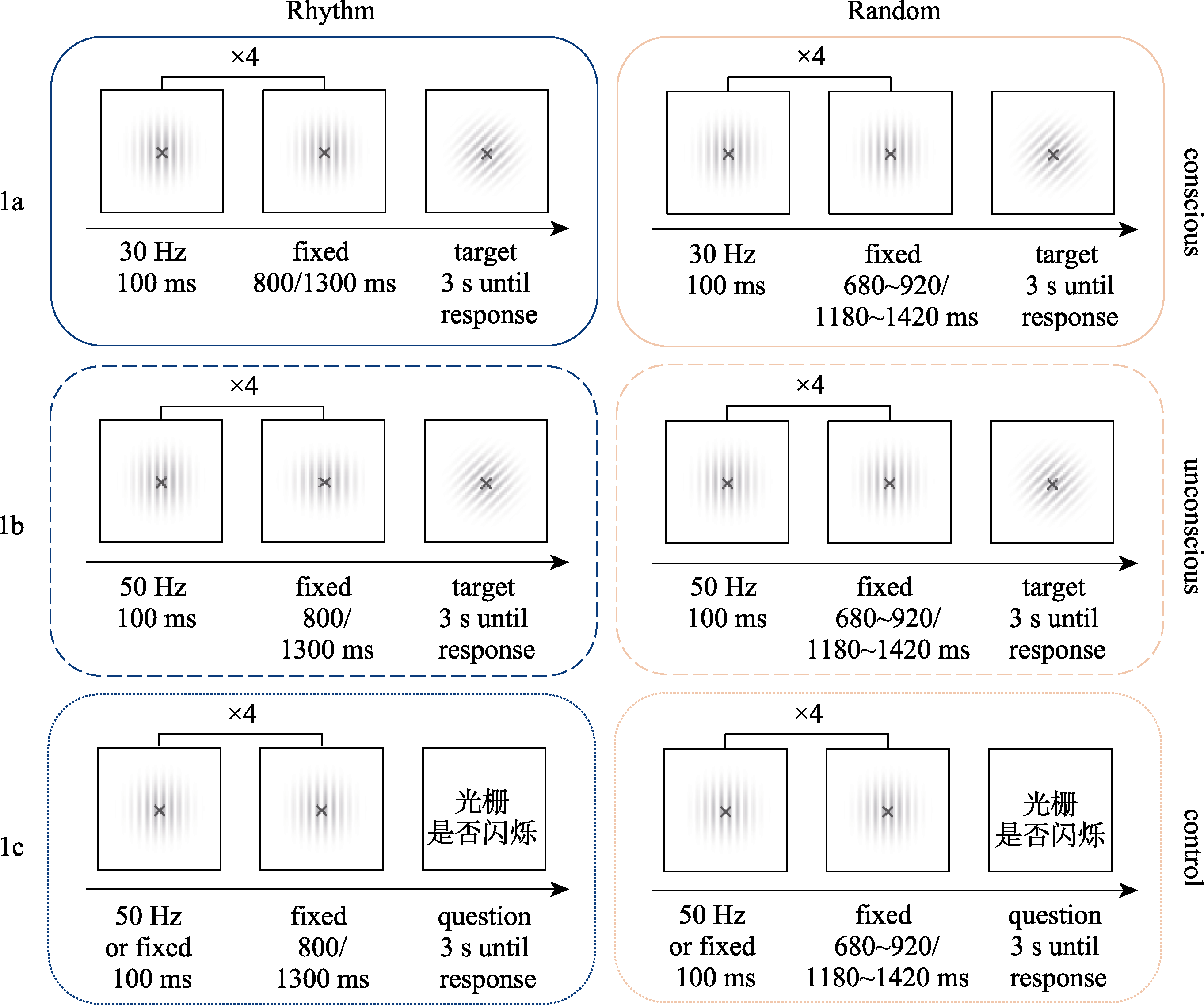
Figure 1 Procedure in Experiment 1. Note. This figure is for illustrative purposes only. In the actual experiment, the screen background was gray, and the parameters of the gratings, fixation mark, and other stimuli were as specified in the text.
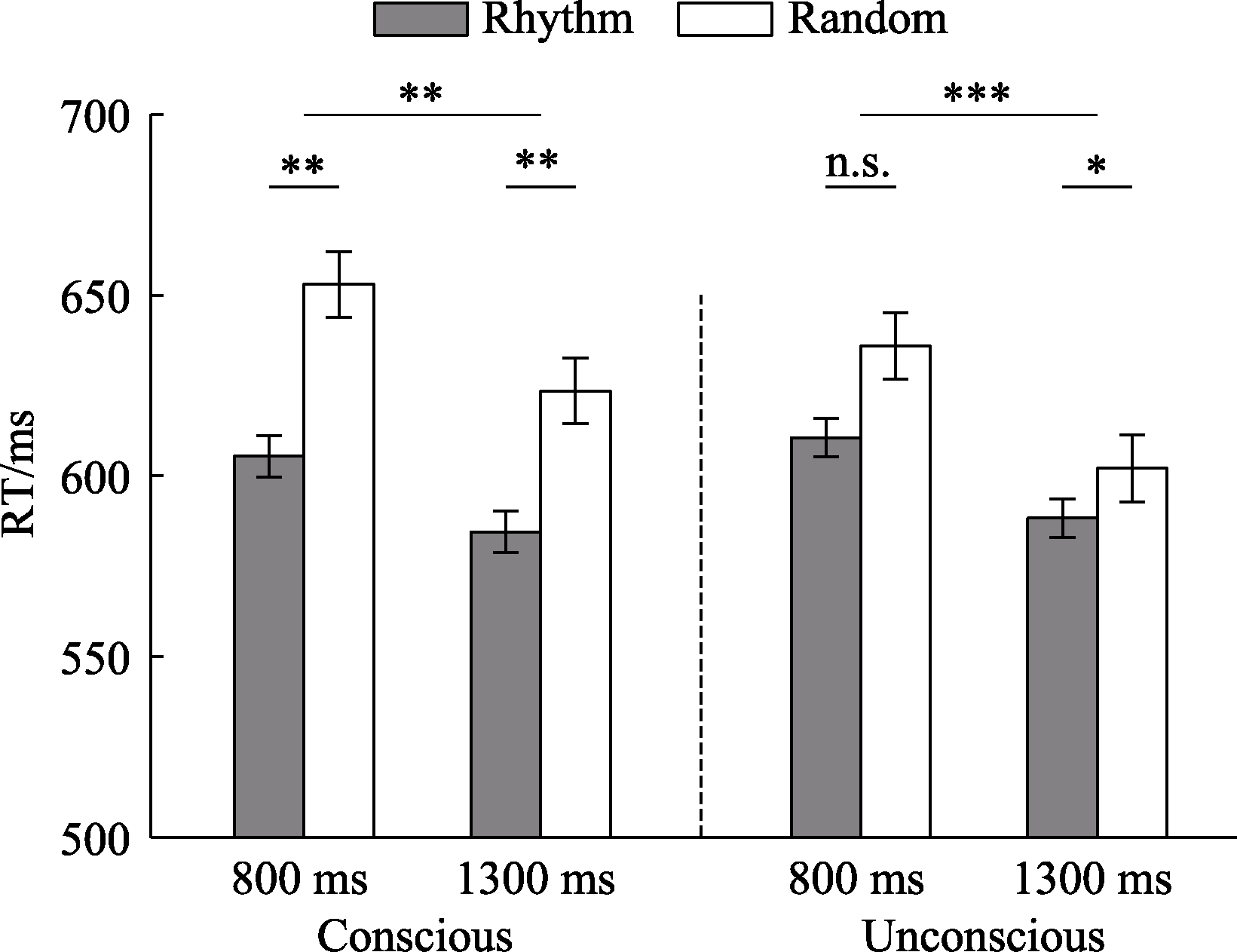
Figure 2 RT results for Experiments 1a and 1b. Note. * indicates p < 0.05, ** indicates p < 0.01, *** indicates p < 0.001, and n.s. indicates no significant difference. Error bars represent the within- subject 95% confidence intervals.
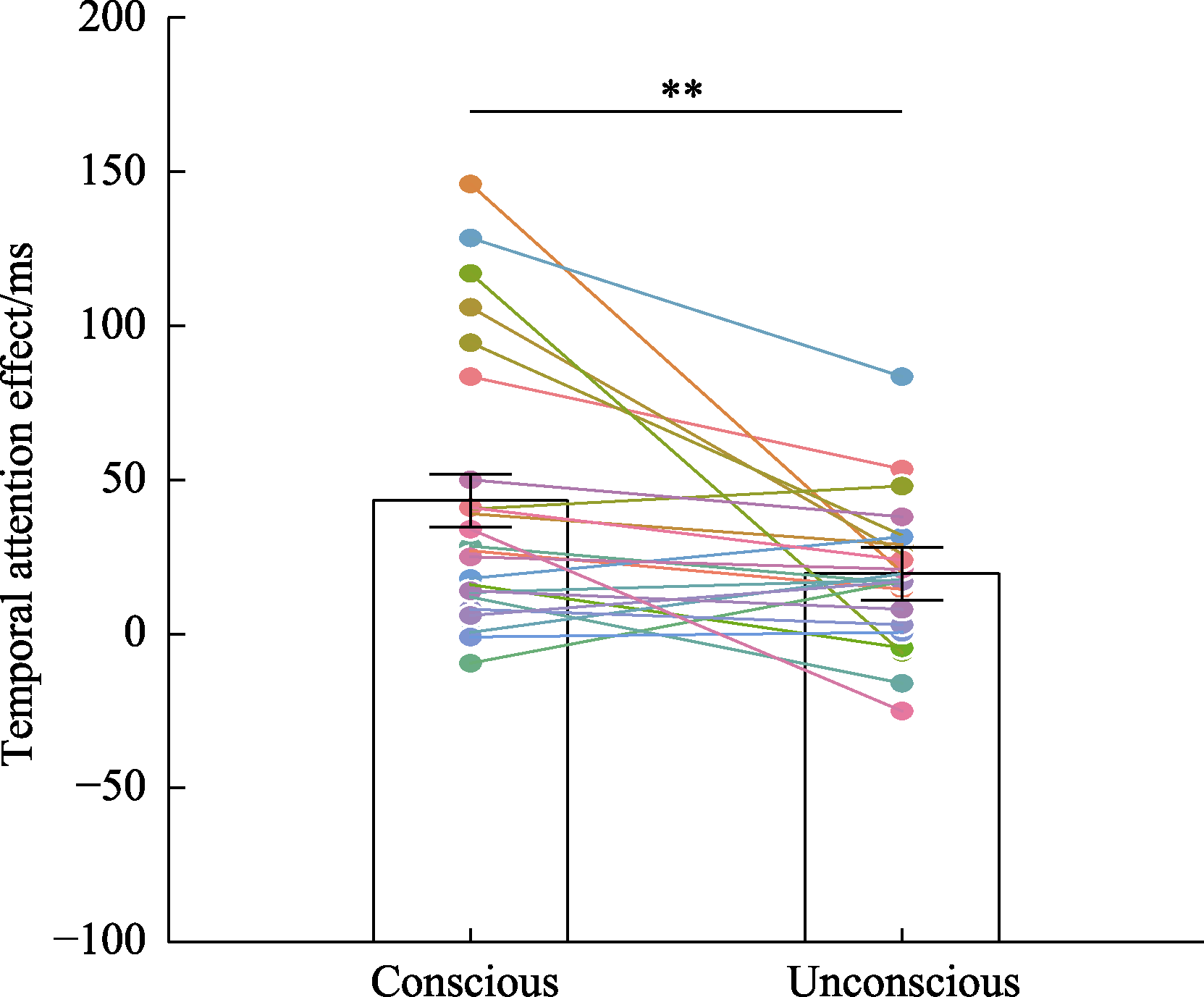
Figure 3 Temporal attention effect in Experiment 1. Note. ** indicates p < 0.01. Error bars represent the within-subject 95% confidence intervals.
| Model | Parameters that vary with conditions | ΔDIC |
|---|---|---|
| Model_a | a | 0 |
| Model_v | v | 138.6 |
| Model_t | t | 325.8 |
Table 1 Model parameters and ΔDIC varying with consciousness state and cue presentation mode in Experiment 1
| Model | Parameters that vary with conditions | ΔDIC |
|---|---|---|
| Model_a | a | 0 |
| Model_v | v | 138.6 |
| Model_t | t | 325.8 |
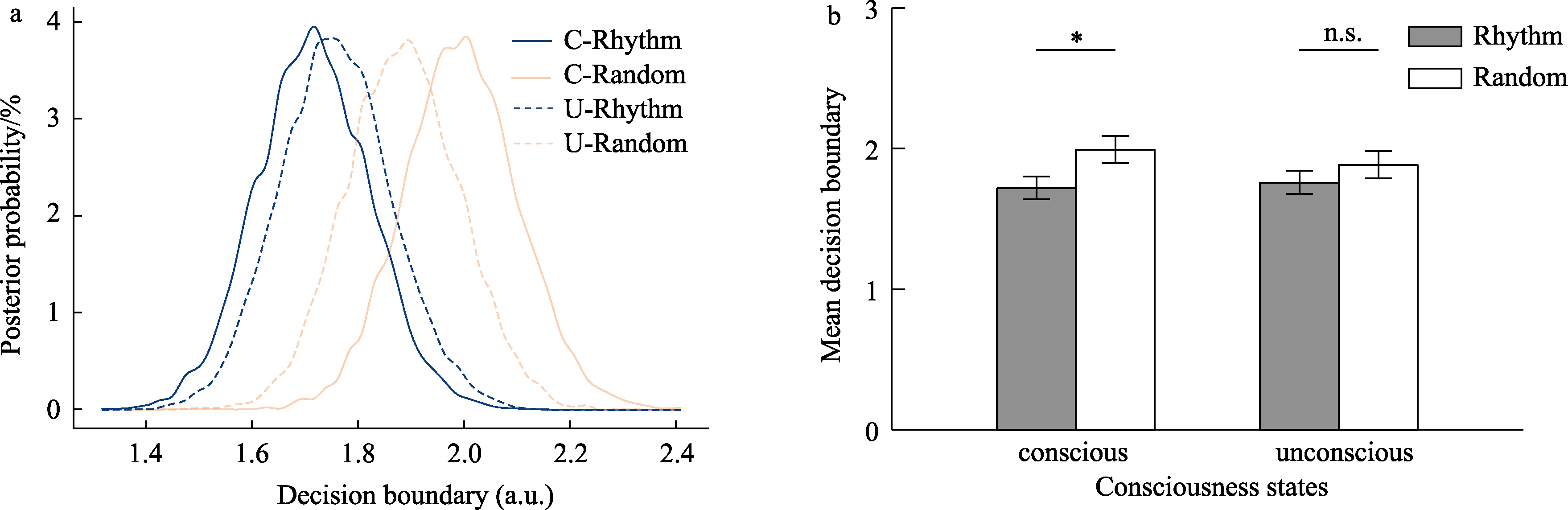
Figure 4 HDDM fitting results for consciousness state and cue presentation mode in Experiment 1. Note. The left panel shows the posterior distributions of the parameters, and the right panel displays the bar graphs of the group-level mean parameters. * indicates p < 0.05 and n.s. indicates no significant difference. Error bars represent the within-subject 95% confidence intervals.
| Model | Parameters that vary with conditions | ΔDIC |
|---|---|---|
| Model_a | a | 7.7 |
| Model_v | v | 0 |
| Model_t | t | 34.4 |
Table 2 Model parameters and ΔDIC varying with ISI in Experiment 1
| Model | Parameters that vary with conditions | ΔDIC |
|---|---|---|
| Model_a | a | 7.7 |
| Model_v | v | 0 |
| Model_t | t | 34.4 |
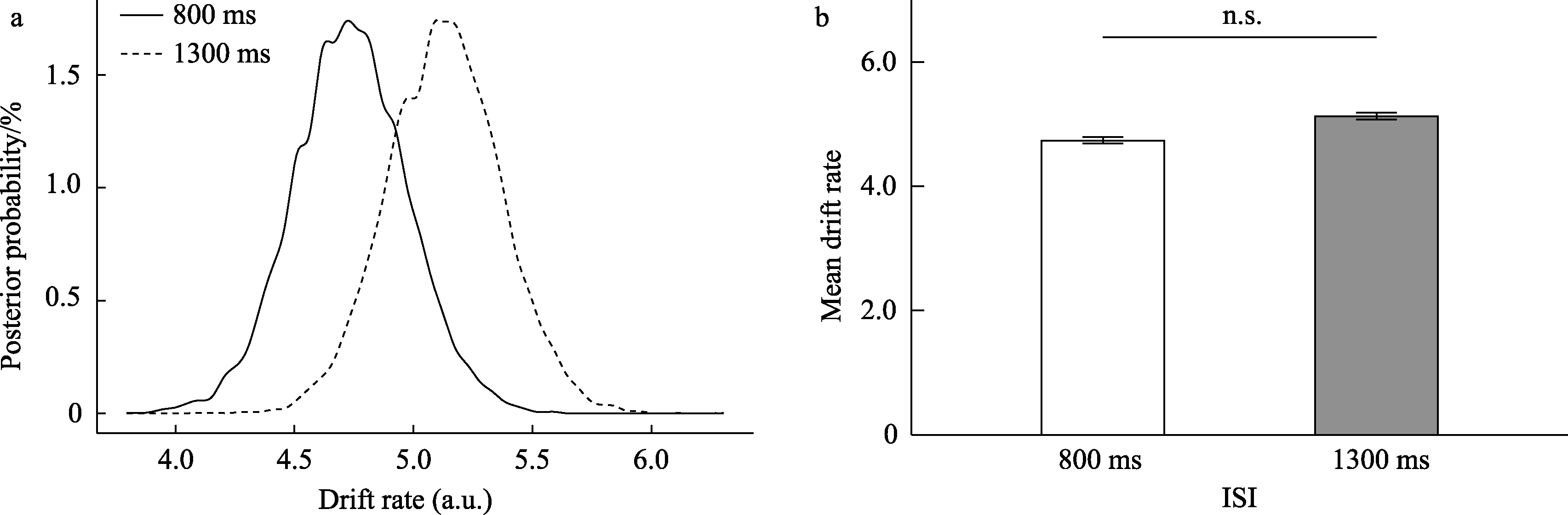
Figure 5 HDDM fitting results for ISI in Experiment 1. Note. The left panel shows the posterior distributions of the parameters, and the right panel displays the bar graphs of the group-level mean parameters. n.s. indicates no significant difference. Error bars represent the within-subject 95% confidence intervals.
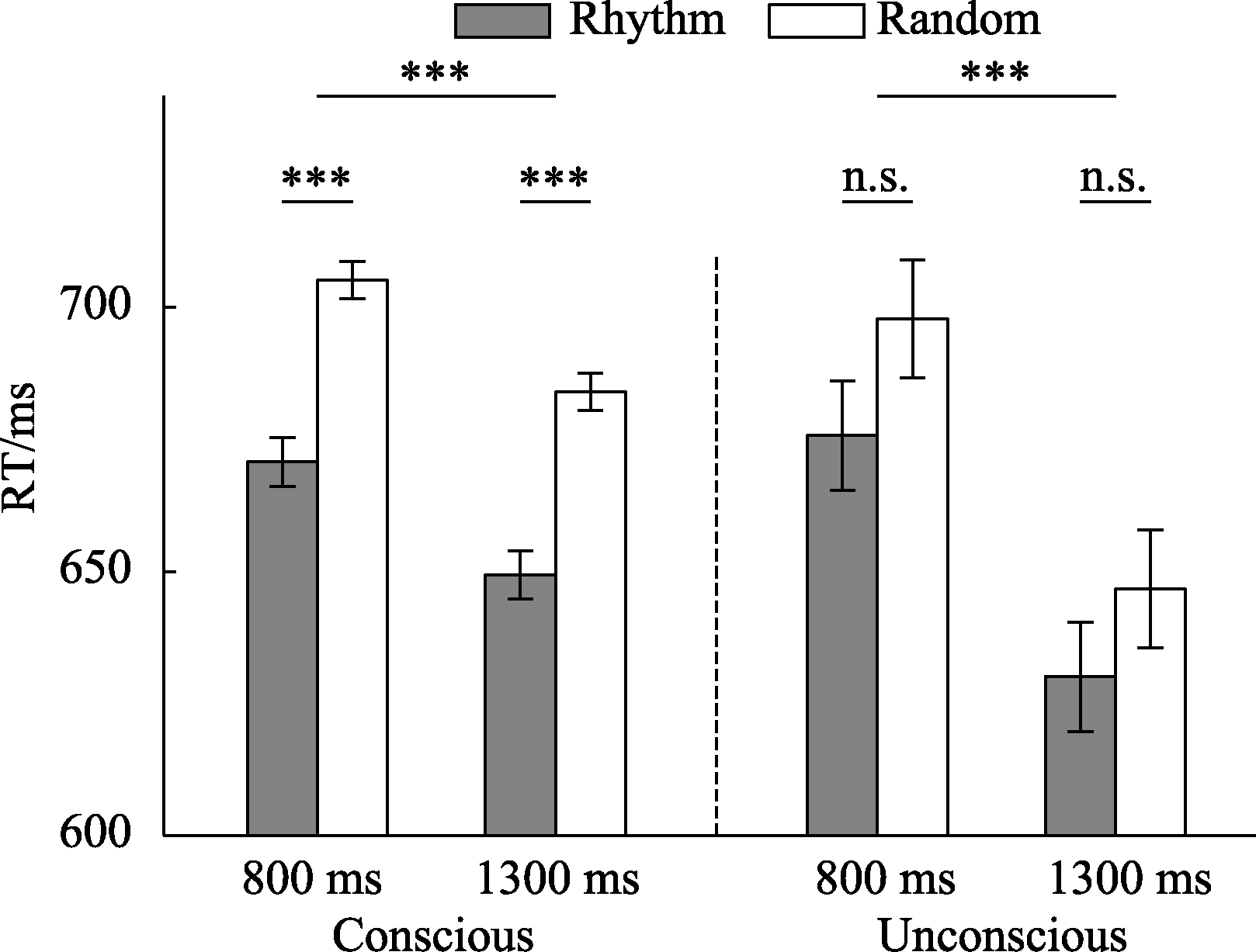
Figure 6 RT results for Experiments 2a and 2b. Note. *** indicates p < 0.001 and n.s. indicates no significant difference. Error bars represent the within-subject 95% confidence intervals.
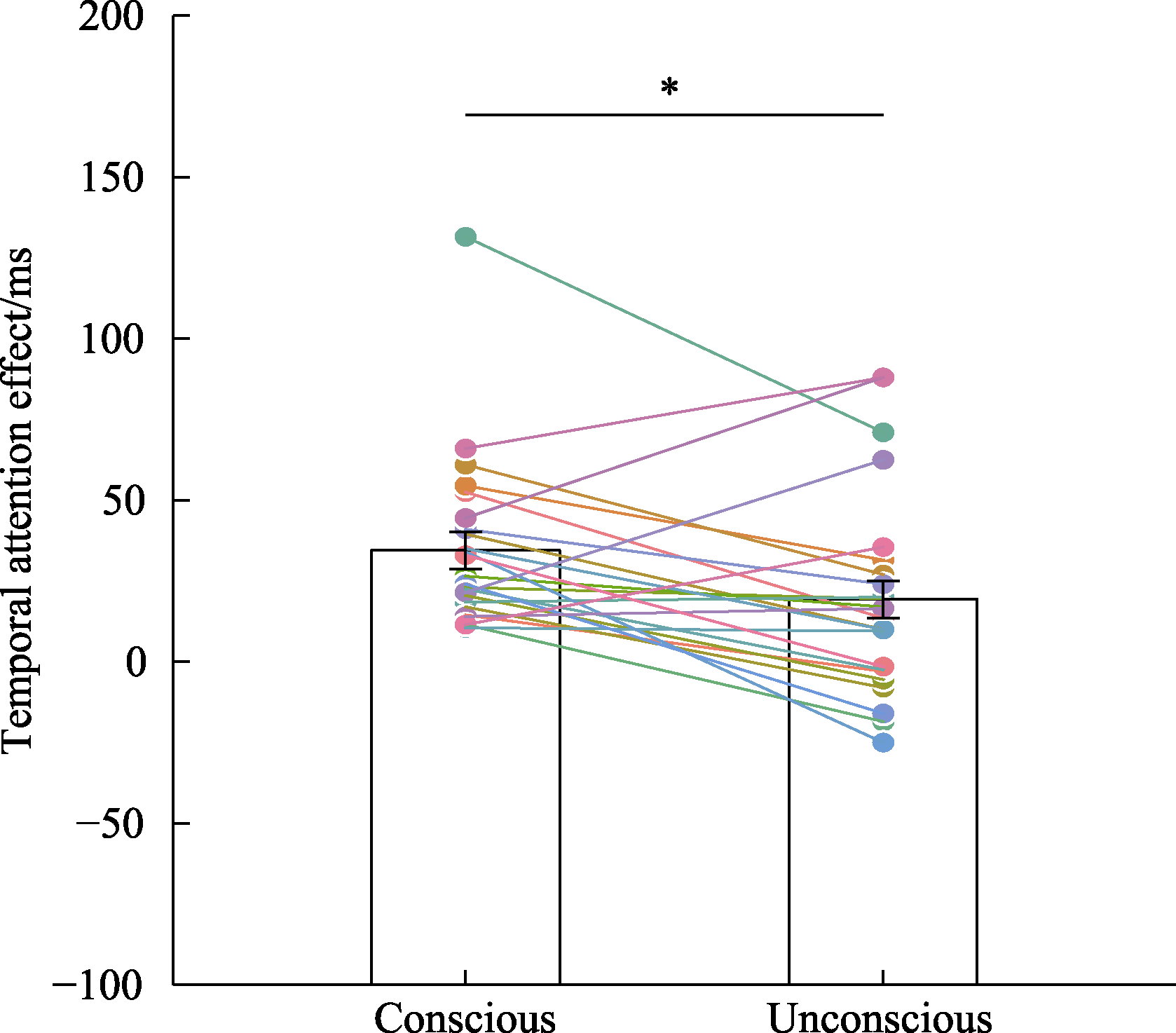
Figure 7 Temporal attention effect in experiment 2. Note. * indicates p < 0.05. Error bars represent the within-subject 95% confidence intervals.
| Model | Parameters that vary with conditions | ΔDIC |
|---|---|---|
| Model_a | a | 0.4 |
| Model_v | v | 0 |
| Model_t | t | 80.9 |
Table 3 Model parameters and ΔDIC varying with consciousness state and cue presentation mode in Experiment 2
| Model | Parameters that vary with conditions | ΔDIC |
|---|---|---|
| Model_a | a | 0.4 |
| Model_v | v | 0 |
| Model_t | t | 80.9 |
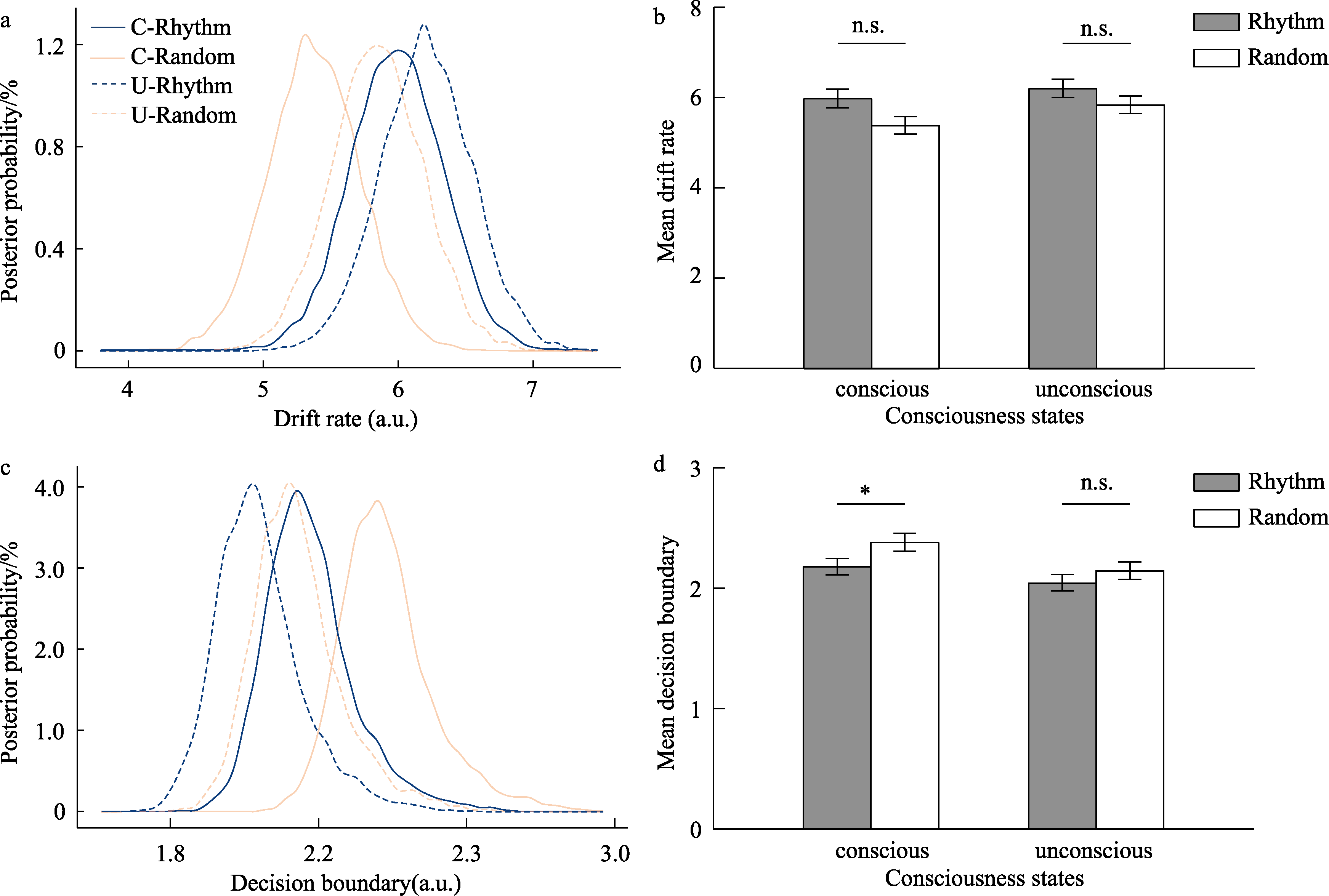
Figure 8 HDDM fitting results for consciousness state and cue presentation mode in Experiment 2. Note. The left panel shows the posterior distributions of the parameters, and the right panel displays the bar graphs of the group-level mean parameters. * indicates p < 0.05 and n.s. indicates no significant difference. Error bars represent the within-subject 95% confidence intervals.
| Model | Parameters that vary with conditions | ΔDIC |
|---|---|---|
| Model_a | a | 40.5 |
| Model_v | v | 74 |
| Model_t | t | 0 |
Table 4 Model parameters and ΔDIC varying with ISI in Experiment 2
| Model | Parameters that vary with conditions | ΔDIC |
|---|---|---|
| Model_a | a | 40.5 |
| Model_v | v | 74 |
| Model_t | t | 0 |
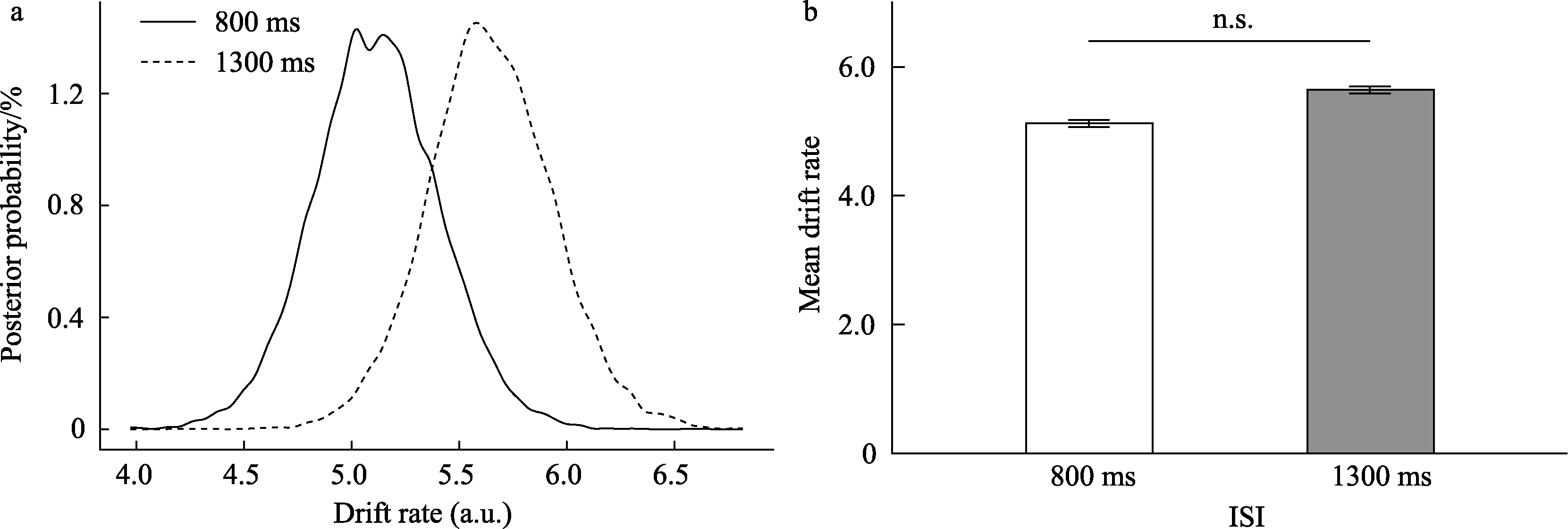
Figure 9 HDDM fitting results for ISI in Experiment 2. Note. The left panel shows the posterior distributions of the parameters, and the right panel displays the bar graphs of the group-level mean parameters. n.s. indicates no significant difference. Error bars represent the within-subject 95% confidence intervals.
| Model | Parameters that vary with conditions | ΔDIC |
|---|---|---|
| Model_a | a | 62.2 |
| Model_v | v | 0 |
| Model_t | t | 135.3 |
Table 5 Model parameters and ΔDIC varying with consciousness state and ISI in Experiment 2
| Model | Parameters that vary with conditions | ΔDIC |
|---|---|---|
| Model_a | a | 62.2 |
| Model_v | v | 0 |
| Model_t | t | 135.3 |
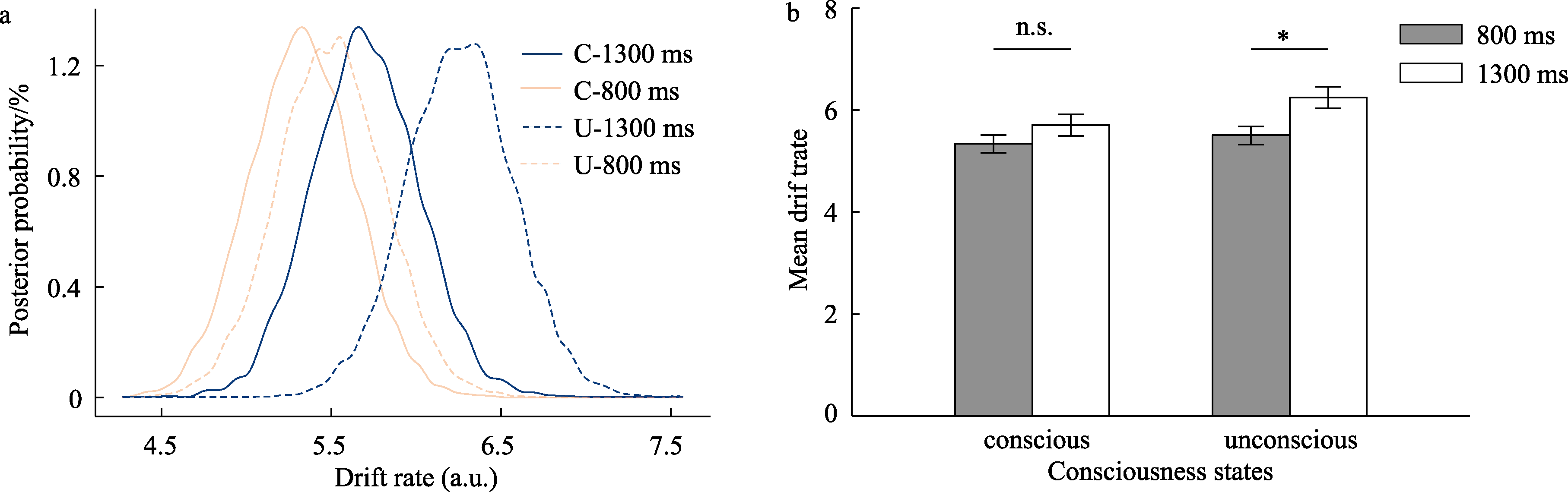
Figure 10 HDDM fitting results for consciousness state and ISI in Experiment 2. Note. The left panel shows the posterior distributions of the parameters, and the right panel displays the bar graphs of the group-level mean parameters. * indicates p < 0.05 and n.s. indicates no significant difference. Error bars represent the within-subject 95% confidence intervals.
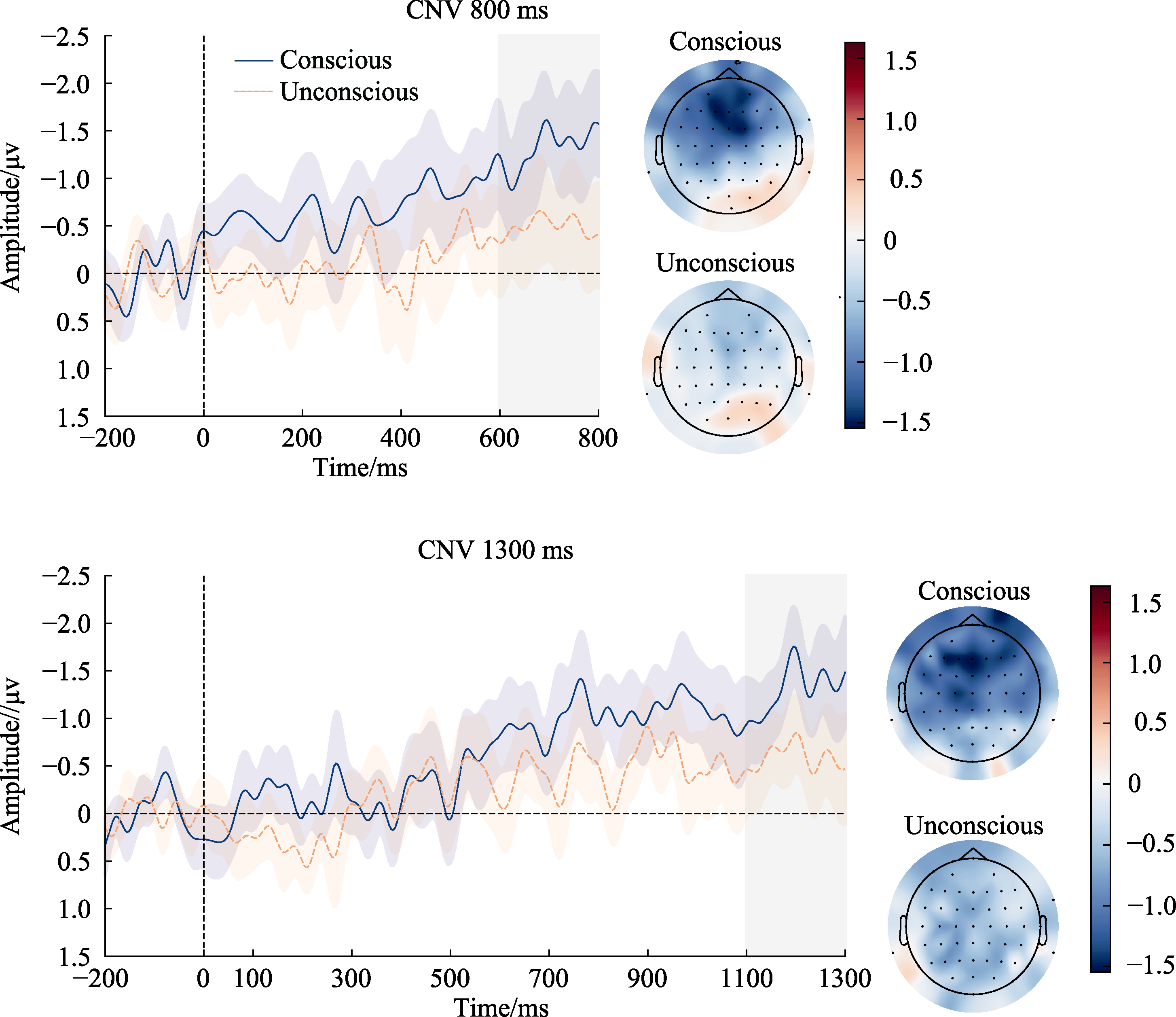
Figure 11 Difference waveforms and topographical maps of CNV under different conditions in Experiment 2. Note. The blue solid line represents the CNV difference (rhythm minus random) in the conscious state, while the orange dashed line represents the CNV difference in the unconscious state. The blue and orange shaded areas indicate the error margins, representing the 95% within-subject confidence intervals. The gray shaded region denotes the time window used for CNV analysis. On the right are the topographical maps of CNV differences under different consciousness states and ISI conditions (data are the mean difference values extracted from the time window).
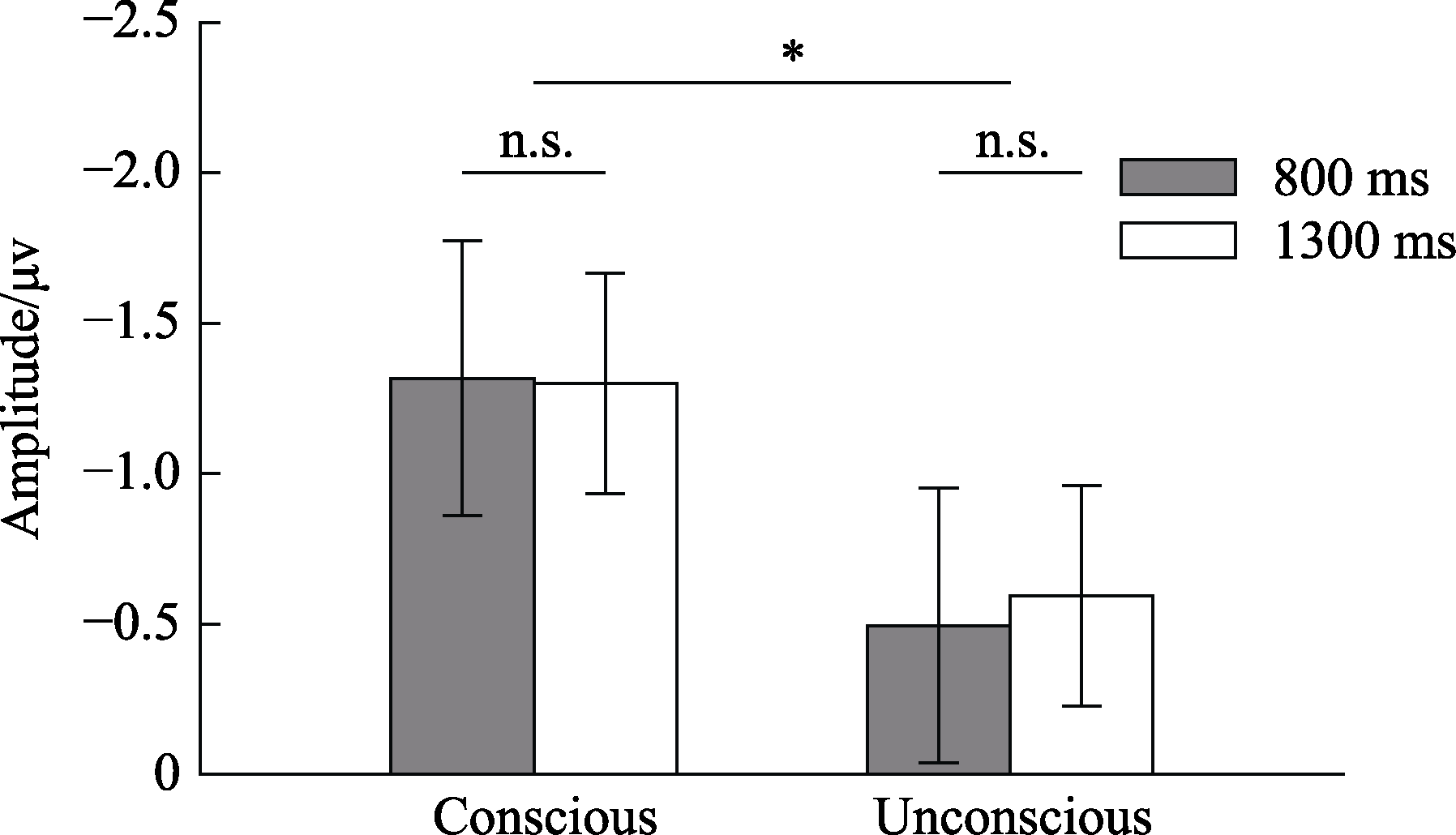
Figure 12 Temporal attention effects on the CNV component in Experiment 2. Note. * indicates p < 0.05 and n.s. indicates no significant difference. Error bars represent the within-subject 95% confidence intervals.
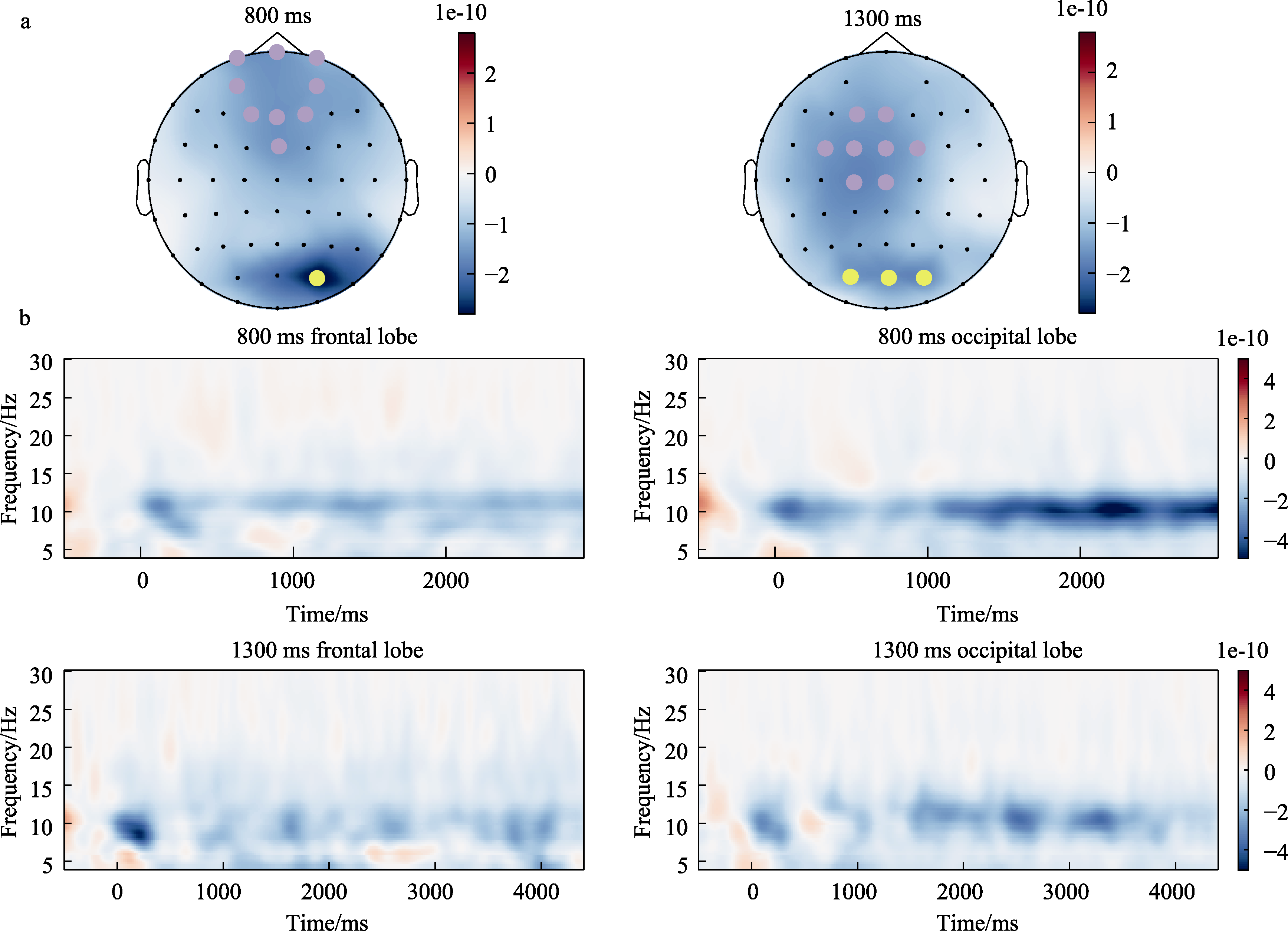
Figure 13 Topographical maps of alpha band activity and time-frequency plots during the encoding stage in Experiment 2. Note. Panel a shows the alpha band difference topographies (conscious minus unconscious states), with the left map representing the 800 ms interval condition and the right map representing the 1300 ms interval condition. The purple dots in panel a indicate the frontal electrodes selected for time-frequency analysis in panel b, while the yellow dots indicate the occipital electrodes selected for analysis. Panel b presents the time-frequency difference plots (conscious minus unconscious states) across different interval conditions and brain regions.
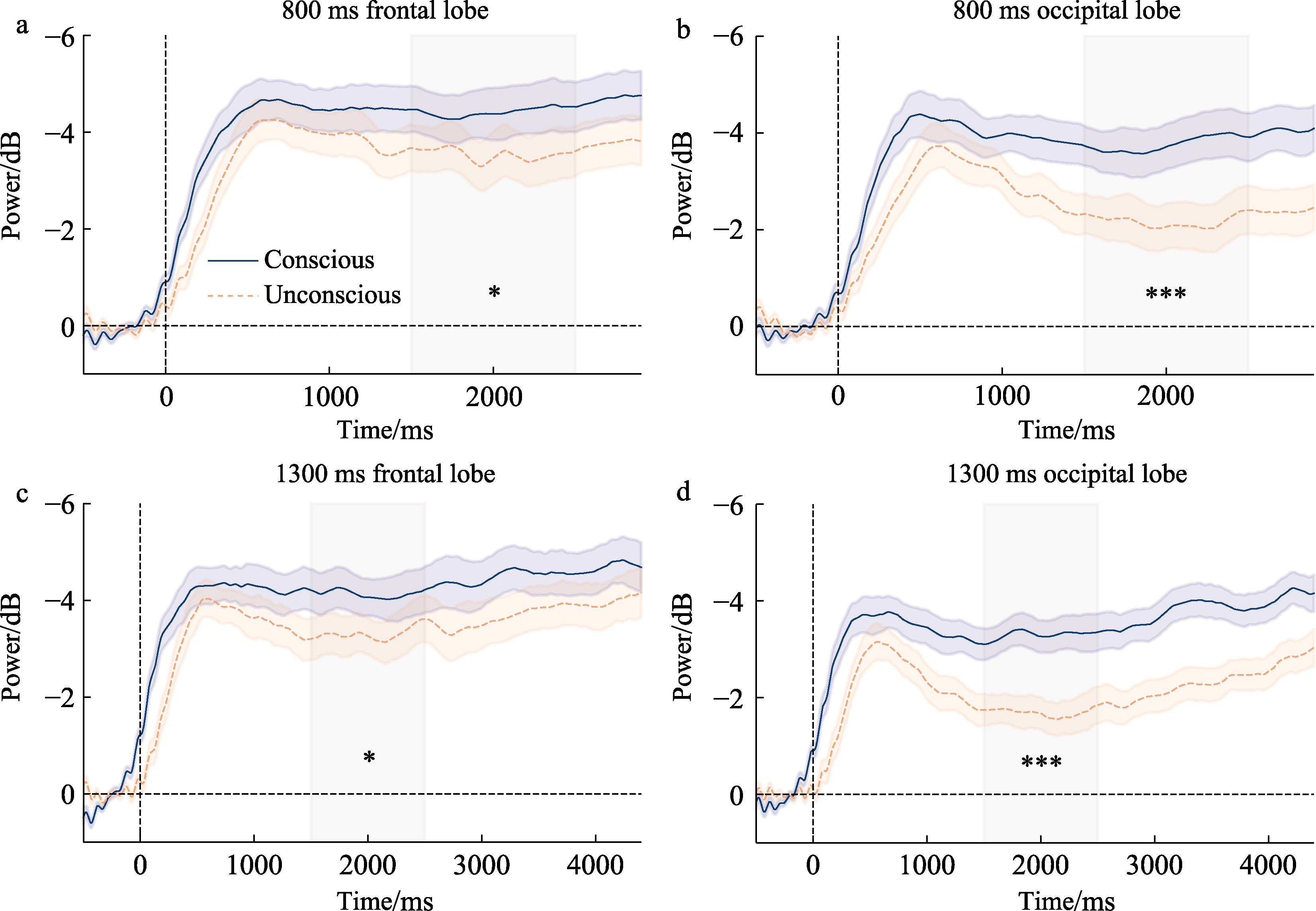
Figure 14 Alpha band power plots during the encoding stage in Experiment 2. Note. The blue solid line represents alpha band power in the conscious state, and the orange dashed line represents alpha band power in the unconscious state. The blue and orange shaded areas are error bars, indicating the 95% within-subject confidence intervals. The gray shaded region represents the analysis time window (1500~2500 ms). * indicates p < 0.05 and *** indicates p < 0.001.
| [1] |
Baars B. J. (2005). Global workspace theory of consciousness: Toward a cognitive neuroscience of human experience. Progress in Brain Research, 150, 45-53.
pmid: 16186014 |
| [2] |
Bauer F., Cheadle S. W., Parton A., Müller H. J., & Usher M. (2009). Gamma flicker triggers attentional selection without awareness. Proceedings of the National Academy of Sciences of the United States of America, 106(5), 1666-1671.
doi: 10.1073/pnas.0810496106 pmid: 19124766 |
| [3] |
Bouwer F. L., Honing H., & Slagter H. A. (2020). Beat-based and memory-based temporal expectations in rhythm: Similar perceptual effects, different underlying mechanisms. Journal of Cognitive Neuroscience, 32(7), 1221-1241.
doi: 10.1162/jocn_a_01529 pmid: 31933432 |
| [4] |
Breska A., & Deouell L. Y. (2014). Automatic bias of temporal expectations following temporally regular input independently of high-level temporal expectation. Journal of Cognitive Neuroscience, 26(7), 1555-1571.
doi: 10.1162/jocn_a_00564 pmid: 24392898 |
| [5] |
Breska A., & Deouell L. Y. (2016). When synchronizing to rhythms is not a good thing: Modulations of preparatory and post-target neural activity when shifting attention away from on-beat times of a distracting rhythm. The Journal of Neuroscience: The Official Journal of the Society for Neuroscience, 36(27), 7154-7166.
doi: 10.1523/JNEUROSCI.4619-15.2016 URL |
| [6] | Breska A., & Deouell L. Y. (2017). Neural mechanisms of rhythm- based temporal prediction: Delta phase-locking reflects temporal predictability but not rhythmic entrainment. PLoS Biology, 15(2), e2001665. |
| [7] | Breska A., & Ivry R. B. (2020). Context-specific control over the neural dynamics of temporal attention by the human cerebellum. Science Advances, 6(49), eabb1141. |
| [8] |
Correa A., & Nobre A. C. (2008). Neural modulation by regularity and passage of time. Journal of Neurophysiology, 100(3), 1649-1655.
doi: 10.1152/jn.90656.2008 pmid: 18632896 |
| [9] |
Coull J. T., & Nobre A. C. (1998). Where and when to pay attention: The neural systems for directing attention to spatial locations and to time intervals as revealed by both PET and fMRI. The Journal of Neuroscience: The Official Journal of the Society for Neuroscience, 18(18), 7426-7435.
doi: 10.1523/JNEUROSCI.18-18-07426.1998 URL |
| [10] |
Coull J., & Nobre A. (2008). Dissociating explicit timing from temporal expectation with fMRI. Current Opinion in Neurobiology, 18(2), 137-144.
doi: 10.1016/j.conb.2008.07.011 pmid: 18692573 |
| [11] |
Denison R. N., Heeger D. J., & Carrasco M. (2017). Attention flexibly trades off across points in time. Psychonomic Bulletin & Review, 24(4), 1142-1151.
doi: 10.3758/s13423-016-1216-1 URL |
| [12] |
Faul F., Erdfelder E., Buchner A., & Lang A. G. (2009). Statistical power analyses using G*Power 3.1: tests for correlation and regression analyses. Behavior Research Methods, 41(4), 1149-1160.
doi: 10.3758/BRM.41.4.1149 pmid: 19897823 |
| [13] |
Gooch C. M., Wiener M., Hamilton A. C., & Coslett H. B. (2011). Temporal discrimination of sub- and suprasecond time intervals: A voxel-based lesion mapping analysis. Frontiers in Integrative Neuroscience, 5, 59.
doi: 10.3389/fnint.2011.00059 pmid: 22013418 |
| [14] |
Gramfort A., Luessi M., Larson E., Engemann D. A., Strohmeier D., Brodbeck C., … Hämäläinen M. (2013). MEG and EEG data analysis with MNE-Python. Frontiers in Neuroscience, 7, 267.
doi: 10.3389/fnins.2013.00267 pmid: 24431986 |
| [15] | Huang xi., Li bo., & Zhang zhi. (2003). The research of the range- synthetic model of temporal cognition. Journal of Southwest China Normal University (Humanities and Social Sciences Edition), 29(2), 5-9. |
| [16] |
Jiang Y., Zhou K., & He S. (2007). Human visual cortex responds to invisible chromatic flicker. Nature Neuroscience, 10(5), 657-662.
pmid: 17396122 |
| [17] |
Jones M. R., & Boltz M. (1989). Dynamic attending and responses to time. Psychological Review, 96(3), 459-491.
doi: 10.1037/0033-295x.96.3.459 pmid: 2756068 |
| [18] |
Kingstone A. (1992). Combining expectancies. The Quarterly Journal of Experimental Psychology A: Human Experimental Psychology, 44(1), 69-104.
doi: 10.1080/14640749208401284 URL |
| [19] | Koch G., Oliveri M., & Caltagirone C. (2009). Neural networks engaged in milliseconds and seconds time processing: Evidence from transcranial magnetic stimulation and patients with cortical or subcortical dysfunction. Philosophical Transactions of the Royal Society of London. Series B, Biological Sciences, 364(1525), 1907-1918. |
| [20] |
Lange K. (2009). Brain correlates of early auditory processing are attenuated by expectations for time and pitch. Brain and Cognition, 69(1), 127-137.
doi: 10.1016/j.bandc.2008.06.004 pmid: 18644669 |
| [21] | Laquitaine M., Polosan M., Kahane P., Chabardes S., Yelnik J., Fernandez-Vidal S., … Bastin J. (2024). Optimal level of human intracranial theta activity for behavioral switching in the subthalamo-medio-prefrontal circuit. Nature Communications, 15(1), 7827. |
| [22] |
Lewis P. A., & Miall R. C. (2003). Brain activation patterns during measurement of sub- and supra-second intervals. Neuropsychologia, 41(12), 1583-1592.
pmid: 12887983 |
| [23] | Mankowska N. D., Marcinkowska A. B., Waskow M., Sharma R. I., Kot J., & Winklewski P. J. (2021). Critical flicker fusion frequency: A narrative review. Medicina (Kaunas, Lithuania), 57(10), 1096. |
| [24] |
Miller J. E., Carlson L. A., & McAuley J. D. (2013). When what you hear influences when you see: Listening to an auditory rhythm influences the temporal allocation of visual attention. Psychological Science, 24(1), 11-18.
doi: 10.1177/0956797612446707 pmid: 23160202 |
| [25] |
Miniussi C., Wilding E. L., Coull J. T., & Nobre A. C. (1999). Orienting attention in time. Modulation of brain potentials. Brain: A Journal of Neurology, 122(Pt 8), 1507-1518.
doi: 10.1093/brain/122.8.1507 URL |
| [26] |
Myers C. E., Interian A., & Moustafa A. A. (2022). A practical introduction to using the drift diffusion model of decision-making in cognitive psychology, neuroscience, and health sciences. Frontiers in Psychology, 13, 1039172.
doi: 10.3389/fpsyg.2022.1039172 URL |
| [27] | Nobre A. C. (2010). How can temporal expectations bias perception and action. Attention and time, 371-392. |
| [28] |
Nobre A. C., & van Ede F. (2018). Anticipated moments: Temporal structure in attention. Nature Reviews. Neuroscience, 19(1), 34-48.
doi: 10.1038/nrn.2017.141 pmid: 29213134 |
| [29] |
Nobre A., Correa A., & Coull J. (2007). The hazards of time. Current Opinion in Neurobiology, 17(4), 465-470.
doi: 10.1016/j.conb.2007.07.006 pmid: 17709239 |
| [30] |
Nozaradan S., Peretz I., Missal M., & Mouraux A. (2011). Tagging the neuronal entrainment to beat and meter. The Journal of Neuroscience : The Official Journal of the Society for Neuroscience, 31(28), 10234-10240.
doi: 10.1523/JNEUROSCI.0411-11.2011 URL |
| [31] |
Peirce J. W. (2007). PsychoPy-Psychophysics software in Python. Journal of Neuroscience Methods, 162(1-2), 8-13.
doi: 10.1016/j.jneumeth.2006.11.017 URL |
| [32] |
Pomper U. (2023). No evidence for tactile entrainment of attention. Frontiers in Psychology, 14, 1168428.
doi: 10.3389/fpsyg.2023.1168428 URL |
| [33] |
Pouthas V., George N., Poline J. B., Pfeuty M., Vandemoorteele P. F., Hugueville L., … Renault B. (2005). Neural network involved in time perception: An fMRI study comparing long and short interval estimation. Human Brain Mapping, 25(4), 433-441.
pmid: 15852471 |
| [34] |
Praamstra P., Kourtis D., Kwok H. F., & Oostenveld R. (2006). Neurophysiology of implicit timing in serial choice reaction-time performance. The Journal of Neuroscience, 26(20), 5448-5455.
doi: 10.1523/JNEUROSCI.0440-06.2006 URL |
| [35] |
Rammsayer T., & Ulrich R. (2011). Elaborative rehearsal of nontemporal information interferes with temporal processing of durations in the range of seconds but not milliseconds. Acta Psychologica, 137(1), 127-133.
doi: 10.1016/j.actpsy.2011.03.010 pmid: 21474111 |
| [36] |
Rohenkohl G., & Nobre A. C. (2011). α oscillations related to anticipatory attention follow temporal expectations. The Journal of Neuroscience: the Official Journal of the Society for Neuroscience, 31(40), 14076-14084.
doi: 10.1523/JNEUROSCI.3387-11.2011 URL |
| [37] |
Rozier C., Seidel Malkinson T., Hasboun D., Baulac M., Adam C., Lehongre K., … Naccache L. (2020). Conscious and unconscious expectancy effects: A behavioral, scalp and intracranial electroencephalography study. Clinical Neurophysiology: Official Journal of the International Federation of Clinical Neurophysiology, 131(2), 385-400.
doi: 10.1016/j.clinph.2019.10.024 URL |
| [38] |
Shady S., MacLeod D. I., & Fisher H. S. (2004). Adaptation from invisible flicker. Proceedings of the National Academy of Sciences of the United States of America, 101(14), 5170-5173.
pmid: 15051882 |
| [39] |
Sun Y., Wang K., Liang X., Zhou P., & Sun Y. (2024). Unconscious temporal attention induced by invisible temporal association cues. Consciousness and Cognition, 126, 103786.
doi: 10.1016/j.concog.2024.103786 URL |
| [40] |
Tal I., Large E. W., Rabinovitch E., Wei Y., Schroeder C. E., Poeppel D., & Zion Golumbic E. (2017). Neural entrainment to the beat: The "missing-pulse" phenomenon. The Journal of Neuroscience: The Official Journal of the Society for Neuroscience, 37(26), 6331-6341.
doi: 10.1523/JNEUROSCI.2500-16.2017 URL |
| [41] |
Tian S., Cheng Y. A., & Luo H. (2025). Rhythm facilitates auditory working memory via beta-band encoding and theta-band maintenance. Neuroscience Bulletin, 41(2), 195-210.
doi: 10.1007/s12264-024-01289-w |
| [42] |
Walter W. G., Cooper R., Aldridge V. J., McCallum W. C., & Winter A. L. (1964). Contingent negative variation: An electric sign of sensori-motor association and expectancy in the human brain. Nature, 203, 380-384.
doi: 10.1038/203380a0 |
| [43] |
Wiecki T. V., Sofer I., & Frank M. J. (2013). HDDM: Hierarchical bayesian estimation of the drift-diffusion model in Python. Frontiers in Neuroinformatics, 7, 14.
doi: 10.3389/fninf.2013.00014 pmid: 23935581 |
| [44] |
Wiener M., Turkeltaub P. E., & Coslett H. B. (2010). Implicit timing activates the left inferior parietal cortex. Neuropsychologia, 48(13), 3967-3971.
doi: 10.1016/j.neuropsychologia.2010.09.014 pmid: 20863842 |
| [45] |
Xu Z., Ren Y., Misaki Y., Wu Q., & Lu S. (2021). Effect of tempo on temporal expectation driven by rhythms in dual-task performance. Frontiers in Psychology, 12, 755490.
doi: 10.3389/fpsyg.2021.755490 URL |
| [1] | Chen Youguo,Zhang Zhijie,Guang Xiting,Guo Xiuyan,Yuan Hong,Zhang Tian. Attentional Modulation of Time Perception: An ERP Study [J]. , 2007, 39(06): 1002-1011. |
| Viewed | ||||||
|
Full text |
|
|||||
|
Abstract |
|
|||||
