

ISSN 0439-755X
CN 11-1911/B
CN 11-1911/B
Acta Psychologica Sinica ›› 2026, Vol. 58 ›› Issue (11): 2355-2370.doi: 10.3724/SP.J.1041.2026.2355
Previous Articles Next Articles
LIN Yunyi, HUANG Danyang, HUANG Hui, TANG Wenqin, LIU Zhiya( )
Published:2026-11-25
Online:2026-09-11
Contact:
LIU Zhiya, E-mail: LIN Yunyi, HUANG Danyang, HUANG Hui, TANG Wenqin, LIU Zhiya. (2026). Asymmetry of diagnostic information integration in audiovisual category learning. Acta Psychologica Sinica, 58(11), 2355-2370.
| Visual Stimuli | Audio Stimuli | |||||||
|---|---|---|---|---|---|---|---|---|
| Category Exemplar | Antennae | Hands | Body | Feet | Waveform | Frequency (Hz) | Volume (vol) | Duration (ms) |
| A1 | 1 | 1 | 1 | 0 | Sine | 315 | 1 | 1000 |
| A2 | 1 | 1 | 0 | 1 | ||||
| A3 | 1 | 0 | 1 | 1 | ||||
| A4 | 0 | 1 | 1 | 1 | ||||
| B1 | 0 | 0 | 0 | 1 | Sine | 300 | 1 | 1000 |
| B2 | 0 | 0 | 1 | 0 | ||||
| B3 | 0 | 1 | 0 | 0 | ||||
| B4 | 1 | 0 | 0 | 0 | ||||
Table 1 Category Structure and Parameter Specifications for Audiovisual Stimuli
| Visual Stimuli | Audio Stimuli | |||||||
|---|---|---|---|---|---|---|---|---|
| Category Exemplar | Antennae | Hands | Body | Feet | Waveform | Frequency (Hz) | Volume (vol) | Duration (ms) |
| A1 | 1 | 1 | 1 | 0 | Sine | 315 | 1 | 1000 |
| A2 | 1 | 1 | 0 | 1 | ||||
| A3 | 1 | 0 | 1 | 1 | ||||
| A4 | 0 | 1 | 1 | 1 | ||||
| B1 | 0 | 0 | 0 | 1 | Sine | 300 | 1 | 1000 |
| B2 | 0 | 0 | 1 | 0 | ||||
| B3 | 0 | 1 | 0 | 0 | ||||
| B4 | 1 | 0 | 0 | 0 | ||||

Figure 1. Flowchart of Experiment 1.
| Auditory Diagnosticity | Accuracy | Reaction Time |
|---|---|---|
| High (0.9) | 0.81 ± 0.07 | 0.86 ± 0.33 |
| Congruent (0.75) | 0.75 ± 0.09 | 1.03 ± 0.31 |
| Low (0.6) | 0.76 ± 0.12 | 1.02 ± 0.30 |
Table 2 Learning Phase Accuracy and Reaction Time (M ± SD)
| Auditory Diagnosticity | Accuracy | Reaction Time |
|---|---|---|
| High (0.9) | 0.81 ± 0.07 | 0.86 ± 0.33 |
| Congruent (0.75) | 0.75 ± 0.09 | 1.03 ± 0.31 |
| Low (0.6) | 0.76 ± 0.12 | 1.02 ± 0.30 |
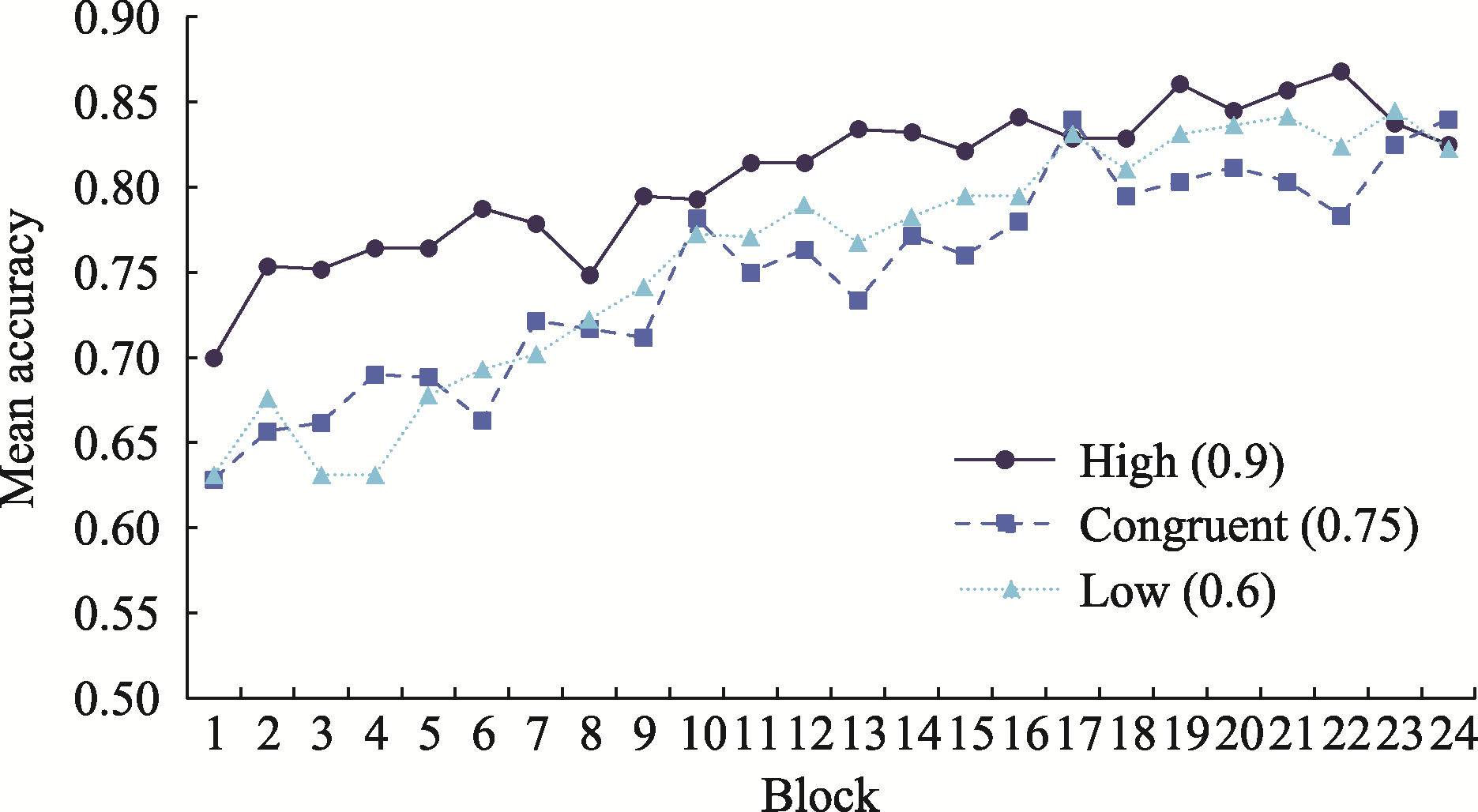
Figure 2. Learning Curve for Experiment 1.
| Auditory Diagnosticity | Early Phase | Middle Phase | Late Phase |
|---|---|---|---|
| High (0.9) | 0.76 ± 0.10 | 0.82 ± 0.07 | 0.84 ± 0.07 |
| Congruent (0.75) | 0.68 ± 0.06 | 0.76 ± 0.10 | 0.81 ± 0.13 |
| Low (0.6) | 0.67 ± 0.11 | 0.78 ± 0.13 | 0.83 ± 0.15 |
Table 3 Classification Accuracy by Learning Phase (M ± SD)
| Auditory Diagnosticity | Early Phase | Middle Phase | Late Phase |
|---|---|---|---|
| High (0.9) | 0.76 ± 0.10 | 0.82 ± 0.07 | 0.84 ± 0.07 |
| Congruent (0.75) | 0.68 ± 0.06 | 0.76 ± 0.10 | 0.81 ± 0.13 |
| Low (0.6) | 0.67 ± 0.11 | 0.78 ± 0.13 | 0.83 ± 0.15 |
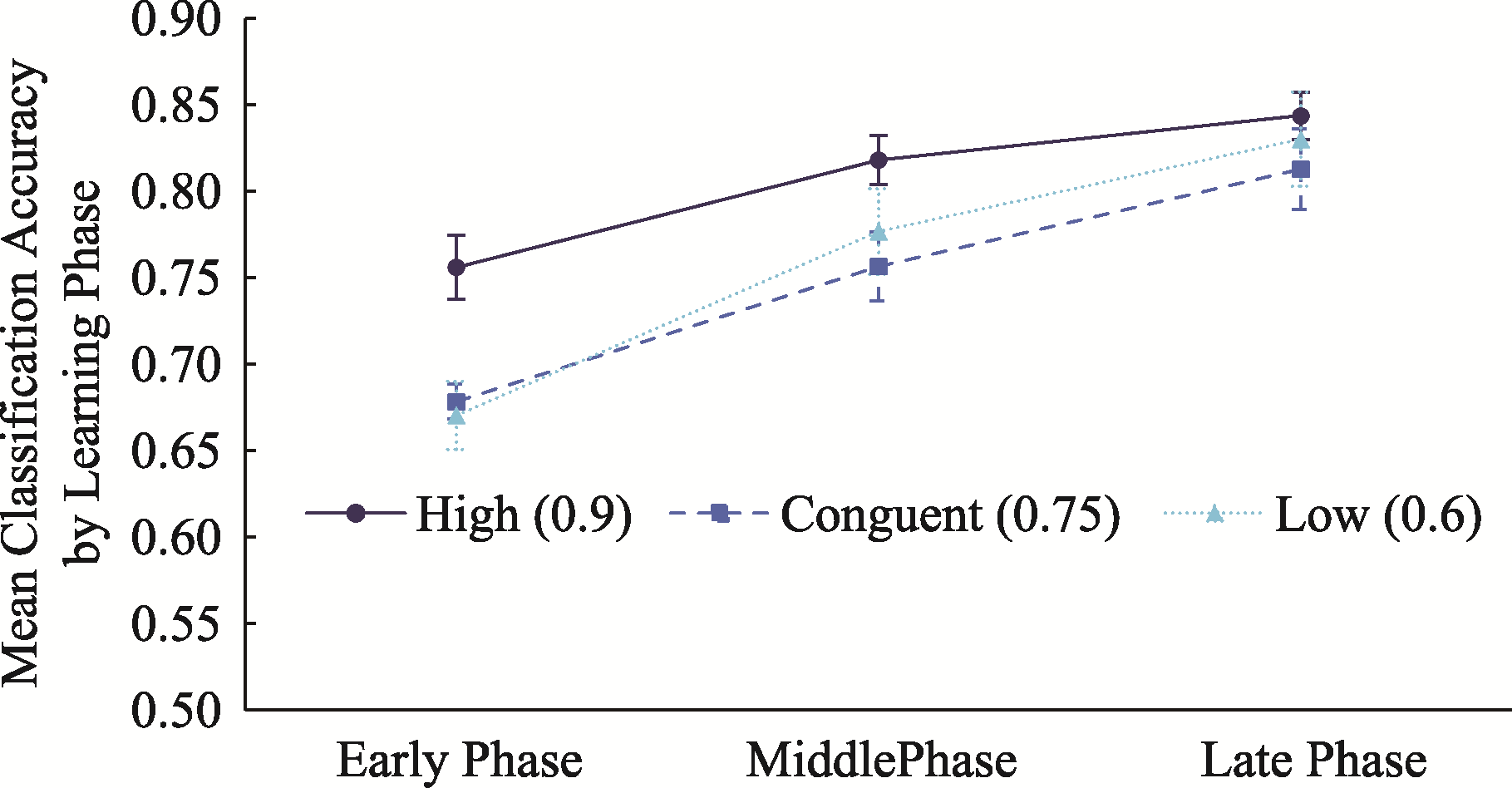
Figure 3. Classification Accuracy by Learning Phase (Error bars represent standard errors).
| Auditory Diagnosticity | Visual Dimension Accuracy | Visual Dimensions Acquired | Auditory Dimension Accuracy |
|---|---|---|---|
| High (0.9) | 0.67 ± 0.16 | 1.68 ± 1.22 | 0.73 ± 0.34 |
| Congruent (0.75) | 0.77 ± 0.13 | 2.53 ± 0.94 | 0.70 ± 0.34 |
| Low (0.6) | 0.71 ± 0.16 | 2.21 ± 1.11 | 0.47 ± 0.35 |
Table 4 Visual Dimension Accuracy/Number of Acquired Dimensions and Auditory Dimension Accuracy (M ± SD)
| Auditory Diagnosticity | Visual Dimension Accuracy | Visual Dimensions Acquired | Auditory Dimension Accuracy |
|---|---|---|---|
| High (0.9) | 0.67 ± 0.16 | 1.68 ± 1.22 | 0.73 ± 0.34 |
| Congruent (0.75) | 0.77 ± 0.13 | 2.53 ± 0.94 | 0.70 ± 0.34 |
| Low (0.6) | 0.71 ± 0.16 | 2.21 ± 1.11 | 0.47 ± 0.35 |
| Auditory Diagnosticity | Without Sound Cues | With Sound Cues |
|---|---|---|
| High (0.9) | 0.58 ± 0.08 | 0.76 ± 0.17 |
| Congruent (0.75) | 0.64 ± 0.11 | 0.73 ± 0.12 |
| Low (0.6) | 0.62 ± 0.11 | 0.68 ± 0.12 |
Table 5 Accuracy With and Without Sound Cues (M ± SD)
| Auditory Diagnosticity | Without Sound Cues | With Sound Cues |
|---|---|---|
| High (0.9) | 0.58 ± 0.08 | 0.76 ± 0.17 |
| Congruent (0.75) | 0.64 ± 0.11 | 0.73 ± 0.12 |
| Low (0.6) | 0.62 ± 0.11 | 0.68 ± 0.12 |
| Auditory Diagnosticity | Prototype Model | Exemplar Model | Random Model | Similar-fit Model |
|---|---|---|---|---|
| High (0.9) | 16 (69.6%) | 0 (0.0%) | 1 (4.3%) | 6 (26.1%) |
| Congruent (0.75) | 12 (57.1%) | 0 (0.0%) | 1 (4.8%) | 8 (38.1%) |
| Low (0.6) | 16 (72.7%) | 1 (4.5%) | 1 (4.5%) | 4 (18.2%) |
Table 6 Fitted Classification Strategy Counts and Proportions in the Transfer Test
| Auditory Diagnosticity | Prototype Model | Exemplar Model | Random Model | Similar-fit Model |
|---|---|---|---|---|
| High (0.9) | 16 (69.6%) | 0 (0.0%) | 1 (4.3%) | 6 (26.1%) |
| Congruent (0.75) | 12 (57.1%) | 0 (0.0%) | 1 (4.8%) | 8 (38.1%) |
| Low (0.6) | 16 (72.7%) | 1 (4.5%) | 1 (4.5%) | 4 (18.2%) |
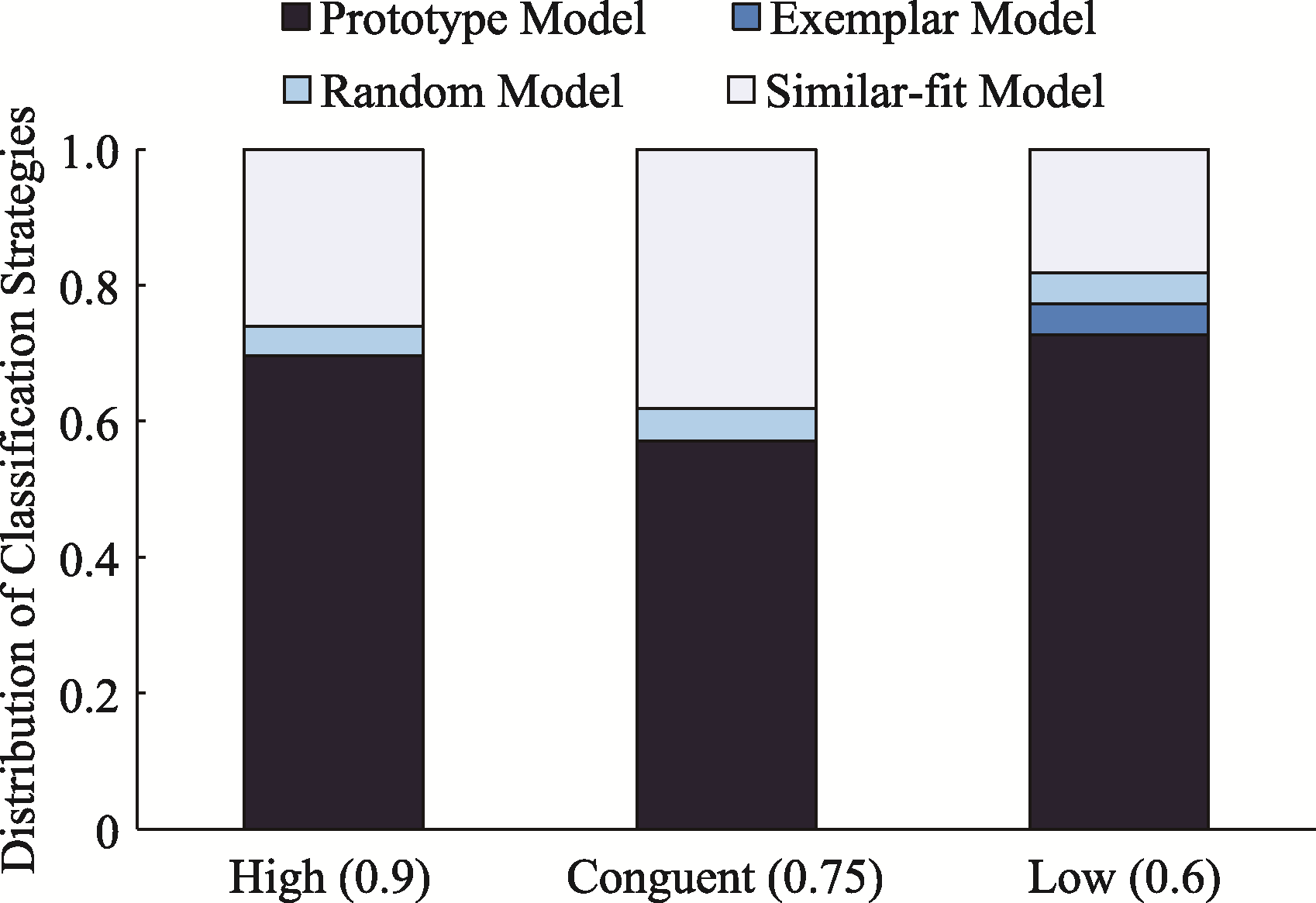
Figure 4. Distribution of Fitted Classification Strategies in the Transfer Test.
| Audio Stimuli | Visual Stimuli | |||||
|---|---|---|---|---|---|---|
| Category Exemplar | Clarinet | Violin | Tank Drum | Piano | Feature (Antennae) | Category |
| A1 | 1 | 1 | 1 | 0 | red | A |
| A2 | 1 | 1 | 0 | 1 | ||
| A3 | 1 | 0 | 1 | 1 | ||
| A4 | 0 | 1 | 1 | 1 | ||
| B1 | 0 | 0 | 0 | 1 | green | B |
| B2 | 0 | 0 | 1 | 0 | ||
| B3 | 0 | 1 | 0 | 0 | ||
| B4 | 1 | 0 | 0 | 0 | ||
Table 7 Category Structure and Feature Specifications for Audiovisual Stimuli
| Audio Stimuli | Visual Stimuli | |||||
|---|---|---|---|---|---|---|
| Category Exemplar | Clarinet | Violin | Tank Drum | Piano | Feature (Antennae) | Category |
| A1 | 1 | 1 | 1 | 0 | red | A |
| A2 | 1 | 1 | 0 | 1 | ||
| A3 | 1 | 0 | 1 | 1 | ||
| A4 | 0 | 1 | 1 | 1 | ||
| B1 | 0 | 0 | 0 | 1 | green | B |
| B2 | 0 | 0 | 1 | 0 | ||
| B3 | 0 | 1 | 0 | 0 | ||
| B4 | 1 | 0 | 0 | 0 | ||

Figure 5. Flowchart of Experiment 2.
| Visual Diagnosticity | Accuracy | Reaction Time |
|---|---|---|
| High (0.9) | 0.73 ± 0.11 | 0.47 ± 0.13 |
| Congruent (0.75) | 0.69 ± 0.09 | 0.47 ± 0.16 |
| Low (0.6) | 0.66 ± 0.11 | 0.47 ± 0.18 |
Table 8 Learning Phase Accuracy and Reaction Time (M ± SD)
| Visual Diagnosticity | Accuracy | Reaction Time |
|---|---|---|
| High (0.9) | 0.73 ± 0.11 | 0.47 ± 0.13 |
| Congruent (0.75) | 0.69 ± 0.09 | 0.47 ± 0.16 |
| Low (0.6) | 0.66 ± 0.11 | 0.47 ± 0.18 |
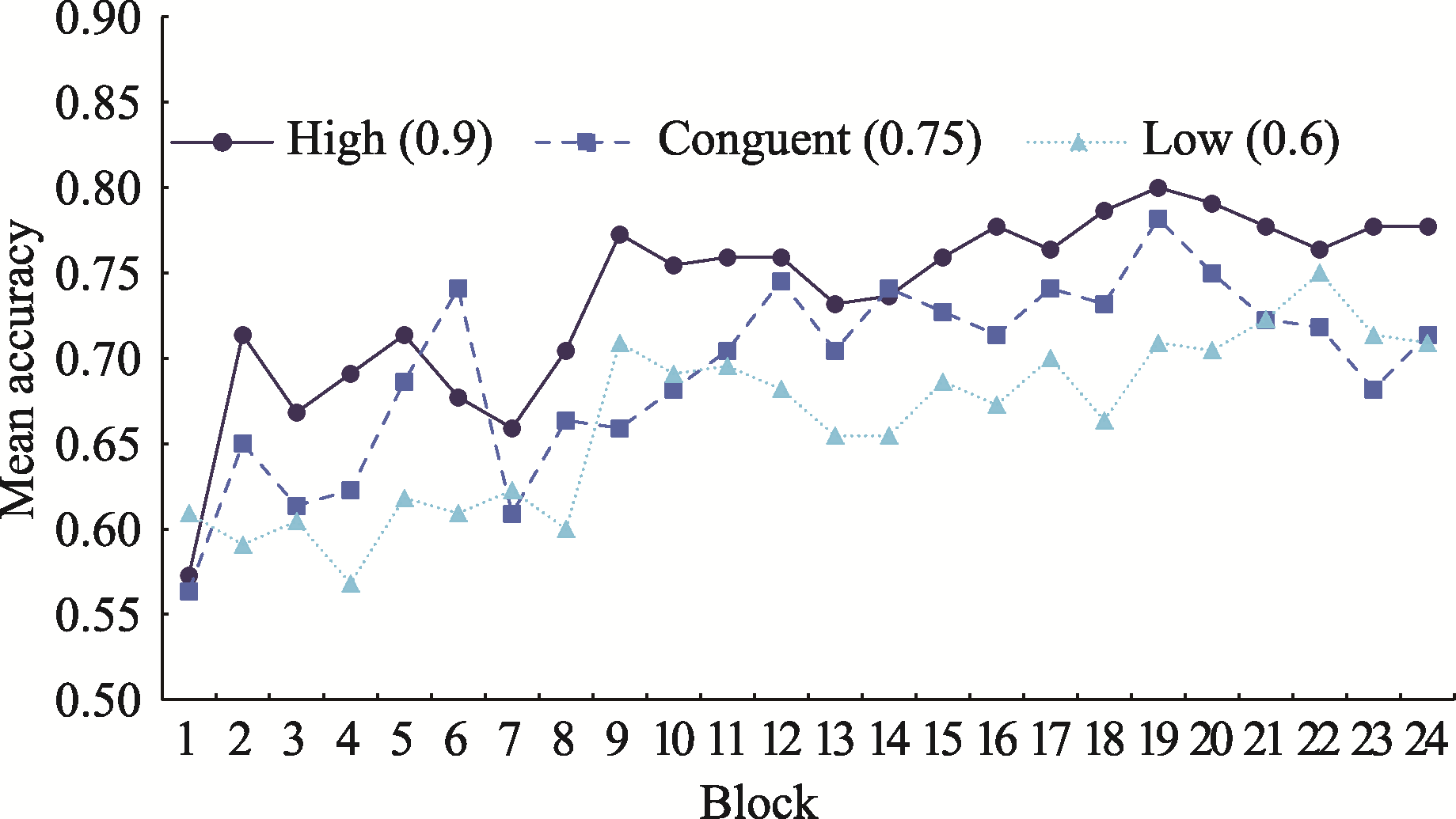
Figure 6. Learning Curve for Experiment 2.
| Visual Diagnosticity | Early Phase | Middle Phase | Late Phase |
|---|---|---|---|
| High (0.9) | 0.68 ± 0.13 | 0.76 ± 0.11 | 0.78 ± 0.14 |
| Congruent (0.75) | 0.64 ± 0.11 | 0.71 ± 0.11 | 0.73 ± 0.10 |
| Low (0.6) | 0.60 ± 0.10 | 0.68 ± 0.13 | 0.71 ± 0.16 |
Table 9 Classification Accuracy by Learning Phase (M ± SD)
| Visual Diagnosticity | Early Phase | Middle Phase | Late Phase |
|---|---|---|---|
| High (0.9) | 0.68 ± 0.13 | 0.76 ± 0.11 | 0.78 ± 0.14 |
| Congruent (0.75) | 0.64 ± 0.11 | 0.71 ± 0.11 | 0.73 ± 0.10 |
| Low (0.6) | 0.60 ± 0.10 | 0.68 ± 0.13 | 0.71 ± 0.16 |
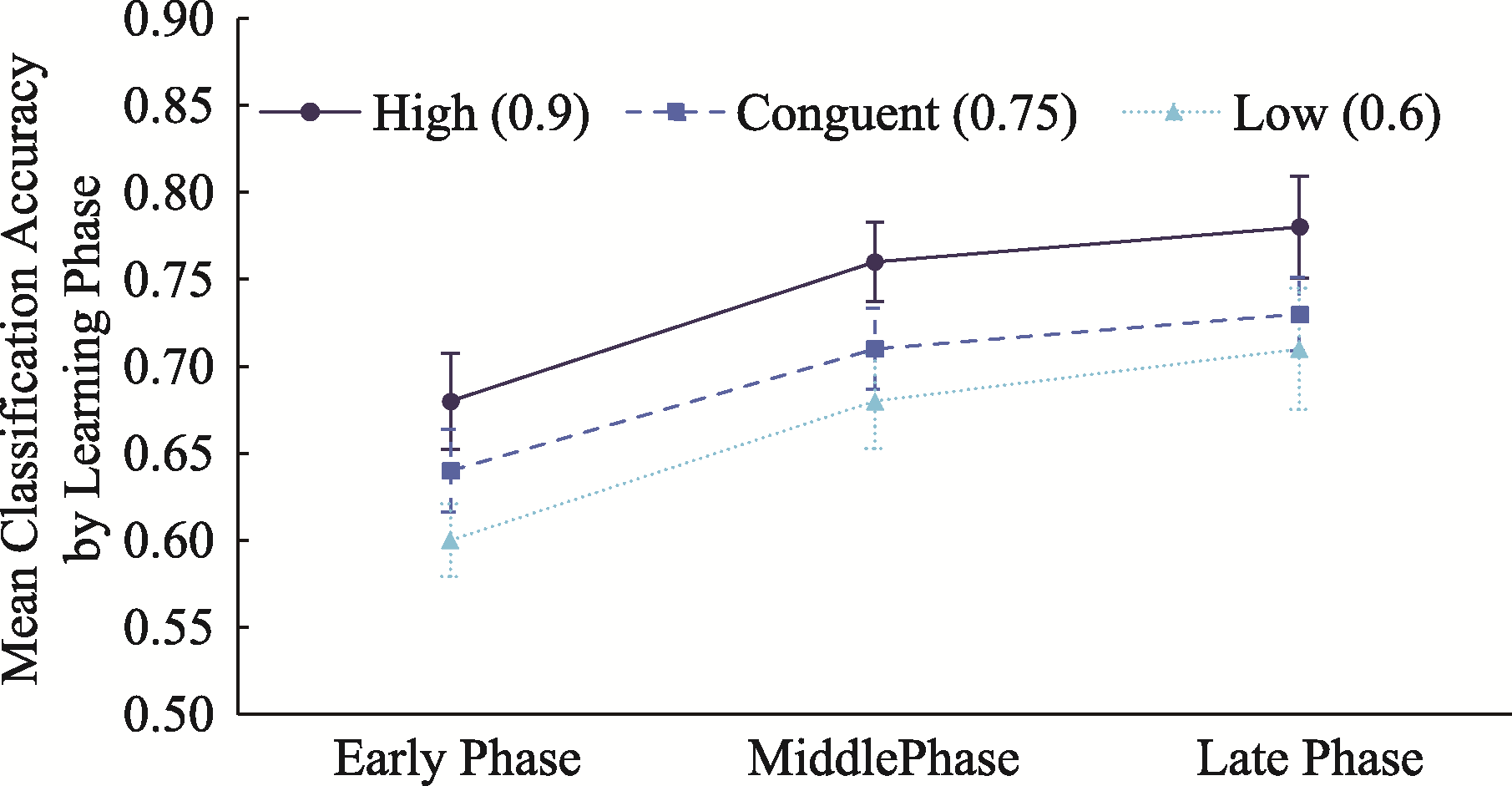
Figure 7. Classification Accuracy by Learning Phase (Error bars represent standard errors).
| Visual Diagnosticity | Auditory Dimension Accuracy | Auditory Dimensions Acquired | Visual Dimension Accuracy |
|---|---|---|---|
| High (0.9) | 0.71 ± 0.16 | 1.95 ± 1.36 | 0.76 ± 0.34 |
| Congruent (0.75) | 0.70 ± 0.15 | 1.90 ± 1.23 | 0.67 ± 0.35 |
| Low (0.6) | 0.66 ± 0.19 | 1.59 ± 1.40 | 0.50 ± 0.36 |
Table 10 Auditory Dimension Accuracy/Number of Acquired Dimensions and Visual Dimension Accuracy (M ± SD)
| Visual Diagnosticity | Auditory Dimension Accuracy | Auditory Dimensions Acquired | Visual Dimension Accuracy |
|---|---|---|---|
| High (0.9) | 0.71 ± 0.16 | 1.95 ± 1.36 | 0.76 ± 0.34 |
| Congruent (0.75) | 0.70 ± 0.15 | 1.90 ± 1.23 | 0.67 ± 0.35 |
| Low (0.6) | 0.66 ± 0.19 | 1.59 ± 1.40 | 0.50 ± 0.36 |
| Visual Diagnosticity | Accuracy |
|---|---|
| High (0.9) | 0.80 ± 0.16 |
| Congruent (0.75) | 0.75 ± 0.19 |
| Low (0.6) | 0.72 ± 0.18 |
Table 11 Accuracy in the Final Test Phase (M ± SD)
| Visual Diagnosticity | Accuracy |
|---|---|
| High (0.9) | 0.80 ± 0.16 |
| Congruent (0.75) | 0.75 ± 0.19 |
| Low (0.6) | 0.72 ± 0.18 |
| Visual Diagnosticity | Prototype Model | Exemplar Model | Random Model | Similar-fit Model |
|---|---|---|---|---|
| High (0.9) | 15 (68.2%) | 1 (4.5%) | 4 (18.2%) | 2 (9.1%) |
| Congruent (0.75) | 15 (68.2%) | 0 (0.0%) | 2 (9.1%) | 5 (22.7%) |
| Low (0.6) | 14 (63.6%) | 0 (0.0%) | 5 (22.7%) | 3 (13.6%) |
Table 12 Fitted Classification Strategy Counts and Proportions in the Final Test
| Visual Diagnosticity | Prototype Model | Exemplar Model | Random Model | Similar-fit Model |
|---|---|---|---|---|
| High (0.9) | 15 (68.2%) | 1 (4.5%) | 4 (18.2%) | 2 (9.1%) |
| Congruent (0.75) | 15 (68.2%) | 0 (0.0%) | 2 (9.1%) | 5 (22.7%) |
| Low (0.6) | 14 (63.6%) | 0 (0.0%) | 5 (22.7%) | 3 (13.6%) |
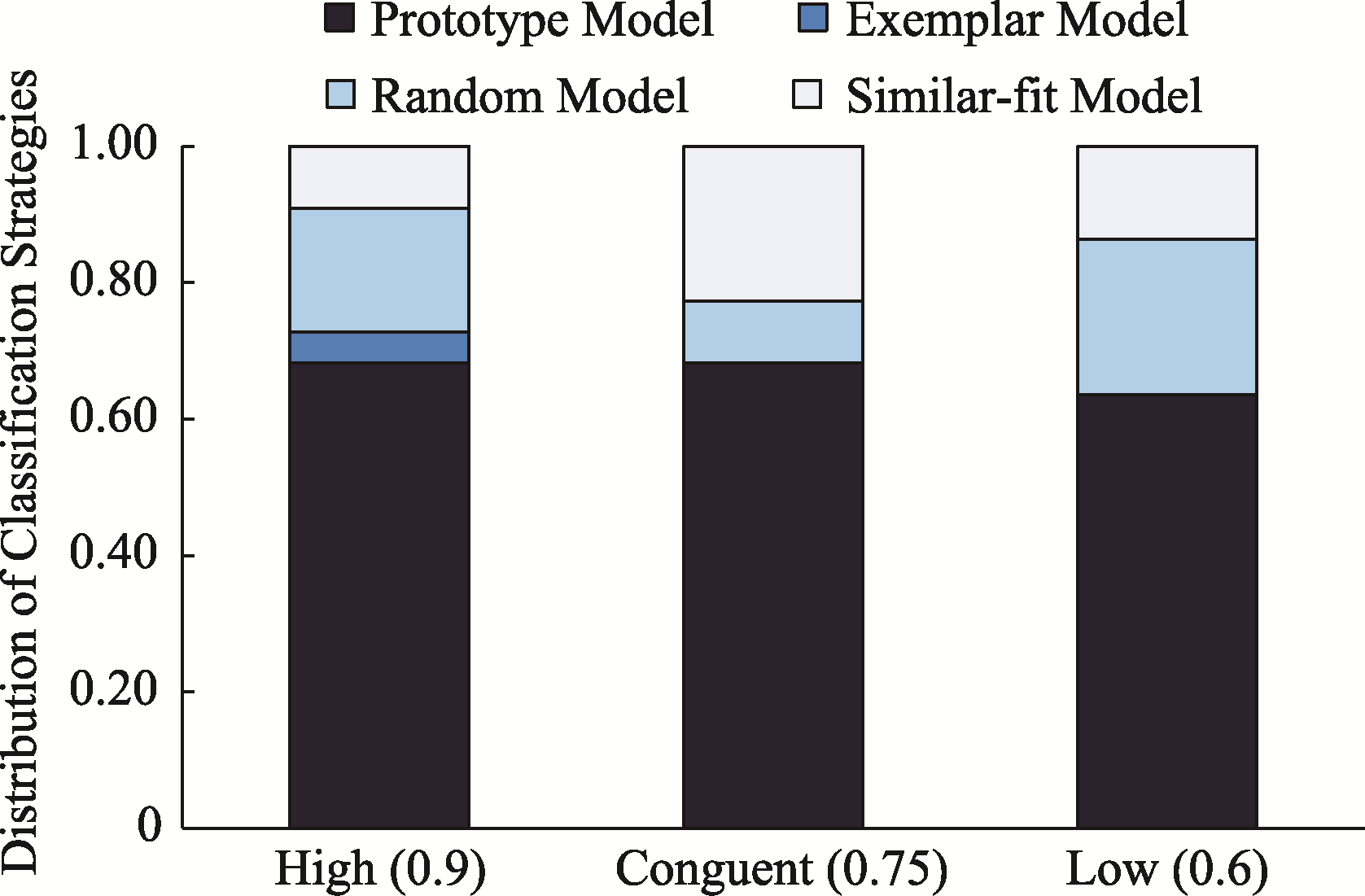
Figure 8. Distribution of Fitted Classification Strategies in the Final Test.
| Measure | Task Main Effect | Diagnosticity Main Effect | Interaction | ||||||
|---|---|---|---|---|---|---|---|---|---|
| F | p | η2 | F | p | η2 | F | p | η2 | |
| Learning Accuracy | 20.36 | < 0.001 | 0.12 | 5.19 | 0.007 | 0.07 | 0.54 | 0.587 | 0.01 |
| Learning RT | 136.86 | < 0.001 | 0.48 | 1.64 | 0.198 | 0.02 | 1.69 | 0.188 | 0.02 |
| Primary Dimension Accuracy | 0.92 | 0.339 | 0.01 | 1.61 | 0.203 | 0.02 | 1.73 | 0.182 | 0.02 |
| Primary Dimensions Acquired | 2.68 | 0.104 | 0.02 | 1.59 | 0.207 | 0.02 | 2.30 | 0.104 | 0.03 |
| Secondary Dimension Accuracy | 0.04 | 0.842 | 0.00 | 7.94 | 0.001 | 0.10 | 0.10 | 0.907 | 0.00 |
| Test Accuracy | 1.00 | 0.319 | 0.01 | 2.73 | 0.069 | 0.04 | 0.04 | 0.961 | 0.00 |
Table 13 Fully Randomized ANOVA Results
| Measure | Task Main Effect | Diagnosticity Main Effect | Interaction | ||||||
|---|---|---|---|---|---|---|---|---|---|
| F | p | η2 | F | p | η2 | F | p | η2 | |
| Learning Accuracy | 20.36 | < 0.001 | 0.12 | 5.19 | 0.007 | 0.07 | 0.54 | 0.587 | 0.01 |
| Learning RT | 136.86 | < 0.001 | 0.48 | 1.64 | 0.198 | 0.02 | 1.69 | 0.188 | 0.02 |
| Primary Dimension Accuracy | 0.92 | 0.339 | 0.01 | 1.61 | 0.203 | 0.02 | 1.73 | 0.182 | 0.02 |
| Primary Dimensions Acquired | 2.68 | 0.104 | 0.02 | 1.59 | 0.207 | 0.02 | 2.30 | 0.104 | 0.03 |
| Secondary Dimension Accuracy | 0.04 | 0.842 | 0.00 | 7.94 | 0.001 | 0.10 | 0.10 | 0.907 | 0.00 |
| Test Accuracy | 1.00 | 0.319 | 0.01 | 2.73 | 0.069 | 0.04 | 0.04 | 0.961 | 0.00 |
| Task Type | Prototype Model | Exemplar Model | Random Model | Similar-fit Model |
|---|---|---|---|---|
| Visual | 44 (66.7%) | 1 (1.5%) | 3 (4.5%) | 18 (27.3%) |
| Auditory | 44 (66.7%) | 1 (1.5%) | 11 (16.7%) | 10 (15.2%) |
Table 14 Counts and Proportions of Audiovisual Classification Strategy Fits
| Task Type | Prototype Model | Exemplar Model | Random Model | Similar-fit Model |
|---|---|---|---|---|
| Visual | 44 (66.7%) | 1 (1.5%) | 3 (4.5%) | 18 (27.3%) |
| Auditory | 44 (66.7%) | 1 (1.5%) | 11 (16.7%) | 10 (15.2%) |
| [1] |
Alais D., & Burr D. (2004). The ventriloquist effect results from near-optimal bimodal integration. Current Biology, 14(3), 257-262. https://doi.org/10.1016/j.cub.2004.01.029
doi: 10.1016/j.cub.2004.01.029 URL pmid: 14761661 |
| [2] |
Alsius A., Navarra J., Campbell R., & Soto-Faraco S. (2005). Audiovisual integration of speech falters under high attention demands. Current Biology, 15(9), 839-843. https://doi.org/10.1016/j.cub.2005.03.046
doi: 10.1016/j.cub.2005.03.046 URL pmid: 15886102 |
| [3] |
Ashby F. G., Alfonso-Reese L. A., Turken A. U., & Waldron E. M. (1998). A neuropsychological theory of multiple systems in category learning. Psychological Review, 105(3), 442-481. https:// doi.org/10.1037/0033-295x.105.3.442
URL pmid: 9697427 |
| [4] |
Baddeley A. (2003). Working memory: Looking back and looking forward. Nature Reviews Neuroscience, 4(10), 829-839. https:// doi.org/10.1038/nrn1201
doi: 10.1038/nrn1201 URL pmid: 14523382 |
| [5] |
Bowman C. R., Iwashita T., & Zeithamova D. (2020). Tracking prototype and exemplar representations in the brain across learning. eLife, 9, e59360. https://doi.org/10.7554/eLife.59360
doi: 10.7554/eLife.59360 URL |
| [6] |
Bowman C. R., & Zeithamova D. (2018). Abstract memory representations in the ventromedial prefrontal cortex and hippocampus support concept generalization. The Journal of Neuroscience, 38(10), 2605-2614. https://doi.org/10.1523/JNEUROSCI.2811-17.2018
doi: 10.1523/JNEUROSCI.2811-17.2018 URL |
| [7] |
Boyce W. P., Lindsay A., Zgonnikov A., Rañó I., & Wong-Lin K. (2020). Optimality and limitations of audio-visual integration for cognitive systems. Frontiers in Robotics and AI, 7, 94. https:// doi.org/10.3389/frobt.2020.00094
doi: 10.3389/frobt.2020.00094 URL |
| [8] |
Chandrasekaran B., Yi H. G., & Maddox W. T. (2014). Dual-learning systems during speech category learning. Psychonomic Bulletin & Review, 21(2), 488-495. https://doi.org/10.3758/s13423-013-0501-5
doi: 10.3758/s13423-013-0501-5 URL |
| [9] |
Cinar H., Atkinson A. L., Waterman A. H., & Allen R. J. (2026). Prioritizing feature bindings across space and modality in working memory. Memory & Cognition, 54(4), 1183-1199. https://doi.org/10.3758/s13421-025-01804-y
doi: 10.3758/s13421-025-01804-y URL |
| [10] |
Cree G. S., McNorgan C., & McRae K. (2006). Distinctive features hold a privileged status in the computation of word meaning: Implications for theories of semantic memory. Journal of Experimental Psychology: Learning, Memory, and Cognition, 32(4), 643-658. https://doi.org/10.1037/0278-7393.32.4.643
doi: 10.1037/0278-7393.32.4.643 URL |
| [11] |
Donohue S. E., Appelbaum L. G., Park C. J., Roberts K. C., & Woldorff M. G. (2013). Cross-modal stimulus conflict: the behavioral effects of stimulus input timing in a visual-auditory Stroop task. PLoS One, 8(4), e62802. https://doi.org/10.1371/journal.pone.0062802
doi: 10.1371/journal.pone.0062802 URL |
| [12] |
Fougnie D., & Marois R. (2011). What limits working memory capacity? Evidence for modality-specific sources to the simultaneous storage of visual and auditory arrays. Journal of Experimental Psychology: Learning, Memory, and Cognition, 37(6), 1329-1341. https://doi.org/10.1037/a0024834
doi: 10.1037/a0024834 URL |
| [13] |
Fougnie D., Zughni S., Godwin D., & Marois R. (2015). Working memory storage is intrinsically domain specific. Journal of Experimental Psychology: General, 144(1), 30-47. https://doi.org/10.1037/a0038211
doi: 10.1037/a0038211 URL |
| [14] |
Franzen L., Delis I., De Sousa G., Kayser C., & Philiastides M. G. (2020). Auditory information enhances post-sensory visual evidence during rapid multisensory decision-making. Nature Communications, 11(1), 5440. https://doi.org/10.1038/s41467-020-19306-7
doi: 10.1038/s41467-020-19306-7 URL |
| [15] |
Gabay Y., Dick F. K., Zevin J. D., & Holt L. L. (2015). Incidental auditory category learning. Journal of Experimental Psychology: Human Perception and Performance, 41(4), 1124-1138. https:// doi.org/10.1037/xhp0000073
doi: 10.1037/xhp0000073 URL pmid: 26010588 |
| [16] | Garner W. R. (1974). The processing of information and structure. Potomac, Maryland: Erlbaum. |
| [17] | Goudbeek, M., Smits R., Cutler A., & Swingley D. (2017). Auditory and phonetic category formation. In H. Cohen, & C. Lefebvre (Eds.), Handbook of categorization in cognitive science (pp. 687-708). Elsevier. https://doi.org/10.1016/B978-0-08-101107-2.00028-2 |
| [18] |
Goudbeek M., Swingley D., & Smits R. (2009). Supervised and unsupervised learning of multidimensional acoustic categories. Journal of Experimental Psychology: Human Perception and Performance, 35(6), 1913-1933. https://doi.org/10.1037/a0015781
doi: 10.1037/a0015781 URL pmid: 19968443 |
| [19] |
Grau J. W., & Kemler Nelson D. G. (1988). The distinction between integral and separable dimensions: Evidence for the integrality of pitch and loudness. Journal of Experimental Psychology: General, 117(4), 347-370. https://doi.org/10.1037/0096-3445.117.4.347
doi: 10.1037/0096-3445.117.4.347 URL |
| [20] |
Heffner C. C., Idsardi W. J., & Newman R. S. (2019). Constraints on learning disjunctive, unidimensional auditory and phonetic categories. Attention, Perception, & Psychophysics, 81(4), 958-980. https://doi.org/10.3758/s13414-019-01683-x
doi: 10.3758/s13414-019-01683-x URL |
| [21] |
Homa D., Sterling S., & Trepel L. (1981). Limitations of exemplar-based generalization and the abstraction of categorical information. Journal of Experimental Psychology: Human Learning and Memory, 7(6), 418-439. https://doi.org/10.1037/0278-7393.7.6.418
doi: 10.1037/0278-7393.7.6.418 URL |
| [22] |
Hsu N. S., Schlichting M. L., & Thompson-Schill S. L. (2014). Feature diagnosticity affects representations of novel and familiar objects. Journal of Cognitive Neuroscience, 26(12), 2735-2749. https://doi.org/10.1162/jocn_a_00661
doi: 10.1162/jocn_a_00661 URL pmid: 24800630 |
| [23] |
Koelewijn T., Bronkhorst A., & Theeuwes J. (2009). Auditory and visual capture during focused visual attention. Journal of Experimental Psychology: Human Perception and Performance, 35(5), 1303-1315. https://doi.org/10.1037/a0013901
doi: 10.1037/a0013901 URL pmid: 19803638 |
| [24] |
Koelewijn T., Bronkhorst A., & Theeuwes J. (2010). Attention and the multiple stages of multisensory integration: A review of audiovisual studies. Acta Psychologica, 134(3), 372-384. https://doi.org/10.1016/j.actpsy.2010.03.010
doi: 10.1016/j.actpsy.2010.03.010 URL pmid: 20427031 |
| [25] |
Kruschke J. K. (1992). ALCOVE: An exemplar-based connectionist model of category learning. Psychological Review, 99(1), 22-44. https://doi.org/10.1037/0033-295x.99.1.22
doi: 10.1037/0033-295x.99.1.22 URL pmid: 1546117 |
| [26] | Luria A. R. (1966). Higher cortical functions in man. New York: Basic Books. |
| [27] |
McGurk H., & MacDonald J. (1976). Hearing lips and seeing voices. Nature, 264(5588), 746-748. https://doi.org/10.1038/264746a0
doi: 10.1038/264746a0 URL |
| [28] |
Medin D. L., & Schaffer M. M. (1978). Context theory of classification learning. Psychological Review, 85(3), 207-238. https:// doi.org/10.1037/0033-295x.85.3.207
doi: 10.1037/0033-295X.85.3.207 URL |
| [29] |
Minda J. P., Roark C. L., Kalra P., & Cruz A. (2024). Single and multiple systems in categorization and category learning. Nature Reviews Psychology, 3(8), 536-551. https://doi.org/10.1038/s44159-024-00336-7
doi: 10.1038/s44159-024-00336-7 URL |
| [30] | Nosofsky R. M. (1988). Exemplar-based accounts of relations between classification, recognition, and typicality. Journal of Experimental Psychology: Learning, Memory, and Cognition, 14(4), 700-708. https://doi.org/10.1037/0278-7393.14.4.700 |
| [31] |
Obasih C. O., Luthra S., Dick F., & Holt L. L. (2023). Auditory category learning is robust across training regimes. Cognition, 237, 105467. https://doi.org/10.1016/j.cognition.2023.105467
doi: 10.1016/j.cognition.2023.105467 URL |
| [32] |
O’Dowd A., Hirst R. J., Seveso M. A., McKenna E. M., & Newell F. N. (2025). Generalisation to novel exemplars of learned shape categories based on visual and auditory spatial cues does not benefit from multisensory information. Psychonomic Bulletin & Review, 32(1), 417-429. https://doi.org/10.3758/s13423-024-02548-7
doi: 10.3758/s13423-024-02548-7 URL |
| [33] |
Ordonez Magro L., Mirault J., Grainger J., & Majerus S. (2022). Sequential versus simultaneous presentation of memoranda in verbal working memory: (How) does it matter? Memory & Cognition, 50(8), 1756-1771. https://doi.org/10.3758/s13421-022-01284-4
doi: 10.3758/s13421-022-01284-4 URL |
| [34] | Pan X., Chen G. X., Liu W. J., Ren F., Jia G. Z., & Liu C. Y. (2021). Delayed effect of the influence of perceptual ambiguity on learning. Journal of Psychological Science, 44(1), 2-8. https://doi.org/10.16719/j.cnki.1671-6981.20210101 |
| [35] |
Reed S. K. (1972). Pattern recognition and categorization. Cognitive Psychology, 3(3), 382-407. https://doi.org/10.1016/0010-0285(72)90014-X
doi: 10.1016/0010-0285(72)90014-X URL |
| [36] |
Roark C. L., & Holt L. L. (2019). Perceptual dimensions influence auditory category learning. Attention, Perception, & Psychophysics, 81(4), 912-926. https://doi.org/10.3758/s13414-019-01688-6
doi: 10.3758/s13414-019-01688-6 URL |
| [37] |
Roark C. L., Lescht E., Hampton Wray A., & Chandrasekaran B. (2023). Auditory and visual category learning in children and adults. Developmental Psychology, 59(5), 963-975. https://doi.org/10.1037/dev0001525
doi: 10.1037/dev0001525 URL pmid: 36862449 |
| [38] |
Roark C. L., Paulon G., Sarkar A., & Chandrasekaran B. (2021). Comparing perceptual category learning across modalities in the same individuals. Psychonomic Bulletin & Review, 28(3), 898-909. https://doi.org/10.3758/s13423-021-01878-0
doi: 10.3758/s13423-021-01878-0 URL |
| [39] |
Roark C. L., Smayda K. E., & Chandrasekaran B. (2022). Auditory and visual category learning in musicians and nonmusicians. Journal of Experimental Psychology: General, 151(3), 739-748. https://doi.org/10.1037/xge0001088
doi: 10.1037/xge0001088 URL |
| [40] |
Rosch E., & Mervis C. B. (1975). Family resemblances: Studies in the internal structure of categories. Cognitive Psychology, 7(4), 573-605. https://doi.org/10.1016/0010-0285(75)90024-9
doi: 10.1016/0010-0285(75)90024-9 URL |
| [41] |
Schyns P. G. (1998). Diagnostic recognition: Task constraints, object information, and their interactions. Cognition, 67(1-2), 147-179. https://doi.org/10.1016/s0010-0277(98)00016-x
URL pmid: 9735539 |
| [42] |
Shams L., & Kim R. (2010). Crossmodal influences on visual perception. Physics of Life Reviews, 7(3), 269-284. https://doi.org/10.1016/j.plrev.2010.04.006
doi: 10.1016/j.plrev.2010.04.006 URL pmid: 20447880 |
| [43] |
Smith J. D., & Minda J. P. (2000). Thirty categorization results in search of a model. Journal of Experimental Psychology: Learning, Memory, and Cognition, 26(1), 3-27. https://doi.org/10.1037/0278-7393.26.1.3
doi: 10.1037/0278-7393.26.1.3 URL |
| [44] |
Sun Y., & Fu Q. (2023). How do irrelevant stimuli from another modality influence responses to the targets in a same-different task. Consciousness and Cognition, 107, 103455. https://doi.org/10.1016/j.concog.2022.103455
doi: 10.1016/j.concog.2022.103455 URL |
| [45] |
Thelen A., Talsma D., & Murray M. M. (2015). Single-trial multisensory memories affect later auditory and visual object discrimination. Cognition, 138, 148-160. https://doi.org/10.1016/j.cognition.2015.02.003
doi: 10.1016/j.cognition.2015.02.003 URL pmid: 25743256 |
| [46] |
Unger L., & Sloutsky V. M. (2022). Ready to learn: Incidental exposure fosters category learning. Psychological Science, 33(6), 999-1019. https://doi.org/10.1177/09567976211061470
doi: 10.1177/09567976211061470 URL |
| [47] |
Wang W. Y., Hu L., Valentini E., Xie X. B., Cui H. Y., & Hu Y. (2012). Dynamic characteristics of multisensory facilitation and inhibition. Cognitive Neurodynamics, 6(5), 409-419. https://doi.org/10.1007/s11571-012-9197-x
doi: 10.1007/s11571-012-9197-x URL pmid: 24082962 |
| [48] |
Wu J., Lu J., Che Z., & Li S. (2025). The effect of concurrent auditory working memory task in auditory category learning. Behavioral Sciences, 15(4), 440. https://doi.org/10.3390/bs15040440
doi: 10.3390/bs15040440 URL |
| [49] |
Yamauchi T., & Markman A. B. (1998). Category learning by inference and classification. Journal of Memory and Language, 39(1), 124-148. https://doi.org/10.1006/jmla.1998.2566
doi: 10.1006/jmla.1998.2566 URL |
| [50] |
Yuval-Greenberg S., & Deouell L. Y. (2007). What you see is not (always) what you hear: Induced gamma band responses reflect cross-modal interactions in familiar object recognition. Journal of Neuroscience, 27(5), 1090-1096. https://doi.org/10.1523/JNEUROSCI.4828-06.2007
doi: 10.1523/JNEUROSCI.4828-06.2007 URL pmid: 17267563 |
| [51] |
Yuval-Greenberg S., & Deouell L. Y. (2009). The dog's meow: Asymmetrical interaction in cross-modal object recognition. Experimental Brain Research, 193(4), 603-614. https://doi.org/10.1007/s00221-008-1664-6
doi: 10.1007/s00221-008-1664-6 URL pmid: 19066869 |
| [52] |
Zettersten M., & Lupyan G. (2020). Finding categories through words: More nameable features improve category learning. Cognition, 196, 104135. https://doi.org/10.1016/j.cognition.2019.104135
doi: 10.1016/j.cognition.2019.104135 URL |
| [1] | WU Jie, CHE Zixuan. The cognitive characteristics and neural mechanisms of multisensory category learning: EEG and drift-diffusion model evidence [J]. Acta Psychologica Sinica, 2025, 57(10): 1715-1728. |
| [2] | GAO Yulin, TANG Xiaoyu, LIU Siyu, WANG Aijun, ZHANG Ming. Effects of endogenous spatial cue validity on audiovisual integration in older adults [J]. Acta Psychologica Sinica, 2023, 55(5): 671-684. |
| [3] | YUE Fang, CHEN Jianping, GAN Kexin, WANG Yuqing, LIU Zhiya. Self-regulated learning advantage and blocked learning disadvantage on overlapping category structure [J]. Acta Psychologica Sinica, 2023, 55(10): 1597-1607. |
| [4] | ZHANG Ming, WANG Tingting, WU Xiaogang, ZHANG Yue’e, WANG Aijun. Effects of integration of facial expression and emotional voice on inhibition of return [J]. Acta Psychologica Sinica, 2022, 54(4): 331-342. |
| [5] | TANG Xiaoyu, WU Yingnan, PENG Xing, WANG Aijun, LI Qi. The influence of endogenous spatial cue validity on audiovisual integration [J]. Acta Psychologica Sinica, 2020, 52(7): 835-846. |
| [6] | PENG Xing, CHANG Ruosong, LI Qi, WANG Aijun, TANG Xiaoyu. Visually induced inhibition of return affects the audiovisual integration under different SOA conditions [J]. Acta Psychologica Sinica, 2019, 51(7): 759-771. |
| [7] | WANG Ruiming;LIN Zheting;LIU Zhiya. The Representation of Partial Exemplars in Classification Learning [J]. Acta Psychologica Sinica, 2014, 46(8): 1052-1061. |
| [8] | ZHONG Weifang;LI You;XU Guiping;QIN Kaixin;MO Lei. Short-term Trained Lexical Categories Cause a Shift of Color Categorical Perception from Right Hemisphere to Left Hemisphere [J]. Acta Psychologica Sinica, 2014, 46(4): 450-458. |
| [9] | RU Taotao;MO Lei;Zhang Ting;JIAO Honghao;HUANG Yulan. The Construction of Verbal Label and Response Label in Rule-Based Category Learning [J]. Acta Psychologica Sinica, 2013, 45(12): 1334-1344. |
| [10] | LIU Zhi-Ya,HUANG Yan-Li,Carol A. SEGER. The Expectation Effect of the Sample Size in Category Learning [J]. , 2012, 44(6): 754-765. |
| [11] | LIU Zhi-Ya,SONG Xiao-Hong,Carol A. SEGER. Six-year-old Children’s Ability on Category Learning: Category Representation, Attention and Learning Strategy [J]. , 2012, 44(5): 634-646. |
| [12] | XU Gui-Ping,WEN Hong-Bo,WEI Xiao-Ma,MO Lei. The Influence of Positions of Cues on Probabilistic Category Learning [J]. , 2011, 43(03): 264-273. |
| [13] | LIU Zhi-Ya,MO Lei. Influence of Category Learning in Feature Predicting When Categories Are Uncertain [J]. , 2011, 43(01): 92-100. |
| [14] | Liu Zhi-Ya,Mo Lei. Prototype and Exemplar on Classification and Inference Learning [J]. , 2009, 41(01): 44-52. |
| [15] | WEN Hong-Bo,GUO Yong-Xing,MO Lei. The Influence of the Holistic Perception of a Stimulus on Category Construction [J]. , 2008, 40(05): 531-542. |
| Viewed | ||||||
|
Full text |
|
|||||
|
Abstract |
|
|||||
