

ISSN 0439-755X
CN 11-1911/B
主办:中国心理学会
中国科学院心理研究所
出版:科学出版社
心理学报 ›› 2026, Vol. 58 ›› Issue (11): 2390-2404.doi: 10.3724/SP.J.1041.2026.2390 cstr: 32110.14.2026.2390
• 研究报告 • 上一篇
朱越1, 许正良1, 张安然2( )
收稿日期:2025-09-09
发布日期:2026-09-10
出版日期:2026-11-25
通讯作者:
张安然, E-mail: zhanganran@xidian.edu.cn
ZHU Yue1, XU Zhengliang1, ZHANG Anran2()
Received:2025-09-09
Online:2026-09-10
Published:2026-11-25
摘要:
越来越多的慈善组织向捐赠者提供捐赠认可, 以期促进其再次捐赠和信息分享, 从而提高捐赠者保留率并扩大慈善组织影响力。基于客体自我意识理论、自我一致理论与印象管理理论, 本研究考察了不同认可来源和认可类型对再次捐赠和信息分享的影响及其内在机制。通过1个田野实验和3个实验室实验研究发现: 当认可来源于受助者时, 温暖型(vs.能力型)认可会使捐赠者进入客体自我意识状态, 进而激发其自我一致动机, 促进其再次捐赠; 当认可来源于慈善组织时, 能力型(vs.温暖型)认可会强化捐赠者的主体自我意识状态, 进而激发其印象管理动机, 促进其信息分享。本研究通过揭示捐赠认可来源和认可类型对捐赠者再次捐赠和信息分享的差异化影响机制, 不仅拓展了捐赠认可的相关研究, 也为慈善组织制定捐赠认可策略提供了有益参考。
中图分类号:
朱越, 许正良, 张安然. (2026). 扬德还是显能?捐赠认可对捐赠者再次捐赠和信息分享的影响. 心理学报, 58(11), 2390-2404.
ZHU Yue, XU Zhengliang, ZHANG Anran. (2026). Warmth or competence? Exploring the impact of donation recognition on subsequent donations and information sharing. Acta Psychologica Sinica, 58(11), 2390-2404.
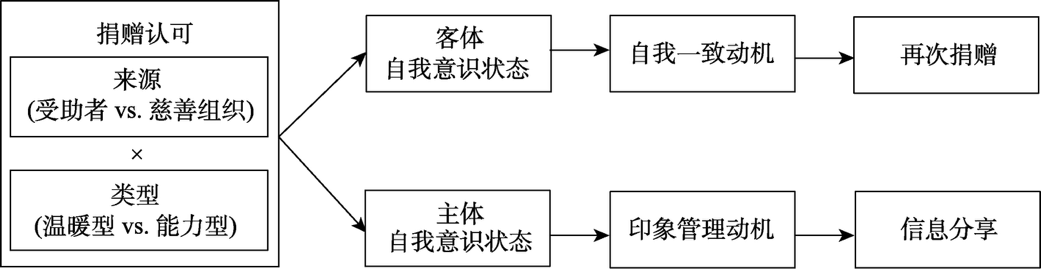
图1 研究模型
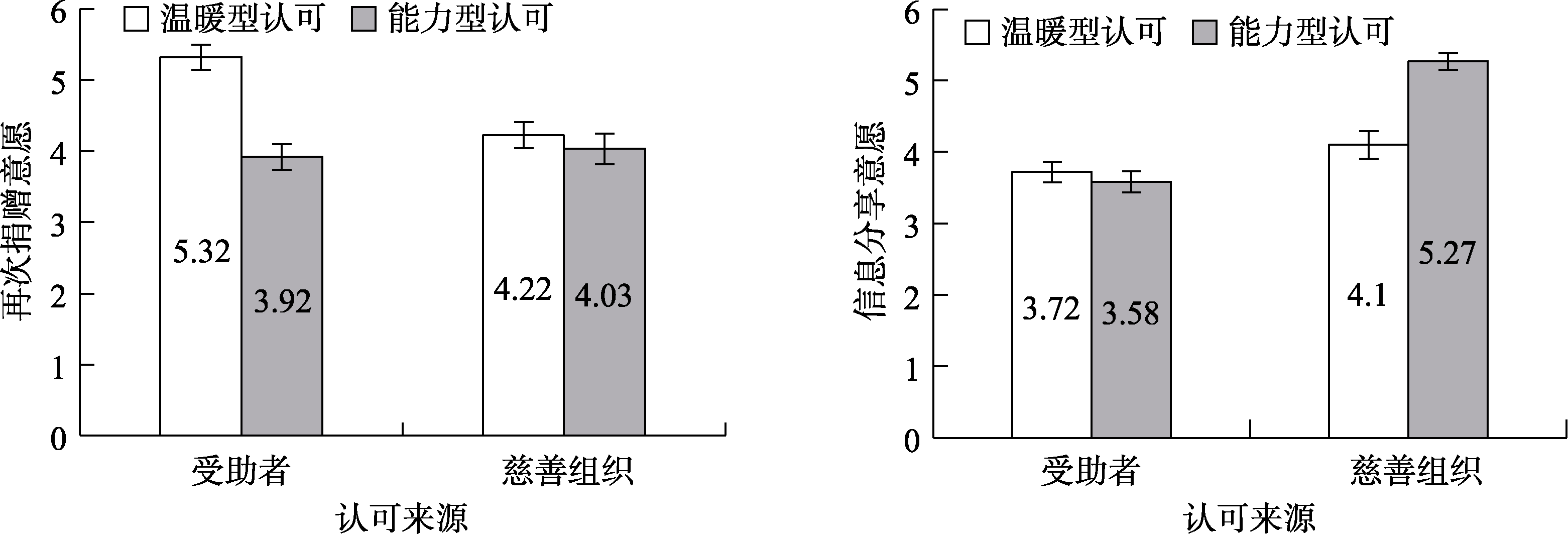
图2 认可来源和认可类型对再次捐赠和信息分享意愿的影响(实验2)
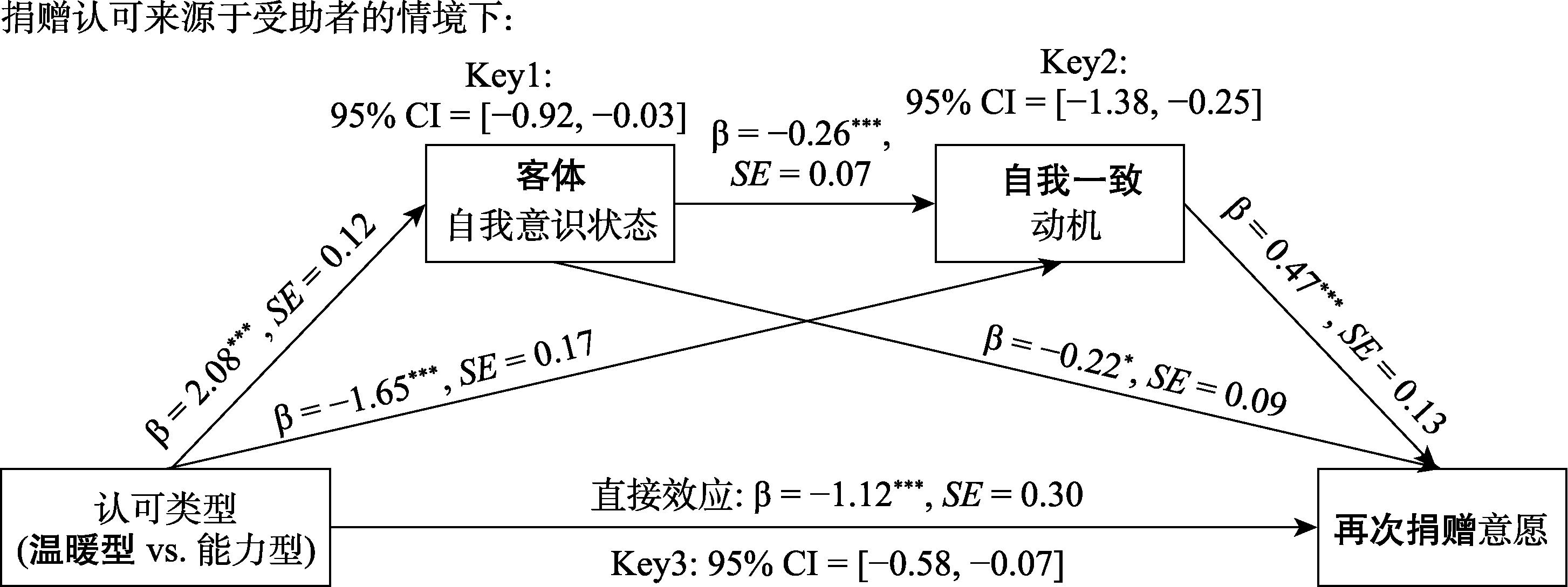
图3 客体自我意识状态和自我一致动机的顺序中介效应(实验3) 注: 认可类型(0=温暖型, 1=能力型); 自我意识状态(1=客体自我意识状态, 7=主体自我意识状态)<break>Key1: Ind1 认可类型→自我意识状态→再次捐赠意愿<break>Key2: Ind2 认可类型→自我一致动机→再次捐赠意愿<break>Key3: Ind3 认可类型→自我意识状态→自我一致动机→再次捐赠意愿<break>***表示p < 0.001, **表示p < 0.01, *表示p < 0.05, 下同
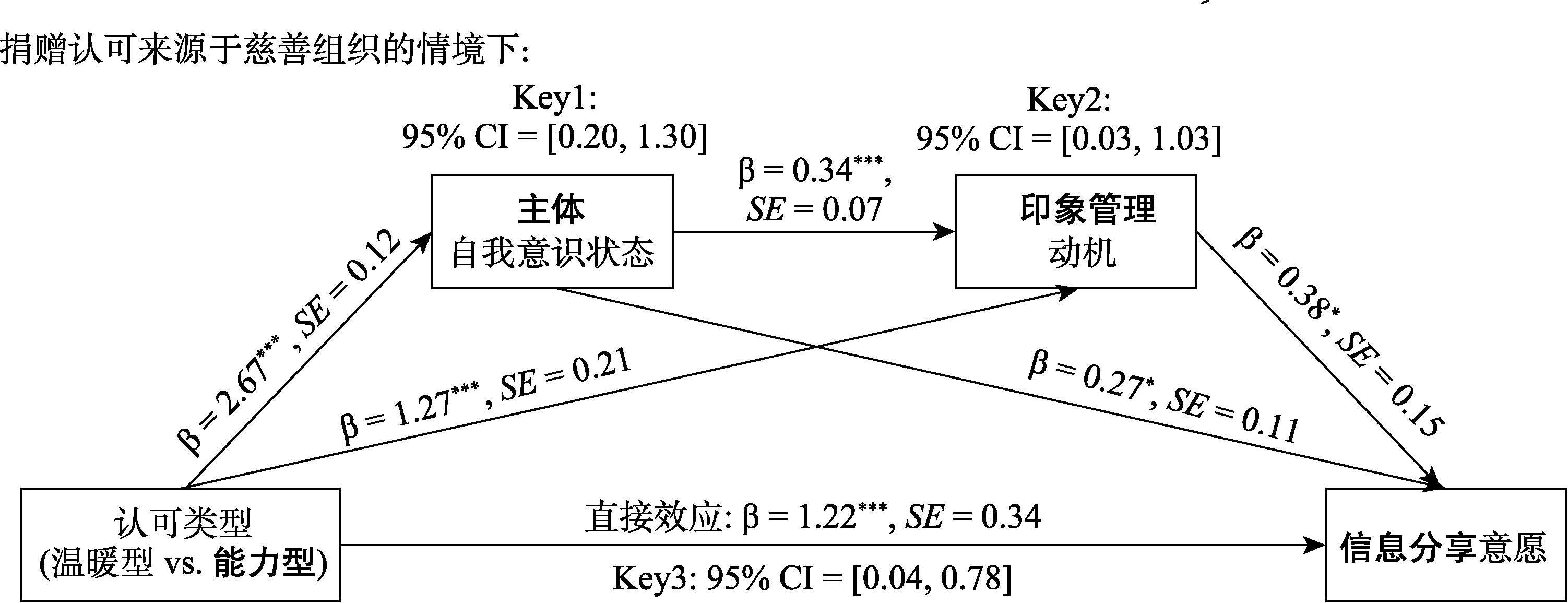
图4 主体自我意识状态和印象管理动机的顺序中介效应(实验4) 注: 认可类型(0=温暖型, 1=能力型); 自我意识状态(1=客体自我意识状态, 7=主体自我意识状态) <break>Key1: Ind1 认可类型→自我意识状态→信息分享意愿<break>Key2: Ind2 认可类型→印象管理动机→信息分享意愿<break>Key3: Ind3 认可类型→自我意识状态→印象管理动机→信息分享意愿
| 自我意识状态 | 实验条件 | 再次捐赠意愿 (M±SD) | F值 | p值 | 自我一致动机 (M ± SD) | F值 | p值 |
|---|---|---|---|---|---|---|---|
| 客体 自我意识状态 | 受助者×温暖型认可 | 4.58±0.84 | 0.51 | 0.476 | 4.30±0.79 | 0.16 | 0.687 |
| 受助者×能力型认可 | 4.45±1.17 | 4.25±0.74 | |||||
| 慈善组织×温暖型认可 | 4.49±1.28 | 0.43 | 0.514 | 4.31±1.00 | 2.34 | 0.129 | |
| 慈善组织×能力型认可 | 4.33±1.32 | 4.05±0.92 | |||||
| 主体 自我意识状态 | 受助者×温暖型认可 | 4.68±1.24 | 29.76 | <0.001 | 4.35±0.80 | 12.54 | <0.001 |
| 受助者×能力型认可 | 3.63±0.70 | 3.83±0.71 | |||||
| 慈善组织×温暖型认可 | 3.87±1.01 | 1.11 | 0.294 | 3.70±0.64 | 0.03 | 0.857 | |
| 慈善组织×能力型认可 | 3.67±0.95 | 3.67±0.96 |
表1 不同实验条件下的再次捐赠意愿及自我一致动机(实验4)
| 自我意识状态 | 实验条件 | 再次捐赠意愿 (M±SD) | F值 | p值 | 自我一致动机 (M ± SD) | F值 | p值 |
|---|---|---|---|---|---|---|---|
| 客体 自我意识状态 | 受助者×温暖型认可 | 4.58±0.84 | 0.51 | 0.476 | 4.30±0.79 | 0.16 | 0.687 |
| 受助者×能力型认可 | 4.45±1.17 | 4.25±0.74 | |||||
| 慈善组织×温暖型认可 | 4.49±1.28 | 0.43 | 0.514 | 4.31±1.00 | 2.34 | 0.129 | |
| 慈善组织×能力型认可 | 4.33±1.32 | 4.05±0.92 | |||||
| 主体 自我意识状态 | 受助者×温暖型认可 | 4.68±1.24 | 29.76 | <0.001 | 4.35±0.80 | 12.54 | <0.001 |
| 受助者×能力型认可 | 3.63±0.70 | 3.83±0.71 | |||||
| 慈善组织×温暖型认可 | 3.87±1.01 | 1.11 | 0.294 | 3.70±0.64 | 0.03 | 0.857 | |
| 慈善组织×能力型认可 | 3.67±0.95 | 3.67±0.96 |
| 自我意识状态 | 实验条件 | 信息分享意愿 (M ± SD) | F值 | p值 | 印象管理动机 (M±SD) | F值 | p值 |
|---|---|---|---|---|---|---|---|
| 客体 自我意识状态 | 受助者×温暖型认可 | 3.33±0.82 | 0.01 | 0.911 | 3.44±0.73 | 0.01 | 0.915 |
| 受助者×能力型认可 | 3.35±0.81 | 3.43±0.55 | |||||
| 慈善组织×温暖型认可 | 3.15±0.94 | 0.08 | 0.783 | 3.68±0.71 | 3.70 | 0.057 | |
| 慈善组织×能力型认可 | 3.11±0.91 | 3.46±0.84 | |||||
| 主体 自我意识状态 | 受助者×温暖型认可 | 3.54±0.83 | 2.56 | 0.113 | 3.80±0.83 | 2.23 | 0.138 |
| 受助者×能力型认可 | 3.27±0.86 | 3.60±0.87 | |||||
| 慈善组织×温暖型认可 | 3.47±1.04 | 12.12 | <0.001 | 3.44±0.82 | 54.23 | <0.001 | |
| 慈善组织×能力型认可 | 4.13±0.91 | 4.56±0.76 |
表2 不同实验条件下的信息分享意愿及印象管理动机(实验4)
| 自我意识状态 | 实验条件 | 信息分享意愿 (M ± SD) | F值 | p值 | 印象管理动机 (M±SD) | F值 | p值 |
|---|---|---|---|---|---|---|---|
| 客体 自我意识状态 | 受助者×温暖型认可 | 3.33±0.82 | 0.01 | 0.911 | 3.44±0.73 | 0.01 | 0.915 |
| 受助者×能力型认可 | 3.35±0.81 | 3.43±0.55 | |||||
| 慈善组织×温暖型认可 | 3.15±0.94 | 0.08 | 0.783 | 3.68±0.71 | 3.70 | 0.057 | |
| 慈善组织×能力型认可 | 3.11±0.91 | 3.46±0.84 | |||||
| 主体 自我意识状态 | 受助者×温暖型认可 | 3.54±0.83 | 2.56 | 0.113 | 3.80±0.83 | 2.23 | 0.138 |
| 受助者×能力型认可 | 3.27±0.86 | 3.60±0.87 | |||||
| 慈善组织×温暖型认可 | 3.47±1.04 | 12.12 | <0.001 | 3.44±0.82 | 54.23 | <0.001 | |
| 慈善组织×能力型认可 | 4.13±0.91 | 4.56±0.76 |
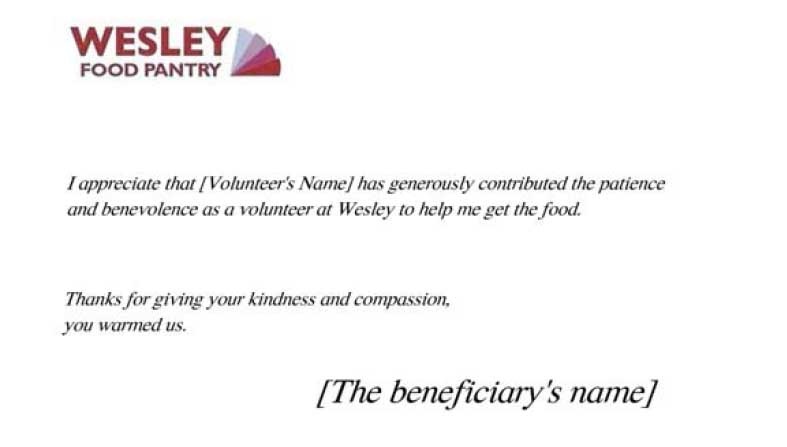
受助者&温暖型认可
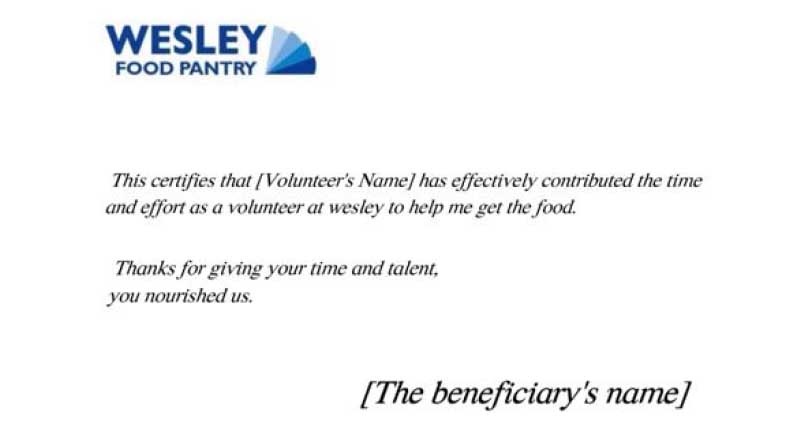
受助者&能力型认可
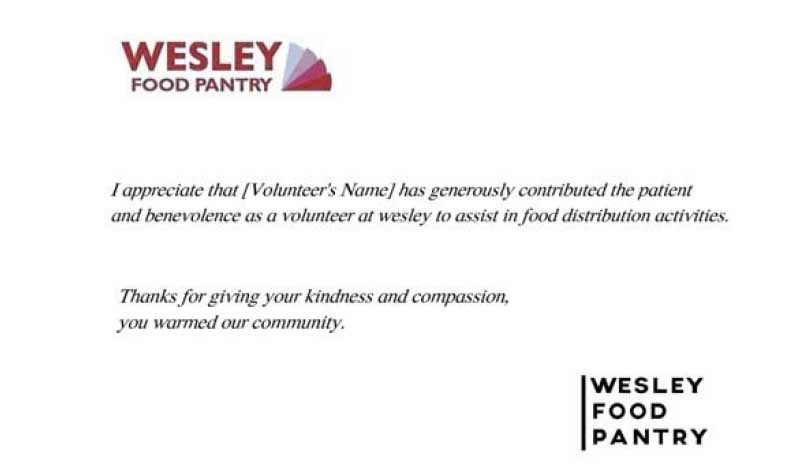
慈善组织&能力型认可
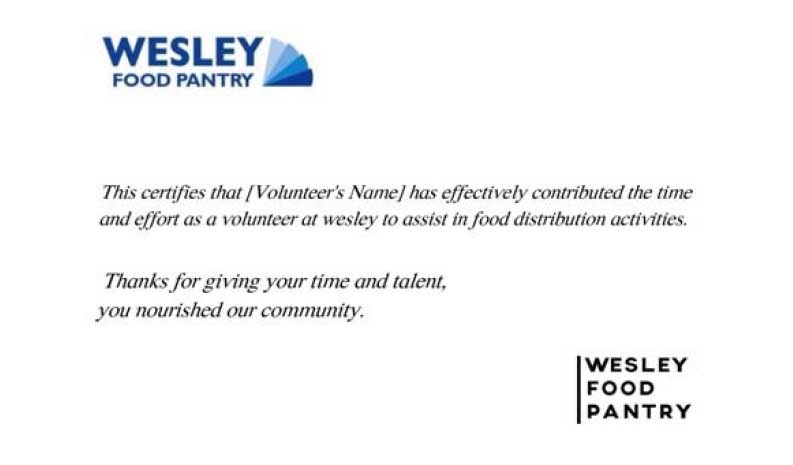
慈善组织&能力型认可
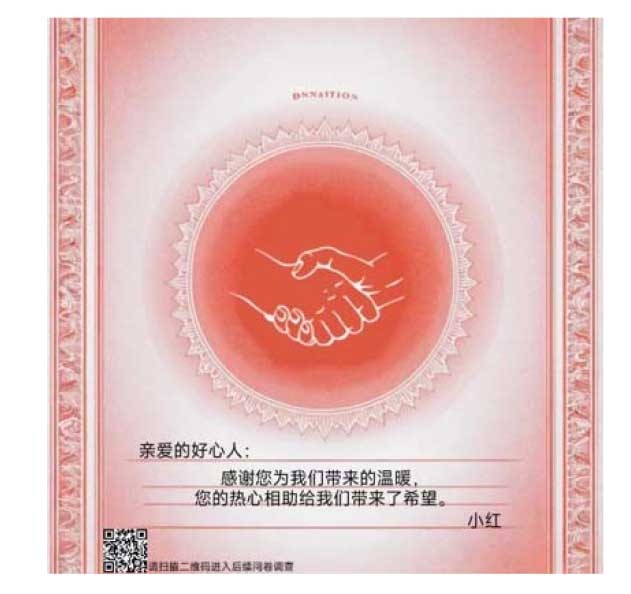
受助者&温暖型认可
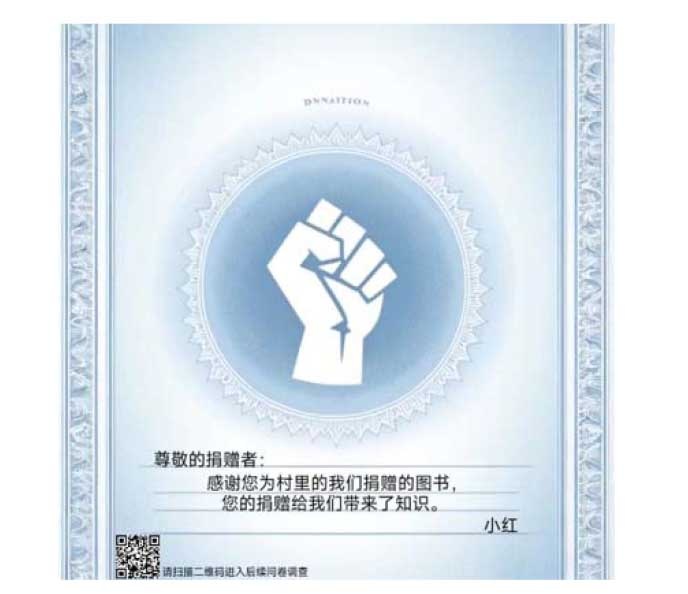
受助者&能力型认可
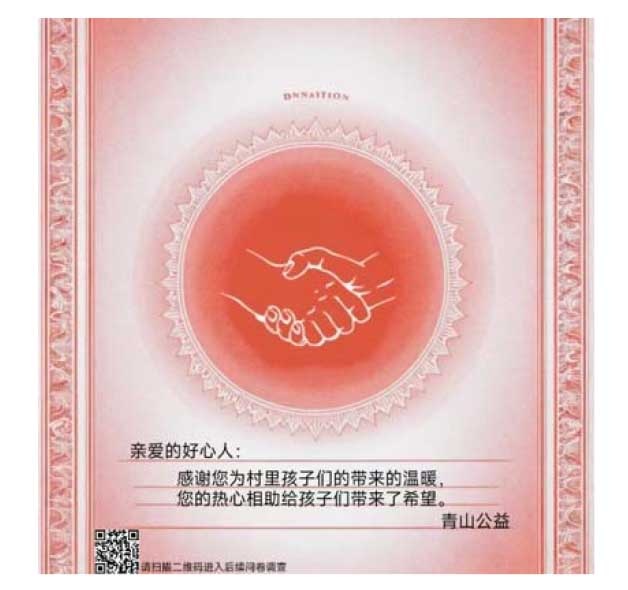
慈善组织&温暖型认可
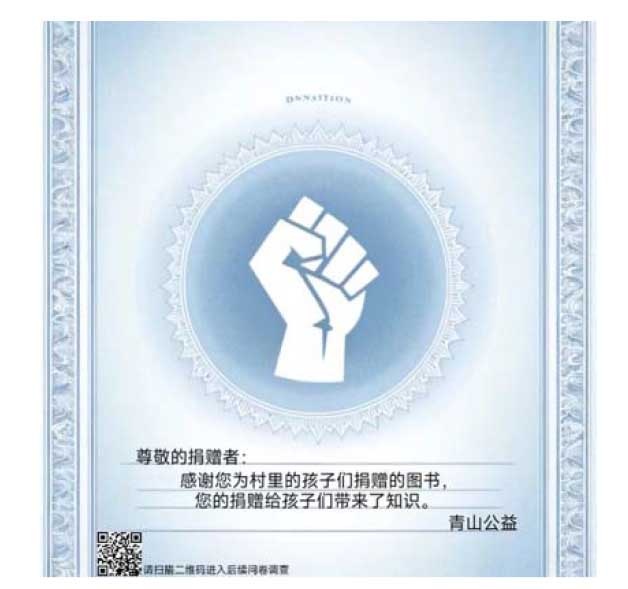
慈善组织&能力型认可
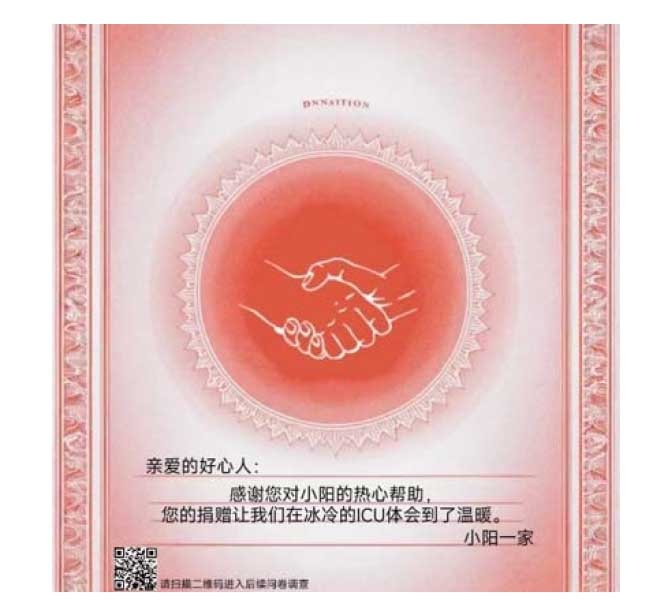
受助者&温暖型认可
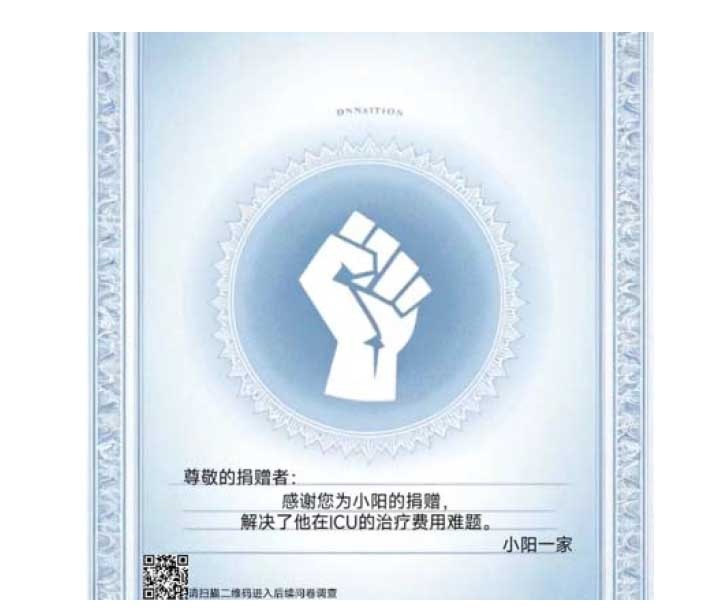
受助者&能力型认可
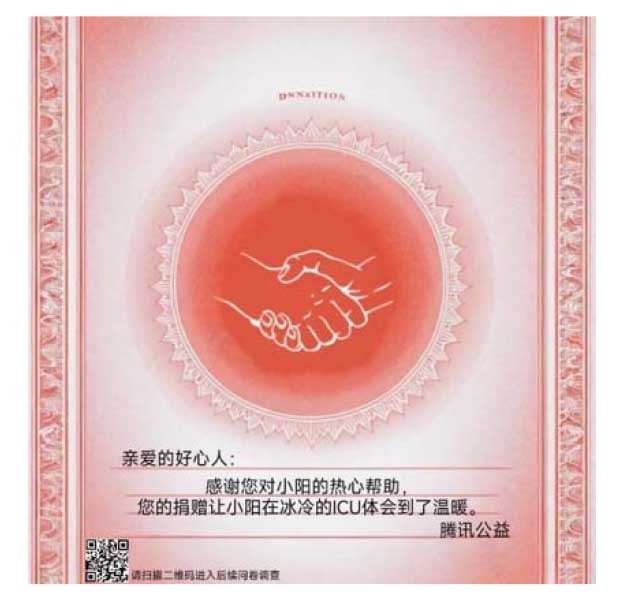
慈善组织&温暖型认可
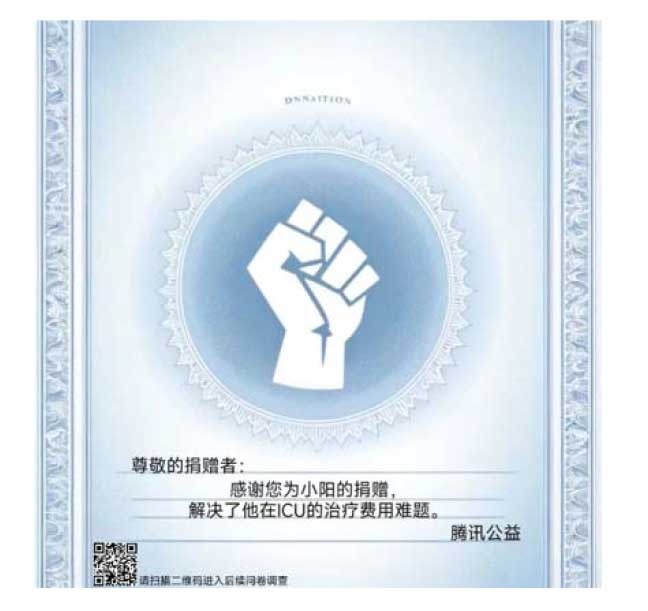
慈善组织&能力型认可
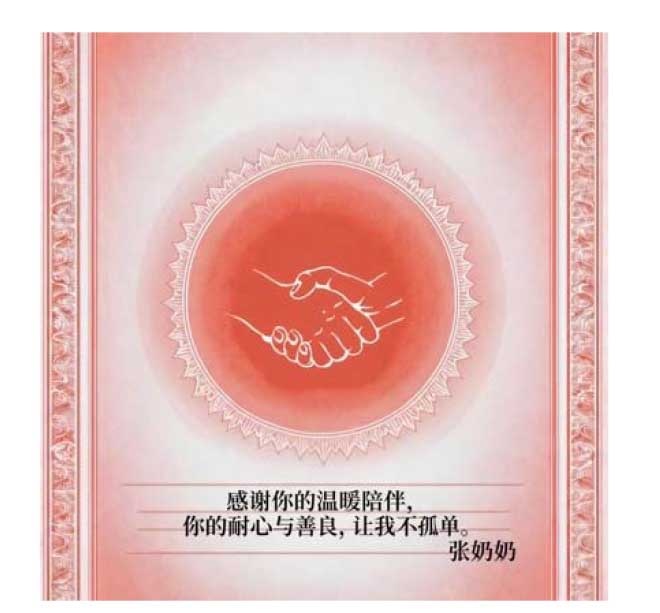
受助者&温暖型认可

受助者&能力型认可
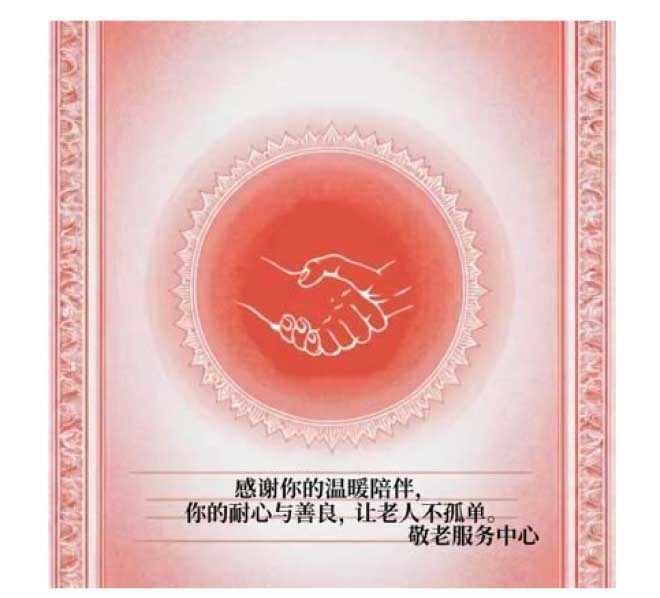
慈善组织&温暖型认可

慈善组织&能力型认可
| [1] | Aaker J., Vohs K. D., & Mogilner C. (2010). Nonprofits are seen as warm and for-profits as competent: Firm stereotypes matter. Journal of Consumer Research, 37(2), 224-237. |
| [2] | Aaker J. L., Garbinsky E. N., & Vohs K. D. (2012). Cultivating admiration in brands: Warmth, competence, and landing in the “golden quadrant”. Journal of Consumer Psychology, 22(2), 191-194. |
| [3] | Alicke M. D., & Sedikides C. (2009). Self-enhancement and self-protection: What they are and what they do. European Review of Social Psychology, 20(1), 1-48. |
| [4] | Althoff T., & Leskovec J. (2015). Donor retention in online crowdfunding communities: A case study of DonorsChoose.org. In Proceedings of the 24th International Conference on World Wide Web (pp. 34-44). International World Wide Web Conferences Steering Committee. https://doi.org/10.1145/2736277.2741120 |
| [5] | Aronson, E. (1968). Dissonance theory:Progress and problems. In R. P. Abelson, E. Aronson, W. J. McGuire, T. M. Newcomb, M. J. Rosenberg, & P. H. Tannenbaum (Eds.), Theories of cognitive consistency: A sourcebook (pp. 5-27). Chicago, United States: Rand McNally. |
| [6] | Barasch A., & Berger J. (2014). Broadcasting and narrowcasting: How audience size affects what people share. Journal of Marketing Research, 51(3), 286-299. |
| [7] | Boman L., & He X. (2025). Sharing to persuade: The role of donor- versus charity-focused word of mouth. Journal of Marketing Research, 62(1), 22-39. |
| [8] | Carver C. S., & Scheier M. F. (2012). Attention and self-regulation: A control-theory approach to human behavior. New York, United States: Springer. |
| [9] | Chang H. H., & Hung I. W. (2018). Mirror, mirror on the retail wall: Self-focused attention promotes reliance on feelings in consumer decisions. Journal of Marketing Research, 55(4), 586-599. |
| [10] | Chell K., Mortimer G., Masser B. M., & Russell-Bennett R. (2023). An identity-based model explaining online donor appreciation. Australasian Marketing Journal, 31(1), 13-24. |
| [11] | Chen S. Y., Wei H. Y., & Meng L. (2019). The impact of congruency between moral appeal and social perception on charitable donation. Acta Psychologica Sinica, 51(12), 1351-1362. |
| [陈斯允, 卫海英, 孟陆. (2019). 社会知觉视角下道德诉求方式如何提升劝捐效果. 心理学报, 51(12), 1351-1362.] | |
| [12] | Cialdini R. B., Trost M. R., & Newsom J. T. (1995). Preference for consistency: The development of a valid measure and the discovery of surprising behavioral implications. Journal of Personality and Social Psychology, 69(2), 318-328. |
| [13] | Dai B. (2014). Who is better to be the thanker? The influence of thank-you letter's actor on receiver's subsequent help willingness [Unpublished doctoral dissertation]. Wuhan University. |
| [戴斌. (2014). 谁来致谢好心人?感谢信的主体对捐赠者后续捐赠意愿的影响 (博士学位论文). 武汉大学.] | |
| [14] | Dangubić M., Politi E., Storz N., Roblain A., Favre Y., & Green E. G. T. (2025). Feelings of recognition and long‐term engagement in favour of refugees. Journal of Community & Applied Social Psychology, 35(3), Article e70087. https://doi.org/10.1002/casp.70087 |
| [15] | Dirisam J. V., Bein D., & Verma A. (2021). Predictive analytics of donors in crowdfunding platforms: A case study on Donorschoose. org. In 2021 IEEE 11th Annual Computing and Communication Workshop and Conference (CCWC) (pp. 834-838). IEEE. https://doi.org/10.1109/CCWC51732.2021.9376094 |
| [16] | Duval S., & Wicklund R. A. (1972). A theory of objective self-awareness. New York: Academic Press. |
| [17] | Faulkner M., Romaniuk J., & Stern P. (2016). New versus frequent donors: Exploring the behaviour of the most desirable donors. Australasian Marketing Journal, 24(3), 198-204. |
| [18] | Fei X. Z., Wang H. Y., & Li R. X. (2024). “Viewing self” or “Viewing the world”? How consumers’ self-awareness influences advertising effectiveness in the use of social media. Nankai Business Review, 27(2), 193-205. |
| [费显政, 王海燕, 李若茜. (2024). “察自身”还是“观世界”?社会化媒体使用中消费者自我意识状态对广告效果的影响. 南开管理评论, 27(2), 193-205.] | |
| [19] | Feng W. T., Shen X. Y., & Yin Z. W. (2022). Self-focused or other-focused: The influence of acknowledgment type on subsequent donation desires. Frontiers in Psychology, 13, Article 959369. https://doi.org/10.3389/fpsyg.2022.959369 |
| [20] | Feng W. T., Xu Y. P., & Wang T. (2021). Beneficiaries or charity: The influence of the source of acknowledgments. Frontiers in Psychology, 12, Article 602410. https://doi.org/10.3389/fpsyg.2021.602410 |
| [21] | Fiske S. T., Cuddy A. J. C., & Glick P. (2007). Universal dimensions of social cognition: Warmth and competence. Trends in Cognitive Sciences, 11(2), 77-83. |
| [22] | Fiske S. T., Cuddy A. J. C., Glick P., & Xu J. (2002). A model of (often mixed) stereotype content: Competence and warmth respectively follow from perceived status and competition. Journal of Personality and Social Psychology, 82(6), 878-902. |
| [23] | Gibbons F. X. (1990). Self-attention and behavior: A review and theoretical update. Advances in Experimental Social Psychology, 23, 249-303. |
| [24] | Han J., & Balabanis G. (2024). Meta-analysis of social media influencer impact: Key antecedents and theoretical foundations. Psychology & Marketing, 41(2), 394-426. |
| [25] | Heider, F. (1960). The gestalt theory of motivation. In M. R. Jones (Ed.), Nebraska symposium on motivation (Vol. 8, pp. 145-172). Lincoln, United States: University of Nebraska Press. |
| [26] | Judd C. M., James-Hawkins L., Yzerbyt V., & Kashima Y. (2005). Fundamental dimensions of social judgment: Understanding the relations between judgments of competence and warmth. Journal of Personality and Social Psychology, 89(6), 899-913. |
| [27] | Kervyn N., Fiske S. T., & Malone C. (2012). Brands as intentional agents framework: How perceived intentions and ability can map brand perception. Journal of Consumer Psychology, 22(2), 166-176. |
| [28] | Kim D., Jang S., & Adler H. (2015). What drives café customers to spread eWOM?: Examining self-relevant value, quality value, and opinion leadership. International Journal of Contemporary Hospitality Management, 27(2), 261-282. |
| [29] | Kristofferson K., White K., & Peloza J. (2014). The nature of slacktivism: How the social observability of an initial act of token support affects subsequent prosocial action. Journal of Consumer Research, 40(6), 1149-1166. |
| [30] | Labrecque L. I., & Milne G. R. (2012). Exciting red and competent blue: The importance of color in marketing. Journal of the Academy of Marketing Science, 40(5), 711-727. |
| [31] | Leary M. R., & Kowalski R. M. (1990). Impression management: A literature review and two-component model. Psychological Bulletin, 107(1), 34-47. |
| [32] | Liu B., Ma Y. B., & Lu L. H. (2016). The effect of gratitude feedback sources on donation intention: A moderated mediation model. Chinese Journal of Applied Psychology, 22(2), 162-172. |
| [刘波, 马永斌, 鲁礼华. (2016). 感谢反馈来源对捐赠意愿的影响: 有调节的中介效应. 应用心理学, 22(2), 162-172.] | |
| [33] | Mehdizadeh S. (2010). Self-presentation 2.0: Narcissism and self-esteem on Facebook. Cyberpsychology, Behavior, and Social Networking, 13(4), 357-364. |
| [34] | Merchant A., Ford J. B., & Sargeant A. (2010). “Don’t forget to say thank you”: The effect of an acknowledgement on donor relationships. Journal of Marketing Management, 26(7-8), 593-611. |
| [35] | Morin A. (2004). A Neurocognitive and socioecological model of self-awareness. Genetic, Social, and General Psychology Monographs, 130(3), 197-224. |
| [36] | Moskalenko S., & Heine S. J. (2003). Watching your troubles away: Television viewing as a stimulus for subjective self-awareness. Personality and Social Psychology Bulletin, 29(1), 76-85. |
| [37] | Osgood C. E., & Tannenbaum P. H. (1955). The principle of congruity in the prediction of attitude change. Psychological Review, 62(1), 42-55. |
| [38] | Ponnappan V., Nivsarkar A., Satyavageeswaran P., & Bharadwaj S. (2026). Fit to persuade: The role of source-appeal congruence in cancer screening decisions. Journal of Marketing, 90(4), 97-121. |
| [39] | Pryor J. B., Gibbons F. X., Wicklund R. A., Fazio R. H., & Hood R. (1977). Self-focused attention and self-report validity. Journal of Personality, 45(4), 513-527. |
| [40] | Rifkin J. R., Du K. M., & Berger J. (2020). Penny for your preferences: Leveraging self-expression to encourage small prosocial gifts. Journal of Marketing, 85(3), 204-219. |
| [41] | Sargeant A. (2013, August 15). Donor retention: What do we know and what can we do about it? Retrieved August 17, 2026, from https://nonprofitquarterly.org/donor-retention-nonprofit-donors/ |
| [42] | Silver I., & Small D. A. (2024). Put your mouth where your money is: A field experiment encouraging donors to share about charity. Marketing Science, 43(2), 392-406. |
| [43] | Simpson B., White K., & Laran J. (2018). When public recognition for charitable giving backfires: The role of independent self-construal. Journal of Consumer Research, 44(6), 1257-1273. |
| [44] | van Dongen A. (2015). Easy come, easy go. Retention of blood donors. Transfusion Medicine, 25(4), 227-233. |
| [45] | Wang T., Feng W. T., Lei W. H., & Zhou N. (2016). How to recognize donors: The influence of recognition’s type on donation performance. Journal of Marketing Science, 12(3), 101-114. |
| [汪涛, 冯文婷, 雷卫华, 周南. (2016). 如何致谢好心人: 致谢类型对捐赠行为的影响. 营销科学学报, 12(3), 101-114.] | |
| [46] | White K., & Peloza J. (2009). Self-benefit versus other-benefit marketing appeals: Their effectiveness in generating charitable support. Journal of Marketing, 73(4), 109-124. |
| [47] | Winterich K. P., Mittal V., & Aquino K. (2013). When does recognition increase charitable behavior? Toward a moral identity-based model. Journal of Marketing, 77(3), 121-134. |
| [48] | Worldmetrics. (2026, February 12). Nonprofit fundraising statistics. Retrieved June 25, 2026, from https://worldmetrics.org/nonprofit-fundraising-statistics/ |
| [49] | Zhu Y., Xu Z. L., & Lu H. (2024). Research on the influencing factors and generating mechanism of sharing donation recognition on charity platforms. Luojia Management Review, 57(6), 57-74. |
| [朱越, 许正良, 卢恒. (2024). 网络公益平台捐赠认可信息分享行为的影响因素和作用机制. 珞珈管理评论, 57(6), 57-74.] | |
| [50] | Zhu Z. Z., Liu F., & Chen A. (2020). Warmth or competence? The influence of advertising appeal and self-construal on consumer-brand identification and purchase intention. Acta Psychologica Sinica, 52(3), 357-370. |
| [朱振中, 刘福, Haipeng (Allan) CHEN.(2020). 能力还是热情?广告诉求对消费者品牌认同和购买意向的影响. 心理学报, 52(3), 357-370.] |
| [1] | 韩玉兰,张志学,王敏. 走向双赢: 动机倾向和信息分享质量在整合性谈判过程中的作用[J]. 心理学报, 2010, 42(02): 288-303. |
| [2] | 张志学,韩玉兰. 回报谨慎对谈判过程和谈判结果的影响[J]. 心理学报, 2004, 36(03): 370-377. |
| [3] | 郑全全,朱华燕. 自由讨论条件下群体决策质量的影响因素[J]. 心理学报, 2001, 33(3): 73-78. |
| 阅读次数 | ||||||
|
全文 |
|
|||||
|
摘要 |
|
|||||
