

ISSN 0439-755X
CN 11-1911/B
CN 11-1911/B
Acta Psychologica Sinica ›› 2026, Vol. 58 ›› Issue (9): 1781-1794.doi: 10.3724/SP.J.1041.2026.1781
• Column on the Stress, Resilience, and Health • Previous Articles Next Articles
CHE Xiaowei1,2( ), LI Xiaosong1,2, LIU Li’ang1,2, LIAN Haomin1,2,3()
Published:2026-09-25
Online:2026-07-29
Contact:
CHE Xiaowei, E-mail: chexiaowei@sdnu.edu.cn; LIAN Haomin, E-mail: haominlian0203@126.com
CHE Xiaowei, LI Xiaosong, LIU Li’ang, LIAN Haomin. (2026). The effect of visual impulses on attentional guidance by working memory representations. Acta Psychologica Sinica, 58(9), 1781-1794.
Add to citation manager EndNote|Ris|BibTeX
URL: https://journal.psych.ac.cn/acps/EN/10.3724/SP.J.1041.2026.1781
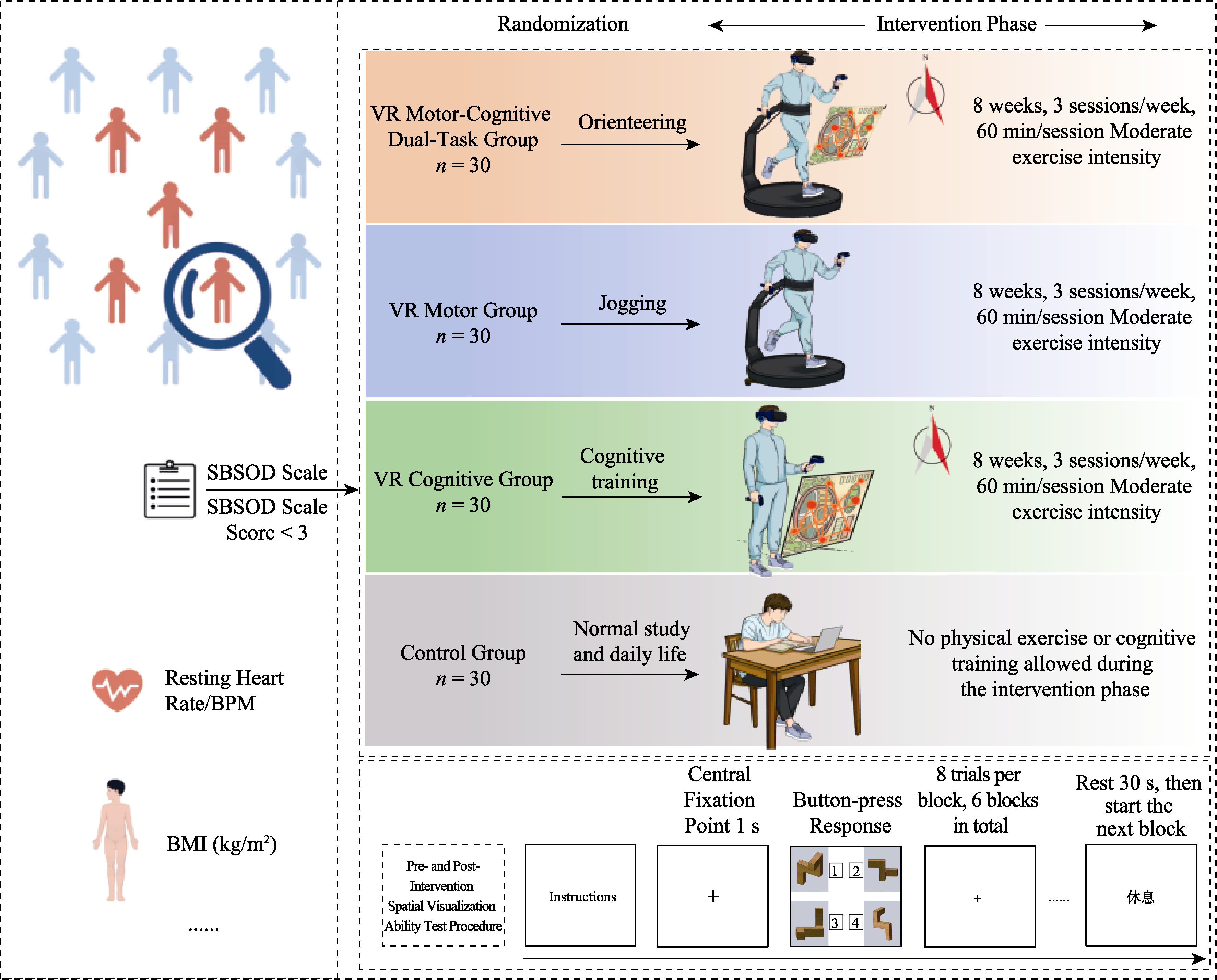
Figure1. General experimental procedures.
| Experiment | Impulses | Match-condition | Accuracy | RT (ms) |
|---|---|---|---|---|
| Exp.1 | Absent | Match | 0.99 ± 0.01 | 898 ± 71 |
| Mismatch | 0.99 ± 0.01 | 802 ± 64 | ||
| Baseline | 0.99 ± 0.01 | 810 ± 70 | ||
| Present | Match | 0.97 ± 0.02 | 867 ± 73 | |
| Mismatch | 0.99 ± 0.01 | 814 ± 68 | ||
| Baseline | 0.99 ± 0.01 | 804 ± 70 | ||
| Exp.2 | Absent | Match | 0.98 ± 0.01 | 812 ± 79 |
| Mismatch | 0.99 ± 0.01 | 766 ± 75 | ||
| Baseline | 0.99 ± 0.01 | 751 ± 77 | ||
| Early | Match | 0.98 ± 0.02 | 828 ± 85 | |
| Mismatch | 0.98 ± 0.01 | 738 ± 75 | ||
| Baseline | 0.98 ± 0.02 | 740 ± 70 | ||
| Late | Match | 0.98 ± 0.01 | 767 ± 73 | |
| Mismatch | 0.99 ± 0.01 | 762 ± 76 | ||
| Baseline | 0.98 ± 0.01 | 743 ± 86 | ||
| Exp.3 | Absent | Match | 0.97 ± 0.02 | 905 ± 59 |
| Mismatch | 0.98 ± 0.01 | 844 ± 56 | ||
| Baseline | 0.98 ± 0.01 | 849 ± 61 | ||
| Present | Match | 0.99 ± 0.02 | 882 ± 57 | |
| Mismatch | 0.99 ± 0.01 | 850 ± 51 | ||
| Baseline | 0.98 ± 0.01 | 833 ± 55 |
Table1 Accuracy and mean RTs (M ± 95% CI) for search task in Experiments 1~3
| Experiment | Impulses | Match-condition | Accuracy | RT (ms) |
|---|---|---|---|---|
| Exp.1 | Absent | Match | 0.99 ± 0.01 | 898 ± 71 |
| Mismatch | 0.99 ± 0.01 | 802 ± 64 | ||
| Baseline | 0.99 ± 0.01 | 810 ± 70 | ||
| Present | Match | 0.97 ± 0.02 | 867 ± 73 | |
| Mismatch | 0.99 ± 0.01 | 814 ± 68 | ||
| Baseline | 0.99 ± 0.01 | 804 ± 70 | ||
| Exp.2 | Absent | Match | 0.98 ± 0.01 | 812 ± 79 |
| Mismatch | 0.99 ± 0.01 | 766 ± 75 | ||
| Baseline | 0.99 ± 0.01 | 751 ± 77 | ||
| Early | Match | 0.98 ± 0.02 | 828 ± 85 | |
| Mismatch | 0.98 ± 0.01 | 738 ± 75 | ||
| Baseline | 0.98 ± 0.02 | 740 ± 70 | ||
| Late | Match | 0.98 ± 0.01 | 767 ± 73 | |
| Mismatch | 0.99 ± 0.01 | 762 ± 76 | ||
| Baseline | 0.98 ± 0.01 | 743 ± 86 | ||
| Exp.3 | Absent | Match | 0.97 ± 0.02 | 905 ± 59 |
| Mismatch | 0.98 ± 0.01 | 844 ± 56 | ||
| Baseline | 0.98 ± 0.01 | 849 ± 61 | ||
| Present | Match | 0.99 ± 0.02 | 882 ± 57 | |
| Mismatch | 0.99 ± 0.01 | 850 ± 51 | ||
| Baseline | 0.98 ± 0.01 | 833 ± 55 |
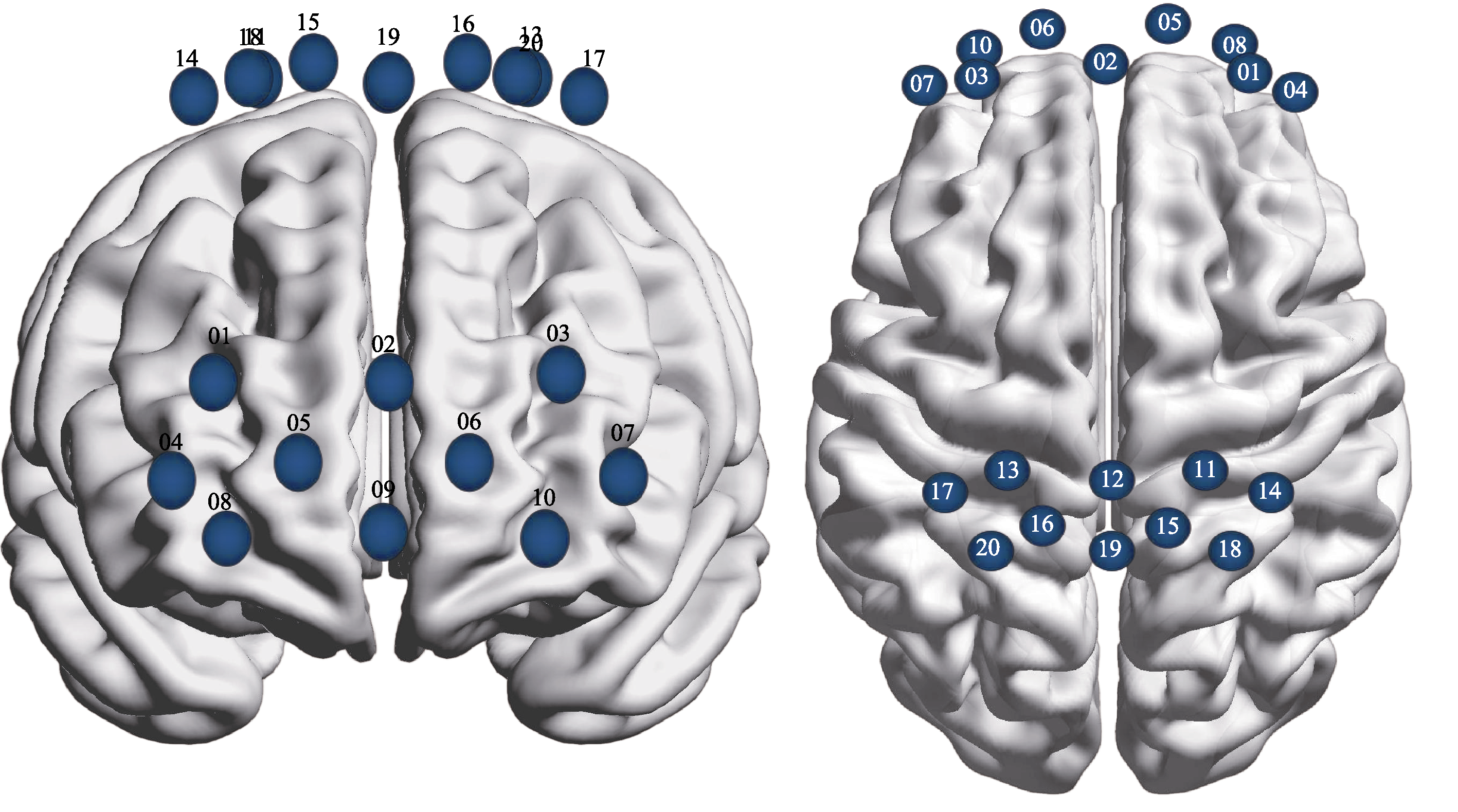
Figure 2. WM-based attentional capture effects under each condition In Experiment 1~3. Note. Error bars indicate 95% confidence interval, * p < 0.05, ** p < 0.01, *** p < 0.001.
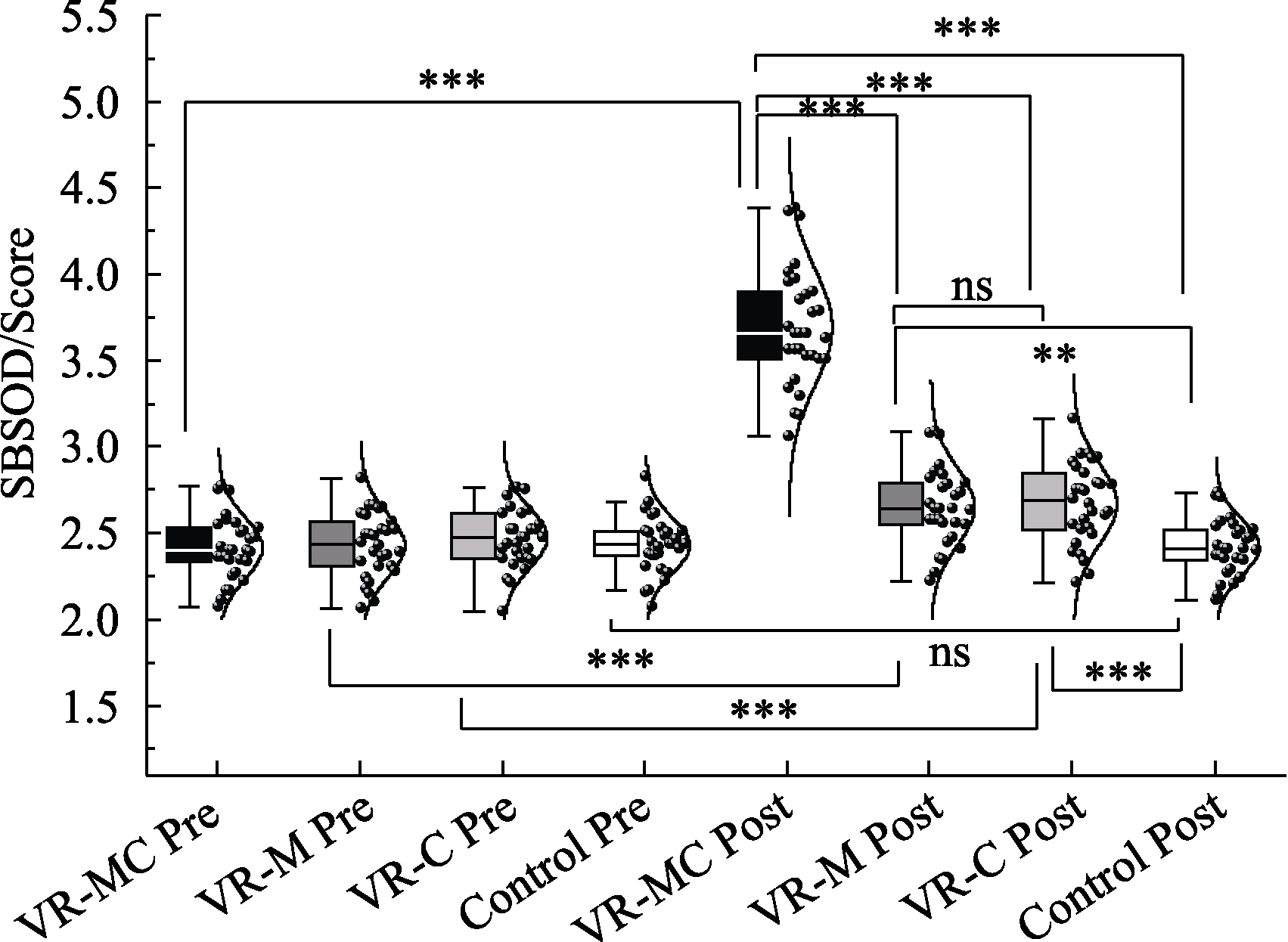
Figure 3. N2pc in each condition of Experiment 3. Note. Error bars indicate 95% confidence interval, * p < 0.05.
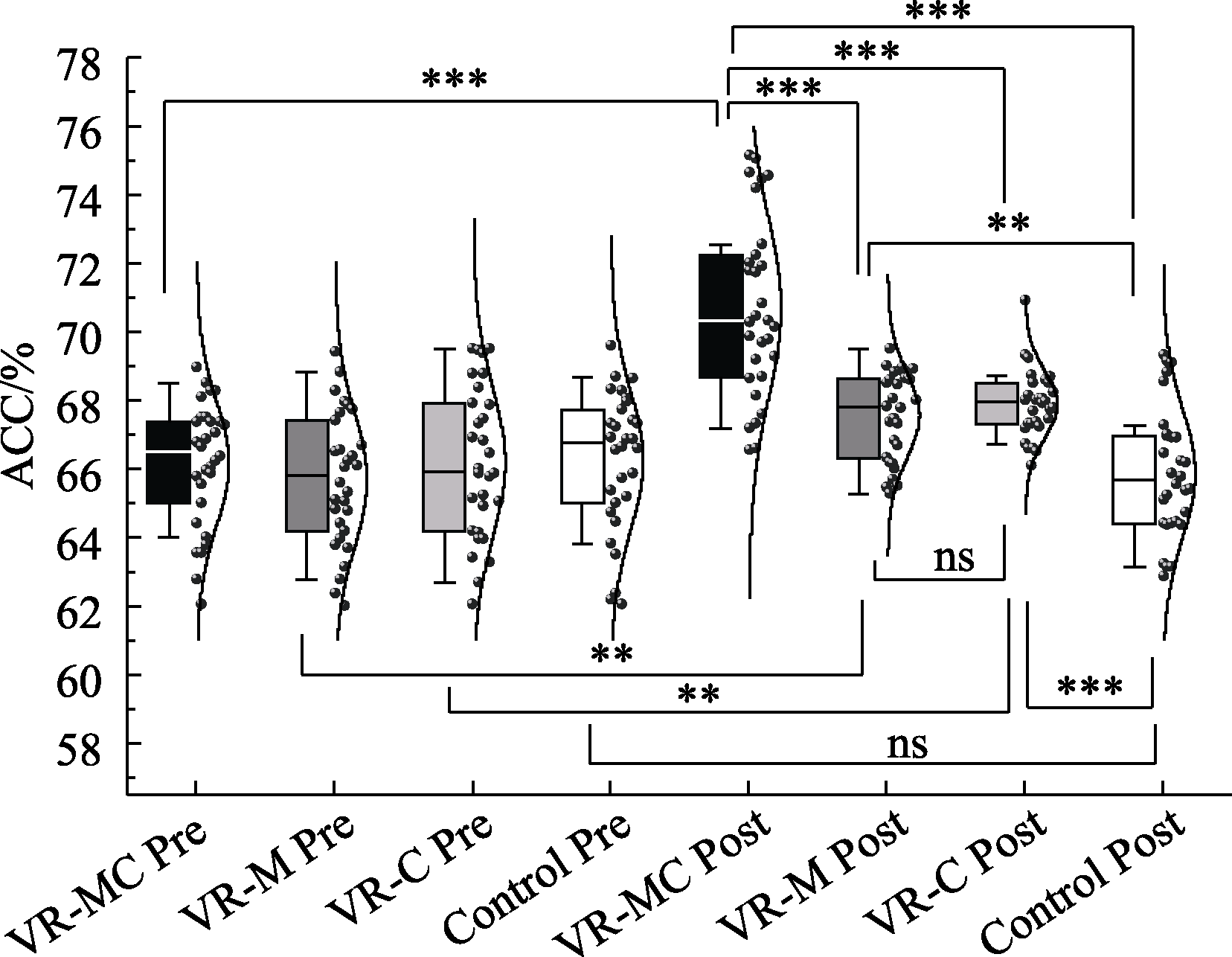
Figure 4. EEG decoding results in Experiment 3. Note. Time zero corresponds to the offset of the memory color. Solid red (Impulse-absent condition) and dashed blue (Impulse-present condition) curves show decoding accuracy over time; shaded areas represent ± 1 SE. Thick red and blue lines below the curves mark time periods of above-chance decoding (cluster-based permutation test, p <.05, one-tailed). The thick gray line above the curves indicates time periods with significant differences between the two conditions.
Figure 5. Results of Granger causality analysis based on the alpha band. (A) Functional connectivity increases for impulse-present vs. impulse-absent condition, 700~800 ms. (B) Functional connectivity increases for impulse-present vs. impulse-absent condition, 800~1000 ms. Arrows indicate Granger causal direction. FDR corrected.
| [1] | Baddeley A. (2012). Working memory: Theories, models, and controversies. Annual Review of Psychology, 63, 1-29. |
| [2] | Bae G.Y., & Luck S.J. (2019). Decoding motion direction using the topography of sustained ERPs and alpha oscillations. NeuroImage, 184, 242-255. |
| [3] | Bahle B., Beck V. M., & Hollingworth A. (2018). The architecture of interaction between visual working memory and visual attention. Journal of Experimental Psychology: Human Perception and Performance, 44(7), 992-1011. |
| [4] | Barbosa J., Stein H., Martinez R. L., Galan-Gadea A., Li S., Dalmau J., ... Compte A. (2020). Interplay between persistent activity and activity-silent dynamics in the prefrontal cortex underlies serial biases in working memory. Nature Neuroscience, 23(8), 1016-1024. |
| [5] | Barbosa J., Lozano-Soldevilla D., & Compte A. (2021). Pinging the brain with visual impulses reveals electrically active, not activity-silent, working memories. PLoS Biology, 19(10), e3001436. |
| [6] | Che X., Lian H., Zhang F., Li S., & Zheng Y. (2024). The Reactivation of working memory representations affects attentional guidance. Psychophysiology, 61(3), e14514. |
| [7] | Che X., Xu H., Wang K., Zhang Q., & Li S. (2021). Precision requirement of working memory representations influences attentional guidance. Acta Psychologica Sinica, 53(7), 694-713. |
| [8] | Chota S., & Van der Stigchel S. (2021). Dynamic and flexible transformation and reallocation of visual working memory representations. Visual Cognition, 29(7), 409-415. |
| [9] | Clark A. (2013). Whatever next? Predictive brains, situated agents, and the future of cognitive science. Behavioral and Brain Sciences, 36(3), 181-204. |
| [10] | Cohen J. (1992). Statistical power analysis. Current Directions in Psychological Science, 1(3), 98-101. |
| [11] | Delorme A., & Makeig S. (2004). EEGLAB: An open source toolbox for analysis of single-trial EEG dynamics including independent component analysis. Journal of Neuroscience Methods, 134(1), 9-21. |
| [12] | Desimone R., & Duncan J. (1995). Neural mechanisms of selective visual attention. Annual Review of Neuroscience, 18(1), 193-222. |
| [13] | de Vries I. E., Slagter H. A., & Olivers C. N. (2020). Oscillatory control over representational states in working memory. Trends in Cognitive Sciences, 24(2), 150-162. |
| [14] | de Vries I. E., van Driel J., & Olivers C. N. (2019). Decoding the status of working memory representations in preparation of visual selection. NeuroImage, 191, 549-559. |
| [15] | Desikan R. S., Ségonne F., Fischl B., Quinn B. T., Dickerson B. C., Blacker D., ... Killiany R. J. (2006). An automated labeling system for subdividing the human cerebral cortex on MRI scans into gyral based regions of interest. NeuroImage, 31(3), 968-980. |
| [16] | Dube B., & Al-Aidroos N. (2019). Distinct prioritization of visual working memory representations for search and for recall. Attention, Perception, & Psychophysics, 81(5), 1253-1261. |
| [17] | Fan Y., Wang M., Fang F., Ding N., & Luo H. (2025). Two-dimensional neural geometry underpins hierarchical organization of sequence in human working memory. Nature Human Behaviour, 9(2), 360-375. |
| [18] | Forstinger M., & Ansorge U. (2024). Top-down suppression of negative features applies flexibly contingent on visual search goals. Attention, Perception, & Psychophysics, 86(4), 1120-1147. |
| [19] | Fulvio J. M., & Postle B. R. (2020). Cognitive control, not time, determines the status of items in working memory. Journal of Cognition, 3(1), 1-8. |
| [20] | Gayet S., Guggenmos M., Christophel T. B., Haynes J. D., Paffen C. L., Van der Stigchel S., & Sterzer P. (2017). Visual working memory enhances the neural response to matching visual input. Journal of Neuroscience, 37(28), 6638-6647. |
| [21] | Gramfort A., Luessi M., Larson E., Engemann D. A., Strohmeier D., Brodbeck C., ... Hämäläinen M. (2013). MEG and EEG data analysis with MNE-Python. Frontiers in Neuroscience, 7, 1-13. |
| [22] | Grubert A., & Eimer M. (2018). The time course of target template activation processes during preparation for visual search. Journal of Neuroscience, 38(44), 9527-9538. |
| [23] | Grubert A., & Eimer M. (2023). Do we prepare for what we predict? How target expectations affect preparatory attentional templates and target selection in visual search. Journal of Cognitive Neuroscience, 35(12), 1919-1935. |
| [24] | Hajonides J. E., Nobre A. C., van Ede F., & Stokes M. G. (2021). Decoding visual colour from scalp electroencephalography measurements. NeuroImage, 237, 118030. |
| [25] | Hall M. C., Rempe M. P., Glesinger R. J., Horne L. K., Okelberry H. J., John J. A., ... Wilson T. W. (2024). Oscillatory activity in bilateral prefrontal cortices is altered by distractor strength during working memory processing. NeuroImage, 301, 120878. |
| [26] | Hanne A. A., Han S., & Schubö A. (2025). Neural evidence for feature-based distractor Inhibition. Journal of Cognitive Neuroscience, 37(6), 1053-1071. |
| [27] | Hollingworth A., & Beck V. M. (2016). Memory-based attention capture when multiple items are maintained in visual working memory. Journal of Experimental Psychology: Human Perception and Performance, 42(7), 911-917. |
| [28] | Huang Q., & Luo H. (2024). Shared structure facilitates working memory of multiple sequences. eLife, 12, RP93158. |
| [29] | Huang C., van Moorselaar D., Foster J., Donk M., & Theeuwes J. (2025). Neural mechanisms of learned suppression uncovered by probing the hidden attentional priority map. ELife, 13, RP98304. |
| [30] | Huang Q., Zhang H., & Luo H. (2021). Sequence structure organizes items in varied latent states of working memory neural network. eLife, 10, e67589. |
| [31] | Jensen O., & Mazaheri A. (2010). Shaping functional architecture by oscillatory alpha activity: Gating by inhibition. Frontiers in Human Neuroscience, 4, 186. |
| [32] | Kandemir G., & Akyürek E. G. (2023). Impulse perturbation reveals cross-modal access to sensory working memory through learned associations. NeuroImage, 274, 120156. |
| [33] | Knill D. C., & Pouget A. (2004). The Bayesian brain: The role of uncertainty in neural coding and computation. Trends in Neurosciences, 27(12), 712-719. |
| [34] | Li Z., Guo W., Zhao N., & Liu Q. (2025). The suppression mechanisms of passive memory in visual working memory: The evidence from electroencephalography. Journal of Cognitive Neuroscience, 37(2), 334-344. |
| [35] | Li Z., Lei M., & Liu Q. (2024). Cognitive mechanisms underlying the formation of offline representations in visual working memory. Acta Psychologica Sinica, 56(4), 412-420. |
| [36] | Lian H., Liu S., Chen H., Wang Z., & Che X. (2025). Activation Pattern of Attentional Templates Affects Dual-target Search. Journal of Cognitive Neuroscience, 37(10), 1825-1841. |
| [37] | Liljefors J., Almeida R., Rane G., Lundström J. N., Herman P., & Lundqvist M. (2024). Distinct functions for beta and alpha bursts in gating of human working memory. Nature Communications, 15(1), 8950. |
| [38] | Luria R., Sessa P., Gotler A., Jolicœur P., & Dell'Acqua R. (2010). Visual short-term memory capacity for simple and complex objects. Journal of Cognitive Neuroscience, 22(3), 496-512. |
| [39] | Magosso E., & Borra D. (2024). The strength of anticipated distractors shapes EEG alpha and theta oscillations in a Working Memory task. NeuroImage, 300, 120835. |
| [40] | Mongillo G., Barak O., & Tsodyks M. (2008). Synaptic theory of working memory. Science, 319(5869), 1543-1546. |
| [41] | Myers N. E., Stokes M. G., & Nobre A. C. (2017). Prioritizing information during working memory: Beyond sustained internal attention. Trends in Cognitive Sciences, 21(6), 449-461. |
| [42] | Olivers C. N., & Eimer M. (2011). On the difference between working memory and attentional set. Neuropsychologia, 49(6), 1553-1558. |
| [43] | Pascual-Marqui R. D. (2002). Standardized low-resolution brain electromagnetic tomography (SLORETA): Technical details. Methods & Findings in Experimental & Clinical Pharmacology, 24(Suppl. D), 5-12. |
| [44] | Rose N. S. (2020). The dynamic-processing model of working memory. Current Directions in Psychological Science, 29(4), 378-387. |
| [45] | Rose N. S., LaRocque J. J., Riggall A. C., Gosseries O., Starrett M. J., Meyering E. E., & Postle B. R. (2016). Reactivation of latent working memories with transcranial magnetic stimulation. Science, 354(6316), 1136-1139. |
| [46] | Stilwell B. T., & Gaspelin N. (2021). Attentional suppression of highly salient color singletons. Journal of Experimental Psychology: Human Perception and Performance, 47(10), 1313-1328. |
| [47] | Stokes M. G., Muhle-Karbe P. S., & Myers N. E. (2020). Theoretical distinction between functional states in working memory and their corresponding neural states. Visual Cognition, 28(5-8), 420-432. |
| [48] | Tadel F., Bock E., Niso G., Mosher J. C., Cousineau M., Pantazis D., ... Baillet S. (2019). MEG/EEG group analysis with brainstorm. Frontiers in Neuroscience, 13, 76. |
| [49] | van Moorselaar D., Theeuwes J., & Olivers C. N. (2014). In competition for the attentional template: Can multiple items within visual working memory guide attention? Journal of Experimental Psychology: Human Perception and Performance, 40(4), 1450-1464. |
| [50] | Wang D., Chota S., Xu L., Van der Stigchel S., & Gayet S. (2025). The priority state of items in visual working memory determines their influence on early visual processing. Consciousness and Cognition, 127, 103800. |
| [51] | Wang M., Liu H., Chen Y., Yang P., & Fu S. (2023). Different prioritization states of working memory representations affect visual searches: Evidence from an event-related potential study. International Journal of Psychophysiology, 193, 112246. |
| [52] | Wolfe J. M. (2021). Guided Search 6.0: An updated model of visual search. Psychonomic Bulletin & Review, 28(4), 1060-1092. |
| [53] | Wolff M. J., Jochim J., Akyürek E. G., & Stokes M. G. (2017). Dynamic hidden states underlying working-memory-guided behavior. Nature Neuroscience, 20(6), 864-871. |
| [54] | Wolff M. J., Jochim J., Akyürek E. G., Buschman T. J., & Stokes M. G. (2020). Drifting codes within a stable coding scheme for working memory. PLoS Biology, 18(3), e3000625. |
| [55] | Xia M., Wang J., & He Y. (2013). BrainNet Viewer: A network visualization tool for human brain connectomics. PloS One, 8(7), e68910. |
| [56] | Yang C., He X., & Cai Y. (2025). Reactivating and reorganizing activity-silent working memory: Two distinct mechanisms underlying pinging the brain. Cerebral Cortex, 35(2), bhae494. |
| [57] | Zhang W., & Luck S. J. (2008). Discrete fixed-resolution representations in visual working memory. Nature, 453(7192), 233-235. |
| [1] | LI Hangyu, XU Heng, MU Yurong, YUAN Xiaowei, LI Shouxin, ZHANG Qian. Moderating role of mental imagery in the relationship between depressive tendency and the filtering efficiency of task-irrelevant emotional stimuli [J]. Acta Psychologica Sinica, 2026, 58(9): 1813-1827. |
| [2] | GAO Yuanxia, WANG Jiangyang. Effects of reward and punishment motivation on working memory updating among college students at high risk for internet gaming disorder [J]. Acta Psychologica Sinica, 2026, 58(8): 1517-1531. |
| [3] | GUO Ruiqiao, LI Wenrui, GUO Xue, ZHAO Na, LEI Ming, LIU Qiang. The impact of tACS stimulation timing on the modulation of working memory [J]. Acta Psychologica Sinica, 2026, 58(5): 827-839. |
| [4] | WANG Aijun, HUANG Jie, ZHAO Danna, LI Xin, ZHANG Ming. Stimulus similarity modulated sensory dominance effects in cross-modal conflicts [J]. Acta Psychologica Sinica, 2026, 58(4): 571-589. |
| [5] | LIAN Haomin, ZHANG Qian, GU Xuemin, LI Shouxin. Influence of Sustained Visual Attention on the Prioritization of Visual Working Memory [J]. Acta Psychologica Sinica, 2025, 57(2): 191-206. |
| [6] | ZHOU Linshu, ZHANG Yuqing, CAI Dan-Chao. Musical training enhances the interaction between pitch and time dimensions in auditory working memory [J]. Acta Psychologica Sinica, 2025, 57(10): 1701-1714. |
| [7] | LI Ziyuan, LEI Ming, LIU Qiang. Cognitive mechanisms underlying the formation of offline representations in visual working memory [J]. Acta Psychologica Sinica, 2024, 56(4): 412-420. |
| [8] | PANG Chao, CHEN Yanzhang, WANG Li, YANG Xiduan, HE Ya, LI Zhiying, OUYANG Xiaoyu, FU Shimin, NAN Weizhi. Different attentional selection modes of object information in the encoding and maintenance stages of visual working memory [J]. Acta Psychologica Sinica, 2023, 55(9): 1397-1410. |
| [9] | DONG Tiantian, XU Lulu, HE Wen. Is positivity always beneficial? The effect of positive meta-stereotypes on working memory and their mechanism [J]. Acta Psychologica Sinica, 2023, 55(8): 1344-1357. |
| [10] | CHEN Yueyuan, FANG Weining, GUO Beiyuan, BAO Haifeng. Effects of interruption on work performance and the moderating effects of mental fatigue [J]. Acta Psychologica Sinica, 2023, 55(1): 22-35. |
| [11] | WANG Qiangqiang, ZHANG Qi, SHI Wendian, WANG Zhiwei, ZHANG Pengcheng. Online construction of spatial representation of numbers: Evidence from the SNARC effect in number processing in interferential situations [J]. Acta Psychologica Sinica, 2022, 54(7): 761-771. |
| [12] | PAN Yuean, JIANG Yunpeng, GUO Maojie, WU Xia. The influence of uncertainty and validity of expectation on the perceptual decision of motion direction [J]. Acta Psychologica Sinica, 2022, 54(6): 595-603. |
| [13] | CHEN Li, SHI Xiao-ke, LI Wei-na, HU Yan. Influence of cognitive control based on different conflict levels on the expression of gender stereotypes [J]. Acta Psychologica Sinica, 2022, 54(6): 628-645. |
| [14] | LI Jianhua, XIE Jiajia, ZHUANG Jin-Ying. An effect of menstrual cycle phase on episodic memory [J]. Acta Psychologica Sinica, 2022, 54(5): 466-480. |
| [15] | JIA Shiwei, QI Congcong, CHEN Lele, REN Yanju. The effect of working memory load on feedback processing: Evidence from an event-related potentials (ERP) study [J]. Acta Psychologica Sinica, 2022, 54(3): 248-258. |
| Viewed | ||||||
|
Full text |
|
|||||
|
Abstract |
|
|||||
