

ISSN 0439-755X
CN 11-1911/B
CN 11-1911/B
Acta Psychologica Sinica ›› 2025, Vol. 57 ›› Issue (12): 2100-2115.doi: 10.3724/SP.J.1041.2025.2100
• Reports of Empirical Studies • Previous Articles Next Articles
FENG Biao1,2, ZHANG Donghuan1, CHEN Wei1, ZENG Ling1, WU Xiaoyue1, HUANG Junling1, ZHENG Xifu1( )
)
Published:2025-12-25
Online:2025-09-28
Contact:
ZHENG Xifu
E-mail:zhengxifu@m.scnu.edu.cn
FENG Biao, ZHANG Donghuan, CHEN Wei, ZENG Ling, WU Xiaoyue, HUANG Junling, ZHENG Xifu. (2025). Perceptual or conceptual? Modulation of fear generalization pathways by prior learning experience. Acta Psychologica Sinica, 57(12), 2100-2115.
| Variables | Group | t or χ2 | p | |
|---|---|---|---|---|
| perceptual group (n = 26) | conceptual group (n = 24) | |||
| Number of male (percentage) | 5(19.23%) | 4(16.67%) | 0.06 | 0.814 |
| Age (years) | 21.23 ± 2.47 | 21.25 ± 1.30 | 0.03 | 0.973 |
| DASS21?D | 5.92 ± 6.34 | 7.67 ±7.57 | 0.89 | 0.380 |
| DASS21?A | 7.15± 5.66 | 7.25 ± 5.27 | 0.06 | 0.951 |
| DASS21?S | 8.46 ± 5.49 | 9.50 ± 5.60 | 0.66 | 0.511 |
| IU12?P | 16.19 ± 3.49 | 18.04 ± 4.52 | 1.63 | 0.110 |
| IU12?I | 9.38 ± 2.58 | 11.00 ± 3.23 | 1.96 | 0.056 |
| ASI3?P | 4.19 ± 4.13 | 5.91 ± 5.13 | 1.31 | 0.195 |
| ASI3?C | 5.15 ± 3.13 | 5.54 ± 4.28 | 0.37 | 0.715 |
| ASI3?S | 7.00 ± 3.89 | 8.38 ± 5.12 | 1.07 | 0.288 |
Table 1 Participant Grouping and Questionnaire Information
| Variables | Group | t or χ2 | p | |
|---|---|---|---|---|
| perceptual group (n = 26) | conceptual group (n = 24) | |||
| Number of male (percentage) | 5(19.23%) | 4(16.67%) | 0.06 | 0.814 |
| Age (years) | 21.23 ± 2.47 | 21.25 ± 1.30 | 0.03 | 0.973 |
| DASS21?D | 5.92 ± 6.34 | 7.67 ±7.57 | 0.89 | 0.380 |
| DASS21?A | 7.15± 5.66 | 7.25 ± 5.27 | 0.06 | 0.951 |
| DASS21?S | 8.46 ± 5.49 | 9.50 ± 5.60 | 0.66 | 0.511 |
| IU12?P | 16.19 ± 3.49 | 18.04 ± 4.52 | 1.63 | 0.110 |
| IU12?I | 9.38 ± 2.58 | 11.00 ± 3.23 | 1.96 | 0.056 |
| ASI3?P | 4.19 ± 4.13 | 5.91 ± 5.13 | 1.31 | 0.195 |
| ASI3?C | 5.15 ± 3.13 | 5.54 ± 4.28 | 0.37 | 0.715 |
| ASI3?S | 7.00 ± 3.89 | 8.38 ± 5.12 | 1.07 | 0.288 |
| Pre-learning Phase | Fear acquisition | Generalization test 1 (shock disconnected) | Generalization test 2 (shock reconnected) |
|---|---|---|---|
| Perceptual Group Perceptual attribute judgment (“purple or blue”), 40 trials Conceptual Group Conceptual attribute judgment (“animal or tool”), 40 trials | CS+ × 8 (75% shock) CS? × 8 (no shock) | C+P+ × 1 (no shock) C+P0 × 1 (no shock) C+P? × 1 (no shock) C?P+ × 1 (no shock) C?P0 × 1 (no shock) C0P? × 1 (no shock) C0P+ × 1 (no shock) C?P? × 1 (no shock) | C+P+ × 1 (100% shock) C+P0 × 1 (no shock) C+P? × 1 (no shock) C?P+ × 1 (no shock) C?P0 × 1 (no shock) C0P? × 1 (no shock) C0P+ × 1 (no shock) C?P? × 1 (no shock) |
Table 2 Experimental Procedure and Parameter
| Pre-learning Phase | Fear acquisition | Generalization test 1 (shock disconnected) | Generalization test 2 (shock reconnected) |
|---|---|---|---|
| Perceptual Group Perceptual attribute judgment (“purple or blue”), 40 trials Conceptual Group Conceptual attribute judgment (“animal or tool”), 40 trials | CS+ × 8 (75% shock) CS? × 8 (no shock) | C+P+ × 1 (no shock) C+P0 × 1 (no shock) C+P? × 1 (no shock) C?P+ × 1 (no shock) C?P0 × 1 (no shock) C0P? × 1 (no shock) C0P+ × 1 (no shock) C?P? × 1 (no shock) | C+P+ × 1 (100% shock) C+P0 × 1 (no shock) C+P? × 1 (no shock) C?P+ × 1 (no shock) C?P0 × 1 (no shock) C0P? × 1 (no shock) C0P+ × 1 (no shock) C?P? × 1 (no shock) |
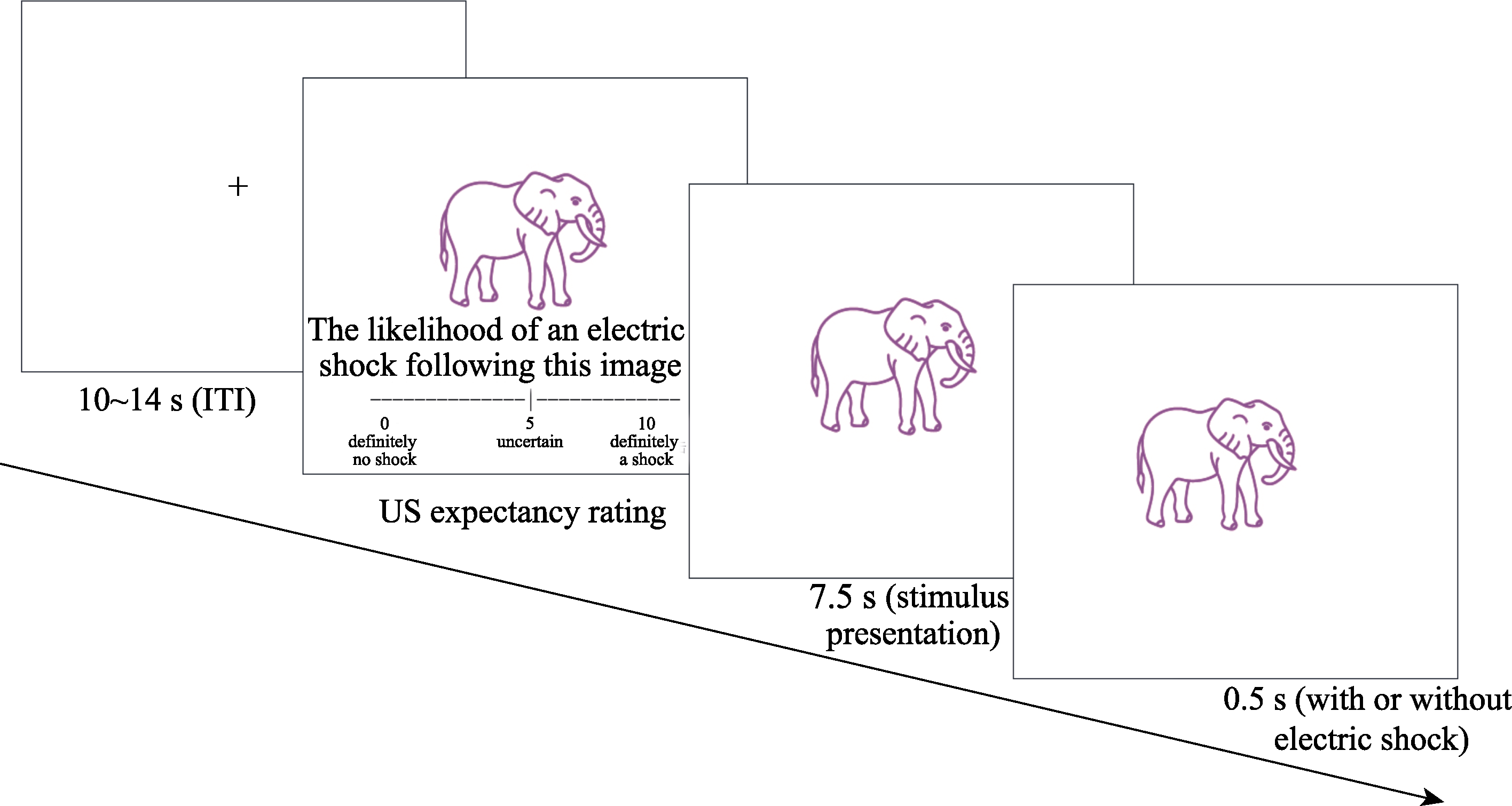
Figure 1. Schematic diagram of an experimental trial.
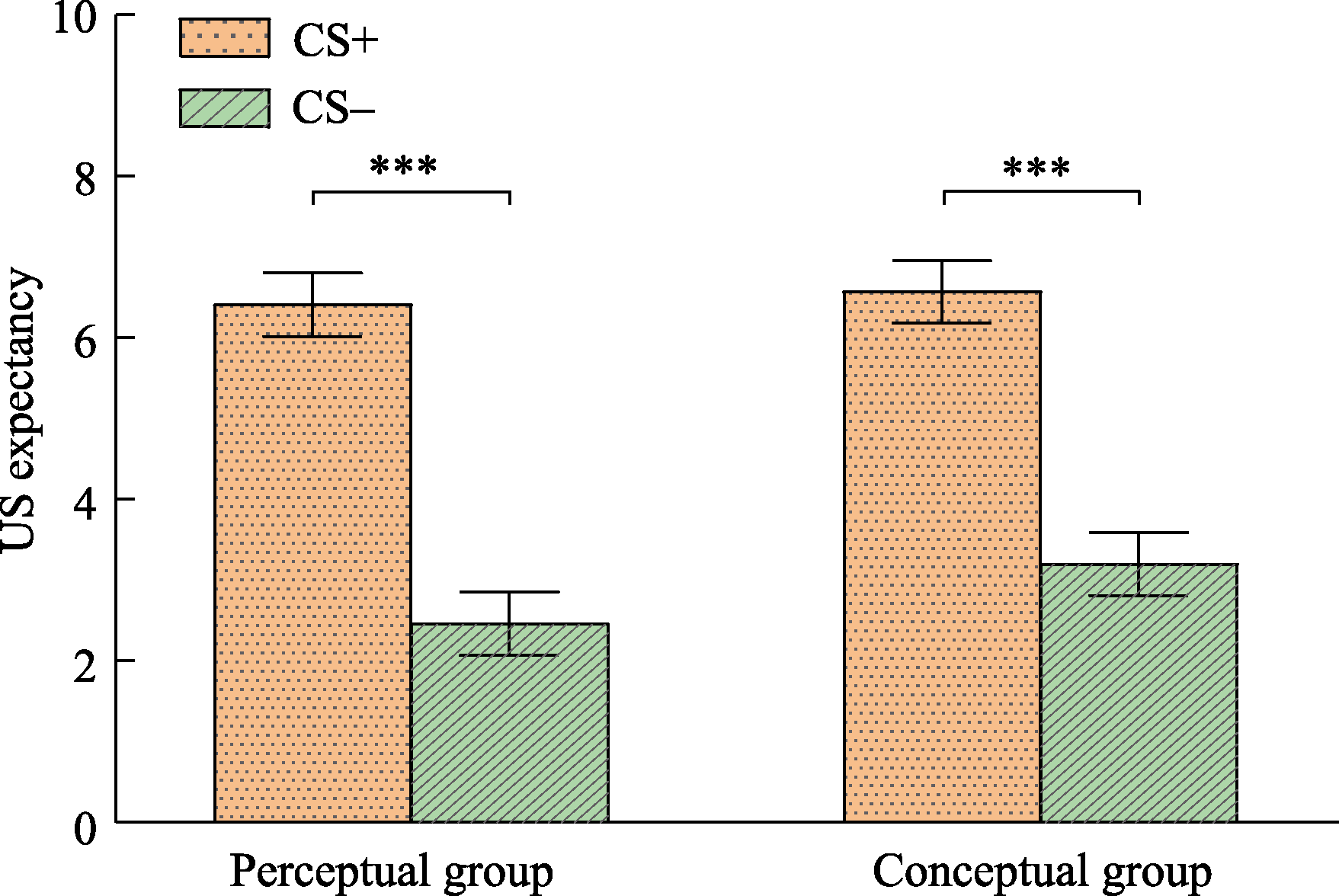
Figure 2. US expectancy for CS+ and CS? in both groups during the fear acquisition. Note. *p < 0.05, **p < 0.01, ***p < 0.001, ns = non-significant. Error bars represent standard errors. The same applies below.
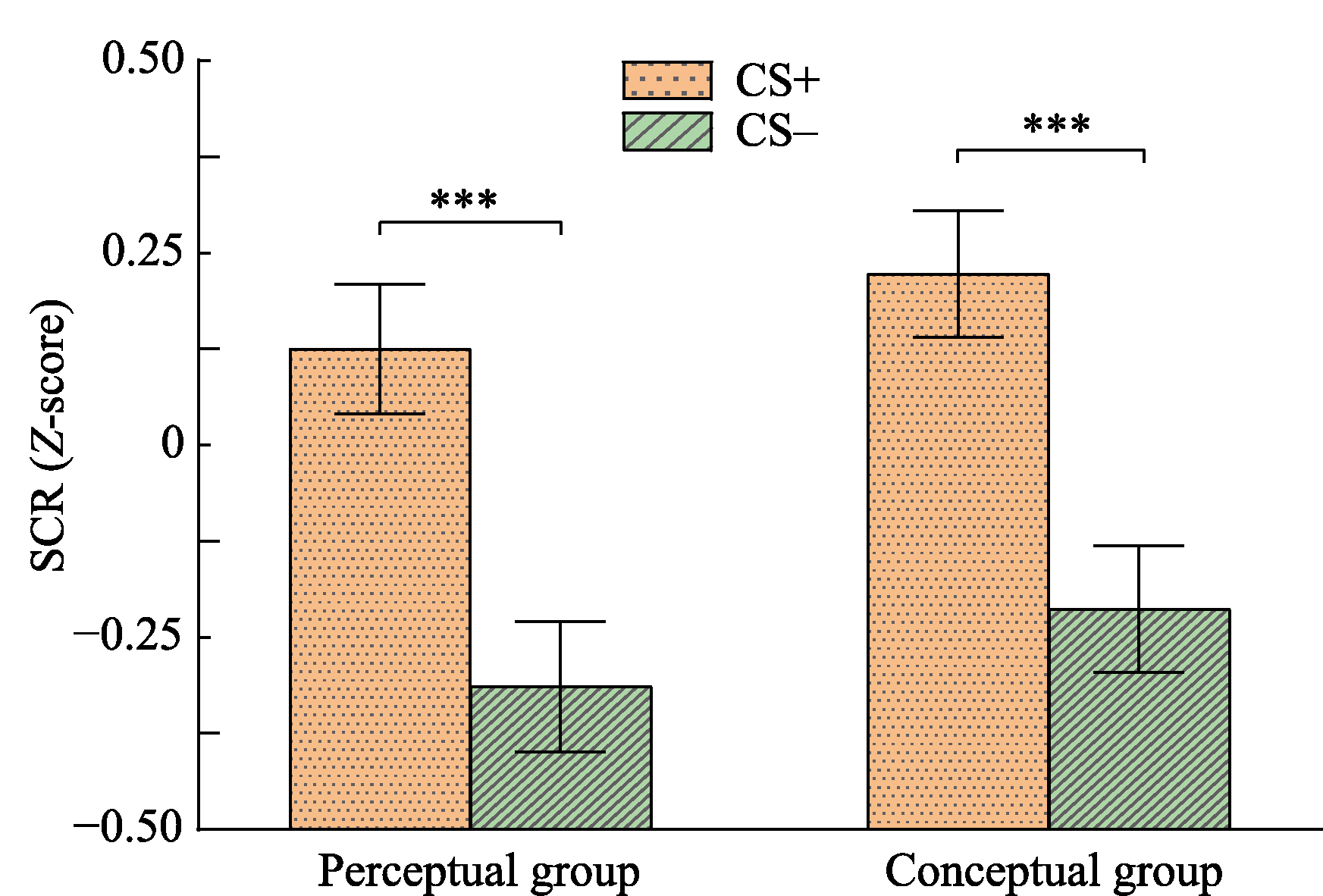
Figure 3. SCR for CS+ and CS? in both groups during the fear acquisition.
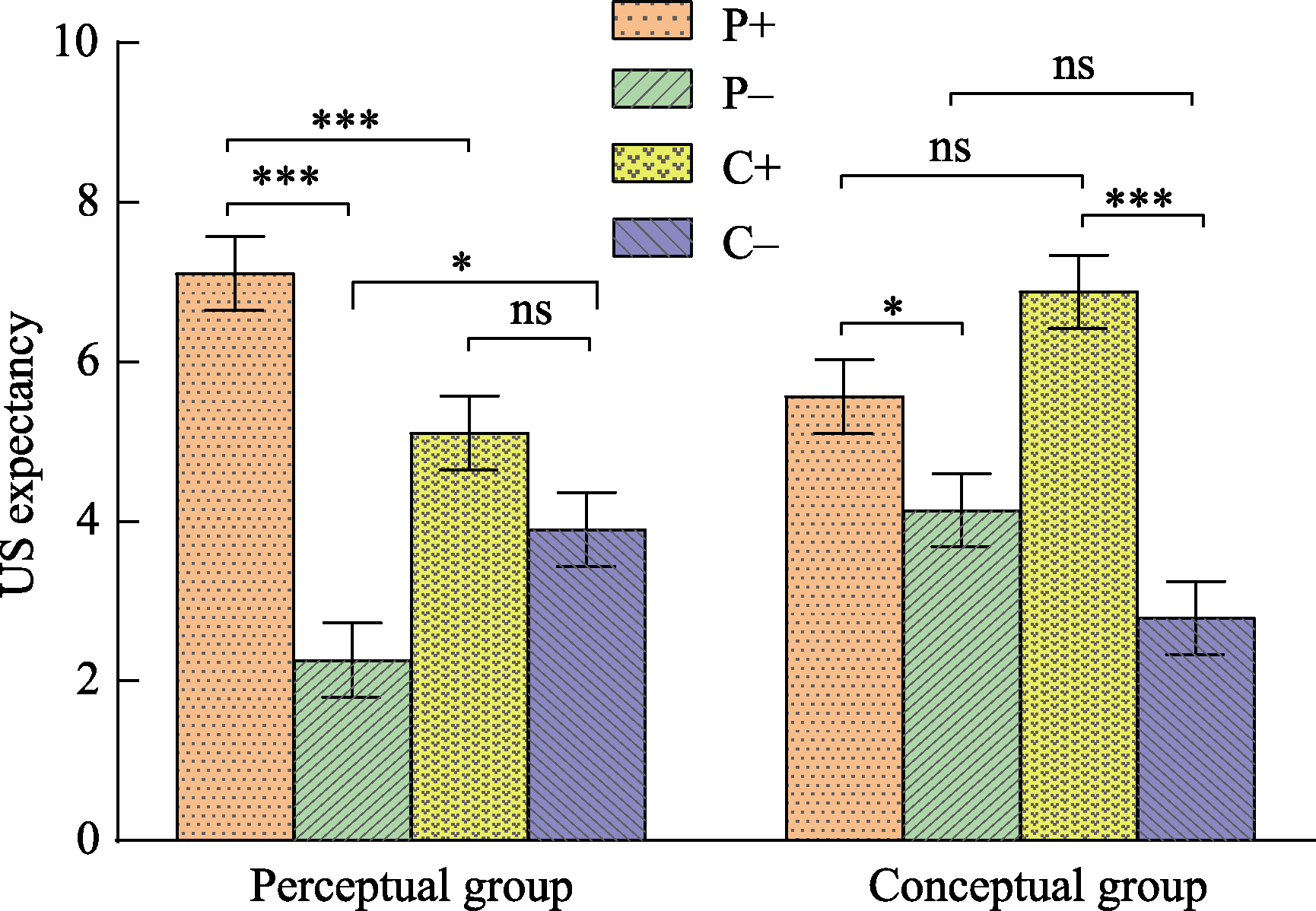
Figure 4. Overall US expectancy for GS in both groups during the generalization test 1.
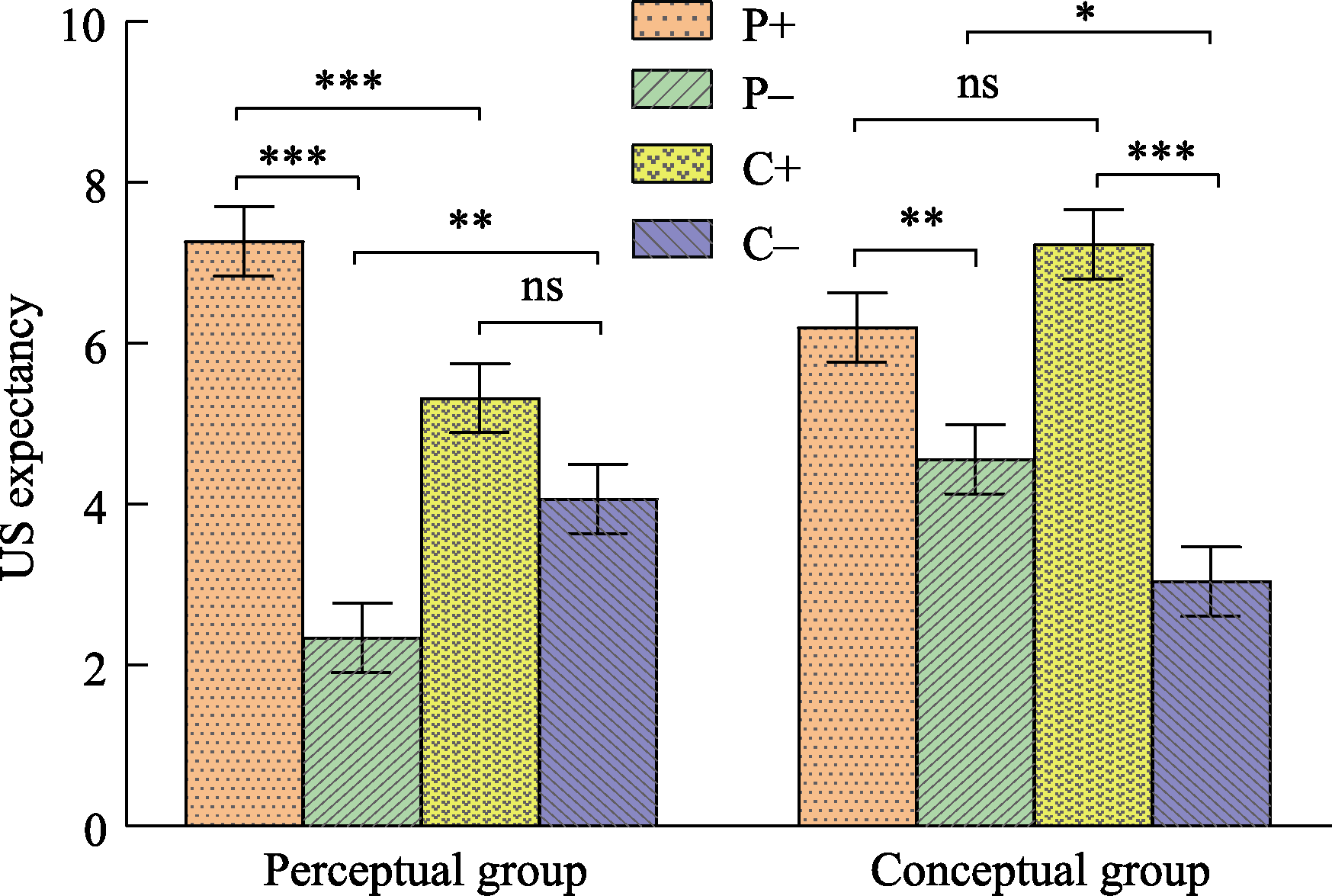
Figure 5. Overall US expectancy for GS in both groups during the generalization test 2.
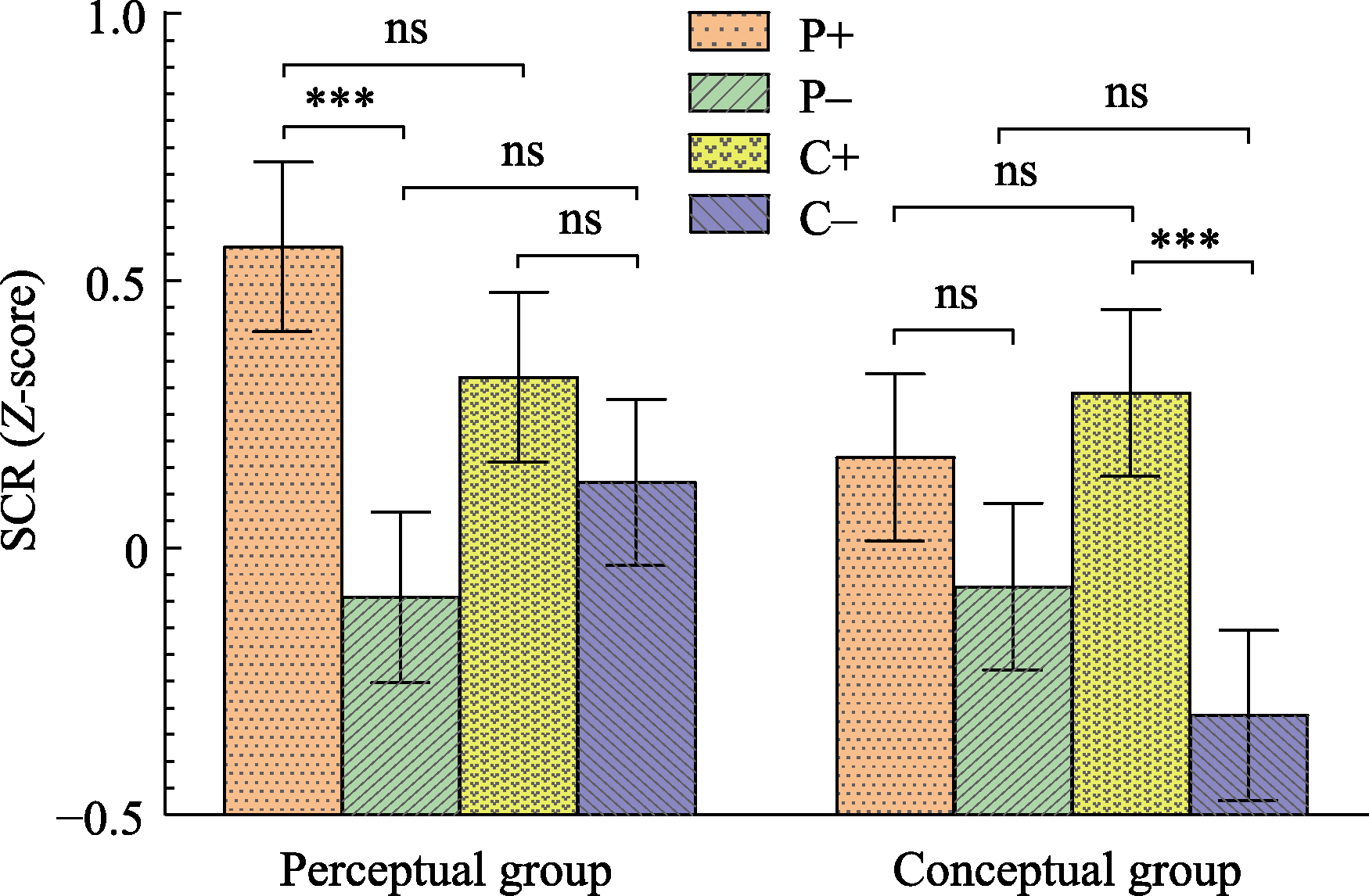
Figure 6. Overall SCR (Z-score) for GS in both groups during the generalization test 2.
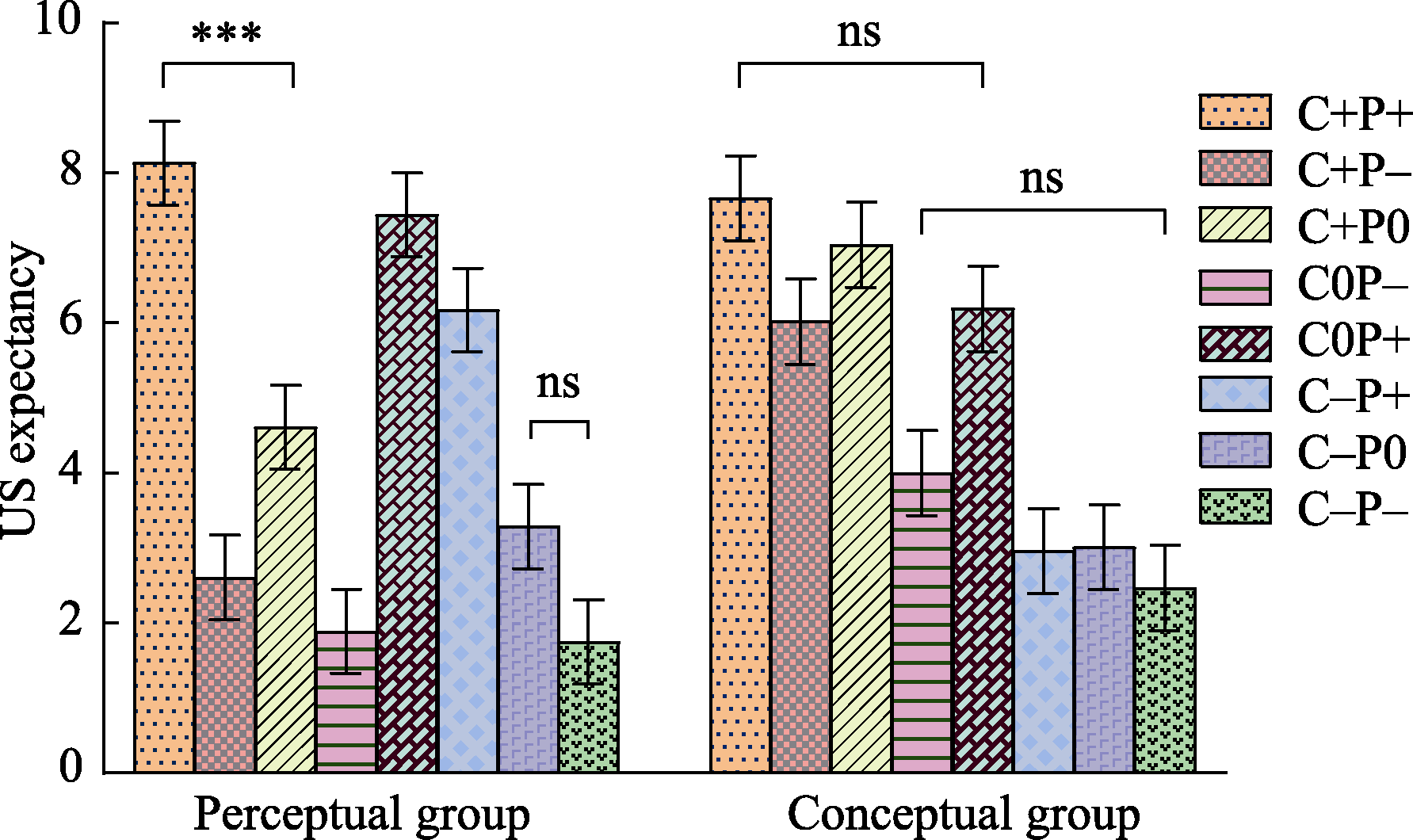
Figure 7. US expectancy for each GS in both groups during generalization test 1.
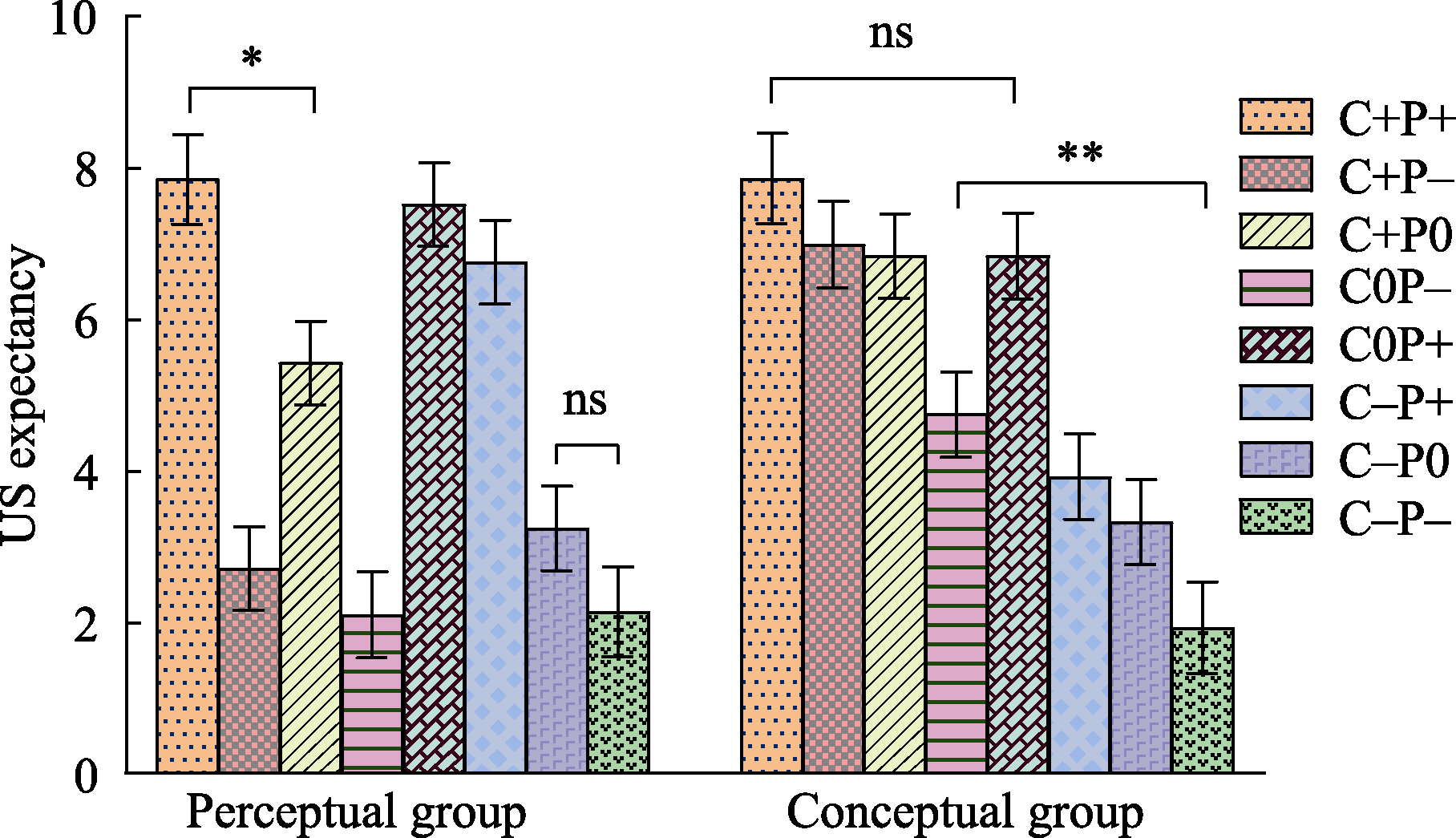
Figure 8. US expectancy for each GS in both groups during generalization test 2.
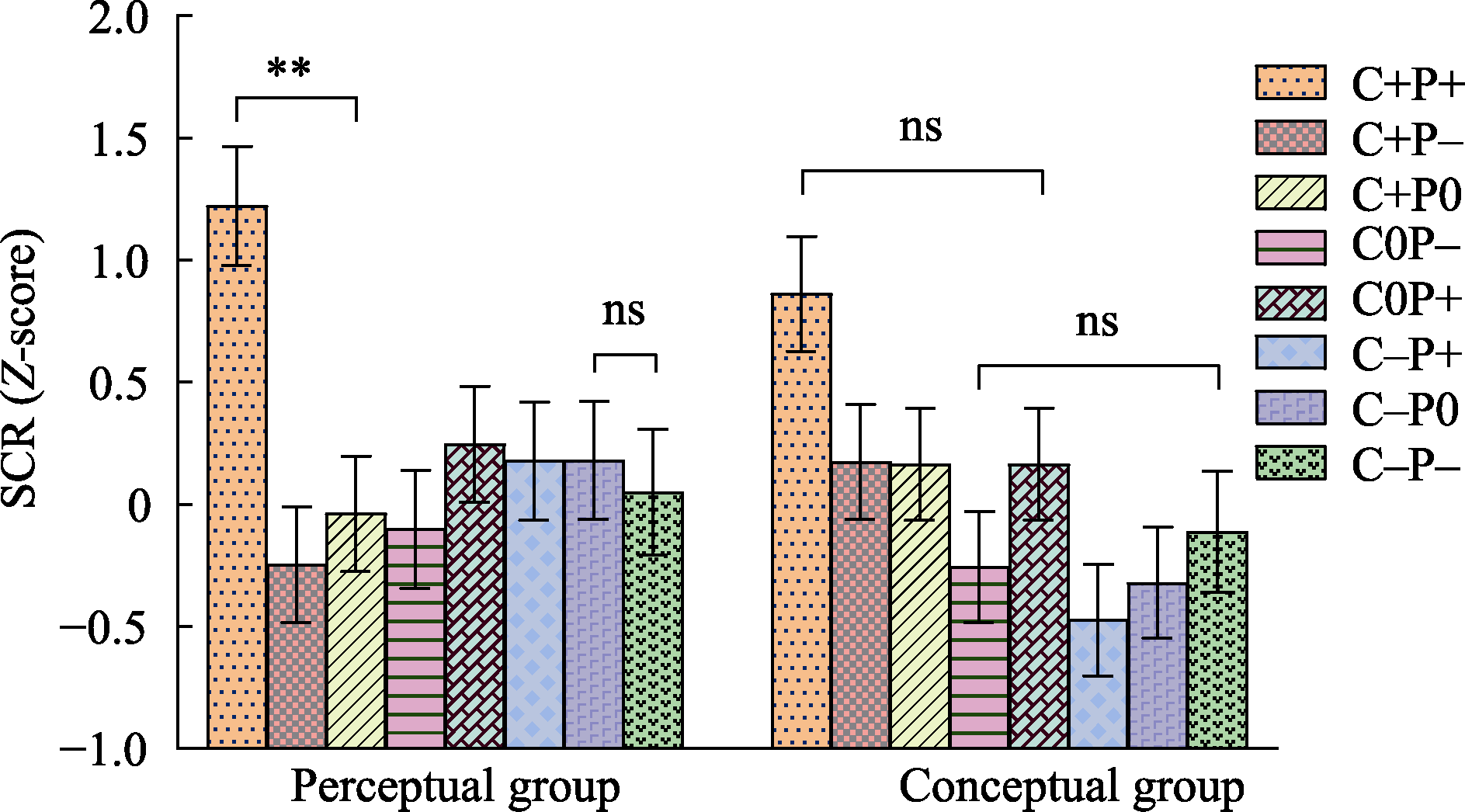
Figure 9. SCR for each GS in both groups during generalization test 2.
 |
| |
 |
| |
 |
| |
| [1] | Ahmed O., & Lovibond P. F. (2015). The impact of previously learned feature-relevance on generalisation of conditioned fear in humans. Journal of Behavior Therapy and Experimental Psychiatry, 46, 59-65. https://doi.org/10.1016/j.jbtep.2014.08.001 |
| [2] | American Psychiatric Association. (2013). Diagnostic and statistical manual of mental disorders: DSM-5. Washington, DC: American Psychiatric Publishing. |
| [3] | Bauer E. A., MacNamara A., Sandre A., Lonsdorf T. B., Weinberg A., Morriss J., & van Reekum C. M. (2020). Intolerance of uncertainty and threat generalization: A replication and extension. Psychophysiology, 57(5), e13546. https://doi.org/10.1111/psyp.13546 |
| [4] | Blair M. R., Watson M. R., Walshe R. C., & Maj F. (2009). Extremely selective attention: eye-tracking studies of the dynamic allocation of attention to stimulus features in categorization. Journal of Experimental Psychology: Learning, Memory, and Cognition, 35(5), 1196-1206. https://doi.org/10.1037/a0016272 |
| [5] | Cooper S. E., van Dis E. A. M., Hagenaars M. A., Krypotos A. M., Nemeroff C. B., Lissek S.,... Dunsmoor J. E. (2022). A meta- analysis of conditioned fear generalization in anxiety-related disorders. Neuropsychopharmacology, 47(9), 1652-1661. https://doi.org/10.1038/s41386-022-01332-2 |
| [6] |
Dowd E. W., Mitroff S. R., & LaBar K. S. (2016). Fear generalization gradients in visuospatial attention. Emotion, 16(7), 1011-1018. https://doi.org/10.1037/emo0000197
doi: 10.1037/emo0000197 URL pmid: 27213724 |
| [7] |
Dunsmoor J. E., & LaBar K. S. (2013). Effects of discrimination training on fear generalization gradients and perceptual classification in humans. Behavioral Neuroscience, 127(3), 350-356. https://doi.org/10.1037/a0031933
doi: 10.1037/a0031933 URL pmid: 23421709 |
| [8] |
Dunsmoor J. E., Martin A., & LaBar K. S. (2012). Role of conceptual knowledge in learning and retention of conditioned fear. Biological Psychology, 89(2), 300-305. https://doi.org/10.1016/j.biopsycho.2011.11.002
doi: 10.1016/j.biopsycho.2011.11.002 URL pmid: 22118937 |
| [9] |
Dunsmoor J. E., & Murphy G. L. (2014). Stimulus typicality determines how broadly fear is generalized. Psychological Science, 25(9), 1816-1821. https://doi.org/10.1177/0956797614535401
doi: 10.1177/0956797614535401 URL pmid: 25015685 |
| [10] |
Dunsmoor J. E., & Murphy G. L. (2015). Categories, concepts, and conditioning: How humans generalize fear. Trends in Cognitive Sciences, 19(2), 73-77. https://doi.org/10.1016/j.tics.2014.12.003
doi: 10.1016/j.tics.2014.12.003 URL pmid: 25577706 |
| [11] |
Dunsmoor J. E., & Paz R. (2015). Fear generalization and anxiety: Behavioral and neural mechanisms. Biological Psychiatry, 78(5), 336-343. https://doi.org/10.1016/j.biopsych.2015.04.010
doi: 10.1016/j.biopsych.2015.04.010 URL pmid: 25981173 |
| [12] |
Dymond S., Dunsmoor J. E., Vervliet B., Roche B., & Hermans D. (2015). Fear generalization in humans: Systematic review and implications for anxiety disorder research. Behavior Therapy, 46(5), 561-582. https://doi.org/10.1016/j.beth.2014.10.001
doi: 10.1016/j.beth.2014.10.001 URL pmid: 26459838 |
| [13] | Fan M., Zhang D., Zhao S., Xie Q., Chen W., Jie J.,... Zheng X. (2022). Stimulus diversity increases category-based fear generalization and the effect of intolerance of uncertainty. Behaviour Research and Therapy, 159, 104201. https://doi.org/10.1016/j.brat.2022.104201 |
| [14] | Feng B., Zeng L., Hu Z., Fan X., Ai X., Huang F., & Zheng X. (2025). Global precedence effect in fear generalization and the role of trait anxiety and intolerance of uncertainty. Behaviour Research and Therapy, 184, 104669. https://doi.org/10.1016/j.brat.2024.104669 |
| [15] |
Fernandes A. C., & Garcia-Marques T. (2020). A meta-analytical review of the familiarity temporal effect: Testing assumptions of the attentional and the fluency-attributional accounts. Psychological Bulletin, 146(3), 187-217. https://doi.org/10.1037/bul0000222
doi: 10.1037/bul0000222 URL pmid: 31944797 |
| [16] |
Finucane A. M., & Power M. J. (2010). The effect of fear on attentional processing in a sample of healthy females. Journal of Anxiety Disorders, 24(1), 42-48. https://doi.org/10.1016/j.janxdis.2009.08.005
doi: 10.1016/j.janxdis.2009.08.005 URL pmid: 19729280 |
| [17] |
Franconeri S. L., Alvarez G. A., & Cavanagh P. (2013). Flexible cognitive resources: Competitive content maps for attention and memory. Trends in Cognitive Sciences, 17(3), 134-141. https://doi.org/10.1016/j.tics.2013.01.010
doi: 10.1016/j.tics.2013.01.010 URL pmid: 23428935 |
| [18] | Fraunfelter L., Gerdes A. B. M., & Alpers G. W. (2022). Fear one, fear them all: A systematic review and meta-analysis of fear generalization in pathological anxiety. Neuroscience and Biobehavioral Reviews, 139, 104707. https://doi.org/10.1016/j.neubiorev.2022.104707 |
| [19] | Gerdes A. B. M., Fraunfelter L., & Alpers G. W. (2020). Hear it, fear it: Fear generalizes from conditioned pictures to semantically related sounds. Journal of Anxiety Disorders, 69, 102174. https://doi.org/10.1016/j.janxdis.2019.102174 |
| [20] |
Gerlach C. (2009). Category-specificity in visual object recognition. Cognition, 111(3), 281-301. https://doi.org/10.1016/j.cognition.2009.02.005
doi: 10.1016/j.cognition.2009.02.005 URL pmid: 19324331 |
| [21] | Goldstone, R. L., Steyvers M., Spencer-Smith J., & Kersten A. (2000). Interactions between perceptual and conceptual learning. In E. Dietrich & A. B. Markman (Eds.), Cognitive dynamics: Conceptual and representational change in humans and machines. (pp.191-228). Lawrence Erlbaum Associates Publishers. |
| [22] |
Golkar A., Selbing I., Flygare O., Ohman A., & Olsson A. (2013). Other people as means to a safe end: Vicarious extinction blocks the return of learned fear. Psychological Science, 24(11), 2182-2190. https://doi.org/10.1177/0956797613489890
doi: 10.1177/0956797613489890 URL pmid: 24022651 |
| [23] | Gong X., Xie X. Y., Xu R., & Luo Y. J. (2010). Psychometric properties of the Chinese Versions of DASS-21 in Chinese college students. Chinese Journal of Clinical Psychology, 18(4), 443-446. https://doi.org/10.16128/j.cnki.1005-3611.2010.04.020 |
| [24] |
Grill-Spector K., & Weiner K. S. (2014). The functional architecture of the ventral temporal cortex and its role in categorization. Nature Reviews Neuroscience, 15(8), 536-548. https://doi.org/10.1038/nrn3747
doi: 10.1038/nrn3747 URL pmid: 24962370 |
| [25] |
Hasson U., Chen J., & Honey C. J. (2015). Hierarchical process memory: Memory as an integral component of information processing. Trends in Cognitive Sciences, 19(6), 304-313. https://doi.org/10.1016/j.tics.2015.04.006
doi: 10.1016/j.tics.2015.04.006 URL pmid: 25980649 |
| [26] | Hinrichs R., van Rooij S. J., Michopoulos V., Schultebraucks K., Winters S., Maples-Keller J.,... Jovanovic T. (2019). Increased skin conductance response in the immediate aftermath of trauma predicts PTSD risk. Chronic Stress, 3, 1-11. https://doi.org/10.1177/2470547019844441 |
| [27] |
Jepma M., & Wager T. D. (2015). Conceptual conditioning: Mechanisms mediating conditioning effects on pain. Psychological Science, 26(11), 1728-1739. https://doi.org/10.1177/0956797615597658
doi: 10.1177/0956797615597658 URL pmid: 26381506 |
| [28] | Kan I. P., & Thompson-Schill S. L. (2004). Selection from perceptual and conceptual representations. Cognitive, Affective, & Behavioral Neuroscience, 4(4), 466-482. https://doi.org/10.3758/cabn.4.4.466 |
| [29] | Kim S., & Rehder B. (2010). How prior knowledge affects selective attention during category learning: An eyetracking study. Memory & Cognition, 39(4), 649-665. https://doi.org/10.3758/s13421-010-0050-3. |
| [30] |
LeDoux J. E., & Pine D. S. (2016). Using neuroscience to help understand fear and anxiety: A two-system framework. American Journal of Psychiatry, 173(11), 1083-1093. https://doi.org/10.1176/appi.ajp.2016.16030353
URL pmid: 27609244 |
| [31] | Lee Y. I., Lee D., Kim H., Kim M. J., Jeong H., Kim D.,... Choi S. H. (2024). Overgeneralization of conditioned fear in patients with social anxiety disorder. Frontiers in Psychiatry, 15, 1415135. https://doi.org/10.3389/fpsyt.2024.1415135 |
| [32] | Lei Y., Wang J. X., Cheng Q. F., Zhang W. H., & Mei E. (2017). The influence mechanism of categories and concepts on fear generalization. Journal of Psychological Science, 40(5), 1266-1273. https://doi.org/10.16719/j.cnki.1671-6981.20170537 |
| [33] |
Liao S. Q., & Zheng X. F. (2016). Inhibition of cognitive reappraisal on the negative valence facilitates extinction in conditioned fear. Acta Psychologica Sinica, 48(4), 352-361. https://doi.org/10.3724/sp.J.1041.2016.00352
doi: 10.3724/SP.J.1041.2016.00352 URL |
| [34] | Lipp O. V., Waters A. M., Luck C. C., Ryan K. M., & Craske M. G. (2020). Novel approaches for strengthening human fear extinction: The roles of novelty, additional USs, and additional GSs. Behaviour Research and Therapy, 124, 103529. https://doi.org/10.1016/j.brat.2019.103529 |
| [35] |
Lissek S., Biggs A. L., Rabin S. J., Cornwell B. R., Alvarez R. P., Pine D. S., & Grillon C. (2008). Generalization of conditioned fear-potentiated startle in humans: Experimental validation and clinical relevance. Behaviour Research and Therapy, 46(5), 678-687. https://doi.org/10.1016/j.brat.2008.02.005
doi: 10.1016/j.brat.2008.02.005 URL pmid: 18394587 |
| [36] |
Lopresto D., Schipper P., & Homberg J. R. (2016). Neural circuits and mechanisms involved in fear generalization: Implications for the pathophysiology and treatment of posttraumatic stress disorder. Neuroscience and Biobehavioral Reviews, 60, 31-42. https://doi.org/10.1016/j.neubiorev.2015.10.009
doi: 10.1016/j.neubiorev.2015.10.009 URL pmid: 26519776 |
| [37] |
Mertens G., Bouwman V., & Engelhard I. M. (2021). Conceptual fear generalization gradients and their relationship with anxious traits: Results from a Registered Report. International Journal of Psychophysiology, 170, 43-50. https://doi.org/10.1016/j.ijpsycho.2021.09.007
doi: 10.1016/j.ijpsycho.2021.09.007 URL pmid: 34606931 |
| [38] |
Morey R. A., Haswell C. C., Stjepanovic D., Mid-Atlantic M. W., Dunsmoor J. E., & LaBar K. S. (2020). Neural correlates of conceptual-level fear generalization in posttraumatic stress disorder. Neuropsychopharmacology, 45(8), 1380-1389. https://doi.org/10.1038/s41386-020-0661-8
doi: 10.1038/s41386-020-0661-8 URL pmid: 32222725 |
| [39] |
Mulckhuyse M., Crombez G., & Van der Stigchel S. (2013). Conditioned fear modulates visual selection. Emotion, 13(3), 529-536. https://doi.org/10.1037/a0031076
doi: 10.1037/a0031076 URL pmid: 23356561 |
| [40] | Nosofsky R. M. (1986). Attention, similarity, and the identification-categorization relationship. Journal of Experimental Psychology: General, 115(1), 39-57. |
| [41] | Peperkorn H. M., Alpers G. W., & Mühlberger A. (2013). Triggers of fear: Perceptual cues versus conceptual information in spider phobia. Journal of Clinical Psychology, 70(7), 704-714. https://doi.org/10.1002/jclp.22057 |
| [42] |
Resnik J., Sobel N., & Paz R. (2011). Auditory aversive learning increases discrimination thresholds. Nature neuroscience, 14(6), 791-796. https://doi.org/10.1038/nn.2802
doi: 10.1038/nn.2802 URL pmid: 21552275 |
| [43] | Reutter M., & Gamer M. (2023). Individual patterns of visual exploration predict the extent of fear generalization in humans. Emotion, 23(5), 1267-1280. https://doi.org/10.1037/emo0001134 |
| [44] | Scheveneels S., Boddez Y., & Hermans D. (2021). Predicting clinical outcomes via human fear conditioning: A narrative review. Behaviour Research and Therapy, 142, 103870. https://doi.org/10.1016/j.brat.2021.103870 |
| [45] | Sep M. S. C., Steenmeijer A., & Kennis M. (2019). The relation between anxious personality traits and fear generalization in healthy subjects: A systematic review and meta-analysis. Neuroscience & Biobehavioral Reviews, 107, 320-328. https://doi.org/10.1016/j.neubiorev.2019.09.029 |
| [46] |
Shepard R. N. (1987). Toward a universal law of generalization for psychological science. Science, 237(4820), 1317-1323. http://www.jstor.org/stable/1700004
doi: 10.1126/science.3629243 URL pmid: 3629243 |
| [47] |
Shiban Y., Peperkorn H., Alpers G. W., Pauli P., & Mühlberger A. (2016). Influence of perceptual cues and conceptual information on the activation and reduction of claustrophobic fear. Journal of Behavior Therapy and Experimental Psychiatry, 51, 19-26. https://doi.org/10.1016/j.jbtep.2015.11.002
doi: 10.1016/j.jbtep.2015.11.002 URL pmid: 26687921 |
| [48] | Stegmann Y., Schiele M. A., Schümann D., Lonsdorf T. B., Zwanzger P., Romanos M.,... Pauli P. (2019). Individual differences in human fear generalization—pattern identification and implications for anxiety disorders. Translational Psychiatry, 9(1), 307. https://doi.org/10.1038/s41398-019-0646-8 |
| [49] |
Vervliet B., & Geens M. (2014). Fear generalization in humans: Impact of feature learning on conditioning and extinction. Neurobiology of Learning and Memory, 113, 143-148. https://doi.org/10.1016/j.nlm.2013.10.002
doi: 10.1016/j.nlm.2013.10.002 URL pmid: 24120427 |
| [50] | Vervliet B., Kindt M., Vansteenwegen D., & Hermans D. (2010a). Fear generalization in humans: Impact of prior non-fearful experiences. Behaviour Research and Therapy, 48(11), 1078-1084. https://doi.org/10.1016/j.brat.2010.07.002 |
| [51] | Vervliet B., Kindt M., Vansteenwegen D., & Hermans D. (2010b). Fear generalization in humans: Impact of verbal instructions. Behaviour Research and Therapy, 48(1), 38-43. https://doi.org/10.1016/j.brat.2009.09.005 |
| [52] |
Vuilleumier P. (2005). How brains beware: Neural mechanisms of emotional attention. Trends in Cognitive Sciences, 9(12), 585-594. https://doi.org/10.1016/j.tics.2005.10.011
doi: 10.1016/j.tics.2005.10.011 URL pmid: 16289871 |
| [53] | Wang J., Mei E., Wu Q., Xie T., Dou H., & Lei Y. (2021). Influence of perceptual and conceptual information on fear generalization: A behavioral and event-related potential study. Cognitive, Affective, & Behavioral Neuroscience, 21(5), 1054-1065. https://doi.org/10.3758/s13415-021-00912-x |
| [54] | Wang J., Wang Y., Liao M., Zou Y., Lei Y., & Zhu Y. (2021). Conditioned generalisation in generalised anxiety disorder: The role of concurrent perceptual and conceptual cues. Cognition and Emotion, 35(8), 1516-1526. https://doi.org/10.1080/02699931.2021.1982677 |
| [55] | Wang L., Liu W. T., Zhu X. Z., Wang Y. P., Li L.Y., Yang Y. L. & George R. A. (2014). Validity and reliability of the Chinese Version of the Anxiety Sensitivity Index-3 in healthy adult women. Chinese Mental Health Journal, 28(10), 767-771. |
| [56] |
Webler R. D., Berg H., Fhong K., Tuominen L., Holt D. J., Morey R. A.,... Lissek S. (2021). The neurobiology of human fear generalization: Meta-analysis and working neural model. Neuroscience and Biobehavioral Reviews, 128, 421-436. https://doi.org/10.1016/j.neubiorev.2021.06.035
doi: 10.1016/j.neubiorev.2021.06.035 URL pmid: 34242718 |
| [57] | Wong A. H. K., & Lovibond P. F. (2021). Breakfast or bakery? The role of categorical ambiguity in overgeneralization of learned fear in trait anxiety. Emotion, 21(4), 856-870. https://doi.org/10.1037/emo0000739 |
| [58] | Wickens, C. D. (1991). Processing resources and attention. In D. Damos (Ed.), Multiple task performance (pp. 3-34). CRC Press. |
| [59] | Zaman J., Yu K., & Lee J. C. (2023). Individual differences in stimulus identification, rule induction, and generalization of learning. Journal of Experimental Psychology: Learning, Memory, and Cognition, 49(6), 1004-1017. https://doi.org/10.1037/xlm0001153 |
| [60] | Zhang J., Wang J., Wang Y., Zhang D., Li H., & Lei Y. (2024). Sleep deprivation increases the generalization of perceptual and concept-based fear: An fNIRS study. Journal of Anxiety Disorders, 105, 102892. https://doi.org/10.1016/j.janxdis.2024.102892 |
| [61] | Zhang Y. J., Song J. B., Gao Y. T., Wu S. J., Song L., & Miao D. M. (2017). Reliability and validity of the Intolerance of Uncertainty Scale-Short form in university students. Chinese Journal of Clinical Psychology, 25(2), 285-288. https://doi.org/10.16128/j.cnki.1005-3611.2017.02.020 |
| Viewed | ||||||
|
Full text |
|
|||||
|
Abstract |
|
|||||
