

ISSN 0439-755X
CN 11-1911/B
CN 11-1911/B
Acta Psychologica Sinica ›› 2025, Vol. 57 ›› Issue (9): 1609-1621.doi: 10.3724/SP.J.1041.2025.1609
• Reports of Empirical Studies • Previous Articles Next Articles
WANG Jixian1, LIU Minghui1,2( )
)
Published:2025-09-25
Online:2025-06-26
Contact:
LIU Minghui
E-mail:liumh827@126.com
WANG Jixian, LIU Minghui. (2025). The unconscious integration advantage of self-related information: Evidence from the subliminal same−different task paradigm. Acta Psychologica Sinica, 57(9), 1609-1621.
Add to citation manager EndNote|Ris|BibTeX
URL: https://journal.psych.ac.cn/acps/EN/10.3724/SP.J.1041.2025.1609
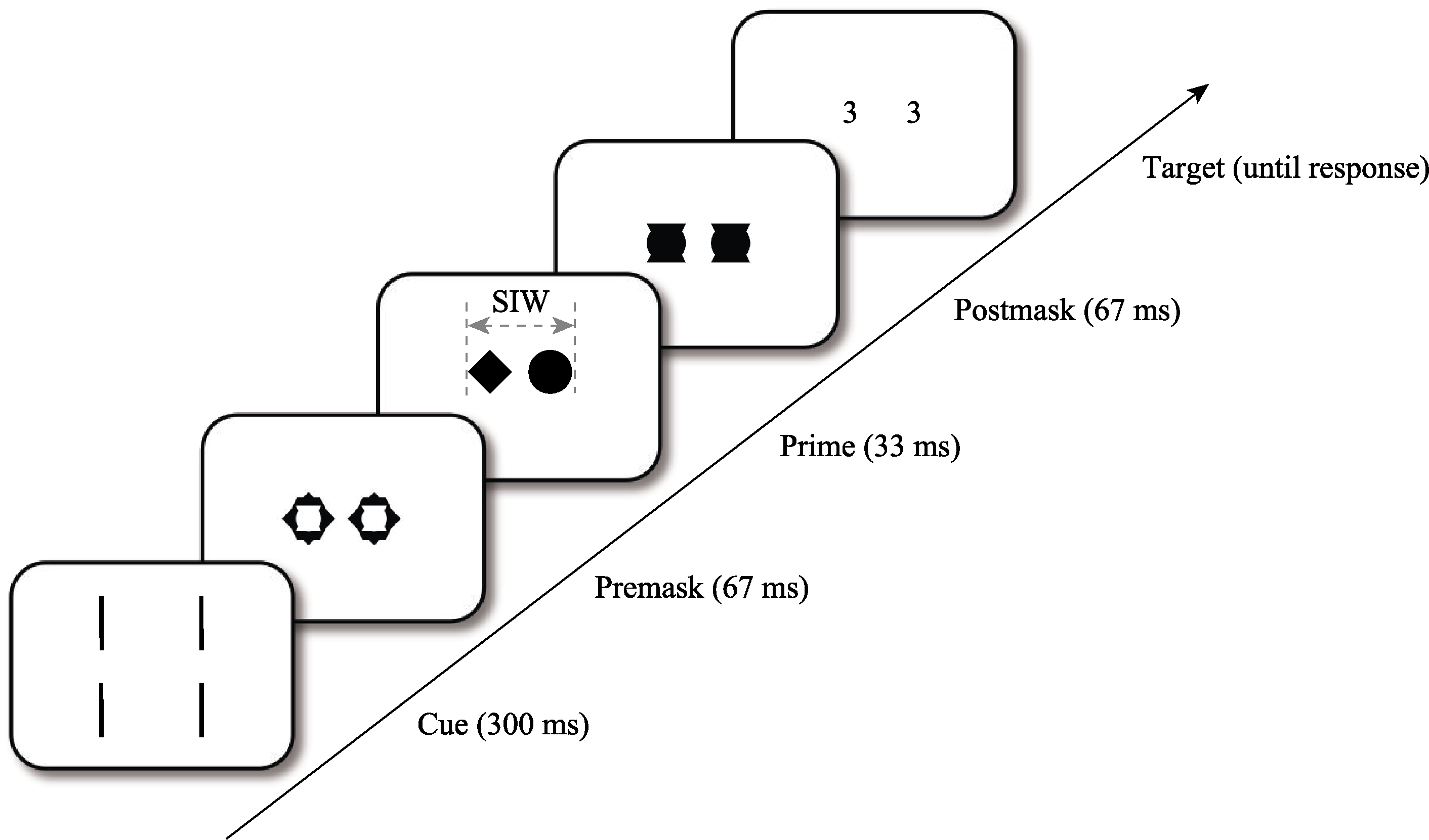
Figure 1. Flowchart of a single trial in the Same-Different Judgment Task.
| SIW | Side length |
|---|---|
| 1.53 | 0.51 |
| 4.02 | 0.79 |
| 6.51 | 1.02 |
Table1 SIW and side length of the enclosing Square(°)
| SIW | Side length |
|---|---|
| 1.53 | 0.51 |
| 4.02 | 0.79 |
| 6.51 | 1.02 |
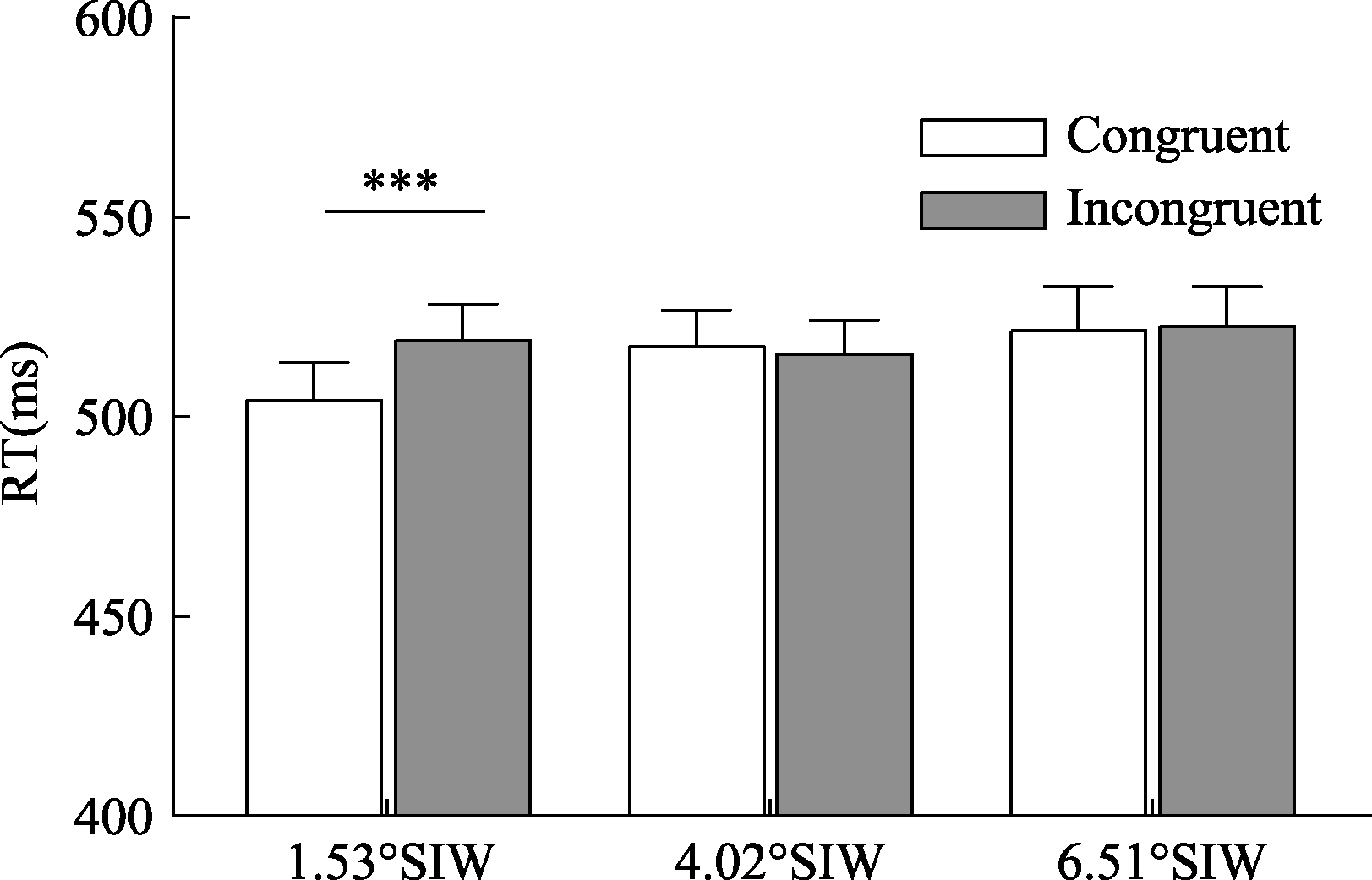
Figure 2. Bar chart of Reaction Time Results in the Same-Different Judgment Task for Experiment 1.
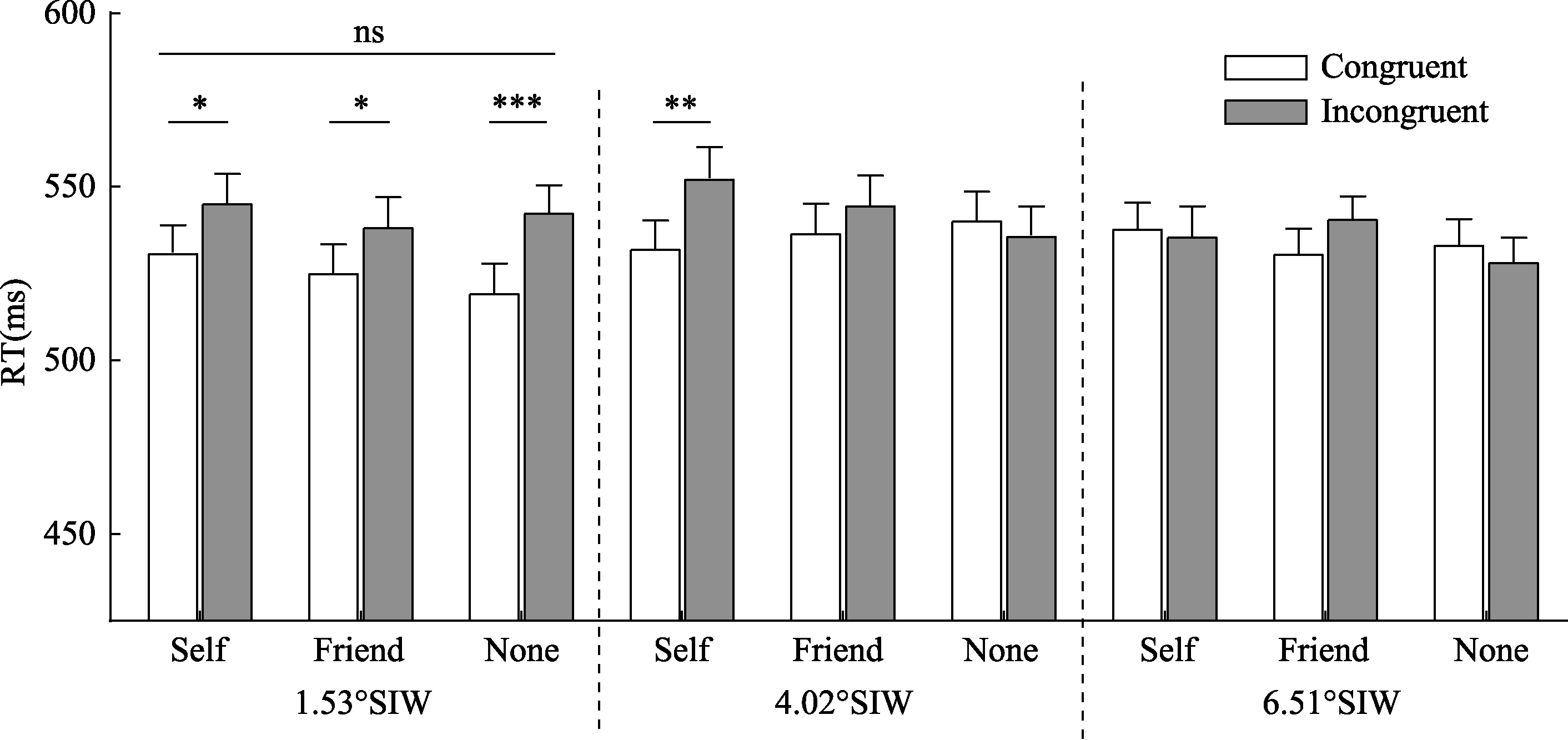
Figure 3. Bar chart of Reaction Time Results in the Same-Different Judgment Task for Experiment 2.
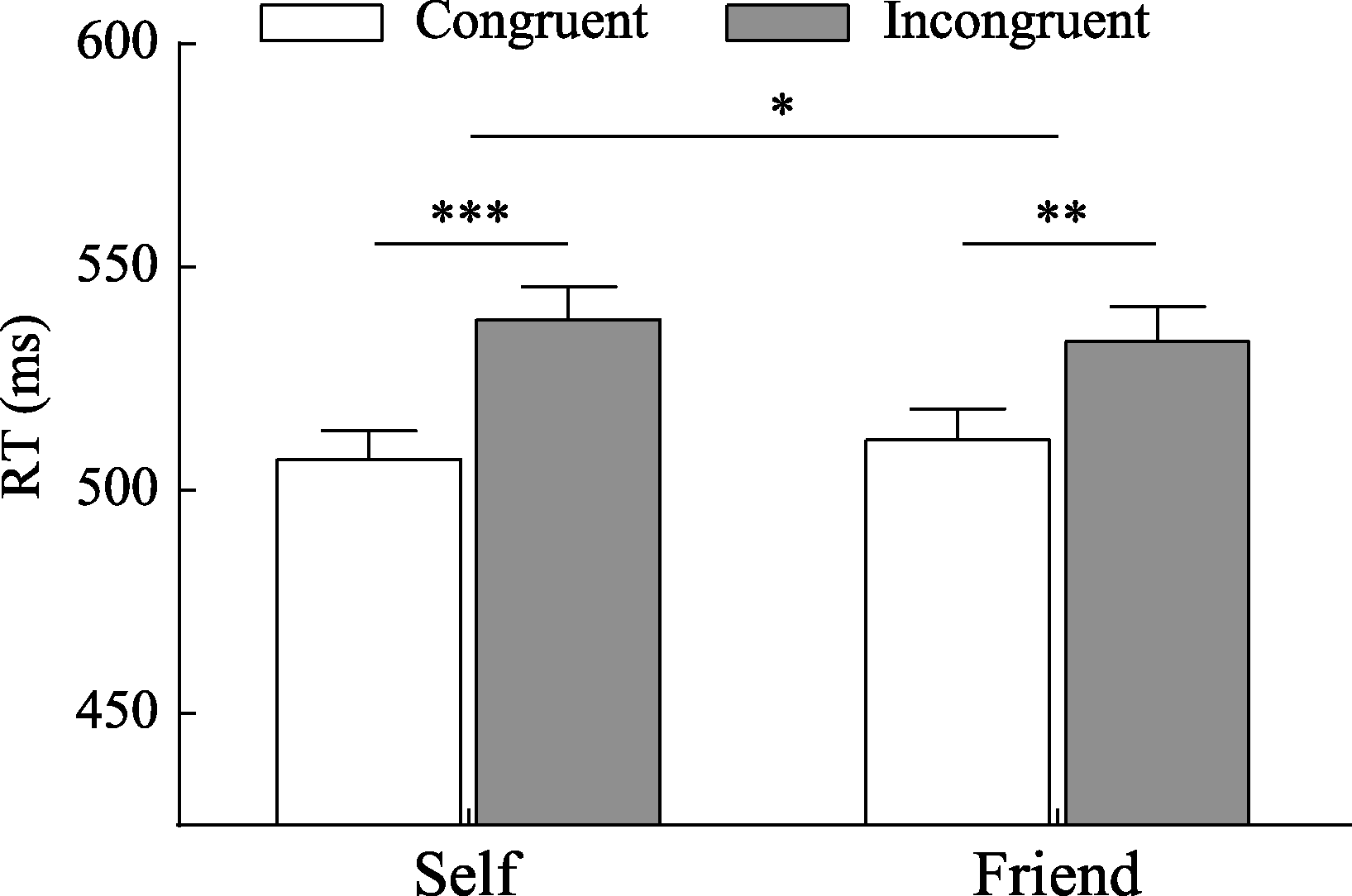
Figure 4. Bar chart of reaction time results in the Same-Different Judgment Task for Experiment 3.
| [1] | Alexopoulos, T., Muller, D., Ric, F., & Marendaz, C. (2012). I, me, mine: Automatic attentional capture by self‐related stimuli. European Journal of Social Psychology, 42(6), 770-779. |
| [2] | Bai, W., Liu, A., & Liu, M. (2021). Self-related processing in adult survivors of childhood psychological maltreatment. Journal of Psychological Science, 44(2), 473-480. |
| [3] |
Bengtsson, S. L., Dolan, R. J., & Passingham, R. E. (2011). Priming for self-esteem influences the monitoring of one's own performance. Social Cognitive and Affective Neuroscience, 6(4), 417-425.
doi: 10.1093/scan/nsq048 pmid: 20551143 |
| [4] | Biafora, M., & Schmidt, T. (2020). Induced dissociations: Opposite time courses of priming and masking induced by custom-made mask-contrast functions. Attention, Perception, & Psychophysics, 82(3), 1333-1354. |
| [5] |
Biderman, N., & Mudrik, L. (2018). Evidence for implicit—but not unconscious—processing of object-scene relations. Psychological Science, 29(2), 266-277.
doi: 10.1177/0956797617735745 pmid: 29283750 |
| [6] | Bola, M., Paź, M., Doradzińska, Ł., & Nowicka, A. (2021). The self-face captures attention without consciousness: Evidence from the N2pc ERP component analysis. Psychophysiology, 58(4), e13759. |
| [7] | Cho, S., & He, S. (2019). Size-invariant but location-specific object-viewpoint adaptation in the absence of awareness. Cognition, 192, 104035. |
| [8] | Dehaene, S., Changeux, J.-P., & Naccache, L. (2011). The global neuronal workspace model of conscious access:From neuronal architectures to clinical applications. In S. Dehaene, & Y. Christen, (Eds.), Characterizing Consciousness: From Cognition to the Clinic? (pp. 55-84). Berlin, Heidelberg. |
| [9] |
Dixon, M. L., Fox, K. C., & Christoff, K. (2014). A framework for understanding the relationship between externally and internally directed cognition. Neuropsychologia, 62, 321-330.
doi: 10.1016/j.neuropsychologia.2014.05.024 pmid: 24912071 |
| [10] | Doradzińska, Ł., Wójcik, M. J., Paź, M., Nowicka, M. M., Nowicka, A., & Bola, M. (2020). Unconscious perception of one's own name modulates amplitude of the P3B ERP component. Neuropsychologia, 147, 107564. |
| [11] |
Geng, H., Zhang, S., Li, Q., Tao, R., & Xu, S. (2012). Dissociations of subliminal and supraliminal self-face from other-face processing: Behavioral and ERP evidence. Neuropsychologia, 50(12), 2933-2942.
doi: 10.1016/j.neuropsychologia.2012.07.040 pmid: 22898645 |
| [12] | Hirschhorn, R., Kahane, O., Gur-Arie, I., Faivre, N., & Mudrik, L. (2021). Windows of integration hypothesis revisited. Frontiers in Human Neuroscience, 14, 617187. |
| [13] | Hu, C.-P., Lan, Y., Macrae, C. N., & Sui, J. (2020). Good me bad me: Prioritization of the good-self during perceptual decision-making. Collabra: Psychology, 6(1), 20. |
| [14] | Kaida, K., & Abe, T. (2018). Attentional lapses are reduced by repeated stimuli having own-name during a monotonous task. PloS One, 13(3), e0194065. |
| [15] |
Kiefer, M., Adams, S. C., & Zovko, M. (2012). Attentional sensitization of unconscious visual processing: Top-down influences on masked priming. Advances in Cognitive Psychology, 8(1), 50-61.
doi: 10.2478/v10053-008-0102-4 pmid: 22419966 |
| [16] | Kiefer, M., & Martens, U. (2010). Attentional sensitization of unconscious cognition: Task sets modulate subsequent masked semantic priming. Journal of Experimental Psychology: General, 139(3), 464-489. |
| [17] |
Lamme, V. A., & Roelfsema, P. R. (2000). The distinct modes of vision offered by feedforward and recurrent processing. Trends in Neurosciences, 23(11), 571-579.
doi: 10.1016/s0166-2236(00)01657-x pmid: 11074267 |
| [18] | Lee, N. A., Martin, D., & Sui, J. (2023). Accentuate the positive: Evidence that context dependent self-reference drives self-bias. Cognition, 240, 105600. |
| [19] | Lin, S.-H., & Yeh, Y.-Y. (2014). Attentional load and the consciousness of one’s own name. Consciousness and Cognition, 26, 197-203. |
| [20] |
Lin, Z., & Murray, S. O. (2014). Unconscious processing of an abstract concept. Psychological Science, 25(1), 296-298.
doi: 10.1177/0956797613504964 pmid: 24285433 |
| [21] | Liu, C., Sun, Z., Jou, J., Cui, Q., Zhao, G., Qiu, J., & Tu, S. (2016). Unconscious processing of facial emotional valence relation: Behavioral evidence of integration between subliminally perceived stimuli. PloS One, 11(9), e0162689. |
| [22] | Liu, M., & Sui, J. (2016). The interaction between social saliency and perceptual saliency. Quarterly Journal of Experimental Psychology, 69(12), 2419-2430. |
| [23] |
Liu, M., Zhang, M., & Sui, J. (2014). Self-related information modulates global advantage effect in visual selection. Acta Psychologica Sinica, 46(3), 312-320.
doi: 10.3724/SP.J.1041.2014.00312 |
| [24] | Liu, R., Wang, L., & Jiang, Y. (2016). Recent progress in the study of consciousness and multisensory integration. Chinese Science Bulletin, 61(1), 2-11. |
| [25] |
Macrae, C. N., Visokomogilski, A., Golubickis, M., Cunningham, W. A., & Sahraie, A. (2017). Self-relevance prioritizes access to visual awareness. Journal of Experimental Psychology: Human Perception and Performance, 43(3), 438-443.
doi: 10.1037/xhp0000361 pmid: 28240929 |
| [26] |
Mashour, G. A., Roelfsema, P., Changeux, J.-P., & Dehaene, S. (2020). Conscious processing and the global neuronal workspace hypothesis. Neuron, 105(5), 776-798.
doi: S0896-6273(20)30052-0 pmid: 32135090 |
| [27] | Moray, N. (1959). Attention in dichotic listening: Affective cues and the influence of instructions. Quarterly journal of Experimental Psychology, 11(1), 56-60. |
| [28] |
Mudrik, L., Breska, A., Lamy, D., & Deouell, L. Y. (2011). Integration without awareness: Expanding the limits of unconscious processing. Psychological Science, 22(6), 764-770.
doi: 10.1177/0956797611408736 pmid: 21555524 |
| [29] |
Mudrik, L., Faivre, N., & Koch, C. (2014). Information integration without awareness. Trends in Cognitive Sciences, 18(9), 488-496.
doi: 10.1016/j.tics.2014.04.009 pmid: 24933626 |
| [30] |
Mudrik, L., & Koch, C. (2013). Differential processing of invisible congruent and incongruent scenes: A case for unconscious integration. Journal of Vision, 13(13), 24-24.
doi: 10.1167/13.13.24 pmid: 24273226 |
| [31] | Payne, B., Lavan, N., Knight, S., & McGettigan, C. (2021). Perceptual prioritization of self‐associated voices. British Journal of Psychology, 112(3), 585-610. |
| [32] | Pfister, R., Pohl, C., Kiesel, A., & Kunde, W. (2012). Your unconscious knows your name. PloS One, 7(3), e32402. |
| [33] | Qin, P., Lai, Q., & Meng, M. (2024). The Self-prioritization Effect in Conscious Access. Journal of South China normal University (Social Science Edition), (1), 56-74. |
| [34] |
Rubianes, M., Drijvers, L., Muñoz, F., Jiménez-Ortega, L., Almeida-Rivera, T., Sánchez-García, J., … Martín -Loeches, M. (2024). The self-reference effect can modulate language syntactic processing even without explicit awareness: An electroencephalography study. Journal of Cognitive Neuroscience, 36(3), 460-474.
doi: 10.1162/jocn_a_02104 pmid: 38165746 |
| [35] |
Silverstein, B. H., Snodgrass, M., Shevrin, H., & Kushwaha, R. (2015). P3b, consciousness, and complex unconscious processing. Cortex, 73, 216-227.
doi: 10.1016/j.cortex.2015.09.004 pmid: 26474391 |
| [36] |
Sui, J., He, X., & Humphreys, G. W. (2012). Perceptual effects of social salience: Evidence from self-prioritization effects on perceptual matching. Journal of Experimental Psychology: Human Perception and Performance, 38(5), 1105-1117.
pmid: 22963229 |
| [37] | Sui, J., & Humphreys, G. W. (2013). The boundaries of self face perception: Response time distributions, perceptual categories, and decision weighting. Visual Cognition, 21(4), 415-445. |
| [38] | Sui, J., & Humphreys, G. W. (2015). More of me! Distinguishing self and reward bias using redundancy gains. Attention, Perception, & Psychophysics, 77(8), 2549-2561. |
| [39] | Sui, J., & Humphreys, G. W. (2017). The ubiquitous self:What the properties of self-bias tell us about the self. Annals of the New York Academy of Sciences, 1396(1), 222-235. |
| [40] |
Sui, J., & Rotshtein, P. (2019). Self-prioritization and the attentional systems. Current Opinion in Psychology, 29, 148-152.
doi: S2352-250X(18)30198-2 pmid: 30913475 |
| [41] | Tu, S., Martens, U., Zhao, G., Pan, W., Wang, T., Qiu, J., & Zhang, Q. (2013). Subliminal faces with different valence: Unconscious mismatch detection indicates interactions between unconscious processing. World Journal of Neuroscience, 3(4), 298-306. |
| [42] | Tu, S., Wan, S., Jou, J., Ma, Y., Zhao, G., & Pan, W. (2020). Can unconscious sequential integration of semantic information occur when the prime Chinese characters are displayed from left to right? Attention, Perception, & Psychophysics, 82, 1221-1229. |
| [43] | Tu, S., Zhu, S., Liang, Q., Jou, J., Wan, S., Zhao, G., … Qiu, J. (2020). Unconscious integration of sequentially presented subliminal arrow pointing directions. Australian Journal of Psychology, 72(1), 82-92. |
| [44] |
Van den Bussche, E., Notebaert, K., & Reynvoet, B. (2009). Masked primes can be genuinely semantically processed: A picture prime study. Experimental Psychology, 56(5), 295-300.
doi: 10.1027/1618-3169.56.5.295 pmid: 19447745 |
| [45] | Van Opstal, F. (2021). The same-different task as a tool to study unconscious processing. Current Opinion in Behavioral Sciences, 37, 35-40. |
| [46] | Van Opstal, F., & Rooyakkers, M. (2022). Unconscious information integration: A replication and the role of spatial window in masking experiments. Cognition, 225, 105113. |
| [47] | Wang, D., Tang, L., Liang, Q., Jou, J., Ma, Y., Pan, W., & Tu, S. (2017). Unconscious integration of pointing relation between two masked arrows. Visual Cognition, 25(9-10), 928-939. |
| [48] | Wang, L., Wang, A., Qi, Y., Fan, Y., & Zhang, M. (2019). The mental representation of the self in the implicit association test: The role of the other. Journal of Psychological Science, 42(3), 633-638. |
| [49] | Wen, Z., & Yu, R. (2023a). Perceptual and semantic same-different processing under subliminal conditions. Consciousness and Cognition, 111, 103523. |
| [50] | Wen, Z., & Yu, R. (2023b). Unconscious integration: Current evidence for integrative processing under subliminal conditions. British Journal of Psychology, 114(2), 430-456. |
| [51] | Woźniak, M., & Knoblich, G. (2022). Self-prioritization depends on assumed task-relevance of self-association. Psychological Research, 86(5), 1599-1614. |
| No related articles found! |
| Viewed | ||||||
|
Full text |
|
|||||
|
Abstract |
|
|||||
