

ISSN 0439-755X
CN 11-1911/B
CN 11-1911/B
Acta Psychologica Sinica ›› 2025, Vol. 57 ›› Issue (7): 1187-1200.doi: 10.3724/SP.J.1041.2025.1187
• Reports of Empirical Studies • Previous Articles Next Articles
YAN Bihua( ), YANG Jingyi, LU Kailang
Received:2024-07-30
Accepted:2025-01-20
Published:2025-07-25
Online:2025-04-24
Contact:
YAN Bihua, E-mail: YAN Bihua, YANG Jingyi, LU Kailang. (2025). Finite boundary extension of event scene memory: An example of a flight scene. Acta Psychologica Sinica, 57(7), 1187-1200.
Add to citation manager EndNote|Ris|BibTeX
URL: https://journal.psych.ac.cn/acps/EN/10.3724/SP.J.1041.2025.1187
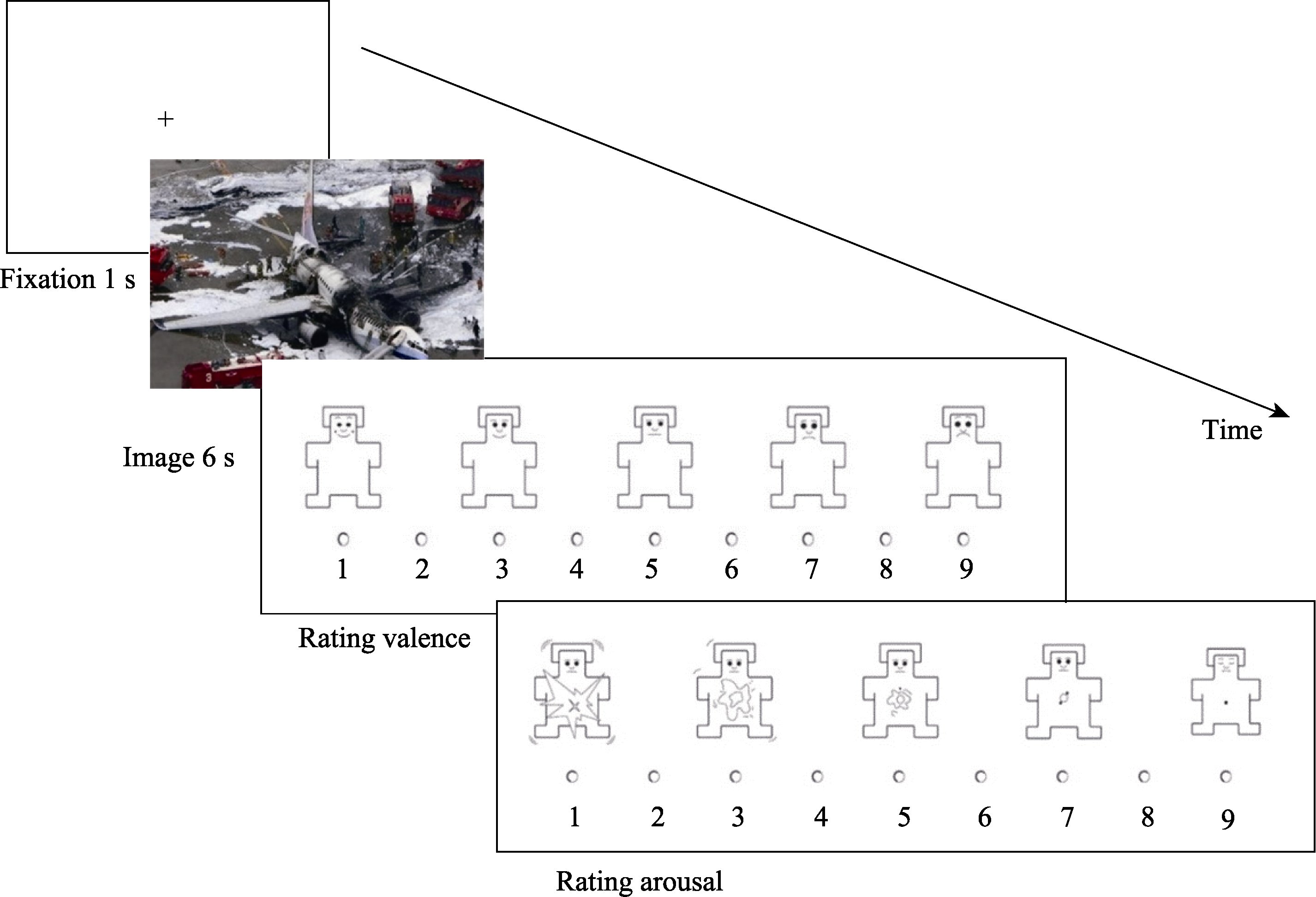
Figure 1. Emotional Rating Task for Flight Scene Images.
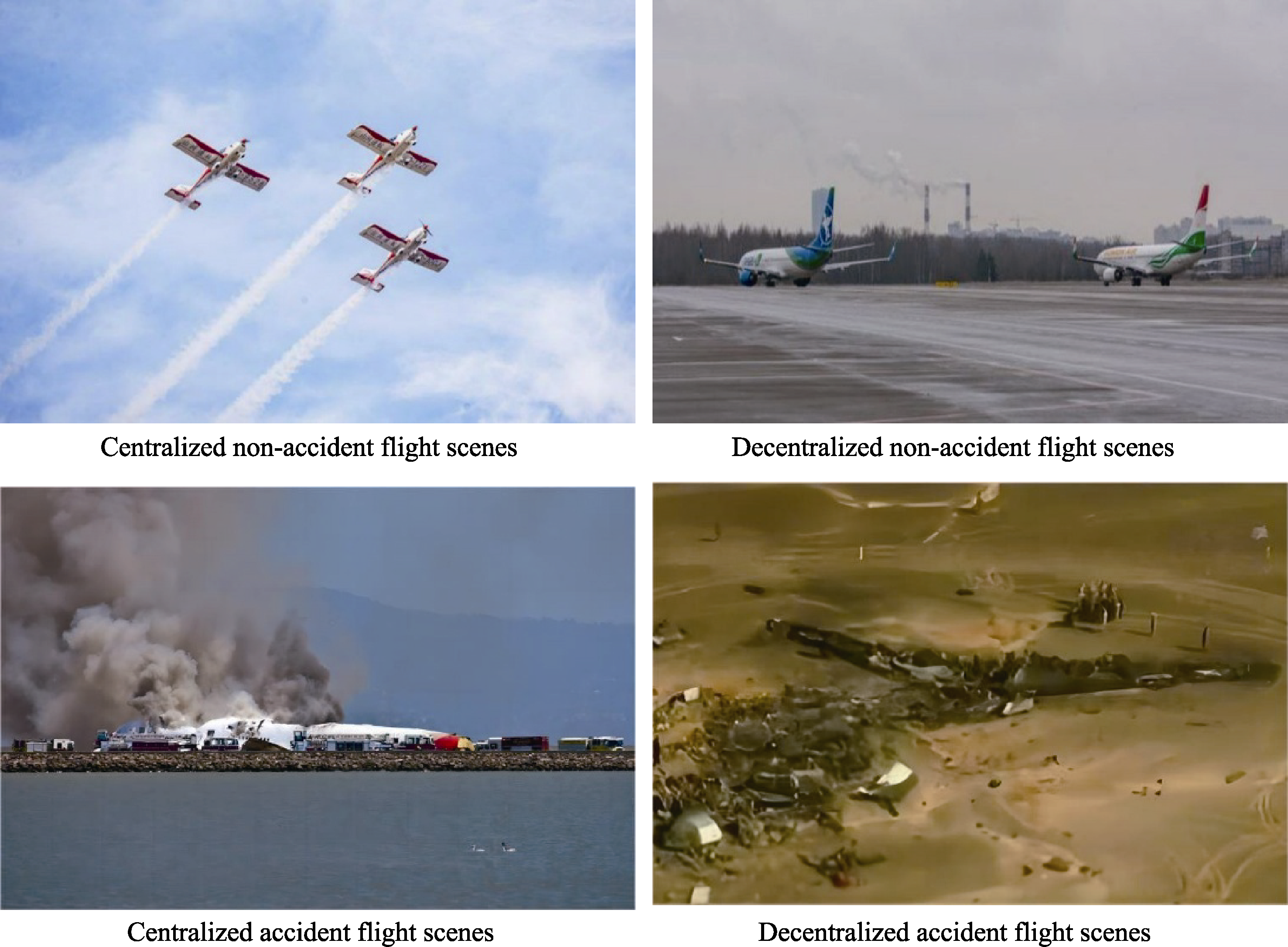
Figure 2. Examples of Flight Scenes Under Different Distribution Conditions.
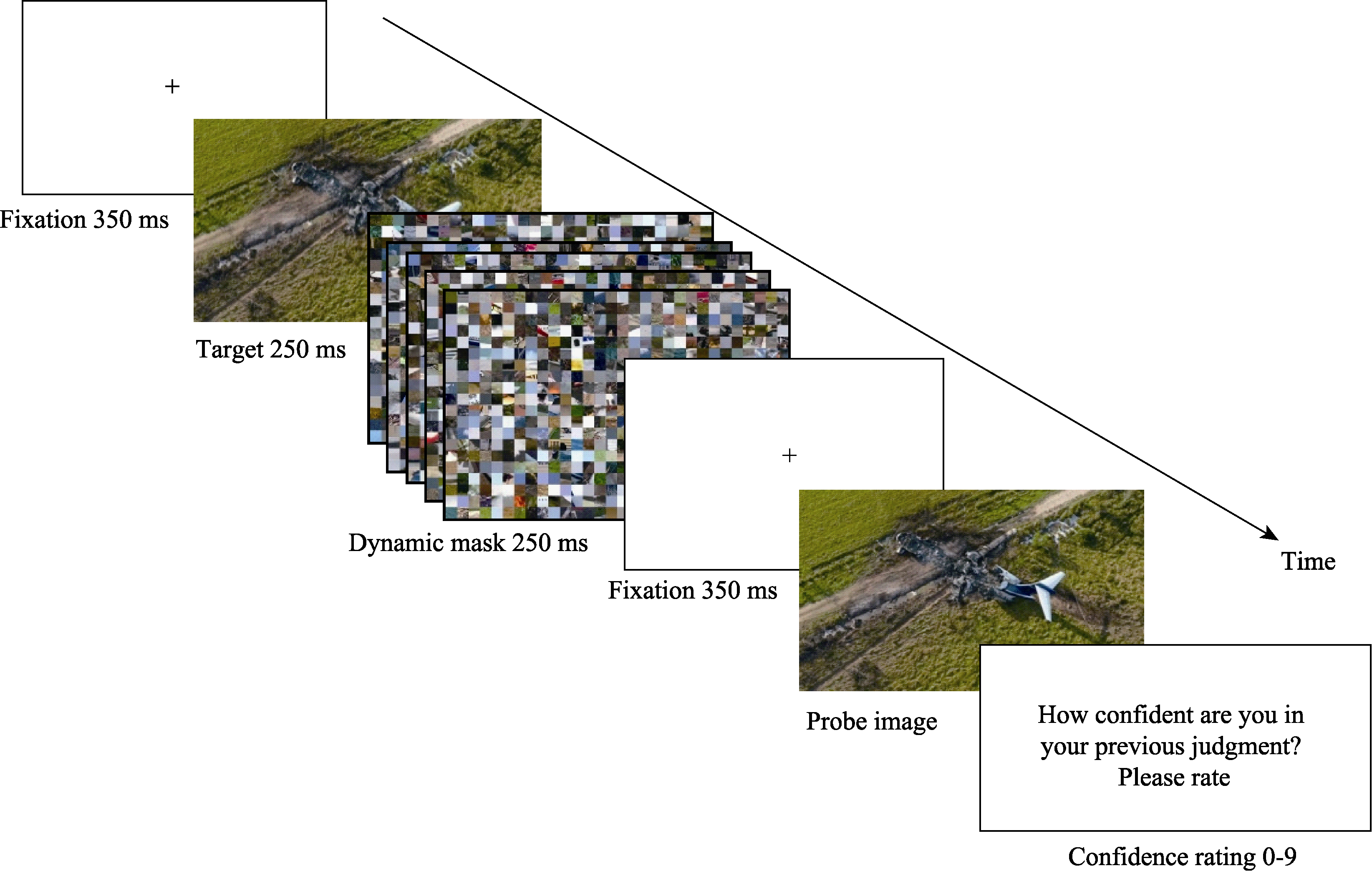
Figure 3. Flowchart of Flight Scene Memory Task in Experiment 1.
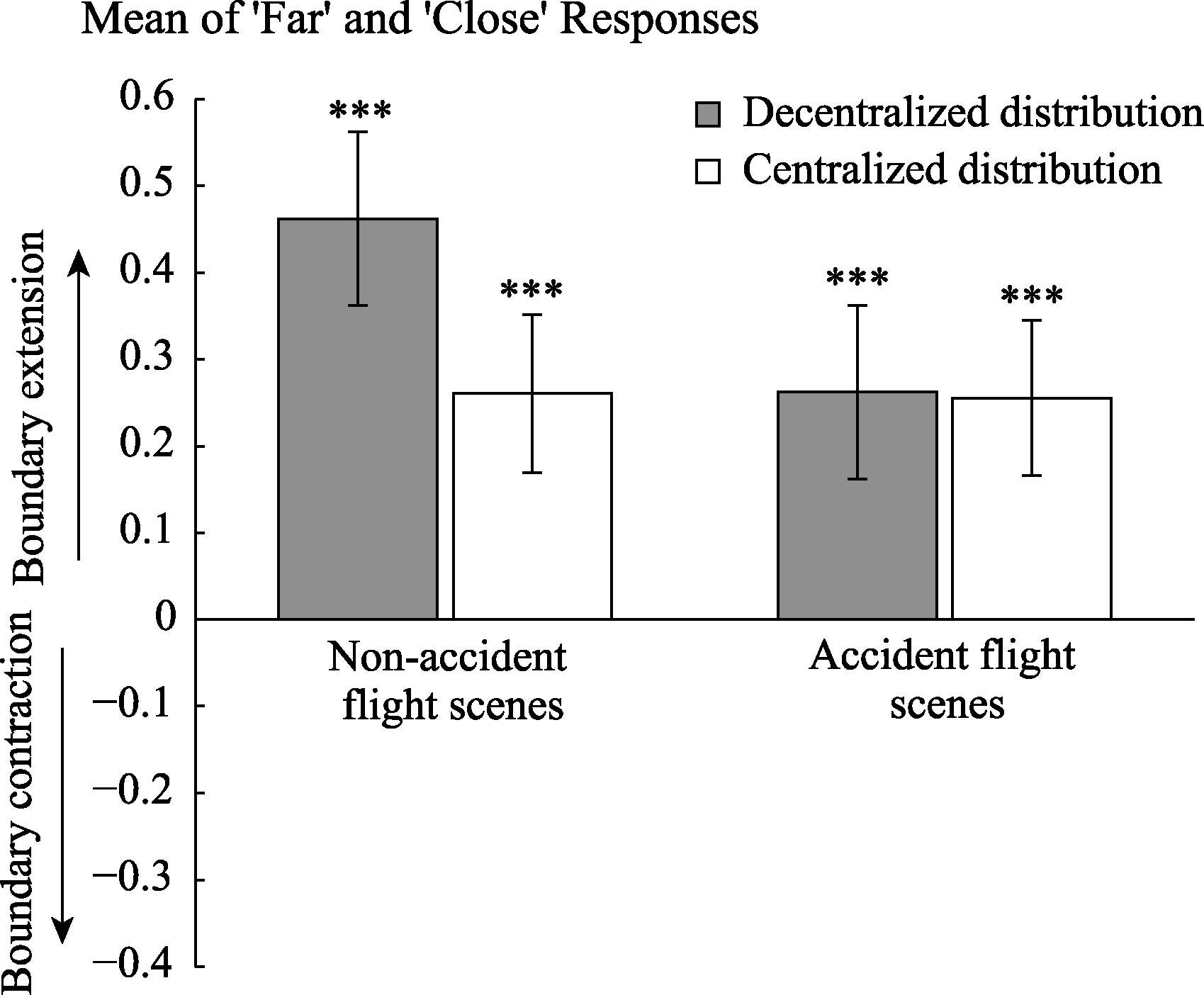
Figure 4. Boundary Extension Levels Under Different Distribution Conditions. (*** p < 0.001)

Figure 5. Examples of Flight Scenes Under Different Viewpoint
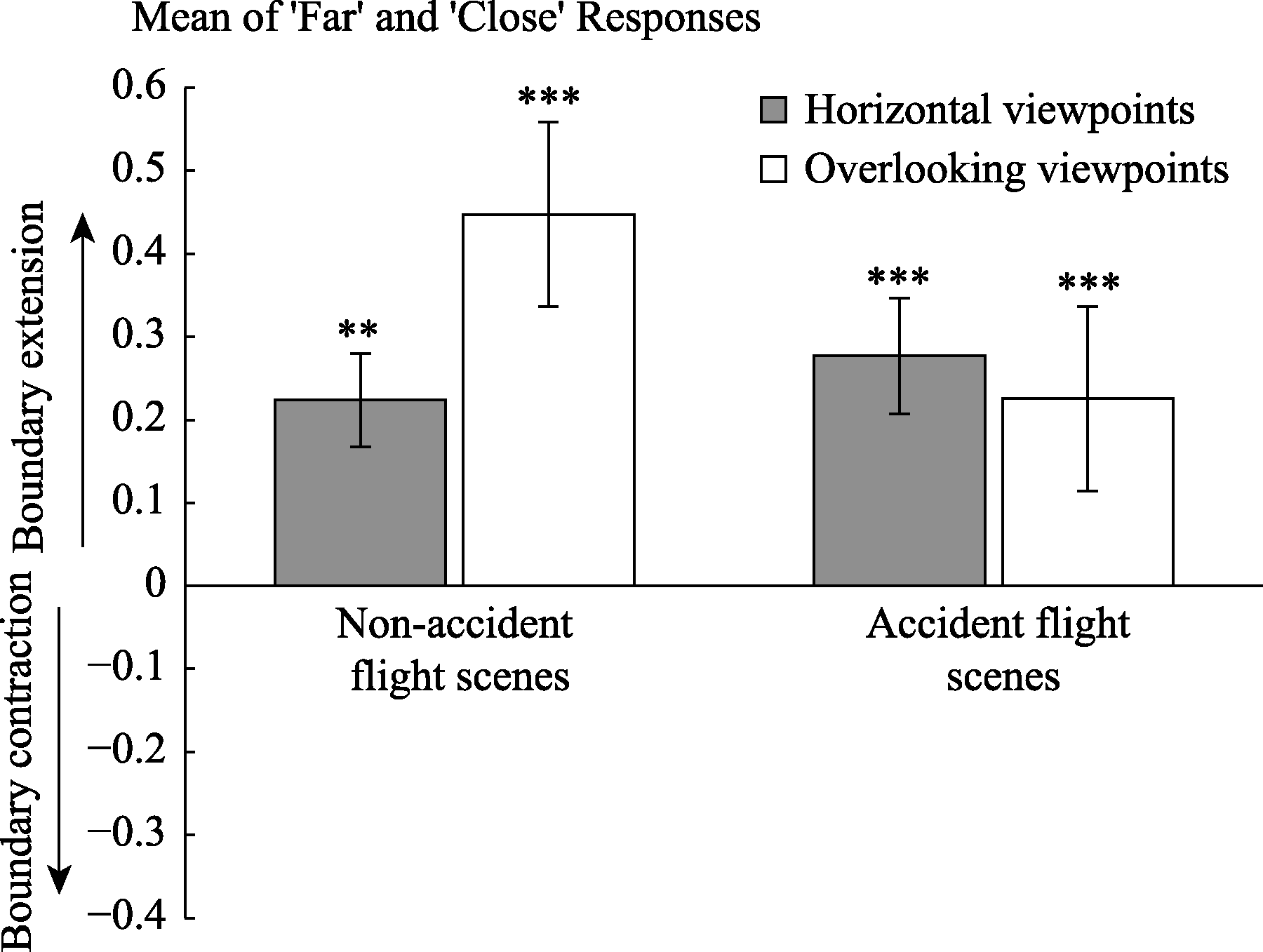
Figure 6. Boundary Extension Levels Under Different Viewpoint Conditions. (** p < 0.01, *** p < 0.001)
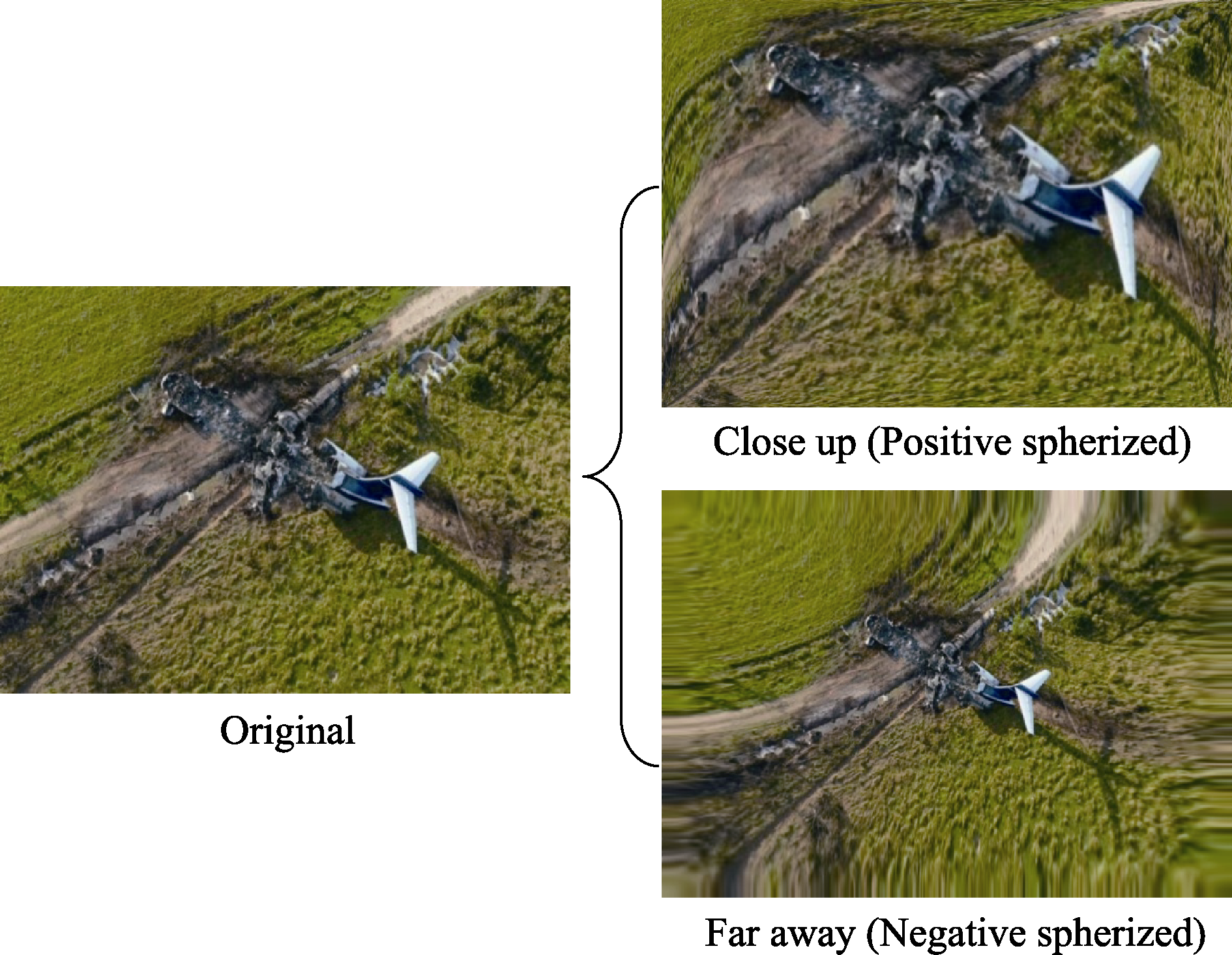
Figure 7. Example Images of Positive Spherical Processing (Perceived Closer) and Negative Spherical Processing (Perceived Farther).
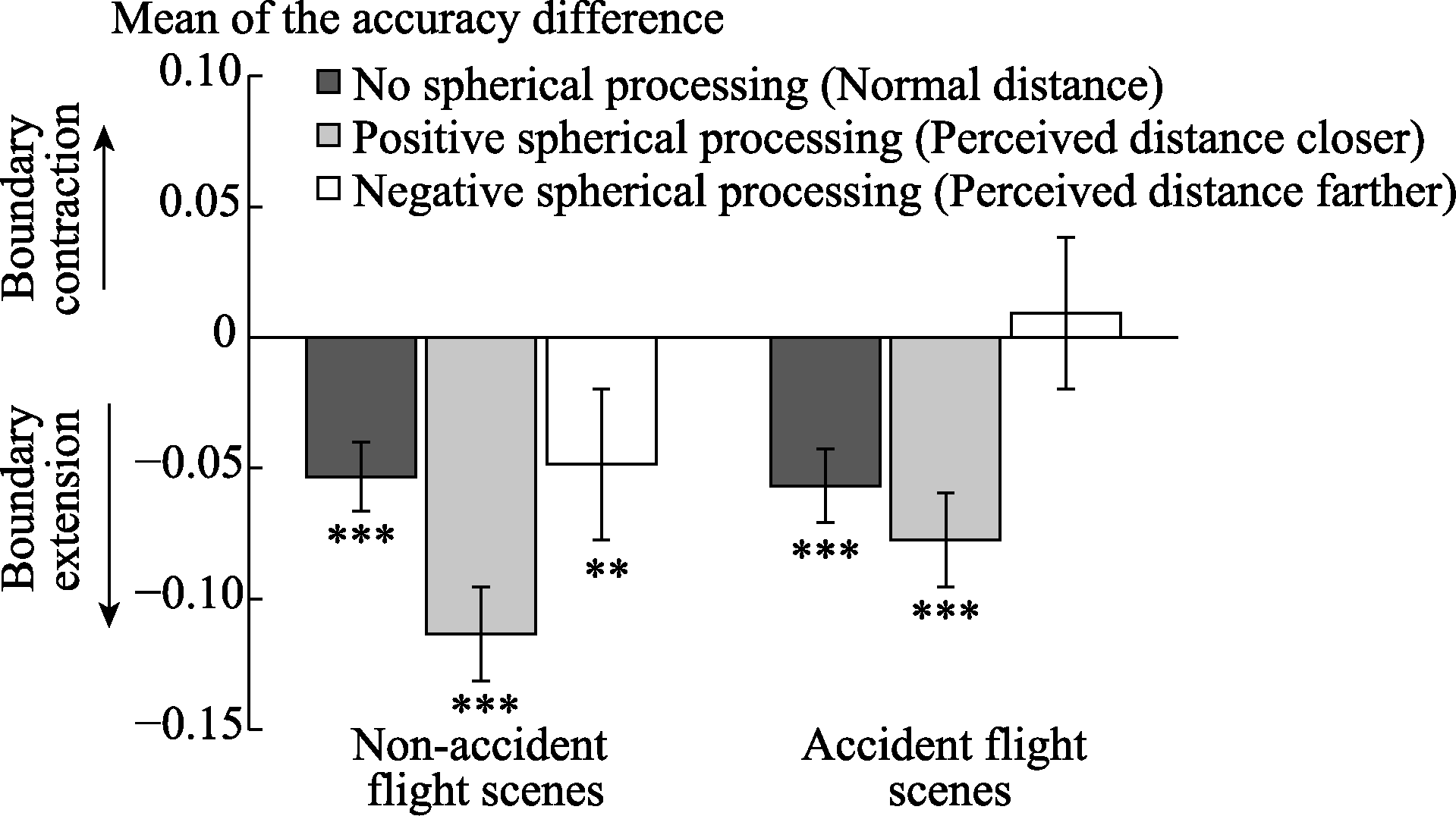
Figure 8. Boundary Extension Levels Under Different Spherical Processing Conditions. (** p < 0.01, *** p < 0.001)
| [1] | Aldegheri, G., Gayet, S., & Peelen, M. V. (2023). Scene context automatically drives predictions of object transformations. Cognition, 238, Article 105521. https://doi.org/10.1016/j.cognition.2023.105521 |
| [2] |
Bainbridge, W. A., & Baker, C. I. (2020). Boundaries extend and contract in scene memory depending on image properties. Current Biology, 30(3), 537-543.e3.
doi: S0960-9822(19)31599-4 pmid: 31983637 |
| [3] | Bartlett, F. C. (1932). Remembering: A study in experimental and social psychology. Cambridge university press, 63-90. |
| [4] |
Beighley, S., Sacco, G. R., Bauer, L., Hayes, A. M., & Intraub, H. (2019). Remembering: Does the emotional content of a photograph affect boundary extension. Emotion, 19(4), 699-714.
doi: 10.1037/emo0000477 pmid: 30138008 |
| [5] | Bertamini, M., Jones, L. A., Spooner, A., & Hecht, H. (2005). Boundary extension: The role of magnification, object size, context, and binocular information. Journal of Experimental Psychology: Human Perception and Performance, 31(6), 1288-1307. |
| [6] | Candel, I., Merckelbach, H., Houben, K., & Vandyck, I. (2004). How children remember neutral and emotional pictures: Boundary extension in children’s scene memories. The American Journal of Psychology, 117(2), 249-257. |
| [7] |
Chadwick, M. J., Mullally, S. L., & Maguire, E. A. (2013). The hippocampus extrapolates beyond the view in scenes: An fMRI study of boundary extension. Cortex, 49(8), 2067-2079.
doi: 10.1016/j.cortex.2012.11.010 pmid: 23276398 |
| [8] | Daniels, K. K., & Intraub, H. (2006). The shape of a view: Are rectilinear views necessary to elicit boundary extension. Visual Cognition, 14(2), 129-149. |
| [9] | Dickinson, C. A., & Intraub, H. (2009). Spatial asymmetries in viewing and remembering scenes: Consequences of an attentional bias. Attention, Perception, & Psychophysics, 71(6), 1251-1262. |
| [10] | Furtak, M., Mudrik, L., & Bola, M. (2022). The forest, the trees, or both? Hierarchy and interactions between gist and object processing during perception of real-world scenes. Cognition, 221, Article 104983. https://doi.org/10.1016/j.cognition.2021.104983 |
| [11] | Gagnier, K. M., Dickinson, C. A., & Intraub, H. (2013). Fixating picture boundaries does not eliminate boundary extension: Implications for scene representation. Quarterly Journal of Experimental Psychology, 66(11), 2161-2186. |
| [12] | Gagnier, K. M., Intraub, H., Oliva, A., & Wolfe, J. M. (2011). Why does vantage point affect boundary extension. Visual Cognition, 19(2), 234-257. |
| [13] | Gandolfo, M., Nägele, H., & Peelen, M. V. (2023). Predictive processing of scene layout depends on naturalistic depth of field. Psychological Science, 34(3), 394-405. |
| [14] | Gaudouin, F., Ménétrier, E., & Didierjean, A. (2023). Does boundary extension need attention. Experimental Psychology, 70(6), 315-323. |
| [15] | Ghose, T., & Palmer, S. E. (2010). Extremal edges versus other principles of figure-ground organization. Journal of Vision, 10(8), Article 3. https://doi.org/10.1167/10.8.3 |
| [16] | Ghose, T., & Peterson, M. A. (2021). Task set and instructions influence the weight of figural priors: A psychophysical study with extremal edges and familiar configuration. Attention, Perception, & Psychophysics, 83(6), 2709-2727. |
| [17] | Green, D. M., Wilcock, J. A., & Takarangi, M. K. T. (2019). The role of arousal in boundary judgement errors. Memory & Cognition, 47(5), 968-982. |
| [18] | Hafri, A., Wadhwa, S., & Bonner, M. F. (2022). Perceived distance alters memory for scene boundaries. Psychological Science, 33(12), 2040-2058. |
| [19] | Hale, R. G., Brown, J. M., McDunn, B. A., & Siddiqui, A. P. (2015). An influence of extremal edges on boundary extension. Psychonomic Bulletin & Review, 22(4), 961-966. |
| [20] | Hall, E. H., & Geng, J. J. (2024). Object-based attention during scene perception elicits boundary contraction in memory. Memory & Cognition. 53(1), 6-18. https://doi.org/10.3758/s13421-024-01540-9 |
| [21] |
Henderson, J. M., & Hayes, T. R. (2017). Meaning-based guidance of attention in scenes as revealed by meaning maps. Nature Human Behaviour, 1(10), 743-747.
doi: 10.1038/s41562-017-0208-0 pmid: 31024101 |
| [22] | Hubbard, T. L., Hutchison, J. L., & Courtney, J. R. (2010). Boundary extension: Findings and theories. Quarterly Journal of Experimental Psychology, 63(8), 1467-1494. |
| [23] | Intraub, H. (2002). Anticipatory spatial representation of natural scenes: Momentum without movement. Visual Cognition, 9(1-2), 93-119. |
| [24] | Intraub, H. (2012). Rethinking visual scene perception. WIREs Cognitive Science, 3(1), 117-127. |
| [25] | Intraub, H., Bender, R. S., & Mangels, J. A. (1992). Looking at pictures but remembering scenes. Journal of Experimental Psychology: Learning, Memory, and Cognition, 18(1), 180-191. |
| [26] | Intraub, H., Daniels, K. K., Horowitz, T. S., & Wolfe, J. M. (2008). Looking at scenes while searching for numbers: Dividing attention multiplies space. Perception & Psychophysics, 70(7), 1337-1349. |
| [27] | Intraub, H., Hoffman, J. E., Wetherhold, C. J., & Stoehs, S. A. (2006). More than meets the eye: The effect of planned fixations on scene representation. Perception & Psychophysics, 68(5), 759-769. |
| [28] | Intraub, H., & Richardson, M. (1989). Wide-angle memories of close-up scenes. Journal of Experimental Psychology: Learning, Memory, and Cognition, 15(2), 179-187. |
| [29] | Kastner, S., & Pinsk, M. A. (2004). Visual attention as a multilevel selection process. Cognitive, Affective, & Behavioral Neuroscience, 4(4), 483-500. |
| [30] | Kümmerer, M., & Bethge, M. (2023). Predicting visual fixations. Annual Review of Vision Science, 9(1), 269-291. |
| [31] | Lang, P. J., Bradley, M. M., & Cuthbert, B. N. (2005). International Affective Picture System (IAPS) [Database record]. APA PsycTests. https://doi.org/10.1037/t66667-000 |
| [32] |
Lin, F., Hafri, A., & Bonner, M. F. (2022). Scene memories are biased toward high-probability views. Journal of Experimental Psychology: Human Perception and Performance, 48(10), 1116-1129.
doi: 10.1037/xhp0001045 pmid: 35980704 |
| [33] | McDunn, B. A., Brown, J. M., Hale, R. G., & Siddiqui, A. P. (2016). Disentangling boundary extension and normalization of view memory for scenes. Visual Cognition, 24(5-6), 356-368. |
| [34] | McDunn, B. A., Siddiqui, A. P., & Brown, J. M. (2014). Seeking the boundary of boundary extension. Psychonomic Bulletin & Review, 21(2), 370-375. |
| [35] | Ménétrier, E., Didierjean, A., & Vieillard, S. (2013). Is boundary extension emotionally selective. Quarterly Journal of Experimental Psychology, 66(4), 635-641. |
| [36] |
Mullally, S. L., Intraub, H., & Maguire, E. A. (2012). Attenuated boundary extension produces a paradoxical memory advantage in amnesic patients. Current Biology, 22(4), 261-268.
doi: 10.1016/j.cub.2012.01.001 pmid: 22264610 |
| [37] | Munger, M. P., & Multhaup, K. S. (2016). No imagination effect on boundary extension. Memory & Cognition, 44(1), 73-88. |
| [38] |
Oliva, A., & Torralba, A. (2006). Chapter 2 Building the gist of a scene: The role of global image features in recognition. Progress in Brain Research, 155, 23-36.
pmid: 17027377 |
| [39] | Park, J., Josephs, E., & Konkle, T. (2024). Systematic transition from boundary extension to contraction along an object-to-scene continuum. Journal of Vision, 24(1), Article 9. https://doi.org/10.1167/jov.24.1.9 |
| [40] | Patel, S. D., Esteves, C. V., So, M., Dalgleish, T., & Hitchcock, C. (2023). More than meets the eye: Emotional stimuli enhance boundary extension effects for both depressed and never-depressed individuals. Cognition and Emotion, 37(1), 128-136. |
| [41] |
Peelen, M. V., Berlot, E., & de Lange, F. P. (2024). Predictive processing of scenes and objects. Nature Reviews Psychology, 3, 13-26.
doi: 10.1038/s44159-023-00254-0 pmid: 38989004 |
| [42] | Safer, M. A., Christianson, S.-Å., Autry, M. W., & Österlund, K. (1998). Tunnel memory for traumatic events. Applied Cognitive Psychology, 12(2), 99-117. |
| [43] |
Spaak, E., Peelen, M. V., & De Lange, F. P. (2022). Scene context impairs perception of semantically congruent objects. Psychological Science, 33(2), 299-313.
doi: 10.1177/09567976211032676 pmid: 35020519 |
| [44] | Takarangi, M. K. T., Oulton, J. M., Green, D. M., & Strange, D. (2016). Boundary restriction for negative emotional images is an example of memory amplification. Clinical Psychological Science, 4(1), 82-95. |
| [45] | van Den Bos, L. M. E. C., Benjamins, J. S., & Postma, A.(2020). Episodic and semantic memory processes in the boundary extension effect: An investigation using the remember/know paradigm. Acta Psychologica, 211, Article 103190. https://doi.org/10.1016/j.actpsy.2020.103190 |
| No related articles found! |
| Viewed | ||||||
|
Full text |
|
|||||
|
Abstract |
|
|||||
