
Impact of point-light biological motion information on attentional network function in hearing-impaired individuals
CHEN Jie1,2,3(), CAI Jiahui1, LAN Yadi1, LI Wenjie1
1School of Educational Science, Hunan Normal University, Changsha 410081, China 2Cognition and Human Behavior Key Laboratory of Hunan Province, Changsha 410081, China 3Institute of Interdisciplinary Studies, Hunan Normal University, Changsha 410081, China
CHEN Jie, CAI Jiahui, LAN Yadi, LI Wenjie. (2025). Impact of point-light biological motion information on attentional network function in hearing-impaired individuals. Acta Psychologica Sinica, 57(7), 1139-1153.
Table 1 The reaction times of both groups under each condition [M (SD)]
Group
Flanker type
Cue type
No cue
Center cue
Double cue
Spatial cue
Hearing-impaired
Congruent
596 (94)
553 (87)
542 (87)
535 (86)
Hearing
538 (71)
490 (63)
480 (59)
469 (57)
Hearing-impaired
Incongruent
709 (152)
677 (160)
655 (136)
662 (138)
Hearing
614 (83)
570 (69)
555 (64)
554 (61)
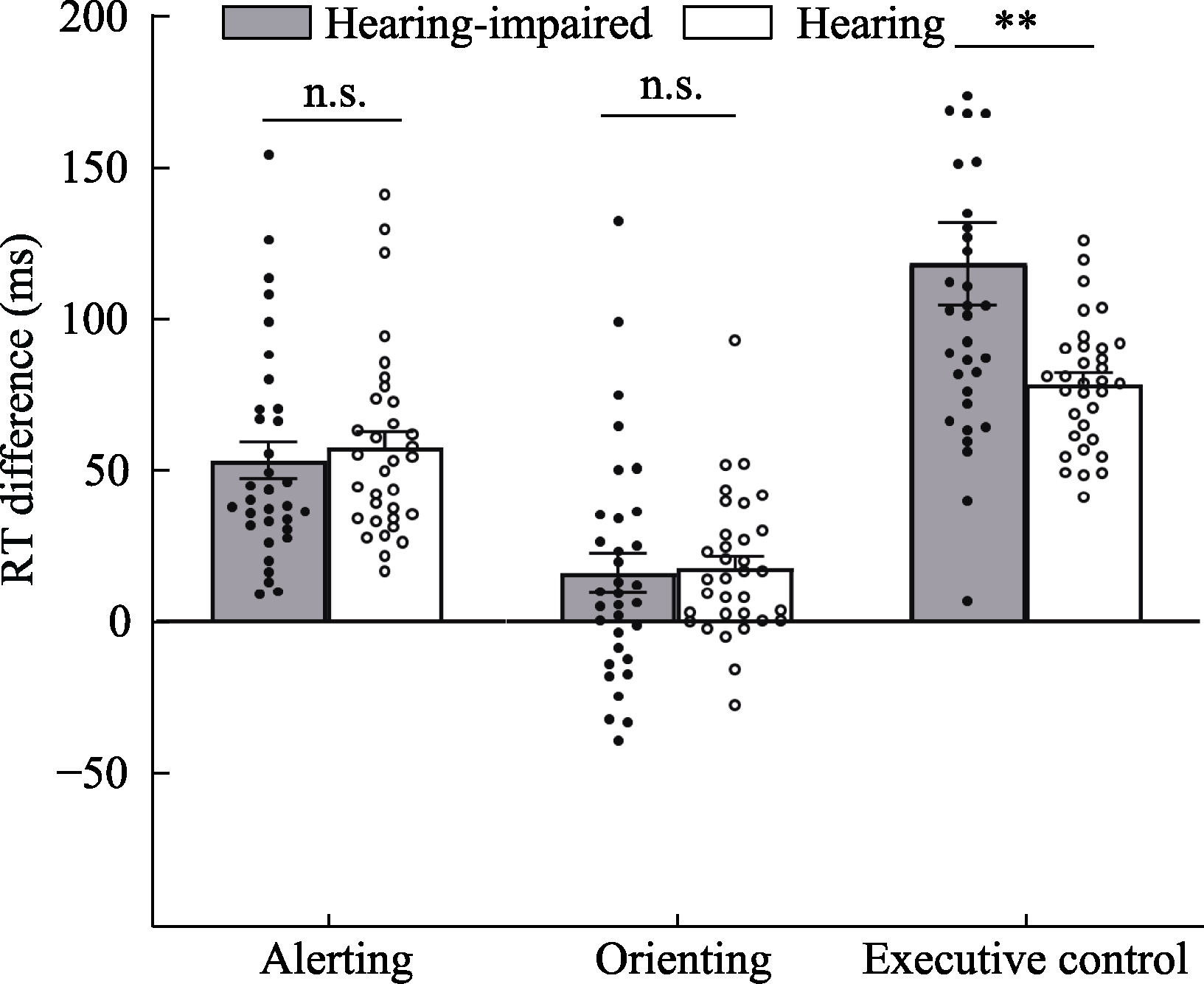
Figure 2.The comparison of attention network effects between the hearing-impaired group and the hearing group. Note. The error bars in the figures represent the standard error; **p < 0.01
Figure 2. The comparison of attention network effects between the hearing-impaired group and the hearing group. Note. The error bars in the figures represent the standard error; **p < 0.01
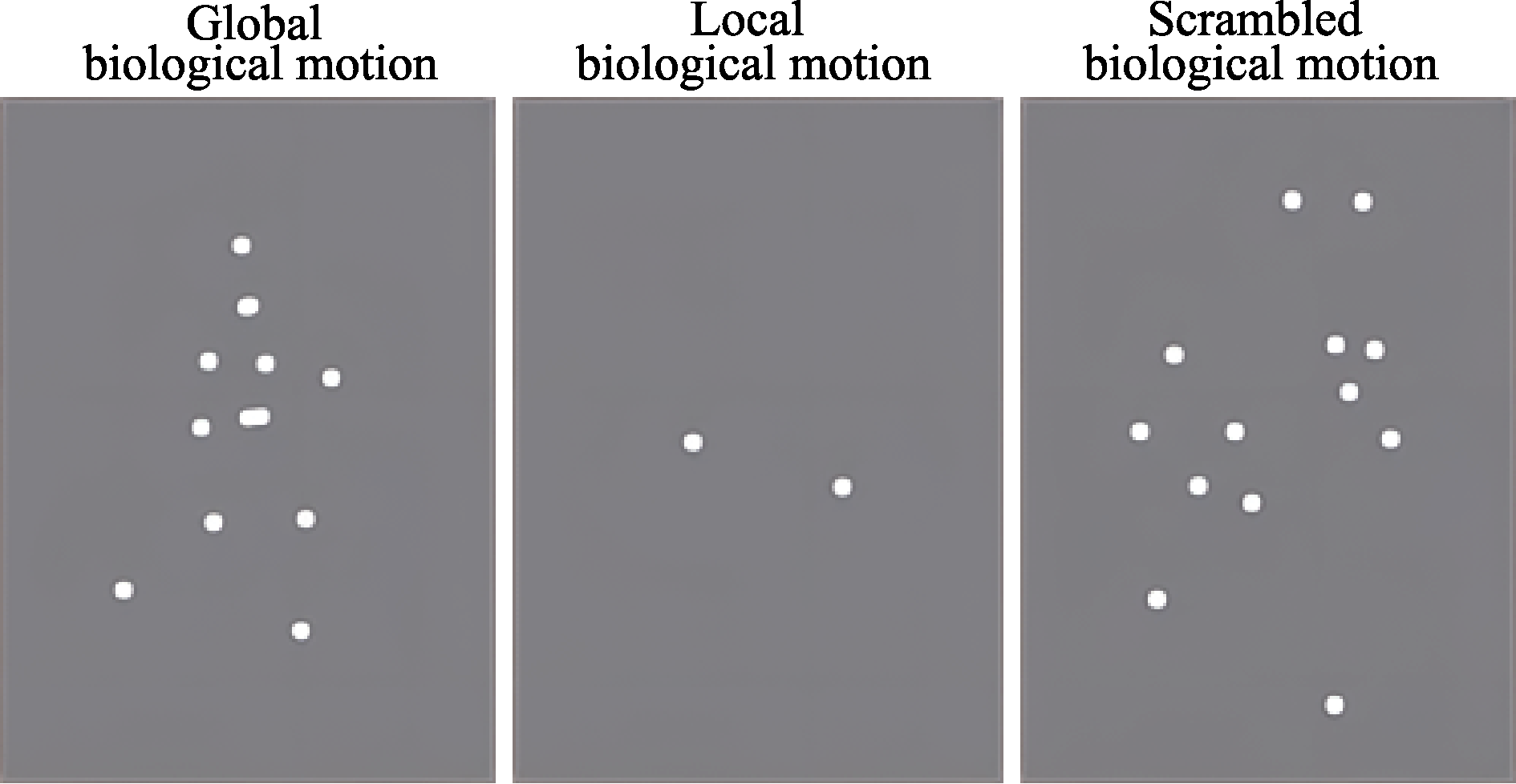
Figure 3.The three types of biological motion point-light sequences.
Figure 3. The three types of biological motion point-light sequences.
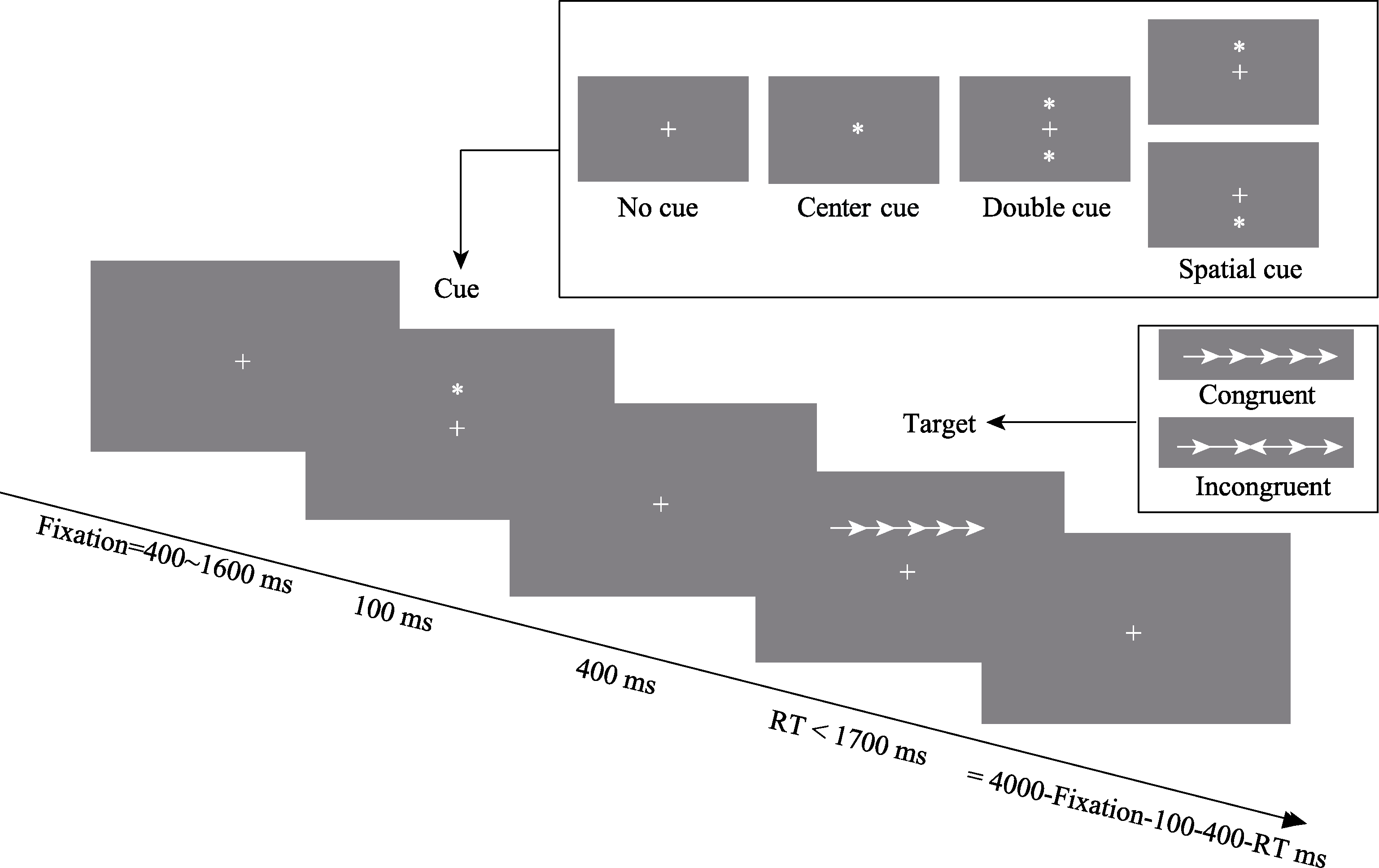
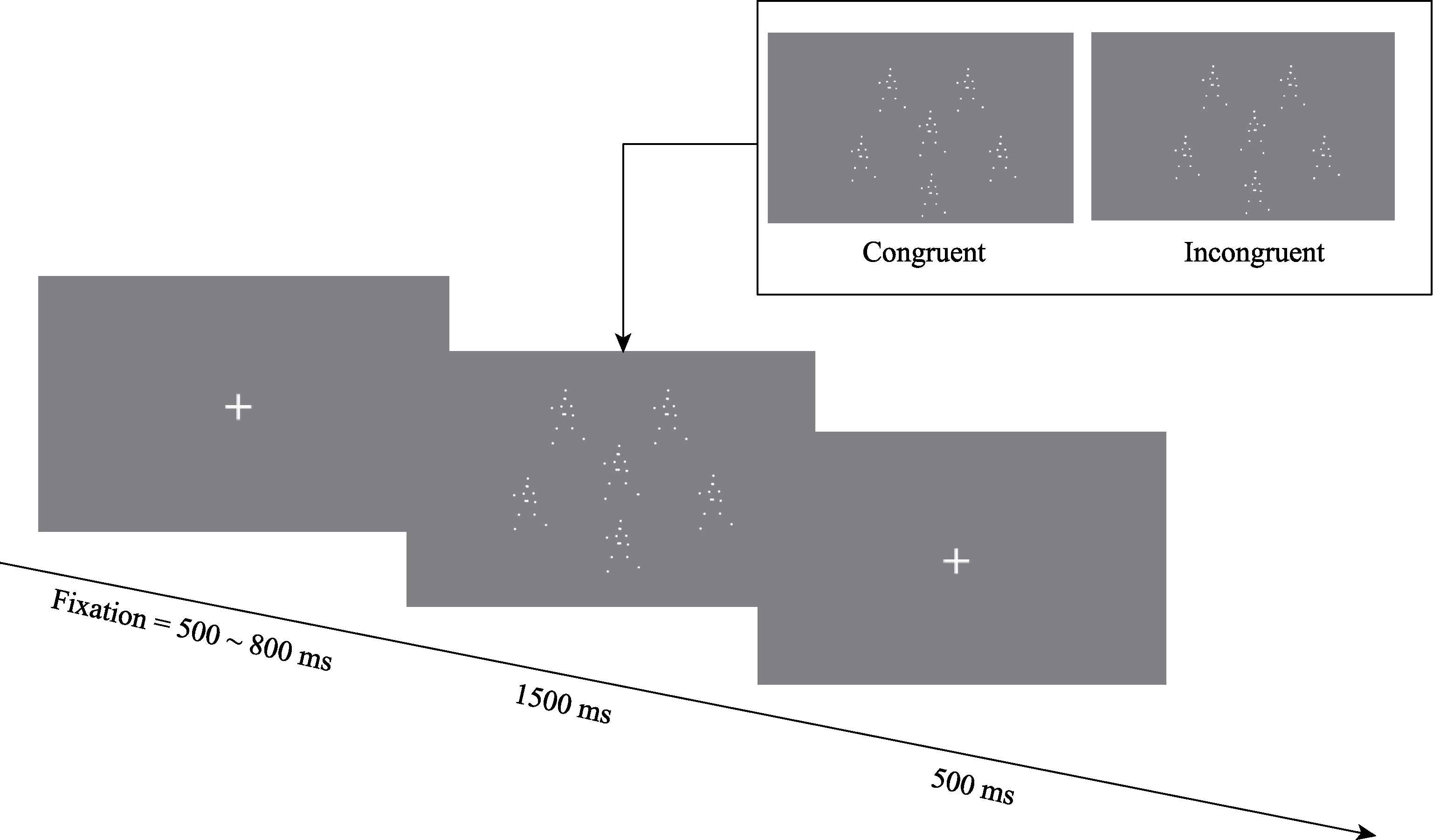
Figure 4.The procedure for Experiment 1b.
Figure 4. The procedure for Experiment 1b.
Table 2 The reaction times of both groups under each condition [M (SD)]
Biological motion type
group
Flanker type
Cue type
No cue
Center cue
Double cue
Spatial cue
Global
Hearing-impaired
Congruent
681 (80)
654 (87)
643 (75)
637 (93)
Hearing
633 (69)
588 (67)
573 (62)
563 (77)
Hearing-impaired
Incongruent
749 (100)
717 (93)
725 (114)
705 (111)
Hearing
679 (73)
643 (72)
628 (60)
594 (80)
Local
Hearing-impaired
Congruent
850 (109)
823 (126)
812 (125)
804 (115)
Hearing
764 (116)
739 (117)
744 (132)
691 (114)
Hearing-impaired
Incongruent
910 (132)
856 (129)
866 (141)
841 (148)
Hearing
826 (137)
786 (102)
812 (139)
757 (109)
Scrambled
Hearing-impaired
Congruent
836 (159)
799 (139)
785 (148)
775 (162)
Hearing
696 (128)
637 (113)
643 (96)
628 (113)
Hearing-impaired
Incongruent
874 (156)
826 (140)
833 (168)
806 (159)
Hearing
717 (108)
675 (129)
672 (117)
636 (109)
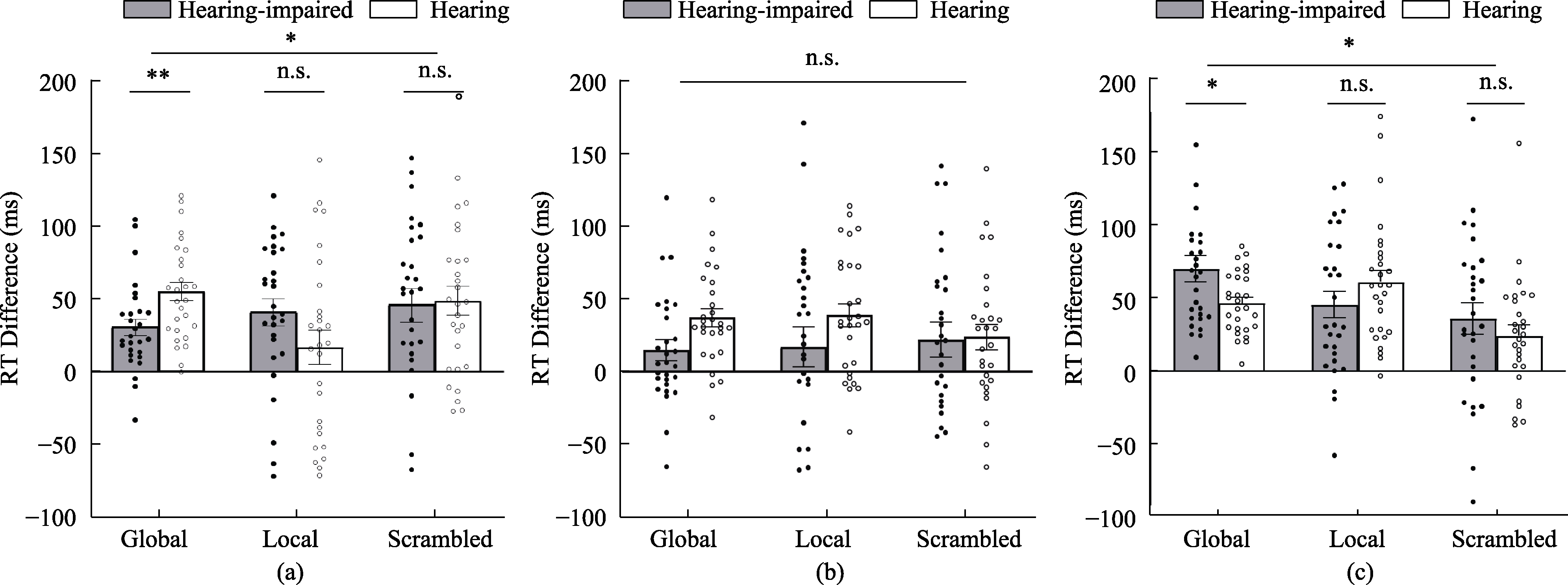
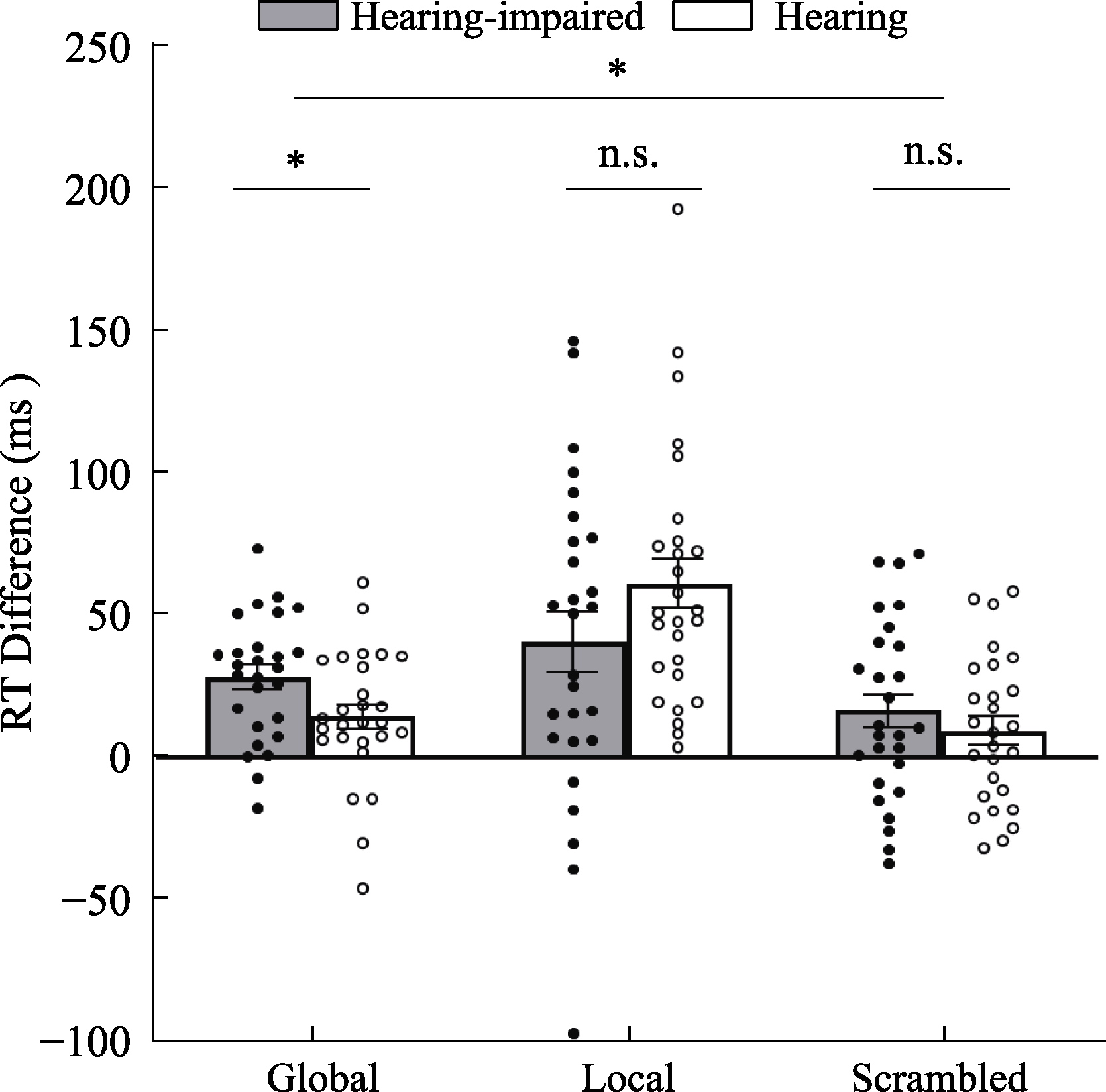
Figure 5.The comparison of attention network effect between the hearing-impaired and hearing groups across the three biological motion types. Note. The error bars in the figures represent the standard error; **p < 0.01, *p < 0.05
Figure 5. The comparison of attention network effect between the hearing-impaired and hearing groups across the three biological motion types. Note. The error bars in the figures represent the standard error; **p < 0.01, *p < 0.05
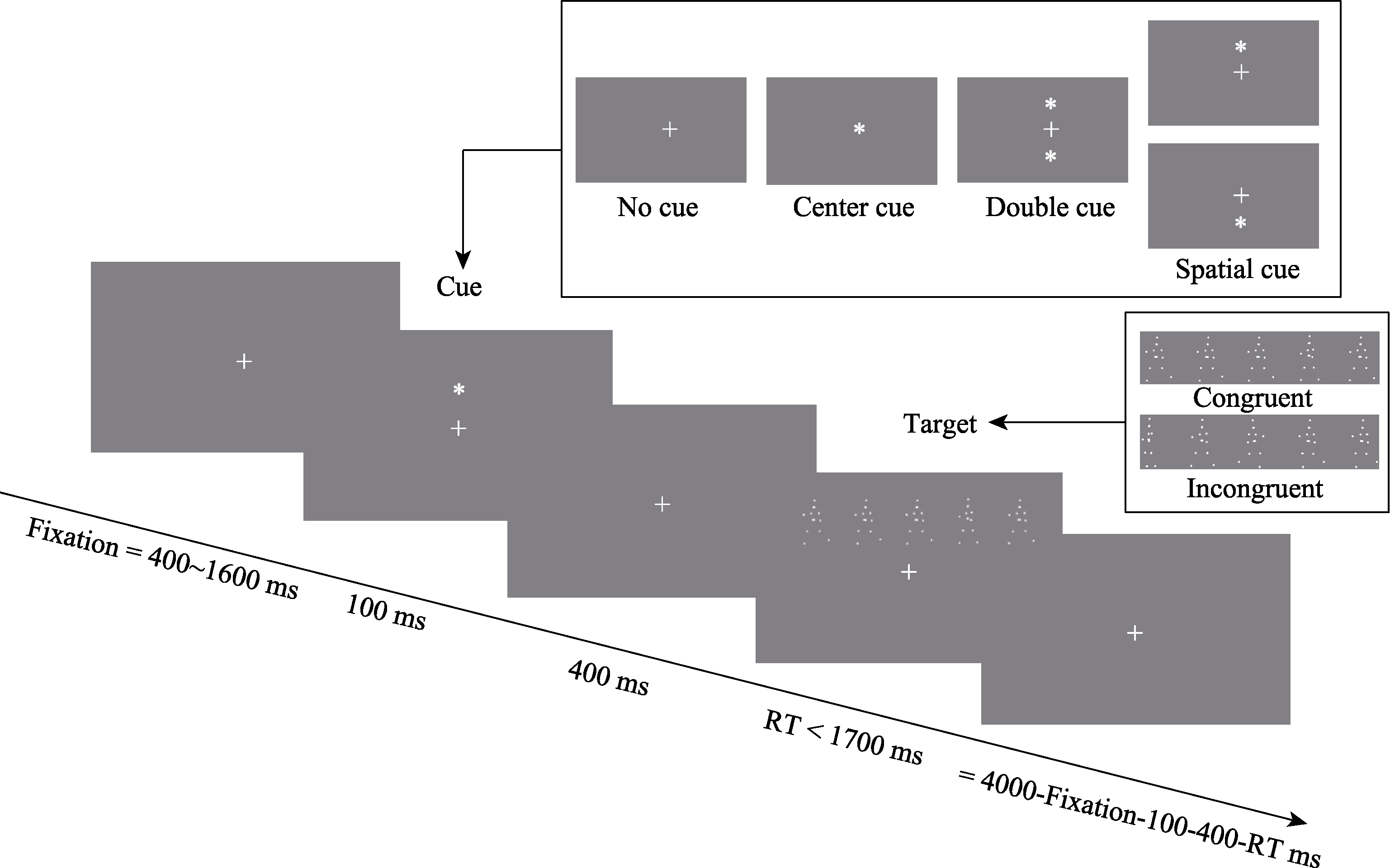
Figure 6.The procedure for Experiment 2.
Figure 6. The procedure for Experiment 2.
Table 3 The reaction times of both groups under each condition [M (SD)]
Biological motion type
Flanker type
Group
Reaction time
Global
Congruent
Hearing-impaired
573 (82)
Hearing
531 (55)
Incongruent
Hearing-impaired
601 (79)
Hearing
545 (57)
Local
Congruent
Hearing-impaired
663 (105)
Hearing
604 (78)
Incongruent
Hearing-impaired
704 (109)
Hearing
666 (96)
Scrambled
Congruent
Hearing-impaired
577 (83)
Hearing
552 (83)
Incongruent
Hearing-impaired
594 (80)
Hearing
561 (89)
Figure 7.The comparison of executive control effect between the hearing-impaired and hearing groups across the three biological motion types. Note. The error bars in the figures represent the standard error; **p < 0.01, *p < 0.05
Figure 7. The comparison of executive control effect between the hearing-impaired and hearing groups across the three biological motion types. Note. The error bars in the figures represent the standard error; **p < 0.01, *p < 0.05
Baron-Cohen S., Wheelwright S., Hill J., Raste Y., & Plumb I. (2001). The “Reading the Mind in the Eyes” Test revised version: A study with normal adults, and adults with Asperger syndrome or high-functioning autism. The Journal of Child Psychology and Psychiatry and Allied Disciplines, 42(2), 241-251.
[2]
Jacob P., & Alexander G. (2023). Impaired biological motion processing and motor skills in adults with autistic traits. Journal of Autism and Developmental Disorders, 53(8), 2998-3011.
[3]
Kaiser M. D., & Shiffrar M. (2013). Variability in the visual perception of human motion as a function of the observer's autistic traits. In K. L. Johnson & M. Shiffrar (Eds.), People watching: Social, perceptual, and neurophysiological studies of body perception (pp. 159-178). Oxford University Press.
[4]
Liu M. J. (2008). Screening adults for Asperger syndrome and high-functioning autism by using the Autism-spectrum Quotient (AQ) (Mandarin version). Bulletin of Special Education, 33(1), 73-92.
[5]
Wang Y., Wang L., Xu Q., Liu D., Chen L., Troje N. F., He S., & Jiang Y. (2018). Heritable aspects of biological motion perception and its covariation with autistic traits. Proceedings of the National Academy of Sciences, 115(8), 1937-1942.