

ISSN 0439-755X
CN 11-1911/B
CN 11-1911/B
Acta Psychologica Sinica ›› 2025, Vol. 57 ›› Issue (11): 1885-1900.doi: 10.3724/SP.J.1041.2025.1885
• Reports of Empirical Studies • Previous Articles Next Articles
GENG Xiaowei1,2( ), LIU Chao3, SU Li2, HAN Bingxue2, ZHANG Qiaoming4, WU Mingzheng5()
Published:2025-11-25
Online:2025-09-25
Contact:
GENG Xiaowei, GENG Xiaowei, LIU Chao, SU Li, HAN Bingxue, ZHANG Qiaoming, WU Mingzheng. (2025). Human-AI cooperation makes individuals more risk seeking: The mediating role of perceived agentic responsibility. Acta Psychologica Sinica, 57(11), 1885-1900.
Figure 1. The spinning wheel in human - AI cooperation.
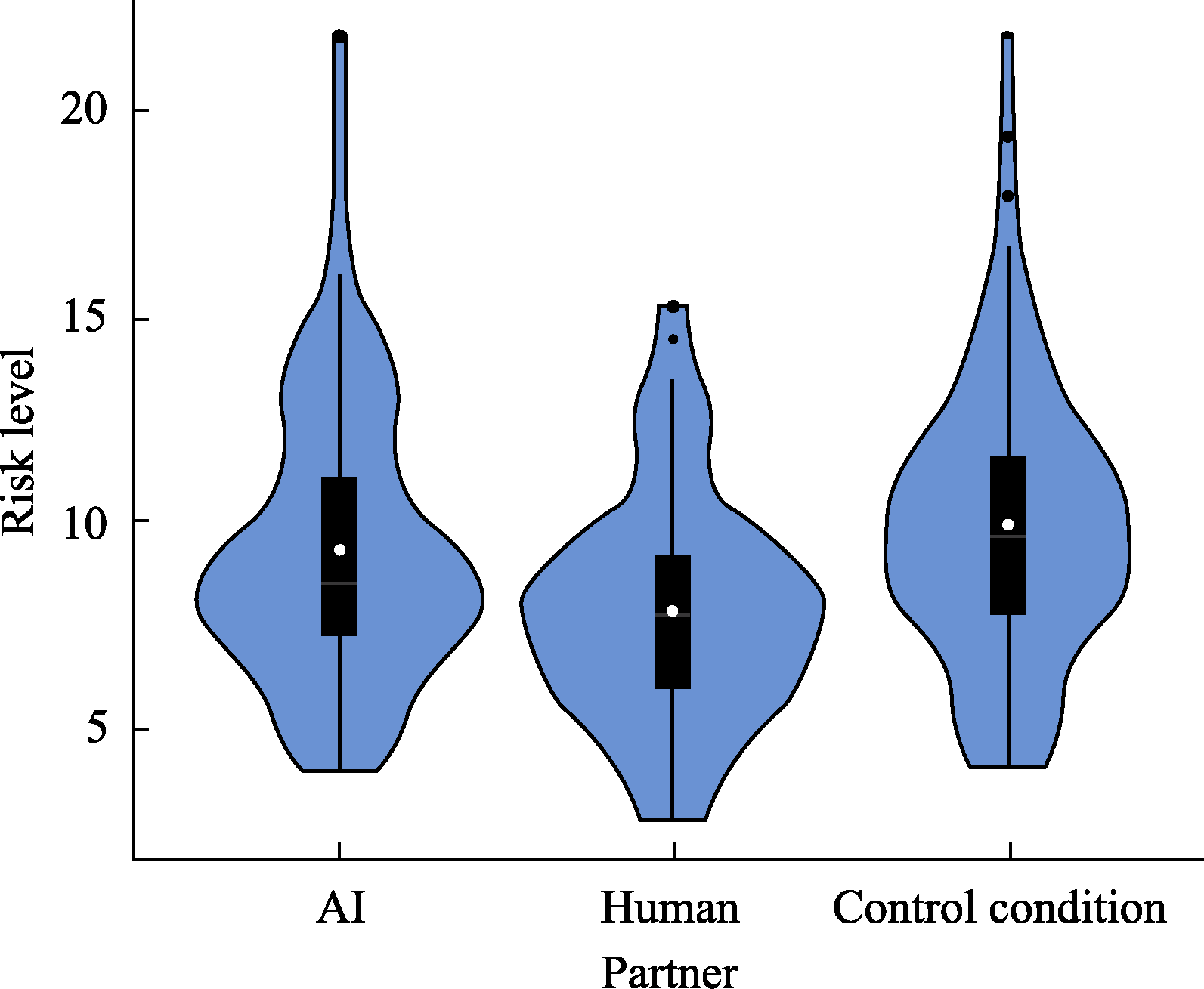
Figure 2. risk levels under different experimental conditions in Experiment 1a. Note. The central white dot represents the mean, and the black square represents the range of quartiles.
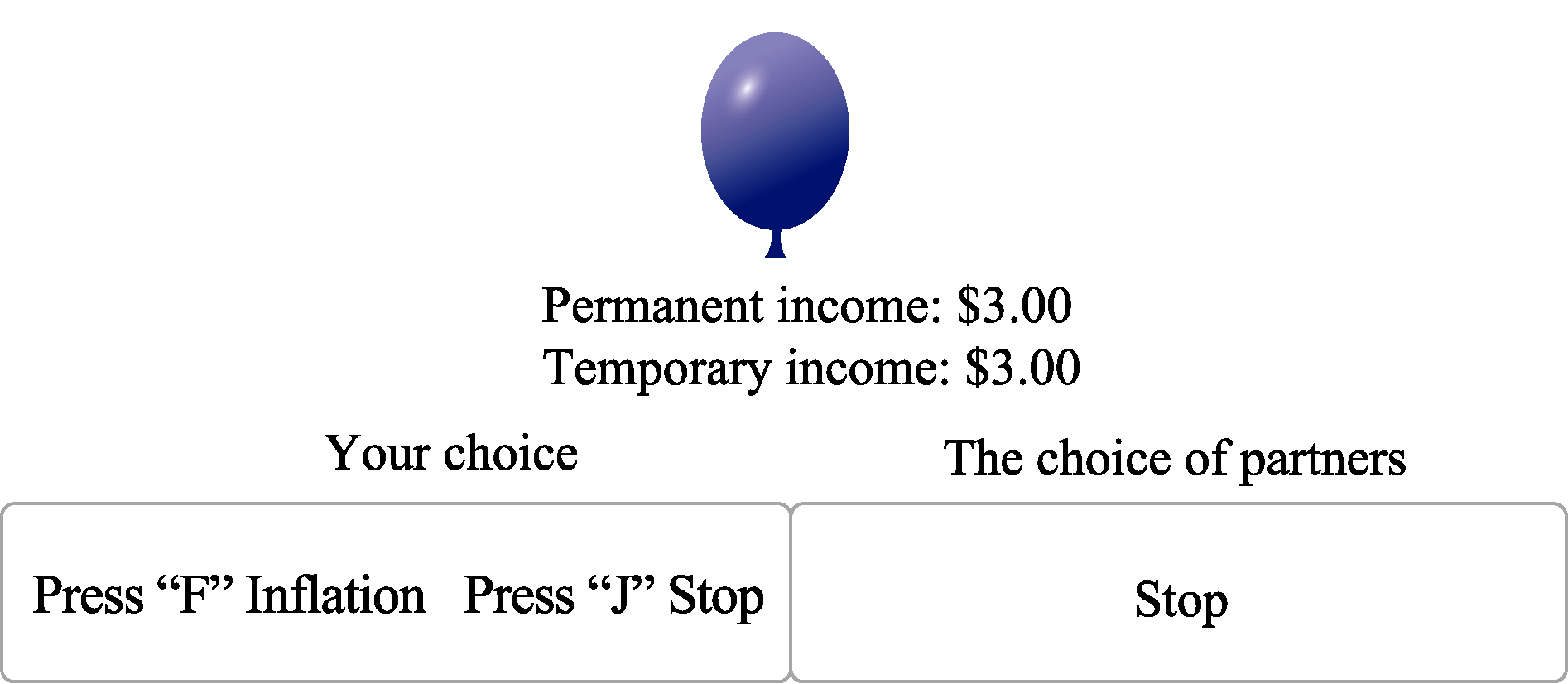
Figure 3. Risk Decision making in Human - AI cooperation.
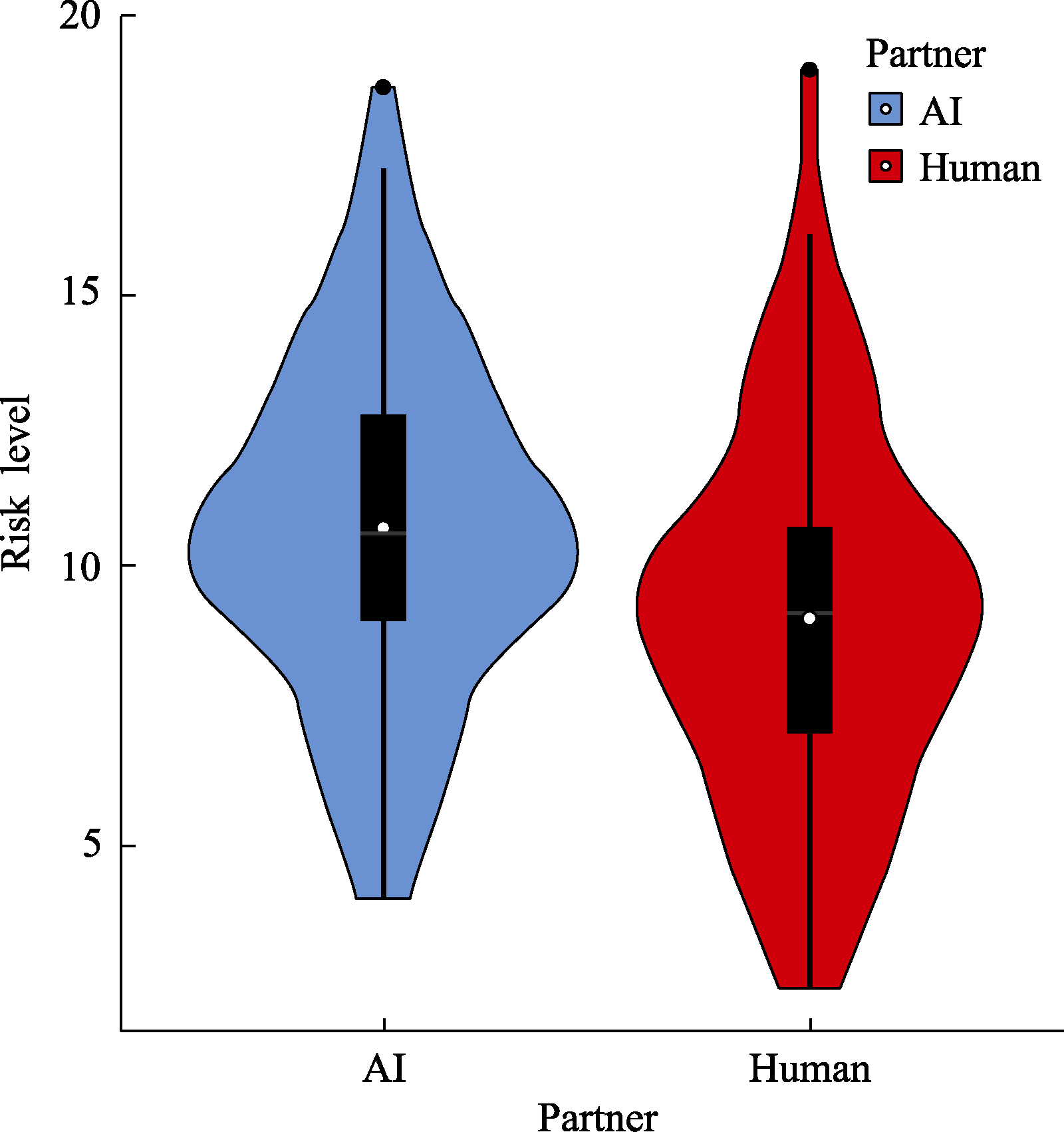
Figure 4. Individuals’ risk levels with different partners.
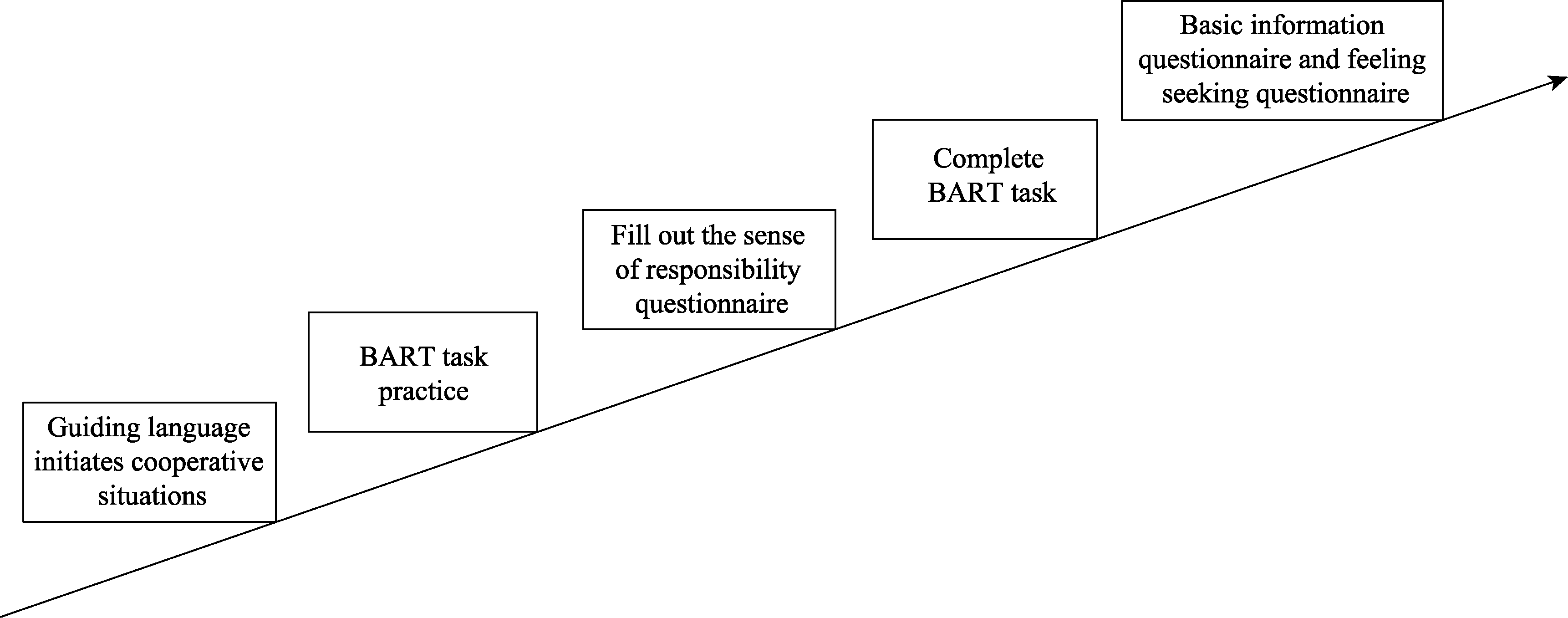
Figure 5. Experimental Procedure of Experiment 2.

Figure 6. ndividual risk Levels and Perceived Agentic Responsibility in Different Cooperations.
| Predictive variables | Equation 1 (dependent variable: risk taking) | Equation 2 (Dependent variable: Perceived agentic responsibility) | Equation 3 (dependent variable: risk taking) | |||||||
|---|---|---|---|---|---|---|---|---|---|---|
| β | SE | t | β | SE | t | β | SE | t | ||
| constant | 2.37 | 2.93** | 0.38 | 8.98*** | 2.78 | 1.09 | ||||
| Age | ?0.002 | 0.09 | ?0.03 | 0.03 | 0.01 | 0.55 | ?0.01 | 0.09 | ?0.13 | |
| Gender | ?0.16 | 0.50 | ?2.44* | ?0.12 | 0.08 | ?2.38* | ?0.13 | 0.50 | ?2.00* | |
| Sensation Seeking | ?0.01 | 0.03 | ?0.12 | ?0.03 | 0.004 | ?0.62 | < 0.001 | 0.03 | ?0.01 | |
| Partner | 0.42 | 0.43 | 6.52*** | 0.69 | 0.07 | 13.32*** | 0.26 | 0.59 | 3.00** | |
| Perceived agentic responsibility | 0.23 | 0.45 | 2.59* | |||||||
| F | F (4, 194) = 12.86*** | F (4, 194) = 47.16*** | F (5, 193) = 11.93*** | |||||||
| R2 | 0.21 | 0.49 | 0.24 | |||||||
Table 1 Regression analysis of the impact of partners and perceived agentic responsibilityon individual risk-taking
| Predictive variables | Equation 1 (dependent variable: risk taking) | Equation 2 (Dependent variable: Perceived agentic responsibility) | Equation 3 (dependent variable: risk taking) | |||||||
|---|---|---|---|---|---|---|---|---|---|---|
| β | SE | t | β | SE | t | β | SE | t | ||
| constant | 2.37 | 2.93** | 0.38 | 8.98*** | 2.78 | 1.09 | ||||
| Age | ?0.002 | 0.09 | ?0.03 | 0.03 | 0.01 | 0.55 | ?0.01 | 0.09 | ?0.13 | |
| Gender | ?0.16 | 0.50 | ?2.44* | ?0.12 | 0.08 | ?2.38* | ?0.13 | 0.50 | ?2.00* | |
| Sensation Seeking | ?0.01 | 0.03 | ?0.12 | ?0.03 | 0.004 | ?0.62 | < 0.001 | 0.03 | ?0.01 | |
| Partner | 0.42 | 0.43 | 6.52*** | 0.69 | 0.07 | 13.32*** | 0.26 | 0.59 | 3.00** | |
| Perceived agentic responsibility | 0.23 | 0.45 | 2.59* | |||||||
| F | F (4, 194) = 12.86*** | F (4, 194) = 47.16*** | F (5, 193) = 11.93*** | |||||||
| R2 | 0.21 | 0.49 | 0.24 | |||||||

Figure 7. Perceived intermediary role of agentic responsibility. Note. The cooperative patner is a dummy variable, 1 = human-AI cooperation, 0 = human-human cooperation* p < 0.05, *** p < 0.001
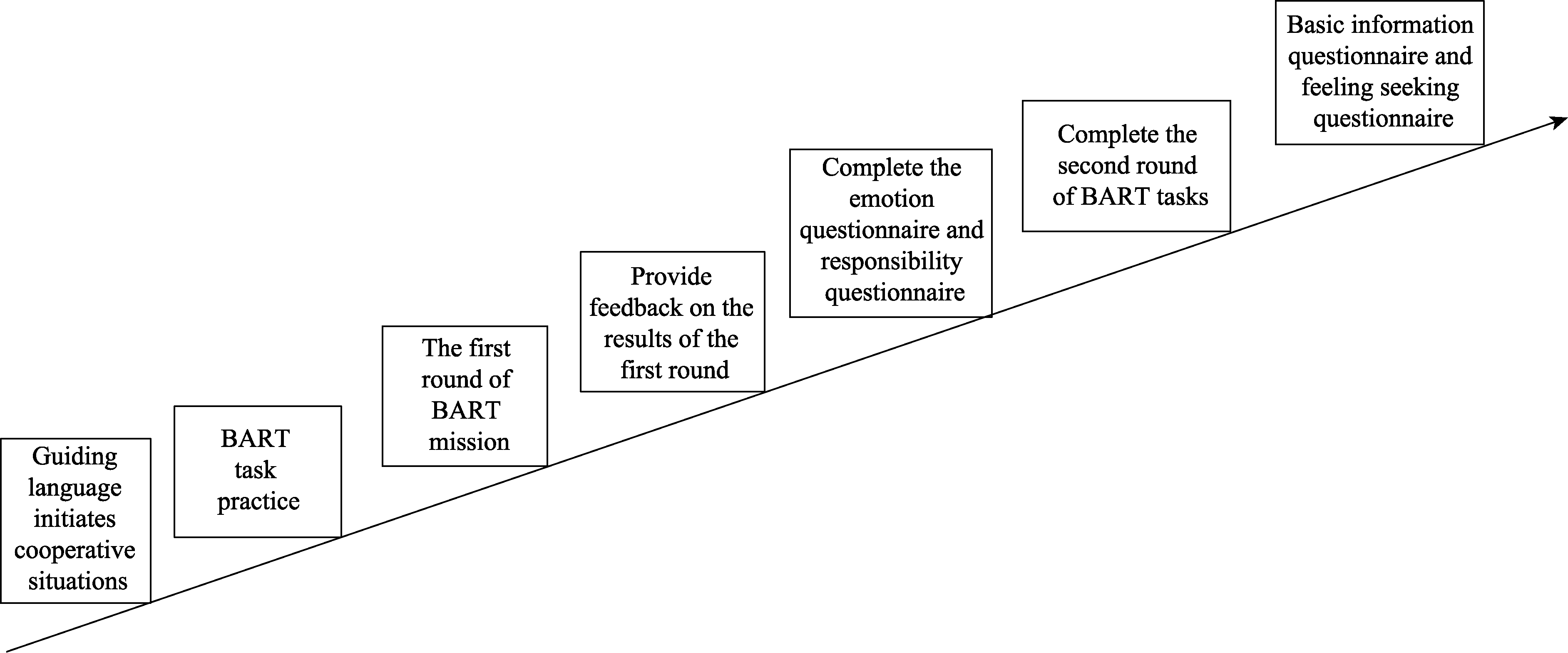
Figure 8. The procedure of Experiment 3.

Figure 9. Risk levels under different outcome feedback and cooperations.

Figure 10. Perceived agentic responsibility under different outcome feedback and cooperative partners.
| Predictive variables | Equation 1 (dependent variable: risk level) | Equation 2 (dependent variable: perceived agentic responsibility) | Equation 3 (dependent variable: risk level) | ||||||
|---|---|---|---|---|---|---|---|---|---|
| β | SE | t | β | SE | t | β | SE | t | |
| constant | 0.003 | 0.07 | 0.04 | ?0.01 | 0.07 | ?0.15 | ?0.03 | 0.07 | ?0.44 |
| Age | ?0.01 | 0.07 | ?0.12 | 0.01 | 0.07 | 0.20 | ?0.01 | 0.06 | ?0.17 |
| Gender | ?0.10 | 0.07 | ?1.47 | ?0.07 | 0.07 | ?1.05 | ?0.08 | 0.07 | ?1.21 |
| Sensation Seeking | 0.06 | 0.07 | 0.84 | ?0.01 | 0.07 | ?0.15 | 0.07 | 0.06 | 0.03 |
| Positive emotions | 0.14 | 0.07 | 1.86 | 0.14 | 0.07 | 1.87 | 0.10 | 0.07 | 1.36 |
| Negative emotions | ?0.09 | 0.07 | ?1.22 | ?0.05 | 0.07 | ?0.70 | ?0.09 | 0.07 | ?1.31 |
| Collaboration partner | 0.34 | 0.07 | 5.05*** | 0.22 | 0.07 | 3.28** | 0.30 | 0.07 | 4.50*** |
| Result feedback | ?0.02 | 0.08 | ?0.20 | 0.33 | 0.08 | 4.36*** | ?0.09 | 0.08 | ?1.20 |
| Perceived agentic responsibility | 0.25 | 0.07 | 3.57*** | ||||||
| feedback x Partner | 0.05 | 0.07 | 0.79 | ?0.18 | 0.07 | ?2.61** | 0.06 | 0.07 | 0.94 |
| feedback x perceived agentic responsibility | 0.13 | 0.07 | 1.82 | ||||||
| F | F (8, 190) = 5.67*** | F (8, 190) = 5.13*** | F (10, 188) = 6.50*** | ||||||
| R2 | 0.19 | 0.18 | 0.26 | ||||||
Table 2 Moderated mediation effect test (N = 199)
| Predictive variables | Equation 1 (dependent variable: risk level) | Equation 2 (dependent variable: perceived agentic responsibility) | Equation 3 (dependent variable: risk level) | ||||||
|---|---|---|---|---|---|---|---|---|---|
| β | SE | t | β | SE | t | β | SE | t | |
| constant | 0.003 | 0.07 | 0.04 | ?0.01 | 0.07 | ?0.15 | ?0.03 | 0.07 | ?0.44 |
| Age | ?0.01 | 0.07 | ?0.12 | 0.01 | 0.07 | 0.20 | ?0.01 | 0.06 | ?0.17 |
| Gender | ?0.10 | 0.07 | ?1.47 | ?0.07 | 0.07 | ?1.05 | ?0.08 | 0.07 | ?1.21 |
| Sensation Seeking | 0.06 | 0.07 | 0.84 | ?0.01 | 0.07 | ?0.15 | 0.07 | 0.06 | 0.03 |
| Positive emotions | 0.14 | 0.07 | 1.86 | 0.14 | 0.07 | 1.87 | 0.10 | 0.07 | 1.36 |
| Negative emotions | ?0.09 | 0.07 | ?1.22 | ?0.05 | 0.07 | ?0.70 | ?0.09 | 0.07 | ?1.31 |
| Collaboration partner | 0.34 | 0.07 | 5.05*** | 0.22 | 0.07 | 3.28** | 0.30 | 0.07 | 4.50*** |
| Result feedback | ?0.02 | 0.08 | ?0.20 | 0.33 | 0.08 | 4.36*** | ?0.09 | 0.08 | ?1.20 |
| Perceived agentic responsibility | 0.25 | 0.07 | 3.57*** | ||||||
| feedback x Partner | 0.05 | 0.07 | 0.79 | ?0.18 | 0.07 | ?2.61** | 0.06 | 0.07 | 0.94 |
| feedback x perceived agentic responsibility | 0.13 | 0.07 | 1.82 | ||||||
| F | F (8, 190) = 5.67*** | F (8, 190) = 5.13*** | F (10, 188) = 6.50*** | ||||||
| R2 | 0.19 | 0.18 | 0.26 | ||||||
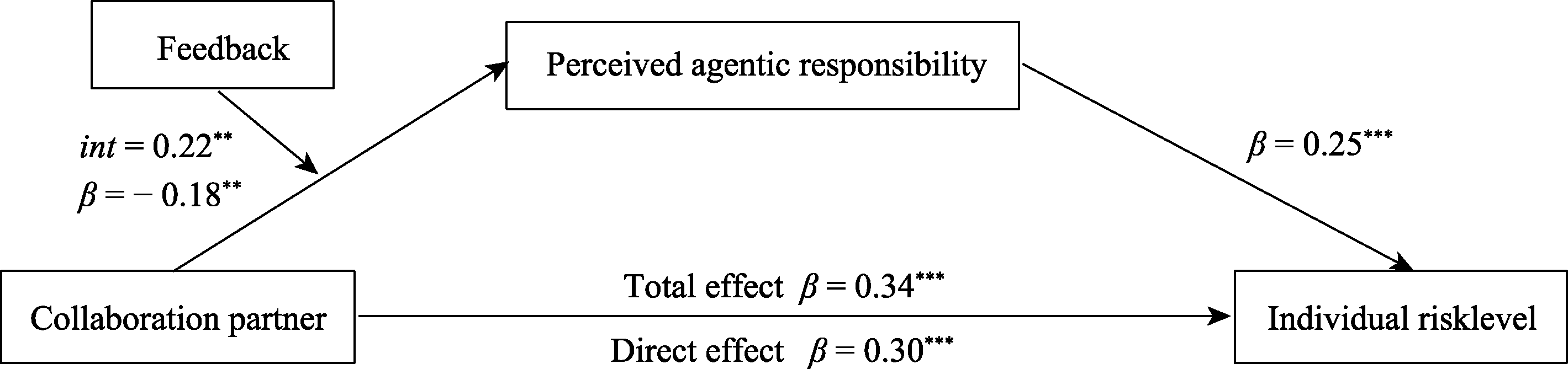
Figure 11. Mediating effect with regulation. Note. The cooperative object is a dummy variable, 1 = human-AI cooperation, 0 = human-human cooperation** p < 0.01, *** p < 0.001
| Intermediary variable | Result feedback | effect | BootSE | BootCI lower limit | BootCI upper limit |
|---|---|---|---|---|---|
| Perceived Agentic Responsibility | Success (0) | 0.0821 | 0.0354 | 0.0246 | 0.1622 |
| Failed (1) | 0.0094 | 0.0233 | ?0.0329 | 0.0607 |
Table 3 Mediating effect of perceived agentic responsibility under success/failure feedback
| Intermediary variable | Result feedback | effect | BootSE | BootCI lower limit | BootCI upper limit |
|---|---|---|---|---|---|
| Perceived Agentic Responsibility | Success (0) | 0.0821 | 0.0354 | 0.0246 | 0.1622 |
| Failed (1) | 0.0094 | 0.0233 | ?0.0329 | 0.0607 |
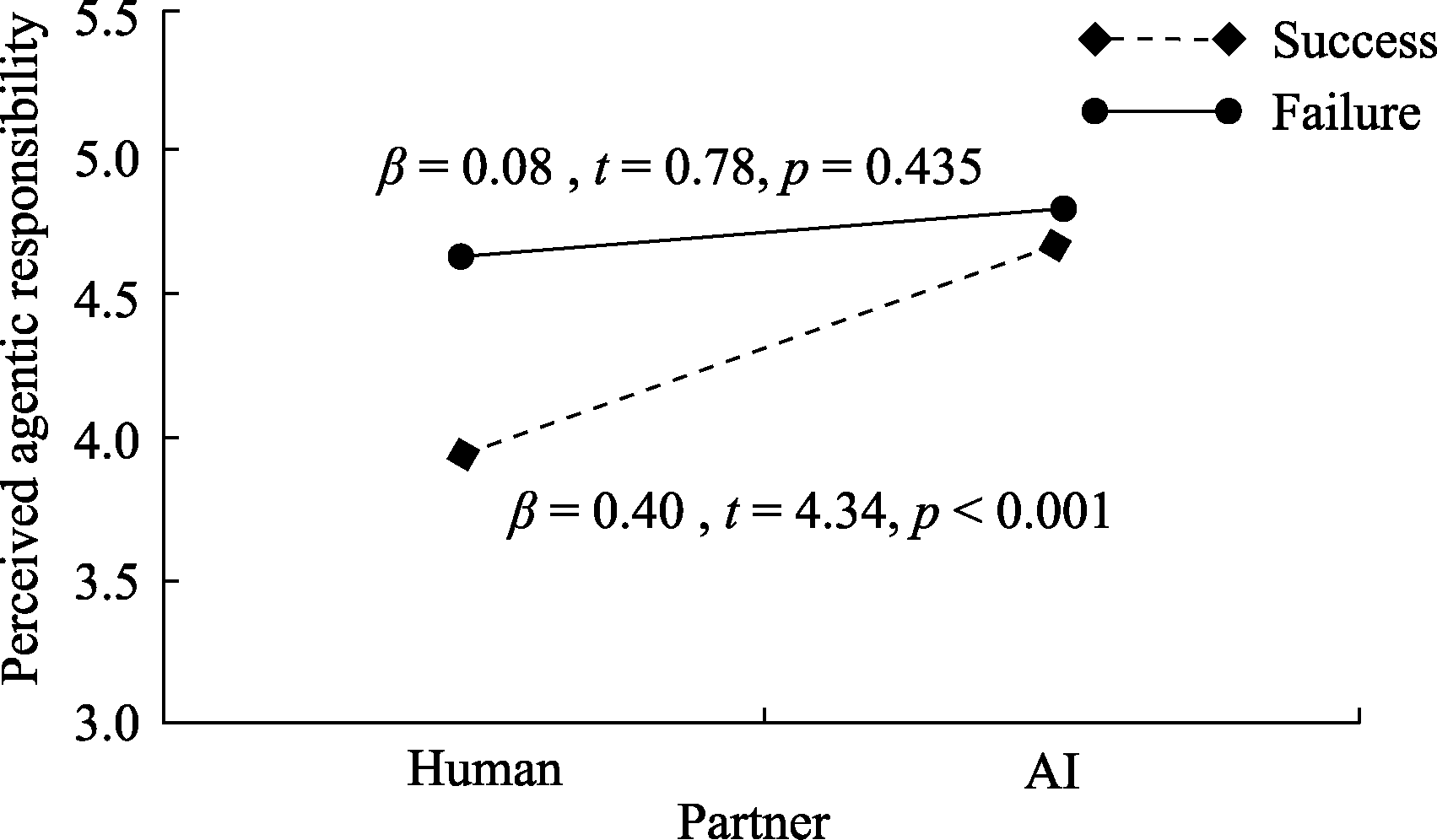
Figure 12. Simple slope test of result feedback.
| [1] | Abele, A. E., & Wojciszke, B. (2014). Communal and agentic content in social cognition:A dual perspective model. In M. P. Zanna & J. M. Olson (Eds.), Advances in experimental social psychology (Vol. 50, pp. 195-255). Academic Press. |
| [2] | Atanasov, P., & Kunreuther, H. (2016). Cautious defection: Group representatives cooperate and risk less than individuals. Journal of Behavioral Decision Making, 29(4), 372-380. |
| [3] | Awad, E., Levine, S., Kleiman-Weiner, M., Dsouza, S., Tenenbaum, J. B., Shariff, A., Bonnefon, J.-F., & Rahwan, I. (2019). Drivers are blamed more than their automated cars when both make mistakes. Nature Human Behaviour, 4(2), 134-143. |
| [4] | Bolton, G. E., Ockenfels, A., & Stauf, J. (2015). Social responsibility promotes conservative risk behavior. European Economic Review, 74, 109-127. |
| [5] | Charness, G., & Jackson, M. O. (2009). The role of responsibility in strategic risk-taking. Journal of Economic Behavior & Organization, 69(3), 241-247. |
| [6] | Chong, L., Zhang, G., Goucher-Lambert, K., Kotovsky, K., & Cagan, J. (2022). Human confidence in artificial intelligence and in themselves: The evolution and impact of confidence on adoption of AI advice. Computers in Human Behavior, 127, 107018. |
| [7] |
Darley, J. M., & Latane, B. (1968). Bystander intervention in emergencies: Diffusion of responsibility. Journal of Personality and Social Psychology, 8, 377-383.
pmid: 5645600 |
| [8] |
Decety, J., Jackson, P. L., Sommerville, J. A., Chaminade, T., & Meltzoff, A. N. (2004). The neural bases of cooperation and competition: An fMRI investigation. Neuroimage, 23(2), 744-751.
pmid: 15488424 |
| [9] | Duan, Y., Edwards, J. S., & Dwivedi, Y. K. (2019). Artificial intelligence for decision making in the era of big data - Evolution, challenges and research agenda. International Journal of Information Management, 48, 63-71. |
| [10] |
Faul, F., Erdfelder, E., Lang, A. G., & Buchner, A. (2007). G*power 3: A flexible statistical power analysis program for the social, behavioral, and biomedical sciences. Behavior Research Methods, 39(2), 175-191.
doi: 10.3758/bf03193146 pmid: 17695343 |
| [11] |
Forgiarini, M., Gallucci, M., & Maravita, A. (2011). Racism and the empathy for pain on our skin. Frontiers in Psychology, 2, 108.
doi: 10.3389/fpsyg.2011.00108 pmid: 21687466 |
| [12] | Franklin, M., Ashton, H., Awad, E., & Lagnado, D. (2022). Causal framework of artificial autonomous agent responsibility. In V. Conitzer & J. Tasioulas (Chair), Proceedings of the 2022 AAAI/ACM Conference on AI, Ethics, and Society (pp. 276-284), Oxford United Kingdom, |
| [13] | Gombolay, M. C., Gutierrez, R. A., Clarke, S. G., Sturla, G. F., & Shah, J. A (2015). Decision-making authority, team efficiency and human worker satisfaction in mixed human-robot teams. Autonomous AI, 39(3), 293-312 |
| [14] | Gong, J. P., Zhang, X., Zhang, G., Wang, Q. L., & Fan, C. X. (2021). The relationship between college students subjective well-being, coping styles, and social desirability. Chinese Journal of Health Psychology, 29(8), 1262-1265. |
| [15] | Haesevoets, T., De Cremer, D., Dierckx, K., & Van Hiel, A. (2021). human-AI collaboration in managerial decision making. Computers in Human Behavior, 119, Article 106730.. |
| [16] | Hayes, A. F. (2018). Introduction to mediation, moderation, and conditional process analysis: A regression-based approach (2nd ed.). New York: Guilford Press. |
| [17] | He, H., Martinsson, P., & Sutter, M. (2012). Group decision making under risk: An experiment with student couples. Economics Letters, 117(3), 691-693. |
| [18] | Hewstone, M., Rubin, M., & Willis, H. (2002). Intergroup bias. Annual Review of Psychology, 53(1), 575-604. |
| [19] | Hinds, P. J., Roberts, T. L., & Jones, H. (2004). Whose job is it anyway? A study of human-robot interaction in a collaborative task. Human-Computer Interaction, 19(1-2), 151-181. |
| [20] | Hong, J. W., Cruz, I., & Williams, D. (2021). AI, you can drive my car: How we evaluate human drivers vs. self-driving cars. Computers in Human Behavior, 125, 106944. |
| [21] | Huang, L., Yang, Y. Z., & Ji, Z. M. (2003). Applicability of the Positive and Negative Affect Scale in Chinese. Chinese Mental Health Journal, 17(1), 54-56. |
| [22] | Kim, T., & Hinds, P. (2006, September). Who should I blame? Effects of autonomy and transparency on attributions in human-robot interaction. ROMAN 2006 - The 15th IEEE International Symposium on Robot and Human Interactive Communication. |
| [23] | Lei, X., & Rau, P. P. (2021a). Effect of relative status on responsibility attributions in human-robot collaboration: Mediating role of responsibility attribution and moderating role of power distance orientation. Computers in Human Behavior, 122, 106820. |
| [24] | Lei, X., & Rau, P. P. (2021b). Should I Blame the human or the robot? attribution within a human-robot group. International Journal of Social Robotics, 13(2), 363-377. |
| [25] |
Levine, M., Prosser, A., Evans, D., & Reicher, S. (2005). Identity and emergency intervention: How social group membership and inclusiveness of group boundaries shape helping behavior. Personality and Social Psychology Bulletin, 31(4), 443-453.
doi: 10.1177/0146167204271651 pmid: 15743980 |
| [26] | Matsui, T., & Koike, A. (2021). Who is to blame? The appearance of virtual agents and the attribution of perceived responsibility. Sensors, 21(8), 2646. |
| [27] | Miller, D. T., & Ross, M. (1975). Self-serving biases in the attribution of causality: Fact or fiction? Psychological Bulletin, 82(2), 213-225. |
| [28] | Mittal, S. K. (2022). Behavior biases and investment decision: Theoretical and research framework. Qualitative Research in Financial Markets, 14(2), 213-228. |
| [29] | Oliveira, R., Arriaga, P., Correia, F., & Paiva, A. (2020). Looking beyond collaboration: Socioemotional positive, negative and task-oriented behaviors in human-robot group interactions. International Journal of Social Robotics, 12(2), 505-518. |
| [30] | Parise, S., Kiesler, S., Sproull, L., & Waters, K. (1996, November). My partner is a real dog: Cooperation with social agents. Paper presented at the meeting of the CSCW 96 Conference on Computer-Supported Cooperative Work. New York: ACM. |
| [31] | Posard, M. N., & Rinderknecht, R. G. (2015). Do people like working with computers more than human beings? Computers in Human Behavior, 51, 232-238. |
| [32] | Savela, N., Kaakinen, M., Ellonen, N., & Oksanen, A. (2021). Sharing a work team with AI: The negative effect of robot co-workers on in-group identification with the work team. Computers in Human Behavior, 115, 106585. |
| [33] | Schoemann, A. M., Boulton, A. J., & Short, S. D. (2017). Determining power and sample size for simple and complex mediation models. Social Psychological and Personality Science, 8(4), 379-386. |
| [34] | Silva, K., Chein, J., & Steinberg, L. (2020). The influence of romantic partners on male risk-taking. Journal of Social and Personal Relationships, 37(5), 1405-1415. |
| [35] | Tang, W. C. (2017). Men and women working together can make of job easier: The study on risk decisions made by two-person group of different genders [Unpublished master’s thesis]. Beijing University of Posts and Telecommunications. |
| [36] | Turner, J. C., Hogg, M. A., Oakes, P. J., Reicher, S. D., & Wetherell, M. S. (1987). Rediscovering the social group: A self-categorization theory. Basil Blackwell. |
| [37] | Wang, Z., Kuang, Y., Tang, H., Gao, C., Chen, A., & Chan, K. (2018). Are decisions made by group representatives more risk averse? The effect of responsibility attribution. Journal of Behavioral Decision Making, 31(3), 311-323. |
| [38] | Watson, D., Clark, L. A., & Tellegen, A. (1988). Development and validation of brief measures of positive and negative affect: The PANAS scales. Journal Personal Social Psychology, 54(6), 1063-1070. |
| [39] |
Wen, Z. L., & Ye, B. J. (2014). Different methods for testing moderated mediation models: Competitors or backups? Acta Psychologica Sinica, 46(5), 714-726.
doi: 10.3724/SP.J.1041.2014.00714 |
| [40] | Xiong, W., Wang, C., & Ma, L. (2023). Partner or subordinate? Sequential risky decision-making behaviors under human-AI collaboration contexts. Computers in Human Behavior, 139, 107556. |
| [41] |
Xu, S. H., Fang, Z., & Rao, H. Y. (2013). Real or hypothetical monetary rewards modulates risk taking behavior. Acta Psychologica Sinica, 45(8), 874-886.
doi: 10.3724/SP.J.1041.2013.00874 |
| [42] | Xu, S. H., Pan, Y., Qu, Z., Fang, Z., Yang, Z. J., Yang, F.,... Rao, H. Y. (2018). Differential effects of real versus hypothetical monetary reward magnitude on risk-taking behavior and brain activity. Scientific Reports, 8(1), 3712. |
| [43] | You, S., Nie, J., Suh, K., & Sundar, S. S. (2011). When the robot criticizes you… Self-serving bias in human-robot interaction. 2011 6th ACM/IEEE International Conference on Human-Robot Interaction (HRI). |
| [44] | Yue, B., & Li, H. (2023). The impact of human-AI collaboration types on consumer evaluation and usage intention: A perspective of responsibility attribution. Frontiers in Psychology, 14, 1277861. |
| [45] | Yue, L. Z., Li, S., & Liang, Z. Y. (2018). New avenues for the development of domain-specific nature of risky decision making. Advances in Psychological Science, 26(5), 928-938. |
| [46] | Zhao, S. (2004). A study on the relationship between Sensation seeking (SS) and mental health of college students [Unpublished master’s thesis]. Northeast Normal University, Changchun. |
| [1] | LI Chunhao, LIU Rongyuan, LIU Yuanhao. The dependence of classic and dual common consequence effects on the choice-set outcome range: From the perspective of probability weights* [J]. Acta Psychologica Sinica, 2025, 57(3): 398-414. |
| Viewed | ||||||
|
Full text |
|
|||||
|
Abstract |
|
|||||
